
Loading article…

イギリスの文化は、その国家の歴史、歴史的にキリスト教的な 宗教生活、ヨーロッパの文化との関わり、イングランド、ウェールズ、スコットランドの個々の文化、そして大英帝国の影響によって影響を受けています。イギリスの文化は、口語的にイギリス文化と呼ばれることもあります。イギリス文化は独立した存在ですが、イングランド、スコットランド、ウェールズ、北アイルランドの個々の文化は多様です。これら4つの文化の間には、さまざまな程度の重複と独自性がありました。[1]
英国文学は特に高く評価されています。近代小説は英国で発展し、劇作家、詩人、作家は最も著名な文化人です。[2]英国は音楽、映画、美術、建築、テレビにも注目すべき貢献をしてきました。英国はまた、キリスト教第3位の宗派である英国国教会の国教会であり母教会である英国国教会の本拠地です。英国には世界最古の大学がいくつかあり、哲学、科学、技術、医学に多大な貢献をしており、多くの著名な科学者や発明の誕生の地でもあります。産業革命は英国で始まり、世界中の 社会経済的、文化的状況に大きな影響を与えました。
イギリス文化は、歴史的および現代的な移住、イギリスの歴史的侵略、そして大英帝国の影響を受けてきた。大英帝国の影響により、その旧植民地の言語、法律、文化、制度にはイギリスの影響が顕著に見られる。旧植民地のほとんどは英連邦加盟国である。これらの国々の一部はアングロスフィアを形成し、イギリスの最も近い同盟国である。[3] [4]イギリスの植民地と自治領は、イギリス文化、特にイギリス料理に影響を与えた。[5]
スポーツは英国文化の重要な部分であり、クリケット、サッカー、ボクシング、テニス、ラグビーなど、数多くのスポーツが組織化された現代的な形で英国で生まれました。[6]英国は「文化大国」と呼ばれ、[7] [8]ロンドンは世界文化首都と呼ばれています。[9] [10] BBCの国際世論調査では、2013年と2014年に英国は世界で3番目に好意的に見られる国(ドイツとカナダに次ぐ)にランクされました。[11] [12]
歴史
歴史を通じて、イギリスの文化は主にイングランド、スコットランド、ウェールズのそれぞれの固有の伝統から成り立っています。文化的影響に関しては、大英帝国の拡大以前は、この島はフランス文化(ノルマン人経由)、スカンジナビア文化(バイキング経由)、イタリア文化(ローマ人経由)の影響を最も顕著に受けていました。
ケルト人とゲルマン人の到来は、イギリスの初期の発展に影響を与えた。[13] [14]ケルト人は独特の言語、伝統、社会構造をもたらした。その後、アングロサクソン人などのゲルマン人の移住がイギリスの文化的景観にさらなる影響を与えた。約400年続いた古代ローマによるイギリス占領も、イギリスの言語的、文化的アイデンティティに影響を与えた。[15]
大英帝国の拡大に伴い、イングランド、スコットランド、ウェールズは世界中のさまざまな民族を吸収し、第二次世界大戦後は移民の増加により英国はより多様な文化的景観を育んだ。さらに、 1989年のベルリンの壁崩壊と2004年および2007年のEU拡大に伴い、英国は東欧からの移民が大幅に増加した。今日、英国には相当数の移民人口がおり、南アジア、大陸ヨーロッパ、アフリカ、カリブ海諸国出身者を中心に、さまざまな背景を持つ英国人の文化が取り入れられている。[16]
言語

英語は中世初期のイングランドで最初に話され、英国の事実上の公用語であり、英国人口の約95%が英語を単一言語として話しています。[17] [a]他に7つの言語が、欧州地域言語・少数民族憲章に基づき英国政府に認められており、ウェールズ語、スコットランド・ゲール語、スコットランド語、コーンウォール語、アイルランド語、アルスター・スコットランド語、英国手話です。
ウェールズでは、公立学校の全生徒は16歳になるまでウェールズ語で教育を受けるか、または第二言語としてウェールズ語を学ぶことが義務付けられており、1993年のウェールズ語法および1998年のウェールズ統治法では、合理的かつ実行可能な限りにおいて、公共部門ではウェールズ語と英語は平等に扱われるべきであると規定されている。アイルランド語とアルスター・スコットランド語は、主に公的委託による翻訳において、北アイルランドで英語と並んで限定的に使用されている。2005年にスコットランド議会で可決されたゲール語(スコットランド)法は、ゲール語をスコットランドの公用語として認め、ゲール語の発展に戦略的方向性を与えるためにゲール語に関する国家計画の策定を義務付けた。[b]コーンウォール語は、 18世紀後半にコーンウォールで第一言語として消滅した言語を復活させたものである。
地方のアクセント
方言や地方アクセントは、連合王国を構成する4か国の間でも、また国内でも大きく異なる。これは部分的には英国への移民の長い歴史の結果であり、例えば北部英語の方言には古ノルド語に由来する単語が多く含まれる。[18] スコットランド英語、ウェールズ英語、アイルランド語は、英語ともそれらの国の母国語とも異なる英語の変種である。容認発音はイングランドとウェールズの標準英語アクセントであるが、スコットランドではスコットランド標準英語が独特の方言である。これらのアクセントは社会的に高い地位にあるが、1960年代以降、教育においては地方英語の変種に対する寛容さが高まってきた。[19]
イギリス英語のアクセントは多種多様であることがよく指摘されており、近隣の地域でも方言やアクセントが大きく異なることがしばしばある。例えば、リバプールとマンチェスターはわずか35マイル(56 km)しか離れていないにもかかわらず、リバプール方言とマンチェスター方言の間には大きな違いがある。 [ 20 ] [ 21]方言英語は文学作品によく見られ、例えばエミリー・ブロンテの小説『嵐が丘』にはヨークシャー方言が登場する。[22]
芸術
文学
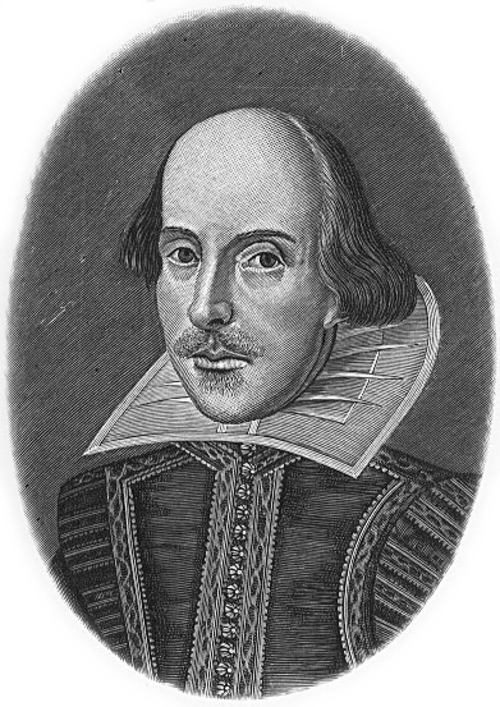
イギリスはイングランド、スコットランド、ウェールズの文学的伝統を継承した。これには、アーサー王伝説とそのウェールズ起源、北欧の影響を受けた古英語文学、イギリス人作家ジェフリー・チョーサーやウィリアム・シェイクスピアの作品、ジョン・バーバーの『ブルース』 などのスコットランドの作品が含まれる。[23]

アウグストゥス時代
18世紀初頭のイギリス文学はアウグストゥス朝時代と呼ばれ、小説の発展もこの時代に含まれる。ダニエル・デフォーの 『ロビンソン・クルーソー』 [25] (1719) や『モル・フランダース』 (1722) [26] [27]は、しばしば最初のイギリス小説と見なされている。これらの作品と並行して詩も栄え、その顕著な例としては、当時の社会風習を風刺した擬似英雄詩であるアレクサンダー・ポープの『髪の略奪』 (1712) などがある。 [28]しかし、小説の発展は、散文風刺の台頭を含むより広い文学的文脈の中で起こった。散文風刺は、アングロ・アイルランド人作家ジョナサン・スウィフトの『ガリヴァー旅行記』(1729) [出典要旨]や、スペインの『ドン・キホーテ』などの初期の外国作品で最高潮に達した。[29]ジョナサン・スウィフトのその他の小説 には、『桶物語』(1704年)、『キリスト教廃止論』(1712年)、『慎み深い提案』(1729年)などがある。[要出典]これらの本の出版により、彼は文学的な名声を得て、アレクサンダー・ポープ、ジョン・ゲイ、ジョン・アーバスノットと生涯の友情を築き、アーバスノットはスウィフトとともに1713年にマーティヌス・スクリブレラス・クラブを創設した。この時期に書かれたその他の小説には、ヘンリー・フィールディングの『トム・ジョーンズ』(1749年)、サミュエル・リチャードソンの『パメラ、あるいは美徳の報い』(1740年)、ローレンス・スターンの『紳士トリストラム・シャンディの生涯と意見』(1759年 - 1767年)などがある。『パメラ、あるいは美徳の報い』は、英語文学における最初の真の小説の1つとして称賛されている。 『紳士トリストラム・シャンディの生涯と意見』は実験的な小説です。
アウグストゥス帝時代に関連があるものとしては、サミュエル・ジョンソンの『英語辞典』がある。1755年に出版され、 150年後にオックスフォード英語辞典が完成するまで、この辞典はイギリスで最も優れた辞典とみなされていた。各単語は詳細に定義され、さまざまな用途の説明や、例文として多数の文学作品の引用が掲載されている。この辞典は、ジョンソンの個人的なタッチが加えられた4万語と約11万4千の引用文を収録した、この種の辞典としては初のものだった。[30] [31]この辞典は、英語史上最も影響力のある、あるいは最も権威のある辞典の一つであり、辞書学における記念碑的な業績と見なされている。ロンドンの書店主の一団がジョンソンに辞書の執筆を1,500ギニー(1,575ポンド)で依頼した。これは2024年の価値で約31万ポンドに相当する。[32]ジョンソンは3年で完成できると主張していたが、実際には7年かかって完成した。ジョンソンの辞書は、楽しく読める初めての辞書だったため、好評を博した。愛すべき詩人や哲学者の文章に裏打ちされたウィットに富んだ深い思考と定義は、読者がそのページを熟読して夜を過ごすのに満足できることを意味していた。ジョンソンの構造と形式の選択は、将来の英語辞書と語彙集、そしてそれらが言語の発達において果たす役割に確実に影響を与えた。
リチャード・スティールは、アウグストゥス帝時代の喜劇やパンフレットで知られるもう一人の著名な作家であり、道徳的なパンフレットである『クリスチャン・ヒーロー』(1701年)で文筆家としてのキャリアをスタートさせたが、これはスティールの個人的なライフスタイルが原因で批判され、その年の後半には喜劇『葬儀』がヒットした。1703年には、初期の感傷的な喜劇である『嘘つきの恋人』を書いたが、舞台では失敗した。1705年には、ジョセフ・アディソンと共著で『優しい夫』を執筆し、ジョン・ヴァンブラの『過ち』の序文を寄稿した。スティールの大きな躍進は、1709年に創刊された『タトラー』であった。これは3週間に1度の定期刊行物で、スティールはアイザック・ビッカースタッフというペンネームでほとんどのエッセイを執筆し、社会の悪徳を暴露し、質素さを推進することを目指した。成功を収めたにもかかわらず、『タトラー』は政治的圧力により1711年に廃刊となり、スティールとアディソンは1711年に『スペクテイター』 、1713年に『ガーディアン』を共同創刊し、初期の英国ジャーナリズムの主導的人物としてのスティールの役割を確固たるものにした。[33]
ロマン主義時代
ロマン主義時代は、啓蒙主義の合理主義の高まりに応えて、詩の復興と感情、自然、個人主義に焦点を当てた時代でした。この時代は、理性と想像力の間の緊張を探求した多くの文学作品を生み出しました。ウィリアム・ワーズワースとサミュエル・テイラー・コールリッジの『抒情詩集』(1798年)[34]は、自然の美しさと感情の優位性を強調し、ロマン主義運動の正式な始まりを示した画期的なコレクションと見なされています。メアリー・シェリーの『フランケンシュタイン』(1818年)は、最も初期のSF小説の1つであり、ゴシックの慣習の範囲内で、創造、責任、抑制されない科学的野心の帰結というテーマを掘り下げています。ジェーン・オースティンの『高慢と偏見』 (1813年)は、階級構造と摂政時代のイングランドの求愛儀式を批判した優れた社会風刺であり、英国文学で最も愛されている小説の1つです。バイロン卿の『ドン・ファン』(1819年 - 1824年)は、伝説の恋人の冒険を詳細に描いた風刺的な叙事詩で、バイロンの機知、皮肉、社会規範に対する不敬さが表れています。
サー・ウォルター・スコットの『ウェイヴァリー』(1814年)は、初めての歴史小説と広く考えられており、 1745年のジャコバイトの反乱を鮮やかに再現し、スコットを英国文学の重要人物としての地位を固めました。ウィリアム・ブレイクの『無垢と経験の歌』(1794年)は、芸術と詩を融合させて無垢、経験、社会的腐敗というテーマを探り、ロマン主義精神のユニークなビジョンを提供しています。パーシー・ビッシュ・シェリーの『縛られざるプロメテウス』(1820年)は、抒情劇で、反乱、圧制、人間の自由というテーマを探り、彼の最も過激で想像力豊かな作品の1つとなっています。有名なスコットランドの詩人ロバート・バーンズは、俗語の伝統を称えた『オール・ラング・サイン』などの作品で、スコットランド文学への関心を復活させました。最後に、メアリ・ウルストンクラフトの『女性の権利の擁護』(1792年)は、男性優位の社会における女性の教育と平等の権利を主張した、フェミニスト哲学の最も初期かつ最も影響力のある作品の1つです。
ルイス・キャロルの『不思議の国のアリス』(1865年)は、主にビクトリア朝時代と関連づけられていますが、より広範なロマン主義の伝統の後期に登場し、想像力豊かなファンタジーと遊び心のある言葉遊びを融合しています。この気まぐれな小説は、奇妙なキャラクターが住む夢のような世界を旅する若いアリスを追いながら、論理、不条理、アイデンティティなどのテーマを探求しています。『不思議の国のアリス』は、独創的な物語と現実と想像の境界を超現実的に探求することで読者を魅了し、ナンセンス文学の先駆的な作品であり続けています。
ビクトリア朝時代
ジョージ王朝時代後期とヴィクトリア朝時代には、小説に新たな焦点が当てられた。これらの小説の主要テーマは社会評論であった。この時代初期にはジェーン・オースティンが上流階級や貴族の生活を風刺し、チャールズ・ディケンズの後期の小説では、しばしばユーモアと鋭い観察力を用いて貧困や社会階層化を批判した。彼の小説の一つである『オリバー・ツイスト』は、ヴィクトリア時代と犯罪者の卑劣な生活を描き、ロンドンの多くの孤児への残酷な扱いを暴露している。チャールズ・ディケンズの別の小説『大いなる遺産』(1861年)は、野心、愛、そして個人的な成長を模索する孤児ピップの人生を追う成長小説であり、社会的流動性と階級分裂を批判している。シャーロット・ブロンテの『ジェーン・エア』(1847年)は、ゴシック・ロマンスと社会評論を融合させ、ヴィクトリア朝社会の硬直した構造に抗して自立を目指す若い女性に焦点を当てている。ブロンテ三姉妹とジョージ・エリオットはそれぞれイングランド北部とミッドランド地方について著作を残しているが、4人の女性はいずれも生前、反フェミニストの批判をかわすため、男性のペンネームで執筆活動を行っていた。とはいえ、エリザベス・バレット・ブラウニングやクリスティーナ・ロセッティの宗教色が強い詩など、女性であることを公然と認めた作家たちがこの時代にかなりの成功を収めた。ジョージ・エリオットの『ミドルマーチ』(1871年 - 1872年)は、イギリスの地方都市を舞台に、政治、結婚、野心といったテーマを探求する、イギリス最高傑作の1つとされることが多い。
エリザベス・ガスケルの『南北』(1854-1855年)は、工業化が進む北部と農業が進む南部を対比させ、階級闘争、工業化、ジェンダーの役割といった問題を取り上げている。トーマス・ハーディの『ダーバヴィル家のテス』(1891年)は、ビクトリア朝社会における女性、セクシュアリティ、階級の扱いに対する悲劇的な批判を提示し、オスカー・ワイルドの『ドリアン・グレイの肖像』(1890年)は、主人公の肖像画が魂の腐敗とともに老化していくゴシック物語の中で、耽美主義、道徳、虚栄心といったテーマを検証している。ロバート・ルイス・スティーブンソンの『ジキル博士とハイド氏』(1886年)の中編小説では、主人公の二重人格を通して、二重性、アイデンティティ、道徳といったテーマを掘り下げている。アーサー・コナン・ドイルの『シャーロック・ホームズの冒険』(1892年)は、探偵小説というジャンルを普及させ、文学史上最も象徴的なキャラクターの一人であるシャーロック・ホームズを登場させた短編小説集です。
ラドヤード・キップリングの文学は、帝国主義と植民地主義の精神を反映した作品を通じて、イギリス帝国がイギリス文学に与えた影響を例示している。古典文学とみなされている小説『ジャングル・ブック』と『王になろうとした男』はどちらもイギリス領インドを舞台としており、この地域におけるイギリス統治の文化的、政治的影響を示している。彼の詩『もしも』は、イギリスの禁欲主義と自制心の理想である「強情な態度」の概念を捉えていることで有名である。さらに、『白人の重荷』は白人至上主義と帝国主義の視点を伝えており、文明化の使命を装って非ヨーロッパ系の人々の植民地支配を奨励している。キップリングの作品は、その文学的品質が高く評価されている一方で、帝国主義的なテーマについては依然として物議を醸している。

世界大戦と近代文学
第一次世界大戦は、ウィルフレッド・オーウェン、ジークフリート・サッソン、ルパート・ブルックといったイギリスの戦争詩人や作家を生み出し、彼らは(しばしば逆説的に)戦争への期待や塹壕での体験を書いた。当初は理想主義的で愛国的な調子だったが、戦争が進むにつれて、運動の調子はますます陰鬱で平和主義的になっていった。[36] 20世紀初頭には、ケルト民族復興運動が伝統的なアイルランド文学への新たな評価を刺激し、スコットランド・ルネッサンスがスコットランド文学にモダニズムをもたらしたほか、スコットランド・ゲール語とスコットランド語の文学における新しい形式への関心も高まった。20世紀にはイギリスの小説が多様化し、今日でもイギリスの文学形式の主要な地位にある。
現代の英国文学界は、1969年に創設されたブッカー賞などの賞や、1988年以来開催されているウェルシュ・ヘイ・フェスティバルなどのフェスティバルによって特徴づけられている。英国における児童文学の卓越した地位は、児童文学の著名なキャラクターに捧げられたシーケンスが含まれた2012年ロンドンオリンピックの開会式で実証された。 [37] 2003年にBBCは「国民で最も愛されている小説」を見つけるために「The Big Read 」と題した英国調査を実施し、英国の小説家J.R.R.トールキン、ジェーン・オースティン、フィリップ・プルマン、ダグラス・アダムス、J.K.ローリングの作品がリストの上位5つを占めた。[38]英国国民の75%以上が、年間少なくとも1冊の本を読んでいる。[39]英国はまた、最大の本の出版国の一つである。 2017年現在、収益面で世界最大の書籍出版社としてランクされている英国の6社は、ブルームズベリー、ケンブリッジ大学出版局、インフォマ、オックスフォード大学出版局、ピアソン、RELXグループである。[40][update]
劇場
1707年の建国以来、英国には活気ある演劇の伝統があり、その多くはイングランド、スコットランド、ウェールズから受け継がれてきた。王冠の合同は、高尚で挑発的な王政復古喜劇の衰退と時を同じくして、感傷的な喜劇やジョージ・リロの『倫敦の商人』 (1731年)などの家庭内悲劇、そしてイタリアオペラへの圧倒的な関心が高まった時期であった。この時期、大衆娯楽はかつてないほど重要になり、イギリスのミュージックホールの祖先である見本市ブースのバーレスクや混合形式が登場した。これらの形式は、長い衰退期に入った他の形式のイギリス演劇を犠牲にして栄えた。スコットランドではその逆のことが起こり、ジョン・ホームの『ダグラス』やウォルター・スコットの作品など、スコットランド特有の演劇(オリジナルの演劇だけでなく、ウェイヴァリー小説の翻案も含む)が登場した。 19世紀後半には、アイルランド人のジョージ・バーナード・ショーとオスカー・ワイルドの到来によりイギリス演劇が復活し、国内のイギリス演劇に影響を与え、活性化させた。同時代のギルバートとサリバンも喜劇オペラでミュージカルに同様の影響を与えた。シェイクスピア記念劇場はシェイクスピアの生誕地であるストラトフォード・アポン・エイヴォンに1879年にオープンし、ハーバート・ビアボーム・ツリーは1904年にハー・マジェスティーズ劇場に演劇アカデミーを設立した。 [41]
20世紀初頭はノエル・カワードらが演出した応接室劇が主流だったが、 1950年代から60年代にかけてはアイルランド人のサミュエル・ベケットの影響を受けたありきたりのリアリズムや不条理劇がこれに挑んだ。対照的に1952年にはアガサ・クリスティの『ネズミ捕り』が初演された。これは応接室で上演される殺人ミステリーで、これまで2万5000回以上上演され、ウエストエンドで最も長く上演されているショーとなっている。[42]同じ頃、リリアン・ベイリスが指揮する舞台芸術劇場サドラーズ・ウェルズが才能を育て、それがオペラ団体(のちのイングリッシュ・ナショナル・オペラ(ENO))、劇団(のちのイングリッシュ・シアターに発展)、バレエ団(のちのイングリッシュ・ロイヤル・バレエ)へと発展していった。一方、ロイヤル・シェイクスピア・カンパニーは1959年にストラトフォード・アポン・エイヴォンに設立され、主にシェイクスピアの戯曲を上演し続けています。
現代のイギリス演劇は、ロンドンの主要な劇場街であるウエストエンドに集中している。シティ・オブ・ウェストミンスターのドルリー・レーンにあるシアター・ロイヤルは1663年に遡り、ロンドン最古の劇場となっているが、ブリストル・オールド・ヴィックにあるシアター・ロイヤルは英語圏で継続的に営業している最古の劇場であり、1768年にオープンした。[43]アンドリュー・ロイド・ウェバーのミュージカルは20世紀後半からウエストエンドを席巻しており、彼は「歴史上最も商業的に成功した作曲家」と呼ばれるようになった。[44]スコットランド国立劇場は2006年に設立された。
音楽
クラシック音楽

英国のバロック音楽は、大陸の流行に大きく影響されました。ドイツ生まれで英国に帰化したジョージ・フリードリヒ・ヘンデルがその好例です。ヘンデルの合唱音楽は、その後2世紀にわたって英国の趣味を決定づけました。ヘンデルのオペラは、英国がオペラ制作の中心地としてイタリアに挑戦するのにも役立ちました。クラシック音楽は、1784年にバーミンガム・トリエンナーレ音楽祭が設立されてから大きな注目を集めました。この音楽祭は、1912年の最終公演まで、この種の音楽祭としては最も長く開催されていました。さらに、 1813年のロンドン・フィルハーモニー協会、 1822年の王立音楽アカデミー、 1848年のアイルランド音楽アカデミーの設立は、英国クラシック音楽の専門化と作曲家の後援に役立ちました。
フィルハーモニック協会は、初期ロマン派の作曲家でイギリス音楽にも強い影響を与えたドイツのフェリックス・メンデルスゾーンの強力な支援者だった。アイルランドでは、ジョン・フィールドが夜想曲を発明し、ショパンやリストに影響を与えた可能性がある。19世紀中期から後半にかけての注目すべき発展は、英語オペラの復活と、 1840年のロイヤル・リヴァプール・フィルハーモニー管弦楽団、 1858年のマンチェスターを拠点とするハレ管弦楽団、 1891年のスコティッシュ管弦楽団、1920年のバーミンガム市交響楽団など、いくつかの著名なオーケストラの設立である。世紀の変わり目のクラシック音楽で最も注目すべき傾向は、発展した国家主義的な傾向であった。これは当初、エリザベス朝の仮面劇を再構成した「ケニルワースの仮面劇」などの作品に見られ、後にイギリスのフォーク・リバイバルの影響を受けて田園的な方向へと転じた。この時代を代表する作品としては、レイフ・ヴォーン・ウィリアムズの『イギリス民謡組曲』や、サー・アレクサンダー・マッケンジーの『スコットランド狂詩曲』などがあげられる。
近代および現代のクラシック音楽にはさまざまな形態があります。ベンジャミン・ブリテンなどの作曲家は特異で前衛的なスタイルを発展させ、ウィリアム・ウォルトンなどの作曲家はより伝統的な儀式用および愛国的な音楽を制作しました。英国には現在、BBC交響楽団やフィルハーモニア管弦楽団など、いくつかの主要なオーケストラがあり、1977年のオペラ・ノースの設立は、ロンドン以外のオペラ団体のバランスを是正しようとしたものでした。オールドバラやグライデボーンなど、いくつかのクラシック音楽祭があり、BBCプロムスはクラシック音楽のカレンダーにおける重要な年次行事です。
ポピュラー音楽

英国で人気の商業音楽は、少なくとも17世紀のブロードサイド・バラッドまで遡ることができ、吹奏楽やミュージックホールも含まれる。現代的な意味でのポピュラー音楽は、アメリカン・スタイルのジャズやロックンロールが人気を博した1950年代に登場し始めた。スキッフル・リバイバルは、アメリカ音楽の英国版を作ろうとする初期の試みだったが、 1960年代初頭までにイギリスのロックンロールが登場したことで、イギリスのポピュラー音楽産業が確立した。ビートルズやローリング・ストーンズなどのバンドによって、ビートやブリティッシュ・ブルースなどのジャンルがアメリカに再輸出され、ブリティッシュ・インヴェイジョンと呼ばれるようになった。1960年代には、バーミンガムやその周辺地域でヘビーメタルが発展した。ブルース・ロックの発展は、ロックとポップミュージックの差別化に役立ち、1970年代にはロックのいくつかのサブジャンルの出現につながった。グラムロックは、過激な衣装を強調した特にイギリス的なジャンルであり、1970年代の終わりにはパンク、ニューウェイヴ、ポストパンクのバンドが台頭しました。移民の影響は、ワールドミュージック、特にジャマイカ音楽の重要性が高まったことにも見られます。
1980年代は、第二次ブリティッシュ・インヴェイジョンが起こり、新技術によってシンセポップなどのジャンルが生まれたことから、イギリスのポップスにとって成功した10年だった。黒人のイギリス人ミュージシャンがアシッド・ジャズなどの新しいフュージョンを生み出し、ジャズが復活した。インディー・ロックは、ストック・エイトキン・ウォーターマンのチャート独占に代表される、ポップによる音楽産業の飽和状態に対する反応だった。この傾向は1990年代にも続き、ボーイズバンド、女性のみのグループ、男女混合のグループがシングルチャートを独占し、マッドチェスター・シーンがオルタナティヴ・ロックやブリットポップを主流に押し上げた。イギリスのソウルは、アデルの世界的成功を含め、2000年代まで上昇が続いた。ダンスミュージックにも革新が見られ、ダブステップやニューレイブなどのジャンルが生まれた。
民族音楽と地方音楽

比較的均質なクラシックやポップのジャンルとは対照的に、イギリスの各国はそれぞれ独自のフォークミュージックの伝統を保持してきました。イングランドの伝統的なフォークミュージックは、シーシャンティ、ジグ、ホーンパイプ、ダンスミュージックなど、いくつかのジャンルに貢献してきました。独自のバリエーションと地域的な特質があり、ミュージカルモリスダンスは少なくとも15世紀半ばには存在していたことが知られているイギリスのフォークダンスです。[46]
バグパイプは長い間スコットランドの国民的シンボルであり、グレート・ハイランド・バグパイプは広く知られている。イングランドとスコットランドのポピュラー・バラッドは、中世後期から19世紀までのブリテン諸島のバラッドであり、特にボーダー・バラッドなどの地元の伝統を中心に、地域的な多様性を示している。ボーダー・バラッドには、特に影響力のあるチェビー・チェイスのバラッドが含まれる。フェアポート・コンベンションなどの英国のフォーク・グループは、これらのバラードから多くの影響を受けている。
同様に、国歌「ゴッド・セイヴ・ザ・キング」や「ルール・ブリタニア! 」などの愛国歌は連合王国を代表していますが、英国の4つの国にはそれぞれ独自の愛国歌があります。たとえば、「エルサレム」、「スコットランドの花」、「祖先の国」、「ダニー・ボーイ」は、それぞれイングランド、スコットランド、ウェールズ、北アイルランドにのみ関係しています。これらの歌は、各国が個別に競い合うスポーツイベントでよく使用されます。
シネマ

英国は1世紀以上にわたって重要な映画産業を誇っています。多くの映画が英国文化に焦点を当てていますが、英国映画はアメリカやヨーロッパ大陸の映画との交流や競争も特徴としています。
英国は、フランス人発明家ルイ・ル・プランスがリーズのラウンドヘイで撮影した、現存する最古の映画『ラウンドヘイの庭園の風景』 (1888年)の撮影地であり、一方、英国初の映画『クロヴェリー・コテージの事件』は1895年に撮影された。 [47]世界初のカラー映画は、 1902年にエドワード・レイモンド・ターナーが撮影した。[48] 1920年代、英国映画製作は、アメリカからの輸入映画との競争と、映画館に一定数の英国映画を上映するという法的義務に直面し、需要を満たすために低品質で低コストの製作が奨励された。この状況は、1940年代までに変化し、政府はより少数の高品質の映画を製作するよう奨励した。この時代には、アルフレッド・ヒッチコックが台頭し、すぐに米国に拠点を移して、20世紀で最も影響力のある映画監督の一人となった。第二次世界大戦中、クラウン・フィルム・ユニットはドキュメンタリーで名声を確立し、一方パウエルとプレスバーガーは影響力のある革新的なコラボレーションを開始しました。
戦後はイギリス映画界にとって特に絶頂期で、英国映画協会がそれぞれ最高と2番目の英国映画とみなす『第三の男』と『つかの間の逢瀬』が制作された。ローレンス・オリヴィエ監督の1948年の『ハムレット』は、アカデミー作品賞を受賞した初のイギリス映画となった。1950年代は、長く愛された『キャリー・オン』シリーズなどのコメディや、 『ダム・バスターズ』などの第二次世界大戦を舞台にした大作など、国内で人気のテーマに焦点が当てられた。50年代の終わりには、緩和された検閲法を利用し、ハマー・フィルムズがホラー映画のヒットシリーズを開始した。60年代初頭には、フランスのヌーヴェル・ヴァーグの影響を受けたイギリスのヌーヴェル・ヴァーグ様式が生まれ、より幅広い社会階層をリアルに描こうとした。60年代には、イギリス映画に対するアメリカの経済的関心が再び高まり、特に『アラビアのロレンス』や『すべての季節の男』といった作品賞受賞作など、歴史大作の製作にそれが表れた。スパイ スリラー(ジェームズ ボンドシリーズの最初の作品を含む)、および「スウィンギング ロンドン」のシーンを基にした映画。
1970年代にはアメリカの支援が撤回され、イギリス映画界は縮小したが、ホラー映画『ウィッカーマン』やモンティ・パイソンのコメディ映画など、文化的に重要な作品が作られた10年でもあった。また、この10年間はコモンウェルスがイギリス映画に影響を与えた時期でもあり、 『プレッシャー』と『プライベート・エンタープライズ』はそれぞれ初の黒人イギリス映画とイギリスアジア映画とみなされている。1981年の『炎のランナー』と1982年の『ガンジー』はともにアカデミー作品賞を受賞し、後者は8部門で受賞し、時代劇映画の復活を促した。1982年には、少数派の観客向けに映画を宣伝する任務を持ったチャンネル4も設立された。人種やLGBTをテーマとした映画が製作され、チャンネル4の関与によりテレビスターが長編映画に進出した。
1990年代には再びアメリカの投資が増加し、『フォー・ウェディングス』の成功によりロマンティック・コメディの人気が高まった。マーチャント・アイヴォリー・プロダクションズは、前10年間の時代劇のアカデミー賞受賞に後押しされ、同じ方向性で映画を製作し続けた。アメリカのスタジオも、税制優遇措置に後押しされ、イギリスでハリウッド映画の製作を始めました。1996年の『トレインスポッティング』は、地方映画、特にスコットランド映画への関心の高まりにつながった。アメリカが出資した映画は2010年代も影響力を持ち続けたが、国内のヨーロッパ合作映画も高く評価された。『ザ・クイーン』は英仏合作でヘレン・ミレンが主演女優賞を受賞し、英国映画協会が出資した『英国王のスピーチ』は2011年に最優秀作品賞を受賞した。
放送
英国は、映画、ラジオ、テレビの発展の最前線に立ってきました。英国の放送は、歴史的に、納税者が資金を提供しながら独立して運営されている英国放送協会(一般にBBCとして知られています)によって支配されてきましたが、他の独立系ラジオ・テレビ(ITV、チャンネル4、チャンネル5)および衛星放送局(特に1,000万人を超える加入者を抱えるBSkyB)が近年重要性を増しています。 BBCテレビと他の3つの主要テレビチャンネルは公共放送局であり、運営許可の一部として、さまざまな少数派の関心のある番組を放送しています。 BBCとチャンネル4は国営ですが、独立して運営されています。
.jpg/500px-Sir_David_Frederick_Attenborough_at_Weston_Library_Opening_20.3.15_(cropped).jpg)
1955年に設立されたITVは、英国最古の民間テレビネットワークである。[49]リドリー・スコット監督による1973年のホービス・ブレッドの印象的なテレビコマーシャルは、人々の心をとらえた。ドーセット州シャフツベリーのゴールドヒルで撮影されたスコットの広告は、 2006年に英国史上最も人気のあるテレビコマーシャルに選ばれた。 [50]その他の注目すべき英国のコマーシャルには、1989年のブリティッシュ・エアウェイズの顔広告、2005年のギネスのノイチュロヴの広告、2007年のキャドバリーチョコレートのゴリラの広告(フィル・コリンズの曲「イン・ジ・エア・トゥナイト」がバックグラウンドで流れる中ゴリラがドラムを演奏している)、2013年のギャラクシーチョコレートバーの広告(オードリー・ヘプバーンのコンピューター生成画像を使用)などがある。
ワールドカップなどの国際サッカートーナメントは歴史的に見て一般大衆に最も多く視聴されているスポーツイベントであり、マッチ・オブ・ザ・デイは最も人気のある週刊サッカー番組である。1966年のFIFAワールドカップ決勝戦とダイアナ妃の葬儀は英国史上最も多く視聴された2つのテレビ番組である。 [51] 風刺は数世紀にわたって英国のコメディの顕著な特徴であった。ピーター・クック、ダドリー・ムーア、アラン・ベネット、デビッド・フロスト、ジョナサン・ミラーなどの作家やパフォーマーからなる1960年代の英国風刺ブームは、 1969年にモンティ・パイソンによって作成されたスケッチコメディシリーズ「空飛ぶモンティ・パイソン」を含め、英国のテレビに大きな影響を与えた。風刺ブームの立役者とみなされているピーター・クックは、コメディアンズによるコメディアン投票で1位にランクされました。[52]人形劇『スピッティング・イメージ』は1980年代から1990年代半ばまでの 王室、政治、娯楽、スポーツ、イギリス文化を風刺した作品である。

「Have I Got News for You」と「Mock the Week」は、最も長く続いている風刺パネルショーの2つです。風刺は、イギリスで最も成功した輸出品の一つにランクされているビデオゲームシリーズ「グランド・セフト・オート」にも大きく取り上げられています。 [53]ベニー・ヒルのドタバタ劇とダブル・ミーニングも、ミスター・ビーンの身体的ユーモアと同様、イギリスのテレビで非常に高い視聴率を獲得しました。テレビで人気のコメディデュオには、「The Two Ronnies」と「Morecambe and Wise」があり、どちらのショーも印象的なスケッチが特徴です。「Jeeves and Wooster」では、ヒュー・ローリーが軽薄で無頓着で愚かで怠惰な若い紳士バーティ・ウースターを演じ、スティーヴン・フライが冷静で博識で有能な従者ジーヴスを演じました。リック・メイヨールがリッチー役、エイドリアン・エドモンドソンが主演・制作した「ボトム」は、仕事もお金もない粗野で変態なルームメイト2人を描いた作品で、混沌とした虚無主義的なユーモアと暴力的なドタバタ喜劇として知られている。 [54]スティーブ・クーガンは、無神経で無能なテレビ司会者アラン・パートリッジというキャラクターを創作した。パートリッジは、ゲストを侮辱することが多く、有名人であるという過大な意識から恥知らずな自己宣伝に走る。「ダ・アリ・G・ショー」では、サシャ・バロン・コーエンが西ロンドン出身の偽の世渡り上手のポーズ屋アリ・Gを演じ、何も知らない人々(その多くは有名人)に本物のインタビューを行い、その中で不条理で馬鹿げた質問をする。
アニメーターのニック・パークは、ブリストルのアードマン・アニメーションズ・スタジオでウォレスとグルミットのキャラクターを制作した。彼らは、映画「A Grand Day Out」(1989年)、「The Wrong Trousers」(1993年) 、 「A Close Shave」(1995年)に登場し、いずれも評価サイトRotten Tomatoesで100%の高評価を得ている。一方、 「A Matter of Loaf and Death」は2008年に英国で最も視聴されたテレビ番組となった。アードマンは子供向け番組「ひつじのショーン」も制作している。英国発の最も人気のある子供向け番組の1つは「きかんしゃトーマス」 (ウィルバート・オードリーの「The Railway Series」の本に基づく)で、これは世界でナンバーワンの認可就学前番組となっている。[55] その他の人気のある子供向け番組には、「ポストマン・パット」、「ファイアーマン・サム」、「テレタビーズ」、「ボブといっしょにブーブ」、 「ペッパピッグ」などがある。
1958 年に初めて放映されたブルー・ピーターは、美術工芸品の「製作」で有名です。この番組は、何世代にもわたって英国の子供たちの定番となっています。人気の実写テレビ番組には、「借りぐらしのアリエッティ」(メアリー・ノートンの小人症に関する本が原作)、 「ブラック・ビューティー」 、「名探偵コナン」(イーニッド・ブライトンの本が原作)、「ライオンと魔女」 ( C・S・ルイスの小説が原作)、「高慢と偏見」 (コリン・ファースがダーシー役で主演) などがあります。俳優のデビッド・ジェイソンは、 「柳の下の風」 (ケネス・グレアムの児童書が原作)、「デンジャー・マウス」、「カウント・ダックーラ」など、子供向けアニメの人気キャラクターの声を担当しています。その他の子供向け番組には、 「ウォーリーをさがせ!」 (マーティン・ハンドフォードの書籍に基づいたシリーズで、読者はグループの中に隠れているウォーリーを見つけるという課題に挑戦します)、デニス・ザ・メナス、ナッシャー、そしてジェリーとシルビア・アンダーソンによるサンダーバードとテラホークはスーパーマリオネーションを生み出したことで賞賛されています。[56]
1982年に初公開された『スノーマン』(クリスマスソング「ウォーキング・イン・ジ・エアー」をフィーチャー)は、毎年クリスマスに上映されている。BBCで放映されるこの映画は、英国で2つの有名なチャリティーテレビソンイベントが開催されている。1つは毎年11月に開催されるチルドレン・イン・ニードで、もう1つは毎年3月にスポーツ・リリーフと交互に開催されるコミック・リリーフである。2011年のコミック・リリーフでは、ジェームズ・コーデンのカープール・カラオケのスケッチが初めて登場し、彼はジョージ・マイケルと一緒にロンドン中を車で走りながら歌を歌った。英国で最も視聴されているテレビ番組のリストは英国の番組が占めており、キッチンシンクドラマ、ITVのコロネーション・ストリート、BBCのイーストエンダーズは、どちらもBARBがまとめる視聴率リストで頻繁に上位にランクインしている。[51] 主要なメロドラマにはそれぞれパブが登場し、これらのパブは英国全土でよく知られる名前になっている。ローヴァーズ・リターンはコロネーション・ストリート、クイーン・ヴィック(クイーン・ヴィクトリアの略)はイーストエンダーズ、ウールパックはITVのエマーデイルに登場するパブです。パブが3大テレビメロドラマの主要舞台となっていることは、英国中の多くの町や村でパブがコミュニティの中心としての役割を担っていることを反映しています。スパイや探偵番組は長い間、英国のテレビの定番であり、例えば1960年代のシリーズ「アベンジャーズ」では女性スパイ冒険家で文化的(そしてフェミニスト的)アイコンであるエマ・ピールが出演しました。
英国には、多種多様な番組を扱う全国および地方のラジオ局が多数ある。最も聴取数が多いのは、5つの主要な全国ラジオ局 BBCである。BBC Radio 1 は、16~24歳の年齢層を対象とした新しい音楽局である。BBC Radio 2 は、大人を対象とした多様なポピュラー音楽とチャットを扱う局であり、一貫して最高の視聴率を誇っている。多様なトーク番組を扱うBBC Radio 4は、ニュース、時事問題、ドラマ、コメディのほか、長年続いているメロドラマThe Archersや、インタビュー番組Desert Island Discs (1942年~現在) などユニークな番組で知られている。Desert Island Discs は、有名なゲスト (「漂流者」と呼ばれる) が無人島に持っていく音楽8曲、本1冊、ぜいたく品を選ぶインタビュー番組である。現在はローレン・ラバーンが司会を務めており、英国史上最長の音楽ラジオ番組となっている。
クリスマスメッセージのアイデアは、BBC創設者の一人が考案した。毎年君主によって伝えられるこのメッセージは、1932年にBBCラジオで初めて放送された。別のクリスマスメッセージは、1993年にチャンネル4で初めて放送された。1951年から1960年にかけて放送されたラジオコメディ「ザ・グーン・ショー」は、ピーター・セラーズ、スパイク・ミリガン、ハリー・セコムが出演し、ばかばかしい筋書きとシュールなユーモア、しゃれ、キャッチフレーズ、一連の奇妙な音響効果を組み合わせたものだった。このショーは、英国のコメディと文化に多大な影響を与えた。特に映画スターのセラーズは、異なるアクセントや外見を使い分け、同じ映画で複数の役を演じることで、映画俳優に影響を与えた。コメディアンのマーティ・フェルドマンは、 1965年にBBCラジオの高く評価されているコメディ番組「ラウンド・ザ・ホーン」の共同制作者となった。長年続いているラジオコメディ「ジャスト・ア・ミニッツ」は、1967年にBBCラジオ4で初めて放送された。パネリストは、与えられたテーマについて「ためらうことなく、繰り返しも逸脱もせずに」60秒間話さなければならない。長年にわたるゲストには、スティーブン・フライ、エディ・イザード、スー・パーキンスなどがいた。1978年にBBCラジオ4で初めて放送されたSFコメディラジオシリーズ「銀河ヒッチハイク・ガイド」は、音楽と効果音の使い方が革新的だった。公共放送局であるBBCは、 BBCアジアンネットワーク、BBCラジオ1エクストラ、BBCラジオ6ミュージックなどの少数派局や、全国各地のローカル局も運営している。ロックミュージック局のアブソリュートラジオとスポーツ局のトークスポーツは、英国最大の商業ラジオ局の1つである。[57]
印刷

イギリスでは1695年に報道の自由が確立されました。 [58]人気のある全国紙には、タイムズ、フィナンシャル・タイムズ、ガーディアン、デイリー・テレグラフ、インディペンデントなどがあります。
1785年に出版者ジョン・ウォルターによって創刊された「ザ・タイムズ」は、その名を冠した最初の新聞であり、世界中の数多くの新聞にその名が貸与された。また、1931年にビクター・ラーデントがスタンレー・モリソンの依頼で作成した、広く使用されているタイムズ・ローマン書体の創始者でもある。 [59]新聞・出版界の大物アルフレッド・ハームズワースは、「現代の報道機関の形成」に大きな役割を果たした。ハームズワースは「幅広いコンテンツ、価格を補助するための広告収入の活用、積極的なマーケティング、従属的な地域市場、政党支配からの独立」を導入または活用し、「フリート街を闊歩した最も偉大な人物」と呼ばれた。[60]エコノミストは1843年にジェームズ・ウィルソンによって創刊され、日刊紙ファイナンシャル・タイムズは1888年に創刊された。1731年に「ジェントルマンズ・マガジン」を創刊したエドワード・ケイブは、定期刊行物を指す「マガジン」という用語を作り出し、幅広い範囲の出版物を成功裏に作り上げた最初の出版者となった。[61]トーマス・ギブソン・ボウルズによって創刊された『ヴァニティ・フェア』は、有名人の風刺画を掲載しており、今日では最もよく知られています。 [62]
児童文学出版の先駆者であるジョン・ニューベリーは、児童文学を文学市場において持続可能で収益性の高いものにした。[63] 『リトル・グッディ・ツーシューズの歴史』は1765年にニューベリーによって出版された。 [63] 1935年にサー・アレン・レーンによって設立されたペンギン・ブックスは、安価なペーパーバックを通じて1930年代に出版界に革命を起こし、高品質のペーパーバックのフィクションとノンフィクションを大衆市場にもたらした。[64] 1940年に設立されたパフィン・ブックスは、ペンギン・ブックスの児童向けレーベルである。バーバラ・ユーファン・トッドのかかし物語『ウォーゼル・ガミッジ』は、1941年に出版された最初のパフィン物語の本である。[65]
ギネスブックはヒュー・ビーバー卿の発案によるものである。1951年11月10日、彼はヨーロッパで最も速い狩猟鳥はどれかという議論に巻き込まれ、参考書では確認できないことに気づいた。ビーバーは、世界中で議論されている他の多くの疑問があるはずだが、記録についての議論に決着をつける本がないことを知っていた。彼は、この種の疑問の答えを提供する本が成功するかもしれないと気づいた。彼のアイデアは、彼が推薦した大学の友人ノリスとロス・マクワーターの知人が、 1954年8月にギネスブックとなる本の編集を依頼されたことで実現した。 [66] E・L・ジェイムズのエロティックロマンス三部作『フィフティ ・シェイズ・オブ・グレイ』、『フィフティ・シェイズ・ダーカー』、『フィフティ・シェイズ・フリード』は、世界中で1億2500万部以上を売り上げ、イギリスでは最も早く売れたペーパーバックとして記録した。[67]
著作権法は、イギリスのアンヌ法(1709年著作権法としても知られる)に端を発し、芸術家の個人の権利を概説した。作品から金銭的利益を得る権利が明記されており、裁判所の判決や法律では、作品の完全性が保持されることを保証するなど、作品を管理する権利が認められている。[68]アンヌ法は、一定期間の著作権を出版者に与え、その後は著作権が失効した。[69]
視覚芸術
.jpg/500px-Turner,_The_Battle_of_Trafalgar_(1822).jpg)
イギリスの建国以来、イギリス絵画派は主に肖像画と風景画、そして風景画の中に描かれた肖像画で有名です。この時代の画家には、ジョシュア・レイノルズ(1723–1792)、ジョージ・スタッブス(1724–1806)、トーマス・ゲインズバラ(1727–1788) などがいます。
風刺画家ウィリアム・ホガースは西洋の連続芸術の先駆者であり、このスタイルの政治風刺画はしばしば「ホガース風」と呼ばれている。ホガースの作品に続いて、18世紀後半にジェームズ・ギルレイの指導の下、イギリスで政治漫画が発展した。最も影響力のある2人の漫画家の1人(もう1人はホガース)とみなされているギルレイは、国王(ジョージ3世)、首相、将軍に責任を問う風刺的な作品で、政治漫画の父と呼ばれている。[71]
18世紀後半から19世紀初頭は、おそらくイギリス美術において最も急進的な時代であり、ウィリアム・ブレイク(1757年 - 1827年)、ジョン・コンスタブル(1776年 - 1837年)、JMWターナー(1775年 - 1851年)という最も影響力のあるイギリスの芸術家の3人を輩出しました。テート・ブリテンには、彼らの作品専用の展示スペースがあります。 [72]ターナーにちなんで名付けられたターナー賞(1984年創設)は、毎年50歳未満のイギリスの視覚芸術家に贈られる賞です。
ラファエル前派(PRB)は1848年の創設後、色彩豊かで細部までこだわったスタイルで宗教、文学、風俗の主題を扱った絵画で大きな影響力を発揮した。PRBの画家にはジョン・エヴァレット・ミレー、ダンテ・ゲイブリエル・ロセッティ、そしてエドワード・バーン=ジョーンズがいる。また、デザイナーのウィリアム・モリスもこのグループと関係があり、美しい物を誰にとっても手ごろな価格(あるいは無料)にしようと努力したモリスの壁紙やタイルのデザインは、ビクトリア朝の美学をある程度定義し、アーツ・アンド・クラフツ運動の火付け役となった。
20世紀の英国出身の視覚芸術家には、ルシアン・フロイド、フランシス・ベーコン、デイヴィッド・ホックニー、ブリジット・ライリー、ポップ・アーティストの リチャード・ハミルトンやピーター・ブレイクがいる。また、20世紀の芸術家の中で著名な人物には、英国彫刻、そして英国モダニズム全般の代弁者とみなされているヘンリー・ムーアがいる。ジェイコブ・エプスタイン卿は近代彫刻の先駆者だった。1958年、芸術家のジェラルド・ホルトムは、英国の平和運動である英国核軍縮キャンペーン(CND)の抗議ロゴをデザインし、これは世界共通の平和のシンボルとなった。[73]抽象表現主義への反応として、1950年代末にイギリスでポップアートが登場した。1990年代には、ヤング・ブリティッシュ・アーティスト、ダミアン・ハースト、トレイシー・エミンが登場した。

オークションは17世紀と18世紀のイギリスで復活し、商品や借地権の販売にろうそくを使ったオークションが使われるようになり、その一部は1660年のサミュエル・ピープスの日記に記録されている。[75]ロンドンのキングストリートに本社を置く世界最大のオークションハウス、クリスティーズは、1766年に競売人ジェームズ・クリスティによってロンドンで設立された。厚く糊を塗った肖像画や人物画で知られるルシアン・フロイドは、当時のイギリスを代表する芸術家と広く考えられていた。フロイドはフランシス・ベーコンの1969年の油絵「ルシアン・フロイドの三つの習作」に描かれており、2013年11月に1億4240万ドルで落札され、その時点でのオークション最高額となった。 [76]

ランドルフ・コールデコット、ウォルター・クレイン、ケイト・グリーナウェイ、ジョン・テニエル、オーブリー・ビアズリー、ロジャー・ハーグリーブス、アーサー・ラッカム、ジョン・リーチ、ジョージ・クルックシャンク、ビアトリクス・ポターは著名な挿絵画家である。ポスターは英国文化において重要な役割を果たしてきた。 1914年にアルフレッド・リートが英国陸軍の募集ポスターとしてデザインした「キッチナー卿があなたを求めています」は、これまでに制作された最も有名な英国募集ポスターであり、第一次世界大戦の象徴的かつ永続的なイメージである。[77] 1939年に英国政府が第二次世界大戦のために制作した「落ち着いて行動し続けよう」という動機付けのポスターは、現在では「英国らしさの決定的な瞬間を凝縮したものであるだけでなく、危機の時代に過去から現在への感動的なメッセージでもある」と考えられている。[78]
1960年代後半、イギリスのグラフィックデザイナー、 ストーム・ソーガソンはグラフィックアートグループ、ヒプノシスを共同設立した。ヒプノシスはロックバンドの象徴的なシングルやアルバムのジャケットを数多く手がけてきた。彼の作品はシュールな要素で知られ、最も有名なのはピンク・フロイドの『狂気』のジャケットだろう。[79]ブライアン・ダフィーがデザインと撮影を手がけた『アラジン・セイン』のアルバムジャケットには顔に稲妻が描かれており、デヴィッド・ボウイの最も象徴的なイメージの一つとされている。バンクシー(正体を隠しているイギリスのグラフィティアーティストのペンネーム)の破壊的な政治的アートワークはイギリスや世界各地の路上、壁、建物で見ることができる。[80]芸術機関には、ロイヤル・カレッジ・オブ・アート、王立芸術協会、ニュー・イングリッシュ・アート・クラブ、スレイド美術学校、ロイヤル・アカデミー、テート・ギャラリー(旧国立大英美術館)などがある。
- デザイン
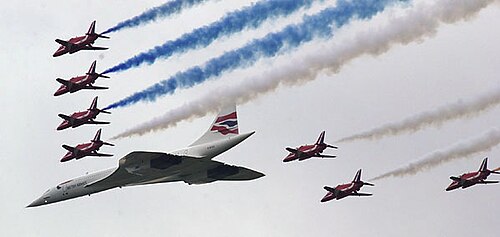
2006年、最初のテスト飛行から37年後、コンコルドはBBCとデザインミュージアムが主催するグレートブリティッシュデザインクエストの優勝者に選ばれました。合計212,000票が投じられ、コンコルドはミニ、ミニスカート、ジャガーEタイプ、チューブマップ、スーパーマリンスピットファイアなど他の英国デザインのアイコンを抑えて優勝しました。[81]スピットファイアはクリストファー・ノーラン監督の2017年のアクションスリラー映画「ダンケルク」に登場しました。
モリエン・モーガン卿は1948年に超音速輸送の研究を主導し、その成果はコンコルド旅客機の誕生につながった。 [82] 1956年11月、彼は新たに結成された超音速輸送機委員会の委員長に就任し、1950年代を通じて英国の複数の航空会社で超音速輸送の研究に資金を提供した。1950年代後半までに、委員会は開発のための具体的な設計を選択するプロセスを開始し、1960年にほとんどの航空会社が強制的に合併した後、アーチボルド・ラッセルが設計したブリストル タイプ223を大西洋横断設計のベースとして選択した。[82]
BPIの毎年恒例の音楽賞であるブリット・アワードの像は、英国を擬人化した女性であるブリタニアを描いており、ヴィヴィアン・ウエストウッド、ダミアン・ハースト、トレイシー・エミン、ピーター・ブレイク、ザハ・ハディド、アニッシュ・カプーアなど、最も有名な英国のデザイナー、スタイリスト、アーティストによって定期的に再デザインされている。[ 83 ]
舞台芸術、カーニバル、パレード

夏と秋には、グラストンベリー(世界最大のグリーンフィールド・フェスティバル)、Vフェスティバル、レディング&リーズ・フェスティバルなど、大規模な野外音楽フェスティバルが人気です。英国は1980年代後半から違法なフリー・レイブ運動の最前線にあり、それが汎ヨーロッパのテクニバル文化を生み、英国のフリー・フェスティバル運動とそれに伴う旅するライフスタイルを反映しました。[84]イングランドで最も有名なオペラハウスは、コヴェント・ガーデンのロイヤル・オペラ・ハウスです。[85]プロムスは、ロイヤル・アルバート・ホールで開催されるオーケストラによるクラシック音楽コンサートのシーズンで、毎年開催される主要な文化イベントです。[85]ロイヤル・バレエ団は世界有数のクラシック・バレエ団の1つで、その名声は20世紀ダンス界の2人の著名な人物、プリマ・バレリーナのマーゴ・フォンテインと振付師のフレデリック・アシュトンによって築かれました。アイリッシュ・ダンスは北アイルランドと英国全土のアイルランド系移民の間で人気があります。衣装には中世のケルズの書から取られた模様が描かれている。[86]
イギリスの海辺の文化の定番である、口論ばかりのカップル、パンチとジュディは、1662年にロンドンのコベントガーデンで初めて記録に残っている。[87]パンチとジュディのさまざまなエピソードは、とんでもないコメディの精神で演じられ、しばしば衝撃的な笑いを誘い、パンチ氏の無秩序な道化行為が中心となっている。[88]イギリスの文化的象徴と見なされている彼らは、イギリスの歴史の重要な時期に登場した。グリン・エドワーズは次のように述べている。「[プルチネッラ]は、長年の清教徒主義で楽しみに飢えていた王政復古期のイギリスの観客に特に好評だった。私たちはすぐにパンチの名前を変え、マリオネットから手袋人形に変えた。そして彼は、本当にイギリスの精神、権威に逆らう反逆的な異端者、政治漫画に相当する一種の人形になった。」[87]

サーカスは英国の伝統的な娯楽である。チッパーフィールドのサーカスは英国で300年以上の歴史があり、最も古い家族経営のサーカス一族の一つとなっている。フィリップ・アストリーは近代サーカスの父とみなされている。[89] 1768年にサーカスリングを発明した後、1773年にロンドンにアストリーの円形劇場がオープンした。 [89]馬術の名人でもあったアストリーは芸人の乗馬の腕前があり、自身のデモンストレーションの合間にタンブラー、綱渡り、ジャグラー、芸犬、道化師などを加えて近代サーカスが誕生した。 [89]ヒューズ・ロイヤル・サーカスは1780年代のロンドンで人気があった。ヴィクトリア朝イングランドで最も人気のあるサーカスの一つ、パブロ・ファンケのサーカス・ロイヤルはウィリアム・カイトをフィーチャーしており、ジョン・レノンはビートルズのアルバム『サージェント・ペパーズ・ロンリー・ハーツ・クラブ・バンド』に収録されている「ビーイング・フォー・ザ・ベネフィット・オブ・ミスター・カイト!」にインスピレーションを受けた。ホワイトフェイスのピエロメイクの創始者であるジョセフ・グリマルディは、現代の道化師の父と考えられている。[90]
エディンバラ・フェスティバル・フリンジは世界最大の芸術祭である。1947年に創設され、スコットランドの首都で毎年8月に3週間、他の芸術・文化祭とともに開催される。フリンジでは主に舞台芸術、特に演劇とコメディのイベントが開催されるが、ダンスや音楽も行われる。ノッティングヒル・カーニバルは1966年以来、ロンドンのノッティングヒルの路上で毎年行われているイベントである。[91]英国のアフリカ系カリブ人コミュニティが主導するこのカーニバルには約100万人が集まり、英国最大のストリートフェスティバルであるとともに、世界でも最大級のフェスティバルの1つとなっている。[91]また、聖パトリックデーにはアイルランド文化が広範囲にわたって影響していることも特筆すべきである。最大の聖パトリックデー・パレードは、アイルランド人コミュニティが強い バーミンガムのディグベス で行われる。

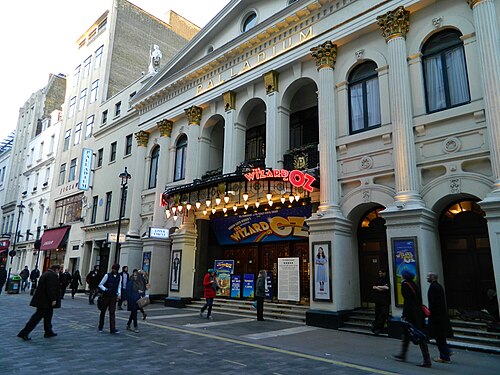
パントマイム(「パント」とも呼ばれる)は、家族で楽しめるイギリスのミュージカルコメディー舞台作品である。クリスマスと新年の時期にイギリス全土の劇場で上演される。この芸術は、18世紀にロンドンのドルリーレーン王立劇場のダンスマスター兼振付師、ジョン・ウィーバーによって始まった。[92] 19世紀のイギリスでは、歌、ドタバタ喜劇、ダンスを含む現在の形式を獲得し、性別を超えた俳優を起用し、時事的なユーモアと有名な童話に基づいたストーリーを組み合わせた。[92]パントマイムは参加型の演劇形式で、観客は音楽の一部に合わせて歌ったり、「後ろにいるよ」などのフレーズを演者に叫んだりする。[93]
パントマイムのストーリーラインや脚本は、ほとんどの場合、伝統的な子供向けの物語に基づいています。取り上げられる人気のある英国の物語には、『ジャックと豆の木』、『ピーターパン』、 『森の赤ちゃんたち』 、『金髪少女と三匹の熊』、『ディック・ウィッティントンと猫』などがあります。プロットラインはほとんどの場合、喜劇的または風刺的な効果のために脚色され、他の物語のキャラクターや状況がプロットに挿入されることがよくあります。たとえば、『ジャックと豆の木』には、ジャックとジルなど、「ジャック」と呼ばれるキャラクターが登場する英国の童謡への言及が含まれている場合があります。イアン・マッケランなどの有名人がパントマイムに定期的に登場します。[94]マッケランはゲイプライドパレードにも出演しており、マンチェスタープライドは英国で毎年開催される15のゲイプライドパレードの1つです。ブライトンで開催される最大のパレードには30万人以上が参加します。[95]

ミュージックホールは、ヴィクトリア朝初期から20世紀半ばにかけて人気があったイギリスの演劇である。今日のバラエティショーの前身であるミュージックホールでは、ポピュラーソング、コメディ、特別な演技、バラエティエンターテインメントが混在していた。ミュージックホールの曲には、「私はヘンリー8世、私は」、「ホーキーコーキー」、「海辺が好き」、「笑う警官」などがある。パントマイムやミュージックホールのスケッチで技術を磨いたイギリスのパフォーマーには、チャーリー・チャップリン、スタン・ローレル、ジョージ・フォームビー、グレイシー・フィールズ、ダン・レノ、ガートルード・ローレンス、マリー・ロイド、ハリー・チャンピオンがいる。[97]イギリスのミュージックホールのコメディアンで劇場興行主のフレッド・カーノは、1890年代にセリフのないスケッチコメディの形式を開発し、チャップリンとローレルは彼のために働いた著名なミュージックホールコメディアンであった。[97]ローレルは「フレッド・カーノはチャーリー(チャップリン)と私にコメディのすべてを教えてくれたわけではない。ほとんどのことを教えてくれただけだ」と述べている。[98]映画プロデューサーのハル・ローチは「フレッド・カーノは天才であるだけでなく、スラップスティック・コメディの創始者でもある。我々ハリウッドは彼に多大な恩恵を受けている」と述べている。[99]ミュージックホールから発展したバラエティショーの例には、1920年代からBBCラジオで放送され、1950年代からはテレビで放送されたロイヤル・バラエティ・パフォーマンス(1912年に初演)がある。毎年12月に(多くの場合ロンドン・パラディアムで)開催され、英国王室のメンバーの前で上演されるロイヤル・バラエティ・ショーでは、1世紀にわたって多くの有名人が出演し、2007年以来、ショーの1つの演技がITVテレビのタレントショーブリテンズ・ゴット・タレントを通じて英国国民によって選ばれている。
建築

イギリスの建築には、スカラ・ブレイやストーンヘンジからジャイアンツ・リング、エイヴベリー、ローマ 遺跡まで、1707年のイギリス建国以前の特徴が数多く含まれています。ほとんどの町や村では、教区教会がその集落の築年数を示しています。ウィンザー城(ヨーロッパで最も長く居住されている城)、[101]スターリング城(スコットランドで最大かつ最も重要な城の1つ)、ボディアム城(堀のある城)、ウォリック城など、中世の城も多く残っています。1066年のノルマン人によるイングランド征服とロンドン塔の建設から2世紀にわたって、ウェールズのカーナーヴォン城やアイルランドのキャリクファーガス城などの城が建てられました。

イギリスのゴシック建築は12世紀から16世紀初頭にかけて栄えた。有名な例としては、英国君主の戴冠式の伝統的な場所であり、王室の結婚式の会場としても長い伝統があり、ダイアナ妃の葬儀が行われた場所でもあるウェストミンスター寺院[103]、イングランド最古で最も有名なキリスト教建築の1つであるカンタベリー大聖堂、英国で最も高い尖塔を持つソールズベリー大聖堂、ヨーロッパのゴシック大聖堂の中で最も長い身廊と全長を誇るウィンチェスター大聖堂[104]などがある。テューダー建築は、テューダー朝時代(1485-1603)のイングランド中世建築の最終的な発展である。英国では、指定建造物とは、特別な建築的、歴史的、または文化的意義があると公式に指定された建物またはその他の構造物のことである。英国には約50万の建物が「指定建造物」に指定されている。
1680年代、ダウニング街はジョージ・ダウニング卿によって建設され、最も有名な住所であるダウニング街10番地は1730年に首相官邸となった。[105]イギリス建国当時の最も有名なイギリス人建築家の一人はクリストファー・レン卿である。彼はロンドン大火後に破壊されたロンドンの古代教会の多くを設計し再建するために雇われた。彼の最高傑作であるセント・ポール大聖堂はイギリス建国初期に完成した。[106]英国君主のロンドンの住居である バッキンガム宮殿は1705年に建てられた。セント・ポール大聖堂とバッキンガム宮殿の両方でポートランド石が使用されている。これはイギリスや世界の建築で使用されていることで有名な、ドーセット州ポートランドのジュラ紀の石灰岩である。[107]
18 世紀初頭には、ヨーロッパで人気のバロック建築が導入され、この時代にブレナム宮殿が建てられました。しかし、バロックはすぐにパラディオ様式の復活に取って代わられました。18世紀のジョージ王朝時代の建築は、パラディオ主義の発展形でした。ウォーバーン修道院やケドルストン ホールなど、現存する多くの建物がこのスタイルです。この建築様式とその後継者である新古典主義やロマン主義の建築家には、ロバート アダム、ウィリアム チェンバース卿、ジェームズ ワイアットなどがいます。

貴族の邸宅は、エリザベス朝の モンタキュート・ハウスやハットフィールド・ハウスなど、最初の大規模で優雅な非要塞の邸宅の伝統を引き継いだ。これらの家屋の多くは、ダウントン・アビーなどの英国時代劇の舞台となっている。18世紀から19世紀にかけて、英国社会の最上層にとって、英国のカントリー・ハウスは田舎でのくつろぎや狩猟のための場所だった。多くの邸宅が一般に公開されており、ネブワース・ハウスは現在、ロックやポップスの野外コンサートの主要会場となっている。フレディ・マーキュリーがクイーンとして最後にライブを行ったのは、1986年8月9日のネブワースである。[108] オールトン・タワーズは英国で最も人気のあるテーマパークであり、ロングリートはアフリカ以外では世界初のサファリパークである。
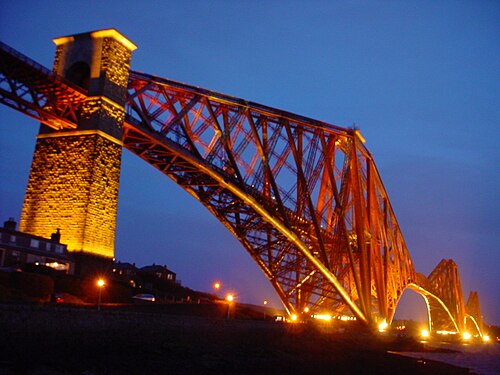
19世紀初頭、イギリスではパラディオ主義のシンメトリーに対する反応として、ロマンチックなゴシック リバイバルが始まりました。ゴシック リバイバル建築の有名な例としては、国会議事堂やフォントヒル修道院があります。19世紀半ばまでには、新しい技術の結果として、建築材料に鋼鉄を取り入れることができるようになりました。この最大の推進者の一人は、水晶宮を設計したジョセフ パクストンです。パクストンはまた、当時まだ人気があったレトロルネッサンス様式のメントモア タワーズなどの住宅も建てました。この繁栄と発展の時代に、イギリス建築は多くの新しい建設方法を取り入れましたが、オーガスト ピュージンなどの建築家は伝統的なスタイルが維持されるようにしました。
1814年7月、イングランド南岸沖のワイト島ライドに世界初の海辺の桟橋が建設されて以来、ヴィクトリア朝時代には英国の海辺のリゾート地で桟橋が流行し、1860年代には22の桟橋が建設されてピークを迎えた。 [109]海への歩道を提供するこの海辺の桟橋は、最も優れたヴィクトリア朝建築の一つとみなされており、英国の海辺での休暇を象徴するシンボルとなっている。 [109] 1914年までに、英国の海岸には100を超える桟橋があった。[109]今日、英国には55の海辺の桟橋がある。[109]タワーブリッジ(ロンドン橋から0.5マイル)は1895年に開通した。
20 世紀初頭、新しいデザイン形式であるアーツ アンド クラフツが人気を博した。ジョージ デヴィーなどの建築家による 19 世紀のデザインから発展したこの様式の建築形式は、エドウィン ラッチェンスによって推進された。建築におけるアーツ アンド クラフツは、縦桟や格子窓、複数の切妻、高い煙突などを伴う、非公式で非対称な形式が特徴である。この様式は第二次世界大戦まで進化し続けた。第二次世界大戦後、復興はさまざまな段階を経たが、特に 1950 年代後半から 1970 年代前半にかけては、モダニズムの影響を強く受けた。敵対的なコンクリート張りの「吹きさらしの広場」を特徴としていると批判された多くの荒涼とした町の中心部の再開発は、この関心の成果であり、ヘイワード ギャラリーなどの同様に荒涼とした公共建築の多くも同様であった。
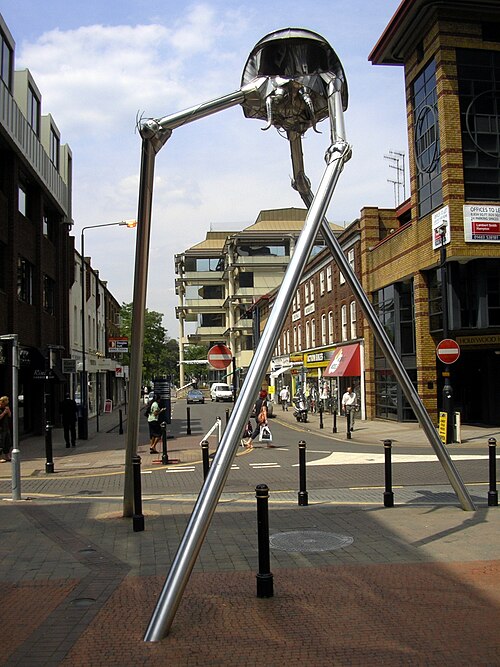
今日では、モダニズムに影響を受けた多くの町の中心部が再開発されており、ブラックネルの町の中心部がその一例です。しかし、戦後間もない数年間に、その土地特有のスタイルで建てられた公営住宅が何千(おそらく何十万)も建てられ、労働者階級の人々に初めて個人の庭や屋内衛生設備を体験させました。多くの町には、有名な地元の人々に捧げられた彫像や彫刻もあります。モダニズムは英国建築において依然として大きな力を持っていますが、その影響は主に商業ビルに感じられます。最も著名な2人の提唱者は、リバーサイドのロジャース卿とノーマン・フォスターです。ロジャースの最もよく知られているロンドンの建物はおそらくロイズ・ビルディングとミレニアム・ドームであり、フォスターは「ガーキン」とシティ・ホールを制作しました。ターナー賞を受賞した芸術家サー・アニッシュ・カプーアは、高く評価されている現代英国の彫刻家です。注目すべきデザインは、ロンドンの オリンピック・パークにある彼のアルセロール・ミッタル・オービットの彫刻です。
ガーディアン紙によって「曲線の女王」と評されたザハ・ハディドは、現代生活の混沌と流動性を想起させる、表現力豊かで壮大な流動的形状と複数の視点と断片化された形状の創造によって建築幾何学を解放した。 [111]パラメトリシズムの先駆者であり、ネオ・フューチャリズムの象徴であり、恐るべき個性を持つハディドの高く評価された作品と革新的な形状には、2012年ロンドンオリンピックのアクアティックセンターがある。 [111] 2010年と2011年には、英国で最も権威のある建築賞であるスターリング賞を受賞し、2015年には女性として初めて王立英国建築家協会からロイヤルゴールドメダルを受賞した。2012年に完成したシャード・ロンドン・ブリッジは、英国で最も高い建物である。ロンドンで建設中の他の主要な超高層ビルには、 22ビショップスゲートやヘロンタワーがある。モダニズム建築家ニコラス・グリムショーは、コーンウォールにある世界最大の温室であるエデン・プロジェクトを設計した。 [112]
漫画

20世紀初頭のイギリスの漫画は、典型的にはヴィクトリア朝時代の挿絵入りのペニー・ドレッドフル(スウィーニー・トッド、ディック・ターピン、吸血鬼ヴァーニーが登場)から発展した。消費文化の発展と鉄道の発明(1825年)によるイギリス全土への旅行能力の向上により、安価な大衆文学の市場と、それを大規模に流通させる能力が生まれた。1830年代に作られたペニー・ドレッドフルを、ガーディアン紙は「イギリス初の若者向け大量生産大衆文化」と評した。 [113]吸血鬼フィクションでおなじみの特徴を導入したヴァーニーは、吸血鬼の鋭い歯に言及した最初の物語である。[114]成人向け漫画が出版された後、最も有名なのは漫画の最初のレギュラーキャラクターと呼ばれているアリー・スローパーをフィーチャーしたアリー・スローパーのハーフ・ホリデー(1880年代)である。 [115]その後、より児童向けのイギリス漫画が登場し、最も人気があった2冊は、1930年代にDCトムソン(スコットランドのダンディーに拠点を置く)によって出版されたビーノとダンディである。1950年までに、両方の週刊発行部数は200万部に達した。[116]この時期の漫画の人気について、ロンドンの漫画博物館の館長キュレーターであるアニタ・オブライエン氏は次のように述べている。「ビーノやダンディのような漫画が発明された1930年代、そして実際には1950年代と1960年代を通して、これらの漫画は子供たちが楽しめるほとんど唯一の娯楽でした。」[116]
1954年、タイガー・コミックスは、ロイ・レイスと彼が所属したチーム、メルチェスター・ローヴァーズの生涯を描いた、大人気のフットボール漫画『ロイ・オブ・ザ・ローヴァーズ』を発表した。この漫画は、漫画のトレードマークであるドラマチックなストーリー展開にちなんで、フットボールの記者、解説者、ファンが、素晴らしい技術の披露や予想を覆す驚くべき結果を説明する際に、「本物の『ロイ・オブ・ザ・ローヴァーズ』のもの」というお決まりのメディアフレーズをよく使う。他の漫画本、グラフィック・ノベル、様々なジャンルの連続アートも盛んに展開された。これらには、イーグル、ヴァリアント、ウォリアー、2000 ADなどのファンタジーやSFが含まれる。他の人気作品には、コマンドー、ウォー・ピクチャー・ライブラリー、ザ・ビクターなど、イギリスの軍事史に触発された戦争漫画がある。[117] [118]
1903年にエマ・オルツィによって創作されたスカーレット・ピンパーネルは、裕福なイギリスの浮浪者パーシー・ブレイクニー卿の別人格で、恐ろしい剣士と機転の利く脱出術師に変身し、「秘密の正体を持つヒーロー」を大衆文化に定着させた。[119]スカーレット・ピンパーネルは最初に舞台(1903年)に登場し、その後小説(1905年)に登場し、イギリス国民に大人気となった。[120]彼は変装好き、得意武器(剣)の使用、敵を出し抜く能力、名刺(介入時にスカーレット・ピンパーネルを残す)など、漫画本における標準的なスーパーヒーローの慣例となった特徴を示している。[120]彼は別人格のブレイクニーに注目を集めるため、公の場では従順で思考の遅いおしゃべりなプレイボーイとして姿を隠し、自身の活動を支援する支援者のネットワーク「スカーレット・ピンパーネル連盟」を設立した。[120]
1980年代には、主流の漫画界でイギリス人の作家やアーティストが復活し、漫画史において「ブリティッシュ・インベイジョン」と呼ばれた。これらの作家やアーティストは、イギリスのメディアでは一般的だがアメリカの漫画界ではそれまで見られなかった、アナーキー、論争、政治といった独自の成熟したテーマや哲学を持ち込んだ。これらの要素が成熟した「よりダークでエッジの効いた」漫画への道を開き、漫画の近代化を促した。[121]作家には『Vフォー・ヴェンデッタ』『フロム・ヘル』『ウォッチメン』『マーベルマン』 『リーグ・オブ・エクストラオーディナリー・ジェントルメン』で有名なアラン・ムーアが含まれる。 [ 122] 『ウォッチメン』は漫画界における「現在の文化的執着への道を切り開いた」と評された。 [ 123] 『トランスメトロポリタン』や『プラネタリー』の制作者であるウォーレン・エリス、そして『ウォンテッド』や『キック・アス』を制作したアラン・グラント、グラント・モリソン、デイブ・ギボンズ、アラン・デイビス、マーク・ミラーなど。
著名な漫画家には、スティーブ・ディロン、サイモン・ビズリー、デイブ・マッキーン、グレン・ファブリー、ジョン・リッジウェイ、ショーン・フィリップスなどがいます。イギリスを舞台とし、リバプール出身の魔術師ジョン・コンスタンティンを主人公とする漫画シリーズ「ヘルブレイザー」は、ジェイミー・デラノ、マイク・ケアリー、デニス・ミナなどのイギリス人作家の道を開いた。[124]
民間伝承
ロビン・フッドとバラードの伝統
イギリスの民間伝承の多くは18世紀以前のものである。イギリス全土に存在するキャラクターや物語もあるが、ほとんどは特定の国や地域に属する。一般的な民間伝承の生き物には、妖精、巨人、エルフ、お化け、トロル、ゴブリン、ドワーフなどがある。オッファ・オブ・アンゲルンやウェイランド・スミスの物語など、多くの伝説や民俗習慣は古代のものだと考えられているが、ロビン・フッドとシャーウッドの陽気な男たちとノッティンガムの保安官との戦いなど、ノルマン人のイングランド侵攻後にさかのぼる伝説や民俗習慣もある。[125]第三回十字軍のクリスチャン指導者であるリチャード獅子心王は、ロビン・フッドと同時代人で支持者と見なされるようになった。ノッティンガム城の外でリチャードがロビンとメイド・マリアンと結婚する場面を描いた銘板がある。[126]
中世盛期には、物語はブリトン人の伝統、特にアーサー王伝説に由来した。[127]ウェールズの源泉から派生したアーサー王、エクスカリバー、マーリン、ジャージー島の詩人ウェイスは円卓の騎士を紹介した。これらの物語は、ジェフリー・オブ・モンマスの『ブリタニア王の歴史』の中で最も中心的にまとめられている。イギリスの伝統に登場するもう一人の初期の人物、コール王は、ローマ帝国時代以降のイギリスの実在の人物に基づいている可能性がある。物語の多くは、イギリスに共通する民間伝承を集めた 『ブリテンの記録』の一部をなしている。
ネス湖の怪物は、スコットランド高地のネス湖に生息するといわれる未確認生物です。この伝説の怪物は、1950 年代から「ネッシー」という愛称で親しまれています。レプラコーンはアイルランドの民間伝承で大きな役割を果たしています。エメラルド グリーンの服を着たいたずら好きな妖精のような生き物で、いたずらをしていないときは忙しく靴作りに時間を費やしています。レプラコーンは虹の端に金の壺を隠していると言われており、人間に捕らえられた場合、解放される代わりに 3 つの願いを叶えてくれる魔法の力を持っています。神話では、ジャックと豆の木やジャックと巨人退治などのイギリスのおとぎ話が、現代の巨人は愚かで暴力的であるという認識を形成するのに役立ち、小人の親指トムはイギリスの民間伝承の伝統的な英雄です。
イギリスのおとぎ話「ゴルディロックスと三匹の熊」は、英語で最も人気のあるおとぎ話の一つです。[128]いくつかの民間伝承の人物は、何世紀にもわたって語り継がれてきた、半歴史上の人物または実在の人物に基づいています。たとえば、ゴダイヴァ夫人は、コベントリーを裸で馬に乗って走ったと言われています。英雄的なイギリスの人物、ヘレワード・ザ・ウェイクは、ノルマン人の侵略に抵抗しました。狩人ハーンは、ウィンザーの森とグレートパークに関連する馬に乗った幽霊であり、マザー・シップトンは典型的な魔女です。 [129]ディック・ターピンなどの騎士道的な山賊は、繰り返し登場するキャラクターです。
海賊
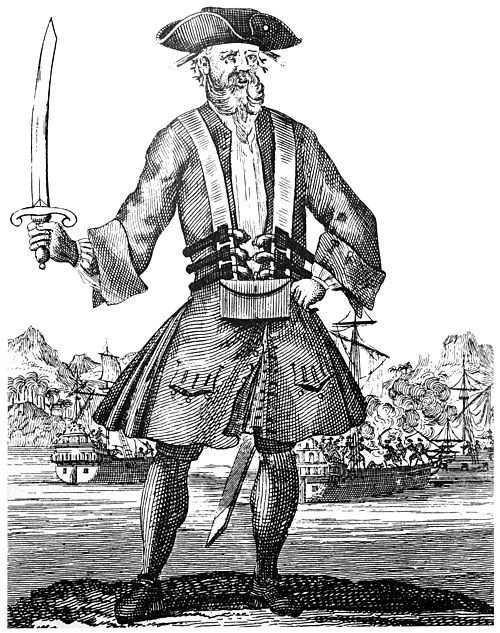
1724年に出版されたチャールズ・ジョンソン船長の『海賊史』は、黄金時代の多くの海賊の生涯についての標準的な記述を提供している。[130]これは、スコットランドの小説家ロバート・ルイス・スティーブンソン(宝島)やJMバリーの海賊文学に影響を与えた。[130]黄金時代の多くの有名なイギリスの海賊は、南西イングランドのウェストカントリー出身であり、典型的なウェストカントリーの「海賊アクセント」は、ウェストカントリー出身のロバート・ニュートンが映画でスティーブンソンのロング・ジョン・シルバーを演じたことで普及した。[131] 「板の上を歩く」という概念は、バリーのピーターパンによって普及し、フック船長の海賊がその原型を定義するのに貢献した。[132]船員や船の遺体が海の底に沈められるデイヴィ・ジョーンズのロッカーは、 1726年にダニエル・デフォーによって初めて記録されました。 [133]ジョンソンの1724年の本は、黒ひげやカリコジャックなどの有名なイギリスの海賊に神話的な地位を与えました。ジャックの海賊旗のデザインには、交差した剣を持つ頭蓋骨が描かれています。[134]
迷信

グレムリンは1920年代にさかのぼるイギリス空軍の伝説の一部であり、「グレムリン」は飛行機の装置に干渉して航空機を妨害するいたずら好きな生き物を意味するイギリス空軍のスラングである。[136]物語がロマンチックに表現された19世紀ロンドンの伝説的人物には、スウィーニー・トッド、フリート街の殺人理髪師(トッドの犠牲者から作ったパイを売るラヴェット夫人と一緒)、連続殺人犯の切り裂きジャックなどがいる。11月5日、イギリスの人々はガイ・フォークス・ナイトを祝い、ガイ・フォークス火薬陰謀事件の未遂を記念して焚き火をたき、花火を打ち上げる。これは1605年に11月5日記念法が可決されてから毎年恒例の行事となった。[137]ガイ・フォークスマスクは反体制抗議団体の象徴である。[138]
伝統的な非宗教的な祝日

ハロウィーンは、スコットランドとアイルランドで10月31日の夜に行われる伝統的で盛大な祝日である。[139]「ハロウィーン」という名前は、16世紀にスコットランド人がより長い「 All-Hallows-Even」を短縮したものとして初めて確認され、[140]一部の歴史家によると、その起源はゲール人の祭りであるサムハインにある。この祭りでは、ゲール人はこの世とあの世の境界が薄くなり、死者が死後の世界に戻ってくると信じていた。[141] 1780年、ダンフリースの詩人ジョン・メインは、ハロウィーンのいたずらについて、 「なんて恐ろしいいたずらが起こるんだ!」と記している。また、この夜に関連する超自然現象「ボギー」(幽霊)についても記している。[142] ロバート・バーンズの1785年の詩「ハロウィーン」は、スコットランド人がハロウィーンで朗読しており、バーンズはメインの詩に影響を受けた。[142]
スコットランドとアイルランドでは、伝統的なハロウィーンの習慣として、仮装(仮装した子供たちが戸別訪問をして食べ物やコインをねだる)が挙げられ、これは19世紀後半には一般的な習慣となっていた。[143] [144](子供たちがかぶるハロウィーンの仮面は、アイルランドでは「偽りの顔」として知られている。[145])、カブをくり抜いて顔を彫り、ランタンを作ること、[146] 、リンゴ落としなどのゲームをするパーティーを開くことなどがある。[147] アガサ・クリスティの推理小説「ハロウィーン・パーティー」は、リンゴ落としの桶で溺死した少女についての話である。アイルランドでは他にも、焚き火を焚いたり、花火大会を開催したりすることなどがある。[148]さらに現代的なハロウィーンのイメージは、ゴシック文学やホラー文学(特にシェリーのフランケンシュタインやストーカーの魔人ドラキュラ)、および古典的なホラー映画(ハマー・ホラーズなど)に由来している。 19世紀にアイルランド人とスコットランド人が大西洋を越えて大量に移住したことで、北米でハロウィーンが普及した。[149]
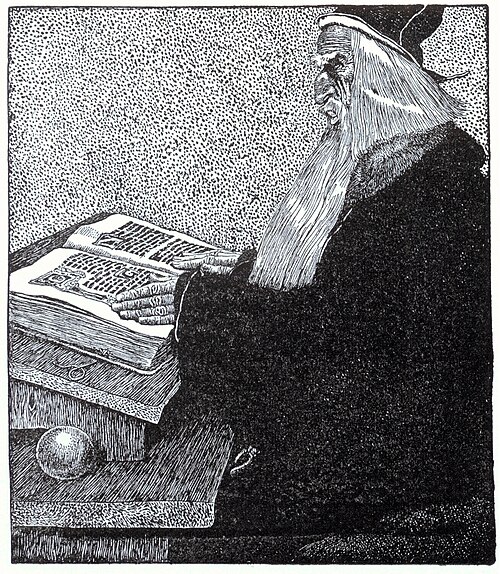
イギリス諸島では、何千年もの間、魔術が取り上げられてきました。水晶玉を使って未来を予言するようになったのは、ドルイド僧のおかげだと言われています。中世の民間伝承では、アーサー王の魔術師マーリンが同じ目的で水晶玉を持ち歩いていました。エリザベス1世の顧問だったジョン・ディーは、天使と交信するために水晶玉を頻繁に使用していました。[150]文学作品における魔術の最も有名な描写は、おそらくシェイクスピアの1606年の戯曲『マクベス』で、3人の魔女と大釜が登場します。アン・ブーリンの幽霊は、イギリスで頻繁に目撃されています。アン・ブーリンの幽霊が首なし騎士に引かれた馬車に乗ってブリックリング・ホールまでやって来て、自分の首を膝に乗せているのを見たという話など、さまざまな話があります。[151]
ネオペイガニズムの魔術は、 20世紀初頭にアレイスター・クロウリーやウィッカの父ジェラルド・ガードナーなどの著名人によってイギリスで始まり、1960年代に西へと広がりました。 [ 152 ] ハンプシャーのニューフォレストの近くに落ち着いたガードナーは、オカルトグループに参加し、そのグループを通じてニューフォレストの魔女団に遭遇し、1939年に入会したと主張しました。 [152]魔女団はキリスト教以前の魔女崇拝の生き残りであると信じた彼は、魔女団の儀式に儀式魔術やクロウリーの著作から借りたアイデアを加えて、信仰を復活させることを決意し、ガードナー流のウィッカの伝統を形成しました。[152] 1736年の魔術法の廃止に続いて1945年にロンドンに移ったガードナーは、ウィッカの普及に熱心になり、メディアの注目を集め、『今日の魔術』(1954年)と『魔術の意味』(1959年)を執筆した。クロウリー(セレマの創始者)は「20世紀で最も悪名高いオカルト魔術師」と評され、西洋の秘教主義とカウンターカルチャーに大きな影響を与えている。[153]彼のモットーである「汝の意志を貫け」は、レッド・ツェッペリンのアルバム『レッド・ツェッペリンIII』のビニール盤に刻まれており、オジー・オズボーンのシングル「ミスター・クロウリー」の主題となっている。[154]
国立公園、博物館、図書館、ギャラリー
遺産管理
各国には遺産問題を担当する独自の機関があります。
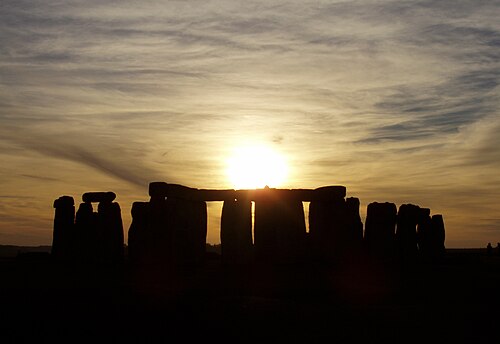
イングリッシュ・ヘリテージは、イングランドの史跡、遺物、環境の管理を幅広く担当する政府機関である。現在は文化・メディア・スポーツ省が後援している。慈善団体であるナショナル・トラスト(歴史的名所または自然美観地区)は対照的な役割を担っている。ユネスコ世界遺産のうち17か所はイングランドにある。その中で最もよく知られているものには、ハドリアヌスの長城、ストーンヘンジ、エイヴベリーと関連遺跡群、ロンドン塔、ジュラシック・コースト、ウェストミンスター、ソルテア、アイアンブリッジ渓谷、スタッドリー・ロイヤル・パークなどがある。ローマ帝国の最北端であるハドリアヌスの長城は、世界最大のローマ遺跡であり、イングランド北部に全長73マイルにわたって広がっている。[155]
スコットランド歴史環境局はスコットランド政府の執行機関で、スターリング城などのスコットランドの歴史的建造物の管理に責任を負っている。エディンバラの旧市街と新市街は、スコットランドの著名な世界遺産である。バルモラル城は、英国君主のスコットランドにおける主要な住居である。スターリングのウォレス記念碑には、ウォレスの剣など、サー・ウィリアム・ウォレスのものと考えられている遺物が収められている。ロブ・ロイ・ウェイは、スコットランドの民話の英雄で無法者のロブ・ロイ・マクレガーにちなんで名付けられた、92マイルに及ぶ長距離歩道である。バノックバーンには、バノックバーンの戦いの現場の近くに、ロバート・ザ・ブルースの像と大きな記念碑とビジターセンター(スコットランド国立トラストが運営)がある。[156]

グウィネズにあるエドワード王の城と市壁やその他の記念碑など、ウェールズの偉大な城の多くは、ウェールズ政府の歴史環境サービスであるCadwによって管理されています。ウェールズの俳優サー・アンソニー・ホプキンスは、スノードニア国立公園の保護に数百万ドルを寄付しました。最も頻繁に訪問されるウェールズの5つの城は、カーナーヴォン城、コンウィ城、ケアフィリー城、ハーレック城、ボーマリス城です。北アイルランド環境庁は、北アイルランドの自然環境と人工環境の促進と保護に取り組んでおり、北東海岸のジャイアンツ・コーズウェイは世界自然遺産の1つです。ティンタジェル城はコーンウォールの人気観光地で、 12世紀以来アーサー王伝説と関連のある城です。イギリスの湖水地方、ウェールズのスノードニア、スコットランドの ロモンド湖とトロサックス国立公園など、 15の国立公園があります。
博物館と美術館

ロンドンの大英博物館は700万点以上の品々を収蔵しており[157]、世界最大かつ最も包括的な博物館の一つである。あらゆる大陸から集められた品々は、人類文化の始まりから現在までの物語を図示し、記録している。1802年以来展示されているロゼッタストーンは、最も閲覧数の多い名所である。ロンドン自然史博物館は、リチャード・オーウェン(「恐竜」という造語を作った人)によって設立され、恐竜の化石やその他の生物学的、地質学的展示品の国立コレクションを展示している。[158]スコットランド国立博物館は、スコットランドの国立コレクションを統合している。アムゲッダ・カムリ - ウェールズ国立博物館は、ウェールズの8つの博物館から構成されている。北アイルランド国立博物館は、アルスター博物館を含む北アイルランドの4つの博物館から構成されている。
タイタニック・ベルファスト博物館は、北アイルランドの東ベルファストにあるタイタニック地区の、タイタニック号が建造された造船所の再生された敷地に建造され、2012年に一般公開されました。[159]建築はタイタニック号そのものに敬意を表したもので、外観は豪華客船の巨大な船体を彷彿とさせます。
最初のマダム・タッソー蝋人形館は1835年にロンドンでオープンし、現在は王族(ダイアナ妃)、歴史上の人物(ヘンリー8世)、スポーツ(デビッド・ベッカム)、音楽(フレディ・マーキュリー)、文学(チャールズ・ディケンズ) 、政治(ウィンストン・チャーチル)、テレビ(ゴードン・ラムゼイ)、映画(マイケル・ケイン)など、さまざまな分野の著名人の蝋人形を展示している。[160]
最も歴史のある美術館はトラファルガー広場にあるナショナル・ギャラリーで、13世紀半ばから1900年までの2,300点以上の絵画を所蔵している。テート・ギャラリーには英国および海外の近代美術の国立コレクションが収蔵されており、物議を醸すことで有名なターナー賞の開催地でもある。[161 ]スコットランド国立美術館は、スコットランドの5つの国立美術館と2つの提携美術館から構成される。ウェールズ国立美術館は2011年にオープンした。[162]
図書館
ロンドンにある大英図書館は国立図書館であり、世界最大級の研究図書館の一つで、あらゆる言語と形式で1億5000万点以上の資料を所蔵している。その中には約2500万冊の書籍が含まれている。[163]この図書館には、マグナ・カルタの原本が4部残っているうちの2部が所蔵されており(他の2部はリンカーン城とソールズベリー大聖堂に所蔵されている)、それら専用の部屋もある。大英図書館の音声アーカイブには、600万点以上の録音が所蔵されている(ウィンストン・チャーチルの戦時中の演説など、 BBCの音声アーカイブからの録音が多数ある。)
エディンバラにあるスコットランド国立図書館には、700万冊の本、1400万点の印刷物(スコットランド女王メアリーの最後の手紙など)、200万枚以上の地図が所蔵されている。[164]ウェールズ国立図書館はウェールズの国立法定納本図書館であり、ウェールズの650万冊以上の本、肖像画、地図、写真画像を所蔵している。[165]
歴史的標識
.jpg/500px-Sir_Alfred_Hitchcock_(4313226125).jpg)
ブループラークは世界最古の歴史的標識制度である。[166 ]この制度は1863年に政治家ウィリアム・エワートによって提案され、1866年に芸術協会によって開始された。1986年以来、イングリッシュ・ヘリテージによって運営されている。[166]
最初の銘板は1867年、バイロン卿を記念して生誕地であるロンドンのキャベンディッシュ・スクエア、ホレス・ストリート24番地に建てられた。銘板に記念されている出来事には、ロンドンのウェストミンスター、W1、フリス・ストリート22番地で行われたジョン・ロジー・ベアードによる初のテレビ実演、 1954年5月6日にオックスフォード大学のイフリー・ロード・トラックで行われたロジャー・バニスターによる初の4分未満マイル走、そしてゴブストッパーの瓶にネズミを入れた若き日のロアルド・ダールのいたずらを記念したカーディフのランダフの菓子店などがある。[167]
科学技術
科学革命の時代から、イングランドとスコットランド、そしてその後のイギリスは、世界の科学技術の発展において重要な役割を果たしてきました。王立協会は、さまざまな機関や分野から集まった会員で構成される国立科学アカデミーです。1660年に設立され、現在も存在する最古の学術団体の一つです。 [168]
アイザック・ニュートン卿による『プリンキピア』の出版は、いわゆる現代物理学の幕開けとなりました。1687年の第1版と1713年の第2版は、イギリス建国の科学的背景を形作りました。彼は、天体と地上の物体の運動は同じ力、すなわち重力によるものであることに気づきました。彼は古典力学の父であり、3つの法則として定式化され、微分積分学の共同発明者(ゴットフリート・ライプニッツと共同)でもあります。彼はまた、二項定理を考案し、光学に幅広く取り組み、冷却の法則を考案しました。

英国の人物は科学のほとんどの主要分野の発展に貢献してきました。ジョン・ネイピアは17世紀初頭に計算を簡略化する手段として対数を導入しました。マイケル・ファラデーとジェームズ・クラーク・マクスウェルは、現在マクスウェル方程式として知られる電磁力を 統合しました。 1865年に『電磁場の力学的理論』を発表した後、マクスウェルは1867年に電波の存在を予言しました。[170]ジェームズ・ジュールは熱力学に取り組み、エネルギー保存の原理を発見したとよく言われています。
博物学者チャールズ・ダーウィンは『種の起源』を著し、自然選択による進化の原理を発見した。近代地質学の創始者ジェームズ・ハットンは、ダーウィンの理論の重要な要素となる地球の年齢(深層時間)に関する研究を行った。他の重要な地質学者には、 『地質学原理』の著者で「更新世」という用語の造語もしたチャールズ・ライエルや、カンブリア紀という名称を提唱(および造語)したアダム・セジウィックがいる。 [171]ウィリアム・トムソン(ケルビン男爵)は、熱力学の分野で重要な結論を導き、絶対零度を示すケルビン温度スケールを発明した。ポール・ディラックは量子力学の先駆者の一人である。植物学者ロバート・ブラウンは、流体中に浮遊する粒子のランダムな動き(ブラウン運動)を発見した。ジョン・スチュワート・ベルはベルの定理を考案した。ハロルド・クロトーはバックミンスターフラーレンを発見した。
19世紀から20世紀初頭にかけての各分野の英国の先駆者としては、ジョセフ・リスター(消毒外科)、エドワード・ジェンナー(予防接種)、リチャード・オーウェン(古生物学、 「恐竜」という用語の考案)、フローレンス・ナイチンゲール(看護)、ジョージ・ケイリー卿(空気力学)、ウィリアム・フォックス・タルボット(写真)、ハワード・カーター(近代考古学、ツタンカーメンを発見)などがいます。
恐竜の骨に関する学術的な記述は、17世紀後半のイギリスで初めて登場した。1815年から1824年にかけて、ウィリアム・バックランドはメガロサウルスの化石を発見し、科学雑誌で恐竜について記述した最初の人物となった。2番目に特定された恐竜の属であるイグアノドンは、1822年にメアリー・アン・マンテルによって発見された。1832年、ギデオン・マンテルは3番目の恐竜であるヒラエオサウルスの化石を発見した。オーウェンは、これまでに発見された3つの新種の化石には、いくつかの特徴が共通していることを認識した。彼は、それらを恐竜という明確な分類群として提示することにした。[172]
ジョン・ハリソンは海上クロノメーターを発明した。これは海上で正確な経度を確定するという問題を解決する上で重要なもので、安全な長距離航海の実現に革命をもたらし、その可能性を広げた。[173]最も有名なイギリスの探検家には、ジェームズ・クック、ウォルター・ローリー、フランシス・ドレイク卿、ヘンリー・ハドソン、ジョージ・バンクーバー、ジョン・フランクリン卿、デイヴィッド・リヴィングストン、ジョン・スミス船長、ロバート・ファルコン・スコット、ローレンス・オーツ、アーネスト・シャクルトンがいる。水族館ブームは、フィリップ・ヘンリー・ゴスが1853年にロンドン動物園に最初の公立水族館を作り、魚を飼育したときにヴィクトリア朝時代のイギリスで始まりました。彼は1854年に『水族館:深海の驚異の解明』を出版し、「水族館」という言葉を作り出しました。 [174] ロバート・フィッツロイは天気予報の先駆者であり、最初の毎日の天気予報は1861年にタイムズ紙に掲載されました。 [175]
水洗トイレの発展において決定的な進歩となったのは、 1775年にアレクサンダー・カミングが発明したSトラップである。これは溜まった水を利用して便器の出口を密閉し、下水から汚れた空気が漏れるのを防ぐものであった。[176] 1824年にチャールズ・マッキントッシュが防水レインコートを発明した。マッキントッシュ(マック)は彼にちなんで名付けられた。[176]ウィリアム・スタージョンは1824年に電磁石を発明した。 [177]最初の商用電気電信は、ウィリアム・フォザギル・クック卿とチャールズ・ホイートストンが共同で発明した。彼らは1837年5月に警報システムとして特許を取得し、1837年7月25日にロンドンのユーストンとカムデン・タウンの間で初めて実演に成功した。 [178]
郵便改革者のローランド・ヒル卿は、近代郵便サービスの創始者であり、郵便切手(ペニー・ブラック)の発明者とみなされています。前払い方式により、手紙の安全で迅速かつ安価な転送が可能になりました。[179]ヒルの同僚のヘンリー・コール卿は、 1843年に世界初の商用クリスマスカードを発表しました。 [180] 1851年、ジョージ・エアリー卿は、経度が0°(地球を東半球と西半球に分ける2本の線のうちの1つ)と定義される本初子午線の位置として、ロンドンのグリニッジに王立天文台を設立しました。 ジョージ・ブールは、ブール代数を含んだ「思考の法則」を著しました。ブール論理はコンピューティングの数学的基礎を形成し、情報化時代の基礎を築きました。

歴史的に、英国の偉大な科学者の多くはオックスフォード大学かケンブリッジ大学に拠点を置いており、ケンブリッジのキャベンディッシュ研究所やオックスフォードのクラレンドン研究所などの研究所は、それぞれ有名になりました。現代では、レッドブリック大学やニューユニバーシティなどの他の機関がオックスブリッジに追いつきつつあります。たとえば、ランカスター大学は低温物理学の研究で世界的に有名です。
英国はテクノロジーの面でも世界をリードする国の一つです。歴史的に見ると、英国は産業革命の最前線にいて、特に繊維、蒸気機関、鉄道、工作機械、土木工学の分野で革新を起こしました。この時代を代表する英国の技術者や発明家には、ジェームズ・ワット、ロバート・スティーブンソン、リチャード・アークライト、ヘンリー・モーズリー、「鉄道の父」ジョージ・スティーブンソンなどがいます。モーズリーの最も影響力のある発明はねじ切り旋盤で、ねじの均一性を生み出し、互換性のある部品の適用を可能にしました(大量生産の前提条件)。これは産業革命に必要な革命的な開発でした。英国には世界最古の鉄道網があり、1825年に開通したストックトン・アンド・ダーリントン鉄道は、蒸気機関車を使用した最初の公営鉄道です。1863年に開通したロンドン地下鉄は、世界初の地下鉄です。[182]エディンバラとロンドンの間の東海岸本線を走るフライング・スコッツマンは、世界で最も有名な蒸気機関車としてランク付けされています。[183]
産業革命のもう一人の重要人物である技術者のイザムバード・キングダム・ブルネルは、2002年にBBCが全国で行った「最も偉大な英国人100人」を決める世論調査で2位に選ばれた。[184]彼はグレート・ウェスタン鉄道を創設したほか、初のプロペラ駆動の外洋航行鉄船であるSSグレートブリテンや、初の永続的な大西洋横断電信ケーブルを敷設したSS グレート・イースタンなどの有名な蒸気船も開発した。ジョサイア・ウェッジウッドは陶器製造の産業化の先駆者であった。 [185] 1820年、スコットランドの道路建設者ジョン・マカダムは、滑らかで硬い表面を持つ道路を建設するための「マカダム化」を発明した。1901年、エドガー・パーネル・フーリーは混合物にタールを加え、それをターマック(タールマカダムの略)と名付けた。[186]

おそらく、コンクリートの現代的使用を推進した最大の要因は、1750年代にジョン・スミートンが建設したスミートン・タワーでしょう。3番目のエディストーン灯台(世界初の外洋灯台)であるスミートンは、コンクリートへの水硬性石灰の使用を開拓しました。スコットランド人のロバート・スティーブンソンは、1800年代初頭にベル・ロック灯台を建設しました。東スコットランドの沖合11マイルに位置するこの灯台は、海に洗われた灯台としては世界最古の現存する灯台です。コンクリートの基本材料として世界中で一般的に使用されている最も一般的なタイプのポルトランドセメントは、19世紀にイギリスで開発されました。これは、 1824年にジョセフ・アスプディンによって造られ(ポートランド石にちなんで名付けられました)、 1840年代に 息子のウィリアム・アスプディンによってさらに開発されました。
英国は世界で最も有名な船のいくつかを製造してきました。ベルファストのハーランド・アンド・ウルフ社は、 RMS タイタニック号とその姉妹船であるRMS オリンピック号とRMSブリタニック号を建造しました。クライドバンクでは、ジョン・ブラウン社がRMS クイーン・メリー号、RMS クイーン・エリザベス号、SS クイーン・エリザベス2号を建造しました。イングランドで建造された船には、メアリー・ローズ号(ヘンリー8世の軍艦)、ゴールデン・ハインド号( 1577年から1580年にかけてフランシス・ドレーク卿が世界一周に使用した船)、HMS ビクトリー号(1805年のトラファルガーの海戦でのネルソン提督の旗艦)、 HMS ビーグル号(チャールズ・ダーウィンの5年間の航海で使用された船)などがあります。その他の重要なイギリス艦船としては、HMS エンデバー号(ジェームズ・クックの最初の探検航海に使用された船)、HMS チャレンジャー号(初の世界的海洋調査遠征:チャレンジャー号遠征)、ディスカバリー号(ロバート・ファルコン・スコットとアーネスト・シャクルトンを乗せたディスカバリー遠征で、南極への初の成功した航海)などがある。イギリス海軍の兵員輸送船HMS バーケンヘッド号は、「女性と子供優先」のプロトコルが初めて採用されたことで知られている。[187]
それ以来、英国は技術的創造性の伝統を引き継いでいます。アラン・チューリング(現代のコンピュータの発明で主導的な役割を果たした)、スコットランドの発明家アレクサンダー・グラハム・ベル(最初の実用的な電話)、ジョン・ロジー・ベアード(世界初の実用的なテレビシステム、最初の電子カラーテレビ)、フランク・ホイットル(ジェットエンジンの共同発明者)— ホイットルのターボジェットエンジンを搭載したグロスターミーティアは、英国初のジェット 戦闘機であり、第二次世界大戦中に戦闘活動を遂行した連合国の唯一のジェット機でした)、チャールズ・バベッジ(コンピュータのアイデアを考案)、アレクサンダー・フレミング(ペニシリンを発見)。英国は、ティム・バーナーズ=リー卿によるワールドワイドウェブや、ケント州サンドイッチのファイザー社の英国人科学者によるバイアグラなど、多様な発明を提供し、技術革新の主要な提供者の1つであり続けています。アレック・ジェフリーズ卿は、DNA指紋法の先駆者です。不妊治療の先駆者であるパトリック・ステップトーとロバート・エドワーズは、1978年に体外受精(世界初の「試験管ベビー」)による妊娠を達成した。 [188]

試作戦車は1915年にリンカーンのウィリアム・フォスター社で製造され、ギアボックスの設計と実用的な履帯の開発を担当したウォルター・ゴードン・ウィルソン少佐と、それを製造した会社ウィリアム・トリットンが主導的な役割を果たした。 [190]これはマークI戦車の試作車で、第一次世界大戦中の1916年9月に初めて戦闘に使用された戦車である。[190]海軍大臣ウィンストン・チャーチルは、首相デイヴィッド・ロイド・ジョージによって、戦車製造の原動力となったと評価された。アラン・ベケットは、第二次世界大戦のノルマンディー上陸作戦で使用されたマルベリー港の成功に不可欠だった「ホエール」浮体道路を設計した。 1918年、HMS アーガスは海軍機の発着が可能な世界初の航空母艦となり、第二次世界大戦ではHMS アークロイヤルは戦争中初の航空機撃墜とUボート撃沈、1941年5月のドイツ戦艦ビスマルクの撃沈に関与した。1932年、ケンブリッジのエンジニア、フランシス・トーマス・ベーコンは、宇宙カプセルや衛星の電力を生成するために使用されるアルカリ燃料電池を発明した。[191]
1952年に導入されたデ・ハビランド コメットは、世界初の民間ジェット旅客機でした。[192]英国海外航空(他の英国の航空会社と合併して今日の英国航空を形成しました)によって運航され、1952年5月2日にG-ALYSのフライトナンバーのフライトが有料の乗客を乗せて離陸し、ロンドンからヨハネスブルグへの定期便を開始しました。[192]
1952年、コンピュータ科学者のアレクサンダー・S・ダグラスによって作られたOXO(またはゼロとクロス)は、最初のビデオゲームの候補と見なされています。[193] OXOでは、コンピュータプレーヤーは人間の相手とゼロとクロスの完全ゲームをプレイできました。 [193] 1960年代には、ジョン・シェパード・バロンが現金自動預け払い機(ATM)を発明し、ジェームズ・グッドフェローは個人識別番号(PIN)技術を発明し、1967年6月27日には、北ロンドンのエンフィールドにあるバークレイズ銀行の支店の外に最初の現金自動預け払い機が設置されました。ドリーという羊は、成体の体細胞からのクローン作成に成功した最初の哺乳類(エディンバラのロザリンド研究所の科学者による)であり、1990年代に有名になりました。
産業革命

産業革命は、過去数世紀の社会的、経済的、政治的変化によりイギリスで始まった。絶対君主制が典型的な政治形態であり続けた他のヨーロッパ諸国とは対照的に、名誉革命後の1688年頃からのイギリスの安定した政治状況は、イギリスが産業革命発祥の地である理由の一つであると言える。[195]これらの法的、文化的基礎に支えられ、起業家精神と消費者革命がイギリスの産業化を牽引した。[196]イギリスの地理的、天然資源的優位性も産業革命に貢献し、水が最も簡単な輸送手段であった時代に、同国は海岸線が長く、航行可能な河川が多かった。また、イギリスには良質の石炭もあった。
Historian Jeremy Black states, "an unprecedented explosion of new ideas, and new technological inventions, transformed our use of energy, creating an increasingly industrial and urbanised country. Roads, railways and canals were built. Great cities appeared. Scores of factories and mills sprang up. Our landscape would never be the same again. It was a revolution that transformed not only the country, but the world itself."[195]

Pottery manufacturer Josiah Wedgwood was one of the most successful entrepreneurs of the Industrial Revolution. Meeting the demands of the consumer revolution and growth in wealth of the middle classes that helped drive the Industrial Revolution in Britain, Wedgwood created goods such as soft-paste porcelain tableware (bone china), which was starting to become a common feature on dining tables.[195] Credited as a pioneer of modern marketing, Wedgwood pioneered direct mail, money back guarantees, travelling salesmen, carrying pattern boxes for display, self-service, free delivery, buy one get one free, and illustrated catalogues.[197] Other important figures in marketing and advertising in the 18th and 19th centuries were Thomas Chippendale, the London cabinet-maker who in 1754 produced the "first comprehensive trade catalogue of its kind",[198] and Thomas J. Barratt, who became the first brand manager of a company (Pears soap) in 1865. In 1882, English actress and socialite Lillie Langtry was recruited by Barratt to become the poster-girl for Pears (which included putting her "signature" on the advertisements), as she became the first celebrity to endorse a commercial product.[199]
Described as "natural capitalists" by the BBC, dynasties of Quakers were successful in business matters, and they contributed the Industrial Revolution in Britain. This included ironmaking by Abraham Darby I and his family; banking, including Lloyds Bank (founded by Sampson Lloyd), Barclays Bank, Backhouse's Bank and Gurney's Bank; life assurance (Friends Provident); pharmaceuticals (Allen & Hanburys); the big three British chocolate companies (Cadbury, Fry's and Rowntree); biscuit manufacturing (Huntley & Palmers); match manufacture (Bryant and May) and shoe manufacturing (Clarks). With his role in the marketing and manufacturing of James Watt's steam engine, and invention of modern coinage, Matthew Boulton is regarded as one of the most influential entrepreneurs in history.[200] In 1861, Welsh entrepreneur Pryce Pryce-Jones formed the first mail order business, an idea which would change the nature of retail. Selling Welsh flannel, he created mail order catalogues, with customers able order by mail for the first time, and the goods were delivered by railway.[201]
Cars
The UK has had a long history of car making. Some of the best known British brands are Rolls-Royce, Bentley, Aston Martin, McLaren, Jaguar, Land Rover, MG, and the Mini. Rolls-Royce was founded by Charles Stewart Rolls and Sir Frederick Henry Royce in 1906. In addition to the company's reputation for superior engineering quality in its cars, Rolls-Royce Limited was known for manufacturing the high-powered "R" engines, including the iconic Rolls-Royce Merlin aero engine which was used for many World War II aircraft.[202] Bentley Motors Limited was founded by W. O. Bentley in 1919 in Cricklewood, North London, and, like Rolls-Royce, is regarded as a British luxury automobile icon. Aston Martin was founded in 1913 by Lionel Martin and Robert Bamford, and became associated with luxury grand touring cars in the 1950s and 1960s, and with the fictional British spy James Bond. Jaguar was founded in 1922. The Jaguar E-Type sports car was released in 1961; Enzo Ferrari called it "the most beautiful car ever made".[203] Jaguar has, in recent years, manufactured cars for the British Prime Minister. The company also holds royal warrants from Queen Elizabeth II and Prince Charles. The Land Rover launched in 1948 and specialises in four-wheel-drive. Many models have been developed for the Ministry of Defence (MoD). The Mini was released by the British Motor Corporation in 1959 and became a 1960s cultural icon. The performance versions, the Mini Cooper, was a successful rally car. The distinctive two-door Mini was designed for BMC by Sir Alec Issigonis. It has been named Britain's favourite car in a poll.[204]
Religion
Forms of Christianity have dominated religious life in what is now the United Kingdom for more than 1,400 years.[205] Anglican churches remain the largest faith group in each country of the UK except Scotland, where Anglicanism is a small minority. The Presbyterian Church of Scotland is the national church in Scotland.[206] Following this is Roman Catholicism and religions including Islam, Hinduism, Sikhism, Judaism, and Buddhism. Today British Jews number around 300,000; the UK has the fifth largest Jewish community worldwide.[207]

William Tyndale's 1520s translation of the Bible was the first to be printed in English, and was a model for subsequent English translations, notably the King James Version in 1611. The Book of Common Prayer of 1549 was the first prayer book to include the complete forms of service for daily and Sunday worship in English, and the marriage and burial rites have found their way into those of other denominations and into the English language.
In 17th-century England, the Puritans condemned the celebration of Christmas.[208] In contrast, the Anglican Church "pressed for a more elaborate observance of feasts, penitential seasons, and saints' days. The calendar reform became a major point of tension between the Anglicans and Puritans."[209] The Catholic Church also responded, promoting the festival in a more religiously orientated form. King Charles I of England directed his noblemen and gentry to return to their landed estates in midwinter to keep up their old-style Christmas generosity. Following the Parliamentarian victory over Charles I in the English Civil War, Puritan rulers banned Christmas in 1647.[210]

Protests followed as pro-Christmas rioting broke out in several cities; and for weeks Canterbury was controlled by the rioters, who decorated doorways with holly and shouted royalist slogans.[208] The book, The Vindication of Christmas (London, 1652), argued against the Puritans, and notes old English Christmas traditions: dinner, roast apples on the fire, card playing, dances with "plow-boys" and "maidservants", old Father Christmas and carol singing.[211] The Restoration of King Charles II in 1660 ended the ban.
Following the Restoration, Poor Robins Almanack contained the lines:
- Now thanks to God for Charles return
- Whose absence made old Christmas mourn
- For then we scarcely did it know
- Whether it Christmas were or no.[212]
The diary of James Woodforde, from the latter half of the 18th century, details Christmas observance and celebrations associated with the season over a number of years.[213]
In the early 19th century, writers imagined Tudor Christmas as a time of heartfelt celebration. In 1843, Charles Dickens wrote the novel A Christmas Carol that helped revive the "spirit" of Christmas and seasonal merriment.[214][215] Dickens sought to construct Christmas as a family-centred festival of generosity, linking "worship and feasting, within a context of social reconciliation."[216] Superimposing his humanitarian vision of the holiday, termed "Carol Philosophy",[217] Dickens influenced many aspects of Christmas celebrated today in Western culture, such as family gatherings, seasonal food and drink, dancing, games, and a festive generosity of spirit.[218] A prominent phrase from the tale, "Merry Christmas", was popularised following its publication.[219] The term Scrooge became a synonym for miser, with "Bah! Humbug!" dismissive of the festive spirit.[215] Tiny Tim says "God bless us, every one!" which he offers as a blessing at Christmas dinner. Dickens repeats the phrase at the end of the story; symbolic of Scrooge's change of heart.
The revival of the Christmas Carol began with William Sandys's Christmas Carols Ancient and Modern (1833), with the first appearance in print of "The First Noel", "I Saw Three Ships", "Hark the Herald Angels Sing" and "God Rest Ye Merry, Gentlemen". In 1843 the first commercial Christmas card was produced by Henry Cole, leading to the exchange of festive greeting cards among the public. The movement coincided with the appearance of the Oxford Movement and the growth of Anglo-Catholicism, which led a revival in traditional rituals and religious observances.[220]
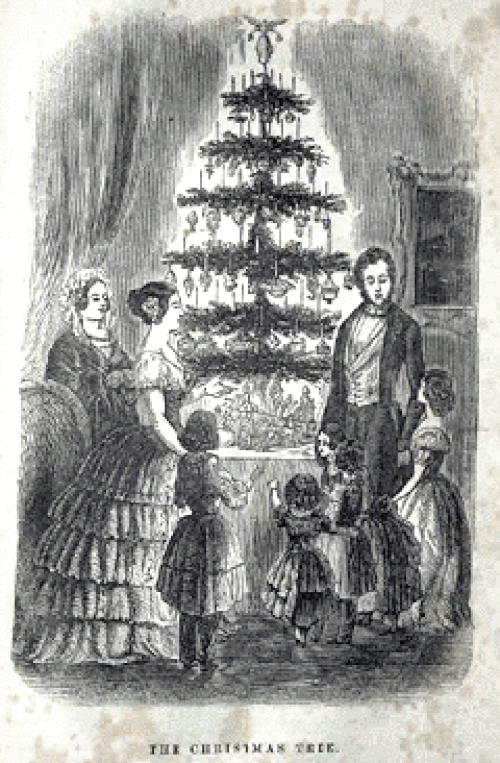
In the UK, the Christmas tree was introduced in the early 19th century, following the personal union with the Kingdom of Hanover, by Charlotte of Mecklenburg-Strelitz, wife of King George III. In 1832, the future Queen Victoria wrote about her delight at having a Christmas tree, hung with lights, ornaments, and presents placed round it.[221] After her marriage to her German cousin Prince Albert, a hugely influential image of the British royal family with their Christmas tree at Windsor Castle was published in the Illustrated London News in 1848, after which the custom became more widespread throughout Britain.[222]
While 2001 census information suggests that over 75% of British citizens consider themselves to belong to a religion, Gallup reports that only 10% of British citizens regularly attend religious services.[223] A 2004 YouGov poll found that 44% of British citizens believe in God, while 35% do not.[224] Christmas and Easter are national public holidays in the UK.[225] First broadcast over the Easter period in 1977, the two-part Jesus of Nazareth television miniseries, starring Robert Powell as Jesus, was watched by over 21 million viewers in the UK. In 1844 Sir George Williams founded YMCA (Young Men's Christian Association) in London. The oldest and largest youth charity in the world, its aim is to support young people to belong, contribute and thrive in their communities.[226] The Salvation Army is a Christian charity founded by William Booth and his wife Catherine in London's East End in 1865. It seeks to bring salvation to the poor, destitute and hungry.[227]
Politics and government
The Crown and parliament
The UK has a parliamentary government based on the Westminster system that has been emulated around the world – a legacy of the British Empire. The Parliament of the United Kingdom that meets in the Houses of Parliament has two houses: an elected House of Commons and an appointed House of Lords, and any Bill passed requires Royal Assent to become law. It is the ultimate legislative authority in the United Kingdom: the devolved parliaments and assemblies in Scotland, Northern Ireland and Wales are not sovereign bodies and could be abolished by the UK Parliament, despite each being established following public approval as expressed in a referendum.[228]
The UK's two major political parties are the Labour Party and the Conservative Party, who between them won 568 out of 650 seats in the House of Commons at the most recent general election. Currently, the third biggest party in terms of seats in the Commons is the Scottish National Party (SNP). At the most recent election, the SNP won 48 out of the 59 Scottish constituencies. The Liberal Democrats, or Lib Dems, were the fourth largest, at 11 seats. One seat was won by the Green Party. The remaining seats were won by regional parties, namely Plaid Cymru (Wales), the Alliance Party of Northern Ireland, the Social Democratic and Labour Party, Democratic Unionist Party, and Sinn Féin (Northern Ireland).

A prominent part of British political culture, Prime Minister's Questions – often referred to as "PMQs" – is held every Wednesday at noon when the House of Commons is sitting. The Prime Minister spends around half an hour responding to questions from Members of Parliament (MPs). In questioning the policies of government ministers, MP Amber Rudd states "PMQs is central to our democracy."[229] Due to the drama of the sessions, PMQs is among the best-known parliamentary business in the country. It is broadcast live on BBC News, Sky News and BBC Parliament television channels, as well as streamed online by many news outlets via numerous services, such as Twitch or YouTube.
The United Kingdom has an uncodified constitution, the Constitution of the United Kingdom, consisting mostly of a collection of disparate written sources, including statutes, judge-made case law, and international treaties. As there is no technical difference between ordinary statutes and constitutional law, the British Parliament can perform constitutional reform simply by passing Acts of Parliament and thus has the political power to change or abolish almost any written or unwritten element of the constitution. However, no Parliament can pass laws that future Parliaments cannot change.[230]
The law
British constitutional documents include Magna Carta (foundation of the "great writ" Habeas corpus — safeguarding individual freedom against arbitrary state action), the Bill of Rights 1689 (one provision granting freedom of speech in Parliament), Petition of Right, Habeas Corpus Act 1679 and Parliament Acts 1911 and 1949. A separate but similar document, the Claim of Right Act, applies in Scotland. Jurist Albert Venn Dicey wrote that the British Habeas Corpus Acts "declare no principle and define no rights, but they are for practical purposes worth a hundred constitutional articles guaranteeing individual liberty".[231] An advocate of the "unwritten constitution", Dicey stated English rights were embedded in the general English common law of personal liberty, and "the institutions and manners of the nation".[232]
According to 2016 figures from the Ministry of Justice, there is a 35% chance of people in England and Wales being summoned for jury duty over the course of their lifetime. In Scotland the percentage is higher due to Scotland having a lower population as well having juries made up of fifteen people as opposed to twelve in England and Wales.[233]
The 17th-century English patriot John Hampden was a leading parliamentarian involved in challenging the authority of Charles I when he refused to be taxed for ship money in 1637, and was one of the Five Members whose attempted unconstitutional arrest by the King in the House of Commons in 1642 sparked the English Civil War. The wars established the constitutional rights of parliament, a concept legally established as part of the Glorious Revolution in 1688 and the subsequent Bill of Rights 1689. Since that time, no British monarch has entered the House of Commons when it is sitting.[235] Hampden is annually commemorated at the State Opening of Parliament by the British monarch when the doors of the House of Commons are slammed in the face of the monarch's messenger, symbolising the rights of Parliament and its independence from the monarch.[235]
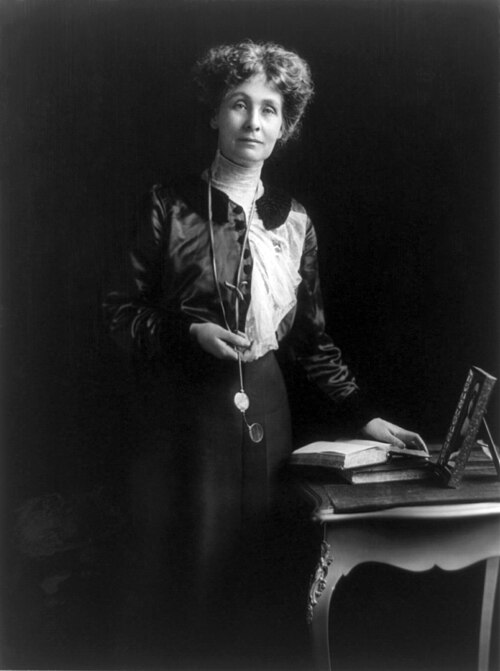
Other important British political figures include Sir Edward Coke, 17th-century jurist; the legal directive that nobody may enter a home, which in the 17th-century would typically have been male owned, unless by the owners invitation or consent, was established as common law in Coke's Institutes of the Lawes of England. "For a man's house is his castle, et domus sua cuique est tutissimum refugium [and each man's home is his safest refuge]." It is the origin of the famous dictum, "an Englishman's home is his castle".[236] Sir William Blackstone, 18th-century jurist, judge and politician best known for his Commentaries on the Laws of England, containing his formulation: "It is better that ten guilty persons escape than that one innocent suffer", a principle that government and the courts must err on the side of innocence,[237] Emmeline Pankhurst, leading suffragette which helped win women the right to vote, William Wilberforce, leading parliamentary abolitionist. An influential thinker in the history of liberalism, 19th century philosopher, political economist and politician John Stuart Mill justified the freedom of the individual in opposition to unlimited state and social control. A member of the Liberal Party, he was also the first Member of Parliament to call for women's suffrage.[238]

Robert Walpole is generally regarded as the first British Prime Minister (1721–1742). Twice Prime Minister, Sir Robert Peel, founded the Conservative party (which was expanded by Benjamin Disraeli), and created the modern police force.[239] Margaret Thatcher was the first female British Prime Minister (1979–1990). She became known as the "Iron Lady", a term coined by a Soviet journalist for her uncompromising politics and leadership style. In 1938, Neville Chamberlain believed he had secured "Peace for our time" with Germany, a year before WWII broke out.
English poet William Cowper wrote in 1785, "We have no slaves at home – Then why abroad? Slaves cannot breathe in England; if their lungs receive our air, that moment they are free, They touch our country, and their shackles fall. That's noble, and bespeaks a nation proud. And jealous of the blessing. Spread it then, And let it circulate through every vein."[240] Thomas Clarkson described fellow British abolitionist Josiah Wedgwood's 1787 anti-slavery medallion, "Am I Not A Man And A Brother?", as "promoting the cause of justice, humanity and freedom".[241] Following the Slave Trade Act 1807, Britain pressed other nations to end their trade with a series of treaties,[242] and in 1839 the world's oldest international human rights organisation, Anti-Slavery International, was formed in London, which worked to outlaw slavery abroad; Wilberforce's abolitionist colleague Thomas Clarkson was the organisation's first key speaker.[243] The 1965 suspension of the death penalty for murder had been introduced to Parliament as a private member's bill by Sydney Silverman MP.[244] The world's largest human rights organisation, Amnesty International, was founded by Peter Benenson in London in 1961.[245]
Honours system
The British honours system is a means of rewarding individuals' personal bravery, achievement or service to the United Kingdom. Candidates are identified by public or private bodies or by government departments or are nominated by members of the public. Nominations are reviewed by honours committees, made up of government officials and private citizens from different fields, who meet twice a year to discuss the candidates and make recommendations for appropriate honours to be awarded by the King.[246]
Historically a knighthood was conferred upon mounted warriors. By the Late Middle Ages, the rank had become associated with the ideals of chivalry, a code of conduct for the perfect courtly Christian warrior. An example of warrior chivalry in medieval literature is Sir Gawain (King Arthur's nephew and a Knight of the Round Table) in Sir Gawain and the Green Knight (late 14th century). Since the early modern period, the title of knight is purely honorific, usually bestowed by a monarch, often for non-military service to the country. The modern female equivalent in the UK is damehood. The ceremony often takes place at Buckingham Palace, and family members are invited to attend.[247]
A few examples of knights are Sir Nicholas Winton: for "services to humanity, in saving Jewish children from Nazi occupied Czechoslovakia",[248] Sir Elton John: for "services to music and charitable services", Sir Ridley Scott: for "services to the British film industry",[249] and Sir Richard Branson: for "services to entrepreneurship".[250] Examples of dames are: actress Dame Julie Andrews and singer Dame Shirley Bassey: both for "services to the performing arts", actress Dame Joan Collins: for "services to charity", and Dame Agatha Christie: for "contribution to literature".[251]
Counties
The suffix "shire" is attached to most of the names of English, Scottish and Welsh counties. Shire is a term for a division of land first used in England during the Anglo-Saxon period. Examples in England are Cheshire, Hampshire, Nottinghamshire, Oxfordshire, Staffordshire, Worcestershire and Yorkshire; in Scotland, Aberdeenshire, Perthshire, Inverness-shire and Stirlingshire; and in Wales, Carmarthenshire, Flintshire and Pembrokeshire. This suffix tends not to be found in the names of counties that were pre-existing divisions. Essex, Kent, and Sussex, for example, have never borne a -shire, as each represents a former Anglo-Saxon kingdom. Similarly Cornwall was a British kingdom before it became an English county. The term "shire" is also not used in the names of the six traditional counties of Northern Ireland.
Units of measurement

Use of the British imperial system of measure, particularly among the public, is widespread in the United Kingdom and is in many cases permitted by the law.[252] Human height and weight, long distances and speed are measured in imperial units by the vast majority of Brits.[253] A Brit would normally give their weight as "12 and a half stone" rather than 80 kilograms, though younger people increasingly use kilograms rather than stone.[254][253] Body height is usually given in feet and inches.[252] Younger generations tend to use more metric units of measurement, creating a generational gap, for example in short distances and item weight.[253] Although the majority of Brits now use degrees Celsius to measure temperature, the use of Fahrenheit persists in older generations.[253] Distances shown on road signs must be in miles and yards, while miles per hour appear on speed limit signs and car speedometers.[255]
Britain has been transitioning to metric since 1965, when the UK Government announced financial support for metrication with a target of 10 years.[256] When the UK joined the European Economic Community in 1973, the UK re-affirmed its commitment to metrication,[256] but in 2007, the European Commission abandoned completely the deadline for full metrication in the UK.[257]
Driving
By custom and law, traffic in Britain drives on the left. Research shows that countries driving on the left have a lower collision rate than those that drive on the right, and it has been suggested that this is partly because the predominantly better-performing right eye is used to monitor oncoming traffic and the driver's wing mirror.[258] The name of the zebra crossing is attributed to British MP and subsequent Prime Minister, James Callaghan, who in 1948 visited the Transport Research Laboratory which was working on a new idea for safe pedestrian crossings. On being shown a design he is said to have remarked that it resembled a zebra.[259] Located in Birmingham, the Gravelly Hill Interchange's colloquial name "Spaghetti Junction" was coined by journalists from the Birmingham Evening Mail on 1 June 1965. In 1971, the Green Cross Code was introduced to teach children safer road crossing habits. From 1987, Mungo Jerry's song "In the Summertime" featured in drink driving adverts. The building of roundabouts (circular junctions) grew rapidly in the 1960s; there are now more than 10,000 in the UK[260] The Cat's eye retroreflective safety device used in road marking was invented by Percy Shaw in 1933.
Cuisine
British cuisine is the specific set of cooking traditions and practices associated with the United Kingdom. Historically, British cuisine meant "unfussy dishes made with quality local ingredients, matched with simple sauces to accentuate flavour, rather than disguise it".[261] International recognition of British cuisine was historically limited to the full breakfast and the Christmas dinner.[262] However, Celtic agriculture and animal breeding produced a wide variety of foodstuffs for indigenous Celts. Anglo-Saxon England developed meat and savoury herb stewing techniques before the practice became common in Europe. The Norman conquest introduced exotic spices into Great Britain in the Middle Ages.[262] The British Empire facilitated a knowledge of India's food tradition of "strong, penetrating spices and herbs".[262]
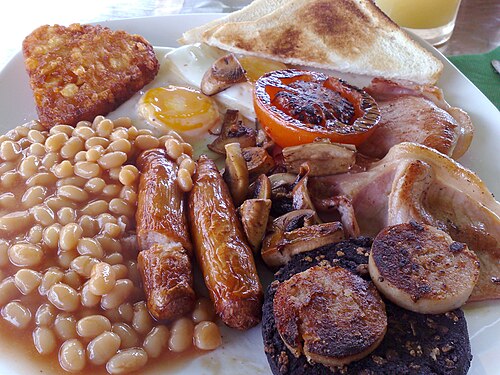
Each country within the United Kingdom has its own specialities. Traditional examples of English cuisine include the Sunday roast; featuring a roasted joint, usually roast beef (a signature English national dish dating back to the 1731 ballad "The Roast Beef of Old England"), lamb or chicken, served with assorted boiled vegetables, Yorkshire pudding and gravy. The full English breakfast consists of bacon, grilled tomatoes, fried bread, baked beans, fried mushrooms, sausages and eggs. Black pudding and hash browns are often also included. It is usually served with tea or coffee. The Ulster version – Ulster fry – includes soda farl and potato bread, with the BBC's Simon Majumdar calling it the UK's best full breakfast.[263]
.jpg/500px-Loaded_Tea_Tray_(7610014554).jpg)

Fish and chips are also regarded as a national institution: Winston Churchill called them "the good companions", John Lennon smothered them in tomato ketchup, while George Orwell referred to them as a "chief comfort" of the working class.[264] The meal was created in 1860 in the East End of London by a Jewish immigrant, Joseph Malin, who came up with the idea of combining fried fish with chips.[264] A blue plaque at Oldham's Tommyfield Market marks the 1860s origin of the fish and chip shop and fast food industries.[265] Various meat pies are consumed such as steak and kidney pie, shepherd's pie, cottage pie, Cornish pasty and pork pie.
A quintessential British custom, afternoon tea, is a small meal typically eaten between 4 pm and 6 pm. The most popular drink in Britain, tea became more widely drunk due to Catherine of Braganza. It is traditionally accompanied with biscuits, sandwiches, scones, cakes or pastries (such as Battenberg cake, fruit cake or Victoria sponge). In his 1946 essay "A Nice Cup of Tea", author George Orwell wrote: "Tea is one of the mainstays of civilisation in this country."[266] McVitie's are the best selling biscuit brand in the UK, and the most popular biscuits to "dunk" in tea, with McVitie's chocolate digestives, rich tea and hobnobs ranked the nation's top three favourite biscuits.[267] Other popular British biscuits include bourbons, custard creams, Jammie Dodgers, ginger nuts and shortbread.[267] The first documented figure-shaped biscuits (gingerbread man) was at the court of Elizabeth I in the 16th century.[268]

The first English recipe for ice cream was published in Mrs. Mary Eales's Receipts in London in 1718, and arguably the earliest reference to an edible ice cream cone, appears in Charles Elmé Francatelli's 1846 The Modern Cook.[269] The 18th-century English aristocrat John Montagu, 4th Earl of Sandwich is best known for his links to the modern concept of the sandwich which was named after him. When he ordered his valet to bring him meat tucked between two pieces of bread, others began to order "the same as Sandwich!".[270] In the city of Leeds in 1767, Joseph Priestley made his "happiest" discovery when he invented carbonated water (also known as soda water), the major and defining component of most soft drinks.[271] Carbonated lemonade was available in British refreshment stalls in 1833, with R. White's Lemonade sold in 1845. By 1887 they sold a wide variety of soft drink flavours. Irn-Bru is the best-selling soft drink in Scotland. Invented by a Newcastle pharmacist in 1927, Lucozade is the No. 1 sports drink in the UK.
Sausages are commonly eaten as bangers and mash, in sausage rolls or as toad in the hole. Lancashire hotpot is a well-known stew. Popular cheeses include Cheddar and Wensleydale. Sweet British dishes include scones, apple pie, mince pies, spotted dick, Eccles cakes, pancakes, sponge cake, trifle, jelly, custard, sticky toffee pudding, Tunnock's teacake, and Jaffa cakes; the best-selling cake in the UK. Marmalade is a popular British spread for toast or sandwich: a spread famous for its association with Paddington Bear, a beloved bear in British culture that featured in the critically acclaimed films Paddington (2014) and Paddington 2 (2017).[272]
.jpg/500px-Victoria_sponge_(14287044448).jpg)
Home baking has always been a significant part of British home cooking. Influential cookbooks include The Experienced English Housekeeper (1769), Modern Cookery for Private Families (1845) by food author Eliza Acton that introduced the now-universal practice of listing ingredients and giving suggested cooking times for each recipe, and Isabella Beeton's Book of Household Management (1861). Home-made cakes and jams are part of the traditional English village fête. Filmed in bunting-draped marquees in scenic gardens, the success of the 2010s television show The Great British Bake Off (which was inspired by the village fête) is credited with spurring a renewed interest in home baking, with supermarkets and department stores in the UK reporting sharp rises in sales of baking ingredients and accessories. A popular cake to bake, Victoria sponge (named after Queen Victoria who enjoyed a slice with her tea), was created following the discovery of baking powder by English food manufacturer Alfred Bird in 1843, which enabled the sponge to rise higher in cakes.[273]
The hot cross bun is a popular British sweet bun traditionally eaten on Good Friday, but are now eaten all year round.[274] Treacle tart was created after the invention of golden syrup by chemists working for Abram Lyle in 1885. With its logo and green-and-gold packaging having remained almost unchanged since then, Lyle's Golden Syrup was listed by Guinness World Records as having the world's oldest branding and packaging.[275] Scottish cuisine includes Arbroath smokie and haggis; Northern Irish cuisine features the Ulster fry and the pastie and Welsh cuisine is noted for Welsh rarebit (often using Worcestershire sauce) and cawl. Brown sauce is a traditional British condiment, with its best known variety HP Sauce (named after and featuring an image of the Houses of Parliament on the label) a popular spread on chicken and bacon sandwiches. The Scottish Aberdeen Angus is a popular native beef breed, accounting for almost 20% of the UK beef industry.[276] Cavendish bananas were cultivated by Sir Joseph Paxton in the greenhouses of Chatsworth House, Derbyshire in 1836.[277] Named after William Cavendish, they make up the vast majority of bananas consumed in the western world.[277]

The pub is an important aspect of British culture, and is often the focal point of local communities. Referred to as their "local" by regulars, pubs are typically chosen for their proximity to home or work, the availability of a particular beer or ale or a good selection, good food, a social atmosphere, the presence of friends and acquaintances, and the availability of pub games such as darts or snooker. Pubs will often screen sports events, such as English Premier League and Scottish Premier League games (or for international tournaments, the FIFA World Cup). The pub quiz was established in the UK in the 1970s.
Initially created to draw in pre-literate drinkers,[279] in 1393, Richard II introduced a law that pubs had to display a sign outdoors to make them easily visible for passing ale tasters who would assess the quality of ale sold.[280] Most pubs still have decorated signs hanging over their doors. The owner or tenant (licensee) is known as the pub landlord or publican, while barmaids are a common feature in pubs. Alcoholic drinks served in pubs include wines and English beers such as bitter, mild, stout and brown ale. Whisky originated in Ireland and Scotland in the Middle Ages: Irish whiskey and Scotch whisky.[281]
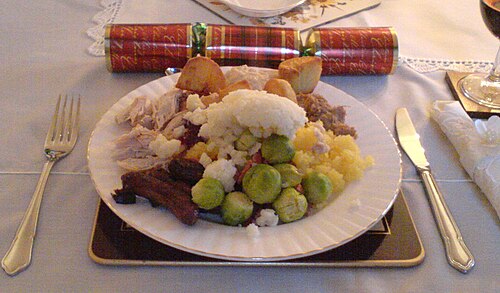
On Christmas Day, goose was previously served at dinner; however since appearing on Christmas tables in England in the late 16th century, the turkey has become more popular, with Christmas pudding served for dessert.[282] The 16th-century English navigator William Strickland is credited with introducing the turkey into England, and 16th-century farmer Thomas Tusser noted that by 1573 turkeys were common in the English Christmas dinner.[283] This custom gave rise to the humorous English idiom, "like turkeys voting for Christmas".[284] The turkey is sometimes accompanied with roast beef or ham, and is served with stuffing, gravy, roast potatoes, mashed potatoes and vegetables. Invented in London in the 1840s, Christmas crackers are an integral part of Christmas celebrations, often pulled before or after dinner, or at parties.[285]

Chinese restaurants and takeaways (in addition to Indian) are among the most popular ethnic food in the UK.[286] Chinese takeaways are a common sight in towns throughout the UK, and many serve a pseudo-Chinese cuisine based on western tastes (such as chicken fried rice, chips and curry sauce).[287]
The earliest recipe for the crisp ("potato chip") is in English food writer William Kitchiner's 1822 cookbook The Cook's Oracle.[288] In 1920, Frank Smith of The Smiths Potato Crisps Company Ltd packaged a twist of salt with his crisps in greaseproof paper bags, which were sold around London.[289] Crisps remained otherwise unseasoned until an important scientific development in the 1950s. After Archer Martin and Richard Synge (while working in Leeds) received a Nobel Prize for the invention of partition chromatography in 1952, food scientists began to develop flavours via a gas chromatograph, a device that allowed scientists to understand chemical compounds behind complex flavours such as cheese.[290] In 1954, Irish crisps company Tayto produced the first seasoned crisps: Cheese & Onion.[291] Golden Wonder (Smiths' main competitor in Britain) produced their Cheese & Onion version, and Smith's countered with Salt & Vinegar (tested first by their north-east England subsidiary Tudor) which launched nationally in 1967, starting a two-decade-long flavour war.[292][293] The crisp market in the UK is led by Walkers (who introduced their own flavours in 1954), holding 56% of the market share.
.jpg/500px-Jubilee_Confectioners_window_display,_Town,_Beamish_Museum,_26_November_2006_(2).jpg)
The Quakers, founded by George Fox in 1650s England and described by the BBC as "natural capitalists", had a virtual monopoly in the British chocolate industry for much of the 19th and 20th centuries, led by Cadbury of Birmingham, Fry's of Bristol and Rowntree's and Terry's of York.[294] Fry's produced the first chocolate bar in 1847, which was then mass-produced as Fry's Chocolate Cream in 1866.[295] The chocolate bars Cadbury Dairy Milk, Galaxy and Kit Kat, are the three best selling bars in the UK.[296] Cadbury Creme Eggs are the best selling confectionery item between New Year's Day and Easter in the UK, with annual sales in excess of 200 million. Sponsored by Cadbury, the annual children's Easter egg hunt takes place in over 250 locations in the UK. Created in Doncaster, Yorkshire, Butterscotch boiled sweets is one of the town's best known exports. Created in Lancashire, Jelly Babies are among the British public's favourite sweets. After Eights are a popular after dinner mint. A stick of rock (a hard cylindrical stick-shaped boiled sugar) is a traditional British seaside sweet, commonly sold at seaside resorts throughout the UK such as Brighton, Portrush and Blackpool. A "99 Flake" (commonly called a "99") which consists of ice cream in a cone with a Cadbury Flake inserted in it, is a hugely popular British dessert.[297]
Sport
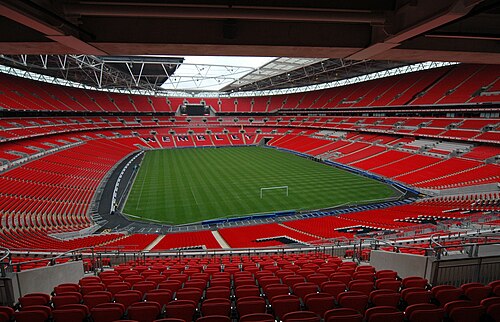
Most of the major sports have separate administrative structures and national teams for each of the countries of the United Kingdom. Though each country is also represented individually at the Commonwealth Games, there is a single 'Team GB' (for Great Britain) that represents the UK at the Olympic Games. With the rules and codes of many modern sports invented and codified in late 19th-century Victorian Britain, in 2012, IOC President Jacques Rogge stated; "This great, sports-loving country is widely recognized as the birthplace of modern sport. It was here that the concepts of sportsmanship and fair play were first codified into clear rules and regulations. It was here that sport was included as an educational tool in the school curriculum".[299][300]
Football
Both in participation and viewing, the most popular sport in the UK is association football.[301] The sport's origin can be traced to English public school football games. The rules were first drafted in England in 1863 by Ebenezer Cobb Morley, and the UK has the oldest football clubs in the world.[302] England is recognised as the birthplace of club football by FIFA, with Sheffield F.C., founded in 1857, the world's oldest football club.[303] The home nations all have separate national teams and domestic competitions, most notably England's Premier League and FA Cup, and the Scottish Premiership and Scottish Cup. The top three Welsh football clubs feature in the English league system. The first international football match was between Scotland and England in 1872.[304] Referred to as the "home of football" by FIFA, England hosted the 1966 FIFA World Cup, and won the tournament.[305] The British television audience for the 1966 World Cup final peaked at 32.30 million viewers, making it the most watched television event ever in the UK.[51]
The four home nations have produced some of the greatest players in the game's history, including, from England, Bobby Moore and Gordon Banks; from Northern Ireland, George Best and Pat Jennings; from Scotland, Kenny Dalglish and Jimmy Johnstone; and from Wales, Ian Rush and Ryan Giggs. The first recipient of the Ballon d'Or, Stanley Matthews was knighted while still a player. The English Premier League (formed in 1992 by member clubs of the old Football League First Division) is the most-watched football league in the world,[306] and its biggest clubs include Manchester United, Liverpool, Arsenal, Chelsea, Tottenham Hotspur and Manchester City. Scotland's Celtic and Rangers also have a global fanbase. Leicester City's 2016 Premier League title win is regarded among the greatest sporting upsets ever.

The best-placed teams in the domestic leagues of England and Scotland qualify for Europe's premier competition, the UEFA Champions League (European Cup). Previous winners from the UK are Liverpool, Manchester United, Nottingham Forest, Celtic, Chelsea and Aston Villa. The UEFA Champions League Anthem, written by Tony Britten and based on Handel's Zadok the Priest, is played before each game.[307] Henry Lyte's Christian hymn "Abide with Me" is sung prior to kick-off at every FA Cup Final, a tradition since 1927.
The practice of "jumpers for goalposts" alludes to street/park football in the UK where jumpers would be placed on the ground and used as goalposts. This practice was referenced by singer Ed Sheeran in his DVD Jumpers for Goalposts: Live at Wembley Stadium as a nod to playing concerts at Wembley Stadium, the home of English football. Early references to dribbling come from accounts of medieval football games in England. Geoffrey Chaucer offered an allusion to such ball skills in 14th-century England. In The Knight's Tale (from the Canterbury Tales) he uses the following line: "rolleth under foot as doth a ball".[308]
Football in Britain is renowned for the intense rivalries between clubs and the passion of the supporters, which includes a tradition of football chants, which are one of the last remaining sources of an oral folk song tradition in the UK.[309] Chants include "You're Not Singing Any More" (or its variant "We Can See You Sneaking Out!"), sung by jubilant fans towards the opposition fans who have gone silent (or left early).[310] Many teams in the UK have their own club anthem or have a song closely associated with them, for example "You'll Never Walk Alone" by Liverpool-based rock band Gerry and the Pacemakers, and "Local Hero" by Dire Straits frontman and Newcastle United fan Mark Knopfler, is played before the start of every Liverpool and Newcastle home game.[311]
Throughout the UK, meat pies (as well as burgers and chips) is a traditional hot food eaten at football games either before kick-off or during half time. The purchase of a football programme (a pre-match magazine produced by the home team that gives details on that day's game, including player profiles, recent form, interviews etc.) is also part of the 'ritual' of attending a football match in the UK. The Football Association dropped its ban on floodlights in 1950, and night games attracted increasingly large crowds of fans–some of them unruly—as well as large television audiences. Architects built bigger stadia, and "their cantilevered constructions dwarfing mean streets, supplanted the cathedral as a symbol of the city's identity and aspirations".[312]
Golf
The modern game of golf originated in Scotland, with the Fife town of St Andrews known internationally as the "home of golf".[313] and to many golfers the Old Course, an ancient links course dating to before 1574, is considered to be a site of pilgrimage.[314] In 1764, the standard 18 hole golf course was created at St Andrews when members modified the course from 22 to 18 holes.[315] Golf is documented as being played on Musselburgh Links, East Lothian, Scotland as early as 2 March 1672, which is certified as the oldest golf course in the world by Guinness World Records.[316] The oldest known rules of golf were compiled in March 1744 in Leith.[317]
The oldest golf tournament in the world, and the first major championship in golf, The Open Championship, first took place in Ayrshire, Scotland in 1860, and today it is played on the weekend of the third Friday in July.[318] Golf's first superstar Harry Vardon, a member of the fabled Great Triumvirate who were pioneers of the modern game, won the Open a record six times. Since the 2010s, three Northern Irish golfers have had major success; Graeme McDowell, Darren Clarke and four time major winner Rory McIlroy.[319] The biennial golf competition, the Ryder Cup, is named after English businessman Samuel Ryder who sponsored the event and donated the trophy.[320] Sir Nick Faldo is the most successful British Ryder Cup player.
Rugby

In 1845, rugby union was created when the first rules were written by pupils at Rugby School, Warwickshire.[321] A former pupil of the school William Webb Ellis, is often fabled with the invention of running with the ball in hand in 1823. The first rugby international took place on 27 March 1871, played between England and Scotland.[322] By 1881 both Ireland and Wales had teams, and in 1883 the first international competition the annual Home Nations Championship took place. In 1888, the Home Nations combined to form what is today called the British and Irish Lions, who now tour every four years to face a Southern Hemisphere team. The Wales team of the 1970s, which included a backline consisting of Gareth Edwards, J. P. R. Williams and Phil Bennett who were known for their feints, sidesteps and attacking running rugby, are regarded as one of the greatest teams in the game – all three players were involved in The greatest try ever scored in 1973. Jonny Wilkinson scored the winning drop goal for England in the last minute of extra time in the 2003 Rugby World Cup Final. The major domestic club competitions are the Premiership in England and the Celtic League in Ireland, Scotland, Wales and (since 2010) Italy. Of Cornish origin, the chant "Oggy Oggy Oggy, Oi Oi Oi!" is associated with rugby union (and its personalised variant with football); it inspired the "Maggie Maggie Maggie, Out Out Out!" chant by opponents of Prime Minister Margaret Thatcher in the 1980s. In 1895, rugby league was created in Huddersfield, West Riding of Yorkshire, as the result of a split with the other Rugby code. The Super League is the sports top-level club competition in Britain, and the sport is especially popular in towns in the northern English counties of Yorkshire, Lancashire and Cumbria. The Challenge Cup is the major rugby league cup competition.
Tennis
.jpg/500px-Wimbledon_Centre_Court_(May_15,_2019).jpg)
The modern game of tennis originated in Birmingham, England in the 1860s, and after its creation, tennis spread throughout the upper-class English-speaking population, before spreading around the world.[324] Major Walter Clopton Wingfield is credited as being a pioneer of the game.[325] The world's oldest tennis tournament, the Wimbledon championships, first occurred in 1877, and today the event takes place over two weeks in late June and early July.[326] Created in the Tudor period in the court of Henry VIII, the English dessert Strawberries and cream is synonymous with the British summer, and is famously consumed at Wimbledon. The tournament itself has a major place in the British cultural calendar. The eight-time Slam winner and Britain's most successful player Fred Perry is one of only seven men in history to have won all four Grand Slam events, which included three Wimbledons.[327] Virginia Wade won three Grand Slams, the most famous of which was Wimbledon in 1977, the year of the Silver Jubilee of Queen Elizabeth II (the Queen attended Wimbledon for the first time since 1962 to watch the final). The 2013 and 2016 Wimbledon champion, Scotland's Andy Murray, is Britain's most recent male Grand Slam winner. In 2021, Emma Raducanu became the most recent British female Grand Slam winner.
Boxing
_zoom.jpg/500px-WWE_-_Sheffield_020499_(47)_zoom.jpg)
The 'Queensberry rules', the code of general rules in boxing, was named after John Douglas, 9th Marquess of Queensberry in 1867, that formed the basis of modern boxing.[328] Britain's first heavyweight world champion Bob Fitzsimmons made boxing history as the sport's first three-division world champion. The 1980s saw the emergence of heavyweight Frank Bruno who would become hugely popular with the British public. In the 1990s, Chris Eubank, Nigel Benn, Steve Collins and Michael Watson had a series of fights against each other in the super-middleweight division, drawing audiences of up to 20 million in the UK. Eubank's eccentric personality made him one of the most recognisable celebrities in the UK along with the cocky "Prince" Naseem Hamed. The Nigel Benn vs. Gerald McClellan fight in 1995 drew 13 million. Other big draw fighters in the UK included Lennox Lewis, Joe Calzaghe and Ricky Hatton.
Cricket
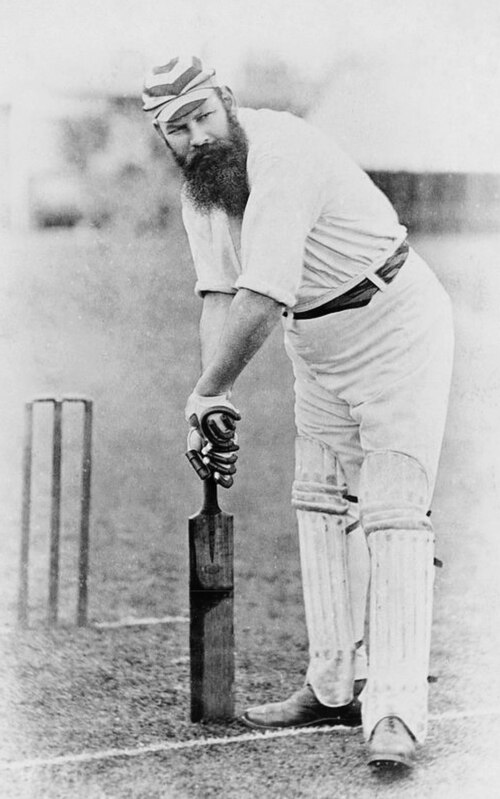
The modern game of cricket was created in England in the 1830s when round arm bowling was legalised, followed by the historical legalisation of overarm bowling in 1864.[329] In 1876–77, England took part in the first-ever Test match against Australia. Influential to the development of the sport, W. G. Grace is regarded as one of the greatest cricket players, devising most of the techniques of modern batting.[330] His fame endures; Monty Python and the Holy Grail uses his image as "the face of God" during the sequence in which God sends the knights out on their quest for the grail. The rivalry between England and Australia gave birth to The Ashes in 1882 that has remained Test cricket's most famous contest, and takes place every two years to high television viewing figures. The County Championship is the domestic competition in England and Wales. England have hosted the Cricket World Cup five times, and are the reigning champions, having won in 2019.
Horse racing
Originating in 17th and 18th-century England, the Thoroughbred is a horse breed best known for its use in horse racing. Horse racing was popular with the aristocrats and royalty of British society, earning it the title "Sport of Kings".[331] Named after Edward Smith-Stanley, 12th Earl of Derby, The Derby was first run in 1780. The race serves as the middle leg of the Triple Crown, preceded by the 2000 Guineas and followed by the St Leger. The name "Derby" has since become synonymous with great races all over the world, and as such has been borrowed many times in races abroad.[332]
The National Hunt horse race the Grand National, is held annually at Aintree Racecourse in early April. It is the most watched horse race in the UK, attracting casual observers, and three-time winner Red Rum is the most successful racehorse in the event's history. Red Rum is the best-known racehorse in the UK, named by 45% of Britons, with Black Beauty (from Anna Sewell's novel) in second with 33%.[333]
Bolton company J.W. Foster and Sons's pioneering running spikes appear in the book, Golden Kicks: The Shoes that changed Sport.[334] They were made famous by 1924 100 m Olympic champion Harold Abrahams who would be immortalised in Chariots of Fire, the British Oscar winning film.[334] Foster's grandsons formed the sportswear company Reebok in Bolton.[334]
Motor sports
The 1950 British Grand Prix was the first Formula One World Championship race. Britain has produced some of the greatest drivers in Formula One, including Stirling Moss, Jim Clark (twice F1 champion), Graham Hill (only driver to have won the Triple Crown), John Surtees (only world champion in two and four wheels), Jackie Stewart (three-time F1 champion), James Hunt, Nigel Mansell (only man to hold F1 and IndyCar titles at the same time), Jenson Button and Lewis Hamilton (seven-time champion). The British Grand Prix is held at Silverstone every July. Also, the United Kingdom is home to some of the most prestigious teams in Formula One, including McLaren and Williams. It is also home to the headquarters of six of the ten current F1 teams, including current champions Mercedes, four-time champions Red Bull Racing, Alpine and Aston Martin.
National sporting events
Other major sporting events in the UK include the London Marathon, and The Boat Race on the River Thames. The most successful male rower in Olympic history, Steve Redgrave won gold medals at five consecutive Olympic Games. Cycling is a popular physical activity in the UK. In 1888, inventor Frank Bowden founded the Raleigh Bicycle Company, and by 1913, Raleigh was the biggest bicycle manufacturing company in the world. The Raleigh Chopper was named in the list of British design icons. In 1965 Tom Simpson became the first British world road race champion, and in 2012 Bradley Wiggins became the first British Tour de France winner. Chris Froome has subsequently won the Tour de France four times (2013, 2015, 2016 and 2017). Welsh cyclist Geraint Thomas won in 2018. Sprint specialist Mark Cavendish has won thirty Tour de France stages, putting him second on the all-time list.

In Ice Dance, many of the compulsory moves were developed by dancers from the UK in the 1930s.[336] At the 1984 Winter Olympics, Jayne Torvill and Christopher Dean won ice dancing gold with the highest-ever score for a single programme. The pair received perfect 6.0 scores from every judge for artistic impression, and twelve 6.0s and six 5.9s overall.
At the 1988 Winter Olympics, ski jumper Eddie "The Eagle" Edwards gained fame as an underdog. Eddie was portrayed by Taron Egerton in the 2016 biographical sports comedy-drama film Eddie the Eagle.
_Moscow_2013.jpg/500px-Mo_Farah_(2)_Moscow_2013.jpg)
A great number of major sports originated in the United Kingdom, including association football, golf, tennis, boxing, rugby league, rugby union, cricket, field hockey, snooker, darts, billiards, squash, curling and badminton, all of which are popular in Britain. Another sport invented in the UK was baseball,[337] and its early form rounders is popular among children in Britain.[338] Snooker and darts are popular indoor games: Stephen Hendry is the seven time world snooker champion, Phil Taylor is the 16 time world darts champion. Snooker player Alex Higgins (nicknamed The Hurricane) and darts player Eric Bristow (nicknamed The Crafty Cockney) are credited with popularising each sport.
Bodybuilder Reg Park was Mr Britain in 1946 and became Mr Universe in 1951, 1958 and 1965.[339] Gaelic football is very popular in Northern Ireland, with many teams from the north winning the All-Ireland Senior Football Championship since the early 2000s. William Penny Brookes was prominent in organising the format for the modern Olympic Games, and in 1994, then IOC President Juan Antonio Samaranch laid a wreath on Brooke's grave, and said, "I came to pay homage and tribute to Dr Brookes, who really was the founder of the modern Olympic Games".[340]
Participation in women's team sport (in addition to profile in the media) has seen a rapid increase in recent years. Popular women's team sports include Netball Superleague formed in 2005, the FA WSL (women's football) formed in 2010 (Kelly Smith is seen as a leading figure in the game), Women's Six Nations Championship in rugby union, and Women's Cricket Super League.
Sub-national sports
The Highland games are held throughout the year in Scotland as a way of celebrating Scottish and Celtic culture and heritage, especially that of the Scottish Highlands, with more than 60 games taking place across the country every year. Each December, the BBC Sports Personality of the Year is announced, an award given to the best British sportsperson of the year, as voted for by the British public. The public also votes for the BBC Overseas Sports Personality of the Year, presented to a non-British sportsperson considered to have made the most substantial contribution to a sport each year which has also captured the imagination of the British public. Recipients have included Pelé (after winning his third World Cup in 1970), Muhammad Ali (after regaining the heavyweight title in 1974), Jonah Lomu (for his performances at the 1995 Rugby World Cup), Ronaldo (for his comeback in winning the 2002 World Cup), and Roger Federer (for his record eighth Wimbledon in 2017).[341]
Healthcare

Each of the four countries of the UK has a publicly funded health care system referred to as the National Health Service (NHS). The terms "National Health Service" or "NHS" are also used to refer to the four systems collectively. All of the services were founded in 1948, based on legislation passed by the Labour Government that had been elected in 1945 with a manifesto commitment to implement the Beveridge Report recommendation to create "comprehensive health and rehabilitation services for prevention and cure of disease".[342]

The NHS was born out of a long-held ideal that good healthcare should be available to all, regardless of wealth. At its launch by the then minister of health, Aneurin Bevan, on 5 July 1948, it had at its heart three core principles: That it meet the needs of everyone, that it be free at the point of delivery, and that it be based on clinical need, not ability to pay.[343] The NHS had a prominent slot during the 2012 London Summer Olympics opening ceremony directed by Danny Boyle, being described as "the institution which more than any other unites our nation", according to the programme.[344] Cancer Research UK, Alzheimer's Research UK and Together for Short Lives are among hundreds of health charities in the UK.
Florence Nightingale laid the foundation of modern nursing with the establishment of her nursing school at St Thomas' Hospital in London. It was the first secular nursing school in the world, now part of King's College London. Nightingale wrote Notes on Nursing in 1859. The book served as the cornerstone of the curriculum at the Nightingale School and other nursing schools.[345] The Nightingale Pledge is taken by many new nurses in the US (but not the UK), and the annual International Nurses Day (12 May) is celebrated around the world on her birthday. Her social reforms improved healthcare for all sections of society in the UK and around the world.[346]
Pets
Statistics

In the UK, about 40% of the population own a pet. The top pets in the UK for 2018 and 2019 are:[348]
- Dogs: 25%
- Cats: 17%
- Rabbits, indoor birds, guinea pigs, hamsters: ≈1%
- Tortoises and Turtles: 0.7%
- Lizards: 0.6%
However, the population of pets in the UK declined from 71 million in 2013 (a significant peak) to 51 million in 2018.[349] This decline has seen some reversal as a result of the COVID-19 pandemic; an article published in May 2021 stated that a total of 3.2 million households in the UK had acquired a pet since the start of the pandemic, according to the Pet Food Manufacturers' Association.[350]
History
Founded in 1824, the Royal Society for the Prevention of Cruelty to Animals (RSPCA) is the oldest and largest animal welfare organisation in the world.[351]
The British Shorthair cat is the most popular pedigreed breed in its native country, as registered by the UK's Governing Council of the Cat Fancy (GCCF). The breed's broad cheeks and relatively calm temperament make it a frequent media star. The cat's profile reads: "When gracelessness is observed, the British Shorthair is duly embarrassed, quickly recovering with a 'Cheshire cat smile'".[352] There are almost one million horses and ponies in the UK, with popular native breeds including Clydesdale horse (used as drum horses by the British Household Cavalry), Thoroughbred (used in horse racing), Cleveland Bay (pull carriages in royal processions), Highland pony and Shetland pony.
The UK's indigenous dog breeds include the Bulldog, Jack Russell Terrier, Golden Retriever, Yorkshire Terrier, Cavalier King Charles Spaniel, Airedale Terrier, Beagle, Border Collie, Staffordshire Bull Terrier, English Cocker Spaniel, Scottish Terrier, Welsh Corgi, Bullmastiff, Greyhound, English Springer Spaniel and Old English Sheepdog.
The Kennel Club, with its headquarters in London, is the oldest kennel club in the world, and acts as a lobby group on issues involving dogs in the UK. Its main objectives are to promote the general improvement of dogs and responsible dog ownership.[353] Held since 1891, Crufts is an annual dog show in the UK. The event takes place over four days in early March. In 1928, the very first winner of Best in Show at Crufts was Primley Sceptre, a greyhound.
National costume and dress

As a multi-national state, the UK has no single national costume. However, different countries within the United Kingdom have national costumes or at least are associated with styles of dress. Scotland has the kilt and Tam o'shanter, and tartan clothing – its pattern consisting of criss-crossed horizontal and vertical bands in multiple colours – is a notable aspect of Gaelic culture.[354] A traditional Welsh costume with Welsh hat is worn by some women during Eisteddfodau. In England, the topic of a national costume has been in debate, since no officially recognized clothing is anointed "national". However, the closest to an English national costume can be the smock or smock-frock in the Midlands and Southern England and the maud in Northern England. English Country Clothing is also very popular among rural folk, flat caps and brogue shoes also forming part of the country clothing.[355]

Certain military uniforms such as the Beefeater or the Queen's Guard are considered to be symbolic of Englishness. Morris dancers or the costumes for the traditional English May dance are sometimes cited as examples of traditional English costume, but are only worn by participants in those events. Designed in 1849 by the London hat-makers Thomas and William Bowler, the Bowler hat is arguably the most iconic stereotyped view of an Englishman (complete with Bowler and rolled umbrella), and was commonly associated with City of London businessmen. Traced back to the north of England in the 14th century, the flat cap is associated with the working classes in the UK.[355] The flat cap has seen a 21st-century resurgence in popularity, possibly influenced by various British public figures wearing them, including David Beckham, Harry Styles and Guy Ritchie, with clothing sellers Marks & Spencer reporting that flat cap sales significantly increased in the 2010s.[357] In 1856 William Henry Perkin discovered the first synthetic dye (Mauveine – a purple colour), which was suitable as a dye of silk and other textiles, helping to revolutionise the world of fashion.[358]
Burberry is most famous for creating the trench coat: they were worn by British soldiers in the trenches in World War I.[359] Among various British youth subcultures, Dr. Martens boots (often referred to as DMs) have been the choice of footwear: in the 1960s skinheads started to wear them, and they later became popular among scooter riders, punks, and some new wave musicians. Male mods adopted a sophisticated look that included tailor-made suits, thin ties, button-down collar shirts, Chelsea boots and Clarks desert boots.[360]

British sensibilities have played an influential role in world clothing since the 18th century. Particularly during the Victorian era, British fashions defined acceptable dress for men of business. Key figures such as the future Edward VII, Edward VIII, and Beau Brummell, created the modern suit and cemented its dominance. Brummell is credited with introducing and establishing as fashion the modern man's suit, worn with a tie.[361] The use of a coloured and patterned tie (a common feature in British school uniforms) indicating the wearer's membership in a club, regiment, school, professional association etc. stems from the 1880 oarsmen of Exeter College, Oxford, who tied the bands of their straw hats around their necks.[362] The Wellington boot (first worn by Arthur Wellesley, 1st Duke of Wellington) became a staple for outdoor wear.
The tradition of a white wedding is commonly credited to Queen Victoria's choice to wear a white wedding dress at her wedding to Prince Albert in 1840, at a time when white was associated with purity and conspicuous consumption (because it was difficult to keep clean, and thus could not be worn by servants or labourers), and when it was the colour required of girls being presented to the royal court.[363][364] The 1981 wedding dress of Lady Diana Spencer became one of the most famous dresses in the world, and was considered one of the most closely guarded secrets in fashion history.[365]
Fashion

London, as one of the world's four fashion capitals, is host to the London Fashion Week – one of the 'Big Four' fashion weeks.[366] Organised by the British Fashion Council, the event takes place twice each year, in February and September. The current venue for most of the "on-schedule" events is Somerset House in central London, where a large marquee in the central courtyard hosts a series of catwalk shows by top designers and fashion houses, while an exhibition, housed within Somerset House itself, showcases over 150 designers. However, many "off-schedule" events, such as On|Off and Vauxhall Fashion Scout, are organised independently and take place at other venues in central London.
British designers whose collections have been showcased at the fashion week include Vivienne Westwood, Alexander McQueen, John Galliano and Stella McCartney. British models who have featured at the event include Kate Moss, Naomi Campbell, Jade Jagger, David Gandy, Cara Delevingne and Rosie Huntington-Whiteley. For almost two decades, Princess Diana was a fashion icon whose style was emulated by women around the world.[367]
Fashion designer Mary Quant was at the heart of the "Swinging London" scene of the 1960s, and her work culminated in the creation of the miniskirt and hot pants.[368] Quant named the miniskirt after her favourite make of car, the Mini.[369] The Swinging London fashion scene has featured in films, and was spoofed in the Austin Powers comedy series.[370] The English fashion designer Charles Frederick Worth is widely considered the father of Haute couture.[371]
Symbols, flags, and emblems

The United Kingdom as a whole has a number of national symbols, as do its constituent nations. The Union Flag is the national flag of the United Kingdom. The first flag combined the cross of St George with the saltire of Saint Andrew to represent the Union of the Crowns in 1707. St Patrick's saltire was added when the Kingdom of Ireland was unified with Great Britain in 1801, and retained to represent Northern Ireland after partition in 1927.[372] Wales has never been represented on the Union Flag, as in 1707 it was part of the Kingdom of England. Similarly, the Royal coat of arms of the United Kingdom only represents England, Scotland, and Northern Ireland. England occupies the first and fourth quarters of the arms except in Scotland, when its arms take precedence. Britannia is the national personification of the UK, while John Bull is a personification used in satirical contexts, and the national animals are the lion and the bulldog.
The UK does not have a floral emblem, but each nation does. The Tudor rose represents England, a thistle Scotland, the flax flower and shamrock Northern Ireland, and the leek and daffodil Wales. The rose, shamrock and thistle are engrafted on the same stem on the coat of arms of the United Kingdom. Another major floral symbol is the remembrance poppy, which has been worn in Britain since 1921 to commemorate soldiers who have died in war. In the weeks leading up to Remembrance Sunday they are distributed by The Royal British Legion in return for donations to their "Poppy Appeal", which supports all current and former British military personnel.
Traditional communication and greeting cards

A familiar sight throughout the UK, the red telephone box and Royal Mail red post box are considered British cultural icons. Designed by Sir Giles Gilbert in 1924, the red telephone box features a prominent crown representing the British government. The post pillar box was introduced in the 1850s during the reign of Queen Victoria following Sir Rowland Hill's postal reforms in the 1830s where the reduction in postal rates with the invention of the postage stamp (Penny Black) made sending post an affordable means of personal communication.[179] The red telephone box has appeared in British pop culture, such as in Adele's video "Hello", the front cover of One Direction's album Take Me Home, and the back cover of David Bowie's album The Rise and Fall of Ziggy Stardust and the Spiders from Mars.[373]
The world's first postcard was received by Theodore Hook from Fulham, London in 1840.[374] The first pillar boxes had the distinctive Imperial cypher of Victoria Regina. Most pillar boxes produced after 1905 are made of cast iron and are cylindrical, and have served well throughout the reigns of George V, Edward VIII, George VI and Elizabeth II.[375]
The sending and receiving of greeting cards is an established tradition in the UK, with card sending or card display in the home being an important part of British culture.[376]
Sir Henry Cole devised the concept of sending greetings cards at Christmas time.[377] Designed by John Callcott Horsley for Cole in 1843, the Christmas card accounts for almost half of the volume of greeting card sales in the UK, with over 600 million cards sold annually.[376] The robin is a common sight in gardens throughout the UK. It is relatively tame and drawn to human activities, and is frequently voted Britain's national bird in polls.[378] The robin began featuring on many Christmas cards in the mid-19th century. The association with Christmas arises from postmen in Victorian Britain who wore red jackets and were nicknamed "Robins"; the robin featured on the Christmas card is an emblem of the postman delivering the card.[379]
Sending Valentine's Day cards became hugely popular in Britain in the late 18th century, a practice which has since spread to other nations.[380] The day first became associated with romantic love within the circle of Geoffrey Chaucer in the 14th century, when the tradition of courtly love flourished.[381] In Chaucer's Parlement of Foules (1382) he wrote; For this was on seynt Volantynys day. When euery bryd comets there to chese his make.[381] The modern cliché Valentine's Day poem can be found in the 1784 English nursery rhyme Roses Are Red; "The rose is red, the violet's blue. 'The honey's sweet, and so are you. Thou art my love and I am thine. I drew thee to my Valentine."[382]
In 1797, a British publisher issued The Young Man's Valentine Writer which contained scores of suggested sentimental verses for the young lover unable to compose his own. In 1835, 60,000 Valentine cards were sent by post in the UK, despite postage being expensive.[383] A reduction in postal rates (with the 1840 invention of the postage stamp, the Penny Black) increased the practice of mailing Valentines, with 400,000 sent in 1841.[384] In the UK just under half the population spend money on gifts.[385] Other popular occasions for sending greeting cards in the UK are birthdays, Mother's Day, Easter and Father's Day.[377]
Education
Each country of the United Kingdom has a separate education system. Power over education matters in Scotland, Wales and Northern Ireland is devolved but education in England is dealt with by the British government since there is no devolved administration for England.
England

Most schools came under state control in the Victorian era; a formal state school system was instituted after the Second World War. Initially, schools were categorised as infant schools, primary schools and secondary schools (split into more academic grammar schools and more vocational secondary modern schools). Under the Labour governments of the 1960s and 1970s most secondary modern and grammar schools were combined to become comprehensive schools. England has many independent (fee-paying) schools, some founded hundreds of years ago; independent secondary schools are known as public schools. Eton, Harrow, Shrewsbury and Rugby are four of the best-known. The nature and peculiarities of these Public schools have frequently featured in British literature. Prior to 1999,[386] corporal punishment was allowed in such schools, whilst the use of corporal punishment was outlawed in state schools in 1987.[387] Most primary and secondary schools in both the private and state sectors have compulsory school uniforms. Allowances are almost invariably made, however, to accommodate religious dress, including the Islamic hijab and Sikh bangle (kara).
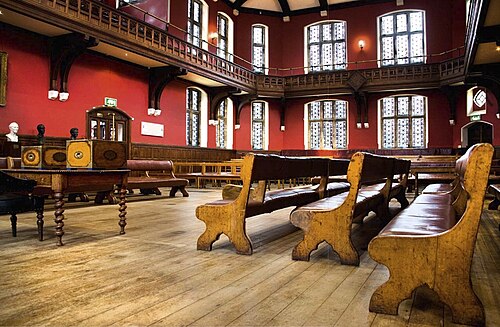
Although the Minister of Education is responsible to Parliament for education, the day-to-day administration and funding of state schools is the responsibility of local education authorities.
England's universities include some of the highest-ranked universities in the world: the University of Cambridge, Imperial College London, the University of Oxford and University College London are all ranked in the global top 10 in the 2010 QS World University Rankings. The London School of Economics has been described as the world's leading social science institution for both teaching and research.[389] The London Business School is considered one of the world's leading business schools and in 2010 its MBA programme was ranked best in the world by the Financial Times.[390] Academic degrees in England are usually split into classes: first class (I), upper second class (II:1), lower second class (II:2) and third (III), and unclassified (below third class).
Northern Ireland
The Northern Ireland Assembly is responsible for education in Northern Ireland. Schools are administered by five Education and Library Boards covering different geographical areas.
Scotland

Scotland has a long history of universal provision of public education which, traditionally, has emphasised breadth across a range of subjects rather than depth of education in a smaller range of subjects. The majority of schools are non-denominational, but by law separate Roman Catholic schools, with an element of control by the Roman Catholic Church, are provided by the state system. Qualifications at the secondary school and post-secondary (further education) levels are provided by the Scottish Qualifications Authority and delivered through various schools, colleges and other centres. Political responsibility for education at all levels is vested in the Scottish Parliament and the Scottish Executive Education and Enterprise, Transport & Lifelong Learning Departments. State schools are owned and operated by the local authorities which act as Education Authorities, and the compulsory phase is divided into primary school and secondary school (often called high school, with the world's oldest high school being the Royal High School, Edinburgh in 1505,[391] which colonists spread to the New World owing to the high prestige enjoyed by the Scottish educational system). Schools are supported in delivering the National Guidelines and National Priorities by Learning and Teaching Scotland.
First degree courses at Scottish universities are often a year longer than elsewhere in the UK, though sometimes students can take a more advanced entrance exam and join the courses in the second year. One unique aspect is that the ancient universities of Scotland award a Master of Arts degree as the first degree in humanities. The University of Edinburgh is among the top twenty universities in the world according to the QS World University Rankings 2011. It is also among the Ancient Universities of Great Britain.
Wales

The National Assembly for Wales has responsibility for education in Wales. A significant number of students in Wales are educated either wholly or largely through the medium of the Welsh language, and lessons in the language are compulsory for all until the age of 16. There are plans to increase the provision of Welsh medium education as part of the policy of promoting a fully bilingual Wales.
Outdoor education
Scouting is the largest co-educational youth movement in the UK.[392] Scouting began in 1907 when Robert Baden-Powell, Lieutenant General in the British Army, held the first Scout camp at Brownsea Island in Dorset, England.[393] Baden-Powell wrote the principles of Scouting in Scouting for Boys in 1908.[394] In July 2009, adventurer Bear Grylls became the youngest Chief Scout ever, aged 35. In 2010, scouting in the UK experienced its biggest growth since 1972, taking total membership to almost 500,000.[392]
Sociological issues
Housing

The UK (England in particular) has a relatively high population density so housing tends to be more closely packed than in other countries. Thus terraced houses are widespread, dating back to the aftermath of the Great Fire of London.[395]
As the first industrialised country in the world, the UK has long been urbanised.[396] In the 20th century, suburbanisation led to a spread of semi-detached and detached housing. After the Second World War, public housing was dramatically expanded to create a large number of council estates. There are many historic country houses and stately homes in rural areas, though only a minority of these are still used as private living accommodation.
In recent times, more detached housing has started to be built. Also, city living has boomed, with city centre populations rising rapidly. Most of this population growth has been accommodated in new apartment blocks in residential schemes in many towns and cities. Demographic changes (see below) are putting great pressure on the housing market, especially in London and the South East.
Living arrangements

Historically most people in the United Kingdom lived either in conjugal extended families or nuclear families. This reflected an economic landscape where the general populace tended to have less spending power, meaning that it was more practical to stick together rather than go their individual ways. This pattern also reflected gender roles. Men were expected to go out to work and women were expected to stay at home and look after the families.

In the 20th century the emancipation of women, the greater freedoms enjoyed by both men and women in the years following the Second World War, greater affluence and easier divorce have changed gender roles and living arrangements significantly. The general trend is a rise in single people living alone, the virtual extinction of the extended family (outside certain ethnic minority communities), and the nuclear family arguably reducing in prominence.
From the 1990s, the break-up of the traditional family unit, when combined with low interest rates and other demographic changes, has created great pressure on the housing market, in particular on accommodation for "key workers" such as nurses, other emergency service workers and teachers, who are priced out of most housing, especially in the South East. Some research indicates that in the 21st century young people are tending to continue to live in the parental home for much longer than their predecessors.[397]
Happiness
When Brits were asked to rate their happiness yesterday on a scale of 1 to 10 in 2018, respondent's mean answer was 7.54 (ranked 'High') in 2018. Northern Irish respondents were ranked the happiest of the United Kingdom (with a mean of 7.74), followed by the English (with 7.54), then the Scots (with 7.52) and finally the Welsh (with 7.51).[398]
However, only 25% of women and girls between the ages of 7 and 21 claim to be very happy, which has fallen from 41% in 2009. They claimed that it was due to the pressure from exams and social media, which exerted undue amounts of stress on them. In that category, the oldest were the least happy: 27% of young women aged 17 to 21 claimed they were not happy, compared to 11% in 2009. This negatively influenced their confidence by 61%, health by 50%, relationships by 49% and studying by 39%. 69% of respondents in that age group claimed school exams were the chief stressor, 59% felt pressure from social media was making them less happy, and compared to 5 years ago, more claimed they had experienced unkind, threatening or negative reactions on social media. The proportion of the population who knew someone with mental health issues rose from 62% in 2015 to 71% in 2018. Many young women and girls feel unsafe walking alone: over half aged from 13 to 21 have experienced harassment or know someone who has, and almost half feel unsafe using public transport.[399]
Feminism
The proportion of young girls considering themselves feminists has risen from 35% in 2013 to 47% in 2018. 36% of young women and girls aged 11 to 21 had spoken up about an issue that mattered to them, this rose from 28% in 2011 but only 60% felt they had been listened to. Girls have also become more interested in science, maths and technology. Girls are more likely to want to become leaders in their careers, 53% compared to 42% in 2016. Maria Miller said, "#MeToo may have left its mark in Hollywood but for women and girls around the country their ambitions to succeed are still too often met with sexism. It's important more women and girls are now speaking out about how this behaviour undermines their confidence and mental health; but this harmful, negative behaviour has to be stopped".[399]
Naming conventions
The common naming convention throughout the United Kingdom is for everyone to have one or more given names (a forename, still often referred to as a "Christian name") usually (but not always) indicating the child's sex, and a surname ("family name").[400] A four-year study by the University of the West of England, which concluded in 2016, analysed sources dating from the 11th to the 19th centuries to explain the origins of the surnames in the British Isles.[401] The study found that over 90% of the 45,602 surnames in the dictionary are native to the British Isles; the most common in the UK are Smith, Jones, Williams, Brown, Taylor, Johnson, and Lee.[401] Since the 19th century middle names (additional forenames) have become very common and are sometimes taken from the name of a family member.
Most surnames of British origin fall into seven categories:[402]
- Occupations e.g. Smith, Sawyer, Fuller, Brewer, Clark, Cooper, Cook, Carpenter, Bailey, Parker, Forrester, Head, Palmer, Archer, Hunt, Baker, Miller, Dyer, Walker, Woodman, Taylor, Turner, Knight, Slater, Mason, Weaver, Carter, Wright
- Personal characteristics e.g. Short, Brown, Black, Whitehead, Young, Stout, Long, White
- Geographical features e.g. Pond, Bridge, Camp, Hill, Bush, Lake, Lee, Wood, Holmes, Forest, Underwood, Hall, Brooks, Fields, Stone, Morley, Moore, Perry
- Place names e.g. Murray, Everingham, Burton, Leighton, Hamilton, Sutton, Flint, Laughton
- Estate For those descended from landowners, the name of their holdings, manor or estate
- Patronymics, matronymics or ancestral, often from a person's given name. e.g. from male name: Richardson, Jones (Welsh for John), Williams, Thomas, Jackson, Wilson, Thompson, Johnson, Harris, Evans, Simpson, Willis, Davies, Reynolds, Adams, Dawson, Lewis, Rogers, Murphy, Nicholson, Robinson, Powell, Ferguson, Davis, Edwards, Hudson, Roberts, Harrison, Watson, or female names Molson (from Moll for Mary), Gilson (from Gill), Emmott (from Emma), Marriott (from Mary) or from a clan name (for those of Scottish origin, e.g. MacDonald, Forbes, Henderson, Armstrong, Grant, Cameron, Stewart, Douglas, Crawford, Campbell, Houston, Hunter) with "Mac" Irish and Scottish Gaelic for son.[403]
- Patronal from patronage (Hickman meaning Hick's man, where Hick is a pet form of the name Richard) or strong ties of religion Kilpatrick (follower of Patrick) or Kilbride (follower of Bridget).
Traditionally, Christian names were those of Biblical figures or recognised saints; however, in the Gothic Revival of the Victorian era, other Anglo Saxon and mythical names enjoyed something of a fashion among the literati. Since the 20th century, however, first names have been influenced by a much wider cultural base.
First names from the British Isles include Jennifer, a Cornish form of Guinevere (Welsh: Gwenhwyfar) from Arthurian romance, which gained recognition after George Bernard Shaw used it for the main female character in his play The Doctor's Dilemma (1906): Jennifer first entered the top 100 most commonly used names for baby girls in England and Wales in 1934.[404] The oldest written record of the name Jessica is in Shakespeare's play The Merchant of Venice, where it belongs to the daughter of Shylock. Jessica is the seventh most popular name for baby girls in England and Wales in 2015.[405] First appearing in 13th century England, Olivia was popularised by Shakespeare's character in the Twelfth Night (1602). Vanessa was created by Jonathan Swift in his poem Cadenus and Vanessa (1713). While it first appeared in late 16th century England, Pamela was popularised after Samuel Richardson named it as the title for his 1740 novel.
See also:
- Most popular names of England and Wales
- Most popular names of Northern Ireland
- Most popular names of Scotland
- Most common surnames in England
- Most common surnames in Northern Ireland
- Most common surnames in Scotland
- Most common surnames in Wales
See also
- British humour
- Department for Culture, Media and Sport (deals with Culture for England)
- Minister for Culture and External Affairs (deals with Culture for Scotland)
- Shrove Tuesday (Pancake Day)
- April Fools' Day
- Lord Kitchener Wants You
- List of venues in the United Kingdom
- Social history of Postwar Britain (1945–1979)
- Social history of the United Kingdom (1979–present)
- Commonwealth of Nations – Culture
Notes
- ^ English is established by de facto usage. In Wales, the Bwrdd yr Iaith Gymraeg is legally tasked with ensuring that "in the conduct of public business and the administration of justice, the English and Welsh languages should be treated on a basis of equality".Welsh Language Act 1993, Office of Public Sector Information, retrieved 3 September 2007 Bòrd na Gàidhlig is tasked with "securing the status of the Gaelic language as an official language of Scotland commanding equal respect to the English language" Gaelic Language (Scotland) Act 2005, Office of Public Sector Information, archived from the original on 15 March 2010, retrieved 9 March 2007
- ^ Under the European Charter for Regional or Minority Languages the Welsh, Scottish Gaelic, Cornish, Irish, Ulster Scots and Scots languages are officially recognised as Regional or Minority languages by the UK Government (European Charter for Regional or Minority Languages, Scottish Executive, archived from the original on 12 October 2008, retrieved 23 August 2007) See also Languages of the United Kingdom.
References
- ^ Little, Allan (6 June 2018). "Scotland and Britain 'cannot be mistaken for each other'". BBC News. Retrieved 6 June 2018.
- ^ "The rise of the novel". The British Library. Archived from the original on 4 August 2020. Retrieved 15 June 2019.
- ^ Swaine, Jon (13 January 2009) Barack Obama presidency will strengthen special relationship, says Gordon Brown The Daily Telegraph. Retrieved 3 March 2010.
- ^ E. J. Kirchner and J. Sperling, Global Security Governance: Competing Perceptions of Security in the 21st Century (London: Taylor & Francis, 2007), p. 100.
- ^ "Jeremy Paxman: what empire did for Britain". The Telegraph. London. 2 October 2011. Archived from the original on 12 January 2022. Retrieved 19 November 2011.
- ^ "Sport and the British". www.dmu.ac.uk. Retrieved 11 November 2023.
- ^ "The cultural superpower: British cultural projection abroad" Archived 16 September 2018 at the Wayback Machine. Journal of the British Politics Society, Norway. Volume 6. No. 1. Winter 2011
- ^ Sheridan, Greg (15 May 2010). "Cameron has chance to make UK great again". The Australian. Sydney. Retrieved 20 May 2012.
- ^ "London is the world capital of the 21st century... says New York | News". Evening Standard. London. Archived from the original on 25 January 2012. Retrieved 10 February 2012.
- ^ Calder, Simon (22 December 2007). "London, capital of the world". The Independent. London.
- ^ "BBC poll: Germany most popular country in the world". BBC. 23 May 2013. Retrieved 17 February 2018.
- ^ "World Service Global Poll: Negative views of Russia on the rise". BBC. 4 June 2014. Retrieved 17 February 2018.
- ^ "Who were the Celts?". Museum Wales. Retrieved 16 November 2023.
- ^ "Our Migration Story: The Making of Britain". www.ourmigrationstory.org.uk. Retrieved 16 November 2023.
- ^ "Roman Britain". English Heritage. Retrieved 16 November 2023.
- ^ "Ethnic group, England and Wales - Office for National Statistics". www.ons.gov.uk. Retrieved 21 November 2023.
- ^ BBC – Languages – United Kingdom BBC
- ^ "Viking words". www.bl.uk. Archived from the original on 23 February 2020. Retrieved 15 June 2019.
- ^ McArthur, Tom (2002), The Oxford Guide to World English, Oxford University Press, p. 43, ISBN 9780198662488
- ^ Braber, Natalie (10 January 2018). "Why does the UK have so many accents?". The Conversation. Retrieved 15 June 2019.
- ^ "The origins of Scous". BBC. 12 December 2016.
- ^ Nath, Kirsten (12 October 2005). Yorkshire Dialect in 19th Century Fiction and 20 th Century Reality. A Study of Dialectal Change with the Example of Emily Bronte's Wuthering Heights and the Survey of English Dialects. GRIN Verlag. ISBN 9783638427067. Retrieved 15 June 2019.
{{cite book}}:|website=ignored (help) - ^ Alvarez, Sandra (18 March 2013). "Chaucer's Arthuriana". Medievalists.net. Retrieved 29 September 2024.
- ^ "New Scots Makar opens Robert Burns Birthplace Museum". BBC News. Retrieved 15 June 2011
- ^ Magazine, Smithsonian. "The Real Robinson Crusoe". Smithsonian Magazine. Retrieved 5 November 2023.
- ^ "Moll: The Life and Times of Moll Flanders". History Extra. Archived from the original on 28 April 2019. Retrieved 30 May 2018.
- ^ Kibbie, Ann Louise (1995). "Monstrous Generation: The Birth of Capital in Defoe's Moll Flanders and Roxana". PMLA. 110 (5): 1023–1034. doi:10.2307/463027. JSTOR 463027. S2CID 163996973.
- ^ Sherburn, G., Eed. Correspondence of Alexander Pope, Oxford University Press, 1956, I, 201.
- ^ Drabble, Margaret, ed. (1996). "Defoe". The Oxford Companion to English Literature. Oxford: Oxford University Press. p. 265.
- ^ Lynch, Jack (2003). "Samuel Johnson's Dictionary". p. 1.
- ^ Advertisement in Derby Mercury 4 April 1755, page 4 'This day is published a Dictionary of the English Language by Samuel Johnson'
- ^ UK Retail Price Index inflation figures are based on data from Clark, Gregory (2017). "The Annual RPI and Average Earnings for Britain, 1209 to Present (New Series)". MeasuringWorth. Retrieved 7 May 2024.
- ^ "Elizabeth (Steele), Lady Trevor". National Portrait Gallery, London.
- ^ See Lyrical Ballads (1 ed.). London: J. & A. Arch. 1798. Retrieved 13 November 2014. via archive.org
- ^ "Survey reveals 50 books that every child should read by 16". The Telegraph. (March 2015). Retrieved 16 July 2015. "Roald Dahl is still king of children's literature according to a survey for World Book Day."
- ^ "5 First World War poets". History Extra. Retrieved 15 June 2019.
- ^ Bell, Crystal (27 July 2012). "London Olympics: Voldemort, Mary Poppins Have An Epic Duel". The Huffington post. Retrieved 14 April 2017.
- ^ "The Big Read – Top 100 Books". BBC. Retrieved 16 July 2015.
- ^ "Reading is alive and well in Britain". YouGov. 28 March 2018.
- ^ "World's 54 Largest Publishers, 2017", Publishers Weekly, US, 25 August 2017
- ^ The Royal Academy of Dramatic Art (RADA) Archived 7 August 2011 at the Wayback Machine. Retrieved 16 March 2011.
- ^ "Agatha Christie's: The Mousetrap". St. Martin's Theatre. Archived from the original on 26 June 2012. Retrieved 8 March 2015.
Here you will find all the information you need about the longest running show, of any kind, in the world.
- ^ "Bristol Old Vic Theatre marks 250th anniversary". BBC. 30 May 2016.
- ^ Sondheim and Lloyd-Webber: the new musical The New York Times.. referred to Andrew Lloyd Webber as "the most commercially successful composer in history"
- ^ 100 Greatest Artists Of All Time: The Beatles (No.1) Rolling Stone. Retrieved 19 March 2011.
- ^ M. Heaney, "The Earliest Reference to the Morris Dance?",Folk Music Journal, vol. 8, no. 4 (2004), 513–515
- ^ "Louis Le Prince, who shot the world's first film in Leeds". BBC. 24 August 2016.
- ^ "Martin Scorsese on world's first colour film discovery". BBC. Retrieved 21 August 2016
- ^ Commercial Television: A Guide to the constitution and working of the new service The Times (19 August 1955)
- ^ Byrne, Ciar (2 May 2006). "Ridley Scott's Hovis advert is voted all-time favourite". The Independent. Retrieved 3 February 2011.
- ^ a b c "Tracking 30 years of TV's most watched programmes". BBC. Retrieved 20 January 2015
- ^ "Peter Cook the funniest". The Age. Australia. 3 January 2005.
- ^ "GTA 5: a Great British export". The Telegraph. 17 September 2015. Archived from the original on 12 January 2022.
- ^ "British Sitcom Guide – Bottom". Archived from the original on 3 February 2014. Retrieved 15 March 2017.
- ^ Szalai, Georg (24 October 2011). "Mattel to Acquire 'Thomas & Friends' Maker HIT Entertainment for $680 Million". The Hollywood Reporter.
- ^ Peel, John (1993). Thunderbirds, Stingray, Captain Scarlet: The Authorised Programme Guide. p. 240. London, UK:
- ^ "Public service content: first report of session 2007–08, Vol. 2: Oral and written evidence"
- ^ "Leveson Inquiry: British press freedom is a model for the world, editor tells inquiry". The Telegraph. 20 October 2017. Archived from the original on 7 October 2011.
- ^ Loxley, Simon (2006). Type: the secret history of letters. I. B. Tauris & Co. Ltd. pp. 130–131. ISBN 1-84511-028-5.
- ^ Lord Beaverbrook, Politicians and the War, 1914–1916 (1928) 1:93.
- ^ "The History of Magazines". Magazines.com. 16 September 2016.
- ^ "National Portrait Gallery – Set – Vanity Fair cartoons". npg.org.uk.
- ^ a b Matthew O Grenby (2013). "Little Goody Two-Shoes and Other Stories: Originally Published by John Newbery". p. vii. Palgrave Macmillan
- ^ Waters, Florence (26 August 2010). "Penguin's pioneering publisher – who never read books". The Daily Telegraph. Archived from the original on 12 January 2022. Retrieved 17 February 2014.
- ^ Daniel Hahn (2015). "The Oxford Companion to Children's Literature". p. 479. Oxford University Press
- ^ "Guinness Book History 1950 – Present". spyhunter007.com.
- ^ "Fifty Shades of Grey author EL James now worth £37m". The Guardian. 2 April 2017.
- ^ "Statute of Anne". Copyrighthistory.com. Retrieved 1 January 2015.
- ^ Ronan, Deazley (2006). Rethinking copyright: history, theory, language. Edward Elgar Publishing. p. 13. ISBN 978-1-84542-282-0.
- ^ McKenzie, John, Art and Empire, britishempire.co.uk, retrieved 24 October 2008
- ^ "Satire, sewers and statesmen: why James Gillray was king of the cartoon". The Guardian. 16 June 2015.
- ^ Museum Selection – Blake, Turner, Constable Archived 10 September 2012 at archive.today Tate Britain. Retrieved 3 July 2011
- ^ "World's best-known protest symbol turns 50". BBC News. London. 20 March 2008. Retrieved 25 May 2008.
- ^ "1861: James Clerk Maxwell's greatest year". King's College London. 3 January 2017.
- ^ R.W. Patten. "Tatworth Candle Auction." Folklore 81, No. 2 (Summer 1970), 132–135
- ^ Sherwin, Adam (13 November 2013). "When Lucian met Francis: Relationship that spawned most expensive painting ever sold". The Independent. London. Retrieved 13 November 2014.
- ^ "Historic Figures – Lord Horatio Kitchener (1850–1916)". BBC. Retrieved 31 March 2011
- ^ Hughes, Stuart (4 February 2009). "The Greatest Motivational Poster Ever?". BBC News.
- ^ Sweeting, Adam (18 April 2013). "Storm Thorgerson dies aged 69: 'the best album designer in the world'". The Guardian. London. Retrieved 20 April 2013.
- ^ Fiona Pryor (8 February 2007) On the trail of artist Banksy BBC News
- ^ Jury, Louise (6 November 2016). "Concorde beats Tube map to become Britain's favourite design". The Independent. London.
- ^ a b Morgan, Morien (January 1972). "A new shape in the sky". Aeronautical Journal. 76 (733): 1–18. doi:10.1017/S0001924000042226. S2CID 115588927.
- ^ "Dame Zaha Hadid's Brit Awards statuette design unveiled". BBC. 1 December 2016.
- ^ Matthew Collin, John Godfrey (2010). "Altered State: The Story of Ecstasy Culture and Acid House" p.258. Retrieved 18 February 2012
- ^ a b Foreman, Susan (2005). London: a musical gazetteer. Yale University Press
- ^ Margaret Scanlan (2006). "Culture and Customs of Ireland". p. 163. Greenwood Publishing Group
- ^ a b Hyslop, Leah (11 June 2015). "Punch and Judy around the world". The Daily Telegraph. London. The Telegraph. Archived from the original on 12 January 2022.
- ^ "Mr Punch celebrates 350 years of puppet anarchy". BBC News. BBC. 11 June 2015.
- ^ a b c "The circus comes to the Circus". BBC News. Retrieved 13 December 2014
- ^ 20 Years of Laughter, p.14. Turner Publishing Company, 2006
- ^ a b "About us" Archived 20 May 2015 at the Wayback Machine, Notting Hill Carnival '13, London Notting Hill Enterprises Trust.
- ^ a b c David Christopher (2002). "British Culture: An Introduction". p. 74. Routledge,
- ^ "It's behind you: To understand the British—and have fun—go and see a Christmas pantomime". The Economist. Retrieved 2 January 2015
- ^ Billington, Michael. "Aladdin: Old Vic, London", The Guardian, 20 December 2004.
- ^ "Brighton Pride 'more important than ever'". BBC. 10 November 2016.
- ^ "History of Hastings Old Town". visit1066country.com.
- ^ a b McCabe, John (2004). The Comedy World of Stan Laurel. Robson. p. 143.
- ^ Burton, Alan (2000). Pimple, pranks & pratfalls: British film comedy before 1930. Flicks Books. p. 51.
- ^ J. P. Gallagher (1971). "Fred Karno: master of mirth and tears". p. 165. Hale.
- ^ Castles in Great Britain Heritage Britain. Retrieved 26 June 2011
- ^ Great Castles of Britain & Ireland. p.43. New Holland Publishers, 2009
- ^ "History". Dean and Chapter of Westminster Abbey. Retrieved 19 April 2008.
- ^ Westminster Abbey.org. Retrieved 18 February 2011.
- ^ Alec Clifton-Taylor, The Cathedrals of England (Thames & Hudson, 1969)
- ^ Number 10: History and Tour Official site of the Prime Minister's Office. Retrieved 3 March 2011.
- ^ British History in depth: Christopher Wren and St Paul's Cathedral BBC. Retrieved 18 February 2011.
- ^ Stanier, Peter (2000). Stone Quarry Landscapes: The Industrial Archaeology of Quarrying. Stroud: Tempus Press. pp. 100–109. ISBN 978-0-7524-1751-6. OCLC 47830911.
- ^ Knebworth: The Stately Home of Rock. Retrieved 18 February 2011.
- ^ a b c d "The expert selection: British seaside piers". No. 1 August 2014. Financial Times. 15 June 2015. Archived from the original on 10 December 2022.
- ^ John L. Flynn (2005). "War of the Worlds: From Wells to Spielberg". p.5
- ^ a b "Queen of the curve' Zaha Hadid dies aged 65 from heart attack". The Guardian. 29 November 2016.
- ^ Eden Project gives area £111m boost The Independent. Retrieved 26 March 2011.
- ^ Summerscale, Kate (30 April 2016). "Penny dreadfuls: the Victorian equivalent of video games". The Guardian. Retrieved 6 December 2018.
- ^ Lisa A. Nevárez (2013). The Vampire Goes to College: Essays on Teaching with the Undead". p. 125. McFarland
- ^ Birch, Dinah (24 September 2009). The Oxford Companion to English Literature. Oxford University Press.
- ^ a b Armstrong, Stephen. "Was Pixar's Inside Out inspired by The Beano?" The Telegraph. 27 July 2015
- ^ Sabin, Roger, Comics, Comix & Graphic Novels. London : Phaidon Press, 2014. ISBN 9780714839936 (pgs. 49, 131)
- ^ "Official Commando pressrelease for issue 4000: This Means War!". Where Eagles Dare. Archived from the original on 5 October 2011.
- ^ Naversen, Ron (2015). "The (Super) Hero's Masquerade". In Bell, Deborah (ed.). Masquerade: Essays on Tradition and Innovation Worldwide. McFarland. pp. 217ff. ISBN 978-0-7864-7646-6.
- ^ a b c Robb, Brian J. (2014). A Brief History of Superheroes: From Superman to the Avengers, the Evolution of Comic Book Legends. Hatchet UK.
- ^ Sanderson, Peter (29 May 2013). "1986: The British Invasion, Part 3: Neil Gaiman & Swamp Thing". Sequart Organization. Retrieved 28 September 2014.
- ^ Please, Sir, I Want Some Moore / How Alan Moore transformed American comics, by Douglas Wolk in Slate, December 2003
- ^ Barber, Nicholas. "Watchmen: The moment comic books grew up". Retrieved 9 August 2016.
- ^ "The Writers of Hellblazer: Interviews with Jamie Delano and Garth Ennis". Tabula Rasa. Retrieved 27 July 2014.
- ^ Pollard, A.J. (2004). Imagining Robin Hood. Routledge, 2004
- ^ Holt, J. C. (1982). "Robin Hood". p. 170. Thames & Hudson
- ^ Wood, Michael, "King Arthur, 'Once and Future King'", BBC, bbc.co.uk, retrieved 16 September 2009
- ^ Elms, Alan C. (1977). "The Three Bears": Four Interpretations". p. 257
- ^ Briggs, Katharine (2004). A Dictionary of British Folk-tales in the English Language. Routledge
- ^ a b c A general history of the robberies & murders of the most notorious pirates. Charles Johnson. Introduction and commentary to A General History of the Pyrates by David Cordingly. p. viii. Conway Maritime Press (2002).
- ^ Angus Konstam (2008). Piracy: The Complete History. p.313. Osprey Publishing. Retrieved 11 October 2011
- ^ Bonanos, Christopher (5 June 2007). "Did pirates really say "arrrr"?". Slate. Retrieved 18 December 2008.
- ^ Defoe, Daniel (1726). The four years voyages of capt. George Roberts. Written by himself. p. 89.
- ^ Botting, p. 48, Konstam, The History of Pirates, p. 98
- ^ "The guardians of the Tower". The Tower of London. Archived from the original on 27 February 2016. Retrieved 17 May 2017.
- ^ Graeme Donald. "Sticklers, Sideburns & Bikinis: The Military Origins of Everyday Words and Phrases". p.147. Osprey Publishing, 2008
- ^ "Aftermath: Commemoration". gunpowderplot.parliament.uk.
- ^ "V for Vendetta masks: Who's behind them?". BBC News. Retrieved 1 April 2013
- ^ Arnold, Bettina (31 October 2001), "Bettina Arnold – Halloween Lecture: Halloween Customs in the Celtic World", Halloween Inaugural Celebration, University of Wisconsin–Milwaukee: Center for Celtic Studies
- ^ Simpson, John; Weiner, Edmund (1989), Oxford English Dictionary (second ed.), London: Oxford University Press
- ^ O'Driscoll, Robert (ed.) (1981) The Celtic Consciousness New York, Braziller ISBN 978-0-8076-1136-4 pp.197–216: Ross, Anne "Material Culture, Myth and Folk Memory"; pp.217–242: Danaher, Kevin "Irish Folk Tradition and the Celtic Calendar"
- ^ a b Robert Chambers. "The life and works of Robert Burns, Volume 1". Lippincott, Grambo & co., 1854
- ^ Frank Leslie's popular monthly: Volume 40 (1895) p.540
- ^ Rogers, Nicholas. (2002) "Festive Rights:Halloween in the British Isles". Halloween: From Pagan Ritual to Party Night. p.48. Oxford University Press
- ^ "A very Derry Halloween: a carnival of frights, fireworks and parade". The Guardian. Retrieved 25 October 2018.
- ^ "Halloween and Commemorations of the Dead". p.12. Infobase Publishing, 2009
- ^ Apple dookers make record attempt BBC News. Retrieved 18 February 2011.
- ^ Halloween fire calls 'every 90 seconds' Archived 2 November 2010 at the Wayback Machine UTV News. Retrieved 22 November 2010.
- ^ Rogers, Nicholas. (2002). "Coming Over: Halloween in North America" Halloween: From Pagan Ritual to Party Night. pp.49–77. New York: Oxford University Press.
- ^ "Scholars seek to rescue image of John Dee, last royal wizard". The Guardian. 18 November 2016.
- ^ Spook spotters turn out to see Anne Boleyn's ghost". ITV. Retrieved 28 February 2018
- ^ a b c Buckland, Raymond (2002) [1986], "Lesson One: The History and Philosophy of Witchcraft", Buckland's Complete Book of Witchcraft (Second edition, revised & expanded ed.), Llewellyn Publications
- ^ Hanegraaff, Wouter (2013). Western Esotericism: A Guide for the Perplexed. London: Bloomsbury Press. p. 41.
- ^ Bogdan, Henrik; Starr, Martin P. (2012). "Introduction". In Bogdan, Henrik; Starr, Martin P. (eds.). Aleister Crowley and Western Esotericism. Oxford University Press. p. 7.
- ^ "Hadrian's Wall: A horde of ancient treasures make for a compelling new Cumbrian exhibition". The Independent. 8 November 2016
- ^ Penny Guide to Stirling, Stirling Castle, Wallace Monument, Bannockburn, Etc. R.S. Shearer. 1895. p. 20. Retrieved 5 April 2017.
- ^ Museum in London, BritishMuseum.org, retrieved 5 September 2009
- ^ Rupke, N. (1994). Richard Owen: A Victorian Naturalist. New Haven: Yale University Press.
- ^ New Titanic Belfast complex opens. BBC News. Retrieved 29 April 2012
- ^ "The History of Madame Tussauds" Archived 13 October 2013 at the Wayback Machine. Madame Tussauds.com.
- ^ Youngs, Ian (31 October 2002), "The art of Turner protests", BBC News, news.bbc.co.uk, retrieved 10 August 2009
- ^ A new stage for art in Wales Archived 15 May 2012 at the Wayback Machine National Museum Wales.
- ^ "British Library", Encyclopædia Britannica, britannica.com, retrieved 5 September 2009
- ^ Rampant Scotland National Library of Scotland
- ^ National Library of Wales NLW. Retrieved 4 October 2011
- ^ a b "Blue Plaques". English Heritage. Retrieved 28 January 2024.
- ^ "Blue plaque marks Dahl sweet shop". BBC. Retrieved 24 December 2014
- ^ "Managing Science: Methodology and Organization of Research". P.96. Springer 2010
- ^ Coyne, Jerry A. (2009). Why Evolution is True. Viking. pp. 8–11. ISBN 978-0-670-02053-9.
- ^ Harman, Peter Michael (1998). The natural philosophy of James Clerk Maxwell. Cambridge, England: Cambridge University Press. p. 6. ISBN 0-521-00585-X.
- ^ Chisholm, Hugh, ed. (1911). . Encyclopædia Britannica (11th ed.). Cambridge University Press.
- ^ "Sir Richard Owen: The man who invented the dinosaur". BBC. 18 February 2017.
- ^ Sobel, Dava (1995). Longitude: The True Story of a Lone Genius Who Solved the Greatest Scientific Problem of His Time. New York: Penguin
- ^ Katherine C. Grier (2008) "Pets in America: A History". p. 53. University of North Carolina Press
- ^ "The birth of the weather forecast". BBC News. Retrieved 30 April 2015.
- ^ a b "From Charles Mackintosh's waterproof to Dolly the sheep: 43 innovations Scotland has given the world". The independent. 30 December 2016.
- ^ Windelspecht, Michael. "Groundbreaking Scientific Experiments, Inventions, and Discoveries of the 19th Century", xxii, Greenwood Publishing Group, 2003
- ^ Hubbard, Geoffrey (1965) Cooke and Wheatstone and the Invention of the Electric Telegraph, Routledge & Kegan Paul, London p. 78
- ^ a b "Rowland Hill's Postal Reforms". British Postal Museum. Retrieved 2 October 2017
- ^ György Buday, George Buday (1992). The history of the Christmas card. p.8. Omnigraphics, 1992
- ^ Burke, Michael T. (29 September 2008). Nanotechnology: The Business. CRC Press. p. 17. ISBN 9781420053999.
- ^ "Oyster card celebrates 150th Tube anniversary". BBC News. 10 December 2012. Retrieved 5 April 2016.
- ^ "Flying Scotsman steams to head of world's most famous trains list". The Telegraph. 7 April 2017. Archived from the original on 12 January 2022.
- ^ 100 great British heroes BBC News
- ^ Katherine Eufemia Farrer (2011). "Correspondence of Josiah Wedgwood". Cambridge University Press, 2011
- ^ "The man who invented Tarmac". BBC. 24 December 2016.
- ^ Kipling, Rudyard (2005). Collected Verse of Rudyard Kipling. Kessinger. p. 305. ISBN 1-4179-0750-9.
- ^ "1978: First 'test tube baby' born". BBC. 25 July 1978. Retrieved 13 June 2009.
- ^ "Hawking's briefer history of time". news.bbc.co.uk. 15 October 2001. Retrieved 10 May 2016.
- ^ a b Watson, Greig (24 February 2014). "World War One: The tank's secret Lincoln origins". BBC News. Retrieved 1 April 2015.
- ^ "Apollo 11 mission 50 years on: The Cambridge scientist who helped put man on the moon". Cambridge Independent. Retrieved 21 July 2022.
- ^ a b "On This Day: Comet inaugurates the jet age." BBC News, 2 May 1952. Retrieved 2 September 2021.
- ^ a b Wolf, Mark J. P. (16 August 2012). Encyclopedia of Video Games: The Culture, Technology, and Art of Gaming. Greenwood Publishing Group. pp. 3–7. ISBN 978-0-313-37936-9.
- ^ Old Naval College Archived 26 June 2007 at the Wayback Machine
- ^ a b c "Why the Industrial Revolution Happened Here". BBC. 11 January 2017.
- ^ Kiely, Ray (November 2011). "Industrialization and Development: A Comparative Analysis". UGL Press Limited: 25–26.
- ^ "They Broke It". New York Times. 9 January 2009.
- ^ Houghton Mifflin Company (2003). The Houghton Mifflin Dictionary of Biography. Houghton Mifflin Harcourt. p. 317. ISBN 9780618252107.
- ^ "When Celebrity Endorsers Go Bad". The Washington Post. Retrieved 2 March 2022.
British actress Lillie Langtry became the world's first celebrity endorser when her likeness appeared on packages of Pears Soap.
- ^ Ronald Shillingford (2010). "The History of the World's Greatest- Entrepreneurs: Biographies of Success". p.64-69
- ^ "Pryce-Jones: Pioneer of the Mail Order Industry". BBC. Retrieved 2 March 2019.
- ^ "Rolls-Royce history" Archived 5 September 2015 at the Wayback Machine. Rolls-Royce. Retrieved 6 October 0216
- ^ Classic Car Review 1964, articolo di Sean Curtis
- ^ "The humble Mini leaves supercars trailing to be named Britain's best-ever motor". Mirror. 6 November 2016.
- ^ Cannon, John, ed. (2nd edn., 2009). A Dictionary of British History. Oxford University Press. p. 144. ISBN 978-0-19-955037-1.
- ^ "Religion in the United Kingdom". Retrieved 12 April 2011.
- ^ "London's Jewish Museum reopens after major facelift", USA Today
- ^ a b Durston, Chris, "Lords of Misrule: The Puritan War on Christmas 1642–60", History Today, December 1985, 35 (12) pp. 7 – 14.
- ^ Old, Hughes Oliphant (2002). Worship: Reformed According to Scripture. Westminster John Knox Press. p. 29. ISBN 9780664225797.
- ^ Carl Philipp Emanuel Nothaft (October 2011). "From Sukkot to Saturnalia: The Attack on Christmas in Sixteenth-Century Chronological Scholarship". Journal of the History of Ideas. 72 (4). University of Pennsylvania Press: 504–505.
- ^ Sandys, William (1852). Christmastide: its history, festivities and carols. London: John Russell Smith. pp. 119–120.
- ^ Miall, Anthony & Peter (1978). The Victorian Christmas Book. Dent. p. 7. ISBN 0-460-12039-5.
- ^ Woodforde, James (1978). The Diary of a Country Parson 1758–1802. Oxford University Press. ISBN 978-0-19-281241-4.
- ^ Les Standiford. The Man Who Invented Christmas: How Charles Dickens's A Christmas Carol Rescued His Career and Revived Our Holiday Spirits, Crown, 2008.
- ^ a b Joe L. Wheeler. Christmas in my heart, Volume 10. p.97. Review and Herald Pub Assoc, 2001. ISBN 0-8280-1622-4
- ^ Ronald Hutton Stations of the Sun: The Ritual Year in England. 1996. Oxford: Oxford University Press. ISBN 0-19-285448-8.
- ^ Forbes, Bruce David (1 October 2008). Christmas: A Candid History. University of California Press. p. 62.
What Dickens did advocate in his story was "the spirit of Christmas." Sociologist James Barnett has described it as Dickens's "Carol Philosophy," which "combined religious and secular attitudes toward to celebration into a humanitarian pattern. It excoriated individual selfishness and extolled the virtues of brotherhood, kindness, and generosity at Christmas... Dickens preached that at Christmas men should forget self and think of others, especially the poor and the unfortunate." The message was one that both religious and secular people could endorse.
- ^ Richard Michael Kelly (ed.) (2003), A Christmas Carol. pp.9,12 Broadview Literary Texts, New York: Broadview Press ISBN 1-55111-476-3
- ^ Robertson Cochrane. Wordplay: origins, meanings, and usage of the English language. p.126. University of Toronto Press, 1996
- ^ Ronald Hutton Stations of the Sun: The Ritual Year in England. 1996. Oxford: Oxford University Press. p. 113.
- ^ The girlhood of Queen Victoria: a selection from Her Majesty's diaries. p.61. Longmans, Green & co., 1912. University of Wisconsin
- ^ Lejeune, Marie Claire. Compendium of symbolic and ritual plants in Europe, p.550. University of Michigan
- ^ 2001 British Census. Archived 17 July 2007 at the Wayback Machine.
- ^ YouGov poll for Daily Telegraph. Retrieved 12 April 2011.
- ^ Bank holidays and British Summer Time. Retrieved 12 April 2011.
- ^ "YMCA and YMCA England". YMCA. 17 March 2017. Archived from the original on 17 March 2017.
- ^ "Christianity: Salvation Army" BBC. Retrieved 12 April 2011.
- ^ For historical context see R.K. Webb, Modern England: from the 18th century to the present (1968) online a university textbook pitched to an American audience.
- ^ "Rowdy, silly and loud, but PMQs is central to our democracy". The Guardian. 23 March 2018.
- ^ "Official UK Parliament web page on parliamentary sovereignty". UK Parliament. Archived from the original on 17 July 2009.
- ^ Anthony Wright (1994). "Citizens and subjects: an essay on British politics". Routledge, 1994
- ^ A V Dicey (1897). "Introduction to the Study of the Law of the Constitution".
- ^ "What is the chance of being called for jury service?". BBC. 17 March 2017.
- ^ "Emmeline Pankhurst –Time 100 People of the Century". Time. 14 June 1999. Archived from the original on 6 March 2008.
- ^ a b "Democracy Live: Black Rod". BBC. Retrieved 6 August 2008
- ^ "An Englishman's home is his castle". Phrases.org.uk. Retrieved 6 December 2018.
- ^ "Sir William Blackstone". Britannica. Retrieved 29 April 2015.
- ^ "John Stuart Mill and the 1866 petition". UK Parliament.
- ^ John S. Dempsey, Linda S. Forst (2011). "An Introduction to Policing". p.7. Retrieved 11 October 2011
- ^ Rhodes, Nick (2003). William Cowper: Selected Poems, p. 84. Routledge, 2003
- ^ "Wedgwood medallion Archived 8 July 2009 at the Wayback Machine". Spartacus
- ^ Lovejoy, Paul E. (2000). Transformations in Slavery: A History of Slavery in Africa (2nd ed.). New York: Cambridge University Press. p. 290.
- ^ "Anti-Slavery International". UNESCO. Retrieved 15 October 2010
- ^ Murder (Abolition of Death Penalty) Act 1965, section 4
- ^ "The Pride of Britain Awards – Lifetime Achievement, Peter Benenson, Founder of Amnesty International" Archived 7 September 2012 at archive.today. Prideofbritain.com. Retrieved 15 October 2011
- ^ "Honours committees: Directgov – Government, citizens and rights". Direct.gov.uk. Retrieved 30 July 2012.
- ^ Mick Jagger" entry, Contemporary Musicians, Volume 53. Thomson Gale, 2005.
- ^ "No. 56797". The London Gazette (Supplement). 31 December 2002. p. 2.
- ^ "Queen knights Gladiator director". BBC News. 8 July 2003. Retrieved 6 March 2010.
- ^ "Virgin tycoon is knighted". BBC. 3 January 2016.
- ^ Kastan, David Scott (2006). The Oxford Encyclopedia of British Literature. 1. Oxford University Press. p. 467.
- ^ a b Kelly, Jon (21 December 2011). "Will British people ever think in metric?". BBC. Retrieved 3 October 2016.
the persistent British preference for imperial over metric is particularly noteworthy
- ^ a b c d "Metric or imperial: what measures do Britons use? | YouGov". yougov.co.uk. Retrieved 20 November 2022.
- ^ Christine Hopkins, Ann Pope, Sandy Pepperell (2013). Understanding Primary Mathematics. p. 195. Routledge.
- ^ Speed limit signs (UK) Department for Transport. Retrieved 14 September 2011
- ^ a b A chronological history of the modern metric system (to 2008). metricationmatters.com. Retrieved 20 November 2022.
- ^ "EU gives up on 'metric Britain'". BBC News. 11 September 2007. Retrieved 4 May 2015.
- ^ Chaurasia, BD; Mathur, BB (1976). "Eyedness". Acta Anatomica. 96 (2): 301–5. doi:10.1159/000144681. PMID 970109.
- ^ Country, Black (26 November 2009). "All aboard the road to safety". Black Country Bugle. Archived from the original on 20 August 2014. Retrieved 19 August 2014.
- ^ "Roundabout Magic". BBC News. 2 November 2004. Retrieved 13 May 2007.
- ^ UKTV, British cuisine, uktv.co.uk, archived from the original on 9 September 2019, retrieved 23 May 2008
- ^ a b c Spencer, Colin (2003), British Food: An Extraordinary Thousand Years of History, Columbia University Press, ISBN 978-0-231-13110-0
- ^ "Is the Ulster fry the best cooked breakfast in the UK?". BBC. Retrieved 1 November 2018.
- ^ a b "The unlikely origin of fish and chips". BBC News. 6 October 2016.
- ^ Webb, Andrew (2011). Food Britannia. Random House. p. 397.
- ^ "How to make a perfect cuppa: put milk in first". The Guardian. Retrieved 31 December 2014
- ^ a b "Chocolate digestive is nation's favourite dunking biscuit". The Daily Telegraph. 2 May 2009
- ^ Donald F. Lach (2010). "Asia in the Making of Europe, Volume II: A Century of Wonder. Book 3: The Scholarly Disciplines, Volume 2". p. 442. University of Chicago Press
- ^ Day, Ivan. "Wafer Making". Historic Food. Archived from the original on 23 July 2021. Retrieved 18 January 2016.
- ^ Sandwiches, History of Sandwiches
- ^ "The Man Who Discovered Oxygen and Gave the World Soda Water". New York Times. Retrieved 10 January 2015
- ^ "Spread over centuries". The Age. No. 19 August 2003. Melbourne. 8 June 2015.
- ^ "The great Victoria sandwich". The Telegraph. Retrieved 26 February 2018
- ^ Charles Hindley (2011). A History of the Cries of London: Ancient and Modern. p. 218. Cambridge University Press
- ^ "Oldest branding (packaging)". Guinness World Records.
- ^ "Aberdeen Angus set to be UK's most popular beef breed". Farming UK. Retrieved 5 November 2021.
- ^ a b "The imminent death of the Cavendish banana and why it affects us all". BBC. 24 January 2016.
- ^ Ciaran Brady (2000). Encyclopedia of Ireland: an A–Z guide to its people, places, history, and culture. p. 11. Oxford University Press,
- ^ "A Brief History of British Pub Signs". Retrieved 2 November 2023.
- ^ "QI: some quite interesting facts about pubs". The Daily Telegraph. 10 December 2016. Archived from the original on 12 January 2022.
- ^ "Whiskey History – The history of whiskey / whisky". Archived from the original on 7 July 2011. Retrieved 19 September 2010.
- ^ Broomfield, Andrea (2007). Food and cooking in Victorian England: a history. pp. 149–150. Greenwood Publishing Group, 2007
- ^ Emett, Charlie (2003). Walking the Wolds. Cicerone Press Limited, 1993
- ^ The pact: the inside story of the Lib–Lab government, 1977–8. p. 156. Quartet Books,
- ^ Peter Kimpton. Tom Smith's Christmas crackers: an illustrated history. Tempus, 2005.
- ^ "How the UK fell in love with Chinese food". BBC. 8 November 2016.
- ^ J. A. G. Roberts (2004). China to Chinatown: Chinese Food in the West. Reaktion Books. pp. 175–181. ISBN 9781861892270.
- ^ Berry, Steve & Norman, Phil (14 July 2014). "Crisps buoyed Britain in its darkest hour". The Telegraph. London. Archived from the original on 12 January 2022. Retrieved 15 March 2015.
- ^ "Potato Crisps – A History". BBC. 7 December 2006. Retrieved 22 March 2017.
- ^ "100 years of food and flavour innovation". UK Flavour Association. Retrieved 10 July 2021.
1952. The Nobel Prize for Chemistry was awarded to British scientists, Richard Synge and Archer Martin, for the invention of partition chromatogrphy, which laid the foundations of gas chromatography.
- ^ "Joe 'Spud' Murphy: The Man Who Gave Potato Chips Flavor". Huffington Post. 20 April 2012.
- ^ "Channel 4 documentary tells dramatic story of how Corby's huge crisp factory changed the world of snacks - and how it exploded". Northampton Chronicle. Retrieved 21 July 2022.
This is when Smith's hit back with their own revolutionary flavour — salt and vinegar, inspired by the country's love for fish & chips.
- ^ "From salt and vinegar crisps to the offside rule: 12 gifts the North East gave the world". Evening Chronicle. Retrieved 21 July 2022.
- ^ "How did Quakers conquer the British sweet shop?". BBC. 30 November 2015.
- ^ Mintz, Sidney (2015). The Oxford Companion to Sugar and Sweets. Oxford University Press. p. 157.
- ^ "Top 10 selling chocolate bars in the UK". Wales Online. Retrieved 29 December 2014
- ^ Thring, Oliver (24 August 2010). "Consider the 99 Flake". The Guardian. London. Retrieved 15 November 2010.
- ^ "Adele cancels final two Wembley shows". BBC. Retrieved 2 July 2017
- ^ "Opening ceremony of the games of the XXX Olympiad". Olympic.org. Retrieved 30 November 2013
- ^ "Unparalleled Sporting History". Reuters. Retrieved 30 November 2013
- ^ Britain's Most Popular Sports – MORI Sports Tracker Ipsos MORI Retrieved 2 May 2011
- ^ Rudd, Alyson (7 April 2008). "The father of football deserves much more". Times Online. London. Archived from the original on 4 June 2011. Retrieved 15 January 2015.
- ^ Rawcliffe, Jonathan (25 June 2015). "Pelé joins Sheffield celebrations". BBC News. BBC.
- ^ "The first international football match". BBC. Retrieved 23 September 2007.
- ^ "Hurst the hero for England in the home of football". FIFA.com. Retrieved 15 January 2015
- ^ "History and time are key to power of football, says Premier League chief". The Times. Retrieved 30 November 2013
- ^ UEFA Champions League anthem UEFA.com. Retrieved 13 March 2011.
- ^ Chaucer, Geoffrey. "The Knight's Tale". Canterbury Tales. Project Gutenberg.
- ^ Chris Roberts, Heavy Words Lightly Thrown: The Reason Behind Rhyme, Thorndike Press, 2006 (ISBN 0-7862-8517-6)
- ^ Caudwell, J.C. (2011). "'Does your boyfriend know you're here?' The spatiality of homophobia in men's football culture in the UK". Leisure Studies. 30 (2): 123–138. doi:10.1080/02614367.2010.541481. S2CID 144386213.
- ^ Anthony Bateman (2008). "Sporting Sounds: Relationships Between Sport and Music". p. 186. Routledge
- ^ Brian Harrison, Seeking a Role: The United Kingdom 1951–1970 (2009) p 386
- ^ Keay (1994) op cit page 839. "In 1834 the Royal and Ancient Golf Club declared St. Andrews 'the Alma Mater of golf'".
- ^ Cochrane, Alistair (ed) Science and Golf IV: proceedings of the World Scientific Congress of Golf. Page 849. Routledge
- ^ Forrest L. Richardson (2002). "Routing the Golf Course: The Art & Science That Forms the Golf Journey". p. 46. John Wiley & Sons
- ^ Links plays into the record books BBC. Retrieved 28 September 2011
- ^ Historical Rules of Golf "The first rules of golf compiled by the Gentlemen Golfers of Leith".
- ^ The Open Championship – More Scottish than British Archived 2 October 2012 at the Wayback Machine PGA Tour. Retrieved 28 September 2011
- ^ Northern Ireland, world golf capital Belfast Telegraph. Retrieved 3 November 2014.
- ^ Fry, Peter (July 2000). Samuel Ryder: The Man Behind the Ryder Cup. Wright Press.
- ^ "Six ways the town of Rugby helped change the world". BBC. Retrieved 29 January 2015
- ^ Godwin, Terry; Rhys, Chris (1981).The Guinness Book of Rugby Facts & Feats. p.10. Enfield: Guinness Superlatives Ltd
- ^ "At 113 Years and Counting, Slazenger Maintains the Longest Sponsorship in Sports". S&E Sponsorship Group. 4 November 2015. Archived from the original on 17 June 2016.
- ^ History of Tennis Archived 22 March 2010 at the Wayback Machine International Tennis Federation. Retrieved 28 July 2008.
- ^ Major Walter Clopton Wingfield Archived 6 September 2011 at the Wayback Machine International Tennis Hall of Fame. Retrieved 28 September 2011
- ^ "125 years of Wimbledon: From birth of lawn tennis to modern marvels". CNN. Retrieved 28 September 2011
- ^ Fred Perry (Britain) * Completed the clean sweep in 1935 at the French Open Reuters
- ^ Encyclopædia Britannica (2006).ŷ Queensbury Rules, Britannica
- ^ Rowland Bowen, 1970. Cricket: A History of its Growth and Development, Eyre & Spottiswoode.
- ^ James, C L R (1963). Beyond A Boundary. p.236-237. Hutchinson
- ^ Specogna, Marino (2005). "Become a Winner Claiming Thoroughbred Race Horses". iUniverse, 2005. Retrieved 12 September 2011
- ^ Reeves, Richard Stone (1997), Crown jewels of thoroughbred racing: original paintings (Illustrated ed.), p. 134. Eclipse Press
- ^ "Red Rum is UK's best-known horse". BBC. Retrieved 18 March 2016
- ^ a b c Colea, Jason (2016). Golden Kicks: The Shoes that Changed Sport. Bloomsbury Publishing. pp. 14–16.
- ^ "1984: British ice couple score Olympic gold". BBC. Retrieved 25 May 2010.
- ^ James R. Hines (2011). Historical Dictionary of Figure Skating". p. 102. Scarecrow Press
- ^ "Major League Baseball Told: Your Sport Is British, Not American". The Daily Telegraph. London. 11 September 2008. Archived from the original on 16 October 2008. Retrieved 3 February 2009.
- ^ Rounders (English game) Britannica Online Encyclopedia
- ^ "An Austrian hick in London: Arnie's early years". The Daily Telegraph. 23 March 2017. Archived from the original on 12 January 2022.
- ^ "Father of the modern Olympics". BBC. 22 September 2017.
- ^ "Sports Personality of the Year: overseas winners". BBC. December 2007. Archived from the original on 15 January 2009. Retrieved 30 December 2008.
- ^ Beveridge, William (November 1942). "Social Insurance and Allied Services" (PDF). HM Stationery Office. Retrieved 3 March 2013.
- ^ "The NHS in England – About the NHS – NHS core principles". Nhs.uk. 23 March 2009. Retrieved 11 July 2010.
- ^ Adams, Ryan (27 July 2012). "Danny Boyle's intro on Olympics programme". Awards Daily. Archived from the original on 6 February 2013. Retrieved 27 November 2016.
- ^ Joan Quixley (1974) [First published 1859]. Introduction. Notes on Nursing: What it is and what it is not. By Nightingale, Florence. Blackie & Son Ltd.
- ^ "Florence Nightingale: the medical superstar". Daily Express. 12 May 2016.
- ^ "Bulldog Description". The Kennel Club. Retrieved 14 December 2012'
- ^ "UK: pet ownership 2018". Statista. Retrieved 16 October 2019.
- ^ "UK: number of pets 2009–2018". Statista. Retrieved 16 October 2019.
- ^ "Households 'buy 3.2 million pets in lockdown'". BBC. 12 March 2021. Retrieved 27 June 2022.
- ^ "Dog Rescue Pages – UK dog rescue centres and welfare organisations". Archived from the original on 2 March 2012. Retrieved 18 March 2016.
- ^ Geyer, Georgie Anne. When Cats Reigned Like Kings: On the Trail of the Sacred Cats. Transaction Publishers. p. 219.
- ^ "Facts and Figures" Archived 16 January 2013 at the Wayback Machine. The Kennel Club. Retrieved 14 December 2012'
- ^ M.A. Newsome, 'The Scottish Tartans Museum': The Scottish Tartans Museum Archived 10 February 2006 at the Wayback Machine
- ^ a b Katie Wales (2006). Northern English: a cultural and social history. p. 26. Cambridge University Press
- ^ Marketing". p. 9. Haymarket Press, 1973
- ^ "If you want to get ahead, get a flat cap". Telegraph. 18 November 2016.
- ^ "The color purple: How an accidental discovery changed fashion forever". CNN. 15 March 2018.
- ^ "Trench Coats in Demand" (PDF). The New York Times. 29 August 1917.
- ^ Casburn, Melissa M., A Concise History of the British Mod Movement
- ^ Kelly, Ian (17 September 2005), The man who invented the suit, London: The Times Online, retrieved 1 February 2008[dead link]
- ^ "The Finest Neckties". Forbes. 26 November 2016. Archived from the original on 12 June 2004.
- ^ Otnes, Cele and Pleck, Elizabeth (2003). Cinderella Dreams: The Allure of the Lavish Wedding, p.31. University of California Press
- ^ Milligan, Lauren (28 April 2011) Royal Rules Vogue. Retrieved 27 June 2011
- ^ Johnson, Maureen. "Design of Lady Diana's wedding dress revealed". The Press-Courier. Oxnard CA. Associated Press. p. 11.
- ^ "British Fashion Council website". Archived from the original on 8 July 2011. Retrieved 10 March 2010.
- ^ "The Woman We Loved". Newsweek. 17 June 2015.
- ^ Ros Horton, Sally Simmons, 2007. "Women Who Changed the World".
- ^ Barry Miles, 2009. The British Invasion: The Music, the Times, the Era". Sterling Publishing Company, Inc., 2009
- ^ John Storey (2010). "Culture and Power in Cultural Studies: The Politics of Signification". p. 60. Edinburgh University Press
- ^ Jacqueline C. Kent (2003). "Business Builders in Fashion – Charles Frederick Worth – The Father of Haute Couture". The Oliver Press, Inc., 2003
- ^ Bartram, Graham. "British flags". The Flag Institute. Retrieved 2 May 2007.
- ^ "Britain's classic red telephone boxes get a makeover". CNN. 9 April 2017.
- ^ "Oldest postcard sells for £31,750". BBC News. Retrieved 2 February 2015
- ^ "History of the British Postbox". Bath Postal Museum. Archived from the original on 24 February 2021. Retrieved 19 November 2009.
- ^ a b Facts And Figures – GCA: The Greeting Card Association Archived 29 December 2013 at the Wayback Machine. Retrieved 12 June 2011.
- ^ a b Coughlan, Sean (12 October 2006). "Card sharps". BBC News. Retrieved 12 June 2011.
- ^ "Robin wins vote for UK's national bird". The Guardian. 10 June 2015. Retrieved 13 June 2016.
- ^ "BBC Science & Nature:Animals". bbc.co.uk. Retrieved 3 January 2008.
- ^ The History of Valentine's Day Cards Emotionscards.com. Retrieved 22 February 2010.
- ^ a b Oruch, Jack B., "St. Valentine, Chaucer, and Spring in February". Speculum, 56 (1981): 534–65.
- ^ Gammer Gurton's Garland (London, 1784) in I. Opie and P. Opie, The Oxford Dictionary of Nursery Rhymes (Oxford University Press, 1951, 2nd ed., 1997), p. 375.
- ^ "Valentine cards reveal Britain's relationship history". Manchester Metropolitan University, Retrieved 8 February 2014
- ^ Vincent, David. Literacy and Popular Culture: England 1750–1914. Cambridge University Press. pp. 44, 45.
- ^ Valentine's Day worth £1.3 Billion to UK Retailers Archived 18 January 2012 at the Wayback Machine British Retail Consortium. Retrieved 12 June 2011.
- ^ "School Standards and Framework Act 1998". www.legislation.gov.uk.
- ^ "Education (No. 2) Act 1986". www.legislation.gov.uk.
- ^ Burns, John F. "Oxford Union girds for far-right debate Protesters vow 'anti- fascist' rally", International Herald Tribune, 27 November 2007. Retrieved 20 January 2009.
- ^ "The Sunday Times Good University Guide 2007 – Profile for London School of Economics". The Times.
- ^ "FT Global MBA Rankings" Archived 29 August 2011 at the Wayback Machine. Financial Times
- ^ James J. Trotter, The Royal High School, Edinburgh (London: Sir Isaac Pitman & Sons, 1911), p. 186.
- ^ a b Scouting sees biggest membership surge in 40 years. Retrieved 3 March 2011.
- ^ Scout island focus of celebration BBC News. Retrieved 3 March 2011.
- ^ "What would Baden-Powell do?". BBC News. Retrieved 3 March 2011.
- ^ Nigel R. Jones (2005). "Architecture of England, Scotland, and Wales". Greenwood Publishing Group, 2005
- ^ "Human geography of the UK: an introduction". Routledge, 2001
- ^ "The Kippers who won't leave home". BBC News. 17 November 2003.
- ^ "Estimates of life satisfaction, worthwhile, happiness and anxiety in the UK (January to December 2012 to 2018)".
- ^ a b UK survey finds sharp decline in happiness of young women and girls The Guardian
- ^ "The British Surnames website". Retrieved 19 March 2011.
- ^ a b "Most common surnames in Britain and Ireland revealed". BBC. 17 November 2016.
- ^ "There Are 7 Types of English Surnames — Which One Is Yours?". Ancestry.co.uk. Retrieved 21 February 2015
- ^ Katherine M. Spadaro, Katie Graham (2001) Colloquial Scottish Gaelic: the complete course for beginners p.16. Routledge, 2001
- ^ Room, Adrian. Cassell's Dictionary of First Names. Sterling Publishing (2002), p. 332. ISBN 0-304-36226-3.
- ^ "Baby Names in England and Wales: 2015". British Baby names.com.
External links

Wikimedia Commons has media related to Culture of the United Kingdom.
- Culture
- Department for Culture, Media and Sport
- United Kingdom/Ireland for Visitors Archived 23 April 2013 at the Wayback Machine
- Television
- BBC television
- ITV
- Sky television
- Radio
- BBC radio