
Loading article…
| マグナカルタ | |
|---|---|
.jpg/500px-Magna_Carta_(British_Library_Cotton_MS_Augustus_II.106).jpg) コットン写本アウグストゥス2世106、1215年のテキストの現存する4つの写本のうちの1つ | |
| 作成 | 1215 |
| 位置 | 大英図書館に2つ、リンカーン城とソールズベリー大聖堂にそれぞれ1つずつ |
| 著者 |
|
| 目的 | 平和条約 |
| 全文 | |
 ウィキソースのマグナ・カルタ ウィキソースのマグナ・カルタ | |
マグナ・カルタ・リベルタトゥム(中世ラテン語で「自由の大憲章」)は、一般にマグナ・カルタ、あるいはマグナ・カルタ(「大憲章」)とも呼ばれ、[a]は1215年6月15日にウィンザー近郊ラニーミードでイングランド王ジョンによって合意された権利に関する王室憲章[4][5][b]最初に起草されたのは、人気のない国王と反乱を起こした男爵たちの集団との間の和平を図るため、カンタベリー大主教のスティーブン・ラングトン枢機卿によって、教会の権利の保護、男爵たちの不法投獄からの保護、迅速かつ公平な裁判へのアクセス、および国王封建的支払い約束し、25人の男爵による会議を通じて実施された。どちらの側も約束を守らず、憲章は教皇インノケンティウス3、第一次男爵戦争。
ジョンの死後、彼の幼い息子ヘンリー3世の摂政政府は、1216年にこの文書を再発行したが、過激な内容の一部を削ぎ落とし、自分たちの大義に対する政治的支持を得ようとしたが、失敗に終わった。1217年の戦争終結時に、この文書はランベスで合意された平和条約の一部となり、同時期に発行された小規模な森林憲章と区別するため、この文書は「マグナ・カルタ」という名前を得た。資金不足のため、ヘンリーは1225年に新たな税の認可と引き換えに憲章を再発行した。彼の息子エドワード1世は1297年に同じことを繰り返し、今度はこれをイングランドの成文法の一部として確認した。しかし、マグナ・カルタは唯一のものではなく、イングランド内外で当時の他の法文書も、王権の権利と制限について大まかに同様の記述をしていた。憲章はイギリスの政治生活の一部となり、通常は各君主によって順番に更新されましたが、時が経ち、発足したばかりのイギリス議会が新しい法律を可決すると、その実際的な重要性はいくらか失われました。
16 世紀末には、マグナ カルタへの関心が高まった。当時の法律家や歴史家は、アングロ サクソン人の時代にまで遡る古代イングランド憲法が個人のイングランド人の自由を保護していたと信じていた。彼らは、1066 年のノルマン人の侵略によってこれらの権利は覆され、マグナ カルタはそれを回復しようとする民衆の試みであり、この憲章が当時の議会の権力や人身保護令状などの法的原則の重要な基礎となったと主張した。この歴史的説明には大きな欠陥があったが、エドワード コーク卿などの法律家は17 世紀初頭にマグナ カルタを広範に利用し、王権神授説に反対した。ジェームズ 1 世とその息子チャールズ 1 世はともに、マグナ カルタに関する議論を抑圧しようとした。マグナ カルタの政治的神話と、それが古来から個人の自由を保障してきたという考えは、 1688 年の名誉革命後も 19 世紀に入っても存続しました。この考えは、13 植民地の初期のアメリカ入植者と、アメリカ合衆国という新しい共和国の最高法規となった 合衆国憲法の制定に影響を与えました。
ヴィクトリア朝の歴史家による研究によると、1215 年の元の憲章は、一般人の権利ではなく、中世の君主と男爵の関係に関するものだった。現在、歴史家の大多数は、普遍的な法的権利に関するユニークで初期の憲章という憲章の解釈は、数世紀後に作られた神話であると考えている。歴史家の見解の変化にもかかわらず、憲章は、19 世紀と 20 世紀にその内容のほとんどが法令集から削除された後も、強力で象徴的な文書であり続けている。マグナ カルタは今日でも重要な自由の象徴であり、政治家や運動家によって頻繁に引用され、英国と米国の法曹界から非常に尊敬されている。デニング卿は1956 年に、マグナ カルタを「史上最も偉大な憲法文書であり、独裁者の独断的な権力に対する個人の自由の基盤」と評している。 21世紀には、 1215年のオリジナルの憲章の写しが4つ現存しており、大英図書館に2つ、リンカーン城に1つ、ソールズベリー大聖堂に1つ所蔵されている。また、米国とオーストラリアの両国にある1297年の憲章のコピーを含め、その後の憲章も公的および私的に少数所蔵されている。2015年のマグナ・カルタ800周年には大規模な祝賀会と討論が行われ、1215年のオリジナルの憲章4つが大英図書館にまとめて展示された。1215年のオリジナルのマグナ・カルタは廃止されたため現在はどれも施行されていないが、オリジナルの憲章の4つの条項は1297年に再発行されたマグナ・カルタに収められており、イングランドとウェールズでは今も施行されている。[c]
歴史
13世紀
背景

マグナ カルタは、1215 年に第一次バロン戦争勃発につながる出来事の一環として、王党派と反乱派の間で和平を果たそうとしたが失敗した試みとして生まれた。イングランドはアンジュー朝の 3 番目の王、ジョン王によって統治されていた。王国は強固な行政システムを持っていたが、アンジュー朝の君主の下での政治の性質は不明確で不確実であった。[6] [7]ジョン王とその前任者は、 vis et voluntas 、つまり「力と意志」の原則を使用して統治し、執行的かつ時には恣意的な決定を下し、多くの場合、国王は法律よりも優れているという理由で正当化されていた。[7]同時代の多くの著述家は、君主は慣習と法律に従って、国の指導者の助言を得て統治すべきであると信じていたが、国王がそうすることを拒否した場合に何が起こるかについてのモデルはなかった。[7]
ジョンは1204年にフランス国王フィリップ2世に先祖代々の領土の大半を奪われ、その奪還に何年も苦闘し、1214年に多額の費用をかけて失敗に終わった戦争に備えて男爵たちに多額の税金を課して資金を蓄えた。 [8]ブーヴィーヌの戦いで同盟国が敗北した後、ジョンは和平を訴えて賠償金を支払わなければならなかった。[9]ジョンはすでに多くの男爵たちから個人的に嫌われており、その多くは王室に借金をしており、両者の間にはほとんど信頼がなかった。[10] [11] [12]勝利すれば彼の立場は強化されただろうが、敗北に直面したジョンは、フランスから帰国して数か月以内に、イングランド北部と東部の反乱男爵たちが彼の統治に対する抵抗を組織していることに気付いた。[13] [14]
反乱軍は「教会と王国の自由のために断固として立ち上がる」と誓い、前世紀にヘンリー1世が宣言し、貴族たちが自分たちの権利を守ると認識していた自由憲章を国王が承認するよう要求した。 [14] [15] [16]反乱軍の指導者たちは当時の基準からすると印象に残らないどころか評判も悪かったが、ジョンに対する憎悪で団結していた。[17]後に反乱貴族のリーダーに選出されたロバート・フィッツウォルターは、ジョンが娘を強姦しようとしたと公言し、[18] 1212年にジョンを暗殺する陰謀に関与したとされた。[19]
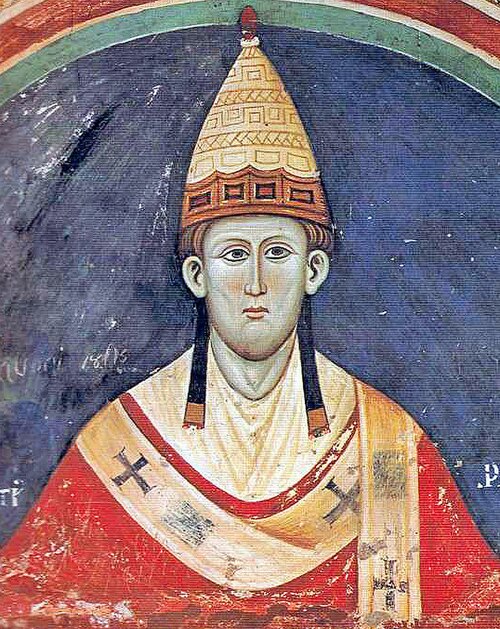
ジョンは1215年1月にロンドンで会議を開き、改革の可能性について話し合い、春にはオックスフォードで代理人と反乱軍との話し合いを後援した。 [20]双方とも、この紛争の解決にあたり教皇インノケンティウス3世に援助を求めた。[21]交渉中、反乱軍は最初の文書を作成した。歴史家はこれを「知られざる自由の憲章」と呼んでいる。この文書の文言の多くはヘンリー1世の自由の憲章に由来しており、この文書の7つの条項は後に「男爵条項」とそれに続く憲章に登場した。[22] [23] [24]
教皇が彼に法的、精神的に貴重な支援を与えてくれることをジョンは望んでおり、それに応じてジョンは時間を稼いだ。国王は1213年に教皇の臣下であると宣言しており、教皇の助けを期待できると正しく信じていた。[21] [25]ジョンはまたフランスから傭兵を募集し始めたが、国王が紛争を激化させているという印象を与えないように、そのうちのいくつかは後に送り返された。[20]支持を強化するためのさらなる動きとして、ジョンは十字軍になる誓いを立てた。この動きにより、多くの人はその約束が不誠実だと感じていたにもかかわらず、教会法の下で追加の政治的保護が与えられた。[26] [27]
4月に教皇からジョンを支持する書簡が届いたが、その頃には反乱貴族たちは軍事派閥を組織していた。彼らは5月にノーザンプトンに集結し、ジョンとの封建的なつながりを断ち切り、ロンドン、リンカーン、エクセターへと進軍した。[28]穏健で融和的な印象を与えようとするジョンの努力はおおむね成功していたが、反乱軍がロンドンを占拠すると、王党派からの新たな離反者が現れた。[29]国王は教皇を最高裁定者とする仲裁委員会に問題を付託することを提案したが、反乱軍はこれに魅力を感じなかった。[30] カンタベリー大司教のスティーブン・ラングトンは反乱貴族たちと彼らの要求について交渉していたが、教皇による仲裁の提案が失敗した後、ジョンはラングトンに和平交渉を組織するよう指示した。[29] [31]
1215年大憲章

ジョンは1215年6月10日、テムズ川南岸の水辺の牧草地、ラニーミードで反乱軍のリーダーたちと会談した。ラニーミードは伝統的に集会が行われる場所であったが、ウィンザー城という王家の要塞とステインズにある反乱軍の基地の間の中立地帯に位置しており、双方にとって軍事的に不利になる可能性の低い会合の安全を提供した。[32] [33]ここで反乱軍はジョンに改革要求の草案である「男爵条項」を提出した。[29] [31] [34]スティーブン・ラングトンのその後10日間の実際的な調停努力により、これらの不完全な要求は提案された和平協定を盛り込んだ憲章に変わった。数年後、この協定は「偉大な憲章」を意味するマグナ・カルタと改名された。[31] [34] [35] 6月15日までに文書について大筋合意が得られ、6月19日に反乱軍はジョンに対する忠誠の誓いを新たにし、憲章のコピーが正式に発行された。[31] [34]
歴史家デイヴィッド・カーペンターが指摘しているように、この憲章は「政治理論に時間を無駄にしなかった」が、単に個々の男爵の不満に対処するだけにとどまらず、より広範な政治改革の提案を形作った。[29] [36]憲章は、教会の権利の保護、不法投獄からの保護、迅速な司法へのアクセス、そして最も重要なことに、王室への課税およびその他の封建的支払いの制限を約束し、特定の封建的課税には男爵の同意が必要だった。[13] [37]この憲章は、自由人、特に男爵の権利に焦点を当てていた。[36]農奴の権利は、第16条、第20条、および第28条に含まれていた。 [38] [d]そのスタイルと内容は、ヘンリー1世の自由憲章、および都市に発行された王室の憲章、教会と男爵裁判所の運営、パミエ法典などのヨーロッパの憲章を含む、より広範な法的伝統を反映していた。[41] [42]マグナ・カルタは当時のイングランドおよび他の国々における他の法文書を反映しており、王権の権利と制限について概ね同様の規定をしていた。[43] [44] [45]
歴史家が後に「条項 61」または「安全保障条項」と名付けた条項では、ジョンが憲章を今後も順守し続けるかどうかを監視し、保証するために 25 人の男爵からなる評議会が設立されることになっていた。[46]評議会から違反の通知を受けてから 40 日以内にジョンが憲章に従わなかった場合、条項 61 により 25 人の男爵は、彼らの判断で是正が行われるまでジョンの城や領地を押収する権限を与えられた。[47]男たちは評議会が国王を統制するのを支援するという宣誓を強いられるが、違反に対する是正が行われた後は、国王はこれまでどおり統治を続けることになっていた。[48]
ある意味では、これは前例のないことではありません。他の王は、国王が義務を守らない場合、臣下が個別に抵抗する権利を以前に認めていました。マグナ カルタは、国王を集団的に強制する正式な手段を定めた点で斬新でした。[48]歴史家のウィルフレッド ウォーレンは、この条項が「その方法が粗野で、その意味合いが不安をかき立てる」ため、内戦を引き起こすことはほぼ避けられなかったと主張しています。[49]男爵たちはジョンに憲章を守らせようとしましたが、条項 61 は国王に不利に働くため、この憲章は存続できませんでした。[47]
ジョンと反乱貴族たちは互いに信頼し合っておらず、どちらの側も真剣に和平協定を履行しようとはしなかった。[46] [50]新しい評議会に選ばれた25人の貴族はすべて反乱者であり、より過激な貴族たちによって選ばれた。反乱者の多くは軍隊を動員し続けるための言い訳を見つけた。[51] [52] [53]王党派と、没収された土地を返還する勅許状を期待していた反乱者の間で紛争が生じ始めた。[54]
マグナ・カルタ第61条には、ジョンが「我々自身または他の誰かを通じて、これらの許可または自由のいずれかが取り消されたり縮小されたりするようないかなるものも、誰からも求めない」という約束が含まれていた。[55] [56]それにもかかわらず、国王は7月に教皇インノケンティウスに助けを求め、この憲章は教皇のジョンの領主としての権利を危うくすると主張した。[54] [57] 6月の和平協定の一環として、男爵たちは8月15日までにロンドンを明け渡すことになっていたが、彼らはこれを拒否した。[58]一方、和平協定前に書かれた教皇からの指示が8月に届き、その結果、教皇の委員たちは反乱を起こした男爵たちを破門し、9月初旬にラングトンを職務停止にした。 [59]
教皇は憲章を知ると、詳細に反応した。8月24日付けで9月下旬に届いた手紙の中で、教皇は、憲章は「恥ずべき屈辱的なだけでなく、違法で不当」であり、ヨハネが「受け入れを強いられた」ため、憲章は「無効であり、永久に効力を失う」と宣言した。破門の脅迫により、国王は憲章を遵守できず、男爵たちは憲章を施行しようともしなかった。[54] [58] [60] [61]
その時までには、両者の間で暴力が勃発していた。合意から3ヶ月も経たないうちに、ジョンと王党派の男爵たちは失敗した勅許状を断固として拒否し、第一次男爵戦争が勃発した。[54] [62] [63]反乱男爵たちはジョンとの和平は不可能だと結論し、フィリップ2世の息子、後のルイ8世に助けを求め、イングランド王位を申し出た。[54] [64] [e]戦争はすぐに膠着状態に陥った。国王は病気になり、1216年10月18日の夜に死去し、9歳のヘンリー3世が後継者となった。[65]
ウェールズ王子の勅許状
マグナ・カルタは、貴族の合法的な判断を共同で承認するという原則を含め、イングランド法とウェールズ法を並べて言及した最初の文書でした。
第 56 章:ウェールズ人が法を遵守する判断を下すことなく、イングランド人によって土地と自由を奪われた場合 (逆の場合も同様)、ウェールズ人に土地と自由を返還する。
第57章:元々「平和」と「善」のために捕らえられていた、リウェリン・アプ・イオーウェルス(リウェリン大王)の非嫡出子、グリフィズ・アプ・リウェリン・アプ・イオーウェルスと他のウェールズ人人質の帰還。[66] [67]
1215年の参加者リスト
マグナ・カルタに名前が挙がった顧問
マグナ・カルタの前文には、ジョンにその条項を受け入れるよう助言した以下の27人の聖職者と世俗の有力者の名前が含まれている。その名前には、スティーブン・ラングトン大司教などの穏健な改革者や、ウィリアム・マーシャル、ペンブルック伯爵などのジョンの忠実な支持者も含まれている。彼らは憲章自体に登場する順番にここに記載される: [68]
- スティーブン・ラングトン、カンタベリー大主教、枢機卿
- ヘンリー・ド・ラウンダル、ダブリン大司教
- ウィリアム・オブ・サント・メール・エグリーズ、ロンドン司教
- ピーター・デ・ロッシュ、ウィンチェスター司教
- ウェルズのジョスリン、バースおよびグラストンベリー司教
- リンカーン主教ヒュー・オブ・ウェルズ
- ウォルター・デ・グレイ、ウスター司教
- ウィリアム・デ・コーンヒル、コベントリー司教
- ロチェスター司教ベネディクト・オブ・ソーセタン
- パンドルフ・ヴェラッチオ、副助祭、教皇特使、イングランド
- イギリスのテンプル騎士団長、エメリー・ド・サント=モール
- ウィリアム・マーシャル、ペンブルック伯爵
- ソールズベリー伯ウィリアム・ロンゲスペ
- ウィリアム・ド・ウォーレン、サリー伯爵
- ウィリアム・ドービニー、アランデル伯爵
- アラン・オブ・ギャロウェイ、スコットランドの治安判事
- ワリン・フィッツジェロルド
- ピーター・フィッツハーバート
- ユベール・ド・バーグ、ポワトゥーのセネシャル
- ヒュー・デ・ネヴィル
- マシュー・フィッツハーバート
- トーマス・バセット
- アラン・バセット
- フィリップ・ドービニー
- ロバート・オブ・ロプスリー
- ジョン・マーシャル
- ジョン・フィッツヒュー
二十五人の男爵評議会
ジョンの将来の行動を監視するために条項61に基づいて任命された25人の男爵の名前は、憲章自体には記載されていないが、4つの初期の資料に記載されている。これらはすべて、当時の一覧に基づいているようである。13世紀後半の法律論文集と法令集、現在ランベス宮殿図書館にあるレディング修道院の写本、マシュー・パリスの『大年代記』と『補遺』である。[69] [70] [71]任命のプロセスは不明であるが、名前はほぼ例外なくジョンのより活動的な反対者の中から選ばれた。[72]ここでは、元の資料に出てくる順に彼らをリストアップする。
- リチャード・ド・クレア、ハートフォード伯爵
- ウィリアム・ド・フォルツ、アルベマール伯爵
- ジェフリー・ド・マンデヴィル、エセックス伯爵およびグロスター伯爵
- ウィンチェスター伯爵サー・ド・クインシー
- ヘンリー・ド・ボーハン、ヘレフォード伯爵
- ロジャー・ビゴッド、ノーフォーク伯爵およびサフォーク伯爵
- ロバート・デ・ヴィア、オックスフォード伯爵
- ウィリアム・マーシャル・ジュニア
- ロバート・フィッツウォルター、リトル・ダンモウ男爵
- ハートフォード伯爵の相続人、ギルバート・ド・クレア
- ユースタス・ド・ヴェシ、アニック城の城主
- ヒュー・ビゴッド、ノーフォーク伯爵およびサフォーク伯爵の相続人
- ウィリアム・ド・モーブレー、アックスホルム城の領主
- ロンドン市長ウィリアム・ハーデル
- ウォーカーン卿ウィリアム・ド・ランヴァレイ
- ロバート・デ・ロス、ヘルムズリー男爵
- ジョン・ド・レイシー、チェスターの治安判事、ポンテフラクト城主
- リチャード・デ・パーシー
- ジョン・フィッツロバート・デ・クラヴァリング、ワークワース城主
- ウィリアム・マレット
- ジェフリー・デ・セイ
- ロジャー・ド・モンベゴン、ランカシャー州ホーンビー城の領主[f]
- ウィリアム・オブ・ハンティングフィールド、ノーフォークおよびサフォークの保安官
- リチャード・ド・モンフィシェ
- ウィリアム・ドービニー、ベルヴォア卿
破門された反逆者たち
1215年9月、イングランドの教皇の委員であるパンドルフ副執事、ウィンチェスター司教ピーター・デ・ロッシュ、レディング修道院長サイモンは、ローマから以前に受け取った指示に従って、反乱者を破門した。委員がドーバーからラントン大司教に9月5日に送った手紙には、反乱者の上位男爵9名(全員が25人評議会のメンバー)と、反乱者の中に数えられた聖職者6名の名前が明記されている。[73]
男爵
聖職者
- ジャイルズ・ド・ブローゼ、ヘレフォード司教
- ヘレフォード大司教ウィリアム
- 書記官アレクサンダー(おそらくセント・オールバンズのアレクサンダー)
- オスベルト・デ・サマラ
- ジョン・デ・フェレビー
- ロバート・フィッツウォルター牧師ロバート
1216年大憲章
1215年の勅許状は和平条約としては失敗に終わったが、若きヘンリー3世の新政府のもとで反乱軍からの支持を引き離す手段として復活した。死の床にあるジョン王は、ヘンリーが王国を取り戻すのを助けるために13人の遺言執行者からなる評議会を任命し、息子をイングランドで最も有名な騎士の一人であるウィリアム・マーシャルの後見人に委ねるよう要請した。 [74]ウィリアムは少年に騎士の位を与え、教皇特使のグアラ・ビッキエーリ枢機卿が10月28日にグロスター大聖堂で戴冠式を執り行った。[75] [76] [77]
若き国王は、イングランドの半分以上が反乱軍に占領されているという困難な状況を引き継いだ。[78] [79]しかし、ヘンリーのために内戦に勝利し、反乱軍を処罰しようと考えていたグアラから多大な支援を受けていた。[80]グアラは、イングランドと教皇庁の結びつきを強化し始め、まず戴冠式を行い、ヘンリーは教皇庁に敬意を表し、教皇を封建領主と認めた。 [75] [81] 教皇ホノリウス3世は、ヘンリーは教皇の家臣であり保護下にあり、教皇特使はヘンリーとその王国を保護する完全な権限を有すると宣言した。[75]さらなる措置として、ヘンリーは十字架にかけられ、自らを十字軍戦士と宣言し、それによってローマから特別な保護を受ける資格を得た。[75]
戦争は王党派にとってうまくいっていなかったが、ルイ王子と反乱貴族たちも、これ以上の進展は困難だと悟っていた。[82] [83]ジョンの死により反乱貴族たちの懸念はいくらか和らぎ、占領された地域では王家の城がまだ持ちこたえていた。[83] [84]ヘンリーの政府は反乱貴族たちに領土の返還と引き換えに彼の大義に復帰するよう促し、1215年の憲章の改訂版を再発行したが、教皇庁に不利な条項や貴族会議を設立した条項61など、いくつかの条項は削除されていた。[85] [86]この動きは成功せず、ヘンリーの新政府への反対は強まった。[87]
1217年大憲章

1217年2月、ルイは援軍を集めるためにフランスへ出航した。[88]彼の不在中に、ルイのフランス人とイギリス人支持者の間で論争が勃発し、グアラ枢機卿はヘンリーの反乱軍に対する戦争は宗教的十字軍に等しいと宣言した。[89]この宣言により、反乱軍から次々と離反者が出て、戦いの流れはヘンリーに有利に傾いた。[90]ルイは4月末に帰還したが、彼の北軍は5月のリンカーンの戦いでウィリアム・マーシャルに敗れた。 [91] [92]
一方、フランスではルイ14世の支持が薄れつつあり、ヘンリー14世はイングランドでの戦争は負けだと結論付けた。[93]彼はグアラ枢機卿と交渉し、ルイ14世がイングランド王位を放棄する条件を取り付けた。その見返りとして、彼の支持者たちは領土を返還され、破門の判決は取り消され、ヘンリー14世の政府は前年の憲章を施行することを約束した。[94]この協定案はすぐに崩れ始め、反乱軍、特に反乱軍に加わった聖職者に対して寛大すぎるという一部の王党派の主張が出た。[95]
和解が成立しなかったため、ルイ14世は残りの軍勢とともにロンドンに留まり、フランスからの援軍の到着を待った。[95]予想されていた艦隊が8月に到着すると、サンドイッチの戦いで王党派に阻止され敗北した。[96]ルイ14世は新たな和平交渉を開始した。両派は1217年9月12日と13日に、最終的なランベス条約(キングストン条約としても知られる)で合意に達した。[96]
この条約は最初の和平提案と似ていたが、反乱を起こした聖職者は除外され、彼らの土地と役職は没収された。条約には、ルイの信奉者たちが1216年の憲章に遡って伝統的な自由と慣習を享受することを許されるという約束が含まれていた。 [97]ルイは合意通りイングランドを去り、南フランスのアルビジョワ十字軍に参加し、戦争を終結させた。[93]
10月と11月には、戦後の状況を検討するために大会議が招集された。この会議で1217年憲章が策定され、発布されたと考えられている。[ 98 ]この憲章は1216年の憲章と似ていたが、封建領主に対する男爵の権利を保護するための条項がいくつか追加され、国王の課税権に対する制限が緩和された。[99]王室の森林の管理については、特別な法制度が関係しており、かなりの王室収入源となっていたため、さまざまな意見の相違が残っていた。これらの裁判所の実施と王室の森林の地理的境界の両方について不満があった。[100]
補完的な憲章である森林憲章が制定され、既存の森林犯罪を赦免し、森林裁判所に新たな管理を課し、森林境界の見直しを確立した。[100] 2つの憲章を区別するために、筆記者はより大きな文書を指すために「マグナ・カルタ・リベルタトゥム」(「偉大な自由の憲章」)という用語を使用し、やがて単にマグナ・カルタとして知られるようになった。[101] [102]
1225年大憲章
.jpg/500px-Magna_Carta_(1225_version_with_seal).jpg)
マグナ・カルタはヘンリー3世が未成年だった間、イングランドの政治生活にますます根付いていった。[103]国王が年を取るにつれ、政府はゆっくりと内戦から立ち直り、郡の支配権を取り戻し、勅許状の条件を逸脱しないように注意しながら再び歳入を増やし始めた。[104]ヘンリーは未成年のままであり、政府が彼に代わって恒久的に拘束力のある決定を下す法的権限は限られていた。1223年、勅許状の地位をめぐる緊張が宮廷で明らかになった。ヘンリーの政府は郡の財産と歳入に対する権利を再び主張しようとしたが、勅許状が新しい取り決めを保護していると主張する多くのコミュニティからの抵抗に直面した。[105] [106]
この抵抗により、ラントン大司教とウィリアム・ブリューワーの間で、国王が特許状に同意しざるを得なかったことを踏まえ、国王には特許状の条項を履行する義務があるのかどうかという論争が起きた。[107]このとき、ヘンリーは口頭で、自分は特許状に拘束されていると考えていることを保証し、各郡の状況に関する国王の調査を進めることができた。[108]
1225年、フランスのルイ8世がフランス国内に残っていたヘンリー8世の属州、ポワトゥーとガスコーニュを侵略したとき、ヘンリー8世の憲章への忠誠心の問題が再び浮上した。[109] [110]ポワトゥーのヘンリー軍は資源が不足しており、同属はすぐに陥落した。[111]イングランドから援軍が送られない限り、ガスコーニュも陥落することが明らかになった。[112] 1225年初頭、大会議は軍隊を派遣するために4万ポンドの税金を承認し、軍隊はすぐにガスコーニュを奪還した。[113] [114]ヘンリー8世を支持することに同意するのと引き換えに、男爵たちは国王にマグナ・カルタと森林憲章を再発行するよう要求した。[115] [116]内容は1217年版とほぼ同じであったが、新版では国王が憲章は自らの「自発的かつ自由意志」で発行されたと宣言し、国璽で承認したため、新しい大憲章と1225年の森林憲章は以前の版よりもはるかに権威が増した。[116] [117]
男爵たちは、国王が法律に従い、貴族の助言によって緩和されたこれらの勅許状に従って行動するだろうと予想した。[118] [119]不確実性は続き、1227年にヘンリー8世が成人し独立して統治できると宣言されると、ヘンリー8世は今後の勅許状は自身の印章で発行しなければならないと発表した。[120] [121]これにより、ヘンリー8世が未成年であった間に発行された以前の勅許状の有効性が疑問視され、ヘンリー8世は、森林勅許状と引き換えに約束された税金が実際に支払われない限り、森林勅許状を覆すと積極的に脅した。[120] [121] 1253年、ヘンリー8世は課税と引き換えに再び勅許状を承認した。[122]
ヘンリーは象徴的に王権の再建に重点を置いたが、彼の統治はマグナ・カルタによって比較的制限されていた。[77] [123]彼は一般的に勅許状の条項の範囲内で行動し、それによって国王は、父ジョンの治世下では一般的だった罰金や没収など、男爵たちに対して法廷外の行動を取ることができなかった。[77] [123]勅許状は、王室顧問の任命や後援の分配といった微妙な問題には触れておらず、国王が勅許状を無視しても執行手段がなかった。[124]彼が統治期間中に勅許状を一貫して適用しなかったため、多くの男爵たち、さらには彼自身の派閥内の男爵たちからも疎外された。[77]
様々な勅許状があったにもかかわらず、王室の司法制度は一貫性がなく、目先の政治の必要に応じて動かされていた。正当な男爵の苦情に対処するための措置が取られることもあれば、単に問題が無視されることもあった。[125]地方レベルで司法制度を提供するため国中を巡回していた王室裁判所は、主に下級男爵やジェントリが大領主に対して不満を訴える場合に利用していたが、権力がほとんどなく、大男爵が地方の司法制度を独占することができた。[126]ヘンリーの統治は手ぬるく不注意になり、その結果、地方における王室の権威は低下し、最終的には宮廷における彼の権威は崩壊した。[77] [126]
1258年、一団の男爵がクーデターでヘンリー8世から権力を奪い、マグナ・カルタと森林憲章を厳格に施行する必要があると主張し、オックスフォード条項を通じて改革を進めるため男爵主導の新しい政府を作った。[127]男爵たちは決定的な勝利を収めるだけの軍事力がなく、代わりに1263年から1264年にかけてフランスのルイ9世に彼らの提案した改革について仲裁を求めました。改革派の男爵たちはマグナ・カルタに基づいて自分たちの主張を論じ、それはイングランド法の下で不可侵であり、国王はその条項に違反したと主張した。[128]
ルイはヘンリーに有利な立場を固めたが、反乱を起こした男爵たちが判決の受け入れを拒否したため、フランスの仲裁は和平に至らなかった。イングランドは第二次男爵戦争に再び巻き込まれ、ヘンリーの息子エドワード卿が勝利した。エドワードはまた、改革派が行き過ぎた行動を取り、自らもマグナ・カルタに反する行動をしているとして、自らの主張を進める上でマグナ・カルタを援用した。[129]男爵たちが敗北した後の和解のしるしとして、ヘンリーは1267年にマールバラ法令を発布し、マグナ・カルタの条項を遵守するという新たな誓約を盛り込んだ。[130]
1225年の証人
1225年の憲章の証人
1225年にマグナ・カルタが発行された際の証人として、以下の65名が挙げられます。名前は憲章に記載されている順番に並べられています。[131]
- スティーブン・ラングトン、カンタベリー大主教、枢機卿
- ユースタス・オブ・フォーコンバーグ、ロンドン大主教
- ウェルズのジョスリン、バース司教
- ピーター・デ・ロッシュ、ウィンチェスター司教
- リンカーン主教ヒュー・オブ・ウェルズ
- リチャード・プア、ソールズベリー司教
- ロチェスター司教ベネディクト・オブ・ソーセタン
- ウスター司教ウィリアム・ド・ブロワ
- ジョン・オブ・ファウンテンズ、イーリー司教
- ヒュー・フォリオット、ヘレフォード司教
- ラルフ・ネヴィル、チチェスター司教
- エクセター司教ウィリアム・ブライワー
- ウィリアム・オブ・トランピントン、セント・オールバンズ修道院長
- ノースウォルドのヒュー、ベリー・セント・エドマンズの修道院長
- バトル修道院長リチャード
- カンタベリーの聖アウグスティヌス修道院長
- イヴシャムのランドルフ、イヴシャムの修道院長
- ウェストミンスター修道院長リチャード・オブ・バーキング
- ピーターバラ修道院長、ホルダーネスのアレクサンダー
- リーディングの修道院長シモン
- アビンドン修道院長ロバート・オブ・ヘンドレッド
- マルムズベリー修道院長ジョン・ウォルシュ
- ウィンチコムの修道院長
- ハイドの修道院長
- チャーツィーの修道院長
- シャーボーンの修道院長
- セルンの修道院長
- アボッツベリーの修道院長
- ミルトンの修道院長
- セルビーの修道院長
- ウィットビーの修道院長
- サイレンセスターの修道院長
- ヒューバート・ド・バーグ、イングランドおよびアイルランドの司法長官
- チェスター伯爵およびリンカーン伯爵ラナルフ
- ソールズベリー伯ウィリアム・ロンゲスペ
- ウィリアム・ド・ウォーレン、サリー伯爵
- ギルバート・ド・クレア、グロスター伯爵およびハートフォード伯爵
- ウィリアム・デ・フェラーズ、ダービー伯爵
- ウィリアム・ド・マンデヴィル、エセックス伯爵
- ヒュー・ビゴッド、ノーフォーク伯爵
- ウィリアム・ド・フォルツ、アルベマール伯爵
- ヘレフォード伯爵ハンフリー・ド・ボーハン
- チェスターの治安判事ジョン・ド・レイシー
- ロバート・デ・ロス
- ロバート・フィッツウォルター
- ロバート・ド・ヴューポン
- ウィリアム・ブリューワー
- リチャード・ド・モンフィシェ
- ピーター・フィッツハーバート
- マシュー・フィッツハーバート
- ウィリアム・ドービニー
- ロバート・グレズリー
- レジナルド・ド・ブラオース
- ジョン・オブ・モンマス
- ジョン・フィッツアラン
- ヒュー・デ・モーティマー
- ウィリアム・ド・ボーシャン
- ウィリアム・デ・セントジョン
- ピーター・デ・モーレイ
- ブライアン・デ・ライル
- トーマス・オブ・モールトン
- リチャード・ド・アルジャンタン
- ジェフリー・ド・ネヴィル
- ウィリアム・デ・モーディ
- ジョン・デ・バールン
1297年大憲章:法令
| 議会法 | |
.svg/500px-Coat_of_Arms_of_England_(-1340).svg.png) | |
| 引用 | 25 エドワード1 |
|---|---|
| 日付 | |
| 王室の裁可 | 1297 |
| その他の法律 | |
| 修正者 | 1827 年刑法廃止法、1828 年人身に対する犯罪法、1828 年刑法 (インド) 法、1829 年人身に対する犯罪 (アイルランド) 法、1863 年制定法改正法、1872 年制定法改正 (アイルランド) 法、1887 年保安官法、1887 年制定法改正法、1879 年民事訴訟法廃止法、1892 年制定法改正法、1894 年制定法改正法、1925 年遺産管理法、1947 年王室訴訟法、1948 年制定法改正法、1949 年北アイルランド (王室訴訟) 令、遺産管理法 (北アイルランド) 1955年、1967年刑法、1967年刑法(北アイルランド)、1969年制定法(廃止) |
| 関連 | 森林憲章、憲章の確認(1297年)、伐採に関する法令(1297年) |
ステータス: 修正済み | |
| 英国内で現在施行されているマグナ・カルタ(1297年)の本文(修正を含む)はlegislation.gov.ukから引用。 | |
.png/500px-Magna_Carta_(1297_version_with_seal,_owned_by_David_M_Rubenstein).png)
エドワード1世は1297年に1225年の勅許状を新たな税金と引き換えに再発行した。[132]ほとんどの条項が廃止されているものの、このバージョンは現在も法律として残っている。 [133] [134]
| 議会法 | |
| |
| 引用 | 25 エドワード1 |
|---|---|
| 日付 | |
| 王室の裁可 | 1297 |
| その他の法律 | |
| 修正者 | 1887年法律改正法、1948年法律改正法、1969年法律(廃止)法、1971年野生生物及び森林法 |
| 関連 | マグナ・カルタ(1297年)、森林憲章、森林伐採に関する法令(1297年) |
ステータス: 修正済み | |
| 英国内で現在有効な憲章(1297)の確認書(修正を含む)のテキスト(legislation.gov.ukより)。 | |
1297年、エドワード1世はノルマン・フランス語で「憲章の確認」を公布した。[135]エドワードは資金を必要とし、貴族に課税したが、貴族は武装して対抗したため、エドワードは内戦を避けるためにマグナ・カルタと森林憲章の確認を余儀なくされた。[136]貴族たちはマグナ・カルタに「デ・タラージョ」という別の文書を加えようとした。エドワード1世の政府はこれを認めるつもりはなく、以前の憲章を確認し、課税は合意によって行われるべきであるという原則を確認する「確認」の公布に同意したが、 [132]その合意の正確な方法は定められていなかった。[137]
ある一節には、その写しを「我が国全体の大聖堂に配布し、そこに保管し、年に2回人々の前で朗読する」ことが義務付けられており[138]、ソールズベリー大聖堂にその写しが常設されている。[139]堅信礼の第二条では、次のことが確認されている。
...今後、裁判官によって前述の憲章の要点に反する判決が下された場合、または憲章の要点に反して裁判官の前で弁護する他の大臣によって判決が下された場合、その判決は無効とされ、無効とされる。[140] [141]
1300年に憲章が再確認され、Articuli super Cartas(憲章に関する条項)という追加の文書が付与されました。[142]これは17の条項で構成され、憲章の施行の問題に対処することを目的としました。マグナカルタと森林憲章は各郡の保安官に発行され、郡裁判所の会議で年に4回読み上げられることになりました。各郡には、憲章違反に関する苦情を審理できる3人の委員会が設けられました。[143]
クレメンス5世は、国王の権利に異議を唱えるマグナ・カルタのいかなる主張に対しても(神の恩寵によって統治する)君主を支持するという教皇の政策を継続し、 1305年にコンファミティオ・カルタラムを無効にした。エドワード1世は、コンファミティオ・カルタラムを無効にするクレメンス5世の教皇勅書が、アルティクリ・スーパー・カルタに実質的に適用されると解釈したが、後者については具体的には言及されていなかった。[144] 1306年、エドワード1世は教皇の支援によって与えられた機会を利用して、「森林伐採」されていた広大な地域に対する森林法を再び主張した。エドワードと教皇は、同時代の年代記作者から「偽証」の罪で告発され、ロバート・マクネア・スコットは、ロバート・ブルースが1312年にエドワード1世の息子エドワード2世との和平を拒否した理由として、「イングランド王が臣下に対して誓った約束を守らないのに、どうして私との信頼を保てようというのか...」と示唆した。[145] [146]
マグナ・カルタがイギリス中世法に与えた影響
大憲章は中世を通じて訴訟で言及された。例えば、1226年にリンカンシャーの騎士たちは、地元の保安官が地元の裁判所に関する慣習を変えており、「領主国王の憲章によって彼らが持つべき自由に反している」と主張した。[147]実際には、マグナ・カルタと森林憲章に違反したとして国王を訴えることはなかったが、国王の役人が憲章で国王が認めた自由に反して行動しているという主張を使って、保安官などの国王の役人を訴えることは可能だった。[148]
さらに、中世の判例では、後見権や持参金、債務の回収、河川の航行の自由の維持など、特定の問題を扱ったマグナ・カルタの条項が参照された。[149] 13世紀になっても、マグナ・カルタの条項の中には、関係する問題がもはや重要でなくなったか、マグナ・カルタがより適切な法律に取って代わられたため、訴訟でめったに取り上げられなかった条項もあった。1350年までに、マグナ・カルタの条項の半分は、もはや積極的に使用されなくなった。[150]
14世紀~15世紀

エドワード3世の治世中、1331年から1369年の間に、後に6つの法令として知られる6つの法令が制定された。それらは憲章の特定の部分を明確にしようとした。特に、1354年の3番目の法令は、第29条を再定義し、「自由人」を「いかなる身分や状況であっても、何人も」と定め、 「同輩の合法的な判断または国の法律」を表す「法の適正手続き」という語句を導入した。 [151]
13世紀から15世紀にかけて、エドワード・コーク卿によればマグナ・カルタは32回再確認され、おそらく45回も再確認された。[152] [153]議会の議題の第一は、憲章の公の朗読と再確認であることが多く、前世紀と同様に、議会はしばしば君主からその確認を強要した。[153]憲章は1423年にヘンリー6世によって確認された。[154] [155] [156]
15世紀半ばまでに、マグナ・カルタはイギリスの政治生活において中心的な役割を担わなくなった。エドワード1世の治世後100年間に君主たちが権威と権力を再び主張したためである。[157]大憲章は法律家にとっての文書であり続け、特に財産権の擁護者として、印刷版が流通し識字率が向上するにつれて、これまで以上に広く読まれるようになった。[158]
16世紀

16世紀には、マグナ・カルタと第一次バロン戦争の解釈が変化した。[159] 薔薇戦争の混乱の末にヘンリー7世が権力を握り、続いてヘンリー8世が権力を握り、両君主の下で広範な宣伝活動が行われ、政権の正当性、王権に対するいかなる反乱も非合法であること、教皇との論争において国王を支持することが最優先であることが推進された。[160]
テューダー朝の歴史家たちは、13世紀の他の文献よりもジョン王に好意的なバーンウェルの年代記作者を再発見し、歴史家ラルフ・ターナーが述べているように、彼らは「ジョン王を教皇制と闘う英雄として好意的に捉え」、大憲章や反乱を起こした男爵たちにはほとんど同情を示さなかった。 [161] 1536年の反乱の際のカトリック支持デモでは、マグナ・カルタを引用し、国王が十分な敬意を払っていないと非難した。[162]
マグナ・カルタの最初の機械印刷版は、おそらくリチャード・ピンソンによる1508年の『マグナ・カルタ・クム・アリイス・アンティキ・スタトゥティス』であるが、16世紀の初期の印刷版では、マグナ・カルタの起源がジョンと1215年ではなくヘンリー3世と1225年であると誤って記載されており、それに応じて後のテキストに基づいて作業された。[163] [164] [165]要約された英語版は、1527年に ジョン・ラステルによって出版された。1530年から1547年までピンソンの後継者として王室印刷官を務めたトーマス・バーテレットは、1531年と1540年に他の「古代法令」とともにこのテキストの版を印刷した。[166]
1534年、ジョージ・フェラーズはマグナ・カルタの最初の完全英語版を出版し、憲章を37の番号付き条項に分割した。[167]

16世紀半ばにセント・スティーブンス・ウォールブルックに置かれたソールトンのローランド・ヒル卿の墓碑には、マグナ・カルタのコピーを持ったテューダー朝の政治家で裁判官の全身像[168]が含まれていた。 [169]ヒルはマーサーでありロンドン市長でもあった。この2つの地位は、マグナ・カルタの交渉者であり執行者であったマーサー家のセルロと共有されていた。 [170]オリジナルの記念碑はロンドン大火で失われたが、シュロップシャーにある彼の家族の領地にある高さ110フィートの柱に再建された。[171]
16世紀末、イギリスではマグナ・カルタに対する古物研究家の関心が高まった。[162]法史家たちは、 1066年のノルマン人の侵略によって一時的に覆された古代のイギリスの慣習と法律があり、それが1215年に回復されてマグナ・カルタに記録され、それが16世紀の重要な法的原則に権威を与えたと結論付けた。[162] [172] [173]現代の歴史家はこの物語を根本的に間違っているとみなしており、多くがこれを「神話」と呼んでいる。[173] [g]
古物研究家のウィリアム・ランバードは、アングロサクソン法典とノルマン法典だと信じて出版し、16世紀のイギリス議会の起源をこの時代に遡らせたが、多くの文書の日付を誤って解釈していた。[172] フランシス・ベーコンは、マグナ・カルタの第39条が16世紀の陪審制度と司法手続きの基礎であると主張した。[178]古物研究家のロバート・ビール、ジェームズ・モリス、リチャード・コシンは、マグナ・カルタは自由の宣言であり、イギリス政府に権限を与える基本的かつ最高法であると主張した。[179]国会議員アーサー・ホールを含め、これらの結論に疑問を呈した者は制裁を受けた。[180] [181]
17世紀~18世紀
政治的緊張
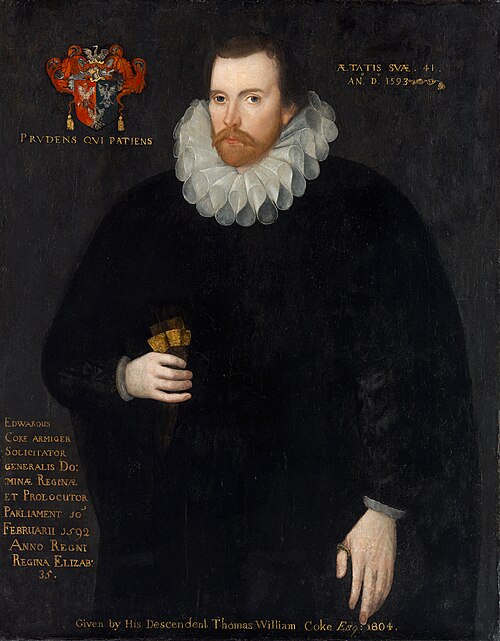
17世紀初頭、マグナ・カルタはイギリス王室の権威をめぐる議論において、政治文書としてますます重要になっていった。[182] ジェームズ1世とチャールズ1世はともに王権神授説を正当化する形で王室の権威強化を主張し、マグナ・カルタは彼らの反対者によって王室に異議を唱えるために頻繁に引用された。[175]
マグナ・カルタは、イギリス国民個人の自由を認めて保護し、国王をその国の慣習法に従わせ、陪審裁判の起源を形成し、議会の古代の起源を認めたと主張された。マグナ・カルタとこの古代の憲法のおかげで、イギリスの君主はこれらの長年のイギリスの慣習を変えることができなかった。[175] [182] [183] [184]マグナ・カルタに基づく議論は歴史的に不正確であったが、それでも象徴的な力を持っていた。この憲章はこの時代に計り知れない重要性を持っていたからである。ヘンリー・スペルマン卿などの古物研究家は、これを「イギリスの自由にとって最も荘厳で神聖な拠り所」と表現した。[173] [175] [182]
エドワード・クック卿は、この時期にマグナ・カルタを政治の道具として利用した先駆者だった。1225年版のテキストを依然参考にしていたクックは、1215年の憲章の最初の印刷版が1610年にようやく登場したが、マグナ・カルタについて繰り返し講演し、執筆した。[173]当時、エルズミア卿は彼の研究に異議を唱え、ラルフ・ターナーやクレア・ブリーなどの現代の歴史家は、クックが元の憲章を「時代錯誤的に、無批判に」誤解し、分析に「非常に選択的な」アプローチを取っていると批判した。[175] [185]より同情的に、JC・ホルトは、クックが研究を行っていた頃には、憲章の歴史はすでに「歪められ」ていたと指摘した。[186]
1621年、マグナ・カルタを更新する法案が議会に提出された。この法案は否決されたが、 1627年のダーネル事件で弁護士のジョン・セルデンは人身保護令状の権利はマグナ・カルタに裏付けられていると主張した。[187] [188]クックは1628年の権利請願を支持した。この請願はマグナ・カルタを序文に引用し、条項を拡大し司法を拘束しようとした。[189] [190]王室はこれに対し、歴史的法的状況は主張されているほど明確ではないと主張して反論し、古物収集家の活動を制限し、クックを反逆罪で逮捕し、マグナ・カルタに関する彼の著書の出版を禁止した。[188] [191]チャールズは当初権利請願に同意せず、国王としての独立性を損なうような形でマグナ・カルタを承認することを拒否した。[192] [193]
イングランドは1640年代に内戦に陥り、1649年にチャールズ1世が処刑された。その後の共和制下では、君主との合意であるマグナ・カルタがまだ有効であるかどうか疑問視する者もいた。 [194] 1660年に出版された反クロムウェル派のパンフレット『イングランドの悪魔』には、国民は「この暴君ノルに服従するか、彼に断ち切られるかの選択を強いられた。言葉と打撃以外に何もなく、彼の意志が彼の法律だった。彼にマグナ・カルタについて語れば、彼は剣に手を置いてマグナ・ファルタと叫ぶだろう」と書かれている。 [195] 2005年の演説で、イングランドおよびウェールズの首席裁判官であるウルフ卿は、クロムウェルがマグナ・カルタを「マグナ・ファルタ」と呼んだという主張を繰り返した。[196]
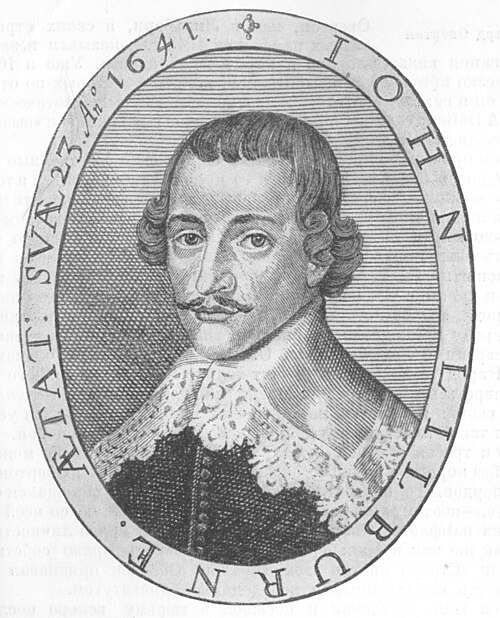
この時期に隆盛を極めた急進派は、マグナ・カルタについてさまざまな意見を持っていた。レベラーは同時代の人々が提示した歴史と法律を拒否し、代わりに「反ノルマン主義」の観点を主張した。[197]たとえば、 ジョン・リルバーンは、マグナ・カルタには、ノルマン人の支配によって押しつぶされる前にアングロサクソン人によって存在していたとされる自由の一部しか含まれていないと主張した。 [ 198]レベラーのリチャード・オーバートンは、この憲章を「耐え難い束縛の痕跡を多く含む貧弱なもの」と評した。[199]
両者とも、マグナ・カルタは自分たちが反対する政府に対して使える便利な自由の宣言だと考えていた。[200]より過激な ディガーズのリーダー、ジェラード・ウィンスタンレーは、「イングランドが持つ最高の法律(すなわち、マグナ・カルタ)は、我々の祖先が、まだ彼らの監督者であった王たちに執拗に嘆願して得たものである。しかし、これらの最高の法律は、ある種の人々を別の人々の奴隷として縛り付けるくびきと手錠である。聖職者とジェントリは自由を得たが、一般の人々は依然として自由であり、彼らのために働く召使のままである」と述べた。[201] [202]
栄光の革命
適切な歴史学の最初の試みはロバート・ブレイディによってなされた[203]。彼は議会の古さや法の不変の継続性に対する信念を否定した。ブレイディは憲章の自由が制限されていることに気づき、その自由は国王によって与えられたものだと主張した。彼はマグナ・カルタを歴史的文脈に置くことで、その当時の政治的妥当性に疑問を投げかけた。[204]彼の歴史理解は名誉革命を生き延びることはできなかった。歴史家JGAポコックによれば、この革命は「イギリスの歴史学の進路にとって後退となった」[205] 。
ホイッグ党の歴史解釈によれば、名誉革命は古代の自由の回復の一例であった。ロックの考えで強化されたホイッグ党は、イギリスの憲法はマグナ・カルタ、権利請願書、権利章典などの文書に基づく社会契約であると信じていた。[206]ホイッグ党の宣伝家ヘンリー・ケア(1688年没)による『イングランドの自由』 (1680年、後の版では『イギリスの自由』とよく呼ばれる)は、安価な論争書であったが、アメリカ植民地とイギリスの両方で影響力を持ち、何度も再版され、マグナ・カルタを歴史の中心に据え、その主題の現代的正当性を確立した。[207]
法律の本質についての考え方は、全般的に変化し始めていた。1716年に七年法が可決され、いくつかの結果をもたらした。第一に、この法律は議会の最長任期を7年と定めたが、三年法(1694年)(25年未満前に制定)では最長任期を3年と定めていたことから、議会はもはや以前の法律を非難の余地のないものとみなしていないことが示された。[208]
また、議会の権限も大幅に拡大した。この新憲法では、絶対君主制は議会至上主義に取って代わられた。マグナ・カルタは議会内の国王に対しても、議会外の国王に対しても、同じ関係にあることがすぐに認識された。この至上主義はグランヴィル・シャープのような人々によって挑戦された。シャープはマグナ・カルタを憲法の基本的な部分とみなし、そのいかなる部分も廃止することは反逆行為であると主張した。また、憲章は奴隷制を禁止していると主張した。[209]
ウィリアム・ブラックストン卿は1759年に1215年の憲章の批判版を出版し、今日でも使用されている番号付けシステムを与えた。[210] 1763年、国会議員ジョン・ウィルクスは1763年4月23日に扇動的なパンフレット第45号を書いたために逮捕された。彼はマグナ・カルタを繰り返し引用していた。[211] カムデン卿はウィルクスの扱いをマグナ・カルタ違反として非難した。 [ 212] トーマス・ペインは著書『人間の権利』の中で、マグナ・カルタと権利章典は選出された代表者によって考案された成文憲法ではないという理由で無視している。[213]
13植民地とアメリカ合衆国での使用

イギリスの植民者が新世界へ出発する際、植民地を設立する勅許状を携えていった。例えば、マサチューセッツ湾会社の勅許状では、植民者は「自由で生まれながらの臣民が持つすべての自由と免除権を有し、享受する」と述べられていた。 [214]エドワード・コーク卿が大部分起草した1606年のバージニア勅許状では、植民者はイギリス生まれの人々と同じ「自由、選挙権、免除権」を持つと述べられていた。[215]マサチューセッツ自由法典にはマグナ・カルタ第29条と類似点があった。起草にあたり、マサチューセッツ議会はマグナ・カルタをイギリスの慣習法の主要な具体化とみなしていた。[216]他の植民地もこれに倣った。1638年、メリーランドはマグナ・カルタを州法の一部として認めようとしたが、チャールズ1世はその要求を拒否した。[217]
1687年、ウィリアム・ペンは『自由と財産の卓越した特権:イングランドの自由生まれの臣民の生得権』を出版した。これにはアメリカの地で印刷された最初のマグナ・カルタの写本が含まれていた。ペンのコメントはコークのコメントを反映しており、マグナ・カルタは基本法であるとの信念を示していた。[218]植民地人は英国の法律書を参考にし、マグナ・カルタが陪審裁判と人身保護令状を保証していると信じ、時代錯誤的な解釈に至った。[219]
イギリス諸島における議会至上主義の発展は、イギリスの慣習法を遵守し続けた13植民地には憲法上影響を与えなかったが、イギリスと植民地の関係に直接影響を与えた。[220]アメリカの植民地人がイギリスと戦ったとき、彼らは新たな自由を求めて戦っていたのではなく、マグナ・カルタに定められていると信じていた自由と権利を守るために戦っていたのである。[221]
18世紀後半、アメリカ合衆国憲法は国の最高法となり、マグナ・カルタが基本法とみなされるようになったことを思い起こさせた。[221]憲法修正第5条は、「何人も、正当な法的手続きなしに、生命、自由、財産を奪われることはない」と保証しているが、この文言はマグナ・カルタに由来する。[222]さらに、憲法は停止条項第1条第9項に同様の令状を含めた。「反乱または侵略の場合に公共の安全のために必要とされる場合を除き、人身保護令状の権限は停止されない。」[223]
これらの条項はいずれも、犯罪を犯したという証拠がなければ、いかなる人物も投獄または拘留されないと宣言している。憲法修正第 9 条は、「憲法に列挙されている特定の権利は、国民が保持する他の権利を否定または軽視するものとして解釈されてはならない」としている。合衆国憲法の起草者は、マグナ カルタによって規定されていると信じていた権利など、すでに保持している権利が、明示的に制限されない限り保持されることを保証したいと考えていた。[224] [225]
アメリカ合衆国最高裁判所は、エドワード・コークによるマグナ・カルタの分析を、憲法修正第六条の迅速な裁判を受ける権利の根拠として明示的に引用している。[226]
19世紀~21世紀
解釈

当初、マグナ・カルタとその憲法史における役割に関するホイッグ党の解釈は、19世紀を通じて支配的であった。歴史家ウィリアム・スタッブスの1870年代に出版された『イングランドの憲法史』は、この見解の最高潮を形成した。[228]スタッブスは、マグナ・カルタはイングランド国家の形成における大きな一歩であったと主張し、1215年のラニーミードの男爵たちは貴族だけでなくイングランドの民衆全体を代表し、ジョン王という暴君的な支配者に立ち向かったと信じていた。[228] [229]
マグナ・カルタに対するこの見解は後退し始めた。後期ヴィクトリア朝の法学者で歴史家のフレデリック・ウィリアム・メイトランドは1899年に別の学術的歴史を提示し、マグナ・カルタをその歴史的ルーツに戻し始めた。[230] 1904年、エドワード・ジェンクスは「マグナ・カルタの神話」と題する論文を発表し、それまで受け入れられていたマグナ・カルタの見解を覆した。[231]アルバート・ポラードなどの歴史家はジェンクスの結論に同意し、エドワード・コークが17世紀にマグナ・カルタの神話を「でっち上げた」と結論付けた。これらの歴史家は、1215年の憲章は一般大衆の自由ではなく、むしろ男爵の権利の保護に言及していると主張した。[232]
この見解はより広い範囲で人気を博し、1930年にセラーとイェットマンはイギリスの歴史に関するパロディ『1066 and All That』を出版し、その中でマグナ・カルタの重要性とその普遍的な自由の約束を嘲笑した。「したがって、マグナ憲章はイギリスにおける民主主義の主な原因であり、したがって(一般の人々を除く)すべての人にとって良いことであった」[233] [234]
しかしながら、中世の過去を描いた多くの文学作品では、マグナ・カルタはイギリスの国民的アイデンティティの基盤であり続けた。ある著者は、この文書の中世的ルーツを社会の現状維持の議論として用いたが、他の著者は、認識された経済的不公正に異議を唱えるためにマグナ・カルタを指摘した。[230]マグナ・カルタ男爵令は、マグナ・カルタに示されていると思われる古代の原則と価値観を促進するために1898年に結成された。[235]イギリスとアメリカの法律家は、マグナ・カルタを高く評価し続け、1920年代にラニーミードの牧草地を開発から守るために1922年にマグナ・カルタ協会を設立するのに尽力し、1957年にはアメリカ法曹協会がラニーミードにマグナ・カルタ記念碑を建立した。[222] [236] [237]著名な法律家デニング卿は1956年にマグナ・カルタを「史上最も偉大な憲法文書であり、独裁者の独断的な権力に対する個人の自由の基礎である」と評した。[238]
条項の廃止と憲法への影響
フランシス・バーデット卿のような急進派は、マグナ・カルタは廃止できないと信じていたが[239]、19世紀には時代遅れになったり、取って代わられた条項が廃止され始めた。1829年に1828年の人身に対する犯罪法(9 Geo. 4 . c. 31 s. 1)[h] [240]によって第26条が廃止されたのが、マグナ・カルタの条項が廃止された最初の例であった。その後140年の間に、マグナ・カルタ(1297年)のほぼ全体が法令として廃止され、[241] 1969年以降も(イングランドとウェールズで)第1項、第9項、第29項のみが効力を維持した。[242] [243]条項のほとんどは、イングランドとウェールズでは1863年の法令改正法により廃止され、現代の北アイルランドと現代のアイルランド共和国でも1872年の法令改正(アイルランド)法により廃止された。[240]
その後の憲法に基づく政府形態を起草する試みの多くは、マグナ・カルタに起源を遡る。イギリス領土、オーストラリア、ニュージーランド、[244]カナダ[245](ケベック州を除く)、旧南アフリカ・南ローデシア連合は、マグナ・カルタの影響をその法律に反映しており、大英帝国から発展した他の州の法律にもマグナ・カルタの影響が見られる。[246]
現代の遺産

マグナ・カルタはイギリス社会において強力な象徴的地位を持ち続けており、憲法上の立場を支持する政治家や弁護士によって引用されている。[238] [247]例えば、陪審による裁判やその他の市民の自由を保証すると考えられていたことから、トニー・ベンは、テロ容疑者が起訴されずに拘留される最長期間を28日から42日に延長するかどうかをめぐる2008年の議論を「マグナ・カルタが廃止された日」と呼んだ。[248]現代では法廷で引用されることはめったにないが、2012年にロンドン占拠運動の抗議者たちは、ロンドン市によるセント・ポール教会墓地からの立ち退きに抵抗するためにマグナ・カルタを利用しようとした。判事は判決の中で、この条項を軽く扱い、第29条は多くの人々によってイギリスの法の支配の基礎と考えられているが、この事件に直接関係しているとは考えておらず、残っている他の2つの条項は皮肉にも教会とロンドン市の権利に関するものであり、被告の助けにはならないとやや冷淡に述べた。[249] [250]
マグナ・カルタは、その条項のほとんどが廃止され、関連する権利が他の法令によって保証されているため、現代の英国ではほとんど法的効力を持たないが、歴史家ジェームズ・ホルトは、1215年の憲章が国民生活の中で生き残っていることは「英国の法律と行政の継続的な発展の反映」であり、何世紀にもわたる権威と法律の間の多くの闘争の象徴であると述べています。[251]歴史家WLウォーレンは、「憲章の内容をほとんど知らず、気にも留めなかった多くの人々が、ほとんどすべての時代において、その名前を持ち出しており、それは正当な理由があった。なぜなら、憲章は書かれている以上の意味を持っていたからだ」と述べています。[252]
これは歴史家にとっても大きな関心事であり、ナタリー・フライドは憲章を「イギリス中世史で最も神聖な憲章の一つ」と評し、その解釈と意味をめぐる議論は今後も続くだろうとしている。[229]しかし、現代の歴史家の大多数は、憲章を法的権利に関するユニークで初期の憲章と解釈することは、数世紀後に作られた神話であると考えている。[253] [254] [255]
多くの点で今でも「聖典」であるマグナ・カルタは、一般的には英国の成文化されていない憲法 の一部であると考えられている。2005年の演説で、イングランドおよびウェールズの首席裁判官であるウルフ卿は、これを「現在では特別な憲法上の地位を持つと認められている一連の文書の最初のもの」と表現した。[196] [256]マグナ・カルタは、ニュージーランドで1881年に帝国法の一つとして再版された。 [257]この文書の第29条は、ニュージーランドの法律の一部として今も有効である。[258]

この文書は、アメリカ合衆国憲法と権利章典の前身として、アメリカ合衆国でも尊重され続けている。[259] 1976年、英国は1215年のマグナ・カルタの現存する原本4部のうち1部をアメリカ合衆国建国200周年記念に貸与し、またその装飾的な展示ケースを寄贈した。原本は1年後に返却されたが、レプリカとケースは今もワシントンDCのアメリカ合衆国議会議事堂地下室に展示されている。 [260]
800周年記念
2015年6月15日は、最初の憲章の800周年にあたり、組織や機関は祝賀イベントを企画した。[261]大英図書館は、 2015年2月に1215年の写本の現存する4つの写本を集め、特別展を開催した。[262]英国人アーティスト、コーネリア・パーカーは、新しいアート作品「マグナ・カルタ(刺繍)」の制作を依頼され、2015年5月から7月にかけて大英図書館で展示された。 [263]このアート作品は、ウィキペディアのマグナ・カルタに関する記事(文書の799周年記念日である2014年6月15日に掲載されたもの)のコピーで、200人以上が手刺繍で仕上げた。[264]
2015年6月15日、ナショナル・トラスト公園のラニーミードで記念式典が開催され、英国と米国の要人が出席した。[265]同日、GoogleはGoogle Doodleで記念日を祝った。[266]
リンカーン大聖堂が所蔵するコピーは、2014年11月から2015年1月までワシントンDCの議会図書館で展示された。 [267]リンカーン城に新しいビジターセンターが記念日にオープンした。[268]王立造幣局は記念の2ポンド硬貨2枚を発行した。[269] [270]
2014年、サフォークのベリー・セント・エドマンズは、1214年11月に秘密裏に合意されたと言われる男爵たちの自由憲章の800周年を祝いました。[271]
コンテンツ
物理フォーマット
さまざまな憲章の写し(エクゼンプション)が多数作成され、その多くが現在も残っている。[272]文書は、羊皮紙(横約15×20インチ(380×510mm))に羽ペンで、かなり省略された中世ラテン語で明瞭な手書きで書かれていた。 [273] [274]それらは、特別な印章プレスを備えたスピガーネルと呼ばれる役人によって、蜜蝋と樹脂を使用して王家の大印章で封印された。[ 274 ] [275] 1215年の憲章には署名はなく、出席した男爵たちも独自の印章を押印しなかった。[276]本文は段落や番号付きの条項に分割されていなかった。今日使用されている番号付けシステムは、 1759年に法律家ウィリアム・ブラックストン卿によって導入された。[210]
例示
1215 の例示
1215年の勅許状の原本は、その年、少なくとも13部が王室大法官によって発行された。そのうち7部は6月24日に配布された最初の分で、残りの6部はその後配布された。それらは郡の保安官と司教に送られ、おそらく特権に対して料金が課された。 [277]現存する写本にはわずかな違いがあり、おそらく単一の「マスターコピー」はなかった。[278]これらの文書のうち、現存するのは4部のみで、すべてイングランドに保管されている。現在2部は大英図書館に、1部はソールズベリー大聖堂に、もう1部はリンカーン大聖堂の所有物でリンカーン城に永久貸与されている。[279]これらの各バージョンはサイズとテキストがわずかに異なり、歴史家はそれぞれが同等に権威があると考えている。[280]

大英図書館が所蔵する1215年の2つの勅許状は、コットン写本オーガスタスII.106とコットン勅許状XIII.31Aとして知られ、 17世紀に古物研究家のロバート・コットン卿が入手した。 [281]最初の勅許状はロンドンの弁護士ハンフリー・ワイエムズが仕立て屋で発見し、1629年1月にコットンに寄贈した可能性がある。 [282] 2つ目は1630年にエドワード・デリング卿がドーバー城で発見した。デリング勅許状は伝統的に1215年にシンク・ポーツに送られた写しであると考えられていたが、[283] 2015年に歴史家デイヴィッド・カーペンターは、その文面が1290年代にカンタベリー大聖堂が所蔵していた1215年の勅許状の写しから作成された転写と同一であったため、カンタベリー大聖堂に送られた可能性が高いと主張した。 [284] [285] [286]この写本は1731年のコットン図書館の火災で損傷し、印章がひどく溶けてしまった。羊皮紙は多少縮んでいたが、それ以外は比較的無傷だった。この勅許状の彫刻された複製は1733年にジョン・パインによって作られた。 1830年代、清掃と保存の試みが不適切で失敗したため、写本は肉眼ではほとんど判読できない状態になった。[287] [288]これは1215年のコピーで、大印章がまだ付いたまま残っている唯一のものである。[289] [290]
リンカーン大聖堂の複製は1215年以来郡が所蔵している。1846年に別の建物に移されるまで、大聖堂の共用室に展示されていた。[279] [291] 1939年から1940年にかけて、ニューヨーク市で開催された1939年世界博覧会の英国館と議会図書館に展示された。 [292]第二次世界大戦が勃発すると、ウィンストン・チャーチルはアメリカ国民に憲章を与え、当時中立国だったアメリカが枢軸国との戦争に参戦するよう促すことを望んだが、大聖堂はそれを嫌がり、計画は中止された。[293] [294]
After December 1941, the copy was stored in Fort Knox, Kentucky, for safety, before being put on display again in 1944 and returned to Lincoln Cathedral in early 1946.[292][293][295][296] It was put on display in 1976 in the cathedral's medieval library.[291] It was displayed in San Francisco, and was taken out of display for a time to undergo conservation in preparation for another visit to the United States, where it was exhibited in 2007 at the Contemporary Art Center of Virginia and the National Constitution Center in Philadelphia.[291][297][298] In 2009 it returned to New York to be displayed at the Fraunces Tavern Museum.[299] It is currently on permanent loan to the David P. J. Ross Vault at Lincoln Castle, along with an original copy of the 1217 Charter of the Forest.[300][301]
The fourth copy, held by Salisbury Cathedral, was first given in 1215 to its predecessor, Old Sarum Cathedral.[302] Rediscovered by the cathedral in 1812, it has remained in Salisbury throughout its history, except when being taken off-site for restoration work.[303][304] It is possibly the best preserved of the four, although small pin holes can be seen in the parchment from where it was once pinned up.[304][305][306] The handwriting on this version is different from that of the other three, suggesting that it was not written by a royal scribe but rather by a member of the cathedral staff, who then had it exemplified by the royal court.[272][303]
Later exemplifications

Other early versions of the charters survive today. Only one exemplification of the 1216 charter survives, held in Durham Cathedral.[307] Four copies of the 1217 charter exist; three of these are held by the Bodleian Library in Oxford and one by Hereford Cathedral.[307][308] Hereford's copy is occasionally displayed alongside the Mappa Mundi in the cathedral's chained library and has survived along with a small document called the Articuli super Cartas that was sent along with the charter, telling the sheriff of the county how to observe the conditions outlined in the document.[309] One of the Bodleian's copies was displayed at San Francisco's California Palace of the Legion of Honor in 2011.[310]
Four exemplifications of the 1225 charter survive: the British Library holds one, which was preserved at Lacock Abbey until 1945; Durham Cathedral also holds a copy, with the Bodleian Library holding a third.[308][311][312] The fourth copy of the 1225 exemplification was held by the museum of the Public Record Office and is now held by The National Archives.[313][314] The Society of Antiquaries also holds a draft of the 1215 charter (discovered in 2013 in a late-13th-century register from Peterborough Abbey), a copy of the 1225 third re-issue (within an early-14th-century collection of statutes) and a roll copy of the 1225 reissue.[315]
_-_20080416.jpg/500px-Magna_Carta_(1297_version,_Parliament_House,_Canberra,_Australia)_-_20080416.jpg)
Only two exemplifications of Magna Carta are held outside England, both from 1297. One of these was purchased in 1952 by the Australian Government for £12,500 from King's School, Bruton, England.[316] This copy is now on display in the Members' Hall of Parliament House, Canberra.[317] The second was originally held by the Brudenell family, earls of Cardigan, before they sold it in 1984 to the Perot Foundation in the United States, which in 2007 sold it to U.S. businessman David Rubenstein for US$21.3 million.[318][319][320] Rubenstein commented "I have always believed that this was an important document to our country, even though it wasn't drafted in our country. I think it was the basis for the Declaration of Independence and the basis for the Constitution". This exemplification is now on permanent loan to the National Archives in Washington, D.C.[321][322] Only two other 1297 exemplifications survive,[323] one of which is held in the UK's National Archives,[324] the other in the Guildhall, London.[323]
Seven copies of the 1300 exemplification by Edward I survive,[323][325] in Faversham,[326] Oriel College, Oxford, the Bodleian Library, Durham Cathedral, Westminster Abbey, the City of London (held in the archives at the London Guildhall[327]) and Sandwich (held in the Sandwich Guildhall Museum).[328] The Sandwich copy was rediscovered in early 2015 in a Victorian scrapbook in the town archives of Sandwich, Kent, one of the Cinque Ports.[325] In the case of the Sandwich and Oriel College exemplifications, the copies of the Charter of the Forest originally issued with them also survive.[329]
Clauses
Most of the 1215 charter and later versions sought to govern the feudal rights of the Crown over the barons.[330] Under the Angevin kings, and in particular during John's reign, the rights of the King had frequently been used inconsistently, often in an attempt to maximise the royal income from the barons. Feudal relief was one way that a king could demand money, and clauses 2 and 3 fixed the fees payable when an heir inherited an estate or when a minor came of age and took possession of his lands.[330]
Scutage was a form of medieval taxation. All knights and nobles owed military service to the Crown in return for their lands, which theoretically belonged to the King. Many preferred to avoid this service and offer money instead. The Crown often used the cash to pay for mercenaries.[331] The rate of scutage that should be payable, and the circumstances under which it was appropriate for the King to demand it, was uncertain and controversial. Clauses 12 and 14 addressed the management of the process.[330]
The English judicial system had altered considerably over the previous century, with the royal judges playing a larger role in delivering justice across the country. John had used his royal discretion to extort large sums of money from the barons, effectively taking payment to offer justice in particular cases, and the role of the Crown in delivering justice had become politically sensitive among the barons. Clauses 39 and 40 demanded due process be applied in the royal justice system, while clause 45 required that the King appoint knowledgeable royal officials to the relevant roles.[332]
Although these clauses did not have any special significance in the original charter, this part of Magna Carta became singled out as particularly important in later centuries.[332] In the United States, for example, the Supreme Court of California interpreted clause 45 in 1974 as establishing a requirement in common law that a defendant faced with the potential of incarceration be entitled to a trial overseen by a legally trained judge.[333]
.jpg/500px-John_of_England_(John_Lackland).jpg)
Royal forests were economically important in medieval England and were both protected and exploited by the Crown, supplying the King with hunting grounds, raw materials, and money.[334][335] They were subject to special royal jurisdiction and the resulting forest law was, according to the historian Richard Huscroft, "harsh and arbitrary, a matter purely for the King's will".[334] The size of the forests had expanded under the Angevin kings, an unpopular development.[336]
The 1215 charter had several clauses relating to the royal forests. Clauses 47 and 48 promised to deforest the lands added to the forests under John and investigate the use of royal rights in this area, but notably did not address the forestation of the previous kings, while clause 53 promised some form of redress for those affected by the recent changes, and clause 44 promised some relief from the operation of the forest courts.[337] Neither Magna Carta nor the subsequent Charter of the Forest proved entirely satisfactory as a way of managing the political tensions arising in the operation of the royal forests.[337]
Some of the clauses addressed wider economic issues. The concerns of the barons over the treatment of their debts to Jewish moneylenders, who occupied a special position in medieval England and were by tradition under the King's protection, were addressed by clauses 10 and 11.[338] The charter concluded this section with the phrase "debts owing to other than Jews shall be dealt with likewise", so it is debatable to what extent the Jews were being singled out by these clauses.[339] Some issues were relatively specific, such as clause 33 which ordered the removal of all fishing weirs—an important and growing source of revenue at the time—from England's rivers.[337]
The role of the English Church had been a matter for great debate in the years prior to the 1215 charter. The Norman and Angevin kings had traditionally exercised a great deal of power over the church within their territories. From the 1040s onwards successive popes had emphasised the importance of the church being governed more effectively from Rome, and had established an independent judicial system and hierarchical chain of authority.[340] After the 1140s, these principles had been largely accepted within the English church, even if accompanied by an element of concern about centralising authority in Rome.[341][342]
These changes brought the customary rights of lay rulers such as John over ecclesiastical appointments into question.[341] As described above, John had come to a compromise with Pope Innocent III in exchange for his political support for the King, and clause 1 of Magna Carta prominently displayed this arrangement, promising the freedoms and liberties of the church.[330] The importance of this clause may also reflect the role of Archbishop Langton in the negotiations: Langton had taken a strong line on this issue during his career.[330]
Clauses in detail
Magna Carta clauses in the 1215 and later charters
Clauses remaining in English law
Only three clauses of Magna Carta still remain on statute in England and Wales.[247] These clauses concern 1) the freedom of the English Church, 2) the "ancient liberties" of the City of London (clause 13 in the 1215 charter, clause 9 in the 1297 statute), and 3) a right to due legal process (clauses 39 and 40 in the 1215 charter, clause 29 in the 1297 statute).[247] In detail, these clauses (using the numbering system from the 1297 statute) state that:
- I. FIRST, We have granted to God, and by this our present Charter have confirmed, for Us and our Heirs for ever, that the Church of England shall be free, and shall have all her whole Rights and Liberties inviolable. We have granted also, and given to all the Freemen of our Realm, for Us and our Heirs for ever, these Liberties under-written, to have and to hold to them and their Heirs, of Us and our Heirs for ever.
- IX. THE City of London shall have all the old Liberties and Customs which it hath been used to have. Moreover We will and grant, that all other Cities, Boroughs, Towns, and the Barons of the Five Ports, and all other Ports, shall have all their Liberties and free Customs.
- XXIX. NO Freeman shall be taken or imprisoned, or be disseised of his Freehold, or Liberties, or free Customs, or be outlawed, or exiled, or any other wise destroyed; nor will We not pass upon him, nor condemn him, but by lawful judgment of his Peers, or by the Law of the land. We will sell to no man, we will not deny or defer to any man either Justice or Right.[240][346]
See also


- Civil liberties in the United Kingdom
- Charter of the Forest
- Fundamental Laws of England
- Haandfæstning
- History of democracy
- History of human rights
- List of most expensive books and manuscripts
- Magna Carta (An Embroidery), 2015 artwork
- Magna Carta Hiberniae – an issue of the English Magna Carta, or Great Charter of Liberties in Ireland
- Ordinances of 1311
- Statutes of Mortmain
Explanatory notes
- ^ The document's Latin name is spelled either Magna Carta or Magna Charta (the pronunciation is the same), and may appear in English with or without the definite article "the", though it is more usual for the article to be omitted.[1] Latin does not have a definite article equivalent to "the".The spelling Charta originates in the 18th century, as a restoration of classical Latin charta for the Medieval Latin spelling carta.[2] While "Charta" remains an acceptable variant spelling, it never became prevalent in English usage.[3]
- ^ Within this article, dates before 14 September 1752 are in the Julian calendar. Later dates are in the Gregorian calendar. In the Gregorian calendar, however, the date would have been 22 June 1215.
- ^ These were 1 (part), 13, 39, and 40 of the 1215 charter, being clauses 1, 9, and 29 of the 1297 statute. Although scholars refer to the 63 numbered "clauses" of Magna Carta, this is a modern system of numbering, introduced by Sir William Blackstone in 1759; the original charter formed a single, long unbroken text.
- ^ The Runnymede Charter of Liberties did not apply to Chester, which at the time was a separate feudal domain. Earl Ranulf granted his own Magna Carta of Chester.[39] Some of its articles were similar to the Runnymede Charter.[40]
- ^ Louis's claim to the English throne, described as "debatable" by the historian David Carpenter, derived from his wife, Blanche of Castile, who was the granddaughter of King Henry II of England. Louis argued that since John had been legitimately deposed, the barons could then legally appoint him king over the claims of John's son Henry.[54]
- ^ Roger de Montbegon is named in only one of the four early sources (BL, Harley MS 746, fol. 64); whereas the others name Roger de Mowbray. However, Holt believes the Harley listing to be "the best", and the de Mowbray entries to be an error.
- ^ Among the historians to have discussed the "myth" of Magna Carta and the ancient English constitution are Claire Breay, Geoffrey Hindley, James Holt, John Pocock, Danny Danziger, and John Gillingham.[173][174][175][176][177]
- ^ I.e., section 1 of the 31st statute issued in the 9th year of George IV; "nor will We not" in clause 29 is correctly quoted from this source.
References
- ^ "Magna Carta". Oxford English Dictionary (Online ed.). Oxford University Press. (Subscription or participating institution membership required.) "Usually without article."
- ^ Du Cange s.v. 1 carta
- ^ Garner, Bryan A. (1995). A Dictionary of Modern Legal Usage. Oxford University Press. p. 541. ISBN 978-0195142365. "The usual—and the better—form is Magna Carta. [...] Magna Carta does not take a definite article".Magna Charta is the recommended spelling in German-language literature. (Duden online)
- ^ "Magna Carta 1215". British Library. Retrieved 3 February 2019.
- ^ Peter Crooks (July 2015). "Exporting Magna Carta: exclusionary liberties in Ireland and the world". History Ireland. 23 (4).
- ^ Carpenter 1990, p. 8.
- ^ a b c Turner 2009, p. 149.
- ^ Carpenter 1990, p. 7.
- ^ Danziger & Gillingham 2004, p. 168.
- ^ Turner 2009, p. 139.
- ^ Warren 1990, p. 181.
- ^ Carpenter 1990, pp. 6–7.
- ^ a b Carpenter 1990, p. 9.
- ^ a b Turner 2009, p. 174.
- ^ Danziger & Gillingham 2004, pp. 256–258.
- ^ McGlynn 2013, pp. 131–132.
- ^ McGlynn 2013, p. 130.
- ^ Danziger & Gillingham 2004, p. 104.
- ^ Danziger & Gillingham 2004, p. 165.
- ^ a b Turner 2009, p. 178.
- ^ a b McGlynn 2013, p. 132.
- ^ Holt 1992a, p. 115.
- ^ Poole 1993, pp. 471–472.
- ^ Vincent 2012, pp. 59–60.
- ^ Turner 2009, p. 179.
- ^ Warren 1990, p. 233.
- ^ Danziger & Gillingham 2004, pp. 258–2.
- ^ Turner 2009, pp. 174, 179–180.
- ^ a b c d Turner 2009, p. 180.
- ^ Holt 1992a, p. 112.
- ^ a b c d McGlynn 2013, p. 137.
- ^ a b Tatton-Brown 2015, p. 36.
- ^ Holt 2015, p. 219.
- ^ a b c Warren 1990, p. 236.
- ^ Turner 2009, pp. 180, 182.
- ^ a b Turner 2009, p. 182.
- ^ Turner 2009, pp. 184–185.
- ^ "Magna Carta". British Library. Retrieved 16 March 2016.
- ^ Hewit 1929, p. 9.
- ^ Holt 1992b, pp. 379–380.
- ^ Vincent 2012, pp. 61–63.
- ^ Carpenter 2004, pp. 293–294.
- ^ Helmholz 2016, p. 869 "First, the formulation of Magna Carta in England was not an isolated event. It was not unique. The results of the meeting at Runnymede coincided with many similar statements of law on the Continent."
- ^ Holt 2015, pp. 50–51: "Magna Carta was far from unique, either in content or in form"
- ^ Blick 2015, p. 39: "It was one of a number of such sets of concessions issued by kings, setting out limits on their powers, around this time, though it had its own special character, and subsequently it has become the most celebrated and influential of them all."
- ^ a b Turner 2009, p. 189.
- ^ a b Danziger & Gillingham 2004, pp. 261–262.
- ^ a b Goodman 1995, pp. 260–261.
- ^ Warren 1990, pp. 239–240.
- ^ Poole 1993, p. 479.
- ^ Turner 2009, pp. 189–191.
- ^ Danziger & Gillingham 2004, p. 262.
- ^ Warren 1990, pp. 239, 242.
- ^ a b c d e f Carpenter 1990, p. 12.
- ^ Carpenter 1996, p. 13.
- ^ a b c d "All clauses". The Magna Carta Project. University of East Anglia. Retrieved 9 November 2014.
- ^ Turner 2009, p. 190–191.
- ^ a b Turner 2009, p. 190.
- ^ Warren 1990, pp. 244–245.
- ^ Rothwell 1975, pp. 324–226.
- ^ Warren 1990, pp. 245–246.
- ^ Holt 1992a, p. 1.
- ^ Crouch 1996, p. 114.
- ^ Carpenter 2004, pp. 264–267.
- ^ Warren 1990, pp. 254–255
- ^ "Magna Carta: Wales, Scotland and Ireland". Retrieved 19 October 2022.
- ^ Smith, J. Beverley (1984). "Magna Carta and the Charters of the Welsh Princes". The English Historical Review. XCIX (CCCXCI): 344–362. doi:10.1093/ehr/XCIX.CCCXCI.344. ISSN 0013-8266.
- ^ "Preface". Magna Carta Project. Retrieved 17 May 2015.
- ^ Holt 1992b, pp. 478–480:the list in the collection of law tracts is at British Library, Harley MS 746, fol. 64; the Reading Abbey list is at Lambeth Palace Library, MS 371, fol. 56v.
- ^ "Profiles of Magna Carta Sureties and Other Supporters". Baronial Order of Magna Charta. Retrieved 17 May 2015.
- ^ "The Magna Charta Barons at Runnymede". Brookfield Ancestor Project. Retrieved 4 November 2014.
- ^ Strickland, Matthew (2005). "Enforcers of Magna Carta (act. 1215–1216)". Oxford Dictionary of National Biography (online ed.). Oxford University Press. doi:10.1093/ref:odnb/93691. (Subscription or UK public library membership required.)
- ^ Powicke 1929.
- ^ Carpenter 1990, pp. 14–15.
- ^ a b c d Carpenter 1990, p. 13.
- ^ McGlynn 2013, p. 189.
- ^ a b c d e Ridgeway 2010.
- ^ Weiler 2012, p. 1.
- ^ Carpenter 1990, p. 1.
- ^ Mayr-Harting 2011, pp. 259–260.
- ^ Mayr-Harting 2011, p. 260.
- ^ Carpenter 2004, p. 301.
- ^ a b Carpenter 1990, pp. 19–21.
- ^ Aurell 2003, p. 30.
- ^ Carpenter 1990, pp. 21–22, 24–25.
- ^ Powicke 1963, p. 5.
- ^ Carpenter 1990, p. 25.
- ^ Carpenter 1990, p. 27.
- ^ Carpenter 1990, pp. 28–29.
- ^ Carpenter 1990, pp. 127–28.
- ^ Carpenter 1990, pp. 36–40.
- ^ McGlynn 2013, p. 216.
- ^ a b Hallam & Everard 2001, p. 173.
- ^ Carpenter 1990, pp. 41–42.
- ^ a b Carpenter 1990, p. 42.
- ^ a b Carpenter 1990, p. 44.
- ^ Carpenter 1990, pp. 41, 44–45.
- ^ Carpenter 1990, p. 60.
- ^ Carpenter 1990, pp. 60–61.
- ^ a b Carpenter 1990, pp. 61–62.
- ^ White 1915, pp. 472–475.
- ^ White 1917, pp. 545–555.
- ^ Carpenter 1990, p. 402.
- ^ Carpenter 1990, pp. 333–335, 382–383.
- ^ Carpenter 1990, pp. 295–296.
- ^ Jobson 2012, p. 6.
- ^ Carpenter 1990, pp. 296–297.
- ^ Carpenter 1990, p. 297.
- ^ Hallam & Everard 2001, p. 176.
- ^ Weiler 2012, p. 20.
- ^ Carpenter 1990, pp. 371–373.
- ^ Carpenter 1990, pp. 374–375.
- ^ Carpenter 1990, pp. 376, 378.
- ^ Hallam & Everard 2001, pp. 176–177.
- ^ Carpenter 1990, p. 379.
- ^ a b Carpenter 2004, p. 307.
- ^ Carpenter 1990, p. 383.
- ^ Carpenter 1990, pp. 2–3, 383, 386
- ^ Carpenter 2004, p. 307
- ^ a b Clanchy 1997, p. 147.
- ^ a b Davis 2013, p. 71.
- ^ Davis 2013, p. 174.
- ^ a b Carpenter 1996, pp. 76, 99.
- ^ Carpenter 1990, p. 3.
- ^ Carpenter 1996, pp. 26, 29, 37, 43.
- ^ a b Carpenter 1996, p. 105.
- ^ Davis 2013, pp. 195–197.
- ^ Jobson 2012, p. 104.
- ^ Davis 2013, p. 224.
- ^ Jobson 2012, p. 163.
- ^ Holt 1992b, pp. 510–11.
- ^ a b Prestwich 1997, p. 427.
- ^ "Magna Carta (1297)". The National Archive. Retrieved 29 July 2010.
- ^ "Magna Carta (1297)". Statutelaw.gov.uk. Retrieved 13 June 2015.
- ^ Edwards 1943.
- ^ "Confirmatio Cartarum". britannia.com. Retrieved 30 November 2007.
- ^ Prestwich 1997, p. 434.
- ^ Cobbett et al. 1810, p. 980.
- ^ "Magna Carta". Salisbury Cathedral. Retrieved 25 January 2015.
- ^ The Statutes at Large Passed in the Parliaments held in Ireland from The Third Year of Edward the Second A.D. 1310 to the First Year of George the Third, A.D. 1761 Inclusive. Boulter Grierson. 1763. p. 132.
- ^ "Confirmatio Cartarum [26] October 10, 1297". 1215.org. Retrieved 19 January 2015.
- ^ Holt 2008, p. 62.
- ^ Fritze & Robison 2002, pp. 34–35.
- ^ Prestwich 1997, pp. 547–548.
- ^ Menache 2003, pp. 253–255.
- ^ Scott 2014.
- ^ Holt 2008, pp. 44–45.
- ^ Holt 2008, pp. 45–46.
- ^ Holt 2008, p. 56.
- ^ Holt 2008, pp. 56–57.
- ^ Turner 2003b, p. 123.
- ^ Thompson 1948, pp. 9–10.
- ^ a b Turner 2003a.
- ^ "800th anniversary of Magna Carta" (PDF). Church of England General Synod. Retrieved 4 November 2014.
- ^ "Magna Carta". Royal Family History. Retrieved 4 November 2014.
- ^ Johnson, Ben. "The Origins of the Magna Carta". Historic UK. Retrieved 4 November 2014.
- ^ Turner 2003b, p. 132.
- ^ Turner 2003b, p. 133.
- ^ Hindley 1990, pp. 185–187.
- ^ Hindley 1990, pp. 185–186.
- ^ Turner 2003b, p. 138.
- ^ a b c Hindley 1990, p. 188.
- ^ Thompson 1948, p. 146.
- ^ Warren 1990, p. 324.
- ^ Hindley 1990, p. 187.
- ^ Magna Carta, cum aliis antiquis statutis ... London: Thomas Berthelet, 1531 Beale S9; STC 9271. Magna carta cvm aliis antiqvis statvtis, qvorvm catalogvm, in fine operis reperies. London: Thomas Berthelet, 1540. Beale S12; STC 9274 Archived 12 January 2017 at the Wayback Machine. revised edition by Thomas Marshe (1556), Magna Carta et cetera antiqua statuta nunc nouiter per diuersa exemplaria examinata et summa diligentia castigata et correcta cui adiecta est noua tabula valde necessaria.
- ^ Thompson 1948, pp. 147–149.
- ^ Brayley, Edward Wedlake. The Beauties of England and Wales, or original delineations, topographical, historical and descriptive of each county (PDF).
- ^ T. Rodenhurst (1840). A Description of Hawkstone, the Seat of Sir R. Hill, Bart M.P.: With Brief Notices of the Antiquities of Bury Walls and of Red Castle, an Account of the Column, in Shrewsbury and of Lord Hill's Military Actions. Printed at the Chronicle Office, and sold by J. Watton.
- ^ Saul, Nigel (23 April 2014). "William Hardel". Magna Carta Trust 800th Anniversary. Retrieved 24 April 2016.
- ^ "Obelisk, Hawkstone Park, Weston Under Redcastle, Shropshire | Educational Images". Historic England. Archived from the original on 11 April 2023. Retrieved 11 April 2023.
- ^ a b Turner 2003b, p. 140.
- ^ a b c d e Danziger & Gillingham 2004, p. 280.
- ^ Hindley 1990, p. 183.
- ^ a b c d e Breay 2010, p. 46.
- ^ Pocock 1987, p. 124.
- ^ Holt 1992b, p. 9.
- ^ Eele 2013, p. 20.
- ^ Thompson 1948, pp. 216–230.
- ^ Pocock 1987, p. 154.
- ^ Wright 1919, p. 72.
- ^ a b c Hindley 1990, pp. 188–189.
- ^ Pocock 1987, p. 300.
- ^ Greenberg 2006, p. 148.
- ^ Turner 2003b, p. 148.
- ^ Holt 1992b, pp. 20–21.
- ^ Turner 2003b, p. 156.
- ^ a b Hindley 1990, p. 189.
- ^ Hindley 1990, pp. 189–190.
- ^ Turner 2003b, p. 157.
- ^ Danziger & Gillingham 2004, pp. 280–281.
- ^ Russell 1990, p. 41.
- ^ Hindley 1990, p. 190.
- ^ Danziger & Gillingham 2004, p. 271.
- ^ Woolwrych 2003, p. 95.
- ^ a b "Magna Carta: a precedent for recent constitutional change" (PDF). Judiciary of England and Wales Speeches. 15 June 2005. Retrieved 4 November 2014.
- ^ Pocock 1987, p. 127.
- ^ Kewes 2006, p. 279.
- ^ Kewes 2006, p. 226.
- ^ Danziger & Gillingham 2004, pp. 281–282.
- ^ Hill 2006, pp. 111–122.
- ^ Linebaugh 2009, p. 85.
- ^ Pocock 1987, pp. 182–228.
- ^ Turner 2003b, p. 165.
- ^ Pocock 1987, p. 228.
- ^ Turner 2003b, pp. 169–170.
- ^ Breay & Harrison 2015, pp. 110–111, 134.
- ^ Linebaugh 2009, pp. 113–14.
- ^ Linebaugh 2009, pp. 113–114.
- ^ a b Turner 2003b, pp. 67–68.
- ^ Fryde 2001, p. 207.
- ^ Goodrich, Chauncey A. "The Speeches of Lord Chatham". Classic Persuasion.
- ^ "Lord Irvine of Lairg 'The Spirit of Magna Carta Continues to Resonate in Modern Law'". Parliament of Australia. December 2002. Archived from the original on 6 November 2014. Retrieved 7 November 2014.
- ^ Brink, Robert J. (18 August 2014). "History on display: one lawyer's musings on Magna Carta". Massachusetts Lawyers Weekly. Retrieved 20 November 2014.
- ^ Howard 2008, p. 28.
- ^ Hazeltine 1917, p. 194.
- ^ Hazeltine 1917, p. 195.
- ^ Turner 2003b, p. 210.
- ^ Turner 2003b, p. 211.
- ^ Hazeltine 1917, pp. 183–184.
- ^ a b "Magna Carta and Its American Legacy". National Archives and Records Administration. Retrieved 30 January 2015.
- ^ a b "The Magna Carta". National Archives and Records Administration. Retrieved 20 November 2014.
- ^ Logal, W.A. (2000). "Federal Habeas in the Information Age". Minnesota Law Review. 85: 147.
- ^ Stimson 2004, p. 124.
- ^ Black 1999, p. 10.
- ^ "'Klopfer v. North Carolina', 386 U.S. 213 (1967)". FindLaw. Retrieved 2 May 2010.
- ^ Did King John actually 'sign' Magna Carta?, BBC, 19 January 2015, retrieved 14 April 2020
- ^ a b Turner 2003b, pp. 199–200.
- ^ a b Fryde 2001, p. 1.
- ^ a b Simmons 1998, pp. 69–83.
- ^ Galef 1998, pp. 78–79.
- ^ Pollard 1912, pp. 31–32.
- ^ Barnes 2008, p. 23.
- ^ Danziger & Gillingham 2004, p. 283.
- ^ "Home". The Baronial Order of Magna Charta. Retrieved 19 November 2014.
- ^ Wright 1990, p. 167.
- ^ Holt 1992b, pp. 2–3.
- ^ a b Danziger & Gillingham 2004, p. 278.
- ^ Burdett 1810, p. 41.
- ^ a b c "(Magna Carta) (1297) (c. 9)". UK Statute Law Database. Archived from the original on 5 September 2007. Retrieved 2 September 2007.
- ^ "Magna Carta". Segamore Institute. Archived from the original on 5 November 2014. Retrieved 4 November 2014.
- ^ "The contents of Magna Carta". UK Parliament. Archived from the original on 28 August 2022. Retrieved 28 August 2022.
- ^ "Magna Carta 1297 at Legislation.gov.uk". Legislation.gov.uk. Retrieved 8 December 2022.
- ^ Clark 2000.
- ^ Kennedy 1922, p. 228.
- ^ Drew 2004, pp. pxvi–pxxiii.
- ^ a b c Breay 2010, p. 48.
- ^ "So will the revolution start in Haltemprice and Howden?". The Independent. UK. 14 June 2008. Retrieved 16 June 2008.
- ^ Green, David Allen (16 June 2014). "The myth of Magna Carta". Financial Times. Retrieved 21 January 2015.
The sarcasm of the Master of the Rolls was plain
- ^ "The Mayor Commonalty and Citizens of London v Samede". 22 February 2012. Retrieved 21 January 2015.
- ^ Holt 1992b, p. 2.
- ^ Warren 1990, p. 240.
- ^ Helmholz 2014, p. 1475 "The latter, a negative opinion that a majority of professional historians seem to share, regards Magna Carta’s exalted reputation as a myth. In its origins, historians say, the Charter did little or nothing to promote good government. Nor, they add, did it serve to protect the legal rights of the great majority of English men and women. It served only the baronial class. Its glorification was a later invention, attributable to myth-making lawyers like Edward Coke in the seventeenth century and William Blackstone in the eighteenth."
- ^ Baker 2017, p. missing
- ^ Radin 1947, p. missing
- ^ Holt 1992b, p. 21.
- ^ "Magna Carta (25 Ed I)". New Zealand Law online.
- ^ "Magna Carta 1297 No 29 (as at 03 September 2007), Imperial Act – New Zealand Legislation". www.legislation.govt.nz. Retrieved 3 December 2018.
- ^ "United States Constitution Q + A". The Charters of Freedom. National Archives and Records Administration. Retrieved 4 November 2014.
- ^ "Magna Carta Replica and Display". Architect of the Capitol. Retrieved 20 November 2014.
- ^ Doward, Jamie (1 November 2014). "Magna Carta 800 years on: recognition at last for 'England's greatest export'". The Observer. Retrieved 7 November 2014.
- ^ "Celebrating 800 years of Magna Carta". British Library. Retrieved 7 November 2014.
- ^ "Magna Carta: Law, Liberty, Legacy". British Library. Retrieved 7 November 2014.
- ^ Jones, Jonathan (14 May 2015). "Kings and needles: the Magna Carta gets an embroidery update". The Guardian. Retrieved 14 May 2015.
- ^ Davies, Caroline (15 June 2015). "Magna Carta: leaders celebrate 800th anniversary of the Great Charter". The Guardian. Retrieved 20 June 2015.
- ^ "800th Anniversary of the Magna Carta". Google. 15 June 2015.
- ^ "Magna Carta: Muse and Mentor". Library of Congress. 6 November 2014. Retrieved 30 January 2015.
- ^ "Magna Carta 800". Visit Lincoln. Retrieved 7 November 2014.
- ^ "800th Anniversary of Magna Carta 2015 UK £2 BU Coin". Royal Mint. Retrieved 27 December 2014.
- ^ "Magna Carta 800th Anniversary 2015 UK £2 Silver Piedfort Coin | The Royal Mint". The Royal Mint. Archived from the original on 25 November 2015. Retrieved 24 November 2015.
- ^ "Bury St Edmunds Magna Carta 800". Bury St Edmunds: The Bury Society. Retrieved 28 December 2014.
- ^ a b Breay 2010, p. 37.
- ^ Breay 2010, pp. 37–38.
- ^ a b Hindley 1990, p. 143.
- ^ Breay 2010, pp. 38–39.
- ^ Browning 1898, p. 50.
- ^ Breay 2010, pp. 34–35.
- ^ Breay 2010, p. 34.
- ^ a b Breay 2010, p. 35.
- ^ Breay 2010, pp. 34–36.
- ^ Breay 2010, pp. 35–36.
- ^ Breay 2010, p. 36.
- ^ Turner 2003b, p. 65.
- ^ "Canterbury's Magna Carta rediscovered in time for 800th anniversary". Canterbury Christ Church University. Archived from the original on 23 January 2015. Retrieved 31 January 2015.
- ^ "Remarkable discovery says copy of Magna Carta in British Library was 'Canterbury charter'". kentnews. Archived from the original on 23 January 2015. Retrieved 31 January 2015.
- ^ Breay & Harrison 2015, pp. 57, 66.
- ^ Breay & Harrison 2015, pp. 66, 216–219.
- ^ Duffy, Christina. "Revealing the secrets of the burnt Magna Carta". British Library. Retrieved 8 June 2016.
- ^ Breay 2010, pp. 36–37.
- ^ Davis 1963, p. 36.
- ^ a b c Knight, Alec (17 April 2004). "Magna Charta: Our Heritage and Yours". National Society Magna Charta Dames and Barons. Archived from the original on 21 August 2004. Retrieved 2 September 2007.
- ^ a b "Magna Carta: Muse and Mentor Magna Carta Comes to America". Library of Congress. 6 November 2014.
- ^ a b Vincent 2012, p. 107.
- ^ "Proposed Gift of Magna Carta to America, 1941". The National Archives. Retrieved 29 January 2022.
May we give you – at least as a token of our feelings – something of no intrinsic value whatever: a bit of parchment, more than seven hundred years old, rather the worse for wear.
- ^ "Magna Carta As Exhibit For New York World Fair". British Pathé. Retrieved 15 September 2016.
- ^ "Magna Carta in the US, Part I: The British Pavilion of the 1939 New York World's Fair". 30 April 2014.
- ^ "Magna Carta on Display Beginning 4 July" (Press release). National Constitution Center. 30 May 2007. Archived from the original on 27 September 2007. Retrieved 2 September 2007.
- ^ "Magna Carta & Four Foundations of Freedom". Contemporary Art Center of Virginia. 2007. Retrieved 4 November 2014.
- ^ Kahn, Eve M (13 September 2009). "Copy of Magna Carta Travels to New York in Style". The New York Times. Retrieved 4 January 2015.
- ^ "Magna Carta". Lincoln Castle. 12 February 2015. Retrieved 11 April 2018.
- ^ "Magna Carta". Lincoln Cathedral. Retrieved 11 April 2018.
- ^ Salisbury Cathedral (2013). "The Salisbury Connection". Retrieved 13 November 2014.
- ^ a b Vincent 2012, p. 104.
- ^ a b Salisbury Cathedral (2013). "The Document". Retrieved 13 November 2014.
- ^ "Award for cathedral Magna Carta". BBC News Online. 4 August 2009. Retrieved 4 January 2015.
- ^ Salisbury Cathedral (2013). "Visiting Magna Carta". Retrieved 13 November 2014.
- ^ a b Vincent 2012, p. 106.
- ^ a b "Magna Carta pulls in the crowds". Bodleian Libraries. University of Oxford. Retrieved 13 June 2015.
- ^ "Magna Carta at Hereford Cathedral". BBC. Retrieved 4 November 2014.
- ^ "The Magna Carta". Fine Arts Museums of San Francisco. 5 April 2011. Retrieved 4 January 2015.
- ^ "Magna Carta, 1225". British Library. Retrieved 22 November 2014.
- ^ Campbell, Sophie (16 September 2014). "Magna Carta: On the trail of the Great Charter". Telegraph. Archived from the original on 10 January 2022. Retrieved 4 November 2014.
- ^ Lewis 1987, p. 494.
- ^ "Magna Carta". The National Archives. Retrieved 19 January 2015.
- ^ Moss, Richard. "Society of Antiquaries to restore and display Magna Carta for 800th anniversary". Culture 24. Retrieved 13 June 2015.
- ^ "Harry Evans "Bad King John and the Australian Constitution: Commemorating the 700th Anniversary of the 1297 Issue of Magna Carta*"". Papers on Parliament No. 31. Parliament of Australia. Retrieved 4 November 2014.
- ^ Metherell, Mark (4 January 2006). "Rare Magna Carta copy not such a big deal after all". Sydney Morning Herald. Retrieved 4 November 2014.
- ^ Barron, James (25 September 2007). "Magna Carta is going on the auction block". The New York Times. Retrieved 19 December 2007.
- ^ "Magna Carta copy fetches $24m". Sydney Morning Herald. 19 December 2007. Retrieved 19 December 2007.
- ^ Edgers, Geoff (31 October 2014). "Two Magna Cartas in D.C." The Washington Post. Retrieved 4 November 2014.
- ^ Vincent 2015, p. 160.
- ^ Hossack, James (19 December 2007). "Magna Carta Sold at Auction for $21.3 Million". The Sydney Morning Herald. Retrieved 14 June 2015.
- ^ a b c Harris, Carolyn. "Where is Magna Carta Today?". Magna Carta 2015 Canada. Retrieved 13 June 2015.
- ^ "Magna Carta". National Archives. 1297. Retrieved 13 June 2015.
- ^ a b "Magna Carta edition found in Sandwich archive scrapbook". BBC. 8 February 2015. Retrieved 13 June 2015.
- ^ "Faversham gets ready to celebrate its Magna Carta artefact". Faversham Times. 17 September 2014. Archived from the original on 12 February 2015. Retrieved 13 June 2015.
- ^ "New City of London Heritage Gallery to open at the Guildhall". Museums and Heritage Advisor. 27 August 2014. Retrieved 13 June 2015.
- ^ "About us". Sandwich Guildhall Museum. Retrieved 13 September 2023.
- ^ Press Association (8 February 2015). "£10m Magna Carta found in council archives. Expert says discovery of 1300 edition of historic document raises hopes that there are more than the 24 copies currently known about in existence". The Guardian.
- ^ a b c d e Breay 2010, p. 28.
- ^ Poole 1993, pp. 16–17.
- ^ a b Breay 2010, p. 29.
- ^ Gordon v. Justice Court, 12 Cal. 3d 323 (1974).
- ^ a b Huscroft 2005, p. 97.
- ^ Poole 1993, pp. 29–30.
- ^ Poole 1993, p. 29.
- ^ a b c Breay 2010, p. 32.
- ^ Poole 1993, pp. 353, 474.
- ^ Hillaby & Hillaby 2013, p. 23.
- ^ Huscroft 2005, p. 190.
- ^ a b Huscroft 2005, p. 189.
- ^ Turner 2009, p. 121.
- ^ a b c Breay 2010, pp. 49–54.
- ^ Thomson 2011
- ^ a b c d e f g h i j k l m n o p q r s t u v w x y z aa ab ac ad ae af ag UK Government 1297
- ^ a b Madison, P. A. (2 August 2010). "Historical Analysis of the first of the 14th Amendment's First Section". The Federalist Blog. Archived from the original on 18 November 2019. Retrieved 19 January 2013.
The words "We will sell to no man" were intended to abolish the fines demanded by King John in order to obtain justice. "Will not deny" referred to the stopping of suits and the denial of writs. "Delay to any man" meant the delays caused either by the counter-fines of defendants, or by the prerogative of the King.
- ^ "The 1215 Magna Carta: Clause 52". The Magna Carta Project. University of East Anglia. Retrieved 22 July 2021.
- ^ a b Hindley 1990, p. 201.
Sources
- Aurell, Martin (2003). L'Empire de Plantagenêt, 1154–1224 (in French). Paris: Tempus. ISBN 978-2262022822.
- Baker, John (2017). The Reinvention of Magna Carta 1216–1616. Cambridge University Press. doi:10.1017/9781316940990. ISBN 978-1-316-94973-3 – via Google Books.
- Barnes, Thomas Garden (2008). Shaping the Common Law: From Glanvill to Hale, 1188–1688. Stanford University Press. ISBN 978-0804779593.
- Black, Charles (1999). A New Birth of Freedom: Human Rights, Named and Unnamed. New Haven, CN: Yale University Press. ISBN 978-0300077346.
- Blick, Andrew (2015). Beyond Magna Carta: A Constitution for the United Kingdom. Oxford: Bloomsbury. ISBN 978-1-84946-309-6.
- Breay, Claire (2010). Magna Carta: Manuscripts and Myths. London: The British Library. ISBN 978-0712358330.
- Breay, Claire; Harrison, Julian, eds. (2015). Magna Carta: Law, Liberty, Legacy. London: The British Library. ISBN 978-0712357647.
- Browning, Charles Henry (1898). "The Magna Charta Described". The Magna Charta Barons and Their American Descendants with the Pedigrees of the Founders of the Order of Runnemede Deduced from the Sureties for the Enforcement of the Statutes of the Magna Charta of King John. Philadelphia. OCLC 9378577.
{{cite book}}: CS1 maint: location missing publisher (link) - Burdett, Francis (1810). Sir Francis Burdett to His Constituents. R. Bradshaw.
- Carpenter, David A. (1990). The Minority of Henry III. Berkeley and Los Angeles: University of California Press. ISBN 978-0413623607.
- Carpenter, David (1996). The Reign of Henry III. London: Hambledon Press. ISBN 978-1852851378.
- Carpenter, David A. (2004). Struggle for Mastery: The Penguin History of Britain 1066–1284. London: Penguin. ISBN 978-0140148244.
- Clanchy, Michael T. (1997). Early Medieval England. The Folio Society.
- Clark, David (2000). "The Icon of Liberty: The Status and Role of Magna Carta in Australian and New Zealand Law". Melbourne University Law Review. 24 (3).
- Cobbett, William; Howell, Thomas Bayly; Howell, Th.J.; Jardine, William (1810). Cobbett's Complete Collection of State Trials and Proceedings for High Treason and Other Crimes and Misdemeanors from the Earliest Period to the Present Time. Bagshaw.
- Crouch, David (1996). William Marshal: Court, Career and Chivalry in the Angevin Empire 1147–1219. Longman. ISBN 978-0582037861.
- Danziger, Danny; Gillingham, John (2004). 1215: The Year of Magna Carta. Hodder Paperbacks. ISBN 978-0340824757.
- Davis, G.R.C. (1963). Magna Carta. The British Library Publishing Division. ISBN 978-0712300148.
- Davis, John Paul (2013). The Gothic King: A Biography of Henry III. London: Peter Owen. ISBN 978-0720614800.
- Drew, Katherine F. (2004). Magna Carta. Greenwood Press. ISBN 978-0313325908.
- Edwards, J.G. (1943). "Confirmatio Cartarum and Baronial Grievances in 1297". The English Historical Review. 58 (231): 273–300. doi:10.1093/ehr/lviii.ccxxxi.273. JSTOR 554340.
- Eele, Caroline (2013). Perceptions of Magna Carta: Why has it been seen as significant? (PDF) (Thesis). 2014 Magna Carta 2015 Committee. Retrieved 18 November 2014.
- Fryde, Natalie (2001). Why Magna Carta? Angevin England Revisited. Munster, Germany: LiT. ISBN 978-3825856571.
- Fritze, Ronald; Robison, William (2002). Historical Dictionary of Late Medieval England 1272–1485. Greenwood Press. ISBN 978-0313291241.
- Galef, David (1998). Second Thoughts: Focus on Rereading. Detroit, MI: Wayne State University Press. ISBN 978-0814326473.
- Goodman, Ellen (1995). The Origins of the Western Legal Tradition: From Thales to the Tudors. Federation Press. ISBN 978-1862871816.
- Greenberg, Janelle (2006). The Radical Face of the Ancient Constitution: St Edward's 'Laws' in Early Modern Political Thought. Cambridge: Cambridge University Press. ISBN 978-0521024884.
- Hallam, Elizabeth M.; Everard, Judith A. (2001). Capetian France, 987–1328 (2nd ed.). Harlow, UK: Longman. ISBN 978-0582404281.
- Hazeltine, H.D. (1917). "The Influence of Magna Carta on American Constitutional Development". In Malden, Henry Elliot (ed.). Magna Carta commemoration essays. BiblioBazaar. ISBN 978-1116447477.
- Helmholz, R. H. (2014). "The Myth of Magna Carta Revisited". North Carolina Law Review. 94 (5): 1475–1493.
- Helmholz, R. H. (2016). "Magna Carta and the Law of Nature" (PDF). Loyola Law Review. 62: 869–886.
- Hewit, H.J. (1929). Mediaeval Cheshire. Manchester, UK: Manchester University Press.
- Hill, Christopher (2006). Winstanley 'The Law of Freedom' and Other Writings. Cambridge University Press. ISBN 978-0521031608.
- Hillaby, Joe; Hillaby, Caroline (2013). The Palgrave Dictionary of Medieval Anglo-Jewish History. Palgrave Macmillan. ISBN 978-1137308153.
- Hindley, Geoffrey (1990). The Book of Magna Carta. London: Constable. ISBN 978-0094682405.
- Holt, James C. (1992a). The Northerners: A Study in the Reign of King John. Oxford: Oxford University Press. ISBN 978-0198203094.
- Holt, James C. (1992b). Magna Carta. Cambridge: Cambridge University Press. ISBN 978-0521277785.
- Holt, James C. (2015). Magna Carta (3rd ed.). Cambridge: Cambridge University Press. doi:10.1017/CBO9781316144596. ISBN 978-1107093164.
- Holt, James C. (2008) [1993]. The Ancient Constitution in Medieval England (PDF). Liberty Fund. ISBN 978-0865977099.
- Howard, A.E. Dick (2008). "Magna Carta Comes To America". Fourscore. 58 (4).
- Huscroft, Richard (2005). Ruling England, 1042–1217. Harlow, UK: Pearson. ISBN 978-0582848825.
- Jobson, Adrian (2012). The First English Revolution: Simon de Montfort, Henry III and the Barons' War. London: Bloomsbury. ISBN 978-1847252265.
- Kennedy, William Paul McClure (1922). The Constitution of Canada. Oxford: Oxford University Press.
- Kewes, Paulina (2006). The Uses of History in Early Modern England. Berkeley: University of California Press. ISBN 978-0873282192.
- Lewis, Suzanne (1987). The Art of Matthew Paris in the Chronica Majora. University of California Press. ISBN 978-0520049819.
- Linebaugh, Peter (2009). The Magna Carta Manifesto: Liberties and Commons for All. Berkeley: University of California Press. ISBN 978-0520260009.
- Mayr-Harting, Henry (2011). Religion, Politics and Society in Britain, 1066–1272. Harlow, UK: Longman. ISBN 978-0582414136.
- McGlynn, Sean (2013). Blood Cries Afar: The Forgotten Invasion of England, 1216. London: Spellmount. ISBN 978-0752488318.
- Menache, Sophia (2003). Clement V. Cambridge: Cambridge University Press. ISBN 978-0521521987.
- Pocock, J.G.A. (1987). The Ancient Constitution and the Feudal Law: A Study of English Historical Thought in the Seventeenth Century. Cambridge: Cambridge University Press. ISBN 978-0521316439.
- Pollard, Albert Frederick (1912). The history of England; a study in political evolution. H. Holt.
- Poole, Austin Lane (1993) [1951]. From Domesday Book to Magna Carta 1087–1216 (2nd ed.). Oxford: Oxford University Press.
- Powicke, F.M. (1929). "The Bull 'Miramur Plurimum' and a Letter to Archbishop Stephen Langton, 5 September 1215". English Historical Review. 44: 87–93. doi:10.1093/ehr/xliv.clxxiii.87.
- Powicke, Frederick Maurice (1963). The Thirteenth Century 1216–1307. Oxford: Oxford University Press. ISBN 978-0198217084.
- Prestwich, Michael (1997). Edward I. New Haven, CN: Yale University Press. ISBN 978-0300071573.
- Ridgeway, H. W. (2010) [2004]. "Henry III (1207–1272)". Oxford Dictionary of National Biography (online ed.). Oxford University Press. doi:10.1093/ref:odnb/12950. (Subscription or UK public library membership required.)
- Radin, Max (1947). "The Myth of Magna Carta". Harvard Law Review. 60 (7): 1060–1091. doi:10.2307/1335742. ISSN 0017-811X. JSTOR 1335742.
- Rothwell, Harry (1975). English Historical Documents 1189–1327. London: Eyre & Spottiswoode. ISBN 978-0413233004.
- Russell, Conrad (1990). Unrevolutionary England, 1603–1642. Continnuum-3PL. ISBN 978-1852850258.
- Scott, Robert McNair (2014). Robert The Bruce: King Of Scots. Canongate Books. ISBN 978-1847677464.
- Simmons, Clare A. (1998). "Absent Presence: The Romantic-Era Magna Charta and the English Constitution". In Shippey, Richard; Utz, Tom (eds.). Medievalism in the Modern World. Essays in Honour of Leslie J. Workman. Brepols Publishers.
- Stimson, Frederick Jessup (2004). The Law Of The Federal And State Constitutions Of The United States. Lawbook Exchange Ltd. ISBN 978-1584773696.
- Tatton-Brown, Tim (July 2015). "Magna Carta at 800: Uncovering its Landscape Archaeology". Current Archaeology (304): 34–37.
- Thompson, Faith (1948). Magna Carta – Its Role In The Making Of The English Constitution 1300–1629. Minneapolis: University of Minnesota Press. ISBN 978-1299948686.
- Thomson, Richard (2011) [1829]. "Magna Carta Liberatum (The Great Charter of Liberties) The First Great Charter of King Edward The First Granted October 12th 1297". In Sharples, Barry (ed.). An Historical Essay on the Magna Charta of King John. Retrieved 13 November 2014.
- Turner, Ralph V. (2003a). "The Meaning of Magna Carta since 1215". History Today. 53 (9).
- Turner, Ralph (2003b). Magna Carta: Through the Ages. Routledge. ISBN 978-0582438262.
- Turner, Ralph (2009). King John: England's Evil King?. Stroud, UK: History Press. ISBN 978-0752448503.
- "Magna Carta (1297)". UK Government. Retrieved 15 November 2014.
- Vincent, Nicholas (2012). Magna Carta: A Very Short Introduction. Oxford: Oxford University Press. ISBN 978-0199582877.
- Vincent, Nicholas (2015). "From World War to World Heritage: Magna Carta in the Twentieth Century". In Vincent, Nicholas (ed.). Magna Carta: The Foundation of Freedom, 1215–2015. London: Third Millennium Publishing. pp. 154–169. ISBN 978-1908990488.
- Warren, W. Lewis (1990). King John. London: Methuen. ISBN 978-0413455208.
- Weiler, Björn K.U. (2012). Henry III of England and the Staufen Empire, 1216–1272. Paris: Royal Historical Society: Boydell Press. ISBN 978-0861933198.
- White, Albert Beebe (1915). "The Name Magna Carta". The English Historical Review. XXX (CXIX): 472–475. doi:10.1093/ehr/XXX.CXIX.472.
- White, Albert Beebe (1917). "Note on the Name Magna Carta". The English Historical Review. XXXII (CXXVIII): 545–555. doi:10.1093/ehr/XXXII.CXXVIII.554.
- Woolwrych, Austin Herbert (2003). Smith, David Lee (ed.). Cromwell and Interregnum: The Essential Readings. Wiley-Blackwell. ISBN 978-0631227250.
- Wright, Herbert G. (1919). The Life And Works Of Arthur Hall Of Grantham, Member Of Parliament, Courtier And First Translator Of Homer Into English. Book on Demand.
- Wright, Patrick (1990). The River: A Thames Journey. London: BBC Books. ISBN 978-0563384786.
Further reading
- Ambler, S. T. (August 2015). "Magna Carta: Its Confirmation at Simon de Montfort's Parliament of 1265". English Historical Review. CXXX (545): 801–830. doi:10.1093/ehr/cev202.
- Davies, Stephen (2008). "Magna Carta". In Hamowy, Ronald (ed.). The Encyclopedia of Libertarianism. Thousand Oaks, CA: Sage; Cato Institute. pp. 313–314. doi:10.4135/9781412965811.n188. ISBN 978-1412965804. OCLC 750831024.
- McKechnie, William Sharp (1914). Magna Carta: A Commentary on the Great Charter of King John with an Historical Introduction (PDF). Glasgow, UK: James Maclehose and Sons.
External links
Wikisource has original text related to this article:
Magna Carta
Latin Wikisource has original text related to this article:
Magna Carta

Wikimedia Commons has media related to Magna Carta.

Wikiquote has quotations related to Magna Carta.
Government websites
- British Library
- National Archives UK
- British Parliament
Academic websites
- The Magna Carta Project
Texts
- Text of the Magna Carta 1297 as in force today (including any amendments) within the United Kingdom, from legislation.gov.uk.
- Magna Carta Libertatum Latin and English text of the 1215 charter
- Text of Magna Carta English translation, with introductory historical note. From the Internet Medieval Sourcebook.
 Magna Carta public domain audiobook at LibriVox