
Loading article…
グレートブリテン及び北アイルランド連合王国 | |
|---|---|
.svg/500px-Flag_of_the_United_Kingdom_(1-2).svg.png) | |
| 国歌: 「神よ国王を守れ」[a] | |
紋章:.svg/500px-Royal_Coat_of_Arms_of_the_United_Kingdom_(both_variants).svg.png) スコットランド(右)とその他の地域(左)に関連して使用される | |
.svg/500px-Europe-UK_(orthographic_projection).svg.png)  _in_the_World_(+Antarctica_claims).svg/500px-United_Kingdom_(+overseas_territories_and_crown_dependencies)_in_the_World_(+Antarctica_claims).svg.png)  | |
| 資本 そして最大の都市 | ロンドン 51°30′N 0°7′W / 51.500°N 0.117°W / 51.500; -0.117 |
| 国語 | |
| 地域言語と少数言語[b] | |
| 民族グループ (2021/22)[c] [4] [5] [6] | |
| 宗教 (2021/22)[c] [7] [8] [6] | |
| 異名 | |
| 政府 | 単一制[d] 議会制立憲君主制 |
• モナーク | シャルル3世 |
• 首相 | キール・スターマー |
| 立法府 | 議会 |
• 上院 | 貴族院 |
• 下院 | 下院 |
| 形成 | |
• ウェールズの法律 | 1535年と1542年 |
• 王冠の連合 | 1603年3月24日 |
• 連合条約 | 1706年7月22日 |
| 1707年5月1日 | |
| 1801年1月1日 | |
| 1922年12月6日 | |
| エリア | |
• 合計[f] | 244,376 km 2 (94,354平方マイル) [12] ( 78位) |
• 土地[e] | 242,495 km 2 (93,628平方マイル) [13] |
| 人口 | |
• 2022年の推定 | 67,596,281 [13] ( 21日) |
• 2021/22年国勢調査 | 66,940,559 [c] [14] [15] [16] |
• 密度 | 279/km 2 (722.6/平方マイル) [13] ( 51位) |
| GDP (購買力平価) | 2024年推定 |
• 合計 |  4兆2900億ドル[17](9位) 4兆2900億ドル[17](9位) |
• 一人当たり | 58,880ドル[17] ( 27日) |
| GDP (名目) | 2024年推定 |
• 合計 | 3兆4,950億ドル[17](6位) |
• 一人当たり | 51,075ドル[17] ( 21日) |
| ジーニ (2021) |  35.4 [18] 35.4 [18]中程度の不平等 |
| HDI (2022) | 0.940 [19]非常に高い (15位) |
| 通貨 | ポンド[g] ( £ ) ( GBP ) |
| タイムゾーン | UTC +0 (グリニッジ標準時) |
• 夏 ( DST ) | UTC +1 ( BST [h] ) |
| 日付形式 | dd / mm / yyyy (西暦) [i] |
| ドライブを続ける | 左[j] |
| 呼び出しコード | +44 [キロ] |
| ISO 3166 コード | イギリス |
| インターネットTLD | .uk [l] |
グレートブリテン及び北アイルランド連合王国は、一般にイギリス(UK)またはブリテンとして知られており、[m]大陸本土の沖合にある北西ヨーロッパの国です。[21] [22]イングランド、スコットランド、ウェールズ、北アイルランドで構成されています。[n] [23] UKには、グレートブリテン島、アイルランド島の北東部、およびブリテン諸島内のほとんどの小さな島々が含まれ、総面積は94,354平方マイル(244,376 km 2)です。[f] [12] [24]北アイルランドはアイルランド共和国と陸上の国境を接しています。それ以外では、イギリスは大西洋、北海、イギリス海峡、ケルト海、アイリッシュ海に囲まれています。 2022年の推定人口は約6,760万人です。[13]イングランドとイギリス両国の首都で最大の都市はロンドンで、その広域都市圏は西ヨーロッパ最大で、人口は1,490万人です。[25]エディンバラ、カーディフ、ベルファストの各都市は、それぞれスコットランド、ウェールズ、北アイルランドの首都です。
英国の土地には新石器時代から継続的に人が住んでいた。西暦43年にローマ帝国によるブリテン島征服が始まり、ローマ帝国の撤退に続いてアングロサクソン人が定住した。1066年、ノルマン人がイングランドを征服した。薔薇戦争の終結とともにイングランド国家は安定し、勢力を拡大し始め、16世紀までにはウェールズの併合、スコットランドの支配、大英帝国の樹立につながった。17世紀を通じて、特にイングランド内戦の結果、英国君主制の役割は縮小した。1707年、イングランド王国とスコットランド王国は合同条約に基づいて統合し、グレートブリテン王国を建国した。1800年の合同法によりアイルランド王国が編入され、1801年にグレートブリテンおよびアイルランド連合王国が設立されました。アイルランドの大部分は1922年にアイルランド自由国として英国から分離し、1927年の王室および議会称号法により現在の英国が設立されました。
英国は最初の工業国となり、 19世紀から20世紀初頭の大半、特に1815年から1914年までの「パックス・ブリタニカ」の期間に世界有数の大国となった。 [26] [27] 1920年代の最盛期には、大英帝国は世界の陸地面積と人口のほぼ4分の1を占め、史上最大の帝国であった。しかし、第一次世界大戦と第二次世界大戦への関与により英国の経済力は損なわれ、世界的な脱植民地化の波によりほとんどの英国植民地が独立を余儀なくされた。[28] [29] [30]
英国は立憲君主制および議会制民主主義の国である。[o] [32]英国には、イングランドおよびウェールズ、スコットランド、北アイルランドの3つの異なる管轄区域がある。[33] 1999年以降、スコットランド、ウェールズ、北アイルランドには、様々な権限委譲された事項を管理する独自の政府と議会がある。 [34]英国は先進国であり、名目国内総生産(GDP)で世界第6位の経済大国である。英国は核保有国であり、軍事費では世界第4位である。[35] [36]英国は、 1946年の第1回会合以来、国連安全保障理事会の常任理事国となっている。また、英連邦、欧州評議会、G7、OECD、NATO、ファイブアイズ、AUKUS、CPTPPのメンバーでもある。イギリスの影響は、多くの旧植民地の法制度や政治制度に見られ、イギリス文化は特に言語、文学、音楽、スポーツにおいて世界的に影響力を持ち続けています。英語は世界で最も広く話されている言語であり、母国語としては3番目に多く話されています。[37]
語源と用語
1707年の合同法は、イングランド王国とスコットランド王国が「グレートブリテンの名の下に一つの王国に統合された」と宣言した。 [p] [38]「連合王国」という用語は、かつてのグレートブリテン王国を表すのに時折使用されるが、1707年から1800年までの正式名称は単に「グレートブリテン」であった。[39] 1800年の合同法は、グレートブリテンおよびアイルランド連合王国を形成した。1922年のアイルランド分割とアイルランド自由国の独立により、北アイルランドがアイルランド島で連合王国内の唯一の部分となったため、1927年に名称は「グレートブリテンおよび北アイルランド連合王国」に変更された。[40]
英国は主権国家であるが、イングランド、スコットランド、ウェールズ、北アイルランドも広く国と呼ばれている。[41]英国首相のウェブサイトでは、英国を説明するために「国内の国」という表現を使用している。[42] 12のNUTS 1地域などの統計概要では、スコットランド、ウェールズ、北アイルランドを「地域」と呼んでいる。[43]北アイルランドは「州」とも呼ばれる。[44]北アイルランドに関しては、使用されている説明的な名前は「物議を醸す可能性があり、その選択はしばしば政治的な好みを明らかにする」。[45]
「グレートブリテン」という用語は、慣習的にはグレートブリテン島を指し、政治的にはイングランド、スコットランド、ウェールズを合わせた総称である。[46]時には連合王国全体の同義語として使われることもある。[47]イングランドという言葉は、連合王国全体を指すのに誤って使われることがあるが、これは主に英国外の人々が犯す間違いである。[48]
「ブリテン」という用語はグレートブリテンの同義語として使用されているが、[49] [50]時には連合王国を指すこともある。[51] [50]使用法はまちまちで、英国政府はウェブサイトでは「ブリテン」や「英国」よりも「UK」という用語を使用することを好んでいる(大使館に言及する場合を除く)が、[52]どちらの用語も連合王国を指し、「英国政府」が少なくとも「連合王国政府」と同じくらい頻繁に使用されていることを認めている。[53]英国地名常設委員会は、地名ガイドラインで「連合王国」、「UK」、「UK」をグレートブリテンおよび北アイルランド連合王国の短縮形および省略形の地政学的用語として認めている。同委員会は「ブリテン」をリストアップしていないが、「北アイルランドを常に除外する唯一の特定の名目用語は『グレートブリテン』である」と述べている。[53] BBCは歴史的に「イギリス」をグレートブリテンのみの略語として使用することを好んできたが、現在のスタイルガイドでは「グレートブリテン」に北アイルランドは含まれないという立場以外はとっていない。[54]
「英国の」という形容詞は、一般的に英国に関する事柄を指すのに使用され、法律では英国の市民権や国籍を指すのに使用されます。[55] [q]英国の人々は、国民的アイデンティティを表現するためにいくつかの異なる用語を使用しており、英国人、イングランド人、スコットランド人、ウェールズ人、北アイルランド人、アイルランド人であると自らを認識する場合があります。[58]または、異なる国民的アイデンティティの組み合わせを持っていると認識する場合があります。[59]
歴史
連合条約以前

クロマニヨン人は、約3万年前から波のようにイギリスに定住し始めた。[60]この島に継続的に人が住み始めたのは、約1万1500年前に最後に氷が後退して以来である。この地域の先史時代の終わりまでに、住民は主にブリトン系ブリテンとゲール系アイルランドからなる島嶼ケルト文化に属していたと考えられている。[61]

紀元43年に始まったローマ帝国による征服と、南ブリテンの400年にわたる統治の後、ゲルマン系 アングロサクソン人入植者の侵略が起こり、ブリトン地方は主にウェールズ、コーンウォール、そしてアングロサクソン人の入植後期までヘン・オグレズ(イングランド北部とスコットランド南部の一部)となる地域に縮小された。 [62]アングロサクソン人が入植した地域のほとんどは、10世紀にイングランド王国として統一された。[63]一方、北西ブリテンのゲール語話者(アイルランド北東部とつながりがあり、伝統的に5世紀にそこから移住したと考えられている)[64] はピクト人と統合し、9世紀にスコットランド王国を建国した。[65]

1066年、ノルマン人が北フランスからイングランドに侵入した。イングランドを征服した後、彼らはウェールズの大部分を占領し、アイルランドの多くを征服し、スコットランドへの定住を招かれ、それぞれの国に北フランスをモデルにした封建制とノルマン・フランス文化をもたらした。[66]アングロ・ノルマン 支配階級は地元の文化に大きな影響を与えたが、最終的には同化した。[67]その後の中世イングランド王はウェールズの征服を完了し、スコットランドを併合しようとしたが失敗した。1320年のアーブロース宣言で独立を主張したスコットランドは、その後もイングランドとほぼ絶え間なく紛争しながらも独立を維持した。
1215年に制定されたマグナ・カルタは、いかなる政府も法の上に立つことはなく、国民は自らを守る権利を持ち、公正な裁判を受ける権利があると規定した最初の文書であった。[68]
イングランドの君主たちは、フランスのかなりの領土を相続し、フランス王位を主張することで、フランス国内の紛争、最も有名なのは百年戦争にも深く関与したが、この時期スコットランド王たちはフランスと同盟を結んでいた。 [69] 近世の英国では、宗教改革と各国へのプロテスタント国教会の導入により宗教対立が生じた。 [70]イングランドの宗教改革は、 16世紀に政治、憲法、社会、文化の変化をもたらし、イングランド国教会を設立した。さらに、イングランドの国民的アイデンティティを定義し、ゆっくりと、しかし根本的に人々の宗教的信念を変えた。[71]ウェールズはイングランド王国に完全に組み込まれ、[72]アイルランドはイングランド王と同格の王国として構成された。[73]後に北アイルランドとなる地域では、独立したカトリックのゲール人貴族の土地が没収され、イングランドとスコットランドからのプロテスタント入植者に与えられた。[74]
1603年、スコットランド王ジェームズ6世がイングランドとアイルランドの王位を継承し、宮廷をエディンバラからロンドンに移したことにより、イングランド、スコットランド、アイルランドの3王国は同君連合で統一されました。しかし、各国はそれぞれ独立した政治的実体であり、独自の政治、法律、宗教制度を維持しました。[75]
17世紀半ば、3つの王国は一連の関連した戦争(イングランド内戦を含む)に巻き込まれ、その結果、チャールズ1世が処刑され、一時的に王政が打倒され、イングランド、スコットランド、アイルランド連邦の短命な単一共和国が樹立されました。[76]
王政は復活したものの、 1688年の名誉革命とそれに続くイングランドの1689年の権利章典、スコットランドの1689年の権利主張法とともに空位期間が続いたため、ヨーロッパの他の多くの国とは異なり、王権絶対主義は広まらず、カトリック教徒を自称する者は王位に就くことはできなかった。イギリス憲法は立憲君主制と議会制度を基盤として発展していった。[77] 1660年の王立協会の設立により、科学が大きく奨励された。この時期、特にイングランドでは、海軍力の発達と探検航海への関心が海外植民地の獲得と開拓につながり、特に北米とカリブ海で植民地が開拓された。[78]
1606年、1667年、1689年にイギリス国内で2つの王国を統合する試みは失敗に終わったが、1705年に開始されたこの試みにより、 1706年の合同条約が両議会で合意され批准された。
イングランドとスコットランドの連合

1707年5月1日、イングランド王国とスコットランド王国の間の1707年合同法の結果として、グレートブリテン王国が成立した。[79] 18世紀には、実質上初代首相(1721-1742)となったロバート・ウォルポールの下で内閣政治が発達した。一連のジャコバイト蜂起は、プロテスタントのハノーヴァー家を王位から排除し、カトリックのステュアート家を復活させることを目指した。ジャコバイトは最終的に1746年のカロデンの戦いで敗北し、その後、スコットランドのハイランダーは氏族長の封建的独立を剥奪され、スコットランドに強制的に同化された。アメリカ独立戦争で離脱した北アメリカのイギリス植民地は、アメリカ合衆国となった。イギリスの帝国主義的野心はアジア、特にインドに向けられた。[80]
イギリス商人は、主に1662年から1807年の間に、イギリスまたはイギリス植民地の奴隷船がアフリカから約330万人の奴隷を輸送した大西洋奴隷貿易で主導的な役割を果たしました。 [81]奴隷は主にカリブ海諸国だけでなく北米でもプランテーションで働くために連れて行かれました。[82]しかし、奴隷制度廃止運動の圧力により、議会は1807年に奴隷貿易を禁止し、1833年には大英帝国で奴隷制度を禁止し、イギリスはアフリカを封鎖し、一連の条約で他国に貿易を終わらせるよう圧力をかけることで、世界中の奴隷制度廃止運動で主導的な役割を果たしました。[83]
グレートブリテン及びアイルランド連合王国

1800年にイギリスとアイルランドの議会はそれぞれ連合法を可決し、2つの王国を統合して1801年1月1日にグレートブリテンおよびアイルランド連合王国が誕生した。[84]
フランス革命戦争とナポレオン戦争(1792-1815)の終わりにフランスが敗北した後、英国が主要な海軍力と帝国力として台頭した(1830年頃からロンドンが世界最大の都市となった)。[85] 海上では他の追随を許さなかった英国の優位性は、後にパックス・ブリタニカ(「英国の平和」)と呼ばれるようになった。これは大国間の比較的平和な時代(1815-1914年)であり、その間に大英帝国は世界の覇権国となり、世界の警察官の役割を担った。[86] [87] 1853年から1856年まで、英国はオスマン帝国と同盟を組んでロシア帝国と戦うクリミア戦争に参加し、[88]ボスニア湾とフィンランド湾でのオーランド戦争として知られるバルト海の海戦などに参加した。[89] 1857年のインド大反乱の後、パーマストン卿率いるイギリス政府がインドの直接統治を開始した。イギリスは自国の植民地に対する正式な統制に加え、世界貿易の大部分を支配していたため、東アジアやラテンアメリカなどの地域の経済を事実上支配していた。[90]
ヴィクトリア朝時代を通じて、政治的な姿勢は自由貿易と自由放任主義政策を支持していた。 1832年の大改革法に始まり、議会は徐々に選挙権を拡大し、ウィリアム・グラッドストンが推進した1884年の改革法では、初めて男性の過半数に参政権が与えられた。英国の人口は劇的な割合で増加し、急速な都市化を伴い、大きな社会的、経済的ストレスを引き起こした。[91] 19世紀後半までに、ベンジャミン・ディズレーリとソールズベリー卿率いる保守党は、アフリカで帝国の拡張の時代を開始し、ヨーロッパでは孤立政策を維持し、アフガニスタンとペルシャでロシアの影響を封じ込めようとした。これはグレート・ゲームとして知られるようになった。[92]この間、カナダ、オーストラリア、ニュージーランドは自治領の地位を与えられた。[93]世紀の変わり目には、イギリスの産業的優位性はドイツ帝国とアメリカ合衆国によって脅かされるようになった。[94]エドワード朝時代には、社会改革とアイルランドの自治が重要な国内問題となり、 1900年には労働党が労働組合と小さな社会主義グループの同盟から誕生し、女性参政権運動家は女性の参政権を求めて運動した。[95]
世界大戦とアイルランドの分割

英国は第一次世界大戦(1914-1918年)で中央同盟国を破った主要な連合国の一つであった。フランス、ロシア、(1917年以降は)アメリカの軍隊と共に、 [96]英国軍は大英帝国の大部分とヨーロッパのいくつかの地域で、特に西部戦線で戦闘を繰り広げた。[97]塹壕戦で多くの死傷者が出たため、多くの男性が一世代にわたって命を落とし、国家に永続的な社会的影響と社会秩序の大きな混乱をもたらした。英国は250万人の死傷者を出し、莫大な国家債務を抱えて戦争を終えた。[97]戦争の結果を受けて、政府は1918年人民代表法を制定し、国政および地方選挙での投票権をすべての成人男性とほとんどの成人女性に拡大した。[97]戦後、英国は国際連盟執行理事会の常任理事国となり、旧ドイツおよびオスマン帝国植民地のいくつかに対する委任統治権を得た。デイヴィッド・ロイド・ジョージの指導の下、大英帝国は最大の領土となり、世界の陸地面積の5分の1と人口の4分の1を占めるようになった。[98]
1920年代半ばまでには、英国民の大半がBBCのラジオ番組を聴くことができた。[99] [100]実験的なテレビ放送は1929年に始まり、最初の定期BBCテレビ放送は1936年に開始された。[101]アイルランド民族主義の高まりと、アイルランド自治の条件をめぐるアイルランド国内の紛争が、最終的に1921年の島の分割につながった。[102] 現在の北アイルランドで1920年6月から1922年6月まで紛争があった。アイルランド自由国は、最初は1922年に自治領の地位で独立し、1931年に明確に独立した。北アイルランドは英国の一部のままであった。[103] 1928年の平等選挙権法により、女性は国政選挙で男性と平等に選挙権を得た。1920年代半ばのストライキは、1926年のゼネストで最高潮に達した。イギリスは第一次世界大戦の影響からまだ立ち直っていなかったが、大恐慌(1929-1932年)により、旧工業地帯では相当数の失業と苦難が起こり、共産党や社会党の党員が増加して政治的、社会的不安も生じた。1931年に連立政権が樹立された。 [104]

それにもかかわらず、「英国は非常に裕福な国であり、武器が強力で、自国の利益を追求する上で容赦なく、世界的生産システムの中心に位置していた。」[105] 1939年にナチスドイツがポーランドに侵攻した後、英国は第二次世界大戦に参戦した。ウィンストン・チャーチルは1940年に首相となり、連立政権の首脳となった。最初の年にヨーロッパの同盟国が敗北したにもかかわらず、英国とその帝国はドイツとの戦争を継続した。チャーチルは、政府と軍隊が戦争遂行を遂行できるよう、産業界、科学者、技術者を動員した。[105]
1940年、イギリス空軍はバトル・オブ・ブリテンでドイツ空軍を破った。都市部は電撃戦で激しい爆撃を受けた。1941年にイギリス、アメリカ、ソ連の大同盟が結成され、連合国を率いて枢軸国と戦った。大西洋の戦い、北アフリカ戦線、イタリア戦線では、最終的に苦戦を強いられながらも勝利を収めた。イギリス軍は1944年のノルマンディー上陸作戦とヨーロッパの解放で重要な役割を果たした。イギリス陸軍は日本に対するビルマ戦線を率い、イギリス太平洋艦隊は海上で日本と戦った。イギリスの科学者は、原子兵器を製造するマンハッタン計画に貢献した。 [106]製造後、イギリスの同意を得て、その兵器を日本に対して使用することが決定された。[107]
戦後20世紀


_-_2022-04-24.jpg/500px-Greenwich_and_Canary_Wharf_(1)_-_2022-04-24.jpg)
英国は、戦後の世界計画を立てるために会合した三大国(米国、ソ連と並んで)の一つであった。[109]米国と共に国際連合宣言を起草し、国連安全保障理事会の常任理事国5か国のうちの一つとなった。米国と緊密に協力して、IMF、世界銀行、NATOを設立した。[110]戦争により英国は著しく弱体化し、財政的にはマーシャル・プランに依存することになったが、[111]東ヨーロッパを壊滅させた総力戦は免れた。[112]
戦後間もない数年間、クレメント・アトリー率いる労働党政権は急進的な改革プログラムを開始し、それはその後数十年間にわたって英国社会に大きな影響を与えた。[113]主要産業と公共事業が国有化され、福祉国家が樹立され、包括的な公的資金による医療制度である国民保健サービスが創設された。[114]植民地におけるナショナリズムの台頭は英国の経済的地位の大幅な低下と一致していたため、脱植民地化政策は避けられなかった。1947年にインドとパキスタンに独立が認められた。[115]その後30年間で、大英帝国の植民地のほとんどが独立を獲得し、多くが英連邦加盟国となった。[116]
英国は核兵器を開発した3番目の国だったが(1952年に最初の原爆実験であるハリケーン作戦を実施した)、戦後の英国の国際的な役割の限界は1956年のスエズ危機によって明らかになった。英語の国際的な普及により、その文学と文化は国際的な影響力を持ち続けた。[117] [118] 1950年代の労働者不足の結果、政府は英連邦諸国からの移民を奨励した。その後の数十年間で、英国はより多民族社会となった。[119] 1950年代後半から1960年代にかけて生活水準は上昇したものの、英国の経済パフォーマンスはフランス、西ドイツ、日本などの主要な競争相手の多くに比べて成功しなかった。英国は1969年に投票年齢を18歳に引き下げた最初の民主主義国であった。[120]
数十年にわたる欧州統合の過程において、英国は1954年のロンドン会議とパリ会議で設立された西欧連合の創設メンバーであった。1960年に英国は欧州自由貿易連合(EFTA)の創設メンバー7か国のうちの1か国であったが、1973年に欧州共同体(EC)に加盟するために離脱した。 1975年の国民投票では67%が残留に投票した。[121] ECが1992年に欧州連合(EU)になったとき、英国は創設メンバー12か国のうちの1か国であった。
1960年代後半から、北アイルランドは、伝統的に「トラブル」として知られる、コミュニティ間および準軍事組織の暴力(時には英国の他の地域にも影響を及ぼした)に見舞われた。これは通常、1998年のベルファスト「聖金曜日」合意で終結したと考えられている。[122] 1970年代の広範な経済減速と産業紛争の期間の後、マーガレット・サッチャー率いる1980年代の保守党政権は、急進的なマネタリズム政策、特に金融セクター(たとえば1986年のビッグバン)と労働市場の規制緩和、国有企業の売却(民営化)、および他者への補助金の撤回を開始した。[123]
1982年、アルゼンチンはイギリス領のサウスジョージア島とフォークランド諸島に侵攻し、10週間にわたるフォークランド紛争でアルゼンチン軍は敗北した。島の住民は主にイギリス人入植者の子孫であり、イギリスの主権を強く支持しており、2013年の国民投票でもその意見が表明された。1984年以降、イギリス経済は北海石油収入の多額の流入に支えられてきた。 [124]もう一つのイギリス海外領土であるジブラルタルは、 1713年のユトレヒト条約でイギリスに割譲され、[125]重要な軍事基地となっている。2002年にスペインとの主権共有を問う国民投票が行われたが、領土内の有権者の98.97%の反対により否決された。
20世紀末頃、スコットランド、ウェールズ、北アイルランドに権限委譲された行政機関が設立され、英国の統治に大きな変化が起こった。 [126]法定法人化は、欧州人権条約の受諾に続くものである。英国は、世界的な外交的、軍事的影響力を持ち、国連とNATOで主導的な役割を果たし続ける大国であり続けた。[127]
21世紀

英国は21世紀初頭の「対テロ戦争」に対する米国のアプローチを広く支持した。 [128]英国軍はアフガニスタン戦争で戦ったが、イラクへの英国軍の展開をめぐっては論争が巻き起こり、トニー・ブレア率いる政府に対する英国史上最大の抗議活動が起きた。[129]
大不況は英国経済に深刻な影響を与えた。[130] 2010年のキャメロン・クレッグ連立政権は、多額の財政赤字に対処するために緊縮財政を導入した。[ 131 ]研究では、この政策が重大な社会的混乱と苦しみをもたらしたと示唆されている。 [ 132] [133] 2014年のスコットランド独立に関する国民投票では、スコットランドの有権者は55.3%対44.7%で英国に留まることに投票した。[134]
2016年、英国では有権者の51.9%が欧州連合からの離脱に投票した。[135]英国は2020年にEUを離脱した。 [136] 2021年5月1日、EU・英国貿易協力協定が発効した。[137]
COVID -19パンデミックは、 2020年と2021年に英国経済に深刻な影響を及ぼし、教育に大きな混乱を引き起こし、社会と政治に広範囲にわたる影響を及ぼしました。 [138] [139] [140]英国は、オックスフォード大学とアストラゼネカとの協力により独自のワクチンを開発し、承認されたCOVID-19ワクチンを世界で初めて使用した国であり、これにより英国のワクチン展開は世界最速となりました。[141] [142]
地理
.jpg/500px-MODIS_-_Great_Britain_and_Northern_Ireland_-_2012-06-04_during_heat_wave_(cropped).jpg)
イギリスの総面積はおよそ94,354平方マイル(244,376 km 2)[f] [12]で、陸地面積は93,723平方マイル(242,741 km 2)である。[12]この国はブリテン諸島の大部分[143]を占め、グレートブリテン島、アイルランド島の北東6分の1、およびいくつかの小さな周囲の島々を含む。北大西洋と北海の間に位置し、南東海岸はイギリス海峡によって隔てられた北フランスの海岸から22マイル(35 km)以内に迫っている。[144]
1884年の国際子午線会議において、ロンドンの王立グリニッジ天文台が本初子午線の定義点として選ばれました[145]。[146]
イギリスは、北緯49度から61度、西経9度から東経2度の間に位置しています。北アイルランドは、アイルランド共和国と224マイル(360 km)の陸上国境を共有しています。[144]グレートブリテン島の海岸線は11,073マイル(17,820 km)の長さですが、[147]海岸線のパラドックスにより測定値は大きく異なる場合があります。[148]イギリスは、海峡トンネルによってヨーロッパ大陸とつながっており、長さ31マイル(50 km)(水中24マイル(38 km))は世界最長の海底トンネルです。[149]
英国には、ケルト広葉樹林、イングランド低地ブナ林、北大西洋湿潤混合林、カレドニア針葉樹林の4つの陸上生態地域があります。[150] 2023年の英国の森林面積は325万ヘクタールと推定されており、これは英国の総陸地面積の13%を占めています。[151]
気候
イギリスの大部分は温帯気候で、一般的には年間を通じて涼しく、降雨量が多い。[144]気温は季節によって変動し、0 °C (32 °F ) を下回ったり、30 °C (86 °F) 以上に上がったりすることはめったにない。[152]海岸から離れたイングランド高地、ウェールズ、北アイルランド、スコットランドの大部分の一部は亜寒帯海洋性気候である。スコットランドの標高の高い地域では大陸性亜北極気候、山岳地帯ではツンドラ気候である。[153]
卓越風は南西から吹き、大西洋から穏やかで雨の多い天候が頻繁にもたらされるが[144]、東部は主にこの風から守られている。雨の大部分は西部に降るため、東部は最も乾燥している。メキシコ湾流によって温められた大西洋の海流は、特に冬に雨の多い西部に穏やかな冬をもたらし、高地ではさらに雨が多い。夏はイングランド南東部で最も暖かく、北部で最も涼しい。高地では冬と早春に大雪が降ることがあり、丘陵地帯から離れた場所では深い積雪になることもある。[154]
英国の年間平均日照時間は1339.7時間で、最大値の30%弱である。[155]年間日照時間は1200時間から約1580時間まで変動し、1996年以降、英国は1981年から2010年の平均日照時間を超えており、現在もその傾向が続いている。[156]
気候変動は国に深刻な影響を及ぼしている。2023年の食料価格上昇の3分の1は気候変動によるものだ。[157] 2022年現在、英国は環境パフォーマンス指数で180カ国中2位にランクされている。[158]英国の温室効果ガス排出量を2050年までに実質ゼロにする法律が可決された。[159]
地形

イングランドは英国全体の53%を占め、面積は50,350平方マイル(130,395 km 2)である。[160]国土の大部分は低地で、[161]英国を大まかに低地と高地に分けるティーズ・エクス川線の北西には高地と山岳地帯がある。低地にはコーンウォール、ニューフォレスト、サウスダウンズ、ノーフォーク・ブローズがある。高地には湖水地方、ペナイン山脈、ヨークシャー・デールズ、エクスムーア、ダートムーアがある。主要な河川と河口はテムズ川、セヴァーン川、ハンバー川である。イングランド最高峰は湖水地方にある標高978メートルのスカフェル・パイク山で、最大の島はワイト島である。
スコットランドは英国の32%を占め、面積は30,410平方マイル(78,772 km 2)である。[162]これには約800の島々が含まれ、[163]ヘブリディーズ諸島、オークニー諸島、シェトランド諸島が特に有名である。スコットランドは英国の構成国の中で最も山岳地帯が多く、北と西のハイランド地方はより険しい地域で、ケアンゴームズ、ローモンド湖、トロサックス、ベン・ネビス山(標高1,345メートル(4,413フィート)[164]でブリテン諸島の最高地点)を含むスコットランドの山岳地帯の大部分を占めている。[165] ウェールズは英国の9%未満を占め、8,020平方マイル(20,779 km 2 )である。[ 166]ウェールズで最も高い山々はスノードニアにあり、その中には標高1,085メートル(3,560フィート)のウェールズ最高峰スノードン(ウェールズ語:Yr Wyddfa )がある。 [161]ウェールズにはペンブルックシャー海岸を含め1,680マイル(2,704キロメートル)以上の海岸線がある。[147]ウェールズ本土の沖にはいくつかの島があり、そのうち最大のものはアングルシー島(Ynys Môn)である。
北アイルランドは、アイリッシュ海とノースチャンネルによってイギリスから隔てられており、面積は5,470平方マイル(14,160 km 2)で、大部分は丘陵地帯です。面積150平方マイル(388 km 2)でイギリス諸島で最大の湖であるネイ湖[167]、 150を超える島々があるアーン湖、世界遺産のジャイアンツコーズウェイなどがあります。北アイルランドの最高峰はモーン山脈のスリーヴ・ドナードで、標高852メートル(2,795フィート)です。[161]
政治
.jpg/500px-Houses_of_Parliament_in_2022_(cropped).jpg)
英国は立憲君主制であり、ウェストミンスター制度の下で運営されている議会制民主主義国家であり、「民主議会制君主制」としても知られている。[168]中央集権化された単一国家であり[169] [170]、連合王国議会が主権を有する。[171]議会は選挙で選ばれた庶民院、任命された貴族院、そして国王(君主によって擬人化される)で構成される。[r] [174]議会の主な仕事は両院で行われるが[174]、法案が議会法(つまり、制定法)となるには国王の裁可が必要である。[175]議会主権の結果、英国憲法は成文化されておらず、議会法、判例法、国際条約、憲法条約など、ほとんどがバラバラの文書から構成されています。[176]それにもかかわらず、最高裁判所は、議会主権、法の支配、民主主義、国際法の遵守など、英国憲法の根底にある多くの原則を認めています。[177]
チャールズ3世は、英国および他の14の独立国の現在の君主であり、国家元首である。これら15か国は現在、「英連邦王国」と呼ばれている。君主は、王権の体現者としてすべての執行権を正式に付与されており、「英国における法律および政府の運営の基本」である。[178]しかし、王権に属するものを含むそのような権力の行使は、通常、議会および選挙民に責任を負う王室大臣の助言に基づいてのみ行使される。それでも、公務の遂行において、君主は「相談を受ける権利、奨励する権利、および警告する権利」を有する。[179]さらに、君主は、責任ある政府を維持し、憲法上の危機を防ぐために、めったに使用されないものの、自由に使える予備権力をいくつか有している。[s]
総選挙(庶民院選挙)については、現在、英国は650の選挙区に分かれており、各選挙区は小選挙区制で選出された1人の国会議員(MP)によって代表される。[181]国会議員の在職期間は最長5年で、引き続き国会議員でありたい場合は再選に立候補しなければならない。[181]保守党(俗にトーリー党またはトーリーズと呼ばれる)と労働党は、1920年代以来、英国で支配的な政党であり、英国は二大政党制であると言われるようになった。しかし、1920年代以降、他の政党が庶民院で議席を獲得したことはあるが、保守党や労働党を上回ることはなかった。[182]
英国では首相が政府の長である。 [183] 首相によって選出され率いられる上級大臣からなる内閣の指示と監督の下で行動する政府は、公共政策立案の主要機関として機能し、公共サービスを運営し、枢密院を通じて法令を公布し、君主に助言を与える。[184] [185] [186]ほぼ全ての首相が財務大臣を兼任しており[187]、全ての首相は1905年以来継続的に財務大臣、[188] 1968年以来 公務員大臣、[189] 2019年以来連邦大臣を務めている。 [190]君主によって任命されるが、現代では首相は慣例により下院で最多議席を有する政党の党首である国会議員であり、下院の信任を獲得できる能力によってその職に就いている。 [191] [192] [193] 2024年7月現在の首相は、労働党の党首であるサー・キール・スターマーである。
ジャージー島、ガーンジー島、マン島の3つの王室属領と世界中の14の英国海外領土は英国の一部ではないが、英国王室の主権に服している。王室は王室属領に関しては主に英国政府の内務省を通じて、英国海外領土に関しては主に外務省を通じて責任を遂行している。[194]
行政区分

イギリスの地理的区分は中世初期にイングランドとスコットランドで始まり、近世初期までにグレートブリテンおよびアイルランド全土で完了した。[195]部分的に古代のカウンティに基づく、選挙で選ばれた議会による現代の地方自治体は、イングランドとウェールズでは1888年、スコットランドでは1889年、アイルランドでは1898年にそれぞれ別々の議会法によって設立されたため、イギリス全土で一貫した行政区分や地理的区分のシステムは存在しない。[196] 19世紀までこれらの取り決めにほとんど変化はなかったが、それ以降、役割と機能は絶えず進化してきた。[197]
イングランドの地方自治体は複雑で、機能の配分は地域の取り決めによって異なる。イングランドの上位の区分は9つの地域であり、現在は主に統計目的で使用されている。[198]地域の1つであるグレーターロンドンでは、 1998年の国民投票で提案が支持された後、2000年以来、直接選挙で選出された議会と市長がいる。[199]
スコットランドの地方自治体は、規模や人口が大きく異なる32の議会地域に分かれている。グラスゴー、エディンバラ、アバディーン、ダンディーの各都市は別々の議会地域であり、ハイランド議会も同様である。ハイランド議会はスコットランドの面積の3分の1を占めるが、人口はわずか20万人強である。地方議会は選出された議員で構成され、議員数は1,223人である。[200]
ウェールズの地方自治体は22の単一自治体から成り、それぞれが議会で選出されたリーダーと内閣によって率いられています。これにはカーディフ、スウォンジー、ニューポートの各市が含まれ、それぞれが単一自治体です。[201]選挙は小選挙区制で4年ごとに行われます。[201]
1973年以来、北アイルランドの地方自治体は26の地区議会に組織されており、各地区議会は単記移譲式投票によって選出されている。その権限は、ごみ収集、犬の管理、公園や墓地の維持管理などのサービスに限定されている。[202] 2008年、政府は11の新しい議会を設立し、現在の制度を置き換える提案に同意した。[203]
権限委譲
英国では、権限委譲のプロセスにより、英国政府から4つの英国加盟国のうち3つ、スコットランド、北アイルランド、ウェールズ、およびイングランドの各地域にさまざまな権限が移譲された。これらの権限は多様であり、スコットランド政府、ウェールズ政府、北アイルランド政府、イングランドではグレーター・ロンドン・オーソリティー、統合オーソリティー、統合カウンティ・オーソリティーに移管されている。[204]
英国には成文化されていない憲法があり、憲法に関する事項は権限委譲の対象ではない。したがって、議会主権の原則に基づき、英国議会は理論上、スコットランド議会、セネッド、北アイルランド議会を廃止することができる。[205]ただし、 2016年スコットランド法および2017年ウェールズ法では、スコットランド政府およびウェールズ政府は「英国の憲法上の取り決めの恒久的な一部である」と規定されている。[206] [207]
実際には、スコットランド議会とセネッドへの権限委譲を英国議会が廃止することは政治的に難しいだろう。なぜなら、これらの機関は国民投票の決定によって設立されたからである。[208]北アイルランドの権限委譲はアイルランド政府との国際協定に基づいているため、英国議会が北アイルランドの権限委譲に干渉する権限に課せられる政治的制約はさらに大きい。[209]英国議会は、2020年に可決された法律を通じて、経済政策に関する3つの権限委譲された議会の立法権を制限している。 [210]
イングランド
スコットランド、北アイルランド、ウェールズとは異なり、イングランドには独立した権限委譲された政府や国会はなく、[211]むしろ、1998年に初めて中央政府から地方自治体への権限委譲のプロセスが行われました。 [212]グレーター・ロンドン・オーソリティー(GLA)は、1998年の国民投票後に設立されました。通称シティ・ホールとして知られるこの機関は、グレーター・ロンドンの権限委譲された地域政府機関です。この機関は、執行市長と、市長に対する牽制と均衡の役割を果たす ロンドン議会の2つの政治部門で構成されています。
統合当局( CA)は、2009年の地方民主主義、経済開発および建設法により、グレーター・ロンドン以外のイングランドで導入された地方自治体の一種である。CAは、地方自治体のグループが適切な責任を共有し、中央政府から特定の権限委譲された機能を受け取り、より広い地域で交通および経済政策をより効果的に実行することを可能にする。[213]
統合カウンティ当局(CCA)は、 2023年のレベルアップおよび再生法によりグレーター・ロンドン以外のイングランドで導入された同様のタイプの地方自治体機関ですが、上位の当局、つまりカウンティ議会と単一当局によってのみ設立できます。[214]
スコットランド
.jpg/500px-First_Minister_meets_Prime_Minister_(53840421342).jpg)
1999年以来、スコットランドには権限が委譲された国家政府と議会があり、英国議会に特に留保されていないあらゆる問題に対して広範な権限を持っています。 [215] [216]経済問題に関する権限は、2020年に英国議会で可決された法律によって大幅に制限されています。[210]
現在のスコットランド政府はスコットランド国民党の少数派政権であり、[224]スコットランド国民党のリーダーであるジョン・スウィニー首相が率いている。2014年に スコットランド独立住民投票が行われ、55.3%がイギリスからの独立に反対し、44.7%が賛成し、スコットランドはイギリスに留まることになった。スコットランドの地方自治体は、規模や人口に大きなばらつきのある32の議会地域に分かれている。地方議会は選出された議員で構成され、その数は1,223人である。[200]
スコットランド議会はスコットランド政府とは別組織であり、129人の選出されたスコットランド議会議員(MSP)によって構成されている。スコットランドの立法機関であり、現スコットランド政府の活動を精査し、議会討論、委員会、議会質問を通じて法案を検討している。[225]
ウェールズ
1999年以来、ウェールズにはセネッドとして知られる権限委譲された国家政府と議会がある。セネッドの選挙では追加議員制度が用いられる。スコットランドに委譲されたものよりも権限が制限されている。[226]セネッドは、セネッド・カムリ法によって英国議会に特に留保されていない事項について立法することができる。現在のウェールズ政府は労働党であり、2024年から首相 を務めているエルネッド・モーガンが率いる。ウェールズの地方自治体は22の単一自治体で構成され、それぞれが議会自身によって選出されたリーダーと内閣によって率いられている。
北アイルランド
北アイルランドの分権化された政府形態は、1998年の聖金曜日合意に基づいており、この合意は、トラブルとして知られる30年間のユニオニストとナショナリストのコミュニティ紛争に終止符を打った。この合意は国民投票で承認され、その年の後半に実施された。合意は、それぞれ行政と議会と呼ばれる分権化された政府と議会の権力分担取り決めを確立した。 [227]議会の選挙は単記移譲式投票システムを使用する。行政と議会は、スコットランドに委譲されたものと同様の権限を持つ。[228]行政は、議会のユニオニストとナショナリストの議員を代表する二頭政治によって率いられている。 [229]北アイルランドの 首相と副首相は、北アイルランドの共同首脳である。[230] [231] 2015年以来、北アイルランドの地方自治体は、限定された責任を持つ11の議会に分割されている。[202]
外交関係
.jpg/500px-Prime_Minister_Keir_Starmer_speaks_with_US_President_Joe_Biden_(53837747114).jpg)
英国は、国連安全保障理事会の常任理事国であり、NATO、AUKUS、英連邦諸国、G7財務大臣会合、G7フォーラム、G20、OECD、WTO、欧州評議会、OSCEのメンバーである。[232]英国には、国際的な文化と教育の機会を専門とする100か国以上に拠点を置く英国の組織であるブリティッシュ・カウンシルがある。英国は米国と「特別な関係」を、フランスとは「友好協商」という緊密なパートナーシップを結んでいると言われており、両国と核兵器技術を共有している。[233] [234]英葡同盟は、世界で最も古い拘束力のある軍事同盟であると考えられている。英国はアイルランド共和国とも密接に結びついており、両国は共通旅行エリアを共有し、英愛政府間会議と英愛評議会を通じて協力している。英国の世界的な存在感と影響力は、貿易関係、外国投資、政府開発援助、軍事的関与を通じてさらに拡大している。[235]カナダ、オーストラリア、ニュージーランドはいずれも大英帝国の旧植民地であり、チャールズ国王を国家元首としており、英国民から世界で最も好意的に見られる国である。[236]
法律と刑事司法
.jpg/500px-Middlesex_Guildhall_(cropped).jpg)
英国には単一の法制度はなく、1706年の連合条約第19条でスコットランドの独立した法制度の継続が規定されている。[ 237]現在、英国にはイングランド法、北アイルランド法、スコットランド法という3つの異なる法制度がある。2009年10月、貴族院上訴委員会に代わって新しい英国最高裁判所が発足した。[238]枢密院司法委員会は最高裁判所と同じメンバーで構成され、いくつかの独立した連邦諸国、英国海外領土、王室属領の最高控訴裁判所である。[239]
イングランドとウェールズに適用されるイングランド法と北アイルランド法は、どちらもコモンロー(または判例法)の原則に基づいています。 [240]コモンローは中世のイングランドで生まれ、世界中の多くの法制度の基礎となっています。[241]イングランドとウェールズの裁判所は、イングランドとウェールズの上級裁判所が主導しており、控訴院、高等裁判所(民事事件)、刑事裁判所で構成されています。[242] スコットランド法は、コモンローと大陸法の原則に基づくハイブリッドシステムです。主たる裁判所は、民事事件の場合は民事控訴院、[243]および刑事事件の場合は高等裁判所です。[244]スコットランド法では、英国の最高裁判所が民事事件の最高控訴裁判所として機能します。[245]
犯罪統計によると、イングランドとウェールズの犯罪は1981年から1995年の間に増加したが、そのピーク以降、1995年から2015年の間に記録された犯罪は全体的に66パーセント減少した[246]。2023年6月現在、イギリスは西ヨーロッパで人口一人当たりの収監率が最も高い。[247] [248] [249]
英国の労働法では、最低賃金、最低28日間の年次休暇、育児休暇、法定病気手当、年金を含む最低限の雇用権利を従業員に与えている。同性婚は2014年からイングランド、スコットランド、ウェールズで、 2020年から北アイルランドで合法となっている。[250]英国における LGBTの平等は、現代の基準から見て進んでいると考えられている。[251] [252]
軍隊
イギリス軍は、イギリス海軍と海兵隊(海軍を形成)、イギリス陸軍、イギリス空軍の3つの専門職部門で構成されている。[253]イギリス軍は国防省によって管理され、国防大臣が議長を務める国防会議によって統制されている。最高司令官は英国君主であり、軍のメンバーは彼に忠誠の誓いを立てる。[254]イギリス軍は、英国とその海外領土を防衛し、英国の世界的な安全保障上の利益を促進し、国際平和維持活動を支援する任務を負っている。彼らは、NATO(連合軍即応部隊を含む)、五カ国防衛協定、RIMPAC、その他の世界的な連合軍作戦に積極的かつ定期的に参加している。海外駐屯地と施設は、アセンション島、バーレーン、ベリーズ、ブルネイ、カナダ、キプロス、ディエゴガルシア、フォークランド諸島、ドイツ、ジブラルタル、ケニア、オマーン、カタール、シンガポールに維持されている。[255]
2024年世界平和指数によると、英国は世界で34番目に平和な国です。[256]
ストックホルム国際平和研究所や国際戦略研究所などの情報源によると、英国の軍事費は世界で4位または5位にランクされている。2024年の総防衛費はGDPの2.3%と推定されている。[257]冷戦終結後、防衛政策では「最も要求の厳しい作戦」は連合軍の一部として実施されるという前提が明示されている。[258]
経済
.jpeg/500px-London_Skyline_(125508655).jpeg)
英国は規制された社会的市場経済を有している。[261] [262] [263]市場為替レートに基づくと、英国は名目GDPで世界第6位、欧州第2位の経済大国である。その通貨であるスターリング・ポンドは、外国為替市場で4番目に取引量の多い通貨であり、世界で4番目に大きい準備通貨である(米ドル、ユーロ、円に次ぐ)。[264]スターリングは、2023年に米ドルに対して約5%の上昇で2番目にパフォーマンスの良かったG10通貨であり、スイスフランだけがより良いパフォーマンスを見せた。[265] [266] ロンドンは外国為替取引の世界の中心地であり、2022年には世界の1日あたり売上高7.5兆ドルのうち38.1%の市場シェアを占めている。[ 268]
財務大臣率いる財務省は、政府の財政政策と経済政策の策定と実施に責任を負っている。ビジネス貿易省は、ビジネス、国際貿易、企業に責任を負っている。イングランド銀行は英国の中央銀行であり、英ポンド建ての紙幣と硬貨の発行を担当している。スコットランドと北アイルランドの銀行は、発行額をカバーするのに十分なイングランド銀行券の準備金を保有することを条件に、独自の紙幣を発行する権利を保持している。2022年、英国は中国、米国、ドイツに次ぐ世界第4位の輸出国となった。 [269] 2024年の英国の名目GDPは2兆7,650億ポンドと推定されている。[270]この値は、EU離脱前の2019年の数字2兆2,550億ポンド[271](2019年と同様の米国とEUの為替レートで)より23%高い。 [272] [t]英国のインフレ率は2024年5月までの1年間で政府の目標である2%上昇した。[274] [275]

2021年の英国のGVAの約80%はサービス部門が占めた。[276] 2022年現在、英国は世界第2位のサービス輸出国である。[277]ロンドンは世界最大の金融センターの一つであり、2022年の世界金融センター指数では世界第2位にランクされている。ロンドンはヨーロッパ最大の都市GDPを誇っている。[278]エディンバラは2020年の世界金融センター指数で世界第17位、西ヨーロッパでは第6位にランクされている。[279]
英国の観光業は英国経済にとって非常に重要であり、ロンドンは2022年のヨーロッパで最も人気のある旅行先に選ばれた。 [280] [281]クリエイティブ産業は2019年に英国のGV Aの5.9%を占め、2010年から実質的に43.6%成長した。[282]クリエイティブ産業は2018年に英国経済に1110億ポンド以上を貢献し、この分野の成長は2018年に報告された英国経済全体の成長の5倍以上である。[283] ロイズ・オブ・ロンドンは世界最大の保険および再保険市場で、ロンドンに拠点を置いている。[284]世界最大の広告会社である WPP plcも英国に拠点を置いている。英国はヨーロッパ有数の小売市場であり、ヨーロッパ最大の電子商取引市場がある。[285] 2023年の消費支出は2兆ドルを超え、英国はヨーロッパで2番目に大きな消費者市場を持っています。 [286] ジョン・ルイスは英国最大の従業員所有企業です。[287]
.jpg/500px-Aston_Martin_DB11_Volante_Free_Car_Picture_-_Give_Credit_Via_Link_(cropped).jpg)
英国の自動車産業は約80万人を雇用しており、2022年の売上高は670億ポンド、輸出額は270億ポンド(英国の総商品輸出の10%)です。[288] 2023年、英国は約905,100台の乗用車と120,400台の商用車を生産し、生産量は前年比17.0%増加しました。[289]英国はミニやジャガーなどの象徴的な車で知られており、[290]ロールスロイス、ベントレー、レンジローバーなどの他の高級車も知られています。英国はエンジン製造の主要な中心地であり、2022年には約150万台のエンジンが生産されました。[288] 2021年現在、英国は世界第4位のエンジン輸出国でもある。 [291]英国のモータースポーツ産業は4万人以上の従業員を擁し、約4,300社の企業で構成され、年間売上高は約100億ポンドである。[292] F1の10チームのうち7チームが英国に拠点を置いており、その技術はマクラーレン、アストンマーティン、ロータスのスーパーカーやハイパーカーに使用されている。[u]
英国の航空宇宙産業は、測定方法にもよりますが、世界で2番目に大きな国家航空宇宙産業であり[説明が必要]、年間売上高は約300億ポンドです。[293]英国の宇宙産業は、2020/21年に175億ポンドの価値があり、48,800人を雇用しました。 2012年以降、宇宙組織の数は平均して年間約21%増加しており、2021年には1,293の組織が報告されています。[294] [295]英国宇宙庁は、2023年に宇宙関連プロジェクトに16億ポンドを投資していると述べています。[296]
英国の農業は集約的で、高度に機械化されており、欧州基準では効率的で、国全体の食糧需要の約60%、国内の食糧需要の73%を生産しており、労働力の約0.9%(292,000人の労働者)を活用している。[297]生産の約3分の2は畜産に、3分の1は耕作可能な作物に充てられている。英国は、かなり縮小しているものの、重要な漁業を維持している。また、石炭、石油、天然ガス、錫、石灰岩、鉄鉱石、塩、粘土、白亜、石膏、鉛、シリカ、そして豊富な耕作可能な土地など、さまざまな天然資源に恵まれている。[298]英国はOECD諸国の中で最も所得格差が高い国の一つであるが、 HDIランキングは非常に高い。[299] [300]
科学技術

イングランドとスコットランドは、17世紀から科学革命の中心地であった。[302]イギリスは18世紀から産業革命を主導し、重要な進歩を遂げた科学者や技術者を輩出し続けている。[303] 17世紀と18世紀の主要な理論家には、運動の法則と重力の解明が近代科学の要とみなされているアイザック・ニュートン、[304] 19世紀からは、自然選択による進化論が近代生物学の発展の基礎となったチャールズ・ダーウィン、古典的な電磁気学理論を定式化したジェームズ・クラーク・マクスウェル、そして最近では宇宙論、量子重力、ブラックホールの調査の分野で主要な理論を推し進めたスティーブン・ホーキングがいる。[305]
科学技術イノベーション省(DSIT)は、英国の科学、研究、技術の成果の促進、開発、管理を支援する責任を負っています。英国の大学では科学研究開発が依然として重要であり、多くの大学がサイエンスパークを設立して、生産と産業界との協力を促進しています。[306] 2022年、英国はヨーロッパでテクノロジー分野で1位の座を維持し、合計時価総額は1兆ドルに達しました。ケンブリッジ大学は、成功したテクノロジーの創設者を輩出する世界一の大学に選ばれました。[307]
2020年から2023年まで、英国は4年連続でグローバル・イノベーション・インデックスで第4位を維持した。この順位は、政治環境、教育、インフラ、知識創造などを含む約80の指標によって決定される。[308] [301] 2022年、英国は世界の科学研究論文の6.3%を生み出し、科学引用のシェアは10.5%で、どちらも世界第3位であった。英国は、分野加重引用影響力で世界第1位にランクされた。[309]英国で発行されている科学雑誌には、王立協会、ネイチャー、英国医学雑誌、ランセットの出版物がある。[310]
輸送


放射状の道路網は、幹線道路が29,145マイル(46,904 km)、高速道路が2,173マイル(3,497 km)、舗装道路が213,750マイル(344,000 km)に及ぶ。[144]ロンドンを囲むM25は、世界最大かつ最も交通量の多いバイパスである。[311] 2022年には、イギリスで登録された車両の総数は4,080万台であった。[312]
英国には10,072マイル(16,209 km)の広大な鉄道網がある。英国では、 1994年から1997年にかけて英国鉄道網が民営化され、その後乗客数が急増した。英国鉄道は、英国の鉄道輸送を監督する計画中の国営公共機関である。利用頻度、サービスの質、安全性を評価する2017年の欧州鉄道パフォーマンス指数では、英国は欧州各国の鉄道システムの中で8位にランクされた。[313]
英国にはロンドンとパリを結ぶ直通列車があり、所要時間は2時間16分です。 [314]ユーロスターと呼ばれるこの列車は、英仏海峡の下の英仏海峡トンネルを通過します。このトンネルは、全長23.5マイルで世界最長の海底トンネルです。[315]また、フランス行きのトンネルを通る自動車サービス、LeShuttleもあります。ロンドンの東西を結ぶエリザベス線は、2016年にエリザベス2世女王にちなんで命名され、2022年に開通しました。当時ヨーロッパ最大の建設プロジェクトであり、英国経済に420億ポンドの経済効果をもたらすと推定されています。[316] [317]もう一つの主要インフラプロジェクトは、現在建設中の新しい高速鉄道、ハイスピード2(HS2)です。ロンドンとバーミンガムを結び、さらに北に延長する可能性があり、最高速度225mphが可能です。[318] [319]
2014年、英国では52億回のバス移動があり、そのうち24億回はロンドンで行われました。[320]赤い二階建てバスは、国際的に認知されたイングランドの象徴として大衆文化に入りました。[321]ロンドンのバスネットワークは広範囲に及び、平日は6,800以上の定期便が700以上の路線で約600万人の乗客を運び、世界で最も広範囲なバスシステムの一つであり、ヨーロッパ最大のシステムとなっています。[322]
2023年、英国の空港は合計2億7,280万人の乗客を処理しました。[323]その期間の3大空港は、ロンドン・ヒースロー空港(7,910万人の乗客)、ガトウィック空港(4,090万人の乗客)、マンチェスター空港(2,810万人の乗客)でした。[323]首都から西に15マイル(24 km)に位置するロンドン・ヒースロー空港は、国際旅客数では世界で2番目に忙しい空港であり、世界で最も多くの国際旅客数を誇ります。[324]英国のフラッグキャリアであるブリティッシュ・エアウェイズとヴァージン・アトランティック航空のハブ空港です。[325]
エネルギー

2021年、英国は世界で14番目に大きなエネルギー消費国であり、22番目に大きなエネルギー生産国でした。[326]英国には多くの大手エネルギー企業の本拠地があり、その中には6大石油・ガス会社のうちの2社、BPとシェルも含まれています。[327]
2020年に英国で発電された電力の43%は、すべての再生可能電源の合計でした。 [328]風力発電は英国で最も急速に成長している供給源であり、2022年には英国の総電力の26.8%が風力発電によって発電されました。[329]英国には世界最大の洋上風力発電所があり、ヨークシャー沖に位置しています。[330]
2023年には、英国には9基の原子炉があり、通常、英国の電力の約15%を発電している。[331]ドイツや日本とは異なり、2基の原子炉が建設中であり、さらに計画されている。[332] [333] 1990年代後半、原子力発電所は英国の年間総発電量の約25%を占めていたが、古い発電所が閉鎖されたため、この割合は徐々に減少している。英国政府は、小型モジュール炉、先進モジュール炉、核融合炉[334]の研究開発に投資している。
2021年、英国は1日あたり93万5千バレルの石油(およびその他の液体)を生産し、1,258千バレルを消費しました。[326]生産量は現在[いつ? ]減少しており、英国は2005年以来石油の純輸入国となっています。[335] 2020年、英国の証明済み原油埋蔵量[update]は約20億バレルでした。[335]
2021年、英国は世界で21番目に大きな天然ガス生産国でした。 [336]現在、生産量は減少傾向にあり、英国は2004年以来天然ガスの純輸入国となっています。[336] 2020年、英国は180万トンの石炭を生産し、10年間で91%減少しました。[331] 2020年には、回収可能な石炭埋蔵量が2,600万トンであることが証明されました。[331]英国石炭庁は、地下石炭ガス化または「フラッキング」により70億トンから160億トンの石炭を生産する可能性があると述べており、 [337]現在の英国の石炭消費に基づくと、そのような埋蔵量は200年から400年の間続く可能性があります。[338]
給水と衛生
英国では、改善された水供給と衛生設備へのアクセスは普遍的である。世帯の96パーセントが下水道網に接続されていると推定されている。[339]環境庁によると、英国の公共水道の総取水量は2007年に1日あたり16,406メガリットルであった。[340]
イングランドとウェールズでは、上下水道サービスは10の民間の地方上下水道会社と13のほとんどが小規模な民間の「水道のみ」会社によって提供されています。スコットランドでは、上下水道サービスは単一の公社であるスコティッシュ・ウォーターによって提供されています。北アイルランドでも、上下水道サービスは単一の公社であるノーザン・アイルランド・ウォーターによって提供されています。[341]
人口統計
2011年の国勢調査では、英国の総人口は63,181,775人であった。[342]英国の人口は、ヨーロッパではロシア、ドイツ、フランスに次いで4番目に多く、英連邦では5番目、世界では22番目に多い。2014年半ばと2015年半ばには、純長期国際移民が人口増加に大きく寄与した。2012年半ばと2013年半ばには、自然増減が人口増加に最も寄与した。[343] 2001年から2011年の間に、人口は平均して年間約0.7%増加した。[342] 2011年の国勢調査では、過去100年間で、0~14歳の人口の割合が31%から18%に減少し、65歳以上の人の割合が5%から16%に増加したことも示されている。[342] 2018年の英国の人口の平均年齢は41.7歳でした。 [344]
2011年のイングランドの人口は5300万人で、英国全体の約84%を占めた。[346]イングランドは世界で最も人口密度の高い国の一つで、2015年半ばには1平方キロメートルあたり420人に達し、[343]特にロンドンと南東部に集中している。[347] 2011年の国勢調査によると、スコットランドの人口は530万人、[348]ウェールズは306万人、北アイルランドは181万人であった。[346]
2017年の英国全体の合計特殊出生率は、女性1人当たり1.74人であった。 [349]出生率の上昇は人口増加に寄与しているが、ベビーブームのピークであった1964年の女性1人当たり2.95人[350]や、最高値であった1815年の女性1人当たり6.02人[351]をかなり下回っており、人口置換率2.1を下回っているが、2001年の過去最低の1.63よりは高い。[352] 2011年には、英国での出生の47.3%が未婚女性であった。[353]国家統計局は2015年に、16歳以上の英国人口のうち、1.7%がゲイ、レズビアン、またはバイセクシュアルであると自認していると報告した(男性の2.0%、女性の1.5%)。回答者の4.5%は「その他」、「分からない」、または無回答と回答した。[354] 2001年から2008年にかけての調査によると、英国のトランスジェンダーの数は65,000人から300,000人と推定されている。 [355]
民族
Historically, indigenous British people were thought to be descended from the various ethnic groups that settled there before the 12th century: the Celts, Romans, Anglo-Saxons, Norse and the Normans. Welsh people could be the oldest ethnic group in the UK.[359] The UK has a history of non-white immigration with Liverpool having the oldest Black population in the country dating back to at least the 1730s during the period of the African slave trade. During this period it is estimated the Afro-Caribbean population of Great Britain was 10,000 to 15,000[360] which later declined due to the abolition of slavery.[361] The UK also has the oldest Chinese community in Europe, dating to the arrival of Chinese seamen in the 19th century.[362] In 2011[update], 87.2 per cent of the UK population identified themselves as white, meaning 12.8 per cent of the UK population identify themselves as of one of an ethnic minority group.[363]
Ethnic diversity varies significantly across the UK. 30.4 per cent of London's population and 37.4 per cent of Leicester's was estimated to be non-white in 2005[update],[367] whereas less than 5 per cent of the populations of North East England, Wales and the South West were from ethnic minorities, according to the 2001 census.[368] In 2016[update], 31.4 per cent of primary and 27.9 per cent of secondary pupils at state schools in England were members of an ethnic minority.[369]
Languages
The English language is the official and most spoken language of the United Kingdom.[370][371] The United Kingdom proactively promotes the language globally to build connections, understanding and trust between people in the UK and countries worldwide.[372][373] It is estimated that 95 per cent of the UK's population are monolingual English speakers.[374] 5.5 per cent of the population are estimated to speak languages brought to the UK as a result of relatively recent immigration.[374] South Asian languages are the largest grouping which includes Punjabi, Urdu, Bengali, Sylheti, Hindi, Pahari-Pothwari, Tamil, and Gujarati.[375] According to the 2011 census, Polish has become the second-largest language spoken in England and has 546,000 speakers.[376] In 2019, some three-quarters of a million people spoke little or no English.[377]

Three indigenous Celtic languages are spoken in the UK: Welsh, Irish and Scottish Gaelic. Cornish, which became extinct as a first language in the late 18th century, is subject to revival efforts and has a small group of second language speakers.[378][2] According to the 2021 census, the Welsh-speaking population of Wales aged three or older was 538,300 people (17.8 per cent).[379] In addition, it is estimated that about 200,000 Welsh speakers live in England.[380] In the 2021 census in Northern Ireland 12.4% of people had some ability in the Irish language and 10.4% of people had some ability in the Ulster-Scots language.[381] Over 92,000 people in Scotland (just under 2 per cent of the population) had some Gaelic language ability, including 72 per cent of those living in the Outer Hebrides.[382] The number of children being taught either Welsh or Scottish Gaelic is increasing.[383] Scots, a language descended from early northern Middle English, has limited recognition alongside its regional variant, Ulster Scots in Northern Ireland, without specific commitments to protection and promotion.[2][384] As of April 2020, there are said to be around 151,000 users of British Sign Language (BSL), a sign language used by deaf people, in the UK.[385]
Religion
Religion in the United Kingdom (2022 Census)[386]
Christianity (46.53%)
No religion (37.75%)
Islam (5.97%)
Hinduism (1.59%)
Sikhism (0.79%)
Buddhism (0.43%)
Judaism (0.41%)
Other religion (0.58%)
Not stated (5.91%)
Forms of Christianity have dominated religious life in what is now the United Kingdom for more than 1,400 years.[387] Although a majority of citizens still identify with Christianity in many surveys, regular church attendance has fallen dramatically since the middle of the 20th century,[388] while immigration and demographic change have contributed to the growth of other faiths, most notably Islam.[389] This has led some commentators to variously describe the UK as a multi-faith,[390] secularised,[391] or post-Christian society.[392]
In the 2001 census, 71.6 per cent of all respondents indicated that they were Christians, with the next largest faiths being Islam (2.8 per cent), Hinduism (1.0 per cent), Sikhism (0.6 per cent), Judaism (0.5 per cent), Buddhism (0.3 per cent) and all other religions (0.3 per cent).[393] Of the respondents, 15 per cent stated that they had no religion and a further 7 per cent did not state a religious preference.[394] A Tearfund survey in 2007 showed that only one in ten Britons actually attend church weekly.[395] Between the 2001 and 2011 census, there was a 12 per cent decrease in the number of people who identified as Christian, while the percentage of those reporting no religious affiliation doubled. This contrasted with growth in the other main religious group categories, with the number of Muslims increasing by the most substantial margin to a total of about 5 per cent.[396] The Muslim population has increased from 1.6 million in 2001 to 2.7 million in 2011, making it the second-largest religious group in the UK.[397]
The Church of England is the established church in England.[398] It retains a representation in the UK Parliament, and the British monarch is its Supreme Governor.[399] In Scotland, the Church of Scotland is recognised as the national church. It is not subject to state control, and the British monarch is an ordinary member, required to swear an oath to "maintain and preserve the Protestant Religion and Presbyterian Church Government" upon his or her accession.[400][2][401] The Church in Wales was disestablished in 1920 and, because the Church of Ireland was disestablished in 1870 before the partition of Ireland, there is no established church in Northern Ireland.[402] Although there are no UK-wide data in the 2001 census on adherence to individual Christian denominations, it has been estimated that 62 per cent of Christians are Anglican, 13.5 per cent Catholic, 6 per cent Presbyterian, and 3.4 per cent Methodist, with small numbers of other Protestant denominations.[403]
Migration


Immigration is now[when?] contributing to a rising UK population,[404][405] with arrivals and UK-born children of migrants accounting for about half of the population increase between 1991 and 2001. According to official statistics released in 2015, 27 per cent of UK live births in 2014 were to mothers born outside the UK.[406] The ONS reported that net migration rose from 2009 to 2010 by 21 per cent to 239,000.[407]
In 2013, approximately 208,000 foreign nationals were naturalised as British citizens, the highest number since 1962. This figure fell to around 125,800 in 2014. Between 2009 and 2013, the average number of British citizenships granted annually was 195,800. The most common previous nationalities of those naturalised in 2014 were Indian, Pakistani, Filipino, Nigerian, Bangladeshi, Nepali, Chinese, South African, Polish and Somali.[408] The total number of grants of settlement, which confer permanent residence in the UK but not citizenship,[409] was approximately 154,700 in 2013, higher than the previous two years.[408] Long-term net migration (the number of people immigrating minus the number emigrating) reached a record high of 764,000 in 2022, with immigration at 1.26 million and emigration at 493,000.[410] In 2023 net migration was 685,000; 10% of the total who came to the UK in that year were EU Nationals.[405] More EU Nationals left the UK than arrived.[405]
Emigration was an important feature of British society in the 19th century. Between 1815 and 1930, around 11.4 million people emigrated from Britain and 7.3 million from Ireland. Estimates show that by the end of the 20th century, some 300 million people of British and Irish descent were permanently settled around the globe.[411] Today,[when?] at least 5.5 million UK-born people live abroad,[412][413] mainly in Australia, Spain, the United States and Canada.[412][414]
Education

Education in the United Kingdom is a devolved matter, with each country having a separate education system. About 38 per cent of the United Kingdom population has a university or college degree, which is the highest percentage in Europe, and among the highest percentages in the world.[415] The United Kingdom is home to many universities, including the University of Oxford and University of Cambridge which often achieve first place on global rankings.[416][417]
University education has varied tuition fees between the different regions of the UK. England and Wales have a fixed maximum annual fee for all UK citizens, contingent on attaining a certain level of income. Only those who reach a certain salary threshold (£21,000) pay this fee through general taxation. Northern Ireland and Scotland have a reduced maximum fee or no fee for citizens where it is their home region. Some NHS courses have bursaries which pay the fee and in 2017 it was stated that each doctor gets subsidised by £230,000 during their training.[418][419]
In 2022, the Programme for International Student Assessment (PISA), coordinated by the OECD, ranked the overall knowledge and skills of British 15-year-olds as 14th in the world in reading, mathematics and science. The average British student scored 494, well above the OECD average of 478.[420][421]
Healthcare
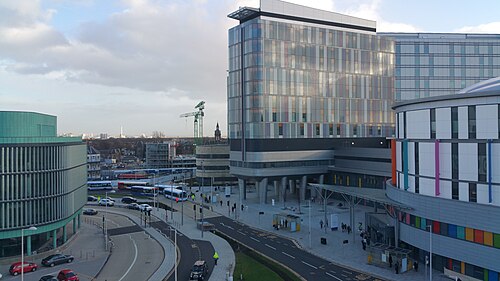
The modern system of universal publicly funded in the United Kingdom has its origins in the creation of the National Health Service (NHS) in 1949 which still exists to this day and is the primary healthcare provider in the United Kingdom. The widespread popularity of the NHS has led to it being described as a "national religion".[422][423] Healthcare in the United Kingdom is a devolved matter and each country has its own system of universal publicly funded healthcare, although private healthcare is also available. Public healthcare is provided to all UK permanent residents and is mostly free at the point of need, being paid for from general taxation. The World Health Organization, in 2000, ranked the provision of healthcare in the United Kingdom as fifteenth best in Europe and eighteenth in the world.[424]
Since 1979, expenditure on healthcare has been increased significantly.[425] The 2018 OECD data, which incorporates in health a chunk of what in the UK is classified as social care, has the UK spending £3,121 per head.[426] In 2017 the UK spent £2,989 per person on healthcare, around the median for members of the Organisation for Economic Co-operation and Development.[427]
Regulatory bodies are organised on a UK-wide basis such as the General Medical Council, the Nursing and Midwifery Council and non-governmental-based, such as the Royal Colleges. Political and operational responsibility for healthcare lies with four national executives; healthcare in England is the responsibility of the UK Government; healthcare in Northern Ireland is the responsibility of the Northern Ireland Executive; healthcare in Scotland is the responsibility of the Scottish Government; and healthcare in Wales is the responsibility of the Welsh Government. Each National Health Service has different policies and priorities, resulting in contrasts.[428]
Culture
The culture of the United Kingdom is influenced by many factors including: the nation's island status; its history; and being a political union of four countries with each preserving elements of distinctive traditions, customs and symbolism. As a result of the British Empire, British influence can be observed in the language, culture and legal systems of many of its former colonies, in particular, the United States, Australia, Canada, New Zealand, and Ireland, a common culture known today as the Anglosphere.[429][430] The substantial cultural influence of the United Kingdom has led to it being described as a cultural superpower.[117][118] A global survey in 2023 ranked the UK 3rd in the 'Most Influential Countries' rankings (behind the US and China).[431]
Literature

British literature includes literature associated with the United Kingdom, the Isle of Man and the Channel Islands. Most British literature is in English. In 2022, 669 million physical books were sold in the UK, this is the highest overall level ever recorded.[432] Britain is renowned for children's literature, writer's includes Daniel Defoe, Rudyard Kipling, Lewis Carroll and Beatrix Potter who also illustrated her own books. Other writers include A.A. Milne, Enid Blyton, J.R.R. Tolkien, Roald Dahl, Terry Pratchett and J.K. Rowling who wrote the best selling book series of all time.[433]
The English playwright and poet William Shakespeare is widely regarded as the greatest dramatist of all time.[434] Other important English writers include Geoffrey Chaucer, known for The Canterbury Tales, the poet William Wordsworth and other romantic poets, also the novelists Charles Dickens, H. G. Wells, George Orwell and Ian Fleming. The 20th-century English crime writer Agatha Christie is the best-selling novelist of all time.[435] Twelve of the top 25 of 100 novels by British writers chosen by a BBC poll of global critics were written by women; these included works by George Eliot, Virginia Woolf, Charlotte and Emily Brontë, Mary Shelley, Jane Austen, Doris Lessing and Zadie Smith.[436]
Scotland's contributions include Arthur Conan Doyle (the creator of Sherlock Holmes), Sir Walter Scott, J. M. Barrie, Robert Louis Stevenson and the poet Robert Burns. More recently Hugh MacDiarmid and Neil M. Gunn contributed to the Scottish Renaissance, with grimmer works from Ian Rankin and Iain Banks. Scotland's capital, Edinburgh, was UNESCO's first worldwide City of Literature.[437]
Welsh literature includes Britain's oldest known poem, Y Gododdin, which was composed most likely in the late 6th century. It was written in Cumbric or Old Welsh and contains the earliest known reference to King Arthur.[438] The Arthurian legend was further developed by Geoffrey of Monmouth.[439] Poet Dafydd ap Gwilym (fl. 1320–1370) is regarded as one of the greatest European poets of his age.[440] Daniel Owen is credited as the first Welsh-language novelist, publishing Rhys Lewis in 1885. The best-known of the Anglo-Welsh poets are Dylan Thomas and R. S. Thomas, the latter nominated for the Nobel Prize in Literature in 1996. Leading Welsh novelists of the twentieth century include Richard Llewellyn and Kate Roberts.[441][442]
Northern Ireland's most popular writer is C.S. Lewis who was born in Belfast and wrote The Chronicles of Narnia.[443] Irish writers, living at a time when all of Ireland was part of the United Kingdom, include Oscar Wilde,[444] Bram Stoker[445] and George Bernard Shaw.[446] There have been many authors whose origins were from outside the United Kingdom but who moved to the UK, including Joseph Conrad,[447] T. S. Eliot,[448] Kazuo Ishiguro,[449] Sir Salman Rushdie[450] and Ezra Pound.[451]
Philosophy
The United Kingdom is famous for the tradition of 'British Empiricism', a branch of the philosophy of knowledge that states that only knowledge verified by experience is valid, and 'Scottish Philosophy', sometimes referred to as the 'Scottish School of Common Sense'.[452] The most famous philosophers of British Empiricism are John Locke, George Berkeley[x] and David Hume; while Dugald Stewart, Thomas Reid and William Hamilton were major exponents of the Scottish "common sense" school. Two Britons are also notable for the ethical theory of utilitarianism, a moral philosophy first used by Jeremy Bentham and later by John Stuart Mill in his short work Utilitarianism.[453]
Music

Various styles of music have become popular in the UK, including the indigenous folk music of England, Wales, Scotland and Northern Ireland. Historically, there has been exceptional Renaissance music from the Tudor period, with masses, madrigals and lute music by Thomas Tallis, John Taverner, William Byrd, Orlando Gibbons and John Dowland. After the Stuart Restoration, an English tradition of dramatic masques, anthems and airs became established, led by Henry Purcell, followed by Thomas Arne and others. The German-born composer George Frideric Handel became a naturalised British citizen in 1727, when he composed the anthem Zadok the Priest for the coronation of George II; it became the traditional ceremonial music for anointing all future monarchs. Handel's many oratorios, such as his famous Messiah, were written in the English language.[454] In the second half of the 19th century, as Arthur Sullivan and his librettist W. S. Gilbert wrote their popular Savoy operas, Edward Elgar's wide range of music rivalled that of his contemporaries on the continent. Increasingly, however, composers became inspired by the English countryside and its folk music, notably Gustav Holst, Ralph Vaughan Williams, and Benjamin Britten, a pioneer of modern British opera. Among the many post-war composers, some of the most notable have made their own personal choice of musical identity: Peter Maxwell Davies (Orkney), Harrison Birtwistle (mythological), and John Tavener (religious).[455] Today, recent classical singers include: Alfie Boe, Bryn Terfel, Katherine Jenkins, Michael Ball, Roderick Williams, Russell Watson and Sarah Brightman, while Nicola Benedetti and Nigel Kennedy are renowned for their violin ability.[456]
According to The New Grove Dictionary of Music and Musicians, the term "pop music" originated in Britain in the mid-1950s to describe rock and roll's fusion with the "new youth music".[457] The Oxford Dictionary of Music states that artists such as the Beatles and the Rolling Stones drove pop music to the forefront of popular music in the early 1960s.[458] Birmingham became known as the birthplace of heavy metal, with the band Black Sabbath starting there in the 1960s.[459] In the following years, Britain widely occupied a part in the development of rock music, with British acts pioneering hard rock;[460] raga rock; heavy metal;[461] space rock; glam rock;[462] Gothic rock,[463] psychedelic rock,[464] and punk rock.[465] British acts also developed neo soul and created dubstep.[466] The modern UK is known to produce some of the most prominent English-speaking rappers along with the United States, including Stormzy, Kano, Yxng Bane, Ramz, Little Simz and Skepta.[467]

The Beatles have international sales of over 1 billion units and are the biggest-selling and most influential band in the history of popular music.[468][469][470][471] Other prominent British contributors to have influenced popular music over the last 50 years include the Rolling Stones, Pink Floyd, Queen, Led Zeppelin, the Bee Gees, and Elton John, all of whom have worldwide record sales of 200 million or more.[472] The Brit Awards are the BPI's annual music awards, and some of the British recipients of the Outstanding Contribution to Music award include the Who, David Bowie, Eric Clapton, Rod Stewart, the Police, and Fleetwood Mac (who are a British-American band).[473] More recent UK music acts that have had international success include George Michael, Oasis, Spice Girls, Radiohead, Coldplay, Arctic Monkeys, Robbie Williams, Amy Winehouse, Susan Boyle, Adele, Ed Sheeran, Lewis Capaldi, One Direction, Harry Styles and Dua Lipa.[474]
A number of UK cities are known for their music. Acts from Liverpool have had 54 UK chart number 1 hit singles, more per capita than any other city worldwide.[475] Glasgow's contribution to music was recognised in 2008 when it was named a UNESCO City of Music.[476] Manchester played a role in the spread of dance music such as acid house, and from the mid-1990s, Britpop. London and Bristol are closely associated with the origins of electronic music sub-genres such as drum and bass and trip hop.[477]
UK dance music traces its roots back to the Black British Sound System Culture and the New Age Traveller movement of the 60s and 70s,[478] it also has influences from New Wave and Synth-pop such as from bands New Order and Depeche Mode[479] and also has influences from the Chicago House and Detroit Techno scenes. In the late 80's, dance music exploded with Rave culture mainly Acid House tracks which were made mainstream with novelty records (such as Smart E's Sesame's Treet and the Prodigy's Charly)[480] and the Balearic sound brought back from the Ibiza club scene. This led on to genres such as UK Garage, Speed Garage, Drum and bass, Jungle, Trance and Dubstep. Influential UK dance acts past and present include 808 State, Orbital, the Prodigy, Underworld, Roni Size, Leftfield, Massive Attack, Groove Armada, Fatboy Slim, Faithless, Basement Jaxx, Chemical Brothers, Sub Focus, Chase & Status, Disclosure, Calvin Harris and Fred Again.[481] Other influential UK DJs include Judge Jules, Pete Tong, Carl Cox, Paul Oakenfold, John Digweed and Sasha.[482]
Visual art


Major British artists include: the Romantics William Blake, John Constable, Samuel Palmer and J. M. W. Turner; the portrait painters Sir Joshua Reynolds and Lucian Freud; the landscape artists Thomas Gainsborough and L. S. Lowry; the pioneer of the Arts and Crafts Movement William Morris; the figurative painter Francis Bacon; the Pop artists Peter Blake, Richard Hamilton and David Hockney; the pioneers of Conceptual art movement Art & Language;[483] the collaborative duo Gilbert and George; the abstract artist Howard Hodgkin; and the sculptors Antony Gormley, Anish Kapoor and Henry Moore. During the late 1980s and 1990s the Saatchi Gallery in London helped to bring to public attention a group of multi-genre artists who would become known as the "Young British Artists": Damien Hirst, Chris Ofili, Rachel Whiteread, Tracey Emin, Mark Wallinger, Steve McQueen, Sam Taylor-Wood and the Chapman Brothers are among the better-known members of this loosely affiliated movement.
The Royal Academy in London is a key organisation for the promotion of the visual arts in the United Kingdom. Major schools of art in the UK include: the six-school University of the Arts London, which includes the Central Saint Martins College of Art and Design and Chelsea College of Art and Design; Goldsmiths, University of London; the Slade School of Fine Art (part of University College London); the Glasgow School of Art; the Royal College of Art; and The Ruskin School of Drawing and Fine Art (part of the University of Oxford). The Courtauld Institute of Art is a leading centre for the teaching of the history of art. Important art galleries in the United Kingdom include the National Gallery, National Portrait Gallery, Tate Britain and Tate Modern (the most-visited modern art gallery in the world, with around 4.7 million visitors per year).[484]
Cinema
The United Kingdom has had a considerable influence on the history of the cinema. The British directors Alfred Hitchcock, whose film Vertigo is considered by some critics as the best film of all time,[485] and David Lean who directed Lawrence of Arabia are among the most critically acclaimed directors of all time.[486] Recent popular directors include: Christopher Nolan, Sam Mendes, Steve McQueen, Richard Curtis, Danny Boyle, Tony Scott and Ridley Scott.[487][488][489][490] Many British actors have achieved international fame and critical success. Some of the most commercially successful films of all time have been produced in the United Kingdom, including two of the highest-grossing film franchises (Harry Potter and James Bond).[491]
2019 was a particularly good year for British films which grossed around £10.3 billion globally which was 28.7% of global box office revenue.[492] UK box-office takings totalled £1.25 billion in 2019, with around 176 million admissions.[493] In 2023 UK film and television studio stage space stands at 6.9 million sq ft, with 1 million sq ft added in the past year with more in development.[494] The annual BAFTA Film Awards are hosted by the British Academy of Film and Television Arts.[495]
Cuisine

British cuisine developed from various influences reflective of its land, settlements, arrivals of new settlers and immigrants, trade and colonialism. The food of England has historically been characterised by its simplicity of approach and a reliance on the high quality of natural produce.[496] The traditional Sunday roast is one example, featuring a roasted joint, usually of beef, lamb, chicken or pork, often free range (and generally grass-fed, in the case of beef). Roasts are served with either roasted or boiled vegetables, Yorkshire pudding, and gravy. Other traditional meals include meat pies and various stews. A 2019 YouGov poll rated classic British food, the following had more than 80% of people like them who had tried them: Sunday roast, Yorkshire pudding, Fish and chips, Crumpets, and Full English breakfast.[497]
The UK is home to a large selection of fine-dining experiences, in 2024 there were 187 Restaurants with a Michelin Star, 49 of them consider their cuisine to be 'Modern British'.[498] Sweet foods are common within British cuisine, and there is a long list of British desserts. Afternoon tea is a light afternoon meal served with tea in tea rooms and hotels around the United Kingdom, with the tradition dating back to around 1840.[499] Vegan and vegetarian diets have increased in Britain in recent years.[500]
The British Empire facilitated a knowledge of Indian cuisine with its "strong, penetrating spices and herbs". British cuisine has absorbed the cultural influence of those who have settled in Britain, producing hybrid dishes, such as chicken tikka masala.[501] The British have embraced world cuisine and regularly eat recipes or fast food from Europe, the Caribbean and Asia.
Media
.jpg/500px-Media_City_Footbridge_and_BBC_Offices_(geograph_2685261).jpg)
The BBC, founded in 1922, is the UK's publicly funded radio, television and Internet broadcasting corporation, and is the oldest and largest broadcaster in the world.[502][503][504] It operates numerous television and radio stations in the UK and abroad and its domestic services are funded by the television licence.[505] The BBC World Service is an international broadcaster owned and operated by the BBC. It is the world's largest of any kind.[506] It broadcasts radio news, speech and discussions in more than 40 languages.[507]
Other major players in the UK media include ITV, which operates 11 of the 15 regional television broadcasters that make up the ITV Network,[508] and Sky.[509] Newspapers produced in the United Kingdom include the Daily Mail, The Guardian, The Telegraph, The Times, and the Financial Times.[510] Magazines and journals published in the United Kingdom that have achieved worldwide circulation include The Spectator, The Economist, New Statesman, and Radio Times.
London dominates the media sector in the UK: national newspapers and television and radio are largely based there, although MediaCityUK in Manchester is also a significant national media centre. Edinburgh and Glasgow, and Cardiff, are important centres of newspaper and broadcasting production in Scotland and Wales, respectively.[511] The UK publishing sector, including books, directories and databases, journals, magazines and business media, newspapers and news agencies, has a combined turnover of around £20 billion and employs around 167,000 people.[512] In 2015, the UK published 2,710 book titles per million inhabitants, more than any other country, much of this being exported to other Anglophone countries.[513]
In 2010, 82.5 per cent of the UK population were Internet users, the highest proportion among the 20 countries with the largest total number of users in that year.[514] The British video game industry is the largest in Europe, and, since 2022, the UK has the largest video game market in Europe by sales, overtaking Germany.[515] It is the world's third-largest producer of video games after Japan and the United States.[516]
Sport

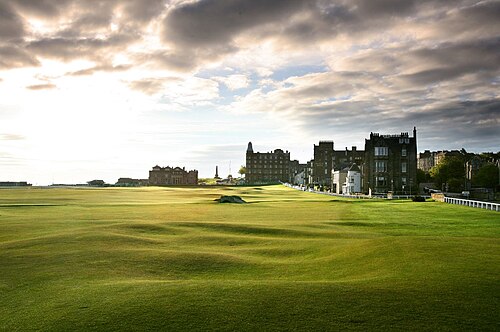
Association football, tennis, table tennis, badminton, rugby union, rugby league, rugby sevens, golf, boxing, netball, water polo, field hockey, billiards, darts, rowing, rounders and cricket originated or were substantially developed in the UK, with the rules and codes of many modern sports invented and codified in late 19th-century Victorian Britain.[y]
A 2003 poll found that football is the most popular sport in the UK.[519] England is recognised by FIFA as the birthplace of club football, and the Football Association is the oldest of its kind, with the rules of football first drafted in 1863 by Ebenezer Cobb Morley.[520] Each of the Home Nations (England, Scotland, Wales and Northern Ireland) has its own football association, national team and league system, and each is individually a governing member of the International Football Association Board alongside FIFA. The English top division, the Premier League, is the most watched football league in the world.[521] The first international football match was contested by England and Scotland on 30 November 1872.[522] England, Scotland, Wales and Northern Ireland usually compete as separate countries in international competitions.[523]
In 2003, rugby union was ranked the second most popular sport in the UK.[519] The sport was created in Rugby School, Warwickshire, and the first rugby international took place on 27 March 1871 between England and Scotland.[524][525] England, Scotland, Wales, Ireland, France and Italy compete in the Six Nations Championship, which is the premier international rugby union tournament in the northern hemisphere. Sports governing bodies in England, Scotland, Wales and Ireland organise and regulate the game separately.[526] Every four years, the Home Nations make a combined team known as the British and Irish Lions which tours Australia, New Zealand and South Africa.
The United Kingdom hosted the Summer Olympic Games in 1908, 1948 and 2012, with London acting as the host city on all three occasions. Birmingham hosted the 2022 Commonwealth Games, the seventh time a constitute country in the United Kingdom hosted the Commonwealth Games (England, Scotland and Wales have each hosted the Commonwealth Games at least once).[527]
Symbols
.jpg/500px-Queen_Elizabeth_II_Platinum_Jubilee_2022_-_Platinum_Pageant_(52123378222).jpg)
The flag of the United Kingdom is the Union Flag (also referred to as the Union Jack).[528] It was created in 1606 by the superimposition of the flag of England, representing Saint George, on the flag of Scotland, representing Saint Andrew, and was updated in 1801 with the addition of Saint Patrick's Flag.[529] Wales is not represented in the Union Flag, as Wales had been conquered and annexed to England prior to the formation of the United Kingdom. The possibility of redesigning the Union Flag to include representation of Wales has not been completely ruled out.[530] The national anthem of the United Kingdom is "God Save the King", with "King" replaced with "Queen" in the lyrics whenever the monarch is a woman.
Britannia is a national personification of the United Kingdom, originating from Roman Britain.[531] Beside The Lion and the Unicorn and the dragon of heraldry, the bulldog is an iconic animal and commonly represented with the Union Flag.[532] A now rare personification is a character originating in the 18th century, John Bull.[533]
England, Wales, and Scotland each have a number of their own national symbols, including their national flags. Northern Ireland also has a number of symbols, many of which are shared with Republic of Ireland.
See also
- Outline of the United Kingdom
- Index of United Kingdom-related articles
- International rankings of the United Kingdom
- Historiography of the United Kingdom
- Historiography of the British Empire
- United Kingdom–Crown Dependencies Customs Union
Notes
- ^ "God Save the King" is the national anthem by custom, not statute, and there is no authorised version. Only the first verse is usually sung.[1] The words King, he, him, his, used at present, are replaced by Queen, she, her when the monarch is female.
- ^ Scots, Ulster Scots, Welsh, Cornish, Scottish Gaelic and Irish are classed as regional or minority languages under the Council of Europe's European Charter for Regional or Minority Languages.[2] These include defined obligations to promote those languages.[3] See also Languages of the United Kingdom. Welsh has limited officially official status in Wales, as well as in the provision of national government services provided for Wales.
- ^ a b c Scotland held its census a year later after England, Wales and Northern Ireland due to the COVID-19 pandemic. As a result, the data shown is from two separate years.
- ^ Although the United Kingdom has traditionally been seen as a unitary state, an alternative description of the UK as a "union state", put forward by, among others, Vernon Bogdanor,[9] has become increasingly influential since the adoption of devolution in the 1990s.[10] A union state is considered to differ from a unitary state in that while it maintains a central authority it also recognises the authority of historic rights and infrastructures of its component parts.[11]
- ^ ONS Standard Area Measurement, 'area to mean high water excluding inland water'. Excludes the Crown Dependencies and British Overseas Territories.
- ^ a b c ONS Standard Area Measurement, 'area to mean high water'. Excludes the Crown Dependencies and British Overseas Territories.
- ^ Some of the devolved countries, Crown Dependencies and British Overseas Territories issue their own sterling banknotes or currencies, or use another nation's currency. See List of British currencies.
- ^ Also observed by the Crown Dependencies. For further information, see Time in the United Kingdom.
- ^ The UK Government uses the ISO 8601 format, yyyy-mm-dd for machine-readable dates and times.[20] See Date and time notation in the United Kingdom.
- ^ Except two overseas territories: Gibraltar and the British Indian Ocean Territory
- ^ Excludes most overseas territories
- ^ The .gb domain is also reserved for the UK, but has been little used.
- ^ Usage is mixed. The Guardian and Telegraph use Britain as a synonym for the United Kingdom. Some prefer to use Britain as shorthand for Great Britain. The British Cabinet Office's Government Digital Service style guide for use on gov.uk recommends: "Use UK and United Kingdom in preference to Britain and British (UK business, UK foreign policy, ambassador and high commissioner). But British embassy, not UK embassy."
- ^ The Isle of Man, Guernsey and Jersey are Crown Dependencies and not part of the UK.
- ^ The United Kingdom does not have a codified constitution but an unwritten one formed of Acts of Parliament, court judgments, traditions, and conventions.[31]
- ^ Compare to section 1 of both of the 1800 Acts of Union which reads: "the kingdoms of Great Britain and Ireland shall ... be united into one kingdom, by the name of the United Kingdom of Great Britain and Ireland".
- ^ Historically, the term British was used to refer to members and institutions within the British Empire and later Commonwealth and was not limited to the geographical British Isles. The UK Government adopted the term for its exclusive use only in 1961, but in recognition of its wider usage first sought the prior consent of Australia, Canada and New Zealand.[56][57]
- ^ British sovereignty derives from the Crown, a corporation sole occupied by the monarch. It is therefore by and through the monarch that Parliament exercises supreme legislative authority over both the executive and judiciary. Distinguished Professor of Public Law Maurice Sunkin opined the Crown symbolically occupies "…what in other places would be a core element of a written constitution."[172] As a result of this state of constitutional affairs, the monarch is formally referred to as "the Sovereign" in legislation.[173]
- ^ For instance, the monarch alone appoints the prime minister and confers state honours in the personal gift of the Crown. When necessary, the monarch may also refuse a dissolution or prorogation of Parliament, withhold royal assent to primary legislation, and prevent illegal use of the British Armed Forces, among other reserve powers.[180]
- ^ Real GDP is an inflation-adjusted GDP, which is needed if you need to study changes in volume rather than value especially if the currency devalues due to the inflation but does not show current market values.[273]
- ^ Car brands here are classed as British based on several of the following criteria: historical heritage, cultural significance, design and engineering base, manufacturing location, headquarters location, UK registered company (even with overseas investors).
- ^ The 2011 Census recorded Gypsies and Travellers as a separate ethnic group for the first time.
- ^ In the 2011 Census, for the purpose of harmonising results to make them comparable across the UK, the ONS includes individuals in Scotland who classified themselves in the "African" category (29,638 people), which in the Scottish version of the census is separate from "Caribbean or Black" (6,540 people),[365] in this "Black or Black British" category. The ONS note that "the African categories used in Scotland could potentially capture White/Asian/Other African in addition to Black identities".[366]
- ^ Berkeley is in fact Irish but was called a 'British empiricist' due to the territory of what is now known as the Republic of Ireland being in the UK at the time.
- ^ In 2012, the president of the IOC, Jacques Rogge, stated, "This great, sports-loving country is widely recognised as the birthplace of modern sport. It was here that the concepts of sportsmanship and fair play were first codified into clear rules and regulations. It was here that sport was included as an educational tool in the school curriculum".[517][518]
References
- ^ "National Anthem". The Royal Family. Retrieved 10 April 2024.
- ^ a b c d "List of declarations made with respect to treaty No. 148". Council of Europe. Archived from the original on 12 December 2013. Retrieved 12 December 2013.
- ^ "Welsh language on GOV.UK – Content design: planning, writing and managing content – Guidance". gov.uk. Archived from the original on 4 August 2018. Retrieved 3 August 2018.; "Welsh language scheme". GOV.UK. Archived from the original on 4 August 2018. Retrieved 3 August 2018.; "Welsh language scheme". GOV.UK. Archived from the original on 2 August 2018. Retrieved 3 August 2018.
- ^ "Ethnic group". Office for National Statistics. 28 March 2023. Retrieved 28 May 2024.
- ^ "MS-B01 Ethnic group". Northern Ireland Statistics and Research Agency. 30 November 2023. Retrieved 28 May 2024.
- ^ a b "Ethnic group, national identity, language and religion". Scotland's Census. Retrieved 28 May 2024.
- ^ "Religion (detailed)". Office for National Statistics. 5 April 2023. Retrieved 28 May 2024.
- ^ "MS-B21 Religion - full detail". Northern Ireland Statistics and Research Agency. 31 May 2023. Retrieved 28 May 2024.
- ^ Bradbury, Jonathan (2021). Constitutional Policy and Territorial Politics in the UK: Volume 1: Union and Devolution 1997–2012. Policy Press. pp. 19–20. ISBN 978-1-5292-0588-6.
- ^ Leith, Murray Stewart (2012). Political Discourse and National Identity in Scotland. Edinburgh University Press. p. 39. ISBN 978-0-7486-8862-3.
- ^ Gagnon, Alain-G.; Tully, James (2001). Multinational Democracies. Cambridge University Press. p. 47. ISBN 978-0-521-80473-8.; Bogdanor, Vernon (1998). "Devolution: the Constitutional Aspects". In Beatson, Jack (ed.). Constitutional Reform in the United Kingdom: Practice and Principles. Oxford: Hart Publishing. p. 18. ISBN 978-1-901362-84-8.
- ^ a b c d "Standard Area Measurements for Administrative Areas (December 2023) in the UK". Open Geography Portal. Office for National Statistics. 31 May 2024. Retrieved 7 June 2024.
- ^ a b c d "Mid-Year Population Estimates, UK, June 2022". Office for National Statistics. 26 March 2024. Retrieved 3 May 2024.
- ^ "Population and household estimates, England and Wales: Census 2021, unrounded data". Office for National Statistics. 2 November 2022. Retrieved 28 May 2024.
- ^ "2021 Census". Northern Ireland Statistics and Research Agency. Retrieved 28 May 2024.
- ^ "Quality Assurance report – Unrounded population estimates and ethnic group, national identity, language and religion topic data". Scotland's Census. 21 May 2024. Retrieved 28 May 2024.
- ^ a b c d "World Economic Outlook Database". International Monetary Fund. 16 April 2024. Retrieved 16 April 2024.
- ^ "Income inequality". OECD Data. OECD. Archived from the original on 1 July 2022. Retrieved 12 February 2024.
- ^ "Human Development Report 2023/24" (PDF). United Nations Development Programme. 13 March 2024. Archived (PDF) from the original on 13 March 2024. Retrieved 13 March 2024.
- ^ "Formatting dates and times in data". gov.uk. HM Government. 9 August 2022. Retrieved 1 June 2024.
- ^ "Toponymic guidelines for map and other editors, United Kingdom of Great Britain and Northern Ireland". GOV.UK. 9 November 2023. 10.2 Definitions. Archived from the original on 17 June 2018. Retrieved 12 February 2024.
usually shortened to United Kingdom ... The abbreviation is UK or U.K.
- ^ "United Kingdom". Encyclopædia Britannica. 12 February 2024. Archived from the original on 13 October 2023. Retrieved 12 February 2024.
- ^ "A Beginners Guide to UK Geography (2023)". Open Geography Portal. Office for National Statistics. 24 August 2023. Archived from the original on 9 December 2023. Retrieved 9 December 2023.
- ^ "Definition of Great Britain in English". Oxford University Press. Archived from the original on 4 October 2013. Retrieved 29 October 2014.
Great Britain is the name for the island that comprises England, Scotland and Wales, although the term is also used loosely to refer to the United Kingdom.
- ^ "Major Agglomerations". Retrieved 16 October 2023.
- ^ Mathias, P. (2001). The First Industrial Nation: the Economic History of Britain, 1700–1914. London: Routledge. ISBN 978-0-415-26672-7.; Ferguson, Niall (2004). Empire: The rise and demise of the British world order and the lessons for global power. New York: Basic Books. ISBN 978-0-465-02328-8.
- ^ McDougall, Walter A. (4 May 2023). "20th-century international relations". Encyclopædia Britannica. Archived from the original on 12 July 2019. Retrieved 6 May 2023.
- ^ Brown, Judith (1998). The Twentieth Century, The Oxford History of the British Empire Volume IV. Oxford University Press. ISBN 978-0-19-924679-3. Archived from the original on 3 January 2014. Retrieved 22 July 2009. p. 319
- ^ Louis, Wm. Roger (2006). Ends of British Imperialism: The Scramble for Empire, Suez and Decolonization. I.B. Tauris. ISBN 978-1-84511-347-6. Archived from the original on 22 February 2017. Retrieved 22 July 2009. p. 337
- ^ Abernethy, David (2000). The Dynamics of Global Dominance, European Overseas Empires 1415–1980. Yale University Press. ISBN 978-0-300-09314-8. Archived from the original on 14 December 2011. Retrieved 22 July 2009. p. 146
- ^ What is the UK Constitution?, The Constitution Unit of UCL, 9 August 2018, archived from the original on 7 November 2018, retrieved 6 February 2020
- ^ The British Monarchy, "What is constitutional monarchy?" Archived 4 June 2019 at the Wayback Machine. Retrieved 17 July 2013; "United Kingdom" Archived 9 January 2021 at the Wayback Machine CIA The World Factbook. Retrieved 17 July 2013
- ^ Dewart, Megan (2019). The Scottish Legal System. UK: Bloomsbury Academic. p. 57. ISBN 978-1-5265-0633-7. Archived from the original on 4 July 2023. Retrieved 4 July 2023.
The laws and legal institutions of Scotland and of England and Wales were not merged by the Union of 1707. Thus, they remain separate 'law areas', with separate court systems (as does Northern Ireland), and it is necessary to distinguish Scots law and English law (and Northern Irish law).
; "The justice system and the constitution". Courts and Tribunals Judiciary. Archived from the original on 21 May 2023. Retrieved 13 June 2023.The United Kingdom has three separate legal systems; one each for England and Wales, Scotland and Northern Ireland. This reflects its historical origins and the fact that both Scotland and Ireland, and later Northern Ireland, retained their own legal systems and traditions under the Acts of Union 1707 and 1800.
- ^ "Devolution of powers to Scotland, Wales and Northern Ireland". United Kingdom Government. Archived from the original on 18 July 2013. Retrieved 17 April 2013.
In a similar way to how the government is formed from members from the two Houses of Parliament, members of the devolved legislatures nominate ministers from among themselves to comprise executives, known as the devolved administrations...
; "Country Overviews: United Kingdom". Transport Research Knowledge Centre. Archived from the original on 4 April 2010. Retrieved 28 March 2010. - ^ "IISS Military Balance 2021". The Military Balance. 121 (1): 23–29. January 2021. doi:10.1080/04597222.2021.1868791. ISSN 0459-7222. S2CID 232050862. Archived from the original on 1 October 2021. Retrieved 1 October 2021.
- ^ da Silva, Diego Lopes; Tian, Nan; Béraud-Sudreau, Lucie; Marksteiner, Alexandra; Liang, Xiao (April 2022). Trends in World Military Expenditure, 2021 (fact sheet). SIPRI. doi:10.55163/DZJD8826. S2CID 248305949. Archived from the original on 25 April 2022. Retrieved 3 April 2023.
- ^ "What are the top 200 most spoken languages?". Ethnologue. 2023. Archived from the original on 18 June 2023. Retrieved 25 August 2023.
- ^ "The Treaty (act) of the Union of Parliament 1706". Scots History Online. Archived from the original on 27 May 2019. Retrieved 23 August 2011; Barnett, Hilaire; Jago, Robert (2011). Constitutional & Administrative Law (8th ed.). Abingdon: Routledge. p. 165. ISBN 978-0-415-56301-7. Archived from the original on 28 March 2024. Retrieved 29 September 2020.
- ^ "After the political union of England and Scotland in 1707, the nation's official name became 'Great Britain'", The American Pageant, Volume 1, Cengage Learning (2012); "From 1707 until 1801 Great Britain was the official designation of the kingdoms of England and Scotland". The Standard Reference Work: For the Home, School and Library, Volume 3, Harold Melvin Stanford (1921); "In 1707, on the union with Scotland, 'Great Britain' became the official name of the British Kingdom, and so continued until the union with Ireland in 1801". United States Congressional serial set, Issue 10; Issue 3265 (1895); Gascoigne, Bamber. "History of Great Britain (from 1707)". History World. Archived from the original on 27 May 2019. Retrieved 18 July 2011.
- ^ Cottrell, P. (2008). The Irish Civil War 1922–23. Bloomsbury USA. p. 85. ISBN 978-1-84603-270-7.
- ^ S. Dunn; H. Dawson (2000), An Alphabetical Listing of Word, Name and Place in Northern Ireland and the Living Language of Conflict, Lewiston, New York: Edwin Mellen Press,
One specific problem – in both general and particular senses – is to know what to call Northern Ireland itself: in the general sense, it is not a country, or a province, or a state – although some refer to it contemptuously as a statelet: the least controversial word appears to be jurisdiction, but this might change.
; "Changes in the list of subdivision names and code elements" (PDF). ISO 3166-2. International Organization for Standardization. 15 December 2011. Archived (PDF) from the original on 19 September 2016. Retrieved 28 May 2012. - ^ "Countries within a country". Prime Minister's Office. 10 January 2003. Archived from the original on 9 September 2008. Retrieved 8 March 2015.
- ^ "Statistical bulletin: Regional Labour Market Statistics". Archived from the original on 24 December 2014. Retrieved 5 March 2014.; "13.4% Fall In Earnings Value During Recession". Archived from the original on 3 January 2014. Retrieved 5 March 2014.
- ^ Dunn, Seamus; Dawson, Helen (2000). An Alphabetical Listing of Word, Name and Place in Northern Ireland and the Living Language of Conflict. Lewiston, New York: Edwin Mellen Press. ISBN 978-0-7734-7711-7.; Murphy, Dervla (1979). A Place Apart. London: Penguin. ISBN 978-0-14-005030-1.
- ^ Whyte, John; FitzGerald, Garret (1991). Interpreting Northern Ireland. Oxford: Clarendon Press. ISBN 978-0-19-827380-6.
- ^ "Guardian Unlimited Style Guide". London: Guardian News and Media Limited. 19 December 2008. Retrieved 23 August 2011.; "BBC style guide (Great Britain)". BBC News. 19 August 2002. Archived from the original on 15 February 2009. Retrieved 23 August 2011.; "Key facts about the United Kingdom". Government, citizens and rights. HM Government. Archived from the original on 15 October 2012. Retrieved 8 March 2015.
- ^ New Oxford American Dictionary: "Great Britain: England, Wales, and Scotland considered as a unit. The name is also often used loosely to refer to the United Kingdom."
- ^ "When people say England, they sometimes mean Great Britain, sometimes the United Kingdom, sometimes the British Isles — but never England." — George Mikes (1946), How To Be An Alien, Penguin ISBN 978-0-582-41686-4; "England OR United Kingdom (UK)? | Vocabulary | EnglishClub". englishclub.com. Archived from the original on 16 October 2022. Retrieved 16 October 2022.
- ^ "Britain Meaning in the Cambridge English Dictionary". dictionary.cambridge.org. Archived from the original on 20 June 2018. Retrieved 19 June 2018.; "Definition of Britain in English by Oxford Dictionaries". Oxford Dictionaries – English. Archived from the original on 26 September 2016.
- ^ a b "Britain definition and meaning". collinsdictionary.com. Collins English Dictionary. Archived from the original on 20 June 2018. Retrieved 19 June 2018.
- ^ "Britain – Definition for English-Language Learners". learnersdictionary.com. Merriam-Webster's Learner's Dictionary. Archived from the original on 20 June 2018. Retrieved 19 June 2018.
- ^ "A to Z – Style guide". UK Government. Archived from the original on 7 August 2020. Retrieved 17 June 2018.
- ^ a b Permanent Committee on Geographical Names (17 May 2023). "Toponymic guidelines for the United Kingdom". gov.uk. UK Government. Archived from the original on 17 June 2018. Retrieved 17 June 2018.
- ^ "BBC News style guide – Names". BBC Academy. BBC. Archived from the original on 10 November 2019. Retrieved 9 November 2019.; "Alphabetical checklist". BBC News. BBC. Archived from the original on 26 March 2018. Retrieved 17 June 2018.
- ^ Bradley, Anthony Wilfred; Ewing, Keith D. (2007). Constitutional and administrative law. Vol. 1 (14th ed.). Harlow: Pearson Longman. p. 36. ISBN 978-1-4058-1207-8. Archived from the original on 28 March 2024. Retrieved 29 September 2020.
- ^ Curran, James; Ward, Stuart (2010). The Unknown Nation: Australia after Empire. Carlton, Vic: Melbourne University Publishing. pp. 26–7. ISBN 978-0-522-85645-3.
- ^ Ward, Stuart (2023). Untied kingdom: A Global History of the End of Britain. Cambridge University Press. Chapter 1. ISBN 978-1-107-14599-3.
- ^ "Which of these best describes the way you think of yourself?". Northern Ireland Life and Times Survey 2010. ARK – Access Research Knowledge. 2010. Archived from the original on 23 September 2015. Retrieved 1 July 2010.
- ^ "Ethnicity and National Identity in England and Wales". Office for National Statistics. Archived from the original on 21 January 2022. Retrieved 25 June 2020.; Schrijver, Frans (2006). Regionalism after regionalisation: Spain, France and the United Kingdom. Amsterdam University Press. pp. 275–277. ISBN 978-90-5629-428-1. Archived from the original on 28 March 2024. Retrieved 29 September 2020.
- ^ "Ancient skeleton was 'even older' Archived 13 February 2021 at the Wayback Machine". BBC News. 30 October 2007. Retrieved 27 April 2011.
- ^ Koch, John T. (2006). Celtic culture: A historical encyclopedia. Santa Barbara, CA: ABC-CLIO. p. 973. ISBN 978-1-85109-440-0.
- ^ Davies, John; Jenkins, Nigel; Baines, Menna; Lynch, Peredur I., eds. (2008). The Welsh Academy Encyclopaedia of Wales. Cardiff: University of Wales Press. p. 915. ISBN 978-0-7083-1953-6.
- ^ "Short Athelstan biography". BBC History. Archived from the original on 13 February 2007. Retrieved 9 April 2013.
- ^ Mackie, J.D. (1991). A History of Scotland. London: Penguin. pp. 18–19. ISBN 978-0-14-013649-4.; Campbell, Ewan (1999). Saints and Sea-kings: The First Kingdom of the Scots. Edinburgh: Canongate. pp. 8–15. ISBN 978-0-86241-874-8.
- ^ Haigh, Christopher (1990). The Cambridge Historical Encyclopedia of Great Britain and Ireland. Cambridge University Press. p. 30. ISBN 978-0-521-39552-6.
- ^ Ganshof, F.L. (1996). Feudalism. University of Toronto. p. 165. ISBN 978-0-8020-7158-3.
- ^ Chibnall, Marjorie (1999). The Debate on the Norman Conquest. Manchester University Press. pp. 115–122. ISBN 978-0-7190-4913-2. Archived from the original on 26 March 2023. Retrieved 20 March 2023.
- ^ "Magna Carta". parliament.uk. Retrieved 27 May 2024. "The contents of Magna Carta". parliament.uk. Retrieved 27 May 2024. "Magna Carta Key Facts". Britannica. Retrieved 27 May 2024.
- ^ Keen, Maurice. "The Hundred Years' War" Archived 14 December 2013 at the Wayback Machine. BBC History.
- ^ The Reformation in England and Scotland Archived 15 May 2015 at the Wayback Machine and Ireland: The Reformation Period & Ireland under Elizabeth I Archived 21 May 2015 at the Wayback Machine, Encyclopædia Britannica Online.
- ^ "English Reformation c1527-1590". The National Archives. Archived from the original on 2 December 2022. Retrieved 20 January 2023.
- ^ "British History in Depth – Wales under the Tudors". BBC History. 5 November 2009. Archived from the original on 7 February 2012. Retrieved 21 September 2010.
- ^ Nicholls, Mark (1999). A history of the modern British Isles, 1529–1603: The two kingdoms. Oxford: Blackwell. pp. 171–172. ISBN 978-0-631-19334-0.
- ^ Canny, Nicholas P. (2003). Making Ireland British, 1580–1650. Oxford University Press. pp. 189–200. ISBN 978-0-19-925905-2.
- ^ Ross, D. (2002). Chronology of Scottish History. Glasgow: Geddes & Grosset. p. 56. ISBN 978-1-85534-380-1; Hearn, J. (2002). Claiming Scotland: National Identity and Liberal Culture. Edinburgh University Press. p. 104. ISBN 978-1-902930-16-9
- ^ "English Civil Wars". Encyclopædia Britannica. Archived from the original on 2 May 2015. Retrieved 28 April 2013.; "Scotland and the Commonwealth: 1651–1660". Archontology.org. 14 March 2010. Archived from the original on 16 July 2012. Retrieved 9 March 2015.
- ^ Lodge, Richard (2007) [1910]. The History of England – From the Restoration to the Death of William III (1660–1702). Read Books. p. 8. ISBN 978-1-4067-0897-4. Archived from the original on 28 March 2024. Retrieved 29 September 2020.
- ^ "Tudor Period and the Birth of a Regular Navy". Royal Navy History. Institute of Naval History. Archived from the original on 3 November 2011. Retrieved 8 March 2015.; Canny, Nicholas (1998). The Origins of Empire, The Oxford History of the British Empire Volume I. Oxford University Press. ISBN 978-0-19-924676-2. Archived from the original on 11 January 2023. Retrieved 29 September 2020.
- ^ "Articles of Union with Scotland 1707". UK Parliament. Archived from the original on 8 June 2012. Retrieved 19 October 2008.; "Acts of Union 1707". UK Parliament. Archived from the original on 27 December 2010. Retrieved 6 January 2011.; "Treaty (act) of Union 1706". Scottish History online. Archived from the original on 27 May 2019. Retrieved 3 February 2011.
- ^ Library of Congress, The Impact of the American Revolution Abroad Archived 28 March 2024 at the Wayback Machine, p. 73.
- ^ Morgan, Kenneth (2007). Slavery and the British Empire: From Africa to America. Oxford University Press, USA. p. 12. ISBN 978-0-19-156627-1. Archived from the original on 28 March 2024. Retrieved 5 October 2020.
- ^ Morgan, Kenneth (2007). Slavery and the British Empire: From Africa to America. Oxford University Press, US. p. 15. ISBN 978-0-19-156627-1. Archived from the original on 28 March 2024. Retrieved 5 October 2020.
- ^ Sailing against slavery Archived 3 November 2008 at the Wayback Machine. BBC Devon. 2007.; Lovejoy, Paul E. (2000). Transformations in Slavery: A History of Slavery in Africa (2nd ed.). New York: Cambridge University Press. p. 290. ISBN 978-0-521-78012-4.
- ^ "The Act of Union". Act of Union Virtual Library. Archived from the original on 15 April 2012. Retrieved 15 May 2006.
- ^ Tellier, L.-N. (2009). Urban World History: an Economic and Geographical Perspective. Quebec: PUQ. p. 463. ISBN 978-2-7605-1588-8.
- ^ Sondhaus, L. (2004). Navies in Modern World History. London: Reaktion Books. p. 9. ISBN 978-1-86189-202-7
- ^ Porter, Andrew (1998). The Nineteenth Century, The Oxford History of the British Empire Volume III. Oxford University Press. p. 332. ISBN 978-0-19-924678-6.
- ^ Benn, David Wedgwood (March 2012). "The Crimean War and its lessons for today". International Affairs. 88 (2). Oxford University Press: 387–391. doi:10.1111/j.1468-2346.2012.01078.x. JSTOR 41428613.
- ^ Nordisk familjebok (1913), s. 435 Archived 9 December 2023 at the Wayback Machine (in Swedish)
- ^ Porter, Andrew (1998). The Nineteenth Century, The Oxford History of the British Empire Volume III. Oxford University Press. p. 8. ISBN 978-0-19-924678-6.; Marshall, P.J. (1996). The Cambridge Illustrated History of the British Empire. Cambridge University Press. pp. 156–157. ISBN 978-0-521-00254-7. Archived from the original on 16 January 2023. Retrieved 29 September 2020.
- ^ Tompson, Richard S. (2003). Great Britain: a reference guide from the Renaissance to the present. New York: Facts on File. p. 63. ISBN 978-0-8160-4474-0.
- ^ Fromkin, David (1980). "The Great Game in Asia". Foreign Affairs. 58 (4): 936–951. doi:10.2307/20040512. ISSN 0015-7120. JSTOR 20040512. Archived from the original on 12 April 2021. Retrieved 4 June 2023.
- ^ Hosch, William L. (2009). World War I: People, Politics, and Power. America at War. New York: Britannica Educational Publishing. p. 21. ISBN 978-1-61530-048-8.
- ^ Zarembka, Paul (2013). Contradictions: Finance, Greed, and Labor Unequally Paid. Emerald Group Publishing. ISBN 978-1-78190-670-5. Archived from the original on 28 March 2024. Retrieved 21 October 2020.
- ^ Sophia A. Van Wingerden, The women's suffrage movement in Britain, 1866–1928 (1999) ch 1.
- ^ Turner, John (1988). Britain and the First World War. London: Unwin Hyman. pp. 22–35. ISBN 978-0-04-445109-9.
- ^ a b c Westwell, I.; Cove, D. (eds) (2002). History of World War I, Volume 3. London: Marshall Cavendish. pp. 698, 705. ISBN 978-0-7614-7231-5.
- ^ Turner, J. (1988). Britain and the First World War. Abingdon: Routledge. p. 41. ISBN 978-0-04-445109-9.
- ^ "100 years of radio since Marconi's big breakthrough". Ofcom. 15 June 2020. Archived from the original on 4 August 2020. Retrieved 17 November 2020.
- ^ Linfoot, Matthew. "History of the BBC: The origins of BBC Local Radio". BBC. Archived from the original on 20 September 2022. Retrieved 18 September 2022.
- ^ "History of the BBC: 1920s". BBC. Archived from the original on 26 September 2022. Retrieved 18 September 2022.
- ^ SR&O 1921/533 of 3 May 1921.
- ^ "The Anglo-Irish Treaty, 6 December 1921". CAIN Web Service. Archived from the original on 14 May 2012. Retrieved 15 May 2006.
- ^ Rubinstein, W.D. (2004). Capitalism, Culture, and Decline in Britain, 1750–1990. Abingdon: Routledge. p. 11. ISBN 978-0-415-03719-8.
- ^ a b Edgerton, David (2012). Britain's War Machine. Penguin. Archived from the original on 28 April 2020. Retrieved 10 May 2020; "Britain's War Machine: Weapons, Resources and Experts in the Second World War". Reviews in History. Archived from the original on 12 June 2020. Retrieved 10 May 2020.
- ^ Septimus H. Paul (2000). Nuclear Rivals: Anglo-American Atomic Relations, 1941–1952. Ohio State U.P. pp. 1–5. ISBN 978-0-8142-0852-6.
- ^ "Minutes of a Meeting of the Combined Policy Committee, Washington, July 4, 1945". United States Department of State. Archived from the original on 18 September 2017. Retrieved 22 November 2017.
- ^ "Celebrating Concorde". Archived from the original on 17 March 2023. Retrieved 30 March 2023.
- ^ Doenecke, Justus D.; Stoler, Mark A. (2005). Debating Franklin D. Roosevelt's foreign policies, 1933–1945. Rowman & Littlefield. ISBN 978-0-8476-9416-7. Archived from the original on 28 March 2024. Retrieved 19 March 2016.; Kelly, Brian. The Four Policemen and Postwar Planning, 1943–1945: The Collision of Realist and Idealist Perspectives. Indiana University of Pennsylvania. Archived from the original on 22 October 2015. Retrieved 25 August 2015.
- ^ "The "Special Relationship" between Great Britain and the United States Began with FDR". Roosevelt Institute. 22 July 2010. Archived from the original on 25 January 2018. Retrieved 24 January 2018.
and the joint efforts of both powers to create a new post-war strategic and economic order through the drafting of the Atlantic Charter; the establishment of the International Monetary Fund and the World Bank; and the creation of the United Nations.
; "Remarks by the President Obama and Prime Minister Cameron in Joint Press Conference" (Press release). The White House. 22 April 2016. Archived from the original on 8 June 2021. Retrieved 24 January 2018.That's what we built after World War II. The United States and the UK designed a set of institutions – whether it was the United Nations, or the Bretton Woods structure, IMF, World Bank, NATO, across the board.
- ^ "Britain to make its final payment on World War II loan from U.S." The New York Times. 28 December 2006. Archived from the original on 20 August 2017. Retrieved 25 August 2011.
- ^ Reynolds, David (17 April 2011). "Britain's War Machine by David Edgerton – review". The Guardian. London. Archived from the original on 12 June 2020. Retrieved 10 May 2020.
- ^ Francis, Martin (1997). Ideas and policies under Labour, 1945–1951: Building a new Britain. Manchester University Press. pp. 225–233. ISBN 978-0-7190-4833-3.
- ^ Lee, Stephen J. (1996). Aspects of British political history, 1914–1995. London; New York: Routledge. pp. 173–199. ISBN 978-0-415-13103-2.
- ^ Larres, Klaus (2009). A companion to Europe since 1945. Chichester: Wiley-Blackwell. p. 118. ISBN 978-1-4051-0612-2. Archived from the original on 28 March 2024. Retrieved 29 September 2020.
- ^ "Country List". Commonwealth Secretariat. 19 March 2009. Archived from the original on 6 May 2013. Retrieved 8 March 2015.
- ^ a b "The cultural superpower: British cultural projection abroad" (PDF). British Politics Review. 6 (1). Norway: British Politics Society. Winter 2011. ISSN 1890-4505. Archived from the original (PDF) on 16 September 2018.
- ^ a b Sheridan, Greg (15 May 2010). "Cameron has chance to make UK great again". The Australian. Sydney. Retrieved 20 May 2012.
- ^ Julios, Christina (2008). Contemporary British identity: English language, migrants, and public discourse. Studies in migration and diaspora. Aldershot: Ashgate. p. 84. ISBN 978-0-7546-7158-9. Archived from the original on 28 March 2024. Retrieved 29 September 2020.
- ^ Loughran, Thomas; Mycock, Andrew; Tonge, Jonathan (3 April 2021). "A coming of age: how and why the UK became the first democracy to allow votes for 18-year-olds". Contemporary British History. 35 (2): 284–313. doi:10.1080/13619462.2021.1890589. ISSN 1361-9462. S2CID 233956982.
- ^ "1975: UK embraces Europe in referendum". BBC News. Archived from the original on 20 June 2018. Retrieved 8 March 2015.
- ^ Aughey, Arthur (2005). The Politics of Northern Ireland: Beyond the Belfast Agreement. London: Routledge. p. 7. ISBN 978-0-415-32788-6.; "The troubles were over, but the killing continued. Some of the heirs to Ireland's violent traditions refused to give up their inheritance." Holland, Jack (1999). Hope against History: The Course of Conflict in Northern Ireland. New York: Henry Holt. p. 221. ISBN 978-0-8050-6087-4.; Elliot, Marianne (2007). The Long Road to Peace in Northern Ireland: Peace Lectures from the Institute of Irish Studies at Liverpool University. University of Liverpool Institute of Irish Studies, Liverpool University Press. p. 2. ISBN 978-1-84631-065-2.
- ^ Dorey, Peter (1995). British politics since 1945. Making contemporary Britain. Oxford: Blackwell. pp. 164–223. ISBN 978-0-631-19075-2.
- ^ Griffiths, Alan; Wall, Stuart (2007). Applied Economics (PDF) (11th ed.). Harlow: Financial Times Press. p. 6. ISBN 978-0-273-70822-3. Archived from the original (PDF) on 23 August 2009. Retrieved 26 December 2010.
- ^ – via Wikisource.
- ^ Keating, Michael (1 January 1998). "Reforging the Union: Devolution and Constitutional Change in the United Kingdom". Publius: The Journal of Federalism. 28 (1): 217–234. doi:10.1093/oxfordjournals.pubjof.a029948.
- ^ McCourt, David (2014). Britain and World Power Since 1945: Constructing a Nation's Role in International Politics. University of Michigan Press. ISBN 978-0-472-07221-7. Archived from the original on 28 March 2024. Retrieved 21 October 2020.
- ^ McSmith, Andy (5 July 2016). "The inside story of how Tony Blair led Britain to war in Iraq". Independent. London. Archived from the original on 4 July 2016. Retrieved 17 February 2022.
- ^ Adams, Tim (11 February 2023). "'A beautiful outpouring of rage': did Britain's biggest ever protest change the world?". The Observer. London. Archived from the original on 6 April 2023. Retrieved 5 June 2023.
- ^ "Quarterly National Accounts – National accounts aggregates (ABMI Gross Domestic Product: chained volume measures: Seasonally adjusted £m, constant prices)". Office for National Statistics. 20 December 2013. Archived from the original on 29 September 2015. Retrieved 28 July 2023.
- ^ "What is austerity and where could 'eye-watering' cuts fall now?". BBC News. 7 November 2022. Archived from the original on 28 July 2023. Retrieved 28 July 2023.
- ^ Butler, Patrick (4 October 2022). "Over 330,000 excess deaths in Great Britain linked to austerity, finds study". The Guardian. London. Archived from the original on 28 July 2023. Retrieved 28 July 2023.
- ^ Mueller, Benjamin (25 February 2019). "What Is Austerity and How Has It Affected British Society?". The New York Times. Archived from the original on 15 September 2020. Retrieved 28 July 2023.
- ^ "Scottish independence referendum – Results". BBC News. Archived from the original on 18 September 2014. Retrieved 18 February 2022.
- ^ Witte, Griff; Adam, Karla; Balz, Dan (24 June 2016). "In stunning decision, Britain votes to leave the E.U." The Washington Post. Archived from the original on 30 November 2022. Retrieved 24 June 2016.
- ^ "Brexit: New era for UK as it completes separation from European Union". BBC News. 1 January 2021. Archived from the original on 14 January 2021. Retrieved 18 February 2022.
- ^ "The EU-UK Trade and Cooperation Agreement". Archived from the original on 25 March 2023. Retrieved 25 March 2023.
- ^ "Coronavirus (COVID-19) in the UK". gov.uk. Government of the United Kingdom. Archived from the original on 14 April 2020. Retrieved 15 April 2020.
- ^ "Coronavirus and the impact on output in the UK economy: April 2020". ons.gov.uk. Government of the United Kingdom. Archived from the original on 2 August 2020. Retrieved 2 August 2020.
- ^ Walker, Andrew (10 June 2020). "Coronavirus: UK economy could be among worst hit of leading nations, says OECD". BBC News. Archived from the original on 18 August 2020. Retrieved 2 August 2020.
- ^ "Landmark moment as first NHS patient receives COVID-19 vaccination". NHS. Archived from the original on 25 February 2023.
- ^ "Oxford University/AstraZeneca COVID-19 vaccine approved". UK Government. Archived from the original on 25 February 2023.
- ^ Oxford English Dictionary: "British Isles: a geographical term for the islands comprising Great Britain and Ireland with all their offshore islands including the Isle of Man and the Channel Islands."
- ^ a b c d e "United Kingdom". The World Factbook. Central Intelligence Agency. Archived from the original on 9 January 2021. Retrieved 23 September 2008.
- ^ ROG Learning Team (23 August 2002). "The Prime Meridian at Greenwich". Royal Museums Greenwich. Archived from the original on 7 November 2015. Retrieved 11 September 2012.
- ^ "Greenwich Royal Observatory: How the Prime Meridian line is actually 100 metres away from where it was believed to be". Independent. London. 13 August 2015. Archived from the original on 23 March 2019. Retrieved 13 December 2018.
- ^ a b Darkes, Giles (January 2008). "How long is the UK coastline?". The British Cartographic Society. Archived from the original on 22 May 2012. Retrieved 24 January 2015.
- ^ Weiner, Sophie (3 March 2018). "Why it's Impossible to Accurately Measure a Coastline". Popular Mechanics. Retrieved 29 June 2024.
- ^ "The Channel Tunnel". Eurotunnel. Archived from the original on 18 December 2010. Retrieved 8 March 2015.
- ^ Dinerstein, Eric; et al. (2017). "An Ecoregion-Based Approach to Protecting Half the Terrestrial Realm". BioScience. 67 (6): 534–545. doi:10.1093/biosci/bix014. ISSN 0006-3568. PMC 5451287. PMID 28608869.
- ^ "Woodland Statistics, Key findings". Archived from the original on 2 August 2023. Retrieved 8 July 2023.
- ^ "Hottest day of each year from 1900". trevorharley.com. Archived from the original on 16 June 2023. Retrieved 23 November 2019.; "Coldest day of each year from 1900". trevorharley.com. Archived from the original on 9 July 2023. Retrieved 23 November 2019.
- ^ "English: A map of Köppen climate types in the United Kingdom (SVG version)". 9 August 2016. Archived from the original on 9 July 2023. Retrieved 23 November 2019.
- ^ "Atlantic Ocean Circulation (Gulf Stream)". UK Climate Projections. Met Office. Archived from the original on 17 October 2018. Retrieved 8 March 2015.
- ^ "UK 1971–2000 averages". Met Office. Archived from the original on 5 July 2009. Retrieved 4 August 2007.
- ^ "UK temperature, rainfall and sunshine time series". Met Office. Archived from the original on 17 October 2019. Retrieved 31 December 2022.
- ^ Smeeton, George (28 November 2023). "Families hit by £605 food bill as extreme weather and energy crisis bites". Energy & Climate Intelligence Unit. Retrieved 19 July 2024.
- ^ "2022 EPI Results". Environmental Performance Index. 3 June 2020. Archived from the original on 10 June 2023. Retrieved 25 March 2023.
- ^ "UK net zero target". Institute for Government. 20 April 2020. Archived from the original on 20 March 2024. Retrieved 20 March 2024.
- ^ "England – Profile". BBC News. 11 February 2010. Archived from the original on 15 April 2018. Retrieved 9 October 2010.
- ^ a b c Latimer Clarke Corporation Pty Ltd. "United Kingdom – Atlapedia Online". Atlapedia.com. Archived from the original on 21 March 2012. Retrieved 26 October 2010.[better source needed]
- ^ "Scotland Facts". Scotland Online Gateway. Archived from the original on 21 June 2008. Retrieved 16 July 2008.
- ^ Winter, Jon (1 June 2000). "The complete guide to the ... Scottish Islands". Independent. London. Archived from the original on 2 April 2015. Retrieved 8 March 2015.
- ^ "Great Britain's tallest mountain is taller". Ordnance Survey. 18 March 2016. Archived from the original on 9 September 2018. Retrieved 9 September 2018.
- ^ "Ben Nevis Weather". Ben Nevis Weather. Archived from the original on 10 May 2012. Retrieved 26 October 2008.
- ^ "Profile: Wales". BBC News. 9 June 2010. Archived from the original on 26 August 2018. Retrieved 7 November 2010.
- ^ "Geography of Northern Ireland". University of Ulster. Archived from the original on 18 January 2012. Retrieved 22 May 2006.
- ^ Stepan, Alfred; Linz, Juan J.; Minoves, Juli F. (2014). "Democratic Parliamentary Monarchies". Journal of Democracy. 25 (2): 35–36. doi:10.1353/jod.2014.0032. ISSN 1086-3214. S2CID 154555066.
- ^ Lewer, Andrew (5 May 2021). "The UK is one of the most centralised advanced democracies – it's time that changed". New Statesman. Archived from the original on 3 July 2023. Retrieved 3 July 2023.
- ^ "Centralisation Nation: Britain's system of local government and its impact on the national economy". Centre for Cities. Archived from the original on 28 March 2024. Retrieved 3 July 2023.
- ^ "Parliamentary Sovereignty". parliament.uk. Archived from the original on 11 August 2021. Retrieved 19 July 2021.
- ^ Polly Botsford (22 September 2022). "Relationship between UK Crown and law in focus as Carolean era begins". International Bar Association. Archived from the original on 6 May 2023. Retrieved 4 July 2023.
- ^ "Interpretation Act 1978 (c. 30, s. 10)". The National Archives. Archived from the original on 30 July 2023. Retrieved 4 July 2023.
- ^ a b "Parliament". parliament.uk. Retrieved 19 July 2021.
- ^ "Royal Assent". parliament.uk. Archived from the original on 16 July 2021. Retrieved 19 July 2021.
- ^ Carter, Sarah. "A Guide To the UK Legal System". University of Kent at Canterbury. Archived from the original on 5 May 2012. Retrieved 16 May 2006.
- ^ See R (Miller) v Prime Minister [2019] UKSC 41 (Parliamentary sovereignty), R (UNISON) v Lord Chancellor [2017] UKSC 51 Archived 4 January 2023 at the Wayback Machine, [67] ff (rule of law), R (Animal Defenders International) v Secretary of State for Culture Media and Sport [2008] UKHL 15, [48] (democracy), R v Lyons [2002] UKHL 44 Archived 22 January 2023 at the Wayback Machine, [27] (international law).
- ^ Robert Blackburn (2022). O. Lepsius; A. Nußberger; C. Schönberger; C. Waldhoff & C. Walter (eds.). "The Constitutional Role and Working of the Monarchy in the United Kingdom". Jahrbuch des Öffentlichen Rechts der Gegenwart. Neue Folge. 70. Mohr Siebeck (published 2 June 2022): 181–201. doi:10.1628/joer-2022-0009. S2CID 257830288. Archived from the original on 19 June 2023. Retrieved 19 June 2023.
- ^ Bagehot, Walter (1867). The English Constitution. London: Chapman and Hall. p. 103.
- ^ David Torrance (11 January 2023). "The Crown and the Constitution" (PDF). House of Commons Library. p. 22. Archived (PDF) from the original on 2 March 2023. Retrieved 19 June 2023.
- ^ a b "General elections". parliament.uk. Retrieved 19 July 2021.
- ^ Raymond, C (2016). "Why British Politics is Not a Two-Party System" (PDF). Queen's University Belfast. Archived (PDF) from the original on 9 July 2023. Retrieved 3 July 2023.
- ^ "The Government, Prime Minister and Cabinet". Public services all in one place. Directgov. Archived from the original on 21 September 2012. Retrieved 9 March 2015.
- ^ Tim Durrant (25 March 2020). "Cabinet". Institute for Government. Archived from the original on 4 July 2023. Retrieved 4 July 2023.
- ^ "Parliament and Government". UK Parliament. Archived from the original on 4 July 2023. Retrieved 4 July 2023.
- ^ Vernon Bogdanor (1995). The Monarchy and the Constitution, Chapter 3 – The Basic Constitutional Rules: Influence and the Prerogative. Clarendon Press. ISBN 978-0-19-829334-7. Retrieved 4 July 2023.
- ^ Blick, Andrew; Jones, George (1 January 2012). "The Institution of Prime Minister – History of government". gov.uk. Archived from the original on 21 July 2021. Retrieved 19 July 2021.
- ^ Brown, Jack (2020). Dale, Iain (ed.). The Prime Ministers. Hodder & Stoughton. p. 303. ISBN 978-1-5293-1214-0.
- ^ "Minister for the Civil Service". gov.uk. Archived from the original on 2 September 2017. Retrieved 19 July 2021.
- ^ Woodcock, Andrew (26 July 2021). "Boris Johnson accused of 'cynical rebranding' after appointing himself 'Minister for the Union'". Independent. Archived from the original on 27 July 2019. Retrieved 19 July 2021.; "Minister for the Union". gov.uk. Archived from the original on 19 July 2020. Retrieved 19 July 2021.
- ^ "The Cabinet Manual" (PDF). gov.uk. October 2011. p. 7. Archived (PDF) from the original on 15 April 2018. Retrieved 19 July 2021.
- ^ "The Cabinet Manual" (PDF). gov.uk. October 2011. p. 21. Archived (PDF) from the original on 15 April 2018. Retrieved 19 July 2021.
- ^ Norton, Philip (2020). Governing Britain: Parliament, Ministers and Our Ambiguous Constitution. Manchester University Press. p. 130. ISBN 978-1-5261-4545-1.
- ^ Palan, Rolen (2015). "The second British Empire and the re-emergence of global finance". In Palan, Rolen; Halperin, Sandra (eds.). Legacies of Empire: Imperial Roots of the Contemporary Global Order. Cambridge University Press. p. 48. ISBN 978-1-107-10946-9.
- ^ Hackwood Frederick William: The Story of the Shire, Being the Lore, History and Evolution of English County Institutions (1851)
- ^ United Nations Economic and Social Council (August 2007). "Ninth UN Conference on the standardization of Geographical Names" (PDF). UN Statistics Division. Archived (PDF) from the original on 11 December 2009. Retrieved 21 October 2008.
- ^ Barlow, I.M. (1991). Metropolitan Government. London: Routledge. ISBN 978-0-415-02099-2.
- ^ "Welcome to the national site of the Government Office Network". Government Offices. Archived from the original on 6 June 2009. Retrieved 3 July 2008.
- ^ "A short history of London government". Greater London Authority. Archived from the original on 21 April 2008. Retrieved 4 October 2008.
- ^ a b "STV in Scotland: Local Government Elections 2007" (PDF). Political Studies Association. Archived from the original (PDF) on 22 February 2011. Retrieved 2 August 2008.
- ^ a b "Unitary authorities". Welsh Government. 2014. Archived from the original on 10 March 2015. Retrieved 9 March 2015.
- ^ a b Devenport, Mark (18 November 2005). "NI local government set for shake-up". BBC News. Archived from the original on 12 December 2008. Retrieved 15 November 2008.
- ^ "Foster announces the future shape of local government" (Press release). Northern Ireland Executive. 13 March 2008. Archived from the original on 25 July 2008. Retrieved 20 October 2008.
- ^ Le Sueur, Andrew; Sunkin, Maurice; Murkens, Jo Eric Khushal (2023). Public Law: Text, Cases, and Materials (5th ed.). Oxford University Press. p. 147. ISBN 978-0-19-287061-2.
- ^ Burrows, N. (1999). "Unfinished Business: The Scotland Act 1998". The Modern Law Review. 62 (2): 241–260 [p. 249]. doi:10.1111/1468-2230.00203.
The UK Parliament is sovereign and the Scottish Parliament is subordinate. The White Paper had indicated that this was to be the approach taken in the legislation. The Scottish Parliament is not to be seen as a reflection of the settled will of the people of Scotland or of popular sovereignty but as a reflection of its subordination to a higher legal authority. Following the logic of this argument, the power of the Scottish Parliament to legislate can be withdrawn or overridden...
; Elliot, M. (2004). "United Kingdom: Parliamentary sovereignty under pressure". International Journal of Constitutional Law. 2 (3): 545–627, 553–554. doi:10.1093/icon/2.3.545.Notwithstanding substantial differences among the schemes, an important common factor is that the UK Parliament has not renounced legislative sovereignty in relation to the three nations concerned. For example, the Scottish Parliament is empowered to enact primary legislation on all matters, save those in relation to which competence is explicitly denied ... but this power to legislate on what may be termed "devolved matters" is concurrent with the Westminster Parliament's general power to legislate for Scotland on any matter at all, including devolved matters ... In theory, therefore, Westminster may legislate on Scottish devolved matters whenever it chooses...
- ^ "Scotland Act 2016". Gov.uk. Retrieved 28 June 2024.
- ^ "Wales Act 2017". Retrieved 13 July 2024.
- ^ Gamble, A. (2006). "The Constitutional Revolution in the United Kingdom". Publius. 36 (1): 19–35 [p. 29]. doi:10.1093/publius/pjj011.
The British parliament has the power to abolish the Scottish parliament and the Welsh assembly by a simple majority vote in both houses, but since both were sanctioned by referenda, it would be politically difficult to abolish them without the sanction of a further vote by the people. In this way, several of the constitutional measures introduced by the Blair government appear to be entrenched and not subject to a simple exercise of parliamentary sovereignty at Westminster.
- ^ Meehan, E. (1999). "The Belfast Agreement – Its Distinctiveness and Points of Cross-Fertilization in the UK's Devolution Programme". Parliamentary Affairs. 52 (1): 19–31 [p. 23]. doi:10.1093/pa/52.1.19.
[T]he distinctive involvement of two governments in the Northern Irish problem means that Northern Ireland's new arrangements rest upon an intergovernmental agreement. If this can be equated with a treaty, it could be argued that the forthcoming distribution of power between Westminster and Belfast has similarities with divisions specified in the written constitutions of federal states...Although the Agreement makes the general proviso that Westminster's 'powers to make legislation for Northern Ireland' remains 'unaffected', without an explicit categorical reference to reserved matters, it may be more difficult than in Scotland or Wales for devolved powers to be repatriated. The retraction of devolved powers would not merely entail consultation in Northern Ireland backed implicitly by the absolute power of parliamentary sovereignty but also the renegotiation of an intergovernmental agreement.
- ^ a b [217][218][219][220][221][222][223]
- ^ "English devolution". Institute for Government. 21 June 2024. Retrieved 30 August 2024.
- ^ "Devolution explained". Local Government Association. Retrieved 30 August 2024.
- ^ "English devolution". Institute for Government. 6 March 2023. Retrieved 4 February 2024.
- ^ "Combined County Authorities – key differences to Combined Authorities". Local Government Lawyer. 6 April 2023. Retrieved 4 February 2024.
- ^ "Devolved and Reserved Powers". parliament.scot. Retrieved 11 April 2024.
- ^ "Scotland's Parliament – powers and structures". BBC News. 8 April 1999. Archived from the original on 18 February 2007. Retrieved 21 October 2008.
- ^ Keating, Michael (2 February 2021). "Taking back control? Brexit and the territorial constitution of the United Kingdom". Journal of European Public Policy. 28 (4). Abingdon: Taylor & Francis: 6–7. doi:10.1080/13501763.2021.1876156. hdl:1814/70296. S2CID 234066376.
The UK Internal Market Act gives ministers sweeping powers to enforce mutual recognition and non-discrimination across the four jurisdictions. Existing differences and some social and health matters are exempted but these are much less extensive than the exemptions permitted under the EU Internal Market provisions. Only after an amendment in the House of Lords, the Bill was amended to provide a weak and non-binding consent mechanism for amendments (equivalent to the Sewel Convention) to the list of exemptions. The result is that, while the devolved governments retain regulatory competences, these are undermined by the fact that goods and services originating in, or imported into, England can be marketed anywhere.
- ^ Kenny, Michael; McEwen, Nicola (1 March 2021). "Intergovernmental Relations and the Crisis of the Union". Political Insight. 12 (1). SAGE Publishing: 12–15. doi:10.1177/20419058211000996. S2CID 232050477.
That phase of joint working was significantly damaged by the UK Internal Market Act, pushed through by the Johnson government in December 2020...the Act diminishes the authority of the devolved institutions, and was vehemently opposed by them.
- ^ Wolffe, W James (7 April 2021). "Devolution and the Statute Book". Statute Law Review. Oxford: Oxford University Press. doi:10.1093/slr/hmab003. Archived from the original on 21 April 2021. Retrieved 18 April 2021.
the Internal Market Bill—a Bill that contains provisions which, if enacted, would significantly constrain, both legally and as a matter of practicality, the exercise by the devolved legislatures of their legislative competence; provisions that would be significantly more restrictive of the powers of the Scottish Parliament than either EU law or Articles 4 and 6 of the Acts of the Union...The UK Parliament passed the European Union (Withdrawal Agreement) Act 2020 and the Internal Market Act 2020 notwithstanding that, in each case, all three of the devolved legislatures had withheld consent.
- ^ Wincott, Daniel; Murray, C. R. G.; Davies, Gregory (17 May 2021). "The Anglo-British imaginary and the rebuilding of the UK's territorial constitution after Brexit: unitary state or union state?". Territory, Politics, Governance. 10 (5). Abingdon/Brighton: Taylor & Francis; Regional Studies Association: 696–713. doi:10.1080/21622671.2021.1921613.
Taken as a whole, the Internal Market Act imposes greater restrictions upon the competences of the devolved institutions than the provisions of the EU Single Market which it replaced, in spite of pledges to use common frameworks to address these issues. Lord Hope, responsible for many of the leading judgments relating to the first two decades of devolution, regarded the legislation's terms as deliberately confrontational: 'this Parliament can do what it likes, but a different approach is essential if the union is to hold together'.
- ^ Dougan, Michael; Hayward, Katy; Hunt, Jo; McEwen, Nicola; McHarg, Aileen; Wincott, Daniel (2020). UK and the Internal Market, Devolution and the Union. Centre on Constitutional Change (Report). University of Edinburgh; University of Aberdeen. pp. 2–3. Archived from the original on 18 October 2020. Retrieved 16 October 2020.
- ^ Dougan, Michael (2020). Briefing Paper. United Kingdom Internal Market Bill: Implications for Devolution (PDF) (Report). Liverpool: University of Liverpool. pp. 4–5. Archived (PDF) from the original on 26 October 2020. Retrieved 15 October 2020.
- ^ Dougan, Michael; Hunt, Jo; McEwen, Nicola; McHarg, Aileen (2022). "Sleeping with an Elephant: Devolution and the United Kingdom Internal Market Act 2020". Law Quarterly Review. London: Sweet & Maxwell. ISSN 0023-933X. SSRN 4018581. Archived from the original on 2 August 2022. Retrieved 4 March 2022 – via Durham Research Online.
The Act has restrictive – and potentially damaging – consequences for the regulatory capacity of the devolved legislatures...This was not the first time since the Brexit referendum that the Convention had been set aside, but it was especially notable given that the primary purpose of the legislation was to constrain the capacity of the devolved institutions to use their regulatory autonomy...in practice, it constrains the ability of the devolved institutions to make effective regulatory choices for their territories in ways that do not apply to the choices made by the UK government and parliament for the English market.
- ^ "Humza Yousaf's precarious position puts the SNP – and Scotland – at a crossroads". Institute for Government. 26 April 2024. Retrieved 26 April 2024.
- ^ "What the Scottish Government does". gov.scot. Retrieved 11 April 2024.
- ^ "Structure and powers of the Assembly". BBC News. 9 April 1999. Archived from the original on 7 February 2004. Retrieved 21 October 2008.
- ^ "Good Friday Agreement: What is it?". BBC News. 3 April 2023. Retrieved 11 April 2024.
- ^ "Devolution of powers to Scotland, Wales and Northern Ireland". GOV.UK. 8 May 2019. Retrieved 11 June 2024.
- ^ "Your Executive". Northern Ireland Executive. 25 September 2015. Archived from the original on 21 August 2016. Retrieved 14 August 2016.
- ^ "Stormont: Why were NI leaders given unequal job titles?". BBC News. 15 May 2022. Archived from the original on 2 February 2024. Retrieved 2 February 2024.
- ^ "Northern Ireland Executive: Ministerial Code". 28 September 2015. Archived from the original on 2 February 2024. Retrieved 2 February 2024.
- ^ May, Theresa (29 March 2017). "Prime Minister's letter to Donald Tusk triggering Article 50". Archived from the original on 5 June 2017. Retrieved 19 June 2017 – via Gov.uk.
- ^ Swaine, Jon (13 January 2009). "Barack Obama presidency will strengthen special relationship, says Gordon Brown". The Telegraph. London. Archived from the original on 4 July 2020. Retrieved 30 May 2011.
- ^ Kirchner, Emil Joseph; Sperling, James (2007). Global Security Governance: Competing Perceptions of Security in the 21st century (illustrated ed.). London: Routledge. p. 100. ISBN 978-0-415-39162-7.
- ^ The Committee Office, House of Commons (19 February 2009). "DFID's expenditure on development assistance". UK Parliament. Archived from the original on 12 January 2013. Retrieved 28 April 2013.
- ^ "Sharp Drop in World Views of US, UK: Global Poll – GlobeScan". 4 July 2017. Archived from the original on 3 January 2019. Retrieved 5 December 2018.; "From the Outside In: G20 views of the UK before and after the EU referendum'" (PDF). British Council. Archived (PDF) from the original on 9 November 2017. Retrieved 5 December 2018.; "New Zealand is Britons' favourite country". 26 October 2020. Archived from the original on 5 December 2021. Retrieved 8 November 2021.
- ^ "The Treaty (act) of the Union of Parliament 1706". Scottish History Online. Archived from the original on 27 May 2019. Retrieved 5 October 2008.
- ^ "UK Supreme Court judges sworn in". BBC News. 1 October 2009. Archived from the original on 7 February 2020. Retrieved 6 October 2009.; "Constitutional reform: A Supreme Court for the United Kingdom" (PDF). Department for Constitutional Affairs. July 2003. Archived from the original (PDF) on 17 January 2009. Retrieved 13 May 2013.
- ^ "Role of the JCPC". Judicial Committee of the Privy Council. Archived from the original on 14 January 2014. Retrieved 28 April 2013.
- ^ Bainham, Andrew (1998). The international survey of family law: 1996. The Hague: Martinus Nijhoff. p. 298. ISBN 978-90-411-0573-8. Archived from the original on 28 March 2024. Retrieved 29 September 2020.
- ^ "Common Law". Britannica. 19 May 2024. Retrieved 27 May 2024.
- ^ "The Australian courts and comparative law". Australian Law Postgraduate Network. Archived from the original on 14 April 2013. Retrieved 9 March 2015.
- ^ "Court of Session – Introduction". Scottish Courts. Archived from the original on 31 July 2008. Retrieved 8 March 2015.
- ^ "High Court of Justiciary – Introduction". Scottish Courts. Archived from the original on 12 September 2008. Retrieved 9 March 2015.
- ^ "House of Lords – Practice Directions and Standing Orders Applicable to Civil Appeals". UK Parliament. Archived from the original on 6 December 2013. Retrieved 8 March 2015.
- ^ "Crime in England and Wales, Year Ending June 2015" (PDF). UK Government Web Archive. Office for National Statistics. Archived (PDF) from the original on 16 March 2023. Retrieved 16 March 2023.
- ^ Sturge, Georgina. "UK Prison Population Statistics" (PDF). House of Commons Library. Archived (PDF) from the original on 24 February 2020. Retrieved 17 October 2023.
- ^ "Highest to Lowest - Prison Population Total". World Prison Brief. Archived from the original on 18 November 2023.
- ^ "World Prison Brief data". World Prison Brief. Archived from the original on 6 November 2023.
- ^ Wratten, Marcus (3 July 2023). "Tom Allen to host vital new BBC show marking 10th anniversary of same-sex marriage". PinkNews. Archived from the original on 2 September 2023. Retrieved 2 September 2023.
- ^ "The 203 Worst (& Safest) Countries for LGBTQ+ Travel in 2023". Asher & Lyric. 5 June 2023. Archived from the original on 10 September 2021. Retrieved 20 August 2023.
- ^ R. Flores, Andrew. "Social Acceptance of LGBTI People in 175 Countries and Locations". Williams Institute. Archived from the original on 13 September 2023. Retrieved 11 September 2023.
- ^ "Ministry of Defence". Ministry of Defence. Archived from the original on 19 February 2012. Retrieved 21 February 2012.
- ^ "Speaker addresses Her Majesty Queen Elizabeth II". UK Parliament. 30 March 2012. Archived from the original on 1 May 2013. Retrieved 28 April 2013.
- ^ "House of Commons Hansard". UK Parliament. Archived from the original on 9 March 2009. Retrieved 23 October 2008.; "House of Commons Hansard Written Answers for 17 Jun 2013 (pt 0002)". Publications.parliament.uk. Archived from the original on 14 February 2015. Retrieved 4 March 2015.
- ^ "2024 Global Peace Index" (PDF).
- ^ "Rishi Sunak vows to boost UK defence spending to 2.5% of GDP by 2030". BBC News. 24 April 2024. Retrieved 24 April 2024.
- ^ UK 2005: The Official Yearbook of the United Kingdom of Great Britain and Northern Ireland. Office for National Statistics. p. 89.
- ^ Florida, Richard (16 March 2017). "The Economic Power of Cities Compared to Nations". Bloomberg. Archived from the original on 8 March 2024. Retrieved 22 February 2024.
- ^ "The World According to GaWC 2020". GaWC. Loughborough University. 21 August 2020. Archived from the original on 12 June 2022. Retrieved 3 June 2023.
- ^ "Principles for Economic Regulation". Department for Business, Innovation & Skills. April 2011. Archived from the original on 17 May 2011. Retrieved 1 May 2011.
- ^ Thane, Pat (2019). "The Origins of the British Welfare State". The Journal of Interdisciplinary History. 50 (3): 427–433. doi:10.1162/jinh_a_01448. S2CID 208223636.
- ^ Griffiths, Alan; Wall, Stuart (16 July 2011). "Applied Economics" (PDF). Archived from the original (PDF) on 20 June 2013. Retrieved 25 September 2014.
- ^ "World Currency Composition of Official Foreign Exchange Reserves". IMF Data. Archived from the original on 12 May 2016. Retrieved 10 October 2021.
- ^ "Sterling steady but set for 5% rally in 2023". Reuters.
- ^ "Nikkei Asia - Currency". Archived from the original on 23 January 2024. Retrieved 23 January 2024.
- ^ "BIS Triennial Survey of Foreign Exchange and Over-The-Counter Interest Rate Derivatives Markets in April 2022 – UK Data". Bank of England. 27 October 2022. Archived from the original on 21 February 2023. Retrieved 21 February 2023.
- ^ Jones, Marc; John, Alun (27 October 2022). "Global FX trading hits record $7.5 trln a day – BIS survey". Reuters. Archived from the original on 21 February 2023. Retrieved 21 February 2023.
- ^ Frank-Keyes, Jessica (9 April 2024). "Services trade sees UK become world's fourth largest exporter". City A.M. London.
- ^ "United Kingdom: 2023 Article IV Consultation" (Press release). IMF. 11 July 2023. Archived from the original on 9 March 2024. Retrieved 9 March 2024.
- ^ "2021 Article IV Consultation" (Press release). IMF. February 2022. Archived from the original on 9 March 2024. Retrieved 9 March 2024.
- ^ "Sterling Exchange Rates". Bank of England. Archived from the original on 9 March 2024. Retrieved 9 March 2024.
- ^ "Real GDP growth". OBR. Archived from the original on 9 March 2024. Retrieved 9 March 2024.;"Real Gross Domestic Product (Real GDP): How to Calculate It, vs. Nominal". Investopedia. Archived from the original on 5 February 2005. Retrieved 9 March 2024.
- ^ "Inflation and the 2% target". Bank of England. 21 March 2024. Retrieved 4 July 2024.
- ^ "UK inflation rate: How quickly are prices rising?". BBC News. 14 January 2011. Retrieved 4 July 2024.
- ^ Hutton, Georgina (6 December 2022). "Industries in the UK". UK Parliament: House of Commons Library. Archived from the original on 7 October 2021. Retrieved 31 January 2023.
- ^ "Service exports (BoP, current US$)". World Bank Open Data. Archived from the original on 26 May 2023. Retrieved 25 August 2023.
- ^ "Global city GDP rankings 2008–2025". PricewaterhouseCoopers. 2009. Archived from the original on 28 April 2011. Retrieved 16 November 2010.
- ^ "GFCI 27 Rank". Long Finance. Archived from the original on 15 August 2020. Retrieved 29 August 2020.
- ^ Coffey, Helen (19 January 2022). "London named Europe's most popular destination for 2022". Independent.co.uk. Archived from the original on 11 March 2023. Retrieved 11 March 2023.
- ^ Chan, Kelvin (25 April 2023). "King Charles' coronation is bringing millions of tourists and a cash infusion to London but it probably won't save the British economy". fortune.com. The Associated Press. Archived from the original on 2 May 2023. Retrieved 9 May 2023.
- ^ "DCMS Economic Estimates 2019 (provisional): Gross Value Added". gov.uk. Archived from the original on 31 January 2023. Retrieved 31 January 2023.
- ^ "UK's Creative Industries contributes almost £13 million to the UK economy every hour". UK Government. 2020. Archived from the original on 21 February 2023. Retrieved 21 February 2023.
- ^ "Lloyd's of London – value proposition". Lloyd's of London. Archived from the original on 27 February 2023.
- ^ "Retail". great.gov.uk. Archived from the original on 18 January 2024. Retrieved 18 January 2024.
- ^ "Households and NPISHs Final consumption expenditure (current US$)". World Bank Group. Retrieved 17 August 2024.
- ^ "Employee owned businesses - What the evidence tells us". Archived from the original on 2 December 2023. Retrieved 18 January 2024.
- ^ a b "UK Automotive". The Society of Motor Manufacturers and Traders. Archived from the original on 13 November 2023. Retrieved 14 November 2023.
- ^ "December 2023 UK Car Manufacturing". SMMT. 24 January 2024. Archived from the original on 16 March 2024. Retrieved 16 March 2024.
- ^ "Best British cars: Top 50 all-time greatest British-built cars revealed - page 2". Auto Express. 19 November 2020. Archived from the original on 16 March 2024. Retrieved 9 March 2024.
- ^ "Combustion Engines". OEC - The Observatory of Economic Complexity. Archived from the original on 3 October 2023. Retrieved 30 September 2023.
- ^ "UK motorsport industry in pole position for F1's 70th anniversary". UK Government. 2020. Archived from the original on 19 February 2023. Retrieved 19 February 2023.
- ^ Tovey, Alan (29 June 2016). "Britain's aerospace sector soars amid fears Brexit could clip its wings". The Telegraph. London. Archived from the original on 10 January 2022.
- ^ "Size & Health of the UK Space Industry 2022 Summary Report". UK Government. 2022. Archived from the original on 31 March 2023. Retrieved 1 April 2023.
- ^ "Size and Health of the UK Space Industry 2021". UK Government. 2021. Archived from the original on 21 February 2023. Retrieved 21 February 2023.
- ^ "New funding to support space exploration using Moon resources and nuclear power". Archived from the original on 11 March 2023. Retrieved 11 March 2023.
- ^ "UK Food Security Index 2024". Department for the Environment Food & Rural Affairs. Retrieved 19 May 2024.;"Agricultural workforce in England at 1 June 2023". Department for the Environment Food & Rural Affairs. Retrieved 19 May 2024.
- ^ "Coal". BGS Minerals UK. Archived from the original on 26 April 2009. Retrieved 7 July 2015.
- ^ "House of Commons Research Briefing on Income inequality in the UK". UK Parliament. Archived from the original on 10 February 2022. Retrieved 1 July 2023.
- ^ "Inequality – Income inequality – OECD Data". theOECD. Archived from the original on 29 June 2023. Retrieved 3 July 2023.
- ^ a b WIPO (2022). Global Innovation Index 2022, 15th Edition. World Intellectual Property Organization. doi:10.34667/tind.46596. ISBN 978-92-805-3432-0. Archived from the original on 3 December 2022. Retrieved 16 November 2022.; "Global Innovation Index 2021". World Intellectual Property Organization. United Nations. Archived from the original on 5 March 2022. Retrieved 5 March 2022.; "Release of the Global Innovation Index 2020: Who Will Finance Innovation?". World Intellectual Property Organization. Archived from the original on 3 June 2021. Retrieved 2 September 2021.; "Global Innovation Index 2019". World Intellectual Property Organization. Archived from the original on 2 September 2021. Retrieved 2 September 2021.; "RTD – Item". ec.europa.eu. Archived from the original on 2 September 2021. Retrieved 2 September 2021.
- ^ Gascoin, J. "A reappraisal of the role of the universities in the Scientific Revolution", in Lindberg, David C. and Westman, Robert S., eds (1990), Reappraisals of the Scientific Revolution. Cambridge University Press. p. 248. ISBN 978-0-521-34804-1.
- ^ Reynolds, E.E.; Brasher, N.H. (1966). Britain in the Twentieth Century, 1900–1964. Cambridge University Press. p. 336. OCLC 474197910
- ^ Burtt, E.A. (2003) 1924.The Metaphysical Foundations of Modern Science Archived 26 March 2023 at the Wayback Machine. Mineola, NY: Courier Dover. p. 207. ISBN 978-0-486-42551-1.
- ^ Hatt, C. (2006). Scientists and Their Discoveries Archived 26 March 2023 at the Wayback Machine. London: Evans Brothers. pp. 16, 30 and 46. ISBN 978-0-237-53195-9.
- ^ Castells, M.; Hall, P.; Hall, P.G. (2004). Technopoles of the World: the Making of Twenty-First-Century Industrial Complexes. London: Routledge. pp. 98–100. ISBN 978-0-415-10015-1.
- ^ "London Has Officially Become the Technology Capital of Europe". BrainStation. 21 July 2021. Archived from the original on 7 October 2021. Retrieved 10 July 2023.
- ^ WIPO (2022). Global Innovation Index 2023, 15th Edition. World Intellectual Property Organization. doi:10.34667/tind.46596. ISBN 978-92-805-3432-0. Archived from the original on 22 October 2023. Retrieved 17 October 2023.
- ^ "International comparison of the UK research base, 2022" (PDF). Archived from the original (PDF) on 5 March 2023. Retrieved 11 March 2023. (last checked 11 March 2023)
- ^ McCook, Alison (2006). "Is peer review broken?". The Scientist. 20 (2): 26. Archived from the original on 16 August 2011. Retrieved 22 June 2011.
- ^ Moran, Joe (16 November 2005). Reading the Everyday. Routledge. p. 95. ISBN 978-1-134-37216-4.
- ^ Wilkinson, Freddie. "RAC foundation traffic stats". Archived from the original on 24 February 2023. Retrieved 24 February 2023.
- ^ Sylvain Duranton; Agnès Audier; Joël Hazan; Mads Peter Langhorn; Vincent Gauche (18 April 2017). "The 2017 European Railway Performance Index". Boston Consulting Group. Archived from the original on 31 May 2020. Retrieved 4 February 2019.
- ^ "London to Paris Trains". Eurostar. Archived from the original on 11 May 2024. Retrieved 11 May 2024.
- ^ "Channel Tunnel, Tunnel, Europe". Britannica. 10 May 2024. Retrieved 11 May 2024.
- ^ "Crossrail's giant tunnelling machines unveiled". BBC News. 2 January 2012. Archived from the original on 10 April 2016. Retrieved 20 June 2018.; Leftly, Mark (29 August 2010). "Crossrail delayed to save £1bn". Independent. London. Archived from the original on 16 November 2020. Retrieved 22 August 2017.
- ^ "Crossrail to become the Elizabeth line in honour of Her Majesty the Queen". Transport for London. Archived from the original on 25 February 2023.
- ^ "What is HS2". HS2. Archived from the original on 21 June 2022. Retrieved 22 June 2022.
- ^ "HS2 Trains". HS2. Archived from the original on 24 February 2023. Retrieved 24 February 2023.
- ^ "Bus statistics". GOV.UK. 26 April 2023.
- ^ "Our Collection". icons.org.uk. Retrieved 16 August 2014.
- ^ London Buses, Transport for London. Accessed 10 May 2007.
- ^ a b "Size of Reporting Airports 2023". Civil Aviation Authority. Retrieved 9 May 2024.
- ^ "Heathrow 'needs a third runway'". BBC News. 25 June 2008. Retrieved 17 October 2008.; "Statistics: Top 30 World airports" (PDF) (Press release). Airports Council International. July 2008. Retrieved 15 October 2008.
- ^ "BMI being taken over by Lufthansa". BBC News. 29 October 2008. Retrieved 23 December 2009.
- ^ a b "United Kingdom Energy Profile". U.S. Energy Information Administration. Archived from the original on 28 February 2023. Retrieved 28 February 2023.
- ^ Mason, Rowena (24 October 2009). "Let the battle begin over black gold". The Telegraph. London. Archived from the original on 10 January 2022. Retrieved 26 November 2010.; Heath, Michael (26 November 2010). "RBA Says Currency Containing Prices, Rate Level 'Appropriate' in Near Term". Bloomberg. New York. Archived from the original on 22 July 2012. Retrieved 26 November 2010.
- ^ "How much of our energy currently comes from renewable sources?". National Grid. 14 June 2021. Retrieved 8 May 2023.
- ^ "Britain produced record amount of wind power in 2022, National Grid says". Reuters. 6 January 2023. Retrieved 8 May 2023.
- ^ "Wind energy in the UK: June 2021". UK Government. 14 June 2021. Retrieved 8 May 2023.
- ^ a b c "Nuclear Power in the United Kingdom". World Nuclear Association. Archived from the original on 28 February 2023. Retrieved 28 February 2023.
- ^ "Nuclear Power in the United Kingdom". World Nuclear Association. April 2013. Archived from the original on 14 February 2013. Retrieved 9 April 2013.
- ^ "Nuclear energy: What you need to know". UK Government. Archived from the original on 28 February 2023. Retrieved 28 February 2023.
- ^ "UKAEA implementing the UK's fusion energy strategy". Open Access Government. Retrieved 27 May 2024.;"UK nuclear fusion reactor sets new world record for energy output". New Scientist. Retrieved 27 May 2024.
- ^ a b "United Kingdom – Oil". U.S. Energy Information Administration. Archived from the original on 12 August 2011. Retrieved 9 March 2015.
- ^ a b "United Kingdom – Natural Gas". U.S. Energy Information Administration. Archived from the original on 16 April 2011. Retrieved 9 March 2011.
- ^ "Coal Reserves in the United Kingdom" (PDF). The Coal Authority. 10 April 2006. Archived from the original (PDF) on 4 January 2009. Retrieved 5 July 2011.
- ^ "Expert predicts 'coal revolution'". BBC News. 16 October 2007. Retrieved 23 September 2008.
- ^ "Sewage Treatment in the UK" (PDF). assets.publishing.service.gov.uk. DEFRA. March 2022. p. 3. PB 6655. Retrieved 8 April 2023.
- ^ "Environment Agency". Archived from the original on 25 November 2009.
- ^ "About Us". niwater.com. Retrieved 29 August 2020.
- ^ a b c "2011 Census: Population Estimates for the United Kingdom" (PDF). Office for National Statistics. 27 March 2011. Retrieved 18 December 2012.
- ^ a b "Population Estimates for UK, England and Wales, Scotland and Northern Ireland, Mid-2015". Office for National Statistics. 23 June 2016.
- ^ "World Factbook EUROPE: United Kingdom", The World Factbook, 12 July 2018
- ^ "Mid-Year Population Estimates, UK, June 2022". Office for National Statistics. 26 March 2024. Retrieved 3 May 2024.
- ^ a b "2011 UK censuses". Office for National Statistics. Retrieved 18 December 2012.
- ^ Khan, Urmee (16 September 2008). "England is most crowded country in Europe". The Telegraph. London. Archived from the original on 18 September 2008. Retrieved 5 September 2009.
- ^ Carrell, Severin (17 December 2012). "Scotland's population at record high". The Guardian. London. Retrieved 18 December 2012.
- ^ "Vital statistics: population and health reference tables". Office for National Statistics. Retrieved 6 March 2018.
- ^ Boseley, Sarah (14 July 2008). "The question: What's behind the baby boom?". The Guardian. London. p. 3. Retrieved 28 August 2009.
- ^ Roser, Max (2014), "Total Fertility Rate around the world over the last centuries", Our World in Data, Gapminder Foundation, archived from the original on 5 July 2019, retrieved 10 December 2019
- ^ "Vital Statistics: Population and Health Reference Tables (February 2014 Update): Annual Time Series Data". ONS. Retrieved 27 April 2014.
- ^ Tables, Graphs and Maps Interface (TGM) table. Eurostat (26 February 2013). Retrieved 12 July 2013.
- ^ "Sexual identity, UK: 2015 – Experimental Official Statistics on sexual identity in the UK in 2015 by region, sex, age, marital status, ethnicity and NS-SEC". Office for National Statistics. 5 October 2016. Retrieved 19 January 2017.
- ^ "Research report 27: Trans research review". equalityhumanrights.com. p. v. Archived from the original on 6 July 2015. Retrieved 26 November 2021.
- ^ "2011 Census - Built-up areas". ONS. Retrieved 1 July 2013.
- ^ "NRS – Background Information Settlements and Localities" (PDF). National Records of Scotland. Retrieved 29 September 2020.
- ^ The UK's major urban areas Office for National Statistics (Urban area of Belfast and connected settlements, Table 3.1, page 47)
- ^ "Welsh people could be most ancient in UK, DNA suggests". BBC News. 19 June 2012. Retrieved 28 April 2013.
- ^ "Victoria and Albert Museum Black Presence". 13 January 2011.
- ^ Winder, Robert (2010). Bloody Foreigners: The Story of Immigration to Britain. Little, Brown Book. ISBN 978-0-7481-2396-4.; Costello, Ray (2001). Black Liverpool: The Early History of Britain's Oldest Black Community 1730–1918. Liverpool: Picton Press. ISBN 978-1-873245-07-1.
- ^ "Culture and Ethnicity Differences in Liverpool – Chinese Community". Chambré Hardman Trust. Archived from the original on 24 July 2009. Retrieved 9 March 2015.
- ^ a b "2011 Census: Ethnic group, local authorities in the United Kingdom". Office for National Statistics. 11 October 2013. Retrieved 6 March 2015.
- ^ "Population size: 7.9 per cent from a non-White ethnic group". Office for National Statistics. 8 January 2004. Archived from the original on 19 June 2004.
- ^ "Table KS201SC – Ethnic group: All people" (PDF). National Records of Scotland. 2013. Archived from the original (PDF) on 24 September 2015. Retrieved 28 April 2015.
- ^ "Ethnic group". Office for National Statistics. 2 November 2011. Retrieved 27 April 2015.
- ^ "Resident population estimates by ethnic group (percentages): London". Office for National Statistics. Archived from the original on 23 June 2012. Retrieved 23 April 2008.; "Resident population estimates by ethnic group (percentages): Leicester". Office for National Statistics. Archived from the original on 5 May 2012. Retrieved 23 April 2008.
- ^ "Census 2001 – Ethnicity and religion in England and Wales". Office for National Statistics. Retrieved 23 April 2008.
- ^ Schools, pupils and their characteristics: January 2016 (PDF) (Report). Department for Education. 28 June 2016. p. 8. SFR 20/2016.
- ^ "English language – Government, citizens and rights". Directgov. Archived from the original on 15 October 2012. Retrieved 23 August 2011.
- ^ Mac Sithigh, Daithí (17 May 2018). "Official status of languages in the UK and Ireland" (PDF). Common Law World Review. 47 (1). Queen's University, Belfast: 77–102. doi:10.1177/1473779518773642. S2CID 219987922.
- ^ British Council "British Council | the UK's international culture and education organisation". Archived from the original on 1 February 2023. Retrieved 5 December 2018. (last checked 6 February 2023)
- ^ "About BBC Learning English". BBC. Archived from the original on 4 February 2023. Retrieved 9 February 2023.
- ^ a b "Languages across Europe: United Kingdom". BBC. Retrieved 4 February 2013.
- ^ Carl Skutsch (2013). Encyclopedia of the World's Minorities. pp.1261. Routledge. Retrieved 3 December 2020.
- ^ Booth, Robert (30 January 2013). "Polish becomes England's second language". The Guardian. London. Retrieved 4 February 2012.
- ^ "The teenagers who translate for their parents". BBC News. 23 April 2019. Retrieved 23 April 2019.
- ^ Track, Robert Lawrence; Stockwell, Peter (2007). Language and Linguistics: The Key Concepts. Routledge. p. 63. ISBN 978-0-415-41358-9. Retrieved 4 August 2019.; "Framework Convention for the Protection of National Minorities, Strasbourg, 1.II.1995". Council of Europe. Retrieved 9 March 2015.; "European Charter for Regional or Minority Languages, Strasbourg, 5.XI.1992". Council of Europe. Retrieved 9 March 2015.
- ^ "Welsh language in Wales (Census 2021)". gov.wales. 6 December 2022. Retrieved 6 December 2022.
- ^ Wynn Thomas, Peter (March 2007). "Welsh today". Voices. BBC. Retrieved 5 July 2011.
- ^ "Census 2021: Main statistics for Northern Ireland" (PDF). Archived from the original (PDF) on 10 February 2024. Retrieved 10 February 2024.
- ^ "Scotland's Census 2001 – Gaelic Report". General Register Office for Scotland. Archived from the original on 22 May 2013. Retrieved 28 April 2013.
- ^ "Local UK languages 'taking off'". BBC News. 12 February 2009.
- ^ "Language Data – Scots". European Bureau for Lesser-Used Languages. Archived from the original on 23 June 2007. Retrieved 2 November 2008.
- ^ Brown, Hannah (23 April 2020). "'People are dying because of this': Calls for UK Gov to follow Scotland with sign language interpreter at Covid-19 briefing". The Scotsman. Retrieved 19 December 2021.
- ^ "Religion - Office for National Statistics". ons.gov.uk. Retrieved 29 November 2022.
- ^ Cannon, John, ed. (2nd edn., 2009). A Dictionary of British History. Oxford University Press. p. 144. ISBN 978-0-19-955037-1.
- ^ Field, Clive D. (November 2009). "British religion in numbers". BRIN Discussion Series on Religious Statistics, Discussion Paper 001. Retrieved 7 March 2015.
- ^ Yilmaz, Ihsan (2005). Muslim Laws, Politics and Society in Modern Nation States: Dynamic Legal Pluralisms in England, Turkey, and Pakistan. Aldershot: Ashgate Publishing. pp. 55–56. ISBN 978-0-7546-4389-0.
- ^ Brown, Callum G. (2006). Religion and Society in Twentieth-Century Britain. Harlow: Pearson Education. p. 291. ISBN 978-0-582-47289-1.
- ^ Norris, Pippa; Inglehart, Ronald (2004). Sacred and Secular: Religion and Politics Worldwide. Cambridge University Press. p. 84. ISBN 978-0-521-83984-6.
- ^ Fergusson, David (2004). Church, State and Civil Society. Cambridge University Press. p. 94. ISBN 978-0-521-52959-4.
- ^ "UK Census 2001". Office for National Statistics. Archived from the original on 12 March 2007. Retrieved 22 April 2007.
- ^ "Religious Populations". Office for National Statistics. 11 October 2004. Archived from the original on 4 June 2011.
- ^ "United Kingdom: New Report Finds Only One in 10 Attend Church". News.adventist.org. 4 April 2007. Archived from the original on 13 December 2011. Retrieved 9 March 2015.
- ^ Philby, Charlotte (12 December 2012). "Less religious and more ethnically diverse: Census reveals a picture of Britain today". Independent. London.
- ^ "The percentage of the population with no religion has increased in England and Wales". Office for National Statistics. 4 April 2013.
- ^ "The History of the Church of England". The Church of England. 2004. Archived from the original on 21 February 2010. Retrieved 23 November 2008.
- ^ "Queen and Church of England". British Monarchy Media Centre. Archived from the original on 8 October 2006. Retrieved 5 June 2010.
- ^ "Queen and the Church". The British Monarchy (Official Website). Archived from the original on 5 June 2011.
- ^ "Our structure". churchofscotland.org.uk. 22 February 2010. Archived from the original on 25 January 2020.
- ^ Weller, Paul (2005). Time for a Change: Reconfiguring Religion, State, and Society. London: Continuum. pp. 79–80. ISBN 978-0-567-08487-3.
- ^ Peach, Ceri, "United Kingdom, a major transformation of the religious landscape", in H. Knippenberg. ed. (2005). The Changing Religious Landscape of Europe. Amsterdam: Het Spinhuis. pp. 44–58. ISBN 978-90-5589-248-8.
- ^ "Immigration and births to non-British mothers pushes British population to record high". London Evening Standard. 21 August 2008.
- ^ a b c "Migration: How many people come to the UK and how are the salary rules changing?". BBC News. 23 May 2024.
- ^ "Births in England and Wales: 2014". Office for National Statistics. 15 July 2015.
- ^ Travis, Alan (25 August 2011). "UK net migration rises 21 per cent". The Guardian. London.
- ^ a b Blinder, Scott (27 March 2015). "Naturalisation as a British Citizen: Concepts and Trends" (PDF). The Migration Observatory, University of Oxford. Archived from the original (PDF) on 16 September 2015. Retrieved 1 August 2015.
- ^ Blinder, Scott (11 June 2014). "Settlement in the UK". The Migration Observatory, University of Oxford. Archived from the original on 6 September 2015. Retrieved 1 August 2015.
- ^ "Net migration drops to 685,000 after hitting record levels, as even more arrived in UK last year than previously thought". LBC. 23 May 2024.
- ^ Richards (2004), pp. 6–7.
- ^ a b Sriskandarajah, Dhananjayan; Drew, Catherine (11 December 2006). "Brits Abroad: Mapping the scale and nature of British emigration". Institute for Public Policy Research. Archived from the original on 28 August 2007. Retrieved 9 March 2015.
- ^ "Brits Abroad: world overview". BBC. Retrieved 20 April 2007.; Casciani, Dominic (11 December 2006). "5.5 m Britons 'opt to live abroad'". BBC News. Retrieved 20 April 2007.
- ^ "Brits Abroad: Country-by-country". BBC News. 11 December 2006.
- ^ "The Most Educated Countries in the World". Yahoo Finance. 24 September 2012. Archived from the original on 4 February 2016. Retrieved 20 April 2016.; "And the World's Most Educated Country Is…". Time. New York. 27 September 2012. Retrieved 20 April 2016.
- ^ "The Times Higher Education World University Rankings 2024". 25 September 2023. Retrieved 17 April 2024.
- ^ "QS World University Rankings 2024". Retrieved 17 April 2024.
- ^ "Undergraduate Tuition Fess and Student Loans". UCAS. 20 October 2014. Retrieved 24 February 2024.
- ^ "More undergraduate medical education places". gov.uk. Retrieved 24 February 2024.
- ^ "PISA 2022 Results". Data Pandas. Retrieved 24 February 2024.
- ^ "PISA 2022 UK Results". OECD. 4 December 2023. Retrieved 24 February 2024.
- ^ Gill, Martha (9 July 2023). "To those who claim the NHS has turned into a British religion, I say: keep the faith". The Observer. Retrieved 16 July 2023.
- ^ "Is the NHS our new national religion? – Religion Media Centre". religionmediacentre.org.uk. 14 April 2020. Retrieved 16 July 2023.
- ^ Haden, Angela; Campanini, Barbara, eds. (2000). The world health report 2000 – Health systems: improving performance. Geneva: World Health Organization. ISBN 978-92-4-156198-3. Retrieved 5 July 2011.; World Health Organization. "Measuring overall health system performance for 191 countries" (PDF). New York University. Retrieved 5 July 2011.
- ^ Fisher, Peter. "The NHS from Thatcher to Blair". NHS Consultants Association. Archived from the original on 20 November 2018. Retrieved 19 December 2018.
The Budget ... was even more generous to the NHS than had been expected amounting to an annual rise of 7.4 per cent above the rate of inflation for the next five years. This would take us to 9.4 per cent of GDP spent on health ie around EU average.
- ^ "Swindells: They aren't 'your' patients". Health Service Journal. 24 September 2019. Retrieved 19 November 2019.
- ^ "How does UK healthcare spending compare with other countries?". Office of National Statistics. 29 August 2019. Retrieved 5 October 2019.
- ^ "'Huge contrasts' in devolved NHS". BBC News. 28 August 2008.; Triggle, Nick (2 January 2008). "NHS now four different systems". BBC News.
- ^ Julian Go (2007). "A Globalizing Constitutionalism?, Views from the Postcolony, 1945–2000". In Arjomand, Saïd Amir (ed.). Constitutionalism and political reconstruction. Brill. pp. 92–94. ISBN 978-90-04-15174-1.
- ^ Ferguson 2004, p. 307.
- ^ "Most Influential Countries". U.S. News & World Report. Retrieved 14 March 2024.
- ^ "UK publishing industry reports record-breaking year in 2022". The Guardian. 17 April 2023. Retrieved 9 May 2024.
- ^ "Best-selling Book Series Of All Time". Wordsrated. 20 July 2023. Retrieved 18 May 2024.
- ^ "William Shakespeare (English author)". Britannica Online encyclopedia. Retrieved 26 February 2006.; MSN Encarta Encyclopedia article on Shakespeare. Archived from the original on 9 February 2006. Retrieved 26 February 2006.; William Shakespeare. Columbia Electronic Encyclopedia. Retrieved 26 February 2006.
- ^ "Mystery of Christie's success is solved". The Telegraph. London. 19 December 2005. Archived from the original on 10 January 2022. Retrieved 14 November 2010.
- ^ Ciabattari, Jane (December 2015). "The 25 greatest British novels". BBC Culture. Retrieved 29 December 2021.
- ^ "Edinburgh, United Kingdom, UNESCO City of Literature". Unesco. 2004. Archived from the original on 28 May 2013. Retrieved 9 March 2015.
- ^ "Early Welsh poetry". BBC Wales. Retrieved 29 December 2010.
- ^ Lang, Andrew (2003) [1913]. History of English Literature from Beowulf to Swinburne. Holicong, PA: Wildside Press. p. 42. ISBN 978-0-8095-3229-2.
- ^ "Dafydd ap Gwilym". Academi.org. 2011. Archived from the original on 24 March 2012. Retrieved 3 January 2011.
Dafydd ap Gwilym is widely regarded as one of the greatest Welsh poets of all time, and amongst the leading European poets of the Middle Ages.
- ^ "True birthplace of Wales's literary hero". BBC News. 5 December 1999. Archived from the original on 16 March 2020. Retrieved 28 April 2012.
- ^ "Kate Roberts: Biography". BBC Wales. Archived from the original on 24 July 2012. Retrieved 19 February 2017.
- ^ "The Chronicles of Narnia Book Series Statistics". Wordsrated. 19 July 2023. Retrieved 18 May 2024.
- ^ Varty, Anne (2014). A Preface to Oscar Wilde. Routledge. pp. 231–232. ISBN 978-1-317-89231-1.; "Oscar Wilde". Encyclopedia.com. Cengage. Retrieved 10 December 2019.
- ^ Moss, Joyce (2001). British and Irish Literature and Its Times: The Victorian Era to the Present (1837–). Gale Group. p. 107. ISBN 978-0-7876-3729-3.
- ^ Holroyd, Michael (1989). Bernard Shaw, Volume 2: 1898–1918: The Pursuit of Power. Chatto & Windus. p. 384. ISBN 978-0-7011-3350-4.; "G B Shaw". Discovering Literature: 20th century. British Library. Archived from the original on 9 August 2020. Retrieved 10 December 2019.
- ^ Middleton, Tim (2006). Joseph Conrad. Routledge. p. 159. ISBN 978-0-415-26851-6.
- ^ Cooper, John Xiros (2006). The Cambridge Introduction to T. S. Eliot. Cambridge University Press. p. 111. ISBN 978-1-139-45790-3.
- ^ Sim, Wai-chew (2009). Kazuo Ishiguro. Routledge. p. 201. ISBN 978-1-135-19867-1.
- ^ "Salman Rushdie". Oxford Reference. Oxford University Press. Retrieved 10 December 2019.
- ^ Campbell, James (17 May 2008). "Home from home". The Guardian. Retrieved 10 December 2019.; Nadel, Ira (2004). Ezra Pound: A Literary Life. Palgrave Macmillan. p. 90. ISBN 978-0-230-37881-0.
- ^ Fieser, James, ed. (2000). A bibliography of Scottish common sense philosophy: Sources and origins (PDF). Bristol: Thoemmes Press. Archived from the original (PDF) on 9 April 2023. Retrieved 17 December 2010.
- ^ Palmer, Michael (1999). Moral Problems in Medicine: A Practical Coursebook. Cambridge: Lutterworth Press. p. 66. ISBN 978-0-7188-2978-0.; Scarre, Geoffrey (1995). Utilitarianism. London: Routledge. p. 82. ISBN 978-0-415-12197-2.
- ^ "British Citizen by Act of Parliament: George Frideric Handel". UK Parliament. 20 July 2009. Archived from the original on 26 March 2010. Retrieved 9 March 2015.; Andrews, John (14 April 2006). "Handel all'inglese". Playbill. New York. Archived from the original on 16 May 2008. Retrieved 11 September 2009.
- ^ Iemperley, Nicholas (2002). "Great Britain". Grove Music Online (8th ed.). Oxford University Press. ISBN 978-1-56159-263-0.; Banfield, Stephen; Russell, Ian (2001). "England (i)". Grove Music Online (8th ed.). Oxford University Press. ISBN 978-1-56159-263-0.; Lewis, Geraint; Davies, Lyn; Kinney, Phyllis (2001). "Wales". Grove Music Online (8th ed.). Oxford University Press. ISBN 978-1-56159-263-0.; Elliott, Kenneth; Collinson, Francis; Duesenberry, Peggy (2001). "Scotland". Grove Music Online (8th ed.). Oxford University Press. ISBN 978-1-56159-263-0.; White, Harry; Carolan, Nicholas (2011). "Ireland". Grove Music Online (8th ed.). Oxford University Press. ISBN 978-1-56159-263-0.; "British 20th century composers". BBC. Retrieved 21 April 2022.
- ^ "30 of the greatest violinists on record". Gramophone. 21 June 2022. Retrieved 4 March 2024.;"Katherine Jenkins has officially sold the most classical albums this century". Classic FM. 1 January 2020. Retrieved 4 March 2024.;"Who is Roderick Williams, the British baritone and composer at the King's coronation?". Classic FM. 6 May 2023. Retrieved 4 March 2024.;"Michael Ball". English National Opera. 23 February 2024. Retrieved 4 March 2024.;"Alfie Bow". Classic FM. Retrieved 4 March 2024.;"Sarah Brightman facts". Smooth Radio. 11 July 2023. Retrieved 4 March 2024.
- ^ R. Middleton, et al., "Pop", Grove music online, retrieved 14 March 2010. (subscription required) Archived 13 January 2011 at the Wayback Machine
- ^ "Pop", The Oxford Dictionary of Music, retrieved 9 March 2010.(subscription required) Archived 12 November 2017 at the Wayback Machine
- ^ Allsop, Laura (1 July 2011). "Birmingham, England ... the unlikely birthplace of heavy metal". CNN. Retrieved 28 February 2022; Bentley, David (4 June 2013). "Midlands rocks! How Birmingham's industrial heritage made it the birthplace of heavy metal". Birmingham Post. Retrieved 28 February 2022.
- ^ "The Rolling Stones | Biography & History". AllMusic. Retrieved 22 July 2020.
- ^ Tom Larson (2004). History of Rock and Roll. Kendall/Hunt Pub. pp. 183–187. ISBN 978-0-7872-9969-9.
- ^ "Glam Rock". Encarta. Archived from the original on 28 August 2009. Retrieved 21 December 2008.
- ^ "NME Originals: Goth". NME. 2004. Archived from the original on 26 January 2008. Retrieved 30 September 2013.
- ^ "Pop/Rock » Psychedelic/Garage". AllMusic. Retrieved 6 August 2020.
- ^ "The Sex Pistols". RollingStone.com. 2001. Archived from the original on 1 February 2013. Retrieved 24 May 2010.
- ^ Henderson, Alex (1 August 2003). British Soul. Allmusic. Retrieved 6 March 2011.; AllMusic – Dubstep Archived 23 September 2017 at the Wayback Machine "Absorbed and transfigured elements of techno, drum'n' bass and dub"; Goldman, Vivien (31 January 2012). "Local Groove Does Good: The Story Of Trip-Hop's Rise From Bristol". NPR.
- ^ "5 U.K. Rappers Primed to Take Over America in 2018". Billboard. Retrieved 18 June 2018.
- ^ "1960–1969". EMI Group. Archived from the original on 25 April 2014. Retrieved 9 March 2015.
- ^ "Paul At Fifty". Time. New York. 8 June 1992. Archived from the original on 6 February 2009.
- ^ Most Successful Group The Guinness Book of Records 1999, p. 230. Retrieved 19 March 2011.
- ^ "Beatles a big hit with downloads". Belfast Telegraph. 25 November 2010. Retrieved 16 May 2011.
- ^ "British rock legends get their own music title for PlayStation3 and PlayStation2" (Press release). EMI. 2 February 2009. Archived from the original on 23 April 2014. Retrieved 9 March 2015.; Khan, Urmee (17 July 2008). "Sir Elton John honoured in Ben and Jerry ice cream". The Telegraph. London. Archived from the original on 30 July 2008.; Alleyne, Richard (19 April 2008). "Rock group Led Zeppelin to reunite". The Telegraph. London. Archived from the original on 10 January 2022. Retrieved 31 March 2010.; "Floyd 'true to Barrett's legacy'". BBC News. 11 July 2006.; Holton, Kate (17 January 2008). "Rolling Stones sign Universal album deal". Reuters. Retrieved 26 October 2008.; Walker, Tim (12 May 2008). "Jive talkin': Why Robin Gibb wants more respect for the Bee Gees". Independent. London. Archived from the original on 13 October 2011. Retrieved 26 October 2008.
- ^ "Brit awards winners list 2012: every winner since 1977". The Guardian (London). Retrieved 28 February 2012.
- ^ "Harry Styles Has Weathered the Post-Boy Band Storm Better Than Most". Consequence of Sound. 12 January 2020. Retrieved 15 September 2020.; "10 Years of One Direction: The Story of the World's Biggest Boy Band, Told With the Fans Who Made It Happen". Billboard. 16 July 2020. Retrieved 15 September 2020.; Corner, Lewis (16 February 2012). "Adele, Coldplay biggest-selling UK artists worldwide in 2011". Digital Spy. Retrieved 22 March 2012.; Magliola, Anna Sky (30 November 2022). "Ed Sheeran's career journey: From street busker to global superstar". PlanetRadio.co.uk. Retrieved 7 January 2023.; "Dua Lipa, 77.5M Monthly listeners". Spotify. 6 May 2024.
- ^ Hughes, Mark (14 January 2008). "A tale of two cities of culture: Liverpool vs Stavanger". Independent. London. Archived from the original on 18 June 2018. Retrieved 2 August 2009.
- ^ "Glasgow gets city of music honour". BBC News. 20 August 2008. Retrieved 2 August 2009.
- ^ "Out of the melting pot: The origins and evolution of drum'n'bass". Red Bull. 25 June 2020. Retrieved 1 August 2021.
- ^ "Parties, protest and police: the neglected histories of UK dance music". Dazed. 3 August 2023. Retrieved 27 February 2024.
- ^ "Depeche Mode — Pioneers In Electronic Music". Medium. 22 August 2022. Retrieved 27 February 2024.
- ^ "Rave". Oxford Music Online. 20 January 2001. Retrieved 27 February 2024.
- ^ "Mixmag's Greatest Dance Act of all Time Revealed". 19 January 2012. Archived from the original on 14 April 2012.;"Fred Again: who is the DJ who has thousands queuing for a 'secret rave' at the Sydney Opera House?". The Guardian. 26 February 2024. Retrieved 27 February 2024.
- ^ "Top 100 DJs Poll results 2003". Archived from the original on 7 December 2003.
- ^ Tate. "Art & Language – Art Term | Tate". Tate. Retrieved 8 September 2018.
- ^ Bayley, Stephen (24 April 2010). "The startling success of Tate Modern". The Times. London. Archived from the original on 29 April 2011. Retrieved 19 January 2011. (subscription required)
- ^ "Vertigo is named 'greatest film of all time'". BBC News. 2 August 2012. Retrieved 18 August 2012.
- ^ "The Directors' Top Ten Directors". British Film Institute. Archived from the original on 17 May 2012.
- ^ "The 24 Best British Directors of All Time". Movieweb. 13 May 2023. Retrieved 17 February 2024.
- ^ "Top 22 U.K. Film Directors". IMDB. Retrieved 17 February 2024.
- ^ "5 of the best … Richard Curtis films". The Times. 17 April 2024. Retrieved 4 June 2024.
- ^ "The UK's top 50 film directors". Televisual. 23 May 2012. Retrieved 17 February 2024.
- ^ "Harry Potter becomes highest-grossing film franchise". The Guardian. London. 11 September 2007. Retrieved 2 November 2010.
- ^ "UK Film Industry Statistics 2023". 10 April 2023. Archived from the original on 17 February 2024. Retrieved 17 February 2024.
- ^ "The UK box office in 2019" (PDF). Archived from the original (PDF) on 17 February 2024. Retrieved 17 February 2024.
- ^ "UK Film and Television Studios Market Report" (PDF). Knight Frank. Retrieved 17 February 2024.
- ^ "Baftas fuel Oscars race". BBC News. 26 February 2001. Retrieved 14 February 2011.
- ^ Else, David (2007). Inghilterra. EDT srl. p. 76. ISBN 978-88-6040-136-6.
- ^ "Classic British cuisine ranked by Britons". 11 June 2019.
- ^ "United Kingdom". Michelin Guide. Retrieved 13 May 2024.
- ^ "The tea-rific history of Victorian afternoon tea". The British Museum. Retrieved 11 April 2023.
- ^ "No meat please, we're British: now a third of us approve of vegan diet". The Guardian. London. 25 December 2021. Retrieved 19 February 2022.
- ^ "Robin Cook's chicken tikka masala speech". The Guardian. London. 19 April 2001. Retrieved 7 September 2021.; BBC E-Cyclopedia (20 April 2001). "Chicken tikka masala: Spice and easy does it". BBC. Retrieved 28 September 2007.
- ^ "BBC: World's largest broadcaster & Most trusted media brand". Media Newsline. Archived from the original on 5 October 2010. Retrieved 23 September 2010.
- ^ "Digital license". Prospect. Archived from the original on 7 November 2011. Retrieved 9 March 2015.
- ^ "About the BBC – What is the BBC". BBC Online. Archived from the original on 16 January 2010. Retrieved 9 March 2015.
- ^ "BBC: World's largest broadcaster & Most trusted media brand". Media Newsline. 13 August 2009. Archived from the original on 10 May 2011. Retrieved 19 June 2011.; "TV Licence Fee: facts & figures". BBC Press Office. April 2010. Archived from the original on 27 April 2011.
- ^ "Microsoft Word – The Work of the BBC World Service 2008–09 HC 334 FINAL.doc" (PDF). Archived from the original (PDF) on 21 October 2020. Retrieved 16 February 2011.
- ^ "News in your language – BBC News". Bbc.co.uk.; "BBC World Service". Facebook.com.
- ^ "Publications & Policies: The History of ITV". ITV.com. Archived from the original on 11 April 2011.
- ^ "Direct Broadcast Satellite Television". News Corporation. Archived from the original on 4 June 2011.
- ^ "ABCs: National daily newspaper circulation September 2008". The Guardian. London. 10 October 2008. Retrieved 17 October 2008.
- ^ William, D. (2010). UK Cities: A Look at Life and Major Cities in England, Scotland, Wales and Northern Ireland. Eastbourne: Gardners Books. ISBN 978-9987-16-021-1, pp. 22, 46, 109 and 145.
- ^ "Publishing". Department of Culture, Media and Sport. Archived from the original on 5 May 2011.
- ^ "Annual Report 2015–2016" (PDF). internationalpublishers.org. International Publishers Association. 2016. p. 16. Archived from the original (PDF) on 31 August 2023. Retrieved 14 January 2021.
- ^ "Top 20 countries with the highest number of Internet users". Internet World Stats. Archived from the original on 10 June 2011. Retrieved 19 June 2011.
- ^ Dring, Christopher (12 January 2023). "European console and PC game sales fall 7.1% in 2022". GamesIndustry.biz. Retrieved 30 September 2023.
- ^ "About UK Video Games Industry". TIGA. Retrieved 6 June 2023.
- ^ "Opening Ceremony of the Games of the XXX Olympiad" (PDF). Olympic.org. 27 July 2012. Archived from the original (PDF) on 19 August 2013. Retrieved 30 November 2013.
- ^ Mehaffey, John. "Unparalleled Sporting History". Reuters. London. Archived from the original on 25 May 2017. Retrieved 30 November 2013.
- ^ a b "Rugby Union 'Britain's Second Most Popular Sport'". Ipsos-Mori. 22 December 2003. Retrieved 28 April 2013.
- ^ Rudd, Alyson (7 April 2008). "The father of football deserves much more". The Times. London. Retrieved 29 January 2015.; "Sheffield FC: 150 years of history". FIFA. 24 October 2007. Archived from the original on 25 October 2007. Retrieved 29 January 2015.
- ^ Ebner, Sarah (2 July 2013). "History and time are key to power of football, says Premier League chief". The Times. London. Retrieved 30 November 2013.
- ^ Mitchell, Paul (November 2005). "The first international football match". BBC Sport Scotland. Retrieved 15 December 2013.
- ^ Harlow, Phil (5 August 2008). "Why is there no GB Olympics football team?". BBC Sport. Retrieved 31 December 2010.
- ^ "Six ways the town of Rugby helped change the world". BBC News. 1 February 2014. Retrieved 29 January 2015.
- ^ Godwin, Terry; Rhys, Chris (1981). The Guinness Book of Rugby Facts & Feats. Guinness Superlatives. p. 10. ISBN 978-0-85112-214-4.
- ^ Louw, Jaco; Nesbit, Derrick (2008). The Girlfriends Guide to Rugby. Johannesburg: South Publishers. ISBN 978-0-620-39541-0.
- ^ "The journey of India in Commonwealth Games in 2022". The Times of India. Retrieved 29 June 2023.
- ^ "Union Jack or Union Flag?". The Flag Institute. Retrieved 26 September 2022.
- ^ "college-of-arms.gov.uk". The College of Arms. Retrieved 14 January 2022.
- ^ "Welsh dragon call for Union flag". BBC News. 27 November 2007. Retrieved 17 October 2008.
- ^ "Britannia on British Coins". Chard. Retrieved 25 June 2006.
- ^ Baker, Steve (2001). Picturing the Beast. University of Illinois Press. p. 52. ISBN 978-0-252-07030-3.
- ^ "Who is John Bull". The Library of Congress. Retrieved 11 January 2022.
External links
United Kingdom at Wikipedia's sister projects
 Definitions from Wiktionary
 Media from Commons
 News from Wikinews
 Quotations from Wikiquote
 Texts from Wikisource
 Textbooks from Wikibooks
 Resources from Wikiversity
 Travel information from Wikivoyage
 Data from Wikidata
- United Kingdom from BBC News
- United Kingdom. The World Factbook. Central Intelligence Agency.
- United Kingdom from UCB Libraries GovPubs (archived 6 April 2009)
 Wikimedia Atlas of United Kingdom
 Geographic data related to United Kingdom at OpenStreetMap
- Key Development Forecasts for the United Kingdom from International Futures
Government
- Official website of HM Government
- Official website of the British Monarchy
- Official website of the British Prime Minister's Office
Travel
- Official tourist guide to Britain

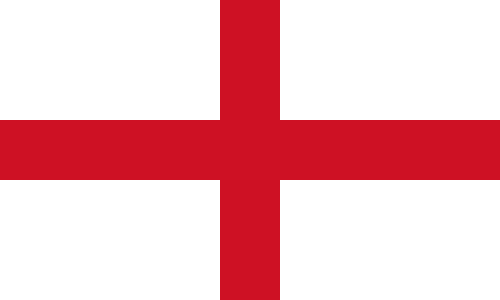

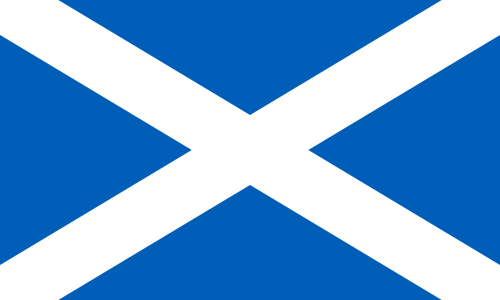

.svg/500px-Europe_(orthographic_projection).svg.png)
55°N 3°W / 55°N 3°W / 55; -3