
Loading article…
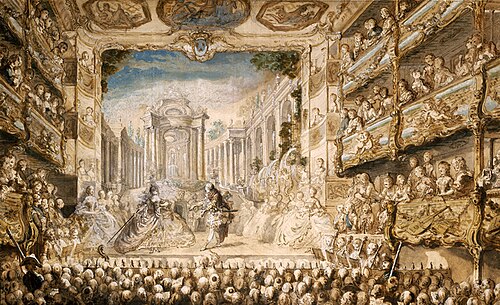
オペラの歴史は、音楽史全体から見れば比較的短いものです。オペラは、ヤコポ・ペリによる最初のオペラ「ダフネ」が作られた 1597 年に登場しました。それ以来、オペラは、現在に至るまで、さまざまな音楽の潮流と並行して発展し、一般的には現在のクラシック音楽の概念と結びついています。
オペラ(ラテン語のoperaは作品を意味するopusの複数形)は、通常はオーケストラによって演奏される交響曲と、台本という形で表現される書かれた劇的なテキストを組み合わせた音楽ジャンルです。台本は、異なる声域の歌手によって歌われます。男性声域ではテノール、バリトン、バス、女性声域ではソプラノ、メゾソプラノ、コントラルト、さらにいわゆる白声(子供の声)やファルセット(カストラート、カウンターテナー)の歌手によって歌われます。一般に、音楽作品には序曲、間奏曲、伴奏が含まれ、歌われる部分は合唱や独唱、二重唱、三重唱、またはさまざまな組み合わせで、レチタティーヴォやアリアなどのさまざまな構造になります。オペラには、古典オペラ、室内オペラ、オペレッタ、ミュージカル、ジングシュピール、サルスエラなど様々なジャンルがある。[1]一方、演劇と同様に、劇的オペラ(オペラ・セリア)と喜劇オペラ(オペラ・ブッファ)があり、また両者の混合型であるドラマ・ジョコーゾもある。[2]
オペラは、音楽、歌、ダンス、演劇、舞台美術、パフォーマンス、衣装、メイク、ヘアスタイリング、その他の芸術分野を統合した多分野にわたるジャンルです。したがって、オペラは共同創作であり、基本的には台本作家と作曲家から始まり、声楽家が基本的な役割を果たしますが、音楽家や指揮者、ダンサー、舞台装置や衣装、その他の演劇芸術の側面の製作者も同様に不可欠です。一方、オペラは社会的なイベントであるため、観客が観劇しなければ存在する意味がありません。まさにこの理由から、オペラは、演劇が制作された社会特有の、政治的、哲学的、宗教的、道徳的、美的、文化的など、さまざまな思想潮流を時とともに反映してきました。[3]
オペラは、古代ギリシャの演劇が歌われていたことを発見した学者グループ(フィレンツェのカメラータ)の主導により、16世紀末に誕生しました。彼らは、古代の演劇体験を再現するために、劇的なテキストを音楽に付けるというアイデアを思いつきました。こうして、ヤコポ・ペリは『ダフネ』 (1597年)を作曲し、続いて同じ作者による『エウリディーチェ』(1600年)が作曲されました。1607年、クラウディオ・モンテヴェルディは『オルフェオの歌』を作曲し、シンフォニアと名付けた音楽の導入部を加え、歌われる部分をアリアに分け、現代のオペラに構造を与えました。
オペラのその後の進化は、時とともに次々と現れたさまざまな音楽の潮流と並行して進んできました。17 世紀から 18 世紀前半はバロック音楽の時代でした。この時代は、教養の高い音楽が社会のエリート層だけのものでしたが、新しい豊かな音楽形式が生まれ、オペラ独自の言語が確立されました。作曲法や声楽の方法だけでなく、演劇や舞台美術の面でも豊かさと複雑さを増していきました。18 世紀後半は古典主義の時代で、作品の静けさと調和が特徴的な創造性の時代でしたが、モーツァルトやベートーヴェンなどの偉大な作曲家の作品に取って代わられました。19 世紀はロマン主義の時代で、作曲家は既に啓蒙された天才とみなされ、ますます尊敬を集めるようになりました。そして、ブルジョワジーが貴族に代わって社会的優位に立つようになった社会でスターとなった偉大な声楽家たちの時代も到来した。この世紀には、それまで音楽の伝統をほとんど持たなかった多くの国の音楽の変種が出現し、いわゆる音楽ナショナリズムが生まれた。この世紀は、フランス印象派やイタリアヴェリズモなどの潮流で幕を閉じた。20世紀には、他の音楽や芸術全般と同様に、オペラはモダニズムの時代に入った。モダニズムとは、芸術的創造を捉える新しい方法であり、新しい作曲方法や技法が生まれ、多種多様なスタイルで表現された。さらに、電子メディア(レコード、ラジオ、テレビ)によってアクセスが拡大した。以前の時代の幅広い音楽レパートリーは依然として評価され、世界の主要なオペラハウスで引き続き人気を博した。
オペラの歴史の中で、音楽とテキストのどちらがより重要なのか、あるいは歌唱と演者の技巧が重要なのかという意見の相違があった。この現象はベルカントやディーバやプリマドンナといった人物の登場をもたらした。オペラの始まりから古典主義が確立するまで、テキストはより大きな重要性を帯び、常に視覚的なスペクタクル、豪華な装飾、複雑なバロックの舞台装置と結びついていた。この点についてクラウディオ・モンテヴェルディは「言葉は決定的でなければならない。調和を導くものでなければならないのであって、調和に仕えるものではない」と述べた。しかし、グルックによる改革とモーツァルトのような偉大な天才の登場以来、オペラの主要な要素としての音楽はますます重要になっていった。モーツァルト自身もかつて「詩は音楽の従順な僕でなければならない」と述べた。リヒャルト・ワーグナーなどの他の作家は、すべての芸術を一つの作品にまとめようとし、それを「総合芸術」(ゲザムトクンストヴェルク)と呼んだ。[4]
背景

オペラは、世界中で歴史を通じて上演されてきたさまざまな形式の歌劇やミュージカル劇にそのルーツを持っています。劇的表現、歌、音楽、ダンス、その他の芸術的表現は、先史時代から実践されてきた、人間に固有の表現形式です。古代ギリシャでは、演劇は社会で人気の見せ物の一つでした。そこで、主要な劇ジャンル(喜劇と悲劇)が生まれ、舞台美術と解釈の基礎が築かれました。さまざまな証言から、劇的表現は歌われ、音楽が伴奏されていたことがわかっていますが、今日ではギリシャ音楽の痕跡はほとんど残っていません。当時の主要な劇作家であるアイスキュロス、ソポクレス、エウリピデスは、今日まで影響を及ぼしている劇芸術の基礎を築きました。[6]
中世には、音楽と演劇も密接に関連していた。音楽と演劇は宗教的な性格を持つ作品で、2つのタイプがあった。教会で上演される典礼劇で、ラテン語で祝われる。そして、いわゆる「ミステリー劇」は、教会の玄関で現地語で上演される、民衆の登場人物を題材にした演劇である。これらの劇は、一般的には合唱で、台詞と歌が交互に行われ、器楽や、時には民衆の踊りが伴奏された。[7]
日本では、中世に能楽が誕生した。これは、歴史や神話をテーマにした散文や詩で書かれた叙情的な音楽劇の一種である。物語は合唱団によって朗読され、主役はリズミカルな動きで身振り手振りで演じる。この表現は、3人の俳優と、8人の歌手、フルート奏者、3人の太鼓奏者からなる合唱団によって演じられた。[8]中国では、いわゆる中国オペラが発達した。これは儀式的な性格を持つ歌劇の一種で、音楽は台詞に伴わず、雰囲気作りのためだけのものである。[9]
ルネサンス期には、マドリガーレ、オラトリオ、インテルメディオ、バレエ・ド・クールなど、いくつかの声楽ジャンルが生まれ、オペラ誕生への道を開いた。最も直接的なものはインテルメディオ(イタリア語:intermezzo)で、これは演劇作品の各幕間に挿入される幕間劇で、歌、ダンス、器楽、舞台装置の効果を組み合わせ、ギリシャ・ローマ神話、寓話、田園風景に基づいたストーリーを描いたものであった。主な制作拠点はメディチ家の フィレンツェで、その後まもなくオペラが誕生した。[10]
起源

16世紀末、フィレンツェでは、ジョヴァンニ・デ・バルディ伯爵の後援を受けた学者グループが、芸術、とりわけ演劇と音楽の研究と批評的討論を目的としたフィレンツェ・カメラータという協会を創設した。 [11]その学者の一人が、科学者ガリレオの父であるヴィンチェンツォ・ガリレイだった。彼は有名なヘレニズム研究家であり音楽学者で、リュート用タブ譜法の著者であり、マドリガーレやレチタティーヴォの作曲家でもある。[12]彼らは古代ギリシャ演劇を研究する中で、ギリシャの演劇ではテキストが個々の声に合わせて歌われていることを発見した。このアイデアは彼らに衝撃を与えた。というのも、当時はそのようなものは存在せず、歌われる音楽のほとんどが合唱(ポリフォニー)であり、個々の声の場合は宗教的な領域でのみ行われていたからである。その後、彼らは世俗的な劇的なテキストを音楽に付けるというアイデアを思いつき、それがオペラ(カメラータはこれを「オペラ・イン・ムジカ」と名付けた)として芽生えた。[13] [注 1]ガリレイはポリフォニーに対して単一の旋律線(モノディ)を主に主張し、ポリフォニーは音楽の談話に支離滅裂なものになると考えた。この理論は『古今音楽対話』(1581年)で詳しく解説されている。カメラータのもう一人の学者で、主にギリシャ演劇を研究していたジローラモ・メイは、ギリシャ演劇において個々の歌唱が観客に与える感情的な影響を指摘した(『古今音楽論』1573年)。[14]
こうして、カメラータのメンバーの一人である作曲家ヤコポ・ペリが、オッターヴィオ・リヌッチーニの台本による『ダフネ』(1597年)[15]を作曲した。この作品は、アポロとダフネの神話に基づき、プロローグと6つの場面から成るが、台本と音楽の断片のみが残っている。歌手でもあったペリはアポロの役を演じた。これに続いて1600年に、同じ作者による『エウリディーチェ』が作曲された。これはオルフェウスとエウリュディケの神話に基づく、現存する最初の完全なオペラである。これは、1600年にフィレンツェで行われたフランス国王アンリ4世とマリア・デ・メディチの結婚式を記念して作曲された。ペリはオルフェウスを演じた。[16]

カメラータのもう一人の団員、ジュリオ・カッチーニは、1602年に『エウリディーチェ』を作曲した。これは、2年前に彼の名を冠した作品と同じリヌッチーニの台本で、序章と3幕構成となっている。[17]彼は、この新しいジャンルに関する最初の理論的論文『新音楽』(1602年)の著者である。 [18]彼の娘、フランチェスカ・カッチーニは歌手兼作曲家であり、オペラ『アルチーナの孤児ルッジェーロの解放』(1625年)を作曲した最初の女性である。[19]
この新しい芸術表現形式の主な目新しさの1つは、芸術や音楽の制作が主に宗教的な性質のものであった時代に、世俗的であったことである。もう1つは、中世やルネサンスのポリフォニーとは対照的に、モノディ、つまり単一の声で歌うことの登場である。これは、ハープシコードやリュートの通奏低音を伴う声楽であった。[20] [注 2]したがって、最初のオペラには、ソリストが歌う部分と、モノディで話される部分または朗読される部分があり、これはスタイル・ラプレザンティヴォとして知られている。[12]
この最初の経験は、特に貴族の間で大成功だった。メディチ家はこれらの公演のパトロンとなり、フィレンツェからイタリア全土に広まった。その後、マントヴァのゴンザーガ家は、有名なマドリガーレ作曲家クラウディオ・モンテヴェルディにオペラ『オルフェオの浮気』の作曲を依頼した。 1607年、アレッサンドロ・ストリッジョの台本によるこの野心的な作品は、2台のオルガンを含む43の楽器のオーケストラのために作曲され、[21]プロローグと5幕から成っていた。この作品では、聴衆が演奏を追えるように台本が初めて印刷された。[22]モンテヴェルディは「交響曲」と名付けた音楽の序奏を加え、歌唱部分を「アリア」に分け、現代オペラの構造を作った。[23]これらのアリアは、語りと歌唱部分を含む音楽ラインであるレチタティーヴォと交互に演奏された。 [24]彼はまた、5幕の間に繰り返される器楽の節であるリトルネッロを導入した。 [24]声楽に関しては、いくつかのパートはポリフォニーのまま残していたが、主要な独唱は区別しており、オルフェウスはテノール、エウリュディケーはソプラノ、カロンはバスであった。[21] 1608年、モンテヴェルディはリヌッチーニの台本で『アリアナ』を初演したが、その音楽は「アリアナの嘆き」という断片を除いて残っていない。[21]

17世紀の最初の数十年間に、オペラは徐々に広まり、1608年にマントヴァで『ラ・ダフネ』が初演されました。これもまたリヌッチーニの台本によるもので、今度はマルコ・ダ・ガリアーノの曲が付けられました。[25]ローマでは、エミリオ・デ・カヴァリエーリの『霊的旋律』が1600年に初演されました。これはオペラの先例とみなされることが多い霊的旋律で、フィレンツェのオペラとは対照的なローマのオペラのいくつかの違いが指摘されています。宗教的なテーマがより多く登場し、寓話的な登場人物が登場し、合唱がより多く使われています。[26]教皇パウルス5世とバルベリーニ家がこの新しいジャンルを後援し、バルベリーニ家は宮殿に3000人収容の講堂を建設しました。[27]彼らはまた、オペラ作曲家の流派の創設を促し、その中には、喜劇の要素を目新しいものとして取り入れた『オルフェオの死』 (1619年)の作者ステファノ・ランディもいた。宗教的なテーマも取り入れられ、例えばランディの『サンタレッシオ』(1631年)では、ジュリオ・ロスピリョージ枢機卿(後の教皇クレメンス9世)が台本を書いた。この作品でランディは、その後広く使われることになる「イタリア序曲」と呼ばれる急・緩・急の構造を導入した。[27]
ローマでモノディック様式を紹介したもう一人の人物はパオロ・クアリアーティで、彼は自身の古いマドリガルをオペラ形式に翻案した。『愛の約束の車』(1606年)、 『武装した男』(1623年)などである。[28]ローマ楽派では、バルベリーニ家に仕えたルイージ・ロッシも目立った。1642年、彼はバルベリーニ家の劇場で『インカンタート宮殿』を初演し、大成功を収めた。1644年にバルベリーニ家がパリに亡命すると、ロッシは彼らに同行し、マザラン枢機卿の保護を得て、フランスにオペラを紹介する手助けをした。そこで彼はプロローグと3幕からなる『オルフェオ』(1647年)を作曲した。これは多数の視覚効果を特徴とする大作である。[29]オペラ歌手の雇用を先導した作曲家であり興行主でもあったドメニコ・マッツォッキについても言及しておくべきだろう。彼は『ラ・カテナ・ダドーネ』(1626年)の作者である。[30]もう一人の推進者はミケランジェロ・ロッシ(『エルミニア・スル・ジョルダーノ』(1633年)、『アンドロメダ』(1638年))である。 [31]
ローマでは、ヴィルジリオ・マッツォッキとマルコ・マラッツォーリによる『Chi soffre, speri 』が 1639 年に初演され、最初のコミック・オペラと考えられています。[32]
これらの初期の作品では、才能が認められた最初のオペラ歌手の一人が声楽で目立っていました。オペラが興隆する前から有名だったテノール歌手のフランチェスコ・ラシは、ペリの『エウリディーチェ』の初演に参加しました。1598年にマントヴァのゴンザーガに仕え、1607年にこの町でモンテヴェルディの『オルフェオ』に出演しました。翌年はガリアーノの『ダフネ』に参加しました。彼は作曲家でもあり、『チベレとアティ』(1617年)の作者ですが、その音楽は失われています。[19]
バロック

バロック[注3]は17世紀に発展しました。それは政治と宗教の分野で大きな論争があった時代であり、絶対主義国家が定着したカトリックの反宗教改革諸国と、より議会主義的な兆候を示すプロテスタント諸国の間に分裂が生じました。[33]
バロック音楽は、一般的にコントラスト、激しい和音、感動的な音量、誇張された装飾、多様で対照的な構造を特徴としていました。しかし、バロック音楽のすべてが誇張されているわけではありません。バッハは調和のバランスの作者であり、ヴィヴァルディはシンプルで輝かしいメロディーを生み出しました。バロック音楽の基本は穏やかでバランスが取れており、アルペジオ、モルデント、トレモロ、バロック音楽家の特色である響きのよいアラベスクなどの装飾が施されています。また、この時期に、演奏のスピードを調節するテンポ(ロング、アダージョ、アンダンテ、アレグロ、プレスト)や、強度を調節するテンポ(フォルテ、ピアノ)が導入されました。
この時期、音楽の中心地は君主制の宮廷、貴族社会、司教座であった。楽器編成は特にバイオリンにおいて非常に完成度が高かった。[34]バロック時代のオーケストラは小規模で、通常は室内オーケストラか、楽器数は多くても40程度であった。ほとんどが弦楽器で、オーボエ、フルート、ファゴット、トランペットが加わった。これらに加えて通奏低音セクションがあり、通常は1台か2台のチェンバロとチェロ、コントラバス、リュート、ビオラ、テオルボの伴奏で構成されていた。[35]
バロックオペラは、突然の変化や複雑な照明、感覚的効果を伴う、複雑で華麗な舞台美術で知られていた。多数の舞台装置が使用され、1回の公演で15から20もの舞台装置が変わった。[36]主に高音(テノール、ソプラノ)のソロ声の好みが始まり、それと並行してカストラート現象が起こった。カストラートとは、歌唱に優れ、声変わりしないように思春期に入る前に去勢された子供たちのことで、そのため彼らは大人になっても女性の声に近い高い声を維持したが、より力強く、柔軟で、透き通った声だった。[22] [注 4]音色、ピッチ、強度の変動からなるビブラートでの歌唱も導入され、解釈にさらに感情を込めた。[37]
17 世紀前半には、オペラの台本の規則が確立されましたが、これは 20 世紀近くまでほとんど変化しませんでした。単純な対話と慣習的な言語、厳格な形式のスタンザ、「レチタティーヴォ」(アクションを展開する朗読部分) と「ナンバー」(または「クローズド ピース」) (アリア、デュエット、合唱、その他の形式の装飾部分) の区別などです。
フランスのオペラ
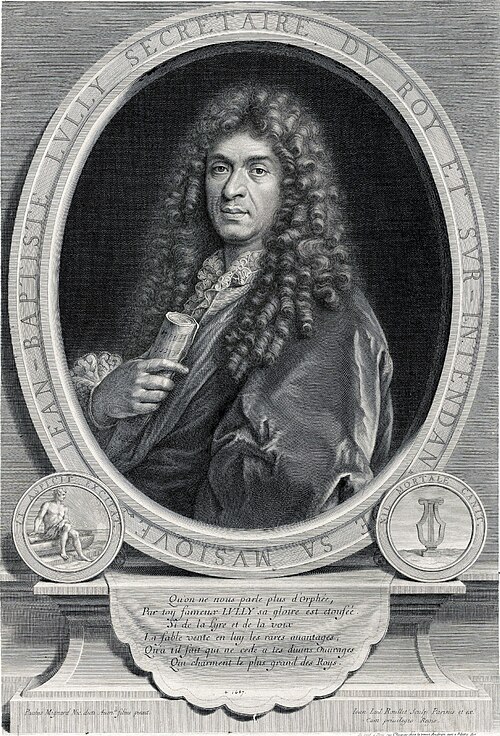
イタリアに次いでオペラが紹介された最初の国の一つがフランスで、そこではオペラは「音楽の悲劇」と呼ばれていた。[38] 1645年、フランチェスコ・サクラティの田園劇「La finta pazza」がパリで初演された。[39] 2年後、ルイジ・ロッシの「オルフェオ」が上演され、大センセーションを巻き起こした。[40]ピエール・フランチェスコ・カヴァッリは、ルイ14世とオーストリアのマリア・テレジアの結婚を祝うため、枢機卿マザランの依頼で、1662年に新しくオープンしたチュイルリー宮殿で「愛するエルコレ」をパリで初演した。この作品は、イタリア語でカストラートが出演していたためあまり好評ではなかったが、これはバレエ・ド・クールを好むフランス国民にとっては奇妙な現象だった。[41]

1669年、詩人ピエール・ペランと作曲家ロベール・カンベールはフランス風のオペラを上演する劇団を結成し、ルイ14世からアカデミーを設立する国王特権を得た。アカデミーはジュ・ド・ポーム・ド・ラ・ブテイユ劇場に置かれ、2人の作曲家はともにフランス語で書かれた最初のオペラ『ポモーヌ』をプロデュースし、1671年に初演された。 [13]しかし翌年、ペランは借金のために投獄され、国王特権はフィレンツェ出身の作曲家ジャン=バティスト・リュリ(本名ジョヴァンニ・バッティスタ・ルリ)に引き継がれた。 [42]リュリはオペラをフランス風にアレンジし、合唱、バレエ、より豪華なオーケストラ、間奏曲、短いアリアを取り入れた。[43]彼はイタリア風序曲[13]とは異なり、緩急緩の構造でフランス風序曲を創作した。この構造はオペラ・アンサンブルのほぼ独立した小品となった。[44]一方、彼はレチタティーヴォにはチェンバロの通奏低音を伴奏に使っていた。[45]同時に、彼はテキストをより目立たせ、オペラにさらなる表現力を与えた。[46]同様に、彼は歌唱をフランス語の韻律に適応させ、デクラマシオン・メロディックと呼ばれる典型的なガリアの声楽を創り出した。[47] 1673年から死去する1687年まで、彼は年に1作のオペラを作曲し、そのほとんどはフィリップ・キノーの台本によるものだった。その中には、『カドモスとエルミオーヌ』(1673年)、『アルチェスト』(1674年)、『アティス』(1676年)、『プロセルピナ』 (1680年)、 『ペルセ』(1682年)、『ファエトン』(1683年)、 『アマディス』 (1684年)、『アルミード』(1686年)、『アキスとガラテア』(1686年)などがある。最も成功したのは『アルチェスト』で、エウリピデスの悲劇に基づいて、フランシュ=コンテでのルイ14世の勝利を祝うために作曲されました。喜劇的な雰囲気の小さな筋書きと、観客を大いに喜ばせたキャッチーなメロディーが含まれていました。[48]
もう一人の推進者はマルク=アントワーヌ・シャルパンティエで、彼はモリエールのいくつかの戯曲(『力のマリアージュ』、1672年、『マラード・イマジネール』、1673年)を音楽化し、コメディ・フランセーズのために『ヴィーナスと女の娘』などのいくつかの戯曲を作曲した。アドニス(1678)、デイヴィッドらJonathas (1688) とLa noce du village (1692)。彼の傑作は、ピエール・コルネイユの戯曲による悲劇『メデ』( Medea、1693) です。[49]
マラン・マレはヴィオラ・ダ・ガンバの作曲家、演奏家であった。ルイ14世の宮廷で働き、王立音楽アカデミーのオーケストラの指揮者でもあった。彼はリュリアン様式のオペラを4曲作曲した。アルシード(1693年)、『アリアーヌとバッカス』(1695年)、『アルシオーネ』(1706年)、『セメレ』(1709年)である。[16]
リュリのオペラの後、フランス人がバレエを好んだことから、オペラとバレエの融合ジャンルが生まれた。これは歌と音楽が交互に挿入され、ダンスの幕間が設けられ、テーマは概して喜劇や恋愛である。このジャンルはアンドレ・カンプラの『優雅なヨーロッパ』 (1689年)で導入され、この作者はその後も数多くの作品を残したが、最も有名なのは『祝祭の日』(1710年)である。[13]カンプラは『タンクレード』(1702年)や『イドメネ』(1712年)といった伝統的なオペラも手掛けた。 [50]
ヴェネツィアのオペラ
.jpg/500px-Bernardo_Strozzi_-_Claudio_Monteverdi_(c.1630).jpg)
17世紀中頃の10年間、オペラ制作の中心地はヴェネツィアであり、音楽が宗教や貴族の保護から切り離され、公共の場で上演された最初の場所であった。1637年に世界初のオペラセンターであるサン・カッシアーノ劇場が設立され(1812年に解体)、トロン家の宮殿に設けられていた。[51]最初に上演されたオペラはフランチェスコ・マンネッリの『アンドロメダ』である。[52]この劇場はドメニコ・マッツォッキによって設立されたが、彼は教皇の寵愛を失った後、ローマからヴェネツィアの街に移った。[32] [53]オペラがビジネスになるにつれ、観客の嗜好にますます左右されるようになった。公演への観客動員数によって、特定の作曲路線が支持されるか、忘れ去られるかが決まったからである。[54]その最初の結果の一つは、大衆がテノール、ソプラノ、カストラートなどの高音の声を好むようになり、合唱団や大オーケストラの使用が減ったことだ。一般的に10から15の少数の楽器による伴奏が好まれたからだ。このジャンルが人気を博すにつれ、喜劇的な要素が取り入れられ、テキストは簡素化され、特にアリアでは、表現される言葉よりも解釈が重要視されるようになった。[55]サン・カッシアーノ劇場の後、ヴェネツィアではサンティ・ジョヴァンニ・エ・パオロ(1639年)、サン・モイゼ(1640年)、ノヴィッシモ(1641年)、サン・サミュエーレ(1655年)、サンティ・アポストリ(1649年)といった新しい劇場が次々とオープンした。[52]これらの劇場で、オペラハウスに典型的なボックス席に囲まれた広場のようなレイアウトが始まった。 [56]
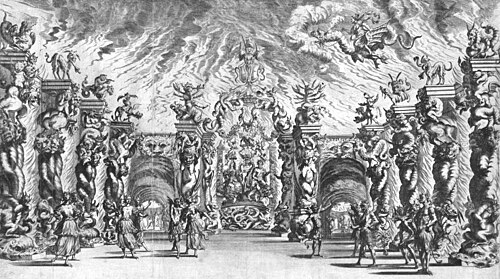
ヴェネツィアではベルカントという概念が生まれ、特に18世紀前半に人気が高まり、19世紀前半にはイタリアでも再び人気が高まった。ベルカントとは、力強い音色とハーモニーのアーティキュレーションを必要とする持続的なレガートで、音楽のフレーズからフレーズへと途切れることなく均一な音色を維持する難しい発声法である。ベルカントを主に演奏したのはカストラートとプリマドンナ・ソプラノであった。[57]一方、この時期に登場したアリオーソはレチタティーヴォとアリアの中間の歌で、時が経つにつれて装飾的な傾向のある閉じた曲となった。[58]同様に、1630年から1640年にかけては、デュエット、トリオ、カルテット、クインテット、セクステット、セプテット、オクテットなど、異なる数の声部を結合するアンサンブルが重要性を増していった。[59]
ヴェネツィアのオペラは、特にロペ・デ・ヴェガをはじめとする、いわゆる黄金時代のスペイン演劇の影響を強く受けており、その影響は、セルバンテスの『ドン・キホーテ』に始まるファンタジーと現実の交差する筋書き、アリストテレス的な単位の放棄、喜劇と悲劇の登場人物の共存、領主と召使の関係、絡み合いや変装、異性装を好む傾向などに見て取れる。ヴェネツィアのオペラ界では、こうした特徴は「スペインの奇人変人」と呼ばれていた。[58]
クラウディオ・モンテヴェルディは1613年にヴェネツィアに定住し、サン・マルコ寺院の楽長を務めた。[23]ここで彼は12のオペラを作曲し、その主要作品は『ウリッセの祖国への帰還』(1640年)と『ポッペアの戴冠』(1642年)である。[21]後者は彼の最高傑作と考えられており、タキトゥスとスエトニウスの作品に基づいてジョヴァンニ・フランチェスコ・ブゼネッロが台本を書いた。神話的ではなく歴史的な筋書きを持つ最初のオペラの一つである。[60]
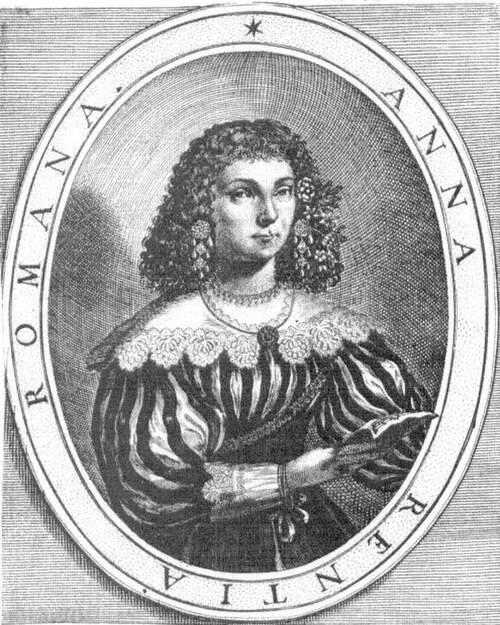
弟子の一人、ピエール・フランチェスコ・カヴァッリは、 『エジプト』(1643年)、『カリスト』(1651年)、 『ペルシアの公女の地位』(1656年)、 『娼婦のエルコレ』 (1662年)などの作品で、短いアリアの使用などいくつかの新機軸を導入した。彼はサン・カッシアーノ劇場の監督を務め、年に1作オペラを書く契約を結んでいた。[36]もう一人の推進者はマルク・アントニオ・チェスティで、オーロンティア(1649年)やチェーザレ・アマンテ(1651年)ではオーケストラをさらに縮小した。彼はレオポルド1世のためにいくつかのオペラを上演し(金の玉座、1668年)、こうしてドイツ圏にオペラを導入した。[61] アントニオ・サルトリオは、ブラウンシュヴァイク=リューネブルク公爵の宮廷で10年間楽長を務めた後、故郷の街に戻り、サン・マルコ寺院の楽長に任命された。彼は音楽議会の導入者として記憶されている。彼の主要作品は大成功を収めたオルフェオ(1672年)である。[29] ジョヴァンニ・レグレンツィは、ヴェネツィアのメンディカンティ病院の院長で、サン・マルコ寺院の楽長であった。彼はヴェネツィアの様々な劇場のために14のオペラを作曲したが、その多くは失われている。彼は、オペラ「トーティラ」(1677年)、「ジュスティーノ」(1683年)、「チェザーリよ」(1683年)で英雄喜劇のジャンルを導入した。[62] ピエトロ・アンドレア・ツィアーニは宗教音楽から始めたが、オペラに専念するためにそれを断念した。彼はカヴァッリの後任としてサン・マルコのオルガニストに就任した。彼の最も重要な作品は、L'Antigona delusa da Alceste (1660) とLa Circe (1665) でした。彼の甥のマルコ・アントニオ・ツィアーニもナポリとウィーンでオペラ奏者でした。[63]
声楽の分野では、プリマドンナの地位を獲得した最初のソプラノ歌手アンナ・レンツィが目立った。彼女はモンテヴェルディの『ポッペアの戴冠』でネロの妻オクタヴィアを演じた。[19]カストラートのシファチェも人気があり、クリスティーナ・オブ・スウェーデンやヘンリー・パーセルなどが彼の崇拝者に数えられた。[19]
ヨーロッパにおける開発

17世紀を通じて、オペラは一般にイタリアの影響下でヨーロッパ全土に広まった。当時は政治的構成の異なる多数の国家に分かれていたドイツでは、ハインリヒ・シュッツが先駆者となり、1627年にリヌッチーニの『ダフネ』[13]をモンテヴェルディの影響を明らかに受けて翻案した。[64] 1644年、ジークムント・テオフィル・シュターデンはドイツ語で書かれた最初のオペラ『ゼーレヴィク』を作曲した。 [65] 1678年、ハンブルクのゲンゼマルクト歌劇場が開場し、ハンブルクはゲルマン地域における主要なオペラ都市となった。[44]ミュンヘンでは、バイエルン選帝侯フェルディナント・マリアがオペラを後援し、ヨハン・カスパール・ケルルとアゴスティーノ・シュテファーニがそれに専念した。後者は1689年にエンリコ・レオーネとともにハノーファーのオペラハウスを開館した。[66]
この時代を代表する作曲家はラインハルト・カイザーで、彼は初めて全編ドイツ語でオペラを書いた。彼は『アドニス』(1697年)、『クラウディウス』(1703年)、 『オクタヴィア』(1705年)、『クロイソス』(1710年)など、大成功を収めたオペラを数多く作曲した。彼はゲンゼマルクト劇場の監督を務め、1シーズンに平均5作のオペラを初演した。彼の作品は75作から100作と推定されているが、完全に残っているのは19作のみである。[67]この時代の他の作曲家には、ヨハン・ヴォルフガング・フランク(『3つの子守唄』1679年)[68]、クリストフ・グラウプナー(『カルタゴの王ディドー』1707年、『ベレロフォン』1708年) [69]がいる。

オーストリアでは、神聖ローマ帝国のレオポルト1世がチェスティの『金の玉座』 (1668年)を聞いてオペラを奨励した。上演はウィーンのホーフブルク宮殿で行われたが、そこには宮廷しか入場できなかった。[70]ほとんどがイタリアのオペラだったが、オーストリアの作曲家の作品も徐々に加わり、最も有名なのはハインリヒ・イグナーツ・ビーバーの『ジョーヴェ祝祭の拍手』(1686年)、『血の死の歌』(1687年)、『アルミニオ』(1692年)などである。[71] 1748年には、同じくホーフブルク宮殿内にブルク劇場がオープンした。最初の公立劇場はケルントナー門劇場で、1761年にオープンし、やがて公式の宮廷劇場となった。[70]
イングランドには、音楽、ダンス、演劇を韻文で組み合わせた仮面劇(マスケ)というオペラの前例があった。 [72]オリバー・クロムウェルの清教徒革命の間、音楽は禁止された。それにもかかわらず、最初のイングランドのオペラであるロードス島の包囲戦(ロードス島の包囲戦)は、劇作家ウィリアム・ダヴェナントの台本と、ヘンリー・ローズ、マシュー・ロック、ヘンリー・クック、チャールズ・コールマン、ジョージ・ハドソンの5人の作曲家による音楽で、1656年に上演された。その後、チャールズ2世の治世に演劇とオペラの公演が復活した。[73]注目すべき最初のオペラ作曲家は、チャペル・ロイヤルのオルガン奏者兼作曲家のジョン・ブロウである。彼は宮廷のために宗教音楽や娯楽音楽を好んで作曲し、フランスの影響を受けたバレエを含む短い作品であるオペラ「ヴィーナスとアドニス」(1682年)の作者でもあった。[16]特に注目すべきは、彼の弟子で、フランスの影響を受けた短いアリアとダンスを含む作品「ディドーとエネアス」 (1689年)の作者であるヘンリー・パーセルである。 [74]これは、女子校からの委嘱で、彼女たちが小さな楽器アンサンブルで演奏することになっていた。1時間の短い作品だが、パーセルは見事に解決し、最後のアリア、いわゆる「ディドーの嘆き」(私が地に横たわるとき)は名声を博している。[75]彼はまた、仮面舞踏会に触発された、ディヴェルティスマン、歌、合唱、ダンスを含むセミオペラをいくつか作曲しており、例えば「ディオクレシアヌス」(1690年)、 「アーサー王」 (1691年)、「妖精の女王」(1692年) 、 「アテネのタイモン」(1694年)、「インドの女王」(1695年)、「テンペスト」(1695年)などである。[37]この時代には劇作家ウィリアム・シェイクスピアが生きており、彼の戯曲は当時から現代に至るまで何度もオペラ化されている。[76]
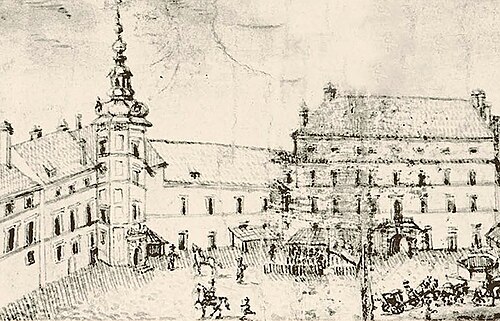
ポーランドでは、トスカーナでのオペラ公演を観たラディスラウス4世がオペラを後援した。1632年に彼はイタリア人歌手を集めた劇団を創設し、ワルシャワでいくつかのオペラを上演した。この劇団は、ポーランド人作家による最初のオペラ(イタリア語で書かれたもの)であるピョートル・エレトの『本当の名声』(1633年)を初演した。 [77]
.jpg/500px-Palacio_de_la_Zarzuela_(An%C3%B3nimo_madrile%C3%B1o,_s._XVII).jpg)
スペインでは、三十年戦争による社会的危機のため、オペラの到来が遅れた。最初のオペラは1627年にマドリードのアルカサルで初演された。『愛を知らずに』はベルナルド・モナーニとフィリッポ・ピッチニーニがロペ・デ・ベガの台本で作曲した田園牧歌であるが、楽譜は残っていない。[13] トマス・デ・トレホン・イ・ベラスコが1659年に作曲した『薔薇の紫』はペドロ・カルデロン・デ・ラ・バルカの台本で、アメリカで作曲・上演された最初のオペラで、リマ副王宮殿で初演された。フアン・イダルゴは『十字架の上の天使』 (1660年)の作者で、これもカルデロンの台本である。[67]
17 世紀後半、フェリペ 4 世がマドリードのサルスエラ宮殿でオペレッタの公演を後援し、サルスエラという新しいジャンルが誕生しました。[46]最初のサルスエリスタはフアン・ヒダルゴで、1658年にカルデロンが文章を書いた『月桂樹のアポロ』の著者で、その後に『愛の図書館』(1662年、カルデロン・デ・ラ・バルカ)、『プロメテオの約束』(1670年、カルデロン・デ・ラ・バルカ)、『アルフェオ・イ・アレトゥサ』(1672年、フアン)が続いた。バウティスタ・ディアマンテ)、ロス・フエゴス・オリンピコス(1673年、アグスティン・デ・サラザール・イ・トーレス)、アポロ・イ・レウコテア(1684年、ペドロ・スコッティ・デ・アゴイス)、エンディミオン・イ・ディアナ(1684年、メルチョル・フェルナンデス・デ・レオン)。その後、セバスティアン・デュロンの作品が目立ち、ホセ・デ・カニサレスの台本(『愛の世界』、1696年)やアントニオ・リテレスの台本 (『ジュピターとダナエ』、1708年)が登場した。フェリペ4世の死後、サルスエラはマドリッドのブエン・レティーロ劇場に移った[78] 。 [79]
ナポリオペラ
_-_n._0278_-_Napoli_-_Teatro_San_Carlo_2.jpg/500px-Sommer,_Giorgio_(1834-1914)_-_n._0278_-_Napoli_-_Teatro_San_Carlo_2.jpg)
17世紀後半、ナポリ楽派はより純粋で古典主義的なスタイルを導入し、プロットは単純化され、オペラはより教養があり洗練されたものとなった。当時、ナポリはスペイン領であり、オペラはスペイン総督、特にコンデ・デ・オニャーテらの庇護を受けていた。主な目新しい点としては、レチタティーヴォを2種類に区別したことが挙げられる。1つは通奏低音の伴奏による朗唱歌であるセッコ、もう1つは管弦楽曲の伴奏による旋律歌であるアコンパニャートである。 [44]アリアでは、歌手による即興歌唱の余地が残された。喜劇的な登場人物は排除され、その代わりに喜劇的な間奏曲が取り入れられ、18世紀にはすでにオペラ・ブッファが誕生していた。[80] 1737年、世界で最も権威のある劇場の一つであるナポリのサンカルロ劇場が開館しました。 [81]
その最初の作曲家の一人はフランチェスコ・プロヴェンツァーレで、『Lo schiavo di sua moglie』(1672年)と『Difendere l'offensore overo La Stellidaura Vendicante』(1674年)の著者です。[82]アレッサンドロ・ストラデッラもこのタイプのオペラの先駆者と考えられていますが、彼はほとんどのオペラをジェノヴァで作曲しました: Trespolo tutore (1677)、La forza dell'amor patterno (1678)、La gare dell'amorエロイコ(1679年)。[83]
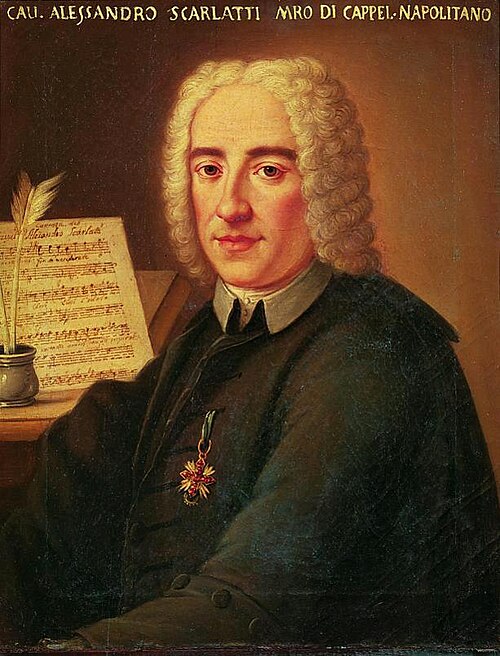
その代表例は、スウェーデン女王クリスティーナとナポリ総督の礼拝堂長であり、ナポリのサン・バルトロメオ劇場の監督でもあったアレッサンドロ・スカルラッティである。 [83]彼は作品の中で数多くの目新しいものを導入した。主題・変奏・主題の構造(ABA)を持つ3声のアリア(アリア・ダ・カーポ)を創作した。 [84]声の装飾を減らし、歌手が頻繁に行う即興を抑えた。また、レチタティーヴォを減らしてアリアを長くし、レチタティーヴォとアリアを交互に演奏し、作品にスピードを与えるために、より短いタイプのアリア(カヴァティーナ)を追加し、脇役によって演奏された。 [85]その一方で、いつもの台本作家アポストロ・ゼーノとともに、喜劇的な登場人物や散りばめられた筋書きを排除し、元のストーリーのみに従った。スカルラッティの旋律はモンテヴェルディよりも一般に単純でしたが、特別な魅力に恵まれており、ルイジ・ファイトは「スカルラッティによってイタリア・オペラはその美しさの頂点に達した」とコメントしました。[84]スカルラッティの既知のオペラは 114 作品あり、その中にはIl Mitridate Eupatore (1707)、Tigrane (1715)、Il trionfo dell'onore (1718)、Griselda (1721) が含まれる。彼の息子ドメニコ・スカルラッティもオペラを作曲した: 『L'Ottavia restituita al soglio』(1703年)、『La Dirindina』 (1715年)。[87]
.jpg/500px-Alessandro_Scarlatti_-_Griselda._(BL_Add_MS_14168_f._5r).jpg)
もう一人の傑出した作曲家はジョヴァンニ・バッティスタ・ペルゴレージである。彼は26歳で亡くなったが、成功したキャリアを送った。1732年に彼は最初のオペラ『ラ・サルスティア』を作曲したが失敗に終わり、喜劇ジャンルの『愛する妻』は大成功を収めた。翌年、彼は『監獄の女王』を初演したが、その幕間に喜劇『司祭の侍女』が上演され、本作品よりも成功した。1734年にはピエトロ・メタスタージオの台本で『シリアのアドリアーノ』を作曲し、その幕間に喜劇『リヴィエッタとトラコロ』が上演され、本作品よりも成功した。翌年、彼はやはりメタスタージオの台本で『オリンピック』と最後の作品『フラミニオ』を初演し、大成功を収めた。[88]
ニコラ・ポルポラは歌唱を教えた。ファリネッリとカッファレッリが弟子にいた。作曲も教えた。弟子の中にはヨハン・アドルフ・ハッセがいる。ピエトロ・メタスタージオの台本を音楽化した最初の一人である。初期のオペラには『アグリッピナ』(1708年)、『アリアナとテゼオ』(1714年)、『アンジェリカ』(1720年)などがある。1726年にヴェネツィアに移り、1733年にロンドンに移り、王立劇場にあった貴族オペラの音楽監督となり、『ナッソのアリアナ』(1733年)を初演した。その後ドレスデンやウィーンでも活動し、『フィランドロ』(1747年)を初演した後、ナポリに戻り、貧困のうちに亡くなった。[88]
その他の著名な代表者としては、レオナルド・ヴィンチ、レオナルド・レオ、ジョヴァンニ・ボノンチーニなどがいます。ヴィンチは23歳でLo cecato fauzo (偽りの盲人、1719年)でデビューしました。1722年には喜劇ジャンルのLi zite 'ngalera (ガレー船の恋人たち)を作曲しました。同年、Publio Cornelio Scipioneで大成功を収め、本格的なオペラへと転向しました。1724年にはFarnaceで再び成功を収め、ローマやヴェネツィアで公演しました。その後、1726年にPietro Metastasioの台本によるDidone abbandonataとSiroe, re di Persiaが続きました。 1730年に亡くなるまで、彼は1年に2本のオペラを作曲した。その中には1730年の『アレッサンドロ・ネッリ・インディ』と『アルタセルセ』があり、どちらもメタスタージオの台本によるものであった。 [89]レオはオルガン奏者で教会音楽家でもあった。彼の最初のオペラは19歳の時の『イル・ピシストラテ』 (1714年)である。1725年に彼はナポリ総督礼拝堂のオルガン奏者に任命された。彼の作品はヴィンチやポルポラの作品よりも保守的で、主に対位法に基づいていた。その中でもメタスタージオの台本による『オリンピック』(1737年)が際立っている。彼はまた、彼が注いだ献身に対して尊敬を集めた喜劇オペラもいくつか作曲した。[90]ボノンチーニはシルヴィオ・スタンピーリアの台本による『カミラの勝利』 (1696年)で当初大きな成功を収め、イタリアの19の都市で上演された。 1697 年に彼はウィーンに定住し、皇帝ヨーゼフ 1 世に仕え、1719 年にロンドンの王立音楽アカデミーに雇われました。彼の作品には、Gli affetti più grandi vinti dal più giusto (1701)、Griselda (1722)、Zenobia (1737) などがあります。[91]フランチェスコ・フェオ( L'amor tirannico、 1713 年; Siface、 1723 年; Ipermestra、 1724 年)、[92]ガエターノ・ラティーラ( Angelica e Orlando、 1735 年) [93]およびフランチェスコ・マンチーニ・マンチーニ ( L'Alfonso、 1699 年; Idaspe )についても言及する必要があります。フェデーレ、1710年、トライアーノ、1721年)。[94]
後期バロック:オペラ・セリアとブッファ
18世紀前半の音楽制作は、通常、後期バロックと呼ばれます。制作の中心は引き続きイタリア、特にナポリとヴェネツィアでした。1732年にはローマのアルジェンティーナ劇場が開館しました。 [95]イタリアの影響はヨーロッパ中に広がり、ドレスデン歌劇場、ザクセン選帝侯の宮廷、ロンドンの王立音楽アカデミーにイタリアの劇団が設立されました。イタリア以外の国立学校はフランスにしかありませんでした。[96]この時期には、イタリア人のフェルディナンド・ガッリ・ビビエナ(彼の仕事は息子のアントニオとジュゼッペに引き継がれました)のおかげで、舞台美術が著しく発展しました。彼は演劇的な遠近法と多くの舞台効果を導入しました。[71] 1700年から1750年は、古典的なベルカントの時代であり、舞台はカストラートとプライムドンネによって支配されていました。[97]
18世紀の第2四半期頃、オペラは徐々に対照的な2つのジャンル、オペラ・セリアとオペラ・ブッファに分かれていった。[98]オペラ・セリアのテーマは一般的に古典神話から取られており、道徳的な要素があり、老年の英雄のより高潔な側面を示している。[99]一般的に、アクションはレチタティーヴォを中心に展開され、アリアは歌手による叙情的な介入に委ねられ、黄金期を迎えたダ・カーポ・アリアが好まれた。[100]シリアス・オペラは、それまでの叙情的なドラマから贅沢さと複雑な筋書きを取り除き、古代ギリシャの演劇に触発されたより落ち着いたスタイルを目指した。その主要な理論家の一人は、アルカディア・アカデミーの共同創設者であるジョヴァンニ・ヴィンチェンツォ・グラヴィーナである。[101]
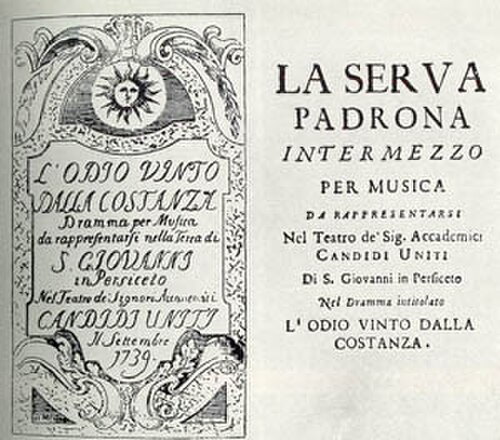
しかし、喜劇の登場人物の消滅は、こうした登場人物を好む一般大衆、一般的には下層階級の人々の間に、ある種の空白を残した。彼らを満足させるため、劇の幕間に間奏曲が導入され、次第に成功を収めて独立した作品となった。 [102]良い例は、ペルゴレージの『神を召使いに』 (1733年)である。それ以降、これらの間奏曲は独立し、独自のショーとなった。 オペラ・ブッファは喜劇のジャンルで、より大衆的な聴衆を対象とし、コンメディア・デラルテの影響を受けていた。アリアやレチタティーヴォが含まれていたが、二流の演者が地声で歌い、カストラートやソプラノはいなかった。アリアはより短く、レチタティーヴォは音楽を保っていた。これは、セリフだけが含まれるスペインのサルスエラやドイツのジングシュピールとは異なっていた。オペラ・セリアにはなかった、デュエット、トリオ、カルテットもあった。[103]オペラ・ブッファでは、パルランドと呼ばれる素早い音節朗読が特徴的である。また、吃音、あくび、くしゃみなども頻繁に見られる。[104]音楽は一般的に弦楽器で、小規模なオーケストラによるシンプルなものであったが、時が経つにつれてオペラ・セリアの音楽と同等とみなされるようになった。最終的に、両ジャンルは融合する傾向があり、半シリアスなオペラ、ドラマ・ジョコーゾが登場した。[105]
オペラ・ブッファの特徴的な要素としては、レチタティーヴォ伴奏の使用、合唱やアンサンブルの多用、カヴァティーナとアリア・コン・ペルティキーニの使用が挙げられる。アリアは一般的にダ・カーポを基本とした様式で、これに外から場面を眺める登場人物によるレチタティーヴォのコメントが加えられ、一種のアンサンブルが生み出される。イントロドゥツィオーネとフィナーレでは、作品の登場人物全員が集まってアンサンブルで歌う場面が多く、これもより重要になっていった。[106]
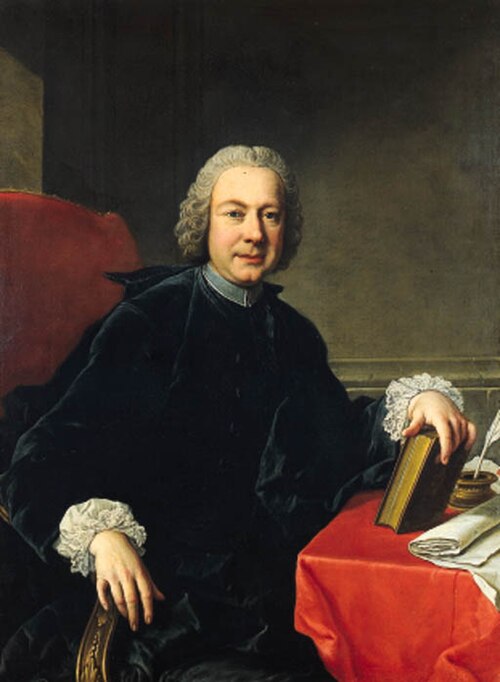
オペラ・セリアの分野では、この時期にオペラ史上特異な現象が起こった。作曲家よりも台本作家の方が重要視され、特にアポストロ・ゼーノとピエトロ・メタスタージオの2人がそうであった。[101]ゼーノはヴェネツィアの歴史家で司書で、オペラの台本の分野に手を染めた後は、オペラの台本を第一級の文学ジャンルとみなすことを常に熱望していた。1718年、彼はシルヴィオ・スタンピーリアに代わってカール6世の帝室詩人に就任し、カール6世の帝室歴史学者も務めた。彼はオペラに歴史的なテーマを持ち込み、大衆の模範となるよう常に名誉の規範を筋書きに組み込んだ。彼は35の台本を書いたが、そのうちのいくつかはピエトロ・パリアーティとの共作であり、アルビノーニ、カルダーラ、ガスパリーニ、スカルラッティ、ヘンデルなどの作曲家が曲を付けた。[107]一世代下のメタスタージオは、ゼノンに直接影響を受け、ゼノンに代わって帝政詩人となった。50年間のキャリアの中で、メタスタージオは27の台本を書き、それらは約100のオペラに音楽として付けられた。メタスタージオはオペラの書き方の偉大な改革者であり、その作品は「メタスタージオのオペラ」と呼ばれるほどである。メタスタージオの台本は優雅で洗練されており、ソリストに重点が置かれた。[108]ゼノンとメタスタージオは、いわゆる「感情の教義」を導入し、あらゆる感情(愛、憎しみ、悲しみ、希望、絶望)が特定の音楽形式(アリア、コラール、器楽の動き)で表現された。[109]
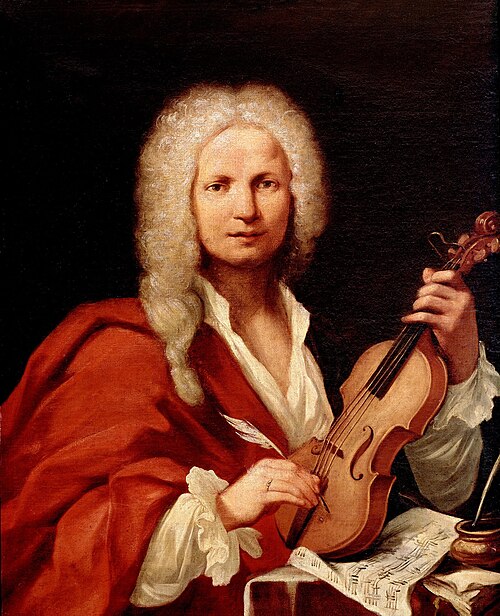
ヴェネツィアはオペラの中心地の一つであり続けた。イタリア後期バロック音楽を代表するアントニオ・ヴィヴァルディは傑出していた。彼はヴェネツィアのピエタ病院の礼拝堂音楽長を務め、そこで孤児たちを頼って大規模なオーケストラを結成し、そのことで彼は管弦楽音楽の最初の巨匠とみなされている。[110]彼は作曲家としても興行主としてもオペラに身を捧げた。1739年には94のオペラを書いたと主張したが、残っているのは台本約50と楽譜20のみである。彼の作品の中で注目に値するのは、別荘のオットーネ(1713)、オルランド・フィント・パッツォ(1714)、ラ・コスタンツァ・トリオンファンテ・デグラモリ・エ・デグラディ(1716)、テウッツォーネ (1719 ) 、ティト・マンリオ(1719)、イル・ジュスティーノ(1724)、ファルナス(1727)、オーランド・フリオーソです。 (1727年)、バヤゼット(1735年)、ジネブラ(1736年)、ウティカのカトーネ(1737年)。[89]
トマーゾ・アルビノーニは優れた作曲家で、アダージョで有名だが、オペラにも手を出していた。声楽アンサンブルのハーモニーに配慮し、低声部に特に注意を払いながら、緩徐楽章に静けさとバランスをもたらした。[111]彼の作品にはゼノビア、パルミレーニの王妃(1694年)、ピンピノーネ(1708年)、捨てられたディドーネ(1724年)などがある。[112]この時期の他のヴェネツィアの作曲家には、フェルディナンド・ベルトーニ(オルフェオとエウリディーチェ、1776年、クイント・ファビオ、1778年)[113]とフランチェスコ・ガスパリーニ(ロデリコ、1694年、アンブレト、1705年、イル・バヤゼット、1719年)がいる。[114]

ナポリ楽派も存続し、オペラ・セリアとオペラ・ブッファの分裂が起こった。この時期の主な代表者は、ニッコロ・ヨンメッリとトンマーゾ・トラエッタである。ヨンメッリはナポリで最初のオペラ『愛の過ち』(1737年)、『リチメロ』(1740年)、『アスティアナッテ』(1741年)を初演した。これらの作品で名声を得たヨンメッリは、1749年にバチカンのサン・ピエトロ大聖堂の礼拝堂支配人に任命され、4年後にはシュトゥットガルトでもヴュルテンベルク公の礼拝堂支配人に就任した。ドイツでヨンメッリは33のオペラを作曲したが、そのスタイルはあまりにもドイツ化されていたため、帰国後、作品は大衆に受け入れられなかった。[115]トラエッタはグルックの影響を受けており、それをコラールや優雅なメロディーを作曲する並外れた才能と組み合わせた。彼の最初の作品はナポリとパルマのオペラハウスのためのものだった(『イッポリトとアリシア』 1759年、『タヴリーデのイフィゲニア』1763年)。1765年にヴェネツィアに移り、1768年にロシアに移り、そこで女帝エカチェリーナ2世からオペラ監督に任命された。そこで彼は『アンティゴネ』 (1772年)などを作曲した。[116]
.jpg/500px-Retrato_del_compositor_Dom%C3%A8nec_Terradellas_(1713_-_1751).jpg)
スペインのドミンゴ・テラデラス(イタリア語ではドメニコ・テラデリアスとも呼ばれる)はナポリ楽派に属すると考えられている。ナポリで学び、フランチェスコ・ドゥランテに師事した。1736年に初のオペラ『ジュゼッペ・リコノシュート』を初演。ローマに移り、サン・ジャコモ・デッリ・スパニョーリ礼拝堂の音楽監督を務め、『アスタルト』(1739年)、『メローペ』(1743年)、『セミラーミデ・リコノシュート』(1746年)を初演。その後ロンドンに行き、 『ミトリダーテ』(1746年)、『ベレロフォンテ』(1747年)を作曲。イタリアに戻ると、トリノの 『ディドーネ』(1750年)、ヴェネツィアの『アテネのイメネオ』(1750年)、ローマの『セソストリ』(1751年)で初演した。 [117]
ジャン・フランチェスコ・デ・マホとダビデ・ペレスにも言及する必要があります。前者は、Ricimero, re dei Goti (1759) とL'Almeria (1761) から始まりました。彼はマンハイムでしばらく過ごし、そこで『タウリデ』 (1764)の『イピゲニア』を初演し、グルックに影響を与えました。ナポリに戻った彼は、『L'Ulisse』(1769 年)と『L'eroe cinese』(1770 年)を制作しました。[118]スペイン出身のペレスは、いくつかのブッファ・オペラ(『La nemica amante』、1735年)を作曲したが、主にシリアスなものが多かった:『Siroe』(1740年)、『Astarto』(1743年)、『Merope』(1744年)、『La clemenza di Tito』(1749年)、『Demofoonte』 (1752)、オリンピアード(1754)、ソリマーノ(1757年)。[119]ナポリ学派のその他の代表者は次のとおりである:ジローラモ・アボス( Artaserse、1746;アレッサンドロ・ネルインディー、1747)、[120] パスクアーレ・カファロ( La disfatta di Dario、1756; Creso、1768)、[121] イグナツィオ・フィオリロ(ロリンピアード、1745年)、[122] ピエトロ・アレッサンドロ・グリエルミ(ロリンピアード、1763年;ファルナス、1765年;セソストリ、1766年;アルチェステ、1768年)、[123] ジャコモ・インサンギーネ(ロステリア・ディ・マレキアーロ、1768年;ディドン・アバンドナータ) 1770) [124]とアントニオサッキーニ( La contadina in corte、1765)。[125]
イタリアの他の作曲家としては、アントニオ・カルダーラを挙げる価値がある。彼はマントヴァとローマで楽長を務めた後、ウィーンでカール6世の副楽長に任命され、約20年間その職に就いた。台本作家のゼーノやメタスタージオと定期的に共演した。彼の作品は、大規模なコラールを使用していることで知られている。彼の作品の中で特に目立つのは、Il più bel nome(1708年)、Andromaca(1724年)、Demetrio(1731年)、Adriano in Siria(1732年)、L'Olimpiade(1733年)、Demofoonte(1733年)、Achille in Sciro(1736年)、Ciro riconosciuto(1736年)である。[90]ミラノのジョヴァンニ・バティスタ・ランプニャーニ(キャンディス、1732年、アンティゴノ、1736年)についても触れておくべきである。[126]
,_1794.jpg/500px-Il_mondo_della_luna_(Goldoni),_1794.jpg)
オペラ・ブッファでも傑出した台本作家がいた。カルロ・ゴルドーニである。弁護士を職業とし、ヴェネツィアのいくつかの劇場で台本作家として働いた。ゴルドーニは約100の台本を書き、その中にルネッサンス起源の典型的なイタリア大衆演劇であるコンメディア・デラルテの要素を取り入れた。彼の作品は実在の人物や日常の出来事を題材にしており、より単純な筋書きと機知に富んだ会話でオペラに人間味を与えている。彼の作品はモーツァルト、後にはロッシーニやドニゼッティなどの作曲家に影響を与えた。[108]

オペラ・ブッファの作曲家には、ニッコロ・ピッチンニやバルダッサーレ・ガルッピがいる。前者は多作な作曲家で、約120の作品を書いた。彼は『散らばった女』(1754年)でキャリアをスタートさせた。彼の最大の成功作は『チェッキーナ、これは良い人形』 (1760年)で、これはサミュエル・リチャードソンの『パメラ』を基にゴルドーニが台本を書いたもので、通常、最初のセミシリアスなオペラと考えられている。1776年に彼はパリに招かれ、そこでグルックと緊迫したライバル関係になった。二人とも『タヴリーデ地方のイフィジェニー』を作曲したが、グルックのオペラ(1779年)はピッチンニのオペラ(1781年)よりも成功した。 [127]ピッチンニは、緩急2部構成で2回繰り返されるロンド・アリアを導入した。[128]ガルッピは16歳の時に最初のオペラを書いた(La fede nell'incostanza、1722年)。彼の最初の大成功は1729年のDorindaだった。彼は約100のオペラを作曲し、その多くはロンドンのために書かれた:Scipione in Cartagine(1742年)、Sirbace(1743年)。1749年にはカルロ・ゴルドーニの台本で最初の長編オペラ・ブッファであるL'Arcadia in Brentaを作曲した。その後、 Il mondo della luna(1750年)、Il mondo alla roversa(1750年)、La diavolessa(1755年)、La cantarina(1756年)などの喜劇オペラが続いたが、ガルッピとゴルドーニの最も有名な共同作品はdramma giocoso Il filosofo di campagna(1754年)である。[129]
オペラ ブッファのその他の作者は次のとおりです。パスクワーレ アンフォッシ( 『La finta giardiniera』、1774 年; 『La maga Circe』、1788 年)、[130] Gennaro Astarita ( 『Il corsaro algerino』、1765 年; L'asutata camriera、1770 年)、[131] Francesco Coradini ( Lo 「ンジェニョデ」 le femmine、1724; L'oracolo di Dejana、1725)、[132] Domenico Fischietti ( Il mercato di Malmantile、1756)、[133] Giuseppe Gazzaniga ( Don Giovanni Tenorio、1787)、[134] Nicola Logroscino ( Il gonatore、 1747) [135]とジャコモ・トリット(アモーレの連邦、1764)。[131]
この時期には、複数の作曲家が共同で作曲したオペラ、パスティッチョも登場した。最初の作品は、フィリッポ・アマデイ、ジョヴァンニ・ボノンチーニ、ゲオルク・フリードリヒ・ヘンデルがそれぞれ作曲した3幕からなる『ムツィオ・シェヴォラ』 (1721年)である。一般的に、パスティッチョのほとんどは、単一の均質な全体を共同で作曲するのではなく、音楽、歌、ダンス、アリア、コラールの集合体であり、これらは順次追加されるものであった。[101]
声楽の分野では、この時代、ソプラノのフランチェスカ・クッツォーニ、マルゲリータ・デュラスタンティ、アンナ・マリア・ストラーダ、メゾソプラノのファウスティーナ・ボルドーニを思い出す価値がある。彼らは全員、ロンドンでヘンデルのために演奏した。ボルドーニとクッツォーニは、1727年にボノンチーニの「アスティアナッテ」の演奏中に殴り合いになるほど、激しいライバル関係にあった。一方、この時代はカストラートの黄金時代であり、ジョヴァンニ・カレスティーニ、カルロ・ブロスキ「ファリネッリ」、ニコロ・グリマルディ「ニコリーニ」、フランチェスコ・ベルナルディ「セネジーノ」、アントニオ・マリア・ベルナッキらが傑出していた。最も有名だったのはファリネッリで、ヨーロッパ中で演奏して大成功を収めた。彼は名声の絶頂期に32歳で引退し、スペイン国王フェリペ5世に仕えた。[136]
フランス

この時期の初めには、リュリア時代の叙情悲劇がまだ主流で、バレエへの嗜好が目立っていた。イタリアのオペラが3幕構成だったのと同様に、フランスのオペラは5幕構成で、バレエが散りばめられていた。[99]この時期の最も著名なオペラ歌手はジャン=フィリップ・ラモーである。彼はフランスの様々な大聖堂でオルガン奏者や礼拝堂支配人として数々の職を歴任するかたわら、音楽理論に関する様々な論文を執筆した。50歳になって初めて最初のオペラ『イポリットとアリシー』(1733年)を作曲し、続いて『インド女学生』(1735年)、『カストルとポリュックス』 (1737年)、『ダルダヌス』(1739年)を作曲した。数年間の休止期間の後、1745年に『ナバラの王女』と『栄光の神殿』(ともにヴォルテール作)および喜劇オペラ『プラテ』を作曲した。最後の作品には『ゾロアスター』(1749年)や『ボレアード』(1763年)などがある。ラモーのオペラは絶大な人気を博したが、同時に擁護者と批判者の間で激しい論争を巻き起こした。1733年には、リュリが始めたオペラの伝統を守ろうとする人々と、テキストよりも音楽に重点を置いたラモーの新しい形式を喜ぶ人々との間で、いわゆるリュリ派とラミスト派の争いが勃発した。 [137]同様に、1750年代には、フランスのオペラ・セリアを擁護するラモーの支持者と、イタリアのオペラ・ブッファを擁護する哲学者ジャン=ジャック・ルソーとその追随者との間で、いわゆる道化師の争いが起こった。[138]

アンドレ・デトゥーシュ枢機卿は1728年から1731年までパリ・オペラ座の監督を務めた。彼の作品はラモーに影響を与えた。彼は『オンファレ』(1700年)、『カリロエ』(1712年)、『テレマック』(1714年)、『要素』(1721年)、『愛の策略』(1726年)などのオペラを作曲した。[139] アンリ・デマレはフランスのイエズス会の礼拝堂監督だったが、妻殺害の容疑でスペインに移住し、フィリップ5世に仕えた。後にロレーヌ公国に住み、1708年にナンシー劇場でオペラ『アストレの神殿』を上演した。 [140]もう一人の代表的人物はミシェル・ピニョレ・ド・モンテクレール(『ジェフテ』1732年)である。[141]
アマチュア作曲家でもあった哲学者ジャン=ジャック・ルソーは、1752年にオペラ『村の悪行』を作曲した。質は低かったが、冷笑的で腐敗した貴族の理想とは対照的に、素朴で高潔な人々として描かれた田舎の登場人物を導入したことで影響力があった。この理想はフランス革命にも反映された。[108]
フランスでは、オペラ・ブッファに相当するものとしてオペラ・コミック座[13]があった。これは、現代的な筋書きで、一般的には家庭的、都会的なカットで保守的な調子の単純なショーの一種であり、技術革新、文化的潮流、社会的な側面全般、登場人物の欠点や慣習などが嘲笑された。衣装や女装の好み、コンメディア・デラルテに影響を受けた登場人物など、イタリアのオペラ・ブッファと共通する要素もあった。ヴォードヴィルと呼ばれるタイプの歌曲がよく登場した。[142]このタイプの公演のために、国立オペラ・コミック座が設立された。主な代表者はフランソワ=アンドレ・ダニカン・フィリドールとアンドレ・エルネスト・モデスト・グレトリーである。最初はイタリア・オペラから始めたが、大衆に気に入られなかったため喜劇オペラに転向し、そこで大成功を収めた。『救世主ブレイズ』(1759年)、『魔術師』(1764年)、『トム・ジョーンズ』(1765年)、『ノルヴェージュ公女エルネリンデ』(1767年)。作品には、ハンマーの音やロバの鳴き声など、音楽以外の音も取り入れた。[143]グレトリは、優雅で表現力豊かなメロディーで観客を魅了した。最初の成功作は『ユロン』(1768年)で、続いて『ルシール』と『言葉の絵画』 (1769年)が続いた。 『アンドロマック』 (1780年)ではシリアスなジャンルに挑戦したが、喜劇作品ほどは成功しなかった。最大の成功作は『獅子心リチャード』(1784年)である。[144]
その他のオペラ・コミック作曲家は次のとおりです。ニコラ・ダレーラック(『ニーナ、愛のラ・フォル』、1786 年)、[145] アントワーヌ・ドーヴェルニュ( 『トロキュール』、1753 年)、[146] エジディオ・ロムアルド・ドゥニ( 『九つの九月』、1755 年、『ラ・フェ・ウルジェール』 ) 、1765)、[147] François-Joseph Gossec ( Les Pêcheurs de perles、1766年; Toinin et Toinette、1767年) [148]およびPierre-Alexandre Monsigny ( Le Cadi dupé、1761年; Le Roi et le fermier、1762年; Rose et Colas、1764年;ルデゼルトゥール、1769)。[149]
ドイツとオーストリア
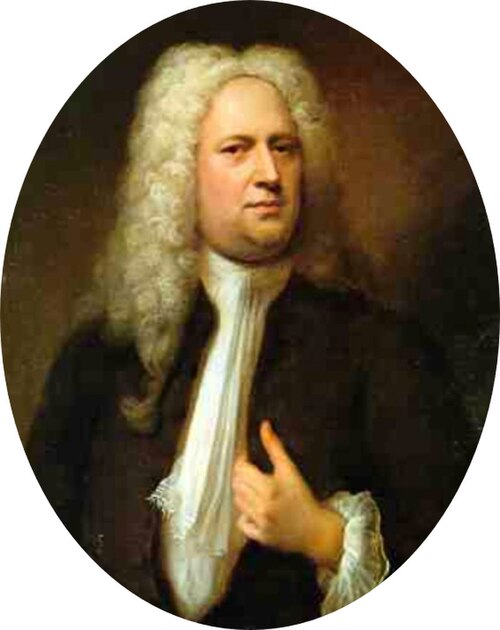
ドイツでは独自のスタイルは栄えず、イタリアのオペラの構造が一般的に踏襲された。[150]しかし、フランスのオペラ・コミックやスペインのサルスエラに似た、台詞と音楽と歌を交互に繰り広げるコメディ調のマイナージャンルとしてジングシュピールが登場した。最も古い例はラインハルト・カイザーの『クロイソス』(1711年)である。 [100]
ゲオルク・フィリップ・テレマンは、イタリア語のアリアとドイツ語のレチタティーヴォでオペラを演奏した。早熟の音楽家であった彼は、12歳で最初のオペラを作曲した。彼は作曲家、オルガン奏者、指揮者であり、史上初の音楽雑誌『デア・ゲトロイ・ムジークマイスター』の創刊者でもあった。しかし、彼の作品は忘れ去られ、20世紀初頭まで発見されることはなかったが、彼のオペラは現在オペラ劇場で上演されていない。[151]彼は約50のオペラを作曲したと推定されているが、現存するのは『ゲルマニクス』(1704年)、 『ピンピノーネ』(1725年)、『カマチョの結婚式のドン・キホーテ』 (1761年)を含む9つだけである。[152]

当時の最高のオペラ歌手の一人がゲオルク・フリードリヒ・ヘンデルだった。フリードリヒ・ヴィルヘルム・ツァホフの弟子だったヘンデルは1703年にハンブルクに定住し、1705年、19歳の時に初のオペラ『アルミラ』を作曲した。 [153] 1707年にローマ、ヴェネツィア、フィレンツェを旅し、フィレンツェでは初のオペラ『ロドリーゴ』を初演した。[154]ヘンデルは生まれながらにオペラをすべてイタリア語で書いた。1708年にナポリに旅し、同市の著名なオペラ学校と交流した。1710年にヴェネツィアで『アグリッピナ』を初演し、大成功を収めた。[155]ヘンデルの作品にはイタリアとフランスの影響が取り入れられているが、ドイツ人としての性格も失われていない。[156]その後まもなく、彼は故国に戻り、1714年にイギリス国王ジョージ1世となったハノーヴァー選帝侯ゲオルクの礼拝堂音楽長となった。1712年に彼はイングランドに定住し、そこで作品のほとんどを開発し、キングス劇場を拠点とする王立音楽アカデミーのオーケストラの指揮者となった。[157]彼は42のオペラを作曲し、その多くは荘厳で壮大な作品で、フランスのようなバレエではなく、合唱団を取り入れることが多かった。彼は英雄的な筋書きを好み、主人公は通常、テセウス、エルクセス、アレクサンダー大王、スキピオ、ジュリアス・シーザーなど、歴史上または神話上の古代の英雄であった。[158]彼の作品には、リナルド(1711)、アマディジ ディ ガウラ(1715)、ジュリオ チェーザレ イン エギット(1724)、タメルラーノ(1724)、ロデリンダ(1725)、アドメート(1727)、トロメオ(1728)、オルランド(1732)、アリオダンテ(1735)、アルチーナが含まれます。 (1735)、セルセ(1738)、イメネオ(1740)。彼の常連台本作家はニコラ・フランチェスコ・ハイムであった[153]。[159]
その他の代表的人物としては、ヨハン・アドルフ・ハッセ、ヨハン・ヨーゼフ・フックス、ヨハン・マッテゾンがいる。ハッセはナポリでスカルラッティに師事した。22歳の時に初めてオペラ『アンティオコ』 (1721年)を作曲し、続いて『セソストラテ』(1726年)と『愛のソレーラ』(1729年)を作曲した。1730年にヴェネツィアで『アルタセルセ』を初演したが、これは歌手たちの素晴らしい見せ場となる表現力豊かな対比が革新的だった。同年、ドレスデン歌劇場の監督に任命され、オペラ・セリアの主要な推進者の一人となった。[143]彼は約70のオペラを残した。[160]フックスは18のオペラを作曲し、そのほとんどはピエトロ・パリアーティの台本によるものであるが、ゼーノとメタスタージオの台本もある。彼の最大の成功作は、プラハでボヘミア王カール6世の戴冠式で初演された『コスタンツァとフォルテッツァ』(1723年)である。[90]マッテゾンは作曲家であると同時にテノールでもあった。彼は自身の作曲を始める前に、カイザーを含む他のオペラ歌手の助手として働いていた。1715年にハンブルク大聖堂の音楽監督に任命された。彼の作品には『クレオパトラ』(1704年)がある。[90]
その他の国

イギリスでも、国立のオペラ校は生まれず、観客はイタリアのオペラに忠実だった。1707年、音楽家のトーマス・クレイトンと作家のジョセフ・アディソンがイギリスのオペラ『ロザムンド』を上演しようとしたが、大失敗に終わった。同年、ウィリアム・コングリーヴが台本を書いたジョン・エクルズのオペラ『セメレ』は初演すらされなかった。ドイツでドイツ語のレチタティーヴォとイタリア語のアリアの作品が作られたのと同じように、イギリスでも英語の導入は進まなかった。そのため、オペラ界はヘンデルとイタリアの作品の初演が中心となった。[150] 1732年、イギリスのオペラの中心地であったロンドンのシアター・ロイヤル(別名コヴェント・ガーデン)は1809年と1858年に再建され、1892年以来ロイヤル・オペラ・ハウスと呼ばれている。[161]
しかし、時が経つにつれ、聴衆はヘンデルのオペラに飽き始め、それが『乞食のオペラ』(1728年)の成功につながった。これは、ヘンデルのややもったいぶった荘厳さに対する反発として、ヨハン・クリストフ・ペープシュの音楽とジョン・ゲイの台本による、イタリアの反オペラのようなものだった。[162]この作品は、オペレッタ、スペインのサルスエラ、ドイツのジングシュピールに相当するバラッド・オペラというジャンルの幕開けとなった。それらはバラッドと短い歌をベースに、民俗舞踊とメロディーを添えた作品だった。[163]また、イタリアの間奏曲のスタイルで、演劇の休憩中に上演される短い作品、アフターピースも登場した。[116]代表的な作家としては、サミュエル・アーノルド( 『水車小屋の女』1765年)、[164]チャールズ・ディブディン(『水夫』1774年)、[129]スティーブン・ストレイス(『幽霊塔』 1789年、『海賊』1792年)[116]ウィリアム・シールド(『魔法の洞窟』1784年、『魔法の城』1786年、『十字軍』1790年)などがいます。[116]

イギリスオペラへの最後の試みは、作曲家兼プロデューサーのトーマス・アーンが主導した。彼は喜劇オペラ『ロザモンド』(1733年)やシリアスオペラ『コーマス』(1738年)のほか、仮面劇『アルフレッド』 (1740年)の作者で、その歌『ルール・ブリタニア! 』はイギリスの愛国歌となった。その後、彼は英語の『アルタクセルクセス』(1762年)とイタリア語の『オリンピアード』 (1765年)を作曲した。どちらもピエトロ・メタスタージオの台本によるものである。[91]
デンマークでは、フェデリック5世がオペラを保護し、イタリアの作曲家ジュゼッペ・サルティを歓迎し、デンマーク語で最初のオペラ『Gam og Signe』(1756年)を作曲した。[165]デンマークの作曲家の中で著名なのは、フリードリヒ・ルートヴィヒ・エミリウス・クンツェンで、 『 Holger Danske』( 1789年)の作者である。一方、ドイツのヨハン・アブラハム・ペーター・シュルツは、デンマーク語でジングシュピールというジャンルを紹介した(『Høstgildet [収穫祭]』(1790年))。[166]
スペインでは、フェリペ5世の治世中に、有名なファリネッリを含む多くのイタリア人歌手や作曲家が定住した。この時期に制作された作品には、ジャコモ・ファッコ作曲、ホセ・デ・カニサレス台本による『ジュピターとアンフィトリオン』(1720年)や、フランチェスコ・コルセリ作曲の『サビナスの夢』(1735年)などがある。[13]フェルナンド6世とバルバラ・デ・ブラガンサはイタリアオペラの愛好家であり、フランチェスコ・コラディーニやジョヴァンニ・バッティスタ・メーレなどの作曲家の滞在を支持した。[167]
ブルボン朝が権力を握ると、サルスエラは衰退した。新しい統治者たちがイタリアオペラを好んだためである。しかし、カルロス3世の治世中、イタリアの大臣たちに対する民衆の不満からイタリアオペラが拒絶されたため、サルスエラは短期間再浮上した。特筆すべきは、サイネティスタの ラモン・デ・ラ・クルスで、彼は著作の中でいわゆるマドリレニョのカスティシズモを定義した。彼の著作の中で特筆すべきは、アントニオ・ロドリゲス・デ・イタの音楽による『バリェカスの奴隷たち』 (1768年)である。[78]もう一人の推進者はホセ・デ・ネブラで、『愛の掟』(1743年)や『暴力があるところに罪はない』(1744年)などの作者である。[168]
バルセロナでは、ミーナ侯爵がオペラを奨励し、サンタクルス劇場にイタリアの劇団を設立することを後援した。この劇団では作曲家のジュゼッペ・スコラーリが活動し、『インド人のアレッサンドロ』(1750年)や『捨てられたディドーネ』(1752年)などのオペラを初演した。また、地元の作曲家ジョゼップ・デュランもおり、『アンティゴノ』(1760年)や『テミストクレス』(1762年)を作曲した。[169]
この時期にはトナディージャというジャンルもあり、抒情劇的な性格や風刺的、ピカレスク的な要素のある作品がいくつかあり、サンイェテスやアントレメースとともに幕間の幕間で上演された。このジャンルは主に18世紀後半に生まれた。このジャンルの最初の作品はルイス・デ・ミソンの『メソネーラとアン・アリーロ』(1757年)である。他の作家にはアントニオ・ゲレーロ、ブラス・デ・ラサーナ、パブロ・エステベ、フェルナンド・フェランディエーレがいる。 [170]
ポルトガルでは、ドメニコ・スカルラッティなどのイタリアの作曲家を起用することを支持したヨハネス 5世によってオペラが支持されました。[171]ポルトガルの作曲家の中では、イタリアのオペラ「ソクラテのパツィエンツィア」(1733年)と「スピナルバ、オヴェロ・イル・ヴェッキオ・マット」 (1739年)の作者フランシスコ・アントニオ・デ・アルメイダに言及する価値がある。[172]
ガラント音楽とグルック改革

18世紀の後半になると、オペラ・セリアを批判する声が現れ始めた。オペラ・セリアは陳腐で、声楽の装飾に偏りすぎていると考えられていた。最初の批判は、ベネデット・マルチェッロの『流行りの劇場』(1720年)[173]やフランチェスコ・アルガロッティの『オペラ座の怪人』 (1755年)[174]などの著作から出た。それはロココの時代で、音楽においては、バロックよりも穏やかで、より軽くて単純、優しく、装飾的で、旋律的で感傷的な、いわゆるガラント音楽が生まれた。対比を好む傾向は消え、響きのグラデーション(クレッシェンド、ディミヌエンド)が求められた。[175]いわゆるマンハイム楽派では、ヴィッテルスバッハ選帝侯カール・テオドールの主導で、交響曲が発展し、最初の大規模な近代的オーケストラ(40の楽器)が誕生した。その代表者であるヨハン・シュターミッツが最初の指揮者とみなされている。[176]
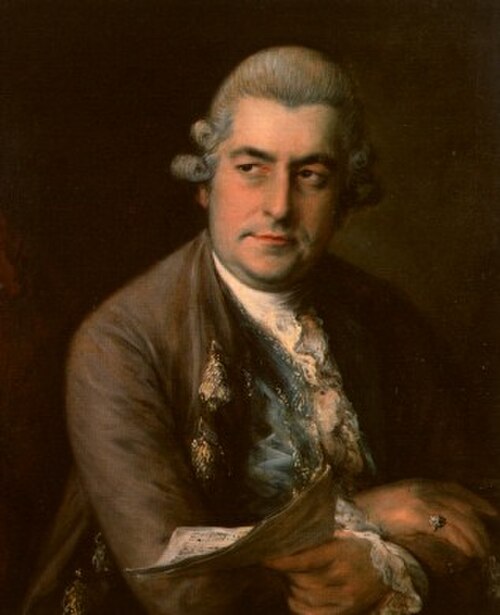
ガラント音楽の中心地はゲルマン地域(ドイツとオーストリア)で、そこでは感傷的なスタイルとして知られています。ドイツでは、テレマンとマッテゾンの後期の作品に初期の先例がありました。その主な代表者はヨハン・クリスティアン・バッハで、ヨハン・セバスチャン・バッハの息子の中でおそらく最も才能に恵まれていました。彼はイタリアにしばらく住み、そこでカトリックに改宗してオペラ歌手と結婚しました。この事実は、間違いなく彼が父親も兄弟も扱ったことのないジャンルに取り組むきっかけとなりました。器楽音楽の優れた熟達により、彼はイタリア音楽の単純さと明快さとドイツ的な正確さを融合させました。彼は後にイギリスに定住し、ロンドンのシアター・ロイヤルの監督を務めました。彼の作品はモーツァルトに影響を与え、モーツァルトが8歳でロンドンを訪れた際にはレッスンも行いました。[177]彼の作品には、アルタセルセ(1760)、『ウティカのカトーネ』(1761)、『インドのアレサンドロ』(1762)、『オリオーネ』(1762)、『ルチオ・シッラ』(1775)、『シピオーネの慈悲』(1778)、『ゴールの愛』(1779)などがある。[178]もう一人の代表的人物は、プロイセン王フリードリヒ2世の礼拝堂長、カール・ハインリヒ・グラウンである。彼のオペラ『クレオパトラとチェーザレ』は、1742年にベルリンのウンター・デン・リンデン国立歌劇場で初演された。フリードリヒ2世自身が、オペラ『モンテスマ』(1755)の台本を書いた。彼のオペラは概して、スカルラッティの影響を受けたイタリア風のスタイルに従っている。[175]フリードリヒ2世の妹であるプロイセンのヴィルヘルミナはオペラ(アルジェノーレ、1740年)の作曲家であり、バイロイトのマルクグレーフリヒ劇場の創設を推進したことは特筆に値する。[179]

オーストリアでは、チェコ出身のフロリアン・レオポルド・ガスマンが、マリア・テレジア皇后のために、主にブッファと呼ばれるオペラを数曲作曲した。『職人の愛』 (1767年)、『批評家の夜』(1768年)、『伯爵夫人』(1770年)、『恋する哲学者』(1771年)、『漁師』(1771年)。[114] イグナツ・ホルツバウアーは、モーツァルトが賞賛した『シュヴァルツブルク』(1776年)など、セリフではなくレチタティーヴォでオペラを作曲した最初のドイツの作曲家の一人である。 [180]チェコ人のヨゼフ・ミスリヴェチェクはイタリアで学び、そこで作品のほとんどを初演した。 『ベレロフォンテ』(1767年)、『デモフォンテ』(1775年)、『オリンピック』 (1778年)である。[181]
ゲルマン圏ではシングシュピールの黄金時代がありました。1778 年、ヨーゼフ 2 世はウィーンのフランス劇場をドイツ国立劇場 (現在はブルク劇場) と改名し、このジャンルに特化させました。イグナーツ ウムラフの『鉱山労働者たち』が初演されました。[182]シングシュピールの最も著名な作曲家は、ヨハン・アダム・ヒラー( 『悪魔は逃亡中』、1766 年、『ヤークト』、1770 年) [183] とゲオルク・アントン・ベンダ( 『ドルフヤールマルクト』、村のフェア]、1775;ロミオとジュリー、1776)。[184]他の指数者は次のとおりである:カール・フォン・オルドネス( Diesmal hat der Mann den Willen [今回の決定は人間のもの]、1778 年)、[185]ヨハン・アンドレ(エルウィンとエルミール、 1775 年)、[186]クリスチャン・ゴットロブ・ニーフェ(アーデルハイトフォン・ヴェルトハイム、1780)、カール・ディッタースフォン・ディッタースドルフ( Doktor und Apotheker [医師と薬剤師]、1786)、[187]アントン・エベール( Die Marchande des Modes、1787)、[186]パウル・ワニツキー( Oberon, König der Elfen [ Oberon、King of the Elves ])、1789 )、[188]ヨハン・フリードリヒ・ライヒャルト(エルヴィンとエルミール)、1790)、[189]ヨハン・バプティスト・シェンク(Der Dorfbarbier [村の理髪店]、1796)[186]、ヴェンツェル・ミュラー(Die Teufelmühle [悪魔の工場]、1799)。[190]

フランスでは、華やかなスタイルはすでにラモーの作品に示されており、さらに詳しく言えば、ジョゼフ・ボダン・ド・ボワモルティエ(『愛の航海』、1736年、『ダフニスとクロエ』、1747年)とジャン=ジョゼフ・ド・モンドンヴィル(『ダフニスとアルシマドゥール』 )に示されている。 、1754)。[191]
イタリアでは、ヴェネツィア楽派やナポリ楽派の存在により、勇ましい音楽はあまり見られませんでした。それでも、それはニッコロ・ピッチーニ、ドメニコ・スカルラッティ、バルダッサーレ・ガルッピの作品や、ピエトロ・ドメニコ・パラディジ(ペルシャのアレッサンドロ、1738年、ガラのミューズ、1740年、フェトンテ、1747年、愛のフォルツァ、1751年)、ジョヴァンニ・マルコ・ルティーニ(『私は結婚』で)にも示されている。マスケラ、1763年、イタリアのロランデーゼ、1765年)、フェリーチェ ・アレッサンドリ(エツィオ、1767年、シリアのアドリアーノ、1779年、デモフォンテ、1783年)、ジョヴァンニ・バティスタ・マルティーニ(ドン・シシオッテ、1746年)。[193]
この時期に、古典主義に至る様式の変化を示唆するオペラ改革が導入された。その立役者は、ボヘミア系オーストリアの作曲家クリストフ・ヴィリバルト・グルックである。[194]彼はミラノで学び、1741年にメタスタージオの台本で『アルタセルセ』を初演した。1745年にロンドンに移り、ヘンデルの支援を求めたが失敗した。そのため翌年ウィーンに住み、1770年にパリに落ち着いた。[195]グルックが導入した改革には、声楽の即興よりもプロットを優先し、登場人物に忠実であること、装飾のない質素な音楽であること、レチタティーヴォを制限し、すべてオーケストラの伴奏をつけること、序曲、合唱、バレエをオペラの動きの中に組み込むこと、アリアにおけるダ・カーポの廃止などがあった。音楽はテキストに奉仕し、両方の要素を調和させる。[196]一方、イタリアオペラの閉じたナンバーの概念とは対照的に、グルックはタブロー(「タブロー」)を導入しました。これは、各幕をソリスト、合唱団、アンサンブル、バレエを含む劇的音楽単位に変え、有機的なアンサンブルシーンを形成する舞台概念です。この概念は、特に19世紀のフランスオペラで発展しました。[197]
彼の作品には、ウィーンで初演された『オルフェオとエウリディーチェ』(1762年)、『アルチェスト』 (1767年)、『パリデとエレナ』 (1770年)、パリで初演された『アウリードのイフィジェニー』(1774年)、『アルミード』(1777年)、『タヴリーデのイフィジェニー』(1779年)、『エコーとナルシス』(1779年)などがある。彼の常任台本作家はラニエーロ・ディ・カルツァビージであった。[198]彼がフランスに滞在していた間、グルックの改革支持者とイタリアオペラ支持者の間で、いわゆるグルック派とピッチニストの争い(1775年 - 1779年)が起こった。[199]グルックは改革オペラ(新オペラ)だけに留まらず、 『修正オペラ』 (1760年)や『予期せぬ出会い』( 1764年)など、イタリア風の喜劇作品もいくつか作った。[186]
古典主義

クラシック音楽は、中世から現代まで生み出された文化的伝統の声楽と器楽として理解される「クラシック音楽」という一般的な概念と混同してはならないが、18世紀後半から19世紀初頭にかけて、器楽形式の頂点を極め、現代のオーケストラの決定的な構造を統合したものであった。[ 200]クラシック主義は、作曲のバランスと静けさ、形式美、完璧さ、調和のとれた感動的な高価値形式への探求に現れた。普遍的な音楽言語の創造、形式と音楽内容の調和を求めた。大衆の嗜好が重視されるようになり、音楽作品の新たな制作方法や新たなパトロン形態が生まれた。[201]
オペラは、古典主義がもたらした新奇性に従って徐々に進化を遂げたものの、依然として大きな人気を博していた。独唱のほかに、デュオ、トリオ、カルテット、その他のアンサンブル(モーツァルトのフィガロの結婚では六重奏も登場した)、合唱団もあったが、バロックの合唱団ほど壮大ではなかった。オーケストラは拡大し、器楽は声楽と関連してますます目立つようになった。[202] 1778年、世界で最も有名なミラノのスカラ座が開館し、観客席は2800人だった。 [203]同様に、1792年にはヴェネツィアのフェニーチェ劇場が開館し、こちらも大きな名声を博した。[204]
古典派の主な作曲家は、フランツ・ヨーゼフ・ハイドン、ヴォルフガング・アマデウス・モーツァルト、ルートヴィヒ・ヴァン・ベートーヴェンである。交響曲の父とされるハイドン[200]は、音楽の分野で偉大な革新者であった。独学で、若い頃はストリートバンドで演奏していたが、その後、エステルハージ公爵アンタル・パースに仕え、アイゼンシュタットにある公爵の宮殿で30年間暮らした。彼は、弦楽器と管楽器を連携させた、現代のオーケストラに近いオーケストラを創設した。ハイドンは、交響曲に4楽章からなるいわゆる「ソナタ形式」を採用した。オペラはハイドンの主な関心事ではなかったが、エステルハージ公爵のために数曲作曲した。その多くは喜劇で、今日ではオペラのレパートリーには通常含まれていない。[205]これらには、Acide e Galatea (1763)、La canterina (1766)、Lo speziale (1768)、Le pescatrici (1770)、L'infedeltà delusa (1773)、L'incontro improvviso (1775)、Il mondo della luna (1777)、La vera costanza が含まれます。 (1779)、L'isola disabitata (1779)、La fedeltà premiata (1781)、Orlando paladino (1782)、Armida (1784)、およびL'anima del filosofo (1791)。[109]

古典主義の主唱者はオーストリアのヴォルフガング・アマデウス・モーツァルトである。彼は神童で、6歳から14歳の間に父親とともにヨーロッパを旅行し、当時の主要な音楽の潮流、すなわちイタリアとフランスのオペラ、ギャラント音楽、マンハイム楽派に精通した。[206]故郷のザルツブルクで、彼は1767年にわずか11歳で宗教的なジグシュピール 「最初の戒めの義務」を演奏した。 [207]同年、彼は大学でラテン語のオペレッタ「アポロとヒュアキントス」を演奏した。翌年、彼はジャン=ジャック・ルソーの「村の悪行」のパロディであるジグシュピール「 バスティアンとバスティエンヌ」を作曲した。[208]この年、トスカーナ大公レオポルト(後の神聖ローマ皇帝レオポルト2世)からイタリアのオペラ・ブッファの依頼を受け、『庭の小さな家』を上演した。ナポリ滞在中に『ポントの王ミトリダーテ』 (1770年)を作曲し、これが初の本格的なオペラとなり、当時のイタリア・オペラよりも豊かで優雅な管弦楽法を特徴としていたことから、大きな成功を収めた。[209]次の2年間で、サロンで上演されるオペレッタ『アルバのアスカニオ』(1771年)と『シピオーネの夜』 (1772年)を2曲作曲し、後者はメタスタージオが台本を書いた。 この年、グルックの影響を受けた『ルチオ・シッラ』を上演した。 [210] 1775年にミュンヘンから依頼を受け、バロック様式のまま喜劇調の『庭の小さな家』を上演した。この年、彼は田園セレナーデ『イル・レ・パストーレ』を作曲した。[211]再びザルツブルクで、1779年から1780年にかけて、ジングシュピール『ザイデ』に取り掛かったが、未完成のままとなった。『イドメネオ、クレタ島の王』(1781年)はミュンヘンからの新たな委嘱作品である。この作品は、彼が音楽的に成熟し、バロック音楽から徐々に離れていくきっかけとなった。[212]

『イドメネオ』の成功後、彼はウィーンに居を定め、そこで皇帝ヨーゼフ2世から汎ゲルマン主義の政策を理由にドイツ語でオペラを書くよう依頼された。1782年、彼はブルク劇場で トルコのハーレムを舞台にした『後宮からの誘拐』を初演した。この作品はバロック様式から完全に逸脱し、特にアリアの連続をやめ、感情を表現する実在の人物を登場させた。筋に応じて、メイドの伴奏に民族音楽を使ったり、耳障りな打楽器が特徴のトルコ音楽のパッセージを取り入れるなど、さまざまな音楽スタイルを導入した。[213]彼はより多くの管楽器を使用した、より密度の高いオーケストラを採用した。また、1つは遅く、もう1つは速い2部構成のアリア(カバレッタ)を導入した。最後には、すべての登場人物が舞台に集まるシーンであるボードビルを導入し、そのテキストは劇中の出来事を総合したものである。[214] [注6]
1783年に未完のブッファ・オペラ2作(『カイロの旅』と『夢見る配偶者』)を作曲した後、3年後の1786年にようやく彼は他のオペラ『劇場監督』と『フィガロの結婚』の委嘱を受けた。後者は、ピエール=オーギュスタン・ド・ボーマルシェの『フィガロの結婚』を基に、ロレンツォ・ダ・ポンテが台本を書いたオペラ・ブッファである。このオペラで彼は声楽アンサンブルの腕前を示し、第3幕で六重奏を導入した。[215]彼はまた、登場人物の扱いや、楽器の様々な感情的性質(愛にはクラリネット、悲しみにはオーボエ、皮肉にはファゴット)においても見事な心理的技能を示した。[216]翌年、プラハ国立劇場の依頼で、やはりダ・ポンテの台本による『酔ったドン・ジョヴァンニ』を制作した。これはティルソ・デ・モリーナの『ドン・ファン』と『モリエール』を基にしたものである。この作品で彼は悲劇と喜劇を同等の割合で組み合わせた。 [217] 1790年にはダ・ポンテとの最後の共作となる『コジ・ファン・トゥッテ』を制作したが、これは軽薄で不道徳であると見なされた。[218]彼の最後の2つのオペラは、彼が亡くなった年(1791年)のものである。メタスタージオの台本によるオペラ・セリア『皇帝ティートの慈悲』と、エマヌエル・シカネーダーの台本によるジングシュピール『魔笛』である。後者はおとぎ話とフリーメーソンの寓話を混ぜ合わせたものであり、彼の最も完成度の高い作品の一つであった。[219]

古典派の傑出した作曲家としては、ロマン主義への道半ばにいたルートヴィヒ・ヴァン・ベートーヴェンがいる。1803年にエマヌエル・シカネーダーの台本でオペラ『ヴェスタスの火』を作曲しようとしたが、未完に終わった。2年後、唯一のオペラとなる『フィデリオ』(1805年)を作曲した。これは政治的・道徳的な性格を持つジングシュピールで、ジャン=ニコラ・ブイイの『レオノーレあるいは夫婦の愛』に基づいたロマン派のドラマである。この作品で彼はモーツァルト、特に『コジ・ファン・トゥッテ』と『魔笛』の影響を示している。[220]オペラの分野での経験が少なかったため、この作品の音楽は交響曲的で、楽器編成が密集していたため歌手に多大な努力を要求した。[221]彼はその後もオペラの作曲を試みており、マクベス(1808年 - 1811年)やメルシーヌ(1823年 - 1824年)という童話も作曲したが、未完に終わった。[222]
ゲルマン圏では、同様に言及されるべきである: Franz Seraph von Destouches ( Die Thomasnacht [ The Night ] 、 1792; Das Mißverständnis [ The Mis Understanding ]、 1805)、[139] Anton Reicha ( Argene, regina di Granata、 1806 ) ;ナタリー、1816)、[189] ジョセフヴァイグル( La principessa d'Amalfi、 1794 年; Die Schweizerfamilie [スイス家族] 、 1809 年) [223]およびピーター・フォン・ヴィンター( Das unterbochene Opferfest [中断された捧げものパーティー]、 1796 年; Der Sturm [テンペスト] 、 1798 年;マオメット)、1817)。[224]
.jpg/500px-Domenico_Cimarosa_(recomposed).jpg)
イタリアでは、ジョヴァンニ・パイジエッロとドメニコ・チマローザの作品が傑出していた。パイジエッロはオペラ・ブッファ(L'idolo cinese 、1767年)でキャリアをスタートさせた。1776年にサンクトペテルブルクに招かれ、ボーマルシェの戯曲に基づき『ルチンダとアルミドーロ』(1777年)、『ニッテッティ』(1777年)、『セビリアの理髪師』(1782年)を作曲した。この作品は後にロッシーニによっても翻案されている。1784年にウィーンに戻り、『ヴェネツィアのテオドーロ家の人々』を作曲し、その後まもなくナポリ王フェルディナンド4世の礼拝堂長に任命され、彼の最大の成功作『ニーナ、あるいは愛のパッツァ』(1789年)を作曲した。彼はシリアスなジャンルとブッファのジャンルで約80のオペラを作曲したが、後者は通常よりもドラマチックで、それがこのジャンルの名声を高めるのに貢献した。[143]チマローザは多作な作曲家で、35歳までに15のオペラを作曲し、1787年にサンクトペテルブルクの楽長に任命され、『女のみの祈り』 (1788年)と『クレオパトラ』(1789年)を初演した。1791年にはウィーンの礼拝堂長に任命され、翌年『秘密の結婚』 (1792年)で最大の成功を収めた。最終的に60曲ほどのオペラを作曲し、そこに彼は生命力に満ちた強さとメロディーの温かさをみせた。[129]
アントニオ・サリエリはフロリアン・ガスマンの弟子で、1766年、16歳のときにガスマンに連れられてウィーンに渡った。20歳のとき、彼は『女の手紙』(1770)を作曲し、これが大成功を収めたため、1774年にヨーゼフ2世皇帝の宮廷作曲家に任命された。1784年にパリ・オペラ座の監督に任命され、グルックの後を継いだ。ここで彼はグルック風のオペラ『ダナイデス』(1784)や『タラーレ』(1787)を作曲した。1788年にはウィーン宮廷の礼拝堂長に任命され、イタリア・オペラを担当した。彼はシリアスとブッファ合わせて約30のオペラを作曲し、その中でも傑出した作品は『ヴェネツィアの祭り』(1772)と『3つのブールのファルスタッフ』(1799)である。彼は生前大きな成功を収めたが、死後人気は衰えた。[225]

ニコラ・アントニオ・ジンガレッリはナポリ楽派の最後の偉大な代表者であった。彼の最初の成功作はサン・カルロ劇場で初演され、後にエステルハーザでハイドンによって上演された『モンテスマ』 (1781年)である。彼はブッファ・オペラ(『モンフレゴーゾの市場』1792年、『強盗の女』1793年)とシリアスなオペラ(『アルタセルセ』1793年、『ジュリエッタとロメオ』1796年、『コロノスのオイディプス』1802年)を作った。[226]
他の代表者は、ガエターノ・アンドレオッツィ ( Giulio Cesare、 1789 年; La principessa filosofa、 1794 年)、[227] フランチェスコ・ビアンキ( Il Gran Cid、 1773 年; La vilanella rapita、 1783 年; La Vendetta di Nino、 1790 年; Ines de Castro、 1794 年)、[71] ヴァレンティノ・フィオラヴァンティ( Le cantatrici villane、 1798 年)、[228] ジュゼッペ・ニコリーニ( Artaserse、 1795 年; La clemenza di Tito、 1797 年; Il trionfo del bel sesso、 1799 年; Il geloso singerato、 1804 年; Traiano in Dacia、 1807)、[229] フェルディナンドパエール( Griselda、1796; Camilla、1799; Achille、1801; Leonora、1804; Le Maître de Chapelle、1821)、[230] Silvestro Palma ( La pietra simpatica、1795) [231]およびAngelo Tarchi ( Le disgrazie fortunate、 1781; Il guerriero immaginario、1783)。[232]
この頃イタリアではファルサというジャンルが生まれた。これはオペラ・ブッファの派生で、より小型の形式で、一般的に空想的で非現実的な筋書きである。チマローザは『舞踏会の結婚』(1776年)や『怒りの興行主』(1786年)などの茶番劇を作曲した。その主唱者には、ジュゼッペ・ファリネッリ(『テレサとクラウディオ』(1801年)、 『パメラ』(1802年)、ピエトロ・ジェネラリ(『若いパメラ』(1804年)、ジュゼッペ・モスカ(『3人の結婚』(1811年)など)がいる。19世紀初頭まで発展したが、ロマン主義の到来とともに事実上消滅した。ただし、ロッシーニ、ドニゼッティ、マイヤーは茶番劇を制作し続けた。[233]
フランス革命によって生じた雰囲気がフランスの抒情詩のジャンルにある種の前ロマン主義を促し、フランスは移行期を経験した。この時期の著名人にはピエール・ガヴォー(『レオノール、あるいは夫婦の愛』、1798年)[234]とロドルフ・クロイツェル(『ロドイスカ』、1791年、『アスティアナクス』、1801年、 『アリスティッペ』、1808年、 『アベル』、1809年)[235]がいる。

スペインでは、ビセンテ・マルティン・イ・ソレールが国際的に頭角を現した。彼はイタリアに定住し、シリアス・オペラやブッファ・オペラを作曲したが、これらは登場人物の優雅さと美しいメロディーで際立っていた。彼はウィーンに招かれ、ロレンツォ・ダ・ポンテの台本で3つのオペラを作曲した。『善き心の叫び』(1786年)、『珍しきもの、これは美しいものと真実のもの』(1786年)、『ダイアナの木』(1787年)である。最も成功した『珍しきもの』は、モーツァルトの『フィガロの結婚』に取って代わった。1787年、彼はサンクトペテルブルクでロシアのエカチェリーナ2世の宮廷作曲家に任命された。[236]また、スペインのモーツァルトと呼ばれた神童、フアン・クリソストモ・デ・アリアガについても触れておくべきである。 13歳の時にオペラ『幸福の呪い』(1820年)を作曲したが、残念ながら20歳で結核のため死去した。[237]フェルナンド・ソルは、イタリア語のオペラ『カリプソの孤児』 (1797年)をバルセロナで初演した。後にフランスに定住し、ギター音楽の作曲家として活躍した。[238]バルセロナ大聖堂のオルガニスト、カルレス・バゲールは『哲学の王女』 (1791年)の作者である。[239]
ポルトガルでは、この時点でマルコス・アントニオ・デ・フォンセカ・ポルトガルとして目立っていました。彼は、 『A Castanheira』 (1787 年)などのポルトガル語の短いオペラから始めました。 1792年に彼はナポリに定住し、そこでシリアスなオペラとブッファ・オペラを上演しました:『チンナ』(1793年)、『コンフューゼ・ナタ・デッラ・ソミリアンツァ』( 1793年)、『ラ・ヴェドヴァ・ラギラトリス』(1794年)、『スパッツァカミーノ・プリンシペ』(1794年)、『ル・ドンネ・カンビアーテ』(1797年)。フェルナンド・ネル・メシコ(1797)。[240]

ロシアでは、この頃皇帝の宮廷でオペラが好まれるようになったが、これは特に女帝エカチェリーナ2世の支援によるもので、女帝はバルダッサーレ・ガルッピ、トンマーゾ・トラエッタ、ジョヴァンニ・パイジエッロ、ドメニコ・チマローザ、ジュゼッペ・サルティ、ビセンテ・マルティン・イ・ソレルなど数多くの作曲家をサンクトペテルブルクに招いた。[241]ロシア語で書かれた最初のオペラはイタリア人のフランチェスコ・アラジャによるもので、彼の作曲した『ツェファルスとプロクリス』 ( 1755年)である。[242]ロシアの作曲家の間では『アニュタ』 (1772年)でオペラの先駆者となったワシリー・パシュケーヴィチは『馬車事故』 ( 1779年)に続いた。彼はまた、女帝エカチェリーナ2世の台本で2つのオペラ『フェヴェイ』(1786年)と『フェドゥルとその息子たち』( 1792年)を作曲した。[243]ドミトリー・ボルトニャンスキーはイタリアでガルッピに師事し、イタリア語でいくつかのオペラを書いた。『クレオンテ』(1776年)、『クイント・ファビオ』(1778年)、『ドン・カルロ』(1786年)。[244]エフスティニネイ・フォミンもイタリアで父マルティーニに師事した。エカチェリーナ2世の台本で『ノヴゴロドの英雄ボエシェスレイヴィチ』( 1786年)を作曲した。[245]
ポーランドでは、アウグスト2世、アウグスト3世、エスタニスワフ2世の治世中に、王室の支援を受けてオペラが栄えた。多くのポーランド貴族が宮殿にイタリアの劇団を雇った。1765年、ワルシャワに国立劇場が開場した。1778年、マチェイ・カミェンスキによるポーランド語の最初のオペラ「悲しみは喜びに変わった」が初演された。ポーランド分割後も、ヤン・ステファニ( 「クラコヴィア人と山地人」、1794年)などの作曲家によってオペラへの嗜好は続いた。 [246]
スウェーデンでは、ルイーズ・ウルリカ女王がドロットニングホルム劇場の建設を奨励し、1766年に開館し、フランチェスコ・ウッティーニなどの作曲家を招聘した。ウッティーニはスウェーデン語で最初のオペラ『テティスとペレー』 (1773年)を作曲した。 [247]グスタフ3世は、1782年に設立されたストックホルムの王立オペラ(Kungliga Operan)の推進者であった。ヨハン・ゴットリープ・ナウマン( 『コーラとアロンツォ』(1782年)や、グスタフ3世と共同で『グスタフ・ヴァーサ』 (1786年)を作曲した)、そしてスウェーデンのモーツァルトの異名を持つヨゼフ・マルティン・クラウス( 『プロセルピン』(1781年)や『ディドーとアエネアス』(1799年)を作曲した。[248]
オーストリア=ハンガリー帝国に編入されたハンガリーでは、ハイドンの保護者であったエステルハージ家以外、オペラはほとんど保護されていなかった。ヨージェフ・チュディはハンガリー語で書かれた最初のオペラ、ジングシュピール 『ピッコ・ヘルツェグ』(ピッコ公、1793年、現在は紛失)の作者である。[249]
この時期には、オペラが北米に紹介されつつあった。アメリカ合衆国では、1767年にオープンしたニューヨークのジョン・ストリート劇場で初演が行われた。オペラの先駆者には、ベンジャミン・カー(『射手たち、あるいはスイスの登山家たち』 [ The Archers, or the Mountaineers of Switzerland ]、1796年)やジョン・ブレイ(『インディアン・プリンセス』、1808年)がいた。[250]カナダでは、フランス人のジョセフ・ケネルが同国初のオペラ作者であり、『コラとコリネット』(1805年)、『ルーカスとセシル』(1809年)がある。[251]
この時期の歌手の中では、サリエリの弟子で恋人でもあったオーストリアのソプラノ歌手カテリーナ・カヴァリエーリ(モーツァルトは彼女のために『後宮からの誘拐』のコンスタンツェ役や『ドン・ジョヴァンニ』のエルヴィラ役を書いた)、作曲家スティーヴン・ストレースの妹でモーツァルトは彼女のために『フィガロの結婚』のスザンナ役を書いたイギリスのソプラノ歌手ナンシー・ストレース(モーツァルトは彼女のために『フィガロの結婚』のスザンナ役を書いた)、テノールで作曲家のジョセフ・ルグロ(リュリ、ラモー、グレトリー、グルックの役を演じた)、そしてドイツのテノール歌手アントン・ラーフ(モーツァルトは彼女のために『イドメネオ』を書いた)を思い出す価値がある。[252]
19世紀

18世紀末から19世紀初頭にかけて、現代社会の基礎が築かれ、政治の分野では絶対主義の終焉と民主政府の樹立(フランス革命に端を発する)が、経済の分野では産業革命と資本主義の強化(マルクス主義と階級闘争で反応することになる)が特徴となった。芸術と音楽の分野では、スタイルの進化のダイナミクスが時系列で次々と現れ、そのスピードは増し、20世紀にはスタイルと潮流が分散し、共存し、対立し、影響し合い、対峙するようになった。[253]音楽は、芸術と音楽だけでなく、文学、演劇、ダンス、その他の芸術的表現にも見られるこれらの芸術的運動の反映であった。[254]
音楽において最も顕著だったのは、作曲家や演奏家が貴族や教会の後援から独立していったことだ。新たな聴衆は、劇場やコンサートホールで、主にブルジョア階級だけでなく一般大衆であった。この新たな状況は音楽家により大きな創造の自由を与えたが、同時に、成功や失敗の浮き沈みに左右されるようになり、パトロンによって以前提供されていた安心感を奪った。[255]
オペラは今世紀、ますます大げさな形で発展し、大きな舞台と大きな舞台装置で、ますます大きなオーケストラが、より力強く響き渡る音楽を演奏するようになった。これにより、声楽家は歌唱力を高め、劇場全体を満たし、楽器よりも高い声を出す必要に迫られた。この目的のために、声を増強する新しい技術が登場し、「ロバストテノール」、「テノーレ・ディ・フォルツァ」、「ドラマティックソプラノ」などの新しい音域が生まれた。[256]

18世紀後半、オペレッタは、ダンスと歌と台詞が交互に登場する劇的な作品と、大衆趣味の軽音楽を基にした、オペラのマイナージャンルとして確立されました。フランスでは、作曲家ジャック・オッフェンバックが後援したブッフ・パリジャンなどの小劇場で、オペラ・コミックの派生として定着しました。ウィーンでも定着し、ドイツの伝統的なジングシュピールに育まれました。[44]このタイプの作品から、現在のミュージカルが生まれました。[257]
この世紀には、舞台美術、とりわけ照明の分野で数多くの革新と進歩がもたらされた。1822年、パリ・オペラ座でニコラ・イソワールの『アラジン』または『不思議なランプ』の公演で初めてガス灯が導入され、 1849年にはジャコモ・マイアベーアの『預言者』で電灯が初演された。[258]最も優れた舞台美術家の一人はピエール=リュック=シャルル・シセリで、当時の最新技術を駆使した大規模で独創的な舞台装置、特殊効果、花火、その他の斬新な装置を考案した。彼は、円筒に巻き上げられたカーテンで構成される動くパノラマを発明し、広げると場面に動きの効果を生み出した。[259]一方、写真の先駆者ルイ・ダゲールは、照明効果により動きの感覚を生み出す二重塗装の舞台装置を導入した。[260]ミラノのスカラ座と並んで最も権威のある劇場はパリのオペラ座であり、様々な場所を経て1821年にル・ペルティエ通りのホールに移転し、グランドオペラの黄金時代を謳歌した。1873年に火災で焼失したが、2年後に建築家シャルル・ガルニエの設計によるオペラ座ガルニエが2600人の観客を収容できる規模でオープンした。[261]
ロマン主義

ロマン派音楽は、20世紀の音楽的前衛が登場するまで、ほぼ1世紀の間存続した。[262]他の芸術と同様に、感情と情熱、芸術家の主観性と感情性が優位であり、国民的音楽とポピュラー音楽が称賛されているのが特徴である。オーケストラは、芸術家の表現力、彼の中に巣食う新しい感情(崇高さ、哀愁)を十分に満たすために拡大された。ロマン主義は、啓蒙された理性に対する反応として、個性と非合理性を強調した。主人公は、神話の神々やバロックの神の介入ではなく、人間とその英雄的な行動によって獲得された。自然とその音に対する新たな関心が生まれ、嵐、火事、雪崩、火山の噴火など、数多くの作品でそれが模倣された。ロマン派の情熱を反映する理想的な楽器はピアノであり、フランツ・リストやフレデリック・ショパンなど、多くの名手がピアノから生まれた。[263]それと並行して、より表現力豊かな音を求めて、打楽器、特にティンパニとシンバルが重要性を増していった。また、ハープ、ピッコロ、コントラファゴット、イングリッシュホルンなど、新しい楽器もオーケストラに取り入れられた。同時に、プレスティッシモ、モルト・アジタート、アダージョ・ラメントーソなど、より感情を表現する動きが求められた。指揮者の存在がより重要になり、多くの作曲家が同時に指揮者でもあった。その一人、カール・マリア・フォン・ウェーバーは指揮棒を導入した。[264]
この時期、オペラは目覚ましい発展を遂げた。特にイタリアではベルカントの黄金時代であった。声の輝き、コロラトゥーラ、装飾が際立ち、ソプラノの役割が重要視される一方、テノールでは1840年からド・デ・ペチョが流行した。ロマン派オペラには、喜劇的(またはブッファ)な側面と、偉大なロマン派文学劇に基づいた劇的な側面の2つの側面があった。レチタティーヴォとアリアの違いは薄れ、カンタービレの旋律が他の要素よりも優勢になった。[196]一方、ロマン派オペラは、その民俗的な趣と、国の歴史と神話に基づいたテーマの使用で際立っていた。[263]いわゆる「ゴシック」テーマへの新しい嗜好も現れ、フランス革命の悲惨な出来事によって引き起こされたモルテ(「死」)と呼ばれるオペラの変種が生まれた。良い例は、ガエターノ ドニゼッティの「ルチア ディ ランメルモール」です。[265]
この時期の台本は、テーマや筋が多様であったが、構造的な変化はほとんどなく、以前の時代と同様に、慣習的な言語と会話や状況の単純化が主流であった。[266]この時期の最も成功した小説家の一人はウォルター・スコットで、彼の小説のうち19作は63のオペラに翻案された。[260]もう一人ヨハン・ヴォルフガング・フォン・ゲーテは、彼のテキストは122のオペラに音楽化され、そのうち20は彼の作品『ファウスト』に基づいている。彼はまた、ジングシュピールの台本を8つ自ら書いた。[267]フリードリヒ・フォン・シラーのテキストに基づいて56のオペラも作曲された。[268]多数のオペラに影響を与えた他の作家には、ヴィクトル・ユーゴーとアレクサンドル・プーシキンがいる。[269]
フランス

ロマン派オペラの萌芽はフランスで生まれ、そこではオペラ・セリアとオペラ・ブッファが融合する傾向にあり、同時にグルック改革が実を結びつつあった。チェンバロによるレチタティーヴォは放棄され、管弦楽になった。ギリシャ・ラテン古典に基づく筋書きは放棄され、中世の設定(吟遊詩人、トルバドゥール)や民衆伝説が好まれ、新しいロマン派ドラマに音楽がつけられた。この頃、フランスではいわゆるグランド・オペラが発達した。これは、大規模な舞台作品の華やかさが特徴で、大規模なオーケストラと多数の登場人物がおり、一般的に歴史的で叙事詩的なテーマを持ち、ブルジョワ階級の観客を対象としていた。[270]オペラ・コミックというジャンルも継続し、1805年にフェイドー座、1840年にファヴァール座で確立された。ここでは、より保守的なパリ・オペラ座では却下された、型破りな新作や外国作品が初演された。[271]
フランス・ロマン派オペラの始まりは革命後の環境にある。体制の変化により、貴族社会と結びついた古典的な神話のテーマが、民衆の英雄主義に基づいた新しいテーマと登場人物に置き換えられ、アンリ=モンタン・ベルトンの『回廊の戒律』 (1790年)やロドルフ・クロイツェルの『リールの包囲』(1792年)など、「救済オペラ」と呼ばれる一連の作品が生まれた。[271]しかし、革命のプロパガンダ作品は、オペラが何よりもまず娯楽であるということを大衆に忘れさせることはできなかった。この事実は、エティエンヌ・ニコラ・メユールの作品によって助けられた。メユールは、この時期に『ユーフロシーヌ』(1790年)、『ストラトニス』(1792年)、『メリドールとフロシーヌ』(1794年)、『アリオダン』(1799年)など、いくつかのオペラを初演した。これらの作品では、登場人物はランダムな状況に陥り、激しい感情に陥りますが、これがロマン派オペラの神経的なポイントとなるでしょう。[272]

逆説的だが、フランス・ロマン派オペラの最初の代表者の中には、フランスで活躍したイタリア人作曲家、ルイジ・ケルビーニとガスパーレ・スポンティーニがいた。ケルビーニは1787年にパリに定住したが、その頃すでにイタリアで13のオペラを作曲していた。デモフォン(1788年)で、彼はフランス・ロマン派オペラとなる道を歩み始め、ロドイスカ(1791年)でその道を歩み始めた。ロドイスカでは、よりリアルな登場人物とよりドラマチックな状況を導入し、より豊かで力強いオーケストラと、自然(この場合は火)に基づいた効果音を導入した。彼の最高傑作はピエール・コルネイユの悲劇に基づいたメディア(1797年)である。[ 273 ]スポンティーニは1800年にパリに移り、そこで悲劇のジャンルを優先的に開拓した。彼の最初の成功作はミルトン(1804年)で、続いてラ・ヴェスタル(1807年)が成功した。彼は、大合唱団、行列、舞台上の楽団など、グランドオペラの数多くの要素を導入した人物であり、スペインの征服者エルナン・コルテスを題材にした『フェルナン・コルテス』 (1809年)では騎兵突撃や艦隊砲火を盛り込んだ。[274]

ケルビーニには何人かの弟子がいたが、その中でもダニエル・フランソワ・エスプリ・オーベールとジャック・フロメンタル・ハレヴィが傑出していた。オーベールはオペラ・コミックの巨匠であり、 『La bergère châtelaine』 (1820 年) と『Emma Emma』 (1821 年)から始まりました。 1823年に彼は劇作家ウジェーヌ・スクライブとチームを組み、 『レスター』(1823年)、『ラ・ネージュ』(1823年)、『レオカディ』(1824年)、『ル・マソン』(1825年)、『フラ・ディアヴォロ』(1830年)を創作した。彼はまた、「ポルティチの夢」 (La muette de Portici、1828年)でグランド・オペラにも挑戦しました。 [275]アレヴィはスペインのメゾソプラノ歌手マリア・マリブランのために作曲した『クラリ』 (1828年)で最初の成功を収めるまで、いくつかの失敗を経験しました。彼の最高傑作は『ユダヤ』(1835年)で、ワーグナーはこの作品の感情を称賛しました。彼はオペラ・コミック(『エクレール』1835年、『ラザロ』 1844年)とグランド・オペラ(『グイドとジネヴラ』1838年、『シャルル6世』1844年)を交互に上演した。[276]
フランスロマン主義の初期の代表者にはフランソワ=アドリアン・ボワエルデューもいた。彼は18歳の時に最初のオペラ『結ばれる娘』 (1793年)を作曲した。パリに拠点を置き、喜劇オペラで成功を収めたが、 『バグダッドのカリフ』 (1800年)のようにエキゾチックで東洋的なテイストのジャンルにも挑戦した。ロシアに滞在した後、帰国すると『ジャン・ド・パリ』 (1812年)で再び成功を収めた。最大の成功作は『白衣の貴婦人』 (1825年)である。[277]
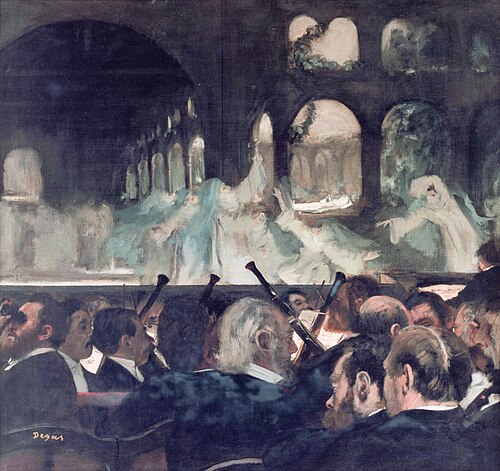
グランド・オペラの始まりを最も強く推し進めたのは、ドイツ人のジャコモ・マイアベーアだった。1831年にパリに定住し、中世のシチリア島を舞台にした『悪魔のロベール』で最初の成功を収めた。彼の最高傑作は、16世紀フランスのプロテスタント(ユグノー)の迫害を描いた『ユグノー』 (1836年)で、豪華な舞台で知られる。3番目の大ヒット作は『預言者』( 1849年)だった。[278] 『悪魔のロベール』には、バレエ「修道女のバレエ」が含まれていた。このバレエでは、墓からよみがえる霊の役のダンサーは、後に古典的なバレエ衣装(チュチュ)となる白いチュールを身にまとっていた。この作品は、歴史上最初のモダン・バレエと考えられている。[279]

エクトル・ベルリオーズは叙事詩オペラに没頭した。5つのオペラに着手したが、完成したのはそのうち3つだけだった。『ベンヴェヌート・チェッリーニ』 (1838年)は、ルネサンス期の彫刻家の生涯を描いたもので、彼の自伝に基づいたもの。 『トロイの人々 』 ( 1856年 - 1858年)は、ウェルギリウスの『アエネイス』を基にベルリオーズ自身が台本を書き、初演時には2部に分けられた全編作品だった。 『ベアトリスとベネディクト』(1862年)も、シェークスピアの『から騒ぎ』を元に作曲者自身が書いたものである。[280]また、 『ファウストの劫罰』( 1846年)の作者でもあり、これはオーケストラ、独唱、合唱のための音楽作品で、通常はオペラハウスでも上演された。[281]

第二世代 ― 後期ロマン主義とも呼ばれる ― [282]ではジョルジュ・ビゼーが傑出していたが、36歳で若くして亡くなったため、オペラを30作ほど計画していたものの、完成できたのは6作にとどまった。ビゼーはアレヴィの弟子で、アレヴィは彼のために最初の台本となるオペレッタ『奇跡の医者』( 1857年)を書いた。ビゼーは3年間イタリアに住み、そこで喜劇オペラ『ドン・プロコピオ』 (1859年)を初演した。次の作品は、当時の異国情緒を反映したセイロンを舞台にした『真珠の漁師』 ( 1863年)だった。1865年、リリック劇場のために『イヴァン4世』を制作。2年後、同じ劇場でウォルター・スコットの戯曲に基づく『パースの美女』を初演した。異国情緒を狙ったもうひとつの作品は、エジプトを舞台にしたアルフレッド・ド・ミュッセの戯曲に基づく『ジャミレ』(1872年)である。1875年には、プロスペル・メリメの小説に基づく傑作『カルメン』を初演した。舞台はジプシーと山賊のスペインの民俗を舞台にしている。この作品はオペラ・コミック調であったが、当時の文学的自然主義に則り、イタリアでヴェリズモと呼ばれる現象をもたらす現実的な要素を取り入れていた。ビゼーは、セギディージャや、キューバ発祥のジャンルであるハバネラ(愛は反逆の鳥)[注 7]など、スペインのポピュラー音楽や舞踊を導入した。ビゼーは初演の3か月後に死去した。[283]
シャルル・グノーは教会音楽から始め、その後オペラに転向し、その生涯で合計12の作品を残した。最初の作品はグランド・オペラ(『サポー』1851年、『酔った女』1854年)だったが、あまり成功せず、オペラ・コミックに転向した。モリエールの戯曲『酔った女医』を選び、1858年に初演した。続いて『ファウスト』(1859年)が最高傑作となった。後期の作品には『ミレーユ』(1864年)や『ロミオとジュリエット』(1867年)がある。[284]

アンブロワーズ・トマは古典主義者で、ワーグナーと「現代」音楽を熱烈に批判した。フランスの伝統に厳密に基づいたオペラを9曲作曲した。最初の成功作は『二重階段』 ( 1837年)である。 『夏の夜の大地』 (1850年)では喜劇のジャンルを扱ったが、タイトルにもかかわらずシェイクスピアに基づいていない。 『ミニョン』(1866年)や『ハムレット』 (1868年)に見られるように、グノーの影響を受けていた。[285]
もう一人のドイツ人、ジャック・オッフェンバックは喜劇のジャンルで優れた才能を発揮した。彼はチェロ奏者として音楽家としてのキャリアをスタートさせたが、後に作曲家に転向した。劇芸術に対する鋭い感覚に恵まれ、フランス大衆の嗜好にも精通していた彼はオペレッタに専念し、そのためにマリニー劇場を借りてブッフ・パリジャンと改名し、自らや他の作曲家の作品を初演した。1858年、彼は「冥界のオルフェウス」を作曲した。これは古典的なギリシア神話を不遜に再解釈したもので、純粋主義的なグランドオペラの観客を驚かせた。その後「美しいエレーヌ」(1864年)と「パリの人生」 (1866年)が続いた。「ホフマン物語」(1881年)ではより深刻な作品に挑戦したが、リハーサル中に亡くなった。[286]彼はアンリ・メイヤックとビゼーの『カルメン』の台本作者でもある作曲家フロメンタル・ハレヴィの甥であるルドヴィク・ハレヴィを台本作家として数えた。[269]オペレッタの他の代表者は、エドモン・オードラン(『ル・グラン・モゴル』、1877年、『ラ・マスコット』、1880年)[287]、アレクサンドル・シャルル・ルコック(『アンゴット夫人の娘』、1872年、『ル・プティ・デュク』、1878年)[288]である。
カミーユ・サン=サーンスは天才ピアニストで、6歳で作曲を始めた。彼は多作な作曲家で、13のオペラのほか、管弦楽曲や声楽曲も書いた。彼の最初の成功はオペレッタ『黄色い王女』( 1872年)だった。その後、彼はグランドオペラに転向し、聖書の物語に基づいた『サムソンとデリラ』 (1877年)で最大の成功を収めた。1883年には、イングランド王ヘンリー8世とアン・ブーリンの関係を描いた『アンリ8世』を初演した。[289]

レオ・ドリーブは特にオペレッタとバレエに秀でていた。彼の最初の成功作である『2つの夜』(1856年)は、すでに彼のメロディー作曲の才能を物語っていた。彼の最高傑作は、植民地時代のインドを舞台にした『ラクメ』(1883年)で、異国情緒が特徴的だった。[290]
ジュール・マスネはアンブロワーズ・トマの弟子であり、それが彼をオペラへと向かわせた。彼の最初の成功作は『ラホールの王』 (1877年)である。続いて『エロディアド』(1883年)と『マノン』 (1884年)が続いた。パリ・オペラ座から委嘱を受け、『ル・シッド』(1885年)を作曲した。『エスクラルモンド』(1889年)の後、彼は何度か失敗に終わったが、ゲーテの作品による『ウェルテル』 (1892年)で再び成功を収めた。彼は東洋風のテイストの『タイス』 (1894年)でも同様に成功を収め、その『瞑想』は彼の最もよく知られた旋律の1つである。彼の次の成功作は大砲の音を盛り込んだ『ナヴァレーズ』 (1894年)である。彼の後期の作品には『サポー』(1897年)、『サンドリヨン』(1899年)、 『ケルバン』(1905年)、『ドン・キショット』 (1909年)がある。 [291]
エマニュエル・シャブリエは法律を学んだが、やがて最大の趣味である音楽に転向した。ワーグナーの大ファンだった彼は、1886年にワーグナーのライトモティーフを用いた『グウェンドリン』を初演した。[292]しかし後には喜劇調の軽音楽に転向し、1887年の『王の意に反して』で最大の成功を収めた。 [ 293 ]
フランス・ロマン主義の他の作曲家は次のとおりです。アドルフ・アダム( Le Chalet、1834年; Le Postillon de Lonjumeau、1836年; Le toréador、1849年; Si j'étais roi、1852年)、[294] フェリシアン・ダヴィッド( La perle du Brésil、1851年; Lalla) -ルーク、1862年。Le Saphir、1965)、[295] Vincent d'Indy ( Le Chant de la cloche、1886; Fervaal、1897; L'Étranger、1903)、[166] Benjamin Godard ( Les Bijoux de Jeannette、1878; Pierre de Zalaméa、1884年;ジョセリン1888年、ラ・ヴィヴァンディエール、 1893)、[296] フェルディナン・エロルド( Zampa、1831; Le Pré aux Clercs、1832)、[297] Nicolas Isouard ( Cendrillon、1810; Jeannot et Colin、1814)、[298] Édouard Lalo ( Le Roi d'Ys、 1888年)、[299] Jean-François Lesueur ( Ossian, ou les Bardes、1804) [300]およびErnest Reyer ( Sigurd、1882; Salammbô、1890)。[301]
イタリア
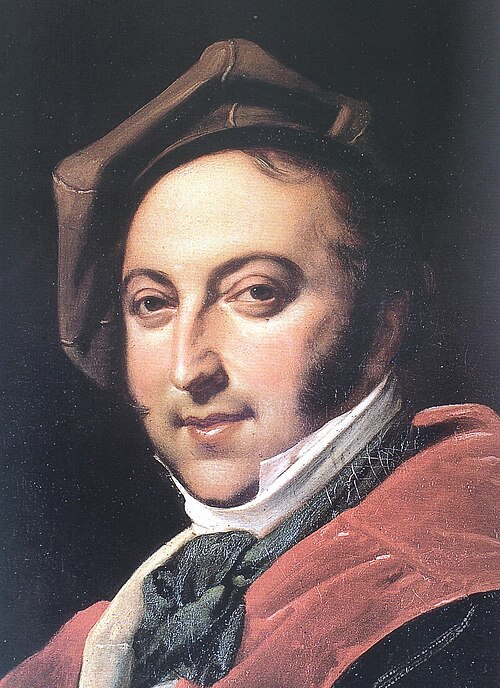
イタリアでは、ロマン主義には明らかに大衆主義的かつ国家主義的な要素があり、オペラは1870年に実現する半島統一に向けた政治的正当化の手段であった。 [302]それはベルカントの時代であり、声、特にソプラノの声を披露する時代であった。ロッシーニ、ベリーニ、ドニゼッティなどの作曲家は、ヨーロッパ全体でオーケストラがますます目立つようになっていた時代に、ベルカントの忠実な擁護者であった。 [303]しかし、古典的なベルカントはロッシーニで事実上終焉を迎え、ベリーニとドニゼッティは、カント・デクラマートをカント・フィオリートに置き換えたり、カバレッタやいわゆる狂気のアリアなど、緊張感の瞬間にベルカントのパッセージを残しておくなど、いくつかの革新をもたらし、いずれにしても声の装飾は少なくした。[304]
この時代を代表する最初の巨匠は、古典主義とロマン主義の狭間にいた作曲家、ジョアキーノ・ロッシーニです。彼はボローニャ高等音楽院で学び、パイジエッロやチマローザに倣い、管楽器を増やしてオーケストラを豊かにしました。1810年にヴェネツィアで『結婚の変化』を初演しました。これは1幕の喜劇で、ナポリのオペラに影響を受けたものですが、新しいロマン主義の精神、よりダイナミックさ、より際立ったリズム、そしてマンハイム楽派がもたらした音階を取り入れています。この作品は伝統主義者と革新の支持者の両方を喜ばせ、その音色の機敏さと生き生きとしたリズムが好まれました。続いて『L'equivoco stravagante』(1811年)、『L'inganno felice』(1812年)、『La scala di seta』(1812年)、『L'occasione fa il ladro』(1812年)、そして『Ilsignor Bruschino』(1813年)が続いた。タンクレディのシリアスなオペラ『バビロニアのチーロ』(1812年)が翌年ヴェネツィアのフェニーチェ劇場で初演された後、彼は古典的なスキームを放棄し、アリア、カバレージ、オーケストラとのレチタティーヴォというシリアスなオペラ・ブッファの構造を与えた。[306]彼はまた、 『ラ・ピエトラ・デル・パラゴーネ』(1812年)と『アルジェリのイタリアーナ』 (1813年)において、オペラ・ブッファの通常の構造に変更を導入した。[307] 『イタリアのトルコ人』(1814年)は、劇的な茶番劇で、台本作家がオペラの展開に合わせてオペラを書いているふりをしている。[308]この年、彼は伝統的なスタイルで最後の本格的なオペラ『パルミラのアウレリアーノ』を作曲した。この作品にもカストラートが出演しており、様々な装飾が加えられたが、作曲家は気に入らなかったため、それ以降は自分で音楽の装飾を作曲し、歌手による即興の扉を閉ざした。[309]この作品で、ロッシーニは伝統的なオペラ・セリアに典型的な歴史や神話のテーマを放棄し、新しいロマン主義の文学に基づいた現代的なカットの作品を作り始めた。最初の例は『イングランド王妃エリザベッタ』(1815年)である。 [310]
1816年、彼はローマのアルジェンティーナ劇場で、彼の最大の成功作の一つである、ボーマルシェの戯曲に基づく、水兵のジャンルの『セビリアの理髪師』と、シャルル・ペローの『シンデレラ』に基づく『チェネレントラ』(1817年)を初演した。『泥棒かささぎ』(1817年)は、ロマンチックな筋書きだが喜劇的な要素のある、半ばシリアスなオペラであった。彼は『シャブランのマティルデ』( 1821年)で同じジャンルを開拓した。 『エジプトのモーゼ』 (1818年)では、彼が「アツィオーネ・サクロトラギカ」と呼ぶ新しい混合作品を作り上げた。[311]シリアスなジャンルでは、彼はオテロ(1816年)や湖の女(1819年)やマオメット・セコンド(1820年、1826年にコリントの包囲戦に改作)やゼルミラ(1822年)やセミラーミデ(1823年)を作曲した。[312]その後、彼は数年にわたる旅を始め、ウィーン、パリ、ロンドン、そして再びパリを訪れ、そこでオリー伯爵(1828年)やギヨーム・テル(1829年)を初演した。[313]ロッシーニは彼の作品から伴奏なしのレチタティーヴォをなくし、最初から最後まで音楽が流れるようにした。彼はいわゆる「クレッシェンド・ロッシーニ」、つまり同じテーマが繰り返され、次第に強さを増していく段階的なクレッシェンドを導入した。 [ 314]彼はまた、流行のきっかけとなった合唱を導入し、一般的にはアリアとカバレッタの間、およびカバレッタの2つの部分の間に配置されました。彼は36歳で作曲をやめ、それ以来ずっと自分の収入で生活していました。[315]

ロマン主義の次の代表作はヴィンチェンツォ・ベッリーニとガエターノ・ドニゼッティである。ベッリーニは夢のような喚起を伴う、より感傷的で憂鬱な作品を制作した。途切れ途切れで不規則なフレーズで、声がメロディーの上に浮かんでいる。[316]彼は、長く叙情的な声楽のメロディーから、ベルカントの巨匠と見なされている。 [317] 2つのオペラ( 1825年の「アデルソンとサルヴィーニ」、1826年の「ビアンカとフェルナンド」)で認知され始めた後、ミラノ・スカラ座で上演された「海賊」 (1827年)で最初の成功を収めた。 [317]その後、2つの失敗作が続いた。「見知らぬ人」(1829年)と「ザイラ」(1829年)である。[318] 1830年にヴェネツィアでフェリーチェ・ロマーニの台本による抒情悲劇『キャピュレット家とモンタギュー家』を初演した。その後の作品は完全にロマンチックで、恋人の一人の死と愛の昇華という共通の筋書きだった。[319] 『夢遊病の女』(1831年)はウジェーヌ・スクリーブのパントマイム・バレエの脚本に基づいた半ばシリアスなオペラだった。[320]同年、彼の最も有名な作品『ノルマ』が作曲された。これもロマーニの台本で、有名なアリア『歌姫』が含まれている。[321] 1833年、 『ベアトリーチェ・ディ・テンダ』は期待されたほどの成功を収めなかった。[322]最後の作品『清教徒』(1835年)は彼が作曲し、パリで初演され大成功を収めた。彼は34歳で亡くなった。[317]
ドニゼッティは8番目のオペラ『グラナータのゾライダ』(1822年)で最初の成功を収め、これによりナポリのいくつかの劇場のオペラ作曲契約を獲得した。その後、ロッシーニやベッリーニの影響が見られる喜劇オペラ全般を作曲するようになり、『無頼漢』(1824年)や『ママ万歳!』(1827年)などがある。[323]また、 『リヴァプールのエミリア』(1824年)や『ケニルワースの城』 (1829年)ではシリアスなジャンルにも挑戦した。『アンナ・ブーリン』(1830年)で初めて国際的な成功を収め、心理的に扱われる人間的な登場人物、特に女性ヒロインを題材にしたストーリー展開を始めた。この作品は彼に他の都市への扉を開いた。ミラノのために、フェリーチェ・ロマーニの台本による感傷的な喜劇『愛の妙薬』(1832年)を作曲し、オペラ・ブッファの登場人物を同じように人間味のあるものにした。このオペラには、オペラの最も有名なアリアの一つ『 Una furtiva lagrima』が含まれている。 [324]その後、ヴィクトル・ユゴーの物語に基づいた陰鬱な『ルクレツィア・ボルジア』 (1833年)で劇的なジャンルに挑戦した。 [325]続いて『パリジーナ・デステ』(1833年)、『トルクァート・タッソ』(1833年)、『マリア・ストゥアルダ』(1834年)を作曲した。[326]その後まもなく、ウォルター・スコットの小説(サルヴァトーレ・カマラーノの台本)に基づいた『ランメルモールのルチア』(1835年)を作曲した。これに続いて『村人たち』(1836年)、『ベリサリオ』(1836年)、『ピア・デ・トロメイ』(1837年)、『エセックス伯爵の娘』(1837年)、 『マリア・ディ・ルーデンツ』(1838年)、『ポリウート』(1838年)が続いた。[327]彼はパリに行き、 『連隊の娘』(1840年)と『ファヴォリット』 (1840年)を初演した。この2つで彼はド・デ・ペッチョを導入し、テノールの黄金時代の先駆けとなった。彼はウィーンに行き、そこで楽長に任命された。1841年に『マリア・パディーヤ』、翌年『シャモニーのリンダ』を初演した。続いて『マリア・ディ・ローアン』 (1843年)が続いた。[328]彼は母国に戻った後、『ドン・パスクアーレ』(1843年)で喜劇のジャンルに戻った。[329]彼の晩年の作品には、『カテリーナ・コルナロ』(1844年)や『ポルトガル王ドン・セバスチャン』などがある。(1843年)。[330]彼は合計67のオペラを作曲した。彼の作品にはベルカントの音楽的装飾が見られるが、彼は音楽が声の効果を高めるような活気のある劇的な場面を作曲した。彼のメロディーは透明で生き生きしており、今日でも通用する魅力がある。[331]
ロマン主義の始まりには、サヴェリオ・メルカダンテとジョヴァンニ・パチーニも頭角を現した。メルカダンテはナポリで学び、ロッシーニにオペラの作曲を勧められた。最初の成功作は『エルコレの誓い』(1819年)で、続いて『エリーザとクラウディオ』(1821年)と『スペイン王女ドンナ・カリテア』(1826年)が続いた。1827年にスペインに定住し、同年『捨てられた後』を初演した。1831年に母国に戻り、翌年『パリのノルマン人』で大成功を収めた。1837年にはミラノで最高傑作『眠り』を初演した。ベッリーニの死とドニゼッティのパリでのインスタレーションの後、数年間、彼は母国で最も有名な作曲家となり、『美しきライバル』 (1838 年)、『エレナ・デ・フェルトレ』 (1838 年)、 『イル・ブラボー』 (1839 年)、 『ラ・ヴェスターレ』 (1840 年)、『イル・レジェンテ』 (1843 年)、『レオノーラ』 ( 1844 年)、『グリ・オラジ・エイ・クリアツィ』 (ホラティウス) などの作品を残しました。 e Curiatii、1846)。[332]パチーニは1824年にナポリでアレッサンドロ・ネッインディとともに大成功を収め、同市のサン・カルロ劇場の館長に任命された。彼の代表作は『サッフォ』(1840)である。彼の他の作品には、La fidanzata corsa (1842)、Medea (1843)、Lorenzino de' Medici (1845)、Buondelmonte (1845) があります。[333]
ルイージとフェデリコ・リッチ兄弟は共同で、あるいは別々にいくつかの作品を作曲し、最後の伝統的なオペラ・ブッファ『クリスピーノと仲間』 (1850年)の作者として記憶されている。[334]

イタリアでは後期ロマン主義を支配したのはジュゼッペ・ヴェルディであった。ヴェルディはロマン派オペラで、ブッフォの雰囲気とレチタティーヴォ、アリア、カバレッタの構造を持ち、テーマは概して中世イタリアに触発されたものであった。ヴェルディの初期の作品はロッシーニの影響が顕著で、ベルカントの典型的な形式を引き継いでいた。しかし、ヴェルディは徐々に音楽劇の形式へと進化し、アリアを軽視して(ワーグナーのようにアリアから離れることはできなかった)、メロディーを強調した。[335]ヴェルディのオペラには強い民族主義的要素があり、彼の作品はイタリアのさまざまな地域に対する外国の占領に対する嘆願となり、この事実によりヴェルディはイタリア統一へとつながったリソルジメントの象徴となった。 [336]
初演されることのなかった最初のオペラ(ロチェスター、1836年)の後、サン・ボニファーチョ伯爵のオベルト(1839年)でミラノ・スカラ座で大成功を収めた。その一方で、次の作品である王の朝(1840年)は失敗に終わった。彼はナブッコ(1842年)で再び成功を収め、これによって政治とのつながりが始まった。バビロンでのユダヤ人捕囚に基づいた筋書きは、領土の大部分を外国の支配下にあったイタリア人になぞらえられた。有名な合唱曲「Va, thinksiero」が含まれる。[337]続いてロンバルディアの第一の十字架(1843年)が上演された。[338] エルナーニ(1844年)は、ヴィクトル・ユーゴーの戯曲に基づいた、彼の最もロマン主義的な作品であった。[339]彼が作曲したオペラには、I due Foscari(1844年)、Giovanna d'Arco(1845年)、Alzira(1845年)、Attila(1846年)、I masnadieri(1847年)がある。[338] Macbeth(1847年)では、マクベス夫人の性格にふさわしい醜い声のソプラノを導入し、ベルカントから脱却した。[340]これは彼が大の尊敬していたシェイクスピアに基づいた最初の作品であった。[341] Luisa Miller(1849年)とStiffelio (1850年)では、よりリアリズムを求めてロマン主義を捨てた。[342]
次に彼の3つの傑作が生まれた。『リゴレット』(1851年)、『イル・トロヴァトーレ』(1853年)、『椿姫』(1853年)はより現実的なドラマで、より歴史的側面にこだわっている。前者はヴィクトル・ユゴーの戯曲『王は自らを楽しませる』に基づき、呪いをかけられた迷信深い道化師を中心に展開する。このオペラには、モティーフ、つまりオペラのある側面と関連した一節が含まれており、これは例えば有名なアリア『女は移動している』に現れるワーグナーのライトモティーフの先駆けである。[343] 『イル・トロヴァトーレ』は、中世の吟遊詩人を描いたアントニオ・ガルシア・グティエレスによる戯曲に基づいている。わずか30日間で作曲されたこの作品には、有名なジプシー合唱団の金床打ちなど、幅広いメロディーが含まれている。[344] 『椿姫』はアレクサンドル・デュマの『椿姫』に基づいている。この作品は結核を患う娼婦を主人公にしていることで物議を醸したが、ヴェルディはこの作品で世紀末のヴェリズモを予見した。この作品には有名な二重唱『乾杯』も含まれている。[345]

次の作品は『シチリアの晩祷』( 1855年)で、ドニゼッティが死去時に未完成のまま残したオペラ『アルベ公』の台本に基づいてパリで初演された。その次の『シモン・ボッカネグラ』 (1857年)もガルシア・グティエレスの作品に基づいているが、あまり知られていないオペラで大衆に好まれなかった。[346] 『仮面舞踏会』 (1859年)は仮面舞踏会中にスウェーデン国王グスタフ3世が暗殺されたことに着想を得たものだが、国王殺しのシーンを含んでいたためナポリでは検閲され、ローマで初演しなければならなかった。[347]運命の力(1862年)は、アンヘル・デ・サアベドラとフリードリヒ・フォン・シラーのテキストに基づいており、サンクトペテルブルク帝国劇場の委嘱により初演された。[348]ドン・カルロ(1867年)は、スペイン国王フェリペ2世の長男の悲劇的な運命を描いたシラーの戯曲ドン・カルロスに基づいている。[349]古代エジプトを舞台にしたアイーダ(1871年)は、彼の最高傑作の一つである。エジプトの副王イスマイール・パシャの依頼により、スエズ運河の開通を記念して建設されたカイロ王立オペラハウスの落成式のために作られたが、ヴェルディが間に合わず、初演は2年後となった。[350]彼の最後の2つのオペラはシェイクスピア劇に基づくものである。オテロ(1887年)とファルスタッフ(1893年)はどちらもアリーゴ・ボーイトの台本によるものである。前者は彼の偉大なオペラの集大成であり、一方ファルスタッフはウィンザーの陽気な女房たちとエンリヒ4世に基づいており、娯楽として作曲され、失敗に終わった王朝の日に続く2番目の喜劇作品であった。[351]ヴェルディは数人の台本作家(テミストクレ・ソレラ、サルヴァトーレ・カマラーノ、フランチェスコ・マリア・ピアーヴェ、ウジェーヌ・スクリーベ)と仕事をしたが、音楽に付けるテキストに非常に要求が厳しかったため、彼らとはしばしば衝突した。彼は時々自分でプロットを書き、それを台本作家に渡して詩作させることもあった。[352]
ヴェルディの後には、世紀末にヴェリズモによって実現することになるある種の作風の変化をすでに予見していた二人の作曲家、アリーゴ・ボーイトとアミルカレ・ポンキエッリの作品が傑出していた。ボーイトは作曲家であり台本作家でもあり、ヴェルディの最後のオペラの台本を書いた。彼の最初のオペラはゲーテの『ファウスト』に基づいた『メフィストフェレ』 (1868年)だったが、これが失敗に終わったため、彼は一時的に作曲を断念し、作詞に専念した。しかし、いくつかの改訂を経て、ヴェルディの支援のおかげで、1875年に彼はそれを復活させ、今度は成功を収めた。2年後には『ネローネ』に着手し、死ぬまで40年間それに取り組んだ。ヴィンツェツォ・トマジーニとアルトゥーロ・トスカニーニによって完成され、1924年に初演された。 [353]ポンキエッリは9つのオペラを作曲したが、成功したのはヴィクトル・ユーゴーの戯曲をアリーゴ・ボーイトが台本にしたラ・ジョコンダ( 1876年)のみであった。彼の最初の作品である婚約者(1856年)はあまり成功しなかった。リトアニア語(1874年)は好評だったが、オペラのレパートリーには残らなかった。彼は東洋風の戯曲(1880年)でオリエンタリズムを試し、マリオン・デローム(1885年)で喜劇のジャンルに挑戦した。 [354]
この時代の他のイタリアの作曲家は次の通りである:ルイージ・アルディティ( 『I briganti』、1840年;グルナラ、1848年; 『ラ・スピア』、1856年)、[355] ジョヴァンニ・ボッテシーニ( 『クリストフォロ・コロンボ』、1848年;マリオン・デロールメ、1864年)、[356] アントニオ・カニョーニ( 『ドン』 )ブセファロ1847年;パパ・マルティン、1871年)、[350] ミケーレ・カラファ(ジャンヌ・ダルク、1821年;ランメルモールの結婚、1829年)、[357] カルロ・コッチャ(マリア・ストゥアルダ、1833年;カテリーナ・ディ・ギーザ、1833年)、[358] フィリッポ・マルケッティ(ルイ)ブラス、1869)、[359] フランチェスコ・モルラッキ( Il barbiere di Siviglia、 1816; Tebaldo ed Isolina、 1820; La gioventù di Enrico V、 1823)、[360] カルロ・ペドロッティ( Fiorina、 1851; Tutti in maschera、 1869)、[361] Errico Petrella ( Marioヴィスコンティ、1854年;ジョーン、1858年)[362] ラウロ・ロッシ(I falsi monetari、1846年; Il dominò nero、1849年; La sirena、1855年; Lo zingaro Competitione、1867年)[363]およびニコラ・ヴァッカイ(ジュリエッタとロメオ、 1825年)。[364]
ゲルマン諸国

ドイツでは、音楽活動は国が分割されていた各州に分散していたが、1871年に統一されると、当時のプロイセン王であったホーエンツォレルン家からより大きな文化的後援を受けるようになった。この世紀、特にリヒャルト・ワーグナーの作品のおかげで、それまで優勢だったイタリアの影響は徐々に薄れていった。[64]オーストリアでは、神聖ローマ帝国の解体後、やはりハプスブルク家が統治するオーストリア=ハンガリー帝国が成立した。1869年にウィーン国立歌劇場が開場し、すぐにヨーロッパのオペラの最も活発な中心地の1つとなった。1898年にはオペレッタとバレエを専門とするウィーン人民歌劇場が開場した。 [365]

カール・マリア・フォン・ウェーバーは、ドイツ国民オペラの創始者と考えられている。[366]彼はドレスデン歌劇場の監督を務め、[367]そこから、オーケストラと合唱団の配置や、演奏者が音楽よりもドラマを学ぶことを奨励するリハーサルスケジュールなど、オペラにおけるいくつかの改革を推進した。[368]彼は12歳の時に最初のオペラ「愛と酒の力」(1798年)を書き、その後「森の娘」( 1800年、後に「シルヴァーナ」と改題)、 「ペーター・シュモルと隣人」(1803年)、「アブ・ハッサン」(1811年)を書いた。[368]彼の主なオペラは民話に基づいたテーマの『魔弾の射手』(1821年)である。物語はすべて森の中で展開され、自然、神秘、魔法、大衆主義をほのめかす要素があり、ロマン派オペラに必要な要素がすべて揃っている。このオペラでウェーバーはドイツ国民オペラを創り、同時に初の完全なロマン派オペラを創り上げた。[367]彼の次のオペラ『オイリアンテ』(1823年)はそれほど成功しなかった。彼の最後のオペラ『オーベロン』 (1826年)はロンドンのロイヤル・オペラから英語版の委嘱を受け、シェイクスピアの『真夏の夜の夢』に基づいている。ドイツ以外では彼のオペラは今日では広く上演されていないが、彼の序曲は交響曲として今でもかなりの名声を得ている。[369]
初期ドイツロマン主義で有名なのは、ヨハン・ジーモン・マイヤー、ルートヴィヒ・シュポーア、ハインリヒ・マルシュナーの作品である。マイヤーはイタリアで学び、ピッチンニからオペラの作曲を勧められた。最初の成功作は『サッフォ』(1794年)で、続いて『スコツィアのジネーヴラ』(1801年)が生まれた。最高傑作は『コリントの王女メデイア』(1813年)で、その後、彼のオペラはヨーロッパ全土とニューヨークで上演された。彼の作品はロッシーニに影響を与えた。[370]シュポーアは、ゲーテの戯曲を初めてオペラ化した『ファウスト』 (1816年)で初めて成功を収めた。フランクフルト歌劇場の音楽監督を務めた彼は、同地で『ゼミールとアゾール』(1819年)を初演した。その後、彼はカッセルに移り、そこで残りのキャリアを展開した。『イェソンダ』(1823年)、『山の精』( 1825年)、『ピエトロ・アルバーノ』(1827年)、『錬金術師』(1830年)などである。[371]マルシュナーにとって幸運だったのは、ウェーバーが彼の最初のオペラ『ハインリヒ4世とオービニエ』(1818年)をドレスデンで初演したことであった。いくつかの失敗の後、彼はジョン・ウィリアム・ポリドリの『吸血鬼』(1819年)に基づいた『吸血鬼』 (1828年)で大成功を収め、ウェーバーの『魔弾の射手』の影響を示している。彼の3番目の成功は、ボヘミアの伝説に基づいた『ハンス・ハイリング』 (1833年)であった。 [370]

オーストリアのフランツ・シューベルトは、最も著名なロマン派の作曲家の一人で、歌曲で有名です。17歳の時に「魔法のオペラ」Des Teufels Lustschloß (悪魔の歓楽の宮殿) (1814年)を作曲しました。その後、オペレッタDie Zwillingsbrüder (双子の兄弟) (1819年)が続きました。その後、 Die Zauberharfe (魔の竪琴) (1820年)でメロドラマに転向しましたが、これは失敗に終わりました。Alfonso und Estrella (1822年) とFierrabras (1823年) は、その美しいメロディにもかかわらず、作曲家の存命中に初演されることはありませんでした。一般的に、シューベルトの筋書きは音楽に見合ったものではなく、失敗に終わりがちでした。最大の成功作は、アリストパネスの『リシストラタ』に基づいたDie Verschworenen (陰謀家たち) (1823年)です。[274]
フェリックス・メンデルスゾーン、ロベルト・シューマン、フランツ・リストなど、他の有名なロマン派の作曲家も、時折オペラに手を出しました。メンデルスゾーンは主に若い頃にオペラを作曲しており、歌劇としては『兵士の愛』 (『兵士の愛』、1820年)、『二人の教育者』 (1821年)、『放浪のコメディアン』(1822年)、『ボストンの英雄』、『オーダー』などがある。Die beiden Neffen(ネフェンのおじさん)ボストン、または二人の甥、 1823 年)とDie Hochzeit des Camacho(カマチョの結婚式、 1825 年)。[372]彼はまた、歌曲(リート)に基づくジングシュピールのマイナージャンルであるリートシュピールである「異邦人の帰還」(1829年)も作曲しました。[373]主に交響曲の音楽家として優れた才能を発揮したシューマンは、ハンガリー出身のリストは作曲家であると同時に名ピアニスト、指揮者でもあった。また、1幕のオペラ「ドン・サンチェ」(1825年)も作曲した。 [ 375小説家であり作曲家でもあったエルンスト・テオドール・アマデウス・ホフマンは、『ディルナ』(1809年)、『オーロラ』(1813年)、『ウンディーネ』(1816年)など、数々の劇音楽を作りました。[ 376 ]
この時期の代表的な作曲家としては、アルベルト・ロルツィング、カール・オットー・ニコライ、フリードリヒ・フォン・フロトウなどがあげられる。ロルツィングは作曲家、指揮者で、ほぼ独学であった。最初の作品は『ヤニナのアリ・パスカ』 (1824年)である。1837年には2つの喜劇オペラ『二人の従者』と『皇帝と大工』を初演した。1839年以降は毎年1作ずつオペラを作曲し、『ハンス・ザックス』( 1841年)、『森の狩人』(1842年)、 『ウンディーネ』(1845年) 、 『銃職人の親方』 (1846年)を作曲した。彼の作品は依然として大部分がモーツァルトの後継者であった。[377]ニコライはローマでオルガン奏者を務め、そこでオペラを好むようになった。彼は作曲家としての活動と指揮者としての活動を両立させ、主にウィーン宮廷歌劇場で活躍した。最初の成功作は『エンリコ2世』(1839年)である。死去した1849年には、シェイクスピアの同名の喜劇『ウィンザーの陽気な女房たち』を基にした最高傑作を作曲した。[278]フロトーはパリで学んだため、彼の劇はフランス風だった。彼はキャッチーな曲で有名で、例えば『アレッサンドロ・ストラデッラ』(1844年)は彼の最初の国際的な成功作となった。ウィーンに定住し、民謡『最後のバラ』を収録した最高傑作『マルタ』(1847年)を初演した。彼はフランスのオペラ・コミックの優美さとイタリアの抒情性、そして豊かなドイツのオーケストラを融合させた折衷的な作曲家であった。 [378]
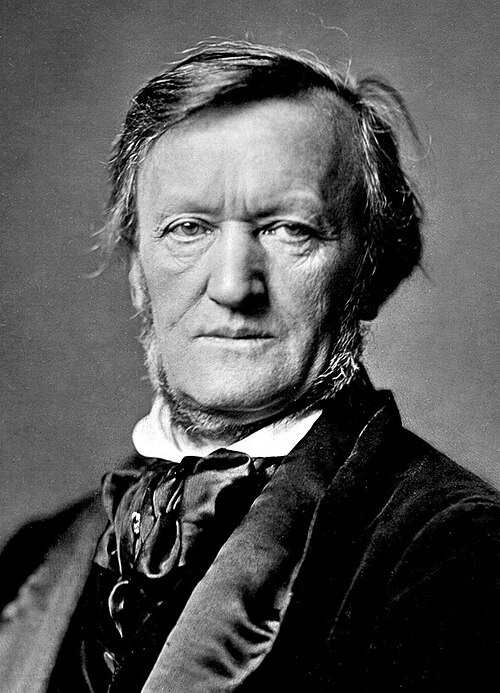
第二世代では、リヒャルト・ワーグナーの姿が際立っていた。彼は作曲家であり、指揮者であり、ガゼット・ミュージカル紙の音楽評論家であった。彼は、音楽、詩、演劇、哲学、舞台美術、その他の芸術を統合した総合芸術(総合芸術)を作ろうとする姿勢で、オペラに多大なる輝きを与え、その理論をエッセイ「オペラとドラマ」 (1851年) にまとめた。ワーグナーはオペラという用語を嫌い、音楽ドラマ(ムジークドラマ) を好んだ。[379]彼は、ジャコモ・マイアベーアの壮大なオペラをモデルに、ジングシュピールをやめて交響楽団を採用した。彼はオペラ管弦楽団を刷新し、これにワーグナー風のチューバを加えた。ニーベルンゲン四部作では、115の楽器からなる管弦楽団を編成するまでになった。[380]こうしたオーケストラの力に人間の声で応えるのは非常に困難であったため、彼の演奏者は特別な訓練を受ける必要があり、その結果、ワーグナー風のソプラノと英雄的またはワーグナー風のテノール(ヘルデンテノール)という2つの新しい声楽家が登場した。[381]イタリアオペラを不自然で慣習的だと考えていた彼は、作品の中でアリアや「クローズドナンバー」の概念、つまり他の部分から切り離されたエピソードを排除し、代わりに最初から最後まで単一の音楽概念で流れる統合された全体の連続した流れの作品を作った。休憩時間でさえ、作品の残りの部分とつながっていた。このシステムは「トランスコンポジション」(ドイツ語:Durchkomposition)と呼ばれ、ワーグナー以来多くの作曲家によって使用された。[382]彼は演奏に非常に細心の注意を払っていたため、ホールを暗くして観客の注意をステージに集中させた最初の作曲家であった。同様に、彼は演奏中の拍手を禁止し、最後だけ許可した。[379]ワーグナーのもう一つの革新はライトモティーフである。これは、特定の音楽モチーフを、繰り返し現れるアイデア(登場人物、感情、物体、舞台の状況)と関連付けた一節である。[196]彼はこの概念を『ニーベルングの指環』の最初の3部を作曲中に発展させ、それ以降の彼のすべてのオペラに適用した。[383]ワーグナーは自分で台本を書いたため、作品のあらゆる側面をコントロールしていた。

1832年に未完成のオペラ『結婚』を、1833年に初演しなかった『妖精たち』を手掛けた後、初演の『恋愛禁止』は失敗に終わった。ノルウェー、ロンドン、パリを旅行した後、『恋の禁忌』 (1842年)と『さまよえるオランダ人』(1843年)を作曲した。 [ 384 ]このオペラは、中世を舞台とするゲルマン風の作品シリーズの始まりであり、ロマンチックな恋愛を描き、死を通して愛によって救済されるという教訓が繰り返し現れる。[385] 1843年にドレスデンの礼拝堂の指揮者に任命された。[384] 1845年に中世の吟遊詩人に関する『タンホイザー』を初演した。続いて聖杯探求を描いた『ローエングリン』 (1850年)が作曲され、この作品で彼は初めてアリアやレチタティーヴォを排除し、連続した旋律場面を作曲した。[386] 1849年の自由主義革命に参加した後、彼は亡命を余儀なくされ、チューリッヒ(スイス)に定住した。[384]次のオペラ『トリスタンとイゾルデ』(1865年)は、観客を混乱させる不協和音と、無限に失われていく旋律を導入した難解な作品であった。[387]
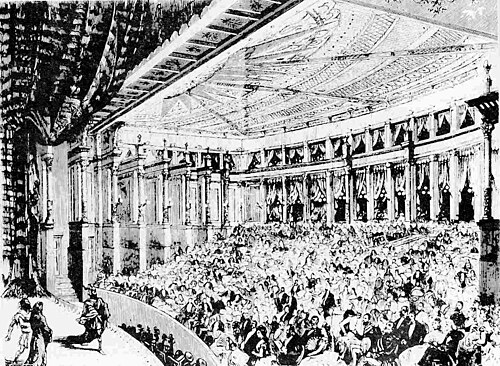
彼の次のプロジェクトは、ラインの黄金( 1851年 - 1854年)、ワルキューレ(1851年 - 1856年)、ジークフリート( 1851年- 1857年および1864年 - 1871年)、神々の黄昏(1848年 - 1852年および1869年 - 1874年)からなる四部作「ニーベルングの指環」で、バイエルン王ルートヴィヒ2世の支援のおかげで発展させることができました。中世の叙事詩「ニーベルングの歌」に基づいており、プロットが広大だったため、最初は単一のオペラの構想が4部にまで広がりました。ワーグナーは伝説的な物語から離れ、それを彼のアナーキストの理想に適応させた。その理想では、神話は社会の変化、反動勢力とヒューマニズムの進化との間の普遍的な闘争に等しいとされた。[注 8]彼はまた、北欧のエッダからインスピレーションを受け、そこから頭韻法の詩「 stabreim」を取った。この四部作は26年がかりで完成し、作品の膨大さゆえに上演は大きな困難を伴った。1876年になってようやく、彼はバイロイト祝祭劇場で全曲初演を行った。この劇場は彼がオペラの再演のために後援した新しい劇場であった。[388]
彼はこのプロジェクトを、喜劇と評される『ニュルンベルクのマイスタージンガー』(1868年)と組み合わせた。これは、通常の意味での喜劇ではなく、苦い人間の喜劇を呼び起こすものとして評された。[389]彼の最後の作品は、アーサー王伝説の登場人物に関する『パルジファル』(1882年)で、ある程度音楽的印象主義を先取りした透き通った音楽で有名であった。[390]
後者の人物の中ではペーター・コルネリウスが有名である。彼はワーグナーの崇拝者であったが、その影響を拒絶し、自分自身の道を見つけようと決意した。彼は喜劇オペラに焦点を当て、伝統的なジングシュピールよりも真剣で深遠な新しいドイツ喜劇のジャンルを作ろうとした。彼はアラビアの伝統的な物語『千夜一夜物語』に触発されて『バグダッドの理髪師』( 1858年)を作曲・執筆したが、これは失敗に終わった。彼は後に歴史劇『シド』( 1865年)を制作した。[391]
ゲルマン圏のロマンティック オペラの作曲家の名前を挙げる価値もあります。フランツ ヨーゼフ グレーザー(デス アドラース ホルスト[鷲の巣]、1832 年)、[392] カール ゴールドマルク(ディー ケーニギン フォン サバ[シバの女王]、 1875)、[393] コンラディン・クロイツァー(グラナダのナハトラーガー[ The Inn at Granada] ]、1834) [235]およびヨハン・ピーター・ピクシス( Der Zauberspruch [ The Magic Tale ]、1822; Bibiana、1829; Die Sprache des Herzens [ The Language of the Heart ]、1836)。[394]
19 世紀後半、特にオーストリアではオペレッタが復活し、ウィーン社交界で大きな人気を博しました。最も著名な代表者は、ヴァイオリニスト、指揮者、作曲家で、とりわけワルツを専門とする音楽家一家の一員であったヨハン・シュトラウス 2 世です。彼は『騎士パスマン』 (1892 年)でシリアスなジャンルに挑戦しましたが、最も有名になったのはオペレッタの『インディゴと40 人の盗賊』(1871 年)、 『こうもり』(1874 年)、『ベニスの夜』(1883 年)、『ジプシー男爵』(1885 年)、『ウィーンの血』(1899 年)です。[395]オーストリア=ハンガリー帝国出身のフランツ・レハールは、ウィーン劇場の指揮者だった。彼はウィットに富み、エネルギッシュで想像力豊かな作風でオペレッタに秀でていた。 『ウィーンの女たち』(1902年)、『魔女の嫁』(1902年)、『メリー・ウィドウ』 (1905年)。[396]クロアチア出身のフランツ・フォン・スッペは作曲家、指揮者で、オペレッタの作者で、序曲で特に知られる『美しきガラテア』(1865年)、『軽騎兵』 (1866年)、『ファティニッツァ』(1876年)、『ボッカッチョ』(1879年)などがある。[397]他の指数者は次のとおりである:カール・ミレッカー( 『乞食学生』、1882 年) [398]ロバート・シュトルツ(シェーン・ロルヒェン[美しいロルヒェン]、1903 年)、[399]オスカー・シュトラウス( 「チョコレート兵士」、1908 年)、カール・ツェラー( 『フォーゲルヘンドラー[鳥売り]、1891)。[400]
その他の国

スペインでは、オペラはイタリアから直接影響を受けており、地元の作家による作品はイタリア語で書かれていた。ロッシーニの影響を受けたオペラの作者ラモン・カルニセルの作品は、モーツァルトを彷彿とさせるが、傑出していた。アデーレ・ディ・ルジニャーノ(1819年)やエレナとコスタンティーノ(1821年)、『ドン・ジョヴァンニ・テノリオ』(1822年)、『エレナとマルヴィーナ』 (1829年)、『クリストフォロ・コロンボ』(1831年)、『エウフェミオ・ディ・メッシーナ』 (1832年)、『イスマイリア』(1838年)。[401]同様に、マリア・オビオルスはサヴェリオ・メルカダンテの弟子で、イタリア語でオディオと愛(1837年)を書き、ミラノ・スカラ座で初演した。後にバルセロナ・リセウ音楽院の院長となり、 『ラウラ・デベジャン』や『エディタ・ディ・ベルクール』(1874年)を作曲した。 [402] バルタサール・サルドーニは、メタスタージオの台本を使用した最後の作曲家でした:Ipermestra (1848)、Cleonice, regina di Siria (1840)。[403]ビセンク・クヤス( 『ラ・ファトゥキエラ』、1838 年)、[404]エドゥアルド・ドミンゲス ( 『ラ・ダマ・デル・カステロ』、1845 年)、[405]ニコラウ・マネント (『グアルティエロ・ディ・モンソンニス』、1857 年)、ニコラウ・グアンヤベンス (『アルナルド・ディ・エリル』、 1859年)。[406]
ロンドンの王立音楽アカデミーの創設者であるイギリス人のジョン・フェインは、イタリア語で作品を残した。フェドラ(1824年)、イル・トルネオ(1829年)、ラッセディオ・ディ・ベオグラード(1830年)。[407]

ロシアでは、エカテリーナ2世の治世にはイタリアオペラが主流だったが、アレクサンドル1世の治世にはフランスオペラが流行していた。それでも、イタリア人のカテリーノ・カヴォスはロシアに定着し、サンクトペテルブルク帝国劇場の監督に任命され、イリヤ・ボガトィリ(1807年)やイワン・スサーニン(1815年)など、いくつかのオペラを初演した。ロシアの作曲家には、ステパン・ダヴィドフ(レスタ、1803年)、アレクセイ・ティートフ(ヤム、郵便局、1805年)、アレクセイ・ヴェルストフスキー(アスコルドの墓、1835年)がいる。[ 408]
ポーランドでは、フレデリック・ショパンの教師であったユゼフ・クサヴェリ・エルスネルが、ナポレオン・ボナパルトに敬意を表して作曲した『アンドロメダ』 (1807年)など、いくつかのオペラを作曲した。[409]カロル・クルピンスキは1824年から1840年までワルシャワ歌劇場の監督を務めた。彼は20以上のオペラを作曲したが、最も有名なのは『チョルシュティン城』(1819年)である。[410]
チェコ人のヴォイチェフ・イロヴェツ(ドイツ語ではアダルベルト・ギロヴェッツとも呼ばれる)は、ウィーン、ナポリ、パリ、ロンドンを拠点に創作活動を展開した。イタリア語で『スタニスラオの最後』(1818年)を作曲し、ドイツ語では『アグネス・ソレル』(1806年)、『眼科医』 (1811年)、『高齢のハンス・ザックス』(1834年)を作曲した。 [411]
ロマンティックな歌手
ロマン主義の叙情詩的解釈者の中で、次のことを覚えておく価値がある。[412] [413]
- イザベラ・コルブラン、スペインのメゾソプラノ歌手、ロッシーニの妻。ロッシーニのオペラに数多く出演し、最初の「ディーバ」の一人とみなされている。
- ジョヴァンニ・ダヴィデ、イタリアのテノール歌手。ロッシーニは彼のためにいくつかの役を書いた。
- ジルベール・デュプレ、フランスのテノール、12年間パリ・オペラ座の第一人者
- コルネリー・ファルコン、短いながらも輝かしいキャリアを持つフランスのメゾソプラノ歌手
- マヌエル・デル・ポプロ・ビセンテ・ガルシア、スペインのテノール歌手、作曲家、ロッシーニ作品の通訳、メゾソプラノ歌手マリア・マリブランの父
- 国際的に活躍するスペインのテノール歌手、フリアン・ガヤレ
- ジュリア・グリシ、国際的に成功したイタリアのソプラノ歌手
- ジェニー・リンド、スウェーデンのソプラノ歌手、プリマドンナ、今世紀最も有名な歌手の一人
- ジャン=ブレーズ・マルタンはフランスのバリトン歌手で、ファルセットで1オクターブ上の音域を持つため、いわゆるバリトン・マルタンという名前が付けられた。
- ジュディッタ・パスタ、イタリアのソプラノ歌手、ベルカントの最も優れた代表者の一人とみなされている
- アデリーナ・パッティは、19世紀最後の四半世紀で最高の歌手とされるイタリアのソプラノ歌手である。
- ヒロイン役に最適なイタリアのソプラノ歌手、ファニー・ペルシアニ
- ロマンチックな役にぴったりの魅力的な体格のポーランド人テノール歌手、ジャン・デ・レシュケ
- ジョヴァンニ・バッティスタ・ルビーニ、甘くて力強い声を持つイタリアのテノール歌手
- ルートヴィヒ・シュノール・フォン・カロルスフェルト、ドイツのテノール歌手、ワグネリアン初のヘルデンテノール歌手
- ヴィルヘルミーネ・シュレーダー=デフリエント、感傷的な性格で知られるドイツのソプラノ歌手
- ヘンリエッテ・ソンタグ、ロッシーニが最も純粋な声の持ち主だと言ったドイツのソプラノ歌手[要出典]
- テレサ・シュトルツ、特にヴェルディの役で優れた才能を発揮したチェコのソプラノ歌手
- フランチェスコ・タマニョ、「C de pecho」で有名なイタリアのテノール歌手
- 力強い声と鮮やかな音色を持つイタリアのテノール歌手、エンリコ・タンベリック
- ジョヴァンニ・バッティスタ・ヴェルッティ、名声を博した最後のカストラート
ナショナリズム

19世紀後半、特に1848年の自由主義革命以降、それまで音楽で優れた才能のなかった多くの国で、ロマン主義や政治的自由主義に関連する国民的感情によって音楽のルネッサンスが促進された。一般的に、これらの作品のほとんどは音楽のロマン主義と結びついていたが、各国の民俗的、大衆的伝統に基づく国民的要素を伴うことが多かった。[414]プロットのほとんどは歴史的かつ国民的であり、リムスキー=コルサコフは15のオペラのうち13をロシアのテーマに捧げており、オペラのテキストには現地語が導入された。これらの国のいくつかは当時政治的自治権を享受していなかったため、オペラ、そして文化全般は、国家の正当性を示すアイデンティティ要因であった。これらの運動は多くの場合、20世紀初頭まで続いた。[415]
ロシア

ロシア音楽は、多彩な音色、金管楽器の好み、短調への傾向、憂鬱で表現力豊かな精神、そして特にアラブと中国の強い東洋主義の影響で知られていた。彼らはまた、バレエや民族舞踊も好んだ。[416] 19世紀のロシアのオペラは3つの段階を経た。ニコライ1世の絶対主義的な統治下では、グリンカの作品のように、オペラは君主制のプロパガンダに役立つことになっていた。いくつかの改革が導入されたアレクサンドル2世の統治下では、オペラはより大衆的な要素を提示し、ムソルグスキーのボリス・ゴドゥノフに代表される社会リアリズムに向かう傾向があった。3つ目は、アレクサンドル3世の専制政治への回帰で、チャイコフスキーの作品と一致する。一方、ロシアではオペラ・ダイアローグというジャンルが生まれた。これは、アリアや合唱、アンサンブルを放棄し、時折アリオーソにまで高められたレチタティーヴォの歌唱法である。[417] [注 9]
帝国オペラの本拠地は、1783年に開場したサンクトペテルブルクのボリショイ・カーメンヌイ劇場であったが、1862年にマリインスキー劇場に移転した。[418] 1825年にはモスクワにボリショイ劇場が開場した。 [419]ビジネスの分野では、セルゲイ・ディアギレフが演出した作品[420]や、1898年に演技と舞台美術の分野で偉大な革新者であるウラジーミル・ネミロヴィチ=ダンチェンコとコンスタンチン・スタニスラフスキーによって設立された芸術劇場も注目に値する。 [421] [422]
ミハイル・グリンカは「ロシア音楽の父」とみなされている。[423]彼の最初のヒット作は、ロシアの民話の英雄イワン・スサーニンの物語である『皇帝の生涯』( 1836年)である。この作品はフランスとイタリアの影響を特色としているが、バラライカの使用など、民話に基づいたロシア独特のメロディーを導入している。1842年に彼はアレクサンドル・プーシキンの詩による『ルスランとリュドミラ』を初演し、いわゆるロシアの「魔法のオペラ」というジャンルを開拓した。[424]
グリンカの友人であったアレクサンドル・ダルゴミジスキーも、ロシアの民間伝承に基づいた国民的オペラの創作に熱心に取り組んでいた。彼の最初のオペラ『エスメラルダ』 (1840年)は、ヴィクトル・ユゴーの『ノートルダムのせむし男』に基づいている。彼の最高傑作は、ロシア語のパターンに基づいた叙情的なメロディーを持つ『ルサルカ』 (1856年)である。彼は未完成のまま残した最後のオペラ『石の客』で、アレクサンドル・プーシキンの悲劇に基づいており、キュイとリムスキー=コルサコフによって完成され、1872年に初演された。[391]

次の刺激は、ロシア特有の音楽の作曲に興味を持っていた「五人組」として知られる作曲家グループから来た。このグループはミリ・バラキレフ、アレクサンドル・ボロディン、チェーザル・キュイ、モデスト・ムソルグスキー、ニコライ・リムスキー=コルサコフで構成されていたが、バラキレフはオペラには手を出さなかった。ボロディンは化学者で、音楽は趣味でやっていた。彼が完成させたオペラは「ボガトィリ」(1867年)1曲のみで、代表作となる「イーゴリ公」( 1869年 - 1870年、1874年 - 1887年完成、1890年初演)は未完成のままだった。[425]チェーザル・キュイは職業上エンジニアだった。彼は、現在のオペラのレパートリーでは上演されていない『コーカサスの虜』(1883年)や『長靴をはいた猫』 (1915年)など、いくつかのオペラの作者である。 [426]貴族の出のモデスト・ムソルグスキーは軍人としてのキャリアを始めたが、それを辞めて音楽家になった。1868年から1869年にかけて、アレクサンドル・プーシキンのテキストに基づいて代表作『ボリス・ゴドゥノフ』を作曲し、その中でロシア語の口語に基づいた彼独特の朗誦様式を導入した。1872年から1880年にかけては『ヨヴァンスキ事件』 ( 1872年)を作曲し、リムスキー=コルサコフによって完成された。[427]どちらも演奏が難しいオペラであるため、管弦楽版でのみ提供されることが多い。[428]彼の最後のオペラは喜劇ジャンルの『ソロチネツの祭り』( 1876年 - 1881年)で、これも未完成のまま残された。 [429]リムスキー=コルサコフは海軍士官であり、アマチュア作曲家であった。彼はバラキレフの弟子であり、オーケストラの熟練度と感情を呼び起こすハーモニーで知られていたが、西側ではあまり成功しなかった。 『スネグーロチカ』(『雪娘』、1882年)、『ムラダ』 (1892年)、『ノッホ・ペレド・ロジェストヴォム』(『クリスマスの夜』、1895年)、『モーツァルトとサリエリ』(1898年)、『サドコ』(1898年)、『ツァールスカヤ・ネヴェスタ』(『ツァーリの花嫁』、1899年)、ツァーリなどのオペラの後。サルタン(皇帝サルタン、1900 年) やスカザニエ・オ・ネヴィディモム・グレード・キテジ( The Invisible City of Kítezh、1907 年) でしたが、彼の最大の成功はプーシキンの死後に初演された、プーシキンの戯曲に基づく『ゾロトイ・ペトゥショク』 (黄金の雄鶏、1909 年) でした。 [430][431]
もう一人の傑出した作曲家はピョートル・チャイコフスキーで、同性愛に悩まされ、鬱傾向にあるが、作曲家としては非常に感受性が強い人物だった。彼の最初のオペラは『ヴォイヴォデ』(1868年)だったが、彼は満足しなかった。『オプリーチニク』( 1874年)と『ヴァクーラの鍛冶屋』(1876年)で、彼は独自の劇作スタイルを確立した。それは、ある種の東洋趣味を伴う、叙情的な音楽、舞踏、民謡を特徴とする。これらの要素を基に、彼は最高傑作『エフゲニー・オネーギン』(1879年)を作曲した。これに続いて『オルレアンの乙女』(1881年)、『マゼパ』(1884年)、 『女魔術師』(1887年)、『スペードの女』(1890年)、『イオランタ』(1891年)が作曲された。[432]チャイコフスキーは、当時のロシアの作曲家の中で最もヨーロッパ主義的であり、また最もロマン主義的であったため、最後のロマン派と呼ばれることが多い。[433]
その他の指数は次の通りである: アレクサンドル・アリアビエフ ( Burya、1835; Rusalka、1843)、[174] アントン・アレンスキー( Son na Volge、1891; Raphael、1894)、[434]ミハイル・イッポリトフ=イワノフ ( Ruth、1887)、[435] アントンルービンシュタイン(悪魔) 1875) [436]とアレクサンドル・セロフ ( Judith、1863; Rogneda、1865)。[437]
1991年までロシア領だったウクライナでは、ミコラ・ルイセンコがウクライナ語の作曲家として代表的な人物で、ナタルカ・ポルタフカ(1889年)、タラス・ブーリバ(1890年)などが作曲されている。ルイセンコの作品はチャイコフスキーやリムスキー=コルサコフに賞賛されたが、ルイセンコがロシア語への翻訳を拒否したため、広く普及することはなかった。[438]
チェコスロバキア

19世紀、ボヘミア(現在のチェコ共和国)とスロバキアはオーストリア=ハンガリー帝国の一部であった。この時期の自由主義革命、特に1848年の革命は、これらの地域で抑圧されていた独立への憧れを呼び覚ました。第一次世界大戦の終結まで、チェコスロバキア(現在はチェコ共和国とスロバキアに分割)は成立しなかった。[439]チェコオペラは、ドイツのジングシュピールから始まり、大衆的で民俗的な要素を加えた。[440]その最初の提唱者は、チェコ語で最初のオペラである『ドラテーニーク』( 1829年)の作者であるフランチシェク・シュクロウプである。[441]
チェコ民族主義の父はベドジフ・スメタナである。プラハ国民劇場の監督を務めたスメタナは、オーケストラの編曲と劇作の才能を発揮し、チェコ語の韻律を音楽に取り入れた。このため、スメタナはチェコ初の国民的作曲家とみなされているが、ワーグナーの影響が強かったため、その価値はやや薄められている。彼の最初のオペラは『ボヘミアのブランデンブルク人』( 1866年)である。彼の最大の成功作は喜劇ジャンルの『売られた花嫁』( 1866年)である。その後、『ダーリボル』(1868年)、 『秘密』(1878年)、『リブシェ』(1881年)、『悪魔の壁』(1882年)が続いた。[442]
アントニーン・ドヴォルザークは傑出した交響曲作曲家で、スメタナの道を継ぐ10曲のオペラを作曲した。彼は『ずる賢い農夫』(1877年)などの喜劇作品から作曲を始めた。彼の最高傑作は『ルサルカ』(1901年)で、同僚の作曲家ヤロスラフ・クヴァピルが台本を書いたもので、当時大流行した爆発的なリアリズム劇とはかけ離れた叙情的なラブストーリーである。[290]
ズデニェク・フィビフは、伝統的なチェコ音楽とワーグナー、ウェーバー、シューマンの影響を融合させた。彼は、シラー、バイロン、シェイクスピアの作品、ギリシャ(『ヒッポダミア』、1889年)やチェコ神話(『シャールカ』 、1897年)の作品を音楽に取り入れた。[443]
レオシュ・ヤナーチェクはチェコ民族主義の晩年の代表者とみなされるが、彼の作品はすでに近代化しており、作品の質の高さから普遍的な作曲家とみなされる。モラビア出身の彼は、その地方特有の民謡を作品に取り入れ、庶民を描いたシンプルな筋書きを好んだ。彼の最初の成功作は、田舎の雰囲気を描いた物語『イェヌーファ』(1904年)である。数年間の不振の劇の後、1920年代に彼の最大の成功作となった『カーチャ・カバノヴァー』(1921年)、『狡猾なキツネ』( 1924年)、『マクロプロス事件』(1926年)は、若きカミラ・シュトースロヴァーへの執拗な愛情から生まれた作品である。彼は最後の作品『死者の家から』(1928年)の執筆中に亡くなった。[444]
他の作曲家は以下の通り:カレル・ベンドル(チェルノホルチ[モンテネグロ人]、1881年;カレル・シュクレタ、1883年)、[445] エドゥアルド・ナプラヴニク(ニジェゴロツキー、1868年、ハロルド、1886年、ドゥブロフスキー、1895年、フランチェスカ・ダ・リミニ、 1902年)、[446] ヴィテスラフ・ノヴァーク(『カールシュタイン』、1916年、ルツェルン『灯籠』、1923年)[447]、オタカル・オストルチル(ヴラスティ・スコン『ヴラスタの死』、1904年、ホンツォヴォ・クラロフストヴィ『ジョニーの王国』、1934年) 。[448]
ハンガリー
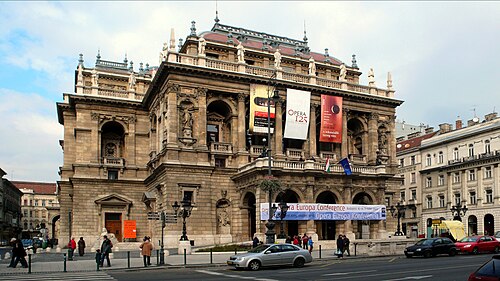
ハンガリーは19世紀にオーストリア=ハンガリー帝国の一部となり、第一次世界大戦後まで独立を果たさなかった。政治的なつながりから、帝国の首都ウィーンのオペラ界と密接な関係にあった。1884年、ブダペストのオペラハーツ(国立歌劇場)が開場した。現存する最初のハンガリーオペラは、ヨージェフ・ルジツカの『ベーラ王の逃亡』(1822年)である。他の先駆者には、アンドラーシュ・バルタイ(『策略』 1839年)やフランツ・ドップラー(『ベニョフスキー』1847年)がいる。[449]
フェレンツ・エルケルはハンガリー国立オペラの父とみなされている。作曲家であると同時に指揮者、ピアニストでもあり、1853年にブダペスト・フィルハーモニー管弦楽団を設立した。彼の最初のオペラは『バートリ・マリア』(1840年)で、続いて『フニャディ・ラースロー』(1844年)を作曲した。これらの作品では、民族舞踊(チャールダーシュ、ヴェルブンコ)を取り入れ、レチタティーヴォをハンガリー語のイントネーションに適応させた。彼の最大の成功作は『バンク・バーン』(1861年)で、ここではハンガリーのツィターであるツィンバロを取り入れた。彼の後期の作品では『ブランコヴィッチ・ジェルジ』(1874年)が傑出している。[284]
ワーグナー主義は、ブダペスト・ワーグナー協会の創設者であり、明らかにワーグナーを彷彿とさせる『トルディの恋』 ( 1893年)の著者であるオドン・ミハロヴィチの作品に影響を与えた。[450]
その後、ベーラ・バルトークはハンガリーの伝統的な民謡と自身のスタイルを融合させ、母国語の非対称パターンをそれに取り入れた。彼はモーリス・メーテルリンクの戯曲に基づいて、プロローグ付きの一幕物のオペラ『バルバズール城』(1918年)を作曲した。[451]
ゾルタン・コダーイは1926年にハーリ・ヤーノス(1926年)で勝利を収め、続いてセーケリー・フォンド(『スピナーズ』、1932年)と歌劇 「チンカ・パンナ」(1948年)が続いた。[452]ハンガリー国立学校の他のメンバーは次のとおりである:エミール・アブラニ(モンナ・ヴァンナ、1907;パオロ・エス・フランチェスカ、1911;ドン・キホーテ、1917)、[120] イムレ・カルマン(チャルダースフュルスティン[ジプシーの王女]、1915;グレーフィン・マリッツァ)、 1924年; Die Zirkusprinzessin [ The Circus Princess ]、1926) [453]およびMihály Mosonyi ( Szép Ilonka [ The Beautiful Elena ]、1861)。[454]
ポーランド

当時ポーランドはロシアに属していた。近代ポーランドオペラの先駆者はスタニスワフ・モニューシュコである。彼はオペレッタを数作作曲した後、大作『ハルカ』(1847年)を作曲し、これが彼の最大の成功作となった。この作品では、彼のほぼすべての作品と同様に、ポーランド貴族と町民の関係を彼らの残酷さの犠牲者として描いている。彼の作品には、マズルカやポロネーズなどのポーランドの民族舞踊が取り入れられている。[455]彼の後、しばらくの間ワーグナーの影響が感じられた。それはヴワディスワフ・ジェレンスキ(コンラッド・ヴァレンロド、1885年)やルドミル・ルージツキ(メドゥーザ、1912年)の作品に見られる。[456]
第一次世界大戦後のポーランド独立後、カロル・シマノフスキがポーランドの国民音楽の主たる設計者となった。彼はタトラ山脈のザコパネに住み、そこで演奏されるシンコペーションのリズムを研究した。彼の最初の作品はドイツ、フランス、ロシアの影響が見られる『ハギト』(1913年)である。彼の最高傑作は『ロジェ王』( 1924年)で、モーリス・ラヴェルの『ダフニスとクロエ』にいくらか影響を受けた、感情を揺さぶる、ニュアンス豊かな、色彩豊かなオーケストラの作品である。[457]他の作曲家には、イグナツィ・ヤン・パデレフスキ(『マンル』、1901年)、[333]ヘンリク・オピエンスキ(『マリア』、1905年)およびヴィトルド・マリシェフスキ(『シレナ』 、1927年)がいる。[456]
スカンジナビア
,_Stockholm_1931.jpg/500px-Saul_og_David_(Carl_Nielsen),_Stockholm_1931.jpg)
デンマークでは、18世紀後半からデンマーク語のオペラがいくつかありましたが、ロマン主義の到来とともにデンマークオペラが芽生え、クリストフ・エルンスト・フリードリヒ・ヴァイゼ(『ケニルワース城』、1836年)、ヨハン・ペーター・エミリウス・ハルトマン(『大鴉』、1832年、『私掠船』、1835年)、ニールス・ゲーデ(『マリオッタ』、1850年)、ペーター・ハイゼ(『王と元帥』、1878年)、アウグスト・エンナ(『魔女』、1892年)[458]、カール・ニールセン(『サウルとダビデ』、 1902年、『仮面舞踏会』、1906年)[166]、パウル・フォン・クレーナウ(『島のグドルン』[グドルン(アイスランド)、1924年)。[459]
スウェーデンでは、18世紀後半のスウェーデン・オペラの始まりにドイツの作曲家たちがいたあと、19世紀には最初の国民的作家が登場した。例えば、Härvard the Harpolekare(ハープ奏者ハーヴァルト、1919年)やBäckahästen(1925年)やFanal(1934年)やAladdin(1941年)やStormen(1948年)の作者であるKurt Atterberg [ 460]、Franz Adolf Berwald(スウェーデンの田舎の結婚式、1847年)やIvar Hallström (山の王の花嫁、1874年)などである。[113]
ノルウェーは1814年までデンマーク、1905年までスウェーデンに属していた。ノルウェー初のオペラはヴァルデマール・トラーネの『田舎の冒険』 (1824年)である。一方、マルティン・アンドレアス・ウドビエはオペラ『フレドクラ』 (1858年)やいくつかのオペレッタの作者である。その他の代表作には、オーレ・オルセン( 『スティグ・ヴィデ』 (1876年)、『ライラ』 (1893年)、『スタッロ』 (1902年)、カタリヌス・エリング( 『コサック人』(1897年)、ヨハネス・ハークルー( 『マリアの伝説』(1910年)、クリスティアン・シンディング( 『聖なる山』 (1914年))がいる。[461]
フィンランドは1808年にロシアに併合され、第一次世界大戦後に独立するまでスウェーデンと結びついていた。最初の土着作品はフィンランドで書かれた。最初の土着作品はスウェーデン語で書かれたもので、フレドリック・パシウスの『カール国王の捜索』 (1880年)やジャン・シベリウスの『塔の上の少女』(1896年)などである。フィンランド語の最初の作品は独立後に登場し、オスカル・メリカント(『ボトニアの少女』(1908年)やその息子アーレ・メリカント(『ユハ』 (1922年))、レーヴィ・マデトヤ(『東のボトニア人』(1924年)などによる作品がある。[462]
ベルギーとオランダ
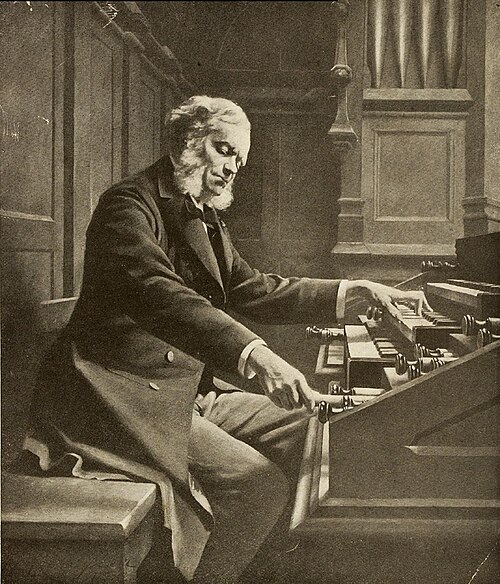
オランダはフランスやイタリアの巡回劇団のおかげでオペラと接触した。最初のオランダ人オペラ作家はヨハネス・ベルナルドゥス・ファン・ブリーで、彼は『サフォー』(1834年)や『盗賊』(1840年)を書いた。一般的に、オペラはオランダの作曲家にとってあまり関心の対象ではなかった。特筆すべきはウィレム・パイペルのオペラ『ハレウィン』(1933年)である。[463]
ベルギーは1830年にネーデルラントから独立しました。正確には、1647年のスペインに対するナポリの蜂起に基づいたダニエル・オーバールのオペラ「ポルティチの夢」が国民の蜂起と独立宣言のきっかけとなりました。初期のベルギーの作曲家には、アルベール・グリザール(「不可能な結婚」(1833年)、 「素晴らしい水」(1839年)、フランソワ=オーギュスト・ゲヴァルト(「クエンティン・デュルワード」(1858年)、セザール・フランク( 「フルダ」(1894年))などがいます。ポール・ギルソンはフラマン語で「Prinses Zonneschijn」 (1903年)を作曲しました。[464]ヤン・ブロックスは、自国の民間伝承を戯曲『宿屋の王女』(1896年)、 『海の花嫁』(1901年)、『礼拝堂』( 1903年)に反映させた。[465]
英語圏の国

英国では、他の国々でみられたような政治的な意味での国家主義的正当化のオペラについては語ることはできないが、イタリア、フランス、ドイツの影響とは無縁の英国オペラを創作する試みはあった。ヘンリー・ロウリー・ビショップ、ジョージ・アレクサンダー・マクファーレン、アイルランド人のマイケル・バルフなどの作家による試みにもかかわらず、シリアスなオペラの分野では、この取り組みは成功しなかった。ビショップはコヴェント・ガーデンの監督で、オペラ『アラジン』(1826年)の作者である。[466]マクファーレンは王立音楽アカデミーの監督で、『ドン・キホーテの冒険』(1846年)や『チャールズ2世』 (1849年)などを作曲した。[467]作曲家、歌手、バイオリニストのバルフはパレルモで第一バリトンを務め、そこで初のオペラ『私と敵対する者』(1830年)を初演した。1835年に英国に戻り、英国国民的オペラを創作する取り組みに参加した。彼は『ラ・ロシェルの包囲』(1835年)、『アルトワの娘』(1836年)、『ボヘミアの娘』 (1843年)を含む29のオペラを作曲した。[353]
他に2人のアイルランド人作曲家がバルフと同様にロンドンで創作活動を続けた。ウィリアム・ヴィンセント・ウォレスとチャールズ・ヴィリアーズ・スタンフォードである。前者は数か国を旅した後にロンドンに定住し、そこでイタリア風オペラ『マリタナ』(1845年)で早い段階で成功を収めた。あまり評価されなかった作品をいくつか制作した後、『琥珀の魔女』(1861年)、『愛の勝利』(1862年)、『砂漠の花』(1864年)を制作した。[468]スタンフォードはロンドンとドイツで学んだ。彼は英語のオペラ『シェイマス・オブライエン』(1896年)、 『から騒ぎ』(1908年)、『旅する仲間』 (1925年)の作者でもある。[469]イギリスの作曲家の中では、グランヴィル・バントック(『Caedmar』1893年、『The Seal Woman』1924年)、[470] ジョン・バーネット(『The Mountain Sylph』1834年、『Fair Rosamond』1837年)、[471] ジュリアス・ベネディクト(『The Lily of Killarney』1862年)、[445] イシドール・ド・ララ(『Messaline』1899年、『Naïl』1912年)[472]エセル・スミス(『The Boatswain's Mate 』1916年)も特筆に値します。[473]
しかし喜劇オペラの分野では、バラッド・オペラの長年にわたる成功に続き、アーサー・サリヴァン(作曲家)とWSギルバート(劇作家)のコンビがプロデュースした新しいタイプのオペレッタによって、さらに幸運がもたらされ、上演された劇場にちなんでサヴォイ・オペラと呼ばれるジャンルが誕生した。 [257]彼らの共演は『テスピス』 (1871年)から始まり、 『陪審裁判』 (1875年)で最初の成功を収めた。彼らの最高傑作は『ミカド』(1885年)と『ゴンドラの船頭たち』 (1889年)で、すでに意見の相違が表れていたが、すぐに袂を分かった。サリヴァンはウォルター・スコットの戯曲『アイヴァンホー』 (1891年)でシリアスなオペラに挑戦した。 [474]
In Ireland, during the 19th century, mostly Italian opera triumphed, as well as some in English. Composers such as Michael Balfe, Vincent Wallace and Charles Stanford settled in London and wrote in English. It was not until the 20th century that operas were composed in Irish, the first of which was by Robert O'Dwyer (Eithne, 1910). Later of note was Geoffrey Molyneux Palmer (Sruth na Maoile [Moyle's Sea], 1923).[475]
In the United States the fondness for European opera grew throughout the 19th century. In 1883 the Metropolitan Opera House opened in New York City, the most prestigious theater in the country, which in 1966 moved to a new building at Lincoln Center.[476] In the 19th century Italian opera predominated, despite attempts at English-language operas such as those by George Frederick Bristow (Rip van Winkle, 1855) and Silas Gamaliel Pratt (Zenobia, Queen of Palmyra, 1882). In the 20th century, influences of popular music, especially jazz were gradually introduced.[477] Frederick Converse was the author of The Pipe of Desire (1906), the first American opera premiered at the Metropolitan.[478] Scott Joplin, a colored musician exponent of ragtime rhythms, was the author of the opera Treemonisha (1911).[479] The following year, Horatio Parker premiered Mona, which passed without much significance.[480]
Virgil Thomson was the author of what is considered the first great American opera, Four Saints in Three Acts (1928), with libretto by Gertrude Stein. The two collaborated again in The Mother of Us All (1947), based on the life of the feminist Susan B. Anthony. His third and final opera was Lord Byron (1972).[481] Henry Kimball Hadley studied in Boston and Vienna, and was conductor of the Seattle Symphony. His operas include Safie (1909), Azora (1917) and Cleopatra's Night (1919). In 1933 he premiered A Night in Old Paris on radio.[482]
George Gershwin combined classical music with elements of American popular music, especially jazz and blues. In 1922 he premiered the jazz-opera Blue Monday, which was not very successful. His next project was Porgy and Bess (1935), a folk-opera incorporating jazz and blues rhythms, with a libretto by his brother, Ira Gershwin, and DuBose Heyward. It was not very well received initially, although over time it grew in prestige until it was considered one of the best American operas.[483]
Baltic countries

The current Baltic republics had a period of independence between 1918 and 1940, to be then absorbed by the Soviet Union, until they became independent again in 1991. In Estonia, the first opera in the local language was Sabina (1906), by Artur Lemba. Notable in the interwar period was Evald Aav, author of Vikerlased (The Vikings, 1928).[484]
Latvia was in the Germanic cultural sphere, so this influence predominated in the origin of its operatic tradition. In 1919 the Latvian National Opera (Latvijas Nacionālā Opera) opened in Riga, where the Latvian opera Banjuta by Alfrēds Kalniņš premiered in 1920. His son Jānis Kalniņš was the author of Hamlet (1936). Other exponents of Latvian opera were the brothers Jānis Mediņš (Uguns un nakts [Fire and Night], 1921) and Jāzeps Mediņš (Vaidelote [The Vestal], 1927).[485]
Lithuania, closer to Poland, received like Poland the initial influence of Italian opera. In 1922 the Lithuanian National Theater (Lietuvos Tautas Teatras) was founded in Vilnius. The first Lithuanian opera was Birutė (1906) by Mikas Petrauskas. Subsequent highlights included Antanas Račiūnas' (Trys talismanai [Three Talismans], 1936) and Jurgis Karnavičius (Gražina, 1932).[486]
Balkan countries

Bulgaria became independent from the Ottoman Empire in 1885. In 1908 the Naroden Teatar (National Theater) in Sofia was founded. The first opera in Bulgarian was Shiromakhinya (The Poor Woman, 1910), by Emanuil Manolov. The main architect of the Bulgarian national opera was Georgi Atanasov, a pupil of Pietro Mascagni in Italy. He was the author of Borislav (1911), Gergana (1917), Zapustyalata vodenitsa (The Abandoned Mill, 1923) and Tsveta (The Flower, 1923). Other exponents were Ivan Ivanov, author of Kamen i Tsena (The Stone Pyramid, 1911); Dimitar Hadjigeorgiev (Takhin Begovitsa, 1911); and Pancho Vladigerov (Tsar Kalojan, 1936).[487]
Romania gained independence from the Ottoman Empire in 1878, after which it joined European cultural life. The closeness of Romanian – a language of Latin origin – to Italian favored the spread of Italian opera.[488] Among the pioneers was Ciprian Porumbescu, author of the operetta Crai nou (New Moon, 1880). Later Nicolae Bretan (Luceafărul, 1921) and, mainly, George Enescu, trained in France, where he was a pupil of Gabriel Fauré and Jules Massenet. In 1917 he composed his opera Œdipe (Oedipus), whose manuscript he lost during a trip, so he had to rewrite it and finally premiered it at the Paris Opera in 1936. It was a grandiloquent work, requiring three groups of timpani and machinery to simulate wind.[489]
Croatia was an integral part of the Austro-Hungarian Empire, until the Kingdom of Serbs, Croats and Slovenes (since 1929, Yugoslavia) was formed in 1918. It became independent in 1991.[490] In 1895, the National Theatre in Zagreb opened.[491] The first composer to write in his language was Vatroslav Lisinski: Ljubav i zloba (Love and malice, 1846).[492] Later, Krešimir Baranović was the author of comic operas, such as Nevjesta od Cetingrada (The Bride of Cetingrada, 1942).[493] Other authors were: Blagoje Bersa (Der Eisenhammer [The Iron Hammer], 1911; Der Schuster von Delft [The Shoemaker of Delft], 1914),[494] Jakov Gotovac (Ero s onoga svijeta [Ero from the Otherworld], 1935)[148] and Ivan Zajc (Nikola Šubić Zrinjski, 1876).[495]
Slovenia had the same historical development as Croatia. In 1892, the Ljubljana Opera was founded. The first opera in Slovenian is due to Jakob Frančišek Zupan (Belin, 1782), now lost.[496] Throughout the 19th century some Slovene composers occasionally devoted themselves to opera, with poor results. In the transition to the 20th century, Risto Savin stood out (Lepa Vida [Beautiful Life], 1907).[497]
In Serbia, under Ottoman rule, opera was not introduced until the last quarter of the 19th century. It became independent in 1882, to become part after World War I of the Kingdom of Serbs, Croats and Slovenes, later Yugoslavia. In 1894 the National Theater (Pozorište Narodno) of Belgrade was founded. The pioneer of Serbian opera was Petar Konjović (Koštana, 1931).[498]
Greece became independent from the Ottoman Empire in 1830. Soon several Italian companies were established and a taste for opera began. In 1888 the Greek Opera was founded in Athens, since 1939 Royal Opera and, nowadays, National Opera. An early pioneer in the genre was Spyridon Xyndas, who composed some operas in Italian and one in Greek (O ypopfisios vouleftis [The Parliamentary Candidate], 1867). Subsequent highlights included Manolis Kalomiris (O Protomastoras [The Master Builder], 1916), Dionysios Lavrangas (Ta dyo adelfia, [The Two Brothers], 1900; Dido, 1909) and Theophrastos Sakellaridis (O Vaftistikos [The Godson], 1918).[499]
Turkey and Caucasus countries

In the Ottoman Empire (present-day Turkey) there was presence of Italian companies since the end of the 18th century. The first Turkish opera premiered at the Vienna Volksoper in 1918: Kenan çobanları, by Vedî Sabra. With the process of Europeanization initiated by Kemal Atatürk in the 1920s, opera became more widespread in the country: in 1929, Köyde bir facia, by Cemal Reşit Rey was premiered; in 1934, Ahmet Adnan Saygun received an official commission for an opera for the visit of shah of Persia, for which he composed Özsoy.[500]
In Armenia, whose territory was divided between Turkey and Russia, opera enjoyed great popularity. The first Armenian opera was due to Tigran Chukhachean (Arshak Erkrod, 1868). Subsequently, Armen Tigranian (Anusha, 1912) and Alexander Spendiaryan (Almast, 1928) stood out.[501]
In Georgia, Italian opera was introduced in the mid-19th century. The first Georgian composer of some renown was Meliton Balanchivadze, author of Daredžan Tsviery (Daredžan the Sly, 1898). Later, Zakharia Paliashvili (Abesalom da Eteri, 1919) and Iona Tuskiya, author of Rodina (Homeland, 1939) stood out.[502]
In Azerbaijan there was a traditional genre of sung music, the mugam. Opera was introduced in the late 19th century: the first Azerbaijani opera Leyli and Medzhnun (1908), by Uzeyir Hajibeyov, is considered to be the first Azerbaijani opera. In 1910 the Tagiyev's Theater (now Azerbaijan State Academic Opera and Ballet Theater) in Baku opened, which promoted local opera, led by Müslüm Maqomayev (Shah Ismail, 1919).[503]
Portugal
In Portugal, Italian opera predominated during the 19th century, with few local productions. In 1793, the Teatro São Carlos in Lisbon was inaugurated. The first prominent composer was José Augusto Ferreira Veiga (L'elisir di giovinezza, 1876; Dina la derelitta, 1885).[240] In a tardo romanticismo he emphasized Alfredo Keil (Dona Branca, 1883; Irene, 1893; Serrana, 1899).[504]
Spain

In Spain it is not possible to speak of nationalism as such: a Spanish nationality was not claimed against a foreign dominator, no patriotic identities or lost cultural essences were asserted, no formulas from the past were sought, neither popular legends nor traditional folklore were resorted to. On the other hand, the different regional modalities of popular music were used (Andalusian, Asturian, Aragonese, Catalan, Basque, Galician), together with a certain orientalist influence fashionable in Europe and considered here as more genuine because of the Andalusian past of the Iberian Peninsula.[505] During practically the first half of the century the influence of Italian opera, especially Rossinian opera, continued. Some composers followed that line, such as Baltasar Saldoni and Hilarión Eslava. In 1832 the Teatro Principal in Valencia was inaugurated, in 1847 the Gran Teatro del Liceo in Barcelona and, in 1850, the Teatro Real in Madrid.[13]
The pioneer of opera in Spain was Felipe Pedrell, one of the fathers—with Francisco Asenjo Barbieri—of modern Spanish musicology. In his first works, some of them in Italian, he showed the influence of Italian opera, as in L'ultimo abenzerraggio (The last abenzerrage, 1874), Quasimodo (1875) and Cleopatra (1878). Later he denoted Wagnerian influence: I Pirinei (The Pyrenees, 1902), La Celestina (1904).[506]

Other pioneers were Ruperto Chapí and Tomás Bretón. Chapí studied in Paris thanks to a scholarship obtained after composing the short opera Las naves de Cortés (1874). In 1876 he premiered La hija de Jefté at the Teatro Real. From then on he devoted himself mainly to zarzuela, but still composed several operas, such as Roger de Flor (1878), Circe (1902) and Margarita la tornera (1909).[507] Bretón studied in Italy and Vienna. He began with the short opera Guzmán el Bueno (1878), which was followed by Los amantes de Teruel (1889), Garín (1892), La Dolores (1895) and Raquel (1900).[508] In some of his works he introduced Spanish folk music, such as a sardana in Garín and a jota in La Dolores.[509]
Among the great composers of the period are Isaac Albéniz, Enrique Granados and Manuel de Falla. Albéniz began in zarzuela, until he signed a contract with an English banker to write operas, the fruit of which were The Magic Opal (1893), Henry Clifford (1895), Pepita Jiménez (1896) and Merlin (1897–1902), the latter on a cycle based on King Arthur of which he only made this first title.[510] Granados achieved fame with his piano pieces. In 1898 he premiered his opera María del Carmen, close to zarzuela. Later, he adapted several compositions for piano in his opera Goyescas (1916), which he premiered at the Metropolitan in New York.[511] Falla, one of the best modern Spanish composers, combined musical nationalism —with some influence of the Norwegian Edvard Grieg— with impressionism, which he met during a stay in France.[512] Although he was not very prolific in opera, he left two notable works: La vida breve (1913) and El retablo de Maese Pedro (1923). He began an adaptation of La Atlántida by Jacinto Verdaguer, which was completed by Ernesto Halffter and premiered in 1962 as Atlántida.[513]
Other exponents were: Enric Morera, who began in opera with La fada (1897), in Wagnerian style. In 1906 he premiered two works at the Liceo de Barcelona, Bruniselda and Emporium, followed by Titaina (1912) and Tassarba (1916).[514] Amadeo Vives was a pupil of Pedrell and, together with Lluís Millet, founder of the Orfeó Català. In 1897 he premiered his first opera, Artús, followed by Euda d'Uriac (1900), Colomba (1910), Maruxa (1914) and Balada de Carnaval (1919).[515] Jesús Guridi was a professor of organ at the Madrid Conservatory. He composed two operas: Mirentxu (1910, in Basque) and Amaya (1920).[516] Jaume Pahissa, a pupil of Enric Morera, wrote several operas in Catalan, such as Gal-la Placídia (1913), La morisca (1919), Marianela (1923) and La princesa Margarida (1928).[517] Joaquín Turina met Falla and Albéniz in Paris, through whose influence he turned to Spanish national music, with a certain impressionist influence. His most relevant opera is Jardín de Oriente (1923).[518]
Also worth mentioning are: Conrado del Campo (Fantochines, 1923; Lola, la piconera, 1950),[519] Óscar Esplá (La bella durmiente, 1909),[520] Joan Lamote de Grignon (Hesperia, 1907),[521] Juan Manén (Giovanna di Napoli, 1903; Acté, 1904),[522] Manuel Penella Moreno (El gato montés, 1917; Don Gil de Alcalá, 1932),[523] Emilio Serrano (Doña Juana la Loca, 1890; Irene de Otranto, 1891)[524] and Eduard Toldrà (El giravolt de maig, 1928).[170]

In this century the zarzuela resurfaced again, recovered by the new romantic taste and the nationalist revival. In 1856, a group of composers formed by Francisco Asenjo Barbieri, Joaquín Gaztambide, José Inzenga, Rafael Hernando and Cristóbal Oudrid created the Sociedad Artística to promote the genre and promoted the creation of the Teatro de la Zarzuela in Madrid (1856).[525] It was then differentiated into "género grande" and "género chico", the former divided into three acts and the latter composed of only one. It included sung and spoken parts, as well as popular dances, with a generally costumbrista theme —especially casticista— and comic tendency.[78] It developed especially in the third quarter of the century, the era of the "género grande", three-act plays influenced by the French buf parisien.[526] Among its exponents are: Cristóbal Oudrid (Buenas noches, señor don Simón, 1852; El postillón de La Rioja, 1856),[527] Emilio Arrieta (El grumete, 1853; Marina, 1855; La suegra del Diablo, 1867; Las fuentes del Prado, 1870),[528] Joaquín Gaztambide (Catalina, 1854; Los magiares, 1857; El juramento, 1858),[134] Francisco Asenjo Barbieri (Los diamantes de la corona, 1854; Pan y toros, 1864; El barberillo de Lavapiés, 1874; El diablo cojuelo, 1878)[529] and Ruperto Chapí (La tempestad, 1883; La bruja, 1887; El rey que rabió, 1891).[507]
Towards the end of the century the "género chico" was more fashionable, one-act plays, with more recitative, with a certain influence of Viennese operetta.[526] Of note are: Tomás Bretón (La verbena de la Paloma, 1884),[508] Federico Chueca (La Gran Vía, 1886; El año pasado por agua, 1889; Agua, azucarillos y aguardiente, 1897),[530] Ruperto Chapí (La Revoltosa, 1897; El puñao de rosas, 1902),[507] Manuel Fernández Caballero (El dúo de La africana, 1893; Gigantes y cabezudos, 1898),[531] Gerónimo Giménez (El baile de Luis Alonso, 1896; La boda de Luis Alonso, 1897; La tempranica, 1900),[532] Amadeo Vives (La balada de la luz, 1900; Bohemios, 1903; Doña Francisquita, 1923),[515] José Serrano Simeón (La Reina mora, 1903; Moros y cristianos, 1905; La canción del olvido, 1916; Los claveles, 1929; La dolorosa, 1930),[533] Vicente Lleó Balbastre (La corte de Faraón, 1910),[534] Pablo Luna (Molinos de viento, 1910; Los cadetes de la reina, 1913; El asombro de Damasco, 1916; El niño judío, 1918),[535] José María Usandizaga (The Swallows 1914),[536] Francisco Alonso (La linda tapada, 1924; Las Leandras, 1931),[537] Jacinto Guerrero (Los gavilanes, 1923; El huésped del sevillano, 1926; La rosa del azafrán, 1930),[123] José Padilla Sánchez (La bien amada, 1924),[230] the tandem Juan Vert-Reveriano Soutullo (La leyenda del beso, 1924; La del Soto del Parral, 1927; El último romántico, 1928),[538] Jesús Guridi (El caserío, 1926; La meiga, 1928; Peñamariana, 1944),[516] Federico Moreno Torroba (Luisa Fernanda, 1932)[514] and Pablo Sorozábal (La del manojo de rosas, 1934; La tabernera del puerto, 1936; La eterna canción, 1945; Los burladores, 1948; La ópera del mogollón, 1954).[238] It is also worth mentioning Cançó d'amor i de guerra (1926), by Rafael Martínez Valls, zarzuela written in Catalan.[539]
After the Spanish Civil War, zarzuela was in decline, until its virtual disappearance in the 1960s. Today, the classics of the genre are still performed, but there is no new production.[526]
Latin America

Latin American opera underwent a gradual evolution over time: during the colonial period, Italian or Spanish operas were performed; after the independence of the colonies, native works began to be produced, but which followed the rules of Italian opera; over time, local elements were added, generally with a folkloric or popular air; finally, works of a universal character began to be produced.[13]
In Argentina, opera was carried by Italian companies, after the country's independence. In 1857, the Teatro Colón in Buenos Aires was opened. One of the first local composers was Arturo Berutti, author of Pampa (1897) and Yupanqui (1899). In 1908, Héctor Panizza had a great success with Aurora. In 1916, Felipe Boero composed Tucumán to commemorate the centenary of independence; another work of his was El Matrero (1929), considered the Argentine national opera.[540] Other authors were: Pascual De Rogatis (Huémac, 1916),[540] Constantino Vicente Gaito (Petronio, 1919; Ollantay, 1926), Floro Ugarte (Saika, 1920) and Athos Palma (La novia del hereje, 1935).[540]

In Brazil, when the Portuguese court moved to the new continent in 1808, due to the Napoleonic invasion, it brought with it a taste for Italian opera. Gradually, local composers emerged, among them Carlos Gomes, the first Latin American composer to triumph in Europe (Joana de Flandres, 1863; Il Guarany, 1870; Salvator Rosa, 1874; Maria Tudor, 1878; Lo Schiavo, 1889), who, however, wrote in Italian, in a late-Verdian style.[541] The first attempts in Portuguese were by composers such as Francisco Braga (O contractador de diamantes, 1901) and Oscar Lorenzo Fernández (Malazarte, 1921).[542]
In Colombia, the first production was Ester (1874), by José María Ponce de León. In Chile, Telésfora (1841), by Aquinas Ried.[543]
Cuba began in the operatic tradition while a Spanish colony. Throughout the 19th century, Italian opera triumphed above all. In 1875, Laureano Fuentes Matons composed the first Cuban opera, La hija de Jefté. Later, Ignacio Cervantes (Los Saltimbanquis, 1899) and Eduardo Sánchez de Fuentes (El náufrago, 1901). There were also composers of zarzuelas, such as Ernesto Lecuona (María la O, 1930; El cafetal, 1930) and Eliseo Grenet (Niña Rita, 1927; La virgen morena, 1928).[544]

In Guatemala, Italian opera was introduced in the early 19th century. In 1859 the Teatro Carrera, later called Nacional and, since 1886, Colón, was inaugurated. The first local opera was La mora generosa (1850), by José Escolástico Andrino. Already in the 20th century, Jesús Castillo (Quiché Vinak, 1924) stood out.[545]
Mexico had an operatic tradition from its colonial past: a Mexican opera, La Parténope (1711), by Manuel de Sumaya, was produced as early as the 18th century. The opera tradition was centered in Mexico City (Palacio de Bellas Artes, inaugurated in 1934) and cities such as Guanajuato and Guadalajara.[546] In the early 19th century Italian opera predominated, until the second half saw the first local productions with authors such as Melesio Morales (Romeo and Juliet, 1863; Ildegonda, 1866; Gino Corsini, 1877), Aniceto Ortega (Guatemotzin, 1871), Felipe Villanueva (Keofar, 1892), Ricardo Castro (Atzimba, 1900) and Gustavo Campa (El rey poeta, 1901).[547]
In Nicaragua, Luis Abraham Delgadillo was outstanding: Final de Norma (1930), Mabaltayán (1942).[543]
In Peru, European cultural life was closely followed in the 19th century. The first opera in the country was Atahualpa (1875), by the Italian Carlo Enrico Pasta. Subsequently, José María Valle Riestra (Ollanta, 1900) and Ernesto López Mindreau (Nueva Castilla, 1926) stood out.[548]
In Uruguay, the Teatro Solís in Montevideo, the country's main operatic center, was opened in 1856.[549] Among its composers were: Tomás Giribaldi (La Parisina, 1878), Alfonso Broqua (Tabaré, 1888), León Ribeiro (Colón, 1892; Liropeya, 1912), Manuel M. Ponce (El patio florido, 1913) and Carlos Pedrell (Ardid de amor, 1917; La guitarra, 1924).[536]
In Venezuela, it is worth mentioning: José Ángel Montero (Virginia, 1873) and Reynaldo Hahn (Le Marchand de Venise, 1935).[543]
Verismo

Italian verismo —also known as Giovane Scuola (Young School)— sought to reflect reality, with more popular plots, in rural and proletarians environments, where the protagonists were ordinary characters. This movement grew out of the naturalista literature initiated in France by Émile Zola, which had as exponents in Italy Giovanni Verga and Luigi Capuana.[550] Verist composers denoted the influence of Verdi and Wagner, although they broke with the Romantic tradition. The music was continuous, transcomposed in the Wagnerian style,[note 10] without cabaletta and with arias without a fixed standard. They eliminated overtures, but added intermezzi, of a showy orchestration of dramatic tone.[551] The voice was taken to the limit of its expressive possibilities. In verismo, leading roles were even given to villains and reprehensible characters, such as murderers, pimps, prostitutes and other characters of low extraction.[552] However, over time, the didactic message that verismo sought to convey drifted into sensationalist plots, which together with colorful and gimmicky orchestration reflected the new tastes of the public.[550]
The beginning of the success of verismo was with two operas: Cavalleria rusticana by Pietro Mascagni and Pagliacci by Ruggero Leoncavallo. Mascagni worked as a conductor with various companies throughout Italy until 1888, when he entered a musical competition organized by the publisher Edoardo Sanzogno with the one-act opera Cavalleria rusticana (premiered in 1890), with which he won the competition and reaped an enormous success. Based on a play by Giovanni Verga, it was notable for its ordinary characters driven by violent passions. He did not repeat such success with his following plays: L'amico Fritz (1891), I Rantzau (1893) and Guglielmo Ratcliff (1895).[553] Leoncavallo composed his first opera at the age of nineteen (Chatterton, 1876). Following a commission from the publisher Giulio Ricordi, he undertook a trilogy in the Wagnerian style, which he never completed. After a time in which he devoted himself mainly to writing, the success of Cavalleria rusticana encouraged him again and he composed his greatest success, Pagliacci (1892), a tragic story about four itinerant actors, with libretto written by himself. His next works were not so successful: I Medici (1893), La bohème (1897) and Zazà (1900).[554]

The most outstanding composer of this trend was Giacomo Puccini. A pupil of Ponchielli, he had a great instinct for suggestive melodies and passionate plots, as well as for combining music and drama in perfect harmony, always with the voice as the central axis of his composition. An admirer of Wagner, he used the leitmotiv in several of his works.[555] He had a first success with Le Villi (The Willis, 1884), but for various reasons his next operatic work, Edgar (1889), which was not well received, was delayed. He did achieve great success with Manon Lescaut (1893), which brought him fame and fortune. In collaboration with librettists Giuseppe Giacosa and Luigi Illica he created his three most relevant operas: La Bohème (1896), Tosca (1900) and Madama Butterfly (1904). The former, about Parisian bohemian life, blended tragedy, passion and humor, along with seductive music that greatly pleased audiences. Tosca presented an equally tragic plot enhanced by musical dissonances and twisted harmonies, with one of the most complex female roles ever sketched. Her aria E lucevan le stelle is one of the opera's most famous, also known as the Farewell to Life. Madama Butterfly is set in Japan, in keeping with the exotic taste of the time. Although it was not well received at its premiere, over time its tonal coloring and harmonic language have been appreciated. It includes the famous aria Un bel dì, vedremo.[556]

In 1910 he premiered in New York La fanciulla del West (The Girl from the West). After La rondine (La golondrina, 1917), his next project was Il trittico (The Triptych), a set of three operas to be performed in a single session: Il tabarro (The tabard), Suor Angelica and Gianni Schicchi (1918). His last opera was Turandot, on which he worked between 1920 and the year of his death (1924), and which was completed by Franco Alfano and premiered in 1926. In this work he synthesized his musical style: conjunction of drama and music, real characters of great emotional force and music of great symphonic intensity. It includes the famous aria Nessun dorma.[557]
Other prominent composers of verismo were Umberto Giordano, Alfredo Catalani and Francesco Cilea. Giordano began in Sanzogno's competition with the one-act opera Marina (1889). It was followed by Mala vita (1892) and Regina Diaz (1894). He achieved his greatest success with Andrea Chénier (1896), with libretto by Luigi Illica. He repeated success with Fedora (1898), which was followed by a series of failures, until he renewed fame with La cena delle beffe (The Supper of Mockery, 1924).[443] Catalani evolved from an early Wagnerian influence towards verismo. His first opera, La falce (1875), was to a libretto by Arrigo Boito. It was followed by Elda (1880), transformed ten years later into Loreley. His greatest success was La Wally (1892), in a Germanizing style, with libretto by Luigi Illica.[558] Cilea abandoned law for music. He achieved an early success with Gina (1889), which was followed by La tilda (1892), L'arlesiana (1897) and his masterpiece, Adriana Lecouvreur (1902), a mixture of tragedy and comedy,[559] in which he combined verismo with a certain bel canto.[560]
Otros exponentes fueron: Franco Alfano (Resurrection, 1904),[561] Alberto Franchetti (Christopher Columbus, 1892; Germany, 1902),[562] Franco Leoni (The Oracle, 1905; Francesca da Rimini, 1914),[563] Giacomo Orefice (Chopin, 1901; The Moses, 1905)[564] and Antonio Smareglia (Istrian Wedding, 1895; The Moth, 1897).[565]

Close to verismo, but with a more personal style is Ermanno Wolf-Ferrari. A student of Arrigo Boito, he was an inconstant composer, who seemed not to find his own style. He made veristic works, as well as serious and comic operas, among which stand out: Cenerentola (1900), Le donne curiose (1903), I quatro rusteghi (1906), Il segreto di Susanna (1909) and L'amore medico (1913), which have not lasted in the operatic repertoire.[566]
In the 1910s this style evolved towards a so-called post-Verismo, characterized by the strong influence of the writer Gabriele D'Annunzio and a stronger link to Italian nationalism.[567] Prominent in this current were Italo Montemezzi and Riccardo Zandonai. The former, a largely self-taught composer and conductor, had great success with his first two operas, Giovanni Gallurese (1905) and L'amore dei tre re (1913). He later produced La nave (1918), La notte di Zoraima (1931) and L'incantesimo (1943).[568] Zandonai attracted the attention of the publisher Ricordi with La coppa del re (1907), so he commissioned an opera, Il grillo del focolare (1908), based on a Dickens short story. His first great success was Francesca da Rimini (1914), based on an episode of the Divine Comedy by Dante. He developed a more original style in Giulietta e Romeo (1922), which was followed by I cavalieri di Ekebù (1925). He left his last opera, Il bacio unfinished.[569] Mention should also be made of Alfredo Casella, a composer of cosmopolitan style who was also influenced by post-Romantic and impressionism, author of La donna serpente (1929).[570]
Outside Italy, the veristic influence is denoted in the work of the French Gustave Charpentier. He was a pupil of Massenet and, in 1887, won the Rome prize. It was in that city that he was infected by the verist atmosphere and composed his most famous opera, Louise (1900), the love story of two young people from Montmartre, with libretto by Saint-Pol-Roux.[571] Also in France, Alfred Bruneau set to music several texts by Émile Zola, such as Le rêve (1891), L'Attaque du moulin (1893), Messidor (1897), L'Ouragan (1901) and L'Enfant roi (1905).[572] Henry Février was the author of Monna Vanna (1909), on a text by Maurice Maeterlinck, a semi-Viverist work of symbolist inspiration.[573]
In Germany, Eugen d'Albert was a prolific composer, author of some twenty operas, including Die Abreise (The Departure Journey, 1898) and Tiefland (1903), the latter based on Lowland by Ángel Guimerá.[574][112]
The Czech Josef Bohuslav Foerster started in a veristic style with his first two operas Debora (1893) and Eva (1899). Later he was the author of Jessika (1905), based on Shakespeare's The Merchant of Venice, as well as Nepřemožení (The Invincibles, 1919), Srdce (The Heart, 1923) and Bloud (The Klutz, 1936).[575]
The Greek Spyridon Samaras was the author of operas in Italian in the veristic style: La martire (1894), La furia domata (1895), Rhea (1908).[576]
Post-romanticism
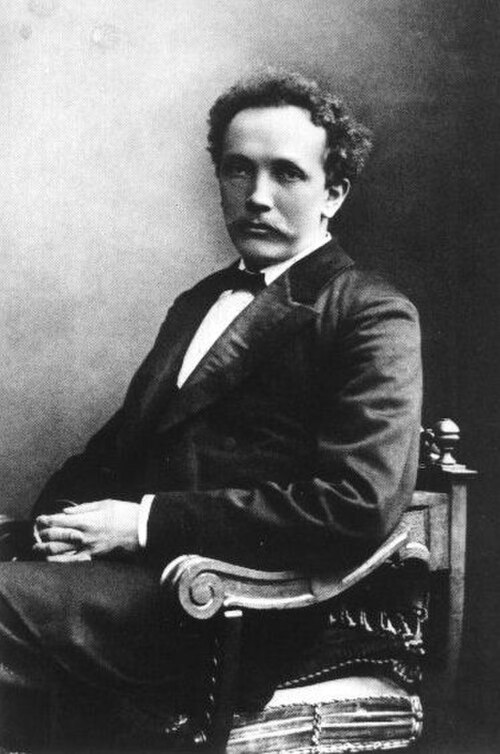
Between the late nineteenth and early twentieth centuries there was the post-Romanticism, which as its name suggests was an evolution of Romanticism based on more modern premises, but maintaining the same spirit that characterized that movement. The main influence of this style was Wagner, so it is sometimes also called post-Wagnerism.
Its main representative was Richard Strauss, who was noted for his harmonic creativity and mastery of orchestration. Under Wagner's influence he started in opera with Guntram (1894) and Feuersnot (The Need for Fire, 1901), which failed. On the other hand, he enjoyed public favor with Salome (1905), based on the play of the same name by Oscar Wilde, despite the scandal caused by the erotic charge of the plot. Since then he began a collaboration with the Austrian playwright Hugo von Hofmannsthal, who wrote most of his librettos. Their first joint work was Elektra (1909), which was followed by Der Rosenkavalier (The Knight of the Rose, 1911), Ariadne auf Naxos (1912), Die Frau ohne Schatten (The Woman Without a Shadow, 1919), Die ägyptische Helena (The Egyptian Helen, 1928) and Arabella (1933). He later counted on Stefan Zweig for Die schweigsame Frau (The Silent Woman, 1935) and on Joseph Gregor for Friedenstag (Day of Peace, 1938), Daphne (1938) and Die Liebe der Danae (Danae's Love, 1940). His last opera was Capriccio (1942).[577] In these works he introduced a new harmonic language that crossed traditional tonal boundaries, with passionate sounds that could include screams and other guttural sounds, thus anticipating later expressionism.[578]

Other exponents were Engelbert Humperdinck, Alexander von Zemlinsky and Hans Pfitzner. Humperdinck was a gifted student, who in 1881 met Wagner, who took him on as an assistant for the production of Parsifal. However, his production was oriented towards a simpler line, as in Hänsel und Gretel (1893), his first and most successful opera, based on the fairy tale by the Brothers Grimm. He chose the same authors for his next project, Die sieben Geißlein (The Seven Children, 1898), which was not so successful. After several more failures, he succeeded with Königskinder (The King's Children, 1910), more Wagnerian in style.[396] Zemlinsky devoted himself to opera as both composer and conductor. His first success was Es war einmal (Once upon a time, 1899), which he performed Gustav Mahler at the Vienna Hofoper. In 1906 he composed Der Traumgörge (Görge the Dreamer), which was not premiered until forty years later. It was followed by his two greatest hits, Eine florentinische Tragödie (A Florentine Tragedy, 1917) and Der Zwerg (The Dwarf, 1922), both one-acts. In 1932, Der Kreidekreis (The Chalk Circle) was banned by the Nazis, after which he went into exile in the United States, where he died in anonymity.[579] Pfitzner was influenced by Schumann and Wagner, noticeable in his early operas: Der arme Heinrich (Poor Heinrich, 1893) and Die Rose vom Liebesgarten (The Rose in the Garden of Love, 1900). His greatest success was Palestrina (1917), a major work on the position of the artist in society. His next works, Von deutscher Seele (Of the German Soul, 1921) and Das dunkle Reich (The Dark Kingdom, 1929), expressed his ideas about a "pure" German music.[580]
The Austrian Erich Wolfgang Korngold was considered a child prodigy, and aroused the admiration of Mahler, Puccini and Strauss. His first operas were Der Ring des Polykrates (The Ring of Polycrates, 1916), Violanta (1916) and Die Tote Stadt (The Dead City, 1920), of late romanticism. Das Wunder der Heliane (The Miracle of Heliane, 1927) was a work of a certain eroticism with a score conceived on an epic scale that creates great difficulty for the performers. With the establishment of the Anschluss in 1938, he emigrated to the United States, where he composed film scores and won two Oscars.[581]
In the Germanic field it is also worth mentioning: Wilhelm Kienzl (Der Evangelimann [The Evangelist], 1895),[582] Max von Schillings (Moloch, 1900; Mona Lisa, 1915),[583] Siegfried Wagner —son of Richard Wagner— (Der Bärenhäuter [The Bearskin], 1899; Der Kobold [The Goblin], 1904; Der Schmied von Marienburg [The Blacksmith of Marienburg], 1923)[584] and Hugo Wolf (Der Corregidor, 1895).[585]
The British Rutland Boughton attempted to establish an "English-style Wagnerism", with operas such as The Immortal Hour (1922), Alkestis (1922), The Queen of Cornwall (1924) and The Lily Maid (1934).[356] Similarly, Joseph Holbrooke sought to transfer to Celtic mythology the Wagnerian universe, through the trilogy The Cauldron of Annwyn (1912–1929), consisting of The Children of Don (1912), Dylan, Son of the Wave (1914) and Bronwen (1929).[586]
In France, Gabriel Fauré showed a clear Wagnerian influence in his opera Pénélope (1913).[587] Jean Nouguès was the author of Quo Vadis? (1909), on Henryk Sienkiewicz's novel, a work of an ambitious staging that included circus animals.[588]
In Italy, Luigi Mancinelli showed a clearly Wagnerian style, although with a more cosmopolitan component, not as Germanized as that of other followers of the German composer. His two best works were Ero e Leandro (1897) and Paolo e Francesca (1907).[589]
Impressionism

Like his pictorial homologue, impressionism arose in France, with a desire to modernize musical conception, which developed between the end of the 19th century and the beginning of the 20th. As in painting, it was intended to capture the sensations that the artist produced the surrounding world, with a basis of reality, but interpreted subjectively.[590] Influenced by symbolist poetry (Verlaine, Baudelaire, Mallarmé), they also sought a new language confronting both the formal purism of classicism and the passionate violence of Romanticism. To this end, Claude Debussy, its main representative, resorted to a scale of tones not used until then, whole tones and complex intervals from the ninth onwards, as well as intervals of parallel fourths and fifths.[591]
Claude Debussy began several operatic projects that he left unfinished-a couple on stories by Edgar Allan Poe and one on Cid entitled Rodrigue et Chimène—until he found a project that fascinated him: Pelléas et Mélisande (1902), on a work by Maurice Maeterlinck. It was his only opera, but a masterpiece. Despite its simple plot – a love rivalry between two brothers and a young girl – Debussy created a profound and moving work, evocative and suggestive, that is still novel today.[592] With this work he initiated the genre of literary opera (Literaturoper), a type of opera based on literary texts respected in their integrity which, while they can be reduced, cannot be altered in their essence, and which are declaimed in the style of the Russian opéra dialogué and presented in transcomposed form.[593]

In France, Maurice Ravel and Paul Dukas also stood out. Ravel was a convinced anti-Wagnerian, who eagerly searched for his own style. He was very meticulous and nonconformist in his work, so he continually revised his works, which explains his scarce production. With a Basque mother, he felt great attraction for Spanish culture, which is evident in his first opera, L'heure espagnole (La hora española, 1911), a one-act comic work, with sound effects of machines and clocks. His next opera was L'enfant et les sortilèges (1925), with a libretto by Colette.[594] Dukas initially accused Wagnerian influence, as denoted in Horn et Riemenhild (1892) and L'arbre de science (1899), which he left unfinished. He completed only one opera, Ariane et Barbe-bleu (1907), based on the text by Maurice Maeterlinck, where he mixed Wagnerian chromaticism with the pentatonic scale used by Debussy.[489]
The Italian Ottorino Respighi attempted to combine impressionism with traditional music, especially Baroque.[595] His first two operas were of comic genre: Re Enzo (1905) and Semirâma (1910). He subsequently produced Belfagor (1923), La campana sommersa (1927), La Fiamma (1934) and Lucrezia (1937).[596]
British Frederick Delius approached impressionism departing from Wagnerian influence. He only turned to opera early in his career: Koanga (1904), A Village Romeo and Juliet (1907), Fennimore and Gerda (1919).[597]
The Swiss Ernest Bloch brought together the influence of Debussy with that of Richard Strauss. He produced a single opera, Macbeth (1910). In 1916 he emigrated to the United States, where he began an opera that he left unfinished, Jezebel[465]
Singers of the end of the century
At the turn of the century they stood out vocally: Mattia Battistini, Italian baritone with a high-pitched, crystalline voice, adjusted to what was called baritenor at the time; Enrico Caruso, Italian tenor, one of the most famous of all time, with a flexible tone that allowed him a great variety of roles; Fyodor Chaliapin, Russian bass who performed both the repertoire of his country and Rossini, Bellini and Verdi; Emmy Destinn, Czech soprano who excelled in roles by Puccini and Strauss; Geraldine Farrar, American soprano with great stage presence; the same nationality had the soprano Mary Garden, who excelled in the leading role of Debussy's Pelléas et Mélisande; Hipólito Lázaro, Spanish tenor of the Verist repertoire; Victor Maurel, French baritone admired by Verdi, who gave him several roles; Nellie Melba, Australian soprano of great virtuosity; Claudia Muzio, Italian soprano who excelled in tragic roles, mainly in Verist operas; Elisabeth Schumann, German soprano of high and delicate voice, interpreter of Mozart, Wagner and Strauss; Francisco Viñas, Spanish tenor of wide register who could sing both lyric and heroic tenor; and Giovanni Zenatello, Italian tenor of great facility for the highest register.[598]
20th century

The 20th century saw a great revolution in music, motivated by the profound political and social changes that took place during the century. The transforming, experimental and renovating interest of the artistic avant-gardes was translated into a new musical language, at the same time that a technical renovation took place, motivated by the appearance of new technologies, such as electronic music. All this resulted in new compositional methods and new sound ranges, which were adapted to the new musical movements that were happening in the course of the century.[599] The new music composed in this century broke radically with the past and sought a new language, breaking the scheme of traditional musical discourse: if necessary, harmony, melody and tonality were broken. Many of these innovations caused bewilderment, especially atonality, in a public accustomed to a hierarchy of notes where a fundamental note dominated; in atonality, each note has equal relevance to the others. For this reason, contemporary music has not enjoyed great public success and has often been confined to a closed circle of intellectuals.[600]
Opera in the twentieth century maintained the previous repertoire, which continued to be successfully performed in the best theaters and auditoriums of the world, while, at the production level, although there was a copious and excellent production, the innovations produced in this field did not enjoy great success among the majority public. The composers' eagerness to experiment provoked harsh criticism and controversy, if not even censorship or political persecution: in the Soviet Union, Stalin forced Shostakovich to adhere to the regime's cultural guidelines after attending a performance of Lady Macbeth of Mtsensk in 1936; in Nazi Germany, avant-garde composers were classified as degenerate musicians, and many had to go into exile.[601][602] During this century, there was even experimentation with the traditional operatic repertoire through avant-garde productions, more modern scenographies and contemporary adaptations of classical operas, as was the trend in the 1920s at the Kroll Opera in Berlin or as carried out by Wieland Wagner —grandson of the composer— at the Bayreuth Festival.[603] On the other hand, in this period the fascination with opera singers continued and even increased, sometimes becoming highly popular phenomena, such as the so-called Tres Tenores (Luciano Pavarotti, José Carreras and Plácido Domingo).[603] It is worth noting that the technical advances that allowed voice recording popularized this genre domestically: Enrico Caruso, for example, was one of the singers who was most lavish in recording his performances, thus increasing his popularity.[note 11] Other media that contributed to the diffusion of opera were radio, cinema and television.[604][605] in 1951, the first television opera, Amahl and the Night Visitors, by Gian Carlo Menotti, was composed.[606]
This century saw numerous novelties in the field of scenography: from verismo emerged a more sober and realistic trend in stage representation, whose pioneers were André Antoine, founder of the Théâtre Libre in Paris, and Otto Brahm, at the head of the Freie Bühne in Berlin. Max Reinhardt, director of the Deutsches Theater, introduced numerous innovations, such as three-dimensional sets and the use of lighting to create atmosphere. Another innovator was Alfred Roller, who teamed up with Gustav Mahler, conductor at the Vienna Hofoper, both of whom strove to integrate the stage performance with the musical drama as a unified whole.[607]
At the beginning of this century emerged the chamber opera, a minor modality of the genre composed of one-act works, with few characters and a reduced orchestra, a format similar to the género chico of the Spanish zarzuela. Examples would be L'heure espagnole by Ravel (1911), Arlecchino by Busoni (1917) and Histoire du soldat by Stravinski (1918).[44] In Vienna, the Kammeroper, dedicated to this genre, was founded in 1953.[608] The English composer Benjamin Britten went so far as to found his own chamber opera orchestra, the English Opera Group. On the other hand, the traditional operetta genre evolved into the musical, a revamped genre that relied more on popular music and dance, in centers such as the West End theaters in London or the Broadway theaters in New York.[609][610] Other media that contributed to the diffusion of opera were radio, cinema and television.[604][note 12] in 1951, the first television opera, Amahl and the Night Visitors, by Gian Carlo Menotti, was composed.[606]
Another phenomenon of relevance in this century was the proliferation of opera festivals, which counted on the example of the Bayreuth Festival (1876). In 1901 the Munich Festival appeared, followed by the Savonlinna (1912), Verona (1913), Salzburg (1920), Florence (Maggio Musicale Fiorentino, 1933), Glyndebourne (1934), Ravinia (1936), Edinburgh (1947), Aldeburgh (1948), Aix-en-Provence (1948), Santander (1952), Spoleto (1958), Tanglewood (1970) and Peralada (1987), among the most famous.[611]
In an article published by Opera Holland Park, the opera director Ella Marchment explained that for every hour of a performance, an opera director will complete 150 hours of preparation and rehearsals; or 2.5 hours of work for every minute of onstage time.[612]
Expressionism

The expressionism emerged at the beginning of the century as a style fundamentally concerned with the inner expressiveness of the individual, in its psychological deepening, as opposed to the dominant naturalism at the turn of the century, which in opera gave the verismo. In this current, interpersonal relationships, emotionality and the psychic states of the characters were especially valued. On a literary level, its referents were Franz Kafka, James Joyce and the German playwrights Ernst Toller, Frank Wedekind and Georg Kaiser. For expressionist authors, art was a form of expression, not entertainment, so they were more concerned with the message they wanted to convey than with style or musical or plot device.[607]
In France, this style was practiced by some composers who formed a group called Les Six (Francis Poulenc, Darius Milhaud, Arthur Honegger, Germaine Tailleferre, Georges Auric and Louis Durey), interested in musical avant-garde and popular rhythms, with an informal and spontaneous style. Poulenc, author of his own librettos, stood out for his lyrical melodies. His first opera was Les mamelles de Tirésias (The breasts of Tiresias, 1947), on a text by Guillaume Apollinaire. It was followed by Dialogues des Carmélites (1957), based on a work by Georges Bernanos.[613] In La voix humaine (The human voice, 1959) he presented an opera with only a soprano speaking on the telephone for forty minutes, with libretto by Jean Cocteau.[614] Milhaud was a pupil of Paul Dukas and Vincent d'Indy. He produced major historical works, such as Christophe Colomb (1930), Bolívar (1950) and David (1954), as well as minor works: Les Malheurs d'Orphée (The Evils of Orpheus, 1926), Le pauvre matelot (The Poor Sailor, 1927) and La mère coupable (The Guilty Mother, 1966).[615] Honegger began in the operatic field with Philippa (1903), which was followed by Judith (1925), Antigone (1927) and the operettas Les Aventures du roi Pausole (1930), La Belle de Moudon (1931) and Les Petites Cardinales (1937). Also in 1937 he composed jointly with Jacques Ibert L'Aiglon, his last opera.[616] Linked to this group was Erik Satie, best known for his symphonic and piano compositions, who composed several operettas: Geneviève de Brabant (1899), Pousse l'amour (1905), Le Piège de Méduse (1913).[617] Also worth mentioning are Jacques Ibert (Angélique, 1927; Le Roi d'Yvetot, 1930).[618]
.jpg/500px-Bertolt_Brecht,_Kurt_Weill,_Opera_za_tri_gro%C5%A1e,_Drama_SNG_v_Ljubljani_(2).jpg)
In Germany, Franz Schreker began in post-romanticism, but later opted for a style close to expressionism. His first opera was Der ferne Klang (The Far Sound, 1910), with which he achieved great success. It was followed by Die Gezeichneten (The Marked Ones, 1918), an opera of great complexity that required an orchestra of 120 musicians, with a somber and tortured theme, fully immersed in the depressing spirit of the postwar period. In Der Schatzgräber (The Treasure Hunter, 1920) he also showed a theme centered on loneliness, despair and sexual desire. His last works, Christophorus (1931) and Der Schmied von Gent (The Blacksmith of Ghent, 1932), were sabotaged by the Nazis, who considered him a degenerate musician, with the accentuated motif of being Jewish.[619]
Paul Hindemith started in expressionism with three one-act operas (Mörder, Hoffnung der Frauen [Murder, Hope of Women], 1919; Das Nusch-Nuschi, 1920; Sancta Sussana, 1921), but later evolved into a neo-baroque style with use of polyphony. In that sense, Cardillac (1926) was a transitional work, while in Mathis der Maler (Matthias the Painter, 1928) he combined medieval influences with German folklore and counterpoint techniques. After being considered a degenerate musician by the Nazis, he went into exile in Switzerland and the United States. Die Harmonie der Welt (The Harmony of the World, 1957) was the culmination of his neo-baroque style.[602]
Kurt Weill was a representative of the so-called New Objectivity (Neue Sachlichkeit), a movement that in a certain way reacted against expressionist subjectivism, although it used many of its resources, while having points in common with neoclassicism and assimilating new musical forms such as jazz, tango or cabaret.[620] He sought in his works a type of musical theater that featured the best artists and professionals, from playwrights to dancers. His first operas were Der Protagonist (1926) and Der Zar lässt sich photographieren (The Tsar takes a photograph of himself, 1928). From then on he formed a fruitful partnership with the playwright Bertolt Brecht, which produced numerous successes: Die Dreigroschenoper (The Threepenny Opera, 1928), Happy End (Happy Ending, 1929), Aufstieg und Fall der Stadt Mahagonny (Rise and Fall of the City of Mahagonny, 1929) and Der Jasager (The Yes-Sayer, 1930). His greatest success was The Threepenny Opera, based on The Beggar's Opera by John Gay and Johann Christoph Pepusch. In 1933 he premiered Der Silbersee (The Silver Lake), with a libretto by Georg Kaiser. Shortly thereafter he went into exile in the United States, where he made several musicals.[621]
Erwin Schulhoff composed in 1928 his opera Flammen (Flames), a work of a fantastic nature, in which the author abandoned the Aristotelian theatrical rules in force until then in theater and opera for the sake of a new concept of staging, which understood theater as a game, a show, a fantasy overflowing reality. Berthold Goldschmidt, a pupil of Schrecker, was director of the Darmstadt Opera. In 1930 he adapted Fernand Crommelynck's Der Gewaltige Hanrei (The Mighty Hanrei), premiered in 1932, although his Jewishness caused it to be immediately withdrawn, so he emigrated to the UK.[541]
Dodecaphony

The spirit of renewal at the turn of the century, which led all the arts to a break with the past and to seek a new creative impulse, led the Austrian composer Arnold Schönberg to create a system where all notes have the same value and harmony is replaced by the progression of tones. In dodecaphonism, the twelve notes of the scale (the main and intermediate notes) are used, but breaking the hierarchy between them.[622] Stylistically, dodecaphonism was strongly linked to expressionism.[623] Schönberg composed two operas in this context: Moses und Aron (composed from 1926 and unfinished) and Von Heute auf Morgen (From Today to Tomorrow, 1930).[624] But undoubtedly, the great opera of atonalism was Wozzeck (1925), by Alban Berg, based on the play by Georg Büchner, a romantic opera in terms of thematic, but of complex musical structure, where he experimented with all available musical resources from classicism to the avant-garde, from tonal to atonal, from recitative to music, from popular music to sophisticated music of dissonant counterpoint. A work of strong psychological expression, it united musical atonalism with argumental expressionism.[625] His second opera, Lulu (1929–1935), based on two dramas by Frank Wedekind, was closer to dodecaphonism, and applied Wagnerian transcomposition.[626] The work remained incomplete and was completed by Friedrich Cerha in 1979.[627]
In 1927, Ernst Krenek premiered his opera Jonny spielt auf (Jonny begins to play), which achieved a remarkable success and was the most performed opera of the time. Greatly influenced by jazz, Krenek experimented with the main musical trends of the time: neo-romanticism, neoclassicism, atonality, dodecaphonism and other styles. In 1934 he composed Karl V with serialist technique, which included filmed and pantomime scenes. With the advent of Nazism he emigrated to the United States, where he composed Der goldene Bock (The Golden Fleece, 1964) and Der Zauberspiegel (The Magic Mirror, 1966).[628]
Viktor Ullmann was a pupil of Schönberg and, although he did not use atonality, his work employed the chromaticism of the modern Vienna School. His first opera was Der Sturz des Antichrist (The Fall of the Antichrist, 1935).[629] Being Jewish, he was interned in the Theresienstadt concentration camp (Terezín), where he composed his opera Der Kaiser Von Atlantis (The Emperor of Atlantis, 1944). However, before its release it was banned by the SS, who found some similarity between the protagonist and the figure of Hitler, and the author was sent to the Auschwitz camp for extermination.[603] The same fate befell the Czech Hans Krása, author of the children's opera Brundibár (1941).[630]
Another field of experimentation was microtonalism, in which microtones, musical intervals smaller than a semitone, were used. Prominent in this current was the Czech Alois Hába, author of the opera Matka (The Mother, 1931), which because of its ineffectiveness has been scarcely performed.[631]
Neoclassicism

The neoclassicism was a return to the musical models of eighteenth-century classicism, characterized by restraint, balance and formal clarity. It developed especially in the interwar period (1920s and 1930s). Its models were basically the classicists, but also recovered baroque forms, as well as various expressive options such as dissonance.[632] In general, more objective and defined musical forms were sought, with a more contrasted and diaphanous timbre, repetitive rhythms – with frequent use of ostinato — and a more diatonic harmony, far from Wagnerian chromaticism.[633]
One of the countries where this style was most prevalent was the Soviet Union. Its main representative, Igor Stravinsky, was close to expressionism, although he can sometimes be described as neoclassical, but more than anything else he was an unclassifiable genius with a surprising palette of sounds of great variety; he himself never wanted to be associated with any particular style. In his beginnings, still influenced by Russian folklore, and with a certain influence of French impressionism, he enjoyed great success with his ballets, represented by the Ballets Russes of Sergey Diaghilev. After them, he began a new stage of a more sober musicality, reducing instrumental resources, which is evident in his first opera, Le rossignol (The Nightingale, 1914), based on a tale by Hans Christian Andersen, which combined neo-romantic and orientalist influences. His next stage work was Mavra (1922), a tribute to the Russian school of traditional opera. A more ambitious project was Œdipus Rex (1927), with a libretto by Jean Cocteau translated into Latin, in neoclassical style. After these works, all short, his only full-length opera was The Rake's Progress (The Rake's Progress, 1951), based on a series of etchings by William Hogarth that he saw at the Art Institute of Chicago, which were dramatized by the poet Wystan Hugh Auden.[634]

Dmitri Shostakovich lived all his life under the censorship magnifying glass of the Soviet regime, but he achieved some of the best compositions of the century. His first opera was Nos (The Nose, 1928), a critique of the reign of Nicolas I. His masterpiece was Ledi Mákbet Mtsénskogo Uyezda (Lady Macbeth of Mtsensk, 1936), on a play by Nikolai Leskov, which enjoyed great success outside his country, but was disliked by the Soviet authorities for its dissonant style. A revised version with the title Katerina Ismailova was premiered in Moscow in 1963.[635]
Sergey Prokofiev, a pupil of Rimsky-Korsakov, combined traditional music with some experimental features. He composed his first opera, Maddalena (1911) at the age of twenty. During a tour of the United States, the Chicago Opera commissioned him an opera, The Love of the Three Oranges (The Love of the Three Oranges, 1919), based on a text by Carlo Gozzi, a comic work of surrealist tone. He lived a few years in Paris, time in which he made Ógnenny angel (The Angel of Fire, 1923). After returning to his country in 1933, he tackled Vojna i Mir (War and Peace, 1946), by Lev Tolstoy, which was not well received by the Soviet authorities, who branded him as unpatriotic. To congratulate himself with them he composed Póvest or nastoyáschem cheloveke (The Story of a Real Man, 1948), more adept to the regime.[636]

Sergey Rakhmaninov was influenced by Tchaikovsky. He devoted himself mainly to symphonic and piano music, but tackled opera in works such as Aleko (1893), Skupój rýtsar (The Miserly Gentleman, 1906) and Francesca da Rimini (1907).[637]
The Swedish-born British Gustav Theodor Holst premiered in 1916 Savitri, a chamber opera based on the Indian Mahābhārata, in which he employed bitonality. He subsequently composed The Perfect Fool (1923), At the Boar's Head (1925) and The Tale of the Wandering Scholar (1934).[180]
Ralph Vaughan Williams was the author in 1924 of a ballad opera, Hugh the Drover (Hugh the Drover). In 1929 he premiered Sir John in Love, about the Shakespearian character of Falstaff. After the operetta The Poisoned Kiss (The Poisoned Kiss), he composed Riders to the Sea (Riders to the Sea), of veristic and Wagnerian affiliation. His last work was The Pilgrim's Progress (The Pilgrim's Progress, 1951).[638]
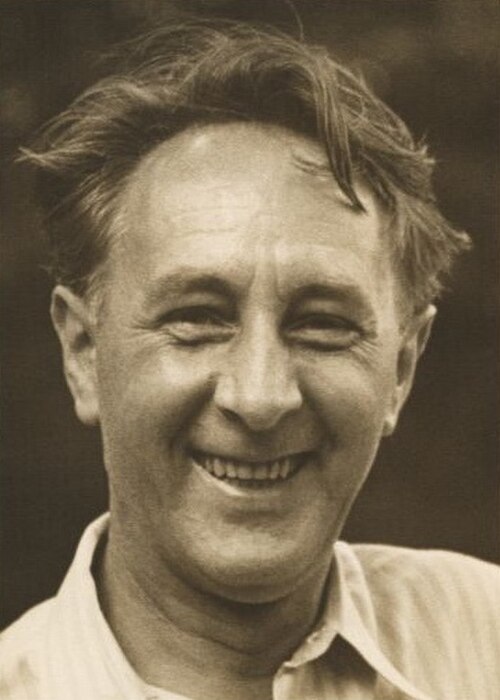
The German Carl Orff was the author of the operas Der Mond (The Moon, 1939), Die Kluge (The Cunning One, 1943), Antigonae (1949) and Oedipus der Tyrann (Oedipus the King, 1959).[639] His cantata Carmina Burana (1937), based on medieval goliardic poems, although not an opera, is often performed in opera houses.[640]
In Italy, Gian Francesco Malipiero developed a style which, despite its modernity, denoted the weight of Italian musical tradition, especially Monteverdi and Vivaldi. He was the author of L'Orfeide (1925), Giulio Cesare (1936), I caprici di Callot (1942), Il figliuol prodigo (1953) and Il capitan Spavento (1963).[641] Ildebrando Pizzetti also combined modernity and tradition, influenced by Renaissance and Baroque music. After several youthful works, in 1915 he premiered Fedra, based on a play by Gabriele D'Annunzio. It was followed by operas such as Debora e Jaele (1922), Fra Gherardo (1928) and Lo straniero (1930). In his following works he gave predominance to the arioso: Orseolo (1935), Vanna Lupa (1950) and Cagliostro (1953). One of his greatest successes was Assassino nella cattedrale (1958), on a play by T. S. Eliot.[394] Ferruccio Busoni, based in Germany, evolved from a post-Romantic influenced by Schumann, Brahms and Mendelssohn to a young classicism – in his words – that gradually assumed contemporary novelties. He was the author of Die Brautwahl (The Bride's Choice, 1912), Arlecchino (1917), Turandot (1917) and Doktor Faust (1925); the latter, incomplete, was completed by his disciple Philipp Jarnach.[642] Licinio Refice, who was a priest, made operas on religious themes: Santa Cecilia (1934) and Margherita da Cortona (1938).[643]
The Czech Bohuslav Martinů was an eclectic musician who brought together neoclassicism with a certain neo-baroque tendency, impressionism and American popular music (jazz and gospel). Settled in Paris, he produced works such as Le Soldat et la danseuse (The Soldier and the Dancer, 1927), Les Trois Souhaits (The Three Wishes, 1929) and Hry or Marii (The Miracles of Mary, 1934). He later composed two operas for radio: Veselohra na mostě (Comedy on the Bridge, 1935) and Julietta (1937). His last works were Ariane (1958) and Řecké pašije (The Greek Passion, 1959).[644]
Other exponents were: Werner Egk (Die Zaubergeige [The Magic Fiddle], 1935; Irische Legende [Irish Legend], 1954; Der Revisor [The Revisor], 1957),[645] Dmitri Kabalevsky (Breugnon Tails, 1938),[646] Albert Roussel (Padmâvatî, 1923),[647] Othmar Schoeck (Penthesilea, 1927),[648] Heinrich Sutermeister (Die schwarze Spinne [The Black Spider], 1936; Romeo und Julia, 1940; Die Zauberinsel [The Magic Island], 1942; Raskolnikoff, 1948)[397] and Rudolf Wagner-Régeny (Der Günstling, 1935; Die Bürger von Calais [The Burghers of Calais], 1939).[649]
Post World War II: tradition and avant-garde

After World War II, opera continued with its split, perhaps more accentuated, between the neoclassical tradition and the musical avant-gardes inherited from impressionism, expressionism and atonalism, which gave new musical styles such as concrete music, integral serialism, aleatoric music, minimalism, etc. In general, the new musical languages have been misunderstood by the public, which has remained anchored in the traditional repertoire.[650]
The immediate postwar period was a difficult period for opera, not only because of the destruction caused during the war, but also because of the pessimism and skepticism of the intellectual elites, who came to question the viability of the operatic genre, which they considered obsolete. In those early years, modest productions predominated, along with experimental forms such as the so-called "anti-opera", based on the deconstruction of the traditional resources of the genre. Other authors, such as John Cage, tried a type of scenic music without plot and, sometimes, even without text, in works such as Living Room Music (1940) or Water Walk (1959). György Ligeti created a type of phonetic theater based on noises and onomatopoeias (Nouvelles Aventures, 1966).[651]
In the 1960s, opera was making a resurgence and composers embarked on more ambitious and larger-scale works. Alongside productions of a more traditional character, anti-opera with experimental and aleatoric elements, without any narrative character, followed; examples would be Dieter Schnebel's Glossolalie (1961), Henri Pousseur's Votre Faust (1969) and Mauricio Kagel's Staatstheater (1970). As a reaction, between the 1970s and 1980s the anti-anti-opera emerged, which recovered the narrative text and the traditional resources of opera, although with a contemporary language and a certain ironic and satirical component; some exponents would be: We Come to the River by Hans Werner Henze (1976), Le Grand Macabre by György Ligeti (1978), Jakob Lenz by Wolfgang Rihm (1979) and Un re in ascolto by Luciano Berio (1984).[652]
United Kingdom

In this period, one of the most prolific opera composers was Benjamin Britten. The most recurrent themes in his works were loneliness and pain, his major existential concerns, as deoned in his first work, Peter Grimes (1945). He then ventured into chamber opera, as in his works The Rape of Lucretia (1946) and Albert Herring (1947). For this he founded the English Opera Group orchestra and the Aldeburgh Festival (Sussex). In 1951, the Royal Opera proposed him to compose a second part of Peter Grimes, which resulted in Billy Budd, based on a text by Herman Melville. For the coronation of Elizabeth II he composed Gloriana (1953). He dealt with psychological drama with The Turn of the Screw (1954), based on a play by Henry James. In 1960 he drew on Shakespeare for A Midsummer Night's Dream. After some religiously inspired works, Owen Wingrave (1971) focused on pacifism, one of Britten's preoccupations, whose premiere was on television. His last work was Death in Venice (1973), on the novel by Thomas Mann. He was the partner of the tenor Peter Pears, with whom he collaborated in numerous works.[653]
.jpg/500px-A_Midsummer_Night's_Dream_at_BMF_(2016).jpg)
William Walton was influenced by Stravinsky, Sibelius and jazz. In 1947 he was commissioned to write an opera for the reopening of the Royal Opera House in London and, after six years of work, he presented Troilus and Cressida, whose premiere in 1954 was not as successful as expected. In 1967 he premiered The Bear, a one-act comedy that parodied the vocal excesses of traditional opera.[654]
Michael Tippett was inspired by Mozart's Die Zauberflöte for his first opera, The Midsummer Marriage (1955). His next projects were all different in theme and structure: King Priam (1962), The Knot Garden (1970), The Ice Break (1977) and New Year (1989). In the latter he introduced some elements of rap.[655]
Harrison Birtwistle achieved great success with his first opera, Punch and Judy (1968), which was notable for its lack of direct narration, being a story told from several points of view. He repeated the same formula in The Mask of Orpheus (1984). Other works of his were Yan Tan Tethera (1986), Gawain (1991), The Second Mrs. Kong (1994) and The Last Supper (2000).[656]
Mark-Anthony Turnage developed an innovative work, with great jazz influence and a taste for percussion. In Greek (1988) he required from the singers a vocal declamation that should sound as if it were not opera. In 1997 he adapted H. G. Wells's The Country of the Blind and, in 2002, a work by Sean O'Casey, The Silver Tassie.[655]
Notable in minimalism was Michael Nyman, author of The Man who mistook his Wife for a Hat (The Man who mistook his Wife for a Hat, 1986) and Facing Goya (2000).[657]
Other exponents were: Lennox Berkeley (Ruth, 1956; The Castaway, 1967),[658] Arthur Bliss (The Olympians, 1949; Tobias and the Angel, 1960),[465] Alan Bush (Wat Tyler, 1950; The Man of Blackmoor, 1955; The Sugar Reapers, 1964),[659] Peter Maxwell Davies (Taverner, 1962; The Lighthouse, 1980),[660] Thea Musgrave (Mary, Queen of Scots, 1977; A Christmas Carol, 1978)[661] and John Tavener (St. Mary of Egypt, 1992). More recently, Thomas Adès (Powder Her Face, 1995; The Tempest, 2004),[662] Judith Weir (A Night at the Chinese Opera, 1987)[663] and George Benjamin (Written on Skin, 2012).[664]
France and Italy
.jpg/500px-Olivier_Messiaen_(1986).jpg)
In France, one of the most outstanding musicians of the period was Olivier Messiaen. A student of Paul Dukas, he integrated in his style diverse influences, from classical to serialism and oriental music. He composed only one opera, Saint-François d'Assise (Saint-François d'Assise, 1983), a highly staged work, which included three Martenot waves.[665]
Emmanuel Bondeville was director of the Opéra-Comique and the Paris Opera. He was the author of Madame Bovary (1951), based on the play by Gustave Flaubert, and Antoine et Cléopâtre (Antony and Cleopatra, 1974), based on Shakespeare.[666]
Philippe Fénelon was a disciple of Messiaen, author of operas such as Le chevalier imaginaire (1992), Salammbô (1998) and Faust (2007).[204]

In Italy, Luigi Dallapiccola framed himself in serialism, with a strong influence of Schönberg, as is evident in his first opera, Volo di notte (Night Flight, 1940), based on a work by Antoine de Saint-Exupéry. In 1949 he premiered Il prigioniero, in which he used three rows of twelve tones that symbolically connected each element of the opera. It was followed by Job (1950) and Ulisse (1968), which were not as successful.[489]
Luigi Nono started in serialism and then moved on to electronic music. He was the author of Intolleranza 1960 (1961), which was followed by Al gran sole carico d'amore (1975) and Prometeo. Tragedia dell'ascolto (1984).[667]
Luciano Berio, a disciple of Dallapiccola, evolved from neoclassicism towards integral serialism. He composed some operas, such as Opera (Opera, 1970), La vera storia (The true story, 1982), Un re in ascolto (A king listens, 1984) — the last two with librettos by Italo Calvino — Outis (1996) and Cronaca del luogo (Chronicle of the place, 1999). He also composed a new finale for the opera Turandot by Giacomo Puccini, replacing Franco Alfano's, which he premiered in 2002.[658]
Other exponents were: Franco Mannino (Vivì, 1957; Il diavolo in giardino, 1963; Il ritratto di Dorian Gray, 1982),[668] Jacopo Napoli (Miseria e nobiltà, 1945; Massaniello, 1953),[446] Goffredo Petrassi (Il cordovano, 1949; Morte dell'aria, 1960),[362] Renzo Rossellini (La guerra, 1956; Il vortice, 1958; Uno sguardo dal ponte, 1961)[363] and Nino Rota (Il cappello di paglia di Firenze, 1944).[669] More recently, it is worth mentioning: Lorenzo Ferrero (Salvatore Giuliano, 1986; La Conquista, 2005; Risorgimento!, 2011)[670] and Salvatore Sciarrino (Luci mie traditrici, 1998).[671]
Germany and Austria

In Germany, Karlheinz Stockhausen was one of the most prominent representatives of serialism and electronic music. He tackled one of the most complex operatic projects, Licht: Die Sieben Tage der Woche (Light: The Seven Days of the Week), a cycle of seven operas composed between 1977 and 2003.[457] It was premiered in its entirety in 2011, although each part had already been premiered separately. Stockhausen's pretension was to realize a "cosmic theater" that would unite music and religion, in search of a transcendental vision of the human being.[672]
Bernd Alois Zimmermann was an avant-garde musician who was influenced by Schönberg's dodecaphonism and composers such as Stravinsky, Honegger, Poulenc and Milhaud. In his work he brought together acoustic and electronic sounds, and used recording as an additional resource. He composed only one opera, Die Soldaten (The Soldiers, 1965), which was considered one of the best German operas of the second half of the century. It was an innovative work, featuring a five-level stage on which up to three scenes could be performed simultaneously.[579]
Hans Werner Henze brought together in his work expressionism, serialism, dodecaphonism, neoclassicism and popular music such as jazz. After his first full-length opera, Boulevard Solitude (1952), he moved to Italy, where his style became more sensual and exuberant, in works such as König Hirsch (The Deer King, 1956), Der Prinz von Homburg (1960), Elegie für junge Liebende (Elegy for Young Lovers, 1961), Der junge Lord (The Young Lord, 1965) and Die Bassariden (The Bacchantes, 1962). His following works expressed his leftist political commitment: We Come to the River (1976), Die englische Katze (1983). In L'Upupa und der Triumph der Sohnesliebe (The Hoopoe and the Triumph of Filial Love, 2003) he also wrote the libretto.[673]
Wolfgang Rihm was a pupil of Stockhausen, although he sought to move beyond experimental languages in search of greater expressiveness. Influenced by Antonin Artaud's theater of cruelty, he sought a greater communion between the musical performance and the audience, through a more textured orchestra, nuanced vocality and lyrical, dynamic music. He composed six operas: Faust und Yorick (1976), Jakob Lenz (1978), Die Hamletmaschine (1986), Oedipus (1987), Die Eroberung von Mexico (The Conquest of Mexico, 1992) and Séraphin (1994).[594]
Wolfgang Fortner was the author of two operas based on works by Federico García Lorca: Bluthochzeit (Blood Wedding, 1958) and In seinem Garten lebt Don Perlimplín mit Belisa (Don Perlimplín con Belisa en su jardín, 1962). He also composed the opera buffa Corinna (1958) and Elisabeth Tudor (1972).[674]
Other German composers were: Boris Blacher (Fürstin Tarakanowa, 1945; Die Flut [The Flood], 1947; Preußisches Märchen [Prussian Fairy Tale], 1949),[675] Paul Dessau (Die Verurteilung des Lukullus [The Damnation of Lucullus], 1951; Puntila, 1966; Einstein, 1974),[676] Giselher Klebe (Die Räuber [The Bandits], 1957; Figaro lässt sich scheiden [Figaro gets divorced], 1963),[677] Helmut Lachenmann (Das Mädchen mit den Schwefelhölzern [The Matchgirl], 1996)[678] and Aribert Reimann (Ein Traumspiel [Phantasmagoria], 1965; Lear, 1978; Bernarda Albas Haus [The House of Bernarda Alba], 2000).[679]
In Austria, Gottfried von Einem was influenced by Stravinsky, Prokofiev and jazz. He made his debut with Dantons Tod (The Death of Danton, 1947), on a text by Georg Büchner, and Der Prozeß (The Trial, 1953), on the work of Franz Kafka. In 1971 he premiered Der Besuch der alten Dame (The Visit of the Old Lady), based on the play by Friedrich Dürrenmatt. His last opera was Kabale und Liebe (1976), based on the play by Friedrich Schiller that Verdi used for Luisa Miller.[680]
United States
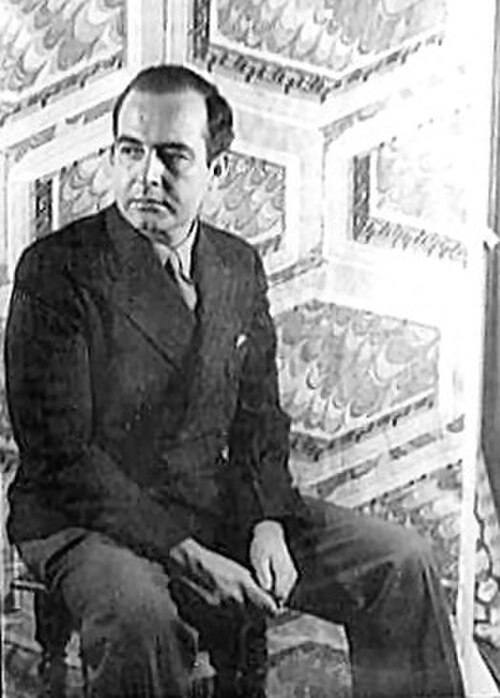
In the United States, Samuel Barber excelled as a melodist, with a conservative style sometimes described as post-romantic. He collaborated on occasions with Gian Carlo Menotti, who wrote the libretto for his first and most famous opera, Vanessa (1957), based on a play by Isak Dinesen, for which he won a Pulitzer Prize. More grandiloquent was Antony and Cleopatra (1966), commissioned for the Metropolitan Opera.[681] For his part, the Italian-American Menotti was a precocious talent, having already written two operas by the age of thirteen. Influenced by Italian verismo, his work is notable for its melodramatism: Amelia Goes to the Ball (Amelia Goes to the Ball, 1937), The Medium (The Medium, 1946), The Telephone (1947), The Consul (1950), Amahl and the Night Visitors (Amahl and the Night Visitors, 1951), The Saint of Bleecker Street (1954).[644]
Leonard Bernstein was a composer and conductor, author of numerous musicals and film scores. His first opera was Trouble in Tahiti (1951), which mixed the traditional operatic genre with pop music. In 1956 he premiered his comic operetta Candide, which he was not very satisfied with and tinkered with for thirty years.[656]
Carlisle Floyd composed two operas during his student period: Slow Dusk (1949) and The Fugitives (1951). With Susannah (1955), which combined a certain post-romanticism with elements of American folklore —especially Quaker hymns— he obtained a great success and excellent reviews. His next works were not as successful: Wuthering Heights (Wuthering Heights, 1958), based on the work of Emily Brontë; and Of Mice and Men (Of Mice and Men, 1969), based on a text by John Steinbeck.[682]
John Adams was described as a minimalist, although in his music one finds neo-Romantic echoes and elements of popular music, such as jazz, ragtime, swing, pop and rock. His first opera was Nixon in China (1987), followed by The Death of Klinghoffer (1991), the operas-oratorios El Niño (2000) and The Gospel According to the Other Mary (2012) and other stage works.[681]
Philip Glass was one of the most prominent representatives of minimalism, a style that, as opposed to the dense structures used at the time in Europe, sought to elaborate music with few elements, using for example repetitive patterns in different speed, duration and volume, in staggered or superimposed alterations. He was also influenced by Eastern —especially Indian— and North African music. In 1967 he formed the Philip Glass Ensemble. His first opera, Einstein on the Beach (Einstein on the Beach, 1976), catapulted him to fame. It was then followed by Satyagraha (1980) and Akhnaten (1984). After his opera The Voyage (1992) he made a trilogy based on films by Jean Cocteau: Orphée (1993), La Belle et la Bête (1994) and Les enfants terribles (1996). In 1998 he released a digital opera in 3-D, Monsters of Grace.[683] Another exponent of minimalism was Steve Reich (Three Tales, 2002).[684]
Mention should also be made of: Mark Adamo (Little Women [Little Women], 1998; Lysistrata, 2005),[294] George Antheil (Volpone, 1953; The Brothers, 1954; The Wish, 1955),[685] Marc Blitzstein (Regina, 1949; Idiots First, 1963),[465] William Bolcom (Casino Paradise, 1990; A View from the Bridge, 1999)[686] and Aaron Copland (The Tender Land, 1954).[687]
Spain and Latin America
_03.jpg/500px-Teatro_Real_(Madrid)_03.jpg)
Spain entered modernity in the second half of the century, after leaving behind musical nationalism and the virtual disappearance of zarzuela. Xavier Montsalvatge stood out for his skillful use of instrumentation, with a certain influence of Olivier Messiaen. He was the author of El gato con botas (1947) and Una voce in off (1961).[688] Roberto Gerhard was a student of Schönberg and the first Spanish composer to use dodecaphonism. He was also influenced by Falla.[689] He was the author of the opera The Duenna (1951).[690] Luis de Pablo, self-taught, departed from serialism towards aleatoric music, while practicing electronic music. He was the author of the operas Kiú (1982), El viajero indiscreto (1988) and La madre invita a comer (1992).[691] Cristóbal Halffter developed his work starting from serialism and dodecaphonism. He was the author of the operas Don Quixote (2000) and Lazaro (2007).[692] Mention should also be made of: Salvador Bacarisse (El tesoro de Boabdil, 1958),[693] Xavier Benguerel (Llibre vermell, 1988),[694] José María Cano (Moon, 1998), Francisco Escudero (Gernika, 1987),[695] Josep Mestres Quadreny (El Ganxo, 1959; Cap de Mirar, 1991),[696] Joaquín Nin-Culmell (La Celestina, 1965), Matilde Salvador (Vinatea, 1974),[697] Tomás Marco (Selene, 1974),[698] Amando Blanquer (El triomf de Tirant, 1992),[698] Carles Santos (Asdrúbila, 1992; Ricardo y Elena, 2000)[699] and Joan Guinjoan (Gaudí, 2004).[700]

Latin America entered into full modernity at this time. In Argentina, Alberto Ginastera composed in a neo-expressionist style heir to serialism, as denoted in his operas Don Rodrigo (1964), Bomarzo (1967) and Beatrix Cenci (1971). Bomarzo was banned in Argentina for its scenes of sex and violence.[683] Mauricio Kagel moved between neoclassicism and aleatoric music, with an eclectic, anti-conventional style, in which a sense of humor and irony stand out. In Sur Scène (1962), considered an anti-opera, he made a rupturist exercise with a deconstruction of traditional opera. He repeated with Staatstheater (1970), an experimental opera without libretto or plot, with recorded orchestral music, a ballet without dance and a choir of sixty voices singing solo. In Aus Deutschland (1981) he presented Schubert and Goethe singing a black spiritual.[603][701] Other Argentine authors were: Juan José Castro (La zapatera prodigiosa, 1943; Bodas de sangre, 1953)[702] and Astor Piazzolla (María de Buenos Aires, 1968, opera-tango).[703] Already in the 21st century it is worth mentioning Osvaldo Golijov (Ainadamar, 2003).[704]
In Brazil, Heitor Villa-Lobos, self-taught, studied the musical forms of the native tribes of his country, which influenced his music. During a stay in Paris he assimilated the novelties of the musical avant-garde, especially those of Erik Satie and Darius Milhaud. He was the author of Magdalena (1948), Yerma (1955) and A Menina das Nuvens (The Girl of the Clouds, 1957).[705]
In Chile it is worth mentioning Juan Orrego-Salas, author of El retablo del rey pobre (1952). Ecuador's exponent was Luis Humberto Salgado (Cumandá, 1940; El centurión, 1959–1961; Eunice, 1956–1962). In Mexico, it is worth mentioning Carlos Chávez (Pánfilo y Laurita, later renamed The visitors, 1957).[543]
Other countries

In the Soviet Union (Russia since 1991), music enjoyed state protectionism, although under the stylistic and argumentative guidelines imposed by the regime, generally linked to a certain post-Romantic nationalism.[706] Tikhon Khrennikov excelled as a symphonic musician and was the author of several operas, including Frol Skobeiev (1950) and Mat (The Mother, 1957), based on a novel by Maksim Gorky.[707] Fikret Amirov composed ballets, symphonic and concert music and some operas, most notably Syevil (1953), which he recomposed three times until he premiered the definitive version in 1980.[708] Other exponents were: Vissarion Shebalin (Ukroshcheniye stroptivoy [The Taming of the Shrew], 1957; Solntse nad stepyu [The Sun Above the Steppe], 1958) and Rodion Shchedrin (Oratoriya Lenina [Lenin Oratorio], 1972; Lolita, 1992).[706]
In Hungary, György Ligeti developed an eclectic oeuvre in which each of his compositions was independent of the rest, although a certain neodadaist tendency was discernible. He composed only one opera, Le Grand Macabre (1976), with a somewhat chaotic score that included fragments alluding to other composers, as well as various heterodox sounds, both guttural and from instruments such as horns and whistles.[581]
In Finland, Aulis Sallinen moved in a traditional tonal language, with a great sense of rapport between music and theater. His first opera, Ratsumies (The Rider, 1975), was a great success, so the Finnish National Opera commissioned another work, Punainen viiva (The Red Line, 1978). The next commission was from the BBC and the Royal Opera House in London, Kunningas lähtee Ranskaan (The King Marches to France, 1983). Other works of his were Kullervo (1988), Palatsi (The Palace, 1995, chamber opera) and King Lear (2000).[709] Einojuhani Rautavaara was mostly devoted to symphonic music, but made a foray into opera with Apollo v. Marsyas (1973), after which he conceived a trilogy in which he elaborated text and music: Sammon Ryosto (The Myth of Sampo, 1982), Thomas (1986) and Vincent (1990).[710] More recently noted composer Kaija Saariaho (L'amour de loin [Love from afar], 2000; Only the Sounds Remains [Only the Sounds Remain], 2015).[711]
Polish Krzysztof Penderecki was a violin virtuoso as well as a composer, with an avant-garde style heir to atonalism. He composed four operas, of difficult vocal interpretation due to the orchestral density —with glissandos and vibratos— and the guttural sounds integrated in his compositions: The Devils of Loudun (1969), Paradise Lost (1978), Die Schwarze Maske (1986) and Ubu Rex (1991).[580]
Slovak Eugen Suchoň showed some influence of Leoš Janáček, in operas such as Krútňava (The Whirlpool, 1949) and Svätopluk (1960).[712]
In Sweden, worth mentioning in these years are: Karl-Birger Blomdahl (Aniara, 1959)[465] and Hilding Rosenberg (Hus med dubbel ingäng [House with Two Doors], 1970).[713]
In Belgium, Philippe Boesmans denoted the influence of Henri Pousseur, as seen in Reigen (1993) and Wintermärchen (Winter's Tale, 1999).[714]
In Israel, Marc Lavry composed the first opera in Hebrew: Dan ha-shomer (Dan the guard, 1945). Subsequent works include Menachem Avidom (Aleksandrah, 1961).[715]
John Haddock was the author of the first Australiana opera: Madelin Lee (2004).[716]
The US-based Chinese Tan Dun was noted for his music for film and events such as the 2008 Beijing Olympics, and was the author of several operas: Marco Polo (1996), Tea: A Mirror of Soul (2002) and The First Emperor (2006).[717]
In Thailand, the composer Somtow Papinian Sucharitkul, grand-nephew of King Rama VI, was the promoter of the establishment of opera in the country and author of the first national operas: Madana (1999), Mae Naak (2001), Ayodhya (2006).[718]
Singers of the 20th century


Among the most outstanding opera singers of the 20th century it is worth mentioning:
- Victoria de los Ángeles, Spanish soprano of great stage presence;
- Janet Baker, English mezzo-soprano interpreter of traditional works and numerous works by Britten and Walton;
- Cecilia Bartoli, Italian mezzo-soprano specialist in Handel, Mozart and Rossini;
- Teresa Berganza, Spanish mezzo-soprano described by Herbert von Karajan as the "best mezzo-soprano in the world";
- Carlo Bergonzi, Italian tenor nicknamed the "tenor of tenors", ideal in Verdian roles;
- Jussi Björling, Swedish lyric tenor who excelled in the Italian repertoire;
- Montserrat Caballé, Spanish soprano of international renown, interpreter of bel canto and minor genres such as zarzuela;
- Maria Callas, Greek soprano, one of the most famous divas of all times, who combined dramatic intensity and technical precision;
- Piero Cappuccilli, Italian baritone interpreter of Verdi;
- José Carreras, Spanish tenor, formed the group Los Tres Tenores with Domingo and Pavarotti;
- Boris Christoff, Bulgarian bass considered the best in the role of Boris Godunov, as well as in operas by Verdi;
- Plácido Domingo, Spanish tenor with a wide variety of roles, the one who has recorded the most records in history;
- Dietrich Fischer-Dieskau, German baritone and conductor, much in demand in operatic recitals;
- Kirsten Flagstad, Norwegian soprano who performed several Wagnerian roles;
- Juan Diego Flórez, Peruvian light tenor specialist in Rossini and Donizetti;
- Nicolai Gedda, Swedish tenor who mastered several languages, which allowed him a great variety of roles;
- Beniamino Gigli, Italian tenor who succeeded Caruso at the Metropolitan in New York, with a sweet and light voice;
- Tito Gobbi, Italian baritone of great stage presence;
- Elisabeth Grümmer, German soprano of pure voice and wide register;
- Marilyn Horne, American mezzo-soprano who performed Händel and bel canto works;
- Hans Hotter, German bass-baritone of the Wagnerian repertoire;
- Maria Jeritza, Czech soprano who triumphed in the interwar period;
- Alfredo Kraus, Spanish light lyric tenor, mainly Italian and French repertoire;
- Lotte Lehmann, German soprano interpreter of Wagner and Strauss;
- Christa Ludwig, German mezzo-soprano, one of Karajan's favorites;
- Giovanni Martinelli, Italian tenor of elevated tessitura, performed at the Metropolitan for thirty-three years;
- Lauritz Melchior, Danish tenor, the most famous heldentenor Wagnerian of the century;
- Birgit Nilsson, Swedish soprano with a wide and powerful voice, ideal for Wagnerian registers;
- Jessye Norman, American soprano with a wide repertoire;
- Luciano Pavarotti, Italian tenor of great vocal gifts, one of the most famous and charismatic of recent times;
- Ezio Pinza, Italian bass who performed several seasons at the Metropolitan, as well as in musicals and films;
- Rosa Ponselle, American soprano with a deep, soaring voice;
- Leontyne Price, American soprano who excelled in Verdian roles;
- Friedrich Schorr, Hungarian bass-baritone with a Wagnerian register;
- Ernestine Schumann-Heink, Austrian contralto with a wide register;
- Elisabeth Schwarzkopf, German soprano who excelled in Mozart roles;
- Léopold Simoneau, Canadian tenor specializing in Mozart; Mariano Stabile, Italian baritone who excelled in the role of Falstaff, which he performed 1200 times;
- Giuseppe Di Stefano, Italian tenor who formed an artistic couple with Maria Callas;
- Conchita Supervía, Spanish mezzo-soprano who excelled in Rossini roles;
- Joan Sutherland, Australian soprano capable of great vocal prowess, for which she excelled in bel canto;
- Renata Tebaldi, Italian soprano, one of the stars of the Metropolitan Opera along with Maria Callas, with whom she rivaled;
- Bryn Terfel, Welsh baritone with a repertoire ranging from Mozart to Wagner;
- Jon Vickers, Canadian heroic tenor who excelled in both acting and singing;
- Leonard Warren, American dramatic baritone, the only one in his time to reach the high C;
- and Fritz Wunderlich, German lyric tenor with a powerful voice.[719]
See also
- Classical music
- Development of musical theatre
- History of music
- History of theatre
- Opera and Drama
- List of opera directors
- List of opera festivals
- List of prominent operas
- Chronological list of operatic sopranos
Notes
- ^ Also dramma per musica. —Menéndez Torrellas (2013, p. 17)
- ^ The basso continuo was generally formed by a keyboard instrument (spinet, harpsichord, organ) and one or more string or wind instruments (lute, theorbo, chitarrone, viola da gamba, cello, violone, bassoon, trombone). —Menéndez Torrellas (2013, p. 23)
- ^ The term "baroque" comes from a word of Portuguese origin (barrôco), whose feminine denominated the pearls that had irregular shapes (as in Spanish the word "barruecas"). The word arose in the context of music criticism: in 1750, the French essayist Noël-Antoine Pluche compared the playing of two violinists, one more serene and the other more extravagant, commenting of the latter that "he tries at all costs to surprise, to attract attention, with unbridled and extravagant sounds. It seems but that in this way it was a matter of diving to the bottom of the seas to extract berruecos (baroc in French) with great efforts, while on land it would be possible to find with much more ease valuable jewels." —Comellas (2010, p. 82)
- ^ The last opera in which he sang a castrato was Il crociato in Egitto, by Giacomo Meyerbeer (1824). Its presence continued in the sphere of the Catholic Church until the beginning of the 20th century: the voice of the last castrato, Alessandro Moreschi, could be recorded on phonograph. —Menéndez Torrellas (2013, p. 69)
- ^ Although today it is usually generalized as "classical music" the symphonic music of orchestral type, it actually refers to a specific period in the history of music, characterized by classicism, corresponding to the last third of the 18th century and the beginning of the 19th. The term "classical music" first appeared in the Oxford English Dictionary in 1836, where it described the music produced in the previous century. Over time, it came to be synonymous with cultured music or academic music, the opposite of popular music.
- ^ With the term vaudeville there are two concepts: as seen when talking about opéra-comique, it is a type of song with refrain that used to use popular melodies; on the other hand, as in the case of Mozartian The Abduction from the Seraglio, it was a final scene where all the characters of the play were grouped together. —Menéndez Torrellas (2013, p. 157)
- ^ Inspired by the habanera El arreglito, by Sebastián Iradier. —Alier (2007, p. 568)
- ^ George Bernard Shaw, in his essay The Perfect Wagnerite. A Commentary on the Nibelung's Ring (1923), was the first to point out a "double structure" in The Ring of the Nibelung, where the myth of medieval origin would be an allegory of the capitalist system and a critique of liberal economics and the struggle for power, while signaling the death of religion and the triumph of atheism.
- ^ Its two main exponents were Kámenni gost (The Stone Guest), by Aleksandr Dargomizhski, and Zhenitba (The Wedding), by Modest Músorgski, both unfinished. It also had this format partially the first version of Músorgski's Boris Godunov (the Ur-Boris or "initial Boris"). —Menéndez Torrellas (2013, p. 349)
- ^ Especially from Giordano and Puccini, while, in the early verismo, Mascagni and Leoncavallo still showed compact numbers in their works. —Menéndez Torrellas (2013, p. 363)
- ^ The first partial opera recording on gramophone was a selection of Caruso's hits, recorded in Milan in 1902, while the first recorded opera was Verdi's Il trovatore, recorded between 1903 and 1906. —Alier (2007, p. 434.)
- ^ In 1920 the first complete opera was broadcast on radio,Parsifal by Richard Wagner, from the Teatro Colón in Buenos Aires. —Alier (2007, p. 274)
References
- ^ Diccionario de Música (2003, p. 206)
- ^ Souriau (1998, p. 848)
- ^ Souriau (1998, p. 845)
- ^ Souriau (1998, pp. 846–847)
- ^ Atlas ilustrado de la ópera (2011, p. 17)
- ^ Atlas ilustrado de la ópera (2011, pp. 12–13)
- ^ Atlas ilustrado de la ópera (2011, pp. 14–15)
- ^ Atlas ilustrado de la ópera (2011, p. 15)
- ^ Alier (2007, p. 222)
- ^ Atlas ilustrado de la ópera (2011, p. 16)
- ^ Atlas ilustrado de la ópera (2011, pp. 16–17)
- ^ a b Enciclopedia temática Argos. Bellas Artes II (1986, p. 143)
- ^ a b c d e f g h i j Diccionario Enciclopédico Larousse (1990, p. 2324)
- ^ Menéndez Torrellas (2013, pp. 17–20)
- ^ Comellas (2010, p. 91)
- ^ a b c Atlas ilustrado de la ópera (2011, p. 41)
- ^ Atlas ilustrado de la ópera (2011, p. 34)
- ^ Alier (2007, p. 177)
- ^ a b c d Atlas ilustrado de la ópera (2011, p. 48)
- ^ Atlas ilustrado de la ópera (2011, pp. 22–23)
- ^ a b c d Comellas (2010, p. 92)
- ^ a b Atlas ilustrado de la ópera (2011, p. 28)
- ^ a b Atlas ilustrado de la ópera (2011, p. 21)
- ^ a b Atlas ilustrado de la ópera (2011, p. 23)
- ^ Alier (2007, p. 392)
- ^ Menéndez Torrellas (2013, pp. 31–32)
- ^ a b Atlas ilustrado de la ópera (2011, p. 40)
- ^ Alier (2007, p. 266)
- ^ a b Atlas ilustrado de la ópera (2011, p. 42)
- ^ "MAZZOCCHI, Domenico" (in Italian).
- ^ Alier (2011, p. 34)
- ^ a b Alier (2011, p. 340)
- ^ Azcárate Ristori, Pérez Sánchez & Ramírez Domínguez (1983, pp. 479–480)
- ^ Diccionario de Música (2003, p. 35)
- ^ Atlas ilustrado de la ópera (2011, pp. 52–53)
- ^ a b Atlas ilustrado de la ópera (2011, p. 37)
- ^ a b Atlas ilustrado de la ópera (2011, p. 32)
- ^ Comellas (2010, p. 98)
- ^ Alier (2007, p. 333)
- ^ Oliva & Torres Monreal (2005, p. 266)
- ^ Alier (2007, p. 210)
- ^ Atlas ilustrado de la ópera (2011, p. 30)
- ^ Alier (2011, p. 64)
- ^ a b c d e Diccionario de Música (2003, p. 207)
- ^ Comellas (2010, p. 99)
- ^ a b Azcárate Ristori, Pérez Sánchez & Ramírez Domínguez (1983, p. 648)
- ^ Menéndez Torrellas (2013, p. 48)
- ^ Atlas ilustrado de la ópera (2011, pp. 30–31)
- ^ Atlas ilustrado de la ópera (2011, pp. 38–39)
- ^ Alier (2011, p. 65)
- ^ Atlas ilustrado de la ópera (2011, p. 20)
- ^ a b Alier (2007, p. 514)
- ^ "Los inicios de la ópera". La Opera (in Spanish). 17 August 2013.
- ^ Alier (2011, p. 36)
- ^ Alier (2011, pp. 39–40)
- ^ Alier (2011, p. 37)
- ^ Atlas ilustrado de la ópera (2011, p. 24)
- ^ a b Menéndez Torrellas (2013, p. 34)
- ^ Menéndez Torrellas (2013, p. 50)
- ^ Atlas ilustrado de la ópera (2011, p. 29)
- ^ Atlas ilustrado de la ópera (2011, p. 38)
- ^ Atlas ilustrado de la ópera (2011, pp. 40–41)
- ^ Alier (2007, p. 580)
- ^ a b Alier (2007, p. 34)
- ^ Wade, Mara R. (2002). Seelewig. doi:10.1093/gmo/9781561592630.article.O007811. ISBN 978-1-56159-263-0.
- ^ Historia de la cultura occidental (1966, p. 363)
- ^ a b Atlas ilustrado de la ópera (2011, p. 39)
- ^ Alier (2007, pp. 382–383)
- ^ Alier (2007, p. 438)
- ^ a b Alier (2007, p. 524)
- ^ a b c Alier (2007, p. 126.)
- ^ Alier (2007, p. 99)
- ^ Alier (2011, p. 100)
- ^ Azcárate Ristori, Pérez Sánchez & Ramírez Domínguez (1983, p. 647)
- ^ Comellas (2010, p. 95)
- ^ Alier (2007, p. 387)
- ^ Alier (2007, p. 248)
- ^ a b c Diccionario de Música (2003, p. 311)
- ^ Alier (2007, p. 575)
- ^ Alier (2007, p. 159)
- ^ Alier (2007, p. 343)
- ^ Alier (2011, pp. 53–54)
- ^ a b Atlas ilustrado de la ópera (2011, p. 43)
- ^ a b Comellas (2010, p. 93)
- ^ Alier (2011, p. 60)
- ^ Alier (2007, pp. 358–359)
- ^ Alier (2007, p. 359)
- ^ a b Atlas ilustrado de la ópera (2011, p. 74)
- ^ a b Atlas ilustrado de la ópera (2011, p. 75)
- ^ a b c d Atlas ilustrado de la ópera (2011, p. 73)
- ^ a b Atlas ilustrado de la ópera (2011, p. 72)
- ^ Alier (2007, p. 356)
- ^ Alier (2007, p. 18)
- ^ Alier (2007, p. 79.)
- ^ Alier (2007, p. 309)
- ^ Atlas ilustrado de la ópera (2011, p. 52)
- ^ Menéndez Torrellas (2013, p. 68)
- ^ Atlas ilustrado de la ópera (2011, p. 53)
- ^ a b Atlas ilustrado de la ópera (2011, p. 54)
- ^ a b Atlas ilustrado de la ópera (2011, p. 84)
- ^ a b c Atlas ilustrado de la ópera (2011, p. 82)
- ^ Alier (2011, p. 70)
- ^ Atlas ilustrado de la ópera (2011, p. 85)
- ^ Menéndez Torrellas (2013, p. 86)
- ^ Atlas ilustrado de la ópera (2011, p. 83)
- ^ Menéndez Torrellas (2013, pp. 92–101)
- ^ Atlas ilustrado de la ópera (2011, p. 77)
- ^ a b c Atlas ilustrado de la ópera (2011, p. 111)
- ^ a b Atlas ilustrado de la ópera (2011, p. 105)
- ^ Comellas (2010, pp. 105–106)
- ^ Comellas (2010, p. 105)
- ^ a b Alier (2007, p. 31)
- ^ a b c Alier (2007, p. 124)
- ^ a b Alier (2007, p. 400)
- ^ Atlas ilustrado de la ópera (2011, p. 106)
- ^ a b c d Atlas ilustrado de la ópera (2011, p. 109)
- ^ Alier (2007, p. 464)
- ^ Alier (2007, p. 74)
- ^ Alier (2007, p. 230)
- ^ a b Alier (2007, p. 17)
- ^ Alier (2007, p. 178.)
- ^ Alier (2007, p. 368.)
- ^ a b Alier (2007, p. 449)
- ^ Alier (2007, pp. 499–500)
- ^ Alier (2007, p. 332)
- ^ Alier (2007, p. 14)
- ^ Atlas ilustrado de la ópera (2011, p. 108)
- ^ Atlas ilustrado de la ópera (2011, pp. 86–87)
- ^ a b c Atlas ilustrado de la ópera (2011, p. 103)
- ^ Alier (2007, p. 49)
- ^ a b Alier (2007, p. 160)
- ^ Alier (2011, p. 72)
- ^ Alier (2007, p. 369)
- ^ a b Alier (2007, p. 403)
- ^ Alier (2007, p. 50)
- ^ Atlas ilustrado de la ópera (2011, pp. 78–79)
- ^ Atlas ilustrado de la ópera (2011, pp. 68–69)
- ^ Atlas ilustrado de la ópera (2011, p. 86)
- ^ a b Alier (2007, p. 286)
- ^ Alier (2007, p. 284)
- ^ Menéndez Torrellas (2013, p. 142)
- ^ Menéndez Torrellas (2013, p. 156)
- ^ a b c Atlas ilustrado de la ópera (2011, p. 107)
- ^ Atlas ilustrado de la ópera (2011, p. 104)
- ^ Alier (2007, p. 263)
- ^ Alier (2007, p. 271)
- ^ Alier (2007, p. 314)
- ^ a b Alier (2007, p. 431)
- ^ Alier (2007, p. 137)
- ^ a b Atlas ilustrado de la ópera (2011, p. 56)
- ^ Comellas (2010, p. 110)
- ^ Atlas ilustrado de la ópera (2011, pp. 74–75)
- ^ a b Atlas ilustrado de la ópera (2011, p. 58)
- ^ Atlas ilustrado de la ópera (2011, pp. 58–59)
- ^ Atlas ilustrado de la ópera (2011, p. 59)
- ^ Comellas (2010, p. 123)
- ^ Comellas (2010, p. 124)
- ^ Comellas (2010, pp. 123–125)
- ^ Atlas ilustrado de la ópera (2011, p. 76)
- ^ Alier (2007, p. 470)
- ^ Alier (2007, pp. 250–252)
- ^ Comellas (2010, p. 126)
- ^ Atlas ilustrado de la ópera (2011, p. 57)
- ^ Alier (2007, p. 65.)
- ^ Alier (2007, p. 353)
- ^ a b c Alier (2007, p. 293)
- ^ Alier (2011, p. 93)
- ^ Alier (2007, p. 163)
- ^ Alier (2011, pp. 95–97)
- ^ a b Diccionario de Música (2003, p. 280)
- ^ Alier (2011, p. 98)
- ^ Alier (2007, p. 38)
- ^ Alier (2011, p. 346)
- ^ a b Alier (2007, p. 36)
- ^ a b Historia de la cultura occidental (1966, p. 426)
- ^ Comellas (2010, pp. 148–149)
- ^ Comellas (2010, pp. 147–148)
- ^ Atlas ilustrado de la ópera (2011, p. 102)
- ^ Alier (2007, p. 451)
- ^ a b Alier (2007, p. 485)
- ^ Alier (2007, p. 155.)
- ^ Historia de la cultura occidental (1966, p. 429)
- ^ Alier (2007, p. 480)
- ^ Alier (2007, p. 112)
- ^ Comellas (2010, p. 151)
- ^ a b c d Enciclopedia temática Argos. Bellas Artes II (1986, p. 156)
- ^ Alier (2007, p. 294)
- ^ Menéndez Torrellas (2013, p. 161)
- ^ a b Alier (2007, p. 286)
- ^ Alier (2007, p. 150)
- ^ Diccionario de Música (2003, p. 190)
- ^ Diccionario de Música (2003, p. 125)
- ^ Diccionario de Música (2003, p. 180)
- ^ "Gluck, Christoph Willibald Ritter von", Grove Music Online.
- ^ Alier (2007, p. 423)
- ^ a b c Enciclopedia Salvat (1997, p. 2784)
- ^ Menéndez Torrellas (2013, pp. 123, 187)
- ^ Atlas ilustrado de la ópera (2011, p. 88)
- ^ Alier (2007, p. 242.)
- ^ a b Azcárate Ristori, Pérez Sánchez & Ramírez Domínguez (1983, p. 649)
- ^ Diccionario de Música (2003, p. 79)
- ^ Comellas (2010, pp. 138–139)
- ^ Atlas ilustrado de la ópera (2011, p. 158)
- ^ a b Alier (2007, p. 355)
- ^ Comellas (2010, pp. 155–161)
- ^ Comellas (2010, pp. 163–164)
- ^ Menéndez Torrellas (2013, pp. 132–133)
- ^ Alier (2011, p. 115)
- ^ Alier (2011, p. 118)
- ^ Alier (2007, p. 146)
- ^ Alier (2007, p. 147)
- ^ Atlas ilustrado de la ópera (2011, p. 92)
- ^ Alier (2011, pp. 124–125)
- ^ Menéndez Torrellas (2013, p. 162)
- ^ Atlas ilustrado de la ópera (2011, p. 96)
- ^ Alier (2011, pp. 126–127)
- ^ Comellas (2010, p. 173)
- ^ Atlas ilustrado de la ópera (2011, p. 99)
- ^ Atlas ilustrado de la ópera (2011, p. 93)
- ^ Atlas ilustrado de la ópera (2011, pp. 120–121)
- ^ Alier (2011, p. 212)
- ^ Atlas ilustrado de la ópera (2011, p. 120)
- ^ Alier (2007, p. 551)
- ^ Alier (2007, p. 560)
- ^ Atlas ilustrado de la ópera (2011, pp. 108–109)
- ^ Alier (2007, p. 582)
- ^ Alier (2007, p. 48.)
- ^ Alier (2007, p. 367)
- ^ Alier (2007, p. 170)
- ^ a b Alier (2007, p. 206)
- ^ Alier (2007, p. 211)
- ^ Alier (2007, p. 448)
- ^ Alier (2007, p. 349)
- ^ Alier (2007, p. 401)
- ^ a b Alier (2007, p. 555)
- ^ Atlas ilustrado de la ópera (2011, pp. 106–107)
- ^ Alier (2007, p. 66)
- ^ a b Alier (2007, p. 409)
- ^ Enciclopèdia de Barcelona 3. Gràcia / Petritxol (2006, p. 230)
- ^ a b Alier (2007, p. 254)
- ^ Alier (2007, p. 207)
- ^ Alier (2007, p. 56)
- ^ Alier (2007, p. 219.)
- ^ Alier (2007, p. 149)
- ^ Alier (2007, p. 375)
- ^ Alier (2007, pp. 248–249)
- ^ Alier (2011, p. 107)
- ^ Alier (2007, p. 431)
- ^ Alier (2011, p. 109)
- ^ Alier (2011, p. 111)
- ^ Alier (2007, p. 269)
- ^ Atlas ilustrado de la ópera (2011, pp. 112–113)
- ^ Azcárate Ristori, Pérez Sánchez & Ramírez Domínguez (1983, p. 702)
- ^ Azcárate Ristori, Pérez Sánchez & Ramírez Domínguez (1983, p. 917)
- ^ Azcárate Ristori, Pérez Sánchez & Ramírez Domínguez (1983, p. 919)
- ^ Atlas ilustrado de la ópera (2011, p. 130)
- ^ a b Atlas ilustrado de la ópera (2011, p. 163)
- ^ Oliva & Torres Monreal (2005, p. 263)
- ^ Illustrated Atlas of the Opera (2011, p. 119)
- ^ a b Atlas ilustrado de la ópera (2011, p. 147)
- ^ Atlas ilustrado de la ópera (2011, pp. 162–163)
- ^ Azcárate Ristori, Pérez Sánchez & Ramírez Domínguez (1983, pp. 917–978)
- ^ a b Diccionario de Música (2003, p. 243)
- ^ Comellas (2010, pp. 204–207)
- ^ Atlas ilustrado de la ópera (2011, p. 118)
- ^ Enciclopedia de la Literatura Garzanti (1991, p. 569)
- ^ Atlas ilustrado de la ópera (2011, p. 150)
- ^ Atlas ilustrado de la ópera (2011, p. 151)
- ^ a b Atlas ilustrado de la ópera (2011, pp. 214–215)
- ^ Diccionario de Música (2003, p. 244)
- ^ a b Atlas ilustrado de la ópera (2011, p. 116)
- ^ Atlas ilustrado de la ópera (2011, p. 117)
- ^ Atlas ilustrado de la ópera (2011, pp. 142–143)
- ^ a b Atlas ilustrado de la ópera (2011, p. 149)
- ^ Atlas ilustrado de la ópera (2011, p. 140)
- ^ Atlas ilustrado de la ópera (2011, pp. 144–145)
- ^ Atlas ilustrado de la ópera (2011, p. 142)
- ^ a b Atlas ilustrado de la ópera (2011, p. 148)
- ^ Abad Carlés (2015, pp. 84–85)
- ^ Atlas ilustrado de la ópera (2011, p. 141)
- ^ Alier (2007, p. 120.)
- ^ Atlas ilustrado de la ópera (2011, p. 157)
- ^ Atlas ilustrado de la ópera (2011, pp. 190–191)
- ^ a b Atlas ilustrado de la ópera (2011, p. 206)
- ^ Atlas ilustrado de la ópera (2011, p. 213)
- ^ Atlas ilustrado de la ópera (2011, p. 208)
- ^ Alier (2007, p. 74)
- ^ Alier (2007, p. 23)
- ^ Atlas ilustrado de la ópera (2011, p. 211)
- ^ a b Atlas ilustrado de la ópera (2011, p. 248)
- ^ Atlas ilustrado de la ópera (2011, pp. 240–241)
- ^ Alier (2007, p. 215)
- ^ Atlas ilustrado de la ópera (2011, p. 246)
- ^ a b Alier (2007, p. 20)
- ^ Alier (2007, p. 272)
- ^ Alier (2007, p. 426)
- ^ Alier (2007, p. 477)
- ^ Alier (2007, p. 503)
- ^ Alier (2007, p. 12)
- ^ Alier (2007, pp. 22–23)
- ^ Alier (2007, p. 294)
- ^ Alier (2007, p. 505)
- ^ Alier (2007, p. 107)
- ^ Menéndez Torrellas (2013, p. 255)
- ^ Alier (2011, p. 144)
- ^ Alier (2011, p. 150)
- ^ Atlas ilustrado de la ópera (2011, p. 124)
- ^ Alier (2011, p. 154)
- ^ Alier (2011, pp. 154–155)
- ^ Alier (2011, p. 155)
- ^ Alier (2011, p. 161)
- ^ Alier (2011, pp. 161–164)
- ^ Alier (2011, pp. 165–168)
- ^ Atlas ilustrado de la ópera (2011, pp. 124–125)
- ^ Comellas (2010, p. 177)
- ^ Alier (2011, pp. 173–174)
- ^ a b c Atlas ilustrado de la ópera (2011, p. 131)
- ^ Alier (2011, p. 176)
- ^ Alier (2011, pp. 176–177)
- ^ Atlas ilustrado de la ópera (2011, p. 132)
- ^ Atlas ilustrado de la ópera (2011, p. 133)
- ^ Alier (2011, p. 179)
- ^ Alier (2011, p. 182)
- ^ Alier (2011, p. 184)
- ^ Atlas ilustrado de la ópera (2011, p. 134)
- ^ Alier (2011, p. 185)
- ^ Alier (2011, pp. 187–189)
- ^ Alier (2011, pp. 189–190)
- ^ Atlas ilustrado de la ópera (2011, p. 135)
- ^ Alier (2011, p. 192)
- ^ Comellas (2010, p. 242)
- ^ Alier (2007, p. 114.)
- ^ a b Alier (2007, p. 205)
- ^ Alier (2011, p. 165)
- ^ Atlas ilustrado de la ópera (2011, pp. 160–161)
- ^ Comellas (2010, p. 244)
- ^ Atlas ilustrado de la ópera (2011, pp. 164–166)
- ^ a b Alier (2007, p. 516.)
- ^ Atlas ilustrado de la ópera (2011, p. 166)
- ^ Alier (2007, p. 67)
- ^ Atlas ilustrado de la ópera (2011, p. 167)
- ^ Alier (2007, pp. 516–517)
- ^ Illustrated atlas of opera (2011, p. 168)
- ^ Illustrated atlas of opera (2011, p. 169)
- ^ Illustrated atlas of opera (2011, p. 170)
- ^ Atlas ilustrado de la ópera (2011, p. 171)
- ^ Atlas ilustrado de la ópera (2011, p. 172)
- ^ Atlas ilustrado de la ópera (2011, p. 173)
- ^ Atlas ilustrado de la ópera (2011, p. 174)
- ^ a b Alier (2007, p. 179)
- ^ Atlas ilustrado de la ópera (2011, pp. 176–177)
- ^ Atlas ilustrado de la ópera (2011, p. 165)
- ^ a b Atlas ilustrado de la ópera (2011, p. 202)
- ^ Atlas ilustrado de la ópera (2011, p. 210)
- ^ Alier (2007, p. 57.)
- ^ a b Alier (2007, p. 151)
- ^ Alier (2007, p. 195)
- ^ Alier (2007, p. 232.)
- ^ Alier (2007, p. 85)
- ^ Alier (2007, p. 143)
- ^ Alier (2007, p. 227)
- ^ a b Alier (2007, p. 234)
- ^ a b Alier (2007, p. 317)
- ^ Alier (2007, p. 505)
- ^ Alier (2007, p. 557)
- ^ Azcárate Ristori, Pérez Sánchez & Ramírez Domínguez (1983, p. 921)
- ^ a b Comellas (2010, p. 213)
- ^ a b Atlas ilustrado de la ópera (2011, p. 122)
- ^ Comellas (2010, p. 214)
- ^ a b Atlas ilustrado de la ópera (2011, p. 146)
- ^ Alier (2007, p. 413)
- ^ Alier (2007, p. 113.)
- ^ Alier (2007, p. 39.)
- ^ Alier (2007, p. 373)
- ^ Alier (2007, p. 45)
- ^ Alier (2007, p. 482)
- ^ Alier (2007, p. 57)
- ^ Atlas ilustrado de la ópera (2011, p. 143)
- ^ a b Comellas (2010, p. 254)
- ^ Comellas (2010, p. 257)
- ^ Illustrated atlas of opera (2011, p. 161)
- ^ Menéndez Torrellas (2013, p. 511)
- ^ Menéndez Torrellas (2013, p. 290)
- ^ a b c Atlas ilustrado de la ópera (2011, p. 178)
- ^ Comellas (2010, p. 253)
- ^ Alier (2011, pp. 226–228)
- ^ Comellas (2010, p. 255)
- ^ Atlas ilustrado de la ópera (2011, pp. 184–185)
- ^ Atlas ilustrado de la ópera (2011, p. 188)
- ^ Atlas ilustrado de la ópera (2011, p. 189)
- ^ a b Atlas ilustrado de la ópera (2011, p. 204)
- ^ Alier (2007, p. 421)
- ^ Alier (2007, p. 427)
- ^ a b Alier (2007, p. 242)
- ^ Atlas ilustrado de la ópera (2011, pp. 212–213)
- ^ a b Atlas ilustrado de la ópera (2011, p. 250)
- ^ a b Alier (2007, p. 434)
- ^ Alier (2007, p. 127)
- ^ Alier (2007, p. 422)
- ^ Alier (2007, pp. 578–579)
- ^ Alier (2007, pp. 197–198)
- ^ Alier (2007, p. 186)
- ^ Alier (2011, p. 278)
- ^ Alier (2011, p. 360)
- ^ Alier (2011, p. 279)
- ^ Alier (2011, p. 363)
- ^ Alier (2007, p. 347)
- ^ Alier (2007, p. 327)
- ^ Alier (2007, p. 327)
- ^ Alier (2007, p. 558)
- ^ Alier (2007, p. 454)
- ^ Atlas ilustrado de la ópera (2011, pp. 152–155)
- ^ Atlas ilustrado de la ópera (2011, pp. 216–217)
- ^ Comellas (2010, p. 268)
- ^ Atlas ilustrado de la ópera (2011, p. 159)
- ^ Comellas (2010, p. 273)
- ^ Menéndez Torrellas (2013, pp. 349–350)
- ^ Atlas ilustrado de la ópera (2011, p. 194)
- ^ Alier (2007, p. 140)
- ^ Alier (2007, p. 288)
- ^ Alier (2007, p. 165)
- ^ Alier (2007, p. 417)
- ^ Comellas (2010, p. 272)
- ^ Atlas ilustrado de la ópera (2011, p. 144)
- ^ Atlas ilustrado de la ópera (2011, p. 203)
- ^ Alier (2007, p. 257)
- ^ Atlas ilustrado de la ópera (2011, pp. 194–195)
- ^ Comellas (2010, p. 274)
- ^ Atlas ilustrado de la ópera (2011, p. 195)
- ^ Atlas ilustrado de la ópera (2011, p. 253)
- ^ Alier (2007, p. 301)
- ^ Atlas ilustrado de la ópera (2011, pp. 198–199)
- ^ Comellas (2010, p. 277)
- ^ Alier (2007, p. 58)
- ^ Alier (2007, p. 501)
- ^ Alier (2007, p. 324)
- ^ Alier (2007, p. 384)
- ^ Alier (2007, p. 65)
- ^ Comellas (2010, pp. 268–269)
- ^ Comellas (2010, p. 270)
- ^ Alier (2007, p. 219)
- ^ Atlas ilustrado de la ópera (2011, p. 212)
- ^ a b Atlas ilustrado de la ópera (2011, p. 249)
- ^ Atlas ilustrado de la ópera (2011, pp. 276–277)
- ^ a b Alier (2007, p. 113)
- ^ a b Alier (2007, p. 161)
- ^ Alier (2007, p. 178)
- ^ Alier (2007, pp. 201–202)
- ^ Alier (2007, pp. 489–490)
- ^ Alier (2007, p. 490)
- ^ Atlas ilustrado de la ópera (2011, pp. 284–285)
- ^ Alier (2007, p. 547)
- ^ Alier (2007, p. 528)
- ^ Alier (2007, p. 145)
- ^ Atlas ilustrado de la ópera (2011, p. 207)
- ^ a b Alier (2007, p. 249)
- ^ a b Atlas ilustrado de la ópera (2011, p. 300)
- ^ Alier (2007, p. 330)
- ^ Alier (2007, p. 544.)
- ^ Alier (2007, p. 73)
- ^ Alier (2007, pp. 176–177)
- ^ Alier (2007, p. 366)
- ^ Alier (2007, p. 208)
- ^ Alier (2007, p. 108)
- ^ a b c d e Alier (2007, p. 134)
- ^ Alier (2007, p. 130)
- ^ Alier (2007, p. 68)
- ^ Alier (2007, p. 544)
- ^ Alier (2007, p. 416)
- ^ Alier (2007, p. 87)
- ^ Alier (2007, p. 94)
- ^ Alier (2007, p. 275)
- ^ Alier (2011, p. 276)
- ^ Atlas ilustrado de la ópera (2011, pp. 254–255)
- ^ Alier (2007, p. 502)
- ^ Atlas ilustrado de la ópera (2011, p. 254)
- ^ Alier (2007, p. 337)
- ^ Alier (2007, pp. 241–242)
- ^ Alier (2007, p. 520)
- ^ Alier (2011, p. 284)
- ^ Atlas ilustrado de la ópera (2011, p. 301)
- ^ Alier (2007, p. 456.)
- ^ Atlas ilustrado de la ópera (2011, p. 287)
- ^ Alier (2007, pp. 338–339)
- ^ Alier (2007, p. 32)
- ^ Alier (2007, pp. 45–46)
- ^ Alier (2007, pp. 168–169)
- ^ Alier (2007, p. 326)
- ^ a b c Atlas ilustrado de la ópera (2011, p. 286)
- ^ Alier (2007, p. 255.)
- ^ Alier (2007, p. 570)
- ^ Alier (2007, p. 44.)
- ^ Alier (2007, p. 88)
- ^ Alier (2007, p. 123)
- ^ Alier (2007, p. 571)
- ^ "Zupan, Jakob Frančišek (1734–1810) – Slovenska biografija". www.slovenska-biografija.si. Retrieved 23 June 2022.
- ^ Alier (2007, p. 47)
- ^ Alier (2007, pp. 108–109)
- ^ Alier (2007, pp. 439–440)
- ^ Alier (2007, p. 496)
- ^ Alier (2007, p. 63)
- ^ Alier (2007, p. 407)
- ^ Alier (2007, p. 79)
- ^ Alier (2007, p. 534)
- ^ Comellas (2010, pp. 286–288)
- ^ Alier (2007, p. 226)
- ^ a b c Alier (2007, p. 217)
- ^ a b Alier (2007, p. 158)
- ^ Alier (1983, p. 94)
- ^ Alier (2007, p. 30.)
- ^ Alier (2007, p. 436)
- ^ Diccionario de Música (2003, p. 114)
- ^ Alier (2007, p. 346)
- ^ a b Alier (2007, p. 142.)
- ^ a b Diccionario de Música (2003, p. 300)
- ^ a b Alier (2007, p. 453)
- ^ Alier (2007, pp. 207–208)
- ^ Alier (2007, p. 495)
- ^ Diccionario de Música (2003, p. 65)
- ^ Diccionario de Música (2003, p. 111)
- ^ Alier (2007, p. 13)
- ^ Alier (1983, p. 95)
- ^ Alier (2007, pp. 228–229)
- ^ Alier (2007, p. 385)
- ^ Alier (2007, p. 456)
- ^ a b c Alier (2007, p. 576)
- ^ Alier (2007, p. 204)
- ^ Alier (2007, p. 67)
- ^ Diccionario de Música (2003, p. 33)
- ^ Alier (2007, p. 223)
- ^ Alier (2007, p. 357)
- ^ Alier (2007, p. 516)
- ^ Alier (2007, pp. 385–386)
- ^ Alier (2007, p. 48)
- ^ Diccionario de Música (2003, p. 172)
- ^ a b Alier (2007, p. 504)
- ^ Alier (2007, p. 39)
- ^ Alier (2007, p. 411)
- ^ Alier (2007, p. 190)
- ^ a b c Alier (2007, p. 59)
- ^ a b Alier (2007, p. 428)
- ^ Alier (2007, p. 155)
- ^ a b c d Diccionario Enciclopédico Larousse (1990, p. 2325)
- ^ Alier (2007, pp. 256–257)
- ^ Alier (2007, pp. 447–448)
- ^ Alier (2007, p. 120)
- ^ Alier (2007, p. 121)
- ^ Alier (2007, p. 232)
- ^ Alier (2007, p. 139.)
- ^ a b Atlas ilustrado de la ópera (2011, p. 220)
- ^ Alier (2007, p. 500)
- ^ Atlas ilustrado de la ópera (2011, p. 162)
- ^ Atlas ilustrado de la ópera (2011, p. 252)
- ^ Atlas ilustrado de la ópera (2011, p. 251)
- ^ Alier (2011, p. 302)
- ^ Alier (2011, pp. 300–308)
- ^ Atlas ilustrado de la ópera (2011, pp. 224–229)
- ^ Alier (2007, pp. 206–207)
- ^ Atlas ilustrado de la ópera (2011, p. 247)
- ^ Alier (2007, p. 225)
- ^ Alier (2007, p. 35)
- ^ Alier (2007, p. 380)
- ^ Alier (2007, p. 30)
- ^ Alier (2007, p. 194)
- ^ Alier (2007, p. 402)
- ^ Atlas ilustrado de la ópera (2011, p. 255)
- ^ Alier (2007, p. 255)
- ^ Alier (2007, p. 138)
- ^ Alier (2007, p. 573)
- ^ Alier (2011, p. 319)
- ^ Atlas ilustrado de la ópera (2011, pp. 246–247)
- ^ Atlas ilustrado de la ópera (2011, p. 257)
- ^ Alier (2007, p. 361)
- ^ Enciclopedia temática Argos. Bellas Artes II (1986, p. 162)
- ^ Alier (2007, p. 377)
- ^ Alier (2007, p. 342)
- ^ Atlas ilustrado de la ópera (2011, pp. 234–235)
- ^ Azcárate Ristori, Pérez Sánchez & Ramírez Domínguez (1983, p. 933)
- ^ a b Atlas ilustrado de la ópera (2011, p. 305)
- ^ a b Atlas ilustrado de la ópera (2011, p. 293)
- ^ a b Atlas ilustrado de la ópera (2011, p. 291)
- ^ Alier (2007, pp. 538–539)
- ^ Alier (2007, p. 362)
- ^ Alier (2007, p. 540)
- ^ Alier (2007, p. 561)
- ^ Alier (2007, p. 484)
- ^ Alier (2007, p. 350)
- ^ Alier (2007, p. 177)
- ^ Alier (2011, p. 289)
- ^ Comellas (2010, p. 304)
- ^ Diccionario de Música (2003, p. 147)
- ^ Atlas ilustrado de la ópera (2011, pp. 244–245)
- ^ Menéndez Torrellas (2013, p. 400)
- ^ a b Atlas ilustrado de la ópera (2011, p. 296)
- ^ Diccionario de Música (2003, p. 239)
- ^ Alier (2007, p. 292)
- ^ Alier (2007, p. 280)
- ^ Atlas ilustrado de la ópera (2011, pp. 258–259)
- ^ Azcárate Ristori, Pérez Sánchez & Ramírez Domínguez (1983, p. 932)
- ^ Comellas (2010, pp. 299–300)
- ^ Atlas ilustrado de la ópera (2011, p. 262)
- ^ a b Atlas ilustrado de la ópera (2011, p. 290)
- ^ a b c d Atlas ilustrado de la ópera (2011, p. 263)
- ^ a b Atlas ilustrado de la ópera (2011, p. 264)
- ^ In 1920 the first complete opera was broadcast on radio,Parsifal by Richard Wagner, from the Teatro Colón in Buenos Aires. —Alier (2007, p. 274)
- ^ a b Alier (2011, p. 372)
- ^ a b Atlas ilustrado de la ópera (2011, p. 221)
- ^ Alier (2007, p. 184)
- ^ Atlas ilustrado de la ópera (2011, pp. 264–265)
- ^ Alier (2007, p. 434.)
- ^ Alier (2007, p. 360)
- ^ "Spotlight on Ella Marchment". Opera Holland Park. 7 June 2022. Retrieved 19 June 2022.
- ^ Atlas ilustrado de la ópera (2011, p. 294)
- ^ Comellas (2010, p. 318)
- ^ Alier (2007, p. 126)
- ^ Alier (2007, p. 486)
- ^ Alier (2007, p. 354)
- ^ Alier (2011, p. 333)
- ^ Atlas ilustrado de la ópera (2011, pp. 298–299)
- ^ Menéndez Torrellas (2013, p. 441)
- ^ Atlas ilustrado de la ópera (2011, p. 304)
- ^ Comellas (2010, p. 326)
- ^ Menéndez Torrellas (2013, p. 454)
- ^ Atlas ilustrado de la ópera (2011, p. 298)
- ^ Menéndez Torrellas (2013, pp. 451–457)
- ^ Menéndez Torrellas (2013, p. 450)
- ^ Atlas ilustrado de la ópera (2011, pp. 266–269)
- ^ Alier (2007, p. 554)
- ^ Atlas ilustrado de la ópera (2011, pp. 302–303)
- ^ Menéndez Torrellas (2013, p. 466)
- ^ Alier (2007, p. 455)
- ^ Diccionario de Música (2003, p. 199)
- ^ Menéndez Torrellas (2013, p. 434)
- ^ Atlas ilustrado de la ópera (2011, pp. 282–283)
- ^ Atlas ilustrado de la ópera (2011, p. 299)
- ^ Atlas ilustrado de la ópera (2011, pp. 294–295)
- ^ Alier (2007, p. 277)
- ^ Alier (2007, p. 512)
- ^ Dictionary of Music (2003, p. 208)
- ^ Alier (2007, p. 197)
- ^ Alier (2007, p. 77.)
- ^ Dictionary of Music (2003, pp. 58–59)
- ^ Alier (2007, p. 285.)
- ^ a b Atlas ilustrado de la ópera (2011, p. 292)
- ^ Alier (2007, p. 322)
- ^ Alier (2007, pp. 526–527)
- ^ Alier (2011, p. 332)
- ^ Alier (2007, p. 368)
- ^ Alier (2007, p. 542)
- ^ Azcárate Ristori, Pérez Sánchez & Ramírez Domínguez (1983, pp. 938–941)
- ^ Menéndez Torrellas (2013, pp. 475–476)
- ^ Menéndez Torrellas (2013, pp. 487–488)
- ^ Atlas ilustrado de la ópera (2011, pp. 270–271)
- ^ Atlas ilustrado de la ópera (2011, p. 303)
- ^ a b Atlas ilustrado de la ópera (2011, p. 302)
- ^ a b Atlas ilustrado de la ópera (2011, p. 285)
- ^ Alier (2007, p. 183)
- ^ a b Alier (2007, p. 119)
- ^ Alier (2007, p. 173)
- ^ Alier (2007, pp. 104–105)
- ^ Alier (2007, p. 153)
- ^ "Thomas Adès". Discogs.
- ^ "Judith Weir".
- ^ "Written on Skin – review". TheGuardian.com. 8 July 2012.
- ^ Atlas ilustrado de la ópera (2011, pp. 292–293)
- ^ Alier (2007, p. 142)
- ^ Alier (2007, pp. 175–176)
- ^ Alier (2007, p. 80)
- ^ Alier (2007, p. 321)
- ^ "Lorenzo Ferrero".
- ^ "Salvatore Sciarrino". Archived from the original on 14 June 2007.
- ^ Menéndez Torrellas (2013, p. 503)
- ^ Atlas ilustrado de la ópera (2011, p. 289)
- ^ Alier (2007, p. 378)
- ^ Alier (2007, p. 131)
- ^ Alier (2007, p. 285)
- ^ Alier (2007, pp. 542–543)
- ^ Menéndez Torrellas (2013, p. 501)
- ^ Alier (2007, p. 287)
- ^ Alier (2007, p. 323)
- ^ a b Atlas ilustrado de la ópera (2011, p. 284)
- ^ Atlas ilustrado de la ópera (2011, pp. 286–287)
- ^ a b Atlas ilustrado de la ópera (2011, p. 288)
- ^ Menéndez Torrellas (2013, p. 488)
- ^ Alier (2007, p. 52)
- ^ Alier (2007, p. 139)
- ^ Alier (2007, p. 243)
- ^ Diccionario de Música (2003, p. 191)
- ^ Diccionario de Música (2003, p. 127)
- ^ Alier (2007, p. 408)
- ^ Diccionario de Música (2003, p. 212)
- ^ Diccionario de Música (2003, p. 138)
- ^ Diccionario de Música (2003, p. 24)
- ^ Alier (2007, p. 114)
- ^ Diccionario de Música (2003, p. 110)
- ^ Diccionario de Música (2003, p. 185)
- ^ Alier (2007, p. 340)
- ^ a b Alier (2011, p. 336)
- ^ Alier (2011, p. 280)
- ^ Diccionario de Música (2003, p. 136)
- ^ Atlas ilustrado de la ópera (2011, pp. 290–291)
- ^ Alier (2007, pp. 59–60)
- ^ "María de Buenos Aires". Archived from the original on 24 September 2015.
- ^ "Ainadamar (2003)". Archived from the original on 26 October 2008. Retrieved 17 June 2022.
- ^ Diccionario de Música (2003, p. 295)
- ^ a b Alier (2007, p. 328)
- ^ Alier (2007, p. 538)
- ^ Alier (2007, p. 44)
- ^ Atlas ilustrado de la ópera (2011, pp. 296–297)
- ^ Alier (2007, p. 282)
- ^ Menéndez Torrellas (2013, p. 504)
- ^ Alier (2007, p. 430)
- ^ Alier (2007, p. 315)
- ^ Alier (2007, p. 136)
- ^ Alier (2007, pp. 503–504)
- ^ Alier (2007, p. 77)
- ^ "Compositions". Archived from the original on 26 June 2020. Retrieved 17 June 2022.
- ^ Alier (2007)
- ^ Atlas ilustrado de la ópera (2011, pp. 308–313)
Bibliography
- Abad Carlés, Ana (2015). Historia del ballet y de la danza moderna (in Spanish). Madrid: Alianza Editorial. ISBN 978-84-206-6575-7.
- Alier, Roger (2007). Diccionario de la ópera (I) de la A a la K (in Spanish). Barcelona: Robinbook.
- —— (2007). Diccionario de la ópera (II) de la L a la Z (in Spanish). Barcelona: Robinbook. ISBN 978-84-96924-14-7.
- —— (2011). Historia de la ópera (in Spanish). Barcelona: Robinbook. ISBN 978-84-95601-66-7.
- —— (1983). Historia del Gran Teatro del Liceo (in Spanish). Barcelona: La Vanguardia.
- Azcárate Ristori, José María de; Pérez Sánchez, Alfonso Emilio; Ramírez Domínguez, Juan Antonio (1983). Historia del Arte (in Spanish). Madrid: Anaya. ISBN 84-207-1408-9.
- Atlas ilustrado de la ópera (in Spanish). Madrid: Susaeta. 2011. ISBN 978-84-677-1630-6.
- Comellas, José Luis (2010). Historia sencilla de la Música (in Spanish). Madrid: Rialp. ISBN 978-84-321-3694-8.
- Diccionario de Música (in Spanish). Barcelona: RBA Larousse. 2003. ISBN 84-8332-394-X.
- Diccionario Enciclopédico Larousse (in Spanish). Barcelona: Planeta. 1990. ISBN 84-320-6070-4.
- バルセロナ百科事典 3. グラシア / ペトリチョル(カタルーニャ語)。バルセロナ: カタラナ大百科事典。 2006年。ISBN 84-412-1397-6。
- Enciclopedia de la Literatura Garzanti (スペイン語)。マドリード: Ediciones B. 1991. ISBN 84-406-1992-8。
- サルバット百科事典(スペイン語)。バルセロナ:サルバト。 1997.ISBN 84-345-9707-1。
- アルゴス百科事典。 Bellas Artes II (スペイン語)。バルセロナ:アルゴス・ベルガラ。 1986.ISBN 84-7017-442-8。
- 西洋文化史(スペイン語)。バルセロナ: 労働。 1966年。
- メネンデス・トレラス、ガブリエル (2013)。Historia de la ópera (スペイン語)。アカル。ISBN 978-84-460-3186-4。
- オリバ、セザール。トーレス・モンレアル、フランシスコ(2005)。Historia básica del arte escénico (スペイン語)。マドリード:カテドラ。ISBN 84-376-0916-X。
- スリオ、エティエンヌ (1998)。 Diccionario Akal de Estética (スペイン語)。マドリード:アカル。ISBN 84-460-0832-7。
さらに読む
- ドラモンド、ジョン・D. (1980)。『オペラの視点』ミネアポリス:ミネソタ大学出版局。ISBN 9780816608485。
外部リンク
 ウィキメディア・コモンズのオペラの歴史に関するメディア