
Loading article…
先住民族には一般的に受け入れられている定義はないが[ a] [1] [2] [3]、21世紀では自己認識、国内の他の集団との文化的差異、伝統的な領土との特別な関係、支配的な文化モデルの下での抑圧と差別の経験に焦点が当てられている[4] 。
先住民族の人口は2億5000万から6億人と推定されている。[5]約5000の異なる先住民族が、世界中の居住可能な気候帯と居住可能な大陸のすべてに分布している。[6] [7]ほとんどの先住民族は居住する州または伝統的領土内で少数派であり、他のグループ、特に非先住民族による支配を経験している。[8] [9]多くの先住民族がヨーロッパ諸国からの入植者による植民地化を経験しているが、[10]先住民族のアイデンティティは西洋の植民地化によって決定されるわけではない。[4]
先住民族の権利は、国内法、条約、国際法に定められている。1989年の国際労働機関(ILO)の先住民族および種族民に関する条約は、先住民族を差別から保護し、開発、慣習法、土地、領土、資源、雇用、教育、健康に対する権利を規定している。[11] 2007年、国連(UN)は先住民族の権利に関する宣言を採択し、自己決定権、文化、アイデンティティ、言語、儀式、雇用、健康、教育、天然資源へのアクセスを保護する権利を定めている。 [12]
先住民族は、主権、経済的繁栄、言語、文化遺産、そして彼らの文化が依存する資源へのアクセスに対する脅威に直面し続けています。[13] 21世紀において、先住民族グループと先住民族の擁護者は、先住民族の権利に対する明らかな侵害を数多く指摘してきました。意味
先住民族のコミュニティ、民族、国家は、侵略以前および植民地化以前にその領土で発展した社会と歴史的に連続しており、現在その領土またはその一部で支配的な社会の他のセクターとは異なると考えることができる。彼らは現在社会の非支配的なセクターを形成しており、民族としての存続の基盤として、独自の文化パターン、社会制度、法制度に従って、祖先の領土と民族的アイデンティティを保存、発展、将来の世代に伝えることを決意している。[14]
この歴史的連続性は、以下の要素の 1 つ以上が現在に至るまで長期間にわたって継続していることで構成されている可能性があります。
- 先祖伝来の土地、または少なくともその一部の占有
- この土地の元々の居住者との共通の祖先
- 一般的な文化、または特定の表現(宗教、部族制度下での生活、先住民コミュニティへの所属、服装、生計手段、ライフスタイルなど)
- 言語(唯一の言語として、母国語として、家庭や家族内での通常のコミュニケーション手段として、または主要、優先、習慣、一般、または通常の言語として使用されているかどうか)
- 国内の特定の地域または世界の特定の地域に居住している
- その他の関連要因。
- 個人レベルでは、先住民とは、先住民としての自己認識(集団意識)を通じてこれらの先住民集団に属し、これらの集団によってその構成員の一人として認識され受け入れられている人(集団による受容)である。これにより、これらのコミュニティは、外部からの干渉を受けることなく、誰が自分たちに属するかを決定する主権と権力を保持する。[15]
アフリカ


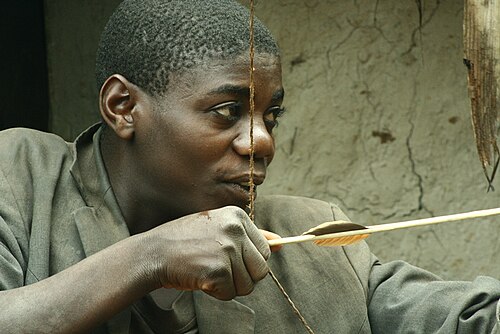


アフリカ五大湖
- アバグシイ:ケニア[16] [17]
- ハッザ族(ハッザベ族):タンザニア、シンギダ地域:エヤシ湖の南東、南、北西。[要出典]
- イラク:タンザニア[18] [19]
- カレンジン:ケニア[20] [21]
- キクユ語:ケニア[22] [23]
- ルヒヤ:ケニア[24] [25]
- マサイ族:ケニア、タンザニア[26] [27] [28]
- レンディル:ケニア[29] [30]
- サンブル:ケニア、タンザニア[20] [31]
- サンダウェ:タンザニア、ドドマ地域 :コンドア地区、ブブ川とムポンデ川の間、シンギダ地域。[要出典]
- ピグミー族:
中央アフリカ
- ピグミー族:
- ベドザン:カメルーン北部中央部
- ムベンガ:
- ムブティ語(バンブティ語):
- トゥワ
- アンゴラ トゥワ:アンゴラ北東部、東部、南部
- カサイ トゥワ (クバ トゥワ):コンゴ民主共和国中央部
- ムボテ・トワ:コンゴ民主共和国南東部、タンガニーカ湖北西部
- モンゴ トゥワ(ヌトンバ トゥワ):コンゴ民主共和国西部、トゥンバ湖、マイ エンドンベ湖
- ウペンバ トゥワ (ルバ トゥワ):コンゴ民主共和国南東部、ウペンバうつ病
アフリカの角
- アファール人(Qafár/'Afár):ジブチ、エリトリア、エチオピアのアファール三角地帯[32] [33]
- アムハラ:エチオピア[34] [35] [36] [37]
- バンナ:エチオピア南西部、南部諸民族州(SNNPR)[38] [39]
- バスケット:エチオピア南西部、南部諸民族地域(SNNPR)[40]
- ベルタ (フンジ) :エチオピア西部、ベニシャングル・グムズ地域、スーダン極東[41] [42]
- ブルジ:エチオピア南部、南部諸民族州(SNNPR)[43] [44]
- ゲデオ:エチオピア南部、南部諸民族州(SNNPR)[44] [45]
- グムズ:エチオピア西部、ベニシャングル・グムズ地域、スーダン極東[46] [47]
- ハマー:エチオピア南西部、南部諸民族地域(SNNPR)[48] [49]
- カロ:エチオピア南西部、南部諸民族州(SNNPR)[50] [51]
- クナマ: 西エリトリア、ガシュ・バルカ地域、極東スーダン[52] [53]
- マアレ:エチオピア南西部、南部諸民族州(SNNPR)[38] [54]
- ムルシ(ムン): 主にデブブ・オモ地帯、南部諸国、民族および民族地域、エチオピア南西部[55] [48]
- 奈良: 西エリトリア、ガシュ・バルカ地方、極東スーダン[53] [52]
- オロモ人:エチオピア、ケニア[51]
- サホ:エリトリア中部、紅海北部地域南部[56] [57]
- シナシャ(シナシャ):エチオピア北西部[58]
- シダマ:エチオピア南部、南部諸民族州(SNNPR)[59] [60]
- ソマリア人:ソマリア、ジブチ、エチオピア東部、ケニア北東部[61] [62]
- スリ・バーレ:エチオピア[63]
- スリ・チャイ:エチオピア[64] [48]
- スリ・ティマガ:エチオピア[64]
- ウォライタ:エチオピア南西部、南部諸民族、民族、人民地域(SNNPR) [65] [66]
- イェム:エチオピア南西部、南部諸民族州(SNNPR)[50] [67]
スーダン
- ヌバ族:スーダン、ヌバヒルズ
- ヌビア人:スーダン北部極北、エジプト南部極南、ナイル川中流域の川岸
- ディンカ族(ジエング族):主にレイクス州、ワラップ州、ユニティ州、ナイル川上流域、南スーダン中央部および北部に居住。
- ヌエル族(ナード):主に南スーダン中東部、上ナイル川東岸のジョングレイ州に居住。
- アヌアク(アニワ):主に南スーダン東部の東ジョングレイ州、また主にエチオピア南西部極低地のガンベラ地域(南スーダンとエチオピアの国境地域)でも生息しています。
- シルク族(チョロ/コロ族): 主に南スーダン北部、上ナイル川の西、南スーダン上ナイル州(コドックまたはコトク、以前はファショダと呼ばれていた地域は彼らの領土内)。
- フール(Fòòrà):ダルフール、西スーダン
- マサリット:ダルフール、西スーダン
- カドゥ族:スーダン、ヌバヒルズ
南アフリカ
- アフリカ南部のバンツー語を話す人々:南アフリカ、レソト、エスワティニ、ボツワナ、モザンビーク、ジンバブエ、ナミビア、アンゴラ南部。
- 南コイコイ語族を話す人々: アンゴラ、ナミビア、ボツワナ、カラハリ砂漠、ジンバブエ、南アフリカ西部および南西部。
- 南サン語族を話す人々: アンゴラ、ナミビア、ボツワナ、カラハリ砂漠、南アフリカ西部および南西部。
- クシャ/ジュホアン
- ǃクン/ジュウ
- アムコエ
- ǂKxʼao-ǁʼae (アウエン)
- ǃクン/ジュウ
- トゥウ
- ǃクウィ (!ウイ)
- ǀザム
- ǂコマニ(ヌー)
- クウェ語(コイ語、クエ語)
- タア
- ǃXooŋake/ヌムデ
- クシャ/ジュホアン
西アフリカ
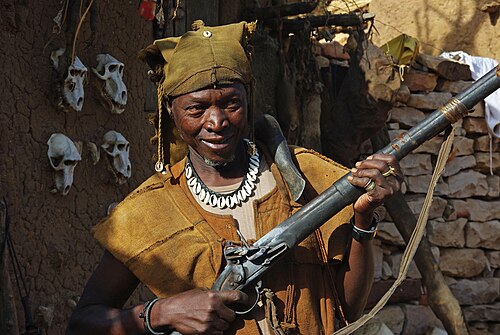

- ドゴン族:マリ、ブルキナファソに少数居住。[68] [69]
- ジョラ族:ギニアビサウ、ガンビア、セネガル[70]
- セレール人:セネガル、ガンビア、ギニアビサウ、モーリタニア、正式には北アフリカ。[71] [72]
- マンディンカ人:ギニア、マリ、セネガル、ガンビア、ギニアビサウ、ガーナ、リベリア、シエラレオネ。
- ソニンケ族:マリ、セネガル、ガンビア。
- ウォロフ族:セネガル、ガンビア、モーリタニア。
- モッシ族:ブルキナファソ、コートジボワール、ガーナ。
- ハウサ人:ナイジェリア、ニジェール、カメルーン、コートジボワール、ガーナ、ベナン、トーゴ。
- ヨルバ族:ナイジェリア、ベナン、ガーナ、トーゴ、コートジボワール、ニジェール、シエラレオネ、ガンビア。
- フラ族:ナイジェリア、セネガル、シエラレオネ、ギニア、マリ、ブルキナファソ、ニジェール、ベニン、モーリタニア、ギニアビサウ、ガンビア、トーゴ、ガーナ、コートジボワール。
- イボ族:ナイジェリア、ガーナ、ガンビア。
北アフリカ
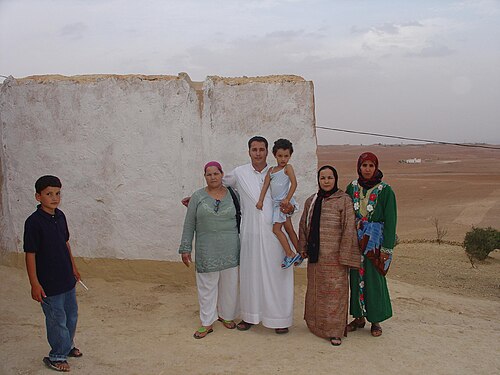

- アフロアジア語族
- ハラティン: 起源は不明のマグリブとサハラの先住民。メンバーは現在ベルベル語かアラビア語を話し、モロッコ、モーリタニア、西サハラ、アルジェリアに居住。
- セレル- 現在の習慣セネガ、ガンビア、ギニアビサウ、モーリタニア[71] [72]
- トゥブー:チャド
- コプト人(レム・エン・ケミ/レム・エン・ケメ):エジプト。エジプトの人口の大半は古代エジプト人の子孫である。
- ベジャ:スーダン北東部、紅海沿岸からナイル川(白ナイル川と青ナイル川)東岸まで、エリトリア北西部、サハラ 東部砂漠、エジプト南東部
- グアンチェス:カナリア諸島、スペイン
西アジアと中央アジア
西アジア


.jpg/500px-Animated_conversation_(6408248573).jpg)
- アフロアジア語族
- セム系民族
- 中央セム系民族
- アッシリア人(Āṯūrāyē/Sūrāyē/Sūryāyē):アッシリア原住民で、キリスト教の 新アラム語を話す民族。アッシリアは、現在のイラク北部、トルコ南東部、シリア北東部、イラン北西部の上部メソポタミアに所在する。古代アッシリア人と現代アッシリア人の間には、証明された歴史的連続性があり、アッシリア人の大多数は古代から同じ土地(アッシリア、アトゥラ、ローマのアッシリア、アソリスタン)に住んでいます。これは、上メソポタミアのアラビア化以前、古アッシリア(もともとアッカド語を話していたが、古代、紀元前1千年紀の終わりまでに、アッシリア人はアラム語をアラム人からアッシリア帝国の公用語として採用し、現代ではアッシリア新アラム語を話します)に相当します。ただし、すべてのアッシリア人がアッシリア人を自認しているわけではなく、一部はアッシリアの民族的アイデンティティを採用した民族の出身です。[73]
- 西セム系民族
- 南セム人
- バタリ族:オマーン南部のドファール。アラブ化以前のドファールの先住民の子孫。[要出典]
- ハラシス:ジッダット・アル・ハラシス、中央オマーン。アラビア化以前の南アラビアの先住民の子孫。[要出典]
- ホビョット人:ドファール、オマーン南部、イエメン極東。アラブ化以前のドファールの先住民の子孫。[要出典]
- メフリス:アル・マフラ、イエメン東部、ドファール、オマーン南部。アラブ化以前のドファールの先住民の子孫。[要出典]
- シェリ族/ジッバリ族:オマーン南部のドファール。アラブ化以前のドファールの先住民の子孫。[要出典]
- ソコトラ人:インド洋、イエメン本土南東のソコトラ島および島嶼群。アラビア化以前の南アラビア原住民の子孫。[要出典]
- 南セム人
- 中央セム系民族
- セム系民族
- アラビアとシリアの内陸砂漠に住むベドウィン(バダウィー) 。[要出典]
- ドゥルーズ派(アル・ムワヒディーン/アル・ムワヒディーン/アフル・アル・タウヒード):ジャバル・アル・ドゥルーズ派、シリア、レバノン、ヨルダン、イスラエル出身。ドゥルーズ派の信仰は、イスラム教のイスマーイール派、ユダヤ教、キリスト教、新プラトン主義、ピタゴラス主義、グノーシス主義、ギリシャ哲学が融合したものである。[要出典]信仰の基盤となるテキストは『知恵の書』である。彼らは歴史を通じて少数派であったが、レバント地方の歴史を形作る上で重要な役割を果たしてきた。この信仰はもともとイスマーイール派イスラム教から発展したが、ドゥルーズ派は通常イスラム教徒とは見なされていない。最も古く、最も人口密度の高いドゥルーズ派のコミュニティは、レバノン山地とシリア南部のジャバル・アル・ドゥルーズ(文字通り「ドゥルーズ派の山」)周辺に存在する。[要出典]
- マンダ教徒[要出典]
- 湿地住民/湿地アラブ人(マダン/アラブ・アル・アフワール):イラク南部の湿地やシャット・アル・アラブ川のイラン側に住むアラビア語を話す人々。[74]
- 北西セム系民族
- アラム人(Āramayē):シリア中部および西部、レバント地方のアラム人(アラム)の古代の土地。アラム語を話す民族は古代アラム人の子孫である。[要出典]近年、イスラエルのジシュ村に住むアラム人キリスト教徒の間で西アラム語を復活させようとする試みがなされている。[要出典]
- カナン人[要出典]
- ユダヤ人: [75]サマリア人とともに、南レバントのイスラエル国家の子孫であり、考古学者や歴史家は、カナン人や文化から分岐し、古代カナンの神々の1つであるエル/ヤハウェを中心とした独特の一神教、後に一神教の宗教を発展させたと信じています。 [76] [77] [78]ユダヤ人のディアスポラは第二神殿の崩壊前の数世紀にわたって存在しており、他の国に住んでいたのは、ほとんどの場合、強制的な移住によるものではありませんでした。[79]ローマ軍 によるエルサレム包囲、ヘロデ神殿の破壊、ユダヤ人の反乱の失敗に続いて、一部のユダヤ人は追放されるか、ローマに奴隷として連れて行かれるか、虐殺されましたが、 [80]他のユダヤ人は多くのユダヤ人がキリスト教やイスラム教に改宗し、ローマ人、アラブ人、オスマン帝国、イギリス人など、この地域の様々な征服者から迫害されたにもかかわらず、何世紀にもわたってこの地域に住み続けました。さらに、 19世紀から20世紀にかけて(主にシオニスト運動の下で)、また1948年に現代のイスラエル国が樹立された後に、相当数のディアスポラ・ユダヤ人がパレスチナに移住しました。これは、今日でも話されている唯一のカナン語であるヘブライ語の復活と結びついています。DNA研究によると、多くの主要なディアスポラ・ユダヤ人コミュニティは、祖先のかなりの割合を古代イスラエル人に由来しています。[81] [82] [83] [84]
- パレスチナのアラブ人とユダヤ人は歴史的パレスチナ/イスラエルの地の先住民であるという主張が対立している。[85] [86] [87]この議論は1990年代のイスラエル・パレスチナ紛争に持ち込まれ、パレスチナ人はユダヤ人入植によって追放された既存の人口であり、現在はイスラエル国で少数派を構成しているため、先住民族の地位を主張した。[88]イスラエルのユダヤ人は、その地域との歴史的なつながりに基づいて先住民族であると主張し、パレスチナ人の主張の信憑性に異議を唱えた。[89] [90] 2007年、ネゲブのベドウィンは国連によって正式に「イスラエルの先住民族として認められた」。[91]このことは、ベドウィンの先住民族としての主張に異議を唱えるイスラエル国家と関係のある学者たちから批判されている。 [92]また、パレスチナ人のうちの1つのグループだけを先住民族として認めることは、他のグループの主張を弱め、遊牧民の文化を「フェティシズム化」するリスクがあると主張する人々からも批判されている。[93]


_11.jpg/500px-Yezidi_New_Year_festival_at_Lalish_(18_April_2017)_11.jpg)

コーカサス
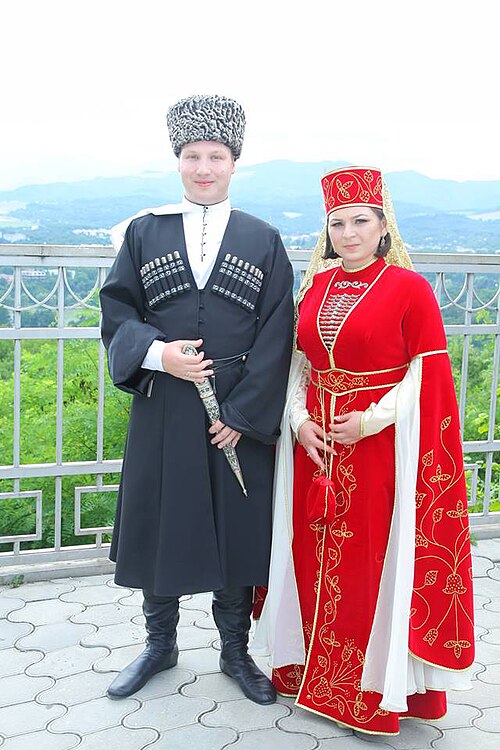
- インド・ヨーロッパ人
- カルトヴェリア人
- 北東コーカサス人
- 北西コーカサス人
中央アジア

- インド・ヨーロッパ人
南アジア

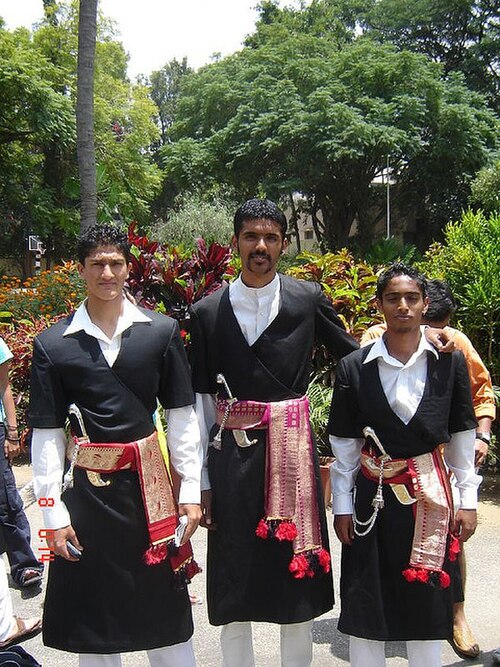


インド亜大陸
- アディヴァシ族:インド の多くの先住民族の総称
- ブルショ:パキスタン北部、ギルギット・バルティスタン州、フンザ県およびチトラル県
- シナ・チベット語族
- ヴェッダ(ワニヤラ・アエット):スリランカ
- ディベヒ語:モルディブ

アンダマン・ニコバル諸島
- ネグリート:
- アンダマン諸島のアンダマン語族には以下が含まれます。
- グレートアンダマン人: かつてはグレートアンダマン諸島全域に少なくとも 10 の異なるグループが住んでいましたが、現在は海峡島、アンダマン諸島の 1 つのコミュニティに限定されています。
- ジャンギル(ラトランドジャラワ) : 現在は絶滅、かつてはアンダマン諸島のラトランド島に生息していた
- ハラワ:南アンダマンおよび中部アンダマン
- オンゲ(Önge):リトルアンダマン、アンダマン諸島
- センチネル語(?):北センチネル島、アンダマン諸島
- アンダマン諸島のアンダマン語族には以下が含まれます。
- オーストロアジア諸民族
北東アジア

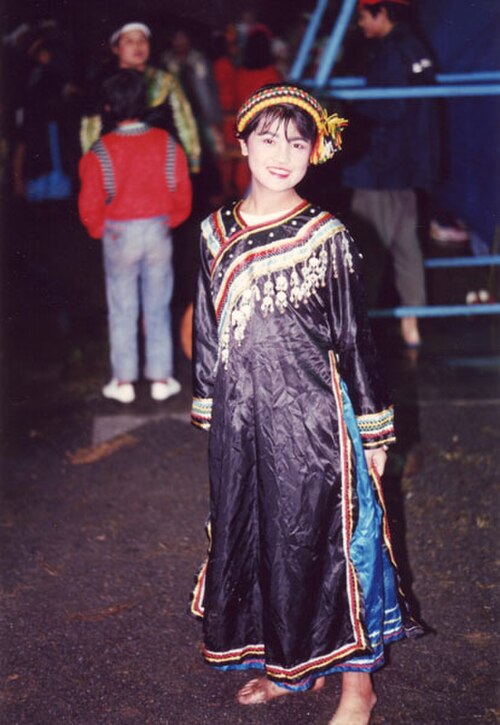
中国
中国西部
北中国
南中国
- モン族
モンゴル
台湾
- 台湾島の先住民族
日本
韓国
シベリア

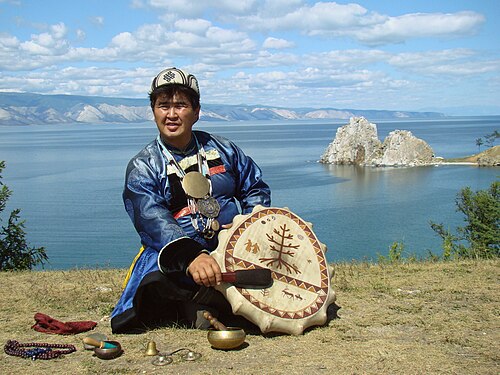

ロシアのアジア地域(シベリア/北アジア)には、それぞれ独自の言語と文化を持つ40を超える民族が存在します。
- チュクチ・カムチャツカ人
- エスキモー・アレウト人
- モンゴル人
- ブリヤート人(Buryaad):ブリヤート共和国、ロシア、モンゴル
- ハムニガン人:ザバイカルスキー地方、ロシア、モンゴル、中国
- ツングース人
- トルコ系民族
- ウゴル人
- サモエード人
- ユカギール(オドゥル/ヴァドゥル/デトキル): 極北東シベリア、ロシア
- エニセイ人
- ニヴフ(ギリヤーク):サハリン、ロシア
- オロックス(ウイルタ):サハリン、ロシア
東南アジア


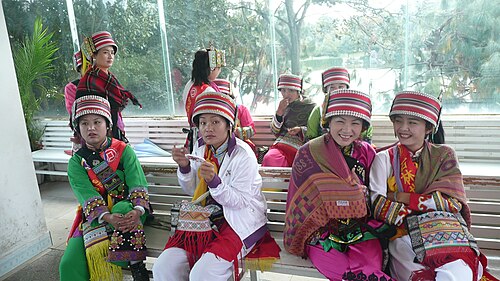

- オーストロアジア諸民族
- オーストロネシア人
- モン族
- 山岳民族(デガール):ベトナム南部の高原や山岳地帯に住むベトナム以前の民族の総称
- ネグリート:
- シナ・チベット語族
- タイ族:ベトナム、ミャンマー、ラオス、タイ(中国雲南省にも分布)。


- オーストロネシア人
- オラン リンバ(オラン バティン スンビラン/オラン リンバ/アナク ダラム/クブ):スマトラ島、インドネシア
- ルブ語:インドネシア、スマトラ島
- ネグリート:
- プリブミ (インドネシア先住民) :インドネシアの
ヨーロッパ
.jpg/500px-Travellers_Decorated_Caravan_(6136023633).jpg)
いくつかの資料ではサーミ人はヨーロッパで唯一認められた先住民族であると説明しており[104] [105] [106] 、他の資料ではサーミ人は欧州連合で唯一の先住民族であると説明している。[107] [108] [109] [110] 1989年の先住民族および種族民条約における先住民族の説明に当てはまると考えられるかもしれない他のグループ、特に中央、西、南ヨーロッパのグループ、例えばソルブ人は、一般的には国内の少数民族として分類されている。[111]
北欧
東欧
- トルコ系民族
- キプチャク・トルコ人(北西トルコ系民族)
- クリムチャク人(Qrymçaklar):ウクライナ南部のクリミア半島[114]
- クリミア・カライラー(クリムカラヤル):ウクライナ南部のクリミア半島[114]
- クリミア・タタール人(Qırımtatarlar):ウクライナ南部のクリミア半島[114]
- キプチャク・トルコ人(北西トルコ系民族)
西欧
アメリカ大陸
アメリカ大陸は、北アメリカ、南アメリカ、および関連する島々 からなる超大陸で構成されています。
地理的および民族言語的グループ別の民族一覧:
北米
北アメリカには、ベーリング海峡の東とパナマ地峡の北にある大陸と島々のすべてが含まれます。グリーンランド、カナダ、アメリカ合衆国、メキシコ、中央アメリカ、カリブ海諸国が含まれます。ただし、民族的および文化的特徴により、 より広い北アメリカと、より狭い北アメリカおよび中米を区別することができます。
北極

- 古代ベーリンジア人-シベリアとアラスカ
- エスキモー–アレウト
- メティス:カナダの先住民族(複数の民族) とヨーロッパ人(複数の民族) の混血の人々。
亜北極
- ナデネ族
- アサバスカ人
- 北アサバスカ人
- カナダのユーコン準州、ブリティッシュコロンビア州、マニトバ州、ノースウェスト準州、アルバータ州のディーン。
- アラスカのアサバスカ人
- アラスカ南部の人々
- アラスカ内陸部のコユーコン族。
- アラスカ内陸部とユーコン準州のクチン。
- タナナ・アサバスカンス。
- アラスカ内陸部のコルチャン。
- アラスカ内陸部のデグ・ヒタン。
- アラスカ内陸部のデナイナ。
- ホリカチュク
- カナダのユーコン準州と米国アラスカ州のハン。
- 北アサバスカ人
- アサバスカ人
- メティス:カナダに住む、ネイティブアメリカン(複数の民族)とヨーロッパ人(複数の民族)の混血の人々。
- アルゴンキン語族
太平洋岸北西海岸
- アメリカ合衆国ワシントン州のマカ族。
- アメリカ合衆国ワシントン州クイノールト。
- カナダ、ブリティッシュコロンビア州のヌートカ。
- カナダ、ブリティッシュコロンビア州のクワキウトル。
- アメリカ合衆国アラスカ州のエヤック。
- カナダのブリティッシュコロンビア州とアメリカ合衆国のアラスカ州に住むハイダ族。
- アメリカ合衆国アラスカ州のトリンギット族。
- カナダのブリティッシュコロンビア州とアメリカ合衆国のアラスカ州のチムシアン。
北西高原-グレートベースン-カリフォルニア
北西高原
グレートベースン
- アメリカ合衆国ユタ州のユテ族。
- アメリカ合衆国コロラド州、ワイオミング州、ネバダ州、ユタ州のショショーニ族。
- アメリカ合衆国ネバダ州のワショー。
- アメリカ合衆国コロラド州、カリフォルニア州、ネバダ州、ユタ州のパイユート族。
- アメリカ合衆国コロラド州、アリゾナ州、ニューメキシコ州、およびメキシコのバハカリフォルニア州のパイス。
カリフォルニア
- ユマン・コチミ族
- アメリカ合衆国カリフォルニア州のミウォック族。
- 米国カリフォルニア州のマイドゥ。
- アメリカ合衆国カリフォルニア州のウィントゥ。
- アメリカ合衆国カリフォルニア州のチュマシュ族。
- アメリカ合衆国カリフォルニア州のトングバ。
- アメリカ合衆国カリフォルニア州およびオレゴン州のモドック。
- アサバスカ人
- アメリカ合衆国カリフォルニア州のカフイラ。
- アメリカ合衆国カリフォルニア州モハベおよびネバダ州。
- ユト・アステカ人
- 米国カリフォルニア州のカロック。
グレートプレーンズ
- アメリカ合衆国テキサス州およびオクラホマ州のコマンチ族。
- アメリカ合衆国、カンザス州およびネブラスカ州のオーセージ族。
- アメリカ合衆国のノースダコタ州、サウスダコタ州、ミネソタ州、およびカナダのサスカチュワン州、アルバータ州のスー族。
- テキサス州とオクラホマ州のカイオワ族。
- モンタナのカラス。
- ネブラスカ州のオマハ。
- アメリカ合衆国モンタナ州、カナダアルバータ州、カナダサスカチュワン州のブラックフット族。
イースタンウッドランズ
北東森林地帯
- イロコイ族
- アメリカ合衆国のニューヨーク州、ウィスコンシン州、オクラホマ州、およびカナダのケベック州とオンタリオ州のハウデノサニー族。
- アメリカ合衆国カンザス州、ミシガン州、オクラホマ州、およびカナダのオンタリオ州のワイアンドット族。
- アメリカ合衆国ニューヨーク州北部、オハイオ州、ペンシルベニア州北西部のネイション・デュ・シャット。
- ペンシルベニア州、ウェストバージニア州、ニューヨーク州、メリーランド州(アメリカ合衆国)のコネストーガ (サスケハノック) 。
- セントローレンス・イロコイ族:カナダ、ケベック州のセントローレンス川およびアメリカ合衆国ニューヨーク州。
- モノンガヒラ:アメリカ合衆国、ペンシルベニア州、ウェストバージニア州、オハイオ州。
- アメリカ合衆国バージニア州ノットウェイ。
- アメリカ合衆国バージニア州およびサウスカロライナ州のウェスト。
- アルギック人
- アルゴンキン族
- ノースカロライナ州のチョワノーク。
- カロライナ・アルゴンキン語
- バージニア州のポウハタン連合。
- マサチューセッツ州のワンパノアグ族。
- アメリカ合衆国メイン州、カナダニューブランズウィック州およびニューファンドランド島のワバナキ。
- ニューハンプシャー州、メイン州、バーモント州のアベナキ族。
- メイン州のペノブスコット。
- メイン州、ニューブランズウィック州、ニューファンドランド島のミクマック族。
- アメリカ合衆国メイン州およびカナダニューブランズウィック州のパサマクォディ族。
- ニューブランズウィック州とケベック州のマリシート族。
- オハイオ川流域(現在のオクラホマ州)のショーニー族。
- 中央アルゴンキン語族
- アルゴンキン族
南東部森林地帯
南西
- ユト・アステカ人
- セリ(Comcaac):ソノラ州、メキシコ
- プエブロ族:コロラド州、ニューメキシコ州、アリゾナ州、ユタ州、テキサス州、アメリカ合衆国
- 南アサバスカ人
- メキシコのソノラ州とアメリカ合衆国のアリゾナ州のオオダム族。
メソアメリカ
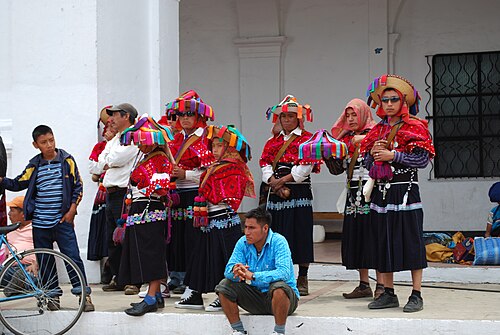

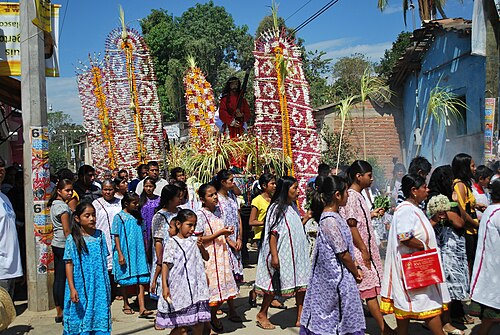


- Huave ( Ikoots / Kunajts ):オアハカ州、メキシコ
- マヤ族
- Huastec (Téenek/Te' Inik):サン ルイス ポトシ、メキシコ
- ミシェ・ソケアン人
- オト・マンゲアン族
- タラスカン(プルヘペチャ):ミチョアカン州、メキシコ
- テキストラテカン/チョンタル・デ・オアハカ:オアハカ州、メキシコ
- トトナカン族
- トトナック(トゥトゥナク):メキシコ、ベラクルス州とプエブラ州
- ユト・アステカ人
中米
中央アメリカは、一般的に、テワンテペク地峡とダリエン峡の間に位置する北アメリカの小地域として定義されています。

メソアメリカ
イスモ・コロンビア地域


- チブチャン族
- チョコ/エンベラ・ウォナアン族
- ミスマルパン族
- トルパン/ヒカケ:ホンジュラス
- ザンボ族/カフーソ族(西アフリカ人とアメリカインディアンの混血)
- ブラック・セミノール:フロリダ、バハマ、メキシコ。(セミノールとアフリカ人の混血)。
南アメリカ


南アメリカには、一般的にパナマ地峡の南にある大陸と島々のすべてが含まれます。
イスモ・コロンビア地域

アマゾン
- アラワカン族
- バルバコ人
- アワン
- アワ・クワイケル: エクアドル北部
- アワン
- ボラ・ウィトト族
- カワパナン族
- ジバロアン(シュアール):ロレトとサンマルティン、ペルー
- ヌカク:コロンビア
- パノア人
- ピラハン:ブラジル
- ティクナ・ユリ族
- トゥカノア人
- トゥピアン族
- ウラリナ(カチャ):チャンビラ盆地、ロレート ペルー
- ヤノマミ( Yanõmami / Yanõmami Thëpë ):ベネズエラ/ブラジル
ギアナ
東部高地(ブラジル高地)
チャコ
中央アンデス
南部コーン
アラウカニア
パンパス
パタゴニア
- チョノ:チロエ、グアイテカス、チョノス、チリ
- テウェルチェ: チリ南部/アルゼンチン
- アラカルフェ(カウェスカル):ティエラ デル フエゴ、チリ
- セルクナム(オナ): ティエラ デル フエゴ、アルゼンチン、チリ
- ヤガン(ヤマナ): ティエラ デル フエゴ、チリ
- ハウシュ(マネクエンク): ティエラ デル フエゴ、アルゼンチン
カリブ海

西インド諸島、またはカリブ海には、一般的にカリブ海の島々、すなわちルカヤン諸島、大アンティル諸島、小アンティル諸島が含まれます。
- アラワカン族
- 北部
- カリブ海周辺地域/タ・アラワカン族
- アイリ/イグネリ:小アンティル諸島。アラワク族の一種で、カリブ化以前はカリナゴ/アイランド カリブ族であった可能性がある。(アイランド カリブ族には、イグネリ族が小アンティル諸島の古い人々であるという伝承があるが、彼らはアイランド カリブ族の大多数の祖先であった可能性がある。)
- 島嶼カリブ人(カリブ/カリナゴ/カリフォナ) :小アンティル諸島。「島嶼カリブ人」と呼ばれることが多い (ただし、カリブの征服戦士エリートを擁する古いアラワク人であったか、本土のカリブ人の影響を受けていた可能性がある。明らかに、人々の大多数はカリブ語ではなくアラワク語を話していた。)
- タイノ族:もともとカリブ海の大アンティル諸島に住んでいたアメリカインディアンで、アラワカン族の子孫です。
- カリブ海周辺地域/タ・アラワカン族
- 北部
- シグアヨ:東イスパニョーラ島
- マコリクス:イスパニョーラ島
- グアナハタベイ:キューバ西部
オセアニア
オセアニアには、太平洋のほとんどの島々、ニューギニア、ニュージーランド、オーストラリア大陸が含まれます。
地理的および民族言語的グループ別の民族一覧:
オーストラリア

オーストラリアの先住民には、本土とティウィ諸島に住むアボリジニの人々と、トレス海峡諸島のトレス海峡諸島民が含まれます。
- オーストラリアの先住民には、言語、文化、地理など、さまざまな重複する特徴によって定義される数百の集団が含まれ、サブグループが含まれる場合もあります。タスマニア島の先住民族やティウィ族(ノーザンテリトリー沖のティウィ諸島の先住民)も先住民族ですが、トレス海峡諸島民とは遺伝的にも文化的にも異なります。
- トレス海峡諸島民は、文化的にも言語的にもパプア・オーストロネシア語族に属し、島々のさまざまな人々は主にメラネシア系です。トレス海峡諸島はクイーンズランド州の一部です。
西部砂漠
- パマ・ニュンガン族
- クナパ:ノーザンテリトリー、オーストラリア
- ピニ:オーストラリア西オーストラリア州
- スピニフェックス:オーストラリア西オーストラリア州
- ワンカタ:西オーストラリア州、オーストラリア
- ワルムング語:オーストラリア、ノーザンテリトリー
- ワティ族
- アンタキリンジャ:オーストラリア、南オーストラリア州
- コカサ:オーストラリア、南オーストラリア州
- ルリジャ:オーストラリア、ノーザンテリトリー
- マディジャ:西オーストラリア州、オーストラリア
- マドゥウォンガ:オーストラリア、西オーストラリア州
- マルトゥ族
- マルング族
- Ngaanyatjarra :ノーザンテリトリー、オーストラリア
- ンガーチャジャラ語:オーストラリア、西オーストラリア州
- ピントゥピ語:オーストラリア西オーストラリア州
- ピジャンジャチャラ:ノーザンテリトリー、オーストラリア
- ワンカジュンガ:西オーストラリア州、オーストラリア
- ヤンクニチャチャラ:南オーストラリア州、オーストラリア
- ユルパリジャ:オーストラリア、西オーストラリア州
- Yumu :ノーザンテリトリー、オーストラリア
- ヤンクンジャチャラ:南オーストラリア州、オーストラリア
- ミルンディ族
キンバリー
北西
- パマ・ニュンガン族
- ンガヤルダ族
- バイルグ:オーストラリア、西オーストラリア州、ピルバラ地域
- イナウォンガ:オーストラリア、西オーストラリア州、ピルバラ地域
- ジャディラ:オーストラリア、西オーストラリア州、ピルバラ地域
- クラマ:ピルバラ地方、西オーストラリア州、オーストラリア
- マルドゥドゥネラ:ピルバラ地方、西オーストラリア州、オーストラリア
- ンガルラ:オーストラリア、西オーストラリア州、ピルバラ地域
- ンガルマ:オーストラリア、西オーストラリア州、ピルバラ地域
- ニアバリ:オーストラリア、西オーストラリア州、ピルバラ地域
- ヌワラ:オーストラリア、西オーストラリア州、ピルバラ地域
- ニャマル:ピルバラ地方、西オーストラリア州、オーストラリア
- パニージマ:オーストラリア、西オーストラリア州、ピルバラ地域
- チュロロ:オーストラリア、西オーストラリア州、ピルバラ地域
- カニャラ・マンタルタ族
- カルトゥ族
- ンガヤルダ族
南西
- パマ・ニュンガン族
- ニュンギック族
- ヌンガー族
- アマング:ジェラルトン・サンドプレーンズ、西オーストラリア州、オーストラリア
- バラドン:エイボン・ウィートベルト、西オーストラリア州、オーストラリア
- ユエド:スワン海岸平野、西オーストラリア州、オーストラリア
- カネアン:ジャラ森林、西オーストラリア州、オーストラリア
- コレン:マリー、西オーストラリア州、オーストラリア
- Mineng :ウォーレン、西オーストラリア州、オーストラリア
- ニャキンジャキ:エイボン・ウィートベルト、西オーストラリア、オーストラリア
- ンジュンガ:エスペランス平原、西オーストラリア州、オーストラリア
- ビブルマン:オーストラリア、西オーストラリア州、ウォーレン
- ピンジャルプ:ジャラ森林、西オーストラリア州、オーストラリア
- ワルダンディ:スワン海岸平野、西オーストラリア州、オーストラリア
- ワジュク:ジャラ森林、西オーストラリア、オーストラリア
- ウィルマン:オーストラリア西オーストラリア州
- ウジャリ語:マリー、西オーストラリア州、オーストラリア
- カラアコ:ゴールドフィールズ - エスペランス地域、西オーストラリア州、オーストラリア
- カラマイア:オーストラリア、西オーストラリア州
- ミルニング族
- インカルタ:ガスコイン地域、西オーストラリア州、オーストラリア
- ヌンガー族
- ニュンギック族
フィッツモーリス盆地
- イラム族
- マクロ・グンウィニグアン族
- デイリーピープルズ
Arnhem Land
- Pama-Nyungan peoples
- Macro-Gunwinyguan peoples
- Maningrida peoples
- East Arnhem peoples
- Marran peoples
- Gaagudju: Northern Territory, Australia
- Gunwinyguan peoples
- Gunwinggic peoples
- Dalabon: Northern Territory, Australia
- Jawoyn: Nitmiluk National Park, Northern Territory, Australia
- Jala peoples
- Iwaidjan peoples
- Amurdak: Cobourg Peninsula, Northern Territory, Australia
- Iwaidjic peoples
- Marrku-Wurrugu peoples
Top End
- Tiwi: Tiwi Islands, Northern Territory, Australia
- Darwin Region peoples
- Larrakia: Darwin, Northern Territory, Australia
- Limilngan
- Umbugarlic peoples
- Giimbiyu: Alligator Rivers, Northern Territory, Australia
Gulf Country
- Pama-Nyungan peoples
- Tankgkic peoples
- Garawan peoples
Cape York
West Cape
- Pama-Nyungan peoples
- Paman peoples
- North Cape York Paman peoples
- Djagaraga: Cape York Peninsula, Queensland, Australia
- Tjungundji: Cape York Peninsula, Queensland, Australia
- Injinoo: Cape York Peninsula, Queensland, Australia
- Luthigh: Cape York Peninsula, Queensland, Australia
- Mbewum: Cape York Peninsula, Queensland, Australia
- Tjungundji: Cape York Peninsula, Queensland, Australia
- Totj: Cape York Peninsula, Queensland, Australia
- Unduyamo: Cape York Peninsula, Queensland, Australia
- Wik peoples
- Wik-Mungkan: Cape York Peninsula, Queensland, Australia
- Kugu Nganhcara: Cape York Peninsula, Queensland, Australia
- Wiknatanja: Cape York Peninsula, Queensland, Australia
- Wik Me'anh: Cape York Peninsula, Queensland, Australia
- Wik Epa: Cape York Peninsula, Queensland, Australia
- Wik Elken: Cape York Peninsula, Queensland, Australia
- Wik Paach: Cape York Peninsula, Queensland, Australia
- Wik Ompom: Cape York Peninsula, Queensland, Australia
- Wimaranga: Cape York Peninsula, Queensland, Australia
- Winduwinda: Cape York Peninsula, Queensland, Australia
- Thaypan peoples
- North Cape York Paman peoples
- Paman peoples
East Cape
- Pama-Nyungan peoples
- Paman peoples
- North Cape York Paman peoples
- Lamalamic peoples
- Northeast Paman peoples
- Paman peoples
Daintree Rainforest
- Pama-Nyungan peoples
Lake Eyre Basin
- Pama-Nyungan peoples
- Kalkatungic peoples
- Karnic peoples
- Yarli peoples
Spencer Gulf
- Pama-Nyungan peoples
- Thura-Yura peoples
- Wirangu: South Australia, Australia
- Nauo: Eyre Peninsula, South Australia, Australia
- Barngarla: Eyre Peninsula, South Australia, Australia
- Kuyani: South Australia, Australia
- Adnyamathanha: Flinders Ranges, South Australia, Australia
- Malyangapa: New South Wales, Australia
- Ngadjuri: South Australia, Australia
- Nukunu: South Australia, Australia
- Narungga: Yorke Peninsula, South Australia, Australia
- Kaurna: Adelaide Plains, South Australia, Australia
- Peramangk: Adelaide Plains, South Australia, Australia
- Thura-Yura peoples
Murray-Darling Basin
- Pama-Nyungan peoples
- Yotayotic peoples
- Yorta Yorta: New South Wales and Victoria, Australia
- Ngarrimouro: New South Wales and Victoria, Australia
- Lower Murray peoples
- Wiradhuric peoples
- Muruwari: New South Wales and Queensland, Australia
- Yotayotic peoples
Northeast
- Pama-Nyungan peoples
- Lower Burdekin peoples
- Maric peoples
- Biri peoples
- Gugu-Badhun: Burdekin River, Queensland, Australia
- Yilba: Mackay, Queensland, Australia
- Gia: Queensland, Australia
- Biria: Queensland, Australia
- Yambina: Queensland, Australia
- Garaynbal: Queensland, Australia
- Yangga: Queensland, Australia
- Baranha: Queensland, Australia
- Miyan: Queensland, Australia
- Yuwibara: Queensland, Australia
- Kingkel peoples
- Biri peoples
- Waka-Kabic peoples
Southeast
- Pama-Nyungan peoples
- Yugambeh-Bundjalung peoples
- Gumbaynggiric peoples
- Anēwan: Northern Tablelands, New South Wales, Australia
- Yuin-Kuric peoples
- Djangadi: Macleay Valley, New South Wales, Australia
- Geawegal: Hunter Valley, New South Wales, Australia
- Worimi: New South Wales, Australia
- Wonnarua: New South Wales, Australia
- Awabakal: New South Wales, Australia
- Eora: New South Wales, Australia
- Darug: New South Wales, Australia
- Gandangara: New South Wales, Australia
- Tharawal: Sydney, New South Wales, Australia
- Ngarigo: New South Wales and Victoria, Australia
- Koori: New South Wales and Victoria, Australia
- Gippsland peoples
- Kulinic peoples
Tasmania
- Palawa peoples
- Western Tasmanian peoples
- Northern Tasmanian peoples
- Tommeginne: Northern Tasmania, Australia
- Northeastern Tasmanian peoples
- Pyemmairre: Northeastern Tasmania, Australia
- Tyerrernotepanner: Northern Midlands and Ben Lomond, Tasmania, Australia
- Eastern Tasmanian peoples
- Paredarerme: Oyster Bay, Tasmania, Australia
- Lairmairrener: Big River, Tasmania, Australia
- Nuennone: Bruny Island, Tasmania, Australia
Torres Strait Islands
Melanesia

Melanesia generally includes New Guinea and other (far-)western Pacific islands from the Arafura Sea out to Fiji. The region is mostly inhabited by the Melanesian peoples.
- Melanesians
- Austronesian-speaking Melanesians
- Fijians (iTaukei): Fiji
- Kanak: New-Caledonia
- Malaitan people: Malaita, Solomon Islands
- Ni-Vanuatu: Vanuatu
- Papuan-speaking Melanesians
- Austronesian-speaking Melanesians
- Papuans: more than 250 distinct tribes or clans, each with their own language and culture. The main island of New Guinea and surrounding islands (territory forming independent state of Papua New Guinea (PNG) and the Indonesian provinces of West Papua and Papua). Considered "Indigenous" these people are a subject to many debates.
- Sepik peoples
- Kwoma: Peilungua Mountains, Papua New Guinea.
- Iatmul: Sepik, Papua New Guinea.
- Sepik Hill
- Sanio
- Hewa: Southern Highlands, PNG
- Sanio
- Trans New-Guinean peoples
- Huli of the Southern Highlands, Papua New Guinea.
- Angu: Southwestern Morobe Province, Papua New Guinea.
- Bosavi
- Kaluli-Kasua
- Kaluli: Great Papuan Plateau, PNG
- Kaluli-Kasua
- Ok
- Mountain Ok
- Wopkaimin: western PNG, Star Mountains.
- Mountain Ok
- West Trans New-Guinean peoples
- Dani: Papua, Indonesia
- Korowai: West Papua, close to the Papua New Guinea border.
- Asmat: Asmat Regency, West Papua.
- Sepik peoples
Micronesia
Micronesia generally includes the various small island chains of the western and central Pacific. The region is mostly inhabited by the Micronesian peoples.
Polynesia
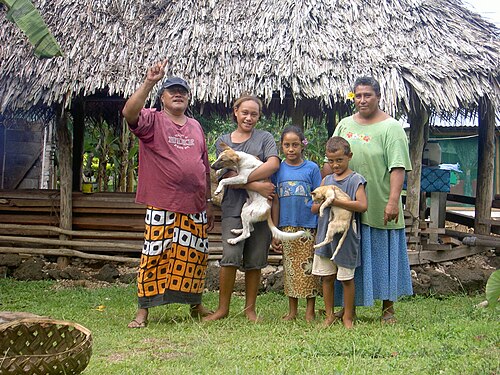
Polynesia includes New Zealand and the islands of Oceania, and has various Indigenous populations.[118]
- Native Hawaiians[119]
- Tongans[119]
- Tuvaluan people
- Marquesas Islanders
- Rapanui
- Samoans
- Tokelau
- Austral Islanders
- Cook Islanders
- Maohi, Tahiti
- Māori, New Zealand
- Moriori, Chatham Islands
- Tahitians, French Polynesia
- Tuamotus
- Niueans
- Vanuatuans[b]
- Kapingamarangi and Nukuoro, The Federated States of Micronesia
- Rennel, Tikopia and Vaeakau-Taumako, Solomon Islands
- Nuguria, Papua New Guinea
- Nukumanu, Papua New Guinea
- Takuu, Papua New Guinea
- Ontong Java
- Sikaiana
- Anuta, Solomon Islands
- Fagauvea, Ouvéa, New Caledonia
- Aniwa
- Bellona
- Rennel
Circumpolar
Circumpolar peoples is an umbrella term for the various Indigenous peoples of the Arctic.
List of peoples by ethnolinguistic grouping:
- "Paleosiberian"
- Chukotko-Kamchatkan
- Chukchi (Lyg'oravetl'et/O'ravetl'et): Siberia, Russian Far East, Russia
- Koryaks (Nymylan-Chauchuven): Russian Far East
- Tungusic
- Chukotko-Kamchatkan
- Eskimo–Aleut
- Aleut (Unangax): Aleutian Islands and Kamchatka Krai
- Eskimo/Yupik-Inuit
- Yupik: Alaska, United States and the Russian Far East, Siberia
- Alutiiq (Sugpiat): Alaska, United States
- Yup'ik (Yupiat/Yupiit/Cup'ik/Cupiit): Alaska, United States
- Cup'ig (Nunivak Cup'ig people): Nunivak Island (Alaska), United States
- Siberian Yupik (Yupighyt): Siberia, Russia
- Inuit: Greenland, Northern Canada (Nunavut, Nunavik and Northwest Territories), Alaska, United States
- Inupiat (Iñupiat): Alaska's Arctic and North Slope boroughs and the Bering Straits
- Kalaallit (Kalaallit): Greenland
- Yupik: Alaska, United States and the Russian Far East, Siberia
- Turkic
- Northeast Turks
- Dolgans (Dolgan/Tya Kikhi): Siberia (Krasnoyarsk Krai), Russia
- Yakuts (Sakha): Siberia (Sakha Republic), Russia
- Northeast Turks
- Ugrians, Yugra, Siberia, Russia
- Sami (Sámi/Saami/Lapp), formerly known by the exonym Lapps: Northern Norway, Sweden, Finland, and Kola Peninsula in Russia
- Samoyedic peoples
- Northern Samoyedic peoples: West Siberia and Far Northern European Russia
- Enets (Entsi): Far Northern Western Siberia, Russia
- Nenets (Neney Neneche): Far Northern Western Siberia and Far Northern European Russia
- Nganasan (Ŋənəhsa(nəh)): Taymyr Peninsula, Siberia, Russia
- Northern Samoyedic peoples: West Siberia and Far Northern European Russia
- Yukaghirs (Odul/Vadul/Detkil'): Far Northern East Siberia, Russia
See also
Wikimedia Commons has media related to Indigenous people.
Wikisource has original text related to this article:
Draft United Nations Declaration on the Rights of Indigenous Peoples
Wikisource has original text related to this article:
Convention concerning Indigenous and Tribal Peoples in Independent Countries

.jpg/500px-Lascar_Avenue_of_the_Dead_and_the_Pyramid_of_the_Sun_in_the_background_(4566574277).jpg)
- Center for World Indigenous Studies
- Declaration on the Rights of Indigenous Peoples
- Indigenous peoples
- Indigenous archaeology
- Indigenous Dialogues
- Indigenous (ecology)
- Indigenous intellectual property
- Indigenous knowledge
- Indigenous language
- Indigenous medicine
- Indigenous music
- International Work Group for Indigenous Affairs
- United Nations Permanent Forum on Indigenous Issues
- World Council of Indigenous Peoples
- Working Group on Indigenous Populations
- List of contemporary ethnic groups
- Lists of people by nationality
- List of indigenous rights organizations
- See all pages that start with indigenous people or indigenous
References
Notes
- ^ Also known as First peoples, First nations, Aboriginal peoples, Native peoples, Indigenous Natives, or Autochthonous peoples. Since 2020, most style guides have recommend capitalization of "Indigenous" when referring to specific Indigenous peoples as ethnic groups, nations, and the citizens or members of these groups.[121][122][123][124][125]
- ^ The Indigenous people of Vanuatu make up more than 95 percent of a country of just under a quarter of a million people (who speak more than 111 different languages), recognized by the United Nations as simultaneously having Least Developed status and having the world’s greatest cultural and linguistic diversity.[120]
Citations
- ^ United Nations Human Rights, Office of the High Commissioner (2013). "Indigenous Peoples and the United Nations Human Rights System, Fact Sheet No. 9/Rev.2". United Nations. p. 2. Retrieved 29 December 2023.
- ^ "Indigenous and Tribal People's Rights Over Their Ancestral Lands and Natural Resources". cidh.org. Archived from the original on 1 June 2020. Retrieved 30 May 2020.
- ^ McIntosh, Ian (September 2000). "Are there Indigenous Peoples in Asia?". Cultural Survival Quarterly Magazine. Archived from the original on 22 April 2021. Retrieved 1 April 2021.
- ^ a b Secretariat of the Permanent Forum on Indigenous Issues 2009, p. 6.
- ^ Muckle, Robert J. (2012). Indigenous Peoples of North America: A Concise Anthropological Overview. University of Toronto Press. p. 18. ISBN 978-1-4426-0416-2.
- ^ "Indigenous Peoples and the United Nations Human Rights System" (PDF). United Nations. p. 2. Retrieved 21 May 2023.
- ^ Acharya, Deepak and Shrivastava Anshu (2008): Indigenous Herbal Medicines: Tribal Formulations and Traditional Herbal Practices, Aavishkar Publishers Distributor, Jaipur, India. ISBN 978-81-7910-252-7. p. 440
- ^ UNHR Fact Sheet No. 9 2013, p. 3.
- ^ Taylor Saito, Natsu (2020). "Unsettling Narratives". Settler Colonialism, Race, and the Law: Why Structural Racism Persist (eBook). NYU Press. ISBN 978-0-8147-0802-6. Archived from the original on 15 March 2023. Retrieved 21 December 2020.
...several thousand nations have been arbitrarly (and generally involuntarily) incorporated into approximately two hundred political constructs we call independent states...
- ^ Miller, Robert J.; Ruru, Jacinta; Behrendt, Larissa; Lindberg, Tracey (2010). Discovering Indigenous Lands: The Doctrine of Discovery in the English Colonies. OUP Oxford. pp. 9–13. ISBN 978-0-19-957981-5.
- ^ UNHR Fact Sheet No. 9 2013, p. 9.
- ^ Bodley 2008, p. 2.
- ^ UNHR Fact Sheet No. 9 2013, p. 4.
- ^ Jose R. Martinez Cobo
- ^ Definition of indigenous peoples
- ^ Hakansson, N. Thomas (1994). "The Detachability of Women: Gender and Kinship in Processes of Socioeconomic Change among the Gusii of Kenya". American Ethnologist. 21 (3): 516–538. doi:10.1525/ae.1994.21.3.02a00040. JSTOR 645919.
- ^ Maxon, R.M. (1976). "Gusii Oral Texts and the Gusii Experience under British Rule". The International Journal of African Historical Studies. 9 (1): 74–80. doi:10.2307/217392. JSTOR 217392.
- ^ Snyder, Katherine A. (2006). "Mothers on the March: Iraqw Women Negotiating the Public Sphere in Tanzania". Africa Today. 53 (1): 79–99. doi:10.1353/at.2006.0064. JSTOR 4187757. S2CID 144707308.
- ^ Boone, Catherine; Nyeme, Lydia (2015). "Land Institutions and Political Ethnicity in Africa: Evidence from Tanzania". Comparative Politics. 48 (1): 67–86. doi:10.5129/001041515816075123. JSTOR 43664170.
- ^ a b Boone, Catherine (2012). "Land Conflict and Distributive Politics in Kenya". African Studies Review. 55 (1): 75–103. doi:10.1353/arw.2012.0010. hdl:2152/19778. JSTOR 41804129. S2CID 154334560.
- ^ Jungerius, P. D. (1998). "Indigenous knowledge of landscape-ecological zones among traditional herbalists: a case study in Keiyo District, Kenya". GeoJournal. 44 (1): 51–60. doi:10.1023/A:1006851813051. JSTOR 41147169. S2CID 128857738.
- ^ McGlashan, Neil (1964). "Indigenous Kikuyu Education". African Affairs. 63 (250): 47–57. doi:10.1093/oxfordjournals.afraf.a095163. JSTOR 719766.
- ^ Castro, Alfonso Peter (1991). "Indigenous Kikuyu Agroforestry: A Case Study of Kirinyaga, Kenya". Human Ecology. 19 (1): 1–18. doi:10.1007/BF00888974. JSTOR 4602996. S2CID 154663699.
- ^ Kubow, Patricia K. (2007). "Teachers' Constructions of Democracy: Intersections of Western and Indigenous Knowledge in South Africa and Kenya". Comparative Education Review. 51 (3): 307–328. doi:10.1086/518479. JSTOR 10.1086/518479. S2CID 145758842.
- ^ Crowley, Eve L.; Carter, Simon E. (2000). "Agrarian Change and the Changing Relationships between Toil and Soil in Maragoli, Western Kenya (1900-1994)". Human Ecology. 28 (3): 383–414. doi:10.1023/A:1007005514841. JSTOR 4603359. S2CID 146217282.
- ^ Hodgson, Dorothy (2011). Being Maasai, Becoming Indigenous: Postcolonial Politics in a Neoliberal World. Indiana University Press. ISBN 9780253223050.
- ^ Shani, Serah (2022). Indigenous Elites in Africa: The Case of Kenya's Maasai. Routledge, Taylor & Francis. ISBN 9781032025766.
- ^ "The indigenous Maasai wanted to secure plots for farming in their home villages" (p. 29). Ibrahim, Barbara; Ibrahim, Fouad N. (1995). "Pastoralists in Transition - A Case Study from Lengijape, Maasai Steppe". GeoJournal. 36 (1): 27–48. doi:10.1007/BF00812524. JSTOR 41146468. S2CID 154884572.
- ^ Sifuna, Daniel (1984). "Indigenous Education in Nomadic Communities : A Survey of The Samburu, Rendille, Gabra and Boran of Northern Kenya". Présence Africaine Nouvelle. 131 (3e): 66–88. doi:10.3917/presa.131.0066. JSTOR 24350929.
- ^ Campbell, John R. (2004). "Ethnic minorities and development: A prospective look at the situation of African pastoralists and hunter-gatherers". Ethnicities. 4 (1): 5–26. doi:10.1177/1468796804040326. JSTOR 23890130. S2CID 145416864.
- ^ Holtzman, Jon D. (2003). "In a Cup of Tea: Commodities and History among Samburu Pastoralists in Northern Kenya". American Ethnologist. 30 (1): 136–155. doi:10.1525/ae.2003.30.1.136. JSTOR 3805213.
- ^ "Eritrean Afar People". Eritrean Afar National Congress. Archived from the original on 2022-01-04. Retrieved 2022-01-04.
- ^ Steven L. Danver (2015). Native Peoples of the World: An Encyclopedia of Groups, Cultures and Contemporary Issues. Routledge. pp. 601–603, 610. ISBN 978-1-317-46400-6.
- ^ Beall, Cynthia M. (2014). "Adaptation to High Altitude: Phenotypes and Genotypes". Annual Review of Anthropology. 43: 251–272. doi:10.1146/annurev-anthro-102313-030000. JSTOR 43049574.
- ^ Young, John (1999). "Along Ethiopia's Western Frontier: Gambella and Benishangul in Transition". The Journal of Modern African Studies. 37 (2): 321–346. doi:10.1017/S0022278X9900302X. JSTOR 161849. S2CID 155057210.
- ^ Sanches, Edalina Rodrigues (2022). Popular Protest, Political Opportunities, and Change in Africa. Routledge. pp. 181–2. doi:10.4324/9781003177371-11. ISBN 9781003177371. S2CID 246711828.
...recognition of the identity of indigenous Amhara people from Welkait as Amhara
- ^ John, Sonja (2021-09-13). "Civil rights activists in Welkait give hope for peace and democracy in Ethiopia". Africa at LSE. Retrieved 2022-02-20.
They requested state institutions recognise their indigenous Amhara identity and end discrimination.
- ^ a b Donham, Donald L. (1992). "Revolution and Modernity in Maale: Ethiopia, 1974 to 1987". Comparative Studies in Society and History. 34 (1): 28–57. doi:10.1017/S0010417500017424. JSTOR 178984. S2CID 143440554.
- ^ Lydall, Jean (2000). "The Threat of the HIV/AIDS Epidemic in South Omo Zone, Southern Ethiopia". Northeast African Studies. Special Issue: HIV/AIDS in Ethiopia, Part I: Risk and Preventive Behavior, Sexuality, and Opportunistic Infections. 7 (1): 41–61. doi:10.1353/nas.2004.0007. JSTOR 41931329. S2CID 143405452.
- ^ Azeze, Fekade (2001). "The State of Oral Literature Research in Ethiopia: Retrospect and Prospect". Journal of Ethiopian Studies. 34 (1): 43–85. JSTOR 41966115.
- ^ Jedrej, M. C. (1975). "Ingessana Throwing Knives (Sudan)". Anthropos. Bd. 70, H. 1./2. 70 (1/2): 42–48. JSTOR 40458698.
- ^ Jedrej, M. C. (2004). "The Southern Funj of the Sudan as a Frontier Society, 1820-1980". Comparative Studies in Society and History. 46 (4): 709–729. doi:10.1017/S0010417504000337. JSTOR 3879507. S2CID 145732712.
- ^ Amborn, Hermann; Schubert, Ruth (2006). "The Contemporary Significance of What Has Been. Three Approaches to Remembering the past: Lineage, Gada, and Oral Tradition". History in Africa. 33: 53–84. doi:10.1353/hia.2006.0004. JSTOR 20065765. S2CID 162724953.
- ^ a b Debelo, Asebe Regassa; Jirata, Tadesse Jaleta (2018). ""Peace Is Not a Free Gift": Indigenous Conceptions of Peace among the Guji-Oromo in Southern Ethiopia". Northeast African Studies. 18 (1–2): 201–230. doi:10.14321/nortafristud.18.1-2.0201. JSTOR 10.14321/nortafristud.18.1-2.0201. S2CID 203104277.
- ^ Merid, Takele (2019). "Indigenous Ecological Knowledge and the Changing Livelihood Strategies of the Gedeo People". Journal of Ethiopian Studies. 52: 139–166. JSTOR 48619998.
- ^ Donovan, Dolores A.; Assefa, Getachew (2003). "Homicide in Ethiopia: Human Rights, Federalism, and Legal Pluralism". The American Journal of Comparative Law. 51 (3): 505–552. doi:10.2307/3649118. JSTOR 3649118.
- ^ Meckelburg, Alexander (2015). "Slavery, Emancipation, and Memory: Exploratory Notes on Western Ethiopia". The International Journal of African Historical Studies. Special Issue: Exploring Post-Slavery in Contemporary Africa. 48 (2): 345–362. JSTOR 44723364.
- ^ a b c Fratkin, Elliot (2014). "Ethiopia's Pastoralist Policies: Development, Displacement and Resettlement". Nomadic Peoples. Special issue: The Emerging World of Pastoralists and Nomads. 18 (1): 94–114. doi:10.3197/np.2014.180107. JSTOR 43124163. S2CID 147312991.
- ^ Strecker, Ivo (2007). "A Hamar Spokesman on German Television and Radio: lessons on cultural difference and similarity". Journal of Ethiopian Studies. 40 (1/2): 181–201. JSTOR 41988226.
- ^ a b Pankhurst, Alula (2002). "Research on Ethiopian societies and cultures during the second half of the twentieth century". Journal of Ethiopian Studies. 35 (2): 1–60. JSTOR 41966134.
- ^ a b Jalata, Asafa (2017). "The Oromo Movement: The Effects of State Terrorism and Globalization in Oromia and Ethiopia". Social Justice. 44 (4): 83–106. JSTOR 26538396.
- ^ a b Naty, Alexander (2002). "Environment, Society and the State in Western Eritrea". Africa: Journal of the International African Institute. 72 (4): 569–597. doi:10.3366/afr.2002.72.4.569. JSTOR 3556702. S2CID 142770729.
- ^ a b Woldemikael, Tekle M. (2003). "Language, Education, and Public Policy in Eritrea". African Studies Review. 46 (1): 117–136. doi:10.2307/1514983. JSTOR 1514983. S2CID 143172927.
- ^ Donham, Donald L. (2000). "On Being "First": Making History by Two's in Southern Ethiopia". Northeast African Studies. Special Issue: Cultural Variation and Social Change in Southern Ethiopia: Comparative Approaches. 7 (3): 21–33. doi:10.1353/nas.2005.0005. JSTOR 41931255. S2CID 144593095.
- ^ Turton, David (1992). ""We Must Teach Them to Be Peaceful": Mursi views on being human and being Mursi". Nomadic Peoples. 31 (31): 19–33. JSTOR 43123371.
- ^ Weldehaimanot, Simon M; Mekonnen, Daniel R (2012). "Favourable Awards to Trans-Boundary Indigenous Peoples". Australian Indigenous Law Review. 16 (1): 60–76. JSTOR 26423239.
- ^ Tewolde, Azeb (2018). "The Archives of Eritrea as a Primary Source of Information for the Eritrean Cultural Heritage: Its Nature and Accessibility". Rassegna di Studi Etiopici. 3a Serie. 2 (49): 11–22. JSTOR 48564342.
- ^ Bender, M. L. (1971). "The Languages of Ethiopia: A New Lexicostatistic Classification and Some Problems of Diffusion". Anthropological Linguistics. 13 (5): 165–288. JSTOR 30029540.
- ^ Quinlan, Marsha B.; Quinlan, Robert J.; Dira, Samuel Jilo (2014). "Sidama Agro-Pastoralism and Ethnobiological Classification of its Primary Plant, Enset (Ensete ventricosum)". Ethnobiology Letters. 5: 116–125. doi:10.14237/ebl.5.2014.222. JSTOR 26423590.
- ^ Hamer, John H. (2002). "The Religious Conversion Process among the Sidāma of North-East Africa". Africa: Journal of the International African Institute. 72 (4): 598–627. doi:10.3366/afr.2002.72.4.598. JSTOR 3556703. S2CID 143489496.
- ^ William T. W., Morgan (2000). "The Ethnic Geography of Kenya on the Eve of Independence: The 1962 Census (Ethnogeographie Kenias am Vorabend der Unabhängigkeit: Der Zensus von 1962)". Erdkunde. 54 (1): 76–87. doi:10.3112/erdkunde.2000.01.07. JSTOR 25647252.
- ^ Bouh, Ahmed Mohammed; Mammo, Yared (2008). "Indigenous Conflict Management and Resolution Mechanisms on Rangelands in Somali Regional State, Ethiopia". Nomadic Peoples. 12 (1): 109–121. doi:10.3167/np.2008.120107. JSTOR 43123815.
- ^ "Ethiopian Tribeswomen Seek to Attract Favourable Husbands With Lip Plates". Al Bawaba. 2020-06-24. Retrieved 2022-02-15.
- ^ a b Abbink, J. (2000). "Violence and the Crisis of Conciliation: Suri, Dizi and the State in South-West Ethiopia". Africa: Journal of the International African Institute. 70 (4): 527–550. doi:10.3366/afr.2000.70.4.527. hdl:1887/9482. JSTOR 1161471. S2CID 145471725.
- ^ Rahmato, Dessalegn (1995). "Resilience and Vulnerability: Enset Agriculture in Southern Ethiopia". Journal of Ethiopian Studies. 28 (1): 23–51. JSTOR 41966054.
- ^ International Crisis Group (2009-09-04). "V. Contested Multi-Ethnic Politics". Ethiopia: Ethnic Federalism and Its Discontents. International Crisis Group. pp. 22–28.
{{cite book}}:|journal=ignored (help) - ^ Habtu, Alem (2005). "Multiethnic Federalism in Ethiopia: A Study of the Secession Clause in the Constitution". Publius. 35 (5): 313–335. doi:10.1093/publius/pji016. JSTOR 4624714.
- ^ Douny, Laurence (2018). "The Commodification of Authenticity: Performing and Displaying Dogon Material Identity". In Bunten, Alexis Celeste; Graburn, Nelson H.H. (eds.). Indigenous Tourism Movements. University of Toronto Press. ISBN 9781442628298. Retrieved 2024-05-30.
- ^ Danver, Steven L. (2015). Native Peoples of the World: An Encyclopedia of Groups, Cultures and Contemporary Issues. Taylor & Francis. p. 29. ISBN 9781317464006. Retrieved 2024-05-30.
- ^ Williams, Victoria R. (2020). Indigenous Peoples: An Encyclopedia of Culture, History, and Threats to Survival. Bloomsbury Publishing. p. 425. ISBN 9798216102199. Retrieved 2024-05-30.
- ^ a b Williams, Victoria R. (2020). Indigenous Peoples: An Encyclopedia of Culture, History, and Threats to Survival. Bloomsbury Publishing. p. 429. ISBN 9798216102199. Retrieved 2024-05-30.
- ^ a b Pierret, Paul, "Dictionnaire d'archéologie égyptienne", Imprimerie nationale 1875, p. 198-199 [in] Diop, Cheikh Anta, "Precolonial Black Africa", (trans: Harold Salemson), Chicago Review Press (1988), p. 65
- ^ Unrepresented Nations and People Organization | UNPO, Assyrians the Indigenous People of Iraq [1]
- ^ Sawahla & Dloomy (2007, pp. 425–433)
- ^ Williams, Victoria R. (2020-02-24). Indigenous Peoples: An Encyclopedia of Culture, History, and Threats to Survival [4 volumes]. ABC-CLIO. ISBN 978-1-4408-6118-5.
- ^ Tubb, 1998. pg 13–14.
- ^ Mark Smith, in The Early History of God: Yahweh and Other Deities of Ancient Israel, states "Despite the long regnant model that the Canaanites and Israelites were people of fundamentally different culture, archaeological data now casts doubt on this view. The material culture of the region exhibits numerous common points between Palestinians and Canaanites in the Iron I period (c. 1200–1000 BC). The record would suggest that the Israelite culture largely overlapped with and derived from Canaanite culture. ... In short, Israelite culture was largely Canaanite in nature. Given the information available, one cannot maintain a radical cultural separation between Canaanites and Palestinians for the Iron I period." (pp. 6–7). Smith, Mark (2002) The Early History of God: Yahweh and Other Deities of Ancient Israel (Eerdman's)
- ^ Rendsberg, Gary (2008). "Israel without the Bible". In Frederick E. Greenspahn. The Hebrew Bible: New Insights and Scholarship. NYU Press, pp. 3–5
- ^ Erich S. Gruen, Diaspora: Jews Amidst Greeks and Romans Harvard University Press, 2009 pp. 3–4, 233–34: 'Compulsory dislocation, .…cannot have accounted for more than a fraction of the diaspora. … The vast bulk of Jews who dwelled abroad in the Second Temple Period did so voluntarily.' (2)' .Diaspora did not await the fall of Jerusalem to Roman power and destructiveness. The scattering of Jews had begun long before-occasionally through forced expulsion, much more frequently through voluntary migration.'
- ^ Josephus. War of the Jews 9:2.
- ^ "Jewish Genetics - DNA, genes, Jews, Ashkenazi".
- ^ Haber, Marc; Gauguier, Dominique; Youhanna, Sonia; Patterson, Nick; Moorjani, Priya; Botigué, Laura R; Platt, Daniel E; Matisoo-Smith, Elizabeth; Soria-Hernanz, David F; Wells, R. Spencer; Bertranpetit, Jaume; Tyler-Smith, Chris; Comas, David; Zalloua, Pierre A (2013). "Genome-Wide Diversity in the Levant Reveals Recent Structuring by Culture". PLOS Genetics. 9 (2): e1003316. doi:10.1371/journal.pgen.1003316. PMC 3585000. PMID 23468648.
- ^ Behar, Doron M.; Yunusbayev, Bayazit; Metspalu, Mait; Metspalu, Ene; Rosset, Saharon; Parik, Jüri; Rootsi, Siiri; Chaubey, Gyaneshwer; Kutuev, Ildus; Yudkovsky, Guennady; Khusnutdinova, Elza K.; Balanovsky, Oleg; Semino, Ornella; Pereira, Luisa; Comas, David; Gurwitz, David; Bonne-Tamir, Batsheva; Parfitt, Tudor; Hammer, Michael F.; Skorecki, Karl; Villems, Richard (2010). "The genome-wide structure of the Jewish people". Nature. 466 (7303): 238–242. Bibcode:2010Natur.466..238B. doi:10.1038/nature09103. PMID 20531471. S2CID 4307824.
- ^ "Tracing the Roots of Jewishness". 2010-06-03.
- ^ Busbridge, Rachel (1 January 2018). "Israel-Palestine and the Settler Colonial 'Turn': From Interpretation to Decolonization". Theory, Culture & Society. 35 (1): 91–115. doi:10.1177/0263276416688544. ISSN 0263-2764. S2CID 151793639.
- ^ Ukashi, Ran (1 May 2018). "Zionism, Imperialism, and Indigeneity in Israel/Palestine: A Critical Analysis". Peace and Conflict Studies. 25 (1). doi:10.46743/1082-7307/2018.1442. ISSN 1082-7307.
- ^ Goldberg, Carole (14 April 2020). "Invoking the Indigenous, for and against Israel". Swimming against the Current. Academic Studies Press. pp. 298–318. doi:10.1515/9781644693087-019. ISBN 978-1-64469-308-7. S2CID 243669197.
- ^ Troen, Ilan; Troen, Carol (2019). "Indigeneity". Israel Studies. 24 (2): 17–32. doi:10.2979/israelstudies.24.2.02. ISSN 1084-9513. JSTOR 10.2979/israelstudies.24.2.02. S2CID 239062214.
- ^ Kattan, Victor. "'Invented' Palestinians, 'Indigenous' Jews: The Roots of Israel's Annexation Plan, and Why the World Must Stop Netanyahu, Before It's Too Late". Haaretz.
- ^ Pappe, Ilan (1 January 2018). "Indigeneity as Cultural Resistance: Notes on the Palestinian Struggle within Twenty-First-Century Israel". South Atlantic Quarterly. 117 (1): 157–178. doi:10.1215/00382876-4282082. hdl:10871/28176. ISSN 0038-2876.
- ^ Frantzman, Seth J.; Yahel, Havatzelet; Kark, Ruth (2012). "Contested Indigeneity: The Development of an indigenous Discourse on the Bedouin of the Negev, Israel". Israel Studies. 17 (1): 78–104. doi:10.2979/israelstudies.17.1.78. ISSN 1527-201X. S2CID 143785060.
- ^ Yiftachel, Oren; Roded, Batya; Kedar, Alexandre (Sandy) (1 November 2016). "Between rights and denials: Bedouin indigeneity in the Negev/Naqab". Environment and Planning A: Economy and Space. 48 (11): 2129–2161. Bibcode:2016EnPlA..48.2129Y. doi:10.1177/0308518X16653404. ISSN 0308-518X. S2CID 147970455.
- ^ Tatour, Lana (26 November 2019). "The culturalisation of indigeneity: the Palestinian-Bedouin of the Naqab and indigenous rights". The International Journal of Human Rights. 23 (10): 1569–1593. doi:10.1080/13642987.2019.1609454. ISSN 1364-2987. S2CID 150663547.
- ^ The UN Refugee Agency | UNHCR, World Directory of Minorities and Indigenous Peoples [2]
- ^ Department of Evolutionary Biology at University of Tartu Estonian Biocentre | Reconstruction of Patrilineages and Matrilineages of Samaritans and Other Israeli Populations From Y-Chromosome and Mitochondrial DNA Sequence Variation, Molecular Anthropology Group [3]
- ^ Williams, Victoria R. (2020). "Talysh". Indigenous Peoples: An Encyclopedia of Culture, History, and Threats to Survival [4 Volumes]. Santa Barbara, California: ABC-CLIO. p. 1016. ISBN 9781440861185.
- ^ Szczśniak, Andrew L. (1963). "A Brief Index of Indigenous Peoples and Languages of Asiatic Russia". Anthropological Linguistics. 5 (6): 1–29. ISSN 0003-5483. JSTOR 30022425.
- ^ Udayon, Misra (1987). "Immigration and Identity Transformation in Assam". Economic and Political Weekly. 34 (21): 1266. JSTOR 4407987. Retrieved 2024-06-07.
Census official C S Mullan's observations in the 1931 Census Report where he predicted that if the immigrations went on unchecked, the indigenous Assamese would be outnumbered in all but one or two Upper Assam districts, brought to the fore the threat to the Assamese identity.
- ^ Baruah, Sanjib (1986). "Immigration, Ethnic Conflict, and Political Turmoil--Assam, 1979-1985". Asian Survey. 26 (11): 1187–88. doi:10.2307/2644315. JSTOR 2644315. Retrieved 2024-06-07.
Even without immigration, Assam's indigenous population is extremely diverse in cultural, linguistic, and religious terms. [...] Of the languages that appear in Table 2, Assamese is an indigenous language.
- ^ "Orang Asli in Peninsular Malaysia : Population, Spatial Distribution and Socio-Economic Condition" (PDF).
- ^ "World Directory of Minorities and Indigenous Peoples – Philippines: Overview, 2007", UNHCR | Refworld.
- ^ Hanihara, T (1992). "Negritos, Australian Aborigines, and the proto-sundadont dental pattern: The basic populations in East Asia". American Journal of Physical Anthropology. 88 (2): 183–96. doi:10.1002/ajpa.1330880206. PMID 1605316.
- ^ Agpaoa, Joshua C. (2013). Design Motifs of the Northern Philippine Textiles.
- ^ Baer, Lars-Anders (2005). "The Rights of Indigenous Peoples – A Brief Introduction in the Context of the Sámi". International Journal on Minority and Group Rights. 12 (2/3): 245–267. doi:10.1163/157181105774740589. JSTOR 24675300.
- ^ Gouverneur, Cédric (1 January 2017). "Europe's only indigenous people". Le Monde Diplomatique. Retrieved 28 August 2023.
- ^ "Europe's only recognized indigenous peoples live in Sweden". Swedish Development Forum. 27 March 2018. Retrieved 28 August 2023.
- ^ "The Sámi: The People, Their Culture and Languages". Council of Europe. 2015. Retrieved 28 August 2023.
- ^ "Rights of the Sámi People". Finnish Ministry of Justice. Retrieved 28 August 2023.
- ^ Jaakkola, Jouni J. K.; Juntunen, Suvi; Näkkäläjärvi, Klemetti (2018). "The Holistic Effects of Climate Change on the Culture, Well-Being, and Health of the Saami, the Only Indigenous People in the European Union". Current Environmental Health Reports. 5 (4): 401–417. doi:10.1007/s40572-018-0211-2. PMC 6306421. PMID 30350264.
- ^ Valkonen, Sanna; Valkonen, Jarno (2017). "The Non-State Sámi". In Wiesner, Claudia; Björk, Anna; Kivistö, Hanna-Mari; Mäkinen, Katja (eds.). Shaping Citizenship: A Political Concept in Theory, Debate and Practice. Routledge. pp. 138–152. doi:10.4324/9781315186214-11. ISBN 9781315186214.
- ^ Grote, Rainer (2006). "On the Fringes of Europe: Europe's Largely Forgotten Indigenous Peoples". American Indian Law Review. 31 (2): 425–443. doi:10.2307/20070794. JSTOR 20070794.
- ^ "Sápmi - IWGIA - International Work Group for Indigenous Affairs". www.iwgia.org. Retrieved 2024-02-23.
- ^ "Samoyed:eHRAF World Cultures". ehrafworldcultures.yale.edu. Retrieved 2024-02-23.
- ^ a b c Fremer, Iana (2021). "Ukraine: New Law Determines Legal Status of Indigenous People". Library of Congress. Retrieved 2023-08-04.
- ^ "Refworld | World Directory of Minorities and Indigenous Peoples - Ireland : Travellers". Archived from the original on 26 January 2023. Retrieved 25 August 2022.
- ^ "Irish Traveller Movement - About Irish Travellers". Archived from the original on 29 September 2022. Retrieved 28 October 2022.
- ^ Rouse (1992)
- ^ Gagné, Natacha; Salaün, Marie (2012). "Appeals to indigeneity: insights from Oceania". Social Identities. 18 (4): 381–398. doi:10.1080/13504630.2012.673868. S2CID 144491173.
- ^ a b O. Ka'ili, Tevita (2017). Marking Indigeneity: The Tongan Art of Sociospatial Relations. University of Arizona Press. ISBN 9780816530564.
- ^ Geismar, Haidy (2020). "Introduction: Culture, Property, Indigeneity". Treasured Possessions. p. 1. doi:10.1515/9780822399704-004. ISBN 9780822399704. S2CID 241275292.
- ^ "APA Style - Racial and Ethnic Identity". Section 5.7 of the APA Publication Manual, Seventh Edition. Associated Press. 2019-11-01. Archived from the original on 15 March 2023. Retrieved 2022-02-03.
Racial and ethnic groups are designated by proper nouns and are capitalized. ... capitalize terms such as "Native American," "Hispanic," and so on. Capitalize "Indigenous" and "Aboriginal" whenever they are used. Capitalize "Indigenous People" or "Aboriginal People" when referring to a specific group (e.g., the Indigenous Peoples of Canada), but use lowercase for "people" when describing persons who are Indigenous or Aboriginal (e.g., "the authors were all Indigenous people but belonged to different nations")
- ^ "Reporter's Indigenous Terminology Guide". The Native American Journalists Association. Archived from the original on 2018-11-16. Retrieved 2022-02-02.
- ^ "NAJA AP Style Guide". The Native American Journalists Association. Archived from the original on 18 December 2018. Retrieved 2022-02-02.
- ^ "Editorial Guide". Indian Affairs. US Bureau of Indian Affairs. Archived from the original on 18 January 2023. Retrieved 2023-02-14.
The term "indigenous" is a common synonym for the term "American Indian and Alaska Native" and "Native American." But "indigenous" doesn't need to be capitalized unless it's used in context as a proper noun.
- ^ "FAQ Item: Capitalization". The Chicago Manual of Style Online. Archived from the original on 26 November 2022. Retrieved 2023-02-14.
We would capitalize "Indigenous" in both contexts: that of Indigenous people and groups, on the one hand, and Indigenous culture and society, on the other.
Sources
- Bodley, John H. (2008). Victims of Progress (5th ed.). Plymouth, England: AltaMira Press. ISBN 978-0-7591-1148-6.
- Kipuri, Naomi (2007). "Kenya". In Sille Stidsen (compilation and ed.) (ed.). The Indigenous World 2007. International Work Group for Indigenous Affairs yearbooks. Marianne Wiben Jensen (Horn of Africa and East Africa regional ed.). Copenhagen: IWGIA, distributed by Transaction Publishers. pp. 468–476. ISBN 978-87-91563-23-2. ISSN 1024-0217. OCLC 30981676. Archived from the original (PDF online edition) on 2008-10-22.
{{cite book}}:|journal=ignored (help) - Minority Rights Group International (1997), World Directory of Minorities, London, UK: Minority Rights Group International, ISBN 978-1-873194-36-2
- Rouse, Irving (1992), The Tainos: Rise and Decline of the People who greeted Columbus, New Haven, Connecticut: Yale University Press, ISBN 978-0-300-05181-0, OCLC 24469325
- Secretariat of the Permanent Forum on Indigenous Issues (2009). State of the World's Indigenous Peoples. New York: United Nations. pp. 4–7.
- Tubb, Jonathan N. (1998). Canaanites. University of Oklahoma Press. p. 40. ISBN 978-0-8061-3108-5.
The Canaanites and Their Land.