
Loading article…
 | |
 | |
| 略語 | ユネスコ |
|---|---|
| 形成 | 1945年11月16日 |
| タイプ | 国連専門機関 |
| 法的地位 | アクティブ |
| 本部 | パリ、フランス |
事務局長 | オードリー・アズレイ |
副事務局長 | 星曲 |
親組織 | 国連経済社会理事会 |
| Webサイト | ユネスコ |
 政治ポータル 政治ポータル | |
国際連合教育科学文化機関(ユネスコ、発音:/ j uː ˈ n ɛ s k oʊ /)[1] [a] は、教育、芸術、科学、文化における国際協力を通じて世界の平和と安全を促進することを目的とした国際連合(UN)の専門機関です。[2] [3] 194の加盟国と12の準加盟国[4]のほか、非政府、政府間、民間セクターのパートナーがいます。[5]フランスのパリに本部を置くユネスコは、53の地域現地事務所[6]と199の国内委員会を有しています。[7] [8]
ユネスコは1945年に国際連盟の国際知的協力委員会の後継として設立されました。[9]ユネスコの設立使命は第二次世界大戦の出来事によって形作られ、国家間の協力と対話を促進することによって平和、持続可能な開発、人権を推進することです。 [10]ユネスコは、教育、自然科学、社会/人文科学、文化、コミュニケーション/情報という5つの主要プログラム領域を通じてこの目的を追求しています。ユネスコは、識字率の向上、技術訓練と教育の提供、科学の進歩、独立したメディアと報道の自由の保護、地域と文化の歴史の保存、文化の多様性の促進に関するプロジェクトを後援しています。[11] [12] [13]この組織は、文化的および自然的に重要な世界遺産の設立と確保に大きく貢献しています。[14]
ユネスコは加盟国と準加盟国で構成される総会によって運営されており、総会は2年に1度開催され、ユネスコのプログラムと予算を決定します。また、総会ではユネスコの業務を管理する執行委員会のメンバーを選出し、4年ごとにユネスコの最高管理者を務める事務局長を任命します。
歴史
起源
UNESCOとその国際協力の使命は、1921年9月21日の国際連盟決議に遡ることができます。この決議では、各国が文化、教育、科学の成果を自由に共有する可能性を調査する委員会を選出しました。[15] [16]この新しい組織である国際知的協力委員会(ICIC)は1922年に設立され[17] 、アンリ・ベルクソン、アルバート・アインシュタイン、マリー・キュリー、ロバート・A・ミリカン、ゴンザーグ・ド・レイノルドなどの人物がメンバーにいました(したがって、国際連盟の小さな委員会であり、基本的には西ヨーロッパに集中していました[18])。その後、1924年9月にパリで国際知的協力研究所(IIIC)が設立され、ICICの実施機関として機能しました。[19]しかし、第二次世界大戦の勃発により、これらの前身組織の活動は大幅に中断されました。[20]民間の取り組みとしては、国際教育局(IBE)が1925年12月から国際教育開発に携わる非政府組織として活動を開始し[21]、1952年に合同委員会を設立した後、1969年にユネスコに加盟した[22]。
創造
大西洋憲章および国際連合宣言の調印後、連合国教育大臣会議 (CAME) がロンドンで会議を開始し、1942年11月16日から1945年12月5日まで開催された。1943年10月30日、モスクワ宣言において国際機関の必要性が表明され、中国、英国、米国およびソ連がこれに同意。これに続いて、 1944年10月9日のダンバートン・オークス会議で提案が出された。CAMEの提案および1945年4月から6月にかけてサンフランシスコで開催された国際連合国際機構会議(UNCIO) の勧告に従い、1945年11月1日から16日まで、44か国の政府が代表してロンドンで教育文化機関設立のための国際連合会議 (ECO/CONF) が開催された。ユネスコの構想は、その発展に多大な影響を与えたイギリスの教育大臣ラブ・バトラーによって大きく発展した。 [23] ECO/CONFではユネスコ憲章が提出され、37カ国が署名し、準備委員会が設立された。[24]準備委員会は1945年11月16日から1946年11月4日まで活動した。この日、加盟国による20番目の批准書の寄託によりユネスコ憲章が発効した。[25]
第1回総会は1946年11月19日から12月10日まで開催され、ジュリアン・ハクスリーが事務局長に選出された。[26]アメリカ陸軍大佐で大学学長、公民権運動家のブレイク・R・ヴァン・リーアもメンバーに加わった。[27] 1954年11月、総会で理事会のメンバーは国籍国の政府の代表者となり、以前のように個人の資格で行動しないことが決議され、憲章が改正された。[28]この統治の変更により、加盟国が組織の権限の範囲内で協力する方法において、ユネスコは前身の国際刑事裁判所と区別されることになった。加盟国がユネスコの使命を実現するために時間をかけて協力する中で、政治的、歴史的要因が特に冷戦、植民地解放プロセス、ソ連の崩壊の間に組織の運営に影響を与えた。[29] [30]
発達
この組織の主な功績の一つに人種差別に反対する活動があり、例えば1950年の人類学者(クロード・レヴィ=ストロースもその一人)と他の科学者による宣言から始まり、 1978年の人種と人種差別に関する宣言に至るまで、人種に関する影響力のある声明を発出してきた。[31]
1955年、南アフリカ共和国はユネスコの出版物の一部が同国の「人種問題」への「干渉」に当たるとしてユネスコを脱退した。[32]ネルソン・マンデラの指導の下、1994年にユネスコに再加盟した。[33] [34]
教育分野におけるユネスコの初期の活動の一つは、1947年に開始されたハイチのマルビアル渓谷での基礎教育に関するパイロットプロジェクトであった。このプロジェクトに続いて、他の国々への専門家ミッションの一つとして、1949年のアフガニスタンへのミッションが行われた。[35]ユネスコは1948年に、加盟国は無償の初等教育を義務的かつ普遍的なものにすべきであると勧告した。[35]タイのジョムティエンで開催された「万人のための教育世界会議」は、1990年にすべての子供、若者、成人に基礎教育を提供するための世界的な運動を開始した。 [ 35] 2000年にセネガルのダカールで開催された世界教育フォーラムでは、加盟国政府が2015年までにすべての人に基礎教育を提供することを約束した。[35]
高等教育に関する世界宣言は、 1998年10月9日にユネスコの世界高等教育会議で採択され、[36]高等教育の理想とアクセスに関する世界基準を設定することを目的としていました。
ユネスコの文化における初期の活動には、1960年に開始された「ヌビアの建造物を救う国際キャンペーン」がある。 [37]このキャンペーンの目的は、アスワンダムの建設後にナイル川に浸水するのを防ぐために、アブ・シンベル神殿を移転させることだった。20年間のキャンペーン中に、22の建造物と建築複合体が移転された。これは、モヘンジョダロ(パキスタン)、フェズ(モロッコ) 、カトマンズ(ネパール)、ボロブドゥール(インドネシア)、アテネのアクロポリス(ギリシャ)を含む一連のキャンペーンの最初で最大のものであった。[38]組織の遺産に関する活動は、1972年の世界の文化遺産及び自然遺産の保護に関する条約の採択につながった。[39] 1976年に世界遺産委員会が設立され、 1978年に最初の遺産が世界遺産リストに登録されました。 [40]それ以来、文化遺産と多様性に関する重要な法的文書が、2003年(無形文化遺産の保護に関する条約)[41]と2005年(文化的表現の多様性の保護及び促進に関する条約)にユネスコ加盟国によって採択されました。[42]
1951年12月にパリで開催されたユネスコの政府間会議により、欧州原子核研究評議会が設立され、その後1954年に欧州原子核研究機構(CERN)[43]が設立されました[44]。
1948年から1966年にかけて実施された乾燥地帯計画は、自然科学分野におけるユネスコの初期の主要なプロジェクトのもう一つの例である。[45]
1968年、ユネスコは環境と開発の調和を目的とした初の政府間会議を開催しました。これは持続可能な開発の分野で現在も取り組まれている問題です。1968年の会議の主な成果は、ユネスコの人間と生物圏計画の創設でした。[46]
ユネスコは国家科学官僚機構の普及に貢献したと評価されている。[47]
コミュニケーションの分野では、第二次世界大戦で情報統制が人々を侵略に駆り立てる要因となった経験を受けて、ユネスコの設立以来、「言葉と画像による思想の自由な流れ」が憲章に盛り込まれている。[48]第二次世界大戦直後の数年間、復興と世界中のマスコミュニケーション手段の必要性の特定に努力が集中した。ユネスコは1950年代にジャーナリストの訓練と教育を開始した。[48] 1970年代後半の「新世界情報通信秩序」の要請に応えて、ユネスコはコミュニケーション問題研究のための国際委員会を設立し、[49] 1980年のマクブライド報告書(委員会の議長でノーベル平和賞受賞者のショーン・マクブライドにちなんで名付けられた)を作成した。[49]同年、ユネスコは、開発途上国におけるメディア開発を促進するために設計された多国間フォーラムである国際コミュニケーション開発計画(IPDC)を創設した。[50] 1993年、ユネスコ総会はメディアの独立と多元主義に関するウィントフック宣言を承認し、国連総会は宣言採択の日である5月3日を世界報道の自由の日と宣言した。 [51] 1997年以来、ユネスコは毎年5月3日にユネスコ/ギジェルモ・カノ世界報道の自由賞を授与している。 [52 ]
21世紀
ユネスコは2011年にパレスチナを加盟国として承認した。[53] [54]
1989年4月にパレスチナがユネスコとWHOへの加盟を申請した後に米国で可決された法律[55] [56]は、パレスチナを正式加盟国として受け入れるいかなる国連機関にも米国が財政的に貢献できないことを意味している。[57] [58]その結果、米国はユネスコ予算の約22%を占めていた資金提供を撤回した。[59]イスラエルもパレスチナのユネスコ加盟に反応し、ユネスコへの支払いを凍結し、パレスチナ自治政府に制裁を課し、[60]パレスチナの加盟は「潜在的な和平交渉」に有害であると述べた。[61]ユネスコへの会費の支払いを停止してから2年後、米国とイスラエルは2013年にユネスコの投票権を失ったが、選出される権利は失わなかった。そのため、米国は2016年から2019年の期間、執行委員会のメンバーに選出された。[62] 2019年、イスラエルは69年間の加盟を経てユネスコを脱退したが、イスラエルの国連大使ダニー・ダノンは「ユネスコは、ユダヤ人とエルサレムのつながりを消し去るなど、歴史を書き換え続ける機関だ…ユネスコはイスラエルの敵によって腐敗し、操作されている…我々は故意に我々に敵対する組織のメンバーにはならない」と書いている。[63]
2023年、ロシアは十分な票数を獲得できなかったため、初めて執行委員会から除外された。[64] 米国は、脱退から5年後の2023年にユネスコに再加盟し、6億ドルの未払い分担金を支払う意向を表明した。[65]米国は同年7月のユネスコ総会で再加盟した。[66]
活動

ユネスコは、教育、自然科学、社会・人文科学、文化、コミュニケーション・情報の5つのプログラム分野を通じて活動を行っています。[67]
- ユネスコは比較教育に関する研究を支援し、専門知識を提供し、国家の教育リーダーシップと、すべての人に質の高い教育を提供するための各国の能力を強化するためのパートナーシップを促進しています。これには、
- ユネスコチェアは、126か国770以上の機関が参加する644のユネスコチェアの国際ネットワークです。
- 環境保全団体
- 1960年に採択された教育における差別禁止条約
- 12年ぶりに国際成人教育会議(CONFINTEA)を開催
- 万人のための教育に関する世界モニタリング報告書の発行
- 学習の4つの柱に関する画期的な文書の出版
- UNESCO ASPNet は、182か国12,000校以上の学校が加盟する国際ネットワークです。
ユネスコは高等教育機関を認定していない。[68]
- ユネスコは国民を啓蒙するために次のような公式声明も発表しています。
- 暴力に関するセビリア宣言: 人間は生物学的に組織的暴力に傾く傾向があるという考えを否定するために、1989 年にユネスコによって採択された声明。
- 次のような文化的、科学的に重要なプロジェクトや場所を指定します。
- 世界ジオパークネットワーク
- 1971年以来、人間と生物圏計画(MAB)を通じて生物圏保護区に指定されている。
- 文学都市。2007年にこの称号を与えられた最初の都市は、スコットランド初の巡回図書館があるエディンバラでした。[69] 2008年にはアイオワ州アイオワシティが文学都市になりました。[70] [71]
- 絶滅の危機に瀕する言語と言語多様性プロジェクト(ユネスコ危機言語地図帳)
- 人類の口承および無形遺産の傑作
- 1997年以来の「世界の記憶」国際登録
- 1965年以来、国際水文学計画(IHP)を通じて水資源管理を行っている。
- 世界遺産
- 世界デジタルライブラリ
- 「イメージと言葉によるアイデアの自由な流れ」を促進するために、次のことを行います。
- 表現の自由とメディア開発局[72]を通じて、報道の自由や情報の自由に関する法律を含む表現の自由を促進する。これには国際コミュニケーション開発計画[73]が含まれる。
- ジャーナリストの安全を促進し、彼らを攻撃する者の不処罰と闘うこと[74]、国連ジャーナリストの安全と不処罰の問題に関する行動計画の調整を通じて[75]
- 知識社会部門[76]を通じて、持続可能な開発のための情報への普遍的なアクセスと保存、およびオープンソリューションの促進。これには「世界の記憶」プログラム[77]や「すべての人のための情報」プログラム[78]が含まれます。
- メディアにおける多元性、男女平等、文化的多様性の促進
- インターネットの普遍性とその原則を推進し、インターネットは(I)人権に基づき、(ii)オープンで、(iii)すべての人がアクセス可能で、(iv)多様な利害関係者の参加によって育まれるべきである(頭文字をとってROAMと略される)[79]
- 「表現の自由とメディアの発展に関する世界の動向」[80]、「インターネットの自由に関するユネスコシリーズ」[81] 、 「メディアの発展指標」[82]などの出版物や、その他の指標に基づく研究を通じて知識を生み出す。
- 次のようなイベントの宣伝:
- 世界の子どもたちのための平和と非暴力の文化を推進するための国際の10年:2001~2010年、1998年に国連によって宣言された。
- 毎年5月3日は世界報道の自由の日であり、表現の自由と報道の自由を基本的人権として、また健全で民主的かつ自由な社会の重要な要素として推進する日です。
- ブラジルのCriança Esperançaは、 Rede Globoと提携して、社会統合と暴力防止を促進するコミュニティベースのプロジェクトのために資金を調達しています。
- 国際識字デー、毎年9月8日
- 国際平和文化年2000
- ケニア教育省と提携し、アゼルバイジャン政府から財政支援を受けてナイロビのキベラにある非公式キャンプで暮らす10~19歳の若者に健康教育を促進するための健康教育プログラムを実施。2014年9月から2016年12月にかけて実施された。[83]
- 対話と発展のための文化多様性世界デー毎年5月21日
- 次のようなプロジェクトの設立および資金提供:
- 移民博物館イニシアチブ:移民集団との文化的対話のための博物館設立を促進する。[84]
- UNESCO-CEPES、欧州高等教育センター: 1972年にルーマニアのブカレストに設立され、欧州、カナダ、米国、イスラエルにおける高等教育の国際協力を促進するための分散オフィスです。Higher Education in Europeは公式ジャーナルです。
- フリーソフトウェアディレクトリ: 1998 年以来、ユネスコとフリーソフトウェア財団は、フリーソフトウェアをカタログ化するこのプロジェクトに共同で資金を提供しています。
- FRESH、効果的な学校保健に資源を集中[85]
- OANA、アジア太平洋通信社機構
- 国際科学会議
- ユネスコ親善大使
- ASOMPS(アジア薬用植物・スパイスシンポジウム)は、アジアで開催される一連の科学会議です。
- Botany 2000 は、薬用植物や観賞用植物の分類学、生物学的多様性、文化的多様性、環境汚染からの保護を支援するプログラムです。
- ユネスコ代表作品コレクション、1948年から2005年までの世界文学作品を多言語間で翻訳したもの
- GoUNESCOはユネスコのニューデリー事務所が支援する、文化遺産を楽しくする取り組みの総称である[86]
- UNESCO-CHIC BIRUP、UNESCO-CHICグループ(中国)生物圏農村都市化プログラム[87]
ユネスコ透明性ポータル[88]は、2年間の総予算や関連するプログラムや財務文書へのリンクなど、ユネスコの活動に関する情報を一般公開するために設計されている。これら2つの異なる情報セットは、それぞれIATI活動基準とIATI組織基準に基づいて IATIレジストリに公開されている。
ユネスコの新しいリストを2つ設立する提案がなされている。最初のリスト案は、工芸品、絵画、生物遺物などの動産文化遺産に焦点を当てるものである。このリストには、日本の縄文のビーナス、フランスのモナ・リザ、エジプトのジェベル・エル・アラク・ナイフ、ロシアの第九の波、トルコのチャタル・ヒュユクの女性座像、イタリアのダビデ像(ミケランジェロ)、インドのマトゥラのヘラクレス、フィリピンのマヌングル壺、韓国の百済の王冠、英国の干草車、ナイジェリアのベニン青銅器などの文化財が含まれる可能性がある。 2番目に提案されたリストは、インドネシアのコモドドラゴン、中国のパンダ、北米諸国のハクトウワシ、マダガスカルのアイアイ、インドのアジアライオン、ニュージーランドのカカポ、コロンビア、エクアドル、ペルーのマウンテンバクなど、世界に生息する種に焦点を当てる予定です。 [89] [90]
メディア
ユネスコとその専門機関は数多くの雑誌を発行しています。
1945年に創刊されたユネスコ・クーリエ誌は、「ユネスコの理念を推進し、文化間の対話の場を維持し、国際的な議論の場を提供する」ことを使命としている。2006年3月以降、印刷版は限定発行で、オンラインで無料で閲覧できる。記事は著者の意見を表明するものであり、必ずしもユネスコの意見を表明するものではない。2012年から2017年まで発行が中断されていた。[91]
1950年、ユネスコは科学が社会に与える影響について議論するために、季刊誌「科学の社会への影響」 (Impactとも呼ばれる)を創刊した。この雑誌は1992年に廃刊となった。 [92]ユネスコは1948年から「Museum International Quarterly」も発行している。
ユネスコ公式NGO
ユネスコは322の国際非政府組織(NGO)と公式な関係を結んでいる。[93]これらのほとんどはユネスコが「運営」と呼ぶものであり、選ばれた少数は「正式」である。[94]ユネスコへの加盟の最高形態は「正式提携」であり、ユネスコに事務所を置いている正式提携(ASC)関係にある22のNGO [95]は以下のとおりである。
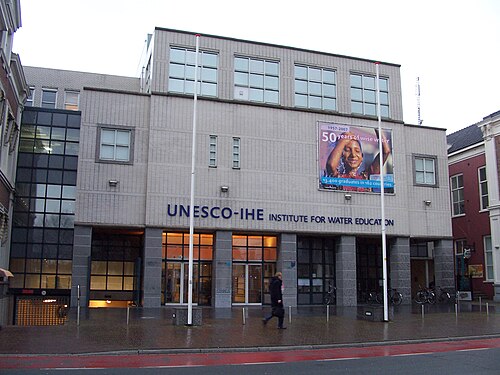
研究所とセンター
これらの研究所はユネスコのプログラムを支援する組織の専門部門であり、クラスターおよび各国の事務所に専門的なサポートを提供しています。
賞品
ユネスコは、教育、自然科学、社会・人文科学、文化、コミュニケーション・情報、平和の分野で 26の賞[108]を授与しています。
教育
- ユネスコ/世宗大王識字賞
- ユネスコ孔子識字賞
- ユネスコ・日本持続可能な開発のための教育賞
- ユネスコ女子・女性教育賞
- 教師の有効性を高めるための優れた実践と実績に対するユネスコ/ハムダン・ビン・ラシッド・アル・マクトゥーム賞
- 教育における情報通信技術の利用に対するユネスコキング・ハマド・ビン・イーサ・アル・ハリーファ賞
自然科学
- ロレアル-ユネスコ女性科学者賞
- ユネスコ/カリンガ科学普及賞
- ユネスコ赤道ギニア生命科学研究国際賞
- カルロス・J・フィンレイ微生物学賞
- ユネスコ/スルタン・カブース環境保護賞
- ユネスコ・ロシア基礎科学メンデレーエフ国際賞
- STEM分野における若手科学者の育成のためのユネスコ・アル・フォーザン国際賞
- 生物圏保護区管理に関するミシェル・バティス賞
社会・人文科学
- ユネスコ科学倫理アヴィセンナ賞
- ラテンアメリカとカリブ海地域における社会科学研究の促進のためのユネスコ/フアン・ボッシュ賞
- 寛容と非暴力の促進のためのユネスコ・マダンジート・シン賞
- ユネスコ・シャルジャ・アラブ文化賞
- ユネスコ/国際ホセ・マルティ賞
- ユネスコ-UNAM / ハイメ・トーレス・ボデット社会科学・人文科学・芸術賞
文化
- メリナ・メルクーリ文化的景観の保護と管理に関する国際賞(ユネスコ-ギリシャ)
コミュニケーションと情報
- ユネスコ/ギジェルモ・カノ世界報道の自由賞
- 知的障害者の質の高い教育を促進するユネスコ/エミール・ジャベル・アル・アフマド・アル・ジャベル・アル・サバーハ賞
- ユネスコ/直指世界記憶遺産賞
平和
非アクティブな賞品
- 国際シモン・ボリバル賞(2004 年以降休止)
- ユネスコ人権教育賞
- ユネスコ/オビアン・ンゲマ・ンバソゴ生命科学研究国際賞(2010年以降休止)
- ユネスコ芸術振興賞
ユネスコで祝われる国際デー
ユネスコで祝われる国際デーは以下の表の通りです。[109]
加盟国

ユネスコ加盟国
ユネスコ加盟国の属領で、別個のNOCを持つ
ユネスコ加盟国
ユネスコオブザーバー
2023年7月現在[update]、ユネスコには194の加盟国と12の準加盟国がある。[119]加盟国の中には独立国ではないものもあり、加盟国の中にはその属領の一部から追加の国内組織委員会を持つものもある。[120]ユネスコ加盟国は、国連加盟国(イスラエル[121]とリヒテンシュタインを除く)およびクック諸島、ニウエ、パレスチナである。[122] [123]米国とイスラエルは2018年12月31日にユネスコを脱退したが[124] [125]、米国は2023年に再加盟した。[65] [66]
統治機関
事務局長
2023年6月現在[update]、ユネスコの設立以来11名の事務局長が就任しており、そのうち9名が男性、2名が女性です。ユネスコの11名の事務局長は、西ヨーロッパ(5名)、中央アメリカ(1名)、北アメリカ(2名)、西アフリカ(1名)、東アジア(1名)、東ヨーロッパ(1名)の6つの地域から選出されています。
現在までに、ユネスコ内の残りの10地域(東南アジア、南アジア、中央・北アジア、中東、北アフリカ、東アフリカ、中央アフリカ、南アフリカ、オーストラリア・オセアニア、南アメリカ)からは事務局長が選出されていません。
1946年の設立以来のユネスコ事務局長のリストは以下のとおりである。[126]
総会
以下は1946年以降に開催されたユネスコ総会のセッションの一覧である。[127]
執行委員会
2年ごとに選挙が行われ、選出された58人の代表者が4年間在任します。
オフィスと本社
_in_Spring.jpg/500px-April_2010,_UNESCO_Headquarters_in_Paris_-_The_Garden_of_Peace_(or_Japanese_Garden)_in_Spring.jpg)
ユネスコ本部はフランスのパリにあるフォントノワ広場にある。本部建設にはベルナール・ツェルフス、マルセル・ブロイヤー、ルイジ・ネルヴィなど数人の建築家が協力した。[137]本部には日本政府から寄贈された平和の庭がある。[138]この庭は1958年に日系アメリカ人の彫刻家イサム・ノグチによって設計され、日本人庭師佐野藤右衛門によって設置された。1994年から1995年にかけて、ユネスコ創立50周年を記念して、安藤忠雄によって瞑想室が建てられた。[139]
世界中のユネスコ現地事務所は、その機能と地理的範囲に基づいて、クラスター事務所、国内事務所、地域局、連絡事務所の 4 つの主要な事務所タイプに分類されます。
地域別現地事務所
以下のユネスコ現地事務所のリストは、ユネスコ地域別に地理的に整理されており、各事務所がサービスを提供するユネスコ加盟国と準加盟国を示しています。[140]
アフリカ
- アビジャン–コートジボワール駐在事務所
- アブジャ–ナイジェリア国内事務所
- アクラ–ベナン、コートジボワール、ガーナ、リベリア、ナイジェリア、シエラレオネ、トーゴのクラスターオフィス
- アディスアベバ–アフリカ連合およびアフリカ経済委員会との連絡事務所
- バマコ–ブルキナファソ、ギニア、マリ、ニジェールのクラスターオフィス
- ブラザヴィル–コンゴ共和国駐在事務所
- ブジュンブラ–ブルンジへの国家事務所
- ダカール– アフリカ地域教育局およびカーボベルデ、ガンビア、ギニアビサウ、セネガルのクラスターオフィス
- ダルエスサラーム–コモロ、マダガスカル、モーリシャス、セイシェル、タンザニアのクラスターオフィス
- ハラレ–ボツワナ、マラウイ、モザンビーク、ザンビア、ジンバブエのクラスターオフィス
- ジュバ–南スーダン事務所
- キンシャサ–コンゴ民主共和国駐在事務所
- リーブルビル–コンゴ共和国、コンゴ民主共和国、赤道ギニア、ガボン、サントメ・プリンシペのクラスターオフィス
- マプト–モザンビークの国内事務所
- ナイロビ– アフリカ地域科学局およびブルンジ、ジブチ、エリトリア、ケニア、ルワンダ、ソマリア、南スーダン、ウガンダのクラスターオフィス
- ウィントフック–ナミビアの国内事務所
- ヤウンデ–カメルーン、中央アフリカ共和国、チャドのクラスターオフィス
アラブ諸国
- アンマン–ヨルダン国内事務所
- ベイルート– アラブ諸国地域教育局およびレバノン、シリア、ヨルダン、イラク、パレスチナのクラスターオフィス
- カイロ– アラブ諸国地域科学局およびエジプト・スーダンクラスターオフィス
- ドーハ–バーレーン、クウェート、オマーン、カタール、サウジアラビア、アラブ首長国連邦、イエメンのクラスターオフィス
- イラク–イラク国家事務所(現在はヨルダンのアンマンに所在)
- ハルツーム–スーダン国内事務所
- マナマ–アラブ世界遺産地域センター
- ラバト–アルジェリア、リビア、モーリタニア、モロッコ、チュニジアのクラスターオフィス
- ラマラ– パレスチナ自治区事務所
アジア太平洋
- アルマトイ–カザフスタン、キルギスタン、タジキスタン、ウズベキスタンのクラスターオフィス
- アピア– オーストラリア、クック諸島、フィジー、キリバス、マーシャル諸島、ミクロネシア連邦、ナウル、ニュージーランド、ニウエ、パラオ、パプアニューギニア、サモア、ソロモン諸島、トンガ、ツバル、バヌアツ、トケラウのクラスターオフィス(準会員)
- バンコク– アジア太平洋地域教育局およびタイ、ビルマ、ラオス、シンガポール、ベトナムのクラスターオフィス
- 北京 –北朝鮮、日本、モンゴル、中華人民共和国、韓国へのクラスターオフィス
- ダッカ–バングラデシュ国内事務所
- ハノイ–ベトナム国内事務所
- イスラマバード–パキスタン国内事務所
- ジャカルタ– アジア太平洋地域科学局およびフィリピン、ブルネイ、インドネシア、マレーシア、東ティモールへのクラスターオフィス
- マニラ–フィリピン国内事務所
- カブール–アフガニスタン駐在事務所
- カトマンズ–ネパール事務所
- ニューデリー –バングラデシュ、ブータン、インド、モルディブ、スリランカのクラスターオフィス
- プノンペン–カンボジア国内事務所
- タシケント–ウズベキスタン国内事務所
- テヘラン–アフガニスタン、イラン、パキスタン、トルクメニスタンへのクラスターオフィス
ヨーロッパと北米
- ブリュッセル– ブリュッセルの欧州連合およびその補助機関との連絡事務所
- ジュネーブ–ジュネーブの国連連絡事務所
- ニューヨーク市 –ニューヨークの国連連絡事務所
- ヴェネツィア– ヨーロッパ地域科学文化局
ラテンアメリカとカリブ海

- ブラジリア– ブラジル駐在事務所[142]
- グアテマラシティ–グアテマラの国内事務所
- ハバナ– ラテンアメリカ・カリブ海地域文化局およびキューバ、ドミニカ共和国、ハイチ、アルバのクラスターオフィス
- キングストン–アンティグア・バーブーダ、バハマ、バルバドス、ベリーズ、ドミニカ、グレナダ、ガイアナ、ジャマイカ、セントクリストファー・ネイビス、セントルシア、セントビンセントおよびグレナディーン諸島、スリナム、トリニダード・トバゴ、および準加盟国のイギリス領バージン諸島、ケイマン諸島、キュラソー、シント・マールテンへのクラスターオフィス
- リマ–ペルーの国内事務所
- メキシコシティ– メキシコ国内事務所
- モンテビデオ– ラテンアメリカ・カリブ海地域科学局およびアルゼンチン、ブラジル、チリ、パラグアイ、ウルグアイのクラスターオフィス
- ポルトープランス–ハイチ事務所
- キト–ボリビア、コロンビア、エクアドル、ベネズエラのクラスターオフィス[143]
- サンホセ–コスタリカ、エルサルバドル、グアテマラ、ホンジュラス、メキシコ、ニカラグア、パナマへのクラスターオフィス
- サンティアゴ・デ・チリ– ラテンアメリカ・カリブ海地域教育局およびチリ事務所
パートナー組織
- 赤十字国際委員会(ICRC)
- ブルーシールドインターナショナル(BSI)
- 国際博物館会議(ICOM)
- 国際記念物遺跡会議(ICOMOS)
- 国際人道法研究所(IIHL)
論争
新しい世界情報通信秩序
ユネスコは過去にも、特に米国、英国、シンガポール、旧ソ連との関係において論争の中心となってきた。1970年代から1980年代にかけて、ユネスコによる「新世界情報通信秩序」への支持や、メディアの民主化と情報へのより平等なアクセスを求めるマクブライド報告書は、これらの国々で報道の自由を抑制する試みとして非難された。1940年代後半から1950年代前半にソ連が行った非難とは対照的に、ユネスコは共産主義者や第三世界の独裁者が西側を攻撃するためのプラットフォームとみなされた。[144] 1984年、米国は抗議として拠出金を差し控え、組織から脱退し、1985年には英国がそれに続いた。[145]シンガポールも1985年末に会費の値上げを理由に脱退した。[146] 1997年の政権交代に伴い、英国が再加盟した。米国は2003年に再加盟し、続いてシンガポールが2007年10月8日に再加盟した。[147]
中国
ユネスコは中華人民共和国によって中国共産党版の歴史を提示し、ウイグル族やチベット族などの中国の少数民族の貢献を弱めるために利用されていると批判されている。[148] [149] [150]
イスラエル
イスラエルは1949年、ユネスコ創設の翌年に加盟し、それ以来加盟を維持している。2010年、イスラエルはヨルダン川西岸にあるヘブロンの族長の洞窟とベツレヘムのラケルの墓を国家遺産に指定し、修復作業を発表したが、オバマ政権からの批判とパレスチナ人からの抗議を引き起こした。[151] 2010年10月、ユネスコの執行委員会はこれらの遺跡を「アル・ハラーム・アル・イブラヒミ/族長の墓」と「ビラール・ビン・ラバ・モスク/ラケルの墓」と宣言することを決議し、これらは「占領下のパレスチナ地域の不可分の一部」であり、イスラエルのいかなる一方的な行動も国際法違反であると述べた。[152] ユネスコはこれらの遺跡を「イスラム教、キリスト教、ユダヤ教の伝統を継承する人々」にとって重要なものと表現し、イスラエルはこれらの遺跡のユダヤ教的特徴のみを強調していると非難した。[153] イスラエルは、ユネスコが「イスラエル国家をその遺産から切り離している」と非難し、政治的動機があると非難した。[154]嘆きの壁のラビは 、ラケルの墓はこれまでイスラム教の聖地と宣言されていなかったと述べた。[155]イスラエルはユネスコとの関係を部分的に停止した。イスラエルのダニー・アヤロン外務副大臣は、この決議は「パレスチナの緊張激化の一環」であると宣言した。 クネセト教育文化委員会のゼヴルン・オルレフ委員長は、この決議は世界中で協力を促進する科学文化機関としてのユネスコの使命を損なう試みであると述べた。[156] [157]
2011年6月28日、ユネスコ世界遺産委員会は、ヨルダンの主張により、安全上の理由からエルサレムのムグラビ門橋を撤去し再建するというイスラエルの決定を非難した[説明が必要]。イスラエルは、ヨルダンはイスラエルと、安全上の理由から既存の橋を撤去しなければならないと定める協定に署名したと述べたが、ヨルダンは米国の圧力を受けて署名されただけだとしてこの協定に異議を唱えた。イスラエルはまた、エジプトの反対によりユネスコ委員会に訴えることができなかった。[158]
In January 2014, days before it was scheduled to open, UNESCO Director-General, Irina Bokova, "indefinitely postponed" and effectively cancelled an exhibit created by the Simon Wiesenthal Centre entitled "The People, The Book, The Land: The 3,500-year relationship between the Jewish people and the Land of Israel". The event was scheduled to run from 21 January through 30 January in Paris. Bokova cancelled the event after representatives of Arab states at UNESCO argued that its display would "harm the peace process".[159] The author of the exhibition, professor Robert Wistrich of the Hebrew University's Vidal Sassoon International Centre for the Study of Anti-Semitism, called the cancellation an "appalling act", and characterized Bokova's decision as "an arbitrary act of total cynicism and, really, contempt for the Jewish people and its history". UNESCO amended the decision to cancel the exhibit within the year, and it quickly achieved popularity and was viewed as a great success.[160]
On 1 January 2019, Israel formally left UNESCO in pursuance of the US withdrawal over perceived continuous anti-Israel bias.[161]
Occupied Palestine Resolution
On 13 October 2016, UNESCO passed a resolution on East Jerusalem that condemned Israel for "aggressions" by Israeli police and soldiers and "illegal measures" against the freedom of worship and Muslims' access to their holy sites, while also recognizing Israel as the occupying power. Palestinian leaders welcomed the decision.[162] While the text acknowledged the "importance of the Old City of Jerusalem and its walls for the three monotheistic religions", it referred to the sacred hilltop compound in Jerusalem's Old City only by its Muslim name "Al-Haram al-Sharif", Arabic for Noble Sanctuary. In response, Israel denounced the UNESCO resolution for its omission of the words "Temple Mount" or "Har HaBayit", stating that it denies Jewish ties to the key holy site.[162][163] After receiving criticism from numerous Israeli politicians and diplomats, including Benjamin Netanyahu and Ayelet Shaked, Israel froze all ties with the organization.[164][165] The resolution was condemned by Ban Ki-moon and the Director-General of UNESCO, Irina Bokova, who said that Judaism, Islam and Christianity have clear historical connections to Jerusalem and "to deny, conceal or erase any of the Jewish, Christian or Muslim traditions undermines the integrity of the site.[166][167] "Al-Aqsa Mosque [or] Al-Haram al-Sharif" is also Temple Mount, whose Western Wall is the holiest place in Judaism."[168] It was also rejected by the Czech Parliament which said the resolution reflects a "hateful anti-Israel sentiment",[169] and hundreds of Italian Jews demonstrated in Rome over Italy's abstention.[169] On 26 October, UNESCO approved a reviewed version of the resolution, which also criticized Israel for its continuous "refusal to let the body's experts access Jerusalem's holy sites to determine their conservation status".[170] Despite containing some softening of language following Israeli protests over a previous version, Israel continued to denounce the text.[171] The resolution refers to the site Jews and Christians refer to as the Temple Mount, or Har HaBayit in Hebrew, only by its Arab name – a significant semantic decision also adopted by UNESCO's executive board, triggering condemnation from Israel and its allies. U.S. Ambassador Crystal Nix Hines stated: "This item should have been defeated. These politicized and one-sided resolutions are damaging the credibility of UNESCO."[172]
In October 2017, the United States and Israel announced they would withdraw from the organization, citing in-part anti-Israel bias.[173][174]
Palestine
Palestinian youth magazine controversy
In February 2011, an article was published in a Palestinian youth magazine in which a teenage girl described one of her four role models as Adolf Hitler. In December 2011, UNESCO, which partly funded the magazine, condemned the material and subsequently withdrew support.[175]
Islamic University of Gaza controversy
In 2012, UNESCO decided to establish a chair at the Islamic University of Gaza in the field of astronomy, astrophysics, and space sciences,[176] fueling controversy and criticism. Israel bombed the school in 2008 stating that they develop and store weapons there, which Israel restated in criticizing UNESCO's move.[177][178]
The head, Kamalain Shaath, defended UNESCO, stating that "the Islamic University is a purely academic university that is interested only in education and its development".[179][180][181] Israeli ambassador to UNESCO Nimrod Barkan planned to submit a letter of protest with information about the university's ties to Hamas, especially angry that this was the first Palestinian university that UNESCO chose to cooperate with.[182] The Jewish organization B'nai B'rith criticized the move as well.[183]
Listing Nanjing Massacre documents
In 2015, Japan threatened to halt funding of UNESCO because of the organization's decision to include documents related to the 1937 Nanjing massacre in the latest listing for its "Memory of the World" program.[184] In October 2016, Japanese Foreign Minister Fumio Kishida confirmed that Japan's 2016 annual funding of ¥4.4 billion had been suspended, although he denied any direct link with the Nanjing document controversy.[185]
US withdrawals
The United States withdrew from UNESCO in 1984, citing the "highly politicized" nature of the organisation, its ostensible "hostility toward the basic institutions of a free society, especially a free market and a free press", as well as its "unrestrained budgetary expansion", and poor management under then Director-General Amadou-Mahtar M'Bow of Senegal.[186]
On 19 September 1989, US Congressman Jim Leach stated before a congressional subcommittee:[187]
The reasons for the withdrawal of the United States from UNESCO in 1984 are well-known; my view is that we overreacted to the calls of some who wanted to radicalize UNESCO, and the calls of others who wanted the United States to lead in emasculating the UN system. The fact is UNESCO is one of the least dangerous international institutions ever created. While some member countries within UNESCO attempted to push journalistic views antithetical to the values of the west, and engage in Israel bashing, UNESCO itself never adopted such radical postures. The United States opted for empty-chair diplomacy, after winning, not losing, the battles we engaged in... It was nuts to get out, and would be nuttier not to rejoin.
Leach concluded that the record showed Israel bashing, a call for a new world information order, money management, and arms control policy to be the impetuses behind the withdrawal; he asserted that before departing from UNESCO, a withdrawal from the IAEA had been pushed on him.[187] On 1 October 2003, the United States rejoined UNESCO.[186]
On 12 October 2017, the United States notified UNESCO it would again withdraw from the organization, on 31 December 2018; Israel followed suit.[188] The Department of State cited "mounting arrears at UNESCO, the need for fundamental reform in the organization, and continuing anti-Israel bias at UNESCO".[173]
The United States has not paid over $600 million in dues[189] since it stopped paying its $80 million annual UNESCO dues when Palestine became a full member in 2011. Israel and the United States were among the 14 votes against the membership out of 194 member countries.[190] When the United States announced it was rejoining the body in 2023, it also pledged to pay all past-due payments.[65]
Kurdish–Turkish conflict
On 25 May 2016, Turkish poet and human rights activist Zülfü Livaneli resigned as Turkey's only UNESCO goodwill ambassador. He highlighted the human rights situation in Turkey and the destruction of the historical Sur district of Diyarbakir, the largest city in Kurdish-majority southeast Turkey, during fighting between the Turkish army and Kurdish militants as the main reasons for his resignation. Livaneli said: "To pontificate on peace while remaining silent against such violations is a contradiction of the fundamental ideals of UNESCO."[191]
Campaigns against illicit art trading
In 2020 UNESCO stated that the size of the illicit trade in cultural property amounted to 10 billion dollars a year. A report that same year by the Rand Organisation suggested the actual market is "not likely to be larger than a few hundred million dollars each year". An expert cited by UNESCO as attributing the 10 billion figure denied it, saying he had "no idea" where the figure came from. Art dealers were particularly critical of the UNESCO figure because it amounted to 15% of the total world art market.[192]
In November 2020, part of a UNESCO advertising campaign intended to highlight international trafficking in looted artefacts had to be withdrawn after it falsely presented a series of museum-held artworks with known provenances as recently looted objects held in private collections. The adverts claimed that a head of Buddha in the Metropolitan Museum's collection since 1930 had been looted from a Kabul Museum in 2001 and then smuggled into the US art market, that a funerary monument from Palmyra that the Met had acquired in 1901 had been recently looted from the Palmyra Museum by Islamic State militants and then smuggled into the European antiquities market, and that an Ivory Coast mask with a provenance that indicates it was in the United States by 1954 was looted during armed clashes in 2010–2011. After complaints by the Met, the adverts were withdrawn.[193]
Products and services
- UNESDOC Database[194] – Contains more than 146,000 UNESCO documents in full text published since 1945 as well as metadata from the collections of the UNESCO Library and documentation centres in field offices and institutes.
Information processing tools
UNESCO develops, maintains, and disseminates, free of charge, two interrelated software packages for database management (CDS/ISIS [not to be confused with UK police software package ISIS]) and data mining/statistical analysis (IDAMS).[195]
- CDS/ISIS – a generalized information storage and retrieval system. The Windows version may run on a single computer or in a local area network. The JavaISIS client/server components allow remote database management over the Internet and are available for Windows, Linux, and Macintosh. Furthermore, GenISIS allows users to produce HTML Web forms for CDS/ISIS database searching. The ISIS_DLL provides an API for developing CDS/ISIS based applications.
- OpenIDAMS – a software package for processing and analysing numerical data developed, maintained and disseminated by UNESCO. The original package was proprietary, but UNESCO has initiated a project to provide it as open source.[196]
- IDIS – a tool for direct data exchange between CDS/ISIS and IDAMS
See also




- Academic mobility network
- League of Nations archives
- UNESCO Intangible Cultural Heritage Lists
- UNESCO Reclining Figure 1957–58, sculpture by Henry Moore
- UniRef
- National Commissions for UNESCO
- International Charter of Physical Education, Physical Activity and Sport
Notes
- ^ French: Organisation des Nations unites pour l'éducation, la science et la culture
References
- ^ "UNESCO". UNESCO. Archived from the original on 25 September 2013. Retrieved 25 September 2013.
- ^ "Introducing UNESCO". UNESCO. Archived from the original on 18 August 2011. Retrieved 8 August 2011.
- ^ "UNESCO history". UNESCO. Archived from the original on 9 April 2010. Retrieved 23 April 2010.
- ^ "List of UNESCO members and associates". UNESCO. Archived from the original on 15 August 2022. Retrieved 23 August 2022.
- ^ "Partnerships". UNESCO. 25 June 2013. Archived from the original on 23 August 2020. Retrieved 19 August 2020.
- ^ "Field offices". UNESCO. Archived from the original on 17 August 2020. Retrieved 19 August 2020.
- ^ "National Commissions". UNESCO. 28 September 2012. Archived from the original on 22 August 2020. Retrieved 19 August 2020.
- ^ "About UNESCO Office for the Pacific States". UNESCO. 1 August 2019. Retrieved 24 July 2023.
- ^ Grandjean, Martin (2018). Les réseaux de la coopération intellectuelle. La Société des Nations comme actrice des échanges scientifiques et culturels dans l'entre-deux-guerres [The Networks of Intellectual Cooperation. The League of Nations as an Actor of the Scientific and Cultural Exchanges in the Inter-War Period]. Lausanne: Université de Lausanne. Archived from the original on 12 September 2018. Retrieved 5 April 2019. (English summary Archived 22 March 2019 at the Wayback Machine).
- ^ "UNESCO. General Conference, 39th, 2017 [892]". UNESCO Digital Library. Archived from the original on 9 April 2020. Retrieved 19 August 2020.
- ^ "MOFA: Project list of The UNESCO Japanese Funds-in-Trust for the Capacity-building of Human Resources". mofa.go.jp. Retrieved 30 June 2022.
- ^ "Sponsors". climats-bourgogne.com. Retrieved 30 June 2022.
- ^ "Sponsors and Contributors". wcrp-climate.org. Retrieved 30 June 2022.
- ^ "UNESCO • General Conference; 34th; Medium-term Strategy, 2008–2013; 2007" (PDF). Archived (PDF) from the original on 28 July 2011. Retrieved 8 August 2011.
- ^ Plenary Meetings, Records of the Second Assembly, Geneva: League of Nations, 5 September – 5 October 1921
- ^ A Chronology of UNESCO: 1945–1987 (PDF), UNESDOC database, Paris, December 1987, LAD.85/WS/4 Rev, archived (PDF) from the original on 2 February 2011, retrieved 13 December 2010,
The International Committee on Intellectual Cooperation (ICIC) was created on 4 January 1922, as a consultative organ composed of individuals elected based on their personal qualifications.
{{citation}}: CS1 maint: location missing publisher (link). - ^ Grandjean, Martin (2018). Les réseaux de la coopération intellectuelle: La Société des Nations comme actrice des échanges scientifiques et culturels dans l'entre-deux-guerres [The Networks of Intellectual Cooperation: The League of Nations as an Actor of the Scientific and Cultural Exchanges in the Inter-War Period] (doctoral thesis) (in French). Lausanne: Université de Lausanne. Archived from the original on 12 September 2018. Retrieved 5 April 2019. A summary in English is also available.
- ^ Grandjean, Martin (2020). "A Representative Organization? Ibero-American Networks in the Committee on Intellectual Cooperation of the League of Nations (1922–1939)". Cultural Organizations, Networks and Mediators in Contemporary Ibero-America: 65–89. doi:10.4324/9780429299407-4. S2CID 243387712. Archived from the original on 17 January 2021. Retrieved 13 August 2020.
- ^ International Institute of Intellectual Cooperation, United Nations library resources, 1930, archived from the original on 19 August 2021, retrieved 27 March 2021
- ^ Hamen, Susan E; Wilson, Theodore A (2014). The Great Depression and World War II : 1929–1945. ABDO Publishing Company. ISBN 978-1-62403-178-6. OCLC 870724668.
- ^ UNESCO 1987.
- ^ "IBE — Digital Collections — IBE History, 1925-1969". IBE — Digital Collections. Retrieved 26 July 2024.
- ^ The work of U.N.E.S.C.O. (Hansard, 26 January 1949) Archived 19 October 2017 at the Wayback Machine. Millbank systems. Retrieved 12 July 2013.
- ^ "United Nations Conference for the Establishment of an Educational and Cultural Organisation. Conference for the Establishment of an Educational and Cultural Organisation" (PDF). UNESDOC database. The Institute of Civil Engineers, London. 1–16 November 1945. ECO/Conf./29. Archived (PDF) from the original on 15 March 2012. Retrieved 8 June 2012.
- ^ Unesco 1945.
- ^ General Conference, First Session (PDF). UNESDOC database. UNESCO House, Paris: UNESCO. 1947. Item 14, p. 73. Archived (PDF) from the original on 4 September 2012. Retrieved 1 July 2012.
- ^ Summary Minutes of Meetings 1956. United States National Commission for the United Nations Educational, Scientific and Cultural Organization. 1956. Archived from the original on 9 February 2022. Retrieved 27 December 2021.
- ^ "Records of the General Conference, Eighth Session" (PDF). UNESCO Digital Library. Archived (PDF) from the original on 2 February 2011. Retrieved 13 December 2010.
- ^ "Peacekeeping in the Cold War/Post-Cold War", United Nations Peacekeeping in the Post-Cold War Era, Abingdon, UK: Taylor & Francis, pp. 23–45, 2005, doi:10.4324/9780203307434_chapter_2, ISBN 978-0-203-30743-4, archived from the original on 12 March 2021, retrieved 17 September 2020
- ^ Schmidt, Christopher. (2010). Into the heart of darkness : cosmopolitanism vs. realism and the Democratic Republic of Congo. OCLC 650842164. Archived from the original on 12 March 2021. Retrieved 17 September 2020.
- ^ Stoczkowski, Wiktor (2008). "Claude Lévi-Strauss and UNESCO". The UNESCO Courier. No. 5. Paris, France: UNESCO. ISSN 1993-8616. Retrieved 26 July 2024.
- ^ "Apartheid: its effects on education, science, culture and information". UNESCO. 1967. Retrieved 26 July 2024.
- ^ Thompson, Leonard Monteath (January 2001). A history of South Africa (Third ed.). New Haven: Yale University Press. ISBN 978-0-300-12806-2. OCLC 560542020.
- ^ Nygren, Thomas (2016), "UNESCO Teaches History: Implementing International Understanding in Sweden", A History of UNESCO, London: Palgrave Macmillan UK, pp. 201–230, doi:10.1007/978-1-137-58120-4_11, ISBN 978-1-349-84528-6, archived from the original on 9 February 2022, retrieved 17 September 2020
- ^ a b c d "UNESCO at 74: An overview of its laudable progress". The Financial Express. Retrieved 26 July 2024.
- ^ "World Declaration On Higher Education For The Twenty-First Century: Vision And Action". UNESCO. 9 October 1998. Retrieved 12 November 2012.
- ^ "Monuments of Nubia-International Campaign to Save the Monuments of Nubia". UNESCO. Retrieved 26 July 2024.
- ^ Nagaoka, Masanori (2016). Cultural landscape management at Borobudur, Indonesia. Springer. ISBN 978-3-319-42046-2. OCLC 957437019.
- ^ "The World Heritage Convention". UNESCO. Retrieved 26 July 2024.
- ^ "41st Session of the World Heritage Committee". The City of Krakow. 18 August 2017. Retrieved 26 July 2024.
- ^ "Text of the Convention for the Safeguarding of the Intangible Cultural Heritage". UNESCO. Retrieved 26 July 2024.
- ^ "Convention on the Protection and Promotion of the Diversity of Cultural Expressions". UNESCO. Retrieved 9 August 2024.
- ^ "About CERN". CERN. Retrieved 26 July 2024.
- ^ "UNESCO must reform to stay relevant – and reconnect people through science". Nature. 587 (7835): 521–522. 25 November 2020. Bibcode:2020Natur.587..521.. doi:10.1038/d41586-020-03311-3. PMID 33239811. S2CID 227176079.
- ^ "UNESCO in the Making". Paris, France: UNESCO. 2019. Retrieved 16 August 2024.
- ^ "Use and conservation of the biosphere: Proceedings of the intergovernmental conference of experts on the scientific basis for rational use and conservation of the resources of the biosphere, Paris, 4–13 September 1968" (PDF). Natural Resources Research. X. 1970. Archived (PDF) from the original on 7 April 2012. Retrieved 8 June 2012.
- ^ Finnemore, Martha (1996). National Interests in International Society. Cornell University Press. p. 4. ISBN 978-0-8014-8323-3. JSTOR 10.7591/j.ctt1rv61rh. Archived from the original on 1 June 2021. Retrieved 11 May 2021.
- ^ a b "United Nations Educational, Scientific and Cultural Organization: Seeds of Peace, Weeds of War". IRPJ = Intergovernmental Research and Policy Journal. Retrieved 26 July 2024.
- ^ a b Wouters, Jan; Vidal, Maarten (29 June 1905). "UNESCO and the promotion of cultural exchange and cultural diversity". Normative Action in Education, Science and Culture – Essays in Commemoration of the Sixtieth Anniversary of UNESCO. Standard-Setting in UNESCO. Vol. 1. UNESCO Publishing. pp. 147–169. ISBN 978-92-3-104067-2. Retrieved 26 July 2024.
- ^ "International Programme for the Development of Communication – About". UNESCO. Retrieved 9 August 2024.
- ^ "World Press Freedom Day". United Nations. Retrieved 26 July 2024.
- ^ "What is UNESCO/Guillermo Cano World Press Freedom Prize?". www.manoramayearbook.in. Retrieved 26 July 2024.
- ^ "General Conference admits Palestine as UNESCO Member". 31 October 2011. Archived from the original on 14 December 2011. Retrieved 11 December 2011.
- ^ Blomfield, Adrian (31 October 2011). "US withdraws Unesco funding after it accepts Palestinian membership". The Telegraph. Archived from the original on 1 November 2011. Retrieved 31 October 2011.
- ^ Shadi Sakran (26 November 2019). The Legal Consequences of Limited Statehood: Palestine in Multilateral Frameworks. Taylor & Francis. pp. 64–. ISBN 978-1-00-076357-7. Archived from the original on 24 December 2021. Retrieved 27 February 2020.
- ^ Request for the admission of the State of Palestine to UNESCO as a Member State Archived 13 April 2020 at the Wayback Machine, UNESCO Executive Board, 131st, 1989
- ^ The laws originated in H.R. 2145 and S. 875; for further details, see committee discussions at: United States. Congress. House. Committee on Foreign Affairs. Subcommittee on Human Rights and International Organizations (1989). The PLO's Efforts to Obtain Statehood Status at the World Health Organization and Other International Organizations: Hearing and Markup Before the Subcommittee on Human Rights and International Organizations of the Committee on Foreign Affairs, House of Representatives, One Hundred First Congress, First Session, on H.R. 2145, May 4, 1989. U.S. Government Printing Office. Archived from the original on 19 August 2020. Retrieved 27 February 2020.. The texts of the House and Senate resolutions were subsequently put into the following laws: H.R. 3743 (which produced Pub. L. 101–246), H.R. 5368, H.R. 2295 and finally H.R. 2333 (which produced Pub. L. 103–236). See also: Beattie, Kirk (3 May 2016). Congress and the Shaping of the Middle East. Seven Stories Press. p. 287 online. ISBN 978-1-60980-562-3. Archived from the original on 19 August 2020. Retrieved 27 February 2020.
...1989 Senate and House efforts like... Senate Resolution 875 and House Resolution 2145, both of which contained language similar to that found in the public laws of 1990 and 1994. Sen. Robert Kasten, Jr. (R-WI) was the primary sponsor of S 875, and Rep. Tom Lantos sponsored HR 2145. In a nutshell, recognition by any UN body of the Palestinians' right to statehood or its achievement of statehood status would trigger a suspension of US funding to the "offending" UN body under these laws.
- ^ "U.S. stops UNESCO funding over Palestinian vote". Reuters. 31 October 2011. Archived from the original on 26 February 2020. Retrieved 26 February 2020.
- ^ Erlanger, Steven; Sayare, Scott (31 October 2011). "Unesco Approves Full Membership for Palestinians". The New York Times. Archived from the original on 31 October 2011. Retrieved 31 October 2011.
- ^ "After UNESCO vote, Israeli sanctions on Palestinian Authority anger U.S." Haaretz. 4 November 2011. Archived from the original on 7 December 2011. Retrieved 11 December 2011.
- ^ "Israel freezes UNESCO funds". CNN. 3 December 2011. Archived from the original on 6 November 2011. Retrieved 11 December 2011.
- ^ "U.S., Israel lose voting rights at UNESCO over Palestine row". Reuters. 8 November 2013. Archived from the original on 9 July 2014. Retrieved 29 June 2014.
- ^ ""69 years after joining, Israel formally leaves UNESCO; so, too, does the US" – The Times of Israel". The Times of Israel. Archived from the original on 30 December 2019. Retrieved 2 February 2021.
- ^ "Russia not elected to UNESCO Executive Board for the first time". 15 November 2023.
- ^ a b c Charlton, Angela (12 June 2023). "US decides to rejoin UNESCO and pay back dues, to counter Chinese influence". Associated Press. Retrieved 26 September 2024. Cite error: The named reference "usa2023" was defined multiple times with different content (see the help page).
- ^ a b Lee, Matthew (26 September 2024). "U.S. formally rejoins UNESCO 5 years after withdraw". PBS. Associated Press. Retrieved 11 July 2023. Cite error: The named reference "uspbs" was defined multiple times with different content (see the help page).
- ^ "Expertise". UNESCO. Retrieved 9 August 2024.
- ^ Because diploma mills have falsely claimed UNESCO accreditation, UNESCO itself has published warnings against education organizations that claim UNESCO recognition or affiliation. See Luca Lantero, Degree Mills: non-accredited and irregular higher education institutions Archived 13 May 2015 at the Wayback Machine, Information Centre on Academic Mobility and Equivalence (CIMEA), Italy. and UNESCO "Alert: Misuse of UNESCO Name by Bogus Institutions"
- ^ Varga, Susan (2006). Edinburgh Old Town (Images of Scotland). The History Press Ltd. ISBN 978-0-7524-4083-5.
- ^ Schmidt, Mitchell (12 October 2017). "Iowa City, nation's only 'UNESCO City of Literature' disappointed over withdrawal". The Gazette. Archived from the original on 9 February 2022. Retrieved 23 September 2021.
- ^ Phipps, Kinsey (9 December 2018). "Iowa City grows after 10 years as City of Literature". The Daily Iowan. Archived from the original on 11 December 2018. Retrieved 23 September 2021.
- ^ "Fostering Freedom of Expression". UNESCO. Archived from the original on 10 December 2019. Retrieved 19 December 2016.
- ^ "International Programme for the Development of Communication (IPDC)". United Nations Educational, Scientific and Cultural Organization. Archived from the original on 18 June 2017. Retrieved 19 December 2016.
- ^ "Safety of Journalists". UNESCO. Archived from the original on 20 January 2020. Retrieved 19 December 2016.
- ^ "UN Plan of Action". United Nations Educational, Scientific and Cultural Organization. Archived from the original on 11 August 2017. Retrieved 19 December 2016.
- ^ "Building Knowledge Societies". UNESCO. 18 June 2013. Archived from the original on 16 January 2020. Retrieved 19 December 2016.
- ^ "Memory of the World". United Nations Educational, Scientific and Cultural Organization. Archived from the original on 10 July 2017. Retrieved 19 December 2016.
- ^ "Information for All Programme (IFAP)". United Nations Educational, Scientific and Cultural Organization. Archived from the original on 10 September 2017. Retrieved 19 December 2016.
- ^ "Internet Universality". United Nations Educational, Scientific and Cultural Organization. Archived from the original on 28 July 2017. Retrieved 19 December 2016.
- ^ "World Trends in Freedom of Expression and Media Development". United Nations Educational, Scientific and Cultural Organization. Archived from the original on 26 August 2017. Retrieved 19 December 2016.
- ^ "UNESCO Series on Internet Freedom". United Nations Educational, Scientific and Cultural Organization. Archived from the original on 21 August 2017. Retrieved 19 December 2016.
- ^ "Media Development Indicators (MDIs)". United Nations Educational, Scientific and Cultural Organization. Archived from the original on 12 June 2017. Retrieved 19 December 2016.
- ^ "Promouvoir l'éducation à la santé chez les jeunes du campement informel de Kibera à Nairobi | Organisation des Nations Unies pour l'éducation, la science et la culture". unesco.org (in French). Archived from the original on 20 August 2017. Retrieved 18 August 2017.
- ^ "Migration Institutions – Home". Migrationmuseums.org. Archived from the original on 5 March 2007. Retrieved 23 April 2010.
- ^ "Education | EDUCATION –". UNESCO. Archived from the original on 6 October 2009. Retrieved 23 April 2010.
- ^ "Official support for GoUNESCO from UNESCO New Delhi". GoUNESCO – Make Heritage Fun!. 24 March 2014. Archived from the original on 15 August 2019. Retrieved 15 August 2019.
- ^ [1], UNESCO-CHIC Biosphere Integrated Rural Urbanization Project (BIRUP).
- ^ "UNESCO Transparency Portal". opendata.unesco.org. Archived from the original on 10 May 2021. Retrieved 1 March 2021.
- ^ "Tangible Cultural Heritage – United Nations Educational, Scientific and Cultural Organization". unesco.org. Archived from the original on 19 March 2018. Retrieved 18 March 2018.
- ^ Centre, UNESCO World Heritage. "UNESCO World Heritage Centre – Document – Discovered artifacts under preservation, Archaeological Site, 18 Hoang Dieu street". whc.unesco.org. Archived from the original on 3 November 2019. Retrieved 26 December 2019.
- ^ "Archives". The UNESCO Courier. United Nations Educational, Scientific and Cultural Organization. 20 April 2017. Archived from the original on 14 November 2018. Retrieved 14 November 2018.
- ^ "Science and Technology Education" (PDF). UNESCO. 1998. Archived (PDF) from the original on 13 August 2016. Retrieved 23 June 2016.
- ^ "Quoted on UNESCO official site". Ngo-db.unesco.org. Archived from the original on 25 June 2012. Retrieved 1 July 2012.
- ^ "Full list of NGOs that have official relations with UNESCO". UNESCO. Archived from the original on 23 June 2012. Retrieved 1 July 2012.
- ^ "UNESCO Headquarters Committee 107th session 13 Feb 2009". Ngo-db.unesco.org. Archived from the original on 25 June 2012. Retrieved 1 July 2012.
- ^ "International Bureau of Education". UNESCO. Archived from the original on 14 November 2018. Retrieved 14 November 2018.
- ^ "About the Institute". UIL – UNESCO Institute for Lifelong Learning. 29 October 2015. Archived from the original on 14 November 2018. Retrieved 14 November 2018.
- ^ "IIEP UNESCO". Archived from the original on 19 November 2014. Retrieved 14 November 2018.
- ^ "Contact Us". UNESCO IITE. Archived from the original on 14 November 2018. Retrieved 14 November 2018.
- ^ "Contact Us". IICBA. UNESCO. Archived from the original on 14 November 2018. Retrieved 14 November 2018.
- ^ "Contact Us". IESALC (in Spanish). UNESCO. Archived from the original on 14 November 2018. Retrieved 14 November 2018.
- ^ "Building Social and Emotional Learning for Education 2030". UNESCO MGIEP. UNESCO. Archived from the original on 23 March 2018. Retrieved 3 February 2020.
- ^ "UNESCO-UNEVOC International Centre". Archived from the original on 14 November 2018. Retrieved 14 November 2018.
- ^ "The International Centre for Water Resources and Global Change (ICWRGC)". ICWRGC – International Centre for Water Resources and Global Change. Archived from the original on 20 January 2022. Retrieved 4 July 2022.
- ^ "Home". IHE Delft Institute for Water Education. UNESCO. Archived from the original on 24 October 2018. Retrieved 14 November 2018.
- ^ "Mission & History". ICTP – International Centre for Theoretical Physics. UNESCO. Archived from the original on 14 November 2018. Retrieved 14 November 2018.
- ^ "Contact Us". UNESCO Institute for Statistics. 21 November 2016. Archived from the original on 14 November 2018. Retrieved 14 November 2018.
- ^ UNESCO Executive Board Document 185 EX/38 Archived 2 February 2011 at the Wayback Machine, Paris, 10 September 2010
- ^ International Days | United Nations Educational, Scientific and Cultural Organization Archived 10 November 2012 at the Wayback Machine. UNESCO. Retrieved 12 July 2013.
- ^ "World Day for African and Afrodescendant Culture". United Nations. Retrieved 16 March 2023.
- ^ "Home". Geodiversity Day. Retrieved 30 March 2023.
- ^ "International Day to End Impunity for Crimes against Journalists". UNESCO. Archived from the original on 30 October 2017. Retrieved 19 December 2016.
- ^ "International Day for Biosphere Reserves". UNESCO. Retrieved 20 March 2023.
- ^ "International day against violence and bullying at school including cyberbullying". UNESCO. Retrieved 30 March 2023.
- ^ "International Day against Illicit Trafficking in Cultural Property". UNESCO. Retrieved 30 March 2023.
- ^ "International Day of Islamic Art". UNESCO. Retrieved 30 March 2023.
- ^ "World Day of the Olive Tree". International Olive Council. Retrieved 30 March 2023.
- ^ "World Futures Day". UNESCO. Retrieved 30 March 2023.
- ^ "List of UNESCO members and associates". UNESCO. Archived from the original on 2 November 2011. Retrieved 3 November 2011.
- ^ "Summary update on Government progress to become a State Party to the UNESCO International Convention against Doping in Sport" (PDF). WADA. p. 2. Archived from the original (PDF) on 16 January 2013. Retrieved 28 July 2009.
- ^ UNESCO (29 December 2017), Declaration by UNESCO Director-General Audrey Azoulay on the withdrawal of Israel from the Organization (Press release.), archived from the original on 21 February 2019, retrieved 21 February 2019
- ^ "State Parties". UNESCO. Archived from the original on 31 October 2011. Retrieved 31 October 2011.
- ^ "Member States of the United Nations". United Nations. Archived from the original on 30 December 2013. Retrieved 31 October 2011.
- ^ Lazaroff, Tovah (31 December 2018). "Israel, U.S. slated to leave UNESCO today to protest anti-Israel bias". The Jerusalem Post. Archived from the original on 9 February 2022. Retrieved 31 December 2018.
- ^ UNESCO (12 October 2017), Statement by Irina Bokova, Director-General of UNESCO, on the occasion of the Withdrawal by the United States of America from UNESCO (Press release.), archived from the original on 21 February 2019, retrieved 21 February 2019
- ^ UNESCO official site: Directors-General Archived 18 July 2018 at the Wayback Machine
- ^ UNESCO official site: Previous Sessions of the General Conference Archived 25 October 2011 at the Wayback Machine
- ^ "General Conference 37th". United Nations Educational, Scientific and Cultural Organization. Archived from the original on 3 October 2015. Retrieved 25 September 2015.
- ^ "President of the 38th session of the General Conference". UNESCO. Archived from the original on 16 November 2015. Retrieved 11 November 2015.
- ^ "President of the 39th session of the General Conference". UNESCO. 5 October 2017. Archived from the original on 13 November 2017. Retrieved 12 November 2017.
- ^ "UNESCO: President of the 40th session of the General Conference". 14 October 201. Archived from the original on 18 October 2020. Retrieved 20 August 2020.
- ^ "41st Session of the General Conference – 9–24 November 2021". UNESCO. 1 June 2021. Archived from the original on 6 October 2021. Retrieved 6 October 2021.
- ^ "Address by Ms Simona Mirela Miculescu". 13 November 2023.
- ^ "40th Session of the General Conference – 12–27 November 2019". UNESCO. 16 October 2019. Archived from the original on 2 January 2020. Retrieved 20 November 2019.
- ^ "Elections". 17 November 2021.
- ^ "Elections". 15 November 2023.
- ^ "UNESCO House – visit us | UNESCO". unesco.org. Retrieved 29 March 2023.
- ^ "UNESCO garden". Architectuul. Retrieved 31 May 2022.
- ^ Furuyama, Masao. "Ando (Basic Art Series)". taschen.com. pp. 71–72. Archived from the original on 24 March 2021. Retrieved 30 January 2021.
- ^ "List of All UNESCO Field Offices by Region with Descriptions of Member State Coverage". UNESCO. Archived from the original on 8 September 2019.
- ^ "City of Quito – UNESCO World Heritage". UNESCO. Archived from the original on 7 May 2009. Retrieved 30 April 2010.
- ^ "UNESCO Office in Brasilia | United Nations Educational, Scientific and Cultural Organization". unesco.org. Archived from the original on 25 September 2015. Retrieved 24 September 2015.
- ^ "Oficina de la UNESCO en Quito | Organización de las Naciones Unidas para la Educación, la Ciencia y la Cultura". unesco.org. Archived from the original on 25 September 2015. Retrieved 24 September 2015.
- ^ Grahm, S. E. (April 2006). "The (Real)politiks of Culture: U.S. Cultural Diplomacy in UNESCO, 1946–1954". Diplomatic History. 30 (2): 231–51. doi:10.1111/j.1467-7709.2006.00548.x. hdl:1885/20736.
- ^ "UNESCO asks states considering withdrawal to 'reconsider their position'", UN Chronicle, January 1986, archived from the original on 9 February 2022, retrieved 2 April 2018
- ^ "Singapore to withdraw from UNESCO", The Telegraph, 28 December 1984, archived from the original on 7 September 2015, retrieved 20 June 2015
- ^ "UNESCO", Encyclopædia Britannica, 14 February 2018, archived from the original on 2 April 2018, retrieved 2 April 2018
- ^ "How China uses UNESCO to rewrite history". The Economist. 23 September 2023. ISSN 0013-0613. Retrieved 22 September 2023.
To bolster the idea of a Han-centric identity, the party seeks to dilute the contributions of minority groups in UNESCO claims. For example, documents filed with the organisation state that Tibet's Potala Palace, the winter home of Dalai Lamas from 1649 to 1959, exhibits the skills of many ethnic groups, not just Tibetans. The government uses "radical selectivity" in choosing which places, people and practices to emphasise, says Rachel Harris of the School of Oriental and African Studies, part of the University of London.
- ^ Kashgarian, Asim (16 February 2023). "UNESCO Accused of Complicity in China's Treatment of Uyghur Heritage". Voice of America. Retrieved 22 September 2023.
- ^ Kachmar, Oleh (24 September 2020). "Uyghur Heritage and the Charge of Cultural Genocide in Xinjiang". New Lines Institute. Fairfax University of America. Retrieved 22 September 2023.
- ^ "Hebron clashes over Israel's West Bank heritage list". BBC News. 26 February 2010. Archived from the original on 3 August 2012. Retrieved 1 November 2011.
- ^ "Executive Board adopts five decisions concerning UNESCO's work in the occupied Palestinian and Arab Territories". UNESCO. 21 October 2010. Archived from the original on 11 November 2010. Retrieved 3 November 2010.
- ^ "The Two Palestinian sites of Al-Haram Al-Ibrahimi/Tomb of the Patriarchs in Al-Khalil/Hebron and the Bilal Bin Rabah Mosque/Rachel's Tomb in Bethlehem" (PDF). Archived (PDF) from the original on 27 January 2012. Retrieved 1 November 2011.
- ^ Hillel Fendel (1 November 2010). "UNESCO Erases Israeli Protests from Rachel's Tomb Protocol". Arutz Sheva. Archived from the original on 4 November 2010. Retrieved 3 November 2010.
- ^ Maayana Miskin (29 October 2010). "UN Org.: Rachel's Tomb is a Mosque". Arutz Sheva. Archived from the original on 6 November 2010. Retrieved 3 November 2010.
- ^ "Ayalon: Israel will no longer cooperate with UNESCO". The Jerusalem Post. 3 November 2010. Archived from the original on 3 November 2010. Retrieved 3 November 2010.
- ^ Shalom, Rabbi (5 November 2010). "Cooperation with UNESCO only partially suspended". The Jerusalem Post. Archived from the original on 5 January 2012. Retrieved 8 August 2011.
- ^ Eichner, Itamar (20 June 1995). "UNESCO censures Israel over Mughrabi Bridge – Israel News, Ynetnews". Ynetnews. Archived from the original on 7 August 2011. Retrieved 8 August 2011.
- ^ Berman, Lazar (17 January 2014). "UNESCO cancels event on Jewish ties to Land of Israel". The Times of Israel. Archived from the original on 20 January 2014. Retrieved 21 January 2014.
- ^ Ahren, Raphael (21 January 2014). "Author of UNESCO's nixed Israel exhibit decries 'appalling betrayal'". The Times of Israel. Archived from the original on 22 January 2014. Retrieved 21 January 2014.
- ^ Ahren, Raphael (1 January 2019). "69 years after joining, Israel formally leaves UNESCO; so, too, does the US". The Times of Israel.
- ^ a b "UNESCO adopts anti-Israel resolution on al-Aqsa Mosque". Al Jazeera. Archived from the original on 21 October 2016. Retrieved 21 October 2016.
- ^ "Commission report" (PDF). UNESCO Digital Library. Archived (PDF) from the original on 16 October 2016. Retrieved 19 October 2016.
- ^ Eichner, Itamar (13 October 2016). "UNESCO fails to acknowledge Jewish ties to Temple Mount". Ynetnews. Archived from the original on 18 October 2016. Retrieved 19 October 2016.
- ^ "Netanyahu leads angry denunciations of 'absurd' UNESCO decision". The Times of Israel. Archived from the original on 18 October 2016. Retrieved 19 October 2016.
- ^ "UNESCO chief 'received death threats' for opposing Jerusalem motion". The Times of Israel. 17 October 2016. Archived from the original on 21 October 2016. Retrieved 27 October 2016.
- ^ "Statement by the Director-General of UNESCO on the Old City of Jerusalem and its Walls on the occasion of the 40th session of the World Heritage Committee of UNESCO in Istanbul – United Nations Educational, Scientific and Cultural Organization". Archived from the original on 19 October 2016. Retrieved 19 October 2016.
- ^ "UNESCO Director Criticizes Resolution: Temple Mount Sacred to Both Jews, Muslims". Haaretz. 14 October 2016. Archived from the original on 14 October 2016. Retrieved 14 October 2016.
- ^ a b "Czech MPs slam 'hateful' UNESCO Jerusalem resolution". The Times of Israel. Archived from the original on 20 October 2016. Retrieved 19 October 2016.
- ^ "UNESCO approves new Jerusalem resolution". Al Jazeera. Archived from the original on 27 October 2016. Retrieved 27 October 2016.
- ^ Beaumont, Peter (26 October 2016). "Unesco adopts controversial resolution on Jerusalem holy sites". The Guardian. Archived from the original on 27 October 2016. Retrieved 27 October 2016.
- ^ "UNESCO resolution on Jerusalem holy sites draws criticism from U.S., Israel". CBC/Radio-Canada. 26 October 2016. Archived from the original on 4 November 2016. Retrieved 27 October 2016.
- ^ a b "The United States Withdraws From UNESCO". U.S. Department of State. Archived from the original on 8 April 2019. Retrieved 12 October 2017.
- ^ Harris, Gardiner; Erlangeroct, Steven (12 October 2017). "U.S. Will Withdraw From Unesco, Citing Its 'Anti-Israel Bias'". The New York Times. Archived from the original on 21 October 2017. Retrieved 8 April 2018.
- ^ "Unesco cuts funding for Palestinian youth magazine over Hitler praise". The Daily Telegraph. London. 23 December 2011. Archived from the original on 9 January 2012. Retrieved 12 January 2012.
- ^ "UNESCO Chair in Astronomy, Astrophysics and Space Sciences (964), established in 2012 at The Islamic University of Gaza (Palestine)". UNESCO. Archived from the original on 27 November 2012. Retrieved 15 July 2012.
- ^ The Goldstone Report: The Legacy of the Landmark Investigation of the Gaza Conflict Archived 13 October 2017 at the Wayback Machine By Adam Horowitz, Lizzy Ratner and Philip Weiss (2011). Google Books.
- ^ "Israel shocked by UNESCO Chair at Gaza Islamic University" (Press release). Israel ministry of foreign affairs. 12 July 2012. Archived from the original on 15 July 2012. Retrieved 15 July 2012.
- ^ Higgins, Michael (12 July 2012). "UNESCO establishes chair at Gaza university accused of housing Hamas bomb labs". National Post. Archived from the original on 30 January 2013. Retrieved 15 July 2012.
- ^ Shaked, Ronny (6 February 2007). "Fatah: Shalit was held at Gaza Islamic University". Ynetnews. Yedioth Ahronot. Archived from the original on 1 December 2012. Retrieved 15 July 2012.
- ^ Cambanis, Thanassis (28 February 2010). "Hamas University". The Boston Globe. Archived from the original on 26 February 2012. Retrieved 15 July 2012.
- ^ Ravid, Barak (12 July 2012). "Israel furious at UNESCO decision to back science chair at Islamic University of Gaza". Haaretz. Archived from the original on 15 July 2012. Retrieved 15 July 2012.
- ^ Yaakov, Yifa (14 July 2012). "B'nai Brith slams UNESCO affiliation with Gaza University". The Times of Israel. Archived from the original on 17 July 2012. Retrieved 15 July 2012.
- ^ (www.dw.com), Deutsche Welle. "Japan furious at UNESCO listing Nanjing Massacre documents – Asia – DW.COM – 19.10.2015". Deutsche Welle. Archived from the original on 22 December 2015. Retrieved 29 December 2015.
- ^ "Japan halts Unesco funding following Nanjing massacre row". The Guardian. Agence France-Presse. 14 October 2016. Archived from the original on 30 October 2016. Retrieved 30 October 2016.
- ^ a b "UNESCO Membership: Issues for Congress". Congressional Research Service reports. 20 November 2003. Archived from the original on 28 March 2019. Retrieved 28 March 2019.
- ^ a b "United States & UNESCO, Part 1". Starting from 05:08. C-SPAN. Archived from the original on 28 March 2019. Retrieved 3 February 2020.
- ^ "U.S. and Israel officially withdraw from UNESCO". PBS. 1 January 2019. Retrieved 28 August 2022.
- ^ Rosenberg, Eli; Morello, Carol (12 October 2017). "U.S. withdraws from UNESCO, the UN's cultural organization, citing anti-Israel bias". The Washington Post. Archived from the original on 9 February 2022. Retrieved 28 March 2019.
- ^ Irish, John (13 October 2017). "U.S., Israel quit UNESCO over alleged bias". Reuters. Archived from the original on 28 March 2019. Retrieved 28 March 2019.
- ^ "Turkish writer quits UNESCO to protest damage to heritage, rights abuse Archived 9 May 2018 at the Wayback Machine". Reuters. 26 May 2016.
- ^ Vincent Noice, "Unesco, stop citing 'bogus' $10bn figure, art trade pleads", The Art Newspaper, 12 November 2020 [2] Archived 15 November 2020 at the Wayback Machine.
- ^ Nancy Kenney, "Unesco under fire for using Met objects in anti-trafficking campaign", The Art Newspaper, 13 November 2020 [3] Archived 17 November 2020 at the Wayback Machine
- ^ "UNESDOC Database – United Nations Educational, Scientific and Cultural Organization". unesco.org. Archived from the original on 14 December 2015. Retrieved 8 December 2015.
- ^ "Information Processing Tools". Unesco. Archived from the original on 8 January 2015.
- ^ "OpenIDAMS". Unesco. Archived from the original on 13 January 2015.
Further reading
- Finnemore, Martha. 1993. "International Organizations as Teachers of Norms: The United Nations Educational, Scientific, and Cutural [sic] Organization and Science Policy." International Organization Vol. 47, No. 4 (Autumn, 1993), pp. 565–597
External links

Wikimedia Commons has media related to UNESCO.

Meta has related information at: WikiProject UNESCO
- Official website