
Loading article…
国際連盟 ソシエテ・デ・ナシオン | |||||||||
|---|---|---|---|---|---|---|---|---|---|
| 1920–1946 | |||||||||
.svg/500px-Flag_of_the_League_of_Nations_(1939).svg.png) 準公式旗(1939年)
.svg/500px-Emblem_of_the_League_of_Nations_(1939).svg.png) 準公式エンブレム(1939年)
| |||||||||
 連盟の26年の歴史における加盟国を示す時代錯誤の世界地図 | |||||||||
| 状態 | 政府間組織 | ||||||||
| 本部 | ジュネーブ[a] | ||||||||
| 共通言語 | フランス語と英語 | ||||||||
| 事務総長 | |||||||||
• 1920–1933 | サー・エリック・ドラモンド | ||||||||
• 1933–1940 | ジョセフ・アヴェノル | ||||||||
• 1940~1946年 | ショーン・レスター | ||||||||
| 副事務総長 | |||||||||
• 1919–1923 | ジャン・モネ | ||||||||
• 1923–1933 | ジョセフ・アヴェノル | ||||||||
• 1933–1936 | パブロ・デ・アスカラテ | ||||||||
• 1937–1940 | ショーン・レスター | ||||||||
• 1940~1946年 | フランシス・ポール・ウォルターズ | ||||||||
| 歴史時代 | 戦間期 | ||||||||
• ヴェルサイユ条約発効 | 1920年1月10日 | ||||||||
• 最初のミーティング | 1920年1月16日 | ||||||||
• 溶解した | 1946年4月18日 | ||||||||
| |||||||||
| |||||||||

国際連盟(LNまたはLoN 、フランス語: Société des Nations [sɔsjete de nɑsjɔ̃]、SdN )は、世界平和の維持を主な使命とした世界初の政府間組織でした。[1] 1920年1月10日、第一次世界大戦を終結させたパリ講和会議によって設立されました。主要組織は、その構成要素の多くが新しい国際連合に移転した1946年4月18日に活動を停止しました。現代のグローバルガバナンスのテンプレートとして、国際連盟は現代世界に大きな影響を与えました。
連盟の主な目的は、同名の規約に明記されている。集団安全保障と軍縮を通じて戦争を防ぎ、交渉と仲裁を通じて国際紛争を解決することが含まれていた。[2]その他の関心事には、労働条件、先住民の公正な扱い、人身売買と麻薬密売、武器取引、世界の健康、捕虜、ヨーロッパの少数民族の保護などがあった。[3]国際連盟規約は、1919年6月28日にベルサイユ条約の第1部として調印され、1920年1月10日に条約の残りの部分と共に発効した。オーストラリアは自治権を持つ加盟国として参加する権利を与えられ、世界舞台におけるオーストラリアの独立の始まりとなった。[4]国際連盟理事会の第一回会合は1920年1月16日に開催され、国際連盟総会の第一回会合は1920年11月15日に開催された。1919年、アメリカ大統領ウッドロウ・ウィルソンは国際連盟の主導的な設計者としての役割が認められ、ノーベル平和賞を受賞した。
国際連盟の外交哲学は、それ以前の 100 年間とは根本的に異なるものであった。国際連盟は独自の軍隊を持たず、決議の執行、経済制裁の遵守、必要に応じて軍隊の提供を、第一次世界大戦の勝利国(イギリス、フランス、イタリア、日本が常任理事国) に依存していた。列強は、しばしばそうすることに消極的であった。制裁は国際連盟加盟国に損害を与える可能性があるため、加盟国は制裁に従うことに消極的であった。第二次イタリア・エチオピア戦争の際、国際連盟がイタリア兵が国際赤十字・赤新月運動の医療テントを標的にしたと非難した際、ベニート・ムッソリーニは「スズメが鳴くときは国際連盟は大いに役立つが、ワシが飛び出すとまったく役に立たない」と答えた。[5]
1934年9月28日から1935年2月23日までの最盛期には、58か国が加盟していた。1920年代にいくつかの注目すべき成功と初期の失敗を経験した後、国際連盟は1930年代に枢軸国の侵略を最終的に防ぐことができなかった。アメリカが加盟しなかったため、その信頼性は低下した。日本とドイツは1933年、イタリアは1937年、スペインは1939年に脱退した。ソ連は1934年にようやく加盟し、1939年にフィンランド侵攻後に追放された。 [6] [7] [8] [9]さらに、国際連盟は制裁措置の実施がさらなる紛争の引き金となることを恐れて優柔不断な姿勢を示し、信頼性をさらに低下させた。この躊躇の一例はアビシニア危機である。この危機ではイタリアの制裁は当初から限定的であった(石炭と石油は制限されなかった)が、後にイタリアが紛争の侵略者と宣言されたにもかかわらず、完全に放棄された。1939年に第二次世界大戦が勃発したことで、連盟が本来の目的を果たせなかったことが明らかになり、連盟は廃止されるまでほとんど活動していなかった。連盟は26年間存続し、 1946年に国際連合(UN)がこれに取って代わり、連盟によって設立されたいくつかの機関と組織を引き継いだ。
現在の学問的コンセンサスでは、国際連盟は世界平和という主要目標は達成できなかったものの、法の支配を世界中に拡大するための新たな道を切り開き、集団安全保障の概念を強化し、小国に発言権を与え、特に1920年代の中央ヨーロッパで経済と金融の安定を促進し、多数の委員会や委員会を通じて、伝染病、奴隷制度、児童労働、植民地の圧政、難民危機、一般的な労働条件などの問題に対する認識を高めるのに貢献し、委任統治制度によって植民地勢力が国際監視下に置かれ、新しい形の国家への道を開いたとされている。[10]デビッド・ケネディ教授は、国際連盟を、第一次世界大戦前の法と政治の方法とは対照的に、国際問題が「制度化」されたユニークな瞬間と描写している。[11]
起源
背景
平和な国家共同体という概念は、イマヌエル・カントの『永遠の平和』 [12]で、国家間の紛争を制御し平和を促進するための国家連盟の構想が概説された 1795 年にはすでに提案されていた。[13]カントは、世界政府という意味での平和な世界共同体の設立を主張したのではなく、各国が自らを自由国家と宣言し、国民を尊重し、外国からの訪問者を理性的な人間として歓迎し、それによって世界中で平和な社会を促進することを望んでいた。[14]集団安全保障を促進するための国際協力は、 19 世紀のナポレオン戦争後にヨーロッパ諸国間の現状維持を図り戦争を回避するために発展したヨーロッパ協奏曲に端を発している。[15] [16] [17]
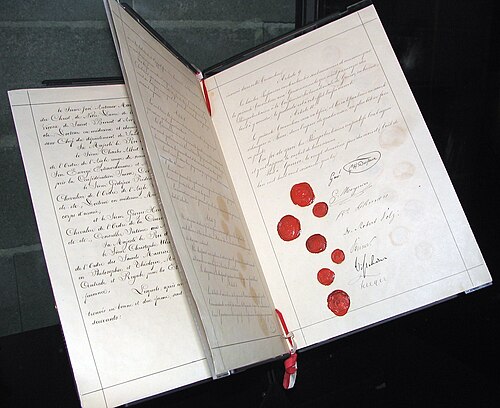
1910年までに国際法が発展し、最初のジュネーブ条約が戦時中の人道的救済を扱う法律を制定し、1899年と1907年の国際ハーグ条約が戦争のルールと国際紛争の平和的解決を規定した。[18] [19] セオドア・ルーズベルトは1910年のノーベル賞受賞の際、「誠実に平和を志向する大国が平和連盟を結成すれば、それは傑作となるだろう」と述べた。[20]
国際連盟の小さな前身である列国議会同盟(IPU)は、平和活動家ウィリアム・ランドール・クレマーとフレデリック・パッシーによって1889年に結成された(そして現在も世界のさまざまな選挙立法機関に焦点を当てた国際機関として存在している)。IPUは国際的な視野を持って設立され、1914年までに議会を持つ24カ国の議員の3分の1がIPUのメンバーとなった。その設立目的は、政府が国際紛争を平和的手段で解決するよう奨励することだった。政府が国際仲裁のプロセスを改善するのを助けるために、年次会議が設立された。その構造は大統領が率いる評議会として設計され、後に国際連盟の構造に反映された。[21]
計画と提案
第一次世界大戦の勃発とともに、将来の戦争を防ぐための国際機関の設立構想が、特にイギリスとアメリカでかなりの世論の支持を集め始めた。イギリスの政治学者、ゴールズワーシー・ロウズ・ディキンソンは、1914年に「国際連盟」という造語を考案し、その組織化構想を起草した。彼はブライス卿とともに、ブライス・グループ(後の国際連盟連合)として知られる国際平和主義者のグループの設立で主導的な役割を果たした。[22]このグループは、世論の間で、また当時の与党自由党内の圧力団体として、着実に影響力を拡大していった。ディキンソンは1915年に出版した小冊子『戦後』で、彼の「平和連盟」は本質的に仲裁と調停のための組織であると記している。彼は、20世紀初頭の秘密外交が戦争を招いたと感じていたため、「外交政策の問題が世論に知られ、世論によってコントロールされるようになるにつれて、戦争の不可能性は高まると私は信じる」と書くことができた。ブライス・グループの「提案」は、イギリスとアメリカの両方で広く配布され、初期の国際運動に大きな影響を与えた。[23] 1915年1月、ジェーン・アダムズ が指揮する平和会議が中立国アメリカで開催された。代表団は、平和と軍縮のために活動する「中立国による永久連盟」を発展させるために、行政および立法権を持つ国際機関の設立を求める綱領を採択した。[24]数か月以内に、ハーグで国際女性会議を開催するよう呼びかけられた。ミア・ボイスヴァン、アレッタ・ジェイコブス、ローザ・マヌスがコーディネートし、1915年4月28日に開会したこの会議には、中立国から1,136人が参加し、[26]国際女性平和自由連盟(WILPF)となる組織が設立された。[27]会議の閉幕後、2つの女性代表団が派遣され、その後数か月間、ヨーロッパ各国の首脳と会談した。代表団は、そのような組織は効果がないと考えていた消極的な外務大臣たちの同意を得たが、他の国々が同意し、ウッドロウ・ウィルソン大統領が組織を発足させるなら、中立的な調停組織の設立に参加するか、妨げないことに同意した。戦争の最中だったため、ウィルソンは拒否した。[28] [29]

1915年、ブライス・グループに似た組織が、ウィリアム・ハワード・タフト元大統領の指揮のもと、米国で設立された。この組織は平和強制連盟と呼ばれた。[31]この連盟は、紛争解決に仲裁を利用し、侵略国に制裁を課すことを提唱した。これらの初期の組織はいずれも、継続的に機能する組織を想定していなかった。イギリスのファビアン協会を除いて、国際機関を司法裁判所に限定する法的なアプローチを維持した。ファビアン協会は、世界情勢を裁定する国家(必然的に大国)の「評議会」と、さまざまな活動における国際協力を強化するための常設事務局の設立を主張した最初の組織だった。[32]
第一次世界大戦をめぐる外交努力の過程で、双方は長期的な戦争目的を明確にする必要があった。1916年までに、連合国側で戦っていた英国と中立国だった米国では、長期的な思想家たちが将来の戦争を防ぐための統一国際組織の構想を練り始めていた。歴史家ピーター・イヤーウッドは、 1916年12月にデイヴィッド・ロイド・ジョージの新連立政権が政権を握ったとき、知識人や外交官の間でそのような組織を設立することが望ましいかどうかについて広く議論されたと論じている。ロイド・ジョージは、戦後の状況を念頭に置いた立場をウィルソンから問われ、そのような組織を支持した。ウィルソン自身も、 1918年1月の14か条の原則に「平和と正義を確保するための諸国家の連盟」を盛り込んだ。イギリスの外務大臣アーサー・バルフォアは、永続的な平和の条件として、「国際法、そして敵対行為を防止または制限するためのあらゆる条約の背後に、最も頑強な侵略者にも躊躇させるような何らかの形の国際的制裁が考案されるべきだ」と主張した。[33]
この戦争はヨーロッパの社会、政治、経済体制に甚大な影響を及ぼし、精神的、肉体的損害をもたらした。[34]いくつかの帝国が崩壊した。最初は1917年2月のロシア帝国で、続いてドイツ帝国、オーストリア・ハンガリー帝国、オスマン帝国が崩壊した。反戦感情が世界中で高まり、第一次世界大戦は「すべての戦争を終わらせる戦争」と評され、[35]その考えられる原因が精力的に調査された。特定された原因には、軍備拡張競争、同盟、軍国主義的ナショナリズム、秘密外交、そして主権国家が自国の利益のために戦争に参加する自由などがあった。提案された解決策の1つは、軍縮、開かれた外交、国際協力、戦争遂行権の制限、戦争を魅力のないものにするような罰則を通じて将来の戦争を防ぐことを目的とする国際機関の設立であった。[36]
ロンドンでは、1918年初頭にロバート・セシル卿の主導のもと、バルフォアがこの問題に関する最初の公式報告書の作成を依頼した。英国委員会は最終的に1918年2月に任命された。委員会はウォルター・フィリモア(フィリモア委員会として知られるようになった)が率いたが、エア・クロウ、ウィリアム・ティレル、セシル・ハーストも参加していた。[22]いわゆるフィリモア委員会の勧告には、紛争を仲裁し違反国に制裁を課す「連合国会議」の設立が含まれていた。この提案は英国政府に承認され、委員会の成果の多くは後に国際連盟規約に盛り込まれた。[37]
フランス当局も1918年6月にさらに広範囲にわたる提案を起草し、すべての紛争を解決するための評議会の年次会議と、その決定を執行するための「国際軍」を提唱した。[37]

ウッドロウ・ウィルソン大統領はエドワード・M・ハウスに、ウィルソン自身の理想主義的見解( 1918年1月の14か条の原則で初めて表明)とフィリモア委員会の作業を反映した米国の計画を起草するよう指示した。ハウスの作業とウィルソン自身の最初の草案の結果は、スパイ活動や不正行為などの「非倫理的な」国家行動の終結を提案した。反抗的な国家に対する強制手段には、「その国の国境を封鎖し、世界のいかなる地域との通商や交流も禁止し、必要なあらゆる武力を使用する」などの厳しい措置が含まれるだろう[37]
国際連盟規約[39]の2人の主要起草者および設計者は、イギリスの政治家ロバート・セシル卿と南アフリカの政治家ヤン・スマッツであった。スマッツの提案には、常任理事国としての列強の評議会の創設と、小国の非常任選出が含まれていた。彼はまた、戦争中に中央同盟国が占領した植民地の委任統治制度の創設を提案した。セシルは管理面に焦点を当て、年次評議会会議と全加盟国による4年ごとの総会の開催を提案した。彼はまた、連盟の管理任務を遂行するための大規模で常設の事務局を主張した。[37] [40] [41]
歴史家パトリシア・クラビンによると、セシルとイギリスは1920年代から1930年代にかけて、国際連盟を中心にルールに基づく世界秩序の発展を主導し続けた。イギリスの目標は、国家、市場、市民社会の間の経済的・社会的関係を体系化し、正常化することだった。彼らはビジネスと銀行の問題を優先したが[42]、一般の女性、子供、家族のニーズも考慮した[43] 。彼らは高レベルの知的議論にとどまらず、国際連盟を支援するための地域組織を設立した。イギリスは特に中等教育の生徒のためのジュニア支部の設立に積極的だった[44] 。
国際連盟は、その加盟国や構造において、以前の国際機関よりも比較的普遍的で包括的であったが、民族自決権を制限することで人種的階層を定着させ、脱植民地化を妨げた。[45]
設立

1919年のパリ講和会議では、ウィルソン、セシル、スマッツの3人がそれぞれ草案を提出した。代表者間の長い交渉の後、ハースト=ミラー草案が最終的に規約の基礎として作成された。[47]さらなる交渉と妥協の後、代表者は最終的に1919年1月25日に国際連盟(フランス語:Société des Nations、ドイツ語:Völkerbund)を創設する提案を承認した。 [48]国際連盟の最終的な規約は特別委員会によって起草され、 1919年6月28日に調印されたベルサイユ条約第1部によって連盟が設立された。 [49] [50]
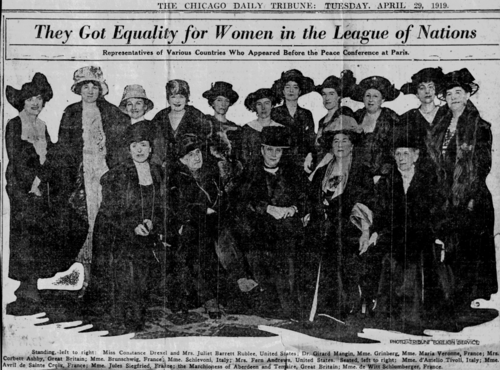
フランスの女性の権利擁護団体は、パリ会議と並行して開催される会議に国際フェミニストを招待し、公式会議への参加許可を得られることを期待した。[51]連合国女性会議は、和平交渉と委員会に提案を提出することを許可するよう求め、女性と子供を特に扱う委員会に参加する権利を与えられた。[52] [53]彼女たちは男性と平等に法の下で参政権と完全な法的保護を求めたが、[51]これらの権利は無視された。[54]女性は、国際連盟組織の職員や代表を含むあらゆる立場で奉仕する権利を勝ち取った。[55]彼女たちはまた、加盟国は女性と子供の人身売買を防止し、子供、女性、男性の労働者に対して人道的な条件を平等に支持すべきであるという宣言を勝ち取った。 [56] 1919年5月17日から19日にかけて開催されたチューリッヒ講和会議で、女性参政権運動(WILPF)の女性たちは、懲罰的措置だけでなく、暴力の非難や女性の市民的・政治的参加の排除を規定していないとして、ヴェルサイユ条約の条項を非難した。 [54]国際連盟の手続規則を読んだ英国の女性参政権運動家キャサリン・マーシャルは、そのガイドラインが完全に非民主的であることに気づき、彼女の提案に基づいて修正された。[57]
連盟は、総会(全加盟国を代表)、執行理事会(主要国のみ参加)、常設事務局から構成される。加盟国は、他加盟国の領土保全を「外部からの侵略から守り、尊重する」こと、および「国内の安全と一致する最低水準まで」武装解除することが求められた。すべての国は、戦争に突入する前に、仲裁または司法調査のために苦情を提出することが義務付けられた。 [22]執行理事会は、紛争について判決を下す 常設国際司法裁判所を設立する。
ウィルソンは連盟の設立と推進に尽力し、 1919年10月にノーベル平和賞を受賞したが、[58]アメリカは結局加盟しなかった。ヘンリー・キャボット・ロッジ率いる共和党上院議員らは、議会のみがアメリカを戦争に巻き込むことができるという条件付きで連盟を結成することを望んだ。ロッジは上院議員の過半数を獲得し、ウィルソンは妥協を許さなかった。上院は1920年3月19日に批准を投票したが、49対35の投票で必要な3分の2の多数には届かなかった。[59]
連盟は、ヴェルサイユ条約と国際連盟規約が発効した6日後の1920年1月16日にパリで最初の理事会を開催した。[60] 1920年11月1日、連盟の本部はロンドンからジュネーヴに移され、1920年11月15日に最初の総会が開催された。[61] [62]スイスは何世紀にもわたって中立国であり、すでに国際赤十字の本部が置かれていたため、ジュネーヴは連盟にとって理想的な都市であった。その強力な民主主義と中央ヨーロッパの立地は、世界の国々にとって良い選択であった。ジュネーヴの選択を支持したのは、スイス連邦参事のギュスターヴ・アドールと経済学者のウィリアム・ラパードであった。[63]ウッドロウ・ウィルソンにちなんで名付けられたジュネーヴの西湖岸のウィルソン宮殿は、連盟の最初の恒久的な本拠地であった。
ミッション
キャロル・フィンクが指摘するように、この協定には曖昧さがあった。ウィルソンの「腐敗した同盟制度の堅実な代替物、国際秩序の守護者、小国の保護者としての連盟という革命的な構想」とロイド・ジョージの「古くてより流動的なヨーロッパ協約によって維持されてきたような、安価で自己執行的な平和」との望みはうまく一致していなかった。[64] さらに、キャロル・フィンクによると、連盟は「海洋の自由や海軍の軍縮、モンロー主義、フランス帝国とイギリス帝国の内政、連合国間の債務やドイツ賠償金、そして連合国の介入やソビエト・ロシアとの国境の解決といった大国の特権から意図的に除外されていた」[65] 。
アメリカは結局参加しなかったが、非公式のオブザーバーは、特に1930年代にますます関与するようになった。アメリカの慈善団体、特にロックフェラー財団は深く関与するようになった。同財団は、国際連盟スタッフの技術的専門知識を養成するために、多額の助成金を支給した。ルドヴィック・トゥルネスは、1930年代までに財団は国際連盟を「国際議会」から、専門知識を用いて国際問題の詳細かつ公平な分析を提供する近代的なシンクタンクへと変えたと主張している。[66]
言語と記号
国際連盟の公用語はフランス語と英語であった。[67]
1939年のニューヨーク万国博覧会では、国際連盟の半公式の旗と紋章が登場した。青い五角形の中に2つの五芒星が描かれている。これらは地球の5つの大陸と「5つの人種」を象徴している。上部のリボンには英語名(「League of Nations」)が、下部のリボンにはフランス語名(「Société des Nations」)が描かれている。[68]
メンバーシップ

1920年11月、国際連盟は42の創設メンバーで構成されていました。創設年(1920年12月まで)に6か国が加盟し、1924年9月までにさらに7か国が加盟して、国際連盟の規模は55になりました。コスタリカは1924年12月に脱退し、最も早く脱退したメンバーとなり、ブラジルは1926年6月に脱退した最初の創設メンバーとなりました。ドイツ(ワイマール共和国下)は、1926年9月8日の決議により国際連盟に加盟しました。[69]国際連盟の規模はその後5年間54のままでした。
1930年代前半には、1932年にイラク(国際連盟の委任統治から新たに独立)[70]、1934年9月18日にソ連[71]を含む6か国が加盟したが、大日本帝国とドイツ(ヒトラー政権下)は1933年に脱退した。これにより、連盟の加盟国数は58か国となり、最大規模となった。[72]
1920年12月、アルゼンチンはすべての主権国家が連盟に加盟するという決議を拒否し、正式に脱退することなく脱退した(すべての会議と投票に欠席した)。[73] 1933年9月に再び参加した。[74]
1930年代後半には国際連盟の弱体化に伴い加盟国は減少していった。1935年から1939年9月にヨーロッパで第二次世界大戦が始まるまでの間に、加盟したのはエジプトのみ(最後の加盟国となった)、11か国が脱退し、3か国(エチオピア、オーストリア、チェコスロバキア)は消滅するか軍事占領下に入った。ソ連は1939年12月14日にフィンランド侵攻を理由に追放された[71]が、国際連盟が機能停止する前の最後の行為の一つであった。
組織

永久臓器
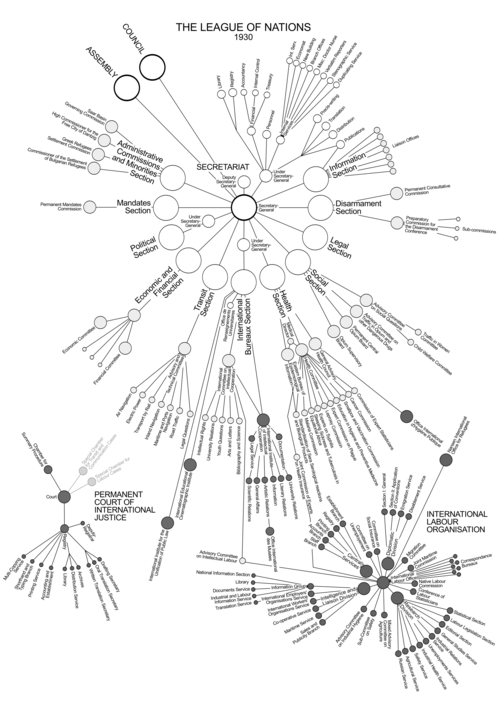
国際連盟の主要な憲法上の機関は、総会、理事会、常設事務局であった。また、国際連盟には常設国際司法裁判所と国際労働機関という2つの重要な部門があった。さらに、いくつかの補助機関や組織もあった。[76]各機関の予算は総会によって配分された(国際連盟は加盟国から財政的に支援されていた)。[77]
総会と評議会の関係とそれぞれの権限は、大部分において明確に定義されていませんでした。各機関は、連盟の権限の範囲内、または世界の平和に影響を与えるあらゆる問題を扱うことができました。特定の問題や課題は、どちらにも委ねられる可能性がありました。[78]
総会と理事会の決定には、手続き上の問題や新加盟国承認などの特別な場合を除き、全会一致が必要であった。この要件は、連盟の構成国の主権に対する信念を反映したもので、連盟は口述ではなく合意による解決を求めた。紛争が発生した場合、全会一致には紛争当事者の同意は必要なかった。[79]
国際連盟の所在地であるジュネーヴに設置された常設事務局は、事務総長の指揮の下、さまざまな分野の専門家の団体で構成されていた。[80]主な部署は、政治、財政・経済、交通、少数民族・行政(ザール地方とダンツィヒの管理)、委任統治、軍縮、保健、社会(アヘン、女性と子供の売買)、知的協力と国際局、法律、情報であった。事務局の職員は、理事会と総会の議題の準備、会議の報告書の発行、その他の日常的な事項を担当し、実質的に国際連盟の行政機関として機能していた。1931年の職員数は707人であった。[81]

総会は国際連盟加盟国すべての代表者から成り、各国は3名までの代表と1票を持つ。[83]総会はジュネーブで開催され、1920年の最初の会合の後、[84]毎年9月に1回招集された。[83]総会の特別機能には、新加盟国の承認、理事会非常任理事国の定期選挙、理事会による常設裁判所判事の選挙、予算の管理などがある。実際には、総会は国際連盟の活動全般を統括する機関であった。[85]
連盟理事会は、総会の業務を指揮する一種の執行機関として機能した。[86]連盟は、イギリス、フランス、イタリア、日本の4つの常任理事国と、総会によって3年の任期で選出された4つの非常任理事国から始まった。[87]最初の非常任理事国は、ベルギー、ブラジル、ギリシャ、スペインであった。[88]
理事会の構成は数回変更された。非常任理事国の数は、1922年9月22日に最初に6人に、1926年9月8日に9人に増加された。ドイツのヴェルナー・ダンクヴォルトは、自国の連盟加盟を推し進め、1926年に加盟したドイツは、理事会の5番目の常任理事国となった。その後、ドイツと日本がともに連盟を脱退した後、非常任理事国の数は9から11に増加し、ソ連が常任理事国となったため、理事会は合計15人の理事国となった。[88]理事会は、平均して年に5回会合し、必要に応じて臨時会期を開催した。1920年から1939年の間に合計107回の会期が開催された。[89]
その他の団体
連盟は常設国際司法裁判所と、差し迫った国際問題に対処するために設立された他のいくつかの機関や委員会を監督した。これらには、軍縮委員会、国際労働機関(ILO)、委任統治委員会、国際知的協力委員会[90] (ユネスコの前身)、常設中央あへん委員会、難民委員会、奴隷委員会、経済金融機関[91]が含まれていた。これらの機関のうち、国際労働機関、常設国際司法裁判所(国際司法裁判所として)、保健機関[92] [93](世界保健機関に再編)の3つは、第二次世界大戦後に国連に移管された。[94]
常設国際司法裁判所は規約によって規定されたが、規約によって設立されたわけではない。理事会と総会がその憲法を制定した。その裁判官は理事会と総会によって選出され、その予算は総会によって用意された。裁判所は関係当事者が提起したあらゆる国際紛争を審理し、裁定することになっていた。また、理事会または総会から付託されたあらゆる紛争または問題について勧告的意見を与えることもできた。裁判所は一定の広範な条件の下で世界のすべての国に開放されていた。[95]

国際労働機関は、1919年にベルサイユ条約第13部に基づいて設立されました。[96] ILOは、国際連盟と同じメンバーで構成され、総会の予算管理下に置かれていましたが、独自の理事会、独自の総会、独自の事務局を持つ自治組織でした。その構成は国際連盟とは異なり、政府だけでなく、使用者団体と労働者団体の代表にも代表権が与えられていました。アルバート・トーマスが初代事務局長でした。[97]

ILOは塗料への鉛添加を規制することに成功し[98]、いくつかの国に8時間労働と48時間労働週の導入を説得した。また、児童労働の廃止、職場における女性の権利の拡大、船員の事故に対する船主の責任追及などの運動も展開した[96] 。連盟の崩壊後、ILOは1946年に国連の機関となった[99]。
連盟の保健機関には3つの組織があった。連盟の常任職員からなる保健局、医療専門家からなる執行部である総合諮問会議または会議、そして保健委員会である。実際には、国際衛生会議後の1907年に設立されたパリに本部を置く国際衛生公衆衛生局(OIHP)が実際の保健関連の問題のほとんどを処理しており、連盟の保健委員会との関係はしばしば対立していた。[100] [93]保健委員会の目的は、調査を実施し、連盟の保健活動の運営を監督し、評議会に提出する作業を準備することであった。[101]この機関は、ハンセン病、マラリア、黄熱病の撲滅に重点を置き、黄熱病とハンセン病の撲滅のためには、蚊を駆除する国際キャンペーンを開始した。保健機関はまた、大規模な教育キャンペーンを組織するなど、ソ連政府と協力してチフスの流行を予防することに成功した。[102] [103]
麻薬管理は健康だけでなく商業上の懸念とも関連していた。第2回国際アヘン条約によって導入された常設中央アヘン委員会は、アヘン、モルヒネ、コカイン、ヘロインの取引に関する統計報告を監督しなければならなかった。委員会はまた、麻薬の合法的な国際取引のための輸入証明書と輸出許可のシステムを確立した。[104]
国際連盟は創設以来、国際知的協力の問題に真剣に取り組んできた。[105] 1920年12月の第1回総会は、理事会が知的活動の国際組織化を目指して行動を起こすよう勧告し、理事会は第2回総会第5委員会が提出した報告書を採択し、1922年8月にジュネーブで知的協力に関する委員会を開催するよう招請した。フランスの哲学者アンリ・ベルクソンが委員会の初代委員長となった。[106]委員会の活動には、知的活動の状況に関する調査、知的活動が危険にさらされている国々への援助、知的協力のための国家委員会の設置、国際知的組織との協力、知的財産の保護、大学間の協力、書誌活動と出版物の国際交換の調整、考古学研究における国際協力などが含まれていた。[107]
奴隷委員会は、世界中で奴隷制度と奴隷貿易を根絶しようとし、強制売春と戦った。 [108]委員会の主な成功は、委任統治国を統治する政府に、それらの国で奴隷制度を廃止するよう圧力をかけたことである。連盟は1923年に加盟の条件としてエチオピアから奴隷制度を廃止する約束を確保し、リベリアと協力して強制労働と部族間奴隷制度を廃止した。イギリスは、「エチオピアは加盟に値するほどの文明と国内治安の状態に達していない」という理由で、エチオピアの連盟加盟を支持しなかった。[109] [108]
連盟はまた、タンガニーカ鉄道建設労働者の死亡率を55%から4%に減らすことにも成功した。奴隷制度、売春、女性と子供の人身売買を取り締まるために記録が残された。[110]国際連盟による圧力もあって、アフガニスタンは1923年に、イラクは1924年に、ネパールは1926年に、トランスヨルダンとペルシアは1929年に、バーレーンは1937年に、エチオピアは1942年に奴隷制度を廃止した。 [111]

フリチョフ・ナンセンの指揮の下、難民委員会は1921年6月27日に設立され[112] 、難民の帰還と必要に応じて再定住を監督するなど、難民の利益を守ることを目的としていた。 [113]第一次世界大戦の終わりには、ロシア全土に散らばった様々な国の元戦争捕虜が200万から300万人いた。 [113]委員会設立から2年以内に、委員会はそのうち42万5000人の帰国を支援した。[114]委員会は1922年にトルコにキャンプを設立し、進行中の難民危機でトルコを支援し、コレラ、天然痘、赤痢の蔓延を防ぎ、キャンプの難民に食事を与えた。[115]また、無国籍者の身分証明手段としてナンセン・パスポートも制定した。[116]
女性の法的地位研究委員会は、世界中の女性の地位を調査することを目的としていた。[117]この委員会は1937年に設立され、後に国連の女性の地位委員会として組織された。[118]
連盟規約では経済についてはほとんど触れられていない。しかし、1920年に連盟理事会は金融会議を招集した。ジュネーブでの第1回総会では、会議に情報を提供するための経済金融諮問委員会の設置が規定された。1923年には、常設の経済金融機構が誕生した。[119]既存の二国間条約体制は連盟に統合され、最恵国待遇規範が成文化され、連盟は国際的な監視と標準化に関する責任を引き受けた。[120]
義務
第一次世界大戦の終結時、連合国はアフリカと太平洋の旧ドイツ植民地とオスマン帝国のいくつかのアラビア語圏の州の処分問題に直面していた。多くのイギリスとフランスの指導者は敗戦した中央同盟国の植民地の併合を望んでいたが、アメリカのウッドロウ・ウィルソン大統領は、併合ではなく、これらの地域が住民の選択に応じて自治と最終的な独立を達成できるよう国際連盟の監視下で支援されるべきであると強く主張した。[121]
パリ講和会議はウィルソン大統領と妥協し、これらの領土は連盟に代わって異なる政府によって統治されるべきであるという原則、つまり国際的な監視を受ける国家責任のシステムを採用した。[121] [122]委任統治制度として定義されたこの計画は、1919年1月30日に「十カ国会議」(主要連合国:イギリス、フランス、アメリカ、イタリア、日本の政府首脳と外務大臣)によって採択され、国際連盟に伝達された。[123]
国際連盟の委任統治領は、国際連盟規約第22条に基づいて設立された。[124]常設委任統治委員会は国際連盟の委任統治領を監督し、[125]紛争地域で住民がどの国に加盟するかを決定できるように住民投票も実施した。委任統治領にはA、B、Cの3つの区分があった。[126]
A委任統治領(旧オスマン帝国の一部に適用)は「特定のコミュニティ」であり、
...独立国家としての存在が暫定的に認められる発展段階に達し、委任統治領による行政上の助言と援助を受けることで、独立国家として自立できるようになるまでの間、委任統治領の選定においてこれらのコミュニティの希望が第一に考慮されなければならない。[127]
— 国際連盟規約第22条
Bの委任状は、第一次世界大戦後に連盟が責任を負った旧ドイツ植民地に適用された。これらは連盟が「人民」と表現した。
...その段階では、委任統治領は、良心と宗教の自由を保障する条件の下で領土の統治に責任を負わなければならないが、その条件は、公共の秩序と道徳の維持、奴隷貿易、武器取引、酒類取引などの濫用の禁止、要塞や軍事・海軍基地の設置の防止、警察目的と領土防衛以外の目的での原住民の軍事訓練の防止のみであり、また、連盟の他の加盟国との貿易と商業の平等な機会も確保される。[127]
— 国際連盟規約第22条
南西アフリカと一部の南太平洋諸島は、C委任統治領の下で連盟加盟国によって統治されていた。これらは「領土」に分類されていた。
...その地域は、その人口がまばらであること、その地域の大きさが小さいこと、その地域が文明の中心から遠く離れていること、その地域が委任統治領の領土に地理的に隣接していること、その他の事情により、先住民の利益のために前述の保障措置を条件として、委任統治領の領土の不可分の一部としてその地域の法律の下で最も適切に管理され得る。」[127]
— 国際連盟規約第22条
強制的な権限
これらの地域は、自治が可能とみなされるまで、委任統治領(パレスチナ委任統治領の場合は英国、南西アフリカの場合は南アフリカ連邦)によって統治された。14の委任統治領は、英国、南アフリカ連邦、フランス、ベルギー、ニュージーランド、オーストラリア、日本の7つの委任統治国に分割された。[128] 1932年10月3日に国際連盟に加盟したイラク王国を除いて、 [129]これらの地域のほとんどは、第二次世界大戦後まで独立を獲得せず、その過程は1990年まで終わらなかった。国際連盟の崩壊後、残りの委任統治領のほとんどは国際連合信託統治領となった。[130]
委任統治に加えて、連盟自体はザール川流域の領土を15年間統治し、住民投票によりドイツに返還された。また、 1920年11月15日から1939年9月1日までは自由都市ダンツィヒ(現在のポーランド、グダニスク)も統治した。 [131]
領土紛争の解決
第一次世界大戦の余波で、国境の正確な位置や特定の地域がどの国に加盟するかなど、解決すべき問題が数多く残された。これらの問題のほとんどは、連合国最高評議会などの機関で勝利した連合国によって処理された。連合国は特に困難な問題のみを国際連盟に付託する傾向があった。つまり、戦間期初期には、国際連盟は戦争による混乱の解決にほとんど貢献しなかった。国際連盟が初期に検討した問題には、パリ講和条約で指定された問題も含まれていた。[132]
国際連盟が発展するにつれて、その役割は拡大し、1920年代半ばには国際活動の中心となった。この変化は、国際連盟と非加盟国との関係に見られる。例えば、米国とソ連はますます国際連盟と協力するようになった。1920年代後半、フランス、英国、ドイツはいずれも国際連盟を外交活動の中心として利用し、この時期に各国の外務大臣がジュネーブで開かれた国際連盟の会議に出席した。また、関係改善と意見の相違の解決を図るために国際連盟の機構を利用した。[133]
オーランド諸島
オーランド諸島は、スウェーデンとフィンランドの中間にあるバルト海に浮かぶ約6,500の島々の集まりである。島々ではほぼ全員がスウェーデン語を話しているが、1809年にオーランド諸島はフィンランドとともにロシア帝国に奪われた。1917年12月、ロシア十月革命の混乱の最中にフィンランドは独立を宣言したが、オーランド諸島民のほとんどはスウェーデンへの復帰を望んだ。[134]ロシアが1809年に樹立したフィンランド大公国にオーランド諸島を含めていたため、フィンランド政府は島々を新国家の一部とみなしていた。1920年までに、紛争は戦争の危険があるところまでエスカレートした。イギリス政府はこの問題を国際連盟の評議会に付託したが、フィンランドはそれを内政問題とみなして国際連盟の介入を許さなかった。連盟は、この問題を調査すべきかどうかを決定するための小委員会を設置し、調査が肯定的であったため、中立委員会が設置された。[134] 1921年6月、連盟は、島々はフィンランドの一部であり続けるが、非武装化を含む島民の保護を保証するという決定を発表した。スウェーデンは渋々同意したが、これは連盟を通じて直接締結された最初のヨーロッパの国際協定となった。[135]
上シレジア
連合国は、ポーランドとドイツの間の領土紛争を解決できなかった後、上シレジアの問題を国際連盟に委ねた。 [136] 1919年、ポーランドはプロイセンの一部であった上シレジアの領有権を主張した。ヴェルサイユ条約は、上シレジアでこの地域をドイツとポーランドのどちらに編入するかを決定する住民投票を勧告していた。ドイツ当局の態度に対する不満が暴動につながり、最終的には最初の2回のシレジア蜂起(1919年と1920年)につながった。住民投票は1921年3月20日に行われ、59.6%(約50万人)の票がドイツへの編入に賛成したが、ポーランドはそれをめぐる状況が不公平であると主張した。この結果、1921年に第3次シレジア蜂起が起こった。 [137]
1921 年 8 月 12 日、連盟は問題の解決を求められた。理事会は、ベルギー、ブラジル、中国、スペインの代表者からなる委員会を設置し、状況を調査した。[138]委員会は、住民投票で示された希望に従って上シレジアをポーランドとドイツに分割し、両地域間のやり取りの詳細、たとえば、両地域の経済および産業の相互依存関係により、国境を自由に通過できるかどうかなど、両国が決定すべきであると勧告した。[139] 1921 年 11 月、ドイツとポーランド間の条約を交渉するための会議がジュネーブで開催された。5 回の会議を経て、最終的な合意が成立し、その地域の大部分はドイツに譲渡されたが、ポーランドの区画にはその地域の鉱物資源の大部分と産業の多くが含まれていた。この合意が 1922 年 5 月に公表されると、ドイツでは激しい憤りが表明されたが、それでも両国は条約を批准した。この合意により、第二次世界大戦が始まるまでこの地域に平和がもたらされた。[138]
アルバニア
アルバニア公国の国境は1919年のパリ講和会議の時点では確定しておらず、連盟に決定を委ねられていた。[140]国境は1921年9月になっても確定しておらず、不安定な状況が生まれた。ギリシャ軍はアルバニア南部で軍事作戦を実施した。セルビア人、クロアチア人、スロベニア人王国(ユーゴスラビア)軍はアルバニア北部でアルバニア部族と衝突し、交戦状態となった。連盟はさまざまな勢力の代表者からなる委員会をこの地域に派遣した。1921年11月、連盟はアルバニアの国境は1913年と同じで、ユーゴスラビアに有利となる3つの小さな変更を加えることを決定した。数週間後、抗議しつつもユーゴスラビア軍は撤退した。[141]
1923年8月27日、イタリアの将軍エンリコ・テリーニと彼の助手4人がギリシャとアルバニアの国境を新たに定めている最中に待ち伏せされ殺害され、アルバニアの国境が再び国際紛争の原因となった。イタリアの指導者ベニート・ムッソリーニは激怒し、5日以内に委員会に事件の調査を要求した。調査結果がどうであれ、ムッソリーニはギリシャ政府がイタリアに5000万リラ の賠償金を支払うよう主張した。ギリシャ側は、犯罪がギリシャ人によって行われたことが証明されない限り、支払わないと述べた。[142]
ムッソリーニはギリシャのコルフ島を砲撃するために軍艦を派遣し、イタリア軍は1923年8月31日に島を占領した。これは国際連盟の規約に違反していたため、ギリシャは事態の解決を国際連盟に訴えた。連合国は(ムッソリーニの主張により)テリーニ将軍を任命したのは大使会議であるため、大使会議が紛争の解決に責任を負うことに同意した。国際連盟評議会は紛争を検討したが、最終決定を下すためにその結果を大使会議に渡した。会議は国際連盟の勧告のほとんどを受け入れ、犯罪者が発見されなかったにもかかわらず、ギリシャはイタリアに5千万リラを支払うことを余儀なくされた。[143]その後、イタリア軍はコルフ島から撤退した。[144]
メーメル
港湾都市メーメル(現在のクライペダ)とその周辺地域は、主にドイツ人が住んでおり、ヴェルサイユ条約第99条に基づいて暫定協商国の支配下にあった。[145]フランス政府とポーランド政府はメーメルを国際都市にすることを支持し、リトアニアは同地域の併合を望んだ。1923年になっても同地域の運命は未だ決まっておらず、1923年1月にリトアニア軍が侵攻し港を占拠した。連合国はリトアニアとの合意に達することができず、この問題を国際連盟に付託した。1923年12月、国際連盟理事会は調査委員会を設置した。委員会はメーメルをリトアニアに割譲し、同地域に自治権を与えることを決定した。クライペダ条約は1924年3月14日に国際連盟理事会で承認され、その後連合国とリトアニアによって承認された。[146] 1939年、ナチスの台頭とリトアニアへの最後通牒を受けてドイツはこの地域を奪還し、戦争の脅威の下でこの地域の返還を要求した。国際連盟はメーメル地域のドイツへの離脱を阻止できなかった。
ハタイ
連盟の監視の下、フランス委任統治領シリアのアレクサンドレッタのサンジャクは1937年に自治権を与えられた。ハタイと改名されたサンジャクの議会は、前月の選挙後、1938年9月にハタイ共和国として独立を宣言した。 1939年半ば、フランスの同意を得てトルコに併合された。 [147]
モスル
1926年、国際連盟は、旧オスマン帝国領モスル県の支配をめぐるイラク王国とトルコ共和国間の紛争を解決した。 1920年に国際連盟からイラクの委任統治領を授与され、外交問題でイラクを代表していた英国によれば、モスルはイラクに属するものであった。一方、新トルコ共和国は、同県を自国の歴史的中心地の一部であると主張した。1924年、ベルギー、ハンガリー、スウェーデンの3か国からなる国際連盟調査委員会が同地域に派遣され、モスルの人々はトルコにもイラクにも属したくないが、どちらかを選ばなければならないとすればイラクを選ぶだろうという結論に達した。[148] 1925年、同委員会は、クルド人の自治権を保障するため、英国がさらに25年間イラクの委任統治権を保持するという条件で、同地域をイラクの一部にとどめるよう勧告した。連盟理事会は勧告を採択し、1925年12月16日にモスルをイラクに与えることを決定した。トルコはローザンヌ条約(1923年)で国際連盟の仲裁を受け入れていたが、理事会の権威に疑問を呈し、決定を拒否した。この問題は常設国際司法裁判所に付託され、理事会が全員一致で決定した場合は受け入れなければならないという判決が下された。それでも、イギリス、イラク、トルコは1926年6月5日に別の条約を批准し、ほぼ連盟理事会の決定に従い、モスルをイラクに割り当てた。イラクは25年以内に連盟への加盟を申請することができ、加盟と同時に委任統治が終了することで合意した。[149] [150]
ビリニュス
第一次世界大戦後、ポーランドとリトアニアはともに独立を取り戻したが、すぐに領土紛争に巻き込まれた。[151]ポーランド・ソビエト戦争中、リトアニアはソビエト・ロシアとモスクワ講和条約を締結し、リトアニアの国境が定められた。この協定により、リトアニア人は旧リトアニアの首都であったが、人口の大半はポーランド人であるヴィリニュス(リトアニア語:Vilnius 、ポーランド語:Wilno)の都市を管理することになった。[ 152 ]これによりリトアニアとポーランドの間の緊張が高まり、ポーランド・リトアニア戦争が再開されるのではないかとの懸念が高まり、1920年10月7日、連盟はスヴァウキ協定を交渉し、両国間の停戦と境界線を確立した。[151] 1920年10月9日、ポーランド軍を指揮していたルチアン・ジェリゴフスキ将軍はスヴァウキ協定に違反してこの都市を占領し、中央リトアニア共和国を樹立した。[151]
リトアニアからの支援要請を受けて、同盟評議会はポーランドにその地域からの撤退を求めた。ポーランド政府はこれに応じる意向を示したが、その代わりにポーランド軍を増派して都市を強化した。[153]この結果を受けて同盟は、ヴィリニュスの将来は住民投票で決定されるべきであり、ポーランド軍は撤退し、同盟が組織した国際軍に取って代わられるべきであると決定した。この計画はポーランド、リトアニア、ソビエトロシアで抵抗に遭った。彼らはリトアニアへのいかなる国際軍の派遣にも反対していた。1921年3月、同盟は住民投票の計画を断念した。[154]ポール・ハイマンスがポーランドとリトアニアの連邦を創設するという提案が失敗に終わった後、この提案は両国が独立を失う前に共有していた旧ポーランド・リトアニア共和国の復活を意図しており、1922年3月にヴィリニュスとその周辺地域は正式にポーランドに併合された。リトアニアがクライペダ地方を占領した後、 1923年3月14日、連合国会議はリトアニアとポーランドの国境を設定し、ヴィリニュスはポーランド国内に残った。[155]リトアニア当局はこの決定を受け入れることを拒否し、1927年まで公式にはポーランドとの交戦状態が続いた。[156] 1938年のポーランドの最後通牒までリトアニアはポーランドとの外交関係を回復せず、事実上国境を受け入れた。[157]
コロンビアとペルー
20世紀初頭、コロンビアとペルーの間では国境紛争が数回発生し、1922年に両政府は紛争解決のためサロモン・ロサノ条約に署名した。 [158]この条約の一環として、国境の町レティシアとその周辺地域がペルーからコロンビアに割譲され、コロンビアはアマゾン川にアクセスできるようになりました。[159] 1932年9月1日、その結果土地を失ったペルーのゴムおよび砂糖産業のビジネスリーダーたちは、レティシアの武装占拠を組織しました。[160]当初、ペルー政府は軍事占拠を認めませんでしたが、ペルー大統領 ルイス・サンチェス・セロはコロンビアの再占領に抵抗することを決定しました。ペルー軍はレティシアを占領し、両国間の武力紛争につながりました。[161]数か月に及ぶ外交交渉の後、両政府は国際連盟による調停を受け入れ、代表者は理事会で自らの主張を述べました。 1933年5月に両者が署名した暫定和平協定では、二国間交渉が進む間、連盟が係争地域の管理を引き継ぐことが規定された。[162] 1934年5月、最終的な和平協定が調印され、レティシアのコロンビアへの返還、1932年の侵攻に対するペルーの正式な謝罪、レティシア周辺の地域の非武装化、アマゾン川とプトゥマヨ川の自由な航行、不可侵の誓約が行われた。[163]
ザール
ザールはプロイセンとライン=プファルツの一部から形成された州で、ヴェルサイユ条約によって同盟の支配下に置かれました。同盟による統治の15年後、ザールがドイツに属するかフランスに属するかを決定する住民投票が行われることになりました。1935年に行われた住民投票では、投票者の90.3パーセントがドイツへの帰属を支持し、同盟評議会はすぐにこれを承認しました。[164] [165]
その他の紛争
領土紛争に加えて、連盟は国家間および国家内のその他の紛争にも介入しようとした。その成功の中には、アヘンおよび性的奴隷の国際取引に対する闘い、そして1926年までの期間に特にトルコで行われた難民の窮状緩和活動などがある。この後者の分野における連盟の革新の1つは、1922年にナンセン・パスポートを導入したことであり、これは無国籍難民のための最初の国際的に認められた身分証明書であった。[166]
ギリシャとブルガリア
1925年10月にギリシャ・ブルガリア国境の歩哨を巻き込んだ事件が起こり、両国間の戦闘が始まった。[167]最初の事件から3日後、ギリシャ軍はブルガリアに侵攻した。ブルガリア政府は、連盟に紛争の解決を託し、軍隊に名ばかりの抵抗を命じ、国境地域から1万5千人の住民を避難させた。[168]連盟はギリシャの侵攻を非難し、ギリシャの撤退とブルガリアへの賠償を求めた。[167]
リベリア
アメリカが所有する大規模なファイアストン・ゴム農園での強制労働の告発と、アメリカによる奴隷貿易の告発を受けて、リベリア政府は連盟に調査の開始を要請した。[169]結果として、連盟、米国、リベリアの共同委員会が設立された。[170] 1930年、連盟の報告書は奴隷制度と強制労働の存在を確認した。報告書は、多くの政府職員が契約労働者の売買に関与していたと示唆し、彼らをヨーロッパ人またはアメリカ人に置き換えるよう勧告したが、これはリベリア国内で怒りを呼び、チャールズ・D・B・キング大統領と副大統領の辞任につながった。リベリア政府は強制労働と奴隷制度を違法とし、社会改革でアメリカの支援を求めた。[170] [171]
奉天事件

満州事変としても知られる奉天事変は、国際連盟の主要メンバーが日本の侵略に対処することを拒否したため、国際連盟を弱体化させる決定的な挫折であった。日本自身も脱退した。[172] [173]
中国との21ヶ条要求の合意条件に基づき、日本政府は中国満州地域にある、中国と朝鮮(当時は日本の植民地)を結ぶ主要貿易ルートである南満州鉄道の周辺地域に軍隊を駐留させる権利を持っていた。1931年9月、満州侵攻の口実として、日本の関東軍が鉄道の一部に軽微な損害を与えた。 [174] [175]日本軍は中国兵が鉄道を破壊したと主張し、明らかに報復として(東京からの命令に反して行動し[176])満州全土を占領した。日本軍はこの地域を満州国と改名し、1932年3月9日、中国の前皇帝溥儀を行政長官とする傀儡政府を樹立した。 [177]
国際連盟はオブザーバーを派遣した。リットン報告書は1年後(1932年10月)に発表された。報告書は満州国を承認せず、満州を中国に返還するよう要求した。報告書は1933年の総会で42対1で可決されたが(反対票を投じたのは日本のみ)、日本は中国から軍隊を撤退させる代わりに国際連盟を脱退した。[178]結局、英国の歴史家チャールズ・モワットが主張したように、集団安全保障は死んだ。
- 国際連盟と集団安全保障および法の支配の理念は敗北した。これは侵略者に対する無関心と同情のせいもあるが、国際連盟諸国が準備不足で、他の事柄に気を取られ、日本の野望の大きさを察知するのに時間がかかりすぎたためでもある。[179]
チャコ戦争
連盟は、乾燥したグランチャコ地方をめぐる1932年のボリビアとパラグアイの戦争を阻止できなかった。同地方は人口がまばらだったが、パラグアイ川があり、どちらの内陸国も大西洋に出ることができたはずだった。 [180]また、後に誤りであることが判明したが、チャコ川は石油の豊富な資源になるという憶測もあった。[181] 1920年代後半を通じて国境紛争が続き、1932年にボリビア軍がピティアントゥータ湖のカルロスアントニオロペス砦のパラグアイ軍を攻撃した際に全面戦争に発展した。[182]この戦争は双方にとって惨事となり、人口約300万人のボリビアで57,000人の死傷者を出し、人口約100万人のパラグアイでは36,000人が死亡した。[183] また、両国を経済破綻の瀬戸際にまで追い込んだ。 1935年6月12日に停戦交渉が行われた時点で、パラグアイはこの地域の大部分を掌握しており、これは後に1938年の停戦でも認められた。[184]
当初、両陣営は、戦争開始から1年以上が経過した1933年11月まで、連盟による調査の実施を拒否した。その結果、連盟は制裁を科すために第16条を正式に発動しなかった。汎米会議が調停を申し出て、連盟は会議に委ねたが、交戦国は会議を無視した。最終的に(第16条を経ることなく)、連盟の複数のメンバー(および非連盟メンバーの米国とブラジル)が武器禁輸を発動したが、近隣諸国が禁輸を無視したため、禁輸は無効となった。1934年11月、連盟は両陣営に撤退して仲裁を受けるよう要求した。ボリビアはこれを受け入れたが、パラグアイは当時、紛争地域全体を支配していた。パラグアイは仲裁を拒否し、連盟を脱退した。[185] [186]
イタリアのアビシニア侵攻

1935年10月、イタリアの独裁者ベニート・ムッソリーニは40万人の軍隊をアビシニア(エチオピア)に派遣して侵攻した。[187]ピエトロ・バドリオ元帥は1935年11月から作戦を指揮し、無防備な村や医療施設を含む標的に対して爆撃、マスタードガスなどの化学兵器の使用、水道水の汚染を命じた。 [187] [188]近代的なイタリア軍は貧弱な武装のアビシニア人を打ち破り、 1936年5月にアディスアベバを占領し、エチオピア皇帝ハイレ・セラシエをイギリスに亡命させた。[189]
国際連盟は1935年11月にイタリアの侵略を非難し経済制裁を課したが、石油の販売を禁止せず、スエズ運河(英国が管理)を閉鎖しなかったため、制裁はほとんど効果がなかった。[190]スタンレー・ボールドウィン英国首相が後に指摘したように、これは結局のところ、イタリアの攻撃に耐えられるだけの軍隊を誰も持っていなかったためである。[191] 1935年10月、フランクリン・D・ルーズベルト米国大統領は、当時可決された中立法を発動し、両陣営に対して武器と軍需品の禁輸措置を課したが、交戦国イタリアに対しては他の貿易品目を含むさらなる「道義的禁輸措置」を課した。10月5日とその後の1936年2月29日、米国は石油やその他の物資の輸出を平時の通常のレベルに制限しようとしたが、あまり成功しなかった。[192]連盟の制裁は1936年7月4日に解除されたが、その時点でイタリアはすでにアビシニアの都市部を支配していた。[193]
1935年12月のホーア=ラヴァル協定は、イギリス外務大臣サミュエル・ホーアとフランス首相ピエール・ラヴァルが、アビシニア紛争を終わらせるために、同国をイタリア領とアビシニア領に分割することを提案した試みであった。ムッソリーニは協定に同意する用意があったが、取引のニュースが漏れてしまった。イギリスとフランスの両国民は、アビシニアの裏切りだと激しく抗議した。ホーアとラヴァルは辞任を余儀なくされ、イギリスとフランスの両政府はこの2人と距離を置いた。[194] 1936年6月、国家元首が国際連盟総会で自ら演説する前例はなかったが、ハイレ・セラシエは総会で演説し、自国を守るために協力を求めた。[195]
アビシニア危機は、国際連盟が加盟国の利己心によっていかに左右されるかを示した。[196]制裁がそれほど厳しくなかった理由の一つは、イギリスとフランスの両国がムッソリーニとアドルフ・ヒトラーを同盟に追い込む可能性を恐れていたからである。[197]
スペイン内戦
1936年7月17日、スペイン軍がクーデターを起こし、スペイン共和党(選出された左派の国民政府)とナショナリスト(スペイン軍の将校のほとんどが含まれた保守的な反共産主義の反乱軍)との間で長期にわたる武力紛争が勃発した。[198]スペイン外務大臣 フリオ・アルバレス・デル・バヨは1936年9月、スペインの領土保全と政治的独立を守るために国際連盟に武器の提供を要請した。国際連盟のメンバーはスペイン内戦に介入せず、紛争への外国の介入を阻止しなかった。アドルフ・ヒトラーとムッソリーニはフランシスコ・フランコ将軍のナショナリストを支援し、ソ連はスペイン共和国を支援した。1937年2月、国際連盟は外国人義勇兵を禁止したが、これは実質的には象徴的な動きだった。[199]結果は1939年のナショナリストの勝利となり、国際連盟が主要問題に対処できないことがすべての観察者に確認された。[200]
日中戦争
1930年代を通じて局地的な紛争を扇動してきた長い歴史を経て、日本は1937年7月7日に中国への本格的な侵攻を開始した。9月12日、中国代表のウェリントン・クーは国際連盟に国際介入を要請した。西側諸国は中国人の闘争、特に外国人が相当数居住する上海の頑強な防衛に同情的だった。 [201]連盟は実際的な対策を提示することができず、10月4日に九カ国条約会議に事件を委ねた。[202] [203]
ソ連のフィンランド侵攻
1939年8月23日のナチス・ソ連協定には、利益の範囲を概説した秘密議定書が含まれていた。フィンランドとバルト諸国、そしてポーランド東部はソ連の支配下に入った。 1939年9月17日にポーランドに侵攻した後、11月30日にはソ連はフィンランドに侵攻した。その後、「国際連盟は初めて、規約に違反した加盟国を追放した」。[204] 1939年12月14日の国際連盟の行動は、ソ連が「このような屈辱を受けた唯一の連盟加盟国」となったため、痛手となった。[205] [206]
軍縮の失敗
規約第8条は、連盟に「国家の安全と国際義務の共同行動による履行とに矛盾しない最低水準まで軍備を削減する」という任務を与えている。[207]ホーコン・イコノモウは、軍縮部は大きな失敗だったと主張する。大国から不信感を持たれ、事務局からはほとんど自主権を与えられなかった。平凡な職員が作り出した情報は信頼性が低く、一般大衆に非現実的な期待を抱かせた。[208]
成功例
連盟は、1925年の武器弾薬および軍需品の国際貿易監視会議など、いくつかの成功を収めた。連盟は国際的な武器データの収集を開始した。最も重要なのは、1925年に戦争における毒ガスを禁止するジュネーブ議定書が可決されたことである。[209]これは世界中の強い世論を反映したものであったが、米国は1975年まで批准しなかった。[210]
失敗
連盟は数々の失敗と欠陥を抱えていた。1921年、連盟は軍縮の可能性を探るため臨時軍備混合委員会を設立した。この委員会は政府代表ではなく著名人で構成されていたが、彼らの意見が一致することはほとんどなかった。提案は化学戦や戦略爆撃の廃止から戦車などの通常兵器の制限まで多岐に渡った。
1923年相互援助条約草案
1923年の相互援助条約草案は、第一次世界大戦後のヨーロッパの軍縮と安全保障の問題に対処するために国際連盟が提案したが、失敗に終わった。この条約草案は1924年に英国政府に拒否され、採択されることはなかった。この条約草案は、国際連盟が集団安全保障と軍縮のシステムを構築しようとした初期の試みであり、国際連盟は代替アプローチを追求することになったが、これも結局は支持を得られなかった。[211] [212]
1924年のジュネーブ議定書
1923年に、侵略戦争を違法とし、加盟国に武力による侵略の被害者の防衛を義務付ける条約案がまとめられた。責任は実質的に連盟の大国に課せられるため、この誓約が大英帝国の治安維持に対する自らの責任を脅かすことを恐れたイギリスによって拒否された。[213]
「国際紛争の太平洋的解決のためのジュネーブ議定書」は、イギリスの首相ラムゼー・マクドナルドとフランスの首相エドゥアール・エリオットが提案した。この議定書は、紛争の強制的な仲裁を規定し、国際紛争における侵略者を決定する方法を作った。国家間のすべての法的紛争は、国際法廷に提出される。この議定書は、1925 年に軍縮会議の開催を求めた。紛争において従わない政府は侵略者として指定される。侵略の被害者は、連盟加盟国から直ちに援助を受けることになっていた。
イギリス保守党は、この提案がアメリカとの対立を招くことを恐れ、この提案を非難した。アメリカもこの提案に反対していた。イギリス自治領はこれに強く反対した。イギリスでは保守党が政権を握り、1925年3月にこの提案は棚上げされ、二度と再提出されることはなかった。[214]
世界軍縮会議
連合国はまた、ヴェルサイユ条約により軍縮に努める義務を負っており、敗戦国に課せられた軍備制限は世界的な軍縮への第一歩とされていた。[215]連盟規約は各国の軍縮計画を作成する任務を連盟に割り当てたが、理事会はこの責任を1926年に設置された1932~1934年の世界軍縮会議の準備のための特別委員会に委譲した。[216]連盟加盟国はこの問題に対して異なる見解を持っていた。フランスは、攻撃された場合に軍事援助が保証されないまま軍縮することに消極的だった。ポーランドとチェコスロバキアは西側からの攻撃に対して脆弱であると感じており、軍縮する前に加盟国に対する侵略に対する連盟の対応が強化されることを望んだ。[217]この保証がなければ、ドイツからの攻撃のリスクが大きすぎると感じたため、両国は軍縮を行わなかった。第一次世界大戦後、ドイツが力を取り戻すにつれ、特にアドルフ・ヒトラーが権力を握り、1933年にドイツ首相になってからは、攻撃に対する恐怖が高まった。特に、ドイツがベルサイユ条約を覆そうとし、ドイツ軍を再建したことで、フランスはますます軍縮に消極的になった。[216]
1932年、国際連盟は60カ国の代表を集めてジュネーブで世界軍縮会議を招集したが、失敗に終わった。[ 218 ]会議開始時に軍備拡張の1年間の一時停止(後に数ヶ月延長)が提案された。[219]軍縮委員会はフランス、イタリア、スペイン、日本、イギリスから海軍の規模を制限することで当初合意を得たが、最終合意には至らなかった。結局、委員会は1930年代のドイツ、イタリア、スペイン、日本の軍備増強を阻止できなかった。[220]
第二次世界大戦の勃発期に無力だった
国際連盟は、ヒトラーのラインラントの再軍備、ズデーテン地方の占領、ヴェルサイユ条約で禁じられていたオーストリア併合など、第二次世界大戦につながる大きな出来事に対してほとんど沈黙していた。実際、国際連盟加盟国は自ら再軍備した。1933年、日本は連盟の判断に従うのではなく、単純に国際連盟から脱退した。[221]同年ドイツ(世界軍縮会議でフランスとドイツの軍備均衡に合意できなかったことを口実に)、1937年にイタリア、1939年にスペインも脱退した。[222]国際連盟の最後の重要な行為は、1939年12月にフィンランドに侵攻したソ連を追放したことだった。[223]
一般的な弱点


第二次世界大戦の勃発は、国際連盟が新たな世界大戦の防止という主な目的を果たせなかったことを明らかにした。この失敗にはさまざまな理由があったが、その多くは組織内の全般的な弱点に関連していた。さらに、国際連盟の力は米国の加盟拒否によって制限されていた。[224]
起源と構造
連盟は第一次世界大戦を終わらせるための和平協定の一環として連合国によって創設された組織として始まったため、「戦勝国連盟」と見なされるようになった。[225] [226]連盟の中立性は優柔不断という形で現れる傾向があった。決議を制定するには9人、後に15人の理事会メンバーの全員一致の投票が必要だったため、決定的で効果的な行動は不可能ではないにしても困難だった。また、決定には総会全体の全員一致の同意が必要だったため、決定には時間がかかった。この問題は主に、国際連盟の主要メンバーが自分たちの運命が他国によって決定される可能性を受け入れようとせず、(全員一致の投票を強制することで)事実上自分たちに拒否権を与えていたという事実から生じた。[227] [228]
グローバルな表現
連盟における代表権はしばしば問題となった。連盟はすべての国を包含することを意図していたが、多くの国は一度も加盟せず、加盟期間も短かった。最も目立った不参加国は米国であった。ウッドロウ・ウィルソン大統領は連盟結成の原動力となり、連盟の形態に強い影響を与えたが、米国上院は1919年11月19日に不参加を決議した。[229] ルース・ヘニグは、米国が加盟していれば、英国とフランスへの支援も提供し、フランスの安全をより確保し、ドイツに関して両国が全面的に協力するよう促し、ナチ党の台頭を阻止できただろうと示唆している。[230]逆に、ヘニグは、米国が加盟していれば、欧州諸国との戦争や経済制裁の実施に消極的だったために、国際問題に対処する国際連盟の能力が損なわれたかもしれないと認めている。[230]アメリカ連邦政府の構造も、連盟の加盟を問題にしていた可能性がある。連盟の代表者は行政府を代表してのみ回答することができ、戦争開始などの連盟の決定には、議場の投票結果に関係なく、常に立法府の事前承認が必要であったからである。 [231]
1920年1月に国際連盟が発足した際、ドイツは第一次世界大戦の侵略国とみなされていたため加盟が認められなかった。ソビエトロシアも共産主義政権は歓迎されず、両陣営が国の正統政府を主張するロシア内戦が続いていたため加盟は当初疑わしかったため、当初は除外されていた。1930年代に大国が脱退したことで国際連盟はさらに弱体化した。日本は第一次世界大戦で連合国であったため常任理事国として発足したが、1933年に国際連盟が日本の満州占領に反対を表明したため脱退した。[232]イタリアも常任理事国として発足した。しかし、連盟は1934年のイタリアのエチオピア侵攻に断固反対した。戦争がイタリアの征服で終わったとき、連盟はイタリアのエチオピアに対する主権を認めなかったため、イタリアのファシスト政府は1937年に組織から完全に脱退した。第一次世界大戦中は中立だったスペイン(当時はまだ王国)も常任理事国となったが、スペイン内戦がナショナリストの勝利で終わった1939年に脱退した。スペイン内戦については日本とイタリアの紛争よりも世界の世論がはるかに分かれていたが、一般的な認識は共和主義の立場に傾いていた。連盟は1926年にドイツを常任理事国として受け入れ、ワイマール共和国の下でドイツが「平和を愛する国」になったとみなしていた。1933年にナチスが政権を握ると、アドルフ・ヒトラーはほぼ即座にドイツを脱退させた。[233]
集団安全保障
もう一つの重要な弱点は、連盟の基盤をなす集団安全保障の理念と個々の国家間の国際関係との間の矛盾から生じた。[234]連盟の集団安全保障制度は、各国が必要に応じて、友好国とみなす国に対して、通常は親近感を持たない国を支援するために、自国の国益を危険にさらすような方法で行動することを要求した。 [234]この弱点は、アビシニア危機の際、イギリスとフランスが「内部秩序の敵から守るため」にヨーロッパで自ら築こうとした安全保障を維持することと、連盟加盟国としてのアビシニアに対する義務とのバランスを取らなければならなかった際に露呈した。 [235]この危機では、イタリアの支援が重要な役割を果たした。[236]
On 23 June 1936, in the wake of the collapse of League efforts to restrain Italy's war against Abyssinia, the British Prime Minister, Stanley Baldwin, told the House of Commons that collective security had
failed ultimately because of the reluctance of nearly all the nations in Europe to proceed to what I might call military sanctions ... The real reason, or the main reason, was that we discovered in the process of weeks that there was no country except the aggressor country which was ready for war ... [I]f collective action is to be a reality and not merely a thing to be talked about, it means not only that every country is to be ready for war; but must be ready to go to war at once. That is a terrible thing, but it is an essential part of collective security.[191]
Ultimately, Britain and France both abandoned the concept of collective security in favour of appeasement in the face of growing German militarism under Hitler.[237] In this context, the League of Nations was also the institution where the first international debate on terrorism took place following the 1934 assassination of King Alexander I of Yugoslavia in Marseille, France. This debate established precedents regarding global surveillance (in the form of routine international sharing of surveillance data), the punishment of terrorists as an international (rather than national) matter, and the right of a nation to conduct military attacks within another nation as a response to international terrorism. Many of these concepts are detectable in the discourse of terrorism among states after 9/11.[238]
American diplomatic historian Samuel Flagg Bemis originally supported the League, but after two decades changed his mind:
The League of Nations has been a disappointing failure.... It has been a failure, not because the United States did not join it; but because the great powers have been unwilling to apply sanctions except where it suited their individual national interests to do so, and because Democracy, on which the original concepts of the League rested for support, has collapsed over half the world.[239]
Pacifism, disarmament and radio
The League of Nations lacked an armed force of its own and depended on the Great Powers to enforce its resolutions, which they were very unwilling to do.[240] Its two most important members, Britain and France, were reluctant to use sanctions and even more reluctant to resort to military action on behalf of the League.[241] Immediately after the First World War, pacifism became a strong force among both the people and governments of the two countries. The British Conservatives were especially tepid to the League and preferred, when in government, to negotiate treaties without the involvement of that organisation.[242] Moreover, the League's advocacy of disarmament for Britain, France, and its other members, while at the same time advocating collective security, meant that the League was depriving itself of the only forceful means by which it could uphold its authority.[243]
David Goodman argues that the 1936 League of Nations Convention on the Use of Broadcasting in the Cause of Peace tried to create the standards for a liberal international public sphere. The Convention encouraged friendly radio broadcasts to other nations. It called for League prohibitions on international broadcasts containing hostile speech and false claims. It tried to draw the line between liberal and illiberal policies in communications, and emphasised the dangers of nationalist chauvinism. With Nazi Germany and Soviet Russia active on the radio, its liberal goals were ignored, while liberals warned that the code represented restraints on free speech.[244]
Demise and legacy

As the situation in Europe escalated into war, the Assembly transferred enough power to the Secretary General on 30 September 1938 and 14 December 1939 to allow the League to continue to exist legally and carry on reduced operations.[246] The headquarters of the League, the Palace of Nations, remained unoccupied for nearly six years until the Second World War ended.[247]
At the 1943 Tehran Conference, the Allied powers agreed to create a new body to replace the League: the United Nations. Many League bodies, such as the International Labour Organization, continued to function and eventually became affiliated with the UN.[99] The designers of the structures of the United Nations intended to make it more effective than the League.[248]
The final session of the League of Nations concluded on 18 April 1946 in Geneva.[249][250] Delegates from 34 nations attended the assembly.[251] This session concerned itself with liquidating the League: it transferred assets worth approximately $22,000,000 (U.S.) in 1946[252] (including the Palace of Nations and the League's archives) to the UN, returned reserve funds to the nations that had supplied them, and settled the debts of the League.[251] Robert Cecil, addressing the final session, said:
Let us boldly state that aggression wherever it occurs and however it may be defended, is an international crime, that it is the duty of every peace-loving state to resent it and employ whatever force is necessary to crush it, that the machinery of the Charter, no less than the machinery of the Covenant, is sufficient for this purpose if properly used, and that every well-disposed citizen of every state should be ready to undergo any sacrifice in order to maintain peace ... I venture to impress upon my hearers that the great work of peace is resting not only on the narrow interests of our own nations, but even more on those great principles of right and wrong which nations, like individuals, depend.
The League is dead. Long live the United Nations.[251]
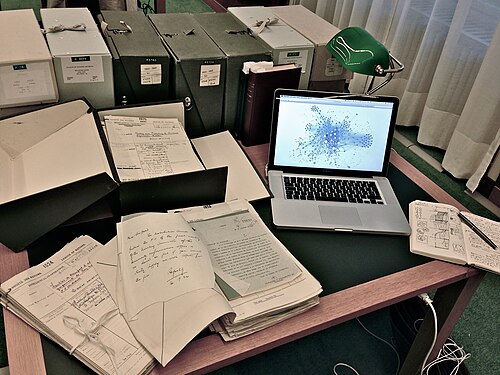
The Assembly passed a resolution that "With effect from the day following the close of the present session of the Assembly [i.e., April 19], the League of Nations shall cease to exist except for the sole purpose of the liquidation of its affairs as provided in the present resolution."[253] A Board of Liquidation consisting of nine persons from different countries spent the next 15 months overseeing the transfer of the League's assets and functions to the United Nations or specialised bodies, finally dissolving itself on 31 July 1947.[253] The archive of the League of Nations was transferred to the United Nations Office at Geneva and is now an entry in the UNESCO Memory of the World Register.[254]
In the Assembly's last session in 1946, Philip Noel-Baker (representing the United Kingdom) remarked that failure to act as soon as a great power had invaded another state had ultimately doomed the League: "We know the World War began in Manchuria 15 years ago...Manchuria, Abyssinia, Munich have killed another great illusion, the belief that appeasement, seeking the national interest at the expense of others, individual action, secret bargains, could bring us peace."[255]
In the past few decades, by research using the League Archives at Geneva, historians have reviewed the legacy of the League of Nations as the United Nations has faced similar troubles to those of the interwar period. Current consensus views that, even though the League failed to achieve its ultimate goal of world peace, it did manage to build new roads towards expanding the rule of law across the globe; strengthened the concept of collective security, giving a voice to smaller nations; helped to raise awareness to problems like epidemics, slavery, child labour, colonial tyranny, refugee crises and general working conditions through its numerous commissions and committees; and paved the way for new forms of statehood, as the mandate system put the colonial powers under international observation.[10] Professor David Kennedy portrays the League as a unique moment when international affairs were "institutionalised", as opposed to the pre–First World War methods of law and politics.[11]
The principal Allies in the Second World War (the UK, the USSR, France, the U.S., and the Republic of China) became permanent members of the United Nations Security Council in 1946; in 1971, the People's Republic of China replaced the Republic of China (then only in control of Taiwan) as a permanent member of the UN Security Council, and in 1991 the Russian Federation assumed the seat of the dissolved USSR. Decisions of the Security Council are binding on all members of the UN, and unanimous decisions are not required, unlike in the League Council. Only the five permanent members of the Security Council can wield a veto to protect their vital interests.[256]
League of Nations archives
The League of Nations archives is a collection of the League's records and documents. It consists of approximately 15 million pages of content dating from the inception of the League of Nations in 1919 extending through its dissolution in 1946. It is located at the United Nations Office at Geneva.[257] In 2017, the UN Library & Archives Geneva launched the Total Digital Access to the League of Nations Archives Project (LONTAD), with the intention of preserving, digitising, and providing online access to the League of Nations archives. It was completed in 2022.[258]
See also

- France and the League of Nations
- Latin America and the League of Nations
- United Kingdom and the League of Nations
- International relations (1919–1939)
- League against Imperialism
- League of Small and Subject Nationalities
- Minority rights
Citations
- ^ Christian, Tomuschat (1995). The United Nations at Age Fifty: A Legal Perspective. Martinus Nijhoff Publishers. p. 77. ISBN 978-90-411-0145-7.
- ^ "Covenant of the League of Nations". The Avalon Project. Archived from the original on 26 July 2011. Retrieved 30 August 2011.
- ^ See Article 23, "Covenant of the League of Nations". Archived from the original on 26 July 2011. Retrieved 20 April 2009., Treaty of Versailles. Archived from the original on 19 January 2010. Retrieved 23 January 2010. and Minority Treaties.
- ^ Rees, Dr Yves (2020). "The women of the League of Nations". www.latrobe.edu.au. Retrieved 28 October 2023.
- ^ Jahanpour, Farhang. "The Elusiveness of Trust: the experience of Security Council and Iran" (PDF). Transnational Foundation of Peace and Future Research. p. 2. Archived (PDF) from the original on 27 July 2014. Retrieved 27 June 2008.
- ^ Osakwe, C O (1972). The participation of the Soviet Union in universal international organizations.: A political and legal analysis of Soviet strategies and aspirations inside ILO, UNESCO and WHO. Springer. p. 5. ISBN 978-90-286-0002-7.
- ^ Pericles, Lewis (2000). Modernism, Nationalism, and the Novel. Cambridge University Press. p. 52. ISBN 978-1-139-42658-9.
- ^ Ginneken, Anique H. M. van (2006). Historical Dictionary of the League of Nations. Scarecrow Press. p. 174. ISBN 978-0-8108-6513-6.
- ^ Ellis, Charles Howard (2003). The Origin, Structure & Working of the League of Nations. Lawbook Exchange Ltd. p. 169. ISBN 978-1-58477-320-7.
- ^ a b Pedersen, Susan (October 2007). "Back to the League of Nations". The American Historical Review. 112 (4). American Historical Review: 1091–1117. doi:10.1086/ahr.112.4.1091. JSTOR 40008445.
- ^ a b Kennedy 1987.
- ^ Kant, Immanuel. "Perpetual Peace: A Philosophical Sketch". Mount Holyoke College. Archived from the original on 14 May 2008. Retrieved 16 May 2008.
- ^ Skirbekk & Gilje 2001, p. 288.
- ^ Kant, Immanuel (1795). "Perpetual Peace". Constitution Society. Archived from the original on 7 October 2011. Retrieved 30 August 2011.
- ^ Reichard 2006, p. 9.
- ^ Rapoport 1995, pp. 498–500.
- ^ "International Organization and World Peace--A Critique of the League of Nations Covenant". University of Minnesota Law School Scholarship Repository.
- ^ Bouchet-Saulnier, Brav & Olivier 2007, pp. 14–134.
- ^ Northedge, F. S. (1986). The League of Nations: Its life and times, 1920–1946. Leicester University Press. p. 10. ISBN 978-0-7185-1194-4.
- ^ Morris, Charles (1910). The Marvelous Career of Theodore Roosevelt: Including what He Has Done and Stands For; His Early Life and Public Services; the Story of His African Trip; His Memorable Journey Through Europe; and His Enthusiastic Welcome Home. John C. Winston Company. p. 370.
- ^ "Before the League of Nations". The United Nations Office at Geneva. Archived from the original on 9 December 2008. Retrieved 14 June 2008.
- ^ a b c Northedge, F. S. (1986). The League of Nations: Its life and times, 1920–1946. Leicester University Press. ISBN 978-0-7185-1194-4.
- ^ Sir Alfred Eckhard Zimmern (1969). The League of Nations and the Rule of Law, 1918–1935. Russell & Russell. pp. 13–22.
- ^ "A Woman's Peace Party Full Fledged for Action". The Survey. XXXIII (17): 433–434. 23 January 1915. Retrieved 31 August 2017.
- ^ Everard & de Haan 2016, pp. 64–65.
- ^ van der Veen, Sietske (22 June 2017). "Hirschmann, Susanna Theodora Cornelia (1871–1957)". Huygens ING (in Dutch). Huygens Institute for the History of the Netherlands. Archived from the original on 30 August 2017. Retrieved 30 August 2017.
- ^ Jacobs 1996, p. 94.
- ^ Caravantes 2004, pp. 101–103.
- ^ Wiltsher 1985, pp. 110–125.
- ^ a b "Victory / Democracy / Peace / Make them secure by a League of Nations". The New York Times. 25 December 1918. p. 11.
- ^ Dubin, Martin David (1970). "Toward the Concept of Collective Security: The Bryce Group's "Proposals for the Avoidance of War," 1914–1917". International Organization. 24 (2): 288–318. doi:10.1017/S0020818300025911. JSTOR 2705943. S2CID 144909907.
- ^ Leonard Woolf (2010). International Government. BiblioBazaar. ISBN 978-1-177-95293-4.
- ^ Yearwood, Peter (1989). "'On the Safe and Right Lines': The Lloyd George Government and the Origins of the League of Nations, 1916–1918". The Historical Journal. 32: 131–155. doi:10.1017/s0018246x00015338. S2CID 159466156.
- ^ Bell 2007, p. 16.
- ^ Archer 2001, p. 14.
- ^ Bell 2007, p. 8.
- ^ a b c d "The League of Nations – Karl J. Schmidt". American History. Archived from the original on 19 December 2013. Retrieved 10 December 2013.
- ^ "Text of the President's Two Speeches in Paris, Stating His Views of the Bases of a Lasting Peace". The New York Times. 15 December 1918. p. 1.
- ^ "The League of Nations: a retreat from international law?" (PDF). Journal of Global History. Archived (PDF) from the original on 14 December 2013. Retrieved 10 December 2013.
- ^ Thompson, J. A. (1977). "Lord Cecil and the Pacifists in the League of Nations Union". The Historical Journal. 20 (4): 949–959. doi:10.1017/s0018246x00011481. S2CID 154899222.
- ^ Heyns, Christof (1995). "The Preamble of the United Nations Charter: The Contribution of Jan Smuts". African Journal of International and Comparative Law. 7: 329+.
- ^ Clavin, Patricia (2020). "Britain and the Making of Global Order after 1919". Twentieth Century British History. 31 (3): 340–359. doi:10.1093/tcbh/hwaa007.
- ^ Morefield, Jeanne (2020). "'Families of mankind': British liberty, League internationalism, and the traffic in women and children". History of European Ideas. 46 (5): 681–696. doi:10.1080/01916599.2020.1746085. S2CID 216501883.
- ^ Wright, Susannah (2020). "Creating liberal-internationalist world citizens: League of Nations Union junior branches in English secondary schools, 1919–1939". Paedagogica Historica. 56 (3): 321–340. doi:10.1080/00309230.2018.1538252. S2CID 149886714.
- ^ Getachew, Adom (2019). Worldmaking after Empire: The Rise and Fall of Self-Determination. Princeton University Press. pp. 37–52. doi:10.2307/j.ctv3znwvg. ISBN 978-0-691-17915-5. JSTOR j.ctv3znwvg. S2CID 242525007.
- ^ Muriel Hoppes (July 1961), "The Library of the League of Nations at Geneva", The Library Quarterly, 31 (3): 257–268, doi:10.1086/618894, S2CID 147989167
- ^ David Hunter Miller (1969). The drafting of the Covenant. Johnson Reprint Corp.
- ^ Magliveras 1999, p. 8.
- ^ Magliveras 1999, pp. 8–12.
- ^ Northedge 1986, pp. 35–36.
- ^ a b "Inter-Allied Women's Conference in Paris". The Sydney Morning Herald. 23 May 1919. p. 5. Archived from the original on 1 September 2017. Retrieved 31 August 2017 – via Newspapers.com.

- ^ "Women and the Peace Conference". The Manchester Guardian. 18 February 1919. p. 5. Archived from the original on 1 September 2017. Retrieved 31 August 2017 – via Newspapers.com.
- ^ Drexel, Constance (15 March 1919). "Women Gain Victory at Paris Conference". Los Angeles Times. p. 2. Archived from the original on 1 September 2017. Retrieved 31 August 2017 – via Newspapers.com.
- ^ a b Wiltsher 1985, pp. 200–202.
- ^ Meyer & Prügl 1999, p. 20.
- ^ Pietilä 1999, p. 2.
- ^ Wiltsher 1985, p. 212.
- ^ Levinovitz & Ringertz 2001, p. 170.
- ^ Hewes, James E. (1970). "Henry Cabot Lodge and the League of Nations". Proceedings of the American Philosophical Society. 114 (4): 245–255. JSTOR 985951.
- ^ Scott 1973, p. 51.
- ^ Scott 1973, p. 67.
- ^ League of Nations Chronology Archived 4 April 2015 at the Wayback Machine, The United Nations Office at Geneva
- ^ Marabello, Thomas Quinn (2023) "Challenges to Swiss Democracy: Neutrality, Napoleon, & Nationalism," Swiss American Historical Society Review: Vol. 59, No. 2. Page 54-56. Available at: https://scholarsarchive.byu.edu/sahs_review/vol59/iss2/5
- ^ Carole Fink, "The great powers in the new international system, 1919–1923," in Paul Kennedy and William I. Hitchcock, eds, From War to Peace (Yale University Press, 2000) pp 17 – 35 at page 24
- ^ Fink, p. 24
- ^ Tournès, Ludovic (2018). "American membership of the League of Nations: US philanthropy and the transformation of an intergovernmental organisation into a think tank". International Politics. 55 (6): 852–869. doi:10.1057/s41311-017-0110-4. S2CID 149155486.
- ^ League of Nations 1935, p. 22.
- ^ "Language and Emblem". United Nations. Archived from the original on 23 September 2011. Retrieved 15 September 2011.
- ^ "Chronology of the League of Nations" (PDF). United Nations Office at Geneva. Archived (PDF) from the original on 25 May 2017. Retrieved 9 October 2018.
- ^ Tripp 2002, p. 75.
- ^ a b Scott 1973, pp. 312, 398.
- ^ "National Membership of the League of Nations". University of Indiana. Archived from the original on 9 September 2011. Retrieved 15 September 2011.
- ^ South America Archived 10 May 2008 at the Wayback Machine, Encyclopedia of World History
- ^ League of Nations chronology, United Nations
- ^ Grandjean, Martin (2017). "Complex structures and international organizations" [Analisi e visualizzazioni delle reti in storia. L'esempio della cooperazione intellettuale della Società delle Nazioni]. Memoria e Ricerca (2): 371–393. doi:10.14647/87204. Archived from the original on 7 November 2017. Retrieved 31 October 2017. See also: French version Archived 7 November 2017 at the Wayback Machine (PDF) and English summary Archived 2 November 2017 at the Wayback Machine.
- ^ Northedge 1986, pp. 48, 66.
- ^ "Budget of the League". University of Indiana. Archived from the original on 23 August 2011. Retrieved 5 October 2011.
- ^ Northedge 1986, pp. 48–49.
- ^ Northedge 1986, p. 53.
- ^ Northedge 1986, p. 50.
- ^ "League of Nations Secretariat, 1919–1946". United Nations Office at Geneva. Archived from the original on 12 December 2011. Retrieved 15 September 2011.
- ^ "Main Organs of the League of Nations". UN GENEVA. 16 December 1920. Retrieved 24 February 2023.
- ^ a b "Organization and establishment:The main bodies of the League of Nations". The United Nations Office at Geneva. Archived from the original on 9 December 2008. Retrieved 18 May 2008.
- ^ Northedge 1986, p. 72.
- ^ Northedge 1986, pp. 48–50.
- ^ Northedge 1986, p. 48.
- ^ Northedge 1986, pp. 42–48.
- ^ a b "League of Nations Photo Archive". University of Indiana. Archived from the original on 9 September 2011. Retrieved 15 September 2011.
- ^ "Chronology 1939". University of Indiana. Archived from the original on 27 September 2011. Retrieved 15 September 2011.
- ^ Grandjean, Martin (2016). Archives Distant Reading: Mapping the Activity of the League of Nations' Intellectual Cooperation Archived 15 September 2017 at the Wayback Machine. In Digital Humanities 2016, pp. 531–534.
- ^ "League of Nations". National Library of Australia. Archived from the original on 12 October 2011. Retrieved 15 September 2011.
- ^ "Health Organisation Correspondence 1926–1938". National Library of Medicine.
- ^ a b "The International Health Organization Of The League Of Nations". The British Medical Journal. 1 (3302): 672–675. 1924. ISSN 0007-1447. JSTOR 20436330.
- ^ "Demise and Legacy". United Nations Office at Geneva. Archived from the original on 23 September 2011. Retrieved 15 September 2011.
- ^ "Permanent Court of International Justice". University of Indiana. Archived from the original on 27 August 2011. Retrieved 15 September 2011.
- ^ a b Northedge 1986, pp. 179–80.
- ^ Scott 1973, p. 53.
- ^ Frowein & Rüdiger 2000, p. 167.
- ^ a b "Origins and history". International Labour Organization. Archived from the original on 27 April 2008. Retrieved 25 April 2008.
- ^ Howard-Jones, Norman (1979). International public health between the two world wars: the organizational problems. World Health Organization. hdl:10665/39249. ISBN 978-92-4-156058-0.
- ^ Northedge 1986, p. 182.
- ^ Baumslag 2005, p. 8.
- ^ Tworek, Heidi J. S. (2019). "Communicable Disease: Information, Health, and Globalization in the Interwar Period". The American Historical Review. 124 (3): 813–842. doi:10.1093/ahr/rhz577.
- ^ McAllister 1999, pp. 76–77.
- ^ Grandjean 2018.
- ^ Northedge 1986, pp. 186–187.
- ^ Northedge 1986, pp. 187–189.
- ^ a b Northedge 1986, pp. 185–86.
- ^ British Cabinet Paper 161(35) on the "Italo-Ethiopian Dispute" and exhibiting a "Report of the Inter-Departmental Committee on British interests in Ethiopia" dated 18 June 1935 and submitted to Cabinet by Sir John Maffey
- ^ Northedge 1986, p. 166.
- ^ The Encyclopedia Americana, Volume 25. Americana Corporation. 1976. p. 24.
- ^ "Nansen International Office for Refugees". Nobel Media. Archived from the original on 27 September 2011. Retrieved 30 August 2011.
- ^ a b Northedge 1986, p. 77.
- ^ Scott 1973, p. 59.
- ^ Walsh, Ben; Scott-Baumann, Michael (2013). Cambridge Igcse Modern World History. Hodder Education Group. p. 35. ISBN 978-1-4441-6442-8.
- ^ Torpey 2000, p. 129.
- ^ Ludi, Regula (2019). "Setting New Standards: International Feminism and the League of Nations' Inquiry into the Status of Women" (PDF). Journal of Women's History. 31: 12–36. doi:10.1353/jowh.2019.0001. S2CID 150543084. Archived (PDF) from the original on 24 November 2020.
- ^ de Haan, Francisca (25 February 2010). "A Brief Survey of Women's Rights". UN Chronicle. United Nations. Archived from the original on 16 October 2011. Retrieved 15 September 2011.
- ^ Hill, M. (1946). The Economic and Financial Organization of the League of Nations. Carnegie Endowment for International Peace. ISBN 978-0-598-68778-4.
- ^ Dungy, Madeleine Lynch (2023). Order and Rivalry: Rewriting the Rules of International Trade after the First World War. Cambridge University Press. ISBN 978-1-009-30890-8.
- ^ a b David Milne (3 December 2015). "Woodrow Wilson Was More Racist Than Wilsonianism". Foreign Policy.
- ^ Northedge 1986, pp. 192–193.
- ^ Myers, Denys P (July 1921). "The Mandate System of the League of Nations". Annals of the American Academy of Political and Social Science. 96: 74–77. doi:10.1177/000271622109600116. S2CID 144465753.
- ^ Northedge 1986, p. 193.
- ^ Northedge 1986, p. 198.
- ^ Northedge 1986, p. 195.
- ^ a b c League of Nations (1924). "The Covenant of the League of Nations:Article 22". The Avalon Project at Yale Law School. Archived from the original on 26 July 2011. Retrieved 20 April 2009.
- ^ Northedge 1986, pp. 194–195.
- ^ Northedge 1986, p. 216.
- ^ "The United Nations and Decolonization". United Nations. Archived from the original on 3 September 2011. Retrieved 15 September 2011.
- ^ Northedge 1986, pp. 73–75.
- ^ Northedge 1986, pp. 70–72.
- ^ Henig 1973, p. 170..
- ^ a b Scott 1973, p. 60.
- ^ Northedge 1986, pp. 77–78.
- ^ Campbell, F. Gregory (1970). "The Struggle for Upper Silesia, 1919-1922" (PDF). The Journal of Modern History. 42 (3): 361–385. doi:10.1086/243995. JSTOR 1905870. S2CID 144651093. Archived from the original (PDF) on 4 March 2016.
- ^ Osmanczyk & Mango 2002, p. 2568.
- ^ a b Northedge 1986, p. 88.
- ^ Scott 1973, pp. 83.
- ^ Kalaja, Deona Çali (2016). "The admission of Albania in the League of Nations". Journal of Liberty and International Affairs. 1 (3): 55–68.
- ^ Northedge 1986, pp. 103–105.
- ^ Scott 1973, p. 86.
- ^ Scott 1973, p. 87.
- ^ Northedge 1986, p. 110.
- ^ Matilda Spence, "Settlement of the Memel Controversy." Current History 20.2 (1924): 233–238 online.
- ^ Northedge 1986, p. 107.
- ^ Çaǧaptay, Soner (2006). Islam, secularism, and nationalism in modern Turkey. Taylor & Francis. pp. 117–121. ISBN 978-0-415-38458-2.
- ^ Scott 1973, p. 133.
- ^ Northedge 1986, pp. 107–108.
- ^ Scott 1973, pp. 131–135.
- ^ a b c Northedge 1986, p. 78.
- ^ Scott 1973, p. 61.
- ^ Scott 1973, p. 62.
- ^ Scott 1973, p. 63.
- ^ Northedge 1986, pp. 78–79.
- ^ Bell 2007, p. 29.
- ^ Crampton 1996, p. 93.
- ^ Osmanczyk & Mango 2002, p. 1314.
- ^ Scott 1973, p. 249.
- ^ Bethell 1991, pp. 414–415.
- ^ Scott 1973, p. 250.
- ^ Scott 1973, p. 251.
- ^ Hudson, Manley, ed. (1934). The verdict of the League. World Peace Foundation. pp. 1–13.
- ^ Northedge 1986, pp. 72–73.
- ^ Pollock, James K. (1935). "International Affairs: The Saar Plebiscite". The American Political Science Review. 29 (2): 275–282. doi:10.2307/1947508. JSTOR 1947508. S2CID 143303667.
- ^ "The United Nations in the Heart of Europe". United Nations. Archived from the original on 10 November 2011. Retrieved 15 September 2011.
- ^ a b Northedge 1986, p. 112.
- ^ Scott 1973, pp. 126–127.
- ^ Miers 2003, pp. 140–141.
- ^ a b Miers 2003, p. 188.
- ^ Du Bois, W.E. Burghardt (July 1933). "Liberia, the League and the United States". Foreign Affairs. 11 (4): 682–95. doi:10.2307/20030546. JSTOR 20030546.
- ^ Sara Rector Smith, The Manchurian crisis, 1931–1932: a tragedy in international relations (1970).
- ^ Burkman, Thomas W. (2008). Japan and the League of Nations: Empire and World Order, 1914–1938. University of Hawai'i Press. doi:10.2307/j.ctt6wqrcq. ISBN 978-0-8248-2982-7. JSTOR j.ctt6wqrcq.
- ^ Iriye 1987, p. 8.
- ^ Nish 1977, pp. 176–178.
- ^ Scott 1973, p. 208.
- ^ Northedge 1986, p. 139.
- ^ Northedge 1986, pp. 156–161.
- ^ Charles Loch Mowat, Britain between the Wars 1918–1940 (1955) p. 420.
- ^ Scott 1973, pp. 242–243.
- ^ Levy 2001, pp. 21–22.
- ^ Bethell 1991, p. 495.
- ^ Scott 1973, p. 248.
- ^ Scheina 2003, p. 103.
- ^ LLOYD, LORNA. “The League of Nations and the Settlement of Disputes.” World Affairs, vol. 157, no. 4, 1995, pp. 160–74. JSTOR, http://www.jstor.org/stable/20672432. Accessed 3 Sept. 2024.
- ^ Kain, Ronald Stuart. “The Chaco Dispute and the Peace System.” Political Science Quarterly, vol. 50, no. 3, 1935, pp. 321–42. JSTOR, https://doi.org/10.2307/2143696. Accessed 3 Sept. 2024.
- ^ a b Northedge 1986, pp. 222–225.
- ^ Hill & Garvey 1995, p. 629.
- ^ Northedge 1986, p. 221.
- ^ Baer 1976, p. 245.
- ^ a b Events Leading Up to World War II. Library of Congress. 1944. p. 97.
- ^ Baer 1976, p. 71.
- ^ Baer 1976, p. 298.
- ^ Baer 1976, pp. 121–155.
- ^ Haile Selassie I. "Appeal to The League of Nations:June 1936, Geneva, Switzerland". Black King. Archived from the original on 25 March 2008. Retrieved 6 June 2008.
- ^ Baer 1976, p. 303.
- ^ Baer 1976, p. 77.
- ^ Lannon 2002, pp. 25–29.
- ^ Northedge 1986, pp. 264–265, 269–270.
- ^ F.P. Walters, A History of the League of Nations (1952) pp. 721–730, 789–791.
- ^ Northedge 1986, p. 270.
- ^ van Slyke, Lyman, ed. (1967). The China White Paper. Stanford University Press. p. 10.
- ^ "Japanese Attack on China 1937". Mount Holyoke University. Archived from the original on 31 August 2011. Retrieved 15 September 2011.
- ^ Richard W. Leopold, The Growth of American Foreign Policy. A history (New York: Alfred A. Knopf 1964), pp. 558, 561–562 (quote at 562).
- ^ Stephen Kotkin, Stalin. Waiting for Hitler, 1929–1941 (New York: Penguin 2017), p.729 (quote).
- ^ Cf., Winston Churchill, The Gathering Storm (Boston: Houghton Mufflin 1948), pp. 392–393, 447, 539.
- ^ League of Nations (1924). "The Covenant of the League of Nations:Article 8". The Avalon Project at Yale Law School. Archived from the original on 15 April 2016. Retrieved 17 May 2006.
- ^ Ikonomou, Haakon A. (2021). "The Administrative Anatomy of Failure: The League of Nations Disarmament Section, 1919–1925". Contemporary European History. 30 (3): 321–334. doi:10.1017/s0960777320000624. S2CID 234162968.
- ^ Webster, Andrew (2005). "Making Disarmament Work: The Implementation of the International Disarmament Provisions in the League of Nations Covenant, 1919–1925". Diplomacy & Statecraft. 16 (3): 551–569. doi:10.1080/09592290500208089. S2CID 154279428.
- ^ Bunn, G. (1970). "Gas and germ warfare: International legal history and present status". Proceedings of the National Academy of Sciences of the United States of America. 65 (1): 253–260. Bibcode:1970PNAS...65..253B. doi:10.1073/pnas.65.1.253. PMC 286219. PMID 4905669.
- ^ Sally Marks, The Illusion of Peace: International Relations in Europe 1918-1933 (Bloomsbury Publishing, 2017) pp.60–61.
- ^ F. P. Walters, History of the League of Nations (1952) pp.217–230.
- ^ Webster, Andrew (2008). ""Absolutely Irresponsible Amateurs": The Temporary Mixed Commission on Armaments, 1921-1924". Australian Journal of Politics & History. 54 (3): 373–388. doi:10.1111/j.1467-8497.2008.00512.x.
- ^ Williams, John F. (1924). "The Geneva Protocol of 1924 for the Pacific Settlement of International Disputes". Journal of the British Institute of International Affairs. 3 (6): 288–304. doi:10.2307/3014555. JSTOR 3014555.
- ^ Northedge 1986, pp. 113, 123.
- ^ a b Northedge 1986, p. 114.
- ^ Henig 1973, p. 173.
- ^ Temperley, A.C. (1938). The Whispering Gallery Of Europe.
- ^ Goldblat 2002, p. 24.
- ^ Eloranta, Jari (2011). "Why did the League of Nations fail?". Cliometrica. 5: 27–52. doi:10.1007/s11698-010-0049-9. S2CID 19944887.
- ^ Harries, Meirion and Susie (1991). Soldiers of the Sun: The Rise and Fall of the Imperial Japanese Army. Random House. p. 163. ISBN 978-0-394-56935-2.
- ^ Northedge 1986, pp. 47, 133.
- ^ Northedge 1986, p. 273.
- ^ Northedge 1986, pp. 276–278.
- ^ Gorodetsky 1994, p. 26.
- ^ Raffo 1974, p. 1.
- ^ Birn, Donald S (1981). The League of Nations Union. Clarendon Press. pp. 226–227. ISBN 978-0-19-822650-5.
- ^ Northedge 1986, pp. 279–282, 288–292.
- ^ Knock 1995, p. 263.
- ^ a b Henig 1973, p. 175.
- ^ Henig 1973, p. 176.
- ^ McDonough 1997, p. 62.
- ^ McDonough 1997, p. 69.
- ^ a b Northedge 1986, p. 253.
- ^ Northedge 1986, p. 254.
- ^ Northedge 1986, pp. 253–254.
- ^ McDonough 1997, p. 74.
- ^ Ditrych, Ondrej (2013). "'International Terrorism' as Conspiracy: Debating Terrorism in the League of Nations". Historical Social Research. 38 (1).
- ^ Quoted in Jerald A. Combs, 'American diplomatic history: two centuries of changing interpretations (1983) p 158.
- ^ McDonough 1997, pp. 54–5.
- ^ Mulder, Nicholas (2022). The Economic Weapon: The Rise of Sanctions as a Tool of Modern War. Yale University Press. ISBN 978-0-300-25936-0.
- ^ Northedge 1986, pp. 238–240.
- ^ Northedge 1986, pp. 134–135.
- ^ Goodman, David (2020). "Liberal and Illiberal Internationalism in the Making of the League of Nations Convention on Broadcasting in the Cause of Peace". Journal of World History. 31: 165–193. doi:10.1353/jwh.2020.0006. S2CID 212950904.
- ^ League of Nations archives, United Nations Office in Geneva. Network visualization and analysis published in Grandjean, Martin (2014). "La connaissance est un réseau". Les Cahiers du Numérique. 10 (3): 37–54. doi:10.3166/lcn.10.3.37-54. Archived from the original on 27 June 2015. Retrieved 15 October 2014.
- ^ Magliveras 1999, p. 31.
- ^ Scott 1973, p. 399.
- ^ Northedge 1986, pp. 278–280.
- ^ Chaudron, Gerald (8 November 2011). New Zealand in the League of Nations: The Beginnings of an Independent Foreign Policy, 1919–1939. McFarland. p. 257. ISBN 978-0-7864-8898-8.
- ^ League of Nations Chronology Archived 30 December 2004 at the Wayback Machine Philip J. Strollo
- ^ a b c Scott 1973, p. 404.
- ^ "League of Nations Ends, Gives Way to New U.N.", Syracuse Herald-American, 20 April 1946, p. 12
- ^ a b Denys P. Myers (1948). "Liquidation of League of Nations Functions". The American Journal of International Law. 42 (2): 320–354. doi:10.2307/2193676. JSTOR 2193676. S2CID 146828849.
- ^ "League of Nations Archives 1919–1946". UNESCO Memory of the World Programme. Archived from the original on 30 September 2008. Retrieved 7 September 2009.
- ^ BECK, PETER J. “The League of Nations and the Great Powers, 1936-1940.” World Affairs, vol. 157, no. 4, 1995, pp. 175–89. JSTOR, http://www.jstor.org/stable/20672433. Accessed 28 July 2024.
- ^ Northedge 1986, pp. 278–281.
- ^ United Nations Library of Geneva (1978). Guide to the Archives of the League of Nations 1919–1946. United Nations. p. 19. ISBN 978-92-1-200347-4.
- ^ "Digitization Programmes: Total Digital Access to the League of Nations Archives (LONTAD) Project". United Nations Geneva. Archived from the original on 8 May 2020. Retrieved 18 December 2019.
General and cited references
Surveys
- Bendiner, Elmer. A time for angels: the tragicomic history of the League of Nations (1975); well-written popular history.
- Brierly, J. L. and P. A. Reynolds. "The League of Nations" The New Cambridge Modern History, Vol. XII, The Shifting Balance of World Forces (2nd ed. 1968) Chapter IX, .
- Cecil, Lord Robert (1922). . In Chisholm, Hugh (ed.). Encyclopædia Britannica (12th ed.). London & New York: The Encyclopædia Britannica Company.
- Gill, George. The League of Nations : from 1929 to 1946 (1996) online
- Ginneken, Anique H.M. van. Historical Dictionary of the League of Nations (2006) excerpt and text search
- Henig, Ruth B, ed. (1973). The League of Nations. Oliver and Boyd. ISBN 978-0-05-002592-5.
- Henig, Ruth. The Peace that Never was: A History of the League of Nations (Haus Publishing, 2019), a standard scholarly history.
- Housden, Martyn. The League of Nations and the organisation of peace (2012) online
- Ikonomou, Haakon, Karen Gram-Skjoldager, eds. The League of Nations: Perspectives from the Present (Aarhus University Press, 2019). online review
- Joyce, James Avery. Broken star : the story of the League of Nations (1919–1939) (1978) online
- Myers, Denys P. Handbook of the League of Nations : a comprehensive account of its structure, operation and activities (1935) online.
- Northedge, F.S (1986). The League of Nations: Its Life and Times, 1920–1946. Holmes & Meier. ISBN 978-0-7185-1316-0.
- Ostrower, Gary B. The League of Nations: From 1919 to 1929 (1996) online, brief survey
- Pedersen, Susan. The Guardians : the League of Nations and the crisis of empire (2015) online; in-depth scholarly history of the mandate system.
- Raffo, P (1974). The League of Nations. The Historical Association.
- Scott, George (1973). The Rise and Fall of the League of Nations. Hutchinson & Co Ltd. ISBN 978-0-09-117040-0.
- Steiner, Zara. The Lights that Failed: European International History 1919–1933 (Oxford University Press, 2005).
- Steiner, Zara. The triumph of the dark: European international history 1933–1939 (Oxford University Press, 2011).
- Temperley, A.C. The Whispering Gallery Of Europe (1938), highly influential account of League esp disarmament conference of 1932–34. online
- Walters, F. P. (1952). A History of the League of Nations. Oxford University Press. online free; the standard scholarly history
League topics
- Akami, Tomoko (2017). "Imperial polities, intercolonialism, and the shaping of global governing norms: Public health expert networks in Asia and the League of Nations Health Organization, 1908–37". Journal of Global History. 12: 4–25. doi:10.1017/s1740022816000310. S2CID 159733645.
- Azcarate, P. de. League of Nations and National Minorities (1945) online
- Barros, James. Office Without Power: Secretary-General Sir Eric Drummond 1919–1933 (Oxford 1979).
- Barros, James. The Corfu incident of 1923: Mussolini and the League of Nations (Princeton UP, 2015).
- Borowy, Iris. Coming to terms with world health: the League of Nations Health Organisation 1921–1946 (Peter Lang, 2009).
- Burkman, Thomas W. Japan and the League of Nations: Empire and world order, 1914–1938 (U of Hawaii Press, 2008).
- Caravantes, Peggy (2004). Waging Peace: The story of Jane Addams (1st ed.). Morgan Reynolds. ISBN 978-1-931798-40-2.
- Chaudron, Gerald. New Zealand in the League of Nations: The Beginnings of an Independent Foreign Policy, 1919–1939 (2014):
- Clavin, Patricia. Securing the world economy: the reinvention of the League of Nations, 1920–1946 (Oxford UP, 2013).
- Cooper, John Milton. Breaking the Heart of the World: Woodrow Wilson and the Fight for the League of Nations (2001) 454pp excerpt and text search; a major scholarly study
- Ditrych, Ondrej (2013). ""International terrorism" in the League of Nations and the contemporary terrorism dispositif". Critical Studies on Terrorism. 6 (2): 225–240. doi:10.1080/17539153.2013.764103. S2CID 144906326.
- Dykmann, Klaas (2015). "How International was the Secretariat of the League of Nations?". The International History Review. 37 (4): 721–744. doi:10.1080/07075332.2014.966134. S2CID 154908318.
- Egerton, George W (1978). Great Britain and the Creation of the League of Nations: Strategy, Politics, and International Organization, 1914–1919. University of North Carolina Press. ISBN 978-0-807-81320-1.
- Ekbladh, David. Plowshares into Swords: Weaponized Knowledge, Liberal Order, and the League of Nations (U of Chicago Press, 2022) online book review
- Eloranta, Jari (2011). "Why did the League of Nations fail?". Cliometrica. 5: 27–52. doi:10.1007/s11698-010-0049-9. S2CID 19944887.
- Gill, George (1996). The League of Nations from 1929 to 1946. Avery Publishing Group. ISBN 978-0-89529-637-5.
- Gram-Skjoldager, Karen; Ikonomou, Haakon A. (2019). "Making Sense of the League of Nations Secretariat – Historiographical and Conceptual Reflections on Early International Public Administration". European History Quarterly. 49 (3): 420–444. doi:10.1177/0265691419854634. S2CID 199157356.
- Grandjean, Martin (2018). Les réseaux de la coopération intellectuelle. La Société des Nations comme actrice des échanges scientifiques et culturels dans l'entre-deux-guerres [The Networks of Intellectual Cooperation. The League of Nations as an Actor of the Scientific and Cultural Exchanges in the Inter-War Period] (phdthesis) (in French). Université de Lausanne.
- Edward Grey, 1st Viscount Grey of Fallodon (1918), The League of Nations (1st ed.), London: WHSmith, Wikidata Q105700467
{{citation}}: CS1 maint: numeric names: authors list (link) - Götz, Norbert (2005). "On the Origins of 'Parliamentary Diplomacy'". Cooperation and Conflict. 40 (3): 263–279. doi:10.1177/0010836705055066. S2CID 144380900.
- Housden, Martyn. The League of Nations and the Organization of Peace (Routledge, 2014).
- Jenne, Erin K. Nested Security: Lessons in Conflict Management from the League of Nations and the European Union (Cornell UP, 2015).
- Johnson, Gaynor (2013). Lord Robert Cecil: Politician and Internationalist. Ashgate. ISBN 978-0-7546-6944-9.
- Kaiga, Sakiko. Britain and the Intellectual Origins of the League of Nations, 1914–1919 (Cambridge University Press, 2021).
- Kahlert, Torsten (2019). "Pioneers in International Administration: A Prosopography of the Directors of the League of Nations Secretariat". New Global Studies. 13 (2): 190–227. doi:10.1515/ngs-2018-0039. S2CID 201719554.
- Knock, Thomas J (1995). To End All Wars: Woodrow Wilson and the Quest for a New World Order. Princeton University Press. ISBN 978-0-691-00150-0.
- Kuehl, Warren F; Dunn, Lynne K (1997). Keeping the Covenant: American Internationalists and the League of Nations, 1920–1939.
- La Porte, Pablo. "Dissenting Voices: The Secretariat of the League of Nations and the Drafting of Mandates, 1919–1923." Diplomacy & Statecraft 32.3 (2021): 440–463.
- League of Nations (1935). Essential Facts about the League of Nations. Geneva.
{{cite book}}: CS1 maint: location missing publisher (link) - Lloyd, Lorna. "'On the side of justice and peace': Canada on the League of Nations Council 1927–1930." Diplomacy & Statecraft 24#2 (2013): 171–191.
- Ludi, Regula. "Setting New Standards: International Feminism and the League of Nations' Inquiry into the Status of Women." Journal of Women's History 31.1 (2019): 12–36 online. Archived 24 November 2020 at the Wayback Machine
- McCarthy, Helen. The British People and the League of Nations: Democracy, citizenship and internationalism, c. 1918–45 (Oxford UP, 2011). online review
- Macfadyen, David, et al. eds. Eric Drummond and his Legacies: The League of Nations and the Beginnings of Global Governance (2019) excerpt
- McPherson, Alan, and Yannick Wehrli, eds. Beyond geopolitics: New histories of Latin America at the League of Nations (UNM Press, 2015).
- Marbeau, Michel (2001). La Société des Nations (in French). Presses Universitaires de France. ISBN 978-2-13-051635-4.
- Mulder, Nicholas. The Economic Weapon: The Rise of Sanctions as a Tool of Modern War (2022) excerpt also see online review
- Olivier, Sydney (1918). (1 ed.). Oxford University Press.
- Ostrower, Gary (1995). The League of Nations from 1919 to 1929 (Partners for Peace. Avery Publishing Group. ISBN 978-0-89529-636-8.
- Shine, Cormac (2018). "Papal Diplomacy by Proxy? Catholic Internationalism at the League of Nations' International Committee on Intellectual Cooperation". The Journal of Ecclesiastical History. 69 (4): 785–805. doi:10.1017/S0022046917002731.
- Swart, William J. "The League of Nations and the Irish Question." Sociological Quarterly 36.3 (1995): 465–481.
- Thorne, Christopher G. The limits of foreign policy; the West, the League, and the Far Eastern crisis of 1931–1933 (1972) online
- Tollardo, Elisabetta. Fascist Italy and the League of Nations, 1922–1935 (Palgrave Macmillan UK, 2016).
- Tournès, Ludovic. "American membership of the League of Nations: US philanthropy and the transformation of an intergovernmental organisation into a think tank." International Politics 55.6 (2018): 852–869.
- Tworek, Heidi J. S. (2019). "Communicable Disease: Information, Health, and Globalization in the Interwar Period". The American Historical Review. 124 (3): 813–842. doi:10.1093/ahr/rhz577.
- Wemlinger, Cherri. "Collective Security and the Italo‐Ethiopian Dispute Before the League of Nations." Peace & Change 40.2 (2015): 139–166.
- Wertheim, Stephen. "The League of Nations: a retreat from international law?" Journal of Global History 7.2 (2012): 210–232. online Archived 14 December 2013 at the Wayback Machine
- Wertheim, Stephen. "The League That Wasn't: American Designs for a Legalist‐Sanctionist League of Nations and the Intellectual Origins of International Organization, 1914–1920." Diplomatic History 35.5 (2011): 797–836. online Archived 16 December 2011 at the Wayback Machine
- Winkler, Henry R. Paths Not Taken: British Labour & International Policy in the 1920s (1994) online
- Yearwood, Peter J. Guarantee of Peace: The League of Nations in British Policy 1914–1925 (Oxford UP, 2009).
- Yearwood, Peter. "‘On the Safe and Right Lines’: The Lloyd George Government and the Origins of the League of Nations, 1916–1918." Historical Journal 32.1 (1989): 131–155.
- Yearwood, Peter J. "'Consistently with Honour'; Great Britain, the League of Nations and the Corfu Crisis of 1923." Journal of Contemporary History 21.4 (1986): 559–579.
- Yearwood, Peter J. "‘Real securities against new wars’: Official British thinking and the origins of the League of Nations, 1914–19." Diplomacy and Statecraft 9.3 (1998): 83–109.
- Yearwood, Peter. "“A Genuine and Energetic League of Nations Policy”: Lord Curzon and the New Diplomacy, 1918–1925." Diplomacy & Statecraft 21.2 (2010): 159–174.
- Zimmern, Alfred. The League of Nations and the Rule of Law 1918-1935 (1939) online
Related topics
- Archer, Clive (2001). International Organizations. Routledge. ISBN 978-0-415-24690-3.
- Baer, George W (1976). Test Case: Italy, Ethiopia, and the League of Nations. Hoover Institution Press. ISBN 978-0-8179-6591-4.
- Barnett, Correlli (1972). The Collapse of British Power. Eyre Methuen. ISBN 978-0-413-27580-6.
- Baumslag, Naomi (2005). Murderous Medicine: Nazi Doctors, Human Experimentation, and Typhus. Praeger. ISBN 978-0-275-98312-3.
- Bell, P.M.H (2007). The Origins of the Second World War in Europe. Pearson Education Limited. ISBN 978-1-4058-4028-6.
- Bethell, Leslie (1991). The Cambridge History of Latin America: Volume VIII 1930 to the Present. Cambridge University Press. ISBN 978-0-521-26652-9.
- Bouchet-Saulnier, Françoise; Brav, Laura; Olivier, Clementine (2007). The Practical Guide to Humanitarian Law. Rowman & Littlefield. ISBN 978-0-7425-5496-2.
- Churchill, Winston (1986). The Second World War: Volume I The Gathering Storm. Houghton Mifflin Books. ISBN 978-0-395-41055-4.
- Crampton, Ben (1996). Atlas of Eastern Europe in the Twentieth Century. Routledge. ISBN 978-0-415-16461-0.
- Everard, Myriam; de Haan, Francisca (2016). Rosa Manus (1881-1942): The International Life and Legacy of a Jewish Dutch Feminist. BRILL. ISBN 978-90-04-33318-5.
- Frowein, Jochen A; Rüdiger, Wolfrum (2000). Max Planck Yearbook of United Nations Law. Martinus Nijhoff Publishers. ISBN 978-90-411-1403-7.
- Goldblat, Jozef (2002). Arms control: the new guide to negotiations and agreements. SAGE Publications Ltd. ISBN 978-0-7619-4016-6.
- Gorodetsky, Gabriel (1994). Soviet Foreign Policy, 1917–1991: A Retrospective. Routledge. ISBN 978-0-7146-4506-3.
- Haigh, R. H. et al. Soviet Foreign Policy, the League of Nations and Europe, 1917-1939 (1986)
- Henderson, Arthur (1918). . Oxford University Press.
- Hill, Robert; Garvey, Marcus; Universal Negro Improvement Association (1995). The Marcus Garvey and Universal Negro Improvement Association Papers. University of California Press. ISBN 978-0-520-07208-4.
- Iriye, Akira (1987). The Origins of the Second World War in Asia and the Pacific. Longman Group UK Limited. ISBN 978-0-582-49349-0.
- Jacobs, Aletta Henriette (1996). Feinberg, Harriet (ed.). Memories: My Life as an International Leader in Health, Suffrage, and Peace. Translated by Annie Wright. Feminist Press at City of New York. ISBN 978-1-55861-138-2.
- Kennedy, David (April 1987). "The Move to Institutions". Cardozo Law Review. 8 (5): 841–988.
- Lannon, Frances (2002). The Spanish Civil War, 1936–1939. Osprey Publishing. ISBN 978-1-84176-369-9.
- Levinovitz, Agneta Wallin; Ringertz, Nils (2001). The Nobel Prize: The First 100 Years. World Scientific. ISBN 978-981-02-4665-5.
- Levy, Marcela López (2001). Bolivia: Oxfam Country Profiles Series. Oxfam Publishing. ISBN 978-0-85598-455-7.
- Magliveras, Konstantinos D (1999). Exclusion from Participation in International Organisations: The Law and Practice behind Member States' Expulsion and Suspension of Membership. Martinus Nijhoff Publishers. ISBN 978-90-411-1239-2.
- Marchand, C. Roland (2015). The American Peace Movement and Social Reform, 1889-1918. Princeton University Press. ISBN 978-1-4008-7025-7.
- McAllister, William B (1999). Drug Diplomacy in the Twentieth Century: An International History. Routledge. ISBN 978-0-415-17990-4.
- McDonough, Frank (1997). The Origins of the First and Second World Wars. Cambridge University Press. ISBN 978-0-521-56861-6.
- Miers, Suzanne (2003). Slavery in the Twentieth Century: The Evolution of a Global Problem. AltaMira Press. ISBN 978-0-7591-0340-5.
- Meyer, Mary K.; Prügl, Elisabeth, eds. (1999). Gender Politics in Global Governance. Rowman & Littlefield. ISBN 978-0-8476-9161-6.
- Mulder, Nicholas. The Economic Weapon: The Rise of Sanctions as a Tool of Modern War (2022) excerpt
- Nish, Ian (1977). Japanese foreign policy 1869–1942:Kasumigaseki to Miyakezaka. Routledge & Kegan Paul. ISBN 978-0-415-27375-6.
- Osmanczyk, Edmund Jan; Mango, Anthony (2002). Encyclopedia of the United Nations and International Agreements. Taylor & Francis. ISBN 978-0-415-93924-9.
- Pietilä, Hilkka (31 March 1999). Engendering the Global Agenda: A Success Story of Women and the United Nations (PDF). European Consortium for Political Research Workshop. University of Mannheim. Archived from the original (PDF) on 13 May 2017. Retrieved 31 August 2017.
- Rapoport, Anatol (1995). The Origins of Violence: Approaches to the Study of Conflict. Transaction Publishers. ISBN 978-1-56000-783-8.
- Reichard, Martin (2006). The EU-NATO relationship: a legal and political perspective. Ashgate Publishing, Ltd. ISBN 978-0-7546-4759-1.
- Scheina, Robert L (2003). Latin America's Wars:Volume 2 The Age of the Professional Soldier, 1900–2001. Potomac Books Inc. ISBN 978-1-57488-452-4.
- Skirbekk, Gunnar; Gilje, Nils (2001). History of Western Thought: From Ancient Greece to the Twentieth Century. Routledge. ISBN 978-0-415-22073-6.
- Torpey, John (2000). The Invention of the Passport: Surveillance, Citizenship and the State. Cambridge University Press. ISBN 978-0-521-63493-9.
- Tripp, Charles (2002). A History of Iraq. Cambridge University Press. ISBN 978-0-521-52900-6.
- Wiltsher, Anne (1985). Most Dangerous Women: Feminist peace campaigners of the Great War (1st ed.). Pandora Press. ISBN 978-0-86358-010-9.
Historiography
- Aufricht, Hans "Guide to League of Nations Publications" (1951).
- Gram-Skjoldager, Karen, and Haakon A. Ikonomou. "Making Sense of the League of Nations Secretariat–Historiographical and Conceptual Reflections on Early International Public Administration." European History Quarterly 49.3 (2019): 420–444.
- Jackson, Simon. "From Beirut to Berlin (via Geneva): The New International History, Middle East Studies and the League of Nations." Contemporary European History 27.4 (2018): 708–726. online
- Juntke, Fritz; Sveistrup, Hans: "Das deutsche Schrifttum über den Völkerbund" (1927).
- Pedersen, Susan "Back to the League of Nations." American Historical Review 112.4 (2007): 1091–1117. JSTOR 40008445.
- Albert Pollard (1918), The League of Nations in history (1st ed.), London: Oxford University Press, Wikidata Q105626947
External links

Wikisource has several original texts related to
League of Nations.

Wikimedia Commons has media related to League of Nations.

Wikiquote has quotations related to League of Nations.
- "The Covenant of the League of Nations", Avalon Project. Documents in Law, History and Diplomacy
- The Covenant of the League of Nations audio recording at LibriVox (public domain audiobooks)
- History of the League of Nations Archived 3 January 2021 at the Wayback Machine, University of Oxford-led project
- League of Nations Photo archive Archived 3 September 2021 at the Wayback Machine
- League of Nations chronology
- League of Nations timeline, worldatwar.net
- Wilson's Final Address in Support of the League of Nations Speech made 25 September 1919
- History (1919–1946) Archived 7 March 2019 at the Wayback Machine from the United Nations Office at Geneva
- League of Nations Archives from the United Nations Office at Geneva
- Table of Assemblies Archived 16 July 2019 at the Wayback Machine Dates of each annual assembly, links to list of members of each country's delegation
- Total Digital Access to the League of Nations Archives Project Archived 20 May 2020 at the Wayback Machine
- LONSEA – League of Nations Search Engine, Cluster of Excellence "Asia and Europe in a Global Context", Universität Heidelberg Archived 7 January 2020 at the Wayback Machine
- The League of Nations., Boston: Old Colony Trust Company, 1919. A collection of charters, speeches, etc. on the topic.