
Loading article…
アイルランドのムインティル | |
|---|---|
| 総人口 | |
全世界で約 7000~8000万人[1]
 | |
| 人口の多い地域 | |
| アメリカ合衆国 | 36,000,000 [5] |
| 英国(北アイルランドを除く) | 14,000,000(第一世代650,000)[6] [7] |
| オーストラリア | 7,000,000 [8] |
| カナダ | 4,627,000 [9] [10] |
| ニュージーランド | 60万人[11] |
| アルゼンチン | 50万人[12] |
| チリ | 120,000 [13] |
| ドイツ | 35,000 [14] |
| フランス | 20,000~24,000 [15] |
| オランダ | 11,308(2021)[16] |
| コロンビア | 10,000 [17] |
| 言語 | |
| |
| 宗教 | |
| 関連民族 | |
| アイルランド人旅行者、ゲール人、アングロアイルランド人、ブルトン人、コーンウォール人、イングランド人、アイスランド人、[18] マン島人、スコットランド人、アルスタースコットランド人、ウェールズ人 | |
アイルランド人(アイルランド語:Na GaeilまたはNa hÉireannaigh)は、アイルランド島原産の民族および国家であり、共通の祖先、歴史、文化を共有している。アイルランドには約33,000年前から人間が住んでおり、10,000年以上にわたって継続的に居住されてきた(先史時代のアイルランドを参照)。アイルランドの記録された歴史のほとんどにおいて、アイルランド人は主にゲール人であった(ゲール語のアイルランドを参照)。9世紀から、少数のヴァイキングがアイルランドに定住し、ノース・ゲール人となった。12世紀にはアングロ・ノルマン人もアイルランドの一部を征服し、 16世紀から17世紀のイングランドによるアイルランドの征服と植民地化により、多くのイングランド人とローランド・スコットランド人が島の一部、特に北部に移り住んだ。今日、アイルランドは、アイルランド共和国(正式名称はアイルランド)と北アイルランド(イギリスの一部)から構成されている。北アイルランドの人々は、アイルランド人、イギリス人、あるいはそれらの組み合わせなど、さまざまな国民的アイデンティティを持っています。
アイルランド人は独自の習慣、言語、音楽、ダンス、スポーツ、料理、神話を持っています。かつてはアイルランド語 (ゲール語)が主な言語でしたが、今日ではほとんどのアイルランド人が英語を第一言語として話します。歴史的に、アイルランド国家は親族グループまたは氏族で構成されており、アイルランド人は独自の宗教、法典、アルファベット、服装のスタイルも持っていました。[要出典]
歴史上、多くの著名なアイルランド人がいた。アイルランドがキリスト教に改宗した後、アイルランドの宣教師や学者は西ヨーロッパに大きな影響を与え、アイルランドは「聖人と学者」の国と見なされるようになった。6世紀のアイルランドの修道士で宣教師のコロンバヌスは「ヨーロッパの父」の一人とみなされており、[19]聖人のキリアンとフェルガルがそれに続く。科学者のロバート・ボイルは「化学の父」、ロバート・マレットは「地震学の父」の一人とみなされている。アイルランド文学は、アイルランド語と英語の両方の伝統において、エオガン・ルア・オ・スィリャブハーイン、ダイビー・オ・ブルアデール、ジョナサン・スウィフト、オスカー・ワイルド、W・B・イェーツ、サミュエル・ベケット、ジェームズ・ジョイス、マーティン・オ・カダイン、イーヴァン・ボーランド、シェイマス・ヒーニーなどの有名な作家を輩出してきました。著名なアイルランドの探検家には、ブレンダン航海士、ロバート・マクルーア卿、アレクサンダー・アームストロング卿、アーネスト・シャクルトン卿、トム・クリーンなどが挙げられます。一説によると、北米で生まれた最初のヨーロッパ人の子供は双方ともアイルランド系だったという。[20]アメリカ合衆国大統領の多くはアイルランド人の祖先を持っている。
アイルランドの人口は約690万人だが、世界中で5000万から8000万人がアイルランド人を祖先としていると推定されており、アイルランド人のディアスポラはどの国よりも規模が大きい。歴史的に、アイルランドからの移民は紛争、飢餓、経済問題の結果であった。アイルランド系の人々は主に英語圏の国、特にイギリス、アメリカ、カナダ、ニュージーランド、オーストラリアに生息している。アルゼンチン、メキシコ、ブラジル、ドイツ、アラブ首長国連邦にもかなりの数のアイルランド系がいる。アメリカにはアイルランド系の人々が最も多く、オーストラリアではアイルランド系がアイルランド以外のどの国よりも人口に占める割合が高い。[21]多くのアイスランド人は、アイスランドに定住したヴァイキングによって奴隷として移送されたため、アイルランド系およびスコットランド・ゲール語系の祖先を持つ。[22]
起源と前例
先史時代と伝説の祖先

過去33,000年の間、[23] [24]アイルランドは様々な民族がその海岸に到着するのを目撃してきました。
ピュテアスは紀元前325年頃に北西ヨーロッパへの探検航海を行ったが、古代に広く知られていた彼の記録は残っておらず、現在では他人の著作を通じてのみ知られている。この航海で彼は現在のイギリスとアイルランドのかなりの部分を周航し、訪れた。彼はケルト族とゲルマン族を視察し、記述した最初の科学的訪問者として知られている。[25]
「アイリッシュ」および「アイルランド」という用語は、おそらく女神エリウに由来している。[26]島には、エアギアラ、フィル・オル・ネクマハト、デルブナ、神話上のフィル・ボルグ、エレイン、エオガナクタ、マイルティン、コンマイクネ、ソガイン、ウレイドなど、さまざまな部族グループや王朝が住んでいた。コンマイクネ、デルブナ、そしておそらくエレインの場合、部族が主神から名前を取ったことが実証されており、シアナクタの場合はエオガナクタ、そしておそらく神格化された祖先であるソガインから名前を取った。この習慣は、アングロサクソン王朝にも見られる。
ある伝説によれば、アイルランド人は紀元前1000年頃かそれ以降にアイルランドを征服したとされるミレトス人の子孫であると言われています。 [27]
遺伝学
_(14595035740).jpg/500px-On_an_Irish_jaunting-car_through_Donegal_and_Connemara_(1902)_(14595035740).jpg)
ハプログループR1bはアイルランド人男性の間で優勢なハプログループであり、頻度はほぼ80%に達します。[28] R-L21はアイルランド内で優勢なサブグループであり、頻度は65%に達します。このサブグループはまた、スコットランド、ウェールズ、ブルターニュでも優勢であり、紀元前2,500年頃に生きていた共通の祖先の子孫です。[29]
2009年にBramantiらとMalmströmらが行ったmtDNAに関する研究[30] [31]によると、関連する西ヨーロッパの集団は、これまで考えられていたように旧石器時代ではなく、主に新石器時代のものであるようです。中石器時代の中央ヨーロッパの遺跡ではハプログループU(特にU5)の頻度が極めて高かったため、中石器時代の中央ヨーロッパの集団と現代のヨーロッパの集団の間には不連続性がありました。
アイルランド人とバスク人の間に特に強い遺伝的関連があるという説が初めて疑問視されたのは2005年で、[32]科学者らは2007年に、より新しい中石器時代、あるいは新石器時代にR1bがヨーロッパに流入した可能性について調査を始めた。 [33] 2010年にBalaresqueらが発表した新しい研究では、中石器時代か新石器時代(旧石器時代ではない)にR1bがヨーロッパに流入したと示唆している。[34]以前の研究とは異なり、父方のY-DNAマーカーに加えて、常染色体DNAの大部分が分析された。その結果、新石器時代や中石器時代のヨーロッパ人には存在せず、父方の系統R1bとR1a、およびインド・ヨーロッパ語族とともにヨーロッパに導入されたと考えられる常染色体成分が現代ヨーロッパ人に存在することが検出された。研究では「ヤムナヤ」と名付けられたこの遺伝的要素は、西ヨーロッパにすでに存在していた初期の中石器時代の狩猟採集民や新石器時代の農耕民集団とさまざまな程度に混ざり合った。 [35] [36] [37]アイルランドの新石器時代および青銅器時代の骨格遺物 の最近の全ゲノム解析によると、元々の新石器時代の農耕民集団は現代のサルデーニャ人に最も類似しているが、青銅器時代の3つの遺物にはポントス・カスピ海ステップ由来の遺伝的要素が大きく含まれていることが示唆された。現代のアイルランド人は青銅器時代の遺物と遺伝的に最も類似した集団であり、スコットランド人とウェールズ人がそれに続き、ラスリン島の3人の青銅器時代の男性とのDNAの共有は、以前のバリーナハティの新石器時代の女性とのDNA共有よりも多かった。[38] [39]
2017年にアイルランド人を対象に行われた遺伝子研究では、島の異なる地域集団の間には細かい人口構造があり、最も大きな違いがあるのは、土着の「ゲール語」アイルランド人集団と、最近部分的にイギリス人の祖先を持つと知られるアルスターのプロテスタント集団の間であることが明らかになった。また、彼らは2つの主要な祖先源と最も類似していることもわかった。1つは「フランス人」の要素(主に北西フランス人)で、アイルランド人とその他のケルト人集団(ウェールズ人、ハイランド・スコットランド人、コーンウォール人)で最も高く、ブルトン人とのつながりを示している。もう1つは「西ノルウェー人」の要素で、ヴァイキング時代と関連している。[40] [41]
2016年の国勢調査では、アフリカ系アイルランド人10,100人が自らを「ブラック・アイリッシュ」と呼んでいる。 [42] 「ブラック・アイリッシュ」という用語は、アイルランド国外でも、黒髪で黒い目をしたアイルランド人を指すために使用されることがある。一説によると、彼らはスペインの商人か、アイルランド西海岸で難破したスペイン艦隊の少数の船員の子孫であるが、これを裏付ける証拠はほとんどない。[43]
アイルランドの旅行者
アイリッシュ・トラベラーはアイルランドの民族である。DNA研究により、彼らはもともとアイルランドの一般人口の子孫であることが判明したが、現在ではその一般人口とは非常に異なっている。遺伝子分析によると、トラベラーが独自のグループとして出現したのは大飢饉よりずっと前であった。この研究は、トラベラーの起源は実際には420年前の1597年まで遡る可能性があることを示唆している。アルスター植民地はその頃に始まり、アイルランド原住民は土地から追い出され、おそらく遊牧民を形成した。[44]
歴史
初期の拡大とキリスト教の到来

あるローマの歴史家は、アイルランド人は「16の異なる民族」または部族に分かれていたと記録しています。[45]伝統的な歴史では、ローマ人はアイルランドを征服しようとはしなかったが、検討したことはあったと主張しています。[45]しかし、アイルランド人はヨーロッパから切り離されていたわけではなく、頻繁にローマの領土を襲撃し、[45]貿易関係も維持していました。[46]
古代アイルランドの歴史上最も有名な人物には、コーマック・マク・エアトやナイン・ホステージのニールなどのアイルランド高王や、半ば伝説的なフィアナ王がいる。20世紀の作家シューマス・マクマナスは、たとえフィアナ王とフェニアン物語群が全くの架空のものであったとしても、それらはアイルランド人の性格を代表するものであると書いている。
...このような美しい理想の美しい虚構は、それ自体で、高尚な理想を理解する能力のある美しい魂を持った人々を推定し、証明する。[47]
5世紀にアイルランド人にキリスト教が伝わったことで、アイルランド人の対外関係は劇的な変化を遂げた。[48]その世紀以降に記録されている唯一の海外での軍事襲撃は、ウェールズへの侵攻と推定されるもので、ウェールズ語の写本によると、7世紀頃に起こった可能性がある。[48]セウマス・マクマナスは次のように述べている。
キリスト教が受け入れられた後の6世紀のアイルランドの歴史と、キリスト教が到来する前の4世紀のアイルランドの歴史を比べると、その素晴らしい変化と対比は、おそらく歴史上知られている他のどの国よりも印象深いものでしょう。[48]
アイルランド人がキリスト教に改宗した後も、アイルランドの世俗的な法律と社会制度はそのまま残った。[49]
中世の移住と侵略
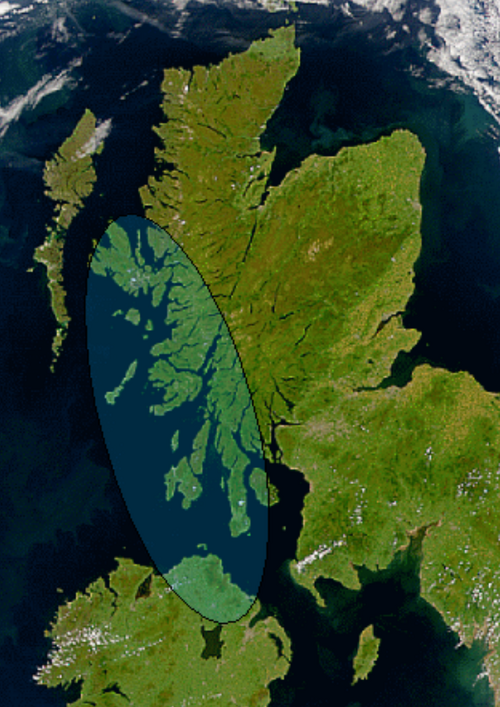
伝統的な見解は、4世紀または5世紀にアイルランドからの移住者によってゴイデリック語とゲール語文化がスコットランドにもたらされ、スコットランド西海岸にゲール語のダル・リアタ王国が建国されたというものである。 [50] [51]これは主に9世紀と10世紀の中世の文書に基づいている。考古学者のエワン・キャンベルは、少数のエリート集団による移住または乗っ取りを裏付ける考古学的証拠や地名証拠がないとして、この見解に反論している。彼は、「アイルランド移住説は、長年信じられてきた歴史的信念が、文書資料自体の解釈だけでなく、考古学や言語学の関連分野で無批判に受け入れられたその後の侵略パラダイムにも影響を与えた典型的な例であるように思われる」と述べている。[52]ダル・リアタと近隣のピクト人の領土が合併してアルバ王国が形成され、そこではゴイデリック語とゲール語文化が優勢になりました。この国は、ゲール人のローマ名であるスコティにちなんで、スコットランドと呼ばれるようになりました。マン島とマン島の人々も、歴史上ゲール語の影響を強く受けました。
聖コルンバなどのアイルランド人宣教師は、ピクト人のスコットランドにキリスト教をもたらした。この時代のアイルランド人も「ヨーロッパの文化的統一性を認識していた」。6世紀のアイルランド人修道士コルンバヌスは「ヨーロッパの父の一人」とみなされている。[19]もう一人のアイルランド人聖人、リンディスファーンのエイダンは、イギリスの守護聖人の可能性が提案されており、 [53]聖キリアンと聖ウェルギリウスは、それぞれドイツのヴュルツブルクとオーストリアのザルツブルクの守護聖人となった。アイルランド人宣教師は、アイオナ修道院、スイスのザンクト・ガレン修道院、イタリアのボッビオ修道院など、アイルランド国外にも修道院を設立した。
修道院と世俗の吟遊詩人の学校の両方に共通していたのは、アイルランド語とラテン語であった。初期のアイルランドの学者たちは、ラテン語に関して「自分たちのゲール語とほぼ同じような親しみを示している」。[54]ヘブライ語とギリシア語も研究されていたという証拠があり、後者はおそらくアイオナで教えられていた。[55]
サンディス教授は古典学の歴史の中で「西洋ではほとんど消え去っていたギリシャ語の知識はアイルランドの学校に広く分散していたため、ギリシャ語を知っている人はアイルランドから来たに違いないとみなされていた」と述べている。[56]
カール大帝の時代から、アイルランドの学者はフランクの宮廷でかなりの存在感を示し、その学識で名声を博していた。[57]初期修道院時代の最も重要なアイルランドの知識人は、9世紀のヨハネス・スコトゥス・エリウゲナで、独創性という点で傑出した哲学者であった。[57]彼は、中世哲学の支配的な学派であるスコラ哲学の創始者の最古参であった。[58]彼はギリシャ語にかなり精通しており、多くの著作をラテン語に翻訳し、それまでラテン西方ではほとんど知られていなかったカッパドキアの教父やギリシャの神学の伝統へのアクセスを可能にした。[57]
9世紀と10世紀にヴァイキングの侵略者と貿易商が流入した結果、コーク、ダブリン、リムリック、ウォーターフォードなど、アイルランドで最も重要な町の多くが建設された(これらの場所に以前ゲール人が定住していたが、その後のノルウェー貿易港のような都市的性格はなかった)。ヴァイキングは町とアイルランド語に追加された特定の単語以外、アイルランドにほとんど影響を及ぼさなかったが、奴隷として連れてこられた多くのアイルランド人はスカンジナビア人と結婚し、アイスランド人との密接なつながりを形成した。例えばアイスランドのラクスデラのサガでは、「奴隷でさえもアイルランド王の子孫であり、高貴な生まれである」とされている。[59]ニャールのサガの主人公ニャール・ソルゲイルソンのファーストネームは、アイルランド語の名前ニールの変形である。『赤毛のエイリークのサガ』によると、北アメリカで子供を産んだ最初のヨーロッパ人夫婦は、ダブリンのヴァイキング女王、深遠なるアウドとアイスランドに連れてこられたゲール人奴隷の子孫だった。[20]

アングロ・ノルマン人の到来により、ウェールズ人、フランドル人、アングロ・サクソン人、ブルトン人もやって来た。これらの人々のほとんどは、城壁で囲まれた町やペイル地方の一部を除いて、15世紀までにアイルランドの文化と政治に同化した。[49]中世後期には、主に北部に、ゲール語、ノルウェー語、ピクト語の混血であるスコットランドのギャロウグラス家が定住したが、言語と文化の類似性から、彼らも同化した。
姓
アイルランド人は、ヨーロッパで今日知られているような姓を最初に使用した民族の一つです。[60]ゲール語起源の人々が、英語版の姓を「Ó」または「Mac」で始めることは非常に一般的です(しかし、時が経つにつれて、多くが「O」または「Mc」に短縮されました)。「O」はアイルランド語の「Ó」から来ており、これは「孫」または「子孫」を意味する「Ua」から来ています。マックはアイルランド語で息子を意味します。
「O'」で始まる名前には、Ó Bánion ( O'Banion )、Ó Briain ( O'Brien )、Ó Ceallaigh ( O'Kelly )、Ó Conchobhair ( O'Connor, O'Conor )、Ó Chonaill ( Oコネル)、オコイリ (コックス)、 クイリン (カレン)、 ドーネイル (オドネル )、 ドリスオイル (オドリスコル)、 アンラチェーン、 (ハンラハン)、 マイユ (オマリー)、 オー・マスガムナ(オマホニー)、オー ニール (オニール)、オー セ (オシェア)、オー スィラブハイン (オサリバン)、オー カイサイド/オー カサイド (キャシディ)、オー・ブラデー/マック・ブラデー (ブレイディ)、オー・トゥアテイル (オトゥール)。
Mac または Mc で始まる名前には、Mac Cárthaigh ( McCarthy )、Mac Diarmada ( McDermott )、Mac Domhnaill ( McDonnell )、Mac Mathghamhna ( McMahon )、Mac(g) Uidhir ( Maguire )、Mac Dhonnchadha ( McDonagh )、Mac Conmara が含まれます。 ( MacNamara )、Mac Craith ( McGrath )、Mac Aodha ( McGee )、Mac Aonghuis ( McGuinness )、Mac Cana ( McCann )、Mac Lochlainn ( McLaughlin )、Mac Conallaidh ( McNally )。 Mac は通常英語化された Mc です。ただし、「Mac」と「Mc」は相互に排他的ではないため、たとえば「MacCarthy」と「McCarthy」の両方が使用されます。 「Mac」と「Ó'」の接頭辞はどちらもアイルランド語に由来しており、英語化された接頭辞Mcはスコットランドよりもアイルランドではるかに一般的であり、Mc姓の2/3はアイルランド語に由来しています[61]。しかし、「Mac」の方が一般的です。スコットランドとアルスターではアイルランドの他の地域よりも「Ó」姓が一般的である。さらに、「Ó」姓はアイルランドからスコットランドに持ち込まれたため、スコットランドではあまり一般的ではない。[62]アイルランド語で女性の適切な姓は、女性形の接頭辞nic(娘を意味する)を使用する。 macの代わりに「h」を挿入します。したがって、男の子はMac Domhnaillと呼ばれるかもしれませんが、その妹はNic DhomhnaillまたはNí Dhomhnaillと呼ばれます。ほとんどの子音の場合、女性接頭辞の後に「h」が挿入されます(H、L、N、Rを除く)。 、&T)。
息子は父親と同じ姓を持つ。女性の姓は、Ó を Ní (Iníon Uí「孫の娘」の短縮形) に、Mac を Nic (Iníon Mhic「息子の娘」の短縮形) に置き換える。どちらの場合も、後続の名前は軟音化される。ただし、姓の2番目の部分が文字 C または G で始まる場合、Nic の後ろは軟音化されない。[要出典]したがって、Ó Maolagáin という男性の娘はNí Mhaolagáinという姓を持ち、Mac Gearailt という男性の娘はNic Gearailt という姓を持つ。英語化する場合、名前は性別に関係なく O' または Mac のままにできる。
アイルランドの姓には、スヴェインに由来するMac Suibhne (Sweeney) や「オラフ」に由来する McAuliffeなど、ノルウェーの個人名に由来するものが数多くあります。コーク県の地元名Cotterは、ノルウェーの個人名 Ottir に由来しています。Reynolds という名前は、アイルランド語の Mac Raghnaill の英語化であり、それ自体がノルウェーの名前 Randal または Reginald に由来しています。これらの名前はバイキング由来ですが、これらの名前を持つ家族の中にはゲール語起源のものもあるようです。
「フィッツ」は、ノルマン人が使用した古フランス語の単語fils(綴りのバリエーション:filz、fiuz、fizなど)の古いノルマンフランス語の変形であり、息子を意味します。ノルマン人自身は、ノルマンディーに定住し、フランス語と文化を完全に取り入れたヴァイキングの子孫でした。[ 63]ゲール語-アイルランド語のフィッツパトリック(Mac Giolla Phádraig )姓を除いて、フィッツジェラルド(Mac Gearailt)、フィッツシモンズ(Mac Síomóin/Mac an Ridire)、フィッツヘンリー(Mac Anraí)など、フィッツで始まるすべての名前は、最初のノルマン人入植者の子孫です。ゴイデリック起源のアイルランド系家族のうち少数は、元の姓のノルマン語形を使用するようになり、Mac Giolla Phádraig は Fitzpatrick になった。一方、非常にうまく同化したため、アイルランド語名を捨てて新しいアイルランド・ノルマン語形を採用した家族もいる。ノルマン・アイルランド語起源の一般的なアイルランド系姓のもう 1 つは、居住地接頭辞の「de」で、「の」を意味し、もともとは名声と土地の所有権を意味していた。例としては、de Búrca (バーク)、de Brún、de Barra (バリー)、de Stac (スタック)、de Tiúit、de Faoite (白)、de Londras (ランダース)、de Paor (権力) などがある。アイルランド語の姓「Walsh」(アイルランド語のBreathnachで) は、ノルマン人の侵略中および侵略後にやって来たウェールズ系入植者によく付けられた。Joyce 家と Griffin/Griffith (Gruffydd) 家もウェールズ起源である。
Mac Lochlainn、Ó Maol Seachlainn、Ó Maol Seachnaill、Ó Conchobhair、Mac Loughlin、Mac Diarmada の各家系はそれぞれ別個の家系であったが、現在はすべて MacLoughlin としてまとめられている。姓のフルネームは通常、どの家系であるかを示していたが、Ó や Mac などの接頭辞がなくなったことで、その意味は薄れた。同じ姓を持つ一族の異なる支族は、区別するために呼び名を使用することがあり、それが姓そのものになることもあった。そのため、一族の長である Ó Cearnaigh (Kearney) は An Sionnach (Fox) と呼ばれ、彼の子孫は今日までその名を使用している。スコットランドでは、共通言語の使用や、19 世紀後半から 20 世紀前半にかけての大量のアイルランド人移民など、さまざまな理由から、類似した姓がよく見られる。
中世後期とテューダー朝のアイルランド
.jpg/500px-Archive-ugent-be-79D46426-CC9D-11E3-B56B-4FBAD43445F2_DS-25_(cropped).jpg)

中世後期のアイルランド人は、ヨーロッパ大陸で貿易商として活躍した。[65]アイルランド人は、海外ではラテン語のみを使用するという点で、英語圏の人々(アイルランド語かフランス語のみを使用)と区別されていた。ラテン語は「アイルランド全土の教養ある人々が話す言語」である。[66]作家のセウマス・マクマナスによると、探検家クリストファー・コロンブスは西の土地についての情報を集めるためにアイルランドを訪れた。 [ 67]マドリードの公文書館に保存されているコロンブスの乗組員名簿にはアイルランド人の名前が多数記録されており、 1492年にアメリカ大陸に初めて足を踏み入れたのはパトリック・マグワイアというアイルランド人だった。 [67]しかし、1492年の乗組員名簿を詳細に研究したモリソンとミス・グールド[説明が必要]によると、この航海にはアイルランド人や英語の船員は関わっていなかった。[68]
1515年のイギリスの報告書には、アイルランド人は60以上のゲール人領主と30のアングロ・アイリッシュ領主に分かれていたと記されている。[49]これらの領主は英語では「nation」または「country」と呼ばれていた。[49]アイルランド語の「oireacht」は領主が統治する領土と人々の両方を指していた。[49]文字通りには「集会」を意味し、ブレホン族が丘の上で法廷を開き領主の諸問題を裁定していた。[49]実際、テューダー朝の弁護士ジョン・デイヴィスはアイルランド人の法律について次のように述べている。
この世にアイルランド人ほど平等で公平な正義を愛し、たとえそれが自分たちに不利なものであっても、彼らが望む正当な理由に基づいて法律の保護と利益を得ることができるので、その執行に満足する人々はいない。[69]
別のイギリス人評論家は、集会には「国中のくず」、つまり労働者階級と地主が出席したと記録している。[49]アイルランド人の「自由」と「不自由」の区別は法的には非現実的であったが、社会的、経済的には現実であった。[49]社会的、経済的圧力により、社会的流動性は通常下向きであった。[49]支配階級の「上から下への拡大」は、常に平民を追い出し、彼らを社会の周縁に追いやった。[49]
氏族社会であったため、系図が非常に重要であった。[49]アイルランドは「年代記作家の国」と正しく称された。[70]法律、詩、歴史、系図、医学など、アイルランドの学問のさまざまな分野は、世襲の学識のある家系と結びついていた。[71]詩人の家系には、Uí Dhálaigh (Daly) 家や MacGrath 家などがある。[49]マンスターの O'Brien 家やウェスタン諸島の MacCailim Mor 家などのアイルランドの医師は、イングランド、スペイン、ポルトガル、低地諸国の宮廷で名声を博した。[69]ただし、学問は世襲の学識のある家系に限定されたものではなく、その一例には、アルスター年代記を書いた 15 世紀の司教区司祭Cathal Mac Manusがいる。[71]その他の学識のある家系には、Mic Aodhagáin 家やClann Fhir Bhisigh家などがある。[71] 17世紀の系図学者でLeabhar na nGenealachの編纂者でもあるDubhaltach Mac Fhirbhisighを輩出したのもこの後者の一族である。(アイルランドの医師一族も参照)。
プランテーション

16世紀の探検時代、テューダー朝の統治下でイギリス人はアイルランドの植民地化に関心を抱くようになった。ヘンリー4世はアイルランドへの降伏と再付与を確立したが、カトリック教徒のイングランド女王メアリー1世が1550年にアイルランドで最初のプランテーションを開始して初めて、これがアイルランドにおけるイギリスの植民地化のモデルとなり、後に大英帝国のモデルを形成することになった。[72] [73] 1550年のプランテーション郡は、当時のイギリス人プランターによってフィリップスタウン(現在のデインジャン)とメアリーバラ(現在のポートリーシュ)として知られていた。[74]ウェスト・カントリー・メンとして知られる探検家のグループが、この頃アイルランドで活動していた。
シェーン・オニール(アイルランドの族長)とエリザベス1世女王を対立させたアルスター作戦は完全な失敗に終わった[75] [76] [77]。これに続いて、イギリス・イングランド初の植民地であるマンスター植民地がやや成功し、1580年には人口4,000人だったが、1620年代には16,000人にまで増加した可能性がある[78] [79]。
九年戦争 (アイルランド)でアイルランド人がアルスターで敗北した後、戦争はアルスターだけに限られてはいなかった。イングランド人はアルスターで再び反乱が起こることを恐れ、以前のアイルランドの植民地化の試みを影響力として利用して、再びアイルランドの植民地化を試みた。ジェームズ王はエリザベス1世女王の後を継ぎ、マンスター植民地を参考にしてアルスターの植民地にイングランド人とスコットランド人の両方を植え付けた。これは、現在ほとんどが北アイルランドとなっている地域での入植の中で最も成功した方法であることが判明した。アイルランド植民地化により、テューダー朝のイングランド人入植者がアイルランドにもたらされ、 17世紀のアルスター植民地化により、多数のスコットランド人、少数のイングランド人、およびフランスのユグノーが入植者としてもたらされた。これまでの試みはすべて、イングランドだけの冒険であった。護国卿 オリバー・クロムウェル(1653年 - 1658年)は、アイルランドの反乱軍の敗北後、プロテスタントの台頭として知られる新英語をアイルランドに植え付けました。
啓蒙アイルランド
著名なアイルランド人科学者もいる。英国系アイルランド人の科学者ロバート・ボイル(1627–1691)は、1661年に執筆した著書『懐疑的な化学者』により化学の父とみなされている。 [80]ボイルは原子論者で、ボイルの法則で最もよく知られている。水路測量士のフランシス・ボーフォート少将(1774–1857)は、ユグノー系のアイルランド海軍士官で、風の力を示すボーフォート風力階級を考案した。ブール代数を発明した数学者のジョージ・ブール(1815–1864)は、晩年をコークで過ごした。19世紀の物理学者ジョージ・ストーニーは、電子という概念と名前を導入した。彼は、もう一人の著名な物理学者ジョージ・フィッツジェラルドの叔父である。
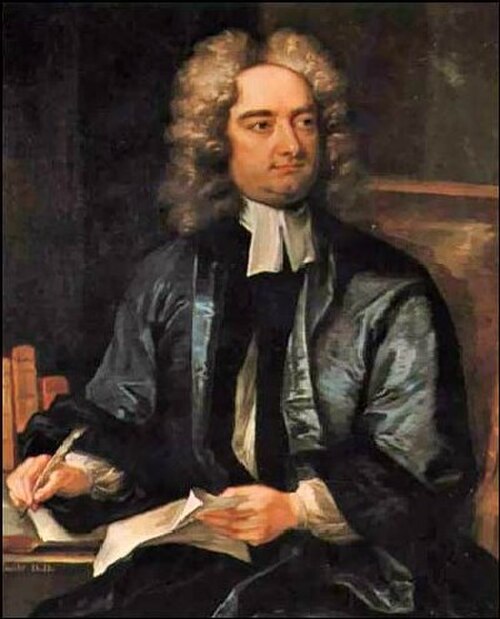
アイルランドの吟遊詩人制度は、ゲール文化や学んだ階級とともに、プランテーションによって動揺し、衰退しました。最後の真の吟遊詩人の中に、ブライアン・マク・ジョッラ・ファドライグ(1580年頃 - 1652年)とダイビ・オ・ブルーデア(1625年 - 1698年)がいた。 17 世紀後半から 18 世紀にかけてのアイルランドの詩人は、より現代的な方言に向かって進みました。この時期の最も著名な人物には、シーマス・ダル・マクアルタ、ピーダール・オ・ドイルニン、アート・マック・カムヘイ、カタール・ブイ・マク・ジョラ・ギュナ、ショーン・クララック・マク・ドムフネイルなどがいた。アイルランドのカトリック教徒は、刑法にもかかわらず、秘密の「ヘッジスクール」で教育を受け続けた。[81] 17世紀の貧しいアイルランドの山岳民の間ではラテン語の知識が一般的であり、彼らは特別な機会にラテン語を話しましたが、ケリー州の山岳市場ではギリシャ語で牛が売買されていました。[82]
アイルランドの人口は600万人ほどと比較的少ないものの、文学に多大な貢献をしてきました。アイルランド文学はアイルランド語と英語を網羅しています。著名なアイルランドの作家、劇作家、詩人には、ジョナサン・スウィフト、ローレンス・スターン、オスカー・ワイルド、オリバー・ゴールドスミス、ジェイムズ・ジョイス、ジョージ・バーナード・ショー、サミュエル・ベケット、ブラム・ストーカー、WBイェイツ、シーマス・ヒーニー、ブレンダン・ビーハンなどがいます。
19世紀
大飢饉 / An Górta Mór
アイルランド語で「大飢饉」を意味するアン・ゴルタ・モールとして知られる飢饉では、何百万人ものアイルランド人が死亡し、アイルランド最大の飢饉で移住した。飢饉は1845年から1849年まで続き、1847年は最悪で、ブラック・フォーティーンとして知られるようになった。飢饉は、極度の貧困に陥ったアイルランド人の主食であるジャガイモが疫病に感染したことと、英国政府が他のすべての作物と家畜を海外の軍隊の食糧として流用したことが原因で発生した。[83]つまり、作物は不作となり黒くなった。飢えた人々がそれを食べようとしたとしても、すぐに吐き戻すだけだった。炊き出し所が設置されたが、ほとんど効果はなかった。英国政府は援助をほとんど行わず、「ピールの硫黄」と呼ばれる生のトウモロコシをアイルランドに送っただけだった。これは、当時の英国首相ロバート・ピールにちなんで、また多くのアイルランド人がトウモロコシの調理方法を知らなかったことから、この名前で知られていた。この結果、状況はほとんど改善されなかった。英国政府は、コレラ、結核などの病気が蔓延する救貧院を設立したが、食糧がほとんどなく、到着後すぐに過重労働で多くの人が死亡したため、救貧院も機能しなかった。当時の英国政治家の中には、飢餓をアイルランド原住民の大半を絶滅させるための神のお祓いと見る者もいた。[要出典]

アイルランド人は飢餓から逃れるために、主に米国東海岸、特にボストンとニューヨーク、英国のリバプール、オーストラリア、カナダ、ニュージーランドに移住した。多くの記録によると、オーストラリアへのアイルランド移民の大半は実際には囚人であった。これらのかなりの割合が、母国で耐えてきた迫害と苦難よりもオーストラリアに引き渡されることを望んで犯罪を犯した。移民は「棺船」で旅をしたが、この船の名前は船上での死亡率が高かったことに由来している。多くが病死するか、餓死した。船内の状況は劣悪で、切符は高額だったため密航がよくあり、船員の目には単なる積み荷としか見えなかった乗客にはほとんど食料が与えられなかった。有名な棺船には、ジーニー・ジョンストン号とダンブロディ号がある。
ダブリン、ニューヨーク、その他の都市には飢饉を偲んで彫像や記念碑が建てられている。「アセンリーの野」は20世紀後半に大飢饉について歌われた歌で、飢饉の影響を受けた人々を追悼し敬意を表すために、代表チームのスポーツイベントでよく歌われている。[要出典]
大飢饉はアイルランド史上最大の出来事の一つであり、今日に至るまでアイルランドのアイデンティティに深く根付いている。大飢饉はアイルランドのナショナリズムとその後の反乱におけるアイルランドの独立闘争の大きな要因であり、多くのアイルランド人は飢饉の後、イギリス統治からの独立を回復する必要性を強く感じた。[要出典]
20世紀
.jpg/500px-Chicks_and_Ducks_in_Galway_(8488799148).jpg)
アイルランド独立戦争(1919年 - 1921年)後、英愛条約が調印され、アイルランドの伝統的な32州のうち26州からなるアイルランド自由国(現在のアイルランド共和国)が独立しました。北東部の残りの6州は、北アイルランドとしてイギリスに残りました。2つのコミュニティ(ナショナリズムとユニオニズム)を分断しているのは、主に宗教、歴史、政治の違いです。1989年から1994年の間に行われた4回の世論調査では、国民的アイデンティティを尋ねると、北アイルランドのプロテスタントの79%以上が「イギリス人」または「アルスター人」と答え、「アイルランド人」と答えたのは3%以下でした。一方、北アイルランドのカトリック教徒の60%以上が「アイルランド人」と答え、「イギリス人」または「アルスター人」と答えたのは13%以下でした。[84] 1999年の調査では、北アイルランドのプロテスタントの72%が自らを「英国人」、2%が「アイルランド人」と認識しており、北アイルランドのカトリック教徒の68%が自らを「アイルランド人」、9%が「英国人」と認識していることが明らかになった。[85]また、この調査では、プロテスタントの78%と全回答者の48%が「強い英国人」であると感じており、カトリック教徒の77%と全回答者の35%が「強いアイルランド人」であると感じていることが明らかになった。プロテスタントの51%と全回答者の33%が「全くアイルランド人ではない」と感じており、カトリック教徒の62%と全回答者の28%が「全く英国人ではない」と感じていた。[86] [87] [要出典]
最近の歴史
アイルランドの宗教
.jpg/500px-Group_of_men,_Corpus_Christi_procession,_Cahir,_Co._Tipperary_(21890973583).jpg)
アイルランド共和国では、2022年時点で350万人、つまり人口の約69.1%がカトリック教徒である。[88]北アイルランドでは、人口の約41.6%がプロテスタント(長老派19.1%、アイルランド国教会13.7%、メソジスト3.0%、その他のキリスト教5.8%)であり、2011年時点で約40.8%がカトリック教徒である。
The 31st International Eucharistic Congress was held in Dublin in 1932, that year being the supposed 1,500th anniversary of Saint Patrick's arrival. Ireland was then home to 3,171,697 Catholics, about a third of whom attended the Congress.[89][90] It was noted in Time Magazine that the Congress' special theme would be "the Faith of the Irish".[89] The massive crowds were repeated at Pope John Paul II's Mass in Phoenix Park in 1979.[91] The idea of faith has affected the question of Irish identity even in relatively recent times, apparently more so for Catholics and Irish-Americans. Today the majority of Irish people in the Republic of Ireland identify as Catholic, although church attendance has significantly dropped in recent decades. In Northern Ireland, where almost 50% of the population is Protestant, there has also been a decline in attendances.
What defines an Irishman? His faith, his place of birth? What of the Irish-Americans? Are they Irish? Who is more Irish, a Catholic Irishman such as James Joyce who is trying to escape from his Catholicism and from his Irishness, or a Protestant Irishman like Oscar Wilde who is eventually becoming Catholic? Who is more Irish... someone like C.S. Lewis, an Ulster Protestant, who is walking towards it, even though he never ultimately crosses the threshold?[92]
This has been a matter of concern over the last century for the followers of nationalist ideologists such as DP Moran.
Irish identity

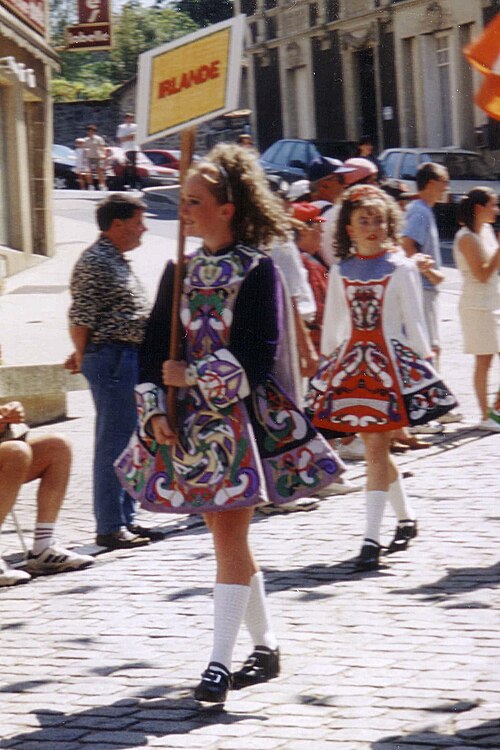
Thomas Davis, a prominent Protestant Irish nationalist and founder of the Irish nationalist Young Ireland movement, identified the Irish as a Celtic nation.[93] He estimated that ethnically, 5/6ths of the nation were either of Gaelic Irish-origin, or descended from returned Scottish Gaels (including much of the Ulster Scots) and some Celtic Welsh (such as his own ancestors and those carrying surnames such as Walsh and Griffiths).[93] As part of this he was a staunch supporter of the Irish language as the "national language".[93] In regards to the Germanic minority in Ireland (of Norman and Anglo-Saxon origin) he believed that they could be assimilated into Irishness if they had a "willingness to be part of the Irish Nation".[94]
Europe
The Republic of Ireland and the United Kingdom joined the European Community in 1973, and Irish citizens became additionally Citizens of the European Union with the Maastricht Treaty signed in 1992. This brought a further question for the future of Irish identity; whether Ireland was "closer to Boston than to Berlin:"
History and geography have placed Ireland in a very special location between America and Europe... As Irish people our relationships with the United States and the European Union are complex. Geographically we are closer to Berlin than Boston. Spiritually we are probably a lot closer to Boston than Berlin. – Mary Harney, Tánaiste, 2000[95]
Irish diaspora

The Irish diaspora consists of Irish emigrants and their descendants in countries such as the United States, Great Britain, Canada, Australia, New Zealand, South Africa, and nations of the Caribbean such as Jamaica and Barbados. These countries all have large minorities of Irish descent, who in addition form the core of the Catholic Church in those countries.
Many famous and influential figures have claimed Irish ancestry such as Che Guevara, Walt Disney, Barack Obama, JFK, Muhammad Ali and Maréchal The 1st Duke of Magenta, the second President of the Third Republic.[citation needed]
Many Irish people were also transported to the island of Montserrat, to work as indentured servants, exiled prisoners or slaves. Unlike African chattel slaves, the majority of Irish labourers who were sent to Montserrat did so by personal choice.[96] Some were Irish Confederate troops exiled by the English Parliamentarian Oliver Cromwell following the Irish Confederate Wars. The African slave population on the island attempted a rebellion against the Irish plantation owners on 17 March 1768. The date was chosen with the idea that the plantation owners would be distracted by St. Patrick's day festivities, but the plot was ultimately discovered and several of those involved were put to death. To this day, the Island celebrates St. Patrick's Day as a public holiday to commemorate the revolt and honour those who lost their lives.[97] People of Irish descent also feature strongly in Latin America, especially in Argentina and important minorities in Brazil, Chile, and Mexico. In 1995, President Mary Robinson reached out to the "70 million people worldwide who can claim Irish descent".[98] Today the diaspora is believed to contain an estimated 80 million people.[99]
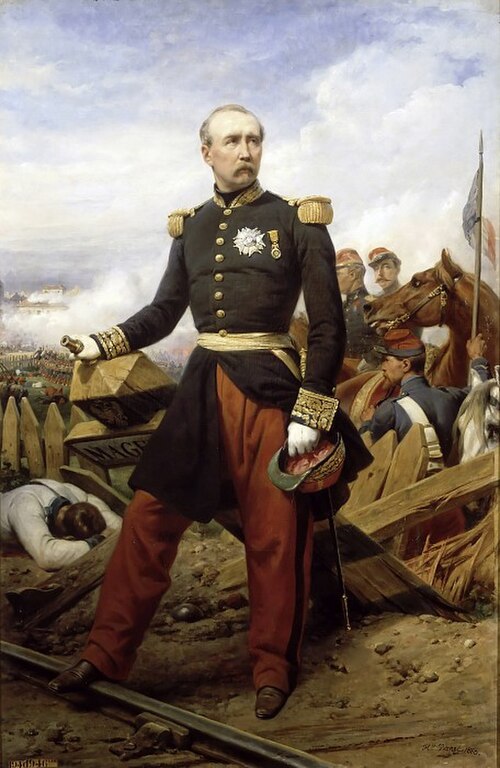

There are also large Irish communities in some mainland European countries, notably in Spain, France and Germany. Between 1585 and 1818, over half a million Irish departed Ireland to serve in the wars on the Continent, in a constant emigration romantically styled the"Flight of the Wild Geese" and, before that, in the 'Flight of the Earls', just before the Plantation of Ulster.[100] In the early years of the English Civil War, a French traveller remarked that the Irish "are better soldiers abroad than at home".[101] Later, Irish brigades in France and Spain would fight in the Wars of the Spanish and Austrian Succession and the Napoleonic Wars.[100] In the words of Field Marshal The 1st Duke of Wellington, the Irish-born 'Iron Duke', a notable representative of the Irish military diaspora, "Ireland was an inexhaustible nursery for the finest soldiers".[102]
The British Legions were units that fought under Simón Bolívar against Spain for the independence of Colombia, Venezuela, Ecuador, and Peru. Venezuelans called them the Albion Legion. They were composed of over seven thousand volunteers, mainly Napoleonic War veterans from Great Britain and Ireland. Volunteers in the British Legion were motivated by a combination of both genuine political and mercenary motives.[103] The most famous cause of emigration was the Great Famine of the late 1840s. A million are thought to have emigrated to Liverpool as a result of the famine.[104] For both the Irish in Ireland and those in the resulting diaspora, the famine entered folk memory[105] and became a rallying point for various nationalist movements.
There are Afro-Caribbean people descended from Irish immigrants in the Caribbean, especially on Barbados, Jamaica, and Montserrat.[106] They often have Irish surnames, speak a form of Caribbean English influenced by the Irish vernacular and, in some cases, sing Irish songs.[107]
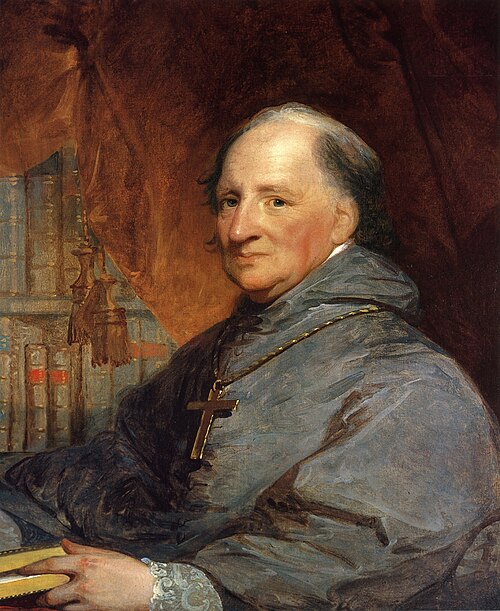
People of Irish descent are the second largest self-reported ethnic group in the United States, after German Americans. Nine of the signatories of the American Declaration of Independence were of Irish origin.[108] Among them was the sole Catholic signatory, Charles Carroll of Carrollton, whose family were the descendants of Ely O'Carroll, an Irish prince who had suffered under Cromwell.[109] At least twenty-five presidents of the United States have some Irish ancestral origins, including George Washington.[110][111][112][113] Since John F. Kennedy took office in 1961, every American President (with the exception of Gerald Ford and Donald Trump) has had some Irish blood.[114][115][116] An Irish-American, James Hoban, was the designer of the White House. Commodore John Barry, who was born in County Wexford, was the "Father of the United States Navy".[117]

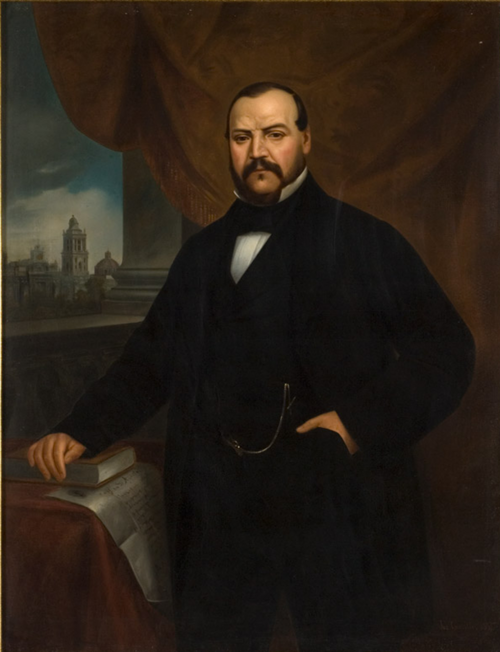
In the mid-19th century, large numbers of Irish immigrants were conscripted into Irish regiments of the United States Army at the time of the Mexican–American War. The vast majority of the 4,811 Irish-born soldiers served in the U.S. Army, but some deserted to the Mexican Army, primarily to escape mistreatment by Protestant officers and the strong anti-Catholic discrimination in America.[118] These were the San Patricios, or Saint Patrick's Battalion—a group of Irish led by Galway-born John O'Riley, with some German, Scottish and American Catholics.[118] They fought until their surrender at the decisive Battle of Churubusco, and were executed outside Mexico City by the American government on 13 September 1847.[118] The battalion is commemorated in Mexico each year on 12 September.[119]
During the 18th and 19th centuries, 300,000 free emigrants and 45,000 convicts left Ireland to settle in Australia.[120] Today, Australians of Irish descent are one of the largest self-reported ethnic groups in Australia, after English and Australian. In the 2006 Census, 1,803,741 residents identified themselves as having Irish ancestry either alone or in combination with another ancestry.[121] However this figure does not include Australians with an Irish background who chose to nominate themselves as 'Australian' or other ancestries. The Australian embassy in Dublin states that up to thirty per cent of the population claim some degree of Irish ancestry.[122]
It is believed that as many as 30,000 Irish people emigrated to Argentina between the 1830s and the 1890s.[12] This was encouraged by the clergy, as they considered a Catholic country, Argentina, preferable to a more Protestant United States. This flow of emigrants dropped sharply when assisted passage to Australia was introduced at which point the Argentine government responded with their own scheme and wrote to Irish bishops, seeking their support. However, there was little or no planning for the arrival of a large number of immigrants, no housing, no food.[123] Many died, others made their way to the United States and other destinations, some returned to Ireland, a few remained and prospered. Thomas Croke Archbishop of Cashel, said: "I most solemnly conjure my poorer countrymen, as they value their happiness hereafter, never to set foot on the Argentine Republic however tempted to do so they may be by offers of a passage or an assurance of comfortable homes."[124] Some notable Argentines of Irish descent and Irish people who settled in Argentina include Che Guevara, former president Edelmiro Julián Farrell, and admiral William Brown.
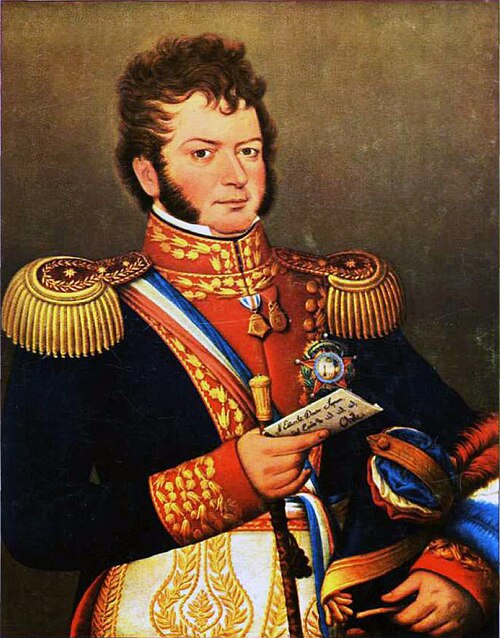
There are people of Irish descent all over South America, such as the Chilean liberator Bernardo O'Higgins and the Peruvian photographer Mario Testino. Although some Irish retained their surnames intact, others were assimilated into the Spanish vernacular. The last name O'Brien, for example, became Obregón.
People of Irish descent are also one of the largest self-reported ethnic groups in Canada, after English, French and Scottish Canadians. As of 2006, Irish Canadians number around 4,354,155.[10]
See also
Notes
- ^ 2021 census, Irish alone and other national identifications
- ^ Historical and native
- ^ Dominant
Citations
- ^ ceu@scotland.gsi.gov.uk, Scottish Government, St. Andrew's House, Regent Road, Edinburgh EH1 3DG Tel:0131 556 8400 (29 May 2009). "The Scottish Diaspora and Diaspora Strategy: Insights and Lessons from Ireland". scotland.gov.uk. Archived from the original on 24 December 2018. Retrieved 14 October 2014.
{{cite web}}: CS1 maint: multiple names: authors list (link) CS1 maint: numeric names: authors list (link) - ^ "Census of Population 2022 – Summary Results". cso.ie. 3 April 2022. Archived from the original on 7 August 2023. Retrieved 7 August 2023.
- ^ Ethnic Irish at Ethnologue (22nd ed., 2020)
- ^ "Census 2021 main statistics identity tables". Northern Ireland Statistics and Research Agency. 7 September 2022. Archived from the original on 9 July 2023. Retrieved 9 July 2023.
- ^ American FactFinder, United States Census Bureau. "U.S. Census Bureau, 2007". Factfinder.census.gov. Archived from the original on 10 April 2010. Retrieved 30 May 2010.
- ^ "One in four Britons claim Irish roots". BBC News. BBC. 16 March 2001. Archived from the original on 24 December 2018. Retrieved 7 December 2020.
- ^ Maybin, Simon (2 September 2016). "How many Britons are entitled to an Irish passport?". BBC News. Archived from the original on 28 July 2020. Retrieved 17 May 2020.
- ^ "Department of Foreign Affairs – Emigrant Grants". 28 July 2013. Archived from the original on 28 July 2013.
{{cite web}}: CS1 maint: bot: original URL status unknown (link) - ^ "Ethnic Origin, both sexes, age (total), Canada, 2016 Census – 25% Sample data". Canada 2016 Census. Statistics Canada. 20 February 2019. Archived from the original on 12 November 2020. Retrieved 30 January 2020.
- ^ a b "Ethnic Origin (264), Single and Multiple Ethnic Origin Responses (3), Generation Status (4), Age Groups (10) and Sex (3) for the Population in Private Households of Canada, Provinces, Territories, Census Metropolitan Areas and Census Agglomerations, 2011 National Household Survey". Statistics Canada. 2011. Archived from the original on 24 December 2018. Retrieved 24 November 2013.
- ^ "The Irish in New Zealand: Historical Contexts and Perspectives – Brian Easton". www.eastonbh.ac.nz. 14 June 2003. Archived from the original on 5 January 2019. Retrieved 20 March 2016.
- ^ a b "Flying the Irish flag in Argentina". Western People. 14 March 2008. Archived from the original on 14 October 2007. Retrieved 4 July 2008.
- ^ O'Higgins Tours. "Los irlandeses en Chile". Archived from the original on 7 September 2017. Retrieved 10 January 2010.
- ^ "estimated 35,000-more than 1 million enjoy Irish culture". Archived from the original on 7 March 2023. Retrieved 13 February 2022.
- ^ "Who are the Irish in France, and what are they doing there?". Irish Times. 18 January 2019. Archived from the original on 22 May 2019. Retrieved 4 July 2019.
- ^ "Bevolking; geslacht, leeftijd, generatie en migratieachtergrond, 1 januari" (in Dutch). Central Bureau of Statistics (CBS). 22 July 2021. Archived from the original on 3 August 2017. Retrieved 16 January 2022.
- ^ "Irlandeses en Colombia y Antioquia". www.dfa.ie. Archived from the original on 26 August 2022. Retrieved 25 March 2022.
- ^ Helgason, Agnar; et al. (2000). "Estimating Scandinavian and Gaelic ancestry in the male settlers of Iceland". The American Journal of Human Genetics. 67 (3): 697–717. doi:10.1086/303046. ISSN 0002-9297. PMC 1287529. PMID 10931763.
- ^ a b "Pope Calls Irish Monk a Father of Europe". Zenit. 11 July 2007. Archived from the original on 15 June 2008. Retrieved 15 July 2007.
- ^ a b Smiley, p. 630
- ^ "Dáil Éireann – 29/Apr/1987 Ceisteanna—Questions. Oral Answers. – Australian Bicentenary". Oireachtasdebates.oireachtas.ie. 29 April 1987. Archived from the original on 24 December 2018. Retrieved 1 March 2014.
- ^ "DNA study reveals fate of Irish women taken by Vikings as slaves to Iceland". irishtimes.com. 6 June 2018. Retrieved 25 April 2024.
- ^ "First humans came here 33,000 years ago, reindeer bones show". independent. 18 April 2021. Archived from the original on 27 April 2021. Retrieved 7 May 2021.
- ^ Roseingrave, Louise. "Reindeer bone found in Cork cave shows human activity in Ireland 33,000 years ago". TheJournal.ie. Archived from the original on 7 May 2021. Retrieved 7 May 2021.
- ^ "Pytheas | Greek explorer". Encyclopedia Britannica. Archived from the original on 3 January 2018. Retrieved 26 November 2019.
- ^ Chisholm, Hugh, ed. (1911). . Encyclopædia Britannica. Vol. 9 (11th ed.). Cambridge University Press. p. 744.
- ^ Mac Manus, p 1 & 7
- ^ "FamilyTreeDNA Discover™". Family TreeDNA. Archived from the original on 7 January 2023. Retrieved 4 January 2023.
- ^ "The phylogenealogy of R-L21: Four and a half millennia of expansion and redistribution." Archived 11 November 2022 at the Wayback Machine (Joe Flood)
- ^ Bramanti, B.; Thomas, M. G.; Haak, W.; Unterlaender, M.; Jores, P.; Tambets, K.; Antanaitis-Jacobs, I.; Haidle, M. N.; Jankauskas, R.; Kind, C.-J.; Lueth, F.; Terberger, T.; Hiller, J.; Matsumura, S.; Forster, P.; Burger, J. (2009). "Genetic Discontinuity Between Local Hunter-Gatherers and Central Europe's First Farmers". Science. 326 (5949): 137–140. Bibcode:2009Sci...326..137B. doi:10.1126/science.1176869. PMID 19729620. S2CID 206521424.
- ^ Malmström, Helena; Gilbert, M. Thomas P.; Thomas, Mark G.; Brandström, Mikael; Storå, Jan; Molnar, Petra; Andersen, Pernille K.; Bendixen, Christian; Holmlund, Gunilla; Götherström, Anders; Willerslev, Eske (2009). "Ancient DNA Reveals Lack of Continuity between Neolithic Hunter-Gatherers and Contemporary Scandinavians". Current Biology. 19 (20): 1758–1762. Bibcode:2009CBio...19.1758M. doi:10.1016/j.cub.2009.09.017. PMID 19781941. S2CID 9487217.
- ^ Alonso, Santos; et al. (2005). "The Place of the Basques in the European Y-chromosome Diversity Landscape". European Journal of Human Genetics. 13 (12): 1293–1302. doi:10.1038/sj.ejhg.5201482. PMID 16094307.
- ^ B. Arredi, E. S. Poloni and C. Tyler-Smith (2007). "The peopling of Europe". In Crawford, Michael H. (ed.). Anthropological genetics: theory, methods and applications. Cambridge, UK: Cambridge University Press. p. 394. ISBN 978-0-521-54697-3.
- ^ Balaresque; et al. (2010). Penny, David (ed.). "A Predominantly Neolithic Origin for European Paternal Lineages". PLOS Biology. 8 (1): 119–122. doi:10.1371/journal.pbio.1000285. PMC 2799514. PMID 20087410.
- ^ Haak, Wolfgang; Lazaridis, Iosif; Patterson, Nick; Rohland, Nadin; Mallick, Swapan; Llamas, Bastien; Brandt, Guido; Nordenfelt, Susanne; Harney, Eadaoin; Stewardson, Kristin; Fu, Qiaomei; Mittnik, Alissa; Bánffy, Eszter; Economou, Christos; Francken, Michael; Friederich, Susanne; Pena, Rafael Garrido; Hallgren, Fredrik; Khartanovich, Valery; Khokhlov, Aleksandr; Kunst, Michael; Kuznetsov, Pavel; Meller, Harald; Mochalov, Oleg; Moiseyev, Vayacheslav; Nicklisch, Nicole; Pichler, Sandra L.; Risch, Roberto; Rojo Guerra, Manuel A.; et al. (2015). "Massive migration from the steppe is a source for Indo-European languages in Europe". Nature. 522 (7555): 207–11. arXiv:1502.02783. Bibcode:2015Natur.522..207H. bioRxiv 10.1101/013433. doi:10.1038/NATURE14317. PMC 5048219. PMID 25731166.
- ^ Allentoft, Morten E.; Sikora, Martin; Sjögren, Karl-Göran; Rasmussen, Simon; Rasmussen, Morten; Stenderup, Jesper; Damgaard, Peter B.; Schroeder, Hannes; Ahlström, Torbjörn; Vinner, Lasse; Malaspinas, Anna-Sapfo; Margaryan, Ashot; Higham, Tom; Chivall, David; Lynnerup, Niels; Harvig, Lise; Baron, Justyna; Casa, Philippe Della; Dąbrowski, Paweł; Duffy, Paul R.; Ebel, Alexander V.; Epimakhov, Andrey; Frei, Karin; Furmanek, Mirosław; Gralak, Tomasz; Gromov, Andrey; Gronkiewicz, Stanisław; Grupe, Gisela; Hajdu, Tamás; et al. (2015). "Population genomics of Bronze Age Eurasia". Nature. 522 (7555): 167–172. Bibcode:2015Natur.522..167A. doi:10.1038/nature14507. PMID 26062507. S2CID 4399103. Archived from the original on 13 July 2019. Retrieved 30 September 2019.
- ^ Mathieson, Iain; Lazaridis, Iosif; Rohland, Nadin; Mallick, Swapan; Patterson, Nick; Alpaslan Roodenberg, Songul; Harney, Eadaoin; Stewardson, Kristin; Fernandes, Daniel; Novak, Mario; Sirak, Kendra; Gamba, Cristina; Jones, Eppie R.; Llamas, Bastien; Dryomov, Stanislav; Pickrell, Joseph; Arsuaga, Juan Luis; De Castro, Jose Maria Bermudez; Carbonell, Eudald; Gerritsen, Fokke; Khokhlov, Aleksandr; Kuznetsov, Pavel; Lozano, Marina; Meller, Harald; Mochalov, Oleg; Moiseyev, Vayacheslav; Rojo Guerra, Manuel A.; Roodenberg, Jacob; Verges, Josep Maria; et al. (2015). "Eight thousand years of natural selection in Europe". bioRxiv: 016477. doi:10.1101/016477. Archived from the original on 3 March 2016. Retrieved 30 September 2019.
- ^ Radford, Tim (28 December 2015). "Irish DNA originated in Middle East and eastern Europe". The Guardian. Archived from the original on 17 January 2018. Retrieved 19 December 2016.
- ^ Lara M. Cassidy; Rui Martiniano; et al. (28 December 2015). "Neolithic and Bronze Age migration to Ireland and establishment of the insular Atlantic genome" (PDF). PNAS. 113 (2): 368–373. Bibcode:2016PNAS..113..368C. doi:10.1073/pnas.1518445113. PMC 4720318. PMID 26712024. Archived (PDF) from the original on 29 December 2015. Retrieved 29 December 2015.
- ^ Gilbert, Edmund; O’Reilly, Seamus; Merrigan, Michael; McGettigan, Darren; Molloy, Anne M.; Brody, Lawrence C.; Bodmer, Walter; Hutnik, Katarzyna; Ennis, Sean; Lawson, Daniel J.; Wilson, James F.; Cavalleri, Gianpiero L. (8 December 2017). "The Irish DNA Atlas: Revealing Fine-Scale Population Structure and History within Ireland". Scientific Reports. 7 (1): 17199. Bibcode:2017NatSR...717199G. doi:10.1038/s41598-017-17124-4. PMC 5722868. PMID 29222464.
- ^ "Celtic Population Structure" (PDF). biorxiv.org. Archived (PDF) from the original on 23 January 2018. Retrieved 22 January 2018.
- ^ "Census of Population 2016 – Profile 8 Irish Travellers, Ethnicity and Religion". Archived from the original on 20 September 2021. Retrieved 30 January 2022.
There were 10,100 dual Irish nationals who identified themselves as 'Black or Black Irish - African', the largest group of which was Irish-Nigerian nationals (6,683 persons).
- ^ Who were the Black Irish? What is the origin of the Irish with swarthy dark features? A subject of historical discussion, the subject is almost never referred to in Ireland Archived 25 May 2013 at the Wayback Machine. IrishCentral.com. Staff Writers, 26 March 2013. Retrieved 6 August 2013.
- ^ Ahlstrom, Dick. "Travellers as 'genetically different' from settled Irish as Spanish". The Irish Times. Archived from the original on 31 October 2020. Retrieved 22 September 2020.
- ^ a b c MacManus, p 86
- ^ MacManus, p 87
- ^ MacManus, p67
- ^ a b c MacManus, p 89
- ^ a b c d e f g h i j k l Nicholls
- ^ Jones, Charles (1997). The Edinburgh history of the Scots language. Edinburgh University Press. p. 551. ISBN 978-0-7486-0754-9.
- ^ Nora Kershaw Chadwick, Myles Dyllon (1972). The Celtic Realms. Weidenfeld & Nicolson. p. 66. ISBN 978-0-7607-4284-6.
- ^ Campbell, Ewan. "Were the Scots Irish? Archived 10 November 2012 at the Wayback Machine" in Antiquity #75 (2001).
- ^ "Home-grown holy man: Cry God for Harry, Britain and... St Aidan". The Independent. London. 23 April 2008. Archived from the original on 23 October 2012. Retrieved 21 July 2008.
- ^ MacManus, p 221
- ^ MacManus, p 221-222
- ^ MacManus, p 215
- ^ a b c "John Scottus Eriugena". Stanford Encyclopedia of Philosophy. Stanford University. 17 October 2004. Archived from the original on 27 June 2007. Retrieved 21 July 2008.
- ^ Toman, p 10: "Abelard himself was... together with John Scotus Erigena (9th century), and Lanfranc and Anselm of Canterbury (both 11th century), one of the founders of scholasticism."
- ^ Smiley, p. 274
- ^ Woulfe, Patrick (1923). Sloinnte Gaedheal is Gall: Irish names and surnames. M. H. Gill & son. pp. xx. Archived from the original on 28 September 2023. Retrieved 20 February 2010.
- ^ Burdess, Neil. "A dozen things you might not know about Irish names". The Irish Times. Archived from the original on 21 September 2020. Retrieved 21 March 2020.
- ^ "ScottishHistory.com". www.scottishhistory.com. Archived from the original on 26 March 2020. Retrieved 21 March 2020.[self-published source?]
- ^ Richard Hooker. "The Normans". Washington State University. Archived from the original on 14 June 2008. Retrieved 12 July 2008.[self-published source?]
- ^ "Théâtre de tous les peuples et nations de la terre avec leurs habits et ornemens divers, tant anciens que modernes, diligemment depeints au naturel par Luc Dheere peintre et sculpteur Gantois[manuscript]". lib.ugent.be. Archived from the original on 29 October 2020. Retrieved 25 August 2020.
- ^ MacManus, p 343
- ^ MacManus, p 340
- ^ a b MacManus, p 343–344
- ^ Taviani, Paolo Emilio (1985). Christopher Columbus. Orbis. p. 376. ISBN 978-0-85613-922-2.
- ^ a b MacManus, p 348
- ^ MacManus, p 352
- ^ a b c Jefferies, Dr. Henry A. "Culture and Religion in Tudor Ireland, 1494–1558". University College Cork. Archived from the original on 16 April 2008. Retrieved 23 June 2008.
- ^ "History Revision – The Plantations" (PDF). colaisteeanna.ie. Archived (PDF) from the original on 16 October 2021. Retrieved 9 October 2021.
- ^ Hallinan, Conn Malachi (1977). "The Subjugation and Division of Ireland: Testing Ground for Colonial Policy". Crime and Social Justice (8): 53–57. JSTOR 29766019. Archived from the original on 29 August 2021. Retrieved 29 August 2021.
- ^ An Act whereby the King and Queen's Majesties, and the Heires and Successors of the Queen, be entituled to the Countries of Leix, Slewmarge, Irry, Glimnaliry, and Offaily, and for making the same Countries Shire Grounds."; Phil. & Mar., 1556 c.2
- ^ Martin Marix Evans; David Lyons (October 2003). A terrible beauty. Gill & Macmillan. Retrieved 25 February 2013.
- ^ Andrews, Kenneth (1984). Trade, Plunder and Settlement: Maritime Enterprise and the Genesis of the British Empire, 1480–1630. Cambridge University Press. p. 184.
- ^ Lennon p. 279
- ^ MacCarthy-Morrogh, Michael (1983). The Munster Plantation, 1583–1641 (PDF) (PhD). Royal Holloway College, London University. Archived (PDF) from the original on 30 August 2021. Retrieved 29 August 2021.
- ^ Canny, Making Ireland British, p. 146
- ^ Boyle on Atheism by J.J. MacIntosh (University of Toronto Press ISBN 978-0-8020-9018-8), page 6
- ^ MacManus, p 461
- ^ MacManus, p 461-462
- ^ David R. Montgomery (14 May 2007). Dirt: The Erosion of Civilizations. University of California Press. ISBN 978-0-520-93316-3.
- ^ "in, Social Attitudes in Northern Ireland: The Fifth Report". Cain.ulst.ac.uk. Archived from the original on 26 December 2018. Retrieved 28 March 2010.
- ^ "Northern Ireland Life and Times Survey". Ark.ac.uk. 9 May 2003. Archived from the original on 10 May 2011. Retrieved 28 March 2010.
- ^ "Northern Ireland Life and Times Survey". Ark.ac.uk. 12 May 2003. Archived from the original on 10 June 2011. Retrieved 28 March 2010.
- ^ "Northern Ireland Life and Times Survey". Ark.ac.uk. 9 May 2003. Archived from the original on 10 June 2011. Retrieved 28 March 2010.
- ^ "Population Usually Resident and Present in the State". CSO.ie. Central Statistics Office. 30 May 2023. Archived from the original on 28 September 2023. Retrieved 2 June 2023.
- ^ a b "In Dublin". Time Magazine. 20 June 1932. Archived from the original on 8 December 2008. Retrieved 23 June 2008.
- ^ John Paul McCarthy; Tomás O'Riordan. "The 31st International Eucharistic Congress, Dublin, 1932". University College Cork. Archived from the original on 16 April 2008. Retrieved 23 June 2008.
Newspapers and contemporaries estimated that close to a million souls had converged on the Phoenix Park for the climax of the Congress
- ^ The figure 1,250,000 is mentioned on the commemorative stone at the Papal Cross in the Phoenix Park, Dublin; a quarter of the population of the island of Ireland, or a third of the population of Republic of Ireland
- ^ Pearce, Joseph (March–April 2007). "Editorial: The Celtic Enigma". St. Austin Review. 7 (2). Ave Maria University, Naples, Florida: Sapientia Press: 1.
- ^ a b c Thomas Davis (28 February 2013). "Our National Language". From-Ireland.net. Archived from the original on 19 October 2016. Retrieved 18 October 2016.
- ^ Thomas Davis – Dame Street (17 March 2012). "90,000 Photographs By William Murphy – 90,000 Photographs By William Murphy". Dublinstreets.osx128.com. Archived from the original on 27 March 2014. Retrieved 1 March 2014.
- ^ Aldous, p 185
- ^ "The Irish in the Anglo-Caribbean: servants or slaves? - History Ireland". 29 February 2016. Archived from the original on 6 May 2017. Retrieved 13 May 2017.
- ^ Fergus, Howard A (1996). Gallery Montserrat: some prominent people in our history. Canoe Press University of West Indies. p. 83. ISBN 978-976-8125-25-5. Archived from the original on 28 September 2023. Retrieved 26 August 2020.
- ^ "Ireland's Diaspora". Irelandroots.com. Archived from the original on 18 February 2013. Retrieved 28 March 2010.
- ^ The island history Archived 4 August 2013 at the Wayback Machine, discoverireland.com
- ^ a b "The Wild Geese, Men-at-Arms 102". Osprey Publishing. Archived from the original on 8 December 2008.
- ^ McLaughlin, p4
- ^ Davies, p 832
- ^ Brown, Matthew (2006). Adventuring through Spanish Colonies: Simón Bolívar, Foreign Mercenaries and the Birth of New Nations. Liverpool University Press. p. 210. ISBN 9781846310447. Archived from the original on 28 September 2023. Retrieved 12 November 2020.
- ^ David Ross, Ireland: History of a Nation, New Lanark: Geddes & Grosset, 2002, p. 226. ISBN 1-84205-164-4
- ^ The Famine that affected Ireland from 1845 to 1852 has become an integral part of folk legend. Kenealy, This Great Calamity, p. 342.
- ^ "Montserrat Article". freepages.rootsweb.com. Archived from the original on 1 August 2020. Retrieved 17 May 2020.
- ^ "The Black Irish". RTÉ Archives. Archived from the original on 21 June 2020. Retrieved 17 May 2020.
- ^ "Irish-American History Month, 1995". irishamericanheritage.com. Archived from the original on 9 May 2008. Retrieved 25 June 2008.
- ^ Maryland Traces Its Irish Roots Archived 19 June 2013 at the Wayback Machine, Maryland Office of Tourism
- ^ "Presidents of the United States with "Irish Roots"". irishamericanheritage.com. Archived from the original on 29 September 2008. Retrieved 25 June 2008.
- ^ Marck, John T. "William H. Taft". aboutfamouspeople.com. Archived from the original on 12 May 2008. Retrieved 25 June 2008.
- ^ "Warren Gamaliel Harding". thinkquest.com. Archived from the original on 28 March 2008. Retrieved 25 June 2008.
- ^ Marck, John T. "Harry S. Truman". aboutfamouspeople.com. Archived from the original on 12 May 2008. Retrieved 25 June 2008.
- ^ "American Presidents with Irish Ancestors". Directory of Irish Genealogy. Archived from the original on 26 September 2018. Retrieved 25 June 2008.
- ^ "The Man Who Made Trump Who He Is". Politico Magazine. Politico. Archived from the original on 28 April 2019. Retrieved 24 January 2017.
- ^ "Donald Trump's Scottish roots: How a tiny island could shape a President". CNN. 2 November 2016. Archived from the original on 2 February 2017. Retrieved 24 January 2017.
- ^ John Barry Kelly. "Commodore Barry". Archived from the original on 5 August 2013. Retrieved 25 June 2007.
- ^ a b c Michael G. Connaughton (September 2005). "Beneath an Emerald Green Flag, The Story of Irish Soldiers in Mexico". The Society for Irish Latin American Studies. Archived from the original on 28 August 2012. Retrieved 12 July 2008.
- ^ Mark R. Day. "The San Patricios: Mexico's Fighting Irish". Archived from the original on 3 March 2000. Retrieved 12 July 2008.
- ^ Ryan, Sean (2006). "Botany Bay 1791–1867". Wild Geese Heritage Museum and Library Portumna, Co. Galway. Archived from the original on 5 October 2008. Retrieved 27 May 2009.
- ^ Australian Bureau of Statistics (25 October 2007). "Australia". 2006 Census QuickStats. Retrieved 25 July 2007.
- ^ "Australia- Ireland relationship – Australian Embassy". Ireland.embassy.gov.au. Archived from the original on 13 January 2012. Retrieved 28 March 2010.
- ^ Cole, Patrick (29 March 1889). "Irish Emigrants to the Argentine Republic". Western Daily Press. Retrieved 29 November 2015 – via British Newspaper Archive.
It is a sad and pitiable sight to see Irish mothers with, in some cases, their dying babes in their arms ... ... in many cases mothers sold their clothing from their backs to procure food for their starving children
- ^ "The Irish in Argentina". Wander Argentina. 16 March 2010. Archived from the original on 13 August 2021. Retrieved 29 November 2015.
References
- Aldous, Richard (2007). Great Irish Speeches. London: Quercus Publishing PLC. ISBN 978-1-84724-195-5.
- Davies, Norman (1996). Europe: A History. Oxford: Oxford University Press. ISBN 978-0-19-820171-7.
- Ellis, Steven G. (1985). Tudor Ireland: Crown, Community, and the Conflict of Cultures, 1470–1603. Great Britain: Longman. ISBN 978-0-582-49341-4.
- Irish Names - origins and meanings at Library Ireland
- MacManus, Seamus (1921). The Story of the Irish Race: A Popular History of Ireland. Ireland: The Irish Publishing Co. ISBN 978-0-517-06408-5. Retrieved 17 March 2013.
- McLaughlin, Mark G. (1980). The Wild Geese: The Irish Brigades of France and Spain. Christopher Warner, illustrator. Osprey Publishing. ISBN 978-0-85045-358-4.[permanent dead link]
- Nicholls, Kenneth W. (1972). Gaelic and Gaelicised Ireland in the Middle Ages. Gill and Macmillan. ISBN 978-0-7171-0561-8.
- Oppenheimer, Stephen (2006). The Origins of the British: A Genetic Detective Story. Carroll & Graf. ISBN 978-0-7867-1890-0.
- Sykes, Bryan (2006). Blood of the Isles: Exploring the Genetic Roots of Our Tribal History. DNA, Fossil. ISBN 978-0-593-05652-3.
- Toman, Rolf (2007). The Art of Gothic: Architecture, Sculpture, Painting. photography by Achim Bednorz. Tandem Verlag GmbH. ISBN 978-3-8331-4676-3.
- Various (2001). Smiley, Jane (ed.). The Sagas of Icelanders. Penguin. ISBN 978-0-14-100003-9. Archived from the original on 16 September 2009. Retrieved 3 July 2008.
External links
Wikimedia Commons has media related to People of Ireland.
- Blood of the Irish Archived 24 March 2018 at the Wayback Machine—Documentary about Irish genetic history