Loading article…
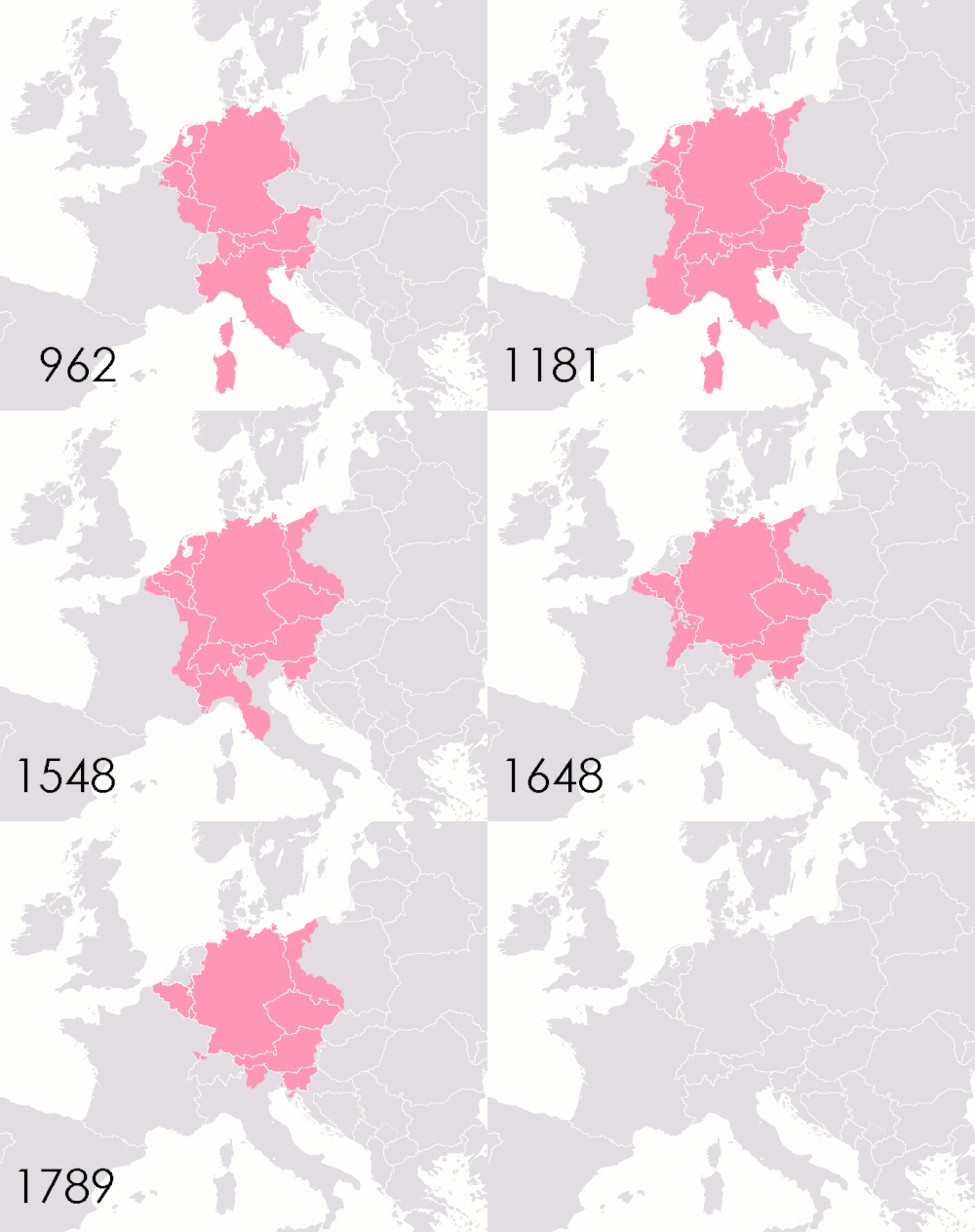
ドイツを独立した地域として捉える概念は、ライン川の東の地域をガリアと区別してゲルマニアと呼んだユリウス・カエサルに遡ることができる。トイトブルクの森の戦いにおけるゲルマン部族の勝利により、ローマ帝国による併合は阻止されたが、ローマの属州であるゲルマニア・スペリオルとゲルマニア・インフェリオルはライン川沿いに設立された。西ローマ帝国の崩壊後、フランク族は他の西ゲルマン部族を征服した。 843年にフランク王国が分割されたとき、東部は東フランク王国となり、後にドイツ王国となった。962年、オットー1世は中世ゲルマン王国である神聖ローマ帝国の初代皇帝となった。
中世盛期には、ドイツの港湾都市が中心となって、バルト海と北海沿岸にハンザ同盟が設立された。ドイツキリスト教世界内の十字軍運動は、北方十字軍と、後にプロイセンとなるバルト海沿岸のドイツ騎士団国家の設立につながった。叙任権闘争では、ドイツ皇帝は教会の権威に抵抗した。中世後期には、地方の公爵、侯爵、司教が皇帝の権力を奪って権力を増した。 1517年以降、マルティン・ルターはカトリック教会に対するプロテスタント改革を主導し、北部と東部の諸侯国はプロテスタントになったが、南部と西部の諸侯国はカトリックのままだった。1618年から1648年までの三十年戦争は、神聖ローマ帝国に甚大な被害をもたらした。ヴェストファーレン条約により、帝国の諸侯国は自治権を獲得し、最も重要なのはオーストリア、プロイセン、バイエルン、ザクセンであった。ナポレオン戦争により封建制は崩壊し、1806年に神聖ローマ帝国は解体した。ナポレオンはドイツの傀儡国家としてライン同盟を設立し、フランスの敗北後、オーストリアを議長国とするドイツ連邦が設立された。1848年から1849年のドイツ革命は失敗に終わったが、産業革命により経済は近代化され、都市の成長と社会主義運動につながった。首都ベルリンを擁するプロイセンは勢力を拡大した。ドイツの大学は世界一流の科学の中心地となり、音楽と芸術は隆盛を極めた。 1871年、オットー・フォン・ビスマルクの下、ドイツ帝国が成立し、ドイツ統一が達成された。ドイツは他の列強とともに植民地拡大に乗り出した。
1900年までに、ドイツはヨーロッパ大陸で支配的な勢力となり、拡大する工業力はイギリスを凌駕し、海軍軍拡競争でイギリスを挑発した。ドイツは第一次世界大戦で中央同盟国を率いたが敗北し、戦争賠償金の支払いを強いられ、植民地と国境沿いの領土を剥奪された。1918年から1919年のドイツ革命は帝国を終焉させ、議会制民主主義のヴァイマル共和国を樹立した。1933年、ナチ党の指導者アドルフ・ヒトラーは、世界恐慌の苦難と第一次世界大戦後に課せられた条件への憤りを利用して全体主義体制を確立した。このナチス・ドイツは反ユダヤ主義を政策の中心に据え、再軍備を行い、ドイツ語圏の隣国を併合し、ポーランドに侵攻して第二次世界大戦を引き起こした。ナチスはホロコーストとして知られる大量虐殺計画を実行し、600万人のユダヤ人を含む1100万人を殺害した。ドイツは1945年に敗戦した。連合国による占領下に置かれ、旧ドイツ占領地域の住民は避難を余儀なくされた。ドイツ領は分割され、ポーランドとソビエト連邦に併合された。
ドイツは冷戦中、 NATOに加盟する西ドイツとワルシャワ条約機構に加盟する東ドイツに分断されていた。ドイツ国民は共産主義地域から西ドイツへ逃れ、西ドイツは経済成長を遂げ、西ヨーロッパにおける主要経済国となった。1989年にベルリンの壁が崩壊し、東側諸国が崩壊、1990年に東西ドイツが再統一された。フランスとドイツの友好関係は、欧州連合(EU)におけるヨーロッパの政治統合の基盤となった。1999年、ドイツはユーロ圏の創設メンバーとなった。ドイツは現在も経済大国であり、ユーロ圏の年間国内総生産の約4分の1を占めている。

1100万年以上前にドイツに存在していたダヌヴィウス・グッゲンモシなどの人類以前の類人猿は、二足歩行を始めた最初期の類人猿の一つであると理論づけられている。 [ 1 ] 1907年に発見されたホモ・ハイデルベルゲンシスの下顎骨は、少なくとも60万年前にはドイツに古代人類が存在していたことを裏付けており、 [ 2 ]石器は130万年前まで遡る。[ 3 ]これまでに発見された最古の完全な狩猟用武器一式は、シェーニンゲンの炭鉱から発掘された。1994年から1999年の間に、20万年前の木製の槍10本が発掘された。[ 4 ] [ 5 ]世界最古の建造物と最古の芸術作品の一つがビルツィングスレーベンで発見された。[ 6 ] [ 7 ]
ドイツで発見された現代人類の最古の痕跡は、ラニスのイルゼンヘーレ洞窟で発見されたもので、ヨーロッパ最古のもののひとつである最大47,500年前の遺物が発見されている。[ 8 ]シュヴァーベン・ジュラの洞窟で発見された旧石器時代の初期現代人類の居住の痕跡には、マンモスの牙の彫刻が含まれている。41,000年前のレーヴェンメンシュ像は、議論の余地のない最古の具象芸術作品であり、40,000年前のホーレ・フェルスのヴィーナスは、これまで発見された人類の具象芸術の最古の議論の余地のない対象であると主張されている。[ 9 ] [ 10 ] [ 11 ] [ 12 ]これらの遺物は、オーリニャック文化に属するものとされている。

12,900年前から11,700年前の間、ドイツ中北部はアーレンスブルク文化の一部でした。ヨーロッパに移住してきた先住民の狩猟採集民とは異なる最初の農耕民集団は、新石器時代の始まりである10,000年前から8,000年前の間に、西アナトリアの住民からやって来ました。 [ 13 ]ドイツ中部は、デンマークとドイツ北部のエルテベレ文化(紀元前5300年頃~紀元前3950年頃)と同時期の線状土器文化(紀元前5500年頃~紀元前4500年頃)の主要地域でした。中央ヨーロッパの新石器時代の円形囲いの建設はこの時期にあたり、最もよく知られ、最も古いものは紀元前4900年頃に建設されたゴーゼック環状列石です。ドイツは後に、レッセン文化、ミヒェルスベルク文化、漏斗状ビーカー文化(紀元前4600年頃~紀元前2800年頃)の一部となった。車輪と荷車の使用を示す最古の痕跡は、北ドイツの漏斗状ビーカー文化の遺跡にあり、紀元前3400年頃のものとされている。[ 14 ]
新石器時代後期に中央ヨーロッパの肥沃な平原に広がった縄目文土器文化(紀元前2900年頃~紀元前2350年頃)の入植者はインド・ヨーロッパ系の祖先であった。[ 15 ]青銅器時代後期には、中央ヨーロッパで鐘形ビーカー文化、ウネティツェ文化、墳丘文化に代わって骨壺埋葬文化(紀元前1300年頃~紀元前750年頃)が台頭し、[ 16 ]北欧青銅器時代はスカンジナビアと北ドイツで発展した。「骨壺埋葬」は、死者を火葬し、遺灰を骨壺に入れて野原に埋める習慣に由来する。この名称が初めて使われたのは、19世紀の南ドイツの墓地に関する出版物である。[ 17 ] [ 18 ]ヨーロッパの大部分では、墳丘文化に続いて骨壺墓地文化が発展し、ハルシュタット文化に取って代わられた。[ 19 ]ローマ人の起源となったラテン人を含むイタリック民族は、中央ヨーロッパの骨壺墓地文化に由来する。[ 20 ] [ 21 ] [ 22 ]
ハルシュタット文化は、骨壺墓地文化から発展したもので、紀元前12世紀から8世紀、そして鉄器時代初期(紀元前8世紀から6世紀)にかけて、西ヨーロッパと中央ヨーロッパで支配的な文化でした。その後、ラ・テーヌ文化(紀元前5世紀から1世紀)が続きました。
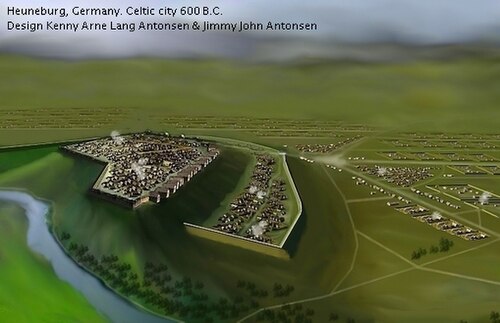
ドイツ中部および南部でこれらの文化的特徴を採用した人々はケルト人と考えられています。ケルト人が骨壺墓地文化とどのように、また関連しているかどうかは議論の的となっています。しかし、ケルト文化の中心地は青銅器時代後期(紀元前1200年頃から紀元前700年頃まで)に中央ヨーロッパで発展しました。アルプス以北で最も古い都市であるホイネブルク[ 23 ]のように、地中海への交易路を維持した中央ヨーロッパの鉄器時代の重要な文化中心地となったものもあります。紀元前5世紀、ギリシャの歴史家ヘロドトスはドナウ川とピレネー山脈のケルト人の都市について言及しており、歴史家はそれをホイネブルクに帰しています。紀元前700年頃から、スカンジナビア南部とドイツ北部のゲルマン民族が南に拡大し、ケルト人に取って代わりました。[ 24 ] [ 25 ] [ 26 ] [ 27 ] [ 28 ] [ 29 ]

ゲルマン民族の民族形成については依然として議論が続いている。しかし、アヴェリル・キャメロンによれば、北欧青銅器時代、遅くともローマ以前の鉄器時代には「着実なプロセス」が起こったという。[ 32 ]紀元前1世紀には、スカンジナビア南部とドイツ北部から、ゲルマン民族は南、東、西へと拡大し、[ 33 ]ガリアのケルト民族や、中央・東ヨーロッパのイラン系、[ 34 ]バルト系、[ 35 ]およびスラブ系文化と接触した。[ 36 ]
ゲルマン部族の初期の歴史に関する詳細な知識は稀である。研究者たちは、部族とローマ人との関わりの記録、言語学的結論、考古学的発見、考古遺伝学的研究の結果を持っている。[ 37 ]紀元前1世紀半ば、共和政ローマの政治家ユリウス・カエサルは、ガリア遠征中にライン川に知られている最初の橋を架け、地元のゲルマン部族の領土に軍事部隊を率いて入った。数日後、ゲルマン軍(内陸に撤退していた)との接触がなかったため、カエサルは川の西に戻った。[ 38 ]紀元前60年までに、族長アリオウィストゥス率いるスエビ族は、ライン川の西にあるガリアのアエドゥイ族の土地を征服した。東方からゲルマン民族の入植者をこの地域に送り込むという計画は、すでにガリア征服の遠征を開始していたカエサルによって激しく反対された。カエサルは紀元前58年にヴォージュの戦いでスエビ軍を破り、アリオウィストゥスをライン川の向こう側へ撤退させた。[ 39 ] [ 40 ]


初代ローマ皇帝アウグストゥスは、ライン川とドナウ川以北への征服を、通常の外交政策であるだけでなく、依然として反抗的なガリアへのゲルマン民族の侵攻に対抗するためにも必要だと考えた。両河川沿いには要塞や商業中心地が建設された。その結果、ウビイ族などの一部の部族はローマと同盟を結び、ローマ文化を積極的に取り入れた。
西暦1世紀、ローマ軍団は、上ドナウ川の北、ライン川の東の地域であるゲルマニア・マグナに長期にわたる遠征を行い、様々な部族を制圧しようと試みた。ローマの行政、課税、法制度に関する考えは、インフラの欠如によって阻まれた。例えば、ゲルマニクスの遠征は、村人の虐殺と無差別な略奪によってほぼ特徴づけられた。ローマの戦術に精通していたケルスキ族の族長アルミニウス率いる部族連合は、トイトブルクの森の戦いでローマの大軍を破った。その結果、ローマはライン川とドナウ川の国境を恒久的に確立し、ゲルマニアへの領土的進出を控えることを決意した。[ 41 ] [ 42 ]
西暦100年までに、ライン川とドナウ川沿いの国境とリメス・ゲルマニクスはしっかりと確立された。タキトゥスの『ゲルマニア』に記述されているように、国境の南と西にはいくつかのゲルマン部族がローマの支配下にあった。オーストリアは、ノリクム属州とラエティア属州という正規の属州を形成した。[ 43 ] [ 44 ] [ 45 ]ゲルマニア・インフェリオル属州とゲルマニア・スペリオル属州は、河川周辺の土地に永続的な軍事支配が限定された長期にわたる戦役の後、西暦85年に正式に設立された。[ 46 ]キリスト教は中世以前にローマ支配下の西ゲルマニアに導入され、コンスタンティヌス1世(在位306~337年)の治世中にトリーアのアウラ・パラティーナなどのキリスト教の宗教施設が建設された。 [ 47 ]
ローマの3世紀の危機は、アラマンニ族、フランク族、バヴァリ族、カッティ族、ザクセン族、フリース族、シカンブリ族、テューリンゲン族といった西ゲルマン民族の大部族の出現と同時期に起こった。3世紀までに、ゲルマン語を話す人々はリメスとドナウ川の国境を越えて移動し始めた。[ 48 ]西ゴート族、東ゴート族、ヴァンダル族、ブルグント族、ランゴバルド族、ザクセン族、フランク族といったいくつかの大部族が移動し、ローマ帝国の衰退と旧西ローマ帝国の変容に役割を果たした。[ 49 ]
4世紀末までにフン族は東ヨーロッパと中央ヨーロッパに侵攻し、フン帝国を建国した。この出来事が民族大移動の引き金となった。[ 50 ]中央ヨーロッパと東ヨーロッパの広大な領土におけるフン族の覇権は、469年にアッティラの息子デンギジチが死去するまで続いた。 [ 51 ]もう一つの重要な出来事は、 406年12月にヴァンダル族、アラン族、スエビ族を含む多数の部族がライン川を渡り、衰退しつつあった西ローマ帝国に永住したことである。[ 52 ]

ドイツのステム公国(ドイツ語: Stammesherzogtümer)は、様々なゲルマン部族の伝統的な領土を指します。このような公国の概念は、特に9世紀までに東フランク王国を構成する地域[ 53 ]、すなわちバイエルン公国、シュヴァーベン公国、ザクセン公国、フランケン公国、テューリンゲン公国[ 54 ]で存続しました。これは、西方の中部フランク王国のブルゴーニュ伯領やロレーヌ伯領[ 55 ] [ 56 ]とは異なります。
ザーリア朝皇帝(1027年~1125年)は、幹公国をドイツの主要な区分として維持したが、ホーエンシュタウフェン朝の下で中世盛期初期に次第に時代遅れになり、フリードリヒ・バルバロッサは最終的に1180年にこれらを廃止し、より多数の領土公国を優先した。ドイツの歴代国王は、東部と北部に国境伯領または辺境伯領を創設した。これらには、ラウジッツ、北辺境伯領(後のブランデンブルクとプロイセンの中心地となる)、ビルング辺境伯領が含まれる。南部では、辺境伯領にはカルニオラ、シュタイアーマルク、オーストリア辺境伯領(後のオーストリア)が含まれる。


西ローマ帝国は476年、ゲルマン人の同盟指導者オドアケルがロムルス・アウグストゥスを廃位させ、イタリアの初代国王となったことで滅亡した。[ 57 ]その後、フランク族は他のローマ帝国崩壊後の西ヨーロッパ人と同じように、ライン川中流域とヴェーザー川流域の部族連合として出現し、後にメロヴィング朝フランク王国の北東部にあたるアウストラシア(「東の地」)と呼ばれる地域に勢力を拡大した。アウストラシアは全体として、現在のフランス、ドイツ、ベルギー、ルクセンブルク、オランダの一部から成っていた。南方のシュヴァーベン地方のアラマンニ族とは異なり、彼らは250年から西方のガリア地方へと勢力を拡大し、かつてのローマ領の広大な地域を吸収していった。メロヴィング朝のクローヴィス1世は486年にガリア北部を征服し、496年のトルビアックの戦いではシュヴァーベン地方のアレマンニ族を滅ぼした。シュヴァーベン地方は最終的にシュヴァーベン公国となった。
500 年までに、クローヴィスはすべてのフランク族を統一し、ガリア全土を支配し[ 58 ] 、 509 年から 511 年の間にフランク王として宣言された[ 59 ] 。クローヴィスは、ほとんどのゲルマン支配者とは異なり、アリウス派ではなくローマ・カトリックに直接洗礼を受けた。彼の後継者たちは、聖ボニファティウスを含む教皇の宣教師たちと緊密に協力した。511 年にクローヴィスが死去した後、彼の 4 人の息子がアウストラシアを含む王国を分割した[ 60 ] 。5世紀と 6 世紀には、メロヴィング朝の王たちがテューリンゲン(531-32 年)、ブルグント王国、メッツ公国を征服し、デーン人、ザクセン人、西ゴート人を破った。[ 61 ]クロタール1世(558-61)は現在のドイツの大部分を支配し、ザクセンへの軍事遠征を行ったが、現在のドイツの南東部は東ゴート族の影響下にあった。ザクセン人は北の海岸から南のハルツ山地とアイヒスフェルトまでの地域を支配していた。 [ 62 ]

メロヴィング朝は、フランク王国のさまざまな地域を、フランク人または地元の支配者である半自治的な公爵の支配下に置き、[ 63 ]新たに征服した領土の社会的および政治的統合というローマ帝国の戦略的伝統に従った。 [ 64 ] [ 65 ]征服されたゲルマン部族は、独自の法制度を維持することを許されたが、[ 66 ]アリウス派キリスト教の信仰を放棄するよう圧力をかけられた。[ 67 ]
718年、カール・マルテルはノイストリア人を支援してザクセン人と戦争を起こした。743年、宮宰を務めていた息子のカールマンは、バイエルンのオディロと同盟を結び支援していたザクセン人との戦争を再開した。[ 68 ] 750年までに、カトリックのフランク人はガリア、ドイツ北西部、シュヴァーベン、ブルゴーニュ、スイス西部の広大な領土を支配していた。彼らはローマ教皇庁と同盟を結び、聖座に恒久的な脅威を与えていたランゴバルド人に対抗した。 [ 58 ]ランゴバルド王リウトプラントの圧力により、教皇庁は732年のトゥール・ポワティエ間の戦いでウマイヤ朝カリフ国に勝利した後、事実上のフランク人の支配者であったカール・マルテルに助けを求める使節を送った。しかし、永続的で互恵的な同盟は、カールの死後、後継者のピピン3世(小ピピン)の治世下で初めて実現した。[ 69 ]
751年、メロヴィング朝の王の下で宮宰を務めていたピピン3世は、自ら王の称号を名乗り、教会によって聖油を塗られた。教皇ステファヌス2世は、教皇領の主権を保証するピピンの寄進に応えて、ローマと聖ペテロの守護者として世襲の称号パトリキウス・ロマノルムを彼に授けた[ 70 ]。カール大王(774年から814年までフランク王国を統治)は、フランク王国の異教徒のライバルであるザクセン人とアヴァール人に対して軍事遠征を開始した。ザクセン戦争の遠征と反乱は772年から804年まで続いた。フランク王国は最終的にザクセン人とアヴァール人を圧倒し、人々を強制的にキリスト教に改宗させ、彼らの領土をカロリング帝国に併合した。

768年にフランク王ピピン3世(小ピピン)が死去した後、長男のカール大帝は王国に対する権力を強化し、領土を拡大した。カール大帝はパヴィア包囲戦で200年にわたるロンバルディア王家の支配を終わらせ、774年にロンバルディア王として即位した。776年の反乱の後、忠実なフランク貴族が旧ロンバルディア貴族に取って代わった。[ 71 ]その後の30年間は、フランク王国における権力の強化と、東方のスラヴ人やパンノニアのアヴァール人、そしてザクセン人やバイエルン人などのあらゆる部族の征服に容赦なく費やされた。[ 72 ] [ 73 ]西暦800年のクリスマスに、カール大帝はローマで教皇レオ3世によってローマ皇帝(インペラトル・ロマノルム)として戴冠された。[ 73 ]
カール大帝の3人の孫の間で、分割相続の慣習を継続するか長子相続制を導入するかをめぐる争いが起こり、 843年のヴェルダン条約によってカロリング帝国は3つに分割された。[ 74 ]ルートヴィヒ2世(ドイツ王)は、ライン川の東とイタリアの北にあるすべての土地である東フランク王国を獲得した。これは、フランク人、ザクセン人、シュヴァーベン人、バイエルン人といったドイツ系公国の領土を包含しており、919年から936年まで統治した最初の非フランク人王ハインリヒ4世(鳥猟王)の下で連邦に統合されていた。 [ 75 ]王宮は、経済と文化の中心地へと発展したカイザープファルツェンと呼ばれる一連の要塞の間を移動した。アーヘン宮殿は中心的な役割を果たし、地元の宮廷礼拝堂は1531年まで王室の戴冠式の公式会場として機能した。[ 73 ] [ 76 ]

936年、オットー1世はアーヘンでドイツ王として戴冠し、961年にパヴィアでイタリア王として戴冠し、962年にローマで教皇ヨハネ12世により皇帝として戴冠した。ドイツ王がイタリア王国とラテン教会の保護者であるという伝統は、12世紀に神聖ローマ帝国という用語を生み出した。ドイツと同一視されるこの名称は、1452年のローマでの最後の皇帝戴冠式の後、 Nationis Germanicæ(ドイツ国民の)が追加され、1806年の帝国の解体まで公式に使用され続けた。 [ 75 ]オットーは、聖職者の任命に関するカロリング朝の古い権利を再主張することで、王権を強化した。[ 77 ]オットーは、広大な土地を支配していた司教と修道院長の任命権を貴族から奪い取った。オットーは、国境地帯に宣教師を任命するというカロリング朝の古い計画を復活させた。オットーは高位聖職者の独身制を支持し続けたため、聖職者の任命は世襲制にはならなかった。オットーは任命した修道院長や司教に土地を与えることで、彼らを「帝国の君主」( Reichsfürsten)に変えた。[ 78 ]こうしてオットーは国教会を確立することができた。955年のレヒフェルトの戦いでハンガリーのマジャール人を決定的に破ったことで、王国に対する外部の脅威は封じ込められた。エルベ川とオーデル川の間のスラヴ人も征服された。オットーは教皇ヨハネス12世を教皇座から追放し、その後教皇の選出を支配し、長年にわたり教皇制に対する帝国の支配の先例を作った。[ 79 ] [ 80 ]
オットー1世の後を継いだのは、息子のオットー2世で、在位は973年から983年まで。オットー2世の妻テオファヌが摂政として983年から991年まで、オットー2世自身の妻アデライデ・オブ・イタリーが摂政として991年から995年まで在位し、孫のオットー3世が996年から1002年まで皇帝として即位した。オットー3世は子孫を残さずに亡くなり、彼のいとこにあたるハインリヒ2世が後を継いだが、彼もまた子孫を残さずに亡くなり、オットー朝最後の皇帝となった。

ヘンリー2世の後を継いだのは、オットー1世の玄孫でザーリアー朝最初の皇帝であるコンラート2世であった。コンラート2世の息子、ヘンリー3世(1039年~1056年)の治世中、帝国はクリュニー派の教会改革、神の平和、聖職売買(聖職の買収)の禁止、司祭の独身制の義務化を支持した。教皇に対する帝国の権威は頂点に達した。しかし、ローマは枢機卿団の創設とグレゴリウス7世による聖職者改革でこれに対抗した。グレゴリウス7世は教皇勅書「ディクタトゥス・パパエ」で、聖職任命に関する教皇の絶対的な権限を主張した。その後、皇帝ヘンリー4世が破門された後、1077年にカノッサで教皇に服従せざるを得なくなった紛争は、叙任権闘争として知られるようになった。 1122年、ヴォルムス協約により、ハインリヒ5世と教皇の間で一時的な和解が成立した。この紛争の終結により、教皇庁は宗教問題に対する最高支配権を取り戻した。[ 81 ] [ 82 ]その結果、帝国オットー朝教会制度(帝国教会)は衰退した。また、帝国の世俗君主に対抗するために、選ばれた有力な聖職者を任命するという王室/帝国の伝統も終焉を迎えた。[ 83 ]
1095年から1291年の間に聖地への十字軍が行われた。ドイツ人は早くも民衆十字軍に加わり、隠者ピエールの軍隊に参加した。[ 84 ] [ 85 ]テンプル騎士団、聖ヨハネ騎士団(ホスピタル騎士団)、ドイツ騎士団などの騎士修道会が設立された。[ 86 ] [ 87 ]
「神聖帝国」という用語は、 1157年にフリードリヒ1世によって初めて公式に使用されたが、 [ 88 ] 「神聖ローマ帝国」を意味する「Sacrum Romanum Imperium 」という言葉が組み合わされたのは1180年のことであり、1254年以降は公式文書に一貫して登場することはなかった。[ 89 ]


ハンザ同盟は、中世盛期から後期(12世紀から15世紀)にかけて、バルト海、北海、およびそれらを結ぶ航行可能な河川沿いの海上貿易を支配した、北ヨーロッパと中央ヨーロッパの都市の商人ギルドによる商業および防衛同盟でした。加盟都市はそれぞれ主権者の法制度を保持し、自由帝国都市を除いて、限られた範囲の政治的自治権を持っていました。[ 90 ]
リューベックとハンブルクの都市間の協定を皮切りに、ギルドは協力して、貿易ルートや税制上の特権の確保など経済資産を強化し、統合し、価格をコントロールし、地元の産品をより良く保護し、販売した。ライン川沿いのケルンや北海のブレーメンなど、帝国内の重要な商業中心地がこの同盟に加わり、外交上の評価が高まった。 [ 91 ]地方の諸侯から経済的潜在力が認められ、多くの場合、独占的な商業活動のための有利な特許状が与えられた。[ 92 ]最盛期には、この同盟は西のロンドンとエディンバラから東のノヴゴロド、ノルウェーのベルゲンまでのほぼすべての都市に交易拠点とコントールを維持していた。
14世紀後半までに、強力な同盟は必要であれば軍事力を用いて自らの利益を主張した。これは1361年から1370年にかけてのデンマーク王国との戦争で頂点に達した。同盟の主要都市はリューベックのままであり、1356年には最初の総会がそこで開催された。同盟は1450年以降、 15世紀の危機、領主たちの商業支配強化に向けた政策転換、銀危機、より広範なユーラシア貿易ネットワークにおける周縁化などの要因により衰退した。[ 93 ] [ 94 ]


東方入植(文字通り「東方入植」)は、 11 世紀から 14 世紀にかけて、ザーレ川とエルベ川の東、現在のポーランドやシレジア、そして南はボヘミア、現在のハンガリー、ルーマニアといった、すでにスラヴ人やバルト人が住んでいた地域に、ドイツ民族が無秩序に移住し、居住地を変えていった過程である。[ 95 ] [ 96 ] 10 世紀と 11 世紀に東方の土地に行われた帝国軍の軍事作戦の主な目的は、現地の異教徒部族を服従させることであった。征服された領土は、軍隊が撤退した後、ほとんどが失われたが、最終的には辺境地として帝国に組み込まれ、要塞や城に駐屯する兵士によって軍事的支配が確保され、貢納の徴収が強制された。民間人の組織的な入植に関する政策や計画があったという考えを裏付ける資料はない。[ 97 ]
1230年、カトリックの修道会であるドイツ騎士団はプロイセン十字軍を開始した。ポーランドのマゾフシェ公コンラート1世の軍勢に支えられたこの遠征は、当初はバルト海沿岸の古プロイセン人をキリスト教化することを目的としていたが、主に広大な領土の征服に成功した。皇帝の承認を得て勢いづいた騎士団は、コンラートの同意なしに独立国家を樹立することを決意した。教皇の権威のみを認め、堅固な経済基盤の上に、騎士団は150年以上にわたってドイツ騎士団の領土を拡大し、近隣諸国と領土紛争を繰り広げた。ポーランド王国、リトアニア大公国、ノヴゴロド共和国との紛争は、最終的に15世紀半ばまでに軍事的敗北と封じ込めを招いた。ドイツ騎士団最後の総長であるブランデンブルクのアルブレヒトは1525年にルター派に改宗し、残りの領土を世俗的なプロイセン公国とした。[ 98 ] [ 99 ]
父ハインリヒ4世を打倒したコンラート2世の曾孫であるハインリヒ5世は、 1111年に神聖ローマ皇帝となった。教会に対する支配力を強化しようと望んだハインリヒ5世は、ザールブリュッケンのアダルベルトをマインツの有力な大司教に任命した。アダルベルトは、世俗の権力、すなわち皇帝に対して教会の権力を主張し始めた。これが、長期にわたる叙任権闘争の新たな一章として「1111年の危機」を引き起こした。[ 100 ] 1137年、選帝侯たちは候補者としてホーエンシュタウフェン家に戻り、コンラート3世を擁立した。コンラートは、ライバルであるハインリヒ傲慢公からバイエルンとザクセンの2つの公国を奪おうとしたが、帝国が2つの派閥に分裂し、南ドイツで戦争が勃発した。ゲルフ派は、バイエルン公国の支配王朝であったハインリヒ傲慢公のヴェルフ家を支持した。対立するギベリン派は、シュヴァーベンのホーエンシュタウフェン家に忠誠を誓った。ゲルフ派は教皇の下で教会の独立と政治的特殊主義(中央の皇帝権力に対する公爵の利益への重点)を維持した。一方、ギベリン派は教会の厳格な統制と強力な皇帝政府を擁護した。[ 101 ]
ホーエンシュタウフェン朝の皇帝フリードリヒ・バルバロッサの治世中、1156年に両派の間で和解が成立した。バイエルン公国はゲルフ派を代表するハインリヒ傲慢公の息子でザクセン公ハインリヒ獅子公に返還された。しかし、オーストリア辺境伯領はバイエルンから分離され、 1156年の特権減免により独立したオーストリア公国となった。[ 102 ]貿易で富を得た北イタリアの都市は、教皇の支援を受けてバルバロッサの封建支配の主張に反対した。都市はロンバルディア同盟で団結し、1176年のレニャーノの戦いでバルバロッサを破った。翌年、皇帝と教皇アレクサンデル3世の間でヴェネツィア条約により和解が成立した。[ 103 ] 1183年のコンスタンツ条約により、イタリアの都市は帝国に忠誠を誓いつつも、地方自治権と完全な王権を与えられたことが最終的に確定した。[ 104 ] 1180年、ハインリヒ獅子公は追放され、ザクセンは分割され、バイエルンはヴィッテルスバッハ家のオットーに与えられ、彼はヴィッテルスバッハ王朝を創設し、1918年までバイエルンを統治することになった。
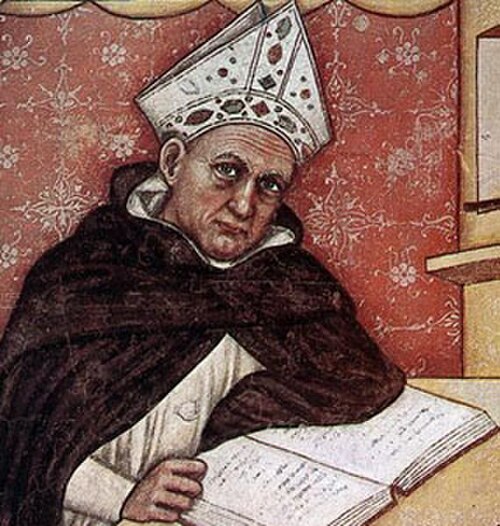
1184年から1186年にかけて、バルバロッサの統治する帝国は、マインツで開催された聖霊降臨祭の議会と、ミラノで行われた息子ハインリヒとノルマン人のシチリア王女コンスタンツェの結婚によって文化的な頂点に達した。[ 105 ]封建領主の権力は、大臣(皇帝の非自由臣)を官吏に任命することによって弱体化した。アルベルトゥス・マグヌスのスコラ哲学やヴォルフラム・フォン・エッシェンバッハの文学に表現されているように、騎士道と宮廷生活は花開いた。[ 106 ]

1212年から1250年にかけて、フリードリヒ2世はシチリアを拠点として専門的な統治体制を確立した。彼はイタリア征服を再開し、教皇庁との対立を引き起こした。帝国では、聖職者や世俗の諸侯に広範な主権が与えられ、独立した領土国家の台頭につながった。教皇との争いは帝国の力を弱め、フリードリヒ2世は3度破門された。彼の死後、ホーエンシュタウフェン朝は崩壊し、皇帝不在の空位時代(1250年~1273年)が続いた。この空位時代は、シュヴァーベン伯ルドルフ・フォン・ハプスブルクが皇帝に選出されたことで終結した。[ 107 ] [ 108 ]
皇帝ルートヴィヒ4世と教皇庁との交渉の失敗により、1338年に帝国貴族6名がレーンズで宣言を行い、選帝侯の多数決による選出は、教皇の承認なしに自動的に王位と帝国の統治権を与えるという内容となった。その結果、君主はもはや教皇の承認を必要としなくなり、選帝侯の好意に依存するようになった。1346年から1378年の間、ボヘミア王でもあるルクセンブルク家のカール4世は、皇帝の権威を回復しようとした。1356年の金印勅書は、すべての皇帝は7名(世俗人4名、聖職者3名)の選帝侯団によって選出されるべきであると規定した。世俗選帝侯はボヘミア王、ライン宮中伯、ザクセン公、ブランデンブルク辺境伯であり、聖職選帝侯はマインツ、トリーア、ケルンの大司教であった。[ 109 ]
1347年から1351年にかけて、ヨーロッパ大陸は黒死病のパンデミックに見舞われた。ヨーロッパの人口の30~60%が死亡したと推定され、社会経済の混乱、深刻な宗教的不満と狂信を引き起こした。少数派グループ、特にユダヤ人は非難され、標的にされ、攻撃された。その結果、多くのユダヤ人が逃亡し、東ヨーロッパに再定住した。[ 110 ] [ 111 ]
ドイツ領の総人口は、1056年のハインリヒ3世の治世末期には500万~600万人、1190年のバルバロッサの支配後には700万~800万人と推定されている。[ 112 ] [ 113 ]ほとんどの人は農民で、封建領主や修道院の下で農奴制を敷いていた。 [ 101 ]都市は徐々に出現し、12世紀には交易路沿いや皇帝の要塞や城の近くに新しい都市が建設された。都市は自治法制度の適用を受けた。ケルンなどの都市は帝国自由都市の地位を獲得し、もはや地元の地主や司教に責任を負うのではなく、皇帝の直属の臣民となり、商業的および法的自由を享受した。[ 114 ]都市は、通常は商業エリートである貴族の評議会によって統治された。職人たちは厳格な規則に支配された職人ギルドを結成し、町の支配権を獲得しようとした。そのうちいくつかは女性にも門戸を開いていた。社会は多様化していたが、聖職者、医師、商人、様々な職人ギルド、日雇い労働者、農民といった明確に区分された階級に分かれていた。貧困層には完全な市民権は与えられていなかった。課税、公共支出、事業規制、市場監督、そして企業の自治の限界といった問題から政治的緊張が生じた。[ 115 ]
ベネディクト会の修道院長ヒルデガルト・フォン・ビンゲンは、影響力のある神学、植物学、医学に関する著作のほか、書簡、典礼歌、詩、道徳劇『Ordo Virtutum』を執筆し、細密画の制作を監督した。それから約100年後、ヴァルター・フォン・デア・フォーゲルヴァイデは、中高ドイツ語の抒情詩人であるミンネゼンガーの中で最も有名な人物となった。
1439年頃、マインツのヨハネス・グーテンベルクは活版印刷を用いてグーテンベルク聖書を出版した。彼は印刷機の世界的発明者であり、印刷革命の幕開けとなった。安価な印刷書籍やパンフレットは、宗教改革と科学革命の普及において中心的な役割を果たした。
15世紀から16世紀への転換期頃、ニュルンベルク出身のアルブレヒト・デューラーは、画家、版画家、数学者、彫刻家、理論家としてヨーロッパ中に名声を確立し、北方ルネサンスの重要な人物としての地位を確固たるものにした。


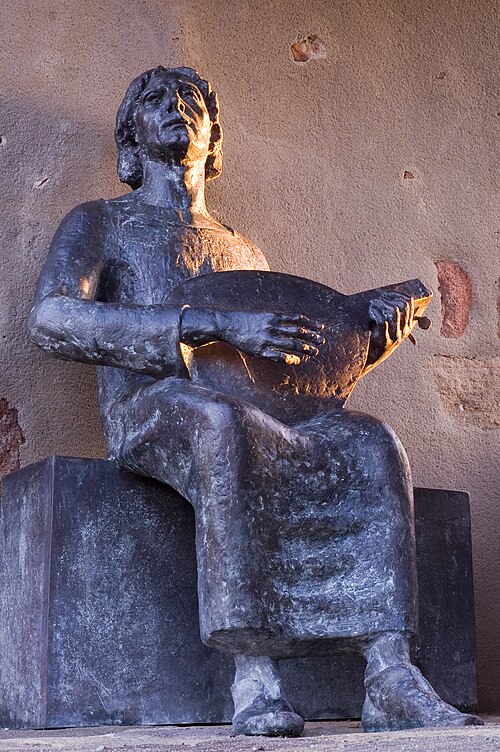





近世ヨーロッパ社会は、14世紀の災厄の後、徐々に発展していった。ペストの流行、教会の分裂、長期にわたる王朝戦争の余波で、宗教的服従と政治的忠誠心が低下した。都市の台頭と新たな市民階級の出現は、封建制の社会、法律、経済秩序を侵食した。[ 123 ]
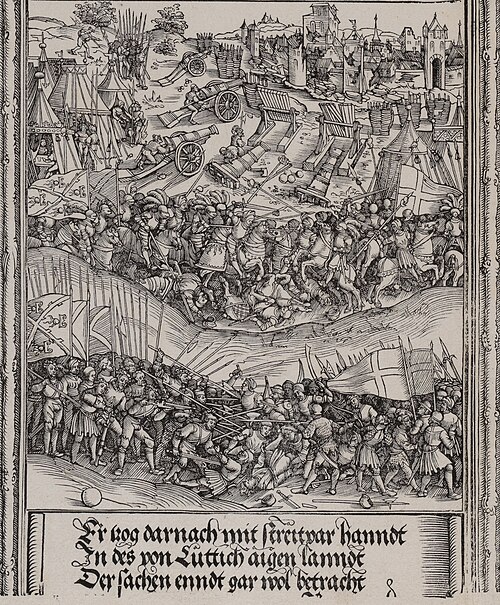
南ドイツの発展途上都市における商業エリートの商業活動は、前例のない財源を生み出した。裕福な家族は、主要な聖職者と世俗の支配者の両方に資金を提供し、15 世紀と 16 世紀の帝国の政治に根本的な影響を与えた。[ 124 ] [ 125 ] [ 126 ] [ 127 ]貨幣経済の拡大は、騎士や農民の間で社会的不満を引き起こし、略奪的な「盗賊騎士」が蔓延した。[ 128 ]マクシミリアンの軍事改革、特にランツクネヒトの育成は、騎士階級を崩壊させる軍事革命を引き起こし、彼の死後ヨーロッパ中に広がった。[ 129 ] [ 130 ] [ 131 ] [ 132 ]
1438年以降、1526年にルイ2世が死去した後、オーストリア公国、ボヘミア公国、ハンガリー公国を含む南東ローマ帝国の支配権を獲得したハプスブルク家は、 1806年まで神聖ローマ皇帝の地位を永続的に保持することに成功した。
ヨーロッパ全土に及ぶ革命のいくつかは帝国で生まれた。マクシミリアンによって確立された最初の近代的な郵便制度とグーテンベルクによって発明された印刷制度の組み合わせは、コミュニケーション革命をもたらした。[ 133 ] [ 134 ] [ 135 ]帝国の分散的な性質は検閲を困難にし、これが新しいコミュニケーションシステムと相まって自由な表現を促進し、文化生活を高めた。このシステムはまた、当局が命令や政策を伝達するのに役立ち、帝国の結束を強化し、ルターのような改革者が自らの見解を広め、互いにコミュニケーションをとるのを助け、宗教改革に貢献した。[ 136 ] [ 137 ] [ 138 ]

1493年から1519年までの治世中、マクシミリアン1世は、身分制議会、官僚、人文主義者と協力し、帝国を改革した。最高裁判所の二重制度(帝国議会と帝国裁判所)が設立され、[ 143 ]ローマ法が正式に受け入れられた。[ 144 ] [ 145 ] [ 146 ] [ 147 ]帝国議会(帝国議会)は重要な政治フォーラムであり、帝国の維持を保証する最高法務・憲法機関となった。[ 148 ] [ 149 ] 1495年には恒久的領地(Ewiger Landfriede)が宣言され、地域同盟や連合が支援構造を提供し、帝国軍を組織し、税金を徴収し、帝国機関の命令を執行する帝国サークル(Reichskreise )が創設された。 [ 150 ] [ 151 ] [ 152 ]帝国官房と宮廷官房が統合され、決定的な政府機関となった。[ 153 ] [ 154 ]マクシミリアンが創設したランツクネヒトは帝国軍の一形態となった。[ 155 ]国民的な政治文化が出現し始めた。[ 156 ] [ 157 ]そしてドイツ語は統一された形になり始めた。[ 158 ] [ 159 ]しかし、政治構造は不完全で断片的なままであった。これは主に、身分制議会が抵抗した共通ペニー(帝国税)の失敗によるものであった。[ 143 ] [ a ]皇帝と身分制議会の間の多くの妥協を通じて、皇帝が身分制議会と権力を共有する君主制とともに、帝国のための柔軟で問題解決型の統治システムが形成された。[ 161 ] [ b ]これらの改革が成功した国家建設プロセスにも相当するかどうかは議論の余地がある。[ 163 ]
皇帝の称号にNationis Germanicæ (ドイツ国民の)が加えられたのは、 1486 年にフリードリヒ 3 世が布告した法律が最初である。1525 年のハイルブロン改革計画 (ドイツ農民戦争の最も進んだ文書) では、帝国をvon Teutscher Nation (ドイツ国民の)と呼んだ。15 世紀には、「ドイツ国民」という用語は、「利害の共同体」の成長により使用頻度が増加した。また、身分制議会は、自分たちのドイツ帝国と、より広範な「普遍的」帝国を区別するようになった。[ 164 ]

15世紀から16世紀初頭にかけてのルネサンス期の教皇たちは、増大する支出を管理するために、免罪符やローマ教皇庁の役職や称号の過剰な販売を奨励した。1517年、修道士マルティン・ルターは95ヶ条の論題を記した小冊子を出版し、政治エリート数名に送付した。ルターによれば、この論題にはカトリック教会内の不正行為を示す主張が詳細に記されていた。彼は免罪符や聖職者の役職の販売、教皇や高位聖職者による権力乱用、そして教会と教皇制という制度そのものに対する疑念を非難し、民衆の支持を得た。[ 165 ]

プロテスタント宗教改革はカトリック教会に対する最初の成功した挑戦であり、1521年にルターは悔い改めを拒否したためヴォルムス帝国議会で追放された。宗教改革の思想は急速に広まり、近代印刷機の新技術によって安価で大量印刷と論文の配布が可能になったほか、皇帝カール5世のフランスおよびトルコとの戦争もその普及を後押しした。[ 165 ] 1529年のシュパイアー帝国議会におけるルター派諸侯の抗議と、1530年から始まったルター派諸侯によるルター派アウクスブルク信仰告白の受容と採択により、独立したルター派教会が設立された。[ 166 ]
ドイツ農民戦争は、南西部のアルザスとシュヴァーベンで始まり、東はフランケン、テューリンゲン、オーストリアへと広がった、農村階級による一連の経済的・宗教的反乱であり、急進的な宗教改革者や再洗礼派のレトリックに煽られ、支配的な封建領主に対して起こった。ゲッツ・フォン・ベルリヒンゲンやフロリアン・ガイアーといった戦争経験のある貴族や神学者のトーマス・ミュンツァーの支援を受けることもあったが、農民軍は軍事組織、技能、兵站、装備が不足しており、最大10万人の反乱軍が領主によって虐殺された。[ 167 ]
カトリックの対抗宗教改革は、1545年のトレント公会議で始まった。その目的は、弁証論的および論争的な文書や法令、教会の再編成、戦争、帝国の政治的策略を通じて、プロテスタントの宗教改革に挑戦し、封じ込めることであった。[ 168 ] 1555年のアウクスブルクの和議は、ルター派の信仰と帝国の宗教的分裂を認めた。また、君主が自分の公国で公式の信仰を決定する権利(君主の宗教は君主のもの)も規定した。対抗宗教改革は最終的に、中央および北ドイツのルター派諸国を再統合することに失敗した。1608/1609年にプロテスタント同盟とカトリック同盟が結成された。

1618年から1648年にかけての三十年戦争は、ほぼ神聖ローマ帝国のみで起こり、その起源はカトリック派とプロテスタント派の度重なる対立にあり、その起源については広く議論されている。カトリック皇帝フェルディナント2世は帝国の宗教的・政治的統一を達成しようと試みたが、対立するプロテスタント連合軍は宗教的権利を守ることを決意していた。宗教的動機は、領土と権力を獲得するために、幾段階にもわたってどちらかの交戦勢力に加わった様々な領土および外国の諸侯にとって普遍的な正当化の根拠となった。[ 169 ] [ 170 ]
この紛争は、ボヘミアのプロテスタント貴族が皇帝マティアスの後継者政策に反抗したことから始まった。この戦争は、1625年から1630年までのデンマーク王クリスチャン4世、 1630年から1648年までのスウェーデン王グスタフ・アドルフ、そして1635年から1648年までのリシュリュー枢機卿率いるフランスの介入により、ヨーロッパの政治的紛争へと発展した。この紛争は次第に、ヨーロッパにおける覇権をめぐるフランスのブルボン家とハプスブルク家の争いへと発展し、帝国の中央ドイツ領が戦場となった。[ 171 ]
この戦争は、30年にわたる絶え間ない戦争と破壊によって国土が荒廃したため、歴史上最も悲惨な戦争の一つに数えられる。略奪を繰り返す軍隊は、農村部を絶えず略奪し、都市を占領して重税を課し、農民の食料備蓄を略奪した。また、無数の無法者集団、病人、ホームレス、避難民もいた。社会経済の混乱は、殺人、強姦、伝染病、凶作、飢饉、出生率の低下、移住の結果として、人口の劇的な減少を引き起こした。推定値は、1618年の1600万人から1650年までに1000万人に38%減少したというものと、2000万人から1600万人に20%減少したというものとで異なっている。[ 169 ] [ 172 ]
この戦争はヨーロッパ大陸における最後の主要な宗教戦争であり、ヴェストファーレン条約によって終結した。その結果、神聖ローマ帝国の構成諸国の自治権が拡大し、皇帝の権力が制限された。アルザスの大部分はフランスに割譲され、西ポメラニアとブレーメン=フェルデンはスウェーデンに帝国の封土として与えられ、ネーデルラントは正式に帝国から離脱した。[ 173 ]
16世紀半ばまでにドイツの人口は約2000万人に達し、その大多数は農民であった。[ 175 ]
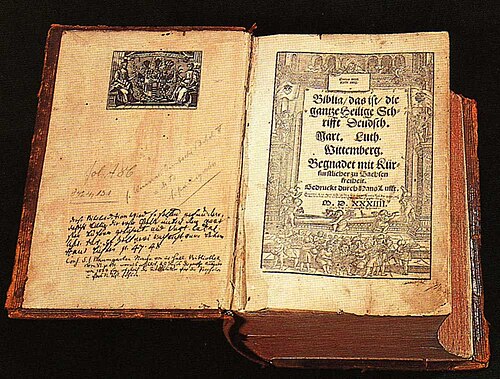
宗教改革は、識字率と新しい印刷機の勝利であった。[ 176 ] [ c ] [ 178 ] [ 179 ]ルターによる聖書の翻訳は、近世初期のドイツにおける識字率の向上に決定的な役割を果たし、[ 174 ]宗教書やパンフレットの印刷と配布を促進した。1517年から宗教パンフレットがドイツ中に溢れかえった。宗教改革はメディア革命を引き起こし、1530年までに1万点を超える作品が出版され、総部数は1000万部に達した。印刷物が宣伝に利用できることが明らかになった。改革派の著述家は、宗教改革以前のスタイル、決まり文句、ステレオタイプを使用し、必要に応じて目的に合わせて内容を変更した。[ 180 ]新しく翻訳された聖書や多くの小冊子の挿絵は、思想を広めた。[ 181 ]
ルターによる聖書の高地ドイツ語への翻訳は、ドイツ語とその初期新高地ドイツ語から現代標準ドイツ語への発展にとっても決定的な出来事でした。[ 174 ]ルター聖書の出版は、近世ドイツにおける識字率の普及において決定的な瞬間であり、[ 174 ]地域外の言語形態の発展を促進し、すべての話者に自分たちの地域外のドイツ語形態に触れる機会を与えました。[ 182 ]

15世紀後半から18世紀初頭にかけての著名な博学者には、ヨハネス・トリテミウス(現代暗号学、ステガノグラフィー、書誌学、文学研究の創始者の一人)[ 183 ] [ 184 ] [ 185 ] 、コンラート・ケルテス(ドイツで最初にして最も著名な地図製作者であり、「ドイツ人文主義の最も偉大な組織者であり普及者」)[ 186 ] [ 187 ] [ 188 ] [ 189 ] 、アタナシウス・キルヒャー(「地質学、音楽学、博物館学芸員、コプト学の創始者」)[ 190 ]、そして「最後の普遍的天才」ゴットフリート・ヴィルヘルム・ライプニッツ[ 191 ] [ 192 ]などがいる。
地図製作は16世紀初頭にニュルンベルクを中心地として大きく発展した。マルティン・ヴァルトゼーミュラーとマティアス・リングマンの『Universalis Cosmographia』と1513年版の『Geography』は、地図製作革命の頂点を極めた。[ 193 ] [ 194 ] [ 195 ]
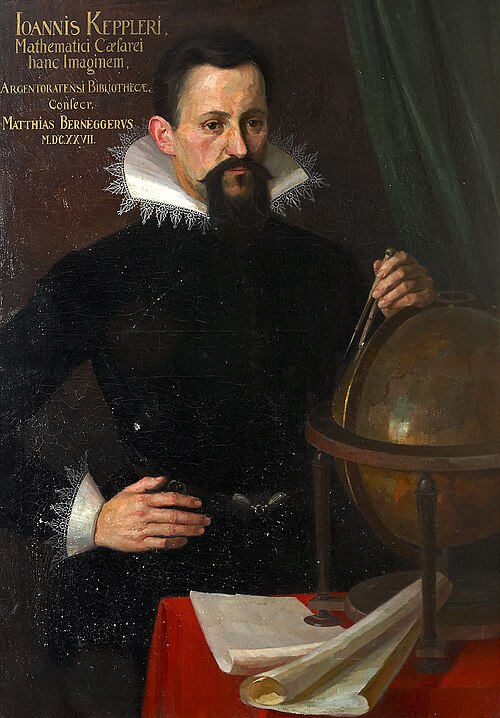
1515年、ヨハネス・スタビウス(マクシミリアン1世の宮廷天文学者)、アルブレヒト・デューラー、天文学者コンラート・ハインフォゲルは、南半球と北半球の両方の最初の天球儀、そして最初の印刷された天体図を作成しました。これらの地図は、ヨーロッパ全土で天体測定の分野への関心の復活を促しました。[ 196 ] [ 197 ] [ 198 ] [ 199 ]天文学者ヨハネス・ケプラーは、経験的研究の先駆者でした。科学的方法の原理を厳密に適用することにより、彼は惑星運動の法則を構築しました。彼の考えは、同時代のイタリアの科学者ガリレオ・ガリレイに影響を与え、アイザック・ニュートンの万有引力の理論の基本的な力学的原理を提供しました。[ 200 ]


アメリカ大陸にドイツ植民地が存在したのは、神聖ローマ帝国カール5世が負っていた債務の見返りとして、アウクスブルクとニュルンベルクの自由帝国都市がベネズエラ州における植民地権を獲得したためである。1528年、カール5世は、伝説の都市エルドラドを探すという動機もあり、ウェルザー家がこの地域を探検、統治、植民地化する権利を持つという勅許状を発行した。彼らの主要な植民地はクライン・ヴェネディヒであった。ハナウ=リヒテンベルク伯フリードリヒ・カジミールがオランダ西インド会社の封土として計画したハナウイッシュ・インディーズは、実現しなかった植民地計画であった。
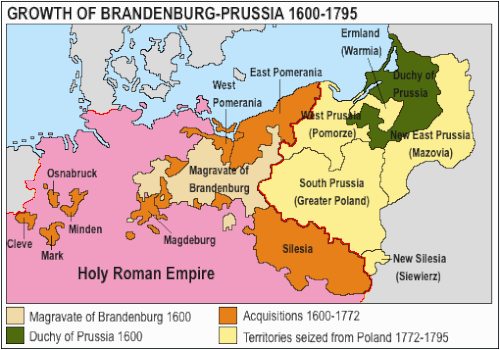
プロイセン公アルブレヒト・フリードリヒが1618年に男子相続人なく死去すると、ヨハン・ジギスムントにプロイセン公国の継承権が与えられた。プロイセン公国は1466年のプロイセン分割以来、ポーランドの封土であった。それ以降、プロイセン公国はブランデンブルク辺境伯領と同君連合となった。 1640年からブランデンブルク=プロイセンを統治し、後に大選帝侯と呼ばれるフリードリヒ・ヴィルヘルムは、1648年のヴェストファーレン条約により東ポメラニアを獲得した。彼は分散していた領土を再編成し、第二次北方戦争中にプロイセンのポーランド王国への従属を打破することに成功した。[ 204 ]約300万人のプロイセンの人口の大部分が農村部に集中しているという人口問題に対処するため、彼はフランスのユグノー教徒の移住と都市部への定住を促した。多くの人々が職人や起業家になった。[ 205 ] 1713年から1740年まで統治した「兵士王」として知られるフリードリヒ・ヴィルヘルム1世は、高度に中央集権化されたプロイセン国家の構造を確立し、中心的な役割を果たすことになる職業軍を育成した。 [ 206 ]彼はまた、一部の歴史家が重商主義的と考える指令経済をうまく運営した。[ 207 ] [ 208 ]
ドイツの総人口(1914年の領土範囲)は、1700年の1600万人から1750年には1700万人に増加し、1800年には2400万人に達した。18世紀の経済は、科学的方法の広範な実用化によって顕著な恩恵を受け、収穫量の増加、より信頼性の高い農業生産、衛生基準の導入は出生率と死亡率のバランスに好影響を与えた。[ 209 ]

フランス王ルイ14世は、フランス領土を拡大するために一連の戦争を成功裏に遂行した。彼はロレーヌを占領し(1670年)、自由帝国都市ストラスブールを含むアルザスの残りの地域を併合した(1678年~1681年) 。九年戦争の開始時には、プファルツ選帝侯領にも侵攻した(1688年~1697年)。[ 210 ]ルイは、歴史的な法令や条約、特にナイメーヘン条約(1678年)とヴェストファーレン条約(1648年)を、征服政策に有利になるように再解釈することだけを目的とする多数の裁判所を設立した。彼は、これらの裁判所、すなわち再会会議の結論を、併合の十分な正当化とみなした。ルイの軍隊は、利用可能な帝国軍部隊がすべてオーストリアで大トルコ戦争で戦っていたため、神聖ローマ帝国内でほぼ抵抗を受けることなく活動した。 1689年の大同盟はフランスに対して武装蜂起し、ルイのさらなる軍事的進攻を阻止した。両陣営が完全な勝利は財政的に不可能だと悟った後、和平交渉に合意したため、紛争は1697年に終結した。ライスヴァイク条約では、ロレーヌとルクセンブルクが帝国に返還され、フランスはプファルツ地方に対する領有権を放棄した。[ 211 ]
1683年にウィーンがトルコ軍による包囲と占領の危機から間一髪で救われた後、翌年に設立された神聖同盟の連合軍はオスマン帝国の軍事的封じ込めに乗り出し、 1687年にハンガリーを再征服した。 [ 212 ]教皇領、神聖ローマ帝国、ポーランド・リトアニア共和国、ヴェネツィア共和国、そして1686年以来のロシアは、教皇インノケンティウス11世の指導の下、同盟に加わった。レオポルド1世皇帝に仕えていたサヴォイア公ウジェーヌは1697年に最高司令官に就任し、一連の華々しい戦闘と作戦行動でオスマン帝国を決定的に打ち破った。1699年のカルロヴィッツ条約は大トルコ戦争の終結を告げ、ウジェーヌ公はハプスブルク君主国のために戦争評議会の議長として奉仕を続けた。彼は1716年から1718年のオーストリア・トルコ戦争中に、バルカン半島の領土国家の大部分に対するトルコの支配を事実上終わらせた。パッサロヴィッツ条約により、オーストリアはセルビアとバナトに自由に王領を確立し、東南ヨーロッパの覇権を維持することができ、これが後のオーストリア帝国の基盤となった。[ 213 ] [ 214 ]

フリードリヒ2世「大王」は、軍事的才能と高度に組織化された軍隊の独自の活用によりプロイセンをヨーロッパの大国の一つに押し上げ、また土壇場で国家的な大惨事を回避したことで最もよく知られています。彼はまた芸術家、作家、哲学者でもあり、啓蒙絶対主義の概念を考案し、推進しました。[ 215 ] [ 216 ]
オーストリア女帝マリア・テレジアは、 1740年から1748年にかけての王位継承承認をめぐる戦争で、自身に有利な結果をもたらすことに成功した。しかし、シレジアはシレジア戦争と七年戦争の結果としてプロイセンに永久に奪われた。1763年のフーベルトゥスブルク条約では、オーストリアとザクセンはシレジアに対するすべての領有権を放棄しなければならないと裁定された。領土をほぼ倍増させたプロイセンは、最終的にヨーロッパの大国として認められ、その結果、次の世紀の政治は、中央ヨーロッパにおける覇権をめぐるオーストリアとプロイセンの対立というドイツの二元論によって根本的に影響を受けることになった。 [ 217 ]
啓蒙絶対主義の概念は、貴族や市民からは拒否されたものの、プロイセンとオーストリアで提唱され、1763年以降実施された。プロイセン国王フリードリヒ2世はエッセイの中でこの考えを擁護し、慈悲深い君主は国家の第一のしもべであり、国民全体の利益のために絶対的な政治権力を行使するのだと主張した。拷問の廃止や農村住民とユダヤ人の解放などの数々の法改正、プロイセン科学アカデミーの再編成、男女の義務教育の導入、宗教的寛容の促進などが、急速な社会経済発展をもたらした。[ 218 ]
1772年から1795年にかけて、プロイセンは旧ポーランド・リトアニア共和国の西部領土を占領することでポーランド分割を主導した。オーストリアとロシアは残りの領土を獲得することを決定し、その結果、ポーランドは1918年まで主権国家として存在しなくなった。[ 219 ]


小規模なドイツ諸邦はプロイセンとオーストリアの陰に隠れていた。バイエルンは農村経済だった。ザクセンは数々の戦争で打撃を受けたものの、経済的には良好な状態だった。ドイツ国内でプロイセンが急速に台頭していた時期に、ザクセンは外交問題に気を取られていた。ヴェッティン家はポーランド王位の獲得と維持に注力したが、最終的には失敗に終わった。[ 220 ]
ドイツの小国の多くは司教によって統治されていたが、実際には彼らは有力な貴族の家系出身で、宗教にはほとんど関心を示さなかった。後世の聖職者の中には、マインツのヨハン・フィリップ・フォン・シェーンボルンやミュンスターのクリストフ・ベルンハルト・フォン・ガーレンのような傑出した名声を得た者はいなかったが、ヴュルツブルクとバンベルクのフランツ・ルートヴィヒ・フォン・エルタールのように、啓蒙主義を推進した者もいた。[ 221 ]
ヘッセン=カッセルでは、方伯フリードリヒ2世が1760年から1785年まで啓蒙専制君主として統治し、アメリカ独立戦争を支援するために兵士( 「ヘッセン兵」と呼ばれた)をイギリスに貸し出すことで資金を調達した。彼は啓蒙思想とキリスト教的価値観、中央集権的な経済統制のための官僚主義的計画、そして外交に対する軍事的アプローチを組み合わせた。 [ 222 ]
ハノーファーは豪華な宮廷を維持する必要がなかった。その統治者はイングランド国王でもあり、ロンドンに住んでいた。 1760年から1820年まで選帝侯(統治者)を務めたジョージ3世は、一度もハノーファーを訪れたことがなかった。この国を運営していた地元の貴族は1737年にゲッティンゲン大学を開設し、すぐに世界一流の知的中心地となった。バーデンはおそらく小国の中で最も優れた政府を誇っていた。カール・フリードリヒは73年間統治し、啓蒙思想の熱烈な支持者であり、1783年に農奴制を廃止した。[ 223 ]
小国同士は同盟を結ぶことができず、最終的にはプロイセンに圧倒され、1807年から1871年の間に多くの小国が併合された。[ 224 ]
Prussia underwent major social change between the mid-17th and mid-18th centuries as the nobility declined as the traditional aristocracy struggled to compete with the rising merchant class,[225] which developed into a new Bourgeoisie middle class,[226][227][228] while the emancipation of the serfs granted the rural peasantry land purchasing rights and freedom of movement,[229] and a series of agrarian reforms in northwestern Germany abolished feudal obligations and divided up feudal land, giving rise to wealthier peasants and paved the way for a more efficient rural economy.[230]

During the mid-18th century, the recognition and application of Enlightenment cultural, intellectual and spiritual ideals and standards, led to a flourishing of art, music, philosophy, science and literature. The philosopher Christian Wolff was a pioneering author in a vast number of fields of Enlightenment rationality, and established German as the prevailing language of philosophical reasoning, scholarly instruction and research.[231]
1685年、プロイセン辺境伯フリードリヒ・ヴィルヘルムは、フランス国王ルイ14世のフォンテーヌブロー勅令の1週間以内にポツダム勅令を発布した。この勅令は、プロテスタントに対する1598年の宗教的自由の特権の廃止を定めたものであった。フリードリヒ・ヴィルヘルムは、聖なる福音とその純粋な教義のために迫害され攻撃されている同胞たちに、我々の領土すべてにおいて安全で自由な避難所を提供すると申し出た。[ 232 ]約2万人のユグノー難民がすぐに波のように到着し、都市に定住した。そのうち40%は、公爵の居城であるベルリンに定住した。ベルリンのフランス語リセは1689年に設立され、17世紀末までにフランス語は国際外交においてラテン語に代わって普遍的に話されるようになった。プロイセンおよび様々なドイツ諸邦の貴族と教養ある中産階級は、普遍的な教養あるマナーと併せて、公の会話でフランス語をますます使用するようになった。他のどのドイツ諸邦とも異なり、プロイセンは汎ヨーロッパ啓蒙思想にアクセスでき、それを応用してより合理的な政治・行政制度を発展させるためのスキルセットを持っていた。[ 233 ]ザクセン諸侯は、財政、行政、司法、教育、文化、および一般経済に関する包括的な一連の根本的な改革を実施した。これらの改革は、国の強力な都市構造と影響力のある商業グループによって支えられ、彼らは1789年以前のザクセンを古典的な啓蒙主義の原則に沿って近代化した。[ 234 ]
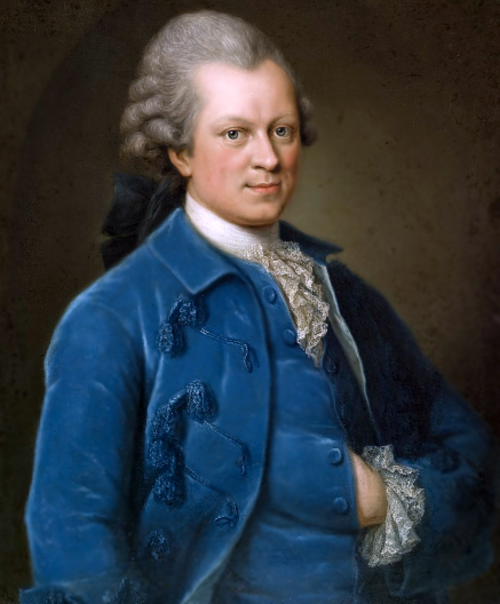
ヨハン・ゴットフリート・フォン・ヘルダーは、初期ロマン主義のシュトゥルム・ウント・ドラング運動の指導者として、哲学と詩の分野で新たな地平を切り開いた。ヴァイマル古典主義(「ヴァイマル古典主義」)は、ロマン主義、古典主義、啓蒙主義の思想を統合することで新たなヒューマニズムを確立しようとした、ヴァイマルを拠点とする文化・文学運動であった。1772年から1805年まで続いたこの運動には、ヘルダーのほか、博学者ヨハン・ヴォルフガング・フォン・ゲーテ、詩人・歴史家フリードリヒ・シラーが関わっていた。ヘルダーは、すべての民族には独自のアイデンティティがあり、それは言語と文化に表現されると主張した。これはドイツ語とドイツ文化の振興を正当化し、ドイツ民族主義の発展を形作るのに貢献した。シラーの戯曲は、社会的な圧力と運命の力に対する英雄の闘いを描き、彼の世代の落ち着きのない精神を表現している。[ 235 ]
上流階級の支援を受けたドイツ音楽は、ヨハン・セバスチャン・バッハ、ヨーゼフ・ハイドン、ヴォルフガング・アマデウス・モーツァルトといった作曲家のもとで成熟期を迎えた。[ 236 ]
ケーニヒスベルクの哲学者イマヌエル・カントは、合理主義と宗教的信念、個人の自由と政治的権威を調和させようと試みた。カントの著作には、20世紀までドイツ思想、ひいてはヨーロッパ哲学全体を形作り続けることになる根本的な緊張関係が含まれていた。[ 237 ] [ 238 ]啓蒙思想とその実践は、広く文化の進歩の主要因として広く承認され、認識された。[ 239 ]

フランス革命に対するドイツの反応は当初はまちまちだった。ドイツの知識人たちは革命の勃発を祝い、理性と啓蒙主義の勝利を期待した。ウィーンとベルリンの王室は国王の打倒と、自由、平等、友愛の概念の普及の脅威を非難した。1793年までに、フランス国王の処刑と恐怖政治の始まりは、教養ある中産階級(ビルドゥングスビュルゲルトゥム)を失望させた。改革派は、ドイツ人が平和的な方法で法律や制度を改革できる能力を信じることが解決策だと主張した。[ 240 ]
ヨーロッパは、フランスが革命の理想を広めようとしたことと、それに反対する反動的な王族たちの間で繰り広げられた20年間の戦争に苦しめられた。1792年、オーストリアとプロイセンがフランスに侵攻したことで戦争が勃発したが、ヴァルミーの戦い(1792年)で敗北した。ドイツ諸国では軍隊が行き来し、破壊をもたらしたが(約2世紀前の三十年戦争に比べればはるかに小規模であった)、同時に人々に自由と市民権という新たな思想をもたらした。プロイセンとオーストリアはフランスとの失敗に終わった戦争を終結させたが、(ロシアと共に)1793年と1795年にポーランドを分割した。
フランスはラインラントを支配下に置き、フランス式の改革を実施し、封建制を廃止し、憲法を制定し、信教の自由を促進し、ユダヤ人を解放し、官僚機構を才能ある一般市民に開放し、貴族に台頭する中産階級と権力を分かち合うことを強制した。ナポレオンは模範国家としてヴェストファーレン王国を創設した。 [ 241 ]これらの改革はほぼ恒久的なものとなり、ドイツ西部を近代化した。フランスがフランス語を強制しようとしたとき、ドイツ人の抵抗は激化した。その後、イギリス、ロシア、オーストリアによる第二次対仏大同盟がフランスを攻撃したが失敗に終わった。ナポレオンはプロイセンとオーストリアを除くドイツ諸国を含む西ヨーロッパの大部分を直接的または間接的に支配下に置いた。かつての神聖ローマ帝国は茶番劇に過ぎず、ナポレオンは1806年にそれを廃止し、自らの支配下に新たな国々を形成した。ドイツでは、ナポレオンはプロイセンとオーストリアを除くドイツ諸国の大部分を含む「ライン同盟」を設立した。 [ 242 ]
フリードリヒ・ヴィルヘルム2世の弱体な統治(1786年~1797年)の下、プロイセンは深刻な経済的、政治的、軍事的衰退を経験した。後継者のフリードリヒ・ヴィルヘルム3世は、第三次対仏大同盟戦争とフランス皇帝ナポレオンによる神聖ローマ帝国の解体とドイツ諸侯の再編の間、中立を維持しようとした。女王と戦争支持派の説得により、フリードリヒ・ヴィルヘルムは1806年10月に第四次対仏大同盟に加わった。ナポレオンはイエナの戦いでプロイセン軍を容易に破り、ベルリンを占領した。プロイセンは西ドイツで最近獲得した領土を失い、軍隊は4万2000人にまで縮小され、イギリスとの貿易は禁止され、ベルリンはパリに高額の賠償金を支払い、フランス占領軍の資金を調達しなければならなかった。ザクセンはナポレオンを支持するために寝返り、ライン同盟に加わった。フリードリヒ・アウグスト1世は王の称号を与えられ、プロイセンから奪ったポーランドの一部がワルシャワ公国として知られるようになった。[ 243 ]
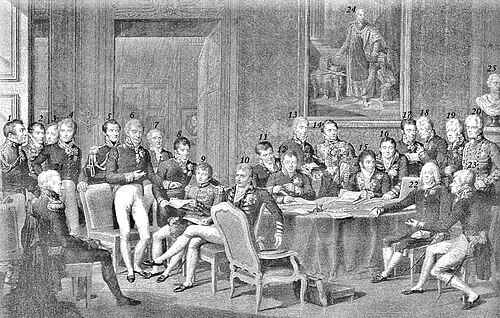
1812年のロシアにおけるナポレオンの軍事的失敗の後、プロイセンはロシアと同盟を結び、第六次対仏大同盟を結成した。一連の戦闘が続き、オーストリアも同盟に加わった。ナポレオンは1813年末のライプツィヒの戦いで決定的な敗北を喫した。ライン同盟のドイツ諸邦は、和平条件を拒否したナポレオンに対抗して連合軍に寝返った。連合軍は1814年初頭にフランスに侵攻し、パリは陥落、4月にはナポレオンが降伏した。ウィーン会議の勝者の1つであるプロイセンは、広大な領土を獲得した。[ 209 ]


1815年、大陸ヨーロッパはフランス革命戦争とナポレオン戦争の結果、全体的に混乱と疲弊の状態にあった。啓蒙主義と革命時代の自由主義精神はロマン主義へと傾倒していった。[ 244 ]連合国の勝利国はウィーンで新たな平和的な勢力均衡を交渉し、フランス帝国主義を寄せ付けない安定したドイツの中心地を維持することに合意した。しかし、消滅した神聖ローマ帝国を再建するという考えは放棄された。ナポレオンによるドイツ諸邦の再編は継続され、残りの諸侯は称号を保持することが許された。1813年、連合国から南ドイツ諸邦(バーデン、ヴュルテンベルク、バイエルン)の主権と領土保全が保証される代わりに、彼らはフランスと決別した。 [ 245 ]
1815年のウィーン会議で、ライン同盟の旧39州は相互防衛のための緩やかな協定であるドイツ連邦に加わった。経済統合と関税調整の試みは、抑圧的な反国家政策によって阻まれた。イギリスは、中央ヨーロッパに安定した平和な国家が存在すれば、フランスやロシアの侵略的な動きを抑止できると確信し、この連合を承認した。しかし、ほとんどの歴史家は、連邦は弱体で非効率的であり、ドイツ民族主義の障害であると結論づけた。この連合は、1834年の関税同盟の設立、1848年の革命、プロイセンとオーストリアの対立によって弱体化し、最終的には1866年の普墺戦争の後に解体され[ 246 ] 、同年中に北ドイツ連邦に取って代わられた[ 246 ] 。
1815年以降、ベルリンに拠点を置く中央集権的なプロイセン政府は、農民に対する支配力においてほぼ絶対的であった貴族の権力を次第に掌握していった。貴族が負債を回避できるよう、ベルリンは1809年に資本融資を提供する信用機関を設立し、1849年には融資ネットワークを農民にも拡大した。1871年にドイツ帝国が成立すると、ユンカー貴族は陸軍と海軍、官僚機構、そして王室を支配し、概して政府の政策を決定した。[ 247 ]

1815年から1865年の間に、ドイツ連邦(オーストリアを除く)の人口は2100万人から3400万人へと約60%増加した。[ 248 ]同時に、前工業国の高い出生率と高い死亡率が、急速に成長する工業化された都市経済と農業システムの低い出生率と死亡率へと移行し、人口転換が起こった。農業生産性の向上により、飢饉や疫病が減少し、安定した食料供給が確保された。これにより、人々はより早く結婚し、より多くの子供を持つことができた。高い出生率は、非常に高い乳児死亡率と、1840年以降の米国への大規模な移住によって相殺された。移住者の総数は、1840年代に48万人、1850年代に120万人、1860年代に78万人であった。上流階級と中流階級が最初に避妊を実践し、それがすぐに広く普及した。[ 249 ]


1800年当時、ドイツの社会構造は起業や経済発展に適していなかった。しかし、フランス革命(1790年代から1815年)におけるフランスの支配は、重要な制度改革をもたらした。これには、大規模な土地の売却に対する封建的な制限の廃止、都市におけるギルドの権力の縮小、そしてより効率的な新しい商法の導入などが含まれる。これらの改革が産業化に有益であったという考えは、歴史家の間で議論の的となっている。[ 250 ]
19世紀初頭、イギリス、フランス、ベルギーでは産業革命が本格化していた。ドイツの様々な小規模な連邦州は、競争が激しかったため、ゆっくりと自主的に発展した。1830年代の鉄道網への初期投資は、ほぼすべて民間によるものであった。中央規制機関がなかったため、建設プロジェクトは迅速に実現した。実際の工業化は、鉄道建設をきっかけに1850年以降になってようやく始まった。[ 251 ]繊維産業は、関税法による関税障壁の撤廃の恩恵を受けて急速に成長した。[ 252 ] [ 253 ] 19世紀後半、ドイツの産業は飛躍的に成長し、1900年までにドイツはイギリスやアメリカ合衆国と並んで世界の工業リーダーとなった。[ 254 ]
1800年当時、人口の大部分は農村部に集中しており、5,000人以上のコミュニティに住んでいたのはわずか10%、10万人以上の都市に住んでいたのはわずか2%でした。1815年以降、農村部からの若者の流入により、都市人口は急速に増加しました。ベルリンの人口は1800年の17万2千人から1870年には82万6千人に、ハンブルクは13万人から29万人に、ミュンヘンは4万人から26万9千人に、ドレスデンは6万人から17万7千人に増加しました。[ 255 ]
経済発展の初期段階は、1840年代の鉄道革命によって始まり、地元産品の新たな市場が開拓され、中間管理職の人材プールが生まれ、技術者、建築家、熟練機械工の需要が高まり、石炭と鉄への投資が促進された。30数州間の政治的分裂と蔓延する保守主義により、1830年代には鉄道建設は困難であった。しかし、1840年代までには主要都市を結ぶ幹線が整備され、各ドイツ州は自州内の路線をそれぞれ管理していた。[ 256 ]
当初は技術基盤が不足していたため、エンジニアリングとハードウェアはイギリスから輸入された。多くの都市では、新しい鉄道工場が技術意識と訓練の中心となり、1850年までにドイツは鉄道建設の需要を満たす自給自足体制を確立し、鉄道は新しい鉄鋼業の成長の大きな原動力となった。観察者たちは、1890年になってもなお、ドイツのエンジニアリングはイギリスに劣っていると指摘した。しかし、1870年のドイツ統一は、統合、国有企業への国有化、そしてさらなる急速な成長を促した。フランスの状況とは異なり、目標は工業化の支援であった。最終的に、多数の路線がルール地方やその他の工業中心地を縦横に走り、ハンブルクやブレーメンの主要港への良好な接続を提供した。1880年までに、9,400台の機関車が1日に43,000人の乗客と30,000トンの貨物を牽引した。[ 251 ]
全国紙は存在しなかったものの、多くの州が多種多様な印刷媒体を発行したが、それらは地域的な重要性を超えることはほとんどなかった。典型的な町には1つか2つの媒体があったが、ベルリンやライプツィヒのような都市部には数十もの媒体があった。読者は成人男性の数パーセントに限られ、主に貴族階級と上流中産階級であった。自由主義系の出版社は保守系の出版社を大きく上回っていた。外国政府は編集者に賄賂を贈って、好ましいイメージを保証させた。[ 257 ]検閲は厳しく、帝国政府は出版されるべき政治ニュースを発行した。1871年以降、ビスマルクは社会主義者や敵対的な編集者を抑え込むために厳格な報道法を施行した。編集者は政治評論、文化、芸術、ハイカルチャー、大衆向けの連載小説に注力した。雑誌は政治的に影響力が大きく、知識人作家を引き付けた。[ 258 ]
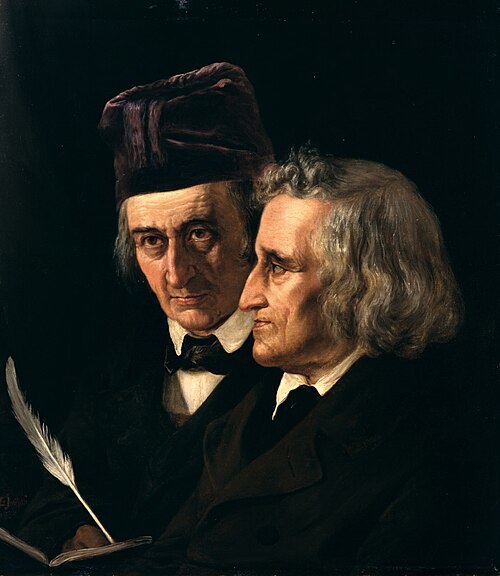
19世紀の芸術家や知識人は、フランス革命の思想や、ヨハン・ヴォルフガング・フォン・ゲーテ、ゴットホルト・エフライム・レッシング、フリードリヒ・シラーといった偉大な詩人や作家の思想から大きな影響を受けた。シュトゥルム・ウント・ドラングのロマン主義運動が受け入れられ、啓蒙主義の合理主義に対する反動として感情が自由に表現された。哲学の原理と方法は、イマヌエル・カントのパラダイムシフトによって革命的に変化した。ルートヴィヒ・ヴァン・ベートーヴェンは、古典派からロマン派音楽に至るまで、この時代で最も影響力のある作曲家であった。音楽の形式や構造を大きく拡張できるような調性構造を用いた彼の手法は、音楽に新たな次元をもたらしたとすぐに認識された。特に後期のピアノ曲や弦楽四重奏曲は、全く未開拓の音楽世界への道を示し、フランツ・シューベルトやロベルト・シューマンに影響を与えた。オペラにおいて、超自然的な恐怖とメロドラマチックな筋書きを民話的な文脈で組み合わせた新しいロマンティックな雰囲気は、カール・マリア・フォン・ウェーバーによって初めて成功裏に実現され、リヒャルト・ワーグナーの「ニーベルングの指環」で完成された。グリム兄弟は民話を収集して人気の「グリム童話」を編纂し、ドイツ語に関する最も包括的な著作である「ドイツ語辞典」の編纂に着手したことから、ドイツ研究の創始者の一人に数えられている。[ 259 ]
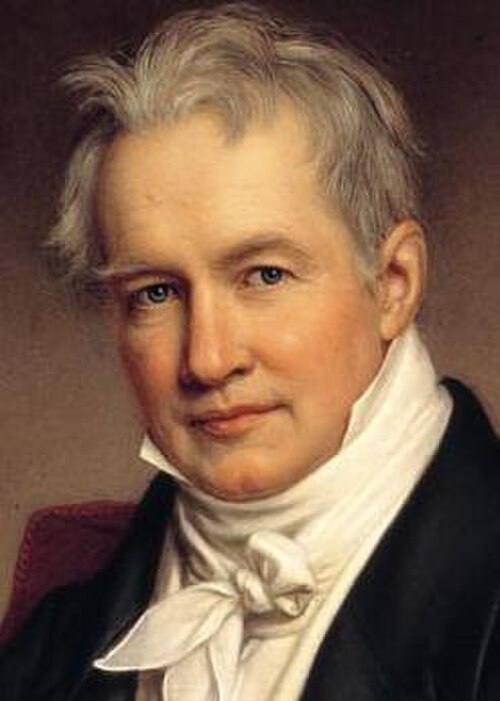
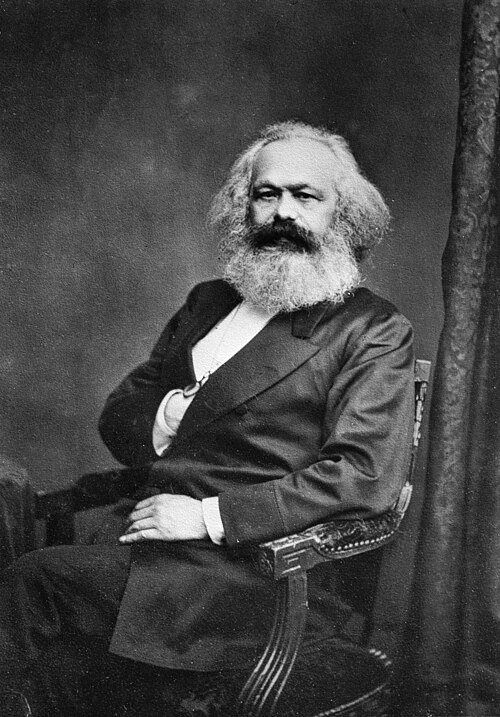
大学教授たちは、特に歴史や文献学といった人文科学の分野で国際的な名声を確立し、政治史、神学、哲学、言語、文学の研究に新たな歴史的視点をもたらした。哲学ではゲオルク・ヴィルヘルム・フリードリヒ・ヘーゲル、フリードリヒ・ヴィルヘルム・ヨーゼフ・シェリング、アルトゥール・ショーペンハウアー、フリードリヒ・ニーチェ、マックス・ウェーバー、カール・マルクス、フリードリヒ・エンゲルス、神学ではフリードリヒ・シュライエルマッハー、歴史学ではレオポルド・フォン・ランケといったドイツの学者たちが名を馳せた。 1810年に設立されたベルリン大学は、世界有数の大学となった。例えば、フォン・ランケは歴史学を専門化し、歴史学の世界標準を確立した。1830年代までには、数学、物理学、化学、生物学が世界レベルの科学として台頭し、自然科学ではアレクサンダー・フォン・フンボルト、数学ではカール・フリードリヒ・ガウスがその先頭に立った。若い知識人はしばしば政治に目を向けたが、1848年の失敗に終わった革命を支持したことで、多くが亡命を余儀なくされた。[ 209 ]

ドイツでは、二つの大きな出来事が宗教のあり方を大きく変えた。国中で、規模の大きいルター派教会と規模の小さい改革派プロテスタント教会を統合しようとする動きが起こった。バーデン、ナッサウ、バイエルンでは、教会自身がこの動きを主導した。しかし、プロイセンでは、フリードリヒ・ヴィルヘルム3世が、協議なしに、完全に自らの条件で統一を進めようと決意していた。彼の目標は、プロテスタント教会を統一し、単一の標準化された典礼、組織、さらには建築様式を押し付けることであった。長期的な目標は、すべてのプロテスタント教会を完全に王室の中央集権的な支配下に置くことであった。数十年にわたる一連の布告によって、より数の多いルター派と、より数の少ない改革派プロテスタントを統合したプロイセン合同教会が設立された。プロイセン政府は教会の事柄を完全に支配し、国王自身が最高位の司教として認められるようになった。統一に反対したのは、ルターの時代から従ってきた神学的および典礼的形式に固執していたシレジアの「古ルター派」であった。政府は彼らを弾圧しようとしたため、彼らは地下に潜った。数万人が南オーストラリア、特にアメリカ合衆国に移住し、そこで保守的な教派として現在も活動しているミズーリ・シノッドを形成した。最終的に1845年、新国王フリードリヒ・ヴィルヘルム4世は全面的な恩赦を与え、古ルター派が名目上の政府統制のみで独立した教会連合を形成することを許可した。[ 260 ] [ 261 ] [ 262 ]
典型的なカトリック教徒やプロテスタントの宗教的観点から見ると、教会や儀式よりも個人に焦点を当てた、より個人的な宗教性という点で大きな変化が起こっていた。19世紀後半の合理主義は衰退し、特に罪深さ、贖罪、キリスト教の神秘と啓示について考察する際に、個人の心理と感情が新たに重視されるようになった。敬虔主義の復興はプロテスタントの間で一般的だった。カトリック教徒の間では、巡礼が急増した。1844年だけでも、50万人の巡礼者がラインラントのトリーア市に巡礼し、イエスが磔刑に向かう途中で着ていたとされる「継ぎ目のないイエスの衣」を拝んだ。ドイツのカトリック司教は歴史的にローマからほぼ独立していたが、今やバチカンの支配力が強まり、ローマに非常に忠実なカトリック教徒による新たな「ウルトラモンタニズム」が台頭した。[ 263 ] 1837年から1838年にかけて、カトリック教徒が大多数を占めるラインラント地方で、カトリック教徒の母親とプロテスタントの父親を持つ異教徒間の結婚で生まれた子供たちの宗教教育をめぐって激しい論争が勃発した。政府は、それまで有効だったナポレオン法に反して、これらの子供たちを常にプロテスタントとして育てることを義務付ける法律を制定し、両親に決定権を与えた。政府はカトリック大司教を自宅軟禁にした。1840年、新国王フリードリヒ・ヴィルヘルム4世は和解を求め、カトリック側の要求のほとんどを受け入れることで論争を鎮静化させた。しかし、カトリック教徒の記憶は深く残り、敵対的な政府に直面したカトリック教徒は常に団結する必要があるという感覚につながった。[ 264 ]


ナポレオン失脚後、1815年にオーストリアのメッテルニヒ侯爵の指導の下、ヨーロッパの政治家たちはウィーンに集まり、ヨーロッパ情勢の再編成を行った。このウィーン会議で合意された政治原則には、革命思想や民族主義思想を抑圧するための統治者の復権、正当性、そして連帯が含まれていた。
ドイツ連邦(ドイツ語:Deutscher Bund)は、オーストリアの主導の下、39の州(35の君主と4つの自由都市)からなる緩やかな連合体として設立され、連邦議会(ドイツ語:Bundestag )はフランクフルト・アム・マインで開かれた。しかし、この緩やかな連合体は、ほとんどのナショナリストを満足させることはできなかった。加盟国は概ね独自の道を歩み、オーストリアも独自の国益を追求した。
1819年、自由主義的な学生団体を嘲笑していた反動的な劇作家アウグスト・フォン・コッツェブーが、学生の急進派によって暗殺された。ドイツ連邦の数少ない主要な行動の一つとして、メッテルニヒ侯爵は会議を招集し、ドイツ諸邦の保守的な政府に対する自由主義的な扇動を抑圧することを目的とした、弾圧的なカールスバート布告を発布した。 [ 265 ]この布告は、急速に衰退していた民族主義的な友愛団体(ドイツ語:Burschenschaften)を解散させ、自由主義的な大学教授を解任し、報道の検閲を拡大した。この布告は、革命的および民族主義的な思想を広めたとして告発された個人を標的とした「扇動者の迫害」を開始した。迫害された人々の中には、詩人のエルンスト・モーリッツ・アルント、出版業者のヨハン・ヨーゼフ・ゲレス、「体操の父」ルートヴィヒ・ヤーンがいた。[ 266 ]
1834年、プロイセンとオーストリアを除くほとんどのドイツ諸国との間で関税同盟であるツォルフェラインが設立された。産業化が進むにつれ、統一された通貨、法制度、政府を持つ統一ドイツ国家の必要性がますます明らかになってきた。
ウィーン会議によって課せられた政治・社会秩序に対する不満の高まりは、1848年にドイツ諸邦で三月革命の勃発につながった。同年5月、ドイツ国民議会(フランクフルト議会)がフランクフルトで開かれ、ドイツ国家憲法の起草が行われた。
しかし、1848年の革命は失敗に終わった。プロイセン王フリードリヒ・ヴィルヘルム4世は帝位を拒否し、フランクフルト国民議会は解散され、支配諸侯は軍事力で反乱を鎮圧し、1850年までにドイツ連邦が再建された。多くの指導者が亡命し、その中にはアメリカ合衆国に渡り、そこで政治勢力となった者もいた。[ 267 ]
1850年代は、極めて政治的な反動が顕著だった時代である。反対意見は厳しく弾圧され、1848年の蜂起の崩壊後、多くのドイツ人がアメリカへ移住した。フリードリヒ・ヴィルヘルム4世はこの時期、極度の憂鬱と憂鬱に陥り、聖職者主義と絶対君主制を主張する者たちに囲まれていた。プロイセン国民は再び政治への関心を失った。プロイセンは領土を拡大しただけでなく、農業基盤を維持しながら急速な工業化を進めた。
1857年、プロイセン国王フリードリヒ・ヴィルヘルム4世が脳卒中で倒れ、弟のヴィルヘルムが摂政を務め、1861年にヴィルヘルム1世として即位した。ヴィルヘルムは保守的であったが、非常に現実的であった。彼の最も重要な功績は、 1862年にオットー・フォン・ビスマルクをプロイセン首相に任命したことである。ビスマルク、国防大臣アルブレヒト・フォン・ローン、陸軍元帥ヘルムート・フォン・モルトケ(大モルトケ)の協力により、ドイツ統一につながるデンマーク、オーストリア、フランスに対する軍事的勝利の舞台が整った。[ 268 ] [ 269 ]
1863年から1864年にかけて、ドイツ連邦に加盟していなかったシュレースヴィヒをめぐり、デンマークの民族主義者が同地をデンマーク王国に編入しようとしたことから、プロイセンとデンマークの間で紛争が激化した。この対立は1864年の第二次シュレースヴィヒ戦争へと発展した。プロイセンはオーストリアの支援を受け、デンマークを容易に破り、ユトランド半島を占領した。デンマークはシュレースヴィヒ公国とホルシュタイン公国の両方をオーストリアとプロイセンに割譲せざるを得なかった。その後、両公国の統治をめぐってオーストリアとプロイセンの間に緊張が生じた。オーストリアは両公国をドイツ連邦内の独立した地域にしようとしたが、プロイセンはオーストリアを併合しようとした。この意見の相違が、 1866年6月に勃発したオーストリアとプロイセンの七週間戦争の口実となった。7月、両軍はサドヴァ=ケーニヒグレーツ(ボヘミア)で激突し、50万人もの兵士が参加する大規模な戦闘となった。プロイセンの優れた兵站能力と、当時最新鋭であった後装式ニードル銃がオーストリアの遅装式前装ライフル銃よりも優れていたことが、プロイセンの勝利に不可欠であったことが証明された。この戦いはドイツにおける覇権争いも決定づけ、ビスマルクは敗北したオーストリアに対して意図的に寛大な措置を取り、オーストリアは将来のドイツ情勢において従属的な役割しか果たさないことになった。[ 270 ] [ 271 ]
七週間戦争の後、ドイツ連邦は解体され、プロイセンの主導の下、北ドイツ連邦(ドイツ北ドイツ連盟)が設立された。オーストリアは排除され、ドイツに対するその絶大な影響力はついに終焉を迎えた。北ドイツ連邦は、ドイツ連邦の解体からドイツ帝国の建国までの1867年から1871年まで存在した過渡的な組織であった。[ 272 ]

オットー・フォン・ビスマルク宰相は、1890年までドイツ帝国の政治路線を決定づけた。彼はフランスを封じ込め、ドイツの影響力を強化するためにヨーロッパで同盟関係を築いた。国内政策では、社会主義の抑圧とカトリック教会の影響力の縮小に重点を置いた。彼は反社会主義法や、国民皆保険、年金制度、その他の社会保障制度を含む社会法を制定し、社会主義者を政府側に引き込もうとした。彼の文化闘争政策はカトリック教徒から激しく抵抗され、彼らは中央党を組織して政治的反対運動を展開した。1900年までに、ドイツの工業力と経済力はイギリスに匹敵するまでに成長した。
1888年、野心的なヴィルヘルム2世が皇帝に即位した。彼は経験豊富な政治家の助言を拒否し、1890年にビスマルクの辞任を命じた。彼はビスマルクの慎重な外交政策に反対し、イギリスとフランスが何世紀にもわたって行ってきた植民地政策を推進した。皇帝は、他国の植民地となっていないアフリカとアジアの土地を積極的に植民地化することを奨励した。ヨーロッパではオーストリア=ハンガリー帝国とのみ同盟を結び、一方的なアプローチを取り、イギリスとの危険な海軍軍拡競争に乗り出した。彼の攻撃的で軽率な政策は、オーストリア=ハンガリー皇太子の暗殺が第一次世界大戦の引き金となる状況の一因となった。

1868年、スペイン女王イサベル2世は名誉革命で退位させられ、王位は空位となった。プロイセンがホーエンツォレルン家のレオポルド王子を後継者として推薦すると、フランスは猛反対した。この問題は外交スキャンダルに発展し、1870年7月、フランスは全面戦争で決着をつけることを決意した。プロイセンが汎ドイツ同盟と合流し、戦術的主導権を握ったため、紛争はすぐに決着した。フランスで勝利が続き、ナポレオン3世の指揮下のフランス軍はセダン要塞で降伏した。[ 273 ] [ 274 ]ナポレオンは捕虜となり、パリで急遽臨時政府が宣言された。新政府は残存軍の再編成を試みたが、その間ドイツ軍はパリを包囲した。飢餓に苦しむ都市は1871年1月に降伏した。フランスは50 億フランの賠償金を支払い、アルザス=ロレーヌ地方をドイツに割譲せざるを得なかった。この出来事はフランス国民の精神に深い屈辱を与え、仏独間の敵意をさらに悪化させた。
包囲戦の最中、1871年1月18日、ドイツの諸侯はヴェルサイユ宮殿の鏡の間に集まり、ドイツ帝国の樹立を宣言し、プロイセン国王ヴィルヘルム1世をドイツ皇帝に即位させた。これにより、オーストリアを除くすべてのドイツ諸邦が、連邦制の経済、政治、行政単位である小ドイツ体制に統合された。ビスマルクは首相に任命された。


新帝国は、規模、人口構成、憲法、経済、文化、宗教、社会政治的発展の点で異なる25の州からなる連邦国家であった。領土と人口の3分の2を占めるプロイセンでさえ、帝国の周縁部から新参者として台頭し、文化と経済の内部分裂に直面していた。特に中部および南部の小規模な領土の住民は、プロイセン化された国家の概念を強く拒否し、そのような用語をそれぞれの故郷の州と結びつけることを好んだ。ハンブルク、ブレーメン、リューベックのハンザ港湾都市は自由貿易を支持し、プロイセンの経済統合の考え方に反対し、1888年まで更新された関税同盟条約への署名を拒否した。 [ 275 ]
プロイセン・ドイツ当局は、最初の帝国選挙の結果と52%の投票率が示したように、統合の問題を認識していた。歴史家は、国民国家は帝国を通じて形成されたとますます主張している。[ 276 ]国民的アイデンティティは、大げさな帝国の石造図像で表現され、皇帝を国家元首とする帝国の民として達成されるべきものであり、国内、ヨーロッパ、そして世界における帝国の野望を発展させるべきものであった。[ 277 ] [ 276 ]
ビスマルクの国内政策は、プロテスタントのプロイセン国家の理念を普遍的に採用し、すべての諸侯国で政教分離を実現しようとする彼の努力に基づいていた。1871年から1878年にかけての文化闘争では、教育の世俗化と市民婚の導入によってカトリック教会とその政治部門であるカトリック中央党の影響を最小限に抑えようとしたが、成功しなかった。文化闘争はカトリック教徒だけでなく多くのプロテスタントをも敵に回し、放棄された。ポーランド人、デンマーク人、フランス人などの少数民族を含む何百万もの非ドイツ系帝国臣民は、差別に耐えるか、ドイツ化政策を受け入れる以外に選択肢がなかった[ 278 ] [ 279 ]。
歴史家たちは、カトリック教会に対するキャンペーンや、社会民主党に対する同様のキャンペーンが、少数派を排除または迫害することによって国民的統一を促進できるというドイツ人の意識に永続的な影響を与えたと指摘している。後に「消極的統合」と呼ばれるこの戦略は、政府に忠誠を誓うか国家の敵となるかの二者択一という風潮を作り出し、ドイツのナショナリズム感情とナチス運動に影響を与えた。[ 280 ]
新帝国は、国家貴族に官僚や軍隊のさまざまな部門でキャリアの機会を提供した。その結果、貴族による官僚部門のほぼ完全な支配は、大学や教会での意思決定において貴族が支配的な発言権を持つことを保証した。1914年のドイツ外交団は、8人の王子、29人の伯爵、20人の男爵、54人の下級貴族の代表、そしてわずか11人の平民で構成されていた。これらの平民は、エリートの産業家や銀行家の家系から採用された。領事団は、執行権限のほとんどない地位に就く平民を雇用した。[ 281 ]最高位の軍の階級を貴族のために確保するというプロイセンの伝統が採用され、新憲法は軍事問題を皇帝の直接管理下に置き、帝国議会の管理外とした。[ 282 ]予備役将校の大軍を擁する軍隊は、「国家を支える階級」としての役割を強化し、「ほぼ独立した、自己永続的な階級」となった。[ 283 ]
権力は、首都ベルリンと近隣のポツダムに住む7000人の貴族の間でますます集中していった。ベルリンで増えつつあった裕福な中産階級は貴族を模倣し、貴族と結婚しようとした。貴族の称号は、裕福な実業家一族を永続的に支配層へと押し上げることができた。[ 284 ]しかし、貴族が実業家になるにつれて、このプロセスは逆方向に働く傾向があった。例えば、シレジアの243の鉱山のうち221は貴族またはプロイセン国王が所有していた。[ 285 ]
The middle class in the cities grew exponentially, although it never acquired powerful parliamentary representation as in France, Britain or the US. The Association of German Women's Organizations (BDF) was established in 1894 to encompass the proliferating women's organizations that had emerged since the 1860s. The BDF was a bourgeois organization, its members working toward equality with men in such areas as education, financial opportunities, and political life. Working-class women were not welcome and were organized by the Socialists.[286]
The rise of the Socialist Workers' Party aimed to peacefully establish a socialist order through the transformation of existing political and social conditions. From 1878, Bismarck opposed the growing social democratic movement by outlawing the party's organisation, its assemblies and most of its newspapers. Nonetheless, the Social Democrats grew stronger and Bismarck initiated his social welfare program in 1883 to appease the working class.[287] Bismarck built on a tradition of welfare programs in Prussia and Saxony. In the 1880s he introduced old age pensions, accident insurance, medical care, and unemployment insurance that formed the basis of the modern European welfare state. His paternalistic programs won the support of industry because its goals were to win the support of the working classes for the Empire and reduce the outflow of migrants to America, where wages were higher but welfare did not exist.[288][289] Bismarck further won the support of industry and skilled workers by his high tariff policies, which protected profits and wages from American competition, although they alienated liberal intellectuals who wanted free trade.[290][291]
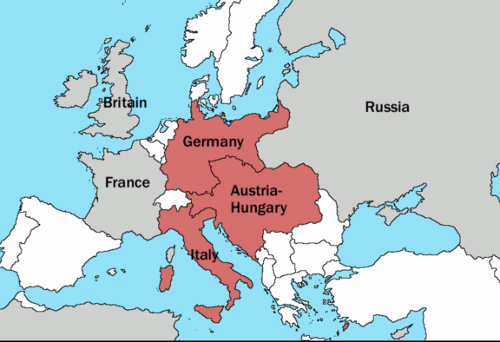
Bismarck's foreign policy aimed at security and the prevention of a Franco-Russian alliance, in order to avoid a likely Two-front war. The League of Three Emperors was signed in 1873 by Russia, Austria, and Germany. It stated that republicanism and socialism were common enemies and the three powers would discuss any matters concerning foreign policy. Bismarck needed good relations with Russia to keep France isolated. Russia fought a victorious war against the Ottoman Empire from 1877 to 1878 and attempted to establish the Principality of Bulgaria. Germany hosted the Congress of Berlin in 1878, where a more moderate peace settlement was agreed.
In 1879, Germany formed the Dual Alliance with Austria-Hungary, an agreement of mutual military assistance in the case of an attack from Russia, which was not satisfied with the Congress of Berlin. The Dual Alliance led Russia to take a more conciliatory stance and in 1887, the Reinsurance Treaty was signed between Germany and Russia. They agreed on mutual military support if France attacked Germany or Austria attacked Russia. Russia turned its attention eastward to Asia and remained inactive in European politics for 25 years. In 1882, Italy, seeking support for its interests in North Africa against France's colonial policy, joined the Dual Alliance, which became the Triple Alliance. In return for German and Austrian support, Italy committed itself to assisting Germany in the case of French attack.[292]
Bismarck had always argued that the acquisition of overseas colonies was impractical and the burden of administration and maintenance would outweigh the benefits. Eventually, Bismarck gave way, and colonies were established in Africa and Oceania. Consequently, Bismarck initiated the Berlin Conference of 1885, a formal meeting of the European colonial powers, who sought to "established international guidelines for the acquisition of African territory". Its outcome, the General Act of the Berlin Conference, can be seen as the formalisation of the "Scramble for Africa" and "New Imperialism".[293]

Emperor William I died in 1888. His son Frederick III died only three months after his coronation from throat cancer. His son Wilhelm II succeeded him, aged 29. Wilhelm rejected the liberal ideas of his parents and embarked on conservative autocratic rule. He decided to replace the political elite and in 1890 forced Bismarck into retirement.[294] Following his principle of "Personal Regiment", Wilhelm was determined to exercise maximum influence on government affairs.[295][296][297]
Wilhelm set out to apply his imperialist ideas of Weltpolitik (German:[ˈvɛltpoliˌtiːk], "world politics"), as he envisaged an aggressive course to increase the empire's influence. Foreign policies were decided by the Kaiser and Foreign Office under Friedrich von Holstein. Wilhelm's increasingly reckless conduct was related to character deficits and lack of diplomatic skills.[298][299] Wilhelm refused to renew the Reinsurance Treaty with Russia, which promptly formed a closer relationship with France in the Franco-Russian Alliance of 1894, as both were concerned about the disagreeability of Germany. The Kaiser refused to deviate from his aggressive imperial designs and began a naval arms race with Britain. Holstein and Wilhelm failed as they did not adopt a nuanced political dialogue. Germany was left dependent on the Triple Alliance, with Austria-Hungary and Italy. This agreement was hampered by differences between Austria and Italy and in 1915 Italy left.[242]
In 1897, Admiral Alfred von Tirpitz, state secretary of the German Imperial Naval Office devised his ambitious plan to build a sizeable navy. Although posing only an indirect threat as a Fleet in being, Tirpitz theorized, that its mere existence would force Britain, dependent on unrestricted movement on the seas, to agree to compromises.[300] Tirpitz started the program of warship construction in 1898 and enjoyed the support of Wilhelm. Wilhelm entertained less rational ideas on the fleet, related to his romantic childhood dream to have a "fleet of [his] own some day" and his adherence to direct his policies along the line of Alfred Thayer Mahan's work The Influence of Sea Power upon History.[301] In exchange for the eastern African island of Zanzibar, Germany had bargained the island of Heligoland in the German Bight with Britain in 1890, and converted the island into a naval base and installed immense coastal defense batteries. Britain considered German's imperial endeavours to be a dangerous infringement on the century-old delicate balance of global affairs and trade under British control. The British, however, resolved to keep up the naval arms race and introduced the new advanced Dreadnought battleship concept in 1907. Germany quickly adopted the concept and by 1910 the arms race again escalated.[302][303]

By 1890, the economy continued to industrialize and grow at an even higher rate than the previous two decades and increased dramatically in the years before World War I.[304] Industrial production between 1870 and 1914 increased about 500%.[305]
More important than Bismarck's new tariff on imported grain was the introduction of sugar beet as a main crop. Farmers abandoned traditional, inefficient practices in favor of modern methods, including use of artificial fertilizers and mechanical tools. Intensive farming of sugar and other root crops made Germany the most efficient agricultural producer in Europe by 1914. Even so, farms were usually small and women did much of the field work. An unintended consequence was the increased dependence on migratory, especially foreign, labor.[306][307]

The basics of modern chemical research and introduction of essential equipment and instruments such as Bunsen burners, the Petri dish, Erlenmeyer flask, task-oriented working principles and team research originated in 19th-century Germany and France. The organisation of knowledge acquisition was further refined by laboratory integration in research institutes. Germany acquired the leading role in the world's chemical industry by the late 19th century through organized methodology. In 1913, the German chemical industry produced 90 per cent of the global supply of dyestuffs and sold 80 per cent of its production abroad.[308][309]
Germany became Europe's leading steel-producing nation in the 1890s, thanks to protection from American and British competition afforded by tariffs and cartels.[310][311] The merger of major firms into the Vereinigte Stahlwerke (United Steel Works) in 1926 was modeled on the U.S. Steel corporation. The new company emphasized rationalization of management structures and modernization of technology. By 1913, American and German exports dominated the world steel market, as Britain slipped to third place.[312]
In machinery, iron and steel, and other industries, German firms avoided harmful competition and instead relied on trade associations. Germany was a world leader because of its "corporatist mentality", its bureaucratic tradition, and the encouragement of the government. These associations regulated competition and allowed small firms to function in the shadow of larger companies.[313]

By the 1890s, German colonial expansion in Asia and the Pacific (Kiauchau in China, the Marianas, the Caroline Islands, Samoa) led to frictions with Britain, Russia, Japan and the US.[314] The construction of the Baghdad Railway, financed by German banks, was designed to connect Germany with the Ottoman Empire and the Persian Gulf, but it collided with British and Russian geopolitical interests.[315]
The largest colonial enterprises were in Africa.[316] The harsh treatment of the Nama and Herero in what is now Namibia in Africa in 1906–07 led to charges of genocide. Historians debate the links between the Herero and Nama genocide and the Holocaust of the 1940s.[317][318][319]

Germany stood behind its ally Austria in a confrontation with Serbia, but Serbia was under the protection of Russia, which was allied to France. Germany was the leader of the Central Powers, which included Austria-Hungary, the Ottoman Empire, and later Bulgaria; arrayed against them were the Allies, consisting of Russia, France, Britain, and in 1915 Italy.

In the west, Germany sought a quick victory by encircling Paris using the Schlieffen Plan. This failed due to unexpectedly strong Belgian resistance, and stiff French resistance during the First Battle of the Marne. The Western Front became a bloody battleground of trench warfare. The British imposed a tight naval blockade in the North Sea which lasted until 1919, sharply reducing Germany's overseas access to raw materials and foodstuffs. Food scarcity became a serious problem by 1917.[321] In the east, Germany scored decisive victories against Russia. The eventual breakdown of Russian forces – exacerbated by the 1917 Russian Revolution – led to the Treaty of Brest-Litovsk, which the Bolsheviks were forced to sign in March 1918. It gave Germany control of Eastern Europe. When Germany later complained that the 1919 Treaty of Versailles was too harsh, the Allies responded that it was more benign than Brest-Litovsk.[322]
By defeating Russia in 1917, Germany was able to transfer hundreds of thousands of combat troops from the east to the Western Front, giving it a numerical advantage over the Allies. By retraining the soldiers in new storm-trooper tactics, the Germans hoped to win a decisive victory before the Americans could arrive in force.[323] However, the spring offensives failed, as the Allies fell back and regrouped, and the Germans lacked the reserves to consolidate their gains. In the summer, with the Americans arriving at 10,000 a day, and the German reserves exhausted, the Allied offenses destroyed the German army.[324]
Germany rapidly mobilized its civilian economy for the war effort.[325] Steadily conditions deteriorated, with severe food shortages reported in all urban areas. Causes involved the transfer of farmers and food workers into the military, an overburdened railway, coal shortages, and especially the British blockade that cut off imports. Winter 1916–17 was known as the "turnip winter", because that vegetable, usually fed to livestock, was used by people as a substitute for increasingly scarce potatoes and meat. Thousands of soup kitchens were opened to feed people, and the army had to cut rations for soldiers.[326] Morale of civilians and soldiers continued to sink. The 1918 flu pandemic struck hard at a population weakened by malnutrition.

In October 1918, General Ludendorff, who wanted to protect the reputation of the army by placing responsibility for the capitulation on the democratic parties and Imperial Reichstag, pushed for the government to be democratised. A new chancellor was appointed, members of the Reichstag's majority parties were brought into the cabinet for the first time and the constitution reformed.[327] This did not, however, satisfy either the Allies or most Germans.
The German revolution of 1918–1919 began on 3 November with a sailor's mutiny at Kiel which spread across Germany. Within a week, workers' and soldiers' councils were in control of government and military institutions.[328] On 9 November, Germany was declared a republic. The Council of the People's Deputies, formed from the two main socialist parties, began acting as the provisional government. By the end of the month, all Germany's monarchs, including Emperor Wilhelm II, who had fled to the Netherlands, had been forced to abdicate.[329]
In January 1919, the Spartacist uprising led by the newly founded Communist Party of Germany attempted to take power in Berlin, but it was quashed by government and Freikorps troops. Into the spring there were violently suppressed efforts to push the revolution further in the direction of a council republic, such as the local soviet republics, notably in Bavaria (Munich). They too were put down with considerable loss of life.[330]
The revolution ended in August 1919. The Weimar Constitution was signed following its adoption by the popularly elected Weimar National Assembly. Though the violence largely ended, the revolution remained incomplete. Many of its opponents had been left in power in the military and Reich administration, and it failed to resolve the fracture in the Left between moderate socialists and communists. The Weimar Republic as a result was beset by opponents from the Left and – to a greater degree – the Right.[331]
Under the peace terms of the Treaty of Versailles, Germany's first democracy began its fourteen-year life facing territorial losses, reparations to the victors of World War I and stringent limitations on its military. Political violence from those on the Right who wanted a return to the monarchy and those on the Left who wanted a soviet-style regime repeatedly threatened the moderate socialist government through 1923. Ongoing issues with state finances, impacted by war debt and the funding of striking workers in the Ruhr, fuelled the hyperinflation of 1923 that impoverished many Germans and left them bitter enemies of the Republic. A period of relative political and economic stability that lasted until the onset of the Great Depression in 1929 was followed by the rapid growth of parties on the extremes – the Communists on the Left and the Nazis on the Right – that left the Reichstag (parliament) all but unable to function. In quick succession, four chancellors tried and failed to govern by decree before President Hindenburg named Adolf Hitler chancellor in 1933. In only a few months he had turned the Republic into a Nazi dictatorship.

The Armistice of 11 November 1918 ended the fighting in World War I, and on 28 June 1919 Germany reluctantly signed the peace terms laid out in the Treaty of Versailles. Germany had to renounce sovereignty over its colonies[332] and in Europe lost 65,000 km2 (25,000 sq mi) or about 13% of its former territory – including 48% of its iron and 10% of its coal resources – along with 7 million people, or 12% of its population.[333] Allied troops occupied the Rhineland, and it along with an area stretching 50 kilometres east of the Rhine were demilitarized.[334] The German army was limited to no more than 100,000 men with 4,000 officers and no general staff; the navy could have at most 15,000 men and 1,500 officers. Germany was prohibited from having an air force, submarines or dreadnoughts. A large number of its ships and all of its air-related armaments were to be surrendered.[335][336] The most contentious article of the treaty, the so-called War Guilt Clause (Article 231), stated that Germany accepted responsibility for the loss and damage from the war caused to the Allies, and therefore had to pay reparations for the damage caused to the Allied Powers.[337]
The treaty was reviled as a dictated rather than a negotiated peace. Philipp Scheidemann, the Social Democratic minister president of Germany, said to the Weimar National Assembly on 12 May 1919, "What hand should not wither that puts this fetter on itself and on us?"[338]

The Weimar Constitution established a federal semi-presidential republic with a chancellor dependent on the confidence of the Reichstag (parliament), a strong president who had considerable powers to govern by decree,[339] and a substantial set of individual rights.[340] The Social Democrat Friedrich Ebert was the Republic's first president.
The Left accused the Social Democrats of betraying the ideals of the labour movement because of their alliance with the old elites in the military and administration, and the Right held the supporters of the Republic responsible for Germany's defeat in the war.[341] In early 1920, the right-wing Kapp Putsch, backed by units of the paramilitary Freikorps, briefly took control of the government in Berlin, but the putsch quickly collapsed due to a general strike and passive resistance by civil servants.[342] In the putsch's wake, workers in the industrial Ruhr district, where dissatisfaction with the lack of nationalisation of key industries was particularly high, rose up and attempted to take control of the region. Reichswehr and Freikorps units suppressed the Ruhr uprising with the loss of over 1,000 lives.[343] The unstable political conditions of the period were reflected in the Reichstag election of 1920, in which the centre-left Weimar Coalition, which until then had held a three-quarters majority, lost 125 seats to parties on both the Left and Right.[344]
Political violence continued at a high level through 1923. A right-wing extremist group assassinated former finance minister Matthias Erzberger in August 1921 and Walther Rathenau, the Jewish foreign minister, in June 1922.[345] 1923 saw the communist-led takeover attempt known as the German October, the right-wing Küstrin Putsch and Adolf Hitler's Beer Hall Putsch.
Germany was the first state to establish diplomatic relations with the new Soviet Union in the 1922 Treaty of Rapallo.[346] In October 1925, Germany, France, Belgium, Britain and Italy signed the Treaty of Locarno, which recognised Germany's borders with France and Belgium but left its eastern borders open to negotiations. The treaty paved the way for Germany's admission to the League of Nations in 1926.[347]
In May 1921 the Allied Powers set Germany's reparations liability under the terms of the Treaty of Versailles at 132 billion Reichsmarks, to be paid either in gold or commodities such as iron, steel and coal.[348] After a series of German defaults, French and Belgian troops occupied the Ruhr in January 1923. The German government responded with a policy of passive resistance. It underwrote the costs of idled factories and mines and paid the workers who were on strike. Unable to meet the enormous costs by any other means, it resorted to printing money. Along with the debts the state had incurred during the war, it was one of the major causes of the 1923 peak in Germany's post-war hyperinflation.[349] The passive resistance was called off in September 1923, and the occupation ended in August 1925, following an agreement (the Dawes Plan) to restructure Germany's reparations.[350] In November 1923 the government introduced a new currency, the Rentenmark (later the Reichsmark). Together with other measures, it quickly stopped the hyperinflation, but many Germans who lost their life savings became bitter enemies of the Weimar Republic and supporters of the anti-democratic Right.[351] During the following six years the economic situation improved. In 1928 Germany's industrial production surpassed the pre-war level of 1913.[352]

In 1925, following the death in office of President Ebert, conservative Field Marshal Paul von Hindenburg was elected to replace him. His presidency, coming after a campaign that emphasised nationalism and Hindenburg's ties to the fallen German Empire, was the beginning of a significant shift to the right in German politics.[353]
The Wall Street crash of 1929 marked the beginning of the worldwide Great Depression, which hit Germany as hard as any nation. In 1931 several major banks failed, and by early 1932 the number of unemployed had soared to more than six million.[354] In the Reichstag election of September 1930, the Communist Party of Germany (KPD) gained 23 seats, while the National Socialist German Workers' Party (NSDAP, Nazi Party), until then a minor far-right party, increased its share by 95 seats, becoming Germany's second largest party behind the Social Democrats.[355] The Nazis were particularly successful among Protestants, unemployed young voters, the lower middle class in the cities and the rural population. It was weakest in Catholic areas and in large cities.[356] The shift to the political extremes made the unstable coalition system by which every Weimar chancellor had governed increasingly unworkable. The last years of the Weimar Republic were marred by even more systemic political instability than previous years, and political violence increased. Four chancellors (Heinrich Brüning, Franz von Papen, Kurt von Schleicher and, from 30 January to 23 March 1933, Adolf Hitler) governed through presidential decree rather than parliamentary consultation.[348] It effectively rendered the Reichstag powerless as a means of enforcing constitutional checks and balances.
Hindenburg was re-elected president in 1932, out-polling Hitler by almost 6 million votes in the second round.[357] The Nazi Party became the largest party in the Reichstag following the election of July 1932. It received 37% of the vote, with the SPD second (22%) and the Communist KPD third at 14%. The Nazis dropped to 33% after another election four months later, but they remained the largest party. The splintered Reichstag was still unable to form a stable coalition. On 30 January 1933, seeing no other viable option and pressured by former chancellor Franz von Papen and other conservatives, President Hindenburg appointed Hitler chancellor.[358]
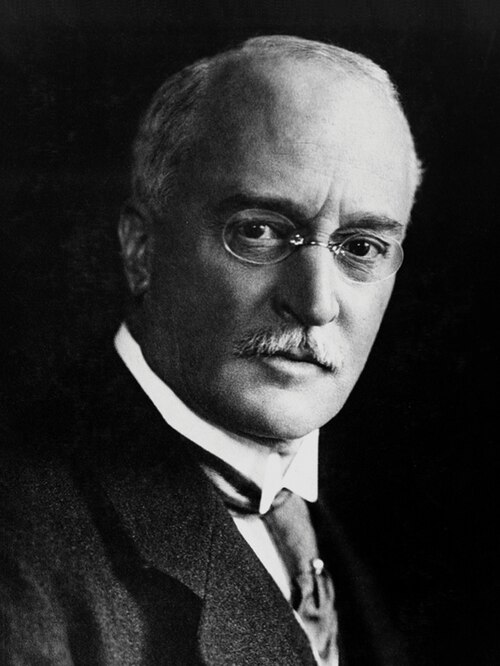
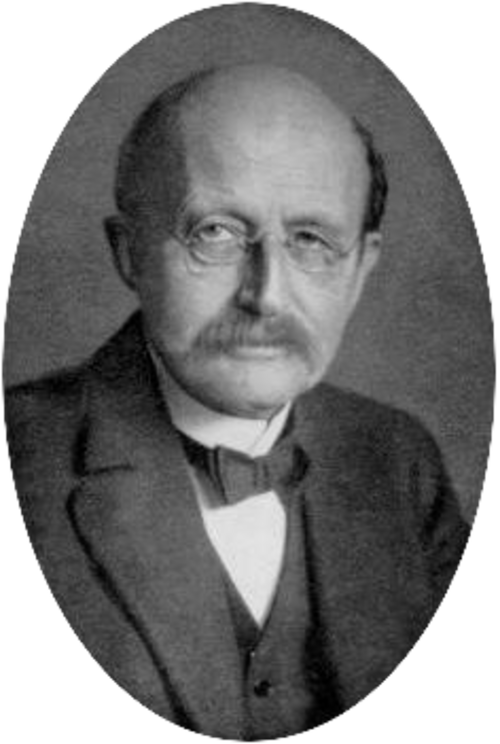
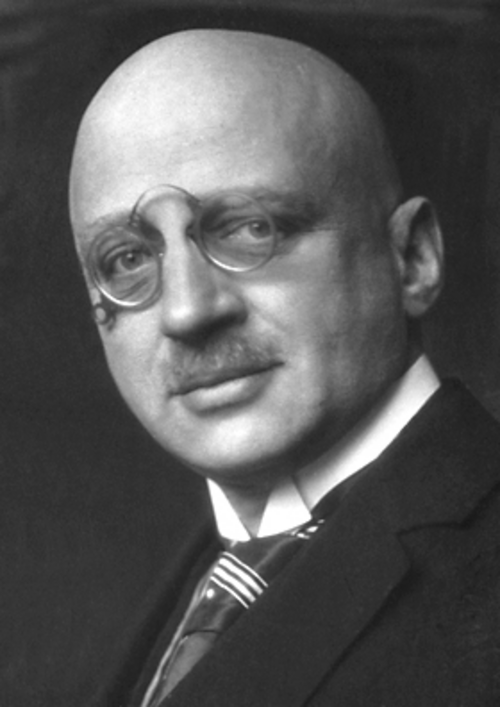
The Weimar years saw a flowering of German science and high culture, before the Nazi regime resulted in a decline in the scientific and cultural life in Germany and forced many renowned scientists and writers to flee. German recipients dominated the Nobel prizes in science.[359] Germany dominated the world of physics before 1933, led by Hermann von Helmholtz, Wilhelm Conrad Röntgen, Albert Einstein, Otto Hahn, Max Planck and Werner Heisenberg. Chemistry likewise was dominated by German professors and researchers at the great chemical companies such as BASF and Bayer and persons like Justus von Liebig, Fritz Haber and Emil Fischer. Theoretical mathematicians Georg Cantor in the 19th century and David Hilbert in the 20th century. Karl Benz, the inventor of the automobile, and Rudolf Diesel were pivotal figures of engineering, and Wernher von Braun, rocket engineer. Ferdinand Cohn, Robert Koch and Rudolph Virchow were three key figures in microbiology.
Among the most important German writers were Thomas Mann, Hermann Hesse and Bertolt Brecht. The reactionary historian Oswald Spengler wrote The Decline of the West (1918–1923) on the inevitable decay of Western Civilization, and influenced intellectuals in Germany such as Martin Heidegger, Max Scheler, and the Frankfurt School, as well as intellectuals around the world.[360]
After 1933, Nazi proponents of "Aryan physics", led by the Nobel Prize-winners Johannes Stark and Philipp Lenard, attacked Einstein's theory of relativity as a degenerate example of Jewish materialism in the realm of science. Many scientists and humanists emigrated; Einstein moved permanently to the U.S. but some of the others returned after 1945.[361][362]

The Nazi regime suppressed labor unions and strikes, leading to prosperity which gave the Nazi Party popularity, with only minor, isolated and subsequently unsuccessful cases of resistance among the German population over their rule. The Gestapo (secret police) destroyed the political opposition and persecuted the Jews, trying to force them into exile. The Party took control of the courts, local government, and all civic organizations except the Christian churches. All expressions of public opinion were controlled by the propaganda ministry, which used film, mass rallies, and Hitler's hypnotic speaking. The Nazi state idolized Hitler as its Führer (leader), putting all powers in his hands. Nazi propaganda centered on Hitler and created the "Hitler Myth"—that Hitler was all-wise and that any mistakes or failures by others would be corrected when brought to his attention.[363] In fact Hitler had a narrow range of interests and decision making was diffused among overlapping, feuding power centers; on some issues he was passive, simply assenting to pressures from whoever had his ear. All top officials reported to Hitler and followed his basic policies, but they had considerable autonomy on a daily basis.[364]

To secure a Reichstag majority for his party, Hitler called for new elections. After the 27 February 1933 Reichstag fire, Hitler swiftly blamed an alleged Communist uprising, and convinced President Hindenburg to approve the Reichstag Fire Decree, rescinding civil liberties. Four thousand communists were arrested[365] and Communist agitation was banned. Communists and Socialists were brought into hastily prepared Nazi concentration camps, where they were at the mercy of the Gestapo, the newly established secret police force. Communist Reichstag deputies were taken into "protective custody".

Despite the terror and unprecedented propaganda, the last free General Elections of 5 March 1933, while resulting in 43.9% failed to give the Nazis their desired majority. Together with the German National People's Party (DNVP), however, he was able to form a slim majority government. On 23 March 1933, the Enabling Act marked the beginning of Nazi Germany,[366] allowing Hitler and his cabinet to enact laws on their own without the President or the Reichstag.[367] The Enabling Act formed the basis for the dictatorship and the dissolution of the Länder. Trade unions and all political parties other than the Nazi Party were suppressed. A centralised totalitarian state was established, no longer based on the liberal Weimar constitution. Germany withdrew from the League of Nations shortly thereafter. The coalition parliament was rigged by defining the absence of arrested and murdered deputies as voluntary and therefore cause for their exclusion as wilful absentees. The Centre Party was voluntarily dissolved in a quid pro quo with the Pope under the anti-communistPope Pius XI for the Reichskonkordat; and by these manoeuvres Hitler achieved movement of these Catholic voters into the Nazi Party, and a long-awaited international diplomatic acceptance of his regime. The Nazis gained a larger share of their vote in Protestant areas than in Catholic areas.[368] The Communist Party was proscribed in April 1933.
Hitler used the SS and Gestapo to purge the entire SA leadership—along with a number of Hitler's political adversaries in the Night of the Long Knives from 30 June to 2 July 1934.[369] As a reward, the SS became an independent organisation under the command of the Reichsführer-SSHeinrich Himmler. Upon Hindenburg's death on 2 August 1934, Hitler's cabinet passed a law proclaiming the presidency to be vacant and transferred the role and powers of the head of state to Hitler.

The Nazi regime was particularly hostile towards Jews, who became the target of unending antisemitic propaganda attacks. The Nazis attempted to convince the German people to view and treat Jews as "subhumans"[370] and immediately after the 1933 federal elections the Nazis imposed a nationwide boycott of Jewish businesses. In March 1933 the first Nazi concentration camp was established at Dachau[371] and from 1933 to 1935 the Nazi regime consolidated their power. The Law for the Restoration of the Professional Civil Service forced all Jewish civil servants to retire from the legal profession and the civil service.[372] The Nuremberg Laws banned sexual relations between Jews and Germans and only those of German or related blood were eligible to be considered citizens; the remainder were classed as state subjects, without citizenship rights.[373] This stripped Jews, Romani and others of their legal rights.[374] Jews continued to suffer persecution under the Nazi regime, exemplified by the Kristallnacht pogrom of 1938, and about half of Germany's 500,000 Jews fled the country before 1939, after which escape became almost impossible.[375]
In 1941, the Nazi leadership decided to implement a plan that they called the "Final Solution" which came to be known as The Holocaust. Under the plan, Jews were systematically murdered at murder sites, and starting in 1942, at extermination camps.[376] Around six million Jews were killed,[377][378][379]
Like the Jews, the Romani were subjected to persecution from the early days of the regime. Historians estimate that between 250,000 and 500,000 Romani and Sinti were killed by Nazi Germans and their collaborators.[380]
The social policies of eugenics in Nazi Germany were composed of various ideas about genetics. The Nazi racial theories placed the biological improvement of the German people by selective breeding of "Nordic" or "Aryan" traits at its center.[381] These policies were used to justify the involuntary sterilization and mass murder of those deemed "undesirable". Those targeted for murder under Nazi eugenics policies were largely people living in private and state-operated institutions, identified as "life unworthy of life" (Lebensunwertes Leben). They included people with congenital cognitive and physical disabilities (Erbkranken) –people who were considered to be feeble-minded. More than 400,000 people were sterilized against their will, while up to 300,000 were murdered under the Aktion T4 euthanasia program.[382][383][384]

In 1935, Hitler officially re-established the Luftwaffe (air force) and reintroduced universal military service, in breach of the Treaty of Versailles; Britain, France and Italy formally protested. Hitler had the officers swear their personal allegiance to him.[385] In 1936, German troops marched into the demilitarised Rhineland.[386] As the territory was part of Germany, the British and French governments did not feel that attempting to enforce the treaty was worth the risk of war.[387] The move strengthened Hitler's standing in Germany. His reputation swelled further with the 1936 Summer Olympics in Berlin, and proved another great propaganda success for the regime as orchestrated by master propagandist Joseph Goebbels.[388]

Hitler's diplomatic strategy in the 1930s was to make seemingly reasonable demands, threatening war if they were not met. When opponents tried to appease him, he accepted the gains that were offered, then went to the next target. That aggressive strategy worked as Germany pulled out of the League of Nations, rejected the Treaty of Versailles and began to re-arm, won back the Saar, remilitarized the Rhineland, formed an alliance with Mussolini's Italy, sent massive military aid to Francisco Franco in the Spanish Civil War, annexed Austria, took over Czechoslovakia after the British and French appeasement of the Munich Agreement, formed a peace pact with Joseph Stalin's Soviet Union, and finally invaded Poland. Britain and France declared war on Germany and World War II in Europe began.[389][390]
Having established a "Rome-Berlin axis" with Italian dictator Benito Mussolini, and signing the Anti-Comintern Pact with Japan – which was joined by Italy a year later in 1937 and they signed the Tripartite Pact, military alliance of the Axis powers in 1940 – Hitler felt able to take the offensive in foreign policy. On 12 March 1938, German troops marched into Austria, where an attempted Nazi coup had been unsuccessful in 1934. When Austrian-born Hitler entered Vienna, he was greeted by loud cheers and Austrians voted in favour of the annexation of their country. After Austria, Hitler turned to Czechoslovakia, where the Sudeten German minority was demanding equal rights and self-government. At the Munich Conference of September 1938, Hitler, Mussolini, British Prime Minister Neville Chamberlain and French Prime Minister Édouard Daladier agreed upon the cession of Sudeten territory to the German Reich by Czechoslovakia. Hitler thereupon declared that all of German Reich's territorial claims had been fulfilled. However, hardly six months after the Munich Agreement Hitler used the smoldering quarrel between Slovaks and Czechs as a pretext for taking over the rest of Czechoslovakia. He then secured the return of Memel from Lithuania to Germany. Chamberlain was forced to acknowledge that his policy of appeasement towards Hitler had failed.

At first Germany was successful in its military operations. In less than three months (April – June 1940), Germany conquered Denmark, Norway, the Low Countries, and France. The unexpectedly swift defeat of France resulted in an upswing in Hitler's popularity and an upsurge in war fever.[391][392] Hitler made peace overtures to the new British leader Winston Churchill in July 1940, but Churchill remained dogged in his defiance with major help from US president Franklin D. Roosevelt. Hitler's bombing campaign against Britain (September 1940 – May 1941) failed. Some 43,000 British civilians were killed and 139,000 wounded in the Blitz; much of London was destroyed. Germany's armed forces invaded the Soviet Union in June 1941 swept forward until they reached the gates of Moscow. The Einsatzgruppen (Nazi mobile death squads) executed all Soviet Jews that it located, while the Germans went to Jewish households and forced the families into concentration camps for labor or to extermination camps for death.
The tide began to turn in December 1941, when the invasion of the Soviet Union hit determined resistance in the Battle of Moscow and Hitler declared war on the United States in the wake of the Japanese attack on Pearl Harbor. After surrender in North Africa and losing the Battle of Stalingrad in 1942–1943, the Germans were forced into the defensive. By late 1944, the United States, Canada, France, and Great Britain were closing in on Germany in the West, while the Soviets were victoriously advancing in the East.

In 1944–1945, Soviet forces completely or partially liberated Romania, Bulgaria, Hungary, Yugoslavia, Poland, Czechoslovakia, Austria, Denmark, and Norway. Nazi Germany collapsed as Berlin was taken by the Soviet Union's Red Army in a fight to the death on the city streets. 2,000,000 Soviet troops took part in the assault, and they faced 750,000 German troops. 78,000–305,000 Soviets were killed, while 325,000 German civilians and soldiers were killed.[393] Hitler committed suicide on 30 April 1945. The final German Instrument of Surrender was signed on 8 May 1945, marking the end of Nazi Germany.
By September 1945, Nazi Germany and its Axis partners (mainly Italy and Japan) had all been defeated, chiefly by the forces of the Allies, mainly the Soviet Union, the United States, and Britain. Much of Europe lay in ruins, over 60 million people worldwide had been killed (most of them civilians), including approximately 6 million Jews and 11 million non-Jews in what became known as the Holocaust. World War II destroyed Germany's political and economic infrastructure, caused its partition, considerable loss of territory (especially in the East), and historical legacy of guilt and shame.[394]

As a consequence of the defeat of Germany in 1945 and onset of the Cold War in 1947, the country's territory was shrunk and split between the two global blocs in the East and West. Millions of refugees from Central and Eastern Europe moved west, most of them to West Germany. Two countries emerged: West Germany was a parliamentary democracy, a NATO member, a founding member of what became the European Union as one of the world's largest economies and under allied military control until 1955,[395] while East Germany was a totalitarian Communist dictatorship controlled by the Soviet Union. With the collapse of Communism in Europe in 1989, reunion followed.
At the Potsdam Conference, Germany was divided into four military occupation zones by the Allies and did not regain independence until 1949. The provinces east of the Oder-Neisse line were transferred to Poland and Russia (Kaliningrad oblast) while Saarland separated from Germany to become a French protectorate in 1947 (it joined West Germany in 1957), pending a peace conference with Germany which never took place.[396] Most of the remaining German population was expelled. Around 6.7 million Germans living in "west-shifted" Poland, mostly within previously German lands, and the 3 million in German-settled regions of Czechoslovakia were deported west.[397]

The total of German war dead was 9% out of a prewar population of 69,000,000, or between 5.5 and 7 million people. This included 4.5 million in the military, and between 1-2 million civilians. 11 million foreign workers and POWs left, while soldiers returned home and more than 14 million displaced German-speaking refugees from both the eastern provinces and East-Central and Eastern Europe were expelled from their native land and came to the western German lands, often foreign to them.[398] During the Cold War, the West German government estimated a death toll of 2 million civilians due to the flight and expulsion of Germans and through forced labour in the Soviet Union.[399][400] This figure remained unchallenged until the 1990s, when some historians put the death toll at 500,000–600,000 confirmed deaths.[401] In 2006, the German government reaffirmed its position that 2–2.5 million deaths occurred.
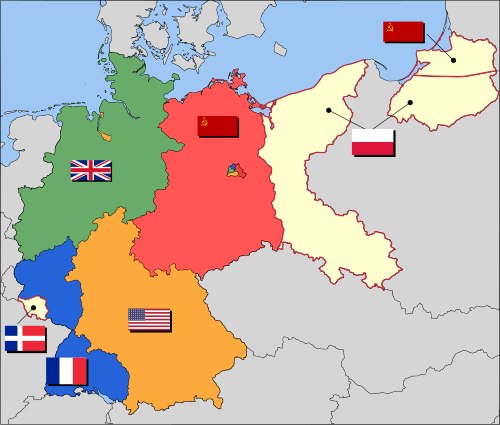
Denazification removed, imprisoned, or executed most top officials of the old regime, but most middle and lower ranks were not seriously affected. In accordance with the Allied agreement made at the Yalta Conference, millions of POWs were used as forced labor by the Soviet Union and other European countries.[402]
In the East, the Soviets crushed dissent and imposed another police state, often employing ex-Nazis in the dreaded Stasi. The Soviets extracted about 23% of the East German GNP for reparations, while in the West reparations were a minor factor.[403]
In 1945–46 housing and food conditions were bad, as the disruption of transport, markets, and finances slowed a return to normal. In the West, bombing had destroyed a quarter of the housing stock,[404] and over 10 million refugees from the east had crowded in, most living in camps.[405] Food production in 1946–48 was only two-thirds of the prewar level, while grain and meat shipments – which usually supplied 25% of the food – no longer arrived from the East. The end of the war brought the end of large shipments of food seized from occupied nations that had sustained Germany during the war. Coal production was down 60%, which had negative effects on railroads, heavy industry, and heating.[406] Industrial production fell more than half and reached prewar levels at the end of 1949.[407]
Allied economic policy originally was one of industrial disarmament plus rebuilding the agricultural sector. In the western sectors, most industrial plants had minimal bomb damage and the Allies dismantled 5% of plants for reparations.[408] However, deindustrialization became impractical and the U.S. instead called for a strong German industrial base so it could stimulate European economic recovery.[409] The U.S. shipped food in 1945–47 and made a $600 million loan in 1947 to rebuild German industry. By May 1946 the removal of machinery had ended, thanks to lobbying by the U.S. Army. The Truman administration realised that economic recovery in Europe could not go forward without the German industrial base on which it had been dependent. Washington decided that a "prosperous Europe requires the economic contributions of a stable and productive Germany".[410][411]
In 1945, the occupying powers took over all newspapers in Germany and purged them of Nazi influence. The American occupation headquarters, the Office of Military Government, United States (OMGUS) began its own newspaper based in Munich, Die Neue Zeitung. It was edited by German and Jewish émigrés who fled to the US before the war. Its mission was to encourage democracy by exposing Germans to how American culture operated. The paper was filled with details on American sports, politics, business, Hollywood, and fashions, as well as international affairs.[412]

On 7 October 1949, the Soviet zone became the "Deutsche Demokratische Republik" – "DDR" ("German Democratic Republic" – "GDR", simply often "East Germany"), under control of the Socialist Unity Party. Neither country had a significant army until the 1950s, but East Germany built the Stasi into a powerful secret police that infiltrated every aspect of its society.[413]
East Germany was an Eastern bloc state under political and military control of the Soviet Union through her occupation forces and the Warsaw Treaty. Political power was solely executed by leading members (Politburo) of the communist-controlled Socialist Unity Party (SED). A Soviet-style command economy was set up; later the GDR became the most advanced Comecon state. While East German propaganda was based on the benefits of the GDR's social programs and the alleged constant threat of a West German invasion, many of her citizens looked to the West for political freedoms and economic prosperity.[414]
Walter Ulbricht was the party leader from 1950 to 1971. As World War II was ending, Stalin assigned him the job of designing the postwar German system that would centralize power in the Communist Party. Ulbricht became deputy prime minister in 1949 and secretary of the Socialist Unity (Communist) party in 1950.[415] 2.6 million people had fled East Germany by 1961 when he built the Berlin Wall to stop this flight – shooting those who attempted it. What the GDR called the "Anti-Fascist Protective Wall" was a major embarrassment for the program during the Cold War, but it did stabilize East Germany and postpone its collapse.[416][417] Ulbricht lost power in 1971, but was kept as a nominal head of state. He was replaced because he failed to solve growing national crises, such as the worsening economy in 1969–70.
The transition to Erich Honecker (General Secretary from 1971 to 1989) led to a change in the direction of policy and efforts by the Politburo to pay closer attention to the grievances of the proletariat. Honecker's plans were not successful, however, with dissent growing among East Germany's population. In 1989, the socialist regime collapsed after 40 years, despite its secret police, the Stasi. The reasons for its collapse included economic problems and growing emigration towards the West.
East Germany's culture was shaped by Communism and particularly Stalinism. It was characterized by psychoanalyst Hans-Joachim Maaz as having produced a "Congested Feeling" among Germans in the East as a result of Communist policies criminalizing personal expression that deviates from government approved ideals, and through the enforcement of Communist principals by physical force and intellectual repression by government agencies, particularly the Stasi.[418] Critics have claimed that the state's commitment to communism was a hollow and cynical tool of a ruling elite. This argument has been challenged by some scholars who claim that the Party was committed to the advance of scientific knowledge, economic development, and social progress. However, the vast majority regarded the state's Communist ideals to be nothing more than a deceptive method for government control.[418] According to Jürgen Kocka:
On 23 May 1949, the three western occupation zones (American, British, and French) were combined into the Federal Republic of Germany (FRG, West Germany). The government was formed under Chancellor Konrad Adenauer and his conservative CDU/CSU coalition.[420] The CDU/CSU was in power during most of the period since 1949. The capital was Bonn until it was moved to Berlin in 1990. In 1990, FRG absorbed East Germany and gained full sovereignty over Berlin. At all points West Germany was much larger and richer than East Germany. Germany, especially Berlin, was a cockpit of the Cold War, with NATO and the Warsaw Pact assembling major military forces in west and east. However, there was never any combat.[421]
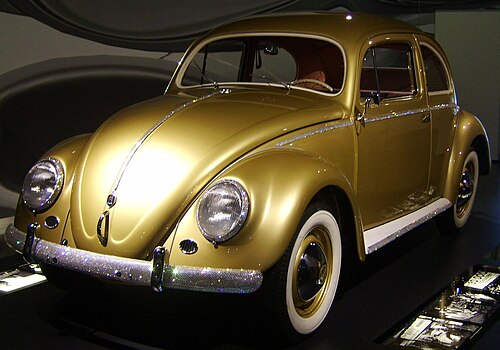
West Germany enjoyed prolonged economic growth beginning in the early 1950s (Wirtschaftswunder or "Economic Miracle").[422] Industrial production doubled from 1950 to 1957, and gross national product grew at a rate of 9% per year, providing the engine for economic growth of Western Europe. Labor unions supported the new policies with postponed wage increases, minimized strikes, support for technological modernization, and a policy of co-determination (Mitbestimmung), which involved a satisfactory grievance resolution system as well as requiring representation of workers on the boards of large corporations.[423] The recovery was accelerated by the currency reform of June 1948, U.S. gifts of $1.4 billion as part of the Marshall Plan, the breaking down of old trade barriers and traditional practices, and the opening of the global market.[424] The success of the currency reform angered the Soviets, who cut off all road, rail, and canal links between the western zones and West Berlin. This was the Berlin Blockade, which lasted from June 1948 to May 1949. In response, the U.S. and Britain launched an airlift of food and coal and distributed the new currency in West Berlin as well. The city thereby became economically integrated into West Germany.[425] Until the mid-1960s, it served as "America's Berlin", symbolizing the US' commitment to defending its freedom, which John F. Kennedy underscored during his visit in June 1963.[426]
West Germany gained legitimacy and respect, as it shed the reputation Germany had gained under the Nazis. West Germany played a central role in the creation of European cooperation; it joined NATO in 1955 and was a founding member of the European Economic Community in 1958.
With a booming economy short of unskilled workers, especially after the Berlin Wall cut off the steady flow of East Germans, the FRG negotiated migration agreements with Italy (1955), Spain (1960), Greece (1960), and Turkey (1961) that brought in hundreds of thousands of temporary guest workers, called Gastarbeiter.[427] The agreement with Turkey ended in 1973 but few workers returned because there were few good jobs in Turkey.[428] By 2010 there were about 4 million people of Turkish descent in Germany. The generation born in Germany attended German schools, but had a poor command of either German or Turkish, and had either low-skilled jobs or were unemployed.[429][430]

Willy Brandt was the leader of the Social Democratic Party in 1964–1987 and West German Chancellor in 1969–1974. Under his leadership, the German government sought to reduce tensions with the Soviet Union and improve relations with the German Democratic Republic, a policy known as the Ostpolitik.[422] Relations between the two German states had been icy at best, with propaganda barrages in each direction. The heavy outflow of talent from East Germany prompted the building of the Berlin Wall in 1961, which worsened Cold War tensions and prevented East Germans from travel. Although anxious to relieve serious hardships for divided families and to reduce friction, Brandt's Ostpolitik was intent on holding to its concept of "two German states in one German nation".
Ostpolitik was opposed by the conservative elements in Germany, but won Brandt an international reputation and the Nobel Peace Prize in 1971.[431] In September 1973, both West and East Germany were admitted to the United Nations. The two countries exchanged permanent representatives in 1974, and, in 1987, East Germany's leader Erich Honecker paid an official state visit to West Germany.[432]

After 1973, Germany was hard hit by a worldwide economic crisis, soaring oil prices, and stubbornly high unemployment, which jumped from 300,000 in 1973 to 1.1 million in 1975. The Ruhr region was hardest hit, as its easy-to-reach coal mines petered out, and expensive German coal was no longer competitive. Likewise the Ruhr steel industry went into sharp decline, as its prices were undercut by lower-cost suppliers such as Japan. The welfare system provided a safety net for the large number of unemployed workers, and many factories reduced their labor force and began to concentrate on high-profit specialty items. After 1990 the Ruhr moved into service industries and high technology. Cleaning up the heavy air and water pollution became a major industry in its own right. Meanwhile, formerly rural Bavaria became a high-tech center of industry.[408]
A spy scandal forced Brandt to step down as Chancellor while remaining as party leader. He was replaced by Helmut Schmidt, of the SPD, who served as Chancellor in 1974–1982. Schmidt continued the Ostpolitik with less enthusiasm. He had a PhD in economics and was more interested in domestic issues, such as reducing inflation. The debt grew rapidly as he borrowed to cover the cost of the ever more expensive welfare state.[433] After 1979, foreign policy issues grew central as the Cold War turned hot again. The German peace movement mobilized hundreds of thousands of demonstrators to protest against American deployment in Europe of new medium-range ballistic missiles. Schmidt supported the deployment but was opposed by the left wing of the SPD and by Brandt.
The pro-business Free Democratic Party (FDP) had been in coalition with the SPD, but now it changed direction.[434] Led by Finance Minister Otto Graf Lambsdorff the FDP adopted the market-oriented "Kiel Theses" in 1977; it rejected the Keynesian emphasis on consumer demand, and proposed to reduce social welfare spending, and try to introduce policies to stimulate production and facilitate jobs. Lambsdorff argued that the result would be economic growth, which would itself solve both the social problems and the financial problems. As a consequence, the FDP switched allegiance to the CDU and Schmidt lost his parliamentary majority in 1982. For the only time in West Germany's history, the government fell on a vote of no confidence.[405][435]

Helmut Kohl brought the conservatives back to power with a CDU/CSU-FDP coalition in 1982, and served as Chancellor until 1998.[422] He orchestrated reunification with the approval of all the Four Powers from World War II, who still had a voice in German affairs.[436] He lost in the left's biggest landslide victory in 1998, and was succeeded by the SPD's Gerhard Schröder.[437]
During the summer of 1989, rapid changes known as peaceful revolution or Die Wende took place in East Germany, which quickly led to German reunification.[422] Growing numbers of East Germans emigrated to West Germany, many via Hungary after Hungary's reformist government opened its borders. The opening of the Iron Curtain between Austria and Hungary at the Pan-European Picnic in August 1989 then triggered a chain reaction, at the end of which there was no longer a GDR and the Eastern Bloc had disintegrated. Otto von Habsburg's idea developed the greatest mass exodus since the construction of the Berlin Wall and it was shown that the USSR and the rulers of the Eastern European satellite states were not ready to keep the Iron Curtain effective. This made their loss of power visible and clear that the GDR no longer received effective support from the other communist Eastern Bloc countries.[438][439][440] Thousands of East Germans then tried to reach the West by staging sit-ins at West German diplomatic facilities in other East European capitals, most notably in Prague. The exodus generated demands within East Germany for political change, and mass demonstrations in several cities continued to grow.[441]

Unable to stop the growing civil unrest, Erich Honecker was forced to resign in October, and on 9 November, East German authorities unexpectedly allowed East German citizens to enter West Berlin and West Germany. Hundreds of thousands of people took advantage of the opportunity; new crossing points were opened in the Berlin Wall and along the border with West Germany. This led to the acceleration of the process of reforms in East Germany that ended with the dissolution of East Germany and the German reunification that came into force on 3 October 1990.[442]
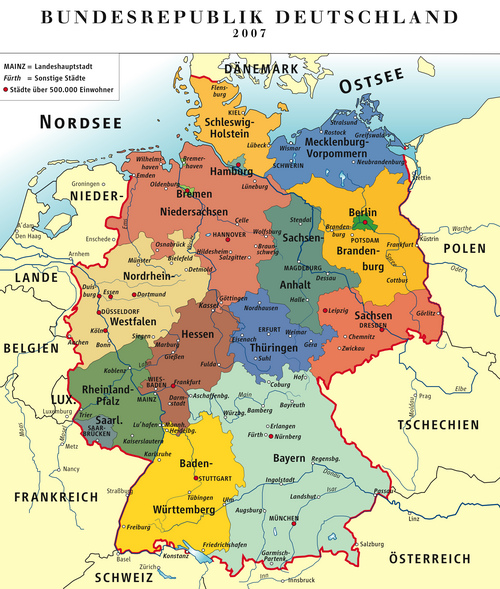

The SPD/Green coalition won the 1998 elections and SPD leader Gerhard Schröder positioned himself as a centrist "Third Way" candidate in the mold of U.K. Prime MinisterTony Blair and U.S. PresidentBill Clinton. Schröder proposed Agenda 2010, a significant downsizing of the welfare state with five goals: tax cuts; labor market deregulation, especially relaxing rules protecting workers from dismissal and setting up Hartz concept job training; modernizing the welfare state by reducing entitlements; decreasing bureaucratic obstacles for small businesses; and providing new low-interest loans to local governments.[443]
In 2005, after the SPD lost to the Christian Democratic Union (CDU) in North Rhine-Westphalia, Gerhard Schröder announced he would call federal elections "as soon as possible". A motion of no confidence was subsequently defeated after Schröder urged members not to vote for his government to trigger new elections. In response, a grouping of left-wing SPD dissidents and the neo-communist Party of Democratic Socialism agreed to run on a joint ticket in the general election, with Schröder's rival Oskar Lafontaine leading the new group.
In the 2005 elections, Angela Merkel became the first female chancellor. In 2009 the German government approved a €50 billion stimulus plan.[444] Among the major German political projects of the early 21st century are the advancement of European integration, the energy transition (Energiewende) for a sustainable energy supply, the debt brake for balanced budgets, measures to increase the fertility rate (pronatalism), and high-tech strategies for the transition of the German economy, summarised as Industry 4.0.[445] From 2005 to 2009 and 2013 to 2021, Germany was ruled by a grand coalition led by the CDU's Angela Merkel as chancellor. From 2009 to 2013, Merkel headed a centre-right government of the CDU/CSU and FDP.[446]

Together with France, Italy, Netherlands, and other EU member nations, Germany has played the leading role in the European Union. Germany (especially under Chancellor Helmut Kohl) was one of the main supporters of admitting many East European countries to the EU. Germany is at the forefront of European states seeking to exploit the momentum of monetary union to advance the creation of a more unified and capable European political, defence and security apparatus. German Chancellor Schröder expressed an interest in a permanent seat for Germany in the UN Security Council, identifying France, Russia, and Japan as countries that explicitly backed Germany's bid. Germany formally adopted the Euro on 1 January 1999 after permanently fixing the Deutsche Mark rate on 31 December 1998.[447][448]
Since 1990, German Bundeswehr has participated in a number of peacekeeping and disaster relief operations abroad. Since 2002, German troops formed part of the International Security Assistance Force in the War in Afghanistan, resulting in the first German casualties in combat missions since World War II.
In light of the worldwide Great Recession that began in 2008, Germany did not experience as much economic hardship as other European nations. Germany later sponsored a massive financial rescue in the wake of the Eurozone crisis which affected the German economy.
Following the triple disaster crisis in Japan (e.g., earthquake, tsunami, and nuclear disaster), German public opinion turned sharply against nuclear power in Germany, which at the time produced a fourth of electricity supply. In response, then-German Chancellor Merkel announced plans to close down all nuclear power plants over the following decade, and a commitment to rely more heavily on wind and other alternative energy sources, in addition to coal and natural gas.[449]
Compared to many European countries, Germany was affected by the European migrant crisis in 2015 as it became the final destination of choice for many asylum seekers from Africa and the Middle East entering the EU. The country took in over a million refugees and migrants and developed a quota system which redistributed migrants around its federal states based on their tax income and existing population density.[450] The decision by Merkel to authorize unrestricted entry led to heavy criticism in Germany as well as within Europe.[451][452] This was a major factor in the rise of the far-right party Alternative for Germany which entered the Bundestag in the 2017 federal election.[453]
In January 2020, Germany has confirmed the first case of novel coronavirus, originating from Wuhan, China. In March of the same year, Germany went onto national lockdown, which was greatly impacted by the pandemic on German economy, healthcare system, and society, and was also commended for being an effective model for instituting methods of curbing infections and deaths, but lost this status by the end of year due to rising number of cases, hospitalizations, and deaths. In late December 2020, COVID-19 vaccines has arrived in Germany, which began to be administered the immunization program.
Unfortunately, from June 2021 to the end of April 2023, Germany has suffered from a new surge of huge COVID-19 infection wave, fueled by a highly transmissible Deltacron hybrid variant, combination of Delta and Omicron mutations. However, Germany has suffered from a recombination event of Deltacron, which was caused by vaccine shortages in the first quarter.[454] By the end of December 2022, Germany has registered more than 180,198 excess deaths, while associated economic uncertainly and disruption of social relations have been linked to a marked decline in fertility rates across the nationwide and many European countries.[455]
COVID-19 measures in Germany were relaxed in March 2022. Mask obligation has been lifted, except for facilities such as hospitals, nursing homes, and public vehicles.[456]
On 8 December 2021 just three months after Germany's centre-left Social Democrats (SPD) narrowly won the federal election, ending 16 years of conservative-led rule under Angela Merkel, Social Democrat Olaf Scholz was sworn in as Germany's new chancellor. He formed a coalition government with the Green Party and the liberal Free Democrats.[457][458]
In February 2022, Frank-Walter Steinmeier was elected for a second five-year term as Germany's president. Although largely ceremonial post, he has been seen as a symbol of consensus and continuity.[459]
Following Russia's Feb. 24 invasion of Ukraine in 2022, Germany's previous foreign policy towards Russia (traditional Ostpolitik) has been severely criticized for having been too credulous and soft.[460] Following concerns from the 2022 Russian invasion of Ukraine, Germany announced a major shift in policy, pledging a €100 billion special fund for the Bundeswehr –to remedy years of underinvestment –along with raising the budget to above 2% GDP.[461] As of April 2023, over 1.06 million refugees from Ukraine were recorded in Germany.[462]
As of December 2023, Germany is the fourth largest economy in the world after the United States, China and Japan and the largest economy in Europe. It is the third largest export nation in the world.[463]
In February 2025, CDU/CSU, the conservatives, won Germany's 2025 federal election, becoming the biggest group in the parliament. However, far-right Alternative for Germany, AfD, doubled its support to became the second biggest political party in parliament with 20.8% of the vote. SPD, the Social Democrats, had its worst performance in decades with 16.4% of the vote.[464]
On 6 May 2025, Friedrich Merz was sworn in as Germany's next chancellor by President Frank-Walter Steinmeier. Merz formed a coalition with his Christian Democrats, its sister party the Christian Social Union, and the Social Democrats.[465]
For on the bitterly cold night of 31 December 406, there was apparently no Roman army on guard when a host of Vandal, Alan, Suevi and Burgundian warriors, with their families and possessions, crossed the frozen Rhine and headed southwest through Gaul. This time, Rome's frontiers had been breached by barbarians who meant to stay.
These stem duchies were: Franconia [...]; Lorraine (not strictly a stem duchy but with a tradition of unity); Swabia [...] .
Racial Hygiene: Medicine under the Nazis.