
Loading article…

音楽界の女性はさまざまな役割を果たし、幅広い貢献をしています。女性は作曲家、作詞家、楽器演奏者、歌手、指揮者、音楽教育者として、音楽のムーブメント、イベント、ジャンルを形作っています。女性の音楽は、女性の権利やフェミニズムの考えを探求するために、女性によって、女性のために作られてきました。音楽界における女性の影響は、創造性、活動主義、文化の概念に影響を与えています。
2010年代には、ポピュラー音楽やクラシック音楽の歌手や作詞家(多くはシンガーソングライター)のかなりの割合を女性が占めていたが、レコードプロデューサー、ロック評論家、ロック楽器奏者で女性はほとんどいなかった。マドンナ、ビリー・アイリッシュ、レディー・ガガなどの人物に代表されるポップミュージックの女性アーティストは、音楽業界内の性差別の問題に公然と取り組んできた。[1] [2] [3] 2021年の調査では、「...過去6年間で、音楽業界における女性の代表性はさらに低下している」と述べられている。[4] [5]クラシック音楽の分野では、中世から現代に至るまで多大な貢献をしているにもかかわらず、女性作曲家は、一般的に演奏されるクラシック音楽のレパートリー、音楽史の教科書、音楽百科事典で大幅に過小評価されている。たとえば、『Concise Oxford History of Music』では、クララ・シューマンは数少ない女性作曲家の一人として言及されています。
クラシック音楽の器楽ソリストで女性がかなりの割合を占め、オーケストラにおける女性の割合も増加しているが、2015年にカナダの主要オーケストラの協奏曲ソリストに関する記事によると、モントリオール交響楽団のソリストの84%が男性だった。2012年には、トップランクのウィーン・フィルハーモニー管弦楽団の女性奏者の割合はわずか6%だった。ロックやヘビーメタルなどのポピュラー音楽のジャンルでは女性の器楽奏者は少ないが、女性器楽奏者や女性だけのバンドは数多く存在する。特にエクストリームメタルのジャンルでは女性の割合が低い。 [6] : 103 オーケストラの指揮、音楽批評・音楽ジャーナリズム、音楽プロデュース、音響エンジニアリングでも女性の割合が低い。 19世紀には女性の作曲は奨励されず、女性の音楽学者もほとんどいなかったが、女性たちは音楽教育に関わり、「19世紀後半から20世紀に入っても女性が[この分野]を独占するほどだった」[7] 。
ロンドンのインディペンデント紙の音楽記者ジェシカ・デュッチェンによると、クラシック音楽の女性音楽家は「才能よりも外見で判断されることが多すぎる」ため、「ステージ上や写真でセクシーに見えるように」というプレッシャーに直面している。[8]デュッチェンは、「外見で演奏することを拒否する女性音楽家もいるが、そうする女性音楽家の方が物質的に成功する傾向がある」と述べている。[8]英国ラジオ3の編集者エドウィナ・ウォルステンクロフトによると、音楽業界は長い間、女性がパフォーマンスやエンターテイメントの役割を担うことに寛容であったが、オーケストラの指揮者など権威ある地位に就く可能性ははるかに低く、[9] 「音楽業界における最後のガラスの天井の1つ」と呼ばれている職業である。 [10]ポピュラー音楽では、多くの女性歌手が歌を録音しているが、オーディオコンソールの後ろで音楽プロデューサー、つまり録音プロセスを指揮し管理する個人として活動する女性は非常に少ない。[11]最も多くレコーディングされたアーティストの一人は、ヒンディー語映画のプレイバックシンガーとして最もよく知られているインド人歌手、アシャ・ボスレーである。 [12]
西洋の作曲家
.jpg/500px-Julius_Giere_-_Clara_Wieck_im_Alter_von_15_Jahren_(Lithographie_1835).jpg)
アメリカの音楽学者マーシャ・シトロンは「なぜ女性作曲の音楽は標準的な『クラシック』レパートリーからこれほど疎外されているのか」と疑問を呈している。 [13]シトロンは「女性作曲家が演奏される音楽作品の『規範』から排除されるに至った慣習と態度を検証している」と述べている。彼女は、1800年代には女性作曲家は大ホールでオーケストラと演奏することを意図した交響曲よりも、小規模なリサイタルで演奏するための芸術歌曲を書いたのが典型的であり、後者の作品が作曲家にとって最も重要なジャンルとみなされていたと主張している。女性作曲家は交響曲をあまり書いていないため、作曲家として注目に値しないと考えられていた。[13]
アビー・フィリップスによれば、「女性音楽家がブレイクし、当然の評価を得るのは非常に困難だった」という。[14]中世の時代、芸術音楽のほとんどは典礼(宗教)目的のために作られ、宗教指導者が女性の役割について抱いていた見解のため、修道女ヒルデガルト・フォン・ビンゲンを除いて、このタイプの音楽を作曲した女性はほとんどいなかった。音楽史に関する大学の教科書のほとんどは、男性作曲家の役割についてのみ論じている。また、女性作曲家の作品がクラシック音楽の標準的なレパートリーの一部になっていることは非常に少ない。オックスフォード音楽史コンサイスでは、クララ・シューマンは数少ない女性作曲家の一人として言及されている。[14]フィリップスは、「20世紀には、作曲/演奏する女性は男性に比べてはるかに注目されなかった」と述べている。[14]
中世

ヒルデガルト・フォン・ビンゲン(1098–1179)は、ドイツのベネディクト会 修道院長、作曲家、作家、哲学者、そして空想家であった。[15]作曲家としての彼女の作品の一つである『オルド・ヴィルトゥートゥム』は、典礼劇の初期の事例であり、初期の道徳劇である。何人かの作家は、この作品にオペラの遠い起源があると推測しているが、証拠はない。[16] [17]それぞれが独自の詩的なテキストを持つ69の楽曲が現存している。これは、中世の作曲家の中でも最大級のレパートリーである。ヒルデガルトは多くの典礼歌を作曲し、それらは『調和と天の啓示のシンフォニー』と呼ばれるサイクルにまとめられている。 『シンフォニア』の歌曲はヒルデガルト自身のテキストに設定されており、交唱、賛美歌、シークエンスから応答曲まで多岐にわたる。[18]彼女の音楽はモノフォニックであると評され、[19]より伝統的なグレゴリオ聖歌の限界を押し広げる高揚するメロディーを使用している。
ルネッサンス時代

マッダレーナ・カズラーナ(1544–1590)はイタリアの作曲家、リュート奏者、歌手であった。[20]彼女の最初の作品は1566年のもので、フィレンツェで制作したマドリガーレ集『Il Desiderio』に収められた4曲のマドリガーレである。2年後、彼女はヴェネツィアで最初の4声のマドリガーレ集『Il primo libro di madrigali』を出版した。これは西洋音楽史上初となる女性による印刷・出版作品である。[21]彼女はイザベラ・デ・メディチと親しく、彼女に曲の一部を捧げている。1570年、1583年、1586年には他のマドリガーレ集も出版している。最初のマドリガーレ集の献辞で、彼女は、女性作曲家が珍しかった時代に女性作曲家であったことに対する思いを次のように述べている。「音楽という職業でできる限り、男性だけが知性と芸術性の才能を持ち、そのような才能は女性には決して与えられないという、男性のうぬぼれの強い誤りを世に示したい。」彼女のスタイルは対位法と半音階で、旋律線は歌いやすく、テキストに気を配っている。フィリップ・ド・モンテなど、当時の他の作曲家も彼女を高く評価していた。
カテリーナ・アサンドラ(1590年 - 1618年)はイタリアの作曲家、ベネディクト会の 修道女である。オルガン奏者として有名になり、様々な作品を発表した。[22] [23]アサンドラは数多くのモテットやオルガン曲を作曲した。パヴィア大聖堂の指導的教師の一人であったベネデット・レに対位法を学んだ。1609年にミラノで新しい協奏曲様式のモテット集を作曲し、1611年には模倣的な8声の『サルヴェ・レジーナ』、1618年には4声のモテット『Audite verbum Dominum 』を作曲した。彼女は伝統的な作品とより革新的な作品を作曲した。後者には『デュオ・セラフィム』がある。モテッティ作品2に収録されているモテット『オ・サルタリス・ホディ』は、擦弦楽器である ヴィオローネを取り入れた最初の作品の一つである。
バロック時代
.jpg/500px-Orazio_Gentileschi_-_Il_suonatore_di_liuto_(National_Gallery_of_Art).jpg)
フランチェスカ・カッチーニ(1587年 - 1641年)はイタリアの作曲家、歌手、リュート奏者、詩人、音楽教師であった。 1600年にフランス国王アンリ4世とマリア・デ・メディチの結婚式で歌った彼女の歌はアンリから賞賛され、「フランスで最高の歌手」と呼ばれた。[24]彼女は1627年までメディチ家の宮廷で教師、室内楽歌手、リハーサルコーチ、室内楽と舞台音楽の作曲家として働いた。1614年までに彼女は宮廷で最も高額の報酬を得る音楽家となった。彼女の音楽的技量が、トスカーナの事実上の摂政、ロレーヌ大公女クリスティーナが掲げた女性の卓越性の理念を非常によく体現していたからである。彼女の舞台音楽のほとんどは喜劇で演奏するために作曲された。1618年に彼女は36曲のソロ歌曲とソプラノとバスの二重唱を集めたコレクションを出版した。 1625 年に彼女は 75 分間の「喜劇バレエ」を作曲しました。彼女は全部で 16 の舞台作品を作曲しました。彼女は劇的なハーモニーの驚きの達人でした。彼女の音楽では、対位法よりもハーモニーの変化が感情的な影響を最も強力に伝えます。
バルバラ・ストロッツィ(1619–1677)はイタリアのバロック作曲家、歌手。子供の頃から、彼女の並外れた歌唱力は幅広い聴衆に披露されていた。彼女は作曲の才能にも恵まれ、父親は彼女が作曲家フランチェスコ・カヴァッリに師事するよう手配した。ストロッツィは「19世紀中頃のヴェネツィアで、男女を問わず最も多作な世俗声楽の作曲家」と言われていた。 [ 25]彼女の作品はまた、宗教歌集1冊を除いて世俗声楽のみを収録しているという点でもユニークである。[26]彼女は作曲の才能だけでなく詩的な才能でも有名であった。彼女の歌詞は詩的で明瞭に表現されていることが多い。[25]彼女の印刷作品のほぼ4分の3はソプラノのために書かれたが、他の声部のための作品も出版した。[27]彼女の作品はセコンダ・プラティカの伝統にしっかりと根ざしている。ストロッツィの音楽はモンテヴェルディの後継者であるカヴァッリの精神を呼び起こす。しかし、彼女のスタイルはより叙情的で、より純粋な声の響きに依存している。[28]初期の作品のテキストの多くは父ジュリオによって書かれた。後期のテキストは父の同僚によって書かれ、多くの作品では彼女自身がテキストを書いた可能性がある。
エリザベート・ジャケ・ド・ラ・ゲール(1665年 - 1729年)は、フランスの作曲家、音楽家、チェンバロ奏者であった。音楽家と名高い楽器製作者の家庭に生まれた。神童であったエリザベートは、ルイ14世の前でチェンバロを演奏した。宮廷音楽家となり、国内やパリ各地で指導、作曲、演奏会を行って絶賛された。[29]彼女は当時数少ない著名な女性作曲家の一人で、同時代の多くの作曲家と異なり、多岐にわたる形式で作曲した。[30]彼女の才能と業績はティトン・デュ・ティエ に認められ、彼女がまだ26歳だったときに、ラランドとマレの隣、リュリの真下に、自身のパルナッソス山の座を与えた。彼女の作品には、バレエ、オペラ ( Céphale et Procris )、トリオ ソナタ、チェンバロ作品、ヴィオロンとクラヴサンのソナテ、および歌曲集 ( Cantates françoises sur des sujets Tirez de l'Ecriture)が含まれます。
古典時代
ハリエット・エイブラムス(1758年 - 1821年)は、イギリスの作曲家、ソプラノ歌手。歌手としては、ジョージ・フリードリヒ・ヘンデルの歌唱で賞賛された。エイブラムスは、作曲家トーマス・アーンに歌唱、音楽理論、作曲を学んだ後、1775年にロンドンのドルリー・レーン王立劇場でオペラデビューを果たした。エイブラムスは、流行のロンドンコンサートや地方のフェスティバルの主役歌手となり、1780年から1790年にかけて定期的に出演した。エイブラムスはいくつかの歌曲を作曲し、そのうちの「孤児の祈り」と「クレイジー・ジェーン」は人気を博した。彼女は、イタリア語と英語のカンツォネット2組、2人または3人の声でハーモニーを奏でるスコットランドの歌とグリー集、そして主に感傷的なバラードを中心とする12曲以上の歌曲を出版した。1803年に出版された歌曲集は、ハリエットによってシャーロット女王に献呈された。[31]
マリア・テレサ・アニェージ(1720年 - 1795年)はイタリアの作曲家。彼女は作曲家として最も有名であるが、熟達したチェンバロ奏者および歌手でもあった。現存する作品の大部分は、鍵盤楽器、声楽、またはその両方で書かれたものである。彼女のキャリアは、女性の権利に関して進歩的で啓蒙的だったオーストリア領ロンバルディアによって可能となった。彼女のパトロンとなったのは、神聖ローマ帝国の皇后でロンバルディアの君主でもあったマリア・テレジアと、才能ある作曲家であり同時代のマリア・アントニア・ヴァルプルギスであった。彼女の初期の作品はシンプルで明快であるのに対し、後期の作品はより技巧的で複雑、そしてメロドラマ的である。彼女は英雄劇やシリアスな劇様式を含むオペラを作曲した。また、鍵盤楽器、小編成アンサンブル、声楽のためのアリア、協奏曲、ソナタも書いた。
アンナ・アマリア王女(1723年 - 1787年)はプロイセンの作曲家、楽譜管理人であった。若い頃にはチェンバロ、フルート、ヴァイオリンの演奏を学んだ。1755年にクヴェードリンブルクの女子修道院長となった。[32]彼女はほとんどの時間をベルリンで過ごし、そこで音楽に没頭し、音楽のパトロンおよび作曲家となった。作曲家として彼女はそこそこの名声を獲得し、三重奏曲、行進曲、カンタータ、歌曲、フーガを含む小品室内楽曲で最もよく知られている。1758年に彼女はヨハン・セバスティアン・バッハの弟子であるヨハン・フィリップ・キルンベルガーに音楽理論と作曲法を学んだ。彼女はフルートソナタなどの室内楽曲を作曲した。さらに彼女はラムラーの受難カンタータ『イエスの死』のテキストに曲を付けた。彼女は音楽の収集家でもあり、ヨハン・セバスチャン・バッハ、ゲオルク・フリードリヒ・ヘンデル、ゲオルク・フィリップ・テレマン、カール・ハインリヒ・グラウン、カール・フィリップ・エマヌエル・バッハなど、600冊を超える作品を保管していました。彼女の収集作品は西洋文化に多大な貢献をしています。
エリザベート・オリン(1740年 - 1828年)は、スウェーデンのオペラ歌手、作曲家。1747年、ボルフーセットでスウェーデン初のオペラ・コミック座と言われる『シリンクス』のアルフヒルド役でデビュー。ストックホルムのリッダルフーセットで定期的に行われる公開コンサートで有名な歌手となり、自作を出版。1768年の詩集『グスタヴィアーデ。12の歌による英雄詩』に1曲ずつ作曲したスウェーデンの作曲家の一人で、この詩集で8曲目を作曲した。[33] 1773年1月18日のスウェーデン王立歌劇場の開館記念公演で、彼女はフランチェスコ・ウッティーニのオペラ『テティスとペレ』で海の女神テティス役を歌った。[34]彼女は10年間スウェーデン・オペラ界のプリマドンナであり続けた。1773年、彼女は女性として初めてホヴサンガレの称号を授与され、1782年にはスウェーデン王立音楽アカデミーの女性初の会員に選出された。[33]
アンリエット・アデライド・ヴィラール・ド・ボーメニル(1748年 - 1813年)は、フランスの作曲家、オペラ歌手である。7歳の頃から端役で活動を始め、1766年にパリ・オペラ座のソリストとしてデビューした。 [35] [36]パリ・オペラ座で作品が上演された2人目の女性となった。[37]パリ・オペラ座は、1694年にエリザベート・ジャケ・ド・ラ・ゲールの悲劇叙情詩『 セファルとプロクリ』を上演したことがある。最初のオペラ『アナクレオン』は、1781年にプロヴァンス伯爵邸で内々に上演された。 1784年には、オペラ『ティビュルとデリー』がパリ・オペラ座で上演された。 1792 年、彼女の 2 幕オペラ コミック『プレール、司令官』がモンタンシエ劇場で上演されました。
アンナ・ボン(1739年 - 1767年?)はイタリアの作曲家、演奏家。ヴェネツィアのピエタ病院に通い、ヴィオラの巨匠カンディダ・デッラ・ピエタに師事。 [38]ブランデンブルク辺境伯フリードリヒ・フォン・クルムバッハの宮廷で「室内楽の 名手」という新設の職に就く。 1756年にニュルンベルクで出版された6つのフルート・ソナタ作品1をフリードリヒに献呈。 [38] 1762年にアイゼンシュタットのエステルハージ宮廷に移り、1765年までそこに留まった。出版された6つのチェンバロ・ソナタ作品1をフリードリヒに献呈。彼女はまた、2本のフルートと通奏低音のためのディヴェルティメント6曲、ソプラノ、 2本のヴァイオリン、ビオラ、通奏低音のためのアリア「Astra coeli 」、歌手、楽器、通奏低音のための奉納曲「Ardete amore」、アルト、2本のヴァイオリン、ビオラ、通奏低音のためのモテット「Eia in preces et veloces」、およびオペラも書いている。
ジェーン・メアリー・ゲスト(1762–1846)は、イギリスの作曲家、ピアニスト。ヨハン・クリスティアン・バッハの弟子で、当初はガラント様式で作曲していた。[40]鍵盤ソナタ、その他の鍵盤楽曲、鍵盤伴奏付き声楽作品を作曲した。[41]アメリア王女とシャーロット王女のピアノ教師であった。[42] 1779年からロンドンで演奏し、1783/84年には定期演奏会を行った。[40]表現力豊かな演奏スタイルで知られた。[40]この頃、6つのソナタ作品10を出版した。 1は、王族を含む多くの購読者を獲得し[43]、1784年にはパリ、1785年にはベルリンでも出版された[42]。彼女は鍵盤ソナタのほかにも、ロッシーニの「リカルドとゾライデ」 (1820年)からの序奏と行進曲や、鍵盤伴奏付きの歌曲など、他の鍵盤楽器用作品も作曲した。
マリアンヌ・フォン・マルティネス(1744–1812)はオーストリアの作曲家、歌手、ピアニストであった。メタスタージオは彼女の早熟な才能に気づき、ハイドンから鍵盤楽器のレッスン、ポルポラから歌唱のレッスン、ヨハン・アドルフ・ハッセと宮廷作曲家ジュゼッペ・ボンノから作曲のレッスンを受けるなど、彼女の音楽教育を監督するようになった。彼女はイタリア語とドイツ語を母国語とし、フランス語と英語も話せた。[44]子供の頃、彼女は宮廷で演奏し、「美しい声と鍵盤楽器の演奏で注目を集めた。」[45] 。成人すると、マリア・テレジア皇后の前で演奏するよう頻繁に依頼された。[44]マリアンヌが作曲した作品の多くは独唱用に設定されている。彼女はイタリア語のテキストに世俗カンタータを数曲とオラトリオを2曲書いた。現存する作品には、4つのミサ曲、6つのモテット、合唱のための3つの連祷がある。彼女は、ウィーンの初期古典派の典型であるイタリア風の作曲をしました。彼女のチェンバロ演奏はCPEバッハのスタイルと比較されました。彼女のイタリア風オラトリオ「レデントーレのイザッコの姿」は、 1782年に大勢の演奏家によって初演されました。[46]
ロマン主義時代

マリア・シマノフスカ(1789年 - 1831年)は、ポーランドの著名な作曲家、ピアニストでした。彼女は、同じポーランド人であるフレデリック・ショパン(1810年 - 1849年)と同じジャンルの作品を数多く作曲しました。シマノフスカは、ジョアッキーノ・ロッシーニ、ヨハン・ヴォルフガング・フォン・ゲーテ、ポーランドの最も偉大な詩人アダム・ミツキェヴィチなど、19世紀の著名な人々と交流を保っていました。
ファニー・メンデルスゾーン(1805-1847)は、1800年代の最も有名な女性作曲家の一人である。彼女は子供の頃から並外れた音楽的才能を示し、作曲を始めた。彼女の実家を訪れた有名人はファニーと彼女の兄フェリックス・メンデルスゾーンに等しく感銘を受けたが、ファニーは当時の女性に対する一般的な考え方によって制限されていた。彼女の父親は、彼女の作曲家としての活動を支持するというよりは、むしろ寛容だった。彼女の父親は1820年に彼女に宛てた手紙の中で、「音楽はおそらく彼(フェリックスの)職業になるだろうが、あなたにとっては音楽は単なる装飾品でしかなく、そうあるべきだ」と伝えた。 [47]フェリックスは、彼女が自分の名前で作品を出版したり、音楽家としてのキャリアを求めたりしないよう警告した。彼は次のように書いている。
ファニーに関する私の知識から言うと、彼女には音楽作家になる気も才能もない。彼女は女性としてこの仕事に就くにはあまりにも多くの資質を持っている。彼女は家庭を律し、最初の義務を果たすまでは世間や音楽界、さらには音楽のことさえも考えない。出版は彼女のこうした仕事に支障をきたすだけであり、私はそれを支持できない。[48]
クララ・シューマン(1819年 - 1896年)は、ドイツの作曲家、コンサートピアニストで、61年間のコンサート活動でピアノリサイタルの形式やレパートリー、聴衆の嗜好を変えた。幼少の頃から、ピアノ、バイオリン、歌唱、理論、和声、作曲、対位法を1時間ずつ習っていた。1830年、11歳にしてソリストの名手となり、ヨーロッパの都市を巡るコンサートツアーに出発した。1830年代後半、彼女は満員の観客の前で演奏し、批評家から絶賛された。フレデリック・ショパンは、フランツ・リストに彼女の演奏について語った。リストは彼女のコンサートを聴きに来て、その後「彼女を大いに賞賛した」と、パリのRevue et Gazette Musicaleに掲載された手紙で述べている。彼女はオーストリア最高の音楽栄誉であるKönigliche und Kaiserliche Kammervirtuosin (「王室および帝国室内楽の名手」)に選ばれた[49] 。 [49]
彼女はまた、コンサートピアニストに求められるプログラムの種類を変える上で重要な役割を果たした。ロベルト・シューマンと結婚する前のキャリア初期には、当時の慣例であった、主にピアニストのテクニックを披露するための華麗な作品を演奏した。それはタルベルグ、ヘルツ、ヘンゼルトといった名ピアニストが書いたオペラの人気テーマの編曲や変奏曲の形を取ることが多かった。自作を演奏することも慣例であったため、彼女はすべてのプログラムに少なくとも1つの自作を組み込んでおり、その中にはベッリーニの主題による変奏曲(作品8)や人気のスケルツォ(作品10)などの作品が含まれていた。彼女の作品には、歌曲、ピアノ曲、ピアノ協奏曲、ピアノ三重奏曲、合唱曲、ヴァイオリンとピアノのための3つのロマンスがある。
20世紀と21世紀
キャサリン・フーヴァー(1937–2018)はロチェスター大学とイーストマン音楽学校で音楽を学び、1959年にフルートの演奏資格と音楽理論の音楽学士号を取得した。[50] 1965年に2台のヴァイオリンのための二重奏曲でプロの作品の出版を始めた。フーヴァーは全米フルート協会の新刊音楽コンクールで2度優勝しており、最初は1987年に作品「中世組曲」で、2回目は1991年にフルート独奏のための作品「ココペリ」で優勝した。これらの作品では、ピッチベンディングなど、フルートの高度な技法が数多く使用されている。彼女の作品の多くは著名なミュージシャンによって録音され、カーネギーホールで演奏されている。[51] : 252–253
ジョーン・タワー(1938年生まれ)は1976年に作曲した『ブラック・トパーズ』で、多くの調性メロディーとハーモニーを特徴としている。[52] : 134 タワーは1978年にコロンビア大学で作曲の博士号を取得した。1979年にアメリカ作曲家管弦楽団の委嘱を受け、初の管弦楽曲『セコイア』を作曲した。この作品は世界中の数多くのオーケストラで演奏されている。1985年から1988年までタワーはセントルイス交響楽団の専属作曲家を務めた。1990年には女性として初めてグラウエマイヤー作曲賞を受賞した。この賞には賞金15万ドルが含まれた。それ以来タワーはノーフォーク室内楽祭やタングルウッド現代音楽祭など数多くの音楽祭で専属作曲家を務めている。タワーは1982年からニューヨークのバード大学の音楽教授を務めており、20世紀で最も影響力のある女性作曲家の一人と考えられています。[51] :278–280
エレン・ターフェ・ズウィリッヒ(1939年生まれ)はジュリアード音楽院で作曲の博士号を取得し、女性として初めて博士号を取得した。同年、イタリアの国際作曲コンクールで金メダルを獲得。1983年、ズウィリッヒは交響曲第1番でピューリッツァー音楽賞を受賞した初の女性となり、再び歴史に名を残した。この成功以来、彼女は多くの委嘱を受けている。彼女の作品「ミレニアム」は、2000年の初演以来、27のオーケストラによって演奏されている。彼女は1999年からフロリダ州立大学のフランシス・エップス音楽教授を務めている。[51] : 288–290 ズウィリッヒは、明快なデザインと豊かな音色を活かした「折衷的な千年王国の声」を作品に取り入れていることで知られている。彼女の音楽はもともと非常に不協和で第二ウィーン楽派の影響を受けていたが、夫の死後、彼女のスタイルはより感情的なものになった。[52] : 179
リビー・ラーセン(1950年生まれ)は、1975年にミネソタ大学で音楽修士号を取得し、1978年に同大学で博士号を取得しました。1973年にミネソタ作曲家フォーラム(現在はアメリカ作曲家フォーラムとして知られています)を共同設立しました。[53]ラーセンは1983年から1987年までミネソタ管弦楽団の専属作曲家を務めました。ラーセンは、オーケストラ、ダンス、オペラ、合唱、演劇、室内楽、ソロのレパートリーを含む220以上の作品を作曲しました。彼女の作品は米国とヨーロッパ各地で演奏されています。ラーセンは現代音楽と女性ミュージシャンの強力な支持者であり、1994年にCD 「The Art of Arleen Auger」でグラミー賞を受賞した。ラーセンは2000年にアメリカ芸術文学アカデミーから生涯功労賞を受賞し、 2007年には著書「The Concert Hall That Fell Asleep and Woke Up as a Car Radio」を出版した。 [52] : 242–253 [51] : 256–258
ジェニファー・ヒグドン(1962年生まれ)は、1994年にフィラデルフィア大学で修士号と博士号を取得。ヒグドンは、グッゲンハイム財団、アメリカ芸術文学アカデミー、国際女性作曲家連盟などから賞を受賞している。1996年の作品「シャイン」は、 USAトゥデイ紙で最優秀現代作品に選ばれた。[51] : 252–253 ヒグドンの多くの作品のうち、「ブルー・カテドラル」は最も頻繁に演奏されている。2010年、ヒグドンは打楽器協奏曲で最優秀現代クラシック作品のグラミー賞を受賞した。また、2010年には、ヒラリー・ハーンが初演した作曲「ヴァイオリン協奏曲」でピューリッツァー音楽賞を受賞した。 [54]
その他の女性作曲家は下記に挙げています。演奏家もいます(例:アグネス・ティレル、エイミー・ビーチ、ヴェルディナ・シュロンスキーは著名なピアニストでした)。完全なリストについては、誕生年別女性作曲家一覧を参照してください。
- アグネス・ティレル(1846–1883)
- エセル・スミス(1858–1944)
- エイミー・ビーチ(1867–1944)
- ドーラ・ペヤチェヴィッチ(1885–1923)
- フローレンス・プライス(1887–1953)
- ナディア・ブーランジェ(1887–1979)
- リリ・ブーランジェ(1893–1918)
- ヴェルディナ・シュロンスキー(1905–1990)
- イモージェン・ホルスト(1907–1984)
- バイオレット・アーチャー(1913–2000)
- ヴィテズラヴァ・カプラロヴァ(1915–1940)
- シーア・マスグレイブ(1928年生まれ)
- ソフィア・グバイドゥリナ(1931年生まれ)
ソングライター
[1960年代の]音楽業界のほとんどの側面と同様に、作詞作曲は男性が支配する分野でした。ラジオにはたくさんの女性歌手がいましたが、女性は主に消費者として見られていました。歌うことは女の子にとって許容される娯楽である場合もありましたが、楽器を演奏したり、曲を書いたり、レコードを制作したりすることは決して行われていませんでした。[そして女性]は自分たちを[音楽]を創造する人々として見るように社会化されていませんでした。
エリカ・エイブラムス、 Rebeat、2015年1月28日
ソングライターとは、一般的にポップ、ロック、カントリーミュージックなどのポピュラー音楽のジャンルの曲の歌詞、メロディー、コード進行を書く人のことです。ソングライターは作曲家と呼ばれることもありますが、後者の用語は主にクラシック音楽のジャンルの人に使用される傾向があります。
共同作曲家は、作詞や編曲など特定の分野に特化することで、作詞家自身の長所と短所のバランスをとるのに役立ちます。Spotify や Pandora などのストリーミング サイトで常に聞かれるトップ 40 の曲の多くは、熟練した作詞家によって書かれ、その曲を一流の才能あるアーティストに提供してレコーディングされています。すべての作詞家が歌手であるわけではありません。
- キャロル・キングは自身のレコーディングキャリアを始める前に、他のアーティストのためにヒット曲を数多く作曲した。彼女のアルバム「Tapestry」は世界中で1500万枚以上を売り上げた。[55]
- ジョニ・ミッチェルは自身の多様な音楽アルバムをすべて自らプロデュースした。[55]
- ドリー・パートンは700曲以上の楽曲を単独で作曲しており、史上最も成功した女性カントリー・アーティストと言われています。[55]
- ロレッタ・リンは、避妊や離婚など、アメリカの白人労働者階級の女性の政治問題について歌を書いた。その功績により、2013年に大統領自由勲章を授与された。[56] [55]
19世紀-20世紀初頭

「19世紀後半から20世紀初頭にかけて、アメリカには多くの女性ソングライターがいたが、そのうちのほんの数人だけが音楽を発表し、聴かれた。」[7]リチャード・A・ルーブリンとリチャード・G・ベイルによれば、「女性ソングライターに関する言及がほとんどないことは、私たちの音楽の伝統において、明白で恥ずかしい欠落である。」[7]女性は「20世紀のティン・パン・アレーの男性社会で、音楽を書いて出版するのに苦労した。」[7] 1900年以前、そしてそれ以降も、「女性は音楽を演奏するものであって、音楽を作るものではない」と期待されていた。[7] 1880年、シカゴの音楽評論家ジョージ・P・アプトンは著書『音楽界の女性たち』の中で、「女性は生物学的素因」のために「良い音楽を作曲するための生来の創造性に欠けている」と主張した。[7]その後、女性が音楽教育に関与することが認められ、女性はこの分野に「19世紀後半から20世紀に入っても音楽教育を支配していたほど」関与するようになった。[7]音楽教育における女性の役割の一環として、女性は賛美歌や子供向けの音楽を書いた。「1825年以前にアメリカで印刷された世俗音楽には、女性による作品が70曲ほどしかない」。[7] 19世紀半ばには、ファスティーナ・ハッセ・ホッジス、スーザン・マクファーランド・パークハースト、オーガスタ・ブラウン、マリオン・ディックス・サリバンなどの女性ソングライターが登場した。1900年までに、女性ソングライターは大幅に増えたが、「女性であるという事実を隠すために、依然として多くがペンネームやイニシャルを使わざるを得なかった」。[7]
キャリー・ジェイコブス=ボンドは「1800年代後半から20世紀中盤にかけての傑出した女性作曲家であり、初のミリオンセラー女性ソングライターとなった」。[7] モード・ニュージェント(1877年 - 1958年)は1896年に「スウィート・ロージー・オグレイディ」を書いた。彼女はまた「ダウン・アット・ロージー・ライリーズ・フラット」、「マイ・アイリッシュ・デイジー」、「メアリー・フロム・ティペラリー」も書いた。[7] シャーロット・ブレイク(1885年 - 1979年)はミシガン州デトロイトのホイットニー・ワーナー出版会社のスタッフライターだった。当初同社は彼女の性別を隠すために「C.ブレイク」と広告を出していたが、1906年までに広告では彼女のフルネームを使った。[7] カロ・ローマ(1866年 - 1937年)はキャリー・ノースリーの性別不明のペンネームである。彼女は「ティン・パン・アレー時代のアメリカで最もよく知られ、人気のある作曲家の一人」でした。[7]彼女の曲には「Can't Yo' Heah Me Calling」、「Faded Rose」、「The Angelus」、「Thinking of Thee」、「Resignation」などがあります。[7] 1900年代初頭のイギリスのミュージックホールのソングライターの約95%は男性でしたが、歌手の約30%は女性でした。[57]
20世紀のジャズ
20世紀ジャズ界の女性ミュージシャンの例
ジャズの作詞作曲は長い間男性中心の分野であったが、女性のジャズ作詞家も存在した。1930年代には、アン・ロネル(1905年 - 1993年)が「Willow Weep for Me」や「Who's Afraid of the Big Bad Wolf?」などの曲を書いた。 [58] アイリーン・ヒギンボサム(1918年 - 1988年)は約50曲を書き、最もよく知られているのは「Good Morning Heartache」である。[58] ドロシー・フィールズ(1905年 - 1974年)は400曲以上の歌詞を書き、そのうちのいくつかはデューク・エリントンによって演奏された。彼女はジェローム・カーンと「 The Way You Look Tonight」を共作し、1936年のアカデミー賞で最優秀主題歌賞を受賞した。彼女はジミー・マクヒューと「 Exactly Like You」「On the Sunny Side of the Street」「I Can't Give You Anything but Love」など、ジャズのスタンダード曲を共作した。 [58]リル・ハーディン・アームストロング(1898–1971)はキング・オリバーのクレオール・ジャズ・バンドでピアノを弾いた。彼女の曲「Struttin' with Some Barbecue」は500回も録音されている。アームストロングは「Doin' the Suzie Q」「Just for a Thrill」「Bad Boy」も録音している。[58]ビリー・ホリデイ(1915–1959)は歌手で、アーサー・ヘルツォーク・ジュニアと「 God Bless the Child」「Don't Explain」を共作したほか、ブルースの曲「Fine and Mellow」を書いた。[58]
ジャズ音楽は、20世紀初頭に女性の解放を推進する原動力となった。ジャズ音楽は、女性の仕事を増やすことにも貢献した。1920年代まで男性中心だった職業の増加により、より多くの女性が舞台芸術のキャリアを歩めるようになった。この増加と引き換えに、初のジャズ・ブロードウェイ・ミュージカル『ショウボート』が制作された。『ショウボート』は、ミシシッピ州の家族の苦難と家族の再会を描いている。[59]ジャズ音楽は、女性が仕事を得るのを助け、20世紀初頭には戦後の平等とより自由なセクシュアリティの環境を開拓する上で影響力があった。[要出典]当時のジャズ音楽界の女性の多くがこのジャンルに影響を与え、多くの女性ジャズミュージシャンは有色人種だった。これらの要因が、このジャンルを今日の形に成長させるのに貢献した。[要出典]
多くの女性がジャズ音楽のプロデュース、作曲、演奏を通じてジャズ音楽に影響を与えた。ジャズ音楽において影響力のあった女性に、ブルースの女帝としても知られるベッシー・スミスがいる。彼女は1894年から1937年まで生きた。彼女はロックの殿堂入りを果たし、1989年にはグラミー賞生涯功労賞を受賞した。[60]ジャズ業界に歴史を作ったもう1人の女性は、女性ジャズトランペット奏者として初めてレコーディングされたドリー・ジョーンズである。 [61]このジャンルでは、多くの女性が男性ほど評価されない。オリジナル・タキシード・オーケストラで演奏したスウィート・エマ・バレットのような女性は、国内外でツアーを行った。バレットのヒット曲の1つに「A Good Man is Hard to Find」がある。ビリー・ピアース、ロビー・オースティン、ジャネット・キンボール、メアリー・ルー・ウィリアムズ、アリス・コルトレーン、ヘイゼル・スコットといった女性たちもジャズというジャンルに影響を与えました。[62]これらの女性たちは、男性中心のジャンルで女性として活躍したことで特に名声を博しました。
ジャズ界でよく知られているこれらの女性の多くは、男性の競争相手がいるため、当然受けるべき評価を受けていないように見受けられる。[要出典]女性はジャズ歌手として影響力があっただけでなく、評価されていないジャズミュージシャンも非常に多くいる。その一人がイングリッド・モンソンで、女性が初めてピアノを弾き始めたとき、音楽業界でも社会的に受け入れられるようになったことに注意を喚起した。通常、女性は女性だけのジャズグループで演奏しているのが見られるが、「プロのジャズ界」に足を踏み入れると、たちまち人気者になる。[63]ヴァライダ・スノーという名の女性は、「トランペットの女王」としても知られていた。[64]ノナ・ヘンドリックスという別の女性は、ジャズボーカリストでありながら多くの楽器を演奏し、プリンスのような多くの才能あるヒップホップアーティストと共演する機会を得た。[64]名前が知られていないこのような優れた女性は数多くいる。
これらの女性たちは大きな成功を収めたが、その成功は長く続かなかった。これらの女性たちが名声を得たのは、男性が第二次世界大戦に徴兵されたときだった。しかし、男性が派遣から帰国すると、女性ジャズミュージシャンたちは困難な状況に直面した。セクハラや、他のバンドメンバーや仲間のジャズミュージシャンからの厳しい批判などの問題が見られた。[引用が必要]
1960年代のポップ
.jpg/500px-Dusty_Springfield_Sanremo_1965_(cropped).jpg)
1960年代のポップミュージック界では、「1960年代の音楽業界のほとんどの側面と同様に、作詞作曲は男性が支配する分野でした。ラジオには多くの女性歌手がいましたが、女性は主に消費者として見られていました。歌うことは女の子にとって許容される娯楽である場合もありましたが、楽器を演奏したり、曲を書いたり、レコードを制作したりすることは決して行われていませんでした。」[65]若い女性は「自分たちを[音楽]を創造する人々として見るように社会化されていませんでした。」[65] キャロル・キングは「夫のジェリー・ゴフィンと作曲パートナーとして成功し、『ロコモーション』『ウィル・ユー・ラヴ・ミー・トゥモロー』 『アップ・オン・ザ・ルーフ』『ナチュラル・ウーマン』などのヒット曲を書いた。キングは2013年のガーシュイン賞ポピュラーソング部門を女性として初めて受賞した。」[65]エリー・グリニッチと夫のジェフ・バリーは「ゼン・ヒー・キスド・ミー」「ビー・マイ・ベイビー」「リヴァー・ディープ・マウンテン・ハイ」を書いた。ローラ・ニーロは「ウェディング・ベル・ブルース」「イーライズ・カミング」「アンド・ホエン・アイ・ダイ」を書いた。彼女は「作曲に関しては従来の制限には興味がない...私は作曲にフェミニスト的な視点を取り入れるかもしれない」と述べた。 [65] 1960年代、キングとゴフィンはどちらもアメリカ音楽の変化する性質と新しいロマンチックで性的なパターンの出現を示した。「ミュージシャンは性的指向と性愛の最先端の1つを代表していた。キングは、アメリカ社会における恋愛観の変化」[66]として、若者の社会規範に影響を与え、変化させた。1940年代後半から1950年代にかけて、若者は非常に若い年齢で結婚や大人としての責任を負い始めた。[66]しかし、キングは、結婚後のセックスやデートという慣習は魅力的ではないことを実証することで、デート、結婚、セックスの順序に異議を唱えた。彼女は、人々の間の気軽な関係を推進し、異性同士が「友達になる」傾向を強調した[66]彼女の歌「ユーヴ・ガット・ア・フレンド」。
1960年代: 女性シンガーソングライターの新波

1960年代後半になると、ポップスの枠を破り、アン・セクストンやシルヴィア・プラスのような詩人の告白的なスタイルで、より個人的な曲を書く新しい波の女性シンガーソングライターの波が押し寄せた。このムーブメントの先鋒を務めるアーティストたちは、1969年7月のニューズウィーク誌で「The Girls: Letting Go」と題して特集された。「ジョニ・ミッチェルやロッティ・ゴールデン、ローラ・ニーロ、メラニー、ジャニス・イアン、エリーゼ・ワインバーグに共通するのは、自分探しの旅のように、自分だけの曲を書くことだ」[67] 。革新を続ける一方で、これらの女性たちは差別などの多くの苦難にも直面した。男性優位の出版業界で、ジョニ・ミッチェルのような女性ソングライターは、人種や性別の範疇から外れ、純粋な芸術性という範疇で見られることを望んでいる。[68] 1994年のアリス・エコールとのインタビューで、ジョニ・ミッチェルはフェミニズムを否定したが、差別、性別による排除、不当な性的対象化に対する敵意を表明した。エコールは、ミッチェルの「フェミニストというレッテルに対する不快感」を彼女の芸術性の文脈に置いている。[68]女性ソングライターは、性別を理由に才能を軽視されることなく、優れたミュージシャンとして見られたいと考えている。さらに、元モデルのグレース・スリックは、1960年代半ばのサンフランシスコの急成長中のサイケデリック音楽シーンでの役割でロックンロールの歴史に広く知られている。2017年1月26日のガーディアン紙で、作家のローラ・バートンは、政治、ドラッグ、失望、放浪パフォーマーの孤立、都会の生活など、主題の急激な変化について述べている。[69]ニューヨーク生まれのロッティ・ゴールデンは、アトランティックからのデビューアルバム『Motor-Cycle』で、1960年代後半のカウンターカルチャー時代のニューヨークのイーストビレッジでの生活を綴り、ジェンダーアイデンティティ(「The Space Queens [Silky is Sad]」)や過度の薬物使用(「Gonna Fay's」)などのテーマに触れた。1969年のニューズウィークの記事に登場する女性たちは、シンガーソングライターの新時代の先駆けとなり、1970年代から現在に至るまで、何世代にもわたる女性シンガーソングライターに影響を与えた。[67] [69]
ミュージカル

ミュージカルでは、「創作面で男性が支配する業界では、女性ソングライターは珍しい。男性ソングライターの作品の方が頻繁にプロデュースされており、女性だけの脚本チームがトニー賞の作曲賞を受賞して歴史を築いたのは [2015年] になってからである。」[70] 2015年、初めて女性だけの脚本チームであるリサ・クロン(脚本賞) とジャニーン・テソーリとクロン (作曲賞) [71] が『ファン・ホーム』でトニー賞の作曲賞を受賞したが、男性ソングライターの作品の方が引き続き頻繁にプロデュースされている。[70] 2013年、シンディ・ローパーは『キンキーブーツ』の作詞作曲により、「男性の共演者なしで [トニー賞の] 作曲賞を受賞した初の女性作曲家」となった。[71]ミュージカルの女性ソングライターには、ソングバードを書いたシンガーソングライターで女優のローレン・プリチャードがいる。『A Lasting Impression』や『The Years Between』を書いたゾーイ・サーナック、そして「複雑で強くて傷つきやすい女性キャラクターを見たい」というケイティ・トンプソン。[70]トンプソンは、ミュージカル業界では「女性として何か、特に芸術的なもののために戦うと、意地悪な女性とみなされるか、『感情的』とみなされる」と述べ、そのレッテルによって他人はあなたを無視するようになる。[70]ミュージカルにおける男女不均衡は21世紀に入っても存在し、女性は吹奏楽作曲家のわずか3%、合唱作曲家の12%に過ぎない。[72]ミュージカルにおける女性の不名誉と不足にもかかわらず、50人以上の女性がブロードウェイやオフブロードウェイの劇場で全編ミュージカルのスコアを作曲し、国際的な芸術的評価を受けている。[72]
黒人女性

アフリカ系アメリカ人女性は、長年にわたりジャズ、ブルース、ロック、ゴスペルなどのジャンルに歴史的貢献を果たしてきた。初期の例としては、ビリー・ホリデイ、アレサ・フランクリン、ダイアナ・ロスなどがおり、より現代的なアーティストとしては、ミッシー・エリオット、マライア・キャリー、ビヨンセ、リアーナなどがいる。しかし、女性ミュージシャン、特に黒人女性は、他の多くの業界の女性と同様に、男性ミュージシャンとは異なる仕事を経験している。大学教員であり、黒人女性ソングライターに関する本の著者でもあるラションダ・カトリス・バーネットによると、「ソングライターの殿堂の380人以上のメンバーのうち、黒人女性はわずか2人(シルビア・モイとヴァレリー・シンプソン)です。」[75]
テヤナ・テイラーは、2020年6月のアルバム『The Album』が7月にビルボードのトップR&Bアルバムチャートで1位を獲得したにもかかわらず、グラミー賞にノミネートされなかったため、2020年12月に音楽業界を去ることを決意した。テイラーは、その年のグラミー賞の最優秀R&Bアルバムに男性アーティストだけがノミネートされたという事実に不満を表明していた。[76]
楽器演奏者
人気のロック音楽
個人およびバンドリーダー
多くのポピュラー音楽のスタイルにおいて、女性は歌手として大きな存在感を示しています。しかし、ポピュラー音楽、特にヘビーメタルなどのロックジャンルでは、プロの女性楽器奏者は珍しいです。 「バンドで演奏することは、主に男性の同性愛活動である。つまり、バンドで演奏することを学ぶことは、主に仲間に基づいた経験であり、既存の性別で分離された友人関係によって形作られる。[6] : 101–102 また、ロック音楽は「女性の寝室文化に対する男性の反抗の形として定義されることが多い。」[6] : 102 ポピュラー音楽では、音楽への「公的(男性)と私的(女性)の参加の区別」が性別によって存在してきた。[6] : 102 「何人かの学者は、男性が女性をバンドから、またはバンドのリハーサル、レコーディング、パフォーマンス、その他の社会活動から排除していると主張している。」[6] : 104 「女性は主に、いわゆる洗練された既成の、したがって劣ったポップミュージックの受動的で私的な消費者と見なされており、高い地位のロックミュージシャンとして参加することから排除されている。」[6] : 104 男女混合のバンドがほとんど存在しない理由の1つは、「バンドは緊密な結びつきを持ったユニットとして活動し、同性間の社会的絆であるホモソーシャルな連帯感が重要な役割を果たしている」ためである。[6] : 104 1960年代のポップミュージックシーンでは、「歌うことは女の子にとって許容される娯楽である場合もあったが、楽器を演奏することは決して行われていなかった。」[65]
「ロック音楽の反乱は主に男性の反乱だった。ロック界の女性たち、特に1950年代や60年代には10代の少女たちは、マッチョなボーイフレンドに完全に依存する人物として歌を歌っていた...」[77]フィリップ・アウスランダーは「1960年代後半までにはロック界に多くの女性がいたが、そのほとんどは歌手としてのみ活動していた。これはポピュラー音楽における伝統的に女性の立場である」と述べている。アメリカの女性だけのガレージロックバンドで楽器を演奏する女性もいたが、これらのバンドはいずれも地域的な成功を収めたに過ぎなかった。そのため「ロック界における女性の継続的な参加の有効なテンプレートを提供しなかった」[78] : 2–3 ヘビーメタルバンドの性別構成に関しては、「少なくとも1980年代半ばまでは」[80] 「ガールスクールなどの例外を除いて」ヘビーメタルの演奏者はほぼ男性のみであると言われている。[79]しかし、「今[2010年代]は、これまで以上に、強いメタル女性たちが勇気を振り絞って活動を始めている」[81]「自分たちのためにかなりの地位を築き上げている」[82] 1973年にスージー・クアトロが登場した とき、「ロック界で歌手、楽器奏者、作詞家、バンドリーダーとして同時に活動している著名な女性ミュージシャンは他にいなかった」[78] : 2 アウスランダーによると、彼女は「ロックンロールの男性の扉を蹴破り、女性ミュージシャンが …そしてこれは私が非常に懸念している点だが…男性と同等、いやそれ以上に演奏できることを証明した」[78] : 3
これらのアーティストの多くは歌や作詞も手掛けていますが、ここでは楽器演奏のスキルを評価対象として挙げています。
- ジョニ・ミッチェル
- ボニー・レイット
- ナンシー・ウィルソン
- カキキング
- オリアンティ
- シスター・ロゼッタ・サープ
- ジェニファー・バッテン
- メアリー・フォード
- リタ・フォード
- ジョーン・ジェット
- キャロル・キング
- タル・ウィルケンフェルド
- シャーリー・ホーン
- エヴァ・キャシディ
- ルース・ブラウン
- マリアン・アンダーソン
- グンヒルド・カーリング(マルチ楽器奏者)
女性だけのバンドやガールズグループ
女性のみのバンドは、ブルース、ジャズなどのポピュラー音楽のジャンルで、女性ミュージシャンのみで構成されている音楽グループです。女性メンバーがボーカリストのみであるガールグループとは異なりますが、この用語は普遍的に使用されているわけではありません。たとえば、ボーカリストグループのガールズ・アラウドは、 OK!マガジン[83]やガーディアン[84]では「ガールバンド」と呼ばれ、ガールスクールはIMDb [85]やベルファスト・テレグラフ[86]では「ガールグループ」と呼ばれています。男性のみのバンドは多くのロックバンドやポップバンドで一般的ですが、女性のみのバンドはそれほど一般的ではありません。
ガールグループとは、一般的に一緒にハーモニーを奏でる数人の女性歌手が参加する音楽グループである。ガールグループという用語は、英語圏では、より狭い意味で、初期のロックンロールの衰退とブリティッシュ・インヴェイジョンの間の1950年代後半から1960年代前半に繁栄した、ドゥーワップ・スタイルの影響を受けた多くのアメリカの女性ポップミュージック歌手グループを指すためにも使用されている。[87] [88]女性だけのバンドはガールグループと呼ばれることもある。[89]これらの女性だけのバンドは維持が難しく、初期のグループの多くは女性ミュージシャンが脱退すると代わりの人を探すのに苦労し、中にはバンドを辞めないように男性に門戸を開かざるを得なかったものもあった。[90]
1930年代~1960年代
.png/500px-Fleetwood_Mac_-_Stevie_Nicks_(1980).png)
ジャズエイジと1930年代には、ブルー・ベルズ、パリジャン・レッドヘッズ(後のブリックトップス)、リル・ハーディンのガール・バンド、インジェニューズ、ハーレム・プレイガールズ、フィル・スピタルニーのミュージカル・スウィートハーツ、ヘレン・ルイスとガール・ジャズ・シンコペイターズなどの女性だけのバンドが人気だった。アイナ・レイ・ハットンは1934年から1939年まで、女性だけのバンド、メロディアーズを率いていた。ユーニス・ウェストモアランドはリタ・リオという名前で女性だけのバンドを率い、NBCラジオ、ヴィタフォン、RKOに出演した。ポーランドのグループ、フィリピンキは1959年に結成された。 [91]
ロックンロールの出現とともに、女性のみで構成されたグループが登場し始めた。レコードレーベルと契約した最も初期の女性のみのロックバンドには、1964年にアトランティックレコードと契約したゴールディ&ザ・ジンジャーブレッド、1964年にハイドアウトレコードと契約したスージー・クアトロとプレジャーシーカーズ、 1968年にマーキュリーレコードと契約したザ・フェミニンコンプレックス、 1969年にモー・オスティンがワーナーブラザーズレコードと契約したファニー(1970年代前半から中頃に女性のみのバンドサウンドの先駆者)などがある。 [90]
1970年代~1980年代

1971年、ファニーは「チャリティ・ボール」が最高40位を記録し、ホット100のトップ40にランクインした初の女性バンドとなった。1975年、カナダの姉妹デュオ、ケイトとアンナ・マクギャリグルが一連のアルバムの最初のアルバムをレコーディングした。ランナウェイズは初期の商業的に成功した、ハードエッジな女性だけのハードロックバンドで、1976年に最初のアルバムをリリースした。バンドメンバーのジョーン・ジェット、シェリー・カリー、リタ・フォードは全員ソロ活動を行った。1980年代には、女性だけのバンドや女性がフロントマンを務めるロックバンドが、長年待ち望まれていたチャートでの成功を初めて達成した。 1982年のビルボード・ホット100年末チャート[92]では、 ジョーン・ジェットの「I Love Rock 'n' Roll」が第3位、ゴーゴーズの「We Got the Beat」が第25位となり、多くの業界トップに女性が演奏できれば金を稼げるというメッセージを伝えた。1989年、最も有名な女性バンドの一つ、ディクシー・チックスがテキサス州ダラスの街角で演奏を始めた。このバンドはリードシンガーのナタリー・メインズ、フィドルとマンドリン担当のナタリー・マグワイア、バンジョー、ドブロ、ギター、アコーディオン担当のエミリー・ロビンソンの3人組である。ディクシー・チックスのCD売り上げは、他のカントリーミュージックグループを合わせた売り上げよりも多かった。[出典が必要]彼女らは2000年にグラミー賞を5回受賞し、カントリーミュージック協会の年間最優秀アルバム賞と2002年の年間最優秀ボーカルグループ賞を受賞しました。 もう一つの有名な女性バンドにはワイルドウッド・ガールズがあります。元々は1979年にシカゴ地域で始まったワイルドウッド・ピッカーズでしたが、家族経営になった後に女性だけのバンドとなり、1982年にワイルドウッド・ガールズに名前を変更して、予約数が2倍になりました。彼女らはUSOと国防総省の海外ツアーに乗り出し、約5年間ドリーウッドでバンドとして活動し、10年間インディアナ州のビル・モンローのビーン・ブロッサム・フェスティバルで何度も演奏しました。彼女らは、女性だけのバンドであるという事実に関して遭遇した問題にもかかわらず、6枚のアルバムをリリースしました。[出典が必要]さらに別の有名なバンドはハッピー・ホロー・ストリングバンド(1974年 - 1979年)です。バンドは全員女性のブルーグラスバンドで、サンディ・クリスコがバンジョーを演奏していた。クリスコによると、女性演奏者が少なかったため、男性演奏者の多くがトイレの場所を知らなかったため、バンドの予約時に女性用トイレを見つけるのが難しかったという。[90]
パンク
ヴィヴ・アルバーティーン (左) とパティ・スミス (右) は、パンク女性スターの例です。後者は「パンクのゴッドマザー」として知られるようになりました。
イギリスでは、1970年代後半に「誰でもできる」という精神を持ったパンクが出現し、女性たちが大きな貢献を果たした。 [93] [94]男性が支配していた1970年代のロックミュージックやヘビーメタルシーンとは対照的に、1970年代中期から後期のパンクシーンの無政府主義的でカウンターカルチャー的な考え方は、女性の参加を奨励した。「それがパンクの美しさだった」とクリッシー・ハインドは後に語った。「あのシーンには[性]差別は存在しなかった」[95]この参加は、特に当時のアメリカとイギリスでパンクミュージックの歴史的発展に役割を果たし、将来の世代に影響を与え、力を与え続けている。[96]
ロック史家ヘレン・レディントンは、若いパンク女性ミュージシャンはファッション面(網タイツ、金髪の逆立った髪など)に焦点を合わせているという一般的なイメージはステレオタイプだと述べている。彼女は、ほとんどの女性パンクではないにしても、多くの女性はファッションよりもイデオロギーや社会政治的な意味合いに興味があったと述べている。[97] [98]音楽史家キャロライン・クーンは、パンク以前のロック音楽界では女性は事実上目立たなかったと主張している。対照的に、パンクにおいては「男性バンドに全く触れずにパンク音楽の歴史全体を書くことは不可能だろう。そして、多くの人々がそれを非常に驚くだろうと思う」と彼女は主張している。[99] [100] ジョニー・ロットンは「ピストルズの時代には、女性たちが男性と演奏し、対等に戦っていた... 闘争的ではなく、両立可能だった」と書いている。[101]スリッツ、レインコーツ、モデッツ、ドリー・ミクスチャー、イノセンツなどのバンドには女性が参加していた。
平等な認識という概念に異議を唱える者もいる。例えばギタリストのヴィヴ・アルバティーンは「A&Rの人、用心棒、サウンドミキサー、誰も私たちを真剣に受け止めてくれなかった。だから、どこに行っても敬意を払われなかった。みんな私たちを近くに置きたがらなかった」と述べている。[102] [103]パンクの反体制的な姿勢は、男性優位の業界で部外者のように扱われていた女性たちに場所を開いた。ソニック・ユースのキム・ゴードンは「女性は常に男性の枠組みの中で活動しているので、女性は生まれながらのアナーキストだと思う」と述べている。[104]
重金属

南ロンドン出身の女性のみのヘビーメタルバンド、ガールスクールは1978年に結成された。イギリスではある程度成功していたが、1980年代初頭にもっと知られるようになった。バンドのオリジナルメンバーの一人、キャシー・ヴァレンタインはギターからベースに転向し、女性のみのバンド、ザ・ゴーゴーズに加入した。ガールスクールの初期のレコーディングの中には、ブロンズレーベルの仲間であるモーターヘッドとヘッドガールという名前でレコーディングした「The St. Valentines Day Massacre」というタイトルのEPがある。1974年、ロック/カントリーバンドのザ・デッドリー・ナイトシェードがファントムと契約した。ヘビーメタルというジャンルは男性中心であるため、女性は自分自身を制限しなければならない傾向がある。[107]
グランジ

1980年代と1990年代のオルタナティブロックジャンルであるグランジのグループは「圧倒的に男性」だったという認識がある一方で、L7、ルナチックス、ディックレス、STP、7イヤービッチ、コートニー・ラブのグループであるホール、ベイブス・イン・トイランド(後者は「ミネアポリスの女性のみのバンド」)などのグランジバンドには女性も参加しており、グランジは「アンダーグラウンドのフェミニストパンクムーブメントであるライオットガールと密接に結びついていた」。 [108]女性楽器奏者には、スマッシング・パンプキンズのベーシストのダーシー・レッキーとメリッサ・オフ・ダ・マー、ドラマーのパティ・シェメル(ホールとコートニー・ラブのプロジェクト)とベイブス・イン・トイランドのロリ・バルベロがいる。 [109]
1980 年代後半から 1990 年代前半にかけてピークを迎えたロック ミュージックのグランジ ジャンル、およびそれに関連するファッション。1980 年代後半にシアトルで人気を博したヘビーメタル ハード ロックとポスト パンク オルタナティブ ロックをつなぐものとして生まれた、暗いギター バンドはグランジとして知られています。最も有名なバンドには、ニルヴァーナやパール ジャムなどがあります。
グランジは、シアトルの独立系レコードレーベル、サブポップで誕生しました。マッドハニー、ニルヴァーナ、スクリーミング・ツリーズ、サウンドガーデンが、北西部の先駆的バンドであるメルヴィンズの足跡をたどり、パンクロックの要素、ハスカー・デュなどの DIY 倫理を受け継いだハードコア・パンク、そしてブラック・サバス、レッド・ツェッペリン、AC/DC などの 1970 年代のヘビーメタルバンドのサウンドを取り入れました。
中西部出身のバンド、メルヴィンズ。ニルヴァーナとパール・ジャムは急速にファンを増やし、大手レコード会社と契約し、ギターの歪み、苦悩に満ちたボーカル、そして真摯で苦悩に満ちた歌詞を融合させたアルバムを制作し、何百万枚も売り上げた。彼らの成功に続き、マイクロソフト社の急速な拡大によりすでに好景気に沸いていたシアトルは、次の大物を求めるレコード業界の専門家を惹きつけた。メディアの力を借りて、グランジは海外でも急速に人気を博した。その結果、アメリカのデパートは、シアトルのバンドとそのファンが好んだフランネルシャツ、防寒下着、戦闘用ブーツ、ストッキングキャップの模倣品を取り扱うようになった。
1994年にニルヴァーナのカート・コバーンが亡くなると、グランジ・ムーブメントは徐々に衰退していった。これはコバーンが世代を代表する存在だったことと、シアトルを拠点とする多くのバンドのアルバムの売り上げが振るわなかったことによるが、それらは決してブレイクすることはなかった。しかし、グランジはオルタナティヴ・ロックの主流化に大きく貢献した。[110]
1990年代~2000年代
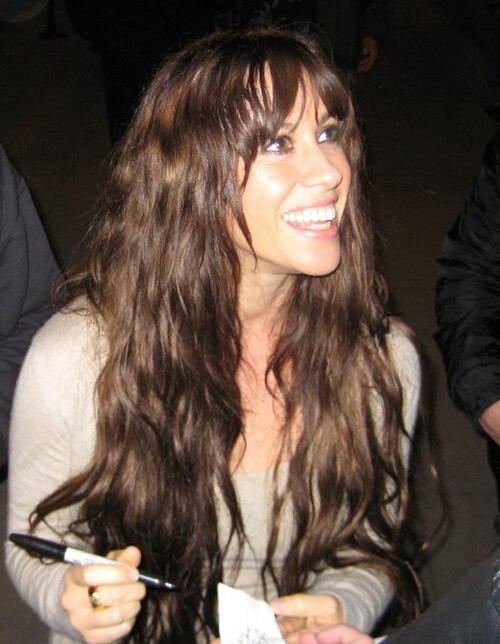
1990年代には、ミュージシャン雑誌は女性ミュージシャンをより真剣に見るようになり、ボニー・レイット[111] [112]やティナ・ウェイマス[113]を表紙に載せた。ロサンゼルスのクラブシーン出身のゴーゴーズとバングルスは、女性だけのロックバンドとして初めて継続的な成功を収めたが、ミュージシャン個人が業界に女性ミュージシャンのいるバンドを求める道を切り開いた。
ロック音楽では、ホール、スーパー・ヒロインズ、ザ・ラブドールズ、L7などのバンドが人気を博したが、ステージやインタビューでは、自信過剰で時には「悪い」態度を見せ、女性だけのバンドがどう振舞うべきかという前提に常に挑戦しようとしていた。コートニー・ラヴは、彼女のバンド、ホールの芸術的野心を「男性がやってきたことを繰り返すだけでなく」、より女性的で月のような視点から物事にアプローチすることだと表現した。[114]
また、1990年代には、女性主導のパンク・ロック、ライオット・ガール運動が、ブラットモービルやビキニ・キルなどのバンドと結び付けられていました。
ポップミュージックでは、この10年間に2つの非常に商業的なグループが有名になったが、どちらもすぐに解散した。 デスティニーズ・チャイルドは、ビヨンセ・ノウルズ、ケリー・ローランド、ミシェル・ウィリアムズからなるアメリカの女性グループである。デスティニーズ・チャイルドは1990年にガールズ・タイムとして始まり、数年後の1997年にコロンビアレコードとミュージックワールドエンターテインメントと契約し、デスティニーズ・チャイルドとなった。デスティニーズ・チャイルドの最も売れた2枚目のアルバムは「ビルズ、ビルズ、ビルズ」や「セイ・マイ・ネーム」が収録された『ザ・ライティングズ・オン・ザ・ウォール』(1999年)である。[115]また、スパイス・ガールズは1994年に結成されたイギリスの女性ポップグループである。このバンドはメル・B、メラニー・C、エマ・バントン、ジェリ・ハリウェル、ヴィクトリア・ベッカムからなる。彼らのシングル「Wannabe」は1996年に発売され、37か国で1位を獲得した。[116]
2000年代~2010年代
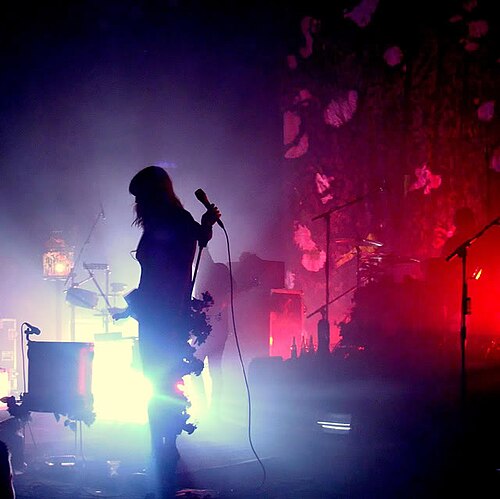
2000年代には、女性や女性がフロントマンを務めるバンドは皆、自分たちの影響力を使ってフェミニズムや音楽業界における女性の地位向上に努め始めた。ブロディ・ダールがフロントマンを務めるザ・ディスティラーズのようなバンドは、ストリート・パンクの台頭に影響を与えた。セイント・ヴィンセントは人気を集め始め、ついにはギター・ワールド誌の表紙を飾った。表紙でセイント・ヴィンセントはビキニのデカールが貼られたTシャツを着ていたが、これはギターを売るためのマーケティング手段として、女性がギターを持って登場するときはたいてい非常にシンプルな服装をしていることに言及したものだった。3姉妹からなるバンド、ハイムは音楽界における女性の地位向上に関しては非常に積極的に発言しており、主要な音楽フェスティバルでは女性がフロントマンを務めるバンドが出演することが少なく、女性アーティストへの支払いは同レベルの男性アーティストに比べて少ないと批判している。 [117] [118]近年、音楽界における女性の代表性の低さは、業界で大きな論争の的となっている。女性ミュージシャンやバンドは男性アーティストに比べて常に軽視されてきましたが、音楽業界の多くの人々がこの状況を変えようと努力してきました。
2010年代~2018年

2010年から2018年にかけて、多くのガールズバンドが登場し、人気が高まっています。最も有名なガールズバンドの1つは、 Xファクター出身のイギリスのバンド、リトル・ミックス(2011年)で、メンバーはジェシー・ネルソン、リー・アン・ピノック、ジェイド・サールウォール、ペリー・エドワーズです。リトル・ミックスは、プッシーキャット・ドールズ以来、アルバム『DNA』 (2012年)で全米トップ5入りを果たした初の女性グループです。また、イギリスのガールズグループの最初のリリースとして米国チャートで最高位を獲得し、スパイス・ガールズの記録を破りました。 [119]また、フィフス・ハーモニーはマイアミを拠点とするアメリカの女性グループで、アリー・ブルック、ノーマニ・コルディ、ダイナ・ジェーン、ローレン・ハウレギ、カミラ・カベロ(2016年に脱退)で構成されています。このグループは2012年にXファクターにも出演しました。彼女たちの3枚のスタジオアルバムは、米国ビルボード200のトップ10にランクインしました。[120]
ジャズ
歴史的に、ジャズ界でよく知られている女性演奏者の大半は、エラ・フィッツジェラルド、ビリー・ホリデイ、ダイアン・シューア、ダイナ・ワシントンなどの歌手である。カルチャー・トリップは、ジャズ界の女性は「あまりにも頻繁にシャンテューズの役割に限定されてきた」と指摘している。 [121]しかし、楽器演奏者も多数存在する。場合によっては、これらのミュージシャンは作曲家やバンドリーダーも兼ねている。
- 秋吉敏子(1929年生まれ):バンドリーダー、ピアニスト、編曲家、作曲家
- レジーナ・カーター:ジャズバイオリン
- メルバ・リストン:トロンボーン奏者、編曲家
- ヴィ・レッド(1928年生まれ):アルトサックス奏者
- メリッサ・アルダナ:テナーサックス奏者
- エミリー・レムラー:ジャズギター
- ミミ・フォックス:ジャズギター
- 優しいエマ・バレット
- テリ・ライン・キャリントン(ドラムス)
- カーラ・ブレイ(ピアノ)
- メアリー・ルー・ウィリアムズ(ピアノ)
- ビリー・ピアース(ピアノ)
- ジャネット・キンボール(ピアノ)
- ロビー・オースティン(ピアノ、バンドリーダー)
- ジョエル・クーリー(ピアノ、作曲家)
- シャーリー・ホーン
- エヴァ・キャシディ
- ルース・ブラウン
左から右へ:メアリー・ルー・ウィリアムズとサラ・ヴォーン、2人の著名なジャズ演奏家の例
インターナショナル・スウィートハーツ・オブ・リズムのような女性だけのジャズバンドや、アワー・オブ・チャーム・オーケストラのような女性だけのオーケストラも存在した。第二次世界大戦中は、男性ミュージシャンが兵役に就いている間、女性だけのグループが兵士たちを楽しませることが多かった。しかし、戦後、男性ミュージシャンが復帰し、世間がそれがもたらす「平凡さ」を好んだため、女性だけのグループは無視され、音楽界における女性の過度な性的描写が復活した。[122]
これらのミュージシャンの中には、ジャズ音楽やアメリカ文化の形成に貢献した者もいる。ジューン・ノートンは若い頃、いつかオペラに参加したいと考えてクラシック音楽を追求したが、それは不可能に思えたため、ポピュラー音楽を追求し始めた。ノートンはワシントンDC地域で南部諸州向けのテレビコマーシャルに歌声で出演した初の黒人女性となった。これにより、彼女は1962年全米有色人種女性協会功労賞、年間最優秀テレビパーソナリティ賞、1962年全米市場開発協会エンファシス賞、1962年YMCA年間最優秀歌手賞など、多くの賞を受賞した。その後、彼女はスポットライトから身を引いてカウンセラーとしてのキャリアを開始し、トーマス・C・カフと結婚した。彼女は残りの勤務年数を恵まれない若者や女性囚人の支援に費やした。[122]
ジャズとアメリカ文化に多大な貢献をしたもうひとりの女性ピアニスト、作曲家、ボーカリストがいます。シャーリー・ホーン(1934–2005) は25枚以上のアルバムを録音し、スタッフ・スミス、トゥーツ・シールマンス、チャーリー・ヘイデン、オスカー・ピーターソンのサイドミュージシャンとして活動しました。彼女はハワード大学ジュニアスクールオブミュージックで練習し、後にジュリアード大学とザビエル大学からオファーを受けましたが、ワシントンD.C.に留まり、結婚して子供を産むことを選択しました。彼女はツアーとライブをコンスタントに続けました。彼女の最初の録音は、スタッフ・スミスの1959年のリリースであるCat on a Hot Fiddleの一部でした。彼女のデビュー録音であるEmbers and Ashesは大きな注目を集め、彼女は結局コンサートピアニストになりたかったのだと気づくきっかけとなりました。この数ヶ月後、マイルス・デイヴィスはホーンに連絡を取り、ニューヨークのヴィレッジ・ヴァンガードに、ホーンに前座を務めてもらいたいが、それが無理なら演奏は断ると言った。これがホーンの名声と評判が高まり始めたときである。彼女はマーキュリー・レコードやヴァーヴ・レコードで仕事を続けた。彼女は1999年の『I Remember Miles』で最優秀ジャズ・ボーカル・アルバムのグラミー賞、5回のワシントン・エリア・ミュージック・アワード、バークリー音楽大学から名誉音楽学位、2004年全米芸術基金からNEAジャズ・マスター・フェローシップと賞など、多くの賞を受賞した。[122]
クラシック音楽

クラシック音楽の楽器奏者は、ソロリサイタル、ソロ協奏曲、室内楽、オーケストラの一員としての演奏など、特定の種類の演奏に集中する場合もあれば、さまざまな種類の演奏を行う場合もあります。オーケストラの楽器を演奏するミュージシャンの中には、これらすべての種類の演奏を行う人もいます。クラシック音楽の楽器奏者は、観客の前での生演奏とレコーディングの両方を行う場合があります。場合によっては、クラシック演奏者は主に生演奏を行うこともあります。クラシック音楽の楽器演奏には、伝統的に性別による側面があります。
クラシック音楽の女性演奏家のアルバムカバーには、演奏者の肉体的な魅力を強調した写真が多く掲載されており、「際どい画像が使われていることが多い」。[123]ロンドンのインディペンデント紙の音楽記者ジェシカ・デュッチェンによると、クラシック音楽の女性演奏家は「才能よりも外見で判断されることが多すぎる」ため、「ステージ上や写真でセクシーに見えるように」というプレッシャーにさらされているという。 [ 8]デュッチェンは、「外見で演奏することを拒否する女性演奏家もいるが、そうする女性の方が物質的に成功する傾向がある」と述べている。[8]
オーケストラ
歴史的に、オーケストラはハープ奏者を除いてほぼ男性のみで構成される傾向があり、ハープは「女性の楽器」と考えられていた。1894年にロンドンでロザベル・ワトソンによって設立されたエオリアン・レディース・オーケストラは、女性のみで構成される最初のプロのオーケストラの1つであった。1917年のイギリスの音楽新聞の社説は、第一次世界大戦が終われば女性演奏者は男性にその地位を譲るという理解のもと、女性が「軽い楽器」を演奏することを許可するようオーケストラに奨励した。[57] 1990年代には、性別による偏見を減らすために、一部のオーケストラは潜在的な新メンバーのオーディションをスクリーンの後ろで実施し始め、オーディション委員会は男性演奏者か女性演奏者かを見ることができないようにした。歴史的に、金管楽器セクションは男性で構成される傾向があり、一部の女性金管楽器奏者は女性金管楽器奏者に対する性別による偏見があると主張している。1980年代の調査では、米国のオーケストラの36%が女性であることが判明した。イギリスでは30%、東ドイツと西ドイツでは16%でした。[124]女性は低賃金のオーケストラに雇われる傾向があり、主要なオーケストラでは女性が少なかった。[124] 1922年、ハープ奏者のステファニー・ゴールドナーがニューヨーク・フィルハーモニック初の女性団員になりました。[125] 100年後の2022年には、女性団員の数が男性団員を上回りました。[126]
かつてウィーン・フィルハーモニー管弦楽団(VPO)は、「民族的および性別の均一性」がオーケストラの音色を良くすると主張した。[124] 1996年のインタビューで、VPOの男性ミュージシャン数名は、クラシック音楽には「性別によって定義される性質があり、オーケストラにおける男性の均一性によって最も明確に表現される」と述べた。[124]ある男性VPOメンバーは、男性は「音楽や音色に関わる秘密を抱えている。オーストラリアの先住民やインド文化では、男性が特定の楽器を演奏し、女性は演奏しないのと同じだ」と述べた。[124]ある男性VPO演奏者は、「妊娠は問題を引き起こします。混乱をもたらします。女性に対するもう1つの重要な反論は、女性が問題の男性に団結をもたらす可能性があるということです。これはすべての男性グループに見られます。」と述べた。[124]
ウィーン・フィルハーモニー管弦楽団は、1997年まで女性の常任団員を認めなかった。これは、同等のオーケストラよりかなり後のことである( 2008年にグラモフォン誌が世界のトップ5にランク付けした他のオーケストラの中で、女性を常任団員に任命したのはベルリン・フィルハーモニー管弦楽団が最後であった)。[128] 1996年2月になっても、第一フルート奏者のディーター・フルーリーは西ドイツ放送紙に対し、女性を受け入れることは「この楽団が現在持っている感情的な一体感(emotionelle Geschlossenheit )を賭けること」になるだろうと語っていた。 [129] 1996年4月、オーケストラの広報担当者は、産休による「予想される欠勤の埋め合わせ」が問題であると書いている。[130]
1997年、オーケストラは「[米国]ツアー中に全米女性機構と国際女性音楽協会による抗議に直面した」。最終的に「社会的に保守的なオーストリアでも嘲笑の的となった後、オーケストラのメンバーは[1997年2月28日]出発前夜に臨時会議を開き、女性のアンナ・レルケスをハープ奏者として受け入れることに同意した。」[131] 2013年現在、オーケストラには6人の女性メンバーがおり、そのうちの1人であるバイオリニストのアルベナ・ダナイロワは2008年にオーケストラのコンサートマスターの一人となり、その地位に就いた初の女性となった。[132] 2012年、オーケストラのメンバーに占める女性の割合は依然としてわずか6%で、ベルリン・フィルハーモニー管弦楽団では14%、ロンドン交響楽団では30% 、ニューヨーク・フィルハーモニックでは36%であった。ベルリン・フィルハーモニー管弦楽団のクレメンス・ヘルスバーグ会長は、ベルリン・フィルハーモニー管弦楽団は現在、完全に審査されたブラインドオーディションを実施していると述べた。ヘルスバーグ会長は「最善を尽くす」と述べ、高齢の団員が引退し、新しい団員が性別に中立な条件でオーディションを受けるため、完全な男女平等が実現するには時間がかかることを示唆した。[133]チェコ・フィルハーモニー管弦楽団は女性を排除しており、ベルリン・フィルハーモニー管弦楽団には「性差別の歴史がある」[124] 。
2013年、マザー・ジョーンズの記事では、「多くの名門オーケストラには女性メンバーが多く、ニューヨーク・フィルハーモニックのヴァイオリン部門では女性の数が男性を上回っている。また、国立交響楽団、デトロイト交響楽団、ミネソタ交響楽団など、いくつかの有名なアンサンブルは女性ヴァイオリニストが指揮している。金管楽器、打楽器、弦楽器とベースのオーケストラ部門は、依然として男性が大部分を占めている」と述べられている。[10]
ソリスト
クラシック音楽では、ソリストが伴奏なしで自身の楽器のソロを演奏することがある。これは、ピアノ独奏のための作品を演奏するピアニストや、弦楽器奏者がバロック時代の一楽器のための組曲(例:バッハのチェロ独奏組曲)を演奏する場合によく見られる。しかし多くの場合、ソリストはピアニスト、小規模な室内楽アンサンブル、または協奏曲の場合はフル交響楽団の伴奏を受ける。2014~2015シーズンには、カナダの主要オーケストラと共演した協奏曲のソリストの大多数が男性であった。バンクーバー交響楽団では、協奏曲のソリストの67%が男性であった。トロント交響楽団では、協奏曲のソリストの74%が男性であった。国立芸術センター管弦楽団では、協奏曲のソリストの79%が男性であった。モントリオール交響楽団では、協奏曲のソリストの84%が男性であった。[8]協奏曲ソリストの男女比に関するCBCのニュース記事が発表された際、バンクーバー交響楽団の指揮者ブラムウェル・トーヴィーは、その記事は1シーズンのみを考慮したものだと主張し、自身の楽団に関するニュース記事の正確性に異議を唱えた。[要出典] 国際的に有名なソリストにはアルゼンチンのマルタ・アルゲリッチがおり、彼女は録音時代で最も偉大なピアニストの一人とみなされている。
歌手
ポピュラー音楽
影響力のあるポップミュージックの女性アーティストの例。その中には史上最も売れているミュージシャンもいます。
ポピュラー音楽の歌手は、デュオやパワートリオから大規模なジャズビッグバンドまで、バンドやその他の音楽グループのボーカルを担当します。歌手は通常、ライブパフォーマンスとスタジオレコーディングの両方を行います。ライブパフォーマンスを行う歌手は、コーヒーハウスやナイトクラブなどの小さな会場で歌うこともあれば、アートセンターからスタジアムまでの大きな会場で演奏することもあります。歌手の中には、曲の宣伝に使用されるミュージックビデオに出演する人もいます。音楽のスタイルによっては、歌手が歌いながら、リズムギター、エレクトリックベース、打楽器などのリズムセクションの楽器を演奏することもあります。ポップのスタイルによっては、歌手がショーの間に振り付けられたダンスの動きを披露します。ライブショーで手の込んだダンスルーチンを披露するポップシンガーの有名な例としては、マドンナ、ビヨンセ、ブリトニー・スピアーズが挙げられます。マドンナはポピュラー音楽の重要人物です。批評家たちは、彼女の存在、成功、貢献がデビュー後のすべての女性アーティストに道を開き、音楽史上の女性音楽シーンと今日のポップスターの音楽シーンを永遠に変えたと振り返っている。[134]
シンガーソングライターで音楽プロデューサーのビョークは、「音楽業界の内外を問わず、女性の労働と専門知識が注目されていない」とコメントしている。彼女は「女性の仕事は目に見えない」し、「あまり報われない」と述べている。[1]ビョークは「彼女のレコードのサウンドは男性のコラボレーターがクレジットされることが多い。ステージでは主に歌っているため、彼女は [音楽プロデューサーとして] プロデュースも楽器演奏もしていないと広く考えられている」と述べている。[1] 2015年、「今年のビルボード・ウーマン・イン・ミュージック・イベントでウーマン・オブ・ザ・イヤーを受賞した際」に、レディー・ガガは「女性レコーディングアーティストであることの難しさ」についてコメントした。彼女は「音楽の世界にいる女性にとって、時々本当に大変です。まるで私たちが入れないクソ男社会のようです」と述べた。彼女は「自分の体よりも知性でミュージシャンとして真剣に受け止めてもらおうと、長い間努力してきた」と述べているが、業界の他の人たちは、女性が「音楽のバックグラウンドを持つことができる... [または] 女性だからという理由であなたがやっていることを理解できる」とは信じていないと感じていた。[2]ケンタッキー大学出版局の本には、ギター店で働く女性がギターの専門用語を使うまで、客は彼女をギターについて何か知っているかのように扱わなかったと書かれている。 [68] : 19 インディーズフォークシンガーソングライター/ギタリストのアニ・ディ・フランコは、女性にとって、昔はギター店に入ることさえ「勇気の行為」であり、それは「男子クラブ」のように感じられたからだと述べている。[68] : 19 女性アーティストは男性を喜ばせなければならないというプレッシャーを感じるだけでなく、男性優位の分野では女性DJが溶け込むのも難しい。[135]
ファンクは現代音楽で人気があるにもかかわらず、ファンク・ウーマンの作品を研究した人はほとんどいない。文化評論家のシェリル・キーズがエッセイ「彼女はロックには黒すぎ、ソウルにはハードすぎた:ベティ・メイブリー・デイヴィスの音楽キャリアの(再)発見」で説明しているように、ファンクに関する研究のほとんどは男性の文化的活動に焦点を当ててきた。彼女は「ベティ・デイヴィスはファンクとロックの歴史における先駆者として無名なアーティストです。これらの音楽ジャンルに関するほとんどの著作では、伝統的にジミ・ヘンドリックス、ジョージ・クリントン(パーラメント・ファンカデリック)、ベーシストのラリー・グラハムなどの男性アーティストがロック音楽の感性を形成するトレンドセッターとして位置づけられてきました」と述べている。[136]ファンク・ウーマンには、チャカ・カーン、ラベル、ブライズ・オブ・ファンケンシュタイン、クライマックス、マザーズ・ファイネスト、ベティ・デイヴィスがいる。
2000年代以降、最も稼いだ女性歌手には、アデル、アンガム、ビヨンセ、レディー・ガガ、マドンナ、カイリー・ミノーグ、ケイティ・ペリー、リアーナ、ブリトニー・スピアーズ、テイラー・スウィフト、アリアナ・グランデ、セリーヌ・ディオン、マライア・キャリー、ジェニファー・ロペス、シャキーラ、シェリーンなどがいます。これらの歌手のほとんどは作詞家でもあり、中には音楽プロデューサーでもある人もいます。
東アジアのポップミュージックでは、2010年代に日本のアイドルガールズグループが、世界最大(全体では第2位)のフィジカルミュージック市場で大成功を収め、2017年だけで17枚のナンバーワンシングルをリリースした。Jポップのアイドルガールズグループの中で最も売れているAKB48は、シングル販売枚数では日本史上最も売れているグループであり、レコード販売総数では第3位であり、この10年間、これまで毎年国内で最も売れたシングルとなっている。また、国内で最も売れたアルバムである1999年リリースの『First Love 』は、日系アメリカ人女性シンガーソングライターの宇多田ヒカルによるものである。韓国のアイドルガールズグループも2010年代に大成功を収めており、TWICEは2016年に国内で最も売れたシングルとなったほか、 2015年10月のデビュー以来、合計43の賞を受賞している。この10年間で大成功を収めた韓国のアイドルガールズグループとしては、 BLACKPINKも挙げられる。BLACKPINKは、ビルボードホット100でK-POPガールズグループとして史上最高位に達したほか、ビルボードエマージングアーティストチャートで1位を獲得した初のK-POPガールズグループとなった。[137] [138]また、2016年8月のデビュー以来、合計16の賞を受賞している。K -POPは米国でも人気が高まっており、多くのアイドルガールズグループがランキングを駆け上っている。しかし、人気のほとんどは男性グループに集中しており、女性グループは男子限定クラブという概念のせいで影が薄くなっている。[要出典]中国のアイドルガールズグループも最近大きな成功を収めており、CポップグループではSNH48やロケットガールズ101などが挙げられ、後者は2018年にデビューEPを160万枚以上売り上げた。[139]
ブルース
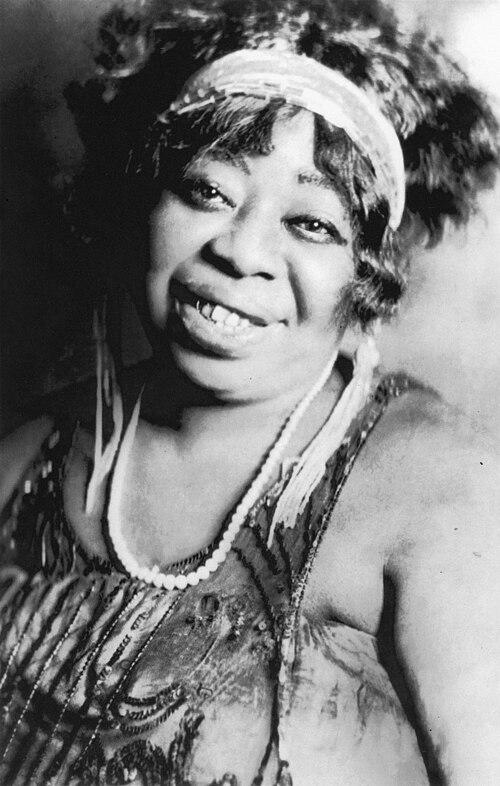
クラシック女性ブルースは、 1920 年代に人気を博したブルース音楽の初期の形態です。伝統的なフォーク ブルースと都会の劇場音楽が融合したこのスタイルは、ボードビル ブルースとしても知られています。女性ボーカリストが演奏するクラシック ブルースの曲は、ピアニストや小規模なジャズ アンサンブルの伴奏で演奏され、初めて録音されたブルースでした。クラシック女性ブルース歌手は、録音された最初の黒人歌手やブルース アーティストの 1 人であったため、レコード業界の先駆者でした。また、 12 小節ブルースを米国中に広める上で重要な役割を果たしました。 [出典が必要]
「ブルースの母」として知られるガートルード・「マ」・レイニー(1886年 - 1939年)は、1902年頃にショーソングやコメディの演技にブルースを取り入れ始め、大衆娯楽として舞台でブルースを演奏した最初の人物とされている。 [142] : 38 [143] : 34 ニューヨークを拠点に活動していたキャバレー歌手のメイミー・スミスは1920年に「クレイジー・ブルース」を録音し、7万5千枚以上を売り上げた。[142]スミスは「アメリカのブルースのファーストレディ」として知られるようになった。1920年、ヴォードヴィル歌手のルシール・ヘガミンは「ジャズ・ミー・ブルース」を録音し、ブルースを録音した2人目の黒人女性となった。[142] : 16 エセル・ウォーターズ、アルバータ・ハンター、メアリー・スタッフォード、ケイティ・クリッペン、エディス・ウィルソン、エスター・ビジョーなどが1921年末までに最初のレコーディングを行った。 [144]これらのブルースのレコーディングは、白人聴衆に販売されたレコードと区別するために「人種レコード」とラベル付けされるのが一般的であった。とはいえ、古典的な女性ブルース歌手のレコーディングは白人のバイヤーにも購入された。[145] マリオン・ハリスはブルースを録音した最初の白人女性歌手の一人となった。
クラシック・ブルース歌手の中で最も人気があったのは、テネシー州生まれのベッシー・スミス(メイミー・スミスとは血縁関係はない)で、1923年に初めてレコーディングを行い、「ブルースの女帝」として知られるようになった。彼女はコロンビアと契約し、1920年代に最も高額の報酬を得た黒人アーティストとなり、160曲以上をレコーディングした。1920年代末まで積極的にレコーディングを行った他のクラシック・ブルース歌手には、アイダ・コックス、クララ・スミス、サラ・マーティンがいる。これらの初期のブルース歌手は、マヘリア・ジャクソンやジャニス・ジョプリンなどの後の歌手に影響を与えた。ブルースの女性たちがこのジャンルに貢献したのは、「メロディーラインの即興性の向上、歌詞の強調やインパクトを変える珍しいフレージング、叫び声、うめき声、うめき声、泣き声を使ったボーカルのドラマチックさなどだ。ブルースの女性たちは、ジャズ、ブロードウェイミュージカル、1930年代と1940年代のトーチソング、ゴスペル、リズムアンドブルース、そして最終的にはロックンロールへと派生した他のタイプのポピュラーソングにも変化をもたらした。」[143] :8
カントリーミュージック
カントリーミュージック界の先駆者やリーダー的存在の女性ミュージシャンの例
カントリーミュージックでは性差別や性差別が頻繁に見られる。2010年代から、ブロ・カントリーという人気のサブジャンルが生まれたが、その歌詞は女性を性的に客体化し、男性が利用できる資産として位置づけていると批判されてきた。[146]ブロ・カントリーの人気アーティストには、ルーク・ブライアン、フロリダ・ジョージア・ライン、ブレイク・シェルトンなどがいる。このジャンルでは、ラップやポップなどのカテゴリーに比べると後退しつつあり、性差別や性差別が時とともに顕著になってきている。テキサス工科大学メディア・コミュニケーション学部の教授であるエリック・ラスムッセン博士は、1990年代や2000年代に比べて、2010年代のカントリーミュージックは女性に対する差別がより顕著になっていると主張している。彼らが差別する方法には、「女性の外見について多く語ること、女性がタイトな服や露出度の高い服を着ていること、女性を物に例えること、女性を本名ではなく俗語で呼ぶこと、女性を不信感を抱く人や浮気者と描写すること」などがある。[147]
ブロカントリーは、人種差別や性差別と関連づけられてきた南部文化の歴史的側面の影響を受けている可能性がある。カントリーミュージック界の女性たちは、こうした問題に直面し続けており、直接対処する方法が見つからない場合が多い。レコーディングアーティストのケイシー・マスグレイブスは、カントリーミュージック界における性差別の体験を次のように述べている。「レーベルが女性の曲をヒットさせられなかった場合、そのアーティストの性格や女性であるという事実、あるいはラジオ局の番組ディレクターに重要な存在だと感じさせなかったことがすぐに非難される。」ケイシー・マスグレイブスのような女性は、何をしても、何を変えても、ほぼ常に男性のライバルたちから何らかの形で監視されることになる。[引用が必要]
カントリー ミュージックの分野では、数多くの女性歌手が成功を通じて業界に影響を与えてきました。男性カントリー アーティストの人気と、彼らの音楽に見られる差別にもかかわらず、多くの女性アーティストが成功し、数々の業績を達成してきました。
55年以上この業界で活躍している女性カントリー歌手のドリー・パートンは、成功したキャリアを築いてきました。パートンはファンに向けて常に新しいプロジェクトを生み出しており、ローリングストーン誌では「止められない」と評されました。[148]これらのプロジェクトには、45枚以上の音楽アルバム、複数の映画作品、ドリーウッドテーマパーク、制作会社の設立などが含まれています。[149]
アメリカンアイドルの象徴的な優勝者であるキャリー・アンダーウッドもまた、カントリーミュージックのジャンルに永続的な影響を与えた。251,000枚以上を売り上げたアンダーウッドのアルバム『Cry Pretty』は、ビルボード200リストで1位を獲得した4枚目のアルバムとなった。 [150] Blown Away、Play On、Carnival Rideもチャートのトップに達した他の3枚のアルバムである。これらの功績により、彼女は全ジャンルのビルボード200で4枚のカントリーアルバムが1位を獲得した初の女性歌手となった。[150]アンダーウッドはキャリアを通じて他の多くの人気アーティストを上回り、他の多くのナンバーワンアルバムを獲得し、女性カントリーミュージック業界に強い影響を与えた。
女性の権利活動家であり動物愛好家でもあるミランダ・ランバートは、音楽業界で圧倒的なキャリアを築いていることで知られるもう1人の女性である。彼女の「Over You」や「Heart Like Mine」という曲は、 2010年と2011年にビルボードチャートやカントリーミュージックのラジオ局を席巻した。 [151]ソロの女性アーティストとして、彼女は正直さと現実を通して曲を書いている。[152]彼女の音楽を通して送られるメッセージは、困難な生活状況を乗り越える他の女性たちが孤独を感じないようにするためのものだ。ランバートは音楽業界で得た名声を利用して、動物愛護協会のような慈善団体と協力して社会に恩返しをしている。[153]
ジャズ

ジャズ界では、楽器奏者、作曲家、作詞家、バンドリーダーとして女性があまり代表されてこなかったが、女性シンガーは数多く存在した。ベッシー・スミスはブルースとジャズの両方を歌った。レナ・ホーンは10代の頃にコットン・クラブに初めて登場した。エラ・フィッツジェラルドとビリー・ホリデイは、スウィング時代にバラードで知られた。シャーリー・ホーンはジャズとブルースの両方を歌った。ニーナ・シモンはジャズ、フォーク、リズム・アンド・ブルースを歌った。エタ・ジョーンズはリズム・アンド・ブルースとジャズを歌った。アニタ・オデイはビバップへの貢献で知られている。ベティ・カーターはポスト・バップ時代に歌った。メアリー・ルー・ウィリアムズはスウィングとハード・バップ時代に歌手兼ピアニストとして活躍した。サラ・ヴォーンはクール・ジャズ時代に歌ったことで知られている。他の歌手には、ローズマリー・クルーニー、ダイアン・シューア、フローラ・プリムがいる。現代のジャズ歌手には、ノラ・ジョーンズ、ダイアナ・クラール、メロディ・ガルドー、歌手兼ベーシストのエスペランサ・スポルディングがいる。スポルディングは、ジャズ界における現在の差別について声を上げ、議論を呼びかけている。2017年、スポルディングは、自分自身を変えるために、 Exposureと題したアルバムを77時間ぶっ通しで制作した。それはすぐに「果敢な才能と壮大な野心の展示」となり、レコーディングスタジオという男性優位の空間で自信を持って働く女性の姿を何千人もの人々に示した。[154]
クラシック音楽
左から右へ:チェチーリア・バルトリとクラシック・クロスオーバー・ポップ歌手サラ・ブライトマン
クラシック歌手は通常、ライブパフォーマンスとレコーディングの両方を行います。ライブパフォーマンスは、教会などの小さな会場、またはオペラホールやアートセンターなどの大きな会場で行われます。クラシック歌手は、ピアノ伴奏で演奏される歌曲である芸術歌曲や、舞台で衣装を着て公演される交響楽団の伴奏で歌うオペラなど、特定の種類の歌唱を専門としている場合があります。クラシック歌手は通常、声域と、場合によっては声の「色」を示す声質によって分類されます。歌手の声域を示す声質の例には、コントラルト、メゾソプラノ、ソプラノ(最低音域から最高音域まで)などがあります。歌手の音域と声質の「色」を示す声質の例には、コロラトゥーラソプラノやリリックソプラノがあります。ポピュラー音楽の歌手は、通常、ボーカルにマイクと音響強化システムを使用しますが、クラシック音楽では、声をホールに自然に響かせる必要があり、そのために歌手はボーカルトレーニングを受けます。
黒人女性
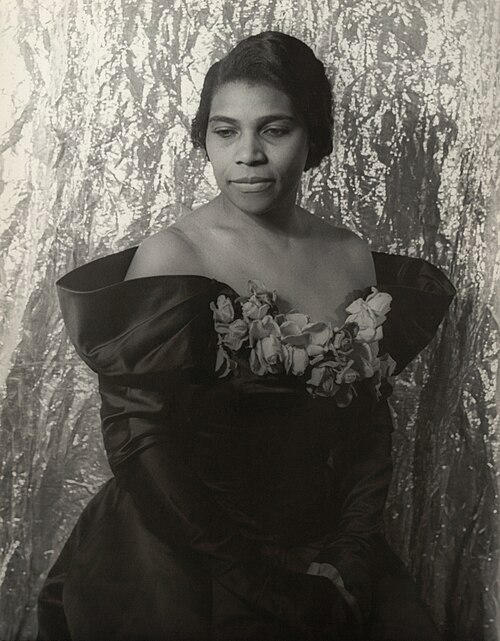
マリアン・アンダーソン(1897年 - 1993年)[155]はアフリカ系アメリカ人のコントラルトで、音楽評論家のアラン・ブライスは「彼女の声は豊かで生き生きとした、本質的な美しさを持ったコントラルトだった」と評した。[156]彼女の歌手としてのキャリアのほとんどは、1925年から1965年の間に、米国とヨーロッパ各地の主要な音楽会場や有名なオーケストラとのコンサートやリサイタルでの演奏に費やされた。アンダーソンは、20世紀半ばの米国における人種差別を克服するための黒人アーティストの闘いにおいて重要な人物となった。1939年、アメリカ革命の娘たち(DAR)は、アンダーソンがコンスティチューション・ホールで多様な観客を前に歌うことを許可しなかった。1939年4月9日、イースターの日曜日、ファーストレディのエレノア・ルーズベルトと夫のフランクリン・D・ルーズベルトの協力を得て、アンダーソンはワシントンDCのリンカーン記念堂の階段で野外コンサートを開催し、批評家から絶賛された。彼女は7万5千人以上の観衆と数百万人のラジオ視聴者の前で歌った。アンダーソンはアメリカの黒人アーティストの障壁を打ち破り続け、1955年1月7日にはニューヨーク市のメトロポリタン歌劇場で主役を演じた最初の黒人(アメリカ人かどうかは問わない)となった。 [157]
クラシック歌手
クラシック歌手の短いリストは次のとおりです。
- エリー・アメリング
- チェチーリア・バルトリ
- キャスリーン・バトル
- マリア・カラス
- ナタリー・デセイ
- ジョイス・ディドナート
- フレデリカ・フォン・シュターデ
- ルネ・フレミング
- エリナ・ガランカ
- スーザン・グラハム
- アンナ・ネトレプコ
- ジェシー・ノーマン
ワールドミュージック
世界の音楽アイコンの例
女性は、アフリカ、カリブ海、南米、アジアなどの地域の民族音楽や伝統音楽、先住民族の音楽、新伝統音楽、複数の文化的伝統が混ざり合った音楽(西洋のポップスと民族音楽の混合など)など、世界中のさまざまなスタイルの音楽を網羅する音楽カテゴリーであるワールドミュージックにおいて重要な役割を果たしている。この用語は、1980年代に非西洋の伝統音楽のマーケティングカテゴリーとして普及した。[158] [159]
ブラジルの女優、歌手、ダンサーであるカルメン・ミランダは、1930年代のハリウッド映画におけるエキゾチックな脇役として西洋で知られるようになった。これは、それ以前のダンサーのジョセフィン・ベーカーや、それに続くエキゾチカの声優であるイマ・スマックと似ている。1960年代には、エリス・レジーナが最も著名な女性ボサノバ歌手となり、[要出典]、世界中のポピュラー音楽に影響を与えた。1960年代と1970年代には、アルゼンチンのフォーク歌手メルセデス・ソーサ、南アフリカのミリアム・マケバ、ギリシャのマリア・ファラントゥーリも、出身州の抑圧的な政治状況に反対する活動で知られるようになった。ソーサの歌う「Gracias a la vida」、マケバの「Pata Pata」、ファラントゥーリと作曲家ミキス・テオドラキスのコラボレーションは、人権闘争の音楽的象徴であった。 「サルサの女王」セリア・クルスは1966年にキューバからアメリカに移住した。
1980年代に当時のいわゆるワールドミュージックへの関心が高まるにつれ、長年活躍してきたアーティストの古い録音が世界中の聴衆のために再発見され、世界中に配信された。アラブ人歌手のウンム・クルスーム、アスマハン、ファイルーズ、アルジェリアのラーイ歌手チェイカ・リミッティ、ボリウッド映画のサウンドトラックで最も多作なプレイバックシンガーであるアシャ・ボスレ、ロマのエスマ・レジェポワ、メキシコのランチェーラ歌手チャベラ・バルガス、南アフリカのマホテラ・クイーンズなど、母国ではよく知られ、時には伝説的な地位にあるスター、あるいはカーボベルデのセザリア・エヴォラ、ジンバブエのステラ・チウェシェ、アフリカ系ペルー人のスサナ・バカのように(白人男性によって)初めて録音されたアーティストもいた。
ワールドミュージックの女性演奏家は数多くいます。アン・サヴォイ、ビ・キデュード、ブレンダ・ファッシー、チャブカ・グランダ、チャヴァ・アルベルスタイン、クレオーマ・ブロー・ファルコン、ドリー・コリンズ、エリザベス・コットン、フレーエル、ガル・コスタ、ジェノア・ケアヴェ、グーグーシュ、ヘイゼル・ディケンズ、ジーン・リッチーなどです。 、ラタ・マンゲシュカル、リア・ソング、ローラ・ベルトラン、ルチャ・レイエス、ルシラ・ガレアッツィ(マンマス)、リディア・メンドーサ、マリア・タナセ、マリアム・ドゥンビア、ナダ・マムラ、オフラ・ハザ、オウモウ・サンガレ、リタ・マーリー、ローザ・パソス、ロザ・エスケナージ、サフィエ・アイラ、サラマット・サディコワ、セルダ・バグカン、シャーリー・コリンズ、ヴァリヤ・バルカンスカ、ヴィオレタ・パラ、ワルダ、マルタ・ゴメス、ザップ・ママ。
東洋音楽
アラビア音楽

アラブ音楽は、アラビア半島のアラブ人の音楽と、アラブ世界を構成するさまざまな民族の音楽が融合したものである。中世のエジプトでは、この時期の男性のプロの音楽家は、楽器を演奏する人を意味するアラテアイ(複数形)またはアラティー(単数形)と呼ばれていた。しかし、この名前は声楽家と楽器奏者の両方に当てはまる。男性のプロの音楽家は評判の悪い卑しい存在とみなされ、パーティで演奏して生計を立てていた。エジプトの女性プロの音楽家は、アワリム(複数形)またはアルメ(学識のある女性)と呼ばれていた。これらの歌手は、裕福な人のハーレムでの祝賀会の際に雇われることが多かった。彼女たちはハーレムと一緒にいるのではなく、ハーレムや家の主人に見られないように衝立で隠された一段高い部屋にいた。女性のアワリムは男性の演奏者よりも高給で、より高く評価されていた。
9 世紀には、男性楽器奏者の使用は、チェスをしたり、恋愛詩を書いたりするといった悪徳と結び付けられるとして、論文[どれ? ]で厳しく批判されました。エジプト侵攻後、ナポレオンはオスマン帝国の文化の状態に関する報告書を委託しました。この報告書では、男性聴衆を前に演奏する男性楽器奏者のギルドと、女性聴衆を前に歌と演奏を行う「学識のある女性」歌手/音楽家がいたことが明らかになっています。
中国の音楽

中国の音楽では、音楽は古代の女性、特に学識のある女性にとって主要な活動でした。女性演奏者は古代から古琴と関係がありました。古琴は、琴科の7弦の撥弦楽器です。非常に繊細で洗練された楽器として、伝統的に学者や文人に好まれてきました。女性の古琴演奏者には、胡家十八拍《胡笳十八拍》の曲で知られる蔡文吉がいます。
中国の民俗音楽では、女性ミュージシャンも重要な役割を果たしている。福建省南部と台湾では、南音音楽または南管音楽は伝統的な中国の民謡の一種である。女性が笙笛や琵琶などの伝統楽器の伴奏で歌う。この音楽は閩南語で歌われる。この音楽は一般的に悲痛なもので、典型的には恋に悩む女性をテーマにしている。
1930年代と1940年代の中国ポップス(Cポップ)業界は、1940年代に中国で最も有名な歌手であった七大歌謡スターによって支配されていました。周玄、龔秋霞、姚利、白鴻は1930年代に登場し、その後、白光、李香蘭、呉迎音は1940年代に人気を博しました。1949年以降、Cポップの初期世代は、ポップミュージックが性的にわいせつであると見なされたため、中国共産党によって黄色音楽として非難されました(中国では黄色はエロチシズムとセックスに関連付けられています)。文化大革命が終わった後の1980年代初頭までに、ようやく黄色音楽が再び演奏されるようになりました。
現在、過去50年間の中国の大規模な政治的、文化的変化を経て、中国のポピュラー音楽は韓国 ( K-POP ) と日本 ( J-POP ) のポピュラー音楽のスタイルをますます模倣し、インスピレーションを得るようになり、現在では両国に非常によく似ている。そのため、2010年代には、日本のモデルであるSNH48 (2012年結成) とその姉妹グループ、および韓国のリアリティ番組の中国版から2018年に結成されたロケットガールズなど、韓国のモデルをベースにしたガールズグループがいくつか結成された。これらのグループは大きな成功を収め、ロケットガールズのデビューEPは160万枚以上を売り上げた。[139]それにもかかわらず、ソロの中国人女性アーティストは、伝統的にそうであったように、国内全体では依然としてはるかに人気がある。[161]最近最も人気のある中国のソロ女性歌手には、フェイ・ウォン、GEM(グロリア・タン)、ララ・シュー、胡66 、アダ・ジュアン、ケリー・ユー、チェン・リー(陳粒)、フェン・ティモ、ビビ・ジョウ、シュアンシェン(双笙)、ティア・レイ、ヴァネッサ・ジン(金玟岐)、ジェーン・チャンなどがいる。[162]
インド音楽
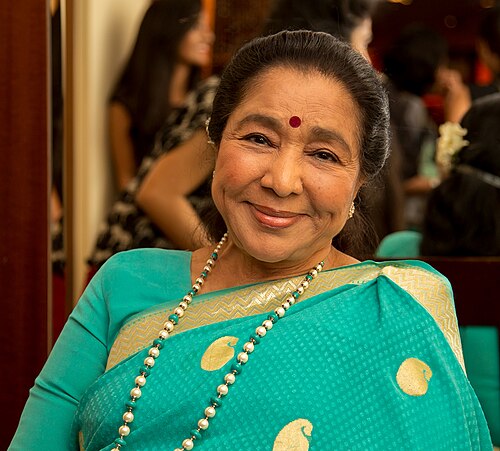
インド古典音楽は、インド亜大陸の芸術音楽です。インド古典音楽の起源は、ヒンドゥー教の賛美歌にあります。この詠唱スタイルは、ジャーティ、そして最終的にラーガへと発展しました。インド古典音楽は、インドの民俗音楽から大きな影響を受け、あるいはシンクレティズム化されてきました。歴史的なインド古典音楽の伝統における主要な作曲家は男性でした。現代の女性ボーカリストには、DKパタマル、MSスッバラクシュミ、ガングバイ・ハンガル、ヒラバイ・バロデカル、ケサルバイ・ケルカル、キショリ・アモンカル、マリニ・ラジュルカル、モグバイ・クルディカル、プラバ・アトレ、ロシャン・アラ・ベグム、シュルティ・サドリカル・カトカルがいます。女性楽器奏者は、アンナプルナ・デヴィです。
インドの民俗音楽では、ラヴァニはマハラシュトラ州で人気のある音楽ジャンルで、伝統的に女性によって演奏されています。 バングラ(パンジャブ語:ਭੰਗੜਾ )は、パンジャブのダンス指向の民俗音楽の一種です。現在の音楽スタイルは、同じ名前で呼ばれるパンジャブのリフの非伝統的な音楽伴奏から派生したものです。パンジャブ地方の女性のダンスはギッダ(ਗਿੱਧਾ) として知られています。
インドの映画産業の中心地であるボリウッドやインドの他の地方の映画産業の音楽では、女性のプレイバックシンガーが重要な役割を果たしており、主にヒンディー語映画で活躍する姉妹のラタ・マンゲシュカルとアシャ・ボスレーは、インドで最も有名で最も多作なプレイバックシンガーの2人としてよく知られています。2011年、ボスレーは音楽史上最も多くのレコーディングを行ったアーティストとしてギネス世界記録に公式認定されました。 [12]
イランの音楽
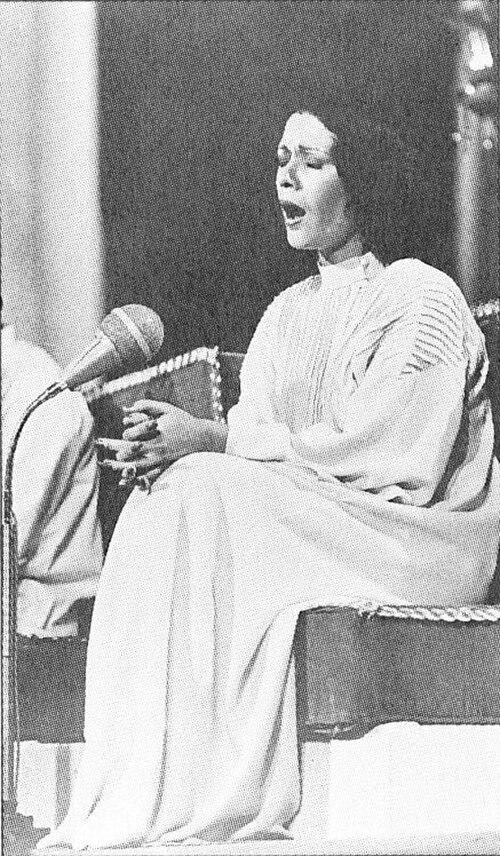
イラン革命以来、イランの女性ソロ歌手は女性観客の前で演奏することが許されている。女性歌手は、合唱団の一員としてのみ、男性観客の前で演奏することができる。伝統的に、女性歌手が公の場に出るのは難しいことであった。女性はタズィーエと呼ばれる宗教儀式でのみ演奏を許され、男性は一般的に女性の歌を聞くことを禁じられていた。革命前、イランの女性は仕事中、他の女性の前で、あるいは女性のお祝いのときにのみ、プライベートで歌うことができた。カマル・オル・モルーク・ヴァズィーリ(1905年 - 1959年)は、ペルシャ音楽の最初の女性巨匠の一人である。女性ミュージシャンには、デルカシュ(1923年 - 2004年)、シミン・ガネム(1944年生まれ)、バルバド・アンサンブル創設者のマリアム・アコンディ(1957年生まれ)、ペルシャのクラシックギタリストのリリー・アフシャール、ペルシャ・アカデミー賞受賞者の歌手シャキーラなどがいる。指揮者のスーダベ・サレム氏、アフサネ・ラサエイ氏、ナヴァ・アンサンブルとリアン・アンサンブルの創設者ピラエ・プーラファル氏、そしてマハサ・ヴァダット氏。
クラシック歌手のファテメ・ヴァエズィー(通称パリサ)は、女性オーケストラを伴奏にコンサートを行ったことがある。1986年以降、マリアム・アコンディは亡命中の他のイラン人音楽家と活動を始めた。2000年にマリアム・アコンディは女性だけのアカペラグループ、バヌーを結成し、女性の活動や祝い事の一部であった古い民謡を歌った。歌手のシマ・ビナは多くの女子生徒を教えてきた。ガシャン・カムカールは男女両方の生徒を教えている。ガシャンとヴァエズィーはともに、女性音楽家の扱いについてイランの家父長制の権力構造を批判している。[163]イランの民俗音楽の演奏家には、シマ・ビナ、ダリヤ・ダドヴァル、モニカ・ジャリリ、ジバ・シラジ、ゾーレ・ジュヤ、シュシャ・グッピーがいる。イランのポップ歌手としては、Googoosh、Hayedeh、Mahasti、Leila Forouhar、Pooran、Laleh Pourkarimなどがいます。ワールドミュージック歌手としては、Azam AliやCymin Samawatieなどがいます。
日本の音楽
.jpg/500px-AKB48_members_at_the_J!-ENT_LIVE(cropped).jpg)
日本は世界最大のフィジカル音楽市場を有しており、2014年の市場規模は20億ドル、音楽市場全体では2番目に大きく、2014年の総小売価格は26億ドルでした。[164]フィジカルシングル市場は日本のアイドル女性アーティストが主流で、 2015年に国内で最も売れたシングルトップ10のうち9つは、アイドルガールズグループAKB48またはその「姉妹」および「ライバル」グループのものでした。[165] AKB48は過去6年間、国内で最も売れたシングルを誇っており[現在? ] 、シングル販売数では日本で最も売れているグループでもあります。 [166] 日系アメリカ人のシンガーソングライター、宇多田ヒカルのアルバム「First Love」は国内で最も売れています。[要出典]
ユダヤ音楽
聖書の『士師記』などの書物には、女性(ミリアム、デボラ、ハンナなど)が哀歌を歌ったり楽器を演奏したりする音楽の伝統に参加していたという文学的な証拠がある。しかし、典礼に関する記述では女性について言及されていない。女性は最終的に典礼の礼拝(コリシャ)から禁止された。女性は家庭内の音楽儀式、埋葬、結婚式で引き続き役割を果たしたが、これらの習慣は典礼音楽(およびその創作者や演奏者)のように記録されていない。[167]
音楽学者および教育者
音楽学者と音楽史家
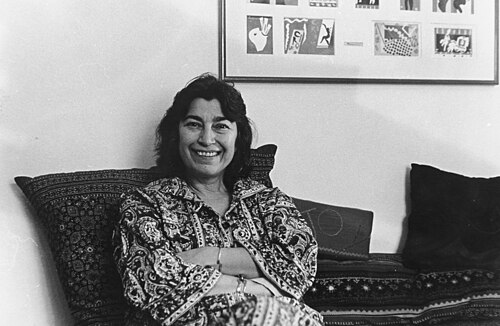
主要な音楽学者や音楽史家の大多数は男性である。しかし、女性音楽学者の中には、音楽業界でトップの地位にまで上り詰めた者もいる。キャロリン・アバテ(1956年生まれ)は、プリンストン大学で博士号を取得したアメリカの音楽学者である。ハーバード・ガゼット紙は、彼女を「世界で最も優れた、尊敬される音楽史家の一人」と評している。 [169]
Susan McClary (born 1946) is a musicologist associated with new musicology who incorporates feminist music criticism in her work. McClary holds a PhD from Harvard University. One of her best known works is Feminine Endings (1991), which covers musical constructions of gender and sexuality, gendered aspects of traditional music theory, gendered sexuality in musical narrative, music as a gendered discourse and issues affecting women musicians. In the book, McClary suggests that the sonata form (used in symphonies and string quartets) may be a sexist or misogynistic procedure that constructs of gender and sexual identity. McClary's Conventional Wisdom (2000) argues that the traditional musicological assumption of the existence of "purely musical" elements, divorced from culture and meaning, the social and the body, is a conceit used to veil the social and political imperatives of the worldview that produces the classical canon most prized by supposedly objective musicologists.
Other women scholars include:
- Eva Badura-Skoda
- Margaret Bent
- Suzanne Cusick
- Ursula Günther
- Maud Cuney Hare
- Liudmila Kovnatskaya
- Kendra Preston Leonard
- Rosetta Reitz
- Elaine Sisman
- Hedi Stadlen
- Rose Rosengard Subotnik
- Anahit Tsitsikian
Ethnomusicologists
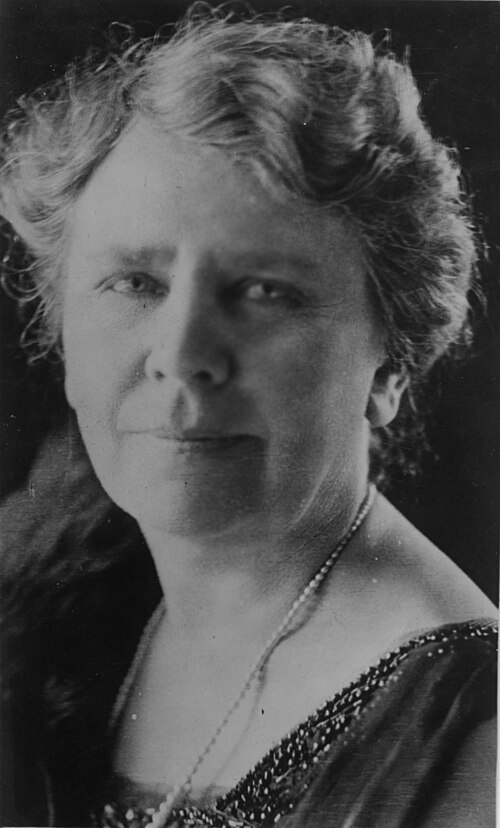
Ethnomusicologists study the many musics around the world that emphasize their cultural, social, material, cognitive, biological, and other dimensions or contexts instead of or in addition to its isolated sound component or any particular repertoire. Ethnomusicology – a term coined by Jaap Kunst from the Greek words ἔθνος (ethnos, 'nation') and μουσική (mousike, 'music') – is often described as the anthropology or ethnography of music. Initially, ethnomusicology was almost exclusively oriented toward non-Western music, but now includes the study of Western music from anthropological, sociological and intercultural perspectives.
Women have also made significant contributions in ethnomusicology, especially in the intersection of gender studies and ethnomusicology.[170] Ellen Koskoff, professor emerita at the Eastman School of Music, has done extensive work on gender in ethnomusicology.[171] Koskoff has also served as president of the Society for Ethnomusicology and hosted a radio show called "What in the World is Music?"[171]
In, "An Introduction to Women, Music, and Culture" (1987), Koskoff argues that music performed by women is "devalued" and in some cases, is even considered, "non-music," despite having "musical form".[170]: 15 Koskoff explains that the distinction that men occupy public spheres and women occupy private, domestic ones has, "creat[ed] not necessarily two separate and self-contained music cultures, but rather two differentiated yet complementary halves of culture.[170]: 1 She reasons that because "In most societies, a woman's identity is believed to be embedded in her sexuality," "one of the most common associations between women and music... links women's primary sexual identity and role with music performance".[170]: 6 Based on this association, Koskoff argues that "Four categories of music performance thus emerge in connection with inter-gender relations: (1) performance that confirms and maintains the established social/sexual arrangement; (2) performance that appears to maintain the established norms in order to protect other, more relevant values; (3) performance that protests, yet maintains, the order (often through symbolic behavior); and (4) performance that challenges and threatens established order".[170]: 10
Deborah Wong, a professor at the University of California, Riverside,[172] is known for her focus on the music of Southeast Asia and Asian American music-making,[172] and has also studied taiko, or Japanese American drumming.[173]
Other women ethnomusicologists include:
Music educators

While music critics argued in the 1880s that "women lacked the innate creativity to compose good music" due to "biological predisposition",[7] later, it was accepted that women would have a role in music education, and they became involved in this field "to such a degree that women dominated music education during the latter half of the 19th century and well into the 20th century."[7] "Traditional accounts of the history of music education [in the US] have often neglected the contributions of women, because these texts have emphasized bands and the top leaders in hierarchical music organizations."[174] When looking beyond these bandleaders and top leaders, women had many music education roles in the "home, community, churches, public schools, and teacher-training institutions" and "as writers, patrons, and through their volunteer work in organizations."[174]
Despite the limitations imposed on women's roles in music education in the 19th century, women were accepted as kindergarten teachers, because this was deemed to be a "private sphere." Women also taught music privately, in girl's schools, Sunday schools, and they trained musicians in school music programs. By the turn of the 20th century, women began to be employed as music supervisors in elementary schools, teachers in normal schools and professors of music in universities. Women also became more active in professional organizations in music education, and women presented papers at conferences.
A woman, Frances Clarke (1860–1958) founded the Music Supervisors National Conference in 1907. While a small number of women served as president of the Music Supervisors National Conference (and the following renamed versions of the organization over the next century) in the early 20th century, there were only two female presidents between 1952 and 1992, which "[p]ossibly reflects discrimination." After 1990, however, leadership roles for women in the organization opened up. From 1990 to 2010, there were five female presidents of this organization.[175]: 171 Women music educators "outnumber men two-to-one" in teaching general music, choir, private lessons, and keyboard instruction.[175]: 177 More men tend to be hired as for band education, administration and jazz jobs, and more men work in colleges and universities.: 177 According to Dr. Sandra Wieland Howe, there is still a "glass ceiling" for women in music education careers, as there is "stigma" associated with women in leadership positions and "men outnumber women as administrators."[176]
Individuals
- Julia Crane (1855–1923) was an American music educator who set up a school, the Crane School of Music in Potsdam, New York, which was the first school specifically for the training of public school music teachers.[177] She is among the most important figures in the history of American music education.[178] Crane was a student of Manuel García.[179] Crane was inducted into the Music Educators Hall of Fame in 1986.[180] As of 2015, the Crane School of Music is one of three schools which make up the State University of New York (SUNY) at Potsdam. It has 630 undergraduate and 30 graduate students and a faculty of 70 teachers and professional staff.
- Cornelia Schröder-Auerbach (1900–1997), musician, musicologist, pianist and organist, studied musicology in Breslau, Munich, Jena and Freiburg in Breisgau,[181] where she made her doctorate in musicology in 1928, her supervisor was Wilibald Gurlitt.[182] According to Texas State University professor Nico Schüler she was the first woman to graduate with a doctorate in musicology.[183]: 207 In 1930 she founded with Peter Harlan and her husband, the composer Hanning Schröder, the Harlan Trio for historically informed performances, path-breaking for this new genre,[183]: 209 based also on her research in clavichord music and compositions. With the Nazi takeover of the German government and its anti-Semitic discriminations the non-observant Protestant Schröder-Auerbach was banned in 1934 from publicly performing because her four grandparents had been Jewish.[183]: 212 From early 1944 on, under veiled so-called Aryan identity she restarted public music performances in Dargun as the church organist, choirmaster and music teacher,[183]: 212 after 1945 she continued this and also networked in the music chapter of the Mecklenburg state association of the Cultural Association of the GDR. In 1952 she joined the East German Academy of Arts in East Berlin, where she rebuilt the music archive, lost in 1945 with the destruction of the predecessor Prussian Academy of Arts. Since she lived in the American Sector of Berlin, the East Berlin Academy dismissed her in 1959. She also worked as author, lexicographer, music critic for the Berliner Börsen-Courier, radio stations and the Deutsche Grammophon.
- Carolynn Lindeman (born 1940) graduated from Oberlin College Conservatory of Music, the Mozarteum Academy, San Francisco State University and Stanford University, where she received her Doctor of Musical Arts. She was a professor at San Francisco State University from 1973 to 2005. She was president of the Music Educators National Conference from 1996 to 1998. She edited the Strategies for Teaching series. She "[a]cknowledge[d gender] discrimination in academia."[175]: 172
- June Hinckley (1943–2007) graduated with a PhD from Florida State University. She was a music and fine arts supervisor in Brevard County in Florida. She wrote articles on music education. She was president of the Music Educators National Conference from 1998 to 2000.[175]: 172
- Lynn Brinckmeyer received her PhD from the University of Kansas. She was an associate professor and director of choral music education at Texas State University. She was president of the Music Educators National Conference from 2006 to 2008.[175]: 172
- Barbara Geer graduated from the University of North Carolina. She was a music consultant for a school system in North Carolina and she served as president of the Music Educators National Conference from 2008 to 2010.[175]: 172
- Grace Harriet Spofford (1887–1974) was an American music educator and administrator. She graduated from Smith College in 1909,[184] and later from the Peabody Conservatory of Music with degrees in piano (1913) and organ (1916).[185] Her first position in education was directly after her time at Smith, teaching piano at Heidelberg College (now Heidelberg University).[186] After attending Peabody, Spofford became a piano teacher and later an administrator there. From 1924 to 1931, she was the first dean of the Curtis Institute of Music in Philadelphia. From 1935 to 1954, she was the director of the Henry Street Settlement's music school. She was largely responsible for commissioning The Second Hurricane, a play-opera by Aaron Copland and Edwin Denby.[187] After retirement, Spofford was involved with international music relations. Between 1954 and 1963, she served as chairman of music of the International Council of Women three times, during which the council sponsored the recording of orchestral works by five women composers: Mabel Wheeler Daniels, Miriam Gideon, Mary Howe, Julia Perry, and Louise Talma. In 1964 and 1966, Spofford was a delegate to the International Music Council. She received a 1968 honor from the National Federation of Music Clubs for "distinguished service to music in the field of human rights."[186]
- Sharon Isbin, founding director of the guitar department at the Juilliard School and multiple Grammy Award-winning classical guitarist. In 1989, she created the Master of Music degree, Graduate Diploma and Artist Diploma for classical guitar at the Juilliard School, making history by becoming their first guitar faculty and the founding director of the guitar department; she added the Bachelor of Music degree and Undergraduate Diploma to the program in 2007, and the Doctor of Musical Arts in 2018.[188] Isbin has appeared as soloist with over 200 orchestras, and has commissioned more concertos than any other guitarist. She is the author of the Classical Guitar Answer Book and the director of the Guitar Department at the Aspen Music Festival.[188]
Conducting
The majority of professional orchestra conductors are male; The Guardian called conducting "one of the last glass ceilings in the music industry."[10] A 2013 article stated that in France, out of 574 concerts only 17 were conducted by women and no women conducted at the National Opéra in Paris.[189] Bachtrack reported that, in a list of the world's 150 top conductors that year, only five were women.[190] A small number of female conductors have become top-ranked international conductors. In January 2005, Australian conductor Simone Young became the first woman to conduct the Vienna Philharmonic. In 2008 Marin Alsop, a protégé of Leonard Bernstein, became the first woman to become the music director and principal conductor of a major US orchestra when she won the top job at the Baltimore Symphony.[191] There were "protests from a large swathe of the Baltimore Symphony when she was first named Music Director", but since that time, "plaudits [have] roll[ed] in."[191] In 2014, Alsop was the first woman conductor to lead the Last Night of the Proms concert–one of the most important classical music events in Britain–in its 118-year history.[191]
While there is a lack of women in professional orchestra, more recent studies show that the conducting profession itself lacks gender and racial diversity. There is a clear distinction between the low number of white women in the field compared to that of white men, but there is an even lower number of other racial and ethnic identities. The proportion of non-white musicians represented in the orchestra workforce – and of African American and Hispanic/Latino musicians in particular –remains extremely low.[192] The field of orchestra continues to remain predominantly white. Positions such as conductors, executives, and staff are dominated by white individuals, in particular, white males. In high level executive positions, it remains rare to see women or people of color. However, the gender gap narrowed in the early 1990s, with women musicians making up between 46% and 49% of the total musician pool in the two decades since.[192] The years 1980 to 2014 saw a four-fold increase in the proportion of diverse musicians on stage, driven largely by an increase in musicians from Asian / Pacific Islander backgrounds.[192] Over the years, more attention was brought to gender and racial disparity in the field. This awareness has caused positive impacts in the orchestrating field. Data about conductors from 2006 to 2016 reveals there is a gradual but steady trend towards greater racial and ethnic diversity, with the percentage of African American, Latino/Hispanic, Asian / Pacific Islander, American Indian / Alaskan Native, and other non-white conductors increasing from 15.7% in 2006 to 21% in 2016.[192] Although there has been reconstruction of the whiteness and gender domination of males in the field, there is still work to be done.
Many women within the orchestrating profession experience forms of discrimination whether it be gender, racial, or both. Women, initially, were not encouraged to play professionally because it was deemed inappropriate by society. Women were further considered neither strong enough nor skilled enough to play instruments other than the piano, or to survive grueling rehearsal schedules.[193] Jeri Lynne Johnson was the first African-American woman to win an international conducting prize when she was awarded the Taki Concordia conducting fellowship in 2005. She is the founder and music director of the Black Pearl Chamber Orchestra, the first multi-ethnic professional orchestra in Philadelphia. A graduate of Wellesley College and the University of Chicago, she is a conductor, composer and pianist. From 2001 to 2004, she was the assistant conductor of The Chamber Orchestra of Philadelphia.[194] She has led orchestras around the world including the Colorado Symphony, Bournemouth Symphony (UK), and the Weimar Staatskapelle (Germany). Alongside prominent woman conductors Marin Alsop and JoAnn Falletta, Ms. Johnson was heralded on the NBC The Today Show as one of the nation's leading female conductors.
According to the UK's Radio 3 editor, Edwina Wolstencroft, "The music world has been happy to have female performers ...for a long time...[;]But owning authority and power in public is another matter. That's where female conductors have had a hard time. Our society is more resistant to women being powerful in public than to women being entertaining."[9] The low percentage of women conductors is not because women do not study in music school; indeed, in 2009 and 2012 almost half of the recipients of conducting doctorates were women.[10]
The turn for women's rights in music began the feminist movement in America in 1848.[citation needed] The movement fueled all women to fight for equal rights in a plethora of fields such as voting, education, employment, and marriage. While the women's rights movement meant the start of including women into the orchestrating field, there would still be barriers they needed to overcome. Women of color, in particular, were faced with many stereotypes that challenged the worthiness of their work. In fact, black women's work in the field faced more scrutiny than that of their white counterparts. A classic example of this is seen in a study conducted for the Bulletin of the Council for Research in Music Education, by Elliot Charles, in 1995. "Elliot examined whether race and gender influenced judgments of musical performances. Four trumpeters and four flutists were videotaped performing the same music excerpt. For each instrument, one white man, one white woman, one black man, and one black woman, served as models. To control the audio portion of the study, the researcher used two prerecorded performances, one for the trumpets and one for the flutes. This created the same audio for all trumpets and flute performances. College music majors rated each performance on a Likert-type scale. Results revealed black performers of each genders and instruments were rated significantly lower than white performers. The lowest ratings were given to black male and female trumpet players."[195]
This example demonstrates that gender discrimination was prevalent during this time, but racial discrimination must be accounted for as well.
Conductors
Female conductors include:
- Marin Alsop (born 1956)
- Jessica Bejarano (born 1981)
- Frieda Belinfante (1904–1995)
- Gisele Ben-Dor (born 1955)
- Nadia Boulanger (1887–1979)
- Antonia Brico (1902–1989)
- Sylvia Caduff (born 1937)
- Joana Carneiro (born 1976)
- Marzena Diakun (born 1981)
- Agnieszka Duczmal (born 1946)
- Sian Edwards (born 1959)
- JoAnn Faletta (born 1954)
- Jane Glover (born 1949)
- Mirga Gražinytė-Tyla (born 1986)
- Julia Jones (born 1961)
- Karen Kamensek (born 1970)
- Natalia Luis-Bassa (born 1966)
- Alondra de la Parra (born 1980)
- Kristiina Poska (born 1978)
- Lidiya Yankovskaya (born 1986)
- Simone Young (born 1961)
- Xian Zhang (born 1973)
Music critics
Popular music

According to Anwen Crawford, the "problem for women [popular music critics] is that our role in popular music was codified long ago", which means that "[b]ooks by living female rock critics (or jazz, hip-hop, and dance-music critics, for that matter) are scant." Crawford notes that the "most famous rock-music critics—Robert Christgau, Greil Marcus, Lester Bangs, Nick Kent—are all male."[1]
Sociomusicologist Simon Frith noted that pop and rock music "are closely associated with gender; that is, with conventions of male and female behaviour."[196] According to Holly Kruse, both popular music articles and academic articles about pop music are usually written from "masculine subject positions."[197] As well, there are relatively few women writing in music journalism: "By 1999, the number of female editors or senior writers at Rolling Stone hovered around...15%, [while] at Spin and Raygun, [it was] roughly 20%."[198] Criticism associated with gender was discussed in a 2014 Jezebel article about the struggles of women in music journalism, written by music critic Tracy Moore, previously an editor at the Nashville Scene.[199]
The American music critic Ann Powers, as a female critic and journalist for a popular, male-dominated industry, has written critiques the perceptions of sex, racial and social minorities in the music industry. She has also written about feminism.[200][201] In 2006 she accepted a position as chief pop-music critic at the Los Angeles Times, where she succeeded Robert Hilburn.[202] In 2005, Powers co-wrote the book Piece by Piece with musician Tori Amos, which discusses the role of women in the modern music industry, and features information about composing, touring, performance, and the realities of the music business.
Anwen Crawford, a writer for The Monthly, contributed to Jessica Hopper's book of essays and profiles entitled The First Collection of Criticism by a Living Female Rock Critic.[203] Crawford's article "explores women's long struggle for visibility and recognition in the field of rock criticism, even though we've been helping to pioneer it from the start."[203] Crawford states that "[t]he record store, the guitar shop, and now social media: when it comes to popular music, these places become stages for the display of male prowess"; "[f]emale expertise, when it appears, is repeatedly dismissed as fraudulent. Every woman who has ever ventured an opinion on popular music could give you some variation [of this experience]... and becoming a recognized "expert" (a musician, a critic) will not save [women] from accusations of fakery."[203]
Popular music critics include:
- Tanja Bakić
- Raquel Cepeda
- Ann Powers
- Joy Press
- Lillian Roxon
- Linda Solomon
- Penny Valentine
- Ellen Willis, Out of the Vinyl Deeps (2011)
Classical music

"The National Arts Journalism Program (NAJP) at Columbia... completed a large study of arts journalism in America [in 2005]. They found that 'the average classical music critic is a white, 52-year-old male with a graduate degree, but twenty-six percent of all critics writing are female.'"[204] However, William Osborne points out that this 26% figure includes all newspapers, including low-circulation regional papers. Osborne states that the "large US papers, which are the ones that influence public opinion, have virtually no women classical music critics."[204] The only female critics from major US papers are Anne Midgette (New York Times) and Wynne Delacoma (Chicago Sun-Times). Midgette was the "first woman to cover classical music in the entire history of the paper."[204] Susannah Clapp, a critic from The Guardian—a newspaper that has a female classical music critic—stated in May 2014 that she had only then realized "what a rarity" a female classical music critic is in journalism.[205]
Women classical music critics include:
- Anne Midgette (New York Times)
- Marion Lignana Rosenberg (1961–2013)
Other musical professions
Record producing and sound engineering
A 2013 Sound on Sound article stated that there are "few women in record production and sound engineering."[11] Ncube states that "[n]inety-five percent of music producers are male, and although there are female producers achieving great things in music, they are less well-known than their male counterparts."[11] "Only three women have ever been nominated for best producer at the Brits or the Grammys" and none won either award.[206] "Women who want to enter the [producing] field face a boys' club, or a guild mentality."[206]
Despite this, women haven been taking on the challenge since the 1940s. Mary Shipman Howard was an engineer in New York City in the 1940s. Lillian McMurry was a record producer and founder of Trumpet Records in the 1950s. One of the first women to produce, engineer, arrange and promote music on her own rock and roll music label was Cordell Jackson (1923–2004). She founded the Moon Records label in Memphis in 1956 and began releasing and promoting on the label singles she recorded in her home studio, serving as engineer, producer and arranger. Ethel Gabriel had a 40-year career with RCA and was the first major label record producer.[citation needed]
Trina Shoemaker is a mixer, record producer and sound engineer responsible for producing/engineering and/or mixing records for bands such as Queens of the Stone Age,[207] Sheryl Crow,[207] Emmylou Harris,[207] Something for Kate,[207] Nanci Griffith[207] and many more. In 1998 Shoemaker became the first woman to win the Grammy Award for Best Engineered Album for her work on The Globe Sessions.[208] In addition to Crow, Shoemaker went on to work with artists such as Blues Traveller, Emmylou Harris, the Indigo Girls and the Dixie Chicks.[209]
Other women include:
- Leslie Ann Jones, engineer at Skywalker Sound
- Sylvia Massy, producer, engineer and mixer
- Emily Lazar, mastering engineer
- Susan Rogers, engineer for Purple Rain
- Genya Ravan, producer of The Dead Boys' Young, Loud and Snotty
- Sylvia Robinson, early hip hop music producer
- Judith Sherman, producer and engineer of classical and new music
- Lari White, co-producer on Toby Keith's White Trash With Money
DJs and turntablists
Women in music are often seen mainly in singing roles in popular music and there are relatively few women DJs or turntablists in hip hop music, house music, nu metal and other genres where DJs and turntablists participate. Indeed, all of these genres are very male-dominated. Part of this may stem from a general low percentage of women in audio technology-related jobs, such as audio engineering and production. In 2007 Mark Katz's article "Men, Women, and Turntables: Gender and the DJ Battle," stated that "very few women battle; the matter has been a topic of conversation among hip-hop DJs for years."[210] In 2010 Rebekah Farrugia stated "the male-centricity of EDM culture" contributes to "a marginalisation of women in these [EDM] spaces."[211] While turntablism and broader DJ practices should not be conflated, Katz suggests use or lack of use of the turntable broadly by women across genres and disciplines is impacted upon by what he defines as "male technophilia."[210] Historian Ruth Oldenziel concurs in her writing on engineering with this idea of socialization as a central factor in the lack of engagement with technology. She explains: "an exclusive focus on women's supposed failure to enter the field ... is insufficient for understanding how our stereotypical notions have come into being; it tends to put the burden of proof entirely on women and to blame them for their supposedly inadequate socialization, their lack of aspiration, and their want of masculine values. An equally challenging question is why and how boys have come to love things technical, how boys have historically been socialized as technophiles."[212]
Lucy Green has focused on gender in relation to musical performers and creators, and specifically on educational frameworks as they relate to both.[213] She suggests that women's alienation from "areas that have a strong technological tendency such as DJing, sound engineering and producing" are "not necessarily about her dislike of these instruments but relates to the interrupting effect of their dominantly masculine delineations."[214] Despite this, women and girls do increasingly engage in turntable and DJ practices, individually[215] and collectively,[216] and "carve out spaces for themselves in EDM and DJ Culture."[211] There are various projects dedicated to the promotion and support of these practices, such as Female DJs London.[217] Some artists and collectives go beyond these practices to be more gender-inclusive.[218] For example, Discwoman, a New York-based collective and booking agency, describe themselves as "representing and showcasing cis women, trans women and genderqueer talent."[219]
Movements, organizations, events and genres
Women's music
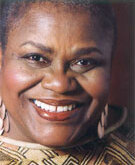
Women's music (also womyn's music or wimmin's music) is music "by women, for women, and about women".[220][221] The genre emerged as a musical expression of the second-wave feminist movement[222] as well as the labor, civil rights, and peace movements.[223] The movement (in the US) was started by lesbians such as Cris Williamson, Meg Christian and Margie Adam, African-American musicians (including Linda Tillery, Mary Watkins, Gwen Avery) and activists such as Bernice Johnson Reagon and her group Sweet Honey in the Rock, and peace activist Holly Near.[223] Women's music also refers to the wider industry of women's music that goes beyond the performing artists to include studio musicians, producers, sound engineers, technicians, cover artists, distributors, promoters, and festival organizers who are also women.[220]
Organizations
International Alliance for Women in Music
The International Alliance for Women in Music (IAWM) is an international organization of women and men dedicated to fostering and encouraging the activities of women in music, particularly in the areas of musical activity, such as composing, performing, and research, in which gender discrimination is an historic and ongoing concern. The IAWM engages in efforts to increase the programming of music by female composers, to combat discrimination against female musicians, including as symphony orchestra members, and to include accounts of the contributions of women musicians in university music curricula. To end gender discrimination, the IAWM led successful boycotts of the American concerts of the Vienna Philharmonic Orchestra in the 1990s; the "VPO watch" continues.[224] Advocacy by the organization has contributed to the inclusion of women composers in college music history textbooks.[225]
Women in Music (WIM-NY)
Women in Music (WIM-NY) is an American organization based in New York City which was founded in 1985. It aims to "support, cultivate and recognize the talents of women" in music.[226] WIM-NY holds activities and events, including "seminars, panels, and networking events."[226] As well, it gives out annual Touchstone Awards to women in music. WIM-NY members include "record label executives, artist managers, songwriters, musicians, attorneys, recording engineers, agents, publicists, studio owners, music publishers, online and traditional marketers" from "all genres of music and all areas of the [music] industry."[226] As of 2015, the president is lawyer Neeta Ragoowansi and the vice-president is lawyer Jennifer Newman Sharpe. As of 2015, the board of directors includes women from Nielsen Music, Warner Music Group, Ableton, Downtown Music Publishing and the Berklee College of Music.
Women in Music Canada
Women in Music Canada Professional Association (WIMC) is an organization based in Toronto, Ontario, that was established in 2012. It is a federally registered non-profit organization that aims to "foste[r] equality in the music industry through the support and advancement of women."[227] WIMC is financially supported by the federal government, the FACTOR program, the Ontario government and Slaight Music.
Women in Music (WIM-UK)
Women in Music (WIM-UK) is a United Kingdom "membership organization that celebrates women's music making across all genres of music."[228] WIM-UK works to raise "awareness of gender issues in music and support women musicians in their professional development."[228] WIM-UK's website provides information on competitions and job opportunities.[228] WIM-UK does a survey of the numbers of women composers, conductors and soloists who appear in the BBC Proms, the "largest classical music festival in the world." For the 2015 Proms, women composers made up 10% of the program, women conductors made up 4% of the 50 conductors and female instrumental soloists made up 30%.[229]
Now Girls Rule (Mexico)

Now Girls Rule is a Mexican feminist organization created for the empowerment and promotion of women artists, and women-fronted acts and bands, that celebrates music created by women, as well generating spaces and expanding the art scene in Mexico by focusing on the creation of new generations of artists through education and inspiration.[230][231] Now Girls Rule was founded by independent Mexican rock musician Elis Paprika in 2014, drawing the name from her single "Now Girls Rule" released that year, where she featured other important Latin American women artists Sandrushka Petrova and Ana Cristina Mo from the band Descartes a Kant, Renee Mooi, and Vanessa Zamora. Throughout her career, Elis Paprika has continuously brought attention to the fact that, despite the enormous number of talented women artists, the Mexican music scene has historically failed in the promotion and creation of appropriate spaces and opportunities for women in music.
Now Girls Rule features several annual events. Girl Camps feature music and fanzine design lessons for young girls ages 7–17; all teachers are established woman artists from the Mexican music scene.[232] The format was created for young aspiring artists to meet and learn from women who have pursued their dreams and worked to make a living from their art, so they can be inspired to develop careers in music and art. Now Girls Rule Nights are a series of live concerts featuring established women artists and women-fronted bands, while inviting up-and-coming women-fronted acts to perform, to reach new crowds. Now Girls Rule Networkings are a space where professional women of various backgrounds and women artists come together to meet and talk about their work in the hopes of joining forces in new ventures and projects. La Marketa, the first-ever all-women artists' bazaar in Mexico, was created so that artists can directly sell their merchandise to their fans and keep 100% of their sales.[233] La Marketa is an all-age, gender-inclusive, and pet-friendly event featuring live performances by some of the artists. Elis Paprika also hosts the Now Girls Rule Podcast, a weekly show through Vive Latino's Señal VL channel, that features music by women artists and women-fronted acts she has met around the world while touring.
Riot Grrrl
Riot grrrl is an underground feminist hardcore punk movement that originally started in the early 1990s, in Washington, D.C.,[234] and the greater Pacific Northwest, noticeably in Olympia, Washington.[235] It is often associated with third-wave feminism, which is sometimes seen as its starting point. It has also been described as a musical genre that came out of indie rock, with the punk scene serving as an inspiration for a musical movement in which women could express themselves in the same way men had been doing for the past several years.[236]
Riot grrrl bands often address issues such as rape, domestic abuse, sexuality, racism, patriarchy, and female empowerment. Bands associated with the movement include Bikini Kill, Bratmobile, Heavens to Betsy, Excuse 17, Huggy Bear, Cake Like, Skinned Teen, Emily's Sassy Lime, Sleater-Kinney, and also queercore groups like Team Dresch.[237][238] In addition to a music scene and genre, riot grrrl is a subculture involving a DIY ethic, zines, art, political action, and activism.[239] Riot grrrls are known to hold meetings, start chapters, and support and organize women in music.[240]
The use of the word girl was meant to indicate a time when girls are least influenced by societal pressures and therefore have the strongest self-esteem – childhood. The anger behind the movement was noted by the alternate spelling of the word as grrrl, which sounds like a growl.[240]
They partook in a new type of punk feminism that promoted the idea of do-it-yourself, exchanging manifestos and trading mixed tapes of favorite bands to get the word out.[241] They were tired of women being erased from history or having their experiences misinterpreted and ignored by others. In response to patriarchal violence, adultism, and heterocentrism,[242] riot grrrls engage in negative emotional expressions and rhetoric similar to that of feminism and the punk aesthetic. The feminist argument that "the personal is political" was revisited in the image that riot grrrl set forth, similarly to the culture of punk that self-actualization is not to be found in external forces but rather through an individual's true self. By recognizing and reevaluating the institutional structures that affect individual experiences within social situations, an individual can gain the knowledge to better know herself and therefore know how to present herself to others so that they may know her accurately. Riot grrrl termed this movement to self-actualization girl love – "girls learning to love themselves, and each other, against those forces that would otherwise see them destroyed or destroy themselves."[This quote needs a citation]
The accompanying slogan "every girl is a riot grrrl" reinforces the solidarity that women can find amongst themselves. This creates an intimate aesthetic and sentimental politic well expressed in the production of zines (a shortened version of fanzines).[240] Zines are handmade, crafted by individuals who want to connect directly with their readers, with simple items like scissors, glue, and tape. They call out injustices and challenge the norms that typically direct the expression of sexuality and domestic abuse, providing a space for women to exchange personal stories to which many others could relate. They challenge girls and women alike to stand up for themselves in a political atmosphere that actively seeks to silence them.[242] The shared personal stories have been, at times, met with attitudes that reduced the communication to "it's all just girls in their bedrooms, sprawled out writing in their diaries, and then they'll send them to each other",[This quote needs a citation] while the choice to share in that way is an aesthetic one.
In the midst of this raising of awareness, riot grrrls had to address the generalizations that worked for them but that could not apply to women of color. Not all girls could be riot grrrl after all, for lack of privilege barred them from participating in such acts as writing SLUT across their stomach in an attempt to reclaim sexual agency.[241] While the performance is an earnest one, racism had already labeled women of color as that term. As observed by Kearny, "the gender deviance displayed by riot grrrls is a privilege to which only middle-class white girls have access."[242] Another aspect of this need for inclusive discourse arose in the movement's preference for concrete knowledge and a disregard for the abstract that would foster theoretical inquiry.
Festivals
Women's music festivals, which may also be called womyn's music festivals, have been held since the 1970s. Some women's music festivals are organized for lesbians. The first women's music festival was held in 1973 at Sacramento State University. In May 1974 the first National Woman's Music Festival was held in Champaign-Urbana, Illinois, founded by University of Illinois student Kristin Lems.[243] It celebrated its 40th year in Middleton, Wisconsin, from 2–5 July 2015.[244] As of 2015, it is a four-day event that includes concerts, workshops, comedy, theatre, films and writing events that "promote and affirm the creative talents and technical skills of women" from diverse, multicultural communities, including women with disabilities. While most attendees are women, men can attend.[245] The Michigan Womyn's Music Festival was created in 1976, and became the largest festival in the United States.[246]: 28
An example of a festival that focuses on music is the Women in Music Festival held by the University of Rochester's Eastman School of Music. The festival began in 2005 as a celebration of the contributions of women to composition, performance, teaching, scholarship, and music administration.[247] From its modest beginnings of Eastman students and faculty members performing music by women composers, the Festival has grown to include additional concerts and events throughout Rochester, New York, and to host composers-in-residence, who have included Tania León (2007), Nancy Van de Vate (2008), Judith Lang Zaimont (2009), Emma Lou Diemer (2010), and Hilary Tann (2011). The festival has presented more than 291 different works by 158 composers.
Many other festivals have been created throughout the United States and Canada since the mid-1970s and vary in size from a few hundred to thousands of attendees. The Los Angeles Women's Music Festival began in 2007 with over 2500 attendees. Events outside the US include the Sappho Lesbian Witch Camp, near Vancouver, British Columbia, in Canada and the Sistajive Women's Music Festival in Australia. Some festivals are focused around the lesbian community, such as the Ohio Lesbian Festival, near Columbus, Ohio, which was created in 1988; Christian Lesbians Out (CLOUT), which holds a gathering in early August in Washington, D.C.; The Old Lesbian Gathering, a festival in Minneapolis, Minnesota; and RadLesFes, an event held in the middle of November near Philadelphia, Pennsylvania. Feminist-oriented festivals include the Southern Womyn's Festival in Dade City, Florida; the Gulf Coast Womyn's Festival in Ovett, Missouri; Wiminfest in Albuquerque, New Mexico; Womongathering, the Festival of Womyn's Spirituality; the Michigan Womyn's Music Festival, near Hart, Michigan; and the Midwest Womyn's Festival in DeKalb, Illinois.
While women's music festivals are centered on music, they support many other facets of lesbian and feminist culture. Some festivals are designed to provide a safe space for women's music and culture. Many festivals are held on college campuses or in remote rural locations, where attendees stay in campsites. Many festivals offer workshops on arts, crafts, fitness, and athletic events that women may not be able find in mainstream culture. In her book Eden Built by Eves, Bonnie Morris describes how women's music festivals serve women throughout the stages of their lives. Since the festivals are organized by women, for women, daycare and childcare facilities are typically provided. Festivals often provide a safe space for coming of age rituals for young women, adult romance and commitment ceremonies, the expression of alternative perspectives on motherhood, and the expression of grief and loss.[246]
Lilith Fair

Lilith Fair was a concert tour and travelling music festival that consisted solely of female solo artists and female-led bands. It was founded by Canadian musician Sarah McLachlan, Nettwerk Music Group's Dan Fraser and Terry McBride, and New York talent agent Marty Diamond. It took place during the summers of 1997 to 1999, and was revived in the summer of 2010.[248] McLachlan organized the festival after she became frustrated with concert promoters and radio stations that refused to feature two female musicians in a row.[249] Bucking conventional industry wisdom, she booked a successful tour for herself and Paula Cole. At least one of their appearances together – in McLachlan's home town, on 14 September 1996 – went by the name "Lilith Fair" and included performances by McLachlan, Cole, Lisa Loeb and Michelle McAdorey, formerly of Crash Vegas.
The next year, McLachlan founded the Lilith Fair tour, taking Lilith from the medieval Jewish legend that Lilith was Adam's first wife. In 1997, Lilith Fair garnered a $16 million gross, making it the top-grossing of any touring festival.[249] Among all concert tours for that year, it was the 16th highest grossing.[249] The festival received several pejorative nicknames, including "Breast-fest" and "Girlapalooza."[250][251]
Issues and approaches
Glass ceiling in the music industry
Singers such as Bonnie Raitt (left) and Cher (right) debuted in a historically male-dominated industry in their scenes.
Multiple research studies and news articles in recent years have brought to light the lack of women in top executive roles in the music industry, at record labels, music publishers, and in talent management. The industry has itself recognized this issue over the past few decades but little has changed.
In 1982, for example, Cosmopolitan published an article interviewing and profiling six women executives which found that, "For the first time, women are pioneering in the zany competitive, and very lucrative, pop-record industry...."[252][253] Only a few female executives were included in the chapter about women in the business side of the music industry in the encyclopedic book, She Bop: The Definitive History of Women in Rock, Pop and Soul, which primarily focused on women musicians and vocalists.
The New York Times reported in 2021 that, "Three years ago, an academic tallied the performers, producers and songwriters behind hit songs, and found that women's representation fell on a scale between, roughly, poor and abysmal."[254][255]
Despite advances in the 1970s and 1980s, female senior executives are still scarce in the music business today.[256] According to a 2021 Annenberg study, "...across 70 major and independent music companies...13.9% were women."[257] Women fare far better outside the music industry; according to a 2021 report by U.S. News & World Report, "Women held 31.7% of top executive positions across all industries…"[258]
Racism, sexism and discrimination of female musicians
Whether in hip-hop, country, or popular music, female musicians and performers from all genres experience discrimination and sexist treatment.[259] The three prominent forms of subtle discrimination experienced by female singers are being mistaken for non-musicians, lack of artistic control compared to their male counterparts, and having their sexuality, age, and femininity constantly scrutinized.[260] In many cases, female musicians are dismissed into inferior roles, such as a "gimmick," "good for a girl," and "invisible accessory."[260] Males lead most of the music projects and female musicians' artistic freedom is constrained by male bandleaders or managers.[260] Another prevalent form of discrimination towards female vocalists and musicians in the music industry is sexual misconduct.[261] Many female musicians are afraid to come out about their experiences with sexual assault because their stories are dismissed as being overly sensitive to what is considered normal in the music industry. In the turn of twentieth century, however, many female vocalists such as Kesha, Taylor Swift, and Lady Gaga and Dua Lipa came forward with their stories, helping shape the anti-harassment movement. Additionally, under the MeToo movement, more stories of misconduct and discrimination in the music industry are being re-examined.[262] Dua Lipa has spoken out about sexism in the music industry, saying that "women struggle to get recognition", as often the success of big female artists is discredited by a "man behind the woman."[263]
Another form of sexism in the music industry appears in the lyrics.[259] There are five major themes in lyrics from all genres that facilitate female discrimination, noted here by Sarah Neff: "portrayal of women in traditional gender roles, portrayal of women as inferior to men, portrayal of women as objects, portrayal of women as stereotypes, and portrayal of violence against women."[259] Utilizing a series of sexist markers, studies have found that countless lyrics entails sexist themes, including "depicting women in traditional gender roles, describing relationships with women in unrealistic ways, and attributing a woman's worth strictly on the basis of her physical appearance."[264] Sexism in music is well-documented for genres such as rap and hip-hop, but with newer research, this holds true for country music, rock, and other genres as well.[264]
Women conductors faced sexism, racism, and gender discrimination throughout the 19th and 20th centuries. "To break down this apparent employment barrier, women created their own opportunities by founding and organizing all-female orchestras"; one example is the Fadette Women's Orchestra in Boston founded in 1888 by conductor Caroline B. Nichols.[193] A number of other all-women orchestras were founded in the early decades of the 20th century, and women conductors led these groups. Writer Ronnie Wooten notes, "It is both interesting and ironic that something that is considered 'universal' has historically excluded women (with the exception of certain stereotypically defined roles) and more specifically women of color."[265] This comments on the fact that the underrepresentation of women in conducting is seen as a sexism issue, but is an issue of racism as well.
Women conductors continue to face sexism in the early decades of the 21st century. In the 2010s, several male conductors and musicians made sexist statements about women conductors. In 2013, "Vasily Petrenko, the principal conductor of the Oslo Philharmonic and the Royal Liverpool Philharmonic, provoked outrage when he told a Norwegian newspaper that 'orchestras react better when they have a man in front of them."[266] He also stated that "when women have families, it becomes difficult to be as dedicated as is demanded in the business."[266] Bruno Mantovani, the director of the Paris Conservatoire, gave an interview in which he made sexist statements about women conductors. Mantovani raised the "problem of maternity" and he questioned the ability of women to withstand the physical challenges and stresses of the profession, which he claimed involve "conducting, taking a plane, taking another plane, conducting again."[8] Yuri Temirkanov, the music director of the St. Petersburg Philharmonic, made sexist statements about women conductors in a September 2013 interview, stating that "The essence of the conductor's profession is strength. The essence of a woman is weakness."[8] Finnish conductor Jorma Panula made sexist statements about women conductors in 2014; he stated that "women [conductors are not]... getting any better – only worse", which he called a "purely biological question."[267][268]
See also
- Women's music
- Women in music education
- Lists of women in music
- Women in art
- All-female band
- Women Who Rock: Making Scenes, Building Communities Oral History Archive
- Unsung: A History of Women in American Music
- Music and women's suffrage in the United States
Notes
- ^ This painting by Artemisia Gentileschi, representing Saint Cecilia, has become identified with Maddalena Casulana since 2010. However, there is no evidence that it is actually a portrait of Casulana.
References
- ^ a b c d Crawford, Anwen (26 May 2015). "The World Needs Female Rock Critics". The New Yorker. Archived from the original on 9 November 2021. Retrieved 7 April 2018.
- ^ a b Mizoguchi, Karen (12 December 2015). "Lady Gaga Calls Music Industry a 'F—king Boys Club'". People. Archived from the original on 9 November 2021.
- ^ McDermott, Maeve (9 December 2016). "Madonna blasts music industry sexism: 'If you're a girl, you have to play the game'". USA Today. Retrieved 12 December 2022.
- ^ Smith, Stacy L.; et al. (January 2018). Inclusion in the Recording Studio? Gender and Race/Ethnicity of Artists, Songwriters & Producers across 600 Popular Songs from 2012-2017 (PDF) (Report). Annenberg Inclusion Initiative. pp. 1–31. Archived from the original (PDF) on 9 November 2021 – via USC Annenberg School for Communication and Journalism News staff.
- ^ Sisario, Ben (25 January 2018). "Gender Diversity in the Music Industry? The Numbers Are Grim". The New York Times. ISSN 0362-4331. Archived from the original on 9 November 2021. Retrieved 18 May 2018.
- ^ a b c d e f g Schaap, Julian; Berkers, Pauwke (2014). "Grunting Alone? Online Gender Inequality in Extreme Metal Music". IASPM Journal. 4 (1): 101–116. doi:10.5429/2079-3871(2014)v4i1.8en. hdl:1765/51580.
- ^ a b c d e f g h i j k l m n o p Reublin, Richard A.; Beil, Richard G. (September 2002). "In Search of Women in American Song; A Neglected Musical Heritage". Parlor Songs. Retrieved 20 January 2016.
- ^ a b c d e f g Morreale, Michael (19 March 2014). "Classical Music's Shocking Gender Gap". Canadian Broadcasting Corporation. Archived from the original on 27 June 2016. Retrieved 7 April 2018.
- ^ a b Duchen, Jessica (28 February 2015). "Why the male domination of classical music might be coming to an end". The Guardian. Retrieved 20 January 2016.
- ^ a b c d Levintova, Hannah (23 September 2013). "Here's Why You Seldom See Women Leading a Symphony". Mother Jones. Retrieved 20 January 2016.
- ^ a b c Ncube, Rosina (September 2013). "Sounding Off: Why So Few Women In Audio?". Sound on Sound.
- ^ a b c "Singer Asha Bhosle enters Guinness World Records for most single studio recordings". India Today. 21 October 2011. Retrieved 12 March 2016.
- ^ a b Citron, Marcia J. (1993). Gender and the Musical Canon. Cambridge University Press. ISBN 9780521449748.
- ^ a b c Philips, Abbey (1 September 2011). "Spacebomb: Truth lies somewhere in between". RVANews.
- ^ Bennett, Judith M.; Hollister, Warren C. (2001). Medieval Europe: A Short History (9th ed.). New York: McGraw-Hill. p. 317. ISBN 9780071121095.
- ^ Howell, John. "What was the first opera?". Medieval Music & Arts Foundation. Retrieved 13 January 2024.
- ^ Mirapaul, Matthew (23 July 1998). "The Hildegurls Present an Electronic Morality Play". The New York Times. Retrieved 13 January 2024.
- ^ Maddocks, Fiona. Hildegard of Bingen: The Woman of Her Age (New York: Doubleday, 2001), p. 194.
- ^ "Hildegard von Bingen". ABC Classic. 10 March 2019. Retrieved 13 January 2024.
- ^ Alternative names: Madalena Casulana di Mezarii, Madalena Casula.
- ^ Bridges, Thomas W. (2001). "Casulana [Mezari], Maddalena". Grove Music Online (8th ed.). Oxford University Press. doi:10.1093/gmo/9781561592630.article.05155. ISBN 978-1-56159-263-0.
- ^ Bowers, Jane (1996). "Caterina Assandra". Women Composers: Music Through the Ages. Vol. 1. New York: G. K. Hall. ISBN 9780816109265 – via Archive.org.
- ^ "Assand2.mid". Early Women Masters. Archived from the original (midi file) on 3 March 2016. Retrieved 19 October 2015.
- ^ "Francesca Caccini Songs, Albums, Reviews, Bio & More". AllMusic. Retrieved 13 January 2024.
- ^ a b Glixon, Beth L. (1999). "More on the life and death of Barbara Strozzi". The Musical Quarterly. 83 (1): 134–141. doi:10.1093/mq/83.1.134.
- ^ Heller, Wendy (2006). "Usurping the place of the muses: Barbara Strozzi and the female composer in seventeenth-century Italy". In Stauffer, George B. (ed.). The World of Baroque Music: New Perspectives. Bloomington: Indiana University Press. pp. 145–168. ISBN 978-025334798-5.
- ^ Kendrick, Robert (2002). "Intent and intertextuality in Barbara Strozzi's sacred music". Recercare. 14. Fondazione Italiana per la Musica Antica: 65–98. JSTOR 41701379.
- ^ Rosand, Ellen (1986). "The voice of Barbara Strozzi". In Bowers, Jane; Tick, Judith (eds.). Women Making Music: The Western Art Tradition, 1150–1950. Urbana, Illinois: University of Illinois Press. p. 170. ISBN 978-025201204-4.
- ^ Cessac, Catherine (2001). "Jacquet de La Guerre, Elisabeth". Grove Music Online (8th ed.). Oxford University Press. doi:10.1093/gmo/9781561592630.article.14084. ISBN 978-1-56159-263-0.
- ^ Cyr, Mary (Winter 2008). "Elisabeth Jacquet de La Guerre: Myth or Marvel? Seeking the Composer's Individuality". The Musical Times. 149 (1905): 79–87. doi:10.2307/25434573. JSTOR 25434573.
- ^ Baldwin, Olive; Wilson, Thelma (24 February 2010) [2001]. "Abrams, Harriett". Grove Music Online (8th ed.). Oxford University Press. doi:10.1093/gmo/9781561592630.article.00059. ISBN 978-1-56159-263-0.
- ^ Huberty, Michel; Giraud, Alain; Magdelaine, F. and B. (1989). Hohenzollern-Waldeck. L'Allemagne Dynastique (in French). Vol. 5. France: Laballery. pp. 162, 172. ISBN 978-2-901138-05-1.
- ^ a b Jonsson, Leif; Ivarsdotter-Johnsson, Anna, eds. (1993). Den gustavianska tiden (PDF). Musiken i Sverige (in Swedish). Vol. II. Frihetstid och gustaviansk tid 1720-1810. Stockholm: T. Fischer & Co and Royal Swedish Academy of Music. pp. 302, 373, 402. ISBN 978-91-7054-701-0 – via Swedish Musical Heritage.
- ^ Boer, Bertil H. van (2001). "Stenborg, Carl". Grove Music Online (8th ed.). Oxford University Press. doi:10.1093/gmo/9781561592630.article.26674. ISBN 978-1-56159-263-0.
- ^ Sadie, Julie Anne; Samuel, Rhian (1994). The Norton/Grove dictionary of women composers. New York: W. W. Norton. ISBN 9780393034875. Retrieved 13 October 2010.
- ^ Cook, Elizabeth (1997). "Beaumesnil, Henriette Adélaïde Villard de". In Sadie, Stanley (ed.). The New Grove Dictionary of Opera. Vol. 1. New York: Grove (Oxford University Press). p. 366. ISBN 978-0-19-522186-2.
- ^ "Composers Biography V-Vz". Dolmetsch Organisation. Retrieved 13 January 2024.
- ^ a b Berdes, Jane L. (1995). "Anna Bon". Norton/Grove Dictionary of Women Composers. New York: W. W. Norton.
- ^ More extensive biography is found in Barbara Garvey Jackson's introduction to her edition of the op. 2 sonatas (Fayetteville, AR: ClarNan Editions, 1989).
- ^ a b c Raessler, Daniel M. (2001). "Guest [Miles], Jane Mary". Grove Music Online (8th ed.). Oxford University Press. doi:10.1093/gmo/9781561592630.article.00059. ISBN 978-1-56159-263-0.
- ^ Ballchin, Robert, ed. (1983). "Guest, Jane Mary". Catalogue of Printed Music in the British Library to 1980. Vol. 25. London: K. G. Saur. ISBN 978-0-86291-322-9.
- ^ a b Raessler, Daniel M. (3 January 2008) [2004]. "Miles [née Guest], Jane Mary [Jenny] (c. 1762–1846), pianist and composer". Oxford Dictionary of National Biography (online ed.). Oxford University Press. doi:10.1093/ref:odnb/59208. (Subscription or UK public library membership required.)
- ^ Fuller, Sophie (1994). Pandora Guide to Women Composers. London: Pandora. pp. 143–144. ISBN 978-0-04-440897-0.
- ^ a b Godt, Irving (1 October 1995). "Marianna in Italy: The International Reputation of Marianna Martines (1744-1812)". Journal of Musicology. 13 (4): 538, 541. doi:10.2307/763898. ISSN 0277-9269. JSTOR 763898.
- ^ Wessely, Helene; Godt, Irving (2001). "Martínez, Marianne [Anna Katharina] von". Grove Music Online (8th ed.). Oxford University Press. doi:10.1093/gmo/9781561592630.article.17913. ISBN 978-1-56159-263-0.
- ^ Pohl, Carl Ferdinand (1871). Denkschrift aus Anlass des hundert-jährigen Bestehens der Tonkünstler-societät, im Jahre 1862 reorganisirt als "Haydn" Witwen und Waisen-Versorgungs-Verein der Tonkünstler in Wien (in German). Vienna: Selbstverlag des "Haydn". p. 60 – via Archive.org.
- ^ Letter of 16 July 1820, in Hensel, Sebastian, ed. (1884). The Mendelssohn Family (1729–1847) From Letters and Journals. Vol. I. Translated by Klingemann, Carl. London: Sampson Low and Co. p. 82. OCLC 1061914545.
- ^ Letter to Lea Mendelssohn-Bartholdy, 24 June 1837, in Mendelssohn Bartholdy, Felix (1864). Mendelssohn Bartholdy, Paul (ed.). Letters of Felix Mendelssohn Bartholdy from 1833 to 1847. Translated by Lady Wallace. London: Longman. p. 113. OCLC 17521633.
- ^ a b Reich, Nancy B. (1986). "Clara Schumann". Women Making Music: The Western Art Tradition. Urbana: University of Illinois Press. p. 250. ISBN 9780252014703.
- ^ Tu, Mary-Ann (2012). "About Katherine". Katherine Hoover. Archived from the original on 25 June 2014. Retrieved 4 May 2017.
- ^ a b c d e Gray, Anne K. (2007). The World of Women in Classical Music. La Jolla, California: WordWorld. ISBN 978-1-59975-320-1 – via Archive.org.
- ^ a b c Von Glahn, Denise (2013). Music and the Skillful Listener (eBook). Bloomington: Indiana University Press. ISBN 9780253007933. Retrieved 4 May 2017.
- ^ Larsen, Libby. "Libby Larsen: About". Libby Larsen. Archived from the original on 20 August 2017. Retrieved 4 May 2017.
- ^ "Jennifer Higdon Biography". Jennifer Higdon. Retrieved 2 May 2017.
- ^ a b c d e "Songwriters Hall of Fame". songhall.com.
- ^ Branigin, William (20 November 2013). "Presidential Medal of Freedom honors diverse group of Americans". The Washington Post. ISSN 0190-8286. Retrieved 17 January 2018.
- ^ a b Mullen, John (2015). The Show Must Go On! Popular Song in Britain During the First World War. Farnham: Ashgate Publishing. ISBN 9781472441584.
- ^ a b c d e Gioia, Ted (12 March 2013). "Five women songwriters who helped shape the sound of jazz". Oxford University Press: OUPblog.
- ^ "Show Boat". Rodgers & Hammerstein. Archived from the original on 14 April 2011. Retrieved 26 March 2019.
- ^ "Bessie Smith". Rock & Roll Hall of Fame. Retrieved 20 March 2019.
- ^ "Dolly Jones | Biography & History". AllMusic. Retrieved 20 March 2019.
- ^ Daoud, Alexandra (26 September 2017). "Women in Jazz: 10 Ladies Who Changed Music Forever". Project Revolver. Retrieved 20 March 2019.
- ^ Schoenberg, Loren (2002). The NPR curious listener's guide to jazz.
- ^ a b Saur, Kirsten (20 April 2016). "Swing It Sister: The Influence of Female Jazz Musicians on Music and Society". The Research and Scholarship Symposium. 15. Cedarville University.
- ^ a b c d e White, Erika (28 January 2015). "Music History Primer: 3 Pioneering Female Songwriters of the '60s". REBEAT Magazine.
- ^ a b c Kutulas, Judy (2017). After Aquarius Dawned: How the Revolutions of the 1960s Became the Popular Culture of the 1970s. Chapel Hill: University of North Carolina Press. ISBN 9781469632933. JSTOR 10.5149/9781469632926_kutulas.
- ^ a b Saal, Hubert (14 July 1969). "The Girls: Letting Go". Newsweek. pp. 68–71.
- ^ a b c d Carson, Mina; Lewis, Tisa; Shaw, Susan M.; Baumgardner, Jennifer; Richards, Amy (2004). Girls Rock!: Fifty Years of Women Making Music (1 ed.). University Press of Kentucky. ISBN 9780813123103. JSTOR j.ctt130j6dp.
- ^ a b Barton, Laura (26 January 2017). "From Joni Mitchell to Laura Marling: how female troubadours changed music". The Guardian. Retrieved 7 April 2018.
- ^ a b c d Gioia, Michael (2 August 2015). ""It's Revving Up" – The Next Generation of Female Songwriters Share Their Hopes for the Future". Playbill. Retrieved 15 October 2015.
- ^ a b Purcell, Carey (7 June 2015). "Fun Home Duo Make History as First All-Female Writing Team to Win the Tony". Playbill. Retrieved 7 November 2015.
- ^ a b Mantel, Sarah; Snyder, Linda J. (1 May 2013). "Women Composers and the American Musical: The Early Years". Journal of Singing. 69 (5): 527. ISSN 1086-7732. Archived from the original on 3 April 2019. Retrieved 3 April 2019.
- ^ Griffen, Anders (December 2012). "The Abbey Lincoln Collection, 1949–2008 (MC 101)". Institute of Jazz Studies, Rutgers University Libraries. Retrieved 30 May 2015.
- ^ Chinen, Nate (14 August 2010). "Abbey Lincoln, Jazz Singer and writer, Dies at 80". The New York Times. Archived from the original on 7 July 2011. Retrieved 14 August 2010.
- ^ Wiser, Carl (14 January 2009). "Black Women Songwriters: Song Writing". Songfacts. Retrieved 13 January 2024.
- ^ "4 Artists Discuss the Realities of Being a Black Woman in the Music Industry". Hypebae. 22 February 2021. Retrieved 13 January 2024.
- ^ Oglesbee, Frank W. (June 1999). "Suzi Quatro: A prototype in the archsheology of rock". Popular Music and Society. 23 (2): 29–39. doi:10.1080/03007769908591731. ISSN 0300-7766.
- ^ a b c Auslander, Philip (28 January 2004). "I Wanna Be Your Man: Suzi Quatro's musical androgyny" (PDF). Popular Music. 23 (1): 1–16. doi:10.1017/S0261143004000030. S2CID 191508078. Archived from the original (PDF) on 24 May 2013.
- ^ a b Brake, Mike (1990). "Heavy Metal Culture, Masculinity and Iconography". In Frith, Simon; Goodwin, Andrew (eds.). On Record: Rock, Pop and the Written Word. London: Routledge. pp. 87–91. ISBN 9780415053068.
- ^ Walser, Robert (1993). Running with the Devil: Power, Gender and Madness in Heavy Metal Music. Middletown: Wesleyan University Press. p. 76. ISBN 9780819562609.
- ^ Eddy, Chuck (1 July 2011). "Women of Metal". Spin. SpinMedia Group.
- ^ Kelly, Kim (17 January 2013). "Queens of noise: heavy metal encourages heavy-hitting women". The Telegraph.
- ^ "Meet the duo dressing Girls Aloud". OK!. 20 March 2009. Archived from the original on 23 July 2011. Retrieved 16 January 2024.
- ^ Day, Elizabeth (9 November 2008). "The nation's new sweetheart". The Guardian. ISSN 0261-3077. Retrieved 16 January 2024.
- ^ "Girlschool - Biography". IMDb. Retrieved 16 January 2024.
- ^ "The Hedrons". Belfast Telegraph.[dead link]
- ^ Rutledge-Borger, Meredith E. (15 April 2013). "The Fabulous Girl Groups". The Rock and Roll Hall of Fame and Museum. Archived from the original on 29 July 2014. Retrieved 4 June 2014.
- ^ Peneny, D.K. (n.d.). "Girl Groups – A Short History". History-of-rock.com. Retrieved 4 June 2014.
- ^ For example, vocalist groups Sugababes and Girls Aloud are referred to as "girl bands" Meet the duo dressing Girls Aloud OK magazine, 20 March 2009; The nation's new sweetheart The Observer, 9 November 2008; while instrumentalists Girlschool are termed a "girl group" Biography for Girlschool Internet Movie Database; The Hedrons The Belfast Telegraph, 19 January 2007
- ^ a b c Henry, Murphy Hicks (2013). "All-Female Bands". Pretty Good for a Girl: Women in Bluegrass. Music in American Life. University of Illinois Press. pp. 304–315. ISBN 9780252032868. JSTOR 10.5406/j.ctt3fh3cr.50.
- ^ "Filipinki. W USA przecierały szlaki, w ZSRR czerwone dywany". Gazeta Wyborcza. wyborcza.pl. 2 November 2013. Retrieved 20 January 2016.
- ^ "The Billboard Hot 100 1982". Billboard. Archived from the original on 20 October 2006. Retrieved 30 October 2008.
- ^ Coon, Caroline (1977). 1988: The New Wave Punk Rock Explosion. London: Omnibus/Hawthorne Books. ISBN 978-0801561290.
- ^ Berman, Judy (8 August 2011). "15 Essential Women Punk Rock Icons". Flavorwire. Retrieved 25 November 2015.
- ^ "Women of Punk and Post-Punk Music". Biography.com. Archived from the original on 28 October 2014. Retrieved 26 November 2015.
- ^ "Why Women in Punk?". Women in Punk. Punk77. Retrieved 26 November 2015.
- ^ Reddington, Helen (2012). The Lost Women of Rock Music: Female Musicians of the Punk Era. Ashgate/Equinox Publishing. ISBN 978-1845539573. Archived from the original on 27 November 2015. Retrieved 26 November 2015.
- ^ Woronzoff, Elizabeth. "The Lost Women of Rock Music' Is an Important Work, But a Replay of the Same Old Themes". Pop Matters. Retrieved 26 November 2015.
- ^ No Future?. No Future Conference. University of Wolverhampton. September 2001.
- ^ Reddington, Helen (1977). Introduction: The Lost Women of Rock Music (PDF). London: Ashgate. ISBN 9780754657736. Archived from the original (PDF) on 7 December 2015. Retrieved 20 December 2015.
- ^ Lydon, John (1995). Rotten: No Irish, No Blacks, No Dogs. London: Coronet. p. 378. ISBN 978-0312428136.
- ^ Petridis, Alexis (June 2014). "The Slits' Viv Albertine on punk, violence and doomed domesticity". The Guardian. Retrieved 27 November 2015.
- ^ Andrews, Charlotte Richardson (3 July 2014). "Punk has a problem with women. Why?". The Guardian. Retrieved 27 November 2015.
- ^ "Women Who Rock: 10 Essential Punk Songs". The Rock & Roll Hall of Fame Museum. Archived from the original on 2 February 2012. Retrieved 27 November 2015.
- ^ "Girlschool biography". Girlschool Official Website. Retrieved 27 January 2011.
- ^ "Reviews". Classic Rock. Girlschool official website. December 2004. Archived from the original on 7 July 2012. Retrieved 3 September 2010.
...apparently listed in The Guinness Book Of Records for being the world's longest-surviving all-female rock band
- ^ Hill, R. L. (2016). "'Power has a penis': Cost reduction, social exchange and sexism in metal—reviewing the work of Sonia Vasan". Metal Music Studies. 2 (3): 263–272. doi:10.1386/mms.2.3.263_7. ISSN 2052-3998.
- ^ True, Everett (24 August 2011). "Ten myths about grunge, Nirvana and Kurt Cobain". The Guardian. Retrieved 29 January 2017.
- ^ Bobbitt, Melissa (6 March 2019). "The 10 Greatest Drummers of the '90s". LiveAbout. Retrieved 16 January 2024.
- ^ "grunge". Encyclopedia Britannica. 22 December 2023. Retrieved 11 March 2023.
- ^ "Bonnie Raitt cover story". Guitar Player Magazine. May 1977.
- ^ "Bonnie Raitt cover story". Guitar Player Magazine. July 1998.
- ^ "Tina Weymouth & David Byrne, The Talking Heads". Guitar Player Magazine. March 1984.
- ^ Boder, Christopher (October 1991). "The Hole Story". Buzz. Vol. VII, no. 70. p. 13.
Most women in rock are only repeating what men have done. The women in this band are not doing that. We're coming at things from a more feminine, lunar, viewpoint.
- ^ "Destiny's Child's Long Road To Fame (The Song Isn't Called 'Survivor' For Nothing)". MTV. 13 June 2005. Archived from the original on 30 November 2022. Retrieved 4 June 2014.
- ^ "Simon Fuller: Guiding pop culture". BBC News. 18 June 2003. Retrieved 18 September 2011.
- ^ Silva, Marsha (13 June 2018). "HAIM Says a Male Group Got Paid 10 Times More by a Festival". Digital Music News.
- ^ Larsson, Naomi (12 October 2017). "Live music acts are mostly male-only. What's holding women back?". The Guardian.
- ^ "Simon Cowell Congratulates Little Mix After DNA Beats Spice Girls' Record Stateside". HuffPost. 5 June 2013.
- ^ Kaufman, Gil (24 August 2014). "See Fifth Harmony Melt Down Onstage After VMA Win". MTV. Archived from the original on 6 October 2022.
- ^ Rasch, Mirac (13 November 2015). "The Top 10 Female Jazz Musicians You Should Know". Culture Trip. Retrieved 3 April 2016.
- ^ a b c Arnwine, B. (2018). "The Beautiful Struggle: A Look at Women Who Have Helped Shape the DC Jazz Scene". In Jackson, M.; Ruble, B. (eds.). DC Jazz: Stories of Jazz Music in Washington, DC. Washington, DC: Georgetown University Press. pp. 117–128. doi:10.2307/j.ctvvnh25. ISBN 978-1-62616-590-8. JSTOR j.ctvvnh25. S2CID 243928638.
- ^ Stange, Mary Zeiss; Oyster, Carol K.; Sloan, Jane E. (2011). "Women In Classical Music". Encyclopedia of Women in Today's World. Vol. 1. SAGE Publications. p. 249. ISBN 978-1-4129-7685-5.
- ^ a b c d e f g Osborne, William (October 1996). "Art Is Just an Excuse: Gender Bias in International Orchestras". IAWM Journal: 6–14. Retrieved 20 January 2016.
- ^ "Steffy Goldner – America & The New York Philharmonic (1921–1932)". New York Philharmonic Archives.
- ^ Hernandez, Javier C. (22 November 2022). "In a 'Sea Change,' Women of the Philharmonic Now Outnumber the Men". The New York Times.
It was not until 1922 that the Philharmonic hired its first female member, Stephanie Goldner, a 26-year-old harpist from Vienna. She departed in 1932, and the orchestra became an all-male bastion again for decades.
- ^ "The world's greatest orchestras". Gramophone. 23 March 2010. Retrieved 29 April 2013.
- ^ Oestreich, James R. (16 November 2007). "Berlin in Lights: The Woman Question". The New York Times.
- ^ Musikalische Misogynie [Musical Misogyny] (Radio broadcast) (in German). translation by William Osborne, transcribed by Regina Himmelbauer. Westdeutscher Rundfunk Radio 5. 13 February 1996.
{{cite AV media}}: CS1 maint: others in cite AV media (notes) (link) - ^ "The Vienna Philharmonic's Letter of Response to the Gen-Mus List". Osborne-conant.org. 25 February 1996. Retrieved 5 October 2013.
- ^ Perlez, Jane (28 February 1997). "Vienna Philharmonic Lets Women Join in Harmony". The New York Times.
- ^ "Vienna opera appoints first ever female concertmaster". France 24. 8 May 2008. Retrieved 16 January 2024.
- ^ Oestreich, James R. (28 February 1998). "Even Legends Adjust To Time and Trend, Even the Vienna Philharmonic". The New York Times.
- ^ von Aue, Mary (24 October 2014). "Why Madonna's Unapologetic 'Bedtime Stories' Is Her Most Important Album". Vice Magazine. Retrieved 2 August 2020.
- ^ Fong, Melissa (10 September 2014). "Female DJs tackle gender bias". Ricochet. Retrieved 13 December 2017.
- ^ Keyes, Cheryl L. (2013). "'She Was Too Black for Rock and Too Hard for Soul': (Re)discovering the Musical Career of Betty Mabry Davis". American Studies. 52 (4): 35–55. doi:10.1353/ams.2013.0107. ISSN 2153-6856. S2CID 159486276.
- ^ Zellner, Xander (25 June 2018). "BLACKPINK Makes K-Pop History on Hot 100, Billboard 200 & More With 'DDU-DU DDU-DU'". Billboard. Retrieved 1 September 2018.
- ^ "Emerging Artists: The week of June 30, 2018". Billboard. Retrieved 1 September 2018.
- ^ a b 撞. QQ Music (in Chinese). Tencent. Retrieved 1 September 2018.
- ^ Oliver, Paul (2001). "Rainey, Ma [née Pridgett, Gertrude]". Grove Music Online (8th ed.). Oxford University Press. doi:10.1093/gmo/9781561592630.article.50130. ISBN 978-1-56159-263-0.
- ^ Southern, Eileen (1997). The Music of Black Americans: A History (3rd ed.). W. W. Norton & Company. ISBN 978-0-393-97141-5.
- ^ a b c Stewart-Baxter, Derrick (1970). Ma Rainey and the Classic Blues Singers. New York: Stein & Day. ISBN 9780812813173.
- ^ a b Harrison, Daphne Duval (1988). Black Pearls: Blues Queens of the '20s. New Brunswick: Rutgers University Press. ISBN 9780813512792 – via Archive.org.
- ^ Harris, Sheldon (1994). Blues Who's Who (Revised ed.). New York: Da Capo Press. pp. 48, 137, 254, 484, 540, 580. ISBN 9780306801556.
- ^ Steinberg, Jesse R.; Fairweather, Abrol (2011). Blues: Thinking Deep about Feeling Low. Hoboken: Wiley. p. 159. ISBN 9780470656808.
- ^ McCarthy, Amy (18 June 2014). "Bro Country's Sexism Is Ruining Country Music". Dallas Observer. Archived from the original on 21 June 2014. Retrieved 16 January 2024.
- ^ Rasmussen, Eric E.; Densley, Rebecca L. (February 2017). "Girl in a Country Song: Gender Roles and Objectification of Women in Popular Country Music across 1990 to 2014". Sex Roles. 76 (3–4): 190. doi:10.1007/s11199-016-0670-6. ISSN 0360-0025. S2CID 255003988.
- ^ Nilles, Billy (26 November 2023). "Dolly Parton's Fascinating World Will Have You Captivated From 9 to 5—And Beyond". E! Online. Retrieved 16 January 2024.
- ^ Rylah, Juliet Bennett (17 November 2023). "The business of Dolly Parton". The Hustle. Retrieved 16 January 2024.
- ^ a b Caulfield, Keith (23 September 2018). "Carrie Underwood Makes Country History on the Billboard 200 Chart As 'Cry Pretty' Debuts at No. 1". Billboard. Retrieved 16 January 2024.
- ^ Weiner, Natalie (31 October 2019). "Fine Tune: Inside Miranda Lambert's Brilliant Catalog of Timeless Country". Billboard. Retrieved 16 January 2024.
- ^ Ramirez, Daniel (Fall 2016). "A Double Shot of Honesty With a Reality Chaser". Texas Lifestyle Magazine. Retrieved 16 January 2024.
- ^ Leimkuehler, Matthew. "Miranda Lambert's MuttNation helps 'a whole lot of mutts' with $250,000 donation". The Tennessean. Retrieved 16 January 2024.
- ^ Russonello, Giovanni (1 December 2017). "For Women in Jazz, a Year of Reckoning and Recognition". The New York Times. ISSN 0362-4331. Retrieved 13 January 2024.
- ^ "Marian Anderson Biography". Lakewood Public Library. Archived from the original on 29 July 2013. Retrieved 9 April 2012.
- ^ Schauensee, Max de; Newland, Marti (reviser) (25 July 2013). "Marian Anderson". Grove Music Online (8th ed.). Oxford University Press. doi:10.1093/gmo/9781561592630.article.A2240043. ISBN 978-1-56159-263-0.
- ^ Gelb, Peter. "Black Voices at the Met". Metropolitan Opera. Retrieved 16 January 2024.
- ^ Erlmann, Veit (1996). "Aesthetics of the Global Imagination: Reflections on World Music in the 1990s". Public Culture. Vol. 8, no. 3. pp. 467–488.
- ^ Frith, Simon (2000). "The Discourse of World Music". In Born, Georgina; Hesmondhalgh, David (eds.). Western Music and Its Others: Difference, Representation, and Appropriation in Music. University of California Press. ISBN 9780520220836 – via Archive.org.
- ^ Patricia Ebrey (1999), Cambridge Illustrated History of China, Cambridge: Cambridge University Press, p. 148.
- ^ 歌手列表. QQ Music (in Chinese). Tencent. Retrieved 26 August 2018.
- ^ 歌手列表. QQ Music (in Chinese). Tencent. Retrieved 26 August 2018.
- ^ Fereshteh Javaheri, 'With These Problems of Life, There Is No Time for Art,' trans. Maryam Habibian, Zanan, No. 36 (1997), p. 23.
- ^ "The International Federation of the Phonographic Industry Releases Its 2014 Data on the World Music Market". Arama! Japan. 22 April 2015. Retrieved 22 April 2015.
- ^ "2015年 年間音楽ランキングを発表! 年間シングルランキング 1位~25位". Oricon Style (in Japanese). Oricon. 28 December 2015. Retrieved 29 February 2016.
- ^ "【オリコン】AKB48、シングル総売上日本一3615.8万枚 秋元氏総売上は1億枚突破". Oricon Style (in Japanese). 9 December 2015. Retrieved 11 March 2016.
- ^ Dunbar, Julie C. (2011). Women, Music, Culture. Routledge. p. 23. ISBN 978-1351857451. Retrieved 9 August 2019.
- ^ Martin, Douglas. "Rosetta Reitz, Champion of Jazz Women, Dies at 84", The New York Times, 14 November 2008. Retrieved 19 November 2008.
- ^ "Abbate named University Professor". Harvard Gazette. 20 November 2013. Retrieved 16 January 2024.
- ^ a b c d e Koskoff, Ellen (1987). Women and Music in Cross-Cultural Perspective. New York: Greenwood Press. ISBN 9780313243141.
- ^ a b Koskoff, Ellen (1 January 2019). "My Music". Ethnomusicology. 63 (1): 1–18. doi:10.5406/ethnomusicology.63.1.0001. ISSN 0014-1836. S2CID 239295576.
- ^ a b "Deborah Wong". University of California, Riverside. Retrieved 16 January 2024.
- ^ "Women Who Rock Oral History Archive :: Deborah Wong". University of Washington. Retrieved 16 January 2024.
- ^ a b Wieland Howe, Sandra (2015). "Women Music Educators in the United States: A History". GEMS (Gender, Education, Music, and Society). 8 (4). Gender Research in Music Education.
- ^ a b c d e f Wieland Howe, Sondra (Fall 2009). "A Historical View of Woman in Music Education Careers". Philosophy of Music Education Review. 17 (2): 162–183. doi:10.2979/PME.2009.17.2.162. JSTOR 40495498. S2CID 145805294 – via JSTOR.
- ^ Wieland Howe, Sondra (5 July 2012). A Historical View of Woman in Music Education Careers (Slideshow).
- ^ Shehan Campbell, Patricia; Klinger, Rita (2000). "Learning". In Koskoff, Ellen (ed.). Garland Encyclopedia of World Music. Vol. 3: The United States and Canada. Garland Publishing. p. 276. ISBN 9780824049447.
- ^ Livingston, Carolyn. "Women in American Music Education: How Names Mentioned in History Books are Regarded by Contemporary Scholars". MENC Sessions (April 1994). Archived from the original on 7 February 2007. Retrieved 19 May 2008.
- ^ "Garcia's Method of Breathing". Werner's Magazine. December 1889. p. 270.
- ^ "Music Educators Hall of Fame Honorees". The National Association for Music Education. Archived from the original on 28 September 2007. Retrieved 19 May 2008.
- ^ Drechsler, Martina; Scheithauer, Uwe (2016). "Cornelia Schröder-Auerbach". In Josten, Hildegard; YOPIC e.V. (eds.). Frauenspuren II: Porträts fast vergessener Frauen aus Steglitz-Zehlendorf. Berlin: YOPIC e.V. and Bezirksamt Steglitz-Zehlendorf. p. 60.
- ^ cf. Schröder-Auerbach, Cornelia (1930). Die deutsche Clavichordkunst des 18. Jahrhunderts (in German) (1st ed.). Kassel: Bärenreiter. OCLC 3547512., simultaneously: Freiburg, Univ., Diss., 1928, 2nd and 3. ed. 1953 and 1959.
- ^ a b c d Schüler, Nico (3 February 2024). "Der gebürtige Rostocker Komonist Hanning Schröder (1896–1987): Mit neuer Sachlichkeit zur Zwölftontechnik". In Möller, Hartmut; Schröder, Martin (eds.). Musik, Kultur, Wissenschaft (in German). Vol. 1. Rostocker Schriften zur Musikwissenschaft und Musikpädagogik. ISBN 978-3-89924-307-9.
- ^ "Grace Harriet Spofford papers". Five College Archives & Manuscript Collections. Retrieved 20 April 2019.[permanent dead link]
- ^ Howe, Sondra Wieland (2014). Women Music Educators in the United States: A History. Plymouth, United Kingdom: Scarecrow Press. ISBN 978-0810888470.
- ^ a b Sicherman, Barbara (1986). Notable American Women: The Modern Period: A Biographical Dictionary. Belknap Press of Harvard University Press. ISBN 978-0674627338.
- ^ Egan, Robert F. (1989). Music and the Arts in the Community: The Community Music School in America. Metuchen, N.J.: Scarecrow Press. ISBN 9780810821170.
- ^ a b "Isbin, Sharon". Juilliard School. Retrieved 16 January 2024.
- ^ Tribot Laspière, Victor (2 October 2013). "Une main ferme à l'Orchestre national de France". France Musique (in French). Retrieved 17 October 2016.
- ^ Pentreath, Rosie (6 March 2015). "11 of today's top women conductors". BBC Music Magazine. Archived from the original on 16 March 2015. Retrieved 20 January 2016.
- ^ a b c Burton-Hill, Clemency (21 October 2014). "Culture – Why aren't there more women conductors?". BBC. Retrieved 20 January 2016.
- ^ a b c d American Symphony Orchestra League. Oxford Music Online. Vol. 1. Oxford University Press. 2001. 00790.
- ^ a b Jagow, Shelley M. (1998). "Women Orchestral Conductors in America: The Struggle for Acceptance—An Historical View from the Nineteenth Century to the Present". College Music Symposium. 38: 126–145. ISSN 0069-5696. JSTOR 40374324. Archived from the original on 21 September 2015.
- ^ "Sisters in the Spotlight". Ebony. Johnson Publishing Company. March 2003. Retrieved 18 May 2010.
- ^ Van Weelden, Kimberly (2004). "Racially Stereotyped Music and Conductor Race: Perceptions of Performance". Bulletin of the Council for Research in Music Education (160): 38–48. ISSN 0010-9894. JSTOR 40319217.
- ^ Frith, Simon (2001). "Pop Music". In Frith, S.; Stray, W.; Street, J. (eds.). The Cambridge Companion to Pop and Rock. Cambridge University Press. p. 226.
- ^ Jones, Steve, ed. (2002). Pop Music and the Press. Philadelphia: Temple University Press. p. 134. ISBN 9781566399661.
- ^ McLeod (2002) at 94, quoted in Leonard, Marion (2007). "Meaning Making in the Press". Gender in the Music Industry: Rock, Discourse, and Girl Power. Aldershot, Hampshire, England: Ashgate Publishing, Ltd. p. 67. ISBN 9780754638629.
- ^ Moore, Tracy (20 March 2014). "Oh, the Unbelievable Shit You Get Writing About Music as a Woman". Jezebel.
- ^ Powers, Ann (19 October 2011). "Why I Write: Ann Powers Reflects on Writing About Rock". National Writing Project. Retrieved 19 December 2014.
- ^ "Pop music critic Ann Powers searches for the language of rock and roll". Rock and Roll Hall of Fame. Archived from the original on 1 October 2011. Retrieved 19 December 2014.
- ^ MacDonald, Patrick (7 March 2006). "Ann Powers named L.A. Times pop critic". The Seattle Times. Archived from the original on 10 March 2007.
- ^ a b c Friedlander, Emilie (3 June 2015). "The World Doesn't Need More Female Music Critics". The Fader. Retrieved 7 April 2018.
- ^ a b c Osborne, William (11 June 2005). "Women Music Critics". Osborne-conant.org. Retrieved 20 January 2016.
- ^ Clapp, Susannah (28 May 2014). "Time to bring down the curtain on stage critics' sexism". The Guardian. Retrieved 20 January 2016.
- ^ a b Savage, Mark (29 August 2012). "Why are female record producers so rare?". BBC News. Retrieved 20 January 2016.
- ^ a b c d e "Trina Shoemaker Credits". AllMusic. Retrieved 16 January 2024.
- ^ Dunbar, Julie C. (2010). Women, Music, Culture: An Introduction. Taylor & Francis. p. 304. ISBN 978-0415875622.
- ^ Massey, Howard (2009). Behind the Glass: Top Record Producers Tell How They Craft the Hits, Volume 2. Hal Leonard Corporation. pp. 256–257. ISBN 978-0879309558.
- ^ a b Katz, Mark (12 December 2007). "Men, Women, and Turntables: Gender and the DJ Battle". The Musical Quarterly. 89 (4): 580–599. doi:10.1093/musqtl/gdm007.
- ^ a b Farrugia, Rebekah (2013). Beyond the Dance Floor: Female DJs, Technology and Electronic Dance Music Culture. University of Chicago Press. ISBN 978-1841505664.
- ^ Oldenziel, Ruth A. (1997). "Boys and Their Toys: The Fisher Body Craftsman's Guild, 1930–1968, and the Making of a Male Technical Domain". Technology and Culture. 38 (1): 60–96. doi:10.2307/3106784. JSTOR 3106784. S2CID 108698842.
- ^ Green, Lucy (2008). Music, Gender, Education. Cambridge University Press. ISBN 978-0521555227.
- ^ "Music". Gender and Education Association. Archived from the original on 3 March 2016. Retrieved 12 March 2016.
- ^ "Female Turntablists on the Rise". BPM SUPREME. Archived from the original on 13 March 2016. Retrieved 12 March 2016.
- ^ Mitchell, Aurora (7 February 2016). "9 All-Female DJ Collectives You Need To Know Right Now". The Fader. Retrieved 12 March 2016.
- ^ "Enter". femaledjs.london. Archived from the original on 13 March 2016. Retrieved 12 March 2016.
- ^ Rodgers, Tara (2010). Pink Noises: Women on Electronic Music and Sound. Durham: Duke University Press. ISBN 978-0822346739.
- ^ "About – Discwoman". Discwoman.com. Archived from the original on 19 April 2017. Retrieved 12 March 2016.
- ^ a b Lont, Cynthia (1992). "Women's Music: No Longer a Small Private Party". In Garofalo, Reebee (ed.). Rockin' the Boat: Mass Music & Mass Movements. Cambridge, MA: South End Press. ISBN 978-0-89608-427-8.
- ^ Garofalo 1992:242
- ^ Peraino, Judith (2001). "Girls with Guitars and Other Strange Stories". Journal of the American Musicological Society. 54 (3): 693.
- ^ a b Mosbacher, Dee (2002). Radical Harmonies. Woman Vision. OCLC 53071762.
- ^ "VPO Watch". International Alliance for Women in Music. Archived from the original on 17 July 2012. Retrieved 2 October 2015.
- ^ Baker, Vicki D. (October 2003). "Inclusion of Women Composers in College Music History Textbooks". Journal of Historical Research in Music Education. 25 (1): 5–19. doi:10.1177/153660060302500103. JSTOR 40215274. S2CID 142153524.
- ^ a b c "About". Women in Music. 20 June 2014. Archived from the original on 11 May 2016. Retrieved 20 January 2016.
- ^ "Women in Music Canada". Women in Music Canada. n.d. Retrieved 20 January 2016.
- ^ a b c "Women in Music – Introduction". Women in Music UK. Retrieved 7 April 2018.
- ^ "Women in Music – Programming Survey". Women in Music UK. Archived from the original on 27 February 2015. Retrieved 7 April 2018.
- ^ "Now Girls Rule". Now Girls Rule. 10 December 2020. Archived from the original on 1 February 2021. Retrieved 8 January 2021.
- ^ "Facebook: Now Girls Rule". Facebook. 30 August 2014. Retrieved 30 August 2014.
- ^ "Now Girls Rule - Girl Camp & Now Girls Rule Night 2016". youtube.com. 18 March 2016. Archived from the original on 7 November 2021. Retrieved 30 January 2017.
- ^ "La Marketa by Now Girls Rule-2019 edition". youtube.com. 8 December 2019. Archived from the original on 7 November 2021. Retrieved 12 December 2019.
- ^ Kaye, Deirdre (9 April 2015). "Boston wins 'Most Feminist City' with Riot Grrrl Day – we made a playlist to celebrate". SheKnows Media. Retrieved 7 April 2018.
- ^ Feliciano, Steve (19 June 2013). "The Riot Grrrl Movement". New York Public Library.
- ^ Leonard, Marion (31 January 2014). "Riot grrrl". Grove Music Online (8th ed.). Oxford University Press. doi:10.1093/gmo/9781561592630.article.A2257186. ISBN 978-1-56159-263-0.
- ^ "List of Riot Girl Bands". Hot-topic.org. Archived from the original on 23 February 2009. Retrieved 30 September 2012.
- ^ Meltzer, Marisa (15 February 2010). Girl Power: The 1990s Revolution in Music. Macmillan Publishers. p. 42. ISBN 9781429933285.
- ^ Jackson, Buzzy (2005). A Bad Woman Feeling Good: Blues and the Women Who Sing Them. New York: W. W. Norton. ISBN 978-0-393-05936-6.
- ^ a b c Schilt, Kristen (2003). "'A Little Too Ironic': The Appropriation and Packaging of Riot Grrrl Politics by Mainstream Female Musicians" (PDF). Popular Music and Society. 26 (1): 5. doi:10.1080/0300776032000076351. S2CID 37919089.
- ^ a b Nguyen, Mimi Thi (1 July 2012). "Riot Grrrl, Race, and Revival". Women & Performance: A Journal of Feminist Theory. 22 (2–3): 173–196. doi:10.1080/0740770X.2012.721082. ISSN 0740-770X. S2CID 144676874.
- ^ a b c Kearney, Mary Celeste (1995). "Riot Grrrl: It's Not Just Music, It's Not Just Punk". The Spectator. 16. doi:10.7560/313497-010.
- ^ Huttel, Richard (26 March 1974). "UI grad student organizing national women's folk festival". Daily Illini. Retrieved 7 April 2018 – via Illinois Digital Newspaper Collections.
- ^ "National Womens Music Festival – July 5–8, 2018 Middleton, Wisconsin". National Women’s Music Festival. Archived from the original on 4 July 2015. Retrieved 7 April 2018.
{{cite web}}: CS1 maint: unfit URL (link) - ^ "Membership and Contributions". National Womens Music Festival. Archived from the original on 3 February 2018. Retrieved 7 April 2018.
{{cite web}}: CS1 maint: unfit URL (link) - ^ a b Morris, Bonnie J. (1999). Eden Built By Eves: The Culture of Women's Music Festivals (1st ed.). Alyson Publications. ISBN 9781555834777.
- ^ "Women in Music Festival". University of Rochester. Retrieved 7 April 2018.
- ^ Pellegrinelli, Lara (19 July 2010). "With Sales Lagging, Lilith Fair Faces Question of Relevance". NPR. Retrieved 30 May 2015.
- ^ a b c Freydkin, Donna (28 July 1998). "Lilith Fair: Lovely, lively and long overdue". CNN. Retrieved 4 July 2008.
- ^ Hilburn, Robert (27 June 1998). "Lilith's last laugh". Vancouver Sun. p. D13.
- ^ "ARTS : Music: Popular". GLBTQ.com. Archived from the original on 13 May 2014. Retrieved 29 May 2014.
{{cite web}}: CS1 maint: unfit URL (link) - ^ "Women in the Record Industry". Cosmopolitan. November 1982.
- ^ Sutherland, Sam, ed. (20 November 1982). "Inside Track". Billboard. Retrieved 13 January 2024 – via Google Books.
Sexual equality has been an issue in the music and entertainment fields as much as in other trades, but now Cosmopolitan's on the case. The current edition of the feminine monthly plugs into music biz careers via a long feature on a group of women executives interviewed by the magazine.
- ^ Sisario, Ben (8 March 2021). "For Women in Music, Equality Remains Out of Reach". The New York Times.
Three years ago, an academic tallied up the performers, producers and songwriters behind hit songs, and found that women's representation fell on a scale between, roughly, poor and abysmal. The starkness of those findings shook the music industry and led to promises of change, like a pledge by record companies and artists to consider hiring more women… But the latest edition of that study, released on Monday by Stacy L. Smith of the University of Southern California's Annenberg Inclusion Initiative, has found that the numbers for women in music have mostly not improved, and in some ways even gotten worse.
- ^ O'Brien, Lucy (1996). "Talkin' Business". She Bop: The Definitive History of Women in Rock, Pop and Soul. New York: Penguin Books. p. 425. ISBN 978-0-14-025155-5.
…Women have built up a strong presence within the publishing business through a combination of assiduous attention to detail and people management.
- ^ Mullen, Caitlin (22 July 2021). "Women's representation shrinks as rank increases in music industry". The Business Journal: Bizwomen. Retrieved 13 January 2024.
Annenberg researchers have repeatedly found women artists capture the spotlight, but they have a smaller role in the broader industry...
- ^ Smith, Stacy L.; Lee, Carmen; Choueiti, Marc; Pieper, Katherine; Moore, Zoe; Dinh, Dana; Tofan, Arthur (June 2021). Inclusion in the Music Business: Gender & Race/Ethnicity Across Executives, Artists & Talent Teams (PDF) (Report). USC Annenberg. Retrieved 13 January 2024.
A total of 70 major and independent companies were examined for their top executives. At the pinnacle of power within these entities..., 86.1% of top executives were men (13.9% women, n=10)
- ^ Gilligan, Chris (6 March 2023). "States With the Highest Percentage of Female Top Executives". U.S. News and World Report. Retrieved 13 January 2024.
The share of women holding top executive positions in the U.S. has grown steadily in recent years, according to data from the U.S. Census Bureau. Women held 31.7% of top executive positions across industries in 2021, a near five-point increase since 2015 when it stood at 27.1%.
- ^ a b c Neff, Sarah E. (2014). Sexism Across Musical Genres: A Comparison. Honors Theses (Undergraduate honors thesis). Western Michigan University. Paper 2484 – via ScholarWorks @ WMU.
- ^ a b c Jordan, Meggan M. (2006). 10x The Talent = 1/3 Of The Credit: How Female Musicians Are Treated Differently In Music (MA thesis). University of Central Florida. Paper 946 – via STARS.
- ^ Coopersmith, Tristan (2018). "Leading A Business Through #MeToo: Female Executives Faced Tough Decisions This Year as an Array of Powerful Music Figures Were Accused of Sexual Misconduct. Four Such Leaders Share Their Stories". Billboard. No. 27. p. 108.
- ^ Cheng, Ing-Haw; Hsiaw, Alice (2022). "Reporting Sexual Misconduct in the #MeToo Era" (PDF). American Economic Journal: Microeconomics. 14 (4): 761–803. doi:10.1257/mic.20200218. ISSN 1945-7669. S2CID 219347062. SSRN 3506936.
- ^ Savage, Mark (29 March 2018). "Dua Lipa talks music industry sexism". BBC News. Retrieved 17 August 2020.
- ^ a b Rogers, Anna (2013). "Sexism in Unexpected Places: An Analysis of Country Music Lyrics". Caravel Undergraduate Research Journal. University of South Carolina. Retrieved 3 April 2019.
- ^ Wooten, Ronnie (2017). "Women of Color in the Conducting Profession: Where Are They?". Black History Bulletin. 80 (1): 15–24. doi:10.5323/blachistbull.80.1.0015. JSTOR 10.5323/blachistbull.80.1.0015. S2CID 80533534.
- ^ a b Higgins, Charlotte (2 September 2013). "Male conductors are better for orchestras, says Vasily Petrenko". The Guardian. Retrieved 20 January 2016.
- ^ Vincent, Michael (5 April 2014). "Editorial: CBC Classical music gender gap article poses new questions". Ludwig van Toronto. Retrieved 13 January 2024.
- ^ "Jorma Panula naiskapellimestareista: "Saahan ne yrittää"". MTV Finland (in Finnish). 30 March 2014. Archived from the original on 7 April 2014. Retrieved 13 January 2024.
Mutta naiset... Kyllähän ne yrittää! Toiset irvistää ja rehkii ja präiskyttää mutta ei se siitä parane, pahenoo vain! ... Niin, tämä on puhtaasti biologinen kysymys
Further reading
- Bowers, Jane and Tick, Judith (eds.). Women Making Music: The Western Art Tradition, 1150–1950 (Reprint Edition). Board of trustees of the University of Illinois, 1986.
- Citron, Marcia J. Gender and the Musical Canon. CUP Archive, 1993.
- Dunbar, Julie C. Women, Music, Culture: An Introduction. Routledge, 2010.
- Gates, Eugene. The Woman Composer Question: A Bibliography. The Kapralova Society, 1998–2020, available online at http://www.kapralova.org/BIBLIOGRAPHY.htm
- Goldin, Claudia and Cecilia Rouse, 2000. "Orchestrating Impartiality: The Impact of 'Blind' Auditions on Female Musicians," American Economic Review, 90(4): 715–741.
- Pendle, Karin Anna. Women and Music: A History. Indiana University Press, 2001.
- Solie, Ruth A., ed., Musicology and Difference: Gender and Sexuality in Music Scholarship. University of California Press, 1993.
- Millar, B. 2008 "selective hearing:gender bias in the music preferences young adults", Psychology of music, vol. 46, no.4, pp. 429–445
- Schmutz, V., & Faupel, A. (2010). ポピュラー音楽におけるジェンダーと文化的奉献。Social Forces, 89(2), 685–707. http://www.jstor.org/stable/40984552 より取得
- バロンガン、C.、ホール、CN(1995)。女性に対する性的攻撃に対する女性蔑視ラップ音楽の影響。心理学四半期誌、19、195-207。