
Loading article…
 | |
スクリーンショット  | |
サイトの種類 | デジタルライブラリ |
|---|---|
| 所有者 | グーグル |
| メールアドレス | google.com より |
| 発売 | 2004 年 10 月(Google Print として) |
| 現在の状況 | アクティブ |
Google ブックス(以前はGoogle ブック検索、Google プリント、コード名Project Oceanとして知られていた)[1]は、Google がスキャンし、光学文字認識(OCR)を使用してテキストに変換し、デジタル データベースに保存した書籍や雑誌の全文を検索するGoogleのサービスです。 [2]書籍は、Google ブックス パートナー プログラムを通じて出版社や著者から提供されるか、ライブラリ プロジェクトを通じて Google の図書館パートナーから提供されます。[3]さらに、Google は多数の雑誌出版社と提携して、そのアーカイブをデジタル化しています。[4] [5]
出版社プログラムは、2004 年 10 月にフランクフルト ブック フェアで発表されたときに、Google プリントとして初めて知られていました。図書館パートナーのコレクション内の作品をスキャンしてデジタル インベントリに追加する Google ブックス ライブラリ プロジェクトは、2004 年 12 月に発表されました。
Googleブックスの取り組みは、人類の知識の最大のオンライン体系となる可能性のあるものに前例のないアクセスを提供し、知識の民主化を促進する可能性を秘めていることから歓迎されている[6] [7]。[8]しかし、著作権侵害の可能性があること[8] [9]や、OCR処理によってスキャンされたテキストに導入された多くのエラーを修正するための編集が不足していることについても批判されている。
2019年10月時点で[update]、GoogleはGoogleブックスの15周年を祝い、スキャンされた書籍の数を4000万タイトル以上と発表しました。[10] Googleは2010年に世界には約1億3000万の異なるタイトルがあると推定し、[11]それらすべてをスキャンするつもりであると述べました。[11]しかし、アメリカの大学図書館でのスキャンプロセスは2000年代から鈍化しています。[12] [13] Googleブックスのスキャンの取り組みは、Googleに有利な判決が下された米国の集団訴訟であるAuthors Guild v. Googleを含む訴訟の対象となっています(下記参照)。これは、米国における孤児作品の著作権慣行を変える寸前だった大きな訴訟でした。 [14]カリフォルニア大学バークレー校とノースイースタン大学のビジネススクールの学者による2023年の研究では、Googleブックスの書籍のデジタル化により、書籍の物理バージョンの売上が増加したことがわかりました。[15]
詳細
Google ブックスの結果は、ユニバーサルGoogle 検索と専用の Google ブックス検索ウェブサイト ( books.google.com ) の両方に表示されます。
Google ブックスでは、検索クエリに応じて、著作権が切れている書籍、または著作権所有者が許可している書籍であれば、検索キーワードが出てくる書籍の全ページを表示できます。Google が書籍の著作権がまだ有効であると判断すると、クエリされた検索キーワードの周囲にテキストの「スニペット」が表示されます。書籍のテキスト内で検索キーワードが出てくる箇所はすべて黄色でハイライト表示されます。
Googleブックスで使用される4つのアクセスレベルは次のとおりです。[16]
- 全文閲覧:パブリック ドメインの書籍は「全文閲覧」が可能で、無料でダウンロードできます。パートナー プログラムを通じて入手した印刷中の書籍も、出版社が許可した場合は全文閲覧が可能ですが、これはまれです。
- プレビュー: 許可が与えられた印刷中の書籍の場合、閲覧可能なページ数は、ユーザー追跡に基づくものなど、さまざまなアクセス制限とセキュリティ対策によって設定された「プレビュー」に制限されます。通常、出版社は、プレビューできる書籍の割合を設定できます。[17]ユーザーは、書籍のプレビューをコピー、ダウンロード、または印刷することはできません。ページの下部に「著作権で保護された資料」という透かしが表示されます。パートナー プログラムを通じて入手したすべての書籍は、プレビューできます。
- スニペット表示: 著作権所有者からプレビューを表示する許可を Google が得ていない場合、検索語句を囲む 2 行から 3 行のテキスト「スニペット表示」が表示されます。これは、Google が所有者を特定できないか、所有者が許可を拒否したためと考えられます。検索語句が書籍内で何度も出現する場合、Google は最大 3 つのスニペットを表示しないため、ユーザーが書籍を過度に閲覧するのを防ぎます。また、辞書などの特定の参考書では、スニペットを表示するだけでも作品の市場に悪影響を与える可能性があるため、Google はスニペットを表示しません。Google は、著作権法ではスニペット表示に許可は不要であると主張しています。[18]
- プレビューなし: Google は、デジタル化されていない書籍の検索結果も表示します。これらの書籍はスキャンされていないため、テキストは検索できず、タイトル、著者、出版社、ページ数、ISBN、主題、著作権情報、場合によっては目次や書籍の概要などのメタデータのみが利用できます。実質的には、オンラインの図書館カードカタログに似ています。[3]
アメリカ出版者協会や作家組合などの団体からの批判に応えて、Googleは2005年8月にオプトアウトポリシーを発表した。このポリシーでは、著作権者はスキャンしてほしくないタイトルのリストを提供でき、その要求は尊重される。同社はまた、著作権者がプロジェクトから除外する本を決める機会を与えるため、2005年8月から11月1日までは著作権のある本をスキャンしないとも述べた。したがって、著作権者はあらゆる作品に関して3つの選択肢を持つ。[18]
- パートナー プログラムに参加して書籍をプレビューまたは完全表示できるようにすることができます。その場合、ユーザーのクエリに応じて作品のページを表示することで得られる収益を共有します。
- これにより、Google は Library Project の下で書籍をスキャンし、ユーザーのクエリに応じてスニペットを表示できるようになります。
- 図書館プロジェクトからオプトアウトすることもできます。その場合、Google は書籍をスキャンしません。書籍がすでにスキャンされている場合、Google はそのアクセス レベルを「プレビューなし」にリセットします。
スキャンされた作品のほとんどは、現在は印刷されておらず、市販もされていない。[19]
Google は図書館から本を調達するだけでなく、出版社や著者が本の宣伝を行えるよう設計された「パートナー プログラム」を通じて出版社パートナーからも本を入手しています。出版社や著者は、本のデジタル版 ( EPUBまたはPDF形式) または印刷版を Google に提出し、Google ブックスでプレビュー用に利用できるようになります。出版社は、プレビュー用に利用できる本の割合を制御できます (最小 20%)。また、本を完全に閲覧可能にしたり、ユーザーが PDF 版をダウンロードできるようにしたりすることもできます。本は Google Play で販売することもできます。[3]ライブラリ プロジェクトとは異なり、これは出版社との契約に基づいて行われるため、著作権の問題は発生しません。出版社はいつでも契約を撤回できます。[18]
多くの書籍では、Googleブックスは元のページ番号を表示しています。しかし、ティム・パークスは2014年にニューヨーク・レビュー・オブ・ブックスに寄稿し、Googleが最近の出版物(おそらくパートナープログラムを通じて入手したもの)の多くでページ番号の提供を停止したと指摘しました。「おそらく出版社と提携して、脚注を準備する必要がある私たちに紙の版を購入させるためでしょう。」[20]
書籍のスキャン
このプロジェクトは2002年にプロジェクト・オーシャンというコード名で始まった。Googleの共同設立者であるラリー・ペイジは、常に書籍のデジタル化に興味を持っていた。2002年に彼とマリッサ・メイヤーが書籍スキャンの実験を始めたとき、300ページの書籍をデジタル化するのに40分かかった。しかし、その後すぐに技術が進歩し、スキャンオペレーターは1時間に最大6000ページをスキャンできるようになった。[14]
Google は、書籍をトラックで輸送する専用のスキャン センターを設立しました。このステーションでは、1 時間あたり 1,000 ページの速度でデジタル化できます。書籍は特注の機械式クレードルに置かれ、一連の照明と光学機器が 2 枚の開いたページをスキャンする間、本の背が所定の位置に調整されます。各ページには 2 台のカメラが向けられ、画像が撮影されます。一方、距離計LIDAR は、紙の湾曲を捉えるために、本の表面に 3 次元レーザー グリッドを重ねます。人間のオペレーターは、フット ペダルを使用して手動でページをめくり、写真を撮影します。ページを平らにしたり、完全に揃えたりする必要がないため、Google のシステムは、驚くべき効率と速度を実現しただけでなく、壊れやすいコレクションが過度に扱われるのを防ぐのにも役立ちました。その後、未処理の画像は 3 段階の処理を経ます。最初に、LIDAR データを使用した歪み補正アルゴリズムがページの湾曲を修正します。次に、光学文字認識(OCR)ソフトウェアが生の画像をテキストに変換し、最後に別のアルゴリズムでページ番号、脚注、イラスト、図を抽出しました。[14]
多くの書籍は、カスタマイズされたエルフェル323カメラ[21] [22]を使用して、1時間あたり1,000ページの速度でスキャンされています。[23] 2009年にGoogleに与えられた特許は、Googleが2台のカメラと赤外線を使用して本のページの湾曲を自動的に修正する革新的な書籍スキャンシステムを考案したことを明らかにしました。各ページの3Dモデルを構築し、「歪みを補正」することで、Googleはページを実際に平らにすることなく平らに見えるページを提示することができます。ページを実際に平らにするには、製本を解くかガラス板などの破壊的な方法を使用して各ページを個別に平らにする必要がありますが、これは大規模なスキャンには非効率的です。[24] [25]
当時著作権切れの本のほとんどに色が含まれていなかったため、Googleは空間解像度を高めるために色情報を省略することにした。各ページの画像は、テキスト領域とイラスト領域を区別するアルゴリズムに渡された。その後、テキスト領域はOCRで処理され、全文検索が可能になった。Googleは、低帯域幅のインターネットユーザーでもアクセスできるようにファイルサイズを最小限に抑えながら高画質を実現することを目指し、最適な圧縮技術の開発に多大なリソースを費やした。[26]
ウェブサイトの機能
Google ブックスは、各作品の概要ページを自動的に生成します。このページには、書籍から抽出された情報(出版の詳細、高頻度語マップ、目次)に加えて、要約、読者レビュー(ウェブサイトのモバイル版では読めません)、その他の関連テキストへのリンクなどの二次資料が表示されます。たとえば、ページの訪問者は、同様のジャンルやテーマを共有する書籍のリストを見たり、その書籍に関する最新の研究のリストを見たりすることができます。さらに、このコンテンツは、Google アカウントにサインインしているユーザーにインタラクティブな可能性を提供します。ユーザーは、書誌データと 引用を標準形式でエクスポートし、独自のレビューを書いて、それを自分のライブラリに追加してタグ付け、整理、他の人と共有することができます。[27] [28]このように、Google ブックスは、ユーザー、 Goodreadsなどのサードパーティ サイト、そして多くの場合、書籍の著者や出版社など、さまざまなソースからこれらのより解釈的な要素を収集します。[29]
実際、著者が自分の本をアップロードすることを奨励するために、Google は Web サイトにいくつかの機能を追加しました。著者は訪問者に自分の電子書籍を無料でダウンロードできるようにすることも、自分で購入価格を設定することもできます。著者は価格を前後に変更し、都合の良いときにいつでも割引を提供できます。また、本の著者がISBN、LCCN、またはOCLCレコード番号を追加することを選択した場合、サービスは本の URL を更新してそれを含めます。次に、著者は特定のページをリンクのアンカーとして設定できます。このオプションにより、自分の本が見つけやすくなります。
Ngram ビューア
Ngram ViewerはGoogle Booksに接続されたサービスで、書籍コレクション全体の単語の使用頻度をグラフ化します。このサービスは、時代を超えた単語の使用を通じて人間の文化を内部から見ることができるため、歴史家や言語学者にとって重要です。[30]このプログラムは、プログラムで使用されるメタデータのエラーのために批判を受けています。[31]
コンテンツの問題と批判
このプロジェクトは、スキャンされたデータにエラーがあり、そのような問題が解決されていないため、孤児作品や絶版作品を保存するという目的が危険にさらされているという批判を受けている。[32] [33]
スキャンエラー
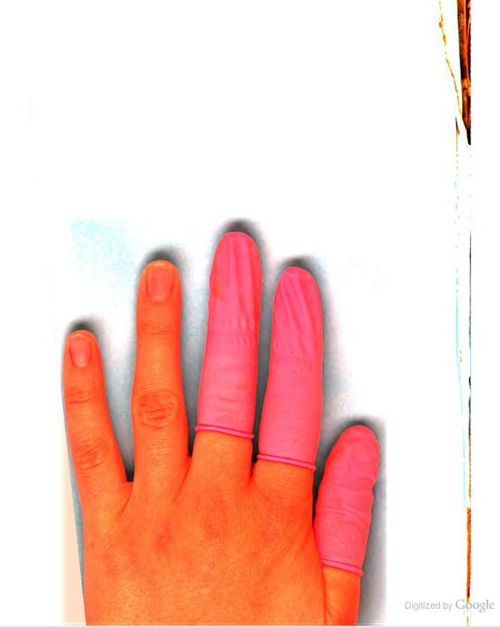
スキャン処理にはエラーがつきものです。例えば、一部のページが読めなかったり、逆さまになっていたり、順序が間違っていたりすることもあります。学者からは、ページがくしゃくしゃになっていたり、親指や指が見えにくかったり、画像が汚れていたりぼやけていたという報告もあります。[34]この問題に関して、スキャンされた本の最後にあるGoogleの宣言には次のように書かれています。
最も基本的なレベルでのデジタル化は、物理的な書籍のページ画像に基づいています。この本を ePub 形式のファイルとして利用できるようにするために、私たちはそれらのページ画像を取得し、光学文字認識 (略して OCR) 技術を使用してテキストを抽出しました。ページ画像からテキストを抽出することは、難しいエンジニアリング作業です。物理的な書籍のページの汚れ、派手なフォント、古いフォント、破れたページなどはすべて、抽出されたテキストにエラーを引き起こす可能性があります。不完全な OCR は、ページ画像のコレクションから抽出されたテキスト ベースの書籍に移行するという最終目標の最初の課題にすぎません。私たちのコンピューター アルゴリズムは、書籍の構造 (ヘッダーとフッターは何か、画像が配置されている場所、テキストが詩か散文かなど) を自動的に判断する必要もあります。これを正しく行うことで、元の書籍の形式に従った方法で書籍をレンダリングできます。最善の努力にもかかわらず、この本にはスペル ミス、文字化け、不要な画像、または欠落したページが見られる場合があります。私たちの推定によれば、これらのエラーによって本のコンテンツを楽しむことが妨げられることはないはずです。完璧な本を自動的に構築するという技術的な課題は困難ですが、私たちはOCRと本の構造抽出技術の強化を続けています。[35]
2009年、GoogleはGoogle Bookのスキャンで見つかったエラーを修正するためにreCAPTCHAの使用を開始すると発表した。この方法は、スキャンプロセスのために認識が難しいスキャンされた単語を改善するだけで、めくられたページやブロックされた単語などのエラーを解決することはできない。[36]
スキャンエラーは、異常なページのコレクションやTumblrブログなどの芸術作品のインスピレーションとなっています。[37]
メタデータのエラー
研究者たちは、Google Books のメタデータ情報に著者の誤記や出版日の誤りなど、誤りが多発していると頻繁に報告している。言語学者で、言葉の使い方の経年変化を研究しているジェフリー・ナンバーグは、1950 年以前に出版され「インターネット」という単語を含む本を検索すると、527 件の結果が意外にも表示されることに気づいた。ウディ・アレンは、彼が生まれる前に出版されたと思われる 325 冊の本で言及されている。Google はナンバーグに対して、誤りの大部分は外部の業者のせいだと反論した。[31]
報告された他のメタデータエラーには、著者の誕生前の出版日(例:チャールズ・ディケンズの182の作品は1812年の誕生以前に出版されている)、主題の分類の誤り(「コンピューター」に分類されている『白鯨』の版、メイ・ウエストの伝記は「宗教」に分類されている)、矛盾した分類(ホイットマンの『草の葉』の10の版がすべて「フィクション」と「ノンフィクション」の両方に分類されている)、タイトル、著者、出版社のスペルミス(『白鯨、あるいは白い「壁」』)、1冊の本のメタデータがまったく別の本に誤って追加されている(1818年の数学作品のメタデータが1963年の恋愛小説につながっている)などがある。[38] [39]
ランダムに選ばれた400件のGoogleブックスの記録について、著者、タイトル、出版社、出版年などのメタデータ要素をレビューしました。その結果、デジタル化プロジェクトでサンプルとして選ばれた本の36%にメタデータエラーが含まれていました。このエラー率は、一般的な図書館のオンラインカタログで見られるものよりも高いものです。[40]
この調査で判明した全体のエラー率は36.75%で、Google Booksのメタデータのエラー率が高いことを示唆している。「重大な」エラーと「軽微な」エラーは「見つけやすさ」というやや不確定な概念に基づく主観的な区別であるが、この調査で調査した4つのメタデータ要素で見つかったエラーはすべて重大なものとみなすべきである。[40]
不正確なスキャン日に基づくメタデータエラーは、Googleブックスプロジェクトのデータベースを使用した研究を困難にします。Googleはこれらのエラーのクリーンアップにあまり関心を示していません。[41]
言語の問題
ヨーロッパの政治家や知識人の中には、言語帝国主義の立場からグーグルの取り組みを批判する者もいる。彼らは、スキャン対象とされている書籍の大半は英語であるため、デジタル世界で自然言語が不均衡に表れることになると主張する。たとえば、ドイツ語、ロシア語、フランス語、スペイン語は学術研究でよく使われる言語である。しかし、オンラインで英語が不均衡に重視されることは、歴史研究へのアクセスを形作り、最終的には将来の研究の成長と方向性を左右する可能性がある。こうした批判者の一人は、フランス国立図書館の元館長、ジャン=ノエル・ジャンヌネである。[42] [43]
Google ブックスと Google Scholar
Google Booksは多数の雑誌のバックナンバーをデジタル化しているが、そのスキャンには特定の号の特定の記事を識別するために必要なメタデータが含まれない。そのため、Google Scholarの開発者は、出版社と合意の上で、古い雑誌記事をデジタル化してホストする独自のプログラムを開始した。[44]
図書館パートナー
Googleブックスライブラリプロジェクトは、いくつかの主要な研究図書館のコレクションをスキャンし、検索可能にすることを目的としています。[45]書誌情報とともに、本のテキストのスニペットも閲覧できることがよくあります。著作権が切れてパブリックドメインになっている本は、完全に読んだりダウンロードしたりできます。[16]
ライブラリ プロジェクトを通じてスキャンされた著作権のある書籍は、Google ブックスでスニペット ビューとして公開されます。スキャンの品質に関しては、Google は、Google Play で販売するには「必ずしも十分な品質ではない」ことを認めています。また、想定される技術的制約のため、Google は、出版社から提供される可能性のあるより高品質のバージョンでスキャンを置き換えることはありません。[46]
このプロジェクトは、2005年に提起され、2013年にGoogleに有利な判決が下され、2015年に再び控訴された、 Authors Guild対Google訴訟の対象となっている。
著作権者は、スキャンされた書籍の権利を主張し、それをプレビューまたは完全表示できるようにしたり(パートナープログラムアカウントに「転送」することによって)、書籍のテキストが検索されないようにGoogleに要求したりすることができます。[46]
図書館プロジェクトに参加する機関の数は、開始以来増加しています。[47]
最初のパートナー

- ハーバード大学、ハーバード大学図書館[48]
- ハーバード大学図書館と Google は 2005 年を通して試験運用を実施しました。このプロジェクトは継続され、1,580 万冊を超える蔵書を擁するハーバード大学図書館の所蔵資料へのオンライン アクセスを増やすことを目指しています。ハーバード大学の図書館資料への物理的なアクセスは、通常、ハーバード大学の現役学生、教員、研究者、またはケンブリッジに来ることができる学者に限定されていますが、ハーバード - Google プロジェクトは、ハーバード大学のコミュニティのメンバーと世界中のユーザーがハーバード大学のコレクションにある作品を見つけられるように設計されました。
- ミシガン大学、ミシガン大学図書館[49]
- 2012年3月現在、550万冊がスキャンされている。[50]
- ニューヨーク公共図書館[51]
- このパイロットプログラムでは、ニューヨーク公共図書館はグーグルと協力してパブリックドメインの書籍コレクションを提供しています。これらの書籍は完全にスキャンされ、無料でオンラインで公開されます。ユーザーはこれらの作品の全文を検索して閲覧することができます。スキャンプロセスが完了すると、書籍はニューヨーク公共図書館のウェブサイトとグーグル検索エンジンの両方からアクセスできるようになります。[51]
- オックスフォード大学ボドリアン図書館[52]
- スタンフォード大学、スタンフォード大学図書館(SULAIR)[53]
追加パートナー
このパートナーシップが最初に発表されて以来、他の機関パートナーもこのプロジェクトに参加している。[54]
- オーストリア国立図書館[55]
- バイエルン州立図書館[56]
- リヨン市立図書館[57]
- ビッグ・テン・アカデミック・アライアンス[58]
- コロンビア大学、コロンビア大学図書館システム[59]
- マドリード・コンプルテンセ大学[56] [60]
- コーネル大学、コーネル大学図書館[61]
- ゲント大学、ゲント大学図書館/ Boekentoren [56] [62]
- 慶応義塾大学、慶応義塾メディアセンター(図書館)[63]
- カタルーニャ国立図書館[64]
- プリンストン大学、プリンストン大学図書館[65]
- カリフォルニア大学カリフォルニア校デジタル図書館[66]
- ローザンヌ大学、ローザンヌ州立大学図書館[56] [67]
- マイソール大学、マイソール大学図書館
- このパートナーシップは、8世紀に遡るヤシの葉に書かれた写本を含む80万点のテキストをデジタル化するためのものでした。[68] [69]
- テキサス大学オースティン校、テキサス大学図書館[70]
- このパートナーシップは、図書館のラテンアメリカのコレクション(約50万冊)をデジタル化するためのものでした。[50]
- バージニア大学、バージニア大学図書館[71]
- ウィスコンシン大学マディソン校、ウィスコンシン大学図書館[72]
- 2012年3月時点で約60万冊がスキャンされている。[50]
歴史
2002年:Googleのチームメンバーのグループが「秘密の『本』プロジェクト」を正式に開始。[73] Googleの創設者セルゲイ・ブリン氏とラリー・ペイジ氏は、1996年にスタンフォード大学の大学院生だったときに、後にGoogleブックスとなるアイデアを思いついた。Googleブックスのウェブサイトの歴史のページには、このプロジェクトの最初のビジョンが次のように記されている。「膨大な書籍コレクションがデジタル化された未来の世界では、人々は『ウェブクローラー』を使用して書籍のコンテンツをインデックス化し、書籍間のつながりを分析し、他の書籍からの引用の数と質を追跡することで、特定の書籍の関連性と有用性を判断するだろう。」[73]このチームは、当時のより大規模なデジタル化の取り組みのいくつか、たとえば議会図書館のアメリカン・メモリー・プロジェクト、プロジェクト・グーテンベルク、ユニバーサル・ライブラリーなどを訪問して、その仕組みを調べたほか、ペイジ氏の母校で、 JSTORやMaking of Americaなどのデジタル化プロジェクトの拠点であるミシガン大学も訪れた。当時の大学学長メアリー・スー・コールマンとの会話の中で、大学が図書館の全巻をスキャンするのに現在1,000年かかると見積もっていることを知ったペイジは、コールマンに「Googleが6年で実現するのを手伝ってくれると信じている」と語ったと伝えられている。[73]
2003年:チームは、高速スキャンプロセスと、奇妙な文字サイズ、珍しいフォント、その他の「予期しない特異性」の問題を解決するためのソフトウェアの開発に取り組みました。[73]
2004年12月: GoogleはGoogle Print Library Projectとして知られるGoogle Printイニシアチブの拡張を発表しました。[47] Googleはミシガン大学、ハーバード大学(ハーバード大学図書館)、スタンフォード大学(グリーン図書館)、オックスフォード大学(ボドリアン図書館)、ニューヨーク公共図書館など、いくつかの有名な大学や公共図書館との提携を発表しました。プレスリリースと大学図書館員によると、Googleは10年以内に約1500万冊の書籍をデジタル化し、Google Booksサービスを通じて利用できるようにすることを計画していました。この発表はすぐに論争を引き起こし、出版社や著者の協会は、パブリックドメインの書籍だけでなく、まだ著作権が残っているタイトルもデジタル化するというGoogleの計画に異議を唱えました。
2005年9月~10月:グーグルが著作権を尊重せず、著者や出版社に適切な補償をしていないとして、同社を相手取った2件の訴訟が起こされた。1件は著者を代表して起こされた集団訴訟(著者組合対グーグル、2005年9月20日)で、もう1件は大手出版社5社とアメリカ出版者協会が起こした民事訴訟(マグロウヒル対グーグル、2005年10月19日)である。[9] [74] [75] [76] [77] [78]
2005年11月:Googleはこのサービスの名称をGoogle PrintからGoogle Book Searchに変更した。[79]出版社や著者が本をサービスに含めることを可能にするプログラムはGoogle Books Partner Programに改名され、[80]図書館とのパートナーシップはGoogle Books Library Projectとなった。
2006年:Googleは著作権切れのパブリックドメイン書籍すべてに「PDFをダウンロード」ボタンを追加しました。また、新しい「この本について」ページとともに新しい閲覧インターフェースも追加しました。[73]
2006年8月:カリフォルニア大学システムは、書籍デジタル化プロジェクトに参加すると発表しました。これには、システムが管理する約100の図書館にある3,400万冊の一部が含まれます。[81]
2006年9月:マドリード・コンプルーテンセ大学がGoogleブックス図書館プロジェクトに参加した最初のスペイン語図書館となった。[82]
2006年10月:ウィスコンシン大学マディソン校はウィスコンシン歴史協会図書館とともにブックサーチデジタル化プロジェクトに参加すると発表した。両図書館の蔵書数は合わせて720万冊となる。[83]
2006年11月:バージニア大学がプロジェクトに参加。同大学の図書館には500万冊以上の蔵書と1700万点以上の写本、貴重書、アーカイブが収蔵されている。[84]
2007 年 1 月:テキサス大学オースティン校は、 Book Search デジタル化プロジェクトに参加することを発表しました。大学の 13 か所の図書館から少なくとも 100 万冊の書籍がデジタル化される予定です。
2007年3月:バイエルン州立図書館は、ドイツ語、英語、フランス語、イタリア語、ラテン語、スペイン語の100万以上のパブリックドメインおよび絶版作品をスキャンするためにGoogleと提携することを発表しました。[85]
2007年5月:Googleとローザンヌ州立大学図書館が共同で書籍デジタル化プロジェクトの提携を発表した。[86]
2007年5月:ゲント大学のブックトーレン図書館は、Googleと協力して19世紀のフランス語とオランダ語の書籍をデジタル化し、デジタル版をオンラインで公開すると発表した。[87]
2007年5月:マイソール大学は、Googleが80万冊以上の書籍と写本をデジタル化すると発表した。これには、紙とヤシの葉に書かれたサンスクリット語またはカンナダ語の写本約10万冊が含まれる。[68]
2007年6月:機関協力委員会(2016年にビッグテン学術同盟に改名)は、12の加盟図書館が今後6年間で1000万冊の書籍をスキャンすることに参加すると発表した。[58]
2007年7月:慶應義塾大学は、少なくとも12万冊のパブリックドメイン書籍をデジタル化すると発表し、日本におけるGoogleの最初の図書館パートナーとなった。 [88]
2007年8月:Googleはコーネル大学図書館から著作権で保護されている資料とパブリックドメインの資料合わせて最大50万点をデジタル化すると発表した。またGoogleはスキャンしたすべての作品のデジタルコピーを提供し、大学の図書館システムに組み込む予定である。[89]
2007年9月: Googleは、パブリックドメインの書籍の抜粋をユーザーが共有できる機能を追加しました。抜粋は、書籍のスキャンとまったく同じ形式で表示される場合もあれば、プレーンテキストとして表示される場合もあります。[90]
2007年9月: Googleは「マイライブラリ」という新機能を発表しました。この機能により、ユーザーは個人用のカスタマイズされたライブラリ、つまりラベル付け、レビュー、評価、全文検索が可能な書籍のセレクションを作成できます。[91]
2007年12月:コロンビア大学がパブリックドメイン作品のデジタル化のパートナーに加わった。[92]
2008年5月:マイクロソフトはスキャンプロジェクトを徐々に縮小し、75万冊の書籍と8000万件の雑誌記事にまで達したスキャンプロジェクトを終了する予定でした。 [93]
2008年10月:出版業界とGoogleの間で2年間の交渉の末に和解が成立した。Googleは、何百万冊もの本を一般に公開する権利と引き換えに、著者と出版社に補償することに合意した。[9] [94]
2008年10月:HathiTrust「共有デジタルリポジトリ」(後にHathiTrustデジタルライブラリとして知られる)が、機関協力委員会とカリフォルニア大学システムの11の大学図書館(すべてGoogleのパートナー図書館)によって共同で立ち上げられ、Googleやその他の機関によってスキャンされたコレクションの書籍をアーカイブし、学術的なアクセスを提供することを目的としていました。[95]
2008年11月: Googleとその出版パートナーがスキャンしたアイテムのブックマーク数が700万件に到達しました。100万件は完全なプレビューモードで、100万件は完全に閲覧およびダウンロード可能なパブリックドメイン作品でした。約500万件は絶版でした。[19] [96] [97]
2008年12月:GoogleはGoogleブックスに雑誌を追加すると発表した。タイトルにはニューヨークマガジン、エボニー、ポピュラーメカニクスなどがある[98] [99]
2009年2月:GoogleはGoogleブック検索のモバイル版をリリースし、iPhoneやAndroidフォンのユーザーがモバイルブラウザを使用して、米国内の150万以上のパブリックドメイン作品(米国外では50万以上)を読むことができるようになりました。ページ画像の代わりに、本のプレーンテキストが表示されます。[100]
2009年5月:ニューヨークで開催されたBookExpoの年次大会で、Googleは出版社が最新の書籍のデジタル版をGoogleを通じて消費者に直接販売できるようにするプログラムを導入する意向を示した。 [101]
2009年12月:フランスの裁判所は、フランスで出版された著作権のある書籍のスキャンは著作権法に違反しているとして、スキャンを中止させた。これはスキャンプロジェクトにとって初めての大きな法的損失であった。[102]
2010 年 4 月: 前回の訴訟と和解には視覚芸術家は含まれていなかったが、別の訴訟の原告団であり、Google Books だけでなく他のものも調査対象にするつもりだと述べている。声明には「新しい集団訴訟は Google の図書館プロジェクトにとどまらず、写真家、イラストレーター、その他の視覚芸術家の権利に対する Google の組織的かつ広範な侵害も対象にしている」と書かれている。[103]
2010年5月:GoogleがGoogle Editionsというデジタル書店を立ち上げると報じられた。[104] Amazon、Barnes & Noble、Appleなどの電子書籍小売業者と独自の電子書籍ストアで競合することになる。他の電子書籍ストアと異なり、Google Editionsは完全にオンラインで、特定のデバイス(Kindle、Nook、iPadなど)を必要としない。
2010年6月:Googleがスキャンした書籍の数が1,200万冊を超えた。[11]
2010年8月:Googleは10年以内に現存する1億2986万4880冊の書籍をスキャンする予定であると発表された。これは合計40億ページ以上、2兆語以上に相当する。 [11]
2010年12月:Google eBooks(Google Editions)が米国で開始されました。[105]
2010年12月:Googleは書籍コレクション全体の単語の使用状況に関するデータを収集してグラフ化するNgram Viewerをリリースしました。[30]
2011年3月:連邦判事は出版業界とGoogleの間で合意された和解を却下した。 [106]
2012年3月:Googleがスキャンした書籍の数が2000万冊を突破。[107] [108]
2012年3月:Googleは出版社と和解に達した。[109]
2013年1月:ドキュメンタリー『Google and the World Brain』がサンダンス映画祭で上映された。[110]
2013年11月:Authors Guild対Googleの判決で、米国地方裁判所のデニー・チン判事はフェアユースを理由にGoogleの側に立った。[111]著者らは控訴すると述べた。[112]
2015年10月:控訴裁判所はGoogleの主張を支持し、Googleは著作権法に違反していないと宣言した。[113]ニューヨークタイムズによると、Googleは2500万冊以上の書籍をスキャンしたという。[12]
2016年4月:米国最高裁判所は、著者組合の上訴を却下した。これは下級裁判所の判決が維持されることを意味し、Googleは法律に違反することなく図書館の本をスキャンし、検索結果にスニペットを表示することが許可される。[114]
状態
Google は、Google Books プロジェクトの今後の計画については非常に秘密主義である。Google のパートナー機関の図書館員が確認したところによると、スキャン作業は少なくとも 2012 年から減速していた。ウィスコンシン大学では、速度は 2006 年の半分以下にまで低下した。しかし、図書館員は、速度の低下はプロジェクトの成熟に伴う自然な結果である可能性があると述べている。当初は大量の書籍がすべてスキャン対象だったが、現在では、まだスキャンされていないタイトルのみを考慮する必要がある。[50]同社の Google Books タイムライン ページには、2017 年になっても 2007 年以降について何も触れられておらず、Google Books ブログは 2012 年に Google 検索ブログに統合された。 [115]
Despite winning the decade-long litigation in 2017, The Atlantic has said that Google has "all but shut down its scanning operation."[14] In April 2017, Wired reported that there were only a few Google employees working on the project, and new books were still being scanned, but at a significantly lower rate. It commented that the decade-long legal battle had caused Google to lose its ambition.[115]
Legal issues
Through the project, library books were being digitized somewhat indiscriminately regardless of copyright status, which led to a number of lawsuits against Google. By the end of 2008, Google had reportedly digitized over seven million books, of which only about one million were works in the public domain. Of the rest, one million were in copyright and in print, and five million were in copyright but out of print. In 2005, a group of authors and publishers brought a major class-action lawsuit against Google for infringement on the copyrighted works. Google argued that it was preserving "orphaned works" – books still under copyright, but whose copyright holders could not be located.[116]
The Authors Guild and Association of American Publishers separately sued Google in 2005 for its book project, citing "massive copyright infringement."[117] Google countered that its project represented a fair use and is the digital age equivalent of a card catalog with every word in the publication indexed.[9] The lawsuits were consolidated, and eventually a settlement was proposed. The settlement received significant criticism on a wide variety of grounds, including antitrust, privacy, and inadequacy of the proposed classes of authors and publishers. The settlement was eventually rejected,[118] and the publishers settled with Google soon after. The Authors Guild continued its case, and in 2011 their proposed class was certified. Google appealed that decision, with a number of amici asserting the inadequacy of the class, and the Second Circuit rejected the class certification in July 2013, remanding the case to the District Court for consideration of Google's fair use defense.[119]
In 2015 Authors Guild filed another appeal against Google to be considered by the 2nd U.S. Circuit Court of Appeals in New York. Google won the case unanimously based on the argument that they were not showing people the full texts but instead snippets, and they are not allowing people to illegally read the book.[120] In a report, courts stated that they did not infringe on copyright laws, as they were protected under the fair use clause.[121]
Authors Guild tried again in 2016 to appeal the decision and this time took their case to be considered by the Supreme Court. The case was rejected, leaving the Second Circuit's decision on the case intact, meaning that Google did not violate copyright laws.[122] This case also set a precedent for other similar cases in regards to fair use laws, as it further clarified the law and expanded it. Such clarification affects other scanning projects similar to Google.[120]
Other lawsuits followed the Authors Guild's lead. In 2006 a German lawsuit, previously filed, was withdrawn.[123] In June 2006, Hervé de la Martinière,[124] a French publisher known as La Martinière and Éditions du Seuil,[125] announced its intention to sue Google France.[126] In 2009, the Paris Civil Court awarded 300,000 EUR (approximately 430,000 USD) in damages and interest and ordered Google to pay 10,000 EUR a day until it removes the publisher's books from its database.[125][127] The court wrote, "Google violated author copyright laws by fully reproducing and making accessible" books that Seuil owns without its permission[125] and that Google "committed acts of breach of copyright, which are of harm to the publishers".[124] Google said it will appeal.[125] Syndicat National de l'Edition, which joined the lawsuit, said Google has scanned about 100,000 French works under copyright.[125]
In December 2009, Chinese author Mian Mian filed a civil lawsuit for $8,900 against Google for scanning her novel, Acid Lovers. This is the first such lawsuit to be filed against Google in China.[128] Also, in November that year, the China Written Works Copyright Society (CWWCS) accused Google of scanning 18,000 books by 570 Chinese writers without authorization. Google agreed on Nov 20 to provide a list of Chinese books it had scanned, but the company refused to admit having "infringed" copyright laws.[129][unreliable source?]
In March 2007, Thomas Rubin, associate general counsel for copyright, trademark, and trade secrets at Microsoft, accused Google of violating copyright law with their book search service. Rubin specifically criticized Google's policy of freely copying any work until notified by the copyright holder to stop.[130]
Google licensing of public domain works is also an area of concern due to using of digital watermarking techniques with the books. Some published works that are in the public domain, such as all works created by the U.S. Federal government, are still treated like other works under copyright, and therefore locked after 1922.[131]
Similar projects
- Project Gutenberg is a volunteer effort to digitize and archive cultural works, to "encourage the creation and distribution of eBooks". It was founded in 1971 by Michael S. Hart and is the oldest digital library. As of October 3, 2015[update], Project Gutenberg reached 50,000 items in its collection.
- Internet Archive is a non-profit which digitizes over 1000 books a day, as well as mirrors books from Google Books and other sources. As of May 2011[update], it hosted over 2.8 million public domain books, greater than the approximate 1 million public domain books at Google Books.[132] Open Library, a sister project of Internet Archive, lends 80,000 scanned and purchased commercial ebooks to the visitors of 150 libraries.[133]
- HathiTrust maintains HathiTrust Digital Library since October 13, 2008,[134] which preserves and provides access to material scanned by Google, some of the Internet Archive books, and some scanned locally by partner institutions. As of May 2010[update], it includes about 6 million volumes, over 1 million of which are public domain (at least in the US).
- ACLS Humanities E-Book, an online collection of over 5,400 books of high quality in the humanities and related social sciences, accessible through institutional subscription.
- Microsoft funded the scanning of 300,000 books to create Live Search Books in late 2006. It ran until May 2008, when the project was abandoned[135] and the books were made freely available on the Internet Archive.[136]
- The National Digital Library of India (NDLI) is a project under Ministry of Human Resource Development, India. The objective is to integrate several national and international digital libraries in one single web-portal. The NDLI provides free of cost access to many books in English and the Indian languages.
- Europeana links to roughly 10 million digital objects as of 2010[update], including video, photos, paintings, audio, maps, manuscripts, printed books, and newspapers from the past 2,000 years of European history from over 1,000 archives in the European Union.[137][138]
- Gallica from the French National Library links to about 4,000,000 digitized books, newspapers, manuscripts, maps and drawings, etc. Created in 1997, the digital library continues to expand at a rate of about 5000 new documents per month. Since the end of 2008, most of the new scanned documents are available in image and text formats. Most of these documents are written in French.
- Wikisource
- Runivers
See also


- A9.com, Amazon.com's book search
- Book Rights Registry
- Digital library
- List of digital library projects
- Universal library
- National Electronic Library
References
- ^ Love, Dylan. "An Inside Look At One Of Google's Most Controversial Projects". Business Insider. Archived from the original on 21 October 2017. Retrieved 21 October 2017.
- ^ The basic Google book link is found at: https://books.google.com/ Archived 2014-06-26 at the Wayback Machine. The "advanced" interface allowing more specific searches is found at: https://books.google.com/advanced_book_search
- ^ a b c "Where do these books come from?". Google Books Help. Archived from the original on 24 December 2014. Retrieved 10 November 2014.
- ^ Mark O'Neill (28 January 2009). "Read Complete Magazines Online in Google Books". Make Use Of. Archived from the original on 2 April 2016. Retrieved 15 April 2016.
- ^ "About Magazines search". Google Books Help. Archived from the original on 14 May 2015. Retrieved 13 January 2015.
- ^ Bergquist, Kevin (2006-02-13). "Google project promotes public good". The University Record. University of Michigan. Archived from the original on 2007-10-12. Retrieved 2007-04-11.
- ^ Pace, Andrew K. (January 2006). "Is This the Renaissance or the Dark Ages?". American Libraries. American Library Association. Archived from the original on 2007-04-03. Retrieved 2007-04-11.
- ^ a b Malte Herwig, "Google's Total Library" Archived 2012-01-28 at the Wayback Machine, Spiegel Online International, March 28, 2007.
- ^ a b c d Copyright infringement suits against Google and their settlement: "Copyright Accord Would Make Millions More Books Available Online". Google Press Center. Archived from the original on November 1, 2008. Retrieved November 22, 2008.
- ^ "15 years of Google Books". 17 October 2019. Archived from the original on 29 September 2020. Retrieved 20 October 2019.
- ^ a b c d Google: 129 Million Different Books Have Been Published Archived 2015-06-14 at the Wayback Machine PC World
- ^ a b Heyman, Stephen (28 October 2015). "Google Books: A Complex and Controversial Experiment". The New York Times. Archived from the original on 8 November 2020. Retrieved 21 February 2017.
- ^ "What Ever Happened to Google Books?". The New Yorker. 11 September 2015. Archived from the original on 12 April 2020. Retrieved 20 February 2020.
- ^ a b c d James Somers (20 April 2017). "Torching the Modern-Day Library of Alexandria". The Atlantic. Archived from the original on 23 December 2020. Retrieved 22 April 2017.
- ^ Nagaraj, Abhishek; Reimers, Imke (2023). "Digitization and the Market for Physical Works: Evidence from the Google Books Project". American Economic Journal: Economic Policy. 15 (4): 428–458. doi:10.1257/pol.20210702. ISSN 1945-7731. S2CID 262153738.
- ^ a b Google Books Library Project – An enhanced card catalog of the world's books. Retrieved 26 January 2015.
- ^ Duffy, Greg (March 2005). "Google's Cookie and Hacking Google Print". Kuro5hin. Archived from the original on 2021-01-26. Retrieved 2006-11-28.
- ^ a b c Band, Jonathan (2006). "The Google Library Project: Both Sides of the Story". Plagiary: Cross-Disciplinary Studies in Plagiarism, Fabrication, and Falsification. University of Michigan. Archived from the original on 2020-10-21. Retrieved 2015-01-26.
- ^ a b Perez, Juan Carlos (October 28, 2008). "In Google Book Settlement, Business Trumps Ideals". PC World. Archived from the original on 2013-11-04. Retrieved 2013-08-27.
- ^ Parks, Tim (13 September 2014). "References, Please". The New York Review of Books. Archived from the original on 7 February 2015. Retrieved 26 January 2015.
- ^ Almaer, Dion (11 August 2007). "Weekly Google Code Roundup for August 10th". Google Code. Archived from the original on 7 August 2020. Retrieved 27 August 2013.
- ^ "Resume of Ted Merrill, Software Engineer". Archived from the original on 3 January 2006. Retrieved 27 August 2013.
- ^ Kelly, Kevin (May 14, 2006). "Scan This Book!". New York Times Magazine. Archived from the original on 2020-12-10. Retrieved 2008-03-07.
- ^ Shankland, Stephen (4 May 2009). "Patent reveals Google's book-scanning advantage". CNET. Archived from the original on 15 July 2020. Retrieved 20 February 2020.
- ^ Clements, Maureen (30 April 2009). "The Secret Of Google's Book Scanning Machine Revealed". NPR. Archived from the original on 28 April 2015. Retrieved 5 April 2018.
- ^ Leetaru, Kalev (2008-10-11). "Mass book digitization: The deeper story of Google Books and the Open Content Alliance". First Monday. doi:10.5210/fm.v13i10.2101. ISSN 1396-0466. Archived from the original on 2022-07-25. Retrieved 2022-06-07.
- ^ Miller, Laura (8 December 2010). "Is Google leading an e-book revolution?". Salon. Archived from the original on 25 June 2017. Retrieved 11 January 2015.
- ^ "My Library FAQ". Google Books Help. Archived from the original on 26 October 2014. Retrieved 6 November 2014.
- ^ "Where do you get the information for the 'About this book' page?". Google Books Help. Archived from the original on 28 January 2015. Retrieved 14 November 2014.
- ^ a b Zimmer, Ben (18 October 2012). "Bigger, Better Google Ngrams: Brace Yourself for the Power of Grammar". The Atlantic. Archived from the original on 2016-10-03. Retrieved 2016-09-20.
- ^ a b Miller, Laura (9 September 2010). "The trouble with Google Books". Salon. Archived from the original on 11 January 2015. Retrieved 12 January 2015.
- ^ Morrison, Dianne See (6 February 2009). "paidContent.org - The Plot Thickens For E-Books: Google And Amazon Putting More Titles On Mobile Phones". The Washington Post. Archived from the original on 11 January 2019. Retrieved 4 December 2017.
- ^ "Google Books: How bad is the metadata? Let me count the ways…". Music - Technology - Policy. WordPress. 29 September 2009. Archived from the original on 4 March 2016. Retrieved 16 April 2016.
- ^ Miller, Laura (8 December 2010). "Is Google leading an e-book revolution?". Salon. Archived from the original on 25 June 2017. Retrieved 11 January 2015.
- ^ Dickens, Charles (1881). Great Expections by Charles Dickens on Google Books reader. Archived from the original on 2021-03-22. Retrieved 2020-10-21.
- ^ "Google Acquisition Will Help Correct Errors in Scanned Works". CBS News. 17 September 2009. Archived from the original on 2017-02-02. Retrieved 2016-09-20.
- ^ Goldsmith, Kenneth (4 December 2013). "The Artful Accidents of Google Books". The New Yorker. Archived from the original on 12 August 2022. Retrieved 12 August 2022.
- ^ "Major errors prompt questions over Google Book Search's scholarly value". 10 September 2009. Archived from the original on 1 August 2020. Retrieved 14 June 2016.
- ^ "Google Books: The Metadata Mess" Archived 2016-06-04 at the Wayback Machine, Geoffrey Nunberg
- ^ a b James, Ryan; Weiss, Andrew (2012). "An Assessment of Google Books' Metadata". Journal of Library Metadata. 12: 15–22. doi:10.1080/19386389.2012.652566. hdl:10125/22228. S2CID 55947527.
- ^ Nunberg, Geoffrey (August 31, 2009). "Google's Book Search: A Disaster for Scholars". The Chronicle of Higher Education. Archived from the original on 4 September 2009. Retrieved 25 December 2019.
- ^ Jean-Noël Jeanneney (2006-10-23). Google and the Myth of Universal Knowledge: A View from Europe (book abstract; Foreword by Ian Wilson). University of Chicago Press. pp. vii–xiii. ISBN 978-0-226-39577-7. Archived from the original on 2023-02-15. Retrieved 2015-08-13.
- ^ Riding, Alan (2005-04-11). "France Detects a Cultural Threat in Google". The New York Times. ISSN 0362-4331. Archived from the original on 2022-06-07. Retrieved 2022-06-07.
- ^ Barbara Quint, "Changes at Google Scholar: A Conversation With Anurag Acharya" Archived 2011-03-26 at the Wayback Machine, Information Today, August 27, 2007.
- ^ Stein, Linda L.; Lehu, Peter, J (2009). Literary Research and the American Realism and Naturalism Period: Strategies and Sources. Scarecrow Press. p. 261. ISBN 9780810861411. Archived from the original on 2023-02-15. Retrieved 2016-04-18.
{{cite book}}: CS1 maint: multiple names: authors list (link) - ^ a b "Books Help". Archived from the original on 10 January 2015. Retrieved 26 January 2015.
- ^ a b O'Sullivan, Joseph and Adam Smith. "All booked up," Archived 2020-12-21 at the Wayback Machine Googleblog. December 14, 2004.
- ^ "Harvard-Google Project". Harvard University Library. Archived from the original on 29 December 2018. Retrieved 28 August 2013.
- ^ "Michigan Digitization Project". University of Michigan. Archived from the original on 16 August 2019. Retrieved 28 August 2013.
- ^ a b c d Jennifer Howard (9 March 2012). "Google Begins to Scale Back Its Scanning of Books From University Libraries". The Chronicle of Higher Education. Archived from the original on 22 December 2017. Retrieved 20 December 2017.
- ^ a b "Press Releases". Archived from the original on 2020-12-04. Retrieved 2007-05-18.
- ^ "Oxford Google Books Project". Bodleian Libraries, University of Oxford. Archived from the original on 29 November 2011. Retrieved 28 August 2013.
- ^ "Stanford's Role in Google Books". Stanford University Libraries. Archived from the original on 2013-06-06. Retrieved 28 August 2013.
- ^ "Library Partners – Google Books". Google News. Archived from the original on 2023-02-15. Retrieved 2019-07-09.
- ^ "Austrian Books Online". Austrian National Library. Archived from the original on 2015-03-03. Retrieved 14 January 2015.
- ^ a b c d Albanese, Andrew (2007-06-15). "Google Book Search Grows". Library Journal. Archived from the original on 2014-11-18. Retrieved 28 August 2013.
- ^ "Google partenaire numérique officiel de la bibliothèque de Lyon". Archived from the original on 2010-01-13. Retrieved 2008-12-06.
- ^ a b "Google Book Search Project - Menu". Big Ten Academic Alliance. Archived from the original on 11 July 2016. Retrieved 30 June 2016.
- ^ "Columbia University Libraries Becomes Newest Partner in Google Book Search Library Project". Columbia University Libraries. 2007-12-13. Archived from the original on 2013-08-24. Retrieved 28 August 2013.
- ^ "Complutense Universidad + Google" (PDF) (in Spanish). Archived from the original (PDF) on 2008-02-28.
- ^ "Cornell University Library becomes newest partner in Google Book Search Library Project". Cornell University Library. Archived from the original on 11 September 2013. Retrieved 28 August 2013.
- ^ "Ghent University Library Search Results". Archived from the original on 2009-04-26. Retrieved 2009-04-23.
- ^ "Keio University to partner with Google, Inc. for digitalization and release of its library collection to the world For "Formation of Knowledge of the digital era"" (PDF). Keio University. 2007-07-06. Archived (PDF) from the original on 2013-08-29. Retrieved 28 August 2013.
- ^ "Google digitaliza 35 mil libros de la Biblioteca de Catalunya libres de derechos de autor". LA VANGUARDIA. Archived from the original on 2015-05-13. Retrieved 2012-12-04.
- ^ Cliatt, Cass (2007-02-05). "Library joins Google project to make books available online". Princeton University. Archived from the original on 2017-01-09. Retrieved 30 August 2013.
- ^ "UC libraries partner with Google to digitize books". University of California. 2006-08-09. Archived from the original on 2006-08-15. Retrieved 30 August 2013.
- ^ Cantonal and University Library of Lausanne/Bibliothèque Cantonale et Universitaire (BCU) + Google (in French) Archived 2007-12-14 at the Wayback Machine
- ^ a b "Google to digitise books at Mysore varsity". Hindustan Times. 20 May 2007. Archived from the original on 2015-01-25. Retrieved 2015-01-22.
- ^ Anderson, Nate (2007-05-22). "Google to scan 800,000 manuscripts, books from Indian university". Ars Technica. Archived from the original on 2017-07-06. Retrieved 2017-06-14.
- ^ "The University of Texas Libraries Partner with Google to Digitize Books". The University of Texas Libraries. 2007-01-19. Archived from the original on 2013-09-13. Retrieved 30 August 2013.
- ^ Wood, Carol, S. (2006-11-14). "U.Va. Library Joins the Google Books Library Project". University of Virginia. Archived from the original on 2014-02-01. Retrieved 30 August 2013.
{{cite web}}: CS1 maint: multiple names: authors list (link) - ^ "University of Wisconsin-Madison Google Digitization Initiative". University of Wisconsin-Madison. Archived from the original on 1 September 2013. Retrieved 30 August 2013.
- ^ a b c d e Google Books History – Google Books. Archived from the original on 2016-02-06. Retrieved 2016-02-22.
{{cite book}}: CS1 maint: unfit URL (link) - ^ "Authors Guild v. Google Settlement Resources Page". Authors Guild. Archived from the original on November 13, 2008. Retrieved November 22, 2008.
- ^ "A new chapter". The Economist. October 30, 2008. Archived from the original on May 7, 2009. Retrieved November 22, 2008.
- ^ Aiken, Paul (2005-09-20). "Authors Guild Sues Google, Citing "Massive Copyright Infringement"". Authors Guild. Archived from the original on 2007-02-09. Retrieved 2007-04-11.
- ^ Gilbert, Alorie (2005-10-19). "Publishers sue Google over book search project". CNET News. Archived from the original on 2014-07-14. Retrieved 2007-04-11.
- ^ "The McGraw Hill Companies, Inc.; Pearson Education, Inc.; Penguin Group (USA) Inc.; Simon and Schuster, Inc.; John Wiley and Sons, Inc. Plaintiffs, v. Google Inc., Defendant" (PDF). Archived from the original (PDF) on 2009-07-13. Retrieved 2007-10-05. PDF file of the complaint. SD. N.Y. Case No. 05-CV-8881-JES.
- ^ Jen Grant (November 17, 2005). "Judging Book Search by its cover" (blog). Googleblog. Archived from the original on January 6, 2021. Retrieved May 19, 2006.
- ^ "Library partners". Google books. Retrieved 2013-02-27.
- ^ Colvin, Jennifer. "UC libraries partner with Google to digitize books". University of California. Archived from the original on 15 August 2006. Retrieved 27 August 2013.
- ^ "University Complutense of Madrid and Google to Make Hundreds of Thousands of Books Available Online". Google. Archived from the original on 26 November 2016. Retrieved 28 August 2013.
- ^ "New release: UW-Madison Joins Google's Worldwide Book Digitization Project". University of Wisconsin-Madison. Archived from the original on 9 September 2013. Retrieved 28 August 2013.
- ^ "The University of Virginia Library Joins the Google Books Library Project". Google. Archived from the original on 4 March 2016. Retrieved 28 August 2013.
- ^ Mills, Elinor. "Bavarian library joins Google book search project". Cnet. Archived from the original on 2 March 2014. Retrieved 28 August 2013.
- ^ Reed, Brock. "La Bibliothèque, C'est Google" (Wired Campus Newsletter) Archived 2008-12-07 at the Wayback Machine, Chronicle of Higher Education. May 17, 2007.
- ^ "Google Books @ UGent". Universiteitsbibliotheek Gent. Archived from the original on 2019-07-09. Retrieved 2019-07-09.
- ^ DeBonis, Laura. "Keio University Joins Google's Library Project". Google Books Search. Archived from the original on 9 March 2013. Retrieved 28 August 2013.
- ^ "Cornell University Library becomes newest partner in Google Book Search Library Project". Cornell University Library. Archived from the original on 27 March 2019. Retrieved 27 March 2019.
- ^ Tungare, Manas. "Share and enjoy". Google Books Search. Archived from the original on 15 August 2013. Retrieved 28 August 2013.
- ^ "Google Books".
- ^ Stricker, Gabriel. "Columbia University joins the Google Book Search Library Project". Google Books Search. Archived from the original on 9 March 2013. Retrieved 28 August 2013.
- ^ Helft, Miguel (May 24, 2008). "Microsoft Will Shut Down Book Search Program". The New York Times. Archived from the original on 2020-12-12. Retrieved 2008-05-24.
- ^ Cohen, Noam (February 1, 2009). "Some Fear Google's Power in Digital Books". New York Times. Archived from the original on 2020-12-12. Retrieved 2009-02-02.
- ^ "Launch of HathiTrust - October 13, 2008 | www.hathitrust.org | HathiTrust Digital Library". www.hathitrust.org. Archived from the original on 2020-08-11. Retrieved 2021-08-07.
- ^ "Massive EU online library looks to compete with Google". Agence France-Presse. November 2008. Archived from the original on 2009-02-13. Retrieved 2008-11-24.
Google, one of the pioneers in this domain on the other hand, claims to have seven million books available for its "Google Book Search" project, which saw the light of day at the end of 2004.
- ^ Rich, Motoko (January 4, 2009). "Google Hopes to Open a Trove of Little-Seen Books". New York Times. Archived from the original on 2009-04-10. Retrieved 2009-01-05.
- ^ "Google updates search index with old magazines". NBC News. Associated Press. December 10, 2008. Archived from the original on March 2, 2014. Retrieved June 29, 2009.
- ^ "Official Google Blog: Search and find magazines on Google Book Search". Official Google Blog. Archived from the original on 2009-08-02. Retrieved 2009-06-29.
- ^ "1.5 million books in your pocket". Inside Google Books. 5 February 2009. Archived from the original on 27 July 2013. Retrieved 31 January 2015.
- ^ Rich, Motoko (2009-06-01). "Preparing to Sell E-Books, Google Takes on Amazon". The New York Times. Archived from the original on 2009-06-08. Retrieved 2009-05-31.
- ^ Faure, Gaelle (December 19, 2009). "French court shuts down Google Books project". Los Angeles Times. Archived from the original on 2009-12-22. Retrieved 2009-12-19.
- ^ O'Dell, Jolie (8 April 2010). "Google Gets Sued by Photographers Over Google Books". Mashable. Archived from the original on 21 August 2013. Retrieved 28 August 2013.
- ^ Vascellaro, Jessica E. (4 May 2010). "Google Readies Its E-Book Plan, Bringing in a New Sales Approach". The Wall Street Journal. Archived from the original on 12 March 2015. Retrieved 28 August 2013.
- ^ "Google launches eBookstore with more than 3 million titles". MacWorld. Archived from the original on 2010-12-10. Retrieved 2011-01-02.
- ^ "Judge rejects Google settlement with authors". Market Watch. Archived from the original on 2023-02-15. Retrieved 2012-02-21.
- ^ "Google book scan project slows down". Law Librarian Blog. Archived from the original on 2012-03-15.
- ^ Howard, Jennifer Google Begins to Scale Back Its Scanning of Books From University Libraries Archived 2013-10-29 at the Wayback Machine, March 9, 2012
- ^ "The Association of American Publishers". Archived from the original on 2013-11-03. Retrieved 2013-11-17.
- ^ "Google and the world brain - Polar Star Films". Archived from the original on 2013-09-02. Retrieved 2013-09-02.
- ^ "Google Books ruled legal in massive win for fair use". Archived from the original on 2017-04-30. Retrieved 2017-06-14.
- ^ "Siding With Google, Judge Says Book Search Does Not Infringe Copyright" Archived 2017-01-20 at the Wayback Machine, Claire Cain Miller and Julie Bosman, New York Times, November 14, 2013. Retrieved November 17, 2013.
- ^ "Google book-scanning project legal, says U.S. appeals court". Reuters. Archived from the original on 2015-10-22. Retrieved 2021-07-10.
- ^ US Supreme Court Rejects Challenge to Google Book-Scanning Project Archived 2016-04-18 at the Wayback Machine April 18, 2016
- ^ a b Scott Rosenberg (11 April 2017). "How Google Book Search Got Lost". Wired. Archived from the original on 22 December 2017. Retrieved 20 December 2017.
- ^ Robert Darnton (February 12, 2009). "Google and the Future of Books". The New York Review of Books. Archived from the original on October 29, 2015. Retrieved April 16, 2016.
- ^ "Authors sue Google over book plan". BBC News. 21 September 2005. Archived from the original on 23 April 2018. Retrieved 23 April 2018.
- ^ 770 F.Supp.2d 666 (SDNY March 22, 2011).
- ^ Authors Guild v. Google, 2d Cir. July 1, 2013.
- ^ a b Peet, Lisa (2015-10-19). "U.S. Appeals Court Rules Google Book Scanning Is Fair Use". Library Journal. Archived from the original on 2018-01-25. Retrieved 2016-09-20.
{{cite web}}: CS1 maint: unfit URL (link) - ^ "Authors Guild v. Google, Inc., No. 13-4829 (2d Cir. 2015)". Archived from the original on 2016-09-13. Retrieved 2016-09-21.
- ^ "Google Books just won a decade-long copyright fight". Washington Post. Archived from the original on 2016-08-28. Retrieved 2016-09-20.
- ^ Sullivan, Danny (2006-06-28). "Google Book Search Wins Victory In German Challenge". Search Engine Watch. Archived from the original (blog) on 2006-10-17. Retrieved 2006-11-11.
- ^ a b Sage, Adam (December 19, 2009). "French publishers toast triumph over Google". The Times of London. Archived from the original on 2011-06-12. Retrieved 2009-12-18.
- ^ a b c d e Smith, Heather (December 18, 2009). "Google's French Book Scanning Project Halted by Court". Bloomberg. Archived from the original on 2023-02-15. Retrieved 2009-12-18.
- ^ Oates, John (June 7, 2006). "French publisher sues Google". The Register. Archived from the original on July 6, 2017. Retrieved August 10, 2017.
- ^ "Fine for Google over French books". BBC News. December 18, 2009. Archived from the original on 2009-12-19. Retrieved 2009-12-18.
- ^ "Google Faces Chinese Lawsuit Over Digital Book Project". 28 December 2009. Archived from the original on 1 January 2010. Retrieved 29 December 2009.
- ^ "Writer sues Google for copyright infringement". China Daily. Archived from the original on February 5, 2013. Retrieved March 20, 2012.
- ^ Thomas Claburn (March 6, 2007). "Microsoft Attorney Accuses Google Of Copyright Violations". InformationWeek. Archived from the original on October 12, 2007. Retrieved March 6, 2007.
- ^ Robert B. Townsend, Google Books: Is It Good for History? Archived 2013-05-25 at the Wayback Machine, Perspectives (September 2007).
- ^ The number of Public Domain books at Google Books can be calculated by looking at the number of Public Domain books at HathiTrust, which is the academic mirror of Google Books. As of May 2010 HathiTrust had over 1 million Public Domain books.
- ^ "Internet Archive and Library Partners Develop Joint Collection of 80,000+ eBooks To Extend Traditional In-Library Lending Model". San Francisco. February 22, 2011. Retrieved 2011-05-26.
- ^ "languagehat.com : TRUST HATHI, NOT GOOGLE". Archived from the original on 2009-06-03. Retrieved 2010-01-10.
- ^ "Microsoft starts online library in challenge to Google Books". AFP. Melbourne. 2006-12-08. Archived from the original on 2018-06-18. Retrieved 2008-11-24.
- ^ Xio, Christina. "Google Books-An Other Popular Service By Google". Archived from the original on 4 April 2013. Retrieved 4 August 2012.
- ^ http://version1.europeana.eu/[permanent dead link]
- ^ Snyder, Chris (November 20, 2008). "Europe's Answer to Google Book Search Crashes on Day 1". Wired. Archived from the original on 2009-04-16. Retrieved 2008-11-24.
Further reading
- Hoffmann, Anna Lauren (2016). "Google Books, Libraries, and Self-Respect: Information Justice beyond Distributions". Library Quarterly. 86: 76–92. doi:10.1086/684141. S2CID 146482065.
- Jeanneney, Jean-Noël (2008). Google and the Myth of Universal Knowledge: A View from Europe. Chicago, IL: University of Chicago Press.
External links
Wikidata has the property:
 Google Books ID (P675) (see uses)

Wikimedia Commons has media related to Google Books.
- Official website
- About Google Books
- Jones, Elisabeth (May 14, 2013). "New Google Books Library Project Timeline: Now With (more) Citations!".
- Darnton, Robert (February 12, 2009). "Google & the Future of Books". New York Review of Books. Vol. 56, no. 2. Archived from the original on January 25, 2009.
- "Public Domain Archive and Reprints Service". Public Domain Reprints.
- Somers, James (Apr 20, 2017). "Torching the Modern-Day Library of Alexandria". The Atlantic.
- Toobin, Jeffrey (February 5, 2007). "Google's Moon Shot". The New Yorker. Archived from the original on February 2, 2007.