
Loading article…
.png/500px-Muslim_distribution_worldwide_(2022).png)
イスラム世界やイスラム教世界という用語は、一般的にはウンマとも呼ばれるイスラム共同体を指します。これは、イスラムの宗教的信念、政治、法律を遵守するすべての人々[1]、またはイスラム教が実践されている社会で構成されます[2] [3] 。現代の地政学的意味では、これらの用語はイスラム教が広く普及している国を指しますが、含めるための合意された基準はありません[4] [3] 。後者の意味でよく使用される代替用語として、イスラム教徒が多数を占める国があります[5]。
イスラム世界の歴史は約1400年に及び、イスラム黄金時代における芸術、科学、医学、哲学、法律、経済、技術の進歩だけでなく、様々な社会的・政治的発展も含んでいる。イスラム教徒はコーランに導きを求め、イスラムの預言者 ムハンマドの預言的使命を信じているが、他の事柄に関する意見の不一致により、イスラム教内に異なる宗教的思想流派や宗派が出現した。[6]イスラムの征服は、 3大陸(アジア、アフリカ、ヨーロッパ)にわたるカリフ制の樹立に至り、イスラム世界を豊かにし、イスラムの教えを重視することでこの制度の出現のための経済的前提条件を達成した。[7]近代には、イスラム世界のほとんどがヨーロッパの植民地支配下に入った。ポスト植民地時代に出現した国民国家は、様々な政治的、経済的モデルを採用しており、宗教的傾向だけでなく世俗的傾向の影響も受けている。[8]
2013年時点で、イスラム教徒が多数派を占める50カ国のGDP(名目)[update]の合計は5.7兆米ドルであった。[9] 2016年時点で、これらの国は世界の合計の8%を占めている。[10] 2020年、 57カ国からなるイスラム協力機構(OIC)の経済は、GDP(購買力平価)の合計が24兆米ドルで、世界のGDPの約18%に相当し、5カ国のOICオブザーバー国を加えると30兆米ドルとなり、世界のGDPの約22%に相当します。OIC加盟国の中には、コートジボワール、ガイアナ、ガボン、モザンビーク、ナイジェリア、スリナム、トーゴ、ウガンダなどがあり 、イスラム教徒が多数派ではない。[11][update]
2020年現在、世界人口の25%以上、18億人がイスラム教徒である。[12] [13]地域別の全人口に対するイスラム教徒の割合は、中東・北アフリカ(MENA)で91%、[14]中央アジアで89% 、[15]東南アジアで40% 、[16]南アジアで31% 、[17] [18]サハラ以南アフリカで30% 、[19]アジアで25% 、オセアニアで1.4% 、[20] [21]ヨーロッパで6% 、[22]アメリカ大陸で1%である。[23] [24] [25] [26]
イスラム教徒の多くは、スンニ派(87~90%)[27]とシーア派(10~13%)[28]の2つの宗派のいずれかに属している。しかし、イバード派(主にオマーン)など他の宗派も地域的に存在している。識別可能なイスラムの流派や分派のいずれにも属さない、自分をその流派と認識していない、または容易に分類できないイスラム教徒は、無宗派イスラム教徒として知られている。[29] [30] [31] [32]イスラム教徒の約13%は、イスラム教徒が多数派を占める最大の国であるインドネシアに住んでいます。[ 33]イスラム教徒の31%は南アジアに住んでおり、[34]世界で最もイスラム教徒の人口が多い地域です。 [35] 20%は中東・北アフリカに住んでおり[36] 、そこではイスラム教徒が支配的な宗教です。[37] 15%はサハラ以南アフリカと西アフリカ(主にナイジェリア)に住んでいます。[38]イスラム教徒は中央アジアで圧倒的多数を占め、[39]コーカサスで多数派を占め、[40] [41]東南アジアに広く分布している。[42]インドは、イスラム教徒が多数派を占める国以外では最大のイスラム教徒人口を抱えている。[43]パキスタン、バングラデシュ、イラン、エジプトは、それぞれ世界で2番目、4番目、6番目、7番目にイスラム教徒が多い国である。アメリカ大陸、ロシア、インド、中国、ヨーロッパにもかなりの数のイスラム教徒コミュニティがある。[44] [45] [46]イスラム教は、出生率の高さもあって、世界で最も急速に成長している主要宗教である。 [47] [48] [49] [50] [51]同じ研究によると、イスラム教を受け入れる人とイスラム教を離れる人の数はほぼ同じであるため、宗教の変更はイスラム教徒の人口に影響を与えない。 [52]中国は、イスラム教徒が多数派を占める国以外では3番目に大きいイスラム教徒の人口を抱えており、ロシアは5番目に大きいイスラム教徒の人口を抱えている。ナイジェリアはアフリカで最大のイスラム教徒人口を抱えており、インドネシアはアジアで最大のイスラム教徒人口を抱えている。
用語
この用語は、1912年という早い時期に、汎イスラム主義のプロパガンダの影響を包括するものとして記録されている。タイムズ紙は、汎イスラム主義を、トルコ人、アラブ人、ペルシャ人が集まるパリで生まれた、力と重要性と結束力のある運動と表現した。特派員の焦点はインドにあった。イスラム世界のさまざまな地域での進展を考慮すると時間がかかりすぎるからだ。記事では、アミールの立場、トリポリ作戦の影響、ペルシャにおける英露の行動、および「アフガニスタンの野望」について考察した。[53]
現代の地政学的な意味では、「イスラム世界」および「イスラム教世界」という用語は、イスラム教が広く普及している国を指すが、その包含基準は合意されていない。[54] [3]一部の学者や評論家は、「イスラム教/イスラム世界」という用語や、その派生語である「イスラム教/イスラム国」という用語を「単純すぎる」および「二元論的」であると批判している。なぜなら、どの国家も宗教的に均質な人口を抱えているわけではない(例えば、エジプトの国民の約10%はキリスト教徒である)し、絶対数で見ると、イスラム教徒が多数派を占める国に住むイスラム教徒の数は、少数派を占める国に住むイスラム教徒の数より少ない場合があるからである。[55] [56] [57]そのため、文献では「イスラム教徒が多数派の国」という用語が好まれることが多い。[5]
歴史

宗教および社会制度としてのイスラム教の歴史は、メッカ出身のイスラム預言者ムハンマドがコーランの最初の啓示を受け、そのメッセージを説き始めたとイスラム教徒に信じられている紀元610年頃の始まりから始まります。[58]紀元622年、メッカでの反対に直面した彼と彼の信奉者はヤスリブ(現在のメディナ)に移住し、そこで彼は自分の指導の下で都市の新しい憲法を制定するよう招かれました。 [58]この移住はヒジュラと呼ばれ、イスラム暦の元年を記念するものです。彼が亡くなるまでに、ムハンマドはメディナ、メッカ、周辺地域、そしてアラビア半島の多くの部族の政治的、精神的指導者となっていました。[58]
632年にムハンマドが死去した後も、その後継者(カリフ)はコーランの教えと指針に基づき、イスラム教徒のコミュニティを導き続けた。イスラム教徒の大多数は、最初の4人の後継者を「正しく導かれた」、つまりラシドゥーンとみなしている。[要出典]ラシドゥーン・カリフの征服は、イスラム教をアラビア半島を越えてインド北西部から中央アジア、近東、北アフリカ、南イタリア、イベリア半島、ピレネー山脈まで広めるのに役立った。しかし、アラブ系イスラム教徒は、アラブ・ビザンチン戦争中に小アジアのキリスト教ビザンチン帝国全体を征服することはできなかった。後継のウマイヤ朝は、674年~678年と717年~718年に2度コンスタンティノープル包囲を試みたが、失敗した。一方、 656年にカリフのウスマーンが殺害されて以来、イスラム教徒のコミュニティはスンニ派とシーア派に分裂し、未だ解決されていない継承危機を引き起こした。 [59]その後の第1次、第2次、第3次フィトナ、そして最終的にはアッバース朝革命(746-750)も、それ以来複数の州に居住してきたイスラム教徒の政治的統一を決定的に破壊した。[60]ガズナ朝の支配は、ゴールのムハンマドとギヤース・ッディーン・ムハンマドのゴール朝に引き継がれ、ムハンマド・バフティヤル・ハルジーの指導の下、その統治はベンガルまで続き、そこで南アジアのイスラム宣教師は、ダワとイスラム教への改宗者の数において最大の成功を収めた。[61] [62] [ページが必要]クトゥブ・ウッディーン・アイバクは1206年にデリーを征服し、デリー・スルタン朝の統治を開始した。[63]この一連の王朝は、インド文明をアフリカとユーラシアのより広範な商業・文化ネットワークと統合し、インドの人口と経済の成長を大幅に促進し、繁栄したインド・ガンジス平原へのモンゴルの侵入を阻止し、数少ないイスラム教徒の女性支配者の一人を即位させた。 ラジア・スルタナ[要出典] イスラム教徒が支配した著名な大帝国としては、アッバース朝、ファーティマ朝、ムラーヴィト朝、ガオ帝国、セルジューク朝、サヘル、西アフリカ、北アフリカ南部、中央アフリカ西部にまたがる最大の連続 ソンガイ帝国(15~16世紀。トンブクトゥ、ジェンネ、ワラタ、ガオ、ソマリアのアジュラン、アダル、ワルサンガリといったイスラム知識の中心地を支配していた)、インド亜大陸(インド、バングラデシュ、パキスタンなど)のムガル帝国、ペルシャのサファヴィー朝、アナトリアのオスマン帝国、マッシーナ帝国、ナイジェリア北部のソコト・カリフ、トゥクルール帝国などが挙げられ、これらは世界で影響力のある著名な勢力であった。[要出典] 19世紀の植民地主義と20世紀の脱植民地化の結果、世界中にイスラム教徒が多数を占める独立した国家がいくつか誕生したが、イスラム教に対する態度や、イスラム教に与えられる政治的影響、あるいはイスラム教が制限される政治的影響は国によって大きく異なっていた。[要出典]これらは、イスラム教が、世俗主義、ナショナリズム(特にアラブ民族主義と汎アラブ主義、汎イスラム主義とは対照的)、社会主義(アラブ社会主義とイランの社会主義も参照)、民主主義(イスラム民主主義を参照)、共和主義(イスラム共和国も参照)、自由主義と進歩主義、フェミニズム、資本主義など、他のイデオロギー概念と両立するかどうかという問題を中心に展開してきた。[要出典]
火薬帝国
学者はサファヴィー朝、オスマン帝国、ムガル帝国の時代を「イスラム火薬時代」という用語で表現することが多い。これら3つの帝国はいずれも、新たに開発された火器、特に大砲や小火器を使用して帝国を築き、かなりの軍事的功績を挙げた。[64]これらの帝国は主に14世紀から17世紀後半にかけて存在した。[65] 17世紀から18世紀にかけて、インド亜大陸はムガル帝国の第6代統治者ムハンマド・アウランゼゲブによってシャリーア法とイスラム経済によって統治され、[66] [67]インドは世界最大の経済大国となり、世界のGDPの25%を占めた。[68]

![1568年、ムガル帝国の皇帝アクバルがランタンボール城を包囲した際、丘の上まで攻城砲を引きずる雄牛たち。[69]](https://img-server.japedia.wiki/wikipedia/commons/thumb/7/7c/Bullocks_dragging_siege-guns_up_hill_during_the_attack_on_Ranthambhor_Fort.jpg/500px-Bullocks_dragging_siege-guns_up_hill_during_the_attack_on_Ranthambhor_Fort.jpg)
.jpg/500px-The_capture_of_Orchha_by_imperial_forces_(October_1635).jpg)


大きな分岐
「過去にはイスラム諸国に比べて非常に弱かったキリスト教諸国が、なぜ現代において多くの土地を支配し、かつては勝利を収めたオスマン帝国の軍隊を打ち負かすようになったのか?」...「それは、キリスト教諸国が理性によって作り出された法律や規則を持っているからだ。」
イブラヒム・ムテフェリカ『国家政治の合理的基礎』(1731年) [70]
大分岐は、ヨーロッパの植民地勢力が、裕福なベンガル・スバ、ティプー・スルタンのマイソール王国、オスマン帝国、そして近代以前の大中東の多くの小国から始まり、ムガル帝国のような既存の東洋勢力を軍事的に打ち負かし、「植民地主義」と呼ばれる時代を開始した理由であった。[70]
-

-

-

-
 ロシア・ペルシャ戦争中の戦闘。
 -
 フランスはエジプトとシリアでマムルーク朝とオスマン帝国に対して軍事作戦を展開した。

植民地主義

15世紀以降、ヨーロッパ列強による植民地主義は、アフリカ、ヨーロッパ、中東、アジアのイスラム教徒が多数を占める社会に深刻な影響を及ぼした。植民地主義は、植民地勢力による商業主義との衝突によって推進されることが多く、イスラム教徒が支配する社会に大きな社会的混乱を引き起こした。[71]
イスラム教徒が多数を占める社会の多くは、西洋諸国に対して熱狂的な反応を示し、汎イスラム主義の台頭を引き起こした。あるいは、より伝統的で包括的な文化的理想を肯定し、稀に植民地勢力によってもたらされた近代化を採用した。[72] [71]
ヨーロッパ人によって植民地化されなかったイスラム教徒が多数を占める地域は、サウジアラビア、イラン、トルコ、アフガニスタンのみであった。[73]トルコは世界初の植民地大国の一つであり、オスマン帝国が6世紀以上にわたっていくつかの国を支配していた。
-
 1830年から1903年までのフランスによるアルジェリア征服
 -

-

-
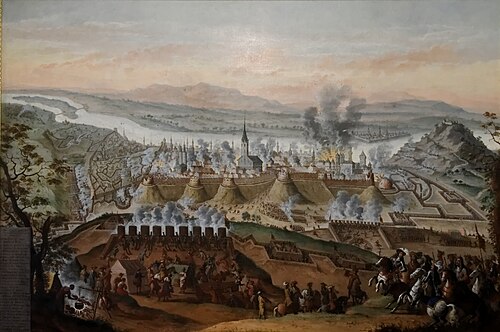
-
 フランスによるアルジェリア征服(1830年 - 1857年)
 -

-

_La_batalla_de_Tetuan_-_Mari%C3%A0_Fortuny_Marsal_-_MNAC.jpg/500px-(Barcelona)_La_batalla_de_Tetuan_-_Mari%C3%A0_Fortuny_Marsal_-_MNAC.jpg)
ポストコロニアル時代
20世紀には、ヨーロッパの植民地支配の終焉により、イスラム教徒人口の多い国民国家が数多く誕生した。これらの国家は、法律、教育、経済制度の構築において、イスラムの伝統をさまざまな程度に、さまざまな方法で取り入れた。[71]タイムズ紙が「イスラム世界」という言葉を初めて記録したのは1912年で、汎イスラム主義を、トルコ人、アラブ人、ペルシャ人が集まるパリで生まれた、力と重要性、結束力のある運動として描写した時だった。この記事では、アミールの立場、トリポリ作戦の影響、ペルシャにおける英露の行動、そして「アフガニスタンの野望」について考察した。[53]
イスラム世界における重大な変化は、オスマン帝国(1908-1922)の敗北と解体であった。オスマン帝国の将校でありトルコの革命政治家であったムスタファ・ケマル・アタテュルクは、オスマン帝国を終わらせ、近代的で世俗的な民主主義であるトルコ共和国に置き換える上で重要な役割を果たした[74](オスマン帝国の廃止を参照)。[74] 1924年にカリフ制を廃止し、宗教と国家を分離したケマル主義トルコの世俗的な価値観は、[ 74]西洋の影響の結果であると見なされることもある。[要出典]
21世紀には、ワッハーブ派のイスラム教[75]テロリスト集団[76]アルカイダ[76] [77] [78] [79]が米国に対して組織した9月11日の攻撃(2001年)の後、学者たちは世俗的な啓蒙主義の原則の枠組みを通してイスラム教徒の経験を理解しようとする試みがもたらす影響について検討した。9月11日のハイジャック犯の一人であるムハンマド・アタは、恐怖を和らげるためにコーランから「彼らと戦え。そうすれば神は汝の手で彼らを罰し、彼らを堕落させるであろう。そして神は汝を助け、彼らに対して、そして信じる人々の胸に癒しをもたらすであろう」と引用したと伝えられている。これはイスラム教信者のコミュニティであるウンマを指し、ジャヒリーヤの暗闇から信者を導いたイスラムの初期の戦士のイメージを呼び起こした。[80]
サイイド・クトゥブによるイスラム教の定義によれば、この信仰は「ジャヒリーヤから完全に切り離されたもの」である。彼は、アメリカの教会が「娯楽や娯楽の場と区別するのが非常に難しい」コミュニティ社会生活の中心地として機能していると不満を述べた。クトゥブにとって、西洋社会は現代のジャヒリーヤであった。彼の「イスラム世界」とその「社会秩序」の理解は、イスラムの教えを実践した結果として西洋世界に提示され、「真のイスラム思想の美しさと魅力」を印象付けるというものであった。彼は、啓蒙主義とその関連する先駆者である科学革命の価値観は「地上における神の統治権を否定または停止する」ものであり、「ジャヒリー生活の悪影響をなくす」ためには「イスラムの性格」を強化する必要があると主張した。[80]
国別のイスラム教
イスラム世界が世俗主義の理想と接触すると、社会はさまざまな方法で反応した。イスラム教徒が多数を占める国の中には世俗主義の国もある。アゼルバイジャンは1918年から1920年にかけて、ソ連に編入される前にイスラム世界で最初の世俗主義共和国となった。[81] [82] [83] [検証に失敗]トルコはムスタファ・ケマル・アタテュルクの改革以来、世俗主義国家として統治されてきた。[84]対照的に、1979年のイラン革命は、君主制の半世俗主義政権を、アヤトラ・ルーホッラー・ホメイニ師率いるイスラム共和国に置き換えた。[要出典] [85]
いくつかの国では、イスラム教を国教と宣言している。これらの国では、法典はおおむね世俗的である。相続と結婚に関する身分問題のみがシャリーア法によって規定されている。[86]一部の地域では、イスラム教徒はアラビア語でシャリーアと呼ばれるイスラム法を実施している。イスラム法には、法学派と呼ばれるいくつかの変種が存在する。2005年に世界中の著名なイスラム学者によって承認されたアンマン・メッセージは、4つのスンニ派(ハナフィー派、マリキ派、シャーフィイー派、ハンバル派)、2つのシーア派(ジャアファリ派、ザイド派)、イバード派、ザヒリ派を承認した。[87]
政府と宗教
イスラム諸国
8 つのイスラム国家は、イスラム教を国家と憲法の思想的基礎として採用しています。





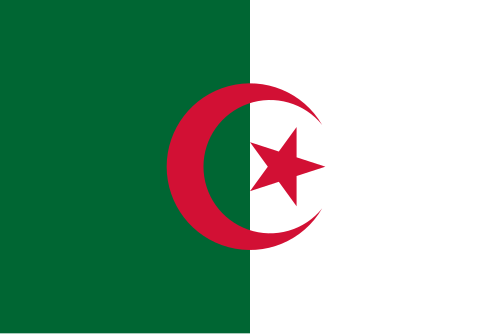
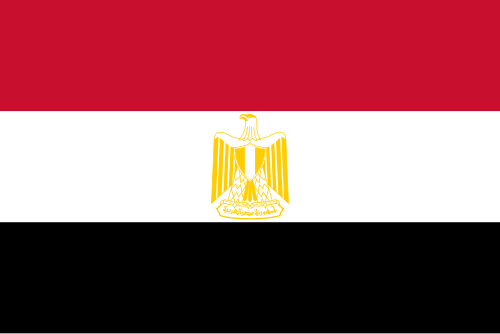
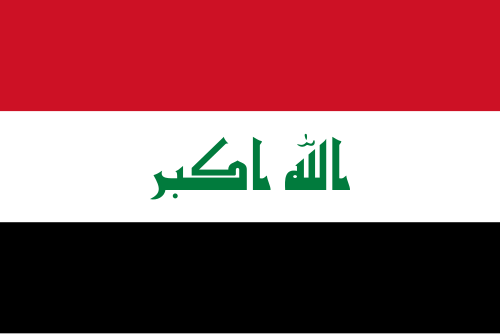
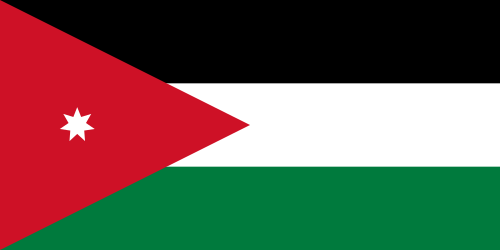
国教
以下の19のイスラム教徒が多数を占める 国はイスラム教を国教として承認しており、国民の宗教の自由を保証しているものの、政教分離を宣言していません。





世俗国家
イスラム世界の22の世俗国家は、政務と宗教の分離を宣言している。
 アルバニア[88] [116]
 アゼルバイジャン[88] [117]
 ボスニア・ヘルツェゴビナ[118]
 ブルキナファソ[88] [119]
 チャド[88] [120]
 ガンビア[121] [122]
 ギニア[88] [123]
 ギニアビサウ[124]
 インドネシア[125] [126]
 カザフスタン[88] [127]
 コソボ[88] [128]
 キルギスタン[88] [129]
 マリ[88] [130]
 ニジェール[131]
 ナイジェリア[88]
 セネガル[88] [132]
 シエラレオネ[133]
 スーダン[134]
 タジキスタン[88] [135]
 トルコ[88] [136]
 トルクメニスタン[88] [137]
 ウズベキスタン[88] [138]
その他
 レバノン[139]
イスラム教徒が少数派の州
ピュー研究所によると、 2015年にはイスラム教徒が多数派を占める国が50カ国あり、この記事の政府と宗教の項で紹介されている。[140] [141]これらの国以外にも、イスラム教徒が少数派である国にはイスラム教徒が多く住んでおり、そのイスラム教徒コミュニティはイスラム教徒が多数派を占める多くの国よりも規模が大きい。[142]
 インド:イスラム教徒2億人(14.6%) [143]
 エチオピア:3,470万人のイスラム教徒(31.3%) [144]
 中国:2500万~4000万人のイスラム教徒(2~3%) [145]
 タンザニア:イスラム教徒1,940万人(35.2%) [146]
 ロシア:1400万~2000万人のイスラム教徒(10~14%) [147]
 コートジボワール:イスラム教徒1200万人(42%) [148]
 コンゴ民主共和国:イスラム教徒1000万人(15%) [149]
 フィリピン:イスラム教徒800~900万人(9~10%)


政治

20世紀の大半において、イスラムのアイデンティティと政治問題におけるイスラムの優位性は、21世紀初頭に高まったと言える。イスラム地域に対する西洋世界の関心の急速な高まり、国際紛争、グローバリゼーションは、現代史におけるイスラムの世界への影響を変えてきた。[151]
イスラム主義
イスラム主義とは、イスラム教が政治体制に影響を与えるべきだと信じ、一般的に世俗主義に反対する、幅広い宗教的および政治的イデオロギー運動を指す。[152]イスラム主義の支持者は「アル・イスラミユーン」としても知られ、国家や社会の文脈の中でイスラム教のイデオロギー的解釈を実現することに専念している。彼らの大半は、しばしば「アル・ハラカト・アル・イスラミヤ」と呼ばれるイスラム組織または社会動員運動に所属している。 [153]イスラム主義者は、シャリーアの実施、[154]汎イスラムの政治的統一、[154]イスラム国家の創設を強調する。 [155]
イスラム主義は、元々の表現では、イスラム教を過去の主張と栄光に復活させ、[156] イスラム教から異質な要素を浄化し、「社会と政治、そして個人の生活」におけるその役割を再主張し、[157]特に「イスラム教が規定する法律(シャリーア法)に従って政府と社会を再編成する」ことを目的とするイデオロギーを表していた。[158] [159] [160] [161]少なくとも 1 人の観察者(作家のロビン・ライト)によると、イスラム主義運動は「近代国家が独立を獲得して以来のどの傾向よりも中東を変えた」とされ、「政治、さらには国境」を再定義している。[162]
20世紀のイスラム主義の中心人物および著名人には、サイイド・ラシッド・リダ[163] 、 ハッサン・アル・バンナー(ムスリム同胞団の創設者)、サイイド・クトブ、アブル・アラ・マウドゥーディー、[164] 、 ルーホッラー・ホメイニ(イラン・イスラム共和国の創設者)、ハッサン・アル・トゥラビー[165]など がいます。西洋化、シオニズム、ナショナリズムの熱烈な反対者であるシリアの スンニ派 聖職者ムハンマド・ラシッド・リダは、イスラム世界を政治的に統一するために汎イスラムのカリフ制の革命的復興を通じてスンニ派国際主義を主張しました。[166] [167]リダーはイスラム前衛主義の強力な推進者であり、イスラム教コミュニティは宗教教育とイスラム復興の取り組みを指揮する聖職者エリート(ウラマー)によって導かれるべきであるという信念を持っていた。[168]リダーのサラフィー主義とアラブ主義の統合とイスラム主義の理想は、ムスリム同胞団運動を創設したエジプトの教師ハサン・アル・バンナー[169] [170]や、反シオニストのエルサレムの大ムフティー、ハッジ・アミン・アル・フサイニーのような彼の弟子たちに大きな影響を与えた。[171]
アル=バンナとマウドゥーディーは、草の根の社会政治活動を通じて社会を再イスラム化する「改革主義」戦略を求めた。 [172] [173]他のイスラム主義者(アル=トゥラビ)は、国家権力の行使を通じて社会をイスラム化する「革命的」戦略を提唱し、 [172]あるいは(サイイド・クトブ)草の根のイスラム化と武装革命を組み合わせることを提唱している。この用語は、非国家改革運動、政党、民兵、革命グループに適用されてきた。[174]
少なくとも一人の著者(グラハム・E・フラー)は、イスラム主義を「[イスラム教徒の]アイデンティティ、真正性、より広範な地域主義、復興主義、コミュニティの再生への支援」を含むアイデンティティ政治の一形態としてより広い概念で捉えることを主張している。 [175] イスラム主義者自身は、「イスラム主義」よりも「イスラム運動」[176]または「イスラム活動主義」などの用語を好み、イスラム主義はイスラム教の刷新と復興以外の何物でもないというほのめかしに反対している。[177]公的および学術的文脈では、[178]「イスラム主義」という用語は、西側諸国のマスメディアによって暴力、過激主義、人権侵害の含意を与えられ、イスラム嫌悪とステレオタイプ化につながっていると批判されてきた。[179]
アラブの春 の後、多くのポストイスラム主義の潮流が民主政治に深く関与するようになり、[162] [180]一方で、イラク・レバントのイスラム国(ISIL)など、これまでで最も「攻撃的で野心的なイスラム民兵」を生み出した潮流もあった。[162]人口統計
世界の人口の24.1%以上がイスラム教徒であり、その総数は約19億人と推定されている。[181] [182] [183] [184] [185]イスラム教徒は49か国で多数派を占めており、[186] [187]何百もの言語を話し、多様な民族的背景を持つ。カラチ市は世界最大のイスラム教徒人口を抱えている。[188] [189]
地理

「イスラム世界」と「イスラム教世界」という用語は論争の的となっている。どの国も均一にイスラム教徒というわけではなく、どの時点で国内のイスラム教徒の少数派が「重要」と見なされるかを判断する方法がないため、イスラム世界を地理的に定義する方法についてのコンセンサスは存在しない。[55] [56] [5]ある程度支持されている唯一の経験則は、国の人口の50%以上がイスラム教徒である必要があるというものである。[55] [5]
2010年、世界のイスラム教徒の73%はイスラム教徒が多数派である国に住み、27%はイスラム教徒が少数派である国に住んでいた。インドのイスラム教徒人口は、世界最大のイスラム教徒少数派人口である(世界のイスラム教徒人口の11%)。[187]ジョーンズ(2005)は、「大規模な少数派」を30%から50%と定義しており、2000年にはエリトリア、エチオピア、ギニアビサウ、コートジボワール、ナイジェリア、北マケドニア、タンザニアの9か国に当てはまった。[5]しかし、2024年現在、ナイジェリアはイスラム教徒が多数派である国となっている。[190]
宗教
イスラム教
イスラム教の2大宗派はスンニ派とシーア派である。両者は主に、ウンマ(信徒)の生活がどのように統治されるべきか、そしてイマームの役割について相違している。スンニ派は、スンナに従ったムハンマドの真の政治的後継者は、ムハンマドの義父であるアブー・バクルをムハンマドの政治的後継者としては選んだが宗教的後継者には選ばなかったサキーファで行われたように、協議に基づいて選ばれるべきだと信じている。一方シーア派は、ムハンマドが義理の息子であるアリー・イブン・アビー・ターリブを真の政治的後継者かつ宗教的後継者に指名したと信じている。[191]
世界のイスラム教徒の圧倒的多数、87~90%はスンニ派です。[192]シーア派と他のグループは残り、イスラム教徒全体の約10~13%を占めています。シーア派人口が最も集中している国は、イラン – 89%、[193]、アゼルバイジャン – 65%、[194]、イラク – 60%、[195]、バーレーン – 60%、イエメン – 35%、[196]、トルコ – 10%、[197] [198]、レバノン – 27%、シリア – 13%、アフガニスタン – 10%、パキスタン – 10%、[199] [200] [201] [202] [203] [204] [205] [206] [207]、インド – 10%です。[208]
無宗派イスラム教徒がイスラム教徒の過半数を占めるのは7か国(他の3か国でも多数派)で、アルバニア(65%)、キルギスタン(64%)、コソボ(58%)、インドネシア(56%)、マリ(55%)、ボスニア・ヘルツェゴビナ(54%)、ウズベキスタン(54%)、アゼルバイジャン(45%)、ロシア(45%)、ナイジェリア(42%)である。[209]彼らは主に中央アジアに生息している。[209] カザフスタンは無宗派イスラム教徒の数が最も多く、人口の約74%を占めている。[209] 南東ヨーロッパにも多数の無宗派イスラム教徒がいる。[209]
あまり知られていないハーリジュ派イスラム教徒は、オマーン国に独自の拠点を持ち、人口の約75%を占めています。[210]
-

-

-
 バングラデシュ、ダッカのスンニ派イスラム教徒の金曜礼拝
イスラム教の学校と支部
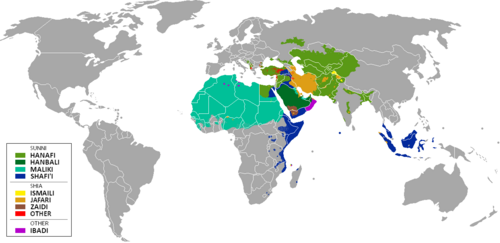
イスラム教の最初の数世紀には、スンニ派、シーア派、ハーリジュ派という 3 つの主要な宗派が生まれました。各宗派は、異なる法学の方法論 (フィクフ) を反映した独自の法学派(マズハブ)を発展させました。
主要なスンニ派のマダハブは、ハナフィ派、マリキ派、シャフィーイ派、ハンバリ派です。[211]
シーア派の主な分派は、十二イマーム派(イマーミ派)、イスマイール派(七イマーム派)、ザイド派(五イマーム派)である。イスマーイール派は後にニザール派とムスタリ派に分裂し、さらにムスタリ派はハーフィズィー派とタイヤービ派に分裂した。[212]また、カルマティ運動やドゥルーズ派も生まれたが、ドゥルーズ派はイスラム教徒とは自認していない。[213] [214]十二イマーム派はジャアファリ派の法学を発展させ、その分派としてアフバル派やウスリー派、その他アラウィー派、シャイク派[215]、アレヴィー派などの運動が行われた。[216] [217]
同様に、ハリジュ派も当初はスフリー派、アザリカ派、ナジュダト派、アジャリ派、イバード派の 5 つの主要な分派に分かれていました。
これら数多くの分派の中で、生き残ったのはハナフィー派、マリキ派、シャーフィイー派、ハンバル派、イマーミーヤ・ジャアファリ派・ウスリー派、ニザーリー派、イスマーイール派、アレヴィー派、[218] ザイド派、イバード派、ザーヒリー派、アラウィー派、[要出典] ドゥルーズ派とタイヤービー派のコミュニティのみである。さらに、後にクルアーン派やアフマディー派のような新しい思想や運動が独立して出現した。
.jpg/500px-Drummer_at_Hamed_el-Nil_Mosque_(8625532075).jpg)
_-_Nebi_Shueib_Festival.jpg/500px-Flickr_-_Government_Press_Office_(GPO)_-_Nebi_Shueib_Festival.jpg)


-
 インドネシアの子供たちがコーランを読んでいます。
 -
 ナイジェリアでイスラム教徒の物乞いが車を狙う。
 -
 ロシアのモスクでは人々が一緒に祈りを捧げています。
 -
 中国ではイスラム料理のコーナーに人々が近づいてくる。


.jpg/500px-Muslim_food_street_market,_Xi'an,_China_-_panoramio_(2).jpg)
その他の宗教
イスラム教徒が多数派を占める多くの国には、キリスト教徒、ユダヤ教徒、ヒンズー教徒、仏教徒、バハイ教徒、ドゥルーズ教徒、ヤズィーディ教徒、マンダ教徒、ヤルサン教徒、ゾロアスター教徒など、かなりの数の非イスラム教徒の少数派が存在します。

イスラム世界には、世界最古のキリスト教コミュニティのいくつかがあり、[219]キリスト教世界で最も重要な都市のいくつかがあり、その中には5大総主教区のうち3つ(アレクサンドリア、アンティオキア、コンスタンティノープル)がある。[220]学者や知識人は、イスラム教の導入以来、キリスト教徒がアラブとイスラム文明に多大な貢献をしてきたことに同意している。 [221] [222]また、中東、北アフリカなどの地域の文化に貢献し、大きな影響を与えてきた。[223] [224] [225]ピュー研究所の推定によると、2010年には6400万人以上のキリスト教徒がイスラム教徒が多数派の国(ナイジェリアを除く)に住んでいた。 ピュー・フォーラムの調査によると、イスラム世界で最もキリスト教徒が多いのはインドネシア(2110万人)で、エジプト、チャド、カザフスタンがそれに続いている。 [ 226]一方、アドリー・A・ユセフとマーティン・トーマスによれば、2004年にはイスラム教徒が多数派を占める国に住むキリスト教徒は約3000万人で、最も多くのキリスト教徒が住んでいるのはインドネシアで、エジプトがそれに続いている。[227]ナイジェリアではイスラム教徒とキリスト教徒がほぼ均等に分かれており、キリスト教徒とイスラム教徒は合わせて8000万人以上いる。[228]
2018年、ユダヤ人機関は、アラブ諸国とイスラム諸国に約27,000人のユダヤ人が住んでいると推定した。 [229] [230] イスラム教の台頭以来、中東と北アフリカにはユダヤ人コミュニティが存在してきた。今日、イスラム諸国に住むユダヤ人は以前の規模のほんの一部にまで減少しており、[231]イスラム諸国における最大のユダヤ人コミュニティは、非アラブ諸国であるイラン(9,500人)とトルコ(14,500人)に存在している。[232]しかし、どちらも歴史的に見てはるかに小さい。[233]アラブ諸国の中で、最大のユダヤ人コミュニティは現在、モロッコに約2,000人のユダヤ人がおり、チュニジアに約1,000人のユダヤ人がいる。[234]世界中のドゥルーズ派の数は80万人から100万人で、その大部分はレバント地方(主にシリアとレバノン)に住んでいる。[235]
2010年のピュー・フォーラムの調査によると、バングラデシュ(1,350万人)、インドネシア(400万人)、パキスタン(330万人)、マレーシア(170万人)には、かなりの数のヒンズー教徒の少数派がいる。マレーシア(500万人)は、イスラム世界で最も多くの仏教徒を抱えている。 [187] ゾロアスター教徒は、イランに残る最古の宗教コミュニティである。[236]
-
![エジプトはイスラム世界で最も多くのキリスト教徒を抱える国の一つである[237]](https://img-server.japedia.wiki/wikipedia/commons/thumb/8/8c/Saint_Mark_Church%2C_Heliopolis.jpg/500px-Saint_Mark_Church%2C_Heliopolis.jpg) エジプトはイスラム世界で最も多くのキリスト教徒を抱える国の一つである[237]
エジプトはイスラム世界で最も多くのキリスト教徒を抱える国の一つである[237] -
 バングラデシュはイスラム世界で最も多くのヒンズー教徒の人口を抱えている
 -
![トルコはイスラム世界で最も多くのユダヤ人人口を抱えている[238]](https://img-server.japedia.wiki/wikipedia/commons/thumb/e/e6/Y%C3%BCksekkald%C4%B1r%C4%B1m_Ashkenazi_Synagogue.jpg/500px-Y%C3%BCksekkald%C4%B1r%C4%B1m_Ashkenazi_Synagogue.jpg) トルコはイスラム世界で最も多くのユダヤ人人口を抱えている[238]
トルコはイスラム世界で最も多くのユダヤ人人口を抱えている[238]
![エジプトはイスラム世界で最も多くのキリスト教徒を抱える国の一つである[237]](https://img-server.japedia.wiki/wikipedia/commons/thumb/8/8c/Saint_Mark_Church,_Heliopolis.jpg/500px-Saint_Mark_Church,_Heliopolis.jpg)
識字能力と教育
イスラム世界の識字率は様々である。アゼルバイジャンは世界各国の識字率指数で第2位である。イラン、クウェート、カザフスタン、タジキスタン、トルクメニスタンなどの一部の国では識字率が97%を超えているが、マリ、アフガニスタン、チャド、その他のアフリカ地域では識字率が最も低い。トルコ、イラン、エジプトなど、イスラム教徒が多数を占める国では、引用可能な科学出版物の割合が高い。[239] [240]
2015年、国際イスラム通信社はイスラム協力機構とイスラム教育科学文化機関の報告書を基に、イスラム世界の人口の約37%が読み書きができないと報じた。[241]イスラム教徒が多数を占める最大のアラブ国であるエジプトでは、若者の女性の識字率が男性を上回っている。[242]識字率が低いのはアフガニスタンやパキスタンなどの南アジア諸国だが、急速に増加している。[243]中東東部では、イランの若者の識字率は98%と高いが[244]、イラクの若者の識字率はアメリカ主導の戦争とその後の占領中に85%から57%に急激に低下した。[245]イスラム教徒が多数を占める世界最大の国であるインドネシアの若者の識字率は99%である。[246]
2011年のピュー研究所の調査によると、当時イスラム教徒全体の約36%は正式な学校教育を受けておらず、大学院卒または修士号を持つ人はわずか8%でした。[247] イスラム教徒が多数派を占める国の中で、就学年数が最長なのは、ウズベキスタン(11.5年)、クウェート(11.0年)、カザフスタン(10 .7年)でした。[247]さらに、イスラム教徒が多数派を占める国の就学年数の平均は6.0年で、世界平均(7.7年)を下回っています。[247]調査対象となった最も若い年齢層(25~34歳)では、若いイスラム教徒の平均教育レベルは主要な宗教グループの中で最も低く、平均6.7年で、世界平均(8.6年)を下回っています。[247]この調査では、イスラム教徒の女性の平均就学年数が4.9年であるのに対し、イスラム教徒の男性の平均就学年数は6.4年であり、イスラム教徒の教育達成度には大きな男女格差があることが判明した。[247]


難民

UNHCRによれば、イスラム教徒が多数を占める国々は2010年末までに1,800万人の難民を受け入れた。[要出典]
それ以来、イスラム教徒が多数を占める国々は、シリアの蜂起を含む最近の紛争からの難民を受け入れてきた。[248] 2013年7月、国連はシリア難民の数が180万人を超えたと発表した。[249]アジアでは、 2017年8月以来 、ミャンマーのラカイン州からの推定62万5000人の難民(その多くはイスラム教徒)が国境を越えてバングラデシュに流入した。 [250]
文化
歴史を通じて、イスラム文化は民族的、言語的、地域的に多様であった。[251] M.M.ナイトによると、この多様性には、信仰、解釈、慣習、コミュニティ、関心の多様性が含まれる。ナイトは、非イスラム教徒の間でのイスラム世界の認識は通常、イスラム教についての入門書によって支えられており、そのほとんどは、多くのイスラム教徒も同意するかもしれないが、必ずしも「実際の人間の体の経験」の中で、現地で生きられたイスラム教を反映しているわけではないと述べている。[252]
古典文化
-

-

-

-

-

-
 学者シャー・アブール・マーリのペルシャのミニチュア
 -

-


.jpg/500px-Ottoman_Dynasty,_Portrait_of_a_Painter,_Reign_of_Mehmet_II_(1444-1481).jpg)


「イスラムの黄金時代」という用語は、歴史上、イスラム教徒が支配する世界のほとんどで科学、経済発展、文化活動が栄えた時期を指すとされてきた。 [253] [254]この時代は伝統的に、アッバース朝のカリフ、ハールーン・アッ=ラシード(786-809)の治世中にバグダッドに知恵の館が開設され、世界各地の学者たちが世界のあらゆる知識をアラビア語に翻訳し収集しようとしたことで始まり、[255] [256]モンゴルの侵攻と1258年のバグダッド包囲戦によるアッバース朝の崩壊で終わったとされている。 [257]アッバース朝は、「学者のインクは殉教者の血よりも神聖である」など、知識の価値を強調したコーランの戒律やハディースに影響を受けた。イスラムの主要首都であるバグダッド、カイロ、コルドバは、科学、哲学、医学、教育の主要な知的中心地となった。[258]この時期、イスラム世界は文化の集合体であり、古代ギリシャ、ローマ、ペルシャ、中国、ヴェーダ、エジプト、フェニキアの文明から得られた知識を結集し、発展させた。[259]
陶芸
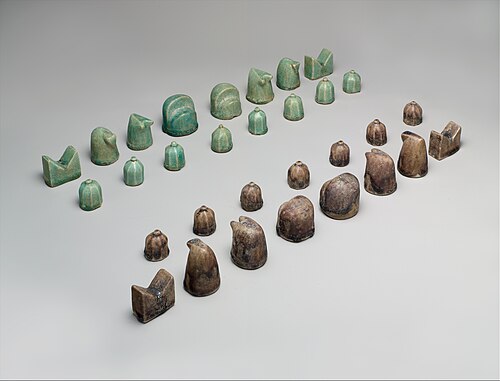
8世紀から18世紀にかけて、イスラム美術では陶磁器の釉薬の使用が普及し、通常は精巧な陶器の形をとっていた。[260] 錫不透明釉は、イスラム陶工によって開発された最も初期の新技術の1つであった。イスラムの最初の不透明釉薬は、 8世紀頃のバスラの青絵の陶器として見つかっている。もう1つの貢献は、9世紀のイラクで始まったフリット陶器の開発である。[261]旧世界の他の革新的な陶器の中心地には、フスタート(975年から1075年)、ダマスカス(1100年から1600年頃)、タブリーズ(1470年から1550年)などがある。[262]
文学
-

-
![パリザード姫と魔法の木の物語[263]](https://img-server.japedia.wiki/wikipedia/commons/thumb/d/d9/Princess_Parizade_Bringing_Home_the_Singing_Tree.jpg/500px-Princess_Parizade_Bringing_Home_the_Singing_Tree.jpg) パリザード姫と魔法の木の物語。[263]
パリザード姫と魔法の木の物語。[263] -
 マックスフィールド・パリッシュ著『洞窟の中のカシム』。
 -
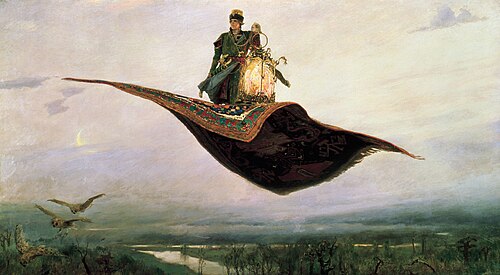 魔法のじゅうたん。
_of_Fuzuli_-_Muhammad_bin_Sulayman_known_as_Fuzuli2.jpg/500px-Brooklyn_Museum_-_Manuscript_of_the_Hadiqat_al-Su%60ada_(Garden_of_the_Blessed)_of_Fuzuli_-_Muhammad_bin_Sulayman_known_as_Fuzuli2.jpg)
.jpg/500px-Cassim_(cropped).jpg)
イスラム世界のフィクション作品の中で最もよく知られているのは、サンスクリット語、ペルシャ語、後にアラビアの寓話から民話を編纂した『千夜一夜物語』である。その構想は、特定のインドの要素に依拠したイスラム以前のペルシャの原型である『ヘザール・アフサーン(千の寓話)』の影響を受けていた。[264] 14世紀までに最終形態に達したが、物語の数と種類は写本ごとに異なっている。[265]この作品は、18世紀にアントワーヌ・ガランによって最初に翻訳されて以来、西洋に大きな影響を与えてきた。[266]特にフランスで模倣が書かれた。[267]この叙事詩のさまざまなキャラクターは、アラジン、シンドバッド、アリババなど、西洋文化の文化的アイコンとなっている。[要出典]
恋愛を題材にしたアラビア詩とペルシャ詩の例として、7世紀のウマイヤ朝時代に遡る『ライラとマジュヌーン』が挙げられます。これは不滅の愛を描いた悲劇的な物語です。フェルドウスィーの『シャー・ナーメ』は、大イランの国民的叙事詩で、ペルシャの歴史を神話的かつ英雄的に語り直したものです。『アミール・アルサラン』もまた、ペルシャの神話的人気物語でした。
イブン・トファイル(アブバケル)とイブン・アル=ナフィスは哲学小説の先駆者であった。[要出典]イブン・トファイルは、ガザーリーの『哲学者の矛盾』に応えてアラビア語の最初の小説『ハイイ・イブン・ヤクダーン』(『哲学者の独学』)を書き、その後イブン・アル=ナフィスもイブン・トファイルの『哲学者の独学』に応えて小説『神学の独学』を書いた。[要出典]これらの物語は両方とも、砂漠の島で隔離されて暮らす独学の野生児を主人公としており(『哲学者の独学』のハイイと『神学の独学』のカミル)、どちらも砂漠の島の物語の最古の例である。しかし、 『哲学的独学』ではハイイが物語の残りの部分で動物たちと砂漠の島で一人で暮らすのに対し、 『神学的独学』ではカミルの物語は砂漠の島の設定を超えて広がり、最も古い成長物語として知られ、最終的にはSF小説の最初の例となった。[268] [269]
アラビアの博学者イブン・アル=ナフィス(1213–1288)[272 ]が書いた『神学独学』 [ 270] [271]は、自然発生、未来学、世界の終わりと終末、復活、来世などの様々なSF要素を扱っている。これらの出来事について超自然的または神話的な説明をするのではなく、イブン・アル=ナフィスは、当時知られていた生物学、天文学、宇宙論、地質学の科学的知識を使ってこれらのプロット要素を説明しようとした。イブン・アル=ナフィスの小説は、科学とイスラム哲学を介してイスラムの宗教的教えを説明した。[273]イブン・トファイルの『哲学者独学』は、ラテン語(1671年)、英語(1708年)、ドイツ語、オランダ語に翻訳された。これらのヨーロッパ語への翻訳は、後にダニエル・デフォーの『ロビンソン・クルーソー』 [274]やロバート・ボイルの『博物学者』[275]に影響を与えた可能性がある。
哲学
_-_BAE09705.jpg/500px-Statue_of_Averroes_(C%C3%B3rdoba)_-_BAE09705.jpg)
「イスラム哲学」の一般的な定義の 1 つは、「イスラム文化の枠組みの中で生み出された哲学のスタイル」です。[276]この定義では、イスラム哲学は必ずしも宗教的な問題に関係しているわけではなく、イスラム教徒によってのみ生み出されたものではありません。[276]ペルシャの学者イブン・シーナー(アヴィセンナ) (980–1037)には 450 冊以上の著書があります。彼の著作はさまざまな主題に関係していますが、最も有名なのは哲学と医学です。彼の医学教科書である『医学典範』は、何世紀にもわたってヨーロッパの大学の標準テキストとして使用されました。彼はまた、影響力のある科学的および哲学的な百科事典である『治癒の書』も執筆しました。 [要出典]
イスラム黄金時代のもう一人の人物であるアヴィセンナもまた、イスラム教とキリスト教の両国に影響を与えたアヴィセンナ主義哲学学派を設立した。[277]
近代哲学に影響を与えたもう一人の哲学者はイブン・トファイルである。彼の哲学小説『ハイイ・イブン・ヤクダン』は1671年にラテン語で『哲学の独学』として翻訳され、経験主義、白紙の状態、生まれか育ちか、[278] 可能性の条件、唯物論、[279]モリヌーの問題[ 280] といったテーマを展開した。この小説に影響を受けたヨーロッパの学者や作家には、ジョン・ロック[281] 、ゴットフリート・ライプニッツ[282] 、 メルキゼデク・テヴノー、ジョン・ウォリス、クリスティアーン・ホイヘンス[283] 、ジョージ・キース、ロバート・バークレー、クエーカー教徒[ 284]、サミュエル・ハートリブ[275]がいる。
イスラム哲学者は17世紀まで哲学の進歩を続け、モッラー・サドラが超越神智学の学派を設立し、実存主義の概念を展開した。[285]
その他の影響力のあるイスラム哲学者には、現象学と科学哲学の先駆者であり、アリストテレス自然哲学とアリストテレスの場所の概念(トポス)を批判したイブン・アル=ハイサム(アルハゼン)、アリストテレス自然哲学の批評家アル=ビールニー、哲学小説の先駆者であるイブン・トファイルとイブン・アル=ナフィース、啓蒙主義哲学の創始者シャハブ・アル=ディーン・スフラワルディー、アリストテレス論理学の批評家であり帰納論理学の先駆者であるファフル・アル=ディーン・アル=ラーズィー、歴史哲学の先駆者であるイブン・ハルドゥーンがいる。[286]
科学
イブン・アル=ハイサムは、特に光の透過理論の実証により、光学の父ともみなされている。ジム・アル=ハリーリは2009年に、イブン・アル=ハイサムは「しばしば『世界初の真の科学者』と呼ばれている」と述べた。[287] アル=フワルズィミーは、現在使用されている対数基底システムを発明しただけでなく、三角法の定理や極限にも貢献した。[288]最近の研究によると、中世のイスラム教徒の芸術家は、高度な十角形 準結晶幾何学(半千年後の1970年代と1980年代に西洋で発見された)を知っていて、それを建築の複雑な装飾タイル細工に使用していた可能性が高いことがわかっている。[289]
イスラムの医師は、解剖学や生理学などの分野に貢献した。例えば、マンスール・イブン・ムハンマド・イブン・アル・ファキーフ・イリヤスによる15世紀のペルシャの著作『人体の解剖学』には、人体の構造、神経系、循環器系の包括的な図が含まれていた。また、肺循環の理論を提唱したエジプトの医師イブン・アル・ナフィスの著作にもその例がある。アヴィセンナの『医学典範』は、 18世紀までヨーロッパで権威ある医学教科書であり続けた。アブ・アル・カシム・アル・ザフラウィー(別名アブルカシス)は、後にラテン語に翻訳され、何世紀にもわたってヨーロッパとイスラムの医学学校で使用された医学百科事典『キターブ・アル・タスリフ』(「譲歩の書」)で外科の分野に貢献した。その他の医学的進歩は薬理学と薬学の分野でも起こった。[290]
中世イスラム世界の最も有名な科学者には、ジャービル・イブン・ハイヤン、アル・ファラビー、アブ・アル・カシム・アル・ザフラウィ、イブン・アル・ハイサム、アル・ビルニー、アヴィセンナ、ナシル・アル・ディン・アル・トゥシ、イブン・ハルドゥーンなどがいます。[要出典]
テクノロジー

技術的には、イスラム世界は中国から製紙技術を取り入れました。[291]火薬に関する知識も主にイスラム教徒の国々を経由して中国から伝わり、[292]純粋な硝酸カリウムの製法が開発されました。 [293] [294]
灌漑や農業は、風車などの新技術の導入により進歩した。アーモンドや柑橘類などの作物はアル・アンダルスを通じてヨーロッパにもたらされ、砂糖栽培は徐々にヨーロッパ人に取り入れられるようになった。16世紀にポルトガル人が到着するまで、アラブ商人がインド洋貿易を独占していた。ホルムズはこの貿易の重要な中心地だった。地中海には密集した貿易ルートのネットワークもあり、イスラム教徒が多数を占める国々は、それに沿って互いに、またヴェネツィア、ジェノヴァ、カタルーニャなどのヨーロッパの列強と貿易を行っていた。中央アジアを横断するシルクロードは、中国とヨーロッパの間のイスラム諸国を通っていた。ティムール(ティムール王)の征服とティムール朝ルネッサンスの復活後に出現した、技術的資源を備えた主要な経済帝国には、マリ帝国とベンガル・スルタン国が特に含まれ、これらは世界でも有数の貿易国であり、ヨーロッパ人からは「貿易相手として最も豊かな国」と評された。[295]
イスラム世界のイスラム教徒技術者は、水力発電の革新的な産業利用の数々、また潮力と風力の初期の産業利用を成し遂げた。[296]イスラム世界での水車の産業利用は7世紀に遡り、水平車輪式と垂直車輪式の水車はどちらも少なくとも9世紀から広く使用されていた。イスラム世界では、初期の縮絨工場、製粉所、製紙工場、籾摺り機、製材所、造船所、スタンプ工場、製鉄所、砂糖工場、潮力工場、風車など、さまざまな産業用工場が使用されていた。11世紀までには、アルアンダルスや北アフリカから中東や中央アジアに至るまで、イスラム世界のすべての州でこれらの産業用工場が稼働していた。[291]イスラムの技術者はクランクシャフトや水車を発明し、水車や揚水機に歯車を採用し、水車や揚水機に追加の動力を供給するためにダムを水力源として使用する先駆者となった。 [297]このような進歩により、古代には肉体労働によって行われていた産業作業が、中世イスラム世界では機械化され、機械によって行われることが可能になった。これらの技術が中世ヨーロッパに移転したことは、特に工業化の原点であったムガル帝国のベンガルとティプー・スルタンの王国から東インド会社の征服を通じて、産業革命に影響を与えた。[298]
芸術
「イスラム美術と建築」という用語は、文化的にイスラム教徒が居住していた地域に住んでいた人々によって7世紀以降に制作された美術作品と建築作品を指します。[299] [300]
建築
イスラム建築は、イスラム教に関連する建築様式から成ります。イスラム教の初期の歴史から現代に至るまで、世俗的および宗教的両方の様式を包含しています。イスラム世界は、歴史的に西アフリカ、ヨーロッパから東アジアまで、広い地理的領域を包含しています。これらすべての地域のイスラム建築様式には一定の共通点がありますが、時間の経過とともに、さまざまな地域が、地元の材料や技術、地元の王朝やパトロン、さまざまな地域の芸術制作の中心地、そして時にはさまざまな宗教的所属に応じて独自のスタイルを発展させました。[301] [302]
初期のイスラム建築は、ローマ、ビザンチン、イラン、メソポタミアの建築や、7世紀と8世紀に初期のイスラム教徒が征服した他のすべての土地の影響を受けていました。 [303] [304] [305] [306] [307]その後、建物の形状や、イスラムの書道、アラベスク、幾何学的なモチーフによる表面の装飾において独特の特徴が発達しました。[308]ミナレット、ムカルナ、多葉アーチなどの新しい建築要素が発明されました。イスラム建築における一般的な、あるいは重要な建物の種類としては、モスク、マドラサ、墓、宮殿、ハマム(公衆浴場)、スーフィーのホスピス(例えば、ハーンカーやザウィヤ)、噴水やサビル、商業用の建物(例えば、キャラバンサライやバザール)、軍事要塞などがある。[302]Aniconism
No Islamic visual images or depictions of God are meant to exist because it is believed that such artistic depictions may lead to idolatry. Muslims describe God by the names and attributes that, according to Islam, he revealed to his creation. All but one sura of the Quran begins with the phrase "In the name of God, the Beneficent, the Merciful". Images of Mohammed are likewise prohibited. Such aniconism and iconoclasm[309] can also be found in Jewish and some Christian theology.
Arabesque
Islamic art frequently adopts the use of geometrical floral or vegetal designs in a repetition known as arabesque. Such designs are highly nonrepresentational, as Islam forbids representational depictions as found in pre-Islamic pagan religions. Despite this, there is a presence of depictional art in some Muslim societies, notably the miniature style made famous in Persia and under the Ottoman Empire which featured paintings of people and animals, and also depictions of Quranic stories and Islamic traditional narratives. Another reason why Islamic art is usually abstract is to symbolize the transcendence, indivisible and infinite nature of God, an objective achieved by arabesque.[310] Islamic calligraphy is an omnipresent decoration in Islamic art, and is usually expressed in the form of Quranic verses. Two of the main scripts involved are the symbolic kufic and naskh scripts, which can be found adorning the walls and domes of mosques, the sides of minbars, and so on.[310]
Distinguishing motifs of Islamic architecture have always been ordered repetition, radiating structures, and rhythmic, metric patterns. In this respect, fractal geometry has been a key utility, especially for mosques and palaces. Other features employed as motifs include columns, piers and arches, organized and interwoven with alternating sequences of niches and colonnettes.[311] The role of domes in Islamic architecture has been considerable. Its usage spans centuries, first appearing in 691 with the construction of the Dome of the Rock mosque, and recurring even up until the 17th century with the Taj Mahal. And as late as the 19th century, Islamic domes had been incorporated into European architecture.[312]
-
 Example of an Arabesque
 -
 Example of an Arabesque
 -
 Example of an Arabesque
Girih
Girih (Persian: گره, "knot", also written gereh[313]) are decorative Islamic geometric patterns used in architecture and handicraft objects, consisting of angled lines that form an interlaced strapwork pattern.
Girih decoration is believed to have been inspired by Syrian Roman knotwork patterns from the second century. The earliest girih dates from around 1000 CE, and the artform flourished until the 15th century. Girih patterns can be created in a variety of ways, including the traditional straightedge and compass construction; the construction of a grid of polygons; and the use of a set of girih tiles with lines drawn on them: the lines form the pattern. Patterns may be elaborated by the use of two levels of design, as at the 1453 Darb-e Imam shrine. Square repeating units of known patterns can be copied as templates, and historic pattern books may have been intended for use in this way.
The 15th century Topkapı Scroll explicitly shows girih patterns together with the tilings used to create them. A set of tiles consisting of a dart and a kite shape can be used to create aperiodic Penrose tilings, though there is no evidence that such a set was used in medieval times. Girih patterns have been used to decorate varied materials including stone screens, as at Fatehpur Sikri; plasterwork, as at mosques and madrasas such as the Hunat Hatun Complex in Kayseri; metal, as at Mosque-Madrassa of Sultan Hassan in Cairo; and in wood, as at the Mosque–Cathedral of Córdoba.-
 Girih tiles
 -
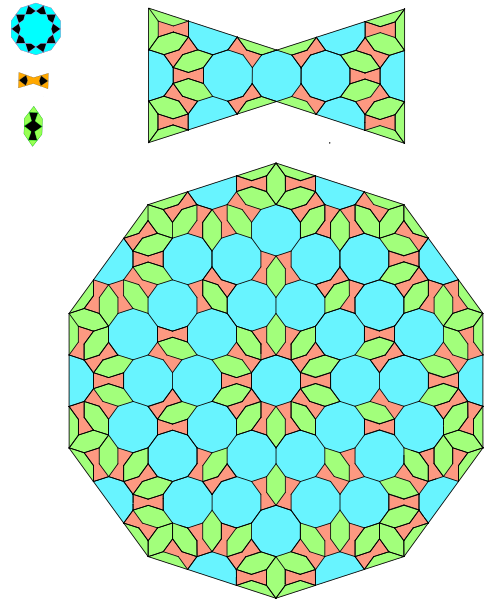 The subdivision rule used to generate the Girih pattern on the spandrel.
 -
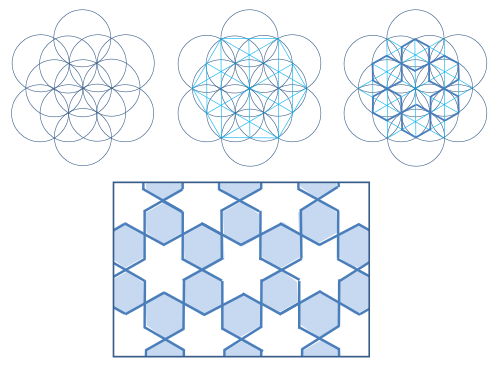 Girih pattern that can be drawn with compass and straight edge.
Islamic calligraphy
Islamic calligraphy is the artistic practice of handwriting and calligraphy, in the languages which use Arabic alphabet or the alphabets derived from it. It includes Arabic, Persian, Ottoman, and Urdu calligraphy.[314][315] It is known in Arabic as khatt Arabi (خط عربي), which translates into Arabic line, design, or construction.[316]
The development of Islamic calligraphy is strongly tied to the Qur'an; chapters and excerpts from the Qur'an are a common and almost universal text upon which Islamic calligraphy is based. Although artistic depictions of people and animals are not explicitly forbidden by the Qur'an, pictures have traditionally been limited in Islamic books in order to avoid idolatry. Although some scholars dispute this, Kufic script was supposedly developed around the end of the 7th century in Kufa, Iraq, from which it takes its name. The style later developed into several varieties, including floral, foliated, plaited or interlaced, bordered, and square kufic. In the ancient world, though, artists would often get around the aniconic prohibition by using strands of tiny writing to construct lines and images. Calligraphy was a valued art form, even as a moral good. An ancient Arabic proverb illustrates this point by emphatically stating that "Purity of writing is purity of the soul."[317]
However, Islamic calligraphy is not limited to strictly religious subjects, objects, or spaces. Like all Islamic art, it encompasses a diverse array of works created in a wide variety of contexts.[318] The prevalence of calligraphy in Islamic art is not directly related to its non-figural tradition; rather, it reflects the centrality of the notion of writing and written text in Islam.[319]
Islamic calligraphy developed from two major styles: Kufic and Naskh. There are several variations of each, as well as regionally specific styles. Arabic or Persian calligraphy has also been incorporated into modern art, beginning with the post-colonial period in the Middle East, as well as the more recent style of calligraffiti.[320]-
 Kufic script from an early Qur'an manuscript, 7th century. (Surah 7: 86–87)
 -
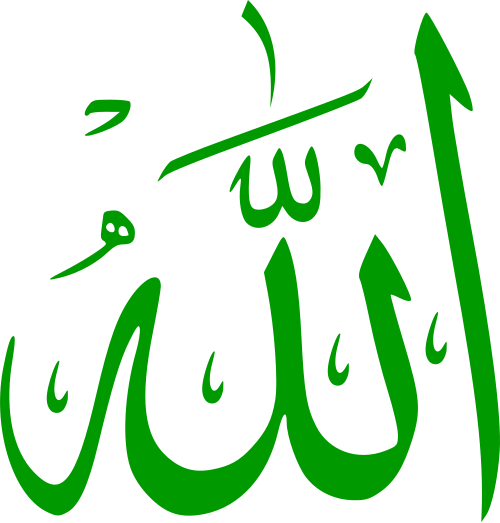
 Bismallah calligraphy.
 -
 Islamic calligraphy represented for amulet of sailors in the Ottoman Empire.
 -
 Islamic calligraphy praising Ali.
 -
 Modern Islamic calligraphy representing various planets.

Calendar
Two calendars are used all over the Muslim world. One is a lunar calendar that is most widely used among Muslims. The other one is a solar calendar officially used in Iran and Afghanistan.
Islamic lunar calendar
The Hijri calendar (Arabic: ٱلتَّقْوِيم ٱلْهِجْرِيّ, romanized: al-taqwīm al-hijrī), or Arabic calendar also known in English as the Muslim calendar and Islamic calendar, is a lunar calendar consisting of 12 lunar months in a year of 354 or 355 days. It is used to determine the proper days of Islamic holidays and rituals, such as the annual fasting and the annual season for the great pilgrimage. In almost all countries where the predominant religion is Islam, the civil calendar is the Gregorian calendar, with Syriac month-names used in the Levant and Mesopotamia (Iraq, Syria, Jordan, Lebanon and Palestine) but the religious calendar is the Hijri one.
This calendar enumerates the Hijri era, whose epoch was established as the Islamic New Year in 622 CE.[321] During that year, Muhammad and his followers migrated from Mecca to Medina and established the first Muslim community (ummah), an event commemorated as the Hijrah. In the West, dates in this era are usually denoted AH (Latin: Anno Hegirae, lit. 'In the year of the Hijrah').[a] In Muslim countries, it is also sometimes denoted as H[322] from its Arabic form (سَنَة هِجْرِيَّة, abbreviated ھ). In English, years prior to the Hijra are denoted as BH ("Before the Hijra").[323]
Since 7 July 2024 CE, the current Islamic year is 1446 AH. In the Gregorian calendar reckoning, 1446 AH runs from 7 July 2024 to approximately 26 June 2025.[324][325][b]Solar Hijri calendar
The Solar Hijri calendar[c] is the official calendar of Iran. It is a solar calendar and is the one Iranian calendar that is the most similar to the Gregorian calendar, being based on the Earth's orbit around the Sun. It begins on the March equinox as determined by the astronomical calculation for the Iran Standard Time meridian (52.5°E, UTC+03:30) and has years of 365 or 366 days. It is sometimes also called the Shamsi calendar and Khorshidi calendar. It is abbreviated as SH, HS or, sometimes as AHSh, while the lunar Hijri calendar (commonly known in the West as the 'Islamic calendar', although both calendars are Islamic) is usually abbreviated as AH. The solar Hijri calendar predominates in Shia Islam whereas the lunar Hijri calendar predominates in Sunni Islam.
The very first day of the Solar Hijri calendar was the day of the spring equinox, March 18, 622 CE. The calendar is named the "Hijri calendar" because that was the year that Mohammed is believed to have left from Mecca to Medina, which event is referred to as the Hijrah. This year is generally considered by Muslims as the first year of Islam.
The ancient Iranian Solar calendar is one of the oldest calendars in the world, as well as the most accurate solar calendar in use today. Since the calendar uses astronomical calculation for determining the vernal equinox, it has no intrinsic error.[327][328][329][330] It is older than the lunar Hijri calendar used by the majority of Muslims (known in the West as the Islamic calendar); though they both count from the Hijrah.[331][332] The solar Hijri calendar uses solar years and is calculated based on the "year of the Hijrah," and the lunar Hijri calendar is based on lunar months, and dates from the presumed actual "day of the Hijrah".
Each of the twelve months of the Hijri calendar corresponds with a zodiac sign, and in Afghanistan the names of the zodiacal signs were used for the months;[d] elsewhere the month names are the same as in the Zoroastrian calendar. The first six months have 31 days, the next five have 30 days, and the last month has 29 days in common years but 30 days in leap years.
The ancient Iranian New Year's Day, which is called Nowruz, always falls on the March equinox. Nowruz is celebrated by communities in a wide range of countries from the Balkans to Mongolia. Currently the Solar Hijri calendar is officially used only in Iran.Women
According to Riada Asimovic Akyol while Muslim women's experiences differs a lot by location and personal situations such as family upbringing, class and education;[334] the difference between culture and religions is often ignored by community and state leaders in many of the Muslim majority countries,[334] the key issue in the Muslim world regarding gender issues is that religious texts constructed in highly patriarchal environments and based on biological essentialism are still valued highly in Islam; hence views emphasizing on men's superiority in unequal gender roles are widespread among many conservative Muslims (men and women).[334] Orthodox Muslims often believe that rights and responsibilities of women in Islam are different from that of men and sacrosanct since assigned by the God.[334] According to Asma Barlas patriarchal behaviour among Muslims is based in an ideology which jumbles sexual and biological differences with gender dualisms and inequality. Modernist discourse of liberal progressive movements like Islamic feminism have been revisiting hermeneutics of feminism in Islam in terms of respect for Muslim women's lives and rights.[334] Riada Asimovic Akyol further says that equality for Muslim women needs to be achieved through self-criticism.[334]
-
 A Kazakh wedding ceremony in a mosque
 -

-
 Muslim girls at Istiqlal Mosque in Jakarta
 -
 A tribal delegation in Chad
 -
 Minangkabau people (Padang, West Sumatra) reciting Al-Qur'an
 -
 Muslim girls walking for school in Bangladesh
.jpg/500px-Trio_of_Muslim_Girls_in_Street_-_Srimangal_-_Sylhet_Division_-_Bangladesh_(12950725824).jpg)
See also


- Arabization
- Arab world
- Glossary of Islam
- History of the Arabs
- History of Islam
- Index of Islam-related articles
- Outline of Islam
- Spread of Islam
- Islam by country
- Islamic studies
- Islam and other religions
- Pan-Islamism
- Islamic Military Counter Terrorism Coalition
- Organisation of Islamic Cooperation
- Sīrah
- List of largest cities in the Organisation of Islamic Cooperation member countries
- OPEC
References
Notes
- ^ This notation is similar to that of AD for the Christian era, CE for the Common Era and AM for the Jewish era.
- ^ exact dates depend on which variant of the Islamic calendar is followed.
- ^ Persian: گاهشماری خورشیدی, romanized: Gâhšomâri-ye Xoršidi; Pashto: لمريز لېږدیز کلیز, romanized: lmaríz legdíz kalíz; Kurdish: ڕۆژژمێری کۆچیی ھەتاوی, romanized: Salnameya Koçberiyê; also called in some English sources as the Iranian Solar calendar[326]
- ^ Since 1 Muharam 1444 AH (30 July 2022 CE), this calendar is no longer used by the government of Afghanistan, after its switch to the Lunar Hijri calendar.[333]
Citations
- ^ Waldman, Marilyn R.; Zeghal, Malika (2009). "Islamic world". Britannica. Archived from the original on 2 February 2017. Retrieved 29 January 2017.
- ^ Esposito, John L., ed. (2009). "Preface". The Oxford Encyclopedia of the Islamic World. Oxford: Oxford University Press. doi:10.1093/acref/9780195305135.001.0001. ISBN 9780195305135.
The Oxford Encyclopedia of the Islamic World (OEIW) deals with all aspects of Islam—the world's second largest and fastest-growing religion—and the societies in which it exists, including their religion, politics, economics, everyday life, culture, and thought
- ^ a b c Afsaruddin, Asma (2016). "Islamic World". In McNeill, William H. (ed.). Berkshire Encyclopedia of World History. Vol. 1 (2nd ed.). Berkshire Publishing Group. doi:10.1093/acref/9780190622718.001.0001. ISBN 9781933782652.
The Islamic world is generally defined contemporaneously as consisting of nation-states whose population contains a majority of Muslims. [...] in the contemporary era, the term Islamic world now includes not only the traditional heartlands of Islam, but also Europe and North America, both of which have sizeable minority Muslim populations
- ^ Scott Carpenter, Soner Cagaptay (2 June 2009). "What Muslim World?". Foreign Policy. Archived from the original on 26 March 2017. Retrieved 10 March 2017.
- ^ a b c d e Jones, Gavin W. (2005). Islam, the State and Population. C. Hurst & Co. Publishers. pp. 11–14. ISBN 9781850654933. Archived from the original on 20 June 2020. Retrieved 19 September 2017.
- ^ "Islam". HISTORY. Archived from the original on 3 May 2020. Retrieved 22 July 2020.
- ^ Hassan, M. Kabir (30 December 2016). Handbook of Empirical Research on Islam and Economic Life. Edward Elgar Publishing. ISBN 9781784710736 – via Google Books.
- ^ Lapidus, Ira M. (2014). A History of Islamic Societies. Cambridge University Press (Kindle edition). pp. 829–834. ISBN 978-0-521-51430-9.
- ^ "Economies of the ummah". Archived from the original on 16 December 2017. Retrieved 16 December 2017.
- ^ "Muslim countries make thin contribution to global economy". 22 September 2016. Archived from the original on 13 August 2018. Retrieved 16 December 2017.
- ^ "Who will stand up for Palestine?". 19 December 2017.
- ^ Lipka, Michael; Hackett, Conrad (6 April 2017). "Why Muslims are the world's fastest-growing religious group". Pew Research Center. Archived from the original on 23 August 2017. Retrieved 14 February 2018.
- ^ "Pew-Templeton Global Religious Futures Project - Research and data from Pew Research Center". Archived from the original on 5 February 2023. Retrieved 27 November 2023.
- ^ "Region: Middle East-North Africa". The Future of the Global Muslim Population. Pew Research Center. 27 January 2011. Archived from the original on 9 March 2013. Retrieved 3 January 2012.
- ^ "The Global Religious Landscape" (PDF). Pew. December 2012. Archived from the original (PDF) on 24 September 2015.
- ^ "Oxford Islamic Studies Online". www.oxfordislamicstudies.com. Archived from the original on 20 March 2017. Retrieved 14 March 2017.
- ^ "Region: Asia-Pacific". Pew Research Center's Religion & Public Life Project. 27 January 2011. Archived from the original on 10 October 2017. Retrieved 13 March 2017.
- ^ Burke, Daniel (29 July 2016). "The moment American Muslims were waiting for". CNN. Archived from the original on 12 March 2017. Retrieved 13 March 2017.
- ^ "Region: Sub-Saharan Africa". The Future of the Global Muslim Population. Pew Research Center. 27 January 2011. Archived from the original on 9 March 2013. Retrieved 3 January 2012.
- ^ "Region: Asia-Pacific". The Future of the Global Muslim Population. Pew Research Center. 27 January 2011. Archived from the original on 9 March 2013. Retrieved 3 January 2012.
- ^ Kettani, Houssain (2010). "Muslim Population in Oceania: 1950-2020". Pacific Data Hub Microdata Library. Archived from the original on 2 October 2023.
- ^ "Region: Europe". The Future of the Global Muslim Population. Pew Research Center. 27 January 2011. Archived from the original on 7 April 2013. Retrieved 3 January 2012.
- ^ "Region: Americas". The Future of the Global Muslim Population. Pew Research Center. 27 January 2011. Archived from the original on 7 April 2013. Retrieved 3 January 2012.
- ^ Kington, Tom (31 March 2008). "Number of Muslims ahead of Catholics, says Vatican". The Guardian. Archived from the original on 2 September 2013. Retrieved 17 November 2008.
- ^ "Muslim Population". IslamicPopulation.com. Archived from the original on 25 May 2013. Retrieved 17 November 2008.
- ^ "Field Listing Religions". Archived from the original on 4 June 2011. Retrieved 17 November 2008.
- ^ * "Mapping the Global Muslim Population: A Report on the Size and Distribution of the World's Muslim Population". Pew Research Center. 7 October 2009. Archived from the original on 25 December 2018. Retrieved 24 September 2013.
Of the total Muslim population, 10–13% are Shia Muslims and 87–90% are Sunni Muslims.
- Sunni Islam: Oxford Bibliographies Online Research Guide Archived 16 May 2020 at the Wayback Machine "Sunni Islam is the dominant division of the global Muslim community, and throughout history it has made up a substantial majority (85 to 90 percent) of that community."
- "Sunni". Berkley Center for Religion, Peace, and World Affairs. Archived from the original on 12 October 2014. Retrieved 20 December 2012.
Sunni Islam is the largest denomination of Islam, comprising about 85% of the world's over 1.5 billion Muslims.
- "Religions". The World Factbook. Central Intelligence Agency. Archived from the original on 24 December 2018. Retrieved 25 August 2010.
Sunni Islam accounts for over 85% of the world's Muslim population...
- ^ See
- "Shiʿi". Encyclopædia Britannica Online. 4 October 2019. Archived from the original on 20 July 2019. Retrieved 30 September 2019.
In the early 21st century some 10–13 percent of the world's 1.6 billion Muslims were Shiʿi.
- "Mapping the Global Muslim Population: A Report on the Size and Distribution of the World's Muslim Population". Pew Research Center. 7 October 2009. Archived from the original on 25 December 2018. Retrieved 24 September 2013.
The Pew Forum's estimate of the Shia population (10%) is in keeping with previous estimates, which generally have been in the range of 10%. Some previous estimates, however, have placed the number of Shias at nearly 15% of the world's Muslim population.
- "Shia". Berkley Center for Religion, Peace, and World Affairs. Archived from the original on 15 December 2012. Retrieved 5 December 2011.
Shi'a Islam is the second largest branch of the tradition, with up to 150 million followers who comprise around 10% of all Muslims worldwide...
- Roshandel, Jalil (2011). Iran, Israel and the United States. Praeger Security International. p. 15. ISBN 9780313386985. Archived from the original on 3 August 2020. Retrieved 8 March 2020.
The majority of the world's Islamic population, which is Sunni, accounts for over 85 percent of the Islamic population; the other 10 to 15 percent is Shia.
- "Shiʿi". Encyclopædia Britannica Online. 4 October 2019. Archived from the original on 20 July 2019. Retrieved 30 September 2019.
- ^ Benakis, Theodoros (13 January 2014). "Islamophoobia in Europe!". New Europe. Brussels. Archived from the original on 31 January 2016. Retrieved 20 October 2015.
Anyone who has travelled to Central Asia knows of the non-denominational Muslims – those who are neither Shiites nor Sounites, but who accept Islam as a religion generally.
- ^ Longton, Gary Gurr (2014). "Isis Jihadist group made me wonder about non-denominational Muslims". The Sentinel. Archived from the original on 26 March 2017. Retrieved 21 October 2015.
THE appalling and catastrophic pictures of the so-called new extremist Isis Jihadist group made me think about someone who can say I am a Muslim of a non-denominational standpoint, and to my surprise/ignorance, such people exist. Online, I found something called the people's mosque, which makes itself clear that it's 100 per cent non-denominational and most importantly, 100 per cent non-judgmental.
- ^ Kirkham, Bri (2015). "Indiana Blood Center cancels 'Muslims for Life' blood drive". Archived from the original on 25 November 2015. Retrieved 21 October 2015.
Ball State Student Sadie Sial identifies as a non-denominational Muslim, and her parents belong to the Ahmadiyya Muslim Community. She has participated in multiple blood drives through the Indiana Blood Center.
- ^ Pollack, Kenneth (2014). Unthinkable: Iran, the Bomb, and American Strategy. Simon and Schuster. p. 29. ISBN 9781476733920.
Although many Iranian hardliners are Shi'a chauvinists, Khomeini's ideology saw the revolution as pan-Islamist, and therefore embracing Sunni, Shi'a, Sufi, and other, more nondenominational Muslims
- ^ "10 Countries With the Largest Muslim Populations, 2010 and 2050". Pew Research Center's Religion & Public Life Project. 2 April 2015. Archived from the original on 4 May 2017. Retrieved 7 February 2017.
- ^ Pechilis, Karen; Raj, Selva J. (2013). South Asian Religions: Tradition and Today. Routledge. p. 193. ISBN 9780415448512.
- ^ Diplomat, Akhilesh Pillalamarri, The. "How South Asia Will Save Global Islam". The Diplomat. Archived from the original on 27 March 2019. Retrieved 7 February 2017.
{{cite news}}: CS1 maint: multiple names: authors list (link) - ^ "Middle East-North Africa Overview". Pew Research Center's Religion & Public Life Project. 7 October 2009. Archived from the original on 28 January 2017. Retrieved 18 January 2018.
- ^ "Region: Middle East-North Africa". The Future of the Global Muslim Population. Pew Research Center. 27 January 2011. Archived from the original on 25 July 2013. Retrieved 22 December 2011.
- ^ "Region: Sub-Saharan Africa". The Future of the Global Muslim Population. Pew Research Center. 27 January 2011. Archived from the original on 28 July 2013. Retrieved 22 December 2011.
- ^ Rowland, Richard H. "CENTRAL ASIA ii. Demography". Encyclopaedia Iranica. Vol. 2. pp. 161–164. Archived from the original on 16 September 2018. Retrieved 25 May 2017.
- ^ "Middle East :: Azerbaijan — The World Factbook – Central Intelligence Agency". www.cia.gov. Archived from the original on 27 January 2021. Retrieved 1 December 2019.
- ^ "The Many Languages of Islam in the Caucasus". Eurasianet. Archived from the original on 21 July 2020. Retrieved 1 December 2019.
- ^ Yusuf, Imtiyaz. "The Middle East and Muslim Southeast Asia: Implications of the Arab Spring". Oxford Islamic Studies. Archived from the original on 20 March 2017.
- ^ "India invited as 'Guest of Honour' to OIC meet, Sushma Swaraj to attend". @businessline. 23 February 2019. Archived from the original on 16 March 2020. Retrieved 17 November 2019.
- ^ "Book review: Russia's Muslim Heartlands reveals diverse population", The National, 21 April 2018, archived from the original on 14 January 2019, retrieved 13 January 2019
- ^ "Muslim Population by Country". The Future of the Global Muslim Population. Pew Research Center. Archived from the original on 9 February 2011. Retrieved 22 December 2011.
- ^ "Islam in Russia". www.aljazeera.com. Archived from the original on 11 January 2019. Retrieved 25 January 2022.
- ^ Whitehead, Nadia (25 December 2015). "A Religious Forecast For 2050: Atheism Is Down, Islam Is Rising". NPR.
This growth has to do with the relatively young age of the Muslim population as well as high fertility rates.
- ^ "Why Muslims are the world's fastest-growing religious group". Pew Research Center. 6 April 2017. Retrieved 2 February 2023.
- ^ "Main Factors Driving Population Growth". Pew Research Center's Religion & Public Life Project. 2 April 2015. Archived from the original on 1 December 2020. Retrieved 23 October 2018.
- ^ Burke, Daniel (4 April 2015). "The world's fastest-growing religion is ..." CNN. Archived from the original on 15 May 2020. Retrieved 18 April 2015.
- ^ Lippman, Thomas W. (7 April 2008). "No God But God". U.S. News & World Report. Archived from the original on 5 May 2019. Retrieved 24 September 2013.
Islam is the youngest, the fastest growing, and in many ways the least complicated of the world's great monotheistic faiths. It is based on its own holy book, but it is also a direct descendant of Judaism and Christianity, incorporating some of the teachings of those religions, while modifying some and rejecting others.
- ^ "The Future of the Global Muslim Population". 27 January 2011.
there is no substantial net gain or loss in the number of Muslims through conversion globally; the number of people who become Muslims through conversion seems to be roughly equal to the number of Muslims who leave the faith
- ^ a b Pan-Islamism In India, FROM A CORRESPONDENT IN INDIA, Tuesday, 3 September 1912, The Times, Issue: 39994
- ^ Carpenter, Scott; Cagaptay, Soner (2 June 2009). "What Muslim World?". Foreign Policy. Archived from the original on 26 March 2017. Retrieved 10 March 2017.
- ^ a b c Nawaz, Maajid (2012). Radical: My Journey out of Islamist Extremism. WH Allen. p. XXII–XIII. ISBN 9781448131617. Archived from the original on 25 April 2016. Retrieved 19 September 2017.
- ^ a b Hitchens, Christopher (2007). "Hitchens '07: Danish Muhammad Cartoons". Christopher Hitchens and Tim Rutten in discussion. Archived from the original on 22 April 2016. Retrieved 19 September 2017.
21 ambassadors from Muslim – so-called "Muslim states". How do they dare to call themselves "Muslim"? In what sense is Egypt a "Muslim" country? You can't denominate a country as religious.
: 4:35 - ^ Gert Jan Geling (12 January 2017). "Ook na 1400 jaar kan de islam heus verdwijnen". Trouw (in Dutch). Retrieved 3 October 2017.
"Many people, including myself, are often guilty of using terms such as 'Muslim countries', or the 'Islamic world', as if Islam has always been there, and always will be. And that is completely unclear. (...) If the current trend [of apostasy] continues, at some point a large section of the population may no longer be religious. How 'Islamic' would that still make the 'Islamic world'?
- ^ a b c Watt, William Montgomery (2003). Islam and the Integration of Society. Psychology Press. p. 5. ISBN 978-0-415-17587-6. Archived from the original on 6 August 2020. Retrieved 23 July 2020.
- ^ Encarta-encyclopedie Winkler Prins (1993–2002) s.v. "islam. §7. Sektevorming". Microsoft Corporation/Het Spectrum.
- ^ Encarta-encyclopedie Winkler Prins (1993–2002) s.v. "Omajjaden §1. De Spaanse tak". Microsoft Corporation/Het Spectrum.
- ^ The preaching of Islam: a history of the propagation of the Muslim faith By Sir Thomas Walker Arnold, pp. 227–228
- ^ Majumdar, R.C., History of Mediaeval Bengal, First published 1973, Reprint 2006, Tulshi Prakashani, Kolkata, ISBN 81-89118-06-4
- ^ Srivastava, Ashirvadi Lal (1929). The Sultanate Of Delhi 711–1526 AD. Shiva Lal Agarwala & Company.
- ^ Evans, Charles T. "The Gunpowder Empires". Northern Virginia Community College. Archived from the original on 26 May 2011. Retrieved 28 December 2010.
- ^ "The Islamic Gunpowder Empires, 1300–1650". Civilization Past & Present. Pearson Education. Archived from the original on 24 July 2011. Retrieved 28 December 2010.
- ^ Islamic and European Expansion: The Forging of a Global Order, Michael Adas, Temple University Press (Philadelphia, PA), 1993.
- ^ Chapra, Muhammad Umer (2014). Morality and Justice in Islamic Economics and Finance. Edward Elgar Publishing. pp. 62–63. ISBN 9781783475728.
- ^ Maddison, Angus (2003): Development Centre Studies The World Economy Historical Statistics: Historical Statistics, OECD Publishing, ISBN 9264104143, pages 259–261
- ^ Unknown (1590–95). "Bullocks dragging siege-guns up hill during Akbar's attack on Ranthambhor Fort". the Akbarnama. Archived from the original on 19 May 2014. Retrieved 19 May 2014.
- ^ a b Ferguson, Niall. "The 6 killer apps of prosperity". TED.com. Archived from the original on 13 February 2014. Retrieved 5 August 2014.
- ^ a b c "Islamic world". Britannica. Archived from the original on 23 January 2019. Retrieved 23 January 2019.
- ^ Levy, Jacob T., ed. (2011). Colonialism and Its Legacies. (Contributors: Alfred T, Chakabarty D, Dussel E, Eze E, Hsueh V, Kohn M, Bhanu Mehta P, Muthu S, Parekh B, Pitts J, Schutte O, Souza J, Young IM). Lanham: Rowman & Littlefield Publishers Group. ISBN 9780739142943.
- ^ Payind, Alam; McClimans, Melinda (2016). "The Impact of Imperialism on the Region".
{{cite journal}}: Cite journal requires|journal=(help) - ^ a b c Cuthell, David Cameron Jr. (2009). "Atatürk, Kemal (Mustafa Kemal)". In Ágoston, Gábor; Masters, Bruce (eds.). Encyclopedia of the Ottoman Empire. New York City: Facts On File. pp. 56–60. ISBN 978-0-8160-6259-1. LCCN 2008020716. Archived from the original on 27 December 2021. Retrieved 24 June 2021.
- ^ Commins, David (2009). The Wahhabi Mission and Saudi Arabia. London and New York City: I.B. Tauris. p. 172.
- ^ a b Dalacoura, Katerina (2012). "Transnational Islamist Terrorism: Al Qaeda". Islamist Terrorism and Democracy in the Middle East. Cambridge: Cambridge University Press. pp. 40–65. doi:10.1017/CBO9780511977367.003. ISBN 9780511977367. LCCN 2010047275. S2CID 128049972. Archived from the original on 12 July 2021. Retrieved 12 July 2021.
- ^ Wright, Lawrence (2006). The Looming Tower: Al-Qaeda and the Road to 9/11. New York City: Knopf. p. 79. ISBN 978-0-375-41486-2.
- ^ Moghadam, Assaf (2008). The Globalization of Martyrdom: Al Qaeda, Salafi Jihad, and the Diffusion of Suicide Attacks. Baltimore, Maryland: Johns Hopkins University Press. p. 48. ISBN 978-0-8018-9055-0.
- ^ Livesey, Bruce (25 January 2005). "Special Reports – The Salafist Movement: Al Qaeda's New Front". PBS Frontline. WGBH educational foundation. Archived from the original on 28 June 2011. Retrieved 18 October 2011.Geltzer, Joshua A. (2011). US Counter-Terrorism Strategy and al-Qaeda: Signalling and the Terrorist World-View (Reprint ed.). London and New York City: Routledge. p. 83. ISBN 978-0415664523.
- ^ a b Owen, John M.; Owen, J. Judd (2010). Religion, the Enlightenment, and the New Global Order. Columbia University Press. p. 12. ISBN 9780231526623. Archived from the original on 25 January 2022. Retrieved 10 March 2021.
- ^ "93 years pass since establishment of first democratic republic in the east – Azerbaijan Democratic Republic". Azerbaijan Press Agency. Archived from the original on 21 November 2011. Retrieved 28 May 2011.
- ^ Kazemzadeh, Firuz (1951). The Struggle for Transcaucasia: 1917–1921. The New York Philosophical Library. pp. 124, 222, 229, 269–70. ISBN 978-0-8305-0076-5.
- ^ Swietochowski, Tadeusz (2004). Russian Azerbaijan, 1905–1920: The Shaping of a National Identity in a Muslim Community. Cambridge University Press. p. 129. ISBN 978-0-521-52245-8. Archived from the original on 17 January 2018. Retrieved 17 January 2018.
- ^ Ebaugh, Helen Rose (1 December 2009). The Gülen Movement: A Sociological Analysis of a Civic Movement Rooted in Moderate Islam. Springer Science & Business Media. ISBN 9781402098949. Archived from the original on 25 January 2022. Retrieved 23 February 2021 – via Google Books.
- ^ 1906 Constitution of Imperial Iran: Article 1 – "The official religion of Persia is Islám, according to the orthodox Já'farí doctrine of the Ithna 'Ashariyya (Church of the Twelve Imáms), which faith 1 the Sháh of Persia must profess and promote."
- ^ "Islam: Governing Under Sharia". Council on Foreign Relations. Archived from the original on 10 September 2021. Retrieved 10 September 2021.
- ^ "Amman Message". Archived from the original on 9 August 2014. Retrieved 21 April 2021.
- ^ a b c d e f g h i j k l m n o p q r s t u v w x y z aa ab ac ad ae af ag ah ai "Islamic Countries Of The World". WorldAtlas. 21 February 2018. Archived from the original on 27 September 2017. Retrieved 29 July 2020.
- ^ "Constitution of Afghanistan 2004". Archived from the original on 23 February 2017. Retrieved 23 February 2017.
- ^ "Brunei Darussalam's Constitution of 1959 with Amendments through 2006" (PDF). Archived (PDF) from the original on 25 June 2016. Retrieved 27 September 2022.
- ^ "Islamic Republic of Iran Constitution". Archived from the original on 25 February 2008. Retrieved 23 February 2017.
- ^ "Mauritania's Constitution of 1991 with Amendments through 2012" (PDF). Archived (PDF) from the original on 4 May 2017. Retrieved 23 February 2017.
- ^ "Oman's Constitution of 1996 with Amendments through 2011" (PDF). Archived (PDF) from the original on 27 January 2017. Retrieved 23 February 2017.
- ^ "The Constitution of the Islamic Republic of Pakistan". Archived from the original on 9 July 2011. Retrieved 27 November 2010.
- ^ "Basic Law of Saudi Arabia". Archived from the original on 26 December 2011. Retrieved 6 January 2012.
- ^ "Yemen's Constitution of 1991 with Amendments through 2001" (PDF). Archived (PDF) from the original on 27 January 2017. Retrieved 23 February 2017.
- ^ "Of the People's Democratic Republic of Algeria" (PDF). Archived (PDF) from the original on 4 May 2017. Retrieved 23 February 2017.
- ^ "Constitution of the Kingdom of Bahrain (2002)". Archived from the original on 23 February 2017. Retrieved 23 February 2017.
- ^ "The Constitution of the People's Republic of Bangladesh | 2A. The state religion". bdlaws.minlaw.gov.bd.
- ^ "Comoros's Constitution of 2001 with Amendments through 2009" (PDF). Archived (PDF) from the original on 4 May 2017. Retrieved 23 February 2017.
- ^ Djibouti's Constitution of 1992 with Amendments through 2010 (Constitution, Article 1). 1992. Retrieved 14 September 2023.
- ^ "Egypt's Constitution of 2014" (PDF). Archived (PDF) from the original on 4 May 2017. Retrieved 23 February 2017.
- ^ "Constitution of Iraq" (PDF). Archived from the original (PDF) on 28 November 2016.
- ^ "Jordan country report" Archived 3 June 2021 at the Wayback Machine, The World Factbook, U.S. Central Intelligence Agency, 24 August 2012
- ^ "International Religious Freedom Report". US State Department. 2002. Archived from the original on 8 November 2019. Retrieved 24 June 2017.
- ^ "Libya's Constitution of 2011 with Amendments through 2012" (PDF). Archived (PDF) from the original on 27 January 2017. Retrieved 23 February 2017.
- ^ "Constitution of Malaysia" (PDF). Archived (PDF) from the original on 14 May 2011. Retrieved 23 February 2017.
- ^ "Constitution of the Republic of Maldives 2008" (PDF). Archived from the original (PDF) on 19 May 2017. Retrieved 23 February 2017.
- ^ "Morocco's Constitution of 2011" (PDF). Archived (PDF) from the original on 27 January 2017. Retrieved 23 February 2017.
- ^ "BASIC LAW - OF THE PALESTINIAN NATIONAL AUTHORITY". Archived from the original on 30 October 2021. Retrieved 23 January 2022.
- ^ "Qatar's Constitution of 2003" (PDF). Archived (PDF) from the original on 27 January 2017. Retrieved 23 February 2017.
- ^ "Provisional Constitution of the Federal Republic of Somalia". Archived from the original on 27 January 2017. Retrieved 23 February 2017.
- ^ "2021 Report on International Religious Freedom: Syria". 2 June 2022.
- ^ "Tunisia's Constitution of 2014" (PDF). Archived (PDF) from the original on 27 January 2017. Retrieved 23 February 2017.
- ^ "United Arab Emirates's Constitution of 1971 with Amendments through 2009" (PDF). Archived (PDF) from the original on 29 October 2016. Retrieved 23 February 2017.
- ^ "Albania – Constitution". ICL. Archived from the original on 24 September 2015. Retrieved 18 March 2015.
- ^ "Article 7.1 of Constitution" (PDF). Archived from the original (PDF) on 26 October 2011. Retrieved 23 February 2017.
- ^ "United States Department of State". United States Department of State. 12 May 2021. Retrieved 10 February 2022.
- ^ "Article 31 of Constitution". Archived from the original on 9 October 2006.
- ^ "Article 1 of Constitution". Archived from the original on 9 October 2006.
- ^ "Gambia (The) 1996(rev.2004)". constituteproject.org. Retrieved 14 August 2023.
- ^ "2022 Report on International Religious Freedom: The Gambia". 2022.
- ^ Article 1 of Constitution Archived 13 September 2004 at the Wayback Machine
- ^ "Article 1 of Constitution". Archived from the original on 5 November 2013. Retrieved 5 November 2013.
- ^ "Indonesia Risks Factors in Terrorism". pssat.ugm.ac.id. Retrieved 24 September 2022.
- ^ "2022 Report on International Religious Freedom: Indonesia". U.S. Department of State. 2022.
- ^ "The Constitution of the Republic of Kazakhstan". Official site of the President of the Republic of Kazakhstan. Archived from the original on 24 September 2014. Retrieved 24 November 2014.
- ^ Republic of Kosovo constitution Archived 21 November 2013 at the Wayback Machine, Republic of Kosovo constitution,
- ^ "Article 1 of Constitution". Archived from the original on 4 February 2007.
- ^ "Preamble of Constitution" (PDF). Archived from the original (PDF) on 12 September 2012.
- ^ "Niger". United States Department of State. 1 December 2020. Retrieved 10 February 2022.
- ^ "Senegal". U.S. Department of State. 14 September 2007. Archived from the original on 19 December 2019. Retrieved 18 March 2015.
- ^ Timothy J. Demy Ph.D., Jeffrey M. Shaw Ph.D. (2019). Religion and Contemporary Politics: A Global Encyclopedia [2 volumes]. ABC-CLIO. p. 180. ISBN 978-1-4408-3933-7.
- ^ "Sudan ends 30 years of Islamic law by separating religion, state". gulfnews.com. 6 September 2020. Archived from the original on 6 September 2020. Retrieved 13 September 2020.
- ^ "Tajikistan's Constitution of 1994 with Amendments through 2003" (PDF). Archived (PDF) from the original on 2 January 2017. Retrieved 23 February 2017.
- ^ "Article 2 of Constitution". Archived from the original on 1 December 2010. Retrieved 18 March 2015.
- ^ "Constitution of Turkmenistan". Archived from the original on 14 April 2015. Retrieved 18 March 2015.
- ^ "Uzbekistan's Constitution of 1992 with Amendments through 2011" (PDF). Archived (PDF) from the original on 27 January 2017. Retrieved 23 February 2017.
- ^ "2019 Report on International Religious Freedom: Lebanon". US Department of State. 2019.
The constitution also states there shall be a "just and equitable balance" in the apportionment of cabinet and high-level civil service positions among the major religious groups, a provision amended by the Taif Agreement, which ended the country's civil war and mandated proportional representation between Christians and Muslims in parliament, the cabinet, and other senior government positions.
- ^ "What is each country's second-largest religious group?". Pew Research Center. 22 June 2015. Archived from the original on 22 June 2015. Retrieved 22 June 2015.
- ^ "Muslim-Majority Countries". The Future of the Global Muslim Population. Pew Research Center. 27 January 2011. Archived from the original on 20 November 2011. Retrieved 22 December 2011.
- ^ "MAPPING THE GLOBAL MUSLIM POPULATION" (PDF). Pew Research Center. Archived (PDF) from the original on 26 March 2023.
- ^ "Muslim Population in India - Total Muslims in India".
- ^ "Ethiopia". 21 February 2023.
- ^ Byler, Darren (11 April 2019). "China's hi-tech war on its Muslim minority". The Guardian.
- ^ "Tanzania". 21 February 2023.
- ^ "Russia Will be One-Third Muslim in 15 Years, Chief Mufti Predicts". 5 March 2019.
- ^ "Technical Difficulties".
- ^ "The Muslims of the Democratic Republic of the Congo. Victims of poverty, ignorance and Christianization". 17 January 2022.
- ^ "Benazir Bhutto: Daughter of Tragedy" by Muhammad Najeeb, Hasan Zaidi, Saurabh Shulka and S. Prasannarajan, India Today, 7 January 2008
- ^ "A Wake-Up Call: Milestones of Islamic History – IslamOnline.net – Art & Culture". 17 February 2011. Archived from the original on 17 February 2011.
- ^ "Islamism". Cambridge dictionary.
- ^ "Islamism". Oxford Reference. Archived from the original on 25 August 2023. Retrieved 25 August 2023.
- ^ a b Eikmeier, Dale (2007). "Qutbism: An Ideology of Islamic-Fascism". The US Army War College Quarterly: Parameters. 37 (1): 85–97. doi:10.55540/0031-1723.2340.
- ^ Soage, Ana Belén. "Introduction to Political Islam." Religion Compass 3.5 (2009): 887–96.
- ^ Burgat, François, "The Islamic Movement in North Africa", U of Texas Press, 1997, pp. 39–41, 67–71, 309
- ^ Berman, Sheri (2003). "Islamism, Revolution, and Civil Society". Perspectives on Politics. 1 (2): 258. doi:10.1017/S1537592703000197 (inactive 24 July 2024). S2CID 145201910.
{{cite journal}}: CS1 maint: DOI inactive as of July 2024 (link) - ^ Byers, Dylan (5 April 2013). "AP Stylebook revises 'Islamist' use". Politico. Archived from the original on 3 June 2023. Retrieved 6 February 2023.
- ^ Shepard, W. E. Sayyid Qutb and Islamic Activism: A Translation and Critical Analysis of Social Justice in Islam. Leiden, New York: E.J. Brill. (1996). p. 40
- ^ Tibi, Bassam (1 March 2007). "The Totalitarianism of Jihadist Islamism and its Challenge to Europe and to Islam". Totalitarian Movements and Political Religions. 8 (1): 35–54. doi:10.1080/14690760601121630. ISSN 1469-0764.
- ^ Bale, Jeffrey M. (1 June 2009). "Islamism and Totalitarianism". Totalitarian Movements and Political Religions. 10 (2): 73–96. doi:10.1080/14690760903371313. ISSN 1469-0764. S2CID 14540501. Archived from the original on 6 August 2023. Retrieved 10 September 2021.
- ^ a b c Wright, Robin (10 January 2015). "A Short History of Islamism". Newsweek. Archived from the original on 23 December 2015. Retrieved 23 December 2015.
- ^ Zhongmin, Liu (2013). "Commentary on "Islamic State": Thoughts of Islamism". Journal of Middle Eastern and Islamic Studies (In Asia). 7 (3). Routledge: Taylor & Francis group: 23–28. doi:10.1080/19370679.2013.12023226.
- ^ Fuller, Graham E., The Future of Political Islam, Palgrave MacMillan, (2003), p. 120
- ^ Zhongmin, Liu (2013). "Commentary on "Islamic State": Thoughts of Islamism". Journal of Middle Eastern and Islamic Studies (In Asia). 7 (3). Routledge: Taylor & Francis group: 38–40. doi:10.1080/19370679.2013.12023226.
- ^ Matthiesen, Toby (2023). The Caliph and the Imam. 198 Madison Avenue, New York, NY 10016, United States of America: Oxford University Press. pp. 270–271, 276–278, 280, 283–285, 295, 310–311. doi:10.1093/oso/9780190689469.001.0001. ISBN 978-0-19-068946-9.
{{cite book}}: CS1 maint: location (link) - ^ Milton-Edwards, Beverley (2005). Islamic Fundamentalism since 1945. New York: Routledge: Taylor and Francis Group. p. 141. ISBN 0-415-30173-4.
- ^ B. Hass, Ernst (2000). Nationalism, Liberalism, and Progress: Volume 2 The Dismal Fate of New Nations. Ithaca, New York 14850, USA: Cornell University Press. p. 91. ISBN 0-8014-3108-5.
{{cite book}}: CS1 maint: location (link) - ^ B. Hass, Ernst (2000). "2: Iran and Egypt". Nationalism, Liberalism, and Progress: Volume 2 The Dismal Fate of New Nations. Ithaca, New York 14850, USA: Cornell University Press. p. 91. ISBN 0-8014-3108-5.
{{cite book}}: CS1 maint: location (link) - ^ Matthiesen, Toby (2023). "10: The Muslim Response". The Caliph and the Imam. 198 Madison Avenue, New York, NY 10016, United States of America: Oxford University Press. pp. 280, 284–285, 295. doi:10.1093/oso/9780190689469.001.0001. ISBN 978-0-19-068946-9.
{{cite book}}: CS1 maint: location (link) - ^ Pappe, Ilan (2010). The Rise and Fall of a Palestinian Dynasty: The Husaynis 1700–1948. Translated by Lotan, Yaer. Berkeley and Los Angeles, California, United States: University of California Press. pp. 147–148. ISBN 978-0-520-26839-5.
- ^ a b Roy, Failure of Political Islam, 1994: p. 24
- ^ Hamid, Shadi (1 October 2015). "What most people get wrong about political Islam". Archived from the original on 29 September 2022. Retrieved 2 December 2017.
- ^ Nugent, Elizabeth (23 June 2014). "What do we mean by Islamist?". The Washington Post. Archived from the original on 26 March 2023. Retrieved 17 January 2023.
- ^ Fuller, Graham E., The Future of Political Islam, Palgrave MacMillan, (2003), p. 21
- ^ Rashid Ghannouchi (31 October 2013). "How credible is the claim of the failure of political Islam?". MEMO. Archived from the original on 4 March 2016.
- ^ "Understanding Islamism" (PDF). International Crisis Group. p. 5. Archived from the original (PDF) on 7 March 2013.
- ^ Emin Poljarevic (2015). "Islamism". In Emad El-Din Shahin (ed.). The Oxford Encyclopedia of Islam and Politics. Oxford University Press. Archived from the original on 25 March 2022. Retrieved 1 February 2017.
Islamism is one of many sociopolitical concepts continuously contested in scholarly literature. It is a neologism debated in both Muslim and non-Muslim public and academic contexts. The term "Islamism" at the very least represents a form of social and political activism, grounded in an idea that public and political life should be guided by a set of Islamic principles. In other words, Islamists are those who believe that Islam has an important role to play in organizing a Muslim-majority society and who seek to implement this belief.
- ^ William E. Shepard; FranÇois Burgat; James Piscatori; Armando Salvatore (2009). "Islamism". In John L. Esposito (ed.). The Oxford Encyclopedia of the Islamic World. Oxford: Oxford University Press. ISBN 9780195305135. Archived from the original on 4 February 2017. Retrieved 3 February 2017.
The term "Islamism/Islamist" has come into increasing use in recent years to denote the views of those Muslims who claim that Islam, or more specifically, the Islamic sharīʿah, provides guidance for all areas of human life, individual and social, and who therefore call for an "Islamic State" or an "Islamic Order." [...] Today it is one of the recognized alternatives to "fundamentalist", along with "political Islam" in particular. [...] Current terminology usually distinguishes between "Islam," [...] and "Islamism", referring to the ideology of those who tend to signal openly, in politics, their Muslim religion. [...] the term has often acquired a quasi-criminal connotation close to that of political extremism, religious sectarianism, or bigotry. In Western mainstream media, "Islamists" are those who want to establish, preferably through violent means, an "Islamic state" or impose sharīʿah (Islamic religious law)—goals that are often perceived merely as a series of violations of human rights or the rights of women. In the Muslim world, insiders use the term as a positive reference. In the academic sphere, although it is still debated, the term designates a more complex phenomenon.
- ^ Roy, Olivier (16 April 2012). "The New Islamists". foreignpolicy.com. Archived from the original on 9 October 2014. Retrieved 7 March 2017.
- ^ "Executive Summary". The Future of the Global Muslim Population. Pew Research Center. 27 January 2011. Archived from the original on 10 August 2017. Retrieved 3 January 2012.
- ^ "The World Factbook". CIA Factbook. Archived from the original on 23 February 2021. Retrieved 8 December 2010.
- ^ "Muslim Population by Country". The Future of the Global Muslim Population. Pew Research Center. Archived from the original on 9 February 2011. Retrieved 22 December 2011.
- ^ "Preface", The Future of the Global Muslim Population, Pew Research Center, 27 January 2011, archived from the original on 25 July 2013, retrieved 6 August 2014
- ^ "Executive Summary". The Future of the Global Muslim Population. Pew Research Center. 27 January 2011. Archived from the original on 5 August 2013. Retrieved 22 December 2011.
- ^ "Muslim-Majority Countries". The Future of the Global Muslim Population. Pew Research Center. 27 January 2011. Archived from the original on 20 November 2011. Retrieved 5 January 2012.
- ^ a b c Analysis (19 December 2011). "Global religious landscape" (PDF). Pewforum.org. Archived (PDF) from the original on 23 March 2018. Retrieved 17 August 2012.
- ^ Khan, Nichola (2016). Cityscapes of Violence in Karachi: Publics and Counterpublics. Oxford University Press. ISBN 9780190869786.
... With a population of over 23 million Karachi is also the world's largest Muslim city, the world's seventh largest conurbation ...
- ^ Adrian Cybriwsky, Roman (2015). Global Happiness: A Guide to the Most Contented (and Discontented) Places around the Globe: A Guide to the Most Contented (and Discontented) Places around the Globe. ABC-CLIO. p. 179. ISBN 9781440835575.
Karachi is the largest city in Pakistan, the second-largest city in the world when "city" is defined by official municipal limits, the largest city in the Muslim world, and the world's seventh-largest metropolitan area.
- ^ "Nigeria". CIA Word Factbook. 22 May 2024.
- ^ "Comparison Chart of Sunni and Shia Islam". ReligionFacts. Archived from the original on 29 April 2011. Retrieved 24 October 2012.
- ^ ANALYSIS (7 October 2009). "Mapping the Global Muslim Population". Pew Forum on Religion & Public Life. Archived from the original on 24 October 2012. Retrieved 24 October 2012.
- ^ "The World Factbook". Archived from the original on 16 October 2021. Retrieved 14 February 2015.
- ^ "Administrative Department of the President of the Republic of Azerbaijan – Presidential Library – Religion" (PDF). Archived (PDF) from the original on 23 November 2011. Retrieved 19 July 2015.
- ^ Esposito, John (2003). The Oxford Dictionary of Islam. Oxford University Press. ISBN 9780199891207. OCLC 52362778.
- ^ "The population of Shia: How many Shia are there in the world?". Archived from the original on 29 July 2016. Retrieved 10 August 2016.
- ^ "Shi'a". ucsm.ac.uk. Archived from the original on 10 January 2011.
- ^ "Pew Forum on Religious & Public life". http://www.pewforum.org/ Archived 4 January 2012 at the Wayback Machine
- ^ "Country Profile: Pakistan" (PDF). Library of Congress Country Studies on Pakistan. Library of Congress. February 2005. Archived (PDF) from the original on 17 July 2005. Retrieved 1 September 2010.
Religion: The overwhelming majority of the population (96.3 percent) is Muslim, of whom approximately 97 percent are Sunni and 3 percent Shia.
- ^ "The World's Muslims: Unity and Diversity". Pew Research Center. 9 August 2012. Archived from the original on 23 December 2016. Retrieved 26 December 2016.
On the other hand, in Pakistan, where 6% of the survey respondents identify as Shia, Sunni attitudes are more mixed: 50% say Shias are Muslims, while 41% say they are not.
- ^ "Religions: Muslim 95% (Sunni 75%, Shia 20%), other (includes Christian and Hindu) 5%". Central Intelligence Agency. The World Factbook on Pakistan. 2010. Archived from the original on 28 May 2010. Retrieved 24 August 2010.
- ^ Miller, Tracy, ed. (October 2009). Mapping the Global Muslim Population: A Report on the Size and Distribution of the World's Muslim Population. Pew Research Center. Archived from the original on 14 December 2015. Retrieved 7 October 2015.
- ^ "Pakistan, Islam in". Oxford Centre for Islamic Studies. Oxford University Press. Archived from the original on 18 June 2013. Retrieved 29 August 2010.
Approximately 97 percent of Pakistanis are Muslim. The majority are Sunnis following the Hanafi school of Islamic law. Between 10 and 15 percent are Shias, mostly Twelvers.
- ^ "Pakistan – International Religious Freedom Report 2008". United States Department of State. 19 September 2008. Archived from the original on 30 May 2019. Retrieved 28 August 2010.
The majority of Muslims in the country are Sunni, with a Shi'a minority ranging between 10 to 15 percent.
- ^ "The Trouble With Madrassahs". 16 June 2015. Archived from the original on 1 August 2017. Retrieved 11 August 2017.
- ^ "Early Warning Signs of Shia Genocide in Pakistan". Archived from the original on 1 August 2017. Retrieved 11 August 2017.
- ^ Hussain, Javed; Ahmad, Jibran (26 July 2013). "Suicide bombs kill 39 near Shi'ite mosques in Pakistan". Reuters. Archived from the original on 24 September 2015. Retrieved 11 August 2017.
- ^ "Shiite Islam". Shianumbers.com. Archived from the original on 5 March 2016. Retrieved 23 July 2016.
- ^ a b c d "Chapter 1: Religious Affiliation". The World’s Muslims: Unity and Diversity. Pew Research Center's Religion & Public Life Project. 9 August 2012. Retrieved 4 September 2013.
- ^ McCloud, Aminah Beverly; Hibbard, Scott W.; Saud, Laith (2 January 2013). An Introduction to Islam in the 21st Century. John Wiley & Sons. ISBN 9781118273913. Archived from the original on 25 January 2022. Retrieved 23 February 2021 – via Google Books.
- ^ Rabb, Intisar A. (2009). "Fiqh". In Esposito, John L. (ed.). The Oxford Encyclopedia of the Islamic World. Oxford: Oxford University Press. doi:10.1093/acref/9780195305135.001.0001. ISBN 9780195305135.
- ^ Öz, Mustafa, Mezhepler Tarihi ve Terimleri Sözlüğü (The History of madh'habs and its terminology dictionary), Ensar Publications, Istanbul, 2011.
- ^ J. Stewart, Dona (2008). The Middle East Today: Political, Geographical and Cultural Perspectives. Routledge. p. 33. ISBN 9781135980795.
Most Druze do not consider themselves Muslim. Historically they faced much persecution and keep their religious beliefs secrets.
- ^ De McLaurin, Ronald (1979). The Political Role of Minority Groups in the Middle East. Michigan University Press. p. 114. ISBN 9780030525964.
Theologically, one would have to conclude that the Druze are not Muslims. They do not accept the five pillars of Islam. In place of these principles the Druze have instituted the seven precepts noted above..
- ^ "Muhammad ibn Āliyy’ūl Cillī aqidah" of "Maymūn ibn Abu’l-Qāsim Sulaiman ibn Ahmad ibn at-Tabarānī fiqh" (Sūlaiman Affandy, Al-Bākūrat’ūs Sūlaiman’īyyah – Family tree of the Nusayri Tariqat, pp. 14–15, Beirut, 1873.)
- ^ "Alevi İslam Din Hizmetleri Başkanlığı". Archived from the original on 10 January 2012. Retrieved 5 March 2015.
- ^ Halm, Heinz (21 July 2004). Shi'ism. Edinburgh University Press. p. 154. ISBN 978-0-7486-1888-0.
- ^ Alevi-Islam Religious Services – The message of İzzettin Doğan Archived 4 March 2016 at the Wayback Machine, Zafer Mah. Ahmet Yesevi Cad. No: 290, Yenibosna / Istanbul, Turkey.
- ^ Jenkins, Philip (2020). The Rowman & Littlefield Handbook of Christianity in the Middle East. Rowman & Littlefield. p. XLVIII. ISBN 9781538124185.
- ^ Jacobsen, Douglas (2011). The World's Christians: Who they are, Where they are, and How they got there. John Wiley & Sons. p. 423. ISBN 9781444397291.
- ^ Hill, Donald. Islamic Science and Engineering. 1993. Edinburgh Univ. Press. ISBN 0-7486-0455-3, p. 4
- ^ Brague, Rémi (2009). The Legend of the Middle Ages. University of Chicago Press. p. 164. ISBN 978-0-226-07080-3.
- ^ Pacini, Andrea (1998). Christian Communities in the Arab Middle East: The Challenge of the Future. Clarendon Press. pp. 38, 55. ISBN 978-0-19-829388-0. Archived from the original on 10 March 2021. Retrieved 21 October 2016.
- ^ C. Ellis, Kail (2017). Jews, Antisemitism, and the Middle East. Routledge. p. 173. ISBN 9781351510721.
- ^ Curtis, Michael (2018). Secular Nationalism and Citizenship in Muslim Countries: Arab Christians in the Levant. Springer. p. 11. ISBN 9781351510721.
Christian contributions to art, culture, and literature in the Arab-Islamic world; Christian contributions education and social advancement in the region.
- ^ "Global Christianity – A Report on the Size and Distribution of the World's Christian Population" (PDF). Pew Research Center. Archived (PDF) from the original on 1 August 2019.
- ^ A. Youssef, Adly; Thomas, Martyn (2006). Copts in Egypt: A Christian Minority Under Siege: Papers Presented at the First International Coptic Symposium, Zurich, September 23-25, 2004. Vandenhoeck & Ruprecht. p. 85. ISBN 9783857100406.
There are some 30 million Christians who live in countries with Muslim majorities. The largest number live in Indonesia, some 15 million ...
- ^ Ojo, Matthews A. (July 1995). "The Charismatic Movement in Nigeria Today". International Bulletin of Missionary Research. 19 (3): 114–118. doi:10.1177/239693939501900306. ISSN 0272-6122. S2CID 149246793.
- ^ Staff, Toi (8 September 2018). "Ahead of Rosh Hashanah, figures show 14.7 million Jews around the globe". Times of Israel.
- ^ "Global Jewish population reaches 14.7 million". The Jerusalem Post. 9 September 2018.
- ^ "VI- November 30: Commemorating the expulsion of Jews from Arab lands".
- ^ "Jewish Population Rises to 15.2 million Worldwide". Jewish agency. 15 September 2021.
- ^ L. Elazar, Daniel (2020). Kinship and Consent: Jewish Political Tradition and Its Contemporary Uses. Routledge. ISBN 9781000677782.
Today Turkish Jewry remains the largest Jewish community in the Muslim world.
- ^ Rosenberg, Jerry M. (28 September 2009). The Rebirth of the Middle East. Hamilton Books. ISBN 978-0-7618-4846-2.
- ^ C. Held, Colbert (2008). Middle East Patterns: Places, People, and Politics. Routledge. p. 109. ISBN 9780429962004.
Worldwide, they number 1 million or so, with about 45 to 50 percent in Syria, 35 to 40 percent in Lebanon, and less than 10 percent in Israel. Recently there has been a growing Druze diaspora.
- ^ "Zoroastrianism i. History to the Arab Conquest – Encyclopaedia Iranica". Encyclopædia Iranica. Retrieved 13 July 2019.
- ^ Monshipouri, Mahmood (2011). Muslims in Global Politics: Identities, Interests, and Human Rights. University of Pennsylvania Press. p. 73. ISBN 9780812202830.
- ^ L. Elazar, Daniel (2020). Kinship and Consent: Jewish Political Tradition and Its Contemporary Uses. Routledge. ISBN 9781000677782.
Today Turkish Jewry remains the largest Jewish community in the Muslim world.
- ^ SCI. "Scimago Journal & Country Rank". Scimago Journal. Archived from the original on 31 October 2017. Retrieved 1 November 2017.
- ^ "Science-Matrix: 30 Years in Science – Secular Movements in Knowledge Creation" (PDF). Science-matrix.com. Archived from the original (PDF) on 13 September 2012. Retrieved 24 October 2012.
- ^ "Nearly 40% of Muslim world's population unable read or write: IINA Report". International Islamic News Agency. Archived from the original on 22 December 2015. Retrieved 14 December 2015.
- ^ "Egypt Literacy rate". Archived from the original on 6 September 2018. Retrieved 6 September 2018.
- ^ "Pakistan Literacy rate". Archived from the original on 6 September 2018. Retrieved 6 September 2018.
- ^ "Iran Literacy rate". Archived from the original on 10 July 2018. Retrieved 6 September 2018.
- ^ "Iraq Literacy rate". Archived from the original on 6 September 2018. Retrieved 6 September 2018.
- ^ "Indonesia Literacy rate". Archived from the original on 6 September 2018. Retrieved 6 September 2018.
- ^ a b c d e "Religion and Education Around the World" (PDF). Pew Research Center. 19 December 2011. Archived (PDF) from the original on 22 December 2016. Retrieved 13 December 2016.
- ^ "OIC to hold conference on refugees in Muslim world in Turkmenistan". Zaman. 24 April 2012. Archived from the original on 3 May 2012.
- ^ "UN Calls Syrian Refugee Crisis Worst Since Rwandan Genocide". ABC News. 17 July 2013. Archived from the original on 27 July 2013. Retrieved 10 August 2013.
- ^ "Rohingya widows find safe haven in Bangladesh camp". Reuters. 7 December 2017. Archived from the original on 4 November 2018. Retrieved 16 January 2018.
- ^ Melikian, Souren (4 November 2011). "'Islamic' Culture: A Groundless Myth". The New York Times. Retrieved 25 November 2013.
- ^ Knight, Michael Muhammad (24 May 2016). Magic In Islam. Penguin. pp. Chapter 1. ISBN 978-1-101-98349-2. Archived from the original on 22 February 2021. Retrieved 18 November 2020.
- ^ George Saliba (1994), A History of Arabic Astronomy: Planetary Theories During the Golden Age of Islam, pp. 245, 250, 256–7. New York University Press, ISBN 0-8147-8023-7.
- ^ King, David A. (1983). "The Astronomy of the Mamluks". Isis. 74 (4): 531–555. doi:10.1086/353360. S2CID 144315162.
- ^ Medieval India, NCERT, ISBN 81-7450-395-1
- ^ Vartan Gregorian, "Islam: A Mosaic, Not a Monolith", Brookings Institution Press, 2003, pg 26–38 ISBN 0-8157-3283-X
- ^ Islamic Radicalism and Multicultural Politics. Taylor & Francis. 1 March 2011. p. 9. ISBN 978-1-136-95960-8. Retrieved 26 August 2012.
- ^ Saliba, George (July 1995). A History of Arabic Astronomy: Planetary Theories During the Golden Age of Islam. NYU Press. ISBN 9780814780237. Retrieved 24 October 2012.
- ^ Vartan Gregorian, "Islam: A Mosaic, Not a Monolith", Brookings Institution Press, 2003, pp. 26–38 ISBN 0-8157-3283-X
- ^ Mason (1995) p. 1
- ^ Mason (1995) p. 5
- ^ Mason (1995) p. 7
- ^ The Thousand and One Nights; Or, The Arabian Night's Entertainments - David Claypoole Johnston - Google Books Archived 17 May 2020 at the Wayback Machine. Books.google.com.pk. Retrieved on 23 September 2013.
- ^ Marzolph (2007). "Arabian Nights". Encyclopaedia of Islam. Vol. I. Leiden: Brill.
- ^ Grant & Clute, p. 51
- ^ L. Sprague de Camp, Literary Swordsmen and Sorcerers: The Makers of Heroic Fantasy, p. 10 ISBN 0-87054-076-9
- ^ Grant & Clute, p 52
- ^ Abu Shadi Al-Roubi (1982), "Ibn Al-Nafis as a philosopher", Symposium on Ibn al-Nafis, Second International Conference on Islamic Medicine: Islamic Medical Organization, Kuwait (cf. Ibn al-Nafis As a Philosopher Archived 6 February 2008 at the Wayback Machine, Encyclopedia of Islamic World).
- ^ Nahyan A. G. Fancy (2006), "Pulmonary Transit and Bodily Resurrection: The Interaction of Medicine, Philosophy and Religion in the Works of Ibn al-Nafīs (d. 1288) Archived 4 April 2015 at the Wayback Machine", pp. 95–101, Electronic Theses and Dissertations, University of Notre Dame.
- ^ Muhammad b. Abd al-Malik Ibn Tufayl. Philosophus autodidactus, sive Epistola Abi Jaafar ebn Tophail de Hai ebn Yokdhan Archived 4 October 2015 at the Wayback Machine: in qua ostenditur, quomodo ex inferiorum contemplatione ad superiorum notitiam ratio humana ascendere possit. E Theatro Sheldoniano, excudebat Joannes Owens, 1700.
- ^ Ala-al-din abu Al-Hassan Ali ibn Abi-Hazm al-Qarshi al-Dimashqi. The Theologus autodidactus of Ibn al-Nafīs. Clarendon P., 1968
- ^ Claeys, Gregory (5 August 2010). The Cambridge Companion to Utopian Literature. Cambridge University Press. ISBN 9781139828420 – via Google Books.
- ^ Abu Shadi Al-Roubi (1982), "Ibn Al-Nafis as a philosopher", Symposium on Ibn al Nafis, Second International Conference on Islamic Medicine: Islamic Medical Organization, Kuwait (cf. Ibnul-Nafees As a Philosopher Archived 6 February 2008 at the Wayback Machine, Encyclopedia of Islamic World).
- ^ Cyril Glasse (2001), New Encyclopaedia of Islam, p. 202, Rowman Altamira, ISBN 0-7591-0190-6.
- ^ a b G. J. Toomer (1996), Eastern Wisedome and Learning: The Study of Arabic in Seventeenth-Century England, p. 222, Oxford University Press, ISBN 0-19-820291-1.
- ^ a b "Islamic Philosophy" Archived 6 June 2022 at the Wayback Machine, Routledge Encyclopedia of Philosophy (1998)
- ^ Saliba, George (1994). A History of Arabic Astronomy: Planetary Theories During the Golden Age of Islam. New York University Press. pp. 245, 250, 256–257. ISBN 0-8147-8023-7.
- ^ Russell (1994), pp. 224–62,
- ^ Dominique Urvoy, "The Rationality of Everyday Life: The Andalusian Tradition? (Aropos of Hayy's First Experiences)", in Lawrence I. Conrad (1996), The World of Ibn Tufayl: Interdisciplinary Perspectives on Ḥayy Ibn Yaqẓān, pp. 38–46, Brill Publishers, ISBN 90-04-09300-1.
- ^ Muhammad ibn Abd al-Malik Ibn Tufail and Léon Gauthier (1981), Risalat Hayy ibn Yaqzan, p. 5, Editions de la Méditerranée.
- ^ Russell (1994), pp. 224–39
- ^ Martin Wainwright, Desert island scripts Archived 17 January 2008 at the Wayback Machine, The Guardian, 22 March 2003.
- ^ Russell (1994) p. 227
- ^ Russell (1994), p. 247
- ^ Kamal, Muhammad (2006). Mulla Sadra's Transcendent Philosophy. Ashgate Publishing, Ltd. pp. 9, 39. ISBN 978-0-7546-5271-7. OCLC 224496901.
- ^ S.R.W. Akhtar (1997). "The Islamic Concept of Knowledge", Al-Tawhid: A Quarterly Journal of Islamic Thought & Culture 12 (3). https://www.al-islam.org/al-tawhid/vol-12-no3/islamic-concept-knowledge-sayyid-wahid-akhtar
- ^ Al-Khalili, Jim (4 January 2009). "BBC News". Archived from the original on 26 April 2015. Retrieved 11 April 2014.
- ^ Plofker, Kim (2009), Mathematics in India: 500 BCE–1800 CE, Princeton, NJ: Princeton University Press. ISBN 0-691-12067-6.
- ^ Peter J. Lu, Harvard's Office of News and Public Affairs Archived 14 March 2007 at the Wayback Machine
- ^ Turner, H. (1997) pp. 136–38
- ^ a b Adam Robert Lucas (2005), "Industrial Milling in the Ancient and Medieval Worlds: A Survey of the Evidence for an Industrial Revolution in Medieval Europe", Technology and Culture 46 (1), pp. 1–30 [10].
- ^ Arming the Periphery. Emrys Chew, 2012. p. 1823.
- ^ Ahmad Y. al-Hassan, Potassium Nitrate in Arabic and Latin Sources Archived 26 February 2008 at the Wayback Machine, History of Science and Technology in Islam.
- ^ Ahmad Y. al-Hassan, Gunpowder Composition for Rockets and Cannon in Arabic Military Treatises In Thirteenth and Fourteenth Centuries Archived 26 February 2008 at the Wayback Machine, History of Science and Technology in Islam.
- ^ Nanda, J. N (2005). Bengal: the unique state. Concept Publishing Company. p. 10. 2005. ISBN 978-81-8069-149-2. Bengal [...] was rich in the production and export of grain, salt, fruit, liquors and wines, precious metals and ornaments besides the output of its handlooms in silk and cotton. Europe referred to Bengal as the richest country to trade with.
- ^ Ahmad Y. al-Hassan (1976). Taqi al-Din and Arabic Mechanical Engineering, pp. 34–35. Institute for the History of Arabic Science, University of Aleppo.
- ^ Ahmad Y. al-Hassan, Transfer Of Islamic Technology To The West, Part II: Transmission Of Islamic Engineering Archived 18 February 2008 at the Wayback Machine
- ^ Adam Robert Lucas (2005), "Industrial Milling in the Ancient and Medieval Worlds: A Survey of the Evidence for an Industrial Revolution in Medieval Europe", Technology and Culture 46 (1), pp. 1–30.
- ^ Ettinghausen (2003), p. 3
- ^ "Islamic Art and Architecture", The Columbia Encyclopedia (2000)
- ^ Tabbaa, Yasser (2007). "Architecture". In Fleet, Kate; Krämer, Gudrun; Matringe, Denis; Nawas, John; Rowson, Everett (eds.). Encyclopaedia of Islam, Three. Brill. ISBN 9789004161658.
- ^ a b Bloom & Blair 2009, "Architecture".
- ^ Petersen 1996, p. 295: "As the Arabs did not have an architectural tradition suited to the needs of a great empire, they adopted the building methods of the defeated Sassanian and Byzantine empires. Because they ruled from Syria, Byzantine influence was stronger, although Sassanian elements became increasingly important."
- ^ Ettinghausen, Grabar & Jenkins-Madina 2001, p. 7.
- ^ M. Bloom, Jonathan; S. Blair, Sheila, eds. (2009). "Architecture". The Grove Encyclopedia of Islamic Art and Architecture. Oxford University Press. pp. 74, 78. ISBN 9780195309911.
Although Syria remained the center of the Islamic empire for less than 90 years, its role in the development of Islamic architecture was crucial. The region's own ancient civilization, unified and transformed by Hellenization and overlaid with Roman and Christian elements, provided the basis for the new architectural style. The forms and conventions of Classical architecture were better understood in Syria than in the lands further east, and as a result some of the vocabulary of Umayyad architecture—of column and capital, pointed arch and dome, rib and vault—is familiar to a Western observer. These traditions declined in importance, however, as Muslim builders began to adopt the architectural styles of the newly conquered lands to the east—in Mesopotamia, Iran, Central Asia and even India. (...) The Abbasid dynasty of caliphs, founded in 749, ruled most of the Islamic lands from capital cities in Iraq during a golden age that lasted at least until the end of the 9th century. New styles of architecture were characterized by forms, techniques and motifs of Iraqi and Iranian origin. Some features of these styles, such as brick vaults and stucco renderings, had already appeared in buildings erected late in the Umayyad period (661–c. 750; see §III above), but they became increasingly widespread as a result of the power and prestige of the Abbasid court. In the Islamic lands around the Mediterranean, Late Antique traditions of stone construction roofed with wood continued, although new techniques and styles were eventually introduced from Iraq.
- ^ Grabar, Oleg (2011). "Art and Culture in the Islamic World". In Hattstein, Markus; Delius, Peter (eds.). Islam: Art and Architecture. h.f.ullmann. pp. 36–37. ISBN 9783848003808.
At this stage of scholarly knowledge, however, it is probably fair to say that Islam's Arabian past, essential for understanding the faith and its practices, and the Arabic language and its literature, is not as important for the forms used by Islamic art as the immensely richer world, from the Atlantic Ocean to Central Asia, taken over by Islam in the 7th and 8th centuries. Even later, after centuries of independent growth, new conquests in Anatolia or India continued to bring new local themes and ideas into the mainstream of Islamic art.
- ^ Flood & Necipoğlu 2017, p. 30, Frameworks of Islamic Art and Architectural History: Concepts, Approaches, and Historiographies: "Thus, it is increasingly being recognized that the mutual Roman–Byzantine architectural heritage of the Mediterranean, which had played an important role in the formation of early Islamic art, continued to mediate the shared histories of European and Islamic art long after the medieval period."
- ^ Bloom & Blair 2009, Ch.s "Architecture", "Ornament and pattern".
- ^ "Muslim Iconoclasm". Encyclopedia of the Orient. Archived from the original on 14 March 2007. Retrieved 23 February 2007.
- ^ a b Madden (1975), pp. 423–30
- ^ Tonna, Jo (1990). "The Poetics of Arab-Islamic Architecture", Muqarnas BRILL, 7, pp. 182–97
- ^ Grabar, Oleg (2006), "Islamic art and beyond". Ashgate. Vol 2, p. 87
- ^ Bonner, Jay (2017). Islamic geometric patterns : their historical development and traditional methods of construction. New York: Springer. p. 579. ISBN 978-1-4419-0216-0. OCLC 1001744138.
- ^ Blair, Sheila S.; Bloom, Jonathan M. (1995). The art and architecture of Islam : 1250–1800 (Reprinted with corrections ed.). New Haven: Yale University Press. ISBN 0-300-06465-9.
- ^ Chapman, Caroline (2012). Encyclopedia of Islamic Art and Architecture, ISBN 978-979-099-631-1
- ^ Julia Kaestle (10 July 2010). "Arabic calligraphy as a typographic exercise". Archived from the original on 11 October 2018. Retrieved 5 May 2014.
- ^ Lyons, Martyn. (2011). Books : a living history. Los Angeles: J. Paul Getty Museum. ISBN 978-1-60606-083-4. OCLC 707023033.
- ^ Blair, Sheila S. (Spring 2003). "The Mirage of Islamic Art: Reflections on the Study of an Unwieldy Field". The Art Bulletin. 85: 152–184 – via JSTOR.
- ^ Allen, Terry (1988). Five Essays on Islamic Art. Sebastopol, CA: Solipsist Press. pp. 17–37. ISBN 0944940005.
- ^ Erzen, Jale Nejdet (February 2011). "Reading Mosques: Meaning and Architecture in Islam". The Journal of Aesthetics and Art Criticism. 69 (1): 125–131. doi:10.1111/j.1540-6245.2010.01453.x. Archived from the original on 24 November 2023. Retrieved 6 March 2024.
- ^ Paul Lunde. "The Beginning of Hijri calendar". Saudi Aramco World Magazine. No. November/December 2005. Archived from the original on 1 January 2019. Retrieved 1 January 2019.
- ^ Watt, W. Montgomery. "Hidjra". In P.J. Bearman; Th. Bianquis; C.E. Bosworth; E. van Donzel; W.P. Heinrichs (eds.). Encyclopaedia of Islam Online. Brill Academic Publishers. ISSN 1573-3912.
- ^ Hijri Calendar, Government of Sharjah, archived from the original on 2 February 2017, retrieved 21 January 2017.
- ^ "Important dates in Islamic Calendar in the Year 2024". Al-Habib.info. Retrieved 1 October 2023.
- ^ "Important dates in Islamic Calendar in the Year 2025". Al-Habib.info. Retrieved 8 July 2024.
- ^ ""Calendars" in Encyclopaedia Iranica". Iranicaonline.org. Retrieved 11 August 2012.
- ^ "دقیق ترین تقویم جهان، هدیه خیام به ایرانیان" [The most accurate calendar in the world, Khayyam's gift to Iranians] (in Persian). BBC Persian. Retrieved 6 July 2013.
- ^ "پيمانه کردن سال و ماه از ديرباز تا کنون در گفتگو با دکتر ايرج ملک پور" [Measuring the year and month for a long time until now in a conversation with Dr. Iraj Malekpour] (in Persian). BBC Persian. Retrieved 6 July 2013.
- ^ "پژوهشهای ایرانی | پاسداشت گاهشماری ایرانی" [Iranian Studies & # 124; Preservation of the Iranian calendar]. Ghiasabadi.com. 3 November 2005. Retrieved 6 July 2013.
- ^ "پژوهشهای ایرانی | گاهشماری تقویم جلالی" [Iranian Studies & # 124; Glory Calendar Timeline]. Ghiasabadi.com. 25 September 2007. Retrieved 6 July 2013.
- ^ Shaikh, Fazlur Rehman (2001). Chronology of Prophetic Events. London: Ta-Ha Publishers Ltd. pp. 51–52.
- ^ Marom, Roy (Fall 2017). "Approaches to the Research of Early Islam: The Hijrah in Western Historiography". Jamma'a. 23: vii.
- ^ "Taliban Changes Solar Year to Hijri Lunar Calendar". Hasht-e Subh Daily. 26 March 2022. Archived from the original on 4 September 2022. Retrieved 4 September 2022.
- ^ a b c d e f Akyol, Riada Asimovic. "On Erdogan and Muslim mothers". www.aljazeera.com. Archived from the original on 25 January 2022. Retrieved 29 September 2020.
Sources
- Ankerl, Guy (2000) [2000]. Global communication without universal civilization. INU societal research. Vol. 1: Coexisting contemporary civilizations : Arabo-Muslim, Bharati, Chinese, and Western. Geneva: INU Press. ISBN 978-2-88155-004-1. OCLC 223231547.
- Ettinghausen, Richard; Grabar, Oleg; Jenkins-Madina, Marilyn (2003). Islamic Art and Architecture 650-1250 (2nd ed.). New Haven: Yale University Press. ISBN 978-0300088694. OCLC 1035756076.
- Graham, Mark (2006). How Islam Created the Modern World. Beltsville, Md.: Amana Publications. ISBN 9781590080436. OCLC 66393160.
- Grant, John; Clute, John (15 March 1999). "Arabian fantasy". The Encyclopedia of Fantasy. Macmillan. ISBN 978-0-312-19869-5. OCLC 40347477.
- Kraemer, Joel L. (1992). Humanism in the Renaissance of Islam. Brill Publishers. ISBN 978-90-04-07259-6. OCLC 14203815.
- Madden, Edward H. (1975). "Some Characteristics of Islamic Art". Journal of Aesthetics and Art Criticism. 33 (4): 423–430. doi:10.2307/429655. JSTOR 429655.
- Mason, Robert (1995). "New Looks at Old Pots: Results of Recent Multidisciplinary Studies of Glazed Ceramics from the Islamic World". Muqarnas. 12: 1–10. doi:10.2307/1523219. JSTOR 1523219.
- Russell, G. A. (1994). The 'Arabick' Interest of the Natural Philosophers in Seventeenth-Century England. Brill Publishers. ISBN 978-90-04-09459-8.
- Tausch, Arno (2009). What 1.3 Billion Muslims Really Think: An Answer to a Recent Gallup Study, Based on the "World Values Survey" (1st ed.). New York: Nova Science Publishers. ISBN 978-1-60692-731-1.
- Tausch, Arno (2015). The political algebra of global value change. General models and implications for the Muslim world. With Almas Heshmati and Hichem Karoui (1st ed.). Nova Science Publishers, New York. ISBN 978-1-62948-899-8. See (PDF) The political algebra of global value change: General models and implications for the Muslim world
- Turner, Howard R. (1997). Science in Medieval Islam: An Illustrated Introduction (1st ed.). Austin: University of Texas Press. ISBN 0292781490. OCLC 36438874.
- Livny, Avital (2020). Trust and the Islamic Advantage: Religious-Based Movements in Turkey and the Muslim World. United Kingdom: Cambridge University Press. ISBN 9781108485524. OCLC 1192428976.
External links
Muslim world at Wikipedia's sister projects
 Media from Commons
 News from Wikinews
 Quotations from Wikiquote
 ウィキソースからのテキスト
 ウィキブックスの教科書
 Wikiversity からのリソース
 Wikivoyageからの旅行情報
 ウィキデータからのデータ
- イスラム世界とは何か?、イオン
- 1600 年までのイスラム世界、カナダのカルガリー大学のオンラインチュートリアル(2004 年 4 月 15 日アーカイブ)。
- イスラム世界は存在するのか? NPR
- アサビヤ:グローバル社会における価値観の変化を再解釈する
- ヨーロッパがイスラム教徒コミュニティに対してより良い条件を提供しなければならない理由。公開された国際データの定量分析
- 世界史におけるインド洋、無料のオンライン教育リソース