
Loading article…

翻訳とは、原言語のテキストの意味を、それに相当する目的言語のテキストで伝えることです。[1]英語では、翻訳(書かれたテキスト)と通訳(異なる言語を使用するユーザー間の口頭または手話によるコミュニケーション)の間に用語上の区別(すべての言語に存在するわけではありません)があり、この区別によれば、翻訳は言語コミュニティ内での書き言葉の出現後にのみ開始できます。
翻訳者は常に、意図せずに原言語の単語、文法、構文をターゲット言語の翻訳に持ち込むリスクを負っています。一方で、このような「流出」によって、有用な原言語の語法や借用語が持ち込まれ、ターゲット言語が豊かになることもあります。聖書の初期の翻訳者を含む翻訳者は、翻訳先の言語そのものの形成に貢献してきました。[2]
翻訳作業は骨の折れる作業であるため、1940年代から翻訳を自動化したり、機械で人間の翻訳者を補助したりする努力がさまざまな程度でなされてきました。[3]最近では、インターネットの普及により翻訳サービスの世界的な市場が育まれ、「言語のローカリゼーション」が促進されました。[4]
語源
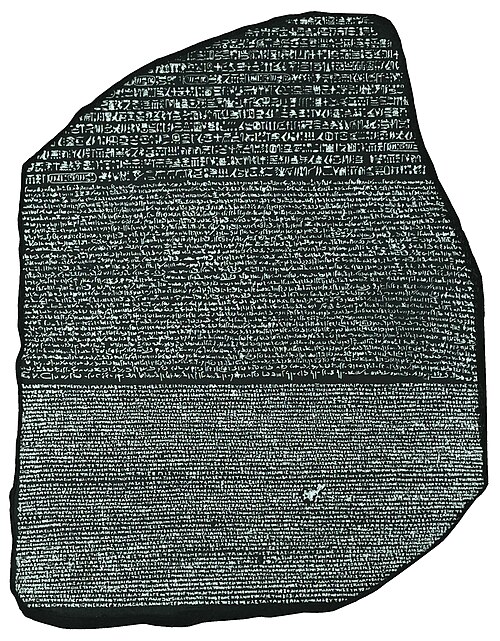
英語の「翻訳」という単語はラテン語のtranslatio[6]に由来しており、trans(渡って)+ ferre(運ぶ、もたらす)(-latioはferreの過去分詞latusから来ている)から来ている。したがってtranslatioは「渡って運ぶ」または「渡ってもたらす」であり、この場合はある言語から別の言語へのテキストの伝達を意味する。[7]
いくつかのスラヴ語とゲルマン語族(オランダ語とアフリカーンス語以外)は、 translatioにおいて「翻訳」の概念を表す単語を、ラテン語の語源をそれぞれのスラヴ語またはゲルマン語の語源に置き換えて造語した。 [7] [8] [a] [9]残りのスラヴ語は、代わりに別のラテン語であるtrāductiōから「翻訳」を表す単語を造語した。trādūcō(「導く、またはもたらす」)から派生した単語で、 trans(「渡る」)+ dūcō(「導く、またはもたらす」)から派生した単語である。[7]
西スラヴ語と東スラヴ語(ロシア語を除く)はtranslātiōパターンを採用し、ロシア語と南スラヴ語はtrāductiōパターンを採用した。ラテン語から直接派生したロマンス語は、「翻訳」に相当する単語を派生する必要はなく、代わりに、2つの代替ラテン語のうち2番目のtrāductiōを採用しただけである。[7]
古代ギリシャ語の「翻訳」を表す語 μετάφρασις ( metaphrasis、「対比して話す」) は、英語に「metaphrase」(「文字通りの」または「逐語的な」翻訳)という語源を与えた。これは「paraphrase」(「言い換えた言い方」、παράφρασις、paraphrasisから来ている)と対照的である。[7]「 Metaphrase 」は、最近の用語の 1 つでは「形式的等価性」に相当し、「 paraphrase 」は「動的等価性」に相当する。[10]
厳密に言えば、メタフレーズ(「逐語訳」)の概念は不完全な概念です。なぜなら、特定の言語の特定の単語は、しばしば複数の意味を持ち、また、特定の言語では、類似した特定の意味が複数の単語で表現されることが多いからです。それでも、「メタフレーズ」と「パラフレーズ」は、翻訳への可能なアプローチの範囲の両極を示す理想的な概念として役立つかもしれません。[b]
理論
西洋理論

翻訳の理論と実践に関する議論は古代にまで遡り、驚くべき継続性を示しています。古代ギリシャ人は、メタフレーズ(直訳)とパラフレーズを区別していました。この区別は、英国の詩人で翻訳家のジョン・ドライデン(1631-1700)によって採用されました。ドライデンは、翻訳とは、ソース言語で使用されている表現の「対応物」または同等の表現をターゲット言語で選択する際に、これら 2 つの表現モードを慎重に組み合わせることであると説明しました。
[言葉]が文字通り優雅に見える場合、それを変更することは作者にとって不利益となる。しかし、ある言語では美しいものが、別の言語ではしばしば野蛮で、時にはナンセンスであるため、翻訳者を作者の言葉の狭い範囲に限定するのは不合理である。意味を損なわない表現を選択すれば十分である。[7]
しかしドライデンは、「模倣」、つまり翻案の許可に対して警告した。「画家が実物を模写する場合、その画家には特徴や輪郭を変える権利はない」[10]
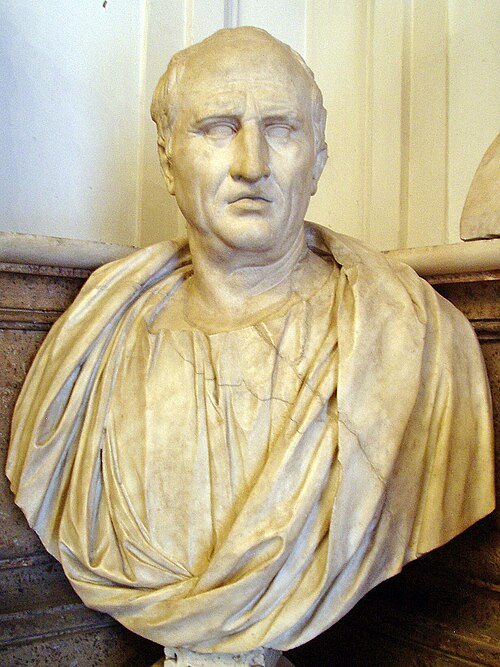
翻訳の中心概念である「等価性」のこの一般的な定式化は、紀元前1世紀のローマで「逐語的に」(verbum pro verbo )翻訳することに対してよく知られた警告を文字通り発したキケロとホラティウス以来提案されてきたどの定式化にも劣らないものである。[10]
理論上の相違は時折見られるものの、翻訳の実際の実践は古代からほとんど変わっていない。初期キリスト教時代と中世の極端な比喩者、およびさまざまな時代(特に古典時代以前のローマと18世紀)の翻案者を除けば、翻訳者は一般的に、文脈から判断される元の意味とその他の重要な「価値」(たとえば、スタイル、詩の形式、音楽の伴奏との一致、映画では発話の発音動作との一致)について、可能な場合は「文字通り」、必要な場合は言い換えて、同等の表現を探すことに慎重な柔軟性を示してきた。[10]

一般的に、翻訳者はセメムの元の順序、つまり語順を再現することで文脈自体を保存しようと努めてきた[12] 。必要な場合は、能動態から受動態へ、またはその逆へ切り替えるなど、実際の文法構造を再解釈する。「固定語順」言語[13](英語、フランス語、ドイツ語など)と「自由語順」言語[14](ギリシャ語、ラテン語、ポーランド語、ロシア語など)の文法上の違いは、この点では障害にはならなかった。[10]テキストのソース言語の特定の構文(文構造)特性は、ターゲット言語の構文要件に合わせて調整される。

翻訳元言語にある用語が翻訳先言語にない場合、翻訳者はそれらの用語を借用し、それによって翻訳先言語を豊かにしてきました。言語間の派生語や借用語の交換、および他の言語からの輸入のおかげで、現代のヨーロッパ言語には「翻訳不可能な」概念はほとんどありません。 [10]しかし、より大きな問題は、翻訳先言語に同等の用語がない文化的概念に関する用語を翻訳することです。[15]完全な理解のために、このような状況では注釈の提供が必要です。
一般的に、2 つの言語間、またはそれらの言語と第三の言語間の接触と交流が多ければ多いほど、それらの言語間の翻訳で使われる言い換えに対するメタフレーズの比率は高くなります。しかし、言葉の生態学的地位の変化により、共通の語源は、どちらかの言語の現在の意味のガイドとしては誤解を招くことがあります。たとえば、英語のactualは、同族のフランス語actuel(「現在」、「最新」)、ポーランド語のaktualny(「現在」、「現在の」、「時宜を得た」、「時宜を得た」、「実現可能な」)[16]、スウェーデン語のaktuell(「時宜を得た」、「現在重要な」)、ロシア語のактуальный(「緊急」、「時宜を得た」)、オランダ語のactueel(「現在の」)と混同しないでください。
文化間の価値観を「運ぶ」架け橋としての翻訳者の役割は、少なくとも紀元前2世紀のローマのギリシア喜劇の翻案者、テレンスの時代から議論されてきた。しかし、翻訳者の役割は決して受動的で機械的なものではなく、芸術家の役割とも比較されてきた。その主な根拠は、キケロなどの批評家に見られる並行創造の概念であると思われる。ドライデンは「翻訳は、生前の絵を描くようなものである」と述べた。翻訳者と音楽家や俳優との比較は、少なくともアレクサンダー・ポープがフラジオレットでホーマーを演じたのに対し、ホーマー自身はファゴットを使ったというサミュエル・ジョンソンの発言にまで遡る。[16]

13世紀、ロジャー・ベーコンは、翻訳が真実であるためには、翻訳者は翻訳する科学だけでなく、両方の言語も知っていなければならないと書きました。そして、そのような翻訳者がほとんどいないことに気づき、翻訳と翻訳者を完全に廃止したいと考えました。[17]

聖書をドイツ語に翻訳したマルティン・ルター(1483年 - 1546年)は、翻訳は自分の言語にのみ満足のいくものであると唱えた最初のヨーロッパ人であると考えられています。LG・ケリーは、 18世紀のヨハン・ゴットフリート・ヘルダー以来、翻訳は自分の言語にのみ適合することが「自明であった」と述べています。[18]
翻訳者への要求をさらに複雑にしているのは、辞書やシソーラスが翻訳において完全に適切なガイドとなることは決してないという事実である。スコットランドの歴史家アレクサンダー・タイトラーは、その著書『翻訳原理に関するエッセイ』(1790年)の中で、辞書よりも熱心な読書のほうが言語のより包括的なガイドであると強調した。同じ点を、さらに話し言葉を聞くことも含めて、ポーランドの詩人で文法学者の オヌフリ・コプチンスキが1783年に主張していた。[19]
翻訳者の社会における特別な役割は、ポーランドのローマカトリック大主教であり、詩人、百科事典編纂者、ポーランド初の小説の著者、そしてフランス語とギリシャ語の翻訳者でもあった「ポーランドのラ・フォンテーヌ」ことイグナツィ・クラシツキが1803年に死後に書いたエッセイに記されている。
翻訳は、実際、高く評価されるべきであると同時に非常に難しい芸術であり、したがって、凡人の労働や仕事ではありません。翻訳は、自らの作品よりも他人の作品を翻訳することの方が有益であると認め、祖国に尽くす奉仕を自らの栄光よりも重視する、自らも翻訳者としての能力のある人々によって行われるべきです。[20]
その他の伝統
近年の西洋の植民地主義と文化的優位性により、西洋の翻訳の伝統が他の伝統に取って代わることが多くなりました。西洋の伝統は、古代と中世の伝統、そして最近のヨーロッパの革新に基づいています。
翻訳に対する以前のアプローチは今日ではあまり一般的に使用されていませんが、歴史家が古代または中世の記録を調べて非西洋または西洋以前の環境で起こった出来事をつなぎ合わせる場合など、翻訳成果物を扱う際には依然として重要性を保っています。また、西洋の伝統に大きく影響され、西洋式の教育システムで教えられた翻訳者によって実践されているにもかかわらず、中国語および関連する翻訳の伝統には、中国の伝統に特有の理論と哲学がいくつか残っています。
近東
古代エジプト、メソポタミア、アッシリア(シリア語)、アナトリア、イスラエル(ヘブライ語)の言語間で資料を翻訳する伝統は数千年遡る。紀元前2千年紀にはシュメールのギルガメシュ叙事詩(紀元前 2000年頃)が南西アジアの言語に部分的に翻訳されたものが存在する。[21]
二言語文書の初期の例としては、紀元前1274年に古代エジプトとヒッタイト帝国の間で結ばれたカデシュ条約が挙げられます。
バビロニア人は翻訳を職業として確立した最初の人々でした。[22]
ギリシャ語とコプト語のテキストからアラビア語への最初の翻訳は、おそらくシリア語への翻訳から間接的に行われたと思われるが[23]、7世紀後半には早くも行われていたようである。[24]
2代目アッバース朝カリフは8世紀にバグダッドに翻訳局を設立した。[25]
バグダッドの有名な図書館であるバイト・アル・ヒクマには多額の寄付があり、そのコレクションには多くの言語の書籍が含まれていたため、独自の翻訳部門を持ち、古代の著作をアラビア語に翻訳する主要なセンターとなった。[26]
失われたギリシャ語とローマ語のテキストのアラビア語版からヨーロッパの言語への翻訳は、特にスペインのトレド翻訳学校が設立された後、アラブ人の古典テキストに関する知識から得られる利益がヨーロッパの学者によって認識された11世紀半ばに始まりました。
ウィリアム・キャクストンの『哲学者の格言』(1477年)は、11世紀のエジプトのテキストを英語に翻訳したもので、ラテン語、さらにフランス語に翻訳されて英語に伝わりました。
アラビア語で出版するための外国作品の翻訳は、 1813年にエジプトにマドラサト・アル・アルスン(言語学校)が設立されたことで復活した。 [27]
アジア
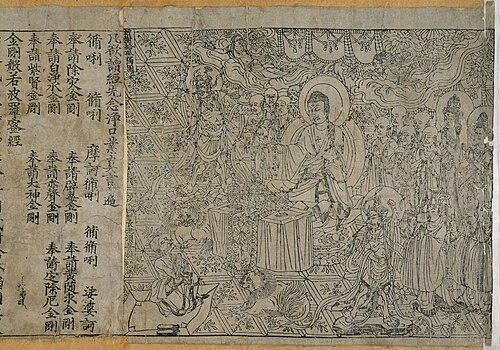
南アジア、東南アジア、東アジアには、インドと中国の文明からのテキストを主とする翻訳の独自の伝統があり、特に仏教などの宗教テキストの翻訳や中国帝国の統治と関連しています。古典的なインドの翻訳は、ヨーロッパで一般的に見られる厳密な翻訳ではなく、緩やかな適応が特徴です。また、中国の翻訳理論では、翻訳におけるさまざまな基準と制限が特定されています。
中国文化の影響を受けた東アジア圏では、翻訳そのものよりも中国語テキストの使用と読解の方が重要であり、中国語の語彙と表記体系をかなり借用して、日本語、韓国語、ベトナム語にも大きな影響を与えました。注目すべきは、日本語話者向けに中国語テキストの注釈を付けるシステムである日本の漢文です。
東南アジアのインド化された国家ではサンスクリット語の資料を現地の言語に翻訳することが多かったが、読み書きができるエリート層や書記官は、文化や政治の主要言語としてサンスクリット語を使用するのが一般的だった。
中国語からの翻訳のいくつかの特殊な側面は、唐代の詩人王維(699-759年)の作品の翻訳に関するペリー・リンクの議論で説明されている。 [28]
中国古典詩の芸術の一部は、翻訳不可能なものとして単純に脇に置いておく必要があるとリンク氏は書いている。漢字の内部構造には独自の美しさがあり、古典詩が書かれた書道も重要だが翻訳不可能な側面である。漢字は長さに変化がなく、エリオット・ワインバーガー氏が『王維を見る19の方法(その他もろもろ) 』で論じているような詩では1行にちょうど5文字あるため、壁に掛けた書き下ろし作品が長方形になるという別の翻訳不可能な特徴もある。単語の長さが変化する言語への翻訳者は、致命的なぎこちなさを覚悟でのみ、このような効果を再現できる...。中国古典詩の5音節の行が通常読まれる1-2、1-2-3のリズムを真似る方法も不確定要素である。中国語の文字は一音節ずつ発音されるため、中国語でそのようなリズムを作るのは難しくなく、結果も目立たない。しかし、西洋の言語で模倣すると、ほぼ必然的にぎこちなくなり、気が散ることになる。さらに翻訳が難しいのが、中国の古典詩の音調配置のパターンである。各音節(文字)は、それが読まれるピッチコンターによって決定される2つのカテゴリのいずれかに属し、中国の古典詩では、2つのカテゴリの交互のパターンが平行性と鏡像性を示している。[29]
翻訳不可能な部分を脇に置いておくと、翻訳者、特に中国の詩の翻訳者にとっての問題は 2 つあります。翻訳者は詩の一節が何を言っていると考えているのか。そして、理解したと思ったら、それをどのようにターゲット言語に翻訳するのか。リンクによると、ほとんどの困難は 2 番目の問題、つまり「完璧な答えが不可能なために終わりのない議論が生まれる」という問題に取り組むときに生じます。中心にあるのは、ほとんどの場合、文字と精神のジレンマです。文字通りに解釈する極端な場合、元の中国の詩の言語について考えられるすべての詳細を分析する努力がなされます。「しかし、分析は、通常、解剖学の教師がカエルの生命にメスを入れるのとほぼ同じ効果を詩の芸術に与えます」とリンクは書いています。[29]
漢字は、文法上の特殊性を避けることで、詩人にとって有利であり(同時に、詩の翻訳者にとっては課題でもある)、それは主に主語、数、時制の欠如と関連している。[30]
主語を省略するのは、中国の古典詩では標準であり、現代中国の散文でも一般的である。読者や聞き手が主語を推測する。しかし、一部の西洋言語の文法では、主語を明示する必要がある(ただし、これは受動態や非人称構文を使用することで回避されることが多い)。エリオット・ワインバーガーの『王維を見る19の方法』で引用されている翻訳者のほとんどは、主語を付け加えている。しかし、ワインバーガーは、主語として「私」が挿入されると、「詩人の支配的な個人的精神」が入り込み、中国語の詩節の効果を台無しにすると指摘している。主語がなければ、「経験は読者にとって普遍的かつ直接的なものになる」と彼は書いている。主語のなさに対する別のアプローチは、対象言語の受動態を使用することだが、これもまた、経験を過度に特定化する。[30]
中国語では名詞に数は存在しない。「中国語で1本のバラについて話したい場合、それは可能だが、その場合は『量り言葉』を使って『バラの花が1つ』と言うことになる」とリンクは書いている。[30]
中国語の動詞には時制がない。何かがいつ起こったか、または起こるかを特定する方法はいくつかあるが、動詞の時制はその一つではない。詩人にとって、これは曖昧さという大きな利点を生み出す。リンクによれば、ワインバーガーの主語のなさに関する洞察、つまり「普遍的かつ即時的な」効果を生み出すという洞察は、時間のないことにも同様に当てはまる。[30]
リンクは、中国語からの翻訳だけでなく、すべての翻訳に当てはまる可能性のある、ある種の不確実性原理を提案しています。
翻訳に関するジレンマには、決定的な正解はありません (ただし、原文の誤読が絡んでいる場合は、明確に間違っている場合があります)。翻訳 (機械翻訳は別ですが) は、翻訳者の頭脳を経由する必要があり、その頭脳には、認識、記憶、価値観が必然的に蓄積されています。ワインバーガーは、この洞察をさらに推し進めて、「言語に関係なく、すべての詩を読むことは、翻訳行為、つまり読者の知的および感情的生活への翻訳である」と述べています。そして、さらに踏み込んで、読者の精神生活は時間とともに変化するため、「同じ詩を 2 度読むことはできない」という考え方もあると述べています。[30]
イスラム世界
5世紀にアラビア文字が作られた後、資料のアラビア語への翻訳は拡大し、イスラム教とイスラム帝国の台頭とともに大きな重要性を帯びるようになった。アラビア語の翻訳は当初、主に政治に焦点を当てており、ペルシャ語、ギリシャ語、さらには中国語やインドの外交資料をアラビア語に翻訳していた。後には、アル・カラウィーン(モロッコ、フェズ)、アル・アズハル(エジプト、カイロ) 、バグダッドのニザーミーヤなどの主要なイスラム学習センターでの学術研究のために、古典的なギリシャ語とペルシャ語の作品、および一部の中国語とインドのテキストをアラビア語に翻訳することに重点が置かれるようになった。理論的には、アラビア語の翻訳は、より現代的なギリシャ語とペルシャ語の伝統だけでなく、より初期の近東の伝統にも大きく依存していた。
アラビア語の翻訳の取り組みと技術は、何世紀にもわたる密接な接触と交流により、西洋の翻訳の伝統にとって重要です。特にルネッサンス以降、ヨーロッパ人は、アラブと東洋を起源とする古典作品や科学および哲学作品のアラビア語とペルシア語への翻訳をより徹底的に研究し始めました。アラビア語、そしてそれほどではないにせよペルシア語は、西洋の伝統を復活させるための重要な資料源、そしておそらくは技術源となり、やがてイスラムと東洋の伝統を追い越すことになりました。
印刷機の腐敗効果を抑えるための何世紀にもわたる戦いに敗北を認めた後、出版の爆発的な増加が起こりました。世俗的な教育の拡大とともに、印刷は圧倒的に文盲だった社会を部分的に文盲の社会に変えました。
かつては、シェイクと政府が知識を独占していました。今や、拡大するエリート層は、自分たちが興味を持つ事実上あらゆるものに関する情報の流れから恩恵を受けています。1880年から1908年の間に、エジプトだけで600を超える新聞や定期刊行物が創刊されました。
その中で最も有名なのはアル・ムクタタフでした... [それは]世紀の初めに軍事や医学のマニュアルや啓蒙主義の聖典のハイライトから始まった翻訳運動の人気表現でした。 (モンテスキューの『ローマ人についての考察』やフェヌロンの『テレマコス』が人気でした。)[31]
イスラム啓蒙主義の推進に大きく貢献した翻訳家は、1820年代後半に5年間パリに滞在し、イスラム教徒の学生に宗教を教えたエジプトの聖職者リファー・アル・タフタウィー(1801-73)である。オスマン帝国のエジプト総督ムハンマド・アリー(1769-1849)の奨励を受けてカイロに戻った後、アル・タフタウィーは新語学派の長となり、地理や幾何学の古代文献からヴォルテールのピョートル大帝の伝記、マルセイエーズ、ナポレオン法典全体に至るまで、ヨーロッパとトルコの約2000冊の書籍を翻訳するプログラムを開始して知的革命に乗り出した。これはアッバース朝(750-1258)以来最大かつ最も意義深いアラビア語への外国思想の輸入であった。[32]
フランスでアル=タフタウィーは、フランス語が現代の生活様式に合わせて絶えず新しくなっていることに衝撃を受けた。しかし、アラビア語には独自の再発明の源がある。アラビア語がヘブライ語などの他のセム語と共有する語源体系は、構造化された子音の変化を使用して単語の意味を拡張することができる。たとえば、飛行機を意味する単語は、鳥を意味する単語と同じ語源を持っている。[33]
英語やヨーロッパの文献を翻訳する動きは、アラビア語やオスマン トルコ語を変容させ、新しい言葉、簡略化された構文、そして直接性が、以前の複雑なものよりも評価されるようになった。クリストファー・デ・ベレーグは、新しい職業や近代化された公務員に就くアラブ人とトルコ人の教育を受けた人々は、 「今日ではほとんど見られないほど自由に懐疑的だった... もはや、宗教学校の文献によって定義され、ほとんどが退屈な字義通りに解釈される正当な知識はなかった。それは、世界中のあらゆる知的生産物を事実上含むようになった」と書いている。ある意味で、翻訳による新しいアイデアの注入を特徴づけるようになった新語の 1 つが、 「ダーウィニヤ」、つまり「ダーウィニズム」である。[31]
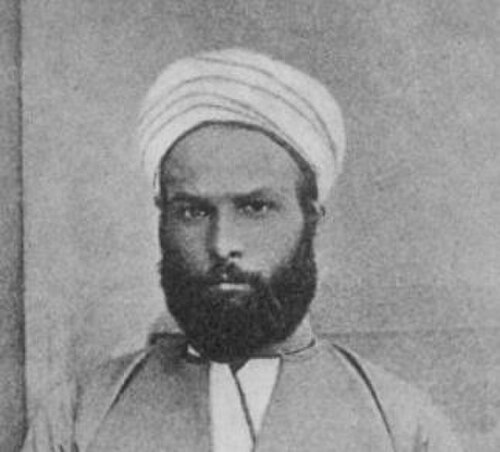
当時の最も影響力のあるリベラルなイスラム思想家の一人は、 20世紀初頭のエジプトの最高司法権者(首席ムフティ)であり、ダーウィンの崇拝者でもあったムハンマド・アブドゥフ(1849年 - 1905年)である。アブドゥフは1903年にダーウィンの支持者であるハーバート・スペンサーをブライトンの自宅に訪問している。社会を独自の進化法則を持つ有機体とみなすスペンサーの考えは、アブドゥフの考えと類似していた。[34]
第一次世界大戦後、イギリスとフランスが、戦後のアラブの自治という厳粛な戦時中の約束に反して、サイクス・ピコ協定に基づき、トルコを除く中東諸国を分割したとき、即座に反動が起こった。エジプトではムスリム同胞団が出現し、サウード家はヒジャーズを掌握し、イランとトルコでは軍人主導の政権が誕生した。「近代中東の非自由主義的潮流、イスラム主義と軍国主義は、西洋の帝国建設者から大きな刺激を受けた」とデ・ベレーグは書いている。社会危機に陥った国ではよくあることだが、ムハンマド・アブドゥフのようなイスラム世界の翻訳者や近代化者の願望は、主に逆行的な潮流に屈しなければならなかった。[35]
忠実性と透明性

忠実さ(または「誠実さ」)と幸福さ[36](または透明性)は、翻訳における二つの理想であるが、しばしば(常にではないが)相反する。17世紀のフランスの批評家は、「不貞の美女」という造語を作り、翻訳は忠実か美しさのどちらかであり、両方ではないことを示唆した。[c]忠実さは、翻訳が原文の意味を歪曲することなく正確に表現している程度である。透明性は、翻訳が対象言語のネイティブスピーカーにとって、その言語で書かれたように思われ、その言語の文法、構文、慣用句に準拠している程度である。ジョン・ドライデン(1631-1700)は、翻訳アンソロジー「シルヴェ」の序文で次のように書いている。
私が[原著者の]表現の一部を省略したり短くしたりしたのは、ギリシャ語やラテン語では美しかったものが英語ではそれほど輝かしく見えないかもしれないという考慮によるものかもしれない。また、私が表現を誇張した部分は、偽批評家がそれらの考えが必ずしも私の考えだけであるとは考えず、それらは詩人の内に秘められているか、あるいは詩人からかなり推測できるものだと考えてほしい。あるいは、少なくとも、それらの考慮が両方とも失敗した場合、私の考えは彼の考えと一致しており、彼が生きていてイギリス人であれば、それらは彼が書いたであろうようなものだと考えてほしい。[38]
忠実さ (忠実さ) の基準を満たす翻訳は「忠実」であると言われ、透明性の基準を満たす翻訳は「慣用的」です。翻訳によっては、この 2 つの品質が相互に排他的ではない場合があります。翻訳の忠実さを判断する基準は、テキストの主題、種類、用途、文学的品質、社会的または歴史的背景などによって異なります。翻訳の透明性を判断する基準は、より単純です。慣用的でない翻訳は「間違っているように聞こえ」、極端な場合には逐語訳で、明らかに意味不明な結果になることがよくあります。

ただし、特定の状況では、翻訳者は意識的に直訳をしようとする場合があります。文学、宗教、または歴史テキストの翻訳者は、多くの場合、原文にできるだけ忠実に従い、ターゲット言語の限界を押し広げて非慣用的なテキストを作成します。また、翻訳者は「ローカルな色」を出すために原文の表現を採用することもあります。
現在の西洋の翻訳慣行は「忠実性」と「透明性」という二重の概念に支配されているが、これは常にそうであったわけではない。特に古典時代以前のローマと 18 世紀には、多くの翻訳者が翻訳本来の枠を超えて翻案の領域に踏み込んだ時期があった。翻案翻訳は、一部の非西洋の伝統では今でも通用している。インドの叙事詩であるラーマーヤナは、さまざまなインドの言語で多くのバージョンがあり、それぞれ物語が異なっている。同様の例は、テキストを地元の慣習や風習に合わせて調整した 中世のキリスト教文学にも見られる。
不透明な翻訳理論の多くは、ドイツのロマン主義の概念に依拠しているが、最も明らかな影響はドイツの神学者で哲学者のフリードリヒ・シュライエルマッハーである。彼は、独創的な講義「翻訳のさまざまな方法について」(1813年)で、「筆者を読者に近づける」、つまり透明性のある翻訳方法と、「読者を筆者に近づける」、つまり原文の異質性に極度に忠実な翻訳方法を区別した。シュライエルマッハーは後者のアプローチを好んだが、それは異質なものを受け入れたいという願望からではなく、フランスの文化的支配に反対しドイツ文学を推進したいという国家主義的な願望からだった[要出典]。
近年、このような「不透明な」翻訳の著名な支持者としては、ほとんどの散文翻訳に内在する12の変形傾向を特定したフランスの学者アントワーヌ・バーマン[39]や、翻訳者に「外国化」翻訳戦略を国内化するのではなく適用するよう呼びかけたアメリカの理論家ローレンス・ヴェヌーティ[40]などがいます。
等価
忠実性と透明性の問題は、それぞれ「形式的等価性」と「動的[または機能的]等価性」という観点からも定式化されてきました。これらは、翻訳者ユージン・ニダに関連する表現で、もともとは聖書の翻訳方法を説明するために造られたものですが、この2つのアプローチはあらゆる翻訳に当てはまります。「形式的等価性」は「メタフレーズ」に、「動的等価性」は「パラフレーズ」に相当します。「形式的等価性」(「逐語的」翻訳によって追求される)は、テキストを文字通り、つまり「逐語的に」(後者の表現自体は古典ラテン語の verbum pro verboを逐語的に翻訳したものです)翻訳しようとします。ただし、必要な場合は、ターゲット言語の自然な特徴を犠牲にします。対照的に、「動的等価性」(または「機能的等価性」)は、ソーステキストで表現されている重要な考えを伝えます。ただし、必要な場合は、逐語的表現、元のセメムと語順、ソーステキストの能動態と受動態などを 犠牲にします。
しかし、形式的等価性と機能的等価性の間には明確な境界はありません。それどころか、それらは翻訳アプローチのスペクトルを表しています。それぞれが同じ翻訳者によってさまざまな時期にさまざまな文脈で使用され、同じテキスト内のさまざまなポイントで、時には同時に使用されます。適切な翻訳には、形式的等価性と機能的等価性を慎重に組み合わせることが必要です。[41]
翻訳においてよくある落とし穴は、特に経験の浅い翻訳者が行う場合に、「偽の友人」[42]や偽の同義語などの誤った同義語の使用です。
ソース言語とターゲット言語
翻訳の実践においては、原言語は翻訳元の言語であり、目標言語は受容言語とも呼ばれ、翻訳先の言語である。[ 43] [44 ] 翻訳の難しさは、原言語と目標言語の語彙や文法の違いから生じることがあり、異なる言語族に属する2つの言語間ではその違いが大きくなる傾向がある。[46]
多くの場合、ソース言語は翻訳者の第2言語であり、ターゲット言語は翻訳者の第1言語です。[47]ただし、地理的な状況によっては、ソース言語を第2言語として話す人が十分にいないため、ソース言語が翻訳者の第1言語になります。[48]たとえば、2005年の調査では、プロのスロベニア語翻訳者の89%が第2言語、通常は英語に翻訳していることがわかりました。[48]ソース言語が翻訳者の第1言語である場合、翻訳プロセスは、「非母国語への翻訳」、「第2言語への翻訳」、「逆翻訳」、「逆翻訳」、「サービス翻訳」、「AからBへの翻訳」など、さまざまな用語で呼ばれています。[48]このプロセスは通常、ソース言語の元のテキストの完全かつ詳細な分析から始まり、実際の翻訳行為に近づく前に完全な理解と理解を確実にします。[49]
専門分野や職業分野の翻訳には、その分野の関連用語に関する実用的な知識も必要です。たとえば、法律文書の翻訳には、それぞれの言語に堪能であるだけでなく、各言語の法律分野特有の用語に精通していることも必要です。[50]
原言語の形式やスタイルは、多くの場合、翻訳先の言語では再現できませんが、意味や内容は再現できます。言語学者のロマン・ヤコブソンは、あらゆる認知経験は、どんな生きた言語でも分類し、表現できると主張しました。[51]言語学者のギラッド・ズッカーマンは、限界は翻訳自体にあるのではなく、エレガントな翻訳にあると示唆しています。[52] : 219
ソーステキストとターゲットテキスト
翻訳において、ソーステキスト(ST)とは、与えられたソース言語で書かれ、別の言語に翻訳されるか、または翻訳されたテキストであり、ターゲットテキスト(TT)とは、与えられたソーステキストからの翻訳の結果として、意図されたターゲット言語で書かれた翻訳テキストである。ジェレミー・マンデーの翻訳の定義によると、「2つの異なる書き言葉間の翻訳プロセスは、元の言語(ソース言語またはSL)で書かれた元のテキスト(ソーステキストまたはST)を、異なる言語(ターゲット言語またはTL)で書かれたテキスト(ターゲットテキストまたはTT)に変更することを含む」。[53]「ソーステキスト」と「ターゲットテキスト」という用語は、「オリジナル」と「翻訳」よりも好まれるが、これは、それらには肯定的対否定的な価値判断がないからである。
ユージン・ニダやピーター・ニューマークなどの翻訳学者は、翻訳に対するさまざまなアプローチを、大まかに原文指向と訳文指向の2つのカテゴリーに分類しています。[54]
逆翻訳
「逆翻訳」とは、翻訳されたテキストを元のテキストの言語に戻す翻訳であり、元のテキストを参照せずに行われます。逆翻訳と元のテキストの比較は、元の翻訳の正確さを確認するために使用されることがあります。これは、数学的な演算の正確さが演算を逆にすることで確認されることがあるのと同じです。[55]しかし、このような逆翻訳操作の結果は、おおよその確認には役立ちますが、常に正確に信頼できるわけではありません。[56]逆翻訳は、言語記号(単語)が曖昧であることが多いのに対し、数学記号は意図的に明確であるため、一般に逆計算よりも正確性が低くなります。機械翻訳の文脈では、逆翻訳は「往復翻訳」とも呼ばれます。インフォームドコンセントフォームなど、医療臨床試験で使用される資料の翻訳を作成する場合、倫理委員会または機関審査委員会によって逆翻訳が要求されることがよくあります。[57]

マーク・トウェインは、短編小説『カラベラス郡の有名な跳蛙』のフランス語訳を独自に翻訳した際に、逆翻訳が往々にして信頼性に欠けるというユーモラスな証拠を示した。彼は1903年に、英語の原文、フランス語訳、および『跳蛙物語の私的歴史』とともに、逆翻訳を出版した。後者には、トウェインが書いたとされる物語の要約版が含まれていた。この物語は、トウェインが書いたものではないが、シジウィック教授のギリシャ語散文作文(p. 116)に『アテネ人と蛙』という題名で掲載されていた。この翻案は、一時期、トウェインの『跳蛙』物語の独立した古代ギリシャの先駆者とみなされていた。 [58]
When a document survives only in translation, the original having been lost, researchers sometimes undertake back-translation in an effort to reconstruct the original text. An example involves the novel The Saragossa Manuscript by the Polish aristocrat Jan Potocki (1761–1815), who wrote the novel in French and anonymously published fragments in 1804 and 1813–14. Portions of the original French-language manuscript were subsequently lost; however, the missing fragments survived in a Polish translation, made by Edmund Chojecki in 1847 from a complete French copy that has since been lost. French-language versions of the complete Saragossa Manuscript have since been produced, based on extant French-language fragments and on French-language versions that have been back-translated from Chojecki's Polish version.[59]
Many works by the influential Classical physician Galen survive only in medieval Arabic translation. Some survive only in Renaissance Latin translations from the Arabic, thus at a second remove from the original. To better understand Galen, scholars have attempted back-translation of such works in order to reconstruct the original Greek.[citation needed]
When historians suspect that a document is actually a translation from another language, back-translation into that hypothetical original language can provide supporting evidence by showing that such characteristics as idioms, puns, peculiar grammatical structures, etc., are in fact derived from the original language. For example, the known text of the Till Eulenspiegel folk tales is in High German but contains puns that work only when back-translated to Low German. This seems clear evidence that these tales (or at least large portions of them) were originally written in Low German and translated into High German by an over-metaphrastic translator.
Supporters of Aramaic primacy—the view that the Christian New Testament or its sources were originally written in the Aramaic language—seek to prove their case by showing that difficult passages in the existing Greek text of the New Testament make much more sense when back-translated to Aramaic: that, for example, some incomprehensible references are in fact Aramaic puns that do not work in Greek. Due to similar indications, it is believed that the 2nd century Gnostic Gospel of Judas, which survives only in Coptic, was originally written in Greek.
John Dryden (1631–1700), the dominant English-language literary figure of his age, illustrates, in his use of back-translation, translators' influence on the evolution of languages and literary styles. Dryden is believed to be the first person to posit that English sentences should not end in prepositions because Latin sentences cannot end in prepositions.[60][61] Dryden created the proscription against "preposition stranding" in 1672 when he objected to Ben Jonson's 1611 phrase, "the bodies that those souls were frighted from", though he did not provide the rationale for his preference.[62] Dryden often translated his writing into Latin, to check whether his writing was concise and elegant, Latin being considered an elegant and long-lived language with which to compare; then he back-translated his writing back to English according to Latin-grammar usage. As Latin does not have sentences ending in prepositions, Dryden may have applied Latin grammar to English, thus forming the controversial rule of no sentence-ending prepositions, subsequently adopted by other writers.[63][d]
Translators
Competent translators show the following attributes:
- a very good knowledge of the language, written and spoken, from which they are translating (the source language);
- an excellent command of the language into which they are translating (the target language);
- familiarity with the subject matter of the text being translated;
- a profound understanding of the etymological and idiomatic correlates between the two languages, including sociolinguistic register when appropriate; and
- a finely tuned sense of when to metaphrase ("translate literally") and when to paraphrase, so as to assure true rather than spurious equivalents between the source and target language texts.[64]
A competent translator is not only bilingual but bicultural. A language is not merely a collection of words and of rules of grammar and syntax for generating sentences, but also a vast interconnecting system of connotations and cultural references whose mastery, writes linguist Mario Pei, "comes close to being a lifetime job."[65] The complexity of the translator's task cannot be overstated; one author suggests that becoming an accomplished translator—after having already acquired a good basic knowledge of both languages and cultures—may require a minimum of ten years' experience. Viewed in this light, it is a serious misconception to assume that a person who has fair fluency in two languages will, by virtue of that fact alone, be consistently competent to translate between them.[19]
Michael Wood, a Princeton University emeritus professor, writes: "[T]ranslation, like language itself, involves contexts, conventions, class, irony, posture and many other regions where speech acts hang out. This is why it helps to compare translations [of a given work]."[66]
Emily Wilson, a professor of classical studies at the University of Pennsylvania and herself a translator, writes: "[I]t is [hard] to produce a good literary translation. This is certainly true of translations of ancient Greek and Roman texts, but it is also true of literary translation in general: it is very difficult. Most readers of foreign languages are not translators; most writers are not translators. Translators have to read and write at the same time, as if always playing multiple instruments in a one-person band. And most one-person bands do not sound very good."[67]
When in 1921, three years before his death, the English-language novelist Joseph Conrad – who had long had little contact with everyday spoken Polish – attempted to translate into English Bruno Winawer's short Polish-language play, The Book of Job, he predictably missed many crucial nuances of contemporary Polish language.[68]
The translator's role, in relation to the original text, has been compared to the roles of other interpretive artists, e.g., a musician or actor who interprets a work of musical or dramatic art. Translating, especially a text of any complexity (like other human activities[69]), involves interpretation: choices must be made, which implies interpretation.[16][e][f] Mark Polizzotti writes: "A good translation offers not a reproduction of the work but an interpretation, a re-representation, just as the performance of a play or a sonata is a representation of the script or the score, one among many possible representations."[71] A translation of a text of any complexity is – as, itself, a work of art – unique and unrepeatable.
Conrad, whose writings Zdzisław Najder has described as verging on "auto-translation" from Conrad's Polish and French linguistic personae,[72] advised his niece and Polish translator Aniela Zagórska: "[D]on't trouble to be too scrupulous ... I may tell you (in French) that in my opinion il vaut mieux interpréter que traduire [it is better to interpret than to translate] ...Il s'agit donc de trouver les équivalents. Et là, ma chère, je vous prie laissez vous guider plutôt par votre tempérament que par une conscience sévère ... [It is, then, a question of finding the equivalent expressions. And there, my dear, I beg you to let yourself be guided more by your temperament than by a strict conscience....]"[73] Conrad advised another translator that the prime requisite for a good translation is that it be "idiomatic". "For in the idiom is the clearness of a language and the language's force and its picturesqueness—by which last I mean the picture-producing power of arranged words."[74] Conrad thought C.K. Scott Moncrieff's English translation of Marcel Proust's À la recherche du temps perdu (In Search of Lost Time—or, in Scott Moncrieff's rendering, Remembrance of Things Past) to be preferable to the French original.[75][g]
Emily Wilson writes that "translation always involves interpretation, and [requires] every translator... to think as deeply as humanly possible about each verbal, poetic, and interpretative choice."[76] Translation of other than the simplest brief texts requires painstakingly close reading of the source text and the draft translation, so as to resolve the ambiguities inherent in language and thereby to asymptotically approach the most accurate rendering of the source text.[77]
Part of the ambiguity, for a translator, involves the structure of human language. Psychologist and neural scientist Gary Marcus notes that "virtually every sentence [that people generate] is ambiguous, often in multiple ways. Our brain is so good at comprehending language that we do not usually notice."[78] An example of linguistic ambiguity is the "pronoun disambiguation problem" ("PDP"): a machine has no way of determining to whom or what a pronoun in a sentence—such as "he", "she" or "it"—refers.[79] Such disambiguation is not infallible by a human, either.
Ambiguity is a concern both to translators and – as the writings of poet and literary critic William Empson have demonstrated – to literary critics. Ambiguity may be desirable, indeed essential, in poetry and diplomacy; it can be more problematic in ordinary prose.[80]
Individual expressions – words, phrases, sentences – are fraught with connotations. As Empson demonstrates, any piece of language seems susceptible to "alternative reactions", or as Joseph Conrad once wrote, "No English word has clean edges." All expressions, Conrad thought, carried so many connotations as to be little more than "instruments for exciting blurred emotions."[81]
Christopher Kasparek also cautions that competent translation – analogously to the dictum, in mathematics, of Kurt Gödel's incompleteness theorems – generally requires more information about the subject matter than is present in the actual source text. Therefore, translation of a text of any complexity typically requires some research on the translator's part.[77]
A translator faces two contradictory tasks: when translating, to strive for omniscience concerning the text; and, when reviewing the resulting translation, to adopt the reader's unfamiliarity with it. Analogously, "[i]n the process, the translator is also constantly seesawing between the respective linguistic and cultural features of his two languages."[77]
Thus, writes Kasparek, "Translating a text of any complexity, like the performing of a musical or dramatic work, involves interpretation: choices must be made, which entails interpretation. Bernard Shaw, aspiring to felicitous understanding of literary works, wrote in the preface to his 1901 volume, Three Plays for Puritans: 'I would give half a dozen of Shakespeare's plays for one of the prefaces he ought to have written.'"[77]
It is due to the inescapable necessity of interpretation that – pace the story about the 3rd century BCE Septuagint translations of some biblical Old Testament books from Hebrew into Koine Greek – no two translations of a literary work, by different hands or by the same hand at different times, are likely to be identical. As has been observed – by Leonardo da Vinci? Paul Valery? E.M. Forster? Pablo Picasso? by all of them? – "A work of art is never finished, only abandoned."[77]
Translators may render only parts of the original text, provided that they inform readers of that action. But a translator should not assume the role of censor and surreptitiously delete or bowdlerize passages merely to please a political or moral interest.[82]
Translating has served as a school of writing for many an author, much as the copying of masterworks of painting has schooled many a novice painter.[83] A translator who can competently render an author's thoughts into the translator's own language, should certainly be able to adequately render, in his own language, any thoughts of his own. Translating (like analytic philosophy) compels precise analysis of language elements and of their usage. In 1946 the poet Ezra Pound, then at St. Elizabeth's Hospital, in Washington, D.C., advised a visitor, the 18-year-old beginning poet W.S. Merwin: "The work of translation is the best teacher you'll ever have."[84][h] Merwin, translator-poet who took Pound's advice to heart, writes of translation as an "impossible, unfinishable" art.[86]
Translators, including monks who spread Buddhist texts in East Asia, and the early modern European translators of the Bible, in the course of their work have shaped the very languages into which they have translated. They have acted as bridges for conveying knowledge between cultures; and along with ideas, they have imported from the source languages, into their own languages, loanwords and calques of grammatical structures, idioms, and vocabulary.
Interpreting


Interpreting is the facilitation of oral or sign-language communication, either simultaneously or consecutively, between two, or among three or more, speakers who are not speaking, or signing, the same language. The term "interpreting," rather than "interpretation," is preferentially used for this activity by Anglophone interpreters and translators, to avoid confusion with other meanings of the word "interpretation."
Unlike English, many languages do not employ two separate words to denote the activities of written and live-communication (oral or sign-language) translators.[i] Even English does not always make the distinction, frequently using "translating" as a synonym for "interpreting."
Interpreters have sometimes played crucial roles in human history. A prime example is La Malinche, also known as Malintzin, Malinalli and Doña Marina, an early-16th-century Nahua woman from the Mexican Gulf Coast. As a child she had been sold or given to Maya slave-traders from Xicalango, and thus had become bilingual. Subsequently, given along with other women to the invading Spaniards, she became instrumental in the Spanish conquest of Mexico, acting as interpreter, adviser, intermediary and lover to Hernán Cortés.[88]
Nearly three centuries later, in the United States, a comparable role as interpreter was played for the Lewis and Clark Expedition of 1804–6 by Sacagawea. As a child, the Lemhi Shoshone woman had been kidnapped by Hidatsa Indians and thus had become bilingual. Sacagawea facilitated the expedition's traverse of the North American continent to the Pacific Ocean.[89]
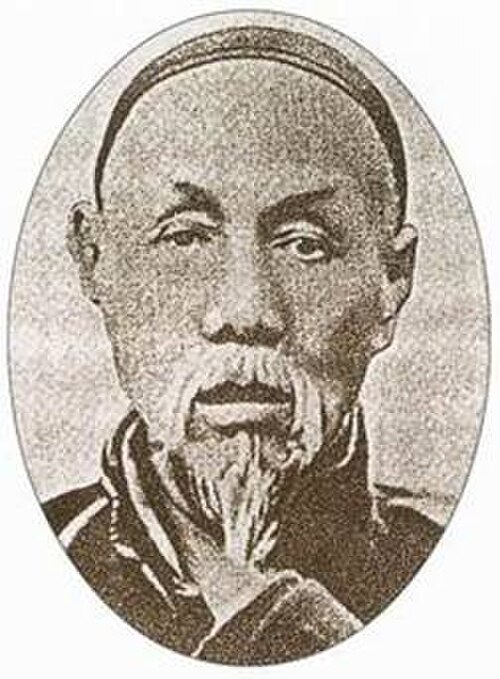
The famous Chinese man of letters Lin Shu (1852 – 1924), who knew no foreign languages, rendered Western literary classics into Chinese with the help of his friend Wang Shouchang (王壽昌), who had studied in France. Wang interpreted the texts for Lin, who rendered them into Chinese. Lin's first such translation, 巴黎茶花女遺事 (Past Stories of the Camellia-woman of Paris – Alexandre Dumas, fils's, La Dame aux Camélias), published in 1899, was an immediate success and was followed by many more translations from the French and the English.[90]
Sworn translation
Sworn translation, also called "certified translation," aims at legal equivalence between two documents written in different languages. It is performed by someone authorized to do so by local regulations, which vary widely from country to country. Some countries recognize self-declared competence. Others require the translator to be an official state appointee. In some countries, such as the United Kingdom, certain government institutions require that translators be accredited by certain translation institutes or associations in order to be able to carry out certified translations.
Telephone
Many commercial services exist that will interpret spoken language via telephone. There is also at least one custom-built mobile device that does the same thing. The device connects users to human interpreters who can translate between English and 180 other languages.[91]
Internet
Web-based human translation is generally favored by companies and individuals that wish to secure more accurate translations. In view of the frequent inaccuracy of machine translations, human translation remains the most reliable, most accurate form of translation available.[92] With the recent emergence of translation crowdsourcing,[93][94] translation memory techniques, and internet applications,[citation needed] translation agencies have been able to provide on-demand human-translation services to businesses, individuals, and enterprises.
While not instantaneous like its machine counterparts such as Google Translate and Babel Fish (now defunct), as of 2010 web-based human translation has been gaining popularity by providing relatively fast, accurate translation of business communications, legal documents, medical records, and software localization.[95] Web-based human translation also appeals to private website users and bloggers.[96] Contents of websites are translatable but URLs of websites are not translatable into other languages. Language tools on the internet provide help in understanding text.
Computer assist
Computer-assisted translation (CAT), also called "computer-aided translation," "machine-aided human translation" (MAHT) and "interactive translation," is a form of translation wherein a human translator creates a target text with the assistance of a computer program. The machine supports a human translator.
Computer-assisted translation can include standard dictionary and grammar software. The term, however, normally refers to a range of specialized programs available to the translator, including translation memory, terminology-management, concordance, and alignment programs.
These tools speed up and facilitate human translation, but they do not provide translation. The latter is a function of tools known broadly as machine translation. The tools speed up the translation process by assisting the human translator by memorizing or committing translations to a database (translation memory database) so that if the same sentence occurs in the same project or a future project, the content can be reused. This translation reuse leads to cost savings, better consistency and shorter project timelines.
Machine translation
Machine translation (MT) is a process whereby a computer program analyzes a source text and, in principle, produces a target text without human intervention. In reality, however, machine translation typically does involve human intervention, in the form of pre-editing and post-editing.[97] With proper terminology work, with preparation of the source text for machine translation (pre-editing), and with reworking of the machine translation by a human translator (post-editing), commercial machine-translation tools can produce useful results, especially if the machine-translation system is integrated with a translation memory or translation management system.[98]
Unedited machine translation is publicly available through tools on the Internet such as Google Translate, Almaany,[99] Babylon, DeepL Translator, and StarDict. These produce rough translations that, under favorable circumstances, approximate the meaning of the source text. With the Internet, translation software can help non-native-speaking individuals understand web pages published in other languages. Whole-page-translation tools are of limited utility, however, since they offer only a limited potential understanding of the original author's intent and context; translated pages tend to be more erroneously humorous and confusing than enlightening.
Interactive translations with pop-up windows are becoming more popular. These tools show one or more possible equivalents for each word or phrase. Human operators merely need to select the likeliest equivalent as the mouse glides over the foreign-language text. Possible equivalents can be grouped by pronunciation. Also, companies such as Ectaco produce pocket devices that provide machine translations.
Relying exclusively on unedited machine translation, however, ignores the fact that communication in human language is context-embedded and that it takes a person to comprehend the context of the original text with a reasonable degree of probability. It is certainly true that even purely human-generated translations are prone to error; therefore, to ensure that a machine-generated translation will be useful to a human being and that publishable-quality translation is achieved, such translations must be reviewed and edited by a human.[j] Claude Piron writes that machine translation, at its best, automates the easier part of a translator's job; the harder and more time-consuming part usually involves doing extensive research to resolve ambiguities in the source text, which the grammatical and lexical exigencies of the target language require to be resolved.[101] Such research is a necessary prelude to the pre-editing necessary in order to provide input for machine-translation software, such that the output will not be meaningless.[97]
The weaknesses of pure machine translation, unaided by human expertise, are those of artificial intelligence itself.[102] As of 2018, professional translator Mark Polizzotti held that machine translation, by Google Translate and the like, was unlikely to threaten human translators anytime soon, because machines would never grasp nuance and connotation.[103] Writes Paul Taylor: "Perhaps there is a limit to what a computer can do without knowing that it is manipulating imperfect representations of an external reality."[104]
Literary translation

Translation of literary works (novels, short stories, plays, poems, etc.) is considered a literary pursuit in its own right. Notable in Canadian literature specifically as translators are figures such as Sheila Fischman, Robert Dickson, and Linda Gaboriau; and the Canadian Governor General's Awards annually present prizes for the best English-to-French and French-to-English literary translations.
Other writers, among many who have made a name for themselves as literary translators, include Vasily Zhukovsky, Tadeusz Boy-Żeleński, Vladimir Nabokov, Jorge Luis Borges, Robert Stiller, Lydia Davis, Haruki Murakami, Achy Obejas, and Jhumpa Lahiri.
In the 2010s a substantial gender imbalance was noted in literary translation into English,[105] with far more male writers being translated than women writers. In 2014 Meytal Radzinski launched the Women in Translation campaign to address this.[106][107][108]
History
The first important translation in the West was that of the Septuagint, a collection of Jewish Scriptures translated into early Koine Greek in Alexandria between the 3rd and 1st centuries BCE. The dispersed Jews had forgotten their ancestral language and needed Greek versions (translations) of their Scriptures.[109]
Throughout the Middle Ages, Latin was the lingua franca of the western learned world. The 9th-century Alfred the Great, king of Wessex in England, was far ahead of his time in commissioning vernacular Anglo-Saxon translations of Bede's Ecclesiastical History and Boethius' Consolation of Philosophy. Meanwhile, the Christian Church frowned on even partial adaptations of St. Jerome's Vulgate of c. 384 CE,[110] the standard Latin Bible.
In Asia, the spread of Buddhism led to large-scale ongoing translation efforts spanning well over a thousand years. The Tangut Empire was especially efficient in such efforts; exploiting the then newly invented block printing, and with the full support of the government (contemporary sources describe the Emperor and his mother personally contributing to the translation effort, alongside sages of various nationalities), the Tanguts took mere decades to translate volumes that had taken the Chinese centuries to render.[citation needed]
The Arabs undertook large-scale efforts at translation. Having conquered the Greek world, they made Arabic versions of its philosophical and scientific works. During the Middle Ages, translations of some of these Arabic versions were made into Latin, chiefly at Córdoba in Spain.[111] King Alfonso X the Wise of Castile in the 13th century promoted this effort by founding a Schola Traductorum (School of Translation) in Toledo. There Arabic texts, Hebrew texts, and Latin texts were translated into the other tongues by Muslim, Jewish, and Christian scholars, who also argued the merits of their respective religions. Latin translations of Greek and original Arab works of scholarship and science helped advance European Scholasticism, and thus European science and culture.
The broad historic trends in Western translation practice may be illustrated on the example of translation into the English language.

The first fine translations into English were made in the 14th century by Geoffrey Chaucer, who adapted from the Italian of Giovanni Boccaccio in his own Knight's Tale and Troilus and Criseyde; began a translation of the French-language Roman de la Rose; and completed a translation of Boethius from the Latin. Chaucer founded an English poetic tradition on adaptations and translations from those earlier-established literary languages.[111]
The first great English translation was the Wycliffe Bible (c. 1382), which showed the weaknesses of an underdeveloped English prose. Only at the end of the 15th century did the great age of English prose translation begin with Thomas Malory's Le Morte d'Arthur—an adaptation of Arthurian romances so free that it can, in fact, hardly be called a true translation. The first great Tudor translations are, accordingly, the Tyndale New Testament (1525), which influenced the Authorized Version (1611), and Lord Berners' version of Jean Froissart's Chronicles (1523–25).[111]

Meanwhile, in Renaissance Italy, a new period in the history of translation had opened in Florence with the arrival, at the court of Cosimo de' Medici, of the Byzantine scholar Georgius Gemistus Pletho shortly before the fall of Constantinople to the Turks (1453). A Latin translation of Plato's works was undertaken by Marsilio Ficino. This and Erasmus' Latin edition of the New Testament led to a new attitude to translation. For the first time, readers demanded rigor of rendering, as philosophical and religious beliefs depended on the exact words of Plato, Aristotle and Jesus.[111]
Non-scholarly literature, however, continued to rely on adaptation. France's Pléiade, England's Tudor poets, and the Elizabethan translators adapted themes by Horace, Ovid, Petrarch and modern Latin writers, forming a new poetic style on those models. The English poets and translators sought to supply a new public, created by the rise of a middle class and the development of printing, with works such as the original authors would have written, had they been writing in England in that day.[111]
The Elizabethan period of translation saw considerable progress beyond mere paraphrase toward an ideal of stylistic equivalence, but even to the end of this period, which actually reached to the middle of the 17th century, there was no concern for verbal accuracy.[112]
In the second half of the 17th century, the poet John Dryden sought to make Virgil speak "in words such as he would probably have written if he were living and an Englishman". As great as Dryden's poem is, however, one is reading Dryden, and not experiencing the Roman poet's concision. Similarly, Homer arguably suffers from Alexander Pope's endeavor to reduce the Greek poet's "wild paradise" to order. Both works live on as worthy English epics, more than as a point of access to the Latin or Greek.[112]
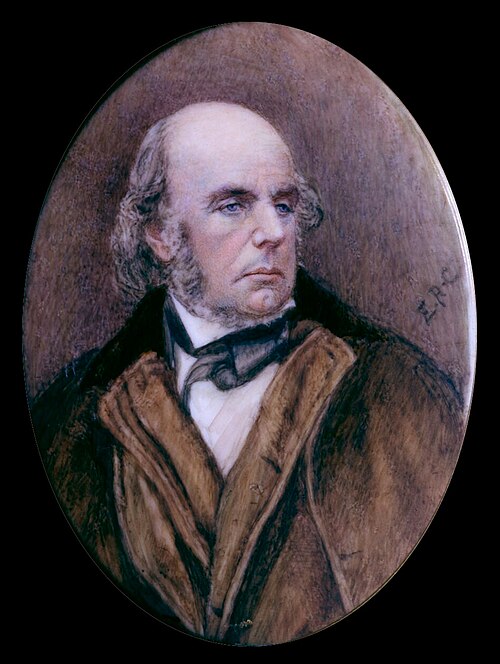
Throughout the 18th century, the watchword of translators was ease of reading. Whatever they did not understand in a text, or thought might bore readers, they omitted. They cheerfully assumed that their own style of expression was the best, and that texts should be made to conform to it in translation. For scholarship they cared no more than had their predecessors, and they did not shrink from making translations from translations in third languages, or from languages that they hardly knew, or—as in the case of James Macpherson's "translations" of Ossian—from texts that were actually of the "translator's" own composition.[112]

The 19th century brought new standards of accuracy and style. In regard to accuracy, observes J.M. Cohen, the policy became "the text, the whole text, and nothing but the text", except for any bawdy passages and the addition of copious explanatory footnotes.[k] In regard to style, the Victorians' aim, achieved through far-reaching metaphrase (literality) or pseudo-metaphrase, was to constantly remind readers that they were reading a foreign classic. An exception was the outstanding translation in this period, Edward FitzGerald's Rubaiyat of Omar Khayyam (1859), which achieved its Oriental flavor largely by using Persian names and discreet Biblical echoes and actually drew little of its material from the Persian original.[112]
In advance of the 20th century, a new pattern was set in 1871 by Benjamin Jowett, who translated Plato into simple, straightforward language. Jowett's example was not followed, however, until well into the new century, when accuracy rather than style became the principal criterion.[112]
Modern translation
As a language evolves, texts in an earlier version of the language—original texts, or old translations—may become difficult for modern readers to understand. Such a text may therefore be translated into more modern language, producing a "modern translation" (e.g., a "modern English translation" or "modernized translation").
Such modern rendering is applied either to literature from classical languages such as Latin or Greek, notably to the Bible (see "Modern English Bible translations"), or to literature from an earlier stage of the same language, as with the works of William Shakespeare (which are largely understandable by a modern audience, though with some difficulty) or with Geoffrey Chaucer's Middle-English Canterbury Tales (which is understandable to most modern readers only through heavy dependence on footnotes). In 2015 the Oregon Shakespeare Festival commissioned professional translation of the entire Shakespeare canon, including disputed works such as Edward III,[113] into contemporary vernacular English; in 2019, off-off-Broadway, the canon was premiered in a month-long series of staged readings.[114]
Modern translation is applicable to any language with a long literary history. For example, in Japanese the 11th-century Tale of Genji is generally read in modern translation (see "Genji: modern readership").
Modern translation often involves literary scholarship and textual revision, as there is frequently not one single canonical text. This is particularly noteworthy in the case of the Bible and Shakespeare, where modern scholarship can result in substantive textual changes.
Anna North writes: "Translating the long-dead language Homer used — a variant of ancient Greek called Homeric Greek — into contemporary English is no easy task, and translators bring their own skills, opinions, and stylistic sensibilities to the text. The result is that every translation is different, almost a new poem in itself." An example is Emily Wilson's 2017 translation of Homer's Odyssey, where by conscious choice Wilson "lays bare the morals of its time and place, and invites us to consider how different they are from our own, and how similar."[115]
Modern translation meets with opposition from some traditionalists. In English, some readers prefer the Authorized King James Version of the Bible to modern translations, and Shakespeare in the original of c. 1600 to modern translations.
An opposite process involves translating modern literature into classical languages, for the purpose of extensive reading (for examples, see "List of Latin translations of modern literature").
Poetry

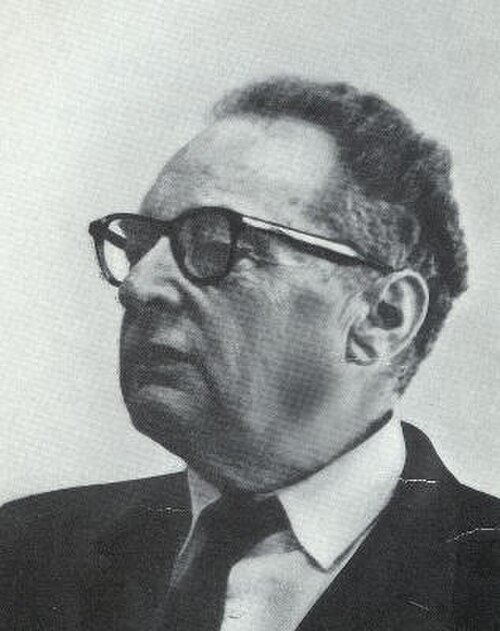

Views on the possibility of satisfactorily translating poetry show a broad spectrum, depending partly on the degree of latitude desired by the translator in regard to a poem's formal features (rhythm, rhyme, verse form, etc.), but also relating to how much of the suggestiveness and imagery in the host poem can be recaptured or approximated in the target language. In his 1997 book Le Ton beau de Marot, Douglas Hofstadter argued that a good translation of a poem must convey as much as possible not only of its literal meaning but also of its form and structure (meter, rhyme or alliteration scheme, etc.).[116]
The Russian-born linguist and semiotician Roman Jakobson, however, had in his 1959 paper "On Linguistic Aspects of Translation", declared that "poetry by definition [is] untranslatable". Vladimir Nabokov, another Russian-born author, took a view similar to Jakobson's. He considered rhymed, metrical, versed poetry to be in principle untranslatable and therefore rendered his 1964 English translation of Alexander Pushkin's Eugene Onegin in prose.
Hofstadter, in Le Ton beau de Marot, criticized Nabokov's attitude toward verse translation. In 1999 Hofstadter published his own translation of Eugene Onegin, in verse form.
However, a number of more contemporary literary translators of poetry lean toward Alexander von Humboldt's notion of language as a "third universe" existing "midway between the phenomenal reality of the 'empirical world' and the internalized structures of consciousness."[117] Perhaps this is what poet Sholeh Wolpé, translator of the 12th-century Iranian epic poem The Conference of the Birds, means when she writes:
Twelfth-century Persian and contemporary English are as different as sky and sea. The best I can do as a poet is to reflect one into the other. The sea can reflect the sky with its moving stars, shifting clouds, gestations of the moon, and migrating birds—but ultimately the sea is not the sky. By nature, it is liquid. It ripples. There are waves. If you are a fish living in the sea, you can only understand the sky if its reflection becomes part of the water. Therefore, this translation of The Conference of the Birds, while faithful to the original text, aims at its re-creation into a still living and breathing work of literature.[118]
Poet Sherod Santos writes: "The task is not to reproduce the content, but with the flint and the steel of one's own language to spark what Robert Lowell has called 'the fire and finish of the original.'"[119] According to Walter Benjamin:
While a poet's words endure in his own language, even the greatest translation is destined to become part of the growth of its own language and eventually to perish with its renewal. Translation is so far removed from being the sterile equation of two dead languages that of all literary forms it is the one charged with the special mission of watching over the maturing process of the original language and the birth pangs of its own.[120]
Gregory Hays, in the course of discussing Roman adapted translations of ancient Greek literature, makes approving reference to some views on the translating of poetry expressed by David Bellos, an accomplished French-to-English translator. Hays writes:
Among the idées reçues [received ideas] skewered by David Bellos is the old saw that "poetry is what gets lost in translation." The saying is often attributed to Robert Frost, but as Bellos notes, the attribution is as dubious as the idea itself. A translation is an assemblage of words, and as such it can contain as much or as little poetry as any other such assemblage. The Japanese even have a word (chōyaku, roughly "hypertranslation") to designate a version that deliberately improves on the original.[121]
Book titles
Book-title translations can be either descriptive or symbolic. Descriptive book titles, for example Antoine de Saint-Exupéry's Le Petit Prince (The Little Prince), are meant to be informative, and can name the protagonist, and indicate the theme of the book. An example of a symbolic book title is Stieg Larsson's The Girl with the Dragon Tattoo, whose original Swedish title is Män som hatar kvinnor (Men Who Hate Women). Such symbolic book titles usually indicate the theme, issues, or atmosphere of the work.
When translators are working with long book titles, the translated titles are often shorter and indicate the theme of the book.[122]
Plays
The translation of plays poses many problems such as the added element of actors, speech duration, translation literalness, and the relationship between the arts of drama and acting. Successful play translators are able to create language that allows the actor and the playwright to work together effectively.[123] Play translators must also take into account several other aspects: the final performance, varying theatrical and acting traditions, characters' speaking styles, modern theatrical discourse, and even the acoustics of the auditorium, i.e., whether certain words will have the same effect on the new audience as they had on the original audience.[124]
Audiences in Shakespeare's time were more accustomed than modern playgoers to actors having longer stage time.[125] Modern translators tend to simplify the sentence structures of earlier dramas, which included compound sentences with intricate hierarchies of subordinate clauses.[126][127]
Chinese literature
In translating Chinese literature, translators struggle to find true fidelity in translating into the target language. In The Poem Behind the Poem, Barnstone argues that poetry "can't be made to sing through a mathematics that doesn't factor in the creativity of the translator".[128]
A notable piece of work translated into English is the Wen Xuan, an anthology representative of major works of Chinese literature. Translating this work requires a high knowledge of the genres presented in the book, such as poetic forms, various prose types including memorials, letters, proclamations, praise poems, edicts, and historical, philosophical and political disquisitions, threnodies and laments for the dead, and examination essays. Thus the literary translator must be familiar with the writings, lives, and thought of a large number of its 130 authors, making the Wen Xuan one of the most difficult literary works to translate.[129]
Sung texts
Translation of a text that is sung in vocal music for the purpose of singing in another language—sometimes called "singing translation"—is closely linked to translation of poetry because most vocal music, at least in the Western tradition, is set to verse, especially verse in regular patterns with rhyme. (Since the late 19th century, musical setting of prose and free verse has also been practiced in some art music, though popular music tends to remain conservative in its retention of stanzaic forms with or without refrains.) A rudimentary example of translating poetry for singing is church hymns, such as the German chorales translated into English by Catherine Winkworth.[l]
Translation of sung texts is generally much more restrictive than translation of poetry, because in the former there is little or no freedom to choose between a versified translation and a translation that dispenses with verse structure. One might modify or omit rhyme in a singing translation, but the assignment of syllables to specific notes in the original musical setting places great challenges on the translator. There is the option in prose sung texts, less so in verse, of adding or deleting a syllable here and there by subdividing or combining notes, respectively, but even with prose the process is almost like strict verse translation because of the need to stick as closely as possible to the original prosody of the sung melodic line.
Other considerations in writing a singing translation include repetition of words and phrases, the placement of rests and punctuation, the quality of vowels sung on high notes, and rhythmic features of the vocal line that may be more natural to the original language than to the target language. A sung translation may be considerably or completely different from the original, thus resulting in a contrafactum.
Translations of sung texts—whether of the above type meant to be sung or of a more or less literal type meant to be read—are also used as aids to audiences, singers and conductors, when a work is being sung in a language not known to them. The most familiar types are translations presented as subtitles or surtitles projected during opera performances, those inserted into concert programs, and those that accompany commercial audio CDs of vocal music. In addition, professional and amateur singers often sing works in languages they do not know (or do not know well), and translations are then used to enable them to understand the meaning of the words they are singing.
Religious texts

An important role in history has been played by translation of religious texts. Such translations may be influenced by tension between the text and the religious values the translators wish to convey.[130] For example, Buddhist monks who translated the Indian sutras into Chinese occasionally adjusted their translations to better reflect China's distinct culture, emphasizing notions such as filial piety.
One of the first recorded instances of translation in the West was the 3rd century BCE rendering of some books of the biblical Old Testament from Hebrew into Koine Greek. The translation is known as the "Septuagint", a name that refers to the supposedly seventy translators (seventy-two, in some versions) who were commissioned to translate the Bible at Alexandria, Egypt. According to legend, each translator worked in solitary confinement in his own cell, and all seventy versions proved identical. The Septuagint became the source text for later translations into many languages, including Latin, Coptic, Armenian, and Georgian.
Still considered one of the greatest translators in history, for having rendered the Bible into Latin, is Jerome (347–420 CE), the patron saint of translators. For centuries the Roman Catholic Church used his translation (known as the Vulgate), though even this translation stirred controversy. By contrast with Jerome's contemporary, Augustine of Hippo (354–430 CE), who endorsed precise translation, Jerome believed in adaptation, and sometimes invention, in order to more effectively bring across the meaning. Jerome's colorful Vulgate translation of the Bible includes some crucial instances of "overdetermination". For example, Isaiah's prophecy announcing that the Savior will be born of a virgin, uses the word 'almah, which is also used to describe the dancing girls at Solomon's court, and simply means young and nubile. Jerome, writes Marina Warner, translates it as virgo, "adding divine authority to the virulent cult of sexual disgust that shaped Christian moral theology (the [Moslem] Quran, free from this linguistic trap, does not connect Mariam/Mary's miraculous nature with moral horror of sex)." The apple that Eve offered to Adam, according to Mark Polizzotti, could equally well have been an apricot, orange, or banana; but Jerome liked the pun malus/malum (apple/evil).[36]
Pope Francis has suggested that the phrase "lead us not into temptation", in the Lord's Prayer found in the Gospels of Matthew (the first Gospel, written c. 80–90 CE) and Luke (the third Gospel, written c. 80–110 CE), should more properly be translated, "do not let us fall into temptation", commenting that God does not lead people into temptation—Satan does.[m] Some important early Christian authors interpreted the Bible's Greek text and Jerome's Latin Vulgate similarly to Pope Francis. A.J.B. Higgins[132] in 1943 showed that among the earliest Christian authors, the understanding and even the text of this devotional verse underwent considerable changes. These ancient writers suggest that, even if the Greek and Latin texts are left unmodified, something like "do not let us fall" could be an acceptable English rendering. Higgins cited Tertullian, the earliest of the Latin Church Fathers (c. 155 – c. 240 CE, "do not allow us to be led") and Cyprian (c. 200–258 CE, "do not allow us to be led into temptation"). A later author, Ambrose (c. 340–397 CE), followed Cyprian's interpretation. Augustine of Hippo (354–430), familiar with Jerome's Latin Vulgate rendering, observed that "many people... say it this way: 'and do not allow us to be led into temptation.'"[133]
In 863 CE the brothers Saints Cyril and Methodius, the Byzantine Empire's "Apostles to the Slavs", began translating parts of the Bible into the Old Church Slavonic language, using the Glagolitic script that they had devised, based on the Greek alphabet.
The periods preceding and contemporary with the Protestant Reformation saw translations of the Bible into vernacular (local) European languages—a development that contributed to Western Christianity's split into Roman Catholicism and Protestantism over disparities between Catholic and Protestant renderings of crucial words and passages (and due to a Protestant-perceived need to reform the Roman Catholic Church). Lasting effects on the religions, cultures, and languages of their respective countries were exerted by such Bible translations as Martin Luther's into German (the New Testament, 1522), Jakub Wujek's into Polish (1599, as revised by the Jesuits), and William Tyndale's version (New Testament, 1526 and revisions) and the King James Version into English (1611).
.jpg/500px-Moses_(Michaelangelo_-_San_Pietro_in_Vincoli_-_Rome).jpg)
Efforts to translate the Bible into English had their martyrs. William Tyndale (c. 1494–1536) was convicted of heresy at Antwerp, was strangled to death while tied at the stake, and then his dead body was burned.[134] Earlier, John Wycliffe (c. mid-1320s – 1384) had managed to die a natural death, but 30 years later the Council of Constance in 1415 declared him a heretic and decreed that his works and earthly remains should be burned; the order, confirmed by Pope Martin V, was carried out in 1428, and Wycliffe's corpse was exhumed and burned and the ashes cast into the River Swift. Debate and religious schism over different translations of religious texts continue, as demonstrated by, for example, the King James Only movement.
A famous mistranslation of a Biblical text is the rendering of the Hebrew word קֶרֶן (keren), which has several meanings, as "horn" in a context where it more plausibly means "beam of light": as a result, for centuries artists, including sculptor Michelangelo, have rendered Moses the Lawgiver with horns growing from his forehead.

Such fallibility of the translation process has contributed to the Islamic world's ambivalence about translating the Quran (also spelled Koran) from the original Arabic, as received by the prophet Muhammad from Allah (God) through the angel Gabriel incrementally between 609 and 632 CE, the year of Muhammad's death. During prayers, the Quran, as the miraculous and inimitable word of Allah, is recited only in Arabic. However, as of 1936, it had been translated into at least 102 languages.[135]
A fundamental difficulty in translating the Quran accurately stems from the fact that an Arabic word, like a Hebrew or Aramaic word, may have a range of meanings, depending on context. This is said to be a linguistic feature, particularly of all Semitic languages, that adds to the usual similar difficulties encountered in translating between any two languages.[135] There is always an element of human judgment—of interpretation—involved in understanding and translating a text. Muslims regard any translation of the Quran as but one possible interpretation of the Quranic (Classical) Arabic text, and not as a full equivalent of that divinely communicated original. Hence such a translation is often called an "interpretation" rather than a translation.[136]
To complicate matters further, as with other languages, the meanings and usages of some expressions have changed over time, between the Classical Arabic of the Quran, and modern Arabic. Thus a modern Arabic speaker may misinterpret the meaning of a word or passage in the Quran. Moreover, the interpretation of a Quranic passage will also depend on the historic context of Muhammad's life and of his early community. Properly researching that context requires a detailed knowledge of hadith and sirah, which are themselves vast and complex texts. Hence, analogously to the translating of Chinese literature, an attempt at an accurate translation of the Quran requires a knowledge not only of the Arabic language and of the target language, including their respective evolutions, but also a deep understanding of the two cultures involved.
Experimental literature
Experimental literature, such as Kathy Acker’s novel Don Quixote (1986) and Giannina Braschi’s novel Yo-Yo Boing! (1998), features a translative writing that highlights discomforts of the interlingual and translingual encounters and literary translation as a creative practice.[137][138] These authors weave their own translations into their texts.
Acker's Postmodern fiction both fragments and preserves the materiality of Catullus’s Latin text in ways that tease out its semantics and syntax without wholly appropriating them, a method that unsettles the notion of any fixed and finished translation.[137]
Whereas Braschi's trilogy of experimental works (Empire of Dreams, 1988; Yo-Yo Boing!, 1998, and United States of Banana, 2011) deals with the very subject of translation.[139] Her trilogy presents the evolution of the Spanish language through loose translations of dramatic, poetic, and philosophical writings from the Medieval, Golden Age, and Modernist eras into contemporary Caribbean, Latin American, and Nuyorican Spanish expressions. Braschi's translations of classical texts in Iberian Spanish (into other regional and historical linguistic and poetic frameworks) challenge the concept of national languages.[140]
Science fiction
Science fiction being a genre with a recognizable set of conventions and literary genealogies, in which language often includes neologisms, neosemes,[clarification needed] and invented languages, techno-scientific and pseudoscientific vocabulary,[141] and fictional representation of the translation process,[142][143] the translation of science-fiction texts involves specific concerns.[144] The science-fiction translator tends to acquire specific competences and assume a distinctive publishing and cultural agency.[145][146] As in the case of other mass-fiction genres, this professional specialization and role often is not recognized by publishers and scholars.[147]
Translation of science fiction accounts for the transnational nature of science fiction's repertoire of shared conventions and tropes. After World War II, many European countries were swept by a wave of translations from the English.[148][149] Due to the prominence of English as a source language, the use of pseudonyms and pseudotranslations became common in countries such as Italy[144] and Hungary,[150] and English has often been used as a vehicular language to translate from languages such as Chinese and Japanese.[151]
More recently, the international market in science-fiction translations has seen an increasing presence of source languages other than English.[151]
Technical translation
Technical translation renders documents such as manuals, instruction sheets, internal memos, minutes, financial reports, and other documents for a limited audience (who are directly affected by the document) and whose useful life is often limited. Thus, a user guide for a particular model of refrigerator is useful only for the owner of the refrigerator, and will remain useful only as long as that refrigerator model is in use. Similarly, software documentation generally pertains to a particular software, whose applications are used only by a certain class of users.[152]
Survey translation
A survey questionnaire consists of a list of questions and answer categories aimed at extracting data from a particular group of people about their attitude, behavior, or knowledge. In cross-national and cross-cultural survey research, translation is crucial to collecting comparable data.[153][154] Originally developed for the European Social Surveys, the model TRAPD (Translation, Review, Adjudication, Pretest, and Documentation) is now "widely used in the global survey research community, although not always labeled as such or implemented in its complete form".[155][156][157]
A team approach is recommended in the survey-translation process, to include translators, subject-matter experts, and persons helpful to the process.[158] For example, even when project managers and researchers do not speak the language of the translation, they know the study objectives well and the intent behind the questions, and therefore have a key role in improving the translation.[159] In addition, a survey-translation framework based on sociolinguistics states that a linguistically appropriate translation cannot be wholly sufficient to achieve the communicative effect of the source-language survey; the translation must also incorporate the social practices and cultural norms of the target language.[160]
See also
- American Literary Translators Association
- Applied linguistics
- Back-translation
- Bible translations
- Bilingual dictionary
- Bilingual pun
- Bilingualism
- Bridge language
- Calque
- Certified translation
- Chinese translation theory
- Code mixing
- Communication accommodation theory
- Contrafactum
- Contrastive linguistics
- Dictionary-based machine translation
- Diglossia
- European Master's in Translation
- Example-based machine translation
- False cognate
- False friend
- First language
- Graeco-Arabic translation movement
- Homophonic translation
- Humour in translation ("howlers")
- Hybrid word
- Indirect translation
- International Federation of Translators
- Internationalization and localization
- Interpreting notes
- Inttranet
- Language brokering
- Language industry
- Language interpretation
- Language localisation
- Language professional
- Language transfer
- Legal translation
- Lexicography
- Lingua franca
- Linguistic validation
- List of translators
- List of women translators
- Literal translation
- Machine translation
- Medical translation
- Metaphrase
- Mobile translation
- Multilingualism
- National Translation Mission (NTM)
- Neural machine translation
- Original text
- Paraphrase
- Phonaesthetics
- Phonestheme
- Phono-semantic matching
- Postediting
- Pre-editing
- Pseudotranslation
- Register (sociolinguistics)
- Rule-based machine translation
- Second language
- Self-translation
- Semantic equivalence (linguistics)
- Skopos theory
- Sound symbolism
- Statistical machine translation
- Syntax
- Technical translation
- Textual criticism
- Transcription (linguistics)
- Translating for legal equivalence
- Translation associations
- Translation criticism
- Translation memory
- Translation-quality standards
- Translation scholars
- Translation services of the European Parliament
- Translation studies
- Translation-quality standards
- Transliteration
- Untranslatability
- Vehicular language

Notes
- ^ The Dutch overzetting (noun) and overzetten (verb) in the sense of "translation" and "to translate", respectively, are considered archaic. While omzetting may still be found in early modern literary works, it has been replaced entirely in modern Dutch by vertaling.
- ^ "Ideal concepts" are useful as well in other fields, such as physics and chemistry, which include the concepts of perfectly solid bodies, perfectly rigid bodies, perfectly plastic bodies, perfectly black bodies, perfect crystals, perfect fluids, and perfect gases.[11]
- ^ French philosopher and writer Gilles Ménage (1613-92) commented on translations by humanist Perrot Nicolas d'Ablancourt (1606-64): "They remind me of a woman whom I greatly loved in Tours, who was beautiful but unfaithful."[37]
- ^ Cf. a supposed comment by Winston Churchill: "This is the type of pedantry up with which I will not put."
- ^ "Interpretation" in this sense is to be distinguished from the function of an "interpreter" who translates orally or by the use of sign language.
- ^ Rebecca Armstrong writes: "A translator has to make choices; any word they choose will carry its own nuance, a particular set of interpretations, implications and associations. [Often the translator] need[s] to render the same [...] word differently in different contexts."[70]
- ^ See "Poetry", below, for a similar observation concerning the occasional superiority of the translation over the original.
- ^ Elsewhere Merwin recalls Pound saying: "[A]t your age you don't have anything to write about. You may think you do, but you don't. So get to work translating. The Provençal is the real source...."[85]
- ^ For example, in Polish, a "translation" is "przekład" or "tłumaczenie." Both "translator" and "interpreter" are "tłumacz." For a time in the 18th century, however, for "translator," some writers used a word, "przekładowca," that is no longer in use.[87]
- ^ J.M. Cohen observes: "Scientific translation is the aim of an age that would reduce all activities to techniques. It is impossible however to imagine a literary-translation machine less complex than the human brain itself, with all its knowledge, reading, and discrimination."[100]
- ^ For instance, Henry Benedict Mackey's translation of St. Francis de Sales's "Treatise on the Love of God" consistently omits the saint's analogies comparing God to a nursing mother, references to Bible stories such as the rape of Tamar, and so forth.
- ^ For another example of poetry translation, including translation of sung texts, see Rhymes from Russia.
- ^ MJC Warren, Lecturer in Biblical and Religious Studies, University of Sheffield, points out (more explicitly than Charles McNamara) that Luke gives a shorter version of Jesus's Lord's Prayer, leaving off the request that God "deliver us from evil"; that (as Charles McNamara also says) accurate translation is not the question here; and that the Bible records a number of incidents when God commands evil actions, such as that Abraham kill his only son, Isaac (whose execution is canceled at the last moment).[131]
References
- ^ The Oxford Companion to the English Language, Namit Bhatia, ed., 1992, pp. 1,051–54.
- ^ Christopher Kasparek, "The Translator's Endless Toil", The Polish Review, vol. XXVIII, no. 2, 1983, pp. 84-87.
- ^ W.J. Hutchins, Early Years in Machine Translation: Memoirs and Biographies of Pioneers, Amsterdam, John Benjamins, 2000.
- ^ M. Snell-Hornby, The Turns of Translation Studies: New Paradigms or Shifting Viewpoints?, Philadelphia, John Benjamins, 2006, p. 133.
- ^ "Rosetta Stone", The Columbia Encyclopedia, 5th ed., 1994, p. 2,361.
- ^ Vélez, Fabio. Antes de Babel. pp. 3–21.
- ^ a b c d e f Christopher Kasparek, "The Translator's Endless Toil", p. 83.
- ^ The Dutch for "translation" is vertaling, from the verb vertalen, itself derived from taal, "language", plus prefix ver-. The Afrikaans for "translation", derived from the Dutch, is vertaling.
- ^ "overzetting" in Woordenboek der Nederlandsche Taal, IvdNT
- ^ a b c d e f Kasparek, "The Translator's Endless Toil", p. 84.
- ^ Władysław Tatarkiewicz, On Perfection (first published in Polish in 1976 as O doskonałości); English translation by Christopher Kasparek subsequently serialized in 1979–1981 in Dialectics and Humanism: The Polish Philosophical Quarterly, and reprinted in Władysław Tatarkiewicz, On Perfection, Warsaw University Press, 1992.
- ^ Lydia Davis, "Eleven Pleasures of Translating", The New York Review of Books, vol. LXIII, no. 19 (8 December 2016), pp. 22–24. "I like to reproduce the word order, and the order of ideas, of the original [text] whenever possible. [p. 22] [T]ranslation is, eternally, a compromise. You settle for the best you can do rather than achieving perfection, though there is the occasional perfect solution [to the problem of finding an equivalent expression in the target language]." (p. 23.)
- ^ Typically, analytic languages.
- ^ Typically, synthetic languages.
- ^ Some examples of this are described in the article, "Translating the 17th of May into English and other horror stories", retrieved 15 April 2010.
- ^ a b c Kasparek, "The Translator's Endless Toil", p. 85.
- ^ Kasparek, "The Translator's Endless Toil", pp. 85-86.
- ^ L.G. Kelly, cited in Kasparek, "The Translator's Endless Toil", p. 86.
- ^ a b Kasparek, "The Translator's Endless Toil", p. 86.
- ^ Cited by Kasparek, "The Translator's Endless Toil", p. 87, from Ignacy Krasicki, "O tłumaczeniu ksiąg" ("On Translating Books"), in Dzieła wierszem i prozą (Works in Verse and Prose), 1803, reprinted in Edward Balcerzan, ed., Pisarze polscy o sztuce przekładu, 1440–1974: Antologia (Polish Writers on the Art of Translation, 1440–1974: an Anthology), p. 79.
- ^ J.M. Cohen, "Translation", Encyclopedia Americana, 1986, vol. 27, p. 12.
- ^ Bakir, K.H. 1984. Arabization of Higher Education in Iraq. PhD thesis, University of Bath.
- ^ Wakim, K.G. 1944. Arabic Medicine in Literature. Bulletin of the Medical Library Association 32 (1), January: 96-104.
- ^ Hitti, P.K. 1970. History of the Arabs from the Earliest Times to the Present. 10th ed. Basingstoke, UK: Palgrave Macmillan.
- ^ Monastra, Y., and W. J. Kopycki. 2009. Libraries. In: The Oxford Encyclopedia of the Modern Islamic World. edited by J.L. Esposito, 2nd ed., vol.3, 424-427. New York: Oxford University Press.
- ^ Hussain, S.V. 1960. Organization and Administration of Muslim Libraries: From 786 A.D. to 1492 A.D. Quarterly Journal of the Pakistan Library Association 1 (1), July: 8-11.
- ^ S.A. El Gabri, The Arab Experiment in Translation, New Delhi, India, Bookman’s Club, 1984.
- ^ Perry Link, "A Magician of Chinese Poetry" (review of Eliot Weinberger, with an afterword by Octavio Paz, 19 Ways of Looking at Wang Wei (with More Ways), New Directions; and Eliot Weinberger, The Ghosts of Birds, New Directions), The New York Review of Books, vol. LXIII, no. 18 (24 November 2016), pp. 49–50.
- ^ a b Perry Link, "A Magician of Chinese Poetry", The New York Review of Books, vol. LXIII, no. 18 (November 24, 2016), p. 49.
- ^ a b c d e Perry Link, "A Magician of Chinese Poetry", The New York Review of Books, vol. LXIII, no. 18 (24 November 2016), p. 50.
- ^ a b Christopher de Bellaigue, "Dreams of Islamic Liberalism" (review of Marwa Elshakry, Reading Darwin in Arabic, 1860–1950, University of Chicago Press), The New York Review of Books, vol. LXII, no. 10 (June 4, 2015), p. 77.
- ^ Malise Ruthven, "The Islamic Road to the Modern World" (review of Christopher de Bellaigue, The Islamic Enlightenment: The Struggle between Faith and Reason, 1798 to Modern Times, Liveright; and Wael Abu-'Uksa, Freedom in the Arab World: Concepts and Ideologies in Arabic Thought in the Nineteenth Century, Cambridge University Press), The New York Review of Books, vol. LXIV, no. 11 (22 June 2017), p. 22.
- ^ Malise Ruthven, "The Islamic Road to the Modern World" (review of Christopher de Bellaigue, The Islamic Enlightenment: The Struggle between Faith and Reason, 1798 to Modern Times, Liveright; and Wael Abu-'Uksa, Freedom in the Arab World: Concepts and Ideologies in Arabic Thought in the Nineteenth Century, Cambridge University Press), The New York Review of Books, vol. LXIV, no. 11 (22 June 2017), p. 24.
- ^ Christopher de Bellaigue, "Dreams of Islamic Liberalism" (review of Marwa Elshakry, Reading Darwin in Arabic, 1860–1950), The New York Review of Books, vol. LXII, no. 10 (4 June 2015), p. 77–78.
- ^ Christopher de Bellaigue, "Dreams of Islamic Liberalism" (review of Marwa Elshakry, Reading Darwin in Arabic, 1860–1950), The New York Review of Books, vol. LXII, no. 10 (4 June 2015), p. 78.
- ^ a b Marina Warner, "The Politics of Translation" (a review of Kate Briggs, This Little Art, 2017; Mireille Gansel, translated by Ros Schwartz, 2017; Mark Polizzotti, Sympathy for the Traitor: A Translation Manifesto, 2018; Boyd Tonkin, ed., The 100 Best Novels in Translation, 2018; Clive Scott, The Work of Literary Translation, 2018), London Review of Books, vol. 40, no. 19 (11 October 2018), p. 22.
- ^ Quoted in Amparo Hurtado Albir, La notion de fidélité en traduction (The Idea of Fidelity in Translation), Paris, Didier Érudition, 1990, p. 231.
- ^ Dryden, John. "Preface to Sylvae". Bartelby.com. Retrieved 27 April 2015.
- ^ Antoine Berman, L'épreuve de l'étranger, 1984.
- ^ Lawrence Venuti, "Call to Action", in The Translator's Invisibility, 1994.
- ^ Christopher Kasparek, "The Translator's Endless Toil", pp. 83-87.
- ^ "How to Overcome These 5 Challenges of English to Spanish Translation". Jr Language. 23 June 2017. Retrieved 30 September 2017.
- ^ Mudau, Thama; Kabinde-Machate, Martha L.; Mandende, Itani P. (15 March 2024). "Analysis of the translation strategies used for non-equivalent Grade 4 geography concepts". Southern African Linguistics and Applied Language Studies: 1–12. doi:10.2989/16073614.2023.2257744. ISSN 1607-3614.
- ^ Willis Barnstone, The Poetics of Translation (New Haven: Yale University Press, 1993), p. 228.
- ^ Basil Hatim and Jeremy Munday, Translation: An Advanced Resource Book, Introduction, pg. 171. Milton Park: Routledge, 2004. ISBN 9780415283052
- ^ Bai Liping, "Similarity and difference in Translation." Taken from Similarity and Difference in Translation: Proceedings of the International Conference on Similarity and Translation, pg. 339. Eds. Stefano Arduini and Robert Hodgson. 2nd ed. Rome: Edizioni di storia e letteratura, 2007. ISBN 9788884983749
- ^ Carline FéRailleur-Dumoulin, A Career in Language Translation: Insightful Information to Guide You in Your Journey as a Professional Translator, pgs. 1-2. Bloomington: AuthorHouse, 2009. ISBN 9781467052047
- ^ a b c Pokorn, Nike K. (2007). "In defense of fuzziness". Target. 19 (2): 190–191. doi:10.1075/target.19.2.10pok.
- ^ Christiane Nord, Text Analysis in Translation: Theory, Methodology, and Didactic Application of a Model for Translation-oriented Text Analysis, pg. 1. 2nd ed. Amsterdam: Rodopi, 2005. ISBN 9789042018082
- ^ Gerard-Rene de Groot, "Translating legal information." Taken from Translation in Law, vol. 5 of the Journal of Legal Hermeneutics, pg. 132. Ed. Giuseppe Zaccaria. Hamburg: LIT Verlag Munster, 2000. ISBN 9783825848620
- ^ Basil Hatim and Jeremy Munday, Translation: An Advanced Resource Book, Introduction, pg. 10. Milton Park: Routledge, 2004. ISBN 9780415283052
- ^ Zuckermann, Ghil'ad (2020). Revivalistics: From the Genesis of Israeli to Language Reclamation in Australia and Beyond. New York: Oxford University Press. ISBN 9780199812790. ISBN 9780199812776
- ^ Munday, Jeremy (2016). Introducing Translation Studies: theories and applications (4th ed.). London/New York: Routledge. pp. 8. ISBN 978-1138912557.
- ^ Munday, Jeremy (2016). Introducing Translation Studies: theories and applications (4th ed.). London/New York: Routledge. pp. 67–74. ISBN 978-1138912557.
- ^ Measurement in Nursing and Health Research, pg. 454. Eds. Carolyn Waltz, Ora L. Strickland and Elizabeth Lenz. 4th ed. New York: Springer Publishing, 2010. ISBN 9780826105080
- ^ Crystal, Scott. "Back Translation: Same questions – different continent" (PDF). Communicate (Winter 2004): 5. Archived from the original (PDF) on 20 May 2006. Retrieved 20 November 2007.
- ^ "Back Translation for Quality Control of Informed Consent Forms" (PDF). Journal of Clinical Research Best Practices. Archived from the original (PDF) on 5 May 2006. Retrieved 1 February 2006.
- ^ Mark Twain, The Jumping Frog: In English, Then in French, and Then Clawed Back into a Civilized Language Once More by Patient, Unremunerated Toil, illustrated by F. Strothman, New York and London, Harper & Brothers, Publishers, MCMIII [1903.
- ^ Czesław Miłosz, The History of Polish Literature, pp. 193–94.
- ^ Gilman, E. Ward (ed.). 1989. "A Brief History of English Usage", Webster's Dictionary of English Usage. Springfield (Mass.): Merriam-Webster, pp. 7a-11a, Archived 1 December 2008 at the Wayback Machine
- ^ Greene, Robert Lane. "Three Books for the Grammar Lover in Your Life: NPR". NPR.org. NPR. Retrieved 18 May 2011.
- ^ Rodney Huddleston and Geoffrey K. Pullum, 2002, The Cambridge Grammar of the English Language. Cambridge (UK): Cambridge University Press, p. 627f.
- ^ Stamper, Kory (1 January 2017). Word by Word: The Secret Life of Dictionaries. Knopf Doubleday Publishing Group. p. 47. ISBN 9781101870945.
- ^ *Christopher Kasparek, "Prus' Pharaoh and Curtin's Translation," The Polish Review, vol. XXXI, nos. 2–3 (1986), p. 135.
- ^ Mario Pei, The Story of Language, p. 424.
- ^ Michael Wood, "Break your bleedin' heart" (review of Marcel Proust, Swann's Way, translated by James Grieve, NYRB, June 2023, ISBN 978 1 68137 6295, 450 pp.; and Marcel Proust, The Swann Way, translated by Brian Nelson, Oxford, September 2023, ISBN 978 0 19 8871521, 430 pp.), London Review of Books, vol. 46, no. 1 (4 January 2024), pp. 37–38. (p. 38.)
- ^ Emily Wilson, "Ah, how miserable!" (review of three separate translations of The Oresteia by Aeschylus: by Oliver Taplin, Liveright, November 2018; by Jeffrey Scott Bernstein, Carcanet, April 2020; and by David Mulroy, Wisconsin, April 2018), London Review of Books, vol. 42, no. 19 (8 October 2020), pp. 9–12, 14. (Quotation: p. 14.)
- ^ Zdzisław Najder, Joseph Conrad: A Life, Camden House, 2007, ISBN 978-1-57113-347-2, pp. 538–39.
- ^ Stephen Greenblatt, "Can We Ever Master King Lear?", The New York Review of Books, vol. LXIV, no. 3 (23 February 2017), p. 36.
- ^ Rebecca Armstrong, "All Kinds of Unlucky" (review of The Aeneid, translated by Shadi Bartsch, Profile, November 2020, ISBN 978 1 78816 267 8, 400 pp.), London Review of Books, vol. 43, no. 5 (4 March 2021), pp. 35–36. (Quotation: p. 35.)
- ^ Mark Polizzotti, quoted in Marina Warner, "The Politics of Translation" (a review of Kate Briggs, This Little Art, 2017; Mireille Gansel, Translation as Transhumance, translated by Ros Schwartz, 2017; Mark Polizzotti, Sympathy for the Traitor: A Translation Manifesto, 2018; Boyd Tonkin, ed., The 100 Best Novels in Translation, 2018; Clive Scott, The Work of Literary Translation, 2018), London Review of Books, vol. 40, no. 19 (11 October 2018), p. 21.
- ^ Zdzisław Najder, Joseph Conrad: A Life, 2007, p. IX.
- ^ Zdzisław Najder, Joseph Conrad: A Life, 2007, p. 524.
- ^ Zdzisław Najder, Joseph Conrad: A Life, 2007, p. 332.
- ^ Walter Kaiser, "A Hero of Translation" (a review of Jean Findlay, Chasing Lost Time: The Life of C.K. Scott Moncrieff: Soldier, Spy, and Translator), The New York Review of Books, vol. LXII, no. 10 (4 June 2015), p. 55.
- ^ Emily Wilson, "A Doggish Translation" (review of The Poems of Hesiod: Theogony, Works and Days, and The Shield of Herakles, translated from the Greek by Barry B. Powell, University of California Press, 2017, 184 pp.), The New York Review of Books, vol. LXV, no. 1 (18 January 2018), p. 36.
- ^ a b c d e Christopher Kasparek, translator's foreword to Bolesław Prus, Pharaoh, translated from the Polish, with foreword and notes, by Christopher Kasparek, Amazon Kindle e-book, 2020, ASIN:BO8MDN6CZV.
- ^ Gary Marcus, "Am I Human?: Researchers need new ways to distinguish artificial intelligence from the natural kind", Scientific American, vol. 316, no. 3 (March 2017), p. 63.
- ^ Gary Marcus, "Am I Human?: Researchers need new ways to distinguish artificial intelligence from the natural kind", Scientific American, vol. 316, no. 3 (March 2017), p. 61.
- ^ David Bromwich, "In Praise of Ambiguity" (a review of Michael Wood, On Empson, Princeton University Press, 2017), The New York Review of Books), vol. LXIV, no. 16 (26 October 2017), pp. 50–52.
- ^ Michael Gorra, "Corrections of Taste" (review of Terry Eagleton, Critical Revolutionaries: Five Critics Who Changed the Way We Read, Yale University Press, 323 pp.), The New York Review of Books, vol. LXIX, no. 15 (6 October 2022), p. 17.
- ^ Billiani, Francesca (2001)
- ^ Anka Muhlstein, "Painters and Writers: When Something New Happens", The New York Review of Books, vol. LXIV, no. 1 (19 January 2017), p. 35.
- ^ W.S. Merwin: To Plant a Tree: one-hour documentary shown on PBS.
- ^ Ange Mlinko, "Whole Earth Troubador" (review of The Essential W.S. Merlin, edited by Michael Wiegers, Copper Canyon, 338 pp., 2017), The New York Review of Books, vol. LXIV, no. 19 (7 December 2017), p. 45.
- ^ Merwin's introduction to his 2013 Selected Translations, quoted by Ange Mlinko, "Whole Earth Troubador" (review of The Essential W.S. Merlin, edited by Michael Wiegers, Copper Canyon, 338 pp., 2017), The New York Review of Books, vol. LXIV, no. 19 (7 December 2017), p. 45.
- ^ Edward Balcerzan, Pisarze polscy o sztuce przekładu, 1440–1974: Antologia (Polish Writers on the Art of Translation, 1440–1974: an Anthology), 1977, passim.
- ^ Hugh Thomas, Conquest: Montezuma, Cortes and the Fall of Old Mexico, New York, Simon and Schuster, 1993, pp. 171-72.
- ^ "Sacagawea", The Encyclopedia Americana, 1986, volume 24, p. 72.
- ^ Chen, Weihong; Cheng, Xiaojuan (1 June 2014). "An Analysis of Lin Shu's Translation Activity from the Cultural Perspective" (PDF). Theory and Practice in Language Studies. 4 (6): 1201–1206. doi:10.4304/tpls.4.6.1201-1206. ISSN 1799-2591.
- ^ "Translation, Please: Hand-Held Device Bridges Language Gap". NPR. Retrieved 9 October 2014.
- ^ "The many voices of the web". The Economist. 4 March 2010.
- ^ Graham, Paul. "How Ackuna wants to fix language translation by crowdsourcing it | Wired UK". Wired. Archived from the original on 17 May 2012. Retrieved 1 May 2012.
- ^ "Translation Services USA's Crowdsourcing Translator, Ackuna.com, Raises the Bar for More Accurate Machine Translations". Benzinga. Retrieved 1 May 2012.
- ^ Boutin, Paul (26 March 2010). "Speaklike offers human-powered translation for blogs". VentureBeat.
- ^ Toto, Serkan (11 January 2010). "MyGengo Is Mechanical Turk For Translations". The Washington Post.
- ^ a b See the annually performed NIST tests since 2001 Archived 22 March 2009 at the Wayback Machine and Bilingual Evaluation Understudy
- ^ Vashee, Kirti (2007). "Statistical machine translation and translation memory: An integration made in heaven!". ClientSide News Magazine. 7 (6): 18–20. Archived from the original on 28 September 2007.
- ^ Altarabin, Mahmoud (2020). The Routledge Course on Media, Legal and Technical Translation: English-Arabic-English. Routledge. p. 15. ISBN 978-1-000-19763-1.
- ^ J.M. Cohen, "Translation", Encyclopedia Americana, 1986, vol. 27, p. 14.
- ^ Claude Piron, Le défi des langues (The Language Challenge), Paris, L'Harmattan, 1994.
- ^ Gary Marcus, "Am I Human?: Researchers need new ways to distinguish artificial intelligence from the natural kind", Scientific American, vol. 316, no. 3 (March 2017), pp. 58–63.
- ^ Wilson, Emily, "The Pleasures of Translation" (review of Mark Polizzotti, Sympathy for the Traitor: A Translation Manifesto, MIT Press, 2018, 182 pp.), The New York Review of Books, vol. LXV, no. 9 (24 May 2018), p. 47.
- ^ Paul Taylor, "Insanely Complicated, Hopelessly Inadequate" (review of Brian Cantwell Smith, The Promise of Artificial Intelligence: Reckoning and Judgment, MIT, October 2019, ISBN 978 0 262 04304 5, 157 pp.; Gary Marcus and Ernest Davis, Rebooting AI: Building Artificial Intelligence We Can Trust, Ballantine, September 2019, ISBN 978 1 5247 4825 8, 304 pp.; Judea Pearl and Dana Mackenzie, The Book of Why: The New Science of Cause and Effect, Penguin, May 2019, ISBN 978 0 14 198241 0, 418 pp.), London Review of Books, vol. 43, no. 2 (21 January 2021), pp. 37–39. Paul Taylor quotation: p. 39.
- ^ Anderson, Alison (14 May 2013). "Where Are the Women in Translation?". Words Without Borders. Retrieved 28 July 2018.
- ^ "Women in Translation: An Interview with Meytal Radzinski". 25 July 2016.
- ^ "Meytal Radzinski - The Bookseller". www.thebookseller.com.
- ^ Radzinski, Meytal (3 July 2018). "Biblibio: Exclusion is a choice - Bias in "Best of" lists".
- ^ J.M. Cohen, p. 12.
- ^ J.M Cohen, pp. 12-13.
- ^ a b c d e J.M. Cohen, p. 13.
- ^ a b c d e J.M. Cohen, p. 14.
- ^ Schuessler, Jennifer (30 September 2016). "Translating Shakespeare? 36 Playwrights Taketh the Big Risk". The New York Times. Retrieved 11 August 2019.
- ^ Schuessler, Jennifer (3 April 2019). "A Shakespeare Festival Presents Modern Translations. Cue the Debate (Again)". The New York Times. Retrieved 11 August 2019.
- ^ North, Anna (20 November 2017). "Historically, men translated the Odyssey. Here's what happened when a woman took the job". Vox. Retrieved 9 September 2020.
- ^ A discussion of Hofstadter's otherwise latitudinarian views on translation is found in Tony Dokoupil, "Translation: Pardon My French: You Suck at This," Newsweek, 18 May 2009, p. 10.
- ^ Steiner, George. (2013). After Babel: Aspects of Language and Translation. Open Road Media. p. 85. ISBN 978-1-4804-1185-2. OCLC 892798474.
- ^ ʻAṭṭār, Farīd al-Dīn, -approximately 1230 (2017). The conference of the birds. Wolpé, Sholeh (First ed.). New York. p. 24. ISBN 978-0-393-29218-3. OCLC 951070853.
{{cite book}}: CS1 maint: location missing publisher (link) CS1 maint: multiple names: authors list (link) CS1 maint: numeric names: authors list (link) - ^ Santos, Sherod, 1948- (2000). A poetry of two minds. University of Georgia Press. p. 107. ISBN 0-8203-2204-0. OCLC 43114993.
{{cite book}}: CS1 maint: multiple names: authors list (link) CS1 maint: numeric names: authors list (link) - ^ Benjamin, Walter, 1892-1940. (1996–2003). Selected writings. Bullock, Marcus Paul, 1944-, Jennings, Michael William., Eiland, Howard., Smith, Gary, 1954-. Cambridge, Mass.: Belknap Press. p. 256. ISBN 978-0-674-00896-0. OCLC 34705134.
{{cite book}}: CS1 maint: multiple names: authors list (link) CS1 maint: numeric names: authors list (link) - ^ Gregory Hays, "Found in Translation" (review of Denis Feeney, Beyond Greek: The Beginnings of Latin Literature, Harvard University Press), The New York Review of Books, vol. LXIV, no. 11 (22 June 2017), p. 58.
- ^ Jiří Levý, The Art of Translation, Philadelphia, John Benjamins Publishing Company, 2011, p. 122.
- ^ Carlson, Harry G. (1964). "Problems in Play Translation". Educational Theatre Journal. 16 (1): 55–58 [55]. doi:10.2307/3204378. JSTOR 3204378.
- ^ Jiří Levý, The Art of Translation, Philadelphia, John Benjamins Publishing Company, 2011, pp. 129-39.
- ^ Carlson, Harry G. (1964). "Problems in Play Translation". Educational Theatre Journal. 16 (1): 55–58 [56]. doi:10.2307/3204378. JSTOR 3204378.
- ^ Jiří Levý, The Art of Translation, Philadelphia, John Benjamins Publishing Company, 2011, p. 129.
- ^ Kruger, Loren (2007). "Keywords and Contexts: Translating Theatre Theory". Theatre Journal. 59 (3): 355–58. doi:10.1353/tj.2007.0146. JSTOR 25070054. S2CID 191603013.
- ^ Frank Stewart, The Poem Behind the Poem, Washington, Copper Canyon Press, 2004.
- ^ Eugene Eoyang and Lin Yao-fu, Translating Chinese Literature, Indiana University Press, 1995, pp. 42–43.
- ^ Tobler, Stefan; Sabău, Antoaneta (1 April 2018). "Translating Confession, Editorial RES 1/2018". Review of Ecumenical Studies Sibiu. 10 (1): 5–9. doi:10.2478/ress-2018-0001. S2CID 188019915.
- ^ MJC Warren, "‘Lead us not into temptation’: why Pope Francis is wrong about the Lord’s Prayer", The Conversation, 8 December 2017 [1]
- ^ A.J.B. Higgins, "'Lead Us Not into Temptation': Some Latin Variants", Journal of Theological Studies, 1943.
- ^ Charles McNamara, "Lead Us Not into Temptation? Francis Is Not the First to Question a Key Phrase of the Lord's Prayer", Commonweal, 1 January 2018. [2]
- ^ Farris, Michael (2007), From Tyndale to Madison, p. 37.
- ^ a b Fatani, Afnan (2006). "Translation and the Qur'an". In Leaman, Oliver (ed.). The Qur'an: An Encyclopaedia. Routledge. pp. 657–669. ISBN 978-0415775298.
- ^ Malise Ruthven, Islam in the World, Granta, 2006, p. 90, ISBN 978-1-86207-906-9.
- ^ a b Fisher, Abigail (October 2020). "These lips that are not (d)one: Writing with the 'pash' of translation" (PDF). TEXT: Journal of Writing and Writing Courses. 24 (2): 1–25.
Braschi and Acker employ certain techniques to produce writing that eschews fixed meaning in favour of facilitating the emergence of fluid and interpermeating textual resonances, as well as to establish a meta-discourse on the writing and translation process.
- ^ Moreno Fernandez, Francisco (2020). Yo-Yo Boing! Or Literature as a Translingual Practice (Poets, Philosophers, Lovers: on the writings of Giannina Braschi). Aldama, Frederick Luis; Stavans, Ilan; O'Dwyer, Tess. Pittsburgh, Pa.: U Pittsburgh. ISBN 978-0-8229-4618-2. OCLC 1143649021.
This epilinguistic awareness is apparent in the constant language games and in the way in which she so often plays with this translingual reality and with all the factors with which it contrasts and among which it moves so liquidly.
- ^ Stanchich, Maritza. Bilingual Big Bang: Giannina Braschi's Trilogy Levels the Spanish-English Playing Field (Poets, Philosophers, Lovers). Pittsburgh: U Pittsburgh. pp. 63–75.
Carrión notes, the idea of an only tongue ruling over a considerable number of different nations and peoples is fundamentally questioned.
- ^ Carrión, María M. (1 January 1996). "Geography, (M)Other Tongues and the Role of Translation in Giannina Braschi's El imperio de los sueños". Studies in 20th & 21st Century Literature. 20 (1). doi:10.4148/2334-4415.1385. ISSN 2334-4415.
- ^ Csicsery-Ronay, Istvan Jr. (2008). The Seven Beauties of Science Fiction. Wesleyan University Press. pp. 13–46. ISBN 9780819568892.
- ^ Transfiction: Research into the Realities of Translation Fiction. Kaindl, Klaus., Spitzel, Karlheinz. Amsterdam: John Benjamins Publishing Company. 2014. pp. 345–362. ISBN 9789027270733. OCLC 868285393.
{{cite book}}: CS1 maint: others (link) - ^ Mossop, Brian (1 April 1996). "The Image of Translation in Science Fiction & Astronomy". The Translator. 2 (1): 1–26. doi:10.1080/13556509.1996.10798961. ISSN 1355-6509.
- ^ a b Iannuzzi, Giulia (2 November 2018). "Science fiction, cultural industrialization and the translation of techno-science in post-World War II Italy". Perspectives. 26 (6): 885–900. doi:10.1080/0907676X.2018.1496461. hdl:11368/2930475. ISSN 0907-676X. S2CID 69992861.
- ^ Iannuzzi, Giulia (2017). "Traduttore, consulente editoriale, intellettuale: Riccardo Valla e la fantascienza angloamericana in Italia". Rivista Internazionale di Tecnica della Traduzione: International Journal of Translation (in Italian). doi:10.13137/2421-6763/17363. ISSN 1722-5906.
- ^ Iannuzzi, Giulia (2019). Un laboratorio di fantastici libri. Riccardo Valla intellettuale, editore, traduttore. Con un'appendice di lettere inedite a cura di Luca G. Manenti. Chieti (Italy). ISBN 9788833051031.
{{cite book}}: CS1 maint: location missing publisher (link) - ^ Milton, John (2000), "The Translation of Mass Fiction", in Beeby, Allison; Ensinger, Doris; Presas, Marisa (eds.), Investigating Translation, Benjamins Translation Library, vol. 32, John Benjamins Publishing Company, pp. 171–179, doi:10.1075/btl.32.21mil, ISBN 9789027216373, retrieved 6 April 2019
- ^ Gouanvic, Jean-Marc (1 November 1997). "Translation and the Shape of Things to Come". The Translator. 3 (2): 125–152. doi:10.1080/13556509.1997.10798995. ISSN 1355-6509.
- ^ Sohár, Anikó (1999). The Cultural Transfer of Science Fiction and Fantasy in Hungary 1989-1995. Peter Lang. ISBN 9780820443485.
- ^ Sohár, Anikó (August 2000). "The speech bewrayeth thee: thou shalt not steal the prestige of foregin literatures Pseudotranslations in Hungary after 1989" (PDF). Hungarian Studies. 14 (1): 56–82. doi:10.1556/HStud.14.2000.1.3. ISSN 0236-6568.
- ^ a b Iannuzzi, Giulia (2015). "The Translation of East Asian Science Fiction in Italy: An Essay on Chinese and Japanese Science Fiction, Anthological Practices and Publishing Strategies beyond the Anglo-American Canon". Quaderni di Cultura. 12: 85–108. doi:10.5281/zenodo.3604992.
- ^ Byrne, Jody (2006). Technical Translation: Usability Strategies for Translating Technical Documentation. Dordrecht: Springer.
- ^ "Special Issue on Questionnaire Translation". World Association for Public Opinion Research. 21 August 2018. Retrieved 21 October 2023.
- ^ Behr, Dorothée; Sha, Mandy (25 July 2018). "Introduction: Translation of questionnaires in cross-national and cross-cultural research". Translation & Interpreting. 10 (2): 1–4. doi:10.12807/ti.110202.2018.a01. ISSN 1836-9324.
- ^ "Quality in Comparative Surveys" (PDF). Task Force Report, American Association of Public Opinion Research (AAPOR). Retrieved 2 October 2023.
- ^ "Quality in Comparative Surveys". Task Force Report, World Association of Public Opinion Research (WAPOR).
- ^ Harkness, Janet (2003). Cross-cultural survey methods. Wiley. ISBN 0-471-38526-3.
- ^ Behr, Dorothe; Shishido, Kuniaki (2016). The Translation of Measurement Instruments for Cross-Cultural Surveys (Chapter 19) in The SAGE Handbook of Survey Methodology. SAGE Publications Ltd. ISBN 978-1-4739-5789-3.
- ^ Sha, Mandy; Immerwahr, Stephen (19 February 2018). "Survey Translation: Why and How Should Researchers and Managers be Engaged?". Survey Practice. 11 (2): 1–10. doi:10.29115/SP-2018-0016.
- ^ Pan, Yuling; Sha, Mandy (9 July 2019). The Sociolinguistics of Survey Translation. London: Routledge. doi:10.4324/9780429294914. ISBN 978-0-429-29491-4. S2CID 198632812.
Bibliography
- Armstrong, Rebecca, "All Kinds of Unlucky" (review of The Aeneid, translated by Shadi Bartsch, Profile, November 2020, ISBN 978 1 78816 267 8, 400 pp.), London Review of Books, vol. 43, no. 5 (4 March 2021), pp. 35–36.
- Baker, Mona; Saldanha, Gabriela (2008). Routledge Encyclopedia of Translation Studies. New York: Routledge. ISBN 9780415369305.
- Balcerzan, Edward, ed. (1977). Pisarze polscy o sztuce przekładu, 1440–1974: Antologia [Polish Writers on the Art of Translation, 1440–1974: an Anthology] (in Polish). Poznań: Wydawnictwo Poznańskie. OCLC 4365103.
- Bassnett, Susan (1990). Translation studies. London & New York: Routledge. ISBN 9780415065283.
- Berman, Antoine (1984). L'épreuve de l'étranger: culture et traduction dans l'Allemagne romantique: Herder, Goethe, Schlegel, Novalis, Humboldt, Schleiermacher, Hölderlin (in French). Paris: Gallimard, Essais. ISBN 9782070700769. Excerpted in English in Venuti, Lawrence (2004) [2002]. The translation studies reader (2nd ed.). New York: Routledge. ISBN 9780415319201.
- Berman, Antoine (1995). Pour une critique des traductions: John Donne (in French). Paris: Gallimard. ISBN 9782070733354. English translation: Berman, Antoine (2009). Toward a translation criticism: John Donne. Translated by Massardier-Kenney, Françoise. Ohio: Kent State University Press. ISBN 9781606350096.
- Billiani, Francesca (2001), "Ethics", in Baker, Mona (ed.), Routledge Encyclopedia of Translation Studies, New York: Routledge, ISBN 9780415255172.
- Bromwich, David, "In Praise of Ambiguity" (a review of Michael Wood, On Empson, Princeton University Press, 2017), The New York Review of Books), vol. LXIV, no. 16 (26 October 2017), pp. 50–52.
- Cohen, J.M., "Translation", Encyclopedia Americana, 1986, vol. 27, p. 14.
- Darwish, Ali (1999). "Towards a theory of constraints in translation".
{{cite journal}}: Cite journal requires|journal=(help) [self-published source?] Work in progress version (pdf). - Davis, Lydia, "Eleven Pleasures of Translating", The New York Review of Books, vol. LXIII, no. 19 (8 December 2016), pp. 22–24. "I like to reproduce the word order, and the order of ideas, of the original [text] whenever possible. [p. 22] [T]ranslation is, eternally, a compromise. You settle for the best you can do rather than achieving perfection, though there is the occasional perfect solution [to the problem of finding an equivalent expression in the target language]." (p. 23.)
- Dryden, John. "Preface to Sylvae". Bartelby.com. Retrieved 27 April 2015.
- Fatani, Afnan, "Translation and the Qur'an", in Oliver Leaman, The Qur'an: An Encyclopaedia, Routledge, 2006, pp. 657–69.
- Galassi, Jonathan (June 2000). "FEATURE: Como conversazione: on translation". The Paris Review. 42 (155): 255–312. Poets and critics Seamus Heaney, Charles Tomlinson, Tim Parks, and others discuss the theory and practice of translation.
- Godayol, Pilar (February 2013). "Metaphors, women and translation: from les belles infidèles to la frontera". Gender and Language. 7 (1): 97–116. doi:10.1558/genl.v7i1.97.
- Gorra, Michael, "Corrections of Taste" (review of Terry Eagleton, Critical Revolutionaries: Five Critics Who Changed the Way We Read, Yale University Press, 323 pp.), The New York Review of Books, vol. LXIX, no. 15 (6 October 2022), pp. 16–18.
- Gouadec, Daniel (2007). Translation as a profession. Amsterdam: John Benjamins. ISBN 9789027216816.
- Greenblatt, Stephen, "Can We Ever Master King Lear?", The New York Review of Books, vol. LXIV, no. 3 (23 February 2017), pp. 34–36.
- Hays, Gregory, "Found in Translation" (review of Denis Feeney, Beyond Greek: The Beginnings of Latin Literature, Harvard University Press), The New York Review of Books, vol. LXIV, no. 11 (22 June 2017), pp. 56, 58.
- Kaiser, Walter, "A Hero of Translation" (a review of Jean Findlay, Chasing Lost Time: The Life of C.K. Scott Moncrieff: Soldier, Spy, and Translator, Farrar, Straus and Giroux, 351 pp., $30.00), The New York Review of Books, vol. LXII, no. 10 (4 June 2015), pp. 54–56.
- Kasparek, Christopher (1983). "The translator's endless toil (book reviews)". The Polish Review. XXVIII (2): 83–87. JSTOR 25777966. Includes a discussion of European-language cognates of the term, "translation".
- Kasparek, Christopher, translator's foreword to Bolesław Prus, Pharaoh, translated from the Polish, with foreword and notes, by Christopher Kasparek, Amazon Kindle e-book, 2020, ASIN:BO8MDN6CZV.
- Kelly, Louis (1979). The true interpreter: A history of translation theory and practice in the West. New York: St. Martin's Press. ISBN 9780631196402.
- Link, Perry, "A Magician of Chinese Poetry" (review of Eliot Weinberger, with an afterword by Octavio Paz, 19 Ways of Looking at Wang Wei (with More Ways), New Directions, 88 pp., $10.95 [paper]; and Eliot Weinberger, The Ghosts of Birds, New Directions, 211 pp., $16.95 [paper]), The New York Review of Books, vol. LXIII, no. 18 (24 November 2016), pp. 49–50.
- Marcus, Gary, "Am I Human?: Researchers need new ways to distinguish artificial intelligence from the natural kind", Scientific American, vol. 316, no. 3 (March 2017), pp. 58–63. Multiple tests of artificial-intelligence efficacy are needed because, "just as there is no single test of athletic prowess, there cannot be one ultimate test of intelligence." One such test, a "Construction Challenge", would test perception and physical action—"two important elements of intelligent behavior that were entirely absent from the original Turing test." Another proposal has been to give machines the same standardized tests of science and other disciplines that schoolchildren take. A so far insuperable stumbling block to artificial intelligence is an incapacity for reliable disambiguation. "[V]irtually every sentence [that people generate] is ambiguous, often in multiple ways." A prominent example is known as the "pronoun disambiguation problem": a machine has no way of determining to whom or what a pronoun in a sentence—such as "he", "she" or "it"—refers.
- McNamara, Charles, "Lead Us Not into Temptation? Francis Is Not the First to Question a Key Phrase of the Lord's Prayer", Commonweal, 1 January 2018. [3]
- Miłosz, Czesław (1983). The history of Polish literature (2nd ed.). Berkeley: University of California Press. ISBN 9780520044777.
- Mlinko, Ange, "Whole Earth Troubador" (review of The Essential W.S. Merwin, edited by Michael Wiegers, Copper Canyon, 338 pp., 2017), The New York Review of Books, vol. LXIV, no. 19 (7 December 2017), pp. 45–46.
- Muhlstein, Anka, "Painters and Writers: When Something New Happens", The New York Review of Books, vol. LXIV, no. 1 (19 January 2017), pp. 33–35.
- Munday, Jeremy (2016). Introducing Translation Studies: theories and applications (4th ed.). London/New York: Routledge. ISBN 978-1138912557.
- Najder, Zdzisław (2007). Joseph Conrad: A Life. Camden House. ISBN 978-1-57113-347-2.
- North, Anna (20 November 2017). "Historically, men translated the Odyssey. Here's what happened when a woman took the job". Vox. Retrieved 9 September 2020.
- Parks, Tim (2007). Translating style: a literary approach to translation - a translation approach to literature. New York: Routledge. ISBN 9781905763047.
- Pei, Mario (1984). The story of language. New York: New American Library. ISBN 9780452008700. Introduction by Stuart Berg Flexner, revised edition.
- Piron, Claude (1994). Le défi des langues: du gâchis au bon sens [The language challenge: from chaos to common sense] (in French). Paris: L'Harmattan. ISBN 9782738424327.
- Polizzotti, Mark, Sympathy for the Traitor: A Translation Manifesto, MIT, 168 pp., 2018, ISBN 978 0 262 03799 0.
- Rose, Marilyn Gaddis (guest editor) (January 1980). Translation: agent of communication: an international review of arts and ideas (volume 5, issue 1, special issue). Hamilton, New Zealand: Outrigger Publishers. OCLC 224073589.
{{cite book}}:|first=has generic name (help) - Ruthven, Malise, Islam in the World, Granta, 2006, ISBN 978-1-86207-906-9.
- Ruthven, Malise, "The Islamic Road to the Modern World" (review of Christopher de Bellaigue, The Islamic Enlightenment: The Struggle between Faith and Reason, 1798 to Modern Times, Liveright; and Wael Abu-'Uksa, Freedom in the Arab World: Concepts and Ideologies in Arabic Thought in the Nineteenth Century, Cambridge University Press), The New York Review of Books, vol. LXIV, no. 11 (22 June 2017), pp. 22, 24–25.
- Schleiermacher, Friedrich (2004) [2002], "On the different methods of translating (Über die verschiedenen Methoden des Übersetzens 1813)", in Venuti, Lawrence (ed.), The translation studies reader, translated by Bernofsky, Susan (2nd ed.), New York: Routledge, pp. 43–63, ISBN 9780415319201.
- Simms, Norman T. (guest editor) (1983). Nimrod's sin: treason and translation in a multilingual world (volume 8, issue 2). Hamilton, New Zealand: Outrigger Publishers. OCLC 9719326.
{{cite book}}:|first=has generic name (help) - Snell-Hornby, Mary; Schopp, Jürgen F. (2013). "Translation", European History Online, Mainz, Institute of European History, retrieved 29 August 2013.
- Tatarkiewicz, Władysław (1980). A history of six ideas: an essay in aesthetics. Translated by Kasparek, Christopher. The Hague, Boston, London: Martinus Nijhoff. ISBN 978-8301008246.
- Tatarkiewicz, Władysław, O doskonałości (On Perfection), Warsaw, Państwowe Wydawnictwo Naukowe, 1976; English translation by Christopher Kasparek subsequently serialized in Dialectics and Humanism: The Polish Philosophical Quarterly, vol. VI, no. 4 (autumn 1979)—vol. VIII, no 2 (spring 1981), and reprinted in Władysław Tatarkiewicz, On Perfection, Warsaw University Press, Center of Universalism, 1992, pp. 9–51 (the book is a collection of papers by and about Professor Tatarkiewicz).
- Taylor, Paul, "Insanely Complicated, Hopelessly Inadequate" (review of Brian Cantwell Smith, The Promise of Artificial Intelligence: Reckoning and Judgment, MIT, October 2019, ISBN 978 0 262 04304 5, 157 pp.; Gary Marcus and Ernest Davis, Rebooting AI: Building Artificial Intelligence We Can Trust, Ballantine, September 2019, ISBN 978 1 5247 4825 8, 304 pp.; Judea Pearl and Dana Mackenzie, The Book of Why: The New Science of Cause and Effect, Penguin, May 2019, ISBN 978 0 14 198241 0, 418 pp.), London Review of Books, vol. 43, no. 2 (21 January 2021), pp. 37–39.
- Tobler, Stefan; Sabău, Antoaneta (1 April 2018). "Translating Confession: Editorial RES 1/2018". Review of Ecumenical Studies. 10 (1). Walter de Gruyter GmbH: 5–9. doi:10.2478/ress-2018-0001. ISSN 2359-8107. S2CID 188019915.
- Vélez, Fabio (2016). Antes de Babel. Una historia retórica de la traducción. Granada, Spain: Comares. ISBN 978-8490454718.
- Venuti, Lawrence (1994). The translator's invisibility. New York: Routledge. ISBN 9780415115384.
- Warner, Marina, "The Politics of Translation" (a review of Kate Briggs, This Little Art, 2017; Mireille Gansel, Translation as Transhumance, translated by Ros Schwartz, 2017; Mark Polizzotti, Sympathy for the Traitor: A Translation Manifesto, 2018; Boyd Tonkin, ed., The 100 Best Novels in Translation, 2018; Clive Scott, The Work of Literary Translation, 2018), London Review of Books, vol. 40, no. 19 (11 October 2018), pp. 21–24.
- Wilson, Emily, "A Doggish Translation" (review of The Poems of Hesiod: Theogony, Works and Days, and The Shield of Herakles, translated from the Greek by Barry B. Powell, University of California Press, 2017, 184 pp.), The New York Review of Books, vol. LXV, no. 1 (18 January 2018), pp. 34–36.
- Wilson, Emily, "Ah, how miserable!" (review of three separate translations of The Oresteia by Aeschylus: by Oliver Taplin, Liveright, November 2018; by Jeffrey Scott Bernstein, Carcanet, April 2020; and by David Mulroy, Wisconsin, April 2018), London Review of Books, vol. 42, no. 19 (8 October 2020), pp. 9–12, 14.
- Wilson, Emily, "The Pleasures of Translation" (review of Mark Polizzotti, Sympathy for the Traitor: A Translation Manifesto, MIT Press, 2018, 182 pp.), The New York Review of Books, vol. LXV, no. 9 (24 May 2018), pp. 46–47.
- Michael Wood, "Break your bleedin' heart" (review of Marcel Proust, Swann's Way, translated by James Grieve, NYRB, June 2023, ISBN 978 1 68137 6295, 450 pp.; and Marcel Proust, The Swann Way, translated by Brian Nelson, Oxford, September 2023, ISBN 978 0 19 8871521, 430 pp.), London Review of Books, vol. 46, no. 1 (4 January 2024), pp. 37–38.
- Zethsen, Karen Korning; Askehave, Inger (February 2013). "Talking translation: Is gender an issue?". Gender and Language. 7 (1): 117–134. doi:10.1558/genl.v7i1.117.
Further reading
- Abu-Mahfouz, Ahmad (2008). "Translation as a Blending of Cultures" (PDF). Journal of Translation. 4 (1): 1–5. doi:10.54395/jot-x8fne. S2CID 62020741. Archived from the original (PDF) on 9 March 2012.
- Crossley, Pamela, "We possess all things" (review of Henrietta Harrison, The Perils of Interpreting: The Extraordinary Lives of Two Translators between Qing China and the British Empire, Princeton, 2022, ISBN 978 0 691 22545 6, 341 pp.), London Review of Books, vol. 44, no. 16 (18 August 2022), pp. 31–32. "Historians have fastened their attention on the letters that passed from George III to the Qianlong emperor and back again. But... written texts are not so fixed as one might assume. Neither the Chinese nor the British officials read the originals of the messages from the other side; they were content to receive translations... In such circumstances... meanings become elusive. More than king, emperor or ambassador, the translators decided the substance of the exchange. Historians have tended to attribute meaning to the speakers and not to their humble interpreters. But... it was the intermediaries – ambassadors, negotiators, translators – who delivered the meanings. The important persons in this process were those in between." (p. 32.)
- Flesch, Rudolf, The Art of Clear Thinking, chapter 5: "Danger! Language at Work" (pp. 35–42), chapter 6: "The Pursuit of Translation" (pp. 43–50), Barnes & Noble Books, 1973.
- Hughes-Castleberry, Kenna, "A Murder Mystery Puzzle: The literary puzzle Cain's Jawbone, which has stumped humans for decades, reveals the limitations of natural-language-processing algorithms", Scientific American, vol. 329, no. 4 (November 2023), pp. 81–82. "This murder mystery competition has revealed that although NLP (natural-language processing) models are capable of incredible feats, their abilities are very much limited by the amount of context they receive. This [...] could cause [difficulties] for researchers who hope to use them to do things such as analyze ancient languages. In some cases, there are few historical records on long-gone civilizations to serve as training data for such a purpose." (p. 82.)
- Kelly, Nataly; Zetzsche, Jost (2012). Found in Translation: How Language Shapes Our Lives and Transforms the World. TarcherPerigee. ISBN 978-0399537974.
- Moore, A.W., "A Tove on the Table" (review of 3 translations of Ludwig Wittgenstein's Tractatus Logico-Philosophicus: by Michael Beaney, Oxford, May 2023, ISBN 978 0 19 886137 9, 100 pp.; by Alexander Booth, Penguin, December 2023, ISBN 978 0 241 68195 4, 94 pp.; by Damion Searls, Norton, April 2024, ISBN 978 1 324 09243 8, 181 pp.), London Review of Books, vol. 46, no. 15 (1 August 2024), pp. 31-35. "[T]he [David] Pears/[Brian] McGuinness [second, 1961 English] translation has one compelling claim to retain its status as the standard, namely... its wonderful index. That said, I strongly recommend that anglophone students of this work get hold of Beaney's and Booth's translations too – and maybe Searls's, but they will need to treat the last with a great deal of caution." (p. 35.)
- Nabokov, Vladimir (4 August 1941). "The Art of Translation". The New Republic. Retrieved 19 January 2020.
- Ross Amos, Flora, "Early Theories of Translation", Columbia University Studies in English and Comparative Literature, 1920. At Project Gutenberg.
- Sharma, Sandeep (2017). "Translation and Translation Studies". There's a Double Tongue. HP University: 1.
- Thurman, Judith, "Mother Tongue: Emily Wilson makes Homer modern", The New Yorker, 18 September 2023, pp. 46–53. A biography, and presentation of the translation theories and practices, of Emily Wilson. "'As a translator, I was determined to make the whole human experience of the poems accessible,' Wilson said." (p. 47.)
- Turner, Marion, "Stop talking englissh [sic]" (review of Zrinka Stahuljak, Fixers: Agency, Translation and the Early Global History of Literature, Chicago, February 2024, ISBN 978 0 226 83039 1, 345 pp.), London Review of Books, vol. 46, no. 9 (9 May 2024), p. 13. "The 'fixer' is a slippery figure: Stahuljak, who used to work as an interpreter in war zones, uses the term by analogy with the local interpreters-guides-brokers who make it possible for modern journalists to function in alien terrain. She emphasises that the work they do as interpreters – just one of the many ways in which they enable networks of exchange – is more creative than we might assume. Medieval writers, readers and travellers understood translation as a dynamic process, something that has been obscured by the later emphasis on the value of the original text and its author."
- Wechsler, Robert, Performing Without a Stage: The Art of Literary Translation, Catbird Press, 1998.
- Wills, Garry, "A Wild and Indecent Book" (review of David Bentley Hart, The New Testament: A Translation, Yale University Press, 577 pp.), The New York Review of Books, vol. LXV, no. 2 (8 February 2018), pp. 34–35. Discusses some pitfalls in interpreting and translating the New Testament
Translation at Wikipedia's sister projects
 Definitions from Wiktionary
 Media from Commons
 Quotations from Wikiquote
 Data from Wikidata