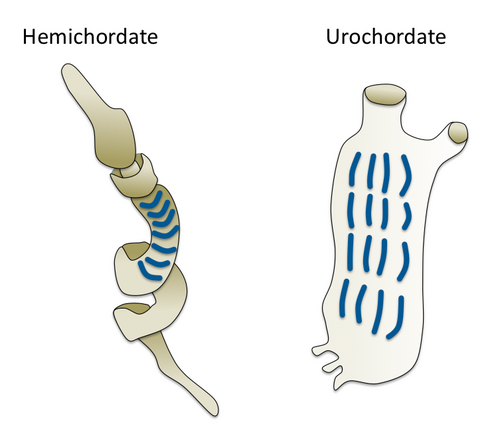
Hemichordates form a sister phylum to the echinoderms. They are solitary worm-shaped organisms rarely seen by humans because of their lifestyle. They include two main groups, the acorn worms and the Pterobranchia. Pterobranchia form a class containing about 30 species of small worm-shaped animals that live in secreted tubes on the ocean floor. Acorn worms form a class containing about 111 species that generally live in U-shaped burrows on the seabed, from the shoreline to a depth of 3000 meters. The worms lie there with the proboscis sticking out of one opening in the burrow, subsisting as deposit feeders or suspension feeders. It is supposed the ancestors of acorn worms used to live in tubes like their relatives, the Pterobranchia, but eventually started to live a safer and more sheltered existence in sediment burrows.[292] Some of these worms may grow to be very long; one particular species may reach a length of 2.5 meters (8feet 2inches), although most acorn worms are much smaller.
Acorn worms are more highly specialized and advanced than other worm-like organisms. They have a circulatory system with a heart that also functions as a kidney. Acorn worms have gill-like structures they use for breathing, similar to the gills of fish. Therefore, acorn worms are sometimes said to be a link between classical invertebrates and vertebrates. Acorn worms continually form new gill slits as they grow in size, and some older individuals have more than a hundred on each side. Each slit consists of a branchial chamber opening to the pharynx through a U-shaped cleft. Cilia push water through the slits, maintaining a constant flow, just as in fish.[293] Some acorn worms also have a postanal tail which may be homologous to the post-anal tail of vertebrates.
The three-section body plan of the acorn worm is no longer present in the vertebrates, except in the anatomy of the frontal neural tube, later developed into a brain divided into three parts. This means some of the original anatomy of the early chordate ancestors is still present in vertebrates even if it is not always visible. One theory is the three-part body originated from an early common ancestor of the deuterostomes, and maybe even from a common bilateral ancestor of both deuterostomes and protostomes. Studies have shown the gene expression in the embryo share three of the same signaling centers that shape the brains of all vertebrates, but instead of taking part in the formation of their neural system,[294] they are controlling the development of the different body regions.[295]
Marine chordates
The lancelet, like all cephalochordates, has a head. Adult lancelets retain the four key features of chordates: a notochord, a dorsal hollow nerve cord, pharyngeal slits, and a post-anal tail. Water from the mouth enters the pharyngeal slits, which filter out food particles. The filtered water then collects in the atrium and exits through the atriopore.[296]
The chordate phylum has three subphyla, one of which is the vertebrates (see below). The other two subphyla are marine invertebrates: the tunicates (salps and sea squirts) and the cephalochordates (such as lancelets). Invertebrate chordates are close relatives to vertebrates. In particular, there has been discussion about how closely some extinct marine species, such as Pikaiidae, Palaeospondylus, Zhongxiniscus and Vetulicolia, might relate ancestrally to vertebrates.
Invertebrate chordates are close relatives of vertebrates
The lancelet, a small translucent fish-like cephalochordate, is one of the closest living invertebrate relative of the vertebrates.[297][298]
Skeletal structures showing the vertebral column and internal skeleton running from the head to the tail.
Vertebrates (Latin for joints of the spine) are a subphylum of chordates. They are chordates that have a vertebral column (backbone). The vertebral column provides the central support structure for an internal skeleton which gives shape, support, and protection to the body and can provide a means of anchoring fins or limbs to the body. The vertebral column also serves to house and protect the spinal cord that lies within the vertebral column.
Marine vertebrates can be divided into marine fish and marine tetrapods.
Marine fish
Fish typically breathe by extracting oxygen from water through gills and have a skin protected by scales and mucous. They use fins to propel and stabilise themselves in the water, and usually have a two-chambered heart and eyes well adapted to seeing underwater, as well as other sensory systems. Over 33,000 species of fish have been described as of 2017,[300] of which about 20,000 are marine fish.[301]
Jawless fish
The Tully monster, a strange looking extinct animal with eyes like a hammerhead protruding from its back, may be an early jawless fish.
Early fish had no jaws. Most went extinct when they were outcompeted by jawed fish (below), but two groups survived: hagfish and lampreys. Hagfish form a class of about 20 species of eel-shaped, slime-producing marine fish. They are the only known living animals that have a skull but no vertebral column. Lampreys form a superclass containing 38 known extant species of jawless fish.[302] The adult lamprey is characterized by a toothed, funnel-like sucking mouth. Although they are well known for boring into the flesh of other fish to suck their blood,[303] only 18 species of lampreys are actually parasitic.[304] Together hagfish and lampreys are the sister group to vertebrates. Living hagfish remain similar to hagfish from around 300 million years ago.[305] The lampreys are a very ancient lineage of vertebrates, though their exact relationship to hagfishes and jawed vertebrates is still a matter of dispute.[306] Molecular analysis since 1992 has suggested that hagfish are most closely related to lampreys,[307] and so also are vertebrates in a monophyletic sense. Others consider them a sister group of vertebrates in the common taxon of craniata.[308]
The Tully monster is an extinct genus of soft-bodied bilaterians that lived in tropical estuaries about 300 million years ago. Since 2016 there has been controversy over whether this animal was a vertebrate or an invertebrate.[309][310] In 2020 researchers found "strong evidence" that the Tully monster was a vertebrate, and was a jawless fish in the lineage of the lamprey,[311][312] while in 2023 other researchers found 3D fossils scans did not support those conclusions.[313]
Pteraspidomorphi is an extinct class of early jawless fish ancestral to jawed vertebrates. The few characteristics they share with the latter are now considered as primitive for all vertebrates.
Around the start of the Devonian, fish started appearing with a deep remodelling of the vertebrate skull that resulted in a jaw.[314] All vertebrate jaws, including the human jaw, have evolved from these early fish jaws. The appearance of the early vertebrate jaw has been described as "perhaps the most profound and radical evolutionary step in vertebrate history".[315][316] Jaws make it possible to capture, hold, and chew prey. Fish without jaws had more difficulty surviving than fish with jaws, and most jawless fish became extinct during the Triassic period.
Cartilaginous fish
Jawed fish fall into two main groups: fish with bony internal skeletons and fish with cartilaginous internal skeletons. Cartilaginous fish, such as sharks and rays, have jaws and skeletons made of cartilage rather than bone. Megalodon is an extinct species of shark that lived about 28 to 1.5Ma. It may looked much like a stocky version of the great white shark, but was much larger with estimated lengths reaching 20.3 metres (67ft).[317] Found in all oceans[318] it was one of the largest and most powerful predators in vertebrate history,[317] and probably had a profound impact on marine life.[319] The Greenland shark has the longest known lifespan of all vertebrates, about 400 years.[320] Some sharks such as the great white are partially warm blooded and give live birth. The manta ray, largest ray in the world, has been targeted by fisheries and is now vulnerable.[321]
Cartilaginous fishes
Cartilaginous fishes may have evolved from spiny sharks.
Guiyu oneiros, the earliest-known bony fish lived during the Late Silurian 419 million years ago.Lobe fins are bedded into the body by bony stalks. They evolved into the legs of the first tetrapod land vertebrates.Ray fins have spines (rays) which can be erected to stiffen the fin for better control of swimming performance.
Bony fish have jaws and skeletons made of bone rather than cartilage. Bony fish also have hard, bony plates called operculum which help them respire and protect their gills, and they often possess a swim bladder which they use for better control of their buoyancy. Bony fish can be further divided into those with lobe fins and those with ray fins. The approximate dates in the phylogenetic tree are from Near et al., 2012[323] and Zhu et al., 2009.[324]
Lobe fins have the form of fleshy lobes supported by bony stalks which extend from the body.[325]Guiyu oneiros, the earliest-known bony fish, lived during the Late Silurian 419 million years ago. It has the combination of both ray-finned and lobe-finned features, although analysis of the totality of its features place it closer to lobe-finned fish.[324] Lobe fins evolved into the legs of the first tetrapod land vertebrates, so by extension an early ancestor of humans was a lobe-finned fish. Apart from the coelacanths and the lungfishes, lobe-finned fishes are now extinct.
The remaining bony fish have ray fins. These are made of webs of skin supported by bony or horny spines (rays) which can be erected to control the fin stiffness.
The main distinguishing feature of the chondrosteans (sturgeon, paddlefish, bichir and reedfish) is the cartilaginous nature of their skeletons. The ancestors of the chondrosteans are thought to be bony fish, but the characteristic of an ossified skeleton was lost in later evolutionary development, resulting in a lightening of the frame.[326]
Neopterygians (from Greek for new fins) appeared sometime in the Late Permian, before dinosaurs. They were a very successful group of fish, because they could move more rapidly than their ancestors. Their scales and skeletons began to lighten during their evolution, and their jaws became more powerful and efficient.[327]
Teleosts
Teleosts have homocercal tails, where the upper half mirrors the lower half.
About 96% of all modern fish species are teleosts,[328] of which about 14,000 are marine species.[329] Teleosts can be distinguished from other bony fish by their possession of a homocercal tail, a tail where the upper half mirrors the lower half.[330] Another difference lies in their jaw bones – teleosts have modifications in the jaw musculature which make it possible for them to protrude their jaws. This enables them to grab prey and draw it into their mouth.[330] In general, teleosts tend to be quicker and more flexible than more basal bony fishes. Their skeletal structure has evolved towards greater lightness. While teleost bones are well calcified, they are constructed from a scaffolding of struts, rather than the dense cancellous bones of holostean fish.[331]
Teleosts are found in almost all marine habitats.[332] They have enormous diversity, and range in size from adult gobies 8mm long [333] to ocean sunfish weighing over 2,000kg.[334] The following images show something of the diversity in the shape and colour of modern marine teleosts...
Nearly half of all extant vertebrate species are teleosts.[335]
Marine tetrapods
Tiktaalik, an extinct lobe-finned fish, developed limb-like fins that could take it onto land.
A tetrapod (Greek for four feet) is a vertebrate with limbs (feet). Tetrapods evolved from ancient lobe-finned fishes about 400 million years ago during the Devonian Period when their earliest ancestors emerged from the sea and adapted to living on land.[336] This change from a body plan for breathing and navigating in gravity-neutral water to a body plan with mechanisms enabling the animal to breathe in air without dehydrating and move on land is one of the most profound evolutionary changes known.[337][338] Tetrapods can be divided into four classes: amphibians, reptiles, birds and mammals.
Marine tetrapods are tetrapods that returned from land back to the sea again. The first returns to the ocean may have occurred as early as the Carboniferous Period[339] whereas other returns occurred as recently as the Cenozoic, as in cetaceans, pinnipeds,[340] and several modern amphibians.[341]Amphibians (from Greek for both kinds of life) live part of their life in water and part on land. They mostly require fresh water to reproduce. A few inhabit brackish water, but there are no true marine amphibians.[342] There have been reports, however, of amphibians invading marine waters, such as a Black Sea invasion by the natural hybrid Pelophylax esculentus reported in 2010.[343]
Reptiles
Reptiles (Late Latin for creeping or crawling) do not have an aquatic larval stage, and in this way are unlike amphibians. Most reptiles are oviparous, although several species of squamates are viviparous, as were some extinct aquatic clades[344] — the fetus develops within the mother, contained in a placenta rather than an eggshell. As amniotes, reptile eggs are surrounded by membranes for protection and transport, which adapt them to reproduction on dry land. Many of the viviparous species feed their fetuses through various forms of placenta analogous to those of mammals, with some providing initial care for their hatchlings.
Some reptiles are more closely related to birds than other reptiles, and many scientists prefer to make Reptilia a monophyletic group which includes the birds.[345][346][347][348]Extant non-avian reptiles which inhabit or frequent the sea include sea turtles, sea snakes, terrapins, the marine iguana, and the saltwater crocodile. Currently, of the approximately 12,000 extant reptile species and sub-species, only about 100 of are classed as marine reptiles.[349]
Except for some sea snakes, most extant marine reptiles are oviparous and need to return to land to lay their eggs. Apart from sea turtles, the species usually spend most of their lives on or near land rather than in the ocean. Sea snakes generally prefer shallow waters nearby land, around islands, especially waters that are somewhat sheltered, as well as near estuaries.[350][351] Unlike land snakes, sea snakes have evolved flattened tails which help them swim.[352]
Marine birds are adapted to life within the marine environment. They are often called seabirds. While marine birds vary greatly in lifestyle, behaviour and physiology, they often exhibit striking convergent evolution, as the same environmental problems and feeding niches have resulted in similar adaptations. Examples include albatross, penguins, gannets, and auks.
In general, marine birds live longer, breed later and have fewer young than terrestrial birds do, but they invest a great deal of time in their young. Most species nest in colonies, which can vary in size from a few dozen birds to millions. Many species are famous for undertaking long annual migrations, crossing the equator or circumnavigating the Earth in some cases. They feed both at the ocean's surface and below it, and even feed on each other. Marine birds can be highly pelagic, coastal, or in some cases spend a part of the year away from the sea entirely. Some marine birds plummet from heights, plunging through the water leaving vapour-like trails, similar to that of fighter planes.[355]Gannets plunge into the water at up to 100 kilometres per hour (60mph). They have air sacs under their skin in their face and chest which act like bubble-wrap, cushioning the impact with the water.
Mammals (from Latin for breast) are characterised by the presence of mammary glands which in females produce milk for feeding (nursing) their young. There are about 130 living and recently extinct marine mammal species such as seals, dolphins, whales, manatees, sea otters and polar bears.[356] They do not represent a distinct taxon or systematic grouping, but are instead unified by their reliance on the marine environment for feeding. Both cetaceans and sirenians are fully aquatic and therefore are obligate water dwellers. Seals and sea-lions are semiaquatic; they spend the majority of their time in the water, but need to return to land for important activities such as mating, breeding and molting. In contrast, both otters and the polar bear are much less adapted to aquatic living. Their diet varies considerably as well: some may eat zooplankton; others may eat fish, squid, shellfish, and sea-grass; and a few may eat other mammals.
In a process of convergent evolution, marine mammals, especially cetaceans such as dolphins and whales, redeveloped their body plan to parallel the streamlined fusiform body plan of pelagic fish. Front legs became flippers and back legs disappeared, a dorsal fin reappeared and the tail morphed into a powerful horizontal fluke. This body plan is an adaptation to being an active predator in a high drag environment. A parallel convergence occurred with the now extinct marine reptile ichthyosaur.[357]
Composite image showing the global distribution of photosynthesis, including both oceanic phytoplankton and terrestrial vegetation. Dark red and blue-green indicate regions of high photosynthetic activity in the ocean and on land, respectively.
Primary producers are the autotroph organisms that make their own food instead of eating other organisms. This means primary producers become the starting point in the food chain for heterotroph organisms that do eat other organisms. Some marine primary producers are specialised bacteria and archaea which are chemotrophs, making their own food by gathering around hydrothermal vents and cold seeps and using chemosynthesis. However most marine primary production comes from organisms which use photosynthesis on the carbon dioxide dissolved in the water. This process uses energy from sunlight to convert water and carbon dioxide[360]:186–187 into sugars that can be used both as a source of chemical energy and of organic molecules that are used in the structural components of cells.[360]:1242 Marine primary producers are important because they underpin almost all marine animal life by generating most of the oxygen and food that provide other organisms with the chemical energy they need to exist.
The principal marine primary producers are cyanobacteria, algae and marine plants. The oxygen released as a by-product of photosynthesis is needed by nearly all living things to carry out cellular respiration. In addition, primary producers are influential in the global carbon and water cycles. They stabilize coastal areas and can provide habitats for marine animals. The term division has been traditionally used instead of phylum when discussing primary producers, but the International Code of Nomenclature for algae, fungi, and plants now accepts both terms as equivalents.[361]
Cyanobacteria
Cyanobacteria
Cyanobacteria from a microbial mat. Cyanobacteria were the first organisms to release oxygen via photosynthesis.
The cyanobacterium genus Prochlorococcus is a major contributor to atmospheric oxygen.
Cyanobacteria were the first organisms to evolve an ability to turn sunlight into chemical energy. They form a phylum (division) of bacteria which range from unicellular to filamentous and include colonial species. They are found almost everywhere on earth: in damp soil, in both freshwater and marine environments, and even on Antarctic rocks.[362] In particular, some species occur as drifting cells floating in the ocean, and as such were amongst the first of the phytoplankton.
The first primary producers that used photosynthesis were oceanic cyanobacteria about 2.3billion years ago.[363][364] The release of molecular oxygen by cyanobacteria as a by-product of photosynthesis induced global changes in the Earth's environment. Because oxygen was toxic to most life on Earth at the time, this led to the near-extinction of oxygen-intolerant organisms, a dramatic change which redirected the evolution of the major animal and plant species.[365]
The tiny marine cyanobacterium Prochlorococcus, discovered in 1986, forms today part of the base of the ocean food chain and accounts for much of the photosynthesis of the open ocean[366] and an estimated 20% of the oxygen in the Earth's atmosphere.[367] It is possibly the most plentiful genus on Earth: a single millilitre of surface seawater may contain 100,000 cells or more.[368]
Originally, biologists classified cyanobacteria as algae, and referred to it as "blue-green algae". The more recent view is that cyanobacteria are bacteria, and hence are not even in the same Kingdom as algae. Most authorities today exclude all prokaryotes, and hence cyanobacteria from the definition of algae.[369][370]
Diatoms have a silica shell (frustule) with radial (centric) or bilateral (pennate) symmetry.
Dinoflagellates
Armoured
Unarmoured
Traditionally dinoflagellates have been presented as armoured or unarmoured.
Algae is an informal term for a widespread and diverse group of photosynthetic protists which are not necessarily closely related and are thus polyphyletic. Marine algae can be divided into six groups:
green algae, an informal group containing about 8,000 recognised species.[371] Many species live most of their lives as single cells or are filamentous, while others form colonies made up from long chains of cells, or are highly differentiated macroscopic seaweeds.
diatoms, a (disputed) phylum containing about 100,000 recognised species of mainly unicellular algae. Diatoms generate about 20 percent of the oxygen produced on the planet each year,[145] take in over 6.7 billion metric tons of silicon each year from the waters in which they live,[375] and contribute nearly half of the organic material found in the oceans. The shells (frustules) of dead diatoms can reach as much as half a mile deep on the ocean floor.[376]
dinoflagellates, a phylum of unicellular flagellates with about 2,000 marine species.[377] Many dinoflagellates are known to be photosynthetic, but a large fraction of these are in fact mixotrophic, combining photosynthesis with ingestion of prey (phagotrophy).[378] Some species are endosymbionts of marine animals and play an important part in the biology of coral reefs. Others predate other protozoa, and a few forms are parasitic.
euglenophytes, a phylum of unicellular flagellates with only a few marine members
Unlike higher plants, algae lack roots, stems, or leaves. They can be classified by size as microalgae or macroalgae.
Microalgae are the microscopic types of algae, not visible to the naked eye. They are mostly unicellular species which exist as individuals or in chains or groups, though some are multicellular. Microalgae are important components of the marine protists (discussed above), as well as the phytoplankton (discussed below). They are very diverse. It has been estimated there are 200,000-800,000 species of which about 50,000 species have been described.[379] Depending on the species, their sizes range from a few micrometers (μm) to a few hundred micrometers. They are specially adapted to an environment dominated by viscous forces.
Chlamydomonas globosa, a unicellular green alga with two flagella just visible at bottom left
Macroalgae are the larger, multicellular and more visible types of algae, commonly called seaweeds. Seaweeds usually grow in shallow coastal waters where they are anchored to the seafloor by a holdfast. Seaweed that becomes adrift can wash up on beaches. Kelp is a large brown seaweed that forms large underwater forests covering about 25% of the world coastlines.[381] They are among the most productive and dynamic ecosystems on Earth.[382] Some Sargassum seaweeds are planktonic (free-floating). Like microalgae, macroalgae (seaweeds) are technically marine protists since they are not true plants.
The unicellular mermaid's wineglass are mushroom-shaped algae that grow up to 10cm high.
Killer algae are single-celled organisms, but look like ferns and grow stalks up to 80cm long.[384]
Unicellular organisms are usually microscopic, less than one tenth of a millimeter long. There are exceptions. Mermaid's wineglass, a genus of subtropical green algae, is single-celled but remarkably large and complex in form with a single large nucleus, making it a model organism for studying cell biology.[385] Another single celled algae, Caulerpa taxifolia, has the appearance of a vascular plant including "leaves" arranged neatly up stalks like a fern. Selective breeding in aquariums to produce hardier strains resulted in an accidental release into the Mediterranean where it has become an invasive species known colloquially as killer algae.[386]
Origin of plants
Evolution of mangroves and seagrasses
Back in the Silurian, some phytoplankton evolved into red, brown and green algae. These algae then invaded the land and started evolving into the land plants we know today. Later, in the Cretaceous, some of these land plants returned to the sea as marine plants, such as mangroves and seagrasses.[387]
Sea dragons camouflaged to look like floating seaweed live in kelp forests and seagrass meadows.[388]
The total world area of mangrove forests was estimated in 2010 as 134,257 square kilometres (51,837sqmi) (based on satellite data).[389][390] The total world area of seagrass meadows is more difficult to determine, but was conservatively estimated in 2003 as 177,000 square kilometres (68,000sqmi).[391]
Mangroves and seagrasses provide important nursery habitats for marine life, acting as hiding and foraging places for larval and juvenile forms of larger fish and invertebrates.[392]
Plankton and trophic interactions
Plankton are drifting or floating organisms that cannot swim against a current, and include organisms from most areas of life: bacteria, archaea, algae, protozoa and animals.
Plankton (from Greek for wanderers) are a diverse group of organisms that live in the water column of large bodies of water but cannot swim against a current. As a result, they wander or drift with the currents.[393] Plankton are defined by their ecological niche, not by any phylogenetic or taxonomic classification. They are a crucial source of food for many marine animals, from forage fish to whales. Plankton can be divided into a plant-like component and an animal component.
Phytoplankton
Phytoplankton are the plant-like components of the plankton community ("phyto" comes from the Greek for plant). They are autotrophic (self-feeding), meaning that, like plants, they generate their own food and do not need to consume other organisms.
There are over 100,000 species of diatoms which account for 50% of the ocean's primary production.Red, orange, yellow and green represent areas where algal blooms abound. Blue areas represent nutrient-poor zones where phytoplankton exist in lower concentrations.
Zooplankton are the animal-like component of the planktonic community ("zoo" comes from the Greek for animal). They are heterotrophic (other-feeding), meaning that, like animals, they cannot produce their own food and must consume instead other plants or animals as food. In particular, this means they eat phytoplankton.
Foraminiferans
...can have more than one nucleus
...and defensive spines
Foraminiferans are important unicellular zooplankton protists, with calcium shells.
Turing and radiolarian morphology
Shell of a spherical radiolarian
Shell micrographs
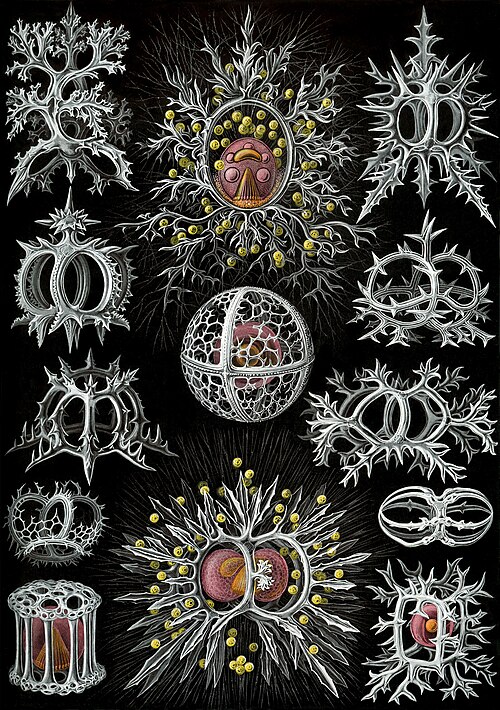
Computer simulations of Turing patterns on a sphere closely replicate some radiolarian shell patterns.[397]
Many marine animals begin life as zooplankton in the form of eggs or larvae, before they develop into adults. These are meroplanktic, that is, they are planktonic for only part of their life.
Mixoplankton are mixotrophic plankton, capable of both photosynthesis and predation. Instead of having a single trophic mode, like phytoplankton and zooplankton, a mixoplankton is capable of both modes, and lies somewhere on a continuum between complete autotrophy at one end to heterotrophy at the other. It is estimated that mixoplankton comprise more than half of all microscopic plankton.[400]
Dinoflagellates are often mixotrophic or live in symbiosis with other organisms. Some dinoflagellates are bioluminescent. At night, ocean water can light up internally and sparkle with blue light because of these dinoflagellates.[401][402] Bioluminescent dinoflagellates possess scintillons, individual cytoplasmic bodies which contain dinoflagellate luciferase, the main enzyme involved in the luminescence. The luminescence, sometimes called the phosphorescence of the sea, occurs as brief (0.1 sec) blue flashes or sparks when individual scintillons are stimulated, usually by mechanical disturbances from, for example, a boat or a swimmer or surf.[403]
Compared to terrestrial environments, marine environments have biomass pyramids which are inverted at the base.[404][405] In particular, the biomass of consumers (copepods, krill, shrimp, forage fish) is larger than the biomass of primary producers. This happens because the ocean's primary producers are tiny phytoplankton which tend to have a fast life history (are r-strategists that grow and reproduce rapidly) so a small mass can have a fast rate of primary production.[406] In contrast, terrestrial primary producers, such as mature forests, often have a slow life history (are K-strategists that grow and reproduce slowly) so a much larger mass is needed to achieve the same rate of primary production.[407]
Because of this inversion, it is the zooplankton that make up most of the marine animal biomass. As primary consumers, they are the crucial link between the primary producers (mainly (phytoplankton) and the rest of the marine food web (secondary consumers).[408]
If phytoplankton dies before it is eaten, it descends from the euphotic zone down through the pelagicwater column as part of the marine snow, and settles into the depths of sea. In this way, phytoplankton sequester about 2 billion tons of carbon dioxide in the ocean each year, causing the ocean to become a sink of carbon dioxide holding about 90% of all sequestered carbon.[410]
In 2010 researchers found whales carry nutrients from the depths of the ocean back up the pelagic water column to the surface using a process they called the whale pump.[411] Whales feed at deeper levels in the ocean where krill is found, but return regularly to the surface to breathe. There whales defecate a liquid rich in nitrogen and iron. Instead of sinking, the liquid stays at the surface where phytoplankton consume it. In the Gulf of Maine the whale pump provides more nitrogen than the rivers.[412]
Other interactions
Biogeochemical cycles
Marine biogeochemical cycles
The dominant feature of the planet viewed from space is water – oceans of liquid water flood most of the surface while water vapour swirls in atmospheric clouds and the poles are capped with ice.
Taken as a whole, the oceans form a single marine system where water – the "universal solvent" [413] – dissolves nutrients and substances containing elements such as oxygen, carbon, nitrogen and phosphorus. These substances are endlessly cycled and recycled, chemically combined and then broken down again, dissolved and then precipitated or evaporated, imported from and exported back to the land and the atmosphere and the ocean floor. Powered both by the biological activity of marine organisms and by the natural actions of the sun and tides and movements within the Earth's crust, these are the marine biogeochemical cycles.[414][415]
Sediments at the bottom of the ocean have two main origins, terrigenous and biogenous. Terrigenous sediments account for about 45% of the total marine sediment, and originate in the erosion of rocks on land, transported by rivers and land runoff, windborne dust, volcanoes, or grinding by glaciers.
Biogenous sediments account for the other 55% of the total sediment, and originate in the skeletal remains of marine protists (single-celled plankton and benthos organisms). Much smaller amounts of precipitated minerals and meteoric dust can also be present. Ooze, in the context of a marine sediment, does not refer to the consistency of the sediment but to its biological origin. The term ooze was originally used by John Murray, the "father of modern oceanography", who proposed the term radiolarian ooze for the silica deposits of radiolarian shells brought to the surface during the Challenger Expedition.[417] A biogenic ooze is a pelagic sediment containing at least 30 percent from the skeletal remains of marine organisms.
An elaborate mineral skeleton of a radiolarian made of silica.
Diatoms, major components of marine plankton, also have silica skeletons called frustules.
The drainage basins of the principal oceans and seas of the world are marked by continental divides. The grey areas are endorheic basins that do not drain to the ocean.
Land interactions impact marine life in many ways. Coastlines typically have continental shelves extending some way from the shore. These provide extensive shallows sunlit down to the seafloor, allowing for photosynthesis and enabling habitats for seagrass meadows, coral reefs, kelp forests and other benthic life. Further from shore the continental shelf slopes towards deep water. Wind blowing at the ocean surface or deep ocean currents can result in cold and nutrient rich waters from abyssal depths moving up the continental slopes. This can result in upwellings along the outer edges of continental shelves, providing conditions for phytoplankton blooms.
Water evaporated by the sun from the surface of the ocean can precipitate on land and eventually return to the ocean as runoff or discharge from rivers, enriched with nutrients as well as pollutants. As rivers discharge into estuaries, freshwater mixes with saltwater and becomes brackish. This provides another shallow water habitat where mangrove forests and estuarine fish thrive. Overall, life in inland lakes can evolve with greater diversity than happens in the sea, because freshwater habitats are themselves diverse and compartmentalised in a way marine habitats are not. Some aquatic life, such as salmon and eels, migrate back and forth between freshwater and marine habitats. These migrations can result in exchanges of pathogens and have impacts on the way life evolves in the ocean.
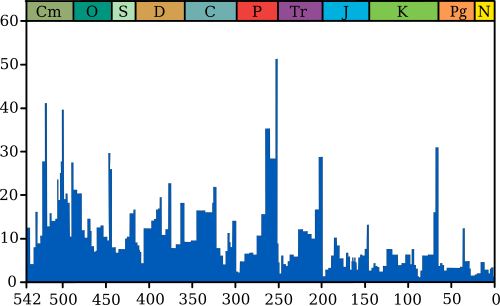
Apparent extinction intensity, i.e. the fraction of genera going extinct at any given time as reconstructed from the fossil record (excluding the current Holocene extinction event)
Biodiversity is the result of over three billion years of evolution. Until approximately 600 million years ago, all life consisted of archaea, bacteria, protozoans and similar single-celled organisms. The history of biodiversity during the Phanerozoic (the last 540 million years), starts with rapid growth during the Cambrian explosion – a period during which nearly every phylum of multicellular organisms first appeared. Over the next 400 million years or so, invertebrate diversity showed little overall trend and vertebrate diversity shows an overall exponential trend.[425]
However, more than 99 percent of all species that ever lived on Earth, amounting to over five billion species,[426] are estimated to be extinct.[427][428] These extinctions occur at an uneven rate. The dramatic rise in diversity has been marked by periodic, massive losses of diversity classified as mass extinction events.[425] Mass extinction events occur when life undergoes precipitous global declines. Most diversity and biomass on earth is found among the microorganisms, which are difficult to measure. Recorded extinction events are therefore based on the more easily observed changes in the diversity and abundance of larger multicellular organisms, rather than the total diversity and abundance of life.[429] Marine fossils are mostly used to measure extinction rates because of their superior fossil record and stratigraphic range compared to land organisms.
Based on the fossil record, the background rate of extinctions on Earth is about two to five taxonomicfamilies of marine animals every million years. The Great Oxygenation Event was perhaps the first major extinction event. Since the Cambrian explosion five major mass extinctions have significantly exceeded the background extinction rate.[430] The worst was the Permian-Triassic extinction event, 251 million years ago. One generally estimates that the Big Five mass extinctions of the Phanerozoic (the last 540 million years) wiped out more than 40% of marine genera and probably more than 70% of marine species.[431] The current Holocene extinction caused by human activity, and now referred to as the "sixth extinction", may prove ultimately more devastating.
Investigating and exploring marine life
Research and study
In order to perform research and enrich Marine Life knowledge, Scientists use various methods in-order to reach and explore the depths of the ocean. several Hi-tech instruments and vehicles are used for this purpose.[432]
Autonomous Underwater Vehicles (AUVs)- Underwater robots used to explore the ocean. AUVs are independent robots and can explore unmanned. They are released from a ship and are operated from the surface.[433]
Deep-Towed Vehicles (DTVs)- vehicles towed behind research vessels, offering a simpler alternative to more advanced underwater vehicles. They serve as versatile platforms for deploying oceanographic instruments to measure various ocean parameters, with specific models like the DTV BRIDGET used for studying hydrothermal vent plumes by moving near the ocean floor.[434]
Manned Submersibles- an manned underwater vehicle used for exploring, experimenting and is often used by army.[432]
Research vessels (R/Vs)- a boat or ship used to conduct research over a ling period of time. It is capable of transporting a diverse range of sampling and surveying equipment. Research vessels typically feature on-board laboratory space, allowing researchers to promptly analyze the materials collected during cruises.
Remotely Operated Vehicles (ROVs)- unmanned vehicles. able to reach greater depths under water in order to collect a wider variety of information.[432][435]
↑This is the measurement taken by the vessel Kaikō in March 1995 and is considered the most accurate measurement to date. See the Challenger Deep article for more details.
↑Myxozoa were thought to be an exception, but are now thought to be heavily modified members of the Cnidaria. Jiménez-Guri E, Philippe H, Okamura B, Holland PW (July 2007). "Buddenbrockia is a cnidarian worm". Science. 317 (5834): 116–8. Bibcode:2007Sci...317..116J. doi:10.1126/science.1142024. PMID17615357. S2CID5170702.
↑The earliest Bilateria may have had only a single opening, and no coelom.[239]
References
12Cavicchioli R, Ripple WJ, Timmis KN, Azam F, Bakken LR, Baylis M, etal. (September 2019). "Scientists' warning to humanity: microorganisms and climate change". Nature Reviews. Microbiology. 17 (9): 569–586. doi:10.1038/s41579-019-0222-5. PMC7136171. PMID31213707. Modified text was copied from this source, which is available under a Creative Commons Attribution 4.0 International License.
↑Drogin, B (2 August 2009). "Mapping an ocean of species". Los Angeles Times. Retrieved 18 August 2009.
↑Bouchet, Philippe; Decock, Wim; Lonneville, Britt; Vanhoorne, Bart; Vandepitte, Leen (June 2023). "Marine biodiversity discovery: the metrics of new species descriptions". Frontiers in Marine Science. 10 (3389) 929989. Bibcode:2023FrMaS..1029989B. doi:10.3389/fmars.2023.929989– via ResearchGate.
123"National Oceanic and Atmospheric Administration – Ocean". NOAA. Retrieved 20 February 2019.
↑Paul, GS (2010). "The Evolution of Dinosaurs and their World". The Princeton Field Guide to Dinosaurs. Princeton: Princeton University Press. p.19. ISBN978-0-691-13720-9.
↑Bortolotti, Dan (2008). Wild blue: a natural history of the world's largest animal. New York: Thomas Dunn Books. ISBN978-0-312-38387-9. OCLC213451450.
123Bar-On YM, Phillips R, Milo R (June 2018). "The biomass distribution on Earth". Proceedings of the National Academy of Sciences of the United States of America. 115 (25): 6506–6511. Bibcode:2018PNAS..115.6506B. doi:10.1073/pnas.1711842115. PMC6016768. PMID29784790.
↑"Census Of Marine Life". Smithsonian. 30 April 2018. Retrieved 29 October 2020.
↑Xiao-Feng P (2014). "Chapter 5". Water: Molecular Structure And Properties. World Scientific. pp.390–461. ISBN978-981-4440-44-8.
↑Greenwood NN, Earnshaw A (1997). Chemistry of the Elements (2nded.). Butterworth-Heinemann. p.620. doi:10.1016/C2009-0-30414-6. ISBN978-0-08-037941-8.
↑"Water, the Universal Solvent". USGS. Archived from the original on 9 July 2017. Retrieved 27 June 2017.
↑Collins JC (1991). The Matrix of Life: A View of Natural Molecules from the Perspective of Environmental Water. Molecular Presentations. ISBN978-0-9629719-0-7.
↑"7,000m Class Remotely Operated Vehicle KAIKO 7000". Japan Agency for Marine-Earth Science and Technology (JAMSTEC). Archived from the original on 10 April 2020. Retrieved 7 June 2008.
↑"How many oceans are there?". NOAA. 9 April 2020.
↑Charette MA, Smith WH (June 2010). "The Volume of Earth's Ocean". Oceanography. 23 (2): 112–14. Bibcode:2010Ocgpy..23b.112C. doi:10.5670/oceanog.2010.51. hdl:1912/3862.
↑Duxbury AC, Cenedese C (7 May 2021). "Sphere depth of the ocean– hydrology". Encyclopædia Britannica. Retrieved 12 April 2015.
↑"Third rock from the Sun– restless Earth". NASA's Cosmos. Retrieved 12 April 2015.
↑Perlman H (17 March 2014). "The World's Water". USGS Water-Science School. Retrieved 12 April 2015.
↑Kennish KJ (2001). Practical handbook of marine science. Marine science series (3rded.). CRC Press. p.35. ISBN978-0-8493-2391-1.
↑Mullen L (11 June 2002). "Salt of the Early Earth". NASA Astrobiology Magazine. Archived from the original on 30 June 2007. Retrieved 14 March 2007.
↑Morris RM. "Oceanic Processes". NASA Astrobiology Magazine. Archived from the original on 15 April 2009. Retrieved 14 March 2007.
↑Scott M (24 April 2006). "Earth's Big heat Bucket". NASA Earth Observatory. Retrieved 14 March 2007.
↑Sample S (21 June 2005). "Sea Surface Temperature". NASA. Archived from the original on 6 April 2013. Retrieved 21 April 2007.
↑"Volumes of the World's Oceans from ETOPO1". NOAA. Archived from the original on 11 March 2015. Retrieved 20 February 2019.
↑"Planet "Earth": We Should Have Called It "Sea"". Quote Invertigator. 25 January 2017.
↑"Unveiling Planet Ocean". pNASA Science. 14 March 2002. Archived from the original on 8 October 2022. Retrieved 19 February 2019.
↑Dyches P, Brown D (12 May 2015). "NASA Research Reveals Europa's Mystery Dark Material Could Be Sea Salt". NASA. Retrieved 12 May 2015.
↑Adamu Z (1 October 2012). "Water near surface of a Jupiter moon only temporary". CNN Light Years. Archived from the original on 5 October 2012. Retrieved 24 April 2019.
↑Tritt CS (2002). "Possibility of Life on Europa". Milwaukee School of Engineering. Archived from the original on 9 June 2007. Retrieved 10 August 2007.
↑Schulze-Makuch D, Irwin LN (2001). "Alternative Energy Sources Could Support Life on Europa"(PDF). Departments of Geological and Biological Sciences, University of Texas at El Paso. Archived from the original(PDF) on 3 July 2006. Retrieved 21 December 2007.
↑Friedman L (14 December 2005). "Projects: Europa Mission Campaign". The Planetary Society. Archived from the original on 11 August 2011. Retrieved 8 August 2011.
↑"Ocean Within Enceladus May Harbor Hydrothermal Activity". NASA Press Release. 11 March 2015.
↑Dalrymple GB (January 2001). "The age of the Earth in the twentieth century: a problem (mostly) solved". Special Publications. 190 (1). London: Geological Society: 205–21. Bibcode:2001GSLSP.190..205D. doi:10.1144/GSL.SP.2001.190.01.14. S2CID130092094.
↑Manhes G, Allègre CJ, Dupré B, Hamelin B (May 1980). "Lead isotope study of basic-ultrabasic layered complexes: Speculations about the age of the earth and primitive mantle characteristics". Earth and Planetary Science Letters. 47 (3): 370–382. Bibcode:1980E&PSL..47..370M. doi:10.1016/0012-821X(80)90024-2. ISSN0012-821X.
↑Schopf JW, Kudryavtsev AB, Czaja AD, Tripathi AB (5 October 2007). "Evidence of Archean life: Stromatolites and microfossils". Precambrian Research. 158 (3–4): 141–155. Bibcode:2007PreR..158..141S. doi:10.1016/j.precamres.2007.04.009. ISSN0301-9268.
↑Baumgartner RJ, Van Kranendonk MJ, Wacey D, Fiorentini ML, Saunders M, Caruso S, etal. (2019). "Nano−porous pyrite and organic matter in 3.5-billion-year-old stromatolites record primordial life"(PDF). Geology. 47 (11): 1039–1043. Bibcode:2019Geo....47.1039B. doi:10.1130/G46365.1. S2CID204258554.
↑"Earliest signs of life: Scientists find microbial remains in ancient rocks". Phys.org. 26 September 2019.
↑Ohtomo Y, Kakegawa T, Ishida A, Nagase T, Rosing MT (January 2014). "Evidence for biogenic graphite in early Archaean Isua metasedimentary rocks". Nature Geoscience. 7 (1): 25–28. Bibcode:2014NatGe...7...25O. doi:10.1038/ngeo2025. ISSN1752-0894.
12Borenstein S (19 October 2015). "Hints of life on what was thought to be desolate early Earth". Associated Press. Retrieved 9 October 2018.
↑Bell EA, Boehnke P, Harrison TM, Mao WL (November 2015). "Potentially biogenic carbon preserved in a 4.1 billion-year-old zircon". Proceedings of the National Academy of Sciences of the United States of America. 112 (47): 14518–21. Bibcode:2015PNAS..11214518B. doi:10.1073/pnas.1517557112. PMC4664351. PMID26483481.
↑Penny D, Poole A (December 1999). "The nature of the last universal common ancestor". Current Opinion in Genetics & Development. 9 (6): 672–7. doi:10.1016/S0959-437X(99)00020-9. PMID10607605.
↑Theobald DL (May 2010). "A formal test of the theory of universal common ancestry". Nature. 465 (7295): 219–22. Bibcode:2010Natur.465..219T. doi:10.1038/nature09014. PMID20463738. S2CID4422345.
↑Doolittle WF (February 2000). "Uprooting the tree of life"(PDF). Scientific American. 282 (2): 90–5. Bibcode:2000SciAm.282b..90D. doi:10.1038/scientificamerican0200-90. PMID10710791. Archived from the original(PDF) on 7 September 2006. Retrieved 5 April 2015.
↑Peretó J (March 2005). "Controversies on the origin of life"(PDF). International Microbiology. 8 (1): 23–31. PMID15906258. Archived from the original(PDF) on 24 August 2015.
↑Joyce GF (July 2002). "The antiquity of RNA-based evolution". Nature. 418 (6894): 214–21. Bibcode:2002Natur.418..214J. doi:10.1038/418214a. PMID12110897. S2CID4331004.
↑Trevors JT, Psenner R (December 2001). "From self-assembly of life to present-day bacteria: a possible role for nanocells". FEMS Microbiology Reviews. 25 (5): 573–82. doi:10.1111/j.1574-6976.2001.tb00592.x. PMID11742692.
↑Wade N (25 July 2016). "Meet Luca, the Ancestor of All Living Things". New York Times. Retrieved 25 July 2016.
↑Bapteste E, Walsh DA (June 2005). "Does the 'Ring of Life' ring true?". Trends in Microbiology. 13 (6): 256–61. doi:10.1016/j.tim.2005.03.012. PMID15936656.
↑Darwin C (1859). "On The Origin of Species". London: John Murray.
↑Doolittle WF, Bapteste E (February 2007). "Pattern pluralism and the Tree of Life hypothesis". Proceedings of the National Academy of Sciences of the United States of America. 104 (7): 2043–9. Bibcode:2007PNAS..104.2043D. doi:10.1073/pnas.0610699104. PMC1892968. PMID17261804.
↑Kunin V, Goldovsky L, Darzentas N, Ouzounis CA (July 2005). "The net of life: reconstructing the microbial phylogenetic network". Genome Research. 15 (7): 954–9. doi:10.1101/gr.3666505. PMC1172039. PMID15965028.
↑Jablonski D (June 1999). "The future of the fossil record". Science. 284 (5423): 2114–6. Bibcode:1999Sci...284.2114J. doi:10.1126/science.284.5423.2114. PMID10381868. S2CID43388925.
↑Ciccarelli FD, Doerks T, von Mering C, Creevey CJ, Snel B, Bork P (March 2006). "Toward automatic reconstruction of a highly resolved tree of life". Science. 311 (5765): 1283–7. Bibcode:2006Sci...311.1283C. CiteSeerX10.1.1.381.9514. doi:10.1126/science.1123061. PMID16513982. S2CID1615592.
↑Mason SF (6 September 1984). "Origins of biomolecular handedness". Nature. 311 (5981): 19–23. Bibcode:1984Natur.311...19M. doi:10.1038/311019a0. PMID6472461. S2CID103653.
↑Wolf YI, Rogozin IB, Grishin NV, Koonin EV (September 2002). "Genome trees and the tree of life". Trends in Genetics. 18 (9): 472–9. doi:10.1016/S0168-9525(02)02744-0. PMID12175808.
↑Varki A, Altheide TK (December 2005). "Comparing the human and chimpanzee genomes: searching for needles in a haystack". Genome Research. 15 (12): 1746–58. doi:10.1101/gr.3737405. PMID16339373.
12Cavalier-Smith T (June 2006). "Cell evolution and Earth history: stasis and revolution". Philosophical Transactions of the Royal Society of London. Series B, Biological Sciences. 361 (1470): 969–1006. doi:10.1098/rstb.2006.1842. PMC1578732. PMID16754610.
↑Schopf JW (June 2006). "Fossil evidence of Archaean life". Philosophical Transactions of the Royal Society of London. Series B, Biological Sciences. 361 (1470): 869–85. doi:10.1098/rstb.2006.1834. PMC1578735. PMID16754604.
Altermann W, Kazmierczak J (November 2003). "Archean microfossils: a reappraisal of early life on Earth". Research in Microbiology. 154 (9): 611–7. doi:10.1016/j.resmic.2003.08.006. PMID14596897.
12Schopf JW (July 1994). "Disparate rates, differing fates: tempo and mode of evolution changed from the Precambrian to the Phanerozoic". Proceedings of the National Academy of Sciences of the United States of America. 91 (15): 6735–42. Bibcode:1994PNAS...91.6735S. doi:10.1073/pnas.91.15.6735. PMC44277. PMID8041691.
12Poole AM, Penny D (January 2007). "Evaluating hypotheses for the origin of eukaryotes". BioEssays. 29 (1): 74–84. Bibcode:2007BiEss..29...74P. doi:10.1002/bies.20516. PMID17187354.
12Dyall SD, Brown MT, Johnson PJ (April 2004). "Ancient invasions: from endosymbionts to organelles". Science. 304 (5668): 253–7. Bibcode:2004Sci...304..253D. doi:10.1126/science.1094884. PMID15073369. S2CID19424594.
↑Martin W (October 2005). "The missing link between hydrogenosomes and mitochondria". Trends in Microbiology. 13 (10): 457–9. doi:10.1016/j.tim.2005.08.005. PMID16109488.
↑Lang BF, Gray MW, Burger G (December 1999). "Mitochondrial genome evolution and the origin of eukaryotes". Annual Review of Genetics. 33: 351–97. doi:10.1146/annurev.genet.33.1.351. PMID10690412.
McFadden GI (December 1999). "Endosymbiosis and evolution of the plant cell". Current Opinion in Plant Biology. 2 (6): 513–9. Bibcode:1999COPB....2..513M. doi:10.1016/S1369-5266(99)00025-4. PMID10607659.
↑DeLong EF, Pace NR (August 2001). "Environmental diversity of bacteria and archaea". Systematic Biology. 50 (4): 470–8. CiteSeerX10.1.1.321.8828. doi:10.1080/106351501750435040. PMID12116647.
↑Kaiser D (December 2001). "Building a multicellular organism". Annual Review of Genetics. 35: 103–23. doi:10.1146/annurev.genet.35.102401.090145. PMID11700279. S2CID18276422.
↑Zimmer C (7 January 2016). "Genetic Flip Helped Organisms Go From One Cell to Many". The New York Times. Retrieved 7 January 2016.
↑Valentine JW, Jablonski D, Erwin DH (February 1999). "Fossils, molecules and embryos: new perspectives on the Cambrian explosion". Development. 126 (5): 851–9. doi:10.1242/dev.126.5.851. PMID9927587.
↑Ohno S (January 1997). "The reason for as well as the consequence of the Cambrian explosion in animal evolution". Journal of Molecular Evolution. 44 (Suppl. 1): S23-7. Bibcode:1997JMolE..44S..23O. doi:10.1007/PL00000055. PMID9071008. S2CID21879320.
Valentine JW, Jablonski D (2003). "Morphological and developmental macroevolution: a paleontological perspective". The International Journal of Developmental Biology. 47 (7–8): 517–22. doi:10.1387/ijdb.14756327. PMID14756327. Retrieved 30 December 2014.
↑Wellman CH, Osterloff PL, Mohiuddin U (September 2003). "Fragments of the earliest land plants"(PDF). Nature. 425 (6955): 282–5. Bibcode:2003Natur.425..282W. doi:10.1038/nature01884. PMID13679913. S2CID4383813.
↑Barton N (2007). Evolution. CSHL Press. pp.273–274. ISBN978-0-19-922632-0. Retrieved 30 September 2012.
↑Waters ER (December 2003). "Molecular adaptation and the origin of land plants". Molecular Phylogenetics and Evolution. 29 (3): 456–63. Bibcode:2003MolPE..29..456W. doi:10.1016/j.ympev.2003.07.018. PMID14615186.
↑Mayhew PJ (August 2007). "Why are there so many insect species? Perspectives from fossils and phylogenies". Biological Reviews of the Cambridge Philosophical Society. 82 (3): 425–54. Bibcode:2007BioRv..82..425M. doi:10.1111/j.1469-185X.2007.00018.x. PMID17624962. S2CID9356614.
↑Wible JR, Rougier GW, Novacek MJ, Asher RJ (June 2007). "Cretaceous eutherians and Laurasian origin for placental mammals near the K/T boundary". Nature. 447 (7147): 1003–6. Bibcode:2007Natur.447.1003W. doi:10.1038/nature05854. PMID17581585. S2CID4334424.
↑Witmer LM (July 2011). "Palaeontology: An icon knocked from its perch". Nature. 475 (7357): 458–9. doi:10.1038/475458a. PMID21796198. S2CID205066360.
↑Schloss PD, Handelsman J (December 2004). "Status of the microbial census". Microbiology and Molecular Biology Reviews. 68 (4): 686–91. doi:10.1128/MMBR.68.4.686-691.2004. PMC539005. PMID15590780.
↑Miller GT, Spoolman S (January 2012). "Chapter 4.1: What is Biodiversity and Why is it Important?". Environmental Science. Cengage Learning. p.62. ISBN978-1-133-70787-5.
↑Mora C, Tittensor DP, Adl S, Simpson AG, Worm B (August 2011). "How many species are there on Earth and in the ocean?". PLOS Biology. 9 (8) e1001127. doi:10.1371/journal.pbio.1001127. PMC3160336. PMID21886479.
↑Madigan M, Martinko J, eds. (2006). Brock Biology of Microorganisms (13thed.). Pearson Education. p.1096. ISBN978-0-321-73551-5.
↑Rybicki EP (1990). "The classification of organisms at the edge of life, or problems with virus systematics". South African Journal of Science. 86: 182–6. ISSN0038-2353.
↑Lwoff A (October 1957). "The concept of virus". Journal of General Microbiology. 17 (2): 239–53. doi:10.1099/00221287-17-2-239. PMID13481308.
↑"2002 WHO mortality data". Archived from the original on 19 August 2006. Retrieved 20 January 2007.
↑"Functions of global ocean microbiome key to understanding environmental changes". www.sciencedaily.com. University of Georgia. 10 December 2015. Retrieved 11 December 2015.
↑Suttle CA (September 2005). "Viruses in the sea". Nature. 437 (7057): 356–61. Bibcode:2005Natur.437..356S. doi:10.1038/nature04160. PMID16163346. S2CID4370363.
12Shors T (2017). Understanding Viruses (3rded.). Jones and Bartlett Publishers. ISBN978-1-284-02592-7.
123Suttle CA (October 2007). "Marine viruses—major players in the global ecosystem". Nature Reviews. Microbiology. 5 (10): 801–12. doi:10.1038/nrmicro1750. PMID17853907. S2CID4658457.
↑Morrison J (11 January 2016). "Living Bacteria Are Riding Earth's Air Currents". Smithsonian Magazine.
↑Robbins J (13 April 2018). "Trillions Upon Trillions of Viruses Fall From the Sky Each Day". The New York Times. Retrieved 14 April 2018.
↑Reche I, D'Orta G, Mladenov N, Winget DM, Suttle CA (April 2018). "Deposition rates of viruses and bacteria above the atmospheric boundary layer". The ISME Journal. 12 (4): 1154–1162. Bibcode:2018ISMEJ..12.1154R. doi:10.1038/s41396-017-0042-4. PMC5864199. PMID29379178.
↑Staff (2014). "The Biosphere". Aspen Global Change Institute. Archived from the original on 2 September 2010. Retrieved 10 November 2014.
123Choi CQ (17 March 2013). "Microbes Thrive in Deepest Spot on Earth". LiveScience. Retrieved 17 March 2013.
↑Glud RN, Wenzhöfer F, Middelboe M, Oguri K, Turnewitsch R, Canfield DE, Kitazato H (17 March 2013). "High rates of microbial carbon turnover in sediments in the deepest oceanic trench on Earth". Nature Geoscience. 6 (4): 284–288. Bibcode:2013NatGe...6..284G. doi:10.1038/ngeo1773.
↑Oskin B (14 March 2013). "Intraterrestrials: Life Thrives in Ocean Floor". LiveScience. Retrieved 17 March 2013.
↑Morelle R (15 December 2014). "Microbes discovered by deepest marine drill analysed". BBC News. Retrieved 15 December 2014.
↑Takai K, Nakamura K, Toki T, Tsunogai U, Miyazaki M, Miyazaki J, etal. (August 2008). "Cell proliferation at 122 degrees C and isotopically heavy CH4 production by a hyperthermophilic methanogen under high-pressure cultivation". Proceedings of the National Academy of Sciences of the United States of America. 105 (31): 10949–54. Bibcode:2008PNAS..10510949T. doi:10.1073/pnas.0712334105. PMC2490668. PMID18664583.
↑Fox D (August 2014). "Lakes under the ice: Antarctica's secret garden". Nature. 512 (7514): 244–6. Bibcode:2014Natur.512..244F. doi:10.1038/512244a. PMID25143097.
↑Mack E (20 August 2014). "Life Confirmed Under Antarctic Ice; Is Space Next?". Forbes. Retrieved 21 August 2014.
↑Wimmer E, Mueller S, Tumpey TM, Taubenberger JK (December 2009). "Synthetic viruses: a new opportunity to understand and prevent viral disease". Nature Biotechnology. 27 (12): 1163–72. doi:10.1038/nbt.1593. PMC2819212. PMID20010599.
↑Koonin EV, Senkevich TG, Dolja VV (September 2006). "The ancient Virus World and evolution of cells". Biology Direct. 1: 29. doi:10.1186/1745-6150-1-29. PMC1594570. PMID16984643.
↑Topley WW, Wilson GS, Collier LH, Balows A, Sussman M (1998). Mahy BW, Collier L (eds.). Topley and Wilson's Microbiology and Microbial Infections. Vol.1 (9thed.). London: Arnold. pp.33–37. ISBN978-0-340-66316-5.
↑Iyer LM, Balaji S, Koonin EV, Aravind L (April 2006). "Evolutionary genomics of nucleo-cytoplasmic large DNA viruses". Virus Research. 117 (1): 156–84. doi:10.1016/j.virusres.2006.01.009. PMID16494962.
↑Sanjuán R, Nebot MR, Chirico N, Mansky LM, Belshaw R (October 2010). "Viral mutation rates". Journal of Virology. 84 (19): 9733–48. Bibcode:2010JVir...84.9733S. doi:10.1128/JVI.00694-10. PMC2937809. PMID20660197.
↑Mahy WJ, Van Regenmortel MH, eds. (2009). Desk Encyclopedia of General Virology. Oxford: Academic Press. p.28. ISBN978-0-12-375146-1.
12Canchaya C, Fournous G, Chibani-Chennoufi S, Dillmann ML, Brüssow H (August 2003). "Phage as agents of lateral gene transfer". Current Opinion in Microbiology. 6 (4): 417–24. doi:10.1016/S1369-5274(03)00086-9. PMID12941415.
12Koonin EV, Starokadomskyy P (October 2016). "Are viruses alive? The replicator paradigm sheds decisive light on an old but misguided question". Studies in History and Philosophy of Biological and Biomedical Sciences. 59: 125–34. doi:10.1016/j.shpsc.2016.02.016. PMC5406846. PMID26965225.
↑Rybicki EP (1990). "The classification of organisms at the edge of life, or problems with virus systematics". South African Journal of Science. 86: 182–186.
12Mann NH (May 2005). "The third age of phage". PLOS Biology. 3 (5) e182. doi:10.1371/journal.pbio.0030182. PMC1110918. PMID15884981.
12Suttle CA (September 2005). "Viruses in the sea". Nature. 437 (7057): 356–61. Bibcode:2005Natur.437..356S. doi:10.1038/nature04160. PMID16163346. S2CID4370363.
↑Bergh O, Børsheim KY, Bratbak G, Heldal M (August 1989). "High abundance of viruses found in aquatic environments". Nature. 340 (6233): 467–8. Bibcode:1989Natur.340..467B. doi:10.1038/340467a0. PMID2755508. S2CID4271861.
↑Wigington CH, Sonderegger D, Brussaard CP, Buchan A, Finke JF, Fuhrman JA, etal. (January 2016). "Re-examination of the relationship between marine virus and microbial cell abundances"(PDF). Nature Microbiology. 1 (3) 15024. doi:10.1038/nmicrobiol.2015.24. PMID27572161. S2CID52829633.
↑Krupovic M, Bamford DH (July 2007). "Putative prophages related to lytic tailless marine dsDNA phage PM2 are widespread in the genomes of aquatic bacteria". BMC Genomics. 8: 236. doi:10.1186/1471-2164-8-236. PMC1950889. PMID17634101.
↑Xue H, Xu Y, Boucher Y, Polz MF (January 2012). "High frequency of a novel filamentous phage, VCY φ, within an environmental Vibrio cholerae population". Applied and Environmental Microbiology. 78 (1): 28–33. Bibcode:2012ApEnM..78...28X. doi:10.1128/AEM.06297-11. PMC3255608. PMID22020507.
↑Roux S, Krupovic M, Poulet A, Debroas D, Enault F (2012). "Evolution and diversity of the Microviridae viral family through a collection of 81 new complete genomes assembled from virome reads". PLOS ONE. 7 (7) e40418. Bibcode:2012PLoSO...740418R. doi:10.1371/journal.pone.0040418. PMC3394797. PMID22808158.
↑"Harmful Algal Blooms: Red Tide: Home |CDC HSB". www.cdc.gov. Retrieved 19 December 2014.
↑Lawrence CM, Menon S, Eilers BJ, Bothner B, Khayat R, Douglas T, Young MJ (May 2009). "Structural and functional studies of archaeal viruses". The Journal of Biological Chemistry. 284 (19): 12599–603. doi:10.1074/jbc.R800078200. PMC2675988. PMID19158076.
↑Prangishvili D, Forterre P, Garrett RA (November 2006). "Viruses of the Archaea: a unifying view". Nature Reviews. Microbiology. 4 (11): 837–48. doi:10.1038/nrmicro1527. PMID17041631. S2CID9915859.
↑Prangishvili D, Garrett RA (April 2004). "Exceptionally diverse morphotypes and genomes of crenarchaeal hyperthermophilic viruses"(PDF). Biochemical Society Transactions. 32 (Pt 2): 204–8. doi:10.1042/BST0320204. PMID15046572. S2CID20018642.
↑Forterre P, Philippe H (June 1999). "The last universal common ancestor (LUCA), simple or complex?". The Biological Bulletin. 196 (3): 373–5, discussion 375–7. doi:10.2307/1542973. JSTOR1542973. PMID11536914.
↑Fredrickson JK, Zachara JM, Balkwill DL, Kennedy D, Li SM, Kostandarithes HM, etal. (July 2004). "Geomicrobiology of high-level nuclear waste-contaminated vadose sediments at the hanford site, washington state". Applied and Environmental Microbiology. 70 (7): 4230–41. Bibcode:2004ApEnM..70.4230F. doi:10.1128/AEM.70.7.4230-4241.2004. PMC444790. PMID15240306.
↑Woese CR, Kandler O, Wheelis ML (June 1990). "Towards a natural system of organisms: proposal for the domains Archaea, Bacteria, and Eucarya". Proceedings of the National Academy of Sciences of the United States of America. 87 (12): 4576–9. Bibcode:1990PNAS...87.4576W. doi:10.1073/pnas.87.12.4576. PMC54159. PMID2112744.
↑DeLong EF, Pace NR (August 2001). "Environmental diversity of bacteria and archaea". Systematic Biology. 50 (4): 470–8. CiteSeerX10.1.1.321.8828. doi:10.1080/106351501750435040. PMID12116647.
↑Brown JR, Doolittle WF (December 1997). "Archaea and the prokaryote-to-eukaryote transition". Microbiology and Molecular Biology Reviews. 61 (4): 456–502. doi:10.1128/mmbr.61.4.456-502.1997. PMC232621. PMID9409149.
↑Lang BF, Gray MW, Burger G (1999). "Mitochondrial genome evolution and the origin of eukaryotes". Annual Review of Genetics. 33: 351–97. doi:10.1146/annurev.genet.33.1.351. PMID10690412.
↑McFadden GI (December 1999). "Endosymbiosis and evolution of the plant cell". Current Opinion in Plant Biology. 2 (6): 513–9. Bibcode:1999COPB....2..513M. doi:10.1016/S1369-5266(99)00025-4. PMID10607659.
↑Keeling PJ (2004). "Diversity and evolutionary history of plastids and their hosts". American Journal of Botany. 91 (10): 1481–1493. Bibcode:2004AmJB...91.1481K. doi:10.3732/ajb.91.10.1481. PMID21652304. S2CID17522125.
↑"The largest Bacterium: Scientist discovers new bacterial life form off the African coast", Max Planck Institute for Marine Microbiology, 8 April 1999, archived from the original on 20 January 2010
↑List of Prokaryotic names with Standing in Nomenclature - Genus Thiomargarita
↑"Archaea". Online Etymology Dictionary. Retrieved 17 August 2016.
↑Pace NR (May 2006). "Time for a change". Nature. 441 (7091): 289. Bibcode:2006Natur.441..289P. doi:10.1038/441289a. PMID16710401. S2CID4431143.
↑Stoeckenius W (October 1981). "Walsby's square bacterium: fine structure of an orthogonal procaryote". Journal of Bacteriology. 148 (1): 352–60. doi:10.1128/JB.148.1.352-360.1981. PMC216199. PMID7287626.
↑Whittaker RH, Margulis L (April 1978). "Protist classification and the kingdoms of organisms". Bio Systems. 10 (1–2): 3–18. Bibcode:1978BiSys..10....3W. doi:10.1016/0303-2647(78)90023-0. PMID418827.
↑Faure E, Not F, Benoiston AS, Labadie K, Bittner L, Ayata SD (April 2019). "Mixotrophic protists display contrasted biogeographies in the global ocean". The ISME Journal. 13 (4): 1072–1083. Bibcode:2019ISMEJ..13.1072F. doi:10.1038/s41396-018-0340-5. PMC6461780. PMID30643201.
12Leles SG, Mitra A, Flynn KJ, Stoecker DK, Hansen PJ, Calbet A, etal. (August 2017). "Oceanic protists with different forms of acquired phototrophy display contrasting biogeographies and abundance". Proceedings. Biological Sciences. 284 (1860) 20170664. Bibcode:2017PBioS.28470664L. doi:10.1098/rspb.2017.0664. PMC5563798. PMID28768886.
↑Budd GE, Jensen S (February 2017). "The origin of the animals and a 'Savannah' hypothesis for early bilaterian evolution". Biological Reviews of the Cambridge Philosophical Society. 92 (1): 446–473. doi:10.1111/brv.12239. PMID26588818.
↑Cavalier-Smith T (December 1993). "Kingdom protozoa and its 18 phyla". Microbiological Reviews. 57 (4): 953–94. doi:10.1128/MMBR.57.4.953-994.1993. PMC372943. PMID8302218.
↑Corliss JO (1992). "Should there be a separate code of nomenclature for the protists?". Bio Systems. 28 (1–3): 1–14. Bibcode:1992BiSys..28....1C. doi:10.1016/0303-2647(92)90003-H. PMID1292654.
↑Slapeta J, Moreira D, López-García P (October 2005). "The extent of protist diversity: insights from molecular ecology of freshwater eukaryotes". Proceedings. Biological Sciences. 272 (1576): 2073–81. doi:10.1098/rspb.2005.3195. PMC1559898. PMID16191619.
↑Moreira D, López-García P (January 2002). "The molecular ecology of microbial eukaryotes unveils a hidden world". Trends in Microbiology. 10 (1): 31–8. doi:10.1016/S0966-842X(01)02257-0. PMID11755083.
12Alverson A (11 June 2014). "The Air You're Breathing? A Diatom Made That". Live Science.
↑"More on Diatoms". University of California Museum of Paleontology. Archived from the original on 4 October 2012. Retrieved 27 June 2019.
↑Devreotes P (September 1989). "Dictyostelium discoideum: a model system for cell-cell interactions in development". Science. 245 (4922): 1054–8. Bibcode:1989Sci...245.1054D. doi:10.1126/science.2672337. PMID2672337.
↑Gooday AJ, Da Silva AA, Pawlowski J (1 December 2011). "Xenophyophores (Rhizaria, Foraminifera) from the Nazaré Canyon (Portuguese margin, NE Atlantic)". Deep-Sea Research Part II: Topical Studies in Oceanography. The Geology, Geochemistry, and Biology of Submarine Canyons West of Portugal. 58 (23–24): 2401–2419. Bibcode:2011DSRII..58.2401G. doi:10.1016/j.dsr2.2011.04.005.
↑Neil AC, Reece JB, Simon EJ (2004). Essential biology with physiology. Pearson/Benjamin Cummings. p.291. ISBN978-0-8053-7503-9.
↑O'Malley MA, Simpson AG, Roger AJ (2012). "The other eukaryotes in light of evolutionary protistology". Biology & Philosophy. 28 (2): 299–330. doi:10.1007/s10539-012-9354-y. S2CID85406712.
↑Adl SM, Simpson AG, Farmer MA, Andersen RA, Anderson OR, Barta JR, etal. (2005). "The new higher level classification of eukaryotes with emphasis on the taxonomy of protists". The Journal of Eukaryotic Microbiology. 52 (5): 399–451. doi:10.1111/j.1550-7408.2005.00053.x. PMID16248873. S2CID8060916.
↑Margulis L, Chapman MJ (19 March 2009). Kingdoms and Domains: An Illustrated Guide to the Phyla of Life on Earth. Academic Press. ISBN978-0-08-092014-6.
↑Fang J (April 2010). "Animals thrive without oxygen at sea bottom". Nature. 464 (7290): 825. Bibcode:2010Natur.464..825F. doi:10.1038/464825b. PMID20376121.
↑"Briny deep basin may be home to animals thriving without oxygen". Science News. 23 September 2013. Archived from the original on 26 September 2012. Retrieved 19 February 2019.
↑Jónasdóttir, Sigrún Huld; Visser, André W.; Richardson, Katherine; Heath, Michael R. (29 September 2015). "Seasonal copepod lipid pump promotes carbon sequestration in the deep North Atlantic". Proceedings of the National Academy of Sciences. 112 (39): 12122–12126. doi:10.1073/pnas.1512110112. ISSN0027-8424. PMC4593097. PMID26338976.
↑Pinti, Jérôme; Jónasdóttir, Sigrún H.; Record, Nicholas R.; Visser, André W. (7 March 2023). "The global contribution of seasonally migrating copepods to the biological carbon pump". Limnology and Oceanography. 68 (5): 1147–1160. Bibcode:2023LimOc..68.1147P. doi:10.1002/lno.12335. ISSN0024-3590. S2CID257422956.
↑Pepato, Almir R.; Vidigal, Teofânia H.D.A.; Klimov, Pavel B. (2018). "Molecular phylogeny of marine mites (Acariformes: Halacaridae), the oldest radiation of extant secondarily marine animals". Molecular Phylogenetics and Evolution. 129: 182–188. Bibcode:2018MolPE.129..182P. doi:10.1016/j.ympev.2018.08.012. PMID30172010. S2CID52145427.
↑Hyde KD, Jones EG, Leaño E, Pointing SB, Poonyth AD, Vrijmoed LL (1998). "Role of fungi in marine ecosystems". Biodiversity and Conservation. 7 (9): 1147–1161. Bibcode:1998BiCon...7.1147H. doi:10.1023/A:1008823515157. S2CID22264931.
↑Kirk PM, Cannon PF, Minter DW, Stalpers J (2008). Dictionary of the Fungi (10ed.). CABI.
↑Hyde KD, Greenwood R, Jones EG (1989). "Spore attachment in marine fungi". Botanica Marina. 32 (3): 205–218. doi:10.1515/botm.1989.32.3.205. S2CID84879817.
↑Le Calvez T, Burgaud G, Mahé S, Barbier G, Vandenkoornhuyse P (October 2009). "Fungal diversity in deep-sea hydrothermal ecosystems". Applied and Environmental Microbiology. 75 (20): 6415–21. Bibcode:2009ApEnM..75.6415L. doi:10.1128/AEM.00653-09. PMC2765129. PMID19633124.
↑San-Martin A, Orejarena S, Gallardo C, Silva M, Becerra J, Reinoso RO, Chamy MC, Vergara K, Rovirosa J (2008). "Steroids from the marine fungus Geotrichum sp". Journal of the Chilean Chemical Society. 53 (1): 1377–1378. doi:10.4067/S0717-97072008000100011. hdl:10533/140036.
↑Jones EB, Hyde KD, Pang KL, eds. (2014). Freshwater fungi: and fungal-like organisms. Berlin/Boston: De Gruyter. ISBN978-3-11-033348-0.
↑Jones EB, Pang KL, eds. (2012). Marine Fungi, and Fungal-like Organisms. Marine and Freshwater Botany. Berlin, Boston: De Gruyter (published August 2012). doi:10.1515/9783110264067. ISBN978-3-11-026406-7. Retrieved 3 September 2015.
↑Wang X, Singh P, Gao Z, Zhang X, Johnson ZI, Wang G (2014). "Distribution and diversity of planktonic fungi in the West Pacific Warm Pool". PLOS ONE. 9 (7): e101523. Bibcode:2014PLoSO...9j1523W. doi:10.1371/journal.pone.0101523.s001. PMC4081592. PMID24992154.
↑Wang G, Wang X, Liu X, Li Q (2012). "Diversity and biogeochemical function of planktonic fungi in the ocean". In Raghukumar C (ed.). Biology of marine fungi. Progress in Molecular and Subcellular Biology. Vol.53. Berlin, Heidelberg: Springer-Verlag. pp.71–88. doi:10.1007/978-3-642-23342-5. ISBN978-3-642-23341-8. S2CID39378040. Retrieved 3 September 2015.
↑Damare S, Raghukumar C (July 2008). "Fungi and macroaggregation in deep-sea sediments". Microbial Ecology. 56 (1): 168–77. Bibcode:2008MicEc..56..168D. doi:10.1007/s00248-007-9334-y. PMID17994287. S2CID21288251.
↑Kubanek J, Jensen PR, Keifer PA, Sullards MC, Collins DO, Fenical W (June 2003). "Seaweed resistance to microbial attack: a targeted chemical defense against marine fungi". Proceedings of the National Academy of Sciences of the United States of America. 100 (12): 6916–21. Bibcode:2003PNAS..100.6916K. doi:10.1073/pnas.1131855100. PMC165804. PMID12756301.
12Gao Z, Johnson ZI, Wang G (January 2010). "Molecular characterization of the spatial diversity and novel lineages of mycoplankton in Hawaiian coastal waters". The ISME Journal. 4 (1): 111–20. Bibcode:2010ISMEJ...4..111G. doi:10.1038/ismej.2009.87. PMID19641535.
↑Panzer K, Yilmaz P, Weiß M, Reich L, Richter M, Wiese J, etal. (30 July 2015). "Identification of Habitat-Specific Biomes of Aquatic Fungal Communities Using a Comprehensive Nearly Full-Length 18S rRNA Dataset Enriched with Contextual Data". PLOS ONE. 10 (7) e0134377. Bibcode:2015PLoSO..1034377P. doi:10.1371/journal.pone.0134377. PMC4520555. PMID26226014.
↑Gutierrez MH, Pantoja S, Quinones RA, Gonzalez RR (2010). "Primer registro de hongos filamentosos en el ecosistema de surgencia costero frente a Chile central" [First record of filamentous fungi in the coastal upwelling ecosystem off central Chile]. Gayana (in Spanish). 74 (1): 66–73.
12Sridhar KR (2009). "10. Aquatic fungi – Are they planktonic?". Plankton Dynamics of Indian Waters. Jaipur, India: Pratiksha Publications. pp.133–148.
↑"Species of Higher Marine Fungi". University of Mississippi. Archived from the original on 22 April 2013. Retrieved 5 February 2012.
↑"Lichens". National Park Service, US Department of the Interior, Government of the United States. 22 May 2016. Retrieved 4 April 2018.
12"The Earth Life Web, Growth and Development in Lichens". earthlife.net. 14 February 2020.
↑Silliman BR, Newell SY (December 2003). "Fungal farming in a snail". Proceedings of the National Academy of Sciences of the United States of America. 100 (26): 15643–8. Bibcode:2003PNAS..10015643S. doi:10.1073/pnas.2535227100. PMC307621. PMID14657360.
↑Yuan X, Xiao S, Taylor TN (May 2005). "Lichen-like symbiosis 600 million years ago". Science. 308 (5724): 1017–20. Bibcode:2005Sci...308.1017Y. doi:10.1126/science.1111347. PMID15890881. S2CID27083645.
↑Jones EB, Pang KL (31 August 2012). Marine Fungi: and Fungal-like Organisms. Walter de Gruyter. ISBN978-3-11-026406-7.
↑Davidson MW (26 May 2005). "Animal Cell Structure". Molecular Expressions. Tallahassee, Fla.: Florida State University. Retrieved 3 September 2008.
↑Vogel G (20 September 2018). "This fossil is one of the world's earliest animals, according to fat molecules preserved for a half-billion years". Science. AAAS. Retrieved 21 September 2018.
↑Bobrovskiy I, Hope JM, Ivantsov A, Nettersheim BJ, Hallmann C, Brocks JJ (September 2018). "Ancient steroids establish the Ediacaran fossil Dickinsonia as one of the earliest animals". Science. 361 (6408): 1246–1249. Bibcode:2018Sci...361.1246B. doi:10.1126/science.aat7228. hdl:1885/230014. PMID30237355.
↑Retallack GJ (2007). "Growth, decay and burial compaction of Dickinsonia, an iconic Ediacaran fossil"(PDF). Alcheringa: An Australasian Journal of Palaeontology. 31 (3): 215–240. Bibcode:2007Alch...31..215R. doi:10.1080/03115510701484705. S2CID17181699.
↑Sperling EA, Vinther J (2010). "A placozoan affinity for Dickinsonia and the evolution of late Proterozoic metazoan feeding modes". Evolution & Development. 12 (2): 201–9. doi:10.1111/j.1525-142X.2010.00404.x. PMID20433459. S2CID38559058.
↑Gold DA, Runnegar B, Gehling JG, Jacobs DK (2015). "Ancestral state reconstruction of ontogeny supports a bilaterian affinity for Dickinsonia". Evolution & Development. 17 (6): 315–24. Bibcode:2015EvDev..17..315G. doi:10.1111/ede.12168. PMID26492825. S2CID26099557.
↑Chen JY, Oliveri P, Gao F, Dornbos SQ, Li CW, Bottjer DJ, Davidson EH (August 2002). "Precambrian animal life: probable developmental and adult cnidarian forms from Southwest China"(PDF). Developmental Biology. 248 (1): 182–96. doi:10.1006/dbio.2002.0714. PMID12142030. Archived from the original(PDF) on 26 May 2013. Retrieved 4 February 2015.
↑Grazhdankin D (June 2004). "Patterns of distribution in the Ediacaran biotas: facies versus biogeography and evolution". Paleobiology. 30 (2): 203–221. Bibcode:2004Pbio...30..203G. doi:10.1666/0094-8373(2004)030<0203:PODITE>2.0.CO;2. ISSN0094-8373. S2CID129376371.
↑Seilacher A (August 1992). "Vendobionta and Psammocorallia: lost constructions of Precambrian evolution". Journal of the Geological Society. 149 (4): 607–613. Bibcode:1992JGSoc.149..607S. doi:10.1144/gsjgs.149.4.0607. ISSN0016-7649. S2CID128681462. Retrieved 4 February 2015.
↑Martin MW, Grazhdankin DV, Bowring SA, Evans DA, Fedonkin MA, Kirschvink JL (May 2000). "Age of Neoproterozoic bilatarian body and trace fossils, White Sea, Russia: implications for metazoan evolution". Science. 288 (5467): 841–5. Bibcode:2000Sci...288..841M. doi:10.1126/science.288.5467.841. PMID10797002. S2CID1019572.
↑Fedonkin MA, Waggoner BM (28 August 1997). "The late Precambrian fossil Kimberella is a mollusc-like bilaterian organism". Nature. 388 (6645): 868–871. Bibcode:1997Natur.388..868F. doi:10.1038/42242. ISSN0028-0836. S2CID4395089.
↑Mooi R, David B (December 1998). "Evolution Within a Bizarre Phylum: Homologies of the First Echinoderms". American Zoologist. 38 (6): 965–974. doi:10.1093/icb/38.6.965. ISSN1540-7063.
↑McMenamin MA (September 2003). Spriggina is a trilobitoid ecdysozoan. Geoscience Horizons Seattle 2003. Abstracts with Programs. Vol.35. Boulder, Colo.: Geological Society of America. p.105. OCLC249088612. Archived from the original on 12 April 2016. Retrieved 24 November 2007. Paper No. 40-2 presented at the Geological Society of America's 2003 Seattle Annual Meeting (2–5 November 2003) on 2 November 2003, at the Washington State Convention Center.
↑Lin JP, Gon III SM, Gehling JG, Babcock LE, Zhao YL, Zhang XL, etal. (2006). "A Parvancorina-like arthropod from the Cambrian of South China". Historical Biology: An International Journal of Paleobiology. 18 (1): 33–45. Bibcode:2006HBio...18...33L. doi:10.1080/08912960500508689. ISSN1029-2381. S2CID85821717.
↑Butterfield NJ (December 2006). "Hooking some stem-group "worms": fossil lophotrochozoans in the Burgess Shale". BioEssays. 28 (12): 1161–6. Bibcode:2006BiEss..28.1161B. doi:10.1002/bies.20507. PMID17120226. S2CID29130876.
12Bengtson S (November 2004). "Early skeletal fossils". Paleontological Society Papers. 10: 67–78. doi:10.1017/S1089332600002345.
↑Valentine JW (2004). On the Origin of Phyla. Chicago: University Of Chicago Press. p.7. ISBN978-0-226-84548-7. Classifications of organisms in hierarchical systems were in use by the seventeenth and eighteenth centuries. Usually organisms were grouped according to their morphological similarities as perceived by those early workers, and those groups were then grouped according to their similarities, and so on, to form a hierarchy.
12Valentine JW (18 June 2004). On the Origin of Phyla. University of Chicago Press. ISBN978-0-226-84548-7.
↑"WoRMS - World Register of Marine Species". www.marinespecies.org.
↑Erwin D, Valentine J, Jablonski D (1997). "Recent fossil finds and new insights into animal development are providing fresh perspectives on the riddle of the explosion of animals during the Early Cambrian". American Scientist (March–April). Archived from the original on 17 September 2016. Retrieved 5 September 2016.
12Budd GE, Jensen S (May 2000). "A critical reappraisal of the fossil record of the bilaterian phyla". Biological Reviews of the Cambridge Philosophical Society. 75 (2): 253–95. Bibcode:2000BioRv..75..253B. doi:10.1111/j.1469-185X.1999.tb00046.x. PMID10881389. S2CID39772232.
↑Gould SJ (1989). Wonderful life: the Burgess Shale and the nature of history (Firsted.). New York: W.W. Norton. ISBN978-0-393-02705-1.
↑Budd GE (February 2003). "The Cambrian fossil record and the origin of the phyla". Integrative and Comparative Biology. 43 (1): 157–65. doi:10.1093/icb/43.1.157. PMID21680420.
↑Budd GE (March 1996). "The morphology of Opabinia regalis and the reconstruction of the arthropod stem-group". Lethaia. 29 (1): 1–14. Bibcode:1996Letha..29....1B. doi:10.1111/j.1502-3931.1996.tb01831.x. ISSN0024-1164.
↑Marshall CR (May 2006). "Explaining the Cambrian 'Explosion' of Animals". Annual Review of Earth and Planetary Sciences. 34: 355–384. Bibcode:2006AREPS..34..355M. doi:10.1146/annurev.earth.33.031504.103001. ISSN1545-4495. S2CID85623607.
↑King N, Rokas A (October 2017). "Embracing Uncertainty in Reconstructing Early Animal Evolution". Current Biology. 27 (19): R1081–R1088. Bibcode:2017CBio...27R1081K. doi:10.1016/j.cub.2017.08.054. PMC5679448. PMID29017048.
↑Feuda R, Dohrmann M, Pett W, Philippe H, Rota-Stabelli O, Lartillot N, etal. (December 2017). "Improved Modeling of Compositional Heterogeneity Supports Sponges as Sister to All Other Animals". Current Biology. 27 (24): 3864–3870.e4. Bibcode:2017CBio...27E3864F. doi:10.1016/j.cub.2017.11.008. hdl:11572/302898. PMID29199080.
↑Nielsen C (July 2019). "Early animal evolution: a morphologist's view". Royal Society Open Science. 6 (7) 190638. Bibcode:2019RSOS....690638N. doi:10.1098/rsos.190638. PMC6689584. PMID31417759.
↑"Porifera (n.)". Online Etymology Dictionary. Retrieved 18 August 2016.
12Petralia RS, Mattson MP, Yao PJ (July 2014). "Aging and longevity in the simplest animals and the quest for immortality". Ageing Research Reviews. 16: 66–82. doi:10.1016/j.arr.2014.05.003. PMC4133289. PMID24910306.
↑Jochum KP, Wang X, Vennemann TW, Sinha B, Müller WE (2012). "Siliceous deep-sea sponge Monorhaphis chuni: A potential paleoclimate archive in ancient animals". Chemical Geology. 300: 143–151. Bibcode:2012ChGeo.300..143J. doi:10.1016/j.chemgeo.2012.01.009.
↑Vacelet J, Duport E (November 2004). "Prey capture and digestion in the carnivorous sponge Asbestopluma hypogea (Porifera: Demospongiae)". Zoomorphology. 123 (4): 179–90. doi:10.1007/s00435-004-0100-0. S2CID24484610.
↑Rowland SM, Stephens T (2001). "Archaeocyatha: A history of phylogenetic interpretation". Journal of Paleontology. 75 (6): 1065–1078. doi:10.1666/0022-3360(2001)075<1065:AAHOPI>2.0.CO;2. JSTOR1307076. S2CID86211946.
↑Sperling EA, Pisani D, Peterson KJ (1 January 2007). "Poriferan paraphyly and its implications for Precambrian palaeobiology"(PDF). Geological Society, London, Special Publications. 286 (1): 355–368. Bibcode:2007GSLSP.286..355S. doi:10.1144/SP286.25. S2CID34175521. Archived from the original(PDF) on 9 May 2009. Retrieved 22 August 2012.
↑Martindale MQ, Finnerty JR, Henry JQ (September 2002). "The Radiata and the evolutionary origins of the bilaterian body plan". Molecular Phylogenetics and Evolution. 24 (3): 358–65. Bibcode:2002MolPE..24..358M. doi:10.1016/s1055-7903(02)00208-7. PMID12220977.
↑Wehner R, Gehring W (June 2007). Zoologie (in German) (24thed.). Stuttgart: Thieme. p.696.
↑Schulze FE (1883). "Trichoplax adhaerens n. g., n. s.". Zoologischer Anzeiger. Vol.6. Amsterdam and Jena: Elsevier. p.92.
↑Eitel M, Francis WR, Osigus HJ, Krebs S, Vargas S, Blum H, etal. (13 October 2017). "A taxogenomics approach uncovers a new genus in the phylum Placozoa". bioRxiv10.1101/202119.
↑Osigus HJ, Rolfes S, Herzog R, Kamm K, Schierwater B (March 2019). "Polyplacotoma mediterranea is a new ramified placozoan species". Current Biology. 29 (5): R148–R149. Bibcode:2019CBio...29.R148O. doi:10.1016/j.cub.2019.01.068. PMID30836080.
↑Smith CL, Varoqueaux F, Kittelmann M, Azzam RN, Cooper B, Winters CA, etal. (July 2014). "Novel cell types, neurosecretory cells, and body plan of the early-diverging metazoan Trichoplax adhaerens". Current Biology. 24 (14): 1565–1572. Bibcode:2014CBio...24.1565S. doi:10.1016/j.cub.2014.05.046. PMC4128346. PMID24954051.
↑Zhang ZQ (2011). "Animal biodiversity: An introduction to higher-level classification and taxonomic richness"(PDF). Zootaxa. 3148: 7–12. Bibcode:2011Zoot.31488.1.3Z. doi:10.11646/zootaxa.3148.1.3.
↑"Nematostella vectensis v1.0". Genome Portal. University of California. Retrieved 19 January 2014.
↑"Nematostella". Nematostella.org. Archived from the original on 8 May 2006. Retrieved 18 January 2014.
12Genikhovich G, Technau U (September 2009). "The starlet sea anemone Nematostella vectensis: an anthozoan model organism for studies in comparative genomics and functional evolutionary developmental biology". Cold Spring Harbor Protocols. 2009 (9) pdb.emo129. doi:10.1101/pdb.emo129. PMID20147257.
↑"Where Does Our Head Come From? Brainless Sea Anemone Sheds New Light on the Evolutionary Origin of the Head". Science Daily. 12 February 2013. Retrieved 18 January 2014.
↑Sinigaglia C, Busengdal H, Leclère L, Technau U, Rentzsch F (2013). "The bilaterian head patterning gene six3/6 controls aboral domain development in a cnidarian". PLOS Biology. 11 (2) e1001488. doi:10.1371/journal.pbio.1001488. PMC3586664. PMID23483856.
↑Karleskint G, Turner R, Small J (2012). Introduction to Marine Biology (4thed.). Cengage Learning. p.445. ISBN978-1-133-36446-7.
↑Bavestrello G, Sommer C, Sarà M (1992). "Bi-directional conversion in Turritopsis nutricula (Hydrozoa)". Scientia Marina. 56 (2–3): 137–140.
↑Piraino S, Boero F, Aeschbach B, Schmid V (1996). "Reversing the life cycle: medusae transforming into polyps and cell transdifferentiation in Turritopsis nutricula (Cnidaria, Hydrozoa)". Biological Bulletin. 190 (3): 302–312. Bibcode:1996BiolB.190..302P. doi:10.2307/1543022. JSTOR1543022. PMID29227703. S2CID3956265.
↑Fenner PJ, Williamson JA (1996). "Worldwide deaths and severe envenomation from jellyfish stings". The Medical Journal of Australia. 165 (11–12): 658–61. doi:10.5694/j.1326-5377.1996.tb138679.x. PMID8985452. S2CID45032896.
123Cannon JT, Vellutini BC, Smith J, Ronquist F, Jondelius U, Hejnol A (February 2016). "Xenacoelomorpha is the sister group to Nephrozoa". Nature. 530 (7588): 89–93. Bibcode:2016Natur.530...89C. doi:10.1038/nature16520. PMID26842059. S2CID205247296.
12Minelli A (2009). Perspectives in Animal Phylogeny and Evolution. Oxford University Press. p.53. ISBN978-0-19-856620-5.
123Brusca RC (2016). "Introduction to the Bilateria and the Phylum Xenacoelomorpha | Triploblasty and Bilateral Symmetry Provide New Avenues for Animal Radiation"(PDF). Invertebrates. Sinauer Associates. pp.345–372. ISBN978-1-60535-375-3.
↑Finnerty JR (November 2005). "Did internal transport, rather than directed locomotion, favor the evolution of bilateral symmetry in animals?"(PDF). BioEssays. 27 (11): 1174–80. doi:10.1002/bies.20299. PMID16237677. Archived from the original(PDF) on 10 August 2014. Retrieved 27 August 2019.
↑Quillin KJ (May 1998). "Ontogenetic scaling of hydrostatic skeletons: geometric, static stress and dynamic stress scaling of the earthworm lumbricus terrestris". The Journal of Experimental Biology. 201 (12): 1871–83. Bibcode:1998JExpB.201.1871Q. doi:10.1242/jeb.201.12.1871. PMID9600869.
↑Specktor B (26 March 2020). "This primeval worm may be the ancestor of all animals]". Live Science'.
12Wade N (30 January 2017). "This Prehistoric Human Ancestor Was All Mouth". The New York Times. Retrieved 31 January 2017.
12Han J, Morris SC, Ou Q, Shu D, Huang H (February 2017). "Meiofaunal deuterostomes from the basal Cambrian of Shaanxi (China)". Nature. 542 (7640): 228–231. Bibcode:2017Natur.542..228H. doi:10.1038/nature21072. PMID28135722. S2CID353780.
↑"Classification of Animal Parasites". Archived from the original on 14 September 2006.
↑Garcia LS (October 1999). "Classification of human parasites, vectors, and similar organisms". Clinical Infectious Diseases. 29 (4): 734–6. doi:10.1086/520425. PMID10589879.
↑Hodda M (2011). "Phylum Nematoda Cobb, 1932. In: Zhang, Z.-Q. Animal biodiversity: An outline of higher-level classification and survey of taxonomic richness". Zootaxa. 3148: 63–95. doi:10.11646/zootaxa.3148.1.11.
↑Zhang Z (2013). "Animal biodiversity: An update of classification and diversity in 2013. In: Zhang, Z.-Q. (Ed.) Animal Biodiversity: An Outline of Higher-level Classification and Survey of Taxonomic Richness (Addenda 2013)". Zootaxa. 3703 (1): 5–11. doi:10.11646/zootaxa.3703.1.3. S2CID85252974.
↑Borgonie G, García-Moyano A, Litthauer D, Bert W, Bester A, van Heerden E, etal. (June 2011). "Nematoda from the terrestrial deep subsurface of South Africa". Nature. 474 (7349): 79–82. Bibcode:2011Natur.474...79B. doi:10.1038/nature09974. hdl:1854/LU-1269676. PMID21637257. S2CID4399763.
↑Danovaro R, Gambi C, Dell'Anno A, Corinaldesi C, Fraschetti S, Vanreusel A, etal. (January 2008). "Exponential decline of deep-sea ecosystem functioning linked to benthic biodiversity loss". Current Biology. 18 (1): 1–8. Bibcode:2008CBio...18....1D. doi:10.1016/j.cub.2007.11.056. PMID18164201. S2CID15272791.
"Deep-sea species' loss could lead to oceans' collapse, study suggests". EurekAlert! (Press release). 27 December 2007. Archived from the original on 28 April 2021. Retrieved 10 August 2016.
↑Platt HM (1994). "foreword". In Lorenzen S, Lorenzen SA (eds.). The phylogenetic systematics of freeliving nematodes. London: The Ray Society. ISBN978-0-903874-22-9.
↑Barnes RS, Calow P, Olive PJ (2001). The Invertebrates, A Synthesis (3rded.). UK: Blackwell Science.
↑"Tyrian Purple". Green Lion. 28 February 2014. Archived from the original on 28 February 2014.
↑Chapman AD (2009). Numbers of Living Species in Australia and the World (2nded.). Canberra: Australian Biological Resources Study. ISBN978-0-642-56860-1.
↑Hancock R (2008). "Recognising research on molluscs". Australian Museum. Archived from the original on 30 May 2009. Retrieved 9 March 2009.
↑Ponder WF, Lindberg DR, eds. (2008). Phylogeny and Evolution of the Mollusca. Berkeley: University of California Press. p.481. ISBN978-0-520-25092-5.{{cite book}}: CS1 maint: publisher location (link)
↑Munro D, Blier PU (October 2012). "The extreme longevity of Arctica islandica is associated with increased peroxidation resistance in mitochondrial membranes". Aging Cell. 11 (5): 845–55. doi:10.1111/j.1474-9726.2012.00847.x. PMID22708840. S2CID205634828.
↑"Welcome to CephBase". CephBase. Archived from the original on 12 January 2016. Retrieved 29 January 2016.
↑Wilbur KM, Clarke, M.R., Trueman, E.R., eds. (1985), The Mollusca, vol.12. Paleontology and neontology of Cephalopods, New York: Academic Press, ISBN0-12-728702-7
↑Callaway E (2 June 2008). "Simple-Minded Nautilus Shows Flash of Memory". New Scientist. Retrieved 7 March 2012.
↑Phillips K (15 June 2008). "Living Fossil Memories". Journal of Experimental Biology. 211 (12): iii. Bibcode:2008JExpB.211Y...3P. doi:10.1242/jeb.020370. S2CID84279320.
↑Crook R, Basil J (2008). "A biphasic memory curve in the chambered nautilus, Nautilus pompilius L. (Cephalopoda: Nautiloidea)". Journal of Experimental Biology. 211 (12): 1992–1998. Bibcode:2008JExpB.211.1992C. doi:10.1242/jeb.018531. PMID18515730. S2CID6305526.
12Ruppert RE, Fox RS, Barnes RD (2004). Invertebrate Zoology (7thed.). Cengage Learning. ISBN978-81-315-0104-7.
↑Hayward PJ (1996). Handbook of the Marine Fauna of North-West Europe. Oxford University Press. ISBN978-0-19-854055-7.
↑Wilson HM, Anderson LI (January 2004). "Morphology and taxonomy of Paleozoic millipedes (Diplopoda: Chilognatha: Archipolypoda) from Scotland". Journal of Paleontology. 78 (1): 169–184. Bibcode:2004JPal...78..169W. doi:10.1666/0022-3360(2004)078<0169:MATOPM>2.0.CO;2. S2CID131201588.
↑Suarez SE, Brookfield ME, Catlos EJ, Stöckli DF (2017). "A U-Pb zircon age constraint on the oldest-recorded air-breathing land animal". PLOS ONE. 12 (6) e0179262. Bibcode:2017PLoSO..1279262S. doi:10.1371/journal.pone.0179262. PMC5489152. PMID28658320.
↑Campbell LI, Rota-Stabelli O, Edgecombe GD, Marchioro T, Longhorn SJ, Telford MJ, etal. (September 2011). "MicroRNAs and phylogenomics resolve the relationships of Tardigrada and suggest that velvet worms are the sister group of Arthropoda". Proceedings of the National Academy of Sciences of the United States of America. 108 (38): 15920–4. Bibcode:2011PNAS..10815920C. doi:10.1073/pnas.1105499108. PMC3179045. PMID21896763.
↑Smith FW, Goldstein B (May 2017). "Segmentation in Tardigrada and diversification of segmental patterns in Panarthropoda". Arthropod Structure & Development. 46 (3): 328–340. Bibcode:2017ArtSD..46..328S. doi:10.1016/j.asd.2016.10.005. PMID27725256.
↑"David Attenborough's First Life". Archived from the original on 26 January 2011. Retrieved 10 March 2011.
↑Braddy SJ, Poschmann M, Tetlie OE (February 2008). "Giant claw reveals the largest ever arthropod". Biology Letters. 4 (1): 106–9. doi:10.1098/rsbl.2007.0491. PMC2412931. PMID18029297.
↑Daniel C (21 November 2007). "Giant sea scorpion discovered". Nature. doi:10.1038/news.2007.272. Retrieved 10 June 2013.
↑Bicknell, Russell D. C.; Pates, Stephen (2020). "Pictorial Atlas of Fossil and Extant Horseshoe Crabs, With Focus on Xiphosurida". Frontiers in Earth Science. 8 98. Bibcode:2020FrEaS...8...98B. doi:10.3389/feart.2020.00098. ISSN2296-6463.
↑Kilday P (28 September 2005). "Mantis shrimp boasts most advanced eyes". The Daily Californian. Archived from the original on 29 September 2012. Retrieved 23 September 2016.
↑Patek SN, Caldwell RL (2005). "Extreme impact and cavitation forces of a biological hammer: strike forces of the peacock mantis shrimp". Journal of Experimental Biology. 208 (19): 3655–3664. doi:10.1242/jeb.01831. PMID16169943. S2CID312009.
↑Han, Jian; Morris, Simon Conway; Ou, Qiang; Shu, Degan; Huang, Hai (2017). "Meiofaunal deuterostomes from the basal Cambrian of Shaanxi (China)". Nature. 542 (7640): 228–231. Bibcode:2017Natur.542..228H. doi:10.1038/nature21072. ISSN1476-4687. PMID28135722. S2CID353780.
↑Liu, Yunhuan; Carlisle, Emily; Zhang, Huaqiao; Yang, Ben; Steiner, Michael; Shao, Tiequan; Duan, Baichuan; Marone, Federica; Xiao, Shuhai; Donoghue, Philip C. J. (17 August 2022). "Saccorhytus is an early ecdysozoan and not the earliest deuterostome". Nature. 609 (7927): 541–546. Bibcode:2022Natur.609..541L. doi:10.1038/s41586-022-05107-z. hdl:1983/454e7bec-4cd4-4121-933e-abeab69e96c1. ISSN1476-4687. PMID35978194. S2CID251646316.
↑"Animal Diversity Web - Echinodermata". University of Michigan Museum of Zoology. Retrieved 26 August 2012.
↑"Echinoderm | Definition, Characteristics, Species, & Facts | Britannica". www.britannica.com. 8 June 2023. Retrieved 24 June 2023.
↑Fox R. "Asterias forbesi". Invertebrate Anatomy OnLine. Lander University. Retrieved 14 June 2014.
↑Holsinger, K. (2005). Keystone species. Retrieved 10 May 2010, from Holsinger K (11 October 2005). "Keystone species". University of Connecticut. Archived from the original on 30 June 2010. Retrieved 12 May 2010.
↑"How humans got a pharynx from this 'ugly beast'". Futurity. 23 November 2015. Archived from the original on 7 November 2023. Retrieved 8 September 2019.
12Clark MA, Choi J, Douglas M (2018). "Chordates". Biology (2nded.). OpenStax. ISBN978-1-947172-95-1.. Modified text was copied from this source, which is available under a Creative Commons Attribution 4.0 International License
↑"The secret to an Oesia life: Prehistoric worm built tube-like 'houses' on sea floor". phys.org.
↑"Secondary organizers of the early brain and the location of the meso-diencephalic dopaminergic precursor cells". Life Map. Archived from the original on 10 March 2014. Retrieved 10 March 2014.
↑Gewin V (2005). "Functional genomics thickens the biological plot". PLOS Biology. 3 (6) e219. doi:10.1371/journal.pbio.0030219. PMC1149496. PMID15941356.
↑Timmer J (19 June 2008). "Lancelet (amphioxus) genome and the origin of vertebrates". Ars Technica.
↑Lemaire P (2011). "Evolutionary crossroads in developmental biology: the tunicates". Development. 138 (11): 2143–2152. doi:10.1242/dev.048975. PMID21558365. S2CID40452112.
↑"FishBase: A Global Information System on Fishes". FishBase. Retrieved 17 January 2017.
↑"How Many Fish In The Sea? Census Of Marine Life Launches First Report". Science Daily. Retrieved 17 January 2017.
↑Docker MF (November 2006). "Bill Beamish's Contributions to Lamprey Research and Recent Advances in the Field". Guelph Ichthyology Reviews. 7.
↑Hardisty MW, Potter IC (1971). Hardisty MW, Potter IC (eds.). The Biology of Lampreys (1sted.). Academic Press. ISBN978-0-123-24801-5.
↑Gill HS, Renaud CB, Chapleau F, Mayden RL, Potter IC (2003). "Phylogeny of Living Parasitic Lampreys (Petromyzontiformes) Based on Morphological Data". Copeia. 2003 (4): 687–703. Bibcode:2003Copei2003..687G. doi:10.1643/IA02-085.1. S2CID85969032.
↑"Myxini". University of California Museum of Paleontology. Archived from the original on 15 December 2017. Retrieved 17 January 2017.
↑Green SA, Bronner ME (2014). "The lamprey: a jawless vertebrate model system for examining origin of the neural crest and other vertebrate traits". Differentiation; Research in Biological Diversity. 87 (1–2): 44–51. doi:10.1016/j.diff.2014.02.001. PMC3995830. PMID24560767.
↑Stock DW, Whitt GS (August 1992). "Evidence from 18S ribosomal RNA sequences that lampreys and hagfishes form a natural group". Science. 257 (5071): 787–9. Bibcode:1992Sci...257..787S. doi:10.1126/science.1496398. PMID1496398.
↑Nicholls H (September 2009). "Evolution: Mouth to mouth". Nature. 461 (7261): 164–6. doi:10.1038/461164a. PMID19741680.
↑McCoy VE, Saupe EE, Lamsdell JC, Tarhan LG, McMahon S, Lidgard S, etal. (April 2016). "The 'Tully monster' is a vertebrate". Nature. 532 (7600): 496–9. Bibcode:2016Natur.532..496M. doi:10.1038/nature16992. PMID26982721. S2CID205247805.
↑Sallan L, Giles S, Sansom RS, Clarke JT, Johanson Z, Sansom IJ, etal. (20 February 2017). "The 'Tully Monster' is not a vertebrate: characters, convergence and taphonomy in Palaeozoic problematic animals"(PDF). Palaeontology. 60 (2): 149–157. Bibcode:2017Palgy..60..149S. doi:10.1111/pala.12282.
↑Geggel L (4 May 2020). "Ancient 'Tully monster' was a vertebrate, not a spineless blob, study claims". Live Science.
↑McCoy VE, Wiemann J, Lamsdell JC, Whalen CD, Lidgard S, Mayer P, etal. (September 2020). "Chemical signatures of soft tissues distinguish between vertebrates and invertebrates from the Carboniferous Mazon Creek Lagerstätte of Illinois". Geobiology. 18 (5): 560–565. Bibcode:2020Gbio...18..560M. doi:10.1111/gbi.12397. PMID32347003. S2CID216646333.
↑Mikami, Tomoyuki; Ikeda, Takafumi; Muramiya, Yusuke; Hirasawa, Tatsuya; Iwasaki, Wataru (2023). Cherns, Lesley (ed.). "Three-dimensional anatomy of the Tully monster casts doubt on its presumed vertebrate affinities". Palaeontology. 66 (2) 12646. Bibcode:2023Palgy..6612646M. doi:10.1111/pala.12646. ISSN0031-0239. S2CID258198566.
↑Kimmel CB, Miller CT, Keynes RJ (2001). "Neural crest patterning and the evolution of the jaw". Journal of Anatomy. 199 (Pt 1-2) S0021878201008068: 105–20. doi:10.1017/S0021878201008068. PMC1594948. PMID11523812.
↑Gai Z, Zhu M (2012). "The origin of the vertebrate jaw: Intersection between developmental biology-based model and fossil evidence". Chinese Science Bulletin. 57 (30): 3819–3828. Bibcode:2012ChSBu..57.3819G. doi:10.1007/s11434-012-5372-z.
12Wroe S, Huber DR, Lowry M, McHenry C, Moreno K, Clausen P, etal. (2008). "Three-dimensional computer analysis of white shark jaw mechanics: how hard can a great white bite?"(PDF). Journal of Zoology. 276 (4): 336–342. Bibcode:2008JZoo..276..336W. doi:10.1111/j.1469-7998.2008.00494.x.
↑Pimiento C, Ehret DJ, Macfadden BJ, Hubbell G (May 2010). Stepanova A (ed.). "Ancient nursery area for the extinct giant shark megalodon from the Miocene of Panama". PLOS ONE. 5 (5) e10552. Bibcode:2010PLoSO...510552P. doi:10.1371/journal.pone.0010552. PMC2866656. PMID20479893.
↑Lambert O, Bianucci G, Post K, de Muizon C, Salas-Gismondi R, Urbina M, Reumer J (July 2010). "The giant bite of a new raptorial sperm whale from the Miocene epoch of Peru". Nature. 466 (7302): 105–8. Bibcode:2010Natur.466..105L. doi:10.1038/nature09067. PMID20596020. S2CID4369352.
Enrico de Lazaro (12 August 2016). "Greenland Sharks are Longest-Lived Vertebrates on Earth, Marine Biologists Say". Science News.
↑Marshall A, Bennett MB, Kodja G, Hinojosa-Alvarez S, Galvan-Magana F, Harding M, etal. (2011). "Manta birostris". IUCN Red List of Threatened Species. 2011 e.T198921A9108067. doi:10.2305/IUCN.UK.2011-2.RLTS.T198921A9108067.en.
↑Black R (11 June 2007). "Sawfish protection acquires teeth". BBC News.
↑Near TJ, Eytan RI, Dornburg A, Kuhn KL, Moore JA, Davis MP, etal. (August 2012). "Resolution of ray-finned fish phylogeny and timing of diversification". Proceedings of the National Academy of Sciences of the United States of America. 109 (34): 13698–703. Bibcode:2012PNAS..10913698N. doi:10.1073/pnas.1206625109. PMC3427055. PMID22869754.
12Zhu M, Zhao W, Jia L, Lu J, Qiao T, Qu Q (March 2009). "The oldest articulated osteichthyan reveals mosaic gnathostome characters". Nature. 458 (7237): 469–74. Bibcode:2009Natur.458..469Z. doi:10.1038/nature07855. PMID19325627. S2CID669711.
↑Clack, J. A. (2002) Gaining Ground. Indiana University
↑"Chondrosteans: Sturgeon Relatives". paleos.com. Archived from the original on 25 December 2010.
↑López-Arbarello A (2012). "Phylogenetic interrelationships of ginglymodian fishes (Actinopterygii: Neopterygii)". PLOS ONE. 7 (7) e39370. Bibcode:2012PLoSO...739370L. doi:10.1371/journal.pone.0039370. PMC3394768. PMID22808031.
↑Lackmann AR, Andrews AH, Butler MG, Bielak-Lackmann ES, Clark ME (23 May 2019). "Bigmouth Buffalo Ictiobus cyprinellus sets freshwater teleost record as improved age analysis reveals centenarian longevity". Communications Biology. 2 (1) 197. Bibcode:2019CmBio...2..197L. doi:10.1038/s42003-019-0452-0. PMC6533251. PMID31149641.
12Benton M (2005). "The Evolution of Fishes After the Devonian". Vertebrate Palaeontology (3rded.). John Wiley & Sons. pp.175–84. ISBN978-1-4051-4449-0.
↑Bone Q, Moore R (2008). Biology of Fishes. Garland Science. p.29. ISBN978-0-415-37562-7.
↑"Scientists Describe the World's Smallest, Lightest Fish". Scripps Institution of Oceanography. 20 July 2004. Archived from the original on 5 March 2016. Retrieved 9 April 2016.
↑Roach J (13 May 2003). "World's Heaviest Bony Fish Discovered?". National Geographic News. Archived from the original on 17 May 2003. Retrieved 9 January 2016.
↑"Summary Statistics for Globally Threatened Species"(PDF). IUCN Red List of Threatened Species. The World Conservation Union. Autumn 2014. Table 1: Numbers of threatened species by major groups of organisms (1996–2014)
↑Narkiewicz K, Narkiewicz M (January 2015). "The age of the oldest tetrapod tracks from Zachełmie, Poland". Lethaia. 48 (1): 10–12. Bibcode:2015Letha..48...10N. doi:10.1111/let.12083. ISSN0024-1164.
↑Long JA, Gordon MS (September–October 2004). "The greatest step in vertebrate history: a paleobiological review of the fish-tetrapod transition"(PDF). Physiological and Biochemical Zoology. 77 (5): 700–19. Bibcode:2004PhyBZ..77..700L. doi:10.1086/425183. PMID15547790. S2CID1260442.
↑Shubin N (2008). Your Inner Fish: A Journey Into the 3.5-Billion-Year History of the Human Body. New York: Pantheon Books. ISBN978-0-375-42447-2.
↑Laurin M (2010). How Vertebrates Left the Water. Berkeley, California, USA.: University of California Press. ISBN978-0-520-26647-6.
↑Canoville A, Laurin M (2010). "Evolution of humeral microanatomy and lifestyle in amniotes, and some comments on paleobiological inferences". Biological Journal of the Linnean Society. 100 (2): 384–406. doi:10.1111/j.1095-8312.2010.01431.x.
↑Laurin M, Canoville A, Quilhac A (August 2009). "Use of paleontological and molecular data in supertrees for comparative studies: the example of lissamphibian femoral microanatomy". Journal of Anatomy. 215 (2): 110–23. doi:10.1111/j.1469-7580.2009.01104.x. PMC2740958. PMID19508493.
↑Hopkins GR, Brodie Jr ED (2015). "Occurrence of Amphibians in Saline Habitats: A Review and Evolutionary Perspective". Herpetological Monographs. 29 (1): 1–27. doi:10.1655/HERPMONOGRAPHS-D-14-00006. S2CID83659304.
↑Natchev N, Tzankov N, Geme R (2011). "Green frog invasion in the Black Sea: habitat ecology of the Pelophylax esculentus complex (Anura, Amphibia) population in the region of Shablenska Tuzla lagoon in Bulgaria"(PDF). Herpetology Notes. 4: 347–351. Archived from the original(PDF) on 24 September 2015. Retrieved 11 August 2016.
↑Sander PM (August 2012). "Paleontology. Reproduction in early amniotes". Science. 337 (6096): 806–8. Bibcode:2012Sci...337..806S. doi:10.1126/science.1224301. PMID22904001. S2CID7041966.
↑Modesto SP, Anderson JS (October 2004). "The phylogenetic definition of reptilia". Systematic Biology. 53 (5): 815–21. doi:10.1080/10635150490503026. PMID15545258.
↑Gauthier JA, Kluge AG, Rowe T (1988). "The early evolution of the Amniota". In Benton MJ (ed.). The Phylogeny and Classification of the Tetrapods. Vol.1. Oxford: Clarendon Press. pp.103–155. ISBN978-0-19-857705-8.
↑Laurin M, Reisz RR (1995). "A reevaluation of early amniote phylogeny"(PDF). Zoological Journal of the Linnean Society. 113 (2): 165–223. doi:10.1111/j.1096-3642.1995.tb00932.x. Archived from the original(PDF) on 8 June 2019. Retrieved 14 August 2016.
↑Modesto SP (1999). "Observations of the structure of the Early Permian reptile Stereosternum tumidum Cope". Palaeontologia Africana. 35: 7–19.
↑Rasmussen AR, Murphy JC, Ompi M, Gibbons JW, Uetz P (8 November 2011). "Marine reptiles". PLOS ONE. 6 (11) e27373. Bibcode:2011PLoSO...627373R. doi:10.1371/journal.pone.0027373. PMC3210815. PMID22087300.
↑Stidworthy J (1974). Snakes of the World. Grosset & Dunlap Inc. p.160. ISBN978-0-448-11856-7.
↑"Sea snakes"(PDF). Food and Agriculture Organization of the United Nations. Retrieved 22 August 2020.
↑Martill D.M. (1993). "Soupy Substrates: A Medium for the Exceptional Preservation of Ichthyosaurs of the Posidonia Shale (Lower Jurassic) of Germany". Kaupia - Darmstädter Beiträge zur Naturgeschichte, 2: 77-97.
↑Gould SJ (1993). "Bent Out of Shape". Eight Little Piggies: Reflections in Natural History. Norton. pp.179–94. ISBN978-0-393-31139-6.
↑"Sardine Run Shark Feeding Frenzy Phenomenon in Africa". Archived from the original on 2 December 2008.
↑"The Society for Marine Mammalogy's Taxonomy Committee List of Species and subspecies". Society for Marine Mammalogy. October 2015. Archived from the original on 6 January 2015. Retrieved 23 November 2015.
↑Romer AS, Parsons TS (1986). The Vertebrate Body. Sanders College Publishing. p.96. ISBN978-0-03-058446-6.
↑"Blue whale". World Wide Fund For Nature. Retrieved 15 August 2016.
↑Marino L (2004). "Cetacean Brain Evolution: Multiplication Generates Complexity"(PDF). International Society for Comparative Psychology (17): 1–16. Archived from the original(PDF) on 16 September 2018. Retrieved 15 August 2016.
12Campbell NA, Reece JB, Urry LA, Cain ML, Wasserman SA, Minorsky PV, Jackson RB (2008). Biology (8ed.). San Francisco: Pearson – Benjamin Cummings. ISBN978-0-321-54325-7.
↑Barrie FR, Buck WR, Demoulin V, Greuter W, Hawksworth DL, Herendeen PS, etal., eds. (2012). International Code of Nomenclature for algae, fungi, and plants (Melbourne Code), Adopted by the Eighteenth International Botanical Congress Melbourne, Australia, July 2011 (electroniced.). International Association for Plant Taxonomy. Retrieved 14 May 2017.
↑Walsh PJ, Smith S, Fleming L, Solo-Gabriele H, Gerwick WH, eds. (2 September 2011). "Cyanobacteria and cyanobacterial toxins". Oceans and Human Health: Risks and Remedies from the Seas. Academic Press. pp.271–296. ISBN978-0-08-087782-2.
↑"The Rise of Oxygen - Astrobiology Magazine". Astrobiology Magazine. 30 July 2003. Retrieved 6 April 2016.
↑Flannery DT, Walter RM (2012). "Archean tufted microbial mats and the Great Oxidation Event: new insights into an ancient problem". Australian Journal of Earth Sciences. 59 (1): 1–11. Bibcode:2012AuJES..59....1F. doi:10.1080/08120099.2011.607849. S2CID53618061.
↑Rothschild L (September 2003). "Understand the evolutionary mechanisms and environmental limits of life". NASA. Archived from the original on 29 March 2012. Retrieved 13 July 2009.
↑Nadis S (December 2003). "The cells that rule the seas"(PDF). Scientific American. 289 (6): 52–3. Bibcode:2003SciAm.289f..52N. doi:10.1038/scientificamerican1203-52. PMID14631732. Archived from the original(PDF) on 19 April 2014. Retrieved 2 June 2019.
↑"The Most Important Microbe You've Never Heard Of". npr.org.
↑Flombaum P, Gallegos JL, Gordillo RA, Rincón J, Zabala LL, Jiao N, etal. (June 2013). "Present and future global distributions of the marine Cyanobacteria Prochlorococcus and Synechococcus". Proceedings of the National Academy of Sciences of the United States of America. 110 (24): 9824–9. Bibcode:2013PNAS..110.9824F. doi:10.1073/pnas.1307701110. PMC3683724. PMID23703908.
↑Nabors MW (2004). Introduction to Botany. San Francisco, CA: Pearson Education, Inc. ISBN978-0-8053-4416-5.
↑Allaby M, ed. (1992). "Algae". The Concise Dictionary of Botany. Oxford: Oxford University Press.
↑Guiry MD (October 2012). "How Many Species of Algae Are There?". Journal of Phycology. 48 (5): 1057–63. Bibcode:2012JPcgy..48.1057G. doi:10.1111/j.1529-8817.2012.01222.x. PMID27011267. S2CID30911529.
↑Hoek C, Mann D, Jahns HM, Jahns M (1995). Algae: an introduction to phycology. Cambridge University Press. p.166. ISBN978-0-521-31687-3. OCLC443576944.
↑Tréguer P, Nelson DM, Van Bennekom AJ, Demaster DJ, Leynaert A, Quéguiner B (April 1995). "The silica balance in the world ocean: a reestimate". Science. 268 (5209): 375–9. Bibcode:1995Sci...268..375T. doi:10.1126/science.268.5209.375. PMID17746543. S2CID5672525.
↑"King's College London - Lake Megachad". www.kcl.ac.uk. Retrieved 5 May 2018.
↑Gómez F (2012). "A checklist and classification of living dinoflagellates (Dinoflagellata, Alveolata)". CICIMAR Oceánides. 27 (1): 65–140. doi:10.37543/oceanides.v27i1.111.
↑Stoecker DK (1999). "Mixotrophy among Dinoflagellates". The Journal of Eukaryotic Microbiology. 46 (4): 397–401. doi:10.1111/j.1550-7408.1999.tb04619.x. S2CID83885629.
↑Starckx S (31 October 2012). "A place in the sun - Algae is the crop of the future, according to researchers in Geel] Flanders Today". Archived from the original on 4 March 2016. Retrieved 8 December 2012.
↑Duval B, Margulis L (1995). "The microbial community of Ophrydium versatile colonies: endosymbionts, residents, and tenants". Symbiosis. 18: 181–210. PMID11539474.
↑Wernberg, T., Krumhansl, K., Filbee-Dexter, K. and Pedersen, M.F. (2019) "Status and trends for the world's kelp forests". In: World seas: an environmental evaluation, pages 57–78). Academic Press. doi:10.1016/B978-0-12-805052-1.00003-6.
↑Mann KH (December 1973). "Seaweeds: Their Productivity and Strategy for Growth: The role of large marine algae in coastal productivity is far more important than has been suspected". Science. 182 (4116): 975–81. Bibcode:1973Sci...182..975M. doi:10.1126/science.182.4116.975. PMID17833778. S2CID26764207.
↑Tunnell JW, Chávez EA, Withers K (2007). Coral reefs of the southern Gulf of Mexico. Texas A&M University Press. p.91. ISBN978-1-58544-617-9.
↑"Caulerpa taxifolia (killer algae)". Invasive Species Compendium. Centre for Agriculture and Bioscience International. 6 November 2018.
↑Mandoli DF (June 1998). "Elaboration of Body Plan and Phase Change During Development of Acetabularia: How Is the Complex Architecture of a Giant Unicell Built?". Annual Review of Plant Physiology and Plant Molecular Biology. 49 (1): 173–198. Bibcode:1998ARPMB..49..173M. doi:10.1146/annurev.arplant.49.1.173. PMID15012232. S2CID6241264.
↑Madl P, Yip M (2004). "Literature Review of Caulerpa taxifolia". BUFUS-Info. 19 (31). Archived from the original on 8 October 2022. Retrieved 18 July 2017.
↑Orth RJ, Carruthers TJ, Dennison WC, Duarte CM, Fourqurean JW, Heck KL, etal. (2006). "A global crisis for seagrass ecosystems". BioScience. 56 (12): 987–996. doi:10.1641/0006-3568(2006)56[987:AGCFSE]2.0.CO;2. hdl:10261/88476. S2CID4936412.
↑Giri C, Ochieng E, Tieszen LL, Zhu Z, Singh A, Loveland T, etal. (2011). "Status and distribution of mangrove forests of the world using earth observation satellite data". Global Ecology and Biogeography. 20 (1): 154–159. Bibcode:2011GloEB..20..154G. doi:10.1111/j.1466-8238.2010.00584.x.
↑Thomas N, Lucas R, Bunting P, Hardy A, Rosenqvist A, Simard M (2017). "Distribution and drivers of global mangrove forest change, 1996-2010". PLOS ONE. 12 (6) e0179302. Bibcode:2017PLoSO..1279302T. doi:10.1371/journal.pone.0179302. PMC5464653. PMID28594908.
↑Short FT, Frederick T (2003). World atlas of seagrasses. Berkeley, Calif.: University of California Press. p.24. ISBN978-0-520-24047-6. Archived from the original on 10 July 2019. Retrieved 10 July 2019.
↑Spalding M (2010). World atlas of mangroves. Routledge. doi:10.4324/9781849776608. ISBN978-1-84977-660-8.
↑Lalli C, Parsons T (1993). Biological Oceanography: An Introduction. Butterworth-Heinemann. ISBN0-7506-3384-0.
↑Lindsey R, Scott M, Simmon R (2010). "What are phytoplankton". NASA Earth Observatory.
↑Field CB, Behrenfeld MJ, Randerson JT, Falkowski P (July 1998). "Primary production of the biosphere: integrating terrestrial and oceanic components". Science. 281 (5374): 237–40. Bibcode:1998Sci...281..237F. doi:10.1126/science.281.5374.237. PMID9657713.
↑Rost B, Riebesell U (2004). "Coccolithophores and the biological pump: responses to environmental changes". Coccolithophores: From Molecular Processes to Global Impact. Springer. pp.99–125. ISBN978-3-662-06278-4.
↑Varea C, Aragón JL, Barrio RA (October 1999). "Turing patterns on a sphere". Physical Review E. 60 (4 Pt B): 4588–92. Bibcode:1999PhRvE..60.4588V. doi:10.1103/PhysRevE.60.4588. PMID11970318.
↑Harvey EN (1952). Bioluminescence. Academic Press.
↑"Suggested Explanation for Glowing Seas – Including Currently Glowing California Seas". National Science Foundation. 18 October 2011.
↑Richard Collins (14 November 2016). "Beware the mixotrophs – they can destroy entire ecosystems 'in a matter of hours'". Irish Examiner.
↑Hastings JW (1996). "Chemistries and colors of bioluminescent reactions: a review". Gene. 173 (1 Spec No): 5–11. doi:10.1016/0378-1119(95)00676-1. PMID8707056.
↑Haddock SH, Moline MA, Case JF (2009). "Bioluminescence in the sea". Annual Review of Marine Science. 2: 443–93. Bibcode:2010ARMS....2..443H. doi:10.1146/annurev-marine-120308-081028. PMID21141672. S2CID3872860.
↑Kolding, Jeppe; Bundy, Alida; van Zwieten, Paul A.M.; Plank, Michael J. (1 June 2016). "Fisheries, the inverted food pyramid"(PDF). ICES Journal of Marine Science. 73 (6): 1697–1713. doi:10.1093/icesjms/fsv225. ISSN1095-9289. Retrieved 15 October 2025.
↑Woodson, C. Brock; Schramski, John R.; Joye, Samantha B. (2 January 2018). "A unifying theory for top-heavy ecosystem structure in the ocean"(PDF). Nature Communications. 9 (1) 23. Bibcode:2018NatCo...9...23W. doi:10.1038/s41467-017-02450-y. ISSN2041-1723. PMC5750233. PMID29295998. Retrieved 15 October 2025.
↑Edwards, Kyle F. (2016). "Community trait structure in phytoplankton: seasonal dynamics from a method for sparse trait data". Ecology. 97 (12): 3441–3451. Bibcode:2016Ecol...97.3441E. doi:10.1002/ecy.1581. ISSN0012-9658. PMID27911997. Retrieved 15 October 2025.
↑Reich, Peter B. (2014). "The world-wide 'fast–slow' plant economics spectrum: a traits manifesto". Journal of Ecology. 102 (2): 275–301. Bibcode:2014JEcol.102..275R. doi:10.1111/1365-2745.12211. ISSN0022-0477.
↑"Carbon Cycling and Biosequestration". US Department of Energy – Department of Energy Office of Science. 2008. p.81. Workshop report DOE/SC-108
↑Mitra, Aditee; Leles, Suzana Gonçalves (2023). "A Revised Interpretation of Marine Primary Productivity in the Indian Ocean: The Role of Mixoplankton". Dynamics of Planktonic Primary Productivity in the Indian Ocean. Cham: Springer International Publishing. pp.101–128. doi:10.1007/978-3-031-34467-1_5. ISBN978-3-031-34466-4. Retrieved 6 August 2025.
↑Campbell M (22 June 2011). "The role of marine plankton in sequestration of carbon". EarthTimes. Retrieved 22 August 2014.
↑Roman J, McCarthy JJ (October 2010). "The whale pump: marine mammals enhance primary productivity in a coastal basin". PLOS ONE. 5 (10) e13255. Bibcode:2010PLoSO...513255R. doi:10.1371/journal.pone.0013255. PMC2952594. PMID20949007. e13255.
↑Brown JE (12 October 2010). "Whale poop pumps up ocean health". Science Daily. Retrieved 18 August 2014.
↑"Water, the Universal Solvent". USGS. Archived from the original on 9 July 2017. Retrieved 27 June 2017.
↑Brum JR, Morris JJ, Décima M, Stukel MR (2014). Chapter 2: Mortality in the oceans: Causes and consequences. Eco-DAS IX Symposium Proceedings. Association for the Sciences of Limnology and Oceanography. pp.16–48. ISBN978-0-9845591-3-8..
↑Prentice IC (2001). "The carbon cycle and atmospheric carbon dioxide". Climate change 2001: the scientific basis: contribution of Working Group I to the Third Assessment Report of the Intergouvernmental Panel on Climate Change / Houghton, J.T. [edit.] Archived from the original on 27 September 2013. Retrieved 31 May 2012.
↑Thomson CW (2014). Voyage of the Challenger: The Atlantic. Cambridge University Press. p.235. ISBN978-1-108-07475-9.
↑Hasle GR, Syvertsen EE, Steidinger, Tangen K (25 January 1996). "Marine Diatoms". In Tomas CR (ed.). Identifying Marine Diatoms and Dinoflagellates. Academic Press. pp.5–385. ISBN978-0-08-053441-1. Retrieved 13 November 2013.
↑Adl SM, Leander BS, Simpson AG, Archibald JM, Anderson OR, Bass D, etal. (August 2007). "Diversity, nomenclature, and taxonomy of protists". Systematic Biology. 56 (4): 684–9. doi:10.1080/10635150701494127. PMID17661235.
↑Moheimani NR, Webb JP, Borowitzka MA (October 2012). "Bioremediation and other potential applications of coccolithophorid algae: a review". Algal Research. 1 (2): 120–33. doi:10.1016/j.algal.2012.06.002.
↑Taylor AR, Chrachri A, Wheeler G, Goddard H, Brownlee C (June 2011). "A voltage-gated H+ channel underlying pH homeostasis in calcifying coccolithophores". PLOS Biology. 9 (6) e1001085. doi:10.1371/journal.pbio.1001085. PMC3119654. PMID21713028.
↑Halpern BS, Frazier M, Afflerbach J, Lowndes JS, Micheli F, O'Hara C, etal. (August 2019). "Recent pace of change in human impact on the world's ocean". Scientific Reports. 9 (1) 11609. Bibcode:2019NatSR...911609H. doi:10.1038/s41598-019-47201-9. PMC6691109. PMID31406130.
↑"Human impacts on marine ecosystems". GEOMAR Helmholtz Centre for Ocean Research. Archived from the original on 31 October 2020. Retrieved 22 October 2019.
↑Rosing MT, Bird DK, Sleep NH, Bjerrum CJ (April 2010). "No climate paradox under the faint early Sun". Nature. 464 (7289): 744–7. Bibcode:2010Natur.464..744R. doi:10.1038/nature08955. PMID20360739. S2CID205220182.
12Sahney S, Benton MJ, Ferry PA (August 2010). "Links between global taxonomic diversity, ecological diversity and the expansion of vertebrates on land". Biology Letters. 6 (4): 544–7. doi:10.1098/rsbl.2009.1024. PMC2936204. PMID20106856.
↑McKinney ML (1997). "How do rare species avoid extinction? A paleontological view". The Biology of Rarity. pp.110–29. doi:10.1007/978-94-011-5874-9_7. ISBN978-94-010-6483-5.
↑Stearns BP, Stearns SC (1999). Watching, from the Edge of Extinction. New Haven, CT: Yale University Press. p.x. ISBN978-0-300-08469-6.
↑Novacek MJ (8 November 2014). "Prehistory's Brilliant Future". The New York Times. New York. ISSN0362-4331. Retrieved 25 December 2014.
↑Nee S (August 2004). "Extinction, slime, and bottoms". PLOS Biology. 2 (8) E272. doi:10.1371/journal.pbio.0020272. PMC509315. PMID15314670.
↑Ward PD (October 2006). "Impact from the deep". Scientific American. 295 (4): 64–71. Bibcode:2006SciAm.295d..64W. doi:10.1038/scientificamerican1006-64 (inactive 12 July 2025). PMID16989482.{{cite journal}}: CS1 maint: DOI inactive as of July 2025 (link)
↑Marine Extinctions: Patterns and Processes - an overview. 2013. CIESM Monograph 45
123"Investigating Marine Life | Census of Marine Life". www.coml.org. Retrieved 27 December 2023.
↑"Exploration Tools: AUVs: NOAA Office of Ocean Exploration and Research". oceanexplorer.noaa.gov. Retrieved 27 December 2023.
↑"Deep-Towed Vehicles (DTVs) | Census of Marine Life". www.coml.org. Retrieved 27 December 2023.
↑"The Drone Revolution underwater". Advanced Navigation. Retrieved 27 December 2023.
Further reading
Halpern BS, Walbridge S, Selkoe KA, Kappel CV, Micheli F, D'Agrosa C, etal. (February 2008). "A global map of human impact on marine ecosystems". Science. 319 (5865): 948–52. Bibcode:2008Sci...319..948H. doi:10.1126/science.1149345. PMID18276889. S2CID26206024.


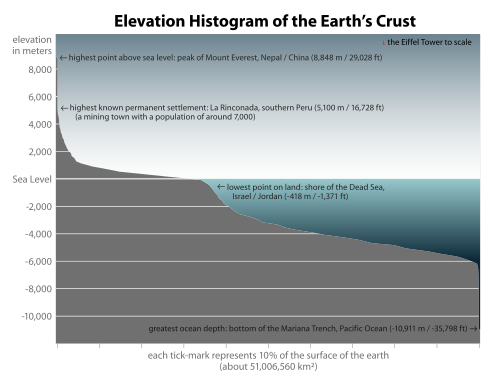


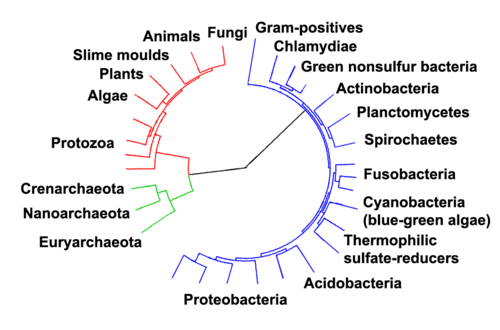

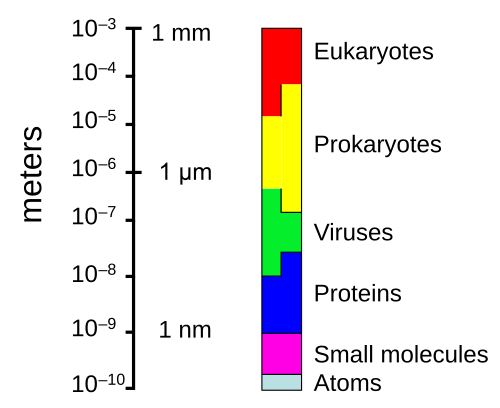

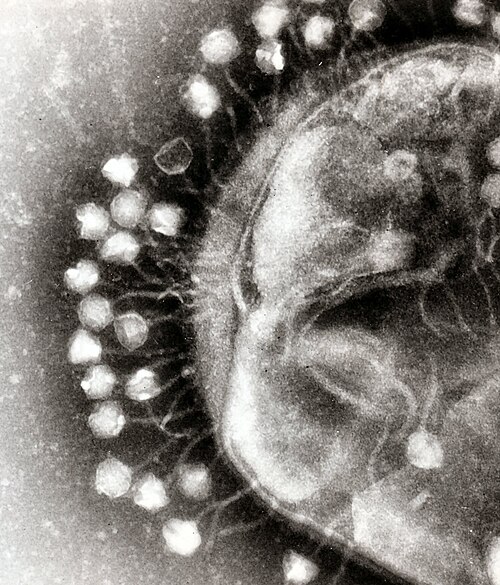


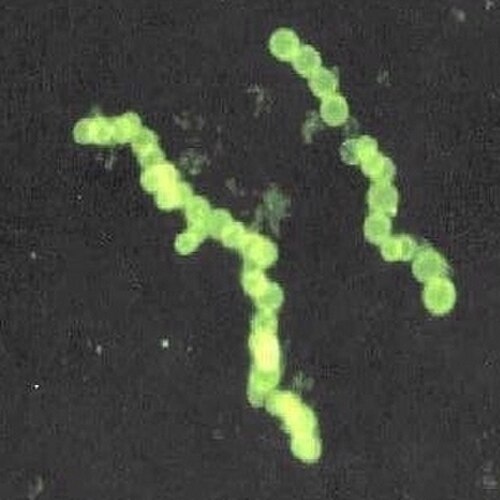
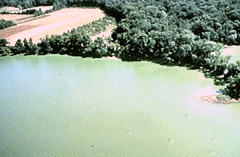

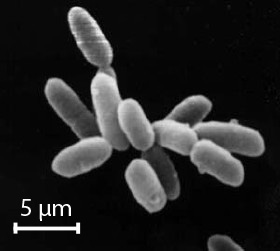
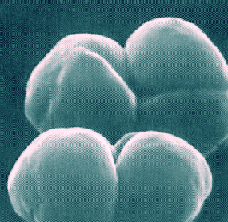

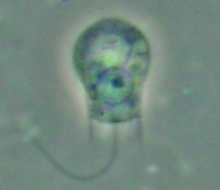


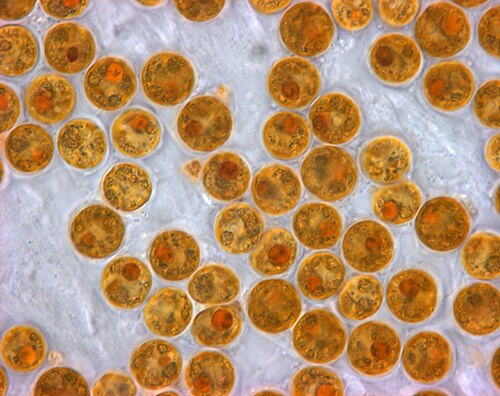

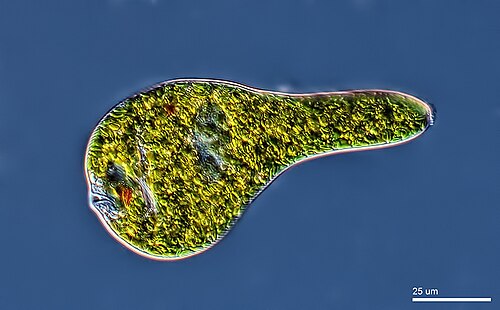




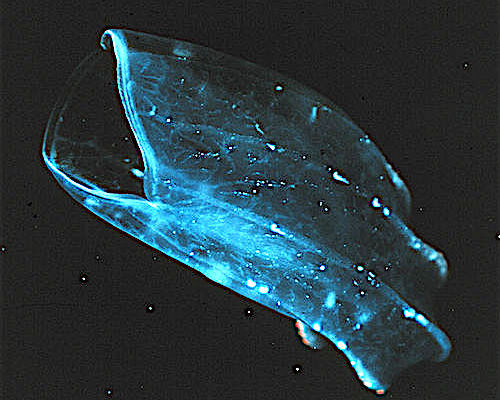


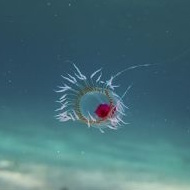
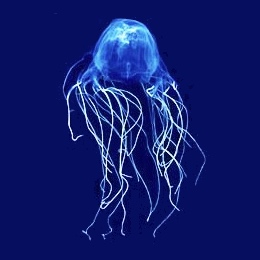


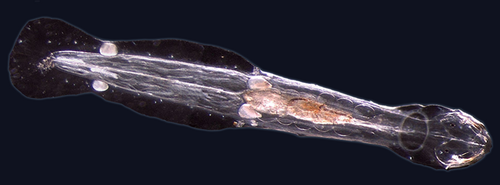


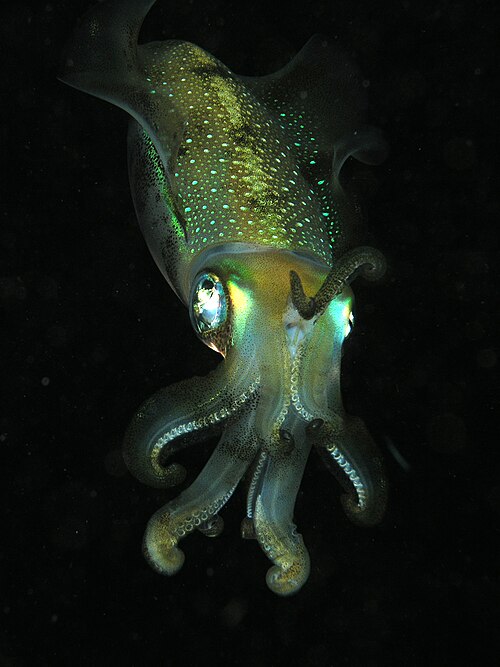


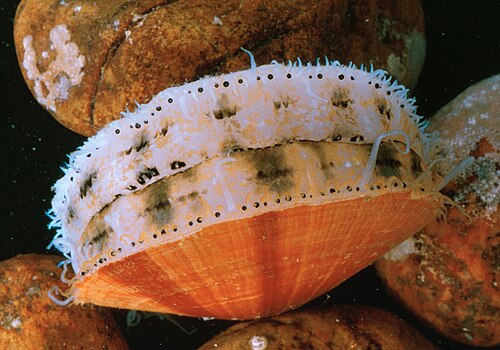

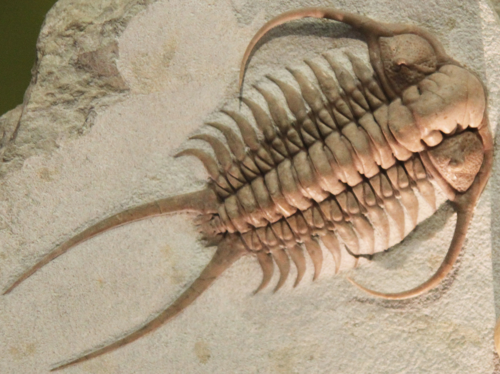


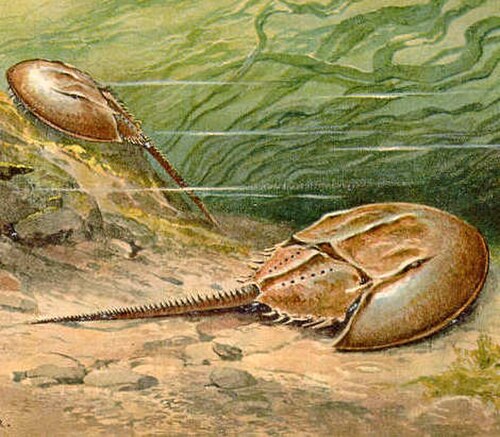
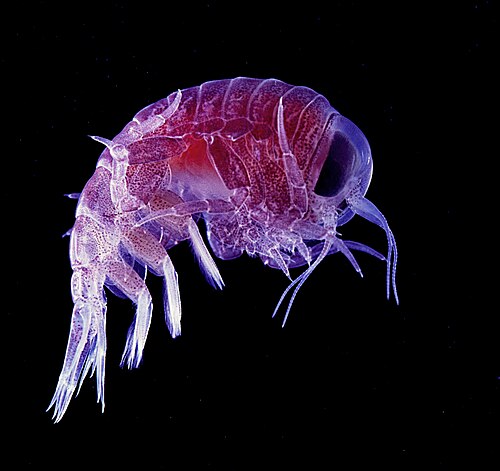


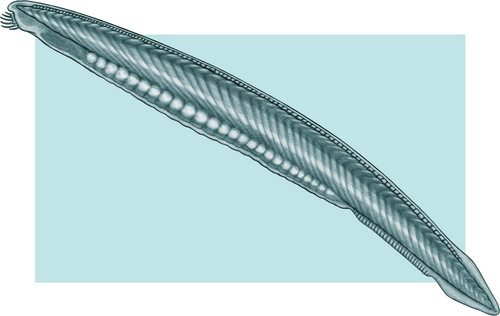


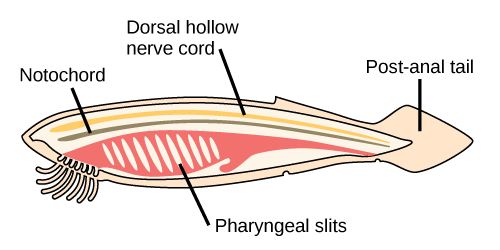


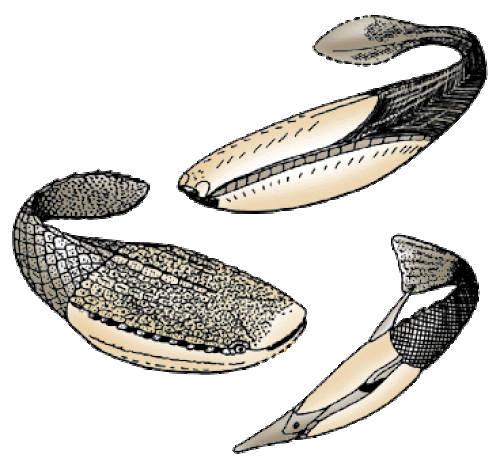
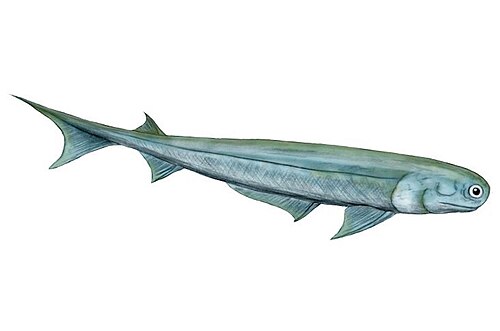

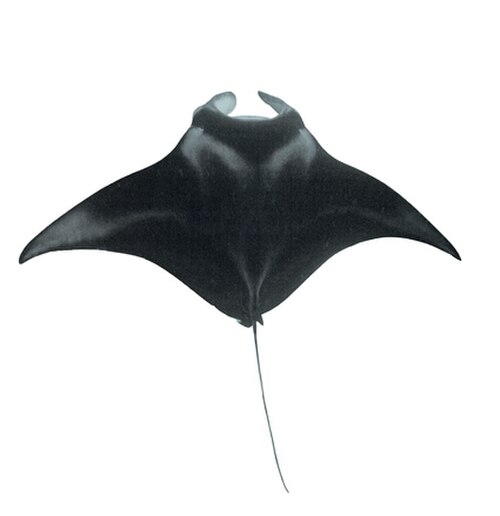

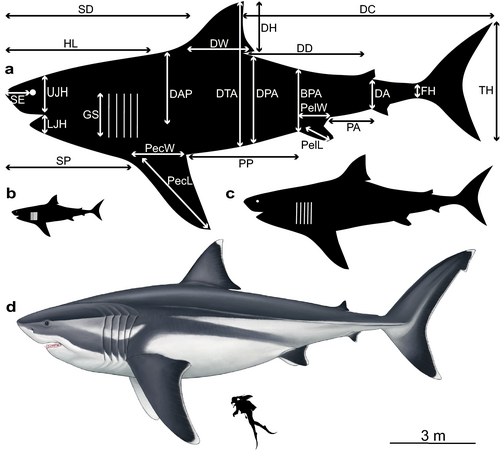
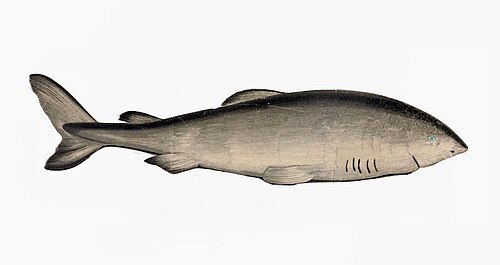


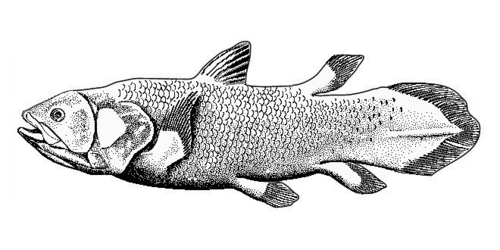


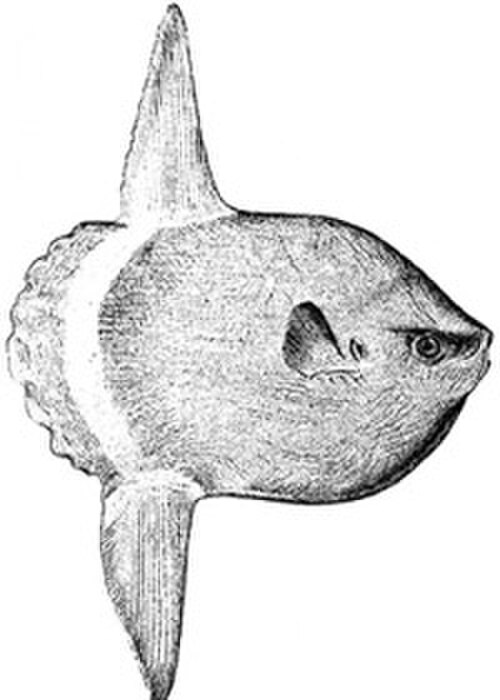
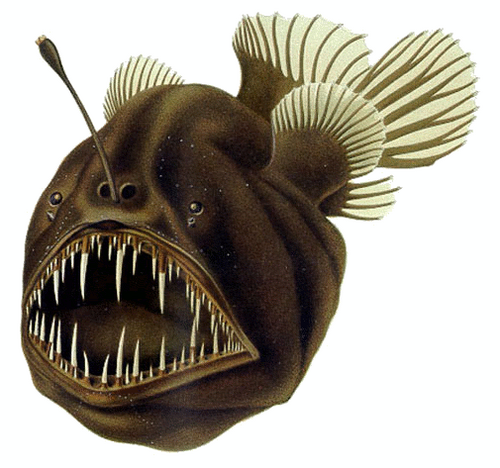
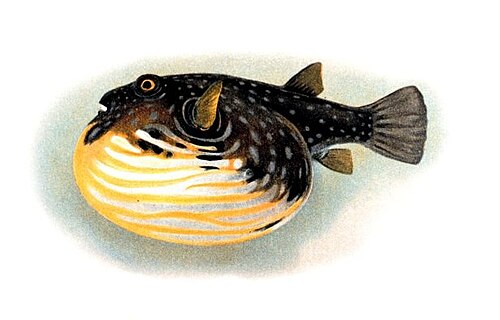


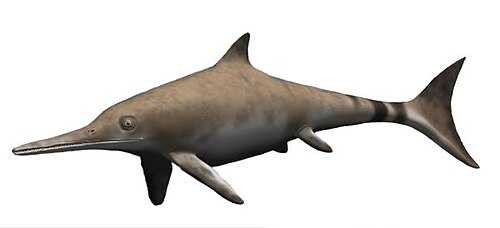


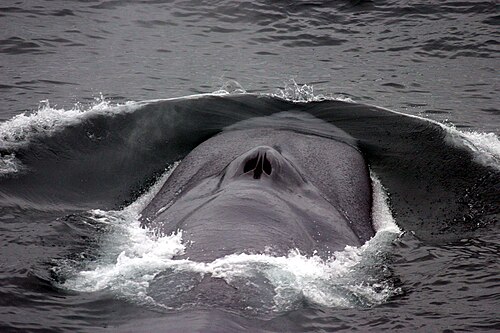


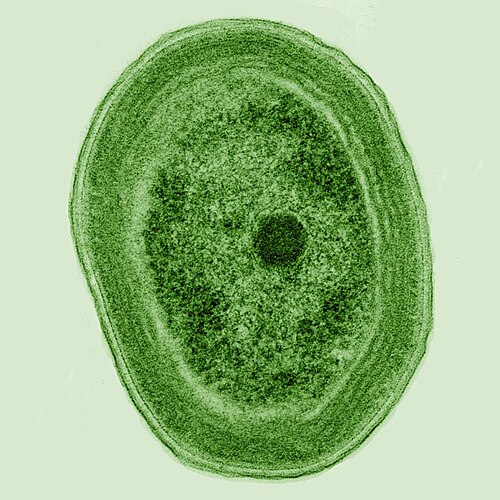
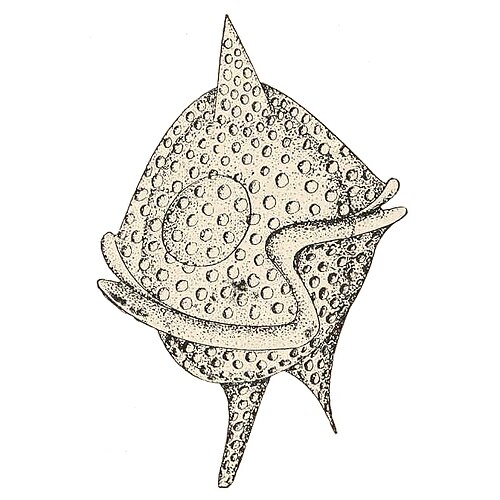


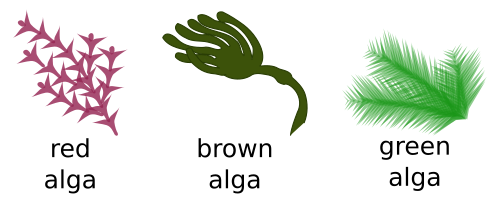


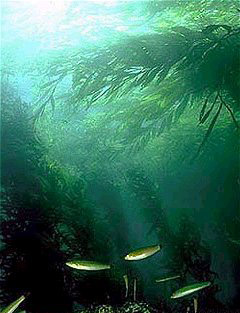


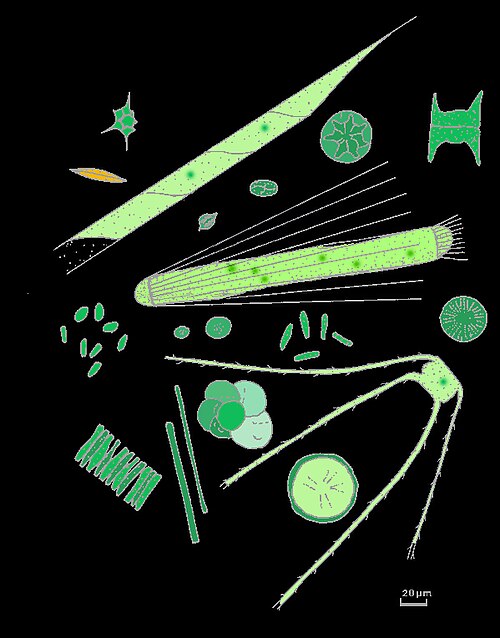

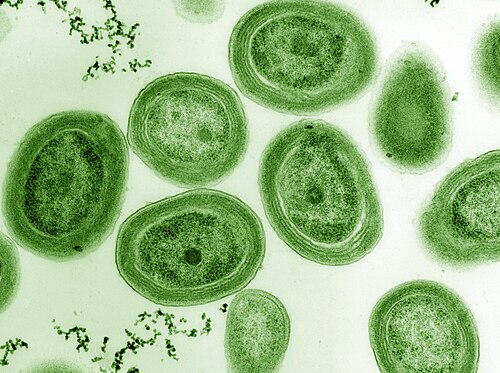
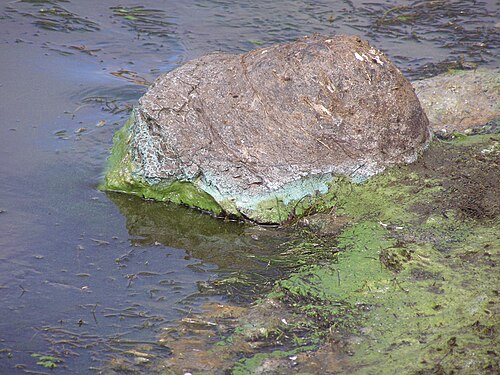


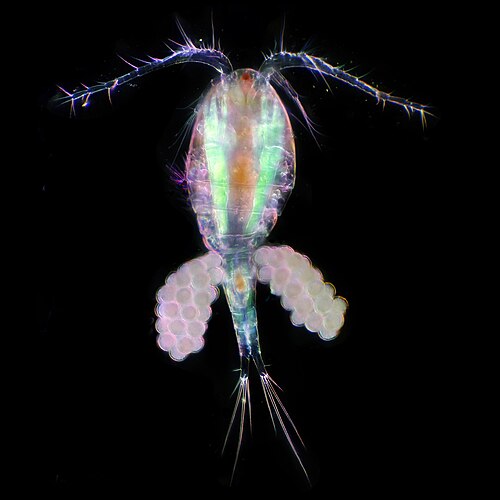


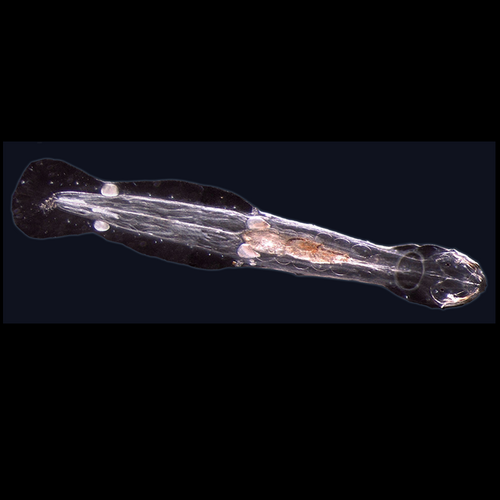
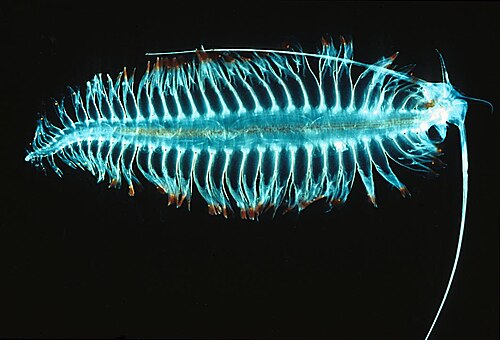
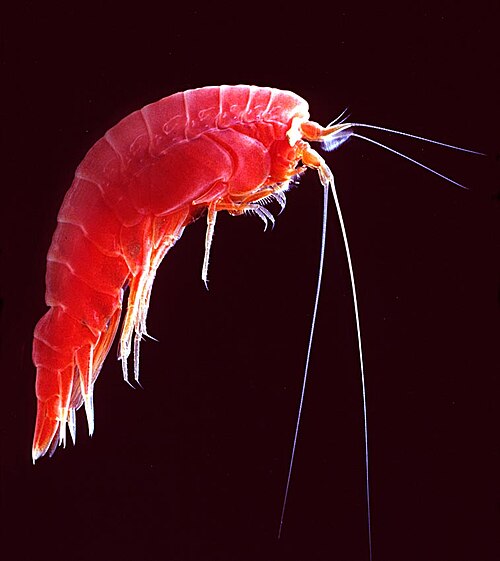


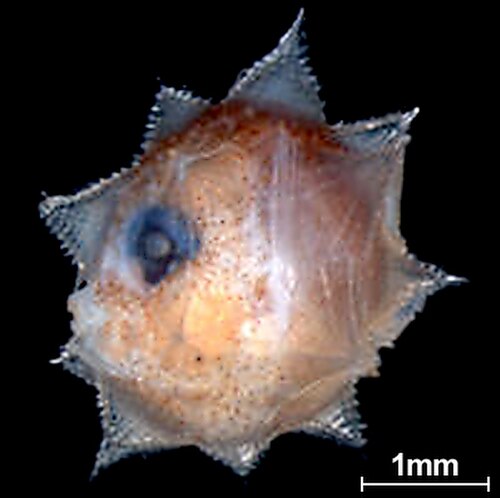
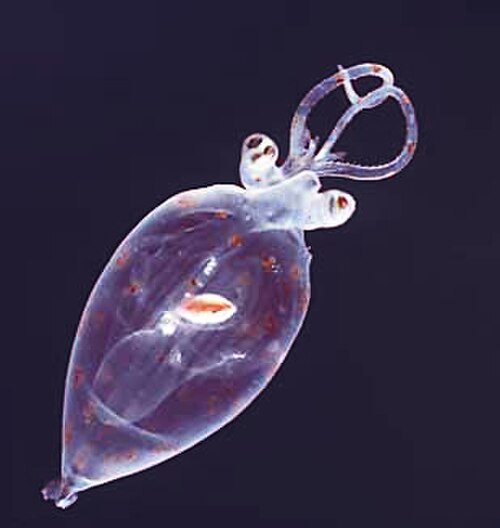


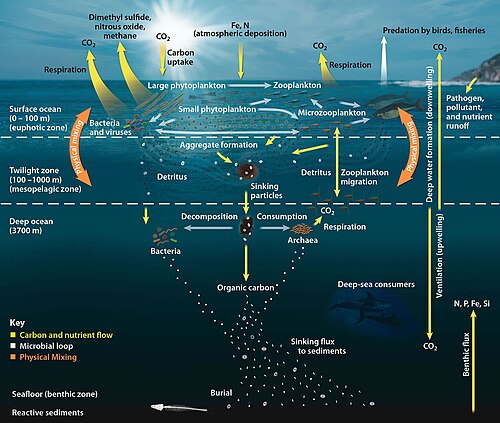


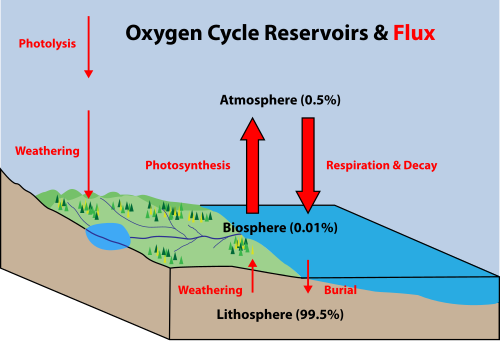


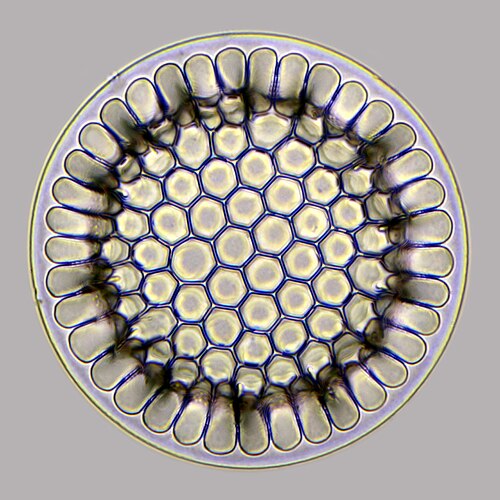

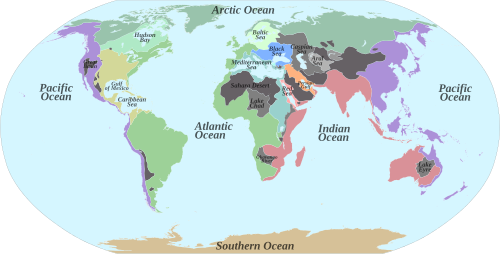


 Modified text was copied from this source, which is available under a Creative Commons Attribution 4.0 International License.