
Loading article…

スペイン現代史は歴史学の一分野であり、スペイン史の歴史的時期である。しかし、慣習的に、スペインの歴史学は、フランス革命やアメリカ合衆国の独立、イギリスの産業革命ではなく、決定的な地域的出来事であるスペイン独立戦争の始まり(1808年)を最初のマイルストーンとみなす傾向がある。[1]
カルロス4世の治世(1788年 - 1808年)


フランス革命(1789年)の勃発はヨーロッパの国際バランスを変え、スペインを革命の最前線の一つに置いた。伝染を避けるための措置は効果的であった。なぜなら、孤立した同調者グループ(ピコルネルの陰謀、1795年)を除けば、スペインの社会的合意は反革命的であり、聖職者によって積極的に推進され、衛生上の非常線として機能した異端審問によって制御されていたからである。[3]対照的に、第一対仏大同盟によるフランス革命を軍事的に終わらせようとする試み(スペインとフランスの国境でピレネー戦争またはルシヨン戦争(1793年 - 1795年)の形をとった)は失敗した。フランス国内の動き(テルミドールの反動、1794年)がナポレオン個人の権力(1799年)へと方向転換した後、スペインの優先事項は変化し、ナポレオンはもはやブルボン家の王ではなく平民の政治家、あるいは権力を握ったりパリの王座に座ったりする自称皇帝ボナパルトであったにもかかわらず、そしてそのような成り上がり者がスペイン国王の従兄弟であるルイ16世をギロチンに導いた革命の正当性を維持していたにもかかわらず、伝統的なフランス・スペイン同盟(家族協定)を更新することが決定された。
1792年以降、王妃に保護され、平和公の称号を授けられた野心的な出自不明の軍人マヌエル・ゴドイの寵愛により(バーゼル条約、1795年)、カール3世の治世以来国を統治してきた啓蒙貴族エリート(フロリダブランカ、アランダ、ホベヤーノス)が権力の座から追われ、場合によっては文字通り追放または投獄された。ポルトガルとのオレンジ戦争(1801年)の限定的な勝利により、最小限の国境再調整が達成された(オリベンサ)。しかし、それよりはるかに決定的だったのは、スペイン海軍の大部分が失われたトラファルガーの海戦(1805年10月21日)の深刻な結果であった。敗北にもかかわらず、ゴドイの地位が皇帝(中央ヨーロッパでの陸上作戦で決定的な勝利を収めていた)への従属と結び付けられたことで、 1807年にフォンテーヌブロー条約が調印され、ポルトガル(イギリスに対する大陸封鎖の弱点)への共同侵攻が予見され、実際にフランス軍のいくつかの軍団がスペインの戦略的な地域を占領するのに役立った。
誰が気分を害し、傷つくのでしょうか?
スペイン
戦争で勝利するのは誰でしょうか?
イングランド
そして、誰が優位に立つのでしょうか?
フランス
人気曲[4]
世紀の変わり目の深刻な経済危機は、スペインのアンシャン・レジームの構造的脆弱性を劇的に浮き彫りにした。これに対し、王政(フランシスコ・カバルス、サン・カルロス銀行)の財政危機や、戦争が引き起こした商業・金融危機は、一時的な側面に過ぎなかった。18世紀の人口増加サイクルの枯渇は、生産の大幅な増加を可能にする農業改革(ホベヤーノスの果てしない農業法(1795年)[5]における報告は、エンセナーダの大惨事(1749年)以来の啓蒙主義プロジェクトと同様に、影響を受けた強力な特権階級の反対により実現しなかった)に支えられていなかったが、はるかに深い原因があった。唯一の例外は、1779年から1782年にかけてカンポマネス家がメスタの特権を削減したことと、 [6]穀物市場( 1766年のエスキラーチェ暴動後に緩和された)やアメリカとの貿易(1765年と1778年)の慎重な自由化政策であり、これらは生存危機、飢餓、社会的不満の増大につながった。[7]
スペインの探検隊(ワクチン探検隊、1803年)によって達成された科学的・戦略的重要性と、ヨーロッパの最先端諸国にわずかに遅れをとる地位を獲得していたスペインの科学技術の有望な状況は、社会経済構造の遅れを、産業革命を主導していた当時のイギリスとは比較にならないほど弱い民間の取り組みでは埋め合わせることができないという国家の持続的な努力の継続能力の欠如に直面して、劇的に悪化した。スペインの科学技術近代化の主な推進者の一部(アレハンドロ・マラスピナ、アグスティン・デ・ベタンクール)が受けた迫害や軽蔑は、最終的に他の国々を利益に導いた(スペインの後援を受けて開始されたアレクサンダー・フォン・フンボルトのアメリカでの研究という、あらゆる事業の中で最も有望であった事業の場合と同じように)。
ゴドイの不人気が高まったため、宮廷内にフェルナンド派が結成され、アランフェス暴動の準備が整いました。このクーデターにより、シャルル4世は廃位され、長男フェルナンド7世に王位を譲られました。しかし、ナポレオンの介入により、王室全員が事実上捕虜としてフランスに連行され、フェルナンド7世は王位に就くことができませんでした。
独立戦争(1808年~1814年)

フランス軍の占領とナポレオンの政治的策略以前の宮廷、王室、官僚機構および軍の高官によるスキャンダラスな行動は社会的暴動を引き起こし、その文書表現は1808年5月2日のマドリード蜂起後、モストレスの市長の文書に定着した。文書の急速な普及は、多かれ少なかれ明らかに捕虜の王(フェルナンド7世希望王)に代わって自らに主権の代表権を主張する地方委員会の設立と同時に起こった。その結果、次第に革命的な政治形態が生まれた。まず、啓蒙思想家(フロリダブランカとホベジャノス)が主導する最高中央評議会(1808年9月25日) 、次いで摂政評議会がカディス議会( 1810年9月24日)を招集し、そこで自由主義者(最終的には国際政治用語にまで広がった土着の宗派[8] [9] ―ディエゴ・ムニョス・トレロ、アグスティン・アルゲレス、トレノ伯爵―)の政治集団が絶対主義者(ベルナルド・モソ・デ・ロサレス、ペドロ・デ・ケベド・イ・キンターノ―オレンセ司教兼異端審問官―)[10]に圧力をかけ、 1812年憲法(3月19日、ラ・ペパと呼ばれた)の起草と、経済、社会、法律の枠組みを解体する法律を制定した。旧体制の基盤 ― 教会財産、市長、領主、異端審問など ―
同時に、社会的、知識階級のエリートのかなりの部分が、信念からか、あるいは便宜上か、ナポレオンが押し付けた権力に協力し始め、「アフランセサードス」の称号を得た(マリアーノ・ルイス・デ・ウルキホ、カバルス、メレンデス・バルデス、フアン・アントニオ・ジョレンテ、レアンドロ・フェルナンデス・デ・モラティン、その他ゴヤ自身を含む非常に多くの人物)。ナポレオンの弟で、ナポリ王にすでに任命されていたスペイン国王ジョゼフ1世(ジョゼフ・ボナパルトまたはペペ・ボテラ)が、空位となったスペイン王位に就くよう求められた。彼は、憲法または授与された憲章( 1808年7月8日のバイヨンヌ憲章)に基づいて理論的に統治した最初の国王であったという事実により、彼は、新体制の基準に従って自由主義国家として構成されたスペインの最初の立憲国王となります。この場合、カディスの議員が国家主権の概念を自主的に構築する4年前に占領者によって課されました。
軍事作戦は次々と行われ、目を見張るような展開を見せた。カスターニョス将軍率いるスペイン軍は、バイレンの戦い(1808年7月19日)でフランス軍団を破り捕らえることに成功し、ナポレオン戦争初の大敗を喫した。これに対し、皇帝自らが半島に赴き、領土を大規模に占領することで応戦した。包囲されたのはわずか数か所の飛び地のみで、その中にはジブラルタルを拠点とするイギリス艦隊に守られたカディスも含まれていた。
サラゴサとヘローナ への侵攻は、壮大な抵抗を見せた。ゲリラ(エンペシナード、エスポス・イ・ミナ、メリノ神父)の形をとった民衆の抵抗と、ウェリントン公爵が指揮するスペイン、イギリス、ポルトガルの正規軍の進撃により、フランス軍はついに押し戻された(アラピレスの戦い、1812年7月22日、ビトリアの戦い、1813年6月21日)。死、飢餓、装備とスペインの科学インフラの破壊(双方の暴力、場合によっては計画的な行動の結果)という戦争の結果は甚大だった。フランス亡命者の終焉により、スペインの政治亡命者のサイクルが始まり、1977年まで政権交代ごとに次々と繰り返された。[11]
-
 ソローリャ作「モンテレオン公園の砲兵隊の防御」は、1808年5月2日にマドリードで起きた蜂起のエピソードを描いた歴史画です。
 -

-

-


.jpg/500px-La_Rendici%C3%B3n_de_Bail%C3%A9n_(Casado_del_Alisal).jpg)

スペイン・アメリカ独立
.jpg/500px-Batalla_de_Ayacucho_by_Mart%C3%ADn_Tovar_y_Tovar_(1827_-_1902).jpg)
アメリカのスペイン領土では、1808年のニュースが、半島で起きたことと部分的にしか似ていない社会的動員を引き起こした。権力の不足は、やはりますます革命的な立場へと傾いていった地元の軍事政権によっても補われた。彼らの場合、クレオール人の社会集団の独立性がますます明らかになり、独立宣言に至ったことが特徴であった。憲法でスペイン国家を両半球のスペイン人の集まりと定義していたカディス議会のアメリカ人議員の受け入れは、[12]イギリスの支援を受けた独立運動が、以前の米国やハイチの解放の例に倣い、絶対的な独立以外のいかなる中間的な解決も拒否するのを阻止するには十分魅力的な提案ではなかった。スペイン当局による独立派中核への軍事的圧力は、特にラファエル・デル・リエゴがカベサス・デ・サン・フアン(1820年1月)で宣言して、アメリカへ向かう予定だった軍隊を半島内部の紛争へと向かわせた後は、十分に強固なものではなかった。ベネズエラのシモン・ボリバルとアルゼンチンのホセ・デ・サン・マルティンの作戦により、最後のスペイン軍は中央アンデスに追い詰められ、アヤクチョの戦い(1824年12月9日)で決定的な敗北を喫した。メキシコと中央アメリカの独立は自律的かつ比較的平和的に行われ、皇帝の称号を持つアグスティン・デ・イトゥルビデの個人委任統治が確立された。フィリピンに加えて、キューバとプエルトリコだけが首都の支配下に留まり、この状況は1898年まで続いた。
フェルディナンド7世の治世(1814年 - 1833年)
絶対主義者セクセニアム (1814–1820)

ナポレオンによるフェルナンド7世の解放(ヴァランセ条約、1813年12月11日)は、スペイン側の敵対行為の継続の停止を意味し、それは将来にわたってイギリスからのあらゆる支援を失うことを意味した。国内では、絶対主義者(自由主義者からは奴隷と言われた)が、国王に1808年以前の制度的および社会的政治的状況を回復するよう要求する「ペルシア人宣言」という文書を中心に思想的に構成されていた。人々は自発的に国王を迎え入れ、馬車から馬を解き、自分たちで馬車を引っ張り、「鎖よ永遠なれ!」と叫んだ。フェルナンドはこれらの考えを受け入れ、憲法やカディスの法律のいかなる正当性も認めず、無制限に権力を行使した。彼は、リベラル派(彼らがどれほどフェルナンディーノであったかに関係なく)とアフランセサード派の両方に対して積極的な政治的迫害を開始した。
軍隊も粛清を免れなかった。国王は、軍隊がもはや旧体制の紋切り型組織ではなく、戦功で昇進した若者、他の状況であれば聖職者になっていたであろう次男、修道服を脱いだ元聖職者、あるいはあらゆる社会的出身のゲリラで構成された軍隊の大半を信頼できないことを知っていたからである。亡命しなかった人々の多くは投獄されたり、追放されたり、職を失ったりした(エル・エンペシナードなど)。社会統制の信頼性を高めるために、再設立された組織、すなわち異端審問所が期待された。
自由主義革命の過程を再開する唯一の可能性は軍事的宣告であったが、これは何度も試みられたが常に失敗に終わり、新たな亡命者(エスポスとミナ)を生み出した。フアン・ディアス・ポリエル、ホアキン・ビダル、ルイス・ラシー・イ・ゴーティエは戦闘中に死亡するか、逮捕されて銃殺された。
貴族と聖職者の特権が回復されたことで財政破綻が深刻化し、負債の利子によって慢性化し、アメリカの収入が減って収支が合わなくなった。アメリカからの圧力を受けて、国王はフロリダ号を売却していくらかの財源を確保し、その資金を使ってロシア皇帝アレクサンドル1世からアメリカへの軍隊輸送用の船団を購入した。これらの船の状態が悪かったために遅れが生じ(そのうちのいくつかは再び航海に適さなかった)、カディス周辺に軍隊を集結させることがますます政治的に危険になっていった理由の1つとなった。
トリエニオ・リベラル(1820–1823)
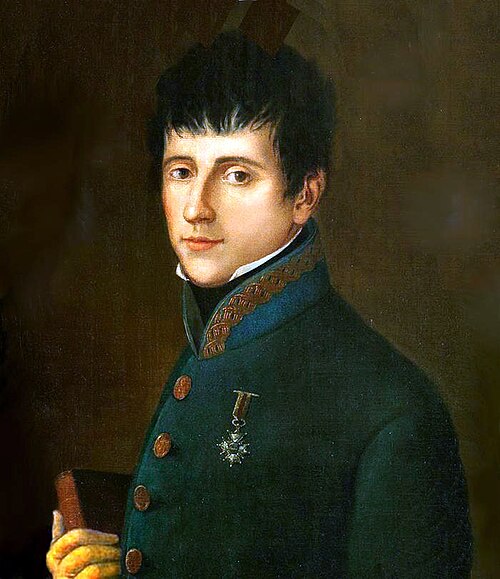
遠征軍はアメリカ独立戦争を鎮圧するために出発することはなかったが、1820年1月1日、憲法の名の下に、リエゴ大佐の命令で革命軍そのものとなった。波乱に満ちた旅の後、反乱の知らせは、再びフンタスに組織された都市の支持を呼び起こすことに成功した。一方、国王は支援する軍人が不足していたため、何も行動を起こせなかった。最終的に国王は、有名なフレーズ「率直に進もう、私は憲法の道に沿って先頭に立つ」を添えてカディス憲法を宣誓した。この宣誓の不誠実さの証拠は、風刺的な歌が自由主義の国歌に変わった トラガラの歌詞に反映されている。
3 年間、愛国協会と報道機関は自由主義的概念の拡大を求めた。一方、間接普通選挙制度によって選出された議会は、カディスの法律 (領主権と従属的領地の廃止、財産の没収、修道院の閉鎖、十分の一税の半分の抑制) を復活させ、国王の意志を考慮に入れず、制度的な協力を期待できないまま、国家主権の名の下に 1812 年の憲法で与えられた重要な役割を遂行した。制度的空間における政治的分裂は、たとえ国王との権力均衡の維持を意味しても、現行憲法の継続を支持するドセアニスタまたは穏健な自由主義者の間で確立された。そして、ベインテアニスタ、すなわち高貴な自由主義者らは、立法府の優位性をさらに強調し、改革を革命的変革の最大限のレベルにまで進める新しい憲法を起草することに賛成した(少数派ではあるが、公然と共和主義を唱えた者もいた)。最初の政府は穏健派(エバリスト・ペレス・デ・カストロ、エウセビオ・バルダヒ・アザラ、ホセ・ガブリエル・デ・シルバ・バサン(サンタクルス侯爵)、フランシスコ・マルティネス・デ・ラ・ロサ)によって形成された。1822年3月に行われた2回目の選挙の後、リエゴが議長を務める新しい議会は明らかに高貴な人々によって支配された。同年7月、国王は関係する軍組織の不満(王室衛兵の蜂起)を利用して、政情を有利に転じようと画策したが、マドリードのマヨール広場での衝突(7月7日)で国民民兵がこれを鎮圧した。その後、エバリスト・フェルナンデス・デ・サン・ミゲルを首班とする高貴な政府が樹立された(8月6日)。
期間が短かったため、3年間の法律のほとんどが施行されなかった(農民のためのレアルエンゴとバルディオの販売に関する法律、新しい比例財政システムなど)。国内市場の明確化、国内慣習の廃止、強力な農業保護主義の確立などの問題だけが、ある程度継続していた。また、新しい州区分も、1833年まで施行されなかった。
スペインでの出来事の影響はヨーロッパ、特にポルトガルとイタリアで超越的であり(これらの地域では、秘密結社の陰謀モデルと、カディス憲法の条文をモデルにさえした若い軍人の主導に基づいて、同様の革命が引き起こされた)、歴史学ではそのプロセス全体を1820年の革命と呼んでいるほどである。
国内の絶対主義的反動は、聖職者の大部分(特に高位聖職者と一般聖職者)の断固たる抵抗として現れた。彼らは、国王(いわゆるウルジェル摂政)の明らかな支援を受けて、土地を奪われた農民の集団を支援し、陰謀を推進した。しかし、決定的な力は外部から来た。王政復古の正統派で反動的な ヨーロッパ、あるいは干渉主義の強力な支持者であるウィーン会議は、革命の伝播に同意できなかった。ヴェローナ会議(1822年11月22日)に集まった神聖同盟の勢力は、フランス軍(聖ルイ10万の息子たちの名称を受けた)に、正統な国王の絶対権力を再建するよう委託した。
不吉な10年(1823-1833)
.jpg/500px-Fusilamiento_de_Torrijos_(Gisbert).jpg)
絶対主義の復活は、自由主義者に対する政治的弾圧の復活をもたらした。政治警察が創設され、ラファエル・デ・リエゴは絞首刑に処され、新たな亡命者の波が国を去った。自由主義軍は再び秘密結社、陰謀、宣告に頼り、またもや失敗と処刑を招いた(エル・エンペシナード、トリホス、マリアナ・ピネダなど)。警察が要求した報告書は、マドリード出身のティア・コティジャのような卑劣な人物を生み出した。
しかし、歴史上の区分(影響を受けた人々の経験の結果として)にもかかわらず、不吉な時代の抑圧の強さは絶対主義の60年期よりも弱かった。そして、その期間の終わりが近づくにつれて、抑圧の緩和さえ明らかになった。男性の後継者がいないという証拠(3回の不妊結婚の後でも国王は子供をもうけることができたが、それは1830年に生まれた娘、イサベルだった)により、マリア・クリスティーナ女王とそれほど反動的ではない貴族を中心とした宮廷の大部分が、ますます弱体化する国王に圧力をかけ、女性の継承を禁じるサリカ法を廃止するよう促した。貴族と聖職者の中で最も絶対主義的な分子は、サリカ法が施行され続ければ王位継承者となるはずだった国王の弟、カルロス・マリア・イシドロの周りに結集した。クリスティーノ派は、自由主義者の中の穏健派にアプローチするのが最も妥当な動きだと考え、 1832年から1833年にかけての恩赦などの措置で彼らを引きつけ、亡命先から多くの人々を帰還させた。一方、カルリスタ派は、特に有利な農村地域での使徒派などのグループの活動に先駆けて、反乱(不満分子の戦い)による脱出を検討していた。[13]
絶対主義のカマリリャ(王室に近いグループで、逆淘汰メカニズムの対象となった[14])は、特にその当時は、植民地からの収入を失っていたため、切迫した財政状況を解決する能力がないことに気付きました。啓蒙政治家に頼る以外に選択肢はありませんでした。彼らの技術的活動は、鉱山法、産業に対する保護 貿易、商法典(1829年)の公布、ハビエル・デ・ブルゴスの地方分割(1833年)を生み出しました。控えめな経済変革は、事実上、自由主義への道を先導していました。絶対主義者は外部からの支援を当てにすることもできませんでした。1830年の革命により、フランスではブルジョア王政(ルイ・フィリップの王政)が確立されていました。
イサベル2世の治世(1833年 - 1868年)
摂政時代(1833年~1843年)
マリア・クリスティーナの摂政(1833年 - 1840年)と第一次カルリスタ戦争


カルリスタ勢力が強い地域
カルリスタ支持者がいる地域。
 カルリスタによる主な包囲戦。
  北部のリベラルな中心地。
  主要なカルリスタの中心地。
  戦闘
戦闘1833年9月29日、フェルナンド7世の娘イサベル2世は、母マリア・クリスティーナの摂政の下、3歳になる前に王位を継承した。カルリスタが継承を拒否したことで、真の内戦が始まり、2つの陣営は思想的、社会的に亀裂を生じた。一方は旧体制支持者で、おおよそ聖職者の大半とスペイン北半分の下級貴族や農民の多くであった。他方は新体制支持者で、おおよそ中流階級と都市平民であった(新体制の支持者を率いたのは、新たな恩赦によって帰還を許された約1万3千人の亡命者、釈放された多数の囚人、11月の市議会選挙で台頭した新たな地方指導者、主要な司令部へのアクセスを許された陸軍将校の大半であった)。[15]貴族階級は、機会、領土での地位、宮廷での地位などの基準に従って分裂した。多くの家族がひどく分裂し、広大な地域では、国粋主義の民兵が組織され募集された都市が、カルリスタ党が武装した田舎に囲まれていたため、地理的に対立が明らかになった(王党派の義勇軍は解散していた)。民衆の動員は、どちらの側も1808年の動員を思い起こさせるようで、一方は明らかに革命的な精神を、他方は明らかに反動的な精神を伴っていた。
宮廷では、多かれ少なかれ自由主義的な性格の政府(セア・ベルムデス(穏健絶対主義者)、マルティネス・デ・ラ・ロサ(穏健自由主義者)、メンディサバル、イストゥリス、カラトラバ(進歩的自由主義者、スペイン閣僚会議議長(以前は国務長官)の称号を授与))は戦争で決定的な勝利を収めることができず、深刻な財政難に直面したが、教会による没収、またはメンディサバルによる没収という超越的な決断がなされるまで解決できなかった。それは、新体制(聖職者)の主な社会的、イデオロギー的敵から経済資源を奪うと同時に、様々な社会的出自を持つ農地所有者(貴族、ブルジョア、裕福な農民)という新しい社会階級を築き上げ、スペイン南部では真の地主寡頭政治を形成し、その財産はスペインの植民地支配に負うものであった。そして、オークションでの支払い手段として公債証券を受け入れることで、公債の価値が再評価され、国際信用の回復と国庫の持続可能性(以前は課税が免除され、市場から遠ざけていた抵当権から解放された土地に対して支払われる寄付によって将来的に保証される)が可能になった。領主制の廃止は、(1789年8月4日の封建制廃止の歴史的法令によるフランス革命中に起こったように)農民に財産を与える社会革命を意味するものではなかった。世俗領主の場合、非常に遠い出自で所有権の確認も不可能な先祖代々の領主と管轄権を持つ領主との紛らわしい区別が、結局、旧領主の完全な所有権を司法が大規模に承認する結果に繋がりました。旧領主は、マヨラスゴ制度の消滅によって法的立場が変わっただけで、自由市場では保護されなくなりました(つまり、自由に売却または遺贈できましたが、管理を誤った場合には財産を失う危険にさらされていました)。
反教権主義は社会的勢力として重要性を増し、1834年にマドリードで修道士が虐殺された後、暴力的に現れた(7月17日、コレラが流行し、噴水に毒を入れたのが原因だという噂が広まった)。[16]翌年(1835年)、スペイン各地で修道院が一斉に焼き払われた。カルリスタ側が行った反自由主義弾圧は、激しい暴力による報復(ラモン・カブレラ、マエストラスゴの虎) を伴って極端になった。
制度的には、国王が与えた憲章、すなわち1834年の王法に基づいて統治されていた。この勅許状は、国家主権や自ら認める権利や自由を認めず、国王の意志によって与えられたものであり、強力な国民代表統制の仕組み(二院制、人口の0.15%を占める検察官選挙区に対する非常に制限された国勢調査による間接選挙、および貴族と高位聖職者が当然に選出される検察官選挙)を導入していた。 [17]
この条文は、ラ・グランハの軍曹の反乱(1836年8月12日)で摂政女王が1812年の憲法を復活させるまで有効であった。翌年、状況はより保守的な条文に方向転換した。1837年のスペイン憲法は、国家主権という革命的な原則に基づきながらも、国王有利の形で議会と国王の権力バランスを確立し、二院制(議会と上院という新しい名称)を維持した。選挙制度は、初めて直接選挙を導入したものの、依然として最富裕層に有利なものであった(国勢調査による選挙権はわずかに拡大したのみで、257,908人の有権者、人口の2.2%)。スペイン人が信仰するカトリックの礼拝と聖職者を維持する義務を認めることで、信仰告白主義は置き換えられた。[18]その瞬間、摂政の信頼を得て1840年(エバリスト・ペレス・デ・カストロ)まで政権を握ったトレノ伯爵、アルカラ・ガリアーノ、ナルバエス将軍のような穏健な自由主義者(その多くは3年間の高位聖職者であり、モデランティズモへと進化した)と、メンディサバル、オロサガ、エスパルテロ将軍のような進歩主義者(その信頼からは遠ざかっていたが、彼らの政治的、軍事的支援は決定的であり続けた)との間の分裂がその瞬間に起こった。[19]
カルリスタが国際的支援も資源も失ったとき、マロト将軍はエスパルテーロとの和平交渉に同意し(ベルガラ条約、1839年8月31日)、カルリスタ将校たちに国軍への統合の可能性を与えた。カルリスタ貴族のほとんどは、多かれ少なかれ喜んで新しい状況を受け入れるようになった。新体制のもう一つの特徴である、カルリスタによるフエロスの承認に対する政治的中央集権化は、バスク州とナバラに対して緩和された(1839年10月25日の法律は、フエロスを廃止する代わりに、君主制の憲法上の統一を損なうことなくフエロスを確認した)。[20]モレラ(ラモン・カブレラ)のカルリスタ中核はさらに数か月持ちこたえた(1840年5月30日)。
マリア・クリスティーナの摂政としての状況は、1833年の初めから危ういものであった。未亡人となった直後に、彼女は宮廷の軍人(リアンサレス公爵に叙せられたアグスティン・フェルナンド・ムニョス・イ・サンチェス)と秘密結婚し、8人の子供をもうけたのである。エスパルテロ将軍は軍に対する威信と統制力を獲得し、権力の代替となる重要な地位に就いていた。彼を貴族に叙せ、[21]さらには内閣の議長に任命することで彼を味方につけようとする試みも、将軍と摂政の間の深刻な意見の相違を避けることはできず、特に国民軍の役割と市議会の自治権について意見が対立し、エスパルテロは6月15日に辞任した。主要都市でマリア・クリスティーナに対する反乱が相次いだため、彼女はついに退位を余儀なくされ、摂政としての権限とイザベラ女王を含む娘たちの親権を放棄し、将軍にその権限を譲った(1840年10月12日)。
-

-
 フランシスコ・マルティネス・デ・ラ・ロサは、自由主義と貴族の利益を調和させようとしたため、ロジータ・ラ・パステレラの愛称で呼ばれた。
 -
 教会財産没収の原動力となったフアン・アルバレス・メンディサバル。
 -
 トマス・デ・ズマラカレギ、1835年に亡くなるまでカルリストの主要な将軍であった。

.jpg/500px-Francisco_Mart%C3%ADnez_de_la_Rosa_(Museo_del_Prado).jpg)
.jpg/500px-Tom%C3%A1s_Zumalac%C3%A1rregui_(portrait).jpg)
スペインのロマン主義

知識人たち(多くは政治的関心を持ち、影響力の大きい亡命先から戻った)は、新しいロマン主義の趣味を植え付け、それは詩(ホセ・デ・エスプロンセダ)、演劇(リバス公爵)、そして多様性と創意工夫に富んだ出版界にまで広がり、政治や文学の議論に刺激され、検閲と経済的不安定さによってその存続が常に脅かされていた。ジャーナリズム界の多くの人物の中には、アルベルト・リスタ、マヌエル・ブレトン・デ・ロス・エレロス、セラフィン・エステバネス・カルデロン、フアン・ニカシオ・ガジェゴ、アントニオ・ロス・デ・オラノ、ラモン・メソネロ・ロマノス、そして何よりも、日常生活と最も深刻な問題を簡潔かつ見事な表現で捉えることに成功し、広く普及した非凡なコラムニスト、マリアノ・ホセ・デ・ララが含まれます。決まり文句 ( Vuelva usted mañana、Escribir en Madrid es llorar、Aquí yace media España、murió de la otra media )。ラッラ(1837 年 1 月 13 日に自殺)の埋葬は、スペインの芸術人生の最も特別な瞬間の 1 つであり、スペインのロマン主義のバトンを若きホセ・ソリーリャに引き継ぐことを意味しました。
エスパルテロ摂政 (1840–1843)

摂政はコルテスの投票(1841年3月8日)によってエスパルテーロに承認され、他の候補者、またはテルナに摂政を与える可能性も検討された。
進歩的な政府は、教区と神学校の維持を国家が保証する、世俗の聖職者の没収法を適用し始めました。教会が主導的な役割を果たさない国家教育システムを設計する試みがなされましたが、資金不足のため、教育システムの名に値するシステムの実施は、すでに穏健派と新カトリックの予算の下で、世紀の後半まで達成されませんでした。市民の育成と国家の歴史の構築(歴史画などのジャンルの支援を通じて)は、自由主義国家建設の主な要求の1つと見なされていました。
ベルガラでバスク人奴隷制と合意された妥協案は、1841年10月29日の法律によって破棄され、奴隷制は全面的に廃止された。[23]
自由貿易の原則 を適用して経済活動を奨励する努力がなされ、鉱業や金融などの部門に外国資本投資(主にイギリス、フランス、ベルギー)が引き寄せられた。新たな不平等がいわゆる社会問題を引き起こした。新興のカタルーニャ繊維産業では、労働者動員の台頭(1832年に操業を開始したボナプラタ兄弟のエル・バポール工場は、 1835年に修道院の焼き討ちと同時期にラッダイト運動の攻撃を受けていた)がすでに見られていた。また、技術近代化(後に紛争の原因となる自発的行動の受容)の過程を継続する一方で、[24]進歩的自由主義の最も急進的な部分の主な支持者(まだそれらの宗派を提示されていなかった将来の民主党員と共和党員)を迎え入れるようになった。雇用者と労働者双方の保護主義的利益により、バルセロナはエスパルテロに対する抗議の中心地となり、蜂起につながった。摂政は最も暴力的な鎮圧を選択し、 1842年12月3日に市を爆撃し、その後反乱の指導者を処刑した。
私の知人は、スペインの歴史の法則として、50年ごとにバルセロナを爆撃する必要があると断言しています。この爆撃は、政治的な計画全体を意味します。 マヌエル・アサーニャは、エスパルテロ自身の言葉とされる決まり文句を引用しています。[25]
政治家や軍人(マヌエル・コルティナ、ホアキン・マリア・ロペス、フアン・プリム将軍)は、エスパルテロがこの紛争だけでなく政治生活全体を解決するための早急な方法を拒否し(彼は議会を解散し、事実上独裁的な方法で統治していた)、エスパルテロをますます孤立させた。選挙は、エスパルテロに非常に批判的なサルスティアーノ・オロサガの進歩派が勝利し、彼は彼らと争った。6月11日、穏健派と進歩派の剣士(一部は以前のプロヌンシアミエントスの主役であったナルバエス、オドネル、セラーノ、プリムのために亡命していた)による共同軍事クーデターが、軍の大半、さらにはエスパルテロ自身が彼らと戦うために派遣した部隊の支持も得た(トレホン・デ・アルドス、7月22日)。これにより、摂政は彼の経済政策の主な受益者であるイギリスへの亡命を余儀なくされた(1843年7月30日)。
イサベル2世の成人(1843年~1868年)
摂政の刷新の問題は、イサベルが成人したと宣言され(1843年11月10日)、自らその職務を遂行できると決定したことで回避された。これは、革新派のサルスティアーノ・オロサガとルイス・ゴンサレス・ブラボ(穏健派に移行)が主導した議会の陰謀の期間の後、穏健派と完全に調和していることがすぐに証明されたが、後者の勝利とオロサガの追放で終わった。進歩派の軍事的宣言(1844年1月から3月にかけてアリカンテで起こったボネの反乱)さえ失敗に終わった。
10年間のモデレート(1844–1854)
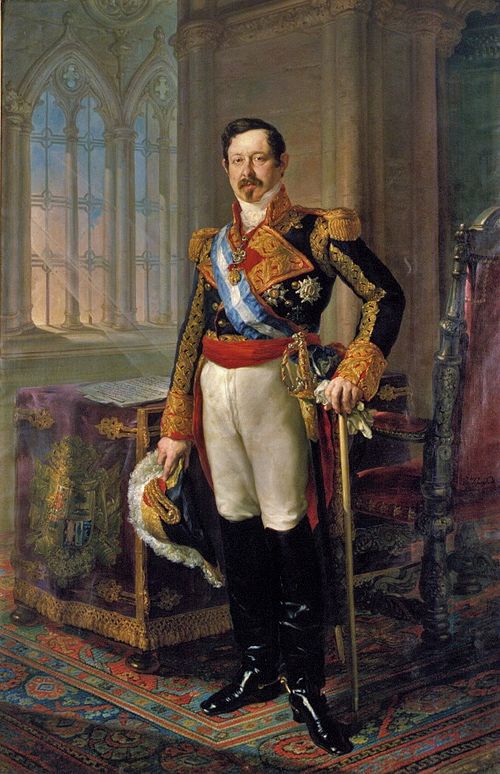

ラモン・ナルバエス将軍が穏健派の指導者として残され、内閣の議長に就任(1844年5月3日)し、進歩派が野党に追いやられ、宮廷の評議会で交渉された権力の地位に就く可能性がなくなった政治的安定の時代が始まった。
1844 年 5 月 13 日、治安維持軍が創設されました。治安維持軍は領土内の兵舎に配備され、特に農村地域で秩序と法の保障を目的としていました。これは明らかに国民軍に対抗する組織でした。
1844年7月4日、エスパルテーロによって実施されたバスク人とナバラ人の奴隷制度の廃止が再検討され、部分的に復活したが、国境通行証、国内慣習、選挙手続きなどの事項は復活しなかった。[26]
1845年の市町村議会法は、中央集権化のために自治体の自治権を厳しく制限し、政府に市長の任命権を与えた。同年、 1837年の憲法と非常によく似た(77条のうち60条が同一)1845年憲法が公布されたが、ある意味ではより教条的な自由主義に沿った形で改革された。国家主権の代わりに、議会と国王の共同主権を確立し、国王が優位に立ち、議会を無制限に召集および解散できた。国家のカトリックの宗派性が確認された。それは、検閲によって制限された表現の自由(スペインで報道機関が到達した活発さを考えると重大な問題)など、厳しく制限されていた市民の権利を規制した。国民軍は消滅した。 1846年の選挙法によって確立された選挙制度は、依然として非常に寡頭政治的な国勢調査による選挙権であり、選挙権はさらに制限され、選挙人(それまで予想されていたよりも高い一定水準の収入がある25歳以上の男性)97,000人、全人口の0.8%に制限されました。[27]フアン・ブラボ・ムリーリョの政府は、さらに制限的な憲法( 1852年12月2日のガセタ・デ・マドリードで発表されたテキスト)を可決しようとしましたが、議会全体からの強い反対により、女王は計画を断念し、ブラボ・ムリーリョは辞任を余儀なくされました。[28]
1851年の協約により、ローマ教皇庁との良好な関係が回復した。教皇はイサベル2世を女王として承認し(教皇の主要な勲章である黄金のバラで彼女を区別)、すでに没収された聖職者の所有物の喪失を受け入れ、その購入者の良心を落ち着かせた。その代わりに、スペイン政府は、世俗の聖職者の必要を満たすための宗教および聖職者予算の維持、教会が決定的な役割を果たすことになる教えの普遍性の保証、および出版物の検閲を約束した。イサベル2世の宮廷は、一部の修道士(聖アントニオ・マリア・クラレットと傷の修道女ソル・パトロシニオ)が女王に対して優位に立ったため、真の奇跡の宮廷となった。カトリックと伝統主義の知識層と穏健主義の合流により、新カトリック運動が生まれた(ビルマ侯爵、ドノソ・コルテス、ハイメ・バルメス)。
政治的腐敗には、著名な金融家(サラマンカ侯爵)や、王室の増加(王妃とその配偶者(従弟のフランシスコ・デ・アシス・デ・ボルボン)、母と継父(追放されたマリア・クリスティーナとその貴賤婚の夫で1844年に帰国を許された)、そしてモンパンシエ家(王妃の姉と義理の兄で、豪華な王室の二重結婚式[29]で王妃と同じ日に結婚し、1848年の革命の際にフランスから追放されて以来スペインに居を構えている)など)が含まれ、スペイン資本主義の慎重な離陸を伴っていた。一方、1845年の税制改革(推進者の名前でモン・サンティリャン税制改革として知られる)により国家財政が整えられた。スペインの経済成長は、失敗した産業革命ではなく、国家資本の不在下で、自然の富の源(耕作地の拡大と多数の鉱山の開発)と初期の鉄道網によって支えられた銀行と金融会社に集中し、スキャンダルが渦巻く中で外国企業が広く関与し、進歩主義者の権力への復帰を促進した。
-

-
 傷の修道女ソル・パトロシニオ
 -

進歩的なビエニオ(1854–1856)
ナルバエスの権威主義と、制度的手段でこれに対抗することが不可能なことから、反対派は軍事的解決に頼らざるを得なくなり、レオポルド・オドネル将軍がビカルバロで宣言(ビカルバラーダ、1854年6月28日)した。当初の失敗によりオドネルは南に撤退し、セラーノ将軍と接触してマンサナレス宣言(アントニオ・カノバス・デル・カスティージョ起草、7月7日)を宣言した。これにより運動に政治綱領が与えられ、運動が求めていた大衆の支持を得て、運動の勝利が早まった。
我々は王位の維持を望むが、王位を汚す議会は望まない。我々は基本法の厳格な施行、特に選挙法と印刷法の改善を望む。我々は厳格な節約に基づく減税を望む。我々は軍人、民間人の職務において年功序列と功績が尊重されることを望む。我々は都市を、それらを消耗させる中央集権から解放し、都市が自らの利益を維持し増大させるために必要な地方独立性を与えることを望む。そしてこれらすべてを保証するために、我々は強固な基盤の下に国民軍を望み、提案する。自由州に構成されなければならない政府のフンタ、後に開催される一般裁判所、つまり国家自体が、我々が目指す自由主義的再生の決定的な基盤を確立するだろう。我々は国民の意志に剣を捧げ、それが達成されるまでそれを鞘に収めない。
軍の強力な支援は、エスパルテロが主導権を握るまで得られなかった。女王は彼を閣僚評議会の議長に任命し、進歩派の議会が結成された。
オドネルは、穏健派と進歩派の統合を目指す折衷政党、自由連合を結成した。新設議会は、承認も発効もされなかった憲法文書(1856年憲法となるはずだったもの)を起草した。
進歩主義の2年間で最も重要な活動は、経済立法であった。資本主義的発展の合法性を軌道に乗せ、マドス没収法(1855年5月3日)で土地の私有化サイクルを終わらせようとした。この法律は、まだ影響を受けていない多くの教会の財産に加えて、軍事組織やその他の機関、基本的にはプロピオスとコムナーレ(市町村が所有する土地で、その賃貸料は市議会が提供するサービスをカバーするために使用されたり、市の住民によって共同で利用されたりした)に適用された。また、鉱山、金融、資本投資(株式会社の設立)に関する法律が可決された。マドス自身はバルセロナの城壁の取り壊し(市議会が長らく要求していた措置で、エスパルテロはこれに反対し、1842年の砲撃の原因の1つとなった)、近代ブルジョア地区の新しい衛生主義の原則(マドリードのカストロ計画、1860年、イサベル2世運河、1858年)の下で都市開発を形成していた他の都市と同様に、都市の拡張(セルダ計画、1860年)を可能にした(マドリードのカストロ計画、1860年、イサベル2世運河、1858年)。このような取り壊しや改修に伴う歴史的遺産の損失に加え、没収により何千もの宗教的建物(アルカラにあるような大学の建物を含む)が保護されないままになった。しかし、それは進歩の必然であるとみなされ、抗議の声(詩人のグスタボ・アドルフォ・ベッケルやその兄弟で画家のヴァレリアーノ・ドミンゲス・ベッケル、そして消滅の危機に瀕した世界の記憶を、少なくとも自分たちのイメージの中で保存するプロジェクトに着手したヴァレンティン・カルデレラ、ヘナロ・ペレス・ビジャミルらの声など)は簡単に沈黙させられた。
鉄道システムは、マドリードを中心として大企業(マドリード・サラゴサ・アリカンテ鉄道会社(ロスチャイルド家)、スペイン北部イエロ・デル・ノルテ鉄道会社(ペレイレス家))に運営権を与え、低密度の放射状計画に従って、多少の困難を伴いながらも組織化され、拡張された。その後の数十年間で、工業化はより継続的に進み、初期段階の全国市場の統合による利点が見られるようになった。都市部と農村部の両方で、資本主義的生産関係は新しい性質の社会的対立(階級闘争)を生み出し始め、いくつかの工業中心地では、資本家との利益対立に気づいた初期の労働者運動(1855年のバルセロナ[30]とバリャドリッド[31]での動員)としてそれが表現された。一方、地方では、土地を奪われた大勢の日雇い労働者と新しい地主寡頭政治との間で同様の対立が生じた。国内市場の弱体化と分断化を背景に輸出志向のカスティーリャ・アンダルシアの地主寡頭政治と、外国投資を受け入れる自由貿易政策によって促進された対外開放との間の利害の共謀は、クリミア戦争(1853~1856年)中の特に好ましい状況によって刺激された。
セバストポルの水、太陽、そして戦争。[32]
-

-
 没収手続きを完了させた立法を担当したパスクアル・マドス氏。
,_Congreso_de_los_Diputados_(2).jpg/500px-Pascual_Madoz,_de_Jos%C3%A9_Nin_y_Tud%C3%B3_(1873),_Congreso_de_los_Diputados_(2).jpg)
中程度の 2 年間 (1856–1858)
社会運動はエスパルテロとオドネルの不和を引き起こした。オドネルの大統領職(1856年7月から10月)は、政治的立場全体を満足させる折衷的な政策の実施を目指したもので、支持者を再任し反対者を解雇するという従来の公務員の刷新を行わなかった初の政府であった。実際、その措置は、国民民兵の解散と1845年の憲法への復帰、そしてわずか1か月しか有効ではなかった権利拡大のための追加法の追加など、2年間の取り組みの大幅な見直しを意味していた。中立的な体裁を維持するのは不可能であるため、女王はナルバエスを呼び戻すことを選択、ナルバエスは1856年10月から1857年10月までの1年間大統領職を務めた。
穏健な2年間で最も重要な措置は、公教育法、またはモヤノ法の公布であり、これにより、ほとんど修正されることなく1世紀以上にわたって施行された 教育制度が確立されました。
1857年の経済危機によりナルバエスは辞任し、アルメロとイストゥリスの短い政権が引き継がれた。
初期の共和主義運動はアンダルシア地方の土地占拠を主導し、ナルバエスの命令による弾圧と大量射殺(1857年のアラハル、1861年のロハ)に苦しんだ。都市では、食料価格の高騰と間接税(消費)が、共和主義に触発された食料暴動と消費暴動を引き起こした。徴兵制度(キンタス)と、手数料または再徴兵によって免除される8年間の兵役は、耐え忍ぶほどにますますひどい不正を生み出し、後の時代の対外威信政策によってさらに悪化するだけだった。[33]
-
 クラウディオ・モヤノの記念碑。
 -
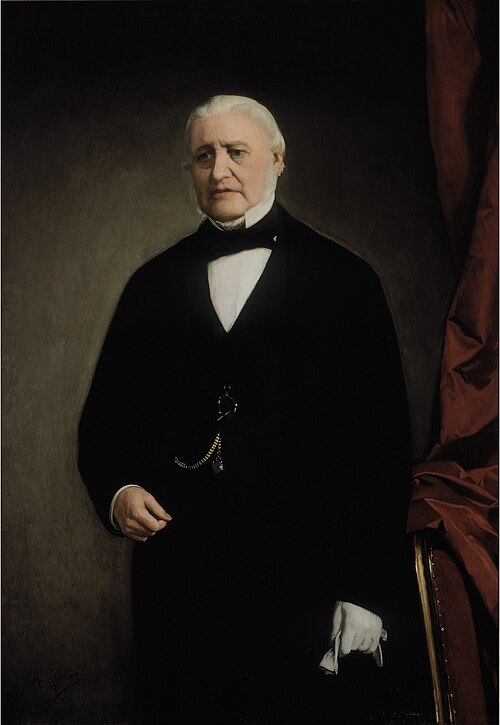
自由主義連合政府(1858年~1863年)
.jpg/500px-La_batalla_de_Tetu%C3%A1n_(1894).jpg)
1858 年 6 月 30 日、オドネルは新政府を樹立した。この政権は、その後の政権と合わせて 1863 年の初めまで、当時としては最長の政権となった。この期間中、経済回復は維持され、選挙の腐敗や党内の不統一も抑制された。
大規模な公共事業に投資され、鉄道網と軍隊が整備され、没収は継続されたが、公債の一部は教会に引き渡され、1851年の協約が復活した。また、後々まで影響を及ぼすことになる一連の重要な法律も可決された。しかし、政治的、経済的腐敗は依然として多く、約束されていた報道法も可決されず、議会の支持も得られなかった。
モロッコ(アフリカ戦争、1859年~1860年)や遠くは東南アジア(コーチシナ戦争、1858年~1862年) にまで進出し、威厳ある外交政策を実施しようと試みられた。
穏健主義の危機とイサベル2世統治の終焉(1863年~1868年)
進歩派と穏健派は同盟を組んで自由主義連合に圧力をかけ、オドネルの辞任(1863年3月)を招いた。しかし、伝統的政党が深刻な内部対立に陥っていたため、政権交代は容易ではなかった。女王は野党が要求した選挙の実施を拒否し、ミラフローレス侯爵、ロレンソ・アラソラ、アレハンドロ・モンの大統領の下で穏健派政権を次々と樹立し、最終的に穏健派の代表的人物であるナルバエスを呼び戻した(1864年9月)。ナルバエスは進歩派を政府に組み込むことで和解を図ったが、進歩派はこれを拒否した。ナルバエスの権威主義は強化され、大臣の一部の支持を奪うことさえあった。この新たな危機により、オドネルが復帰した(1865年6月)。選挙人名簿を40万人増やす法律が可決され、議会選挙が実施されたが、進歩派の支持がなければ安定した政権は実現せず、ナルバエスが復帰した(1866年6月10日)。
政治危機は深刻な経済危機によってさらに複雑化した(パリ証券取引所でスペイン株が下落し、鉄道事業が悪化した)。進歩的で民主的な軍は再びプロヌンシアミエントから抜け出そうとしたが、次々と失敗した(1866年6月22日、プリム将軍はビジャレホ・デ・サルバネスで、軍曹はサン・ヒル兵舎で逮捕された)。ナルバエスの対応は、政治的反対派(議会の解散、セラーノ将軍とモンパンシエ家の追放)と知識人反対派(教員学校の閉鎖、エミリオ・カステラールなどの不可知論教授の解雇、いわゆる大学問題。これが聖ダニエルの夜(1865年4月10日)の学生抗議運動を引き起こし、14人が死亡、100人が負傷した)に対して強硬手段を講じることだった。
この時代を代表する二人の人物は、短期間のうちに亡くなりました(レオポルド・オドネルは1867年11月5日、ラモン・マリア・ナルバエスは1868年4月23日)。後者は、死の床で司祭から敵を許すよう頼まれたとき、「神父様、私には敵はいません。私は敵を皆殺しにしました」と答えたと言われています。[34]
女王は急いで短期間の内閣を組織し、ルイス・ゴンサレス・ブラボを新たな強権者として据えたが、彼の唯一の展望は軍人と政治家の弾圧と追放の政策を継続することだった。亡命は保守勢力を強化するどころか、急進主義を強め、ロンドン、パリ、ブリュッセルで流通しているあらゆる種類の新しい考えに触れた(ピ・イ・マルガルはプルードンの読書に大きく影響されただろう)選ばれたスペイン知識人グループの形成を促し、中道と左派の間に位置するすべてのグループのスペイン政治エリートは、そのような困難な状況下で、基本的な事項について合意点に達しざるを得なかった。ベルギーの都市で会合を開き、統一派(セラーノ)、進歩派(プリムとプラクセデス・マテオ・サガスタ)、民主主義者(ニコラス・マリア・リベロとエミリオ・カステラール)のグループは、いわゆるオステンデ協定に合意した。
.jpg/500px-Alejandro_Mon_y_Men%C3%A9ndez_(Museo_del_Prado).jpg)

セックス・デモクラティコ(1868–1874)
1868年の革命
1868 年 9 月 19 日、プリム将軍とセラーノ将軍、トペテ提督がカディスで武装蜂起した。セラーノ率いる軍は南からマドリードに向かい、政府がセラーノを阻止するために派遣した軍をアルコレアの戦い(9 月 28 日) で打ち負かした。サン セバスティアンで休暇を過ごしていた王妃はフランス国境を越え、亡命先から 2 年後まで 息子のアルフォンソに譲位することなく王位継承権を主張し続けた。

名誉を失った女王の追放は「名誉革命」の主要な要求の一つであり、そのスローガンは「ブルボン家の偽善を倒せ!」「スペイン万歳!」だった。[35]民衆の動員は非常に重要だった。1808年、1836年、1854年のように、再び地方の軍事政権が組織された。国民軍は自由義勇軍の名の下に再び組織された。
セラーノは摂政として臨時政府の指導者に就任すると(6月18日)、軍事政権を解散し、王政が引き続き政府形態であると宣言することで革命の過激な傾向を和らげようとし、議会選挙を招集した。最初の措置の中には消費税の抑制があり、徴兵制の廃止が宣言され、男子普通選挙が確立された。1837年以来活動していた宗教団体は解散され、修道院は閉鎖されて財産は没収され、教会の美術品の目録が作成され、国家遺産の一部となった。新政権の反教権主義的な傾向は、ローマ教皇庁との関係の断絶を引き起こした。
革命はさまざまな利害関係者を結集させた。オステンドの政治グループに加え、イザベル朝政府が経済危機を克服できないことを認識していた金融および産業部門も革命を支持した。
新政府は当初から、長らく続いていたキューバ植民地問題の発生に直面しなければならなかった。奴隷制度廃止の問題によって地方自治の要求が複雑化していたのである(奴隷ロビーの影響で常に遅れていた。奴隷ロビーは経済界ではアントニオ・ロペス(後のコミジャス侯爵)が支配的だったが、知識人界では反奴隷制度派(フリオ・ビスカロンド、ラファエル・マリア・デ・ラブラ)が支配的だった)。 1868年10月10日、首都での革命に乗じて独立を宣言したグリート・デ・ヤラ(セスペデス)との戦争が勃発した。 [36]
臨時政府、憲法、セラーノの摂政(1868年 - 1871年)
.jpg/500px-Gobierno_Provisional_1869_(J.Laurent).jpg)
1868年12月に男子普通選挙による市町村選挙が実施された。共和党は重要な権力を獲得した(バルセロナ、バレンシア、ラ・コルーニャを含む20の州都)。
1869 年の初め、スペインで初めて議会選挙が行われ、男子普通選挙による直接選挙が行われました。この選挙で誕生した議会は複数政党制で、統一派と進歩派が多数を占める一方で、共和派も幅広く代表され、カルリスタや民主主義者もそれほど重要ではありませんでした。
1869年の憲法はスペイン史上初の民主憲法であり、国家主権を宣言し、厳格な権力分立の議会制君主制を確立し、政府は議会に対して責任を負い(二院制)、司法は独立していた。権利と自由の承認は広範かつ詳細であり(投票権、住所の不可侵、教育、表現、居住、集会および結社の自由)、信仰の自由が保証され、カトリックの礼拝と聖職者のための予算が維持された。陪審による裁判が導入された。州と市町村への地域分権の概要が示され、植民地地域の地位を改革する可能性が示唆された。
国王不在のため、セラーノが摂政となり、プリムが最初の政府を樹立し、サガスタとルイス・ソリリャが主要省庁に就任した。内務省のサガスタは、革命以来活動していた連邦主義の小集団を鎮圧した。軍(アントニオ・カバジェロ・デ・ロダス将軍)は、アンダルシア、エストレマドゥーラ、カタルーニャ、アラゴンで起きた共和主義者の反乱の鎮圧を任され、1869年10月までに鎮圧された。
ラウレアーノ・フィゲローラの経済政策(自由貿易関税、銀行再編(スペイン銀行の原型)、通貨(1869年のペセタの創設))により、国際的な信頼が回復した。パリではスペイン株が上昇し、外国資本が再び引き寄せられ、鉄道は新たな刺激を受けた。新しい鉱業法により、半島の地理全体に散在する鉱床(リオティント、アルマデン、カルタヘナ、アストゥリアス、ビスカヤ)での活動が活発化し、ビルバオ河口で重要な鉄鋼産業が発展した。
キューバ問題は、1870年に2つの積極的だが効果のない措置によって対処された。それは、奴隷制度の段階的廃止(出産時の子宮の解放と60歳に達した奴隷の解放)を求めたモレ法と、プエルトリコへの自治権付与であった。
キューバ戦争は民衆の不満の新たな原因を生んだ。新たなキンタが布告され、反軍国主義デモが鎮圧を求めて(新兵の母親らが主導)対応した。特にバルセロナでは、キンタを解散させるために軍隊が呼び出され、大きな影響を与えた。
労働運動
スペインの主要工業中心地であり、最大の労働者階級を抱えるこの都市では、 1868年にジュゼッペ・ファネッリが到着して以降、プロレタリア国際主義が顕著な反響を呼んだ。ファネッリは民主・共和主義左派(亡命中にすでに社会主義に転向していたフェルナンド・ガリード(マッツィーニの序文を付した『民主主義と社会主義』 )と、個人主義共和主義からその主たる論客であるホセ・マリア・オレンセ))に歓迎された。彼らの影響と、アンセルモ・ロレンソ、フランシスコ・モラ、トマス・ゴンザレス・モラゴといった最初の地元指導者の活動により、1870年にバルセロナ会議、またはスペイン地域連盟(FRE)の第1回会議が開催され、国際労働者協会のスペイン支部が設立された。一方、 1872年のサラゴサ会議では、同年のハーグ会議で起こったのと同じように、マルクス主義者または社会主義者とバクーニン主義者または無政府主義者との間に断絶があった。スペインにおける無政府主義の優位性は、その早い到来(ファネリはバクーニンと親しかったが、 1871年のコミューン敗北後にスペインに到着したポール・ラファルグはマルクスの義理の息子であり、マルクス主義の導入者であった)と、工業化が弱く、農業労働力が優勢で、ヨーロッパ資本主義の中で周辺的な立場にある(ロシアの場合に似ている)という国が提示した客観的条件の両方により、この時期に非常に明白であった。スペインの労働運動のさまざまな組織とイデオロギーの普及は、当初、カタルーニャとバレンシアの工業中心地、および無政府主義者が優勢なアンダルシア地方の田舎で起こった。一方、後に建設されたマドリードとバスクの中心地では社会主義が優勢だった。当初の要求には、労働問題に加えて、集会や結社の自由などの政治的問題が含まれていた。一方、地方では、悲惨な生活条件を救済する解決策として、日雇い労働者への土地の分配が大きな希望として掲げられた。最も重要な動員要因は反軍国主義の抗議であり、時には実際の暴動に発展した。 1869年3月のヘレスでの暴動は、軍によって血なまぐさい鎮圧を受けた。[37]
-
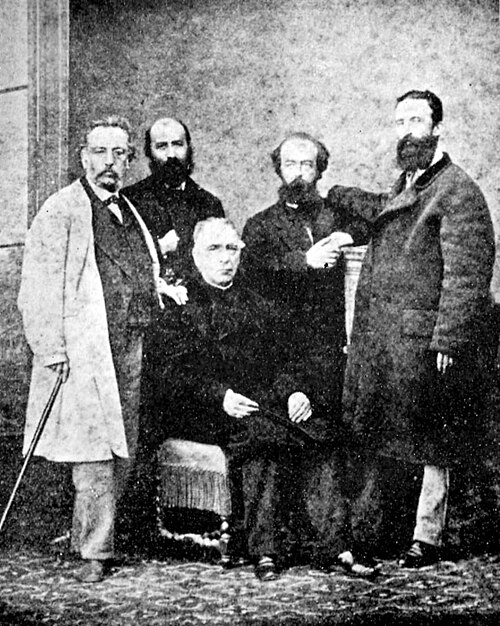
-
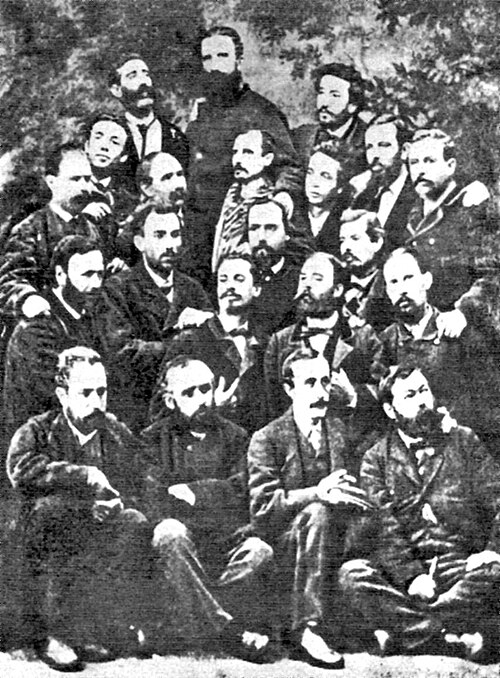 インターナショナルのスペイン人活動家の最初のグループとファネリ。1869 年の写真。
 -
 ポール・ラファルグ、1871年の写真
 -
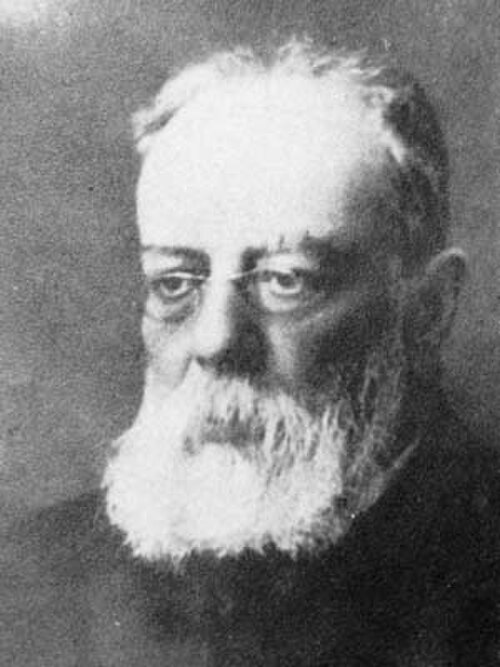 スペインのアナキズムの祖、アンセルモ・ロレンソ。
空位の王位候補者
主な関心を集め、国際的に大きな反響を呼んだ国内政治問題は、王位に就くのにふさわしい候補者を探すことだった。明らかなイデオロギー的理由から、カルリスタの王位継承者(平和的手段で王位に就くか、武装蜂起して王位に就くかを検討していたカルロス7世。武装蜂起は最終的に1872年に第三次カルリスタ戦争で起こることになる)は除外され、いくつかの名前が検討された。例えば、エスパルテーロ自身(アヤクーチョ家の最後の一人、すでに72歳だったが、あと11年生きた)、モンパンシエ公爵(イサベル2世の義理の兄弟)、そしてヨーロッパの王位請求者から選ばれた一団、その中にはザクセン=コーブルク=ゴータ家のフェルディナンド(ポルトガル王の父。ポルトガルとスペインの統合はイベリア運動によって促進された)やホーエンツォレルン=ジグマリンゲン家のレオポルト(プロイセン王ヴィルヘルムの宰相ビスマルクの支持を受けたが、フランスのナポレオン3世には拒否され、この大義をめぐるナポレオン3世の対立は普仏戦争につながるものの一つとなった。エムスの電報、1870年7月13日)などがいた。最終的に選ばれるのは、ヨーロッパで最も自由な君主制の代表であり、イタリア統一における役割により教皇自身と厳しい対立を続けたサヴォイア家のイタリア国王ヴィットーリオ・エマヌエーレ2世の息子、アオスタ公アメデーオである。[36]
アマデオ1世の治世(1871年 - 1873年)

1871年12月30日、アマデオ・デ・サヴォイアはカルタヘナ港に到着し、そこで彼の主な支持者であるプリム将軍が3日前にマドリードで暗殺未遂事件の犠牲になったという知らせを受け取った。暗殺の首謀者は未だに謎に包まれている。それ以来、さまざまな可能性が推測されてきた。奴隷制擁護の圧力団体が自分たちの利益のために暗殺したのではないか、あるいはスペイン内外で王選事件で彼が作った多くの政敵、例えばモンパンシエ公爵、共和党員、あるいはフリーメイソンの何らかの派閥(彼が所属していた)などである。[38]

アマデオ1世は、憲法を厳格に尊重し、政治的に中立を保つという自由主義的な君主として振舞ったが、それでも社会や政治のどのグループからも支持を得ることはできなかった。貴族や上流階級、主にブルボン家は彼を支持しなかった。
この時期の主な指導者は、進歩党で、アルフォンシノスやユニオニストと同盟を組んだサガスタ立憲党と、共和派からカルリスタまで議会のあらゆる層から支持を求めたルイス・ソリリャを中心とした急進党に分裂した。このようにして結成されたグループは、奴隷制度の廃止やインターナショナルの問題などの社会問題をめぐって衝突した。サガスタは、インターナショナルが絶え間ない反乱を引き起こしていると非難し、非合法化した。ルイス・ソリリャは奴隷制度廃止を決意していたが、奴隷制度に反対する意見で悪名高かった国王の支持は、国王の制度的状況を考えると決定的な役割を果たさなかった。奴隷制度擁護派のロビー活動は、カルリスタの反乱への経済的補助や、アルフォンシノス・カノバス(アルフォンシノスの兄弟は奴隷商人の著名な指導者だった)との接触など、あらゆる手段を使って妨害政策を継続した。
長引いていたキューバ問題に、第三次カルリスタ戦争が加わった。1872年5月、国王僭称者カルロス・マリア・デ・ボルボン・イ・アウストリア・エステ(カルロス7世)が軍を率いてナバラに入城したが、その後まもなく、閣僚評議会議長だったセラーノ率いる北軍が、オロキエタの戦いでカルロスを破り、フランスへの帰国を強いた。明らかにエスパルテロがベルガラを受け入れたのを真似て、セラーノはカルリスタに非常に有利な降伏条件(アモレビエタ条約)を提示したが、議会で拒否された。このためセラーノは国王に憲法上の保障の停止を求めた。国王からそれを得られなかったため、セラーノは辞任した。また、カルリスタ全員(署名者を裏切り者とみなしていた国王僭称者自身から始まって)が条約の条件に同意したわけではなかった。そのため、パルティダスは特にナバラとカタルーニャで続き、時には単なる盗賊行為に転じた。カルリズモ主義は、バスク人とナバラ人のフエロスの回復(1872年7月に王位請求者が回復を宣言した)や、18世紀にアラゴン王国のフエロスを鎮圧した新植物令の廃止とますます結び付けられるようになり、特にカタルーニャの農村部で反乱の勢いが強まり、アラゴンとバレンシアの他の地域でもそれほど激しくはなかった。
アマデオ1世は、王位を放棄してイタリアに帰国する理由を熱心に探していたが、ルイス・ソリリャ政府と砲兵隊の間で深刻な危機に陥っていた。国王は軍部への支持を表明し、議会は政府への支持を表明したため、アマデオ1世は1873年2月11日に退位を申し出た。その夜、議会は空位となった王位に就く候補者を見つけることが不可能であることを認識して、スペイン第一共和国を宣言した。[36]
-

-
 キューバ独立運動家のリーダー、カルロス・マヌエル・デ・セスペデス。
 -

.jpg/500px-Carlos_(VII.).jpg)
第一共和国(1873年~1874年)

1873年2月11日、議会は賛成256票、反対32票で共和国を宣言した。共和主義者は、不安定な代表権よりも政治的影響力がはるかに大きかった少数派のユニテリアン(エミリオ・カステラール、ニコラス・サルメロン、エウヘニオ・ガルシア・ルイス、アントニオ・デ・ロス・リオス・ロサス)と、過半数の連邦主義者(フランシスコ・ピ・イ・マルガル)と強硬派(ホセ・マリア・オレンセ)に分かれていた。共和制が発展したわずか2年間、共和制は常に制度的に不安定な状態で運営されていた。国際的には、米国とスイスだけが新体制を承認し、ヨーロッパ列強は傍観者のままでいることを選んだ(フランスとドイツは普仏戦争を終えたばかりで、その理由の一つはスペイン王位継承争いに干渉しようと画策していたためである)。
穏健な共和主義者であるエスタニスラオ・フィゲラスが議会により行政権の長に選出され、両傾向の共和主義者(カステラール、ピ(内務省から政府の実力者として行動した)、サルメロン、フアン・アコスタ将軍(陸軍大臣))のみで政府を樹立した。彼の最初の法令は、貴族の称号を廃止し、自由義勇軍を再編し、奴隷制の近い将来の廃止を発表し、さらに制憲議会を招集した。 1873年の憲法草案は作成が難しく、結局施行されなかった。それは、それぞれ独自の憲法を持つ17の州といくつかの海外領土からなる連邦共和国を設立した。自治体は地方憲法を持ち、市長室、市議会、地方裁判所の間で権限が分割される。中央州では、大統領が任命する政府の長が行政権を行使する。立法権は、直接選挙で選ばれる二院制で、上院は各州から4人の代表者、議会は住民5万人につき1人の議員で構成される。司法権は、各州から3人の判事で構成される最高裁判所が管轄する。大統領は、他の権力および連邦州との関係に関するいわゆる権限を委任される。政教分離は完全であった。[36]
すぐに、領土的または社会的観点から、改革のより急進的な深化を支持する運動が起こりました。バルセロナでは、カタルーニャ州を含む民主的な連邦共和国が宣言されました。スペインの労働運動の最初の組織は、労働時間の短縮や賃金の引き上げなどの措置を要求して、積極的に公の場で存在感を示し始めました。マラガでは、国際主義者が自治体の権力を掌握し、アンダルシアとエストレマドゥーラの田舎では日雇い労働者が土地を占拠しました。
1868 年の革命家たちの対極に位置するセラーノ将軍はクーデターを企てたが失敗した。
ピ・イ・マルガルは6月に共和国大統領に就任したが、カルリスタ蜂起(カルリスタ蜂起の支持と領土拡大が進み、ゲリラのサバルがカタルーニャでパニックを引き起こした)、キューバでの戦争の継続、連邦共和主義者の中で最も過激な派による州革命の勃発(特にカルタヘナ州で強い)という3つの暴力的反対勢力の戦線が激化する中、1か月後に辞任した。
サルメロンは、共和国の存続にとって致命的となる決定を携えて行政官に就任した。それは、アルフォンシーノ派将軍(イサベル2世の息子アルフォンソ王子の君主主義支持者)の指揮下にある軍隊を使ってカントンの蜂起を鎮圧することであった。パビアはアンダルシアへ、マルティネス・カンポスはバレンシアへ、ロペス・ドミンゲスはカルタヘナへ派遣された。サルメロンは、自身の政党(エドゥアルド・パランカ)と軍(パビア)の相反する圧力に挟まれ、カントン主義者の兵士数名の死刑判決に署名することを拒否した後、9月7日に辞任した。[40]同時に、キューバでヴァージニアス号が拿捕され、アメリカとイギリスの市民を含む乗組員53名が射殺された結果、キューバ紛争でアメリカとイギリスを巻き込む国際危機が勃発した。
次の大統領カステラールは、国際紛争の外交的解決を模索する一方で、特別権限を行使して、キューバ、カルリスタ、州の問題の解決には行政権を制限なく使用すべきであると主張し、1874年1月まで議会を閉会した。彼の大統領職は、1874年1月2日の次の会期開会まで続かなかった。
-
 エスタニスラオ・フィゲラス、共和国初代大統領(使用された称号は行政権大統領)。
 -
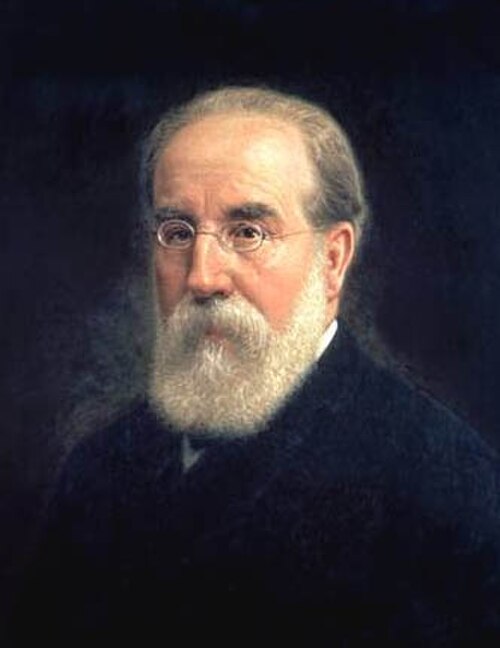 フランシスコ・ピ・イ・マーガル、第2代大統領。
 -
 ニコラス・サルメロン、第3代大統領。
 -
 エミリオ・カステラール、第4代大統領。王政復古期にサガスタに圧力をかけ、自身の支援と引き換えにセクセニオ時代に獲得した自由を回復するよう求めた。
.jpg/500px-F._de_Madrazo_-_1879,_Nicol%C3%A1s_Salmer%C3%B3n_(Congreso_de_los_Diputados,_Madrid,_131_x_96_cm).jpg)
セラーノ独裁政権(1874年)
.jpg/500px-Nadar's_photo_of_Serrano_(Retouched).jpg)
1874年1月3日、マヌエル・パビア将軍はカステラールの信任を撤回したばかりの議会を暴力的に妨害した(この行為は一般に言われているほど派手なものではなかったが、「エル・カバロ・デ・パビア」という表現は、軍事クーデターの脅威をほのめかす「軍事的威嚇」に似たスペインの政治的決まり文句となった)。権力の不足により、共和国大統領をセラーノの手に委ねる集中政府が形成されたが、セラーノは実際には憲法上の統制に従わず、その任期(ほぼ1年間)は真の独裁と見なされた。[41]
深刻な財政状況の中、彼は政治的問題に直面し、同時にカルタヘナの州反乱、第三次カルリスタ戦争、キューバ戦争という3つの公然の戦争戦線を鎮圧することに全力を尽くした。彼はエウヘニオ・ガルシア・ルイスの統一共和国派と政府を結成し、財務長官にはホセ・デ・エチェガライを据えて財政を整理し、スペイン銀行を形作った。 9月から閣僚評議会議長を務めたサガスタ(前任の行政権の大統領が両方の地位に就いたが、セラーノは別の人物をその地位に指名することを好み、制度的には国王と同様の地位に就いた)は、インターナショナルのスペイン支部を再び非合法化し、革命本部と新聞を閉鎖し、自由義勇隊などの団体を解散させた。
ドイツを筆頭とするヨーロッパ列強は直ちに新体制を承認した。
イングランドで軍事訓練を受けていたイサベル2世の息子アルフォンソは、サンドハースト王立アカデミーからスペイン人へのメッセージ(サンドハースト宣言)を送った。これは、アントニオ・カノバス・デル・カスティージョ率いるスペイン王政主義者の中で最も穏健なグループであるアルフォンシーノ党が推進したものである。彼は和解的な口調で、母親の追放から教訓を得たこと、そして、良きスペイン人であり続けること、私の先祖全員のように良きカトリック教徒であること、そして世紀の男として真の自由主義者であることをやめないことを決意していることを宣言し、反動派と穏健な自由主義者の間の幅広い政治的スペクトルの支持を求めた。
一方、カルリスタ派が進出した地域では戦況が長期化していた。セラーノ将軍自らが率いる政府軍は、ナバラでカルリスタ派を封じ込め、ビルバオの包囲を解き、クエンカ地域で攻勢に出た。
1874年12月29日、マルティネス・カンポス将軍はサグントでアルフォンソ王子を支持する蜂起を起こした。セラーノは既成事実を認め、宣言に反対しないことを選択した。アルフォンソ党の指導者カノバスに政府を樹立するよう要請したが、カノバスはブルボン家の王位復帰における軍の主導権を好ましく思わなかった。彼は反乱軍の将軍を疎外し、政府を文民の手に委ねることに成功した。[36]
スペインにおけるブルボン王朝復古(1874年~1931年)
アルフォンソ12世の統治(1874年 - 1885年)とマリア・クリスティーナの摂政(1885年 - 1902年)

.jpg/500px-Mar%C3%ADa_Cristina_de_Habsburgo-Lorena_(Museo_del_Prado).jpg)
-
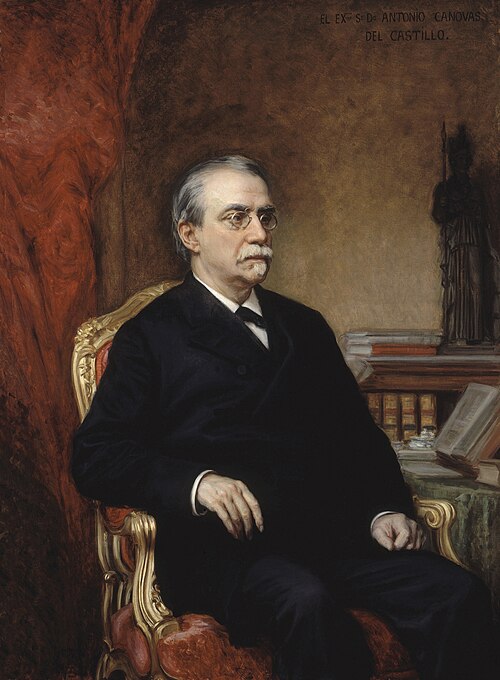
-
 プラクセデス・マテオ・サガスタは、自由党の創設者であり、7度にわたって政府首相を務めた人物です。また、エンジニアであり、著名なフリーメイソンであり、スペイン大東亜のグランドマスターでもありました。
 -
 マリアーノ・ベンリウレ作、アルセニオ・マルティネス・カンポス将軍の記念碑。マドリードのレティーロ公園に位置しているため、近くにあるアルフォンソ12世の記念碑に背を向けているという、いたずらっぽい解釈も生まれている。
ブルボン家の復古後、新国王はカノバスを復権させ、翌年1月に1869年憲法で定められた制度(普通選挙)に基づいて選挙を実施した。この制度により、カノバスは政府に同情的な保守的な君主主義者の圧倒的多数を獲得した。1876年のスペイン憲法の起草は、カノバス自身が選出しマヌエル・アロンソ・マルティネスが議長を務める名士委員会に委託され、6月30日に議会に提出され、大きな変更なく承認された。選挙制度は規定しないことが決定された(そのため、その後の選挙は1890年まで国勢調査による選挙で行われる)。主権は国王と議会で共有され、二院制の議会制度が採用され、行政権に非常に広範な権限が委ねられた。公的自由の承認は制限されていた。国家のカトリック信仰と他の宗教に対する寛容が定義された。自由保守党を組織したカノバスは、政治体制の安定のために、アルフォンソ議会君主制に忠実な王朝的野党が必要であることを認識していた。1879年、サガスタはエミリオ・カステラールの支援を受けて、共和主義に幻滅した進歩主義者と民主主義者を統合した自由融合党を結成した。エル・パルド協定(1885年11月24日、アルフォンソ12世の死去に伴う政治危機の可能性に直面して)から、カノバスとサガスタの間の合意により、両党が互いに政権を継承するためのほぼ自動的なターンイズモが確立されました。これは、保守派が、自由主義者が6年間の政治的成果(報道の自由、結社の権利、または普通選挙)を徐々に回復することを受け入れなければならないことを意味していました。内務省による選挙の管理(候補者のエンカシリャード)は、いわゆるカシキスモに基づくシステムの重要なポイントになりました。カシキスモとは、社会的名声と経済的地位の高い人物が地元で優位に立ち、縁故主義的なネットワークを構築して結果を操作する(プチェラソ)ことです。
トーク
薬局の裏側:
-わからない、
ドン・ホセ、
リベラル派は
とても犬っぽくて、とても不道徳。
—ああ、落ち着いて!
カーニバルが終わった後
保守派が来るだろう
良き管理者
あなたの家の。
すべてはやって来て、すべては過ぎ去ります。
永遠なるものは何もない:
政府なし
それは続く、
百年続く悪も。
アントニオ・マチャド、田舎の瞑想
カノフ主義体制の特徴的な安定性にもかかわらず、フランシスコ・シルベラ(カシキスモに非常に批判的だったが、内務大臣になることは妨げられなかった)、保守党のフランシスコ・ロメロ・ロブレドやライムンド・フェルナンデス・ビジャベルデ、自由党のセギスムンド・モレやエウジェニオ・モンテロ・リオスなどの人物が主導する世襲政党内部では不和があった。非世襲政党は、実際には政権に就く可能性から排除されていたが、世紀の終わりには、操作がより困難だった都市部の選挙区でいくらかの代表権を獲得し始めた。そのおかげで、初期のカタロニア主義運動(エンリク・プラット・デ・ラ・リバを中心とした「Unió Catalanista」(1891年)、Bases de Manresa(1892年))が議会(Liga Regionalista(1901年))に進出することができた。一方、はるかに急進的なサビーノ・アラナ率いるバスク民族主義党は、さらに数年長くかかった。
-

-
 バルトメウ・ロベルト、 1901年にセバスティアン・トーレス、アルベルト・ルシニョル、ルイス・ドメネクとともにリーガで選出された4人のうちの1人

労働運動は、マルクス主義イデオロギー(パブロ・イグレシアス率いる社会労働党(1879年)と全スペイン労働組合(1888年)は選挙参加を選択し、マドリードとバスク地方で広く浸透した)またはアナキスト(スペイン地域労働者連盟(1881年)は政治システムへの不介入を選択し、カタルーニャとアンダルシアで広く浸透した)の政党や労働組合の創設により再編成された。アナキストのグループと個人の混乱したネットワークは、いわゆる直接行動の実践を発展させ、これには平和的な手段とともに、他の暴力的な手段(行為の宣伝)が含まれ、テロ攻撃は時には非常に派手なもの(バルセロナ大学爆破事件(1893年)、カノバス暗殺(1897年))であり、他の場合には当局自身によって操作された(ラ・マノ・ネグラ、1882年〜1884年)。
-

-
 1884年、ラ・マノ・ネグラに所属していたとされる7人のアナキストがヘレスで処刑される(1892年のフランスの雑誌の挿絵)。
 -
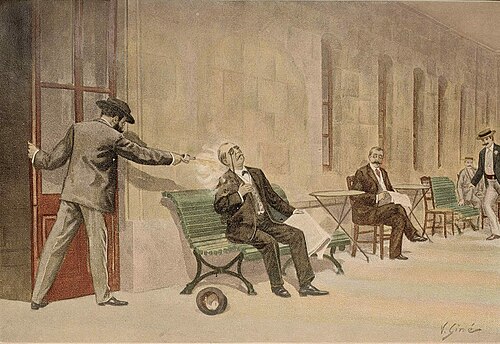 ミケーレ・アンジョリョによるカノバス暗殺の芸術的再現。

いわゆる大学問題は知的生活の主な対立であり、新しいシステムの最も特徴的な政治問題の一つであった。 1875年のオロビオ回状(公共事業大臣オロビオ侯爵による)は、カトリックと王政に影響を与えない条件で教育を維持することを義務付けることで、学問の自由を大幅に制限した。クラウシスタ(フランシスコ・ヒネル・デ・ロス・リオス、グメルシンド・デ・アスカラテ、テオドロ・サインス・ルエダ、ニコラス・サルメロン、アウグスト・ゴンサレス・リナレス)と特定された多くの大学教授が大学から追放され、彼らのうちの一団が大学外の自由エンセニャンサ研究所で教鞭をとり続け、非常に重要な教育改革を開始した。
-
 アウグスト・ゴンザレス・リナレス。
 -
![1914年に最初に建設されて以来、ジネル・デ・ロス・リオスの名を冠したラ・ペドリサの避難所。 [42]自然観察旅行は、Institución Libre de Enseñanza の革新的な教育リソースの 1 つでした。](https://img-server.japedia.wiki/wikipedia/commons/thumb/a/a1/Refugio_Giner.jpg/500px-Refugio_Giner.jpg) 1914 年に最初に建設されて以来、ジネル・デ・ロス・リオスの名前が付けられているラ・ペドリサの避難所。 [42]自然観察旅行は、 Institución Libre de Enseñanzaの革新的な教育リソースの 1 つでした。
1914 年に最初に建設されて以来、ジネル・デ・ロス・リオスの名前が付けられているラ・ペドリサの避難所。 [42]自然観察旅行は、 Institución Libre de Enseñanzaの革新的な教育リソースの 1 つでした。 -
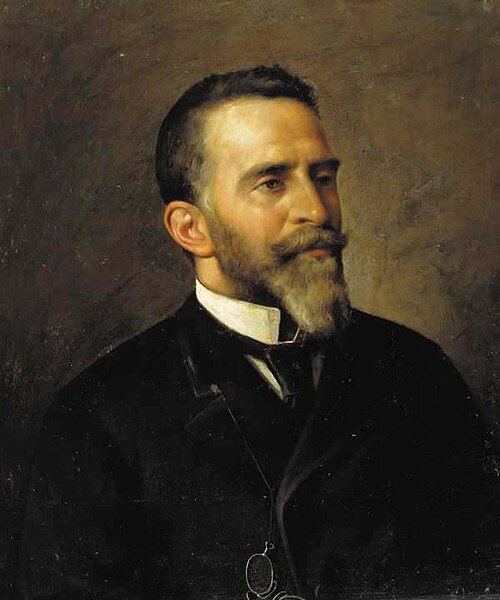
マルティネス・カンポス率いる断固たる軍事行動により、カルリスタの抵抗は終結し、バスク3県のフォラル制度は廃止された(1876年)。ナバラのフエロスの存続は1893年に疑問視されたが、民衆の動員によりそのような主張は阻止された(ガマサダ)。マルティネス・カンポス自身が島に到着した後、キューバでの紛争はサンホン和平(1878年)の交渉へと方向転換した。自治の約束とモレの奴隷制度廃止法の適用(1886年まで延期)は、キューバ独立運動家の不満と自治主義者の期待の裏切りを避けるのに十分な改革には至らず、20年後には米国の断固たる介入による新たな戦争、いわゆる98年の惨事へとつながっていった。植民地帝国の大半の終焉を超えて、その内部的な影響は知的かつ政治的に決定的なものとなり(再生主義、98年の世代)、いわゆる王政復古の危機を引き起こした。
パントリー、学校、そしてシドの墓への二重鍵。
ホアキン・コスタ のスローガン。[43]
人口、経済、社会、空間の不均衡
19世紀末から20世紀初頭にかけては、経済危機が激しかった。1885年にコレラが大流行し、人口過密で不健康な労働者階級のスラム街が壊滅的な死亡率の上昇に見舞われた後、気候的および生物学的要因(穀物の不作、ブドウ園を壊滅させたフィロキセラの大流行)による深刻な農業危機が、農業革命による機械化やその他の変革に直面していなかったスペインの田舎の社会経済構造によって悪化し、少なくとも1902年まで続いた。労働時間は長くて過酷で、賃金は非常に低く、出来高払いの仕事に就くことさえあった。生活条件は急激に悪化し、乳児死亡率は急上昇したが、その他の人口統計データは依然として産業革命以前の社会の典型的な数字と一致していた。多大な損失を被った地主たちは日雇い労働者の要求にますます反対するようになり、対立は激化した。何千人ものアンダルシアの日雇い労働者が土地を求めてストライキを起こした。財産構造の集中度が低い他の地域も、変革の過程に伴う社会的対立から逃れられず、それは文学にも反映され、コストゥムブリスモから社会的非難へと移っていった(ビセンテ・ブラスコ・イバニェスによって不滅の作品となったバレンシアのオルタや、レオポルド・アラスによるアストゥリアスのオルタ)。特に条件が良かった地域では、移民という逃げ道が機能し、特にアメリカへ、またフランスやアルジェリアへ移住した。移住はガリシアやスペイン北部の他の地域で特に激しく、何人かの人物(インディアーノ)が無事に帰国し、その名声によって、遠い土地で勤勉に働いて富を得るという社会的理想の普及に貢献した。
ガリシア人は何も尋ねず、移住する。 アルフォンソ・ロドリゲス・カステラオ。[44]
-
 レオポルド・アラス「クラリン」。
 -

-

.jpg/500px-Vicente_Blasco_Ib%C3%A1%C3%B1ez_in_1919_(cropped).jpg)

バスク地方では、鉄鉱石の採掘を基盤とした工業化が進み、ビルバオ河口を通じてイギリスに輸出された。イギリス産の石炭を積んで帰国する便利さから、地元の鉄鋼産業が誕生し、造船業や金融機関などの関連部門が繁栄した(特に、バスクの銀行業は、サンタンデールの銀行業でさえ、カタルーニャの銀行業よりもはるかに堅固だった)。バスク地方の伝統的な社会関係(カセリオ)が危機に陥り、ガリシア人と同様に多くの人が移住したのと同時に、スペイン語を話す移民が新しい産業で働くという逆の動きもあった。避けられない文化衝突は、社会主義やバスク民族主義などのあらゆる種類の対立や代替イデオロギー、そしてミゲル・デ・ウナムーノ、ピオ・バローハ、トマス・メアベなどの複雑な個人の軌跡に表れた。
-
 トマス・メーベはバスク民族主義から、より効果的に対抗するためにマルクス主義を学ぶよう依頼された。文学や社会主義団体と接触した後、彼はそれらに参加した。
 -
 ミゲル・デ・ウナムーノは当初は社会主義に近かったが(最初の著書ではビルバオの路面電車のストライキを支持していた)、風景とカスティーリャの田園地帯におけるスペインの存在の探求に目を向け、その結果、あらゆるヨーロッパ化を否定し(ホセ・オルテガ・イ・ガセットとの論争「発明させろ!」 )、ファシズムに対する知性の力強い擁護で生涯を終えた。
 -

.jpg/500px-Portrait_of_P%C3%ADo_Baroja_(cropped).jpg)
同時に、カタルーニャのブルジョアジーは真のゴールドラッシュ(1888年の万国博覧会の時期)を経験していたが、それは非常に激しい社会的対立( 1909年の悲劇の週、1917年の危機、ボスと組合のピストル運動の鉛のような年月)の真っ只中、少なくとも1929年の万国博覧会まで続く黄金時代であった。[45]バルセロナの活力は、キューバ喪失後の資本の本国送還からも恩恵を受け、スペインの真の経済首都となった。また、ヨーロッパレベルでの芸術的焦点(カタルーニャのモダニズム、ヌーサンティズム)でもあった。貧富を分ける社会的深淵はカタルーニャにおけるアナキズムの影響力を増大させ、超越的で長期にわたる政治的影響をもたらした。
スペイン全土で、世論の目に映るアナキズムのイメージは、暗殺を最も効果的なプロパガンダ手段として選んだ活動家の小グループの決定によって強く印象づけられた。リセウ劇場爆破事件(1893 年)、聖体行列爆破事件(1897 年)、カノバス暗殺事件(1897 年) の後、アルフォンソ 12 世 (マテオ モラル、1906 年)の結婚式への暗殺未遂事件、ホセ カナレハス大統領(1912 年) とエドゥアルド ダト大統領 (1921 年)の暗殺事件が続いた。
ヨーロッパの他の国々と同様、社会変革によって少数の女性たちが文化生活のさまざまな分野への参加を求めるようになり、さまざまな拒絶や障害がそれを遅らせた。コンセプシオン・アレナルは男性に変装して法律の授業に出席しなければならなかった。セシリア・ベール・デ・ファベルはフェルナン・カバジェロという非常に男性的なペンネームで身を隠さなければならなかった。一方、マリア・デ・ラ・オ・レハラガのようなケースはさらに屈辱的だった(彼女は夫のグレゴリオ・マルティネス・シエラが署名した多くの作品の著者だった)。1880年から1910年の間には特別な許可があったが、大学に女性が存在することは1930年代まで珍しいことだった。文学界は少しずつ女性を受け入れた(ロサリア・デ・カストロ、エミリア・パルド・バサン、コンチャ・エスピナ、カルメン・デ・ブルゴス)。下層階級の女性が男性よりも低い賃金で工業労働に従事するようになったのは、かなり早い時期だった。
-

-
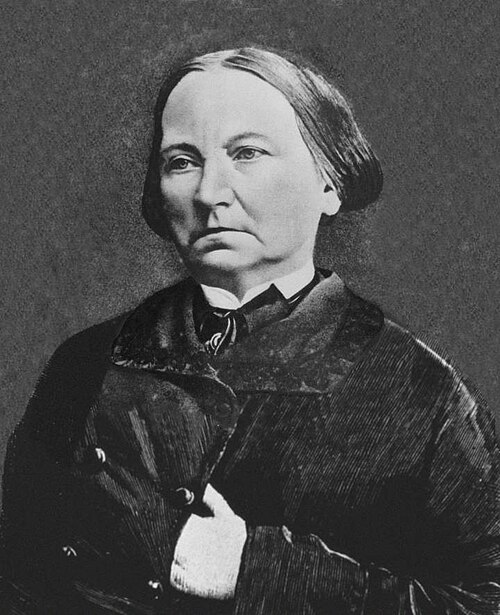
-
 エミリア・パルド・バザンの記念碑。
 -
 コンチャ・エスピナの記念碑
.jpg/500px-Emilia_Pardo_Baz%C3%A1n_(calle_Princesa).jpg)

アルフォンソ13世の治世(1902年 - 1931年)
憲法時代(1902年~1923年)


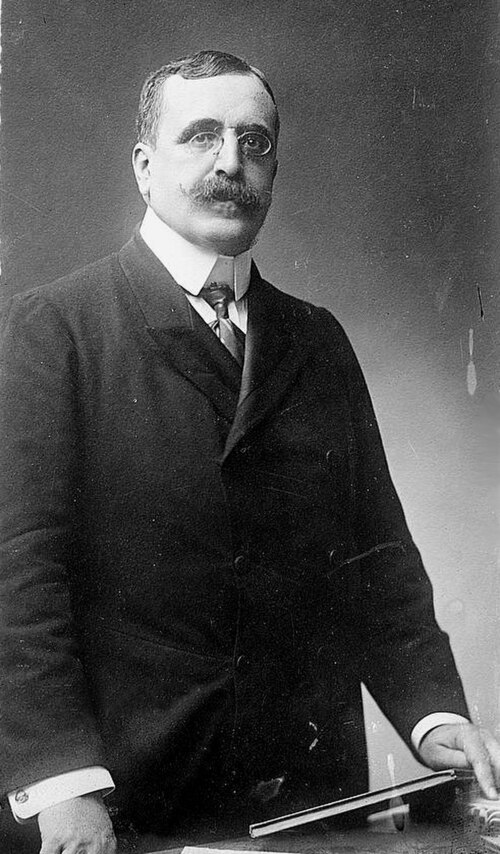
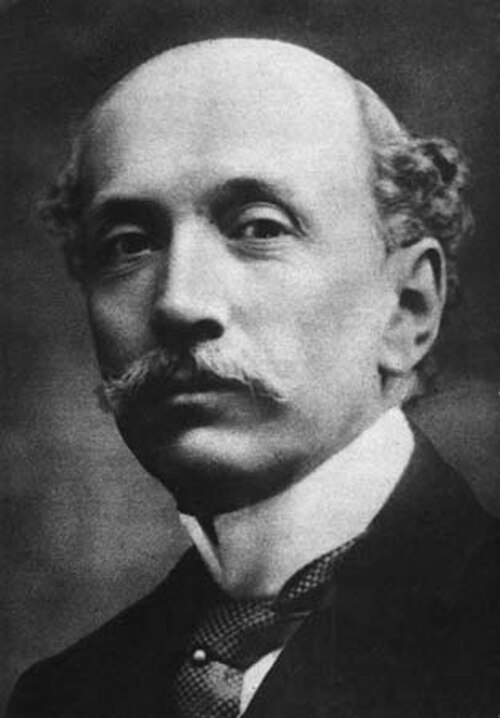
統治の始まり
政情不安により保守派と自由主義派の政権が次々と交代し、各党内ではあらゆる種類の分裂、不和、陰謀が起きた。再生主義の精神は、改革的な経済的・社会的決定の採用に広がり、 1907年の国内再人口化法(アウグスト・ゴンサレス・ベサダ)[46]や貯水池による灌漑3倍化計画(ホアキン・コスタまたはルーカス・マラダの水利政策の応用)などの措置がとられた。経済資源の不足と、兵士よりも指揮官が多い不均衡な軍隊の支援、そしてもはや守るべき帝国を持たなくなった海軍の再建によって遅延した。 1908年には、ビスマルクのドイツで実施されていたような社会国家に典型的な社会保護政策の萌芽である国家予防研究所が発足した。
.jpg/500px-Joaqu%C3%ADn_Costa,_de_Compa%C3%B1y_(cropped).jpg)
_portrait_(restored).jpg/500px-Santiago_Ram%C3%B3n_y_Cajal_(1852-1934)_portrait_(restored).jpg)
科学、教育、文化の分野は著しい発展を遂げ、1906年(サンティアゴ・ラモン・イ・カハールがノーベル医学賞を受賞した年)から30年間(内戦まで)スペインの科学と文学の銀の時代と呼べるほどであった。1900年に教育省が設立され、国家が教師の給与を負担することが義務付けられた。1907年には、賞を受賞したばかりの人物が議長を務める制度主義志向の科学研究機関、教育拡大委員会が設立された。労働運動自体は、大衆教育(自由主義的なアテネウム、無政府主義的な近代学校、社会主義的な民家) を志向していた。
悲劇の週とカナレハスの改革
1898年の惨事の後、スペイン帝国主義から抜け出す唯一の方法は、アフリカ主義的なアプローチでした。熱心な外交活動の結果、モロッコ保護領に植民地を置くことができましたが、これはまさに、ヨーロッパ列強がスペインにほとんど考慮されない権限を与える好機であったためであり、ドイツやフランスに与えるとまさに脅威となる権限でした(アルヘシラス条約、1906年4月7日)。新たな軍事努力の要求により、大規模な強制徴兵部隊が動員されました(不当なキンタ制度と、6000レアルの割り当てを支払った者の排除)。反軍事動員は、1909年7月にバルセロナで深刻な反乱を引き起こし(悲劇の週)、拡大の恐れがあったため、軍隊と予備役の召集により鎮圧しなければなりませんでした。暴動には反教権主義的な要素が強く、過激派指導者のアレハンドロ・レルー(若き野蛮人)が煽動し、修道院や教会が焼き払われた。保守派のアントニオ・マウラ政権は国中に非常事態を宣言し、何千人もの人々が逮捕され、軍の裁判にかけられ、軍法会議にかけられた。最も悪名高かったのは、アナキスト近代学校の創始者フランシスコ・フェレール・グアルディアの暴動である。国際世論の抗議にもかかわらず、暴動を扇動した罪で死刑判決が下された(10月13日)。マウラへの圧力により、彼は辞任を余儀なくされた(10月21日)。
自由主義者の転向により、ホセ・カナレハスが政府に就任し、彼は法改正によって民衆の要求を阻止しようとした。例えば、兵役義務は兵士の割り当ての不公平を終わらせ、反軍国主義の高まりを食い止め、国家の世俗的性格を強化する反教権主義の高まりを食い止めようとした。教皇が1851年の協約の交渉を拒否したことを受けて、彼は修道会の活動を一方的に制限することを選択した(南京錠の法律、1910年12月)。政府の施策の社会的方向性には、消費を都市所得への累進課税に置き換えることや初等教育の促進が含まれていた。しかし、社会的な暴動に直面すると、彼は断固たる措置を躊躇せず、1912年の鉄道ストライキを終わらせた軍国主義に代表されるような措置を取った。[47]
第一次世界大戦と1917年の危機
第一次世界大戦(1914-1918年)におけるスペインの中立は、親連合派(左派に多い)と親ドイツ派(右派に多い)から疑問視され、政治的に重要な政治的権力と地方自治権を獲得し(マンコムニタ・カタラナ、1913年)、国政で決定的になることを熱望していた(フランセスク・カンボ)カタルーニャ人が推進した産業保護主義の政治的選択肢にもかかわらず、輸出向けのあらゆる種類の製品の需要が大幅に増加した。輸出の増加により物価が上昇したが、賃金は同じ割合で上昇しなかったため、労働者の購買力が大幅に低下した一方で、ビジネスマンの利益率は上昇した。社会的不平等により、全労連(UGT、社会主義)と全国労働総同盟(CNT、無政府主義、1910年設立)の組合員が増加した。[48]
1917 年の危機は、 4つの深刻な問題の結果として勃発した。政治問題 (特に都市部では詭弁が横行していないが、社会制度がますます近代化していき、世論もますます意識が高まっていく)、経済社会問題 (生活の質が低下し、労働者の要求が激化)、軍事問題 (昇進政策に対する中級および下級将校の不満と実質給与の低下)、カタルーニャ問題 (1905年のCu-Cut! 事件以来、スペイン軍の圧力によって対応された地域主義的圧力の増大) である。バルセロナで開かれた代議士会議では、世襲政党に代わる選択肢と政治体制の再生の可能性が提起された。同時に、ゼネスト (UGT が呼びかけ、CNT が支援) が起こった。エドゥアルド・ダトの保守政権は、抗議運動の指導者たち(社会主義者のフランシスコ・ラルゴ・カバリェロ、フリアン・ベステイロ、インダレシオ・プリエト、アンドレス・サボリット、ダニエル・アングイアーノ、あるいは共和党のマルセリーノ・ドミンゴなど、いずれも将来有望な人物たち)を投獄または追放する弾圧で対応した。自由主義派と保守派が集中した政府が樹立され、その後の選挙では不確実な結果となった。
経済サイクルの終焉は、第一次世界大戦の終結と、いわゆるスペイン風邪による人口学的大惨事と一致していた(交戦国の報道機関とは異なり、スペインの報道機関は戦争検閲を受けず、流行病について報道することができた)。しかし、20世紀のその時点では、「平常」年の人口統計数値は、都市人口の増加とともに始まった人口転換の数値にすでに一致していた。また、経済構造のデータは、労働力のほとんどが市場で利用可能で、村の自給自足の回路を超えて工業化の過程に浸っている国のデータと一致していた。ただし、明らかに相対的に後進的ではあったものの、一部の国をすでに真の消費社会に変えていた開発レベルからは程遠かった。
私は仕事に行き、自分のお金で自分を覆うスーツを買う
私を包むスーツと私が住む大邸宅、
わたしを養うパンとわたしが横たわるベッド。
アントニオ・マチャドの肖像画。[49]
王政復古の危機(1917年~1923年)
国王が個人的に支援したアフリカでの軽率な軍事行動[50]が、アヌラージュ事件(1921年7月22日、約1万人が死亡)の惨事につながった。このスキャンダル(ピカソファイル)に関する議会の調査は、カノフ体制の権力の中枢である君主制と軍隊を不安定にする恐れがあった。
同時に、都市部と農村部の両方で社会紛争が急増した。アンダルシアのいわゆるボルシェビキの3年間[51](1919年5月の戦争宣言につながったストライキと農民反乱)とバルセロナの鉛の時代[52](雇用者のピストル主義と労働者集団の直接行動または無政府主義的暴力、および知事セベリアーノ・マルティネス・アニードによる労働者に対する厳しい弾圧政策が特徴で、[53]カタルーニャの社会生活はますます希薄になった)。これらのすべての出来事の中で、 CNTが実行したラ・カナディエンセ・ストライキがあり、スペインは8時間労働制を確立した最初の国の一つとなった。[54] [55]
バルセロナの総司令官ミゲル・プリモ・デ・リベラは1923年9月13日にクーデターを起こし、国王は即座にこれを受諾したが、政治的にも社会的にも強い反対運動は起こらなかった。知識人の間では、亡命していたウナムノが反対し、オルテガがこれを受諾するという分裂が起こった。[56]
... 私は自分の意志で行動しました。共犯者はいませんでした。国王殺害の目的を達成すれば、スペインで革命を起こすことになると考えたのです。私が行動を起こそうとしたのは、君主に対する個人的な憎しみからではありませんでした。私は彼を人間として尊敬していますが、国王として尊敬しているわけではありません。彼の失踪はスペインを救うのに役立つと信じていたからです。ブエナベントゥラ・ドゥルティのフランス警察への告白、1926年6月。[57]
プリモ・デ・リベラの独裁政権(1923年~1930年)

独裁政権の最初の数年間、カタルーニャのブルジョアジーからラルゴ・カバリェロのUGTまで、あらゆる種類の社会的支援を受けたが、王朝政党は憲法の停止を受け入れた。政権の人気は、フランスの支援を受けたモロッコ問題に対する大規模な軍事作戦、すなわちアル・ホセイマ上陸作戦(1925年9月8日)という軍事的解決によって強化された。石油や電話などの戦略的部門が国有化され、大規模な独占企業が設立された(カンプサとコンパニア・テレフォニカ・ナシオナル)。再生主義の精神に基づく公共事業の野心的な政策(道路や貯水池の建設、灌漑、森林再生)により、社会的平和が強制的に確立されると、雇用と経済活動が促進された。これらは、ホアキン・コスタが予言した鉄の外科医の治療的効能であるように思われた。[58]
時が経つにつれ、政権は、極端な点ではムッソリーニのファシストイタリアを彷彿とさせるコーポラティビズムへと傾き、単一政党(政党だが非政治的:愛国同盟)を掲げる政治運動も創設された。当初の軍部長官が文民長官に交代(1925年12月3日)し、これには伝統的政党以外の政治家(ホセ・カルボ・ソテロ、ガロ・ポンテ、エドゥアルド・カジェホ)も含まれたが、これにより政権の制度化(国家コーポレート組織の設立(1926年)、国民諮問議会の招集(1927年)、新憲法(1929年憲法、結局完成せず)の起草開始)が始まり、当初の見せかけの暫定性から、ますます長期化の意図が強まっていった。
金融政策のずさんな運営により公共事業計画の発展が妨げられ、経済難により独裁者の人気はますます低下し、特に大学生、知識人、労働運動の間で反対勢力が高まり、批判が高まった。一方、共和党と社会党の間では政治的陰謀が企てられていた。支持の欠如に直面したプリモ・デ・リベラの状況は維持不可能となり、彼は辞任して亡命することを選んだ(1930年1月28日)。
ディクタブランダそして王政の最終的な危機(1930年~1931年)
政府はベレンゲル将軍に委ねられた。新政府の信用は即座に失墜した。最も著名な知識人の一人、ホセ・オルテガ・イ・ガセットによる衝撃的な記事(El error Berenguer — El Sol、1930年11月15日—)は、圧倒的な君主制の廃止で終わった。 1930 年 12 月 12 日のハカの軍事部隊による共和党支持の蜂起は鎮圧されましたが、主犯格 2 人 (フェルミン・ガランとアンヘル・ガルシア・エルナンデス)の銃殺刑は世論に大きな影響を与えました。オルテガは、選ばれたグループ(ラモン・ペレス・デ・アヤラとグレゴリオ・マラニョン)の支援を受けて、アントニオ・マシャドが主宰する共和国連合を創設した。最初の公的な行動(1931年2月14日)の後、ベレンゲルは辞任した。


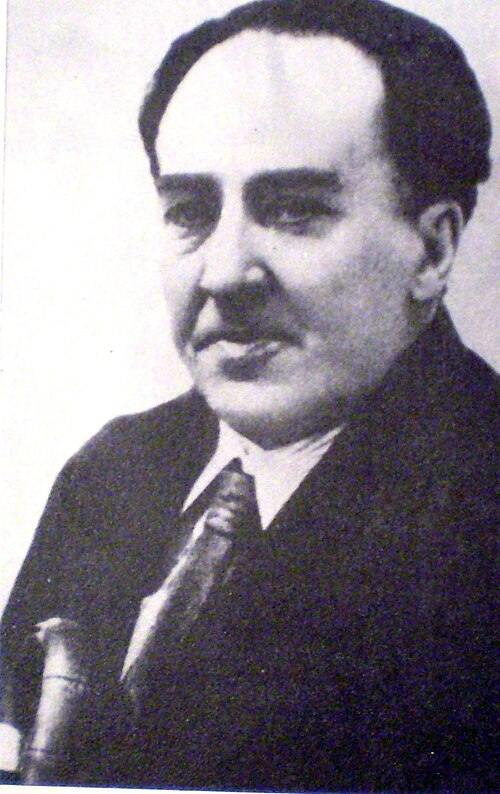
サン・セバスティアン協定(1930年8月17日)に始まり、異なる志向を持つ共和党政治家たちの行動の団結により、彼らは弱体化する政府に有利に対抗し、権力の信頼できる代替案として自らを位置付けることができた。
このような状況の中で、新大統領のアドミラル・アスナールは、民主的な慣行を段階的に回復することを選択しました。まずは4月12日の市議会選挙の実施を皮切りに、地方権力に対する恩顧主義ネットワークの伝統的な支配の再構築につながる政治シナリオが生まれました。共和党と社会労働党は選挙ブロックを形成し、UGTの支援を受けました。カタルーニャでは、世襲政党がリーガと同盟を組み、一方で全国野党には最近結成されたカタルーニャ共和党(フランセスク・マシア)が加わりました。CNTは、ブルジョア政治制度に介入することは逆効果であると考えるアナキストのイデオロギー的正統主義を適用しました。一方、スペイン共産党(スペイン語:Partido Comunista de España 、PCE、親ソ派の第三インターナショナルの結成により社会労働党から分裂)は、依然としてほとんど実体のない政党でした。投票数と市議会の数の両方で君主主義の候補者が勝利したという事実にもかかわらず、ほとんどの選挙区(カシキズムにさらされ、実質的に投票の自由がない村)は、共和主義社会主義者のリストが楽勝した都市と同じようには考えられないという事実は誰も隠せなかった。結果を受けて、4月14日、祝祭的で民衆的な雰囲気の中、群衆はすべての都市の通りを埋め尽くし、三色旗を振り(共和主義の旗は、下部の赤い帯を紫色に置き換えた)、一方、著名な共和主義の政治家は、当局の溢れかえりと無策に直面し、共和国を宣言して公共の建物を占拠した。国王は、軍や王朝政党の支持が得られないであろう抑圧的な対応を強行しないことを選択し、正式に退位することなく権力の行使を放棄して亡命した。
第二スペイン共和国(1931年~1939年)
最初の2年間、「社会アザニスタ「改革者または変革者」
ニセト・アルカラ・サモラが議長を務める暫定政府が設立された。この政府は社会主義者を含むさまざまなイデオロギーの共和主義者によって構成された。1931 年 6 月 28 日、制憲議会選挙の結果、左派共和党と社会労働党が多数を占める議会が誕生した。社会労働党は世俗主義と社会的進歩主義を掲げ、アルカラ・サモラは辞任し、マヌエル・アサーニャが議長を務める新政府が設立された(1931 年 10 月 14 日)。アルカラ・サモラを共和国大統領に任命することで (同年 12 月 10 日)、制度的バランスを保つ試みがなされた。
1931年憲法は、女性参政権、労働争議の解決のための雇用者と労働者の平等な混合陪審制度など、幅広い政治的および社会的権利を認めた。私有財産を国家経済の利益に従属させることで、土地を持たない日雇い労働者の利益のために、社会的に十分な収益性がないと見なされた農場(スペイン南部の大規模農場のほとんどなど)を補償付きで収用することを規定した農地改革(1932年9月9日の法律で実証)の必要性に応えた。政教分離は、完全な宗教の自由、宗教団体と聖職者の予算の抑制(没収による資源の枯渇を司教や司祭に給与を支払うことで補うという1851年の協約以来のカトリック教会への譲歩)、修道会への正式な教育の禁止、イエズス会の抑制(教皇への特別な服従の誓いに基づく)で表現された。新しい制度設計により、共和国大統領が行政権を掌握し、大統領が一院制の議会に責任を負う政府の大統領を任命した。新しい領土構造は、いわゆる統合国家内での自治権を認め、その結果、8月2日にカタルーニャ州憲法が制定された。特別司法権は廃止され(1906年以来民間人に対して行使されてきた軍隊など)、陪審員は拡大され、憲法保障裁判所の設立が想定された。
多数の将校によって不均衡な組織であった軍隊の改革は、サラゴサ総合学校の閉鎖を意味した。軍の不満は、民兵の不満も加わり、サンフルホ将軍は1932年に君主制的な性格を持つクーデター未遂を遂行するに至ったが、このクーデターは修道院の焼き討ちに例示された共和国の反教権主義的傾向も原因として挙げられた。政治的スペクトルのもう一方の端では、CNTとFAIのアナキスト指導者が、特に地方で暴力的なストライキやその他の動員を通じて永続的な圧力をかける戦術を課した。ヒレナ、カスティールブランコ、アルネド、カサスビエハスなどの事件のような深刻な対立が起こった。[59]その運営は社会無政府主義政権を弱体化させ、議会の解散と1933年11月の選挙の実施を余儀なくさせたが、無政府主義者は棄権することで共和制への無関心を示した。また、女性参政権の初めての行使は、説教壇や告解室で司祭が表明した意見に決定的な影響を受け、多くの女性の投票権を女性に与えるだろうとも主張されていた(ビクトリア・ケントとクララ・カンポアモールの論争)。最多議席を獲得した政党は、ホセ・マリア・ヒル・ロブレスのスペイン自治権連合(CEDA)とアレハンドロ・レルーの急進党(20世紀初頭の特徴であった急進主義からは程遠い)の連合で、両党は政権合意に達した。
-
 1931 年 4 月 14 日の共和国宣言後のバルセロナでの祝賀会。
 -
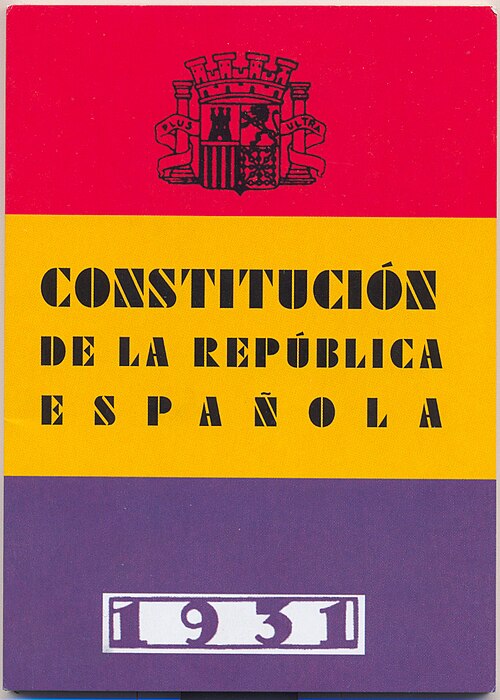 1931 年スペイン共和国憲法のコピーの表紙
 -


第2期2年制、「ラディカル・セディスタ」または「ブラック」
最初の2年間に始まった改革は、セディスタ政権によって根本的に中断された。農地改革法の適用は停止され、1932年のクーデター計画者(サンフジョ、フアン・マルクなど)には恩赦が与えられ、ラバセア派に有利なカタルーニャ自治政府の法律は拒否された。共和主義左派と労働運動は、ジル・ロブレスが政府に加われば、ドイツでヒトラーが政権を握ったときのように、民主主義の起源にもかかわらずファシスト体制が樹立されることになるのではないかと恐れた。 1934年10月の蜂起はPSOEが推進し、アナキストが支援し、カタルーニャでは自治政府であるエスケーラ・レプブリカナ(10月6日にはスペイン連邦共和国内にカタルーニャ州を宣言)の組織的支援を受けていたが、炭鉱労働者が都市を占拠したアストゥリアスを除き、スペイン全土で失敗した。政府はフランシスコ・フランコ率いるアフリカ軍に鎮圧を委託し、反乱は速やかに終結した。多数の死傷者に加え、数千人の労働者、労働組合員、左翼政党の政治家が投獄された。[60]この時期の終わりには汚職スキャンダル(「エストラペルロ」詐欺)が起こり、レルーの政党は議会で困難に直面して崩壊し、早期の総選挙を余儀なくされた。
-
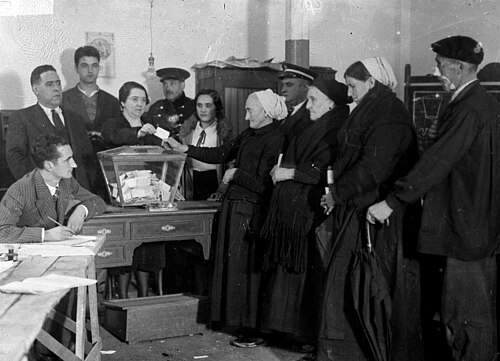 1933年11月5日、エイバルでの投票。
人民戦線(1936年2月から7月)
人民戦線が政府にまで達したフランスを模倣して(コミンテルンのディミトロフとスターリンが考案した人民戦線戦略は、選挙によってファシズムを阻止する必要に応えて、幅広い政治的スペクトルから反ファシスト政党を結集した)、スペインでは、同じ人民戦線の名前の下で選挙連合が結成され、1936年2月の選挙で勝利した。票の差はわずかだったが、選挙制度により、社会労働党、共和主義党、その他の連合政党から大多数の議員が選出された。アルカラ・サモラは新議会によって共和国大統領の職を解かれ(4月7日)、マヌエル・アサニャが後任に選出された(5月11日)。これは1931年の政府大統領の人事と全く同じ人事である。それ以前(2月19日)には、アサニャが議長を務める共和派の大臣たちで政権が樹立され、その中に社会党員は任命されていなかった(社会党員の議会での支持は不可欠であったが、社会党員は、より穏健な傾向のインダレシオ・プリエトと、より急進的な傾向のフランシスコ・ラルゴ・カバリェロの間で内部分裂していた)。
カタルーニャ自治政府は再建され、急進的なセディスタ二年制によって麻痺していた改革が解除された。その中には、ガリシアとバスク地方に自治法を与える手続きも含まれていた。労働者の対立と公共の混乱が増大し、反教権暴動の新たな波が再び発生した。4月14日(共和国宣言5周年)以来、暴力的なデモと反対デモが次々と起こり、個人的および政治的復讐の連鎖により死者が出た。1936年6月15日、ジル・ロブレスは議会演説で深刻な状況を非難した。
教会160件が破壊され、寺院への襲撃251件、消火、破壊、襲撃未遂。死者269人。重傷者1287人。個人攻撃215件が阻止されたか、その結果は記録されていない。私的および政治的センター69件が破壊され、建物312棟が襲撃された。ゼネスト113回、部分的ストライキ228回。新聞10社が完全に破壊され、すべて右翼系。新聞襲撃、襲撃未遂、破壊83回。爆弾および爆発物146個。不発弾38個が回収された。[61]
7月12日、右翼デモの鎮圧に関与していた共和反ファシスト軍事同盟のメンバー、カスティージョ中尉が暗殺された。翌日、突撃警備隊(カスティージョが所属していた治安部隊)の一団は、ジル・ロブレスを殺害することでカスティージョへの復讐を企てたが、カスティージョが自宅にいない隙に、王政の元財務大臣でブロック・ナシオナル(伝統主義または超保守主義の王政主義者とカルリスタの集団)の党首、ホセ・カルボ・ソテロを襲撃することを決めた。ソテロは政治的影響力は乏しかったものの、議会では野党の最も目立つ指導者の一人として活動していた。彼の暗殺は、4日後に起こった軍事蜂起の正当化(彼は十字軍の初殉教者と呼ばれた)とみなされたが、その引き金とはならなかった。なぜなら、数か月間準備されていたという事実は、すべての社会的、政治的勢力が立場を表明する公然の秘密となっていたからである。
スペイン内戦
.svg/500px-Spanish_Civil_War_front_July_1936_(Spanish).svg.png)
.png/500px-Pir%C3%A1mide_de_poblaci%C3%B3n_de_Espa%C3%B1a_(1950).png)
.png/500px-Pir%C3%A1mide_de_poblaci%C3%B3n_de_Espa%C3%B1a_(2007).png)
7月17日の午後、モロッコで軍の蜂起が起こり、7月18日の朝にはスペイン半島のほとんどの地域で蜂起が始まった。いわゆる国民蜂起は、マドリードやバルセロナなどの主要都市で失敗に終わった。これは、一部の軍の反対や、政府当局から武器を入手した労働組合や左派政党の民兵組織による民衆の抵抗によるところが大きい(戦争中、エンリケ・リステルやバレンティン・ゴンザレス・エル・カンペシーノ (共産主義者、第5連隊)、ブエナベントゥラ・ドゥルティ(無政府主義者、連邦民兵)など、民衆出身の指導者たちの軍事活動が目立った)。蜂起が勝利した地点のいくつかは、飛び地として囲まれた(セビリア、トレド、グラナダ)。スペインは 2 つのゾーン (国民的またはファシストゾーンと共和主義的またはレッド ゾーン- 誰が命名したかによる) に分割され、それによって軍隊、警察、治安部隊、公務員の大部分、および強制徴兵と市民社会の国民的または地理的共和主義者(つまり、信念ではなく義務による) の状態が決定されました。一般的に、国民的ゾーンは小規模所有が支配的な北部の農業ゾーン (ガリシア、北部プラトー、ナバラ) に対応し、共和主義ゾーンは工業および労働者階級ゾーン (アストゥリアス、バスク、カタルーニャ、マドリード、バレンシア) と南部の大地主農業ゾーン (エストレマドゥーラ、南部プラトー、アンダルシア) に対応しました。これらはまた、世紀の初め以来の左派と右派の間の連続した選挙で維持された投票の方向に大まかに応じていました。識別手段として機能した他のイデオロギー的特徴は、スペイン統一というより伝統的な概念の支持者と周辺的な民族主義者を分けるもの、およびカトリック教会の伝統的な役割の支持者と反教権主義者を分けるものであった。両陣営の多様性には、共和派側にバスク民族主義者(カトリック教徒)が、反乱軍側にリーガのカタルーニャ主義者(右派)が含まれた。立場の過激化は、各陣営の穏健派、またはどちらにも属さないと感じた人々(いわゆる第三のスペイン)の周縁化を意味した。
双方とも非常に暴力的な弾圧を始めた。反乱軍側ではより組織的であったが、共和軍側ではより制御不能となり、深刻な内部衝突(1937年5月のバルセロナ事件、戦争に勝つか革命を起こすかという優先順位の対立に巻き込まれたアナキスト、トロツキスト、共産主義者の間で起こった。革命とは、政府の統制が及ばない地域で集団化と自由主義の実験を実行し、短期間で敗北した、いわゆるスペイン社会革命である。パレードと囚人の救出(秘密裏に処刑)と定期的または不定期の逮捕(国民区の前進として組織された刑務所と、共和軍の後衛のさまざまな志向のチェーカにおいて)は、階級的およびイデオロギー的敵、すなわち共和軍側では地主と聖職者、国民軍側では労働組合員と教師 に集中していた。
反乱軍(海軍や航空隊の統制を受けずにアフリカに集中していた、ほとんどが共和軍)の当初の戦略的不利は、ナチス・ドイツが装備品を提供したことで補われ、ナチス・ドイツはファシスト・イタリアとともに反乱軍の決定的な同盟国となった。[62]
最初はホセ・ヒラル、次いでフランシスコ・ラルゴ・カバリェロが率いたスペイン共和国政府は、ヨーロッパの民主主義国から同様の支援を得ることができなかった。ヨーロッパの民主主義国は、不干渉政策を推進する一方で、宥和政策を通じてヒトラーの中央ヨーロッパへの拡張主義を阻止しようとしたが、これは結局は無駄な努力であり、とりわけ、スペイン戦争が第二次世界大戦の予行演習であり最初の戦いであったことを示した。スペイン共和国が得た唯一の国際的支援はソ連の支援であり、それは軍需物資、軍事顧問団、国際旅団への国際的な志願兵募集の組織という形をとった。ソ連の影響力の拡大と並行して、特に社会主義者のフアン・ネグリン政権(1937年5月以降)のもとで、それまで小さかったスペイン共産党の社会的、組織的存在感が高まった。経済的支払いは、ロシアに保管されるスペイン銀行の金準備、いわゆるモスクワ金の引き出しという不明瞭な問題によって複雑化した。
From October 1, 1936, the rebel side was placed under the sole command of General Franco, whose prestige had been increased by the hard campaign that connected the southern and northern zones (capture of Badajoz, August 14, 1936), prolonged with the episode of the rescue of the besieged in the Alcazar of Toledo (September 27, 1936). No military could dispute it (the organizer of the uprising, General Mola, and the most prestigious of the rebels, General Sanjurjo, died in airplane crashes). There were no serious internal political disputes either: the founder of Falange Española, José Antonio Primo de Rivera, was a prisoner in the Alicante jail (he was shot on November 20), and from then on he was named as the absent one. With an aesthetic and program inspired by Italian fascism, it was the most extremist party of the right wing and the most prestigious, due to its resolute option for violence, among those who had lost all confidence in the republican system since the right wing lost the elections of February 1936, producing a spectacular increase in its militancy (the new shirts against the old shirts). All the other parties and movements adhered to the uprising (the JONS, already integrated in Falange, the right-wing parties already integrated in the CEDA, Tradición y Renovación Española and various right-wing groups, Catholics, Carlists, monarchists, etc.) were dissolved and forced to unify with Falange under the acronym FET y de las JONS (in Spanish: Falange Española Tradicionalista y de las Juntas de Ofensiva Nacional Sindicalista, Decree of Unification of April 19, 1937). It became evident that the war was not being waged to reestablish a liberal-conservative monarchy or a right-wing republican government, but to implant a totalitarian regime similar to the Italian and German ones.
The defense of Madrid, heavily bombed, acquired propagandistic tones (motto No pasarán, poem by Antonio Machado who called Madrid Rompeolas de todas las Españas) amplified by the majority support of intellectuals for the republic (Alianza de Intelectuales Antifascistas, Paris International Exposition of 1937). A determined resistance managed to avoid the capture of the capital, although it had to be dislodged by the government, which took refuge in Valencia. The evacuation of the right-wing prisoners caused one of the most controversial episodes of the war: the murders of Paracuellos. Also controversial were the episodes related to the fall of the Republican northern zone: the bombing of Guernica, the capture of Bilbao (theoretically protected by an iron belt) and the retreat of the Basque nationalists (Santoña Pact).
The Republicans tried to take the initiative with the offensives of Belchite (August–September 1937) and Teruel (December 1937 – February 1938), which were neutralized. More serious consequences had the arrival of Franco's troops in the Mediterranean in Vinaroz (General Yagüe, April 15, 1938, culmination of the offensive of Aragon), which cut the Republican zone in two. The approach of a serious counteroffensive in the Battle of the Ebro (July–November 1938), the most important of the whole war, could not break the front decisively, and the exhaustion of the Republican forces led to the fall of Catalonia (December 1938 – February 1939) and the departure for exile in France of the first large contingent of Spanish Republicans, including the resigned president Azaña (February 27, 1939), who had futilely tried to reconcile the two sides with his emotional speech Peace, Mercy and Forgiveness (July 18, 1938).[63] The last days of the war were not of fighting at the front but in the Republican rear, where the coup d'état of Colonel Casado took place (March 4, 1939) and the rapid dissolution of all authority, while the flight into exile was hastily organized. The capture of Madrid by Franco's troops was carried out without any opposition, and on April 1 the last report of the Spanish Civil War was signed.
The subject of the Civil War is the one with the greatest literary production of all Spanish historiography, as well as the most polemic and generator of social and political debate (see historical memory). Not even on the dates there is total agreement: the so-called revisionists propose the revolution of 1934 as the beginning of the war, while the declaration of the state of war itself was divergent on both sides: the Republican government did not declare the state of war until almost its end (to maintain civil control of all institutions), while Franco's government did not lift the declaration until several years after the end (to ensure its military control).
The consequences of the Civil War have greatly marked the subsequent history of Spain, because of their exceptionally dramatic and long-lasting nature: both demographic, which marked the population pyramid for generations (increased mortality from direct violence —175,000 dead at the front, 60,000 from repression in the national rearguard and 30,000 in the republican rearguard— and from the deterioration of living conditions and food; the destruction of the cities, of the economic structure —50% of the railway structure and more than a third of the merchant navy and livestock—,[64] of the artistic heritag —despite attempts to protect it, such as the one that led to the evacuation to Switzerland of the main collections of the Museo del Prado to avoid the bombing of Madrid, but that were unfeasible to generalize, given the dispersion of religious art—, the repression in the rearguard of both zones —maintained by the victors with greater or lesser intensity throughout the Franco regime, some 50,000 executions— and the exile of the losers), which were perpetuated well beyond the prolonged postwar period, including the geopolitical exceptionality of maintaining Franco's regime until 1975.
-
 Poles swearing allegiance to the Second Republic.
 -
 German soldiers loading a Heinkel He 111 of the Condor Legion with bombs
 -
 Guernica after the bombing of April 26, 1937


Franco's dictatorship (1939–1975)
Autarchy and National Catholicism (1939–1959)


.jpg/500px-Inauguraci%C3%B3n_del_INIA_por_Franco_(1954).jpg)
After the Victory, an extraordinarily harsh repression spread over time (the State of War was not lifted until 1948) and was focused on the social groups identified as Anti-Spain: trade unions and Republican, leftist and peripheral nationalist parties, whose assets were confiscated. A Law for the Repression of Freemasonry and Communism was enacted (March 1, 1940) and a General Cause on the red domination in Spain was initiated (from April 26, 1940, and prolonged until 1969, when the statute of limitations was established for "crimes committed prior to April 1, 1939"). The judicial cases were established for the crime of military rebellion, since although the rebellion had in fact been that of the winning side, it was considered that after the declaration of the state of war, any activity contrary to it, even that of the Republican government, was illegal. Particular attention was paid to Freemasonry (the special object of a personal obsession of Franco's —the Judeo-Masonic conspiracy—) and a thorough purge of the Magisterium was carried out, to prevent the continuity of a body identified with republican values; as well as of all public officials, who were required to swear an oath of adherence to the principles of the National Movement. Most of the intellectuals, artists, writers, scientists and university professors, whose identification with the losing side was in the majority, went into exile abroad or began a painful existence of marginalization and silence (the so-called internal exile:[65] Vicente Aleixandre, Blas de Otero, Antonio Buero Vallejo, generation of 1950). In spite of the production of writers and artists sympathetic to the Franco regime (Azorín, José María Pemán, Ernesto Giménez Caballero, Luis Rosales, Camilo José Cela, Pedro Laín Entralgo), the return of some celebrities of great international importance (notably Ortega y Gasset and Dalí) and the maintenance of a minimum of scientific activity (creation of the CSIC), the period has come to be called the destruction of science in Spain;[66] or, in the expression of Luis Martín Santos, Time of Silence (Tiempo de silencio).
The events of 1956 demonstrated that, despite the success of Francoism in maintaining and achieving social conformity (legitimacy of exercise, as argued by its defenders), by conviction or repression, among the popular and middle classes, it failed precisely among the elites, producing an evident alienation of a significant part of the intellectuals initially related, and especially of the university youth, highlighting the joint protagonism in the riots of both children of the victors and children of the vanquished.
The unification of political parties and social movements in favor of the uprising continued after the war, although within the Movimiento Nacional the different sensibilities and interests of each of the Francoist families were visible, among which Franco, in a paternalistic manner, administered the distribution of plots of power and influence (blue —falangists—, requetés —traditionalists or Carlists—, juanistas —monarchists, supporters of Juan de Borbón, heir of Alfonso XIII, who remained in exile and made alternative approaches to Franco and the opposition—, Catholics —Catholic Action, the National Catholic Association of Propagandists and other institutions, among which Opus Dei gradually gained influence— and military —especially the Africanists, the most trusted by Franco, with relevant commanders in the Civil War and in many cases in the later Russian campaign of the Blue Division—). Each of them publicly expressed slight nuances through a plurality of press media, all of them enthusiastically supportive of the regime and subject to a rigid prior censorship (Arriba, ABC, Ya), which in the case of the audiovisual media was subjected to a total unification in the informative messages (part of Radio Nacional de España, of obligatory diffusion in all the radio stations, and No-Do in all the cinematographic screenings).
The outbreak of World War II forced Franco to maintain a delicate balance between his main supporters (the Rome-Berlin Axis and the Anti-Komintern Pact, to which Spain had adhered), and the convenience of not making enemies with England and the United States. Non-belligerence or benevolent neutrality was declared, which even allowed the sending of military units (theoretically formed by volunteers) to the Russian campaign integrated in the German army (the Blue Division). The leading role in the cordial relations with Germany in the early forties, when the German advance seemed unstoppable, corresponded to Ramón Serrano Súñer. Hitler even proposed to Franco the entry of Spain into the war, but the negotiations, in which the Spanish position was disproportionately demanding, did not come to fruition (Meeting at Hendaye, October 23, 1940).
The change of the war situation in the last years of the war caused a cooling of the declarations of Spanish-German friendship, the withdrawal of the Blue Division and the evident marginalization of the Falangists (Serrano Súñer was discreetly removed and the activity of the blue family was restricted to social affairs; the few movements of discontent —hedillists, already distanced from the leadership since 1937, or authentic Falangists— were effectively repressed or redirected). The discreet rapprochement with the Western allies, however, did not prevent Franco's regime from suffering a harsh international isolation after the end of the war. In any case, what was achieved was the regime's own survival, in the face of the demands of the Soviet Union and the Republican exiles (many of whose members had fought alongside the Allies in the war) that it should share the fate of the other fascist regimes in Europe. In the context of the Yalta and Potdsdam conferences, the geostrategic calculations of Churchill and Truman considered it preferable to keep Franco in Spain (as well as Oliveira Salazar in Portugal, who was decidedly Anglophile), rather than risk an increase of Soviet influence in Western Europe just when a new alignment of blocs on both sides of the Iron Curtain was taking place at the beginning of the period known as the Cold War.
An irregular warfare campaign (the maquis) was initiated by small Republican units infiltrated into Spain following the tactics used during their participation in the French Resistance. Although it did not have any military success (the invasion of the Aran Valley in 1944 was easily repulsed), it did succeed in provoking a strong repressive reaction which prevented any opposition activity in the interior. It also contributed to increase the discrepancies that made the Second Spanish Republic in exile inoperative, with less and less support among foreign governments. The evidence of the impossibility of defeating Franco militarily led to Stalin's decision that the Communist Party of Spain opted to try to obtain social presence in the underground, even infiltrating the very institutions of Franco's trade unionism; after Stalin's death, Santiago Carrillo insisted on this path through the political orientation called national reconciliation (1956).
The totalitarianism of the regime was expressed in a body of legislation initially inspired by Italian fascism (Fuero del Trabajo, an imitation of the Carta del Lavoro), but which was adapted to the successive political situations as Franco's undisputed internal authority decided that some updating was necessary, in what were called Fundamental Laws. The State had no division of powers (all were concentrated in the leadership, granted to Franco for life), but an attempt was made to give it a bicameral institutional appearance (Spanish Parliament and National Council of the Movement, installed in the palaces traditionally occupied by Congress and Senate), the monarchy was defined as the theoretical form of government (reserving to Franco the election of a "successor as king" from among any member of any historical dynastic branch) and the term organic democracy was coined as a political expression (which recognized as the only vehicles of popular participation "the family, the municipality and the trade union").
Corporatism and the negation of any class struggle expressing discrepancy of interests between employers and workers led to the formation of a vertical union in which both were represented organically and under rigid political control, which established prices and wages in a highly intervened market. Autarky was not only a necessity brought about by the World War and subsequent isolation, but was argued to be a conscious political choice based on nationalist pride and economic protectionism.
The economic difficulties of the Spanish post-war period lasted for about twenty years to recover pre-war production levels. Faced with hunger, malnutrition and the use of harmful foods (lathyrism), it was necessary to maintain Auxilio Social institutions and the rationing of basic necessities, in parallel with the operation of a black market (popularly known as "estraperlo"), which was very lucrative for those who ran it, in collusion with the corruption of some of the regime's leaders. The emigration from the countryside to the city was stopped, demanding internal passports and residence permits, and in fact the occupation statistics by sectors reflect the ruralization produced in the 1940s, which was not reversed until the following decade. A business system was established, presided over by large public monopolies (Tabacalera, Campsa, Renfe, Telefónica) together with a newly created public business conglomerate (the INI) made up of companies in sectors considered strategic (Astilleros Españoles, iron and steel —Ensidesa—, mining —Hunosa—, industrial vehicles —Enasa—), sharing their managers with the select nucleus of the large oligopolistic companies of traditional Spanish capitalism, especially the banks and electricity companies. Public works policies were initiated, focused on the construction of reservoirs and other agricultural improvements such as the expansion of irrigation systems, land consolidation and the so-called colonization (Instituto Nacional de Colonización, Badajoz Plan), as alternatives to the Republican agrarian reform.
National Catholicism became the dominant ideology, with an overwhelming presence of the Catholic Church in all public and private spheres. Rigid moral requirements of behavior were established to suppress the libertinism associated with republican secularism; with great insistence on sexual morality, submission to the father of the family, subordination of the feminine condition and religious education for children and young people.[67] The ecclesiastical hierarchy, decimated by republican repression, had declared the character of the Civil War as a liberation crusade and the providential nature of the figure of Caudillo Franco, to whom the right of presentation of bishops was recognized. He was even received in the temples under a canopy and his name and title were incorporated to the rogation of the liturgy of the Mass. The main international support of the regime was the Holy See, with whom the Concordat of 1953 was signed, recognizing the Church as a perfect society, whose interests were totally identified with those of a fully Confessional state. The Eucharistic congress of Barcelona in 1952 was the only relevant international event held in Spain at the time.
International isolation did not allow Spain to benefit from the Marshall Plan, but the rapprochement with the United States brought about the signing of the Madrid Agreements (September 26, 1953), whereby U.S. military bases were established in Spain and credits and economic and military aid were received. U.S. support allowed Spain's entry into the UN in December 1955.
Development and opening (1959–1975)


After the establishment of the alliance with the United States, the regime allowed a relative political opening, consisting of the damping of the fascist rhetoric of Falange or the enactment of laws (such as the Press and Printing Law of 1966 or Ley Fraga, by Manuel Fraga Iribarne, the most open-minded minister) that suppressed prior censorship, although it did not mean a real freedom of expression.
The economic liberalization was more profound, opening the economy to foreign investment and to private initiative, although the institutional edifice of the INI and the public monopolies was maintained. The necessary previous step was the Stabilization Plan of 1959, followed by the subsequent Development plans; a whole design planned and managed by a group of economists linked to Opus Dei who were called technocrats (Alberto Ullastres, Mariano Navarro Rubio, Laureano López Rodó, Gregorio López-Bravo) with the support of credits from the International Monetary Fund, the OECD and the U.S. government. At the end of the period, the modernization demands of the international institutions made it necessary to propose an educational reform (General Education Law of 1970) that would introduce functionalist criteria and renovation techniques in a system already far removed from the national-Catholic school of the first Franco regime.
The internal opposition among the families of Francoism manifested itself in scandals such as the Matesa case (1969), which was resolved expeditiously by Franco, who dismissed both the ministers involved (from Opus) and his adversaries (among them Fraga himself, who was accused of using the press to denounce the case). Fraga had also been the driving force behind international tourism (Spain is different campaign, network of Paradores Nacionales), which was becoming an important engine of the economy. Income from tourism together with remittances from Spanish emigrants abroad compensated for the structural deficit in the balance of payments of an expanding international trade.
The rural exodus and emigration to Europe (which replaced the traditional American destination of Spanish emigration) alleviated social tensions at a high human and cultural cost: uprooting; but it brought as a consequence the definitive overcoming of the pre-industrial society by an industrial and urban society, which in time meant the destruction of the very social and ideological bases of Francoism. The increase of the urban population was spectacular in the periphery of the industrial cities and dormitory towns of the metropolitan areas of Madrid, Barcelona or Bilbao, creating problems of supplies and public services, overcrowding and shantytowns. The economic sectors experienced accelerated industrialization and tertiarization, with a notable contribution from the construction sector, both housing and public works. Social and geographic inequalities, however, allowed social stability to prevail, imposed by the dominant values of an expanding middle class whose priority was material well-being rather than ideological issues (in terms that became popularized with the denominations of sociological Francoism and silent majority).
The commemoration of the XXV Years of Peace (1964) was intended to demonstrate that Francoism had achieved a broad social consensus and sufficient flexibility to allow the institutionalization of the future of the regime. After adding the Organic Law of the State to the increasingly complex legislative edifice, Juan Carlos de Borbón y Borbón, grandson of Alfonso XIII and son of the pretender Juan de Borbón, was named successor to Franco as king, in compliance with the Fundamental Laws of the Realm (July 1969). The latter, despite being at odds with Franco since the 1940s and remaining in exile in Portugal, had allowed his son to be educated in Spain under the control of the authorities; although he maintained his ascendancy over the so-called monarchist family around the ABC newspaper, which produced some internal conflicts in the Franco regime.[68]

The opposition to Francoism, very atomized and among which the organizational capacity of the Communist Party of Spain stood out, began to move with increasing boldness, even using the mechanisms of labor representation of the Francoist vertical union through the Comisiones Obreras (Workers' Commissions). There was an important meeting of personalities from the Republican exile with important figures from the interior who were repressed on their return, which the Spanish press baptized with the pejorative name of the Munich Contubernium (June 1962).[69] The formation of opposition coordinating bodies continued in the 1970s (Democratic Platform, in which the PCE did not participate, and the Democratic Junta, promoted by the PCE).
After the Second Vatican Council the distancing between the Catholic Church and the regime became evident, personalized in figures such as Father Llanos, who shared the working class life in the suburbs of Madrid, and bishops such as Vicente Enrique y Tarancon and Antonio Añoveros Ataún (who was the protagonist of a notorious scandal).
In 1968 the terrorist problem arose with Euskadi Ta Askatasuna (Euskadi Y Libertad, ETA), a group previously founded as a radical split of Basque nationalism, and which was intended to be dismantled by combining severity and clemency with the condoning of the death sentences of the Burgos Trial (December 3, 1970). After reorganizing, their most spectacular attack was the assassination of Luis Carrero Blanco (December 20, 1973), a few months after he was named president of the government (in June). Carrero Blanco, a man trusted by Franco since the beginning of the regime, had been the first to be appointed to that position during the Franco regime, since until then his functions were included in the competencies reserved for himself by the head of state.
After an ambiguous speech by Franco (in which he even pronounced the enigmatic phrase no evil for good), Carlos Arias Navarro was appointed President of the Government. The worsening of Franco's state of health forced Prince Juan Carlos to take over as head of state on an interim basis for a few months, after which the general returned to exercise power on his own, making his last public appearance, in the Plaza de Oriente, to reject the international condemnation of some death sentences (October 1, 1975). Finally, in the last months of the year, Franco's illness entered its final course, at a critical moment of the Western Sahara conflict: the Green March, which Juan Carlos had to manage by authorizing the negotiation of the abandonment of the African province in favor of Morocco and Mauritania (Madrid Agreements of November 14, 1975). After an agony artificially prolonged by his own son-in-law (the Marquess of Villaverde, a doctor with political and scientific ambitions, who had tried to emulate Barnard with a controversial heart transplant), his death was declared on November 20, 1975, the anniversary of the death of José Antonio Primo de Rivera, the founder of the Falange.
Art and culture during Franco's dictatorship
Reign of Juan Carlos I (1975–2014)
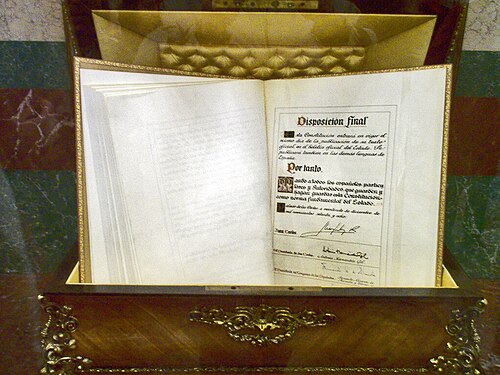
Democratic Transition (1975–1982)
Second government of Carlos Arias Navarro (1975–1976)
Carlos Arias Navarro, who had been the last president of Franco's government, was appointed to this post by Juan Carlos I. After an opening speech, known as the spirit of February 12, there was a clear reversal in response to the pressures of the bunker (gironazo). In a few months, the King's loss of confidence in Arias Navarro became clear, until he obtained his resignation. Together with Torcuato Fernández Miranda, the king obtained a proposal from the institutions in charge of presenting the shortlist of candidates for the presidency of the government to introduce the name of Adolfo Suárez, a relatively obscure character coming from the blue family.
Governments of Adolfo Suarez (1976–1981)
.jpg/500px-Carmen_Romano_(15).jpg)

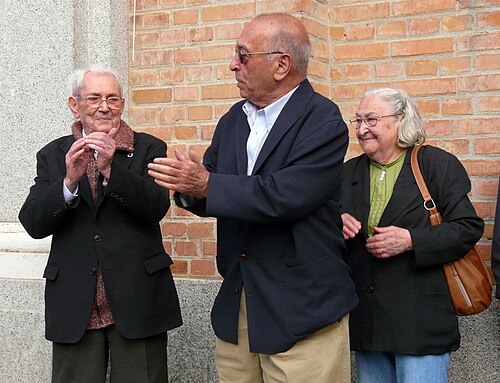
To the surprise of Franco's supporters and opponents, who did not expect such an appointment, he began a rapid dismantling of the Francoist institutional edifice, which involved the so-called harakiri of the Parliament and the calling of a referendum for the approval of the Political Reform Act. The debate between reform and rupture presided over the political movements of groups across the political spectrum, from those in favor of maintaining pure Francoism (the bunker) to those in favor of recovering republican legitimacy without any kind of concessions; however, it was the groups that showed greater flexibility and moderation that proved to have the greatest social support and political capacity.[75]
The problem of terrorism was intensifying; both from the opposition to Francoism (ETA of Marxist–Leninist and Basque nationalist ideology, and the GRAPO of Maoist ideology) and from the far right, whose simultaneous practice seemed to obey the so-called action-repression spiral foreseen by the theory of insurrectionary movements, widely spread at the time, with the aim of provoking political involution, in the form of a military coup d'état.[76] The month of January 1977 was particularly violent, when street altercations between demonstrators and counter-demonstrators (with several deaths) coincided with kidnappings of military personnel and high-ranking officials, assassinations of policemen and labor lawyers (the Atocha massacre). After the mourning manifestation, controlled by the Communist Party of Spain, at the burial of the lawyers, the prestige of Santiago Carrillo as a necessary interlocutor for the government increased. After a few months of clandestine negotiations, during the Easter vacations the PCE was legalized, which was seen as a betrayal by an important part of the army, that in spite of this maintained discipline for the most part (largely as a result of the efforts of Vice-president Manuel Gutiérrez Mellado). As a counterpart demanded by Suarez, Carrillo, in a multitudinous press conference, communicated that his party renounced the republican flag and accepted the parliamentary monarchy and the concept of unity of Spain; it was intended that the military accepted that a party homologated with the communist parties of Western Europe (with whom it had built the concept of Eurocommunism) was not going to get involved in a revolutionary adventure of Leninist character in pursuit of the dictatorship of the proletariat and would not represent a threat to be reacted to violently.[75]
The 1977 General Elections were held, the first democratic elections in forty-two years, and were won by the Unión de Centro Democrático, a party improvised around the figure of Suárez, which enjoyed a comfortable relative majority. Contrary to the most widespread predictions, the main opposition party was not the PCE, but the PSOE, a social democratic party supported by the Socialist International (which later renounced Marxism). The extreme right did not obtain representation, reducing the Francoist camp to the modest result of Manuel Fraga Iribarne's Alianza Popular, considered the most open-minded within the previous regime. The Christian Democrat or Liberal leaders who months before had seemed predestined to occupy the government (José María de Areilza or Joaquín Ruiz-Giménez) had no success, being skillfully overshadowed by Suárez's maneuvers prior to the elections, and who had the support of the team of political confidence formed around the king.[75]
In 1977, the great majority of the parties with parliamentary representation signed the Moncloa Pacts, in which social and economic reforms were agreed upon to combat the crisis, which was seriously affecting employment and inflation, and which established the social market economy model sanctioned by the Constitution. The 1978 Constitution was drafted by consensus and approved that same year in a referendum. Spain defined itself as a social and democratic state governed by the rule of law, with the aim of becoming a Western European welfare state; and it recognized the right to autonomy of its nationalities and regions, a concept of sufficient ambiguity so as not to frustrate the agreement of a very broad political, social and territorial majority. The Spanish transition was proposed internationally as a model to be followed, which implied a broad consensus, the guarantee of public liberties, moderation in social demands, the renunciation of the satisfaction of past grievances and a generous amnesty (which at that time was proposed as a guarantee for the return of exiles, and would later serve to guarantee the non-prosecution of crimes attributable to the repression of Franco's regime).[75]

The 1979 elections increased the number of UCD deputies, without reaching the absolute majority, allowing the confirmation of Adolfo Suárez as president of the government. The normalization of the political system implied continuing with the pre-autonomy process, carried out with the approval of the statutes of autonomy of the regions recognized by the Constitution, for historical reasons (having had autonomy in the Second Republic or having initiated the procedures for it), a privative procedure to reach the maximum competence ceiling: Catalonia and Euskadi (both approved on December 18, 1979), in addition to that foreseen for Galicia, which did so later. In the elections to their autonomous parliaments, the UCD candidacies suffered a significant defeat, to the benefit of the peripheral nationalist parties (Convergència i Unió in those of Catalonia and PNV in those of Euskadi). The Andalusian referendum (February 28, 1980), regardless of its confusing result, implied a defeat for the government and the evidence that it would not be possible to prevent the generalization of the maximum competencies to the communities that so determined, whether or not they had some kind of differential fact of historical or any other nature (what Minister Manuel Clavero Arévalo, who resigned because of this issue, called "coffee for all").[77] Other important laws, passed in the midst of social contestation, were the Statute of Workers and the Statute of Teaching Centers. Negotiations for joining the European Economic Community dragged on in the face of the reluctance of some countries (especially France), which, added to the increase in unemployment and inflation, in the midst of the second oil crisis, contributed to a bleak outlook, in which the so-called "years of lead" must be emphasized. The terrorist group ETA murdered 240 people between 1978 and 1980, especially members of the army, the Civil Guard and the police. The ETA's bloodiest year was 1980, when they murdered 91 people. The political situation was becoming increasingly untenable. The PSOE presented a motion of censure, which was rejected, but it showed the loneliness of the government. Within the party that supported it, the UCD, the different families (Christian Democrats, Liberals, Social Democrats) began to show ever greater differences of opinion among themselves and with the president. The King himself also let his uneasiness about the political situation and his loss of confidence in Suarez be made public, and his Christmas message of 1980 was interpreted in this way, in spite of the fact that such a function does not correspond to the King in the Constitution. By the beginning of 1981, Suarez understood that he had no other way out but to resign.[75]
23 February coup d'état and government of Leopoldo Calvo-Sotelo (1981–1982)

The resignation of Adolfo Suárez, who had lost the confidence of most of the leaders of his own party, precipitated preparations for a coup d'état, and during the investiture session of his replacement, Leopoldo Calvo-Sotelo (February 23, 1981), a detachment of civil guards led by Antonio Tejero occupied the Congress and kidnapped the deputies and the entire government. Simultaneously, Jaime Milans del Bosch militarily occupied the city of Valencia and Alfonso Armada, former secretary of the royal house, tried to obtain the king's support to form a government of civil-military concentration. The opposition of the king and the lack of coordination and difference of objectives among the coup plotters prevented most of the military authorities from joining them, and the following day they surrendered.[78]
Among the most outstanding events of Calvo Sotelo's government was the integration of Spain into NATO (May 30, 1982)[79] and the approval of the divorce law (June 22, 1981), promoted by Minister Francisco Fernández Ordóñez and which had aroused intense opposition from the Spanish Episcopal Conference, becoming one of the main causes of disagreement within the government party.[80] The autonomic process attempted to be harmonized by means of the LOAPA (June 30, 1982), a restrictive law which was later dismantled in essential aspects by the Constitutional court (August 13, 1983).
Governments of Felipe González (1982–1996)
Legislatures with a majority (1982–1993)
In the general elections held on October 28, 1982, the PSOE, led by Felipe González, obtained an absolute majority (202 seats) by winning more than 10 million votes, or 48% of voter support. Alianza Popular (AP) became the second political force with 106 seats. Meanwhile, the collapse of the UCD and the PCE which obtained eleven and four seats, respectively, presided over the trend of bipartisanship that was to preside from then on over Spanish political life.
The new government had to face the economic crisis, while at the same time implementing measures typical of a social democratic welfare state, increasing public spending on social policies (universal health care with the General Health Law of 1986, increase in pensions and unemployment coverage, LOGSE of 1990 which extended compulsory schooling to 16 years of age). The negative effects on employment of industrial reconversion and restructuring, added to other liberalizing measures, such as the flexibilization of the labor market or of business hours, provoked the radical opposition of the UGT and CCOO unions, which called the general strike of December 14, 1988, which paralyzed the country. The rift had been evident since the historic leader of the UGT, Nicolás Redondo, resigned as a PSOE deputy in 1987 after voting against the budget. In June 1992 and January 1994, union calls for general strikes against Socialist governments were repeated.

Inflation was controlled and fiscal policy was improved (creation of the Tax Agency), reorganizing public accounts in such a way as to facilitate entry into the European Economic Community, whose accession treaty was signed in June 1985 (official entry on January 1, 1986). On March 12, 1986, NATO membership was guaranteed by means of a referendum to which Felipe González had committed himself when he was still in the opposition.
Per capita income doubled at the same time as the active population and the incorporation of women into the labor force increased. The migratory balance, traditionally negative, became positive, making Spain the largest receiver of immigrants in Europe and one of the largest receivers in the world. Cohesion Funds obtained from EU institutions were used to improve basic infrastructures. The fragility of economic growth, in a period known as the "pelotazo", due to the ease with which speculation took place, led to financial imbalances that forced several devaluations in the 1990s.
The autonomous process ended with the configuration of seventeen autonomous communities and two autonomous cities, which began to have their own institutions and legislation, and to coordinate with the state and municipal ones through highly complex negotiations, especially those related to financing.
There was still the problem of ETA terrorism, an organization that perpetrated two massacres in 1987, in a shopping mall in Barcelona and in the Casa Cuartel in Zaragoza. Due to this, the socialist government attempted all sorts of solutions: internal political pressure based on consensus among the democratic parties (Madrid Agreement on Terrorism of November 5, 1987 and the Ajuria Enea Pact of January 12, 1988), attempted negotiations (ETA truce of January 8, 1988, or the Algiers talks initiated earlier and maintained until April 4, 1988),[81] and French police and judicial collaboration (linked to the improvement of political and economic relations). As it was later demonstrated (in a judicial process promoted among others by El Mundo, a right-wing newspaper, and by Judge Garzón who re-entered the judicial career after a brief and conflictive period in politics as a PSOE deputy), several high-ranking officials of the first Socialist governments (among them the minister José Barrionuevo and the secretary of security Rafael Vera) had promoted between 1982 and 1986 a State terrorism or dirty war through the activity of the so-called Anti-Terrorist Liberation Groups (GAL), which carried out several attacks in French territory against members of ETA.
Legislature in minority (1993–1996)
The "92" was a conjunction of events of such magnitude in Spain: the Olympic Games of Barcelona and the Universal Exposition of Seville, which also meant the realization of important road infrastructures such as the first high-speed railroad line (AVE) that linked Madrid with Seville. After that unrepeatable year, a period of crisis began that would last until 1997. The economic crisis (at the end of 1993 the unemployment rate reached 24% and in less than a year three successive devaluations of the peseta were carried out) was compounded by the excessive extraordinary expenditures made by the public administration for the "1992 celebrations".
.jpg/500px-Cuarto_Gobierno_de_Felipe_Gonzalez_(1993).jpg)
The V Legislature was marked by a climate of political tension generated by the public knowledge of corruption cases that directly affected the government of the State. Among them, that of the director of the Civil Guard, Luis Roldán and his embezzlement of public funds, and his subsequent flight from the country, and that of the governor of the Bank of Spain, Mariano Rubio, who was put on trial. At the same time, allegations of corruption implicated high-ranking officials of the Administration and government for their political responsibilities, and the judicial investigations continued with figures from the private sector. Among them, Mario Conde, after the intervention of the Bank of Spain in the banking institution he presided over, Banesto; and Javier de la Rosa, financially important after his intervention in the Kuwaiti multinational KIO.
In 1995, new scandals associated with the government appeared: the new declarations of the accused in the "GAL case", José Amedo and Míchel Rodríguez, provoked the reopening of the case by the judge of the Audiencia Nacional, Baltasar Garzón.[82] This case involved José Barrionuevo and Rafael Vera, minister and secretary of state, respectively, of the Ministry of the Interior during the 1st González Legislature; both were judged by the Supreme court and sentenced to prison sentences for kidnapping and embezzlement in 1998.
On May 28, 1995, municipal elections were held throughout the State and regional elections were held on the same day in all the Communities except Andalusia, Catalonia, Galicia and the Basque Country, the Partido Popular won in ten autonomous communities and was the most voted party in 42 provincial capitals —for the first time in its history it managed to win a national election—.
The crisis of corruption cases, combined with the failure to comply with the parameters required for European convergence according to the Maastricht agreements, led to a rift between CiU and the PSOE. When the General State Budget Law was rejected in Congress due to the lack of support from Convergència i Unió, Felipe González dissolved the Parliament and called an early general election.
Governments of José María Aznar (1996–2004)
On March 3, 1996, José María Aznar's Partido Popular won the general elections, although with a minimal majority. The PP obtained 156 seats and the PSOE 141. The difference in votes between the two parties was around 300,000 votes. As a result, for his investiture as President of the Government he had to reach a pact with CiU (with whom he had an arduous negotiation that ended with the Majestic pacts), the PNV and the Canary Islands Coalition (CC).
The new PP government set out to meet the convergence criteria of the Maastricht Treaty so that the Spanish economy could join the group of countries that would share the new European currency: the euro. The economic recovery was consolidated in the first period of the PP government. An anti-inflationary policy and budgetary rigor practiced by Rodrigo Rato, the privatization of state-owned companies and the excellent international situation made possible a period of economic growth, with unemployment and inflation falling. In 1999, with most of the criteria fulfilled, Spain was accepted as a member of the Eurozone, establishing a rate of 166.386 pesetas per euro. Peseta coins and banknotes ceased to circulate on March 1, 2002.
The police success of the release of prison officer José Antonio Ortega Lara, who suffered the longest kidnapping by the terrorist group ETA (532 days) in subhuman conditions on July 1, 1997, was immediately overshadowed ten days later. On July 10, ETA kidnapped the PP councilman in the Biscayan town of Ermua (Basque Country) Miguel Angel Blanco. The blackmail imposed by the terrorists was unacceptable to the Aznar government: the transfer of more than 500 ETA prisoners to the prisons of the Basque Country within two days. After 48 hours of anguished waiting, in which millions of Spaniards mobilized in numerous demonstrations — in Bilbao the largest demonstration in its history was held — on July 12, the ETA murderers murdered Blanco. The reputation of the terrorist group rapidly deteriorated, even among part of its social base in the Basque Country. A change of strategy was proposed and made public by the nationalist parties: the Lizarra Pact (September 12, 1998). Signed by the PNV, EA, Herri Batasuna and IU-Ezquer Batúa, the pact was a secessionist plan that committed itself to dialogue on some ETA postulates. Four days later, on the 16th, for the first time in its history, the terrorist group ETA declared an "indefinite truce",[83] which led the government to accept the beginning of talks (November of that same year) which did not lead to any positive result, and which Minister Mayor Oreja later called a trap truce (September 1999). On November 28, 1999, the terrorist organization ETA broke the truce.[84]
In the 2000 general elections, the PP won an absolute majority, which allowed it to carry out its policies without the constraint of seeking support from the peripheral nationalist parties. The year 2000 ended after a brutal ETA offensive in which 23 people were murdered. Trade union opposition to the new labor reform decree was substantiated in the general strike of 20-J (2002). Compulsory military service was abolished and the National Hydrological Plan was promoted.
In foreign policy, Aznar clearly aligned himself with the United States, becoming one of its main European allies (Azores trio) in the conflicts following the terrorist attack against the US (9/11): the war in Afghanistan and the war in Iraq. The ecological disaster caused by the Prestige oil tanker accident (2002–2004, possibly aggravated by the confused political management, which generated the Nunca Mais protest movement) was added to the scandal resulting from the Yak-42 accident and the great opposition of public opinion to Aznar's support for the Bush Administration in its invasion of Iraq, without the consent of the UN (No to war protest movement), discrediting the government and the Popular Party, which nevertheless managed to maintain acceptable results in the autonomic and municipal elections of 2003, won by the PSOE (7,999,178 votes against 7,875,762 for the PP).[85] Aznar had promised not to run in a third election. Three names were being considered to replace him as candidate: Rodrigo Rato, Jaime Mayor Oreja and Mariano Rajoy, who was finally chosen by the president himself.
Three days before the 2004 general elections, the 11-M attacks on several commuter trains in Madrid took place, resulting in 191 dead and 1858 injured, the worst terrorist attack in the history of Spain and Europe in peacetime. The attacks shocked the country and caused confusion within the government itself, which at first attributed them to ETA. After a united demonstration of repulsion held the following day, which brought more than 12 million people into the streets throughout the country, and as evidence began to emerge that the attacks were the work of Islamic terrorism (later disputed by the media — especially the newspaper El Mundo which continues to support alternative theories to the judicial investigation), the discontent and the idea that the attacks were the work of ETA and that they were the work of the Islamic terrorist group, the government's own government was unable to make any progress, the discontent and the idea that information about the authorship was being concealed began to circulate within the government, and on the same day of reflection illegal demonstrations were called in front of the headquarters of the Popular Party. In the general elections of March 14, the PSOE of Rodríguez Zapatero achieved an unexpected electoral success. The turnout was very high, over 77%, and the PSOE won more than 10,900,000 votes and 164 seats. Defeated by this punishment vote was Mariano Rajoy, head of the PP list.
Governments of José Luis Rodríguez Zapatero (2004–2011)
José Luis Rodríguez Zapatero made a significant statement on the second day of his term of office with a decision of great international impact: the withdrawal of Spanish troops from Iraq, in fulfillment of his electoral promise, although surprising for its immediacy, communicated even before the formation of his government.[86] In domestic policy, the increase in the minimum wage (one of the lowest in Europe) opened the way for other social reforms, including the authorization of homosexual marriage (June 30, 2005), much protested by the Catholic Church, and the Dependency Law (November 30, 2006). Other social measures of great impact were the introduction of the points-based license for traffic offenses (2006)[87] and the successive extensions of the smoking ban (2006 and 2011), which ended up being extended to practically all public spaces. Other issues were postponed for the following legislature, such as the reform of the abortion law (February 24, 2010).[88]
Before the UN, Zapatero proposed the Alliance of Civilizations, an initiative of international collaboration which he co-led with the Turkish president Erdogan. The approval by referendum of the European constitution on February 20, 2005, was inoperative, given the failure of similar mechanisms in France and the Netherlands.
Several communities initiated the procedure for the reform of their statutes of autonomy. The so-called Ibarretxe Plan, not proposed as a statutory reform but as a sovereignty initiative for the Basque Country, was rejected by the Parliament (February 1, 2005). The reform of the Catalan Statute was even more controversial; despite passing through all the legislative procedures with various modifications and entering into effect after the referendum of June 18, 2006, it was the subject of an appeal of unconstitutionality processed in an eventful manner by the Constitutional court, which did not issue its ruling until June 28, 2010, restrictively interpreting certain parts of the text and invalidating others.
During almost the whole of 2006, government contacted ETA in a context of a "permanent ceasefire" declared by the terrorist group and protests by the Popular Party, the Association of Victims of Terrorism and the conservative-oriented media, which proved unsuccessful after the attack at T4 of Madrid-Barajas airport in which two people were killed (December 30, 2006). Police, judicial and international pressure proved to be more effective, which led to the consecutive arrests of the leadership teams that succeeded each other at the top of the terrorist group; and the prevention, by means of legislative reforms and judicial decisions, of the political groups organized around ETA from obtaining political representation in city councils and parliaments, as they were partially or totally outlawed in some or other elections (especially since the Anti-terrorist Pact of 2000 and the Law of Parties of 2002, both with the consensus of PP and PSOE, which was maintained, with occasional tensions, with both parties in opposition or government positions).
During an Ibero-American conference there was a verbal incident between the King and the Venezuelan President Hugo Chávez, which became very popular ("¿Por qué no te callas?", November 10, 2007); and which is used as an example of the complexity of the relations between Spain and Latin America. These relations, intensified both economically and politically, are denounced as neo-colonialist by the indigenist current of opinion,[89] while conservative opinion within Spain criticizes as counterproductive and naive the maintenance of relatively friendly relations with the government of Cuba and others of similar orientation, described as populist and contrary to Spanish interests.[90]
After the general elections of March 9, 2008 (whose final campaign acts had to be suspended due to the murder of Isaías Carrasco by ETA), the majority of the PSOE and the second place of the PP were repeated. Both parties increased their number of deputies. The nationalist parties and Izquierda Unida decreased their representation, while a new national party appeared: Unión Progreso y Democracia, for which Rosa Díez obtained a deputy's seat.
The debate around the Law of Historical Memory, dating from the previous legislature, reached its peak as a result of Judge Garzón's decision to initiate legal proceedings against the crimes of Francoism (October 16, 2008); and the reaction against him, that, in addition to his removal from the case, which had no continuity, was substantiated in three simultaneous judicial proceedings for various reasons, some linked to that matter and others unrelated, but also with political repercussions, which led to his suspension as judge of the National Court, in the midst of an international scandal (May 14, 2010).
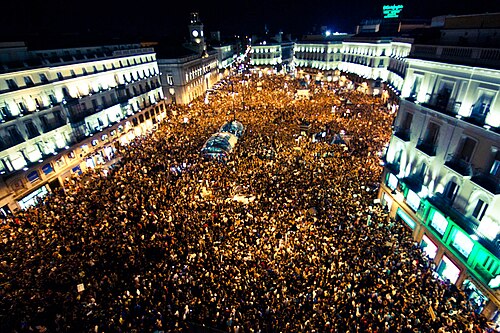

The world economic-financial crisis (which began in 2008), added to a national real estate crisis, had a very serious impact on the Spanish economy, which, after experiencing the end of the so-called 2008 bubble, suffered several consecutive quarters of falling GDP and an increase in unemployment, which in the third quarter of 2011 reached the historic figure of five million unemployed (more than 20% of the active population);[92] and even on the demographic structure, producing for the first time in decades a reversal of migratory movements (more emigration than immigration).[93] The sovereign debt crisis in Greece, which became a true Eurozone crisis, led European governments, and even US president Barack Obama, to demand drastic measures to reduce the public deficit from Spain (which held the rotating presidency of the EU during that six-month period). Zapatero's decision (May 12, 2010) to reduce civil servants' salaries and not to increase pensions was described as an unprecedented measure in the history of Spanish democracy, questioning the maintenance of the welfare state model. The pressure of the debt markets on the peripheral countries of the European Union (known as PIGS) and the demanding attitude of German chancellor Angela Merkel even imposed a constitutional reform which was urgently carried out on August 23, 2011, by consensus of the two main Spanish parties (PP and PSOE), when Prime Minister Zapatero had already communicated his intention to dissolve the Parliament and call an early general election.In the Catalan autonomous elections (November 28, 2010), Convergencia i Unió won a victory without an absolute majority, which was enough for Artur Mas to be appointed president of the Generalitat, displacing the previous left-wing tripartite government.
The following elections gave victory to the Partido Popular, which managed to accumulate an unprecedented majority in the democratic period, with absolute majorities in most of the autonomous communities and city councils on May 22, 2011, and in Congress and the Senate on the November 20, 2011 (in the early elections held for the PSOE. Zapatero did not participate in the elections, replaced by Alfredo Pérez Rubalcaba — who obtained the worst results for his party since 1977 — while the representation of minority parties such as Izquierda Unida and Unión Progreso y Democracia increased.
The presence in the Basque institutions of the abertzale left, under the name Bildu, which won the mayoralty of San Sebastian and the Provincial Council of Guipuzcoa (municipal elections and the Juntas Generales, May 22, 2011), led to the convening of a so-called International Peace Conference in San Sebastian (October 17, 2011), received with varying degrees of skepticism by the other political groups and with the presence of international personalities. The final declaration of that conference was used by the terrorist group ETA to announce "that it has decided the definitive cessation of its armed activity" (October 20, 2011). After 829 fatalities, ETA put an end to 43 years of death and terror.[94] The end of ETA's barbarity led to a remarkable electoral representation of the abertzale left, under the name of Amaiur, in the general elections (November 20, 2011).
Since May 15, 2011, the indignados or 15-M movement has been at the forefront of new social mobilizations, with characteristics similar to some extent to other simultaneous protest movements in other countries, such as the Arab Spring or Occupy Wall Street.[95] More significantly, the role of the majority trade union centrals in social protests has been considered low-profile, despite the call for a general strike against the adjustment measures of May 2010 or the protests against cuts in autonomous communities governed by the PP since mid-2011 (notably, against the measures taken by the Ministry of Education of the Community of Madrid for the beginning of the 2011–2012 school year: Marea Verde). On the other hand, much more notable (and negative in most public opinion) was the social impact of large-scale strikes such as that of the Madrid Metro in June 2010[96] or air traffic controllers during Christmas 2010, which motivated an unprecedented government initiative: the declaration of a state of emergency.
First government of Mariano Rajoy (2011–2015)
.jpg/500px-Mariano_Rajoy_(diciembre_de_2011).jpg)
On December 21, 2011, Mariano Rajoy was installed as prime minister. Faced with the seriousness of the economic situation (recession and unemployment, which continued to increase) and the urgency of controlling the public deficit (whose figures deviated significantly from those declared until then, reaching over 8% of GDP),[97] the new government of the Partido Popular decided to raise taxes (VAT and personal income tax), increase reduction of public spending in all areas of expenditure, including dependency, health, education, and research and development, and to promote reforms, particularly in the labour market with the reduction of the cost of dismissal and the application of collective bargaining agreements.
The financial crisis forced the nationalization of several institutions, among them Bankia (where several savings banks affected by the so-called real estate bubble had merged), and the request (June 9, 2012)[98] for a "partial bailout" from the European Union (initially for a maximum of 100 billion euros, which materialized in 39 billion in December,[99] amid rumors about the opportunity to request a "total bailout" of the Spanish economy, as the risk premium, the differential with the interest of the German ten-year bond, fluctuated).[100]
The social protest was directed by the trade unions in two general strikes (29-M and 14-N) and in numerous sectoral strikes, together with massive mobilizations of a very different social base (Marea Verde, 25-S: surrounding the Congress, protests in the health and judicial fields). The only one that achieved a positive political reaction was the mobilization against evictions, centered on the demand for the payment in kind for mortgages.
There was also an increase in territorial-based protests. After a massive pro-independence demonstration on the Diada (September 11, 2012), Artur Mas called early regional elections (November 25), pledging to call a referendum aimed at turning Catalonia into "a new state of the European Union". Despite the poor results for his political force (he lost 12 seats), the advance of Esquerra Republicana de Cataluña allowed him to be re-invested president by agreeing with them on a "sovereigntist" program.[101] The Basque regional elections (October 21) brought the PNV (Íñigo Urkullu) back to power, with a more moderate program, while Bildu became the second political force. Simultaneously, the Galician regional elections were held, which revalidated the absolute majority of the Partido Popular. Also in the Andalusian regional elections (March 25) the PP had been the most voted party, but the Andalusian government continued to be exercised by the PSOE, from then on in coalition with Izquierda Unida.
.jpg/500px-Quart_2015_(4).jpg)
The corruption scandals, whose media repercussions were prolonged by the slow legal proceedings (the cases, already complex themselves, are complicated by the status as aforados of some of those involved, and remain open for years), affected practically all political, economic and social institutions. These include the Bárcenas affair (the treasurer of the PP, who would have collected illegal donations from individuals and companies interested in public procurement or political decisions, allocating them to the financing of the party, to the leaders' bonuses or to his own enrichment), ERE case in Andalusia (misuse of public subsidies, which affected members of the PSOE, including former presidents Manuel Chaves and José Antonio Griñán), the Nóos case (company run by Iñaki Urdangarín, son-in-law of the king, which affected autonomous communities and city councils on the Balearic Islands mostly governed by the PP led by Jaume Matas), the Gürtel case (which affected the PP of Madrid and Valencia), the Pujol case (which affected the former president of the Generalitat of Catalonia and his family), and the Bankia case (which, through the scandal of preferential loans, the fraudulent IPO and "black cards", implicated all the parties and unions represented on the board of directors of the former Caja Madrid).[103]
The president of the Catalan autonomous government, Artur Mas, announced at the end of 2013 a plan for a referendum on self-determination for Catalonia for November 9 of the following year. The pro-independence movement had led during the Diada of September 11 another massive demonstration, which on that occasion took the form of a 400 km human chain.
The elections to the European Parliament held on May 25, 2014, meant a strong punishment for the two main parties, PP and PSOE, which lost respectively 2.6 and 2.5 million votes; neither of them reached half of the votes (in the previous European elections of 2009 they had reached 81%). The other half of the votes was distributed among the various nationalist candidacies, La Izquierda Plural (10.03% of the votes, formed around Izquierda Unida and the Greens) and a group of emerging forces among which the Podemos candidacy stood out (7.98% of the votes, led by university professor Pablo Iglesias, created in January of the same year as one of the initiatives[104] arising from the movement of the "indignados" of 15-M), while UPyD (6.5% of the votes) disputed its political space with Ciudadanos (3.16% of the votes). In the following months the possibility of collaboration between both forces was raised, but the contacts did not bear fruit and a serious internal crisis began in UPyD, while the expectations of Ciudadanos grew.[105]
The prestige of the royal family suffered as a result of several scandals, including that of the Infanta Cristina (imputed, de-imputed and who finally declared as imputed in the prosecution of her husband Iñaki Urdangarín for economic crimes) and the accidents of one of her grandsons (who, despite being a minor, went shooting with his father, who was divorced from his mother, the Infanta Elena) and of King Juan Carlos himself (during an elephant hunt in Botswana that had not been communicated to the Government).[106]
Reign of Felipe VI (since 2014)

On June 2, 2014 Juan Carlos I announced his abdication after almost 39 years of reigning. The decision had been taken five months earlier (coinciding with his 76th birthday, during the celebration of the military Easter services, his difficulties in making a speech became evident) and had been communicated to the president of the Government in the meantime.[107]
On Thursday the 19th of that same month, the then-Prince of Asturias Felipe de Borbón took the oath of the Spanish Constitution before the Cortes Generales and was proclaimed King of Spain, reigning under the name Felipe VI.
On November 9, 2014, the Catalan autonomous authorities held an independence referendum that was not accepted by the State, of varied interpretation in terms of its significance and outcome (taking into account that there was no official census, the turnout is estimated at 37% of the possible voters, including resident foreigners and young people over 16 years of age; of the votes counted, 80% answered "yes-yes" to the questions posed, on a possible State and its independence), and which had judicial consequences.
.jpg/500px-Imatges_oficials_Diada_Nacional_de_Catalunya_2013_gencat_(13).jpg)
The municipal and autonomic elections of May 24, 2015 confirmed the crisis of the two main parties (PP and PSOE), although they continued to be so, they summed between them little more than half of the votes when four years before they added two-thirds (particularly, the votes to the PP weren less). In the main cities, municipal government came to be exercised by candidates with origins in the "indignados" movement, in which Podemos participated, and which were subsequently supported by the traditional parties of the left: the mayor of Madrid, from the Popular Party since 1991, became the former judge and Human Rights activist Manuela Carmena (from the Ahora Madrid list); the mayor of Barcelona, a Socialist from 1979 to 2011 and since then from CiU, became the anti-eviction activist Ada Colau (from the Barcelona en Comú list). Several regional governments passed to the PSOE supported by Podemos (Aragón, Balearic Islands, Castilla-La Mancha and Comunidad Valenciana), while others remained in the PP supported by Ciudadanos.[108] In Andalusia, which held its elections earlier, also due to the fact that they were early on March 22, the pact to invest Susana Díaz was between PSOE and Ciudadanos.
On September 27, 2015, autonomous elections were held in Catalonia, which the autonomous government, declaredly pro-independence, proposed as "plebiscitary", in the sense that the vote for the unitary candidacy called Junts pel Sí should be considered a vote for independence. The opposing parties did not accept such consideration and no joint candidacy was presented; a total of six political forces obtained representation. Junts pel Sí obtained 39.59% of the votes (separately its components had obtained 44.40% in the previous elections) and a smaller number of deputies (62 seats), insufficient to repeat the absolute majority they had (71 seats), but after several months of uncertainty they managed to form a government with the partial support of the CUP (8.21% of the votes), which demanded the replacement of the then president (Artur Mas) by another member of the same party (Carles Puigdemont). The coalition Convergència i Unió, that had dominated Catalan political life since 1980, was broken. Unió ran separately, obtaining no representation (2.51% of the votes), while Convergència (the party of Pujol, Mas and Puigdemont) ran together with Esquerra Republicana and other pro-independence supporters in Junts pel Sí. The second-most votes were for Ciudadanos (17.90%).
Acting Government of Mariano Rajoy (2015–2016)
.jpg/500px-Montaje_fotogr%C3%A1fico_de_los_participantes_en_el_debate_a_cuatro_de_Atresmedia_(2015).jpg)
In addition to the traditional debate between the candidates of the government party (Mariano Rajoy) and the main opposition party (Pedro Sánchez), and that took place with the traditional format established by the Television Academy; the interest aroused by the existence of two emerging parties (Podemos led by Pablo Iglesias and Ciudadanos led by Albert Rivera) led to a debate that Rajoy declined to attend, with the PP being represented by the vice-president Soraya Sáenz de Santamaría.
The general elections held on December 20, 2015 gave rise to an unprecedented situation with a great fragmentation of the vote in which the two parties that had been succeeding each other in government since 1982 (PP and PSOE) were not in a position to do so again. In the short, the XI legislature (it lasted only 111 days) was unable to invest a new president of the Government: Mariano Rajoy did not accept the king's proposal to form a government (his party, the PP, had obtained the highest number of seats: 123, 63 less than in the previous elections in which he had an absolute majority), while Pedro Sánchez did (his party, the PSOE, had obtained the second highest number of seats: 90, 20 less than in the previous elections), who only obtained the negotiated support of Ciudadanos (40 seats) and Coalición Canaria (1 seat), which was insufficient, given the vote against Podemos (69 in total, including the seats of the confluences in different territories),[109] the PP and the nationalist parties. For the first time in democratic Spain, a candidate for the presidency of the government failed and did not win the confidence of the Congress, not even in the second vote.
The government continued "in functions" during the whole period, which seriously limited the capacity to carry out any kind of initiative of both the executive and the legislative wings, as well as parliamentary control of the government (this circumstance was the object of a conflict that was taken to the Constitutional Court).[110] Even when a minister was forced to resign (José Manuel Soria, affected by the Panama Papers scandal) or was promoted to another position (Ana Pastor, who became president of Congress after the second elections), his or her functions had to be taken over by someone, as it was not possible to appoint a replacement. Once the deadlines foreseen in the Constitution had been met, the automatic call for general elections had to be applied. Paradoxically, in the meantime, economic indicators confirmed the positive data initiated in the last two years, both in terms of growth and employment, and which the government attributes to the results of its reforms, in addition to the favorable international context.[111]
On May 3, 2016, King Felipe VI dissolved the XI Legislature after no candidate for the presidency of the Government had the backing of the House. He then signed the decree dissolving the Parliament and calling for new general elections.

The new election was held on June 26 of the same year. The increase in votes and deputies of the Partido Popular (33% and 137 respectively) motivated Mariano Rajoy to accept the royal commission's invitation to form a government. The first attempt was unsuccessful, as he only had the support of the same parties that had previously supported Pedro Sánchez (Ciudadanos 32 seats, and Coalición Canaria 1 seat). After several months of uncertainty, in which the possibility of a new round of elections was seriously considered, the political situation changed drastically due to the internal crisis of the PSOE (Federal Committee of October 1, 2016),[112] which replaced the then-Secretary General Pedro Sánchez (who was in favor of continuing to vote "no" to Rajoy's investiture and eventually exploring the possibility of a pact with Podemos — despite running together with Izquierda Unida, it had not achieved its expectations of surpassing the PSOE, losing more than one million votes — [113] and the nationalists)[114] with a representative, after which Rajoy's investiture session was repeated. In the first vote of the investiture session (in which an absolute majority is necessary) Rajoy obtained 170 yes (PP, Ciudadanos and Coalición Canaria) and 180 no votes. Two days later, in the second vote, he obtained 170 votes in favor, 111 against and the abstention of 68 of the PSOE deputies (except for 15 no votes, among them 7 belonging to the PSC, a Catalan party federated to the PSOE), allowing the formation of a government without the need for any concession on the part of the PP.[115] Rajoy was sworn in as president by a simple majority after 315 days, and with two days left until the Parliament would be automatically dissolved and Spaniards were called again to elections.
Second Government of Mariano Rajoy (2016–2018)
On February 17, 2017, the court made public the sentence for the Nóos case, Iñaki Urdangarin — son-in-law of the emeritus King Juan Carlos I—, was sentenced to six years and three months in prison for prevarication, embezzlement, fraud, influence peddling and two crimes against public finances. His wife, the Infanta Cristina, was acquitted. The following year, on May 3, 2018, the terrorist group ETA announced its dissolution after half a century of terror, kidnappings, extortion and more than 800 murders.
On April 19, public opinion became aware of another corruption case — the Lezo case — affecting an important popular leader: the former president of the Community of Madrid, Ignacio González was arrested by the Guardia Civil for having enriched himself with the diversion of public funds from the Canal de Isabel II and was imprisoned.
Thirteen years and five months later, Spain was once again the victim of a jihadist attack. Between August 17 and 18, 2017, 16 people were killed by an Islamic State terrorist cell in a double terrorist attack on Las Ramblas in Barcelona and in the early hours of the following day in Cambrils.[116]
2017 ended as the most convulsive year since the establishment of democracy due to Catalonia's independence process, the biggest institutional crisis experienced in Spain since 23-F. The peak of independence sentiment was experienced in September and October. On September 6, the Parliament of Catalonia, with the support of Junts pel Sí and the CUP and in the absence of Ciudadanos, the PSC and the PPC, approved the referendum law. It was suspended by the Constitutional Court, which adopted the same decision for the Transitory Law approved the following day. On Sunday, October 1, the independence referendum was held without any democratic or judicial guarantee. The Police and the Guardia Civil intervened in some schools to comply with the court order to prevent the vote. Photographs of the police activity were seen around the world (CNN called them "the shame of Europe").
On the 3rd, a general strike was carried out in Catalonia in protest against the use of force by the Police and Civil Guard on 1-O. At nine o'clock in the evening, an institutional message from King Felipe VI was broadcast, who accused the Generalitat of "inadmissible disloyalty" and made calls to "ensure the constitutional order". On October 10, the president of the Generalitat, Carles Puigdemont, appeared in the Parliament. There he assumed the "mandate of the people" for "Catalonia to become an independent state in the form of a republic", but then offered to "suspend the effects of the declaration" to allow dialogue with Rajoy's government. On Saturday, October 21, the Spanish government complied with its announcement and approved the application of Article 155 of the Constitution, with the aim of restoring legality. This implied the dismissal of the Government in full and the intervention against any moves for autonomy. On Friday the 27th, the half-empty Parliament declared the independence of Catalonia in a secret vote. The Senate supported the request for Article 155 by absolute majority; Unidos Podemos, ERC, PNV and PDECat voted against. On that afternoon, the president of the Government, Mariano Rajoy, called a surprise election for December 21, in which for the first time a constitutionalist party, Ciudadanos led by Inés Arrimadas, won the autonomic elections, which broke a record of participation by exceeding 81% of the census, clearly in votes and seats but the pro-independence party revalidated its absolute majority. Junts per Catalunya finished as the second political force ahead of ERC. Its leader, the former president Puigdemont, together with several ex-counselors, fled to Brussels and remain there due to the fact that the Prosecutor's Office had filed a complaint against them for crimes of rebellion, sedition and embezzlement (for the first one alone they face sentences of up to 30 years in prison), and also emphasize that Judge Carmen Lamela decreed unconditional imprisonment for the former vice-president of the Generalitat, Oriol Junqueras and seven ex-counselors, while Santi Vila was imposed bail on November 2.
After the sentence of the National Court on the Gürtel case in which it condemned the Popular Party for being a "system of institutional corruption", the secretary general of the PSOE, Pedro Sánchez, announced that his parliamentary group would carry out the fourth motion of censure of the democratic stage and the second against Rajoy. On June 1, this motion of censure triumphed with the support of the PSOE, Unidos Podemos, ERC, PDeCAT, Compromís, Nueva Canarias, EH Bildu and the PNV, and Pedro Sánchez was invested that day as the seventh president of the Spanish democratic government.
Government of Pedro Sánchez (since 2018)
On June 2, Sánchez pledged his office before King Felipe VI. The 17 members of his new Council of Ministers took office on June 7, becoming the government with the most female ministers in the history of democracy — 11 — and in which for the first time, after only 103 days of service by the executive, had suffered the resignations of two of its members.
On December 2, 2018, elections were held for the Junta de Andalucía in which the PSOE won again in the electoral appointment but did not achieve an absolute parliamentary majority —nor with the support of Adelante Andalucía—, however, the big news of that election day was the irruption of Vox (described by several media as an extreme right-wing party) with 12 seats. On January 16, 2019, the popular Juanma Moreno was invested president of Andalusia after a pact, putting an end to more than 36 uninterrupted years of socialist governments. On February 13 of that same year, the pro-independence deputies of ERC and PDeCAT were decisive in their vote against the first draft Budget of the Sánchez government, which precipitated that two days later, Pedro Sánchez called early general elections for April 28. Sánchez's executive was the shortest in the history of democracy (260 days).
In the 14th election after the establishment of democracy, the PSOE won with 123 seats, while the Popular Party suffered its worst electoral debacle by winning only 66 deputies, Ciudadanos won 57 and became the third political force in the country, overtaking Podemos, which was left with 42 deputies, losing 29 seats. The election night also saw the historical entry of Vox into Congress, with 24 deputies.
Between July 23 and 25, 2019, the investiture session of Pedro Sánchez as candidate for President of the Government took place, which was unsuccessful as the second session, which only requires a simple majority, had the support of the PSOE and the Regionalist Party of Cantabria.
In the fourth general election since 2015, the PSOE won again. The following day, Albert Rivera, one of the two politicians who helped create the rupture of the bipartisanship, resigned.
On October 14, 2019 the Supreme Court sentenced nine Catalan independence leaders who were convicted of sedition for their roles in organising the 2017 Catalan independence referendum. The ensuing riots in the Catalan capital caused more than three million euros worth of damage to street furniture. More than 1,000 containers were burned and some 6,400 square meters of pavement were affected. On the 24th of the same month, Francisco Franco's exhumation was carried out.[117]
Pandemic
Due to the COVID-19 pandemic beginning in 2020, the government of Pedro Sanchez declared for the second time in democratic times a state of alarm, decreeing the lockdown of the entire population on March 13 after an extraordinary Council of Ministers that lasted more than 7 and a half hours.[118]
After the first wave of the coronavirus pandemic, with an economy in recession and a general feeling of uncertainty, Spain, as with the rest of European countries, bent the curve of contagions and implemented a set of relaxed restrictions. However, after the end of the summer period, the Spanish nation entered a second wave of the pandemic, predicted by scientists, which led to new lockdowns and restrictive measures, as well as the declaration, for the third time in the democratic era, of a new state of alarm. Spain suffered the loss of thousands of its citizens, the infection of millions more and the loss of tens of thousands of jobs since the beginning of this convulsive period of contemporary history.
See also
- Accession Treaty of Spain to the European Economic Community
- Economic history of Spain
- Foreign relations of Spain
- List of wars involving Spain
- Peninsular War
- Regenerationism
- Spanish nationalism
- History of Spain (1808–1874)
References
- ^ Álvarez Junco, op. cit. See the concept of national history and other related concepts in Spanish nationalism.
- ^ "Rebeliones de Picornell y Malaspina". Archived from the original on January 15, 2012.
- ^ España y la Revolución francesa (in Spanish), in Artehistoria.
- ^ Cotarelo, Emilio (1897). Iriarte y su época. Rivadeneyra.
- ^ Informes en el Expediente de Ley Agraria. Andalucía y la Mancha (1768). (in Spanish) Edition and preliminary study by Gonzalo Anes. ICI, Quinto Centenario, IEF. Madrid, 1990. ISBN 84-206-2840-4. Gonzalo Anes: La Ley Agraria. Alianza Editorial, Madrid, 1995. ISBN 84-7196-879-7. Sources quoted in: [web.usal.es/~rrobledo/text/anes_1995.doc]. Texto de Jovellanos in cervantesvirtual.
- ^ El bloqueo agrario (in Spanish), in Artehistoria.
- ^ La crisis del cambio del siglo (España)(in Spanish), in Artehistoria
- ^ The term liberal applied to a party or to individuals, is of modern date and Spanish in its origin, since it began to be used in Cadiz in 1811, and later it has passed to France, England and other countries. — Antonio Alcalá Galiano. Quoted by Francisco Arias Solis in La palabra liberal Archived 2013-12-27 at the Wayback Machine. Archived on December 27, 2013.
- ^ Liberalism, a Spanish movement. The first point to be emphasized is the Spanish origin of the words ''liberal'' and ''liberalism'' in their political meaning. This fact is today recognized even in Anglo-Saxon literature. — José Luis Abellán. Historia crítica del pensamiento español: Liberalismo y romanticismo (in Spanish), Espasa-Calpe, 1979, ISBN 84-239-6411-6, p. 56.
- ^ In the Manifesto of the Persians, written in 1814 by the former, and signed by 69 deputies of the Cortes of Cadiz, they refer to the latter in these terms: On August 17 of the same year [1812] the Cortes, extending the legislative authority as the only one they had reserved for themselves, deprived of honors, jobs, and expatriated the reverend Bishop of Orense, for having sworn the Constitution after making several protests, and the same penalty was extended to any Spaniard who in the act of swearing it, used or had used the same reservations: and that in the case of being an ecclesiastic, the temporalities would be occupied in addition. This determination to terrify because they swore, at a time when everyone was free to express their thoughts in writing and by word of mouth, is what most proves the lack of freedom in the oath, the lack of general consent of the Nation, and the fear that there would be none (point 83).
- ^ Juan Goytisolo Liberales y románticos, El País 17/12/2006 (article on the exiles of the 19th century, commenting on the centenary of their birth in Vicente Lloréns' work Liberales y románticos, una emigración española en Inglaterra (1823–1834) Mexico, 1954).
- ^ "Constitución de 1812 (art. 1)" (in Spanish). Retrieved April 1, 2017.
- ^ Benito Pérez Galdós gave this title to one of his Episodios Nacionales, published in 1879 (see cervantesvirtual.com). Voz "Apostólicos" Archived 29 January 2012 at the Wayback Machine. in Gran Enciclopedia Aragonesa.
- ^ Josep Fontana, op. cit.
- ^ Avilés et al. op. cit., pg. 169.
- ^ Page on the epidemic. Article on the massacre.
- ^ Avilés op. cit., pg. 168.
- ^ Article 11. Other data can be found in Avilés et al. op. cit., pg. 167.
- ^ La implantación del Estado liberal durante las regencias de Maria Cristina y Espartero (1833–1843) (in Spanish) in historiasiglo20.org
- ^ La abolición de los fueros vascos en 1841 (in Spanish), in Sabino Arana Fundazioa.
- ^ Titles of Duke of La Victoria, Count of Luchana, Viscount of Banderas and Duke of Morella, with Greatness of Spain.
- ^ http://www.museodelprado.es/index.php?id=100&tx_obras[uid]=855&no_cache=1 Details of the work] on the Museo del Prado website.
- ^ La abolición de los Fueros, web cit.
- ^ Gabriel Tortella, op. cit., pp. 68–76
- ^ Obras Completas, vol. III. Giner. 1990. p. 511. ISBN 84-7273-141-3.
- ^ La abolición de los fueros, web cit.
- ^ Avilés et al., op. cit. pg. 168
- ^ La década moderada, in Artehistoria.
- ^ Reflected by Benito Pérez Galdós in Bodas reales, one of the Episodios Nacionales, published in 1900.
- ^ On May 11 this petition to Espartero was written by the workers' societies (reproduced in veuobrera.org): The working class of Catalonia asks to be recognized the property of their work, the same as it is recognized to that of their masters the capitalists, wishes therefore in each of its individuals the absolute freedom to associate for cases in which enjoying health lacks work, for the same reason that is granted when having work lacks health: to be able to refuse the wage that he considers insufficient to his needs, and to the magnitude of his work and to ask for the, in his concept, just, (all peacefully and without the least violence), for the same reason that the capitalist can associate his capitals by refusing the wages in his concept high. The appointment of a mixed jury; that is to say, of masters and workers, to settle well and rightly the questions of wages between manufacturers and workmen... That the maximum number of hours of wages be fixed at ten, and that the premises of manufacturing establishments be subjected to inspection to see if they meet the necessary hygienic conditions; that the greatest possible number of free industrial schools be established, where the workers can learn the least violent, most useful and modern means to carry out their various operations and perhaps to found their inventions, and finally that asylum rooms be established for the children of the workers who, occupied in their work, find themselves in need of having them in their homes, and their parents should be forbidden to put them to work before the age of ten years, since the all too frequent misfortunes of their weakness and inexperience in the workshops would be avoided, they would achieve better physical development, and could take advantage of the industrial schools.
- ^ The conservative press accused the anarchists of the riots in Valladolid, which took the traditional form of subsistence riots. Faced with the tolerance shown by the National Militia towards the participants in the revolt, and pressured by O'Donnell himself, the minister of the interior, Patricio de la Escosura, resigned, despite having the confidence of President Espartero. The confrontation between both swordsmen ended with the intervention of the queen, who deposed Espartero and called O'Donnell to form a government. Jaime Prieto, op. cit., pg. 166.
- ^ The complete proverb, quoted and commented by Miguel de Unamuno: ""For wine, water, sun and war in Sebastopol". That is to say, the motto of our economic system, win what someone else loses". At ''Unamuno, politics and philosophy: recovered articles (1886–1924)'', pg. 44. There are at least two other references by Unamuno to this proverb in other passages of his work.[1] [2]
- ^ Paredes Alonso, Francisco Javier (2004). Historia contemporánea de España: Siglo XIX (in Spanish). Ariel. p. 230. ISBN 8434467550.
- ^ Quoted by Manuel Jiménez de Parga, Recuerdos y olvidos del pasado (in Spanish).
- ^ Veiga Alonso, Xosé R. "El significado del Sexenio en la definición de una identidad política conservadora" (PDF). Archived from the original (PDF) on 2010-02-02. Retrieved 2023-11-09.
- ^ a b c d e Guerrero, Pérez Garzón y Rueda, 2004, pp. 325–431.
- ^ The legend of La Mano Negra Archived 2016-03-06 at the Wayback Machine (on the activity of Reclus, Rey and Fanelli in Spain). Jean Maitron, Dictionnaire biographique du mouvement ouvrier français (source cited in fr:Aristide Rey from the French Wikipedia. For the Jerez uprising, see Sagasta's speech in the Cortes (March 18, 1869), which reproduces telegrams of the same day (including one issued only an hour earlier).
- ^ "Asesinato de Juan Prim" (in Spanish). Archived from the original on June 23, 2010.
- ^ The use of the term "niña bonita" to refer to the republic itself is usually attributed to Salvador de Madariaga, who in his text relates it to the name that his faithful conspirators affectionately gave it throughout the 19th century (in España. Ensayo de historia contemporánea, Madrid: Espasa Calpe, 1979 (ed. or. 1942); pg. 311 and ff.
- ^ Luis Suárez op. cit., pg. 222.
- ^ The use of the expression "dictatorship of Serrano" is common in historiography (examples of use); although "Serrano's government" is more frequent (examples of use).
- ^ Historia in refugioginer.com
- ^ Quoted by Jose Luis Comellas, "Del 98 a la semana trágica: 1898–1909: crisis de conciencia y renovación política" Biblioteca Nueva, 2002, p. 124.
- ^ The phrase, very famous, also appears in the text of a satirical drawing entitled ''Exodus'' in which a crowd appears, and this text: "And they also ask for autonomy? No, Galicians do not ask for anything, they emigrate". Quoted in Javier Costa Clavell, Castelao: entre la realidad y el mito, BPR, 1986 pg. 65
- ^ The name Febre d'or comes from the title of a novel by Narcís Oller (adapted to the cinema La fiebre del oro, 1993). The literature and filmography on the period is very extensive, including La saga de los Rius, based on the stories of Ignacio Agustí. Eduardo Mendoza wrote, in collaboration with his sister, an essay on the period: Barcelona modernista. The same author makes a literary recreation of the period in La ciudad de los prodigios.
- ^ "Política de colonización y repoblación". Retrieved April 1, 2017.
- ^ El gobierno de Canalejas in Artehistoria.
- ^ Antonio Elorza, «La CNT y el anarquismo.» (in Spanish) El País, 27/10/2010.
- ^ Published in press in 1908 and as part of Campos de Castilla in 1912 (see text and notes in Francisco Caudet's Antología comentada, p. 143).
- ^ It was vox populi that he had encouraged the beginning of the penetration into enemy territory with a telegram that read "Olé tus cojones" or "Viva los hombres", depending on the version. See a summary of the bibliography on the subject.
- ^ The original study by Juan Díaz del Moral (Historia de las agitaciones campesinas andaluzas, 1929) uses the term trienio bolchevista.
- ^ 1919–1923, los "años de plomo" de las luchas sociales catalanas. Dolores de la Calle y Manuel Redero Guerra Civil: documentos y memoria, Universidad de Salamanca, 2006, ISBN 84-7800-398-3.
- ^ "Centenario de la fundación de la CNT El anarcosindicalismo y la revolución social". Izquierda Revolucionaria. Retrieved 2024-09-26.
- ^ Un siglo de la huelga de La Canadiense o cómo se consiguió tu jornada laboral de 8 horas (in Spanish). Retrieved June 8, 2021.
- ^ Centenario de la Huelga de La Canadiense: Lección histórica sobre cómo conquistar derechos luchando (in Spanish). Retrieved June 8, 2021.
- ^ If the military movement has wanted to identify itself with public opinion and be fully popular, it is fair to say that it has succeeded entirely (Ortega y Gasset in El Sol, November 27, 1923); quoted by Tuñón de Lara, La España del siglo XX.
- ^ Carlos García Alix, "Matar al rey" (in Spanish). October 30, 2010. El País.
- ^ See bibliographical references to Costa's phrase, much debated in its meaning.
- ^ Some sources refer to them as the Revolution of January 1933.
- ^ Opinion of Salvador de Madariaga on the Asturian Revolution of 1934.
The uprising of 1934 is unforgivable. The presidential decision to call the CEDA to power was unassailable, inevitable and even long overdue. The argument that José María Gil-Robles was trying to destroy the Constitution in order to establish fascism was both hypocritical and false. Hypocritical, because everybody knew that the socialists of Largo Caballero were dragging the others into a rebellion against the 1931 Constitution without any consideration for what Gil-Robles was or was not trying to do; and, on the other hand, it is obvious that President Companys and the entire Generalitat also violated the Constitution. With what faith are we going to accept as heroic defenders of the 1931 Republic, against its more or less illusory enemies of the right, those who in order to defend it were destroying it? But the argument was, moreover, false, because if Gil-Robles had had the slightest intention of destroying the Constitution of 1931 by violence, what better occasion than the one provided by his political adversaries who rose up against the Constitution itself in October 1934, precisely when he, from power, could, as a reaction, have declared himself a dictatorship? Far from having demonstrated in the facts attachment to fascism and detachment to parliamentarism, Gil-Robles came out of this crisis convicted and confessedly parliamentary, to the point that he ceased to be, if he had ever been, a persona grata for the fascists (...) With the rebellion of 1934, the Spanish left lost even the shadow of moral authority to condemn the rebellion of 1936.
Salvador de Madariaga. Spain. Essay on contemporary history. Espasa-Calpe, Madrid, 1979, p. 362.
- ^ Speech reproduced on the website of the Francisco Franco Foundation.
- ^ Payne: "Sin la ayuda de Hitler, la insurrección de Franco hubiera fracasado" (in Spanish) Retrieved April 15, 2009. La Vanguardia.
- ^ "El discurso en la web de Radio Nacional de España" (in Spanish). Retrieved April 1, 2017.
- ^ Juan Pablo Fusi, Reflexión, en VV. AA.: Historia de España (in Spanish) Madrid: Mc Graw, 2009, ISBN 978-84-481-6938-1 pg. 356.
- ^ Expression by Miguel Salabert for an article in L'Express in 1958; quoted by himself in the introduction to El exilio interior, 1988, Barcelona: Anthropos. The book was written in 1961 and had problems to be published in Spain (Letter to the editor of El País by José Manuel Fajardo 30/12/1984.
- ^ Luis Enrique Otero Carvajal: The destruction of science in Spain. The consequences of the military triumph of Franco's Spain, (in Spanish) in Historia y Comunicación Social. number 6. Complutense University, Madrid, 2001. ISSN 1137-0734 pp. 149–186. Luis Enrique Otero Carvajal (dir), Mirta Núñez Díaz-Balart, Gutmaro Gómez Bravo, José María López Sánchez, Rafael Simón Arce: La destrucción de la ciencia en España. Depuración universitaria en el franquismo] UCM-Editorial Complutense, Madrid, 2006 ISBN 978-84-7491-808-3 (review by Salvador López Arnal).
- ^ Two very descriptive works are Usos amorosos de la posguerra by Carmen Martín Gaite and El Florido Pensil by Andrés Sopeña.
- ^ Luis María Anson (1999), Don Juan.
- ^ The coincidence in time between the Asturian miners' strike of 1962 and the "Munich Contubernium" is highlighted in Jorge Martínez Reverte, "Mieres y Múnich, hace 50 años." April 17, 2012. El País.
- ^ Los arquitectos del exilio (review of the exhibition Arquitecturas desplazadas. Arquitecturas del exilio español, Madrid, Nuevos Ministerios, 2007).
- ^ Andrés Trapiello's phrase Las armas y las letras, Ed. Península (quoted by Javier Rodríguez Marcos in "Generales, curas y señoritos españoles").
- ^ Also among the repressed were professors Santiago Montero Díaz and Mariano Aguilar Navarro Santiago Montero Díaz 1911–1985 at filosofia.org. Shirley Mangini Rojos y rebeldes: la cultura de la disidencia, pg. 142. José Vidal-Beneyto Memoria democrática, pg. 83
- ^ Dances of Spain in Google Earth, 234 recordings on the website of the Ministry of Culture.
- ^ «El cine que burló a Franco.» Público, 19/10/2007.
- ^ a b c d e Cercas, op. cit.
- ^ Artehistoria. The political cinema of the time produced an exceptional document: Juan Antonio Bardem's Siete días de enero (1979). Costa Gavras had made similar reflections in Estado de sitio (film) (1972), set in Uruguay.
- ^ Quoted by Sonia Aparicio «Café para todos» (in Spanish)
- ^ Javier Cercas op. cit.
- ^ Ministry of Defense website.
- ^ Pablo Martín de Santa Olalla. "La ley del divorcio de junio de 1981 en perspectiva histórica" (in Spanish). Espacio, tiempo y forma, Serie V, Historia contemporánea. Archived from the original on July 21, 2011. Retrieved June 2, 2010.
- ^ Florencio Domínguez El fracaso de Argel, in El Sur, March 23, 2006.
- ^ «El batallón de la muerte del ministerio de interior.» (in Spanish), El Mundo.
- ^ "ETA y el histórico lanzamiento de una tregua de paz" (in Spanish). Retrieved April 1, 2017.
- ^ Romero y Rodríguez: «Lo que Aznar hizo por la tregua.» (in Spanish), El País. 24/03/2006.
- ^ "datoselecciones.com, Elecciones municipales 2003" (in Spanish). Retrieved April 1, 2017.
- ^ Spain's participation in peace missions or Spanish military missions abroad (official website of the Ministry of Defence), which went back many years, under different legal forms (UN resolutions – of much debated interpretation –, NATO agreements or different ad hoc international coalitions – the European Union's common foreign and security policy did not materialise in very operational initiatives), in the 1980s had included a secondary participation in the Gulf War of 1990–1991 (during the government of Felipe González). After the withdrawal from Iraq, Spain's military presence abroad continued in other scenarios such as Haiti and Lebanon, but especially in Afghanistan. There was also a withdrawal from military participation in Kosovo, due to Spanish disagreement over the way the unilateral declaration of independence took place (17 February 2008, supported by a large part of the international community, but interpreted as opposed to Spanish interests). The mission in Bosnia ended, after 18 years, on 18 October 2010. A naval deployment against Somali piracy (Operation Atalanta – official website of the Ministry of Defence) is still underway in the Indian Ocean, motivated mainly by the hijacking of the Alakrana ship. Spanish intervention in the Libyan War (since March 2011) was reduced to a limited number of aircraft for surveillance missions.
– Inmaculada Marrero Rocha, La participación de las fuerzas armadas españolas en misiones de paz, Plaza Valdes, 2007, ISBN 84-96780-27-9
– El Mundo, 25/10/2011
– ABC, 06-01-09
– «Los argumentos para ir a guerras en busca de la paz. Recorrido por los principales razonamientos ofrecidos por los partidos políticos en los debates sobre el envío de tropas españolas a misiones internacionales.» El País, 22/03/2011.
– "El papel de España en la guerra de Irak" in Temas de El País.
- ^ – «Las muertes en la carretera registran la menor caída desde 2006.» El País, 02/01/2011. – «Las víctimas mortales en carretera bajan de 1.500 por primera vez en 50 años.» El Mundo. January 2, 2012. In 2011, a maximum speed limit of 110 km/h was maintained for a few months as part of the austerity measures, which was lifted in the summer (with some confrontation within the Council of Ministers between Industry — Miguel Sebastián — and Interior – Rubalcaba, who was emerging as a future candidate). Another issue to be taken into account is the ageing of the car fleet ("El parque automovilístico español envejece de manera progresiva y constante." 13 October 2011) due to the sharp reduction in the number of new vehicles registered each year since 2007. – «Las ventas caen un 17,7% en 2011 por tercer año consecutivo.» El Mundo 2/01/2012.
- ^ "Noticia en El País" (in Spanish).
- ^ Hugo Chávez, Daniel Ortega, Fidel Castro, Adolfo Pérez Esquivel, Luis Britto García et al. (2008) ¿Por qué no te callas, Borbón? (in Spanish), Editorial Txalaparta, ISBN 978-84-8136-528-3
- ^ Rafael L. Bardají y Florentino Portero «De la irrelevancia al ridículo.» (in Spanish), Libertad Digital, 24 de diciembre de 2007.
- ^ España en medio siglo será un país de viejos y solitarios, EFE, 20/10/2016. INE press release, 20/10/2016: "Population Projections 2016–2066 – If current demographic trends were to continue, Spain would lose just over half a million inhabitants in the next 15 years and 5.4 million by 2066 – The percentage of the population aged 65 and over, which currently stands at 18.7%, would reach 25.6% in 2031 and 34.6% in 2066 – Comunidad de Madrid, Canarias, Illes Balears, Región de Murcia and Cataluña are the only communities that would gain population in the next 15 years". INE press release, 30 June 2016: "Cifras de Población 1-1-2016, Estadística Migraciones 2015 (provisionales) – Cifras de Población a 1 de enero de 2016 – Estadística de Migraciones 2015 – Adquisiciones de Nacionalidad Española de Residentes 2015 – Datos Provisionales."
- ^ - Nota de prensa del INE (in Spanish), October 28. 2011. – «De 2,2 millones a 5: el paro se dobla en la era Zapatero. El agravamiento de la crisis se cobra 144 700 puestos de trabajo entre junio y septiembre – La tasa de paro sube al 21,5 %, la más alta desde 1996.» (in Spanish) El País, October 29, 2011. – «España retrasa el reloj. La economía española acabará 2013 en el mismo nivel de siete años antes – La crisis ha destruido 2,7 millones de empleos, el peor dato de los grandes países.» (in Spanish), El País, January 29, 2012.
- ^ - «España pierde población. El INE estima una caída de 27.771 habitantes en lo que va de año – La emigración supera ya a la inmigración – Crecen las salidas de españoles.» (in Spanish), El País, 25/07/2011 – «Fin del 'boom inmigrante': sólo se empadronan 3.753 extranjeros más en 2011.» (in Spanish), El Mundo, 13/01/2012
- ^ Aizpeolea, Luis R. (October 20, 2011). "ETA pone fin a 43 años de terror". El País (in Spanish). Retrieved June 1, 2012.
- ^ ""The Protester – Time Person of the Year 2001."" (in Spanish). Archived from the original on May 8, 2013. Retrieved April 1, 2017.
- ^ "La huelga "salvaje" en el Metro de Madrid continuará mañana" (in Spanish). Retrieved April 1, 2017.
- ^ ""Bruselas da la razón a Rajoy – La UE confirma que Zapatero dejó dos puntos de déficit oculto."" (in Spanish). Archived from the original on 2013-08-06. Retrieved 2023-11-09.
- ^ Video of the appearance on 10 June (a few hours before Rajoy travelled to Poland to watch a match of the Spanish national football team, which won the European Championship.
- ^ A public cost of 52 billion (including previous aid) plus 12 billion in losses to private investors. "The bailout of the banks costs more than 2,800 euros per taxpayer" (in Spanish), La Vanguardia, 21 December 2012.
- ^ C.E.C. (2012-12-28). "Rajoy pide comprensión y justifica sus reformas para evitar la quiebra de España". El País (in Spanish). ISSN 1134-6582. Retrieved 2022-05-16.
Rajoy evaluates his first year in government. The president appears after the Council of Ministers – Cuts, Mas's sovereignty challenge, the possibility of a bailout, main issues
- ^ Other data: Catalonia is the most indebted community in Spain, with a debt of more than 45 billion euros (http://www.lavanguardia.com/economia/20121214/54357960865/la-deuda-de-catalunya-asciende-a-45-754-millones-el-23-del-pib.html Catalonia's debt amounts to 45 754 million, 23% of its GDP.").
- ^ ABC news.
- ^ ""La corrupción se extiende por todas las instituciones del Estado."". 20 January 2013. Retrieved April 1, 2017.
- ^ Others were X Party —presented Hervé Falciani— or the RED Movement —presented Elpidio José Silva—. None of them obtained representation.
- ^ UPyD pone 20 condiciones para explorar el pacto con Ciudadanos (in Spanish), El País, 4/09/2014. UPyD y Ciudadanos buscarán acuerdos 'sin límites' y 'sin descartar nada' – Pueden acabar en pactos preelectorales, una federación de partidos o en una fusión – Cada partido nombrará a un interlocutor que coordinará la creación de grupos de trabajo – Tras seis años y medio dándose la espalda, Rivera y Díez se han visto las caras en Madrid (in Spanish), El Mundo, 23/09/2014. Ciudadanos solo acepta negociar con UPyD si el pacto es para toda España – El partido de Díez quiere alcanzar acuerdos para las elecciones catalanas (in Spanish), El País, 30/09/2014. Albert Rivera: "UPyD jamás ha querido llegar a un acuerdo con Ciudadanos" – Rivera se ha referido al último intento de pacto con UPyD –convertido ya en un fracaso– para afirmar que Rosa Díez nunca se ha llegado a plantear llegar a un acuerdo (in Spanish), El Confidencial, 21/11/2014. Albert Rivera cierra la puerta a un pacto con UPyD (in Spanish), Huffington Post, 18/04/2015.
- ^ F, M. (3 April 2013). "Un año de tropiezos reales". El País (in Spanish). Retrieved April 6, 2017.
- ^ EFE-El Mundo, January 5, 2015
- ^ Los pactos definen los nuevos gobiernos autonómicos para una legislatura de diálogo – Podemos ha facilitado al PSOE poder gobernar en Aragón, Comunidad Valenciana, Extremadura, Castilla-La Mancha y Aragón. Ciudadanos facilita el gobierno del PP en Madrid, Castilla y León, Murcia, y al PSOE en Andalucía (in Spanish), in 20 Minutos, 24 June 2015. Mapa en Cuarto Poder.
- ^ El árbol genealógico de Podemos y sus confluencias territoriales (in Spanish), in El Confidencial, 24/01/2016.
- ^ NOTA INFORMATIVA Nº 57 /2016 [INFORMATION NOTE NO. 57 /2016] (PDF). TRIBUNAL CONSTITUCIONAL. Archived from the original (PDF) on 2023-06-07. Despite the fact that on June 14, 2016, the Court admitted for processing "the constitutional conflict promoted by the Congress of Deputies against the decision of the acting Government not to submit to parliamentary control initiatives", indicating that it "will resolve in the near future", the situation remained unresolved until the formation of the next government.
- ^ "Este país no tiene Gobierno y crece al 3%", así de perpleja está la CNN con España – El medio estadounidense destaca la "sorprendente recuperación" de nuestro país tras la crisis y 260 días sin Gobierno. Las claves: las reformas del PP, el turismo y el consumo, CNN-El Confidencial, 7/09/2016. Montoro: «España no crece por Europa, lo hace gracias a las reformas del PP» (in Spanish), in Diario de León, 12/11/2014.
- ^ "Noticia en El Mundo" (in Spanish). October 2016. Retrieved April 1, 2017.
- ^ [3] ABC. [4] La Vanguardia. [5] El Diario].
- ^ Declaraciones a Cadena SER, (in Spanish) in La Vanguardia, 27/09/2016.
- ^ News on El Mundo, 29/10/2016. El PSOE se entrega sin condiciones al PP – Te contamos en directo el Comité Federal del PSOE (in Spanish), CXT, 23/10/2016.
- ^ "Atentados en Barcelona y Cambrils: al menos 14 muertos y un centenar de heridos". El Mundo.es (in Spanish). 17 August 2017. Retrieved August 18, 2017.
- ^ Las 10 noticias políticas que han marcado el año 2019 (in Spanish).
- ^ Así fueron los días que llevaron a España al confinamiento (in Spanish)
Bibliography
- Miguel Álvarez-Fernández, Luis de Pablo: Inventario (in Spanish). Madrid: Ediciones Casus Belli, 2020, ISBN 978-84-947072-8-5
- José Álvarez Junco Mater Dolorosa. La idea de España en el siglo XIX (in Spanish), 2002
- Juan Avilés, Juan Francisco Fuentes, Germán Rueda et al. Historia de España (in Spanish), Madrid: McGraw Hill, 2009, ISBN 978-84-481-6938-1
- Julio Aróstegui La Guerra Civil, 1936–1939, (in Spanish), Madrid: Temas de Hoy, 1997
- Miguel Artola La burguesía revolucionaria (1808–1874) (in Spanish), Alianza, 1973
- Ángel Bahamonde España en democracia. El Sexenio, 1868–1874 (in Spanish), Madrid: Temas de Hoy, 1997
- Ángel Bahamonde y Luis Enrique Otero Historia de España (in Spanish), Madrid: SM, 2009, ISBN 978-84-675-3478-8
- M. Balanzá, J. Roig et al. Ibérica. Geografía e Historia de España y de los Países Hispánicos (in Spanish), Barcelona: Vicens Vives, 1994, ISBN 84-316-3480-4
- Raymond Carr, (ed.) Raymond Carr, Edward Malefakis, Richard Robinson, Stanley Paine, Burnett Bolloten, Ramón Salas Larrazábal, Ricardo de la Cierva, Robert H. Whealey and Hugh Thomas Estudios sobre la República y la Guerra Civil Española (in Spanish), Madrid: Ariel-Sarpe, 1985 ISBN 84-7291-863-7
- Javier Cercas Anatomía de un instante (in Spanish), 2009
- Carlos Dardé La Restauración, 1875-102. Alfonso XII y la regencia de María Cristina (in Spanish), Madrid: Temas de Hoy, 1997
- Julio Gil Pecharromán La Segunda República. Esperanzas y frustraciones (in Spanish), Madrid: Temas de Hoy, 1997
- Antonio Fernández García y otros Historia (in Spanish), Barcelona: Vicens Vives, 2003, ISBN 84-316-5831-2
- Josep Fontana La quiebra de la monarquía absoluta (in Spanish), Ariel, 1971
- Josep Fontana (ed.) Jordi Solé Tura, Juan Pablo Fusi, José Luis García Delgado, Fabián Estapé, José Antonio Ferrer Benimeli et al., España bajo el franquismo (in Spanish), Barcelona: Crítica, 1986 ISBN 84-7423-284-8
- Fernando García de Cortázar and José Manuel González Vesga El rapto de España, capítulo XIII de Breve Historia de España (in Spanish), Madrid: Alianza, 1993, ISBN 84-206-0666-9
- Genoveva García Queipo de Llano El reinado de Alfonso XIII. La modernización fallida (in Spanish), Madrid: Temas de Hoy, 1997
- Santos Juliá Madrid, 1931–1934, de la fiesta popular a la lucha de clases (in Spanish), Madrid: Siglo Veintiuno, 1984.
- Santos Juliá Historia Contemporánea en Historia de España (in Spanish), de Julio Valdeón, Joseph Pérez and Santos Juliá, Espasa Calpe-Austral, 2003 ISBN 84-670-1041-X
- Francisco Javier Paredes Alonso, Historia contemporánea de España (in Spanish),. Ed. Ariel, 1998. ISBN 9788434466036, 84-344-6603-1
- Ana Guerrero, Juan Sisinio Pérez Garzón and Germán Rueda, Historia Política, 1808–1874 (in Spanish), Madrid, Ediciones Istmo, 2004. ISBN 84-7090-321-7, 9788470903212
- José Mª Marí, Carme Molinero, Pere Ysàs, Historia política de España, 1939–2000 (in Spanish), Madrid, ed. Istmo, 2000.
- Jesús A. Martínez (Coord.), Historia de España. Siglo XX, 1936–1996 (in Spanish), Madrid, ed. Cátedra, 1999.
- Miguel Martínez Cuadrado La burguesía conservadora (1874–1931) (in Spanish), Alianza, 1973
- Abdón Mateos and Álvaro Soto El final del franquismo, 1958–1975 (in Spanish), Madrid: Temas de Hoy, 1997
- Jordi Nadal El fracaso de la revolución industrial en España (in Spanish), 1975
- Stanley G. Payne, El primer franquismo, 1939–1959. Los años de la autarquía (in Spanish), Madrid: Temas de Hoy, 1997
- Jaime Prieto Historia de España (in Spanish), Madrid: Bruño, 2009 ISBN 978-84-216-6454-4
- Manuel Tuñón de Lara (dir.), Historia de España (in Spanish), Barcelona, Labor, 1980. (complete work) ISBN 84-335-9431-1
- Emiliano Fernández de Pinedo, Alberto Gil Novales and Albert Dérozier, Centralismo, Ilustración y agonía del Antiguo Régimen (in Spanish), vol. 7
- Gabriel Tortella, Casimiro Martí, José María Jover, José Luis García Delgado and David Ruiz González Revolución Burguesa, oligarquía y constitucionalismo (in Spanish), vol. 8
- Pierre Malerbe, Manuel Tuñón, Carmen García-Nieto y José Carlos Mainer, La crisis del Estado. Dictadura, República, Guerra (in Spanish), vol. 9
- José Antonio Biescas and Manuel Tuñón España bajo la dictadura franquista (in Spanish), vol. 10
- Javier Tusell La transición española. La recuperación de las libertades (in Spanish), Madrid: Temas de Hoy, 1997 ISBN 84-7679-327-8
- Juan Velarde Fuertes, Cien años de economía española (in Spanish), Encuentro, 2009, ISBN 84-7490-960-0
- Pierre Vilar La Guerra Civil Española (in Spanish), Barcelona: Crítica, 1986, ISBN 84-7423-285-6
External links
- Artehistoria:
- The Spain of the revolutions (in Spanish)
- Restoration and end of the monarchy (in Spanish)
- Second Republic and Civil War (in Spanish)
- Franco's dictatorship and democratic transition (in Spanish)
- ArtEEspaña:
- Modernist sculpture in Spain (in Spanish)
- Art of the Civil War (in Spanish)
- Art of the post-war (in Spanish)