古代中国の政府では、君主の権力が帝国の最高権力でした。皇帝は国内のすべての資源を独占し、その人格と能力が国の繁栄を決定づけました。この専制的なシステムは、迅速な意思決定を可能にし、発生する問題に対する複雑な解決策を回避します。欠点の1つは、皇帝の寵愛を求めて競い合う廷臣たちが権力を蓄積し、内部抗争を引き起こす可能性があることです。(Jin and Liu、1992)[ 3 ]
↑ Bachman, D., Bickers, R., Carter, J., de Weert, H., Elders, C., Entenmann, R. and Felton, M. (2007). World and Its Peoples: Eastern and Southern Asia. New York: Marshall Cavendish , p.36.
↑ Singh, K. (2015). What is Centralization and De-Centralization of the Authority? | Total MBA Guide. [online] Mbaofficial.com. Available at: http://www.mbaofficial.com/mba-courses/principles-of-management/what-is-centralization-and-de-centralization-of-the-authority/ [Accessed 4 Nov. 2015].
↑ Theodore, D. (1888). 「信託の合法性」. Political Science Quarterly , 3(592).
↑ Riley, J. (2014). Centralised versus decentralised structures | Business | tutor2u. [online] Beta.tutor2u.net. Available at: http://beta.tutor2u.net/business/reference/centralised-versus-decentralised-structures Archived 2015-10-08 at the Wayback Machine [Accessed 5 Nov. 2015].
↑ Aghion, Philippe; Bloom, Nicholas; Lucking, Brian; Sadun, Raffaella; Van Reenen, John (2021). "Turbulence, Firm Decentralization, and Growth in Bad Times" . American Economic Journal: Applied Economics . 13 (1): 133– 169. doi : 10.1257/app.20180752 . hdl : 10419/161329 . ISSN 1945-7782 . S2CID 234358121 .

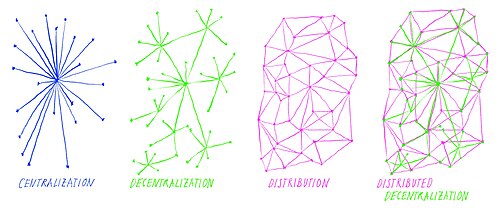



 Wikiquoteにおける中央集権化に関する引用
 Wiktionaryにおける「中央集権化」の辞書定義