Loading article…
北京市は3000年以上前に遡る長く豊かな歴史を持っています。[ 11 ] [ 12 ]
紀元前221年に始皇帝が中国を統一する以前、北京は何世紀にもわたり、古代の冀と燕の首都であった。中国最古の統一帝国である秦と漢では地方の中心地であった。古代中国の北の国境は現在の北京市の近くを通っており、北方の遊牧民族が国境を越えて頻繁に侵入してきた。そのため、後に北京となる地域は、重要な戦略的中心地および地方政治の中心地として台頭した。[ 13 ]皇帝による統治の最初の千年紀の間、北京は中国北部の地方都市であった。10世紀から13世紀にかけて、万里の長城の向こう側から遊牧民族の契丹族と森林に住む女真族が南方に拡大し、北京を遼と晋の王朝の首都としたことで、その地位は高まった。フビライ・ハンがモンゴル主導の元王朝(1279年~1368年)の首都を大都としたことで、中国全土が初めて北京から統治されるようになった。1279年以降、1368年から1420年、そして1928年から1949年の2つの期間を除いて、北京は中国の首都であり続け、明王朝(1421年~1644年)、満州族主導の清王朝(1644年~1912年)、中華民国初期(1912年~1928年)、そして現在の中華人民共和国(1949年~現在)の権力の中心地としての役割を果たしてきた。
北京市におけるヒト科動物の居住の最古の痕跡は、房山区周口店村近くの龍骨山の洞窟で発見された。そこには、ホモ・エレクトス北京原人(以前はシナントロプス・ペキネンシスという現在では無効な種に分類されていた)が77万年前から23万年前まで住んでいた。[ 14 ]旧石器時代のホモ・サピエンスも約2万7000年前から1万年前までこの洞窟に住んでいた。[ 15 ]
1996年、北京市中心部の東城区にある王府井の建設現場で、 2,000点以上の石器時代の道具や骨の破片が発見された。[ 16 ]これらの遺物は24,000年から25,000年前のもので、新東方広場モールの地下にある王府井旧石器博物館に保存されている。
考古学者は、市域全体で40を超える新石器時代の集落と埋葬地を発見した。最も注目すべきものとしては、懐柔区の稷年、門頭溝区の東洛林、平谷区の上寨と北年頭、房山の鎮江営、昌平区の雪山などがある。[ 17 ] [ 18 ]これらの遺跡は、6,000年から7,000年前にはこの地域に農業が広く行われていたことを示している。上寨文化と雪山文化の彩色土器と彫刻翡翠は、さらに北にある紅山文化のものと似ている。 [ 19 ]
北京の歴史の最も初期の出来事は伝説と神話に包まれている。司馬遷の『史記』によれば紀元前26世紀に起こったとされる壮大な板泉の戦いは、北京市北西端の延慶県の上板泉村と下板泉村の近くで起こった可能性がある。 [ 20 ] [注17 ]板泉の戦いで黄帝が燕帝に勝利したことで、両皇帝の部族が統合され、華夏または中国民族が誕生した。華夏はその後、河北省延慶の西75km (47マイル)にある涿路の戦いで蚩尤と九黎族を破った可能性がある。[ 20 ] [ 21 ]この勝利により、燕帝と黄帝の子孫が中国北部に入植する道が開かれた。
黄帝は涿路またはその近辺に幽陵(幽陵)という集落を築いたと言われている。[ 21 ]聖王堯は、約4000年前に河北・北京地域に幽都(幽都)という町を築いた。 [ 21 ]幽(幽)または幽州(幽州)は後に北京の歴史的な名称の一つとなった。北京市北東端の平谷県山東荘村にある玉子山は、黄帝の墓があると主張する中国のいくつかの場所の一つである。 [注18 ]玉子山と黄帝の関連は、唐の詩人陳子昂と李白が幽州についての詩の中でこの墓に言及した少なくとも1300年前に遡る。[ 22 ]
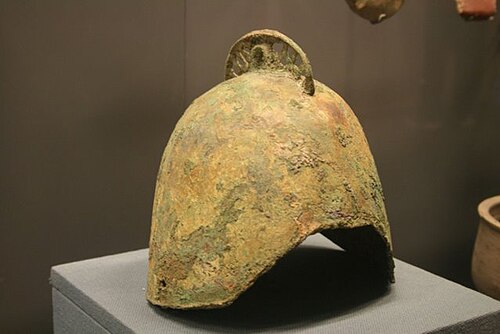
考古学的裏付けのある北京の歴史上の最初の出来事は、紀元前11世紀に周王朝が殷王朝を吸収したことに遡る。司馬遷によれば、周の武王は治世11年目に最後の殷王を廃位し、薊と燕の都市国家の支配者を含む領内の貴族に称号を与えた。[ 23 ]孔子によれば、周の武王は正統性を確立することに非常に熱心で、戦車から降りる前に黄帝の子孫を薊の支配者と名付けた。[ 24 ]そして彼は親族の邵公である史を燕の家臣とした。史は他の事柄に忙殺されていたため、長男をその地位に就かせた。この息子である柯は燕国の建国者と考えられている。青銅器の銘文は、司馬遷の歴史に記されたこれらの出来事を裏付けている。司馬遷の歴史における紀元前841年以前の日付はグレゴリオ暦と確定的に一致していないが、北京政府はこの出来事の公式な推定日付として紀元前1045年を使用している。[ 25 ]
薊城と呼ばれる薊の都は、現在の北京市街の南西部、西城区と豊台区の広安門のすぐ南に位置していたと考えられている。[ 26 ]いくつかの歴史書には、この都市の北西に「薊の丘」があったと記されており、これは広安門の北約4km (2.5マイル)にある西辺門郊外の白雲寺の大きな塚に相当する。[注19 ]広安門の南と西では、宮殿の建設に使用された屋根瓦や、陶製の環状瓦で覆われた井戸が密集して発見されている。[ 26 ]
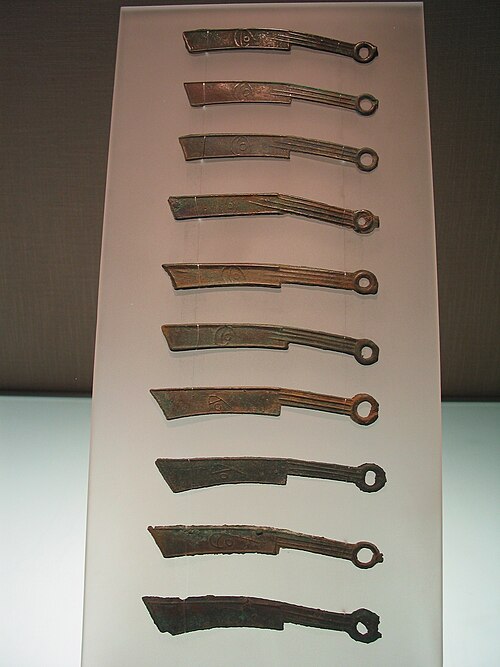

燕の都は、季の南約45km (28マイル)の房山区六里河郷東家林村に位置し、大きな城壁に囲まれた集落と200基以上の貴族の墓が発掘されている。 [ 27 ]遺跡の考古学的年代測定と、殷の甲骨文字に「燕」という名前が記されていることから、燕は殷の時代には既に政体として存在していたが、周が勝利した際に以前の支配者が権力から追放された可能性がある。[ 28 ]六里河遺跡から出土した最も重要な遺物の一つは、三本足の青銅製の金鼎で、その銘文には、季可が周の都にいる父季氏に食料と飲み物を届けるために派遣した金の旅が記されている。[ 29 ]父は感激し、この出来事を記念する栄誉の鼎を作る費用として金のタカラガイを贈った。この碑文は、周王の一族が燕に任命されたことと、燕の都の場所を裏付けている。
燕と済はともに、中央平原から北部の草原地帯に至る太行山脈の東斜面に沿った重要な南北交易路沿いに位置していた。永定河のすぐ北に位置する済は、交易キャラバンの便利な休憩所であった。ここで、山道を通って北西へ向かうルートは、北東へ向かう道から分岐していた。済には、近くにある蓮池(北京西駅の南に今も存在する)からの安定した水源もあった。琉璃河の集落は、季節によって水量が変動する琉璃河に依存していた。西周または東周初期のいずれかの時期に、燕は済を征服し、その都を済に移した。済は紀元2世紀まで済城または済の都と呼ばれ続けた。[ 26 ]燕国との歴史的な関連から、北京は燕京(燕の都)としても知られている。[注20 ]
燕国は拡大を続け、戦国時代(紀元前473年~紀元前221年)には七大強国の一つとなった。 [ 33 ]燕国は黄河から鴨緑江まで広がっていた。[注21 ]北京の後の支配者たちと同様に、燕国も山容草原の遊牧民の侵略の脅威に直面し、北の国境沿いに城壁を築いた。昌平県にある燕の城壁の遺構は紀元前283年に遡る。[ 34 ]これらは北京でより有名な明の万里の長城よりも1500年以上も古い。
紀元前226年、冀市は侵略してきた秦国に陥落し、燕国は首都を遼東に移さざるを得なくなった。[ 35 ]秦は紀元前222年に燕国を滅ぼした。翌年、秦の支配者は他のすべての国を征服し、自らを初代皇帝と宣言した。

中国帝国史の最初の1000年間、北京は中国本土の北端にある地方都市であった。中原や関中原に都を置いた王朝は、この都市を利用して北や東北の遊牧民との貿易や軍事関係を管理していた。[ 36 ]
秦王朝は高度に中央集権化された国家を築き、国を48の郡(君)に分割した。そのうち2つは現在の北京に位置している。冀市は広陽郡(広陽郡/廣陽郡)の所在地となった。北には現在の密雲県に余陽郡があった。秦は戦国時代を隔てていた防御障壁、北京平原と中央平原を隔てていた燕の南壁などを取り除き、全国的な道路網を建設した。[ 36 ]冀は中央平原とモンゴル、満州を結ぶ道路の交差点として機能した。[ 36 ]始皇帝は紀元前215年に冀を訪れ、匈奴から国境を守るために余陽郡に万里の長城を建設し、居庸関を要塞化した。[ 36 ]
紀元前206年に短命に終わった秦王朝の後を継いだ漢王朝は、当初は地方の自治をある程度回復させた。漢王朝の創始皇帝である劉邦は、秦を打倒した反乱に参加し、冀の城を占領し、項羽との覇権争いで劉邦側についた張図が統治する燕を含む多くの地方王国を承認した。しかし張図は反乱を起こして処刑され、劉邦は幼馴染の陸万に燕の王国を与えた。その後、劉邦は陸万を信用しなくなり、陸万は冀の城を逃れて草原の匈奴に加わった。劉邦の8番目の息子が燕を支配し、その後、燕は燕郡(当時は燕郡として知られていた)と広陽国(広陽国/廣陽国)の燕の直系皇族によって統治された。西漢初期、広陽国の4つの郡には20,740世帯、推定人口70,685人がいた。[ 37 ] [注22 ]
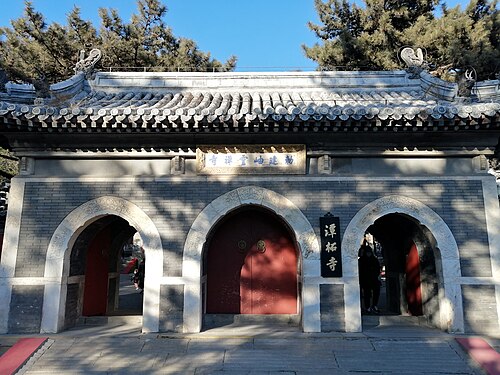
紀元前106年、武帝の治世下で、国は13の州(州)に組織され、冀市は幽州(幽州)の州都として機能し、その領土は現在の河北省中央部から朝鮮半島まで広がっていた。紀元前73年から45年にかけて幽州を統治した広陽王劉堅の墓は1974年に豊台区で発見され、大宝台西漢陵に保存されている。[ 38 ] 1999年には石景山区の老山で別の王墓が発見されたが、そこに埋葬されていた王は特定されていない。[ 39 ] [ 40 ]
西暦57年、後漢初期には、広陽郡の5つの郡に44,550世帯、推定280,600人の住民がいた。[ 37 ] [注22 ]人口密度では、広陽は全国105郡の中で上位20位に入った。[ 37 ]後漢末期、西暦184年に河北省で黄巾の乱が勃発し、一時的に幽州を占領した。朝廷は地方の軍隊に頼って反乱を鎮圧し、幽州は劉瑜、公孫瓚、袁紹、曹操の軍閥によって次々と支配された。[ 41 ]西暦194年、袁紹は草原の武歓と鮮卑の同盟軍の助けを借りて公孫瓚から季を奪取した。 [ 41 ]曹操は西暦200年に袁紹を、西暦207年に武歓を破り、北方を平定した。[ 41 ]
三国時代、曹操の息子である曹丕が建国した魏国は、幽州とその都である冀を含む漢王朝の十の県を支配した。魏朝廷は、五桓と鮮卑との関係を管理するために幽州に役所を設置した。[ 42 ]幽州に駐屯する軍隊の維持を支援するため、西暦250年に知事は冀周辺の平野の農業生産を大幅に向上させる灌漑システムである黎嶺を建設した。[ 42 ]
西晋王朝では、季は単なる県庁所在地に格下げされ、隣接する現在の河北省の涿県が幽州市の県都となった。4世紀初頭、西晋王朝は中国北部に定住した草原民族によって滅ぼされ、彼らは主に短命な王国を次々と建国した。いわゆる十六国時代、まだ季と呼ばれていた北京は、狄率いる前秦、淄率いる後趙、鮮卑率いる前燕と後燕によって次々と支配された。352年、慕容君は前燕王国の首都を満州から季に移し、季は500年以上ぶりに主権都市となった。[ 5 ] 5年後、前燕の首都はさらに南の河北省南部の鄴に移された。 [ 5 ]西暦397年、別の鮮卑族の政権である北魏が中国北部を統一し、沂を幽州の都として復活させた。この名称は北朝の残りの時代、東魏、北斉、北周にも引き継がれたが、中国の州の数が4世紀初頭の21から6世紀末には200以上にまで大幅に増加したため、その管轄区域は劇的に縮小した。
446年、北魏は都大同を柔然から守るため、居庸関から西の山西まで長城を築いた。[ 43 ] 553年から556年にかけて、北斉はこの長城を東の渤海まで延長し、564年と578年に幽州を襲撃した突厥から守った。 [ 44 ] [ 45 ]数世紀にわたる戦争により、中国北部は人口が激減した。東魏時代(534年~550年)には、幽州、安州(現在の密雲)、東兗州(現在の昌平)を合わせて4,600世帯、約17万人の住民がいた。[ 37 ] [注22 ]
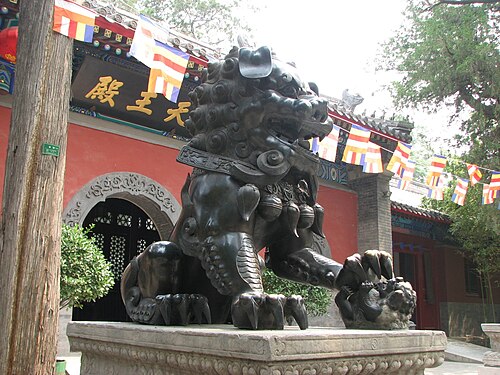
西暦589年に隋王朝が中国を再統一した後、幽州は涿郡または涿郡と改名され、済から統治された。609年、涿郡と隣接する安楽郡(現在の密雲)を合わせた世帯数は91,658、推定人口は458,000人であった。[ 37 ] [注22 ]隋の煬帝は、高句麗(朝鮮)に対する大規模な軍事作戦のために兵員と食料を運ぶため、中原から涿郡まで運河網を建設した。この作戦は壊滅的な結果となったが、唐王朝によって継続された。西暦645年、唐王朝の太宗は朝鮮遠征の戦死者を追悼するため、済の南東に民中寺(現在の法源寺)を建立した。現在西城区内にある法源寺は、北京市内で最も古い寺院の一つである。
唐王朝は行政区分としての県の規模を省から郡に縮小し、300以上あった唐の県の1つである涇州を再び涇州と改名した。[ 46 ] 730年に現在の天津に薊州という別の県が作られたことで、薊という名前は北京から天津に移され、現在も薊県が存在する。[ 47 ]北京では、薊市は次第に涇州として知られるようになった。繁栄した唐の初期の頃、幽州の10の県は、21,098世帯、約102,079人の住民から、742年には67,242世帯、371,312人の住民へと3倍に拡大した。[ 37 ] [注22 ] 742年に幽州は范陽郡と改名されたが、762年に幽州に戻った。

蛮族の侵略を防ぐため、朝廷は西暦711年に6つの辺境軍事司令部を設置し、幽州は幽州節度使の本部となった。節度使は現在の河北省のすぐ北に住む契丹族と西族の遊牧民を監視する任務を負っていた。755年、節度使の安禄山は幽州から反乱を起こし、自らを大燕王朝の皇帝と宣言した。彼は漢、通洛、西、契丹、石魏の多民族軍を率いて洛陽と西安を征服した。[ 49 ]安禄山の死後、石思明が幽州から反乱を引き継いだ。石思明の墓は1966年に豊台区王左村で発見され、1981年に発掘された。[ 50 ]安史の乱は8年間続き、唐王朝を著しく弱体化させた。その後150年間、軍事総督が幽州を自治的に統治した。[ 51 ] [ 52 ]
907年に唐王朝が後梁王朝によって滅ぼされたとき、幽州は独立を保ち、その軍事総督である劉寿光は911年に短命に終わった桢炎王朝の皇帝を自称した。 [ 51 ] [ 53 ]この政権は913年に沙陀族の将軍である李存旭によって終焉を迎え、李存旭は923年に後唐王朝を建国した。 [ 51 ]唐王朝が五代十国に分裂したことで契丹族が中国北部に拡大し、中国史における北京の台頭を促した。[ 51 ] [ 53 ]
遊牧民族である契丹族は、 916年に遼王朝を建国した野呂阿宝基のもとに統一され、917年から928年にかけて幽州を7回攻略しようと試みた。 [ 53 ] 936年、後唐朝廷の分裂により、野呂阿宝基は、別の沙陀族の将軍である史景堂が五代朝の3番目の王朝である後晋を建国するのを支援した。[ 51 ]史景堂はその後、幽州、順州(現在の順義)、潭州(現在の昌平)、汝州(現在の延慶)を含む北辺境の16の州を遼王朝に割譲した。[ 51 ]
北京は洛陽と西安を中心とする中国王朝にとって周辺都市に過ぎなかったが、北方の部族にとって中国への重要な玄関口であった。10世紀以降、契丹人、女真人、モンゴル人による中国本土への相次ぐ侵攻によって、北京の地位は高まっていった。これらの部族はそれぞれ遼王朝、晋王朝、元王朝を建国した。

938年、遼王朝は幽州を南京(南京)または「南の都」と改名し、上京(現在の内モンゴル自治区バーリン左旗)を主要な権力中心地とする4つの副都の1つとした。遼は唐時代の都市構造を維持し、外壁には8つの門(東西南北の四方に2つずつ)、内城壁都市(宮殿複合施設に改築)、そして26の居住区があった。[ 54 ]

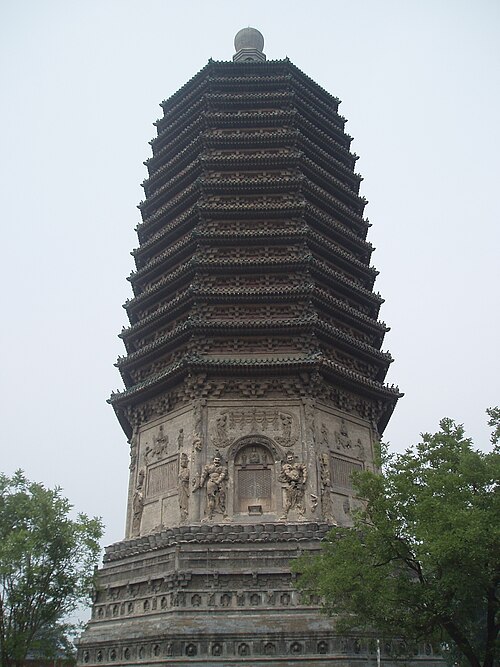
こうして、遼に幽州として譲渡された冀市は、現在の北京市街地の南西部に位置する南京として存続した。西城区(旧玄武区)と豊台区の南にある最も古い史跡のいくつかは、遼の時代に遡る。それらには、北京で最も古い通りの1つである三廟路[ 55 ]、996年に創建された牛街清真寺、 1100年から1119年にかけて建てられた天寧寺などがある。遼の支配下では、北から契丹、西、石魏、渤海、南から漢が多数移住してきたため、城壁都市内の人口は938年の2万2千人から1113年には15万人に増加した(周辺地域の人口は10万人から58万3千人に増加した)。[ 56 ] [注22 ]
宋王朝は960年に中国の残りの地域を統一した後、失われた北部の領土を奪還しようとした。979年、太宗皇帝は自ら軍を率いて南京(幽州)に到達し包囲したが、現在の西直門の北西に位置する高梁河の戦いで決定的な敗北を喫した。
1120年、宋は、現在の満州にあたる遼の北東に住む半農耕の森林居住民族である女真族と海上同盟を結んだ。両国は遼を共同で侵略し、占領地を分割することで合意し、十六州の大部分は宋の領土となった。[ 57 ]金王朝(1115年~1234年)を建国した完顔阿彪達の指導の下、女真族は遼の上、中、東の都を次々と占領した。[ 58 ] [ 59 ]
1122年の春、遼朝廷は南京で野呂春親王のもとに集結し、宋軍の2度の進軍を撃退した。[ 59 ]初夏に野呂春が病死した後、遼軍の漢民族指揮官である郭薬師が宋側に寝返り、宋軍の先鋒を率いて南京を襲撃した。[ 59 ]襲撃者は市内に侵入したが、遼の孝皇后は城壁に囲まれた宮殿から抵抗を続けた。[ 60 ] 3日間の市街戦の後、遼の援軍が宋軍本隊より先に市内に到着し、郭薬師の軍を撃退することに成功した。[ 59 ] [ 60 ] 1122年の冬、晋軍は居庸関を突破し、北から南京に進軍した。[ 59 ]今度は、蕭皇后は草原に逃げ、残りの遼の官僚は降伏した。完顔阿岑達は降伏した官僚の地位を保持させ、難民が都市に戻ることを奨励し、都市は燕京と改名された。[ 59 ]
1123年の春、万燕阿達は条約の条件に従い、朝貢と引き換えに燕京と他の4つの県を宋に引き渡すことに同意した。[ 61 ]この引き渡しは、女真族が都市の財宝を略奪し、すべての官僚と職人を金の首都である上京(現在のハルビン近郊)に強制的に移住させた後に行われた。[ 61 ]こうして宋は契丹から都市を軍事的に奪取することに失敗したが、女真族から燕京を購入することに成功した。[ 62 ]燕山(燕山)と改名されたこの都市の宋による統治は短命に終わった。
南京から移住してきた住民の一団が東北地方へ向かう途中、平州(秦皇島近郊)を通過した際、彼らは張覚総督を説得して故郷の都市に戻してもらった。かつて遼の官僚で晋王朝に降伏していた張覚は、その後宋に寝返った。 [ 61 ]徽宗皇帝は彼の寝返りを歓迎し、女真族が亡命者の受け入れを条約違反とみなすだろうという外交官の警告を無視した。[ 61 ]張覚は燕山で郭薬師のもとに身を寄せたが、女真族に敗れた。[ 61 ]宋朝廷は晋の要求を満たすために張覚を処刑し、郭薬師をはじめとする宋に仕える元遼の官僚たちは大いに驚いた。[ 61 ]
宋の弱体化を感じ取った女真族は、張覚事件を口実に侵攻した。1125年、晋軍は現在の密雲県の潮白河上流で行われた白河の戦いで郭薬師を破った。 [ 63 ]郭薬師は燕山を明け渡し、晋軍の宋の都開封への急速な進軍を指揮した。開封では1127年に宋の皇帝、徽宗と秦宗が捕らえられ、北宋王朝は終焉を迎えた。[ 63 ]燕山は燕京と改名された。


1153年、晋の皇帝、完顔梁は都を上京から燕京に移し、その都市は中都(中都)または「中央の都」と改名された。[ 33 ]北京は歴史上初めて、主要王朝の政治的首都となった。
晋王朝は都市を西、東、南に拡張し、その規模を倍にした。今日の北京の都市地図では、中都は北東の玄武門から西の北京西駅まで、南は南第二環状道路の向こうまで広がっていた。城壁都市には13の門があり、北に4つ、他の各辺に3つずつあった。中都の城壁の遺構は豊台区に保存されている。[ 65 ]晋王朝は、城壁に囲まれた宮殿複合施設を中都の中心部近くに配置することで、政権の中心性を強調した。宮殿は現在の広安門の南、大観園の北に位置していた。[ 66 ] 1179年、張宗皇帝は中都の北東に別荘を建設した。太野湖は金水河沿いに掘削され[ 67 ] 、湖の中の瓊華島に大寧宮が建てられた[68]。[注23 ]この宮殿の跡地は現在、北海公園となっている。
紙幣は晋の時代に北京で初めて発行された。[ 69 ]市の南西にある永定河にかかる盧溝橋は1189年に建設された。 方山区には晋の皇帝17人が埋葬されており、その中にはもともと上京に建てられ、中都に移された墓も含まれている。[ 70 ]市の人口は1125年の8万2000人から1207年には40万人に増加し(周辺地域では34万人から160万人に増加)、[ 71 ] [注22 ]


中都は1214年のモンゴル軍の侵攻まで60年以上にわたり晋の首都として機能した。[ 72 ]モンゴル高原と南シベリア出身の遊牧民族であるモンゴル人は契丹との戦争で女真族を支援したが、約束された報酬は得られなかった。1211年、チンギス・ハン率いるモンゴル軍は中国北部に侵攻し晋に復讐した。1213年までに、彼は首都中都を除く黄河以北の晋領土の大部分を支配した。1214年3月、彼は中都の北郊外に本拠地を構え、弟のハサルと3人の長男、ジョチ、チャガタイ、オゴデイとともに都市の包囲を開始した。[ 73 ]金朝廷は宮廷クーデターで弱体化したが、この都市は三重の堀と900の塔で守られていた。[ 74 ]モンゴル軍内で疫病が発生したとき、チンギス・ハーンはイスラム教徒の使者ジャファルをこの都市に派遣して交渉し、金朝廷は領土を割譲し属国となることで和平条約に同意した。チンギス・ハーンの要求の中には、女真族の王女との結婚も含まれていた。万燕永済の娘である斉城王女がモンゴルの首長に指名された。[ 75 ] [ 76 ]彼女は100人の護衛、500人の少年少女の召使い、3,000反の布、3,000頭の馬とともにモンゴル軍の陣営に送られた。[ 77 ]斉城公主はチンギス・ハンの4人の主要な妻の1人となり、包囲を解いて居庸関の北へ撤退した。
玄宗皇帝は、かなりの議論の末、都を中都からさらに南の開封に移すことを決定した。1214年6月、金の皇帝行列が都を出発した際、契丹の衛兵隊の一部が盧溝橋で反乱を起こし、モンゴル側に寝返った。チンギス・ハンは、金が和平条件に違反してさらに南で軍事力を再建しようとしていると考え、金への再侵攻を決意した。冬までに、モンゴル軍は再び中都を包囲した。[ 78 ]
1215年、激しい包囲戦の末、多くの住民が飢え死にし、中都の守備兵10万人と10万8千世帯が降伏した。[ 79 ]都市は侵略者によって略奪され、焼き払われた。[ 80 ]中都は燕京と改名され、1216年には人口が9万1千人に減少した(周辺地域には28万5千人)。[ 71 ] [注22 ]都市から連れてこられた捕虜の中には、キタイ人の野呂楚才がおり、彼はチンギス・ハンに、中国は馬の上から征服することはできても、馬の上から統治することはできないと説得した。北中国を牧草地に変えるよりも、モンゴル人にとっては農民に課税する方が有益だろう。チンギス・ハンはその助言に従い、モンゴルの略奪は緩和された。モンゴルは女真族との戦争を続け、1234年に開封が陥落して金王朝は終焉を迎えた。野呂楚才は昆明湖の東岸、現在の頤和園に埋葬された。[ 81 ]
1219年、チンギス・ハンは道教の賢者、邱初済を招き、「帝国の秩序を保つ」ための助言を求めた。[ 82 ] 76歳の邱は以前、晋と南宋の皇帝からの招待を断っていたが、山東から燕京、そして中央アジアへと旅することに同意した。そこで、ヒンドゥークシュ山脈のモンゴル軍の野営地で、邱はチンギス・ハンに道について教え、不老不死の薬は存在しないと告げ[ 83 ]、命を守るよう促した。[ 84 ] モンゴルの指導者は邱を不老不死の賢者と呼び、彼を帝国の道教の最高司祭に任命し、道教を課税から免除した。邱は1224年に燕京に戻り、後に白雲寺となる寺院を拡張した。白雲寺は邱が埋葬されている寺院であり、今日では中国道教協会の本部となっている。[ 84 ]

チンギス・ハンの孫であるクビライ・ハンが1261年に燕京を訪れた時、市の大部分は廃墟と化していたため[ 85 ]、彼は瓊華島の大寧宮に滞在した[ 86 ] 。外モンゴルのカラコルムを拠点とする伝統的な部族連合を維持しようとした他のモンゴルの指導者とは異なり、クビライ・ハンは国際的な帝国の皇帝になることを切望していた。彼は次の4年間をライバルのモンゴル族長との内戦を戦い、勝利することに費やし、1264年に顧問の劉秉忠に燕京に新しい首都を建設するよう命じた。1260年には、現在の内モンゴルの欒江沿いの北京の真北約275km (171マイル)にあるザナドゥに首都の建設を開始していたが、彼は北京の場所を好んだ。南には華北平原が広がり、北には山道の向こうに草原が広がっている北京は、フビライ・ハンの新たな権力の拠点として理想的な中間地点だった。
1271年、彼は元王朝の建国を宣言し、首都を大都(中国語で「大都」[ 87 ]、モンゴル語ではダイドゥ[ 88 ] )と名付けた。モンゴル語では汗八里(ハンバリク)とも呼ばれ、マルコ・ポーロの記録ではカンブルクと綴られている。大都の建設は1267年に始まり、最初の宮殿は翌年に完成した。宮殿複合体全体は1274年に完成し、都市の残りの部分は1285年までに完成した[ 89 ]。 1279年、モンゴル軍が中国南部の宋王朝の最後の勢力を滅ぼしたとき、北京は初めて中国全体の首都となった。大都の建設後、上都としても知られるザナドゥは、フビライ・ハンの夏の首都となった。

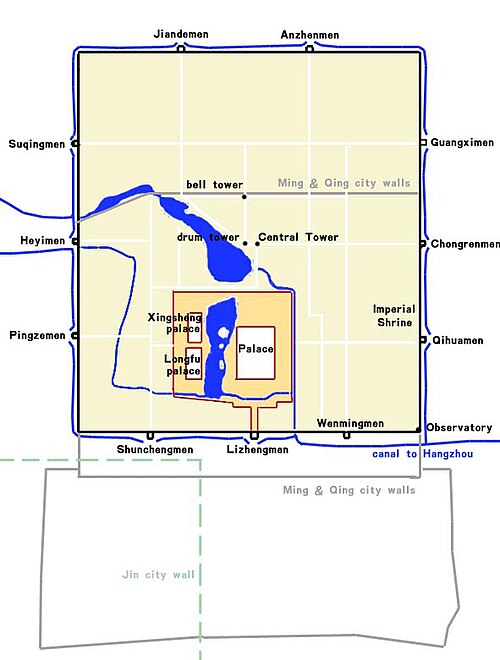
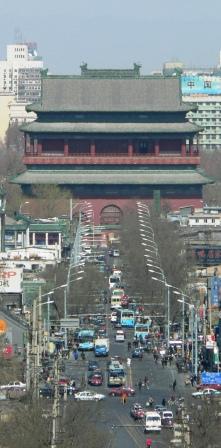
中都の基礎の上にそのまま建設を続けるのではなく、新しい都である大都は北東に移され、太野湖の中央にある瓊華島の旧大寧宮を中心に建設された。この移転により、現在の北京の南北中心軸が確立された。大都は中都のほぼ2倍の大きさで、南は現在の長安街から、北3環状道路と北4環状道路の間にある北京の北部と北東部に今も残る大都の土塁まで広がっていた。[ 90 ]城壁は厚さ24メートルで、城門は11あり、北に2つ、その他の東西南北にそれぞれ3つずつあった。後に明王朝は、大都の東西の城壁の一部をレンガで覆い、4つの城門を残した。そのため、大都は明清時代の北京と同じ幅になった。大渡の地理的な中心には、現在鼓楼となっている楼閣が建てられていた。
大都の最も印象的な地形は、都の中心部に連なる湖群でした。これらの湖は都内の金水河[ 92 ]によって作られました。 [ 67 ]これらは現在、北京中心部の6つの海(「海」)として知られています。後海、前海、西海(後海、前海、西海)はまとめて什刹海と呼ばれ、北海(北海)、中海、南海はまとめて中南海と呼ばれています。瓊華島は現在、北海公園にある島で、白塔が建っています。今日の中国の指導者と同様に、元朝の皇族は湖の西にある興聖宮と隆福宮に住んでいました。[ 93 ]湖の東にある3番目の宮殿は、後の紫禁城の場所にあった大内と呼ばれ、皇帝の官庁が置かれていました。都市の建設には、地元の中国人だけでなく、ネパールや中央アジアなどからも、モンゴル帝国のアジア各地から建設者が集まった。[ 94 ]劉秉忠が帝都の建設監督に任命され、主任建築家はイェヘイディエルディンであった。宮殿の楼閣は、帝国各地のさまざまな建築様式を取り入れた。宮殿複合体全体は、大都の南中央部を占めていた。中国の伝統に従い、祖先祭祀と収穫祭祀のための寺院は、それぞれ宮殿の西と東に建てられた。[ 95 ]
金水河と高梁河が加わったことで、大都は過去 2000 年にわたり冀、幽州、南京を潤してきた蓮池よりも多くの水を得ることができた。[ 67 ]水供給をさらに増やすため、元代の水利学者郭守敬は、北西の玉泉山から現在の頤和園の昆明湖、紫竹公園を経て、大都内の大きな貯水池である積水潭まで、追加の湧水を引くための水路を建設した。[ 96 ]大都から杭州への大運河の拡張と延長により、都市はより多くの穀物を輸入して、より多くの人口を養うことができた。1293 年に通慧運河が完成すると、通州からの艀が市内を通り、什刹海の皇居の門まで航行できるようになった。1270 年、大都の人口は 418,000 人、周辺地域にはさらに 635,000 人いた。[ 71 ] [注 22 ] 1327 年までに、この都市には 952,000 人の住民がおり、周辺地域にはさらに 208 万人が住んでいた。[ 71 ]
市の住宅街は、幅25mの通りと、幅6~7mの胡同と呼ばれる狭い路地によって、市松模様に区切られていた。 [ 97 ]このような地区の最もよく現存する例の1つが東四街道で、東四の14条と呼ばれる14本の平行な胡同がある。胡同という名称は元代の都市特有のもので、遼晋時代に遡る古い地区では、狭い路地は街または通りと呼ばれていた。大きな通りのそれぞれには、雨水やゴミを市の南に運ぶ地下下水道があった。[ 98 ]主な市場は、東四、西四、積水潭の北岸沿いにあった。 [ 96 ]
フビライ・ハンの意図どおり、この都市は国際色豊かな元帝国のショーケースとなった。ジョヴァンニ・ディ・モンテ・コルヴィーノ、オドリコ・ディ・ポルデノーネ、マルコ・ポーロ、イブン・バットゥータなど多くの外国人旅行者がこの都市への訪問について記録を残した。馬志遠、関漢青、王世福など元時代の最も有名な作家の何人かは大都に住んでいた。モンゴル人はイスラムの天文台とイスラムの学院の建設を命じた。福城門近くの白仏塔寺は1271年にフビライ・ハンによって建設が命じられた。その有名な白仏塔はネパールの建築家アラニコによって設計され、中国最大の仏塔の1つである。 [ 99 ]孔子廟と国子監(皇帝学院)は、フビライの後継者であるテムル・ハンの治世中に設立された。
元朝の統治は、1328年に起こった二都戦争として知られる後継者争いによって著しく弱体化した。この戦争では、大都を拠点とする王位継承権主張者が上都を拠点とするライバルに勝利したが、大都周辺および全国各地でモンゴル諸侯の間で激しい戦闘が繰り広げられた。[ 100 ]
1368年、朱元璋は長江沿いの南京で明王朝を建国し、将軍の徐達は北上して大都を占領した。元朝最後の皇帝は草原に逃げた。大都の皇居は破壊され、都市は北平(北の平和)と改名された。[ 101 ]南京は英天府とも呼ばれ、新王朝の都、京市となった。2年後、朱元璋は北平を4番目の息子である朱棣に与え、朱棣は10歳で燕王となった。朱棣は1380年まで北平には移らなかったが、北の国境を守るために軍事力を急速に増強した。彼の3人の兄は皆、1398年に亡くなった父より先に亡くなっていた。王位は朱棣の長兄の息子である朱雲文に引き継がれた。新皇帝は北平における叔父の権力を抑制しようとし、激しい権力闘争が勃発した。1402年、4年間の内戦の後、朱棣は南京を占領し、永楽帝を名乗った。明王朝第3代皇帝として、彼は南京に留まることに満足せず、先代の皇帝に忠誠を誓ったとして南京で数百人を処刑した。先代の皇帝は宮殿の火災で死亡したと伝えられているが、逃亡したという噂もあった。永楽帝は宦官の鄭和を有名な海外航海に派遣したが、その目的の一つは、海外にいる建文帝の噂を調査することであった。
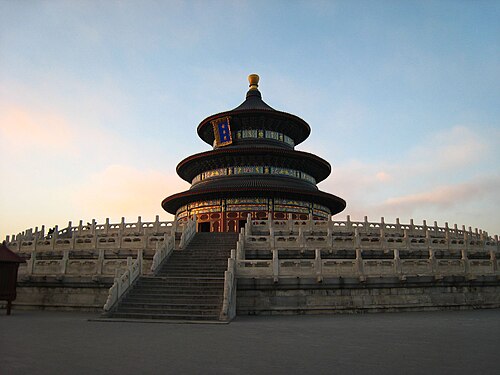
1403年、永楽帝は本拠地を北京(「北の都」)と改名し、南京と並ぶ首都の地位に昇格させた。北京は初めて現在の名称となり、周辺の県は順天府(順天府)と改名された。1403年から1420年にかけて、永楽帝は大規模な再建計画によって新首都の準備を進めた。紫禁城や天壇など、北京の最も象徴的な歴史的建造物のいくつかは、永楽帝の首都のために建てられた。日殿、地殿、月殿は、後に道教の嘉靖帝によって1530年に増築された。
1421年、永楽帝は明の京始を北京に移し、北京は明王朝の主要な首都となった。永楽帝は北京からモンゴルに対する数々の遠征を行った。1424年に永楽帝が死去すると、息子の洪熙帝は首都を南京に戻すよう命じたが、1425年に病死した。[ 102 ]洪熙帝は息子の後の宣徳帝を南京に送り、移転の準備をさせたが、宣徳帝は即位後も首都を北京にとどめることを選んだ。[ 103 ]祖父と同様、宣徳帝も北の国境地帯の情勢を監視することに関心を持っていた。北京市北部の万里の長城の大部分は明王朝時代に建設された。
明朝初期、旧大都の北部は人口が減り、放棄された。1369年には、都市の人口は9万5千人にまで減少し、周辺地域にはわずか11万3千人しかいなかった。[ 71 ] [注22 ]旧城壁の南2.5km (1.6マイル)に新しい北壁が建設され、積水潭貯水池は北堀の一部として都市の外に残された。都市の新しい南壁は、大都の南壁の南0.5kmに建設された。これらの変更により、北京の内城壁が完成し、9つの門(南に3つ、北、東、西にそれぞれ2つ)ができた。
内城の城壁は、1449年の土木危機で正統帝が懐来近郊での軍事作戦中にオイラト・モンゴル軍に捕らえられた際に、大きな試練に耐えた。オイラトの首長エセン・タイシはその後、捕虜となった皇帝を連れて万里の長城を突破し、明の都に進軍した。国防大臣の兪謙は、正統帝の懇願にもかかわらず、エセンの身代金要求を拒否した。兪は、国を守る責任は皇帝の命よりも優先されると述べた。彼は他の官僚による都を南に移すという提案を拒否し、代わりに正統帝の異母弟を帝位に就け、22万人の兵を集めて都を防衛した。明軍は火器と大砲で徳勝門郊外のモンゴル騎兵隊を待ち伏せし、砲撃でエセンの弟を殺害し、西直門への別の攻撃を撃退した。エセンはモンゴルに退却し、3年後、身代金なしで捕虜となっていた正統帝を返還した。1457年、正統帝は帝位を取り戻し、兪謙を反逆罪で処刑した。兪謙の住居は東丹近郊にあり、後に彼を記念する寺院となった。[ 104 ]
権力を取り戻した正統帝は、天順という新しい元号で統治し、当初は復位を助けた官僚を昇進させたが、その後不信感を抱くようになった。その一人である大宦官の曹継祥は、帝位を狙うことを決意した。1461年8月、曹の養子である曹秦は、北京に駐屯していたモンゴル族の兵士たちの間で反乱を起こした。[ 105 ]この陰謀は露見し、天順帝は紫禁城と内城の門を閉ざし、宮殿に侵入できなかった反乱軍を閉じ込め、彼らは殺害された。[ 105 ]
1550年、アルタン・ハーンはハルハ・モンゴル軍を率いて北京を襲撃し、北部郊外を略奪したが、都を占領しようとはしなかった。遼・晋時代の地区や天壇を含む都の南部郊外を守るため、 1553年に外城壁が建設された。外城壁には7つの門があり、南に3つ、東と西にそれぞれ2つずつあった。明の内城壁と外城壁は、北京地下鉄と第二環状道路を建設するために、ごくわずかな部分を除いて1960年代まで残っていた。[ 106 ]城壁の中で最大かつ最も保存状態の良い部分は、内城の南東隅近くにある明城跡公園にある。
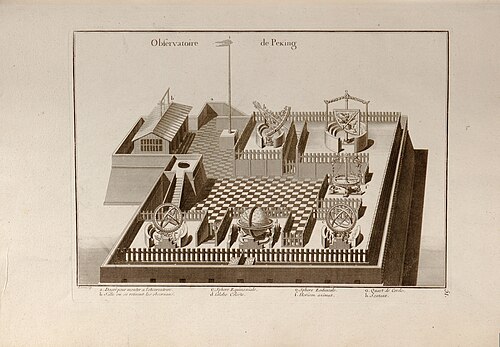
イエズス会の宣教師たちは16世紀初頭に北京に到達した。1601年、マテオ・リッチは万暦帝の宮廷顧問となり、紫禁城への立ち入りを許可された最初の西洋人となった。[ 107 ]彼は1605年に南塘大聖堂を建立した。これは市内で現存する最古のカトリック教会である。他のイエズス会士たちは後に北京天文台の所長となった。
1448年の土木危機前夜、北京には96万人の住民がおり、周辺地域にはさらに219万人が住んでいた。[ 71 ] [注22 ]北京は1425年から1635年、そして1710年から1825年まで世界最大の都市であった。 [ 108 ]増加する人口を養うため、明朝当局は、大運河の終点近くにあった御蔵や京通倉庫などの穀物倉庫を建設・管理し、増加する人口を養い、軍隊を支えた。穀物倉庫は価格を抑制しインフレを防ぐのに役立ったが、人口が増加し食料の需要が供給を上回ると価格統制の効果は薄れていった。
15世紀半ばまで、北京の住民は暖房や調理に薪を頼りにしていた。人口増加に伴い、市周辺の森林は大規模に伐採された。15世紀半ばには、森林はほぼ消滅してしまった。そこで住民は代替燃料として石炭に目を向けた。石炭は元代に西山で採掘が始まり、明代には採掘が拡大した。石炭の使用は多くの環境問題を引き起こし、市周辺の生態系を変化させた。
明王朝時代、北京では天然痘、「ニキビ疫病」、「吐血疫病」など15回の疫病流行が発生した。後者2つは腺ペストと肺ペストであった可能性が高い。1643年を除いて、ほとんどの場合、公衆衛生システムは流行の抑制にうまく機能した。この年、北京では疫病により20万人が命を落とし、農民反乱軍の攻撃に対する都市防衛が困難になり、王朝の崩壊の一因となった。
15世紀から16世紀にかけて、北京近郊では皇帝政府が存在していたにもかかわらず、盗賊行為が横行していた。不十分な監督と経済的困窮のため、首都圏で皇帝を守るために駐屯していた皇帝軍はしばしば盗賊行為に走った。盗賊行為の撲滅を担当する役人は、盗賊や明社会のその他の周縁的な人々とのつながりを持っていることが多かった。[ 109 ]
明朝末期、北京は万里の長城の内外両方から脅威にさらされていた。1629年、女真族の子孫である満州族が満州から北京を襲撃したが、明の指揮官袁崇煥によって外城壁の外、広曲門と左安門で敗北した。[ 110 ]北へ撤退した後、満州族の指導者洪太極は策略を用いて明の崇禎帝を欺き、袁崇煥が実際に明を裏切ったと信じ込ませた。1630年、崇禎帝は袁崇煥を彩世口で千斬りの刑に処した。[ 111 ] 150年後、清朝の乾隆帝によって袁崇煥は名誉回復され、広曲門近くの彼の墓は現在祠となっている。[ 112 ]
また、1629年には李自成が中国北西部で農民反乱を起こし、15年間の征服活動を経て、 1644年3月に北京を占領した。崇禎帝は荊山で木に首を吊って自殺した。李は自らを順王朝の皇帝と宣言したが、山海関で明の将軍呉三貴と満州族のドルゴン王子に敗れた。呉は満州族に寝返り、彼らを万里の長城の内側に招き入れた。彼らは4月下旬に李自成を北京から追放した。

1644年5月3日、満州族は李自成の反乱軍から北京を解放するという名目で北京を占領した。[ 113 ]ドルゴンは明朝の崇禎帝の国葬を行い、多くの明朝の官僚を再任した。10月には、幼い順治帝を旧都瀋陽から紫禁城に移し、北京を清朝の新たな都とした。その後数十年の間に、満州族は国の残りの地域を征服し、この都市から3世紀近く中国を統治した。[ 114 ]この時代、北京は京市としても知られており、これは満州語のゲムン・ヘセンに相当する。[ 115 ] 1644年に14万4000人にまで減少した市の人口は、1647年には53万9000人に回復した(周辺地域の人口は55万4000人から130万人に増加した)。[ 71 ] [注22 ]
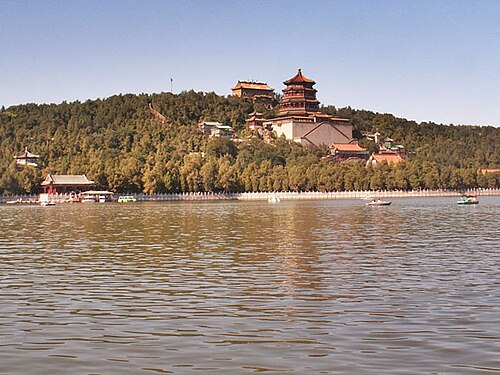
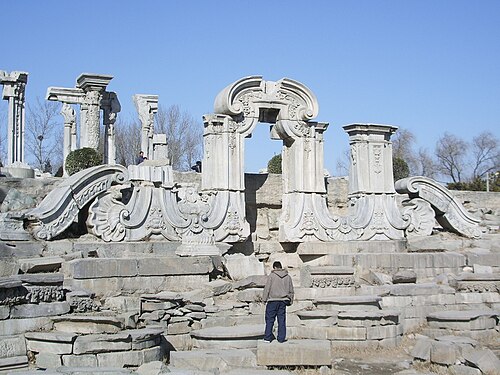
清朝は城壁内の北京の物理的な構造をほぼそのまま維持した。満州旗、モンゴル旗、漢旗を含む八旗はそれぞれ、内城の八つの門の警備と居住に割り当てられた。[ 113 ]城外では、清朝は満州貴族の領地のために広大な土地を没収した。[ 113 ]城の北西には、清朝の皇帝がいくつかの大きな宮殿庭園を建設した。1684年、康熙帝は明朝の清華園(現在の北京大学西門の外側)の跡地に長春園を建設した。18世紀初頭には、彼は円明園(「旧頤和園」としても知られる)の建設を開始し、乾隆帝はこれをヨーロッパのバロック様式の庭園パビリオンで拡張した。 1750年、乾隆帝は「頤和園」、通称「夏の離宮」を建立した。この二つの離宮は、清朝の栄華の頂点と衰退の両方を象徴している。どちらも清朝末期に侵略してきた西欧列強によって略奪され、破壊された。
北京語は最終的に中国の公用語となった。清朝初期、宮廷に仕える漢の官僚は満州語を学ぶことが義務付けられていたが、ほとんどの満州人は最終的に中国語を話せるようになった。[ 116 ]満州人は北京語を話し言葉として採用し、これは中国南部の満州旗の駐屯地の特徴となった。1728年、中国南部の官僚の言葉を理解できなかった雍正帝は、科挙試験の受験者は全員北京語を話せなければならないと布告した。[ 116 ] [ 117 ]この布告は最終的に嘉慶帝の時代に撤廃されたが、北京語はその後の政権下で官僚の間、そして庶民の間にも広まった。[ 116 ]中華民国建国後まもなく、発音統一委員会は1913年に北京方言を中国語の標準語とした。首都が南京に移された後、国家言語委員会は1932年に北京方言を標準語として再確認した。中華人民共和国は1955年にこれに倣った。[ 116 ]
清朝は17世紀後半から18世紀初頭にかけて、首都の住民に比較的安定した食糧供給を維持した。政府の穀物貢納制度により、各省から食糧が運ばれ、穀物価格が安定していた。炊き出し所は困窮者に救済を提供した。安定した食糧供給は、清朝が一定の政治的安定を維持するのに役立った。[ 118 ]寺院周辺で毎月開催されるバザールのような湖果市などの寺院市は、都市の商業的な活気を高めた。乾隆帝の治世が最盛期を迎えた1781年には、都市の人口は776,242人(周辺地域にはさらに218万人)であった。[ 71 ] [注22 ]その後、清朝当局は都市への移住を制限し始めた。[ 119 ] 1世紀後の1881年から82年の国勢調査では、776,111人と245万人という同様の数字が示された。[ 71 ] [注22 ]
1790年、皇帝の娯楽を企画する清朝の南府は、乾隆帝のために安徽省から劇劇団を招いて公演を行った。乾隆帝の時代には、南府には俳優、音楽家、宦官など千人もの職員がいた。1827年、乾隆帝の孫である道光帝は、南府を盛平書に改名し、公演回数を減らした。[ 120 ]それでも、宮廷は湖北省から劇団を招いて公演を行った。安徽省と湖北省の劇の様式は、19世紀半ばに融合して京劇となった。
北京で最も古い商店のほとんどは清朝時代に遡ります。1669年に宮廷医によって開業した同仁堂は、1723年に清朝宮廷への漢方薬の唯一の供給者となりました。伝統的な北京料理を提供する回族の飲食店である白奎老豪は、1780年に龍府寺の隣に最初の店をオープンしました。焼き鴨は元朝から宮廷のメニューの一部であり、15世紀には一般向けに北京ダックを提供するレストランが開店しましたが、1864年に開店し「吊り窯」を導入した全聚徳が北京ダックを世界的に有名にしました。
1813年、白蓮教の信者約200人が紫禁城を奇襲攻撃したが撃退された。 [ 113 ]これに対し当局は社会監視と統制のための保甲制度を導入した。
英国の外交官マカートニー卿の使節団は1792年に北京に到着したが、乾隆帝に貿易制限の緩和や北京への英国常駐大使館の設置を認めさせることはできなかった。しかしながら、マカートニーは清朝政権の弱点を見抜き、それが後の英中紛争に影響を与えることになる。
1860年、第二次アヘン戦争中、英仏連合軍は北京東方の鷺橋で清軍を破った。連合軍は北京を占領し、頤和園と円明園を略奪した。連合軍の指揮官エルギン卿は、清が西洋人捕虜を虐待したことへの報復として円明園の焼却を命じた。彼は紫禁城を焼き払い、条約調印式の会場として残した。戦争を終結させた北京条約により、清政府は西洋列強が北京に常駐外交拠点を設けることを余儀なくされた。外国大使館は紫禁城の南東にある北京公使館地区に設置された。


1886年、西太后はもともと帝国海軍、北洋艦隊のために割り当てられた資金を使って頤和園を再建した。[ 113 ]清朝政府が日清戦争で日本に敗れ、屈辱的な下関条約の締結を強いられた後、康有為は宣武門の外に1300人の学者を集めて条約に抗議し、光緒帝に1万字の嘆願書を作成した。1898年6月、光緒帝は康有為、梁啓超、その他の学者の提案を採用し、百日変法を開始した。この改革は西太后を不安にさせ、西太后は栄禄と北洋軍司令官の袁世凱の助けを借りてクーデターを起こした。光緒帝は投獄され、康と梁は国外へ逃亡し、譚思同と他の5人の学者改革派は宣武門郊外の才石口で公開処刑された。短命に終わった改革開放時代の遺産の一つは、 1898年の北京大学の創設である。この大学は、北京の知的・政治的歴史に大きな影響を与えることになる。
1898年、山東省で義和会運動と呼ばれる千年王国主義のグループが結成され、中国におけるすべての外国の影響を排除することを呼びかけた。[ 121 ]彼らは西洋人、特に宣教師や改宗した中国人を攻撃し、西洋人からは「義和団」と呼ばれた。清朝は当初義和団を鎮圧したが、西太后は彼らを利用して外国の影響を抑制しようとし、北京に集まることを許可した。その後、略奪が発生したため義和団を市から追放し、公使館の外国人に天津へ退去するよう命じたが、彼らはこれを拒否した。1900年6月、満州旗人や甘粛省のイスラム教徒の戦士、義和団を含む清軍が、数百人の外国人民間人や兵士、約3,200人の中国人キリスト教徒を匿っていた公使館地区を包囲した。外国の八カ国連合軍によるシーモア遠征の最初の試みは敗北し、軍は引き返さざるを得なかった。 2度目の試みで、彼らはついに義和団と清軍を破り、包囲を解いた。外国軍は都市を略奪し、北京と直隷の周辺地域を占領した。西太后は西安に逃れ、清政府が年利4%の利子付き銀4億5000万両の賠償金を支払うことを義務付ける義和団議定書に署名するまで戻らなかった。義和団賠償金は清政府の税収の大部分を奪い、国家をさらに弱体化させた。[ 122 ]
米国は、その収益のうち自国分を、米国で学ぶ中国人学生のための奨学金に充てた。1911年、義和団賠償奨学生制度により、北京北西部の清華園に、海外留学を希望する学生のための予備校として、アメリカ賠償学院が設立された。1912年、同校は清華大学と改称され、今日に至るまで、中国屈指の高等教育機関の一つとして名を連ねている。
義和団の乱の後、苦境に立たされていた清朝は改革のペースを加速させ、外国の影響を受け入れやすくなった。何世紀にもわたって続いてきた官吏登用試験は1905年に廃止され、西洋式のカリキュラムと学位制度に置き換えられた。女性のための公教育はより重視され、皇太后のような反動主義者からも支持を得た。[ 123 ]清朝末期の北京の女子学校では、纏足をしていないことが入学条件となった。1901年に中国初の近代的な警察訓練機関として設立された北京警察学校は、日本人教官を採用し、他の都市の警察学校のモデルとなった。1906年に宣教師によって設立され、 1915年からロックフェラー財団の資金援助を受けた北京協和医科大学は、看護師の訓練の基準を確立した。[ 124 ] 1898年に設立された北京の首都大学図書館は、公立高等教育に奉仕することを目的とした中国初の近代的な学術図書館であった。[ 125 ] [ 126 ]
また、1905年には、歳入庁と民間投資家が中国初の中央銀行であり、最大の近代銀行である湖北銀行を設立した。[ 127 ]この銀行は辛亥革命後に中国銀行と改名され、北京が中国の国有銀行の中心地となる伝統が始まった。香港上海銀行(HSBC)、ナショナルシティ銀行(シティバンク)、ドイツアジア銀行、横浜正金銀行などの大手外国銀行が公使館地区に支店を開設した。鉄道建設は資本集約型であり、大規模な資金調達と外国の専門知識が必要であった。北京の初期の鉄道は、外国企業の監督下で設計、資金調達、建設された。

中国初の鉄道は、1864年にイギリス人商人が北京に建設し、皇帝の宮廷に技術を披露した。[ 128 ]玄武門の外に約600メートルの線路が敷設された。[ 128 ]蒸気機関車が近隣を揺るがし、首都の警備兵を驚かせた。[ 129 ]清朝の宮廷はこの奇妙な装置を好ましく思わず、鉄道を解体させた。[ 128 ]西太后の鉄道建設への支持を得るため、李鴻章総督は ドイツから小型の鉄道模型を輸入し、1888年に中南海の居所から北海の食堂まで2キロメートルの狭軌鉄道を建設した。 [ 130 ]西太后は、機関車の騒音が帝都の風水や風相を乱すことを懸念し、蒸気機関車ではなく宦官に列車を牽引させるよう要求した。[ 130 ]
天津市初の商業鉄道である天津盧溝橋鉄道は、1895年から1897年にかけてイギリスの資金援助で建設された。[ 130 ]盧溝橋から天津までを結んでいた。鉄道の終着駅は市街地に近い豊台まで、そして外城壁の門である永定門のすぐ外側にある馬家堡まで延伸された。[ 130 ]清朝は城壁内の鉄道の延伸に抵抗した。[ 130 ]義和団の乱で市を占領した外国勢力は、1900年に外城壁内の鉄道を永定門まで、そして1903年にはさらに北へ内城壁のすぐ外側にある正陽門(前門)まで延伸した。 [ 130 ]彼らは大運河で南から運ばれてくる穀物を運ぶために東の支線を通州まで建設した。この延伸により、東辺門で城壁が破られた。[ 130 ]フランスとベルギーの資本によって資金提供され、1896年から1905年にかけて建設された盧溝橋漢口鉄道は、西から前門にルート変更された後、北京漢口鉄道と改名された。 [ 131 ]これにより、宣武門の城壁の一部が取り壊される必要があった。1907年に北京奉天鉄道が完成すると、崇文門の要塞にも同様の破壊が必要となった。 [ 131 ]こうして、鉄道輸送のために城門や城壁の取り壊しが始まった。外国の援助なしに中国で最初に建設された鉄道は、帝国の北京張家口鉄道である。1905年から1909年にかけて建設され、詹天佑によって設計され、西直門のすぐ外側で終点となった。[ 131 ]清朝末期には、北京は漢口(武漢)、浦口(南京)、奉天(瀋陽) 、大同と鉄道で結ばれており、華北の主要な鉄道拠点となっていた。
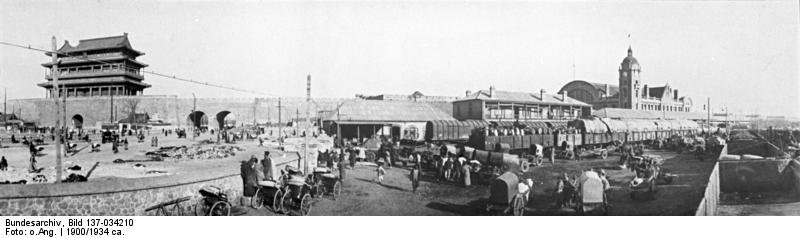

1911年の辛亥革命で清朝は倒されたが、新たに建国された中華民国の首都は北京に留まり、清朝の元将軍である袁世凱が 南部の革命家から新政府を掌握した。袁世凱と彼の北洋軍の後継者たちは、1928年に国民党が北伐によって国を再統一し、首都を南京に移すまで、北京から中華民国を統治した。北京は北平と改名された。1937年、北平郊外の盧溝橋で中国軍と日本軍が衝突し、日中戦争が勃発した。日本軍は中国北部に傀儡政権を樹立し、傀儡政権の首都として都市名を北京に戻した。1945年の日本の降伏後、都市は中国の統治下に戻り、再び北平と改名された。その後、中国国民党と共産党の間で内戦が勃発したが、1949年にこの都市は平和的に共産党の支配下に移り、北京と改名されて中華人民共和国の首都となった。


1911年10月に武昌蜂起が勃発すると、清朝は袁世凱とその強力な北洋軍を召集し、反乱鎮圧を命じた。袁世凱は南部で革命軍と戦う傍ら、彼らとの交渉も行った。1912年1月1日、亡命先から帰国した孫文は南京で中華民国を建国し、臨時大統領に選出された。新政府はどの外国からも承認されず、孫文は清朝の終焉に協力してもらう代わりに、袁世凱に指導権を譲ることに同意した。2月12日、袁世凱は摂政の春親王の統治下にあった清朝に退位を強要した。皇太后龍玉は5歳の最後の皇帝溥儀に代わって退位協定に署名した。翌日、孫文は臨時大統領を辞任し、袁世凱を後継者に推薦した。退位の条件に基づき、溥儀は高官の地位と幕僚を保持し、共和国から年間400万メキシコ銀貨の俸給を受け取ることになった。彼はしばらくの間紫禁城に居住することを許されたが、最終的には頤和園に移らなければならなかった。彼の墓と儀式は共和国の費用で維持されることになった。この退位によって清朝は終焉を迎え、革命におけるさらなる流血は回避された。
孫文は、袁世凱に指導権を譲る条件として、臨時政府が南京に留まることを主張した。2月14日、臨時元老院は当初、北京を首都とすることに賛成20票、反対5票、武漢に2票、天津に1票を投じた。[ 132 ]元老院の多数派は、北京で権力を握ることで和平協定を確実なものにしたかった。[ 132 ]張建らは、首都を北京に置くことで満州族の復興とモンゴルの分離独立を阻止できると主張した。しかし孫文と黄興は、北方の袁世凱の勢力基盤に対抗するため、南京を支持すると主張した。[ 132 ]李元洪は武漢を妥協案として提示した。[ 133 ]翌日、臨時元老院は再び投票を行い、今度は南京に賛成19票、反対6票、武漢に2票を投じた。[ 132 ]孫文は蔡元培と汪精維を団長とする使節団を派遣し、袁世凱に南京へ移るよう説得した。[ 134 ]袁世凱は使節団を歓迎し、使節団と共に南京へ戻ることに同意した。[ 135 ]その後、2月29日の夜、市内各地で暴動と放火が発生した。 [ 135 ]これらは袁世凱の忠実な部下である曹坤の不服従な部隊によって引き起こされたとされている。[ 135 ]軍の混乱は通州、天津、保定に広がった。[ 135 ]これらの出来事により、袁世凱は北部に留まり、騒乱を防ぐ口実を得た。3月10日、袁世凱は北京で中華民国の臨時大統領に就任した。[ 136 ]袁世凱は紫禁城の隣の中南海に行政事務所と住居を置いた。 4月5日、南京の臨時元老院は北京を中華民国の首都とすることを決議し、月末に北京で議会を開催した。


8月、孫文は北京を訪れ、袁世凱と数千人の群衆に迎えられた。[ 137 ]湖光会館では、孫文、黄興、宋教仁が率いる革命同盟(同盟会)がいくつかの小政党と合流し、国民党を結成した。[ 138 ] 1912年12月から1913年1月にかけて、最初の全国議会選挙が行われた。教育を受けた、または財産を所有し、税金を納めており、特定の県に2年間居住していることを証明できる21歳以上の成人男性が投票できた。[ 139 ]中国の人口の4~6%が選挙に登録したと推定されている。[ 140 ] 1913年4月に北京で開かれた全国議会の両院で、国民党が過半数を獲得した。[ 140 ]
議会が憲法を批准しようとした際、袁世凱は権力を分担しようとする動きに抵抗した。議会の知らぬ間に、彼は外国の貸し手のコンソーシアムから大規模で高額な再編成融資を手配し、軍事費を賄った。公使館地区のHSBC銀行で署名されたこの融資は、事実上、政府の塩税収入の徴収を外国の支配下に委ねた。[ 141 ]袁世凱の工作員は上海で国民党指導者の宋教仁を暗殺した。[ 142 ]これに対し、孫文は1913年7月に第二次革命を起こしたが失敗し、亡命を余儀なくされた。その後、袁世凱は国民議会に自分を大統領に選出させ、国民党議員を追放させた。1914年初頭、彼は国民議会を解散し、5月に臨時憲法を廃止した。[ 143 ] 1915年12月23日、袁世凱は自らを皇帝と宣言し、彼の政権を中華帝国(1915年~1916年)とした。この宣言は南部諸省の反乱を引き起こし、国防戦争を招いた。袁世凱は1916年3月に皇帝から大統領に退位せざるを得なくなった。彼は1916年6月に北京で死去し、北洋軍の軍人たちが政府の支配権を巡って争うことになった。その後12年間で、北京の北洋政府は8人もの大統領、5つの議会、24の内閣、少なくとも4つの憲法、そして満州王朝の短期間の復活を経験した。[ 144 ]
以前の王朝交代とは異なり、北京における清朝の終焉は、市の人口の大幅な減少を引き起こさなかった。市の人口は1910年に785,442人、1913年に670,000人、1917年に811,566人であった。[ 145 ]周辺地域の人口は同時期に170万人から290万人に増加した。[ 71 ] 1917年、北京は広州、上海、漢口に次いで中国で4番目に大きな都市であり、世界で7番目に大きな首都であった。[ 146 ]

袁世凱の死後、李元洪が大統領、段祁瑞が首相となり、国民議会が再招集された。政府は間もなく、第一次世界大戦に連合国側で参戦するか中立を維持するかという危機に直面した。李は参戦を支持する段を解任し、軍閥の張迅を首都に招いて仲介を求めた。張と辮髪の忠臣軍は北京に進軍し、国民議会を解散させ、7月1日に溥儀を清朝皇帝に復位させた。[ 147 ]李は公使館の日本大使館に逃げ込んだ。帝政復古はわずか12日間しか続かず、段祁瑞の軍が首都を奪還し、張はオランダ大使館に避難した。段の指揮の下、中国は中央同盟国に宣戦布告し、14万人の中国人労働者を西部戦線に送った。段は日本の資金援助を受け、1918年に安徽省の有力者で構成された新たな議会選挙を画策した。いわゆる安府議会は、段の安徽省を拠点とする支持者が集まる中南海近郊の安府胡同にちなんで名付けられた。
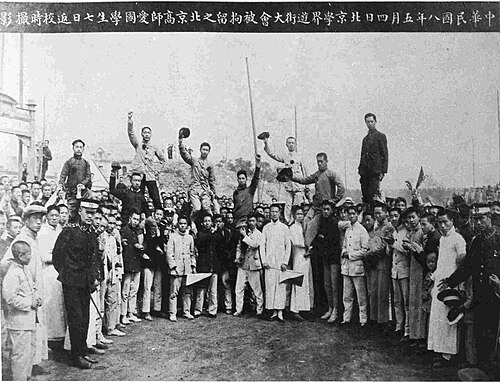
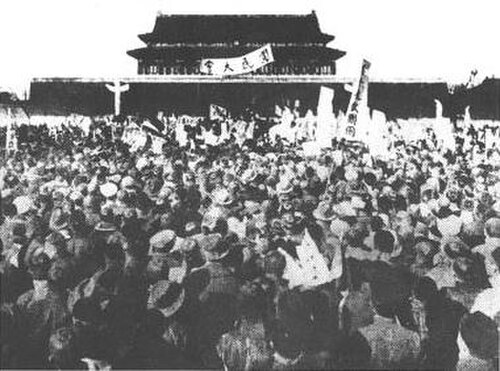
1919年春、戦勝国である中華民国は、山東省のドイツ租界の中国への返還を求めてパリ講和会議に代表団を派遣した。しかし、ヴェルサイユ条約によってこれらの租界は日本に譲渡された。この条約のニュースは中国の首都で激しい怒りを引き起こした。5月4日、北京の13大学から3000人の学生が天安門広場に集まり、他の西欧列強による中国への裏切りと、日本の財政支援による安福政府の腐敗に抗議した。彼らは外国公使館に向かって行進したが阻止され、講和会議に出席し、日本の利益に友好的であることが知られていた外務次官の曹如林の自宅に向かった。彼らは曹の邸宅を破壊し、同じく親日派の外交官である張宗祥を殴打した。警察は32人の学生を逮捕したが、これがさらなる抗議と逮捕を引き起こした。数週間以内に、この運動は22省の200の都市や町に広がった。上海では労働者がストライキを行い、商人たちは抗議活動を支持して店を閉めた。6月下旬までに、政府は条約に署名しないことを表明し、曹氏と張氏を解任し、学生たちを釈放した。
五四運動は北京における学生運動の伝統の始まりとなり、近代中国に政治的、文化的に大きな影響を与えた。北京大学の蔡元培や胡適といった指導的知識人たちは、伝統的な秩序に代わる新しい文化の発展を奨励した。また、五四運動の著名な人物である陳独秀や李大釗が中国共産党の初期の指導者となったことで、マルクス・レーニン主義の魅力も高まった。この時期に中国の首都に集まった多くの若者の中には、湖南省出身の毛沢東という学生がおり、彼は北京大学で李大釗の下で図書館助手として働いていた。毛沢東は1920年に北京を離れ上海に移り、 1921年に中国共産党の創設に尽力した。彼はそれから約30年後まで北京に戻らなかった。
1920年代、北洋軍の軍事指導者たちは派閥に分裂し、共和政府とその首都の支配権を巡って争った。1920年7月、五四運動で弱体化した段祺瑞政権は、直隷派の呉培夫と曹坤によって直隷・安徽戦争で北京から追放された。2年後、直隷派は張作霖と満州を拠点とする奉天派の挑戦を第一次直隷・奉天戦争で撃退した。 1924年、両者が第二次直隷・奉天戦争で再び対峙した際、呉の部下の一人である馮玉祥が北京クーデターを起こした。1924年10月23日、馮玉祥は首都を占拠し、曹坤大統領を投獄し、段祺瑞を国家元首に復位させ、孫文を北京に招いて和平交渉を行った。当時、孫文はソ連コミンテルンの支援と中国共産党の支持を得て、広州で国民党政権を樹立していた。孫文は南北対立の解消を目指し、最後の試みとして1925年初頭に北京に到着したが、その時にはすでに癌に侵されていた。彼は数百もの市民団体から歓迎を受け、段渕に対し、統一政府の再建に幅広い市民社会の人々を参加させるよう呼びかけた。孫文は1925年3月12日に北京で死去し、青雲廟に埋葬された。
張作霖と呉佩孚は、ソ連の支援に頼っていた馮玉祥に対抗して手を組んだ。馮玉祥は、市内で影響力を拡大しようと活発に活動していた国民党と共産党に対して概ね寛容な姿勢をとった。この時期、北京は学生運動の温床だった。 1925年の五・三十運動では、90校から1万2千人の学生が上海の抗議者を支援するために王府井から天安門まで行進した。[ 148 ] 1919年の燕京大学や1925年の北京カトリック大学などの私立大学の開校により、1920年代初頭に北京の学生人口は大幅に増加した。[ 148 ]中学生も抗議に参加した。[ 148 ] 10月には、市内で開催された関税に関する国際会議で、学生たちが帝国主義に抗議した。[ 149 ] 11月、李大昭は段の辞任を要求する学生や労働者による抗議活動「首都革命」を組織した。抗議活動はより暴力的になり、大手新聞社のオフィスが焼き討ちされたが、解散した。[ 150 ]
孫文の指導の下、国民党は軍閥との戦いで共産党と同盟を結んだが、この同盟には緊張がなかったわけではない。1925年11月、右派の国民党指導者グループが西山で会合を開き、共産党員の国民党からの追放と、顧問のミハイル・ボロディンを含むコミンテルンとの関係断絶を求めた。[ 149 ] [ 151 ]この宣言は、蒋介石、汪兆銘、胡漢民が率いる広州の国民党中央によって非難され、いわゆる「西山グループ」のメンバーは追放されるか、党指導部から外された。[ 152 ]彼らは上海に移り、1927年4月の国民党と共産党の分裂の際に権力を取り戻した。


1926年3月17日、天津近郊の大沽砦で馮玉祥の国民軍が張作霖の奉天軍を乗せた日本軍艦と交戦した。日本は中国政府が義和団議定書に違反したと非難し、他の7つの義和団列強とともに、議定書に定められた北京と海の間のすべての防衛施設の撤去を要求する最後通牒を出した。この最後通牒は、左派の国民党と共産党が共同で組織した北京での学生運動を引き起こした。2000人の学生が段祺瑞の行政機関に行進し、不平等条約の破棄を要求した。[ 153 ]警察は発砲し、50人以上を殺害、200人を負傷させた。これは3月18日の虐殺として知られるようになった。[ 154 ]政府は、公使館のソ連大使館に逃げ込んだ李大釗を含む国民党員と共産党員の逮捕状を発行した。[ 153 ]数週間以内に、馮玉祥は張作霖に敗れ、段の政府は崩壊した。張が権力を握ると、国民党員と共産党員はともに地下に潜った。[ 155 ] 1年後、張作霖は公使館のソ連大使館を襲撃し、李大釗を捕らえた。李と他の19人の共産党員と国民党員は、1927年4月25日に北京で処刑された。
張作霖は、蒋介石と同盟者の顔渓山、馮玉祥が率いる北伐の国民党軍が北京に進軍した1928年6月まで北洋政府を支配していた。張は満州へ向かう途中で日本の関東軍に暗殺された。北京は平和的に勝利した国民党に引き渡され[ 156 ] 、国民党は首都と孫文の墓を南京に移した。1421年以来初めて、北京は北平(ウェード式:Peip'ing)[157]、つまり「北の平和」[158]と改名された。北伐後、北京は事実上、国民党と同盟を結んだ山西の軍閥顔渓山の支配下にあった。[ 159 ] 1929年3月2日、この都市は張作霖の部下であった軍閥張宗昌の軍隊に所属していた兵士による激しい反乱の地となった。反乱兵は雍和寺を占拠し、北京に恐怖を広めることに成功したが、反乱はすぐに鎮圧された。[ 160 ]この都市は河北省の省都となったが、1930年に天津にその地位を譲った。 1930年の中原戦争中、閻錫山は北京に一時的に対立する国民政府を樹立しようとしたが、蒋介石と同盟を結んでいた張作霖の息子である張学良に都市を奪われた。 [ 161 ]
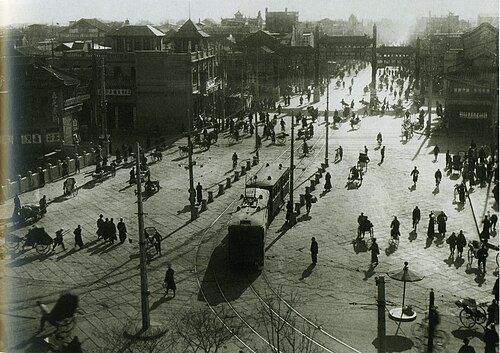
北洋年間、北京は帝都から近代都市へと変貌を遂げた。市の人口は1912年の725,235人から1921年には863,209人に増加した。[ 162 ]市政府は城壁と城門を再構築し、道路を舗装して拡張し、路面電車を導入し、都市計画とゾーニング規則を導入した。当局はまた、近代的な水道施設を建設し、都市の衛生を改善し、食品と廃棄物の適切な処理について市民を教育し、感染症の発生を監視した。これらの公衆衛生対策により、乳児死亡率と一般市民の平均寿命が向上した。[ 163 ]
都市開発は、共和制が君主制や帝政再導入の試みに勝るなど、政治的態度の変化も反映していた。[ 164 ]新たに重視されるようになった市民権を帝政の伝統よりも優先するようになった例の一つが、北京の都市公園の開発である。一般市民が牧歌的な環境でくつろげる場所としての公共公園という考え方は、日本を経由して西洋から中国に伝わった。北京の公共公園は、ほとんどが以前は一般市民の立ち入りが禁止されていた皇室の庭園や寺院を転用したものである。北京市政府、地元の名士、商人は皆、健全な娯楽を提供し、アルコール中毒、賭博、売春を減らすために公共公園の開発を推進した。1924年の北京クーデター後、馮玉祥は紫禁城から溥儀を追放し、紫禁城は故宮博物院として一般公開された。公園はまた、中流階級や上流階級の商業活動や政治的・社会的思想の自由な交流の場も提供した。[ 165 ]
北京が首都から単なる地方都市に格下げされたことで、都市計画家による都市の近代化の取り組みは大きく制限された。北京は政治的地位とともに、政府の歳入、雇用、管轄権も失った。1921年、北京に本店を置く大手銀行は、中国で最も重要な23の銀行が保有する銀行資本の51.9%を占めていた。[ 166 ]富が政治権力とともに都市から流出したため、その割合は1928年にはわずか2.8%、1935年には0%にまで低下した。[ 166 ]周辺の県が河北省に編入されたため、市の管轄権も縮小した。明朝以来初めて、市は農業地域や流域を支配できなくなった。[ 167 ]潼県の路面電車システムの発電所でさえ、市の管轄外となった。[ 161 ]万平や大興などの町の復興を求める南京への訴えは却下された。[ 168 ]歴史的遺物と大学を擁するこの都市は、観光と高等教育の中心地であり続け、「中国のボストン」として知られるようになった。[ 169 ] 1935年、この都市の人口は111万人で、周辺地域にはさらに348万5千人がいた。[ 71 ]

1931年の奉天事件で日本が満州を占領した後、北平は中国北部への日本の侵略の絶え間ない脅威にさらされた。 1933年の塘沽休戦協定により、万里の長城の支配権は日本に与えられ、長城の南に100kmの非武装地帯が設けられた。これにより、北平は北の防衛を奪われた。1935年5月の秘密協定である何梅祖協定では、中国政府は中央軍部隊を河北省から撤退させ、中国国民による反日活動を鎮圧することが求められた。[ 170 ] 1935年6月の秦土井原協定では、万里の長城防衛で日本軍と戦った馮玉祥の国民軍の元部隊である国民党第29軍がチャハル省から撤退することを強いられた。この軍は南源近くの北平の南の地域に移動させられ、そこに閉じ込められた。[ 171 ] 1935年11月、日本は通州に東河北自治評議会と呼ばれる傀儡政権を樹立し、中華民国からの独立を宣言し、現在の北京市にある通州や平谷を含む北平の東の22の県を支配した。
増大する脅威に対応して、故宮博物院の美術コレクションは1934年に南京に移送され、中南海に防空壕が建設された。[ 172 ]満州からの難民の流入と大学キャンパスの存在により、北平は反日感情の温床となった。1935年12月9日、北平の大学生は、まだ日本の直接支配下にない河北省とチャハルの残りの地域を統治する半自治機関である河北チャハル政治委員会の設立に抗議するため、12月9日運動を開始した。
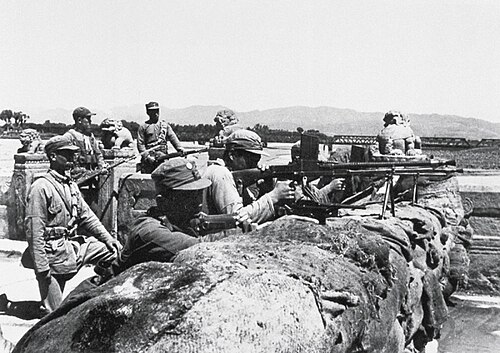
1937年7月7日、中国駐留の第29軍と日本軍は、北京市南西の万平城近くの盧溝橋で交戦した。盧溝橋事件は、中国では第二次世界大戦として知られる日中戦争の引き金となった。その後も戦闘が続き、停戦交渉も失敗に終わったため、日本軍の増援部隊は航空支援を受け、 7月下旬に北平と天津に対する本格的な攻勢を開始した。北京市南部での戦闘で、第29軍副司令官の童臨歌と師団長の趙登玉が戦死した。彼らは、後に戦争で戦死した第29軍のもう一人の司令官である張自忠とともに、北京の街路名にその名が冠されている唯一の現代人3人である。[注24 ]通州では、東河北評議会の協力民兵が日本軍との第29軍攻撃への参加を拒否して反乱を起こしたが、中国軍は南へ撤退していた。[ 158 ] [ 173 ]都市自体は、戦争で他の多くの中国の都市が被った市街戦や破壊を免れた。
日本は中国北部の占領地を管理するため、中華民国臨時政府という別の傀儡政権を樹立し、北平(後に北京と改名)を首都とした。 [ 174 ]この政府は後に南京に拠点を置く汪兆銘の中華民国再編成政府と合併したが、実効支配は日本軍が握っていた。[ 174 ]
戦争中、北京大学と清華大学は占領されていない地域に移転し、国立西南連合大学を設立した。婦人大学は枢軸国に対するローマ教皇庁の中立によって保護された。1941年12月の日本軍による真珠湾攻撃で太平洋戦争が勃発すると、日本軍は燕京大学を閉鎖し、アメリカ人職員を投獄した。一部の職員は、農村部でゲリラ戦を展開していた共産党パルチザンによって救出された。順義区の交荘湖村には、地下の司令部、会議室、戦争時の偽装された入り口がある迷路のようなトンネルが今も残っている。[ 175 ]
1938年、日本軍は北京に拠点を置く生物兵器部隊である北中国部隊1855を秘密裏に創設し、天壇、北海、および協和病院に研究所を運営した。[ 176 ]より悪名高い731部隊と同様に、1855部隊は毒性の強い細菌株を開発し、捕虜に対して致死的な実験を行った。[ 177 ] 1855部隊が開発した感染症株は戦争中に約70回使用され、中国北部で10万人以上の民間人が死亡した。[ 178 ] 1943年、同部隊が毒性をテストするために北京南部で放出したコレラ菌株により、1,872人の住民が死亡した。[ 179 ]生物兵器は1925年のジュネーブ議定書で禁止された。[ 180 ] 1945年8月15日、日本の天皇の降伏宣言直後、1855部隊は自らの存在の証拠を消し去ったり破壊したりし始め、10日後にはほとんど痕跡を残さずに市を去った。[ 181 ]この部隊は日本の戦争犯罪法廷を逃れ、後に歴史家による調査が行われるまでほとんど知られていなかった。[ 182 ]
1945年10月10日、紫禁城で行われた式典で中国国民党軍に降伏し、北平の日本軍占領は終了した。[ 183 ] 第二次世界大戦の終結に伴い、同市は中国国民党の支配下に戻り、北平と改名された。
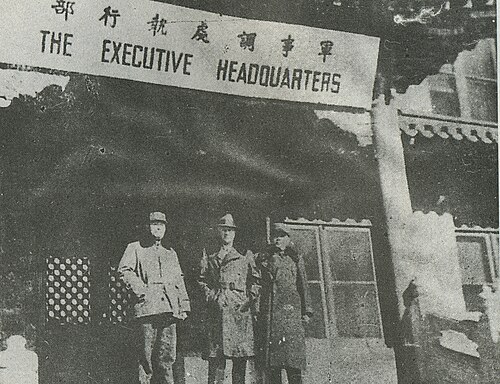

日中戦争中、国民党と中国共産党は同盟関係にあったが、日本の敗戦後、両党の国内対立が再燃した。内戦の再開を防ぐため、米国政府はジョージ・C・マーシャルを中国に派遣し、仲介させた。[ 184 ]マーシャル使節団は北平に本部を置き、1946年1月10日に休戦協定が仲介され、国民党、共産党、米国代表の3人からなる委員会が、華北と満州における休戦協定違反を調査するために設置された。[ 185 ]休戦協定は1946年6月に崩壊し始め、マーシャル使節団は最終的に連立政権の樹立に失敗した。 1946年のクリスマスイブに東単で北京大学の学生沈崇が米海兵隊員2人に強姦された事件は、中国における米軍駐留に対する学生デモを引き起こした。1947年2月にマーシャルが中国を去った後、本格的な内戦が勃発した。
北平は、55万人の兵力を指揮した傅作義率いる国民党の華北軍事作戦の本部であった。1948年当時、この都市には150万人の住民がおり、周辺地域にはさらに410万人がいた。 [ 71 ] [注22 ]その中には、包囲された都市の食糧供給の圧力を軽減し、若者が共産主義運動に参加するのを防ぐために、国民党当局によって満州から空輸された2万人以上の学生がいた。 [ 186 ]北平に到着すると、学生難民にはわずかな食糧配給が与えられたが、学校を再建する手段はなかった。[ 186 ]食糧が尽きると、学生たちは抗議のために市政府に行進したが、国民党青年軍に銃撃され、少なくとも9人が死亡、48人が負傷した。[ 187 ] 7月5日の虐殺は全国で広く非難された。[ 188 ]当時副主席だった李宗仁と傅作義は学生たちと会談し、犯人を責任追及すると約束した。蒋介石は青年軍を北平から撤退させることに同意したが、8月には250人以上の学生組織者が逮捕された。
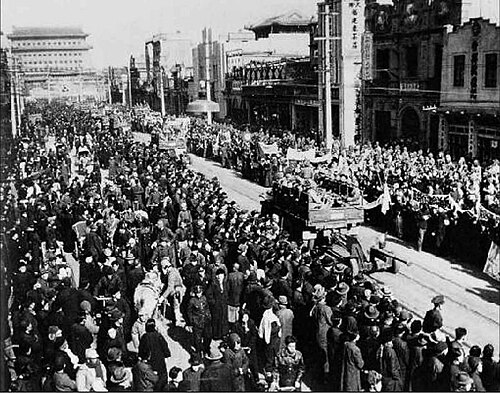
1948年11月29日、満州での決定的な勝利を収めたばかりの中国共産党の人民解放軍(PLA)は、平津作戦を開始した。彼らは12月24日に北西の張家口を、1949年1月15日に南東の天津を占領した。さらに南の淮海作戦で国民党が敗北したことで、傅作義と20万人を超える国民党の守備隊は北平で包囲された。数週間にわたる集中的な交渉の後、傅は1949年1月22日、「人民解放軍による再編成」のために部隊を市から撤退させることに同意した。彼の寝返りにより、市、住民、歴史的建造物は差し迫った破壊から救われた。2月3日、人民解放軍は北平に進軍した。
1949年春、国民党の指導者である李宗仁は、最後の手段として休戦協定の締結を試みた。4月1日から12日まで北平の六国亭で和平会談が行われたが、共産党は長江での進軍を停止し、中国南部を国民党に譲ることに同意できなかった。[ 189 ] 4月23日、人民解放軍は長江を越えて攻勢を再開し、翌日には南京を占領した。
中国人民解放軍が国内の残りの地域を支配下に置き続ける中、共産党指導者、友好的な国民党、第三党の支持者たちは、9月21日に北平市中南海で中国人民政治協商会議を開催した。新体制樹立の準備として、彼らは国名、国旗、国章、国歌、首都を新たに決定することで合意した。
1949年10月1日、毛沢東は天安門の演壇に立ち、中華人民共和国の建国を宣言した。都市名は北京に復活し、再び首都となった。[ 190 ]当時、市域は707平方キロメートル(273平方マイル)の領域を含み[ 191 ]、人口は203万人強であった。[ 192 ]その後60年間で、都市は面積(23倍に拡大)と人口(10倍に増加)の両方で前例のない規模に達し、政治的地位と重要性も高まった。高度に中央集権化された政府の政治の中心として、北京は現代中国を形作った多くの政治的出来事や発展を目撃し、住民はそれに参加した。


共産党指導部は北京で新たな秩序を確立するために迅速に行動した。新政府樹立から数週間以内に、市内で売春が禁止された。約224軒の売春宿が閉鎖され、1,308人の売春婦が再教育センターに送られ、そこで医療処置と職業訓練を受けた。[ 194 ]アヘンの使用は1952年に禁止された。
不平等条約の廃止により、外国は公使館地区に軍事部隊や領事館を駐留させる特別な権利を剥奪された。新政府を承認しなかった米国、フランス、オランダは、1950年までに領事館と軍事事務所を放棄せざるを得なかった。[ 195 ]ソビエト連邦は、旧市街の北東の角に新しい大使館を移転する交渉を行った。[ 195 ]中華人民共和国を承認した英国は、1954年に公使館地区を去った最後の国の1つであった。[ 196 ]東側諸国と第三世界の同盟国が外交使節団を開設した三里屯の城壁の東側に新しい大使館地区が出現した。
中華人民共和国の権力の中心地として、北京は社会主義国家の理想を反映するように変貌を遂げた。1949年11月に聶栄珍市長が議長を務めた計画会議で、著名な建築家である梁思成は、天安門の西10km (6.2マイル)にある五棵松、三里河、釣魚台に新しい都市エリアと政府センターを建設することで、古い城壁都市の建築的完全性を維持することを提案した。 [ 197 ]ソ連の顧問は、特に天安門広場周辺の古い都市中心部に新しい政府庁舎を集中させるという提案で対抗した。[ 198 ]郊外に新しい政府センターを収容するための新しい住宅ユニットを追加することは非経済的であると見なされたため、古い都市に建設することで政府職員が既存の都市地区に住むことができるようになる。[ 199 ]ソ連の顧問らはまた、労働者が地元人口のわずか4パーセントを占めるに過ぎず、共産主義政権の首都には強力なプロレタリア階級が必要であるとして、都市の工業化を求めた。[ 198 ]ソ連の提案は概ね受け入れられ、その後10年間の北京の都市計画を導いた。
天安門広場は、大規模な集会やパレードに対応できるよう拡張された。人民英雄記念碑、人民大会堂、中国国家博物館など、ソ連の社会主義リアリズム様式の影響を受けたランドマーク的な建物や記念碑は、中華人民共和国建国10周年に間に合うように1959年までに完成した。旧市街の多くの地区は、工場、政府機関、アパートを建てるために取り壊された。多くの宮殿や庭園は、住居、学校、オフィスに転用された。西と東の郊外には大規模な工場が建設された。国家指導部は、紫禁城の西にある中南海に居を構えた。そこには明王朝の皇室庭園と宮殿があった。城壁は荒廃し、1960年代に北京地下鉄の建設中に取り壊され、現在の第二環状道路に置き換えられた。[ 200 ]
朝鮮戦争中、北京はアジア太平洋平和会議を開催した。これは北京にとって初の主要な国際会議であった。孫文、郭沫若、彭震らが主催し、1952年10月2日から12日にかけてピースホテルで開催されたこの会議には、37カ国から400名以上の代表が出席した。新しく開発された住宅街「和平里(平和の場所)」は、この会議にちなんで名付けられた。
北京は中国で最も高等教育と学術研究が集中する中心地となった。外国からの資金援助を受けていた大学は閉鎖されたり公立機関に転換されたりしたが(燕京大学は北京大学に統合され、北京大学は都心から北西郊外の燕京キャンパスに移転した) 、人民大学、北京理工大学、中央党校、中央民族学院、北京外国語大学などのゲリラ地域からの機関の移転や、各省庁による国立アカデミーや研究所の開設により、北京の大学数は増加した。
1949年から1958年にかけて、市は隣接する河北省から着実に土地を取得していった。[ 191 ]最後の大きな追加は1958年に行われ、潼県(現在の潼州区)、順義県、大興県、良郷県(現在の房山区の一部)、房山県、平谷県、密雲県、懐柔県、延慶県の9つの県が編入され、 11,988 km 2 (4,629 sq mi)が追加され、総面積は16,800 km 2 (6,500 sq mi)となった。[ 191 ] 1958年には市の人口は 6,318,497 人に達し、そのうち 31.5% が城壁都市に、29% が近郊に、残りが郊外の町や農村部に居住していた。[ 192 ]都市計画担当者は北京の目標人口を1000万人に設定した。[ 192 ]
1958年1月、毛沢東は経済発展を加速させる野心的なキャンペーンで第二次五カ年計画を開始した。大躍進は、大規模な集団農場を利用して農業生産を増やし、食糧余剰を産業発展のための労働力として解放することで、中国の資本不足を大衆動員によって克服しようとした。北京の都市部では、他の都市と同様に、新しいアパートは台所のない状態で建設された。代わりに、住民は無料の食事を提供する共同食堂で食事をした。住民は、食堂で調理が集中して行われるためもはや必要ないと考えられていた鍋やカトラリーなどの個人所有の金属製品を使って、裏庭の自家製炉で鉄を生産するように動員された。 [ 201 ]このキャンペーンは、炉の建設にレンガが使用された城壁の解体を加速させた。これらの炉で生産された低品質の銑鉄は、工業用途には不向きだった。この政策は完全に失敗に終わり、資源の誤った配分により、都市の復興計画は何年も停滞した。
Among the most quixotic features early in the campaign was the effort to exterminate the Four Pests, including sparrows, which were blamed for eating grain.[202] At the height of this effort in April 1958, over three million residents using fire crackers, gongs, clanging pots and colorful flags, literally deprived sparrows (and other birds) a place to land in the city so that the birds flew until they dropped dead from fatigue. Over 400,000 sparrows (and countless other birds) were killed over a three-day period.[203] The campaign was halted after the eradication of sparrows led to a spike in the locust population.
Throughout the summer and fall of 1958 the quality and quantity of food served at communal mess halls steadily declined, and mess halls were shut down altogether in early 1959.[201] Residents instead received food ration tickets (15–17 kilos of grain per month for each man, 13.75 kg for each woman, 12.75 kg for young adults, 3.75 kg for children under age 10).[204] Due to bullish grain production forecast, winter wheat was not planted in 1958 leaving no harvest in the spring of 1959.[204] By May 1959, residents were forced to supplement their meager diet with elm bark, reed roots, willow shoots, wild amaranth, wild celery and other edible wild plants.[204] Malnutrition became widespread in the city. Some 420,000 residents were sent to the countryside because the city could no longer support them. The food shortage caused the rate of "deaths from non-natural causes" in the Beijing to climb from 3.64% of the total population in 1958 to 4.4% in 1961, an increase of 90,000 deaths.[205] The famine was far more severe in other provinces where the unnatural death rate in 1960 was as high as 13.8% in Anhui and 9.08% in Sichuan.[205]
Mao initially clung to the Great Leap Forward, firing defense minister Peng Dehuai for objecting to the policy line at the Lushan Plenum in 1959. But as the scale of the disaster became more apparent, an extraordinary work conference for cadres from around the country was hastily convened in Beijing in early 1962. At the so-called 7,000 Cadre Conference held from January 11 to February 7, President Liu Shaoqi and Deng Xiaoping reported the severe decline in the economy and called for urgent course correction, citing numerous policy failures. Mao acknowledged that mistakes were made and the need for cadres to vent. Only Lin Biao, the new defense minister, prominently defended Chairman Mao. Liu and Deng's policy arguments drew extensively on research prepared by the Beijing Municipal Government and provided by mayor Peng Zhen. The conference paved the way for economic recovery led by Liu and Deng but also planted the seeds for the Cultural Revolution.
The Great Proletariat Cultural Revolution, Chairman Mao's campaign to change the social and cultural fabric of Chinese society, was launched from and ultimately halted in Beijing, with profound consequences for the city and country.
Mao initiated the campaign by directing attacks against political-literary figures in Beijing. The first target was Wu Han, the deputy mayor of Beijing and historian, whose book Hai Rui Dismissed from Office, adapted from a Peking opera about an incorruptible Ming-era official, had been praised by Mao in the early 1960s. But on November 10, 1965, the work was criticized by Shanghai propagandist Yao Wenyuan as an attempt to rehabilitate Peng Dehuai. Yao was supported by Mao's wife Jiang Qing. The scope of attack then expanded to the "Three Family Village", so-named for a column in the People's Daily jointly written by Wu Han, Deng Tuo, the editor of the newspaper, and Liao Mosha, another Beijing literary figure and official. The trio was accused of making veiled attacks against Maoism. Deng Tuo committed suicide and Wu Han later died in prison. Their fall implicated the mayor of Beijing, Peng Zhen, who was accused of running the city government as his fiefdom and harboring anti-party conspirators. The attack on Peng Zhen, in turn, undermined the standing of Liu Shaoqi, an ally of Peng and Mao's ultimate target. The Beijing Municipal Government became the first casualty of the revolution; its leaders were replaced with radical Maoists.


As Mao expanded the power struggle at the elite level in the spring of 1966, he encouraged youth from Beijing's universities and high school to join his campaign. On May 16, 1966, Mao unveiled the "May 16 Circular", which officially launched a Cultural Revolution to cleanse the party and country of bourgeois and Soviet revisionist elements such as Peng Zhen. On May 25, 1966, several junior faculty at Peking University led by Nie Yuanzi, wrote a "big-character poster" accusing the school administrators of obstructing the Cultural Revolution and calling on the masses to destroy counter revolutionary and pro-Khrushchev elements. Nie was initially rebuked by the university but her poster was published nationally with Mao's blessing in the People's Daily on June 2 . On June 18, Peking University students held the first struggle session denouncing their teachers. Jiang Qing visited campus to lend her support to the rebellions students. By July 29, classes at all universities and high schools in the city were halted as students mobilized to join the Cultural Revolution. On May 29, a group of students at Tsinghua University Middle School, organized the first "Red Guard" group to protect Chairman Mao from the enemies of the revolution. Students at other Beijing schools followed. In August, Mao praised the Red Guards and called on them to "bombard the headquarters" of bourgeois elements in government. The movement spread and Mao ordered that the Red Guards be given free rides on trains and room and board across the country to spread the revolution.[206] From August 18 to November 26, he presided over eight Red Guard rallies in Tiananmen Square attended by over 11 million youth. The rallies helped drive Liu Shaoqi from power.

Having halted classes and toppled school administrations, the Red Guards then turned to enemies of the revolution in broader society. They ransacked homes of class enemies in search of incriminating evidence, smashed cultural relics deemed to be remnants of feudal culture, and struggled against political and cultural luminaries who were accused of following the capitalist road. Within one month of Mao's first rally on August 18, they ransacked 114,000 homes in the city, seizing 3.3 million items and ¥75.2 million in cash.[207] During the height of the Red Guard fervor in August and September, at least 1,772 residents were killed.[206] Many were driven to suicide or beaten to death by the Red Guards.[206] Notable Beijing residents who took their own lives include deputy mayor Liu Ren, renowned writer Lao She and table tennis star and coach Rong Guotuan. Countless others suffered public humiliation, beatings and extrajudicial detentions at the hands of Red Guards and rebels. Many historical sites, including those designated by the city's historical protection bureau, were damaged or destroyed in the mayhem. Landmarks such as the Temple of Heaven, Beihai, Old and New Summer Palaces, Ming Tombs, Yonghe Lamsery and the Great Wall were also targeted.[208] Almost all houses of worship were shut down. The Forbidden City was protected on the orders of Premier Zhou Enlai.[209] Many city streets were renamed after revolutionary slogans. The Red Guards sought to rename the city itself as East is Red City.[209]
By 1967, with schools closed and authority figures toppled, Red Guard factions began to compete with each other for control of institutions they had seized.[210][211] The clashes grew violent, and some groups turned to challenge Jiang Qing. In 1968, Mao ordered the military to take control of government, universities and factories and had the Red Guards disband and leave the city for the countryside where they would "undergo reeducation from the peasants". Hundreds of thousands of educated youth from Beijing were sent to rural and pastoralist areas.
The Cultural Revolution exacerbated tensions with the Soviet Union and some 300,000 city residents were mobilized to build elaborate underground bunkers designed to shelter up to 40% of the city's population in the event of a nuclear attack.[212] Beijing's Underground City, built from 1969 to 1979, was later converted to underground shopping centers and a museum.[212]
At the Ninth Party Congress held in Beijing in April 1969, Mao declared the Cultural Revolution completed and named Lin Biao as successor. But on September 13, 1971, Lin died in a plane crash as he tried to flee to the U.S.S.R. following an unsuccessful coup plot against Mao. After Lin's death, colleges were reopened to "Worker-Peasant-Soldier students" and some of the purged old guard leaders such as Deng Xiaoping were partially rehabilitated, but radical Gang of Four, led by Jiang Qing, continued to hold sway.


In July 1971, U.S. PresidentRichard Nixon announced that he would be going to China and made a historic trip in February 1972 during which he met with Mao in Beijing, visited the Great Wall, received a pair of giant pandas from the Beijing Zoo and began the process of normalizing Sino-U.S. relations. The Nixon trip and the accession of the People's Republic to the China seat at the United Nations in October 1971, marked the beginning of the country's diplomatic orientation toward the Western bloc. In 1971–72, 30 countries, mostly in Europe and Latin America, severed ties with the Republic of China on Taiwan and established diplomatic relations with the People's Republic of China. The embassy district in eastern Beijing, outside Dongzhimen, Chaoyangmen and Jianguomen began to expand with diplomatic compounds, hotels, and Western business interests, and eventually developed into the city's Central Business District.
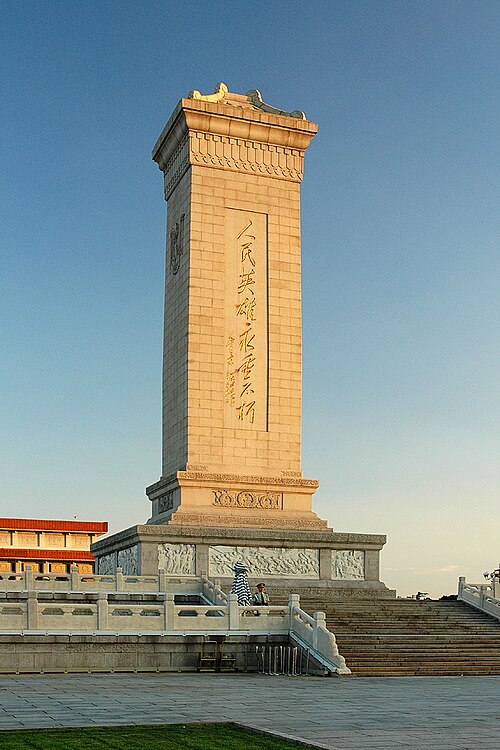

After Zhou Enlai died on January 8, 1976, Yao Wenyuan published a series of propaganda works criticizing the legacy of Zhou, which drew widespread public disapproval. On March 20, 1976, students from the Niufang Primary School laid a wreath at the Monument to the People's Heroes in Tiananmen Square to commemorate Zhou, and others followed.[213] Many of the wreaths carried poems remembering the Premier also criticized the Gang of Four through allegorical allusions. By the time of Qingming Festival on April 4, a traditional tomb-sweeping holiday, the square was filled with wreaths and poetry and an estimated two million city residents visited to pay their respects.[214] The following day, the Gang of Four ordered the police to seize and destroy the wreaths and seal off the square from further access. In clashes with residents, hundreds were arrested. The April Fifth Incident, the largest spontaneous public gathering against the Cultural Revolution, was branded a counter-revolutionary criminal incident blamed on Deng Xiaoping, who was purged.[215]
Mao died in Beijing on September 9, 1976, and his mausoleum in Tiananmen Square was completed one year later. Less than one month after his death on October 7, 1976, the Gang of Four was arrested in Zhongnanhai by Mao's former security chief, Wang Dongxing, in a bloodless coup supported by Mao's anointed successor Hua Guofeng and military chief Ye Jianying. The arrests ended the Cultural Revolution. Deng Xiaoping was rehabilitated and then wrested power away from Hua. At the Third plenary session of the 11th Central Committee of the Chinese Communist Party held in December 1978, the Party, under Deng's leadership, rehabilitated the victims of Cultural Revolution, reversed the verdict of the April Fifth Incident, and adopted a policy course of economic reforms. College entrance exams were restored in 1977 and most of the rusticated youth returned to the city.
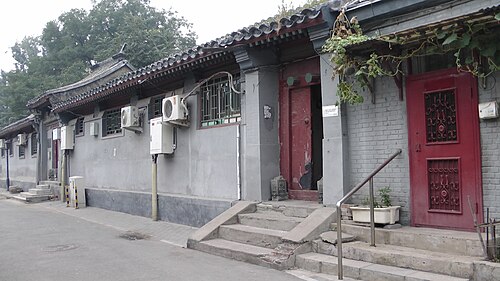
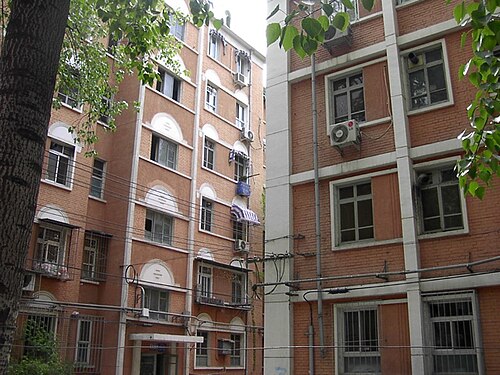


As the national leadership was changing course, a brief period of political openness in the city known as Beijing Spring gave rise to a grassroots pro-democracy movement.[216] In September 1978, a magazine of the Party Youth League, under the leadership of party liberal Hu Yaobang, sought to publish poetry from the April 5th Incident.[217] The publication was blocked by propaganda chief Wang Dongxing for failing to praise Mao.[217] In November, the articles were instead posted on a wall near a bus stop on Chang'an Avenue at Xidan, west of Tiananmen Square. Subsequently, Huang Xiang and several poets from Guizhou, who had posted political poetry outside the People's Daily office on Wangfujing Avenue in October, also posted their works on the wall. Others soon followed suit and the Xidan Democracy Wall, as it became known, attracted thousands of posters and hundreds of thousands of readers.[218] Victims of the Cultural Revolution sought justice—some called for the release of those jailed in the April Fifth Incident of 1976; some criticized Mao and Hua Guofeng's continuation of the Maoist line; and others complained of youth unable to return from the countryside.[219][220] On November 26, Deng Xiaoping told a visiting Japanese politician that the writing of the big-character posters was protected by the Constitution.[221] On December 5, Wei Jingsheng, an electrician at the Beijing Zoo, posted The Fifth Modernization a call for political reform.[222] A public forum convened at the Monument to the People's Heroes where speakers debated the political future of the country.[223]
On January 3, 1979, a People's Daily editorial, declared: "Let the people's say what they wish. The heavens will not fall."[221] On January 14, a crowd of Cultural Revolution victims marched from Tiananmen Square to Zhongnanhai calling for food, work, democracy and human rights.[224][225] A China Human Rights Association was formed and distributed 19-point declaration demanding the freedom of speech and right to evaluate state leaders.[226] The gatherings and public challenge to authority alarmed party conservatives who pressed Deng to take a harder line and he did so after consolidating control of the party. In late March, the city government restricted public postings and gatherings to only Xidan. Wei Jingsheng was arrested, and convicted and sentenced in October to 15 years in imprisonment for leaking state secrets about China's war with Vietnam. In December 1979, postings at the Xidan Wall were banned and instead consigned to the Temple of the Moon.[227][228] In 1980, the State Constitution (1978 version) was amended to eliminate the right to post big-character posters. Although Beijing Spring ended, the tensions within the party between liberals and conservatives over the toleration of dissent continued into the next decade.
As the city emerged from the Mao era, urban planning in Beijing moved in a new direction. In April 1980, in reviewing the city's application for infrastructure funding, Hu Yaobang, the newly designated CCP General Party Secretary set forth the guiding principles for Beijing's development.[192] As the country's political center, Beijing should become a center for international exchange to support China's opening to the world.[192] As a window to the world, the city should be the most orderly, clean and scenic city in the country.[192] The city should also strive to become among the most advanced in the world for science and technology, culture and education.[192] The city should raise the standard of living for its residents and develop an economy suitable for the unique qualities of the national capital.[192] Beijing would no longer attract heavy industry.[192] In 1981, city planners devised a blueprint that organized urban expansion around concentric ring roads.[192] The aging inner core of the city, where the historical relics are concentrated, would have low density development and renewed over time.[192] New enterprises would be built in the second band (between the 2nd and 3rd Ring Roads).[192] With the imposition of the one-child policy, city planners expected to control the city's population to 10 million by 2000 with 40% living in the urban center and the remainder in residential communities scattered around the third band.[192] Examples of these satellite communities include the Asian Games Village in the north and Fangzhuang in the south. Beijing Subway's first line, which commenced trial operations in 1969 but was plagued by technical problems, finally passed inspection assessments in 1981.
The student-led demonstrations in the spring of 1989, which drew broad support from city residents, attracted worldwide attention and exposed deep divisions within the country's leadership, ended in bloodshed on June 3–4, as conservative leaders ordered a military crackdown of unprecedented force. The confrontation in Tiananmen Square was the culmination of a decade-long debate within the Communist Party and society over the freedom of expression and the course of political reform.
As liberal leaders Hu Yaobang and Zhao Ziyang guided the country through economic reforms, conservative leaders pushed back with a Campaign against "Spiritual Pollution" in 1983. Paramount leaderDeng Xiaoping sided with the reformers and ended that campaign. By 1986, newspaper editorials began calling for political reform and university students organized democracy salons. Liberal physicist Fang Lizhi toured campuses, advocating democratic reforms and the independence of universities from the government. In December 1986, student protests in Hefei spread to Beijing, where students marched around campuses in the university district northwest of the city, calling for direct election of political representatives, freedom of the press and release of political prisoners.[229] On January 1 and 2, 1987, several hundred students attempted to march on Tiananmen Square in defiance of orders of the city government.[230] The protests attracted little public attention but party conservatives reacted with fury at Hu Yaobang for his "weak" response to "bourgeois liberalism".[231] Hu Yaobang was forced to resign on January 17 and Fang Lizhi was expelled from the Communist Party.[232] Zhao Ziyang succeeded Hu as Party General Secretary and Li Peng became Premier.[233]

When Hu Yaobang died suddenly on April 15, 1989, university students laid wreaths at the Monument to the People's Heroes and organized sit-ins outside the Great Hall of the People and Zhongnanhai. They demanded the Party rescind past criticism of Hu, renounce the campaigns against spiritual pollution and bourgeois liberalism, disclose the assets of the family members of party officials, lift orders against public assembly, permit freedom of the press, and increase salaries for university graduates.[234] On the night of April 21, 100,000 students marched into Tiananmen Square to attend Hu's funeral, which was held inside the Great Hall of the People the following day.[233] Officials inside the Hall did not meet with students in the Square, who began to boycott classes.[233] Workers formed an independent union and joined the protests. On April 23, as Zhao Ziyang was departing for a trip to North Korea, he told Li Peng to restore normalcy, avoid worsening tensions with students and refrain from using force, except against those who commit offenses against life and property.[235]
On April 24, at a meeting of the politburo chaired by Li Peng, Beijing Party Secretary Li Ximing and Mayor Chen Xitong said the student demonstrations were manipulated by plotters seeking to overthrow the party-state and had to be halted. The following day, Deng Xiaoping, after hearing reports from Premier Li Peng and PresidentYang Shangkun, called the demonstrations a "disturbance" that was to be halted through coercive measures.[236] Deng's characterization was published in the People's Daily editorial of April 26. The students felt maligned by the editorial and 100,000 from more than 40 universities marched to the city center, past Tiananmen Square to the Lama Temple, breaking through police blockades along the way.[233][237]
When Zhao Ziyang returned from North Korea, he delivered a conciliatory speech commemorating the 70th Anniversary of the May Fourth Movement, which was favorably received by the students.[238] On May 4, he also told the board of the Asian Development Bank that there would not be turmoil in China, that the students, who accepted the country's reforms, were not fundamentally opposed to party leadership and socialism, but simply wanted leaders to correct errors in their work. Students from 47 institutions, including thousands streaming in from other parts of the country, marched on May 4 without police interference.[239] On May 8, Zhao Ziyang chaired a politburo standing committee meeting and proposed six points of reform including the disclosure of officials' assets, expanded press freedoms and rule of law.[240]Wan Li, chairman of the National People's Congress, called a parliamentary session for June 20 to consider the reform agenda.[240] Li Peng, however, opposed the agenda, and only a portion of which was published in the People's Daily on May 9.[240]

On May 13, to support political reforms and demonstrate their peaceful resolve, about 300 students began a hunger strike in Tiananmen Square, which soon expanded to thousands.[242] A makeshift tent city was set up for the hunger strikers, who attracted broad public sympathy. On May 15–17, more than million people visited the Square each day.[243] Many government employees marched in support. Relaxed censorship allowed news of the hunger strike to be broadcast nationally.[234] Foreign press on hand to cover the visit of Mikhail Gorbachev brought worldwide attention to the demonstrations. On May 18, Li Peng met with several student representatives but the two sides failed to agree on how to end the hunger strike.[233] To defuse tensions, Zhao Ziyang tried to persuade Deng Xiaoping to back off of the April 26 editorial, but Li Peng said Zhao's approach was not working and the party center could not afford to speak with two voices.[244] Student protests had spread to 27 cities.[245] On the night of May 17, Deng Xiaoping resolved to impose martial law, which was signed by Li Peng and announced by Chen Xitong on May 19. That night, Zhao Ziyang made his final appearance in public, warning the hunger striking students in the Square that he had come too late. The students called off the hunger strike.[233]

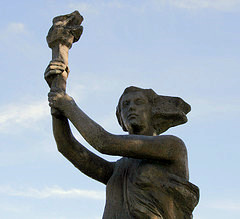
On May 20, at least 180,000 People's Liberation Army and People's Armed Police personnel advanced on the city to enforce martial law, but students and Beijing residents managed to block them outside the Third Ring Road by surrounding their vehicles.[246] Residents brought food and water to the soldiers and pleaded with them not to advance on the peaceful demonstrations. More than a million people marched in defiance of the martial law order, many calling for the resignation of Deng Xiaoping and Li Peng.[247] The troops pulled back on May 23. The commander of the 38th Army, who refused to enforce the martial law order, was court-martialed. On May 27, student leaders voted to end their occupation of the Square on May 30, but some students remained, believing that the protests would lose leverage and held out hope that National People's Congress would convene in June. On May 25, Wan Li, who had been on a foreign trip, was summoned by Zhao to call an emergency parliamentary meeting to invalidate the martial law order. But Wan's plane was diverted to Shanghai, and he subsequently declared support for martial law. On May 30, students and teachers from the Central Academy of Arts erected a 10-meter high Goddess of Democracy statue in the Square, which boosted student morale and drew millions of visitors.
On the afternoon of June 3, demonstrators confronted soldiers in plain clothes sneaking weapons into the city and police fired tear gas at the demonstrators. That evening, state-run television warned residents to stay indoors but crowds of people took to the streets to block the incoming army. Armored military units advanced on Beijing from every cardinal direction. At about 10:00 pm troops opened fire on protesters with live ammunition at Wukesong intersection west of the Square, where the first civilian fatality occurred.[233][248] Crowds were stunned and responded by hurling insults and projectiles. Among those killed was Duan Changlong, a Tsinghua University student, who was shot in the chest as he tried to negotiate with soldiers at Xidan.[249][250] Duan was the grand nephew of the warlord Duan Qirui, whose troops were responsible for the March 18 Massacre in 1926, deadliest use of force against students in the history of Beijing until 1989. As news of the lethal force reached the Square, students at the Square were persuaded to leave the Square by several older intellectuals, including future Nobel Peace Prize winner, Liu Xiaobo. At about 4:00 am, troops from the west and south fought their way to the Square, and at 5:00 am most of the students retreated out of the Square to the south.[233] Several students were hit by lethal gunfire in the Square and nearly a dozen were run over by an armored personnel vehicle west of the Square. Tanks also ran over the tent city. Helicopters lifted away the debris. By dawn of June 4, the army controlled the Square and major intersections around the city although clashes with residents continued. Tiananmen Mothers, a victims' organization, has recorded civilian deaths all along Chang'an Avenue, from Wukesong in the west to Tiananmen in the center to Jianguomen in the east, and throughout the city, from Hongmiao in the east, Hepingli in the north, and Tianqiao and Zhushikou in the south.[248]Hundreds of civilians were killed, thousands were wounded and thousands more were detained.
On June 5, foreign press in the Beijing Hotel photographed a lone protester blocking a long column of tanks driving east of the Square on Chang'an Avenue. The identity of this protester, like many facts about the events of spring 1989, remains unknown because the government has barred any reporting, research or remembrance of the "June 4 Incident", which was officially deemed a counterrevolutionary rebellion. Zhao Ziyang was placed under house arrest for the remainder of his life. Jiang Zemin assumed the position of General Secretary of the Chinese Communist Party. Martial law was lifted on January 11, 1990.[243] In subsequent years, first-year students at colleges in Beijing were required to undergo a year of military training.[251]
In 1990, Beijing's long-term residential population reached 10.32 million, of which 61% were in urban areas.[192] In addition, the city had 1.27 million non-resident migrants, for a total population of 11.59 million.[192]
From September 22 to October 7, 1990, Beijing hosted the 11th Asian Games, which were held in China for the first time and attended by 6,122 athletes from 37 countries competing in 29 sports. The city was awarded the games in 1984 over Osaka. The Asian Games Village was built north of the city center beyond the Third Ring Road. The Worker Stadium served as the Games' main venue. The city's bid for the 2000 Summer Olympic Games ended in September 1993 with a narrow loss by a vote of 43–45 in the final round to Sydney.
The 2nd Ring Road, under construction since the 1960s and built on the foundation of the outer Ming city wall, was finally completed in 1992. Where city gates once stood are now overpass exits. The 3rd Ring Road followed in 1993. Construction of the city's three other ring roads began in the 1990s and were completed in 2001 (4th Ring), 2003 (5th Ring) and 2009 (6th Ring).
The 1990s and the start of the new millennium were a period of rapid economic growth in Beijing. Following the reform and opening up of Deng Xiaoping, what was once farmland surrounding the city was developed into new residential and commercial districts.[252] Modern expressways and high-rise buildings were built throughout the city to accommodate the growing and increasingly affluent population of the city. Foreign investment transformed Beijing into one of the most cosmopolitan and prosperous cities in the world. In September 1995, the city hosted the United Nation's Fourth World Conference on Women and a parallel gathering of non-government organizations in Huairou District.

Also in 1995, Beijing's city government was shaken by a leadership scandal as Chen Xitong, party secretary and a member of the politburo, was removed from office and deputy-mayor Wang Baosen committed suicide.[253][254] Chen was convicted and sentenced to 16 years imprisonment in 1998 of corruption and negligence of official duty and became the highest ranking Chinese official to be convicted of a crime since the trial of the Gang of Four.[254] Chen reportedly lost a power struggle against Party General SecretaryJiang Zemin and the "Shanghai Clique".[253] He maintained that the charges against him were politically motivated.[255]
In March 1997, two bombs detonated on Beijing buses.[256] The first bomb hit a Route 22 Bus in Xidan on the night of March 7, killing three and injuring ten.[256][257] The second, one day later, claimed two more lives.[256] The bombings, which followed the outbreak of protests and bombings in Xinjiang, took place during the annual sessions of the legislature and political consultative conference in the capital, and were widely blamed on Uyghurseparatists.[256] In 1999, the Xinjiang Village at Ganjiakou, was demolished a mere seven years after the Haidian government had recognized it.[258] Though Uyghur shopowners were compensated for their losses, their community in the capital scattered.[258]
In the spring of 1999, two large public demonstrations took place in Beijing. On April 25, over 10,000 Falun Gong practitioners assembled outside Zhongnanhai to protest criticism of the sect in the state media. The gathering resulted in the government's prohibition of Falun Gong in China.

On May 8, following NATO's bombing of the Chinese Embassy in Belgrade, Yugoslavia, which killed three Chinese nationals, thousands of students and residents marched on the U.S. Embassy in Beijing to protest U.S. military aggression. Some of the protesters pelted the embassy compound with stones and smashed cars, keeping the U.S. ambassador and staff confined in the compound for several days. Then vice-president Hu Jintao declared the government's support for the demonstrations, which reflected the anger and patriotism of the Chinese people, but urged against extreme and illegal conduct.[259] The crisis was diffused after U.S. PresidentBill Clinton issued an apology for the airstrike, which the Pentagon blamed on outdated maps, and agreed to pay $32.5 million to the victims of the bombing and to compensate for the damage to the Chinese Embassy in Belgrade.[260] The Chinese government agreed to pay $2.87 million to compensate the U.S. for damage to its embassy and consulates in China.[260]
On October 1, 1999, the city celebrated the 50th Anniversary of the founding of the People's Republic with a parade, the first since 1984.
In 2000, the city's total population reached 13.56 million, including 2.49 million temporary migrants.[192] The city's population has continued to grow, largely through inbound migration, reaching 15.38 million in 2005 (including 3.57 million temporary migrants)[192] and exceeding 20 million in 2011. Of the 20.18 million total population in 2011, 12.77 million were long-term residents with temporary migrants making up 7.4 million (36.7%).[261]


On July 13, 2001, at the 112th meeting of the International Olympic Committee in Moscow, Beijing was awarded the right to host the 2008 Summer Olympic and Paralympics Games. Under the motto "New Beijing, Great Olympics", the city pledged that holding the Games in China for the first time would promote not only the city's economy but also education, health and human rights of its residents. Beijing prevailed over Paris, Toronto, Istanbul and Osaka with an absolute majority of votes in the second round of balloting.
Over the next seven years, the city spent nearly ¥300 billion (about US$36 billion in 2005 exchange rate) in preparation.[262] The city built 12 permanent athletic venues and 8 temporary venues, expanded 11 existing venues, and renovated 45 practice facilities.[262][263] The bulk of the new venues was concentrated in the Olympic Green directly north of Tiananmen and the Forbidden City. Venues accounted for less than 5% of overall Olympic spending, the lion's share of which went to building infrastructure, including 578 km (359 mi) of express highways, six subway lines, Terminal 3 of the Capital Airport and the Beijing South railway station, and a high-speed high-speed railway to Tianjin.[262] To improve environmental quality, the city added nine sewage treatment plants, dredged 290 km (180 mi) of waterways and built waste incineration and wind power generation facilities.[262] From 2001 to 2007, the city's economy doubled in size and per capita income rose from $3,262 to $7,654.[262]


In March 2003, the Severe Acute Respiratory Syndrome (SARS) spread to Beijing from southern China. Initial underreporting of the epidemic by government authorities was exposed by Dr. Jiang Yanyong in early April and forced Health MinisterZhang Wenkang and mayor Meng Xuenong to resign in April. The city became the hardest hit in the SARS epidemic with 2,521 probable cases (including at least 394 infected medical personnel) and 191 deaths.[264] Public schools, theaters, discos, and entertainment centers were closed at the order of the government in late April when 100 new cases were reported daily.[264] A large quarantine base was set up in Changping District north of the city. After the last new case was reported on May 29, the epidemic subsided and the World Health Organization lifted the travel advisory for Beijing on June 24.[264]


Rapid modernization and population growth also created numerous problems such as heavy traffic, pollution, the destruction of historic neighborhoods, and a large population of impoverished migrant workers from the countryside. By early 2005, the city government attempted to control urban sprawl by restricting development to two semicircular bands to the west and east of the city center, instead of the concentric rings of suburbs that had been built in the past.[265]
The rapid growth of population, motor vehicles and factories has created high pollution levels. Days with gray, acrid skies, with an eye-reddening pollution score over 400, are common, as health officials advise wearing masks and staying indoors. Heavy trucks are allowed in only at night but their diesel fuels create much of the problem. By 2008 for the city's 12 million residents, pollution was not only a hazard, but a political issue tied in with the Summer Olympics scheduled for August 2008. The city's bid for the 2000 Olympics in 1993 failed partly because of high pollution levels; in response the city began a massive cleanup campaign. That campaign has been successful in terms of 2000 standards, but the city's economy is 2.5 times larger now, with millions more people. Over 3 million cars and trucks clog the streets, and 400,000 more are added annually as the wealth shoots up rapidly. Factories and power plants were changed to burn cleaner, low-sulfur coal; sulfur dioxide emissions fell by 25% 2001–2007, even though much more coal is burned, reaching 30 million tons in 2006. Furthermore, Beijing saw more than 160 million square meters (1.7 billion square feet) of new construction begun 2002–2007 due to pollution. Athletes may have some breathing problems, but in the long-run air quality is expected to remain a critical issue as the city grows beyond 20 million inhabitants.[266] The city also imposed road space rationing, which remained in force after the Olympics.
The 2008 Summer Olympics opened on August 8, 2008, at 8:08 p.m. with a grand ceremony at the Beijing National Stadium ("Bird's Nest"). Along with 10,942 athletes from 204 countries and regions who competed in 28 sports and 302 events, leaders from 80 countries also gathered in Beijing, for the largest international event in the city's history.[267]China, became the 22nd country to host the Olympics, and won the most gold medals for the first time. A record 86 countries medaled, with the United States topping the overall medal count. Some 1.7 million city residents volunteered during the games, setting an Olympic record.[268] In keeping with its promise to IOC authorities that the right of public assembly would be respected during the Games, Beijing authorities designated three city parks as areas for demonstrations, but no permits for public demonstration were issued—the applications were either withdrawn or denied—and none took place.


On October 1, 2009, to commemorate the 60th anniversary of the People's Republic of China, a military parade was held on Chang'an Avenue and a gala concert in Tiananmen Square.
In the five years after the Olympics, Beijing's economy continued to grow rapidly, and the government's massive economic stimulus program in response to the global recession added enormous wealth to the city.[269] By the end of 2012, the city's economy was 1.8 times bigger than in 2008 and triple the size of 2004.[269] Due to the concentration of state owned enterprises in the national capital, Beijing in 2013 had more Fortune Global 500 Company headquarters than any other city in the world.[269] It also ranked No. 4 in the number of billionaire residents after Moscow, New York and Hong Kong.[269]
The rapid economic growth and expansionary monetary policy, which caused property prices to rise throughout China, made Beijing one of the most expensive cities in the country. By 2010, new apartments inside the Third Ring Road cost Y30,000 per m2 (US$360 per sq. ft.),[Note 25] about ten times the average monthly wages.[270] In response, the city government pledged to build low-income housing and imposed stringent limitations on home ownership.[270] In February 2011, Beijing couples who already owned two or more homes and single residents with at least one home were barred from buying additional properties in the city.[270] Individuals without resident permits, who can own only one property in the city, must pay local income tax for five consecutive years before they are eligible to buy it.[270] In March 2013, the state imposed capital gains taxes on real estate transactions and raised down payment requirements for mortgages, but prices continued to climb.[271] By August 2013, the average price of apartments inside the Fourth Ring Road reached Y42,259 per m2 (US$634 per sq. ft.),[Note 25] nearly twice as high as in 2009, leading to concerns of a property bubble.[272]


The 22nd annual meeting of leaders from countries in the Asia-Pacific Economic Cooperation forum was held in Beijing on November 10–12, 2014. An international convention center was built by Yanqi Lake in Huairou District for the occasion.[273] On September 3, 2015, a massive military parade was held to commemorate the 70th anniversary of the victory in World War II with leaders from over two dozen countries attending and honor guards from 17 countries joining the People's Liberation Army in the procession. On 18 November 2017, a fire killed nineteen people in Beijing in a southern industrial neighborhood. The municipal government launched a forty-day campaign to demolish "illegal structures", which housed millions of workers from foreign countries, who the government deems as Beijing's "low-end population".[274][275]
A settlement since c. 1000 BC, Beijing served as China's capital from 1421 to 1911.
Beijing is the quintessential example of traditional Chinese city. Beijing's earliest period of recorded settlement dates back to about 1045 BC.
{{cite web}}: CS1 maint: deprecated archival service (link){{cite web}}: CS1 maint: deprecated archival service (link){{cite web}}: CS1 maint: deprecated archival service (link){{cite web}}: CS1 maint: deprecated archival service (link)[Zhongdu's] walls, which were built on stamped clay and crowned with crenellated brick battlements, measured 18 miles (28km) in circumference and reached a height of 12 m (40 feet). Twelve gates gave access to the city, and there were 900 towers and three lines of moats.
{{cite book}}: ISBN / Date incompatibility (help)