
Loading article…
 働く
働く
南京
南京市 南京、南京 | |
|---|---|
 | |
 江蘇省南京市管轄区域の位置 | |
  南京 中国での場所 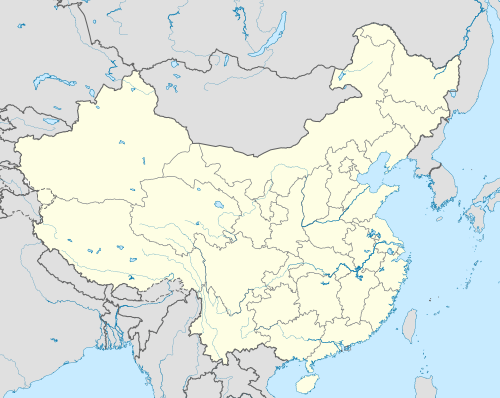 南京 南京(中国) | |
| 座標: 32°03′39″N 118°46′44″E / 32.06083°N 118.77889°E / 32.06083; 118.77889 | |
| 国 | 中国 |
| 州 | 江蘇省 |
| 郡レベル | 11 |
| 町レベル | 129 |
| 解決した | 不明(鄴城、紀元前495年。金陵城、紀元前333年) |
| 市庁所在地 | 玄武区 |
| 政府 | |
| • タイプ | 地方都市 |
| • 体 | 南京市人民代表大会 |
| • 中国共産党書記 | ハン・リミン |
| • 議会議長 | 龍翔 |
| • 市長 | 陳志昌 |
| • 政治協商会議委員長 | 劉易安 |
| エリア [1] | |
| • 県レベルおよび準省レベル都市 | 6,587 km 2 (2,543 平方マイル) |
| • 都会的な | 1,398.69 km 2 (540.04 平方マイル) |
| 標高 | 20メートル(50フィート) |
| 人口 (2020年国勢調査) | |
| • 県レベルおよび準省レベル都市 | 9,314,685 |
| • 密度 | 1,400/km 2 (3,700/平方マイル) |
| • 都会的な | 9,314,685 |
| • メトロ | 9,648,136 |
| 異名 | 南京人または南京人[a] |
| GDP [2] | |
| • 県レベルおよび準省レベル都市 | 1兆6,360億 元2,536億ドル |
| • 一人当たり | 175,587 元 27,223米ドル |
| タイムゾーン | UTC+08:00 (中国標準時) |
| 郵便番号 | 2100 00– 2113 00 |
| 市外局番 | 25 |
| ISO 3166 コード | CN-JS-01 |
| 人間開発指数 | 0.859(非常に高い) |
| Webサイト | 南京市 |
市の花 梅( Prunus mume ) | |


| 南京 | |||||||||||||||||||||||||||||||||
|---|---|---|---|---|---|---|---|---|---|---|---|---|---|---|---|---|---|---|---|---|---|---|---|---|---|---|---|---|---|---|---|---|---|
.svg/500px-Nanjing_(Chinese_characters).svg.png) 中国語で「南京」 | |||||||||||||||||||||||||||||||||
| 中国語 | 南京 | ||||||||||||||||||||||||||||||||
| 郵便 | 南京 | ||||||||||||||||||||||||||||||||
| 文字通りの意味 | 「南の首都」 | ||||||||||||||||||||||||||||||||
| |||||||||||||||||||||||||||||||||
南京[b]は中国東部の江蘇省の省都である。省の南西端に位置するこの都市には11の区があり、行政面積は6,600 km2 ( 2,500平方マイル)で、2021年時点での人口は9,423,400人である[6] 。長江デルタ地域 に位置する南京は、 3世紀から1949年まで中国のさまざまな王朝、王国、共和国政府の首都となったことから、中国の歴史と文化において重要な位置を占めており[7] 、世界最大級の内陸港を擁するなど、長い間、文化、教育、研究、政治、経済、交通網、観光の中心地となっている。南京市は中華人民共和国の行政構造における15の省級都市の一つでもあり[8]、省にわずかに劣る司法権と経済的自治権を享受している。[9]また、2008年中国ハビタット栄誉巻、国連ハビタット特別栄誉巻賞、国家文明都市 の称号も授与されている。 [10]南京は、グローバリゼーションと世界都市研究ネットワークによって、重慶、杭州、天津とともにベータ(世界第2層)都市分類とみなされており[11] 、世界金融センター指数では世界トップ100都市の一つにランクされている。[12][update]
2021年現在、南京には68の高等教育機関があり[13]、そのうちダブルファーストクラス大学は13校、111計画大学は10校、211大学は8校、アカデミーは97校となっている。南京にはランキングの高い教育機関が多く[14]、ダブルファーストクラス大学147校にランクインしている大学(13校)の数は北京、上海に次いで第3位[ 15 ]、[16]であり、その中には長い歴史を持ち、ネイチャーインデックスの世界トップ20大学にランクインしている南京大学[17]も含まれる。大学生と総人口の比率は、全国の大都市の中で第1位である。南京は世界第6位の科学研究成果を誇っている都市である。 [18] 2023年現在、ネイチャーインデックスによると、地球・環境科学分野では世界で2番目に成果を上げている科学研究センター、化学分野では世界で3番目に成果を上げている科学研究センターとしてランク付けされています。[19] [20] [21]
南京は、千年以上にわたって国内で最も重要な都市の一つであり、中国の四大古都の一つとして認められています。南京は世界最大の都市の一つであり、様々な戦争や災害にもかかわらず平和と繁栄を享受してきました。[22] [23] [24] [25]南京は、三国時代の三大国の一つである東呉(229–280)、317年から589年まで中国南部を相次いで統治した東晋と各南朝(劉宋、南斉、梁、陳)、十国の一つである南唐(937–75)、初めて中国全土をこの都市から統治した明王朝(1368–1421)の首都でした。 [26]中国内戦中に蒋介石が台湾へ逃亡するまでは、中華民国(1927–37、1946–49)の国民党政権下でも栄えた。[27]日中戦争中は、反乱軍の太平天国(1853–64)と日本の傀儡政権の汪兆銘(1940–45)の拠点でもあった。両紛争で多くの著しい壊滅的な残虐行為に見舞われ、最も有名なのは1937年後半から1938年初頭にかけての南京大虐殺である。 [28]
南京は中華人民共和国の成立以来、江蘇省の首都であり、総統府、中山陵、明孝陵など多くの重要な文化遺産を有しています。南京は、夫子廟、明宮殿、朝天宮、磁器塔、鼓楼、石城、城壁、秦淮河、玄武湖、紫金山など、人類の歴史的な景観、山、水で有名です。重要な文化施設には、南京図書館、南京博物館、江蘇美術館などがあります。
名前
この都市には他にも多くの名前があり、いくつかの歴史的な名前は現在、市内の地区名として使用されています。
この都市は、戦国時代から越城、金陵、または「金陵」と呼ばれていました。 「帝国を築く」という意味の建業 (Chien-yeh) は、東呉王朝の間に正式にこの都市に指定されました。この都市は、金王朝の頃に初めて中国の首都となり、建康と改名されました。南京は、金陵城に由来して、金城(Golden City) とも呼ばれています。
「南の首都」を意味する南京という名前は、約600年後の明王朝時代に正式にこの都市に付けられた。 [c]英語では、 1950年代に開発され、1980年代に国際的に採用されたピンインによって「Nanjing」という綴りが標準化されるまで、 Nanking という綴りが伝統的であった。
清朝時代、この都市は江寧(江寧)と呼ばれていました。最初の文字「江」 (中国語:江、ピンイン:jiāng、文字通り「川」、つまり揚子江)は江蘇省の名前の以前の部分であり、2番目の文字「寧」(簡体字は宁、平和)は南京の短縮名です。南京が中華民国(1912年 - 1949年)の首都であったとき、京(「首都」)が南京の略称として採用されました。
歴史
初期の歴史

考古学的発見により、いわゆる「南京人」は50万年以上前に生きていたことがわかった。約5000年前の南京の北陰洋営文化では、一種の酒器である「尊」が存在していたことがわかった。 [29]約7000年前、現在の栖霞の地域には農耕文明があった。江寧地区では、新石器時代の原始的な村落の遺跡が発見された。[いつ? ]
約4000年前、秦淮河流域に青銅器時代の原始的な集落が密集し、湖樹文化と呼ばれた。南京の最も古い都市はこれらの集落の周囲に形成された。この地域では陶武文化と湖樹文化に関連する考古学的発見が大量にあるため、多くの歴史家、人類学者、考古学者が南京地域を頻繁に訪れている。[30]
湖蜀文化は、中原から侵略してきた商と周の影響を受けて呉文化に発展した。伝承によると、周の太伯は江南にやって来て、紀元前12世紀に呉を建国した。
紀元前571年、楚は六河に唐夷を建設した。これは南京に現存する最古の行政施設であり、2024年現在、2595年の歴史がある。541年、呉は高淳に莱珠鎮を建設した。城が強固だったため、古城とも呼ばれた。呉の王扶仔は紀元前495年、現在の南京地域に鄴城という砦を建設した。[31]
473年に呉は越国に征服され、翌年秦淮河の河口に再建された。後に現在の中華門の外れにある越城と呼ばれるようになり、南京の中心都市建設の始まりとなった。紀元前333年、楚は越を破り、南京西部に金陵邑を建設した。 [32]これは南京の中心都市における最も初期の行政施設であった。金陵の名はこれに由来する。
紀元前210年、秦の始皇帝が東方を訪れ、金陵城を秣陵と改めた。以来、この都市は何度も破壊と復興を経験した。[要出典]この地域は秦と漢の時代に会稽県、張県、丹陽県の一部となり、漢の元豊5年(紀元前106年)に国の13の監督管理区として設置された揚州地域の一部であった 。南京は後に丹陽県の首都となり、漢末期から唐初期にかけて約400年間揚州の首都であった。
六朝の首都

東漢末期、江東を治めていた軍閥の孫権は、 211年に統治の拠点を粟陵に移した。翌年、金陵邑の地に石城を築き、粟陵を建業と改名した。その後、孫権が229年に皇帝を称した後、三国時代には東呉の首都となり、南京の州都としての歴史が始まった。 [26]呉が280年に西晋に征服された頃には、建業とその近隣地域は十分に耕作され、中国の商業、文化、政治の中心地の一つに発展していた。[25]
中国統一後間もなく、西晋は8人の王子による内戦と、中国北部のいわゆる「五夷」の反乱の重圧に耐えきれず崩壊した。313年に金の閔帝の禁忌名を避けるために建業は建康に改名され、混乱から安全に隔離され、北から逃げる貴族や裕福な家族の人気の避難場所となった。318年、建康の支配王子司馬睿は自らを新皇帝と宣言し、王朝を東晋として再建した。[34]これは、北部が十六国の支配下に入る中、中国王朝の首都が北部から南部に移された最初の例であった。

建康は、中国が南北朝時代に入ってからも、2世紀半以上にわたって南方の行政の中心地であった。420年に東晋が滅亡した後も、劉宋、南斉、梁、陳といった南朝の首都としての役割を果たし続けた。この間、建康は東アジアの国際拠点であった。[35]歴史的文献によると、この都市には28万世帯が登録されていた。[36]南京の平均的な世帯が約5.1人で構成されていたと仮定すると、この都市には140万人以上の住民がいたことになる。[34]
王族やその他の高官の墓に建てられたその時代の数多くの彫刻群は、南京の北東部と東部郊外、主に栖霞区と江寧区に(さまざまな保存状態で)現存している。[37]おそらくその中で最も保存状態が良いのは、梁の武帝の弟である孝秀(475-518)の墓の彫刻群だろう。[38] [39]
六代とは、上述のように建康に首都を置いた中国の 6 つの王朝の総称です。6 つの王朝とは、東呉(222–280)、東晋(317–420)、南方四王朝(420–589) です。
破壊と再生
かつて鳳凰台には鳳凰が戯れていたが、
鳥は去り、台地は空っぽで、川は流れ続けている。武宮
の咲き誇る花は暗い道に埋もれ、晋の時代の帽子やガウンは古墳の中に横たわっている。三峰山は青空の下に半分見え、二股に分かれた川は真ん中の白鷺島によって隔てられている。雲はいつも太陽を遮り、長安は見えず、私は悲しんでいる。
隋が中国を統一し、ほぼ全市を破壊して小さな町に変えたことで分裂の時代は終わりました。隋が占領した後、この都市は破壊されました。唐の時代に昇州と改名され、唐末期に復活しました。[ 41]
楊武の跡を継いだ南唐( 937-976)の時代には、この地は首都に選ばれ、金陵と呼ばれた。[42]北宋には江寧(揚子江の平定された地域)に改名され、南宋には建康に改名された。宋代には、女真族の率いる金王朝による北からの外国侵略の絶え間ない脅威にもかかわらず、建康の繊維産業は急成長し繁栄した。かつてこの地には、女真族が建国した短命の傀儡国家である大楚の宮廷と宋の宮廷があった。[43] [44] [45]
南宋は最終的にモンゴルに滅ぼされたが、元朝の統治下では繊維産業の中心地としての地位がさらに強化された。[46]ポルデノーネのオドリックによると、七蓮府(南京)には360の石橋があり、世界のどこよりも美しいものだった。人口も多く、工芸産業も盛んだった。[47]

明朝の南都


朱元璋(洪武帝の名で知られる)が元を倒して明王朝を樹立した後、彼はこの都市を応天と改名して再建し、1368年に王朝の首都とし、特別な政権の下で周辺地域を監督した。洪武帝は応天の周囲に48キロメートル(30マイル)の城壁を建設し、新しい明宮殿と政府庁舎も建設した。 [48]この城壁の完成には20万人の労働者と21年を要し、この都市とその周辺地域を沿岸の海賊から守ることを目的としていた。[49]現在の南京城壁は主にこの時期に建設されたもので、今日では良好な状態で保存されている。[50]これは中国で現存する最古の城壁の一つである。[51]建文帝は1398年から1402年まで英田で統治した。南京は1358年から1425年まで世界最大の都市であり、1400年には人口487,000人であったと考えられている。[52]
永楽帝は甥から権力を奪い、地方の役人たちの忠誠心も不確かだったため、 1421年に北京に遷都した。永楽帝はそこで長年燕王として地方の知事を務めていた。しかし、応天の新しい地位は洪武帝の王朝に対する「先祖の命令」に含まれていたため、永楽帝は少なくとも名目上はその特別な地位を維持する義務があった。「北の首都」は北京、「南の首都」は南京と呼ばれるようになった。どちらも皇帝とその部下が「直接統治」する領土であり、北は北直里、南は 南直里であった。

洪熙帝は南京を唯一の帝国の首都として復活させようとし、そのための準備を始めた。[53] 1425年2月24日、洪熙帝は鄭和提督を南京の守備官に任命し、南京防衛のために明の宝物艦隊の指揮を続行するよう命じた。 [53]鄭和は内政に関しては3人の宦官、外政に関しては2人の軍貴族を率いて南京を統治し、洪熙帝が北からの軍部とともに帰還するのを待った。[53]洪熙帝はこれが起こる前に1425年5月29日に崩御した。[53] [54]
後を継いだ宣徳帝は北京に留まることを好み、北京を主要かつ事実上の首都とし[54]、南京を恒久的な副首都または予備首都とした。[55]しかし、先祖伝来の勅令の重要性が継続したため、公式文書では南京が実際の首都、北京が1425年から1441年までの臨時首都とされた。[56] 1441年、英宗皇帝は北京の政府印章から「仮」(行在)の接頭辞を削除するよう命じ、さらに南の帝国政府は今後、区別するために自らの印章に「南京」を接頭辞として付けるよう命じた。
明代の建造物としては、城壁のほかにも、有名な明孝陵や磁器塔などがあるが、後者は19世紀に太平天国によって破壊された。敵対勢力が監視や砲撃に利用することを防ぐためか[57] 、風水上の効能に対する迷信的な恐怖からか[58]。
明朝初期の巨大建設事業による莫大な人的犠牲を記念する記念碑が陽山採石場(城壁都市と明孝陵の東約15~20kmに位置する)であり、永楽帝の命により切り出された巨大な石碑が放置されている。[59]
明代初期の南京は帝国の中心地として世界とつながりがあった。太平洋やインド洋を航海した鄭和提督の故郷であり、1408年に中国訪問中に亡くなったボルネオの王(渤泥; Bóní )など外国の要人が訪れた。霊道と亀の石碑を備えた渤泥王の墓は、1958年に雨花台地区(城壁都市の南)で発見され、修復された。[60]
南明の首都
北京への遷都から2世紀以上が経ち、南京は再び明の皇帝の首都となる運命にあった。1644年春、北京が李自成の反乱軍に陥落し、続いて満州族が率いる清朝に陥落した後、明の皇子朱有松が1644年6月に南京で洪光帝として即位した。[61] [62]彼の短い治世は、後の歴史家によって、いわゆる南明王朝の最初の治世と評された。[63] [d]
しかしながら、朱有松の運命は3世紀前の先祖の朱元璋よりもはるかに悪かった。派閥争いに悩まされた彼の政権は、翌春、満州族の王子ドド率いる清軍が江南に接近した際に、清軍に対して効果的な抵抗を行うことができなかった。 [64] 1645年5月下旬に揚州が満州族の手に落ちた数日後、洪光帝は南京から逃亡し、明の皇宮は地元住民によって略奪された。[65] 6月6日、ドドの軍隊が南京に接近し、市の守備隊の指揮官である新城伯趙は、直ちに南京を彼らに明け渡した。[66] [67]満州族はすぐに市内のすべての男性住民に、満州族の習慣に従って頭を剃るよう命じた。[68] [69] [70]彼らは旗主たちの駐屯地として市の大部分を接収し、かつての明の皇宮を占拠したが、それ以外では揚州に降りかかった大量殺戮と破壊からは市は免れた。[71]
_-_panoramio.jpg/500px-%E5%8D%97%E4%BA%AC%E6%98%8E%E5%9F%8E%E5%A2%99%E4%B9%8B%E7%8E%84%E6%AD%A6%E9%97%A8%E6%AE%B5(Near_XuanWu_Gate,_NanJing_Ming_Great_Wall)_-_panoramio.jpg)
鄭成功は奇襲と主導権により最初の攻撃で多くの郡を占領したにもかかわらず、清に十分な準備時間を与えるため、1659年に南京での最後の戦いを事前に発表した。これは、鄭成功の父がオランダ軍との遼寧海戦で成功したように、決定的な一騎打ちを望んでいたため、奇襲と主導権を放棄して失敗に終わった。鄭成功の清への攻撃は南京を占領し、大運河の補給路を遮断して北京で飢餓が発生する可能性があったため、満州人(タタール人)は満州(タタール人)への帰還と中国からの放棄を検討するほどの恐怖を抱いたと、1671年にフランス人宣教師が記している。[72]北京と南京の庶民と役人は、どちらが勝っても支援しようと待機していた。清朝の北京の役人が南京の家族と別の役人に手紙を送り、南京から北京へのすべての通信とニュースが遮断されたこと、鄭成功の鉄の軍隊は無敵との噂があるため、清は北京を放棄して安全のために首都を遠く離れた場所に移すことを検討していることを伝えた。鄭成功の軍隊はこれらの手紙を傍受し、それを読んだ後、鄭成功は、迅速に南京を攻撃する代わりに清が最後の大規模な戦いに備えるのを故意に遅らせたことを後悔し始めたかもしれない。[73]鄭成功の明の忠臣たちは、南京を攻撃する際に、大多数が漢民族の旗人である清軍と戦った。包囲はほぼ3週間続いた。鄭成功の軍隊は完全な包囲を維持できず、都市は補給品や援軍さえも得ることができなかったが、都市軍の騎兵攻撃は援軍が到着する前から成功していた。鄭成功の軍は敗北し、彼らを運んできた船に「戻された」。[74]
清朝と太平天国の乱
_;_J._Blaeu_excud._-_btv1b59630645.jpg/500px-Nanking_sive_Kiangnan_imperii_sinarum_provincia_nona_-_(tir%C3%A9_du_P._Martini)_;_J._Blaeu_excud._-_btv1b59630645.jpg)
1645年から1911年までの清朝時代、南京は以前の名前である江寧に戻りました。[e]最初は江南(「揚子江の南の地域」)という名前で南直里の領土を統治し続けましたが、この政権はすぐに蘇州と江寧をそれぞれ拠点とする「右派」政府と「左派」政府に分割されました。一連の再編の後、乾隆帝の治世のある時点で、江南は現在の安徽省と江蘇省に完全に分割されました。しかし、これらの省は1723年以降、江寧を本拠地とする新しい両江総督の監督下で再統合されました。 [75]ここは清軍の駐屯地でした。[76]康熙帝と乾隆帝は南部の省を巡視する際に何度もここを訪れました。第一次アヘン戦争を終結させた1842年の南京条約は、この都市の港にあるイギリス海軍の軍艦 上で調印された。
19世紀半ば、短期間反乱を起こした太平天国の首都として、南京は天京(「天国の首都」)として知られていました。この反乱により、当時まで世界の七不思議の一つと考えられていた磁器塔を含む、市内の旧明朝の建物のほとんどが破壊されました。清朝の総督と太平天国の王は、後に大統領府として知られる建物に住んでいました。曽国藩率いる清軍が1864年に南京を奪還したとき、市内で大規模な虐殺が発生し、10万人以上が自殺するか死ぬまで戦ったと推定されています。[77]太平天国の反乱が始まって以来、清軍は、その方言を話す反乱者の降伏を許しませんでした。[78]これは南京で起きた組織的な民間人虐殺の歴史的に重要な二つの事例のうちの一つであり、もう一つは6世紀の后京の乱である。[79]
ニューヨーク・メソジスト宣教協会の監督ヴァージル・ハートは1881年に南京に到着した。しばらくして、彼は市の南門と孔子廟の近くに土地を購入し、市内初のメソジスト教会、西洋病院、男子校を建設することに成功した。病院は後に鼓楼病院と統合され、男子校は後の宣教師によって拡張され、南京大学と医学部となった。古い宣教団の敷地は第13中学校となり、市内で最も古くから継続的に使用されている校庭となった。[80] [ページが必要]
共和国の首都と南京大虐殺

辛亥革命の結果、 1912年1月に中華民国が建国され、孫文が初代臨時大総統に就任、南京が新首都に選ばれた。しかし、清帝国は北部の広大な地域を支配していたため、革命家たちは最後の皇帝である溥儀の退位と引き換えに、孫文に代わって袁世凱に大総統の座を譲るよう求めた。袁は首都を(自身の権力基盤に近い)北京に移すことを要求した。
1927年、蒋介石総統率いる国民党は再び南京を中華民国の首都に定め、1928年に国民党軍が北京を占領すると、このことは国際的に認められた。その後の10年間は南京の10年間として知られている。この10年間、南京は象徴的かつ戦略的に重要な場所であった。明朝は南京を首都とし、1912年には共和国が樹立され、孫文の臨時政府が置かれた。孫文の遺体は南京に運ばれ、蒋介石の正当性を確固たるものにするため壮大な霊廟に安置された。蒋介石は隣の浙江省の生まれで、その地域一帯は彼に対して強い民衆の支持を持っていた。

1927年、国民政府は戦争で荒廃した南京を近代的な首都に再建するための総合的な計画案である首都計画(首都計劃)を提出した。この10年間は、膨大な量の建設が行われ、驚異的な成長を遂げた。多くの政府庁舎、住宅、近代的な公共インフラが建設された。この好景気の時期に、南京は中国で最も近代的な都市の一つになったと言われている。
1931年に満州に侵攻した大日本帝国は、1937年に中国への本格的な侵攻を開始し、日中戦争(第二次世界大戦の戦場とみなされることが多い)が始まった。[81]日本軍は12月に南京を占領し、組織的かつ残忍な南京大虐殺(「南京大虐殺」)を実行した。 [82]原爆投下後の極東国際軍事裁判と南京戦争犯罪法廷による推定も含めた死者総数は30万人から35万人であった。 [83]虐殺により市自体も大きな被害を受けた。[82]この事件を記念して1985年に南京大虐殺記念館が建てられた。
市陥落の数日前、中国国民政府は南西部の都市重慶に移転し、中国の抵抗を再開した。1940年、汪兆銘率いる「南京政権」または「再編された中国国民政府」として知られる日本協力主義政府が、重慶の蒋介石政府に対抗して南京に樹立された。 [84] 1946年、日本の降伏後、国民党は中央政府を南京に戻した。

中国の国共内戦と中華人民共和国
1949年4月、共産党軍は揚子江を渡り、人民解放軍(PLA)は南京を占領した。[85]国民党政府は10月15日まで広州に撤退し、 11月25日まで重慶に、その後成都に撤退し、 12月10日に台湾島に撤退し、台北が中華民国の臨時首都と宣言された。1949年後半までに、人民解放軍は中国南部で国民党軍の残党を南方に追撃し、残されたのはチベットと海南島だけとなった。
1949年10月に中華人民共和国が成立した後、南京は当初省レベルの直轄市であったが、すぐに江蘇省に合併され、1928年に移転された鎮江に代わって再び省都となり、今日までその地位を維持している。
地理

.jpg/500px-Txu-oclc-10552568-ni50-16-back_(cropped).jpg)

南京は総面積6,598 km 2 (2,548 平方マイル)で、長江下流域の中心地、中国最大の経済圏の一つである長江デルタに位置している。長江は南京市の西側、そして北側を流れ、寧政嶺が市の北、東、南を囲んでいる。南京は洛陽の南東650 km (400 マイル)、北京の南南東900 km (560 マイル)、上海の西北西270 km (170 マイル)、重慶の東北東1,200 km (750 マイル) に位置している。長江は江西省の九江から下流に流れ、安徽省、江蘇省を経て東シナ海に注ぐ。揚子江下流域の北部は淮河流域、南部は浙江流域で、南京東の大運河でつながっている。南京周辺の地域は下江(下江、下流河)地域と呼ばれ、北部は江淮河、南部は江浙河が優勢である。 [f]この地域は東南(東南、南東部)や江南(江南、揚子江の南)としても知られている。 [g]
南京は北東に揚州、東に鎮江、南東に常州と接している。西境は安徽省で、北西に滁州、西に蕪湖、巣湖、馬鞍山、南西に宣城の5つの地級市と接している。[86]
気候と環境
| 南京 | ||||||||||||||||||||||||||||||||||||||||||||||||||||||||||||
|---|---|---|---|---|---|---|---|---|---|---|---|---|---|---|---|---|---|---|---|---|---|---|---|---|---|---|---|---|---|---|---|---|---|---|---|---|---|---|---|---|---|---|---|---|---|---|---|---|---|---|---|---|---|---|---|---|---|---|---|---|
| 気候図(説明) | ||||||||||||||||||||||||||||||||||||||||||||||||||||||||||||
| ||||||||||||||||||||||||||||||||||||||||||||||||||||||||||||
| ||||||||||||||||||||||||||||||||||||||||||||||||||||||||||||
南京は湿潤亜熱帯気候(ケッペンの Cfa )で、東アジアモンスーンの影響を受けている。四季ははっきりしており、一年中湿気が多く、夏は非常に暑く蒸し暑く、冬は寒く湿気が多く、その間の春と秋は適度な長さである。南京は、夏季の気温が常に高いことから、重慶や武漢とともに、揚子江沿いの「三炉」の 1 つとして伝統的に呼ばれている。 [88]しかし、6 月中旬から 7 月末は梅雨(東アジアの雨季、文字通り「梅雨」)の梅の花が咲く季節で、この間、市内は小雨と湿気の時期を経験する。冬は北東風が優勢である。 1月の平均気温は3.1 °C (37.6 °F)、最低気温の最高記録は1955年1月6日の-14.0 °C (6.8 °F)である。夏は南東風が優勢で、7月の平均気温は28.4 °C (83.1 °F)、最高気温の最高記録は1934年7月13日の43.0 °C (109.4 °F)である。降水量0.1 mmを超える日数は113日で、年間降水量の最高記録は1957年の160日であった。年間平均降水量は1,144 mm (45.0 インチ)である。
台風はめったに発生しないが、夏の終わりから秋の初めにかけて発生する可能性がある。年間平均気温は16.4℃(61.5℉)前後で、月間24時間平均気温は1月の3.1℃(37.6℉)から7月の28.4℃(83.1℉)までの範囲である。1951年以降の極端な気温は、1955年1月6日の−14.0℃(7℉)から1959年8月22日の40.7℃(105℉)までの範囲であった。[89] [90] [91]平均降水日は年間113日で、年間降水量は1,144mm(45インチ)である。月間日照率は6月の37%から8月と10月の48%までで、年間1,932時間の明るい日照時間があります。南京は40種類以上の鉱物を含む豊富な天然資源に恵まれています。その中でも、鉄と硫黄の埋蔵量は江蘇省の40%を占めています。ストロンチウムの埋蔵量は東アジアと東南アジア地域で第1位です。南京は揚子江と地下水の両方から豊富な水資源を所有しています。さらに、江寧の唐山温泉や浦口の湯泉温泉など、いくつかの天然温泉があります。
玄武湖と茅頭湖は市の中心部に位置し、一般の人が簡単にアクセスでき、紫金山は落葉樹林と針葉樹林に覆われ、様々な歴史文化遺産が保存されています。一方、東シナ海からの5万重量トンの船舶の航行に対応できるように、長江深水路の建設が進行中です。 [92]
都市景観

環境問題

2013年12月2日、中国中部および東部で約1,200km(750マイル)の範囲にわたって濃いスモッグの波が発生し始めた。 [95]天津、河北、山東、江蘇、安徽、上海、浙江を含む。冷たい空気の流れが不足し、産業排出物を運ぶ動きの遅い気団と相まって、空中の汚染物質が集まり、その地域に厚いスモッグの層を形成した。[96]濃いスモッグは江蘇省の中部および南部、特に南京とその周辺をひどく汚染し、[97] AQI汚染指数は5日連続で「ひどく汚染」、9日間「ひどく汚染」となった。 [98]当局は、濃い汚染の原因を風不足、低気圧下での自動車の排気ガス、中国北部の石炭火力地域暖房システムにあるとした。[99]卓越風により、工場からの排出物(主にSO2 )の低空気団が中国東海岸に向かって吹き飛ばされた。[100]
土壌
南京の土壌は主に帯状土壌と耕作土壌の2種類に分かれている。帯状土壌は南京の北部と中部では黄褐色土、安徽省との国境南部では赤色土である。人為的な農業によって形成された耕作土壌は主に水田土で、一部に黄崗土や菜園土がある。土壌の分布は地形や水文条件の起伏によって一定の法則性を示し、低山丘陵地帯、丘陵地帯、平野地帯の3つに分けられる。1980年から1987年にかけて行われた第2回全国土壌調査によると、南京の土壌は7つの土壌タイプ、13の亜型、30の土壌属、66の土壌種に分かれており、総面積は416,300ヘクタールである。
水

南京は長江下流に位置し、長江は市内を南西から北東に斜めに流れています。長さは約93キロメートル、海口からは300キロメートル以上離れています。秦淮河は南から北に流れ、主要市街地を通り、長江に合流し、南京の母なる川として知られています。玄武湖と茅頭湖は、中心市街地に埋め込まれた2つの真珠のようなものです。現在、市の水域は約11%を占めています。河川と湖の水系は主に長江水系に属し、六河区北部の高郵湖と宝応湖に流れ込む川だけが淮河水系に属しています。長江水系は、長江南部の秦淮河水系、長江北部の楚河水系、両岸の小河川が流入して形成される河畔水系、石九湖と古城湖からなる二湖水系、高淳東部の西太湖水系などから構成されています。地下水資源が豊富で水質も優れており、特に浦口明珠泉が有名です。江寧唐山と浦口湯泉は長い歴史を持つ温泉地です。
南京港は中国最大の内陸港であり、2012年の年間貨物トン数は1億9,197万トンに達した。[101]港湾区域は長さ98キロメートル(61マイル)で、1万トン以上の船舶用のバース16か所を含む64か所のバースを有している。[102]南京は揚子江沿岸最大のコンテナ港でもある。2004年3月には100万個のコンテナを収容できる拠点である龍潭コンテナ港区がオープンし、南京は地域を代表する港としての地位をさらに固めた。2010年現在[update]、6つの公共港と3つの工業港を運営している。[103]揚子江の水路は水深12.5メートルで、5万トン級の外洋船が南京港に直接入港できるほか、10万トン以上の外洋船も揚子江の満潮時に積載量を減らして入港できる。[104] CSC金陵には大きな造船所がある。[105]
動物および植物資源
南京は中国でも植物資源が豊富で、植物の種類が豊富な地域の一つです。植生タイプは複雑で、針葉樹林、落葉広葉樹林、落葉広葉樹と常緑広葉樹の混合林、竹林、潅木、草本植物、水生植物など7種類の自然植生があります。栽培植物には、畑作物、野菜作物、経済林、果樹園、緑地帯などがあります。植物種は、維管束植物が1061種あり、江蘇省全体の64.7%を占めています。シナモン、アリウム、ミン・コドノプシス、プテロカルプス・シネンシスなど7種は、国家重点保護希少絶滅危惧植物です。市の森林被覆率は27.1%です。野生動物では、11目125科に属する昆虫が795種います。魚類は22科12目99種、陸生野生脊椎動物は29目90科327種、鳥類は17目56科243種、哺乳類は8目22科47種。動物種の中には、オオハクチョウ、オオワシなど国家一級保護野生動物が9種、コハクチョウ、アゲハチョウ、スナメリなど二級保護野生動物が65種、江蘇省重点保護動物が125種、絶滅危惧動物が35種ある。
揚子江の渡河
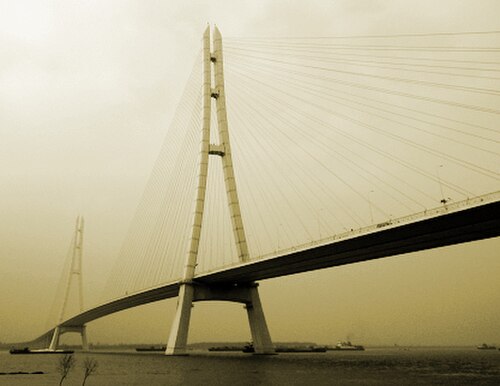
1960 年代に最初の南京長江大橋が完成し、当時は中国東部で長江下流に架かる唯一の橋となっていました。この橋は、他国による調査の失敗やソ連の専門知識への依存と拒否を経て、中国人自らが設計・建設したものであり、誇りの源であり、現代中国の重要なシンボルでした。1960 年に着工し、1968 年に開通したこの橋は、上層部が 4,600 メートル (15,100 フィート)、川自体が約 1,580 メートル (5,180 フィート) に及ぶ 2 層道路・鉄道設計です。それ以来、さらに 4 つの橋と 4 つのトンネルが建設されました。南京の揚子江橋は下流方向に向かって、大聖関橋、第三橋、第五南京揚子江橋、南京揚子江トンネル(南京長江隧道)、10号線地下鉄トンネル、南京揚子江トンネル(南京揚子江隧道)、第一橋、燕子集揚子江トンネル、[106] 南京八卦州揚子江橋、南京七下山揚子江橋となっている。
鉱物資源
南京は鉱物資源が豊富で、発見された鉱物は主に鉄、銅、鉛、亜鉛、ストロンチウム、硫化鉄、ドロマイト、石灰石、石膏、粘土の41種類で、そのうち23種類は埋蔵量が証明されており、20種類は工業採掘価値があります。現在採掘されているものは10種類以上あります。ストロンチウム鉱石(天青石)の品質と埋蔵量は全国第1位です。銅と鉛亜鉛鉱石の埋蔵量は省の90%以上を占め、鉄鉱石は省の89%を占め、石灰石、ドロマイト、アタパルジャイト粘土鉱山は省全体に広がっており、省は重要な位置を占めています。南京の鉱物は主に4つの鉱床帯、すなわち江浦・六河鉄銅鉱床帯、寧鎮鉄・銅・硫黄多金属鉱床帯、寧蕪鉄・銅に集中しています。
政府

現在、南京市の政府の正式名称は「南京市人民政府」であり、中国共産党の一党独裁体制下にあり、中国共産党南京委員会書記が事実上の市長、書記の下で市長が行政のトップとして活動している。
行政区分
南京市は11の区に分かれている。[107]
人口統計
2010年の国勢調査時点で、南京市の総人口は800万5000人だった。OECDは当時の都市圏の人口を1170万人と推定した。 [112] 2011年の公式統計では、市の人口は811万人と推定されている。出生率は8.86%、死亡率は6.88%だった。市街地の人口は647万人だった。市の人口の性比は、男性107.31人、女性100人だった。[113] [114]
中国東部のほとんどの地域と同様に、南京の公式民族構成は主に漢民族(98.56パーセント)で、その他50の公式民族が存在します。1999年には、77,394人の住民が公式に定義された少数民族に属し、そのうち大多数(64,832人)は回族で、少数民族人口の83.76パーセントを占めていました。2番目と3番目に多い少数民族は満州族(2,311人)とチワン族(533人)でした。少数民族のほとんどは建業区に居住しており、同区の人口の9.13パーセントを占めていました。[115]
言語
南京のほとんどの地域では南京語が話されており、高淳区の大部分と麗水区南部では呉語が話されています。南京方言は歴史上長い間中国の公用語でした。金陵雅語は古代中原の正統な伝統的な中国語方言として中国語の標準的な発音として確立されました。
2017年7月、教育部と国家言語委員会が記者会見を開き、中国語の普及率は73%に達したと発表した。
宗教
南京には仏教、道教、キリスト教、イスラム教の4大宗教があり、中国で最も早く仏教文化が広まった地域の一つです。「南朝480ヶ寺」は中国仏教文化の中心地となり、三論宗、牛頭宗、法眼宗などの仏教宗派の祖先が住んでいます。南京は現代中国仏教文化の復興の地でもあります。金陵刻経は仏教の出版、普及、研究を一体化しており、今でも世界に類を見ない中国仏教経典の出版・流通センターとなっています。その彫刻と印刷の技術は人類の世界無形文化遺産に含まれています。建初寺、栖霞寺、瓦観寺、清涼寺、鶏鳴寺、大宝寺などの古代の名刹が復興しました。南京道教は長い歴史を持ち、中国道教の歴史において重要な位置を占めています。
南京におけるカトリックの普及は400年以上前に始まり、科学者で宣教師のマテオ・リッチによって始められました。石鼓路カトリック教会は南京カトリック教区の大聖堂です。南京教区は南京を中心として広大な地域をカバーしています。中国のキリスト教の全国的な中心地の1つである南京には、金陵神学校と江蘇神学校の2つの神学校があります。キリスト教の社会奉仕団体であるアミティ財団と世界最大の聖書印刷会社であるアミティ印刷会社は、どちらも南京にあります。
南京はイスラムの「ルネッサンス」発祥の地であり、中国のイスラム文化の発展に重要な影響を与えています。
経済

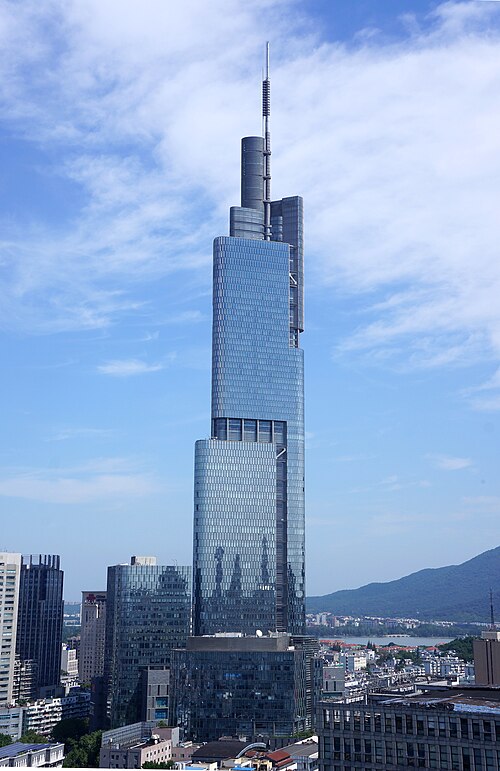
現在の市の経済はサービス産業が主流で、市のGDPの約60%を占め、金融産業、文化産業、観光産業がトップ3です。情報技術、省エネ・環境保護、新エネルギー、スマート電力網、インテリジェント機器製造などの産業が産業の柱となっています。[116]大規模な民営企業には、蘇寧商務、玉潤、三電力、富中、飛特科技、5stars、金普、天地、中通医薬、南京鋼鉄公司、思思製薬などがあります。大規模な国有企業には、熊猫電子、楊子石油化工、金陵石油化工、南京化工、金城汽車、金陵医薬、晨光、NARIなどがあります。市は外国投資も誘致しています。シーメンス、エリクソン、フォルクスワーゲン、イヴェコ、AOスミス、シャープなどの多国籍企業がオフィスを構え、フォード、IBM、ルーセント、サムスン、SAPなどの多くの多国籍企業が研究センターを設立しています。華為、ZTE、レノボなど多くの中国を拠点とする大手企業が、市内に主要な研究開発機関を置いています。南京は産業技術研究開発の中心地であり、特に電子技術、情報技術、コンピューターソフトウェア、バイオテクノロジー、製薬技術、新素材技術の分野で多くの研究開発センターや機関を擁しています。
近年、南京は経済、商業、工業、都市建設の発展に努めている。2013年の同市のGDPは8010億人民元(江蘇省第3位)、一人当たりGDP(現行価格)は9万8174人民元(1万6041米ドル)で、2012年より11%増加した。都市住民の平均可処分所得は3万6200人民元、農村住民の平均純所得は1万4513人民元。都市登録失業率は3.02%で、全国平均(4.3%)より低い。南京の国内総生産は2013年に中国で12位、総合力は2009年に中国本土で6位、台湾と香港を含めて8位となった。[117] 2004年、南京は中国経済センター位置付け指数で北京、上海、広州、深セン、天津に次いで6位となった。2008年、本部経済発展能力は南京を北京、上海、広州、深センに次いで中国で5位にランク付けした。2014年の中国の地方中心都市(北京と上海を除く)競争力評価では、南京は深セン、広州に次ぐ2位であった。2015年、南京は中国の投資魅力都市で北京、上海、広州、深センに次いで5位にランクされた。 2019年、南京市のGDPは1403,015億元で、全国第11位となり、前年比7.8%増加した。一人当たりGDPは152,886元で、中国の直轄市、省都、副省級市の中では第2位、深センに次ぐ第2位、省都では第1位となった。2021年、南京市のGDPは1,6355.32億元に達した。
第一次産業
南京は中国の重要な農業と商業の穀物基地の一つであり、主な換金作物は米、綿、蚕繭、麻、茶、竹、果物、薬用原料などである。長江両岸の肥沃な水質により、中国の重要な淡水漁業基地の一つでもある。
2019年、南京市の農林畜産漁業の総生産額は472.5億元で、前年比4.8%増加した。そのうち、農業生産額は240.77億元、林業生産額は20.17億元、畜産生産額は24.35億元、漁業生産額は153.89億元、農林畜産漁業サービス産業生産額は33.33億元であった。
第二次産業
2019年、南京市の工業付加価値総額は4215億7700万元で、6.9%増加した。指定規模以上の工業企業の付加価値は3092億2600万元で、7.0%増加した。指定規模以上の産業のうち、国有・国有持株企業の付加価値は0.2%減少し、民営企業は20.3%増加し、外資系企業、香港・マカオ・台湾企業は7.0%増加した。大中規模企業は3.9%増加し、小零細企業は18.2%増加した。システム内の主要37産業のうち、22産業が付加価値の増加を達成した。累積付加価値上位10産業のうち、電子、電機、鉄鋼、医薬品、一般機器、非金属製品の6産業が20.2%増加した。
第三次産業
南京は国家発展改革委員会によって位置づけられた重要な地域金融・ビジネスセンターであり、金融業は南京の重要な戦略柱産業である。総金融量と金融資源は江蘇省の25%を占め、金融センター指数は全国で6位にランクされています。2018年の中国金融センター指数評価では、南京の金融業界の業績は中国で4位となり、北京、上海、深センに次ぐ2位でした。2018年、南京の金融業界の付加価値は1473.32億元に達し、金融機関の内外貨預金残高は34524.86億元でした。
南京は中国のサービスアウトソーシング基地、国家ソフトウェア輸出イノベーション基地であり、中国唯一の国家科学技術システムの全面的改革の先導都市です。ソフトウェア産業は南京が育成に努める第一の主導産業と柱産業です。2019年末、南京のサービスアウトソーシングの総実行額は173.3億ドルに達し、中国の都市の中で第1位になりました。2018年のソフトウェアおよび情報サービス産業の売上高は4,500億元で、北京、深セン、上海に次いで中国第4位、江蘇省第1位となり、全国の7.1%、江蘇省の50.8%を占めました。2019年に南京には12社のユニコーン企業があり、世界の都市の中で第7位、中国第5位にランクされています。
会議・展示会産業は南京の重要な産業です。国際会議協会(ICCA)が発表した「2013年世界都市会議産業発展ランキング」では、南京は北京、上海に次いで中国で国際会議が最も多く開催される都市となっています。2019年、北辰会議・展示会研究所は「2019年中国展示会指数報告」を発表し、南京は国内都市展示会産業発展総合指数で中国第7位にランクされました。2018年に発表された「2017年中国展示会統計報告」によると、南京は中国全都市の展示会開催件数で第3位、中国全都市の展示会面積で第5位にランクされています。
輸送
南京は中国東部と揚子江下流地域の交通の中心地である。さまざまな交通手段が陸、水、空の3次元交通システムを構成している。他のほとんどの中国の都市と同様に、公共交通機関は大多数の市民にとって主要な移動手段である。2014年10月現在、南京には揚子江に4つの橋と2つのトンネルがあり、川の北側の地区と南岸の市街地を結んでいる。[118]
レール

南京は中国東部の重要な鉄道ハブである。 [119]北京・上海(京湖)鉄道(それ自体が旧金浦鉄道と滬寧鉄道で構成されている)、南京・銅陵鉄道(寧通)、南京・啓東(寧斉)、および合肥・南京鉄道を含む南京・西安(寧西)鉄道の結節点となっている。南京は北京・上海高速鉄道と上海・武漢・成都旅客専用線によって国家高速鉄道網に接続されており、さらにいくつかの高速鉄道路線が建設中である。南京の主な駅は、南京駅、南京南駅、江寧駅、麗水駅、仙林駅、江寧西駅、南京東駅、南京旅客技術駅、および計画中の新しい南京北駅と禄口航空鉄道複合輸送ハブ駅です。その中で、南京駅は国家鉄道ハブ駅であり、中国のトップ10の鉄道ハブであり、南京南駅は国家鉄道ハブ駅であり、アジア最大の高速鉄道駅であり、南京東駅は華東最大の合流駅であり、国内15番目に大きな鉄道ネットワーク合流駅です。南京旅客技術駅は鉄道技術駅です。
南京にある全17の鉄道駅のうち、旅客鉄道サービスは主に南京駅と南京南駅によって提供され、南京西駅、中華門駅、仙林駅などの他の駅はマイナーな役割を果たしています。南京駅は1968年に最初に建設されました。 [120] 1999年11月12日、駅は大火事で焼失しました。[121]駅の再建は2005年9月1日に完了しました。北京-上海高速鉄道の5つのハブ駅の1つである南京南駅は、公式にはアジア最大、GFA(延床面積)で世界第2位の鉄道駅であると主張されています。 [122]南京南駅の建設は2008年1月10日に始まりました。[123]駅は2011年に開業しました。[124]
航空

南京の空港である禄口国際空港NKGは、国内線と国際線の両方にサービスを提供しています。2013年、南京空港は15,011,792人の乗客と255,788.6トンの貨物を取り扱いました。[125]現在、この空港には国内外の目的地への85の路線があり、日本、[126] 、韓国、タイ、[127] [128] 、マレーシア、シンガポール、米国[129]、ドイツが含まれています。空港は市内中心部と29kmの高速道路で直結しており、さまざまな都市間高速道路にも接続されているため、周辺都市からの乗客もアクセスできます。鉄道の寧高都市間線が建設され、空港と南京南駅を接続しています。[130]禄口空港は1997年6月28日にオープンし、南京大郊場空港に取って代わり、南京の主要空港となりました。大郊場空港は現在も軍用飛行場として使用されている。[131]南京にはもう一つ空港があり、南京馬安国際空港は一時的に軍民共用空港として機能している。
配送
現代の南京港は中国の重要なハブ港であり、対外開放型一流港であり、華東と長江流域の積み替え、陸水輸送、貨物配送、対外開放の多機能河海港であり、長江デルタで唯一のコンテナ鉄道と水路であり、シームレスな港です。南京長江下の12.5メートル深水路プロジェクトの完成により、南京港は内陸で最も深い国際深水港となり、中国の世界的な河川から海への積み替えの総合的なハブでもあります。
道


南京は長江デルタの重要な地域拠点として、60 本を超える国道や省道によって中国全土とよくつながっています。
滬寧、寧河、寧杭などの高速道路により、通勤者は上海、合肥、杭州などの主要都市に迅速かつ便利に移動することができます。南京市内には230キロメートル(140マイル)の高速道路があり、高速道路の被覆密度は100平方キロメートルあたり3.38キロメートル(5.44マイル/ 100平方マイル)です。市全体の道路被覆密度は100平方キロメートルあたり112.56キロメートル(181.15マイル/ 100平方マイル)です。[132]南京の2つの幹線道路は中山路と漢中路であり、市内中心部の新街口で交差する2つの主要道路でもあります。
高速道路{G+XXxx (National Express,国家高速), S+XX (省级高速)}:
- G25 長春深圳高速道路
- G36 南京-洛陽高速道路
- G40 上海-西安高速道路
- G42 上海-成都高速道路
- G4211 南京-蕪湖高速道路、G42の支線で西は安徽省蕪湖まで伸びている。
- S55 南京-高春(宣城)高速道路 (宁宣高速または南京机场高速)
- S38 延江高速道路 (沿江高速または常合高速)
- G2503 南京環状高速道路(新南京绕城高速または南京绕越高速)
- S001 Nanjing Ring Highway (旧南京绕城高速または南京绕城公路)
国道
南京は国家総合交通中枢であり、高速道路網の密度は全国トップクラスの中心都市である。2019年現在、南京の高速道路の総開通距離は630キロメートルに達し、高速道路網の密度は100平方キロメートルあたり9.56キロメートルに達し、全国第1位である。南京を中心に、寧湖、寧高、寧鎮、寧陽、寧楚、寧連、寧通、寧潮、寧河、寧洛、寧馬、寧軒、寧岩、寧淮、寧木、寧昌、寧杭などの高級高速道路が放射状に江省周辺の各省市に通じている。
主な長距離バスターミナル:南京バスターミナル、南京南バスターミナル、南京北バスターミナル、南京東バスターミナル、江寧バスターミナル、麗水バスターミナル、高淳バスターミナル、南京ゲタンバスターミナル。
{G1xx(北京から始まる)、G2xx(南北)、G3xx(西東)}:
- 中国国道104号線— 北西に走って北京まで行くか、南に走って福建省福州まで行くことができます。
- 中国国道205号線- 北へは河北省山海関まで、南へは広東省深センまで運転できます。
- 中国国道312号線- 東は上海まで、西はカザフスタン国境のホルガス、新疆まで運転できる。
- 中国国道328号線- 南京はG328号線の西端で、江蘇省東部の海安県まで続く。
公共交通機関

市内には効率的な公共交通機関網があり、主にバス、タクシー、地下鉄システムで構成されています。バス網は2011年から現在3社によって運営されており、市内全域と郊外をカバーする370以上の路線を提供しています。[133]現在、南京地下鉄システムは合計449km(279マイル)の路線と12の路線にわたる208の駅を持っています。それらは、1号線、2号線、3号線、4号線、7号線、10号線、S1号線、S3号線、S6号線、S7号線、S8号線、S9号線です。市は2030年までに17路線の地下鉄とライトレールシステムを完成させる計画です。 [134]地下鉄網の拡張は都市内輸送を大幅に促進し、現在深刻な交通渋滞を緩和するでしょう。
南京初の地下鉄は2005年9月3日に正式に開通した。中国本土で地下鉄が開通した6番目の都市である。2019年現在、南京地下鉄は12路線、208駅を有し、総延長は449キロメートル、1日の平均乗客数は340万人を超え、地下鉄路線の長さは中国で7位、世界で8位にランクされています。
2018年末現在、南京には6,909台のバスがあり、468路線のバスが運行され、総延長は7,670.9キロ(4,766.5マイル)、1日平均走行距離は1,178 × 106 キロ(732 × 106マイル)、1日平均乗客数は21億8,200万人となっている。現在、南京では国家III 基準以下のバスやエアコンなしのバスが廃止され、純電気バスの数は世界第2位となっている。
2019年末現在、南京には実名認証タクシーが1万2000台以上ある。タクシーの外観は黄色と黒で統一されたものがほとんどで、ロイヤルブルーの高級タクシーは少数派だった。
2019年7月現在、南京には美団タクシー、滴滴出行、第一タクシー、曹操特車、神州特車、T3トラベルの6つのオンライン配車プラットフォームがあり、各プラットフォームの現在の車両合格率は上記の70%以上です。現在、南京には合法的に「車両許可証」を申請しているオンライン配車車両が約13,000台あります。
2019年現在、南京の路面電車は2路線あります。南京河西路面電車は2014年8月1日に正式に運行を開始しました。これは世界初のエリア間非接触型路面電車であり、中国初の駅で充電する路面電車です。路線の長さは約7.76キロメートルで、13の駅があり、そのうち4つの地下鉄乗り換え駅があります。南京麒麟路面電車は2017年10月31日に正式に運行を開始しました。路線の長さは約8.95キロメートルで、15の駅があり、そのうち1つの地下鉄乗り換え駅があります。
文化と芸術

南京は中国の4つの古都の一つであり、常に全国から知識人を惹きつける文化の中心地でした。唐と宋の時代には詩人たちが集まり、その華やかな時代を偲ばせる詩を詠む場所でした。明と清の時代には江南地方の正式な科挙試験場(江南科挙会場)となり、さまざまな思想や意見が集まり、繁栄する中心地となりました。
今日、長い文化的伝統と地元の教育機関からの強力な支援により、南京は一般に「文化都市」であり、中国で最も暮らしやすい都市の一つとみなされています。
美術

中国を代表する芸術団体のいくつかは南京を拠点としており、その中には千賢舞団、南京舞団、南京小紅花芸術団、江蘇京劇学院、南京小紅花芸術団などがある。
Jiangsu Art Gallery is the largest gallery in Jiangsu Province, presenting some of the best traditional and contemporary art pieces of China like the historical Master Ho-Kan;[135] many other smaller-scale galleries, such as Red Chamber Art Garden and Jinling Stone Gallery, also have their own special exhibitions. As of 2019, Nanjing has 14 cultural centers, 100 cultural stations, 15 public libraries (excluding libraries for education systems and enterprises and institutions), 132 movie theaters, and 2 large-scale convention and exhibition centers. They are Nanjing International Exhibition Center and Nanjing International Expo Center, 87 various museums, including 77 state-owned museums and 10 non-state-owned museums. As of the end of August 2020, there are 137 calligraphy and painting academies, art museums, and art galleries in Nanjing.
Nanjing is an important town of Chinese painting and calligraphy. In the Six Dynasties, there were painting and calligraphy masters such as Wang Xizhi, Wang Xianzhi, Zhang Sengyou, Lu Tanwei, and Gu Kaizhi. The earliest extant painting theory work "Paintings" has a profound impact on later generations. The Nantang Art Academy brought together outstanding calligraphy and painting masters at a time. Dongyuan and Juran pioneered the Southern School of Landscape and became a generation of masters. Xu Xi's flower and bird paintings, Zhou Wenju, and Gu Hongzhong's figure paintings continue to pass. "Han Xizai's Night Banquet" is a masterpiece of ancient Chinese meticulous brushwork. The system of Nantang Painting Academy was also inherited by later generations. The Painting Book of Ten Bamboo Studios in the Ming dynasty reproduced the paintings with the pinnacle of three-dimensional color printing techniques. The Painting Book of Mustard Seed Garden in the early Qing dynasty was regarded as a must-read for learning Chinese painting. The "Eight Masters of Nanjing" headed by Gong Xian were active in Nanjing in the early Qing dynasty and created the Jinling School of Painting. In the 1930s, celebrities in painting circles such as Lv Fengzi, Xu Beihong, Zhang Daqian, Yan Wenliang, Lu Sibai, Chen Zhifo, Gao Jianfu, Pan Yuliang, and Pang Xunqin gathered in Nanjing. Among them, Xu Beihong, Zhang Shuqi, and Liu Zigu were hailed as the "Three Masters of Jinling". Contemporary "New Jinling Painting School" represented by Fu Baoshi, Qian Songyan, Song Wenzhi, Wei Zixi, Yaming,
Festivals
Many traditional festivals and customs were observed in the old times, which included climbing the City Wall on January 16, bathing in Qing Xi on March 3, hill hiking on September 9 and others (the dates are in Chinese lunar calendar). Almost none of them, however, are still celebrated by modern Nanjingese.
Instead, Nanjing, as a tourist destination, hosts a series of government-organized events throughout the year. The annual International Plum Blossom Festival held in Plum Blossom Hill, the largest plum collection in China, attracts thousands of tourists both domestically and internationally. Other events include Nanjing Baima Peach Blossom and Kite Festival, Jiangxin Zhou Fruit Festival and Linggu Temple Sweet Osmanthus Festival.
Libraries
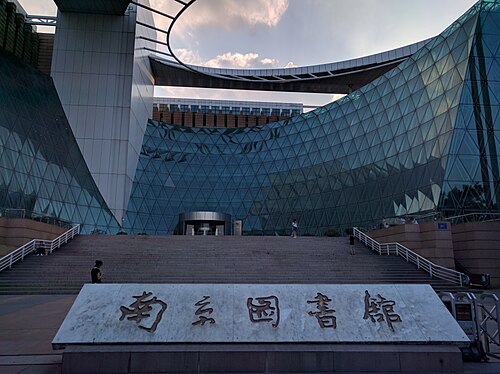
Nanjing Library, founded in 1907, houses more than 10 million volumes of printed materials and is the third largest library in China, after the National Library in Beijing and Shanghai Library. Other libraries, such as city-owned Jinling Library and various district libraries, also provide considerable amount of information to citizens. Nanjing University Library is the second largest university libraries in China after Peking University Library, and the fifth largest nationwide, especially in the number of precious collections.
Museums

Nanjing has some of the oldest and finest museums in China. Nanjing Museum, formerly known as National Central Museum during ROC period, is the first modern museum and remains as one of the leading museums in China having 400,000 items in its permanent collection.[136] The museum is notable for enormous collections of Ming and Qing imperial porcelain, which is among the largest in the world.[137] Other museums include the City Museum of Nanjing in the Chaotian Palace, the Oriental Metropolitan Museum,[h] the China Modern History Museum in the Presidential Palace, the Nanjing Massacre Memorial Hall, the Taiping Kingdom History Museum, Jiangning Imperial Silk Manufacturing Museum,[i] Nanjing Yunjin Museum, Nanjing City Wall Cultural Museum, Nanjing Customs Museum in Ganxi House,[j] Nanjing Astronomical History Museum, Nanjing Paleontological Museum, Nanjing Geological Museum, Nanjing Riverstones Museum, and other museums and memorials such Zheng He Memorial[k] Jinling Four Modern Calligraphers Memorial.[l]
Theater
Jiangsu Province Kun Opera is one of the best theaters for Kunqu, China's oldest stage art.[139] It is considered a conservative and traditional troupe. Nanjing also has professional opera troupes for the Yang, Yue (shaoxing), Xi and Jing (Chinese opera varieties) as well as Suzhou pingtan, spoken theater and puppet theater.
Most of Nanjing's major theaters are multi-purpose, used as convention halls, cinemas, musical halls and theaters on different occasions. The major theaters include the People's Convention Hall and the Nanjing Arts and Culture Center. The Capital Theater well known in the past is now a museum in theater/film.
Xiqu is a traditional Chinese drama. After a long period of development and evolution, it has gradually formed the Chinese Opera Garden with the five major Chinese opera types of "Peking Opera, Yue Opera, Huangmei Opera, Ping Opera, and Henan Opera" as the core. Peking opera has a long history in Nanjing: the famous Peking opera master Mei Baojiu has a deep connection with Nanjing. As the honorary president of the "Nanjing Meilanfang Jingkun Art Research Association", Master Mei Jiubao made a special trip to Nanjing as the "Research Association" "Unveiled, and led his disciples to perform the Meipai famous play" The Return of the Phoenix " Zheng Ziru, the famous Peking opera artist, performed "The Flower Spear" in Nanjing.
Kunqu Opera is one of the oldest operas in traditional Chinese opera, and it is also a treasure of traditional Chinese culture and art, especially opera art. It is called an "orchid" in the Hundred Gardens. In Nanjing, famous professional Kunban classes such as "Xinghua Ministry", "Hualin Ministry", "Li Yujia Ban", and "Cao Yinjia Ban" appeared in Nanjing, and the style of singing songs by the voiceless section and literati also continued.
Drama is a form of Western drama introduced in the 20th century. In recent years, Nanjing's annual drama box office has continued to rise. The drama "Mrs of the Sea" staged in Nanjing in 2017, "Broken Gold", "Treasure Island Village" in 2018, and "Hamlet" in 2019 have the highest box office in the country. All fell in Nanjing. Not only that, the box office and attendance rate of some plays such as "White Deer Plain" in Nanjing are also far ahead in the Yangtze River Delta region.
Quyi is the collective name of the various "rap art" of the Chinese nation. It is a unique art form formed by the long-term development and evolution of folk oral literature and singing art. The local folk arts in Nanjing include Southern Crosstalk, Nanjing Baiju, Nanjing Vernacular, Nanjing Pinghua, Gaochun Yangqiang Mulian Opera, Liuhe Hongshan Opera, etc.
Night life
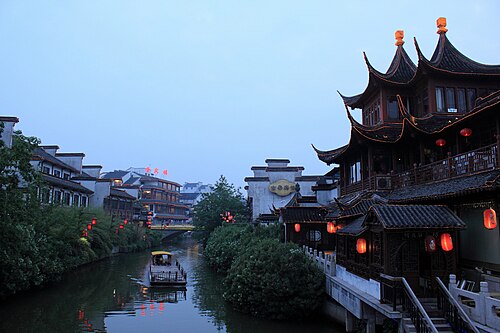
Traditionally Nanjing's nightlife was mostly centered around Nanjing Fuzimiao (Confucius Temple) area along the Qinhuai River, where night markets, restaurants and pubs thrived.[140][141] Boating at night in the river was a main attraction of the city. Thus, one can see the statues of the famous teachers and educators of the past not too far from those of the courtesans who educated the young men in the other arts.
In the past 20 years, several commercial streets have been developed, hence the nightlife has become more diverse: there are shopping malls opening late in the Xinjiekou CBD, as well as in and around major residential areas throughout the city. The well-established "Nanjing 1912" district hosts a wide variety of recreational facilities ranging from traditional restaurants and western pubs to dance clubs, in both its downtown location and beside Baijia Lake in Jiangning District. In recent years, many night-life options have opened up in Catherine Park as well as in shopping malls such as IST in Xinjiekou and Kingmo near Baijai Lake metro station. Other, more student-oriented places are to be found near to Nanjing University and Nanjing Normal University.
Food
.jpg/500px-Nanjing_roast_duck_after_adding_sauce_(20240614083242).jpg)
The local cuisine in Nanjing is called Jinling cuisine (金陵菜). It is one important part of Jiangsu cuisine (江苏菜). Jinling cuisine is famous for its meticulous process, emphasizing no added preservatives and its seasonality. Its duck and goose dishes are well known among Chinese for centuries. It also employs many different style of cooking methods, such as slow cooking, Chinese oven cooking, etc. Its dishes tend to be light and fresh, suitable for all. Many of the city's local favorite dishes are based on ducks, including Nanjing salted duck, duck blood and vermicelli soup, and duck oil pancake.[142] The flavor snacks of Jinling Tea House have become an integral part of Qinhuai culture. In addition, Jiangning, Liuhe and Gaochun each have their own local flavors. "Suiyuan Food List", "Baimen Recipe", "Yecheng Vegetable Book" are the crystallization of Nanjing food culture.
The radish is considered typically representative of the people of Nanjing, an association commonly known throughout China.[143] Nanjing people like to eat wild vegetables during the Qingming Festival, and they named the eight most eaten spring vegetables and wild vegetables as the "Eight Dry Seasons". The phrase "eight fresh sweet-scented osmanthus fragrance" refers to eight kinds of aquatic fruits and vegetables associated with the Mid-Autumn Festival.
Sports

Nanjing is the birthplace of modern Chinese sports. In 1910, the first National Games in Chinese history was held. In 1924, the predecessor of the Chinese Olympic Committee (All-China Sports Association) was established in Nanjing. China's first Olympic delegation trained, assembled, and set off in Nanjing. Nanjing is the birthplace of China's Olympic dream and one of the cities that contributed the most to China's participation in the Olympics. Nanjing has an irreplaceable position in the history of the Chinese Olympics.
Nanjing's planned 20,000 seat Youth Olympic Sports Park Gymnasium will be one of the venues for the 2019 FIBA Basketball World Cup.[144]
As a major Chinese city, Nanjing is home to many professional sports teams. 2020 Chinese Super League champions Jiangsu Football Club, owned by Suning Appliance Group, was a tenant of Nanjing Olympic Sports Center from 2007 until the club's dissolution in 2021.[145] Jiangsu Nangang Basketball Club is a competitive team which has long been one of the major clubs fighting for the title in China top-level league, CBA. Jiangsu Volleyball men and women teams are also traditionally considered as at top level in China volleyball league.
There are two major sports centers in Nanjing, Wutaishan Sports Center and Nanjing Olympic Sports Center. Both of these two are comprehensive sports centers, including stadium, gymnasium, natatorium, tennis court, etc. Wutaishan Sports Center was established in 1952 and it was one of the oldest and most advanced stadiums in early time of People's Republic of China.
Nanjing hosted the 10th National Games of PRC in 2005 and hosted the 2nd summer Youth Olympic Games in 2014.[146][147]

In 2005, to host The 10th National Game of People's Republic of China, there was a new stadium, Nanjing Olympic Sports Center, constructed in Nanjing. Compared to Wutaishan Sports Center, which the major stadium's capacity is 18,500,[148] Nanjing Olympic Sports Center has a more advanced stadium which is big enough to seat 60,000 spectators. Its gymnasium has capacity of 13,000, and natatorium of capacity 3,000.
On February 10, 2010, the 122nd IOC session at Vancouver announced Nanjing as the host city for the 2nd Summer Youth Olympic Games. The Nanjing 2014 Youth Olympic Games featured all 28 sports on the Olympic program and were held from August 16 to 28. It is the first time that China has hosted the Youth Olympic Games and the second time that China has hosted an Olympic event.
Main venues: Nanjing Olympic Sports Center, Wutaishan Sports Center, Youth Olympic Sports Park, Nanjing Institute of Physical Education (Central Stadium), Nanjing Longjiang Stadium, Nanjing National Fitness Center, Jiangning Sports Center, Lishui Sports Center, Gaochun Sports Center, etc.
Main teams: Jiangsu Football Club (dissolved), Nanjing Monkey Kings, Jiangsu Dragons (a.k.a. Jiangsu Nangang), etc.
Architecture
The city is renowned for its wide variety of architectures which mainly contain buildings from multiple dynasties, the Republic of China, and the present.
Inside the walled city
- City Wall of Nanjing (南京城墙)
- Zhonghua Gate (中华门)
- Fuzimiao (Confucius Temple; 南京夫子庙) and Qinhuai River (秦淮河)
- Jiangnan Examination Hall (江南贡院)
- Zhan Garden (瞻园)
- Mendong (Laomendong; 老门东)
- Taoye Ferry (桃叶渡)
- Ming Palace (明故宫)
- Xu Garden (煦园)
- Jiming Temple (鸡鸣寺)
- Beiji Ge (北极阁)
- Drum Tower of Nanjing (南京鼓楼)
- Chaotian Palace (朝天宫)
- Stone City (石头城)
- Yuejiang Tower (阅江楼)
- Jinghai Temple (静海寺)
-
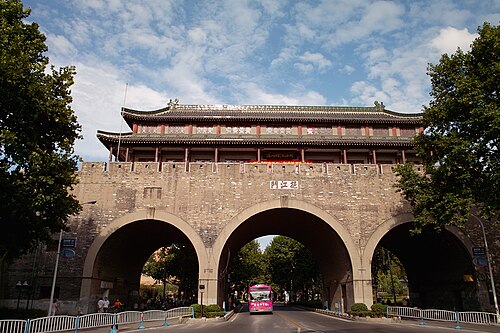 City Wall of Nanjing and Yijiangmen Gate
 -
 East of Zhonghua Gate
 -

-

-

Outside the walled city
- Purple Mountain Scenic Area (紫金山)
- Ming Xiaoling Mausoleum and its surrounding complex (明孝陵)
- Linggu Temple (灵谷寺)
- Xuanwu Lake (玄武湖)
- Qixia Temple (栖霞寺)
- The Porcelain Pagoda of Nanjing (restored) (大报恩寺琉璃塔)
- Mochou Lake(莫愁湖)
- Yangshan Quarry (阳山碑材)
- Southern Tang Mausoleums (南唐二陵)
-

-

-
 Classical buildings in the Mochou Lake
 -
 Spirit Way of Ming Xiaoling Mausoleum
 -
 Tower of Linggu Temple
 -

Symbols
City Tree: Cedar
City Flower: Prunus mume
Tourist city symbol: Long Pan Tiger Standing
Folklore
The main folklore activities in Nanjing include Chinese New Year greetings for the Spring Festival, hanging Spring Festival couplets at the city gate, eating rice cakes, welcoming the God of Wealth on the fifth day of the first lunar month, climbing the city on the 16th day of the first lunar month, sweeping the tomb on Qingming Festival, dragon boat races on the Dragon Boat Festival, eating rice dumplings, and begging for gifts on Qixi Festival, Liqiu gnawing autumn, Mid-Autumn reunion, eating moon cakes, enjoy the moon and go to the melon rack in the field and pick melon beans under the bean shed, Chongyang ascends, Chongyang cake inserted Chongyang flag, Laba food porridge, sent stove on the 24th lunar month, New Year's Eve reunion and ancestor worship.
Literature
The first "Literature Museum" in Chinese history, the first literary theory and criticism monograph "Wen Xin Diao Long", the earliest existing collection of poetry and essays "Selected Works of Zhaoming", China's first poetic theory and criticism monograph "Shi Pin" ", the first collection of zhiren novel," Shi Shuo Xin Yu, "and the first children's enlightenment book "Thousand Characters "were all born in Nanjing. Masterpieces such as "A Dream of Red Mansions" and "The Scholars" are inseparable from Nanjing.
Modern literary giants such as Lu Xun, Ba Jin, Zhu Ziqing, Yu Pingbo, Zhang Henshui, Zhang Ailing have inextricably linked with Nanjing, and the masterpiece "The Earth" by the American writer Pearl Buck who won the Nobel Prize for Literature was created in Nanjing. Famous contemporary literary writers in Nanjing include Su Tong, Bi Feiyu and Ye Zhaoyan.
Film and television
In 1950, 1,800 projectionists from around the country traveled to Nanjing for a training program.[149]: 71 These projectionists replicated the training program in their own home provinces to develop more projectionists.[149]: 71 Nanjing was later termed a "Cradle of People's Cinema."[149]: 71
Nanjing, as the ancient capital of the Six Dynasties and a famous scenic spot, has become the "best location" favored by directors. Among them, the 93 edition of "Legend of the New White Lady" was shot at Jiming Temple in Nanjing; "Deep Love and Rain" shot at Nanjing Pukou Railway Station; "The Founding of the People's Republic" shot at Sun Yat-sen Mausoleum, Meiling Palace, Southeast University Auditorium, etc. .; and more movies and TV series "Jinling Thirteen Hairpins", "To Our Dying Youth", "Tuina", etc. were all shot in Nanjing.
Music and dance
Jinling Qin School is an important genre of Chinese Guqin art that originated in Nanjing. It has a great influence on many later generations of Qin Schools. It originated from the Royal Music Officials of the Ming dynasty and has been listed as a World Intangible Cultural Heritage Project. The folk song "Jasmine Flower" originated from the "Flower Tune" sung by Liuhe folks for a century, and is world-famous. Xishanqiao folk song performances have repeatedly appeared on CCTV. In addition, there are Gaochun folk songs "Caihongling", "Planting Seedlings in May", Liuhe folk songs "Flower Tune", "Liuzuo Blow Music" etc.
In 2016, the Nanjing Forest Music Carnival, sponsored by the Propaganda Department of the Jiangsu Provincial Party Committee and the Nanjing Municipal People's Government, has been held 5 times. Since 2014, Jiangsu Music Broadcasting will hold the Midou Music Festival in Nanjing every year. The 7th Midou Music Festival; and the popular Nanjing University Student Music Festival in recent years.
Traditional folk dances in Nanjing include Luoshan Dragon, Dongba Dama Lantern, Sparrow Jump, Jiangpu Hand Lion, Gaochun Dance Wuban, Wanbei Xiaoma Lantern Dance, Qixia Dragon Dance, Changlu Carrying Dragon, Tongshan Gaotai Lion Dance, Dongba Peiqiao stilts, Longyin Che, Zhetang Shahuo, Dangdang, Luohan, Zhuzhen stilts are all intangible cultural heritages.
Created by the Nanjing Dancers Association, the original local drama "The Place Closest to Dream", with students from the Department of Music of the School of Aeronautics and Astronautics as the performance team, shows youthful demeanor with the theme of youth entrepreneurship; performed by Nanjing folk performing artists "Drum and Dragon Celebrating the New Year" is a classic of Nanjing folk dance in recent years; the "Nanjing City Intangible Cultural Heritage Scene Demonstration" Jinling Season "hosted by Nanjing Cultural Bureau and undertaken by Nanjing Art Museum is a work of high artistic level.
In Nanjing, we have the first professional children's art school in the country that integrates cultural education, art education and stage performances, Nanjing Art Primary School, referred to as Nanjing Xiaohonghua Art Troupe. The school implements small-class education in an all-round way, and promotes both culture and art. It has been rated as a meritorious unit in Nanjing many times, and twice was awarded the honorary title of "National Children's Cultural Work Advanced Group" by the Central Ministry of Culture.
Photography
Nanjing has many excellent photography works, as well as large-scale photography exhibitions, photography conferences, etc. Zhao Ran's "Quadette of Enchanting Hair", Ben Daochun's "Tianjiang Cruise", Tian Ming's "Shanghai White-collar Early Class Subway Life", Yu Xianyun's "In the Name of the Country" won 21st, 22nd, 23rd, The 25th National Photographic Art Exhibition Gold Award; Liu Jun's "Fisher Songs and Moon" won the 21st Austria Trembler Super Photo Tour Competition Gold Award; Sun Chonglin's "Little Wangmu" Gold Award in the second PSAChina International Photography Competition.
The Nanjing Photographic Association successfully held the third city photography conference in Nanjing; held photography exhibitions such as "World Historical and Cultural Cities", "Hong Kong in the Eyes of Nanjing People", "Nanjing in the Eyes of College Students"; in Italy, Japan, Singapore, and other countries held "Splendid Nanjing" and "Ancient Capital Nanjing" photography exhibitions in Italy, Japan, Singapore, and other countries; held "Harmonious Nanjing", "I Love Nanjing", "Nanjing City Walls", "Four Seasons Jinling" and other photography competitions; edited and published "Nanjing New Look", "Nanjing", "Splendid Nanjing", "Brilliant Nanjing", "Nanjing City Wall" and other large-scale picture albums.
In 2022, the photography competition, "A Decade of Nanjing", organised by Nanjing People's Association for Friendship with Foreign Countries (NPAFFC), sought to chart the changes in Nanjing through the eyes of foreigners living in the city. Almost half a million online votes were cast to decide the final winners.[150]
Folk crafts
There are many kinds of folk crafts in Nanjing, including brocade, paper-cutting, lantern color, gold leaf, folding fan, velvet flower, carved velvet, wood carving, bamboo carving, etc.
As of 2019, Nanjing has 4 world human intangible cultural heritage projects (guqin art, Nanjing cloud brocade weaving, Chinese engraving, and printing techniques, Chinese paper-cutting), 11 national intangible cultural heritage projects, 64 Jiangsu Province and 70 Nanjing City intangible cultural heritage project.
Education
By 2021, Nanjing has 68 institutions of higher learning,[13] including 13 double-first-class universities, ten 111-plan universities, eight 211 universities, and 97 academicians. As the educational center of southern China for more than 1,700 years, Nanjing has many highly ranked educational institutions,[14] with the number of universities (13) listed in 147 Double First-Class Universities ranking third (after Beijing and Shanghai),[15] including Nanjing University, which has a long history and is among the world's top 20 universities ranked by Nature Index.[17] The ratio of college students to the total population ranks No.1 among large cities nationwide. Nanjing has the sixth-largest scientific research output of any city in the world.[18] As of 2023, it has been ranked as the world's top second scientific research center in earth & environmental sciences after Beijing and the world's top third scientific research center in chemistry after Beijing and Shanghai, according to the Nature Index.[19][20][21] Nanjing was ranked 80th globally by the QS Best Student City in 2017.[151]
Nanjing University is considered one of the top national universities nationwide, and it is ranked among the world's top 20 universities by Nature Index.[17] According to the World Reputation Rankings by the Times Higher Educations, Nanjing University is ranked among the top 100 universities with its best reputation in 2021.[152] Southeast University is also among the most famous universities in China and is considered one of the best universities for Architecture and Engineering in China. Many universities in Nanjing have satellite campuses or have moved their main campus to Xianlin University City in the eastern suburb. Some of the other most prominent national universities in Nanjing are:
Some of the other most prominent national universities in Nanjing are:
- Nanjing University
- Southeast University
- Hohai University
- Nanjing Normal University
- Nanjing Xiaozhuang University
- Nanjing University of Aeronautics and Astronautics
- Nanjing University of Science and Technology
- Nanjing Tech University
- Nanjing Institute of Technology
- Nanjing University of Information Science and Technology
- Nanjing Audit University
- Nanjing University of Finance and Economics
- Nanjing University of Posts and Telecommunications
- Nanjing Agricultural University
- Nanjing Forestry University
- China Pharmaceutical University
- Nanjing Medical University
- Nanjing University of Chinese Medicine
- Nanjing Sport Institute
- Nanjing Arts Institute
- Jiangsu Second Normal University
Private universities and colleges, such as Communication University of China, Nanjing and Hopkins-Nanjing Center are also located in the city.
-
 Nanjing University, Gulou campus
 -
 Nanjing University, Xianlin campus
 -
 Southeast University, Sipailou campus
 -
 Nanjing Normal University, Suiyuan campus
.jpg/500px-Nanjing_University_%E5%8D%97%E4%BA%AC%E5%A4%A7%E5%AD%A6_(5811383105).jpg)

Some notable high schools in Nanjing are: Jiangpu Senior High School, Jinling High School, Liuhe First School, Nanjing Foreign Language School, The Second Yuying Foreign Languages School of Nanjing, High School Affiliated to Nanjing Normal University, Nanjing No.1 High School, Nanjing Zhonghua High School, Caulfield Grammar School (Nanjing Campus), Nanjing No.29 High School, Yuhuatai Senior High School.
Twin towns – sister cities
Nanjing is twinned with:[153]
 Akko, Israel
 Bandar Seri Begawan, Brunei
 Barranquilla, Colombia
 Biên Hòa, Vietnam
 Birmingham, United Kingdom
 Bloemfontein, South Africa
 City of San Marino, San Marino (2021)[154]
 Concepción, Chile
 Daejeon, South Korea
 Eindhoven, Netherlands
 Florence, Italy
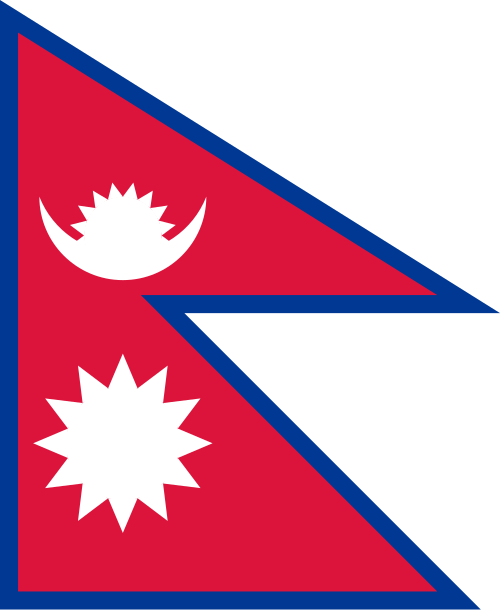 Katmandu, Nepal
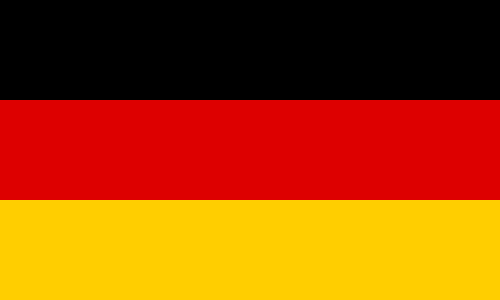 Leipzig, Germany
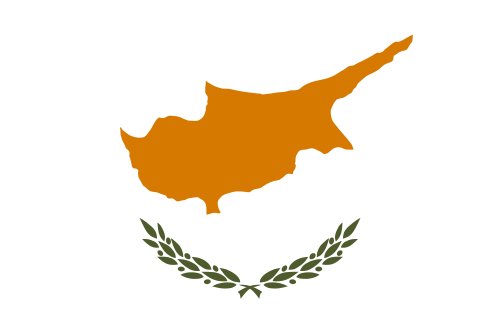 Limassol, Cyprus
 London, Canada
 Malacca City, Malaysia
 Melbourne, Australia
 Mexicali, Mexico
 Mogilev, Belarus
 Nagoya, Japan
- Perth, Australia
 Semarang, Indonesia
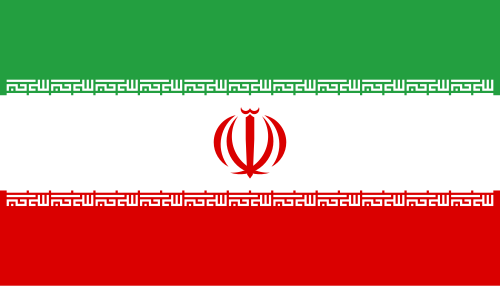 Shiraz, Iran[155]
 Siem Reap, Cambodia
 St. Louis, United States
 Windhoek, Namibia
.svg/500px-Flag_of_Canada_(Pantone).svg.png)
.svg/500px-Flag_of_Australia_(converted).svg.png)
The sister city relationship with Nagoya in Japan was suspended on February 21, 2012,[156] following public comments by Nagoya mayor Takashi Kawamura denying the Nanjing Massacre.[157] Non-governmental relations have been subsequently restored.[158]
Notable people
- Xueqin Cao (1715 or 1724 - 1763 or 1764), Writer; Author of Dream of the Red Chamber
- Anhua Gao (b. 1949), Chinese-British author
- Hsiao Sa (b. 1953), Taiwanese author
- Gang Tian (b. 1958), Mathematician; Professor at Princeton University
- Zhang Xu, (b. 1961), Chinese neuroscientist
- Wu Jianmin (b. 1962), Chinese democracy activist
- Pan Deng (b. 1964), artist and painter
- Deng Zhonghan (b. 1968), Chinese electrical engineer and entrepreneur
- Pu Shu (b. 1973), Chinese singer-songwriter
- Mei Ting (b. 1975), Chinese actress
- Hai Qing (b. 1978), Chinese actress
- Ni Ni (b. 1988), Chinese actress
- Shiran Wang (b. 1989), Chinese pianist
- Wu Lei (b. 1991), Chinese footballer
- Xu Anqi (b. 1992), Chinese fencer
- Zhang Zetian (b. 1993), youngest Chinese female billionaire
- Lu Keran (b. 1995), Chinese singer-dancer
- Cenyu Han (b.2004), racing driver
- Lu Kang, Chinese ambassador to Indonesia
- Tao Hongjing (456-536), a Taoist scholar, alchemist and pharmacist in the Qi and Liang dynasties of the Southern dynasty.
- Fu Shanxiang, (b.1833), the only female champion in Chinese history.
- Yu Guangzhong (b.1928), a famous contemporary writer, poet, scholar and translator.
- Wang Shuo (b.1958), a Chinese writer and screenwriter.
- Zhang Guiping (b.1951), Chairman of Suning Global Group.
See also
Notes
- ^ Nankinese, sometimes may be translated as Nanjinese, Nanjingese, Nankingese, Nanjinger, Nankiner, etc.. In Nanjing dialect there is no difference between Nanjing and Nanjin or between Nanking and Nankin. This means the two pronunciations Jing and Jin in Mandarin Chinese pronounce the same in Nanjing dialect, and king and kin are also the same.
- ^ /nænˈdʒɪŋ/;[4] Chinese: 南京; pinyin: Nánjīng, Mandarin pronunciation: [nǎn.tɕíŋ] ), alternatively romanized as Nanking[5]
- ^ Since becoming a southern capital, the city has been called Nanjing (南京) unofficially, and was officially named Nanjing after Beijing (北京 became a capital city during the early Ming dynasty; the name appears in Ming dynasty echo poem (蕭子顯 《奉和昭明太子鐘山講解詩》: "崇嶽基舊宇, 盤嶺跨南京"), for example. It's also unofficially called Nandu (南都), and Nandu Fanhui Tu (《南都繁會圖》; 'Nandu Prosperity Picture') is an example.
- ^ The prince was a grandson of the Wanli Emperor (r. 1573–1620). The Wanli Emperor's attempt to name Zhu Yousong's father as heir apparent had been thwarted by supporters of the Donglin movement because Zhu Yousong's father was not the Wanli Emperor's eldest son. Although this was three generations earlier, Donglin officials in Nanjing nonetheless feared that the prince might retaliate against them.
- ^ romanized at the time as Kiangning or simply referenced as Nanking
- ^ Huai (Huai of Jianghuai 江淮) is a big river north of Jiang (the river Yangtze), and the Zhe (Zhe of Jiangzhe 江浙)) is a big river south of Jiang.
- ^ The areas covered by such geographical names as Jiangnan, Dongnan and Xiajiang are not precisely defined. In ancient times the area was known as Yangchow (揚州). Sometimes the term Jianghai (江海) is used because the region is where the Jiang (Yangtze, river) empties into the Hai (sea).
- ^ Liuchao Gudu Bowuguan (六朝古都博物館)
- ^ Jiangning Zhizao Bowuguan (江甯織造博物館)
- ^ Nanjing Minsu Bowuguan (南京民俗博物館), located in Ganxi House (甘熙宅第) which is said to be the largest Chinese private house, with the nickname Ninety Nine and a Half Rooms.
- ^ A small museum and tomb honoring the 15th century seafaring admiral Zheng He although his body was buried at sea off the Malabar Coast near Calicut in western India.[138]
- ^ Jinling Shufa Silao Jinianguan (金陵書法四老紀念館, 胡小石、林散之、蕭嫻、高二適)
References
Citations
- ^ "Doing Business in China – Survey" 2016年末南京市人口状况报告年末南京市人口状况综述 (in Simplified Chinese). Nanjing Bureau of Statistics. August 4, 2017. Archived from the original on October 6, 2017. Retrieved October 6, 2017.
- ^ "2021年江苏13市GDP出炉 苏州2.27万亿位居第一". ah.people.com.cn. Archived from the original on January 26, 2022. Retrieved January 26, 2022.
- ^ Lafraniere, Sharon (June 4, 2011). "A Grass Roots Fight to Save a 'Super Tree'". The New York Times. Archived from the original on December 18, 2014. Retrieved December 10, 2013.
- ^ "Nanjing". Lexico UK English Dictionary. Oxford University Press. Archived from the original on May 18, 2021. Retrieved September 2, 2022.
- ^ "Romanization of the Chinese Language". Society for Anglo-Chinese Understanding. Archived from the original on July 14, 2014. Retrieved July 12, 2014.
- ^ "江苏设区市常住人口前三甲数据出炉: 南京人口增量超苏州-澎湃新闻-The Paper". www.thepaper.cn. Archived from the original on March 10, 2023. Retrieved March 10, 2023.
- ^ 南京历史沿革 (in Simplified Chinese). Government of Nanjing. Archived from the original on June 9, 2013. Retrieved May 29, 2014.
- ^ 薛宏莉 (May 7, 2008). 15个副省级城市中 哈尔滨市房价涨幅排列第五名 [Prices rose in 15 sub-provincial cities, Harbin ranked fifth]. 哈尔滨地产 (in Simplified Chinese). Sohu. Archived from the original on May 10, 2008. Retrieved June 11, 2008.
- ^ 中央机构编制委员会印发《关于副省级市若干问题的意见》的通知. 中编发[1995]5号. 豆丁网 (in Simplified Chinese). February 19, 1995. Archived from the original on May 29, 2014. Retrieved May 28, 2014.
- ^ "Home – Women GP – Nanjing". Nanjing2009.fide.com. Archived from the original on May 8, 2013. Retrieved March 26, 2013.
- ^ "GaWC - The World According to GaWC 2020". www.lboro.ac.uk. Archived from the original on August 24, 2020. Retrieved October 7, 2020.
- ^ "The Global Financial Centres Index 28" (PDF). Long Finance. September 2020. Archived (PDF) from the original on January 18, 2021. Retrieved September 26, 2020.
- ^ a b "全国高等学校名单 - 中华人民共和国教育部政府门户网站". www.moe.gov.cn. Archived from the original on June 19, 2022. Retrieved November 1, 2023.
- ^ a b "All 21 Universities in Nanjing | Rankings 2022". UniversityGuru. Archived from the original on May 18, 2022. Retrieved April 11, 2022.
- ^ a b 100 National Key Universities are universities of Project 211 whose name comes from the abbreviation of 100 national key universities in the 21st century. There are 8 universities listed in Project 211 in Nanjing, 9 in Shanghai, and 23 in Beijing. According to Nature Index released in January 2018, Nanjing University is listed as one of the world top 10 universities.
- ^ CANG, WEI (March 20, 2024). "Nanjing University pioneers AI education system". china daily. Archived from the original on March 30, 2024. Retrieved March 30, 2024.
- ^ a b c "2021 tables: Institutions Nature Index". www.natureindex.com. Archived from the original on June 16, 2022. Retrieved April 11, 2022.
- ^ a b "Leading 200 science cities | Nature Index 2023 Science Cities | Supplements | Nature Index". www.nature.com. Archived from the original on November 22, 2023. Retrieved November 22, 2023.
- ^ a b "It will come as no surprise that the top performing Chinese cities in the Nature Index are Beijing, Shanghai and Nanjing. All three are significant players economically and politically, Beijing and Shanghai particularly. ... As the capital of the wealthy eastern coastal province of Jiangsu, Nanjing is located in a region rich in economic and technological activity. ..." – from "Three giants tighten their grip", Nature 528, S176–S178 (December 17, 2015)
- ^ a b "Leading 50 science cities in chemistry | Nature Index 2023 Science Cities | Supplements | Nature Index". www.nature.com. Archived from the original on November 22, 2023. Retrieved November 22, 2023.
- ^ a b "Leading 50 science cities in Earth & environmental sciences | Nature Index 2023 Science Cities | Supplements | Nature Index". www.nature.com. Archived from the original on November 22, 2023. Retrieved November 22, 2023.
- ^ 走马南京都市圈. 中国经济快讯周刊 (in Chinese (China)). 2003. Archived from the original on November 3, 2013. Retrieved May 29, 2014 – via people.com.cn.
- ^ 南京介绍 (in Simplified Chinese). Xinhua News. October 9, 2012. Archived from the original on November 19, 2013.
- ^ 江苏省行政区划介绍 (in Simplified Chinese). Jiangsu People's Government. Archived from the original on November 4, 2013. Retrieved May 29, 2014.
- ^ a b Rita Yi Man Li, "A Study on the Impact of Culture, Economic, History and Legal Systems Which Affect the Provisions of Fittings by Residential Developers in Boston, Hong Kong and Nanjing", Global Business and Management Research: An International Journal. 1:3–4. 2009.
- ^ a b Crespigny 2004, 3 [citation not found]
- ^ 南京市. 重編囯語辭典修訂本 (in Traditional Chinese). Ministry of Education, ROC. Archived from the original on December 22, 2012. Retrieved September 21, 2011.
民國十六年, 國民政府宣言定為首都, 今以臺北市為我國中央政府所在地.
- ^ Su, Yiyu (September 18, 2022). ""九一八"事变91周年 南京鸣警钟响警报铭记历史-中新网". www.chinanews.com.cn. Archived from the original on September 29, 2022. Retrieved September 29, 2022.
- ^ 网易. 北阴阳营遗址上发现过酒器(组图)_网易新闻. news.163.com. Archived from the original on January 28, 2016. Retrieved January 15, 2016.
- ^ 陶吴发现南京最大周代土墩墓(图). huaxia.com. Archived from the original on October 22, 2008. Retrieved January 15, 2016.
- ^ (金陵在春秋時本吳地, 未有城邑.惟石頭城東有冶城.傳雲, 夫差冶鑄於此.即今朝天宮地.) 金陵古今圖考 (Illustrated Study of Past and Present Nanjing)
- ^ 南京的古城邑及其考古發現: 金陵邑. 南京考古 (in Chinese). August 30, 2019. Archived from the original on November 27, 2022. Retrieved April 10, 2020.
- ^ 南京六朝石刻现状调查: 在田野与工地间寻找国宝 (in Simplified Chinese). Xinhua News Agency. June 7, 2006. Archived from the original on November 20, 2013. Retrieved November 2, 2013.
- ^ a b Shufen Liu, "Jiankang and the Commercial Empire of the Southern Dynasties", in Pearce, Spiro, Ebrey eds. Culture and Power, 2001:35.
- ^ 六朝名都崛起江东. 南京市志(第1册). Archived from the original on October 2, 2013. Retrieved May 29, 2014.
- ^ 《金陵记》: "梁都之时, 城中二十八万户, 西至石头, 东至倪塘, 南至石子冈, 北过蒋山, 东西南北各四十里."(in Chinese)
- ^ Liang Baiquan (1998). Nanjing-de Liu Chao Shike (Nanjing's Six Dynasties' Sculptures). 南京出版社. pp. 53–54. ISBN 7-80614-376-9.
- ^ Albert E. Dien, Six Dynasties Civilization. Yale University Press, 2007, ISBN 0-300-07404-2. Partial text Archived September 30, 2015, at the Wayback Machine on Google Books. P. 190. A reconstruction of the original form of the ensemble is shown in Fig. 5.19.
- ^ 梁安成康王萧秀墓石刻. Jllib.org.cn. Archived from the original on October 19, 2013. Retrieved December 10, 2013.
- ^ Sun, Cecile Chu-chin (2011). The Poetics of Repetition in English and Chinese Lyric Poetry. University of Chicago Press. p. 118. ISBN 978-0-226-78020-7.
- ^ 南唐再兴金陵城. 南京市志(第1册). Archived from the original on November 2, 2013. Retrieved May 29, 2014.
- ^ Johannes L. Kurz (2011). China's Southern Tang Dynasty, 937–976. Routledge.
- ^ Franke, Herbert (1994). "The Chin dynasty". In Twitchett, Denis; John King Fairbank (eds.). The Cambridge History of China: Volume 6, Alien Regimes and Border States, 710–1368. Cambridge University Press. p. 230. ISBN 978-0-521-24331-5.
- ^ Tao, Jing-Shen (2009). "The Move to the South and the Reign of Kao-tsung". In Paul Jakov Smith; Denis C. Twitchett (eds.). The Cambridge History of China: Volume 5, The Sung Dynasty and Its Precursors, 907–1279. Cambridge University Press. p. 647. ISBN 978-0-521-81248-1.
- ^ In the 3rd year of Jianyan (1129), Jiankang became Temporary Capital (行都) of Song, being set as Eastern Capital. Although people like Yue Fei stood for the imperial court being in the city, eventually in the 8th year of Shaoxing (1139) it withdrew from Jiankang to Lin'an (present Hangzhou), and since then the city became the "Preserving Capital" (留都) of the Song dynasty.
- ^ 隋唐州县南唐国都. 南京市志(第1册). Archived from the original on November 2, 2013. Retrieved May 29, 2014.
- ^ Yule 2002, p. 131.
- ^ Ebrey (1999), 191.
- ^ Fei, Si-yen (2009). Negotiating Urban Space: Urbanization and Late Ming Nanjing. Cambridge, M.A.: Harvard University Asia Center. p. 80.
- ^ Turnbull, Stephen R.; Steve Noon (2009). Chinese Walled Cities 221 BC-AD 1644. Osprey Publishing. p. 61. ISBN 978-1-84603-381-0.
- ^ Ansight Guides (1997). Insight Guides: China 5/E. Apa Publications. p. 268. ISBN 0-395-66287-7.
- ^ "Largest Cities Through History". Geography.about.com. November 14, 2013. Archived from the original on July 14, 2007. Retrieved December 10, 2013.
- ^ a b c d Dreyer, Edward L. (2007). Zheng He: China and the Oceans in the Early Ming Dynasty, 1405–1433. New York: Pearson Longman. pp. 139–140. ISBN 9780321084439.
- ^ a b Chan, Hok-lam (1998). "The Chien-wen, Yung-lo, Hung-hsi, and Hsüan-te reigns, 1399–1435". The Cambridge History of China, Volume 7: The Ming Dynasty, 1368–1644, Part 1. Cambridge: Cambridge University Press. pp. 282–283. ISBN 9780521243322..
- ^ Dreyer, Edward L. (2007). Zheng He: China and the Oceans in the Early Ming Dynasty, 1405–1433. New York: Pearson Longman. pp. 140–141. ISBN 9780321084439..
- ^ Dreyer, Edward L. (2007). Zheng He: China and the Oceans in the Early Ming Dynasty, 1405–1433. New York: Pearson Longman. p. 168. ISBN 9780321084439.
- ^ Jonathan D. Spence. God's Chinese Son, New York 1996
- ^ Williams, S. Wells. The Middle Kingdom: a Survey of the Geography, Government, Literature, Social Life, Arts, & History of the Chinese Empire & its Inhabitants, Vol. 1. Scribner (New York), 1904.
- ^ Yang & Lu 2001, pp. 616–617.
- ^ Johannes L. Kurz, "Boni in Chinese Sources: Translations of Relevant Texts from the Song to the Qing Dynasties" Archived November 10, 2013, at the Wayback Machine, Nalanda-Sriwijaya Centre Working Paper No 4 (July 2011).
- ^ Wakeman 1985, p. 346.
- ^ Struve 1988, p. 644.
- ^ Struve 1988, p. 642.
- ^ Struve 1993, pp. 55–56.
- ^ Struve 1993, pp. 60–61.
- ^ Struve 1993, pp. 62–63.
- ^ Wakeman 1985, p. 578.
- ^ Wakeman 1985, p. 647.
- ^ Struve 1988, p. 662.
- ^ Dennerline 2002, p. 87 (which calls this edict "the most untimely promulgation of [Dorgon's] career."
- ^ Struve 1993, pp. 64–65, 72.
- ^ Ho, Dahpon David (2011). Sealords live in vain : Fujian and the making of a maritime frontier in seventeenth-century China (A dissertation submitted in partial satisfaction of the requirements for the degree Doctor of Philosophy in History). UNIVERSITY OF CALIFORNIA, SAN DIEGO. pp. 149–150. Archived from the original on April 4, 2019.
- ^ Yim, Lawrence C.H (2009). The Poet-historian Qian Qianyi. Routledge. p. 109. ISBN 978-1134006069. Archived from the original on April 13, 2023. Retrieved June 4, 2019.
- ^ FREDERIC WAKEMAN JR. (1985). The Great Enterprise: The Manchu Reconstruction of Imperial Order in Seventeenth-century China. University of California Press. pp. 1047–1048. ISBN 978-0-520-04804-1. Archived from the original on April 8, 2019. Retrieved June 4, 2019.
- ^ 清督驻所太平天国定鼎. 南京市志(第1册). [permanent dead link]
- ^ Cassel, Pär (2003), "Excavating Extraterritoriality: The "Judicial Sub-Prefect" as a Prototype for the Mixed Court in Shanghai", Late Imperial China, vol. 24, pp. 156–182.
- ^ "Necrometrics Archived 2015-04-30 at archive.today." Nineteenth Century Death Tolls cites a number of sources, some of which are reliable.
- ^ Ho Ping-ti. STUDIES ON THE POPULATION OF CHINA, 1368–1953. Cambridge: Harvard University Press, 1959. p. 237
- ^ Pelissier, Roger. THE AWAKENING OF CHINA: 1793–1949. Edited and Translated by Martin Kieffer. New York: Putnam, 1967. p. 109
- ^ Crawford, Stanley, Man on a Mission.
- ^ Fu Jing-hui, An Introduction of Chinese and Foreign History of War, 2003, p.109–111
- ^ a b John E. Woods, The Good Man of Nanking, the Diaries of John Rabe, 1998 P. 275-278
- ^ Document sent by former Japanese foreign minister Kōki Hirota to the Japanese Embassy in Washington on January 17, 1938, (Ref. National Archives, Washington, D.C., Released in Sept. 1994.)
- ^ Narangoa, Li; Cribb, R.B. (2003). Imperial Japan and national identities in Asia, 1895–1945. Routledge. p. 13. ISBN 0-7007-1482-0.
- ^ Zhang, Chunhou. Vaughan, C. Edwin. [2002] (2002). Mao Zedong as Poet and Revolutionary Leader: Social and Historical Perspectives. Lexington books. ISBN 0-7391-0406-3. p 65, p 58
- ^ 中华人民共和国成立后中央直辖市及江苏省省会. 南京市志(第1册).
- ^ a b 中国气象局 国家气象信息中心 (in Simplified Chinese). China Meteorological Administration. Archived from the original on March 18, 2013. Retrieved February 18, 2013.
- ^ 为什么重庆、武汉、南京有"三大火炉"之称? (in Simplified Chinese). Guangzhou Popular Science News Net (广州科普资讯网). September 12, 2007. Archived from the original on November 12, 2014. Retrieved November 12, 2014.
- ^ "无标题文档". Archived from the original on March 18, 2013. Retrieved February 18, 2013.
- ^ 南京气象资料. 中国气象科学数据共享服务网. Archived from the original on March 2, 2015. Retrieved July 20, 2015.
- ^ "Extreme Temperatures Around the World". Archived from the original on August 4, 2014. Retrieved December 1, 2010.
- ^ 十二点五米深水航道初通南京 长江出海口至南京全程畅行五万吨级船舶 (in Simplified Chinese). Ministry of Commerce of the People's Republic of China. July 5, 2016. Archived from the original on February 2, 2017.
- ^ "Experience Template" CMA台站气候标准值(1991-2020) (in Chinese). China Meteorological Administration. Archived from the original on April 4, 2023. Retrieved April 11, 2023.
- ^ "Index" 中国气象数据网 – WeatherBk Data. China Meteorological Administration. Archived from the original on September 5, 2018. Retrieved November 9, 2018.
- ^ "Smog Shrouds Eastern China". Earth Observatory. December 10, 2013. Archived from the original on March 24, 2014. Retrieved March 24, 2014.
- ^ "Smog and fog hit east, north China". Xinhua News Agency. December 6, 2013. Archived from the original on December 6, 2013. Retrieved May 15, 2014.
- ^ Wu Yi (吴怡); Liu Wei Wei (刘伟伟). 我国25个省现雾霾 江苏成污染重灾区全国最严重. 腾讯转现代快报. Archived from the original on December 12, 2013. Retrieved March 4, 2014.
- ^ "Environmental officials deny blame for eastern China smog". China Dialogue. January 6, 2014. Archived from the original on March 24, 2014. Retrieved March 24, 2014.
- ^ 三问今冬十面"霾"伏. 人民日报海外版 [People's Daily overseas version]. Archived from the original on December 22, 2013. Retrieved May 11, 2014.
- ^ "Map: Shanghai's off the charts air pollution". Greenpeace. December 6, 2013. Archived from the original on March 7, 2014. Retrieved March 24, 2014.
- ^ 2012全国货物、集装箱、旅客吞吐量统计. www.chinaports.com. 南京港(集团)有限公司. Archived from the original on June 30, 2017. Retrieved June 18, 2014.
- ^ 集团简介. njp.com.cn. Nanjing Port Group (Co.), Ltd. Archived from the original on June 16, 2014. Retrieved June 18, 2014.
- ^ "The Brief Introduction of Nanjing Port". Archived from the original on April 23, 2014.
- ^ "Yangtze-River Deep Waterway". Archived from the original on May 10, 2017. Retrieved October 23, 2016.
- ^ 中外运长航集团船舶重工总公司 Jinling Shipyard. sbico.sinotrans-csc.com. Archived from the original on July 30, 2018. Retrieved April 12, 2019.
- ^ "2 Metro Lines & New Yangtze River Tunnel Open on same Day!". The Nanjinger. December 29, 2022. Archived from the original on January 3, 2023. Retrieved January 3, 2023.
- ^ 2013年江苏省行政区划. XZQH.org. February 20, 2013. Archived from the original on December 17, 2014. Retrieved May 29, 2014.
- ^ "China: Jiāngsū (Prefectures, Cities, Districts and Counties) - Population Statistics, Charts and Map". www.citypopulation.de. Archived from the original on October 2, 2018. Retrieved June 21, 2023.
- ^ 夏征农; 陈至立, eds. (September 2009). 辞海第六版彩图本 [Cihai (Sixth Edition in Color).]. Shanghai: Shanghai Lexicographical Publishing House. p. 1451. ISBN 9787532628599.
六 (lù) (...)用于地名.如: 六安; 六合. (...) 六合 区名.在江苏省南京市北部(...)
- ^ 普通话审音委员会 (December 20, 1962), 文字改革月刊社 (ed.), 普通話异讀詞审音表初稿(第三編), 文字改革, Beijing: 文字改革出版社, p. 8,
(...)六合(江苏) Lùhé(...)
- ^ Nanjing Bureau of Statistics (南京市统计局) (2013). 《南京统计年鉴2013》 (in Simplified Chinese). China Statistics Print. ISBN 978-7-5037-6859-0. Archived from the original on June 12, 2014. Retrieved May 29, 2014.
- ^ OECD Urban Policy Reviews: China 2015, OECD READ edition. OECD. April 18, 2015. p. 37. doi:10.1787/9789264230040-en. ISBN 9789264230033. ISSN 2306-9341. Archived from the original on March 27, 2017. Retrieved December 9, 2017.
{{cite book}}:|website=ignored (help)Linked from the OECD here Archived December 9, 2017, at the Wayback Machine - ^ Liu Shaowu (刘绍武) (2011). 中华人民共和国全国分县市人口统计资料 (in Simplified Chinese). 群众出版社. ISBN 9787501449170.
- ^ 南京市2010年第六次全国人口普查主要数据公报 (in Simplified Chinese). Office of the Sixth National Census, Nanjing Bureau of Statistics. May 3, 2011. Archived from the original on November 18, 2011. Retrieved May 29, 2014.
- ^ 南京民族概况 (in Simplified Chinese). 南京市民族宗教事务局. August 26, 2012. Archived from the original on May 17, 2013. Retrieved May 29, 2014.
- ^ 在结构调整中持续发展 南京2015年产值近万亿-新华网. Xinhua News Agency. Archived from the original on January 31, 2016. Retrieved January 23, 2016.
- ^ 南京总部经济发展能力居全国第六. 新华报业网(来源: 南京日报). October 19, 2009. Archived from the original on November 9, 2011. Retrieved May 29, 2014.
- ^ Yangtze Bridge, Fourth Nanjing. "Nanjing Yangtze Fourth Bridge to open on Dec.24 (3)". People's Daily. Archived from the original on December 15, 2013. Retrieved May 17, 2013.
- ^ 伴随江苏铁路发展 南京将成长三角铁路交通枢纽. Xinhua. July 15, 2009. Archived from the original on May 23, 2011. Retrieved May 29, 2014.
- ^ a b 车站简介. Nanjing railway station. 2012. Archived from the original on November 27, 2012. Retrieved November 29, 2012.
- ^ 南京火车站12日晨发生特大火灾. Sina News. 1999. Archived from the original on May 29, 2014. Retrieved November 29, 2012.
- ^ 南京火车站和北京南站变身 成全国新建改建范本. 火车网. 2012. Archived from the original on December 3, 2012. Retrieved November 27, 2012.
- ^ 中國評論新聞網. chinareviewnews.com. Archived from the original on September 23, 2015. Retrieved May 17, 2014.
- ^ 亞洲最大 京滬高鐵南京南站啟用 – 聯合報. Archived from the original on July 2, 2011. Retrieved May 17, 2014.
- ^ 2013年华东机场生产数据排序 (in Simplified Chinese). Civil Aviation Administration of China East China Regional Administration. March 6, 2014. Archived from the original on March 9, 2014. Retrieved March 9, 2014.
- ^ "China Eastern Adds Nanjing – Shizuoka Service from July 2015". Airlineroute.net. June 8, 2015. Archived from the original on June 9, 2015. Retrieved June 8, 2015.
- ^ "NokScoot Revises Nanjing Launch to mid-June 2015". Airlineroute.net. May 27, 2015. Archived from the original on May 27, 2015. Retrieved May 27, 2015.
- ^ Amnatcharoenrit, Bamrung (October 2, 2012). "AirAsia flies out of Don Mueang without a hitch". The Nation. Bangkok. Archived from the original on October 5, 2012. Retrieved October 2, 2012.
- ^ "China Eastern, Delta and Hainan Airlines' new routes accelerate US-China aviation development". Centre for Aviation. February 23, 2015. Archived from the original on February 25, 2015. Retrieved March 11, 2015.
- ^ 南京开建地铁机场线 第一次地铁将抵达机场. 中国江苏网. December 28, 2011. Archived from the original on December 3, 2013. Retrieved May 15, 2014 – via Sohu.
- ^ 大校场机场 [Dajiaochang Airport]. Nanjing City Chronicles (in Simplified Chinese). Nanjing City Government. Archived from the original on December 3, 2013. Retrieved September 14, 2012.
- ^ 数字交通. Nanjing Bureau of Transport. Archived from the original on April 15, 2012. Retrieved November 28, 2012.
- ^ 南京三大公交企业新名称敲定. Ifeng Finance. June 26, 2012. Archived from the original on May 29, 2014. Retrieved May 29, 2014.
- ^ 南京轨道交通线网共17条. upla.cn. October 23, 2009. Archived from the original on July 7, 2011. Retrieved March 6, 2010.
- ^ Jiangsu Art Gallery Archived May 17, 2014, at the Wayback Machine, Synotrip Archived June 25, 2014, at the Wayback Machine.
- ^ "Treasures in Nanjing Museum". Chinaculture.org. July 14, 2008. Archived from the original on March 4, 2013. Retrieved May 17, 2014.
- ^ "Porcelain Creatures Highlight Nanjing Museum". China.org.cn. October 29, 2003. Archived from the original on January 2, 2013. Retrieved May 17, 2014.
- ^ Levathes, Louise. When China Ruled The Seas: The Treasure Fleet of the Dragon Throne 1405–1433, p. 172. Oxford Univ. Press (New York), 1996.
- ^ "A brief introduction to Jiangsu Province Kunqu Theater". Archived from the original on June 11, 2017. Retrieved May 17, 2014.
- ^ "Life on the Water's Edge: The Culture and History of the Qinhuai River – China.org.cn". china.org.cn. Archived from the original on November 11, 2013. Retrieved May 17, 2014.
- ^ Heaver, Stuart (September 6, 2017). "What to see in Nanjing, and why now is an appropriate time to explore China's former capital". South China Morning Post. Archived from the original on March 30, 2024. Retrieved March 30, 2024.
- ^ "China Cultural Kaleidoscope". Archived from the original on November 29, 2013. Retrieved October 29, 2014.
- ^ "Frying Spring Rolls at the Beginning of Spring". Archived from the original on May 13, 2013. Retrieved April 19, 2013.
- ^ The Official website of the 2019 FIBA Basketball World Cup Archived July 22, 2017, at the Wayback Machine, FIBA.com. Retrieved March 9, 2016.
- ^ 俱乐部概况. Jssainty fc. Archived from the original on April 6, 2012. Retrieved April 10, 2012.
- ^ 南京成功获得2014年夏季世界青年奥运会主办权. China Daily. February 11, 2010. Archived from the original on November 3, 2013. Retrieved May 29, 2014.
- ^ 南京获得2013年亚青会举办权. QQ Sports. November 13, 2010. Archived from the original on October 23, 2014. Retrieved May 29, 2014.
- ^ "Wutaishan Stadium". Archived from the original on May 17, 2014. Retrieved May 17, 2014.
- ^ a b c Li, Jie (2023). Cinematic Guerillas: Propaganda, Projectionists, and Audiences in Socialist China. Columbia University Press. ISBN 9780231206273.
- ^ "And the Winners Are... International Photo Competition Concludes". Nanjing Foreign Affairs Service Association. May 9, 2022. Archived from the original on January 3, 2023. Retrieved January 3, 2023.
- ^ "QS Best Student Cities 2017". Top Universities. Archived from the original on February 18, 2017. Retrieved April 11, 2022.
- ^ "World Reputation Rankings". Times Higher Education (THE). June 5, 2017. Archived from the original on June 17, 2017. Retrieved April 1, 2022.
- ^ "南京市友城及友好合作城市名录". nanjing.gov.cn (in Chinese). Nanjing. Archived from the original on July 2, 2020. Retrieved July 7, 2020.
- ^ "San Marino City - Nanjing partnership" (in Italian). January 28, 2021. Archived from the original on January 16, 2024. Retrieved January 13, 2024.
- ^ "Sister Cities". shiraz.ir. Shiraz. Archived from the original on June 17, 2020. Retrieved July 7, 2020.
- ^ Wang, Chuhan (February 22, 2012). "Nanjing suspends official contact with Nagoya". CNTV. Archived from the original on March 5, 2016. Retrieved March 5, 2012.
- ^ Fackler, Martin (February 22, 2012). "Chinese City Severs Ties After Japanese Mayor Denies Massacre". The New York Times. Archived from the original on February 25, 2012. Retrieved February 26, 2012.
- ^ "Nanjing Foreign Affairs Office". Archived from the original on December 8, 2023. Retrieved December 8, 2023.
Sources
- Cotterell, Arthur (2007). The Imperial Capitals of China – An Inside View of the Celestial Empire. London: Pimlico. pp. 304 pages. ISBN 978-1-84595-009-5.
- Danielson, Eric N. (2004). Nanjing and the Lower Yangzi River. Singapore: Marshall Cavendish/Times Editions. ISBN 981-232-598-0.
- Dennerline, Jerry (2002). "The Shun-chih Reign". In Peterson, Willard J. (ed.). Cambridge History of China, Vol. 9, Part 1: The Ch'ing Dynasty to 1800. Cambridge: Cambridge University Press. pp. 73–119. ISBN 0-521-24334-3.
- Jun Fang (May 23, 2014). China's Second Capital – Nanjing Under the Ming, 1368-1644. Routledge. ISBN 978-1-135-00845-1.
- Eigner, Julius (February 1938). "The Rise and Fall of Nanking" in National Geographic Vol. LXXIII No.2. Washington, D.C.: National Geographic.
- Farmer, Edward L. (1976). Early Ming Government: The Evolution of Dual Capitals. Cambridge, Mass.: Harvard University Press.
- Hobart, Alice Tisdale (1927). Within the Walls of Nanking. New York: MacMillan.
- Jiang, Zanchu (1995). Nanjing shi hua. Nanjing: Nanjing chu ban she. ISBN 7-80614-159-6.
- Lutz, Jessie Gregory (1971). China and the Christian Colleges, 1850-1950. Ithaca: Cornell University Press.
- Ma, Chao Chun (Ma Chaojun) (1937). Nanking's Development, 1927–1937. Nanking: Municipality of Nanking.
- Michael, Franz (1972). The Taiping Rebellion: History and Documents (3 vols.). Seattle: University of Washington Press.
- Mote, Frederick W. (1977). G. William Skinner (ed.). "The Transformation of Nanking, 1350–1400," in The City in Late Imperial China. Stanford: Stanford University Press.
- Mote, Frederick W. (1988). Twitchett, Denis (ed.). The Cambridge History of China. Vol. 7, The Ming Dynasty, 1368–1644. Cambridge: Cambridge University Press.
- Musgrove, Charles D. (2000). Joseph W. Esherick (ed.). "Constructing a National Capital in Nanjing, 1927–1937," in Remaking the Chinese City, 1900–1950. Honolulu: University of Hawaii Press.
- Nanking Women's Club (1933). Sketches of Nanking. Nanking: Nanking Women's Club.
- Ouchterlony, John (1844). The Chinese War: An Account of All the Operations of the British Forces from the Commencement to the Treaty of Nanking. London: Saunders and Otley.
- Prip-Moller, Johannes (1935). "The Hall of Lin Ku Ssu (Ling Gu Si) Nanking," in Artes Monuments Vol. III. Copenhagen: Artes Monuments.
- Smalley, Martha L. (1982). Guide to the Archives of the United Board for Christian Higher Education in Asia (Record Group 11). New Haven: Yale University Divinity Library Special Collections.
- Struve, Lynn (1988). "The Southern Ming". In Frederic W. Mote; Denis Twitchett; John King Fairbank (eds.). Cambridge History of China, Volume 7, The Ming Dynasty, 1368–1644. Cambridge: Cambridge University Press. pp. 641–725. ISBN 9780521243322..
- Struve, Lynn A. (1998). "Chapter 4: "The emperor really has left": Nanjing changes hands". Voices from the Ming-Qing Cataclysm: China in Tigers' Jaws. Yale University Press. pp. 55–72. ISBN 0-300-07553-7.
- Teng, Ssu Yu (1944). Chang Hsi (Zhang Xi) and the Treaty of Nanking, 1842. Chicago: Chicago University Press.
- Thurston, Mrs. Lawrence (Matilda) (1955). Ginling College. New York: United Board for Christian Colleges in China.
- Till, Barry (1982). In Search of Old Nanking. Hong Kong: Hong Kong and Shanghai Joint Publishing Company.
- Tyau, T.Z. (1930). Two Years of Nationalist China. Shanghai: Kelly and Walsh.
- Uchiyama, Kiyoshi (1910). Guide to Nanking. Shanghai: China Commercial Press.
- Wakeman, Frederic Jr. (1985), The Great Enterprise: The Manchu Reconstruction of Imperial Order in Seventeenth-Century China, Berkeley and Los Angeles: University of California Press, ISBN 0-520-04804-0.
- Wang, Nengwei (1998). Nanjing Jiu Ying (Old Photos of Nanjing). Nanjing: People's Fine Arts Publishing House.
- Ye, Zhaoyan (1998). Lao Nanjing: Jiu Ying Qinhuai (Old Nanjing: Reflections of Scenes on the Qinhuai River). Nanjing: Zhongguo Di Er Lishi Dang An Guan (China Second National Archives).
- Yang, Xinhua; Lu, Haiming (2001). Nanjing Ming-Qing Jianzhu (Ming and Qing architecture of Nanjing). Nanjing Daxue Chubanshe (Nanjing University Press). ISBN 7-305-03669-2.
- Yule, Henry (2002), The Travels of Friar Odoric
External links

Wikimedia Commons has media related to Nanjing.
Look up Nanjing, Nanking, or Nan-ching in Wiktionary, the free dictionary.
 Nanjing travel guide from Wikivoyage
- (in Chinese) Nanjing Government website. Archived November 24, 2018, at the Wayback Machine.
- Nanjing English guide with open directory. Archived March 15, 2015, at the Wayback Machine.
- The Nanjinger: Nanjing's largest English news network with city guide. Archived July 1, 2022, at the Wayback Machine.
- List of Nanjing Government Departments (archived)
- Historic US Army map of Nanjing, 1945. Archived June 5, 2011, at the Wayback Machine.
- "Nanking Illustrated" from 1624. Archived June 6, 2013, at the Wayback Machine.
