
Loading article…
 2008年夏季オリンピックのエンブレム[a] | |
| 位置 | 北京、中国 |
|---|---|
| モットー | One World, One Dream (同じ个世界 同じ个梦想; Tóng yīge shìjìe tóng yīge mèngxiƎng ) |
| 国家 | 204 |
| アスリート | 10,899人(男性6,290人、女性4,609人) |
| イベント | 28競技(41種目)で302人 |
| オープニング | 2008年8月8日 |
| 終わりに | 2008年8月24日 |
| 開設者 | |
| 大釜 | 李寧[1] |
| スタジアム | 北京国家体育場 |
夏
冬
2008年夏季パラリンピック | |
2008年夏季オリンピック(2008年夏季奥競技会)は、正式には第29回オリンピック競技大会(第29届夏季奥林匹克競技会)、正式名称を北京2008(北京2008)といい、2008年8月8日から24日まで中国の北京で開催された国際多種目競技大会である。[c] 204の国内オリンピック委員会(NOC) から合計10,942人の選手が28競技302種目で競い合った。これは2004年夏季オリンピックより1種目多い。 [2]これは中国がオリンピックを開催した初めての機会であり、東アジアでの夏季オリンピックの開催は1964年の東京オリンピック、 1988年の韓国ソウルオリンピックに続き3回目であった。これは共産主義国家で開催された2回目の夏季オリンピックでもあり、最初の大会は1980年のソビエト連邦での夏季オリンピック(ロシア、ウクライナ、ベラルーシ、エストニアで開催)であった。
北京は2001年7月13日、国際オリンピック委員会(IOC)の2回の投票で委員の過半数を獲得し、4つの候補を抑えて2008年大会の開催地を獲得した。 [3]中華人民共和国政府は2008年大会の推進役として、新たな施設や輸送システムに多額の投資を行った。競技会場には37の会場が使用され、そのうち12は2008年大会のために特別に建設された。馬術競技は香港で開催されたため、2つの異なるNOCの管轄下で競技が開催された3度目のオリンピックとなった。[d]セーリング競技は青島で行われ、サッカー競技はいくつかの異なる都市で行われた。
2008年オリンピックの公式ロゴは郭春寧が制作した「舞动北京」と題され、開催都市を示す漢字「京」が人の形に図案化されている。 2008年オリンピックは世界中で35億人が視聴し、オリンピック聖火リレーの距離は最長となった。[4] [5] 2008年オリンピックは数々の世界記録やオリンピック記録も樹立し、夏季オリンピックとしては史上最も費用がかかり、全体では2014年ソチ冬季オリンピックに次いで2番目に費用がかかったオリンピックとなった。[6 ] [ 7]開会式は観客や多くの国際報道機関から壮観で魅惑的、そして多くの評価によれば「オリンピック史上最高」であると称賛された。[8] [9] [10]北京は2022年冬季オリンピックを開催し、夏季と冬季の両方のオリンピックを開催する初の都市となる。
2008年のオリンピックでは、87カ国が少なくとも1つのメダルを獲得するという前例のない結果となった。開催国である中国は、金メダルを最も多く獲得し(48個)、合計100個のメダルを獲得して、夏季オリンピックのメダル獲得数で首位に立った7番目のチームとなった。米国は金メダル数では2位だったが、獲得したメダルの総数は最多(112個)だった。金メダルと総合メダル数で3位を獲得したのはロシアだった。
このオリンピックは、1988年の韓国オリンピック以来、夏季オリンピックがアジアに復帰したことを記念する大会であった。セルビアにとっては1912年以来、独立国家として初めてのオリンピックであり、モンテネグロにとっても2006年にセルビアから分離して以来初めてのオリンピックであった。また、ネパール、マーシャル諸島、ツバルにとっても、共和国としての初めてのオリンピックであった。モンゴルとパナマは、それぞれ初のオリンピック金メダルを獲得した。さらに、アフガニスタン、モーリシャス、セルビア、スーダン、タジキスタン、トーゴも、この大会で初のオリンピックメダルを獲得した。北朝鮮は、過去3回の参加( 2000年のシドニー、2004年のアテネ、2006年のトリノ)の開会式では韓国と一体となって象徴的に行進していたが、今回は別々に行進した。
組織
入札
劉啓の指揮の下、2001年7月13日、モスクワで開催された第112回 IOC総会で、北京はトロント、パリ、イスタンブール、大阪の立候補を破り、2008年夏季オリンピックの開催都市に選出された。総会に先立ち、他の5都市(バンコク、カイロ、ハバナ、クアラルンプール、セビリア)がIOCに開催地候補として立候補していたが、2000年にIOC執行委員会が選んだ最終候補リストには入らなかった。第1回投票の後、北京は他の4つの候補に対して大幅にリードしていた。大阪はわずか6票しか獲得できず、脱落した。第2回投票では、北京が過半数の投票者の支持を得たため、それ以降の投票は不要となった。[11]トロントの立候補は1960年以来5度目の失敗となった(1960年、1964年、1976年、1996年のオリンピックの立候補に失敗し、ローマ、東京、モントリオール、アトランタに敗れた)。[12]
IOCのメンバーは投票結果を公表しなかったが、報道では、特にスタジアム建設のために中国から援助を受けていた発展途上国からの幅広い国際的支持が中国を選んだ理由ではないかと推測されている。中国の国土の広さ、ドーピング検査の強化、2000年夏季オリンピックでシドニーに敗れたことに対する同情などが、この決定の要因となった。[3] 8年前、北京は2000年夏季オリンピックの投票で毎回トップだったが、最終ラウンドでシドニーに2票差で敗れた。[13]
IOC事務局長フランソワ・カラール氏によると、代表団はアムネスティ・インターナショナルや欧州と北米の政治家らが表明した人権問題を考慮した。カラール氏らは、今回の選出が中国の人権問題の改善につながるかもしれないと示唆した。さらに、元選手だったIOC代表団の多くは、北京の大気汚染レベルの高さを考慮して、大会中の暑さと空気の質について懸念を表明した。中国は、招致申請書の中で、こうした環境問題に対処する計画を概説した。[3]
費用


2009年3月6日、北京オリンピック組織委員会は、大会の総支出額は「概ね2004年のアテネオリンピックと同額」で、約150億ドルに相当すると報告した。さらに、大会の余剰収入は当初の目標であった1,600万ドルを超えると主張した。[14]しかし、他の報告書では総費用を400億ドルから440億ドルと見積もっており、同大会は「これまでで断然最も高額な大会」となるだろう。[15] [16] [17]その後、予算は大幅な超過に見舞われた2014年ソチ冬季オリンピックによって超過し、2014年冬季オリンピックには公的資金がおよそ500億ドルかかった。[18]オックスフォード・オリンピック・スタディ2016では、 2008年北京夏季オリンピックの最終費用を2015年ドル換算で68億ドルと見積もっている。これには、組織委員会が負担した費用や、開催都市、国、民間投資家が大会開催に必要な施設を建設するために負担した費用など、スポーツ関連の費用のみが含まれます。大会の開催に直接関係のない間接資本コストは含まれません。北京オリンピックの費用68億ドルは、リオ2016の46億ドル、ロンドン2012の150億ドルと比較されます。[19]
会場
2007年5月までに、北京オリンピック競技場31会場すべての建設が始まった。[20]中国政府は北京郊外の6会場を改修・新設し、59のトレーニング施設を建設した。建設された最大の建造物は、北京国家体育場、北京国家室内競技場、北京国家水泳センター、北京大学体育館、オリンピックグリーンコンベンションセンター、オリンピックグリーン、北京五柯松文化スポーツセンターである。6つの主要会場の建設予算の約85%は、企業の入札と入札で21億ドル(174億人民元)を賄った。オリンピック後に所有権を求める企業からの投資が期待されていた。[21]いくつかの競技は北京以外で開催された。すなわち、秦皇島、上海、瀋陽、天津でのサッカー、青島でのセーリングなどである。そして、「馬の病気の不確実性と無病地帯の確立の大きな困難」のため、馬術競技は香港で開催された。[22]いくつかの競技場は、前門街道を含む胡同地区の旧跡地に建設された。[23]
2008年夏季オリンピックの目玉は、その巣のような骨格構造から「鳥の巣」というニックネームが付けられた北京国家体育場だった。このスタジアムでは、開会式と閉会式、および陸上競技が行われた。[24]会場の建設は2003年12月24日に始まった。広東オリンピックスタジアムは、もともとオリンピック開催を支援するために2001年に計画、建設、完成したが、北京に新しいスタジアムを建設することが決定された。[25] 2001年、市は最良のアリーナデザインを選択するための入札プロセスを開催した。各デザインには、オリンピック後の使用の柔軟性、開閉式屋根、および低いメンテナンスコストなど、いくつかの基準が求められた。[26]エントリーリストは13の最終デザインに絞り込まれた。[27]建築家ジャック・ヘルツォークとピエール・ド・ムーロンが中国建築設計研究グループ(CADG)の李星剛と共同で提出した鳥の巣の模型は、公開展示会で専門家の審査員と一般の観客の両方によって最優秀デザインに選ばれました。デザインの選定は2003年4月に公式になりました。[26]スタジアムの建設は、元の設計者、プロジェクト建築家のシュテファン・マルバッハ、芸術家のアイ・ウェイウェイ、そして李星剛率いるCADG建築家グループの合弁事業でした。その4億2300万ドルの費用は、国有企業コングロマリットのCITICと北京国有資産管理会社によって賄われました。[26] [28]
輸送

オリンピックの訪問者に備えるため、北京の交通インフラは拡張された。北京空港は大規模な改修工事が行われ、建築家ノーマン・フォスターが設計した新しい第3ターミナルが増設された。[29]市内では、北京地下鉄の収容力と長さが倍増し、既存の4路線64駅に7路線80駅が追加された。この拡張には、市内の空港に接続する新しいリンクも含まれていた。何千台ものバス、ミニバス、公式車両が会場間を観客、選手、役員を輸送した。[30] [31]
空気の質を改善するため、北京市は建設現場やガソリンスタンドに制限を設け、商用車や乗用車の使用を制限した。[32] 7月20日から9月20日まで、車のナンバープレートの末尾の数字に応じて、1日おきに乗用車規制が行われた。この措置により、北京の330万台の車のうち45%が路上から消えると予想された。強化された公共交通機関のネットワークは、これらの規制によって生み出された需要と、1日あたり400万人以上の乗客増加が見込まれる観光客の流入を吸収すると予想された。[33]
マーケティング

2008年夏季オリンピックのエンブレムは「踊る北京」と呼ばれた。このエンブレムは、伝統的な中国の赤い印章と、運動競技の特徴を持つ「首都」(北京の中国語名の2番目の文字でもある)の書道文字を組み合わせたものだった。書道文字の開いた腕は、中国から世界への文化の共有への招待を象徴していた。IOCの ジャック・ロゲ会長は 、このエンブレムにかなり満足し、「新しいエンブレムは、中国の伝統と国民に体現された中国の素晴らしい美しさと力をすぐに伝えてくれます」と述べた。[34]
2008年オリンピックの公式モットーは「一つの世界、一つの夢」(同一個世界 同一個夢想)であった。[35]これは、オリンピック精神に賛同し、人類のより良い未来を築くよう全世界に呼びかけるものであり、世界中から寄せられた21万件以上の応募の中から選ばれた。[36]このモットーの発表後、このフレーズはチベット独立の国際的支持者によって使用された。北京オリンピックに先立ち、サンフランシスコのゴールデン ゲートブリッジやオーストラリアのシドニーオペラハウスなど、世界中のさまざまな建物で「一つの世界、一つの夢、自由なチベット」と書かれた横断幕が掲げられた。[37]
2008年北京オリンピックのマスコットは5体のフワで、それぞれがオリンピックの五輪の色と中国文化のシンボルを表している。2006年、北京オリンピック組織委員会は35のオリンピック競技のピクトグラムを発表した(ただし、自転車競技など複数の競技を併催する競技については、1つのピクトグラムが発表された)。[38] [39]このスポーツアイコンのセットは、それぞれのピクトグラムが中国の篆書に似ていることから、「篆書の美」と名付けられた。[39]
マスコット
2008年夏季オリンピックのマスコットは、ハン・メイリン(韩美林)が作った「フーワ」だった。マスコットは、魚の「ベイビー」、パンダの「ジンジン」、オリンピック聖火の「ファンファン」、チベットカモシカの「インイン」、そしてトンビの「ニニ」で構成されていた。これらの漢字を組み合わせると、「北京欢迎你」つまり「北京があなたを歓迎します」となる。オリンピックの1年前の2007年には、マスコットをフィーチャーした 100話からなる「フーワのオリンピック大冒険」がリリースされた。
メディア報道
2008年のオリンピックは、ホスト放送局によって完全にハイビジョンで制作・放送された最初のオリンピックだった。 [40]比較すると、アメリカの放送局NBCは、2006年のトリノ冬季オリンピックの半分だけをHDで放送した。[41] [42] 2001年のオリンピック開催地への入札で、北京はオリンピック評価委員会に対して、「オリンピック開催中およびオリンピック開催中を含むメディアの報道およびジャーナリストの移動に制限はない」と述べた。[43]しかし、一部のメディアは、主催者が最終的にこの約束を守らなかったと主張した。[e]
ニールセン・メディア・リサーチによると、世界中で47億人の視聴者がテレビ中継を視聴したが、これは2004年のアテネオリンピックを視聴した39億人の5分の1にあたる。アメリカの放送局NBCは、2006年の冬季オリンピックではオンラインストリーミングビデオをわずか2時間しか制作しなかったが、2008年の夏季オリンピックでは約2,200時間の放送を制作した。CNNは、初めて「オリンピックの一部の市場では、ライブオンラインビデオの権利が全体の『放送権』の一部ではなく、個別に交渉された」と報じた。デジタル経済の新しいメディアは、「他の広告市場よりも9倍速く」成長していると言われている。[45]

国際放送連合(EBU)は、ウェブサイトEurovisionsports.tvで、特定の地域に限り、すべての競技場のライブ中継とハイライトを提供した。[ 46]多くの国営放送局も同様に、オンラインイベントの視聴を国内視聴者に限定した。[47]中国国家著作権局は、「オリンピック競技のビデオを録画してインターネットにアップロードした個人およびウェブサイトには、最高10万元の罰金が科せられる」と発表した。 [48]これは、関連する知的財産権を保護するための大規模なキャンペーンの一環である。[49] [50]オリンピック委員会も、北京2008で別のYouTubeチャンネルを開設した。[51]
主題歌
2008年夏季オリンピックのテーマソングは、開会式の音楽監督である陳其剛が作曲した「You and Me」であった。この曲は、開会式で中国の歌手リウ・フアンとイギリスの歌手サラ・ブライトマンによって披露された。[52] [53]このテーマソングは、当初はキューバのシンガーソングライターのジョン・セカダとペルーのシンガーソングライターのジャン・マルコが作詞し、 EMIのキューバ人プロデューサー、エミリオ・エステファン・ジュニアがプロデュースした「So much love, so far away (Tanto amor, tan lejos) 」という曲になる予定だった。[54]
聖火リレー

2008年オリンピック聖火のデザインは伝統的な巻物に基づいており、「吉祥雲」として知られる中国の伝統的なデザインが採用されている。聖火は時速65キロメートル(40マイル)の風と1時間あたり最大50ミリメートル(2インチ)の雨の中でも点灯し続けるように設計されている。[55]
「調和の旅」をテーマにしたこの聖火リレーは、その行程中ずっとチベット支持者による抗議やデモに見舞われた。聖火リレーは130日間続き、聖火は137,000キロ(85,000マイル)を運ばれた。これは1936年のベルリン大会で伝統が始まって以来、オリンピック聖火リレーとしては最長距離となった。[56] [57]この聖火リレーはUSAトゥデイ紙によって「中国にとっての広報上の大失敗」と評され、[58]中国の人権状況、特にチベットに対する抗議が起きた。その後IOCは、将来のオリンピック主催者に対し、国際聖火リレーの開催を禁じた。[59]
聖火リレーは2008年3月24日、ギリシャのオリンピアでスタートした。そこからギリシャを横断し、アテネのパナシナイコ競技場を経て北京へ向かい、3月31日に到着した。北京から聖火は南極大陸を除くすべての大陸を通過するルートをたどった。聖火はシルクロードの都市を訪れ、中国と世界の他の地域との古代のつながりを象徴した。合計21,880人の聖火ランナーがさまざまな組織や団体によって世界中から選ばれた。[60]
聖火リレーの国際部分は問題を抱えていた。1か月に及ぶ世界ツアーは大規模な反中デモに遭遇した。ロンドンで抗議者が聖火を消そうとする騒ぎがあり、翌日パリで聖火は消された。[61] 4月9日のサンフランシスコでのアメリカ区間は、そのような混乱を避けるため予告なく変更されたが、元のルート沿いでは依然としてデモが行われていた。[62] 2008年に中国西部を襲った四川大地震の後、聖火リレーはさらに延期され、簡素化された。[63]

聖火は、聖火リレーのために特別に建設された、チベット側のエベレストをよじ登る全長108kmの「ハイウェイ」を通ってエベレスト山頂まで運ばれた[60] 。1,970万ドルをかけて建設されたこのアスファルト舗装工事は、シガゼ県ティンリ県からエベレストベースキャンプまで広がった。[64] 2008年3月、中国は登山家がエベレストの中国側を登ることを禁止し、後にネパール政府を説得して、環境への懸念を公式に理由に、ネパール側も閉鎖させた。[65]これは、チベットの活動家が、世界最高峰にオリンピック聖火を運ぶ計画を妨害しようとするかもしれないという中国政府の懸念を反映したものでもある。[66]
当初提案されたルートでは、聖火はベトナムを出発し、香港に向かう前に台北を通過することになっていた。しかし、台湾政府(当時は独立志向の民主進歩党が率いていた)はこのルートでは、台湾での聖火リレーが国際ルートの一部ではなく、中国国内での聖火リレーの一部のように見えると主張して、この提案に反対した。[67]この論争と、ルート沿いでの中華民国の国旗と国歌の禁止を求める中国側の要求により、台湾政府は聖火リレールートの一部とする提案を拒否した。その後、台湾海峡の両側は、このイベントに政治を持ち込んだとして互いに非難し合った。[68]
ゲーム
参加各国オリンピック委員会

青=初参加。緑=前回参加。黄色は開催都市(北京)

2008年時点で存在していた205の公認オリンピック委員会(NOC)のうち、ブルネイ[update] を除く全ての国が2008年夏季オリンピックに参加した。[69]マーシャル諸島、モンテネグロ、ツバルの3カ国が初めてオリンピックに参加した。[70]
マカオスポーツオリンピック委員会はIOCに正式加盟していないためオリンピックに正式に出場することはできないが、2008年北京武術トーナメントに参加するために代表団を派遣し、2008年夏季オリンピックに参加した唯一の非公認の国内オリンピック委員会となった。また、マカオでの聖火リレーを組織するために中国オリンピック委員会と連携した。
マーシャル諸島とツバルは、それぞれ2006年と2007年に国家オリンピック委員会の地位を獲得し、2008年大会は両国が参加資格を得た最初の大会であった。[71] [72] 2004年大会にセルビア・モンテネグロとして合同参加したセルビアとモンテネグロは、セルビアが最後に参加した1912年以来初めて別々に競技した。モンテネグロは、2007年にモンテネグロオリンピック委員会が新しい国家オリンピック委員会として承認されたため、初めて出場した。 [72]しかし、隣国のコソボは参加しなかった。コソボの独立宣言後、IOCはコソボがIOCに承認される前に満たす必要のある要件を指定した。最も注目すべきは、国連によって独立として承認される必要があるということである。[73] [74] [75]しかし、2014年にこれらの基準を満たさないにもかかわらずIOCに承認され、2016年のオリンピックでデビューしました。[76]
北京オリンピックには100人以上の君主、国家元首、政府首脳、および170人のスポーツ大臣が出席した。[77]
各国オリンピック委員会による選手数
国の参加状況の変化

中華民国(台湾)の選手は、2008年のオリンピックでチャイニーズタイペイ(TPE)としてチャイニーズタイペイオリンピック旗の下で競技し、国旗歌を公式歌として使用した。チーム名の中国語での不一致と、開会式で香港特別行政区の隣で台湾が行進することへの懸念から、台湾の参加は一時疑問視された。開会式の数か月前に、名古屋議定書に基づく命名に関する妥協案が成立し、大会中、台湾は中国本土政府が提案した「中国台北」ではなく「チャイニーズタイペイ」と呼ばれるようになった。さらに、中央アフリカ共和国は議定書の規定により、台北と香港の間に配置された。[78]
2005年から、北朝鮮と韓国は2008年のオリンピックに統一チームを派遣する可能性について協議する会合を開いた。[79] [80]この提案は、選手の選出方法について意見の相違があり、北朝鮮は自国の選手の一定割合の代表を要求していたため、失敗に終わった。その後、2000年と2004年のオリンピックで両国が共に歩いたにもかかわらず、国家行進で共に歩く合意を仲介する試みも失敗した。[81]
2008年7月24日、国際オリンピック委員会(IOC)は「政府によるスポーツへの政治介入」を理由に、イラクの2008年夏季オリンピックへの参加を禁止した。 [82] [83] IOCは5日後に決定を覆し、11月末までに公正な選挙を実施して「国内オリンピック委員会の独立性」を確保するというイラクの誓約を受けて、イラクの参加を許可した。その間、イラクのオリンピック組織は「国内スポーツ連盟が提案し、IOCが承認した暫定委員会」によって運営されることになっていた。[84]
ブルネイ・ダルサラームは2008年夏季オリンピックに参加する予定だった。しかし、2人の選手のどちらも登録していなかったため、8月8日に失格となった。[85] IOCスポークスウーマンのエマニュエル・モローは声明で「チームの登録しない決定により出場を逃した選手にとって、非常に残念で悲しいことです。IOCは公式開会日である2008年8月8日金曜日の正午まで、選手の登録を試みましたが、無駄でした」と述べた。[86]ブルネイの文化・青年・スポーツ省は、不参加の決定は選手の1人が負傷したためであるとのプレスリリースを発表した。[87]
ジョージアは2008年8月9日、 2008年の南オセチア戦争のため北京オリンピックからの撤退を検討していると発表したが、紛争がまだ続いているにもかかわらず競技に参加した。[88]
障がい者アスリートの参加
南アフリカの水泳選手ナタリー・デュトワは、モータースクーターの事故で左足を切断したが、北京オリンピックに出場する資格を得た。2004年のアテネパラリンピックで5回金メダルを獲得したデュトワは、1936年のオリバー・ハラシー以来、切断者でオリンピック出場資格を得た初の選手として歴史に名を残した。デュトワは水泳中に義足を使用しないため、パラリンピックではなくオリンピックに出場することができた。[89]ポーランドのアスリート、ナタリア・パルティカは、右前腕を持たずに生まれたが、2008年夏季オリンピックと2008年パラリンピックで卓球に出場した。[90]
スポーツ
北京オリンピックのプログラムは、2004年にアテネで開催された夏季オリンピックのプログラムとよく似ていた。2008年のオリンピックでは、28の競技、302の種目が実施された。自転車競技の新種目であるBMXから2種目を含む、9つの新種目が開催された。女子が初めて3,000メートル(9,843フィート)障害物競走に出場した。水泳競技に、10キロメートル(6.2マイル)の距離を競う男女オープンウォータースイミング種目が追加された。卓球では、ダブルス種目に代わって団体競技(男女)が実施された。[91]フェンシングでは、男子フルーレ団体と女子エペ団体に代わって、女子フルーレ団体と女子サーブル団体が実施された。[f]野球とボクシングの2競技は男子のみ、ソフトボールとシンクロナイズドスイミングの1競技1種目は女子のみ実施された。馬術と混合バドミントンだけが男女が一緒に競技するスポーツであるが、セーリングの3つの競技では男女ともに出場する機会があった。しかし、3つの競技すべてに参加したのは男性のみであった。[93] [94]
オリンピックでは28競技302種目が行われた。各競技の種目数は括弧内に示されている(IOCが複数の種目があると定めたスポーツでは[95] 、種目も明記されている)。
北京オリンピック組織委員会は、オリンピックの公式競技に加え、オリンピックと並行して武術競技を開催する特別許可をIOCから得た。 2008年の北京武術トーナメントには43か国から128人の選手が参加し、15の競技でメダルが授与されたが、武術は2008年夏季オリンピックの公式プログラムではなかったため、公式メダル数には加算されなかった。[96]
カレンダー
以下の 2008 年夏季オリンピック カレンダーでは、青い四角はそれぞれ、その日の予選ラウンドなどの競技を表しています。黄色い四角は、競技のメダル授与決勝戦が開催された日を表しています。これらの四角の中の各丸は競技の決勝戦で、四角あたりの丸の数は、その日に行われた決勝戦の数を表しています。カレンダーの左側には、オリンピック期間中に行われた競技と各競技がリストされ、右側には、その競技で獲得された金メダルの数が表示されています。カレンダーの上部には、読者の便宜を図るためのキーがあります。[97]
- すべての日付は北京時間(UTC+8)です。
記録
125 Olympic records including 37 world records were set in various events at the Games. In swimming, sixty-five Olympic swimming records including 25 world records were broken because of the use of the LZR Racer, a specialized swimming suit developed by NASA and the Australian Institute of Sport.[98] Only two swimming Olympic records remained intact after the Games.
Opening ceremony

Before the event started, the People's Liberation Army Navy Band performed the Welcome March song as delegations of both IOC and the Chinese government, led by Jacques Rogge and Hu Jintao, entered Beijing National Stadium (The Bird's Nest).[99] The opening ceremony officially began at 8:00 pm China Standard Time (UTC+8) on 8 August 2008. The number 8 is associated with prosperity and confidence in Chinese culture, and the ceremonial start comprised a triple eight for the date and one extra for time (close to 08:08:08 pm).[100] The ceremony was co-directed by Chinese filmmaker Zhang Yimou and Chinese choreographer Zhang Jigang[101] and featured a cast of over 15,000 performers.[102] The ceremony lasted over four hours and was reported to have cost over US$100 million to produce.[103] UNGA President Miguel d'Escoto and leaders from 105 countries and territories attended this ceremony.
.jpg/500px-2008_Summer_Olympics_-_Opening_Ceremony_-_Ilias_Iliadis_(cropped).jpg)

A rich showcase of ancient Chinese art and culture dominated the ceremony cultural segments. It opened with the beating of Fou drums for the countdown. Subsequently, a giant scroll was unveiled and became the show's centerpiece. The official song of the 2008 Summer Olympics, titled "You and Me", was performed by Britain's Sarah Brightman and China's Liu Huan, on a large spinning rendition of the globe.[104] As the Olympic Charter determines the parade of nations section, is lead by the Greek team, which hosted the previous games, entered first in honour of its status as the Olympic birthplace. They were led by judoka Ilias Iliadis. Meanwhile, the Chinese team entered last as the host country, led by NBA's Houston Rockets superstar Yao Ming and earthquake survivor Lin Hao, who was just 9 years old. The last torchbearer in the Olympic Torch was the gymnast legend Li Ning ignited the cauldron, after being suspended into the air by wires and completing the relay last 400m of the National Stadium at roof height.[105]


The opening ceremony was lauded by spectators and various international presses as "spectacular" and "spellbinding".[8] Hein Verbruggen, chairman of the IOC Coordination Commission for the XXIX Olympiad, called the ceremony "a grand, unprecedented success."[106]
Closing ceremony
The 2008 Summer Olympics Closing Ceremony concluded the Beijing Games on 24 August 2008. It began at 8:00 pm China Standard Time (UTC+8) and took place at the Beijing National Stadium.
The Ceremony included the handover of the Games from Beijing to London. Guo Jinlong, the Mayor of Beijing handed over the Olympic flag to the Mayor of London Boris Johnson, followed by a performance organized by London Organising Committee of the Olympic and Paralympic Games. This presentation included performances by guitarist Jimmy Page and recording artist Leona Lewis. Footballer David Beckham was also featured during London's presentation.[107]
Medal table

Of the 204 nations that participated in the 2008 Games, 87 earned medals and 54 of those won at least one gold medal, both of these figures setting new records for Olympic Games.[108][109] There were 117 participating countries that did not win any medals. Athletes from China won the highest number of gold medals of any nation at these Games, with 48, thus making China the seventh nation to rank top in the medal table in the history of the modern Olympics, along with the United States (fifteen times), France (in 1900), Great Britain (in 1908), Germany (in 1936), the Soviet Union (six times), and the Unified Team (in 1992).[108]
The United States team won the most medals overall, with 112. Afghanistan,[110] Mauritius,[111] Sudan,[112] Tajikistan[113] and Togo[114] won their first Olympic medals. Mongolia (which previously held the record for most medals without a gold)[115] and Panama[116] won their first gold medals. Four members of the water polo team from Serbia won the first medal for their country under its new name, having previously won medals representing Yugoslavia and Serbia and Montenegro.[117]
American swimmer Michael Phelps won a total of eight gold medals, more than any other athlete in a single Olympic Games, setting numerous world and Olympic records in the process.[108] Jamaican sprinter Usain Bolt also set records in several different events, completing the 100m final with a time of 9.69 seconds, beating his own previous world record.[118] Gymnast Nastia Liukin won the all-around gold medal in artistic gymnastics, becoming the third American female to do so, following in the footsteps of Mary Lou Retton in 1984 and Carly Patterson in 2004.[119]
These are the top ten nations that won medals in the 2008 Games
‡ Changes in medal standings (see here).
* Host nation (China)
Podium sweeps
Concerns and controversies

A variety of concerns over the Games, or China's hosting of the Games, had been expressed by various entities, including claims that China violated its pledge to allow open media access,[121] various claims of human rights violations,[122][123] its alleged continuous support of repressive regimes (such as Zimbabwe, Myanmar, Sudan, and North Korea), air pollution in both the city of Beijing and environs,[124] proposed boycotts,[125] warnings of the possibility that the Beijing Olympics could be targeted by terrorist groups,[126] disruption from Tibetan separatist protesters,[127] and religious persecutions.[128]
There were also claims that several members of China's women's gymnastics team, including double gold medal winner He Kexin, were too young to compete under the International Gymnastics Federation's rules for Olympic eligibility, but all were exonerated after an official IOC investigation.[129][130]
Collectively, the Beijing Olympics are associated with a variety of problematic topics: the ecological impact, residential displacement due to construction, treatment of migrant workers, the government's political stance on Tibet, etc.[131] In the lead-up to the Olympics, the government allegedly issued guidelines to the local media for their reporting during the Games: most political issues not directly related to the Olympics were to be downplayed; topics such as pro-Tibetan independence and East Turkestan movements were not to be reported on, as were food safety issues such as "cancer-causing mineral water".[132] As the 2008 Chinese milk scandal broke in September 2008, there was widespread speculation that China's desire for a perfect Games may have been a factor contributing towards the delayed recall of contaminated infant formula.[133][134]
The 2008 Olympics were hit by a number of doping scandals before and after the Games had commenced. Since seven Russian track and field stars were suspended just before the start of the Games for allegedly tampering with their urine samples, only five of the seven who were due to take part could participate. Eleven Greek weightlifters also failed tests in the run up to the Games and the entire Bulgarian weightlifting team had to withdraw after eleven of their weightlifters also failed tests. A small number of athletes from other nations also failed pre-Games tests.[135][136][137]
Legacy
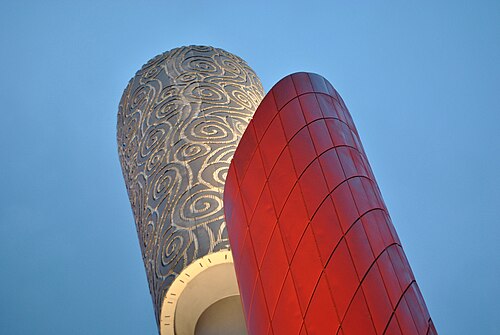
The 2008 Summer Olympics have been generally accepted by the world's media as a logistical success.[138] Many of the worst fears about the Games failed to materialize: no terrorists struck Beijing; no athlete protested at the podium (though Swedish wrestler Ara Abrahamian tossed his bronze medal in disgust over judging); and the air quality, despite being the worst in Olympics history, was not as bad as many had feared beforehand – due largely to favorable weather patterns.[139][140]
Many in China viewed the Olympics as "an affirmation of a single nationalistic dream" and saw protests during the international torch relay as an insult to China.[141] The Games also bolstered domestic support for the Chinese government, and for the policies of the Communist Party, giving rise to concerns that the Olympics would give the state more leverage to suppress political dissent, at least temporarily.[142] Efforts to quell any unrest before and during the Games also contributed to a rapid expansion in the size and political clout of China's internal security forces, and this growth continued through the following years.[143] Reports also indicated that the Olympics boosted the political careers of pro-Beijing politicians in Hong Kong, as many Chinese gold medal winners campaigned on behalf of the pro-Beijing DAB during the 2008 election,[144] although any trend towards greater identification by Hong Kongers with mainland China appears to have been short-lived.[145]
Some sectors of the Beijing economy may have benefited from the influx of tourists. Other sectors such as manufacturing lost revenue because of plant closings related to the government's efforts to improve air quality. Four years after the Games, many of the specially constructed facilities were underused or even deserted.[146] It is generally expected by economists that there will be no lasting effects on Beijing's economy from the Games.[147]
See also

- 2008 Summer Paralympics
- Olympic Games held in China
- 2008 Summer Olympics – Beijing
- 2014 Summer Youth Olympics – Nanjing
- 2022 Winter Olympics – Beijing
Notes
- ^ The official logo for the 2008 Summer Olympics, featuring a depiction of the Chinese pictogram "京", from the word Beijing (北京) representing a dancing human figure, in reference to the host city. Below are the words "Beijing 2008" located above the Olympic rings.
- ^ IOC records state Hu Jintao opened the Beijing Games as "President", de jure head of state. Though Hu Jintao was also de facto ruler as General Secretary of the Chinese Communist Party, that title is not reflected in IOC records.
- ^ Although the Games officially started on 8 August 2008, the first football matches were held on 6 August.
- ^ The other two instances were the 1956 Summer Olympics, where the equestrian events were held in Stockholm, Sweden, due to strict Australian quarantine rules, and the other Olympic events were held in Melbourne, Australia; and the 1920 Summer Olympics, which were hosted by Antwerp, Belgium, but the final two races of the 12 ft (3.7 m) dinghy event in sailing took place in the Netherlands.
- ^ The New York Times, for instance, said that "those promises have been contradicted by strict visa rules, lengthy application processes and worries about censorship."[44]
- ^ The fencing program included six individual events and four team events; the FIE's rules call for the set of team events to be different from those held in the previous Games and for at least one team event in each weapon to be contested. The fourth event is determined by a vote. In 2004, the three men's team events (foil, saber, épée) and the women's épée were held, so in 2008, both the women's foil and saber events, as well as the men's épée, were automatically selected. The fourth event, men's saber, was chosen over men's foil by a 45:20 vote.[92]
References
- ^ a b "Factsheet - Opening Ceremony of the Games of the Olympiad" (PDF) (Press release). International Olympic Committee. 9 October 2014. Archived (PDF) from the original on 14 August 2016. Retrieved 22 December 2018.
- ^ "Beijing 2008 Summer Olympics Games". International Olympic Committee. Archived from the original on 23 June 2011. Retrieved 5 August 2012.
- ^ a b c Longman, Jere (14 July 2001). "OLYMPICS; Beijing Wins Bid for 2008 Olympic Games". The New York Times. Archived from the original on 24 November 2010. Retrieved 4 February 2011.
- ^ "Longest distance for an Olympic torch relay". Guinness World Records. Archived from the original on 12 June 2018. Retrieved 10 June 2018.
- ^ Fixmer, Andy (5 September 2008). "Beijing Olympics Attracted Most Viewers, Nielsen Says". Bloomberg. Archived from the original on 19 September 2009. Retrieved 4 February 2011.
- ^ Rabinovitch, Simon. "Beijing Games to be costliest, but no debt legacy". U.S. Archived from the original on 12 June 2018. Retrieved 10 June 2018.
- ^ "#1: 2008 Beijing Games - $40 billion - pg.2". Forbes. Archived from the original on 12 June 2018. Retrieved 10 June 2018.
- ^ a b "Press hails 'greatest ever' Olympic opening show". Agence France-Presse. 9 August 2008. Archived from the original on 12 August 2008. Retrieved 9 August 2008.
- ^ "World records set in Beijing Olympics". chinadaily.com.cn. Archived from the original on 12 June 2018. Retrieved 10 June 2018.
- ^ "China to showcase art performance directed by Zhang Yimou at Pyeongchang Winter Olympics". The Straits Times. 27 January 2018. Archived from the original on 12 June 2018. Retrieved 10 June 2018.
- ^ "Beijing 2008: Election". International Olympic Committee. Archived from the original on 5 December 2006. Retrieved 18 December 2006.
- ^ Peter Edwards (24 July 2015). "Toronto has made 5 attempts to host the Olympics. Could the sixth be the winner?". Toronto Star. Archived from the original on 10 September 2015. Retrieved 7 September 2015.
- ^ Riding, Alan (24 September 1993). "Olympics; 2000 Olympics Go to Sydney In Surprise Setback for China". The New York Times. Archived from the original on 30 November 2010. Retrieved 5 June 2009.
- ^ "Surplus of Beijing Olympic Games exceeds 16 million USD". People's Daily Online. 6 March 2009. Archived from the original on 24 June 2011. Retrieved 5 June 2009.
- ^ Rabinovitch, Simon (5 August 2008). "Beijing Games to be costliest, but no debt legacy". Reuters. Archived from the original on 14 July 2009. Retrieved 5 June 2009.
- ^ "Beijing Olympics to cost China 44 billion dollars". Pravda. 8 August 2008. Archived from the original on 2 August 2012. Retrieved 29 July 2012.
- ^ "The cost of the Beijing Olympics". The Guardian. London. 28 July 2008. Archived from the original on 2 September 2013. Retrieved 5 June 2009.
- ^ Paul Farhi (10 February 2014). "Did the Winter Olympics in Sochi really cost $50 billion? A closer look at that figure". Washington Post.
- ^ Flyvbjerg, Bent; Stewart, Allison; Budzier, Alexander (2016). The Oxford Olympics Study 2016: Cost and Cost Overrun at the Games. Oxford: Saïd Business School Working Papers (Oxford: University of Oxford). pp. 18–20. arXiv:1607.04484. doi:10.2139/ssrn.2804554. ISSN 1556-5068. SSRN 2804554.
- ^ "All Beijing-based Olympic venues under construction". Beijing Organizing Committee for the Olympic Games. 11 May 2007. Archived from the original on 26 January 2008. Retrieved 11 May 2007.
- ^ "Beijing Olympics funding exceeds $43 bn". NDTV.com. 4 August 2008. Archived from the original on 18 August 2009. Retrieved 10 August 2008.
- ^ "Hong Kong Olympic Equestrian Venue". Beijing Organizing Committee for the Games of the XXIX Olympiad. Archived from the original on 9 August 2008. Retrieved 10 August 2008.
- ^ Yardley, Jim (12 July 2006). "Olympics Imperil Historic Beijing Neighborhood". New York Times. Retrieved 26 March 2023.
- ^ "Supporters, protesters greet Olympic torch's arrival in Beijing". CBC News. 6 August 2009. Archived from the original on 31 December 2008. Retrieved 20 June 2009.
- ^ Libby, Brian (1 May 2002). "China's Banner Stadium". Architecture Week. Archived from the original on 23 April 2009. Retrieved 5 June 2009.
- ^ a b c Lubow, Arthur (6 May 2006). "The China Syndrome". The New York Times. Archived from the original on 13 November 2012. Retrieved 5 June 2009.
- ^ "Presentation of Competation". Beijing Municipal Commission of Urban Planning. Archived from the original on 19 June 2008. Retrieved 28 August 2008.
- ^ Pasternack, Alex; Clifford A. Pearson (July 2008). "National Stadium". Architectural Record: 92–9. Archived from the original on 12 June 2011. Retrieved 5 June 2009.
- ^ Jo Baker. "Beijing Terminal 3 by Foster". Architecture Week. Archived from the original on 15 August 2008. Retrieved 16 August 2008.
- ^ "38 public transit routes to the Olympic venues". Beijing Organizing Committee for the Olympic Games. 22 January 2007. Archived from the original on 12 May 2008. Retrieved 29 January 2007.
- ^ AUSmotive.com (2 August 2008). "Volkswagen claims 'Green' medal at 2008 Olympic Games". Archived from the original on 19 August 2008. Retrieved 2 August 2008.
- ^ Andrew Jacobs (14 April 2008). "Traffic Beijing Stops Construction for Olympics". The New York Times. Archived from the original on 14 May 2013. Retrieved 14 April 2008.
- ^ "Beijing to launch Olympic 'odd-even' car ban". ABC news. Reuters. 23 June 2008. Archived from the original on 25 June 2008. Retrieved 23 June 2008.
- ^ "Rogge's Message for Beijing Olympics Emblem Unveiling". People's Daily Online. 3 August 2003. Archived from the original on 11 October 2007. Retrieved 19 December 2006.
- ^ "'One World One Dream' selected as the Theme Slogan for Beijing 2008 Olympic Games". Beijing Organizing Committee for the Olympic Games. 25 December 2005. Archived from the original on 8 April 2008. Retrieved 5 May 2007.
- ^ "New Olympic slogan: One World, One Dream". The Sydney Morning Herald. 27 April 2005. Archived from the original on 23 June 2011. Retrieved 20 June 2009.
- ^ Yardley, Jim (13 August 2007). "Beijing Olympics: Let the politics begin". The New York Times. Archived from the original on 4 December 2018. Retrieved 30 November 2012.
- ^ "Pictograms of the Beijing 2008 Olympic Games". Beijing Organizing Committee for the Olympic Games. 2006. Archived from the original on 22 August 2008. Retrieved 22 August 2008.
- ^ a b "Pictograms of the Beijing 2008 Olympic Games unveiled". Beijing Organizing Committee for the Olympic Games. 7 August 2006. Archived from the original on 8 March 2008. Retrieved 12 July 2012.
- ^ Beaumont, Claudine (1 August 2008). "The first high-definition Olympics". Telegraph. London. Archived from the original on 24 June 2011. Retrieved 4 February 2011.
- ^ Dickson, Glen (4 August 2008). "Network goes to great lengths to pump Beijing Olympic Games action to myriad pipes". Broadcasting & Cable. Archived from the original on 14 December 2009. Retrieved 17 August 2008.
- ^ "Seeing clearly: Panasonic ushers in first HDTV Game". China Daily. 6 July 2007. Archived from the original on 17 June 2008. Retrieved 24 March 2008.
- ^ "Report of the IOC Evaluation Commission for the Games of the XXIX Olympiad in 2008" (PDF). International Olympic Committee. Archived from the original (PDF) on 29 December 2003. Retrieved 10 June 2009.
- ^ Stelter, Brian (21 July 2008). "Networks Fight Shorter Olympic Leash". The New York Times. Archived from the original on 13 August 2011. Retrieved 21 July 2008.
- ^ "Olympics enter the '2.0' era". CNN. 10 July 2008. Archived from the original on 8 September 2008. Retrieved 25 August 2008.
- ^ "Beijing LIVE". Archived from the original on 22 August 2008. Retrieved 25 August 2008.
- ^ "Delighted Cooke gets gold medal". BBC News. 10 August 2008. Archived from the original on 15 August 2008. Retrieved 25 August 2008.
- ^ Wallace, Lydia. "100,000 yuan fine for uploading Olympic videos?". Danwei.org. Archived from the original on 11 June 2011. Retrieved 29 November 2010.
- ^ Robertson, Campbell. "For Olympics, China Ramps Up Copyright Infringement Campaign – Rings Blog". The New York Times. Archived from the original on 23 June 2008. Retrieved 4 February 2011.
- ^ 我国启动打击网络侵权盗版专项行动 为期四个月 (in Chinese). News.xinhuanet.com. Archived from the original on 21 August 2011. Retrieved 29 November 2010.
- ^ "beijing2008". YouTube. Archived from the original on 30 June 2013. Retrieved 12 October 2015.
- ^ "刘欢莎拉布莱曼演唱奥运会主题歌《我和你》". The 2008 Olympic Report. 8 August 2008. Archived from the original on 4 March 2016. Retrieved 9 September 2024.
- ^ "Beijing Ceremony Introduces Olympic Theme Song". 8 August 2008. Archived from the original on 8 December 2015. Retrieved 14 December 2015 – via Billboard.
- ^ "El Sonido De Miami". El Nuevo Herald. 7 August 2001. p. 29.
- ^ "The Image and Look – The Torch". Beijing Organizing Committee for the Olympic Games. 16 January 2008. Archived from the original on 14 May 2013. Retrieved 24 October 2014.
- ^ "Beijing 2008: BOCOG Announces Olympic Torch Relay Route". International Olympic Committee. 26 April 2007. Archived from the original on 29 April 2007. Retrieved 26 April 2007.
- ^ Bowley, Graham; Sullivan, John (9 April 2008). "Officials Expect Olympic Torch to Continue on Route". The New York Times. Archived from the original on 4 October 2018. Retrieved 4 February 2011.
- ^ "Vietnamese cheer torch, last int'l stop". USA Today. 29 April 2008. Archived from the original on 7 July 2009. Retrieved 20 June 2009.
- ^ Zinser, Lynn (27 March 2009). "I.O.C. Bars International Torch Relays". The New York Times. Archived from the original on 14 May 2013. Retrieved 28 March 2009.
- ^ a b "Beijing 2008 Olympic Torch Relay Planned Route and Torch Design unveiled". Beijing Organizing Committee for the Olympic Games. 26 April 2007. Archived from the original on 8 March 2008. Retrieved 26 April 2007.
- ^ Samuel, Henry (7 April 2008). "Olympic torch extinguished three times". The Daily Telegraph. London. Archived from the original on 18 March 2009. Retrieved 20 June 2009.
- ^ "Confusion strikes US torch relay". BBC News. 9 April 2008. Archived from the original on 12 July 2011. Retrieved 4 February 2011.
- ^ "Organizers not saying why torch's arrival in Tibet delayed". ESPN. 16 June 2006. Archived from the original on 6 November 2012. Retrieved 20 June 2009.
- ^ "China to build highway on Mt Everest for 2008 Olympics". The Hindu. India. 20 June 2007. Archived from the original on 11 January 2008. Retrieved 25 June 2007.
- ^ McCarthy, Michael; Geldard, Jack (17 March 2008). "Climbers banned from Everest as China seeks to stop protests on summit". The Independent. London. Archived from the original on 5 April 2008. Retrieved 23 March 2008.
- ^ "Nepal: Everest pro-Tibet protesters may be shot". CNN. 20 April 2008. Archived from the original on 7 March 2010. Retrieved 20 June 2009.
- ^ "Taiwan rejects 'domestic' Olympic torch route". Taiwan Journal. 4 May 2007. Archived from the original on 11 April 2008. Retrieved 15 August 2007.
- ^ "Olympic torch will bypass Taiwan". BBC News. 21 September 2007. Archived from the original on 30 September 2009. Retrieved 20 June 2009.
- ^ "National Olympic Committees". International Olympic Committee. Archived from the original on 25 December 2018. Retrieved 11 March 2008.
- ^ "Beijing 2008". Olympic Games. International Olympic Committee. Archived from the original on 26 May 2009. Retrieved 6 June 2009.
- ^ "Robert Meets IOC President". ONOC. 2 April 2005. Archived from the original on 18 October 2005. Retrieved 17 December 2006.
- ^ a b "Two new National Olympic Committees on board!". International Olympic Committee. 6 July 2007. Archived from the original on 12 November 2007. Retrieved 8 July 2007.
- ^ "IOC: Kosovo Olympic Team 'Unlikely'". Associated Press. 18 February 2008. Archived from the original on 5 February 2009. Retrieved 20 February 2008.
- ^ "2008 United States Olympic Team Entered Into XXVIV Olympic Games in Beijing, China". United States Olympic Committee. 24 July 2008. Archived from the original on 3 May 2009. Retrieved 15 June 2009.
- ^ "Host China announces biggest-ever Olympic team of 639 athletes". Xinhua News. 25 July 2008. Archived from the original on 7 September 2008. Retrieved 28 November 2012.
- ^ "IOC grants provisional recognition to Kosovo Olympic Committee". 13 July 2021.
- ^ "IOC President to meet with world leaders". Archived from the original on 7 September 2008. Retrieved 9 September 2009.
- ^ Callick, Rowan (4 August 2008). "Taiwan clears Games hurdle". The Australian. Archived from the original on 26 May 2012. Retrieved 15 June 2009.
- ^ "Koreas 'to unify Olympics teams'". BBC. 14 May 2006. Archived from the original on 28 June 2006. Retrieved 17 December 2006.
- ^ "Two Koreas Make Progress in Creation of Unified Team". International Olympic Committee. 5 September 2006. Archived from the original on 29 October 2007. Retrieved 10 September 2006.
- ^ Wilson, Stephen (7 August 2008). "North, South Korea Fail To Broker Joint Olympics March". Associated Press. Archived from the original on 5 December 2008. Retrieved 15 June 2009.
- ^ "Iraq banned from Summer Olympics". CNN. 24 July 2008. Archived from the original on 27 July 2008. Retrieved 24 July 2008.
- ^ "Iraq banned from Beijing Olympics". BBC Sport. 24 July 2008. Archived from the original on 25 July 2008. Retrieved 24 July 2008.
- ^ Jordans, Frank (29 July 2008). "Olympic panel ends ban, says Iraq can go to games". USA Today. Archived from the original on 23 June 2011. Retrieved 20 June 2009.
- ^ "Brunei Darussalam excluded from Beijing Olympic Games". Xinhua. 8 August 2008. Archived from the original on 13 August 2008. Retrieved 8 August 2008.
- ^ "Brunei excluded from Beijing Games". Reuters. 8 August 2008. Retrieved 15 June 2009.
- ^ Thomas, Jason; Begawan, Bandar Seri (10 August 2008). "Brunei not in China because ..." The Brunei Times. Archived from the original on 1 December 2008. Retrieved 15 June 2009.
- ^ "24.com – Olympics 2008 – Georgia poised to leave Beijing". 8 September 2008. Archived from the original on 25 August 2008. Retrieved 25 August 2008.
- ^ Hart, Simon (4 May 2008). "Dreams carry Natalie Du Toit to Beijing". The Telegraph. London. Archived from the original on 30 May 2009. Retrieved 15 June 2009.
- ^ "Natalia: Paralympic AND Olympic athlete". Archived from the original on 6 September 2012. Retrieved 15 June 2009.
- ^ "A 2008 Summer Olympics primer". New York Daily News. 10 August 2008. Archived from the original on 25 December 2018. Retrieved 8 June 2009.
- ^ "List of decisions of the 2006 General Assembly" (PDF). Fédération Internationale d'Escrime. 8 April 2006. Archived from the original (PDF) on 7 March 2008. Retrieved 7 June 2009.
- ^ "Beijing 2008: Games Programme Finalised". International Olympic Committee. 27 April 2006. Archived from the original on 14 September 2008. Retrieved 7 June 2009.
- ^ "Programme of the Games of the XXIX Olympiad, Beijing 2008" (PDF). International Olympic Committee. Archived from the original (PDF) on 23 July 2011. Retrieved 25 November 2012.
- ^ "Home > Sports". olympic.org. Archived from the original on 25 December 2018. Retrieved 24 October 2014.
- ^ "Wushu Tournament Beijing 2008 to begin August 21". en.beijing2008.cn. Archived from the original on 8 August 2008. Retrieved 5 August 2008.
- ^ "Olympic Games Competition Schedule". Beijing Organizing Committee for the Olympic Games. Archived from the original on 18 June 2007. Retrieved 5 July 2007.
- ^ "Engineering the world's fastest swimsuit". Physorg. 28 February 2008. Archived from the original on 19 September 2008. Retrieved 30 August 2008.
- ^ "Opening Ceremony plan released". Official website. 6 August 2008. Archived from the original on 8 August 2008. Retrieved 8 August 2008.
- ^ "The Number Eight and the Chinese". Archived from the original on 27 April 2007. Retrieved 22 April 2007.[irrelevant citation]
- ^ "Zhang Yimou and his five creative generals". Beijing2008.cn. 23 August 2007. Archived from the original on 28 April 2009. Retrieved 5 June 2009.
- ^ Crean, Jeffrey (2024). The Fear of Chinese Power: an International History. New Approaches to International History series. London, UK: Bloomsbury Academic. p. 165. ISBN 978-1-350-23394-2.
- ^ "China Celebrates Opening of Summer Olympics : NPR". NPR.org. Archived from the original on 22 January 2010. Retrieved 9 September 2009.
- ^ "Fears, foul-ups and triumphs at past Olympic openings". Reuters. 7 August 2008. Archived from the original on 31 August 2008. Retrieved 5 June 2009.
- ^ "China strides onto Olympic stage". ESPN. 8 August 2008. Archived from the original on 6 November 2012. Retrieved 5 June 2009.
- ^ "Verbruggen: Opening Ceremony a grand success". Beijing2008.cn. 9 August 2008. Archived from the original on 28 April 2009. Retrieved 5 June 2009.
- ^ "London Takes Over as Olympic Host". The BBC. 24 August 2008. Archived from the original on 29 September 2008. Retrieved 10 January 2009.
- ^ a b c Crary, David (24 August 2008). "The final count: China's gold rush". NBCOlympics.com. NBC. Associated Press. Archived from the original on 14 July 2011. Retrieved 6 June 2009.
- ^ Mochlinski, Kaz (25 August 2008). "China confirm place as leading superpower after topping Olympic Games medal table". Telegraph Media Group. Archived from the original on 15 July 2018. Retrieved 2 July 2018.
- ^ "Afghans win first Olympic medal". BBC. 5 June 2009. Archived from the original on 21 August 2008. Retrieved 20 August 2008.
- ^ "Mauritian delight at first ever medal". The Brunei Times. Brunei. 23 August 2008. Archived from the original on 21 April 2016. Retrieved 13 April 2016.
- ^ Osman, Mohamed (24 August 2008). "Darfur runner wins Sudan's first Olympic medal". The New York Times. Archived from the original on 14 July 2011. Retrieved 5 June 2009.
- ^ Talmadge, Eric (11 August 2008). "Italy, Azerbaijan win golds". The New York Times. Archived from the original on 25 December 2018. Retrieved 5 June 2009.
- ^ "Togo claims first Olympic medal". BBC. 12 August 2008. Archived from the original on 25 December 2018. Retrieved 5 June 2009.
- ^ "Naidan wins Mongolia's first gold". BBC. 14 August 2008. Archived from the original on 25 December 2018. Retrieved 5 June 2009.
- ^ "Liu out, Isinbayeva gets world record". The New York Times. 18 August 2008. Archived from the original on 25 December 2018. Retrieved 5 June 2009.
- ^ "Serbian PM congratulates swimmer on winning medal in Beijing Olympics". Chinaview.cn. 17 August 2008. Archived from the original on 18 August 2008. Retrieved 5 June 2009.
- ^ "Bolt surges to gold in new record". BBC. 16 August 2008. Archived from the original on 25 December 2018. Retrieved 7 January 2013.
- ^ Scwartz, Alison (30 August 2012). "Gabby Douglas poses with Nastia Liukin, Carly Patterson, and Mary Lou Retton". People. Archived from the original on 25 December 2018. Retrieved 7 January 2013.
- ^ "Beijing 2008 Olympic Medal Table – Gold, Silver & Bronze". International Olympic Committee. Retrieved 12 September 2024.
- ^ Yardley, Jim (9 July 2008). "Two Concerns for Olympics – Air and Access –". The New York Times. Beijing (China). Archived from the original on 14 July 2011. Retrieved 16 May 2011.
- ^ "Protestors Rally in Europe on Eve of China Olympics". Deutsche Welle. 7 August 2008. Archived from the original on 8 August 2008. Retrieved 9 August 2008.
- ^ "China's un-Olympic human rights record". Calgary Herald. 9 August 2008. Archived from the original on 25 June 2009. Retrieved 9 August 2008.
- ^ "Ji Xinpeng: Beijing welcomes you with its blue sky". China Daily. 7 August 2008. Archived from the original on 27 August 2008. Retrieved 8 August 2008.
- ^ Newman, Saul. "Why Grandpa boycotted the Olympics". Haaretz. Archived from the original on 14 August 2008. Retrieved 9 August 2008.
- ^ "Interpol says Olympic terror attack 'real possibility'". The Globe and Mail. Canada. Archived from the original on 9 May 2008. Retrieved 29 November 2010.(subscription required)
- ^ "Interpol chief warns of Olympic terror threat". intelasia.net. Archived from the original on 2 November 2012. Retrieved 13 July 2012.
- ^ O'Sullivan, Mike (10 August 2008). "Bush Olympic Visit Highlights Religion in China". Voice of America. Archived from the original on 26 August 2009. Retrieved 2 July 2009.
- ^ "Olympic probe into age-fixing of Chinese gymnasts". 21 August 2008. Archived from the original on 7 December 2010. Retrieved 29 November 2010.
- ^ "2008 Chinese gymnasts cleared, but 2000 team eyed". ESPN. Associated Press. 1 October 2008. Archived from the original on 4 October 2008. Retrieved 1 October 2008.
- ^ Kang, Jaeho; Traganou, Jilly (2011). "The Beijing National Stadium as Media-space". Design and Culture. 3 (2): 145–163. doi:10.2752/175470811X13002771867761. S2CID 143762612.
- ^ Stephen Hutcheon, "Was China's milk scandal hushed up?" Archived 29 September 2008 at the Wayback Machine, "The full list of edicts" Archived 24 September 2015 at the Wayback Machine, New Zealand Herald (15 September 2008)
- ^ Richard Spencer in Beijing (15 September 2008). "China accused over contaminated baby milk". Telegraph.co.uk. Archived from the original on 19 October 2008. Retrieved 3 April 2018.
- ^ "China Says Complaints About Milk Began in 2007". The New York Times. 24 September 2008. Archived from the original on 29 January 2017. Retrieved 14 February 2017.
- ^ "Bulgaria withdraws lifting team". BBC Sport. 27 June 2008. Archived from the original on 26 February 2009. Retrieved 27 August 2018.
- ^ "Greek 'B' samples test positive". BBC Sport. 2 May 2008. Archived from the original on 8 April 2008. Retrieved 27 August 2018.
- ^ "Seven Russians handed doping bans". BBC Sport. 20 October 2008. Archived from the original on 23 October 2008. Retrieved 27 August 2018.
- ^ Skalij, Wally (24 August 2008). "Beijing Olympics were logistically successful and sneaky, too". LA Times. Archived from the original on 24 June 2011. Retrieved 29 August 2008.
- ^ "China Launches Olympic-Size Headache". 20 August 2008. Archived from the original on 29 August 2008. Retrieved 31 August 2008.
- ^ Jamieson, Alastair (22 June 2009). "Beijing Olympics were the most polluted games ever, researchers say". The Daily Telegraph. London. Archived from the original on 26 June 2009. Retrieved 26 June 2009.
- ^ April Rabkin (1 August 2008). "→Beijing Olympic Games all about China, Chinese Leaders keen to impress, inspire their own people". San Francisco Chronicle. Archived from the original on 19 November 2010. Retrieved 17 March 2010.
- ^ Gardner, Dinah (25 August 2008). "China's Olympic legacy". Archived from the original on 29 August 2008. Retrieved 29 August 2008.
- ^ "China's new rulers, Princelings and the goon state, The rise and rise of the princelings, the country's revolutionary aristocracy". The Economist. 14 April 2011. Archived from the original on 23 June 2012. Retrieved 22 July 2012.
- ^ "Democrats perform well despite 'Olympic factor' in Hong Kong elections". 8 September 2008. Archived from the original on 21 March 2012. Retrieved 6 June 2009.
- ^ Higgins, Andrew (11 January 2012). "China denounces 'Hong Konger' trend". The Washington Post. Archived from the original on 4 June 2012. Retrieved 22 July 2012.
- ^ McDonald, Mark (15 July 2012). "'Ruin Porn' — the Aftermath of the Beijing Olympics". The New York Times. Archived from the original on 19 July 2012. Retrieved 21 July 2012.
- ^ "Beijing's economy – Going for gold". The Economist. 25 August 2008. Archived from the original on 28 August 2008. Retrieved 29 August 2008.
External links
2008 Summer Olympics at Wikipedia's sister projects
 Media from Commons
 Data from Wikidata

Wikivoyage has a travel guide for Beijing 2008.

Scholia has a topic profile for 2008 Summer Olympics.
- "Beijing 2008". Olympics.com. International Olympic Committee.
- "2008 Summer Olympics Official Site". Archived from the original on 12 October 2008. Retrieved 20 June 2013.
{{cite web}}: CS1 maint: bot: original URL status unknown (link) - Beijing Olympic Sites Four Years Later – What Remains at Modern Day Ruins
- Mallon, Bill (18 January 2019). "ALL OLYMPIC DOPING POSITIVES – THE COUNT BY GAMES". OlympStats.


