
Loading article…
国際法において、自決権[ 1 ]とは、人民が自らの政治的実体を形成する権利を指す。 [ 2 ]自決権は現代国際法の根本原則であり、国連憲章の規範の権威ある解釈として国連を拘束する。 [ 3 ] [ 4 ]この原則は、どのように決定を下すべきか、またどのような結果になるべきか(独立、連邦、保護、何らかの自治、完全な同化など)を規定するものではない。 [ 5 ]さらに、国際法の下では分離権は認められていない。[ 6 ] [ 7 ]

The concept emerged with the rise of nationalism in the 19th century and came into prominent use in the 1860s, spreading rapidly thereafter.[8] During and after World War I, a general principle of self-determination was proclaimed by United States PresidentWoodrow Wilson and others.[8][9] Having announced his Fourteen Points on 8 January 1918, Wilson stated on 11 February 1918: "National aspirations must be respected; people may now be dominated and governed only by their own consent. 'Self determination' is not a mere phrase; it is an imperative principle of action."[10] However, neither Wilson and Lloyd George nor Lenin and Trotsky considered the peoples of the Global South as the main target for their statements supporting self-determination. Nevertheless, their rhetoric resonated far beyond the European audiences they aimed to reach.[11] During World War II, the principle was included in the Atlantic Charter, jointly declared on 14 August 1941 by Franklin D. Roosevelt, President of the United States, and Winston Churchill, Prime Minister of the United Kingdom, who pledged The Eight Principal points of the Charter.[12] It was recognized as an international legal right after it was explicitly listed as a right in the UN Charter.[13]
Implementing the right to self-determination can be politically difficult, in part because there are multiple interpretations of what constitutes a people and which groups may legitimately claim the right to self-determination.[14] As World Court judge Ivor Jennings put it: "the people cannot decide until somebody decides who are the people".[15]
自決権の規範は、アメリカ独立革命とフランス革命、そしてナショナリズムの出現に遡ることができる。[ 16 ] [ 17 ] 1848年のヨーロッパ革命、第一次世界大戦後のヴェルサイユ条約、そして第二次世界大戦後の脱植民地化運動は、国際法におけるこの規範を形成し確立した。[ 18 ]アメリカの例は、民族自決権の最も初期の主張と見なされてきたが、これは主に専制君主への抵抗という観点から主張されたものであり、ラテンアメリカのスペイン植民地の独立とともに現れた、民族が自らの政治的運命を決定する「自然権」への訴えではなかった。[ 19 ]
これらの概念は、特にフーゴー・グロティウスとイマヌエル・カントの初期の思想に触発されたものであり、19世紀半ばまでに「民族自決」は革命的ナショナリズムの武器へと発展した。[ 19 ]トーマス・ジェファーソンは、特にアメリカ合衆国独立宣言の起草を通して、人民の意思が至高であるという考えをさらに推進し、それは19世紀のヨーロッパのナショナリズム運動のインスピレーションとなった。[ 14 ]フランス革命は、その旧世界の大陸で民族自決の思想を正当化した。[ 20 ] [ 21 ]
伝統的な帝国内部では、民族主義的な感情が芽生えた。ロシアでは汎スラヴ主義、オスマン帝国ではオスマン主義、ケマル主義イデオロギー、アラブ民族主義、日本では国家神道と日本人のアイデンティティ、中国では満州族支配階級との対立における漢民族のアイデンティティなどが挙げられる。一方、ヨーロッパでは、民族主義の高まりにより、イタリア、ギリシャ、ハンガリー、ポーランド、ブルガリアが独立を求めたり、独立を達成したりした。
カール・マルクスとフリードリヒ・エンゲルスは、ナショナリズムが社会改革や国際同盟の「前提条件」になり得ると考え、こうしたナショナリズム運動の一部を支持した。[ 22 ] 1914年、ウラジーミル・レーニンは次のように書いた。「自決権を、独立した国家としての存在権以外の何かと解釈するのは間違いだろう。」[ 23 ]
対照的に、ローザ・ルクセンブルクは、すべての国とすべての時代に有効な「民族自決権」を「形而上学的な決まり文句に過ぎず」、「民族問題の実際的な解決策は提供しない」と呼び、国家を「均質な社会的・政治的実体」と捉える概念そのものがブルジョア思想に由来すると主張した。[ 24 ] [ 25 ]
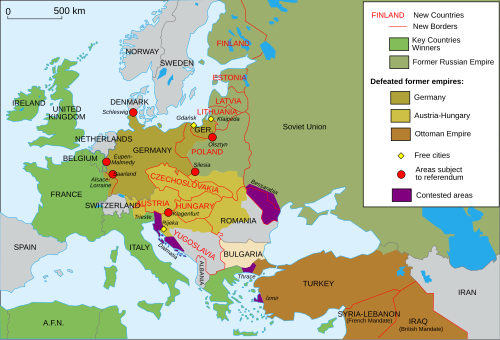

ウッドロー・ウィルソンは、少なくともヨーロッパ諸国に関しては、第一次世界大戦中にアメリカの民族自決権へのコミットメントを復活させた。十月革命でロシアでボリシェヴィキが権力を握ると、彼らは第一次世界大戦の連合国からのロシアの即時離脱を要求した。レーニンは「民族自決」をロシア帝国に対する武器として利用しており、革命後、党は植民地を含むすべての民族の民族自決権を支持した。[ 23 ] 1918年のソビエト連邦憲法は、構成共和国の分離権を認めた。 [ 14 ]
1918年1月、ウィルソンは1918年1月の14か条を発表し、その中でとりわけ、植民地列強の利益が被支配民族の主張と同等の重みを持つ限りにおいて、植民地の主張を調整することを求めた。[ 14 ] 1918年3月のブレスト=リトフスク条約により、ソビエト・ロシアは戦争から離脱し、アルメニア、アゼルバイジャン、ベラルーシ、エストニア、フィンランド、ジョージア、ラトビア、リトアニア、ポーランド、ウクライナは名目上独立を果たしたが、実際にはこれらの地域はドイツの支配下にあった。[ 27 ]戦争の終結により、敗戦国オーストリア=ハンガリー帝国とチェコスロバキアは解体され、スロベニア人、クロアチア人、セルビア人の国家がセルビア王国と統合し、ハプスブルク帝国の残骸から新たな国家が誕生し、ルーマニア語圏のすべてが統一された。しかし、特定の民族(特にポーランド人、チェコ人、セルビア人、ルーマニア人)が、彼らを嫌い不信感を抱いていた他の民族に対して権力を持つ国家を押し付けるというこのやり方は、最終的に第二次世界大戦におけるドイツの侵略の口実として利用された。
国際連盟は、戦後秩序の象徴として設立された。その初期の任務の一つは、旧オスマン帝国、アジア、アフリカの領土に新たに建国された国民国家の領土境界を正当化することであった。国際連盟は、戦後の平和条約においてこの原則をどのように適用するかについて一貫性がなく、多くの場所で少数民族の保護を確保するために非常に複雑な取り決めによって補う必要があった。[ 28 ]また、自決の原則は、現地住民が十分に文明化されていないという理由で、植民地主義を終わらせるまでには及ばなかった。国際連盟は、オスマン帝国崩壊後のアジアとアフリカの各国家と植民地を、国際連盟委任統治の付与によってヨーロッパ列強に割り当てた。[ 29 ]
ヴェルサイユ条約に対するドイツの反対意見の一つは、民族自決の原則のやや選択的な適用であった。ズデーテン地方を含むドイツ・オーストリア共和国は、これらの地域でドイツに加わる意思を代表していると見なされた一方、ダンツィヒの住民の大多数はドイツ帝国に留まることを望んでいた。しかし、連合国はドイツの反対意見を無視した。ウィルソンの14か条は、ポーランドの独立回復とポーランドの「安全な海へのアクセス」を求めており、これはドイツの都市ダンツィヒ(現在のポーランド、グダニスク)をポーランドに割譲することを意味していた。[ 30 ] 1919年のパリ講和会議 で、ポーランド代表団は、ダンツィヒは1793年までポーランド領であり、ダンツィヒがなければポーランドは経済的に存続できないと主張し、14か条の14番目の条項を尊重するためにダンツィヒをポーランドに譲渡するようウィルソンに求めた。[ 30 ] 1772年の第一次ポーランド分割の際、ダンツィヒの住民はポーランドに残るために激しく戦ったが、[ 31 ] 19世紀のドイツ化の過程の結果、 [ 32 ] 1919年までに住民の90%がドイツ人となり、ポーランドが一定の特別な権利を持つ都市国家であるダンツィヒ自由都市の創設につながった。 [ 33 ]ダンツィヒ市は90%がドイツ人、10%がポーランド人であったが、ダンツィヒ周辺の農村部は圧倒的にポーランド人が多く、ダンツィヒ自由都市に含まれるポーランド人の多い農村地域は、ポーランドの一部になりたいと主張して反対した。[ 30 ]ポーランド人もドイツ人もこの妥協に満足せず、ダンツィヒ問題は戦間期を通じてドイツとポーランドの緊張の火種となった。[ 34 ]
1920年代と1930年代には、脱植民地化の過程の初期に、自決権を求める運動がいくつか成功した。英国議会が同意なしにはこれらの地域に対して法律を制定できないと宣言した後、ウェストミンスター法はカナダ、ニュージーランド、ニューファンドランド、オーストラリア、南アフリカ連邦に独立を認めた。 [ 35 ]この法は、これらの英国領の自治を認めた1926年のバルフォア宣言に基づいており、英国連邦の創設の第一段階を表している。エジプト、アフガニスタン、イラクも英国からの独立を達成した。インド独立運動のような他の試みは成功しなかった。一方、イタリア、日本、ドイツはそれぞれ特定の地域を自国の支配下に置くための新たな試みを開始した。特に、国家社会主義綱領はこの国家の権利を援用しており、それは1920年2月24日にアドルフ・ヒトラーによって公に宣言された。
アジアでは、日露戦争での勝利後、日本は台頭し、西側諸国からの尊敬を集めた。日本は第一次世界大戦で連合国側に加わり、極東のドイツ植民地を攻撃し、かつてのドイツ領を自国の帝国に加えた。1930年代には、満州侵攻後、内モンゴルと満州で大きな影響力を獲得した。満州と内モンゴル東部に傀儡国家である満州国を樹立した。これは基本的に、日本がアジアの他の地域を侵略し、大東亜共栄圏を樹立する際に踏襲したモデルであった。日本は、満州国は民族自決の原則によって正当化されると主張するために多大な労力を費やし、満州の人々が中国からの分離を望んでいると主張し、関東軍に彼らのために介入するよう求めた。しかし、日本が侵略行為を行ったかどうかを判断するために国際連盟によって任命されたリットン委員会は、満州の大多数の漢民族は中国を離れることを望んでいなかったと述べた。
In 1912, the Republic of China officially succeeded the Qing Dynasty, while Outer Mongolia, Tibet and Tuva proclaimed their independence. Independence was not accepted by the government of China. By the Treaty of Kyakhta (1915), Outer Mongolia recognized China's sovereignty. However, the Soviet threat of seizing parts of Inner Mongolia induced China to recognize Outer Mongolia's independence, provided that a referendum was held. The referendum took place on October 20, 1945, with—according to official numbers—100% of the electorate voting for independence.
Many of East Asia's current disputes to sovereignty and self-determination stem from unresolved disputes from World War II. After its fall, the Empire of Japan renounced control over many of its former possessions including Korea, Sakhalin Island, and Taiwan. In none of these areas were the opinions of affected people consulted, or given significant priority. Korea was specifically granted independence, but the receiver of various other areas was not stated in the Treaty of San Francisco, giving Taiwan de facto independence, although its political status continues to be ambiguous.
In 1941, Allies of World War II declared the Atlantic Charter and accepted the principle of self-determination. In January 1942, twenty-six states signed the Declaration by United Nations, which accepted those principles. The ratification of the United Nations Charter in 1945 at the end of World War II placed the right of self-determination into the framework of international law and diplomacy.
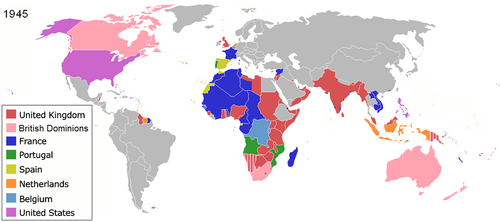
On 14 December 1960, the United Nations General Assembly adopted United Nations General Assembly Resolution 1514 (XV) subtitled "Declaration on the Granting of Independence to Colonial Countries and Peoples", which supported the granting of independence to colonial countries and people by providing an inevitable legal linkage between self-determination and its goal of decolonisation. It postulated a new international law-based right of freedom to exercise economic self-determination. Article 5 states: Immediate steps shall be taken in Trust and Non-Self-Governing Territories,[39] or all other territories which have not yet attained independence, to transfer all powers to the people of those territories, without any conditions or reservations, in accordance with their freely expressed will and desire, without any distinction as to race, creed or colour, in order to enable them to enjoy complete independence and freedom.
On 15 December 1960, the United Nations General Assembly adopted United Nations General Assembly Resolution 1541 (XV), subtitled "Principles which should guide members in determining whether or nor an obligation exists to transmit the information called for under Article 73e of the United Nations Charter in Article 3", which provided that "[t]he inadequacy of political, economic, social and educational preparedness should never serve as a pretext for delaying the right to self-determination and independence." To monitor the implementation of Resolution 1514, the General Assembly created the Special Committee in 1961, referred to popularly as the Special Committee on Decolonization to ensure decolonization complete compliance with the principles of self-determination in General Assembly Resolution 1541 (XV).[40][41]
しかし、憲章やその他の決議は、自治を得るための最良の方法として完全な独立を主張しておらず、また、強制メカニズムも含まれていませんでした。さらに、新しい国家は、ウティ・ポッシデティス・ジュリスの法的原則によって承認されました。これは、言語、民族、文化の境界とはほとんど関係がなくても、古い行政境界が独立時に国際境界になることを意味します。[ 42 ] [ 43 ]それにもかかわらず、自決の言語によって正当化され、1946年から1960年の間に、アジア、アフリカ、中東の37の新しい国家が植民地支配から独立しました。[ 14 ] [ 44 ] [ 45 ]領土問題は、必然的に多くの国家内でより多くの紛争と独立運動を引き起こし、領土保全が自決と同じくらい重要であるという前提に異議を唱えることになりました。[ 42 ]
世界の脱植民地化とは対照的に、ソ連は戦後、拡張主義を成功させた。トゥヴァ共和国と東ヨーロッパ、バルト海沿岸、中央アジアのいくつかの地域国家は、第二次世界大戦中にソ連に完全に併合された。ソ連はその後、東ドイツや東ヨーロッパ諸国を衛星国として設立し、中国や北朝鮮の革命運動を支援することで影響力を拡大した。衛星国は独立し主権を有していたが、ソ連は1956年のハンガリー革命と1968年のチェコスロバキアのプラハの春の改革を弾圧することで民族自決の原則を侵害した。ソ連はアフガニスタンに侵攻し、現地の部族集団に攻撃された共産主義政権を支援した。[ 14 ]しかし、マルクス・レーニン主義とその帝国主義理論は、植民地政権や傀儡政権に反抗する第三世界諸国の民族解放運動にも強い影響を与えた。多くの第三世界諸国において、共産主義は帝国主義や植民地化に反対する集団を団結させるイデオロギーとなった。
Soviet actions were contained by the United States, which saw communism as a menace to its interests. Throughout the cold war, the United States created, supported, and sponsored regimes with various success that served their economic and political interests, among them anti-communist regimes such as that of Augusto Pinochet in Chile and Suharto in Indonesia. To achieve this, a variety of means was implemented, including the orchestration of coups, sponsoring of anti-communist countries and military interventions. Consequently, many self-determination movements, which spurned some type of anti-communist government, were accused of being Soviet-inspired or -controlled.[14]
In Asia, the Soviet Union had already converted Mongolia into a satellite state but abandoned propping up the Second East Turkestan Republic and gave up its Manchurian claims to China. The new People's Republic of China had gained control of mainland China in the Chinese Civil War, later taking over independent Tibet. The Korean War shifted the focus of the Cold War from Europe to Asia, where competing superpowers took advantage of decolonization to spread their influence.
In 1947, India gained independence from the British Empire. The empire was in decline but adapted to these circumstances by creating the British Commonwealth—since 1949, the Commonwealth of Nations—which is a free association of equal states. As India obtained its independence, multiple ethnic conflicts emerged in relation to the formation of a statehood during the Partition of India, which resulted in Islamic Pakistan and Secular India. Before the advent of the British, no empire based in mainland India had controlled any part of what now makes up the country's Northeast, part of the reason for the ongoing insurgency in Northeast India.[46] In 1971, Bangladesh obtained independence from Pakistan.
Burma (later Myanmar) also gained independence from the British Empire, but declined membership in the Commonwealth.[47] In contrast, Ceylon (later Sri Lanka) and Malaya both joined the Commonwealth upon gaining independence from Britain, as well as the latter's successor states (Malaysia, Singapore, and Brunei).
インドネシアは、オランダ帝国が植民地支配を回復できなかった後、1949年にオランダ帝国から独立しました。インドネシアはまた、統一マレーシアの創設によって弱体化する可能性のある、この地域での強力な地位を望んでいました。オランダは以前のオランダ領東インドからニューギニアを保持していましたが、インドネシアは侵略して併合すると脅しました。西ニューギニア人が自分たちの運命を決定できるように、国連が後援する自由選択法の下で投票が行われたとされていますが、多くの人がその真偽を疑っています。その後、ポルトガルは1975年のカーネーション革命の後に東ティモールの支配権を放棄し、その時インドネシアはすぐに侵略して併合しました。1999年、インドネシアのBJハビビ大統領は、オーストラリアと国連から東ティモールに独立を与えるよう圧力をかけられました。旧インドネシア領東ティモールの人々は、インドネシア国内でのより大きな自治か独立のどちらかを選択するよう求められました。東ティモール人の78.5%が独立に投票し、インドネシアの特別な自治の提案を拒否しました。[ 48 ]
ラオスとカンボジアはともに1953年にフランス帝国から独立を果たしたが、ベトナムの場合はフランス領インドシナの他の2つの旧植民地よりも複雑だった。共産主義のベトミン が1945年にフランスからの独立を宣言したにもかかわらず、ベトナムはフランスだけでなく、 1949年以降は反共産主義の西側諸国の支援を受けたベトナム国とも戦わなければならなかった。これは、1954年のジュネーブ会議でベトナムの国際的承認を保証する決定的なディエンビエンフーの戦いまで続いたが、ベトナムは南ベトナム(ベトナム国、後にベトナム共和国)と共産主義の北ベトナム(ベトナム民主共和国)に分割されたままだった。ベトナムがベトナム戦争後に北ベトナムの支配下で再統一されるのは1975年になってからのことだった。[ 49 ]

The Cold War began to wind down after Mikhail Gorbachev assumed power as Soviet General Secretary in March 1985. With the cooperation of the U.S. President Ronald Reagan, Gorbachev wound down the size of the Soviet Armed Forces and reduced nuclear arms in Europe, while liberalizing the Soviet economy.
In the revolutions of 1989–90, the communist regimes of Soviet satellite states collapsed in rapid succession in Poland, Hungary, Czechoslovakia, East Germany, Bulgaria, Romania, and Mongolia. East and West Germany united, Czechoslovakia peacefully split into Czech Republic and Slovakia, while in the 1990s, Yugoslavia began a violent breakup into six states. North Macedonia and Montenegro became independent nations and broke off from Yugoslavia peacefully. Kosovo, which was previously an autonomous unit of Serbia, declared independence in 2008, but has received less international recognition.[14]
In December 1991, Gorbachev resigned as president and the Soviet Union dissolved relatively[50] peacefully into fifteen sovereign republics,[51] all of which rejected Communism and most of which adopted democratic reforms and free-market economies.[52] Inside those new republics, major areas have claimed their own independence, but not received widespread international recognition.[53]
After decades of civil war, Indonesia finally recognized the independence of East Timor in 2002.[54] Likewise, decades of civil war in Sudan finally led to South Sudan becoming independent in 2011.[55]
In 1949, the Communist Party won the Chinese Civil War and established the People's Republic of China in Mainland China.[56] The Kuomintang-led Republic of China government retreated to Taipei, its jurisdiction now limited to Taiwan[56] and several outlying islands. Since then, the People's Republic of China has been involved in disputes with the ROC over issues of sovereignty and the political status of Taiwan.
前述のとおり、世界のいくつかの地域では民族自決運動が依然として根強く残っています。台湾、北キプロス、コソボ、アブハジア、南オセチアなど、事実上の独立を達成している地域もありますが、これらの地域の独立は一つまたは複数の主要国によって争われています。東トルキスタン(「新疆」)、クルディスタン、バローチスタン、チェチェン、パレスチナなど、事実上の独立を達成していない地域でも、民族自決を求める重要な運動が続いています。

1990年代初頭以来、民族自決の原則の正当化により、国家内の紛争が増加している。これは、サブグループがより大きな自決権と完全な分離を求め、グループ内、他のグループ、支配的な国家との指導権をめぐる紛争が暴力的になっているためである。[ 57 ]これらの新たな運動に対する国際社会の反応は不均一であり、原則よりも政治によって左右されることが多かった。2000年の国連ミレニアム宣言は、これらの新たな要求に対処できず、「植民地支配と外国の占領下にある人々の自決権」に言及したにとどまった。[ 43 ] [ 58 ]
マッコーリー大学法学ジャーナルのある号で、アレクサンダル・パヴコヴィッチ准教授とピーター・ラダン上級講師は、自決権に関する現在の法的および政治的問題について概説した。[ 59 ]
国際法には「人民」の法的定義は認められていない。[ 60 ]実際、アイヴァー・ジェニングスはウィルソンのドクトリンを「ばかげている」と評した。表面的には「人民に決めさせる」のは理にかなっているように見えるが、実際には「誰が人民であるかを誰かが決めるまで、人民は決めることができない」からである。[ 15 ]
ヴィータウタス・マグヌス大学法学部のヴィータ・グデレヴィチウテは、様々な国際判決や国連決議を検討した結果、自治権を持たない人々(植民地化された人々や先住民族)や外国の軍事占領の場合、「人々」は、他の違いに関係なく、占領された領土単位の全人口として定義されることを発見した。一方、国家政府による代表権を持たない人々の場合、代表権を持たない人々は別の民族として定義される。現在の国際法は、民族的少数派やその他の少数派を別の民族として認めていないが、そのような集団が居住国の政府によって組織的に参政権を剥奪されている場合は例外である。[ 43 ]
他の定義としては、「民族」は自明(民族性、言語、歴史などから)であるとするものや、「相互の愛情や感情の結びつき」(「忠誠心」、あるいは民族間の相互の義務)によって定義されるものがある。[ 61 ]
ウリエル・アブロフ教授は、自己決定権は「道徳的二重らせん」の二元性を伴うと示唆している。すなわち、1. 個人が民族と結びつく権利、そして民族が自らの政治を決定する権利、2. 相互性(権利は自分自身の権利であると同時に他者の権利でもある)である。したがって、自己決定権は個人に「民族」を形成する権利を与え、その民族は他のすべての個人や民族に同じ権利を与える限り、独立国家を樹立する権利を持つことになる。[ 62 ]
自己決定権は、市民権に基づく差別などを通じて、他の民族とは異なる「民族」を法的に扱う能力を必要とすると主張されてきた。[ 63 ]

National self-determination appears to challenge the principle of territorial integrity (or sovereignty) of states as it is the will of the people that makes a state legitimate. This implies that people should be free to choose their own state and its territorial boundaries. However, there are far more self-identified nations than there are existing states and there is no legal process to redraw state boundaries according to the will of these peoples.[59] According to the Helsinki Final Act of 1975, the UN, ICJ and international law experts, there is no contradiction between the principles of self-determination and territorial integrity, with the latter taking precedence.[64][65][66][67]

Allen Buchanan, author of seven books on self-determination and secession, supports territorial integrity as a moral and legal aspect of constitutional democracy. However, he also advances a "Remedial Rights Only Theory" where a group has "a general right to secede if and only if it has suffered certain injustices, for which secession is the appropriate remedy of last resort." He also would recognize secession if the state grants, or the constitution includes, a right to secede.[43]
Vita Gudeleviciute holds that in cases of non-self-governing peoples and foreign military occupation the principle of self-determination trumps that of territorial integrity. In cases where people lack representation by a state's government, they also may be considered a separate people, but under current law cannot claim the right to self-determination. On the other hand, she finds that secession within a single state is a domestic matter not covered by international law. Thus, there is no consensus on what groups may constitute a seceding people.[43]
多くの国が、植民地主義の結果として奪われたと主張する領土の領有権を主張している。これは、国連決議1514(XV)第6項を根拠としている。同項は、「国の国家統一及び領土保全の部分的又は全面的な破壊を目的とするいかなる試みも、憲章の目的及び原則と相容れない」と規定している。この規定は、植民地化によって国家の領土保全が破壊され、歴史的領有権主張の対象となる地域の住民が自決権を行使できなくなった状況にも適用されると主張されている。しかし、多くの国はこの解釈を拒否し、国連決議1514(XV)第2項は「すべての人民は自決権を有する」と規定しており、第6項は領有権主張を正当化するために用いることはできないと主張している。第6項の本来の目的は、「自決権の行使が、下位地域内ではなく、確立された植民地の境界内で行われることを確保すること」であった。さらに、第6項で使用されている「試み」という言葉は将来の行動を意味し、過去の行動に対する領土的救済を正当化するものと解釈することはできない。[ 68 ]領土紛争がある場合に自決権を限定しようとするスペインとアルゼンチンの試みは、自決権は普遍的な権利であると改めて表明した国連総会によって拒否された。[ 69 ] [ 70 ]
少数派の権利要求に対応し、分離独立や新たな国家の創設を回避するために、多くの国は、新たな、あるいは既存の下位組織や自治地域に、より大きな意思決定権限を分散または委譲している。
自己決定権は、特に相当数の少数派が存在する場合、多数決の原則や平等な権利と相反する可能性がある。民主主義社会では、選挙や投票の結果を決定する際に多数決が用いられることが多い。しかし、多数決に対する大きな批判の一つは、特に単純多数決で結果を決定する場合、多数派の専制政治につながる可能性があるという点である。この欠点は、利益が代表されていない大きな少数派が存在し、彼らが分離独立を求める可能性がある場合に特に深刻となる。
少数派による自己決定権は、多数決制の民主主義国家において長らく議論の的となってきた。例えば、エイブラハム・リンカーンは最初の大統領就任演説で次のように主張した。
明らかに、分離独立の中心的な考え方は無政府状態の本質である。憲法上の抑制と制限によって抑制され、国民の意見や感情の意図的な変化に応じて常に容易に変化する多数派こそが、自由な国民の唯一の真の主権者である。これを拒否する者は、必然的に無政府状態か専制政治へと逃げ込むことになる。全会一致は不可能である。少数派による統治は、恒久的な取り決めとしては全く容認できない。したがって、多数派の原則を拒否すれば、何らかの形の無政府状態か専制政治しか残らないのである。[ 71 ]
しかし、少数派の自決権を支持するリベラル派は、少数派が多数派になることができない場合、また少数派が領土的に集中しており、多数派による統治を望まない場合、この集団の分離を認めることが国家の最善の利益になる可能性があると主張して、この考えに反論している。[ 72 ]
ほとんどの主権国家は、憲法で分離による自決権を認めていない。多くはそれを明示的に禁止している。しかし、より大きな自治権や分離による自決の既存のモデルはいくつか存在する。[ 73 ]
自由主義的な立憲民主主義国家では、多数決の原則によって少数派が分離独立できるかどうかが決定されてきた。米国では、エイブラハム・リンカーン大統領が、合衆国憲法を改正することで分離独立が可能になるかもしれないと認めた。テキサス州対ホワイト事件において、最高裁判所は分離独立は「革命または州の同意によって」起こり得ると判決を下した。[ 74 ] [ 75 ] 1933年の英国議会は、西オーストラリア州がオーストラリアから分離独立するには、国全体の過半数の賛成票が必要であると判決を下した。西オーストラリア州で以前に行われた住民投票による分離独立の3分の2の賛成票は不十分であった。[ 59 ]
中国共産党はソ連に倣い、少数民族やチベットを連邦に引き入れるために、1931年の憲法に分離権を盛り込んだ。しかし、同党は後に分離権を廃止し、中華人民共和国建国前後の憲法に反分離条項を盛り込んだ。1947年のビルマ連邦憲法には、いくつかの手続き条件の下で連邦から分離する国家の権利が明記されていた。これは、1974年のビルマ連邦社会主義共和国(正式名称は「ミャンマー連邦」)憲法で廃止された。ビルマは依然として「中央指導下の地方自治」を認めている。[ 73 ]
1996年現在、オーストリア、エチオピア、フランス、セントクリストファー・ネービスの憲法には、分離独立の権利が明示的または黙示的に規定されている。スイスでは、既存の州からの分離独立と新たな州の創設が認められている。ケベック州がカナダから分離独立しようとした際、1998年にカナダ最高裁判所は、州の明確な多数派の賛成と、カナダ連邦のすべての参加者によって承認された憲法改正の両方がない限り、分離独立は認められないとの判決を下した。[ 73 ]
2003年の欧州連合憲法草案では、加盟国が自主的に連合から脱退することが認められていたが、脱退を希望する国は、連合から脱退できるかどうかを決定する投票に参加することができなかった。[ 73 ]少数民族によるこのような自決権については、2005年に最終文書が批准手続きを経て失敗に終わる前に、多くの議論がなされた。[ 76 ]
2003年に実施された憲法改正国民投票の成功により、リヒテンシュタイン公国のすべての自治体は、その自治体に居住する市民の過半数の投票により公国から分離する権利を有する。[ 77 ]
In determining international borders between sovereign states, self-determination has yielded to a number of other principles.[78] Once groups exercise self-determination through secession, the issue of the proposed borders may prove more controversial than the fact of secession. The bloody Yugoslav Wars in the 1990s were related mostly to border issues because the international community applied a version of uti possidetis juris in transforming the existing internal borders of the various Yugoslav republics into international borders, despite the conflicts of ethnic groups within those boundaries. In the 1990s, indigenous populations of the northern two-thirds of Quebec province opposed being incorporated into a Quebec nation and stated a determination to resist it by force.[59]
The border between Northern Ireland and the Irish Free State was based on the borders of existing counties and did not include all of historic Ulster (see Partition of Ireland). An Irish Boundary Commission was established to consider redrawing it. Its proposals, which amounted to a small net transfer to the Free State, were leaked to the press and then not acted upon. The Commission Report was suppressed and not published in full until 1969. In December 1925, the governments of the Irish Free State, Northern Ireland, and the United Kingdom agreed to accept the existing border.

Motivated by fears of cultural and physical erasure under government policies from Azerbaijan,[79][80][81] Armenians launched a national liberation movement which came to be known as the Karabakh Movement between 1988 to 1991.[82][83][84][85] The movement advocated for the reunification of the Nagorno-Karabakh Autonomous Oblast (NKAO) – an autonomous enclave within Azerbaijan – with Armenia.
コーカサス地方のアルツァフ共和国(ナゴルノ・カラバフ共和国とも呼ばれる)は、 1991年の住民投票で99%の賛成を得て独立を宣言したが、分離独立国家は国連諸国に承認されず、アゼルバイジャンの軍事攻勢と人口の99%の追放の後、2024年1月1日に解体された。ナゴルノ・カラバフからのアルメニア難民は帰還権を請願している。[ 86 ] [ 87 ] [ 88 ]アルツァフ政府は亡命政府のままである。[ 89 ] [ 90 ] [ 91 ]ナゴルノ・カラバフの元大統領で最後の大統領であるサムヴェル・シャフラマニャンは、「我々の故郷、祖国への帰還権は否定されるべきではない」と述べた。[ 92 ]しかし、アゼルバイジャン国内の国家主導の反アルメニア感情は、アゼルバイジャンのアルメニア系住民の帰還の可能性を複雑にしている。[ 93 ] [ 94 ]
アッシリア独立運動は、アッシリア人が伝統的なアッシリアの故郷で、アッシリア国家の自治の下で暮らすことを求める政治運動であり、民族主義的な願望である。アッシリアの領土は現在、シリア、イラク、イラン、トルコの一部に広がっている。
オーストラリアでは、アボリジニとトレス海峡諸島民に関して、自己決定権が議論の的となっている。1970年代、アボリジニの人々は、ホームランド運動(アウトステーション運動とも呼ばれる)の一環として、遠隔地のコミュニティを自ら管理する権利を要求した。こうしたコミュニティは1980年代を通じて増加したが、2000年代には資金が枯渇した。

トゥアレグ族の伝統的な故郷は、現在のマリ、アルジェリア、ニジェールの国境によって分断された。数十年にわたり数々の反乱が起こったが、2012年にトゥアレグ族はついに故郷の土地を奪還し、アザワドの独立を宣言した。しかし、彼らの運動はイスラム過激派テロ組織アンサール・ディーンによって乗っ取られてしまった。
バローチ分離主義者が提唱する自決運動は、1948年のパキスタンへの編入は真の包括的な民衆の委任なしに行われたという主張に基づいている。インド分割当時、バローチスタンはイギリス統治領といくつかの藩王国から成り、その中で最も有力だったのがカラート・ハーン国であった。イギリスの統治撤退後、カラートは1947年8月に独立を宣言し、歴史的な主権とイギリス王室との条約に基づく関係を主張した。1948年3月、カラートはパキスタンに加盟したが、この決定は政治的および軍事的圧力の下で行われたと主張するバローチ指導者の一部によって異議を唱えられた。[ 95 ]
反乱軍は1948年から現在まで、パキスタンの支配に対して断続的な武装抵抗を行ってきた。紛争は1948年3月にカラート藩王国がパキスタンに併合された直後に始まり、その後、アブドゥル・カリム王子率いる最初のバルーチ反乱が起こった。[ 96 ]それ以来、この地域では、1948年、1958~59年、1962~63年、1973~77年、そして2000年代初頭以降に、政治的、経済的、安全保障上の不満が複合的に絡み合った反乱が何度か発生している。バルーチ分離主義者は、パキスタン国家によって政治的に疎外され、組織的な虐待を受けてきたと主張している。[ 97 ]
現在、バルチスタン解放戦線とバルチスタン解放軍は、この運動に関連する主要なグループであり、パキスタン国家に対する政治活動と武装抵抗の両方に関与している。[ 98 ]
バローチスターン民族主義者は、イランとアフガニスタンの一部も自分たちの独立国家の一部とみなしている。[ 99 ]

The Basque Country (Basque: Euskal Herria, Spanish: País Vasco, French: Pays Basque) as a cultural region (not to be confused with the homonym Autonomous Community of the Basque country) is a European region in the western Pyrenees that spans the border between France and Spain, on the Atlantic coast. It comprises the autonomous communities of the Basque Country and Navarre in Spain and the Northern Basque Country in France. Since the 19th century, Basque nationalism has demanded the right of some kind of self-determination. This desire for independence is particularly stressed among leftist Basque nationalists. The right of self-determination was asserted by the Basque Parliament in 1990, 2002 and 2006.[100] Since self-determination is not recognized in the Spanish Constitution of 1978, some Basques abstained and some voted against it in the referendum of December 6 of that year. It was approved by a clear majority at the Spanish level, and with 74.6% of the votes in the Basque Country.[101] However, the overall turnout in the Basque Country was 45% when the Spanish overall turnover was 67.9%. The derived autonomous regime for the BAC was approved by Spanish Parliament and also by the Basque citizens in referendum. The autonomous statute of Navarre (Amejoramiento del Fuero: "improvement of the charter") was approved by the Spanish Parliament and, like the statutes of 13 out of 17 Spanish autonomous communities, it did not need a referendum to enter into force.
Euskadi Ta Askatasuna or ETA (English: Basque Homeland and Freedom; pronounced [ˈeta]), was an armed Basque nationalist, separatist and terrorist organization that killed more than 800 people. Founded in 1959, it evolved from a group advocating traditional cultural ways to a paramilitary group with the goal of Basque independence. Its ideology was Marxist–Leninist.[102][103]

ナイジェリア内戦は、ビアフラ共和国の分離主義者とナイジェリア中央政府の間で戦われた。1999年から現在に至るまで、ビアフラの先住民は自国を再建するために独立運動を続けている。彼らは、自決権を主張し、法の支配によって独立を達成するために、ナイジェリアと国連の両方でビリー人権イニシアチブとして知られる人権団体を登録している。[ 104 ]
2012年のカタルーニャ独立行進では、60万人から150万人の市民が行進した[ 105 ]。カタルーニャ州首相のアルトゥール・マスは、スペインのコルテス・ヘネラレスでは認められていないカタルーニャの自決権を行使する新たな議会を選出するため、 2012年11月25日に新たな議会選挙を呼びかけました。カタルーニャ議会は、次の4年間の議会で自決権の問題について投票を行うことを決議しました。議会の決定は、賛成84票、反対21票、棄権25票という圧倒的多数の議員によって承認されました[ 106 ] 。カタルーニャ議会は、住民投票を実施する権限をスペイン議会に移譲するよう申請しましたが、これは却下されました。 2013年12月、アルトゥール・マス首相と連立政権は、自決権に関する住民投票を2014年11月9日に実施することで合意した。また、この協議は「住民投票」ではないと明記した法律が制定されたが、スペイン政府の要請により、スペイン憲法裁判所によって阻止された。この阻止を受け、政府はこれを単なる「国民への協議」に変更した。
The question in the consultation was "Do you want Catalonia to be a state? If so, do you want Catalonia to become an independent state?".[107][108] However, as the consultation was not a formal referendum, these (printed) answers were just suggestions and other answers were also accepted and catalogued as "other answers" instead as null votes. The turnout in this consultation was about 2.23 million people out of 5.4 million potential voters.[109] Due to the lack of an official census, potential voters were assigned to electoral tables according to home address and first family name. Participants had to sign up first with their full name and national ID in a voter registry before casting their ballot, which prevented participants from potentially casting multiple ballots. The overall result was 80.76% in favor of both questions, 11% in favor of the first question but not of the second questions, 4.54% against both; and the rest were classified as "other answers".[110] The voter turnout was around 37% (most people against the consultation did not go to vote). Four top members of Catalonia's political leadership were barred from public office for having defied the Constitutional court's last-minute ban.[111]

Almost three years later (1 October 2017), the Catalan government called a referendum for independence under legislation adopted in September 2017, despite this legislation had been suspended by the Constitutional Court for "violating fundamental rights of citizens",[112] with the question "Do you want Catalonia to become an independent state in the form of a Republic?". On polling day, the Catalan regional police, which had been accused in the past of police brutality and impunity during the 15-M protests,[113][114] prevented voting in over 500 polling stations without incidents. In some voting stations, the Catalan regional police did not intervene,[115] while in other stations, they directly confronted the Spanish CNP (National Police Corps) to allow voters to participate.[116] The CNP confiscated ballot boxes and closed down 92,[117] voting centres with violent truncheon charges. The opposition parties had called for non-participation. The turnout (according to the votes that were counted) was 2.3m out of 5.3m (43.03% of the census), and 90.18% of the ballots were in favour of independence.[118] The turnout, ballot count and results were similar to those of the 2014 "consultation".
Under Dzhokhar Dudayev, Chechnya declared independence as the Chechen Republic of Ichkeria, using self-determination, Russia's history of bad treatment of Chechens, and a history of independence before invasion by Russia as main motives. Russia has restored control over Chechnya, but the separatist government functions still in exile, though it has been split into two entities: the Akhmed Zakayev-run secular Chechen Republic (based in Poland, the United Kingdom, and the United States), and the Islamic Caucasus Emirate.
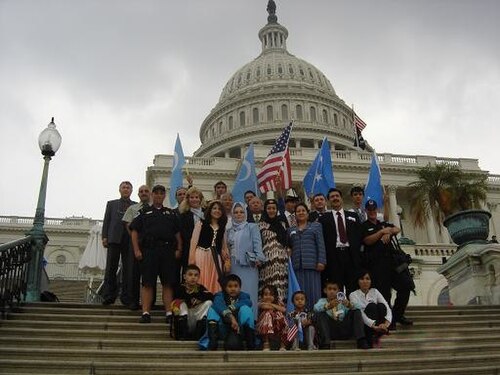
On November 12, 1933, Uyghurs, Kazakhs, Kyrgyz, and Uzbeks declared independence, establishing the First East Turkestan Republic, and again on November 12, 1944, forming the socialist Second East Turkestan Republic. Their primary motivations included self-determination against a history of colonization and oppression by the Manchu Qing Dynasty. The People's Republic of China assumed control over East Turkistan in late 1949. There is a robust movement advocating East Turkistani sovereignty, challenging the Chinese occupation since 2004, namely the East Turkistan Government in Exile is at the forefront of the East Turkistan Independence Movement.

There is an active secessionist movement based on the self-determination of the residents of the eastern part of Donetsk and the southeastern part of the Luhansk regions of eastern Ukraine. However, many in the international community assert that referendums held there in 2014 regarding independence from Ukraine were illegitimate and undemocratic.[119][120] Similarly, there are reports that presidential elections in May 2014 were prevented from taking place in the two regions after armed gunmen took control of polling stations, kidnapped election officials, and stole lists of electors, thus denying the population the chance to express their will in a free, fair, and internationally recognised election.[121] There are also arguments that the de facto separation of Eastern Ukraine from the rest of the country is not an expression of self-determination, but rather motivated by revival of pro-Soviet sentiment and an invasion by neighbouring Russia, with Ukrainian President Petro Poroshenko claiming in 2015 that up to 9,000 Russian soldiers were deployed in Ukraine.[122] Similarly, Russian President Vladimir Putin defended the annexation of Crimea by claiming it to be an act of self-determination of the Crimean people.
The Federal Democratic Republic of Ethiopia is run as a federation of semi-self-governing nation states. The Constitution of Ethiopia firmly mentions the self-determining nature of its states. The actual implementation of its states self-governance is debatable.
Self-determination is referred to in the Falkland Islands Constitution[123] and is a factor in the Falkland Islands sovereignty dispute. The population has existed for over nine generations, continuously for over 190 years.[124] In the 2013 referendum, organised by the Falkland Islands Government, 99.8% voted to remain British.[125] As administering power, the British Government deemed that transfer of sovereignty to Argentina would be counter to the Falkland Islander right to self-determination, since the majority of Falkland Island inhabitants wished to remain British.[126]

Argentina states that the principle of self-determination is not applicable to the islands since the current inhabitants are not aboriginal and were brought to replace the Argentine population, which was expelled by an 'act of force', compelling the Argentinian inhabitants to directly leave the islands.[127] This refers to the re-establishment of British rule in the year 1833[128] during which Argentina claims the existing population living in the islands was expelled. Argentina thus argues that, in the case of the Falkland Islands, the principle of territorial integrity should have precedence over self-determination.[129] Historical records dispute Argentina's claims and whilst acknowledging the garrison was expelled note the existing civilian population remained at Port Louis.[130][131][132][133] There was no attempt to settle the islands until 1841.[134]

自決権はジブラルタル憲法第1章の前文に言及されており、[ 135 ]英国もジブラルタルの主権移譲においてジブラルタル人の自決権が尊重されることを保証したため、スペインとの領土紛争の一因となっている。[ 136 ]ジブラルタル人の自決権の影響は、 2002年のジブラルタル主権住民投票で明らかになった。ジブラルタルの有権者は、英国とスペインの間でジブラルタルの主権を共有する計画を圧倒的多数で否決した。しかし、英国政府はジブラルタル政府とは異なり、ジブラルタル人の自決権はユトレヒト条約によって制限されており、スペインの同意なしにジブラルタルが独立を達成することはできないと考えているが、ジブラルタル政府はこの立場を受け入れていない。[ 137 ] [ 138 ]
スペイン政府は、ジブラルタル人を「真の自治権を持たない人工的な住民」であり「先住民」ではないとして、ジブラルタル人の自決権を否定している。[ 139 ]しかし、アンダルシア党はジブラルタル人の自決権を認めることに同意した。[ 140 ]
1972年11月2日に国連決議2908(XXVII)が採択される以前、中華人民共和国は1972年3月8日、旧英国植民地である香港の民族自決権に拒否権を行使した。これに対し、複数の国が抗議し、英国は12月14日にこの決定は無効であると宣言した。それから数十年後、現在中国共産党の支配下にある香港で、香港独立運動と呼ばれる独立運動が勃興した。この運動は、香港が完全な独立主権国家となることを主張している。
香港は特別行政区 (SAR)とみなされており、中国によれば、1997年に香港が英国から中国に返還されて以来、香港基本法第2条[1](中英共同声明で批准されている)によって保障された、中華人民共和国(PRC)の下での高度な自治を享受している。返還以来、多くの香港市民は、北京による香港の自由への侵略の拡大と、香港政府が「真の」民主主義を実現できていないことにますます懸念を抱いている。[2]
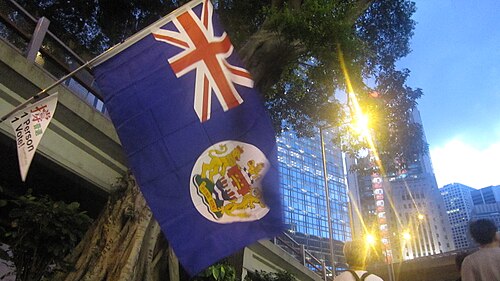
2014年から2015年にかけて行われた香港の選挙制度改革案は、香港市民に普通選挙を認める一方で、北京が候補者の審査権限を持ち、香港行政長官 (同地域の最高位の官僚)の選挙方法を制限するという内容だったため、香港を深く分断した。これがきっかけとなり、79日間に及ぶ大規模な平和的抗議活動、いわゆる「雨傘運動」が起こり、香港の政治舞台に独立運動が台頭した。[2]
それ以来、特に平和的な雨傘運動の失敗後、ローカリズムは勢いを増している。若いローカリストのリーダーたちは、中国統治下の香港の社会問題への意識を高めるため、親中国政策に対する数多くの抗議行動を主導してきた。これには、インターネット検閲強化法案に対する座り込み抗議、香港大学への中国の政治的干渉に対するデモ、元朗奪還運動、2016年の旺角市民騒乱などが含まれる。2016年7月に香港中文大学(CUHK)が実施した調査によると、回答者の17.4%が2047年以降に香港が独立した自治体になることを支持し、3.6%が「可能」だと答えた。[3]

先住民族は2007年の先住民族の権利に関する宣言を通じて「民族」という用語を主張し、それによって自決権を獲得した。自決権は既存の主権国家内でのみ認められる権利であることも確立されたが、民族が国際政治において主権を獲得するには領土と中央政府も必要である。[ 141 ]

Zionism is a nationalist ideology founded by Theodor Herzl which claims a right of historic entitlement by descent as a nation, to exercise self-determination for all Jewish people in the region of Palestine/ancient Israel/land of Israel.[142] The successful implementation of this vision led to the establishment of the State of Israel in 1948.[143]
The insurgency in Kashmir against Indian rule has existed in various forms. A widespread armed insurgency started in Kashmir against India rule in 1989 after allegations of rigging by the Indian government in the 1987 Jammu and Kashmir state election. This led to some parties in the state assembly forming militant wings, which acted as a catalyst for the emergence of armed insurgency in the region. The conflict over Kashmir has resulted in tens of thousands of deaths.

The Inter-Services Intelligence of Pakistan has been accused by India of supporting and training both pro-Pakistan and pro-independence militants to fight Indian security forces in Jammu and Kashmir, a charge that Pakistan denies. According to official figures released in the Jammu and Kashmir assembly, there were 3,400 disappearance cases and the conflict has left more than 47,000 to 100,000 people dead as of July 2009. However, violence in the state had fallen sharply after the start of a slow-moving peace process between India and Pakistan. After the peace process failed in 2008, mass demonstrations against Indian rule, and low-scale militancy emerged again.
However, despite boycott calls by separatist leaders in 2014, the Jammu and Kashmir Assembly elections saw highest voters turnout in last 25 years since insurgency erupted.


Kurdistan is a historical region primarily inhabited by the Kurdish people of the Middle East. The territory is currently part of Turkey, Iraq, Syria and Iran. There are Kurdish self-determination movements in each of the four states. Iraqi Kurdistan has to date achieved the largest degree of self-determination through the formation of the Kurdistan Regional Government, an entity recognised by the Iraqi Federal Constitution.
第一次世界大戦後のセーヴル条約でクルド国家の創設権が認められたものの、同条約はその後ローザンヌ条約(1923年)によって無効とされた。現在までに、2つの独立したクルド共和国と1つのクルド王国が主権を宣言している。アララト共和国(トルコ、アール県)、メハバード共和国(イラン、西アゼルバイジャン県)、クルディスタン王国(イラク、イラク領クルディスタン、スレイマニヤ県)である。これらの新興国家はいずれも軍事介入によって崩壊した。現在イラク大統領を務めるクルディスタン愛国同盟と、クルディスタン地域政府を統治するクルディスタン民主党は、いずれもクルド人の自決権の発展に明確にコミットしているが、現在の国境や国の中で自決権を求めるべきかどうかについては意見が分かれている。
クルド人の民族自決に向けた取り組みは、トルコとイランの両政府によって違法な分離主義とみなされており、両国で政治的に弾圧されている。これは、イランとトルコにおけるクルド民族主義者の反乱と密接に関係しており、これらの反乱は平和的な主張の弾圧を正当化し、また弾圧によって正当化されている。シリアでは、シリア内戦の混乱の中で、2012年にクルド人が支配する自治的な地方自治体が設立されたが、どの外国からも承認されていない。
Naga refers to a vaguely defined conglomeration of distinct tribes living on the border of India and Burma. Each of these tribes lived in a sovereign village before the arrival of the British but developed a common identity as the area was Christianized. After the British left India, a section of Nagas under the leadership of Angami Zapu Phizo sought to establish a separate country for the Nagas. Phizo's group, the Naga National Council (NNC), claimed that 99. 9% of the Nagas wanted an independent Naga country according to a referendum conducted by it. It waged a secessionist insurgency against the Government of India. The NNC collapsed after Phizo got his dissenters killed or forced them to seek refuge with the Government.[144][145] Phizo escaped to London, while NNC's successor secessionist groups continued to stage violent attacks against the Indian Government. The Naga People's Convention (NPC), another major Naga organization, was opposed to the secessionists. Its efforts led to the creation of a separate Nagaland state within India in 1963.[146] The secessionist violence declined considerably after the Shillong Accord of 1975. However, three factions of the National Socialist Council of Nagaland (NSCN) continue to seek an independent country which would include parts of India and Burma. They envisage a sovereign, predominantly Christian nation called "Nagalim".[147]
おそらくより関連性の高い、もう一つの論争の的となった出来事は、イギリスがイギリス領マラヤからの撤退を開始したことでした。この出来事は、1963年にイギリス領北ボルネオとサラワクを率いて、住民が新しいマレーシア連邦の一部になることを望んでいるかどうかを判断するために行われた国連評価チームの調査結果に関するものでした。[ 148 ]国連チームの任務は、1962年に領土に到着し、世論を把握するために公聴会を開催したイギリスが任命したコボルド委員会による以前の評価に続くものでした。また、個人、組織、政党から提出された1600通の手紙と覚書を精査しました。コボルドは、住民の約3分の2がマレーシアの形成を支持し、残りの3分の1は独立またはイギリスによる支配の継続を望んでいると結論付けました。国連チームはこれらの調査結果を概ね確認し、これは後に総会で承認され、両地域はその後、新しいマレーシア連邦の形成を望んでいます。コボルド委員会と国連チームの結論は、自決権に関する住民投票が行われないまま到達した。 [ 40 ] [ 149 ] [ 150 ] しかし、シンガポールとは異なり、サラワクと北ボルネオでは住民投票は一度も実施されなかった。[ 151 ]彼らは以前の統治主体のいくつかを統合しようとし、フィリピン、マラヤ連邦、インドネシア間の合意であるマニラ協定が1963年7月31日に締結された。[ 152 ] [ 153 ]北ボルネオとサラワクの人々の意思を、国連総会決議1541(XV)附属書の原則9の枠組みの中で尊重し、[ 154 ] [ 155 ]北ボルネオとサラワクでの住民投票が自由かつ強制のないものであるという点を考慮した。 [ 152 ]これはインドネシアの対立も引き起こした。インドネシアは協定違反に反対したからである。[ 39 ] [ 156 ]

キプロス島は紀元前2千年紀にミケーネ文明のギリシャ人によって2度に分けて入植されました。中東の戦略的要衝であったため、その後、アッシリア帝国、エジプト帝国、ペルシア帝国など、いくつかの大国によって占領されました。紀元前333年にはアレクサンドロス大王によってペルシアから奪取されました。その後、プトレマイオス朝エジプト、古代ローマ帝国、東ローマ帝国、短期間のアラブのカリフ国、そしてフランスのリュジニャン朝によって支配されました。1473年に最後のリュジニャン朝国王ジェームズ2世が死去すると、ヴェネツィア共和国が島の支配権を握り、故国王のヴェネツィア人の未亡人であるカトリーヌ・コルナロ女王が名目上の君主として君臨しました。ヴェネツィアはカトリーヌの退位後、1489年にキプロス王国を正式に併合しました。ヴェネツィア人はニコシアの城壁を築いてニコシアを要塞化し、重要な商業拠点として利用した。
中世を通じてキプロスではリュジニャン朝のフランス貴族が支配的な社会階級であり続けたものの、かつての「島ではギリシャ人は農奴としてしか扱われなかった」という通説は、現在では学者によって正確とはみなされていない。中世にはギリシャ系キプロス人が上流階級に昇格するケースが増加し、ギリシャ人の中流階級も拡大し、リュジニャン朝の王室でさえギリシャ人と結婚するようになったことが、現在では広く認められている。キプロス王ヨハネス2世もヘレナ・パレオロギナと結婚している。
ヴェネツィアの統治時代を通して、オスマン帝国は頻繁にキプロス島を襲撃した。1539年、オスマン帝国はリマソールを破壊したため、最悪の事態を恐れたヴェネツィア人はファマグスタとキレニアも要塞化した。
1570年に侵攻したトルコ人は、1571年から1878年にイギリス帝国に租借されるまで、キプロス島全体を支配し、単独で統治した。キプロスは1878年のキプロス条約に基づいてイギリスの統治下に置かれ、1914年の第一次世界大戦の始まりに正式にイギリスに併合された。トルコ系キプロス人は人口の18%を占めていたが、1950年代にはキプロスの分割と北部にトルコ国家を創設することがトルコ系キプロス人指導者とトルコ共和国の政策となった。政治的には、ギリシャ系キプロス人とトルコ系キプロス人の間に多数派/少数派の関係はなく、[ 157 ] [ 158 ]そのため、1960年にキプロス共和国はキプロスの構成コミュニティ(ギリシャ系キプロス人とトルコ系キプロス人)によって非単一国家として設立された。 [ 159 ] 1960年憲法はトルコ語とギリシャ語の両方を公用語として定めた。[ 160 ] [ 161 ] 1963年から1974年にかけて、ギリシャ民族主義者による島をギリシャに統一するためのクーデターの後、島は民族衝突と混乱を経験し、最終的に1974年のトルコの侵攻につながった。 [ 162 ]北キプロス・トルコ共和国は1983年に宣言され、トルコのみが承認した。[ 163 ]モンロー・リー、1990年、「キプロスのトルコ系キプロス人とギリシャ系キプロス人の国際法上の法的地位」。これらの交渉に参加しているギリシャ系キプロス人とトルコ系キプロス人の政権、および彼らが代表するそれぞれのコミュニティは、現在、自決権を含む国際法上の平等な権利を行使する権利を有する。[ 164 ] 1974年のトルコの侵攻以前は、トルコ系キプロス人は島内のトルコ系キプロス人の飛び地に集中していた。
北キプロスは国家としての古典的な基準をすべて満たしている。[ 165 ]キプロスにおける国連平和維持軍(UNFICYP)は、キプロス島の北部で北キプロスの法律に基づいて活動している。[ 166 ]欧州人権裁判所(ECtHR)によれば、北キプロスの法律はキプロス北部で有効である。[ 167 ] ECtHRは、北キプロスの裁判所が「独立性および/または公平性」を欠いているという主張を受け入れなかった。[ 168 ] ECtHRは、すべてのキプロス人に対し、ECtHRに訴える前に北キプロスで適用されている「国内救済」を尽くすよう指示した。[ 169 ] 2014年、米国連邦裁判所は北キプロス・トルコ共和国を「民主主義国家」と認定した。 [ 170 ] [ 171 ] [ 172 ] 2017年、英国高等法院は「英国法において、英国政府には北キプロスを承認しない義務はない。国連自体が北キプロスの法執行機関と協力し、島の両地域間の協力を促進している」と判決を下した。[ 173 ]英国高等法院はまた、「英国警察と北キプロスの法執行機関との協力は違法である」という主張も却下した。[ 174 ]

パレスチナ人の自決権は、一部のパレスチナ人やパレスチナ民族主義者が求める自治権と主権の拡大[ 175 ]、そしてパレスチナに適用される国際的な自決権である。このような感情は、一国家解決と二国家解決の両方の特徴である。二国家解決では、これは通常、ヨルダン川西岸での占領への抵抗、東エルサレムでの併合の試み、国境沿いの移動の自由、アル・アクサ・モスクなどの重要な場所の保存といった領土保全の取り組みを意味する[ 176 ]。
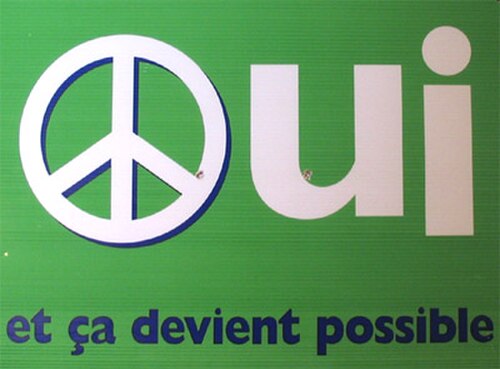
カナダでは、ケベック州の多くのフランス語圏住民が、同州が連邦から分離することを望んでいる。ケベック党は、ケベックの「自決権」を主張している。この権利がどのような条件下で実現されるかについては議論がある。[ 177 ]フランス語圏のケベック民族主義とケベック文化の維持への支持は、ケベック民族主義者を鼓舞し、その多くは20世紀後半のケベック主権運動の支持者であった。 [ 178 ]
サルデーニャ民族主義、またはサルデーニャ主義(サルデーニャ語ではSardismu、イタリア語ではSardismo [ 179 ])は、サルデーニャにおける社会、文化、政治運動であり、国家の権限委譲、イタリアにおけるさらなる自治、あるいはイタリアからの完全な独立といった文脈において、サルデーニャ人の自己決定権を求めている。また、島の環境保護と文化遺産の保存も推進している。
サルデーニャ島はローマに対する民族主義的な抗議の波が周期的に繰り返されてきたが、[ 180 ]サルデーニャ運動は政治スペクトルの左派に起源を持ち、 [ 181 ] [ 182 ]地域主義とサルデーニャの自決権を求める試みは、歴史的にローマ中心のイタリアのナショナリズムとファシズムに対抗してきた(最終的には自治主義と分離主義の傾向を抑え込むことに成功した[ 183 ] )。

スコットランドは、イングランドと同様に、 1707年に合同法(1707年)によって統一されたグレートブリテン王国が創設されたときに主権国家としての存在を終えましたが、スコットランドには長年にわたる独立運動があり、[ 184 ] 2020年1月の世論調査では、有権者の52%が独立したスコットランドに投票すると示唆されています。[ 185 ]スコットランド最大の政党であるスコットランド国民党[ 186 ]は、スコットランドの独立を訴えています。2014年に独立に関する国民投票が行われ、有権者の55%が反対しました。[ 187 ]独立に関する議論は、英国のEU加盟に関する国民投票の間も続き、スコットランドの有権者は北アイルランドと同様に62%でEU残留に投票しました。[ 188 ]しかし、イングランドとウェールズの結果により、英国全体がEUを離脱することになりました。[ 189 ] 2019年後半、スコットランド政府はスコットランド独立に関する2回目の住民投票を要求する計画を発表した。これはスコットランド議会によって承認されたが、2022年7月現在、英国のボリス・ジョンソン首相は、2014年の投票でこの問題が今後1世代にわたって解決されることを双方が事前に認めていたという理由で、別の住民投票を実施するために必要な第30条の権限を与えることを拒否している。[ 190 ]
南アフリカ憲法第235条は、 「南アフリカ国民全体の自決権」の枠組みの中で、国内法に従って、コミュニティの自決権を認めている。 [ 191 ]この憲法条項は、1994年の政権交代の際に合意された事項の一つである。アフリカーナーの独立国家を支持する人々は、この新たな法律の下では自分たちの目標は妥当であると主張している。[ 191 ]
In Italy, South Tyrol/Alto Adige was annexed after the First World War. The German-speaking inhabitants of South Tyrol are protected by the Gruber-De Gasperi Agreement, but there are still supporters of the self determination of South Tyrol, e.g. the party Die Freiheitlichen and the South Tyrolean independence movement. At the end of World War II, Italian resistance troops entered South Tyrol and took over the administration against the wishes of the South Tyrolean resistance movement.[192] The Allies subsequently granted South Tyrol to Italy, with the British foreign minister remarking that "in theory the Austrians have the better argument, however handing over the power stations of South Tyrol to them could openly give the Russians a helping hand with which they could pressurise Italy".[192] The Allies pushed Italy to grant the region a high degree of autonomy, culminating in the Gruber–De Gasperi Agreement of 1946.
Following the First World War, large areas of the Kingdom of Hungary were annexed by Romania. Some of these areas were inhabited by an ethnic Hungarian population called Székelys. Ever since their homes were integrated into Romania, these people were trying to achieve some form of autonomy or self-governance.
There are several movements in advocacy of the Tibetan sovereignty from the Chinese occupation since 1950. The Tibetan Government in-Exile is a notable example.

The colonization of the North American continent and its Native American population has been the source of legal battles since the early 19th century. Many Native American tribes were resettled onto separate tracts of land (reservations), which have retained a certain degree of autonomy within the United States. The federal government recognizes Tribal Sovereignty and has established a number of laws attempting to clarify the relationship among the federal, state, and tribal governments. The Constitution and later federal laws recognize the local sovereignty of tribal nations, but do not recognize full sovereignty equivalent to that of foreign nations, hence the term "domestic dependent nations" to qualify the federally recognized tribes.
チカーノ民族主義グループの中には、伝説上のアステカ人の故郷にちなんでアストランと呼ばれる民族国家を「再建」しようとするものがある。それは、先住民とその子孫、そしてスペイン植民地政府とメキシコ政府の下での植民者と後の入植者の歴史的な領土である米国南西部で構成される。[ 193 ]提案されているニューアフリカ国家の支持者は、アフリカ系アメリカ人がブラックベルトのいくつかの米国州で生産的に生活してきた歴史は、奴隷制に対する賠償金として4000億ドルとともに、その地域にアフリカ系アメリカ人共和国を樹立する権利を彼らに与えると主張している。[ 194 ]
ハワイには、自治権や独立を求める運動がいくつか活発に行われており、それぞれが単一または複数の島に対する一定の政治的支配権の実現を目指している。これらの運動は、アメリカ合衆国のインディアン居留地のような領土単位を求めるもの(最も自治権が少ない)から、最も高い独立性を目指すハワイ主権運動まで多岐にわたる。ハワイ主権運動は、ハワイ憲法の下でハワイ国家を復活させることを目指している。

1972年以来、国連非植民地化委員会はプエルトリコの「非植民地化」と、米国がプエルトリコの自決権と独立権を認めるよう求めてきた。2007年、非植民地化小委員会は、1953年の決議で留保された権限であるプエルトリコの政治的地位の見直しを国連総会に求めた。 [ 195 ]これは、プエルトリコの地位に関する投票を規定した1967年の住民投票法の可決に続くもので、選択肢はコモンウェルス継続、州昇格、独立の3つだった。最初の住民投票ではコモンウェルスが60.4%の票を獲得して勝利したが、米国議会委員会は地位問題に対処する法案を制定できなかった。1993年と1998年のその後の住民投票では、現状維持が支持された。[ 196 ]
In a referendum that took place in November 2012, a majority of Puerto Rican residents voted to change the territory's relationship with the United States, with the statehood option being the preferred option. But a large number of ballots—one-third of all votes cast—were left blank on the question of preferred alternative status. Supporters of the commonwealth status had urged voters to blank their ballots. When the blank votes are counted as anti-statehood votes, the statehood option would have received less than 50% of all ballots received.[197] As of January 2014, Washington has not taken action to address the results of this plebiscite.
Many current U.S. state, regional and city secession groups use the language of self-determination. A 2008 Zogby International poll revealed that 22% of Americans believe that "any state or region has the right to peaceably secede and become an independent republic."[198][199] For instance, the League of the South is a group that seeks "a free and independent Southern republic"[200] made up of the former Confederate States of America.[201] It operated a short-lived Southern Party supporting the right of states to secede from the Union or to legally nullify federal laws.[202]
On December 15, 2022, the U.S. House of Representatives voted in favor of the Puerto Rico Status Act. The act sought to resolve Puerto Rico's status and its relationship to the United States through a binding plebiscite.[203]
Since the late 20th century, some states periodically discuss desires to secede from the United States. Unilateral secession was ruled unconstitutional by the U.S. Supreme Court in Texas v. White (1869).

There is an active movement based on the self-determination of the Sahrawi people in the Western Saharan region. Morocco also claims the entire territory, and maintains control of about two-thirds of the region.

西パプアの人々の民族自決権は、 1962年にオランダ領ニューギニアにおけるオランダの植民地支配が終焉して以来、インドネシア政府によって暴力的に抑圧されてきた。

2000年代後半以降、南アフリカ共和国西ケープ州の住民に対し、独立国家を求める声が高まっている。現在の南アフリカ共和国は、 1909年南アフリカ法が英国議会で可決された後、1910年に成立した。ケープ植民地は消滅したが、ケープ自由主義の伝統など、その独特な政治的・文化的特徴の多くはその後も存続した。最近の世論調査では、西ケープ州の有権者の46%以上が独立を全面的に支持していることが明らかになっている。
脱植民地化の終焉以来、その時代に政治権力の移譲を容易にした外交的妥協はもはや時代遅れであることが明らかになった。今日、自決の原則は定義も適用性も欠如している。それが完全に支離滅裂に陥るのを防ぐには、自治、民主主義、人権、そして自決権の間のつながりを再構築する必要がある。この再構築を育む上で中心となるのは、自決の意味についてより自由で広範な解釈を採用することである。自決は必ずしも領土回復主義、分離独立、領土境界の暴力的な再交渉を意味するものではない。少数民族の権利の促進、権限委譲、連邦制、そして文化的自己表現の正当性のより大きな承認はすべて自決の表現である。
、国際法は分離権に関して曖昧である。自決権は基本的人権であると主張する文書もあるが、実際には国連やその他の国際機関が分離国家を承認することは非常にまれであり、2000年代初頭の傾向は、分離主義への反対を強める方向に向かっているようで、これは主に、分離主義が試みられたほとんどの事例で観察される深刻な影響の結果である。国際司法裁判所の判事の一人であるロザリン・ヒギンズは、代表制政府が存在する場合には分離の法的権利はないと書いている。しかし、他の専門家の中にはこれに異議を唱え、代表制政府が存在する場合でも少数派が深刻な人権侵害に直面している場合は自決権は正当化されると付け加えている者もいる。
Oeterが呼び出されましたが、定義されていません (ヘルプ ページを参照してください)。すべてのコンテンツはオープンガバメントライセンスv3.0に基づいて利用可能です。
1990年から1991年にかけて崩壊しつつあったソビエト連邦のアルメニア社会は、この暴力行為をきっかけに自衛行動を起こし、「アルツァフで差し迫ったジェノサイドの現実的な可能性」を認識した。
1989年6月までに、アルメニア民族運動(Hayots Hamazkayin Sharzhoum、ANM)が結成され、カラバフ委員会は民族独立闘争のための組織へと変貌を遂げた。
ナゴルノ・カラバフの事例は、アルメニア系住民による真の民族自決権闘争を表しており、彼らは長年にわたり、自らの政治的地位を決定するという明確かつ一貫した意思を表明し、住民投票などの確立された民主的プロセスを通じてこれを実現しようとしてきた。
しかし、アゼルバイジャンの状況はアルメニア人の帰還には全く敵対的である。アゼルバイジャン政府は独立以来続けてきた反アルメニア政策を継続しており、カラバフのアルメニアの遺産を破壊するキャンペーンの証拠がある。
バクーはアルメニア人を受け入れることに問題はないと主張しているが、同地域のアルメニア人に対する長年の政策は、国際的なメカニズム、存在、保証がなければ、アルメニア人は再び迫害に直面することを示している。
ハーンを含むバルーチの指導者たちが起こったことに激しく反対していたことは明らかである…さらに、併合問題に関するカラート議会の議論の研究と、公式議会の議事録の信憑性を確認する様々なバルーチの指導者へのインタビューによって、パキスタン側の併合に関する議論は信用を失っている。
{{cite web}}: CS1 maint: 複数の名前: 著者リスト (リンク)サラディ号は1月5日に、流刑地の兵士と囚人全員、そして去ることを希望する残りのアルゼンチン人入植者を乗せて出航した。その他の様々な国籍の入植者はポートルイスに残った。…しかしながら、この事件はアルゼンチンで神話となっているアルゼンチン人入植者の強制追放ではない。
1833年4月24日、彼はパーマストン卿に宛てて、イギリス政府からブエノスアイレス駐屯軍を追放する命令が実際に出されたかどうかを尋ねた。
アルゼンチンは、アルゼンチン人入植者が追放され、別の入植者に置き換えられたことを強調したがる。これは誤りである。退去を希望した入植者は退去を許された。残りの入植者は、現在ポートルイスと改名された町に留まった。
モンテビデオ条約(国家の権利と義務に関する条約)第1
条は
、国際法における国家性の基準について最も広く受け入れられている定式化を定めている。同条は、国際法上の主体としての国家は、次の資格を有していなければならないと述べている。「(a)恒久的人口、(b)明確な領域、(c)政府、(d)他国と関係を結ぶ能力」
国家に関しては、モンテビデオ条約で規定されている伝統的な定義は依然として一般的に受け入れられている。
 この記事には、パブリックドメインにあるこの情報源からのテキストが含まれています。