
Loading article…
ウラジミール・レーニン | |
|---|---|
ヴラディミール・レニン | |
.jpg/500px-Lenin_in_1920_(cropped).jpg) 1920年のレーニン | |
| ソ連人民委員会議議長 | |
| 在任期間 :1923年7月6日~1924年1月21日 | |
| 先行 | 事務所設立 |
| 後継者 | アレクセイ・ルイコフ |
| ロシア連邦社会主義共和国人民委員会議長 | |
| 在任期間 :1917年11月8日~1924年1月21日 | |
| 先行 | 事務所設立 |
| 後継者 | アレクセイ・ルイコフ |
| 個人情報 | |
| 生まれる | ウラジミール・イリイチ・ウリヤノフ 1870年4月22日ロシア帝国、 シンビルスク |
| 死亡 | 1924年1月21日(53歳) ゴーリキ、ロシアSFSR、ソビエト連邦 |
| 休憩所 | レーニン廟、モスクワ |
| 政党 | RCP(b) [a] (1912年から)
|
| その他の政治的 所属 | |
| 配偶者 | |
| 両親 | |
| 親族 | 5人兄弟
|
| 母校 | サンクトペテルブルク帝国大学 |
| サイン |  |
中央機関のメンバーシップ その他の役職
| |
ソビエト連邦の指導者
| |
ウラジーミル・イリイチ・ウリヤノフ[b](1870年4月22日 [旧暦4月10日] - 1924年1月21日)は、ウラジーミル・レーニン [c] としてよく知られているロシアの革命家、政治家、政治理論家である。1917年から1924年に死去するまでソビエトロシアの初代首相を務め、 1922年から1924年まではソビエト連邦の首相を務めた。彼の政権下で、ロシア、そして後のソビエト連邦は共産党が統治する一党独裁の社会主義国家となった。思想的にはマルクス主義者であり、彼の思想の発展はレーニン主義と呼ばれている。
レーニンはシンビルスクの上流中産階級の家庭に生まれ、1887年に兄が処刑された後、革命的社会主義政治を受け入れた。ロシア帝国政府に対する抗議活動に参加したためにカザン帝国大学から追放され、その後数年間は法学の学位取得に専念した。1893年にサンクトペテルブルクに移り、そこで上級マルクス主義活動家となった。1897年に扇動罪で逮捕され、シベリアのシュシェンスコエに3年間流刑となり、そこでナジェージダ・クルプスカヤと結婚した。流刑後は西ヨーロッパに移り、マルクス主義のロシア社会民主労働党(RSDLP)の著名な理論家となった。1903年、RSDLPの思想的分裂において重要な役割を果たし、ユリウス・マルトフのメンシェヴィキに対抗するボルシェヴィキ派を率いた。1905年のロシア革命の失敗後、彼は当初、第一次世界大戦をヨーロッパ全土のプロレタリア革命に転換する運動を展開し、マルクス主義者としてそれが資本主義の打倒と社会主義の台頭をもたらすと信じていた。1917年の2月革命で皇帝が追放され臨時政府が樹立されると、彼はロシアに戻り、ボルシェビキが新政府を打倒した 十月革命で指導的役割を果たした。
レーニンのボルシェビキ政府は当初、左翼社会革命党、選出されたソビエト、複数党制憲法制定議会と権力を共有していたが、1918年までに新しい共産党に権力を集中させた。レーニン政権は農民に土地を再分配し、銀行と大規模産業を国有化した。中央同盟国に領土を譲る条約に署名して第一次世界大戦から撤退し、共産主義インターナショナルを通じて世界革命を推進した。反対派は赤色テロで鎮圧され、数万人が殺害されるか強制収容所に収容された。彼の政権は1917年から1922年までのロシア内戦で右翼と左翼の反ボルシェビキ軍を破り、 1919年から1921年にかけてのポーランド・ソビエト戦争を監督した。レーニンは、戦時中の荒廃、飢餓、民衆の蜂起に対応して、 1921年に新経済政策を通じて経済成長を促した。1917年以降、ロシア以外のいくつかの国がロシアからの独立を確保したが、5か国は1922年に強制的に新ソビエト連邦に再統合され、他の国はソビエトの侵略を撃退した。健康を害したレーニンはゴーリキで亡くなり、ヨシフ・スターリンがソビエト政府の最高責任者として後を継いだ。
20世紀で最も重要かつ影響力のある人物の一人として広く考えられているレーニンは、1991年にソ連が崩壊するまで、死後も個人崇拝の対象となっていた。彼はマルクス・レーニン主義の思想的指導者となり、国際共産主義運動に多大な影響を与えた。物議を醸し、非常に意見が分かれる歴史上の人物であるレーニンは、支持者からは社会主義、共産主義、反帝国主義、労働者階級の擁護者とみなされているが、批評家からは、大量殺戮や反体制派の政治的弾圧を監督する全体主義独裁政権を確立したと非難されている。
若いころ
幼少期: 1870–1887
レーニンは1870年4月22日、シンビルスク市(現ウリヤノフスク市)のストレレツカヤ通りにウラジーミル・イリイチ・ウリヤノフとして生まれ、 6日後に洗礼を受けた。 [2]子供の頃は、ウラジーミルの一般的な愛称であるヴォロディヤと呼ばれていた。 [3]レーニンは8人兄弟の3番目で、アンナ(1864年生まれ)とアレクサンダー(1866年生まれ)の2人の姉がいる。その後、オルガ(1871年生まれ)、ドミトリー(1874年生まれ)、マリア(1878年生まれ)の3人の子供が生まれた。後の2人の兄弟は幼児期に亡くなった。[4]父イリヤ・ニコラエヴィチ・ウリヤノフはロシア正教会の熱心な信者であり、子供たちに洗礼を施したが、母マリア・アレクサンドロヴナ・ウリヤノワ(旧姓ブランク)はルーテル派として育ち、キリスト教にはほとんど無関心で、その考えが子供たちに影響を与えた。[5]

イリヤ・ウリヤノフは元農奴の家系の出身で、父親の民族ははっきりしていないが、ロシア人、チュヴァシ人、モルドヴィン人、カルムイク人ではないかとの説がある。[6]下層階級の出身であったにもかかわらず、彼は中流階級にまで上り詰め、カザン大学で物理学と数学を学び、その後ペンザ貴族学校で教鞭をとった。[7] 1863年半ば、イリヤはマリアと結婚した。 [8]マリアは裕福なスウェーデン人 ルーテル派の母親と、キリスト教に改宗して医師として働いていたロシア系ユダヤ人の父親の間に生まれた高学歴の娘だった。[9]歴史家ペトロフスキー=シュテルンによれば、レーニンは母親がユダヤ人の血を引いていることを知らなかった可能性が高いが、アンナがそれを知ったのはレーニンの死後であった。[10]結婚後すぐにイリヤはニジニ・ノヴゴロドで職を得て、6年後にはシンビルスク地区の小学校長に昇進した。その5年後には州の公立学校長に昇進し、政府の近代化計画の一環として450校以上の学校の設立を監督した。1882年1月、教育への献身により聖ウラジーミル勲章を授与され、世襲貴族の地位を与えられた。[11]

レーニンの両親はともに君主主義者でリベラルな保守主義者で、改革派の皇帝アレクサンドル2世が導入した1861年の奴隷解放改革に傾倒していた。彼らは政治的急進派を避け、破壊的思想を理由に警察が彼らを監視したという証拠はない。[12]彼らは毎年夏にコクシキノの田舎の邸宅で休暇を過ごした。[13]兄弟の中では、レーニンは妹のオリガと最も仲が良く、よく命令口調で接していた。彼は非常に競争心が強く、破壊的な面もあったが、たいていは自分の非行を認めていた。[14]スポーツに熱心で、自由時間の大半を屋外で過ごしたりチェスをしたりし、規律正しく保守的な学校であるシンビルスク古典ギムナジウムでは優秀な成績を収めた。[15]
1886年1月、レーニンが15歳のとき、彼の父は脳出血で亡くなった。[16]その後、彼の行動は不安定で対立的になり、神への信仰を放棄した。[17]当時、レーニンの兄アレクサンドルは、愛情を込めてサーシャと呼ばれ、サンクトペテルブルク大学で学んでいた。反動的な皇帝アレクサンドル3世の絶対君主制に反対する政治運動に参加したアレクサンドルは、禁止された左翼の著作を研究し、反政府抗議運動を組織した。彼は皇帝暗殺を企む革命細胞に加わり、爆弾製造に選ばれた。攻撃が行われる前に、陰謀者たちは逮捕され裁判にかけられ、アレクサンドルは1887年5月に絞首刑に処された。 [18]父と兄の死による精神的トラウマにもかかわらず、レーニンは勉強を続け、優秀な成績で金メダルを獲得してトップの成績で学校を卒業し、カザン大学で法律を学ぶことを決意した。[19]
大学と政治的急進主義: 1887-1893

1887年8月にカザン大学に入学すると、レーニンは近くのアパートに引っ越した。[20]そこで彼はゼムリャチェストヴォに参加した。これは特定の地域の男性を代表する大学社会の一種である。 [21]このグループは彼を大学のゼムリャチェストヴォ評議会の代表に選出し、彼は学生社会を禁止する政府の規制に反対する12月のデモに参加した。警察はレーニンを逮捕し、デモの首謀者であると非難した。彼は大学から追放され、内務省は彼を家族のコクシキノの屋敷に追放した。[22]そこで彼は貪欲に読書し、ニコライ・チェルヌイシェフスキーの1863年の革命支持小説『何をなすべきか』に夢中になった。[23]
レーニンの母は息子の急進主義化を懸念し、内務省を説得してカザン市への帰国は許可したが大学への帰国は許可しなかった。[24]帰国後、彼はニコライ・フェドセーエフの革命サークルに参加し、その中でカール・マルクスの1867年の著書『資本論』を発見した。これがマルクス主義への興味を掻き立てた。マルクス主義は社会が段階的に発展し、この発展は階級闘争の結果であり、資本主義社会は最終的に社会主義社会、そして共産主義社会に取って代わられると主張する社会政治理論である。[25]レーニンの母は彼の政治的見解を警戒し、息子が農業に興味を持つことを期待してサマラ州アラカエフカ村に田舎の邸宅を購入した。彼は農場経営にほとんど興味がなかったため、母はすぐに土地を売却し、その家を夏の別荘として残した。[26]
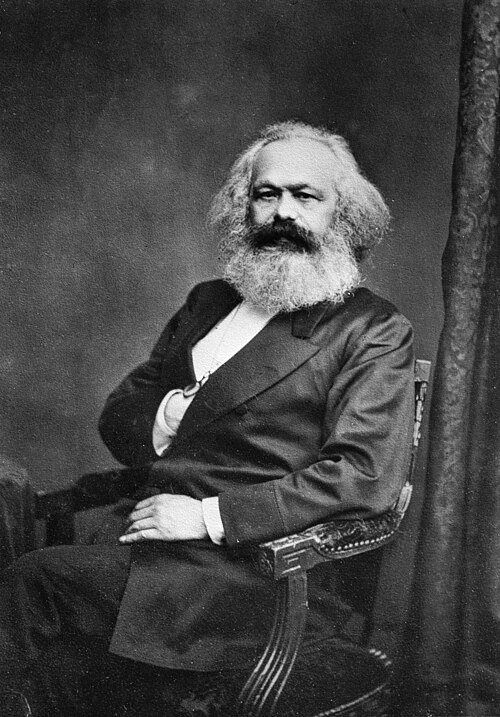
1889年9月、ウリヤノフ一家はサマーラ市に転居し、レーニンはアレクセイ・スクリャレンコの社会主義討論サークルに参加した。[27]ここでレーニンはマルクス主義を完全に受け入れ、マルクスとフリードリヒ・エンゲルスが1848年に出した政治パンフレット『共産党宣言』のロシア語訳を作成した。[28]彼はロシアのマルクス主義者ゲオルギー・プレハーノフの著作を読み始め、ロシアは封建主義から資本主義に移行しつつあり、社会主義は農民ではなくプロレタリア階級、つまり都市労働者階級によって実行されるというプレハーノフの主張に同意した。[29]このマルクス主義の観点は、農民が農民共同体を形成することでロシアに社会主義を確立し、それによって資本主義を回避できるとする農業社会主義のナロードニキ運動の見解とは対照的であった。このナロードニキの見解は1860年代に人民自由党とともに発展し、その後ロシア革命運動の中で支配的になった。[30]レーニンは農業社会主義の議論の前提を拒否したが、ピョートル・トカチェフやセルゲイ・ネチャーエフのような農業社会主義者の影響を受け、多くのナロードニキと親交を深めた。[31]
1890年5月、貴族の未亡人として社会的影響力を保っていたマリアは、当局を説得してレーニンがサンクトペテルブルク大学で外部試験を受けることを許可し、レーニンは優等で一級学位に相当する学位を取得した。しかし、妹のオルガが腸チフスで亡くなったため、卒業式は台無しになった。[32]レーニンは数年間サマラに留まり、最初は地方裁判所の法律助手として、その後は地元の弁護士のもとで働いた。[33]彼は急進的な政治活動に多くの時間を費やし、スクリャレンコのグループで活動を続け、マルクス主義をロシアにどう適用するかについて考えをまとめた。プレハーノフの著作に触発されたレーニンは、ロシア社会に関するデータを収集し、それを使って社会発展に関するマルクス主義的解釈を裏付け、ナロードニキの主張に対抗した。[34]彼は農民経済に関する論文を書いたが、リベラルな雑誌「ロシア思想」に却下された。[35]
革命活動
初期の活動と投獄:1893年~1900年
1893年後半、レーニンはサンクトペテルブルクに移住した。[36]そこで彼は弁護士の助手として働き、ドイツのマルクス主義社会民主党にちなんで社会民主党と名乗ったマルクス主義革命細胞で上級の地位に昇進した。[37]社会主義運動の中でマルクス主義を擁護し、彼はロシアの工業中心地で革命細胞の設立を奨励した。[38] 1894年後半までに、彼はマルクス主義労働者サークルを率い、警察のスパイから逃れるために自分の足跡を注意深く隠した。[39]彼はマルクス主義の学校教師であるナジェージダ「ナージャ」クルプスカヤと恋愛関係になった。[40]彼はまた、ナロードニキ農業社会主義者を批判する政治小冊子「「人民の友人」とは何か、そして彼らはいかに社会民主党と闘うか」を執筆した。 1894年に約200部が違法に印刷されました。[41]

レーニンは、所属する社会民主党と、スイスに拠点を置くロシアのマルクス主義者グループである労働解放党との関係を強化するため、グループのメンバーであるプレハーノフとパベル・アクセルロッドに会うためにスイスを訪問した。[42]彼はマルクスの義理の息子ポール・ラファルグに会い、 1871年のパリ・コミューンを研究するためにパリに向かった。彼はこれをプロレタリア政府の初期の原型と考えていた。[43]母親の資金援助で、彼はスイスのヘルススパに滞在した後、ベルリンに行き、そこで国立図書館で6週間学び、マルクス主義者ヴィルヘルム・リープクネヒトに会った。[44]ロシアに戻ると、彼は違法な革命出版物の隠し場所を持ち帰り、ストライキ中の労働者に文書を配布しながらさまざまな都市を回った。 [ 45]彼は新聞「ラボチェ・デロ(労働者の大義)」の制作に携わっていたが、サンクトペテルブルクで逮捕され、扇動罪で起訴された40人の活動家の一人だった。[46]

レーニンは弁護や保釈を拒否され、自分に対するすべての容疑を否認したが、判決が出るまで1年間投獄されたままだった。[47]この間、彼は理論構築と執筆に費やした。この著作で彼は、ロシアにおける産業資本主義の台頭により、多数の農民が都市に移住し、そこでプロレタリア階級を形成したと指摘した。マルクス主義の観点から、レーニンは、このロシアのプロレタリア階級は階級意識を発達させ、それが今度は彼らを暴力的にツァーリ制、貴族階級、ブルジョア階級を打倒し、社会主義に向かうプロレタリア国家を樹立することにつながると主張した。 [48]
1897年2月、レーニンは裁判なしで東シベリアへの3年間の流刑を宣告された。彼は身辺整理のためサンクトペテルブルクで数日の滞在を許され、この期間を利用して労働者階級解放闘争同盟と改名した社会民主党と会談した。[49]東シベリアへの旅は11週間かかり、その大半を母親と姉妹が同行した。政府に対する脅威は小さいとみなされ、ミヌシンスキー地区シュシェンスコエに流刑となり、警察の監視下に置かれていたが、他の革命家たちと文通することは可能で、彼らの多くが彼を訪ね、エニセイ川で泳いだり、カモやシギを狩ったりする旅行も許可された。[50]
1898年5月、ナディアはストライキを組織したため1896年8月に逮捕され、亡命先のレーニンに加わった。彼女は最初ウファに配属されたが、当局を説得してシュシェンスコエに移り、そこで1898年7月10日にレーニンと結婚した。[51]ナディアの母エリザベータ・ヴァシリエフナと家庭生活を始めた夫婦は、シュシェンスコエで英語の社会主義文学をロシア語に翻訳した。[52]ここでレーニンは『ロシア社会民主党の抗議』を執筆し、平和的かつ選挙による社会主義への道を主張したエドゥアルト・ベルンシュタインのようなドイツのマルクス主義修正主義者を批判した。 [53]彼はまた、農業社会主義者を批判し、ロシアの経済発展に関するマルクス主義的分析を推進した、これまでで最も長い著書『ロシアにおける資本主義の発展』(1899年)を書き上げた。ウラジミール・イリンというペンネームで出版されたが、出版されると主に悪いレビューを受けた。[54]
ミュンヘン、ロンドン、ジュネーブ:1900~1905年
_(cropped).jpg/500px-Lenin,_1900_(Photo_by_Y.Mebius)_(cropped).jpg)
亡命後、レーニンは1900年初頭にプスコフに定住した。[55]ここで彼は、ロシア社会民主労働党(RSDLP)と名乗るようになったロシア・マルクス主義政党の新しい機関紙である新聞「イスクラ(火花)」の創刊資金集めを始めた。 [56] 1900年7月、レーニンはロシアを離れ西ヨーロッパに向かった。スイスで彼は他のロシアのマルクス主義者と出会い、コルシエ会議で彼らはミュンヘンで新聞を創刊することに合意し、レーニンは9月にミュンヘンに移住した。[57]著名なヨーロッパのマルクス主義者の寄稿を含む「イスクラ」はロシアに密輸され、[58] 50年間にわたってこの国で最も成功した地下出版物となった。 [59]彼は1901年12月に初めてレーニンというペンネームを採用したが、これはおそらくシベリアのレナ川に基づいている。[60]彼はしばしばN.レーニンというより正式なペンネームを使用していたが、Nは何も表していなかったが、後にそれがニコライを表しているという誤解が広まった。[61]このペンネームで、1902年に彼はこれまでで最も影響力のある出版物であるパンフレット『何をなすべきか』を出版し、プロレタリアを革命に導く前衛政党の必要性についての彼の考えを概説した。 [62]
ナージャはミュンヘンでレーニンと合流し、秘書となった。[63]二人は政治運動を続け、レーニンはイスクラに寄稿し、社会社会革命党(SR)の綱領を起草し、思想的異端者や外部の批評家、特に社会革命党(SR)[64]を攻撃した。社会革命党は1901年に設立されたナロードニキの農業社会主義グループであった。[65]マルクス主義者であり続けたにもかかわらず、彼はロシア農民の革命的力に関するナロードニキの見解を受け入れ、それに従って1903年にパンフレット『貧民へ』を執筆した。 [66]バイエルン警察を逃れるため、レーニンは1902年4月にイスクラとともにロンドンに移り、 [67]そこで同じロシア系ウクライナ人のマルクス主義者レフ・トロツキーと親交を深めた。[68]レーニンは丹毒に罹り、イスクラ編集委員会でそのような指導的役割を果たすことができなかった。彼の不在中、理事会は活動拠点をジュネーブに移した。[69]
1903年7月、第2回ロシア社会民主党大会がロンドンで開催された。[ 70]この会議で、レーニン支持者とユリウス・マルトフ支持者の間に分裂が生じた。マルトフは、党員は党指導部から独立して意見を表明できるべきだと主張したが、レーニンはこれに反対し、党を完全に統制する強力な指導部の必要性を強調した。[71]レーニン支持者は多数派であり、彼は彼らを「多数派主義者」(ロシア語でボルシェビキ、ボルシェビキ)と呼んだ。これに対して、マルトフは彼の支持者を「少数派主義者」(ロシア語でメンシェビキ、メンシェビキ)と呼んだ。[ 72 ]会議後もボルシェビキとメンシェビキの論争は続いた。ボルシェビキはライバルを規律のない日和見主義者で改革主義者だと非難し、メンシェビキはレーニンを暴君で独裁者だと非難した。[73]メンシェヴィキに激怒したレーニンはイスクラ編集委員を辞任し、1904年5月に反メンシェヴィキの小冊子『一歩前進、二歩後退』を出版した。[74]ストレスで体調を崩したレーニンは療養のためスイスで休暇を過ごした。[75]ボルシェヴィキ派は勢力を拡大し、1905年春までにロシア社会民主党中央委員会全体がボルシェヴィキとなり、[76] 12月に彼らは新聞『前進』を創刊した。[77]
1905 年の革命とその余波: 1905 年 - 1914 年
1905年1月、サンクトペテルブルクで起きた血の日曜日事件は、ロシア帝国で1905年革命として知られる一連の内乱を引き起こした。[78]レーニンはボルシェビキに対し、この事件でより大きな役割を果たすよう促し、暴力的な蜂起を奨励した。[79]そうする際に、レーニンは「武装蜂起」「大量テロ」「貴族の土地の没収」に関する社会主義革命党のスローガンを採用したが、メンシェビキからは彼が正統なマルクス主義から逸脱していると非難された。[80]逆に、レーニンはボルシェビキがメンシェビキから完全に分裂すべきだと主張した。多くのボルシェビキは拒否し、両グループは1905年4月にロンドンで開催された第三回社会民主主義党大会に出席した。 [81]レーニンは1905年8月に出版されたパンフレット「民主革命における社会民主主義の2つの戦術」で彼の考えの多くを提示した。ここで彼は、ロシアの自由主義ブルジョアジーは立憲君主制への移行に飽きて革命を裏切るだろうと予測し、代わりにプロレタリア階級は農民階級と同盟を結んで帝政を打倒し、「プロレタリア階級と農民階級による暫定的な革命的民主主義独裁」を確立しなければならないと主張した。[82]
蜂起が始まった。力対力。街頭戦闘が激化し、バリケードが築かれ、ライフルが鳴り響き、銃声が鳴り響く。血の川が流れ、自由を求める内戦が燃え上がる。モスクワと南部、コーカサスとポーランドは、サンクトペテルブルクのプロレタリア階級に加わる準備ができている。労働者のスローガンは「死か自由か」となった。
—1905年の革命についてのレーニン[83]
1905年の革命で政府打倒に失敗したのを受けて、ニコライ2世は十月宣言で一連の自由主義改革を受け入れた。このような情勢の中で、レーニンはサンクトペテルブルクに戻っても安全だと考えた。[84]マリア・アンドレーエワが運営する急進的な法律系新聞「ノーヴァヤ・ジーズン(新生活)」の編集委員に加わり、社会主義社会労働党が直面する問題について議論した。[85]彼は党にもっと幅広い党員を集めるよう奨励し、暴力的な対立を継続的にエスカレートさせることを主張し、どちらも革命の成功に必要であると信じていた。[86]会費と少数の裕福な支持者からの寄付金ではボルシェビキの活動を賄うのに不十分であることを認識したレーニンは、郵便局、鉄道駅、列車、銀行を襲撃する考えを支持した。レオニード・クラーシンの指導の下、ボルシェビキの一団がこのような犯罪行為を開始した。最もよく知られているのは1907年6月、ヨシフ・スターリンの指導の下、ボルシェビキの一団がジョージアのティフリスにある国立銀行を武装強盗した事件である。[87]
レーニンは短期間ではあるがボルシェビキとメンシェビキの和解を支持していたが[88]、1906年4月にストックホルムで開催されたロシア社会主義労働党第4回大会でメンシェビキはレーニンの暴力と強奪の擁護を非難した。 [89]レーニンはロシアからフィンランドに逃亡した後、当時ロシア帝国の自治国家であったフィンランド大公国クオッカラにボルシェビキ・センターを設立する活動に関わったが、 1907年5月にロンドンで開催されたロシア社会主義労働党第5回大会でボルシェビキが再び支配権を握った。 [90]ロシア帝国政府が反対派を弾圧するため、ロシアの立法議会である第二ドゥーマを解散し、秘密警察であるオフラナに革命家逮捕を命じたため、レーニンはフィンランドからスイスに逃亡した。[91]そこで彼は、ティフリスで盗まれた識別可能なシリアル番号の付いた紙幣を交換しようとした。[92]
アレクサンドル・ボグダーノフと他の著名なボルシェビキは、ボルシェビキ・センターをパリに移転することを決定した。レーニンは反対したが、1908年12月にパリに移住した。[93]レーニンはパリを嫌い、「汚い穴場」と酷評し、パリ滞在中にバイクから落とされた自動車の運転手を訴えた。[94]レーニンは、ロシアのプロレタリア階級が革命の手段として成功するには社会主義文化を発展させなければならないというボグダーノフの見解に非常に批判的になった。その代わりに、レーニンは労働者階級を革命に導く社会主義知識人の先駆者を支持した。さらに、エルンスト・マッハの影響を受けたボグダーノフは、世界のすべての概念は相対的であると信じていたが、レーニンは人間の観察とは無関係の客観的現実が存在するという正統派マルクス主義の見解に固執した。[95]ボグダーノフとレーニンは1908年4月にカプリ島にあるマクシム・ゴーリキーの別荘で休暇を過ごした。 [96]パリに戻ると、レーニンはボグダーノフがマルクス主義から逸脱していると非難し、ボルシェビキ派内で彼とボグダーノフの支持者の間で分裂を煽った。[97]
.jpg/500px-Lenin,_1914_(Photo_of_B.D.Vigilev).jpg)
1908年5月、レーニンはロンドンに短期間滞在し、大英博物館閲覧室で『唯物論と経験批判』を執筆した。これは、レーニンが「ブルジョア反動主義の虚偽」と表現したボグダーノフの相対主義に対する攻撃である。 [98]レーニンの派閥主義は、かつての彼の側近であったアレクセイ・ルイコフやレフ・カーメネフを含むボルシェビキのますます多くの人々を疎外し始めた。[99]オフラナは、彼の派閥主義的態度を利用して、スパイのロマン・マリノフスキーを党内にレーニンの熱心な支持者として送り込んだ。さまざまなボルシェビキがマリノフスキーに対する疑念をレーニンに伝えたが、レーニンがスパイの二枚舌に気付いていたかどうかは不明である。マリノフスキーを利用してオフラナに偽の情報を提供した可能性もある。[100]
1910年8月、レーニンは社会主義者の国際会議である第二インターナショナル第8回大会にRSDLP代表としてコペンハーゲンで出席し、その後母親とともにストックホルムで休暇を過ごした。[ 101]その後、妻と姉妹とともにフランスに渡り、最初はボンボンに、次いでパリに落ち着いた。 [102]ここで、彼はフランスのボルシェビキ、イネッサ・アルマンと親しい友人になった。伝記作家の中には、2人が1910年から1912年にかけて婚外関係にあったと示唆する者もいる。[103]一方、1911年6月のパリ会議で、RSDLP中央委員会は活動の焦点をロシアに戻すことを決定し、ボルシェビキ・センターとその新聞「プロレタリ」の閉鎖を命じた。[104]党内での影響力回復を目指して、レーニンは1912年1月にプラハで党大会を開催したが、出席者18人のうち16人がボルシェビキであったにもかかわらず、党派主義的傾向を強く批判され、党内での地位を高めることはできなかった。[105]
レーニンはオーストリア=ハンガリー帝国のポーランド文化圏の一部であるガリツィア=ロドメリア王国のクラクフに移り、ヤギェウォ大学の図書館で研究を行った。[106]レーニンはロシア帝国で活動していたロシア社会民主党と緊密な関係を保ち、ドゥーマのボルシェビキ党員にメンシェビキとの議会同盟から離脱するよう説得した。[107] 1913年1月、レーニンが「素晴らしいグルジア人」と呼んだスターリンがレーニンを訪ね、帝国内の非ロシア系民族の将来について話し合った。[108]レーニンと妻の健康状態が悪かったため、二人は田舎町ビャウィ・ドゥナイェツに移り、[109]その後ナディアの甲状腺腫の手術を受けるためベルンに向かった。[110]
第一次世界大戦: 1914–1917
第一次世界大戦は植民地の分割と外国領土の略奪のために行われており、泥棒たちは対立している。そして、泥棒の一人がある時点で敗北したことを理由に、すべての泥棒の利益を国家や祖国の利益と同一視するのは、良心の呵責を感じさせるブルジョア的な嘘である。
—レーニンの第一次世界大戦の解釈について[111]
第一次世界大戦が勃発したとき、レーニンはガリツィアにいた。 [112]この戦争はロシア帝国とオーストリア・ハンガリー帝国の対立を引き起こし、レーニンはロシア国籍であったため逮捕され、反帝政の信条が説明されるまで短期間投獄された。[113]レーニンと妻はベルンに戻り、[114] 1916年2月にチューリッヒに移住した。[115]レーニンはドイツ社会民主党がドイツの戦争努力を支持していることに憤慨した。これは社会主義政党は紛争に反対するという第二インターナショナルのシュトゥットガルト決議に直接違反しており、第二インターナショナルは機能していないと見なしていた。[116]彼は1915年9月のツィンメルヴァルト会議と1916年4月のキーンタール会議に出席し、 [117]大陸中の社会主義者に「帝国主義戦争」を大陸規模の「内戦」に変え、プロレタリア階級とブルジョア階級および貴族階級を対立させるよう促した。[118] 1916年7月、レーニンの母親が亡くなったが、彼は葬儀に出席できなかった。[119]彼女の死は彼に深い影響を与え、彼はプロレタリア革命を見る前に自分も死ぬのではないかと恐れ、落ち込んだ。[120]
1917年9月、レーニンは『帝国主義、資本主義の最高段階』を出版し、帝国主義は独占資本主義の産物であり、資本家は賃金が低く原材料が安い新領土に進出することで利益を増やそうとしていると主張した。彼は、競争と対立が増加し、帝国主義列強間の戦争はプロレタリア革命によって打倒され社会主義が樹立されるまで続くと信じていた。[121]彼はこの時間の多くを、マルクスに重要な影響を与えたゲオルク・ヴィルヘルム・フリードリヒ・ヘーゲル、ルートヴィヒ・フォイエルバッハ、アリストテレスの著作を読むことに費やした。 [122]これにより、レーニンのマルクス主義の解釈は変化した。かつては政策は事前に決められた科学的原理に基づいて策定できると信じていたが、政策が正しいかどうかの唯一のテストはその政策を実行することであると結論付けた。[123]彼は依然として正統派マルクス主義者であると自認していたが、社会の発展に関するマルクスの予測の一部から逸脱し始めた。マルクスはプロレタリア階級の「社会主義革命」の前に中産階級の「ブルジョア民主主義革命」が起きなければならないと信じていたが、レーニンはロシアではプロレタリア階級が中間革命なしに帝政を打倒できると信じていた。[124]
二月革命と七月革命:1917年

1917年2月、第一次世界大戦の初めにペトログラードと改名されたサンクトペテルブルクで、食糧不足と工場の環境悪化を理由に産業労働者がストライキを起こしたことにより、二月革命が勃発した。この騒乱はロシアの他の地域に広がり、暴力的に打倒されることを恐れたニコライ2世は退位した。国家会議が国の実権を握り、ロシア臨時政府を設立して帝国を新たなロシア共和国に変えた。[125]スイスの拠点からこれを知ったレーニンは、他の反体制派と共に祝った。[126]彼はロシアに戻ってボルシェビキの指揮をとることを決意したが、進行中の紛争のために国内へのほとんどの通路が遮断されていることがわかった。彼は他の反体制派と共に、当時ロシアと戦争状態にあったドイツを通る通路を交渉する計画を立てた。ドイツ政府は、これらの反体制派がロシアの敵に問題を引き起こす可能性があることを認識して、レーニンとその妻を含む32人のロシア国民が自国を鉄道で通過することを認めた。[127]政治的な理由から、レーニンとドイツ人は、レーニンがドイツ領土を密閉された列車で旅行したというカバーストーリーに同意したが、実際には列車は完全に密閉されておらず、乗客は下車して、例えばフランクフルトで一泊することを許可された。[128]グループはチューリッヒからザスニッツまで鉄道で移動し、フェリーでスウェーデンのトレレボリに行き、そこからハパランダ-トルニオ国境検問所を経てヘルシンキに行き、最終列車でペトログラードに向かった。[129]

4月にペトログラードのフィンランド駅に到着したレーニンは、ボルシェビキ支持者に向けて演説を行い、臨時政府を非難し、再びヨーロッパ大陸全土でのプロレタリア革命を呼びかけた。 [131]その後数日間、彼はボルシェビキの会合で演説し、メンシェビキとの和解を望む人々を厳しく非難し、スイスからの旅の途中で書いたボルシェビキに対する計画の概略である「 4月テーゼ」を明らかにした。 [132]彼は、ペトログラード・ソビエトを支配していたメンシェビキと社会革命党の両方が臨時政府を支持していることを公然と非難し、彼らを社会主義の裏切り者と非難した。レーニンは、政府がロシア帝国主義と同じくらい帝国主義的であるとみなし、ドイツおよびオーストリア・ハンガリー帝国との即時和平、ソビエトによる統治、産業と銀行の国有化、土地の国有化を主張した。これらはすべて、プロレタリア政府を樹立し、社会主義社会を推進する意図があった。対照的に、メンシェヴィキは、ロシアは社会主義に移行するには発展が不十分であると信じ、レーニンが新共和国を内戦に陥れようとしていると非難した。[133]レーニンはその後数か月間、自らの政策を推進し、ボルシェヴィキ中央委員会の会議に出席し、ボルシェヴィキの新聞プラウダに精力的に寄稿し、ペトログラードで労働者、兵士、水兵、農民を自分の大義に転向させることを目的とした演説を行った。[134]
レーニンは、ボルシェビキ支持者の間で不満が高まっていることを感じ取り、政府の対応を試すためにペトログラードで武装政治デモを行うことを提案した。[135]健康状態が悪化したため、彼は街を離れ、フィンランドのネイヴォラ村で療養した。[136]ボルシェビキの武装デモである7月事件はレーニンの留守中に発生したが、デモ参加者が政府軍と激しく衝突したことを知ると、彼はペトログラードに戻り、平静を求めた。[137]政府は、この暴力行為に対応して、レーニンと他の著名なボルシェビキの逮捕を命じ、彼らの事務所を襲撃し、彼がドイツの扇動者であると公然と非難した。[138]逮捕を逃れ、レーニンはペトログラードの一連の隠れ家に隠れた。[139]レーニンは、殺されるのを恐れて、同僚のボルシェビキ幹部グリゴリー・ジノヴィエフと変装してペトログラードから脱出し、ラズリフに移住した。[140]ここで、レーニンは『国家と革命』となる本の執筆を開始した。これは、プロレタリア革命後に社会主義国家がどのように発展し、その後国家が徐々に衰退し、純粋な共産主義社会が残ると彼が信じていたことを説明したものである。[141]彼は、政府を打倒するためにボルシェビキ主導の武装蜂起を主張し始めたが、党中央委員会の秘密会議でこの考えは却下された。[142]その後、レーニンは列車と徒歩でフィンランドに向かい、8月10日にヘルシンキに到着し、ボルシェビキの支持者の隠れ家に身を隠した。[143]
十月革命: 1917年

1917年8月、レーニンがフィンランドに滞在していたとき、ロシア軍司令官ラヴル・コルニーロフ将軍はペトログラードに軍隊を派遣したが、これは臨時政府に対する軍事クーデターの試みと思われた。アレクサンドル・ケレンスキー首相はペトログラード・ソビエトとそのボルシェビキのメンバーに助けを求め、革命家たちが労働者を赤衛兵として組織して街を防衛するのを許可した。クーデターはペトログラードに到達する前に鎮火したが、この出来事によりボルシェビキは公然とした政治の舞台に戻ることができた。[144]ペトログラード・ソビエトを支配していたメンシェビキと社会革命党は、社会主義に敵対する右翼勢力による反革命を恐れ、ボルシェビキとの関係を正常化するよう政府に圧力をかけるのに重要な役割を果たした。[145]メンシェヴィキと社会革命党はともに臨時政府と提携し、不人気な戦争継続を続けたため、国民の支持を大きく失っていた。ボルシェヴィキはこれを利用し、すぐに親ボルシェヴィキ派のマルクス主義者トロツキーがペトログラード・ソビエトの指導者に選出された。[146] 9月、ボルシェヴィキはモスクワ・ソビエトとペトログラード・ソビエトの労働者部で多数派を獲得した。[147]
状況がより安全であると認識したレーニンはペトログラードに戻った。[148]彼は10月10日にボルシェビキ中央委員会の会議に出席し、党は臨時政府を打倒するために武装蜂起を主導すべきであると再び主張した。今度は10対2で議論が勝利した。[149]この計画を批判したジノヴィエフとカーメネフは、ロシアの労働者は政権に対する暴力的なクーデターを支持しないだろうし、ヨーロッパ全体がプロレタリア革命の瀬戸際にあるというレーニンの主張を裏付ける明確な証拠はないと主張した。[150]党は攻勢を組織する計画を開始し、10月24日にスモーリヌイ研究所で最終会議を開いた。 [151]ここは軍事革命委員会(MRC)の拠点であった。MRCはコルニーロフのクーデターとされる事件の際にペトログラード・ソビエトによって設立された、ボルシェビキにほぼ忠実な武装民兵であった。[152]
10月、人民委員会はペトログラードの交通、通信、印刷、公共施設の要衝を掌握するよう命じられ、流血なくこれを遂行した。[153]ボルシェビキは冬宮殿で政府を包囲し、ボルシェビキの水兵が操縦する巡洋艦オーロラが革命開始の合図として空砲を発射した後、これを制圧して大臣らを逮捕した。[154]蜂起の最中、レーニンはペトログラード・ソビエトで臨時政府が打倒されたと演説した。[155]ボルシェビキは新政府、人民委員会議、またはソヴナルコムの樹立を宣言した。レーニンは当初議長の指導的地位を断り、トロツキーをその職に推薦したが、他のボルシェビキが主張し、最終的にレーニンは折れた。[156]レーニンと他のボルシェビキは10月26日と27日に第2回ソビエト会議に出席し、新政府の樹立を発表した。メンシェビキの出席者は、権力の不当な掌握と内戦の危険を非難した。 [157]政権の初期、レーニンはロシア国民を疎外しないようにレトリックを調整し、労働者が国を支配し、権力はソビエトに委ねると語った。[158 ]レーニンと他の多くのボルシェビキは、数日または数ヶ月以内にプロレタリア革命がヨーロッパ中に広がると予想した。[159]
レーニン政権
ソビエト政府の組織化: 1917-1918
臨時政府は1917年11月に制憲議会を選出する計画を立てていた。レーニンの反対にもかかわらず、ソヴナルコムは予定通り投票を許可した。[160]選挙では、ボルシェビキは約4分の1の票を獲得し、農業に重点を置く社会革命党に敗れた。[161]レーニンは、有権者はボルシェビキの綱領を知らず、候補者名簿は左翼社会革命党が社会革命党から分裂する前に作成されたもので時代遅れであるとして、選挙は民意を反映していないと主張した。[162]それでも、新たに選出されたロシア制憲議会は1918年1月にペトログラードで招集された。[163]ソヴナルコムは、ソビエトから権力を剥奪しようとしているため反革命的であると主張したが、社会革命党とメンシェビキはこれを否定した。[164]ボルシェビキは議会の法的権限のほとんどを剥奪する動議を提出したが、議会がこれを拒否すると、ソヴナルコムは議会を反革命的であると宣言し、強制的に解散した。[165]
レーニンは、一部のボルシェビキを含む、他の社会主義政党との連立政権樹立を求める度重なる要請を拒否した。[166]ソヴナルコムはメンシェビキや社会革命党との連立を拒否したが、1917年12月に左翼社会革命党に5つの閣僚ポストを与えた。この連立は、ボルシェビキの第一次世界大戦終結への取り組み方をめぐる意見の相違から左翼社会革命党が政府を離脱した1918年3月までしか続かなかった。[167] 1918年3月の第7回大会で、ボルシェビキは党名をロシア社会民主労働党からロシア共産党に変更した。これは、レーニンが改革主義を強めるドイツ社会民主党から自らのグループを距離を置き、共産主義社会という目標を強調したかったためである。[168]

公式には最高権力はソヴナルコムと全ロシア・ソビエト会議(ARCS )によって選出された執行委員会(VTSIK)にあったが、当時のメンバーが認めたように、ロシアでは共産党が事実上権力を握っていた。 [169] 1918年までに、ソヴナルコムは便宜上の必要性を理由に一方的に行動し始め、ARCSとVTSIKはますます疎外され、[170]ソビエトはロシアを統治する役割を果たさなくなった。[171] 1918年から1919年にかけて、政府はメンシェヴィキと社会革命党をソビエトから追放した。[172]ロシアは一党独裁国家となった。[173]
党内には、既存の中央委員会に付随する政治局と組織局が設立され、これらの機関の決定は、ソヴナルコムと労働防衛評議会によって採択されなければならなかった。[174]レーニンは、ソヴナルコムの議長であり、労働防衛評議会、中央委員会、政治局に所属するなど、この統治構造において最も重要な人物であった。[175]これに匹敵する影響力を持ったのは、レーニンの右腕であったヤコフ・スヴェルドロフだけであったが、彼は1919年3月にインフルエンザの大流行で亡くなった。[176] 1917年11月、レーニンと妻はスモーリヌイ学院内の2部屋のアパートに住み、翌月、フィンランドのハリラで短い休暇を過ごした。[177] 1918年1月、レーニンはペトログラードで暗殺未遂事件を起こしたが、生き延びた。当時レーニンと一緒にいたフリッツ・プラッテンは彼をかばって銃弾を受けて負傷した。 [178]
ペトログラードがドイツ軍の攻撃に対して脆弱であることを懸念したソヴナルコムは、1918年3月にモスクワへの移転を開始した。 [179]レーニン、トロツキー、その他のボルシェビキ指導者たちはクレムリンに移住した。[180]彼は1918年8月に別の暗殺未遂事件を生き延びた。 [181]
社会、法律、経済改革: 1917-1918
すべての労働者、兵士、農民へ。ソビエト政府は、すべての民族に民主的な平和とすべての戦線での即時休戦を直ちに提案する。地主、帝国、修道院の土地すべてを補償なしで農民委員会に譲渡することを保証する。軍の完全な民主化を導入して兵士の権利を擁護する。産業に対する労働者の管理を確立する。定められた期日に制憲議会を召集することを保証する。都市にパンを、村に必需品を供給する。そして、ロシアに住むすべての民族に自決権を保証する...革命万歳!
—レーニンの政治綱領、1917年10月[182]
レーニン政権は権力を握ると、いくつかの法令を発布した。最初の法令は土地に関する法令で、貴族と正教会の土地を国有化し、地方自治体が農民に再分配することを定めた。これはレーニンが農業集団化を好んだこととは対照的であったが、すでに広範囲に渡って行われていた農民の土地接収を認めるものであった。[183] 1917年11月、政府は報道に関する法令を発布し、反革命的とみなされた反対派のメディアを閉鎖した。この法令は一時的なものとされていたが、報道の自由を損なうとしてボルシェビキを含む人々から批判を受けた。[184]
1917年11月、レーニンはロシア人民の権利宣言を発布し、非ロシア民族に分離独立国家を形成する権利を与えた。[185]多くの国が独立を宣言した(フィンランド、リトアニアは1917年12月、ラトビアとウクライナは1918年1月、エストニアは1918年2月、トランスコーカサスは1918年4月、ポーランドは1918年11月)。[186]その後、ボルシェビキはこれらの新しい国家で共産党を推進し、[187] 1918年7月の第5回全ロシア・ソビエト会議では、憲法によりロシア共和国がロシア・ソビエト連邦社会主義共和国に改革された。[188]政府はまた、ロシアをヨーロッパと足並みを揃えるため、ユリウス暦からグレゴリオ暦に切り替えた。[189]
1917年11月、ソヴナルコムはロシアの法制度を廃止し、「革命的良心」に置き換えた。[190]裁判所は反革命犯罪を扱う革命裁判所に、 [191]民事および刑事事件を扱う人民裁判所に置き換えられ、ソヴナルコムの法令と「社会主義的正義感」に従うよう指示された。[192] 11月には、平等主義的措置、以前の階級、称号、勲章の廃止、指揮官を選出する兵士委員会の設立など、軍の再編も行われた。 [193]

1917年10月、レーニンはすべてのロシア人に8時間労働を命じた。[194]彼はまた、すべての子供たちに無料の世俗教育を保証する大衆教育に関する法令と、国立孤児院を設立する法令を公布した。[195]大量の文盲と戦うために識字運動が開始され、1920年から1926年の間に推定500万人がコースに登録した。[196]男女平等を掲げ、女性を解放し、経済的自立を与え、離婚制限を緩和する法律が可決された。[197]これらの目的を促進するためにジェノトデルが設立された。[ 198 ]レーニンのロシアは、要求に応じて妊娠初期の中絶を合法化した最初の国となった。[199]政権は戦闘的な無神論者であり、組織化された宗教を解体しようとしていた。[200] 1918年1月、政府は政教分離を布告し、学校での宗教教育を禁止した。[201]
1917年11月、レーニンは労働者管理に関する法令を発布し、労働者に選挙で選ばれた委員会を結成して企業の経営を監視するよう求めた。[202]同月、ソヴナルコムは国の金を接収し、[203]銀行を国有化し、これを社会主義への重要な一歩とみなした。[204] 12月、ソヴナルコムは国民経済最高評議会(VSNKh)を設立し、産業、銀行、農業、貿易を監督した。[205]工場委員会は労働組合に従属し、労働組合はVSNKhに従属し、国家の中央経済計画を地元労働者の利益よりも優先させた。[206] 1918年初頭、ソヴナルコムはすべての対外債務を帳消しにし、利息の支払いを拒否した。[207] 1918年4月、ソヴナルコムは対外貿易を国有化し、輸出入の国家独占を確立した。[208] 1918年6月、政府は公共事業、鉄道、工学、繊維、冶金、鉱業を国有化したが、多くの場合名目上のものであった。[209]本格的な国有化は、小規模工業企業が国家管理下に置かれる1920年11月まで行われなかった。[210]
「左翼共産主義者」はソヴナルコムの経済政策が穏健すぎると批判し、すべての産業、農業、貿易、金融、運輸、通信の即時国有化を主張した。[211]レーニンはこれを非現実的とみなし、大規模な資本主義企業のみを国有化し、国有化が成功するまで中小企業は私的に運営することを主張した。[211]レーニンはまた、左翼共産主義者のサンディカリスト的アプローチに反対し、1918年6月に工場レベルの労働者管理ではなく中央集権的な経済管理を主張した。[212]
左翼共産主義者と他の共産党派は、ロシアの民主主義制度の衰退を左翼リバタリアンの観点から批判した。[213]国際的には、多くの社会主義者がレーニン政権を非難し、広範な政治参加、国民の協議、産業民主主義の欠如を強調した。[214] 1918年後半、チェコ系オーストリア人のマルクス主義者カール・カウツキーは、ソビエトロシアの反民主主義的性質を批判する反レーニン主義のパンフレットを執筆し、レーニンは『プロレタリア革命と背教者カウツキー』でこれに応えた。[215]ドイツのマルクス主義者ローザ・ルクセンブルクはカウツキーの見解に同調し、[216]ロシアの無政府主義者 ピョートル・クロポトキンは、ボルシェビキによる権力掌握を「ロシア革命の葬り去り」と表現した。[217]
ブレスト=リトフスク条約: 1917–1918
[戦争を長引かせることで] 我々はドイツ帝国主義を異常に強化し、いずれにせよ講和は締結されなければならないが、我々以外の誰かが締結することになるため、その講和はより悪いものとなるだろう。我々が今締結を強いられている講和は不道徳な講和であることは間違いないが、もし戦争が始まれば、我々の政府は一掃され、講和は別の政府によって締結されるだろう。
—レーニンの中央同盟国との和平に関する発言[218]
レーニンは権力を握ると、政府の主要な政策はドイツとオーストリア=ハンガリー帝国の中央同盟国との休戦協定を締結して第一次世界大戦から撤退することだと考えた。 [219]彼は、戦争が続くと、和平を約束していた戦争に疲れたロシア軍の反感を買うだろうと考え、これらの軍と進軍するドイツ軍は、彼自身の政府と国際社会主義の大義の両方を脅かすと考えていた。[220]対照的に、他のボルシェビキ、特にニコライ・ブハーリンと左翼共産主義者は、中央同盟国との和平は国際社会主義への裏切りであり、ロシアは代わりに「革命防衛戦争」を遂行し、ドイツプロレタリア階級の自国政府に対する蜂起を誘発すべきだと信じていた。[221]
レーニンは1917年11月の平和に関する勅令で3か月間の休戦を提案し、これは第2回ソビエト会議で承認され、ドイツ政府とオーストリア・ハンガリー帝国政府に提出された。[222]ドイツ側はこれを西部戦線に集中し、迫り来る敗北を食い止める機会と見て前向きに反応した。 [223] 11月、東部戦線のドイツ最高司令部本部であるブレスト・リトフスクで休戦交渉が始まり、トロツキーとアドルフ・ヨッフェがロシア代表団を率いた。[224]その間に、1月までの停戦が合意された。[225]交渉中、ドイツ側はポーランド、リトアニア、クールラントを含む戦時中の征服地の保持を主張したが、ロシア側はこれはこれらの国の自決権の侵害であると反論した。[226]ボルシェビキの中には、プロレタリア革命がヨーロッパ全土で勃発するまで交渉を引き延ばしたいという希望を表明した者もいた。[227] 1918年1月7日、トロツキーはブレスト=リトフスクからサンクトペテルブルクに戻り、中央同盟国からの最後通牒を受け取った。ロシアがドイツの領土要求を受け入れるか、戦争が再開されるかのどちらかであった。[228]

1月と2月にレーニンはボルシェビキに対し、ドイツの提案を受け入れるよう促した。領土の喪失は、ボルシェビキ主導の政府の存続を保証するのであれば容認できると主張した。ボルシェビキの大半は、休戦を延長してドイツのブラフを打破しようとして彼の立場を拒否した。[229] 2月18日、ドイツ軍はファウストシュラーク作戦を開始し、ロシア支配地域へのさらなる進撃を開始し、1日でドヴィンスクを占領した。 [230]この時点で、レーニンはついにボルシェビキ中央委員会の少数の多数派を説得して、中央同盟国の要求を受け入れさせた。[231] 2月23日、中央同盟国は新たな最後通牒を発した。ロシアは、ポーランドとバルト諸国だけでなくウクライナもドイツの支配を認めなければならず、さもなければ全面侵攻に直面することになる、というものである。[232]
3月3日、ブレスト=リトフスク条約が調印された。[233]この条約によりロシアは広大な領土を失い、旧帝国の人口の26%、農業収穫面積の37%、産業の28%、鉄道路線の26%、石炭と鉄鉱床の4分の3がドイツの管理下に移った。[234]したがって、条約はロシアの政治的立場から非常に不評で、[235]数人のボルシェビキと左翼社会革命家が抗議してソヴナルコムを辞任した。[236]条約後、ソヴナルコムはドイツでプロレタリア革命を煽ることに集中し、国内で反戦、反政府の出版物を多数発行した。ドイツ政府は報復としてロシアの外交官を追放した。[237]しかし、条約は中央同盟国の敗北を阻止できなかった。 1918年11月、ドイツ皇帝ヴィルヘルム2世が退位し、ドイツの新政権が連合国との休戦協定に署名した。その結果、ソヴナルコムはブレスト=リトフスク条約を無効と宣言した。[238]
反クラーク運動、チェーカー、赤色テロ:1918年~1922年
[ブルジョアジーは]少数の地主と銀行家の利益のために労働者、兵士、農民に対してテロを実行したが、ソビエト政権は労働者、兵士、農民の利益のために地主、略奪者、およびその共犯者に対して断固たる措置を適用している。
—赤色テロに関するレーニン[239]
1918年初頭までに、ロシア西部の多くの都市は慢性的な食糧不足のために飢餓に直面した。[240]レーニンはこれを富農(クラーク)のせいだとした。富農は金銭的価値を高めるために生産した穀物を蓄えていたという。1918年5月、レーニンは穀物をクラークから没収して都市に分配する武装部隊を設立する徴発命令を出し、6月には徴発を支援する貧農委員会の結成を求めた。[241]この政策は大規模な社会的混乱と暴力を招き、武装部隊は農民グループと頻繁に衝突し、内戦のきっかけとなった。[242]レーニンの見解の顕著な例は、1918年8月にペンザのボルシェビキに送った電報であり、少なくとも100人の「有名なクラーク、金持ち、そして吸血鬼」を公開で絞首刑にすることで農民反乱を鎮圧するよう要求した。[243]
徴発により、農民は個人消費できる量以上の穀物を生産する意欲がなくなり、生産量は落ち込んだ。[244]闇市場の活況が国家公認の経済を補完し、[245]レーニンは投機家、闇市場業者、略奪者を銃殺するよう呼びかけた。[246]社会革命党と左翼社会革命党の両党は、1918年7月の第5回全ロシア・ソビエト会議で、穀物の軍事的収用を非難した。 [247]レーニンは、貧農委員会がクラークでない農民も迫害し、農民の反政府感情を助長していることを認識し、1918年12月に同委員会を廃止した。[248]
レーニンは、旧体制を打倒し革命を成功させるためにはテロと暴力が必要であると繰り返し強調した。[249] 1917年11月にソビエト全ロシア中央執行委員会で演説した際、彼は「国家は暴力を行使するために作られた機関である。以前は、この暴力は一握りの金持ちによって全国民に対して行使されていたが、今や我々は [...] 国民の利益のために暴力を組織したいのだ」と宣言した。 [250]彼は死刑廃止の提案に強く反対した。[251]反ボルシェビキ勢力が政権を転覆することを恐れたレーニンは、1917年12月、フェリックス・ジェルジンスキー率いる政治警察組織、反革命および破壊活動対策緊急委員会、通称チェーカーの設立を命じた。[252]

1918年9月、ソヴナルコムは赤色テロを開始する法令を可決した。これはチェーカー秘密警察が指揮する弾圧システムである。 [253]時にはブルジョアジー全体を根絶する試みと評されることもあるが、[254]レーニンはブルジョアジー全員を根絶したくはなく、単に彼らの支配を復活させようとする者を根絶したかっただけである。 [255]テロの犠牲者の大半は裕福な市民か元帝政ロシア人であった。[256]その他は非ブルジョアの反ボルシェビキや売春婦など社会的に好ましくないと見なされた者であった。[257]チェーカーは革命裁判所に訴えることなく、政府の敵とみなした者に対して判決を下し処刑する権利を主張した。[258]したがって、ソビエトロシア全土でチェーカーは大量殺戮を実行した。[259]例えば、ペトログラードのチェーカーは数日間で512人を処刑した。[260]赤色テロで何人が死亡したか正確な数字を示す記録は残っていない。[261]後の歴史家による推定では、1万人から1万5千人、[262] 5万人から14万人とされている。[263]
レーニンは、この暴力行為を直接目撃することも、参加することもなかった。[264]そして、公にはこの暴力行為から距離を置いていた。 [265]彼が発表した記事や演説で処刑を求めることはめったになかったが、暗号電報や秘密メモでは定期的にそうしていた。[266]多くのボルシェビキは、チェーカーの大量処刑に反対し、この組織が責任を負っていないと懸念した。[267]共産党は、1919年2月にチェーカーの活動を抑制しようとし、正式な戒厳令が敷かれていない地域での裁判権と処刑権を剥奪したが、チェーカーはこれまで通り、国内の広範囲で活動を続けた。[268] 1920年までに、チェーカーはソビエトロシアで最も強力な機関となり、他のすべての国家機構に影響力を及ぼしていた。[269]
1919年4月の法令により強制収容所が設立され、チェーカーに委託され[270] 、後に新しい政府機関であるグラーグによって管理された。[271] 1920年末までにソビエトロシア全土に84の収容所が設立され、約5万人の囚人が収容されていた。1923年10月までに収容所は315に増え、約7万人の囚人が収容された。[272]収容所に収容された人々は奴隷労働に従事させられた。[273] 1922年7月から、ボルシェビキ政府に反対しているとみなされた知識人は、住みにくい地域に追放されるか、ロシアから完全に追放された。レーニンは、このように扱われる人々のリストを自ら精査した。[274] 1922年5月、レーニンは反ボルシェビキの聖職者の処刑を求める法令を発布し、14,000人から20,000人の死者を出した。[275]ロシア正教会は最も大きな被害を受けた。政府の反宗教政策はローマカトリック教会やプロテスタント教会、ユダヤ教のシナゴーグ、イスラム教のモスクにも被害を与えた。[276]
内戦とポーランド・ソビエト戦争: 1918-1920
ソビエト共和国が帝国主義諸国と長期にわたって共存することは考えられない。結局、どちらかが勝利することになる。そして、その終わりが来るまで、ソビエト共和国とブルジョア政府との間の一連の最も恐ろしい衝突は避けられない。これは、支配階級であるプロレタリア階級が、支配を望み、支配するのであれば、その軍事組織でもそれを実証しなければならないことを意味する。
—レーニンの戦争論[277]
レーニンはロシアの貴族階級とブルジョア階級が政府に反対することを予想していたが、下層階級の数的優位性とボルシェビキの組織力により、迅速な勝利が保証されると信じていた。[278]彼はその後の激しい暴力的抵抗を予想していなかった。[278]その結果生じたロシア内戦(1917-1923)では、ボルシェビキ赤軍と反ボルシェビキ白軍が戦い、最終的に赤軍が勝利した。この紛争には、旧帝国全土での民族衝突、反ボルシェビキ農民と左翼の蜂起も含まれていた。 [279]歴史家はしばしば内戦を2つの紛争とみなしている。1つは革命家と反革命家の間の紛争、もう1つは異なる革命派閥間の紛争である。[280]
白軍は元帝政ロシアの将校たちによって組織され、[281]南ロシアのアントニ・デニーキンの義勇軍、[282]シベリアのアレクサンドル・コルチャークの軍、[283]バルト諸国のニコライ・ユデーニチの軍などがあった。[ 284 ]白軍は、サマーラの反ボルシェビキ政府である制憲議会議員委員会(コムチ)と同盟を組んだチェコ軍団の3万5000人のメンバーから支援を得た。 [285]ブレスト=リトフスク条約に憤慨し、ボルシェビキの世界革命の呼びかけを恐れた西側諸国政府も白軍を支援した。[286] 1918年、イギリス、フランス、アメリカ、カナダ、イタリア、セルビアはムルマンスクとカンダラクシャに1万人の軍隊を上陸させ、イギリス、アメリカ、日本の軍隊はウラジオストクに上陸した。[287]西側諸国の軍隊はすぐに撤退し、物資支援のみを提供したが、日本は領土獲得を求めて残った。[288]
レーニンはトロツキーに赤軍の結成を命じ、トロツキーは1918年9月に革命軍事評議会を組織し、1925年まで議長を務めた。 [289]レーニンは、軍事評議会の監視下で、元帝政ロシアの将校が赤軍に入隊することを認めた。[290]赤軍はモスクワ、ペトログラード、大ロシアの大部分を支配し、一方白軍は分散し、周辺部に地理的に散在していた。[291]白軍のロシア至上主義は、民族的少数派を疎外した。[292]ボルシェビキ支持者に対する白色テロは、国家が認可した赤色テロよりも自然発生的だった。[293]両陣営ともユダヤ人コミュニティを攻撃し、レーニンは反ユダヤ主義を資本主義プロパガンダの産物として非難した。[294]
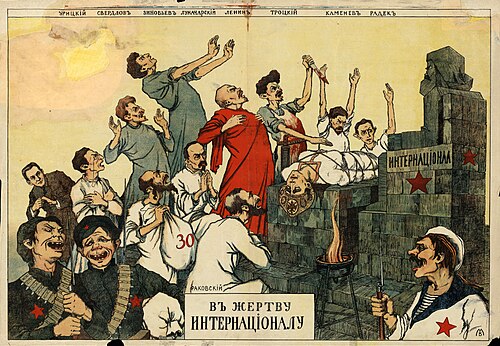
1918年7月、スヴェルドロフはソヴナルコムに、ウラル地方ソビエトが白軍による救出を阻止するため、エカテリンブルクで元皇帝とその家族の処刑を監督したと伝えた。 [295]歴史家の中には、レーニンが殺害を認可したと考える者もいるが、[296]ジェームズ・ライアンのように「そう信じる理由はない」と主張する者もいる。[297]レーニンは処刑を必要だと考え、フランス革命時のルイ16世の処刑に例えた。[298]
ブレスト=リトフスク条約後、左翼社会革命党はボルシェビキを裏切り者とみなした。[299] 1918年7月、左翼社会革命党のヤコフ・ブルムキンはドイツ大使ヴィルヘルム・フォン・ミルバッハを暗殺し、ドイツに対する革命戦争を挑発した。[300]その後、彼らはモスクワでクーデターを起こし、クレムリンを砲撃して中央郵便局を占拠したが、トロツキーの軍隊がこれを鎮圧した。[301]党の指導者は逮捕されたが、他のボルシェビキ反対派よりも寛大に扱われた。[302]

1919年までに白軍は撤退し、1920年までにはすべての戦線で敗北した。[303]非ロシア系民族が国家独立を求めたため、ロシア国家の領土は縮小した。[304] 1921年3月、ポーランド・ソビエト戦争中に、リガ条約によりベラルーシとウクライナの係争地域はポーランドとソビエトロシアに分割された。ソビエトロシアは新しく独立した国の再征服を目指したが、成功は限られていた。エストニア、フィンランド、ラトビア、リトアニアはソ連の侵攻を撃退したが、ウクライナ、ベラルーシ(ポーランド・ソビエト戦争の結果)、アルメニア、アゼルバイジャン、グルジアは赤軍に占領された。[280] [305] 1921年までにソビエトロシアはウクライナの民族運動を打ち破りコーカサスを占領したが、中央アジアでは反ボルシェビキ蜂起が1920年代後半まで続いた。[306]
休戦協定とドイツ軍オーバーオスト駐屯地の撤退後、ソ連軍とポーランド軍はその空白を埋めるために動いた。[307]ソ連と新ポーランド国家はともに領土拡大を求めた。[308]ポーランド軍とロシア軍は1919年2月に初めて衝突し、[309]ポーランド・ソビエト戦争へとエスカレートした。[310]これまでの紛争とは異なり、この戦争は革命の輸出とヨーロッパの将来に重大な意味を持っていた。[311]ポーランド軍はウクライナに進軍し、1920年5月までにキエフを占領した。[312]ポーランド軍を押し戻した後、レーニンはプロレタリア蜂起がヨーロッパ革命に火をつけると予想して、赤軍にポーランド侵攻を促した。トロツキーらの懐疑論にもかかわらず侵攻は進められたが、ポーランドのプロレタリア階級は決起せず、赤軍はワルシャワの戦いで敗北した。[313]ポーランド軍は赤軍をロシアに押し戻し、ソヴナルコムに和平を申し入れるよう強制し、最終的にリガ条約が締結され、ロシアはポーランドに領土を割譲した。[314]
コミンテルンと世界革命:1919-1920年

西部戦線の休戦後、レーニンはヨーロッパ革命の勃発が差し迫っていると信じた。[315]これを促進するため、ソヴナルコムは1919年3月にハンガリーでベーラ・クンのソビエト政府の樹立を支持し、続いてバイエルンでソビエト政府が樹立され、スパルタクス同盟を含むドイツ各地でさまざまな革命的社会主義蜂起が起こった。[316]ロシア内戦の間、赤軍はロシア国境の新しく独立した民族共和国に派遣され、マルクス主義者がソビエト政府を樹立するのを支援した。[317]ヨーロッパでは、この結果、エストニア、ラトビア、リトアニア、ベラルーシ、ウクライナで共産主義主導の新しい国家が誕生した。これらの国はすべて名目上はロシアから独立していたが、実際にはモスクワの支配下にあった。 [317]さらに東では、外モンゴルで共産主義政府が誕生した。[318]ボルシェビキの幹部たちは、これらの国をロシア国家に吸収させたかった。レーニンは、国民の感情を尊重すべきだと主張したが、これらの国の新しい共産党政権は事実上、ソヴナルコムの権威の下にあることを同志たちに保証した。 [319]
1918年後半、イギリス労働党は社会主義政党の国際会議である労働社会主義インターナショナルの設立を呼びかけた。[320]レーニンはこれを自分が軽蔑していた第二インターナショナルの復活とみなし、その影響を相殺するために対抗する国際社会主義会議を組織した。[321]ジノヴィエフ、ニコライ・ブハーリン、トロツキー、クリスティアン・ラコフスキー、アンジェリカ・バラバノフの支援を得て組織されたこの共産主義インターナショナル(コミンテルン)の第1回大会は[321] 1919年3月にモスクワで開幕した。[ 322]この大会は世界的な広がりを欠いており、代表のほとんどは旧ロシア帝国の諸国に居住しており、国際代表のほとんどは自国の社会主義政党に認められていなかった。[323]したがって、ボルシェビキが議事進行を支配し、[324]レーニンはその後、ボルシェビキの見解を支持する社会主義政党のみがコミンテルンに加盟できるという一連の規則を作成した。[325]最初の会議で、レーニンは代表者たちに演説し、カウツキーのような修正主義マルクス主義者が支持する議会による社会主義への道を激しく非難し、ヨーロッパのブルジョア政府の暴力的打倒の呼びかけを繰り返した。[326]ジノヴィエフがコミンテルンの議長になったが、レーニンはそれに対して大きな影響力を保持した。[327]

1920年7月、ペトログラードのスモーリヌイ研究所で共産主義インターナショナル第2回大会が開かれたが、これはレーニンがモスクワ以外の都市を訪れた最後の機会となった。 [328]この大会でレーニンは、ボルシェビキの権力掌握に倣うよう外国代表に奨励し、資本主義は社会発展の必要な段階であるという長年の見解を放棄し、植民地支配下にある国々に、資本主義以前の社会を直接社会主義社会に転換するよう奨励した。[329]この会議のために、彼は「左翼」共産主義:幼稚な病気という短い本を執筆した。これは、イギリスとドイツの共産党内の、自国の議会制度や労働組合に参加することを拒否する分子に対する批判を表明した本であり、革命の大義を前進させるためにはそうすべきだと訴えた。[330]会議はポーランドとの戦争が続いていたため数日間中断され、[331]モスクワに場所を移して8月まで会議が続けられた。[332]レーニンが予言した世界革命は実現せず、ハンガリー共産党政権は打倒され、ドイツ・マルクス主義蜂起は鎮圧された。[333]
飢餓と新しい経済政策: 1920-1922
共産党内では、民主集中派と労働者反対派の2つの派閥から反対意見が出され、どちらもロシア国家が中央集権的かつ官僚主義的すぎると非難した。[334]公式の国家労働組合とつながりを持つ労働者反対派も、政府がロシア労働者階級の信頼を失ったことに懸念を表明した。[335]彼らは、労働組合を廃止すべきだというトロツキーの提案に憤慨した。トロツキーは「労働者国家」では労働組合は不要だと考えたが、レーニンは労働組合を維持するのが最善だと考え、これに反対した。ほとんどのボルシェビキは「労働組合討論」でレーニンの見解を支持した。[336]反対意見に対処するため、レーニンは1921年2月の第10回党大会で、党内の派閥活動を禁止する法案を提出した。違反すれば除名されるという内容だった。[337]

1921年のロシア飢饉は、干ばつも一因となり、1891年の飢饉以来最も深刻で、約500万人が死亡した。[338]飢饉は政府による徴発と、大量のロシア産穀物の輸出によって悪化した。[339]飢饉の被害者を救済するため、米国政府は食糧を配給するアメリカ救済局を設立した。[ 340 ]レーニンはこの援助に疑念を抱き、厳しく監視させた。[341]飢饉の間、ティコン総主教は正教会に対し、飢えた人々に食糧を供給するために不要な品物を売るよう呼びかけ、政府もこれを支持した。[342] 1922年2月、ソヴナルコムはさらに踏み込み、宗教施設に属するすべての貴重品を強制的に没収して売却するよう求めた。[343]ティコンは聖体拝領に使われる品物の販売に反対し、多くの聖職者がその予算に抵抗し、暴力行為に至った。[344]
1920年と1921年には、徴発に対する地元の反対により、ロシア全土で反ボルシェビキ農民蜂起が勃発したが、鎮圧された。[345]最も重要なものの一つはタンボフの反乱であり、赤軍によって鎮圧された。[346] 1921年2月、ペトログラードで労働者がストライキを起こし、政府は市内に戒厳令を宣言し、デモを鎮圧するために赤軍を派遣した。[347] 3月、クロンシュタットの反乱が始まった。クロンシュタットの水兵がボルシェビキ政府に対して反乱を起こし、すべての社会主義者が自由に出版できるようにすること、独立した労働組合に集会の自由を与えること、農民に自由市場を認めて徴発の対象にしないことを要求した。レーニンは、反乱者たちは社会革命党と外国の帝国主義者に惑わされていると宣言し、暴力的な報復を求めた。[348]トロツキーの指導の下、赤軍は3月17日に反乱を鎮圧し、数千人が死亡し、生存者は強制労働収容所に収容された。[349]
まず、国家資本主義から社会主義へと、小農の土地につながる小さな橋を架けるよう努めなければなりません。そうしなければ、何千万もの人々を共産主義に導くことは決してできません。これが革命の発展の客観的な力が教えたことです。
—レーニンのNEPに関する発言、1921年[350]
1921年2月、レーニンは新経済政策(NEP)を政治局に提出し、ほとんどの上級ボルシェビキにその必要性を納得させ、4月に法律として可決された。[351]レーニンは小冊子『食糧税について』でこの政策について説明し、NEPはボルシェビキの当初の経済計画への回帰であると述べた。内戦により計画は頓挫し、ソヴナルコムは戦時共産主義の経済政策に頼らざるを得なくなったと主張した。戦時共産主義の経済政策には産業の国有化、生産物の集中配分、農業生産の強制徴発、貨幣循環、民間企業、自由貿易の排除の試みが含まれ、深刻な経済崩壊を招いた。[352] [353] NEPはロシア国内での民間企業の一部を認可し、賃金制度の再導入を可能にし、農民が収入に課税されながら農産物を公開市場で販売することを可能にした。[354]この政策は、民間の小規模産業への回帰も可能にした。基礎産業、輸送、外国貿易は国家管理下に置かれた。[355]レーニンはこれを「国家資本主義」と呼び、[356]多くのボルシェビキはこれを社会主義原則への裏切りと考えた。[357]レーニンの伝記作家は、NEPの導入を彼の最も重要な業績の1つと位置づけており、もしそれが実施されていなかったら、ソヴナルコムは民衆の蜂起によってすぐに打倒されていただろうと考える者もいる。[358]
1920年1月、政府は国民全員に労働徴兵制を導入し、16歳から50歳までのすべての国民が働かなければならないようにした。[359]レーニンはまた、1920年2月に開始されたロシアの大規模な電化プロジェクト、GOELRO計画を呼びかけました。「共産主義とはソビエト権力と全国の電化である」というレーニンの宣言は、後年広く引用されました。[360]対外貿易を通じてロシア経済を発展させることを目指して、ソヴナルコムはジェノバ会議に代表を派遣しました。レーニンは出席を望んでいたが、健康上の理由で出席できなかった。 [361]この会議の結果、ロシアはドイツと協定を結びましたが、これは以前のイギリスとの貿易協定に続くものでした。[ 362]レーニンは、ソヴナルコムが外国企業にロシアへの投資を許可することで、資本主義国間の競争を激化させ、没落を早めることを期待していました。彼は、カムチャッカを帝国として支配しようとしていた米国と日本の間の緊張を高めるために、カムチャッカの油田をアメリカの企業に貸し出そうとした。 [363]
健康状態の悪化とスターリンとの対立: 1920-1923
.jpg/500px-%D0%9B%D0%B5%D0%BD%D0%B8%D0%BD_%D0%B2_%D0%93%D0%BE%D1%80%D0%BA%D0%B0%D1%85_(1923).jpg)
レーニンにとっては当惑と恐怖だったが、1920年4月、ボルシェビキは彼の50歳の誕生日を祝う大パーティーを開いた。このパーティーではロシア全土で祝賀行事が催され、彼に捧げられた詩や伝記が出版された。[364] 1920年から1926年にかけて、レーニンの全集20巻が出版されたが、一部の資料は省略されている。[365] 1920年には、数人の西側の著名人がロシアのレーニンを訪問した。作家のHGウェルズや哲学者のバートランド・ラッセル、[366]やアナキストのエマ・ゴールドマン、アレクサンダー・バークマンなどである。[367]健康状態が悪化しつつあったアルマンもクレムリンを訪問した。 [368]彼は彼女を回復させるために北コーカサスのキスロヴォツクにある療養所に送ったが、彼女は1920年9月にコレラの流行で亡くなった。[369]彼女の遺体はモスクワに運ばれ、悲しみに暮れるレーニンがクレムリンの壁の下に埋葬されるのを見守った。[370]
レーニンは1921年後半までに重病となり、[371]聴覚過敏、不眠症、定期的な頭痛に悩まされた。 [372]政治局の強い要請により、7月にモスクワを離れ、ゴーリキイ邸で1ヶ月間の休暇を取り、妻と妹の世話を受けた。[373]レーニンは自殺を考え始め、クルプスカヤとスターリンに青酸カリを手に入れるよう頼んだ。[374]晩年のレーニンを助けるために26人の医師が雇われたが、その多くは外国人で、高額な費用がかかっていた。[375] 1918年の暗殺未遂事件で体内に残っていた弾丸による金属の酸化が病気の原因ではないかと考える者もいた。1922年4月、レーニンは外科手術を受け、弾丸を取り除くことに成功した。[376]その後も症状は続いたが、レーニンの医師たちは原因がわからず、神経衰弱か脳動脈硬化症ではないかと示唆した。1922年5月、レーニンは最初の脳卒中を起こし、一時的に話すことができなくなり、右半身が麻痺した。[377]ゴーリキイで療養し、7月までにほぼ回復した。[378] 10月にモスクワに戻ったが、12月に2度目の脳卒中を起こし、ゴーリキイに戻った。[379]

レーニンは病気にもかかわらず、政治情勢に強い関心を持ち続けた。1922年6月から8月にかけて開かれた裁判で社会革命党の指導部が政府に対する陰謀を企てたとして有罪判決を受けたとき、レーニンは彼らの処刑を要求した。彼らは結局無期限に投獄され、スターリン指導部による大粛清のときにのみ処刑された。 [380]レーニンの支援を受けて、政府は1923年3月にすべてのメンシェヴィキを国家機関や企業から追放し、その後党員を強制収容所に投獄することで、ロシアからメンシェヴィズムを事実上根絶することにも成功した。[381]レーニンは、特に晩年の間、ソビエトロシアにおける帝政官僚制度の存続を懸念していた。 [382] [383]彼は官僚主義的な態度を非難し、そのような問題に対処するために全面的な改革を提案し、[384]ある手紙の中で「私たちは汚い官僚主義の沼に吸い込まれている」と不満を述べた。[385]
During December 1922 and January 1923, Lenin dictated "Lenin's Testament", in which he discussed the personal qualities of his comrades, particularly Trotsky and Stalin.[386] He recommended that Stalin be removed from the position of General Secretary of the Communist Party, deeming him ill-suited for the position.[387] Instead he recommended Trotsky for the job, describing him as "the most capable man in the present Central Committee"; he highlighted Trotsky's superior intellect but at the same time criticised his self-assurance and inclination toward excess administration.[388] During this period he dictated a criticism of the bureaucratic nature of the Workers' and Peasants' Inspectorate, calling for the recruitment of new, working-class staff as an antidote to this problem,[389] while in another article he called for the state to combat illiteracy, promote punctuality and conscientiousness within the populace, and encourage peasants to join co‑operatives.[390]
Stalin is too crude, and this defect which is entirely acceptable in our milieu and in relationships among us as communists, becomes unacceptable in the position of General Secretary. I therefore propose to comrades that they should devise a means of removing him from this job and should appoint to this job someone else who is distinguished from comrade Stalin in all other respects only by the single superior aspect that he should be more tolerant, more polite and more attentive towards comrades, less capricious, etc.
—Lenin, 4 January 1923[391]
In Lenin's absence, Stalin had begun consolidating his power both by appointing his supporters to prominent positions,[392] and by cultivating an image of himself as Lenin's closest intimate and deserving successor.[393] In December 1922, Stalin took responsibility for Lenin's regimen, being tasked by the Politburo with controlling who had access to him.[394] Lenin was increasingly critical of Stalin; while Lenin was insisting that the state should retain its monopoly on international trade during mid-1922, Stalin was leading other Bolsheviks in unsuccessfully opposing this.[395] There were personal arguments between the two as well; Stalin had upset Krupskaya by shouting at her during a phone conversation, which in turn greatly angered Lenin, who sent Stalin a letter expressing his annoyance.[396]
The most significant political division between the two emerged during the Georgian Affair. Stalin had suggested that both the forcibly Sovietized Georgia and neighbouring countries like Azerbaijan and Armenia, which were all invaded and occupied by the Red Army, should be merged into the Russian state, despite the protestations of their local Soviet-installed governments.[397] Lenin saw this as an expression of Great Russian ethnic chauvinism by Stalin and his supporters, instead calling for these nation-states to join Russia as semi-independent parts of a greater union, which he suggested be called the Union of Soviet Republics of Europe and Asia.[398] After some resistance to the proposal, Stalin eventually accepted it but, with Lenin's agreement, he changed the name of the newly proposed state to "Union of Soviet Socialist Republics (USSR)".[399] Lenin sent Trotsky to speak on his behalf at a Central Committee plenum in December, where the plans for the Soviet Union were sanctioned; these plans were then ratified on 30 December by the Congress of Soviets, resulting in the formation of the Soviet Union.[400] Despite his poor health, Lenin was elected chairman of the new government of the Soviet Union.[401]
Political ideology
Marxism and Leninism
We do not pretend that Marx or Marxists know the road to socialism in all its concreteness. That is nonsense. We know the direction of the road, we know what class forces will lead it, but concretely, practically, this will be shown by the experience of the millions when they undertake the act.
—Lenin, 11 September 1917[402]
Lenin was a devout Marxist,[403] and believed that his interpretation of Marxism, first termed "Leninism" by Martov in 1904,[404] was the sole authentic and orthodox one.[405] According to his Marxist perspective, humanity would eventually reach pure communism, becoming a stateless, classless, egalitarian society of workers who were free from exploitation and alienation, controlled their own destiny, and abided by the rule "from each according to his ability, to each according to his needs."[406] According to Volkogonov, Lenin "deeply and sincerely" believed that the path he was setting Russia on would ultimately lead to the establishment of this communist society.[407]
Lenin's Marxist beliefs led him to the view that society could not transform directly from its present state to communism, but must first enter a period of socialism, and so his main concern was how to convert Russia into a socialist society. To do so, he believed that a "dictatorship of the proletariat" was necessary to suppress the bourgeoisie and develop a socialist economy.[408] He defined socialism as "an order of civilized co-operators in which the means of production are socially owned",[409] and believed that this economic system had to be expanded until it could create a society of abundance.[406] To achieve this, he saw bringing the Russian economy under state control to be his central concern, with "all citizens" becoming "hired employees of the state" in his words.[410] Lenin's interpretation of socialism was centralised, planned, and statist, with both production and distribution strictly controlled.[406] He believed that all workers throughout the country would voluntarily join to enable the state's economic and political centralisation.[411] In this way, his calls for "workers' control" of the means of production referred not to the direct control of enterprises by their workers, but the operation of all enterprises under the control of a "workers' state."[412] This resulted in what some perceive as two conflicting themes within Lenin's thought: popular workers' control, and a centralised, hierarchical, coercive state apparatus.[413]

Before 1914, Lenin's views were largely in accordance with mainstream European Marxist orthodoxy.[403] Although he derided Marxists who adopted ideas from contemporary non-Marxist philosophers and sociologists,[414] his own ideas were influenced not only by Russian Marxist theory but also by wider ideas from the Russian revolutionary movement,[415] including those of the Narodnik agrarian-socialists.[416] He adapted his ideas according to changing circumstances,[417] including the pragmatic realities of governing Russia amid war, famine, and economic collapse.[418] As Leninism developed, Lenin revised the established Marxist orthodoxy and introduced innovations in Marxist thought.[403]
In his theoretical writings, particularly Imperialism, the Highest Stage of Capitalism, Lenin discussed what he regarded as developments in capitalism since Marx's death; in his view, it had reached the new stage of state monopoly capitalism.[419] He believed that although Russia's economy was dominated by the peasantry, the presence of monopoly capitalism in Russia meant that the country was sufficiently materially developed to move to socialism.[420] Leninism adopted a more absolutist and doctrinaire perspective than other variants of Marxism,[403] and distinguished itself by the emotional intensity of its liberationist vision.[421] It also stood out by emphasising the role of a vanguard who could lead the proletariat to revolution,[421] and elevated the role of violence as a revolutionary instrument.[422]
Democracy and the national question
[Lenin] accepted truth as handed down by Marx and selected data and arguments to bolster that truth. He did not question old Marxist scripture, he merely commented, and the comments have become a new scripture.
—Biographer Louis Fischer, 1964[423]
Lenin believed that the representative democracy of capitalist countries gave the illusion of democracy while maintaining the "dictatorship of the bourgeoisie"; describing the representative democratic system of the United States, he referred to the "spectacular and meaningless duels between two bourgeois parties", both of whom were led by "astute multimillionaires" that exploited the American proletariat.[424] He opposed liberalism, exhibiting a general antipathy toward liberty as a value,[425] and believing that liberalism's freedoms were fraudulent because it did not free labourers from capitalist exploitation.[426]
Lenin declared that "Soviet government is many millions of times more democratic than the most democratic-bourgeois republic", the latter of which was simply "a democracy for the rich."[427] He regarded his "dictatorship of the proletariat" as democratic because, he claimed, it involved the election of representatives to the soviets, workers electing their own officials, and the regular rotation and involvement of all workers in the administration of the state.[428] Lenin's belief as to what a proletariat state should look like nevertheless deviated from that adopted by the Marxist mainstream; European Marxists like Kautsky envisioned a democratically elected parliamentary government in which the proletariat had a majority, whereas Lenin called for a strong, centralised state apparatus that excluded any input from the bourgeois.[421]
Lenin was an internationalist and a keen supporter of world revolution, deeming national borders to be an outdated concept and nationalism a distraction from class struggle.[429] He believed that in a socialist society, the world's nations would inevitably merge and result in a single world government.[430] He believed that this socialist state would need to be a centralised, unitary one, and regarded federalism as a bourgeois concept.[431] In his writings, Lenin espoused anti-imperialist ideas and stated that all nations deserved "the right of self-determination."[432] He supported wars of national liberation, accepting that such conflicts might be necessary for a minority group to break away from a socialist state, because socialist states are not "holy or insured against mistakes or weaknesses."[433]
Prior to taking power in 1917, he was concerned that ethnic and national minorities would make the Soviet state ungovernable with their calls for independence; according to the historian Simon Sebag Montefiore, Lenin thus encouraged Stalin to develop "a theory that offered the ideal of autonomy and the right of secession without necessarily having to grant either."[434] On taking power, Lenin called for the dismantling of the bonds that had forced minority ethnic groups to remain in the Russian Empire and espoused their right to secede but also expected them to reunite immediately in the spirit of proletariat internationalism.[435] He was willing to use military force to ensure this unity, resulting in armed incursions into the independent states that formed in Ukraine, Georgia, Poland, Finland, and the Baltic states.[436] Only when its conflicts with Finland, the Baltic states, and Poland proved unsuccessful did Lenin's government officially recognise their independence.[437]

Personal life and characteristics
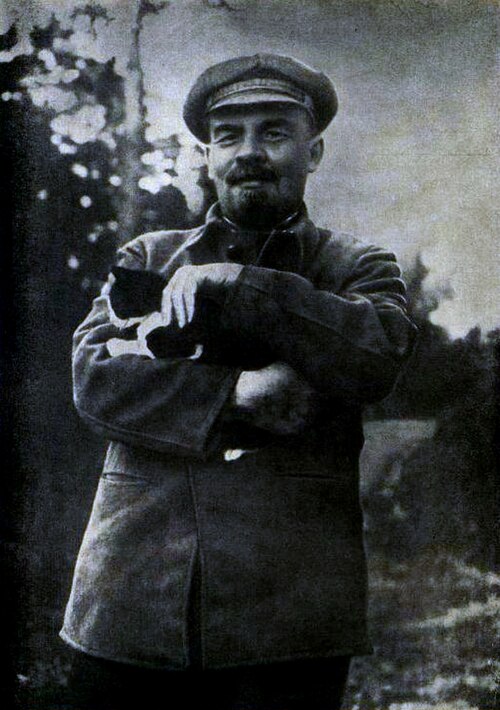
Lenin saw himself as a man of destiny and firmly believed in the righteousness of his cause and his own ability as a revolutionary leader.[438] Biographer Louis Fischer described him as "a lover of radical change and maximum upheaval", a man for whom "there was never a middle-ground. He was an either-or, black-or-red exaggerator".[439] Highlighting Lenin's "extraordinary capacity for disciplined work" and "devotion to the revolutionary cause", Pipes noted that he exhibited much charisma.[440] Similarly, Volkogonov believed that "by the very force of his personality, [Lenin] had an influence over people".[441] Conversely, Lenin's friend Maxim Gorky commented that in his physical appearance as a "baldheaded, stocky, sturdy person", the communist revolutionary was "too ordinary" and did not give "the impression of being a leader".[442]
Historian and biographer Robert Service asserted that Lenin had been an intensely emotional young man,[443] who exhibited strong hatred for the Tsarist authorities.[444] According to Service, Lenin developed an "emotional attachment" to his ideological heroes, such as Marx, Engels, and Chernyshevsky; he owned portraits of them,[445] and privately described himself as being "in love" with Marx and Engels.[446] According to Lenin biographer James D. White, Lenin treated their writings as "holy writ", a "religious dogma", which should "not be questioned but believed in".[447] In Volkogonov's view, Lenin accepted Marxism as "absolute truth", and accordingly acted like "a religious fanatic".[448] Similarly, Bertrand Russell felt that Lenin exhibited "unwavering faith—religious faith in the Marxian gospel".[449] Biographer Christopher Read suggested that Lenin was "a secular equivalent of theocratic leaders who derive their legitimacy from the [perceived] truth of their doctrines, not popular mandates".[450] Lenin was nevertheless an atheist and a critic of religion, believing that socialism was inherently atheistic; he thus considered Christian socialism a contradiction in terms.[451]
[Lenin's collected writings] reveal in detail a man with iron will, self-enslaving self-discipline, scorn for opponents and obstacles, the cold determination of a zealot, the drive of a fanatic, and the ability to convince or browbeat weaker persons by his singleness of purpose, imposing intensity, impersonal approach, personal sacrifice, political astuteness, and complete conviction of the possession of the absolute truth. His life became the history of the Bolshevik movement.
—Biographer Louis Fischer, 1964[452]
Service stated that Lenin could be "moody and volatile",[453] and Pipes deemed him to be "a thoroughgoing misanthrope",[454] a view rejected by Read, who highlighted many instances in which Lenin displayed kindness, particularly toward children.[455] According to several biographers, Lenin was intolerant of opposition and often dismissed outright opinions that differed from his own.[456] He could be "venomous in his critique of others", exhibiting a propensity for mockery, ridicule, and ad hominem attacks on those who disagreed with him.[457] He ignored facts that did not suit his argument,[458] abhorred compromise,[459] and very rarely admitted his own errors.[460] He refused to change his opinions, until he rejected them completely, after which he would treat the new view as if it was just as unchangeable.[461] Lenin showed no sign of sadism or of personally desiring to commit violent acts, but he endorsed the violent actions of others and exhibited no remorse for those killed for the revolutionary cause.[462] Adopting a utilitarian stance, in Lenin's view the end always justified the means;[463] according to Service, Lenin's "criterion of morality was simple: does a certain action advance or hinder the cause of the Revolution?"[464]
Ethnically, Lenin identified as Russian.[465] Service described Lenin as "a bit of a snob in national, social and cultural terms".[466] The Bolshevik leader believed that other European countries, especially Germany, were culturally superior to Russia,[467] describing the latter as "one of the most benighted, medieval and shamefully backward of Asian countries".[424] He was annoyed at what he perceived as a lack of conscientiousness and discipline among the Russian people, and from his youth had wanted Russia to become more culturally European and Western.[468]
The Lenin who seemed externally so gentle and good-natured, who enjoyed a laugh, who loved animals and was prone to sentimental reminiscences, was transformed when class or political questions arose. He at once became savagely sharp, uncompromising, remorseless and vengeful. Even in such a state he was capable of black humour.
—Biographer Dmitri Volkogonov, 1994[469]
Despite his revolutionary politics, Lenin disliked revolutionary experimentation in literature and the arts, expressing his dislike of expressionism, futurism, and cubism, and conversely favouring realism and Russian classic literature.[470] Lenin also had a conservative attitude towards sex and marriage.[471] Throughout his adult life, he was in a relationship with Krupskaya, a fellow Marxist whom he married. Lenin and Krupskaya both regretted that they never had children,[472] and they enjoyed entertaining their friends' offspring.[473] Read noted that Lenin had "very close, warm, lifelong relationships" with his close family members;[474] he had no lifelong friends, and Armand has been cited as being his only close, intimate confidante.[475]
Aside from Russian, Lenin spoke and read French, German, and English.[476][477] Concerned with physical fitness, he exercised regularly,[478] enjoyed cycling, swimming, and hunting,[479] and also developed a passion for mountain walking in the Swiss peaks.[480] He was also fond of pets,[481] in particular cats.[482] Tending to eschew luxury, he lived a spartan lifestyle,[483] and Pipes noted that Lenin was "exceedingly modest in his personal wants", leading "an austere, almost ascetic, style of life."[484] Lenin despised untidiness, always keeping his work desk tidy and his pencils sharpened, and insisted on total silence while he was working.[485] According to Fischer, Lenin's "vanity was minimal",[486] and for this reason he disliked the cult of personality that the Soviet administration began to build around him; he nevertheless accepted that it might have some benefits in unifying the communist movement.[487]
Death and funeral: 1923–1924
_detail_01.jpg/500px-Lenin's_funerals_by_I.Brodsky_(1925)_detail_01.jpg)
In March 1923, Lenin had a third stroke and lost his ability to speak;[488] that month, he experienced partial paralysis on his right side and began exhibiting sensory aphasia.[489] By May, he appeared to be making a slow recovery, regaining some of his mobility, speech, and writing skills.[490] In October, he made a final visit to the Kremlin.[491] In his final weeks, Lenin was visited by Zinoviev, Kamenev, and Bukharin; the latter visited him at his Gorki mansion on the day of his death.[492] On 21 January 1924, Lenin fell into a coma and died later that day at age 53.[493] His official cause of death was recorded as an incurable disease of the blood vessels.[494]
The Soviet government publicly announced Lenin's death the following day.[495] On 23 January, mourners from the Communist Party, trade unions, and Soviets visited his Gorki home to inspect the body, which was carried aloft in a red coffin by leading Bolsheviks.[496] Transported by train to Moscow, the coffin was taken to the House of Trade Unions, where the body lay in state.[497] Over the next three days, around a million mourners came to see the body, many queuing for hours in the freezing conditions.[498] On 26 January, the eleventh All-Union Congress of Soviets met to pay respects, with speeches by Kalinin, Zinoviev, and Stalin.[498] Notably, Trotsky was absent; he had been convalescing in the Caucasus, and he later claimed that Stalin sent him a telegram with the incorrect date of the planned funeral, making it impossible for him to arrive in time.[499] Lenin's funeral took place the following day, when his body was carried to Red Square, accompanied by martial music, where assembled crowds listened to a series of speeches before the corpse was placed into the vault of a specially erected mausoleum.[500] Despite the freezing temperatures, tens of thousands attended.[501]
Against Krupskaya's protestations, Lenin's body was embalmed to preserve it for long-term public display in the Red Square mausoleum.[502] During this process, Lenin's brain was removed; in 1925 an institute was established to dissect it, revealing that Lenin had had severe sclerosis.[503] In July 1929, the Politburo agreed to replace the temporary mausoleum with a permanent one in granite, which was finished in 1933.[504] His sarcophagus was replaced in 1940 and again in 1970.[505] For safety amid the Second World War, from 1941 to 1945 the body was temporarily moved to Tyumen.[506] As of 2023, his body remains on public display in Lenin's Mausoleum on Red Square.[507]
Legacy

Volkogonov said, while renouncing Leninist ideology, that "there can scarcely have been another man in history who managed so profoundly to change so large a society on such a scale."[508] Lenin's administration laid the framework for the system of government that ruled Russia for seven decades and provided the model for later Communist-led states that came to cover a third of the inhabited world in the mid-20th century.[509] As a result, Lenin's influence was global.[510] A controversial figure, Lenin remains both reviled and revered,[422] a figure who has been both idolised and demonised.[511] Even during his lifetime, Lenin "was loved and hated, admired and scorned" by the Russian people.[512] This has extended into academic studies of Lenin and Leninism, which have often been polarised along political lines.[513]
The historian Albert Resis suggested that if the October Revolution is considered the most significant event of the 20th century, then Lenin "must for good or ill be considered the century's most significant political leader."[514] White described Lenin as "one of the undeniably outstanding figures of modern history",[515] while Service noted that the Russian leader was widely understood to be one of the 20th century's "principal actors."[516] Read considered him "one of the most widespread, universally recognizable icons of the twentieth century",[517] while Ryan called him "one of the most significant and influential figures of modern history."[518] Time magazine named Lenin one of the 100 most important people of the 20th century,[519] and one of their top 25 political icons of all time.[520]
In the Western world, biographers began writing about Lenin soon after his death; some such as Christopher Hill were sympathetic to him, and others such as Richard Pipes and Robert Gellately expressly hostile. Some later biographers such as Read and Lars Lih sought to avoid making either hostile or positive comments about him, thereby evading politicised stereotypes.[521] Among sympathisers, he was portrayed as having made a genuine adjustment of Marxist theory that enabled it to suit Russia's particular socio-economic conditions.[522] The Soviet view characterised him as a man who recognised the historically inevitable and accordingly helped to make the inevitable happen.[523] Conversely, the majority of Western historians have perceived him as a person who manipulated events in order to attain and then retain political power, moreover, considering his ideas as attempts to ideologically justify his pragmatic policies.[523] Later, revisionists in both Russia and the West highlighted the impact that pre-existing ideas and popular pressures exerted on Lenin and his policies.[524]

Various historians and biographers have characterised Lenin's administration as totalitarian,[525] and as a police state,[526] and many have described it as a one-party dictatorship.[527] Several such scholars have described Lenin as a dictator;[528] Ryan stated that he was "not a dictator in the sense that all his recommendations were accepted and implemented", for many of his colleagues disagreed with him on various issues.[529] Fischer noted that while "Lenin was a dictator, [he was] not the kind of dictator Stalin later became."[530] Volkogonov believed that whereas Lenin established a "dictatorship of the Party", it would only be under Stalin that the Soviet Union became the "dictatorship of one man."[531] Moshe Lewin presented a differing view and argued that "The Soviet regime underwent a long period of "Stalinism", which in its basic features was diametrically opposed to the recommendations of [Lenin's] testament".[532]
Conversely, various Marxist observers, including Western historians Hill and John Rees, argued against the view that Lenin's government was a dictatorship, viewing it instead as an imperfect way of preserving elements of democracy without some of the processes found in liberal democratic states.[533] Ryan contends that the leftist historian Paul Le Blanc "makes a quite valid point that the personal qualities that led Lenin to brutal policies were not necessarily any stronger than in some of the major Western leaders of the twentieth century."[534] Ryan also posits that for Lenin revolutionary violence was merely a means to an end, namely the establishment of a socialist, ultimately communist world—a world without violence.[535] Historian J. Arch Getty remarked, "Lenin deserves a lot of credit for the notion that the meek can inherit the earth, that there can be a political movement based on social justice and equality."[536] Some left-wing intellectuals, among them Slavoj Žižek, Alain Badiou, Lars T. Lih, and Fredric Jameson, advocate reviving Lenin's uncompromising revolutionary spirit to address contemporary global problems.[537]
Within the Soviet Union

In the Soviet Union, a cult of personality devoted to Lenin began to develop during his lifetime, but was only fully established after his death.[538] According to historian Nina Tumarkin, it represented the world's "most elaborate cult of a revolutionary leader" since that of George Washington in the United States,[539] and has been repeatedly described as "quasi-religious" in nature.[540] Busts or statues of Lenin were erected in almost every village,[541] and his face adorned postage stamps, crockery, posters, and the front pages of Soviet newspapers Pravda and Izvestia.[542] The places where he had lived or stayed were converted into museums devoted to him.[541] Libraries, streets, farms, museums, towns, and whole regions were named after him,[541] with the city of Petrograd being renamed "Leningrad" in 1924,[543] and his birthplace of Simbirsk becoming Ulyanovsk.[544] The Order of Lenin was established as one of the country's highest decorations.[542] All of this was contrary to Lenin's own desires and was publicly criticised by his widow.[501]
Various biographers have stated that Lenin's writings were treated in a manner akin to holy scripture within the Soviet Union,[545] while Pipes added that "his every opinion was cited to justify one policy or another and treated as gospel."[546] Stalin systematised Leninism through a series of lectures at the Sverdlov University, which were then published as Questions of Leninism.[547] Stalin also had much of the deceased leader's writings collated and stored in a secret archive in the Marx–Engels–Lenin Institute.[548] Material such as Lenin's collection of books in Kraków was also collected from abroad for storage in the institute, often at great expense.[549] During the Soviet era, these writings were strictly controlled and very few had access.[550] All of Lenin's writings that proved useful to Stalin were published, but the others remained hidden,[551] and knowledge of both Lenin's non-Russian ancestry and his noble status was suppressed.[542] In particular, knowledge of his Jewish ancestry was suppressed until the 1980s,[552] perhaps out of Soviet antisemitism,[553] and so as not to undermine Stalin's Russification efforts,[554] and perhaps so as not to provide fuel for anti-Soviet sentiment among international antisemites.[553] After the discovery of Lenin's Jewish ancestry, this aspect was repeatedly emphasised by the Russian far-right, who claimed that his inherited Jewish genetics explained his desire to uproot traditional Russian society.[555] Under Stalin's regime, Lenin was actively portrayed as a close friend of Stalin's who had supported Stalin's bid to be the next Soviet leader.[556] During the Soviet era, five separate editions of Lenin's published works were published in Russian, the first beginning in 1920 and the last from 1958 to 1965; the fifth edition was described as "complete", but in reality, had much omitted for political expediency.[557]

After Stalin's death, Nikita Khrushchev became leader of the Soviet Union and began a process of de-Stalinisation, citing Lenin's writings, including those on Stalin, to legitimise this process.[558] When Mikhail Gorbachev took power in 1985 and introduced the policies of glasnost and perestroika, he too cited these actions as a return to Lenin's principles.[559] In late 1991, amid the dissolution of the Soviet Union, Russian President Boris Yeltsin ordered the Lenin archive be removed from Communist Party control and placed under the control of a state organ, the Russian Centre for the Preservation and Study of Documents of Recent History, at which it was revealed that over 6,000 of Lenin's writings had gone unpublished. These were declassified and made available for scholarly study.[560] Since 1991, there has been some discussion about moving Lenin's body from the mausoleum to the Kremlin Wall Necropolis and burying it there. President Boris Yeltsin, with the support of the Russian Orthodox Church, intended to close the mausoleum and bury Lenin next to his mother, Maria Alexandrovna Ulyanova, at the Volkov Cemetery in St. Petersburg. His successor, Vladimir Putin, opposed this, stating that a reburial of Lenin would imply that generations of citizens had observed false values during seventy years of Soviet rule.[561][562]
In Russia in 2012, a proposal from a deputy belonging to the Liberal Democratic Party of Russia, with the support of some members of the governing United Russia party, proposed the removal of Lenin monuments in Russia. The proposal was strongly opposed by the Communist Party of the Russian Federation and was never considered.[563] Russia retained the vast majority of the 7,000 Lenin statues extant in 1991; as of 2022, there were approximately 6,000 monuments to Lenin in Russia.[564]
In Ukraine, during the 2013–14 Euromaidan protests, Lenin statues were damaged or destroyed by protesters in various cities across the country,[565] and in April 2015 the Ukrainian government ordered that all others be dismantled to comply with decommunisation laws.[566] During the Russia's full-scale invasion of Ukraine in 2022, many Lenin statues which had been taken down by Ukrainian activists in the preceding years, were re-erected by Russian occupiers in Russian-controlled areas. These actions have less to do with communist propaganda and more with Lenin symbolizing Russia's domination over Ukraine.[567][568][569][570] A 2017 Levada poll found that 56% of Russians believed that Lenin played a positive role in the country's history whilst 22% believed he had a negative role.[571][572]
In the international communist movement

According to Lenin biographer David Shub, writing in 1965, it was Lenin's ideas and example that "constitutes the basis of the Communist movement today."[573] Socialist states following Lenin's ideas appeared in various parts of the world during the 20th century.[518] Writing in 1972, the historian Marcel Liebman stated that "there is hardly any insurrectionary movement today, from Latin America to Angola, that does not lay claim to the heritage of Leninism."[574]
After Lenin's death, Stalin's administration established an ideology known as Marxism–Leninism, a movement that came to be interpreted differently by various contending factions in the communist movement.[575] After being forced into exile by Stalin's administration, Trotsky argued that Stalinism was a debasement of Leninism, which was dominated by bureaucratism and Stalin's own personal dictatorship.[576]
Marxism–Leninism was adapted to many of the 20th century's most prominent revolutionary movements, forming into variants such as Stalinism, Maoism, Juche, Ho Chi Minh Thought, and Castroism.[517] Conversely, many later Western communists, such as Manuel Azcárate and Jean Ellenstein, who were involved in the Eurocommunist movement, expressed the view that Lenin and his ideas were irrelevant to their own objectives, thereby embracing a Marxist but not Marxist–Leninist perspective.[577]
See also



- Foreign relations of the Soviet Union
- Lenin Peace Prize
- Lenin Prize
- Assassination attempts on Vladimir Lenin
- Lenin's Testament
- Marxist–Leninist atheism
- National delimitation in the Soviet Union
- Old Bolsheviks
- October Revolution
- Soviet Decree
- The Study of Vladimir Lenin's brain
- Death and state funeral of Vladimir Lenin
- Tampere Lenin Museum
- Lenin's Mausoleum
- Vladimir Lenin bibliography
- Ten Days That Shook the World
Notes
- ^ Founded as the RSDLP(b) in 1912; renamed the RCP(b) in 1918.
- ^ Russian: Владимир Ильич Ульянов, romanized: Vladimir Ilyich Ulyanov, IPA: [vlɐˈdʲimʲɪr ɨˈlʲjitɕ ʊˈlʲjanəf].
- ^ English: /ˈlɛnɪn/;[1] Russian: Ленин, IPA: [ˈlʲenʲɪn].
References
Footnotes
- ^ Random House Webster's Unabridged Dictionary.
- ^ Sebestyen 2017, p. 33.
- ^ Fischer 1964, p. 6; Rice 1990, p. 12; Service 2000, p. 13.
- ^ Fischer 1964, p. 6; Rice 1990, pp. 12, 14; Service 2000, p. 25; White 2001, pp. 19–20; Read 2005, p. 4; Lih 2011, pp. 21, 22.
- ^ Fischer 1964, pp. 3, 8; Rice 1990, pp. 14–15; Service 2000, p. 29.
- ^ Fischer 1964, pp. 1–2; Rice 1990, pp. 12–13; Volkogonov 1994, p. 7; Service 2000, pp. 21–23; White 2001, pp. 13–15; Read 2005, p. 6.
- ^ Fischer 1964, pp. 1–2; Rice 1990, pp. 12–13; Service 2000, pp. 21–23; White 2001, pp. 13–15; Read 2005, p. 6.
- ^ Fischer 1964, p. 5; Rice 1990, p. 13; Service 2000, p. 23.
- ^ Fischer 1964, pp. 2–3; Rice 1990, p. 12; Service 2000, pp. 16–19, 23; White 2001, pp. 15–18; Read 2005, p. 5; Lih 2011, p. 20.
- ^ Petrovsky-Shtern 2010, pp. 66–67.
- ^ Fischer 1964, p. 6; Rice 1990, pp. 13–14, 18; Service 2000, pp. 25, 27; White 2001, pp. 18–19; Read 2005, pp. 4, 8; Lih 2011, p. 21; Yakovlev 1988, p. 112.
- ^ Fischer 1964, p. 8; Service 2000, p. 27; White 2001, p. 19.
- ^ Rice 1990, p. 18; Service 2000, p. 26; White 2001, p. 20; Read 2005, p. 7; Petrovsky-Shtern 2010, p. 64.
- ^ Fischer 1964, p. 7; Rice 1990, p. 16; Service 2000, pp. 32–36.
- ^ Fischer 1964, p. 7; Rice 1990, p. 17; Service 2000, pp. 36–46; White 2001, p. 20; Read 2005, p. 9.
- ^ Fischer 1964, pp. 6, 9; Rice 1990, p. 19; Service 2000, pp. 48–49; Read 2005, p. 10.
- ^ Fischer 1964, p. 9; Service 2000, pp. 50–51, 64; Read 2005, p. 16; Petrovsky-Shtern 2010, p. 69.
- ^ Fischer 1964, pp. 10–17; Rice 1990, pp. 20, 22–24; Service 2000, pp. 52–58; White 2001, pp. 21–28; Read 2005, p. 10; Lih 2011, pp. 23–25.
- ^ Fischer 1964, p. 18; Rice 1990, p. 25; Service 2000, p. 61; White 2001, p. 29; Read 2005, p. 16; Theen 2004, p. 33.
- ^ Fischer 1964, p. 18; Rice 1990, p. 26; Service 2000, pp. 61–63.
- ^ Rice 1990, pp. 26–27; Service 2000, pp. 64–68, 70; White 2001, p. 29.
- ^ Fischer 1964, p. 18; Rice 1990, p. 27; Service 2000, pp. 68–69; White 2001, p. 29; Read 2005, p. 15; Lih 2011, p. 32.
- ^ Fischer 1964, p. 18; Rice 1990, p. 28; White 2001, p. 30; Read 2005, p. 12; Lih 2011, pp. 32–33.
- ^ Fischer 1964, p. 18; Rice 1990, p. 310; Service 2000, p. 71.
- ^ Fischer 1964, p. 19; Rice 1990, pp. 32–33; Service 2000, p. 72; White 2001, pp. 30–31; Read 2005, p. 18; Lih 2011, p. 33.
- ^ Rice 1990, p. 33; Service 2000, pp. 74–76; White 2001, p. 31; Read 2005, p. 17.
- ^ Rice 1990, p. 34; Service 2000, p. 78; White 2001, p. 31.
- ^ Rice 1990, p. 34; Service 2000, p. 77; Read 2005, p. 18.
- ^ Rice 1990, pp. 34, 36–37; Service 2000, pp. 55–55, 80, 88–89; White 2001, p. 31; Read 2005, pp. 37–38; Lih 2011, pp. 34–35.
- ^ Fischer 1964, pp. 23–25, 26; Service 2000, p. 55; Read 2005, pp. 11, 24.
- ^ Service 2000, pp. 79, 98.
- ^ Rice 1990, pp. 34–36; Service 2000, pp. 82–86; White 2001, p. 31; Read 2005, pp. 18, 19; Lih 2011, p. 40.
- ^ Fischer 1964, p. 21; Rice 1990, p. 36; Service 2000, p. 86; White 2001, p. 31; Read 2005, p. 18; Lih 2011, p. 40.
- ^ Fischer 1964, p. 21; Rice 1990, pp. 36, 37.
- ^ Fischer 1964, p. 21; Rice 1990, p. 38; Service 2000, pp. 93–94.
- ^ Pipes 1990, p. 354; Rice 1990, pp. 38–39; Service 2000, pp. 90–92; White 2001, p. 33; Lih 2011, pp. 40, 52.
- ^ Pipes 1990, p. 354; Rice 1990, pp. 39–40; Lih 2011, p. 53.
- ^ Rice 1990, pp. 40, 43; Service 2000, p. 96.
- ^ Pipes 1990, p. 355; Rice 1990, pp. 41–42; Service 2000, p. 105; Read 2005, pp. 22–23.
- ^ Fischer 1964, p. 22; Rice 1990, p. 41; Read 2005, pp. 20–21.
- ^ Fischer 1964, p. 27; Rice 1990, pp. 42–43; White 2001, pp. 34, 36; Read 2005, p. 25; Lih 2011, pp. 45–46.
- ^ Fischer 1964, p. 30; Pipes 1990, p. 354; Rice 1990, pp. 44–46; Service 2000, p. 103; White 2001, p. 37; Read 2005, p. 26; Lih 2011, p. 55.
- ^ Rice 1990, p. 46; Service 2000, p. 103; White 2001, p. 37; Read 2005, p. 26.
- ^ Fischer 1964, p. 30; Rice 1990, p. 46; Service 2000, p. 103; White 2001, p. 37; Read 2005, p. 26.
- ^ Rice 1990, pp. 47–48; Read 2005, p. 26.
- ^ Fischer 1964, p. 31; Pipes 1990, p. 355; Rice 1990, p. 48; White 2001, p. 38; Read 2005, p. 26.
- ^ Fischer 1964, p. 31; Rice 1990, pp. 48–51; Service 2000, pp. 107–108; Read 2005, p. 31; Lih 2011, p. 61.
- ^ Fischer 1964, p. 31; Rice 1990, pp. 48–51; Service 2000, pp. 107–108.
- ^ Fischer 1964, p. 31; Rice 1990, pp. 52–55; Service 2000, pp. 109–110; White 2001, pp. 38, 45, 47; Read 2005, p. 31.
- ^ Fischer 1964, pp. 31–32; Rice 1990, pp. 53, 55–56; Service 2000, pp. 110–113; White 2001, p. 40; Read 2005, pp. 30, 31.
- ^ Fischer 1964, p. 33; Pipes 1990, p. 356; Service 2000, pp. 114, 140; White 2001, p. 40; Read 2005, p. 30; Lih 2011, p. 63.
- ^ Fischer 1964, pp. 33–34; Rice 1990, pp. 53, 55–56; Service 2000, p. 117; Read 2005, p. 33.
- ^ Rice 1990, pp. 61–63; Service 2000, p. 124; Rappaport 2010, p. 31.
- ^ Rice 1990, pp. 57–58; Service 2000, pp. 121–124, 137; White 2001, pp. 40–45; Read 2005, pp. 34, 39; Lih 2011, pp. 62–63.
- ^ Fischer 1964, pp. 34–35; Rice 1990, p. 64; Service 2000, pp. 124–125; White 2001, p. 54; Read 2005, p. 43; Rappaport 2010, pp. 27–28.
- ^ Fischer 1964, p. 35; Pipes 1990, p. 357; Rice 1990, pp. 66–65; White 2001, pp. 55–56; Read 2005, p. 43; Rappaport 2010, p. 28.
- ^ Fischer 1964, p. 35; Pipes 1990, p. 357; Rice 1990, pp. 64–69; Service 2000, pp. 130–135; Rappaport 2010, pp. 32–33.
- ^ Rice 1990, pp. 69–70; Read 2005, p. 51; Rappaport 2010, pp. 41–42, 53–55.
- ^ Rice 1990, pp. 69–70.
- ^ Fischer 1964, pp. 4–5; Service 2000, p. 137; Read 2005, p. 44; Rappaport 2010, p. 66.
- ^ Rappaport 2010, p. 66; Lih 2011, pp. 8–9.
- ^ Fischer 1964, p. 39; Pipes 1990, p. 359; Rice 1990, pp. 73–75; Service 2000, pp. 137–142; White 2001, pp. 56–62; Read 2005, pp. 52–54; Rappaport 2010, p. 62; Lih 2011, pp. 69, 78–80.
- ^ Fischer 1964, p. 37; Rice 1990, p. 70; Service 2000, p. 136; Read 2005, p. 44; Rappaport 2010, pp. 36–37.
- ^ Fischer 1964, p. 37; Rice 1990, pp. 78–79; Service 2000, pp. 143–144; Rappaport 2010, pp. 81, 84.
- ^ Read 2005, p. 60.
- ^ Fischer 1964, p. 38; Lih 2011, p. 80.
- ^ Fischer 1964, pp. 38–39; Rice 1990, pp. 75–76; Service 2000, p. 147.
- ^ Fischer 1964, pp. 40, 50–51; Rice 1990, p. 76; Service 2000, pp. 148–150; Read 2005, p. 48; Rappaport 2010, pp. 82–84.
- ^ Rice 1990, pp. 77–78; Service 2000, p. 150; Rappaport 2010, pp. 85–87.
- ^ Pipes 1990, p. 360; Rice 1990, pp. 79–80; Service 2000, pp. 151–152; White 2001, p. 62; Read 2005, p. 60; Rappaport 2010, p. 92; Lih 2011, p. 81.
- ^ Rice 1990, pp. 81–82; Service 2000, pp. 154–155; White 2001, p. 63; Read 2005, pp. 60–61.
- ^ Fischer 1964, p. 39; Rice 1990, p. 82; Service 2000, pp. 155–156; Read 2005, p. 61; White 2001, p. 64; Rappaport 2010, p. 95.
- ^ Rice 1990, p. 83; Rappaport 2010, p. 107.
- ^ Rice 1990, pp. 83–84; Service 2000, p. 157; White 2001, p. 65; Rappaport 2010, pp. 97–98.
- ^ Service 2000, pp. 158–159, 163–164; Rappaport 2010, pp. 97, 99, 108–109.
- ^ Rice 1990, p. 85; Service 2000, p. 163.
- ^ Fischer 1964, p. 41; Rice 1990, p. 85; Service 2000, p. 165; White 2001, p. 70; Read 2005, p. 64; Rappaport 2010, p. 114.
- ^ Fischer 1964, p. 44; Rice 1990, pp. 86–88; Service 2000, p. 167; Read 2005, p. 75; Rappaport 2010, pp. 117–120; Lih 2011, p. 87.
- ^ Fischer 1964, pp. 44–45; Pipes 1990, pp. 362–363; Rice 1990, pp. 88–89.
- ^ Service 2000, pp. 170–171.
- ^ Pipes 1990, pp. 363–364; Rice 1990, pp. 89–90; Service 2000, pp. 168–170; Read 2005, p. 78; Rappaport 2010, p. 124.
- ^ Fischer 1964, p. 60; Pipes 1990, p. 367; Rice 1990, pp. 90–91; Service 2000, p. 179; Read 2005, p. 79; Rappaport 2010, p. 131.
- ^ Rice 1990, pp. 88–89.
- ^ Fischer 1964, p. 51; Rice 1990, p. 94; Service 2000, pp. 175–176; Read 2005, p. 81; Read 2005, pp. 77, 81; Rappaport 2010, pp. 132, 134–135.
- ^ Rice 1990, pp. 94–95; White 2001, pp. 73–74; Read 2005, pp. 81–82; Rappaport 2010, p. 138.
- ^ Rice 1990, pp. 96–97; Service 2000, pp. 176–178.
- ^ Fischer 1964, pp. 70–71; Pipes 1990, pp. 369–370; Rice 1990, p. 104.
- ^ Rice 1990, p. 95; Service 2000, pp. 178–179.
- ^ Fischer 1964, p. 53; Pipes 1990, p. 364; Rice 1990, pp. 99–100; Service 2000, pp. 179–180; White 2001, p. 76.
- ^ Rice 1990, pp. 103–105; Service 2000, pp. 180–182; White 2001, pp. 77–79.
- ^ Rice 1990, pp. 105–106; Service 2000, pp. 184–186; Rappaport 2010, p. 144.
- ^ Brackman 2000, pp. 59, 62.
- ^ Service 2000, pp. 186–187.
- ^ Fischer 1964, pp. 67–68; Rice 1990, p. 111; Service 2000, pp. 188–189.
- ^ Fischer 1964, p. 64; Rice 1990, p. 109; Service 2000, pp. 189–190; Read 2005, pp. 89–90.
- ^ Fischer 1964, pp. 63–64; Rice 1990, p. 110; Service 2000, pp. 190–191; White 2001, pp. 83, 84.
- ^ Rice 1990, pp. 110–111; Service 2000, pp. 191–192; Read 2005, p. 91.
- ^ Fischer 1964, pp. 64–67; Rice 1990, p. 110; Service 2000, pp. 192–193; White 2001, pp. 84, 87–88; Read 2005, p. 90.
- ^ Fischer 1964, p. 69; Rice 1990, p. 111; Service 2000, p. 195.
- ^ Fischer 1964, pp. 81–82; Pipes 1990, pp. 372–375; Rice 1990, pp. 120–121; Service 2000, p. 206; White 2001, p. 102; Read 2005, pp. 96–97.
- ^ Fischer 1964, p. 70; Rice 1990, pp. 114–116.
- ^ Fischer 1964, pp. 68–69; Rice 1990, p. 112; Service 2000, pp. 195–196.
- ^ Fischer 1964, pp. 75–80; Rice 1990, p. 112; Pipes 1990, p. 384; Service 2000, pp. 197–199; Read 2005, p. 103.
- ^ Rice 1990, p. 115; Service 2000, p. 196; White 2001, pp. 93–94.
- ^ Fischer 1964, pp. 71–72; Rice 1990, pp. 116–117; Service 2000, pp. 204–206; White 2001, pp. 96–97; Read 2005, p. 95.
- ^ Fischer 1964, p. 72; Rice 1990, pp. 118–119; Service 2000, pp. 209–211; White 2001, p. 100; Read 2005, p. 104.
- ^ Fischer 1964, pp. 93–94; Pipes 1990, p. 376; Rice 1990, p. 121; Service 2000, pp. 214–215; White 2001, pp. 98–99.
- ^ Rice 1990, p. 122; White 2001, p. 100.
- ^ Service 2000, p. 216; White 2001, p. 103; Read 2005, p. 105.
- ^ Fischer 1964, pp. 73–74; Rice 1990, pp. 122–123; Service 2000, pp. 217–218; Read 2005, p. 105.
- ^ Fischer 1964, p. 85.
- ^ Rice 1990, p. 127; Service 2000, pp. 222–223.
- ^ Fischer 1964, p. 94; Pipes 1990, pp. 377–378; Rice 1990, pp. 127–128; Service 2000, pp. 223–225; White 2001, p. 104; Read 2005, p. 105.
- ^ Fischer 1964, p. 94; Pipes 1990, p. 378; Rice 1990, p. 128; Service 2000, p. 225; White 2001, p. 104; Read 2005, p. 127.
- ^ Fischer 1964, p. 107; Service 2000, p. 236.
- ^ Fischer 1964, p. 85; Pipes 1990, pp. 378–379; Rice 1990, p. 127; Service 2000, p. 225; White 2001, pp. 103–104.
- ^ Fischer 1964, p. 94; Rice 1990, pp. 130–131; Pipes 1990, pp. 382–383; Service 2000, p. 245; White 2001, pp. 113–114, 122–113; Read 2005, pp. 132–134.
- ^ Fischer 1964, p. 85; Rice 1990, p. 129; Service 2000, pp. 227–228; Read 2005, p. 111.
- ^ Pipes 1990, p. 380; Service 2000, pp. 230–231; Read 2005, p. 130.
- ^ Rice 1990, p. 135; Service 2000, p. 235.
- ^ Fischer 1964, pp. 95–100, 107; Rice 1990, pp. 132–134; Service 2000, pp. 245–246; White 2001, pp. 118–121; Read 2005, pp. 116–126.
- ^ Service 2000, pp. 241–242.
- ^ Service 2000, p. 243.
- ^ Service 2000, pp. 238–239.
- ^ Rice 1990, pp. 136–138; Service 2000, p. 253.
- ^ Service 2000, pp. 254–255.
- ^ Fischer 1964, pp. 109–110; Rice 1990, p. 139; Pipes 1990, pp. 386, 389–391; Service 2000, pp. 255–256; White 2001, pp. 127–128.
- ^ Ted Widmer (20 April 2017). "Lenin and the Russian Spark". The New Yorker. Retrieved 26 November 2019.
- ^ Fischer 1964, pp. 110–113; Rice 1990, pp. 140–144; Pipes 1990, pp. 391–392; Service 2000, pp. 257–260.
- ^ Merridale 2017, p. ix.
- ^ Fischer 1964, pp. 113, 124; Rice 1990, p. 144; Pipes 1990, p. 392; Service 2000, p. 261; White 2001, pp. 131–132.
- ^ Pipes 1990, pp. 393–394; Service 2000, p. 266; White 2001, pp. 132–135; Read 2005, pp. 143, 146–147.
- ^ Service 2000, pp. 266–268, 279; White 2001, pp. 134–136; Read 2005, pp. 147, 148.
- ^ Service 2000, pp. 267, 271–272; Read 2005, pp. 152, 154.
- ^ Service 2000, p. 282; Read 2005, p. 157.
- ^ Pipes 1990, p. 421; Rice 1990, p. 147; Service 2000, pp. 276, 283; White 2001, p. 140; Read 2005, p. 157.
- ^ Pipes 1990, pp. 422–425; Rice 1990, pp. 147–148; Service 2000, pp. 283–284; Read 2005, pp. 158–61; White 2001, pp. 140–141; Read 2005, pp. 157–159.
- ^ Pipes 1990, pp. 431–434; Rice 1990, p. 148; Service 2000, pp. 284–285; White 2001, p. 141; Read 2005, p. 161.
- ^ Fischer 1964, p. 125; Rice 1990, pp. 148–149; Service 2000, p. 285.
- ^ Pipes 1990, pp. 436, 467; Service 2000, p. 287; White 2001, p. 141; Read 2005, p. 165.
- ^ Pipes 1990, pp. 468–469; Rice 1990, p. 149; Service 2000, p. 289; White 2001, pp. 142–143; Read 2005, pp. 166–172.
- ^ Service 2000, p. 288.
- ^ Pipes 1990, p. 468; Rice 1990, p. 150; Service 2000, pp. 289–292; Read 2005, p. 165.
- ^ Pipes 1990, pp. 439–465; Rice 1990, pp. 150–151; Service 2000, p. 299; White 2001, pp. 143–144; Read 2005, p. 173.
- ^ Pipes 1990, p. 465.
- ^ Pipes 1990, pp. 465–467; White 2001, p. 144; Lee 2003, p. 17; Read 2005, p. 174.
- ^ Pipes 1990, p. 471; Rice 1990, pp. 151–152; Read 2005, p. 180.
- ^ Pipes 1990, pp. 473, 482; Rice 1990, p. 152; Service 2000, pp. 302–303; Read 2005, p. 179.
- ^ Pipes 1990, pp. 482–484; Rice 1990, pp. 153–154; Service 2000, pp. 303–304; White 2001, pp. 146–147.
- ^ Pipes 1990, pp. 471–472; Service 2000, p. 304; White 2001, p. 147.
- ^ Service 2000, pp. 306–307.
- ^ Rigby 1979, pp. 14–15; Leggett 1981, pp. 1–3; Pipes 1990, p. 466; Rice 1990, p. 155.
- ^ Pipes 1990, pp. 485–486, 491; Rice 1990, pp. 157, 159; Service 2000, p. 308.
- ^ Pipes 1990, pp. 492–493, 496; Service 2000, p. 311; Read 2005, p. 182.
- ^ Pipes 1990, p. 491; Service 2000, p. 309.
- ^ Pipes 1990, p. 499; Service 2000, pp. 314–315.
- ^ Pipes 1990, pp. 496–497; Rice 1990, pp. 159–161; Service 2000, pp. 314–315; Read 2005, p. 183.
- ^ Pipes 1990, p. 504; Service 2000, p. 315.
- ^ Service 2000, p. 316.
- ^ Shub 1966, p. 314; Service 2000, p. 317.
- ^ Shub 1966, p. 315; Pipes 1990, pp. 540–541; Rice 1990, p. 164; Volkogonov 1994, p. 173; Service 2000, p. 331; Read 2005, p. 192.
- ^ Volkogonov 1994, p. 176; Service 2000, pp. 331–332; White 2001, p. 156; Read 2005, p. 192.
- ^ Rice 1990, p. 164.
- ^ Pipes 1990, pp. 546–547.
- ^ Pipes 1990, pp. 552–553; Rice 1990, p. 165; Volkogonov 1994, pp. 176–177; Service 2000, pp. 332, 336–337; Read 2005, p. 192.
- ^ Fischer 1964, p. 158; Shub 1966, pp. 301–302; Rigby 1979, p. 26; Leggett 1981, p. 5; Pipes 1990, pp. 508, 519; Service 2000, pp. 318–319; Read 2005, pp. 189–190.
- ^ Rigby 1979, pp. 166–167; Leggett 1981, pp. 20–21; Pipes 1990, pp. 533–534, 537; Volkogonov 1994, p. 171; Service 2000, pp. 322–323; White 2001, p. 159; Read 2005, p. 191.
- ^ Fischer 1964, pp. 219, 256, 379; Shub 1966, p. 374; Service 2000, p. 355; White 2001, p. 159; Read 2005, p. 219.
- ^ Rigby 1979, pp. 160–164; Volkogonov 1994, pp. 374–375; Service 2000, p. 377.
- ^ Sandle 1999, p. 74; Rigby 1979, pp. 168–169.
- ^ Fischer 1964, p. 432.
- ^ Leggett 1981, p. 316; Lee 2003, pp. 98–99.
- ^ Rigby 1979, pp. 160–161; Leggett 1981, p. 21; Lee 2003, p. 99.
- ^ Service 2000, p. 388; Lee 2003, p. 98.
- ^ Service 2000, p. 388.
- ^ Rigby 1979, pp. 168, 170; Service 2000, p. 388.
- ^ Service 2000, pp. 325–326, 333; Read 2005, pp. 211–212.
- ^ Shub 1966, p. 361; Pipes 1990, p. 548; Volkogonov 1994, p. 229; Service 2000, pp. 335–336; Read 2005, p. 198.
- ^ Fischer 1964, p. 156; Shub 1966, p. 350; Pipes 1990, p. 594; Volkogonov 1994, p. 185; Service 2000, p. 344; Read 2005, p. 212.
- ^ Pipes 1990, p. 566; Volkogonov 1994, pp. 232–233; Service 2000, p. 337; Read 2005, p. 198.
- ^ Fischer 1964, p. 280; Shub 1966, pp. 361–362; Pipes 1990, pp. 806–807; Volkogonov 1994, pp. 219–221; Service 2000, pp. 367–368; White 2001, p. 155.
- ^ Rice 1990, p. 161.
- ^ Fischer 1964, pp. 252–253; Pipes 1990, p. 499; Volkogonov 1994, p. 341; Service 2000, pp. 316–317; White 2001, p. 149; Read 2005, pp. 194–195.
- ^ Shub 1966, p. 310; Leggett 1981, pp. 5–6, 8, 306; Pipes 1990, pp. 521–522; Service 2000, pp. 317–318; White 2001, p. 153; Read 2005, pp. 235–236.
- ^ Fischer 1964, p. 249; Pipes 1990, p. 514; Service 2000, p. 321.
- ^ Fischer 1964, p. 249; Pipes 1990, p. 514; Read 2005, p. 219.
- ^ White 2001, pp. 159–160.
- ^ Fischer 1964, p. 249.
- ^ Sandle 1999, p. 84; Read 2005, p. 211.
- ^ Leggett 1981, pp. 172–173; Pipes 1990, pp. 796–797; Read 2005, p. 242.
- ^ Leggett 1981, p. 172; Pipes 1990, pp. 798–799; Ryan 2012, p. 121.
- ^ Hazard 1965, p. 270; Leggett 1981, p. 172; Pipes 1990, pp. 796–797.
- ^ Volkogonov 1994, p. 170.
- ^ a b Service 2000, p. 321.
- ^ Fischer 1964, pp. 260–261.
- ^ Sandle 1999, p. 174.
- ^ Fischer 1964, pp. 554–555; Sandle 1999, p. 83.
- ^ Sandle 1999, pp. 122–123.
- ^ David 1974, p. 417.
- ^ Fischer 1964, p. 552; Leggett 1981, p. 308; Sandle 1999, p. 126; Read 2005, pp. 238–239; Ryan 2012, pp. 176, 182.
- ^ Volkogonov 1994, p. 373; Leggett 1981, p. 308; Ryan 2012, p. 177.
- ^ Pipes 1990, p. 709; Service 2000, p. 321.
- ^ Volkogonov 1994, p. 171.
- ^ Rigby 1979, pp. 45–46; Pipes 1990, pp. 682, 683; Service 2000, p. 321; White 2001, p. 153.
- ^ Rigby 1979, p. 50; Pipes 1990, p. 689; Sandle 1999, p. 64; Service 2000, p. 321; Read 2005, p. 231.
- ^ Fischer 1964, pp. 437–438; Pipes 1990, p. 709; Sandle 1999, pp. 64, 68.
- ^ Fischer 1964, pp. 263–264; Pipes 1990, p. 672.
- ^ Fischer 1964, p. 264.
- ^ Pipes 1990, pp. 681, 692–693; Sandle 1999, pp. 96–97.
- ^ Pipes 1990, pp. 692–693; Sandle 1999, p. 97.
- ^ a b Fischer 1964, p. 236; Service 2000, pp. 351–352.
- ^ Fischer 1964, pp. 259, 444–445.
- ^ Sandle 1999, p. 120.
- ^ Service 2000, pp. 354–355.
- ^ Fischer 1964, pp. 307–308; Volkogonov 1994, pp. 178–179; White 2001, p. 156; Read 2005, pp. 252–253; Ryan 2012, pp. 123–124.
- ^ Shub 1966, pp. 329–330; Service 2000, p. 385; White 2001, p. 156; Read 2005, pp. 253–254; Ryan 2012, p. 125.
- ^ Shub 1966, p. 383.
- ^ Fischer 1964, pp. 193–194.
- ^ Shub 1966, p. 331; Pipes 1990, p. 567.
- ^ Fischer 1964, p. 151; Pipes 1990, p. 567; Service 2000, p. 338.
- ^ Fischer 1964, pp. 190–191; Shub 1966, p. 337; Pipes 1990, p. 567; Rice 1990, p. 166.
- ^ Fischer 1964, pp. 151–152; Pipes 1990, pp. 571–572.
- ^ Fischer 1964, p. 154; Pipes 1990, p. 572; Rice 1990, p. 166.
- ^ Fischer 1964, p. 161; Shub 1966, p. 331; Pipes 1990, p. 576.
- ^ Fischer 1964, pp. 162–163; Pipes 1990, p. 576.
- ^ Fischer 1964, pp. 171–172, 200–202; Pipes 1990, p. 578.
- ^ Rice 1990, p. 166; Service 2000, p. 338.
- ^ Service 2000, p. 338.
- ^ Fischer 1964, p. 195; Shub 1966, pp. 334, 337; Service 2000, pp. 338–339, 340; Read 2005, p. 199.
- ^ Fischer 1964, pp. 206, 209; Shub 1966, p. 337; Pipes 1990, pp. 586–587; Service 2000, pp. 340–341.
- ^ Pipes 1990, p. 587; Rice 1990, pp. 166–167; Service 2000, p. 341; Read 2005, p. 199.
- ^ Shub 1966, p. 338; Pipes 1990, pp. 592–593; Service 2000, p. 341.
- ^ Fischer 1964, pp. 211–212; Shub 1966, p. 339; Pipes 1990, p. 595; Rice 1990, p. 167; Service 2000, p. 342; White 2001, pp. 158–159.
- ^ Pipes 1990, p. 595; Service 2000, p. 342.
- ^ Fischer 1964, pp. 213–214; Pipes 1990, pp. 596–597.
- ^ Service 2000, p. 344.
- ^ Fischer 1964, pp. 313–314; Shub 1966, pp. 387–388; Pipes 1990, pp. 667–668; Volkogonov 1994, pp. 193–194; Service 2000, p. 384.
- ^ Fischer 1964, pp. 303–304; Pipes 1990, p. 668; Volkogonov 1994, p. 194; Service 2000, p. 384.
- ^ Volkogonov 1994, p. 182.
- ^ Fischer 1964, p. 236; Pipes 1990, pp. 558, 723; Rice 1990, p. 170; Volkogonov 1994, p. 190.
- ^ Fischer 1964, pp. 236–237; Shub 1966, p. 353; Pipes 1990, pp. 560, 722, 732–736; Rice 1990, p. 170; Volkogonov 1994, pp. 181, 342–343; Service 2000, pp. 349, 358–359; White 2001, p. 164; Read 2005, p. 218.
- ^ Fischer 1964, p. 254; Pipes 1990, pp. 728, 734–736; Volkogonov 1994, p. 197; Ryan 2012, p. 105.
- ^ Fischer 1964, pp. 277–278; Pipes 1990, p. 737; Service 2000, p. 365; White 2001, pp. 155–156; Ryan 2012, p. 106.
- ^ Fischer 1964, p. 450; Pipes 1990, p. 726.
- ^ Pipes 1990, pp. 700–702; Lee 2003, p. 100.
- ^ Fischer 1964, p. 195; Pipes 1990, p. 794; Volkogonov 1994, p. 181; Read 2005, p. 249.
- ^ Fischer 1964, p. 237.
- ^ Service 2000, p. 385; White 2001, p. 164; Read 2005, p. 218.
- ^ Shub 1966, p. 344; Pipes 1990, pp. 790–791; Volkogonov 1994, pp. 181, 196; Read 2005, pp. 247–248.
- ^ Shub 1966, p. 312.
- ^ Fischer 1964, pp. 435–436.
- ^ Shub 1966, pp. 345–347; Rigby 1979, pp. 20–21; Pipes 1990, p. 800; Volkogonov 1994, p. 233; Service 2000, pp. 321–322; White 2001, p. 153; Read 2005, pp. 186, 208–209.
- ^ Leggett 1981, p. 174; Volkogonov 1994, pp. 233–234; Sandle 1999, p. 112; Ryan 2012, p. 111.
- ^ Shub 1966, p. 366; Sandle 1999, p. 112.
- ^ Ryan 2012, p. 116.
- ^ Pipes 1990, p. 821; Ryan 2012, pp. 114–115.
- ^ Shub 1966, p. 366; Sandle 1999, p. 113; Read 2005, p. 210; Ryan 2012, pp. 114–115.
- ^ Leggett 1981, pp. 173–174; Pipes 1990, p. 801.
- ^ Leggett 1981, pp. 199–200; Pipes 1990, pp. 819–820; Ryan 2012, p. 107.
- ^ Shub 1966, p. 364; Ryan 2012, p. 114.
- ^ Pipes 1990, p. 837.
- ^ Ryan 2012, p. 114.
- ^ Pipes 1990, p. 834.
- ^ Volkogonov 1994, p. 202; Read 2005, p. 247.
- ^ Pipes 1990, p. 796.
- ^ Volkogonov 1994, p. 202.
- ^ Pipes 1990, p. 825; Ryan 2012, pp. 117, 120.
- ^ Leggett 1981, pp. 174–175, 183; Pipes 1990, pp. 828–829; Ryan 2012, p. 121.
- ^ Pipes 1990, pp. 829–830, 832.
- ^ Leggett 1981, pp. 176–177; Pipes 1990, pp. 832, 834.
- ^ Pipes 1990, p. 835; Volkogonov 1994, p. 235.
- ^ Leggett 1981, p. 178; Pipes 1990, p. 836.
- ^ Leggett 1981, p. 176; Pipes 1990, pp. 832–833.
- ^ Volkogonov 1994, pp. 358–360; Ryan 2012, pp. 172–173, 175–176.
- ^ Volkogonov 1994, pp. 376–377; Read 2005, p. 239; Ryan 2012, p. 179.
- ^ Volkogonov 1994, p. 381.
- ^ Pipes 1990, p. 610.
- ^ a b Service 2000, p. 357.
- ^ Service 2000, pp. 391–392.
- ^ a b Lee 2003, pp. 84, 88.
- ^ Read 2005, p. 205.
- ^ Shub 1966, p. 355; Leggett 1981, p. 204; Rice 1990, pp. 173, 175; Volkogonov 1994, p. 198; Service 2000, pp. 357, 382; Read 2005, p. 187.
- ^ Fischer 1964, pp. 334, 343, 357; Leggett 1981, p. 204; Service 2000, pp. 382, 392; Read 2005, pp. 205–206.
- ^ Leggett 1981, p. 204; Read 2005, p. 206.
- ^ Fischer 1964, pp. 288–289; Pipes 1990, pp. 624–630; Service 2000, p. 360; White 2001, pp. 161–162; Read 2005, p. 205.
- ^ Fischer 1964, pp. 262–263.
- ^ Fischer 1964, p. 291; Shub 1966, p. 354.
- ^ Fischer 1964, pp. 331, 333.
- ^ Pipes 1990, pp. 610, 612; Volkogonov 1994, p. 198.
- ^ Fischer 1964, p. 337; Pipes 1990, pp. 609, 612, 629; Volkogonov 1994, p. 198; Service 2000, p. 383; Read 2005, p. 217.
- ^ Fischer 1964, pp. 248, 262.
- ^ Fischer 1964, p. 251; White 2001, p. 163; Read 2005, p. 220.
- ^ Leggett 1981, p. 201; Pipes 1990, p. 792; Volkogonov 1994, pp. 202–203; Read 2005, p. 250.
- ^ Leggett 1981, p. 201; Volkogonov 1994, pp. 203–204.
- ^ Shub 1966, pp. 357–358; Pipes 1990, pp. 781–782; Volkogonov 1994, pp. 206–207; Service 2000, pp. 364–365.
- ^ Pipes 1990, pp. 763, 770–771; Volkogonov 1994, p. 211.
- ^ Ryan 2012, p. 109.
- ^ Volkogonov 1994, p. 208.
- ^ Pipes 1990, p. 635.
- ^ Fischer 1964, p. 244; Shub 1966, p. 355; Pipes 1990, pp. 636–640; Service 2000, pp. 360–361; White 2001, p. 159; Read 2005, p. 199.
- ^ Fischer 1964, p. 242; Pipes 1990, pp. 642–644; Read 2005, p. 250.
- ^ Fischer 1964, p. 244; Pipes 1990, p. 644; Volkogonov 1994, p. 172.
- ^ Leggett 1981, p. 184; Service 2000, p. 402; Read 2005, p. 206.
- ^ Hall 2015, p. 83.
- ^ Goldstein 2013, p. 50.
- ^ Hall 2015, p. 84.
- ^ Davies 2003, pp. 26–27.
- ^ Davies 2003, pp. 27–30.
- ^ Davies 2003, pp. 22, 27.
- ^ Fischer 1964, p. 389; Rice 1990, p. 182; Volkogonov 1994, p. 281; Service 2000, p. 407; White 2001, p. 161; Davies 2003, pp. 29–30.
- ^ Davies 2003, p. 22.
- ^ Fischer 1964, p. 389; Rice 1990, p. 182; Volkogonov 1994, p. 281; Service 2000, p. 407; White 2001, p. 161.
- ^ Fischer 1964, pp. 391–395; Shub 1966, p. 396; Rice 1990, pp. 182–183; Service 2000, pp. 408–409, 412; White 2001, p. 161.
- ^ Rice 1990, p. 183; Volkogonov 1994, p. 388; Service 2000, p. 412.
- ^ Shub 1966, p. 387; Rice 1990, p. 173.
- ^ Fischer 1964, p. 333; Shub 1966, p. 388; Rice 1990, p. 173; Volkogonov 1994, p. 395.
- ^ a b Service 2000, pp. 385–386.
- ^ Fischer 1964, pp. 531, 536.
- ^ Service 2000, p. 386.
- ^ Shub 1966, pp. 389–390.
- ^ a b Shub 1966, p. 390.
- ^ Fischer 1964, p. 525; Shub 1966, p. 390; Rice 1990, p. 174; Volkogonov 1994, p. 390; Service 2000, p. 386; White 2001, p. 160; Read 2005, p. 225.
- ^ Fischer 1964, p. 525; Shub 1966, pp. 390–391; Rice 1990, p. 174; Service 2000, p. 386; White 2001, p. 160.
- ^ Service 2000, p. 387; White 2001, p. 160.
- ^ Fischer 1964, p. 525; Shub 1966, p. 398; Read 2005, pp. 225–226.
- ^ Service 2000, p. 387.
- ^ Shub 1966, p. 395; Volkogonov 1994, p. 391.
- ^ Shub 1966, p. 397; Service 2000, p. 409.
- ^ Service 2000, pp. 409–410.
- ^ Fischer 1964, pp. 415–420; White 2001, pp. 161, 180–181.
- ^ Service 2000, p. 410.
- ^ Shub 1966, p. 397.
- ^ Fischer 1964, p. 341; Shub 1966, p. 396; Rice 1990, p. 174.
- ^ Fischer 1964, pp. 437–438; Shub 1966, p. 406; Rice 1990, p. 183; Service 2000, p. 419; White 2001, pp. 167–168.
- ^ Shub 1966, p. 406; Service 2000, p. 419; White 2001, p. 167.
- ^ Fischer 1964, pp. 436, 442; Rice 1990, pp. 183–184; Sandle 1999, pp. 104–105; Service 2000, pp. 422–423; White 2001, p. 168; Read 2005, p. 269.
- ^ White 2001, p. 170.
- ^ Ryan 2012, p. 164.
- ^ Volkogonov 1994, pp. 343, 347.
- ^ Fischer 1964, p. 508; Shub 1966, p. 414; Volkogonov 1994, p. 345; White 2001, p. 172.
- ^ Volkogonov 1994, p. 346.
- ^ Volkogonov 1994, pp. 374–375.
- ^ Volkogonov 1994, pp. 375–376; Read 2005, p. 251; Ryan 2012, pp. 176, 177.
- ^ Volkogonov 1994, p. 376; Ryan 2012, p. 178.
- ^ Fischer 1964, p. 467; Shub 1966, p. 406; Volkogonov 1994, p. 343; Service 2000, p. 425; White 2001, p. 168; Read 2005, p. 220; Ryan 2012, p. 154.
- ^ Fischer 1964, p. 459; Leggett 1981, pp. 330–333; Service 2000, pp. 423–424; White 2001, p. 168; Ryan 2012, pp. 154–155.
- ^ Shub 1966, pp. 406–407; Leggett 1981, pp. 324–325; Rice 1990, p. 184; Read 2005, p. 220; Ryan 2012, p. 170.
- ^ Fischer 1964, pp. 469–470; Shub 1966, p. 405; Leggett 1981, pp. 325–326; Rice 1990, p. 184; Service 2000, p. 427; White 2001, p. 169; Ryan 2012, p. 170.
- ^ Fischer 1964, pp. 470–471; Shub 1966, pp. 408–409; Leggett 1981, pp. 327–328; Rice 1990, pp. 184–185; Service 2000, pp. 427–428; Ryan 2012, pp. 171–172.
- ^ Shub 1966, pp. 412–413.
- ^ Shub 1966, p. 411; Rice 1990, p. 185; Service 2000, pp. 421, 424–427, 429.
- ^ Gregory, Paul R. (2004). The Political Economy of Stalinism: Evidence from the Soviet Secret Archives. Cambridge University Press. pp. 218–20. ISBN 978-0-521-53367-6. Archived from the original on 12 May 2015. Retrieved 20 June 2015.
- ^ Fischer 1964, pp. 479–480; Sandle 1999, p. 155; Service 2000, p. 430; White 2001, pp. 170, 171.
- ^ Shub 1966, p. 411; Sandle 1999, pp. 153, 158; Service 2000, p. 430; White 2001, p. 169; Read 2005, pp. 264–265.
- ^ Shub 1966, p. 412; Service 2000, p. 430; Read 2005, p. 266; Ryan 2012, p. 159.
- ^ Fischer 1964, p. 479; Shub 1966, p. 412; Sandle 1999, p. 155; Ryan 2012, p. 159.
- ^ Sandle 1999, p. 151; Service 2000, p. 422; White 2001, p. 171.
- ^ Service 2000, pp. 421, 434.
- ^ Pipes 1990, pp. 703–707; Sandle 1999, p. 103; Ryan 2012, p. 143.
- ^ Fischer 1964, pp. 423, 582; Sandle 1999, p. 107; White 2001, p. 165; Read 2005, p. 230.
- ^ Fischer 1964, pp. 567–569.
- ^ Fischer 1964, pp. 574, 576–577; Service 2000, pp. 432, 441.
- ^ Fischer 1964, pp. 424–427.
- ^ Fischer 1964, p. 414; Rice 1990, pp. 177–178; Service 2000, p. 405; Read 2005, pp. 260–261.
- ^ Volkogonov 1994, p. 283.
- ^ Fischer 1964, pp. 404–409; Rice 1990, pp. 178–179; Service 2000, p. 440.
- ^ Fischer 1964, pp. 409–411.
- ^ Fischer 1964, pp. 433–434; Shub 1966, pp. 380–381; Rice 1990, p. 181; Service 2000, pp. 414–415; Read 2005, p. 258.
- ^ Fischer 1964, p. 434; Shub 1966, pp. 381–382; Rice 1990, p. 181; Service 2000, p. 415; Read 2005, p. 258.
- ^ Rice 1990, pp. 181–182; Service 2000, pp. 416–417; Read 2005, p. 258.
- ^ Shub 1966, p. 426; Lewin 1969, p. 33; Rice 1990, p. 187; Volkogonov 1994, p. 409; Service 2000, p. 435.
- ^ Shub 1966, p. 426; Rice 1990, p. 187; Service 2000, p. 435.
- ^ Service 2000, p. 436; Read 2005, p. 281; Rice 1990, p. 187.
- ^ Volkogonov 1994, pp. 420, 425–426; Service 2000, p. 439; Read 2005, pp. 280, 282.
- ^ Volkogonov 1994, p. 443; Service 2000, p. 437.
- ^ Fischer 1964, pp. 598–599; Shub 1966, p. 426; Service 2000, p. 443; White 2001, p. 172; Read 2005, p. 258.
- ^ Fischer 1964, p. 600; Shub 1966, pp. 426–427; Lewin 1969, p. 33; Service 2000, p. 443; White 2001, p. 173; Read 2005, p. 258.
- ^ Shub 1966, pp. 427–428; Service 2000, p. 446.
- ^ Fischer 1964, p. 634; Shub 1966, pp. 431–432; Lewin 1969, pp. 33–34; White 2001, p. 173.
- ^ Fischer 1964, pp. 600–602; Shub 1966, pp. 428–430; Leggett 1981, p. 318; Sandle 1999, p. 164; Service 2000, pp. 442–443; Read 2005, p. 269; Ryan 2012, pp. 174–175.
- ^ Volkogonov 1994, p. 310; Leggett 1981, pp. 320–322; Aves 1996, pp. 175–178; Sandle 1999, p. 164; Lee 2003, pp. 103–104; Ryan 2012, p. 172.
- ^ Lewin 1969, pp. 8–9; White 2001, p. 176; Read 2005, pp. 270–272.
- ^ Fischer 1964, p. 578; Rice 1990, p. 189.
- ^ Rice 1990, pp. 192–193.
- ^ Fischer 1964, p. 578.
- ^ Fischer 1964, pp. 638–639; Shub 1966, p. 433; Lewin 1969, pp. 73–75; Volkogonov 1994, p. 417; Service 2000, p. 464; White 2001, pp. 173–174.
- ^ Fischer 1964, p. 647; Shub 1966, pp. 434–435; Rice 1990, p. 192; Volkogonov 1994, p. 273; Service 2000, p. 469; White 2001, pp. 174–175; Read 2005, pp. 278–279.
- ^ Fischer 1964, p. 640; Shub 1966, pp. 434–435; Volkogonov 1994, pp. 249, 418; Service 2000, p. 465; White 2001, p. 174.
- ^ Fischer 1964, pp. 666–667, 669; Lewin 1969, pp. 120–121; Service 2000, p. 468; Read 2005, p. 273.
- ^ Fischer 1964, pp. 650–654; Service 2000, p. 470.
- ^ Service 2000, p. 369.
- ^ Shub 1966, pp. 426, 434; Lewin 1969, pp. 34–35.
- ^ Volkogonov 1994, pp. 263–264.
- ^ Lewin 1969, p. 70; Rice 1990, p. 191; Volkogonov 1994, pp. 273, 416.
- ^ Fischer 1964, p. 635; Lewin 1969, pp. 35–40; Service 2000, pp. 451–452; White 2001, p. 173.
- ^ Fischer 1964, pp. 637–638, 669; Shub 1966, pp. 435–436; Lewin 1969, pp. 71, 85, 101; Volkogonov 1994, pp. 273–274, 422–423; Service 2000, pp. 463, 472–473; White 2001, pp. 173, 176; Read 2005, p. 279.
- ^ Fischer 1964, pp. 607–608; Lewin 1969, pp. 43–49; Rice 1990, pp. 190–191; Volkogonov 1994, p. 421; Service 2000, pp. 452, 453–455; White 2001, pp. 175–176.
- ^ Fischer 1964, p. 608; Lewin 1969, p. 50; Leggett 1981, p. 354; Volkogonov 1994, p. 421; Service 2000, p. 455; White 2001, p. 175.
- ^ Service 2000, pp. 455, 456.
- ^ Lewin 1969, pp. 40, 99–100; Volkogonov 1994, p. 421; Service 2000, pp. 460–461, 468.
- ^ Rigby 1979, p. 221.
- ^ Fischer 1964, p. 150.
- ^ a b c d Ryan 2012, p. 18.
- ^ Volkogonov 1994, p. 409.
- ^ Sandle 1999, p. 35; Service 2000, p. 237.
- ^ a b c Sandle 1999, p. 41.
- ^ Volkogonov 1994, p. 206.
- ^ Sandle 1999, p. 35.
- ^ Shub 1966, p. 432.
- ^ Sandle 1999, pp. 42–43.
- ^ Sandle 1999, p. 38.
- ^ Sandle 1999, pp. 43–44, 63.
- ^ Sandle 1999, p. 36.
- ^ Service 2000, p. 203.
- ^ Sandle 1999, p. 29; White 2001, p. 1.
- ^ Service 2000, p. 173.
- ^ Ryan 2012, p. 13.
- ^ Sandle 1999, p. 57; White 2001, p. 151.
- ^ Sandle 1999, p. 34.
- ^ White 2001, pp. 150–151.
- ^ a b c Ryan 2012, p. 19.
- ^ a b Ryan 2012, p. 3.
- ^ Fischer 1964, p. 213.
- ^ a b Rice 1990, p. 121.
- ^ Volkogonov 1994, p. 471.
- ^ Shub 1966, p. 443.
- ^ Fischer 1964, p. 310; Shub 1966, p. 442.
- ^ Sandle 1999, pp. 36–37.
- ^ Fischer 1964, p. 54; Shub 1966, p. 423; Pipes 1990, p. 352.
- ^ Fischer 1964, pp. 88–89.
- ^ Fischer 1964, p. 87; Montefiore 2007, p. 266.
- ^ Fischer 1964, p. 87.
- ^ Fischer 1964, pp. 91, 93.
- ^ Montefiore 2007, p. 266.
- ^ Page 1948, p. 17; Page 1950, p. 354.
- ^ Page 1950, p. 355.
- ^ Page 1950, p. 342.
- ^ Service 2000, pp. 159, 202; Read 2005, p. 207.
- ^ Fischer 1964, pp. 47, 148.
- ^ Pipes 1990, pp. 348, 351.
- ^ Volkogonov 1994, p. 246.
- ^ Fischer 1964, p. 57.
- ^ Service 2000, p. 73.
- ^ Fischer 1964, p. 44; Service 2000, p. 81.
- ^ Service 2000, p. 118.
- ^ Service 2000, p. 232; Lih 2011, p. 13.
- ^ White 2001, p. 88.
- ^ Volkogonov 1994, p. 362.
- ^ Fischer 1964, p. 409.
- ^ Read 2005, p. 262.
- ^ Fischer 1964, pp. 40–41; Volkogonov 1994, p. 373; Service 2000, p. 149.
- ^ Fischer 1964, pp. 21–22.
- ^ Service 2000, p. 116.
- ^ Pipes 1996, p. 11; Read 2005, p. 287.
- ^ Read 2005, p. 259.
- ^ Fischer 1964, p. 67; Pipes 1990, p. 353; Read 2005, pp. 207, 212.
- ^ Petrovsky-Shtern 2010, p. 93.
- ^ Pipes 1990, p. 353.
- ^ Fischer 1964, p. 69.
- ^ Service 2000, p. 244; Read 2005, p. 153.
- ^ Fischer 1964, p. 59.
- ^ Fischer 1964, p. 45; Pipes 1990, p. 350; Volkogonov 1994, p. 182; Service 2000, p. 177; Read 2005, p. 208; Ryan 2012, p. 6.
- ^ Fischer 1964, p. 415; Shub 1966, p. 422; Read 2005, p. 247.
- ^ Service 2000, p. 293.
- ^ Petrovsky-Shtern 2010, p. 67.
- ^ Service 2000, p. 453.
- ^ Service 2000, p. 389.
- ^ Pipes 1996, p. 11; Service 2000, pp. 389–400.
- ^ Volkogonov 1994, p. 200.
- ^ Fischer 1964, pp. 489, 491; Shub 1966, pp. 420–421; Sandle 1999, p. 125; Read 2005, p. 237.
- ^ Fischer 1964, p. 79; Read 2005, p. 237.
- ^ Service 2000, p. 199.
- ^ Shub 1966, p. 424; Service 2000, p. 213; Rappaport 2010, p. 38.
- ^ Read 2005, p. 19.
- ^ Fischer 1964, p. 515; Volkogonov 1994, p. 246.
- ^ Service 2000, p. 242.
- ^ Goode, William Thomas (4 December 1919). "An interview with Lenin". The Guardian. Retrieved 6 April 2024.
- ^ Fischer 1964, p. 56; Rice 1990, p. 106; Service 2000, p. 160.
- ^ Fischer 1964, p. 56; Service 2000, p. 188.
- ^ Read 2005, pp. 20, 64, 132–37.
- ^ Shub 1966, p. 423.
- ^ Fischer 1964, p. 367.
- ^ Fischer 1964, p. 368.
- ^ Pipes 1990, p. 812.
- ^ Service 2000, pp. 99–100, 160.
- ^ Fischer 1964, p. 245.
- ^ Pipes 1990, pp. 349–350; Read 2005, pp. 284, 259–260.
- ^ Fischer 1964, p. 671; Shub 1966, p. 436; Lewin 1969, p. 103; Leggett 1981, p. 355; Rice 1990, p. 193; White 2001, p. 176; Read 2005, p. 281.
- ^ Fischer 1964, p. 671; Shub 1966, p. 436; Volkogonov 1994, p. 425; Service 2000, p. 474; Lerner, Finkelstein & Witztum 2004, p. 372.
- ^ Fischer 1964, p. 672; Rigby 1979, p. 192; Rice 1990, pp. 193–194; Volkogonov 1994, pp. 429–430.
- ^ Fischer 1964, p. 672; Shub 1966, p. 437; Volkogonov 1994, p. 431; Service 2000, p. 476; Read 2005, p. 281.
- ^ Rice 1990, p. 194; Volkogonov 1994, p. 299; Service 2000, pp. 477–478.
- ^ Fischer 1964, pp. 673–674; Shub 1966, p. 438; Rice 1990, p. 194; Volkogonov 1994, p. 435; Service 2000, pp. 478–479; White 2001, p. 176; Read 2005, p. 269.
- ^ Volkogonov 1994, p. 435; Lerner, Finkelstein & Witztum 2004, p. 372.
- ^ Rice 1990, p. 7.
- ^ Rice 1990, pp. 7–8.
- ^ Fischer 1964, p. 674; Shub 1966, p. 439; Rice 1990, pp. 7–8; Service 2000, p. 479.
- ^ a b Rice 1990, p. 9.
- ^ History, April 2009.
- ^ Shub 1966, p. 439; Rice 1990, p. 9; Service 2000, pp. 479–480.
- ^ a b Volkogonov 1994, p. 440.
- ^ Fischer 1964, p. 674; Shub 1966, p. 438; Volkogonov 1994, pp. 437–438; Service 2000, p. 481.
- ^ Fischer 1964, pp. 625–626; Volkogonov 1994, p. 446.
- ^ Volkogonov 1994, pp. 444, 445.
- ^ Volkogonov 1994, p. 445.
- ^ Volkogonov 1994, p. 444.
- ^ Moscow.info.
- ^ Volkogonov 1994, p. 326.
- ^ Service 2000, p. 391.
- ^ Volkogonov 1994, p. 259.
- ^ Read 2005, p. 284.
- ^ Fischer 1964, p. 414.
- ^ Liebman 1975, pp. 19–20.
- ^ Encyclopedia Britannica.
- ^ White 2001, p. iix.
- ^ Service 2000, p. 488.
- ^ a b Read 2005, p. 283.
- ^ a b Ryan 2012, p. 5.
- ^ Time, 13 April 1998.
- ^ Time, 4 February 2011.
- ^ Lee 2003, p. 14; Ryan 2012, p. 3.
- ^ Lee 2003, p. 14.
- ^ a b Lee 2003, p. 123.
- ^ Lee 2003, p. 124.
- ^ Fischer 1964, p. 516; Shub 1966, p. 415; Leggett 1981, p. 364; Volkogonov 1994, pp. 307, 312.
- ^ Leggett 1981, p. 364.
- ^ Lewin 1969, p. 12; Rigby 1979, pp. x, 161; Sandle 1999, p. 164; Service 2000, p. 506; Lee 2003, p. 97; Read 2005, p. 190; Ryan 2012, p. 9.
- ^ Fischer 1964, p. 417; Shub 1966, p. 416; Pipes 1990, p. 511; Pipes 1996, p. 3; Read 2005, p. 247.
- ^ Ryan 2012, p. 1.
- ^ Fischer 1964, p. 524.
- ^ Volkogonov 1994, p. 313.
- ^ Lewin 2005, p. 136.
- ^ Lee 2003, p. 120.
- ^ Ryan 2012, p. 191.
- ^ Ryan 2012, p. 184.
- ^ Biography.
- ^ Ryan 2012, p. 3; Budgen, Kouvelakis & Žižek 2007, pp. 1–4.
- ^ Volkogonov 1994, p. 327; Tumarkin 1997, p. 2; White 2001, p. 185; Read 2005, p. 260.
- ^ Tumarkin 1997, p. 2.
- ^ Pipes 1990, p. 814; Service 2000, p. 485; White 2001, p. 185; Petrovsky-Shtern 2010, p. 114; Read 2005, p. 284.
- ^ a b c Volkogonov 1994, p. 328.
- ^ a b c Service 2000, p. 486.
- ^ Volkogonov 1994, p. 437; Service 2000, p. 482.
- ^ Lih 2011, p. 22.
- ^ Shub 1966, p. 439; Pipes 1996, p. 1; Service 2000, p. 482.
- ^ Pipes 1996, p. 1.
- ^ Service 2000, p. 484; White 2001, p. 185; Read 2005, pp. 260, 284.
- ^ Volkogonov 1994, pp. 274–275.
- ^ Volkogonov 1994, p. 262.
- ^ Volkogonov 1994, p. 261.
- ^ Volkogonov 1994, p. 263.
- ^ Petrovsky-Shtern 2010, p. 99; Lih 2011, p. 20.
- ^ a b Read 2005, p. 6.
- ^ Petrovsky-Shtern 2010, p. 108.
- ^ Petrovsky-Shtern 2010, pp. 134, 159–161.
- ^ Service 2000, p. 485.
- ^ Pipes 1996, pp. 1–2; White 2001, p. 183.
- ^ Volkogonov 1994, pp. 452–453; Service 2000, pp. 491–492; Lee 2003, p. 131.
- ^ Service 2000, pp. 491–492.
- ^ Pipes 1996, pp. 2–3.
- ^ See, e.g., a statement by President Putin in Sankt-Peterburgsky Vedomosty, 19 July 2001.
- ^ "Путин против захоронения тела Ленина". Женьминь Жибао. 24 July 2001. Archived from the original on 14 March 2018. Retrieved 23 March 2018.
- ^ The Moscow Times, 24 October 2013.
- ^ "Relics of the Soviet era remain in Russia". 23 January 2012.
- ^ BBC, 22 February 2014.
- ^ BBC, 14 April 2015.
- ^ Harding, Luke (23 April 2022). "Back in the Soviet Union: Lenin statues and Soviet flags reappear in Russian-controlled cities". The Guardian. Archived from the original on 4 May 2022. Retrieved 4 May 2022.
- ^ Fink, Andrew (20 April 2022). "Lenin Returns to Ukraine". The Dispatch. Archived from the original on 23 April 2022. Retrieved 4 May 2022.
- ^ Bowman, Verity (27 April 2022). "Kyiv pulls down Soviet-era monument symbolising Russian-Ukrainian friendship". The Telegraph. Archived from the original on 27 April 2022. Retrieved 4 May 2022.
- ^ Trofimov, Yaroslav (1 May 2022). "Russia's Occupation of Southern Ukraine Hardens, With Rubles, Russian Schools and Lenin Statues". The Wall Street Journal. Archived from the original on 3 May 2022. Retrieved 4 May 2022.
- ^ "100 Years After Revolution, Most Russians Say Lenin Played Positive Role: Poll". Radio Free Europe/Radio Liberty. 5 November 2017.
- ^ "Levada Center: Vladimir Lenin" (in Russian). 19 April 2017.
- ^ Shub 1966, p. 10.
- ^ Liebman 1975, p. 22.
- ^ Shub 1966, p. 9; Service 2000, p. 482.
- ^ Lee 2003, p. 132.
- ^ Lee 2003, pp. 132–133.
Bibliography
- Aves, Jonathan (1996). Workers Against Lenin: Labour Protest and the Bolshevik Dictatorship. London: I.B. Tauris. ISBN 978-1-86064-067-4.
- Brackman, Roman (2000). The Secret File of Joseph Stalin: A Hidden Life. Portland, Oregon: Psychology Press. ISBN 978-0-7146-5050-0.
- Budgen, Sebastian; Kouvelakis, Stathis; Žižek, Slavoj (2007). Lenin Reloaded: Toward a Politics of Truth. Durham, North Carolina: Duke University Press. ISBN 978-0-8223-3941-0.
- David, H. P. (1974). "Abortion and Family Planning in the Soviet Union: Public Policies and Private Behaviour". Journal of Biosocial Science. 6 (4): 417–426. doi:10.1017/S0021932000009846. ISSN 0021-9320. PMID 4473125. S2CID 11271400.
- Davies, Norman (2003) [1972]. White Eagle, Red Star: The Polish-Soviet War 1919–20 and 'the Miracle on the Vistula'. London: Pimlico. ISBN 978-0-7126-0694-3.
- Fischer, Louis (1964). The Life of Lenin. London: Weidenfeld and Nicolson.
- Figes, Orlando (26 January 2017). A People's Tragedy: The Russian Revolution – centenary edition with new introduction. Random House. pp. 796–797. ISBN 978-1-4481-1264-7.
- Hazard, John N. (1965). "Unity and Diversity in Socialist Law". Law and Contemporary Problems. 30 (2): 270–290. doi:10.2307/1190515. JSTOR 1190515. Archived from the original on 5 February 2017. Retrieved 8 August 2016.
- Lee, Stephen J. (2003). Lenin and Revolutionary Russia. London: Routledge. ISBN 978-0-415-28718-0.
- Leggett, George (1981). The Cheka: Lenin's Political Police. Oxford: Oxford University Press. ISBN 978-0-19-822552-2.
- Lerner, Vladimir; Finkelstein, Y.; Witztum, E. (2004). "The Enigma of Lenin's (1870–1924) Malady". European Journal of Neurology. 11 (6): 371–376. doi:10.1111/j.1468-1331.2004.00839.x. PMID 15171732. S2CID 14966309.
- Goldstein, Erik (2013). The First World War Peace Settlements, 1919–1925. London: Routledge. ISBN 978-1-31-7883-678.
- Hall, Richard C. (2015). Consumed by War: European Conflict in the 20th Century. Lexington: University Press of Kentucky. ISBN 978-0-81-3159-959.
- Liebman, Marcel (1975) [1973]. Leninism Under Lenin. Translated by Brian Pearce. London: Jonathan Cape. ISBN 978-0-224-01072-6.
- Merridale, Catherine (2017). Lenin on the Train. London: Penguin Books. ISBN 978-0-241-01132-4.
- Montefiore, Simon Sebag (2007). Young Stalin. London: Weidenfeld & Nicolson. ISBN 978-0-297-85068-7.
- Lewin, Moshe (1969). Lenin's Last Struggle. Translated by Sheridan Smith, A. M. London: Faber and Faber.
- Lewin, Moshe (4 May 2005). Lenin's Last Struggle. University of Michigan Press. p. 67. ISBN 978-0-472-03052-1.
- Lih, Lars T. (2011). Lenin. Critical Lives. London: Reaktion Books. ISBN 978-1-86189-793-0.
- Page, Stanley W. (1948). "Lenin, the National Question and the Baltic States, 1917–19". The American Slavic and East European Review. 7 (1): 15–31. doi:10.2307/2492116. JSTOR 2492116.
- Page, Stanley W. (1950). "Lenin and Self-Determination". The Slavonic and East European Review. 28 (71): 342–358. JSTOR 4204138.
- Petrovsky-Shtern, Yohanan (2010). Lenin's Jewish Question. New Haven, Connecticut: Yale University Press. ISBN 978-0-300-15210-4. JSTOR j.ctt1npd80.
- Pipes, Richard (1990). The Russian Revolution: 1899–1919. London: Collins Harvill. ISBN 978-0-679-73660-8.
- Pipes, Richard (1996). The Unknown Lenin: From the Secret Archive. New Haven, Connecticut: Yale University Press. ISBN 978-0-300-06919-8.
- Rappaport, Helen (2010). Conspirator: Lenin in Exile. New York: Basic Books. ISBN 978-0-465-01395-1.
- Read, Christopher (2005). Lenin: A Revolutionary Life. Routledge Historical Biographies. London: Routledge. ISBN 978-0-415-20649-5.
- Remnick, David (13 April 1998). "TIME 100: Vladimir Lenin". Archived from the original on 25 April 2011.
- Resis, Albert. "Vladimir Ilich Lenin". Encyclopædia Britannica. Archived from the original on 19 June 2015. Retrieved 4 February 2016.
- Rice, Christopher (1990). Lenin: Portrait of a Professional Revolutionary. London: Cassell. ISBN 978-0-304-31814-8.
- Rigby, T. H. (1979). Lenin's Government: Sovnarkom 1917–1922. Cambridge, England: Cambridge University Press. ISBN 978-0-521-22281-5.
- Ryan, James (2012). Lenin's Terror: The Ideological Origins of Early Soviet State Violence. London: Routledge. ISBN 978-1-138-81568-1.
- Sandle, Mark (1999). A Short History of Soviet Socialism. London: UCL Press. doi:10.4324/9780203500279. ISBN 978-1-85728-355-6.
- Sebestyen, Victor (2017). Lenin the Dictator: An Intimate Portrait. London: Weidenfeld & Nicolson. ISBN 978-1-47460-044-6.
- Service, Robert (2000). Lenin: A Biography. London: Macmillan. ISBN 978-0-333-72625-9.
- Shevchenko, Vitaly (14 April 2015). "Goodbye, Lenin: Ukraine moves to ban communist symbols". BBC News. Archived from the original on 7 March 2016.
- Shub, David (1966). Lenin: A Biography (revised ed.). London: Pelican.
- Sun, Feifei (4 February 2011). "Top 25 Political Icons: Lenin". Time. Archived from the original on 14 January 2015. Retrieved 4 February 2016.
- Thatcher, Ian D. (April 2009). "Trotskii and Lenin's Funeral, 27 January 1924: A Brief Note". History. 94 (2): 194–202. doi:10.1111/j.1468-229X.2009.00451.x. JSTOR 24428587.
- Theen, Rolf (2004). Lenin: Genesis and Development of a Revolutionary. Princeton, New Jersey: Princeton University Press. ISBN 978-0-691-64358-8.
- Tumarkin, Nina (1997). Lenin Lives! The Lenin Cult in Soviet Russia (enlarged ed.). Cambridge, Massachusetts: Harvard University Press. ISBN 978-0-674-52431-6.
- Volkogonov, Dmitri (1994). Lenin: Life and Legacy. Translated by Shukman, Harold. London: HarperCollins. ISBN 978-0-00-255123-6.
- White, James D. (2001). Lenin: The Practice and Theory of Revolution. European History in Perspective. Basingstoke, England: Palgrave. ISBN 978-0-333-72157-5.
- Yakovlev, Yegor (1988). The Beginning: The Story about the Ulyanov Family, Lenin's Childhood and Youth. Moscow: Progress Publishers. ISBN 978-5010005009.
- "Lenin". Random House Webster's Unabridged Dictionary. Archived from the original on 8 March 2016. Retrieved 8 January 2021.
- "Lenin Mausoleum on Red Square in Moscow". www.moscow.info. Archived from the original on 10 January 2019. Retrieved 7 May 2017.
- "Lenin Statue Beheaded in Orenburg". The Moscow Times. 24 October 2013. Archived from the original on 17 July 2020. Retrieved 17 July 2020.
- "Mongolia capital Ulan-Bator removes Lenin statue". BBC News. 14 October 2012. Archived from the original on 17 July 2020. Retrieved 17 July 2020.
- "Ukraine crisis: Lenin statues toppled in protest". BBC News. 22 February 2014. Archived from the original on 5 January 2016.
- "Vladimir Lenin Biography". Biography. 42:10 minutes in. A&E Television Networks. Archived from the original on 5 February 2017. Retrieved 20 May 2016.
Further reading
- Ali, Tariq (2017). The Dilemmas of Lenin: Terrorism, War, Empire, Love, Revolution. New York/London: Verso. ISBN 978-1-78663-110-7.
- Cliff, Tony (1986). Building the Party: Lenin, 1893–1914. Chicago: Haymarket Books. ISBN 978-1-931859-01-1.
- Felshtinsky, Yuri (2010). Lenin and His Comrades: The Bolsheviks Take Over Russia 1917–1924. New York: Enigma Books. ISBN 978-1-929631-95-7.
- Gellately, Robert (2007). Lenin, Stalin, and Hitler: The Age of Social Catastrophe. New York: Knopf. ISBN 978-1-4000-3213-6.
- Gooding, John (2001). Socialism in Russia: Lenin and His Legacy, 1890–1991. Basingstoke, England: Palgrave Macmillan. doi:10.1057/9781403913876. ISBN 978-0-333-97235-9.
- Hill, Christopher (1993). Lenin and the Russian Revolution. London: Pelican Books.
- Lenin, V.I.; Žižek, Slavoj (2017). Lenin 2017: Remembering, Repeating, and Working Through. Verso. ISBN 978-1-78663-188-6.
- Lih, Lars T. (2008) [2006]. Lenin Rediscovered: What is to be Done? in Context. Chicago: Haymarket Books. ISBN 978-1-931859-58-5.
- Lukács, Georg (1970) [1924]. Lenin: A Study on the Unity of his Thought. Translated by Jacobs, Nicholas. Archived from the original on 1 October 2016. Retrieved 7 August 2016.
- Nimtz, August H. (2014). Lenin's Electoral Strategy from 1907 to the October Revolution of 1917: The Ballot, the Streets—or Both. New York: Palgrave Macmillan. ISBN 978-1-137-39377-7.
- Nomad, Max (1961) [1939]. "The Messiah: Vladimir Lenin, the New Teacher". Apostles of Revolution. New York: Collier Books. pp. 300–370. LCCN 61018566. OCLC 984463383.
- Pannekoek, Anton (1938). Lenin as Philosopher. Archived from the original on 26 October 2017. Retrieved 16 August 2016.
- Ryan, James (2007). "Lenin's The State and Revolution and Soviet State Violence: A Textual Analysis". Revolutionary Russia. 20 (2): 151–172. doi:10.1080/09546540701633452. S2CID 144309851.
- Service, Robert (1985). Lenin: A Political Life – Volume One: The Strengths of Contradiction. Indiana University Press. ISBN 978-0-253-33324-7.
- Service, Robert (1991). Lenin: A Political Life – Volume Two: Worlds in Collision. Indiana University Press. ISBN 978-0-253-33325-4.
- Service, Robert (1995). Lenin: A Political Life – Volume Three: The Iron Ring. Indiana University Press. ISBN 978-0-253-35181-4.
- Wade, Rex A. "The Revolution at One Hundred: Issues and Trends in the English Language Historiography of the Russian Revolution of 1917." Journal of Modern Russian History and Historiography 9.1 (2016): 9–38. doi:10.1163/22102388-00900003
External links
Vladimir Lenin at Wikipedia's sister projects
 Definitions from Wiktionary
 Media from Commons
 Quotations from Wikiquote
 Texts from Wikisource
 Data from Wikidata
- Marx2Mao.org – Lenin Internet Library
- V.I. Lenin (1975). Selected Works. Vol. 1. Moscow: Progress Publishers.
- V.I. Lenin (1975). Selected Works. Vol. 2. Moscow: Progress Publishers.
- V.I. Lenin (1975). Selected Works. Vol. 3. Moscow: Progress Publishers.
- Newsreels about Vladimir Lenin // Net-Film Newsreels and Documentary Films Archive
- Lenin: A Biography, official Soviet account of his life and work.
- Lenin's speech (video) on YouTube – Lenin's speech with subtitles
- Lenin Internet Archive Biography includes interviews with Lenin and essays on the leader
- Works by Vladimir Lenin at Project Gutenberg
- Works by or about Vladimir Lenin at the Internet Archive (narrowed results)
- Works by or about Vladimir Lenin at the Internet Archive (broad results)
- Works by Vladimir Lenin at LibriVox (public domain audiobooks)

- Marxists.org Lenin Internet Archive – Extensive compendium of writings, a biography, and many photographs
- Newspaper clippings about Vladimir Lenin in the 20th Century Press Archives of the ZBW