↑ナイト、フレデリック C. (2010). 「知識の育成:植民地時代のイギリス領アメリカにおけるアフリカ系タバコ・綿花労働者」『ディアスポラの労働:1650~1850年のアングロアメリカ世界におけるアフリカ系労働の影響』ニューヨークおよびロンドン:ニューヨーク大学出版局、65~ 85頁。doi : 10.18574 /nyu/9780814748183.003.0004。ISBN978-0-8147-4818-3。LCCN 2009026860。
↑ Nater, Laura (2006). "Colonial Tobacco: Key Commodity of the Spanish Empire, 1500–1800" . Topik, Steven; Marichal, Carlos; Frank, Zephyr (eds.). From Silver to Cocaine: Latin American Commodity Chains and the Building of the World Economy, 1500–2000 . Durham, North Carolina : Duke University Press . pp. 93–117 . doi : 10.1215/9780822388029-005 . ISBN978-0-8223-3753-92024年7月26日にオリジナルからアーカイブされました。2021年9月5日に取得。
↑ Simms, Ellen Yvonne (2008). "Miscegenation and Racism: Afro-Mexicans in Colonial Nu Spain" (PDF) . The Journal of Pan African Studies . 2 (3): 232. 2024-02-27 にオリジナル(PDF)からアーカイブ済み。2024-02-27に取得。
↑Landers, Jane (2011). "Atlantic Creoles". Oxford Bibliographies. Archived from the original on July 5, 2022. Retrieved June 9, 2022.
↑Northrup, David (2002). Africa's Discovery of Europe. Oxford University Press. p.125. ISBN978-0-19-514083-5.
12Berlin, Ira. "The Story of America's First Slaves The Atlantic Creoles"(PDF). Osher Lifelong Learning Institute. OLLI at American University. Archived(PDF) from the original on 5 September 2025. Retrieved 2 September 2025.
↑"Skeletons Discovered: First African Slaves in New World". LiveScience.com. 31 January 2006. Archived from the original on 10 April 2023. Retrieved 27 September 2006.
↑"Hawkins, Sir John (1532–1595), merchant and naval commander". Oxford Dictionary of National Biography (onlineed.). Oxford University Press. 2004. doi:10.1093/ref:odnb/12672.(Subscription, Wikipedia Library access or UK public library membership required.)
↑Israel, Jonathan (2002). Diasporas within the Diaspora. Jews, Crypto-Jews and the World Maritime Empires (1510–1740). Brill. p.103. ISBN978-90-04-50096-9. Archived from the original on 2025-11-02. Retrieved 2024-11-23.
↑Lockhart, James; Schwartz, Stuart B. (1983). Early Latin America: A History of Colonial Spanish America and Brazil. Cambridge University Press. pp.221–222. ISBN978-0-521-29929-9.
↑Wiznitzer, Arnold (1960). Jews in Colonial Brazil. Colombia University Press. pp.72–73.
↑Domingues da Silva, Daniel B. (1 January 2013). "The Atlantic Slave Trade from Angola: A Port-by-Port Estimate of Slaves Embarked, 1701–1867". The International Journal of African Historical Studies. 46 (1): 105–122. JSTOR24393098.
↑Paul, Helen. "The South Sea Company's slaving activities". Economic History Society.{{cite web}}: CS1 maint: deprecated archival service (link)
↑"Indian cotton textiles in the eighteenth-century Atlantic economy". South Asia@LSE. 27 June 2013. Archived from the original on 25 February 2024. Retrieved 9 September 2020.
↑Inikori, Joseph E.; Engerman, Stanley L. The Atlantic Slave Trade: Effects on Economies, Societies and Peoples in Africa, the Americas, and Europe.
↑"Who was John Hawkins?". Royal Museums Greenwich. Archived from the original on 7 May 2024. Retrieved 16 January 2024.
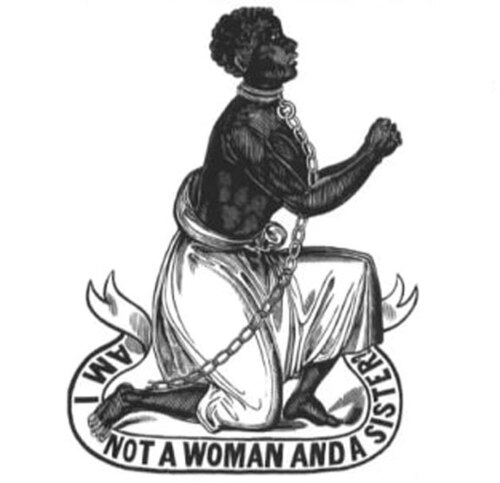
↑Guyatt, Mary (2000). "The Wedgwood Slave Medallion: Values in Eighteenth-Century Design". Journal of Design History. 13 (2): 93–105. doi:10.1093/jdh/13.2.93. ISSN0952-4649. JSTOR3527157.
↑"Smallpox Through History". Archived from the original on 29 October 2009.
↑"History Kingdom of Kongo". www.africafederation.net. Archived from the original on 28 May 2024.
↑Solow, Barbara, ed. (1991). Slavery and the Rise of the Atlantic System. Cambridge: Cambridge University Press.
↑Esposito, Elena (2015). Side Effects of Immunities: the African Slave Trade(PDF) (Working Paper). Economic History Association. Archived from the original(PDF) on 12 November 2020. Retrieved 7 May 2019.
↑Eltis, David (2000). The rise of African slavery in the Americas. Cambridge University Press. pp.59–84, 224.
↑Rupprecht, Anita (Autumn 2007). "Excessive Memories: Slavery, Insurance and Resistance". History Workshop Journal (64): 14. JSTOR25472933.
↑Foster, Herbert (1976). "Partners or Captives in Commerce?: The Role of Africans in the Slave Trade". Journal of Black Studies. 6 (4): 421–434. doi:10.1177/002193477600600408. JSTOR2783771. S2CID145541392. Archived from the original on 17 January 2024. Retrieved 17 January 2024.
12Law, Robin (1989). "Slave-Raiders and Middlemen, Monopolists and Free-Traders: The Supply of Slaves for the Atlantic Trade in Dahomey c. 1715–1850". The Journal of African History. 30 (1): 45–68. doi:10.1017/S0021853700030875. JSTOR182694. S2CID165485173. Archived from the original on 23 January 2024. Retrieved 23 January 2024.
↑Falola, Toyin; Warnock, Amanda (2007). Encyclopedia of the Middle Passage. Westport, CT: Greenwood Press. p.129. ISBN9780313334801. OCLC230753290.
↑Ipsen, Pernille (2015). Daughters of the Trade: Atlantic Slavers and Interracial Marriage on the Gold Coast. University of Pennsylvania Press. pp.1, 21, 31. ISBN978-0-8122-4673-5.
12Law, Robin (2004). Ouidah: The Social History of a West African Slaving 'Port', 1727–1892. Athens, Ohio: Ohio University Press. pp.148–149. ISBN978-0-8214-1572-6.
↑"William Ansah Sessarakoo, Slave Trader born". African American Registry. Archived from the original on 12 July 2023.
↑Akyeampong, Emmanuel Kwaku; Gates, Henry Louis Jr. (2012). Dictionary of African Biography. New York: Oxford University Press. ISBN978-0-19-538207-5. Archived from the original on 26 July 2024. Retrieved 10 August 2022.
↑"Slavery and the Natural World, People and the Slave Trade"(PDF). Natural History Museum. Archived from the original(PDF) on 30 March 2024. Retrieved 19 January 2024.
↑"The Amistad Case, 1839". Department of the State United States America. Archived from the original on 13 March 2024. Retrieved 28 February 2024.
123Snyder, Terri L. (June 2010). "Suicide, Slavery, and Memory in North America". The Journal of American History. 97 (1): 40. ISSN0021-8723.
↑Richardson, David (2001). "Shipboard Revolts, African Authority, and the Atlantic Slave Trade". The William and Mary Quarterly. 58 (1): 72–73. doi:10.2307/2674419. JSTOR2674419. PMID18634185. Archived from the original on 29 April 2024. Retrieved 29 April 2024.
↑"Slave Ship Mutinies". Colonial Williamsburg Foundation. United Nations, Educational, Scientific, and Cultural Organization. Archived from the original on 22 May 2024. Retrieved 27 February 2024.
↑Forbes, Ella (1992). "African Resistance to Enslavement: The Nature and the Evidentiary Record". Journal of Black Studies. 23 (1): 44–46. doi:10.1177/002193479202300104. JSTOR2784672. Archived from the original on 27 February 2024. Retrieved 27 February 2024.
↑Bly, Antonio (1998). "Crossing the Lake of Fire: Slave Resistance during the Middle Passage, 1720–1842". The Journal of Negro History. 83 (3): 184. doi:10.2307/2649014. JSTOR2649014. Archived from the original on 28 February 2024. Retrieved 28 February 2024.
↑Landers, Jane (2013). "Founding Mothers: Female Rebels in Colonial New Granada and Spanish Florida"(PDF). The Journal of African American History. 98 (1): 7. doi:10.5323/jafriamerhist.98.1.0007. ISSN1548-1867.
↑"Historical survey > The international slave trade". Encyclopedia Britannica. Archived from the original on 2 March 2012.
↑"The Trans-Atlantic Slave Trade". Lowcountry Digitial History Initiative. Lowcountry Digital Library at the College of Charleston. Archived from the original on 27 June 2024. Retrieved 12 January 2024.
↑"European traders". International Slavery Museum. Archived from the original on 15 October 2014. Retrieved 7 July 2014.
↑Elkins, Stanley: Slavery. New York: Universal Library, 1963, p. 48.
↑Rawley, James A. (2003). London, Metropolis of the Slave Trade. University of Missouri Press. pp.18, 20. ISBN978-0-8262-6452-7.
↑Morgan, Kenneth (2007). "Liverpool's Dominance in the British Slave Trade, 1740–1807". In Richardson, David; Schwarz, Suzanne; Tibbles, Anthony (eds.). Liverpool and Transatlantic Slavery. Liverpool University Press. p.15. ISBN978-1-84631-066-9.
↑"Slave-grown cotton in greater Manchester"Archived 2020-11-12 at the Wayback Machine, Revealing Histories.
↑Williams, David J. (2005). "The Birmingham Gun Trade and The American System of Manufactures"(PDF). Trans. Newcomen Soc. 75: 85–106. doi:10.1179/tns.2005.004. S2CID110533082. Archived from the original on 21 October 2015. Retrieved 3 October 2015.
↑Morgan, Kenneth (1993). "The sugar trade". Bristol and the Atlantic Trade in the Eighteenth Century. Cambridge University Press. pp.184–188. ISBN978-0-521-33017-6.
↑Kitchin, Thomas (1778). The Present State of the West-Indies: Containing an Accurate Description of What Parts Are Possessed by the Several Powers in Europe. London: R. Baldwin. p.21. Archived from the original on 11 May 2024.
↑Hall, Gwendolyn Midlo (2006). Slavery and African Ethnicities in the Americas: Restoring the Links. Chapel Hill, NC: University of North Carolina Press. p.51. ISBN0-8078-2973-0.
↑Araujo, Ana Lucia (2011). "Introduction: Interactions, Identities, and Images". In Araujo, Ana Lucia (ed.). Paths of the Atlantic Slave Trade: Interactions, Identities, and Images. Cambria Press. p.4. ISBN978-1-60497-747-9.
↑Maddison, Angus (2007). Contours of the World Economy, 1-2030 AD: Essays in Macro-economic History. Oxford University Press. p.90. ISBN978-0-19-922720-4.
↑"Trans-Atlantic Slave Trade – Estimates". slavevoyages. Archived from the original on 18 July 2024. Retrieved 5 February 2021.
↑Sharman, J.C. (2023). "Something New out of Africa: States Made Slaves, Slaves Made States"(PDF). International Organization. 77 (3): 497–526. doi:10.1017/S0020818323000073.
↑Manning, Patrick (1990). Patrick Manning Slavery and African Life: Occidental, Oriental, and African Slave Trades. Cambridge University Press. p.89. ISBN978-0-521-34396-1.
↑Gomez, Michael A. (1998). Exchanging Our Country Marks. Chapel Hill: University of North Carolina Press. p.155. ISBN9780807823873.
↑Nunn, Nathan (February 2008). "The Long-Term Effects of Africa's Slave Trades". Quarterly Journal of Economics. 123 (1): 150. doi:10.1162/qjec.2008.123.1.139. ISSN0033-5533.
↑"Winthrop, reading by John Thornton, "African Political Ethics and the Slave Trade"". Millersville College. Archived from the original on 16 March 2010.
↑"Museum Theme: The Kingdom of Dahomey". Musee Ouidah. Archived from the original on 1 October 2018.
↑"Dahomey (historical kingdom, Africa)". Encyclopædia Britannica. Archived from the original on 26 April 2008. Retrieved 2 June 2022.
↑"Benin seeks forgiveness for role in slave trade". Final Call. 8 October 2002. Archived from the original on 14 December 2018. Retrieved 21 September 2007.
↑"Le Mali précolonial"[Precolonial Mali] (in French). Archived from the original on 1 December 2011.
↑"The Story of Africa: West African Kingdoms: Ife and Benin". BBC News. Archived from the original on 19 April 2023.
↑"The Editor's Shanty". The Anglo-American Magazine. Vol.V. July–December 1854. p.94. Retrieved 2 July 2014.
12"The Story of Africa: Slavery: African Slave Owners". BBC News. Archived from the original on 23 December 2001. Retrieved 20 December 2019.
12Meltzer, Milton (1993). Slavery: A World History. Da Capo Press. pp.50–51. ISBN978-0-306-80536-3.
↑Duquette, Nicolas J. (June 2014). "Revealing the Relationship Between Ship Crowding and Slave Mortality". The Journal of Economic History. 74 (2): 535–538. doi:10.1017/S0022050714000357. ISSN0022-0507. The mortality rate is defined as slave deaths between the last port of embarkation and the first port of disembarkation, divided by number of slaves on board at departure from Africa.
↑Cohn, Raymond L. (September 1985). "Deaths of Slaves in the Middle Passage". Journal of Economic History. 45 (3): 685–692. doi:10.1017/S0022050700034604. PMID11617312.
↑Curtin, Philip D. (1969). The Atlantic Slave Trade: A Census. Madison, University of Wisconsin Press. pp.282–286]. ISBN978-0-299-05400-7.
↑Edwards, Bernard (2007). Royal Navy Versus the Slave Traders: Enforcing Abolition at Sea 1808–1898. Pen & Sword Books. pp.26–27. ISBN978-1-84415-633-7.
↑Hochschild, Adam (2005). Bury the Chains: Prophets, Slaves, and Rebels in the First Human Rights Crusade. Houghton Mifflin. p.94. ISBN0-618-10469-0.
↑Rediker, Marcus (4 October 2007). The Slave Ship: A Human History. Penguin Publishing Group. p.138. ISBN978-1-4406-2084-3.
↑Kiple, Kenneth F. (2002). The Caribbean Slave: A Biological History. Cambridge University Press. p.65. ISBN0-521-52470-9. Archived from the original on 26 July 2024. Retrieved 26 October 2015.
↑"Arrival in the Americas". National Museums Liverpool. Archived from the original on 15 June 2021. Retrieved 20 January 2024.
↑Abbott, E. (2011). Haiti: A Shattered Nation. Penguin Books. p.27. ISBN978-1-4683-0160-1.
↑Santos, Martha (2016). ""Slave Mothers", Partus Sequitur Ventrem, and the Naturalization of Slave Reproduction in Nineteenth-Century Brazil"(PDF). Temp. 22 (41): 1–5. Archived from the original(PDF) on 18 May 2024. Retrieved 14 March 2024.
↑Santos, Martha (2016). ""Slave Mothers", Partus Sequitur Ventrem, and the Naturalization of Slave Reproduction in Nineteenth-Century Brazil"(PDF). Temp. 22 (41): 1–5. Archived from the original(PDF) on 18 May 2024. Retrieved 14 March 2024.
↑Hacker, David (2020). "From '20. and odd' to 10 million: The growth of the slave population in the United States". Slavery and Abolition. 41 (4): 840–855. doi:10.1080/0144039x.2020.1755502. PMC7716878. PMID33281246.
↑Withycomb, Shannon (2019). "Women and Reproduction in the United States during the 19th Century". Oxford Research Encyclopedias / American History. doi:10.1093/acrefore/9780199329175.013.426. ISBN978-0-19-932917-5. Archived from the original on 3 February 2024. Retrieved 3 February 2024.
↑Edwards (2015). "The Significance of Richmond's Shockoe Bottom: Why it's the wrong place for a baseball stadium". African Diaspora Archaeology Newsletter. 15 (1): 3. Retrieved 17 January 2024.{{cite journal}}: CS1 maint: deprecated archival service (link)
↑Djelid, Aisha (2 January 2024). ""The master whished to reproduce": slavery, forced intimacy, and enslavers' interference in sexual relationships in the antebellum South, 1808–1861". American Nineteenth Century History. 25 (1). Taylor & Francis: 21–43. doi:10.1080/14664658.2024.2317499. ISSN1466-4658. Retrieved 27 July 2026.
↑West, Emily. "Reproduction and Resistance". Lowcountry History Digital Initiative. Lowcountry Digital Library at the College of Charleston. Archived from the original on 13 June 2024. Retrieved 17 January 2024.
↑Schwartz, Marie Jenkins (30 March 2010). Birthing a Slave: Motherhood and Medicine in the Antebellum South. Harvard University Press. p.31. ISBN978-0-674-26715-2.
↑Marks, Katie (2021). "Exploitation and Resistance, Enslaved Motherhood at the University of Alabama"(PDF). The Crimson Historical Review: 54. Archived(PDF) from the original on 26 July 2024. Retrieved 3 February 2024.
↑West, Shear; Shearer, Erin (2017). "Fertility control, shared nurturing, and dual exploitation: the lives of enslaved mothers in the antebellum United States"(PDF). Women's History Review: 6. Archived(PDF) from the original on 3 February 2024. Retrieved 3 February 2024.
↑Carey, Anthony (2011). Sold Down the River Slavery in the Lower Chattahoochee Valley of Alabama and Georgia. University of Alabama Press. p.178. ISBN9780817317416. Archived from the original on 26 July 2024. Retrieved 23 January 2024.
↑Campbell, John (1984). "Work, Pregnancy, and Infant Mortality among Southern Slaves". The Journal of Interdisciplinary History. 14 (4): 793–812. doi:10.2307/203466. JSTOR203466. PMID11617354. Archived from the original on 3 February 2024. Retrieved 3 February 2024.
↑"What was Life Like Under Slavery". Digital History. Archived from the original on 23 December 2023. Retrieved 2 November 2023.
↑Sublette, Ned (2015). The American Slave Coast: A History of the Slave-Breeding Industry. Chicago Review Press. ISBN9781613748237. Archived from the original on 26 July 2024. Retrieved 23 January 2024.
↑Fierce, Mildred. "Slavebreeding in the South's "Peculiar Institution"". Our Time Press. Archived from the original on 3 July 2024. Retrieved 17 January 2024.
↑Jackson, Kellie (31 March 2016). "The 'Capitalized Womb': A Review of Ned and Constance Sublette's The American Slave Coast". African American Intellectual History Society. Archived from the original on 25 February 2024. Retrieved 17 January 2024.
↑Gandhi, Lakshmi (27 January 2014). "What Does 'Sold Down The River' Really Mean? The Answer Isn't Pretty". Code Switch. NPR. Archived from the original on 26 July 2024. Retrieved 17 January 2024.
↑Holmes, Leah Preble (15 April 2018). "Sold Down the River". Mississippi Encyclopedia. Archived from the original on 6 July 2020. Retrieved 17 January 2024.
↑"Mapping the Coastal Slave Trade". The Historic New Orleans Collection. Archived from the original on 29 February 2024. Retrieved 29 February 2024.
↑"Before the Civil War, New Orleans Was the Center of the U.S. Slave Trade". Smithsonian Magazine. Smithsonian Institution. Archived from the original on 10 May 2024. Retrieved 29 February 2024.
↑Kriple, Kenneth (1970). "The Case Against a Nineteenth-Century Cuba-Florida Slave Trade". Florida Historical Quarterly. 49 (4): 1–3. Archived from the original on 2 March 2024. Retrieved 2 March 2024.
↑"Amelia Island Pays Homage to Slaves Middle Passage with Marker". The Free Press of Jacksonville. 2022. Archived from the original on 2 March 2024. Retrieved 2 March 2024.
↑Bergad, Laird (1987). "Slave Prices in Cuba, 1840–1875". Hispanic American Historical Review. 67 (4): 631–655. doi:10.1215/00182168-67.4.631. Archived from the original on 14 March 2024. Retrieved 14 March 2024.
↑Robbins, Fred (1971). "The Origin and Development of the African Slave Trade in Galveston, Texas, and Surrounding Areas from 1816 to 1836". East Texas Historical Journal. 9 (2): 154–156. Archived from the original on 28 June 2018. Retrieved 9 March 2024.
↑Head, David (2013). "Slave Smuggling by Foreign Privateers: The Illegal Slave Trade and the Geopolitics of the Early Republic". Journal of the Early Republic. 33 (3): 438–439. doi:10.1353/jer.2013.0061. JSTOR24487048. Archived from the original on 18 May 2024. Retrieved 7 March 2024.
↑"Cudjo Lewis: Last African Slave in the U.S.?". Jim Crow Museum. Ferris State University. Archived from the original on 25 May 2017. Retrieved 12 October 2007.
↑Diouf, Sylvianne (2007). Dreams of Africa in Alabama: The Slave Ship Clotilda and the Story of the Last Africans Brought to America. Oxford University Press. ISBN978-0-19-531104-4.
↑Durkin, Hannah (2019). "Finding last middle passage survivor Sally 'Redoshi' Smith on the page and screen". Slavery & Abolition. 40 (4): 631–658 u. doi:10.1080/0144039X.2019.1596397. S2CID150975893.
↑Durkin, Hannah (19 March 2020). "Uncovering The Hidden Lives of Last Clotilda Survivor Matilda McCrear and Her Family". Slavery & Abolition. 41 (3): 431–457. doi:10.1080/0144039X.2020.1741833. ISSN0144-039X. S2CID216497607.
↑Berlin, Ira (April 1, 1996). "From Creole to African". William and Mary Quarterly. 53 (2): 256–257, 266. doi:10.2307/2947401. JSTOR2947401. Retrieved June 6, 2022.
↑Pollitzer, William (1999). The Gullah People and Their African Heritage. University of Georgia Press. pp.124–129. ISBN9780820320540.
↑West African Pidgin English. Oceanic Linguistics Special Publications. Vol.14. University of Hawai'i Press. 1975. pp.345–360. JSTOR20006622. Retrieved 2 September 2025.
12"African American Heritage & Ethnography". NPS Ethnography. National Park Service U.S. Department of the Interior. Archived from the original on 13 June 2024. Retrieved 14 March 2026.
↑Fayer, Joan (2003). "African Interpreters in the Atlantic Slave Trade". Anthropological Linguistics. 45 (3): 281–295. JSTOR30028896. Archived from the original on 3 November 2025. Retrieved 1 September 2025.
↑UK, Blam (2023). Global Black Narratives for the Classroom: Africa, the Americas and the Caribbean. Taylor & Francis. ISBN9781000992809.
↑Teo, Tracey (March 2023). "Kouri-Vini: The return of the US' lost language". BBC News. Archived from the original on 18 August 2024. Retrieved 2 September 2025.
↑"Pidgin – West African lingua franca". BBC News. 16 November 2016. Archived from the original on 15 November 2018. Retrieved 27 August 2025.
↑Albery, Whitman (November 2014). "Creoles in Texas- "The Afro-Seminoles (Part II)"". International Kreol Magazine. Archived from the original on 21 August 2025. Retrieved 27 August 2025.
↑Bangura, Abdul (2016). Culpability of the Trans-Atlantic Slave Trade A Multidisciplinary Primer. Hamilton Books. p.121. ISBN9780761868354. Archived from the original on 2025-10-26. Retrieved 2025-09-07.
↑Gramley, S. (2009). "English Pidgins, English Creoles, and English"(PDF). The History of English: 1. Retrieved 1 September 2025.
↑Condon, Nancy; Mufwene, Salikoko (1993). Africanisms in Afro-American Language Varieties. University of Georgia Press. p.285. ISBN9780820314655.
↑Wild, Cody (5 March 2012). "Atlantic Creoles negotiated tricky cultural milieu". Tulane University. Archived from the original on 26 October 2025. Retrieved 2 September 2025.
↑Force, Pierre (2013). "The House on Bayou Road: Atlantic Creole Networks in the Eighteenth and Nineteenth Centuries". The Journal of American History. 100 (1): 21–45. doi:10.1093/jahist/jat082. Archived from the original on 23 October 2025. Retrieved 2 September 2025.
↑"New World Labor Systems: African Slavery". Lowcountry Digital History Initiative. Library at the College of Charleston. Archived from the original on 12 May 2024. Retrieved 2 September 2025.
↑"Slavery & the Emerging Global Economy". The National Museum of African American History and Culture. Smithsonian Institution. Archived from the original on 5 September 2025. Retrieved 2 September 2025.
↑Landers, Jane. "Atlantic Creoles". Oxford Bibliographies. Oxford University Press. Archived from the original on 8 July 2024. Retrieved 2 September 2025.
↑Hardesty, Jared (22 December 2015). "Mastering the Master's Language". African American Intellectual History Society. AAIHS. Archived from the original on 8 September 2025. Retrieved 2 September 2025.
↑Blassingame, John (1979). The Slave Community Plantation Life in the Antebellum South. Oxford University Press. pp.25, 98–99. ISBN9780195025637.
↑"Haitian Creole". Library of Congress Research Guides. LOC. Retrieved 2 September 2025.
↑Accilien, Cécile; Adams, Jessica; Méléance, Elmide (2006). Revolutionary Freedoms A History of Survival, Strength and Imagination in Haiti. Caribbean Studies Press. p.114. ISBN9781584322931. Archived from the original on 2025-10-28. Retrieved 2025-09-07.
↑"Aug. 1, 1834: Britain Passes Slavery Abolition Act". www.zinnedproject.org. Archived from the original on 3 July 2024. Retrieved 23 January 2024.
↑Wynter, Sylvia (1984a). "New Seville and the Conversion Experience of Bartolomé de Las Casas: Part One". Jamaica Journal. 17 (2): 25–32.
↑Vinson, Ben; Graves, Greg. "The Black Experience in Colonial Latin America". Oxford Bibliographies. Archived from the original on 29 February 2024. Retrieved 29 February 2024.
↑"The Caribbean". Colonial Williamsburg Foundation. UNESCO. Archived from the original on 26 July 2024. Retrieved 29 February 2024.
↑"Cuba and the United States in the Atlantic Slave Trade (1789–1820)". Hutchins Center for African & African American Research. Harvard University. Archived from the original on 1 March 2024. Retrieved 1 March 2024.
↑Padgett, Jeffries. "The Christianization of Slaves in the West Indies". Slave Resistance a Caribbean Study. University of Miami Libraries. Archived from the original on 26 July 2024. Retrieved 29 February 2024.
↑Bolland, Nigel (1994). "Colonization and slavery in central America". Slavery & Abolition. 15 (2): 11–25. doi:10.1080/01440399408575123. Archived from the original on 29 February 2024. Retrieved 29 February 2024.
↑Lokken, Paul (2013). "From the "Kingdoms of Angola" to Santiago de Guatemala: The Portuguese Asientos and Spanish Central America, 1595–1640". Hispanic American Historical Review. 93 (2): 171–203. doi:10.1215/00182168-2077126. Archived from the original on 26 July 2024. Retrieved 1 March 2024.
↑Hoffman, Paul E. (1990). A New Andalucia and a Way to the Orient: The American Southeast During the Sixteenth Century. Louisiana State University Press. pp.60, 66–67. ISBN978-0-8071-1552-7.
↑Angeleti, Gabriella (2022). "Once the US's largest slave port, Charleston will open African American museum next year". The Art Newspaper. Archived from the original on 2 March 2024. Retrieved 28 February 2024.
↑"The Middle Passage". Boston African American National Historic Site. National Park Service. Archived from the original on 22 February 2024. Retrieved 28 February 2024.
↑"The Atlantic Empire of Peter Faneuil". Boston African American National Historical Park. National Park Service. Archived from the original on 14 April 2024. Retrieved 28 February 2024.
↑"Slaves in New England". Medford Historical Society and Museum. 25 February 2013. Archived from the original on 29 February 2024. Retrieved 29 February 2024.
↑"The Importation and Sale of Enslaved People". Massachusetts Historical Society. Archived from the original on 29 February 2024. Retrieved 29 February 2024.
↑"Slavery and the Slave Trade in New England". Dartmouth Libraries. Dartmouth College. Archived from the original on 26 July 2024. Retrieved 29 February 2024.
↑"Freetown City Council Host CEO of the International African American Museum (IAAM)". The Calabash Newspaper. 2019. Archived from the original on 28 February 2024. Retrieved 28 February 2024.
↑"Tracing the Trade in Enslaved Africans back to Bunce Island, Sierra Leone". Google Arts and Culture. World Monuments Fund. Archived from the original on 28 February 2024. Retrieved 28 February 2024.
↑"New World Labor Systems: African Slavery". Lowcountry History Digital Initiative. Lowcountry Digital Library at the College of Charleston. Archived from the original on 12 May 2024. Retrieved 16 January 2024.
↑Gookin, Daniel (1836) [1677]. The Doings and Sufferings of the Christian Indians. Worcester, etc. hdl:2027/mdp.39015005075109. OCLC3976964. archaeologiaame02amer. But this shows the prudence and fidelity of the Christian Indians; yet notwithstanding all this service they were, with others of our Christian Indians, through the harsh dealings of some English, in a manner constrained, for want of shelter, protection, and encouragement, to fall off to the enemy at Hassanamesit, the story whereof follows in its place; and one of them, viz. Sampson, was slain in fight, by some scouts of our praying Indians, about Watchuset; and the other, Joseph, taken prisoner in Plymouth Colony, and sold for a slave to some merchants at Boston, and sent to Jamaica, but upon the importunity of Mr. Elliot, which the master of the vessel related to him, was brought back again, but not released. His two children taken prisoners with him were redeemed by Mr. Elliot, and afterward his wife, their mother, taken captive, which woman was a sober Christian woman and is employed to teach school among the Indians at Concord, and her children are with her, but her husband held as before, a servant; though several that know the said Joseph and his former carriage, have interceded for his release, but cannot obtain it; some informing authority that he had been active against the English when he was with the enemy.
↑Winiarski, Douglas L. (September 2004). Rhoads, Linda Smith (ed.). "A Question of Plain Dealing: Josiah Cotton, Native Christians, and the Quest for Security in Eighteenth-Century Plymouth County"(PDF). The New England Quarterly. 77 (3): 368–413. ISSN0028-4866. JSTOR1559824. OCLC5552741105. Archived from the original on 22 March 2020. While Philip and the vast majority of hostile Natives were killed outright during the war or sold into slavery in the West Indies, the friendly Wampanoag at Manomet Ponds retained their lands.
↑"What It Means To Be 'Black In Latin America'". NPR South Carolina Public Radio. 27 July 2011. Archived from the original on 26 July 2024. Retrieved 29 February 2024.
↑"The African Slave Trade and Slave Life". Brown University Library. Archived from the original on 4 June 2023. Retrieved 29 February 2024.
↑Werner, Amy (2013). "The Practicality of Slavery in Latin America". Constructing the Past. 14 (1): 1–6. Archived from the original on 18 June 2023. Retrieved 29 February 2024.
↑Newson, Linda; Minchin, Susie (2007). From Capture to Sale: The Portuguese Slave Trade to Spanish South America in the Early Seventeenth Century. BRILL. pp.101–135. JSTOR10.1163/j.ctv29sfpzt.10. Archived from the original on 16 December 2023. Retrieved 29 February 2024.
↑"African-Derived Religions in Brazil". Harvard Divinity School. Harvard University. Archived from the original on 4 September 2021. Retrieved 1 March 2024.
↑Edwards, Erika. "Slavery in Argentina". Oxford Bibliographies. Archived from the original on 9 December 2022. Retrieved 29 February 2024.
↑Dauenhauer, Nora Marks; Dauenhauer, Richard; Black, Lydia T. (2008). Anóoshi Lingít Aaní Ká, Russians in Tlingit America: The Battles of Sitka, 1802 and 1804. Seattle: University of Washington Press. pp.XXVI. ISBN978-0-295-98601-2.
↑Stephen D. Behrendt, W. E. B. Du Bois Institute for African and African-American Research, Harvard University. Based on "records for 27,233 voyages that set out to obtain slaves for the Americas". Behrendt, Stephen (1999). "Transatlantic Slave Trade". Africana: The Encyclopedia of the African and African American Experience. New York: Basic Civitas Books. ISBN0-465-00071-1.
↑Eltis, David (2018). "Understanding the Database – Methodology – Introduction". Trans-Atlantic Slave Trade. Voyages: The Trans-Atlantic Slave Trade Database. Archived from the original on 11 December 2020. Retrieved 11 December 2020. But what is often overlooked is that, before 1820, perhaps three times as many enslaved Africans crossed the Atlantic as Europeans. This was the largest transoceanic migration of a people until that day, and it provided the Americas with a crucial labour force for their own economic development.
↑"Digital History". www.digitalhistory.uh.edu. Archived from the original on 26 February 2009.
↑"Britain's Slave Owner Compensation Loan, reparations and tax havenry". 9 June 2020. Archived from the original on 29 July 2021. Retrieved 18 June 2020.
↑"His parents urged him to keep their 'dodgy' family history quiet. Now Benedict Cumberbatch could pay". ABC News. 3 January 2023. Archived from the original on 9 June 2024.
↑The World at Six Billion(PDF) (Report). United Nations. Archived from the original(PDF) on 1 January 2016.
↑Rodney, Walter (2009) [1972]. How Europe Underdeveloped Africa. East African Publishers. p.85. ISBN978-9966-25-113-8.
↑"Riches & misery: the consequences of the Atlantic slave trade". OpenLearn. The Open University. Archived from the original on 18 May 2024. Retrieved 14 April 2024.
↑Bertocchi (2016). "The legacies of slavery in and out of Africa". IZA Journal of Migration. 5 (24) 24. doi:10.1186/s40176-016-0072-0. hdl:11380/1201574.
↑Nathan, Nunn (2008). "The Long-Term Effects of Africa's Slave Trades"(PDF). The Quarterly Journal of Economics: 166. Archived from the original(PDF) on 22 March 2021. Retrieved 14 April 2024.
↑Nathan, Nunn. "Chapter 5. Shackled to the Past: The Causes and Consequences of Africa's Slave Trades"(PDF). Harvard University. Archived from the original(PDF) on 18 May 2024. Retrieved 14 April 2024.
↑M'baye (2006). "The Economic, Political, and Social Impact of the Atlantic Slave Trade on Africa". The European Legacy. 11 (6): 607–622. doi:10.1080/10848770600918091. Retrieved 14 April 2024.
↑"The effect of slavery in Africa". National Museums Liverpool. Archived from the original on 12 April 2024. Retrieved 14 April 2024.
↑François Hubert, Christian Block and Jacques de Cauna (2010). Bordeaux in the 18th century: trans-Atlantic trading and slavery. Bordeaux: Le Festin. p.92. ISBN978-2-36062-009-8.
12Thornton, John (2012). A Cultural History of the Atlantic World 1250–1820. p.64.
12Fage, J. D. (1969). "Slavery and the Slave Trade in the Context of West African History". The Journal of African History. 10 (3): 400. doi:10.1017/S0021853700036343.
↑Baten, Jörg (2016). A History of the Global Economy: From 1500 to the Present. Cambridge University Press. p.321. ISBN978-1-107-50718-0.
↑David Richardson, "The British Empire and the Atlantic Slave Trade, 1660–1807," in P. J. Marshall, ed. The Oxford History of the British Empire: Volume II: The Eighteenth Century (1998), pp. 440–464.
12Engerman, Stanley L. (1972). "The Slave Trade and British Capital Formation in the Eighteenth Century". The Business History Review. 46 (4): 430–443. doi:10.2307/3113341. JSTOR3113341. S2CID154620412.
↑Pares, Richard (1937). "The Economic Factors in the History of the Empire". The Economic History Review. 7 (2): 119–144. doi:10.2307/2590147. JSTOR2590147.
↑Ward, J. R. (1998). "The British West Indies in the Age of Abolition". In Marshall, P. J. (ed.). The Oxford History of the British Empire. Vol.II: The Eighteenth Century. pp.415–439.
↑Marx, Karl. "Chapter Thirty-One: Genesis of the Industrial Capitalist". Capital. Vol.One. Archived from the original on 19 March 2020. Retrieved 21 February 2014– via Marxists Internet Archive. the turning of Africa into a warren for the commercial hunting of black-skins, signalised the rosy dawn of the era of capitalist production. These idyllic proceedings are the chief momenta of primitive accumulation.
↑Manning, Patrick (1992). "The Slave Trade: The Formal Demography of a Global System". In Inikori, Joseph E.; Engerman, Stanley L. (eds.). The Atlantic Slave Trade: Effects on Economies, Societies and Peoples in Africa, the Americas, and Europe[Manning1992]. Duke University Press. p.120. ISBN978-0-8223-8237-9.
↑Ramusack, Barbara (1999). Women in Asia: Restoring Women to History. Indiana University Press. p.89.
↑Rodney, Walter (2009) [1972]. How Europe Underdeveloped Africa. East African Publishers. pp.94–105. ISBN978-9966-25-113-8.
↑David Eltis, Economic Growth and the Ending of the Transatlantic Slave Trade.
↑Joseph E. Inikori, "Ideology versus the Tyranny of Paradigm: Historians and the Impact of the Atlantic Slave Trade on African Societies", African Economic History, 1994.
↑Womber, Peter Kwame (2020). "From Anomansa to Elmina: The Establishment and the Use of the Elmina Castle – From the Portuguese to the British"(PDF). Athens Journal of History. 6 (4): 368–369. Archived from the original(PDF) on 10 July 2024. Retrieved 15 April 2024.
↑"The development of foreign colonies". BBC. Archived from the original on 16 April 2024. Retrieved 15 April 2024.
↑Read, Sean (2023). "The Archaeology of Slavery in Atlantic West Africa, 1450–1900". African History. doi:10.1093/acrefore/9780190277734.013.837. ISBN978-0-19-027773-4. Archived from the original on 26 July 2024. Retrieved 20 April 2024.
↑"The Transatlantic Slave Trade". Park Ethnography Program. National Park Service. Archived from the original on 3 May 2024. Retrieved 20 April 2024.
↑Apter, Andrew; etal. (2 June 2021). "Hidden Histories of Ghana's Slave Forts and Castles 1482–2022". www.storymaps.arcgis.com. Story Maps. Archived from the original on 20 April 2024. Retrieved 20 April 2024.
↑Hove, Jon (2018). "Forts and Castles in the Colonial Period: Uses and Understandings of the Pre-colonial Fortifications". Forts, Castles and Society in West Africa. 7: 243–264. doi:10.1163/9789004380172_011. hdl:11250/2596833. ISBN978-90-04-38014-1. Retrieved 15 April 2024.
↑Womber, Peter Kwame (2020). "From Anomansa to Elmina: The Establishment and the Use of the Elmina Castle – From the Portuguese to the British"(PDF). Athens Journal of History. 6 (4): 368–369. Archived from the original(PDF) on 10 July 2024. Retrieved 15 April 2024.
↑Rodney, Walter (2009) [1972]. How Europe Underdeveloped Africa. East African Publishers. p.88. ISBN978-9966-25-113-8.
↑Bornstein, George (2001). Material Modernism: The Politics of the Page. Cambridge University Press. p.146. ISBN978-0-521-66154-6.
↑Edmondson, Locksley (1976). "Trans-Atlantic Slavery and the Internationalization of Race". Caribbean Quarterly. 22 (2): 5–25. doi:10.1080/00086495.1976.11671898. Retrieved 13 January 2024.
↑Shad, Muhammad (2020). "The Transatlantic Slave Trade Led to the Birth of Racism". American News. Retrieved 13 January 2024.
↑Pierre, Jemima (2020). "Slavery, Anthropological Knowledge, and the Racialization of Africans". Current Anthropology. 61 (22): 141–339. doi:10.1086/709844. S2CID225302155. Retrieved 13 January 2024.
↑Drescher, Seymour (1990). "The Ending of the Slave Trade and the Evolution of European Scientific Racism". Social Science History. 14 (3): 415–450. doi:10.2307/1171358. JSTOR1171358. Retrieved 13 January 2024.
↑Harms, Robert (2019). "An Ancient Practice Transformed by the Arrival of Europeans Slavery existed in Africa long before Columbus, but the trans-Atlantic trade turned it into a very different institution". The Wall Street Journal. Archived from the original on 13 January 2024. Retrieved 13 January 2024.
↑Gates, Henry Louis; Curran, Andrews. "Inventing the Science of Race". The New York Review. Archived from the original on 24 February 2024. Retrieved 16 January 2024.
↑Hanlon, Aaron (2017). "The use of dubious science to defend racism is as old as the Founding Fathers". NBC News. Archived from the original on 16 January 2024. Retrieved 16 January 2024.
↑Sherwood, Merika (2007). After Abolition Britain and the Slave Trade Since 1807. I.B.Tauris. pp.143–145. ISBN9780857710130.
↑Midgley, Clare (2004). Women Against Slavery: The British Campaigns, 1780-1870. Routledge. pp.95–96. ISBN978-1-134-79881-0.
↑Newman, Richard S. (2002). The Transformation of American Abolitionism: Fighting Slavery in the Early Republic. Univ of North Carolina Press. p.106. ISBN978-0-8078-4998-9.
↑Nafafé, José Lingna (2022). "Conclusion". Lourenço Da Silva Mendonça and the Black Atlantic Abolitionist Movement in the Seventeenth Century. Cambridge University Press. pp.419–420. ISBN9781108976534.
↑"Olaudah Equiano (c.1745 – 1797)". BBC History. Retrieved 15 January 2025.
↑Brain, Jessica. "The Sons of Africa". Historic UK. Retrieved 15 January 2025.
↑Rossi, Benedetta (2024). "The Abolition of Slavery in Africa's Legal Histories"(PDF). Law and History Review. 42: 1–5, 9–12. doi:10.1017/S0738248023000585. In addition, African resistance to enslavement on slave ships and various rebellions in the Americas sparked debates about abolishing the slave trade and slavery.<ref>"How did the Abolition Acts of 1807 and 1833 affect the slave trade?". The National Archives / United Kingdom. Retrieved 14 January 2025.
↑Carretta, Vincent (2005). Equiano, the African: Biography of a Self-Made Man. Athens: University of Georgia Press. pp.4, 267. ISBN978-0-8203-2571-2.{{cite book}}: CS1 maint: publisher location (link)
↑David Brion Davis, The Problem of Slavery in the Age of Revolution: 1770–1823 (1975), p. 129.
↑Library of Society of Friends Subject Guide: Abolition of the Slave Trade.
↑John E. Selby and Don Higginbotham, The Revolution in Virginia, 1775–1783 (2007), p. 158.
↑Root, Erik S. (2008). All Honor to Jefferson?: The Virginia Slavery Debates and the Positive Good Thesis. p.19.
↑"Founders Online: Bill to Prevent the Importation of Slaves, &c., [16 June 1777]". founders.archives.gov. Archived from the original on 19 October 2023.
↑Ford, Lacy K. (2009). Deliver Us from Evil: The Slavery Question in the Old South. Oxford University Press. pp.104–107. ISBN978-0-19-975108-2.
↑"Danish decision to abolish transatlantic slave trade in 1792". Archived from the original on 21 September 2016. Retrieved 21 September 2016.
↑Christer Petley, White Fury: A Jamaican Slaveholder and the Age of Revolution (Oxford: Oxford University Press, 2018), pp. 200–209.
↑"Sugar plantations". National Museums Liverpool. Retrieved 4 June 2026.
↑Morgan, Marcyliena H. (2002). Language, Discourse and Power in African American Culture. Cambridge University Press. p.20. ISBN978-0-521-00149-6.
↑Drescher, Seymour, "Whose abolition? Popular pressure and the ending of the British slave trade." Past & Present 143 (1994): 136–166. JSTOR651164.
↑Reich, Jerome (1968). "The Slave Trade at the Congress of Vienna–A Study in English Public Opinion". Journal of Negro History. 53 (2): 129–143. doi:10.2307/2716488. JSTOR2716488.
↑Sinha, Manisha (2016). The Slave's Cause: A History of Abolition. Yale University Press. p.212. ISBN978-0-300-18208-8.
↑Huw Lewis-Jones, "The Royal Navy and the Battle to End Slavery", BBC, 17 February 2011.
↑Jo Loosemore, "Sailing against slavery", BBC, 24 September 2014.
↑Davies, Caroline (2 August 2010). "William Wilberforce 'condoned slavery', Colonial Office papers reveal...Rescued slaves forced into unpaid 'apprenticeships'". The Guardian. Archived from the original on 6 March 2024.
↑"Navy News". June 2007. Archived from the original on 15 March 2024. Retrieved 9 February 2008.
↑Duarte, Fernando (20 November 2015). "O polêmico debate sobre reparações pela escravidão no Brasil"[The controversial debate on reparations for slavery in Brazil]. BBC News Brasil (in Portuguese). Archived from the original on 3 December 2023. Retrieved 2 December 2023.
↑"É hora de falar sobre escravidão mercantil e moderna"[It's time to talk about commercial and modern slavery] (in Brazilian Portuguese). Nexo Jornal. Archived from the original on 3 December 2023.
↑Graden, Dale (2010). "Slave resistance and the abolition of the trans-Atlantic slave trade to Brazil in 1850"(PDF). História Unisinos. 14 (3): 283–284. doi:10.4013/htu.2010.143.05. Archived from the original(PDF) on 15 July 2024. Retrieved 7 March 2024.
↑Rodney, Walter (2009) [1972]. How Europe Underdeveloped Africa. East African Publishers. p.136. ISBN978-9966-25-113-8.
↑Hardt, M. and A. Negri (2000), Empire, Cambridge, MA: Harvard University Press, pp. 114–128.
↑Bromley, Jason. "Resistance and the Haitian Revolution". Archives and Special Collections of Richter Library. University of Miami Library. Archived from the original on 5 June 2024. Retrieved 17 May 2024.
↑Crawford-Roberts, Ann. "A History of United States Policy Towards Haiti". Brown University Library. Brown University. Archived from the original on 9 July 2024. Retrieved 3 May 2024.
↑Topik, Steven (2013). "An Explosion of Violence: How the Haitian Revolution Rearranged the Trade Patterns of the Western Hemisphere". A Global History of Trade and Conflict since 1500. Palgrave Macmillan. pp.62–86. doi:10.1057/9781137326836_4. ISBN9781349459988.
↑Hancock, James (18 June 2021). "Sugar & the Rise of the Plantation System". World History Encyclopedia. Archived from the original on 5 July 2024. Retrieved 17 May 2024.
↑Petley, Christer (2018). White Fury: A Jamaican Slaveholder and the Age of Revolution. New York: Oxford University Press. ISBN9780192509369.
↑Pybus, Cassandra (2006). Epic Journeys of Freedom: Runaway Slaves of the American Revolution and Their Global Quest for Liberty. Boston: Beacon Press.; Hodges, Graham Russell; Cook, Susan Hawkes; Brown, Alan Edward (October 1996). "The Black Loyalist Directory: African Americans in Exile After the American Revolution". The William and Mary Quarterly. 53 (4). JSTOR2947159.
↑Sivapragasam, Michael (2013). Why Did Black Londoners not join the Sierra Leone Resettlement Scheme 1783–1815? (Unpublished master's dissertation). London: Open University. pp.40–43.
↑Walker, James W. (1992). "Chapter Five: Foundation of Sierra Leone". The Black Loyalists: The Search for a Promised Land in Nova Scotia and Sierra Leone, 1783–1870. Toronto: University of Toronto Press. pp.94–114. ISBN978-0-8020-7402-7. Originally published by Longman & Dalhousie University Press (1976).
↑Egerton, Douglas R. (June 1997). "Averting a Crisis: The Proslavery Critique of the American Colonization Society". Civil War History. 43 (2): 142–156. doi:10.1353/cwh.1997.0099. S2CID143549872. Archived from the original on 24 July 2019. Retrieved 24 July 2019– via Project MUSE.
↑Wesley, Dorothy Porter (1995). Early Negro Writing, 1760–1837. Black Classic Press. p.250. ISBN978-0-933121-59-1. Archived from the original on 19 August 2020. Retrieved 8 March 2020.
↑Jones, Sam; Kassam, Ashifa (28 April 2024). "Portuguese government rejects president's suggestion of slavery reparations". The Guardian. Retrieved 13 July 2026.
↑"Duke of Cambridge expresses 'profound sorrow' for slave trade but stops short of full apology". Sky News. Retrieved 13 July 2026.
↑Smith, David (26 November 2006). "Blair: Britain's 'sorrow' for shame of slave trade". The Guardian. Retrieved 13 July 2026.
↑"Historic Slavery: Reparations - Hansard - UK Parliament". hansard.parliament.uk. Retrieved 11 July 2026.
↑"David Lammy: Slavery reparations not about transfer of cash". BBC News. 4 November 2024. Retrieved 11 July 2026.
↑"UK Explanation of Vote on the Declaration of the trafficking of enslaved Africans and racialised chattel enslavement of Africans as the gravest Crime Against Humanity". GOV.UK. 25 March 2026. Retrieved 13 July 2026.
↑Ferguson, Donna (1 July 2023). "Dutch king apologises for country's historical involvement in slavery". The Guardian. Retrieved 13 July 2026.
↑Badshah, Nadeem (18 April 2026). "French man, 86, issues historic apology for family's role in transatlantic slavery". The Guardian. Retrieved 13 July 2026.
↑Egbejule, Eromo (25 March 2026). "UN votes to describe slave trade as 'gravest crime against humanity'". The Guardian. Retrieved 13 July 2026.
↑Fears, Darryl (30 July 2008). "House Issues An Apology For Slavery". The Washington Post. p.A03. Archived from the original on 18 February 2024. Retrieved 22 July 2009.
↑"African and Caribbean nations call for formal apology for transatlantic slavery". BBC News. 20 June 2026. Retrieved 13 July 2026.
↑Jr, Henry Louis Gates (23 April 2010). "Opinion | Ending the Slavery Blame-Game". The New York Times. Retrieved 13 July 2026.
↑Sieff, Kevin (29 January 2018). "An African country reckons with its history of selling slaves". The Washington Post. Retrieved 13 July 2026.
↑Makortoff, Kalyeena; Conn, David (8 November 2023). "Lloyd's of London accused of 'reparations washing' over response to slave trade review". The Guardian. Retrieved 13 July 2026.
↑"Exclusive: Church of England and Bank of England apologise for historic slavery links". 18 June 2020. Retrieved 13 July 2026.
↑"The CARICOM (Caribbean Community) Ten Point Plan for Reparations: A Manifesto for the Coming Enlightenment". CARICOM. Retrieved 16 July 2026.
12"The Fatal Conceit of the Caribbean Reparations Movement - History Reclaimed". 1 December 2023. Retrieved 13 July 2026.
↑Mureithi, Carlos (19 June 2026). "Ghana conference calls for formal apology for transatlantic slave trade". The Guardian. Retrieved 13 July 2026.
↑Biggar, Nigel (2025). Reparations: Slavery and the Tyranny of Imaginary Guilt. UK: Forum. ISBN978-1-80075-559-8.:passim
↑Gates, Henry Louis Jr. (23 April 2010). "Ending the Slavery Blame-Game". The New York Times. Archived from the original on October 7, 2022.
General bibliography
Academic books
Adams, Jonathan (2013). A maritime archaeology of ships: innovation and social change in medieval and early modern Europe (Firsted.). Oxford, UK; Oakville, CT: Oxbow Books. ISBN978-1-84217-297-1.
Araujo, Ana Lucia (2024). Humans in shackles: an Atlantic history of slavery. Chicago: The University of Chicago Press. ISBN978-0-226-77158-8.
Austen, Ralph (1987). African Economic History: Internal Development and External Dependency. London: James Currey. ISBN978-0-85255-009-0.
Christopher, Emma (2006). Slave Ship Sailors and Their Captive Cargoes, 1730–1807. Cambridge: Cambridge University Press. ISBN0-521-67966-4.
Eltis, David (2025). Atlantic Cataclysm: Rethinking the Atlantic Slave Trades. Cambridge University Press. doi:10.1017/9781009518963. ISBN978-1-009-51897-0.
Hair, Paul; Law, Robin (1998). "The English in western Africa to 1700". In Nicholas Canny (ed.). Oxford History of the British Empire volume 1: The Origins of Empire. British Overseas Enterprise to the Close of the Seventeenth century. Oxford: Oxford University Press. pp.241–263. ISBN978-0-19-164734-5.
Lovejoy, Paul E. (2000). Transformations in Slavery: A History of Slavery in Africa. Cambridge University Press. ISBN978-0-521-78430-6.
Rodney, Walter (2009) [1972]. How Europe Underdeveloped Africa. East African Publishers. ISBN978-9966-25-113-8.
Shumway, Rebecca (2011). The Fante and the Transatlantic Slave Trade. Boydell & Brewer. ISBN978-1-58046-478-9.
Sparks, Randy J. (2014). Where the Negroes Are Masters: An African Port in the Era of the Slave Trade. Cambridge, Massachusetts: Harvard University Press. ISBN978-0-674-72487-7.
Borucki, Alex; Eltis, David; Wheat, David (1 April 2015). "Atlantic History and the slave Trade to Spanish America"(PDF). The American Historical Review. 120 (2): 433–461. doi:10.1093/ahr/120.2.433. ISSN1937-5239. Archived from the original(PDF) on 19 June 2024.
Eltis, David (2007). "SlaveVoyages". www.slavevoyages.org. Retrieved 7 June 2026.
Handley, Fiona J. L. (2006). "Back to Africa: Issues of hosting 'Roots' tourism in West Africa". African Re-Genesis: Confronting Social Issues in the Diaspora. London: University College London Press: 20–31.
Osei-Tutu, Brempong (2006). "Contested Monuments: African-Americans and the commoditization of Ghana's slave castles". African Re-Genesis: Confronting Social Issues in the Diaspora. London: UCL Press: 9–19.
Non-academic sources
Meredith, Martin (2014). The Fortunes of Africa. New York: PublicAffairs. ISBN978-1-61039-635-6.
Further reading
Anstey, Roger (1975). The Atlantic Slave Trade and British Abolition, 1760–1810. London: Macmillan. ISBN0-333-14846-0.
Araujo, Ana Lucia (2010). Public Memory of Slavery: Victims and Perpetrators in the South Atlantic. Cambria Press. ISBN978-1-60497-714-1.
Bailey, Anne (2006). African Voices of the Atlantic Slave Trade: Beyond the Silence and the Shame. Boston: Beacon Press. ISBN978-0-8070-5513-7.
Blackburn, Robin (2011). The American Crucible: Slavery, Emancipation and Human Rights. London & New York: Verso Books. ISBN978-1-84467-569-2.
Boruki, David Eltis; Wheat, David (April 2015). "Atlantic History and the Slave Trade to Spanish America". American Historical Review. 120 (2).
Clarke, John Henrik (1992). Christopher Columbus and the Afrikan Holocaust: Slavery and the Rise of European Capitalism. Brooklyn, NY: A & B Books. ISBN1-881316-14-9.
Daudin, Guillaume (2004). "Profitability of Slave and Long-Distance Trading in Context: The Case of Eighteenth-Century France"(PDF). The Journal of Economic History. 64 (1): 144–171. doi:10.1017/S0022050704002633. ISSN1471-6372. S2CID154025254. Archived from the original(PDF) on 9 August 2020.
Domingues da Silva, Daniel B. (2017). The Atlantic Slave Trade from West Central Africa, 1780–1867. Cambridge: Cambridge University Press. ISBN978-1-107-17626-3.
Drescher, Seymour (1999). From Slavery to Freedom: Comparative Studies in the Rise and Fall of Atlantic Slavery. New York: New York University Press. ISBN0-333-73748-2. OCLC39897280.
Eltis, David (2001). "The volume and structure of the transatlantic slave trade: a reassessment". William and Mary Quarterly. 58 (1): 17–46. doi:10.2307/2674417. JSTOR2674417. PMID18630381.
Eltis, David (2000). The Rise of African Slavery in the Americas. New York: Cambridge University Press. ISBN9780521652315.
Eltis, David; Richardson, David, eds. (2008). Extending the Frontiers: Essays on the New Transatlantic Slave Trade Database. New Haven: Yale University Press. ISBN9780300134360.
Emmer, Pieter C. (1998). The Dutch in the Atlantic Economy, 1580–1880. Trade, Slavery and Emancipation. Variorum Collected Studies Series. Vol.CS614. Aldershot: Variorum. ISBN9780860786979.
French, Howard (2021). Born in Blackness: Africa, Africans, and the Making of the Modern World, 1471 to the Second World War. New York: Liveright Publishing. ISBN978-1-63149-582-3. OCLC1268921040.
Green, Toby (2012). The Rise of the Trans-Atlantic Slave Trade in Western Africa, 1300–1589. New York: Cambridge University Press. ISBN9781107014367.
Guasco, Michael (2014). Slaves and Englishmen: Human Bondage in the Early Modern Atlantic. Philadelphia: University of Pennsylvania Press. ISBN9780812245783.
Hall, Gwendolyn Midlo (2006). Slavery and African Ethnicities in the Americas: Restoring the Links. Chapel Hill, NC: University of North Carolina Press. ISBN0-8078-2973-0.
Horne, Gerald (2007). The Deepest South: The United States, Brazil, and the African Slave Trade. New York: New York University Press. ISBN978-0-8147-3688-3.
Inikori, Joseph E.; Engerman, Stanley L., eds. (1992). The Atlantic Slave Trade: Effects on Economies, Societies and Peoples in Africa, the Americas, and Europe. Duke University Press. ISBN0-8223-8237-7.
Jensen, Niklas Thode; Simonsen, Gunvor (2016). "Introduction: The historiography of slavery in the Danish-Norwegian West Indies, c. 1950–2016". Scandinavian Journal of History. 41 (4–5): 475–494. doi:10.1080/03468755.2016.1210880. hdl:109.1.5/469ed487-ad15-4504-a969-8eb9a0ea0d17.
Landers, Jane (1984). "Spanish Sanctuary: Fugitives in Florida, 1687–1790". Florida Historical Quarterly. 62 (3): 296–313. JSTOR30146288.
Lindsay, Lisa A. (2008). Captives as Commodities: The Transatlantic Slave Trade. Prentice Hall. ISBN978-0-13-194215-8.
McMillin, James A. (2004). The Final Victims: Foreign Slave Trade to North America, 1783–1810. University of South Carolina Press. ISBN978-1-57003-546-3. – Includes database on CD-ROM.
Meltzer, Milton (1993). Slavery: A World History. New York: Da Capo Press. ISBN0-306-80536-7.
Miller, Christopher L. (2008). The French Atlantic Triangle: Literature and Culture of the Slave Trade. Durham, NC: Duke University Press. ISBN978-0-8223-4127-7.
Morgan, Jennifer L. (2004). Laboring Women: Reproduction and Gender in New World Slavery. Philadelphia, PA: University of Pennsylvania Press. ISBN9780812218732.
Nimako, Kwame; Willemsen, Glenn (2011). The Dutch Atlantic: Slavery, Abolition and Emancipation. London: Pluto Press. ISBN978-0-7453-3108-9.
Newson, Linda; Minchin, Susie (2007). From Capture to Sale: The Portuguese Slave Trade to Spanish South America in the Early Seventeenth Century. Leiden: Brill. ISBN9789004156791.
Rediker, Marcus (2008). The Slave Ship: A Human History. New York: Penguin Books. ISBN978-0-14-311425-3.
Rodriguez, Junius P., ed. (2007). Encyclopedia of Emancipation and Abolition in the Transatlantic World. Armonk, NY: M. E. Sharpe. ISBN978-0-7656-1257-1.
Smallwood, Stephanie E. (2008). Saltwater Slavery: A Middle Passage from Africa to American Diaspora. Cambridge, MA: Harvard University Press. ISBN978-0-674-03068-8.
Schultz, Kara (2015). "The Kingdom of Angola is not very far from here: The South Atlantic Slave Port of Buenos Aires, 1585–1640". Slavery & Abolition. 36 (3): 424–444. doi:10.1080/0144039X.2015.1067397.
Solow, Barbara, ed. (1991). Slavery and the Rise of the Atlantic System. Cambridge: Cambridge University Press. ISBN0-521-40090-2.
Thomas, Hugh (1997). The Slave Trade: The History of the Atlantic Slave Trade 1440–1870. London: Picador. ISBN0-330-35437-X.
Wheat, David (March 2011). "The First Great Waves: African Provenance Zones for the Transatlantic Slave Trade to Cartagena de Indias". Journal of African History. 52 (1): 1–22. doi:10.1017/S0021853711000119. JSTOR23017646.
Poulter, Emma. "Slave-grown cotton in Greater Manchester museums". Revealing Histories, Remembering Slavery.
"Afro Atlantic Histories resource". National Gallery of Art. Washington, DC.
External links
Voyages: The Trans-Atlantic Slave Trade DatabaseArchived 2019-07-05 at the Wayback Machine