Loading article…
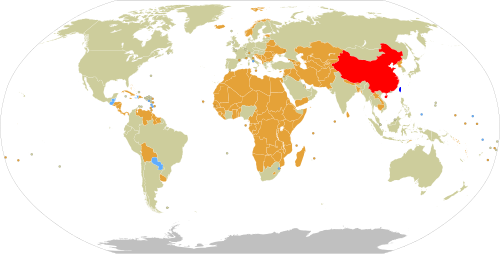
台湾(正式名称:中華民国)の外交関係は、中央政府の閣僚級省庁である外交部の努力によって遂行されている。[ 1 ] [ 2 ] 2024年1月現在 、中華民国は、国連加盟国193カ国のうち11カ国と、バチカン市国を統治するローマ教皇庁と正式な外交関係を結んでいる。 [ 3 ]これらの関係に加えて、中華民国は、国連加盟国59カ国、自称国家1カ国(ソマリランド)、3つの地域(グアム、香港、マカオ。ただし、後者2カ国との関係は2021年以降停止されている[ 5 ])、および代表事務所や領事館を通じて欧州連合とも非公式な関係を維持している。 [ 4 ] 2025年現在、中華民国政府は外交指数で33位にランクされ、110の事務所を有している。[ 6 ]
歴史的に、中華民国は外交上の同盟国に対し、中華民国を「中国」の唯一の正当な政府として承認するよう求め、中華人民共和国と「中国」という名称の独占使用権を争ってきた。1970年代初頭、国連決議2758号により、中華民国は「中国」の承認政府として中華人民共和国に取って代わられ、1971年には中華民国は国連安全保障理事会(UNSC)の常任理事国としての重要な地位を中華人民共和国に奪われた。 [ 7 ]
中華人民共和国が大国として台頭するにつれて、中華民国に対する国際的な承認が衰退し続ける中、中華民国の外交政策は、中華人民共和国との二重承認を積極的に求めるという、より現実的な立場へと変化した。[ 8 ]一つの中国政策との整合性を保つため、中華民国が参加する多くの国際機関は、 FIFAや国際オリンピック委員会(IOC)などで「チャイニーズ・タイペイ」などの別名を使用している。[ 9 ]
中華民国政府は1943年のモスクワ会議、ダンバートン・オークス会議、国際連合会議に参加し、第二次世界大戦で勝利した同盟に参加した後、国連の創設メンバーとなった。1949年、国民党は中国本土で中国内戦に敗れ、台湾、澎湖、金門、馬祖に撤退し、残存国家を形成した。領土の大幅な喪失にもかかわらず、中華民国は国連および多くの非共産主義国によって中国の正統政府として承認され続けた。[ 10 ]
1950年から1971年までのアメリカの外交政策は、台湾の中国政府を全面的に承認し支援することを求めていた。朝鮮戦争(1950年~1953年)が勃発すると、台湾は韓国に軍事支援を送ることを許されなかった。しかし、トルーマン政権は台湾の中華民国への経済援助と軍事援助を再開し、中国共産党(CCP)の侵攻と中華民国による中国本土への反撃の可能性を阻止するためにアメリカ第7艦隊を派遣して台湾海峡を無力化した。 [ 11 ] 1954年12月、極東におけるアメリカの冷戦戦略の一環として、蒋介石の台湾軍が中国を攻撃することを許さないという決意のもと、米台軍事同盟が締結され、[ 12 ]これにより、アメリカと中国の間でさらに大規模な戦争が勃発した。[ 13 ] [ 12 ]
台湾における米軍の駐留は、軍事援助顧問団(MAAG)と米国台湾防衛司令部(USTDC)で構成されていた。その他の注目すべき部隊としては、第327航空師団などがある。米国が1979年に中華人民共和国を正式に承認するまで、ワシントンは米国議会が制定した対外援助法[ 14 ] 、相互安全保障法、国際開発法に基づいて中華民国に財政援助を提供していた。米国と中華民国の両政府間では、1954年に別途米中相互防衛条約が締結され、1979年まで有効であった[ 15 ] 。
1959年当時の米国国務省の公式見解は以下の通りであった。
中華民国の暫定首都は1949年12月以来台湾(フォルモサ)の台北にあり、中華民国政府はこの島に対して権限を行使しており、フォルモサの主権は中国に移譲されておらず、フォルモサは少なくとも現時点では、また今後適切な条約が締結されるまでは、国としての中国の一部ではない。フォルモサは中華民国政府によって占領され管理されている領土または地域であると言えるかもしれないが、中華民国の一部として公式に認められてはいない。[ 16 ]
過去数十年間、米国は台湾の独立を支持しないという立場を維持し、代わりに台湾関係法、米中共同声明3つ、六つの保証に導かれた「一つの中国」政策を維持し、両岸間の相違は平和的に処理されることを期待し、いずれの側からの現状に対する一方的な変更にも反対してきた。[ 17 ]
1971年、国連は中華民国を追放し、中国の議席を中華人民共和国( PRC)に移した。[ 7 ]国連決議2758号以前に大多数の国が中華民国を暫定的に承認したことに加え、中華民国は国連に関連するすべての政府間組織の加盟資格を失った。国連や国際司法裁判所などの関連組織は、国際法を効果的に執行するための最も一般的な場であり、主権国家の国際社会としての役割を果たしているため、冷戦で西側諸国と連携していた国の大多数は中華民国との外交関係を断絶し、中華人民共和国との外交関係を樹立した。
国連憲章第2章第23条および第110条は中華民国(ROC)に明示的に言及しているが、「中国」の所在地は現在中華人民共和国(PRC)が占めている。中華民国は、国連の非政府組織のほとんど[20][21][22][23][24][25][26]を含む実質的な関係を維持し続けており、ユネスコの懸念[ 27 ]にも関心を示している。外交関係に関するウィーン条約は、紛争の強制解決に関する選択議定書を含め、中華民国によって1961年4月18日と1969年12月19日に署名および批准された[ 28 ] 。 [ 29 ]ウィーン会議以来、国連の設立により現代外交の礎石と称されるこの条約は、1969年のウィーン条約法条約第35条が1971年以来中華民国にも適用されている。[ 30 ] 1970年代と1980年代に国連から追放された後の中華民国の不安と不寛容、そしてアメリカの影響力により、[ 31 ]中華民国は徐々に民主化を進め、普通選挙を採用し、蒋経国総統の一党指導の下、中国本土の共産党反乱に対する38年間の戒厳令を解除し、国際社会において台湾に中華民国(制度)という新たな自己同一性を確立し、世界に二つの中国国家を制定した。国連決議2758は、台湾における中華民国の国際的地位に関する国際法を拘束するものではなく、中華民国は国連における中国の代表に関する議論の問題を適切に勧告した国連決議396 [ 33 ]の庇護の下、国連専門機関に参加して常任オブザーバーになる機会を引き続き模索している[ 32 ] 。
1996年に初の直接大統領選挙が行われ、現職の李登輝大統領が選出された。[ 34 ] 2015年5月4日現在、中華民国国民は142の国と地域から優先ビザの扱いを受ける資格がある。[ 35 ]超大国および影響力のある外交の文脈において、中華民国の伝統的かつ安定した同盟国には、アメリカ合衆国、カナダ、日本、オーストラリア、ニュージーランドが含まれる。[ 36 ]中華民国の文化外交には、2012年に世界中の主要大学に台湾中国研究リソースセンターを設立したことが含まれる。
1950年以来、台湾は国際援助を最優先事項とし、正式な外交関係のない国でも代表者を歓迎してきた。この政策は、特にアフリカ、ラテンアメリカ、南太平洋の開発途上国に対して、厳格な説明責任条件なしに寛大な援助を提供している。責任感があり寛大な援助国としての評判を築くことで、特に中国の政策における対外援助の役割、例えば一帯一路構想などとは対照的に、高い評価を得ている。[ 37 ] [ 38 ] [ 39 ]
中華民国は政府開発援助の主要な支援国の一つであり、[ 40 ]国際協力開発基金が中華民国の対外援助および国際協力プロジェクトを管理している。[ 41 ] [ 42 ] 2010年現在、台湾関係法に基づき、アジア太平洋地域のオーストラリア、ニュージーランド、日本、韓国などの米国の安全保障同盟国とともに、中華民国の当局者は政府レベルと政治レベルの両方で米国への準公式レベルの訪問を実現しており、毎年恒例の漢光合同軍事演習における台湾と米国の協力軍事指導も含まれている。 [ 43 ] [ 44 ] [ 45 ] [ 46 ]
台湾の政治システムは、政治的自由化の進展という点で進化を遂げてきた。1990年代までに、台湾は多党制、派閥主義、活発な市民社会、そして多くの利益団体を擁する民主主義体制を確立した。シンクタンクは、専門知識の威信の高さと、正式な外交承認の喪失によって必要となった非公式外交への強い需要から出現した。シンクタンクは、世界各国との関係を計画し、実行に移す上で重要な役割を果たしてきた。[ 47 ]
台湾が世界の外交システムにおいて独特な地位にあることから、ヨーロッパの大学、研究センター、シンクタンクは、特にヨーロッパにおいて、台湾研究という新たな学術分野を発展させてきた。この分野に関わる研究者たちは台湾研究に深く傾倒しており、ヨーロッパ全土に広がる研究者ネットワークを構築している。[ 48 ]
中華民国は、国連の非加盟国として、一つまたは複数の国連専門機関[ 50 ]に加盟し、ドイツや韓国の場合のように中国共産党[ 51 ]と並行する政治体制で活動することで、 IMFや世界銀行などの組織で常任オブザーバーの地位を与えられる可能性がある。[ 52 ] [ 53 ]
アジア太平洋イノベーション会議への参加は、事務局長に直接報告するWIPOの経済統計部門のディレクターとの交流を可能にする。 [ 54 ] [ 55 ]
「両岸間の相互理解の欠如」(1992年の合意)[ 56 ]により、中華民国は1970年代以降、中国からの政治的・経済的圧力により国際的に孤立しており、民主進歩党の台湾独立支持政権下でも孤立が続いている。[ 57 ]台湾は世界保健総会、インターポール、国際民間航空機関、国連のキンバリー・プロセス認証制度への参加が認められていない。その他の国際的孤立の形態としては、チャイニーズ・タイペイ・オリンピック委員会の活動に対する措置、金馬奨映画祭および授賞式(ボイコット)、台湾のジャーナリストが国連およびUNFCCC会議へのパスを取得することの禁止などがある。[ 58 ] [ 59 ] [ 60 ] [ 61 ] [ 62 ]
アナリストらは、中国の威圧的な戦略は、米国の同盟国(オーストラリアや英国を含む)の対応をさらに強化し、結果として北京が意図した地政学的目標を達成することをより困難にしているため、逆効果になった可能性があると主張している。[ 63 ] [ 57 ]
中華民国の(多分野にわたる)市民社会[ 64 ]は現在、国連の持続可能な開発目標の11のプロジェクトに参加している。[ 65 ]中華民国は、2016年のトランスペアレンシー・インターナショナルの腐敗認識指数で176の国と地域中31位にランクされている。[ 66 ]
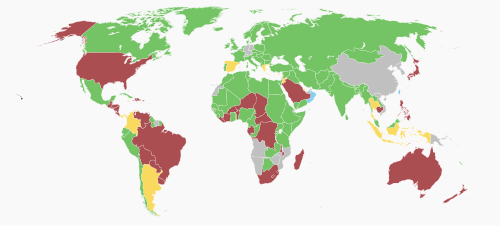
1970年代には、米国、日本、カナダを含む多くの国が、中華民国(ROC)から中華人民共和国(PRC)へと外交関係を切り替えた。1971年10月、国連総会は決議2758を採択し、「蒋介石の代表」を追放し、安全保障理事会における中国の議席を中華人民共和国に移譲した。この決議は、「中華人民共和国政府の代表こそが、国連における中国の唯一の正当な代表である」と宣言した。しかし、台湾の自治権と大量破壊兵器の問題は、依然として論争の的となっていた。
中華民国による国連への再加盟の試みは、中華人民共和国の反対と拒否権行使の脅威により、委員会を通過できなかった。陳水扁総統は、1971年に中華民国に代わって中華人民共和国が国連に加盟した決議2758は、台湾本土やその他の島々に住む2300万人を代表する台湾地域のための追加の議席を創設できるかどうかではなく、国連における中国の議席を誰が持つべきかという問題のみを扱っていると主張した。
1970年代以降、中華人民共和国と中華民国は、貧しい国々に財政援助を提供することで誘因としながら、世界各国からの外交承認を競い合ってきた。[ 68 ] [ 69 ]外交関係の前提条件として、中華人民共和国は相手国が中華民国を承認しないことを要求している。1991年に「実務外交」政策が導入されて以来、中華民国は中国の唯一の代表として認められることを主張しておらず、中華民国を承認する国に中華人民共和国との関係を断つことを要求していない。[ 70 ]例えば、2007年にセントルシアが中華民国を承認することを選択した際、ルーファス・ブスケ外相は、この決定は「中華人民共和国との関係の断絶と解釈されるべきではない」と述べた。[ 71 ]しかし、中華人民共和国は外国による中華民国の承認に対し、その国との関係を停止することで対応している。[ 70 ]
非公式な形では、中華民国は、中国、マレーシア、フィリピン、ベトナム、ブルネイとスプラトリー諸島の支配権をめぐる南シナ海の紛争、および中国が占領しているがベトナムと中華民国が領有権を主張しているパラセル諸島をめぐる紛争に関与している。[ 72 ]中華民国政府は尖閣諸島の領有権も主張している。[ 73 ] [ 74 ]
2024年10月14日、中国は頼清徳総統の最近の演説に対抗して、台湾近海で大規模な軍事演習を開始した。台湾はこの動きを強く批判し、米国は緊張の高まりを懸念しており、この演習は中国のより広範な圧力戦略の一環となっている。[ 75 ]
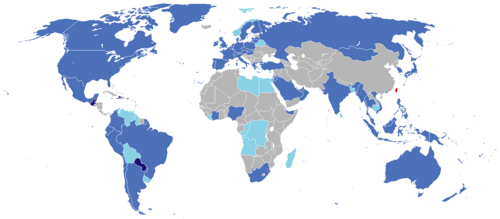
中華民国(台湾)は、国連加盟国11カ国および国連総会オブザーバー国であるローマ教皇庁(バチカン市国)と完全な外交関係を維持している。
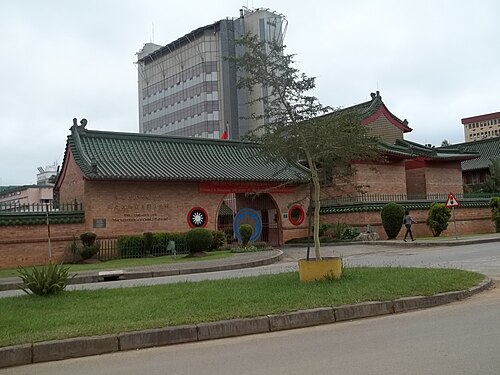
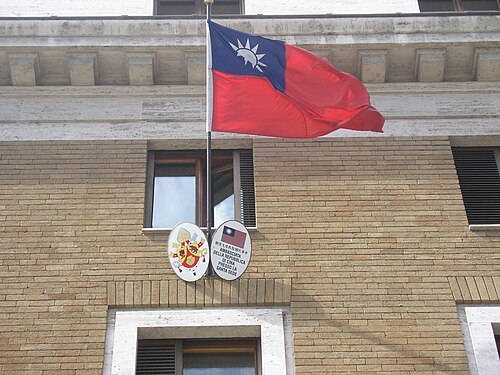


一定数の国は、中華人民共和国と正式な外交関係を結んでいる一方で、台湾とも何らかの非公式な外交関係を維持している。この数には、主権国家59カ国、従属地域または準従属地域3カ国、そして欧州連合が含まれる。
非公式の外交関係においては、通常、相手国のために台湾に「経済貿易文化事務所」が設置され、相手国には台湾を代表する「台北/台湾/中華民国代表事務所」が設置される。これらの非公式事務所は、正式には大使館という名称ではないものの、実質的には大使館として機能している。例えば、在台湾米国協会は、事実上の米国大使館として機能しており、会長や職員は非公式の政府領事館職員として、公式の大使館が担うべき職務を遂行している。
様々な国が自国内に台湾の代表事務所を設置しているが、台湾には代表事務所を置いていない。ルクセンブルクは台湾に代表事務所を置いているが、自国内には台湾の代表事務所を設置していない。ルクセンブルクにおける台湾の利益は、 EUおよびベルギーにある台北代表事務所によって守られている。台湾はまた、EUおよびベルギーにある台北代表事務所を通じて非公式な関係を持つEUを、国際関係の文脈において国家主体とみなしている。EUは加盟国間の統合度が高い超国家的な連合体であるが、各加盟国は国家主権を保持している。
台湾は、中華人民共和国の特別行政区である香港とマカオとは非公式の外交関係を有しているが、中国本土(中華人民共和国)とはそのような関係を有していない。厳密に言えば、香港とマカオは中華人民共和国の不可分領土であり、「一国二制度」の下で統治されている。つまり、台湾は中華人民共和国の一部とは事実上非公式な関係を有しているものの、中華人民共和国の中央政府とは関係を有していないことになる。台湾は、大陸委員会を通じて中華人民共和国と敵対的な関係を維持しており、大陸委員会の台湾事務弁公室がその対応機関となっている。これらの機関は、台湾と中華人民共和国のいずれからも大使館とはみなされておらず、両機関とも駐在国ではなく本国で運営されている。
台湾は、アフリカの角に位置する自称国家であり、隣国ソマリアの領土だと主張するソマリランドと、非公式ながらも強い関係を築いている。この状況は、台湾が中国と抱える主権紛争と強い類似点を示している。
台湾は、オセアニアに位置するアメリカ合衆国の非法人組織領土であるグアムに「台湾経済文化代表処」を設置している。
2021年、リトアニアは台湾に非公式の代表事務所を開設すると発表し、台湾も同様にリトアニアに非公式の代表事務所を開設すると発表した。リトアニアの事務所は北半球の2021年の秋(9月から11月まで)までに開設される予定だった。[ 77 ]リトアニアと中華人民共和国の関係は同時に悪化した。[ 78 ]
一部の国は、第三国を代理国として、台湾と間接的な非公式外交関係を築いている。例えば、南アフリカ共和国にある台北連絡事務所は、台湾と直接的なコミュニケーション手段を持たないアフリカの多くの国々において、台湾の利益を代表している。
以下の国々は北京を承認しており、台湾に代表機関(政治的、外交的、政府間関係以外の代表機関を含む)を置いていません。
アフリカ(50カ国)
 アルジェリア
 アンゴラ
アンゴラ ベナン
ベナン ボツワナ
ボツワナ ブルキナファソ
 ブルンジ
ブルンジ カーボベルデ
 カメルーン
カメルーン 中央アフリカ共和国
 チャド
チャド コモロ
コモロ コンゴ民主共和国
 コンゴ共和国
 ジブチ
ジブチ エジプト
エジプト 赤道ギニア
赤道ギニア エリトリア
エリトリア エチオピア
エチオピア ガボン
ガボン ガンビア
ガンビア ガーナ
ガーナ ギニア
ギニア ギニアビサウ
 ケニア
ケニア レソト
レソト リベリア
リベリア リビア
リビア マダガスカル
 マラウイ
マラウイ マリ
マリ モーリタニア
 モーリシャス
 モロッコ
モロッコ モザンビーク
 ナミビア
ナミビア ニジェール
ニジェール ルワンダ
ルワンダ サントメ・プリンシペ
 セネガル
セネガル セーシェル
セーシェル シエラレオネ
 ソマリア
ソマリア 南スーダン
南スーダン スーダン
スーダン タンザニア
タンザニア 持ち帰り
持ち帰り チュニジア
チュニジア ウガンダ
ウガンダ ザンビア
ザンビア ジンバブエ
ジンバブエアジア(24か国)
 アフガニスタン
 アルメニア
アルメニア アゼルバイジャン
 バングラデシュ
 カンボジア
カンボジア ジョージア
ジョージア イラン
イラン イラク
イラク Kazakhstan
 Korea, Democratic People's Republic of (North Korea)
 Kyrgyzstan
 Laos
Laos Lebanon
 Maldives
 Nepal
Nepal Pakistan
 Qatar
Qatar Sri Lanka
 Syria
Syria Tajikistan
 Timor-Leste
 Turkmenistan
 Uzbekistan
 Yemen
YemenEurope (22 states)
 Albania
 Andorra
 Belarus
 Bosnia and Herzegovina
 Bulgaria
 Croatia
 Cyprus
 Estonia
 Iceland
 Liechtenstein
 Malta
Malta Moldova
 Monaco
 Montenegro
 North Macedonia
 Norway
 Romania
 San Marino
 Serbia
 Slovenia
 Ukraine
North America (13 states)
 Antigua and Barbuda
 Bahamas
 Barbados
 Costa Rica
 Cuba
Cuba Dominica
 Dominican Republic
 El Salvador
 Grenada
 Honduras
 Jamaica
 Nicaragua
 Panama
 Trinidad and Tobago
Oceania (9 states)
 Cook Islands (state in free association with New Zealand)
 Kiribati
 Micronesia
 Nauru
Nauru Niue (state in free association with New Zealand)
 Samoa
Samoa Solomon Islands
 Tonga
Tonga Vanuatu
South America (5 states)
A certain number of countries and a sovereign entity do not possess full diplomatic relations with either the ROC or the PRC. This includes one member state of the United Nations, seven de facto states, and one non-territorial sovereign entity (Sovereign Military Order of Malta).
Out of the seven de facto states that do not possess full diplomatic relations with Taiwan, one of them, Somaliland, has strong unofficial relations with Taiwan, while another, Kosovo, has been unilaterally recognized by Taiwan but does not recognize Taiwan in return. The other five de facto states have not been recognized by Taiwan diplomatically.
The Sovereign Military Order of Malta is a non-territorial sovereign entity; it claims and controls no territory, it does not consider itself to be a state, and yet it considers itself to be sovereign.[87] The Order of Malta maintains full diplomatic relations with 110 sovereign states (including the Holy See), official relations with five other sovereign states, and ambassador-level relations with the European Union.[88][89] The Order of Malta does not maintain full diplomatic relations with either Taiwan or the PRC.[89] Even though the Order of Malta does not maintain full diplomatic relations with Taiwan, it has been involved in supporting Taiwan's participation in the UN-affiliatedWorld Health Assembly during the COVID-19 pandemic.[90]
ブータンは、中華民国(ROC)または中華人民共和国(PRC)のいずれとも完全な外交関係を持たない唯一の国連加盟国であるが、ブータンは台湾に対する中華人民共和国の主権を認めている。[ 91 ]中華民国は一方的にブータンを主権国家として承認している。


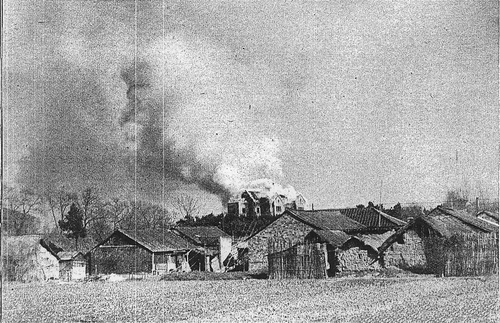


台湾の学者たちは、いずれかの国が外交関係を中国に切り替えれば、ドミノ効果が生じ、他の国も同様にそうするよう促されるだろうと述べた。[ 97 ]台湾と外交関係を持つ唯一のヨーロッパの国であるローマ教皇庁(バチカン)は、2007年に中国との正式な関係構築に努めた。[ 98 ]カトリック教会の高位の司教たちは、中国が宗教の自由をより多く認め[ 100 ]、中国におけるカトリック教会の階層構造への干渉を減らすことを前提として、そのような外交的動きは可能であると示唆した。[ 99 ] [ 101 ]
台湾は、外交関係を開始または維持するために外国の政治家に賄賂を贈ったとして、何度も非難されてきた。[ 123 ]グアテマラの元大統領は、外交関係を継続する見返りに台湾から250万ドルを受け取ったことを米国の裁判所で認めた。[ 124 ]バヌアツにおける台湾の「ドル外交」に関して、2004年の観察者は次のように述べている。「台湾が用いる方法、つまり国や政治家に賄賂を贈る方法は不当であり、国際法に違反し、国際社会を混乱させる。賄賂外交は長続きしないだろう。」[ 125 ]ナウルが中華人民共和国政府を承認する前、台湾は太平洋の島国であるナウルと台北との外交関係の継続と引き換えに、ナウル政府の大臣に月額5,000ドルの手当を提供していた。マーカス・スティーブン大統領を含むナウルの政治家は秘密資金を受け取った。他の国会議員は、最低限の会計処理しか必要としないプロジェクト資金として、月額2,500ドルを受け取った。[ 126 ]

台湾は日清戦争後の1895年に日本に併合された。北伐では、国民党が北洋派の軍閥を破り、南京に中国の統一政府を樹立した。米国は1928年7月25日に中華民国(ROC)を承認し、これは承認した最初の政府となった。[ 127 ]第二次世界大戦中、日本は中国の一部を占領した。1945年の日本の敗戦後、台湾は日本の統治の降伏を処理するために中華民国の暫定統治下に置かれた。国民党と中国共産党の間で再び中国内戦が勃発した。中国共産党は1949年に大陸を支配し、中華人民共和国(PRC)を宣言したが、国民党は中華民国政府を連れて台湾に逃れた。1952年、日本はサンフランシスコ条約で台湾を放棄したが、台湾が誰に割譲されるかは明記しなかった。
2016年、 『中華民国時代の中国財政』の著者であるAPウィンストンは、「外交の対象となっている議論事項に関する主な情報源」は英国の公式刊行物であると述べた。[ 128 ]ウィンストンは、当時、海上税関部門を除けば中国政府からの公式報告書はごくわずかしか出ておらず、中華民国政府は「統計を定期的かつ完全に公表するには貧しすぎ、おそらくまだ秘密主義的すぎる」と説明した。[ 128 ]
冷戦中、中華民国は概して反共産主義の立場を維持していたが、1960年代後半から1970年代初頭にかけて、蒋介石政権はモスクワと秘密裏に交渉を行った。外相が中華民国はソ連と独自の「ワルシャワ会談」を行うべきだと示唆するに至ったほどである。[ 129 ]冷戦中、王勝は中華民国と反共産主義世界との外交において原動力となった。[ 130 ]
1949年に蒋介石が台湾に退避した後、蒋介石は二度と台湾を離れることはなかったため、蒋介石と会見したい指導者は台湾まで出向く必要があった。国民党時代に初めて国賓として海外を訪問した国家元首は、1977年にサウジアラビアを訪問した厳家寛であった。[ 131 ]
2016年9月、外務省は「新南向政策」に充てるため、10未満の在外公館を閉鎖する計画を立てた。[ 132 ]
1990年以降、中華民国は16か国が中華人民共和国を国家承認国に切り替えたのを目の当たりにしてきた。
2021年1月、欧州議会は台湾関連の決議を2つ採択した。1つ目の決議は台湾の民主主義への支持を表明するものであった。2つ目の決議は加盟国に対し「台湾との関与政策を見直す」とともに、国際的なパートナーと協力して「民主的な台湾を外国の脅威から守る」よう促すものであった。[ 133 ] [ 134 ]
リベリアは1989年に中華民国を承認したが、2003年10月に中華人民共和国に復権した。
ブルキナファソと台湾の関係とは、中華民国(台湾)とブルキナファソの歴史的な関係を指します。台湾はワガドゥグーに大使館を、ブルキナファソは台北に大使館を置いていました。2018年5月、ブルキナファソは中華人民共和国を承認し、台湾との外交関係を断絶しました。2017年8月に任命されたブルキナファソ最後の駐台湾大使は、アミナタ・サナ・コンゴでした。
チャド・台湾関係とは、チャドと中華民国(ROC)との間の関係のことである。

2018年にブルキナファソが台湾との関係を断絶した後、エスワティニはアフリカにおける台湾の唯一の同盟国となった。[ 136 ]台湾はエスワティニのムババーネに大使館を置いている。2016年6月7日、国家警察庁とエスワティニ王立警察は、交流、捜査、職員の訪問、専門技能の向上、法執行、技術支援を含む国境を越えた共同犯罪対策協定に署名した。[ 137 ]ムスワティ3世国王は2018年6月までに台湾を17回訪問しており、中華人民共和国ではなく台湾を承認し続けることを約束している。[ 138 ] 2018年6月現在、台湾大使は陳經銓(トーマス・チェン)である。[ 139 ]
ガンビアは1968年から1974年まで中華民国を承認し、その後1995年から2013年11月14日まで再び承認したが、その日にヤヒヤ・ジャメ大統領府は外交関係を即時断絶すると発表した。[ 140 ]この間、台湾はガンビアに数億ドルの援助と融資を行ったが、その多くはヤヒヤ・ジャメ大統領とその側近によって流用された。[ 141 ]中華人民共和国は2016年3月17日にガンビアを承認した。[ 142 ]ガンビアの承認後、中華人民共和国は直ちに援助の提供を開始した。中華人民共和国と中華民国の承認が繰り返し切り替わることは、小切手外交の一例と見なされている。[ 141 ]
リビア・台湾関係とは、台湾とリビア間の二国間関係を指す。両国関係は1959年に始まり、第一次リビア内戦まで断続的に続いた。
マラウイ・台湾関係とは、マラウイと台湾間の外交関係を指します。両国は1966年から2008年まで外交関係を結んでいましたが、現在は正式な外交関係はありません。

サントメ・プリンシペと台湾の関係は、サントメ・プリンシペと台湾(正式には中華民国またはROC)の間の関係です。公式の二国間関係は1997年に始まり、サントメ・プリンシペが約2億米ドルの財政援助を要請し、台湾がこれを拒否した2016年に終了しました。この動きは中国の影響を受けたと考えられています。 [ 143 ] [ 144 ]
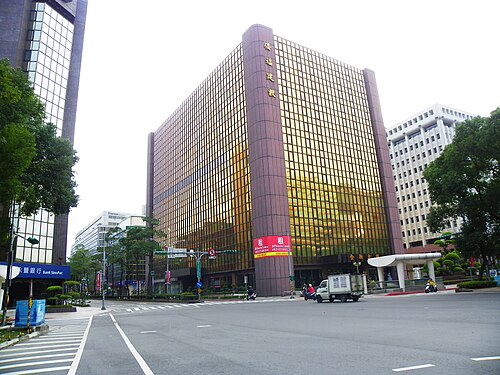

南アフリカ・台湾関係(1998年以前は中華民国・南アフリカ関係)とは、中華民国(台湾)と南アフリカ共和国の現在および過去の関係を指す。中華民国と南アフリカは1949年に外交関係を樹立した。
南アフリカのアパルトヘイト時代には両国間の関係は強固だったが、1998年1月に南アフリカのネルソン・マンデラ大統領が「一つの中国」原則に基づき中華人民共和国を承認し、台湾を中国の一部と認めたことで、公式に関係は終結した。[ 145 ] [ 146 ]外交関係は終結したが、中華民国と南アフリカは貿易関係を維持している。南アフリカは中華民国と関係を持った最後の主要国であり、 G20加盟国であった。
正式な外交関係がないため、両国は現在、事実上の大使館として機能する「連絡事務所」を設置している。南アフリカは現在、台北に南アフリカ共和国連絡事務所を置いている。[ 147 ]同様に、台湾はプレトリアにある南アフリカ共和国の台北連絡事務所で代表されている。[ 148 ]ケープタウンにも台北連絡事務所がある。[ 149 ]
南アフリカと台湾の外交関係は近年悪化しており、南アフリカは台湾に対し、プレトリア(行政首都)連絡事務所をヨハネスブルグ(首都ではない)に移転し、単なる貿易事務所に格下げするよう要求している。これに対し、台湾は南アフリカの中国との緊密な関係に対する国家安全保障上の懸念を理由に、南アフリカへの半導体輸出制限を課している。 [ 150 ]
ソマリランド・台湾関係とは、ソマリランド共和国と中華民国(台湾)との関係を指す。中華民国は、 1960年に短命に終わったソマリランド国家の独立を承認した35カ国のうちの1つである。
2020年に両国は互いの首都に大使館のような代表事務所を設立した。[ 151 ] [ 152 ]ソマリランドは中華民国(台湾)が自国の独立を承認していると主張している。[ 153 ]一方、中華民国(台湾)は公式にはソマリランドを国と呼んでいるが、ソマリランドの独立を正式に承認する宣言は発表していない。[ 154 ]
バングラデシュは1971年の独立以来、中華民国との二国間交流は限られている。世界的な景気低迷にもかかわらず、バングラデシュは中華民国にとって南アジアで2番目に大きな貿易相手国である。バングラデシュは主に衣料品、ニット製品、ジュート製品、皮革製品、手工芸品を中華民国に輸出し、繊維製品、機械、電子機器、鉄鋼、プラスチックなどを輸入している。

1945年10月10日に署名された双十協定は、両当事者間の唯一の法的文書である。次の政治協商会議(中華民国)[ 155 ]は、冷戦の歴史と朝鮮戦争後の東アジアにおけるアメリカの封じ込め外交政策に飲み込まれた。[ 156 ]朝鮮戦争勃発前、米国は1950年半ばにクーデターを準備し、蒋介石を胡適と孫立仁に置き換え、国連信託統治下にある中華民国の法的地位を無効化して、台湾に対する中華人民共和国の法的主張を阻止しようとしていた。これは米国国務省高官ディーン・ラスクの提案によるものであった。[ 157 ] [ 158 ] [ 159 ] 1955年のフォルモサ決議[ 160 ]は、米国議会で全会一致で可決された。両岸関係の解決には、主権、「一つの中国」、統一といった基本概念の定義を双方が再考する必要があった。[ 161 ]
両国が併合した結果[ 162 ]、中華人民共和国は反革命分子鎮圧運動を開始し、中華人民共和国領土内で戒厳令を解除し[ 163 ]、最近では中華人民共和国は中華民国に対して反国家分裂法を制定した。両国は「攻撃への恐怖や軍事的誤算の可能性を減らす形で軍事関係を改善する」ための両岸軍事信頼醸成措置(CBM)を実施していない[ 164 ] [ 165 ] 。中華人民共和国が反国家分裂法を公布して以来、核の緊張が高まっている[ 166 ] [ 167 ] [ 168 ] [ 169 ] 。
台湾と中国本土は同一国家の一部であるという政府の立場は、台湾の人々の間で広く受け入れられているわけではない。特に、独立派の潘緑連合は、台湾と中国を別国とみなしている。対照的に、統一派の潘藍連合は、台湾と中国本土はともに中華民国の一部であるという見解をとっている。李東輝前総統は、これらの関係を「特別な国家間関係」と表現した。[ 170 ]陳政権は、台湾と中国について「台湾海峡の両側に台湾と中国があり、それぞれが国である」と表現した。馬英九前総統は、1990年代初頭の政府の立場に戻り、北京との関係を「一国家内の二つの地域間の特別な関係」と呼んだ。台湾によれば、その国家は中華民国であり、憲法上の理由から、台北も北京も互いを正当な政府として認めていない。[ 171 ] [ 172 ] [ 173 ]
台湾政府と中国政府が好んで用いる用語は「両岸関係」であり、これは地理的な境界である台湾海峡を指している。台北の憲法上の立場は、中華民国の領土が「大陸区」と「自由区」(「台湾区」とも呼ばれる)に分かれているというものである。行政的には、両岸関係は台湾外交部ではなく、行政院の機関である大陸委員会によって運営されている。香港およびマカオとの関係も大陸委員会によって運営されているが、中国本土に適用されるすべての規制がこれらの地域に自動的に適用されるわけではない。
台湾政府と中国政府は直接的な交流を行っていない。協議は、中国の海峡両岸関係協会(ARATS)と台湾の海峡交流基金会(SEF)という、それぞれ民間団体によって行われ、両団体はそれぞれの政府の行政機関によって管理され、直接責任を負う。
1990年代後半まで、香港とマカオはそれぞれイギリスとポルトガルの植民地でした。これらは、海峡を渡る人や物にとって中立的な迂回路を提供していました。当時、香港とマカオ、そしてシンガポールは、両国間の協議の場として機能していました。こうした協議の結果生まれた暫定的な合意の一つが、1992年に香港で開催された会合から生まれた1992年合意です。この合意の下で、両国は台湾と中国本土はともに中国の単一の主権下にあることに同意していますが、どちらがその主権の正当な代表者であるかについては意見が一致しないことに同意しています。この意見の相違を脇に置き、両国は相手国が認証した証明書を承認するなど、実務的な事項について協力することに合意しました。[ 174 ]
馬英九政権下では、両岸関係の促進と経済・社会交流の増加により、台北と北京の関係は改善したが、2014年の地方選挙で再び冷え込んだ。[ 175 ] 2014年2月11日、南京でハイレベル会談が開催され、中国が台湾海峡を挟んだ問題で台湾の最高政府高官を初めて承認した。[ 176 ]緊張緩和は、 2000年の総統選挙後の台湾独立運動の潘緑連合と反国家分裂法の根拠である「不法行為から権利は生じない」 [ 177 ]に歓迎されなかった。 2015年11月7日、習近平国家主席と馬英九総統の間で会談が行われ、2016年の中華民国総統選挙前、米海軍による周辺海域の領有権主張のテストの最中に、1992年合意を再確認した。 [ 178 ]選挙後、蔡英文総統が単一の中国国家の概念を支持することを拒否したため、北京は台湾の主要連絡機関との接触を断った。[ 179 ]
マカオ・台湾関係とは、マカオと台湾の二国間関係を指します。現在、この関係は両岸関係の一部であり、中華民国大陸委員会の管轄下にあります。大陸委員会のマカオ事務所は、台北経済貿易代表処の名義でマカオに設置され、マカオ特別行政区と台湾地域間の二国間問題を取り扱っています。一方、マカオ特別行政区政府は、台湾当局の本拠地である台北にマカオ経済文化代表処を設置しましたが、両岸関係の悪化を理由に2021年6月19日に活動を停止しました。
香港特別行政区とマカオ特別行政区にある台湾当局の事務所は、中国本土、香港、マカオの3地域における唯一の2つの行政機関である。
中華民国とインドの間での首脳会談は、インドがイギリスから独立する前の1940年代初頭に行われた。[ 180 ]中華民国はインドのルック・イースト政策に含まれている。インドと中華民国の二国間関係は、公式の外交関係がないにもかかわらず、1990年代から改善した。[ 181 ] [ 182 ]インドは中華人民共和国のみを承認している。しかし、経済や商業上のつながり、そして人々の交流は拡大している。[ 181 ]中華人民共和国と同様に、中華民国はアルナーチャル・プラデーシュ州をめぐるインドとの中国国境をめぐって争っている。中華民国憲法はこの地域を南チベットの一部と宣言し、マクマホン線の正当性を否定している。
1920年6月1日、中華民国とイランの間で友好協定が締結された。批准書は1922年2月6日に交換され、同日発効した。[ 183 ] これらの関係は、イランが北京を承認した1971年に終焉を迎えた。両国は非公式な商業関係を有しており、台湾はイランから相当量の石油を輸入している。2022年12月、イランの新聞は一面で、台湾には独立の「法的権利」があると報じた。[ 184 ]
Due to the One China policy, Israel and Taiwan do not have formal diplomatic relations but each has a representative office in the other country and in practice the two countries have friendly relations.[185] There is considerable contact in the areas of science and technology, including military technology.[186]
As relations between Israel and the PRC have worsened due to the Gaza war, ties between Israel and Taiwan continue to warm and are driven by assertions that the two are both isolated democracies.[187] Members of the Legislative Yuan set up the Taiwan-Israel Congressional Association on 23 February 2024 to promote people-to-people exchanges; cooperation in agriculture, technology and education; and bilateral visits.[188]

Japan–Taiwan relations are guided by the 1972 Japan–China Joint Communiqué. Japan has maintained non-governmental, working-level relations with Taiwan ever since.
Malaysia operates a trade centre office in Taipei,[189] and the ROC has an economic and cultural office in Kuala Lumpur.[190]
Until 1945, Nationalist China claimed sovereignty over Mongolia, but under Soviet pressure and as part of the Sino-Soviet Treaty of Friendship and Alliance of August 1945, it recognised Mongolian independence. In 1953, due to the deterioration of diplomatic relations with the Soviet Union, it revoked this recognition and resumed considering it a part of China.[191][192]
2002年10月3日、外務省はモンゴルを独立国として承認したが[ 193 ] 、モンゴルに対する憲法上の主張に関する懸念に対処するための立法措置は取られなかった[ 194 ] 。台北経済文化代表処がウランバートルに開設され、台北は行政上の目的で「大陸地域」の定義からモンゴルを除外した。 2006年には、外モンゴルにおける旗や寺院の形成を規制する古い法律が廃止された。モンゴル・チベット事務委員会[ 195 ]など、外モンゴルに対する台北の主張を支持するために設立された事務所は休眠状態にある[196][197]。しかし、中華民国の公式な国境は変更されていない[ 198 ] 。承認の公式な地位は現在曖昧だが、実際にはモンゴルは通常の外国として扱われている。
フィリピンは「一つの中国」政策を承認しているが、台北のマニラ経済文化代表処とマニラの台北経済文化代表処を通じて中華民国と関係を築いている。両代表処は1975年に設立され、非営利法人として組織された。フィリピンは中華民国の2016年から2020年までの南向政策の中心国であり、中華民国はこの政策でフィリピンとの関係強化を推進する計画である。この動きは当初アキノ政権に歓迎されたが、 2016年5月にドゥテルテ政権が選出されると、ドゥテルテ大統領は「親中派」と見なされ、台湾よりも中国本土との関係強化を望むため、問題は複雑化した。マニラでのフォーラムで政治アナリストは、両国間の南シナ海の領有権問題がなければ、フィリピンと中華民国との関係は極東における最良の連合であっただろうと述べた。フィリピンは中華民国のユネスコ加盟を支持している。
サウジアラビアと中華民国(台湾)は、外交、軍事、商業の面で長年にわたる関係を築いてきた。両国間の正式な関係は1990年まで存在したが、その後サウジアラビアは中華人民共和国(PRC)を承認した。
シンガポールは1992年まで中華民国と中華人民共和国の両方と非公式な関係を維持していた。1990年にシンガポールが議長国を務めた第2回APEC閣僚会議で、ソウルでの第3回閣僚会議から中華民国をAPECに加えることが決定された。[ 205 ] 1992年10月3日にシンガポールと中華人民共和国が外交関係を樹立した後、シンガポールは中立の立場を取ろうとする試みの一環として、台湾と緊密な経済関係と軍事関係を維持した。リー・シェンロンがシンガポール首相に就任する1か月前に台湾を訪問した際、中国とシンガポールの間で外交上の論争が勃発した。[ 206 ]シンガポール国防省は、 2005年3月にシンガポールと台湾の合同軍事演習に関する自由時報の誤った報道を訂正した。[ 207 ]シンガポールは台湾に軍事訓練キャンプを維持している唯一の外国であり、歩兵、砲兵、装甲部隊の人員を定期的に訓練のために台湾に派遣し続けている。中国は、これらの施設の一部または全部を海南島に移転することを支援すると申し出ている。[ 208 ] [ 209 ]台湾の国連参加の問題に関して、当時両国の外相であったジョージ・ヨーとマーク・チェンは、2004年に激しい意見交換を行った。 [ 210 ]自由貿易協定は主権国家間でのみ締結できるという北京の主張は、台湾にとって事態を複雑にしている。そのため、シンガポールと台湾は2013年11月に「シンガポールと台湾、澎湖、金門、馬祖の分離関税地域との間の経済連携協定(ASTEP)」に署名した。[ 211 ] [ 212 ]
中華民国は1948年に第一大韓民国の樹立を承認した。
1949年1月4日、中華民国はソウル明洞に大使館を設置した。1992年8月23日、韓国は中華民国との外交関係を断絶し、北方政策の一環として中華人民共和国と外交関係を樹立した。これはアジア諸国の中で最後に外交関係を転換した国である。1991年、冷戦末期に、北京とソウルは韓国と中華人民共和国との連絡事務所を設置し、後に大使館へと転換した。[ 213 ]
台湾・トルコ関係とは、台湾とトルコの間の外交関係のことである。1971年以来、トルコは台湾と非政府レベルの実務関係を維持している。
台湾とアラブ首長国連邦の関係とは、アラブ首長国連邦(UAE)と台湾(正式名称は中華民国)との間の関係のことである。
台湾とベトナムの関係は非公式なレベルで行われている。ハノイは「一つの中国」政策を堅持し、公式には中華人民共和国のみを承認しているからである。しかし、これは中華民国とベトナム間の二国間訪問や、移民や投資資本の大規模な流れを止めることはなかった。[ 215 ]中華民国はベトナムにとって重要な外国直接投資パートナーである。[ 216 ]
中華人民共和国を除けば、ベトナムは中華民国と非公式な関係を維持している唯一の共産主義国である。
オーストリア・台湾関係とは、オーストリア(正式名称:オーストリア共和国)と台湾(正式名称:中華民国)との間の二国間関係を指す。
オーストリアと中華民国は1913年に外交関係を樹立したが、1971年にオーストリアが中華人民共和国を承認したことで断絶した。それ以来、オーストリアと台湾の関係は、事実上の大使館として機能する代表事務所を通じて、非外交的なレベルで維持されている。
オーストリアと台湾は正式な外交関係は維持していないものの、経済、貿易、観光、文化、教育の分野で緊密な関係を築いており、民主主義、自由、人権といった価値観を共有している。
2020年、ベルギー下院は台湾支持決議を可決した。2021年には、フランドル議会も同様に台湾支持決議を賛成117票、反対0票、棄権4票で可決した。[ 217 ]フランドルの風力発電会社Jan De NulとDEMEは台湾の洋上風力発電所開発に関わっている。[ 218 ]
ブルガリア・台湾関係とは、ブルガリア(正式名称:ブルガリア共和国)と台湾(正式名称:中華民国)との間の関係を指す。
ブルガリアと中華民国は第二次世界大戦中の1941年に外交関係を樹立したが、中華民国政府が台湾に撤退し、中華人民共和国が建国された1949年に断絶した。
1949年、ブルガリアは中華人民共和国を承認した最初の国の一つとなり、それ以来、ブルガリアと台湾の関係は、事実上の大使館として機能する代表事務所を通じて、外交レベルではなく非外交レベルで行われてきた。
ブルガリアと台湾は正式な外交関係を維持していないものの、経済、貿易、文化、教育の分野で協力関係を築いており、民主主義、自由、人権といった価値観を共有している。
チェコと台湾の関係は重要である。チェコ共和国上院議長のヤロスラフ・クベラは死去前に台北訪問を計画しており、中国外務省から報復の脅迫を受けた。[ 219 ]しかし、クベラの後継者であるミロシュ・ヴィストルチルは、2020年8月31日に台北に到着した代表団を率いて台湾を訪問した。[ 220 ]
1950年1月9日、デンマークは中華人民共和国を承認した最初のヨーロッパ諸国の1つとなった。[ 221 ]デンマークはそれ以来、中華民国との非公式な関係を維持し続けているが、その関係は主に貿易、文化、科学、経済問題に関するものである。[ 222 ]
エストニアと台湾は、正式な外交関係はないものの、文化交流や経済交流といった非公式な関係を維持している。台湾はラトビアの台北代表部を通じてエストニアに代表されている。近年、エストニアは相互外交使節団の派遣やタリンへの台湾代表事務所設置の可能性への開放などを通じて、台湾への支持を強めている。[ 223 ] [ 224 ]両国は貿易や危機管理などの分野で協力しており、 COVID-19パンデミックやウクライナ難民危機の際に台湾がエストニアに寄付を行ったことは特筆すべき貢献である。[ 225 ]
フィンランドと台湾の関係は、両国が正式な外交関係を持たないため、非公式で主に経済的なものである。[ 226 ] 1950年1月13日、フィンランドは北京の中華人民共和国政府を中国の正当な政府として承認し、同年10月に外交関係が樹立された。[ 227 ]フィンランド政府は、この国を指す際に、正式な中華民国ではなく台湾という名称を使う傾向がある。[ 228 ]
1990年にヘルシンキに台湾代表事務所が開設され、その1年後には台北にフィンランド代表事務所が開設された。 [ 229 ]両国間には正式な外交関係がないため、これらの事務所は事実上の大使館として機能している。
台北駐フィンランド代表処は、フィンランドの様々な政党の国会議員と関係を維持している。[ 230 ] 2020年5月、台湾はフィンランド北部医療地区に20万枚のサージカルマスクを寄贈し、フィンランド議会の非公式台湾友好クラブの会長であったミッコ・カルナがそれを受け取った。[ 231 ]
2005年、台北のフィンランド代表ジャネット・チャン氏の任期中に、台湾とフィンランド間の航空サービス協定が締結され、将来的に台湾とフィンランド間の直行便が運航される可能性が示された。フィンランドはまた、2015年に台湾と米国によって開始されたグローバル協力訓練枠組み(GCTF)にも台湾で参加している。具体的には、2024年に台湾のフィンランド貿易センターがGCTFイベントを共催したが、ワークショップの内容は一般には公開されていない。[ 232 ]
2025年、ヘヴィメタルミュージシャンで政治家のフレディ・リムがフィンランド駐在の台湾代表に任命された。[ 233 ] [ 234 ]
19世紀後半、フランス軍と中国軍は台湾周辺で戦闘を繰り広げた。20世紀初頭、フランス第三共和政は中華民国(ROC)と外交関係を樹立した。1964年、フランスは西側主要国として初めて中華人民共和国(PRC)と大使級外交関係を樹立したが、台湾への撤退後も中華民国への主要兵器プラットフォームの販売を継続した。1994年、フランスが中華人民共和国との関係を強化し、台湾を中国領土と認めたことで、この方針は後退した。[ 235 ] [ 236 ]それ以降、両国関係は大幅に改善した。軍事関係は、台湾フリゲート艦スキャンダルや台湾ミラージュ事件などのスキャンダルの影響を受けている。
2021年1月、ドイツ政府は台湾政府に対し、世界的な半導体不足がCOVID-19パンデミックからのドイツ経済の回復を妨げているため、台湾の半導体企業に生産量を増やすよう説得するよう要請した。半導体不足により自動車生産ラインが停止したため、ドイツのペーター・アルトマイヤー経済相は台湾の王美華経済相に直接連絡を取り、台湾の半導体企業に製造能力の増強を促そうとした。[ 237 ]
ギリシャ・台湾関係とは、ギリシャ(正式名称:ヘレニック共和国)と台湾(正式名称:中華民国)との間の関係を指す。
ギリシャと台湾は正式な外交関係を結んでいない。ギリシャは「一つの中国」政策の下、中華人民共和国のみを承認している。しかしながら、両国は大使館と同様の多くの機能を果たす代表事務所を通じて、非外交レベルで関係を築いている。公式な外交関係はないものの、ギリシャと台湾は貿易、文化、教育、領事問題、技術問題において協力関係を発展させてきた。[ 238 ]
ハンガリー・台湾関係とは、ハンガリーと台湾(正式名称は中華民国)との間の二国間関係のことである。
ハンガリーと中華民国は1940年に外交関係を樹立したが、中華人民共和国の建国に伴い1949年に断絶した。ハンガリーは1949年に中華人民共和国を承認し、それ以来、台湾との関係は事実上の大使館として機能する代表事務所を通じて非外交レベルで維持されている。
ハンガリーと台湾は正式な外交関係を維持していないものの、経済、貿易、教育、文化、人道支援の分野で協力関係を築いてきた。
アイルランド・台湾関係とは、アイルランドと台湾(正式名称は中華民国)との二国間関係を指します。アイルランドは台湾と正式な外交関係を結んでいませんが、両国は経済、文化、学術、議会などにおいて緊密な関係を築いています。
聖座(バチカン市国)と中華民国との外交関係は1942年10月23日に樹立され[ 239 ]、 1946年にアントニオ・リベリ大司教が信任状を大統領に提出したことで、中国における聖座の使徒代表団は外交的地位を獲得した[ 240 ] [ 241 ] 。
ローマ教皇庁は内戦終結後、中国共産党/中華人民共和国への承認に切り替えようと試みたが拒否され、結局台湾の国民党/中華民国を承認することになった。それ以来、ローマ教皇庁と中華民国は互いを承認している。[ 242 ]ローマ教皇庁は中華人民共和国との承認交渉を続けているが、中華民国に対しては、中華人民共和国との交渉が中華民国との関係を損なうことはないと保証している。[ 243 ]
1970年まで、台湾は中華民国としてローマに大使館、ミラノに総領事館を置いていた。[ 244 ]これは、イタリア領内にあるもののバチカン市国に信任されている中華民国駐バチカン大使館とは別個のものであった。 [ 245 ]このため、1989年の北京天安門事件の抗議活動の後、イタリア人が中華人民共和国の大使館だと勘違いして大使館前で抗議活動を行った際に混乱が生じた。[ 246 ]
2014年、台湾はイタリア政府が国としてではなく法人として参加することを提案したことを受け、ミラノ万博2015への参加を取りやめた。 [ 247 ]
2020年、台湾はCOVID-19パンデミックへの対応として、医療外交の一環としてイタリアに機器と物資を寄贈した。寄贈された機器には、2020年4月に被害の大きかったロンバルディア州のWHO病院に寄贈された15台の人工呼吸器が含まれる。[ 248 ]
コソボと台湾の関係は、コソボ共和国と中華民国との間の外交関係である。コソボは2008年2月17日に独立を宣言した。台湾は2008年2月にコソボを正式に承認したが、コソボは台湾の承認には応じなかった。正式な外交関係がないため、ハンガリーにある台北代表処がコソボにおける台湾の利益を代表している。
今日、ラトビアと台湾の二国間関係は良好で、経済関係が確立され、両国間にはビザなし渡航制度が設けられており、一部のラトビア国会議員は中華民国が世界保健機関などの組織に参加することを支持している。[ 249 ]
2021年11月、台湾はヴィリニュスに「台湾」という名称の代表事務所を開設し(この名称で世界初)、リトアニアの台北事務所は2022年春に開設される予定である。[ 250 ] [ 251 ]その後、中華人民共和国はリトアニアに対して多数の非公式経済制裁を課し、ヴィリニュス駐在の沈志飛大使を召還し、リトアニアに対し北京駐在のディアナ・ミツケヴィチエネ大使を召還するよう要求した。[ 252 ] [ 253 ]
オランダと台湾の関係は、オランダ東インド会社が台湾に植民地を設立した1600年代に遡ります。現代では、両国間の外国直接投資の多さと、オランダと台湾の企業間の長期にわたる経済パートナーシップによって特徴づけられています。[ 256 ]
ノルウェー・台湾関係とは、ノルウェーと台湾間の二国間関係を指します。
ポーランド・台湾関係とは、ポーランド共和国と中華民国(台湾)との間の二国間関係を指します。
「一つの中国」政策の状況下で、ポーランドは世界の大多数の国と同様に、台湾の中華民国とは正式な外交関係を持っておらず、中華人民共和国のみを中国の唯一の代表として認めているが、台湾を中国の一部として認めたり、立場を表明したりはしていない。それにもかかわらず、両国間の関係は劇的に拡大しており、1990年以降ポーランドが市場経済に移行して以来、台湾はポーランドにとってアジア最大の投資国の一つとなっている。[ 258 ]
それにもかかわらず、両国はそれぞれ自国に代表事務所を置いている。ポーランドは台北に、台湾はワルシャワに代表事務所を置いている。

中国内戦中、ソ連は1949年まで国民党主導の国民党中国と激動ながらも戦略的な関係にあった。 1958年の第二次台湾海峡危機において、[ 260 ]ソ連の指導者ニキータ・フルシチョフは台湾問題の国際化を提唱し、国連や他の多国間組織に介入を求めた。ソ連共産党は、後の中ソ対立の先駆けの一つとして、1958年9月27日にニューデリーで十カ国首脳会議を開催し、この問題を議論した。[ 261 ]ロシア連邦の成立以来、台湾は2004年から2005年にかけてロシアに多くの鉄製品を輸出した。2005年には、両経済間の貿易総額は2,188,944,473ドルであった。ロシアは台北に代表事務所を置き、[ 262 ]中華民国はモスクワに代表事務所を置いている。[ 263 ]ロシアは台湾との貿易関係において、主に原油、鋳鉄・鋼鉄、非鉄金属、石油化学製品、フェロアロイ、原料炭、木材、化学肥料の輸入で黒字を維持している。ロシアは主に電子機器および電子部品、コンピューターおよびコンピューター部品、家電製品を輸入している。両国は1993年から1996年の間に非公式の外交関係を樹立した。台北は輸出機会とマーケティングの可能性を求めてロシアをターゲットにしている。[ 264 ]
スペインと台湾の関係は、これら2つの国間の二国間および外交関係です。スペインは、フィリピンのマニラにあるスペイン総領事館から台北に領事部を置いています。[ 265 ]
英国と台湾の関係[ 269 ]は、台北の英国事務所[ 270 ]と台北のブリティッシュ・カウンシルを通じて非公式に行われている。
中国内戦と国民党政府の台湾への撤退後、英国は中華民国との外交関係を断絶し、1950年1月6日から中華人民共和国を承認した。[ 271 ] 1962年9月、台湾はロンドンに自由中国センターという名称の代表事務所を開設し、 1992年4月からは台北駐英代表事務所と改称された。 [ 272 ]英国は1993年に台北に英国貿易文化事務所という名称の代表事務所を開設し、2015年に英国台北事務所と改称された。[ 273 ]
2020年9月、外務・英連邦・開発省の大臣は、英国は台湾がオブザーバーとして世界保健総会に出席することを望んでいると述べた。 [ 272 ]

ベリーズと中華民国(台湾)の二国間関係は1989年以来維持されている。ベリーズは「一つの中国」政策を堅持しており、中国本土の中華人民共和国(PRC)ではなく、中華民国政府を「中国」の唯一の正当な政府として認めている数少ない国の1つである。
ドミニカは1983年5月10日に台湾と国交を樹立した。[ 274 ] 2001年9月、台湾の張春雄首相がドミニカを訪問し、ピエール・シャルル首相と会談した。[ 275 ] 2004年3月23日、ルーズベルト・スケリット首相の就任直後、ドミニカは台湾との国交を断絶し、中華人民共和国との国交を樹立した。[ 276 ] [ 277 ]
2018年5月1日、ドミニカ共和国は台湾と中国を交付した。政府は当初理由を述べなかったが、後に交付式典で、台湾は中国の不可分の一部であり、交付は「一つの中国」政策に従うためだと述べた。31 億米ドル相当の融資と投資が動機となった。「歴史と社会経済的現実」が交付の理由として挙げられた。政府幹部のフラビオ・ダリオ・エスピナル氏は、「今後数ヶ月、数年のうちに、商業分野だけでなく、金融、技術、観光、教育、エネルギー分野においても、協力のための膨大な機会が徐々に開かれるだろう。ほんの一例を挙げると、1億3500万人以上の中国人観光客が毎年海外旅行をしている。これらの外交関係の樹立により、近い将来、その観光客の一部が我が国に流入するだろう。そして、これは改善されるもののほんの一例にすぎない」と述べた。[ 278 ] [ 279 ]
2018年8月20日、エルサルバドルは台湾との国交を断絶し、中国との国交を樹立した。エルサルバドル は現在、中国のみを承認している。パナマやドミニカ共和国と同様に、この出来事はラジオとテレビで全国的に放送された。発表の数時間前、台湾(中華民国)は、 中国との外交関係および商業関係の樹立が間近に迫っていることを理由に、エルサルバドルとの国交を断絶したと発表した。エルサルバドル の大統領は、国連決議2758号により政府が国交転換を決定したと述べた。[ 280 ]台湾政府は、この国交転換は中国政府の影響を受けたものではなく、むしろ、台湾がプエルト・ラ・ウニオンの建設資金と エルサルバドルの2019年大統領選挙への資金提供を拒否したことへの対応として行われたと述べた。[ 281 ]
2014年3月18日、グアテマラのアルフォンソ・ポルティージョ前大統領は、マンハッタンの連邦地方裁判所で、中華民国を承認する見返りに賄賂を受け取った罪を認めた。ペレス・モリーナ大統領は、グアテマラと中華民国との関係はこれまでも今も強固であり、ポルティージョの自白は両国間の外交関係に影響を与えないと述べた。[ 282 ]台湾外交部はコメントを控えた。[ 283 ]
ハイチは現在、中華人民共和国ではなく中華民国を国家として承認している。2018年、台湾は隣国ドミニカ共和国とブルキナファソが台湾との国交を断絶したことを受け、ハイチとの外交関係を維持するため、ハイチの電力網整備に1億5000万米ドルの融資を申し出た。同年、ハイチ大統領は経済問題と外交関係について協議するため台湾を訪問した。
メキシコと台湾(中華民国)は、1972年以来、非公式の二国間関係を維持している。それ以前は、メキシコは1949年から1971年に中華人民共和国を承認するまで、中華民国と正式な外交関係を結んでいた。両国はアジア太平洋経済協力機構( APEC )と世界貿易機関(WTO)の加盟国である。
2021年、自由再建党が率いる2021年ホンジュラス総選挙で選出されたホンジュラス新政府が中国を承認することを検討していると報じられた。[ 284 ]この発表は、コスタリカ、ドミニカ共和国、エルサルバドル、ニカラグア、パナマが最近中華民国との国交を断絶した直後に行われた。[ 285 ]蔡英文総統の任期中、台湾はホンジュラスとの国交断絶により合計9カ国の外交パートナーを失った。[ 286 ] 2023年3月15日、シオマラ・カストロ総統は、外相に中華人民共和国との正式な国交樹立を指示したと述べた。[ 287 ]
台湾の指導部は、ホンジュラスの移行を批判し、「中国の債務の罠に陥らないように」と警告した。ホンジュラスのエドゥアルド・エンリケ・レイナ外相は、同国が台湾に対し、年間援助額を倍増し、ホンジュラスに対する債務の再交渉を求めたが、回答は得られなかったと述べた。台湾外交部はこれに反論し、ホンジュラス政府との二国間協議は依然として活発に行われていると述べた。[ 288 ]蔡英文総統はこの発表を受けて、近隣のベリーズとグアテマラの政府首脳を訪問する時間を設定した。[ 285 ] ホンジュラスが中国との交渉を開始したため、中華民国は3月23日にホンジュラス大使を召還した。 [ 286 ] 3月25日の 声明で、ホンジュラスが移行を完了したことが確認され[ 289 ]、6月11日に北京に大使館が開設された 。[ 290 ]
2017年6月13日、パナマ政府は方針転換を行い、中華民国(ROC)との関係を断絶した。台湾で留学中のパナマ人学生には、30日以内にパナマに帰国するか、中国で留学を続けるかの選択が与えられた。パナマは数十億ドル規模の投資の約束に動機づけられていた。この方針転換は、2015年に中国政府に送られた書簡から始まった。パナマのイサベル・サン・マロ副大統領によると、その書簡のタイトルは「パナマは中国との関係を築きたい」だったという。書簡の内容と送付理由は非公開となっている。また、書簡を届け、方針転換の手続きを支援した人物も非公開で、「パナマ在住の華人コミュニティの著名な人物」とだけ説明されている。
ジョン・D・フィーリー駐パナマ米国大使は、 2016年にパナマのフアン・カルロス・バレラ大統領に 通貨切り替えについて尋ねたところ、バレラ大統領は切り替えの計画はないと嘘をついたと述べた。フィーリー大使はまた、バレラ大統領が全国発表の1時間前まで真実を語らなかったとも述べた。
パナマ政府が台湾から寄贈された機器を使い続けている理由を疑問視する声もあった。パナマ政府は当初理由を述べなかったが、後に「中国はパナマ運河の2番目に大きな利用者である」ことが理由の一つだと述べ、バレラ大統領は「もう受け入れられない」からであり、「責任ある指導者なら誰でもそうするだろう」と語った。パナマ政府は公式に、台湾は中国の不可分の一部であり、切り替えは「一つの中国」政策に従うためだと述べた。中華民国政府は、パナマは「一番の同盟国」であり、北京の小切手外交には参加しないと述べた。台湾政府は、パナマが最後の瞬間まで切り替えプロセスを悪意を持って隠蔽したと非難した。
パナマ政府機関は後に、この変更は蔡英文台湾総統による中国、台湾、そして「一つの中国」政策に関する1992年の合意の違反と軽視が原因だと述べた。パナマの新聞「ラ・エストレージャ」は、バレラが当初変更の理由として挙げた「中国は世界最大の人口と2番目に大きな経済規模を持ち、パナマ運河の利用国でもある」といった理由に疑問を呈した。「ラ・エストレージャ」はバレラの行動は矛盾しているとし、バレラが挙げた理由はパナマが何十年も経験してきた現実であり、変更の正当な理由とは見なせないと述べた。同紙はまた、中国のラテンアメリカにおける計画は、短期的には明らかな利益があるものの、長期的には中国への依存につながるため、ラテンアメリカ諸国を容易に説得できるとし、中国は他の国々やラテンアメリカ全般に静かに侵略していると述べている。[ 291 ] [ 292 ] [ 293 ]
外交関係樹立初年度には、自由貿易協定を含む19の条約が締結された。バレラ氏は、その主な目的は中国国民がパナマに容易に投資できるようにすることだと述べた。突然の切り替えをめぐる論争には、適正手続きの欠如、異常に高いレベルの機密保持、切り替えの数週間前に台湾がパナマに医療機器を寄贈していたという事実などが含まれていた。2018年、中国国際航空による北京発パナマ行きの初便が、ヒューストンで技術的な経由地を経てトクメン国際空港に着陸した。バレラ氏はこれをパナマ航空のマイルストーンと呼んだ。この新路線により、パナマ観光省は年間少なくとも4万人の中国人観光客の訪問を見込んでいた。「歴史と社会経済的現実」が後に切り替えの理由として挙げられた。バレラ氏は、この動きは1912年以来の外交関係に裏付けられており、その関係が中華人民共和国ではなく中華民国とのものであるにもかかわらず、既存の関係を強化するものだと述べた。その結果、パナマ市はほぼ即座に中国の公式に承認された観光地リストに追加されました。[ 294 ] [ 295 ] [ 296 ] [ 297 ]中国共産党政府は、パナマ運河の第4閘門建設計画の入札で競争上の優位性を得るために、パナマニスタ党主導の政府に、第4閘門建設計画の実現可能性調査を無償で提供しました。太平洋岸に1,200ヘクタールの工業団地を建設する計画や、バイオミュージアム近くのアマドールに中国大使館を収容するための4ヘクタールのキャンパスを建設する計画は言うまでもありません。また、パナマの戦略的な位置のため、パナマが米国と中国の間の紛争地帯になるのではないかという懸念もあります。

セントクリストファー・ネービスと台湾の関係とは、セントクリストファー・ネービスと中華民国(台湾)との間の二国間関係を指します。
セントルシアと台湾の関係とは、中華民国とセントルシア間の二国間関係を指します。両国関係は1984年から1997年まで存在し、その後2007年から再開されました。
セントビンセント・グレナディーン諸島と台湾の関係とは、セントビンセント・グレナディーン諸島と中華民国との間の二国間関係を指します。


中華民国と米国は1948年に正式な通商航海条約を締結した。そのため、中華民国パスポート保持者は、米国での事業継続を条件として、無期限更新可能なE1およびE2ビザを取得できる[ 298 ] 。 [ 299 ] 1979年、米国は中華民国ではなく中華人民共和国を承認した[ 300 ] 。商業[ 301 ] ( 1994年に締結された貿易投資枠組み協定[ 302 ] TIFA [ 303 ] [ 304 ] [ 305 ] [ 302 ]など)、文化、その他の実質的な関係は、現在、とりわけ1979年台湾関係法によって規定されている。同法は「中華民国」という用語を認めていない。米国の政策は台湾の独立を支持も反対もせず、台湾の独立に対して「非支持」という中立的な立場をとっている[ 306 ] 。
アレックス・ウォン米国務次官補は、大統領の任期制限を撤廃した中華人民共和国憲法の改正に抗議するため、2018年3月に中華民国を公式訪問した。[ 307 ]陳定南司法部長は、政権交代後、台湾政府高官として初めてホワイトハウスに招待された。
米国は1979年に中華人民共和国の「一つの中国」原則を認めたものの、[ 309 ]台湾に対する中華人民共和国の主張は認めなかった。[ 310 ] [ 311 ] [ 312 ]非公式名称「台湾」は、米国と中国の間で交わされた3つのコミュニケの中で言及された。米国の「一つの中国」政策に沿って、米国領土内の政府施設の敷地内に中華民国の国旗を掲げることは米国によって承認されていない。[ 313 ] [ 314 ]
台湾のパスポート保持者は、90日間の滞在が可能な米国ビザ免除プログラムの対象となります。[ 315 ] [ 316 ]
1979 年以降、米台ビジネス協議会は商業活動 (主に半導体技術関連) と武器販売サービスを促進し続けました。[ 317 ] [ 318 ] [ 319 ]米国下院は、 2016 会計年度の米国国防予算に、中華民国が隔年で行われる環太平洋合同演習 ( RIMPAC ) に参加するよう促す条項を含む修正案を追加しました。[ 320 ]米国国務省は、教育文化局のフルブライト プログラムを通じて中華民国と緊密な二国間協力を行っています。[ 321 ] [ 322 ] [ 323 ]
米国と中華民国間の最近の紛争には、中華民国による米国産牛肉と米国産豚肉の輸入禁止が含まれるが、これは中華民国が牛肉と豚肉の両方におけるラクトパミンの最大残留限度に関する新しい基準を採用した後に解決された。[ 324 ]

2007年、米国議会に中華民国との関係を劇的に強化する法案が提出された。 [ 325 ]米国下院は、中華民国の高官や最高幹部の訪問に対する制限の解除を求める決議を可決した。決議では、「大統領を含む中華民国からの高官が米国を訪問しようとするたびに、その要請は複雑で長期間にわたる屈辱的な交渉期間につながる」と指摘した。さらに、「これらの制限を解除することは、米国の友人であり同盟国である中華民国を孤立から救い出すのに役立ち、アジア太平洋地域の平和と安定に有益となるだろう」と述べた。[ 326 ]
中華民国の国連加盟要請を支持する法案が提出された。この法案は、中華民国とその2300万人の国民は「国連加盟に値する」とし、米国は「適切な国際機関への台湾の加盟をより積極的に支援する」という約束を果たすべきだと述べている。この法案は2007年11月8日に提出された。この動きはニュージャージー州選出のスコット・ギャレット下院議員が主導した。[ 327 ]
Unofficial diplomatic relations are nevertheless maintained on both sides by means of de facto embassies, which are technically "private organizations" staffed and funded by the respective State Departments. The ROC's de facto embassy network is the Taipei Economic and Cultural Representative Office (TECRO) with offices in Washington, D.C., 12 other US cities and many other countries without official ties. The US' analogous organization is the American Institute in Taiwan (AIT). As of 2010, officials of the ROC had made quasi-official level US visits at a governmental and political level.[46][328]
The U.S. State Department in July 2019 approved the selling of 108 M1A2T Abrams tanks and 250 Stinger missiles to Taiwan. The US Defense Security Cooperation Agency said that the arms sale serves "US national, economic, and security interests by supporting" Taiwan's "continuing efforts to modernize its armed forces and to maintain a credible defensive capability."[329]
In August 2019, the Trump administration officially announced arms sale to Taiwan, worth USD eight billion, which includes the latest Lockheed Martin-built 66 new F-16C/D fighter jets.[260] China immediately criticized the deal, citing it as detrimental to its sovereignty and interests.[330]
On 9 August 2020, U.S. Secretary of Health and Human Services Alex Azar arrived in Taiwan. It marked the highest-level US official visit to Taiwan since 1979.[331] As retaliation, the Chinese force jets flew over the mid-line of the Taiwan Strait, which is in the air defense identification zone.[332][333] The visit was also the highest profile visit since the introduction of Taiwan Travel Act.[334]
In August 2022, the U.S. House Speaker, Nancy Pelosi visited the island, an act that was strongly condemned by China.[335]
China sent fighter jets and drones near Taiwan on 27 October 2024 in response to a new $2 billion U.S. arms package for Taiwan, escalating tensions in the Taiwan Strait.[336][337]
The ROC maintains diplomatic relations with three countries in Oceania: the Marshall Islands, Palau, and Tuvalu. The PRC has relations with 13 others (including Australia, the Cook Islands, the Federated States of Micronesia, Fiji, Kiribati, Nauru, New Zealand, Niue, Papua New Guinea, Samoa, Solomon Islands, Tonga, and Vanuatu). The Pacific is an area of intense and continuous diplomatic competition between Beijing and Taipei, with several countries (Kiribati, Nauru, Solomon Islands, and Vanuatu) having switched diplomatic support from one to the other at least once. Both the PRC and the ROC provide development aid to their respective allies. In exchange, ROC's allies support its membership bid in the United Nations. The ROC is one of Tuvalu's most important economic partners.
In September 2006, the first regional summit of Taiwan's Pacific Island allies took place, hosted by Palau in Koror City. The meeting brought together President Chen and delegates from the Marshall Islands, Tuvalu, Nauru, Palau, Solomon Islands and Kiribati.[338] It was to become a regular event, known as the Taiwan–Pacific Allies Summit.[339][340] A second regional meeting was hosted by the Marshall Islands in October, and President Chen attended.[341] This resulted in the Majuro Declaration, in which Taiwan's six Pacific allies re-stated their recognition of the ROC's sovereignty, and promised to support the ROC's attempts to join the United Nations.[342]
In June 2007, the ROC donated an aid package of €700,000, distributed among eight Pacific regional organisations.[343]
In January 2008, following the victory of the Kuomintang in the ROC's elections, Kuomintang MP Yang Li-huan stated that under the new government Taiwan's interest in the Pacific could decrease.[344] Three days later, however, it was confirmed that ROC Vice-president Annette Lu would lead a diplomatic visit to the Marshall Islands, Nauru and Solomon Islands.[345]
In March 2008, President-elect Ma was reported as saying that his government would put an end to Taiwanese "cheque-book diplomacy" in the Pacific (or more specifically, similar to the condition of cestui que use diplomacy).[346] In May of that same year, Ma called for what he referred to as a "cease-fire" in the competition between the ROC and the PRC for diplomatic allies. This followed a scandal due to allegations that Taiwan's Foreign Minister James Huang had attempted to buy Papua New Guinea's diplomatic allegiance.[347][348] Papua New Guinea's foreign minister Sam Abal subsequently confirmed that his country had no intention of recognising the ROC.[349]
In October, Taiwan cancelled a scheduled summit with its Pacific Island allies. Although the authorities cited "preparation problems", Radio Australia commented that "the decision appears to be an attempt by the new administration of President Ma Ying-jeou to keep the island's diplomatic activities low-profile and avoid offending China".[350] In June 2009, the Ministry of Foreign Affairs announced that President Ma would "attend a [...] leadership summit between Taiwan and its South Pacific allies" in autumn. The summit, hosted by Solomon Islands, would be attended by the "heads of state of Taiwan's six allies in the region" and would focus on "countering the current economic contraction, climate change and how to strengthen the fisheries industry". Upon announcing the summit, the Ministry added that Ma had "developed a fondness for the Pacific region during his previous visit to Solomon Islands when he saw a handful of children at a market selling betel nuts and watermelons while wearing shirts donated by the people of Taiwan".[351]
In July 2009, the ROC donated over €40,000 in a scholarship scheme benefiting students from Pacific countries, including those, such as Fiji or Papua New Guinea, that do not grant it diplomatic recognition. It donated €288,000 for regional development assistance programmes, to be used notably on access to water, sanitation and hygiene, renewable energy, solar photovoltaic assessments, fisheries management, education and youth training.[352]
Taiwan has asked to be recognised as an official dialogue partner of the Pacific Islands Forum. That status is currently awarded to the PRC.[353]
In February 2008, Australia reportedly "chastised Taiwan for its renewed push for independence" and "reiterated its support for a one-China policy".[354] Australia-Taiwan relations are growing in non-political areas including an annual Bilateral Economic Consultation and both sides also established Joint Energy, Mineral, Trade and Investment Cooperation Consultation (JEMTIC) as well as an Agriculture Working Group meeting.[355] Australia does not object Taiwan's participation in international organizations where consensus has been achieved,[356] and Australia-Taiwan relations are commercially and unofficially-driven, such as the Australia-Taiwan Business Council,[357] along with contacts in education, science, sports and arts.[358][359][360][361]
Taiwan is unofficially represented in Australia by the Taipei Economic and Cultural Office in Canberra (which has branches in Sydney, Melbourne and Brisbane) while Australia is similarly represented by the Australian Office in Taipei. Taiwan has an official, government co-sponsored branch office of Taiwan External Trade Development Council in Sydney.[362] The Australian Consulate-General in Hong Kong is responsible for Visa and Citizenship matters for applicants in Taiwan.[363] Perth has sister city relations with Taipei City and Brisbane has sister city relations with Kaohsiung City.[364][365]
The ROC set up a trade mission in Fiji in 1971.[366] In 1975, PRC established diplomatic relation with Fiji. The trade center became the Trade Mission of the ROC to the Republic of Fiji in 1988. In 1996, ROC and Fiji signed a 'mutual recognition' communique and Fiji set up its representative office named Fiji Trade and Tourism Representative Office in 1997 in Taipei. The Fiji office closed on 10 May 2017.[367]

Kiribati, under the government of President Taneti Mamau, initially recognised the ROC but switched to the PRC later on.
From 1980 to 2003, Kiribati recognised the PRC. Relations between China and Kiribati then became a contentious political issue within Kiribati. President Teburoro Tito was ousted in a parliamentary vote of no confidence in 2003, over his refusal to clarify the details of a land lease that had enabled Beijing to maintain a satellite-tracking station in the country since 1997, and over Chinese ambassador Ma Shuxue's acknowledged monetary donation to "a cooperative society linked to Tito".[368] In the ensuing election, Anote Tong won the presidency after "stirring suspicions that the station was being used to spy on US installations in the Pacific".[369] Tong had previously pledged to "review" the lease.[370]
In November 2003, Tarawa established diplomatic relations with Taipei[369] and Beijing severed its relations with the country. For the PRC, the presence of the satellite-tracking station had made relations with Kiribati relatively important; the station had, in particular, been used to track Yang Liwei's spaceflight.[371] Therefore, for three weeks the PRC called upon I-Kiribati President Anote Tong to break off relations with Taiwan and re-affirm his support for the "One China" policy. Only after those three weeks did the PRC sever relations,[372] thereby losing the right to maintain its satellite-tracking base. The ROC began providing economic aid to Kiribati, while Kiribati began supporting Taiwan in the United Nations.
In 2004, President Tong said he believed the PRC was trying to influence his country.[373] The comment was mainly due to the PRC's refusal to remove all its personnel from its closed embassy.[371] Tong stated that the Chinese personnel, who remained in Kiribati against his wishes, were handing out anti-government pamphlets; he told New Zealand journalist Michael Field: "I am sure if we did this in Beijing, we would be in jail in half a second".[374] Tong's brother and main political opponent, Harry Tong, responded by accusing Taiwan of excessive influence on Kiribati, notably of influencing the country's clergy.[373]
In 2008, Taiwan settled Kiribati's unpaid bills to Air Pacific, enabling the airline to maintain its services from Tarawa to Kiritimati.[375]
In November 2010, despite their lack of diplomatic relations, the PRC was one of fifteen countries to attend the Tarawa Climate Change Conference in Kiribati, and one of twelve to sign the resulting Ambo Declaration on climate change.[376] On 20 September 2019, Kiribati switched diplomatic relation from ROC to PRC.[377]

The Marshall Islands recognise the ROC and maintain an embassy in Taipei. The magazine Islands Business reported that President Litokwa Tomeing, elected in January 2008, might turn instead to the PRC.[378] However, in office Tomeing expressed continued support for ties with Taiwan and met with ROC Vice President Annette Lu when she visited the Marshall Islands on 29 January 2008.[379] The current Marshallese ambassador to Taiwan is Anjanette Kattil.[380]
Micronesia recognized the Republic of China until 1989, switching its foreign recognition to the People's Republic of China. In 2023, shortly before his term as president ended, David Panuelo wrote an open letter accusing Beijing of bribing Micronesian officials for recognition and to stay out of a potential conflict, as well as spying on the Micronesian government and personally surveilling him. He furthermore advocated for returning to relations with the Republic of China and held meetings with Taiwanese foreign minister Joseph Wu to determine if it was possible.[381]

Nauru recognized the Republic of China until 2024, before switching its recognition to the People's Republic of China.
In 1980, Nauru established official relations with the ROC. In 2002, however, the government of René Harris established relations with the PRC,[382] and adopted the One China Policy.[383] Consequently, Taiwan severed its relations with Nauru, and accused the PRC of having bought Nauru's allegiance with financial aid of over €90,000,000.[384] A reporter for The Age agreed, stating that "Beijing recently bought off a threat by Nauru to revert to Taiwan only six months after opening ties with the mainland, offering a large loan to Nauru's near-destitute Government".[369]
In 2003, Nauru closed its newly established embassy in Beijing. Two years later, ROC President Chen met Nauruan President Ludwig Scotty in the Marshall Islands. In May 2005, the ROC and Nauru re-established diplomatic relations,[385] and opened embassies in each other's capitals. The PRC consequently severed its relations with Nauru.
The ROC is one of Nauru's two foremost economic aid partners (with Australia). In return, Nauru uses its seat in the United Nations to support the ROC's admittance proposal. Taiwan provides regular medical assistance to Nauru, sending specialised doctors to the country's only hospital.[386]
In 2007, Scotty was re-elected, amidst claims that his electoral campaign had been funded by Taiwan.[387] Scotty's opponents claimed that the ROC wanted to ensure that a pro-Taiwan government remained in power. Scotty was replaced by Marcus Stephen in December 2007. Following Stephen's election, President Chen telephoned him to congratulate him, assure him of the ROC's continued assistance for Nauru, request Nauru's continued support in return, and invite him to visit Taiwan.[388]
Nauru remains the focus of diplomatic competition between Beijing and Taipei. In 2006, according to the New Statesman, President Scotty "was allegedly accosted by a horde of screaming Chinese officials who tried to drag him on to a plane to Beijing just as he was boarding one bound for Taipei".[389]
In 2008, Nauru co-submitted a proposal to the United Nations, requesting that the United Nations General Assembly consider enabling "Taiwan's participation in the activities of UN specialized agencies". The proposal was rejected.[390]
In 2011 WikiLeaks revealed that Taiwan had been paying a "monthly stipend" to Nauruan government ministers in exchange for their continued support, as well as a smaller sum to other members of parliament, as "project funding that requires minimal accounting". Reporting on the story, the Brisbane Times wrote: "One MP reportedly used his Taiwanese stipend to buy daily breakfast for all schoolchildren in his district, while others were happy to just pocket the cash". A "former Australian diplomat with close knowledge of politics in Nauru" stated that Nauruan President Marcus Stephen, Foreign Minister Kieren Keke and former President Ludwig Scotty, among others, had all accepted "under the counter" funding from Taiwan. The leaks revealed that "Chinese [PRC] agents had also sought to influence Nauru's elections through cash payments to voters, with at least $40,000 distributed in one instance in 2007".[391]
WikiLeaks also revealed that Australia had, at one time, been "pushing" Nauru to break its relations with Taiwan and establish relations with the PRC instead. Then President Scotty had reportedly resisted on the grounds that it was "none of Australia's business".[391]
In late 2011, Taiwan "doubled its health aid" to Nauru, notably providing a resident medical team on a five-year appointment.[392]
From 11 June 2013 to 27 August 2019, under the government of President Baron Waqa, Nauru maintained its recognition of the Republic of China.
In 2018, a diplomatic row between the PRC and Nauru occurred at the Pacific Islands Forum when Nauruans would only stamp entry visas on personal passports of Mainland diplomats rather than diplomatic ones.[393]
On 15 January 2024, Nauru chose to recognise the People's Republic of China, severing diplomatic ties with Taiwan.[394]
While New Zealand does not have formal diplomatic relations with Taiwan, the two countries still maintain informal trade, economic, and cultural relations. Taiwan has two Economic and Cultural offices in Auckland and Wellington. New Zealand also has a Commerce and Industry Office in Taipei.[395][396]
On 10 July 2013, New Zealand and ROC signed a bilateral Economic Cooperation Agreement.[397][398]

Palau recognises the ROC, and is one of the few countries to maintain an embassy in Taipei. Diplomatic relations began in 1999, five years after Palaun independence.[399] ROC maintains an embassy in Koror City.[400] The ROC provides scholarships to Palauan students, as well as computers for Palauan schools. In 2008, Mario Katosang, Palau's Minister of Education, stated:
We were given 100 Windows-based computers by Taiwan. The education sector uses predominantly Apple Macintosh computers, so I mentioned that we may also need software. Taiwan immediately delivered 100 brand new copies of Windows XP, and offered to train our computer technicians.[401]
Travel from the Mainland to Palau is illegal.[399][402]
Taiwan and Palau entered into a maritime cooperation agreement in March 2019. Taiwan agreed to fund the building of an eight-ton patrol boat in Palau. The agreement also allows Taiwanese patrol boats to resupply in Palau, personnel exchanges, and joint training. The first joint exercise occurred on 23 March when the Taiwanese coast guard frigate Hsun Hu No. 7 conducted a patrol mission with Palauan vessels.[403][404]
In 2005, Papua New Guinea, along with Fiji, supported Taiwan's wish to join the World Health Organization.
In July 2026, Papua New Guinea announced the closure of Taiwan's representative office in Port Moresby in order to strengthen relations with China.[405]


The two countries established diplomatic relations on 23 May 1983.[406] A ROC consulate general in Honiara was upgraded to an embassy two years later.[407] Since 2011, the Solomons' ambassador to the ROC has been Laurie Chan, a Solomon Islands national of Chinese ethnic background, and a former Solomon Islands Minister of Foreign Affairs who supported his country's continued relations with Taiwan.[408]
After pro-Taiwan Prime Minister Manasseh Sogavare was ousted in a vote of no confidence in December 2007, and replaced by Derek Sikua, ROC President Chen telephoned Prime Minister Sikua, offering his congratulations and Taiwan's continued aid, and requested the Sikua government's continued diplomatic support. Chen also invited Sikua to visit Taiwan,[388] which he did in March 2008. Sikua was welcomed with military honours by Chen, who stated: "Taiwan is the Solomon Islands' most loyal ally. [...] Taiwan will never forsake the people or government of the Solomon Islands."[409] Solomon Islands has continued to recognise the ROC under Sikua's leadership.
In June 2019, secret negotiations with Australia were reported that involved the Solomon Islands reassessing if they wanted to switch recognition to the PRC with an internal deadline of mid-September to make a change or leave the status quo.[410] In early September, they announced their intention to change recognition to the PRC.[411] On 16 September, it officially broke its ties with Taiwan, switching its recognition to the PRC.[412][117]
In June 2020 the Premier of Malaita Province, a critic of the switch in recognition, accepted rice from Taiwan as state aid. This was criticised by the national government, who called on him to respect the country's foreign policy.[413]
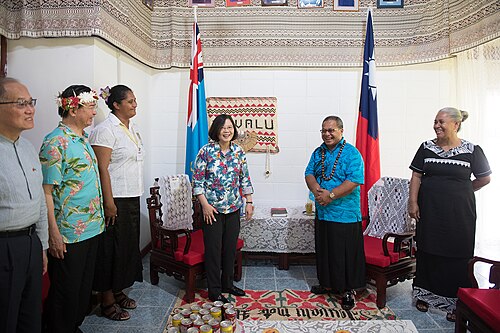
Tuvalu recognises the ROC; Taiwan maintains the only foreign resident embassy in Tuvalu, in Funafuti.
Tuvalu supports the ROC's bid to join the United Nations, and Taiwan has provided Tuvalu with mobile medical missions.[414]
In 2006, Taiwan reacted to reports that the PRC was attempting to draw Tuvalu away from the ROC. Taiwan consequently strengthened its weakening diplomatic relations with Tuvalu.[415]
In 2019 –shortly after Kiribati and the Solomon Islands ended their relations with the Republic of China –Tuvalu reiterated their support for the ROC.[416]
Vanuatu recognises the PRC. In November 2004, Prime Minister Serge Vohor briefly established diplomatic relations with Taiwan, before he was ousted for that reason in a vote of no confidence.[417][418]
The relationship between the Argentine Republic and the Republic of China (commonly known as Taiwan) is referred to as Argentina–Taiwan relations. From 1945 to 1972, the two countries had official diplomatic relations, and after the severance of diplomatic relations, they set up representative offices in each other's capitals with the functions of embassies.

The Republic of China (Taiwan) and the Federative Republic of Brazil do not have official diplomatic relations, as Brazil acknowledges the One-China policy. However, the two nations maintain unofficial diplomatic relations via economic and cultural offices.
Chile–Taiwan relations refer to the bilateral relations between the Republic of Chile and the Republic of China (Taiwan).
Like most countries in the world, Chile adheres to a One China policy, therefore it does not maintain official diplomatic ties with Taiwan. However, that does not prevent the two nations from working closely, due to similarities between both countries. Both countries are technically democratic, have strong economic performances and are allies of the United States. Both countries are urging to extend their cooperation together.[419]

Paraguay recognizes Taiwan.[420] Paraguayan leader General Alfredo Stroessner was a partner of Generalissimo Chiang. Many Paraguayan officers trained in Fu Hsing Kang College in the ROC.[421]
Stroessner's 1989 ousting and his successor Andrés Rodríguez's reinventing himself as a democratically elected president, were immediately followed by invitations from Beijing to switch diplomatic recognition.[422] However, the Taiwanese ambassador, Wang Sheng, and his diplomats were able to convince the Paraguayans that continuing the relationship with the ROC, and thus keeping the ROC's development assistance and access to the ROC's markets, would be more advantageous for Paraguay.[423] Recognition of Taiwan was a matter of debate in the 2023 Paraguayan general election, with bilateral relations maintained after the results.[424]
Peru–Taiwan relations are the bilateral relations between the Republic of China (Taiwan) and the Republic of Peru. Relations were officially severed in 1971, but are unofficially maintained through the presence of representative offices in each country's capital city.
In 2007, the Venezuelan government refused to renew visas for five members of the ROC commercial representation in Caracas.[425]
Relations with Venezuela have worsened because of the increasing partnership between the government of Hugo Chávez and the People's Republic of China, which has led to a more overt rejection of the Taiwan's legitimacy by Venezuela. During the 2019 Venezuelan presidential crisis, Taiwan has been supportive of Juan Guaidó and the opposition-led National Assembly.


Egypt maintained relations until 1956, when Gamal Abdel Nasser cut off relations and recognised the PRC. Ma Bufang, who was then living in Egypt, was ordered to move to Saudi Arabia, and became the ROC ambassador to Saudi Arabia. Saudi Arabia ended its diplomatic relations with the ROC in 1990. Ambassador Wang Shi-ming was a Chinese Muslim, and the ROC ambassador to Kuwait.[426] The ROC also maintained relations with Libya.
The European Union has emphasized human rights in its relations with Taiwan.[427] It is the largest source of foreign direct investment to Taiwan.[428][429] The European Union has unofficial relations[430] with Taiwan through the European Economic and Trade Office, which was opened on 10 March 2003.[431] Taipei is one of the major trading partners via the European Free Trade Association,[432] and a trading partner with the Eurozone.[433]Taiwanese passport holders with a listed identity card number do not require a Schengen visa to visit the Schengen Area; reciprocally, the ROC has also eliminated visa requirements for citizens of all EU countries.[434][435][436] EU-Taiwan relations were debated in the European Parliament.[437] Sixteen EU member states have established offices in Taipei, along with some functional offices.[438] Taipei Representative Office in the EU and Belgium is the unofficial diplomatic representation of Taiwan in the EU.[439] Chinese Taipei is an observer[440][441][442] in the OECD, which is headquartered in Paris, France. ROC's Civil Service Protection and Training Commission (CSPTC) and the Belgian Training Institute of the Federal Administration (TIFA) signed Memorandum of Understanding on 7 November 2014 for workshop attendance of public servants that highlighted leadership, innovation and conflict management, as well as global competitiveness strategies in Brussels.[443] The EU rejects granting Mainland Chinamarket economy status.[444]


 European Union Taiwan Office – European Economic and Trade Office


Taiwan (officially the Republic of China) participates in a number of international organizations. Under pressure from the People's Republic of China (PRC, commonly known as "China"), the ROC has been excluded from, or downgraded in, many international organizations. In other cases, Taiwan may retain full participation, either as Taiwan, the Republic of China, or due to the usage of names such as "Chinese Taipei."
ROC is a party to major international treaties, including:
The ROC claims islands in the South China Sea on the same basis as its claim to historical Chinese territory retaining the borders dated prior to the establishment of the PRC including Tibet and Outer Mongolia. Unlike its claims on the Asian mainland, however, the ROC actively pursues and defends some of its claims to these islands.[453] These include all of the Spratly Islands, the Paracel Islands, Macclesfield Bank and Scarborough Shoal. These islands are administered by a number of governments around the South China Sea. The ROC also claims the Senkaku Islands, which are administered by Japan.[454] Because ASEAN and the People's Republic of China did not invite the Republic of China to participate in the "Declaration on the Conduct of Parties in the South China Sea", the Republic of China did not recognize it.[455]
The PRC, in turn, asserts itself as the sole legitimate government of China, and claims all territories administered by the ROC.
Taiwan emphasizes its night markets[456] and the high rate of vegan eateries[457] among other aspects of its culinary culture in an effort to promote the nation through culinary diplomacy.[456] Taiwan has used its culinary programs to bolster its tourism sector and to conduct diplomacy in countries with which it has limited official ties.[458]
In 2010, Taiwan launched a £20m culinary diplomacy campaign.[459]
Freedom pineapples (Chinese:自由鳳梨; pinyin:Zìyóu fènglí) was a political and social response in 2021 to a Chinese ban on the import of pineapples from Taiwan. It encouraged domestic and international consumption to replace the loss of the mainland Chinese market, which had formerly imported 97% of all Taiwanese pineapple exports.[460]
In 2025 after China cut off imports of Japanese seafood in response to comments from Japan's PM in support of Taiwan Lai Ching-te, the Taiwanese President, publicized his consumption of Japanese seafood. This choice was seen as diplomatically significant.[461]
Taiwan's medical diplomacy began in 1961 with a team of medical professionals sent to Libya.[462] In 2018 Taiwan set up a 2 million dollar healthcare fund for its Pacific island nation allies.[463] Taiwan officially refers to most of its medical diplomacy as public health diplomacy.[464]
Medical diplomacy has formed a key part of Taiwan's outreach to regional countries, especially in Southeast Asia. It is one of the five key components of the New Southbound Policy. Unlike medical diplomacy under previous programs under the NSP medical diplomacy is not focused on providing direct medical care or basic public health programs but on providing high-level professional skill transfers.[462]
Local media has referred to Taiwan's medical diplomacy related to the COVID-19 pandemic as "epidemic prevention diplomacy".[465] In March 2020 Australia and Taiwan agreed to exchange 1 million liters of Australian alcohol to be used in making hand sanitizer for 3 metric tons of Taiwanese nonwoven fabric to be used in making facial masks.[466]
In 2025 the Ministry of Foreign Affairs launched a drone diplomacy program with the intent of supplying uncrewed vehicles to diplomatic allies, regional partners, and those facing Russian aggression especially in Europe. The effort would be facilitated in partnership with the Ministry of Economic Affairs and Taiwanese domestic industry.[467][468]

The dispute over Taiwan's status affects the island's air links with the outside world, particularly Europe, North America and Australia.
For many years, Mandarin Airlines, a subsidiary of Taiwan's national airline, China Airlines (CAL), served many international destinations that CAL did not because of political sensitivities. However, in 1995 CAL dropped the national colours from its livery, and now flies to international destinations under its own name. Many countries' national airlines similarly set up special subsidiaries, known as "shadow airlines", to operate services to Taipei, with a different name, and livery omitting national symbols: British Asia Airways, a British Airways subsidiary operating to London; KLM Asia, a KLM subsidiary operating to Amsterdam; Swissair Asia, a Swissair subsidiary operating to Zürich; Air France Asie, an Air France subsidiary operating to Paris; Japan Asia Airways, a Japan Air Lines subsidiary operating to Tokyo; and Australia Asia Airlines, a Qantas subsidiary operating to Sydney. Of these subsidiaries, KLM Asia is the only one that's still flying as of 2026, as the others ceased operations when their parent companies were privatized (or went bankrupt, in Swissair's case). Other countries' flag carriers, such as Germany's Lufthansa, operated flights to Taipei using an existing subsidiary (in Lufthansa's case, Condor).
Before the completion of the second runway at New Tokyo International Airport (now Narita International Airport) in Chiba, Japan, airlines from Taiwan were required to utilize Haneda International Airport for their Tokyo routes in order not to offend the airlines from the PRC that flew to Narita. All Nippon Airways, however, used an existing subsidiary, Air Nippon. With the implementation of a new Japan-Taiwan air agreement, JAL and ANA took over flight operations between Japan and Taiwan in April 2008.[469][470]
Beginning July 2008, charter flights between mainland China and Taiwan, which were traditionally only allowed on special holidays such as Chinese New Year, were significantly expanded.
China has begun compelling foreign airlines with landing privileges in the mainland to identify Taiwanese destinations as if they were part of the mainland government, e.g. T'aipei CN instead of T'aipei TW.
International dialling codes were assigned by the International Telecommunication Union (ITU), an agency of the United Nations, to its member states and their dependencies in the 1960s. Despite the Republic of China on Taiwan still being a member of the UN, and hence the ITU, other member states declared that "the only representatives of the people of China are the delegates to the ITU and its permanent organs appointed by the Central Government of the People's Republic of China".[471] This led to the People's Republic of China being assigned the country code 86.[472] Consequently, in the early 1970s, Taiwan had to be unofficially assigned a separate code, 886, although there was pressure from China to change this to 866.[473] This had to be listed as "reserved",[474] but in 2006, the code was formally allocated to "Taiwan, China".[475][476]
Codes in the +86 6 number range have since been allocated to cities in mainland China; for example, the area code for Shanwei is 0660.[477] Consequently, calls from mainland China to Taiwan require the international access code and country code 00886.[478]
{{cite web}}: CS1 maint: deprecated archival service (link)Lee's greatest act of defiance was becoming Taiwan's first democratically elected president in March 1996
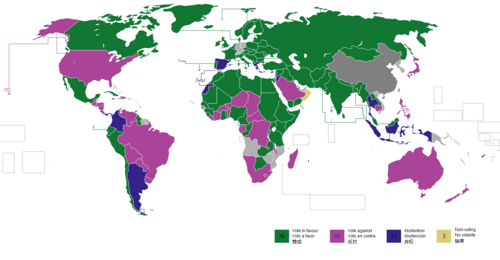
In favour: Ceylon, Chile, Cuba, Czechoslovakia, Denmark, Ecuador, Egypt, Equatorial Guinea, Ethiopia, Finland, France, Ghana, Guinea, Guyana, Hungary, Iceland, India, Iran, Iraq, Ireland, Israel, Italy, Kenya, Kuwait, Laos, Libyan Arab Republic, Malaysia, Mali, Mauritania Mexico Mongolia, Morocco, Nepal, Netherlands, Nigeria, Norway, Pakistan, People's Democratic Republic of Yemen People's, Republic of the Congo, Peru, Poland, Portugal, Romania, Rwanda, Senegal, Sierra Leone, Singapore, Somalia, Sudan, Sweden, Syrian Arab Republic, Togo, Trinidad and Tobago, Tunisia, Turkey, Uganda, Ukrainian Soviet Socialist Republic, Union of Soviet Socialist Republics, United Kingdom of Great Britain and Northern Ireland, United Republic of Tanzania, Yemen, Yugoslavia, Zambia, Afghanistan, Albania, Algeria, Austria, Belgium, Bhutan, Botswana, Bulgaria, Burma, Burundi, Byelorussian Soviet Socialist Republic, Cameroon, Canada. Against: Central African Republic, Chad, Congo (Democratic republic of), Costa Rica, Dahomey, Dominican Republic, EI Salvador, Gabon, Gambia, Guatemala, Haiti, Honduras, Ivory Coast, Japan, Khmer Republic, Lesotho, Libena, Madagascar, Malawi, Malta, New Zealand Nicaragua, Niger, Paraguay, Philippines, Saudi Arabia South Africa, Swaziland, United States of America, Upper Volta, Uruguay, Venezuela, Australia, Bolivia, Brazil. Abstentions: Colombia, Cyprus, Fiji, Greece, Indonesia, Jamaica, Jordan, Lebanon, Luxembourg, Mauritius, Panama, Qatar, Spain, Thailand, Argentina, Bahrain, Barbados.
In a tweet on its official Twitter account, the MOFA said: "The strong showing of support for #Taiwan's meaningful participation in #WHA74 is greatly appreciated by the government & people. Sincere thanks to the country's allies, as well as like-minded partners including the #US, #Japan, #UKF, #Canada, #Australia, #Germany, #NewZealand, #CzechRepublic, #Lithuania & @orderofmalta, for urging @DrTedros to put politics aside & bring #Taiwan into the @WHO fold. Disease is blind to borders, & it takes #AllHandsOnDeck to combat #COVID19 & achieve #HealthForAll."
Ambassador to Eswatini Thomas Chen (陳經銓) has been hospitalized in South Africa after he was found seriously ill in his office on 22 June, the Ministry of Foreign Affairs said yesterday.
South Africa–Taiwan relations South Africa hit with chip restrictions was invoked but never defined (see the help page).The delegation, composed of four members from the Israeli Knesset (parliament), thanked Taiwan for its support following the attack...[Tsai] said she looked forward to the two countries leveraging their own industrial strengths and continuing to deepen their partnership based on the shared values of freedom and democracy.
Taiwan's desire for warmer ties with Israel began long before the October 7 attack. Bilateral trade between the two has grown steadily in recent years, rising to over US$3.2 billion in 2022 from US$2.4 billion the previous year. Taiwanese media and officials often speak with admiration for Israel's strong military and make comparisons between Taiwan and Israel as two isolated democracies with strong tech sectors.
Separately, the Taiwan-Israel Congressional Association was established yesterday to promote people-to-people exchanges; cooperation in agriculture, technology and education; and bilateral visits, association chair DPP Legislator Chung Chia-pin (鍾佳濱) said. Israeli Representative to Taiwan Maya Yaron thanked Taiwan for supporting Israel and said that a parliamentary delegation is to visit the nation in the next few weeks.
In October 1945, the people of Outer Mongolia voted for independence, gaining the recognition of many countries, including the Republic of China. (...) Due to a souring of relations with the Soviet Union in the early 1950s, however, the ROC revoked recognition of Outer Mongolia, reclaiming it as ROC territory.
Trade and Economic Relations between Denmark and Taiwan 1949–1997
The United States endorses the 'One China Policy' and switches diplomatic recognition from Taipei to Beijing
{{cite web}}: CS1 maint: deprecated archival service (link)as it did in 2020 in response to a visit by Alex Azar, then the U.S. secretary of health and human services. Chinese fighter jets have crossed that line and flown into the island's air defense identification zone with increasing frequency since 2020
US Secretary of Health Alex Azar arrived in Taiwan on Sunday, making him the highest ranking American official to visit the island since 1979. The visit is also the most high-profile since the Taiwan Travel Act