Loading article…
ベンジャミン・フランクリン | |
|---|---|
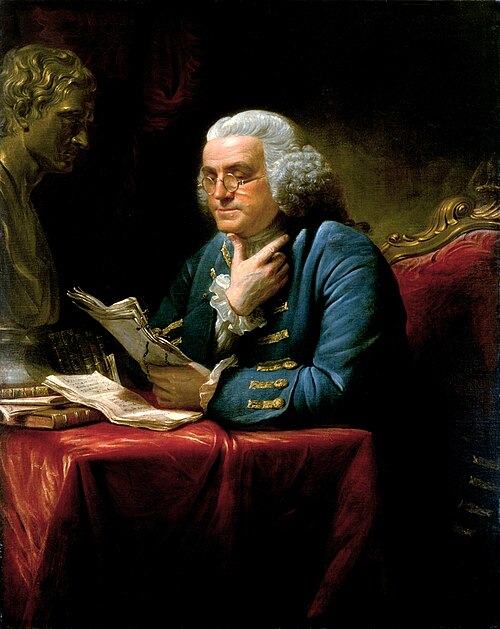
 ジョゼフ・デュプレシスの肖像画、1778年 | |
| ペンシルベニア州第6代大統領 | |
| 在任期間 :1785年10月18日~1788年11月5日 | |
| 副社長 | |
| 先行 | ジョン・ディキンソン |
| 後継者 | トーマス・ミフリン |
| 駐スウェーデン米国大使 | |
| 在任期間 :1782年9月28日~1783年4月3日 | |
| 任命者 | 連合会議 |
| 先行 | ポジションを確立 |
| 後継者 | ジョナサン・ラッセル |
| 駐フランス米国大使 | |
| 在任期間 :1779年3月23日~1785年5月17日 | |
| 任命者 | 大陸会議 |
| 先行 | ポジションを確立 |
| 後継者 | トーマス・ジェファーソン |
| 初代アメリカ合衆国郵政長官 | |
| 在任期間 :1775年7月26日~1776年11月7日 | |
| 先行 | ポジションを確立 |
| 後継者 | リチャード・バッチ |
| ペンシルベニアから第2回大陸会議への代表 | |
| 在任期間 :1775年5月~1776年10月 | |
| イギリス領アメリカ郵政長官 | |
| 在任期間 :1753年8月10日~1774年1月31日 | |
| 先行 | ポジションを確立 |
| 後継者 | 空いている |
| ペンシルバニア州議会議長 | |
| 在任期間 :1764年5月~1764年10月 | |
| 先行 | アイザック・ノリス |
| 後継者 | アイザック・ノリス |
| ペンシルベニア大学初代学長 | |
| 在任期間 1749–1754 | |
| 後継者 | ウィリアム・スミス |
| 個人情報 | |
| 生まれる | 1706年1月17日[ OS 1705年1月6日] [注1] ボストン、マサチューセッツ湾、イギリス領アメリカ |
| 死亡 | 1790年4月17日(84歳)米国ペンシルベニア州 フィラデルフィア |
| 休憩所 | クライストチャーチ墓地、フィラデルフィア |
| 政党 | 独立した |
| 配偶者 | |
| 子供たち | |
| 両親 | |
| 教育 | ボストンラテンスクール |
| サイン | 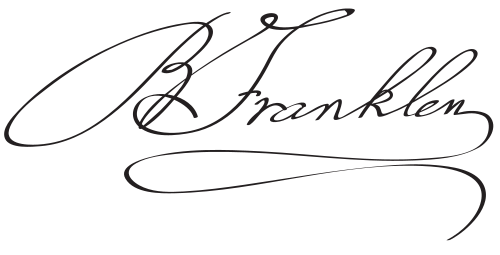 |
ベンジャミン・フランクリン( FRS FRSA FRSE、1706年1月17日[ OS 1705年1月6日] [注 1] - 1790年4月17日)は、アメリカの博学者であり、著名な作家、科学者、発明家、政治家、外交官、印刷業者、出版業者、政治哲学者でした。[1]フランクリンは、当時最も影響力のある知識人の一人で、アメリカ合衆国建国の父の一人であり、独立宣言の起草者および署名者であり、初代郵政長官でした。[2]
フランクリンは、植民地の主要都市フィラデルフィアで新聞編集者兼印刷業者として成功し、 23歳で『ペンシルバニア・ガゼット』を出版した。[3]彼は、この新聞と、リチャード・サンダースというペンネームで執筆していた『プア・リチャードの年鑑』を出版して富を築いた。 [4] 1767年以降は、革命的な感情と英国議会および国王の政策に対する批判で知られる新聞『ペンシルバニア・クロニクル』と関わりを持った。[5]彼は、1751年に開校し、後にペンシルバニア大学となるフィラデルフィア・アカデミー&カレッジの先駆者であり、初代学長となった。彼はアメリカ哲学協会を組織し、初代書記を務め、1769年に会長に選出された。1753年に英国植民地の郵政副長官に任命され、[6]初の全国通信網を構築することができた。
彼は地域社会の問題、植民地および州の政治、そして国内および国際問題に積極的に取り組んでいた。フランクリンは、ロンドンでいくつかの植民地の代理人として、英国議会による不評だった印紙法の廃止を先導し、アメリカの英雄となった。有能な外交官であった彼は、フランスに駐在した最初の米国大使として広く尊敬され、フランスとアメリカの良好な関係を築く上で重要な人物であった。彼の努力は、アメリカ独立戦争に対するフランスの援助を確保する上で不可欠であることが証明された。1785年から1788年まで、彼はペンシルバニア州大統領を務めた。彼は生涯のある時点で奴隷を所有し、新聞に奴隷の「売り物」広告を掲載したが、1750年代後半までに奴隷制度に反対し、積極的な奴隷制度廃止論者となり、アフリカ系アメリカ人の教育と米国社会への統合を推進した。[7]
科学者として、彼は電気の研究により、アメリカ啓蒙主義と物理学の歴史における重要人物となった。彼はまた、メキシコ湾流の海流を図にし、名前を付けた。彼の数多くの重要な発明には、避雷針、遠近両用眼鏡、ガラスハーモニカ、フランクリンストーブなどがある。[8]彼は、ライブラリーカンパニー、フィラデルフィア初の消防署、[9]およびペンシルベニア大学など、多くの市民団体を設立した。[10]フランクリンは、植民地統一 のための初期の不屈の運動により、「最初のアメリカ人」の称号を得た。彼は、独立宣言、パリ条約、英国との講和、および憲法に署名した唯一の人物である。アメリカの精神を定義する基礎となったフランクリンは、「彼の時代で最も優れたアメリカ人であり、アメリカがどのような社会になるかを発明する上で最も影響力のある人物」と呼ばれている。[11]
フランクリンの生涯と科学的、政治的業績、そしてアメリカ建国の父として最も影響力のある人物の一人としての地位は、死後2世紀以上にわたり、100ドル紙幣や軍艦、多くの町や郡、教育機関や企業の名前、そして数多くの文化的資料や大統領執務室の肖像画に描かれ、その栄誉を讃えられてきた。3万通を超える彼の手紙や文書は『ベンジャミン・フランクリンの文書』にまとめられている。 アンヌ=ロベール=ジャック・テュルゴーは彼について「彼は空から稲妻を奪い、暴君から王笏を奪った」と評した。[12]
祖先
ベンジャミン・フランクリンの父、ジョサイヤ・フランクリンは、獣脂商、石鹸職人、ろうそく職人だった。ジョサイヤ・フランクリンは、 1657年12月23日にイギリスのノーサンプトンシャー州エクトンで、鍛冶屋兼農家のトーマス・フランクリンとその妻ジェーン・ホワイトの息子として生まれた。ベンジャミンの父と4人の祖父母は全員イギリス生まれである。[13]
ジョサイア・フランクリンは2人の妻との間に合計17人の子供をもうけた。彼は最初の妻アン・チャイルドと1677年頃にエクトンで結婚し、1683年に彼女とともにボストンに移住した。移住前に3人の子供、移住後に4人の子供が生まれた。彼女の死後、ジョサイアは1689年7月9日にオールド・サウス・ミーティング・ハウスでサミュエル・ウィラード牧師によってアビア・フォルガーと結婚し、10人の子供をもうけた。8番目の子供であるベンジャミンはジョサイア・フランクリンの15番目の子供であり、10番目で最後の息子であった。[要出典]
ベンジャミン・フランクリンの母アビアは、1667年8月15日、マサチューセッツ湾植民地ナンタケットで、製粉業者で教師のピーター・フォルジャーと、元年季奉公人の妻メアリー・モレル・フォルジャーの子として生まれた。メアリー・フォルジャーはピューリタン一家の出身で、彼らは信仰の自由を求めてマサチューセッツに逃れた最初のピルグリムの一人で、1635年にイングランド王チャールズ1世がピューリタンを迫害し始めた後、ボストンに向けて出航した。彼女の父ピーターは「植民地アメリカを変革する運命にあった反逆者」だった。[14]裁判所書記官だったピーターは、1676年2月10日に逮捕され、保釈金を払えなかったため2月19日に投獄された。彼は1年半以上を投獄された。[15]
幼少期と教育
ボストン
フランクリンは1706年1月17日、マサチューセッツ湾植民地ボストンのミルクストリートで生まれ[注 1]、ボストンのオールドサウス集会所で洗礼を受けた。チャールズ川沿いで育った子供時代、フランクリンは「たいてい男の子たちのリーダーだった」と回想している[18]。
フランクリンの父親は、彼が聖職者と一緒に学校に通うことを望んでいたが、2年間しか通わせるお金がなかった。彼はボストン・ラテン・スクールに通ったが卒業せず、貪欲な読書で教育を続けた。「両親はフランクリンのキャリアとして教会について話していた」[19]が、彼の学校教育は10歳で終了した。彼はしばらく父親のために働き、12歳で印刷工の兄ジェームズの弟子となり、印刷業を教わった。ベンジャミンが15歳のとき、ジェームズはボストンで3番目に創刊された新聞であるニューイングランド・クーラントを創刊した。 [20]
フランクリンは、新聞に手紙を書いて掲載する機会を断られたとき、中年の未亡人「サイレンス・ドグッド」というペンネームを採用した。ドグッド夫人の手紙は掲載され、町中で話題になった。ジェームズもクーラント紙の読者もこの策略に気付かず、ジェームズはベンジャミンが人気記者が弟だと知って不満を抱いた。フランクリンは若い頃から言論の自由を主張していた。1722年に兄が知事に不利な記事を書いたために3週間投獄されたとき、若きフランクリンは新聞を引き継ぎ、ドグッド夫人にケイトの手紙を引用して「思想の自由がなければ知恵など存在せず、言論の自由がなければ公の自由など存在し得ない」と宣言させた。[21]フランクリンは兄の許可なく見習いを辞め、逃亡者となった。[22]
フィラデルフィアへ移住
17 歳のとき、フランクリンは新しい街で新たなスタートを切るためにフィラデルフィアに逃げた。到着した当初は、そこの印刷所で働いたが、どの仕事もすぐには期待が持てなかった。数か月後、ある印刷所で働いているときに、ペンシルバニア州知事のウィリアム・キース卿が、表面上はフィラデルフィアで別の新聞社を設立するために必要な設備を手に入れるためにロンドンに行くよう説得した。新聞社を支援するというキースの約束が空約束だと分かったフランクリンは、ロンドンのスミスフィールド地区にある現在のセント・バーソロミュー・ザ・グレート教会の印刷所で植字工として働いた。その後、1726 年に商人のトーマス・デナムの助けを借りてフィラデルフィアに戻り、彼の店で事務員、店主、簿記係として雇われた。[23] [ページが必要]
ジュントと図書館
.jpeg/500px-Franklin_-_ita,_1825_-_766672_R_(cropped).jpeg)
1727年、21歳のフランクリンは、ジュントを結成した。これは「地域社会を改善しながら自分自身も向上させたいと願う、志を同じくする職人や商人の集まり」である。ジュントは当時の問題について討論するグループであり、その後フィラデルフィアで多くの組織を生み出した。[24]ジュントは、フランクリンがよく知っていたイギリスのコーヒーハウスをモデルにしており、イギリスで啓蒙思想が広まる中心地となっていた。[25] [26]
読書はジュントにとって素晴らしい娯楽だったが、書籍は希少で高価だった。フランクリンが次のように書いた後、メンバーは当初は自分たちの書籍を集めて図書館を作った。
私は、私たちの本は調査に関する討論でよく参照されるので、会合の場で本をまとめておいて、必要に応じて参照できるようにしておくのが便利かもしれない、という提案をした。そして、このようにして本を共通の図書館に集めることで、私たちは本を一緒に保管したいが、他の会員全員の本を利用できるという利点を各自が持つことができ、各自が本を全部所有しているのとほぼ同じくらい有益だろう、という提案をした。[27]
しかし、それだけでは十分ではなかった。フランクリンは会員の資金を集めて本を購入し、全員が読めるようにするという会員制図書館のアイデアを思いついた。これがフィラデルフィア図書館会社の誕生であり、彼は1731年にその設立許可書を作成した。[28]
新聞記者
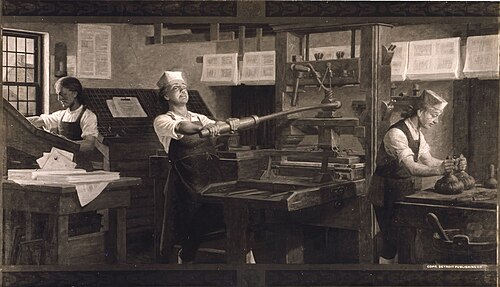
デナムの死後、フランクリンは元の職業に戻った。1728年、ヒュー・メレディスと共同で印刷所を設立し、翌年フィラデルフィアの新聞「ペンシルバニア・ガゼット」の発行者となった。「ペンシルバニア・ガゼット」は、印刷されたエッセイや意見を通じて、フランクリンにさまざまな地方改革や取り組みを訴える場を与えた。時が経つにつれ、彼の論評と、勤勉で知的な若者という好印象を巧みに培ったことで、彼は社会的に大いに尊敬されるようになった。しかし、科学者や政治家として名声を得た後も、彼は手紙に「B. フランクリン、印刷業者」という気取らない署名を習慣にしていた。[23]
1732年、彼はアメリカで最初のドイツ語新聞「フィラデルフィア・ツァイトゥング」を出版したが、他の4つのドイツ語新聞がすぐに新聞市場を独占したため、わずか1年で廃刊となった。[29]フランクリンはモラヴィア派の宗教書もドイツ語で印刷した。彼はペンシルバニア州ベツレヘムを頻繁に訪れ、モラヴィア・サン・インに滞在した。[30] 1751年の人口増加と13植民地への影響に関するパンフレットで、彼はペンシルバニア州ドイツ人を「プファルツのブール人」と呼び、彼らは決してアングロ・アメリカン入植者の「肌の色」を身につけることができず、「黒人とタウニー」は植民地の社会構造を弱めると述べた。彼はその後すぐに考え直したようで、パンフレットのその後の版ではこれらのフレーズは削除されたが、彼の見解は1764年の政治的敗北に影響を与えた可能性がある。[31]
ラルフ・フラスカによると、フランクリンは印刷機を植民地アメリカ人に道徳的美徳を教えるための手段として推進した。フラスカは、フランクリンはこれを神への奉仕とみなしていたと主張する。なぜなら、彼は道徳的美徳を行動の観点から理解していたため、善行は神への奉仕となるからだ。フランクリンは自身の道徳的欠陥にもかかわらず、アメリカ人に道徳を教えるのに自分は特別な資格があると考えていた。彼は、カロライナからニューイングランドまでのパートナーシップの連鎖に基づく印刷ネットワークの構築を通じて、アメリカ人の道徳生活に影響を与えようとした。こうして、彼は最初の新聞チェーンを発明した。[要出典]これは単なるビジネスベンチャーではなく、多くの出版者と同様に、彼は印刷機には公共サービスの義務があると信じていた。[32] [33]
1730年直前に彼がフィラデルフィアに居を構えたとき、その町には「みじめな小さな」新聞が2つあった。アンドリュー・ブラッドフォードの『アメリカン・ウィークリー・マーキュリー』とサミュエル・ケイマーの『万能芸術科学の教師』、そして『ペンシルバニア・ガゼット』である。[34]この万能芸術科学の教師は、チェンバーズの『万能辞典』からの週刊抜粋で構成されていた。フランクリンは『教師』を引き継いで『ペンシルバニア・ガゼット』にすると、すぐにこれらすべてを廃止した。『ガゼット』はすぐに彼の特徴的な機関紙となり、彼はそれを風刺や機知の遊び、さらにはいたずらや遊びの過剰のために自由に使用した。最初から、彼は自分の用途に合わせてモデルを適応させる方法を知っていた。1729 年にブラッドフォードのアメリカン マーキュリー紙に書いた「忙しい人」というエッセイ集は、一般的なアディソンの形式を踏襲したもので、すでに家庭的な状況に合わせて修正されている。倹約家のペイシェンスが忙しい小さな店で、自分の貴重な時間を無駄にする役立たずの客に文句を言う場面は、スペクテイター氏に話しかける女性たちと関係がある。忙しい人自身は、タトラー紙のアイザック ビッカースタッフのように、真の検閲官である。そして、リデンティウス、エウゲニウス、カトー、クレティコといった架空の人物の多くは、伝統的な 18 世紀の古典主義を表している。フランクリンは、この人物さえも現代の風刺に使うことができた。なぜなら、「哀れな哲学者」クレティコは、明らかにライバルのサミュエル ケイマーの肖像だからである。[35] [ページが必要]
フランクリンは、利益を生み、美徳を広める植民地間の新聞ネットワークを確立するという計画で、成功と失敗を繰り返した。長年にわたり、彼はペンシルベニア、サウスカロライナ、ニューヨーク、コネチカット、さらにはカリブ海諸国で24の印刷業者を後援した。1753年までには、植民地の15の英語新聞のうち8つが彼または彼のパートナーによって発行されていた。[36]彼は1731年にサウスカロライナ州チャールストンでこの計画を始めた。2代目の編集者が亡くなった後、未亡人のエリザベス・ティモシーが引き継いでこれを成功させた。彼女は植民地時代の最初の女性印刷業者の1人であった。[37]フランクリンは30年間、彼女やその息子ピーター・ティモシーと緊密なビジネス関係を維持した。ピーター・ティモシーは1746年にサウスカロライナ・ガゼットを引き継いだ。[38]ガゼットは政治討論では公平でありながら、公開討論の機会を創出し、他者が権威に異議を唱えるよう促した。ティモシーは平凡さと粗野な偏見を避け、1765年以降はイギリスとの危機が深刻化する中で愛国的な立場をとるようになった。[39]しかし、フランクリンのコネチカット・ガゼット(1755-68)は成功しなかった。[40]独立戦争が近づくにつれ、政治的争いが彼のネットワークを徐々に引き裂いていった。[41]
フリーメイソン
1730年か1731年に、フランクリンは地元のフリーメーソンロッジに入会した。1734年にグランドマスターとなり、ペンシルバニアで急速に名声を高めた。 [42] [43]同年、彼はアメリカ大陸で最初のフリーメーソンの本、ジェームズ・アンダーソンのフリーメーソン憲章の再版を編集し出版した。[44]彼は1735年から1738年までフィラデルフィアのセントジョンズロッジの書記官を務めた。 [43]
1738年1月、「フランクリンは、ダニエル・リースという名の「単純な見習い」を偽のフリーメーソンの入会儀式の失敗で殺害した2人の男に対する過失致死罪の裁判で証人として出廷した。男の1人が「燃える酒を投げたか、誤ってこぼしたため、ダニエル・リースは2日後に火傷で死亡した」。フランクリンはリースの死につながったいじめに直接関与していなかったが、いじめが致命的になる前にそれを知っていて、それを止めるために何もしなかった。彼は、出版のライバルであるアンドリュー・ブラッドフォードによって、アメリカン・ウィークリー・マーキュリー紙でその不作為を批判された。最終的に、「フランクリンはガゼット紙で自己弁護に答えた」。[45] [46]
フランクリンは生涯フリーメイソンであり続けた。[47] [48]
デボラ・リードとの事実婚
1723年、17歳のフランクリンは、リード家に下宿していた15歳のデボラ・リードにプロポーズした。当時、デボラの母親は、フランクリンがキース総督の要請でロンドンに向かう途中だったことと、経済的に不安定だったことから、幼い娘をフランクリンと結婚させることに慎重だった。彼女自身の夫も最近亡くなっており、彼女はフランクリンの娘との結婚の申し出を断った。[23]
フランクリンはロンドンに赴いたが、デボラとその家族と予想通り連絡が取れなかったため、彼らは彼の長い沈黙を約束違反と解釈した。母親の勧めで、デボラは1725年8月5日にジョン・ロジャースという陶工と結婚した。ジョンは借金と訴追を避けるために持参金を持ってすぐにバルバドスに逃げた。ロジャースの運命は不明であったため、重婚法によってデボラは再婚できなかった。[49] [50]
フランクリンは1726年に帰国し、デボラとの交際を再開した。[49] 1730年9月1日に2人は事実婚となった。2人はデボラの私生児と認められたばかりの幼い息子を引き取り、家庭で育てた。2人の間には2人の子供が生まれた。息子のフランシス・フォルジャー・フランクリンは1732年10月に生まれ、 1736年に天然痘で亡くなった。娘のサラ・「サリー」・フランクリンは1743年に生まれ、後にリチャード・ベイチと結婚した。[51]
デボラは海を怖がっていたため、フランクリンがヨーロッパに長期旅行する際には同行しなかった。2人が長い間離れていた理由として考えられるのは、息子のフランシスが後に彼を死に至らしめる病気の予防接種をデボラが妨害したのではないかとフランクリンが責めた可能性もある。 [52]デボラは1769年11月にフランクリンに手紙を書き、彼の長期不在による「不満と苦悩」で体調を崩したと伝えたが、フランクリンは用事が終わるまで戻らなかった。[53]デボラ・リード・フランクリンは1774年12月14日に脳卒中で亡くなったが、フランクリンはイギリスへの長期任務に就いていた。フランクリンは1775年に帰国した。[54]
ウィリアム・フランクリン

1730年、24歳のフランクリンは私生児ウィリアムを公に認め、自宅で育てた。ウィリアムは1730年2月22日に生まれたが、母親は不明である。[55]彼はフィラデルフィアで教育を受け、30歳頃から1760年代初頭にロンドンで法律を学んだ。ウィリアム自身も私生児の父であり、同日同月、1760年2月22日に生まれたウィリアム・テンプル・フランクリンである。 [56]この少年の母親は特定されず、彼は里親に預けられた。1762年、父ウィリアム・フランクリンはロンドンでバルバドス出身の農園主の娘エリザベス・ダウンズと結婚した。1763年、彼はニュージャージー州最後の王室総督に任命された。
国王の忠誠者であったウィリアム・フランクリンは、父ベンジャミンとの関係がアメリカ独立戦争に関する意見の相違で最終的に崩壊するのを目の当たりにした。ベンジャミン・フランクリンはウィリアムの立場を決して受け入れることができなかった。1776年にニュージャージー革命政府によって退位させられたウィリアムは、パースアンボイの自宅で6か月間軟禁された。独立宣言後、彼はニュージャージー州議会の命令により正式に拘留されたが、彼はそれを「違法な集会」とみなして認めることを拒否した。[57]彼はコネチカット州のウォリングフォードとミドルタウンで2年間投獄され、密かにアメリカ人に忠誠者を支持するよう働きかけたところを捕らえられ、リッチフィールドで8か月間独房に監禁された。1778年に捕虜交換でようやく釈放されると、当時イギリス軍が占領していたニューヨーク市に移った。[58]
ニューヨーク市にいる間、彼はジョージ3世によって認可されニューヨーク市に本部を置く準軍事組織であるロイヤリスト連合委員会のリーダーになった。彼らはニュージャージー州、コネチカット州南部、ニューヨーク市の北部の郡にゲリラ侵攻を開始した。 [59]イギリス軍がニューヨークから撤退したとき、ウィリアム・フランクリンは彼らとともにイギリスへ航海した。彼はロンドンに定住し、二度と北アメリカに戻ることはなかった。1782年のイギリスとの予備和平交渉で、「...ベンジャミン・フランクリンは、米国に対して武器を取ったロイヤリストはこの嘆願(彼らに大赦を与えること)から除外されると主張した。彼は間違いなくウィリアム・フランクリンのことを考えていた。」[60] [信頼できない情報源? ]
作家としての成功

1732年、フランクリンはリチャード・サンダースというペンネームで有名な『プア・リチャードの年鑑』 (オリジナルと借用の両方の内容)を出版し始めた。このペンネームが彼の評判の多くを支えている。彼は頻繁にペンネームで執筆した。最初の号は翌年の1733年のものだった。 [61]彼は、平易で実用的、そして陳述文で狡猾で柔らかいが自虐的な口調の、独特の特徴的なスタイルを編み出した。[62]彼が著者であることは秘密ではなかったが、彼のリチャード・サンダースというキャラクターは繰り返しそれを否定した。この年鑑の「プア・リチャードの格言」、例えば「1ペニーの節約は2ペンスの価値がある」(「1ペニーの節約は1ペニーの稼ぎ」とよく誤って引用される)や「魚と訪問者は3日で臭くなる」などの格言は、現代でも一般的な引用である。民間社会における知恵とは、どんな場面にもふさわしい格言を提供できる能力を意味し、彼の読者は十分に備えていた。彼の著書は年間約1万部を売り上げ、定着した。[63] 1741年、フランクリンはアメリカにおけるすべての英国植民地向けの総合雑誌および歴史年表の出版を開始した。彼は表紙のイラストにウェールズ皇太子の 紋章を使用した。
フランクリンは1745年6月25日付の「愛人選びに関する友人へのアドバイス」という手紙を書き、その中で若い男に性的衝動をコントロールする方法についてアドバイスしている。その淫らな性質のため、19世紀には彼の文書集には掲載されなかった。20世紀中期から後期にかけての連邦裁判所の判決では、この文書がわいせつ法を覆し検閲に反対する理由として引用された。[64]
公的生活
ペンシルバニア州での初期段階
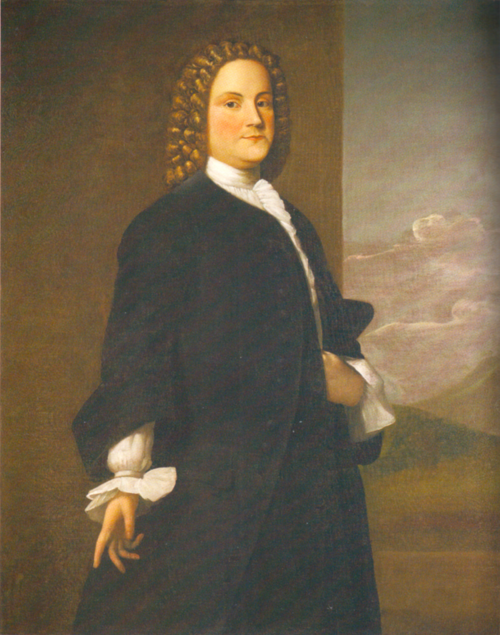


1736年、フランクリンはアメリカで最初のボランティア消防団の一つであるユニオン消防団を創設した。同年、彼は自ら考案した革新的な偽造防止技術に基づいてニュージャージー州で新しい紙幣を印刷した。彼は生涯を通じて紙幣の擁護者であり、 1729年に『紙幣の性質と必要性に関する控えめな調査』を出版し、彼の印刷機で紙幣を印刷した。彼は中部植民地で、過度のインフレを引き起こすことなくデフレを阻止した、より抑制された、したがって成功した通貨実験に影響を与えた。1766年、彼はイギリス下院で紙幣の導入を主張した。[67]
フランクリンは成長するにつれ、公務にもっと関心を持つようになった。1743年、彼は最初にアカデミー、慈善学校、フィラデルフィア大学の計画を考案したが、アカデミーの運営を任せようとしていたリチャード・ピーターズ牧師が拒否したため、フランクリンは1749年に自身のパンフレット『ペンシルバニアの青少年教育に関する提案』を印刷するまで、自分の考えを保留した。 [68] : 30 彼は1749年11月13日にアカデミーの学長に任命され、アカデミーと慈善学校は1751年に開校した。[69]
1743年、彼は科学者が発見や理論を議論するのを助けるためにアメリカ哲学協会を設立した。彼は電気の研究を始め、他の科学的探究とともに、政治と金儲けの合間に残りの人生に没頭した。[23]
ジョージ王戦争の際、フランクリンは一般防衛協会と呼ばれる民兵を組織した。市の議員らが「要塞を建設したり軍艦を建造したり」してフィラデルフィアを防衛する行動を取らないと決定したためである。フランクリンは土塁防御を構築し大砲を購入する資金を集めた。これらの中で最大のものは50門の大砲からなる「協会砲台」または「大砲台」であった。[70] [71]
1747年、フランクリン(すでに非常に裕福だった)は印刷業から引退し、他の事業に進出した。[72]彼は工場長のデイビッド・ホールと共同経営を行い、18年間にわたり店の利益の半分をフランクリンにもたらした。この有利な事業契約により、勉強のための余暇が生まれ、数年のうちに彼は多くの新しい発見をした。
フランクリンはフィラデルフィアの政治に関わり、急速に出世した。1748年10月、彼は市議会議員に選出され、1749年6月にはフィラデルフィアの治安判事となり、1751年にはペンシルバニア議会に選出された。1753年8月10日、彼はイギリス領北アメリカの副郵政長官に任命された。彼の国内政治における最も注目すべき功績は、郵便制度を改革し、毎週郵便が送られるようになったことである。[23]
1751年、フランクリンとトーマス・ボンドはペンシルバニア州議会から病院設立の認可を得た。ペンシルバニア病院は植民地で最初の病院となった。[73] 1752年、フランクリンはフィラデルフィア・コントリビューションシップを設立した。これは植民地で最初の住宅保険会社である。[74] [75]
1750年から1753年にかけて、フランクリン、コネチカット州ストラトフォードのサミュエル・ジョンソン、学校教師ウィリアム・スミスの「教育三頭政治」 [76]は、フランクリンの最初の計画を基に、ウィリアム・アンド・メアリー大学の学長ジェームズ・マディソン司教が「新しいモデル」[77]と呼んだアメリカの大学の計画またはスタイルを作り上げました。フランクリンは、サミュエル・ジョンソンの道徳哲学のアメリカの教科書『Elementa Philosophica』[78]を新しい大学で教えるよう要請し、1752年に印刷して普及させました。1753年6月、ジョンソン、フランクリン、スミスはストラトフォードで会いました。 [79]彼らは、新しいモデルの大学は専門職に焦点を当て、授業はラテン語ではなく英語で教え、4年間クラスを指導する1人の家庭教師ではなく、主題の専門家を教授とし、入学に宗教テストは行わないことを決定しました。[80]ジョンソンは1754年にニューヨーク市にキングス・カレッジ(現在のコロンビア大学)を設立し、フランクリンはスミスをフィラデルフィア大学の学長に雇い、同大学は1755年に開校した。1757年5月17日の第1回卒業式では7人が卒業し、うち6人が文学士、1人が文学修士を取得した。同大学は後にペンシルバニア州立大学と合併してペンシルバニア大学となった。同大学はアメリカ合衆国建国の文書を導く上で影響力を持つようになり、例えば大陸会議では1774年9月4日から1776年7月4日の間に独立宣言に貢献した大学関係者の3分の1以上が同大学関係者であった。[81]
1754年、彼はペンシルベニア代表団を率いてアルバニー会議に出席した。この会議は、イギリスの商務省がインディアンとの関係改善とフランスに対する防衛を目的として、いくつかの植民地を招集して開催された。フランクリンは、植民地のための広範な連合計画を提案した。この計画は採用されなかったが、その要素は連合規約と憲法に盛り込まれた。[82]
1753年、ハーバード大学[83]とイェール大学[84]は彼に名誉文学修士号を授与した。[85] 1756年、彼はウィリアム・アンド・メアリー大学から名誉文学修士号を授与された。[86] 1756年後半、フランクリンはペンシルバニア民兵を組織した。彼はタン・タバーンを集会所として使い、アメリカ植民地を襲ったネイティブ・アメリカンの反乱と戦うために兵士の連隊を募集した。[87]
郵便局長


印刷業者および出版業者としてよく知られたフランクリンは、1737年にフィラデルフィアの郵便局長に任命され、1753年までその職を務めた。その年、フランクリンと出版業者のウィリアム・ハンターは、イギリス領北アメリカの副郵便局長に任命され、この職に就いた初の人物となった。(当時は政治的な理由から、共同任命が標準であった。)フランクリンは、ペンシルベニアの北および東からニューファンドランド島までのイギリス植民地を担当していた。 1754年4月23日、ノバスコシア州ハリファックスに地元の文房具商ベンジャミン・リーによって、市内および外貨両用の郵便局が開設されていたが、サービスは不定期であった。フランクリンは、1755年12月9日、ハリファックスに定期的かつ月次の郵便を扱う最初の郵便局を開設した。その間、ハンターはバージニア州ウィリアムズバーグの郵便管理者となり、メリーランド州アナポリス以南の地域を監督した。フランクリンは、サービスの会計システムを再編成し、フィラデルフィア、ニューヨーク、ボストン間の配達速度を改善した。 1761年までに、効率化により植民地郵便局は初めて利益を上げました。[89]
1763年のパリ条約でヌーベルフランスの領土がイギリスに割譲されると、イギリス領ケベック州が創設され、フランクリンはモントリオール、トロワリヴィエール、ケベック市、ニューヨーク間の郵便サービスが拡大するのを見届けた。フランクリンは任期の大半(1757年から1762年、そして再び1764年から1774年)をイギリスで過ごし、任期の約4分の3を占めた。[90]結局、アメリカ独立戦争における反乱軍への同情が理由で、1774年1月31日に解任された。[91]
1775年7月26日、第二回大陸会議はアメリカ合衆国郵便局を設立し、フランクリンをアメリカ合衆国初代郵政長官に任命した。彼は何十年も郵便局長を務めており、この役職にふさわしい人物であった。[92]彼はちょうどイギリスから帰国したばかりで、郵便制度を確立するための調査委員会の委員長に任命された。13のアメリカ植民地に郵政長官を任命することを規定した委員会の報告書は、7月25日と26日に大陸会議で検討された。1775年7月26日、フランクリンは大陸会議の下で任命された最初の人物として郵政長官に任命された。彼の弟子のウィリアム・ゴダードは、彼のアイデアが郵便制度の形成に大きく寄与しており、この任命は彼が受けるべきだと考えていたが、36歳年上のフランクリンに寛大にもその地位を譲った。[88]しかし、フランクリンはゴダードを郵便局の調査官に任命し、署名入りの通行証を発行し、必要に応じてさまざまな郵便局と郵便ルートを調査および検査するように指示しました。 [ 93] [94]新しく設立された郵便システムは米国郵便局となり、現在も運用されています。[95]
ロンドンでの数十年
1750 年代半ばから 1770 年代半ばにかけて、フランクリンはロンドンで多くの時間を過ごしました。[要出典]
政治活動
-Pennsylvania-18_Jun_1764.jpg/500px-US-Colonial_(PA-115)-Pennsylvania-18_Jun_1764.jpg)
1757年、彼はペンシルベニア議会から植民地代理人としてイギリスに派遣され、植民地の領主であるペン家の政治的影響力に抗議した。彼は5年間そこに留まり、選挙で選ばれた議会の法律を覆す領主の特権と、土地に対する税金の支払い免除を終わらせようと努力した。ホワイトホールに影響力のある同盟者がいなかったため、この任務は失敗に終わった。[要出典]
当時、ペンシルベニア議会の多くの議員は、植民地を領主として支配していたウィリアム・ペンの相続人と対立していた。フランクリンは植民地に戻った後、ペン一家との戦いで「反領主派」を率い、 1764年5月にペンシルベニア下院議長に選出された。しかし、領主制から王室制への変更を求めたことは、まれに見る政治的誤算であった。ペンシルベニア人は、そのような動きが自分たちの政治的および宗教的自由を危険にさらすのではないかと懸念した。こうした懸念と、フランクリンの人格に対する政治的攻撃のため、フランクリンは1764年10月の議会選挙で議席を失った。反領主派は、ペン一家の領主制に対する戦いを続けるために、フランクリンを再びイギリスに派遣した。この旅の間に、彼の使命の本質は劇的に変化した。[96]
ロンドンでは、フランクリンは1765年の印紙法に反対した。その成立を阻止できなかった彼は、またも政治的な誤算を犯し、ペンシルベニアの印紙配給人のポストに友人を推薦した。ペンシルベニアの人々は、彼がずっとこの法案を支持していたと信じて激怒し、フィラデルフィアの彼の家を破壊すると脅した。フランクリンはすぐに植民地が印紙法にどれほど抵抗しているかを知り、その廃止につながった下院の議事で証言した。[97]これにより、フランクリンは突如としてイギリスにおけるアメリカの利益を代表する代弁者として浮上した。彼は植民地を代表して大衆向けのエッセイを書いた。ジョージア、ニュージャージー、マサチューセッツも彼を国王代理に任命した。[96]
1757年から1775年にかけてのロンドンでの長期任務中、フランクリンはロンドン中心部のストランドから少し外れたクレイブン ストリートにある家に下宿した。[98]滞在中、彼は家主のマーガレット スティーブンソンや彼女の友人や親戚、特にポリーという愛称でよく知られていた娘のメアリーと親しい関係になった。この家は現在、ベンジャミン フランクリン ハウスとして博物館になっている。ロンドン滞在中、フランクリンは急進派政治に関わるようになった。彼は紳士クラブ(彼はこれを「正直なホイッグ党」と呼んだ)に所属し、定例会合を開いていた。メンバーには、革命論争の火付け役となったニューイントン グリーン ユニタリアン教会の牧師リチャード プライスやアンドリュー キッピスなどがいた。[99]
科学研究
1756年、フランクリンは1754年に設立された芸術・製造・商業奨励協会(現在の王立芸術協会)の会員となった。1775年に米国に帰国した後、彼は協会の通信員となり、密接な関係を継続した。王立芸術協会は1956年、彼の生誕250周年と王立芸術協会会員200周年を記念してベンジャミン・フランクリン・メダルを制定した。 [100]
自然哲学(今日では一般的に科学と呼ばれている)の研究により、フランクリンはさまざまな知人に囲まれるようになった。例えば、フランクリンはバーミンガムのルナー協会の通信員だった。[101] 1759年、セント・アンドリュース大学は彼の業績を称えて名誉博士号を授与した。[102] 1759年10月、彼はセント・アンドリュース自治区の名誉を与えられた。[103]また、1762年にはオックスフォード大学から名誉博士号を授与された。これらの栄誉により、彼はしばしば「フランクリン博士」と呼ばれた。[1]
1768年にロンドンに住んでいた時、彼は『新しいアルファベットと改良綴り法の体系』で音声アルファベットを開発した。この改良アルファベットは彼が冗長とみなした6つの文字(c、j、q、w、x、y)を削除し、文字として欠けていると感じた音に6つの新しい文字を代用した。このアルファベットは普及せず、彼は最終的に興味を失った。[104]
ヨーロッパを旅する
フランクリンはロンドンを旅の拠点とした。1771年、彼はイングランド各地を短い旅で回り、リーズのジョセフ・プリーストリー、マンチェスターのトーマス・パーシバル、リッチフィールドのエラスムス・ダーウィンのもとに滞在した。[105]スコットランドでは、スターリング近郊のケイムズ卿のもとで5日間過ごし、エディンバラではデイヴィッド・ヒュームのもとで3週間過ごした。1759年、彼は息子とともにエディンバラを訪れ、スコットランドでの6週間を「これまでの人生で経験したことのないほどの幸福の6週間」と後に記している。[106]
アイルランドでは、彼はヒルズバラ卿の元に滞在した。フランクリンは彼について「私が述べたもっともらしい行動はすべて、馬を撫でたり撫でたりすることで、馬にもっと忍耐を持たせ、手綱をきつく引き、拍車を脇腹に深く打ち込むことだけを意図している」と述べている。[107]ダブリンでは、フランクリンは傍聴席ではなくアイルランド議会の議員たちと座るよう招かれた。この栄誉を受けた最初のアメリカ人となった。 [105]アイルランドを旅行中、彼は自分が目撃した貧困のレベルに深く心を動かされた。アイルランド王国の経済は、13植民地を統治していたのと同じ貿易規制と法律の影響下にあった。彼は、その規制と法律がアメリカ植民地にも適用され続けるなら、アメリカ植民地もやがて同じレベルの貧困に陥るのではないかと恐れた。[108]
フランクリンは1766年に2か月間ドイツに滞在したが、ドイツとのつながりは生涯に渡った。彼はドイツの科学者オットー・フォン・ゲーリケの初期の電気研究に対して感謝の意を表した。フランクリンはまた、 1785年にプロイセンとアメリカの最初の友好条約の共著者でもある。[109] 1767年9月、彼はいつもの旅仲間であるサー・ジョン・プリングル、第1代準男爵とともにパリを訪れた。彼の電気に関する発見のニュースはフランス中に広まった。彼の評判は、多くの影響力のある科学者や政治家、さらには国王ルイ15世に紹介されたことを意味した。[10]
アメリカの大義を守る
議会での議論の1つは、アメリカ人はフレンチ・インディアン戦争の費用の一部を負担すべきであり、したがって彼らに税金を課すべきだというものでした。フランクリンは1766年に議会で広く報道された証言でアメリカのスポークスマンとなりました。彼はアメリカ人がすでに帝国の防衛に大きく貢献していると述べました。地方自治体はフランスと戦うために25,000人の兵士を募集し、装備し、給料を支払っており、これはイギリス自身が送った人数と同数であり、フレンチ・インディアン戦争だけでアメリカの国庫から何百万ドルも費やしたと彼は言いました。[110] [111]
1772年、フランクリンはマサチューセッツ湾植民地の総督トーマス・ハッチンソンと副総督アンドリュー・オリバーの私信を入手し、彼らがボストン市民の取り締まりを国王に促していたことを証明した。フランクリンはそれらをアメリカに送り、緊張を高めた。この手紙は1773年6月中旬にボストン・ガゼットでついに一般に漏れ、 [112]マサチューセッツで政治的な嵐を引き起こし、イギリスで重大な問題を提起した。[113]イギリスは彼を深刻な問題の扇動者と見なし始めた。 1774年1月29日、枢密院でアレクサンダー・ウェダーバーン司法長官から組織的に嘲笑され、屈辱を受けたため、平和的解決への望みは終わった。フランクリンは1775年3月にフィラデルフィアに戻り、妥協主義の姿勢を放棄した。[114]
1773年、フランクリンは最も有名な親米風刺エッセイ「大帝国を小帝国に縮小するルール」と「プロイセン国王の勅令」を出版した。[115]
英国およびヘルファイアクラブ会員のエージェント
フランクリンはイギリス滞在中、1758年にヘルファイア・クラブの会合に非会員として時折出席していたことが知られている。しかし、一部の作家や歴史家は、彼は実はイギリスのスパイだったと主張する。記録が残っていないため(1774年に焼却されたため[116])、これらの会員の多くは推測されたか、お互いに送った手紙によって結び付けられている。[117]フランクリンがヘルファイア・クラブの会員であり二重スパイだったという初期の提唱者の1人は歴史家ドナルド・マコーミックであり[118]、彼は物議を醸す主張をしてきた経歴がある。[119]
革命の到来
1763年、フランクリンが初めてイギリスからペンシルベニアに戻って間もなく、西部の辺境はポンティアックの反乱として知られる激しい戦争に巻き込まれた。ペンシルベニア政府がアメリカインディアンの襲撃から自分たちを守るために十分な対策を講じていないと確信した入植者の集団、パクストン・ボーイズは、平和的なサスケハノック・インディアンの集団を殺害し、フィラデルフィアに向かって行進した。[120]フランクリンは暴徒から首都を守るために地元の民兵を組織するのを手伝った。彼はパクストンの指導者と会い、彼らを解散させるよう説得した。フランクリンはパクストン・ボーイズの人種差別に対する痛烈な攻撃を書いた。「インディアンが私を傷つけたら」と彼は尋ねた。「私はその傷をすべてのインディアンに復讐してよいのだろうか?」[121] [122]
彼は独自の監視と操作のネットワークを通じてイギリスの監視に早期に反応した。「彼は広報キャンペーンを展開し、秘密の援助を確保し、私掠船の遠征に参加し、効果的で扇動的なプロパガンダを大量に生み出した。」[123]
独立宣言
,_by_John_Trumbull.jpg/500px-Declaration_of_Independence_(1819),_by_John_Trumbull.jpg)
フランクリンが2度目のイギリスへの任務を終えて1775年5月5日にフィラデルフィアに到着した時には、アメリカ独立戦争は前月の1775年4月19日のレキシントン・コンコードの戦いで始まっていた。ニューイングランドの民兵はイギリス軍の主力をボストン内に留まらせていた。 [要出典] [125]ペンシルバニア議会は満場一致でフランクリンを第二次大陸会議の代表に選んだ。[要出典] 1776年6月、フランクリンはアメリカ独立宣言を起草した五人委員会の委員に任命された。彼は痛風で一時的に身体が不自由になり、委員会のほとんどの会議に出席できなかったが[要出典] 、トーマス・ジェファーソンから送られた草案にいくつかの「小さいが重要な」変更を加えた。[126]
調印式では、ジョン・ハンコックの「我々は皆一緒に頑張らなければならない」という発言に対して、彼は「そうだ、我々は確かに皆一緒に頑張らなければならない。さもなければ、我々は間違いなく別々に絞首刑になるだろう」と返答したと伝えられている。[127]
駐フランス大使(1776年~1785年)


1776年10月26日、フランクリンはアメリカ合衆国のコミッショナーとしてフランスに派遣された。 [128]彼は16歳の孫ウィリアム・テンプル・フランクリンを秘書として連れて行った。彼らはパリ郊外パッシーの家に住んでいたが、その家はアメリカ合衆国を支持していたジャック・ドナシアン・ル・レイ・ド・ショーモンが寄贈したものだった。フランクリンは1785年までフランスに滞在した。彼はフランス国民に対する自国の事柄を大きな成功を収め、その中には1778年の重要な軍事同盟の確保や1783年のパリ条約の調印も含まれていた。[129]
フランスでの彼の仲間には、フランス革命の作家、弁論家、政治家で、 1791年に国民議会の議長に選出されたオノレ・ガブリエル・リケティ、ミラボー伯爵がいた。[130] 1784年7月、フランクリンはミラボーと会い、ミラボーが署名入りの最初の著作『シンシナトゥス騎士団に関する考察』で使用した匿名の資料を提供した。[131]この出版物は、米国で設立されたシンシナトゥス協会を批判していた。フランクリンとミラボーは、この協会を「高貴な騎士団」とみなし、新しい共和国の平等主義の理想と矛盾していた。 [132]
フランス滞在中、彼はフリーメイソンとして活動し、1779年から1781年まで、ロッジ「レ・ヌフ・スール」の尊敬すべきマスターを務めた。 1784年、フランツ・メスメルが「動物磁気」の理論を公表し始めたが、これは多くの人から不快に思われたため、ルイ16世はそれを調査する委員会を任命した。この委員会には、化学者のアントワーヌ・ラボアジエ、医師のジョゼフ=イニャス・ギヨタン、天文学者のジャン・シルヴァン・バイイ、フランクリンが含まれていた。[133]委員会は、盲検試験を通じて、メスメリズムは被験者が期待したときにのみ効果があるようだという結論を下した。これにより、メスメリズムは信用を失い、当時「想像」と表現されていたプラセボ効果の最初の主要な実証となった。 [134] 1781年、彼はアメリカ芸術科学アカデミーの会員に選出された。[135]
フランクリンのフランスにおける宗教的寛容の主張は、フランスの哲学者や政治家による議論に貢献し、その結果、1787年11月にルイ16世はヴェルサイユ勅令に署名した。この勅令は、非カトリック教徒の公民権と信仰を公然と実践する権利を否定していたフォンテーヌブロー勅令を事実上無効にした。[136]
フランクリンはスウェーデン駐在のアメリカ公使も務めたが、同国を訪れることはなかった。[137]彼は1783年4月に調印された条約の交渉に携わった。 1783年8月27日、パリで世界初の水素気球飛行を目撃した。[138] ジャック・シャルル教授とロベール兄弟が作ったル・グローブがシャン・ド・マルス公園(現在のエッフェル塔の場所)から打ち上げられると、大勢の観衆が見守った。[139]フランクリンは非常に熱狂し、有人水素気球を建造する次のプロジェクトに資金を提供した。[140] 1783年12月1日、フランクリンはシャルルとニコラ=ルイ・ロベールの操縦する気球がチュイルリー公園から打ち上げられ、貴賓席用の特別席に座った。[138] [141]ウォルター・アイザックソンはフランクリンとバーボン公爵夫人の間のチェスのゲームについて次のように述べている。「彼女はうっかりして彼女のキングを露出させる動きをした。ゲームのルールを無視して、彼はすぐにそれを捕獲した。『ああ』と公爵夫人は言った。『私たちはキングをそんな風には取らないわ』。フランクリンは有名なジョークで答えた。『アメリカではそうするのよ』」[142]
アメリカへの帰還


1785年に帰国したフランクリンは、アメリカ独立の擁護者としてジョージ・ワシントンに次ぐ地位を占めていた。フランスから帰国したフランクリンは、議会の資金が10万ポンド不足するという説明のつかない事態に陥っていた。この件について議員から質問を受けたフランクリンは、聖書を引用して「主人の穀物を踏みつぶす牛に口枷をはめるな」と皮肉った。資金不足はその後議会で取り上げられることはなかった。[144]ル・レイはジョセフ・デュプレシ に肖像画を依頼してフランクリンを称え、現在ワシントンDCのスミソニアン協会の国立肖像画美術館に飾られている。帰国後、フランクリンは奴隷制度廃止論者となり、2人の奴隷を解放した。最終的にペンシルバニア奴隷制度廃止協会の会長となった。[108]
ペンシルベニア州大統領および憲法制定会議代表
1785年10月18日に行われた特別投票で、ジョン・ディキンソンに代わって、ペンシルバニア州最高行政評議会の第6代議長に満場一致で選出された。この役職は事実上、知事の役職に相当した。彼はその職を3年強務め、他の誰よりも長く務め、憲法で定められた3期の任期を務めた。最初の選出から間もなく、1785年10月29日に全任期で再選され、1786年秋と1787年10月31日にも再選された。その立場で、彼はフィラデルフィアで1787年の憲法制定会議の主催者を務めた。 [145]
彼はまた、議会の代表を務めた。それは主に名誉職であり、議論に参加することはめったになかった。ジェームズ・マクヘンリーによると、パウエル夫人がフランクリンに、彼らが作り上げた政府の種類は何かと尋ねた。彼はこう答えた。「マダム、あなたがそれを維持できるなら、共和国です」[146]
死
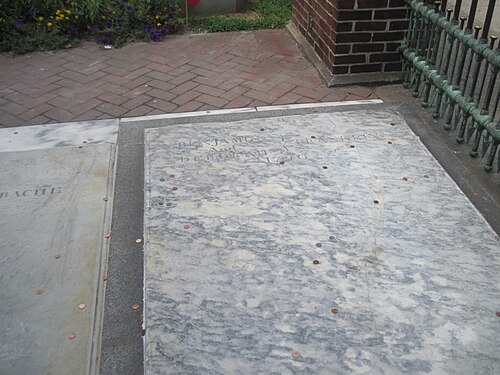
フランクリンは中年から老年期にかけて肥満に悩まされ、その結果、さまざまな健康問題を抱えるようになり、特に痛風は加齢とともに悪化した。 1787年にアメリカ合衆国憲法が署名された当時は健康状態が悪く、それ以降亡くなるまで公の場に姿を見せることはほとんどなかった。[要出典]
フランクリンは1790年4月17日、フィラデルフィアの自宅で胸膜炎の発作で亡くなった。[147 ] [148]死亡時の年齢は84歳だった。娘が、呼吸が楽になるように横向きに寝るようフランクリンに勧めた後、フランクリンは「死にゆく男は何も簡単にはできない」と娘に言ったと伝えられている。[149] [150]フランクリンの死については、ジョン・ポール・ジョーンズの記述を引用して『ベンジャミン・フランクリンの生涯』に記述されている。
... 痛みと呼吸困難が完全に消え、家族が彼の回復を期待していたとき、彼の肺に形成されていた屁が突然破裂し、大量の物質を排出した。彼は力が残っている間はそれを吐き続けたが、それが効かなくなると、呼吸器官が徐々に圧迫され、穏やかで無気力な状態が続いた。そして、その日(1790年4月)の夜11時頃、彼は静かに息を引き取り、84年3ヶ月の長く有意義な人生に幕を閉じた。[151]
フランクリンの葬儀には約2万人が参列し、その後、彼はフィラデルフィアのクライストチャーチ墓地に埋葬された。 [152] [153]彼の死を知ったフランス革命議会は3日間の喪に服し、フランクリンを偲んで国中で追悼式が行われた。[154]
1728年、22歳のフランクリンは、自分自身の墓碑銘となることを願って次のような文章を書きました。
B. フランクリン印刷所の遺体。古い本の表紙のように、中身は引き裂かれ、文字や金箔も剥がされて、虫の餌食になっている。しかし、作品が完全に失われることはない。彼が信じていたように、著者によって訂正・修正された、より完全な新しい版が再び現れるだろうからである。[155]
しかし、フランクリンの実際の墓には、彼の遺言書に記されているように、単に「ベンジャミンとデボラ・フランクリン」と刻まれている。[156]
発明と科学的探究
フランクリンは驚異的な発明家でした。彼の発明の中には避雷針、フランクリンストーブ、遠近両用眼鏡、フレキシブル尿道カテーテルなどがあります。彼は自分の発明を特許化することはありませんでした。自伝の中で彼はこう書いています。「... 他人の発明から大きな利益を得ているのだから、自分の発明で他人に貢献できる機会があれば喜ぶべきです。そして、これを自由に、そして寛大に行うべきです。」[157]
電気
_-_Benjamin_Franklin_Drawing_Electricity_from_the_Sky_-_Google_Art_Project.jpg/500px-Benjamin_West,_English_(born_America)_-_Benjamin_Franklin_Drawing_Electricity_from_the_Sky_-_Google_Art_Project.jpg)
フランクリンは、1740年代に、静電気を実演に使った巡回講師のアーチボルド・スペンサーと出会った後、電気現象の探究を始めた。[158]彼は、「ガラス質」電気と「樹脂質」電気は、(当時の電気の呼び方では)異なるタイプの「電気流体」ではなく、異なる圧力下にある同じ「流体」であると提唱した。(同じ提案は、同年、ウィリアム・ワトソンによって独立して行われた。)彼は、それらをそれぞれ正と負と名付けた最初の人物であり、これは、当時の「ガラス質」電気と「樹脂質」電気の区別に取って代わった。[159] [160] [161]また、彼は電荷保存の原理を発見した最初の人物でもある。[162] 1748年、彼は、 11枚のガラス板を鉛板で挟み、絹のコードで吊り下げ、電線で接続して、 「電気バッテリー」(ボルタの電池のような真のバッテリーではない)と呼んだ多重プレート コンデンサーを製作した。[163]
フランクリンは、1749年の春に、これまでの実験が「人類にとって何の役にも立たなかった」ことに「少し悔しい」と述べ、電気のより実用的な用途を模索し、実用的なデモンストレーションを計画した。彼は、七面鳥を電気ショックで殺し、電気串で焼くディナーパーティーを提案した。[163]この方法で七面鳥を何羽か調理した後、彼は「この方法で殺した鳥は、異常に柔らかい」と述べた。[164] [165]フランクリンは、これらの実験の1つで、ライデン瓶のペアでショックを受け、腕が一晩中しびれ続けたことを語り、「このような悪名高い失策を犯したことを恥じている」と述べた。[166]
フランクリンは、電気風呂の使用を含む電気療法について簡単に研究しました。この研究により、この分野は広く知られるようになりました。[167]電気に関する研究が認められ、 1753年に王立協会のコプリー賞を受賞し、1756年には18世紀アメリカ人で数少ない王立協会会員の一人となりました。電荷のCGS単位は彼にちなんで名付けられました。1フランクリン(Fr)は1スタットクーロンに相当します。
フランクリンは、1764年にハーバード大学ホールが火災で焼失し、元のコレクションが完全に失われた後、ハーバード大学に新しい電気実験室機器の購入を助言した。彼が集めたコレクションは後にハーバード歴史的科学機器コレクションの一部となり、現在は同大学のサイエンスセンターで一般公開されている。[168]
凧の実験と避雷針

フランクリンは、嵐の中で凧を揚げることで雷が電気であることを証明する実験の提案を発表しました。1752年5月10日、フランスのトーマス・フランソワ・ダリバードは、凧の代わりに高さ40フィート(12メートル)の鉄の棒を使用してフランクリンの実験を行い、雲から電気の火花を抽出しました。1752年6月15日、フランクリンはフィラデルフィアで有名な凧の実験を行い、雲から火花を抽出することに成功した可能性があります。彼は1752年10月19日の新聞「ペンシルバニア・ガゼット」で実験について説明しましたが、 [169] [170]自分で実行したことには触れていません。[171]この説明は12月21日に王立協会で読み上げられ、哲学論文集に掲載されました。[172]ジョセフ・プリーストリーは、1767年の「電気の歴史と現状」で追加の詳細を説明した説明を発表しました。フランクリンは感電の危険を避けるために、絶縁体の上に立ち、屋根の下で濡れないように注意していた。[173]ロシアのゲオルク・ヴィルヘルム・リヒマンなど他の研究者は、彼の実験の直後の数か月間に雷の実験を行っていた際に実際に感電死した。[174]
フランクリンは著作の中で、危険性を認識していたこと、そして電気接地の概念を用いることで雷が電気的であることを証明するための別の方法を提案したことを示している。彼はこの実験を、凧を揚げて雷に打たれるのを待つという、一般文学でよく描かれているような方法では行わなかった。それは危険だっただろうからである。[175]代わりに彼は凧を使って嵐の雲から電荷を集め、雷が電気的であることを示した。[176] 1752年10月19日、彼は実験を繰り返すよう指示するイギリスへの手紙の中でこう書いている。
雨が凧糸を濡らし、電気の火が自由に伝わるようになると、指の関節に近づくと鍵から水がたっぷりと流れ出るのを目にするでしょう。この鍵で小瓶またはライデン瓶に電気を注入することができます。こうして得られた電気の火から酒を点火し、通常はゴムガラス球または管を使って行われる他のすべての電気実験を行うことができます。したがって、電気物質と雷の物質の同一性が完全に実証されます。[176]
フランクリンの電気実験は避雷針の発明につながった。彼は、先端が滑らかな導体よりも鋭い[177]導体の方が、静かに、はるかに遠くまで放電できると述べた。彼は、この方法により建物を雷から守ることができると推測した。「錆びないように針のように鋭く、金メッキした垂直の鉄棒と、その棒の根元から建物の外側を通って地面に電線を通す。...これらの尖った棒は、雷が落ちてくる前に雲から静かに電気の火を吸い取り、それによって私たちをあの突然の恐ろしい災難から守ってくれるのではないか」。フランクリンの自宅での一連の実験の後、1752年にフィラデルフィアアカデミー(後のペンシルベニア大学)とペンシルベニア州議会議事堂(後の独立記念館)に避雷針が設置された。 [178]
人口調査
フランクリンは、人口統計学や人口研究という新興科学に大きな影響を与えた。 [179] 1730年代から1740年代にかけて、彼は人口増加についてメモを取り始め、アメリカの人口増加率が地球上で最も速いことを発見した。[180]人口増加は食糧供給に依存することを強調し、アメリカには食糧と利用可能な農地が豊富であることを主張した。彼は、アメリカの人口は20年ごとに倍増し、1世紀以内にイギリスの人口を上回ると計算した。[181] 1751年、彼は『人類の増加、諸国民の増加等に関する考察』を起草した。4年後、それはボストンで匿名で印刷され、すぐにイギリスで再出版され、経済学者アダム・スミスや後に人口統計学者トーマス・マルサスに影響を与えた。マルサスは、フランクリンを人口増加の法則を発見した人物と評価した。[182]フランクリンはイギリスの重商主義が持続不可能であると予測し、植民地に追い抜かれることを望まなかったイギリスの指導者たちを驚かせ、植民地経済に制限を課すことに積極的になった。[183]
カメン(1990)とドレイク(2011)は、フランクリンの『人類増加に関する観察』 (1755)はエズラ・スタイルズの『キリスト教連合に関する談話』(1760)と並んで18世紀英米人口学の代表的な著作であるとし、ドレイクはフランクリンの「幅広い読者層と予言的な洞察力」を高く評価している。[184] [185]フランクリンは1755年のエッセイに示されているように、奴隷人口学の研究の先駆者でもあった。[186]農民としての立場から、彼は価格統制、貿易制限、貧困者への補助金の悪影響について少なくとも1つの批判を書いた。これは1766年11月29日に発行されたロンドン・クロニクル紙への「穀物の価格と貧困者の管理について」と題された手紙に簡潔に残されている。[187]
海洋学
フランクリンは、副郵便局長として、北大西洋の循環パターンに興味を持つようになった。1768年にイギリスに滞在していたとき、彼は植民地関税局から苦情を聞いた。郵便を運ぶイギリスの郵便船がニューヨークに到着するまでに、平均的な商船がロードアイランド州ニューポートに到着するよりも数週間長くかかっていた。商船はロンドンから出発し、郵便船はコーンウォールのファルマスから出発するため、航海はより長く複雑だった。 [188]フランクリンは、ナンタケット島の捕鯨船の船長だった従兄弟のティモシー・フォルジャーにこの質問をした。フォルジャーは、商船は強い東向きの中央海流を日常的に避けていると彼に話した。郵便郵便船の船長は、その流れに真っ向から突っ込んで航海し、時速3マイル (5 km/h) の逆流と戦っていた。フランクリンはフォルジャーや他の経験豊富な船長と協力し、流れを図にしてそれをメキシコ湾流と名付けるのに十分な知識を得た。この流れは今日でもその名前で知られている。[189]
フランクリンは1770年にイギリスでメキシコ湾流の海図を出版したが、無視された。その後のバージョンは1778年にフランスで、1786年に米国で印刷された。イギリス版の海図は徹底的に無視されていたため、誰もが永遠に失われたと思っていたが、ウッズホールの海洋学者でメキシコ湾流の専門家であるフィル・リチャードソンが1980年にパリの国立図書館で発見した。 [190] [191]この発見はニューヨークタイムズの一面で報道された。[192]イギリスの船長がフランクリンの航海術に関するアドバイスを採用するまでには何年もかかった。採用してからは、航海時間を2週間短縮することができた。[193] [194] 1853年、海洋学者で地図製作者のマシュー・フォンテーヌ・モーリーは、フランクリンはメキシコ湾流を海図に記して体系化したが、発見したわけではないと述べている。
メキシコ湾流を初めて航海に利用したのはフランクリン博士とティム・フォルジャー船長であったが、メキシコ湾流の存在の発見は彼らのどちらによるものでもない。なぜなら、その存在は16世紀にピーター・マーティル・ダンギエラとサー・ハンフリー・ギルバートにも知られていたからである。 [195]
老齢のフランクリンは、海洋学に関する発見をすべて、 1786年に哲学協会の論文集『海洋観察』にまとめた。 [196]そこには、海錨、双胴船の船体、防水区画、船の避雷針、そして荒天でも安定するように設計されたスープボウル のアイデアが含まれていた。
理論と実験
フランクリンは、同時代のレオンハルト・オイラーとともに、クリスティアーン・ホイヘンスの光の波動説を支持した唯一の主要な科学者であったが、この説は科学界の他の人たちからは基本的に無視されていた。18世紀には、アイザック・ニュートンの粒子説が正しいとされていたが、 1803年のトーマス・ヤングの有名なスリット実験によって、ほとんどの科学者がホイヘンスの理論を信じるようになった。[197]
1743年10月21日、一般に信じられている伝説によれば、南西から嵐が移動してきたため、フランクリンは月食を観察する機会を逃した。彼は、予想に反して、卓越風が実際には北東から来ていることに気づいたと言われている。兄との手紙のやり取りで、ボストンはフィラデルフィアの北東にあるにもかかわらず、同じ嵐が日食の後までボストンに到達しなかったことを知った。彼は、嵐が常に卓越風の方向に移動するわけではないと推論し、この概念は気象学に大きな影響を与えた。[198] 1783年のアイスランドのラキ火山の噴火と、それに続く1784年のヨーロッパの厳しい冬の後、フランクリンは、一見別々の出来事のように見えるこの2つの因果関係について観察を行った。彼は一連の講演でそれらについて書いた。[199]
フランクリンは雷の実験で凧と結び付けられていることは有名ですが、凧を使って人や船を水路で引っ張ったことでも知られています。[200] ジョージ・ポコックは著書『凧または浮力のある帆による空中航行、または気泡航法に関する論文』[201]の中で、凧の力で体を牽引して水路を渡るベンジャミン・フランクリンにインスピレーションを受けたと述べています。
フランクリンは、非常に暑い日に、風に吹かれた濡れたシャツを着ている方が、乾いたシャツを着ているよりも涼しいことに気づき、冷却の原理に気づいた。この現象をより明確に理解するために、彼は実験を行った。1758年、イギリスのケンブリッジの暖かい日に、彼と同僚の科学者ジョン・ハドレーは、水銀温度計の球をエーテルで継続的に濡らし、ふいごを使ってエーテルを蒸発させる実験を行った。[202]その後の蒸発のたびに、温度計はより低い温度を示し、最終的に7°F(-14°C)に達した。別の温度計は、室温が65°F(18°C)で一定であることを示した。フランクリンは、手紙「蒸発による冷却」の中で、「暖かい夏の日に人が凍死する可能性もある」と述べている。[203]
1761年、フランクリンはメアリー・スティーブンソンに宛てた手紙の中で、色と熱吸収の関係についての実験について説明している。[204]彼は、暗い色の衣服は明るい色の衣服よりも日光にさらされると熱くなることを発見した。これは黒体 熱放射の初期の実証である。彼が行った実験の1つは、晴れた日に雪の中に様々な色の正方形の布を置くというものである。彼はしばらく待ってから、黒い布がすべての色の中で最も雪の中に沈むことを測定しました。これは、黒い布が最も熱くなり、最も多くの雪を溶かしたことを示していました。
マイケル・ファラデーによると、フランクリンの氷の非伝導性に関する実験は言及する価値があるが、液化が電解質に及ぼす一般的な影響の法則はフランクリンのものではない。[205]しかし、1836年にペンシルベニア大学のフランクリンの曾孫であるアレクサンダー・ダラス・バチェが報告したように、熱が本来は非伝導体である物体、例えばガラスの伝導に及ぼす影響の法則はフランクリンのものだと考えられる。フランクリンは次のように書いている。「... 一定量の熱は、本来伝導しない物体を良導体にする...」また、「... 水は本来良導体だが、氷に凍ると伝導性は低下する」[206]
フランクリンは船で旅をしていたとき、コックが油まみれの水を捨てると船の航跡が小さくなることに気づいた。彼はロンドンのクラパム・コモンにある大きな池でその効果を研究した。「私は油の入った小瓶を取り出して、その油を少し水に垂らした。小さじ一杯分にも満たない量だったが、数ヤード四方の空間を瞬時に静めた。」彼は後にこの技を使って「水を静める」ために「杖のくぼんだ部分に少し油を入れた」[207] 。
意思決定

1772年にジョセフ・プリーストリーに宛てた手紙の中で、フランクリンは賛否両論リスト[208]について最も古い記述を行っている。これは現在では意思決定バランスシートと呼ばれることもある一般的な意思決定手法である。
... my Way is, to divide half a Sheet of Paper by a Line into two Columns, writing over the one Pro, and over the other Con. Then during three or four Days Consideration I put down under the different Heads short Hints of the different Motives that at different Times occur to me for or against the Measure. When I have thus got them all together in one View, I endeavour to estimate their respective Weights; and where I find two, one on each side, that seem equal, I strike them both out: If I find a Reason pro equal to some two Reasons con, I strike out the three. If I judge some two Reasons con equal to some three Reasons pro, I strike out the five; and thus proceeding I find at length where the Ballance lies; and if after a Day or two of farther Consideration nothing new that is of Importance occurs on either side, I come to a Determination accordingly.[208]
Views on religion, morality, and slavery
_MET_DT2883.jpg/500px-Benjamin_Franklin_(1706%E2%80%931790)_MET_DT2883.jpg)


Like the other advocates of republicanism, Franklin emphasized that the new republic could survive only if the people were virtuous. All his life, he explored the role of civic and personal virtue, as expressed in Poor Richard's aphorisms. He felt that organized religion was necessary to keep men good to their fellow men, but rarely attended religious services himself.[209] When he met Voltaire in Paris and asked his fellow member of the Enlightenment vanguard to bless his grandson, Voltaire said in English, "God and Liberty," and added, "this is the only appropriate benediction for the grandson of Monsieur Franklin."[210]
Franklin's parents were both pious Puritans.[211] The family attended the Old South Church, the most liberal Puritan congregation in Boston, where Benjamin Franklin was baptized in 1706.[212] Franklin's father, a poor chandler, owned a copy of a book, Bonifacius: Essays to Do Good, by the Puritan preacher and family friend Cotton Mather, which Franklin often cited as a key influence on his life. "If I have been," Franklin wrote to Cotton Mather's son seventy years later, "a useful citizen, the public owes the advantage of it to that book."[213] His first pen name, Silence Dogood, paid homage both to the book and to a widely known sermon by Mather. The book preached the importance of forming voluntary associations to benefit society. Franklin learned about forming do-good associations from Mather, but his organizational skills made him the most influential force in making voluntarism an enduring part of the American ethos.[214]
Franklin formulated a presentation of his beliefs and published it in 1728.[215] He no longer accepted the key Puritan ideas regarding salvation, the divinity of Jesus, or indeed much religious dogma. He classified himself as a deist in his 1771 autobiography,[216] although he still considered himself a Christian.[217] He retained a strong faith in a God as the wellspring of morality and goodness in man, and as a Providential actor in history responsible for American independence.[218]
At a critical impasse during the Constitutional Convention in June 1787, he attempted to introduce the practice of daily common prayer with these words:
... In the beginning of the contest with G. Britain, when we were sensible of danger we had daily prayer in this room for the Divine Protection. Our prayers, Sir, were heard, and they were graciously answered. All of us who were engaged in the struggle must have observed frequent instances of a Superintending providence in our favor. ... And have we now forgotten that powerful friend? or do we imagine that we no longer need His assistance. I have lived, Sir, a long time and the longer I live, the more convincing proofs I see of this truth—that God governs in the affairs of men....I therefore beg leave to move—that henceforth prayers imploring the assistance of Heaven, and its blessings on our deliberations, be held in this Assembly every morning before we proceed to business, and that one or more of the Clergy of this City be requested to officiate in that service.[219]
The motion gained almost no support and was never brought to a vote.[220]
Franklin was an enthusiastic admirer of the evangelical minister George Whitefield during the First Great Awakening. He did not himself subscribe to Whitefield's theology, but he admired Whitefield for exhorting people to worship God through good works. He published all of Whitefield's sermons and journals, thereby earning a lot of money and boosting the Great Awakening.[221]
When he stopped attending church, Franklin wrote in his autobiography:
... Sunday being my studying day, I never was without some religious principles. I never doubted, for instance, the existence of the Deity; that He made the world, and governed it by His providence; that the most acceptable service of God was the doing good to man; that our souls are immortal; and that all crime will be punished, and virtue rewarded, either here or hereafter.[222][223]
Franklin retained a lifelong commitment to the non-religious Puritan virtues and political values he had grown up with, and through his civic work and publishing, he succeeded in passing these values into the American culture permanently. He had a "passion for virtue."[224] These Puritan values included his devotion to egalitarianism, education, industry, thrift, honesty, temperance, charity and community spirit.[225] Thomas Kidd states, "As an adult, Franklin touted ethical responsibility, industriousness, and benevolence, even as he jettisoned Christian orthodoxy."[226]
The classical authors read in the Enlightenment period taught an abstract ideal of republican government based on hierarchical social orders of king, aristocracy and commoners. It was widely believed that English liberties relied on their balance of power, but also hierarchal deference to the privileged class.[227] "Puritanism ... and the epidemic evangelism of the mid-eighteenth century, had created challenges to the traditional notions of social stratification"[228] by preaching that the Bible taught all men are equal, that the true value of a man lies in his moral behavior, not his class, and that all men can be saved.[228] Franklin, steeped in Puritanism and an enthusiastic supporter of the evangelical movement, rejected the salvation dogma but embraced the radical notion of egalitarian democracy.[citation needed]
Franklin's commitment to teach these values was itself something he gained from his Puritan upbringing, with its stress on "inculcating virtue and character in themselves and their communities."[229] These Puritan values and the desire to pass them on, were one of his quintessentially American characteristics and helped shape the character of the nation. Max Weber considered Franklin's ethical writings a culmination of the Protestant ethic, which ethic created the social conditions necessary for the birth of capitalism.[230]
One of his notable characteristics was his respect, tolerance and promotion of all churches. Referring to his experience in Philadelphia, he wrote in his autobiography, "new Places of worship were continually wanted, and generally erected by voluntary Contribution, my Mite for such purpose, whatever might be the Sect, was never refused."[222] "He helped create a new type of nation that would draw strength from its religious pluralism."[231] The evangelical revivalists who were active mid-century, such as Whitefield, were the greatest advocates of religious freedom, "claiming liberty of conscience to be an 'inalienable right of every rational creature.'"[232] Whitefield's supporters in Philadelphia, including Franklin, erected "a large, new hall, that ... could provide a pulpit to anyone of any belief."[233] Franklin's rejection of dogma and doctrine and his stress on the God of ethics and morality and civic virtue made him the "prophet of tolerance."[231] He composed "A Parable Against Persecution," an apocryphal 51st chapter of Genesis in which God teaches Abraham the duty of tolerance.[234] While he was living in London in 1774, he was present at the birth of British Unitarianism, attending the inaugural session of the Essex Street Chapel, at which Theophilus Lindsey drew together the first avowedly Unitarian congregation in England; this was somewhat politically risky and pushed religious tolerance to new boundaries, as a denial of the doctrine of the Trinity was illegal until the 1813 Act.[235]
Although his parents had intended for him a career in the church,[19] Franklin as a young man adopted the Enlightenment religious belief in deism, that God's truths can be found entirely through nature and reason,[236] declaring, "I soon became a thorough Deist."[237] He rejected Christian dogma in a 1725 pamphlet A Dissertation on Liberty and Necessity, Pleasure and Pain,[238] which he later saw as an embarrassment,[239] while simultaneously asserting that God is "all wise, all good, all powerful."[239] He defended his rejection of religious dogma with these words: "I think opinions should be judged by their influences and effects; and if a man holds none that tend to make him less virtuous or more vicious, it may be concluded that he holds none that are dangerous, which I hope is the case with me." After the disillusioning experience of seeing the decay in his own moral standards, and those of two friends in London whom he had converted to deism, Franklin decided that deism was true but it was not as useful in promoting personal morality as were the controls imposed by organized religion.[240] Ralph Frasca contends that in his later life he can be considered a non-denominational Christian, although he did not believe Christ was divine.[241]
In a major scholarly study of his religion, Thomas Kidd argues that Franklin believed that true religiosity was a matter of personal morality and civic virtue. Kidd says Franklin maintained his lifelong resistance to orthodox Christianity while arriving finally at a "doctrineless, moralized Christianity."[242] According to David Morgan,[243] Franklin was a proponent of "generic religion." He prayed to "Powerful Goodness" and referred to God as "the infinite." John Adams noted that he was a mirror in which people saw their own religion: "The Catholics thought him almost a Catholic. The Church of England claimed him as one of them. The Presbyterians thought him half a Presbyterian, and the Friends believed him a wet Quaker." Adams himself decided that Franklin best fit among the "Atheists, Deists, and Libertines."[244] Whatever else Franklin was, concludes Morgan, "he was a true champion of generic religion." In a letter to Richard Price, Franklin states that he believes religion should support itself without help from the government, claiming, "When a Religion is good, I conceive that it will support itself; and, when it cannot support itself, and God does not take care to support, so that its Professors are oblig'd to call for the help of the Civil Power, it is a sign, I apprehend, of its being a bad one."[245]
In 1790, just about a month before he died, Franklin wrote a letter to Ezra Stiles, president of Yale University, who had asked him his views on religion:
As to Jesus of Nazareth, my Opinion of whom you particularly desire, I think the System of Morals and his Religion, as he left them to us, the best the world ever saw or is likely to see; but I apprehend it has received various corrupt changes, and I have, with most of the present Dissenters in England, some Doubts as to his divinity; tho' it is a question I do not dogmatize upon, having never studied it, and I think it needless to busy myself with it now, when I expect soon an Opportunity of knowing the Truth with less Trouble. I see no harm, however, in its being believed, if that belief has the good consequence, as it probably has, of making his doctrines more respected and better observed; especially as I do not perceive that the Supreme takes it amiss, by distinguishing the unbelievers in his government of the world with any particular marks of his displeasure.[23]
On July 4, 1776, Congress appointed a three-member committee composed of Franklin, Jefferson, and Adams to design the Great Seal of the United States. Franklin's proposal (which was not adopted) featured the motto: "Rebellion to Tyrants is Obedience to God" and a scene from the Book of Exodus he took from the frontispiece of the Geneva Bible,[246] with Moses, the Israelites, the pillar of fire, and George III depicted as pharaoh.
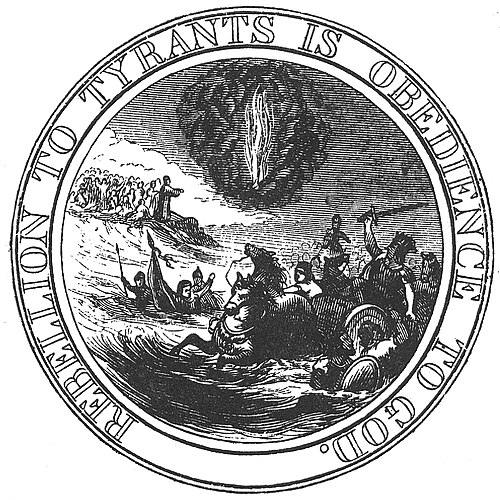
The design that was produced was not acted upon by Congress, and the Great Seal's design was not finalized until a third committee was appointed in 1782.[247][248]
Franklin strongly supported the right to freedom of speech:
In those wretched countries where a man cannot call his tongue his own, he can scarce call anything his own. Whoever would overthrow the liberty of a nation must begin by subduing the freeness of speech ... Without freedom of thought there can be no such thing as wisdom, and no such thing as public liberty without freedom of speech, which is the right of every man ...
— Silence Dogood no. 8, 1722[249]
Thirteen Virtues

Franklin sought to cultivate his character by a plan of 13 virtues, which he developed at age 20 (in 1726) and continued to practice in some form for the rest of his life. His autobiography lists his 13 virtues as:[250]
- Temperance. Eat not to dullness; drink not to elevation."
- Silence. Speak not but what may benefit others or yourself; avoid trifling conversation."
- Order. Let all your things have their places; let each part of your business have its time.
- Resolution. Resolve to perform what you ought; perform without fail what you resolve.
- Frugality. Make no expense but to do good to others or yourself; i.e., waste nothing.
- Industry. Lose no time; be always employ'd in something useful; cut off all unnecessary actions.
- Sincerity. Use no hurtful deceit; think innocently and justly, and, if you speak, speak accordingly.
- Justice. Wrong none by doing injuries, or omitting the benefits that are your duty.
- Moderation. Avoid extremes; forbear resenting injuries so much as you think they deserve.
- Cleanliness. Tolerate no uncleanliness in body, clothes, or habitation.
- Tranquility. Be not disturbed at trifles, or at accidents common or unavoidable.
- Chastity. Rarely use venery but for health or offspring, never to dullness, weakness, or the injury of your own or another's peace or reputation.
- Humility. Imitate Jesus and Socrates.
Franklin did not try to work on them all at once. Instead, he worked on only one each week "leaving all others to their ordinary chance." While he did not adhere completely to the enumerated virtues, and by his own admission he fell short of them many times, he believed the attempt made him a better man, contributing greatly to his success and happiness, which is why in his autobiography, he devoted more pages to this plan than to any other single point and wrote, "I hope, therefore, that some of my descendants may follow the example and reap the benefit."[251]
Slavery
Franklin's views and practices concerning slavery evolved over the course of his life. In his early years, Franklin owned seven slaves, including two men who worked in his household and his shop, but in his later years became an adherent of abolition.[252][253] A revenue stream for his newspaper was paid ads for the sale of slaves and for the capture of runaway slaves and Franklin allowed the sale of slaves in his general store. He later became an outspoken critic of slavery. In 1758, he advocated the opening of a school for the education of black slaves in Philadelphia.[254] He took two slaves to England with him, Peter and King. King escaped with a woman to live in the outskirts of London,[255] and by 1758 he was working for a household in Suffolk.[256] After returning from England in 1762, Franklin became notably more abolitionist in nature, attacking American slavery. In the wake of Somerset v Stewart, he voiced frustration at British abolitionists:
O Pharisaical Britain! to pride thyself in setting free a single Slave that happens to land on thy coasts, while thy Merchants in all thy ports are encouraged by thy laws to continue a commerce whereby so many hundreds of thousands are dragged into a slavery that can scarce be said to end with their lives, since it is entailed on their posterity![257][258]
Franklin refused to publicly debate the issue of slavery at the 1787 Constitutional Convention.[259]
At the time of the American founding, there were about half a million slaves in the United States, mostly in the five southernmost states, where they made up 40% of the population. Many of the leading American founders – most notably Thomas Jefferson, George Washington, and James Madison – owned slaves, but many others did not. Benjamin Franklin thought that slavery was "an atrocious debasement of human nature" and "a source of serious evils." In 1787, Franklin and Benjamin Rush helped write a new constitution for the Pennsylvania Society for Promoting the Abolition of Slavery,[260] and that same year Franklin became president of the organization.[261] In 1790, Quakers from New York and Pennsylvania presented their petition for abolition to Congress. Their argument against slavery was backed by the Pennsylvania Abolitionist Society.[262]
In his later years, as Congress was forced to deal with the issue of slavery, Franklin wrote several essays that stressed the importance of the abolition of slavery and of the integration of African Americans into American society. These writings included:
- An Address to the Public (1789)
- A Plan for Improving the Condition of the Free Blacks (1789)
- Sidi Mehemet Ibrahim on the Slave Trade (1790)[263]
Vegetarianism
Franklin became a vegetarian when he was a teenager apprenticing at a print shop, after coming upon a book by the early vegetarian advocate Thomas Tryon.[264] In addition, he would have also been familiar with the moral arguments espoused by prominent vegetarian Quakers in the colonial-era Province of Pennsylvania, including Benjamin Lay and John Woolman. His reasons for vegetarianism were based on health, ethics, and economy:
When about 16 years of age, I happen'd to meet with a book written by one Tryon, recommending a vegetable diet. I determined to go into it ... [By not eating meat] I presently found that I could save half what [my brother] paid me. This was an additional fund for buying books: but I had another advantage in it ... I made the greater progress from that greater clearness of head and quicker apprehension which usually attend temperance in eating and drinking.[265]
Franklin also declared the consumption of meat to be "unprovoked murder."[266] Despite his convictions, he began to eat fish after being tempted by fried cod on a boat sailing from Boston, justifying the eating of animals by observing that the fish's stomach contained other fish. Nonetheless, he recognized the faulty ethics in this argument[267] and would continue to be a vegetarian on and off. He was "excited" by tofu, which he learned of from the writings of a Spanish missionary to Southeast Asia, Domingo Fernández Navarrete. Franklin sent a sample of soybeans to prominent American botanist John Bartram and had previously written to British diplomat and Chinese trade expert James Flint inquiring as to how tofu was made,[268] with their correspondence believed to be the first documented use of the word "tofu" in the English language.[269]
Franklin's "Second Reply to Vindex Patriae," a 1766 letter advocating self-sufficiency and less dependence on England, lists various examples of the bounty of American agricultural products, and does not mention meat.[268] Detailing new American customs, he wrote that, "[t]hey resolved last spring to eat no more lamb; and not a joint of lamb has since been seen on any of their tables ... the sweet little creatures are all alive to this day, with the prettiest fleeces on their backs imaginable."[270]
View on inoculation
The concept of preventing smallpox by variolation was introduced to colonial America by an African slave named Onesimus via his owner Cotton Mather in the early eighteenth century, but the procedure was not immediately accepted. James Franklin's newspaper carried articles in 1721[271] that vigorously denounced the concept.[272]
However, by 1736 Benjamin Franklin was known as a supporter of the procedure. Therefore, when four-year-old "Franky" died of smallpox, opponents of the procedure circulated rumors that the child had been inoculated, and that this was the cause of his subsequent death. When Franklin became aware of this gossip, he placed a notice in the Pennsylvania Gazette, stating: "I do hereby sincerely declare, that he was not inoculated, but receiv'd the Distemper in the common Way of Infection ... I intended to have my Child inoculated." The child had a bad case of flux diarrhea, and his parents had waited for him to get well before having him inoculated. Franklin wrote in his Autobiography: "In 1736 I lost one of my sons, a fine boy of four years old, by the small-pox, taken in the common way. I long regretted bitterly, and still regret that I had not given it to him by inoculation. This I mention for the sake of parents who omit that operation, on the supposition that they should never forgive themselves if a child died under it; my example showing that the regret may be the same either way, and that, therefore, the safer should be chosen."[273]
Interests and activities
Musical endeavors
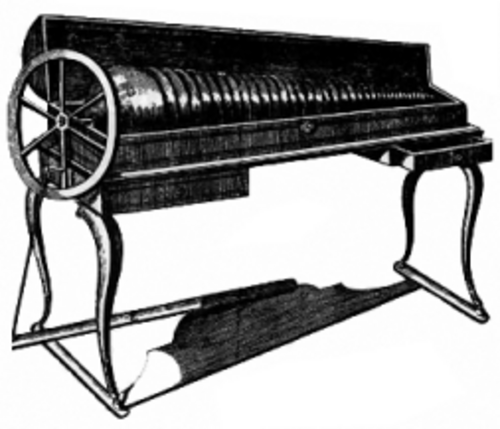
Franklin is known to have played the violin, the harp, and the guitar. He also composed music, notably a string quartet in early classical style.[274] While he was in London, he developed a much-improved version of the glass harmonica, in which the glasses rotate on a shaft, with the player's fingers held steady, instead of the other way around. He worked with the London glassblower Charles James to create it, and instruments based on his mechanical version soon found their way to other parts of Europe.[275] Joseph Haydn, a fan of Franklin's enlightened ideas, had a glass harmonica in his instrument collection.[276] Mozart composed for Franklin's glass harmonica,[277] as did Beethoven.[278][279] Gaetano Donizetti used the instrument in the accompaniment to Amelia's aria "Par che mi dica ancora" in the tragic opera Il castello di Kenilworth (1821),[280] as did Camille Saint-Saëns in his 1886 The Carnival of the Animals.[281] Richard Strauss calls for the glass harmonica in his 1917 Die Frau ohne Schatten,[277] and numerous other composers used Franklin's instrument as well.[citation needed]
Chess

Franklin was an avid chess player. He was playing chess by around 1733, making him the first chess player known by name in the American colonies.[282] His essay on "The Morals of Chess" in Columbian Magazine in December 1786 is the second known writing on chess in America.[282] This essay in praise of chess and prescribing a code of behavior for the game has been widely reprinted and translated.[283][284][285][286] He and a friend used chess as a means of learning the Italian language, which both were studying; the winner of each game between them had the right to assign a task, such as parts of the Italian grammar to be learned by heart, to be performed by the loser before their next meeting.[287]
Franklin was able to play chess more frequently against stronger opposition during his many years as a civil servant and diplomat in England, where the game was far better established than in America. He was able to improve his playing standard by facing more experienced players during this period. He regularly attended Old Slaughter's Coffee House in London for chess and socializing, making many important personal contacts. While in Paris, both as a visitor and later as ambassador, he visited the famous Café de la Régence, which France's strongest players made their regular meeting place. No records of his games have survived, so it is not possible to ascertain his playing strength in modern terms.[288]
Franklin was inducted into the U.S. Chess Hall of Fame in 1999.[282] The Franklin Mercantile Chess Club in Philadelphia, the second oldest chess club in the U.S., is named in his honor.[289]
Legacy
| Designations | |
|---|---|
| Official name | Benjamin Franklin (1706–1790) |
| Type | City |
| Criteria | Government & Politics, Government & Politics 18th Century, Invention, Science & Medicine, Professions & Vocations, Publishing & Journalism, Writers |
| Designated | June 30, 1990[290] |
| Location | Chestnut St. between 3rd & 4th Sts., at Nat'l. Liberty Mus., Philadelphia 39°56′56″N 75°08′49″W / 39.94881°N 75.14683°W / 39.94881; -75.14683 |
| Marker Text | Printer, author, inventor, diplomat, philanthropist, statesman, and scientist. The eighteenth century's most illustrious Pennsylvanian built a house in Franklin Court starting in 1763, and here he lived the last five years of his life. |
Bequest

Franklin bequeathed £1,000 (about $4,400 at the time, or about $125,000 in 2021 dollars[291]) each to the cities of Boston and Philadelphia, in trust to gather interest for 200 years. The trust began in 1785 when the French mathematician Charles-Joseph Mathon de la Cour, who admired Franklin greatly, wrote a friendly parody of Franklin's Poor Richard's Almanack called Fortunate Richard. The main character leaves a smallish amount of money in his will, five lots of 100 livres, to collect interest over one, two, three, four or five full centuries, with the resulting astronomical sums to be spent on impossibly elaborate utopian projects.[292] Franklin, who was 79 years old at the time, wrote thanking him for a great idea and telling him that he had decided to leave a bequest of 1,000 pounds each to his native Boston and his adopted Philadelphia.
By 1990, more than $2,000,000 (~$4.12 million in 2023) had accumulated in Franklin's Philadelphia trust, which had loaned the money to local residents. From 1940 to 1990, the money was used mostly for mortgage loans. When the trust came due, Philadelphia decided to spend it on scholarships for local high school students. Franklin's Boston trust fund accumulated almost $5,000,000 during that same time; at the end of its first 100 years a portion was allocated to help establish a trade school that became the Franklin Institute of Boston, and the entire fund was later dedicated to supporting this institute.[293][294]
In 1787, a group of prominent ministers in Lancaster, Pennsylvania, proposed the foundation of a new college named in Franklin's honor. Franklin donated £200 towards the development of Franklin College (now called Franklin & Marshall College).[295]
Likeness and image
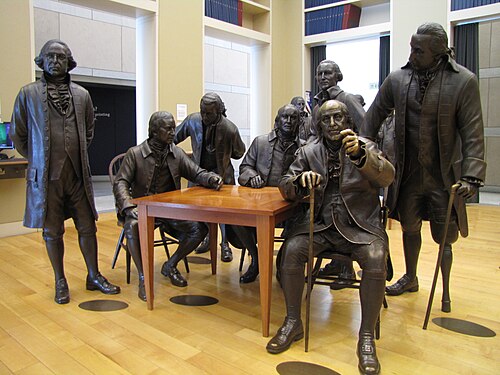
As the only person to have signed the Declaration of Independence in 1776, Treaty of Alliance with France in 1778, Treaty of Paris in 1783, and U.S. Constitution in 1787, Franklin is considered one of the leading Founding Fathers of the United States. His pervasive influence in the early history of the nation has led to his being jocularly called "the only president of the United States who was never president of the United States."[296]
Franklin's likeness is ubiquitous. Since 1914, it has adorned American $100 bills. From 1948 to 1963, Franklin's portrait was on the half-dollar.[297] He has appeared on a $50 bill and on several varieties of the $100 bill from 1914 and 1918.[298] Franklin also appears on the $1,000 Series EE savings bond.[299]
On April 12, 1976, as part of a bicentennial celebration, Congress dedicated a 20-foot (6 m) tall marble statue in Philadelphia's Franklin Institute as the Benjamin Franklin National Memorial. Vice President Nelson Rockefeller presided over the dedication ceremony.[300] Many of Franklin's personal possessions are on display at the institute. In London, his house at 36 Craven Street, which is the only surviving former residence of Franklin, was first marked with a blue plaque and has since been opened to the public as the Benjamin Franklin House.[301] In 1998, workmen restoring the building dug up the remains of six children and four adults hidden below the home. A total of 15 bodies have been recovered.[302] The Friends of Benjamin Franklin House (the organization responsible for the restoration) note that the bones were likely placed there by William Hewson, who lived in the house for two years and who had built a small anatomy school at the back of the house. They note that while Franklin likely knew what Hewson was doing, he probably did not participate in any dissections because he was much more of a physicist than a medical man.[303]
He has been honored on U.S. postage stamps many times. The image of Franklin, the first postmaster general of the United States, occurs on the face of U.S. postage more than any other notable American save that of George Washington.[304] He appeared on the first U.S. postage stamp issued in 1847. From 1908 through 1923, the U.S. Post Office issued a series of postage stamps commonly referred to as the Washington–Franklin Issues, in which Washington and Franklin were depicted many times over a 14-year period, the longest run of any one series in U.S. postal history. However, he only appears on a few commemorative stamps. Some of the finest portrayals of Franklin on record can be found on the engravings inscribed on the face of U.S. postage.[304]

Franklin has appeared on the United States $100 bill since 1914.
Examples of Franklin on U. S. Postage
See also
- Benjamin Franklin in popular culture
- Benjamin Franklin on postage stamps
- Bibliography of early American publishers and printers
- Founders Online database of Franklin's papers
- Franklin's electrostatic machine
- Fugio Cent, 1787 coin designed by Franklin
- List of early American publishers and printers
- List of opponents of slavery
- List of richest Americans in history
- The Papers of Benjamin Franklin
Notes
- ^ a b c Contemporary records, which used the Julian calendar and the Annunciation Style of enumerating years, recorded his birth as January 6, 1705.[16][17]
- ^ According to Professor Zara Anishanslin.
- ^ Portraits of Franklin at this time often contained an inscription, the best known being Turgot's acclamation, "Eripuit fulmen coelo sceptrumque tyrannis." (He snatched the lightning from the skies and the scepter from the tyrants.) Historian Friedrich Christoph Schlosser remarked at the time, with ample hyperbole, that "Such was the number of portraits, busts and medallions of him in circulation before he left Paris, that he would have been recognized from them by any adult citizen in any part of the civilized world." – Chisholm, Hugh, ed. (1911). . Encyclopædia Britannica (11th ed.). Cambridge University Press.
References
- ^ a b Encyclopædia Britannica, Wood, 2021
- ^ Morris, Richard B. (1973). Seven Who Shaped Our Destiny: The Founding Fathers as Revolutionaries. New York: Harper & Row. pp. 1, 5–30. ISBN 978-0-06-090454-8.
- ^ Brands, H.W. (2010). The First American: The Life and Times of Benjamin Franklin. Knopf Doubleday Publishing. p. 390. ISBN 978-0-307-75494-3.
- ^ Goodrich, Charles A. (1829). Lives of the Signers to the Declaration of Independence. W. Reed & Company. p. 267. Retrieved June 7, 2013.
- ^ "William Goddard and the Constitutional Post". Smithsonian National Postal Museum. Retrieved October 19, 2010.
- ^ "Benjamin Franklin, Postmaster General" (PDF). United States Postal Service. Archived (PDF) from the original on October 9, 2022. Retrieved May 29, 2021.
- ^ Nash, 2006, pp. 618–638.
- ^ Franklin Institute, Essay
- ^ Burt, Nathaniel (1999). The Perennial Philadelphians: The Anatomy of an American Aristocracy. University of Pennsylvania Press. p. 142. ISBN 978-0-8122-1693-6.
- ^ a b Isaacson, 2004, p. [page needed]
- ^ Isaacson, 2004, pp. 491–492.
- ^ "To the Genius of Franklin". Philadelphia Museum of Art.
- ^ Huang, Nian-Sheng (2000). "Franklin's Father Josiah: Life of a Colonial Boston Tallow Chandler, 1657–1745". Transactions of the American Philosophical Society. 90 (3): i–155. doi:10.2307/1586007. ISSN 0065-9746. JSTOR 1586007.
- ^ Isaacson, 2004, p. 14.
- ^ "Nantucket lands and landowners". Library of Congress, Washington, D.C. 20540 USA. Retrieved May 13, 2024.
- ^ Mulford, Carla, ed. (2009). The Cambridge Companion to Benjamin Franklin. Cambridge University Press. p. xiv. ISBN 9781139828123.
- ^ Wood, Gordon S. (2005). The Americanization of Benjamin Franklin. Penguin Press. p. 17. ISBN 9780143035282.
- ^ Isaacson, 2004, p. 16.
- ^ a b Franklin, Benjamin (1901) [1771]. "Introduction". Autobiography of Benjamin Franklin. Macmillan's pocket English and American classics. New York: Macmillan. p. vi. ISBN 9780758302939. Retrieved February 1, 2011.
- ^ Bernhard, J. (2007). Porcupine, Picayune, & Post: How Newspapers Get Their Names. EBL-Schweitzer. University of Missouri Press. p. 11. ISBN 978-0-8262-6601-9. Retrieved June 1, 2023.
- ^ Isaacson, 2004, p. 32.
- ^ Seelye, J.E.; Selby, S. (2018). Shaping North America: From Exploration to the American Revolution [3 volumes]. ABC-CLIO. p. 394. ISBN 978-1-4408-3669-5. Retrieved June 1, 2023.
- ^ a b c d e f Carl Van Doren, Benjamin Franklin. (1938).[page needed]
- ^ On; Mumford, Michael D. (2002). "Social innovation: ten cases from Benjamin Franklin". Creativity Research Journal. 14 (2): 253–266. doi:10.1207/S15326934CRJ1402_11. S2CID 143550175.
- ^ David Waldstreicher, ed., A Companion to Benjamin Franklin (2011) p. 30.
- ^ J. A. Leo Lemay, The Life of Benjamin Franklin, Volume 2: Printer and publisher, 1730–1747 (2005) pp. 92–94, 123.
- ^ Murray, Stuart A.P. (2009). The library: an illustrated history. New York: Skyhorse Pub. p. 147. ISBN 978-1-60239-706-4.
- ^ Korty, Margaret Barton (1965). "Benjamin Franklin and Eighteenth-Century American Libraries". Transactions of the American Philosophical Society. 55 (9): 1–83. doi:10.2307/1006049. JSTOR 1006049.
- ^ "German Newspapers in the US and Canada". Archived from the original on September 12, 2016. Retrieved October 7, 2014.
- ^ Frantz, John B. (1998). "Franklin and the Pennsylvania Germans". Pennsylvania History: 21–34.[permanent dead link]
- ^ Philip, Gleason (2000). "Trouble in the Colonial Melting Pot". Journal of American Ethnic History. 20 (1): 3–17. doi:10.2307/27502642. JSTOR 27502642. S2CID 254480258.
- ^ Frasca, Ralph (1997). "Benjamin Franklin's Journalism". Fides et Historia. 29 (1): 60–72.
- ^ Ralph Frasca, Benjamin Franklin's Printing Network: Disseminating Virtue in Early America (University of Missouri Press, 2006) doi:10.1111/j.1540-6563.2007.00197_16.x online review by Robert Middlekauff.
- ^ "Vol. 15. Colonial and Revolutionary Literature; Early National Literature, Part I. The Cambridge History of English and American Literature: An Encyclopedia in Eighteen Volumes. 1907–21". www.bartleby.com.
- ^ Cook, Colonial and Revolutionary Literature; Early National Literature, Part I. Colonial Newspapers and Magazines, 1704–1775 (1917)[page needed]
- ^ Ralph Frasca, Benjamin Franklin's Printing Network: Disseminating Virtue in Early America (2006) pp. 19, 196.
- ^ Baker, Ira L. (1977). "Elizabeth Timothy: America's First Woman Editor". Journalism Quarterly. 54 (2): 280–85. doi:10.1177/107769907705400207. S2CID 143677057.
- ^ Ralph Frasca, "'The Partnership at Carolina Having succeeded, was Encourag'd to Engage in Others': The Genesis of Benjamin Franklin's Printing Network", Southern Studies: An Interdisciplinary Journal of the South (2006), Vol. 13 Issue 1/2, pp. 1–23.
- ^ Smith, Jeffery A. (1993). "Impartiality and Revolutionary Ideology: Editorial Policies of the 'South-Carolina Gazette,' 1732–1735". Journal of Southern History. 49 (4): 511–26. doi:10.2307/2208674. JSTOR 2208674.
- ^ Frasca, Ralph (2003). "'I am now about to establish a small Printing Office ... at Newhaven': Benjamin Franklin and the First Newspaper in Connecticut". Connecticut History. 44 (1): 77–87. doi:10.2307/44369668. JSTOR 44369668. S2CID 254488378.
- ^ Frasca, Benjamin Franklin's Printing Network, pp. 161–167.
- ^ The History Channel, Mysteries of the Freemasons: America, video documentary, August 1, 2006, written by Noah Nicholas and Molly Bedell
- ^ a b "Freemasonry Grand Lodge of British Columbia and Yukon website". Freemasonry.bcy.ca. Retrieved September 21, 2009.
- ^ Anderson, James; Franklin, Benjamin; Royster, Paul (January 1, 1734). "The Constitutions of the Free-Masons (1734). An Online Electronic Edition". UNL Libraries: Faculty Publications.
- ^ "Founders Online: A Defense of Conduct, 15 February 1738". founders.archives.gov. Retrieved January 17, 2024.
- ^ says, Brother Hogarth (May 16, 2020). "Incredible History: Ben Franklin, Fake Masonry, and Accidental Death". Forthright. Retrieved January 17, 2024.
- ^ Van Horne, John C. "The History and Collections of the Library Company of Philadelphia", The Magazine Antiques, v. 170. no. 2: 58–65 (1971).
- ^ Lemay, Leo (2014) [2004]. "Franklin, Benjamin (1706–1790)". Oxford Dictionary of National Biography (online ed.). Oxford University Press. doi:10.1093/ref:odnb/52466. (Subscription or UK public library membership required.)
- ^ a b Chylinska, Bozenna (January 2015). "The Colonial American Working Wife and Her Dear and Loving Husband Absent upon Some Employment: Deborah and Benjamin Franklin's Married Life" (PDF). Polish Journal for American Studies. 9. Archived from the original (PDF) on June 29, 2024. Retrieved May 4, 2024.
- ^ "Deborah Read". Constitutional Law Reporter. November 28, 2018. Retrieved May 4, 2024.
- ^ Tise, Larry E. (2000). Benjamin Franklin and women. University Park, Pa.: Pennsylvania State University Press. ISBN 0585382778. OCLC 49414692.
- ^ Coss, Stephen (September 2017). "What Led Benjamin Franklin to Live Estranged From His Wife for Nearly Two Decades?". Smithsonian.
- ^ November 1769 Letter Archived June 15, 2018, at the Wayback Machine from Deborah Read to Ben Franklin, franklinpapers.org
- ^ Coss, Stephen (September 2017). "What Led Benjamin Franklin to Live Estranged From His Wife for Nearly Two Decades?". Smithsonian. Retrieved February 26, 2021.
- ^ Skemp SL. William Franklin: Son of a Patriot, Servant of a King, Oxford University Press US, 1990, ISBN 0-19-505745-7, p. 4.
- ^ "William Temple Franklin Papers". American Philosophical Society. Archived from the original on May 7, 2009. Retrieved February 9, 2020.
- ^ Skemp, Sheila L. (1985). "William Franklin: His Father's Son". Pennsylvania Magazine of History and Biography. 109 (2): 145–178.
- ^ "Franklin, William". Info Please. The Columbia Electronic Encyclopedia. Retrieved February 9, 2020.
- ^ Fleming, Thomas, The Perils of Peace: America's Struggle for Survival, (Collins, New York, 2007) p. 30.
- ^ Fleming, p. 236.
- ^ "Poor Richard's Almanack – Benjamin Franklin Historical Society". Retrieved December 23, 2023.
- ^ "Benjamin Franklin – Biography and Literary Works of Benjamin Franklin". Literary Devices. August 20, 2014. Retrieved February 7, 2022.
- ^ Van Doren 1938, p. 109.
- ^ Carl Japikse, ed. (2003). Fart Proudly: Writings of Benjamin Franklin You Never Read in School. Frog Books. p. 8. ISBN 978-1-58394-079-2.
- ^ "Franklin in Portraits: Robert Feke". Benjamin Franklin House.
- ^ "Franklin in Portraits: Robert Feke [CC]". YouTube. March 12, 2021.
- ^ John Kenneth Galbraith. (1975). Money: Where It Came, Whence It Went, pp. 54–54. Houghton Mifflin Company.
- ^ Montgomery, Thomas Harrison (1900). A History of the University of Pennsylvania from Its Foundation to A.D. 1770. Philadelphia: George W. Jacobs & Co. LCCN 00003240.
- ^ The Early Years: The Charity School, Academy and College of Philadelphia Archived February 5, 2012, at the Wayback Machine at the University of Pennsylvania Archives, 1972.
- ^ Dorwart, Jeffery (1998). Fort Mifflin of Philadelphia: An Illustrated History. University of Pennsylvania Press. pp. 9–11. ISBN 978-0-8122-1644-8.
- ^ Kyriakodis, Harry (2011). "16. At Washington Avenue". Philadelphia's Lost Waterfront. The History Press. p. 114. ISBN 978-1-62584-188-9.
- ^ James N. Green, "English Books and Printing in the Age of Franklin", in The Colonial Book in the Atlantic World (2002), 257.
- ^ "IN THE BEGINNING – The Story of the Creation of the Nation's First Hospital". Penn Medicine. Archived from the original on October 15, 2002. Retrieved August 22, 2021.
- ^ Landers, Jackson (September 27, 2016). "In the Early 19th Century, Firefighters Fought Fires ... and Each Other". Smithsonian. Smithsonian Institution. Retrieved December 10, 2017.
- ^ McGuire, Virginia (May 3, 2013). "What Are Those Little Shields Above the Doorways of Philadelphia Homes?". Philadelphia. Metrocorp Publishing. Retrieved December 10, 2017.
- ^ Olsen 2013, p. 174.
- ^ Smith, Horace Wemyss, The Life and Correspondence of the Rev. Wm. Smith, D.D., Philadelphia, 1880, Volume 1: pp. 566–67.
- ^ Samuel Johnson, Elementa philosophica: containing chiefly, Noetica, or things relating to the mind or understanding: and Ethica, or things relating to the moral behaviour. Philadelphia, Printed by B. Franklin and D. Hall, at the new-printing-office, near the market, 1752
- ^ Olsen 2013, pp. 163–274.
- ^ Olsen 2013, p. 163.
- ^ Olsen 2013, p. 308.
- ^ "Union: Joseph Galloway, Plan of Union". press-pubs.uchicago.edu. Retrieved December 30, 2022.
- ^ "History of honorary degrees". Harvard University. Retrieved December 30, 2022.
- ^ Honorary Degrees Archived June 10, 2010, at the Wayback Machine Yale University. Retrieved August 20, 2012.
- ^ "Resume | Ben Franklin Exhibit". www.benfranklinexhibit.org. Retrieved December 30, 2022.
- ^ The History of the College of William and Mary. Richmond, VA: J.W. Randolph & English. 1874. p. 148. ISBN 978-1-4290-4333-5.
- ^ Thompson, Peter (1999). Rum Punch & Revolution: Taverngoing & Public Life in Eighteenth-Century Philadelphia. Philadelphia: University of Pennsylvania Press.
- ^ a b "William Goddard, Smithsonian National Postal Museum, Essay".
- ^ "Civilization.ca – A Chronology of Canadian Postal History". www.historymuseum.ca. Retrieved December 30, 2022.
- ^ "Civilization.ca – A Chronology of Canadian Postal History – 1760–1840". www.historymuseum.ca. Retrieved December 30, 2022.
- ^ "To Benjamin Franklin from Anthony Todd, 31 January, 1744".
- ^ Isaacson, 2004, pp. 206–09, 301
- ^ "Journalism Department University of Rhode Island".
- ^ "The Library of Congress". Library of Congress.
- ^ "History of the United States Postal Systems". Thoughtco. Inventors.about.com. Archived from the original on July 11, 2012. Retrieved June 20, 2011.
- ^ a b J.A. Leo Lemay, "Franklin, Benjamin". American National Biography Online, February 2000. https://www.anb.org/display/10.1093/anb/9780198606697.001.0001/anb-9780198606697-e-0100298?rskey=69AExU&result=10
- ^ Peter Charles Hoffer, Benjamin Franklin Explains the Stamp Act Protests to Parliament, 1766 (2015)
- ^ "Tom Huntington". Archived from the original on October 5, 2009.
- ^ Duncan Wu, William Hazlitt (1737–1820), the Priestley Circle, and "The Theological Repository:" A Brief Survey and Bibliography, The Review of English Studies New Series, Vol. 56, No. 227 (Nov. 2005), pp. 758–66 [762]. Published by: Oxford University Press JSTOR 3661246.
- ^ Nicholles, Natalie (December 14, 2016). "What Would Benjamin Franklin Say?". The RSA. Archived from the original on September 16, 2021. Retrieved September 16, 2021.
- ^ Schofield, Robert E. (December 1957), "The Industrial Orientation of Science in the Lunar Society of Birmingham", Isis, 48 (4), The University of Chicago Press on behalf of The History of Science Society: 408–415, doi:10.1086/348607, ISSN 0021-1753, JSTOR 227513, S2CID 144950413
- ^ "Benjamin Franklin's Resume – Independence National Historical Park (U.S. National Park Service)". www.nps.gov.
- ^ "The Kate Kennedy Club". The Kate Kennedy Club. Archived from the original on March 27, 2009. Retrieved September 21, 2009.
- ^ "Benjamin Franklin's Phonetic Alphabet". omniglot.com. Retrieved December 30, 2022.
- ^ a b "Biography of Benjamin Franklin". www.ushistory.org. Retrieved December 30, 2022.
- ^ Buchan, James (November 25, 2003). Crowded with Genius. Harper. p. 2. ISBN 0-06-055888-1.
- ^ Nathan Haskell Dole, ed. (2003). Autobiography of Benjamin Franklin. Kessinger. ISBN 978-0-7661-4375-3. Retrieved September 21, 2009.
- ^ a b "Benjamin Franklin | Ken Burns | PBS | Watch Benjamin Franklin: A Ken Burns Film | Full Documentary Now Streaming | PBS". Benjamin Franklin | Ken Burns | PBS. Retrieved December 30, 2022.
- ^ "The Avalon Project : Treaty of Amity and Commerce between His Majesty the King of Prussia, and the United States of America". avalon.law.yale.edu. Retrieved December 30, 2022.
- ^ James A. Henretta., ed. (2011). Documents for America's History, Volume 1: To 1877. Bedford/St. Martin's. p. 110. ISBN 978-0-312-64862-6.
- ^ Isaacson, 2004, pp. 229–230.
- ^ Bailyn, Bernard (1974). The Ordeal of Thomas Hutchinson. Cambridge, MA: Harvard University Press. ISBN 978-0-674-64160-0. OCLC 6825524., p. 240.
- ^ Penegar, Kenneth (2011). The Political Trial of Benjamin Franklin. New York: Algora Publishing. ISBN 978-0-87586-849-3. OCLC 696296728., p. 29.
- ^ Sheila L. Skemp, The Making of a Patriot: Benjamin Franklin at the Cockpit (Oxford University Press; 2012)
- ^ Franklin, Benjamin. "reprinted on The History Carper". Archived from the original on January 3, 2006.
- ^ City of Blood, Cities of the Underworld – History Channel 2 (H2), 2008
- ^ Ashe, Geoffrey. The Hell-Fire Clubs: A History of Anti-Morality. Great Britain: Sutton Publishing, 2005, p. 121.
- ^ ""Famous British Historian claims Benjamin Franklin Was A British Spy", by Richard Deacon". msuweb.montclair.edu. Retrieved December 30, 2022.
- ^ Spence, Richard B. (January 15, 2015). "Donald McCormick: 2 + 2 = 5". Hayek: A Collaborative Biography. Palgrave Macmillan. p. 236. ISBN 978-1-137-45242-9.
The question at the heart of this volume is the reliability, indeed, the fundamental honesty, of Donald McCormick, best known under his nom de plume, Richard Deacon. As the chapters generally attest, 'Deacon' McCormick could be an unreliable, even misleading, source.
- ^ Isaacson, W. (2003). Benjamin Franklin: An American Life. Simon & Schuster. pp. 209–216.
- ^ Franklin, Benjamin. "A Narrative of the Late Massacres ..." Archived April 27, 2006, at the Wayback Machine reprinted on The History Carper.
- ^ Calloway, C. G. (2006). "Chapter 4". The Scratch of a Pen: 1763 and the Transformation of North America. Oxford University Press. ISBN 978-0-19-530071-0.
- ^ Crews, Ed (Summer 2004). "Spies and Scouts, Secret Writing, and Sympathetic Citizens". Colonial Williamsburg Journal. Retrieved April 19, 2009.
- ^ "Key to Declaration". www.americanrevolution.org. Retrieved December 30, 2022.
- ^ "Princeton University Press".
- ^ Isaacson, 2004, pp. 311–312.
- ^ Sparks, Jared (1856). The Life of Benjamin Franklin: Containing the Autobiography, with Notes and a Continuation. Boston: Whittemore, Niles and Hall. p. 408. Retrieved December 16, 2007.
franklin shall all hang separately sparks.
- ^ "Benjamin Franklin sets sail for France". history.com.
- ^ Miller, Hunter (ed.). "British-American Diplomacy: The Paris Peace Treaty of September 30, 1783". The Avalon Project at Yale Law School.
- ^ "Book in the Painting | Jefferson". www.isthisjefferson.org. Retrieved December 30, 2022.
- ^ Mirabeau, Gabriel-Honoré de Riquetti (1784). Considérations sur l'Ordre de Cincinnatus ou Imitation d'un pamphlet anglo-américain [microforme]. Canadiana.org. A Londres : Chez J. Johnson ... ISBN 978-0-665-39568-0.
- ^ Van Doren, Carl. Benjamin Franklin (The Viking Press: New York). 1938. pp. 709–10.
- ^ "Franklin's Forgotten Triumph: Scientific Testing". AMERICAN HERITAGE. Retrieved December 30, 2022.
- ^ "The phony health craze that inspired hypnotism". YouTube. Vox. January 27, 2021. Archived from the original on November 23, 2021. Retrieved January 27, 2021.
- ^ "Book of Members, 1780–2010: Chapter F" (PDF). American Academy of Arts and Sciences. Archived (PDF) from the original on October 9, 2022. Retrieved July 28, 2014.
- ^ "Book338glava314dictofersailles1787html Wa365bet Vioslot". booking-help.org. Archived from the original on December 30, 2022. Retrieved December 30, 2022.
- ^ "Benjamin Franklin – People – Department History – Office of the Historian". history.state.gov. Archived from the original on October 23, 2018. Retrieved February 27, 2019.
- ^ a b Piers Letcher – Jacques Charles (2003). Eccentric France: Bradt Guide to mad, magical and marvellous France. Bradt Travel Guides. ISBN 978-1-84162-068-8. Retrieved March 17, 2010.
- ^ "Science and Society, Medal commemorating Charles and Robert's balloon ascent, Paris, 1783". Scienceandsociety.co.uk. Retrieved March 17, 2010.
- ^ "Fiddlers Green, History of Ballooning, Jacques Charles". Fiddlersgreen.net. Retrieved June 20, 2011.
- ^ "Federation Aeronautique Internationale, Ballooning Commission, Hall of Fame, Robert Brothers". Fai.org. Archived from the original on May 16, 2008. Retrieved March 17, 2010.
- ^ Walter Isaacson (2004). Benjamin Franklin: An American Life. p. 372.
- ^ Robinson, Raymond H. (1999). "The Marketing of an Icon". George Washington: American Symbol. Hudson Hills. p. 117. ISBN 9781555951481.
Figure 56 John Henry Hintermeister (American 1869–1945) Signing of the Constitution, 1925...Alternatively labeled Title to Freedom and the Foundation of American Government...".
- ^ Harlow Giles Unger, "Thomas Paine and the Clarion Call for American Independence" (New York: Da Capo Press, 2019), p. 90.
- ^ Brands, The First American, pp. 654–55, 694.
- ^ Isaacson, Benjamin Franklin, An American Life, p. 459
- ^ Isaacson, 2004
- ^ "Later Years and Death". Benjamin Franklin Historical Society. Archived from the original on June 27, 2016. Retrieved September 17, 2021.
- ^ "64 People and Their Famous Last Words". mentalfloss.com. February 1, 2016. Retrieved February 17, 2019.
- ^ "It was 228 years ago today: Benjamin Franklin died in Philadelphia – National Constitution Center". National Constitution Center – constitutioncenter.org. Retrieved February 17, 2019.
- ^ Sparks, pp. 529–30.
- ^ "Christ Church Burial Grounds". Ushistory.org. Retrieved June 22, 2020.
- ^ "Benjamin Franklin's grave [Christ Church Burial Ground], Philadelphia". Library of Congress. 1900. Retrieved June 22, 2020.
- ^ Paxton, John (1988). Companion to the French Revolution. New York: Facts on File. p. 85. ISBN 0-8160-1116-8.
- ^ Franklin, Benjamin (August 16, 2010). "Transcript of Benjamin Franklin, Epitaph – Benjamin Franklin: In His Own Words | Exhibitions (Library of Congress)". www.loc.gov. Retrieved December 30, 2022.
- ^ The Last Will and Testament of Benjamin Franklin. Archived August 21, 2009, at the Wayback Machine The Franklin Institute Science Museum.
- ^ Benjamin Franklin. "Part three". The Autobiography of Benjamin Franklin.
- ^ Cohen, I. Bernard (1990). Benjamin Franklin's Science. Harvard University Press. pp. 40–42. ISBN 0-674-06658-8.
- ^ H. W. Brands, The First American, 2002 p.192
- ^ Franklin, Benjamin (May 25, 1747). "Letter to Peter Collinson". Franklin Papers. Archived from the original on October 20, 2017. Retrieved May 1, 2016.
- ^ Weisstein, Eric. "Benjamin Franklin (1706–1790)". Eric Weisstein's World of Scientific Biography.
- ^ "Conservation of Charge". Archived from the original on February 18, 2008. Retrieved February 15, 2006.. Archived February 18, 2008.
- ^ a b Franklin, Benjamin (April 29, 1749). "Further Experiments and Observations in Electricity". Franklin Papers. Retrieved December 21, 2023.
- ^ H. W. Brands, The First American, 2002 p.198
- ^ Franklin, Benjamin (February 4, 1751). "Letter to Peter Collinson". Franklin Papers.
- ^ Franklin, Benjamin (December 25, 1750). "Letter to John Franklin". Franklin Papers.
- ^ * Schiffer, Michael B, Draw the Lightning Down: Benjamin Franklin and Electrical Technology in the Age of Enlightenment, pp. 136–37, 301, University of California Press, 2006 ISBN 0-520-24829-5.
- ^ Tomase, Jennifer (June 1, 2006). "'A How-To Guide' explores Ben Franklin's 'can-do' legacy". Harvard University Gazette. Archived from the original on July 25, 2010. Retrieved August 9, 2016.
- ^ Benjamin Franklin, "The Kite Experiment" Archived September 22, 2010, at the Wayback Machine, printed in The Pennsylvania Gazette, October 19, 1752. In The Papers of Benjamin Franklin, The American Philosophical Society and Yale University; digital edition by The Packard Humanities Institute, Vol. 4, p. 360a. Retrieved February 6, 2017.
- ^ "Pennsylvania Gazette – Benjamin Franklin Historical Society". Retrieved December 30, 2022.
- ^ Steven Johnson (2008) The Invention of Air, p. 39 ISBN 978-1-59448-401-8. Retrieved February 6, 2017.
- ^ "Founders Online: The Kite Experiment, 19 October 1752". founders.archives.gov. Retrieved December 30, 2022.
- ^ Van Doren 1938, p. 159.
- ^ Clarke, Ronald W. (1983). Benjamin Franklin, A Biography. Random House. p. 87. ISBN 978-1-84212-272-3.
- ^ "Franklin's Kite". Museum of Science (Boston). Archived from the original on February 9, 2010. Retrieved September 28, 2003.
- ^ a b Wolf, Abraham (1939). History of Science, Technology, and Philosophy in the Eighteenth Century. New York: Macmillan. p. 232.
- ^ "Lightning Rods: Franklin Had It Wrong". The New York Times. June 1, 1983. Retrieved March 16, 2018.
- ^ Krider, Philip (January 2006). "Benjamin Franklin and Lightning Rods". Physics Today. 59 (1): 42. Bibcode:2006PhT....59a..42K. doi:10.1063/1.2180176. S2CID 110623159.
- ^ Houston, Alan (2008). Benjamin Franklin and the Politics of Improvement. Yale U.P. pp. 106–41. ISBN 978-0-300-15239-5.
- ^ Lemay, J.A. Leo (2008). The Life of Benjamin Franklin, Volume 3: Soldier, Scientist, and Politician, 1748–1757. U. of Pennsylvania Press. p. 245. ISBN 978-0-8122-4121-1.
- ^ Isaacson, 2004, p. 150.
- ^ Cohen, I. Bernard (2005). The Triumph Of Numbers: How Counting Shaped Modern Life. W.W. Norton. p. 87. ISBN 978-0-393-05769-0.
- ^ Aldridge, Alfred Owen (1949). "Franklin as Demographer". Journal of Economic History. 9 (1): 25–44. doi:10.1017/S0022050700090318. JSTOR 2113719. S2CID 154647498.
- ^ Drake, James David (2011). The Nation's Nature: How Continental Presumptions Gave Rise to the United States of America. U. of Virginia Press. p. 63. ISBN 978-0-8139-3122-7.
- ^ Kammen, Michael G. (1990). People of Paradox: An Inquiry Concerning the Origins of American Civilization. Cornell U.P. p. 81. ISBN 978-0-8014-9755-1.
- ^ Van Cleve, George William (2010). A Slaveholders' Union: Slavery, Politics, and the Constitution in the Early American Republic. U. of Chicago Press. p. 148. ISBN 978-0-226-84669-9.
- ^ "The Writings of Benjamin Franklin, Volume III: London, 1757 – 1775 – On the Price of Corn, and Management of the Poor". Historycarper.com. Archived from the original on December 2, 2011. Retrieved December 11, 2011.
- ^ Tuchman, Barbara Wertheim (1988). The First Salute. Knopf Publishing Group. pp. 221–222. ISBN 0-394-55333-0.
- ^ Anon. "1785: Benjamin Franklin's 'Sundry Maritime Observations'". Ocean Explorer: Readings for ocean explorers. NOAA Office of Ocean Exploration and Research. Archived from the original on December 18, 2005. Retrieved July 15, 2010.
- ^ Philip L. Richardson (February 8, 1980), "Benjamin Franklin and Timothy Folger's first printed chart of the Gulf Stream", Science, vol. 207, no. 4431, pp. 643–45.
- ^ Wood, Anthony R. (March 29, 2007). "How Franklin's chart resurfaced". www.inquirer.com. Retrieved December 30, 2022.
- ^ John N. Wilford, "Prints of Franklin's chart of Gulf Stream found", New York Times, pp. A1, B7 (February 6, 1980).
- ^ 1785: Benjamin Franklin's "Sundry Maritime Observations," The Academy of Natural Sciences, April 1939 m
- ^ 1785: Benjamin Franklin's 'Sundry Maritime Observations' . Archived October 2, 2008, at the Wayback Machine NOAA Ocean Explorer.
- ^ Source: Explanations and Sailing Directions to Accompany the Wind and Current Charts, 1853, p. 53, by Matthew Fontaine Maury.
- ^ Price, Richard; Thomas, David Oswald; Peach, Bernard (1994). The Correspondence of Richard Price: February 1786 – February 1791. Duke University Press. p. 23. ISBN 978-0-8223-1327-4. Retrieved October 2, 2009.
- ^ Jogn Gribbin, "In search of Schrödinger's cat", Black Swan, p. 12.
- ^ Heidorn, Keith C. Heidorn, PhD. Eclipsed By Storm. The Weather Doctor. October 1, 2003.
- ^ "Memoirs of the literary and philosophical society of Manchester". www.dartmouth.edu. Archived from the original on June 15, 2018. Retrieved December 3, 2019.
- ^ Fisher, Sydney George (1903). The True Benjamin Franklin (5 ed.). Philadelphia: J.B. Lippincott Company. p. 19.
- ^ Pocock, George (1851). A Treatise on The Aeropleustic Art, or Navigation in the Air, by means of Kites, or Buoyant Sails. London: Longmans, Brown, and Co. p. 9.
- ^ "The Writings of Benjamin Franklin: London, 1757–1775". Historycarper.com. Archived from the original on January 28, 2011. Retrieved September 14, 2010.
- ^ "Founders Online: From Benjamin Franklin to John Lining, 17 June 1758". founders.archives.gov. Retrieved June 30, 2021.
- ^ Cohen, I. B. (1943). Franklin’s Experiments on Heat Absorption as a Function of Color. Isis, 34(5), 404–407.
- ^ Faraday, Michael (1839). Experimental researches in electricity. Vol. 2. R. & J.E. Taylor. p. v.
Franklin's experiments on the non-conduction of ice ...
- ^ Jones, Thomas P. (1836). Journal of the Franklin Institute of the State of Pennsylvania. Pergamon Press. pp. 182–83.
In the fourth series of his electrical researches, Mr. Faraday ...
- ^ * W. Gratzer, Eurekas and Euphorias, pp. 80–81.
- ^ a b Franklin, Benjamin (1975) [1772]. "To Joseph Priestley". In Willcox, William Bradford (ed.). The papers of Benjamin Franklin: January 1 through December 31, 1772. Vol. 19. New Haven: Yale University Press. pp. 299–300. ISBN 978-0-300-01865-3. OCLC 310601.
- ^ Franklin, Autobiography, ed. Lemay, p. 65.
- ^ Isaacson, 2004, p. 354.
- ^ Isaacson, 2004, pp. 5–18.
- ^ "Isaacson, 2003, p. 15". Oldsouth.org. Archived from the original on May 31, 2008. Retrieved September 21, 2009.
- ^ Isaacson, 2004, p. 26.
- ^ Isaacson, 2004, p. 102.
- ^ Franklin, Benjamin (November 20, 1728). "Articles of Belief and Acts of Religion". Benjamin Franklin Papers. franklinpapers.org. Archived from the original on July 26, 2011. Retrieved December 24, 2010.
- ^ Franklin, Benjamin (1771). Autobiography and other writings. Cambridge: Riverside. p. 52.
- ^ Olson, Roger (2009). The Mosaic of Christian Belief: Twenty Centuries of Unity and Diversity. InterVarsity Press. ISBN 978-0-8308-2695-7.
Other Deists and natural religionists who considered themselves Christians in some sense of the word included Thomas Jefferson and Benjamin Franklin.
- ^ Isaacson, 2004, p. 486.
- ^ Eidenmuller, Michael E. "Online Speech Bank: Benjamin Franklin's Prayer Speech at the Constitutional Convention of 1787". Americanrhetoric.com. Retrieved September 21, 2009.
- ^ Rossiter, Clinton. 1787. The Grand Convention (1966), pp. 184–85.
- ^ Isaacson, 2004, pp. 107–113.
- ^ a b Franklin Benjamin "Benjamin Franklin's Autobiography". Archived September 5, 2008, at the Wayback Machine Section 2 reprinted on UShistory.org.
- ^ "Benjamin Franklin". History.hanover.edu. Retrieved September 21, 2009.
- ^ Isaacson, 2004, p. 485.
- ^ Isaacson, 2004, p. 149.
- ^ Kidd (2017) p. 4.
- ^ Bailyn, 1992, pp. 273–74, 299–300.
- ^ a b Bailyn, 1992, p. 303.
- ^ Isaacson, 2004, pp. 10, 102, 489.
- ^ Weber, Max (2002). The Protestant Ethic and the "Spirit of Capitalism". Translated by Peter Baehr; Gordon C. Wells. Penguin Books. pp. 9–11. ISBN 9780486122373.
- ^ a b Isaacson, 2004, pp. 93 ff.
- ^ Bailyn, 1992, p. 249.
- ^ Isaacson, 2004, p. 112.
- ^ Franklin, Benjamin (2003). The Political Thought of Benjamin Franklin. Hackett. ISBN 978-0-87220-683-0.
- ^ "Chapter 2, The History of Essex Hall by Mortimer Rowe B.A., D.D. Lindsey Press, 1959". Unitarian.org.uk. Archived from the original on March 26, 2012. Retrieved June 20, 2011.
- ^ Isaacson, 2004, p. 46.
- ^ "Benjamin Franklin's Autobiography". www.usgennet.org. Retrieved December 30, 2022.
- ^ "A Dissertation on Liberty and Necessity, Pleasure and Pain". Historycarper.com. Archived from the original on May 28, 2009. Retrieved September 21, 2009.
- ^ a b Isaacson, 2004, p. 45.
- ^ Isaacson, 2004, pp. 46, 486.
- ^ Frasca, Ralph (2009). Benjamin Franklin's Printing Network: Disseminating Virtue in Early America. University of Missouri Press. p. 40. ISBN 978-0-8262-6492-3.
Despite being raised a Puritan of the Congregationalist stripe by his parents, who "brought me through my Childhood piously in the Dissenting Way", Franklin recalled, he abandoned that denomination, briefly embraced deism, and finally became a non-denominational Protestant Christian.
- ^ Thomas S. Kidd, Benjamin Franklin: The Religious Life of a Founding Father (Yale UP, 2017) p. 6.
- ^ Morgan, David T. "Benjamin Franklin: Champion of Generic Religion". The Historian. 62#4 2000. pp. 722 ff.
- ^ Kidd, (2017) p. 36.
- ^ Benjamin Franklin to Richard Price, October 9, 1780 Writings 8:153–54
- ^ dseverance (October 15, 2019). "The Geneva Bible: The First English Study Bible | Houston Christian University". hc.edu. Retrieved December 17, 2023.
- ^ "The Great Seal of the United States" (July 2003). Bureau of Public Affairs, United States Department of State.
- ^ "1782: Original Design of the Great Seal of the United States", Our Documents: 100 Milestone Documents from the National Archives. National Archives (Oxford University Press, 2006), pp. 18–19.
- ^ Coffman, Steve, ed. (2012). Words of the Founding Fathers: Selected Quotations of Franklin, Washington, Adams, Jefferson, Madison and Hamilton, with Sources. Jefferson, NC: McFarland. p. 97. ISBN 978-0-7864-5862-2.
- ^ "The Autobiography of Benjamin Franklin". standardebooks.org. Retrieved June 12, 2021.
- ^ "The Autobiography of Benjamin Franklin". www.ushistory.org. Retrieved December 30, 2022.
- ^ Nash, 2006, pp. 618–638.
- ^ "Benjamin Franklin Abolitionist". PBS. Retrieved March 23, 2021.
- ^ Nash, 2006, pp. 623–624.
- ^ Nash, 2006, pp. 619–620.
- ^ Isaacson, 2004, Chapter 8, p. [page needed]
- ^ Eighty-eight Years – The Long Death of Slavery in the United States, 1777–1865. University of Georgia Press. 2015. ISBN 9780820333953.
- ^ Arnold, Isaac N. (1866). The History of Abraham Lincoln, and the Overthrow of Slavery. Clarke & Company.
- ^ Waldstreicher, David (July 2004). "Benjamin Franklin, Slavery, and the Founders: On the dangers of reading backwards". Common-Place. 04 (4).
- ^ "Founding of Pennsylvania Abolition Society". PBS.
- ^ "Benjamin Franklin and Slavery".
- ^ Benjamin Franklin for The Pennsylvania Abolition Society to the United States Congress, The memorial of the Pennsylvania Society for promoting the Abolition of Slavery, the relief of free Negroes unlawfully held in bondage, and the Improvement of the Conditions of the African Race (February 3, 1790)
- ^ Jehlen, Myra; Warner, Michael, eds. (1997). The English Literatures of America, 1500–1800. Psychology Press. p. 891. ISBN 0-415-91903-7.
- ^ Kaiser, Larry. "What Benjamin Franklin Really Said About Vegetarianism". The Vegetarian Resource Group. Retrieved February 8, 2020.
- ^ Franklin, Benjamin. "Part One". The Autobiography of Benjamin Franklin.
- ^ Richards, Jennie (January 20, 2016). "Benjamin Franklin said "Eating Flesh is Unprovoked Murder"". Humane Decisions. Retrieved February 8, 2020.
- ^ Lamb, Camille (April 9, 2012). "Ben Franklin Practiced Vegetarianism". Miami New Times. Retrieved February 8, 2020.
- ^ a b "Benjamin Franklin on Food". Feast and Phrase. Archived from the original on January 24, 2020. Retrieved February 8, 2020.
- ^ Shurtleff, William; Aoyagi, Akiko (2013). History of Tofu and Tofu Products (965 CE to 2013). Soyinfo Center. p. 73. ISBN 9781928914556.
- ^ ""Homespun": Second Reply to "Vindex Patriae"". Founders Online. National Archives: National Historical Publications and Records Commission. Retrieved February 8, 2020.
- ^ "Benjamin Franklin's Fight Against A Deadly Virus". July 2021. Retrieved September 27, 2021 – via The Conversation.
- ^ One article posited that "epidemeal distempers (such as smallpox) come as Judgments from an angry and displeased God."
- ^ Jacoby, Jeff (September 27, 2021). "A Founding Father's Vaccine Regret". Retrieved September 27, 2021 – via Boston Globe.
- ^ Korn, Michael (September 28, 2015). "Benjamin Franklin, the Composer". Institute for Music Leadership. Retrieved April 3, 2021.
- ^ "GFI Scientific glass blowing products and services". www.finkenbeiner.com. Retrieved December 30, 2022.
- ^ Watefield, Robin (August 1, 2003). Hidden Depths: The Story of Hypnosis: The Story of Hypnosis. Routledge. p. 67. ISBN 978-1-135-40367-6.
- ^ a b Apel, Willi (1969). "Glass harmonica". Harvard Dictionary of Music. Harvard. p. 347. ISBN 9780674375017.
- ^ Benke, Richard (February 25, 2001). "'Armonicists' Debate Source of Beethoven's Maladies". Los Angeles Times. Retrieved August 21, 2018.
- ^ Carmel, Jeffrey J. (November 22, 1983). "Franklin invented it, Mozart wrote for it: the 'armonica' returns". The Christian Science Monitor. Retrieved August 21, 2018.
- ^ Osborne, Charles (April 1, 1994). The bel canto operas of Rossini, Donizetti, and Bellini. Amadeus Press. ISBN 978-0-931340-71-0.
- ^ The Carnival of the Animals: Scores at the International Music Score Library Project
- ^ a b c McCrary, John. "Chess and Benjamin Franklin-His Pioneering Contributions" (PDF). Archived (PDF) from the original on October 9, 2022. Retrieved April 26, 2009.
- ^ David Hooper and Kenneth Whyld, The Oxford Companion to Chess, Oxford University Press (2nd ed. 1992), p. 145. ISBN 0-19-866164-9.
- ^ The essay appears in Marcello Truzzi (ed.), Chess in Literature, Avon Books, 1974, pp. 14–15. ISBN 0-380-00164-0.
- ^ The essay appears in a book by the felicitously named Norman Knight, "Chess Pieces", Chess Magazine, Sutton Coldfield, England (2nd ed. 1968), pp. 5–6. ISBN 0-380-00164-0.
- ^ Franklin's essay is also reproduced at the U.S. Chess Center Museum and Hall of Fame in Washington, DC. Retrieved December 3, 2008.
- ^ William Temple Franklin, Memoirs of the Life and Writings of Benjamin Franklin, reprinted in Knight, Chess Pieces, pp. 136–37.
- ^ Price, Bill (2015). The History of Chess in Fifty Moves. Buffalo, New York: Firefly Books (U.S.) Inc. pp. 90–95. ISBN 978-1-77085-529-8.
- ^ Murrell, David (April 21, 2017). "How the Country's Second Oldest Chess Club is Surviving in a Center City Basement". The Philadelphia Inquirer. Retrieved September 17, 2021.
- ^ "Pennsylvania Historical Marker Search". PHMC. Retrieved November 3, 2018.
- ^ "Seven Ways to Compute the Relative Value of a U.S. Dollar Amount – 1790 to Present". measuringworth.com. Archived from the original on April 8, 2007. Retrieved October 21, 2021.
- ^ Richard Price. Observations on the Importance of the American Revolution, and the Means of Making it a Benefit to the World. To which is added, a Letter from M. Turgot, late Comptroller-General of the Finances of France: with an Appendix, containing a Translation of the Will of M. Fortuné Ricard, lately published in France. London: T. Cadell, 1785.
- ^ "Excerpt from Philadelphia Inquirer article by Clark De Leon". Mathsci.appstate.edu. February 7, 1993. Archived from the original on May 10, 2010. Retrieved September 21, 2009.
- ^ "History of the Benjamin Franklin Institute of Technology". Bfit.edu. Archived from the original on July 31, 2008. Retrieved September 21, 2009.
- ^ "Letter of introduction : image". Library.fandm.edu. Archived from the original (JPG) on March 1, 2012. Retrieved September 17, 2021.
- ^ Firesign Theater quote, meant humorously but poignantly.
- ^ Breen, Walter (1988). Walter Breen's Complete Encyclopedia of U.S. and Colonial Coins. New York: Doubleday. ISBN 978-0-385-14207-6.
- ^ Wilhite, Robert (1998). Standard Catalog of United States Paper Money (17th ed). Krause Pubns Inc. ISBN 0-87341-653-8.
- ^ "U.S. Savings Bond Images". treasurydirect.gov. Archived from the original on September 5, 2006. Retrieved October 21, 2021.
- ^ "Memorial dedicated". The Intelligencer. Associated Press. April 13, 1976. Retrieved January 23, 2021 – via Newspapers.com.
- ^ "Benjamin Franklin House". Nature. 160 (4053): 15. 1947. Bibcode:1947Natur.160S..15.. doi:10.1038/160015c0.
- ^ Schultz, Colin (October 23, 2013). "Why Was Benjamin Franklin's Basement Filled with Skeletons?". Smithsonian Magazine. Retrieved September 17, 2021.
- ^ "Skeletons in the Closet" (PDF). The Craven Street Gazette. The Friends of Benjamin Franklin House. August 1998. p. 1. Archived from the original (PDF) on September 29, 2005. Retrieved September 8, 2023.
- ^ a b Scotts Specialized Catalogue of United States Stamps
Bibliography
Biographies
- Becker, Carl Lotus. "Benjamin Franklin", Dictionary of American Biography (1931) – vol 3, with links online Archived March 16, 2010, at the Wayback Machine
- Brands, H. W. (2000). The First American: The Life and Times of Benjamin Franklin. New York: Knopf Doubleday Publishing. ISBN 978-0-385-49540-0.
- Crane, Vernon W. (1954). Benjamin Franklin and a Rising People. Boston: Little, Brown and Company. ISBN 978-0-673-39330-2. Retrieved June 2, 2024.
- Franklin, Benjamin (1916). Pine, Frank Woodworth (ed.). The Autobiography of Benjamin Franklin. Garden City, NY: Garden City Publishing Company. Retrieved June 4, 2024.
- Gaustad, Edwin S. (2006). Benjamin Franklin. New York: Oxford University Press. ISBN 9780195305357.
- Isaacson, Walter (2003). Benjamin Franklin: An American Life. New York: Simon & Schuster. ISBN 9780743258074.
- Ketcham, Ralph L. (1966). Benjamin Franklin. New York: Washington Square Press.
- Lemay, J.A. Leo (2005). The Life of Benjamin Franklin, Volume 1: Journalist, 1706–1739. Philadelphia: University of Pennsylvania. ISBN 978-0-8122-3854-9.
- Lemay, J.A. Leo (2005). The Life of Benjamin Franklin, Volume 2: Printer and Publisher, 1730–1747. Philadelphia: University of Pennsylvania Press. ISBN 978-0-8122-3855-6.
- Lemay, J.A. Leo (2008). The Life of Benjamin Franklin, Volume 3: Soldier, scientist, and politician, 1748–1757. ISBN 978-0-8122-4121-1.
- Morgan, Edmund S. (2002). Benjamin Franklin. New Haven, CT: Yale University Press. ISBN 0-300-10162-7.
- Schiff, Stacy (2005). A Great Improvisation: Franklin, France, and the Birth of America. New York: Henry Holt. ISBN 978-0-8050-8009-4.
- Srodes, James (2002). Franklin, The Essential Founding Father. Washington, DC: Regnery History. ISBN 978-0-89526-163-2.
- Van Doren, Carl (1938). Benjamin Franklin. New York: Viking. ISBN 978-1-931541-85-5. Retrieved June 3, 2024.
- Wood, Gordon. "Benjamin Franklin" Encyclopedia Britannica (2021) online
- Wood, Gordon (2004). The Americanization of Benjamin Franklin. New York: Penguin. ISBN 1-59420-019-X.
- Wright, Esmond (1988). Franklin of Philadelphia. Cambridge, MA: Belknap Press. ISBN 978-0-674-31810-6.
Scholarly studies
- "Inventor". The Franklin Institute. Archived from the original on March 5, 2007. Retrieved April 25, 2012.
- Anderson, Douglas (1997). The Radical Enlightenments of Benjamin Franklin. Baltimore: Johns Hopkins University Press. ISBN 978-0801854453.
- Buxbaum, M. H., ed. (1987). Critical Essays on Benjamin Franklin. Boston: GK Hall. ISBN 978-0816186990.
- Chaplin, Joyce (2007). The First Scientific American: Benjamin Franklin and the Pursuit of Genius. New York: Basic Books. ISBN 978-0465009565.
- Cohen, I. Bernard (1990). Benjamin Franklin's Science. Cambridge, MA: Harvard University Press. ISBN 978-0674066588.
- Conner, Paul W. (1965). Poor Richard's Politicks: Benjamin Franklin and His New American Order. New York: Oxford University Press. ISBN 978-0195005141.
- Dixon, Charles Robert (2011). All about the Benjamins: The Nineteenth Century Character Assassination of Benjamin Franklin (PhD thesis). University of Alabama. ProQuest Dissertations, 3461038.
- Dray, Philip (2005). Stealing God's Thunder: Benjamin Franklin's Lightning Rod and the Invention of America. New York: Random House. ISBN 978-0812968101.
- Dull, Jonathan R. (1985). A Diplomatic History of the American Revolution. New Haven: Yale University Press. ISBN 978-0300034196.
- Dull, Jonathan R. (2010). Benjamin Franklin and the American Revolution. Lincoln, NE: University of Nebraska Press. ISBN 978-0803230330.
- Ford, Paul Leicester (1921). The Many-Sided Franklin. New York: The Century Company. Retrieved June 5, 2024.
- "Franklin as Politician and Diplomatist" in The Century (October 1899) v. 57 pp. 881–899. By Paul Leicester Ford.
- "Franklin as Printer and Publisher" in The Century (April 1899) v. 57 pp. 803–818.
- "Franklin as Scientist" in The Century (September 1899) v.57 pp. 750–763. By Paul Leicester Ford.
- Frasca, Ralph. "Benjamin Franklin's Printing Network and the Stamp Act." Pennsylvania History 71.4 (2004): 403–419 online Archived January 15, 2021, at the Wayback Machine.
- Frasca, Ralph. Benjamin Franklin's printing network: disseminating virtue in early America (U of Missouri Press, 2006) excerpt.
- Gleason, Philip (2000). "Trouble in the Colonial Melting Pot". Journal of American Ethnic History. 20 (1): 3–17. doi:10.2307/27502642. JSTOR 27502642. S2CID 254480258.
- Hartsock, Pamela Ann (2000). 'Tracing the Pattern among the Tangled Threads': The Composition and Publication History of 'The Autobiography of Benjamin Franklin' (PhD thesis). University of Missouri. ProQuest Dissertations Publishing, 9999293.
- Houston, Alan (2008). Benjamin Franklin and the Politics of Improvement. New Haven: Yale University Press. ISBN 978-0-300-12447-7.
- Kidd, Thomas S. Benjamin Franklin: The Religious Life of a Founding Father (Yale UP, 2017) excerpt
- Lemay, J.A. Leo, ed. (1993). Reappraising Benjamin Franklin: A Bicentennial Perspective. Newark, DE: University of Delaware Press. ISBN 0-87413-448-X. Retrieved June 5, 2024.
- Mathews, L.K. (August 1914). "Benjamin Franklin's Plans for a Colonial Union, 1750–1775". American Political Science Review. 8 (3): 393–412. doi:10.2307/1946173. JSTOR 1946173. Retrieved June 5, 2024.
- McCoy, Drew R. (1978). "Benjamin Franklin's Vision of a Republican Political Economy for America". William and Mary Quarterly. 35 (4): 607–628. doi:10.2307/1923207. JSTOR 1923207. Retrieved June 5, 2024.
- Merli, Frank J; Wilson, Theodore A., eds. (1974). Makers of American Diplomacy, from Benjamin Franklin to Henry Kissinger. New York: Charles Scribner's Sons. ISBN 0-684-13786-0. Retrieved June 5, 2024.
- Mulford, Carla (1999). "Figuring Benjamin Franklin in American Cultural Memory". New England Quarterly. 72 (3): 415–443. doi:10.2307/366890. JSTOR 366890. Retrieved June 5, 2024.
- Nash, Gary B. (December 2006). "Franklin and Slavery". Proceedings of the American Philosophical Society. 150 (4): 618–638. JSTOR 4599029.
- Newman, Simon P. (August 2009). "Benjamin Franklin and the Leather-Apron Men: The Politics of Class in Eighteenth-Century Philadelphia". Journal of American Studies. 43 (2): 161–175. doi:10.1017/S0021875809990089. JSTOR 40464376. Retrieved June 5, 2024.
- Olsen, Neil C. (2013). Pursuing Happiness: The Organizational Culture of the Continental Congress. Milford, CT: Nonagram Publications. ISBN 978-1-4800-6550-5.
- Olson, Lester C. (2004). Benjamin Franklin's Vision of American Community: A Study in Rhetorical Iconology. Columbia, SC: University of South Carolina Press. ISBN 1-57003-525-3.
- Rosenthall, Karen M. (2016). "A Generative Populace: Benjamin Franklin's Economic Agendas". Early American Literature. 51 (3): 571–598. doi:10.1353/eal.2016.0047. JSTOR 90000884. Retrieved June 5, 2024.
- Royot, Daniel (2006). "Review: New Perspectives on Benjamin Franklin's Humor". Studies in American Humor. 3 (14): 133–138. JSTOR 42573707. Retrieved June 5, 2024.
- Schiffer, Michael Brian (2003). Draw the Lightning Down: Benjamin Franklin and Electrical Technology in the Age of Enlightenment. Berkeley: University of California Press. ISBN 0-520-23802-8.
- Skemp, Sheila L. (1994). Benjamin and William Franklin: Father and Son, Patriot and Loyalist. Boston: Bedford/St. Martin's. ISBN 978-0312086176. Retrieved June 5, 2024.
- Slack, Kevin Lee (2009). Benjamin Franklin and the Science of Virtue (PhD thesis). University of Dallas. ProQuest Dissertations Publishing, 3357482.
- Smart, Karl Lyman (1989). A Man for All Ages: The Changing Image of Benjamin Franklin in Nineteenth Century American Popular Literature (PhD thesis). University of Florida. ProQuest Dissertations Publishing, 9021252.
- Waldstreicher, David (2004). Runaway America: Benjamin Franklin, Slavery, and the American Revolution. New York: Hill and Wang. ISBN 978-0809083152.
- Walters, Kerry S. Benjamin Franklin and His Gods. (1999). 213 pp. Takes position midway between D H Lawrence's brutal 1930 denunciation of Franklin's religion as nothing more than a bourgeois commercialism tricked out in shallow utilitarian moralisms and Owen Aldridge's sympathetic 1967 treatment of the dynamism and protean character of Franklin's "polytheistic" religion.
- York, Neil (October 2009). "When Words Fail: William Pitt, Benjamin Franklin and the Imperial Crisis of 1766". Parliamentary History. 28 (3): 341–374. doi:10.1111/j.1750-0206.2009.00120.x.
Historiography
- Brands, H. W. (2013). "Review: Lives and Times, Then and Now". Reviews in American History. 41 (2): 207–212. doi:10.1353/rah.2013.0052. JSTOR 43661532. Retrieved June 6, 2024.
- Waldstreicher, David, ed. A Companion to Benjamin Franklin (2011), 25 essays by scholars emphasizing how historians have handled Franklin. online edition Archived October 20, 2017, at the Wayback Machine
Primary sources
- "A Dissertation on Liberty and Necessity, Pleasure and Pain."
- "Experiments and Observations on Electricity." (1751)
- "Fart Proudly: Writings of Benjamin Franklin You Never Read in School." Carl Japikse, Ed. Frog Ltd.; Reprint ed. 2003. ISBN 1-58394-079-0
- "Heroes of America Benjamin Franklin."
- "On Marriage."
- "Satires and Bagatelles."
- Autobiography, Poor Richard, & Later Writings (J.A. Leo Lemay, ed.) (Library of America, 1987 one-volume, 2005 two-volume) ISBN 978-1-883011-53-6
- Benjamin Franklin Reader edited by Walter Isaacson (2003)
- Benjamin Franklin's Autobiography edited by J.A. Leo Lemay and P.M. Zall, (Norton Critical Editions, 1986); 390 pp. text, contemporary documents and 20th century analysis
- Franklin, B.; Majault, M.J.; Le Roy, J.B.; Sallin, C.L.; Bailly, J.-S.; d'Arcet, J.; de Bory, G.; Guillotin, J.-I.; Lavoisier, A. (2002). "Report of The Commissioners charged by the King with the Examination of Animal Magnetism". International Journal of Clinical and Experimental Hypnosis. 50 (4): 332–363. doi:10.1080/00207140208410109. PMID 12362951. S2CID 36506710.
- Franklin, Benjamin (1769). Experiments and observations on electricity, made at Philadelphia in America. London : Printed for David Henry; and sold by Francis Newberry.
- Houston, Alan, ed. Franklin: The Autobiography and other Writings on Politics, Economics, and Virtue. Cambridge University Press, 2004. 371 pp.
- Ketcham, Ralph, ed. The Political Thought of Benjamin Franklin. (1965, reprinted 2003). 459 pp.
- Lass, Hilda, ed. The Fabulous American: A Benjamin Franklin Almanac. (1964). 222 pp.
- Woody, Thomas, ed. Educational views of Benjamin Franklin (1931) [1]
- Leonard Labaree, and others., eds., The Papers of Benjamin Franklin, 39 vols. to date (1959–2008), definitive edition, through 1783. This massive collection of BF's writings, and letters to him, is available in large academic libraries. It is most useful for detailed research on specific topics. The complete text of all the documents are online and searchable; The Index is also online at the Wayback Machine (archived September 28, 2010).
- Poor Richard Improved by Benjamin Franklin (1751)
- Silence Dogood, The Busy-Body, & Early Writings (J.A. Leo Lemay, ed.) (Library of America, 1987 one-volume, 2005 two-volume) ISBN 978-1-931082-22-8
- The Papers of Benjamin Franklin online, Sponsored by The American Philosophical Society and Yale University
- The Way to Wealth. Applewood Books; 1986. ISBN 0-918222-88-5
- Writings (Franklin)|Writings. ISBN 0-940450-29-1
For young readers
- Asimov, Isaac. The Kite That Won the Revolution, a biography for children that focuses on Franklin's scientific and diplomatic contributions.
- Fleming, Candace. Ben Franklin's Almanac: Being a True Account of the Good Gentleman's Life. Atheneum/Anne Schwart, 2003, 128 pp. ISBN 978-0-689-83549-0.
- Miller, Brandon. Benjamin Franklin, American Genius: His Life and Ideas with 21 Activities (For Kids series) 2009 Chicago Review Press
External links

| External videos | |
|---|---|
 Presentation by H.W. Brands on The First American: The Life and Times of Benjamin Franklin, October 5, 2000, C-SPAN Presentation by H.W. Brands on The First American: The Life and Times of Benjamin Franklin, October 5, 2000, C-SPAN | |
| Presentation by Walter Isaacson on Benjamin Franklin: An American Life, July 22, 2003, C-SPAN | |
| Presentation by Edmund S. Morgan on Benjamin Franklin, November 12, 2002, C-SPAN | |
| Presentation by Stacy Schiff on A Great Improvisation: Franklin, France, and the Birth of America, April 12, 2005, C-SPAN | |
| Booknotes interview with James Srodes on Franklin: The Essential Founding Father, May 19, 2002, C-SPAN | |
| Interview with Gordon S. Wood on The Americanization of Benjamin Franklin, June 4, 2004, C-SPAN | |
| Panel discussion on Franklin with Walter Isaacson, Gordon Wood, and Stacy Schiff, hosted by Jim Lehrer, January 8, 2006, C-SPAN |
- Benjamin Franklin and Electrostatics Archived August 14, 2017, at the Wayback Machine experiments and Franklin's electrical writings from Wright Center for Science Education
- Benjamin Franklin Papers, Kislak Center for Special Collections, Rare Books and Manuscripts, University of Pennsylvania.
- Franklin's impact on medicine – talk by medical historian, Dr. Jim Leavesley celebrating the 300th anniversary of Franklin's birth on Okham's Razor ABC Radio National – December 2006
- Video with sheet music of Benjamin Franklin's string quartet
Biographical and guides
- Biography at the Biographical Directory of the United States Congress
- "Special Report: Citizen Ben's Greatest Virtues" Time
- "Writings of Benjamin Franklin" from C-SPAN's American Writers: A Journey Through History
- Afsai, Shai (2019). "Benjamin Franklin's Influence on Mussar Thought and Practice: a Chronicle of Misapprehension." Review of Rabbinic Judaism 22, 2: 228–276.
- Benjamin Franklin: A Documentary History by J.A. Leo Lemay
- Benjamin Franklin: An extraordinary life PBS
- Benjamin Franklin: First American Diplomat, 1776–1785 US State Department
- Chisholm, Hugh, ed. (1911). . Encyclopædia Britannica (11th ed.). Cambridge University Press.
- Finding Franklin: A Resource Guide Library of Congress
- Guide to Benjamin Franklin Archived March 16, 2010, at the Wayback Machine By a history professor at the University of Illinois.
- Online edition of Franklin's personal library
- The Electric Benjamin Franklin ushistory.org
Online writings
- "A Silence Dogood Sampler" – Selections from Franklin's Silence Dogood writings
- Abridgement of the Book of Common Prayer (1773), by Benjamin Franklin and Francis Dashwood, transcribed by Richard Mammana
- Franklin's Last Will & Testament Transcription.
- Library of Congress web resource: Benjamin Franklin ... In His Own Words
- Online Works by Franklin
- Works by Benjamin Franklin at LibriVox (public domain audiobooks)

- Works by Benjamin Franklin in eBook form at Standard Ebooks
- Works by Benjamin Franklin at Project Gutenberg
- Works by or about Benjamin Franklin at the Internet Archive
- Yale edition of complete works, the standard scholarly edition
- Online, searchable edition
Autobiography
- The Autobiography of Benjamin Franklin at Project Gutenberg
- The Autobiography of Benjamin Franklin LibriVox recording
In the arts
- Benjamin Franklin 300 (1706–2006) Archived August 20, 2008, at the Wayback Machine Official web site of the Benjamin Franklin Tercentenary.
- The Historical Society of Pennsylvania Collection of Benjamin Franklin Papers, including correspondence, government documents, writings and a copy of his will, are available for research use at the Historical Society of Pennsylvania.