
Loading article…
| アメリカ合衆国建国の父たち | |
|---|---|
| 1760年代~1820年代 | |
,_by_John_Trumbull.jpg/500px-Declaration_of_Independence_(1819),_by_John_Trumbull.jpg) 1776年6月28日、ジョン・トランブルの1819年の肖像画に描かれているように、五人委員会(アダムズ、リビングストン、シャーマン、ジェファーソン、フランクリン)はフィラデルフィアで第2回大陸会議に独立宣言の草案を提出した。 | |
| 位置 | 13の植民地 |
| 含む | 独立宣言(1776年)、連合規約(1781年)、アメリカ合衆国憲法(1789年)の署名者 |
| リーダー | |
| 主なイベント | |

アメリカ合衆国建国の父たちは、単に建国の父たちと呼ばれることが多く、18世紀後半のアメリカ革命指導者の集団であり、 13植民地を統一し、イギリスからの独立戦争を監督し、アメリカ合衆国を建国し、新しい国家の 統治の枠組みを作り上げました。
建国の父には、アメリカ合衆国独立宣言、連合規約、アメリカ合衆国憲法などに署名した人々が含まれる。1973年、歴史家リチャード・B・モリスは、リーダーシップ、長寿、政治家としての資質という「三重のテスト」に基づき、ジョン・アダムズ、ベンジャミン・フランクリン、アレクサンダー・ハミルトン、ジョン・ジェイ、トーマス・ジェファーソン、ジェームズ・マディソン、ジョージ・ワシントンの7人を主要な建国の父として特定した。[2]
建国の父たちのほとんどはイギリス系だったが、その多くはスコットランド、ウェールズ、アイルランドを含むイギリス諸島のさまざまな地域に家系が広がっていた。さらに、中には植民地時代のニューヨーク(ニューネーデルラント)の初期のオランダ人入植者に家系を遡る者もいたし、フランスでの宗教的迫害を逃れて植民地に定住したフランスのユグノーの子孫もいた。[3] [4] [5]
歴史上の創設者
(cropped).jpg/500px-Official_Presidential_portrait_of_Thomas_Jefferson_(by_Rembrandt_Peale,_1800)(cropped).jpg)
歴史家リチャード・モリスが選んだ7人の重要な建国者の選出は、20世紀を通じて広く受け入れられた。[7] [8]ジョン・アダムズ、トーマス・ジェファーソン、ベンジャミン・フランクリンは、第二回大陸会議から独立宣言の起草を任された五人委員会の委員であった。フランクリン、アダムズ、ジョン・ジェイは、アメリカの独立を確立し、アメリカ独立戦争を終わらせた1783年のパリ条約を交渉した。[9]ジェイとアダムズがそれぞれのニューヨーク州(1777年)とマサチューセッツ州(1780年)のために起草した憲法は、米国憲法の策定に使用された言語に影響を与えた。[10] [11] [12]憲法の批准を主張したフェデラリスト論文は、アレクサンダー・ハミルトン、ジェームズ・マディソン、ジェイによって書かれた。ジョージ・ワシントンは大陸軍の最高司令官であり、後に憲法制定会議の議長となった。[13] [14]
これらの人物はそれぞれ、アメリカ合衆国の初期の政府においてさらに重要な役割を担った。ワシントン、アダムズ、ジェファーソン、マディソンは最初の4人の大統領を務め、アダムズとジェファーソンはアメリカ初の副大統領2人となった。[15]ジェイはアメリカ初の最高裁判所長官であった。[16]ハミルトンは初代財務長官であった。[17]ジェファーソンは初代国務長官であった。[18] [19]フランクリンはアメリカ独立戦争の勃発から1783年のパリ条約調印による終結まで、アメリカで最も高位の外交官であった。[20]
建国の父のリストは、独立宣言の署名者や後に合衆国憲法を承認した個人まで拡大されることが多い。[2]学者の中には、憲法を承認したかどうかに関わらず、憲法制定会議のすべての代表者を建国の父とみなす者もいる。 [21] [22]さらに、歴史家の中には、 1781年に国家初の憲法として採択された連合規約の署名者も含める者もいる。[23]
歴史家たちは、独立戦争の軍事指導者や、戦争に至るまでの発展に関わった著名な作家、演説家、大義に貢献したその他の男女など、他の人々を建国の父と認めるようになった。[24] [8] [25] [26] 19世紀以降、建国の父たちは近代国民国家を作った半神という概念から、奴隷制度やアメリカ独立戦争後の負債などの問題に対処できなかったという点を考慮に入れるようになった。[27] [28]学者たちは、建国の父たちの功績と欠点は当時の文脈の中で見るべきだと強調する。[29]
フレーズの由来
「建国の父たち」というフレーズは、1916年の共和党全国大会での基調演説で、米国上院議員ウォーレン・G・ハーディングによって初めて使用された。[30]ハーディングは後に、1921年3月4日の就任式でもこのフレーズを繰り返した。[31]米国大統領は20世紀初頭のほとんどの間、演説で「建国の父たち」や「父たち」という言葉を使用していたが、ハーディングのフレーズが就任式で再び使用されるまでには、さらに60年かかった。ロナルド・レーガンは、 1981年1月20日の最初の就任式と1985年1月20日の2回目の就任式の両方で「建国の父たち」に言及した。[32] [33]
1811年、ジョン・アダムズは、同世代への称賛に応えて、若いジョサイア・クインシー3世に手紙を書いた。「あなたが父祖を呼ぶことに私は反対すべきではないが、非常に重要な秘密を告げなければならない。私たちがあなたよりも優れていたと信じる理由はない。」[34]また、「私を父と呼ばないで... [または] 建国者と呼ばないで... これらの称号は誰のものでもなく、アメリカ国民全体のものである。」[35]とも書いた。
トーマス・ジェファーソンは1805年の第2回就任演説で、新世界に最初に来た人々を「祖先」と呼んだ。[36] 1825年の就任式で、ジョン・クィンシー・アダムズは米国憲法を「祖先の功績」と呼び、「連邦の創設者」に感謝の意を表した。 [37]翌年の7月、ジョン・クィンシー・アダムズは、同日に亡くなった父ジョン・アダムズとジェファーソンの死去に際して発した大統領令で、彼らを「父」および「共和国の創設者」として讃えた。[38]これらの用語は、1837年と1845年のマーティン・ヴァン・ビューレンとジェームズ・ポークの就任式から、 1860年のエイブラハム・リンカーンのクーパー・ユニオン演説、 1863年のゲティスバーグ演説、そして1897年のウィリアム・マッキンリーの最初の就任式まで、19世紀を通じて米国で使用されていました。 [39] [40] [41] [42]
1902年にブルックリンで行われたワシントン誕生日の祝賀会で、憲法学者で後に米国下院議員となったジェームズ・M・ベックは「共和国の建国者たち」と題する演説を行い、建国者と父の概念を結びつけて次のように述べた。「共和国の建国者たちの人間的側面を思い出すのはよいことです。まず、共和国の父たちの大部分が若者であったという事実に言及したいと思います。」[25]
起草者と署名者
.tif/lossy-page1-1280px-Portraits_and_autograph_signatures_of_the_framers_and_signers_of_the_Declaration_of_Independence,_Philadelphia,_July_4th,_1776_(NYPL_Hades-292367-466033).tif.jpg)
国立公文書館は、独立宣言、アメリカ合衆国憲法、権利章典の3つの建国文書を「自由の憲章」と特定している。公文書館によると、これらの文書は「2世紀半以上にわたってアメリカ国民の権利を保障し、アメリカ合衆国の建国と理念に貢献したと考えられている」という。[43]さらに、国家初の憲法である連合規約および永久連合も建国文書である。[44] [45]その結果、独立宣言 (DI) [21] 、連合規約 (AC) [23] 、アメリカ合衆国憲法 (USC)の3つの主要文書の署名者が、一般にアメリカ合衆国建国の父と見なされている。[22]次の表は、これらの署名者の一覧であり、署名者の中には複数の文書に署名した者もいる。
その他の代表者
憲法制定会議に出席した55人の代表者は起草者と呼ばれています。このうち、以下に挙げる16人は文書に署名しませんでした。[46] 3人は署名を拒否し、残りは議事進行に抗議するか個人的な理由で早めに退席しました。[47] [48]しかし、署名しなかった者も含め、起草者全員を創始者と見なす情報源もあります。[22] [49]
- ウィリアム・リチャードソン・デイビー、ノースカロライナ州
- オリバー・エルズワース、コネチカット州
- エルブリッジ・ゲリー、マサチューセッツ州 *
- ウィリアム・ヒューストン、ニュージャージー州
- ウィリアム・ヒューストン、ジョージア州
- ジョン・ランシング・ジュニア、ニューヨーク
- アレクサンダー・マーティン、ノースカロライナ州
- ルーサー・マーティン、メリーランド州
- ジョージ・メイソン、バージニア州*
- ジェームズ・マクルーグ、バージニア州
- ジョン・フランシス・マーサー、メリーランド州
- ウィリアム・ピアース、ジョージア州
- エドマンド・ランドルフ、バージニア州*
- カレブ・ストロング、マサチューセッツ州
- ジョージ・ワイス、バージニア州
- ロバート・イェーツ、ニューヨーク
(*) ランドルフ、メイソン、ジェリーは憲法採択に出席した者の中で署名を拒否した唯一の3人であった。
その他の建国の父たち
建国文書の署名者と起草者、および前述の 7 人の著名な指導者の 1 人であるジョン ジェイに加えて、新しい国家の創設と初期の発展への貢献に基づいて、次の人物が建国者と見なされています。
- エリアス・ブーディノット、大陸会議、連合会議(1782-1783年議長)、および最初の3回の米国会議におけるニュージャージー州の代表。ブーディノットはワシントン、アダムズ、ジェファーソン大統領の下で米国造幣局長を務め、アメリカ聖書協会の初代会長でもあった。[50]
- アーロン・バー、ジェファーソン政権の副大統領[51]
- ジョージ・クリントンは、1777年から1795年までニューヨーク州の初代知事を務め、1801年から1805年まで再び知事を務め、1805年から1812年までアメリカ合衆国第4代副大統領を務めた。彼は反連邦主義者で、権利章典を主張した。[52]
- パトリック・ヘンリーは、有名な「自由か死かだ!」という名言で知られる、優れた弁論家である。 [53] 1774年の第1回大陸会議に出席し、1775年の第2回会議にも短期間参加した後、バージニアに戻って民兵を率いた。その後、1776年から1779年、1784年から1786年まで、バージニアの初代知事と6代目知事を務めた。[54]
- 大陸海軍の司令官エセク・ホプキンス[55]
- ヘンリー・ノックスはワシントンのほとんどの作戦で砲兵長を務めた。彼の最初の功績はニューヨークのタイコンデロガ砦で50門以上の大砲、主に大砲を捕獲したことで、これは1776年初頭のワシントンのボストン占領の鍵となった。ノックスは1789年に合衆国憲法下で最初の陸軍長官となった。 [25]
- ジルベール・デュ・モティエ、ラファイエット侯爵、大陸軍の将軍となったフランスの侯爵。[56]無給で従軍し、アメリカへ船を運び、戦争に備えて装備を整え、愛国者のために衣服やその他の物資をすべて自費で提供した。[57]
- アーサー・リーは、ベンジャミン・フランクリンやサイラス・ディーンとともに、1778年のフランスとの同盟条約の交渉と署名に尽力した外交官です。
- ロバート・R・リビングストンは、 1776年にアメリカ独立宣言を起草した五人委員会の委員であり、1781年から1783年まで米国初代外務長官、1777年から1801年までニューヨーク州初代首相を務めた。ジョージ・ワシントンの初代大統領就任式で大統領宣誓を執り行い、フランス駐在公使としてジェームズ・モンローとともにルイジアナ買収交渉を行った。 [58] [59]
- ジョン・マーシャルはバレーフォージでジョージ・ワシントンと共に働き、後に彼を「祖国の父」と呼んだ最初の人物となった。ジョン・アダムズの下で合衆国最高裁判所の第4代長官に任命されたマーシャルは、19世紀の最初の30年間、最高裁判所の権威を定義し、連邦政府の安定を確保した。[60] [61] [62] [63]
- ジェームズ・モンロー、バージニア議会議員に選出(1782年)、大陸会議議員(1783年 - 1786年)[64] 、アメリカ合衆国第5代大統領(2期、1817年 - 1825年)[65]、ロバート・リビングストンとともにルイジアナ買収交渉を行った。[66]
- ジェームズ・オーティス・ジュニア、パンフレット作家、愛国主義運動の初期の提唱者の一人、奴隷制反対者、マサチューセッツ通信委員会のリーダー、すべて1760年代。[67] [68]
- トーマス・ペインは1770年代に『コモン・センス』やその他の影響力のあるパンフレットを著し、「アメリカ独立戦争の父」と呼ばれることもある。[60] [69] [70]ジョン・アダムズはペインが政府における権力分立の必要性を理解していないと強く批判したが、『コモン・センス』は1776年1月の出版後、独立への支持を築く上で決定的な役割を果たした。[71] [72]
- ティモシー・ピカリング、陸軍長官、米国国務長官、マサチューセッツ州出身。ジョン・アダムズ大統領により解任され、ジョン・マーシャルが後任となった。[73]
- スペインとのピンクニー条約に署名したトーマス・ピンクニーは、大陸軍の将校として戦い、駐イギリス米国大使を務めた。
- ペイトン・ランドルフ、バージニア植民地議会議長、第1回大陸会議議長、大陸協会署名者。[74]
- ジョン・ロジャース、メリーランド州の弁護士、裁判官、大陸会議の代表。独立宣言に賛成票を投じたが、署名する前に病気になった。[75]
- チャールズ・トムソン、大陸会議の設立から最終会議まで1774年から1789年まで書記官を務めた。[76]
- ジョセフ・ウォーレンは、尊敬される医師であり、革命運動の立役者でもあり、バンカーヒルの戦いで亡くなったことから「建国の殉教者」として知られ、耐え難き諸法に応えてサフォーク決議を起草した。[77]
- 「マッド・アンソニー」ウェイン、独立戦争中の著名な陸軍将軍。[78] [60]
- トーマス・ウィリング、ペンシルベニアからの大陸会議代表、北アメリカ銀行の初代総裁、合衆国第一銀行の初代総裁[79]
- ヘンリー・ウィズナー、ニューヨーク大陸会議代表。独立宣言に賛成票を投じたが、署名前にフィラデルフィアを去った。
女性創業者
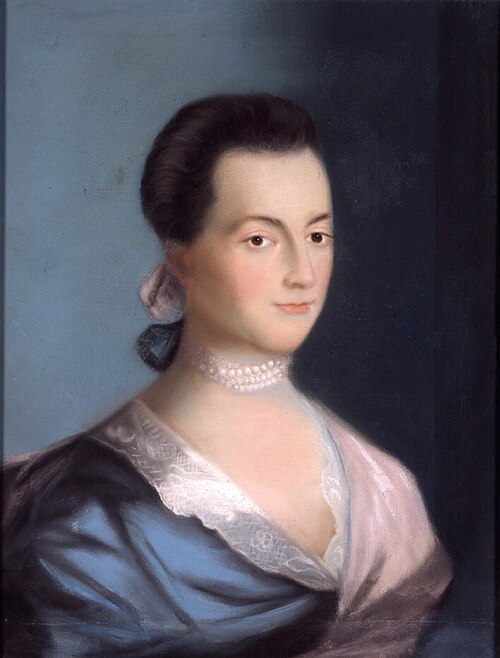
歴史家たちは、国家の初期の発展において女性が果たした役割を「建国の母たち」という言葉を使って認識するようになった。[84] [85]この点において名誉を受けた女性の中には次のような人々がいる。
- アビゲイル・アダムズは、ジョン・アダムズの妻であり、親友であり、第2代大統領夫人で、第6代アメリカ大統領ジョン・クインシー・アダムズの母でもあるが、夫を「女性たちを忘れず、先祖よりも寛大で親切にしなさい。…[さもなければ]私たちは反乱を起こす決心をしており、私たちに声や代表権がない法律には縛られないでしょう」と称賛したことで有名である。[52] [86] [87]
- マーシー・オーティス・ウォーレン、アメリカ独立戦争時代の詩人、劇作家、パンフレット作家[60] [88]
その他の愛国者
創立時代に顕著な貢献をした次の男性と女性も表彰されています。
- イーサン・アレン、バーモント州の軍事指導者および創設者。[89] [52]
- リチャード・アレン、アフリカ系アメリカ人司教、自由アフリカ協会とアフリカン・メソジスト・エピスコパル教会の創設者[90]
- クリスパス・アタックスは、ネイティブアメリカンとアフリカ人の血を引いていると考えられており、 1770年のボストン虐殺で殺害された5人のうちの1人目であり、アメリカ独立戦争で最初に死亡した人物である。[91]ボストンでの死について、ジョン・アダムズは後に「その夜、アメリカ独立の基礎が築かれた」と書いている。[92]
- ペネロピ・バーカーは、アメリカ独立戦争を通じて活動家として活躍し、エデントン・ティー・パーティー(1774年10月)を組織し決議を書いた。 [93]
- アメリカ独立戦争中の大陸海軍の士官ジョン・バリーは、「アメリカ海軍の父」と呼ばれており(ジョン・ポール・ジョーンズやジョン・アダムズと同じ称号を持つ)、大陸旗の下で就役したアメリカの軍艦の最初の艦長でもあった。 [ 94 ]
- マサチューセッツ州の愛国者郵便配達員イズラエル・ビッセルは、イギリス軍によるレキシントン・コンコード攻撃の知らせをフィラデルフィアまで馬で運んだ。
- ヒュー・ヘンリー・ブラッケンリッジ、弁護士、裁判官、作家、大陸軍の牧師、[96]マディソンの同盟者、[97]フレノーの協力者、[98]初期西ペンシルベニアの中心人物[99] [100] [101]
- ケイトーは黒人愛国者で奴隷であり、主人のヘラクレス・マリガンとともにスパイとして働いた。ケイトーはマリガンが集めた情報を大陸軍の士官や他の革命家に伝え、イギリス領土も通った。そのおかげで少なくとも2回はジョージ・ワシントンの命が救われたとされている。1778年に彼はその功績により自由を与えられた。[102]
- アレクサンダー・ハミルトンの義理の妹であるアンジェリカ・スカイラー・チャーチは、トーマス・ジェファーソン、アレクサンダー・ハミルトン、ラファイエット侯爵など、多くの主要な建国の父たちと文通していた。 [103]
- 大陸会議の経済学者テンチ・コックス[104]
- フィリップ・フレノー、「革命の詩人」と呼ばれる[105] [106]
- アルバート・ギャラティン、政治家、財務長官[107]
- ナサニエル・グリーン、独立戦争の将軍、南部戦域を指揮[78]
- ネイサン・ヘイル、捕虜となったアメリカ兵、ニューヨークでイギリス軍をスパイした罪で1776年に処刑された[108]
- エリザベス・スカイラー・ハミルトン、アレクサンダー・ハミルトンの妻[109] [110]
- ジェームズ・アイアデル、独立運動家、憲法擁護者、初期の最高裁判事[60]
- ジョン・ポール・ジョーンズ、アメリカ海軍大佐。イギリス軍が降伏を要求したとき、彼は「私はまだ戦いを始めていない」と答えた。[78] [111]
- ベンジャミン・ケント、弁護士、マサチューセッツ州司法長官、自由の息子達の会およびノースエンド議員連盟の幹部。1776年4月、ケントはジョン・アダムズにアメリカ独立宣言をするよう促した。[112] [113] [114]
- タデウシュ・コシチュシュコ、アメリカの将軍、元ポーランド軍の将軍[107]
- ベルナルド・デ・ガルベス、スペイン軍人、スペイン領ルイジアナ総督。イギリス領西フロリダのバトンルージュ、ナチェズ、モービルを占領。[115]
- ジョン・ローランス、ニューヨークの政治家、裁判官。革命中に法務長官を務めた[116]
- ヘンリー・リー3世、陸軍将校、バージニア州知事[78]
- ウィリアム・マクレー、ペンシルベニア州の政治家、アメリカ合衆国上院議員[60]
- フィリッポ・マッツェイ、イタリアの医師、哲学者、外交官、作家。彼の「すべての人間は生まれながらにして平等に自由で独立している」というフレーズは、アメリカ合衆国独立宣言に組み込まれた[117]。
- ダニエル・モーガン、軍指導者、バージニア州下院議員[78]
- ヘラクレス・マリガン、アイルランド系アメリカ人の仕立て屋、スパイ、自由の息子達のメンバー。[118]アレクサンダー・ハミルトンをニューヨーク社会に紹介し、彼の砲兵部隊の兵士募集を手伝った。[119]
- サミュエル・ニコラス、大陸海兵隊総司令官[120]
- アンドリュー・ピケンズ、陸軍大将、サウスカロライナ州議会議員[78]
- オリバー・ポロック、アメリカ独立戦争の商人、外交官、金融家
- イスラエル・パトナム陸軍大将[121]
- ポール・リビア、銀細工師、ボストン茶会事件を起こした自由の息子達の一員、真夜中の騎馬隊の2人の騎手のうちの1人。[86]
- ジャン=バティスト・ドナティエン・ド・ヴィムール、ロシャンボー伯爵、フランス陸軍将軍[107]
- ヘイム・サロモンはロバート・モリスとともにアメリカ独立戦争の主要な資金提供者であった。彼は大陸軍のスパイでもあった。[122]
- フィリップ・スカイラー、アメリカ独立戦争の将軍、ニューヨーク州選出上院議員、スカイラー姉妹の父。
- ジョン・セビア、ワタウガ協会の共同創設者、独立戦争の兵士、テネシー州の建国の父と呼ばれる[123]
- アーサー・セントクレア、少将、連合会議議長、後に北西部領土の初代総督
- トーマス・サムター、サウスカロライナ州の軍事指導者、連邦議会両院議員[78]
- ジョン・トランブル、芸術家。彼の絵画はアメリカ共和国初期の集合的記憶を伝えている[124] [125]
- リチャード・ヴァリック、ジョージ・ワシントンの秘書、ニューヨーク市記録官(1786年)、ニューヨーク議会議長(1787年)、ニューヨーク州第2代司法長官(1788年 - 1789年)、ニューヨーク市長(1789年 - 1801年)、アメリカ聖書協会創設者(1828年)[126]
- フリードリヒ・ヴィルヘルム・フォン・シュトゥイベン、プロイセン軍将校。[107]大陸軍総監。ワシントンとともにバレーフォージに駐留し、民兵を訓練。[127]
- ノア・ウェブスター、政治評論家、辞書編纂者、教育者[128]
植民地の統合(1765年~1774年)
1760年代半ば、議会は1763年に終結した10年に及ぶフレンチ・インディアン戦争によるイギリスの負債を賄うため、植民地に税金を課し始めた。 [129] [130]印紙法とタウンゼンド諸法への反対は、植民地を共通の目的に結束させた。[131]印紙法は撤回されたが、茶に対する税金はタウンゼンド諸法の下で残り、1773年に議会が茶法を採択したことで新たな形をとった。新しい茶税とより厳格な関税執行は、植民地全体、特にマサチューセッツで不評だった。[132]
1773年12月16日、モホーク族インディアンに変装した150人の入植者がボストンの船に乗り込み、342箱の茶葉を市の港に投棄した。この抗議はボストン茶会事件として知られるようになった。 [133] [134]サミュエル・アダムズとボストン通信委員会が指揮したこの抗議は、英国当局から反逆行為とみなされた。[135]これを受けて、議会は一連の懲罰法である強制・不寛容法を可決し、ボストンの港を閉鎖して植民地を英国政府の直接管理下に置いた。これらの措置は植民地全体に動揺を引き起こし、議会が権限を逸脱し、1600年代からアメリカ大陸に存在していた自治を脅かしていると感じた。[132]
13植民地のうち12植民地は、この法律に対応するため、フィラデルフィアで第1回大陸会議を開催するために代表を送ることに同意したが、ジョージアは先住民族との紛争でイギリス軍の支援を必要としていたため、断った。[136]アメリカ連合の構想は1774年よりずっと前から考えられていたが、常にイギリス帝国の権威に服従するという考えを受け入れていた。しかし、1774年までに、植民地の新聞に掲載された手紙(ほとんどが匿名の筆者による)は、すべてのアメリカ人を代表する「会議」、つまりイギリスの権威と同等の地位を持つ会議の必要性を主張し始めた。[137]
大陸会議(1774-1775)

大陸会議は、植民地が英国と直面していた一連の差し迫った問題に対処するために招集された。その代表者たちは、植民地主義者たちの中で最も聡明で思慮深いと考えられていた人々だった。容赦ない諸法の施行後、屈しない英国国王と議会の手によって、植民地は独断的な議会の権威に全面的に服従するか、統一された武装抵抗に訴えるかの選択を迫られた。[138] [139]新しい会議は、大戦争を宣言する指揮機関として機能し、武装闘争中に提供した指導によってのみ承認された。その権限はあいまいなままであり、その代表者のほとんどは、事態がすぐに「諸国家の間で新しい力」を確立する政策を決定することになるだろうとは認識していなかった。その過程で、会議は適切な憲法が生まれるまで、政府に関する多くの実験を行った。[140]
第一次大陸会議(1774年)
第1回大陸会議は1774年9月5日にフィラデルフィアのカーペンターズホールで開催されました。 [141]税金を徴収したり植民地民兵を召集したりする法的権限を持たないこの会議は、バージニア州のジョージ・ワシントン、マサチューセッツ州のジョン・アダムズとサミュエル・アダムズ、ニューヨーク州のジョン・ジェイ、ペンシルベニア州のジョン・ディキンソン、コネチカット州のロジャー・シャーマンを含む56名の代表者で構成されていました。バージニア州のペイトン・ランドルフが満場一致で初代議長に選出されました。[81] [142]
会議は最初の数日で、代表権の問題で解散寸前まで行き、小さな植民地は大きな植民地と平等になることを望んだ。最大の植民地であるバージニア出身のパトリック・ヘンリーは反対したが、植民地を統合することの重要性を強調した。「バージニア人、ペンシルベニア人、ニューヨーク人、ニューイングランド人といった区別はもうない。私はバージニア人ではなく、アメリカ人だ!」[143] 。代表者たちは、マサチューセッツ州ミルトンの町会議で承認されたばかりのサフォーク決議案について議論を始めた。[144]決議案起草委員会の委員長ジョセフ・ウォーレンは、署名済みのコピーをフィラデルフィアの会議に届けるようポール・リビアを派遣した。 [145] [146] [135]決議案は、イギリスの役人の追放、イギリス製品の禁輸、植民地全体での民兵の結成を求めた。[144]決議の過激な性質にもかかわらず、9月17日、議会はマサチューセッツの入植者が戦争を誘発するようなことはしないという保証と引き換えに決議を全面的に可決した。[147] [148]
その後、代表団は一連の措置を承認した。その中には、国王への和平請願書や、自然法と自然権の概念を導入し、独立宣言と権利章典に見られる原則の一部を予兆する宣言と決議が含まれていた。[149]宣言は植民地人の権利を主張し、議会の権力乱用を概説した。リチャード・ヘンリー・リーによって提案されたこの宣言には、大陸協会として知られる貿易ボイコットも含まれていた。[150]統一に向けた重要な一歩となったこの協会は、植民地全体の通信委員会にボイコットを実施する権限を与えた。宣言とそのボイコットは、アメリカ大陸における議会の統治権に直接挑戦し、植民地は反乱状態にあるというジョージ3世とノース卿率いる政権の見解を強めた。[151]
アメリカに同情的だった植民地担当大臣のダートマス卿は、新設された議会を、その違法な組織と行動を理由に非難した。[ 152 ] [ 153]耐え難き諸法と並行して、イギリス陸軍の最高司令官トーマス・ゲージ中将がマサチューセッツ州知事に就任した。1775年1月、ゲージの上官であるダートマス卿は、将軍にティーパーティーの責任者を逮捕し、ボストン郊外の民兵が備蓄していた軍需品を押収するよう命じた。この手紙がゲージに届くまで数ヶ月かかったが、ゲージは直ちに行動を起こし、正規軍700人を派遣した。 1775年4月19日の朝、レキシントンとコンコードへの行軍中、イギリス軍は民兵と遭遇した。民兵は前夜、ポール・リビアともう一人の騎馬伝令ウィリアム・ドーズから警告を受けていた。誰が最初の銃弾を発射したかは不明であるが、独立戦争が始まった。[154]
第二次大陸会議(1775年)

1775年5月10日、レキシントン・コンコードの戦いから3週間も経たないうちに、第2回大陸会議がペンシルバニア州議会議事堂で開かれた。この集会は、第1回会議を実質的に再構成したもので、出席した代表者の多くは同じだった。[155]新しく到着した人々の中には、ペンシルバニアのベンジャミン・フランクリン、マサチューセッツのジョン・ハンコック、そして6月にはバージニアのトーマス・ジェファーソンがいた。会期開始から2週間後、ペイトン・ランドルフがバージニア植民地議会議長に召還され、ジェファーソンがバージニア代表団でランドルフに代わって指名されたため、ハンコックは議長に選出された。[156]前年の討論規則を採用し、秘密保持の強調を強化した後、[157] [158]会議は最大の関心事である植民地の防衛に目を向けた。[159]
マサチューセッツ植民地議会は、植民地総督の職が空位であると宣言し、議会が民政の権限を引き継ぐことができるかどうか、また議会がボストンで編成中の軍隊を引き継ぐかどうかという2つの問題について指示を求めて大陸会議に連絡を取った。 [160]最初の質問に対する回答として、6月9日、植民地の指導者は、植民地憲章の精神の範囲内で統治する評議会を選ぶよう指示された。[161] [162] 2番目の質問については、議会は数日間かけて13植民地すべての軍隊を指導する計画を議論した。最終的に、6月14日、議会はニューイングランド民兵への補給を承認し、他の植民地から10個ライフル銃中隊を援軍として送ることに同意し、軍を統治するための規則を起草する委員会を任命して大陸軍を設立した。翌日、サミュエルとジョン・アダムズはワシントンを最高司令官に指名し、この動議は満場一致で承認された。[163] [164] 2日後の6月17日、民兵はバンカーヒルでイギリス軍と衝突し、イギリス軍の勝利となったが、犠牲は大きかった。[165]
議会の行動は、依然としてイギリスとの和解を望む保守派と、独立を支持する反対派との間の分裂にもかかわらず行われた。[166]前者を満足させるため、議会は7月5日にジョン・ディキンソンが書いたジョージ3世への和平嘆願書「オリーブの枝請願書」を採択した。そして翌日、議会は軍事行動を正当化する決議「武装解除の理由と必要性の宣言」を承認した。 [163]この宣言は、ワシントンがマサチューセッツに到着した際に軍隊に読み上げることを意図したもので、ジェファーソンが起草したが、ディキンソンはその文言が強すぎると考え、編集した。[167] [168]オリーブの枝請願書が9月にロンドンに到着したとき、国王はそれを見ることを拒否した。[169]その時までに、国王はアメリカ植民地が反乱状態にあると宣言する布告をすでに発していた。 [170]
独立宣言(1776年)
第二次大陸会議とその五人委員会の支援の下、[171]トーマス・ジェファーソンは独立宣言を起草した。それは6月28日に委員会から議会に提出され、[172]長い議論と文書の編集を経て、1776年7月2日、[173] [174]議会はリー決議を可決し、連合植民地がイギリスから独立することを宣言した。2日後の7月4日、独立宣言が採択された。[175]宣言で初めて登場した「アメリカ合衆国」という名称は、1776年9月9日に議会で正式に承認された。[176]
この重要な文書を速やかに公にするため、第二次大陸会議議長ジョン・ハンコックはペンシルバニア・パケットの編集者兼印刷業者ジョン・ダンラップに、ダンラップのブロードサイドとして知られるようになった宣言の200部の印刷を依頼した。宣言が採択された翌日から印刷が開始され、13の植民地/州に配布され、ニューヨークのワシントン将軍とその部隊に送られ、声に出して読むようにとの指示が与えられた。コピーはイギリスやヨーロッパの他の地域にも送られた。[177] [178] [172]
独立のために戦う

植民地の人々が独立を得るためにイギリスと戦っている間、連合規約を定めた新しく形成された政府は試練にさらされ、アメリカ初の憲法の欠点と弱点が露呈した。この間、ワシントンは、各州がそれぞれの判断で戦争の組織的・物資的需要を満たしていないため、強力な連邦政府が緊急に必要であると確信した。[179] [180]重要なきっかけとなった出来事としては、1773年のボストン茶会事件、1775年のポール・リビアの騎行、1775年のレキシントン・コンコードの戦いなどがある。 [181]ジョージ・ワシントンのデラウェア川渡河は、トレントンの戦いでヘッセン軍に対するアメリカの大勝利であり、アメリカ人の士気を大いに高めた。[182]米英間の戦闘を主に終わらせたサラトガの戦いとヨークタウン包囲戦も、戦争中の極めて重要な出来事であった。1783年のパリ条約により戦争は正式に終結した。[183]
戦後、ワシントンは連邦政府の指揮下、各州部隊から構成される「国家民兵」の創設に尽力した。また、砲兵部隊と技術者を訓練する陸軍士官学校の創設も支持した。戦後間もなく国を武装解除して無防備な状態にしたくなかったワシントンは、平時の軍隊を2600人体制にすることを支持した。また、ヨーロッパからの侵略者を撃退できる海軍の創設も支持した。ワシントンのほとんどの作戦に同行したヘンリー・ノックスに、将来の陸軍長官になる可能性を示唆した。[184]
パリ条約
.jpg/500px-Treaty_of_Paris_1783_-_last_page_(hi-res).jpg)
1781年10月19日のヨークタウンでの降伏でワシントンが最終的な勝利を収めた後、正式な和平交渉が始まるまで1年以上が経過した。パリ条約は1782年11月に起草され、交渉は1783年4月に始まった。完成した条約は9月3日に調印された。ベンジャミン・フランクリン、ジョン・アダムズ、ジョン・ジェイ、ヘンリー・ローレンスが米国を代表し、[ 185]国会議員のデイビッド・ハートリーと著名で影響力のあるスコットランドの実業家リチャード・オズワルドが英国を代表した。[186] [187]
フランクリンはフランスと長年にわたる信頼関係を築き、開戦から数ヶ月後にはフランスとの同盟関係の確立にほぼ全面的に尽力した人物であり、フランス評議会から高い評価を受けた。一方、他の者たちはしかるべき便宜を図られたものの、一般的には素人交渉者とみなされていた。[188]イギリスとフランスの間の意思疎通は、フランクリンと、フランクリンと仲の良かったシェルバーン卿を通じて主に行われた。 [189]フランクリン、アダムズ、ジェイは、この不確実な局面におけるフランスの懸念を理解し、それを有利に利用して、交渉の最終段階では、フランスとイギリスの双方に、アメリカの独立が彼らの最大の利益であると納得させた。[190]
憲法制定会議

連合規約の下では、連合会議には税金を徴収したり、商業を規制したり、国家債務を支払ったり、外交関係を結んだり、西部の領土を効果的に管理したりする権限がなかった。[191] [192] [193]ジョージ・ワシントン、トーマス・ジェファーソン、アレクサンダー・ハミルトン、ジェームズ・マディソンなどの主要指導者たちは、この若い国家の運命を心配し始めた。[194]連合規約の弱点がますます明らかになるにつれて、強力な中央政府を作るという考えが支持を集め、連合規約を修正するための会議の開催が求められた。[195] [196]
憲法制定会議は1787年5月14日から9月17日までペンシルバニア州議会で開かれた。[197]出席した55人の代表は18世紀アメリカの指導者層を代表するものだった。大多数は高学歴で裕福な人々で、全員がそれぞれの州で著名人で、憲法制定会議が提案された時点で70%以上(40人の代表)が連邦議会に所属していた。[198] [193]
多くの代表者が到着に遅れ、11日間の遅延の後、 5月25日にようやく定足数が集まり、国内で最も信頼されている人物であるワシントンが大会議長に選出された。[199] [200] 4日後の5月29日、大会は秘密保持の規則を採択した。これは物議を醸した決定であったが、代表者が自由に発言できるという一般的な慣行であった。[201] [202] [203]
バージニア州とニュージャージー州の計画
秘密投票の直後、バージニア州知事エドマンド・ランドルフはバージニア計画を提出した。これはマディソンとその同僚が書いた15の決議で、行政機関1つ、議会2院制、司法機関の3部門からなる政府を提案するものだった。[204] [205] [206]下院は州民によって選出され、議席は州の人口に応じて配分される。上院は州議会が指名した代議員の中から下院が選出する。立法府は議会によって選出され、議会は州法を無視することができる。[207] [208]この計画は憲法修正という会議の目的を超えたものだったが、ほとんどの代議員は当初の任務を放棄して新しい政府形態を作ることに賛成した。[209] [196]
バージニア決議に関する議論は6月中旬まで続き、ニュージャージー州のウィリアム・パターソンが代替案を提示した。[210]ニュージャージー案は、一院制の議会と各州の平等な権限を含む、条項の規定のほとんどを維持した。この案の革新の1つは「複数の」行政府であったが、その主な譲歩は連邦政府が貿易と商業を規制できるようにすることである。[211] [212] [213]全体委員会として会合した代表者たちは、2つの提案について、行政府は1つにすべきか3つにすべきかという問題から始め、次に行政府に拒否権を与えるべきかどうかという問題から議論した。[214]立法を拒否できる行政府を1つにすることに合意した後、代表者たちはさらに議論の多い問題、つまり立法府の代表制に目を向けた。[215]人口の多い州は人口に基づく比例代表制を支持したが、小規模な州は各州に同数の議員を置きたいと考えた。[216] [217] [218]
コネチカット妥協案
7月中旬までに、大州派と小州派の議論は行き詰まりに陥った。[219]会議が崩壊寸前になる中、コネチカット州のロジャー・シャーマンは、コネチカット妥協案(または大妥協案)を提出した。[220] [221] [222]シャーマンの提案は、下院は比例選出、上院は全州で同数の議席を持つというものだった。7月16日、妥協案は5州対4州という僅差で承認された。[223] [224]
この議事進行は、ほとんどの代議員に留保を残した。[225] [226]数人は、会議が権限を逸脱していると考え、抗議のため早めに帰宅した。[227] [228] [229]個人の自由を保障する権利章典がないことを懸念する者もいた。[230] [231]憲法の主任設計者であるマディソンですら、特に上院における平等な代表権と、州法を拒否する権限を議会に与えなかったことに不満を抱いていた。[232]懸念はさておき、最終草案は9月17日に圧倒的多数で承認され、11州が賛成し、ニューヨーク州はハミルトン1人しか代議員が残っていなかったため投票できなかった。[225]ロードアイランド州は州の紙幣をめぐって争っており、会議に誰も派遣することを拒否していた。[233] [234]出席した42人の代表者のうち、署名を拒否したのはバージニア州のランドルフとジョージ・メイソン、マサチューセッツ州のエルブリッジ・ゲリーの3人だけだった。[235] [226]
州批准条約
合衆国憲法は、13州のうち少なくとも9州の議会の承認という、もう一つのハードルに直面した。[236]署名から3日以内に、草案は連合会議に提出され、連合会議はそれを批准のため各州に送付した。[237] 11月、ペンシルバニア州議会は最初の会議を招集した。投票前にデラウェア州が12月7日に30対0の差で憲法を承認し、最初の批准州となった。[238]ペンシルバニア州は5日後にこれに続き、投票は46対23に分かれた。[239]ニュージャージー州とジョージア州では満場一致で投票されたが、いくつかの主要州は権利章典の省略を理由に批准に反対しているようで、特にバージニア州ではメイソンとパトリック・ヘンリーが反対を唱え、会議への参加を「裏がある」として拒否した。[240] [241] [242]連邦党は、すべてを危険にさらすよりも、憲法が採択されれば人々の権利を保障するための修正を加えると約束し、譲歩した。[243]
翌年も批准は続いた。ついに1788年6月21日、ニューハンプシャー州が9番目の批准州となり、憲法が国の法律となった。[244] [245] 4日後にはバージニア州が、7月下旬にはニューヨーク州も批准した。[240] 11月にノースカロライナ州が批准した後、13番目の州が批准するまでにさらに1年半が経過した。[246]貿易制裁と連邦からの脱退の可能性に直面したロードアイランド州は、1790年5月29日に渋々34対32の投票で憲法を承認した。[247] [246]
新しい形態の政府
憲法は1789年3月4日、下院と上院が最初の会合を開いたときに正式に発効した。4月30日、ワシントンは国の初代大統領として宣誓した。[248] [249] [250]アメリカ合衆国権利章典として総称される10の修正条項は、1791年12月15日に批准された。[251]代表者たちは秘密を守ることを誓っていたため、批准に関するマディソンのメモは1836年の彼の死後まで公表されなかった。[252]
権利章典
憲法は、起草された時点では、連邦政府から個人の自由を守ることができなかったと主張する反連邦主義者から厳しく批判された。反連邦主義者のリーダーには、バージニア州出身のパトリック・ヘンリーとリチャード・ヘンリー・リー、マサチューセッツ州出身のサミュエル・アダムズがいた。憲法制定会議で彼らの意見に賛同した代表者は、バージニア州出身のジョージ・メイソンとエドマンド・ランドルフ、マサチューセッツ州代表のエルブリッジ・ゲリーの3人であり、最終文書への署名を拒否した。[253]スコットランド系であることから中央集権的な統治機関を嫌悪していたヘンリーは、あらゆる手段を講じてマディソンに反対し、憲法を破るために全力を尽くした。[254]
こうした批判が、権利章典の下で提案された修正案につながった。権利章典の主要起草者であるマディソンは、当初は修正案に反対していたが、メイソンが主に起草した1776年のバージニア権利宣言と、トーマス・ジェファーソンによる独立宣言に影響を受けた。[255]ジェファーソンはフランス滞在中、ヘンリーやメイソンと同様に、強力な中央政府、特に大統領の権力に対する懸念を抱いていたが、マディソンとの友情と、間もなく成立する権利章典のために、懸念を和らげた。[256]しかし、アレクサンダー・ハミルトンは、権利章典の修正案は不必要であるだけでなく危険であると考え、反対した。
制限を課す権限が与えられていないのに、なぜ権限のないことはしてはならないと宣言するのか...報道の自由を制限してはならないと宣言するのか?[257]
マディソンは、ヴァージニアの両院の議論が修正条項の採択を2年以上遅らせることになるとは知る由もなかった。[258] 1789年9月25日に連邦議会から各州に付託された最終草案は、[259]ヴァージニア州上院によって1791年12月15日まで批准されなかった。[258]
権利章典は人々の同意に基づいてその権威を引き出し、次のように規定した。
憲法において特定の権利が列挙されていることは、国民が保持する他の権利を否定したり軽視したりするものと解釈されてはならない。
— 第11条。
合衆国憲法によって合衆国に委任されていない権限、また合衆国憲法によって各州に禁止されていない権限は、それぞれ各州または人民に留保される。
— 第12条[260]
マディソンは建国時代における宗教の自由、言論の自由、報道の自由の第一人者として認められるようになった。[261]
大統領就任
アメリカ独立戦争に積極的に参加したワシントン、ジョン・アダムズ、ジェファーソン、マディソン、モンローの最初の5人の大統領は建国の父とみなされている。彼らは皆、大陸会議の代表を務めた。[262]

(c).jpg/500px-James_Madison(cropped)(c).jpg)

人口統計およびその他の特性
建国の父たちは18世紀後半のイギリス植民地における政治指導者の上層部を代表していた。[263] [264]彼らは皆、それぞれの地域社会や植民地の指導者であり、公務の責任を負うことをいとわなかった。[265]
独立宣言、連合規約、合衆国憲法の署名者のほとんどは、スコットランド人、アイルランド人、ウェールズ人を含む英国生まれの英国系の人々であった。[266] [267]約半数が弁護士であり、残りは主に実業家や農園主であった。[268] [269] [270]建国の父たちの平均年齢は43歳であった。 [271] 1706年生まれのベンジャミン・フランクリンが最年長であり、1750年以降に生まれた20代の人はわずかであった。[272] [273] [274]
以下のセクションでは、これらおよびその他の人口統計トピックについてさらに詳しく説明します。 ほとんどの場合、情報は独立宣言、連合規約、および憲法に関連する署名者/代表者に限定されています。
政治経験
建国の父たちは全員、国レベルと州レベルで幅広い政治経験を持っていた。[275] [276]一例として、独立宣言と連合規約の署名者は第二次大陸会議のメンバーであり、憲法制定会議の代表者の5分の4は会議中または会議前に会議で活動していた。会議に出席した残りの5分の1は、彼らを任命した州議会で指導者として認められた。
以下は、著名な創設者たちの政治的経歴の簡単なプロフィールです。
- ジョン・アダムズはボストン郊外のブレインツリーの町議会議員として政治活動を始めた。1765年の印紙法危機の際に書いた一連のエッセイによって広く知られるようになった。1770年にマサチューセッツ州議会議員に選出され、ボストンの通信委員会の委員長を務め、1774年には大陸会議議員に選出された。アダムズは後に、自らが建国に貢献した国家の第一副大統領(1789年 - 1797年)および第二大統領(1797年 - 1801年)となった。[277] [278]
- ジョン・ディキンソンは1770年代のペンシルベニア議会の指導者の一人だった。第1回および第2回大陸会議のメンバーとして、彼は平和的解決を求めて国王ジョージ3世に議会への請願書を2通書いた。ディキンソンは独立に反対し、独立宣言への署名を拒否したが、民兵の将校として働き、連合規約の最初の草案を書いた。1780年代には、ペンシルベニア大統領、デラウェア大統領、憲法制定会議の代表を務めた。[279]
- ベンジャミン・フランクリンは1747年にビジネス活動から引退し、 1751年にペンシルベニア議会に選出された。1757年には、植民地を代表する2回の外交使節団のうち最初の派遣のためロンドンに派遣された。[280] 1775年にイギリスから帰国したフランクリンは、第二次大陸会議に選出された。1776年に独立宣言に署名した後、フランス、次いでスウェーデンの公使に任命され、1783年にはパリ条約の交渉に協力した。フランクリンは1785年から1788年までペンシルベニア知事を務め、憲法制定会議の代表を務めた。[281]
- ジョン・ジェイは第1回および第2回大陸会議のニューヨーク代表であり、1778年に会議議長に選出された。1782年、フランクリンにパリに召喚され、イギリスとのパリ条約の交渉に協力した。憲法案の支持者として、彼は5つの連邦党員論文を執筆し、憲法採択後には最高裁判所の初代長官となった。[282]スペイン公使[2] [283] [284]
- トーマス・ジェファーソンは、第二次大陸会議(1775-1776)のバージニア代表であり、独立宣言の主たる起草者であった。彼はバージニアの2代目知事(1779-1781)に選出され、フランス公使(1785-1789)を務めた。後に彼は、アメリカ合衆国の初代国務長官(1790-1793)、第2代副大統領(1797-1801)、第3代大統領(1801-1809)を務めた。[285] [286]
- ロバート・モリスはペンシルベニア議会議員であり、ペンシルベニア安全委員会の委員長でもあった。また、秘密通信委員会の委員で、第2回大陸会議の委員でもあった。連合規約の下では、財務大臣を務め、憲法制定会議の代表を務めた。[287]
- ロジャー・シャーマンは、憲法制定会議に代表として出席する前に、第1回および第2回大陸会議、コネチカット州下院議員、治安判事を務めた。憲法が批准された後、彼は故郷のコネチカット州を代表して、米国下院と米国上院の両方で活動した。彼は、大陸協会、独立宣言、連合規約、および米国憲法という4つの主要な建国文書すべてに署名した唯一の建国者であった。[288]
教育
建国の父たちの 3 分の 1 以上はアメリカ植民地の大学に通学または卒業しており、その他の建国の父たちは主にイギリスとスコットランドの海外の大学に通っていました。その他の建国の父たちは、自宅学習、個人指導、見習い制度の修了、または独学のいずれかでした。
アメリカの機関
以下は、植民地時代にアメリカ大陸に設立された9つの大学のうち6つの大学を卒業した創設者のリストです。アレクサンダー・ハミルトン[289]やジェームズ・モンロー[290]など、数人の創設者は大学(それぞれコロンビア大学とウィリアム・アンド・メアリー大学)に通いましたが、卒業しませんでした。他の3つの植民地大学はすべて1760年代に設立され、ブラウン大学(ロードアイランド大学)、ダートマス大学、ラトガース大学(クイーンズカレッジ)が含まれています。
- ウィリアム・アンド・メアリー大学:トーマス・ジェファーソン、[291]ジョン・ブレア・ジュニア、[292]ジェームズ・マクルージ、[293]ジェームズ・フランシス・マーサー、[294]エドマンド・ランドルフ[295]
- コロンビア大学(キングス・カレッジ):ジョン・ジェイ、[296]ロバート・R・リビングストン、[297]ガバヌーア・モリス、[298]
- ハーバード大学(ハーバード・カレッジ):ジョン・アダムズ、[299]サミュエル・アダムズ、[300]フランシス・ダナ、[301]ウィリアム・エラリー、[302]エルブリッジ・ゲリー、[303]ジョン・ハンコック、[304 ]ウィリアム・フーパー、[305]ウィリアム・サミュエル・ジョンソン(イェール大学出身)、[306]ルーファス・キング、[307]ジェームズ・ラヴェル、[308]ロバート・トリート・ペイン、[309]ケイレブ・ストロング、 [ 310]ジョセフ・ウォーレン、[311]ジョン・ウェントワース・ジュニア、[312]ウィリアム・ウィリアムズ[313]
- プリンストン大学(ニュージャージー大学):[314]ガニング・ベッドフォード・ジュニア、[315]ウィリアム・リチャードソン・デイビー、[316]ジョナサン・デイトン、[317]オリバー・エルズワース、[318]ジョセフ・ヒューズ、[319]ウィリアム・ヒューストン、[320]リチャード・ハットソン、[321]ジェームズ・マディソン、[322]アレクサンダー・マーティン、[323]ルーサー・マーティン、 [324]ウィリアム・パターソン、[325]ジョセフ・リード、[326]ベンジャミン・ラッシュ、[327]ナサニエル・スカダー、[328]ジョナサン・ベイヤード・スミス、[329]リチャード・ストックトン[330]
- ペンシルベニア大学(フィラデルフィア大学):フランシス・ホプキンソン、[331]ヘンリー・マーチャント、[332]トーマス・ミフリン、[333]ウィリアム・パカ、[334]ヒュー・ウィリアムソン[335]
- イェール大学(イェール・カレッジ):アンドリュー・アダムス、[336]エイブラハム・ボールドウィン、[337]ライマン・ホール、[338]タイタス・ホズマー、[339]ジャレッド・インガソル、[340]ウィリアム・サミュエル・ジョンソン(ハーバード大学出身)、[306]フィリップ・リヴィングストン、[341]ウィリアム・リヴィングストン、[342]ルイス・モリス、[343]オリバー・ウォルコット[344]
英国の機関
英国の教育機関を卒業した創設者は次のとおりです。
- インナー・テンプルは、ロンドンにある4つの法曹院のうちの1つで、英国弁護士資格取得のための法律研究を提供している。ウィリアム・ヒューストン[345] 、ウィリアム・パカ(ペンシルベニア大学卒業)[346] [334]
- ミドル・テンプル、これも4つの法曹院のうちの1つ:ジョン・バニスター、[347]ジョン・ブレア、[348]ジョン・ディキンソン、[349]トーマス・ヘイワード・ジュニア、[350]トーマス・リンチ・ジュニア (ケンブリッジ大学卒業)、[350]ジョン・マシューズ、[351]チャールズ・コーツワース・ピンクニー、 [ 345]ペイトン・ランドルフ、[346] [352]ジョン・ラトレッジ[345]
- ケンブリッジ大学、イギリス:トーマス・リンチ・ジュニア(ミドル・テンプル大学卒業)[353]トーマス・ネルソン・ジュニア[354]
- エディンバラ大学、スコットランド:ベンジャミン・ラッシュ、[355]ジョン・ウィザースプーン[356]
民族
創設者は全員白人であり、その3分の2(55人中36人)はアメリカ植民地の出身であり、19人はイギリス帝国の他の地域で生まれた。
- イングランド:ウィリアム・リチャードソン・デイヴィー、[357]ウィリアム・デューア、[358]バトン・グウィネット、[359]ロバート・モリス、[360]トーマス・ペイン[361]
- アイルランド:ピアス・バトラー、[362]トーマス・フィッツシモンズ、[363]ジェームズ・マクヘンリー、[364] ウィリアム・パターソン、[365]ジェームズ・スミス、[366]ジョージ・テイラー、[367]チャールズ・トムソン、[368]マシュー・ソーントン[369]
- スコットランド:エドワード・テルフェア、[370]ジェームズ・ウィルソン、[371]ジョン・ウィザースプーン[372]
- ウェールズ:フランシス・ルイス[373]
- 西インド諸島:アレクサンダー・ハミルトン、[374]ダニエル・ロバードー[375]
職業
建国の父たちは幅広い職業に就いていましたが、そのほとんどは 3 つの職業に就いていました。建国の父たちの約半数が弁護士、6 分の 1 が農園主/農家、さらに 6 分の 1 が商人/実業家、その他はさまざまな職業に就いていました。
- 創設者10人は医師であった:ジョサイア・バートレット[376] 、ライマン・ホール[337]、サミュエル・ホルテン[377]、ジェームズ・マクルージ[293]、ジェームズ・マクヘンリー(外科医)[378] 、ベンジャミン・ラッシュ[327]、ナサニエル・スカダー[328]、マシュー・ソーントン[379]、ジョセフ・ウォーレン[311] 、ヒュー・ウィリアムソン[335]。
- ジョン・ウィザースプーンが唯一の牧師であったが、ライマン・ホールは医師になる前に説教師であった。[380] [337]
- バージニア州の農園主ジョージ・ワシントンは、バージニア連隊の大佐になる前は土地測量士だった。[381]
- ベンジャミン・フランクリンはフィラデルフィアで成功した印刷業者兼出版業者であり、優れた科学者兼発明家であった。フランクリンは42歳で引退し、最初は科学研究に専念し、その後政治と外交に携わり、大陸会議のメンバー、初代郵政長官、イギリス、フランス、スウェーデンの公使、ペンシルバニア州知事を務めた。[382] [383] [384] [385]
宗教
1787年の憲法制定会議の55人の代表者のうち、28人は英国国教会(英国国教会または聖公会)、21人は他のプロテスタント、3人はカトリック(ダニエル・キャロルとフィッツシモンズ。チャールズ・キャロルはカトリックであったが憲法に署名していなかった)であった。[386]憲法制定会議のプロテスタント代表者のうち、8人は長老派教会、7人は会衆派教会、2人はルーテル教会、2人はオランダ改革派、2人はメソジスト教会であった。[386]
建国の父たちの何人かは反教権主義者で、特にジェファーソンが有名である。[387] [388]歴史家のグレッグ・L・フレイザーは、主要な建国の父たち(ジョン・アダムズ、ジェファーソン、フランクリン、ウィルソン、モリス、マディソン、ハミルトン、ワシントン)はキリスト教徒でも理神論者でもなく、むしろ「有神論的合理主義」の混合の支持者であったと主張する。[389]多くの建国の父たちは、意図的に信仰について公に議論することを避けた。歴史家のデイビッド・L・ホームズは、手紙、政府文書、伝聞から集めた証拠を使って、彼らの宗教的信念を特定している。[50]
通貨と郵便に関する創設者
アメリカの建国の父であるベンジャミン・フランクリン、アレクサンダー・ハミルトン、トーマス・ジェファーソン、ジョージ・ワシントンの 4 人がアメリカの紙幣に描かれています。ワシントンとジェファーソンはそれぞれ 3 つの異なる額面紙幣に描かれています。
創立者の厳選切手
建国記念行事の切手
政治的および文化的影響
政治的レトリック
デイヴィッド・セハットによれば、現代の政治においては、次のようになる。[390]
誰もが建国者を引き合いに出す。憲法の原初主義者は建国者の文書を参照して本来の意味を判断する。生き生きと進化する憲法の支持者は、時とともに成長してきたアイデアの源泉として建国者に頼る。保守派は建国者を、アメリカの偉大さを築いた自由企業制度の設計者とみなす。60 年代の両親に倣ったよりリベラルな傾向のある人々は、建国者は平等主義者であり、富の集中に疑念を抱いていたと主張する。無党派は、党派的な瀬戸際政策の行き詰まりを打破するために建国者に頼る。政治的スペクトル全体にわたって、アメリカ人は 18 世紀に出現したとされる一連のアイデアに自分たちの見解を基礎づけている。しかし、実際には建国者同士は意見が合わなかった... 彼らには大きく根深い違いがあった。彼らは経済への連邦政府の介入と外交政策について議論した。彼らは、行政府の権限がどの程度であるか、連邦政府と州政府の関係と特権について激しく争った。憲法は、ほぼ無限の議論の舞台を提供した。建国時代は、実際のところ、アメリカの歴史の中で最も党派的な時代のひとつでした。
休日

独立記念日(口語では「独立記念日」とも呼ばれる)は、独立宣言の調印と建国を記念して毎年 7 月 4 日に祝われるアメリカ合衆国の祝日です。ワシントン誕生日も連邦の祝日として祝われ、4 月 13 日のジェファーソン誕生日はアメリカ合衆国の建国者であり大統領を称える日です。
メディアと演劇
建国の父たちは、 1969年にトニー賞を受賞したミュージカル『1776』で描かれ、独立宣言をめぐる議論と最終的な採択が描かれました。この舞台は、 1972年に同名の映画に翻案されました。1989年の映画『より完全なる連合』は、独立記念館で撮影され、憲法制定会議の出来事を描いています。建国文書の起草と可決は、1997年のドキュメンタリー ミニシリーズ『リバティ!』で描かれ、独立宣言の可決は、2008年のミニシリーズ『ジョン・アダムス』の第2話と、2015年のミニシリーズ『自由の息子たち』の第3話で描かれています。ファウンダーズは、1986年のミニシリーズ「ジョージ・ワシントン2世:国家の形成」、2002〜2003年のアニメテレビシリーズ「リバティーズ・キッズ」、2020年のミニシリーズ「ワシントン」、その他多くの映画やテレビ番組にも登場しています。[要出典]
建国の父たち、ハミルトン、ワシントン、ジェファーソン、マディソンが2015年のミュージカル『ハミルトン』で再演された。これはロン・チャーナウの2004年の伝記『アレクサンダー・ハミルトン』にインスピレーションを得て、リン=マニュエル・ミランダが作曲、作詞、脚本を担当した作品である。このミュージカルは11のトニー賞とピューリッツァー演劇賞を受賞した。[391]
スポーツ
アメリカ北東部のいくつかの主要プロスポーツ チームは、創設者に基づいたテーマで命名されています。
- ニューイングランド・ペイトリオッツ(ナショナル・フットボール・リーグ)
- ニューイングランド・レボリューション(メジャーリーグサッカー)
- ニューヨーク・リバティ(女子プロバスケットボール協会)
- フィラデルフィア 76ers (全米バスケットボール協会)
- ワシントン・キャピタルズ(ナショナル・ホッケー・リーグ)
- ワシントン・ナショナルズ(メジャーリーグベースボール)
宗教の自由
宗教的迫害は世界中で何世紀にもわたって存在しており、植民地時代のアメリカでも同様であった。[392]トーマス・ジェファーソン、ジェームズ・マディソン、パトリック・ヘンリー、ジョージ・メイソンなどの建国の父たちは、 1776年にバージニア権利宣言で初めてバージニアに宗教の自由の基準を確立し、それが国の宗教の自由のモデルとなった。[393]これに先立ち、バプテスト派、長老派、ルーテル派は10年間にわたり、バージニアにおける宗教の自由を抑圧しようとする英国国教会の取り組みに反対する請願を行っていた。
ジェファーソンは大陸会議を離れ、バージニアに戻り、宗教の自由のための戦いに参加したが、バージニア議会の議員の多くが国教会に属していたため、困難が伴った。ジェファーソンは完全に成功したわけではないが、異なる宗教的信念を持つ人々を懲罰するさまざまな法律を廃止することに成功した。[393] [394] [395]ジェファーソンは政教分離の立案者であり、公的資金を国有宗教の支援に使うことに反対し、公民権を宗教の教義に結び付けるのは賢明ではないと信じていた。[396] [395]
1788年に批准されたアメリカ合衆国憲法第6条には、「合衆国におけるいかなる公職または公的任務においても、資格として宗教的試験を要求してはならない」と規定されている。宗教の自由と言論の自由は、権利章典において国家法としてさらに確認された。[392] 1868年の修正第14条は、すべてのアメリカ人に「法の下の平等な保護」を与え、宗教の自由な実践を州に制限することに対する修正第1条の制限を適用した。[397] [398]
イングランド国教会の地方指導者であったワシントンは、宗教の自由の強力な支持者でもあった。彼は、憲法がバプテスト教徒の宗教の自由を守ってくれないのではないかと心配するバプテスト教徒に対し、「...もちろん、私は絶対にこの憲法に署名しなかっただろう」と保証した。ユダヤ人もまたワシントンを自由の擁護者とみなし、完全な宗教の自由を享受できるという保証を求めた。ワシントンは、アメリカの宗教革命は世界の他の国々の手本となると宣言して応えた。[399]
奴隷制度
.jpg/500px-George_Washington_by_John_Trumbull_(1780).jpg)
建国の父たちは奴隷制度の問題で一致しておらず、新国家内で奴隷制度を受け入れ続けた。道徳的に反対する者もいれば、植民地のいくつかで奴隷制度を廃止しようとする者もいたが、国家的には奴隷制度は保護されたままだった。600人の奴隷を所有していたジェファーソンの研究で、アネット・ゴードン=リードは皮肉を込めて「他の建国の父たちも奴隷を所有していたが、アメリカ自由憲章を起草したのはジェファーソン以外にはいない」と述べている。[400]ジェファーソンだけでなく、ワシントンや他の多くの建国の父たちも奴隷所有者だった。宣言に署名した56人のうち41人が奴隷を所有していた。奴隷制度に不道徳で政治的に分裂を招くとみなして葛藤する者もいたが、ワシントンは遺言で奴隷を解放した。ジェイとハミルトンは1777年に始まったニューヨークでの国際奴隷貿易を禁止する戦いを成功に導いた。[401] [402] トーマス・ジェファーソンは独立宣言の最初の草案に反奴隷制条項を含めた。[403]
「彼(ジョージ王)は、人間性そのものに対して残酷な戦争を仕掛け、彼を怒らせたことのない遠方の人々の生命と自由という最も神聖な権利を侵害し、彼らを別の半球で捕らえて奴隷にしたり、そこへの輸送中に悲惨な死を招いたりした。この海賊戦争、異教徒の権力の汚名は、キリスト教国王であるイギリスの戦争である。人々が売買される市場を開放したままにしようと決意した彼は、この忌まわしい商取引を禁止または抑制しようとするあらゆる立法上の試みを抑圧するために、自らの否定性を売り渡した。そして、この恐ろしい集団が目立った死を免れないように、彼は今、まさに我々の間で武装蜂起するよう人々を煽動し、彼が彼らから奪った自由を、彼が彼らに押し付けた人々を殺害することによって買い取らせている。こうして、ある人々の自由に対して犯した過去の犯罪を、彼が彼らに促す犯罪で償っているのである。他人の命を奪う行為。」
サミュエル・アダムズやジョン・アダムズなどの建国者たちは奴隷制度に反対していた。ラッシュは1773年に奴隷貿易と奴隷制度を批判する小冊子を書いた。ラッシュは科学的に、アフリカ人は知的にも道徳的にも劣っているわけではなく、それに反する明らかな証拠は奴隷制度の「歪んだ表現」に過ぎず、「人間の精神にあまりにも馴染みがなく、道徳的機能だけでなく理解力も堕落し、麻痺させられる」と主張した。大陸協会には愛国者が奴隷貿易に関与することを禁止する条項が含まれていた。[404] [405] [406] [407]
フランクリンはペンシルバニア奴隷制度廃止協会の重要な創設者であったが、[408]奴隷を所有しており、解放した。ロードアイランド州議会議員であった1769年、ホプキンスは植民地で最古の奴隷制度廃止法の一つを導入した。ジェファーソンはバージニア植民地議会議員として公的生活に入ったとき、奴隷解放を認める法律の制定に努め、社会改革者として活動を開始した。ジェイは1785年にニューヨーク奴隷制度廃止協会を設立し、ハミルトンは役員となった。彼らと協会の他の会員は、自由黒人と奴隷の子供たちを教育するために、ニューヨークにアフリカン・フリー・スクールを設立した。ジェイは1798年にニューヨーク州知事だったとき、奴隷制度廃止法の制定と署名に尽力した。 1827年までに強制労働を完全に廃止することを宣言した。1798年に奴隷を解放した。ハミルトンは奴隷制度に反対した。奴隷制度が奴隷や奴隷所有者に与える影響をよく知っていたからである。[409]とはいえ、妻の家族であるスカイラー家のために奴隷取引の交渉をした。[410]ハミルトンは家奴隷を所有していた可能性があるという証拠があり[要出典] 、ジェイ条約が調印された後、ハミルトンは戦争中にイギリスによって解放されたアメリカ人奴隷を奴隷所有者に強制的に返還することを提唱した。[411] [412]ヘンリー・ローレンスは北米最大の奴隷取引会社を経営した。1750年代だけで、彼の会社オースティン・アンド・ローレンスは8,000人以上のアフリカ人の売買を取り扱った。[413]
奴隷と奴隷制度は、1787年の憲法で間接的に言及されている。例えば、第1条第2節第3項では、「その他すべての人々の5分の3」が下院の議席と直接税の配分に数えられると規定されている。さらに、第4条第2節第3項では、奴隷は「奉仕または労働に従事している人々」と呼ばれている。[408] [414]建国の父たちは奴隷制度を封じ込めるためにいくらか努力した。多くの北部の州は、革命中および革命後に奴隷制度を終わらせる、または大幅に削減するための法律を採択した。[414] 1782年、バージニア州は、所有者が遺言または証書によって奴隷を解放することを認める解放法を可決した。[415]その結果、バージニア州では何千人もの奴隷が解放された。[415] 1784年の条例で、ジェファーソンは西部の領土すべてで奴隷制を禁止することを提案したが、これは1票差で議会を通過できなかった。ジェファーソンの計画に部分的に従って、議会はオハイオ川の北の土地で北西部条例で奴隷制を禁止した。国際奴隷貿易は1800年までにサウスカロライナ州を除くすべての州で禁止された。1807年、ジェファーソン大統領は米国とその領土全体で国際奴隷貿易の連邦施行禁止を要求し、署名して法律化した。奴隷の輸入または輸出は連邦犯罪となった。しかし、ルイジアナ準州への奴隷制の拡大または拡散のために国内の奴隷貿易は許可された。[414]
「第二の建国」としての復興
ジェフリー・K・トゥリスとニコール・メロウ によれば: [416]
建国、再建(しばしば「第二の建国」と呼ばれる)、ニューディール政策は、一般的に、国の歴史における最も重要な転換点として称賛されており、多くの観察者は、これらを、米国が自由と平等というリベラルな理想をより実現するに至った政治的勝利と見ています。
Scholars such as Eric Foner have expanded the theme.[417][418][419] Black abolitionists played a key role by stressing that freed blacks needed equal rights after slavery was abolished.[420] Biographer David Blight states that Frederick Douglass, "played a pivotal role in America's Second Founding out of the apocalypse of the Civil War, and he very much wished to see himself as a founder and a defender of the Second American Republic."[421] Constitutional provision for racial equality for free blacks was enacted by a Republican Congress led by Thaddeus Stevens, Charles Sumner and Lyman Trumbull.[422] The "second founding" comprised the 13th, 14th and 15th amendments to the Constitution. All citizens now had federal rights that could be enforced in federal court. In a deep reaction, after 1876 freedmen lost many of these rights and had second class citizenship in the era of lynching and Jim Crow laws. Finally in the 1950s the U.S., Supreme Court started to restore those rights. Under the leadership of Martin Luther King and James Bevel, the Civil Rights movement made the nation aware of the crisis, and under President Lyndon Johnson major civil rights legislation was passed in 1964–65, and 1968.[423]
Scholarly analysis
Historians who wrote about the American Revolution era and the founding of the United States government now number in the thousands. Their inclusion would go well beyond the scope of this article. Some of the most prominent ones, however, are listed below. While most scholarly works maintain overall objectivity, historian Arthur H. Shaffer notes that many of the early works about the American Revolution often express a national bias, or anti-bias. Shaffer maintains that this bias lends a direct insight into the minds of the founders and their adversaries respectively. He notes that any bias is the product of a national interest and prevailing political mood, and as such cannot be dismissed as having no historic value for the modern historian.[424] Conversely, various modern accounts of history contain anachronisms, modern day ideals and perceptions used in an effort to write about the past and as such can distort the historical account in an effort to placate a modern audience.[425][426]
Early historians
Several of the earliest histories of the founding of the United States and its founders were written by Jeremy Belknap, author of his three-volume work, The history of New-Hampshire, published in 1784.[427]
- Henry Adams, grandson of John Quincy Adams, wrote a nine-volume work, The History of the United States of America During the Administrations of Thomas Jefferson and James Madison, which is acclaimed for its literary style, documentary evidence, and first-hand knowledge of major figures during the early Revolutionary era.[428]
- Rufus Wilmot Griswold authored Washington and the Generals of the Revolution, a two-volume work, in 1885.
- Albert Bushnell Hart, a Harvard University history professor, edited a 27-volume work, The American Nation: A History, published in 1904–1918.[429]
- John Marshall, a U.S. Supreme Court Justice, published a two-volume biography of Washington in 1832, three years before his death.
- David Ramsay is regarded as one of the first major historians of the American Revolutionary War.[430]
- Mercy Otis Warren, who wrote extensively about the Revolution and post-Revolution eras, published all her works anonymously until 1790.[430][431]
- Mason Locke Weems authored the first biography of Washington in 1800, which includes the famed story about a young Washington cutting down a cherry tree.[432]
- William Wirt wrote the first biography on Patrick Henry in 1805, but was accused for excessive praise of Henry.[433]
Modern historians
Articles and books by these and other 20th- and 21st-century historians, combined with the digitization of primary sources such as handwritten letters, continue to contribute to an encyclopedic body of knowledge about the Founding Fathers:
- Ron Chernow won the Pulitzer Prize for his 2010 biography of Washington. His 2004 bestselling book Alexander Hamilton inspired the 2015 blockbuster musical of the same name.
- Douglas Southall Freeman wrote an extensive seven volume biography on Washington. Historian and George Washington biographer John E. Ferling maintains that no other biography for Washington compares to that of Freeman's work.[434]
- Dumas Malone is noted for his six-volume biography Jefferson and His Time, for which he received the 1975 Pulitzer Prize, and for his co-editorship of the 20-volume Dictionary of American Biography.
- Annette Gordon-Reed is an American historian and Harvard Law School professor. She is noted for changing scholarship on Jefferson regarding his alleged relationship with Sally Hemings and her children. She has studied the challenges faced by the Founding Fathers, particularly as it relates to their position and actions on slavery.[400]
- Jack P. Greene is an American historian who specializes in colonial-era American history.
- David McCullough's Pulitzer Prize–winning 2001 book John Adams focuses on Adams, and his 2005 book, 1776 details Washington's military history in the American Revolution and other independence events carried out by America's founders.[435]
- Peter S. Onuf and Jack N. Rakove have researched Jefferson extensively.
According to American historian Joseph Ellis, the concept of the Founding Fathers of the U.S. emerged in the 1820s as the last survivors died out. Ellis says the founders, or the fathers comprised an aggregate of semi-sacred figures whose particular accomplishments and singular achievements were decidedly less important than their sheer presence as a powerful but faceless symbol of past greatness. For the generation of national leaders coming of age in the 1820s and 1830s, such as Andrew Jackson, Henry Clay, Daniel Webster, and John C. Calhoun, the founders represented heroic but anonymous abstraction whose long shadow fell across all followers and whose legendary accomplishments defied comparison.
We can win no laurels in a war for independence. Earlier and worthier hands have gathered them all. Nor are there places for us ... [as] the founders of states. Our fathers have filled them. But there remains to us a great duty of defence and preservation.
Daniel Webster, 1825[436]
Noted collections
- Adams Papers Editorial Project, an ongoing project by the Massachusetts Historical Society to organize, transcribe, and documents authored by and by the family of John Adams, his wife Abigail Adams, and their family, including John Quincy Adams
- Founders Online, a searchable database of over 184,000 documents authored by or addressed to George Washington, John Jay, Benjamin Franklin, John Adams (and family), Thomas Jefferson, Alexander Hamilton, and James Madison
- The Papers of Benjamin Franklin at Yale University
- The Papers of James Madison at the University of Virginia
- The Papers of Thomas Jefferson at Princeton University
- The Selected Papers of John Jay at Columbia University
- The Washington Papers at the University of Virginia
See also
- Signing of the United States Declaration of Independence
- Signing of the United States Constitution
- History of the United States Constitution
- Timeline of drafting and ratification of the United States Constitution
- Journals of the Continental Congress
- Adams Memorial – proposed
- Benjamin Franklin National Memorial
- Jefferson Memorial
- James Madison Memorial Building
- George Mason Memorial
- Washington Monument
- Memorial to the 56 Signers of the Declaration of Independence
- American Descendants of Slavery
- Father of the Nation
- List of national founders
- Rights of Englishmen
Notes
- ^ Morris signed two of the documents, one as a delegate from New York, and one as a delegate from Pennsylvania.
Citations
- ^ Jilson, 1994, p. 291; Portrait by Gilbert Stuart
- ^ a b c Morris, 1973, p. 1
- ^ "English Emigration". Spartacus.schoolnet.co.uk. Archived from the original on April 8, 2014. Retrieved August 21, 2017.
- ^ Haefeli, Evan (2012). New Netherland and the Dutch Origins of American Religious Liberty. University of Pennsylvania Press. ISBN 978-0-8122-0895-5.
- ^ Lee, Hannah Farnham Sawyer (1973). The Huguenots in France and America. Vol. 1–2. Genealogical Publishing Com. ISBN 978-0-8063-0531-8.
- ^ Ellis, Joseph (2007). American Creation: Triumphs and Tragedies at the Founding of the Republic. New York: Knopf. pp. 55–56. ISBN 978-0-307-26369-8.
- ^ Bernstein, 1987, pp. 6–7
- ^ a b Sneff, 2016, Essay
- ^ Jedson, 2006, pp. 4–5, 37
- ^ US Constitution, Transcription
- ^ J.Adams and Massachusetts Constitution
- ^ Morris: John Jay & the Constitution
- ^ Bradford, 1994, pp. 129, 132
- ^ Jilson, 1994, p. 291
- ^ Library of Congress: Chronological list of Presidents
- ^ Dictionary of American biography, 1932, v. 10, pp. 8–9
- ^ Chernow, 2004, pp. 2, 4, 287
- ^ Chernow, 2010, pp. 429, 526
- ^ Stewart, 2015, p. 186
- ^ Dictionary of American Biography, 1932, v. 6, p. 595
- ^ a b National Archives: Signers of the Declaration, Outline of signers
- ^ a b c National Archives, Framers of the Constitution
- ^ a b Padover, 1958, pp. 191–214
- ^ Encyclopædia Britannica, p. 12
- ^ a b c "Hamilton Club Honors Memory of Washington". The Brooklyn Daily Eagle. Brooklyn, NY. February 23, 1902. p. 8. Retrieved June 15, 2022.
- ^ Bernstein, 2009, pp. 6–7
- ^ "Resistance and Abolition | African | Immigration and Relocation in U.S. History | Classroom Materials at the Library of Congress | Library of Congress". Library of Congress.
- ^ https://history.state.gov/milestones/1784-1800/loans [bare URL]
- ^ Bernstein, 2009, pp. ix–x1
- ^ Bernstein, 1987, pp. 3–5
- ^ Harding, 1921, Inaugural Address
- ^ Reagan, 1981, First Inaugural Address
- ^ Reagan, 1985, Second Inaugural Address
- ^ "From John Adams to Josiah, III Quincy, 9 February 1811". Founders Online, National Archives. February 9, 1811. Retrieved November 3, 2022.
- ^ Ellis, 2007, pp. 6–7
- ^ Jefferson, 1805, Second Inaugural Address
- ^ J. Quincy Adams, 1825, Inaugural Address
- ^ J. Q. Adams, 1826, Executive order
- ^ Martin Van Buren, 1837, Inaugural Address
- ^ Polk, 1845, Inaugural Address
- ^ Conany, 2015, p. ix
- ^ McKinley, 1897, First Inaugural Address
- ^ "America's Founding Documents". US National Archives. October 30, 2015. Retrieved June 8, 2022.
- ^ Altman, 2003, pp. 20–21
- ^ Bellia, 2020, pp. 835–940
- ^ Morton, 2006, pp. 1, 316
- ^ Beeman, 2009, pp. xxi–xxiii, 25955
- ^ Morton, 2006, p. 4
- ^ Bernstein, 2009, pp. 177–179
- ^ a b Holmes, 2006, p. 150
- ^ Wood, 2006, pp. 225–242.
- ^ a b c Bernstein, 2009, p. 179
- ^ Campbell, 1969, pp. 130, 134
- ^ Kidd, 2011, pp. 81, 101, 177, 198, 216
- ^ Dictionary of American biography, 1932, v. 9, pp. 209–210
- ^ Dungan, Nicholas, 2010, pp. 3, 4, 187–189
- ^ Chernow, 2004, p. 96
- ^ Gotham Center, NY: Livingston papers
- ^ Dangerfield, 1960
- ^ a b c d e f Bernstein, 2009, pp. 126, 180
- ^ "American Founders: K-O". loc.gov. Library of Congress. Retrieved June 10, 2022.
- ^ Lehrman, Lewis E. (2013). "Family Enmity: John Marshall and Thomas Jefferson". The American Founders. New York: Gilder Lehrman Institute of American History. pp. 157–159. ISBN 978-0984-01785-0.
- ^ Unger, Harlow G. (2014). John Marshall: The Chief Justice Who Saved the Nation. Boston, Massachusetts: Da Capo Press. ISBN 978-0306-82220-9.
- ^ Dictionary of American biography, 1932, v. 82, pp. 219–223
- ^ Unger, 2009, pp. 2–3
- ^ Cogliano, 2006, p. 241
- ^ Kann, 1999, p. xi
- ^ Bowman, 2005, pp. 22–25
- ^ Journal of Blacks in Higher Education, 2005, p. 45
- ^ Braff, 2009, pp. 39–43
- ^ McCullough, 2001, pp. 96–97
- ^ Bernstein, 2009, pp. 51–179
- ^ McCullough, 2001, pp. 538–539
- ^ Ramage, 1922, pp. 415–418
- ^ "Bioguide Search". bioguide.congress.gov.
- ^ Bowling, 1976, pp. 314–335
- ^ Cary, 1961, pp. viii, 19–20
- ^ a b c d e f g Buchanan, 2007, pp. 522–524
- ^ Wright, 1996, pp. 525–560
- ^ Allen, 2002, p. 75
- ^ a b Mount Vernon, Peyton Randolph, Essay
- ^ Jilson & Wilson, 1994, p. 50
- ^ Bradford, 1994, pp. 21–25
- ^ Encyclopædia Britannica
- ^ Kann, 1999, pp. xi–xii
- ^ a b "The Founding Fathers". History.com. March 23, 2021 [January 30, 2019].
- ^ Michals, Debra (2015). "Abigail Smith Adams". womenshistory.org. National Women's History Museum. Retrieved June 26, 2022.
- ^ Encyclopædia Britannica, pp. 166–167
- ^ McWilliams, 1976, pp. 257–282
- ^ Newman, Richard S. (2008). Freedom's Prophet: Bishop Richard Allen, the AME Church, and the Black Founding Fathers. New York: New York University Press. ISBN 978-0814-75826-7.
- ^ Encyclopædia Britannica, pp. 172–173
- ^ Boston City Council, archives, p. 34
- ^ Howat, Kenna (2017), Mythbusting the Founding Mothers, National Women's History Museum
- ^ "John Adams I (Frigate) 1799–1867". USA.gov. Retrieved August 22, 2015.
- ^ Meany 1911, p. 1.
- ^ Westcott, Reed (n.d.). "Hugh Henry Brackenridge, Digital Encyclopedia of George Washington". George Washington's Mount Vernon (mountvernon.org). Retrieved January 23, 2023.
Hugh Henry Brackenridge was a Scottish-born Pennsylvanian preacher, politician, writer, and jurist, who – though not strictly a Founding Father himself – was intimately familiar with several founders, James Madison in particular.
- ^ Conner, Martha. "Breckenridge at Princeton". Western Pennsylvania History: 146–162.
- ^ Chandler, Lyndsay C.; Homol, Lindley (2018) [2007]. "H.H. Brackenridge". Pennsylvania Center for the Book. Penn State University. Retrieved January 23, 2023.
- ^ O'Toole, James (January 2, 2000). "Hugh Henry Brackenridge – Our local Founding Father". Pittsburgh Post-Gazette. Retrieved January 23, 2023.
- ^ Crocco, Stephen (1992). "Hugh Henry Brackenridge: Priest and Prophet of the American Enlightenment". American Presbyterians. 70 (4): 211–221. ISSN 0886-5159. JSTOR 23332616.
- ^ Reed, Isaac Ariail (2019). "Performative State-Formation in the Early American Republic". American Sociological Review. 84 (2): 334–367. doi:10.1177/0003122419831228. ISSN 0003-1224. JSTOR 48595814. S2CID 96424952.
- ^ Deetz, 1996, pp. 138–140
- ^ Chernow, 2004, pp. 301, 315, 318–319, 423, 464
- ^ Yafa, 2006, p. 76
- ^ Bowen, Edwin W. (1903). "Philip Freneau, the Poet of the American Revolution". The Sewanee Review. 11 (2): 213–220. ISSN 0037-3052. JSTOR 27530558.
- ^ Castronovo, Russ (August 21, 2014). "Aftermath: The Poetry of the Post-Revolution". Propaganda 1776: Secrets, Leaks, and Revolutionary Communications in Early America. Oxford Studies in American Literary History. Oxford University Press. doi:10.1093/acprof:oso/9780199354900.003.0006. ISBN 9780199354900.
- ^ a b c d Dungan, Nicholas, 2010
- ^ Ellis, 2007, p. 86
- ^ Roberts, Cokie (2005). Founding Mothers: The Women Who Raised Our Nation. Harper Perennial.
- ^ Roberts, Cokie (2008). Ladies of Liberty: The Women Who Shaped Our Nation. Harper.
- ^ Chernow, 2010, p. 363
- ^ "Principles and acts of the revolution in America". Baltimore, Printed and pub. for the editor, by W. O. Niles. 1822.
- ^ Sibley's Harvard Graduates. Boston: Harvard University Press. 1933. pp. 220–228. hdl:2027/uc1.31970025342293.
- ^ "Founders Online: To John Adams from Benjamin Kent, 24 April 1776". founders.archives.gov.
- ^ Raab, 2007, ISBN 978-0786432134, pp. 135
- ^ Jones, Keith Marshall, III. John Laurance: The Immigrant Founding Father America Never Knew. Philadelphia: American Philosophical Society, 2019.
- ^ LaGumina, Salvatore (2000). The Italian American experience: an encyclopedia. Taylor & Francis, p. 361.
- ^ O'Brien, 1937, p. 13
- ^ Chernow, 2004, pp. 42, 73, 78
- ^ Marine Corps University, Essay
- ^ Raphael, Ray. The Complete Idiot's Guide to the Founding Fathers And the Birth of Our Nation (Penguin, 2011).
- ^ Schwartz, 1987, pp. 12, 28
- ^ Bowden, Ralph (April 10, 2014). "Tennessee's First Hero: Gordon Belt and Traci Nichols-Belt examine how history has treated Tennessee founding father John Sevier". Chapter 16. Humanities Tennessee. Retrieved July 18, 2023.
- ^ Jaffe, Irma B. (1975). John Trumbull, patriot-artist of the American Revolution. Boston: New York Graphic Society. ISBN 0-8212-0459-9. OCLC 1229525.
- ^ Silverman, E.H. (June 1958). "Painter of the Revolution". American Heritage. 9 (4). Archived from the original on September 12, 2023.
- ^ Dictionary of American biography, 1932, v. 19, pp. 226–227
- ^ Dictionary of American biography, 1932, v. 17, pp. 226–227
- ^ Kendall, 2010, pp. 5–7
- ^ Jensen, 1968, pp. 59–61
- ^ Carp, 2010, p. 15
- ^ Chaffin, 1991, p. 132.
- ^ a b Carp, 2010, pp. 193–195
- ^ Carp, 2010, p. 143
- ^ "Boston Tea Party". History.com. March 23, 2022 [October 27, 2009]. Retrieved July 28, 2022.
- ^ a b Andrilk, 2012, pp. 98–99
- ^ Mount Vernon, Essay: First Continental Congress
- ^ Jensen, 1968, p. 461
- ^ Ammerman, 1974, p. 145
- ^ Chorlton, 2011, p.xxviii
- ^ Burnett, 1941, pp. ix, 197
- ^ Jensen, 1968, p. 490
- ^ Chorlton, 2011, p. 51
- ^ Campbell, 1969, p. 110
- ^ a b Suffolk, 1973, pp. 21–34
- ^ Adams, 1971, Autobiography, p. 135
- ^ Scaife, 1921, p. 9
- ^ Suffolk, 1973, pp. 37–38
- ^ Maier, 1998, p. 3
- ^ Perry, 1959, pp. xix, 285
- ^ Robbins, Caroline (April 1976). "Rights and Grievances at Carpenters' Hall September 5 – October 26,1774". Pennsylvania History: A Journal of Mid-Atlantic Studies. 43 (2): 103–104. JSTOR 27772339.
- ^ Bullion, 1999, pp. 73,76
- ^ Ammerman, 1974, pp. 83–84
- ^ Chorlton, 2011, pp. 25–26
- ^ Alexander, 2002, pp. 145–146
- ^ Burnett, 1941, pp. 64–67
- ^ Fowler, 1980, p. 189
- ^ Congress 1775, pp. 96–97
- ^ Burnett, 1941, pp. 66–67
- ^ Burnett, 1941, pp. 71–72
- ^ Congress 1775, p. 105
- ^ Congress 1775, p. 108
- ^ Burnett, 1941, pp. 72–76
- ^ a b Andrilk, 2012, p. 132
- ^ Chernow, 2010, pp. 185–187
- ^ Phillips, 2012, p. 11
- ^ Morris, 1973, pp. 133–134
- ^ Boyd, 1950, p. 55
- ^ Burnett, 1941, p. 86
- ^ McCullough, 2006, p. 10
- ^ Maier, 1998, p. 25
- ^ Cogliano, 2006, p. 139
- ^ a b Maier, 1998, p. 131
- ^ Ellis, 2007, p. 20
- ^ Allen, 2002, p. 96
- ^ Allen, 2002, p. 60
- ^ Allen, 2002, p. 233
- ^ Friedenwald, 1904, pp. 123, 139
- ^ Andrilk, 2012, p. 194
- ^ Swindler, 1981, pp. 167–168
- ^ Chernow, 2010, pp. 352–353
- ^ Ferling, 2007, p. 29
- ^ Ferling, 2007, p. 178
- ^ Renehan, 2007, p. 2
- ^ Chernow, 2010, p. 446
- ^ Jedson, 2006, pp. 4–5
- ^ Morris, 1965, p. 110
- ^ Jedson, 2006, p. 35
- ^ Renehan, 2007, p. 28
- ^ Meng, 1933, pp. 198–200
- ^ Ferling, 1986, p. 254
- ^ Maier, 2010, pp. 11–12
- ^ Bowen, 1986, p. 5
- ^ a b "Delegates of the Continental and Confederation Congresses Who Signed the United States Constitution". United States House of Representatives. Retrieved January 10, 2023.
- ^ "Founders on the Defects of the Articles of Confederation 1780–1787: Letters (Excerpts)" (PDF). National Humanities Center. pp. 1–8. Retrieved October 31, 2022.
- ^ Jensen, 1964, pp. 31–33
- ^ a b Jensen, 1950, p. 421
- ^ Warren, 1928, p. 95
- ^ Adler, 2015, p. xi
- ^ Jillson, 1994, p. 42
- ^ Maier, 2010, p. 28
- ^ Beeman, 2009, pp. 83–84
- ^ Bowen, 1986, p. 22–23
- ^ Warren, 1928, pp. 134–136
- ^ Warren, 1928, pp. 141–142
- ^ Bowen, 1986, pp. 38, 104–106
- ^ Bernstein, 1987, pp. 158–161
- ^ Bowen, 1986, pp. 106–107
- ^ Farrand, 1913, pp. 68–70
- ^ Warren, 1928, pp. 146–148
- ^ Jillson, 2016, pp. 41–43
- ^ Bowen, 1986, pp. 107
- ^ Beeman, 2009, pp. 160–16255
- ^ Rakove, 2010, pp. 370–371
- ^ Bowman, 1986, p. 54, 63
- ^ Warren, 1928, pp. 185–186
- ^ Bowen, 1986, p. 86
- ^ Jillson, 2016, p. 43
- ^ Beeman, 2009, p. 55
- ^ Van Doren, 1986, pp. 96–105
- ^ Farrand, 1913, pp. 89–91
- ^ Maier, 2010, p. 42
- ^ Bowen, 1986, p. 140
- ^ Bernstein, 1987, pp. 167–168
- ^ Beeman, 2009, pp. 218–220
- ^ a b Maier, 2010, p. 35
- ^ a b Beeman, 2009, pp. 362–363
- ^ Farrand, 1913, p. 105
- ^ Warren, 1928, pp. 281–282, 810–812
- ^ Bowman, 1986, pp. 115, 140
- ^ Maier, 2010, p. 46
- ^ Bernstein, 1987, p. 179
- ^ Maier, 2010, p. 36
- ^ Van Doren, 1986, p. 237
- ^ Maier, 2010, p. 22
- ^ Morton, 2006, p. 15
- ^ Beeman, 2009, pp. 294, 351
- ^ Ellis, 2007, p. 160
- ^ Maier, 2010, p. 122
- ^ Warren, 1928, pp. 768, 819
- ^ a b Jillson, 2016, p. 50
- ^ Morton, 2006, pp. 185–186
- ^ Campbell, 1969, p. 317
- ^ Beeman, 2009, p. 409
- ^ Beeman, 2009, pp. 351, 442
- ^ Maier, 2010, pp. 314–316
- ^ a b Warren, 1928, p. 820
- ^ Maier, 2010, pp. 458–459
- ^ Bowman, 2005, p. 175
- ^ Van Doren, 1986, p. 238
- ^ Maier, 2010, p. 439
- ^ Bowman, 2005, p. 129
- ^ National Archives: Madison at the Federal Convention, Essay
- ^ Labunski, 2006, pp. 20–22
- ^ Labunski, 2006, pp. xi–xii
- ^ Labunski, 2006, pp. 51–53, 104, 169
- ^ Kidd, 2011, p. 189
- ^ Labunski, 2006, pp. 9–10
- ^ a b Labunski, 2006, p. 240, 253
- ^ Labunski, 2006, pp. 59–60
- ^ Labunski, 2006, p. 277
- ^ Stewart, 2015, pp. 98, 180
- ^ Bernstein, 2009, p. 6
- ^ Bernstein, 2009, p. 8
- ^ Padover, 1958, pp. 192–193
- ^ Padover, 1958, pp. 193–194
- ^ Padover, 1958, pp. 195
- ^ Brown, 1976, p. 479
- ^ Werther, Richard J. (October 24, 2017). "Analyzing the Founders: A Closer Look at the Signers of Four Founding Documents". Journal of the American Revolution. Retrieved March 3, 2022.
- ^ Padover, 1958, p. 194
- ^ Brown, 1976, pp. 474–476
- ^ Brown, 1976, p. 469
- ^ "Signers of The Declaration of Independence". USConstitution.net. Retrieved August 30, 2022.
- ^ "Signers of The Articles of Confederation". usconstitution.net. Retrieved August 30, 2022.
- ^ "Data on the Framers of the Constitution". USConstitution.net. Retrieved August 30, 2022.
- ^ Martin, 1973, pp. 174, 223
- ^ Greene, 1973, pp. 1–22
- ^ American National Biography, 1999, v. 1, pp. 101–104
- ^ McCullough, 2001, pp. 71, 222, 379
- ^ Dictionary of American Biography, 1932, v. 5, pp. 299–300
- ^ Franklin, Autobiography, 1895, [1790], pp. 6, 51, 83, 214
- ^ Brands, 2000, p. 8
- ^ Dictionary of American biography, 1932, v. 10, pp. 6–8
- ^ Jillson & Wilson, 1994, p. 77
- ^ Morris, 1965, p. xiii
- ^ Ferling, 2014, pp. xx, 4, 89, 155
- ^ Brands, 2000, pp. 639, 710
- ^ Dictionary of American biography, 1932, v. 13, pp. 219–223
- ^ Dictionary of American biography, 1932, v. 17, pp. 88–89
- ^ "Hamilton, Alexander". Biographical Directory of the United States Congress. Retrieved September 29, 2022.
- ^ "Monroe, James". Biographical Directory of the United States Congress. Retrieved September 29, 2022.
- ^ Cogliano, 2006, p. 19
- ^ "John Blair, Jr". Supreme Court Historical Society. Retrieved September 29, 2022.
- ^ a b "James McClurg, Virginia". National Archives and Records Administration. November 6, 2015. Retrieved September 29, 2022.
- ^ "Mercer, James Francis". Biographical Directory of the United States Congress. Retrieved September 29, 2022.
- ^ "Biographies of the Secretaries of State: Edmund Jennings Randolph (1753–1813)". Office of the Historian, US Department of State. Retrieved September 29, 2022.
- ^ "John Jay, 1789–1795". Supreme Court Historical Society. Retrieved September 29, 2022.
- ^ "Livingston, Robert R." Biographical Directory of the United States Congress. Retrieved September 29, 2022.
- ^ "Morris, Gouverneur". Biographical Directory of the United States Congress. Retrieved September 29, 2022.
- ^ "Adams, John". Biographical Directory of the United States Congress. Retrieved September 28, 2022.
- ^ "Adams, Samuel". Biographical Directory of the United States Congress. Retrieved September 28, 2022.
- ^ "Dana, Francis". Biographical Directory of the United States Congress. Retrieved September 28, 2022.
- ^ "Ellery, William". Biographical Directory of the United States Congress. Retrieved September 28, 2022.
- ^ "Gerry, Elbridge". National Archives and Records Administration. November 6, 2015. Retrieved September 28, 2022.
- ^ "Hancock, John". Biographical Directory of the United States Congress. Retrieved September 28, 2022.
- ^ "Hooper, William". Biographical Directory of the United States Congress. Retrieved September 28, 2022.
- ^ a b "Johnson, William Samuel". Biographical Directory of the United States Congress. Retrieved September 29, 2022.
- ^ "Rufus King, Massachusetts". National Archives and Records Administration. November 6, 2015. Retrieved September 28, 2022.
- ^ "Lovell, James". Biographical Directory of the United States Congress. Retrieved September 28, 2022.
- ^ "Robert Treat Paine". Proceedings of the American Academy of Arts and Sciences. 21. American Academy of Arts & Sciences: 582–585. 1885. JSTOR 25129842.
- ^ "Strong, Caleb". National Archives and Records Administration. November 6, 2015. Retrieved September 28, 2022.
- ^ a b Feldscher, Karen (March 23, 2012). "Recalling Joseph Warren–Physician, Revolutionary, Leader". Harvard School of Public Health. Retrieved September 28, 2022.
- ^ "Wentworth, John, Jr". Biographical Directory of the United States Congress. Retrieved September 28, 2022.
- ^ "Williams, William". Biographical Directory of the United States Congress. Retrieved September 28, 2022.
- ^ "Princeton Undergraduate Alumni Index, 1748–1920". Department of Special Collections, Princeton University Library. Retrieved September 29, 2022.
- ^ "Bedford, Gunning, Jr". Biographical Directory of the United States Congress. Retrieved September 29, 2022.
- ^ "William Richardson Davie, North Carolina". National Archives and Records Administration. November 6, 2015. Retrieved September 29, 2022.
- ^ "Jonathan Dayton, New Jersey". National Archives and Records Administration. November 6, 2015. Retrieved September 29, 2022.
- ^ "Ellsworth, Oliver". Biographical Directory of the United States Congress. Retrieved September 29, 2022.
- ^ "Hewes, Joseph". Biographical Directory of the United States Congress. Retrieved September 29, 2022.
- ^ "Houstoun, William". Biographical Directory of the United States Congress. Retrieved September 29, 2022.
- ^ "Hutson, Richard". Biographical Directory of the United States Congress. Retrieved September 29, 2022.
- ^ "Madison, James". Biographical Directory of the United States Congress. Retrieved September 29, 2022.
- ^ "Martin, Alexander". Biographical Directory of the United States Congress. Retrieved September 29, 2022.
- ^ "Luther Martin, Maryland". National Archives and Records Administration. November 6, 2015. Retrieved September 29, 2022.
- ^ "William Paterson, New Jersey". National Archives and Records Administration. November 6, 2015. Retrieved September 29, 2022.
- ^ "Reed, Joseph". Biographical Directory of the United States Congress. Retrieved September 29, 2022.
- ^ a b "Rush, Benjamin". Biographical Directory of the United States Congress. Retrieved September 29, 2022.
- ^ a b "Scudder, Nathaniel". Biographical Directory of the United States Congress. Retrieved September 29, 2022.
- ^ "Smith, Jonathan Bayard". Biographical Directory of the United States Congress. Retrieved September 29, 2022.
- ^ "Stockton, Richard". Biographical Directory of the United States Congress. Retrieved September 29, 2022.
- ^ "Hopkinson, Francis". Biographical Directory of the United States Congress. Retrieved September 29, 2022.
- ^ "Marchant, Henry". Biographical Directory of the United States Congress. Retrieved September 29, 2022.
- ^ "Mifflin, Thomas". Biographical Directory of the United States Congress. Retrieved September 29, 2022.
- ^ a b "Paca, William". Biographical Directory of the United States Congress. Retrieved September 29, 2022.
- ^ a b "Williamson, Hugh". Biographical Directory of the United States Congress. Retrieved September 29, 2022.
- ^ "Adams, Andrew". Biographical Directory of the United States Congress. Retrieved September 29, 2022.
- ^ a b c "Baldwin, Abraham". Biographical Directory of the United States Congress. Retrieved September 29, 2022.
- ^ "Hall, Lyman". Biographical Directory of the United States Congress. Retrieved September 29, 2022.
- ^ "Hosmer, Titus". Biographical Directory of the United States Congress. Retrieved September 29, 2022.
- ^ "Ingersoll, Jared". Biographical Directory of the United States Congress. Retrieved September 29, 2022.
- ^ "Livingston, Philip". Biographical Directory of the United States Congress. Retrieved September 29, 2022.
- ^ "Livingston, William". Biographical Directory of the United States Congress. Retrieved September 29, 2022.
- ^ "Morris, Lewis". Biographical Directory of the United States Congress. Retrieved September 29, 2022.
- ^ "Wolcott, Oliver". Biographical Directory of the United States Congress. Retrieved September 29, 2022.
- ^ a b c The North Carolina Review, p. 280
- ^ a b The North Carolina Review, p. 278
- ^ "Banister, John". Biographical Directory of the United States Congress. Retrieved October 4, 2022.
- ^ "John Blair, Virginia". National Archives and Records Administration. November 6, 2015. Retrieved October 4, 2022.
- ^ "Dickinson, John". Biographical Directory of the United States Congress. Retrieved October 4, 2022.
- ^ a b The North Carolina Review, p. 279
- ^ "Matthews, John". Biographical Directory of the United States Congress. Retrieved October 4, 2022.
- ^ "Randolph, Peyton". Biographical Directory of the United States Congress. Retrieved September 29, 2022.
- ^ The North Carolina Review, p. 286
- ^ "Nelson, Thomas Jr". Biographical Directory of the United States Congress. Retrieved October 4, 2022.
- ^ "Benjamin Rush". University of Pennsylvania, Archives and Records Center. Retrieved June 11, 2023.
- ^ "Witherspoon, John". Biographical Directory of the United States Congress. Retrieved October 4, 2022.
- ^ Concise Vol. 1, 1997, p. 285
- ^ Dictionary of American biography, 1932, v. 5, pp. 486–487
- ^ Dictionary of American biography, 1932, v. 7, pp. 65–66
- ^ Concise Vol. 1, 1997, p. 884
- ^ Concise Vol. 2, 1997, p. 951
- ^ Dictionary of American biography, 1932, v. 3, pp. 364–365
- ^ Dictionary of American biography, 1932, v. 6, p. 444
- ^ Dictionary of American biography, 1932, v. 18, pp. 324–325
- ^ Dictionary of American biography, 1932, v. 14, p. 293
- ^ Dictionary of American biography, 1932, v. 17, pp. 283–284
- ^ "Taylor, George". Biographical Directory of the United States Congress. Retrieved October 2, 2022.
- ^ Dictionary of American biography, 1932, v. 18, p. 481
- ^ Dictionary of American biography, 1932, v. 18, pp. 503–504
- ^ Concise Vol. 2, 1997, p. 1281
- ^ Concise Vol. 2, 1997, p. 1456
- ^ Concise Vol. 2, 1997, p. 1473
- ^ "Lewis, Francis". Biographical Directory of the United States Congress. Retrieved October 2, 2022.
- ^ Chernow, 2004, p. 17
- ^ Dictionary of American biography, 1932, v. 14, p. 646
- ^ "Bartlett, Josiah". Biographical Directory of the United States Congress. Retrieved October 2, 2022.
- ^ "Holten, Samuel". Biographical Directory of the United States Congress. Retrieved October 2, 2022.
- ^ "McHenry, James". Biographical Directory of the United States Congress. Retrieved October 2, 2022.
- ^ "Thornton, Matthew". Biographical Directory of the United States Congress. Retrieved October 2, 2022.
- ^ "Witherspoon, John". Biographical Directory of the United States Congress. Retrieved October 2, 2022.
- ^ Chernow, 2010, pp. 18–19
- ^ Isaacson, 2004, pp. 127–128, 176, 206–209, 291, 325, 382
- ^ "Biography: Benjamin Franklin". American Experience. PBS. Retrieved October 2, 2022.
- ^ "A Guide to the United States' History of Recognition, Diplomatic, and Consular Relations, by Country, since 1776: Sweden". Office of the Historian. Retrieved October 5, 2022.
- ^ "Gov. Benjamin Franklin". National Governors Association. January 15, 2019. Retrieved October 5, 2022.
- ^ a b Lambert, 2003, p. [page needed]
- ^ Onuf, 2007, pp. 139–168
- ^ Letter to Horatio G. Spafford, March 17, 1814. "In every country and in every age, the priest has been hostile to liberty. He is always in alliance with the despot, abetting his abuses in return for protection to his own."
- ^ Frazer, 2012, pp. 23, 69, 164, 197
- ^ Shehat, 2015, pp 1–2.
- ^ Robert Viagas (June 13, 2016). "Hamilton Tops Tony Awards With 11 Wins". Playbill. Retrieved April 9, 2017.
- ^ a b Gelfand, 1969, pp. 7–8
- ^ a b Gelfand, 1969, p. 34, 37
- ^ Cogliano, 2006, pp. 46, 56, 110
- ^ a b Meacham, 2012, p. 123
- ^ Cogliano, 2006, pp. 151, 153
- ^ see Library of Congress, "Religion and the Founding of the American Republic" (2023) [1]
- ^ Steven Waldman, Founding Faith: How Our Founding Fathers Forged a Radical New Approach to Religious Liberty (Random House, 2009).
- ^ Lambert, 2003, p. 260
- ^ a b Gordon-Reed, 2000, pp. 171–182
- ^ "The Founders and Slavery: John Jay Saves the Day". The Economist. July 2011. Retrieved April 5, 2017.
- ^ The Selected Papers of John Jay
- ^ "(1776) The Deleted Passage of the Declaration of Independence •". August 10, 2009. Retrieved July 9, 2024.
- ^ Notes on the history of slavery in Massachusetts, by George Henry Moore (author)
- ^ James A. Rawley and Stephen D. Behrendt, The Transatlantic Slave Trade: A History (2008)
- ^ Thomas N. Ingersoll, The Loyalist Problem in Revolutionary New England (2016)
- ^ Dolbeare, 2010, p. 44
- ^ a b Wright, 2002
- ^ Horton, James O. (2004). "Alexander Hamilton: Slavery and Race in a Revolutionary Generation". New York Journal of American History. 91 (3): 1151–1152. doi:10.2307/3663046. JSTOR 3663046. Retrieved October 29, 2016.
- ^ Magness, Phillip (June 27, 2015). "Alexander Hamilton's Exaggerated Abolitionism". Retrieved April 6, 2017.
- ^ Serfilippi, 2020, pp. 1–3
- ^ "The Founding Fathers and Slavery". Encyclopædia Britannica. Retrieved April 9, 2017.
- ^ "Slavery and Justice: Report of the Brown University Steering Committee on Slavery and Justice" (PDF). Brown University. October 2006.
- ^ a b c Freehling, 1972, p. 85
- ^ a b Cambridge History of Law, 2008, p. 278
- ^ Jeffrey K. Tulis and Nicole Mellow, Legacies of losing in American politics (U of Chicago Press, 2018), p. 2. -
- ^ Eric Foner, The Second Founding: How the Civil War and Reconstruction Remade the Constitution (2020) excerpt
- ^ Ilan Wurman, The Second Founding: An Introduction to the Fourteenth Amendment ( 2020) excerpt
- ^ See also Garrett Epps, "Second Founding: The Story of the Fourteenth Amendment." Oregon Law Review 85 (2006) pp: 895–911 online.
- ^ David Hackett Fischer, African Founders: How Enslaved People Expanded American Ideals (Simon and Schuster, 2022) pp 1–3.excerpt
- ^ David W. Blight, Frederick Douglass: Prophet of Freedom (Simon and Schuster, 2018) p. xv; winner of Pulitzer Prize; excerpt.
- ^ Trefousse, Hans Louis (1969). The Radical Republicans Lincoln's Vanguard for Racial Justice. New York: Alfred A. Knopf. pp. vii–viii./ref> Paul Rego, Lyman Trumbull and the Second Founding of the United States (University Press of Kansas, 2022) pp. 1–2. excerpt.
- ^ Risen, Clay (2014). The Bill of the Century: The Epic Battle for the Civil Rights Act. New York: Bloomsbury Press. pp. 2–5. ISBN 978-1608-19824-5.
- ^ Shaffer, 2017, Preface: ISBN 978-1351477000
- ^ Murison, 2013, pp. 821–823
- ^ Grafton, 1990, pp. inside cover, 5, 35, 118
- ^ Kaplan, Sidney (1964). "The History of New-Hampshire: Jeremy Belknap as Literary Craftsman". The William and Mary Quarterly. 21 (1): 18–39. doi:10.2307/1923354. JSTOR 1923354.
- ^ Cunningham, 1988: ISBN 978-0813911823
- ^ Hart (ed.), 1904–1918
- ^ a b Cooney, 1967 Master of Arts Thesis
- ^ Bernstein, 2009, p. 180
- ^ Furstenberg, François (2006). In the Name of the Father: Washington's Legacy: Slavery and the Making of a Nation. New York: Penguin Press. ISBN 978-1594200922. OCLC 66527258.
- ^ Appleton's American Biography, v. 6, p. 579
- ^ Ferling, 2007, p. 654
- ^ McCullough, 2001, 751 pages
- ^ Webster, Daniel (1897). Webster's First Bunker Hill Oration. Boston: Silver, Burdett and Company. p. 24.
Bibliography
Books
- Adams, John (1961). Diary and Autobiography of John Adams. Cambridge, MA: Belknap Press of Harvard University Press.
- Adler, Bill (2015). America's Founding Fathers: Their Uncommon Wisdom and Wit. Lanham, Maryland; Boulder; New York.
{{cite book}}: CS1 maint: location missing publisher (link) - Alexander, John K. (2002). Samuel Adams: America's Revolutionary Politician. Lanham, MD: Rowman & Littlefield. ISBN 978-0742521148.
- Allain, Jean, ed. (2012). The Legal Understanding of Slavery: From the Historical to the Contemporary. Oxford, UK: Oxford University Press. ISBN 978-0199660469.
- Allen, Steven W. (2002). Founding Fathers: Uncommon Heroes. Mesa, Arizona: Legal Awareness Series. ISBN 1879033763.
- Ammerman, David (1974). In the Common Cause: American Response to the Coercive Acts of 1774. Charlottesville: University Press of Virginia. ISBN 978-0813905259.
- Andrilk, Todd (2012). Reporting the Revolutionary War: Before It Was History, It Was News. Naperville, Illinois: Sourcebooks. ISBN 978-1402269677.
- Beard, Charles A. (1914). An Economic Interpretation of the Constitution of the United States. New York: The Macmillan Company.
- Beeman, Richard R. (2009). Plain, Honest Men: The Making of the American Constitution. New York: Random House. ISBN 978-1400065707.
- Bernstein, Richard B. (1987). Are We to Be a Nation? The Making of the Constitution. Cambridge, MA: Harvard University Press. ISBN 978-0674044753.
- —— (2011) [2009]. The Founding Fathers Reconsidered. New York: Oxford University Press. ISBN 978-0199832576.
- Boston City Council (1925). Celebration of the Sesquicentennial Anniversary of the Battle of Bunker Hill, June 17, 1925. Boston: Boston City Council.
- Bowen, Catherine (1986) [1966]. Miracle at Philadelphia: The Story of the Constitutional Convention, May to September 1787. New York: Little, Brown. ISBN 978-0316102612.
- Bowman, John Stewart (2005). The Founding Fathers: The Men Behind the Nation. North Deighton, Massachusetts: World Publications Group. ISBN 1572154365.
- Bradford, Melvin Eustace (1994). Founding Fathers: Brief Lives of the Framers of the United States Constitution. Lawrence: University Press of Kansas. ISBN 978-0700606566.
- Braff, David (2009). "Forgotten Founding Father: The Impact of Thomas Paine". In Joyce Chumbley (ed.). Forgotten Founding Father: The Impact of Thomas Paine; In Search of the Common Good. Spokesman Books.
- Brands, H. W. (2000). The First American: The Life and Times of Benjamin Franklin. New York: Doubleday. ISBN 978-0385495400.
- Burnett, Edmund Cody (1941). The Continental Congress. New York: The Macmillan Company.
- Callahan, Kerry P. (2003). The Articles of Confederation: A Primary Source Investigation Into the Document That Preceded the U.S. Constitution. New York: Rosen Primary Source. ISBN 978-0823937998.
- Campbell, Norine Dickson (1969). Patrick Henry: Patriot and Statesman. New York: Devin-Adair Co. ISBN 978-0815965015.
- Carp, Benjamin L. (2010). Defiance of the Patriots: The Boston Tea Party and the Making of America. Yale University Press. ISBN 978-0300117059.
- Cary, John Henry (1961). Joseph Warren: Physician, Politician, Patriot. Urbana: University of Illinois Press.
- Chaffin, Robert J. (1999). "The Townshend Acts crisis, 1767–1770". In Jack P. Greene; J.R. Pole (eds.). The Blackwell Encyclopedia of the American Revolution. Malden, Massachusetts: Blackwell. ISBN 1557865477.
- Chernow, Ron (2010). Washington: A Life. Penguin Press. ISBN 978-1594202667.
- —— (2004). Alexander Hamilton. New York: Penguin Press. ISBN 978-0143034759.
- Chorlton, Thomas Patrick (2011). The First American Republic 1774–1789. AuthorHouse. ISBN 978-1456753887.
- Cogliano, Francis D. (2006). Thomas Jefferson: Reputation and Legacy. Charlottesville: University of Virginia Press. ISBN 978-0813927336.
- Conant, Sean (2015). The Gettysburg Address: Perspectives on Lincoln's Greatest Speech. New York: Oxford University Press. ISBN 978-0190227456.
- Concise Dictionary of American Biography. Vol. 1 (5 ed.). New York: Scribner. 1997. ISBN 0684805499.
- Concise Dictionary of American Biography. Vol. 2 (5 ed.). New York: Scribner. 1997. ISBN 0684805499.
- Congress, United States (1800). Journals of Congress: Containing Their Proceedings from September 5, 1774, to January 1, 1776. Philadelphia: Folwell's Press.
- Dangerfield, George (1960). Chancellor Robert R. Livingston of New York, 1746–1813. New York: Harcourt, Brace and Co.
- Deetz, James F. (1996). In Small Things Forgotten: An Archaeology of Early American Life. New York: Anchor Books, Doubleday. ISBN 978-0385080316.
- Dolbeare, Kenneth M.; Cummings, Michael S. (2010). American political thought (6 ed.).
- Dugan, Nicholas (2010). Gallatin: America's Swiss Founding Father. New York University Press. ISBN 978-0814721124.
- Ellis, Joseph J. (2007). American Creation. New York: Knopf Doubleday Publishing Group. ISBN 978-0307267740.
- —— (2000). Founding Brothers: The Revolutionary Generation. New York: Alfred A. Knopf. ISBN 978-0375405440.
- —— (2015). The Quartet: Orchestrating the Second American Revolution, 1783–1789. New York: Alfred A. Knopf. ISBN 978-0385353403.
- Ellis, Joseph. Founding Fathers: The Essential Guide to the Men Who Made America (Encyclopædia Britannica: John Wiley and Sons, 2007) online; short biographies of leaders
- Farrand, Max (1913). The Framing of the Constitution of the United States. New Haven, CT: Yale University Press. ISBN 978-0300004458.
- Ferling, John (2007). Almost a Miracle: The American Victory in the War of Independence. Oxford University Press. ISBN 978-0199758470.
- —— (2014). Jefferson and Hamilton: The Rivalry That Forged a Nation. New York: Bloomsbury Press. ISBN 978-1608195435.
- —— (1996). John Adams, A Life. New York: Henry Holt & Co. ISBN 978-0805045765.
- —— (2002). Setting the World Ablaze: Washington, Adams, Jefferson, and the American Revolution. New York: Oxford University Press. ISBN 0195134095.
- Fowler, William M. (1980). The Baron of Beacon Hill: A Biography of John Hancock. Boston: Houghton Mifflin. ISBN 0395276195.
- Franklin, Benjamin (1895) [1790]. Henry Altemus (ed.). Autobiography of Benjamin Franklin with His Essays and Will. Chicago: W. B. Conkey Co.
- Frazer, Gregg L. (2012). The religious beliefs of America's founders : Reason, Revelation, and Revolution. Lawrence, Kansas. : University Press of Kansas. ISBN 978-0700618453.
- —— (1904). The Declaration of independence, an interpretation and an analysis. New York: The Macmillan Company.
- Furstenberg, François (2006). In the Name of the Father: Washington's Legacy: Slavery and the Making of a Nation. New York: Penguin Press. ISBN 978-1594200922. OCLC 66527258.
- Garraty, John Arthur; Carnes, Mark Christopher, eds. (1999). American National Biography. Vol. 1. New York: Oxford University Press. ISBN 0195206355.
- Gelfand, Ravina (1969). The freedom of religion in America. Minneapolis, Lerner Publications Co. ISBN 978-0822502197.
- Goodall, Jane (2013). Seeds of Hope: Wisdom and Wonder from the World of Plants. Grand Central Publishing. ISBN 978-1455513215.
- Grafton, Anthony (1990). Forgers and Critics: Creativity and Duplicity in Western Scholarship. Princeton, N.J.: Princeton University Press. ISBN 978-0691191836.
- Griswold, Rufus Wilmot (1855). The Republican Court, or, American Society in the Days of Washington. D. Appleton & Co.
- Grossberg, Michael; Tomlins, Christopher, eds. (2008). The Cambridge History of Law in America. Vol. 1–3.
- Hart, Albert Bushnell, ed. (1904–1918). The American Nation – A History. Vol. I. New York: Harper & Bros.
- Holmes, David (2006). The Faiths of the Founding Fathers. New York: Oxford University Press.
- Isaacson, Walter (2004). Benjamin Franklin: An American Life. New York: Simon & Schuster. ISBN 978-0684807614.
- Jensen, Merrill (1968). The Founding of a Nation: A History of the American Revolution, 1763–1776. New York: Oxford University Press.
- —— (1964). The Making of the American Constitution. Princeton, NJ: Van Nostrand. ISBN 0442000758.
- —— (1950). The New Nation 1781–1789. New York: Alfred A. Knopf, Inc.
- Jillson, Calvin C.; Wilson, Rick K. (1994). Congressional Dynamics: Structure, Coordination, and Choice in the First American Congress, 1774–1789. Stanford University Press. ISBN 978-0804722933.
- —— (2016) [2009]. American Government: Political Development and Institutional Change (8th ed.). New York: Routledge. ISBN 978-1317666790.
- Kann, Mark E. (1999). The Gendering of American Politics: Founding Mothers, Founding Fathers, and Political Patriarchy. Westport, CT: Praeger. ISBN 978-0275961121.
- Kendall, Joshua C. (2010). The Forgotten Founding Father: Noah Webster's Obsession and the Creation of an American Culture. G. P. Putnam's Sons. ISBN 978-1101486542.
- Kidd, Thomas S. (2011). Patrick Henry: First Among Patriots. New York: Basic Books. ISBN 978-0465009282.
- Labunski, Richard E. (2006). James Madison and The Struggle for the Bill of Rights. Oxford University Press. ISBN 978-0199740994.
- Lambert, Franklin T. (2003). The Founding Fathers and the Place of Religion in America. Princeton, New Jersey: Princeton University Press (published 2006). ISBN 978-0691126029.
- Levy, Michael I., ed. (2010). The Founding Fathers. New York: Fall River Press (Encyclopædia Britannica). ISBN 978-1435123892.
- MacDonald, William, ed. (1899). Select charters and other documents illustrative of American history, 1606–1775. New York: Macmillan Co.
- Maier, Pauline (1998). American Scripture: Making the Declaration of Independence. New York: Vintage Books. ISBN 978-0307791955.
- —— (2010). Ratification: The People Debate the Constitution, 1787–1788. New York: Simon & Schuster. ISBN 978-0684868547.
- Malone, Dumas (1932). Dictionary of American biography. Vol. III. New York: Charles Scribner's Sons.
- Malone, Dumas (1930). Dictionary of American biography. Vol. IV. New York: Charles Scribner's Sons.
- —— (1932). Dictionary of American biography. Vol. V.
New York: Charles Scribner's Sons. - —— (1932). Dictionary of American biography. Vol. VI.
New York: Charles Scribner's Sons. - —— (1932). Dictionary of American biography. Vol. VII.
New York: Charles Scribner's Sons. - —— (1932). Dictionary of American biography. Vol. IX.
New York: Charles Scribner's Sons. - —— (1932). Dictionary of American biography. Vol. X.
New York: Charles Scribner's Sons. - —— (1932). Dictionary of American biography. Vol. XI.
New York: Charles Scribner's Sons. - —— (1934). Dictionary of American biography. Vol. XIII.
New York: Charles Scribner's Sons. - —— (1934). Dictionary of American biography. Vol. XIV.
New York: Charles Scribner's Sons. - —— (1935). Dictionary of American biography. Vol. XVII.
New York: Charles Scribner's Sons. - —— (1936). Dictionary of American biography. Vol. XVIII.
New York: Charles Scribner's Sons. - —— (1936). Dictionary of American biography. Vol. XX.
New York: Charles Scribner's Sons. - Martin, James Kirby (1973). Men in Rebellion: Higher Governmental Leaders and the coming of the American Revolution. New Brunswick, NJ: Rutgers University Press. ISBN 978-0813507507.
- McCullough, David G. (2001). John Adams. New York: Simon & Schuster. ISBN 978-0743218290.
- —— (2006). 1776. New York: Simon & Schuster. ISBN 0743226712.
- McLaughin, Andrew Cunningham (2002). The Foundations of American Constitutionalism. The Lawbook Exchange. ISBN 978-1584772279.
- Meacham, Jon (2012). Thomas Jefferson. Random House. ISBN 978-0307990877.
- Meany, William Barry (1911). Commodore John Barry, the father of the American navy: a survey of extraordinary episodes in his naval career. Harper & brothers, New York, London.
- Morris, Richard B. (1973). Seven Who Shaped Our Destiny: The Founding Fathers as Revolutionaries. New York: Harper & Row. ISBN 978-0060904548.
- —— (1965). The Peacemakers: The Great Powers & American Independence. New York: Harper & Row. ISBN 978-0930350369.
- Morton, Joseph (2006). Shapers of the Great Debate at the Constitutional Convention of 1787: A Biographical Dictionary. Westport, CT: Greenwood Press. ISBN 978-0313330216.
- O'Brien, Michael Joseph (1937). Hercules Mulligan, confidential correspondent of General Washington. New York: P.J. Kenedy & Sons.
- Onuf, Peter S. (2007). The Mind of Thomas Jefferson, Chapter:'Jefferson's Religion: Priestcraft, Enlightenment and the Republican Revolution. University of Virginia Press. ISBN 978-0813926117.
- Perry, Richard L. (1959). Sources of our liberties; documentary origins of individual liberties in the United States Constitution and Bill of rights. Chicago: American Bar Foundation.
- Phillips, Kevin (2012). 1775: A Good Year for Revolution. New York: Viking Press. ISBN 978-0670025121.
- Rakove, Jack N. (2010). Revolutionaries: Inventing an American Nation. London: William Heinemann. ISBN 978-0434010578.
- Renehan, Edward (2007). The Treaty of Paris: The Precursor to a New Nation. Infobase Publishing. ISBN 978-1438104300.
- Roberts, Cokie (2004). Founding Mothers: The Women Who Raised Our Nation. New York: Harper Large Print. ISBN 0060533315.
- Scaife, Lauriston L. (1921). Milton and the Suffolk resolves. Milton Historical Society.
- Sehat, David (2015). The Jefferson rule : how the founding fathers became infallible and our politics inflexible. New York : Simon & Schuster. ISBN 978-1-4767-7977-5.
- Schwartz, Laurens R. (1987). Jews and the American Revolution: Haym Salomon and Others. McFarland. ISBN 978-0899502205.
- Serfilippi, Jessie (November 2020). An Odious and Immoral aThing (PDF). New York State Office of Parks, Recreation, and Historic Preservation.
- Stewart, David O. (2015). Madison's Gift: Five Partnerships That Built America. Simon & Schuster. ISBN 978-1451688597.
- Umbreit, Kenneth Bernard (1941). Founding Fathers: Men Who Shaped Our Tradition. Harper & Brothers. Retrieved June 9, 2022.
- Unger, Harlow (2009). James Monroe: The Last Founding Father. New York: Da Capo Press. ISBN 978-0306818080.
- Van Doren, Carl (1986) [1st published 1948]. The Great Rehearsal: The Story of the Making and Ratifying of the Constitution of the United States. New York: Viking Press. ISBN 978-0140089653.
- Walsh, James J. (1935). Education of the Founding Fathers of the Republic: Scholasticism in the Original Colleges. New York: Fordham University Press.
- Warren, Charles (1928). The Making of the Constitution. Boston: Little, Brown, and Company.
- Wood, Gordon S. (1969). The Creation of the American Republic, 1776–1787. University of North Carolina Press. ISBN 978-0807847237.
- —— (2006). Revolutionary Characters: What Made the Founding Fathers Different. New York: Penguin Books. ISBN 978-1594200939.
- Wright, William D. (2002). Critical Reflections on Black History. Westport, Connecticut: Praeger Publishers. p. 125. ISBN 978-0275974435.
- Yafa, Stephen (2006). Cotton: The Biography of a Revolutionary Fiber. Penguin. p. 75. ISBN 978-0143037224.
- Young, Alfred F.; Nash, Gary B.; Raphael, Ray, eds. (2011). Revolutionary Founders: Rebels, Radicals, and Reformers in the Making of the Nation. New York: Alfred A. Knopf. ISBN 978-0-307-27110-5.
Journal articles
- Altman, John A. (May 2003). "The Articles and the Constitution: Similar in Nature, Different in Design". Pennsylvania Legacies. 3 (1). University of Pennsylvania Press: 20–21. JSTOR 27764871.
- Bellia, Anthony J.; Clark, Bradford R. (May 2020). "The International Law Origins of American Federalism". Columbia Law Review. 120 (4). Columbia Law Review Association: 835–940. JSTOR 26915803.
- Bowling, Kenneth R. (1976). "Good-by "Charle": The Lee-Adams Interest and the Political Demise of Charles Thomson, Secretary of Congress, 1774–1789". The Pennsylvania Magazine of History and Biography. 100 (3): 314–335. JSTOR 20091077.
- Boyd, Julian P. (January 1950). "The Disputed Authorship of the Declaration on the Causes and Necessity of Taking Up Arms, 1775". The Pennsylvania Magazine of History and Biography. 74 (1): 51–73. JSTOR 20088116.
- Brown, Richard D. (July 1976). "The Founding Fathers of 1776 and 1787: A Collective View". The William and Mary Quarterly. 33 (3): 465–480. doi:10.2307/1921543. JSTOR 1921543.
- Buchanan, John (April 2007). "Founding Fighters: The Battlefield Leaders Who Made American Independence (review)". The Journal of Military History. 71 (2): 522–524. doi:10.1353/jmh.2007.0098. S2CID 159710300.
- Cooney, Charles W. (July 10, 1967). The American revolution and the Post-Revolutionary Generation of American Historians (PDF) (Master of Arts). Milwaukee, Wisconsin: Marquette University.
- de Roulhac Hamilton, J.G. (1933). "Southern Members of the Inns of Court" (PDF). The North Carolina Historical Review. 10 (4): 273–286. JSTOR 23514971. Retrieved October 4, 2022.
- "Founding Father Thomas Paine: He Genuinely Abhorred Slavery". The Journal of Blacks in Higher Education (48): 45. 2005. JSTOR 25073236.
- Freehling, William W. (February 1972). "The Founding Fathers and Slavery". The American Historical Review. 77 (1): 81–93. doi:10.2307/1856595. JSTOR 1856595.
- Friedenwald, Herbert (1895). "The Continental Congress". The Pennsylvania Magazine of History and Biography. 19 (2). University of Pennsylvania Press: 197–207. JSTOR 20083644.
- Greene, Jack P. (March 1973). "The Social Origins of the American Revolution: An Evaluation and an Interpretation". Political Science Quarterly. 88 (1): 1–22. doi:10.2307/2148646. JSTOR 2148646.
- Lutz, Donald S. (Winter 1990). "The Articles of Confederation as the Background to the Federal Republic". Publius. 20 (1). Oxford University Press: 55–70. doi:10.1093/oxfordjournals.pubjof.a037862. JSTOR 3330362.
- McWilliams, J. (June 1976). "The Faces of Ethan Allen: 1760–1860". The New England Quarterly. 49 (2): 257–282. doi:10.2307/364502. JSTOR 364502.
- Murison, Justine S. (October 2013). "Anachronism, Literary Historicism, and Miraculous Plagues". The William and Mary Quarterly. 70 (4). Omohundro Institute of Early American History and Culture: 821–823. doi:10.5309/willmaryquar.70.4.0821. JSTOR 10.5309/willmaryquar.70.4.0821.
- Padover, Saul K. (1958). "The World of the Founding Fathers". Social Research. 25 (2): 191–214. JSTOR 40982556.
- Ramage, C.J. (1922). "Randolph". The Virginia Law Register. 8 (6): 415–418. doi:10.2307/1105871. JSTOR 1105871.
- Gordon-Reed, Annette (January 2000). "Engaging Jefferson: Blacks and the Founding Father". The William and Mary Quarterly. 57 (1). Omohundro Institute of Early American History and Culture: 171–182. doi:10.2307/2674364. JSTOR 2674364. PMID 18273995.
- Swindler, William F. (February 1981). "Our First Constitution: The Articles of Confederation". American Bar Association Journal. 67 (2). American Bar Association: 166–169. JSTOR 20746978.
- Wright, R. E. (Autumn 1996). "Thomas Willing (1731–1821): Philadelphia Financier and Forgotten Founding Father". Pennsylvania History. 63 (4): 525–560. JSTOR 27773931.
- Young, Rowland L. (November 1977). "The Articles of Confederation and Perpetual Union". American Bar Association Journal. 63 (11). American Bar Association: 1572–1575. JSTOR 20745080.
Online sources
- Adams, John Quincy (July 11, 1826). "Executive Order [on the deaths of Thomas Jefferson and John Adams]". The American Presidency Project. Online by Gerhard Peters and John T. Woolley. University of California Santa Barbara. Retrieved June 9, 2022.
- Adams, John Quincy (March 4, 1825). "Inaugural Address of John Quincy Adams". avalon.law.yale.edu. The Avalon Project, Lillian Goldman Law Library, Yale University. Retrieved June 9, 2022.
- Architect of the Capitol. "Declaration of Independence". Retrieved June 27, 2022.
- Harding, Warren G. (March 4, 1921). "Inaugural Address of Warren G. Harding". avalon.law.yale.edu. The Avalon Project, Lillian Goldman Law Library, Yale University. Retrieved June 9, 2022.
- Horan, Katherine. "First Continental Congress". mountvernon.org. George Washington's Mount Vernon. Retrieved March 4, 2022.
- Jefferson, Thomas (March 4, 1805). "Thomas Jefferson Second Inaugural Address". avalon.law.yale.edu. The Avalon Project, Lillian Goldman Law Library, Yale University. Retrieved June 9, 2022.
- Journal of the American Revolution (December 1, 2015). "How Do You Define Founding Fathers?". allthingsliberty.com. Retrieved March 3, 2022.
- Livingston, Robert R. "The Robert Livingston Papers". gothamcenter.org. The Gotham Center for New York City History. Retrieved June 10, 2022.
- Massachusetts Court System. "John Adams & the Massachusetts Constitution". mass.gov. Retrieved March 4, 2022.
- McKinley, William (March 4, 1897). "First Inaugural Address of William McKinley". avalon.law.yale.edu. The Avalon Project, Lillian Goldman Law Library, Yale University. Retrieved June 9, 2022.
- Morris, Charles R.; Webster, Mary Phillips (1973). "The Story of the Suffolk Resolves" (PDF). Milton, Massachusetts: Milton Historical Commission. Retrieved July 26, 2022.
- Morris, Richard B. "Essay: John Jay and the Constitution". columbia.edu. Columbia University Libraries. Retrieved March 4, 2022.
- "Constitution of the United States: A Transcription". archives.gov. National Archives and Records Administration. September 17, 1787. Retrieved March 4, 2022.
- National Archives (November 2, 2015). "Meet the Framers of the Constitution". archives.gov. Retrieved March 3, 2022.
- National Archives (November 6, 2015). "Signers of the Declaration of Independence". archives.gov. Retrieved March 3, 2022.
- Ohio Historical Society. "Confederation Congress". Archived from the original on April 25, 2011. Retrieved October 23, 2010.
- Polk, James (March 4, 1845). "Inaugural Address of James Knox Polk". avalon.law.yale.edu. The Avalon Project, Lillian Goldman Law Library, Yale University. Retrieved June 9, 2022.
- Randolph, Peyton (September 6, 1775). "Letter to George Washington". Founders Online. Retrieved June 26, 2022.
- Reagan, Ronald (January 21, 1981). "First Inaugural Address of Ronald Reagan". avalon.law.yale.edu. The Avalon Project, Lillian Goldman Law Library, Yale University. Retrieved June 9, 2022.
- Reagan, Ronald (January 21, 1985). "Second Inaugural Address of Ronald Reagan". avalon.law.yale.edu. The Avalon Project, Lillian Goldman Law Library, Yale University. Retrieved June 9, 2022.
- Sneff, Emily (December 4, 2016). "December Highlight: Founding Fathers?". harvard.edu. Declaration Resources Project, Harvard University. Retrieved March 3, 2022.
- Van Buren, Martin (March 4, 1837). "Martin Van Buren: Inaugural Address". presidency.ucsb.edu. The American Presidency Project, University of California at Santa Barbara. Retrieved June 9, 2022.
- "The Dickinson Story: The Birth of a New College". Pennsylvania, Dickinson College. Retrieved November 10, 2022.
Further reading
Books
- Ackerman, Bruce (2005). The Failure of the Founding Fathers: Jefferson, Marshall, and the Rise of Presidential Democracy. Cambridge, MA: Belknap Press of Harvard University Press. ISBN 0-674-01866-4.
- Adair, Douglass (1998). Fame and the Founding Fathers: Essays. Indianapolis, IN: Liberty Fund, Inc. ISBN 0865971927.
- Bailyn, Bernard (2003). To Begin the World Anew: The genius and ambiguities of the American founders. New York: Knopf. ISBN 0375413774.
- —— (1968). The Origins of American Politics. New York: Vintage Books.
- Barlow, J. Jackson; Levy, Leonard Williams (1988). The American Founding: Essays on the Formation of the Constitution. New York: Greenwood Press. ISBN 978-0313256103.
- Bickford, Charlene Bangs; Bowling, Kenneth R. (1989). Birth of the Nation: The First Federal Congress, 1789–1791. Madison, WI: Madison House. ISBN 978-0945612148.
- Bordewich, Fergus M. (2016). The First Congress: How James Madison, George Washington, and A Group of Extraordinary Men Invented the Government. New York: Simon & Schuster. ISBN 978-1451691931.
- Brown, Roger H. (1993). Redeeming the Republic: Federalists, Taxation, and the Origins of the Constitution. Johns Hopkins University Press. ISBN 978-0801863554.
- Ellis, Joseph, Founding Fathers : the Essential Guide to the Men who Made America (Encyclopædia Britannica, 2007)—the introduction states: "The following 10, presented alphabetically, represent the 'gallery of greats' that has stood the test of time: John Adams, Samuel Adams, Benjamin Franklin, Alexander Hamilton, Patrick Henry, Thomas Jefferson, James Madison, John Marshall, George Mason, and George Washington. There is a nearly unanimous consensus that George Washington was the Foundingest Father of them all."—The book has short bios of 46 "founding Fathers" (and mothers). online
- Fischer, David Hackett. African Founders: How Enslaved People Expanded American Ideals (2022) excerpt; also see online review
- Flower, Milton Embick, John Dickinson, Conservative Revolutionary, University Press of Virginia, Charlottesville, Virginia (1983)
- Foner, Eric (2019). The Second Founding: How The Civil War And Reconstruction Remade The Constitution. New York: W.W. Norton & Company, Inc. ISBN 978-0-393-35852-0. excerpt
- Gibson, Alan (2006). Interpreting the Founding: Guide to the Enduring Debates over the Origins and Foundations of the American Republic. Lawrence, KS: University Press of Kansas. ISBN 978-0700617050.
- Gilhooley, Simon J. The Antebellum Origins of the Modern Constitution: Slavery and the Spirit of the American Founding (Cambridge University Press, 2020).
- Graebner, Norman A., Richard Dean Burns, and Joseph M. Siracusa. Foreign affairs and the founding fathers: From confederation to constitution, 1776–1787 (Praeger, 2011).
- Green, Steven K. (2015). Inventing a Christian America: The Myth of the Religious Founding. Oxford University Press.
- Harris, Matthew; Kidd, Thomas, eds. (2012). The founding fathers and the debate over religion in revolutionary America: a history in documents. (Oxford University Press).
- Harris, P.M.G. (1969). "The Social Origins of American Leaders: The Demographic Foundations". Perspectives in American History. Vol. 3. pp. 159–364 harris1969.
- Holton, Woody (1999). Forced Founders: Indians, Debtors, Slaves, and the Making of the American Revolution in Virginia. Chapel Hill, NC: University of North Carolina Press (published for the Omohundro Institute of Early American History and Culture, Williamsburg, Virginia). ISBN 0-8078-2501-8.
- Koch, Adrienne (1961). Power, Morals, and the Founding Fathers: Essays in the Interpretation of the American Enlightenment. Ithaca, NY: Cornell University Press.
- Kostyal, K. M. (2014). Founding Fathers: The Fight for Freedom and the Birth of American Liberty
- Labaree, Leonard Woods (1948). Conservatism in Early American History. New York: New York University.
- Lefer, David (2013). The Founding Conservatives: How a Group of Unsung Heroes Saved the American Revolution. New York: Sentinel. ISBN 978-1595230690.
- McDonald, Forrest (1985). Novus Ordo Seclorum: The Intellectual Origins of the Constitution. Lawrence: University Press of Kansas. ISBN 978-0700603114.
- Moreland-Capuia, Alisha. "The Role of Fear in the Founding of the United States: A Historical and Philosophical Perspective." in The Trauma of Racism: Exploring the Systems and People Fear Built (Cham: Springer International Publishing, 2021) pp. 13–33.
- Newman, Richard S. Freedom's Prophet: Bishop Richard Allen, the AME Church, and the Black Founding Fathers (2008). online
- Read, James H. (2000). Power Versus Liberty: Madison, Hamilton, Wilson, and Jefferson. Charlottesville: University Press of Virginia. ISBN 978-0813919119.
- Trees, Andrew S. The Founding Fathers and the Politics of Character, Princeton University Press (2005)
- Unger, Harlow Giles. First Founding Father: Richard Henry Lee and the Call to Independence (2017)
- Unger, Harlow Giles. Dr. Benjamin Rush: The Founding Father Who Healed a Wounded Nation (2018)
- Unger, Harlow Giles. Lion of Liberty: Patrick Henry and the Call to a New Nation (Da Capo Press, 2010).
- Unger, Harlow Giles. Thomas Paine and the clarion call for American independence (Da Capo Press, 2019).
- Unger, Harlow Giles. John Marshall: The Chief Justice Who Saved the Nation. (Da Capo Press, 2014).
- Unger, Harlow Giles. John Hancock: Merchant King and American Patriot (John Wiley & Sons, 2000).
- Valsania, Maurizio. The French Enlightenment in America: Essays on the Times of the Founding Fathers (U of Georgia Press, 2021).
Journal articles
- —— (January 1962). "Political Experience and Enlightenment Ideas in Eighteenth-Century America". The American Historical Review. 67 (2): 339–351. doi:10.2307/1843427. JSTOR 1843427. Retrieved October 19, 2022.
- Burnard, Trevor. "The Founding Fathers in Early American Historiography: A View from Abroad." William and Mary Quarterly 62#4 (2005), pp. 745–76 online
- Dreisbach, Daniel L. Reading the Bible with the Founding Fathers (2017) online review
- Mason, Matthew. "A Missed Opportunity? The Founding, Postcolonial Realities, and the Abolition of Slavery." Slavery & Abolition 35.2 (2014): 199–213.
- Newman, Richard S. and Roy E. Finkenbine. "Black Founders in the New Republic" William and Mary Quarterly (2007) 64#1 pp. 83–94 online
- Previdi, Robert. "Vindicating the Founders: Race, Sex, Class, and Justice in the Origins of America," Presidential Studies Quarterly, Vol. 29, 1999
- Squiers, Anthony. "The Apotheosis of the Founding Fathers and Signs of Filial Piety." in The Politics of the Sacred in America: The Role of Civil Religion in Political Practice (2018) pp: 75–96.
External links
Wikimedia Commons has media related to Founding Fathers of the United States.

Wikiquote has quotations related to Founding Fathers of the United States.
- Founders Online: Correspondence and Other Writings of Seven Major Shapers of the United States
- Meet the Framers of the Constitution, National Archives
- The Federalist Papers, The Avalon Project, Lillian Goldman Law Library, Yale University
- Signers of the Declaration of Independence, National Archives
- Signers of the Declaration: Individual Biographies (PDF), National Park Service
- The Fates of Signers of the Declaration of Independence: Debunking the Myths, published June 28, 2005
- "What Would the Founding Fathers Do Today?" American Heritage, 2006
- Were the Founding Fathers 'Ordinary People'?, PolitiFact