The name Mumbai (Marathi: मुंबई) originated from Mumbā or Mahā-Ambā—the name of the patron Hindu goddess (Kula Devata) Mumbadevi of the native Koli community[44]—and from ā'ī, meaning "mother" in Marathi.[28][45] By some accounts, the Koli community of Kathiawar and Central Gujarat introduced their deity Mumba from Kathiawar, where her worship continues to this day.[29][30] However, other sources disagree.[30]
The Mumba Devi Temple, named for the goddess Mumba Devi, from whom the city of Mumbai may derive its name.
The oldest known names for the city are Kakamuchee and Galajunkja; these are sometimes still used.[46][47] Portuguese writer Gaspar Correia recorded the name "Bombaim" after 1512 in his Lendas da Índia (Legends of India).[48][49] Some Anglophone authors have suggested this came from a supposed Galician–Portuguese phrase bom baim, "good little bay",[50] with no scientific basis.[51][b] In 1516, Portuguese explorer Duarte Barbosa used the name Tana-Maiambu with Tana referring to the adjoining town of Thane and Maiambu referring to Mumbadevi or the neighbouring island of Mahim.[52][53]
The form Bombaim is still commonly used in Portuguese.[54] Many variant names were recorded in the 16th and the 17th centuries.[c] After the English gained possession of the city in the 17th century, the Portuguese name was anglicised to Bombay.[57] Ali Muhammad Khan, imperial dewan or revenue minister of the Gujarat province, in the Mirat-i Ahmedi (1762) called the city Manbai.[58]
The French traveller Louis Rousselet, who visited in 1863 and 1868, stated in 1877 that "Etymologists have wrongly derived this name from the Portuguese Bôa Bahia, or (French: "bonne baie", English: "good bay"), not knowing that the tutelar goddess of this island has been, from remote antiquity, Bomba, or Mumba Devi, and that she still ... possesses a temple".[59] British officer and scholar John Briggs concurred that the name Bombay was a corruption of "Mumby", for a temple to Mumba Devi.[60]
By the late 20th century, the city was called Mumbai or Mambai in Marathi, Konkani, Gujarati, Kannada and Sindhi, and Bambai in Hindi.[61] The Government of India officially changed the English name to Mumbai in November 1995.[62] This came at the insistence of the Marathi nationalist Shiv Sena party, which had just won the Maharashtra state elections, and mirrored similar name changes across India.[63] Shiv Sena argued that the name 'Bombay' echoed British colonial rule.[64][65] While Mumbai is still called Bombay by some residents and by some Indians from other regions,[66][67] mention of the city by a name other than Mumbai has become controversial.[68][69]
People from Mumbai
A resident of Mumbai is called Mumbaikar (pronounced[ˈmumbəikəɾ]) in Marathi, in which the suffix -kar means a 'resident of'. The term had been in use for quite some time, but it gained popularity after the official name change to Mumbai.[70] Older terms such as Bombayite are used infrequently.[71][72]
King Bhima founded his kingdom in the region in the late 13th century CE and established his capital in Mahikawati (present day Mahim).[91] The Pathare Prabhus, among the earliest known settlers of the city, came to Mahikawati from Saurashtra in Gujarat around 1298 CE.[92] The Delhi Sultanate annexed the islands in 1347–48 CE and controlled it until 1407 CE. During this time, the islands were administered by the Muslim governors of Gujarat, appointed by the sultanate.[93][94] The islands were later governed by the independent Gujarat Sultanate, established in 1407CE. Numerous mosques were built during the period, including the Haji Ali Dargah in Worli, erected in 1431, as a homage to Sufi saint Haji Ali.[95] From 1429 to 1431 CE, the islands were a source of contention between the Gujarat Sultanate and the Bahmani Sultanate of the Deccan.[96][97] In 1493 CE, Bahadur Khan Gilani of the Bahmani Sultanate attempted to conquer the islands but was repulsed.[98]
The Portuguese presence in the region ended when the Marathas under PeshwaBaji Rao I captured Salsette in 1737, and Bassein in 1739.[118] By the middle of the 18th century, Bombay expanded into a major trading town, receiving a large influx of migrants from across India.[119] The British occupied Salsette on 28 December 1774, and signed the Treaty of Surat (1775), with Raghunathrao, one of the claimants to the Maratha throne, to transfer control of Salsette and Bassein.[120] This resulted in the First Anglo-Maratha War, and the British secured Salsette officially through the Treaty of Purandar (1776),[121] and later through the Treaty of Salbai (1782), signed to settle the outcome of the war.[122]
From 1782 onwards, the English undertook large-scale civil engineering projects to merge the seven islands of Bombay into one by means of a causeway, the Hornby Vellard, completed by 1784.[32][123] In 1817, the English East India Company under Mountstuart Elphinstone defeated Baji Rao II, the last Peshwa of the Marathas in the Battle of Khadki.[124] The success of the campaign marked the end of attacks by native powers, and brought almost the whole of the Deccan Plateau under the British suzerainty and the Bombay Presidency.[125] On 16 April 1853, India's first passenger railway line was established, connecting Bombay to the neighbouring town of Thana.[126] During the American Civil War (1861–1865), the city became the world's chief cotton-trading market, resulting in an economic boom.[127]
After India's independence in 1947, the Bombay Presidency was restructured into Bombay State, which was further expanded when several erstwhile princely states were integrated into the Indian union. Subsequently, the city became the capital of Bombay State.[133] In April 1950, municipal limits were expanded by merging the Mumbai suburban and city districts to form the Greater Mumbai Municipal Corporation.[134]
Following several protests in which 105 people died in clashes with the law enforcement agencies, Bombay State was reorganised on linguistic lines into separate states of Maharashtra and Gujarat on 1 May 1960.[137] The Gujarati-speaking areas were separated from Bombay State to form Gujarat.[138] Maharashtra was established with Bombay as its capital was formed with the merger of Marathi-speaking areas of Bombay State, eight districts from Central Provinces and Berar, five districts from Hyderabad State, and numerous princely states.[139] As a memorial to the martyrs of the Samyukta Maharashtra movement, Flora Fountain was renamed as Hutatma Chowk (Martyr's Square) and a memorial was erected.[140]
The Jawaharlal Nehru Port was commissioned on 26 May 1989 across the creek at Nhava Sheva to de-congest the Mumbai Harbour and to serve as a hub port for the city.[147] The geographical limit of Greater Bombay, was coextensive with its municipal limit. On 1 October 1990, it was bifurcated to form the city and suburban revenue districts, though they continued to be administered by the same municipal administration.[148]
In the 21st century, Mumbai has become the commercial capital of India and a global financial hub.[155] It is the home of India's main financial services companies and a focus for infrastructure development and private investment.[156] It has become one of South Asia's largest cities and home of the world's most prolific film industry.[157]
The majority of the city lies just above the mean sea level, with elevations ranging from 10 to 15m (33 to 49ft),[166] and an average elevation of 14m (46ft).[167] Northern Mumbai consists of hilly terrain,[168] with the highest point in the city at 450m (1,480ft) in the Powai–Kanheri range.[169] The coastline is indented with creeks and bays, stretching from the Thane creek in the east to Madh Marve on the western front.[170] The eastern coast of the Salsette Island is covered with mangroveswamps, while the western coast is mostly sandy and rocky.[171]
The Sanjay Gandhi National Park (Borivali National Park) is situated partly in the Mumbai suburban and Thane districts, and covers an area of 103.09km2 (39.80sqmi).[177] There are two major lakes in the city–Tulsi Lake and Vihar Lake. The city also draws its water supply from various dams located in Thane district including Bhatsa, Lower Vaitarna, Middle Vaitarna, Tansa, and Upper Vaitarna.[178] The Powai Lake is an artificial lake within the city limits, is used only for agricultural and industrial purposes.[179] The Mithi River is an urban river formed by the tailwater discharges of the Powai and Vihar lakes, and is highly polluted.[180]
Climate
Mumbai has a tropical wet and dry climate, classified as Aw under the Köppen climate classification. The central and northern suburbs have a tropical monsoon climate (Am) with heavier rainfall during the wet season. Mumbai has a nearly rainless stretch from October to May, with its most intense rainfall during July.[182] A cooler season from December to February is followed by a hotter season from March to May. The period from June to the end of September is the southwest monsoon season.[183]
The average annual temperature is 27°C (81°F).[184] In the city, the average maximum and minimum temperatures are 31°C (88°F) and 24°C (75°F) respetively. In the suburbs, the daily mean maximum temperature ranges from 29°C (84°F) to 33°C (91°F). The daily mean minimum temperature ranges from 16°C (61°F) to 26°C (79°F).[185] The record high is 42.2°C (108.0°F) set on 14 April 1952.[186] The record low was 7.4°C (45.3°F), set on 27 January 1962.[186][187] The average annual precipitation is 2,213mm (87.1in).[184] The maximum annual rainfall ever recorded was 3,452mm (136in) for 1954.[185] The most rainfall recorded in a single day was 944mm (37in) on 26 July 2005.[188] The average total annual rainfall is 2,213.4mm (87in) in Mumbai City and 2,502.3mm (99in) for the suburbs.[185]
Mumbai encounters occasional tropical cyclones. The worst cyclone encountered was on 23 November 1948, with gusts reaching 151km/h (94mph), and resulted in 38 deaths and 47 people missing.[189][190][191] The city is prone to flooding during monsoons,[192][193] Unplanned drainage systems and informal settlements are amongst the key drivers of Mumbai's frequent floods.[194] The 2005 Mumbai floods caused 500-1000 deaths and financial losses of US$ 1.2 billion.[194][195] To reduce flooding in Mumbai, the Maharashtra government implemented a flood mitigation plan that included restoring the Mithi River, restructuring the drainage system, and moving informal settlements.[194][195][196]
In the 2011 census, Mumbai had a population of 12,442,373 inhabitants, with an estimated population density of about 20,482/km2 (53,050/sqmi) and averate living space of 4.5 square metres (48sqft) per person.[215][216] The Mumbai Metropolitan Region was home to 18,394,912 people in 2011.[9] The sex ratio as 853 females per 1,000 males, lower than the national average of 914 females per 1,000 males. The child sex ratio was 913 females per 1000 males.[215]
The low sex ratio is partly because of the large number of male migrants who come to the city to work.[217] The city had a literacy rate of 89.73%, higher than the national average of 86.7%.[215] There were 4.2 million households in 2008, which was projected to increase to 6.6 million by 2020. The number of households with annual incomes of above 2million rupees was projected to be about 10%, and households with incomes from 1 to 2million is estimated to be 15% in 2020.[218]
As per the 2011 census, there were 5,633,709 slum-dwellers living in 1,135,514 households.[215][219][220] Dharavi, located in central Mumbai, is the largest slum and houses about a million people in an area of 2.39km2 (0.92sqmi), making it one of the most densely populated areas on Earth.[221][222][223] The number of migrants to Mumbai from outside Maharashtra during the 1991–2001 decade was 1.12million, which amounted to 54.8% of the net addition to the population of Mumbai.[224]
Jews settled in Mumbai during the 18th century. The Bene Israeli Jewish community of Mumbai, who migrated from the Konkan villages, south of Mumbai, are believed to be the descendants of the Jews of Israel shipwrecked off the Konkan coast, probably in the year 175 BCE, during the reign of the Greek ruler, Antiochus IV Epiphanes.[228] Mumbai is home to the largest population of ParsiZoroastrians in the world,[229] numbering about 60,000, however their population is declining rapidly.[230] Parsis migrated to India from Greater Iran following the Muslim conquest of Persia in the seventh century.[231] The ethnic demographics in the Mumbai consists of Maharashtrians (32%), Gujaratis (20%), with the rest hailing from other parts of India.[232]
Language
Marathi is the most spoken language in the state. Hindi is the second–most-spoken language, followed by Urdu and Gujarati.[233][235][236] Marathi and English serve as the official languages of the government.[236] English is the principal language of the city's white collar workforce. A colloquial form of Hindi, known as Bombay Hindi is spoken on the streets.[237] Many Hindi speakers are workers from Uttar Pradesh and Bihar who migrate seasonally to Mumbai to work as labourers.[238]
Mumbai is known as the financial and commercial capital of India, generating about 6.16% of the country's total GDP.[39][155][239] In 2023–24, it contributed to 19.8% of the GDP of the state of Maharashtra.[240] In 2017–18, estimates of the economy of the Mumbai Metropolitan Region ranged from $368 billion to $400 billion (PPP & metro GDP), ranking it amongst the top two most-productive metro area of India.[241][242] In 2006, Mumbai employed 10% of the nation's factory workforce, contributed to 25% of the industrial output, 33% of the income tax collections, 60% of the customs duty collections, 20% of the central excise tax collections, 40% of the foreign trade, and generated ₹40 billion (equivalent to ₹130billionorUS$1.3billion in 2023) in corporate tax.[243]
Until the 1970s, Mumbai owed its prosperity largely to textile mills and seaport, but the local economy has since then diversified to include finance, engineering, diamond-polishing, healthcare, and information technology.[244] It witnessed an economic boom since the liberalisation of 1991, with the finance sector booming in the mid-nineties, and the information technology (IT), export, services, and outsourcing booming in the 2000s.[245] In the 21st century. the key sectors contributing to the city's economy are: finance, gems & jewellery, leather processing, IT and ITES, textiles, petrochemical, electronics manufacturing, automobiles, and entertainment.[246] The port and shipping industry is well established.[247]Dharavi, in central Mumbai, has a large recycling industry and is home to about 15,000 single-room factories.[248]
Mumbai is one of the world's most unequal cities in terms of wealth distribution and inclusivity.[255] According to the World Bank, in 2010, the median income was ₹20,000 (equivalent to ₹45,000orUS$470 in 2023) while the average income was ₹40,000 (equivalent to ₹90,000orUS$930 in 2023).[256] The city has a large unskilled and semi-skilled self-employed population, and other blue collar professions, often migrating from other regions.[257][258] About 41.8% of the city's population live in urban slums, though slums occupy just around seven per cent of the city's total land area.[259][260]
Mumbai's overall per capita residential area is 8.3m2 (89sqft). In the city's slums, it drops to 2.73m2 (29.4sqft).[260] Dharavi hosts nearly a million people, and is one of the largest slums in the world.[261] The median rental cost of a one-bedroom apartment in Mumbai proper was about ₹30,000 (equivalent to ₹37,000orUS$390 in 2023) in 2019.[262] With available land at a premium, Mumbai residents often endure cramped housing, far from workplaces, with long commutes on crowded mass transits or roads clogged with traffic. Suburban residents spend a significant amount of time commuting southward to the central commercial district.[263]
Greater Mumbai (or Brihanmumbai), an area of 603km2 (233mi2),[264] consisting of the Mumbai City and Mumbai Suburban districts, extends from Colaba in the south, to Mulund and Dahisar in the north, and Mankhurd in the east. Its population as per the 2011 census was 12,442,373.[265]
It is administered by the Brihanmumbai Municipal Corporation (BMC), also referred to as the Municipal Corporation of Greater Mumbai, and formerly known as the Bombay Municipal Corporation.[163] The BMC is in charge of the civic and infrastructure needs of the metropolis.[266] BMC is the richest civic body in India and among the wealthiest in Asia.[267] As per the Ministry of Housing and Urban Affairs, the BMC had a revenue of ₹378.91 billion (US$3.9billion) and an expenditure of ₹338.25 billion (US$3.5billion) in 2022–23. Taxes contributed to 17.1% of the revenue, with 51.2% of the income coming from other sources, and 31.8% from government grants.[268]
The BMC is headed by a mayor, who serves for a term of two and a half years, is chosen through an indirect election by the councillors from among themselves.[269][270] The municipal commissioner is the chief executive officer and head of the executive arm of the municipal corporation. The commissioner, who is an Indian Administrative Service officer appointed by the state government, is responsible for implementing the executive policies. The commissioner is appointed for a fixed term, and the powers of the commissioner are those provided by statute and those delegated by the corporation or the standing committee.[271]
In 2014, The Brihanmumbai Municipal Corporation was ranked ninth out of 21 cities for best governance & administrative practices in India, scoring 3.5 out of 10, compared to the national average of 3.3.[272]
The Mumbai Police is headed by a police commissioner, who is an Indian Police Service officer. The Mumbai Police is a division of the Maharashtra Police, under the home ministry of the state government.[273] The city is divided into seven police zones and seventeen traffic police zones,[274] each headed by a deputy commissioner of police.[275] The Mumbai Traffic Police is a semi-autonomous body under the Mumbai Police, and is responsible for traffic organisation in the city. The Mumbai Fire Brigade, which is under the jurisdiction of the municipal corporation, is headed by the chief fire officer, who is assisted by four deputy chief fire officers and six divisional officers.[274] The Mumbai Metropolitan Region Development Authority is responsible for infrastructure development and planning of Mumbai Metropolitan Region.[276]
The founding session of the Indian National Congress (INC) was held in Mumbai in December 1885.[279] Its first session was held in Mumbai from 28 to 31 December 1885.[280] The city played host to the sessions of the INC six times during its first 50 years, and was a base for the Indian independence movement during the 20th century.[281]
The 1960s saw the rise of regionalist politics, and the Shiv Sena was formed on 19 June 1966 by Bal Thackeray out of resentment about the marginalisation of Marathi people in Mumbai.[282] Shiv Sena switched from the 'Marathi cause' to a Hindutva plank in 1985 and joined hands with Bhartiya Janata Party (BJP) that year.[283] The Congress had dominated the politics of Mumbai from the Indian independence until the early 1980s, when the Shiv Sena won the 1985 municipal elections for the first time.[284]
Elections are held every five years to elect the corporators of the BMC.[292] The Corporation comprises 227 directly elected Councillors representing the 24 municipal wards, five nominated Councillors with knowledge of municipal administration, and a ceremonial mayor.[293][294][295] In the 2026 municipal corporation elections, out of the 227 seats, the BJP-Shiv Sena alliance secured 118 seats, with the BJP winning 89 seats.[296]
Mumbai's transport system is one of the most congested in the world.[316][317]As of March 2014, Mumbai had about 721,000 private vehicles.[318] Black-and-yellow meter taxis, and auto rickshaws serve are available for hire.[319] Auto rickshaws are allowed to operate only in suburban areas, while taxis are allowed to operate throughout the city, but work mostly in the City district.[320] Taxis and the lower-cost auto rickshaws are legally required to run on compressed natural gas.[320][321]As of 2005, there were 56,459 black and yellow taxis [322] and 106,000 auto rickshaws, as of May 2013.[310] Ride hailing services Ola, Rapido, and Uber operate in the city.[323]
The public bus transport system is operated by Brihanmumbai Electric Supply and Transport (BEST). Buses carried over 5.5 million passengers per day in 2008, and the BEST bus services together with the Mumbai's local rail network accounted for about 88% of the passenger traffic.[319] The bus ridership dropped to 2.8 million in 2015.[324] Buses are favoured for commuting short to medium distances.[325] Public buses cover the entire city, and extend to parts of Mira-Bhayandar, Navi Mumbai, and Thane.[326]
In 2011, the BEST operated 4,608 buses along 390 routes.[319][327] The fleet consists of single-decker, double-decker, vestibule, low-floor, and air-conditioned buses, and run on diesel, compressed natural gas, or electric power.[328][329] The earlier BEST buses were red, and based on London's Routemaster buses.[330] BEST introduced air-conditioned buses in 1998.[331]
The Mumbai Suburban Railway, colloquially referred to as "locals", forms the backbone of the city's transport system.[339] It is operated by the Central and Western Railway zones of the Indian Railways.[340] Mumbai's suburban rail systems carried 6.3 million passengers per day in 2007.[341] The suburban rail network spans 319km (198mi), and 2,226 train services operated daily in 2010.[342] The trains are often overcrowded during peak hours, with twelve-car trains with a rated capacity 1,700 passengers, carrying nearly 4,500 passengers.[343]
The Mumbai Monorail and Mumbai Metro were inaugurated to relieve the overcrowding on the existing rail network. The Monorail operates on a single route and opened in early February 2014.[344] The first line of the Mumbai Metro opened in June 2014.[345] After that, many lines of Mumbai Metro have started operating partially or fully.
Mumbai is the headquarters of two zones of the Indian Railways: the Central Railway headquartered at Chhatrapati Shivaji Terminus, and the Western Railway headquartered at Churchgate.[346] Mumbai is well connected with major stations across the Indian Railways network. Long-distance trains operate from Chhatrapati Shivaji Terminus, Dadar, Lokmanya Tilak Terminus, Mumbai Central, and Bandra Terminus railway stations.[347]As of 2026, four lines of the metro are operational and eight are planned.[348]
The Chhatrapati Shivaji Maharaj International Airport is the main aviation hub in the city. It handled 52.8 million passengers in 2023–24, and is the second busiest airport in India in terms of passenger traffic.[349][350] A modernisation and upgrade plan was initiated in 2006, targeted at increasing the capacity of the airport to handle up to 40 million passengers annually,[351] and the new T2 terminal was opened in February 2014.[352]
Mumbai is served by two major ports, Mumbai Port and Jawaharlal Nehru Port, which lies just across the creek in Navi Mumbai.[356] Mumbai Port is a natural harbour, and has extensive wet and dry dock accommodation facilities.[357] Jawaharlal Nehru Port, commissioned on 26 May 1989, is the busiest major port in India,[358] and handles around 50% of the country's total containerised cargo.[359]
Local water transport in Mumbai consists of ferries, small boats, and catamarans. Ferry services are operated by government agencies and private partners.[360]Hovercraft services plied briefly in the late 1990s between the Gateway of India and CBD Belapur in Navi Mumbai, and were scrapped due to lack of adequate infrastructure and opposition from the local fishermen.[361] Ferries from Ferry Wharf in Mazagaon allow access to islands near the city.[362]
The municipal corporation supplies potable water to the city drawn from six lakes and water bodies in and around the city.[363][364] The Tansa lake supplies water to the western suburbs and parts of the City district.[365] The water drawn from the lake is filtered at Bhandup, which has the Asia's largest water filtration plant.[366][367][368] The water is supplied to the filtering facility using underground water tunnels.[369][370] In 2009, the city required a daily supply of 3.5billion litres of water, of which 700million litres is lost by way of water thefts, illegal connections and leakages.[371]
In 2005, the city generated a refuse of 7,800t (7,700 long tons; 8,600 short tons), of which 40t (39 long tons; 44 short tons) is plastic waste,[372] and is transported to dumping grounds in Gorai in the northwest, Mulund in the northeast, and to the Deonar in the east.[373] Sewage treatment is carried out at Worli and Bandra, and disposed of by two independent marine outfalls of 3.4km (2.1mi) and 3.7km (2.3mi) at Bandra and Worli respectively.[374]
Electricity is distributed by BEST in the City district, and by Maharashtra State Electricity Distribution Company (Mahavitaran), Adani Transmission, and Tata Power in the suburbs.[375][376] Majority of the power supply cables are underground, to reduce pilferage, thefts and other losses.[377][378] Cooking gas is supplied in the form of Liquefied petroleum gas cylinders sold by various state-owned oil companies, and pieped natural gas supplied by Mahanagar Gas Limited.[379][380]
The state-owned MTNL, which held a monopoly over fixed line and cellular services up until 2000, and provides fixed line as well as mobile WLL services.[381] Mobile phone coverage is extensive, and the main service providers include Bharti Airtel, Reliance Jio, MTNL, and Vodafone Idea.[382] Mumbai, along with the area served by telephone exchanges in Navi Mumbai and Kalyan is classified as a metro telecom circle.[383] Various operators provide broadband internet and wireless internet access, and as of 2014, Mumbai had the highest number of internet users in India with 16.4million users.[384]
Education
Schools
Schools in Mumbai include municipal schools run by the municipal corporation, government aided, and private schools.[385] The schools usually use Marathi or English as the primary language of instruction.[386]As of 2026, the BMC operated 1,135 schools which provided free education to nearly 293,000 students. The schools taught in eight languages (Marathi, Hindu, Gujarati, Urdu, English, Tamil, Telugu and Kannada).[387][388]
Higher education
Under the 10+2+3 plan, students complete ten years of schooling and then two years in junior college, where they select one of three streams: arts, commerce, or science.[389] This is followed by either a degree course in any of three disciplines, or a professional degree course, such as engineering, law, and medicine.[390]
Mumbai's culture offers a blend of traditional and cosmopolitan festivals, food, entertainment, and night life. Many cultures, religions, and cuisines coexist in the city, producing varied restaurants, cinemas, theatres, sports events and museums.[405]
Mumbai is the birthplace of Indian cinema.[406][407] It has many cinemas that feature Bollywood, Marathi and Hollywood movies. The Mumbai International Film Festival[408] and the award ceremony of the Filmfare Awards, the oldest and prominent film awards given for Hindi film industry in India, are held in Mumbai.[409] Despite most of the professional theatre groups that formed during the British Raj having disbanded by the 1950s, Mumbai has developed a thriving "theatre movement" tradition in Marathi, Hindi, English, and other regional languages.[410][411]
View of Parshuram Mandir from the Banganga tank in the Walkeshwar area of Malabar Hill in South Mumbai
The Elephanta Festival—celebrated every February on the Elephanta Islands—is dedicated to classical Indian dance and music and attracts performers from across the country.[417][420] Public holidays specific to the city and the state include Maharashtra Day on 1 May, to celebrate the formation of Maharashtra state on 1 May 1960,[421][422] and Gudi Padwa which is the New Year's Day for Marathi people.
Beaches are a major tourist attraction in the city. The major beaches in Mumbai are Girgaum Chowpatty, Juhu Beach, Dadar Chowpatty, Gorai Beach, Marve Beach, Versova Beach, Madh Beach, Aksa Beach and Manori Beach.[423] Most of the beaches are unfit for swimming, except Girgaum Chowpatty and Juhu Beach.[424] Essel World is a theme park and amusement centre situated close to Gorai Beach,[425] and includes Asia's largest theme water park, Water Kingdom.[426]Adlabs Imagica opened in April 2013 is located near the city of Khopoli off the Mumbai-Pune Expressway.[427]
The architecture of the city is a blend of Gothic Revival, Indo-Saracenic, Art Deco, and other contemporary styles. Most of the buildings during the British period, such as the Victoria Terminus and University of Mumbai, were built in Gothic Revival style.[428] Their architectural features include a variety of European influences such as German gables, Dutch roofs, Swiss timbering, Romance arches, Tudor casements, and traditional Indian features.[429] There are also a few Indo-Saracenic styled buildings such as the Gateway of India.[430] Art Deco styled landmarks can be found along Marine Drive and west of the Oval Maidan. Mumbai has the second highest number of Art Deco buildings in the world after Miami. In the newer suburbs, modern buildings dominate the landscape. Mumbai has by far the highest number of skyscrapers in India, with 956 existing skyscrapers and 272 under construction as of 2009.
The Mumbai Heritage Conservation Committee (MHCC), established in 1995, formulates special regulations and by-laws to assist in the conservation of the city's heritage structures. Mumbai has three UNESCO World Heritage Sites, the Chhatrapati Shivaji Terminus, the Elephanta Caves and the Victorian and Art Deco Ensemble.[431] In the south of Mumbai, there are colonial-era buildings and Soviet-style offices.[432] In the east are factories and some slums. On the West coast are former-textile mills being demolished and skyscrapers built on top. There are 237 buildings taller than 100m (330ft), compared with 327 in Shanghai and 855 in New York.[433][432]
Mumbai's cityscape consists of several tall buildings and structures, most of which were built in the 21st century. There was a lull in construction from the mid-1990s, after which construction projects began taking the skyline upwards, with a major acceleration since 2000, when the Lower Parel area began developing.[434] Amongst the tall buildings, Mumbai has more residential buildings rather than commercial, and limited land resources and an exponential increase in urban population are the primary reasons for Mumbai's vertical growth compared to other Indian cities.[435]As of 2023, about 77% of the tallest buildings in India are in Mumbai, and the city commands premium real estate prices compared to other cities in India.[436] As of June 2023, Mumbai has a total of around 250 tall buildings out of which more than 100 are completed, and more than 90 were under construction.[437]
Food
Street food of Mumbai is the food sold by hawkers from portable market stalls in Mumbai. Although street food is common all over India, Mumbai is known for its street food and is a strong characteristic of the city.[438][439] It has this reputation because people from all economic classes eat on the roadside almost round the clock, and it is sometimes felt that the taste of street food is better than that of restaurants in the city.[440][441][442] Street food vendors are credited by some for developing the city's food culture.[443][444] Street food is relatively inexpensive as compared to restaurants, and vendors tend to be clustered around crowded areas such as colleges and railway stations.[440]
Bollywood, the Hindi film industry based in Mumbai, produces around 150–200 films every year.[445] The name Bollywood is a blend of Bombay and Hollywood.[446] The 2000s saw a growth in Bollywood's popularity overseas. This led filmmaking to new heights in terms of quality, cinematography and innovative story lines as well as technical advances such as special effects and animation.[447] Studios in Goregaon, including Film City, are the location for most movie sets.[448]
The metropolis is the hub of many international media corporations, with many news channels and print publications. The national television broadcaster, Doordarshan, provides two free terrestrial channels, while three main cable networks serve most households.[454][455] Prominent DTH entertainment services in Mumbai include Dish TV and Tata Sky.[456]
INS Mumbai– Guided-missile destroyer of Indian Navy
Notes
↑This statistic is based on an article from The Economic Times.[27] However, according to the Hurun Research Institute, Forbes says that Hong Kong has the most billionaires in Asia, while the World's Wealthiest Cities Report 2023 states that Beijing has the highest number of Asian billionaires.
↑Portuguese linguist José Pedro Machado attributes that interpretation to a deficient knowledge of the Portuguese language, mixing up the Portuguese word "bom" with the English "bay", from the English version of the name.[51]
↑16th- and 17th-century names included Mombayn (1525), Bombay (1538), Bombain (1552), Bombaym (1552), Monbaym (1554), Mombaim (1563), Mombaym (1644), Bambaye (1666), Bombaiim (1666), Bombeye (1676), Boon Bay (1690)[54][55] and Bon Bahia.[56]
References
↑"The Seven Islands". The Mumbai Pages. 16 July 1995. Archived from the original on 26 October 2012. Retrieved 27 October 2012.
↑"Mumbai is truly maximum city". The Economic Times. Archived from the original on 14 April 2023. Retrieved 15 April 2023.
↑Rooney, John F. (2007). The Daemon in Our Dreams. John F. Rooney. ISBN978-0-9752756-7-2. Archived from the original on 16 February 2024. Retrieved 16 February 2024.
↑"Spice of Life: Sleepless in the city that never sleeps". The Hindustan Times. Archived from the original on 16 April 2024. Retrieved 15 April 2024.
↑"Mumbai Settlement". Britannia. Archived from the original on 26 December 2022. Retrieved 26 December 2022.
12"BJP's Ritu Tawde named Mahayuti candidate for Mumbai mayor; Shinde Sena's Sanjay Shankar Ghadi for deputy mayor". Hindustan Times. 7 February 2026. Archived from the original on 15 March 2026. Retrieved 8 February 2026.
12"Mumbai metropolitan area" (in Italian). Projectsecoa.eu. Archived from the original on 13 May 2013. Retrieved 14 March 2013.
↑"Maharashtra (India): Districts, Cities, Towns and Outgrowth Wards – Population Statistics in Maps and Charts". Archived from the original on 6 October 2014.
12"INDIA STATS: Million plus cities in India as per Census 2011". Press Information Bureau, Mumbai. National Informatics Centre. Archived from the original on 30 June 2015. Retrieved 20 August 2015.
↑Neela Dabir; Naina Athale (7 June 2011). From Street to Hope. Sage Publications Private Limited, Mathura Road, New Delhi. p.76. ISBN9788132107651.
↑Bharucha, Nauzer (30 May 2017). "Nine Indian Cities in JLL's latest 'Global' 300 rankings". The Times of India. Archived from the original on 16 July 2024. Retrieved 16 July 2024.
↑"Economic Survey of Maharashtra 2025–26"(PDF). mls.org.in. Archived(PDF) from the original on 14 April 2026. Retrieved 4 April 2026.
↑"Global Wealth GDP Nominal Distribution: Who Are The Leaders Of The Global Economy? – Full Size". visualcapitalist.com. Archived from the original on 6 February 2024. Retrieved 16 July 2024.
↑"The Maharashtra Official Languages Act, 1964; Amendment Act, 2015"(PDF). Laws of India. Archived from the original on 15 November 2017.
↑"Report of the Commissioner for linguistic minorities: 52nd report (July 2014 to June 2015)"(PDF). Commissioner for Linguistic Minorities, Ministry of Minority Affairs, Government of India. pp.108–109. Archived from the original(PDF) on 28 December 2017. Retrieved 16 February 2016.
↑National Commissioner Linguistic Minorities 50th report, page 131Archived 8 July 2016 at the Wayback Machine. Government of India. Retrieved 15 July 2015.
↑"Evolution of the Corporation, Historical Milestones". Mumbai: Municipal Corporation of Greater Mumbai. Archived from the original on 15 July 2015. Retrieved 15 July 2015.
↑"The Maharashtra Official Languages Act, 1964 Act 5 of 1965"(PDF). PRS. Archived(PDF) from the original on 5 July 2025. Retrieved 5 July 2025.
↑"The Maharashtra Official Languages Act, 1964". Indiankanoon. Archived from the original on 5 July 2025. Retrieved 5 July 2025.
↑"Official Maharashtra Languages Act, 1964"(PDF). मराठी भाषा विभाग. Government of Maharasthra. Archived(PDF) from the original on 3 December 2024. Retrieved 24 April 2026.
↑"Maharashtra Government-Know Your RTO"(PDF). Retrieved 21 October 2019.
↑"Maharashtra Human Development Report, 2012"(PDF). Archived from the original(PDF) on 4 February 2023. Retrieved 2 June 2023.
↑"Provisional Population Totals, Census of India 2011; Cities having population 1 lakh and above"(PDF). Office of the Registrar General & Census Commissioner, India. Archived from the original(PDF) on 7 May 2012. Retrieved 26 March 2012.
↑"World Urban Areas"(PDF). Demographia. 2018. Archived(PDF) from the original on 13 October 2016. Retrieved 21 October 2019.
12"The World According to GaWC 2008". Globalization and World Cities Study Group and Network (GaWC). Loughborough University. Archived from the original on 23 February 2011. Retrieved 7 May 2009.
↑"Mumbai | ISAC". Indiastudyabroad.org. Archived from the original on 12 May 2015. Retrieved 29 May 2015.
↑"Mumbai beats Beijing to emerge as the new billionaire hub of Asia". The Economic Times. Archived from the original on 29 March 2024. Retrieved 29 March 2024.
12James, V. (1977). "Marriage Customs of Christian Son Kolis"(PDF). Asian Folklore Studies. 36 (2): 131–148. doi:10.2307/1177821. ISSN0385-2342. JSTOR1177821. Archived from the original on 2 December 2013.
12Munshi, Kanaiyalal M. (1954). Gujarāt and its literature, from early times to 1852. Bharatiya Vidya Bhavan. p.xix. The next immigrants into the islands of Bombay were the Kolis, who on all authorities continued to be their original inhabitants till Aungier founded the city of Bombay. Kathiawad and Central Gujarāt was the home of the Kolis in pre-historic times.
123Mehta, R. N. (1983). "Bombay – An analysis of the toponym". Journal of the Oriental Institute: 138–140. The kolis who succeeded the stone-age men on the island brought with them from Gujarat their patron goddess Mummai whom their descendants still worship in Kathiawar. The name of Bombay is derived from this koli goddess.
↑Wynne, S. M. (2004). "Catherine (1638–1705)". Oxford Dictionary of National Biography. Vol.1 (onlineed.). Oxford University Press. doi:10.1093/ref:odnb/4894. Archived from the original on 16 October 2015. Retrieved 21 February 2015.(Subscription, Wikipedia Library access or UK public library membership required.)
↑"Once Upon a Time in Bombay". Foreign Policy. 24 June 2011. Archived from the original on 9 January 2015. Retrieved 22 February 2012.
↑"Bombay: History of a City". British Library. Archived from the original on 13 February 2009. Retrieved 8 November 2008.
↑Lakshmi, Rama (14 April 2011). "New millionaires hope to serve as role models for India's lower castes". The Washington Post. Mumbai. Archived from the original on 23 June 2015. Retrieved 23 June 2015.
↑New York and Mumbai: What really makes them twins is the people (4 July 2017). "New York and Mumbai: What really makes them twins is the people". Times of India. Archived from the original on 10 March 2024. Retrieved 10 March 2024.
↑"Mumbai Is India's New York". NPR. 27 November 2008. Archived from the original on 28 February 2024. Retrieved 26 February 2024.
↑"Mumbai, a land of opportunities". The Times of India. 20 July 2011. Archived from the original on 4 August 2014. Retrieved 22 July 2011.
↑"10 worst oil spills that cost trillions in losses: Rediff.com Business". Rediff.com. Archived from the original on 14 August 2010. Retrieved 16 August 2010.
↑"Development of Mumbai International Airport (NMIA)"(PDF). CIDCO. 2013. p.7. Archived from the original(PDF) on 8 August 2014. Retrieved 8 July 2015.
↑Mahajan, Poonam (26 July 2014). "Poonam Mahajan explains why Mumbai is at the very heart of India story". DNA India. Mumbai. Archived from the original on 21 June 2015. Retrieved 21 June 2015.
↑"Top 10 Largest Film Industries In The World - Movietimetoday.com". 20 March 2025. Archived from the original on 15 July 2026. Retrieved 4 February 2026.
↑Mukund Kule (8 October 2010). "मुंबईचं श्रद्धास्थान"[Mumba'īcaṁ Shrad'dhāsthān]. Maharashtra Times (in Marathi). Maharashtra. Archived from the original on 17 June 2015. Retrieved 16 June 2015.
↑Bapat, Jyotsna (2005). Development projects and critical theory of environment. Sage. p.6. ISBN978-0-7619-3357-1.
↑Keay, John (2000). India, a History. New York, United States: Harper Collins Publishers. p.348. ISBN978-0-00-638784-8. Archived from the original on 1 January 2016.
↑Rousselet, Louis (1877). L'Inde des Rajahs. Librairie Hachette et cie, Paris. p.7. Retrieved 11 October 2017.
↑History of the Rise of Mahomedan Power in India- Vol 4 – John Briggs (1829) Pg. 17 Footnote 21. "Bombay. The island seems at the time to have consisted of two parts; the one denominated Mahim, from the village of that name in the N.E. corner and the other Mumby from an idol to which a temple is still dedicated, as is known by the appellation of Mumbydevy, or the Goddess Mumby, which by Europeans has been corrupted into Bombay. The separation of the two islands would be again complete, if the dam called Breach Candy were removed, which keeps out the sea on the west face of the island."
↑Christopher Beam (1 December 2008). "Why Did Bombay Become Mumbai? How the city got renamed". Slate. Archived from the original on 15 June 2015. Retrieved 16 June 2015.
↑Nitin Chavan (18 December 2009). "शिवसेना आमदाराची नामांतर एक्स्प्रेस"[Shivsēnā Âmadārācī Nāmāntar Express]. Sakal (in Marathi). Mumbai, Maharashtra. Archived from the original on 24 September 2015. Retrieved 16 June 2015.
↑Beam, Christopher (1 December 2008). "Why did Bombay become Mumbai?". Slate. Archived from the original on 15 June 2015.
↑Beam, Christopher (12 May 2006). "Mumbai? What about Bombay?". Slate. Archived from the original on 20 April 2013.
↑Kumar, Ruchi (28 October 2013). "From Bombay to Mumbai: 24 ways the city has changed". Daily News and Analysis. Mumbai. Archived from the original on 2 June 2015. Retrieved 31 May 2015.
↑"Mumbai (Bombay) and Maharashtra". Fodor's. Archived from the original on 19 November 2009. Retrieved 24 August 2009.
↑"Mumbai vs Bombay". The Indian Express. 11 October 2009. Archived from the original on 4 September 2015. Retrieved 15 September 2011.
↑"Fruit And Nut: Another 'Bombay' controversy brewing?". India Today. 8 October 2009. Archived from the original on 5 October 2012. Retrieved 15 August 2011.
↑"2. Mumbai City Profile"(PDF). Greater Mumbai Disaster Management Authority. Municipal Corporation of Greater Mumbai. p.7. Archived from the original(PDF) on 21 July 2015. Retrieved 19 July 2015.
↑Ray, Himanshu Prabha (June 1994). "Kanheri: The archaeology of an early Buddhist pilgrimage centre in western India". World Archaeology. 26 (1): 35–46. doi:10.1080/00438243.1994.9980259.
↑Jaisinghani, Bella (13 July 2009). "Ancient caves battle neglect". The Times of India. Archived from the original on 4 September 2015. Retrieved 28 October 2009.
↑Kumar, Vinaya (2 April 2006). "Threat to caves of Bombay". The Tribune. Mumbai. Archived from the original on 3 March 2016. Retrieved 29 June 2015.
↑"The Slum and the Sacred Cave"(PDF). Lamont–Doherty Earth Observatory, Columbia University. p.5. Archived(PDF) from the original on 23 November 2008. Retrieved 12 October 2008.
↑"World Heritage Sites– Elephanta Caves". Archaeological Survey of India. Archived from the original on 21 October 2008. Retrieved 22 October 2008.
↑Dwivedi, Sharada (26 September 2007). "The Legends of Walkeshwar". Mumbai Newsline. Express Group. Archived from the original on 16 January 2013. Retrieved 31 January 2009.
↑Maharashtra (India) (1986). Maharashtra State Gazetteers. Vol.24 (1ed.). Directorate of Government Printing, Stationery and Publications, Government of Maharashtra. p.596. Archived from the original on 1 January 2016.
↑Agarwal, Lekha (2 June 2007). "What about Gateway of India, Banganga Tank?". Mumbai Newsline. Express Group. Archived from the original on 13 January 2009. Retrieved 31 January 2009.
↑Parry, Eric (2015). "1: Pavement". Context: Architecture and the Genius of Place. John Wiley & Sons. p.44. ISBN978-1-118-94673-2. Archived from the original on 1 January 2016. Retrieved 21 June 2015.
↑Shukla, Ashutosh (12 May 2008). "Relishing a Sunday feast, but only once in a year". Daily News and Analysis (DNA). Archived from the original on 28 July 2011. Retrieved 2 September 2009.
↑D'Mello, Ashley (9 June 2008). "New life for old church records". The Times of India. Archived from the original on 4 August 2014. Retrieved 2 September 2009.
↑"Glorious past". Express India. 28 October 2008. Archived from the original on 5 February 2008. Retrieved 17 June 2009.
↑"Remains of Indo-Portuguese Architectural Layer in Mumbai". Rethinking the Future. Archived from the original on 4 June 2023. Retrieved 1 June 2025.
↑H. G. Rawlinson. British Beginnings in Western India: 1579-1657. Oxford University Press. p.97.
↑Douglas, James. "The Bombay Marriage Treaty; or How the British Acquired Bombay in 1661". The Victorian Web. Archived from the original on 2 December 2024. Retrieved 31 December 2025.
↑Ali, Shanti Sadiq (1996). The African Dispersal in the Deccan: From Medieval to Modern Times. Orient Blackswan. ISBN978-81-250-0485-1.
↑Palsokar, R. D.; Reddy, T. Rabi (1995). Bajirao I: an outstanding cavalry general. Reliance Publishing House. ISBN978-81-85972-94-7. Archived from the original on 28 March 2024. Retrieved 1 November 2020.
↑Kincaid, Charles Augustus; Pārasanīsa, Dattātraya Baḷavanta (1922). A History of the Maratha People. H. Milford, Oxford University Press. Archived from the original on 28 March 2024. Retrieved 14 August 2020.
↑Ganley, Colin C. (2007). Security, the central component of an early modern institutional matrix; 17th century Bombay's Economic Growth(PDF). International Society for New Institutional Economics. p.13. Archived from the original on 26 July 2008. Retrieved 6 November 2008.
↑Nandgaonkar, Satish (22 March 2003). "Mazgaon fort was blown to pieces– 313 years ago". The Indian Express. Archived from the original on 12 April 2003. Retrieved 20 September 2008.
↑Perur, Srinath (30 March 2016). "The reclamation of Mumbai – from the sea, and its people?". The Guardian. ISSN0261-3077. Archived from the original on 24 November 2016. Retrieved 28 March 2023.
↑"Sons of soil: born, reborn". The Indian Express. 6 February 2008. Archived from the original on 14 May 2014. Retrieved 12 November 2008.
↑"Gujarat". Government of India. Archived from the original on 15 January 2008. Retrieved 16 January 2008.
↑"Maharashtra". Government of India. Archived from the original on 5 January 2008. Retrieved 16 January 2008.
↑Desai, Geeta (13 May 2008). "BMC will give jobs to kin of Samyukta Maharashtra martyrs". Mumbai Mirror. Archived from the original on 16 August 2011. Retrieved 16 November 2008.
↑"The Great Mumbai Textile Strike... 25 Years On". Rediff.com India Limited. 18 January 2007. Archived from the original on 31 May 2010. Retrieved 20 November 2008.
↑Bharucha, Nazer (24 November 2003). "From mills to malls, the sky is the limit". The Times of India. Mumbai. Archived from the original on 9 July 2015. Retrieved 6 July 2015.
↑Jog, Sanjay (11 August 2012). "Maharashtra may revisit redevelopment of textile mill land". The Economic Times. Mumbai. Archived from the original on 6 July 2015. Retrieved 6 July 2015.
↑"Profile of Jawaharlal Nehru Custom House (Nhava Sheva)". Jawaharlal Nehru Custom House. Archived from the original on 26 February 2008. Retrieved 13 November 2008.
↑"Profile". Mumbai Suburban District. Archived from the original on 2 December 2014. Retrieved 8 September 2014.
↑Engineer, Asghar Ali (7 May 2012). "The Bombay riots in historic context". The Hindu. Archived from the original on 4 February 2020. Retrieved 7 March 2026.
↑"1993: Bombay hit by devastating bombs". BBC News. 12 March 1993. Archived from the original on 11 December 2008. Retrieved 12 November 2008.
↑"Special Report: Mumbai Train Attacks". BBC News. 30 September 2006. Archived from the original on 10 August 2008. Retrieved 13 August 2008.
↑"HM announces measures to enhance security". Press Information Bureau (Press release). 11 December 2008. Archived from the original on 21 February 2011. Retrieved 14 December 2008.
↑"Mumbai blasts: Death toll rises to 26". The Hindustan Times. 5 September 2012. Retrieved 25 May 2020.{{cite news}}: CS1 maint: deprecated archival service (link)
↑"Three bomb blasts in Mumbai, 18 dead, over 130 injured". NDTV. Archived from the original on 9 January 2015. Retrieved 14 July 2011.
123Thomas, T. (27 April 2007). "Mumbai a global financial centre? Of course!". Rediff. New Delhi. Archived from the original on 18 November 2008. Retrieved 31 May 2009.
↑Shaw, Annapurna (1999). "Emerging Patterns of Urban Growth in India". Economic and Political Weekly. 34 (16/17): 969–978. JSTOR4407880.
↑Srinivasu, T.; Pardeshi, Satish. "Floristic Survey of Institute of Science, Mumbai, Maharashtra State". Government of Maharashtra. Archived from the original on 17 July 2009. Retrieved 26 August 2009.
↑Sen, Somit (13 December 2008). "Security web for city coastline". The Times of India. Archived from the original on 3 August 2014. Retrieved 30 April 2009.
↑Kanth, S. T. G. Raghu; Iyenagar, R. N. (10 December 2006). "Seismic Hazard estimation for Mumbai City". Current Science. 91 (11): 1486. Archived from the original on 2 February 2009. Retrieved 3 September 2009.
↑Seismic Zoning Map (Map). India Meteorological Department. Archived from the original on 15 September 2008. Retrieved 20 July 2008.
↑"The Seismic Environment of Mumbai". Department of Theoretical Physics, Tata Institute of Fundamental Research. Archived from the original on 13 December 2007. Retrieved 6 December 2007.
↑Mumbai Development Plan 2005-2025(PDF). Government of Maharashtra (Report). p.1. Archived(PDF) from the original on 12 August 2025. Retrieved 1 June 2025.
↑"Salient Features of Powai Lake". Government of Maharashtra. pp.1–3. Archived from the original(PPT) on 15 July 2011. Retrieved 29 April 2009.
↑"Mithi river water pollution and recommendations for its control"(PDF). Maharashtra Pollution Control Board. Archived from the original(PDF) on 10 January 2017. Retrieved 29 August 2014.
↑"Climate & Weather Averages in Mumbai, Maharashtra, India". Time and Date. Archived from the original on 17 July 2022. Retrieved 17 July 2022.
12"Extremes of Temperature & Rainfall for Indian Stations (Up to 2012)"(PDF). India Meteorological Department. December 2016. p.M146. Archived from the original(PDF) on 5 February 2020. Retrieved 1 March 2020.
↑"Mumbai still cold at 8.6°C". The Times of India. 9 February 2008. Archived from the original on 4 September 2015. Retrieved 26 April 2009.
↑Kishwar, Madhu Purnima (3 July 2006). "Three drown as heavy rain lashes Mumbai for the 3rd day". Daily News and Analysis. Mumbai. Archived from the original on 6 January 2014. Retrieved 15 June 2009.
↑"Cyclone hits Bombay; isolates city". Argus (Melbourne, Vic.: 1848–1957). 23 November 1948. p.1. Archived from the original on 17 November 2021. Retrieved 14 September 2021.
↑"Cyclone Nisarga: When 1948 November storm left 38 dead and 47 missing in Bombay". Free Press Journal. Archived from the original on 15 October 2021. Retrieved 14 September 2021.
↑"When 20-hour storm paralysed Bombay: Old-timers recall fury of cyclone which hit Mumbai in 1948". India Today. Press Trust of India. 3 June 2020. Archived from the original on 24 September 2021. Retrieved 14 September 2021.
↑"Mumbai floods: Why India's cities are struggling with extreme rainfall". The Hindustan Times. Archived from the original on 26 May 2021. Retrieved 14 May 2019.
↑"Will Mumbai flood this year too? BMC starts to find solution". The Hindustan Times. Archived from the original on 7 November 2020. Retrieved 11 May 2019.
123Srivastava, Roli (8 July 2022). "How Twitter is helping one Indian city map monsoon floods". World Economic Forum. Archived from the original on 3 October 2022. Retrieved 3 October 2022.
12Dodman, David; Bicknell, Jane; Satterthwaite, David (2012). Adapting Cities to Climate Change. Routledge. pp.134–140. ISBN9781136572548. Archived from the original on 28 March 2024. Retrieved 3 October 2022.
↑Corfee, Morlot; Pohit, Sanjib; Herweijer, Celine; Henriet, Fanny; Naville, Nicolas; Mathur, P.; Rafique, Farhat; Dhore, K.; Priya, Satya; Bachu, Murthy; Bhattacharya, Sumana; Hallegatte, Stéphane; Ranger, Nicola (31 December 2010). "An assessment of the potential impact of climate change on flood risk in Mumbai". Climatic Change. London School of Economics: 142–157. ISSN0165-0009. Archived from the original on 3 October 2022. Retrieved 3 October 2022.
↑"Station: Mumbai (Colaba) Climatological Table 1981–2010"(PDF). Climatological Normals 1981–2010. India Meteorological Department. January 2015. pp.509–510. Archived from the original on 5 February 2020. Retrieved 1 March 2020.
↑"Extremes of Temperature & Rainfall for Indian Stations (Up to 2012)"(PDF). India Meteorological Department. December 2016. p.M146. Archived from the original(PDF) on 5 February 2020. Retrieved 1 March 2020.
↑"Table 3 Monthly mean duration of Sun Shine (hours) at different locations in India"(PDF). Daily Normals of Global & Diffuse Radiation (1971–2000). India Meteorological Department. December 2016. p.M-3. Archived from the original(PDF) on 5 February 2020. Retrieved 1 March 2020.
↑"Climate & Weather Averages in Mumbai, Maharashtra, India". Time and Date. Retrieved 17 July 2022.
↑"Normals Data: Bombay/Colaba - India Latitude: 18.90°N Longitude: 72.82°E Height: 9 (m)". Japan Meteorological Agency. Archived from the original on 1 March 2020. Retrieved 1 March 2020.
↑"Climate and monthly weather forecast Mumbai, India". Weather Atlas. Retrieved 12 June 2022.
↑"Climatological Information - Mumbai (Santacruz) (43003)". India Meteorological Department. Archived from the original on 21 July 2022. Retrieved 11 July 2022.
↑"Extremes of Temperature & Rainfall for Indian Stations (Up to 2012)"(PDF). India Meteorological Department. December 2016. p.M146. Archived(PDF) from the original on 5 February 2020.
↑"Normals Data: Bombay / Santacruz – India Latitude: 19.12°N Longitude: 72.85°E Height: 14 (m)". Japan Meteorological Agency. Archived from the original on 20 March 2025. Retrieved 1 December 2022.
↑Borwankari, Vinamrata (19 January 2017). "Air pollution killed 81,000 in Delhi & Mumbai, cost Rs 70,000 crore in 2015". The Times of India. Archived from the original on 29 May 2024. Retrieved 30 June 2017.
↑Chatterjee, Badri (11 March 2017). "Mumbai breathes 2017's cleanest air; 'good' AQI after 6 months". The Hindustan Times. Archived from the original on 6 May 2017. Retrieved 30 June 2017.
↑"Air quality in Mumbai three times worse than Delhi". The Indian Express. 14 March 2017. Archived from the original on 18 March 2017. Retrieved 30 June 2017.
↑"Global Urban Ambient Air Pollution Database". World Health Organization. May 2016. Archived from the original on 1 March 2017. Retrieved 8 April 2017.
↑"WHO Air Quality Guidelines". World Health Organization. September 2016. Archived from the original on 4 January 2016. Retrieved 8 April 2017.
↑"Air Quality Information". Central Pollution Control Board. Archived from the original on 19 June 2016. Retrieved 30 June 2017.
↑"McKelvey Engineering, IIT Bombay partner to study air pollution". The Source. Washington University in St. Louis. 4 December 2019. Archived from the original on 29 May 2021. Retrieved 21 February 2020.
↑"Mumbai noisiest city, Delhi at number 4: Central Pollution Control Board". The Times of India. 26 April 2016. Archived from the original on 7 April 2023. Retrieved 21 April 2024.
12345"Mumbai, census". Census 2011. Archived from the original on 24 September 2025. Retrieved 1 June 2025.
↑"The minimum city". The Economist. 9 June 2012. Archived from the original on 17 July 2012. Retrieved 7 July 2012.
↑"Parsis top literacy, sex-ratio charts in city". The Times of India. 8 September 2004. Archived from the original on 4 August 2014. Retrieved 2 July 2009.
↑T Surendar (10 February 2010). "Mumbai's New-Age Builders want a Room at the Top". Forbes. Archived from the original on 17 January 2013. Retrieved 7 July 2012.
↑Bhatia, Sneha Alexander (8 April 2020). "41.8% of Mumbai lives in slums". Live Mint. Archived from the original on 2 November 2021. Retrieved 15 October 2021.
↑"With 42% living in slums virus casts long shadow across Mumbai". The Times of India. 18 May 2020. Archived from the original on 8 November 2021. Retrieved 15 October 2021.
↑"Dharavi, Mumbai". Newschool. 24 May 2012. Archived from the original on 11 January 2013. Retrieved 12 March 2013.
↑"District Census Handbook -Mumbai Suburban"(PDF). Directorate of Census Operation Maharashtra. Archived(PDF) from the original on 6 May 2021. Retrieved 20 May 2020.
↑"Highlights of Economic Survey of Maharashtra 2005–06"(PDF). Directorate of Economics and Statistics, Planning Department, Government of Maharashtra. p.2. Archived from the original(PDF) on 16 February 2008. Retrieved 13 February 2008.
12"C-16 Population By Religion - Maharashtra". census.gov.in. Archived from the original(xls) on 23 September 2015.
↑Weil, Shalva (30 November 2008). "Background: A rich history now stained with blood". The Jerusalem Post. Archived from the original on 21 September 2013. Retrieved 1 September 2013.
↑"More than Half of the World's Zoroastrians Call Mumbai, India Home". Smart Cities Dive. Archived from the original on 11 August 2022. Retrieved 11 August 2022.
↑Karkaria, Bachi (9 January 2016). "Why is India's wealthy Parsi community vanishing?". BBC News. Archived from the original on 20 November 2016. Retrieved 6 December 2016.
↑"The world's successful diasporas". Management Today. Archived from the original on 15 January 2013. Retrieved 1 June 2013.
12"51st Report of the Commissioner for Linguistic Minorities in India"(PDF). nclm.nic.in. Ministry of Minority Affairs. 15 July 2015. p.152. Archived from the original(PDF) on 16 February 2018. Retrieved 15 February 2018.
↑"Mumbai's growing Hindi heartland". Indian Express. 11 February 2019. Archived from the original on 26 December 2019. Retrieved 16 March 2020.
↑"GDP growth: Surat fastest, Mumbai largest". The Financial Express. 29 January 2008. Archived from the original on 6 September 2009. Retrieved 5 September 2009.
↑"District Domestic Product of Maharashtra 2011-12 to 2023-24"(PDF). Government of Maharashtra. Archived(PDF) from the original on 18 October 2025. Retrieved 1 June 2025.
↑Lewis, Clara (28 November 2016). "Delhi, not Mumbai, India's economic capital". The Times of India. Archived from the original on 19 April 2024. Retrieved 11 September 2023.
↑"Mumbai is the 12th wealthiest city in the world, leaving Paris and Toronto behind". GQ India. 14 October 2019. Archived from the original on 4 November 2021. Retrieved 16 September 2021.
12"City Development Plan (Economic Profile)"(PDF). Brihanmumbai Municipal Corporation. Archived(PDF) from the original on 25 November 2013. Retrieved 25 August 2013.
↑"Indian Ports Association, Operational Details". Indian Ports Association. Archived from the original on 10 April 2009. Retrieved 16 April 2009.
↑McDougall, Dan (4 March 2007). "Waste not, want not in the £700m slum". The Guardian. UK. Archived from the original on 31 August 2013. Retrieved 29 April 2009.
↑[History Today: When the Bombay Stock Exchange was established "Bombay Stock Exchange"]. Firstpost. 9 July 2025. Retrieved 1 August 2025.{{cite web}}: Check |url= value (help)
↑Coudriet, Carter. "Richest Cities In The World: The Top 10 Cities With The Most Billionaires". Forbes. Archived from the original on 12 November 2021. Retrieved 14 May 2020.
↑"Mumbai is the 12th wealthiest city in the world, leaving Paris and Toronto behind". GQ India. 14 October 2019. Archived from the original on 4 November 2021. Retrieved 17 August 2021.
↑"Mumbai richest Indian city with total wealth of $820billion, Delhi comes second: Report". The Indian Express. 26 February 2017. Archived from the original on 27 February 2017.
Dey, Sudipto (10 October 2019). "Mumbai 12th richest city in the world, NYC on top with 65 billionaires". Business Standard. Archived from the original on 24 September 2021. Retrieved 17 August 2021.
"Worldwide Centres of Commerce Index 2008"(PDF). MasterCard. p.21. Archived from the original(PDF) on 4 May 2012. Retrieved 28 April 2009.
Giacomo Tognini. "World's Richest Cities: The Top 10 Cities Billionaires Call Home". Forbes. Archived from the original on 7 April 2020. Retrieved 19 June 2020.
↑"Doing Business in India 2009". World Bank. Archived from the original on 18 October 2010. Retrieved 8 June 2010.
↑Chandar, Sanaya (24 November 2019). "Bengaluru, Delhi and Mumbai are among the least inclusive cities in the world". Scroll.in. Archived from the original on 11 July 2024. Retrieved 11 July 2024.
↑Annez, Patricia Clarke; Bertaud, Alain Charles; Patel, Bimal; Phatak, Vidyadhar K. (1 November 2010). Working with the market: a new approach to reducing urban slums in India. Policy Research working paper (Report). Washington, D.C.: World Bank. p.34. WPS 5475. Retrieved 30 June 2025.
↑"Are Bihar Elections Behind The Shortage Of Blue-Collar Workers In Delhi, Bengaluru, Mumbai & Other Metro Cities". Times Now. 10 November 2025. Archived from the original on 12 December 2025. Retrieved 1 January 2026.
↑"Mumbai Sees Fewer Migrants As City's Industrial Patterns Change, Work Gets Outsourced". Outlook. 18 January 2024. Archived from the original on 18 July 2025. Retrieved 1 June 2025.
↑Alexander, Sneha; Bhatia, Surbhi (9 April 2020). "Mapping Mumbai's slum challenge in coronavirus battle". Mint. Archived from the original on 2 November 2021. Retrieved 14 October 2021.
12Ashar, Sandeep (10 May 2016). "Average living space in Mumbai: Each resident has just 8 sq m to call own". The Indian Express. Archived from the original on 10 May 2016.
↑"The World's Largest Slums". Habitat for humanity. Archived from the original on 8 June 2025. Retrieved 1 June 2025.
↑Lewis, Noah (17 August 2019). "Wealth disparity and the housing crisis in Mumbai". The Globe. Archived from the original on 13 September 2019. Retrieved 11 July 2024.
↑Datta & Jones 1999, Low-Income Households and the Housing Problem in Mumbai, pp. 158–159
↑"Annual Report 2004-05"(PDF). Maharashtra Pollution Control Board. p.185. Archived from the original(PDF) on 17 March 2015. Retrieved 11 July 2015.
↑"Mumbai (Greater Mumbai) City Census 2011 data". Census 2011 India. Census Organization of India. Archived from the original on 29 June 2015. Retrieved 11 July 2015.
↑"Official Website of Municipal Corporation of Greater Mumbai". Brihanmumbai Municipal Corporation. Archived from the original on 7 June 2008. Retrieved 18 July 2008.
↑"Richest municipal bodies in India: Top 10 civic bodies ranked as BMC tops list with ₹74,000 cr budget - BusinessToday". Business Today. 16 January 2026. Archived from the original on 9 February 2026. Retrieved 4 February 2026.
↑"Shiv Sena's Snehal Ambekar elected new Mumbai mayor". The Economic Times. Mumbai. 9 September 2014. Archived from the original on 3 March 2016. Retrieved 5 July 2015. ... as Sena's Sunil Prabhu completed his two-and-half-years term as the city mayor today. Ambekar, who secured 121 votes in the 226 member House,...
↑"Commissioner System". Archived from the original on 2 January 2010.
↑Nair, Ajesh. "Annual Survey of India's City-Systems"(PDF). Janaagraha Centre for Citizenship and Democracy. Archived from the original(PDF) on 19 March 2015. Retrieved 7 March 2015.
↑"Congress foundation day celebrated". The Hindu. Chennai, India. 29 December 2006. Archived from the original on 4 September 2015. Retrieved 12 November 2008.
↑Gogate, Sudha (2014). "History of the Shiv Sena". The Emergence of Regionalism in Mumbai. Mumbai: Popular Prakashan Pvt. ISBN978-81-7991-823-4. Archived from the original on 16 October 2015. Retrieved 22 June 2015.
↑"Bal Thackeray turned to Hindutva in 1985 to win elections: ex-Shiv Sena MP". Daily News and Analysis. 7 July 2014. Archived from the original on 7 November 2014.
↑"Stage Set for Third Phase Polls in Maharashtra". Outlook. 29 April 2009. Archived from the original on 9 January 2015. Retrieved 6 July 2009.
↑"List of Parliamentary Constituencies"(PDF). Election Commission of India. p.7. Archived(PDF) from the original on 9 October 2010. Retrieved 4 September 2009.
↑"Maharashtra Lok Sabha Election Result 2019, Maharashtra Assembly and General Poll Result 2019 – IndiaToday | IndiaToday". India Today. Archived from the original on 22 May 2019. Retrieved 27 May 2020.
↑"List of ACs and PCs". Chief Electoral Officer (Government of Maharashtra). Archived from the original on 25 February 2009. Retrieved 4 September 2009.
↑"Maharashtra Assembly Election 2009"(PDF). Archived from the original(PDF) on 22 November 2009. Retrieved 18 March 2010.
↑"Mumbai election results Live updates: Aditya Thackeray registers landslide victory from Worli". India Today. 24 October 2019. Archived from the original on 8 March 2021. Retrieved 27 May 2020.
↑"Mayor – the First Citizen of Mumbai". Brihanmumbai Municipal Corporation (BMC). Archived from the original on 14 March 2008. Retrieved 12 May 2009. As the presiding authority at the Corporation Meetings, his/her role is confined to the four corners of the Corporation Hall. The decorative role, however, extends far beyond the city and the country to other parts of world
↑"BMC results: Saffron alliance wins BMC with 75 seats". Daily News and Analysis. Mumbai. 17 February 2012. Archived from the original on 15 June 2015. Retrieved 3 June 2015.
↑"Govt declares Golden Quadrilateral complete". The Indian Express. 7 January 2012. Archived from the original on 8 January 2014. Retrieved 9 January 2012.
↑"National Highways Development Project Map". National Highways Authority of India. Archived from the original on 4 March 2016. Retrieved 5 December 2005.
↑"NH wise Details of NH in respect of Stretches entrusted to NHAI"(PDF). National Highways Authority of India. Archived from the original(PDF) on 25 February 2009. Retrieved 4 July 2008.
↑Dalal, Sucheta (1 April 2000). "India's first international-class expressway is just a month away". The Indian Express. Archived from the original on 16 January 2014. Retrieved 14 June 2009.
↑Kukreja, Sahil (11 December 2022). "PM Modi inaugurates 'Samruddhi Mahamarg' Mumbai-Nagpur expressway: How it'll benefit car owners". The Times of India. Archived from the original on 28 March 2024. Retrieved 11 December 2022.
↑"Mumbai-Nagpur Samruddhi Expressway: Last Phase Of Mega Project Expected To Open In May: Report". Times Now. 17 April 2025. Archived from the original on 17 April 2025. Retrieved 17 April 2025.
↑Phadke, Manasi (4 March 2023). "Shinde govt targets Dec 2023 finish for Nagpur-Mumbai Expressway, just ahead of state & LS polls". ThePrint. Archived from the original on 11 March 2023. Retrieved 11 March 2023.
↑Kumar, K.P. Narayana; Chandran, Rahul (6 March 2008). "NHAI starts work on Rs 6,672 cr expressway". Mint. Archived from the original on 17 January 2013. Retrieved 14 June 2009.
↑Mishra, Saumya (10 January 2023). "Delhi-Mumbai Expressway to cut travel time by half; Rs 98,000 crore project likely to be completed by 2023 end". Times Now. Archived from the original on 12 February 2023. Retrieved 12 February 2023.
↑"PM Modi inaugurates 246-km first phase of Delhi-Mumbai Expressway". The Times of India. 12 February 2023. Archived from the original on 12 February 2023. Retrieved 12 February 2023.
↑"Delhi-Mumbai Expressway completion to be further delayed by 2 more years due to slow progress in Gujarat". The Economic Times. 14 February 2025. ISSN0013-0389. Retrieved 17 April 2025.
↑"CM now aims for Konkan expressway". The Hindustan Times. 17 December 2022. Archived from the original on 13 March 2023. Retrieved 13 March 2023.
12"28,000 more autos to run riot on MMR streets". Daily News and Analysis. 3 May 2013. Archived from the original on 15 April 2014. Retrieved 8 July 2013.
↑"Urban Transportation"(PDF). Brihanmumbai Municipal Corporation. p.1. Archived from the original(PDF) on 2 November 2013. Retrieved 7 April 2014.
↑Mumbai Plan, 1.10 Transport and Communication Network
↑"Mumbai To Navi Mumbai travel time cut to 20 mins as Trans Harbour Link inaugurated". The Indian Express. 12 January 2024. Archived from the original on 12 January 2024. Retrieved 12 January 2024.
↑Kulkarni, Dhaval (31 May 2015). "Mumbai's five gateways may become toll-free". Daily News and Analysis. Mumbai. Archived from the original on 2 June 2015. Retrieved 1 June 2015.
↑Executive Summary on Comprehensive Transportation Study for MMR, p. 2-1: "The 137% increase in cars, a 306% increase in two wheelers, the 420% increase in autos and 128% increase in taxis during 1991–2005 has created a lethal dose of traffic congestion which has categorised Mumbai as one of the congested cities in the world."
↑Khanna, Gaurav. "7 Questions You Wanted to Ask About the Mumbai Metro". Businessworld. Archived from the original on 25 June 2009. Retrieved 28 August 2009. Road congestion has worsened, though 88 per cent of journeys are made by public transport.
↑Somit Sen; Manthan K Mehta (12 April 2014). "Only 10 public transport services for every 90 private vehicles in Mumbai". The Times of India. Archived from the original on 12 April 2014. Retrieved 12 April 2014.
12Ghose, Anindita (24 August 2005). "What's Mumbai without the black beetles?". Daily News and Analysis. Archived from the original on 28 July 2011. Retrieved 29 August 2009. In Mumbai autos run only in the suburbs up to Mahim creek. This is probably the perfect arrangement because it is not economically viable for autos and taxis to solicit the same passengers. So autos monopolise the suburbs while taxis rule South Mumbai.
↑"Taxi, auto fares may dip due to CNG usage". The Times of India. 22 April 2004. Archived from the original on 4 August 2014. Retrieved 29 August 2009.
↑"Ola, Uber, Rapido Drivers On Indefinite Strike In Mumbai. Here's Why". NDTV. Archived from the original on 8 August 2025. Retrieved 1 March 2026.
↑Shaikh, Ateeq (27 September 2015). "Mumbai: BEST ridership falls further". Daily News and Analysis. Mumbai. Archived from the original on 3 October 2015. Retrieved 6 February 2016.
↑"BEST Buses". The Times of India. 16 May 2011. Archived from the original on 6 April 2012. Retrieved 22 July 2011.
↑"Composition of Bus Fleet". BEST. Archived from the original on 18 July 2006. Retrieved 12 October 2006.
↑"India's first double-decker electric bus receives grand welcome in Mumbai". Live Mint. 22 February 2023. Archived from the original on 15 June 2024. Retrieved 17 April 2025.
↑"BEST buses, the new killer on the prowl?". Daily News and Analysis. 4 June 2012. Archived from the original on 9 July 2015. Retrieved 8 July 2015.
↑"A timeline of BEST buses in Mumbai". Daily News and Analysis. Mumbai. 29 June 2013. Archived from the original on 2 April 2015. Retrieved 11 March 2015.
↑Sitaram, Mewati (29 December 2014). "Soon, computer-aided training for MSRTC drivers". Daily News and Analysis. Mumbai. Archived from the original on 31 May 2015. Retrieved 31 May 2015.
↑Tembhekar, Chittaranjan (4 August 2008). "MSRTC to make long distance travel easier". The Times of India. Archived from the original on 4 August 2014. Retrieved 14 June 2009.
↑"MSRTC adds Volvo luxury to Mumbai trip". The Times of India. 29 December 2002. Archived from the original on 14 May 2015. Retrieved 14 June 2009.
↑Sitaram, Mewati (2 February 2015). "NNMT gains from BEST's plan to discontinue AC bus services". Daily News and Analysis. Mumbai. Archived from the original on 30 April 2015. Retrieved 13 May 2015.
↑Badgeri, Manoj (3 November 2014). "TMT rakes in moolah on new AC bus routes". The Times of India. Thane. Archived from the original on 3 November 2014. Retrieved 13 May 2015.
↑Seth, Urvashi (31 March 2009). "Traffic claims Mumbai darshan hot spots". MiD DAY. Archived from the original on 29 September 2018. Retrieved 14 June 2009.
↑"Bus Routes Under Bus Rapid Transit System"(PDF). BEST. p.5. Archived from the original(PDF) on 26 January 2009. Retrieved 23 March 2009.
↑Outlook. Hathway Investments. July 2008. Archived from the original on 27 May 2013. Retrieved 8 July 2012.
↑Kumar, Akshey. "Making Rail Commuting Easier in Mumbai". Press Information Bureau (Press release). Archived from the original on 5 August 2011. Retrieved 29 August 2009.
↑"Overview of existing Mumbai suburban railway". Mumbai Rail Vikas Corporation. Archived from the original on 20 June 2008. Retrieved 7 July 2008.
↑"Welcome to Official Website of Mumbai Railway Vikas Corporation". 6 March 2010. Archived from the original on 6 March 2010.
↑Gupta, Saurabh (30 January 2014). "Mumbai monorail to be inaugurated on Saturday". NDTV. Archived from the original on 31 January 2014. Retrieved 30 January 2014.
↑"Maharashtra CM Prithivraj Chavan flags off Mumbai Metro". The Times of India. Archived from the original on 13 February 2016. Retrieved 28 July 2015.
↑"Terminal Facilities in Metropolitanc Cities"(PDF). Ministry of Railways. p.14. Archived from the original(PDF) on 29 May 2011. Retrieved 28 August 2009. The port city of Mumbai is served by 5 passenger terminals namely Chhatrapati Shivaji Terminal (CST), Mumbai Central, Dadar, Bandra and Lokmanya Tilak Terminal.
↑"Mumbai Metro: Route, Map, Metro Lines, Stations List and Latest Updates". Infra Info Hub. Retrieved 1 February 2026.
↑AAI traffic figures(PDF). Airports Authority of India (Report). Archived from the original(PDF) on 16 January 2013. Retrieved 14 March 2013.
↑"Passenger footfall at Mumbai airport rises 16% to 52.8 million in FY24". Business Standard. 22 April 2024. Archived from the original on 11 May 2024. Retrieved 11 May 2024.
↑"Chhatrapati Shivaji International Airport (CSIA)- Masterplan". Csia.in. Archived from the original on 21 December 2011. Retrieved 19 January 2012.
↑"With maiden Air India flight, T2 opens to public". Daily News & Analysis. 13 February 2014. Archived from the original on 6 October 2014. Retrieved 28 July 2014.
↑"Work on Navi Mumbai airport may start next year". The Hindu. 19 December 2006. Retrieved 16 May 2009.{{cite news}}: CS1 maint: deprecated archival service (link)
↑"Navi Mumbai airport to see international flights from day 1 of ops". Business Line. 6 October 2025. Retrieved 11 October 2025.
↑"MIAL eyes Juhu airport". MiD DAY. 7 June 2007. Archived from the original on 2 August 2014. Retrieved 14 June 2009.
↑Chittar 1973, p. 65: "The Port is endowed with one of the best natural harbours in the world and has extensive wet and dry dock accommodation to meet the normal needs of the city."
↑"Laudable Achievement of JNPT". Press Information Bureau (Press release). 7 January 2003. Archived from the original on 5 October 2009. Retrieved 29 August 2009.
↑"Jawaharlal Nehru Port, India – Top-Ranked Container Gateway". UNIS. Retrieved 4 December 2025.
↑"Transportation from Alibaug". Raigad District Authority. Archived from the original on 9 October 2014. Retrieved 3 January 2015.
↑"Navi Mumbai mulls hovercraft services". Sify. Navi Mumbai. 3 November 2011. Archived from the original on 24 September 2015. Retrieved 3 January 2015.
↑Sonawane, Rakshit (13 May 2007). "Cruise terminal plan gets MoU push". Daily News and Analysis. Archived from the original on 16 January 2013. Retrieved 27 August 2009. While Arthur Bunder is used by small boats and Hay Bunder caters to declining traffic of barges, Ferry Wharf offers services to Mora, Mandva, Rewas and Uran ports.
↑"BMC Inc. will now sell bottled water". The Indian Express. 21 May 1998. Archived from the original on 3 June 2015. Retrieved 13 June 2009.
↑Sawant, Sanjay (23 March 2007). "It will be years before Mumbai surmounts its water crisis". Daily News and Analysis (DNA). Archived from the original on 8 November 2009. Retrieved 13 June 2009.
↑"Tansa water mains to be replaced". The Times of India. 1 August 2007. Archived from the original on 4 August 2014. Retrieved 13 June 2009.
↑"Right to Information Act-2005 Information Booklet"(PDF). Mumbai: Municipal Corporation of Greater Mumbai. 2013 [2012]. Archived from the original(PDF) on 4 March 2016. Retrieved 15 June 2015.
↑"Water contamination complaints double, Bhandup hit hard". The Times of India. Mumbai. 4 July 2008. Archived from the original on 24 June 2015. Retrieved 16 June 2015.
↑Wajihuddin, Mohammed (4 May 2003). "Make way for Mulund, Mumbai's newest hotspot". Mumbai Newsline. Indian Express Group. Archived from the original on 16 January 2013. Retrieved 13 June 2009.
↑"Country's first water tunnel to come up in Mumbai". Daily News and Analysis. 20 February 2008. Archived from the original on 9 January 2015. Retrieved 21 February 2008.
↑Baliga, Linah (26 January 2014). "BMC completes water tunnel project". The Times of India. Mumbai. Archived from the original on 16 October 2015. Retrieved 1 June 2015.
↑"Now, a toll-free helpline to check water leakage, theft". The Indian Express. 22 October 2009. Archived from the original on 4 September 2015. Retrieved 22 October 2009.
↑Nevin, John (27 August 2005). "Plastic ban: 1 lakh to be jobless". Rediff. Archived from the original on 6 August 2011. Retrieved 13 June 2009.
↑"How BMC cleans up the city". MiD DAY. 26 August 2002. Archived from the original on 9 January 2015. Retrieved 13 June 2009.
↑"Bombay Sewage Disposal". The World Bank. Archived from the original on 29 June 2012. Retrieved 12 May 2009.
↑Dasgupta, Devraj (26 April 2007). "Stay in island city, do biz". The Times of India. Archived from the original on 4 September 2015. Retrieved 13 June 2009.
↑"Adani to buy Reliance Energy for ₹18,800 cr". The Hindu. 31 July 2018. Archived from the original on 20 March 2023. Retrieved 20 March 2023.
↑Aghor, Ashwin (10 December 2009). "Reliance Energy curbs power theft". Daily News and Analysis. Mumbai. Archived from the original on 25 September 2015. Retrieved 29 June 2015.
↑Kulkarni, Dhaval (11 March 2015). "To curb power theft, Maharashtra explores underground supply network across state". Daily News and Analysis. India. Archived from the original on 25 September 2015. Retrieved 29 June 2015.
↑"Cooking gas cylinders to be sold at petrol pumps". Daily News and Analysis. 24 July 2013. Archived from the original on 15 June 2015. Retrieved 2 June 2015.
↑Mukherjee, Promit (14 September 2014). "Piped gas becomes more attractive for the kitchen". Daily News and Analysis. Mumbai. Archived from the original on 15 June 2015. Retrieved 2 June 2015.
↑Somayaji, Chitra; Bhatnagar, Shailendra (13 June 2009). "Reliance Offers BlackBerry in India, Vies With Bharti". Bloomberg News. Archived from the original on 25 October 2012. Retrieved 13 June 2009.
↑"Details of service area"(Word Document). Department of Telecommunications, Government of India. Archived from the original on 19 March 2015. Retrieved 12 June 2015.
↑"Internet surfers: Mumbai scores, Bangalore falls". The Economic Times. 7 November 2014. Archived from the original on 12 September 2016. Retrieved 7 November 2014.
↑"City has 43 one-teacher schools". MiD DAY. 24 September 2006. Archived from the original on 9 January 2015. Retrieved 9 June 2009.
↑"Now, schools can teach in 2 languages". The Times of India. 5 May 2006. Archived from the original on 7 August 2014. Retrieved 9 June 2009.
↑"City Development (Education)"(PDF). Brihanmumbai Municipal Corporation. Archived(PDF) from the original on 5 October 2012. Retrieved 25 August 2013.
↑"Are you cut out for Arts, Science or Commerce?". Rediff. 19 June 2008. Archived from the original on 14 June 2009. Retrieved 9 June 2009.
↑Sharma, Archana (4 June 2004). "When it comes to courses, MU dishes up a big buffet". The Times of India. Archived from the original on 4 August 2014. Retrieved 9 June 2009.
12"Oldest colleges in Mumbai". Jagran Josh. Retrieved 9 June 2025.
↑"Best Universities 2013: University of Mumbai". India Today. 15 March 1978. Retrieved 16 July 2013.
↑"The World's Best Engineering Schools". Business Insider. Archived from the original on 5 June 2013. Retrieved 5 June 2013.
↑Nayyar, Dhiraj (30 November 1999). "India Today ranks India's Best Universities for 2013". India Today. Archived from the original on 10 July 2015.
↑"QS University Rankings: BRICS 2013". Top Universities. 12 December 2013. Archived from the original on 17 December 2013. Retrieved 28 July 2015.
↑"Top Universities in India". Top Universities. 16 December 2013. Archived from the original on 4 July 2015. Retrieved 28 July 2015.
↑"IIT flights return home". Daily News and Analysis. 22 December 2006. Archived from the original on 9 January 2015. Retrieved 9 June 2009.
↑"Admission process for autonomous engg colleges to start today". The Indian Express. 11 June 2008. Archived from the original on 19 December 2011. Retrieved 9 June 2009.
↑Bansal, Rashmi (8 November 2004). "Is the 'IIM' brand invincible?". Rediff. Retrieved 9 June 2009.{{cite web}}: CS1 maint: deprecated archival service (link)
↑"Top 10 private b-schools in India". India Today. 29 November 2025. Retrieved 1 March 2026.
↑"Best Colleges for MBA in India with Low Fees and Good Placements". Shiksha. Retrieved 1 March 2026.
↑Martyris, Nina (6 October 2002). "JJ School seeks help from new friends". The Times of India. Archived from the original on 22 May 2015. Retrieved 13 May 2009.
↑"University ties up with renowned institutes". Daily News and Analysis (DNA). 24 November 2006. Archived from the original on 6 January 2014. Retrieved 9 June 2009.
↑Breckenridge, Carol Appadurai (1995). Consuming Modernity: Public Culture in a South Asian World. University of Minnesota Press. pp.90–91. ISBN978-0-8166-2306-8.
↑"Beginners' Bollywood". The Age. Sydney. 28 September 2005. Archived from the original on 6 September 2008. Retrieved 11 September 2008.
↑Nagarajan, Saraswathy (10 September 2006). "Matchbox journeys". The Hindu. Chennai, India. Archived from the original on 5 April 2023. Retrieved 11 June 2009.
↑"Filmfare Awards gets new sponsor". The Times of India. 11 January 2006. Archived from the original on 22 November 2012. Retrieved 11 September 2008.
↑Gilder, Rosamond (October 1957). "The New Theatre in India: An Impression". Educational Theatre Journal. 9 (3): 201–204. doi:10.2307/3203529. ISSN0192-2882. JSTOR3203529.
↑"Chhatrapati Shivaji Maharaj Vastu Sangrahalaya". Prince of Wales Museum of Western India, Mumbai. Archived from the original on 1 February 2007. Retrieved 30 January 2007.
↑"Sahitya Akademi: awards and fellowships". Sahitya Akademi. 1999. Archived from the original on 20 May 2008. Retrieved 8 July 2009.
↑"Kala Ghoda Arts Festival". Kala Ghoda Association. Archived from the original on 17 April 2008. Retrieved 6 February 2008.
↑Bharatvarsh, TV9 (30 March 2023). "Mumbai: मुंबई का वो पवित्र स्थान, जहां आए थे कभी श्रीराम; बहुत पुरानी क्या है कहानी?". TV9 Bharatvarsh (in Hindi). Retrieved 10 November 2025.{{cite web}}: CS1 maint: numeric names: authors list (link)
12Shukla, Ahustosh (8 November 2008). "MTDC will not pull out of Elephanta, Banganga fests". Daily News and Analysis. Mumbai. Archived from the original on 1 September 2015. Retrieved 1 June 2015.
↑"The Banganga Festival". Maharashtra Tourism Development Corporation. Retrieved 7 February 2008.{{cite web}}: CS1 maint: deprecated archival service (link)
↑Sengar, Resham SengarResham. "Banganga Tank in Mumbai - a place associated with an epic legend". The Times of India. ISSN0971-8257. Retrieved 10 November 2025.
↑"The Elephanta Festival". Maharashtra Tourism Development Corporation. Archived from the original on 20 February 2007. Retrieved 7 February 2008.
↑"Mumbai celebrates Maharashtra Day". The Times of India. 1 May 2009. Archived from the original on 28 December 2016. Retrieved 6 July 2009.
↑Krishnan, Ananth (24 March 2009). "'Vote at Eight' campaign". The Hindu. Chennai, India. Archived from the original on 14 July 2011. Retrieved 6 July 2009.
↑"BMC to transfer beach cleaning works". The Asian Age. 24 August 2013. Archived from the original on 21 September 2013. Retrieved 27 August 2013.
↑Jain, Bhavika (10 May 2011). "8 out of city's 10 beaches unsafe". Hindustan Times. Archived from the original on 21 September 2013. Retrieved 27 August 2013.
↑"About Essel World". Essel World. Archived from the original on 30 January 2008. Retrieved 29 January 2008.
↑"Mumbai's entrance -the 'Gateway' to be more tourist-friendly". The Hindu. Chennai, India. 4 March 2007. Archived from the original on 6 March 2007. Retrieved 7 July 2009.
↑"India: World heritage sites centre". UNESCO. Archived from the original on 2 May 2012. Retrieved 9 August 2007.
12"Is the world's weirdest property market strangling the city that hosts it?". The Economist. 9 June 2012. Archived from the original on 17 July 2012. Retrieved 6 July 2012.
↑"Cities with the most skyscrapers | Statistics". EMPORIS.
↑"Mumbai". Archived from the original on 15 June 2015.
↑"Mumbai has 77% tall buildings in India". The Hindustan Times. Archived from the original on 15 August 2023. Retrieved 15 August 2023.
↑"Mumbai stands tall among Indian cities". The Economic Times. Archived from the original on 17 July 2023. Retrieved 15 August 2023.
↑"Over 100 tall buildings in Mumbai, 90 more under construction: CII-CBRE". Zee Business. 28 June 2023. Retrieved 17 April 2025.
↑Abram, David (2004). Goa. Rough Guides. p.267. ISBN1843530813.
↑Green, Jen (2007). Mumbai. Evans Brothers. p.38. ISBN0237531259.
12"Snack Attack, Mumbai. Eating Safe Street Food". The New York Times. 16 January 2009. Retrieved 21 March 2012.
↑Lundgren, Kari (26 November 2008). "Bollywood Trawls London for Talent as Students Balk at Banking". Bloomberg. Archived from the original on 25 October 2012. Retrieved 26 May 2009.
↑"Bollywood filmmakers experimenting with new genre of films". The Times of India. 17 July 2008. Archived from the original on 12 September 2016. Retrieved 10 June 2009.
↑Deshpande, Haima (5 March 2001). "Mumbai's Film City may be home to world cinema". The Indian Express. Archived from the original on 16 January 2014. Retrieved 14 May 2009.
↑"The Times of India turns the Times of Colour". Televisionpoint.com. 26 April 2006. Archived from the original on 12 October 2007. Retrieved 16 October 2007.
↑"IRS Q2, 2010: Negligible decline of daily readers in Greater Mumbai". Afaqs.com. 1 September 2010. Archived from the original on 15 August 2011. Retrieved 15 August 2011.
↑Bansal, Shuchi; Mathai, Palakunnathu G. (6 April 2005). "Mumbai's media Mahabharat". Rediff. Archived from the original on 6 August 2011. Retrieved 14 May 2009.
↑Rao, Subha J. (16 October 2004). "Learn with newspapers". The Hindu. Chennai, India. Archived from the original on 4 September 2015. Retrieved 14 May 2009.
↑"Public life and voluntary social service organisations". Maharashtra State Gazetteers. Archived from the original on 28 December 2016. Retrieved 1 June 2015.
↑"IN-fighting among cable operators". The Indian Express. 26 July 1999. Retrieved 10 June 2009.
↑"What is CAS? What is DTH?". Rediff News. 5 September 2006. Archived from the original on 16 June 2009. Retrieved 10 June 2009.
↑"Tata Sky on Insat 4A". LyngSat. Archived from the original on 9 August 2008. Retrieved 10 August 2008.
↑"Radio stations in Maharashtra, India". Asiawaves. Archived from the original on 27 February 2007. Retrieved 18 January 2008.
↑"Few takers for CAS in Mumbai". The Times of India. 20 December 2006. Archived from the original on 4 September 2015. Retrieved 22 January 2008.
↑"IT Raids at IPL Headquarter at BCCI in Mumbai, reports NDTV | InvestmentKit.com Articles". Investmentkit.com. 15 April 2010. Retrieved 5 May 2010.{{cite web}}: CS1 maint: deprecated archival service (link)
↑Makarand, Waingankar (18 January 2009). "Attacking pattern of play has delivered". The Hindu. Chennai, India. Archived from the original on 25 February 2021. Retrieved 8 June 2009.
↑"Wankhede Stadium, Mumbai details, matches, stats". Cricbuzz. Archived from the original on 25 July 2021. Retrieved 25 July 2021.
↑Seth, Ramesh (1 December 2006). "Brabourne– the stadium with a difference". The Hindu. Chennai, India. Archived from the original on 6 April 2023. Retrieved 8 June 2009.
↑"Aussies claim elusive trophy". The Sydney Morning Herald. 6 November 2006. Archived from the original on 15 March 2011. Retrieved 18 June 2009.
↑g=Bubna, Shriya (7 July 2006). "Forget cricket, soccer's new media favourite". Rediff News. Archived from the original on 6 August 2011. Retrieved 9 June 2009.
↑"Mumbai City on course to become ISL 'Invincibles'". timesofindia.com. 21 January 2023. Archived from the original on 22 January 2023. Retrieved 21 January 2023.
↑"Kenkre FC's I-League dreams: 21 years in the making". freepressjournal.in. Archived from the original on 8 December 2021. Retrieved 16 December 2021.
↑"'They Need TV Product': Why American Football Is Coming To India – TIME NewsFeed". Time. 4 August 2011. Archived from the original on 25 November 2011. Retrieved 15 August 2011.
↑"Gridiron league launched in India". The Times of India. 5 August 2011. Archived from the original on 3 August 2014. Retrieved 17 July 2012.
↑"Mumbai Marines down Chennai Cheetahs". Mumbai. Press Trust of India. 31 March 2012. Archived from the original on 3 June 2015. Retrieved 31 May 2015.
↑"HIL: Police assure tight security for matches in Mumbai". Mumbai. Press Trust of India. 15 January 2013. Archived from the original on 2 June 2015. Retrieved 31 May 2015.
↑"Indian Badminton League". Archived from the original on 5 May 2014.
↑"Mumbai to host Asian men's rugby". Daily News and Analysis. 10 October 2012. Archived from the original on 5 October 2015. Retrieved 29 September 2015.
↑Pal, Abir (17 January 2007). "Mallya, Diageo fight for McDowell Derby". The Times of India. Archived from the original on 24 October 2012. Retrieved 8 June 2009.
↑"Mumbai to host F-1 powerboat race". Mumbai: NDTV. 17 December 2003. Archived from the original on 23 June 2015. Retrieved 22 June 2015.
↑Baldwin, Alan (25 January 2008). "Motor racing-Force India F1 team to launch 2008 car in Mumbai". Reuters UK. Archived from the original on 24 June 2011. Retrieved 27 January 2008.
↑"Bangalore replaces Mumbai on ATP Tour circuit". CBS Sports. 20 May 2008. Archived from the original on 2 October 2013. Retrieved 28 May 2009.
↑"Explained: Why The 141st IOC Session In Mumbai Could Be Significant For India". Forbes India. Retrieved 17 April 2025.
↑"BMC plans 'sister city square' to celebrate Mumbai's bond with its 15 sister cities". Hindustan Times. 6 March 2022. Archived from the original on 3 December 2022. Retrieved 2 December 2022.
Bibliography
Baptista, Elsie Wilhelmina (1967). The East Indians: Catholic Community of Bombay, Salsette and Bassein. Bombay East Indian Association.
Bates, Crispin (2003). Community, Empire and Migration: South Asians in Diaspora. Orient Blackswan. ISBN978-81-250-2482-8.
Brunn, Stanley; Williams, Jack Francis; Zeigler, Donald (2003). Cities of the World: World Regional Urban Development (Thirded.). Rowman & Littlefield Publishers, Inc. ISBN978-0-06-381225-3.
Campbell, Dennis (2008). International Telecommunications Law [2008]. Vol.II. Lulu Enterprises Incorporated. ISBN978-1-4357-1699-5.
Census of India, 1961. Vol.5. Office of the Registrar General (India). 1962.
Carsten, F.L. (1961). The New Cambridge Modern History (The ascendancy of France 1648–88). Vol.V. Cambridge University Press Archive. ISBN978-0-521-04544-5.{{cite book}}: ISBN / Date incompatibility (help)
Chaudhuri, Asha Kuthari (2005). "Introduction: Modern Indian Drama". Mahesh Dattani: An Introduction. Contemporary Indian Writers in English. Foundation Books. ISBN978-81-7596-260-6. Retrieved 26 April 2009.
Chittar, Shantaram D. (1973). The Port of Bombay: a brief history. Bombay Port Trust.
Datta, Kavita; Jones, Gareth A. (1999). Housing and finance in developing countries. Volume 7 of Routledge studies in development and society (illustrateded.). Routledge. ISBN978-0-415-17242-4.
David, M. D. (1995). Bombay, the city of dreams: a history of the first city in India. Himalaya Publishing House.
Davis, Mike (2006). Planet of Slums [" Le pire des mondes possibles: de l'explosion urbaine au bidonville global "]. Paris: La Découverte. ISBN978-2-7071-4915-2.
Environment and urbanization. Vol.v. 14, no. 1. International Institute for Environment and Development. April 2002. ISBN978-1-84369-223-2. Retrieved 29 August 2009.
"Executive Summary on Comprehensive Transportation Study for MMR"(PDF). MMRDA. Archived from the original(PDF) on 13 June 2010. Retrieved 28 August 2009.
Farooqui, Amar (2006). Opium city: the making of early Victorian Bombay. Three Essays Press. ISBN978-81-88789-32-0.
Fortescue, J.W. (2008). A History of the British Army. Vol.III. Read Books. ISBN978-1-4437-7768-1.
Fuller, Christopher John; Bénéï, Véronique (2001). The everyday state and society in modern India. C. Hurst & Co. Publishers. ISBN978-1-85065-471-1.
Ganti, Tejaswini (2004). "Introduction". Bollywood: a guidebook to popular Hindi cinema. Routledge. ISBN978-0-415-28854-5.
Greater Bombay District Gazetteer. Maharashtra State Gazetteers. Vol.v. 27, no. 1. Gazetteer Department (Government of Maharashtra). 1960.
Ghosh, Amalananda (1990). An Encyclopaedia of Indian Archaeology. Brill. ISBN978-81-215-0088-3.
Hansen, Thomas Blom (2001). Wages of violence: naming and identity in postcolonial Bombay. Princeton University Press. ISBN978-0-691-08840-2. Retrieved 16 August 2009.
Huda, Anwar (2004). The Art and Science of Cinema. Atlantic Publishers & Distributors. ISBN978-81-269-0348-1. Retrieved 11 June 2008.
Jha, Subhash K. (2005). The Essential Guide to Bollywood. Roli Books. ISBN978-81-7436-378-7.
Keillor, Bruce David (2007). Marketing in the 21st Century: New world marketing. Vol.1. Praeger. ISBN978-0-275-99276-7.
Kelsey, Jane (2008). Serving Whose Interests?: The Political Economy of Trade in Services Agreements. Taylor & Francis. ISBN978-0-415-44821-5.
Khalidi, Omar (2006). Muslims in the Deccan: a historical survey. Global Media Publications. ISBN978-81-88869-13-8.
Kothari, Rajni (1970). Politics in India. Orient Longman.
Krishnamoorthy, Bala (2008). Environmental Management: Text And Cases. PHI Learning Pvt. Ltd. ISBN978-81-203-3329-1.
Kumari, Asha (1990). Hinduism and Buddhism. Vishwavidyalaya Prakashan. ISBN978-81-7124-060-9.
Lok Sabha debates. New Delhi: Lok Sabha Secretariat. 1998.
Machado, José Pedro (1984). "Bombaim". Dicionário Onomástico Etimológico da Língua Portuguesa (in Portuguese). Vol.I. Editorial Confluência.
Mehta, Suketu (2004). Maximum City: Bombay Lost and Found. Alfred A Knopf. ISBN978-0-375-40372-9.
Metropolitan planning and management in the developing world: spatial decentralization policy in Bombay and Cairo. United Nations Centre for Human Settlements. 1993. ISBN978-92-1-131233-1.
Misra, Satish Chandra (1982). The Rise of Muslim Power in Gujarat: A History of Gujarat from 1298 to 1442. Munshiram Manoharlal Publishers.
Morris, Jan; Winchester, Simon (2005) [1983]. Stones of empire: the buildings of the Raj (reissue, illustrateded.). Oxford University Press. ISBN978-0-19-280596-6.
"Mumbai Plan". Department of Relief and Rehabilitation (Government of Maharashtra). Archived from the original on 10 March 2009. Retrieved 29 April 2009.
Naravane, M. S. (2007). Battles of the honourable East India Company: making of the Raj. APH Publishing. ISBN978-81-313-0034-3.
O'Brien, Derek (2003). The Mumbai Factfile. Penguin Books. ISBN978-0-14-302947-2.
"Office of the Commissioner of Police, Mumbai"(PDF). Mumbai Police. Archived from the original(PDF, 1.18 MB) on 11 July 2009. Retrieved 15 June 2009.
Patel, Sujata; Masselos, Jim, eds. (2003). "Bombay and Mumbai: Identities, Politics and Populism". Bombay and Mumbai. The City in Transition. Delhi: The Oxford University Press. ISBN978-0-19-567711-9.
Pai, Pushpa (2005). "Multilingualism, Multiculturalism and Education: Case Study of Mumbai City"(PDF). In Cohen, James; McAlister, Kara T.; Rolstad, Kellie; MacSwan, Jeff (eds.). Proceedings of the 4th International Symposium on Bilingualism. Cascadilla Press. pp.1794–1806. Archived(PDF) from the original on 21 April 2023. Retrieved 5 September 2009.
Patil, R.P. (1957). The mangroves in Salsette Island near Bombay. Calcutta: Proceedings of the Symposium on Mangrove Forest.
"Population and Employment profile of Mumbai Metropolitan Region"(PDF). Mumbai Metropolitan Region Development Authority (MMRDA). Archived from the original(PDF) on 11 July 2009. Retrieved 4 June 2010.
Rana, Mahendra Singh (2006). India votes: Lok Sabha & Vidhan Sabha elections 2001–2005. Sarup & Sons. ISBN978-81-7625-647-6.
Rohli, Robert V.; Vega, Anthony J. (2007). Climatology (illustrateded.). Jones & Bartlett Publishers. ISBN978-0-7637-3828-0.
Saini, A.K.; Chand; Hukam. History of Medieval India. Anmol Publications. ISBN978-81-261-2313-1.
Singh, K.S.; B.V. Bhanu; B.R. Bhatnagar; Anthropological Survey of India; D. K. Bose; V.S. Kulkarni; J. Sreenath (2004). Maharashtra. Vol.XXX. Popular Prakashan. ISBN978-81-7991-102-0.
Shirodkar, Prakashchandra P. (1998). Researches in Indo-Portuguese history. Vol.2. Publication Scheme. ISBN978-81-86782-15-6.
Swaminathan, R.; Goyal, Jaya (2006). Mumbai vision 2015: agenda for urban renewal. Macmillan India in association with Observer Research Foundation.
Strizower, Schifra (1971). The children of Israel: the Bene Israel of Bombay. B. Blackwell.
The Gazetteer of Bombay City and Island. Gazetteers of the Bombay Presidency. Vol.2. Gazetteer Department (Government of Maharashtra). 1978.
"The Mumbai Municipal Corporation Act, 1888"(PDF). State Election Commissioner (Government of Maharashtra). Archived from the original(PDF) on 5 July 2007. Retrieved 3 May 2009.
Kurian, Mathew; McCarney, Patricia (2010). Peri-urban water and sanitation services policy, planning and method. Dordrecht: Springer. ISBN978-90-481-9425-4.
Vilanilam, John V. (2005). Mass communication in India: a sociological perspective (illustrateded.). SAGE. ISBN978-0-7619-3372-4.
Wasko, Janet (2003). How Hollywood works. SAGE. ISBN978-0-7619-6814-6.
Yimene, Ababu Minda (2004). An African Indian Community in Hyderabad: Siddi Identity, Its Maintenance and Change. Cuvillier Verlag. ISBN978-3-86537-206-2.
Yule, Henry; Burnell, A. C. (1996) [1939]. A glossary of colloquial Anglo-Indian words and phrases: Hobson-Jobson (2ed.). Routledge. ISBN978-0-7007-0321-0.
Zakakria, Rafiq; Indian National Congress (1985). 100 glorious years: Indian National Congress, 1885–1985. Reception Committee, Congress Centenary Session.


 Bombay Presidency (1843–1947)
 Bombay State (1947–1960)


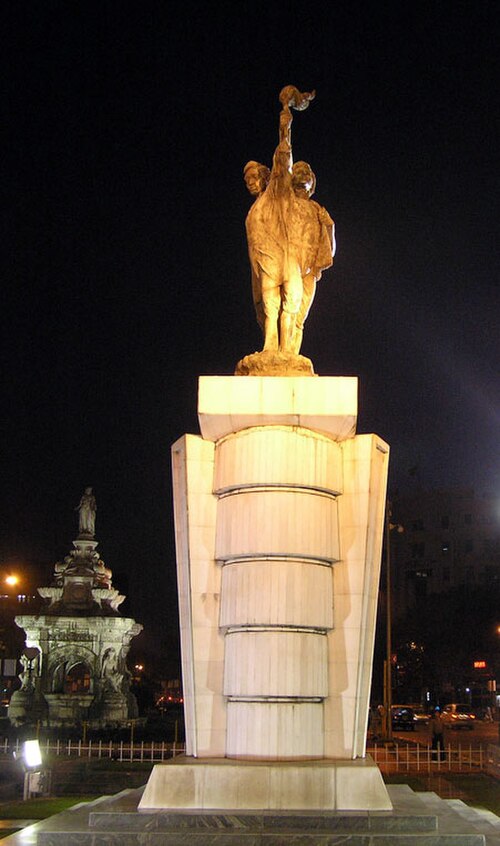
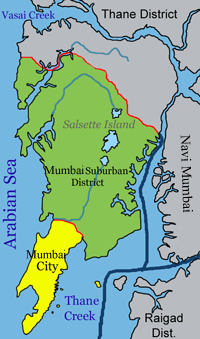


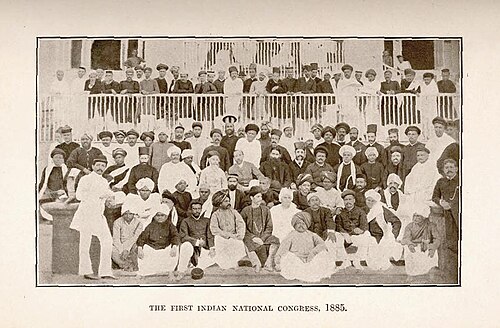


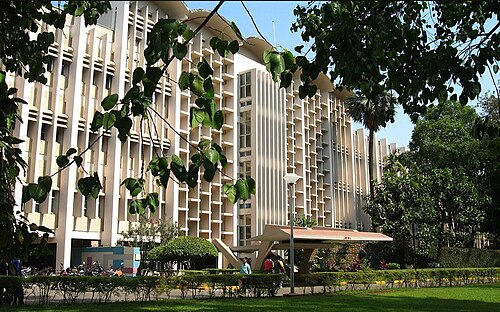


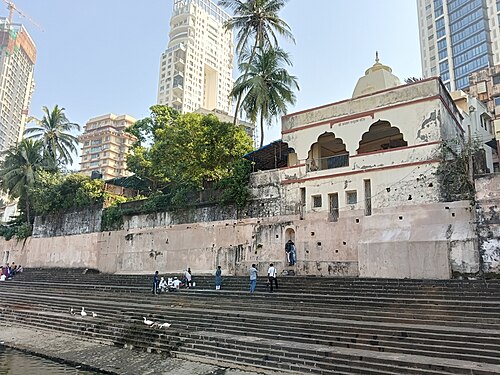
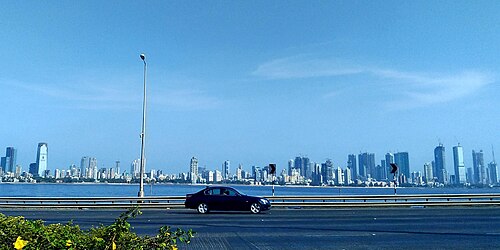
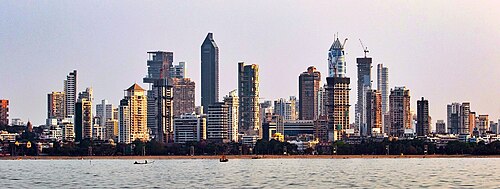

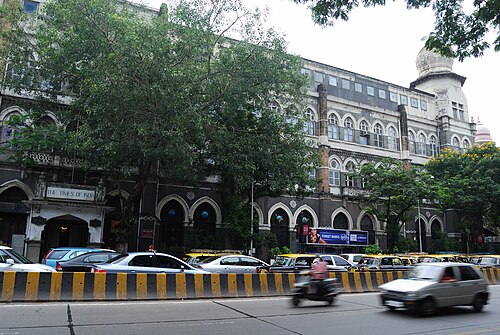
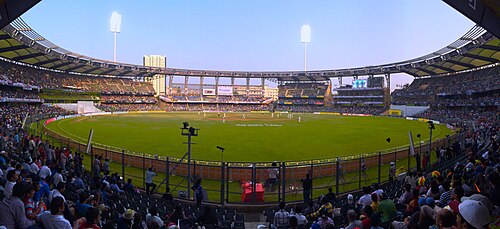

 St. Petersburg, Russia (1963)
 Yokohama, Japan (1965)
 Stuttgart, Germany (1968)
 Honolulu, US (1970)
 Busan, South Korea (1977)
 Jakarta, Indonesia (1995)
 Nadi, Fiji (1996)
 İzmir, Turkey (1997)
 Galați, Romania (2005)
 Antananarivo, Madagascar (2008)
 Zagreb, Croatia (2009)
 Barcelona, Spain (2012)
 Odesa, Ukraine (2013)
 Shanghai, China (2014)
 Geographic data related to Mumbai at OpenStreetMap