
Loading article…
アール・デコ(フランス語のArts décoratifsの略で、文字通り「装飾芸術」)[ 1 ]は、視覚芸術、建築、製品デザインの様式で、第一次世界大戦直前の1910年代にパリで初めて登場し[ 2 ]、1920年代から1930年代初頭にかけて、大きな建造物から衣服、ファッション、ジュエリーなどの小さな物まで、あらゆるものの外装と内装のスタイルとデザインを通して国際的に隆盛しました。アール・デコは、超高層ビルから映画館、橋、客船、列車、自動車、トラック、バス、家具、ラジオや掃除機などの日用品に至るまで、様々な建物に影響を与えています。[ 3 ]
アール・デコという名称は、1925年にパリで開催された国際装飾美術産業博覧会( Exposition internationale des arts décoratifs et industriels modernes)以降に使われるようになった。 [ 4 ]その起源は、ウィーン分離派とキュビスムの大胆な幾何学的形態にある。当初から、アール・デコはフォーヴィスムとバレエ・リュスの鮮やかな色彩、そして中国、日本、インド、ペルシャ、古代エジプト、マヤの異国情緒あふれる芸術様式の影響を受けていた。当時、アール・デコは、スタイル・モデルヌ、モデルヌ、モダニスティック、スタイル・コンテンポランなど、他の名称で呼ばれており、明確で均質な様式として認識されていなかった。[ 5 ]
アールデコは全盛期には、贅沢、華やかさ、活気、そして社会と技術の進歩への信頼を象徴していました。この運動では、黒檀や象牙などの希少で高価な素材や、精巧な職人技が特徴でした。また、クロムメッキ、ステンレス鋼、プラスチックなどの新しい素材も導入されました。ニューヨークでは、エンパイアステートビル、クライスラービル、その他1920年代と1930年代の建物がこの様式の記念碑となっています。世界で最もアールデコ建築が集中しているのはフロリダ州マイアミビーチです。[ 6 ]
アールデコは世界恐慌の間、より落ち着いたものになった。1930年代には、曲線的なフォルムと滑らかで磨かれた表面を特徴とする、ストリームライン・モダーンと呼ばれる、より洗練されたスタイルの形態が現れた。 [ 7 ]アールデコは国際的なスタイルであったが、第二次世界大戦の勃発後 、現代建築の機能的で装飾のないスタイル、特に現在インターナショナル・スタイルと呼ばれるものにその優位性を奪われた。[ 8 ] [ 5 ]
アール・デコは、1925年にパリで開催された国際近代装飾美術産業博覧会にちなんで、Arts Décoratifs(装飾美術)の略称としてその名が付けられました。 [ 4 ]フランスでは、 arts décoratifs(装飾美術)という区別は、1858年のBulletin de la Société française de photographie(フランス写真協会紀要)で初めてなされました。[ 9 ] 1868年、ル・フィガロ紙は、オペラ座のために作られた舞台装置用の小道具にobjets d'art décoratifs(装飾美術品)という用語を使用しました。[ 10 ] [ 11 ] [ 12 ] 1875年、家具デザイナー、織物職人、宝石職人、ガラス職人、その他の職人は、フランス政府によって正式に芸術家の地位を与えられました。1920年には、国立高等装飾美術学校(ENSAD)が設立されました。
アール・デコという用語が実際に印刷物に登場したのは1966年で、パリ装飾美術館で開催されたこのテーマに関する最初の近代的な展覧会「 Les Années 25 : Art déco, Bauhaus, Stijl, Esprit nouveau」のタイトルで、1920年代と1930年代のさまざまな主要なスタイルを網羅していた。[ 13 ]その後、この用語は1966年にヒラリー・ゲルソンがタイムズ紙に寄稿した記事で、展覧会のさまざまなスタイルを説明する際に使用された。 [ 14 ]
アール・デコは、1968年に歴史家のベヴィス・ヒリアーがアール・デコに関する最初の主要な学術書『20年代と30年代のアール・デコ』を出版したことで、広く用いられる様式のラベルとして定着した。[ 3 ]彼は、この用語がすでに美術商によって使用されていたことを指摘し、例として『タイムズ』(1966年11月2日)と『エル』誌(1967年11月)に掲載された「アール・デコ」というエッセイを挙げている。 [ 15 ] 1971年、彼はミネアポリス美術館で展覧会を企画し、その詳細は著書『アール・デコの世界』に記されている。[ 16 ] [ 17 ]
マイク・ホープは、アール・デコ建築に使用された他の多くのラベルを挙げています:オデオン様式、リバティ様式、スタイル・モデルヌ、ジャズ・モデルヌ、ジグザグ・モデルヌ、ブリティッシュ・モデルヌ、ノーティカル・モデルヌ、モダン・シップ・スタイル、パックボート様式、オーシャン・ライナー・スタイル、ホワイト・モデルヌ、フューチャリスト・アール・デコ、ストリームライン・ボザール、ストリームライン・モデルヌ、PWAモデルヌ、PWA/WPAモデルヌ、フェデラル・モデルヌ、デプレッション・モデルヌ、クラシカル・モデルヌ、クラシカル・モダニズム、モダニスト・クラシカル、シカゴ派、チェコ建築キュビスム、イタリアン・フューチャリズム、プレーリー派、アトモスフェリック・シアター、メッド・デコ、アムステルダム派、 新即物主義としてのニューウェ・ザケリクハイト、マヤ復興、日本分離派、スパニッシュ・プエブロ様式、プエブロ・デコ、フィンランド国民ロマン主義、ネオ・ゴシック、ネオ・ビザンチン、ネオ・エジプト、スパニッシュ・ミッション、インターナショナル・スクール、ヨーロピアン・インターナショナル・スタイル、ウィーン工房、フリー・クラシシズム、ストリップド・ネオクラシシズム、デコ・フリー・クラシシズム、ストリップド・クラシシズム、トランジショナル・モダン、ヴォーグ・リージェンシー。[ 18 ]
新しい素材や技術、特に鉄筋コンクリートは、アールデコの発展と外観に重要な役割を果たしました。最初のコンクリート住宅は、1853年にフランソワ・コワニェによってパリ郊外に建てられました。1877年、ジョゼフ・モニエは鉄筋を格子状に並べてコンクリートを補強するというアイデアを導入しました。1893年、オーギュスト・ペレはパリで最初のコンクリートガレージを建設し、その後アパート、住宅、そして1913年にはシャンゼリゼ劇場を建設しました。[ 19 ]
この劇場は、ある批評家から「モンテーニュ通りのツェッペリン」と非難され、ウィーン分離派から模倣されたとされるドイツの影響を受けているとされた。その後、アールデコ建築の大部分は鉄筋コンクリートで作られ、これにより形状の自由度が高まり、補強柱や支柱の必要性が減った。ペレはまた、保護と装飾の両方の目的でコンクリートをセラミックタイルで覆うことの先駆者でもあった。建築家ル・コルビュジエは、ペレのスタジオで製図技師として働いていたときに、鉄筋コンクリートの用途を初めて学んだ。[ 19 ]
アールデコにとって重要だったその他の新技術としては、板ガラスの製造方法の進歩が挙げられる。これにより、より安価で、より大きく丈夫な窓を作ることが可能になった。また、アルミニウムの大量生産技術も進歩し、これは建築や窓枠に使用され、後にル・コルビュジエ、ウォーレン・マッカーサーらによって軽量家具にも用いられるようになった。
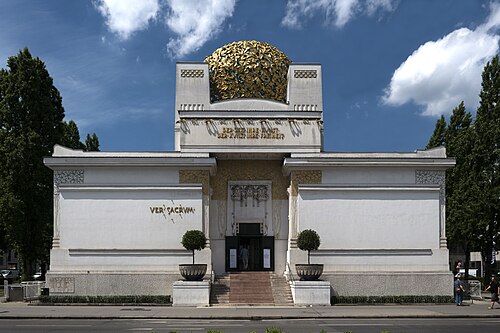
ウィーン分離派(1897年結成)の建築家、特にヨーゼフ・ホフマンは、アール・デコに大きな影響を与えた。ブリュッセルのストックレー宮殿(1905~1911年)は、幾何学的なボリューム、対称性、直線、大理石の板で覆われたコンクリート、精巧な彫刻装飾、グスタフ・クリムトによるモザイクのフリーズを含む豪華な内装を特徴とするアール・デコ様式の原型となった。ホフマンはまた、新しい様式で活動する職人やインテリアデザイナーの協会であるウィーン工房(1903~1932年)の創設者でもあった。これは、1919年に設立されたコンパニー・デ・ザール・フランセのモデルとなり、フランス初のアール・デコを代表するデザイナー兼装飾家であるアンドレ・マールとルイ・スーが集まった。 [ 20 ]


アール・デコの出現は、19世紀後半まで単なる職人と見なされていた装飾芸術家の地位の上昇と密接に関係していた。装飾芸術の地位が上昇するにつれてフランスでは「装飾芸術」という用語が使われるようになり、1875年には家具デザイナー、織物職人、その他の職人がフランス政府によって正式に芸術家として認められた。[ 21 ] 1901年には装飾芸術家協会(Société des artistes décorateurs、略称SAD)が設立され、装飾芸術家は画家や彫刻家と同じ著作権を与えられた。同様の動きはイタリアでも起こった。1902年には、装飾芸術のみを扱った最初の国際博覧会である近代装飾芸術国際博覧会(Esposizione Internazionale d'Arte Decorativa Moderna )がトリノで開催された。[ 22 ]
パリでは、『Arts et décoration』や『L'Art décoratif moderne』など、装飾芸術に特化した新しい雑誌がいくつか創刊された。装飾芸術部門は、フランス芸術家協会の年次サロン、そして後にサロン・ドートンヌにも導入された。フランスのナショナリズムも装飾芸術の復活に一役買っており、フランスのデザイナーたちは、より安価なドイツ製家具の輸出増加に脅威を感じていた。1911年、SADは1912年に大規模な新しい国際装飾芸術博覧会を提案した。古い様式の模倣は認められず、現代作品のみが認められることになった。この博覧会は1914年まで延期され、その後、戦争のため1925年まで延期されたが、その年に「デコ」として知られる様式群全体にその名が付けられた。[ 22 ]


パリの百貨店やファッションデザイナーもアールデコの隆盛に重要な役割を果たした。銀製品メーカーのクリストフル、ガラスデザイナーのルネ・ラリック、宝石商のルイ・カルティエやブシュロンといった著名な企業が、よりモダンなスタイルの製品をデザインし始めた。[ 23 ] [ 24 ] 1900年頃から、百貨店は装飾アーティストを雇い、デザインスタジオで働かせた。1912年のサロン・ドートンヌの装飾は百貨店のプランタンに委託され、[ 25 ] [ 26 ]同年、プランタンは独自の工房プリマヴェーラを設立した。[ 26 ]
1920年までに、プリマヴェーラは300人以上の芸術家を雇用し、そのスタイルはルイ・スーとプリマヴェーラ工房が製作したルイ14世、ルイ16世、特にルイ・フィリップの家具の現代版から、オー・ルーヴル百貨店の工房によるよりモダンなフォルムまで多岐に渡った。エミール=ジャック・ルールマンやポール・フォロなどの他のデザイナーは大量生産を拒否し、各作品を個別に製作することを主張した。初期のアール・デコ様式は、黒檀、象牙、絹などの豪華でエキゾチックな素材、非常に鮮やかな色彩、様式化されたモチーフ、特にバスケットやあらゆる色の花束を特徴とし、モダニズム的な外観を与えた。[ 27 ]


1910年から1914年の間に誕生したアール・デコは、色彩の爆発であり、明るく、しばしば衝突する色合いが、花柄のデザインで、家具の張り地、カーペット、衝立、壁紙、布地によく用いられた。モーリス・デュフレーヌの椅子とテーブル、ポール・フォロの鮮やかなゴブラン織りのカーペットなど、多くの色彩豊かな作品が1912年のサロン・デ・アルティスト・デコラトゥールで展示された。1912年から1913年にかけて、デザイナーのアドリアン・カルボウスキーは、美術収集家のジャック・ドゥーセの狩猟小屋のために、オウムのデザインが施された花柄の椅子を制作した。[ 28 ]家具デザイナーのルイ・スーとアンドレ・マールは、アトリエ・フランセという名前で1912年の展覧会に初登場し、多色の布地と黒檀や象牙などのエキゾチックで高価な素材を組み合わせた。第一次世界大戦後、彼らはフランスで最も著名なインテリアデザイン会社の1つとなり、フランスの大西洋横断客船の一等サロンや客室用の家具を製作した。[ 29 ]
アールデコの鮮やかな色彩は、第一次世界大戦直前にパリでセンセーションを巻き起こしたバレエ・リュスのためのレオン・バクストによるエキゾチックな舞台美術など、多くの源泉から生まれた。色彩の一部は、アンリ・マティスが率いた初期のフォーヴィスム運動から、また一部はソニア・ドローネーなどの画家によるオルフィスムから、[ 30 ]レ・ナビとして知られる運動から、さらに一部は暖炉の衝立やその他の装飾品をデザインした象徴主義の画家オディロン・ルドンの作品から影響を受けた。明るい色調は、アールデコのファッションとインテリアデザインの両方に影響を与えたファッションデザイナー、ポール・ポワレの作品の特徴であった。[ 29 ] [ 31 ] [ 32 ]


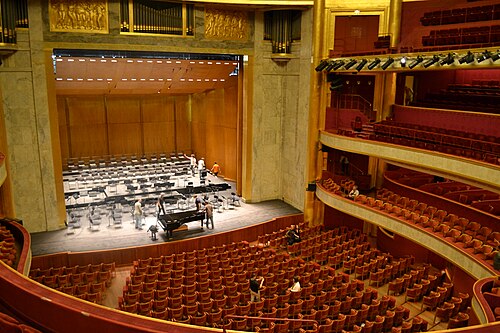


オーギュスト・ペレによるシャンゼリゼ劇場( 1910~1913年)は、パリで完成した最初のランドマークとなるアールデコ建築物である。それまで鉄筋コンクリートは工業用建物や集合住宅にしか使われていなかったが、ペレは1903~04年にパリのベンジャミン・フランクリン通りにパリ初の近代的な鉄筋コンクリートの集合住宅を建設した。後にアールデコ建築の重要な建築家となるアンリ・ソヴァージュも、1904年にトレテーニュ通り7番地に別の建物を建設した。[ 33 ]
1908年から1910年にかけて、21歳のル・コルビュジエはペレの事務所で製図工として働き、コンクリート構造の技術を学んだ。ペレの建物は、すっきりとした長方形のフォルム、幾何学的な装飾、直線が特徴で、後のアール・デコのトレードマークとなった。劇場の装飾も革新的で、ファサードはアントワーヌ・ブールデルによる高浮彫、モーリス・ドニによるドーム、エドゥアール・ヴュイヤールによる絵画、ケル=グザヴィエ・ルーセルによるアール・デコのカーテンで飾られていた。この劇場は、バレエ・リュスの最初の公演の多くが行われた場所となった。[ 33 ]ペレとソヴァージュは、1920年代にパリでアール・デコを代表する建築家となった。[ 34 ] [ 35 ]


キュビスムとして知られる芸術運動は、1907年から1912年の間にフランスで出現し、アールデコの発展に影響を与えた。[ 33 ] [ 30 ] [ 31 ]アリスター・ダンカンは次のように書いている。
キュビスムの画家たちはポール・セザンヌの影響を受けており、円柱、球、円錐といった幾何学的本質に形態を単純化することに興味を持っていた。[ 37 ] [ 38 ]
1912年、セクション・ドールの芸術家たちは、ピカソやブラックの分析的なキュビスムよりも一般大衆にとってずっと親しみやすい作品を展示した。キュビスムの語彙は、ファッション、家具、インテリアデザイナーを惹きつける態勢が整っていた。[ 30 ] [ 32 ] [ 38 ] [ 39 ]
1912年のサロン・ドートンヌの装飾美術部門では、 「ラ・メゾン・キュビスト」として知られる建築インスタレーションが展示された。[ 40 ] [ 41 ]ファサードはレイモン・デュシャン=ヴィヨンが設計し、家の装飾はアンドレ・マールが担当した。[ 42 ] [ 43 ]「ラ・メゾン・キュビスト」は、ファサード、階段、錬鉄製の手すり、寝室、リビングルーム(サロン・ブルジョワ)を備えた家具付きのインスタレーションで、サロン・ブルジョワにはアルベール・グレーズ、ジャン・メッツィンガー、マリー・ローランサン、マルセル・デュシャン、フェルナン・レジェ、ロジェ・ド・ラ・フレネーの絵画が飾られていた。[ 44 ] [ 45 ] [ 46 ]サロンには何千人もの観客が訪れ、実物大の模型の中を通り抜けた。[ 47 ]
デュシャン=ヴィヨンが設計したこの家のファサードは、現代の基準からするとそれほど斬新なものではなかった。まぐさやペディメントはプリズム状の形をしていたが、それ以外は当時の普通の家に似ていた。2つの部屋のために、マレは様式化されたバラや花柄の壁紙、室内装飾、家具、カーペットをデザインし、すべてに華やかでカラフルなモチーフをあしらった。それは伝統的な装飾からの明確な脱却だった。批評家のエミール・セデインは雑誌『アート・エ・デコラシオン』でマレの作品について次のように評した。「彼はシンプルさに恥じることなく、花を置けるところならどこにでも花を飾る。彼が求めている効果は明らかに絵画的で陽気なものであり、彼はそれを達成している。」[ 48 ]キュビスムの要素は絵画によってもたらされた。このインスタレーションは、一部の批評家から極めて斬新だと批判されたが、それが成功の一因となった。[ 49 ]この建築インスタレーションはその後、1913年のアーモリーショー、ニューヨーク市、シカゴ、ボストンで展示されました。[ 30 ] [ 38 ] [ 50 ] [ 51 ] [ 52 ]この展覧会のおかげで、「キュビズム」という用語は、女性のヘアカットから衣服、演劇公演まで、あらゆる現代的なものに適用されるようになりました。[ 49 ]
アールデコが他の多くの方向に枝分かれしていく中でも、キュビスムの影響はアールデコの中に残り続けた。[ 30 ] [ 31 ]
キュビスムの抽象的な幾何学は1920年代に主流となった。アール・デコはキュビスムの選択的な幾何学をより幅広い形状へと発展させ、絵画の分類体系としてのキュビスムをはるかに幅広い層に、より広く普及させた。(リチャード・ハリソン・マーティン、メトロポリタン美術館)[ 53 ]



アール・デコは単一のスタイルではなく、さまざまな、時には矛盾するスタイルの集合体でした。建築において、アール・デコは、1895年から1900年の間にヨーロッパで隆盛を極め、ヨーロッパとアメリカの建築で主流であったボザール様式や新古典主義と共存したアール・ヌーヴォー様式の後継(そして反動)でした。1905年、ウジェーヌ・グラッセは『Méthode de Composition Ornementale, Éléments Rectilignes』[ 54 ]を執筆・出版し、その中で、数年前にパリで人気を博したエクトール・ギマールの波打つようなアール・ヌーヴォー様式とは対照的に(そしてそこからの脱却として)、幾何学的要素、形態、モチーフ、およびそのバリエーションの装飾的(装飾的)側面を体系的に探求しました。グラッセは、三角形や正方形などのさまざまな単純な幾何学的形状がすべての構成配置の基礎であるという原則を強調しました。オーギュスト・ペレとアンリ・ソヴァージュによる鉄筋コンクリート建築、特にシャンゼリゼ劇場は、世界中で模倣された新しい建築様式と装飾様式を提供した。[ 55 ]


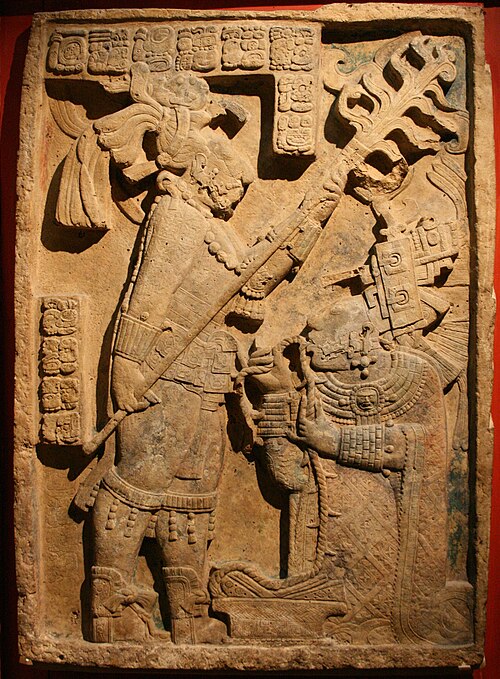


装飾においては、アール・デコはさまざまなスタイルを取り入れ、活用しました。それらには、ルーブル美術館、人類博物館、アフリカ・オセアニア国立美術館などで見られる世界各地の前近代美術が含まれます。また、ポンペイ、トロイ、第18王朝のファラオ、ツタンカーメンの墓の発掘により、考古学への関心も高まりました。芸術家やデザイナーは、古代エジプト、アフリカ、メソポタミア、ギリシャ、ローマ、アジア、メソアメリカ、オセアニアのモチーフを機械時代の要素と融合させました。[ 59 ] [ 60 ] [ 61 ] [ 62 ] [ 63 ] [ 64 ]


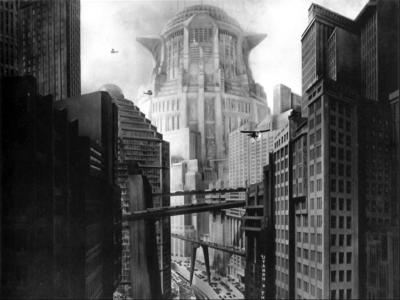


取り入れられた他の様式には、未来派、オルフィスム、機能主義、そしてモダニズム全般が含まれる。キュビスムは、キャンバスから織物や壁紙に移されることで、アールデコの美学の中で装飾的な可能性を見出す。ソニア・ドローネーは、ドレスモデルを「生きている絵画、あるいは生きている形態の彫刻」として、抽象的で幾何学的なスタイルで構想した。ルイ・バリレは、ダックスのアトリウム・カジノにあるアメリカン・バーのステンドグラスの窓にキュビスム風のデザインを制作した(1926年)。そこには、流行のカクテルの名前も含まれている。建築においては、ロシア構成主義とフランク・ロイド・ライトとウィレム・マリヌス・デュドックのラインに共通する水平方向と垂直方向のボリュームの明確な対比が、個人住宅や集合住宅から映画館や石油スタンドに至るまで、アールデコのファサードを表現する一般的な手法となった。[ 71 ] [ 38 ] [ 59 ] [ 72 ] [ 73 ]アールデコは、特にアンリ・マティスとアンドレ・ドランの作品に見られるフォーヴィスムの対照的な色彩とデザインも使用し、アールデコのテキスタイル、壁紙、彩色陶器のデザインに影響を与えた。[ 38 ]幾何学模様、シェブロン、ジグザグ、様式化された花束を特徴とする当時のハイファッションの語彙からアイデアを取り入れた。エジプト学の発見や、東洋やアフリカ美術への関心の高まりの影響を受けた。1925年以降は、飛行船、自動車、客船などの新しい機械への情熱に触発されることが多く、1930年までにこの影響はストリームライン・モダーンと呼ばれるスタイルを生み出した。[ 74 ]


この様式の頂点を極め、その名を冠することになったのは、 1925年4月から10月にかけてパリで開催された国際近代装飾美術・産業美術博覧会でした。これはフランス政府の公式後援を受け、パリ市内の55エーカーの敷地で開催され、右岸のグラン・パレから左岸のアンヴァリッドまで、セーヌ川沿いに広がっていました。市内最大のホールであるグラン・パレには、参加国からの装飾美術品が展示されました。オーストリア、ベルギー、チェコスロバキア、デンマーク、イギリス、イタリア、日本、オランダ、ポーランド、スペイン、スウェーデン、そして新しく誕生したソビエト連邦など、20か国から1万5千人の出展者が集まりました。ドイツは戦後の緊張関係のため招待されず、アメリカは博覧会の目的を誤解し、参加を辞退しました。この博覧会は7ヶ月の会期中に1600万人が訪れました。博覧会の規則では、すべての作品が近代的でなければならず、歴史的な様式は認められませんでした。この博覧会の主な目的は、フランスの高級家具、磁器、ガラス製品、金属工芸品、織物、その他の装飾品の製造業者を宣伝することでした。製品の販売促進をさらに図るため、パリの主要百貨店や有名デザイナーはそれぞれ独自のパビリオンを設けました。博覧会には、象牙やエキゾチックな木材など、アフリカやアジアのフランス植民地からの製品を宣伝するという副次的な目的もありました。
オテル・デュ・コレクショヌールは博覧会の人気アトラクションでした。そこにはエミール=ジャック・ルールマンの新しい家具デザインのほか、アールデコの生地、カーペット、ジャン・デュパの絵画が展示されていました。インテリアデザインは、アールヌーボーとは一線を画す対称性と幾何学的形態の原則に従い、モダニズム様式の厳格な機能性とは一線を画す鮮やかな色彩、精巧な職人技、希少で高価な素材が用いられていました。ほとんどのパビリオンは豪華に装飾され、手作りの高級家具で満たされていましたが、ソビエト連邦とル・コルビュジエが運営する同名の雑誌によって建てられたパビリオン・ド・レスプリ・ヌーヴォーの2つのパビリオンは、簡素な白い壁と装飾のない簡素なスタイルで建てられ、モダニズム建築の初期の例となりました。[ 75 ]


1925 年までに、アール デコの中には 2 つの競合する流派が共存していた。1 つは、装飾芸術家協会を設立した伝統主義者で、家具デザイナーのエミール=ジャック・ルールマン、ジャン・デュナン、彫刻家のアントワーヌ・ブールデル、デザイナーのポール・ポワレなどがいた。彼らは、現代的な形態と伝統的な職人技、高価な素材を組み合わせた。もう 1 つは、過去をますます否定し、新しい技術の進歩、シンプルさ、装飾の排除、安価な素材、大量生産に基づいたスタイルを求めた近代主義者だった。近代主義者は 1929 年に独自の組織であるフランス近代芸術家連盟を設立した。そのメンバーには、建築家のピエール・シャロー、フランシス・ジュールダン、ロベール・マレ=ステヴァンス、ル・コルビュジエ、ソビエト連邦のコンスタンチン・メルニコフ、アイルランドのデザイナーのアイリーン・グレイ、フランスのデザイナーのソニア・ドローネーなどがいた。そして宝石商のジョルジュ・フーケとジャン・ピュイフォルカ。彼らは伝統的なアール・デコ様式を激しく攻撃し、選ばれた少数の裕福な顧客のために一点ものや限定版の作品を作ることに焦点を当てたアール・デコのデザイナーを批判した。モダニストの見解では、装飾芸術の未来は富裕層の美的嗜好だけに左右されるのではなく、「新時代には誰もが優れたデザインを享受できる必要がある」[ 76 ] 。彼らは、形は機能に従うべきだと信じていた。物や建物の美しさは、それがその機能を果たすのに完全に適しているかどうかにある。近代的な工業的手法により、家具や建物は手作業で製作する必要がなくなり、大量生産が可能になった。また、大量生産と品質は必ずしも相反するものではないという見解も持っていた。[ 77 ] [ 78 ] [ 76 ]
フランスの装飾美術デザイナー、ポール・フォロは、アール・デコのより伝統的で装飾的なスタイルを次のように擁護した。「人間にとって『必要なもの』だけでは十分ではなく、余分なものが不可欠であることは分かっている…そうでなければ、音楽、花、香水…そして女性の微笑みも抑圧しなければならないだろう!」[ 76 ]しかし、ル・コルビュジエはモダニズム建築の優れた宣伝者であり、家は単に「住むための機械」であると述べ、アール・デコは過去であり、モダニズムは未来であるという考えを精力的に宣伝した。ル・コルビュジエの考えは徐々に建築学校に採用され、アール・デコの美学は放棄された。アール・デコを当初人気にした特徴、つまり職人技、豊かな素材、装飾は、その衰退につながった。1929年に米国で始まり、その後すぐにヨーロッパに伝わった大恐慌は、家具や美術品を購入できる裕福な顧客の数を大幅に減少させた。大恐慌の経済状況下では、新しい超高層ビルを建設する準備ができている企業はほとんどなかった。[ 38 ]ルールマン社でさえ、個々の手作り品ではなく、家具をシリーズで生産することに頼った。パリで新しいスタイルで最後に建てられた建物は、オーギュスト・ペレによる公共事業博物館(現在はフランス経済社会環境評議会)、ルイ=イポリット・ボワロー、ジャック・カルル、レオン・アゼマによるシャイヨー宮殿、そして1937年のパリ万国博覧会の東京宮殿であった。これらの建物からは、アルベルト・シュペーアが設計した壮大なナチス・ドイツのパビリオンが見え、そのパビリオンはスターリンのソビエト連邦の同様に壮大な社会主義リアリズムのパビリオンと向かい合っていた。
第二次世界大戦後、ル・コルビュジエとミース・ファン・デル・ローエが先駆者となったインターナショナル・スタイルが主流の建築様式となった。第二次世界大戦後、マイアミビーチにはアールデコ様式のホテルが数軒建てられたが、それ以外の地域では、自動車のデザインやジュークボックスなどの製品に引き続き使用された工業デザインを除いて、この様式はほぼ消滅した。1960年代には、ベヴィス・ヒリアーなどの建築史家の著作のおかげで、ささやかな学術的復興が見られた。1970年代には、米国とヨーロッパでアールデコ建築の最良の例を保存するための努力がなされ、多くの建物が修復され、用途変更された。 1980年代に初めて登場したポストモダン建築は、アールデコと同様に、純粋に装飾的な特徴をしばしば含んでいる。[ 38 ] [ 59 ] [ 79 ] [ 80 ]デコはデザイナーにインスピレーションを与え続けており、現代のファッション、ジュエリー、化粧品によく使用されている。[ 81 ]
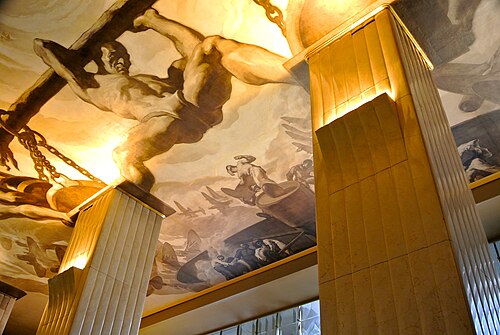
1925年の博覧会には絵画専用のセクションは設けられていませんでした。アールデコ絵画は定義上装飾的で、部屋や建築物を飾るためにデザインされたものであったため、このスタイルのみで制作した画家は少数でしたが、2人の画家がアールデコと密接に関係しています。ジャン・デュパは、1925年のパリ装飾美術博覧会のボルドー館のためにアールデコの壁画を描き、また、1925年の博覧会のメゾン・デュ・コレクショヌール展示室の暖炉の上にも絵を描きました。この展示室には、ルールマンや他の著名なアールデコデザイナーの家具が展示されていました。彼の壁画は、フランスの豪華客船SSノルマンディー号の装飾でも目立っていました。彼の作品は純粋に装飾的で、装飾の他の要素の背景または添え物としてデザインされていました。[ 82 ]
この様式と密接に関わるもう一人の画家はタマラ・ド・レンピッカである。ポーランド生まれの彼女は、ロシア革命後にパリに移住した。モーリス・ドニとアンドレ・ロートに師事し、彼らの様式から多くの要素を取り入れた。彼女は写実的でダイナミックかつ色彩豊かなアール・デコ様式で肖像画を描いた。[ 83 ]
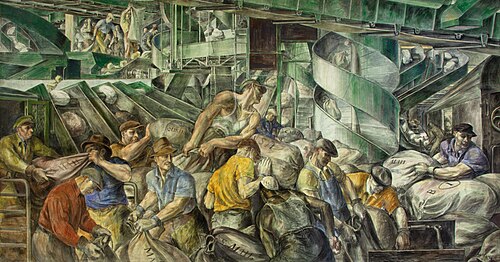
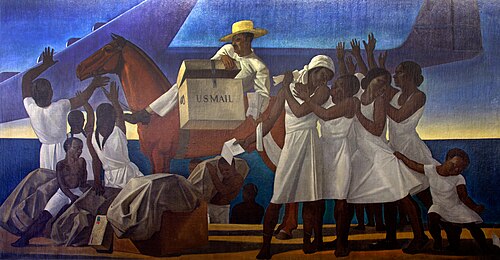
1930年代、アメリカでは劇的な新しいアール・デコ絵画の形態が現れた。大恐慌の間、失業中の芸術家に仕事を与えるために、公共事業促進局の連邦美術計画が設立された。多くの芸術家が政府庁舎、病院、学校の装飾を任された。壁画には特定のアール・デコ様式は用いられず、政府庁舎の壁画制作に携わった芸術家は、アメリカ地方主義から社会主義リアリズムまで、さまざまな流派に属していた。その中には、レジナルド・マーシュ、ロックウェル・ケント、メキシコ人画家ディエゴ・リベラなどが含まれる。これらの壁画がアール・デコ様式とされたのは、いずれも装飾的で、描かれた建物や都市の活動に関連していたからである。レジナルド・マーシュとロックウェル・ケントはともにアメリカの郵便局を装飾し、郵便局員の働く姿を描いた一方、ディエゴ・リベラはデトロイト美術館のために自動車工場の労働者を描いた。ディエゴ・リベラが30ロックフェラー・プラザのために制作した壁画「岐路に立つ男」(1933年)には、レーニンの無許可の肖像画が描かれている。[ 84 ] [ 85 ]リベラがレーニンの絵を撤去することを拒否したため、その絵は破壊され、スペイン人画家ジョセップ・マリア・セルトによって新しい壁画が描かれた。[ 86 ] [ 87 ] [ 88 ]


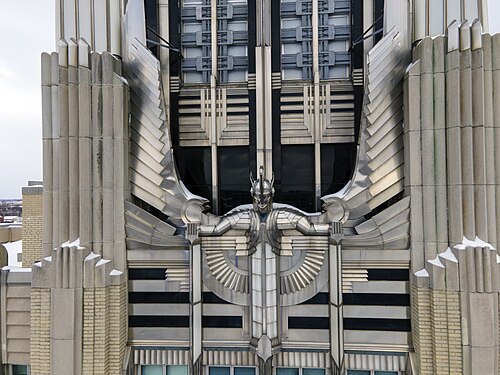


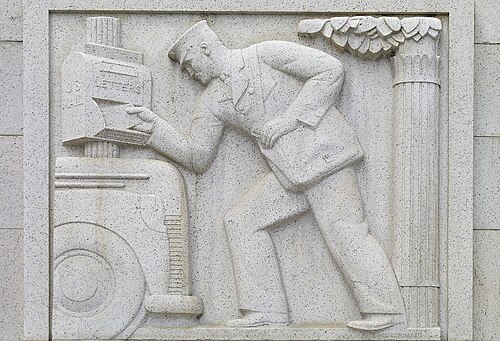

彫刻はアール・デコ建築において非常に一般的で不可欠な要素でした。フランスでは、 1912年にパリに建てられた初期のアール・デコ建築のランドマークであるシャンゼリゼ劇場が、アントワーヌ・ブールデルによる舞踏と音楽を象徴する寓意的なレリーフで飾られました。1925年の万国博覧会では、会場の至る所に主要な彫刻作品が設置され、パビリオンは彫刻のフリーズで装飾され、いくつかのパビリオンは小規模なスタジオ彫刻に捧げられました。1930年代には、多くの著名な彫刻家が、1937年にシャイヨーで開催された国際芸術技術博覧会のために作品を制作しました。アルフレッド・ジャニオは、パレ・ド・トーキョーのファサードのレリーフ彫刻を制作しました。パリ市立近代美術館と、エッフェル塔に面したシャイヨー宮殿前の広場には、シャルル・マルフレイ、ヘンリー・アーノルド、その他多くの彫刻家による新しい彫像が数多く設置された。[ 89 ]
公共のアールデコ彫刻は、ほとんどの場合具象的で、通常は建物や部屋の目的に関連した英雄的または寓意的な人物像でした。テーマは通常、芸術家ではなく、パトロンによって選ばれました。装飾用の抽象彫刻は極めてまれでした。[ 90 ] [ 91 ]
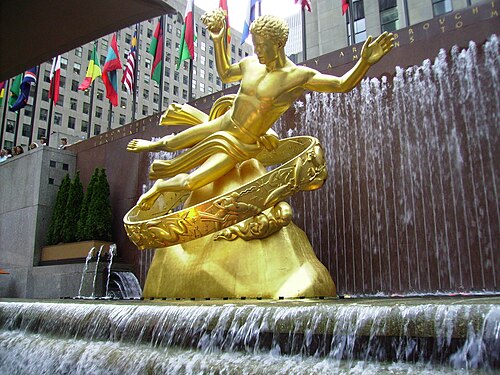
アメリカにおいて、公共美術におけるアールデコ様式の彫刻家として最も著名なのはポール・マンシップであり、彼は古典や神話の題材をアールデコ様式で現代的に解釈した。彼の最も有名な作品は、ニューヨーク市のロックフェラーセンターにあるプロメテウス像で、これは古典的な題材を20世紀風にアレンジしたものである。ロックフェラーセンターのその他の重要な作品としては、彫刻が施されたファサードやアトラス像など、リー・ローリーによるものもある。
アメリカ合衆国の大恐慌の間、多くの彫刻家がWPA(公共事業促進局)から資金提供を受けて、連邦政府の建物の装飾用の作品を制作するよう依頼された。その中には、連邦政府のオフィスビルのために労働者とその仕事を様式化して理想化したイメージを制作した彫刻家シドニー・ビーラー・ウォーも含まれていた。[ 92 ]サンフランシスコでは、ラルフ・スタックポールが新しいサンフランシスコ証券取引所ビルの正面に彫刻を提供した。ワシントンDCでは、マイケル・ランツが連邦取引委員会ビルのために作品を制作した。
イギリスでは、アールデコ様式の公共彫像がエリック・ギルによってBBC放送局のために制作され、ロナルド・アトキンソンはロンドンの旧デイリー・エクスプレス・ビルのロビーを装飾した(1932年)。
最も有名で、間違いなく最大の公共アールデコ彫刻の一つは、フランスの彫刻家ポール・ランドフスキーによる「キリスト像」である。1922年から1931年にかけて完成し、ブラジルのリオデジャネイロを見下ろす山頂に位置している。


初期のアールデコ彫刻の多くは小型で、サロンを飾るためにデザインされたものでした。この彫刻の一ジャンルとして、金象牙で作られた古代ギリシャの神殿彫像の様式にちなんで名付けられた「クリセレファンティン像」と呼ばれるものがありました。これらはブロンズで作られることもあれば、象牙、オニキス、アラバスター、金箔など、より豪華な素材で作られることもありました。
アールデコ様式のサロン彫刻家として最も有名な人物の一人は、ルーマニア生まれのデメトレ・チパルスで、色彩豊かなダンサーの小さな彫刻を制作した。その他の著名なサロン彫刻家には、フェルディナント・プライス、ヨーゼフ・ローレンツル、アレクサンダー・ケレティ、ドロテア・チャロル、グスタフ・シュミットカッセルなどがいる。[ 93 ]スタジオ形式で活動したもう一人の重要なアメリカ人彫刻家は、パリでオーギュスト・ロダンに師事したハリエット・ホイットニー・フリッシュムートである。
ピエール・ル・パゲは、アール・デコ様式の著名なスタジオ彫刻家で、1925年の万国博覧会に作品を出品した。彼はブロンズ、大理石、象牙、オニキス、金、アラバスターなどの貴重な素材を用いて作品を制作した。[ 94 ]
フランソワ・ポンポンは、近代的な様式化された動物彫刻の先駆者でした。彼の芸術的功績が十分に認められたのは、1922年のサロン・ドートンヌで、現在パリのオルセー美術館に所蔵されている作品「白い熊」 ( Ours blanc)を発表してから67歳の時でした。[ 95 ]
これらのアールデコ彫刻家と並行して、パリとニューヨークではより前衛的で抽象的なモダニズム彫刻家たちが活動していた。最も著名なのは、コンスタンティン・ブランクーシ、ジョセフ・チャキ、アレクサンダー・アーキペンコ、アンリ・ローレンス、ジャック・リプシッツ、ギュスターヴ・ミクロス、ジャン・ランベール=ルッキ、ヤン・エ・ジョエル・マルテル、チャナ・オルロフ、パブロ・ガルガロである。[ 96 ]


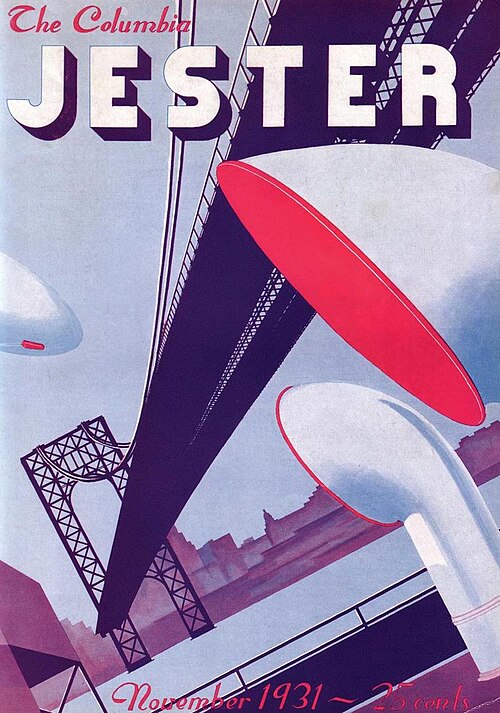
アールデコ様式は、第一次世界大戦直前の数年間、グラフィックアートの分野で早くから登場しました。パリでは、バレエ・リュスのレオン・バクストによるポスターや衣装デザイン、ファッションデザイナーのポール・ポワレのカタログに登場しました。[ 97 ]ジョルジュ・バルビエやジョルジュ・ルパップのイラスト、ファッション雑誌『ラ・ガゼット・デュ・ボン・トン』の画像は、この様式の優雅さと官能性を完璧に捉えています。1920年代には、そのスタイルは変化し、よりカジュアルでスポーティーで大胆なファッションが強調され、女性モデルはたいていタバコを吸っていました。ヴォーグ、ヴァニティ・フェア、ハーパーズ・バザーなどのアメリカのファッション雑誌は、この新しいスタイルをすぐに取り上げ、アメリカで普及させました。また、ロックウェル・ケントなどのアメリカの書籍イラストレーターの作品にも影響を与えました。ドイツでは、この時代で最も有名なポスター画家はルートヴィヒ・ホルヴァインで、音楽祭やビール、そして晩年にはナチ党のために色彩豊かでドラマチックなポスターを制作した。[ 98 ]
アール・ヌーヴォーの時代には、ポスターは通常、演劇作品やキャバレーの宣伝に使われていました。1920年代には、汽船会社や航空会社のために作られた旅行ポスターが非常に人気になりました。1920年代には、宣伝されている商品に注目が集まるようにスタイルが大きく変化しました。画像はよりシンプルで正確、より直線的でダイナミックになり、多くの場合、単色の背景に配置されました。フランスでは、シャルル・ルーポやポール・コランといったアール・デコのデザイナーが人気で、コランはアメリカの歌手兼ダンサー、ジョセフィン・ベーカーのポスターで有名になりました。ジャン・カルーは、チャールズ・チャップリンの映画、ソープオペラ、劇場のポスターをデザインしました。1930年代後半に彼はアメリカに移住し、第一次世界大戦中は戦争生産を奨励するポスターをデザインしました。デザイナーのシャルル・ジェスマーは、歌手のミスタンゲットやエールフランスのポスターを制作して有名になりました。最も有名なフランスのアールデコポスターデザイナーの一人にカッサンドルがおり、彼は1935年に豪華客船SSノルマンディーの有名なポスターを制作した。 [ 98 ]
1930年代、大恐慌時代の米国で新しいジャンルのポスターが登場した。連邦美術計画は、観光や文化イベントを宣伝するためのポスターを制作するためにアメリカ人アーティストを雇った。[ 99 ]


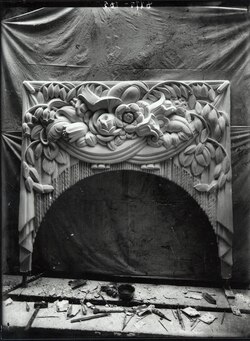


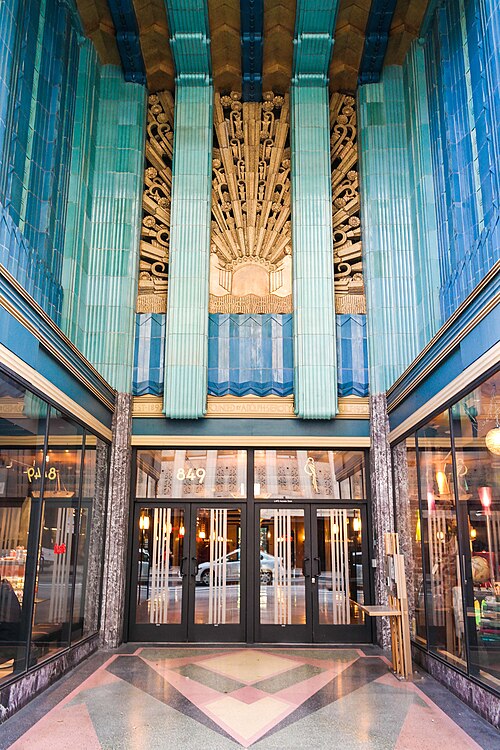


アール・デコ時代の装飾は、いくつかの明確な段階を経てきました。1910年から1920年にかけて、アール・ヌーヴォーが衰退すると、デザイン様式は伝統へと回帰し、特にポール・イリブの作品にそれが顕著に表れました。1912年、アンドレ・ヴェラは雑誌『L'Art Décoratif』にエッセイを発表し、数世紀前の職人技と素材への回帰を提唱するとともに、自然から着想を得た新たな形態、特に果物や花の籠や花輪の使用を提唱しました。同じく1910年から1920年にかけてのアール・デコの第二の傾向は、フォーヴィスムとして知られる芸術運動の鮮やかな色彩と、バレエ・リュスの色彩豊かな衣装や舞台装置に触発されたものでした。このスタイルは、サメ革、真珠貝、象牙、着色革、漆塗りや塗装を施した木材、幾何学模様を強調した家具の装飾象嵌など、エキゾチックな素材で表現されることが多かったのです。この様式の時代は、1925年のパリ装飾美術博覧会で頂点を迎えた。1920年代後半から1930年代にかけて、装飾様式は新しい素材や技術に触発されて変化した。より洗練され、装飾性は薄れた。家具は建築と同様に、角が丸くなり、流線型のモダンスタイルから取り入れた、磨き上げられた流線型の外観を帯びるようになった。ニッケルやクロムメッキ鋼、アルミニウム、初期のプラスチックであるベークライトなどの新しい素材が、家具や装飾に登場し始めた。[ 110 ]
アールデコ時代を通して、特に1930年代には、装飾のモチーフは建物の機能を表現していました。劇場は音楽、ダンス、興奮を表現した彫刻で飾られ、電力会社は日の出を表現し、クライスラービルは様式化されたボンネットの飾りを表現しました。1931年のパリ植民地博覧会のパレ・ド・ラ・ポルト・ドレのフリーズには、フランス植民地のさまざまな国籍の人々の顔が描かれていました。ストリームラインスタイルは、建物自体が動いているように見せました。1930年代のWPA壁画には、古典的な英雄の代わりに、工場労働者、郵便局員、家族、農民などの一般の人々が描かれました。[ 111 ]


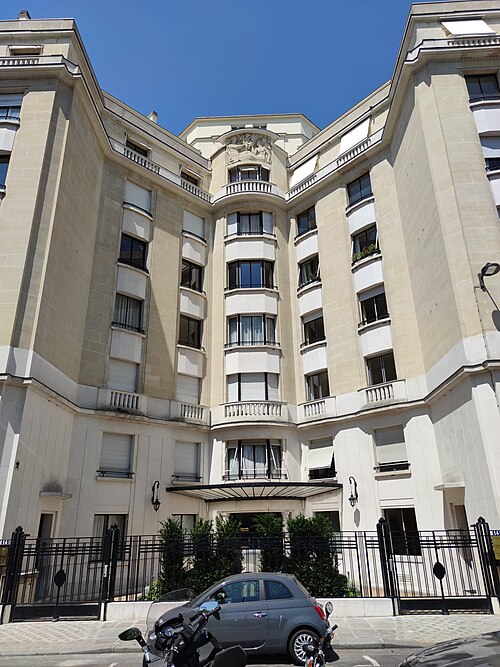


Art Deco, like the complex times that engendered it, can best be characterized by a series of contradictions: minimalist vs maximalist, angular vs fluid, ziggurat vs streamline, symmetrical vs irregular, to name a few. The iconography chosen by Art Deco artists to express the period is also laden with contradictions. Fair maidens in 18th-century dress seem to coexist with chic sophisticated ladies and recumbent nudes, and flashes of lightning illuminate stylized rosebuds.[113]


French furniture from 1910 until the early 1920s was largely an updating of French traditional furniture styles, and the art nouveau designs of Louis Majorelle, Charles Plumet and other manufacturers. French furniture manufacturers felt threatened by the growing popularity of German manufacturers and styles, particularly the Biedermeier style, which was simple and clean-lined. The French designer Frantz Jourdain, the president of the Paris Salon d'Automne, invited designers from Munich to participate in the 1910 Salon. French designers saw the new German style and decided to meet the German challenge. The French designers decided to present new French styles in the Salon of 1912. The rules of the Salon indicated that only modern styles would be permitted. All of the major French furniture designers took part in Salon: Paul Follot, Paul Iribe, Maurice Dufrêne, André Groult, André Mare and Louis Suë took part, presenting new works that updated the traditional French styles of Louis XVI and Louis Philippe with more angular corners inspired by Cubism and brighter colours inspired by Fauvism and the Nabis.[114]
The painter André Mare and furniture designer Louis Süe both participated the 1912 Salon. After the war the two men joined to form their own company, formally called the Compagnie des Arts Française, but usually known simply as Suë and Mare. Unlike the prominent art nouveau designers like Louis Majorelle, who personally designed every piece, they assembled a team of skilled craftsmen and produced complete interior designs, including furniture, glassware, carpets, ceramics, wallpaper and lighting. Their work featured bright colors and furniture and fine woods, such as ebony encrusted with mother of pearl, abalone and silvered metal to create bouquets of flowers. They designed everything from the interiors of ocean liners to perfume bottles for the label of Jean Patou.The firm prospered in the early 1920s, but the two men were better craftsmen than businessmen. The firm was sold in 1928, and both men left.[115]
The most prominent furniture designer at the 1925 Decorative Arts Exposition was Émile-Jacques Ruhlmann, from Alsace. He first exhibited his works at the 1913 Autumn Salon, then had his own pavilion, the "House of the Rich Collector", at the 1925 Exposition. He used only most rare and expensive materials, including ebony, mahogany, rosewood, ambon and other exotic woods, decorated with inlays of ivory, tortoise shell, mother of pearl, Little pompoms of silk decorated the handles of drawers of the cabinets.[116] His furniture was based upon 18th-century models, but simplified and reshaped. In all of his work, the interior structure of the furniture was completely concealed. The framework usually of oak, was completely covered with an overlay of thin strips of wood, then covered by a second layer of strips of rare and expensive woods. This was then covered with a veneer and polished, so that the piece looked as if it had been cut out of a single block of wood. Contrast to the dark wood was provided by inlays of ivory, and ivory key plates and handles. According to Ruhlmann, armchairs had to be designed differently according to the functions of the rooms where they appeared; living room armchairs were designed to be welcoming, office chairs comfortable, and salon chairs voluptuous. Only a small number of pieces of each design of furniture was made, and the average price of one of his beds or cabinets was greater than the price of an average house.[117]
Jules Leleu was a traditional furniture designer who moved smoothly into Art Deco in the 1920s; he designed the furniture for the dining room of the Élysée Palace, and for the first-class cabins of the steamship Normandie. his style was characterized by the use of ebony, Macassar wood, walnut, with decoration of plaques of ivory and mother of pearl. He introduced the style of lacquered Art Deco furniture in the late 1920s, and in the late 1930s introduced furniture made of metal with panels of smoked glass.[118] In Italy, the designer Gio Ponti was famous for his streamlined designs.
The costly and exotic furniture of Ruhlmann and other traditionalists infuriated modernists, including the architect Le Corbusier, causing him to write a famous series of articles denouncing the arts décoratif style. He attacked furniture made only for the rich and called upon designers to create furniture made with inexpensive materials and modern style, which ordinary people could afford. He designed his own chairs, created to be inexpensive and mass-produced.[119]
In the 1930s, furniture designs adapted to the form, with smoother surfaces and curved forms. The masters of the late style included Donald Deskey, who was one of the most influential designers; he created the interior of the Radio City Music Hall. He used a mixture of traditional and very modern materials, including aluminium, chrome, and bakelite, an early form of plastic.[120] Other top designers of Art Deco furniture of the 1930s in the United States included Gilbert Rohde, Warren McArthur, and Kem Weber.
The Waterfall style was popular in the 1930s and 1940s, the most prevalent Art Deco form of furniture at the time. Pieces were typically of plywood finished with blond veneer and with rounded edges, resembling a waterfall.[121]
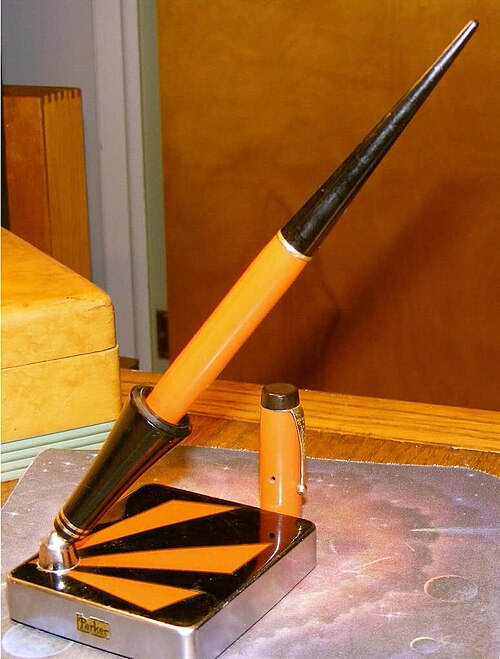
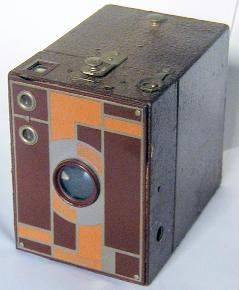
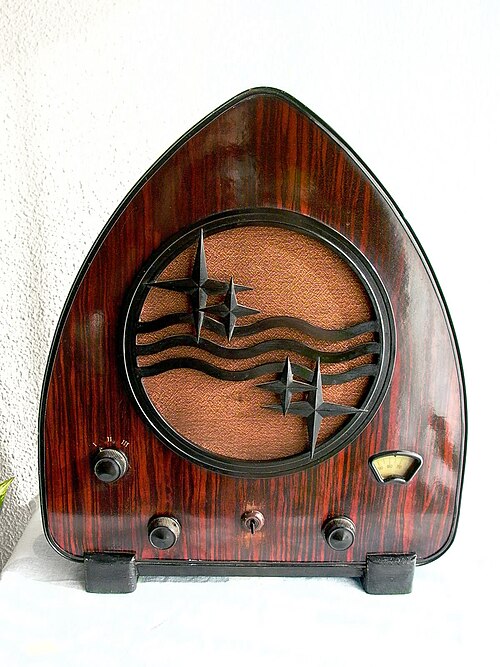
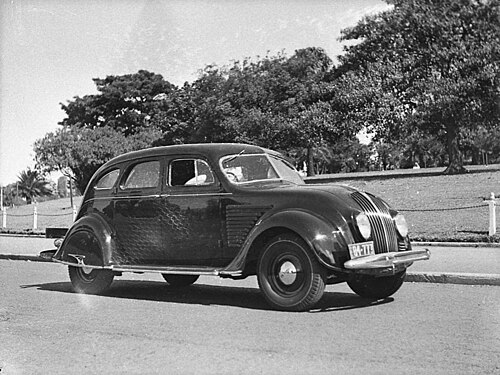
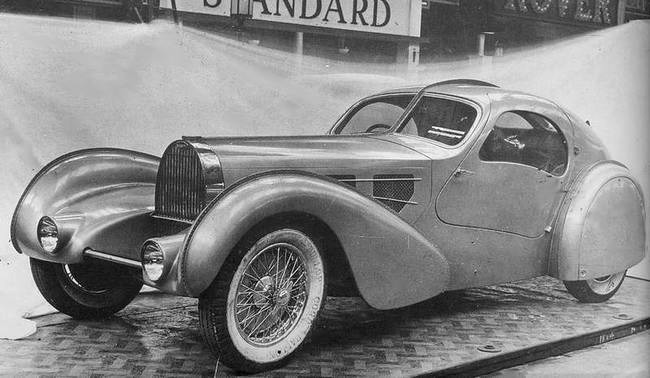


Streamline was a variety of Art Deco which emerged during the mid-1930s. It was influenced by modern aerodynamic principles developed for aviation and ballistics to reduce aerodynamic drag at high velocities. The bullet shapes were applied by designers to cars, trains, ships, and even objects not intended to move, such as refrigerators, gas pumps, and buildings.[61] One of the first production vehicles in this style was the Chrysler Airflow of 1933. It was unsuccessful commercially, but the beauty and functionality of its design set a precedent; meant modernity. It continued to be used in car design well after World War II.[122][123][124][125]
New industrial materials began to influence the design of cars and household objects. These included aluminium, chrome, and bakelite, an early form of plastic. Bakelite could be easily moulded into different forms, and soon was used in telephones, radios and other appliances.

Ocean liners also adopted a style of Art Deco, known in French as the Style Paquebot, or "Ocean Liner Style". The most famous example was the SS Normandie, which made its first transatlantic trip in 1935. It was designed particularly to bring wealthy Americans to Paris to shop. The cabins and salons featured the latest Art Deco furnishings and decoration. The Grand Salon of the ship, which was the restaurant for first-class passengers, was bigger than the Hall of Mirrors of the Palace of Versailles. It was illuminated by electric lights within twelve pillars of Lalique crystal; thirty-six matching pillars lined the walls. This was one of the earliest examples of illumination being directly integrated into architecture. The style of ships was soon adapted to buildings. A notable example is found on the San Francisco waterfront, where the Maritime Museum building, built as a public bath in 1937, resembles a ferryboat, with ship railings and rounded corners. The Star Ferry Terminal in Hong Kong also used a variation of the style.[38]


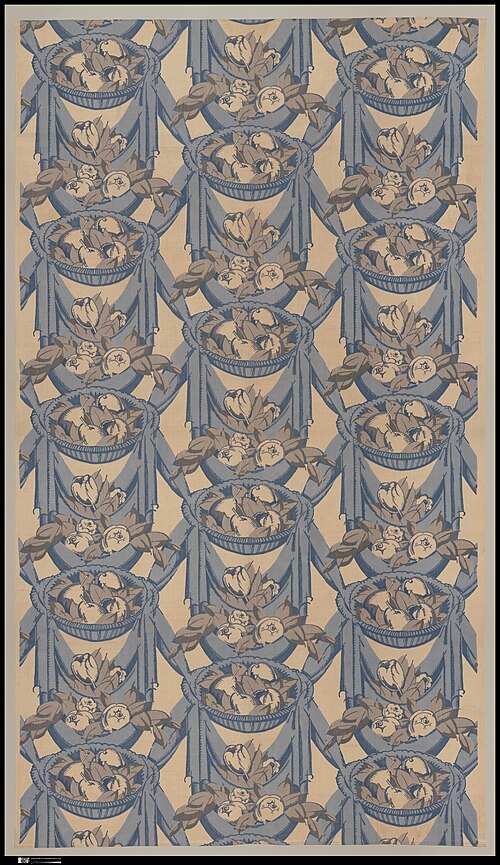
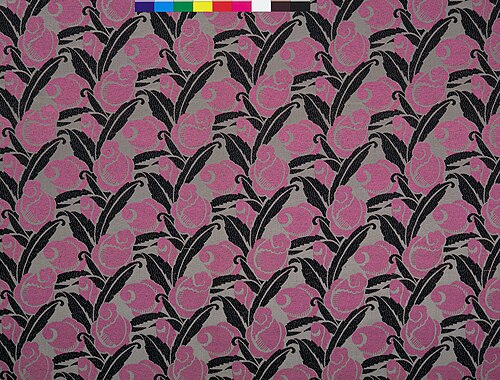
Textiles were an important part of the Art Deco style, in the form of colourful wallpaper, upholstery and carpets, In the 1920s, designers were inspired by the stage sets of the Ballets Russes, fabric designs and costumes from Léon Bakst and creations by the Wiener Werkstätte. The early interior designs of André Mare featured brightly coloured and highly stylized garlands of roses and flowers, which decorated the walls, floors, and furniture. Stylized Floral motifs also dominated the work of Raoul Dufy and Paul Poiret, and in the furniture designs of J.E. Ruhlmann. The floral carpet was reinvented in Deco style by Paul Poiret.[126]
The use of the style was greatly enhanced by the introduction of the pochoir stencil-based printing system, which allowed designers to achieve crispness of lines and very vivid colours. Art Deco forms appeared in the clothing of Paul Poiret, Charles Worth and Jean Patou. After World War I, exports of clothing and fabrics became one of the most important currency earners of France.[127]
Late Art Deco wallpaper and textiles sometimes featured stylized industrial scenes, cityscapes, locomotives and other modern themes, as well as stylized female figures, metallic finishes and geometric designs.[127]


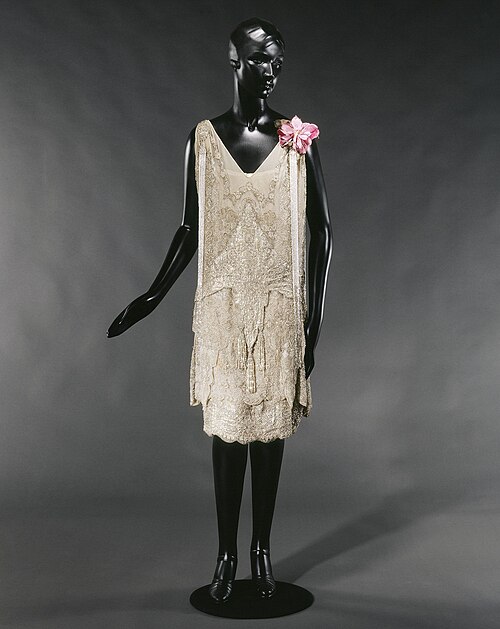


Fashion changed dramatically during this period, thanks in particular to designers Paul Poiret and later Coco Chanel. Poiret introduced the concept of draping, a departure from the tailoring and patternmaking of the past.[128] He designed clothing cut along straight lines and constructed of rectangular motifs.[128] His styles offered structural simplicity[128] The corseted look and formal styles of the previous period were abandoned, and fashion became more practical, and streamlined. With the use of new materials, brighter colours and printed designs.[128] The designer Coco Chanel continued the transition, popularising the style of sporty, casual chic.[129]
A particular typology of the era was the Flapper, a woman who cut her hair into a short bob, drank cocktails, smoked in public, and danced late into the night at fashionable clubs, cabarets or bohemian dives. Of course, most women didn't live like this, the Flapper being more a character present in popular imagination than a reality. Another female Art Deco style was the androgynous garçonne of the 1920s, with flattened bosom, dispelled waist and revealed legs, reducing the silhouette to a short tube, topped with a head-hugging cloche hat.[130]

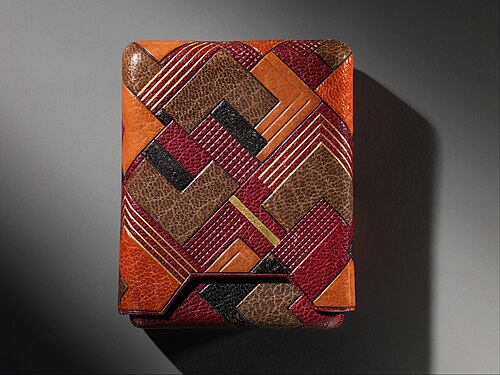


In the 1920s and 1930s, designers including René Lalique and Cartier tried to reduce the traditional dominance of diamonds by introducing more colourful gemstones, such as small emeralds, rubies and sapphires. They also placed greater emphasis on very elaborate and elegant settings, featuring less-expensive materials such as enamel, glass, horn and ivory. Diamonds themselves were cut in less traditional forms; the 1925 Exposition saw many diamonds cut in the form of tiny rods or matchsticks. Other popular Art Deco cuts include:
The settings for diamonds also changed; More and more often jewellers used platinum instead of gold, since it was strong and flexible, and could set clusters of stones. Jewellers also began to use more dark materials, such as enamels and black onyx, which provided a higher contrast with diamonds.[133]
Jewellery became much more colourful and varied in style. Cartier and the firm of Boucheron combined diamonds with colourful other gemstones cut into the form of leaves, fruit or flowers, to make brooches, rings, earrings, clips and pendants. Far Eastern themes also became popular; plaques of jade and coral were combined with platinum and diamonds, and vanity cases, cigarette cases and powder boxes were decorated with Japanese and Chinese landscapes made with mother of pearl, enamel and lacquer.[133]
Rapidly changing fashions in clothing brought new styles of jewellery. Sleeveless dresses of the 1920s meant that arms needed decoration, and designers quickly created bracelets of gold, silver and platinum encrusted with lapis-lazuli, onyx, coral, and other colourful stones; Other bracelets were intended for the upper arms, and several bracelets were often worn at the same time. The short haircuts of women in the twenties called for elaborate deco earring designs. As women began to smoke in public, designers created very ornate cigarette cases and ivory cigarette holders. The invention of the wristwatch before World War I inspired jewelers to create extraordinary, decorated watches, encrusted with diamonds and plated with enamel, gold and silver. Pendant watches, hanging from a ribbon, also became fashionable.[134]
The established jewellery houses of Paris in the period, Cartier, Chaumet, Georges Fouquet, Mauboussin, and Van Cleef & Arpels all created jewellery and objects in the new fashion. The firm of Chaumet made highly geometric cigarette boxes, cigarette lighters, pillboxes and notebooks, made of hard stones decorated with jade, lapis lazuli, diamonds and sapphires. They were joined by many young new designers, each with his own idea of deco. Raymond Templier designed pieces with highly intricate geometric patterns, including silver earrings that looked like skyscrapers. Gerard Sandoz was only 18 when he started to design jewelry in 1921; he designed many celebrated pieces based on the smooth and polished look of modern machinery. The glass designer René Lalique also entered the field, creating pendants of fruit, flowers, frogs, fairies or mermaids made of sculpted glass in bright colors, hanging on cords of silk with tassels.[134] The jeweller Paul Brandt contrasted rectangular and triangular patterns, and embedded pearls in lines on onyx plaques. Jean Despres made necklaces of contrasting colours by bringing together silver and black lacquer, or gold with lapis lazuli. Many of his designs looked like highly polished pieces of machines. Jean Dunand was also inspired by modern machinery, combined with bright reds and blacks contrasting with polished metal.[134] Other notable names in the Art Deco movement include Boucheron, Lacloche, and Danish silversmith Georg Jensen, known for his work with silver and less expensive gemstones. American jewelry houses such as Tiffany & Co., Black, Starr & Frost, and Marcus & Co. also made significant contributions, producing pieces that included clocks and objets d'art, as well as jewelry.[135]


Like the Art Nouveau period before it, Art Deco was an exceptional period for fine glass and other decorative objects designed to fit their architectural surroundings. The most famous producer of glass objects was René Lalique, whose works, from vases to hood ornaments for automobiles, became symbols of the period. He had experimented with glass before World War I, designing bottles for the perfumes of François Coty, but he did not begin serious production of art glass until after World War I. In 1918, at the age of 58, he bought a large glass works in Combs-la-Ville and began to manufacture both artistic and practical glass objects. He treated glass as a form of sculpture, creating statuettes, vases, bowls, lamps and ornaments. He used demi-crystal rather than lead crystal, which was softer and easier to form, though not as lustrous. He sometimes used coloured glass, but more often used opalescent glass, where part or the whole of the outer surface was stained with a wash. Lalique provided the decorative glass panels, lights and illuminated glass ceilings for the ocean liners SS Île de France in 1927 and the SS Normandie in 1935, and for some of the first-class sleeping cars of the French railroads. At the 1925 Exposition of Decorative Arts, he had his own pavilion, designed a dining room with a table setting and matching glass ceiling for the Sèvres Pavilion, and designed a glass fountain for the courtyard of the Cours des Métiers, a slender glass column which spouted water from the sides and was illuminated at night.[137]
Other notable Art Deco glass manufacturers included Marius-Ernest Sabino, who specialized in figurines, vases, bowls, and glass sculptures of fish, nudes, and animals. For these he often used an opalescent glass which could change from white to blue to amber, depending upon the light. His vases and bowls featured molded friezes of animals, nudes or busts of women with fruit or flowers. His work was less subtle but more colourful than that of Lalique.[137]
Other notable Deco glass designers included Edmond Etling, who also used bright opalescent colours, often with geometric patterns and sculpted nudes; Albert Simonet, and Aristide Colotte and Maurice Marinot, who was known for his deeply etched sculptural bottles and vases. The firm of Daum from the city of Nancy, which had been famous for its Art Nouveau glass, produced a line of Deco vases and glass sculpture, solid, geometric and chunky in form. More delicate multi-coloured works were made by Gabriel Argy-Rousseau, who produced delicately shaded vases with sculpted butterflies and nymphs, and Francois Decorchemont, whose vases were streaked and marbled.[137]
The Great Depression impacted on the decorative glass industry, which depended upon wealthy clients. Some artists turned to designing stained glass windows for churches. In 1937, the Steuben glass company began the practice of commissioning famous artists to produce glassware.[137]Louis Majorelle, famous for his Art Nouveau furniture, designed a remarkable Art Deco stained glass window portraying steel workers for the offices of the Aciéries de Longwy, a steel mill in Longwy, France.
Amiens Cathedral has a rare example of Art Deco stained glass windows in the Chapel of the Sacred Heart, made in 1932–34 by the Paris glass artist Jean Gaudin based on drawings by Jacques Le Breton.[138]


Art Deco artists produced a wide variety of practical objects in the Art Deco style, made of industrial materials from traditional wrought iron to chrome-plated steel. The American artist Norman Bel Geddes designed a cocktail set resembling a skyscraper made of chrome-plated steel. Raymond Subes designed an elegant metal grille for the entrance of the Palais de la Porte Dorée, the centre-piece of the 1931 Paris Colonial Exposition. The French sculptor Jean Dunand produced magnificent doors on the theme "The Hunt", covered with gold leaf and paint on plaster (1935).[139]

Art Deco visuals and imagery was used in multiple animated films including Batman, Night Hood, All's Fair at the Fair, Merry Mannequins, Miss Glory, Fantasia and Sleeping Beauty.[140] The architecture is featured in the fictitious underwater city of Rapture in the BioShock video game series.
Art Deco visuals were an inspiration for the architecture of Iacon City in the animated science fiction film Transformers One.[141]

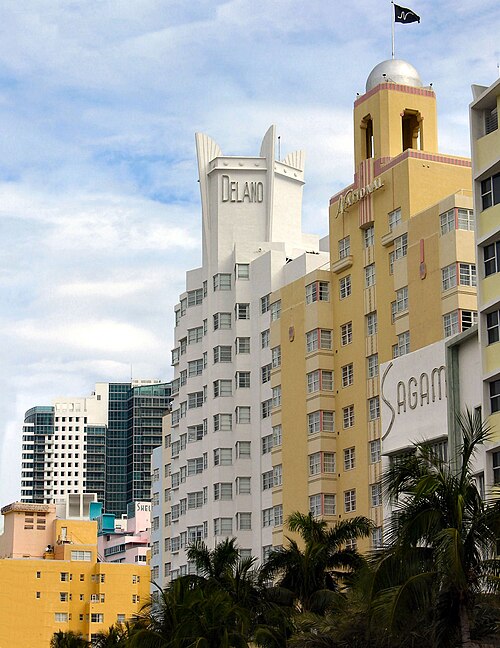


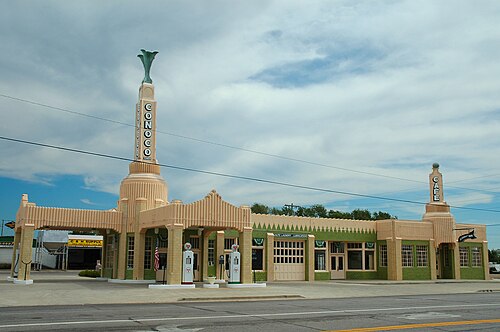

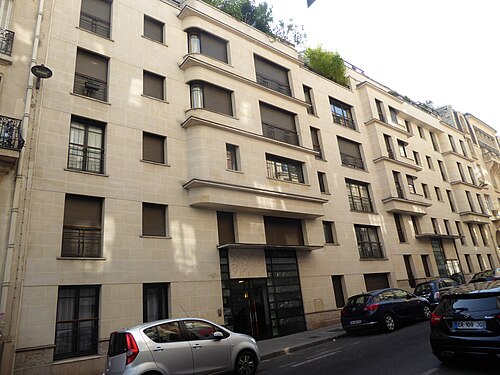

In many cities, efforts have been made to protect the remaining Art Deco buildings. In many U.S. cities, historic Art Deco cinemas have been preserved and turned into cultural centres. Even more modest Art Deco buildings have been preserved as part of America's architectural heritage; an Art Deco café and gas station along Route 66 in Shamrock, Texas is an historic monument. The Miami Beach Architectural District protects several hundred old buildings, and requires that new buildings comply with the style. In Havana, Cuba, many Art Deco buildings have badly deteriorated. Efforts are underway to bring the buildings back to their original appearance.
In the 21st century, modern variants of Art Deco, called Neo Art Deco (or neo-Art Deco), have appeared in some American cities, inspired by the classic Art Deco buildings of the 1920s and 1930s.[144] Examples include the NBC Tower in Chicago, inspired by 30 Rockefeller Plaza in New York City; the Smith Center for the Performing Arts in Las Vegas, Nevada, which includes Art Deco call backs to the Hoover Dam; 99 Hudson in Jersey City, New Jersey, the state's tallest building and the 46th tallest in the United States, which features Art Deco-inspired limestone and glass lineation; and the Brooklyn Tower in Brooklyn, New York, the borough's tallest building and the 19th tallest in the country, with its black glass and bronze piping.[144][145][146][147][148][149][150]
{{cite book}}: Check |isbn= value: checksum (help){{cite book}}: ISBN / Date incompatibility (help)