
Loading article…
クアラルンプール | |
|---|---|
| クアラルンプール連邦直轄領 ウィラヤ ・ペルセクトゥアン クアラルンプール | |
| その他の転写 | |
| • ジャウィ | ولايه ڤرسکوتوان کوالا لومڤور |
| • 中国語 | 吉隆坡联邦直辖区(簡体字) 吉隆坡聯邦直批判區(繁体字) Jílóngpō liánbāng zhí xiáqō (漢生ピンイン) gat1 lung4 bo1 (広東語) (ジュッピン) gāt lùhng bō (イェールローマ字表記) |
| • タミル語 | கோலாலம்பூர் கூட்டரசு பகுதி Kōlālamppur kōṭṭaracu pakuti (音訳) கோலாலம ்பூர் Kōlā Lamppur (音訳) |
 紋章 | |
| ニックネーム: KL、東南アジアのニューヨーク | |
| モットー: Bersedia Menyumbang Bandaraya Cemerlang 英語:優れた都市に向けて貢献する準備ができています | |
| 国歌: Maju dan Sejahtera 英語: Progress and Prosper | |
 | |
.svg/500px-Kuala_Lumpur_in_Malaysia_(special_marker).svg.png) | |
  クアラルンプール 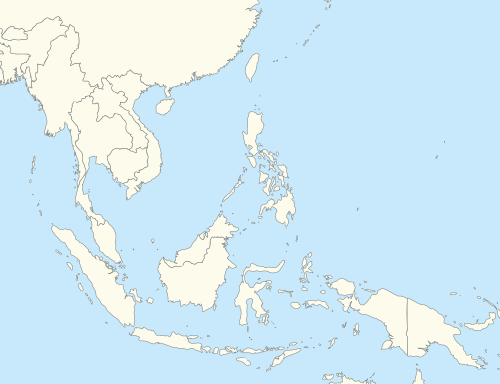 クアラルンプール 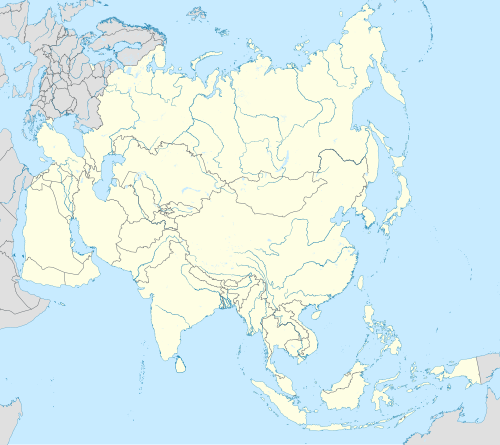 クアラルンプール .svg/500px-World_location_map_(equirectangular_180).svg.png) クアラルンプール | |
| 座標: 03°08′52″N 101°41′43″E / 3.14778°N 101.69528°E / 3.14778; 101.69528 | |
| 国 |  マレーシア マレーシア |
| 行政区域 | リスト |
| 設立 | 1857年[1] |
| 都市のステータス | 1972年2月1日 |
| 連邦管轄に移管 | 1974年2月1日 |
| 政府 | |
| • タイプ | 地方自治体と連邦政府の行政 |
| • 体 | クアラルンプール市庁舎 |
| • 市長 | マイムナ・モハメド・シャリフ |
| 連邦代表 | マレーシア議会 |
| • 国会議員選挙区 | 222人中11人(5.0%) |
| • デワン・ネガラ議席 | 70件中2件(2.9%) |
| エリア [2] | |
| • 連邦首都および連邦直轄地 | 243 km 2 (94 平方マイル) |
| • メトロ | 2,243.27 km 2 (866.13 平方マイル) |
| 標高 [3] | 63メートル(207フィート) |
| 最高標高 | 302メートル(991フィート) |
| 人口 (2024年第1四半期)[4] | |
| • 連邦首都および連邦直轄地 | 2,075,600 |
| • ランク | 1位 |
| • 密度 | 8,500/km 2 (22,000/平方マイル) |
| • 都会的な | 8,430,775 |
| • メトロ [5] | 8,815,630 |
| • 地下鉄の密度 | 2,708/km 2 (7,010/平方マイル) |
| • 異名 | KLite / KL-ite / クアラルンプール |
| 都市インデックス | |
| • HDI (2022) | 0.886 (非常に高い) ( 1位) [6] |
| • GDP (2023年) | 2,775億1,900万リンギット(603億8,700万米ドル)(第2位)[7] |
| • 一人当たり(2023年) | RM 131,038(28,520ドル)(1位)[7] |
| タイムゾーン | UTC+8 (山岳部標準時間) |
| 郵便番号 | 50000から60000 |
| 平均太陽時 | UTC+06:46:46 |
| 市外局番 | 03 |
| 車両登録 | VとW(タクシーを除く) HW(タクシーのみ) |
| 3166-2 規格 | MY-14 |
| 公用語 | マレー語 |
| Webサイト | 詳しくはこちら |
.jpg/500px-Kuala_Lumpur_skyline_at_night_(2019).jpg)


クアラルンプール(英国: / ˌ k w ɑː l ə ˈ l ʊ m p ʊər , - p ər / KWAH -lə LUUM -poor, -pər、米国: /- l ʊ m ˈ p ʊər / - luum- POOR、マレーシア語: [ˈkualə ˈlumpo(r), -la -, -pʊ(r)] )、正式にはクアラルンプール連邦直轄領(マレー語: Wilayah Persekutuan Kuala Lumpur ;中国語:吉隆坡联邦直辖区;タミル語: கோலாலம்பூர) ் கூட்டரசு பிரதேசம்)および通称KLは、マレーシアの連邦直轄地であり、首都です。国最大の都市で、面積は243 km 2(94平方マイル)で、2011年時点での国勢調査人口は2,075,600人です。 2024年。[8]クランバレーとしても知られるクアラルンプール大都市圏は、 2024年時点で880万人の人口を抱える都市圏です。人口と経済発展の両面で東南アジアで最も急速に成長している大都市圏の一つです。 [update]
この都市は、マレーシアの文化、金融、観光、政治、経済の中心地として機能しています。また、二院制 のマレーシア議会(下院と下院で構成)と、マレーシア国王の公邸であるイスタナ・ネガラがあります。クアラルンプールは、1857年頃にこの地域の錫鉱山を支える町として最初に開発され、ヤップ・アー・ロイやフランク・スウェッテンハムなどの重要人物が、19世紀後半の都市の初期の発展に重要な役割を果たしました。 1880年から1978年まで、セランゴール州の州都として機能しました。クアラルンプールは、マラヤ連邦とその後継国であるマレーシアの創設首都でした。 1999年初頭にプトラジャヤに移転されるまで、この都市はマレーシア連邦政府の行政と司法の中心地であり続けました。 [9]しかし、政治機関の一部は今でもクアラルンプールに残っています。この都市はマレーシアの3つの連邦直轄地の1つであり、[10]マレー半島の中央西海岸にあるセランゴール州内の飛び地にあります。[11]
1990年代以降、この都市は1998年のコモンウェルスゲームズ、2001年の東南アジア競技大会、2017年の東南アジア競技大会、F1、Moto GP、FIFAワールドユース選手権など、多くの国際的なスポーツ、政治、文化イベントの開催地となってきました。クアラルンプールはここ数十年で急速な発展を遂げ、世界で最も高いツインビルであるペトロナスツインタワーがあり、マレーシアの発展の象徴となっています。クアラルンプールは、急速に拡大しているクランバレー総合交通システムによって、プタリンジャヤなどの近隣の都市圏とよくつながっています。市の住民は、 KLセントラルを通る鉄道で、マレー半島の他の地域やクアラルンプール国際空港(KLIA)に行くこともできます。
クアラルンプールは、2019年のマスターカードの渡航先都市指数で、世界で6番目に訪問者が多い都市にランクされました。[12]この都市には、世界最大のショッピングモール10か所のうち3か所があります。 [13]エコノミスト・インテリジェンス・ユニットの世界住みやすさランキングでは、クアラルンプールは世界第70位、東南アジアではシンガポールに次いで2位にランクされています。[14] KPMGの主要技術革新拠点2021では、アジア太平洋地域で9位、東南アジアではシンガポールに次いで2位にランクされています。 [15]クアラルンプールは、ユネスコによって2020年のワールドブックキャピタルに選ばれました。[16] [17] 2024年には、クアラルンプールは、オックスフォード・エコノミック・ペーパーズのグローバル都市指数で、東南アジアで最も優れた都市としてシンガポールに次いで2位、世界で135位にランクされています。
語源
_06.jpg/500px-Masjid_Jamek_along_Klang_&_Gombak_River_(220512)_06.jpg)
クアラルンプールはマレー語で「泥の合流点」を意味する。クアラは2つの川が合流する地点、または河口で、ルンプールは「泥」を意味する。[18] [19]一つの説では、スンガイ・ルンプール(「泥の川」)にちなんで名付けられたという。1820年代、スンガイ・ルンプールという地名はクラン川上流で最も重要な錫生産集落と言われていた。[20]しかし、この由来は次のことを説明していない。クアラルンプールはゴンバック川とクラン川の合流点に位置しており、したがってクアラ・ゴンバックと名付けられるべきである。なぜなら、クアラは通常、より大きな川や海に合流する川にちなんで名付けられるからである。[21]スンガイ・ルンプール川は実際には合流点まで延びており、そのためクラン川との合流地点がクアラルンプールになると主張する人もいますが、[22]このスンガイ・ルンプール川は、ゴンバック川の合流点から1.5キロメートル(1マイル)上流でクラン川に合流する別の川であると言われており、おそらくバトゥ洞窟地域の北にあります。[21]
また、クアラルンプールは元々はペンカラン・ルンプール(泥だらけの上陸地)と呼ばれていたが、クランがかつてペンカラン・バトゥ(石の上陸地)と呼ばれていたのと同じように、それが訛ってクアラルンプールになったという説もある。[22]別の説では、元々は広東語のlam-paで、「浸水したジャングル」または「腐ったジャングル」を意味するものだったという。これらの説を裏付ける確固たる現代の証拠は逸話以外にはない。[23]この名前は、以前に忘れられた名前が訛った形である可能性もある。[21]
歴史
幼少期
歴史的関係
セランゴール国1857–1974マレー連邦1895–1942; 1945–1946大日本帝国1942–1945マラヤ連邦1946–1948マラヤ連邦1948–1963マレーシア1963–現在


.svg/500px-Flag_of_Selangor_(pre_1965).svg.png)
.svg/500px-Flag_of_Malaya_(1896%E2%80%931950).svg.png)
.svg/500px-Flag_of_Japan_(1870%E2%80%931999).svg.png)
.svg/500px-Flag_of_Malaya_(1950%E2%80%931963).svg.png)
クアラルンプールは、 1857年に錫鉱山を開くために中国人鉱山労働者をこの地域に送り込んだマレー人クラン族の酋長ラジャ・アブドゥラによって建設されたと考える人もいるが、 [24]最初の入植者が誰であったかは不明である。なぜなら、それ以前にも1820年代にゴンバック川とクラン川の合流点に集落があった可能性が高いからである。[ 25]中国人鉱山労働者は、1840年代に現在のクアラルンプールの北約16キロメートルのセランゴール川上流で錫採掘に携わっていたことが知られており、 [26]ラジャ・アサルとスタン・プアサ率いるマンダイリン・スマトラン族も1860年より前にウル・クラン地域で錫採掘と貿易に携わっており、スマトラン族は19世紀の最初の四半期、あるいはそれ以前にクラン川上流に定住した可能性がある。[22] [27] [28] [25]クアラルンプールはもともと、スンガイ・ゴンバック川とスンガイ・クラン川(クラン川)の合流点にある数軒の家と店があるだけの小さな村落でした。クアラルンプールが町として確立したのは 1857年頃で、[29]ラージャ・アブドゥラー・ビン・ラージャ・ジャアファルが、ルクート出身の兄弟ラージャ・ジュマートの支援を受けて、マラッカの中国人実業家から資金を集め、ルクートから中国人鉱夫を雇って新しい錫鉱山を開いたときでした。[30] [31]鉱夫たちはクアラルンプールに上陸し、アンパンまで歩いて行き、そこで最初の鉱山を開いたのです。[32]クアラルンプールはクラン川を遡ると最も遠く、船で物資を運ぶのに便利だったため、錫鉱山への集散地点となったのです。[33] [29]
ジャングルのマラリアによる死者が多かったにもかかわらず、アンパン鉱山は成功し、1859年に最初の錫を輸出した。 [33]当時、スタン・プアサは既にアンパン近郊で貿易を行っていた。ルクト出身の2人の商人、ヒウ・シューとヤップ・アー・セーはクアラルンプールにやって来て、錫と引き換えに鉱夫たちに食料を売る店を開いた。[34] [35]錫採掘によって活気づけられた町は、オールドマーケット広場(メダン・パサール)を中心に発展し始め、アンパンやプドゥ、バトゥ(これらの道路の目的地は、アンパン通り、プドゥ通り、バトゥ通りという名前になった)へ放射状に道路が伸び、鉱夫たちも定住し始めていた。また、ペタリンやダマンサラにも道路が伸びた。 [36]鉱山労働者たちはギャングを結成し[37]、この時期にはギャング同士の争いが頻繁に起こり、特にクアラルンプールとカンチンの派閥は、主に最良の錫鉱山の支配をめぐって争いました。[38]中国人コミュニティの指導者たちはマレー人の酋長からカピタン・シナ(中国人村長)の称号を授けられ、初期の中国人貿易商であるヒウ・シューがクアラルンプールの初代カピタンになりました。 [39]クアラルンプールの3人目の中国人カピタンであるヤップ・アー・ロイは1868年に任命されました。[25]
初期のクアラルンプールの重要なマレー人としては、ダト・ダガン(「商人の長」)となったハジ・モハメド・タヒルもいた。[27]スマトラのミナンカバウ族も、この地域で貿易を行いタバコ農園を設立した重要なグループとなった。 [40]著名なミナンカバウ族には、族長のダト・サティ、ウツマン・アブドゥラー、[41]およびカンポン・バルの初期の開発に関わったハジ・モハメド・タイブがいる。[42] [43]ミナンカバウ族は、社会宗教的にも重要な人物で、例えばウツマン・ビン・アブドゥラーはクアラルンプールの最初のカディであり、ムハンマド・ヌール・ビン・イスマイルも同様であった。[44]
現代クアラルンプールの始まり

初期のクアラルンプールは、多くの社会的、政治的問題を抱えた小さな町でした。建物は木造で、「アタップ」(ヤシの葉で葺いた屋根)でした。建物は火事になりやすく、適切な衛生状態がなかったため、町は病気に悩まされていました。また、その立地条件から、常に洪水の脅威に悩まされていました。町は、錫鉱山からの収入の支配権をめぐって、セランゴール内戦に巻き込まれました。ヤップ・アー・ロイは、テンク・クディンとハイサン秘密結社と同盟を組み、ライバルの秘密結社ギー・ヒンと戦いました。ギー・ヒンは、ラージャ・マフディーと同盟を組みました。[45]ラージャ・アサルとスタン・プアサはラージャ・マフディー側に寝返り、クアラルンプールは1872年に占領され、焼き払われました。ヤップはクランに逃れ、そこで別の戦闘部隊を集め、1873年3月にクアラルンプールを奪還し、パハンの戦士たちの助けを借りてラージャ・マフディーの軍を破った。[38]戦争や錫価格の下落などの他の挫折により不況が生じた。コレラの大流行により多くの人が逃げ出した。不況は1879年後半まで続いたが、錫の価格が上昇したため町は回復した。[29] 1881年後半、1月に町全体を破壊した火災の後、町はひどい洪水に見舞われた。町は数回再建され、繁栄したが、これは主にヤップ・アー・ロイのおかげであった。[46] [47]ヤップは、1882年に駐在官に任命されたフランク・スウェッテンハムとともに、初期のクアラルンプールで最も重要な2人であり、スウェッテンハムは町の急速な成長と発展、そして大都市中心地への変貌に貢献したとされている。[48]

初期の中国人とマレー人はクラン川の東岸に定住した。中国人は主にマーケットスクエアの商業中心地の周辺に定住した。マレー人、そして後にインド人のチェッティア人とイスラム教徒はジャワ通り周辺、現在のジャラン・トゥン・ペラクに居住した。1880年、植民地政府はセランゴール州の州都をクランから戦略的に有利なクアラルンプールに移し、英国駐在員ウィリアム・ブルームフィールド・ダグラスは政府の建物と居住区を川の西側に置くことを決定した。政府庁舎と新しい警察本部はブキット・アマンに建設され、パダンは当初警察訓練のために作られた。[49]現在ムルデカ広場として知られるパダンは、植民地政府の事務所が1897年にスルタン・アブドゥル・サマド・ビルに移転したときに、後に英国行政機関の中心地となった。[47]
フランク・スウェッテンハムは英国居住者になると、通りを掃除して町の改善に取り掛かりました。彼はまた、1884年に建物は燃えにくいようにレンガとタイルで建てるべきであり、火災の危険を減らすために町を再建する際には通りを広くすべきであると規定しました。[48] [50] カピタン・ヤップ・アー・ロイは、クアラルンプールの再建のためにレンガ工場を設立するために広大な不動産を購入しました。その名も ブリックフィールドです。 [51]取り壊されたアタップの建物はレンガとタイルの建物に置き換えられ、新しいレンガ造りの建物の多くには「5フィートの通路」と中国人の大工仕事が施されていました。その結果、この地域特有の折衷的なショップハウス建築が生まれました。カピタン・ヤップ・アー・ロイは道路アクセスを拡大し、現在のアンパン通り、プドゥ通り、プタリン通りの主要幹線道路で錫鉱山と市街地を結びました。[52]華人カピタンとして、彼はマレー人コミュニティのリーダーと同等の幅広い権限を持っていた。法律の改革が実施され、議会に新しい法的措置が導入された。ヤップは小額裁判所の議長も務めた。6人の警官を擁して法の支配を維持し、一度に60人の囚人を収容できる刑務所を建設した。ヤップ・アー・ロイはまた、クアラルンプール初の学校と、スランゴールのスルタン・アブドゥル・サマドが利害関係を持っていたペタリン通りに大規模なタピオカ工場を建設した。 [53]

スウェッテンハムが着手し1886年に完成したクアラルンプールとクランを結ぶ鉄道路線は交通の便を良くし、急速な成長をもたらした。人口は1884年の4,500人から1890年には2万人に増加した。[ 29] 1880年代に開発が進むにつれ、衛生、廃棄物処理、その他の健康対策に圧力がかかった。1890年5月14日に設立された衛生委員会は、衛生、道路維持、街路照明、その他の機能を担当した。これは最終的に1948年にクアラルンプール市議会となった。 [54] 1896年、クアラルンプールは新しく形成されたマレー連邦州の首都に選ばれた。[55]
20世紀~現在

クアラルンプールは20世紀に大幅に拡大した。1895年には0.65 km 2 (0.25 平方マイル)だったが、1903年には20 km 2 (7.7 平方マイル)、1924年には52 km 2 (20 平方マイル)に拡大した。1948年に自治体となったときには93 km 2 (36 平方マイル)に拡大し、1974年には連邦直轄地として243 km 2 (94 平方マイル)に拡大した。[56] [57]
1974 年以前は、クアラルンプールはセランゴール州の 7 つの地区 (1960 年以前は 6 地区) のうちの 1 つの名前でもありました。[58]クアラルンプール地区は、スンガイ ブロー、バトゥ、ペタリン、アンパン、ウル クラン、クアラルンプール、セタパックの 7 つのムキムで構成されています。[要出典]
20世紀初頭、自動車タイヤの需要に支えられてセランゴールのゴム産業が発展し、それが好況につながり、クアラルンプールの人口は1900年の3万人から1920年には8万人に増加した。[59]クアラルンプールの商業活動は、当時クアラルンプールで最も裕福で影響力のある中国人であったロク・ユーなどの中国人実業家によって大きく運営されていた。ゴム産業の成長により外国資本と農園主が流入し、新しい企業や産業がクアラルンプールに設立され、以前は他の場所に拠点を置いていた他の企業もここに拠点を置いた。[59]

第二次世界大戦中、クアラルンプールは1942年1月11日に日本軍に占領された。戦闘中の被害はほとんどなかったものの、戦時中の占領により多大な人命が失われた。日本軍による占領からわずか数週間で少なくとも5,000人の中国人がクアラルンプールで殺害され、何千人ものインド人がビルマ鉄道の強制労働に送られ、その多くが亡くなった。[60]日本軍は1945年8月15日、広島と長崎への原爆投下を受けて、シンガポールとマレーシアの日本第7方面軍司令官、板垣征四郎がイギリス政府に投降するまで、この都市を占領した。[61]クアラルンプールは戦時中に成長し、戦後もマラヤ非常事態(1948年~1960年)の間成長を続けました。この間マラヤは共産主義の反乱に悩まされ、市の郊外に新しい村が設立されました。[48]
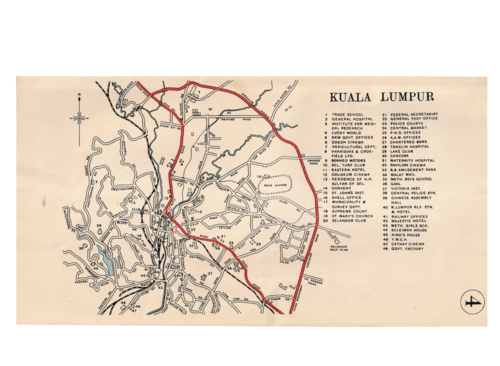
1952年2月16日、クアラルンプールで初の市議会選挙が行われた。マレー系UMNOと中国系MCAの候補者による臨時同盟が議席の過半数を獲得し、同盟党(後の国民戦線)が結成された。[62] 1957年8月31日、マラヤ連邦はイギリス統治から独立した。 [ 63] 1957年8月30日深夜、パダンでイギリス国旗が降ろされ、マラヤ国旗が初めて掲揚された。[64]そして8月31日朝、ムルデカ・スタジアムでマラヤ初代首相トゥンク・アブドゥル・ラーマンによって独立宣言の式典が行われた。1963年9月16日のマレーシア建国後もクアラルンプールは首都であり続けた。マレーシア国会議事堂は1963年にレイクガーデンの端に完成した。 [65] クアラルンプールの人口は1960年から2018年にかけて大幅に増加し、13年ごとに倍増した。[66]

クアラルンプールでは、長年にわたり多くの内乱が起きている。1897年の暴動は、不良品のダシング(商人が使う秤)の没収から始まった比較的小さな事件だった。1912年には、旧正月に三つ編みを切ることから始まったタウチャン暴動と呼ばれるより深刻な騒乱が、数日にわたる暴動と派閥争いで終わった。[67]しかし、マレーシア史上最悪の暴動は、1969年5月13日にクアラルンプールで人種暴動が勃発した時だった。[68]いわゆる5月13日事件には、マレー人と中国人コミュニティのメンバー間の暴力的な衝突が含まれ、マレー人が自らの社会的・政治的地位に不満を抱いた結果だった。公式統計によると、暴動により196人が死亡し[68]、国の経済政策に大きな変化が生じ、マレー人の経済発展を他の民族よりも優先し促進することになった。
市、連邦直轄地、クアラルンプール大都市圏

クアラルンプールは1972年2月1日に市の地位を獲得し、 [70] [71]マレーシア独立後に市の地位を与えられた最初の居住地となった。その後、1974年2月1日にクアラルンプールは連邦直轄地となった。[72]クアラルンプールの領土は周辺地域を吸収して96平方マイルに拡大した。クアラルンプールはセランゴール州から中央政府に直接管理されるように割譲され、1978年にシャー・アラム市が新しい州都と宣言された後、セランゴール州の州都ではなくなった。[73]
1990年5月14日、クアラルンプールは地方議会の100周年を祝った。新しい連邦直轄地であるクアラルンプールの旗と国歌が導入された。プトラジャヤは2001年2月1日に連邦直轄地と宣言され、連邦政府の所在地となった。[74]政府の行政および司法機能はクアラルンプールからプトラジャヤに移された。しかし、クアラルンプールは依然として立法機能を保持し、[75]ヤン・ディ・ペルトゥアン・アゴン(立憲君主)の所在地であり続けた。 [76]

1990年代以降、クランバレーにおける大規模な都市開発により、クアラルンプール都市圏が拡大した。[77] [78]グレーター・クアラルンプールとして知られるこの地域は、クアラルンプール連邦直轄地から西はポート・クラン、東はティティワンサ山脈の端まで、そして北と南にまで広がっている。この地域には、クラン、シャー・アラム、プトラジャヤなど、行政上独立した町や都市が含まれており、[79] [80]クランバレー総合交通システムが利用されている。クアラルンプール市内で実施された注目すべきプロジェクトには、かつて世界で最も高いビルであったジャラン・アンパンとペトロナスツインタワー周辺の新しいクアラルンプール・シティ・センターの開発などがある。 [81]ペトロナスツインタワーはその後、クアラルンプールで最も高いビルの座をエクスチェンジ106とムルデカ118に奪われ、ムルデカはドバイのブルジュ・ハリファに次いで世界で2番目に高いビルとなった。[82]
地理

クアラルンプールの地理は、東はティティワンサ山脈、北と南はいくつかの小さな山脈、西はマラッカ海峡に囲まれた広大なクラン渓谷によって特徴づけられる。クアラルンプールはマレー語で「泥の合流点」を意味し、セランゴール川に流れ込むクラン川とゴンバック川の合流点に位置する。 [83]

セランゴール州の中心部に位置するクアラルンプールは、セランゴール州政府の管轄下にあった。1974年、クアラルンプールはセランゴール州から分離し、マレーシア連邦政府が直接統治する初の連邦直轄地となった。半島マレー半島の西海岸で最も発展した州に位置し、東海岸よりも平地が広いことから、マレーシアの他の都市よりも急速に発展した。[84]自治体の面積は243 km 2 (94 平方マイル)で、[2]平均標高は81.95 m (268 フィート10インチ)、最高地点は海抜94メートルのブキット・ナナスである。 [85]
気候
| クアラルンプール | ||||||||||||||||||||||||||||||||||||||||||||||||||||||||||||
|---|---|---|---|---|---|---|---|---|---|---|---|---|---|---|---|---|---|---|---|---|---|---|---|---|---|---|---|---|---|---|---|---|---|---|---|---|---|---|---|---|---|---|---|---|---|---|---|---|---|---|---|---|---|---|---|---|---|---|---|---|
| 気候図(説明) | ||||||||||||||||||||||||||||||||||||||||||||||||||||||||||||
| ||||||||||||||||||||||||||||||||||||||||||||||||||||||||||||
| ||||||||||||||||||||||||||||||||||||||||||||||||||||||||||||
クアラルンプールは、東はティティワンサ山脈、西はインドネシアのスマトラ島に守られており、強風から守られており、熱帯雨林気候(ケッペンの気候区分 Af)で、高温多湿で晴れており、特に10月から3月の北東モンスーンシーズンには雨量が豊富です。気温は一定に保たれる傾向があります。最高気温は32〜35℃(90〜95°F)で、時には38℃(100.4°F)を超えます。一方、最低気温は23.4〜24.6℃(74.1〜76.3°F)で、17.8℃(64.0°F)を下回ることはありません。[86] [87]クアラルンプールでは、通常、年間少なくとも2,600mm(100インチ)の雨が降ります。 6月から8月は比較的乾燥していますが、それでも1か月の降雨量は131ミリメートル(5.2インチ)を超えるのが一般的です。クアラルンプールは激しい雷雨や落雷が発生しやすい地域です。クアラルンプールを含むクラン渓谷は、地球上で最も頻繁に雷雨が観測される場所の1つです。
クアラルンプールでは、特に市内中心部で豪雨の後に洪水が頻繁に発生します。これは、灌漑施設が都市の急速な発展に追いついていないためです。[88]近隣のスマトラ島とカリマンタン島の森林火災の煙が、時にはこの地域に霞を巻き起こし、野焼き、自動車の排気ガス、建設工事とともに、主要な汚染源となっています。[89]
ガバナンス

クアラルンプールは1961年4月1日から連邦首都コミッショナーと呼ばれる単独法人によって統治され、1972年に市の地位を与えられ、その後行政権は市長(ダトゥク・バンダル)に移譲された。[94]それ以来14人の市長が任命された。現在の市長はカマルザマン・マット・サレーで、2023年4月17日より在任している。[95]
地方自治体
地方行政は、マレーシア連邦直轄地省の管轄機関であるクアラルンプール市役所によって行われている。[94]市役所は、公衆衛生、廃棄物処理および管理、都市計画、環境保護および建築規制、社会経済開発、都市インフラの一般的な維持管理機能に責任を負っている。行政権は市役所の市長にあり、市長は連邦直轄地大臣によって3年の任期で任命される。この市長任命制度は、1970年に地方選挙が停止されて以来実施されている。[96]
地区
クアラルンプールの11の選挙区の2020年の人口、面積、人口密度、総人口に占める割合は、クアラルンプール市役所管轄の行政区分と一致している。[97]
ムキムス

土地管理の目的のため、クアラルンプール連邦直轄地は 8 つのムキムといくつかのムキムレベルの町(ペカン/バンダル) に分割されています。
政治

| DAP(フィリピン) | 5 / 11 |
|---|---|
| パキスタンルピー(フィリピン) | 5 / 11 |
| UMNO(BN) | 1 / 11 |

クアラルンプールはマレーシア議会の本拠地です。連邦憲法ではマレーシア政府の3つの部門、すなわち行政、司法、立法が規定されています。議会は上院(Dewan Negara )と下院(Dewan Rakyat )で構成されています。 [10]
連邦議会におけるクアラルンプール議員のリスト (Dewan Rakyat)
DBKL はクアラルンプールで唯一の地方政府として機能します。
経済
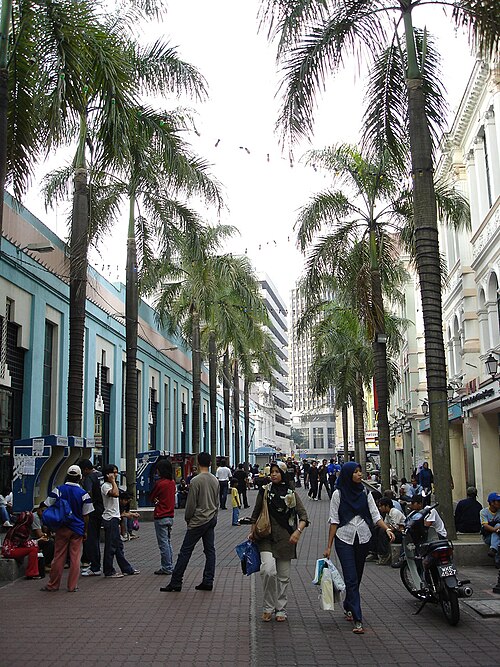
クアラルンプールとその周辺の都市部は、マレーシアで最も工業化が進み、経済的にも最も急速に成長している地域です。[98]連邦政府行政機関がプトラジャヤに移転したにもかかわらず、マレーシア国立銀行、マレーシア企業委員会、証券委員会などの政府機関や、ほとんどの大使館や外交使節団は市内に残っています。[99]市は依然として国の経済とビジネスの中心地です。クアラルンプールは、マレーシアの金融、保険、不動産、メディア、芸術の中心地です。グローバリゼーションと世界都市研究グループとネットワーク(GaWC)によると、クアラルンプールはマレーシアで唯一のグローバル都市と評価されています。 [100]

ブルサ・マレーシア(マレーシア証券取引所)は、この都市に拠点を置き、同市の中核的な経済活動の一つを形成している。2013年7月5日現在、時価総額は5056億7000万米ドルとなっている。[101]クアラルンプールの国内総生産 (GDP)は、2008年には735億3600万リンギットと推定され、年間平均成長率は5.9%である。[102] [103] 2015年までに、GDPは1603億8800万リンギットに達し、マレーシア全体のGDPの15.1%を占めた。[104] 2013年のクアラルンプールの一人当たりGDPは79,752リンギットで、年間平均成長率は5.6%、[105] 2015年には94,722リンギットでした。 [104] 2016年現在、平均月間世帯収入は9,073リンギット(約2,200ドル)で、年間約6%のペースで成長しています。[106]金融、保険、不動産、ビジネスサービス、卸売・小売業、レストラン・ホテル、運輸、倉庫・通信、公共事業、個人サービス、政府サービスからなるサービス部門は、雇用の最大の構成要素であり、全体の約83.0%を占めています。[107]残りの17%は製造業と建設業です。
サービス部門の規模が大きいことは、市内で営業している国内外の銀行や保険会社の数からも明らかである。クアラルンプールは、イスラム金融を提供する金融機関の数が増加していることや、世界最大のイスラム銀行であるアルラジヒ銀行[109]やクウェートファイナンスハウスなどの湾岸金融機関の強力な存在により、世界的なイスラム金融の中心地[108]になる態勢が整っている。それとは別に、ダウジョーンズは、湾岸諸国におけるマレーシアの知名度を高めるのに役立つイスラム上場投資信託(ETF)を設立するためにマレーシア証券取引所と協力することに熱心である。[110]この都市には多数の外国企業があり、また、特に財務・会計、情報技術機能において、多くの多国籍企業の地域事務所やサポートセンターも集まっている。国内最大手の企業のほとんどがここに本社を置いており、2007年12月現在、ペトロナスを除いて、フォーブス2000に掲載されているクアラルンプールを拠点とする企業は14社ある。[111]
マレーシア経済の残りの部分を支える研究開発などの他のサービス活動において、市の経済的範囲を拡大することにますます重点が置かれてきました。クアラルンプールには長年、マレーシアゴム研究所、マレーシア森林研究所、医学研究所などの重要な研究センターがあります。[112]クアラルンプールの新しい金融地区であるトゥン・ラザク取引所(TRX)(以前はクアラルンプール国際金融地区(KLIFD)として知られていました)が現在建設中です。TRXのランドマークで目立つ建物は、エクスチェンジ106タワーです。70エーカーの開発はクアラルンプールの中心部に位置し、国際金融とビジネスの機会に役立ちます。新しい金融ハブは、マレーシアを高所得経済国にするためのマレーシア政府のイニシアチブである経済改革プログラム(ETP)の戦略的実現要因です。
観光

観光業は、この都市のサービス主導型経済において重要な役割を果たしている。多くの大規模な世界的ホテルチェーンが市内に拠点を置いている。最も古いホテルの一つはホテル マジェスティックである。クアラルンプールは世界で6番目に訪問者が多い都市であり、年間890万人の観光客が訪れる。[113] [114]ここでの観光業は、この都市の文化的多様性、比較的低い費用、そして幅広い料理とショッピングの選択肢によって推進されている。主にコンベンションを含むMICE観光は、近年拡大してこの産業の重要な構成要素となっており、マレーシア政府の経済改革プログラムが開始され、 2014年に93,000平方メートルの新しいMATRADEセンターが完成すると、さらに成長すると予想されている。[115] MATRADE機関は、マレーシア最大の貿易展示センターであるマレーシア国際貿易展示センター(MITEC)の所有者でもあり、セガンブット郊外にあるより大規模なKLメトロポリス開発の一部となっている。もう一つの注目すべき傾向は、市内の 格安ホテルの増加です。
.jpg/500px-Muzium_Negara_Malaysia_KL_(2022-05).jpg)
クアラルンプールの主な観光地には、ペトロナス ツイン タワー、ブキッ ビンタンショッピング街、クアラルンプール タワー、ペタリン ストリート(チャイナタウン)、ムルデカ スクエア、クアラルンプール駅、国会議事堂、国立宮殿(イスタナ ネガラ)、国立プラネタリウム、国立科学センター、国立美術館(バライ セニネガラ)、国立劇場(イスタナ ブダヤ)、国立博物館、王立博物館、国立織物博物館、イスラム美術館、テレコム博物館、王立マレーシア警察博物館、マレーシア国立モスク(マスジッド・ネガラ)、連邦直轄領モスク(マスジッド・ウィラヤ)、スルタン・アブドゥル・サマド・ビルディング、DBKLシティ・シアター(パングン・バンダラヤ)、メダン・パサール、セントラル・マーケット、クアラルンプール・バードパーク、クアラルンプール・バタフライ公園、水族館 KLCC、サロマ リンク(ピンタサン サロマ)、国定記念物、スルタン アブドゥル サマド ジャメ モスク、テアン ホー寺院、ブリックフィールズの仏教マハ ヴィハーラなどの宗教施設があります。[116] [117]
クアラルンプールでは、スリ・マハマリアマン寺院で行われるタイプーサムの行列など、多くの文化祭が開催されます。毎年タイプーサムの祭りでは、ムルガ神とその配偶者のヴァリ、テイヴァヤンニの像を乗せた銀の山車が寺院から始まり、隣接するセランゴール州ゴンバックのバトゥ洞窟まで市内を練り歩きます。[118]市内の主な娯楽・ショッピング地区は、主にジャラン・P・ラムリー、ジャラン・スルタン・イスマイル、ジャラン・ブキ・ビンタン、アンパン通り、ビンタン・ウォークを含むゴールデン・トライアングルに集中しています。[119]
小売り
クアラルンプールには66のショッピングモールがあり、マレーシアと東南アジアの小売とファッションの中心地となっています。[120]マレーシアでのショッピングは、2006年の観光収入319億リンギットのうち77億リンギット(22億6000万米ドル)を占め、20.8%を占めました。[121]
スリアKLCCはペトロナスツインタワーの下にあることから、マレーシア有数の高級ショッピング街の一つである。スリアKLCCとは別に、ブキッ・ビンタン地区にはクアラルンプールで最も多くのショッピングモールが集中している。パビリオンKL、ファーレンハイト88、プラザ・ロウ・ヤット、ベルジャヤ・タイムズスクエア、ロット10、スンゲイ・ワン・プラザ、スターヒル・ギャラリー、ララポートBBCC、クイル・シティ・モール、アベニューKなどがある。 [122]ブキッ・ビンタンのチャンカット地区には、様々なカフェ、屋外ダイニングの店舗、売春などの違法行為などがあり、クアラルンプールの歓楽街の一つとして最もよく知られている。バンサール地区には、バンサール ビレッジ、バンサール ショッピング センター、KL ゲートウェイ モール、バンサール サウス、KL エコ シティ モール、ザ ガーデンズ、ミッド バレー メガモールなど、いくつかのショッピング コンプレックスもあります。
ショッピング・コンプレックス以外にも、クアラルンプールは市内に数多くの地区を設け、特にトゥアンク・アブドゥル・ラーマン通りにて、地元で製造された織物、布地、手工芸品などの製品を販売している。バジュ・クルンやバジュ・ケバヤなど、マレー民族の伝統衣装はここで見つけることができる。クアラルンプールのチャイナタウン、通称ペタリン通りもその一つである。チャイナタウンには、海峡華人や植民地時代の建築様式の影響を受けた独立前の建物が数多く残っている。[123] [124]
2000年以来、マレーシア観光省はマレーシアでのショッピングのためにメガセールイベントを導入しました。メガセールイベントは年に3回(3月、5月、12月)開催され、すべてのショッピングモールが参加するよう奨励されており、クアラルンプールをアジア有数のショッピング目的地として推進し、新たなメガセールによって現在までその地位を維持しています。[125]
- ギャラリー
-
 チャンカット ブキッ ビンタンは、クアラルンプールの夜の高級グルメエリアと歓楽街です。
 -
 ブキッ ビンタン、クアラルンプールの小売クラスター。
 -

-
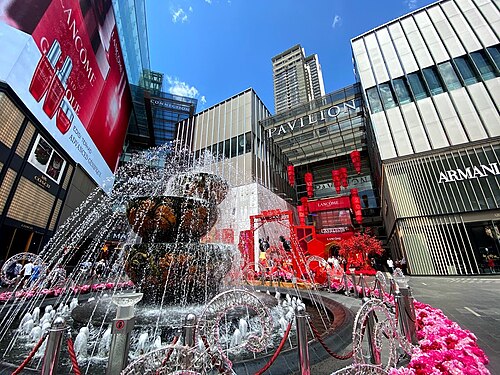 市内の象徴的なショッピングセンターのひとつ、パビリオンKL 。
 -

-

-
 2024 年 4 月、クアラルンプールで最も高い建造物 4 つを 1 つのパノラマに収めました。
.jpg/500px-Downtown_Kuala_Lumpur_at_Night_(49125936143).jpg)

.jpg/500px-The_Twins_SE_Asia_2019_(49171985716).jpg)
人口統計
クアラルンプールはマレーシアで最も人口の多い都市で、2024年の時点で市内[update]の人口は207万6000人である。人口密度は1平方キロメートルあたり8,157人(21,130人/平方マイル)で、マレーシアで最も人口密度の高い行政区である。[2]市の住民は口語でKLitesと呼ばれている。[127]クアラルンプールは、プタリンジャヤ、クラン、スバンジャヤ、プチョン、シャーアラム、ゴンバックを含むクランバレー都市圏の中心でもあり、2017年の時点で都市圏人口は725万人と推定されている。[128][update]
クアラルンプールの多様な人口には、マレーシアの3大民族であるマレー人、中国人、インド人が含まれますが、この都市にはユーラシア人、カダザン人、イバン人、マレーシア各地の先住民族など、さまざまな文化が混在しています。[107] [129]
歴史的人口統計
歴史的にクアラルンプールは主に中国人の街だったが、最近ではブミプトラ族が街の主要人口を占めるようになった。1872年のクラン川沿いのクアラルンプールは、フランク・スウェッテンハムによって「純粋に中国人の村」と表現されたが、当時すでにブキット・ナナスにはマレー人の柵が存在していた。 [27] 1875年までに、パハン州のマレー人のセランゴール内戦への参加が終わった後、スウェッテンハムは自分が描いたスケッチマップに中国人エリア近くのマレー人居住区を記している。この時期、町には1,000人の中国人と700人のマレー人がいたと言われている。多くのマレー人は戦争後にクアラルンプールに定住した可能性がある。[27]クアラルンプールの人口は、1880年にセランゴール州の州都となったときには約3,000人に増加していた。[132]この時期のクアラルンプールのマレー人人口の大部分は、1880年にイギリス人によって募集されたマレー人で、ほとんどがマラッカの田舎からで、200人から300人の警察隊を設立するために、その多くが家族を連れていた。[133]マレー人の多くはもともとマレー諸島の他の島、すなわちスマトラ島やジャワ島の出身だった。マンダリン人、ミナンカバウ人、ジャワ人、ブギス人は19世紀にクアラルンプールにやって来始め、アチェ人は20世紀後半にやってきた。[134]その後の数十年間に町は再建され、1886年にクアラルンプールとクランを結ぶ鉄道が建設されたことが主な要因で、大量の移民の流入により町は大幅に成長した。[29]
1891年の国勢調査では正確さは定かではないが、住民は43,796人で、そのうち79%が中国人(中国人の71%は客家人だが、おそらくは過大評価されている)、14%がマレー人、6%がインド人であった。[132]おそらくより正確な別の調査では、1891年のクアラルンプールの人口は約19,000人で、73%が中国人、マレー人とインド人がそれぞれ12%であった。[135] 20世紀初頭のゴムブームにより人口はさらに増加し、1900年の30,000人から1920年には80,000人になった。[59] 1931年にはクアラルンプールの住民111,418人のうち61%が中国人であり、[131] 1947年には63.5%であった。しかし、政府への雇用や、多くのマレー人が住んでいた周辺の農村地域を吸収した都市の拡大により、マレー人がクアラルンプールに大量に定住し始めた。1947年から1957年の間に、クアラルンプールのマレー人人口は12.5%から15%に増加し、中国人の割合は減少した。[136]このプロセスは、マラヤの独立後も続き、主にマレー人で構成される公務員が成長し、後には新経済政策が実施され、都市の産業やビジネスへのマレー人の参加が奨励された。1980年にはクアラルンプールの人口は100万人を超え、[56]中国人が52%、マレー人が33%、インド人が15%であった。[137] 1980年から2000年にかけてブミプトラの数は77%増加したが、2000年の国勢調査ではクアラルンプールでは中国人がブミプトラを上回っており、38%から43%に増加した。[107] [70]統計局によると、2010年の国勢調査では、外国人を除いたクアラルンプールのマレー人人口は44.7%(ブミプトラ45.9% )に増加し、中国人人口の43.2%を上回った。[138] 2020年の国勢調査では、クアラルンプールのブミプトラ人口の割合は約47.7%に達し、中国人人口は41.6%、インド人人口は10.0%であった。[126]
近年の注目すべき現象は、クアラルンプールの外国人居住者の割合が増加していることである。1980年の市人口の1%から、2000年の国勢調査では約8%、2010年には9.4%、2020年の国勢調査では10.5%に増加している。[107] [138] [126]これらの数字には、かなりの数の不法移民は含まれていない。[139]クアラルンプールの急速な発展は、インドネシア、ネパール、ミャンマー、タイ、バングラデシュ、インド、パキスタン、スリランカ、フィリピン、ベトナム、ラオス、カンボジアからマレーシアへの低技能外国人労働者の大量流入を引き起こしており、その多くは不法または適切な許可なしに入国している。[140] [141]
クアラルンプールの出生率は低下しており、その結果、若者の割合も低下している。15歳未満の割合は、1980年の33%から2000年には27%弱に減少した。[107]一方、15~59歳の労働年齢層は、1980年の63%から2000年には67%に増加した。[107] 60歳以上の高齢者層は、1980年と1991年の4%から2000年には6%に増加した。[107]
言語と宗教
クアラルンプールは多元的で宗教的に多様である。市内には多宗教の住民に対応する礼拝所が多数ある。イスラム教は主にマレー人、インド系イスラム教徒コミュニティ、少数の中国系イスラム教徒によって実践されている。仏教、儒教、道教は主に中国人の間で実践されている。インド人は伝統的にヒンズー教を信仰している。中国人とインド人の中にはキリスト教を信仰する人もいる。[142]クアラルンプールは、人口の50%未満がイスラム教徒であると自認する3つの州のうちの1つであり、他の2つはペナン州とサラワク州である。2020年の国勢調査によると、クアラルンプールの人口は45.3%がイスラム教徒、32.3%が仏教徒、8.2%がヒンズー教徒、6.4%がキリスト教徒、1.8%がその他の宗教、6.0%が無宗教であった。[126]

Statistics from the 2010 Census indicate that 87.4% of the Chinese population identify as Buddhists, with significant minorities of adherents identifying as Christians (7.9%), Chinese folk religions (2.7%) and Muslims (0.6%). The majority of the Indian population identify as Hindus (81.1%), with a significant minorities of identifying as Christians (7.8%), Muslims (4.9%) and Buddhists (2.1%). The non-Malay bumiputera community are predominantly Christians (44.9%), with significant minorities identifying as Muslims (31.2%) and Buddhists (13.5%). All bumiputera Malays are Muslim[143] due to the criterion in the definition of a Malay in the Malaysian constitution that they should adhere to Islam.[144]
Bahasa Malaysia is the principal language in Kuala Lumpur. Majority of local Malays speak Selangor dialect but Malays from other parts of the state such as Kelantan, Kedah and Terengganu also use their own respective varieties of Malay. Kuala Lumpur residents are generally literate in English, with a large proportion adopting it as their first language. Malaysian English is widely used.[145] It has a strong presence, especially in business, and is taught as a compulsory language in schools.[129] Cantonese, Hokkien and Mandarin are prominent, as they are spoken by the local majority Chinese population.[146] Another major Chinese dialect spoken is Hakka. While Tamil is dominant amongst the local Indian population, other Indian languages spoken by minorities include Telugu, Malayalam, Punjabi, and Hindi.[147] Besides Malay, there are a variety of languages spoken by people of Indonesian descent, such as Minangkabau[148] and Javanese. There are also speakers of Arabic, Iban, Kadazandusun, Bidayuh and other languages.
Cityscape

Architecture
_(south),_central_Kuala_Lumpur.jpg/500px-Jalan_Sultan_Hishamuddin_(Damansara_Road)_(south),_central_Kuala_Lumpur.jpg)
The architecture of Kuala Lumpur is a mixture of old colonial influences, Asian traditions, Malay Islamic inspirations, modern, and postmodern architecture.[149] A relatively young city compared with other Southeast Asian capitals such as Bangkok, Jakarta and Manila, most of Kuala Lumpur's notable colonial-era buildings were built toward the end of the 19th and early 20th centuries. These buildings were designed in a number of styles – Mughal/Moorish Revival, Mock Tudor, Neo-Gothic or Grecian-Spanish style or architecture.[150] Most of the styling has been modified to use local resources and adapted to the local climate, which is hot and humid all year around. A significant architect of the early period is Arthur Benison Hubback who designed a number of the colonial-era buildings including the Kuala Lumpur Railway Station and Jamek Mosque.
Prior to the Second World War, many shophouses, usually two stories with functional shops on the ground floor and separate residential spaces upstairs, were built around the old city centre. These shop-houses drew inspiration from Straits Chinese and European traditions.[123][124] Some of these shophouses have made way for new developments but there are still many standing today in the Medan Pasar Besar (Old Market Square), Chinatown, Jalan Tuanku Abdul Rahman, Jalan Doraisamy, Bukit Bintang and Tengkat Tong Shin areas.

Independence coupled with rapid economic growth from the 1970s to the 1990s and with Islam being the official religion in the country, has resulted in the construction of buildings with a more local and Islamic flavour arise around the city. Many of these buildings derive their design from traditional Malay items such as the songkok and the keris. Some of these buildings have Islamic geometric motifs integrated into the designs of the building, due to Islamic restrictions on imitating nature through drawings.[151] Examples of these buildings are Telekom Tower, Maybank Tower, Dayabumi Complex, and the Islamic Centre.[152] Some buildings such as the Islamic Arts Museum Malaysia and National Planetarium have been built to masquerade as a place of worship, complete with dome and minaret, when in fact they are places of science and knowledge. The 452-metre (1,483 ft) Petronas Towers are the tallest twin buildings in the world and were the tallest buildings in the country until being surpassed by The Exchange 106 by 1.7 meters in 2019.[153] They were designed to resemble motifs found in Islamic art.[154]
Late modern and postmodern architecture began to appear in the late-1990s and early-2000s. With economic development, old buildings such as Bok House have been razed to make way for new ones. Buildings with all-glass shells exist throughout the city, with the most prominent examples being the Petronas Towers and Kuala Lumpur Convention Centre. Kuala Lumpur's central business district today has shifted to the Kuala Lumpur city centre (KLCC) where many new and tall buildings with modern and postmodern architecture fill the skyline. According to the World Tallest 50 Urban Agglomeration 2010 Projection by the Council on Tall Buildings and Urban Habitat, Kuala Lumpur ranks 10th among cities that have most buildings above 100 metres with a combined height of 34,035 metres from its 244 high rise buildings.[155]
Parks
.jpg/500px-2016_Kuala_Lumpur,_Park_KLCC,_Fontanna_na_jeziorze_Symphony_(01).jpg)
The Perdana Botanical Garden or Lake Gardens, a 92-hectare (230-acre) botanical garden, was the first recreational park created in Kuala Lumpur. The Malaysian Parliament building is located close by, and Carcosa Seri Negara, which was once the official residence of British colonial administration, is also sited here. The park includes a butterfly park, deer park, orchid garden, a hibiscus garden, and the Kuala Lumpur Bird Park, which is the world's largest aviary bird park.[156] Other parks in the city include the ASEAN Sculpture Garden, KLCC Park, Titiwangsa Lake Gardens, Metropolitan Lake Gardens in Kepong, Taman Tasik Permaisuri (Queen's Lake Gardens), Bukit Kiara Botanical Gardens, the equestrian park and West Valley Park near Taman Tun Dr Ismail (TTDI), and Bukit Jalil International Park.
There are three forest reserves within the city, the Bukit Nanas Forest Reserve in the city centre, the oldest gazetted forest reserve in the country 10.52 ha or 26.0 acres, Bukit Sungai Putih Forest Reserve (7.41 ha or 18.3 acres) and Bukit Sungai Besi Forest Reserve (42.11 ha or 104.1 acres). Bukit Nanas, in the heart of the city centre, is one of the oldest virgin forests in the world within a city.[157] These residual forest areas are home to a number of fauna species, particularly monkeys, treeshrews, pygmy goats, budgerigars, squirrels and birds.

Education
According to government statistics, Kuala Lumpur has a literacy rate of 97.5% in 2000, the highest rate in any state or territory in Malaysia.[158] In Malaysia, Malay is the language of instruction for most subjects while English is a compulsory subject, but as of 2012[update], English was still the language of instruction for mathematics and the natural sciences for certain schools. Some schools provide instruction in Mandarin and Tamil for certain subjects.[159]
Kuala Lumpur contains 14 tertiary education institutions, 79 high schools, 155 elementary schools and 136 kindergartens.[160]

Kuala Lumpur is home to the University of Malaya (UM). Established in 1949, it is the oldest university in Malaysia, and one of the oldest in the region.[161] It was ranked the best university in Malaysia, the 22nd-best in Asia, and third in Southeast Asia in QS World University Rankings 2019.[162] In recent years, the number of international students at the University of Malaya has risen, as a result of increasing efforts made to attract them.[163]
Other universities located in Kuala Lumpur include Universiti Tunku Abdul Rahman (UTAR), University of Malaya-Wales (UM-Wales), International Islamic University Malaysia (IIUM), Tunku Abdul Rahman University College (TARUC), UCSI University (UCSI), Taylor's University (TULC), International Medical University (IMU), Open University Malaysia (OUM), Kuala Lumpur University (UniKL), Perdana University (PU), Wawasan Open University (WOU), HELP University and the branch campus of the National University of Malaysia (UKM) and University of Technology Malaysia (UTM). The National Defence University of Malaysia is located at Sungai Besi Army Base, at the southern part of central Kuala Lumpur. It was established to be a major centre for military and defence technology studies. This institution covers studies for the army, navy, and air force.[164]
Greater Kuala Lumpur covers an even more extensive selection of universities including several international branches such as Monash University Malaysia Campus, University of Nottingham Malaysia Campus and Xiamen University Malaysia.
Culture
Arts
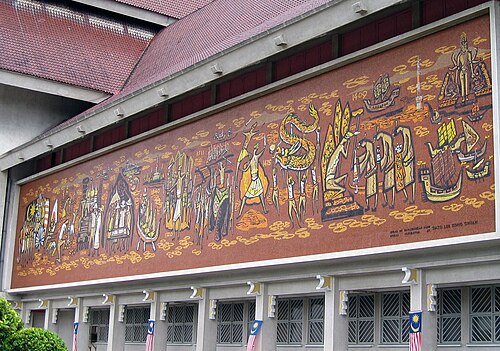
Kuala Lumpur is a hub for cultural activities and events in Malaysia. Among the centres is the National Museum, which is situated along the Mahameru Highway. Its collection comprises artefacts and paintings collected throughout the country.[165] The Islamic Arts Museum, which houses more than seven thousand Islamic artefacts including rare exhibits and a library of Islamic art books, is the largest Islamic arts collection in Southeast Asia.[166] The museum's collection not only concentrates on works from the Middle East, but also includes work from elsewhere in Asia, such as China and Southeast Asia. Kuala Lumpur has a craft complex coupled with a museum that displays a variety of textile, ceramic, metal craft and weaved products. Information on the production process is portrayed in diorama format complete with historical facts, technique and traditionally engineered equipment. Among the processes shown are pottery making, intricate wood carving, silver-smithing, weaving songket cloth, stamping batik patterns on cloth, and boat-making.[167]
.jpg/500px-Saloma_at_Sunset_(49570270217).jpg)
The premier performing arts venue is the Petronas Philharmonic Hall located underneath the Petronas Towers. The resident orchestra is the Malaysian Philharmonic Orchestra (MPO), consisting of musicians from all over the world, and features regular concerts, chamber concerts and traditional cultural performances.[168] The Kuala Lumpur Performing Arts Centre (KLPac) in Sentul West and Damansara Performing Arts Centre (DPac) in Damansara Perdana are two of the most established centres in the country for the performing arts, notably theatre, plays, music, and film screening. It has housed many local productions and has been a supporter of local and regional independent performance artists.[169] The Future Music Festival Asia has been held in the city since 2012, featuring local and international artists.[170]
The National Art Gallery of Malaysia is located on Jalan Temerloh, off Jalan Tun Razak on a 5.67-hectare (14.0-acre) site neighbouring the National Theatre (Istana Budaya) and National Library. The architecture of the gallery incorporates elements of traditional Malay architecture, as well as contemporary modern architecture. The National Art Gallery serves as a centre of excellence and is a trustee of the national art heritage. The Ilham Tower Gallery near Ampang Park houses exhibitions of works by local and foreign artists.[171]
Kuala Lumpur holds the Malaysia International Gourmet Festival annually.[172] Another event hosted annually by the city is the Kuala Lumpur Fashion Week,[173] which includes international brands and local designers. Also, Kuala Lumpur was designated as the World Book Capital for 2020 by UNESCO.[174]
Sports and recreation

Kuala Lumpur has numerous parks, gardens and open spaces for recreational purposes. Total open space for recreational and sport facilities land use in the city has increased significantly by 169.6 percent from 5.86 square kilometres (1,450 acres) in 1984 to 15.8 square kilometres (3,900 acres) in 2000.[175]
Kuala Lumpur was touted as one of the host cities for the Formula One World Championship from 1999 to 2017.[176] The open-wheel auto racing A1 Grand Prix[177] was held until the series folded in 2009. The Motorcycle Grand Prix[178] races are held at the Sepang International Circuit in Sepang in the neighbouring state of Selangor. The Formula One event contributed significantly to tourist arrivals and tourism income to Kuala Lumpur. This was evident during the Asian financial crisis in 1998. Despite cities around Asia suffering declining tourist arrivals, in Kuala Lumpur tourist arrivals increased from 6,210,900 in 1997 to 10,221,600 in 2000, or 64.6%.[179] In 2015, the Kuala Lumpur Street Circuit was constructed to host the Kuala Lumpur City Grand Prix motor racing event.
Football is one of the most popular sports in Kuala Lumpur. The Merdeka Tournament is mainly held at Stadium Merdeka. The Stadium Negara is also located right next to it which is also one of the oldest indoor stadiums in the country. The city is also the home of Kuala Lumpur City, which plays in the Malaysia Super League. Kuala Lumpur hosted the official Asian Basketball Championship in 1965, 1977 and 1985. The city's basketball supporters cheered Malaysia's national basketball team to a Final Four finish in 1985, the team's best performance to date. Further, the city is home to the Kuala Lumpur Dragons, 2016 Champions of the ASEAN Basketball League.[180] The team plays its home games in the MABA Stadium.
KL Grand Prix CSI 5*, a five-star international showjumping equestrian event, is held annually in the city.[181] Other annual sport events hosted by the city include the KL Tower Run,[182] the KL Tower International BASE Jump Merdeka Circuit and the Kuala Lumpur International Marathon. Kuala Lumpur is also one of the stages of the Tour de Langkawi cycling race.[183] The annual Malaysia Open Super Series badminton tournament is held in Kuala Lumpur.
Kuala Lumpur is also the birthplace of Hashing, which began in December 1938 when a group of British colonial officers and expatriates, some from the Selangor Club, began meeting on Monday evenings to run, in a fashion patterned after the traditional British Paper Chase or "Hare and Hounds".[184]
Kuala Lumpur hosted the 128th IOC Session in 2015 where the IOC elected Beijing as the host city of the 2022 Winter Olympics[185] and Lausanne as the host city of the 2020 Winter Youth Olympics.[186]
Transportation

As in most other Asian cities, driving is the main commuting choice in Kuala Lumpur.[187] Every part of the city is well connected with highways. Kuala Lumpur has a comprehensive road network with more transportation development planned.[188] Public transportation covers a variety of transport modes such as bus, rail and taxi. Despite efforts to promote public transport, utilisation rates are low, 16 percent of the population in 2006.[187] However, public transport utilisation will increase with the expansion of the rail network,[189] operated by Prasarana Malaysia in Kuala Lumpur and the Klang Valley via its subsidiaries Rapid Rail and Rapid Bus, using the Rapid KL brand name.[190] Since the take over from Intrakota Komposit Sdn Bhd, Prasarana Malaysia has redrawn the entire bus network of Kuala Lumpur and the Klang Valley metropolitan area[191] to increase passenger numbers and improve Kuala Lumpur's public transport system. Prasarana Malaysia has adopted the hub and spoke system to provide greater connectivity, and reduce the need for more buses.[192][193] KL Sentral was added on 16 April 2001 and served as the new transport hub of the Klang Valley Integrated Transit System.
Urban rail
Major urban rail transportation in Kuala Lumpur. Left from top: MRT Kajang Line, MRT Putrajaya Line, LRT Ampang/Sri Petaling Line, LRT Kelana Jaya Line, KL Monorail Line and KTM Komuter
The KTM Komuter, a commuter rail service, was introduced in 1995 as the first rail transit system to provide local rail services in Kuala Lumpur and the surrounding Klang Valley suburban areas. Services were later expanded to other parts of Malaysia with the introduction of the Northern and Southern sectors.[194] KTM Komuter's 175 km (109 mi) network in the Central Sector has 53 stations. It consists of two cross-city routes, namely the Port Klang Line (Tanjung Malim to Port Klang) and Seremban Line (Batu Caves to Pulau Sebang/Tampin). Transfers between the two main lines can be made at any of the four stations on the central core: KL Sentral, Kuala Lumpur, Bank Negara and Putra.
Light Rapid Transit (LRT) Malaysia is the medium-capacity rail lines in the Klang Valley, Malaysia. The first LRT line was opened in 1996 and the system has since expanded to three lines, which opened in 1998 and 1999. Along with the MRT, the LRT is constructed and owned by the Prasarana, with operating concessions currently run by Rapid KL and Rapid Rail. In 2006, the government announced the Sri Petaling Line and Kelana Jaya line extension projects.[195] Unlike the original line, which used the fixed-block signalling block system, the extension uses the communications-based train control (CBTC) signaling system.[196][197]

Mass Rapid Transit (MRT) Malaysia is a heavy rail rapid transit system that constitutes the bulk of the railway network in Kuala Lumpur and the rest of the Klang Valley. The first section of the MRT opened on 16 December 2016, and the network has since grown rapidly in accordance with Malaysia's aim of developing a comprehensive rail network as the backbone of the country's public transportation system. The network consists of three lines – the 13 MRT Circle Line, looping around Kuala Lumpur, the 9 MRT Kajang Line and the 12 MRT Putrajaya Line, covering a 20 km radius in the southeast–northwest direction from the city centre, will integrate the current rapid transit system and serve high-density areas which are currently not serviced by any rapid transit system. About 90 new stations are planned in this "wheel and spoke" concept, out of which 26 in the city centre will be underground. Ridership capacity will be two million passengers per day.[198]
The KL Monorail opened on 31 August 2003 with 11 stations running 8.6 km (5 mi) on two parallel elevated tracks. The line is numbered 8 and coloured light green on official transit maps. It connects the KL Sentral transport hub in the south and Titiwangsa in the north with the "Golden Triangle", a commercial, shopping, and entertainment area comprising Bukit Bintang, Imbi, Sultan Ismail, and Raja Chulan.[199]
Kuala Lumpur is served by two airports. The main airport, Kuala Lumpur International Airport (KLIA) at Sepang, Selangor, which is also the aviation hub of Malaysia, is located about 50 kilometres (31 mi) south of city. The other airport is Sultan Abdul Aziz Shah Airport, also known as Subang Skypark and served as the main international gateway to Kuala Lumpur from 1965 until KLIA opened in 1998.
KLIA connects the city with direct flights to destinations on four continents around the world,[200] and is the main hub for the national carrier, Malaysia Airlines and low-cost carrier, AirAsia. KLIA can be reached using the KLIA Ekspres, an airport rail link service from KL Sentral, which takes twenty-eight minutes and costs RM 55 (roughly US$13.50),[201] while travelling by car or bus via highway will take about an hour but cost a lot less. Direct buses from KLIA to the city centre are plentiful (every 10 to 15 minutes during peak hours), air-conditioned and comfortable with fares ranging from RM 11 (roughly US$2.70) to RM 15 (roughly US$3.70). Air Asia and other low-cost carrier flights do not fly out of KLIA main terminal, but from KLIA2, which is two kilometres from KLIA. KLIA2 is served by an extension of the KLIA Ekspres and by a free shuttle bus service from KLIA. As of 2018[update], Sultan Abdul Aziz Shah Airport is only used for chartered and turboprop flights by airlines such as Firefly and Malindo Air.[202]
Buses

Bas Mini KL or Kuala Lumpur Mini-Bus Service was one of the oldest and popular Malaysia public bus service, having served Kuala Lumpur and the Klang Valley region. The buses were primarily painted pink with a white stripe on the sides, and had a capacity of only 20–30 passengers, due to their smaller size. The buses operated on a commission basis, with service operators paid according to the fares they collected. The mini-bus service was from 23 September 1975 and discontinued on 1 July 1998, to be replaced by the Intrakota bus service and later, Rapid Bus in 2005.[203]
Rapid Bus began the first phase of the revamp of its bus network in January 2006, introducing 15 City Shuttle bus routes which serve major areas in the Central Business District (CBD) of Kuala Lumpur. In 2008, Rapid Bus operated 167 routes with 1,400 buses covering 980 residential areas with a ridership of about 400,000 per day.[204] The buses run between four hubs at the edge of the central business district, namely KL Sentral, Titiwangsa, Kuala Lumpur City Centre, Maluri, and Medan Pasar in the city centre. These bus hubs also serve as rail interchanges, with the exception of Medan Pasar, although it is at a walking distance from Masjid Jamek LRT station. On June 18, 2020, Rapid Bus released a new feature: real-time location of bus in Google Maps, via collaboration with Google Transit.[205][206][207][208]
Effective 10 April 2019, all RapidKL buses are implementing fully cashless journey for all routes by stages, in which the bus accepts Touch n Go cards only for user convenience. These systems were fully implemented by May 27, 2019.[209] Almost 170 RapidKL bus routes are covered with the real time feature, which was expanded to the MRT feeder bus service. Rapid Bus is however not the only bus operator in Kuala Lumpur and the Klang Valley. Other bus operators are Selangor Omnibus, Setara Jaya bus, and Causeway Link.
Taxis
_1.6_sedan,_Teksi_(2014-01-03).jpg/500px-2010-2013_Proton_Persona_(CM)_1.6_sedan,_Teksi_(2014-01-03).jpg)
In Kuala Lumpur, most taxis have distinctive white and red liveries. Many companies operate and maintain pools of different model of cars in their own brands. Before local car production began, the Mercedes-Benz 200, Mazda 323/Ford Laser, Toyota Mark II X80 series and the Opel Kadett were used.[210] Most were scrapped and replaced by Protons, but there are still a large number of these models running the roads. Kuala Lumpur is one of the major ASEAN cities with taxis extensively running on natural gas. Taxis can be hailed from taxi stands or from the streets. Taxis may be flagged down at any time of the day along any public road outside of the Central Business District (CBD). However, increased usage of ridesharing services like Grab, MyCar and JomRides has resulted in a decrease in taxi use.[211]
Nevertheless, the London-based website, LondonCabs.co.uk has claimed that taxis in the city charge passengers high rates, refusing to turn on their meters and offering instead over-priced flat-rate fares,[212] although other passengers contradict such claims. The heads of some taxi associations came out and distanced themselves from taxi drivers who had given the taxi industry a bad name, promising the public that not all taxi drivers were like that.[213]
Twin towns – sister cities

Kuala Lumpur is twinned with:
- Ankara, Turkey[214]
- Casablanca, Morocco[215]
- Chennai, India[216]
- Dubai, United Arab Emirates[217]
- Isfahan, Iran[218]
- Karachi, Pakistan[219]
- London, United Kingdom[220]
- Malacca City, Malaysia[217]
- Mashhad, Iran[221]
See also
References
- ^ "Malaya Celebrates, 1959". British Pathé. Archived from the original on 7 September 2013. Retrieved 2 August 2013.
- ^ a b c "Laporan Kiraan Permulaan 2010". Jabatan Perangkaan Malaysia. p. 27. Archived from the original on 8 July 2011. Retrieved 24 January 2011.
- ^ "Malaysia Elevation Map (Elevation of Kuala Lumpur)". Flood Map : Water Level Elevation Map. Archived from the original on 22 August 2015. Retrieved 22 August 2015.
- ^ "Demographic Statistics, First Quarter 2024". Department of Statistics, Malaysia. Retrieved 7 August 2024.
- ^ "World Urbanization Prospects, The 2018 Revision" (PDF). UN DESA. 7 August 2019. p. 77. Archived from the original (PDF) on 18 March 2020. Retrieved 30 March 2020.
- ^ "Malaysia Human Development Index (MHDI), 2022". Department of Statistics, Malaysia. Retrieved 14 May 2024.
- ^ a b "Department of Statistics Malaysia Official Portal". www.dosm.gov.my. Archived from the original on 22 September 2020. Retrieved 30 September 2020.
- ^ "Federal Territory of Kuala Lumpur". Department of Statistics, Malaysia. Archived from the original on 20 June 2024.
- ^ "Putrajaya – Administrative Capital of Malaysia". Government of Malaysia. Archived from the original on 21 October 2007. Retrieved 11 December 2007.
- ^ a b Jeong Chun Hai @Ibrahim, & Nor Fadzlina Nawi. (2007). Principles of Public Administration: An Introduction. Kuala Lumpur: Karisma Publications. ISBN 978-983-195-253-5
- ^ Gwillim Law (30 June 2015). "Malaysia States". Statoids. Archived from the original on 1 January 2019. Retrieved 11 December 2007.
- ^ "Mastercard Destination Cities Index 2019" (PDF). MasterCard. 4 September 2019. Archived (PDF) from the original on 6 September 2019. Retrieved 19 June 2020.
- ^ Violet Kim (19 February 2014). "12 best shopping cities in the world". CNN Travel. Archived from the original on 12 August 2017. Retrieved 13 August 2017.
- ^ "KL is second most liveable city in Southeast Asia". The Sun. 17 August 2017. Archived from the original on 27 August 2017. Retrieved 27 August 2017.
- ^ "KPMG Leading Technology Innovation Hub 2021". KPMG. 17 July 2021. Archived from the original (PDF) on 21 July 2021. Retrieved 10 August 2021.
- ^ "Kuala Lumpur named World Book Capital 2020". UNESCO. 30 September 2018. Archived from the original on 19 September 2018. Retrieved 30 September 2018.
- ^ "Unesco names Kuala Lumpur World Book Capital". The Straits Times. 30 September 2018. Archived from the original on 30 September 2018. Retrieved 30 September 2018.
- ^ "kuala in English". Glosbe. Archived from the original on 17 December 2016. Retrieved 3 July 2016.
- ^ Simon Richmond (25 November 2006). Malaysia, Singapore & Brunei. Ediz. Inglese. Lonely Planet Publications; 10th Revised edition. p. 85. ISBN 978-1-74059-708-1. Archived from the original on 30 March 2017. Retrieved 3 July 2016.
- ^ Gullick 2000, pp. 1–2.
- ^ a b c Gullick 1955, p. 11.
- ^ a b c Abdul-Razzaq Lubis, 'Sutan Puasa: The Founder of Kuala Lumpur', Journal of Southeast Asian Architecture (12), National University of Singapore, September 2013.
- ^ J.M. Gullick (1983). The Story of Kuala Lumpur, 1857–1939. Eastern Universities Press (M). ISBN 978-967-908-028-5.
- ^ The Royal Asiatic Society (1933). Journal Of The Malayan Branch Of The Royal Asiatic Society Vol-XI. Singapore: The Malayan Branch Of The Royal Asiatic Society. p. 19.
- ^ a b c Lam Seng Fatt (15 March 2011). Insider's Kuala Lumpur (3rd Edn): Is No Ordinary Travel Guide. Open Your Eyes to the Soul of the City (Not Just the Twin Towers...). Marshall Cavendish International Asia Pte Ltd. pp. 17–18. ISBN 978-981-4435-39-0. Archived from the original on 4 August 2020. Retrieved 5 April 2018.
- ^ Gullick 1955, pp. 10–11.
- ^ a b c d J.M. Gullick (June 1990). "The Growth of Kuala Lumpur and the Malay Communities in Selangor Before 1880" (PDF). Journal of the Malaysian Branch of the Royal Asiatic Society. LXIII (1): 15–17. Archived from the original (PDF) on 15 August 2016.
- ^ Abdul Samad Ahmad, Pesaka Selangor, Dewan Bahasa dan Pustaka, Kuala Lumpur, (1937 edisi Jawi), 1966.
- ^ a b c d e f Keat Gin Ooi, ed. (2004). Southeast Asia: A Historical Encyclopedia, from Angkor Wat to East Timor, Volume 1. ABC-CLIO. ISBN 978-1-57607-770-2. Archived from the original on 4 August 2020. Retrieved 2 September 2017.
- ^ J.M. Gullick (1983). The Story of Kuala Lumpur, 1857–1939. Eastern Universities Press (M). pp. 8–9. ISBN 978-967-908-028-5.
- ^ "Kuala Lumpur History". All Malaysia. Archived from the original on 18 October 2009. Retrieved 15 September 2009.
- ^ Middlebrook & Gullick, op. cit., 1983: 18.
- ^ a b Gullick 1955, p. 10.
- ^ Willard Anderson Hanna (1959). Kuala Lumpur: An Amalgam of Tin, Rubber, and Races : a Brief Review of the City's Historical, Physical, and Psychological Development : a Report. American Universities Field Staff. Archived from the original on 3 August 2020. Retrieved 5 April 2018.
- ^ Kuala Lumpur: 100 Years. Kuala Lumpur Municipal Council. 1959. Archived from the original on 3 August 2020. Retrieved 5 April 2018.
- ^ Gullick 2000, pp. 7–9.
- ^ "From tin town to tower city". kiat.net. Archived from the original on 27 July 2010. Retrieved 28 September 2010.
- ^ a b J.M. Gullick (1955). "Kuala Lumpur 1880–1895" (PDF). Journal of the Malayan Branch of the Royal Asiatic Society. 24 (4): 12–14. Archived from the original (PDF) on 28 May 2015.
- ^ Ziauddin Sardar (1 August 2000). The Consumption of Kuala Lumpur. Reaktion Books. p. 49. ISBN 978-1-86189-057-3. Archived from the original on 4 August 2020. Retrieved 2 September 2017.
- ^ Gullick 2000, p. 21.
- ^ Nelmawarni Bungo, Nordin Hussin; Merantau ke Kuala Lumpur: Tradisi merantau dan berdagang masyarakat Minang, 2011
- ^ Yip Yoke Teng; Muhamad Shahril Rosli (13 June 2014). "Life is colourful on infamous road". The Star. Archived from the original on 19 December 2015. Retrieved 13 June 2014.
- ^ "Malaysian Road Names: Who's Who?". Malaysian Digest. 18 June 2013. Archived from the original on 30 June 2017. Retrieved 13 June 2014.
{{cite web}}: CS1 maint: unfit URL (link) - ^ Mohd Nizam Sahad, Che Zarrina binti Sa'ari; Sejarah Sistem Pendidikan Islam di Kuala Lumpur, Jurnal Al-Tamaddun Bil. 6, 2011
- ^ Baker, Jim (15 July 2008). Crossroads (2nd Edn): A Popular History of Malaysia and Singapore. Marshall Cavendish International Asia Pte Ltd. p. 124. ISBN 978-981-4435-48-2.
- ^ "Sejarah Malaysia". Sejarah Malaysia. Archived from the original on 2 September 2002. Retrieved 15 December 2007.
- ^ a b "Old-World Charm". Virtual Malaysia Magazine. Archived from the original on 1 January 2008. Retrieved 18 December 2007.
- ^ a b c "Kuala Lumpur". Encyclopædia Britannica. Archived from the original on 26 December 2007. Retrieved 6 December 2007.
- ^ J.M. Gullick (1983). The Story of Kuala Lumpur, 1857–1939. Eastern Universities Press (M). pp. 35–36. ISBN 978-967-908-028-5.
- ^ J.M. Gullick (1983). The Story of Kuala Lumpur, 1857–1939. Eastern Universities Press (M). pp. 42–43. ISBN 978-967-908-028-5.
- ^ "Yap Ah Loy's Administration". Yapahloy.tripod.com. 12 September 2000. Archived from the original on 6 March 2012. Retrieved 5 October 2011.
- ^ Richard Baxstrom (14 July 2008). Houses in Motion: The Experience of Place and the Problem of Belief in Urban Malaysia. Stanford University Press. pp. 225–. ISBN 978-0-8047-7586-1. Archived from the original on 5 February 2016. Retrieved 29 October 2015.
- ^ Seng Fatt Lam (1 January 2000). Insider's Kuala Lumpur. Times Books International. ISBN 978-981-204-876-9. Archived from the original on 5 February 2016. Retrieved 29 October 2015.
- ^ Chiang Siew Lee (13 May 1990). "Kuala Lumpur: From a Sanitary Board to City Hall". New Straits Times.
- ^ "The Federated Malay States (1896)". Nation History. National Library of Malaysia. Archived from the original on 8 January 2004. Retrieved 6 December 2007.
- ^ a b Reassessment of Urban Planning and Development Regulations in Asian Cities. UN-HABITAT. 1999. p. 35. ISBN 92-1-131419-4. Archived from the original on 4 August 2020. Retrieved 2 September 2017.
- ^ Hidayati, Isti; Yamu, Claudia; Tan, Wendy (March 2021). "You have to drive: Impacts of planning policies on urban form and mobility behavior in Kuala Lumpur, Malaysia". Journal of Urban Management. 10 (1): 69–83. doi:10.1016/j.jum.2020.12.004. hdl:10419/271414.
- ^ "Sultanate of Selangor Abode of Serenity". Countries and Territories since 1900.
- ^ a b c J.M. Gullick (1983). The Story of Kuala Lumpur, 1857–1939. Eastern Universities Press (M). pp. 111–119. ISBN 978-967-908-028-5.
- ^ Rough Guides Snapshot Malaysia: Kuala Lumpur. Rough Guides. 3 August 2015. ISBN 978-0-241-24195-0.
- ^ "On This Day". The Australian Army. Archived from the original on 18 December 2007. Retrieved 17 December 2007.
- ^ Keat Gin Ooi (2004). Southeast Asia: A Historical Encyclopedia, from Angkor Wat to East Timor, Volume 1. ABC-CLIO. pp. 138–139. ISBN 978-1-57607-770-2. Archived from the original on 9 November 2020. Retrieved 14 December 2016.
- ^ "1957: Malaya celebrates independence". BBC News. 31 August 1957. Archived from the original on 29 April 2019. Retrieved 6 December 2007.
- ^ Lam Seng Fatt (15 October 2011). Insider's Kuala Lumpur: Is No Ordinary Travel Guide. Open Your Eyes to the Soul of the City (3rd ed.). Marshall Cavendish International Asia Pte Ltd. p. 77. ISBN 978-981-4435-39-0. Archived from the original on 5 August 2020. Retrieved 20 January 2017.
- ^ Felix Abisheganaden (2 November 1963). "The big step forward". The Straits Times. National Library Board. Archived from the original on 24 July 2015. Retrieved 26 June 2016.
- ^ Huff, Gregg. "The post–1950 emergence of Kuala Lumpur as a great Southeast Asian city". Economic History of Malaysia.
- ^ J.M. Gullick (1983). The Story of Kuala Lumpur, 1857–1939. Eastern Universities Press (M). pp. 76–78. ISBN 978-967-908-028-5.
- ^ a b "New book on 1969 race riots in Malaysia may be banned, officials warn". International Herald Tribune. Associated Press. 16 May 2007. Archived from the original on 11 October 2007. Retrieved 23 February 2013.
- ^ Jayne, Tamara (3 July 2020). "Did You Know: The Petronas Twin Towers Site Was Once A Horse Racing Track". Says.
- ^ a b Yeoh Seng Guan, ed. (2014). The Other Kuala Lumpur: Living in the Shadows of a Globalising Southeast Asian City. Routledge. pp. 16–17. ISBN 978-0-415-73086-0. Archived from the original on 4 August 2020. Retrieved 2 September 2017.
- ^ "Destinations: Kuala Lumpur". Tourism Malaysia. Archived from the original on 2 January 2008. Retrieved 16 December 2007.
- ^ "Kuala Lumpur". Columbia Encyclopedia, Sixth Edition 2007. Columbia University Press. Archived from the original on 28 December 2008. Retrieved 6 December 2007.
- ^ "Sejarah Shah Alam" (in Malay). Shah Alam City Council. Archived from the original on 6 March 2006. Retrieved 14 December 2007.
- ^ Geetha Krishnan. "PJC turns focus on maintenance issues". The Malaysian Bar. Archived from the original on 18 December 2007. Retrieved 14 December 2007.
- ^ "Attractions". Ministry of Science Technology and Innovation. Archived from the original on 30 October 2007. Retrieved 11 December 2007.
- ^ "National Palace". National Library of Malaysia. Archived from the original on 4 December 2007. Retrieved 11 December 2007.
- ^ Bunnell, Tim; Nah, Alice M. (2004). "Counter-global Cases for Place: Contesting Displacement in Globalising Kuala Lumpur Metropolitan Area". Urban Studies. 41 (12): 2447–2467. Bibcode:2004UrbSt..41.2447B. doi:10.1080/00420980412331297627. JSTOR 43197066. S2CID 143448457.
- ^ Yat Ming Loo (8 April 2016). Architecture and Urban Form in Kuala Lumpur. Routledge. p. 88. ISBN 9781409445975. Archived from the original on 4 August 2020. Retrieved 1 February 2019.
- ^ Cox, Wendell (12 January 2013). "The Evolving Urban Form: Kuala Lumpur". New Geography. Archived from the original on 2 February 2019. Retrieved 1 February 2019.
- ^ Chun-chieh, Huang (August 2014). Taiwan in Transformation: Retrospect and Prosepct. 國立臺灣大學出版中心. p. 378. ISBN 9789863500155. Archived from the original on 4 August 2020. Retrieved 1 February 2019.
- ^ Bunnell, Tim (31 July 2004). "Chapter 4: Kuala Lumpur City Centre (KLCC): Global reorientation". Malaysia, Modernity and the Multimedia Super Corridor. Routledge. ISBN 9780415256346. Archived from the original on 4 August 2020. Retrieved 1 February 2019.
- ^ Crook, Lizzie (13 December 2021). "World's second-tallest skyscraper Merdeka 118 tops out in Malaysia". Dezeen.
- ^ "Kuala Lumpur: Growing Pains". Asia's Best Cities 2000. Asiaweek. Archived from the original on 3 December 2007. Retrieved 4 December 2007.
- ^ Chan Ngai Weng (1996). "Risk, Exposure and Vulnerability to Flood Hazards in a Rapidly Developing Country: The Case of Peninsular Malaysia". National University of Malaysia. pp. 107–137. Archived from the original on 29 April 2015. Retrieved 29 April 2015.
- ^ "Kuala Lumpur Location". Malaysia Travel. Archived from the original on 28 September 2010. Retrieved 18 September 2010.
- ^ "Weather in KL". Welcome-KL. Archived from the original on 9 February 2013. Retrieved 10 July 2012.
- ^ "Climate of Kuala Lumpur" (in Russian). Weather and Climate (Погода и климат). Archived from the original on 23 March 2018. Retrieved 8 October 2013.
- ^ "Kuala Lumpur Environment". Kuala Lumpur City Hall. Archived from the original on 1 May 2008. Retrieved 12 December 2007.
- ^ "Hazardous haze shrouds Kuala Lumpur". NBC News. 11 August 2005. Archived from the original on 30 September 2013. Retrieved 13 December 2007.
- ^ "World Meteorological Organization Climate Normals for 1991–2020". World Meteorological Organization Climatological Standard Normals (1991–2020). National Oceanic and Atmospheric Administration. Archived from the original on 19 October 2023. Retrieved 19 October 2023.
- ^ "Climate of Kuala lumpur" (in Russian). Weather and Climate (Погода и климат). Archived from the original on 23 March 2018. Retrieved 8 October 2013.
- ^ "Kuala Lumpur Climate Normals 1961–1990". National Oceanic and Atmospheric Administration. Retrieved 24 April 2015.
- ^ "Kuala Lumpur, Malaysia – Climate data". Weather Atlas. Archived from the original on 30 March 2017. Retrieved 29 March 2017.
- ^ a b "DBKL History". Kuala Lumpur City Hall. Archived from the original on 29 April 2015. Retrieved 29 April 2015.
- ^ Babulal, Veena (1 October 2020). "Mahadi, City Hall man of 36-years now KL mayor | New Straits Times". NST Online. Archived from the original on 30 September 2021. Retrieved 30 September 2021.
- ^ "Malaysia's towns and cities are governed by appointed mayors". City Mayors. 2006. Archived from the original on 14 May 2011. Retrieved 9 October 2006.
- ^ "14 W.P. Kuala Lumpur – Berkas". Kuala Lumpur City Hall. Archived from the original on 19 January 2023. Retrieved 19 January 2023.
- ^ Ng, Angie (13 August 2007). "New growth corridors added". The Star. Archived from the original on 15 June 2007. Retrieved 14 December 2007.
- ^ "Foreign Embassies and Consulates Directory in Malaysia". GoAbroad.com. Archived from the original on 9 May 2010. Retrieved 14 January 2015.
- ^ "The World According to GaWC 2008". Globalization and World Cities Study Group and Network (GaWC). Loughborough University. Archived from the original on 26 August 2011. Retrieved 16 May 2009.
- ^ "Bloomberg". Bloomberg. Archived from the original on 10 March 2016. Retrieved 7 November 2021.
- ^ "Gross Domestic Product (GDP) by State, 2008". Department of Statistics Malaysia. Archived from the original on 13 November 2010. Retrieved 15 September 2010.
- ^ "GDP by State and Kind of Economic Activity, 2008" (PDF). Department of Statistics Malaysia. Archived from the original (PDF) on 13 November 2010. Retrieved 15 September 2010.
- ^ a b "GDP By State – National Accounts – 2010–2015". Department of Statistics, Malaysia. 30 September 2016. pp. 10, 22. Retrieved 3 May 2017. – Select "Publication GDP by State 2010–2015.pdf" to download and view data
- ^ "GDP by State" (PDF). Department of Statistics, Malaysia. Archived (PDF) from the original on 16 June 2015. Retrieved 13 June 2015.
- ^ "Median monthly household income for Malaysians has increased to RM5,228". Human Resources. Archived from the original on 1 March 2019. Retrieved 6 March 2019.
- ^ a b c d e f g "Kuala Lumpur Economic Base". Kuala Lumpur City Hall. Archived from the original on 20 August 2008. Retrieved 10 December 2007.
- ^ Sy, Amadou (18 September 2007). "Malaysia: An Islamic Capital Market Hub". Survey Magazine. International Monetary Fund. Archived from the original on 29 October 2007. Retrieved 12 December 2007.
- ^ "World Largest Islamic Bank opens branch in Malaysia". ClickPress. 13 February 2006. Archived from the original on 18 December 2007. Retrieved 12 December 2007.
- ^ Tam, Susan (10 April 2007). "Malaysia needs to look beyond being hub for Islamic finance". The Star. Archived from the original on 20 February 2009. Retrieved 12 December 2007.
- ^ "The Global 2000 (Malaysia)". Forbes. Archived from the original on 10 May 2010. Retrieved 15 September 2010.
- ^ "Main page". Institute for Medical Research, Malaysia. Archived from the original on 5 October 2013. Retrieved 12 December 2007.
- ^ Top 10 most visited cities in the world Archived 29 November 2015 at the Wayback Machine. Enjoyourholiday.com. Retrieved on 27 September 2013.
- ^ Bremner, Caroline (10 January 2010). "Trend Watch: Euromonitor International's Top City Destination Ranking". Euromonitor International. Archived from the original on 31 August 2010. Retrieved 27 August 2010.
- ^ "KL's grand makeover". TTGmice. Archived from the original on 5 June 2013. Retrieved 20 December 2012.
- ^ "Kuala Lumpur Travel". Archived from the original on 27 August 2009. Retrieved 15 September 2009.
- ^ "Ministry of Federal Territories – Senarai Hotel / Rumah Tamu". www.kwp.gov.my. Archived from the original on 8 March 2022. Retrieved 8 March 2022.
- ^ "Sri Mahamariamman Temple". Welcome-KL. Archived from the original on 9 February 2013. Retrieved 10 July 2012.
- ^ Ghurye, Sameer (15 May 2020). "Kuala Lumpur's Golden Triangle District – Things to Do". theculturetrip.com. Retrieved 10 January 2023.
- ^ "Did You Know?". Official Portal Visit Kuala Lumpur. Archived from the original on 26 August 2016. Retrieved 22 March 2020.
- ^ Shanti Gunaratnam. "Wooing Indonesian shoppers". New Straits Times, Travel News. Archived from the original on 18 December 2007. Retrieved 18 December 2007.
- ^ "Home". Quill City Mall. Archived from the original on 15 March 2015. Retrieved 8 April 2018.
- ^ a b Gurstien, P (1985) Malaysia Architecture Heritage Survey – A Handbook, Malaysia Heritage Trust. Page 65
- ^ a b "Google Cache Of 'Historical Buildings in Malaysia'". www.efka.utm.my. Archived from the original on 9 December 2012. Retrieved 18 September 2010.
- ^ "Malaysia's shopping landscape with main and new shopping precincts". Tourism Malaysia. Archived from the original on 5 April 2018. Retrieved 6 April 2018.
- ^ a b c d e "State > W.P. Kuala Lumpur".
- ^ Aziz, Su. "Far from the madding crowd". The New Straits Times Online. Archived from the original on 18 December 2007. Retrieved 4 December 2007.
... one of the many 30-something KLites seeking..
- ^ "Kuala Lumpur Population 2017". World Population Review. Archived from the original on 7 April 2017. Retrieved 6 April 2017.
- ^ a b "Kuala Lumpur Culture & Heritage". AsiaWebDirect. Archived from the original on 18 October 2007. Retrieved 4 December 2007.
- ^ "Key Findings of Population and Housing Census of Malaysia 2020" (pdf) (in Malay and English). Department of Statistics, Malaysia. ISBN 978-967-2000-85-3.
- ^ a b Ian F. Shirley; Carol Neill, eds. (2015). Asian and Pacific Cities: Development Patterns. Routledge. p. 84. ISBN 978-1-138-81442-4. Archived from the original on 11 October 2017. Retrieved 2 September 2017.
- ^ a b Prem Kumar Rajaram (19 September 2014). Ruling the Margins: Colonial Power and Administrative Rule in the Past and Present. Routledge. pp. 34–35. ISBN 9781317621072.
- ^ Gullick 2000, p. 43.
- ^ Antje Missbach, Separatist Conflict in Indonesia: The Long-distance Politics of the Acehnese Diaspora, 2011
- ^ Azizah bte Kassim (1985). Politics of Accommodation: ACCOMMODATION: A Case Study of Malay Squatters in Kuala Lumpur (PDF). p. 72.
- ^ Ian F. Shirley; Carol Neill, eds. (2015). Asian and Pacific Cities: Development Patterns. Routledge. p. 85. ISBN 978-1-138-81442-4. Archived from the original on 11 October 2017. Retrieved 2 September 2017.
- ^ King, Ross (2008). Kuala Lumpur and Putrajaya: Negotiating Urban Space in Malaysia. University of Hawaii Press. pp. 90–91. ISBN 978-0-8248-3318-3. Archived from the original on 11 October 2017. Retrieved 2 September 2017.
- ^ a b "2010 Population and Housing Census of Malaysia" (PDF) (in Malay and English). Department of Statistics, Malaysia. Archived from the original (PDF) on 5 February 2013. Retrieved 17 June 2012.
- ^ "Forced out to suburbs". The Star. 7 May 2015. Archived from the original on 5 February 2016. Retrieved 17 May 2015.
- ^ "Malaysia to reduce number of foreign workers to 1.5 mln". People's Daily Online. 2 September 2006. Archived from the original on 21 December 2007. Retrieved 15 December 2007.
- ^ Mydans, Seth (10 December 2007). "A Growing Source of Fear for Migrants in Malaysia". International Herald Tribune. Archived from the original on 18 April 2009. Retrieved 15 December 2007.
- ^ "Religion by Location: Malaysia". Adherents.com. Archived from the original on 5 March 2001. Retrieved 15 December 2007.
{{cite web}}: CS1 maint: unfit URL (link) - ^ "2010 Population and Housing Census of Malaysia" (PDF) (in Malay and English). Department of Statistics, Malaysia. p. 96. Archived from the original (PDF) on 16 January 2013. Retrieved 17 June 2012.
- ^ Harding, Andrew (27 July 2012). "Chapter 8 – Religion and the Constitution". The Constitution of Malaysia: A Contextual Analysis. Hart Publishing. ISBN 9781847319838. Archived from the original on 6 January 2020. Retrieved 7 December 2019.
- ^ Lam Seng Fatt (15 March 2011). Insider's Kuala Lumpur (3rd Edn): Is No Ordinary Travel Guide. Open Your Eyes to the Soul of the City (Not Just the Twin Towers ...). Marshall Cavendish International Asia Pte Ltd. pp. 9–. ISBN 978-981-4435-39-0. Archived from the original on 5 February 2016. Retrieved 29 October 2015.
- ^ "Kuala Lumpur Culture & Heritage: Traditions, Races, People". Kuala Lumpur Hotels & Travel Guide. Archived from the original on 18 October 2007. Retrieved 16 February 2008.
- ^ Ziauddin Sardar (2000). The Consumption of Kuala Lumpur. Reaktion Books. pp. 120–. ISBN 978-1-86189-057-3. Archived from the original on 5 February 2016. Retrieved 29 October 2015.
- ^ Aslinda, Noviatri, Reniwati; The Trace of Minangkabau-Wise in Malaysian Language, 2015
- ^ Diamonstein, Barbaralee; Jersey, New (23 September 1990). "Landmarks of Kuala Lumpur". New York Times, Travel. Archived from the original on 24 February 2009. Retrieved 18 December 2007.
- ^ Ahmad, A. Ghafar (1997). British Colonial Architecture in Malaysia 1800–1930. Kuala Lumpur: Museums Association of Malaysia.extract Archived 19 December 2007 at the Wayback Machine
- ^ Copplestone, Trewin (1976). World Architecture: An Illustrated History. London, Hamlyn. p. 149. ISBN 978-0-600-03954-9.
- ^ Bunnell, Tim (12 March 2004). Malaysia, Modernity and the Multimedia Super Corridor: A Critical Geography, page 74. Taylor & Francis. ISBN 978-0-203-64736-3. Retrieved 14 December 2007.
- ^ "Petronas Towers". Pearson PLC. Infoplease. Archived from the original on 20 December 2007. Retrieved 11 December 2007.
- ^ Henry, Brandi. "Petronas Towers". illumin. USC Viterbi, School of Engineering. Archived from the original on 26 November 2007. Retrieved 10 December 2007.
- ^ "The Worlds Tallest 50 Urban Agglomerations". CTBUH Journal. Council on Tall Buildings and Urban Habitat. Archived from the original on 13 November 2013. Retrieved 14 January 2012.
- ^ "Top five ways to enjoy Kuala Lumpur". The Age. Melbourne. 20 February 2005. Archived from the original on 10 December 2007. Retrieved 14 December 2007.
- ^ "Oldest Primary Forest within a City". TargetWoman Directory. Archived from the original on 6 December 2007. Retrieved 4 December 2007.
- ^ "Education and Social Characteristics of the Population, Population and Housing Census 2000" (Press release). Department of Statistics, Malaysia. August 2002. Archived from the original on 11 December 2007. Retrieved 10 December 2007.
- ^ "Get experienced and qualified home tutors in KL". who can deliver inspiring lessons and see improvement within one month. Home Tutor Malaysia. Archived from the original on 14 February 2014. Retrieved 5 January 2014.
- ^ "Existing situation of Educational facilities". Kuala Lumpur Structure Plan 2020. Kuala Lumpur City Hall. Archived from the original on 1 May 2008. Retrieved 12 December 2007.
- ^ "Carnegie Mellon University's Heinz School to Offer Professional Master's Degree at University of Malaya in Kuala Lumpur in New Collaboration" (Press release). Carnegie Mellon University. Archived from the original on 13 December 2007. Retrieved 13 December 2007.
- ^ "QS World University Rankings 2019". Archived from the original on 8 June 2018. Retrieved 20 July 2018.
- ^ "UM out to woo foreign students". The Star. 2 July 2007. Archived from the original on 4 July 2007. Retrieved 18 December 2007.
- ^ "Background". National Defence University of Malaysia. 19 March 2013. Archived from the original on 4 April 2015. Retrieved 30 April 2015.
- ^ "Main Page". Muzium Negara Malaysia. Archived from the original on 1 January 2008. Retrieved 11 December 2007.
- ^ "Main". Islamic Arts Museum Malaysia. Archived from the original on 18 December 2007. Retrieved 11 December 2007.
- ^ "Craft Cultural Complex Kuala Lumpur – Kompleks Budaya Kraf". Archived from the original on 24 February 2011. Retrieved 19 November 2010.
- ^ "Meet the MPO". Malaysian Philharmonic Orchestra. Archived from the original on 28 August 2007. Retrieved 11 December 2007.
- ^ "Main page". Kuala Lumpur Performing Arts Centre. Archived from the original on 25 December 2007. Retrieved 18 December 2007.
- ^ "Future Music Festival Asia". Livescape. Archived from the original on 7 April 2018. Retrieved 8 April 2018.
- ^ Ong, Jo-Lene (18 January 2018). "City Art Guides—Kuala Lumpur". theartling.com. Retrieved 18 January 2022.
- ^ "Main". Malaysia International Gourmet Festival. Archived from the original on 12 October 2007. Retrieved 13 December 2007.
- ^ "Kuala Lumpur Fashion Week 2005". People's Daily Online. Archived from the original on 4 March 2008. Retrieved 13 December 2007.
- ^ "UNESCO World Book Capital 2020". UNESCO. 17 September 2018. Retrieved 19 April 2022.
- ^ "Community Facilities". Kuala Lumpur Structure Plan 2020. Kuala Lumpur City Hall. Archived from the original on 1 May 2008. Retrieved 12 December 2007.
- ^ "Circuit Guide: Sepang, Malaysia". BBC Sport. 17 February 2006. Archived from the original on 15 October 2007. Retrieved 13 December 2007.
- ^ "Season 2007/08". A1GP. Archived from the original on 21 December 2007. Retrieved 13 December 2007.
- ^ "2004 MotoGP Sepang Results". MotorcycleUSA. 10 October 2004. Archived from the original on 25 August 2013. Retrieved 3 May 2012.
- ^ "Tourism". Kuala Lumpur Structure Plan 2020. Kuala Lumpur City Hall. Archived from the original on 20 August 2008. Retrieved 12 December 2007.
- ^ "Roar of the Dragons: Westports Malaysia Wins First Ever ABL Crown". ASEAN Basketball League. Archived from the original on 29 March 2016. Retrieved 13 April 2016.
- ^ "Main page". Kuala Lumpur Grand Prix 2007. Archived from the original on 1 May 2008. Retrieved 12 December 2007.
- ^ "KL Tower International BASE Jump 2007". Archived from the original on 23 December 2007. Retrieved 12 December 2007.
- ^ "Tour de Langkawi". Ministry of Youth and Sports, Malaysia. Archived from the original on 23 December 2007. Retrieved 12 December 2007.
- ^ Lam Seng Fatt (15 October 2011). Insider's Kuala Lumpur (3rd ed.). Marshall Cavendish International Asia Pte Ltd. p. 65. ISBN 978-981-4435-39-0. Archived from the original on 3 August 2020. Retrieved 17 December 2016.
- ^ Duncan Mackay (13 March 2012). "Kuala Lumpur set to be city where 2022 Winter Olympics decided". Inside the Games. Archived from the original on 6 September 2015. Retrieved 30 April 2015.
- ^ Nick Butler (6 December 2014). "Lausanne and Brașov shortlisted to host 2020 Winter Youth Olympic Games". Inside the Games. Archived from the original on 12 August 2015. Retrieved 30 April 2015.
- ^ a b Azlan (13 October 2006). "Headline: Percentage usage of public transport to be increased to 40 percent". Radio Televisyen Malaysia. Archived from the original on 30 September 2007. Retrieved 22 October 2006.
- ^ "KL20 Transportation". Kuala Lumpur City Hall. Archived from the original on 21 April 2018. Retrieved 6 April 2018.
- ^ "KL, suburbs get 25 new LRT stations". The Straits Times. The Star/Asia News Network. 2 July 2016. Archived from the original on 2 July 2016. Retrieved 3 July 2016.
- ^ Tan Sri Nor Mohamed Yakcop (Minister of Finance II) (10 September 2007). Launching of the Cyberjaya Dedicated Transportation System (Speech). Cyberjaya. Archived from the original on 18 December 2007. Retrieved 14 December 2007.
- ^ "Rapid KL to revamp network". Cleanairnet.org. 14 November 2008. Archived from the original on 6 March 2008. Retrieved 18 September 2010.
- ^ Adrian Phung (6 June 2014). "Newly improved bus hub to transform urban transport system". The Sun. Archived from the original on 6 April 2018. Retrieved 6 April 2018.
- ^ Sheila Sri Priya (6 April 2015). "Planned BRT system will help ease traffic congestion on Federal Highway". The Star. Archived from the original on 6 April 2018. Retrieved 6 April 2018.
- ^ "Intercity services". Keretapi Tanah Melayu Berhad. Archived from the original on 14 December 2007. Retrieved 19 December 2007.
- ^ "George Kent-Lion Pacific JV gets Ampang Line extension job". Archived from the original on 12 September 2017. Retrieved 7 May 2017.
- ^ "Month-long free ride at four new LRT stations – Prasarana". Archived from the original on 7 June 2020. Retrieved 12 December 2020.
- ^ "Prasarana announces partial opening of Sri Petaling LRT line". Archived from the original on 28 November 2018. Retrieved 12 December 2020.
- ^ "KL to get landmark MRT in world-class city bid". The Malaysian Insider. 10 June 2010. Archived from the original on 19 June 2010.
- ^ "RapidKL Monorail". Official Portal Visit Kuala Lumpur. Tourism Unit, Kuala Lumpur City Hall. Archived from the original on 3 December 2020. Retrieved 21 September 2019.
- ^ "Malaysia Airlines Takes Flight to MEGACITIES on National Geographic Channel" (Press release). National Geographic. Archived from the original on 6 February 2008. Retrieved 19 December 2007.
- ^ "KLIA Ekspres". Express Rail Link Sdn Bhd. Archived from the original on 8 December 2007. Retrieved 13 December 2007.
- ^ "Subang only for turbo-props". Asian News Desk. 27 November 2007. Archived from the original on 18 December 2007. Retrieved 13 December 2007.
- ^ B. Suresh Ram (23 December 2016). "The 'bas mini' of yesteryear". New Straits Times. Archived from the original on 14 August 2020. Retrieved 12 December 2020.
- ^ Surin Murugiah (27 June 2008). "RM4.9b to boost urban,rail transport systems". Archived from the original on 2 April 2015. Retrieved 28 June 2008.
- ^ "Aplikasi Google Maps Untuk Bantu Rancang Perjalanan Dengan Bas". Archived from the original on 22 June 2020. Retrieved 21 June 2020.
- ^ "Google Maps app to help Rapid bus users plan trips". Archived from the original on 19 June 2020. Retrieved 21 June 2020.
- ^ "Rapid Bus collaborates with Google Maps app to help users plan trips, view real-time location of buses". 19 June 2020. Archived from the original on 23 June 2020. Retrieved 21 June 2020.
- ^ "RapidKL users can now plan bus trips via Google Maps". 19 June 2020. Archived from the original on 22 June 2020. Retrieved 21 June 2020.
- ^ "Rapid KL Buses to Implement Full Cashless from 15 April – Media Releases | MyRapid Your Public Transport Portal". myrapid.com.my. Archived from the original on 25 September 2020. Retrieved 2 August 2020.
- ^ "Glimpse into growth of taxi services in Malaysia". Archived from the original on 25 October 2019. Retrieved 12 December 2020.
- ^ "Cover Story: Disrupting the taxi industry". The Edge Malaysia. 8 September 2016. Archived from the original on 27 February 2021. Retrieved 9 December 2020.
- ^ Arfa Yunus (3 July 2015). "KL taxi drivers top list of worst drivers in 10 cities". The Rakyat Post. Archived from the original on 8 April 2018. Retrieved 8 April 2018.
- ^ "Here's What Local Users And Foreign Tourists Think of KL Taxi Drivers". Malaysian Digest. 4 August 2015. Archived from the original on 5 August 2015. Retrieved 8 April 2018.
- ^ "Ankaranın Kardeş Şehirleri". ankara.bel.tr (in Turkish). Ankara. Archived from the original on 25 October 2020. Retrieved 14 December 2020.
- ^ "Jumelages". casablanca.ma (in French). Casablanca. Archived from the original on 23 October 2020. Retrieved 14 December 2020.
- ^ "Chennai has six 'sister cities', but few benefits have flowed". timesofindia.indiatimes.com. The Times of India. 23 April 2019. Archived from the original on 1 June 2021. Retrieved 14 December 2020.
- ^ a b "6 Bandar Di Malaysia Yang Berkembar Dengan Bandar Lain di Seluruh Dunia". iluminasi.com (in Malay). Iluminasi. 24 April 2018. Archived from the original on 27 January 2021. Retrieved 14 December 2020.
- ^ "شهرهای خواهر". isfahan.ir (in Persian). Isfahan. Archived from the original on 18 June 2020. Retrieved 14 December 2020.
- ^ "Islamabad to get new sister city". dawn.com. Dawn. 5 January 2016. Archived from the original on 18 March 2018. Retrieved 14 December 2020.
- ^ "The Twin Cities of Oxford, Cambridge and London". oxford-royale.com. Oxford Royale Academy. 16 February 2017. Archived from the original on 19 June 2020. Retrieved 14 December 2020.
- ^ "Mashhad-Kuala Lumpur Become Sister Cities". Mircea Birca. Eurasia Press and News. 14 October 2006. Archived from the original on 4 March 2016. Retrieved 20 December 2015.
Bibliography
- Barber, Andrew (2012). Kuala Lumpur at War, 1939-1945: A History of Kuala Lumpur and Selangor During World War Two. Karamoja Press. ISBN 9789834337247.
- Gullick, J.M. (1955). "Kuala Lumpur 1880–1895" (PDF). Journal of the Malayan Branch of the Royal Asiatic Society. 24 (4): 10–11. Archived from the original (PDF) on 28 May 2015.
- Gullick, J.M. (2000). A History of Kuala Lumpur 1856–1939. The Malaysian Branch of the Royal Asiatic Society. ISBN 9789679948158.
External links

Wikimedia Commons has media related to Kuala Lumpur.

Wikivoyage has a travel guide for Kuala Lumpur.
- Official website of Kuala Lumpur Archived 27 July 2013 at the Wayback Machine
- The Official Tourism Website of Malaysia – Malaysia Truly Asia
- Official website of Tourism Malaysia Corp
- Official Portal of Kuala Lumpur City Hall
- An Insider's Guide to Kuala Lumpur – Pathfinder City
 Geographic data related to Kuala Lumpur at OpenStreetMap