
Loading article…
The 5th century BC started the first day of 500 BC and ended the last day of 401 BC.

This century saw the establishment of Pataliputra as a capital of the Magadha Empire. This city would later become the ruling capital of different Indian kingdoms for about a thousand years. This period saw the rise of two great philosophical schools of the east, Jainism and Buddhism. This period saw Mahavira and Buddha spreading their respective teachings in the northern plains of India. This essentially changed the socio-cultural and political dynamics of the region of South Asia. Buddhism would later go on to become one of the major world religions.
This period also saw the work of Yaska, who created Nirukta, that would lay the foundation stone for Sanskrit grammar and is one of the oldest works on grammar known to mankind.
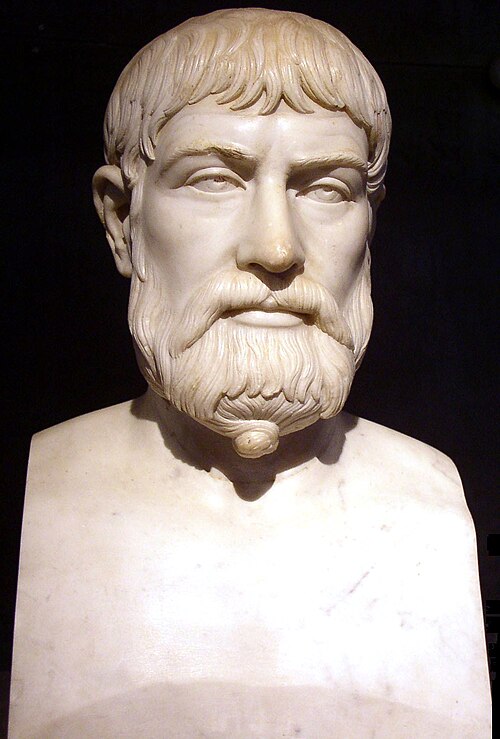
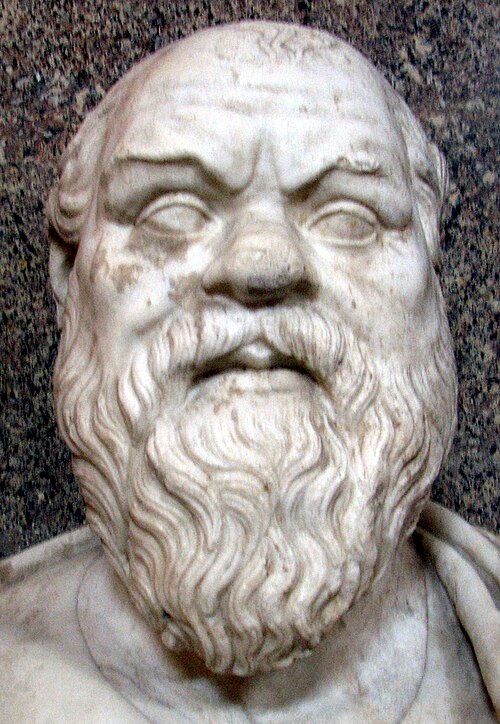
This century is also traditionally recognized as the classical period of the Greeks, which would continue all the way through the 4th century until the time of Alexander the Great. The life of Socrates represented a major milestone in Greek philosophy though his teachings only survive through the work of his students, most notably Plato and Xenophon. The tragedians Aeschylus, Sophocles, and Euripides, as well as the comedian Aristophanes all date from this era and many of their works are still considered classics of the western theatrical canon.
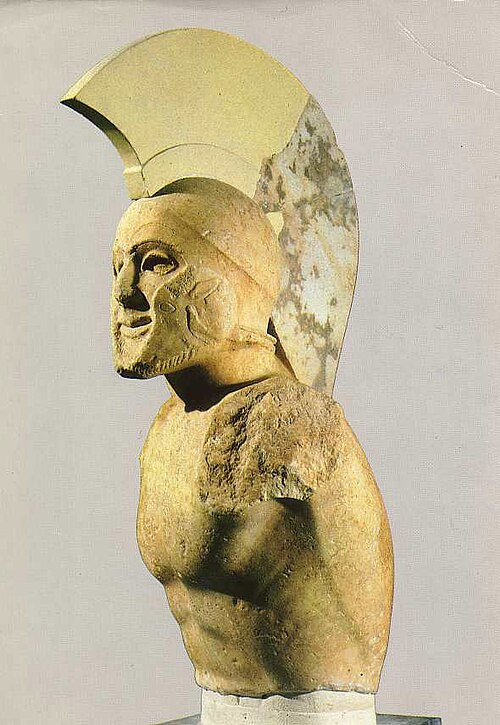
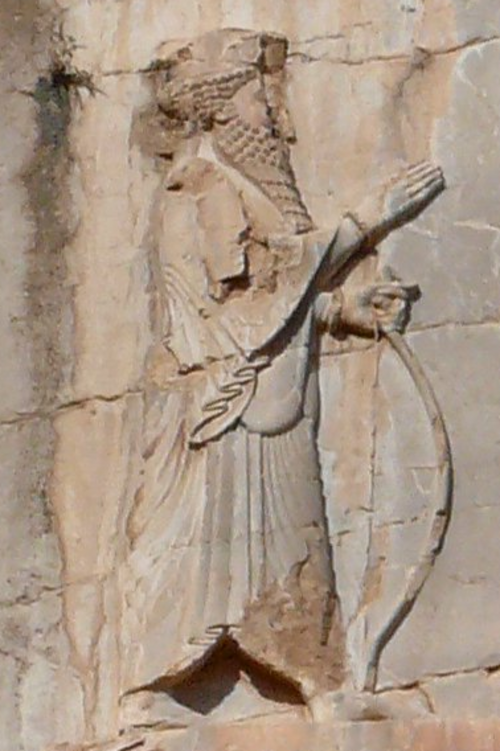
ギリシャ諸都市の連合と広大なアケメネス朝ペルシア帝国との間で戦われたペルシア戦争は、ギリシャ政治における重要な局面であった。ギリシャ人はプラタイアの戦い、ミュカレの戦い、そしてその後の反撃で、ペルシアによるギリシャの併合を阻止することに成功した。その後、連合の支配勢力であったスパルタは、それ以上の攻撃行動を起こすつもりはなく、戦争は終わったと考えていた。一方、アテネは反撃を開始し、イオニア沿岸各地のペルシア帝国のギリシャ人臣民を解放し、新たな連合であるデロス同盟を組織した。デロス同盟の盟主として帝国主義的野心を強めるアテネと、伝統的に支配的であったスパルタとの間の緊張は、ペロポネソス戦争の長期にわたる膠着状態につながった。





参照:紀元前5世紀の主権国家一覧。