
Loading article…
これは、称号を問わず現職および元女性君主の一覧です。女王、皇后、ファラオ、その他の称号(大公、王女など)を持つ君主が含まれます。男性君主の配偶者である王妃などの配偶者は含まれません。現在の君主の配偶者の一覧を参照してください。女性摂政は含まれません。摂政の一覧を参照してください。
以下は、一般文献でよく知られている女性君主の不完全なリストですが、多くの古代の、記録が乏しい統治君主 (アフリカやオセアニアの君主など) は省略されています。セクション 1 では、女王など、独自の権利で統治した君主をリストします。セクション 2 では、伝説上の君主をリストします。セクション 3 では、独自の権利で統治したが、権力を握っている間は正式な法的承認を受けていなかった君主をリストします。セクション 4 では、「女首長」の称号で呼ばれたさまざまな女性統治者をリストします。女王摂政などの摂政は君主ではないため、このページには含まれません。王位僭称者もこのページには含まれません。
君主
アフリカ
北アフリカ
アルジェリア
カナリア諸島
カナリア諸島 は 北アフリカのスペイン領です。
カナリア諸島王国
「カナリア諸島の王/女王」の称号は、スペイン王室の称号と栄誉のリストに含まれていました。
エジプト
エジプトで最初に確認された女性君主は第12王朝のソベクネフェルである。しかし、ネイトホテプ、メルネイト、ケントカウス1世など、それ以前の時代の女王も権力を握り、独自の権限でエジプトを統治していた可能性があるが、考古学的証拠は曖昧である。[2]
リビア
スーダン
西アフリカ
ベナン
ガンビア
- エリザベス2世、ガンビア女王(在位1965年~1970年)
ガーナ
ギニアビサウ
- アウレリア・コレイア(在位1830年-1874年/1879年)[29]
- オキンカ パンパ カニンパ(在位 1910 年頃- 1930 年) – 父親のバンカジャパの跡を継ぎました。
- ジュリアナ・デ・カニャバケ[30](1900年代初頭に統治)[29]
- イディアナ・イボップ[31](1920年代まで統治)[29]
コートジボワール
- ポコウ(在位 1750年頃- 1760 年頃)[32] - バウレ族の女王であり創始者。
- アクワ・ボニ(在位: 1760年頃 - 1790 年頃)[32] - ポコウの姪で、ポコウの跡を継いで王位に就いた。
リベリア
- ファマタ・ベンドゥ、ヴァイ族の女王(在位?~1892年)[33]
マリ
ナイジェリア
- エリザベス2世、ナイジェリア女王(在位1960年~1963年)
「カバラ」という称号は、中世にハウサ族を統治した女性君主によって使われた。カノ年代記には、9世紀のダウラマの治世で終わる母系君主の系譜が記録されている。 [34]これらの女王は、 700年頃から 1000年頃まで統治した。[35]
- クフル
- ギヌ
- 八雲
- ヤクニャ
- ワンザム
- ヤンバム
- ギジルギジル
- インナガリ
- ダウラマ
- ガワタ
- シャタ
- ファタトゥマ
- サイダマタ
- ジャマタ
- ハ・マタ
- 座間
- シャワタ
- ダウラマII
- エモセ(在位584-600年)
- オロロ(在位600-618年)
- プププは、 1510年頃のオンド王国 の創始者であり統治者です。
- アミナ– 彼女の治世の時期については学者の間で論争があり、ある学派は 15 世紀半ばとしており、別の学派は 16 世紀半ばから後半としています。
- ウーニ・ルウー(10世紀に統治)
- エブレジョヌ(エブレとも呼ばれる)(16世紀に統治)[36]
- エイェ・アロ (在位 1393 ~ 1419 年)
- エエムọ̀ị́n (在位 1705–1735)
- Amọ́robíòjò (在位 1850–1851)
セネガル
リンギールの指導活動は共同君主として最高レベルで行われた。
- リンギア・ファティム・ベイ(在位 1335年頃)
- リンゲール・ンドイェ・デンバ(在位 1367年頃) - セレール・ヨス母系王朝の創始者。
- リンゲール・ンゴネ・ディエ
- ンジェンボット・ムボジ
- ンダテ・ヤラ・ムボジ
- リンジール・セルベ・ンドッフェネ・ジョーフ
シエラレオネ
- エリザベス2世、シエラレオネ女王(在位1961年~1971年)
- ファティマ(在位1826-1840年)[37]
- マダム・ヨーコ(在位1878-1906年)
中央アフリカ
アンゴラ
- ヴァンウェネ・ナアマ
- ヴァンウェネ・ヤムヴ
- ヴァムウェネ・ムバオ・ヤ・チングリ (1500 年代から 1600 年代初頭にかけて統治)
- ヴァンウェネ・カアンバ・カ・ムバオ
- ヴァムウェネ・ムケンゲ・ワ・ルウェンベ、リビンダモ
- アナ・アフォンソ・デ・レオン、キンラザ女王
- スザナ・デ・ノブレガキンパンズの女王
カメルーン
チャド
- アイッサ・コリ(在位 1497 ~ 1504 年または 1563 ~ 1570 年)
東アフリカ
コモロ
- ニャウ・ワ・フォーメ
- フェイ ベジャ ワワベジャ、ムファルメ
- ジャ・ムハバ、ムファルメ
- ハディジャ・ビント・アハメド、ムファルメ
エチオピア
ケニア
- エリザベス2世、ケニア女王(在位1963年~1964年)
- モンバサの創設者ムワナ・ムキシ
- マンダ島のキタオの支配者ムワナ・イナリ[38]
- ムワナ・ミミ、パテ・スルタン国の統治者(在位1763-1773年)[39]
マダガスカル
- ラヴォロンバト[41]
- ビビアサ[42]
ベミヒサトラ
- サフィ・モゾンゴ –ビナオの母
- ビナオ– サフィ・モゾンゴの娘
ベマザバ
- イラナ[43]
- ツィレシ1世[43]
- ツィレシ2世[43]
- アンバリー[44]
- ソアナオンビー[44]
モーリシャス
- エリザベス2世、モーリシャス女王(在位1968年~1992年)
モザンビーク
- アンゴシュ女王、名前は不明(16世紀に統治) - 彼女は兄の後を継ぎ、夫のモリディが後を継いだ[45]
ソマリア
- アシャ・ヌグミ、バジュニ諸島のヌグミ島の統治者[46]
ソマリランド
- マーティ・ライラ・アブード(14 世紀に統治)
南スーダン
- アブドック、シルック族の8代目の支配者(そして唯一の女王)。[47]
タンザニア
- エリザベス2世、タンガニーカ女王(在位1961年~1962年)
- ムワナ・ムウェマ、ウングジャ女王[48] (在位?–1653) [49]
- ファトゥマ・ビンティ・ユスフ・アル・アラウィ、ウングジャ女王(在位?–1698年および1709年–1715年)
- ムワナ・ミゼ・ビンティ・ムアバ(17世紀統治)[50]
- ムワナ・ファトゥマ・ビンティ・ダタシュ(17世紀統治)[50]
- ムワナ・ハディヤ (17世紀統治) [50]
- ムワナ・アイシャ(17世紀統治)[50]
- ムワナ・ワ・ムワナ[51]
- ファティマ[51]
- ムワナ・カジジャ・ビント・ングワレ・ビン・コンボ・ビン・アリ[51]
- ムワンズアニの母[52]
- ムワンズアニ – 母親の後を継いだ[52]
- サバニ・ビンティ・ングミ – 彼女は娘が跡を継いだ[52]
- サバニ・ビンティ・ングミの娘[52]
ウガンダ
南アフリカ
マラウイ
- エリザベス2世、マラウイ女王(在位1964年~1966年)
ナミビア
南アフリカ
- エリザベス2世(在位1952年~1961年)
- ママニ・カファロ(在位 1732–1758)
モジャジ、または雨の女王は、南アフリカのリンポポ州に住むロベドゥ族の世襲女王です。雨の女王の地位は母系で継承され、女王の長女が後継者となり、男性には王位継承権が一切ありません。雨の女王は、雲や降雨をコントロールする能力など、特別な力を持っていると信じられています。
- マセレクワネ・モジャジ(在位 1800 ~ 1854)
- マサラナボ 1 世モジャジ(在位 1854 ~ 1894 年)
- ケトアン・モジャジ(在位 1895 ~ 1959)
- マコマ・モジャジ(在位 1959 ~ 1980 年)
- モコペ・モジャジ(在位 1981 ~ 2001)
- マコボ・モジャジ(在位 2003 ~ 2005)
- マサラナボ2世モジャジ
ザンビア
ジンバブエ
- エリザベス2世、ローデシア女王(在位1965年~1970年)
アメリカ大陸
北米
カナダ
メキシコ
- チェナル (在位 565年頃– 574 年頃)
- ヨパート女王 (在位: 600年頃- 640 年頃)
- カウィル・アジャウ夫人(在位 640 ~ 682 年)
- トラパリスキホチン(15世紀後半から16世紀初頭に統治)
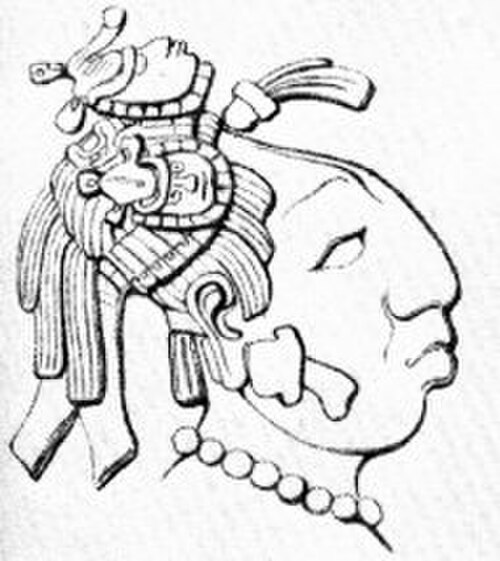
- アスカシュ(15世紀後半から16世紀初頭に統治)
- シュートラルツィン(在位979-983年)
- カウィール・ヨパート女王(在位762-774年)
- マリンシャルチトル(在位: ?–1524)
- レディ9 風の石 クェスクエミトル
- レディ6モンキーウォーケスクエミトル
- レディ1の死
- レディ13花貴重な鳥
- レディ2フラワーライジングジュエル
- レディ 11 モンキー ジェイド スパイダーウェブ
- レディ 11 アリゲーター ケツァール ジュエル
- レディ 2 ジャガー ジェイド スパイダーウェブ
- レディ5 ウサギの宝石
- レディ3 ジャガー プレシャス バタフライ サン
- レディ6 ウォーターケツァール 花戦争の宝石
- レディ3 ウサギの神の炎
- レディ12花壊れた山の蝶
- レディ11 日の出うさぎの宝石
- レディ8 鹿 ケツァール クモの巣
- レディ 1 フラワー ジャガー ケスクエミトル
中米
ベリーズ
- エリザベス2世(在位1981年~2022年)
- イチャアク・キニッチ夫人[59] (在位 c.710–731)
グアテマラ
- カベル夫人(在位672-692年)
ラフロリダ
- チャーク女王(在位 731年頃)[60]
カリブ海
西インド諸島
南アメリカ
ブラジル
- マリア1世(1815年から1816年までブラジル女王として統治) - 1777年から1816年までポルトガル女王でもあった
エクアドル
ガイアナ
- エリザベス2世、ガイアナ女王(在位1966年~1970年)
ペルー
アジア
東アジア
中国
東女國チベットには、スンパ族と関係のある女國(中国語
:女國、文字通り「女の王国」)が存在した。[62]中国の歴史書には、そこで統治した数人の女王の記録がある。
- Supi Mojie (中国語:蘇毗末羯) [63]
- 大佳和(中国語:达甲瓦)[64]
- キバンスン (中国語:弃邦孙) [64]
- タンパンシ (中国語:湯滂氏) [65]
- Lianbi (中国語:斂臂) [65]
- エヤナー (中国語:俄琰兒) [65]
- 趙葉夫 (中国語:趙曳夫) [65]
日本
韓国
南アジア
バングラデシュ
インド
モルディブ
ネパール
パキスタン
- エリザベス2世(在位1952年~1956年)
- クレオフィス(在位:紀元前326年~?)
- ダディ・ジャワリ(在位 1642 ~ 1667 年および 1689 ~ 1705 年) — マリカ ジャワヒル カトゥーンとしても知られる
- マリカ・サヒブヌマ(Sahebnumaとも表記)[85](在位1825-1828年)[86]
- サダ・カウル(在位 1789–1821)
- ハムーン(在位1107年) - 夫サンガルの死後王位に就いたが、すぐに貴族たちによって鎮圧された[87]
スリランカ
東南アジア
カンボジア
インドネシア
ラオス
ミャンマー
- シン・サウブ(在位1454-1471)
- ソー・イン・ミ(在位1420年代~1437年)
- クヴェラミ(在位334-341年)
- サオ・ネヤの妻(在位1680-1683年)[103]
- クン・カウト(在位1866-1868年)の末妹[104]
フィリピン
- ダヤン・カランギタン(在位 1450年頃– 1500年頃)
- ヌール・ウル・アザム (在位 1685年頃) [105]
タイ
- ジャマデヴィ(6世紀から7世紀に統治)—モン王国ハリプンチャイの初代統治者
- ラトゥ・ヒジャウ、「緑の女王」(在位 1584 ~ 1616 年)
- ラトゥ・ビル、「青の女王」(在位 1616 ~ 1624 年)
- ラトゥ・ウング、「紫の女王」(在位 1624-1635 年)
- ラトゥ・クニン、「黄色の女王」(在位1635-1651)[106]
- ラジャ・マス・ケランタン (在位 1670–1698) [106]
- ラジャ・マス・チャヤム(在位 1698 ~ 1702 年および 1716 ~ 1718 年)[106]
- ラジャ・デウィ (在位 1702–1711) [106]
- チラプラファ(在位1545-1546年)
- ウィスッティ・テウィ(在位 1564 ~ 1578 年)
東ティモール
ティモールには多くの首長国があったが、ティモールの領土間の階層構造によれば、西ティモールのソンバイの支配者、中央ティモールのウェハリの支配者、東ティモールのリクサエン(現在のリキサ)の支配者がティモールの最高の支配者であった。[107]
- ドナ・ウルスラ・ダ・コスタ (在位 1818年頃) [108]
- ドナ・グラシア・ダ・コスタ・ロドリゲス・ペレイラ (在位 1881年頃- 1883 年頃) [108]
- ドナ・エングラシア・ダ・コスタ・デルガド (在位 1890年頃- 1892 年頃) [108]
ベトナム
西アジア
イラン
イラク
イスラエルとパレスチナ
ヨルダン
- サメ人のラオディケ(紀元前 92年頃統治) - ライデン写本では、ラオディケの人々はギレアデ人である。
- チュルドゥ(在位:紀元前9年~紀元後16年) - 夫のアレタス4世フィロパトリスとともに統治した。
- シャキラト(在位16~40年) - 夫のアレタス4世フィロパトリスとともに統治した。
- シャキラト2世- 彼女は夫のマリクス2世とともに統治し、彼の死後は息子のラベル2世ソテルの摂政となった。
- ガミラス – 彼女はラベル2世ソテルと共に統治した
- ハガル – 彼女はラベル 2 世ソーターとともに統治しました
レバノン
- トリポリのルシア(在位1287-1289年)
サウジアラビア
バズ
- ザビベ(在位:紀元前 750年頃~紀元前735年)
- サムシ(在位:紀元前 735年頃~紀元前710年)
- ヤティエ(在位:紀元前 710年頃~紀元前695年)
- テエル・フヌ(在位紀元前 695~ 690 年頃)
- タブア(在位紀元前 678~ 675 年頃)
シリア
- マヴィア(在位375~425年) - 「アラブの女王」
- クレオパトラ・テア(在位紀元前126年~121年) - 彼女は息子のセレウコス5世とアンティオコス8世とともに統治した。
- クレオパトラ・セレネ1世(在位:紀元前82年~紀元前69年) - 息子のアンティオコス13世とともに統治した。
- ゼノビア(在位 272 年) - 彼女は主に息子の摂政として統治したが、272 年にセプティミア ゼノビア アウグスタという王名で短期間統治した。
七面鳥
アンティオキアアンティオキア公国は
自治国家であった。 [110]
- コンスタンツ(在位1130-1163年)
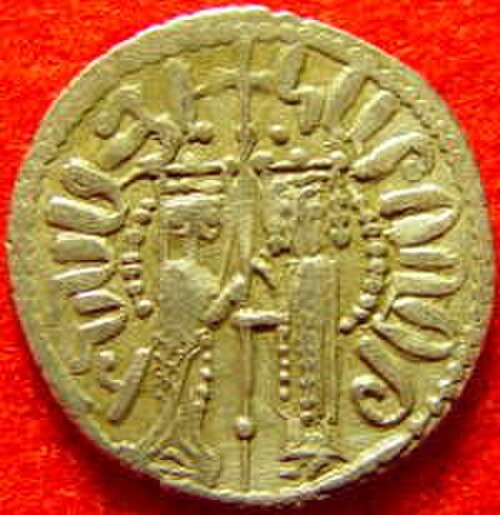
- イザベル(在位1219年~1252年) - 1226年から夫ヘトゥム1世と共同統治した。
- マニア(紀元前399年以降に統治) -ポリュアイノスとクセノポンによれば古代ダルダニアの女王
- アマストリス(在位:紀元前 300年頃~紀元前284年)
- アバ女王(紀元前1世紀に統治)
- オロダルティス(紀元前30年以降に統治)
- メリケ・ママ・ハトゥン(在位 1191 ~ 1200 年)
- テオドラ・メガレ・コムネネ(在位1284-1285年)
- エイレーネ・パレオロギナ(在位1340-1341年)
- アンナ・メガーレ・コムネネ(在位 1341–1342)
イエメン
- アスマ・ビント・シハブ(在位1047年~1087年) - 彼女は従兄弟で夫のアリー・アル・スレイヒ、後に息子のアフマド・アル・ムカラム、義理の娘のアルワ・アル・スレイヒと共同でイエメンの共同統治者となった。イスラム世界には多くの女性君主がいたが、アラブ世界で君主としてモスクでホトバを宣言された女性君主はアスマ・ビント・シハブとアルワ・アル・スレイヒだけであった。
- アルワ・アル=スレイヒ(在位1067年~1138年)は、最初は最初の2人の夫と義母とともにイエメンを統治し、その後は単独統治者として統治した。彼女はスレイヒ朝の統治者の中で最も偉大な人物であり、シーア派イスマーイール派でホッジャという名誉ある称号を与えられた最初の女性でもあり、生涯を通じて神の意志を最もよく体現した人物であったことを意味している。
中央アジア
アフガニスタン
ウズベキスタン
北アジア
シベリア
ヨーロッパ
中央ヨーロッパ
オーストリア、ハンガリー、クロアチア、チェコ
- フリティギル(4世紀半ばに統治)
ポーランドとリトアニア
東欧
アルメニア
アゼルバイジャン
- ヘレティのディナール(1010年代頃に統治)
ジョージア
ロシア
- ボア女王[114]、別名ボアレックス(520年代に統治)
- カマサリェ・フィロテクノス(在位:紀元前180年~紀元前150年) - 夫のパエリサデス3世と共同統治した。
- デュナミス(在位:紀元前47年、紀元前44年~紀元前17年、紀元前16年~紀元前14年) - 紀元前47年と紀元前44年から紀元前17年まで最初の夫アサンドロスと共同統治し、その後紀元前16年から死ぬまで2番目の夫ポレモン1世と共同統治した。
- ゲパエピュリス(在位 37/38-39 年)
- トゥルン・ベグ・カヌム(在位 1370–1371)
- ファティマ・ソルタン(在位1679-1681年)
北欧
デンマーク、ノルウェー、スウェーデン
- オーサ(9世紀に統治)[115]
西欧
ルクセンブルクとベルギー
- マリー・ド・ブルゴーニュ (在位1477年 - 1482年) - E.ウィリアム・モンターの本によると、マリー・ド・ブルゴーニュとイザベラ・クララ・エウジェニアは、1300年から1800年の間にヨーロッパ諸国を統治した30人の女性君主のリストに含まれている[116]
- イザベル・クララ・エウヘニア(1598年 - 1621年、独立君主として統治) - 彼女とアルブレヒトの共同統治期間中、スペイン領ネーデルラントは一時的にスペインから正式に独立していた。
- マリア・テレジア(在位1740年~1780年) –ハプスブルク家の君主として他の多くの国の君主でもあった。
オランダ
モナコ
- クロディーヌ(在位1457-1458年)
- ルイーズ・イポリット(在位1731年)
英国およびアイルランド
南ヨーロッパ
アルバニア
ボスニア
- エレナ・グルバ(在位1395-1398年)
ブルガリア
- アントニア・トリファナ(在位18~38年) - 息子のロエメタケス2世とともに統治した。
- ピュトドリス2世(在位38-46年) -ロエメタケス3世と共に統治した。
キプロス
ギリシャ

- デイダミア2世(在位:紀元前 233年頃)
- アテネのエイレーネ(在位797-802年) - 彼女は通常、自らをバシリッサ(皇后)と呼んでいたが、バシレウス(皇帝)という称号を使った例が3回ある。792年からは共同統治者となった。
- アルメニアのテオドラ(在位842-856、異論あり) - 夫の死後、息子の共同統治者となったが、実際には単独で帝国を統治した。一部の歴史家は、彼女を摂政ではなく皇后として統治したとみなしている。
- テクラ(在位842-856、異論あり)、アルメニア人テオドラの共同統治者
- ゾエ・ポルフィロゲニタ(在位1028年 - 1041年および1042年 - 1050年) - 1028年から1041年の間、ロマノス3世およびミカエル4世の妃とともに統治。 1042年から1050年の間、妹のテオドラおよび3番目の夫コンスタンティノス9世とともに統治。
- テオドラ・ポルフュロゲニタ(在位1042年 - 1056年) - 1042年から妹のゾエとその3番目の夫コンスタンティノス9世と共同で統治し、1055年から自身の死まで単独の君主として統治した。
- エウドキア・マクレムボリティスサ(在位1067年、異論あり) - 夫の死後、統治者となった。一部の歴史家は、彼女を単なる摂政ではなく、統治者皇后とみなしている。
- マリア・アンジェリーナ・ドゥカイナ・パレオロギナ(在位 1384 – 1385)
フランコクラティア
・ラテン帝国は1261年に廃止されましたが、フランコクラティアとしても知られるギリシャのラテン諸国は、亡命中のラテン皇帝を1383年まで君主として認め続けました。
イタリア
- アマラスインタ(在位534-535年) - 彼女は最初は息子の摂政として統治し、その後は自らの権利で統治する女王として統治した。
- エレナ・デ・ガッルーラ(在位1203-1218年)
- カリアリのベネデッタ(在位 1214 – 1233)
- アデラシア・オブ・トーレス(在位1236-1259年)
- ガッルーラのジョアンナ(在位1298-1308)
- エレノア・オブ・アルボレア(在位1383-1404年)
- コンスタンス1世(在位1194年~1198年) - 1197年まで夫のハインリヒ6世(神聖ローマ皇帝)と共同統治した。
- コンスタンス2世(在位1282年 - 1285年) - 夫のアラゴン王ピエール3世と共同統治した[119]
- マリア(在位1377年~1401年) – 1392年から夫のマルティン1世(小)と共同統治した。
- ジャンヌ狂王(在位1516年~1555年) –カスティーリャ とアラゴンの女王でもあった
- ジョアン1世(在位1343年~1382年)
- ジョアン2世(在位1414年~1435年)
- 狂乱女ジョアン3世(在位1516年~1555年) –カスティーリャ とアラゴンの女王でもあった
ウィーン会議からイタリア統一までのイタリア諸国
イタリア王国が復活しなかった
ため、ウィーン会議によって復活したイタリア公国は完全な主権を獲得した。
- マリー・ルイーズ、パルマ公爵夫人(在位1814年~1847年)
- マリア・ルイサ、ルッカ公爵夫人(在位1815年~1824年)
- マリア・ベアトリス・デステ、マッサ公爵夫人(在位 1815 ~ 1829 年)
ポルトガル
スペインとアンドラ
- トーダ(在位 958年頃) —デイオとリザラーラの女王[120]
- アンドレゴト・ガリンデス(在位 971年頃) —ルンビエールの女王
マルタ
モンテネグロ
- ネダ(在位1043-1046年)
オセアニア
オーストラリア
オーストラリア
ニュージーランド
- エリザベス2世(在位1952年~2022年)
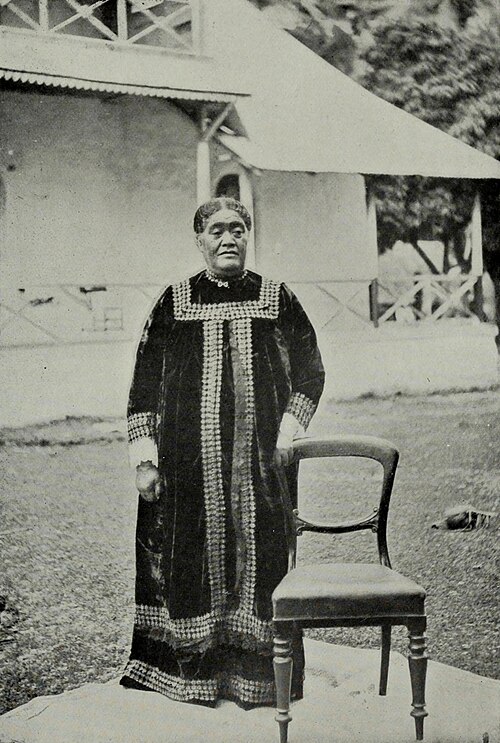
- マケア・タカウ・アリキ、クック諸島の女王/最高女酋長(在位1871年~1911年)は、1858年に建国されたラロトンガ王国の最後の君主であり唯一の女王であったが、1888年以降は統治権を失った。
メラネシア
フィジー、パプアニューギニア、ソロモン諸島
ポリネシア
アメリカ領サモア

- トゥイマヌフィリ (第 20 代トゥイ・マヌアとして在位)
- シリアベ(第23代トゥイ・マヌアとして君臨)
- セウエア(第27代トゥイ・マヌアとして統治)
- マテリタ(第 39 代トゥイ・マヌアとして在位 1891 ~ 1895 年)
フランス領ポリネシア
- テリマエヴァルア 2 世(在位 1860 ~ 1873)
- テリマエヴァルア 3 世(在位 1873 ~ 1895 年)

- テハアパパ 1 世(在位 1760 ~ 1790 年)
- テリタリア 2 世(在位 1815 ~ 1852)
- テハアパパ 2 世(在位 1868 ~ 1893 年)
- テウヘ(在位1888年~1890年) - 母であるテハパパ2世女王に対する反乱政府の下で統治した。
- テハアパパ 3 世(在位 1893 ~ 1895 年)
- テハウロアリイ(在位 1881 ~ 1884)
- トゥアリイ(1897年まで統治) -タマトア6世が退位した後、テラウポオの支援を受けてフランスに対する反乱政府を樹立した。
- パリマの娘[121](在位1886-1887年)
- Purea (reigned in the 18th century), queen of the Teva clan on the southern part of the island before unification
- Pōmare IV (reigned 1827–1877)
- Vaekehu – her husband died in 1863, but Vaekehu continued to reign on her own as Queen
Hawaii
- Kalanikauleleiaiwi (reigned 1695–1725) — co-ruler of Hawaiʻi Island along with her brother Keaweʻīkekahialiʻiokamoku
- Ululani, Chiefess of Hilo
- Kapau-a-Nuʻakea, 3rd Chiefess of Molokai
- Kamauliwahine, 4th Chiefess of Molokai
- Hualani, 5th Chiefess of Molokai
- Kanealai, Chiefess of Molokai
- Kūkaniloko, 11th Moʻi of Oʻahu
- Kalaimanuia, 12th Moʻi of Oʻahu (reigned 1600–1665)
- Kaikilani, 17th Moʻi of Hawaiʻi Island (reigned 1575–1605)
- Keakamahana, 19th Moʻi of Hawaiʻi Island (reigned 1635–1665)
- Keakealaniwahine, 20th Moʻi of Hawaiʻi Island (reigned 1665–1695)
- Kamakahelei, 22nd Moʻi of Kauaʻi (reigned 1770–1794)

- Liliʻuokalani (reigned 1891–1893 and claimed status as queen until her death in 1917) – the only queen regnant of the Kingdom of Hawaii established by Kamehameha I
Tonga
- Tupoumahe'ofo (reigned 1777–1781, as Tu'i Kanokupolu)
- Salote Tupou III (reigned 1918–1965)
Tuvalu
- Elizabeth II (reigned 1978–2022)
Wallis and Futuna
- Toifale (reigned 1825)
- Falakika Seilala (reigned 1858–1869)
- Amelia Tokagahahau Aliki (reigned 1869–1895)
- Aloisia Brial (reigned 1953–1958)
Legendary and mythological monarchs
Chile
China
- Nüwa, the only female among Three Sovereigns and Five Emperors
- Queen Mother of the West
- Queen of the Aini people (爱尼人), a branch of the Hani people[122]
Congo
Kuba Kingdom
Women written in italics in the list of Kuba Kingdom rulers:[123]
- Lobamba
- Gokare
- Sanga Motunu
- Pelama Pena
- Boeke
- Sanga Lenga
- Bosh Akama
- Kele Kama
- Bolueme
Czechia
Easter Island
- Vakai, queen of Kingdom of Rapa Nui
Ecuador
- Paccha Duchicela, queen of the Kingdom of Quito
Egypt
- Nitocris of the Sixth Dynasty – Nitocris is mentioned within Herodotus' book Histories as being the last Pharaoh of the Sixth Dynasty of Egypt.
- Charoba – A queen mentioned in a history of Egypt written by 12th-century Arab writer Murtada ibn al-'Afif.[124]
- Daluka of the Soleyman Dynasty – An Antediluvian monarch from medieval Coptic and Arabic texts who supposedly built a wall around Egypt to protect the country from invasion and also was said to have built a pyramid and a nilometer at Memphis. Sometimes claimed to be a cousin of Charoba and her immediate successor.[124]
- Borsa of the Soleyman Dynasty – Mentioned in medieval Coptic and Arabic texts as a ruler of Egypt in the Antediluvian era.[125] Sometimes described as a "priestess".[124]
Ethiopia
The following names all come from a regnal list written in 1922, which is partially based on native traditions and older regnal lists, but also contains additional names of Coptic and Nubian origin, the latter due to its association with the word "Aethiopia" in ancient and Biblical texts. Claimed dates follow the Ethiopian calendar.[126]
- Borsa (reigned 4321–4254 BC) – Originated from Coptic tradition.[125]
- Eylouka (reigned 3776–3731 BC) – Originated from Coptic tradition.[125]
- Nehasset Nais (reigned 2434–2404 BC)
- Kasiyope (reigned 1890–1871 BC) – Originated from Greek mythology.
- Mumazes reigned (1675–1671 BC) – Daughter of king Bonu I.[127]
- Aruas (reigned 1671 BC) – Daughter of Mumazes.[126]
- Helena (reigned 1358–1347 BC)
- Makeda (reigned 1013–982 BC) – The Biblical queen of Sheba in Ethiopian tradition and mother of Menelik I. She succeeded to the throne after the death of her father king Kawnasya.[128]
- Nicauta Kandake I (reigned 740–730 BC)
- Hadina (reigned 372–362 BC) – Most regnal lists of Ethiopia claim this monarch reigned for 9 years.[129]
- Nikawla Kandake II (reigned 342–332 BC) – An alternate name for the Queen of Sheba[130]
- Akawsis Kandake III (reigned 325–315 BC)
- Nikosis Kandake IV (reigned 242–232 BC)
- Awsena (reigned 99–88 BC) – Most regnal lists of Ethiopia claim this monarch reigned for 1 year.[129]
- Nicotnis Kandake V (reigned 35–25 BC)
- Garsemot Kandake VI (reigned 40–50 AD) – Supposedly the Kandake from the Biblical story of the Ethiopian Eunuch.[126]
- Wakana (reigned 230 AD) – Reigned for 2 days.[126]
- Ahywa Sofya (reigned 299–332 AD) – Likely based on Sofya of Axum, mother of Ezana.
- Adhana I (reigned 369–374 AD) – Some regnal lists of Ethiopia claim this monarch reigned for 14 years.[131]
- Adhana II (reigned 412–418 AD) – Some regnal lists claim this monarch co-ruled with king Abreha III.[131]
Kingdom of Simien
- Gudit (reigned c. 960 – c. 1000)
Sidama people
French Polynesia
Greece
Amazons
- Otrera, the daughter of Eurus (the east wind)
- Hippolyta, the Amazonian queen who possessed a magical girdle
- Penthesilea, the daughter of Ares and Otrera and the sister of Hippolyta, Antiope and Melanippe
- Antianara, the daughter of Ares and Otrera and the sister of Hippolyta, Antiope and Melanippe
- Eurypyle
- Lampedo
- Marpesia
- Aegea
- Myrina
- Orithyia
- Antiope
- Thalestris
India
- Yashovati, ruler of Kashmir – she was described in Rajatarangini
- Pandaie
Indonesia
- Mahisa Suramardini Warmandewi, queen of Salakanagara (reigned 276–289 AD)[132]
- Sphatikarnawa Warmandewi, queen of Salakanagara (reigned 340–348 AD)[132]
Iran
Iraq
- Kubaba of Kish, the only queen on the Sumerian King List (reigned in the 25th century BC)
- Semiramis, the legendary queen of king Ninus, succeeding him to the throne of Assyria
- Nitocris of Babylon, the ruling queen of Babylon described by Herodotus in his Histories
- Queen Zidam – according to the legend of Bayajidda, she conquered Baghdad[133]
Ireland
Japan
- Empress Jingū (reigned 201–269)
- Princess Iitoyo (reigned 484; disputed)
- Kamu-nashi-hime (神夏磯媛), female Tsuchigumo of Hōfu-shi (防府市)[134]
- Hayatsuhime (速津媛), female Tsuchigumo of Hayami-gun (速見郡)[134]
- Taburatsuhime (田油津媛), female Tsuchigumo of Yamato-gun (山門郡)
- Sanai Isoba, ruler of Yonaguni
Korea
- Lady Saso, honorary queen regnant of Silla
- Queen of Jeoknyeo-guk – Talhae's mother was the princess of Jeoknyeo-guk (Korean: 적녀국; Hanja: 積女國), an island country where only women lived[135]
Libya
Malaysia
Mexico
Aztec Empire
- Atotoztli II (possibly reigned 1466–1472, disputed)
Myanmar
Norway
Pakistan
- Nur Bakht Khatun of Trakhan Dynasty
- the Dareli queen of Trakhan Dynasty
Peru
- Catalina Huanca
Poland
Russia
Somaliland
South Africa
- Majaji (reigned c. 350 AD)
Sri Lanka
- Kuveni, queen of Yakkha people of Sri Lanka before the founding of Kingdom of Tambapanni
Sudan
- Pelekh Candace of Meroë (reigned c. 345 – c. 332 BC)
Syria
Tunisia
Turkey
Turkmenistan
United Kingdom
- Queen Gwendolen (reigned in the 11th century BC)
- Queen Cordelia (reigned in the 8th century BC)
- Queen Marcia (reigned in the 4th century BC)
Vatican City
- Pope Joan, legendary monarch of the Papal States
Vietnam
- Lady Po Nagar of Champa, According to Cham legend, was the founder of the Cham nation
Yemen
- Bilkis in Yemen, claimed to be Queen of Sheba
Self-proclaimed monarchs
China
- Chen Shuozhen (reigned 653) – She led a peasant uprising in 653. During the rebellion, she declared herself huangdi. Jian Bozan recognized her as a female huangdi.[139]
- Mǐlǔ (Chinese: 米魯), also known as "Invincible Tian Wang (無敵天王)" – female rebel leader to assume the title of Tian Wang (天王)[140]
Easter Island
- Koreto, reigning queen of Easter Island (reigned ?–1876)[141] – Dutrou-Bornier married Koreto and appointed her as Queen
- Caroline, reigning queen of Easter Island (reigned 1877)[141] – after the death of Dutrou-Bornier, his widow Koreto briefly installed their daughter Caroline as Queen
Haiti
- Ti Memenne of La Gonâve (reigned c. 1920s) – she was the tribal ruler of La Gonâve
India
- Rani Gaidinliu, leader of the Naga people
Italy
Jamaica
- Queen Nanny, leader of the Jamaican Maroons
New Zealand
- Te Atairangikaahu, Māori queen (reigned 1966–2006)
- Ngā Wai Hono i te Pō, Māori queen (reigned 2024–present)
Panama
- Rufina Santana, queen of Naso people (reigned 1982–1988)
Trinidad and Tobago
The list of Carib Queens were:
- Delores MacDavid
- Maria Fuentes Werges Ojea
- Edith Martinez
- Justa Werges
- Valentina Medina
- Jennifer Cassar
- Nona Aquan
United States Virgin Islands
The leaders of the 1878 St. Croix labor riot were:
- "Queen Mary" Thomas
- "Queen Agnes" Salomon
- "Queen Mathilda" McBean
Chieftainesses
Argentina
- Juana Koslay (princess)
Botswana
- Kgosi Basadi Seipone III
- Kgosi Rebecca Banika
- Mosadi Muriel Seboko (reigned 2002–present), the kgosikgolo of the Balete people
Burundi
Chile
- María la Grande
- Janequeo
- Elvira de Talagante
China
Cameroon
Colombia
Congo
Dominican Republic
- Higuanamá, also spelled Hiquanama, Cacica of Higüey, one of the Chiefdoms of Hispaniola (reigned ?–1502) – she was described by Las Casas in his A Short Account of the Destruction of the Indies;[144] Juan de Esquivel hanged Higuanamá in 1502[145]
- doña María de Higüey, Cacica of Higüey (reigned c. 1514)[146]
- Isabel de Iguanama, Cacica of Higüey (reigned c. 1514)[146]
Ecuador
Fiji
- Lala Mara, the Roko Tui Dreketi of Rewa (reigned 1957–2004)
- Teimumu Kepa, the Roko Tui Dreketi of Rewa (reigned 2004–present)
Ghana
Guinea
Haiti
- Anacaona, Cacica of Jaragua, one of the Chiefdoms of Hispaniola
India
- Ganapama, ruler of the Yenamadala branch of the Kotas[147]
- Pandambika, ruler of the Tadikonda branch of the Kotas[147]
- Vennaladevi, ruler of the Tadikonda branch of the Kotas[147]
Ireland
- Grace O'Malley, also known as "the Pirate Queen", chieftainess of the Ó Máille clan in Umaill
Israel
- Deborah, the only female judge of Israelite tribes in Biblical judges
Kenya
Kyrgyzstan
- Kurmanjan Datka, also known as "The Tsaritsa of Alai", tribal leader of Alay (reigned 1862–1876)
Liberia
Malawi
Malaysia
- Datuk Puteri Siti Awan I, female Undang of Johol[148]
- Datuk Rambut Panjang, female Undang of Johol[148]
- Datuk Puteri Siti Awan II, female Undang of Johol[148]
Marshall Islands
- Tarjikit[149]
- Atama Zedkaia
New Zealand
Māori people
Rarotonga
- Makea Te Vaerua Ariki, High Chiefess of Te Au O Tonga (reigned 1845–1857)
- Pa Upoko Takau Ariki, High Chiefess of Takitumu (reigned 1855–1890)
- Tinomana Mereana Ariki, High Chiefess of Puaikura (reigned 1881–1908)
Niger
Nigeria
- Abiola Dosunmu
- Agbani Darego
- Ahebi Ugbabe
- Alaba Lawson
- Aminatu Abiodun
- Efunroye Tinubu
- Efunsetan Aniwura
- Funmilayo Ransome-Kuti
- Hajiya Haidzatu Ahmed
- Laduntan Oyekanmi
- Wuraola Esan
Palau
Panama
Peru
- Capillana, Capullana
- Tomasa Tito Condemayta
Puerto Rico
Sierra Leone
South Africa
- Phylia Nwamitwa II
- Queen Hoho of Khoekhoe[151]
South Sudan
United States of America
Appomattoc
Crow tribe
- Pine Leaf (reigned 1830s)
Giluts'aaw
- Victoria Young[152]
Hoocąk
Pamunkey
- Cockacoeske (reigned 1656–1686)
- Queen Betty (reigned 1686–1708?)
- Queen Ann (reigned 1708?–1723?)
Pocasset Wampanoag
Sakonnet
Seneca tribe
- Queen Alliquippa (reigned 1754)
Taiwan
- Lian-lei (Chinese: 蘭雷) of the Paiwan people (排灣族) (reigned ?–1723)[153]
- Leng-leng (Chinese: 冷冷) of the Paiwan people (排灣族) (reigned c. 1770)[153]
- Bao-zhu (Chinese: 寶珠) of the Puyuma people (卑南族) (reigned in the early 19th century)[153][154]
Tanzania
- Therese Ntare VI of Heru[155]
Vanuatu
Venezuela
- Apacuana
- Isabel (cacica)
- Orocomay
- Urimare (cacica)
- Ana Soto (cacica)
Yemen
Semi-independent feudal rulers
Albania
Bangladesh
- Rani Bhabani, zamindar of Rajshahi Raj family
- Saratsundari Devi, zamindar of Puthia Raj family
- Hemanta Kumari Devi, zamindar of Puthia Raj family
India
- Rani Bhawani, zamindar of Midnapore Raj
- Rani Shiromani, zamindar of Midnapore Raj
- Rani Rashmoni, zamindar of Janbazar
- Mangaleswari Nachiyar, zamindar of Ramnad estate
- Rani Muthu Virai Nachiyar, zamindar of Ramnad estate
- Parvatha Vardhani Ammal Nachchiyar, zamindar of Ramnad estate
- Kathama Nachiar, zamindar of Sivaganga estate
- Anna Purna, zamindar of Pal Lahara State[156]
- Chellamma, zamindar of Avuku[157]
Romania
- Catherine of Brandenburg, ruler of the Principality of Transylvania (reigned 1629–1630)
Crown landholders
Bangladesh
Between the 1204 and 1352, Bengal was a province of the Delhi Sultanate.[158]
Cyprus
Estonia
- Christina (reigned 6 November 1632 – 6 June 1654)
- Ulrika Eleonora (reigned 5 December 1718 – 29 February 1720)
- Catherine I (reigned 8 February 1725 – 17 May 1727)
- Anna (reigned 13 February 1730 – 28 October 1740)
- Elizabeth (reigned 6 December 1741 – 5 January 1762)
- Catherine II (reigned 9 July 1762 – 6 November 1796)
Finland
- Margaret I of Denmark (reigned 1389–1412)
- Christina (reigned 1632–1654)
- Ulrika Eleonora (reigned 1719–1720)
Iceland
- Margaret I (reigned 1388 – 28 October 1412)
Israel and Palestine
Thutmose III of the New Kingdom of Egypt conquered Canaan.
Sudan
Thutmose I of the New Kingdom of Egypt conquered Nubia.
Suriname
- Juliana (reigned 1954–1975)
References
- ^ "El linaje español más antiguo en Canarias :: Revista de historia". mdc.ulpgc.es. Archived from the original on 2022-09-27.
- ^ Tyldesley, Joyce. Chronicle of the Queens of Egypt. pp. 26–29, 33–34, 52–53.
- ^ Shaw, Ian, ed. (2003). The Oxford History of Ancient Egypt. Oxford: Oxford University Press. p. 483. ISBN 978-0-19-815034-3.
- ^ See Tara Sewell-Lasater, Becoming Kleopatra: Ptolemaic Royal Marriage, Incest and the Path to the Female Rule, University of Houston, 2020, p. 125-19.
- ^ Bennett, Chris. "Arsinoe II". Egyptian Royal Genealogy.
- ^ Berenice did have titles of "female Horus" and "female Pharaoh", but was not included in dating protocols as co-ruler to her husband. See, Tara Sewell-Lasater, Becoming Kleopatra: Ptolemaic Royal Marriage, Incest and the Path to the Female Rule, University of Houston, 2020, p. 187-189. However she is considered Pharaoh by Sally Ann Ashton, see Sally Ann Ashton, The Last Queens of Egypt: Cleopatra's Royal House, Routledge 2014, p. 112-113.
- ^ Stanwick, Paul Edmund (22 July 2010). Portraits of the Ptolemies: Greek Kings as Egyptian Pharaohs. University of Texas Press. ISBN 9780292787476.
- ^ Arsinoe III did have title of "ruler", but was not included in dating protocols as co-ruler to her husband, making her status ambiguous. Tara Sewell-Lasater classifies her as queen-consort, see Becoming Kleopatra: Ptolemaic Royal Marriage, Incest and the Path to the Female Rule, University of Houston, 2020, p. 16. However Arsinoe is considered Pharaoh by Sally Ann Ashton, see Sally Ann Ashton, The Last Queens of Egypt: Cleopatra's Royal House, Routledge 2014, p. 112-113.
- ^ Chrystal, Paul (2017-02-28). Women at War in the Classical World. Grub Street Publishers. ISBN 978-1-4738-5661-5.
Arsinoe III was Queen of Egypt from 220–204 BCE,
- ^ While Cleopatra did have titles like "female Horus" and "female Pharaoh", she was not included in dating protocols as co-Pharaoh during her husband's reign, see Tara Sewell-Lasater, Becoming Kleopatra: Ptolemaic Royal Marriage, Incest and the Path to the Female Rule, University of Houston, 2020, p. 245-246. However she is considered Pharaoh by Sally Ann Ashton, see Sally Ann Ashton, The Last Queens of Egypt: Cleopatra's Royal House, Routledge 2014, p. 112-113. After Ptolemy IV died, Cleopatra I was included in dating protocols, however her position is said to come from being guardian of her son and is ambiguously described as "regent and co-ruler"; see Tara Sewell-Lasater, Becoming Kleopatra: Ptolemaic Royal Marriage, Incest and the Path to the Female Rule, University of Houston, 2020, p. 16-17 and 246.
- ^ Chris Bennett. "Cleopatra I". Tyndale House. Retrieved December 21, 2023.
- ^ Cleopatra II Archived 23 May 2011 at the Wayback Machine by Chris Bennett
- ^ Cleopatra III Archived 5 October 2011 at the Wayback Machine by Chris Bennett
- ^ Berenice III Archived 5 October 2011 at the Wayback Machine by Chris Bennett
- ^ Cleopatra V Archived 26 November 2011 at the Wayback Machine by Chris Bennett
- ^ Tyldesley, Joyce (2006), Chronicle of the Queens of Egypt, WW Norton, p. 200, ISBN 0-500-05145-3.
- ^ Tyldesley, Joyce (2019). The Pharaohs. London: Quercus. p. 209. ISBN 978-1-78747-900-5.
- ^ Burstein, Stanley M. (2004). The Reign of Cleopatra. Westport, Connecticut: Greenwood Press. pp. xx–xxiii, 14, 155. ISBN 978-0-313-32527-4.
- ^ Arsinoe IV Archived 26 November 2011 at the Wayback Machine by Chris Bennett
- ^ Bryce, Trevor (2014). Ancient Syria: A Three Thousand Year History. Oxford University Press. p. 304. ISBN 978-0-19-100292-2.
- ^ Droa-Krupe, Kerstin; Fink, Sebastian (2021). Powerful Women in the Ancient World: Perception and (Self)Presentation. ISD LLC. pp. 308–316. ISBN 978-3-96327-139-7.
- ^ Kuckertz, Josefine (2021). "Meroe and Egypt". UCLA Encyclopedia of Egyptology: 5.
- ^ a b Török, László (2015). The Kingdom of Kush: Handbook of the Napatan-Meroitic Civilization. BRILL. p. 206. ISBN 978-90-04-29401-1.
- ^ Kuckertz, Josefine (2021). "Meroe and Egypt". UCLA Encyclopedia of Egyptology: 6.
- ^ Adam Simmons, 'A Short Note on Queen Gaua: A New Last Known Ruler of Dotawo (r. around 1520-6)?', Dotawo: A Journal of Nubian Studies (2023), doi:10.5070/D60060625.
- ^ Stewart, John (2024-10-18). African States and Rulers (3 ed.). McFarland. p. 183. ISBN 978-1-4766-1707-7.
- ^ "Kings of the Ga state". GaDangme Heritage & Cultural Foundation. Retrieved 2024-11-26.
- ^ Stewart, John (1989). African States and Rulers. London: McFarland. p. 8. ISBN 0-89950-390-X.
- ^ a b c "Guinea Bissau Substates". guide2womenleaders.com.
- ^ Duquette, Danielle Gallois (1983). Dynamique de l'art bidjogo (Guinée-Bissau): contribution à une anthropologie de l'art des sociétés africaines (in French). Instituto de Investigação Científica Tropical. p. 71.
Dona Juliana, également reine de Canhabaque, qui, par contre, anima l'insurrection de ses sujets contre le gouvernement colonial en 1925
- ^ Duquette, Danielle Gallois (1983). Dynamique de l'art bidjogo (Guinée-Bissau): contribution à une anthropologie de l'art des sociétés africaines (in French). Instituto de Investigação Científica Tropical. p. 71.
Bernatzik, durant son voyage, entendait vanter le reine Idiana Ibop qui avait succédé à son mari, jusqu'à sa mort trois saisons des piuies auparavant, tellement elle s'était imposée à Canhabaque par son intelligence et sa bonté
- ^ a b Basil Davidson (2014). West Africa Before the Colonial Era: A History to 1850. Routledge. p. 229. ISBN 978-1-317-88265-7.
- ^ Dunn, Elwood D.; Beyan, Amos J.; Burrowes, Carl Patrick (2000-12-20). Historical Dictionary of Liberia. Scarecrow Press. p. 288. ISBN 978-1-4616-5931-0.
- ^ Palmer, H. R (1908). Journal of the Royal Anthropological Institute of Great Britain and Ireland. Vol. 1908.
- ^ Stewart, John (2006). African States and Rulers (3rd ed.). London: McFarland & Company, Inc. p. 71. ISBN 9780786425624.
- ^ Achebe, Nwando; Robertson, Claire, eds. (2019-04-16). Holding the World Together: African Women in Changing Perspective. University of Wisconsin Pres. p. 64. ISBN 978-0-299-32110-9.
- ^ Stewart, John (2006). African States and Rulers (3 ed.). McFarland & Company. p. 136. ISBN 978-0-7864-2562-4.
- ^ Tolmacheva, Marina, ed. (2012-01-01). The Pate Chronicle. MSU Press. pp. 53–54. ISBN 978-1-60917-302-9.
- ^ Tolmacheva, Marina, ed. (2012-01-01). The Pate Chronicle. MSU Press. p. 263. ISBN 978-1-60917-302-9.
- ^ a b c d e Truhart, Peter [in German] (2017-10-23). Regents of Nations / Regenten der Nationen, Part 2, Asia, Australia-Oceania / Asien, Australien-Ozeanien (in German). Walter de Gruyter GmbH & Co KG. pp. 1627–1628. ISBN 978-3-11-161625-4.
- ^ Chapus, Georges-Sully; Dandouau, André (1952-01-01). Histoire des populations de Madagascar (in French). FeniXX. p. 133. ISBN 978-2-402-66293-2.
- ^ Campbell, Gwyn (2005-03-14). An Economic History of Imperial Madagascar, 1750-1895: The Rise and Fall of an Island Empire. Cambridge University Press. p. 230. ISBN 978-0-521-83935-8.
- ^ a b c Sharp, Lesley A. (2002-09-03). The Sacrificed Generation: Youth, History, and the Colonized Mind in Madagascar. University of California Press. p. 166. ISBN 978-0-520-22951-8.
- ^ a b KARIMBHAY, Tamim (2010-10-08). Nosy-Bé : Âme malgache, Coeur français (in French). TheBookEdition. pp. 88–89. ISBN 978-2-9533865-4-7.
- ^ Newitt, Malyn (1972). "The Early History of the Sultanate of Angoche". The Journal of African History. 13 (3): 403. doi:10.1017/S0021853700011713. JSTOR 180586.
- ^ African Society (1926). Journal of the African Society. Vol. 25. MacMillan. p. 254.
- ^ Evans-Pritchard, E. E. (2011). "The divine kingship of the Shilluk of the Nilotic Sudan". HAU: Journal of Ethnographic Theory. 1: 407–422. doi:10.14318/hau1.1.016. S2CID 162247139.
- ^ McIntyre, Chris; McIntyre, Susan (2009). Zanzibar. Bradt Travel Guides. p. 8. ISBN 978-1-84162-254-5.
- ^ Ingrams, W. H. (2020-10-28). Zanzibar: The Island Metropolis of Eastern Africa. Routledge. p. 148. ISBN 978-1-000-10174-4.
- ^ a b c d Acquaviva, Graziella (2019). "More than just warriors: Mythical and archetypal images of the hero in Swahili literature". Kervan. International Journal of Afro-Asiatic Studies: 17.
- ^ a b c Ingrams, W. H. (2020-10-28). Zanzibar: The Island Metropolis of Eastern Africa. Routledge. p. 160. ISBN 978-1-000-10174-4.
- ^ a b c d Yahya-Othman, Saïda (2010). Des femmes écrivent l'Afrique: L'Afrique de l'Est (in French). KARTHALA Editions. p. 123. ISBN 978-2-8111-0410-8.
- ^ a b c d e f g h i j k "Busongora Kinglist". Busongora-Chwezi Kingdom. Retrieved 2024-01-14.
- ^ Falola, Toyin; Amponsah, Nana Akua (2012-01-06). Women's Roles in Sub-Saharan Africa. Bloomsbury Publishing USA. p. xii. ISBN 978-0-313-38545-2.
- ^ Dierks, Klaus. "THE PERIOD OF THE EXPLORERS, HUNTERS AND TRADERS". klausdierks.com.
- ^ a b c d e f g h Dierks, Klaus. "Traditional Leaders in the History of Namibia". klausdierks.com.
- ^ "Shambyu leader Queen Ribebe has died". The Namibian. 2015-06-15. Retrieved 2023-12-22.
- ^ "Hompa Sofia Mundjembwe Kanyetu Coronated". nbc. Retrieved 2023-12-22.
- ^ "The life, death, and afterlife of an ancient Maya king: A study of Pusilha Ruler G". Contributions in New World Archaeology: 269. 2016.
- ^ Baron, Joanne (2017). "The Mystery Queen of La Florida-Namaan". Expedition Magazine. Vol. 59, no. 2.
- ^ 권, 혜진 (2017-07-05). "계란형 얼굴에 구릿빛 피부…1천700년 전 페루 여왕 얼굴 복원". 연합뉴스 (in Korean). Retrieved 2024-01-13.
- ^ Jay, Jennifer W. (1996). "Imagining Matriarchy: "Kingdoms of Women" in Tang China". Journal of the American Oriental Society. 116 (2): 220–229. doi:10.2307/605697. ISSN 0003-0279. JSTOR 605697.
- ^ Book of Sui, vol. 83
- ^ a b Fan, Wenlan (1994). Zhongguo tong shi. Vol. 4. ISBN 978-7-01-002029-7.
- ^ a b c d Old Book of Tang, vol. 197
- ^ Fan Chuo, Manshu, vol. 4; "阿姹自為烏蠻部落王,從京師朝參,大蒙恩賞。"
- ^ Association of the Buddha Jayanti (1959). Japan and Buddhism. Tokyo News Service. p. 23.
- ^ Yoshie, Akiko; Tonomura, Hitomi; Takata, Azumi Ann «Gendered Interpretations of Female Rule: The Case of Himiko, Ruler of Yamatai». US-Japan Women's Journal, 44, 1, 2013, pàg. 13. DOI: 10.1353/jwj.2013.0009.
- ^ Brown, Delmer et al. (1979). Gukanshō, pp. 263–264; Varley, H. Paul. (1980). Jinnō Shōtōki, pp. 126–129; Titsingh, Isaac. (1834). Annales des empereurs du Japon, pp. 39–42., p. 39, at Google Books
- ^ Brown, Delmer et al. (1979). Gokanshō, p. 265–267; Varley, H. Paul. (1980). Jinnō Shōtōki. p. 130–134; Titsingh, Isaac. (1834). Annales des empereurs du Japon, pp. 43–54., p. 43, at Google Books
- ^ Titsingh, Isaac. (1834). Annales des empereurs du Japon, p. 59., p. 59, at Google Books
- ^ Titsingh, Isaac. (1834). Annales des empereurs du Japon, pp. 63–65, p. 63, at Google Books; Brown, Delmer M. (1979). Gukanshō, p. 271; Varley, H. Paul. (1980). Jinnō Shōtōki. p. 140.
- ^ Brown, Delmer et al. (1979). Gukanshō, pp. 271–272; Varley, H. Paul. (1980). Jinnō Shōtōki. pp. 140–141; Titsingh, Isaac. (1834). Annales des empereurs du Japon, pp. 65–67., p. 65, at Google Books
- ^ Titsingh, Isaac. (1834). Annales des empereurs du Japon, pp. 411–412.
- ^ Titsingh, Isaac. (1834). Annales des empereurs du Japon, pp. 419–420.
- ^ Arihant Experts (4 June 2019). Know Your State Odisha. Arihant Publications India limited. p. 16. ISBN 978-9313193272.
Next female rulers were Tribhuvana Mahadevi II (890-896AD) and Tribhuvana Mahadevi III (896-905AD).
- ^ Arihant Experts (4 June 2019). Know Your State Odisha. Arihant Publications India limited. p. 16. ISBN 978-9313193272.
Next female rulers were Tribhuvana Mahadevi II (890-896AD) and Tribhuvana Mahadevi III (896-905AD).
- ^ Upendra Thakur (1956). History of Mithila. Mithila Institute. pp. 320–322.
- ^ Jha, Makhan (1997). Anthropology of Ancient Hindu Kingdoms: A Study in Civilizational Perspective. M.D. Publications Pvt. Ltd. p. 57. ISBN 978-81-7533-034-4.
- ^ Jyotsna Kamat (2010-05-07). "Queen of Gersoppa: Chennabhairadevi, Brave Ruler of Gersoppa (1552–1606 C.E)". Kamatpotporri. Retrieved 2010-05-25.
- ^ Singh, Harbans (ed.). The Encyclopaedia of Sikhism: A-D. Vol. 1. Punjabi University. p. 538.
- ^ The Imperial Gazetteer of India. Vol. 11 (New ed.). Oxford: Clarendon Press. 1908. p. 15.
- ^ The Begums of Bhopal: A Dynasty of Women Rulers in Raj India, by Shahraryar M. Khan. Published by I. B.Tauris, 2000. ISBN 1-86064-528-3
- ^ De, Sushil Chandra (1990). Story of Freedom Struggle in Orissa. Orissa Sahitya Akademi. p. 36.
- ^ Dani, Ahmad Hasan; Masson, Vadim Mikhaĭlovich; Unesco (2003-01-01). History of Civilizations of Central Asia: Development in contrast : from the sixteenth to the mid-nineteenth century. UNESCO. p. 238. ISBN 978-92-3-103876-1.
- ^ Khan, Shah Ra'is (1987). Shah Ra'is Khan ki Tarikh-i Gilgit (in Urdu).
- ^ Siddiqui, Dr. Habibullah. "The Soomras of Sindh: their origin, main characteristics and rule" (PDF). Literary Conference on Soomra Period in Sindh.
- ^ John Norman Miksic; Goh Geok Yian (2016-10-14). Ancient Southeast Asia. Taylor & Francis. p. 464. ISBN 978-1-317-27904-4.
- ^ "Bentan, Negeri Para Laksamana". jantungmelayu.co (in Indonesian). 2020-07-19. Retrieved 2024-12-09.
- ^ a b O'Connor, Sue; McWilliam, Andrew; Brockwell, Sally, eds. (2020-09-07). Forts and Fortification in Wallacea: Archaeological and Ethnohistoric Investigations. ANU Press. p. 191. ISBN 978-1-76046-389-2.
- ^ a b Mustamin, Fiam (2020-12-02). "Di manakah Perempuan Tanah Bugis yang Patriotik Pemberani dan Malebbi Itu". PINISI.co.id. Retrieved 2024-11-29.
- ^ a b c d e f Omar, Rahilah (2003-11-01). The history of Boné A.D. 1775-1795: the diary of Sultan Ahmad as-Salleh Syamsuddin (Thesis). p. 319.
- ^ a b c d e f "Inilah Sosok Perempuan yang Menjadi Datu di Kerajaan Luwu" (in Indonesian). INDEKS MEDIA. 2023-05-10. Retrieved 2024-11-05.
- ^ Monumen Islam di Sulawesi Selatan (in Indonesian). Direktorat Jenderal Kebudayaan. p. 230.
- ^ Hägerdal, Hans (2012-01-01). Lords of the Land, Lords of the Sea: Conflict and Adaptation in Early Colonial Timor, 1600-1800. BRILL. pp. 205–206. ISBN 978-90-04-25350-6.
- ^ Dr. H. M. Tahir, S.Ag., MM. Dr. Hj. Ida Suryani Wijaya, M.Si (ed.). Sejarah Dakwah Islam di Kalimantan (Studi Pendekatan dan Jaringan) (in Indonesian). Bening Media Publishing. p. 119. ISBN 978-623-8006-41-0.
{{cite book}}: CS1 maint: multiple names: authors list (link) - ^ a b c d e f Noor, Arba’iyah Mohd (2017-12-07). Sumbu Dunia Melayu: Hubungan Keserumpunan Malaysia-Indonesia (in Malay). The University of Malaya Press. p. 39. ISBN 978-983-100-971-0.
- ^ Mattalatta, Andi (2003). Meniti siri dan harga diri: catatan dan kenangan (in Indonesian). Khasanah Manusia Nusantara. p. 14. ISBN 978-979-97305-0-3.
- ^ a b Niner, Sara, ed. (2016-08-05). Women and the Politics of Gender in Post-Conflict Timor-Leste: Between Heaven and Earth. Routledge. pp. 24–25, 27–28, 41. ISBN 978-1-317-32789-9.
- ^ Wawasan: Jurnal Ilmiah Agama dan Sosial Budaya, Vol. 1, No. 2 (in Indonesian). Fakultas Ushuluddin UIN Sunan Gunung Djati Bandung. 2016. p. 248.
- ^ a b "Sultan-Sultan Sumbawa". Ensiklopedia Sumbawa. Archived from the original on 2019-05-18. Retrieved 2024-06-14.
- ^ Abd. Muttalib M. (1981). Taman purbakala Jera Lompoe (in Indonesian). Suaka Peninggalan Sejarah dan Purbakala Sulawesi Selatan. p. 19.
- ^ James George Scott; John Percy Hardiman (1901). Gazetteer of Upper Burma and the Shan States, Part 2, Volume 2. p. 5.
He was succeeded in 1012 B.E. (1650) by his younger brother, Sao Ne Ya, who reigned for thirty years. He left no children and was succeeded by his wife, who held the State for three years and then died.
- ^ James George Scott; John Percy Hardiman (1901). Gazetteer of Upper Burma and the Shan States, Part 2, Volume 2. p. 6.
Hkun Hkawt, a brother of Hkun Lek, was appointed Sawbwa, but died in four years. In 1228 B.E. (1866), therefore, his youngest sister, one of the Queens, was appointed to the charge of Lai Hka with the title of Myoza. She appointed myooks and myo-teins to govern the State for her. This continued for two years and then the former Sawbwa, Hkun Mawng, now become a youth, was appointed to the State.
- ^ Majul, Cesar Adib. "An Analysis of the "Genealogy of Sulu"". Asian Studies: Journal of Critical Perspectives: 15.
- ^ a b c d Amirell, Stefan (2011). "The Blessings and Perils of Female Rule: New Perspectives on the Reigning Queens of Patani, c. 1584–1718". Journal of Southeast Asian Studies. 42 (2): 303–323. doi:10.1017/S0022463411000063. S2CID 143695148.
- ^ Hägerdal, Hans (2007). "Rebellions or factionalism? Timorese forms of resistance in an early colonial context, 1650-1769". Bijdragen tot de Taal-, Land- en Volkenkunde. 163 (1): 8. ISSN 0006-2294. JSTOR 27868341.
- ^ a b c Niner, Sara, ed. (2016-08-05). Women and the Politics of Gender in Post-Conflict Timor-Leste: Between Heaven and Earth. Routledge. p. 39. ISBN 978-1-317-32789-9.
- ^ Siegel-Itzkovic, Judy (2009-04-16). "Have archeologists found the only female ruler of ancient Canaan?". The Jerusalem Post. Retrieved 2023-06-04.
- ^ a b Hamilton, Bernard (2005-07-07). The Leper King and His Heirs: Baldwin IV and the Crusader Kingdom of Jerusalem. Cambridge University Press. p. 44. ISBN 978-0-521-01747-3.
- ^ a b Leichty, Erle (2011-06-23). The Royal Inscriptions of Esarhaddon, King of Assyria (680–669 BC). Penn State Press. pp. 20–21. ISBN 978-1-57506-646-2.
- ^ Book of Han, vol. 61
- ^ Mair, Victor H., ed. (1998). The Bronze Age and Early Iron Age Peoples of Eastern Central Asia. Vol. 2. The Institute for the Study of Man in collaboration with The University of Pennsylvania Museum Publications. p. 777. ISBN 978-0-941694-63-6.
Among the Greater Yuezhi it appears that a lady was appointed to be the ruling queen on at least one occasion. "Zhang Qian zhuan" 張騫傳 (Biography of Zhang Qian) in the History of the Han records that after the king of the Greater Yuezhi was killed by the Xiongnu, his wife was appointed to be the queen.
- ^ Nicholson, Oliver (19 April 2018). The Oxford Dictionary of Late Antiquity. Oxford University Press. p. 1316. ISBN 978-0-19-256246-3.
- ^ Claus Krag. "Åsa Haraldsdatter, Dronning". Norsk biografisk leksikon.
- ^ Monter, William (2012-01-24). The Rise of Female Kings in Europe, 1300-1800. Yale University Press. p. ix–xiii. ISBN 978-0-300-17327-7.
- ^ David Williamson (1986). Debrett's kings and queens of Britain. Webb & Bower. p. 51. ISBN 9780863501012.
- ^ Williamson, David (2010). Kings & Queens. National Portrait Gallery Publications. p. 95. ISBN 978-1-85514-432-3.
- ^ Baker, Julian (2020-10-20). Coinage and Money in Medieval Greece 1200-1430 (2 vols.). BRILL. p. 767. ISBN 978-90-04-43464-6.
- ^ Collins, Roger (30 April 2016). "Queens-Dowager and Queens-Regent in Tenth-Century León and Navarre". In Parsons, John Carmi (ed.). Medieval Queenship. Springer. p. 89. ISBN 978-1-137-08859-8.
- ^ Hanson, F. Allan (1973). Rapa: une île polynésienne hier et aujourd'hui (in French). Société des océanistes. p. 30.
- ^ 陈永邺; 洪宜婷 (2017-01-01). 法律起源与国家法的形成:以西南少数民族的神话等文本为例 (in Chinese). 社会科学文献出版社. p. 241. ISBN 978-7-5201-0691-7.
- ^ Torday, Emil; Joyce, Thomas Athol (1910). Notes ethnographiques sur les peuples communément appelés Bakuba, ainsi que sur les peuplades apparentées. Les Bushongo (in French). pp. 17–19.
- ^ a b c Colavito, Jason. "Murtada ibn al-'Afif". Jason Colavito.
- ^ a b c Morié, Louis J. (1904). Histoire de L'Éthiopie (Nubie et Abyssinie): Tome Ier – La Nubie (in French). Paris. pp. 155–161.
{{cite book}}: CS1 maint: location missing publisher (link) - ^ a b c d Rey, C. F. (1927). In the Country of the Blue Nile. London: Camelot Press. pp. 263–270.
- ^ Araia, Ghelawdewos (December 7, 2009). "Brief Chronology of Ethiopian History". Retrieved 4 September 2022.
- ^ Budge, E. A. Wallis (1928). A History of Ethiopia: Nubia and Abyssinia (Volume I). London: Methuen & Co. p. 193.
- ^ a b Budge, E. A. Wallis (1928). A History of Ethiopia: Nubia and Abyssinia (Volume I). London: Methuen & Co. pp. 205–207.
- ^ "Nicaula". Brooklyn Museum. Retrieved 13 November 2022.
- ^ a b Budge, E. A. Wallis (1928). A History of Ethiopia: Nubia and Abyssinia (Volume I). London: Methuen & Co. pp. 259–261.
- ^ a b "Salakanagara, Kerajaan (Sunda) Tertua di Nusantara". Nusantara Institute (in Indonesian). 2019-03-28. Retrieved 2023-07-14.
- ^ Falola, Toyin; Oyeniyi, Bukola A. (2015-02-24). Nigeria. Bloomsbury Publishing USA. p. 34. ISBN 978-1-59884-969-1.
- ^ a b Nihon Shoki, vol. 7
- ^ "적녀국(積女國)". Encyclopedia of Korean Culture (in Korean). Retrieved 2024-02-10.
- ^ Burton, Richard Francis (1856). First Footsteps in East Africa: Or, An Explanation of Harar. Longman, Brown, Green, and Longmans. pp. 209–210.
- ^ Bryce, Trevor (2014-03-06). Ancient Syria: A Three Thousand Year History. OUP Oxford. pp. 295–296. ISBN 978-0-19-100292-2.
- ^ Leick, Gwendolyn (1991). A Dictionary of Ancient Near Eastern Mythology. Psychology Press. p. 142. ISBN 978-0-415-00762-7.
- ^ 馮敏飛 (2016-01-01). 危世圖存 : 中國歷史上的15次中興 (in Chinese). 新華出版社. p. 355. ISBN 978-7-5166-2761-7.
- ^ History of Ming, vol. 316
- ^ a b Fischer, Steven R. (2005). Island at the End of the World: The Turbulent History of Easter Island. Reaktion Books. pp. 119–121. ISBN 978-1-86189-245-4.
- ^ Goodman, David, ed. (2002). China's Provinces in Reform: Class, Community and Political Culture. Routledge. p. 57. ISBN 978-1-134-71271-7.
- ^ Witzel, Morgen (2019-12-06). A History of Leadership. Routledge. ISBN 978-1-351-66649-7.
Lady Xian, a hereditary chieftain of the Li people in southern China in the sixth century AD, was a powerful figure who suppressed banditry, abolished slavery and defeated an invasion, all in order to protect her people.
- ^ A Short Account of the Destruction of the Indies, Chapter III: Of the Kingdoms contained in Hispaniola
- ^ "Cotubanamá". Diccionario biográfico español. Real Academia de la Historia. Retrieved 2024-04-26.
- ^ a b Ochoa, Margarita R.; Guengerich, Sara V., eds. (2021-03-11). Cacicas: The Indigenous Women Leaders of Spanish America, 1492–1825. University of Oklahoma Press. p. 4. ISBN 978-0-8061-6999-6.
- ^ a b c Devi, Yashoda (1993). The History of Andhra Country, 1000 A.D.-1500 A.D. Gyan Publishing House. pp. 170–172. ISBN 978-81-212-0438-5.
- ^ a b c Buyong Adil (1981). Sejarah Negeri Sembilan (in Malay). Dewan Bahasa dan Pustaka. p. 35.
- ^ Levine, Stephen, ed. (2016-06-01). Pacific Ways: Government and Politics in the Pacific Islands. Victoria University Press. ISBN 978-1-77656-026-4.
His mother, Tarjikit, was a leroij (female chief) from Majuro,
- ^ Méndez-Méndez, Serafín; Fernández, Ronald (2015-07-14). Puerto Rico Past and Present: An Encyclopedia (2 ed.). Bloomsbury Publishing USA. p. 380. ISBN 978-1-4408-2832-4.
- ^ Saunders, Christopher; Limb, Peter (2020-12-15). Historical Dictionary of South Africa. Rowman & Littlefield. p. 315. ISBN 978-1-5381-3026-1.
- ^ Cybulski, Jerome S., ed. (2001). Perspectives on Northern Northwest Coast Prehistory. University of Ottawa Press. p. 231. ISBN 978-1-77282-154-3.
- ^ a b c 杜, 曉梅. "女土官蘭雷、冷冷與寶珠──清代臺灣原住民女性人物的書寫與研究". 臺灣風物. 67 (3): 23–54.
- ^ Emma Jinhua Teng (2020-03-23). Taiwan's Imagined Geography: Chinese Colonial Travel Writing and Pictures, 1683–1895. BRILL. p. 188. ISBN 978-1-68417-393-8.
- ^ Mwakikagile, Godfrey (2020-03-20). Colonial Mentality and the Destiny of Africa. African Renaissance Press. p. 144.
- ^ L. E. B. Cobden-Ramsay (2011). Feudatory States of Orissa: Bengal District Gazetteers. Concept Publishing Company. pp. 276–277. ISBN 978-81-7268-216-3.
- ^ Sewell, Robert, ed. (1884). Lists of Inscriptions, and Sketch of the Dynasties of Southern India. p. 210.
- ^ Richard M. Eaton (1993). The Rise of Islam and the Bengal Frontier, 1204–1760. University of California Press. p. 32. ISBN 978-0-520-20507-9.