
Loading article…

スーパーボウルのコマーシャル(通称スーパーボウル広告)は、全米フットボールリーグ(NFL)の決勝戦であるスーパーボウルの米国テレビ放送で放映される注目度の高いテレビコマーシャルである。多くの視聴者がコマーシャルを見るためだけに試合を観戦するため、スーパーボウルのコマーシャルは試合自体と並んで独自の文化的現象となっている。[3]多くのスーパーボウルの広告は、その映画のような品質、予測不可能な展開、シュールなユーモア、特殊効果の使用によりよく知られるようになった。有名人のカメオ出演もスーパーボウルの広告では一般的である。試合中に放映されている、または放映が提案されている一部のコマーシャルも、その内容の性質上 論争を呼んでいる。
スーパーボウルのコマーシャル現象は、このゲームの視聴率が極めて高く、幅広い層に届いていることから生じている。スーパーボウルの試合は米国で最も視聴されるテレビ番組の一つとなることが多く、ニールセンの推定によると、2015年の第49回スーパーボウルの米国での平均視聴者数は1億1,440万人で、前年のスーパーボウルを上回り、米国史上最も視聴されたテレビ番組となった。[4]そのため、広告主は通常、スーパーボウル中のコマーシャルを、この幅広い視聴者層の間で自社の製品やサービスの認知度を高める手段として利用すると同時に、広告自体の話題性を高めて、バイラルビデオになるなど、さらなる露出を得ようと努めてきた。全国調査( USA Today のスーパーボウル広告メーターなど)では、どの広告が最も視聴者の反応が良かったかを判断し、CBSは同ゲームの注目すべきコマーシャルを記録した特別番組を毎年放送している。バドワイザー、コカコーラ、ドリトス、GoDaddy、マスターロック、タイドなど、いくつかの主要ブランドがスーパーボウルで繰り返し登場することでよく知られています。
スーパーボウルで放映されるコマーシャルの注目度は、ますます高騰している。スーパーボウルでの30秒コマーシャルの平均コストは、第1回スーパーボウルの3万7500ドルから、2000年の第34回スーパーボウルでは約220万ドルに増加した。2015年の第49回スーパーボウルではコストが約450万ドルに倍増し、 2022年の第56回スーパーボウルでは、30秒のコマーシャルのコストが最大700万ドルに達した。
スーパーボウルのコマーシャルは、主に米国での試合中継に限定されている。カナダでは、広告が見れないことへの苦情が蔓延しており、連邦の「シムサブ」規制により、有料テレビ事業者は、カナダの放送局と同時に放送されている米国の放送局の番組を国内のフィードに置き換えることが義務付けられている。2016年、カナダの電気通信規制当局であるCRTCは、視聴者からの苦情と、これらの広告が試合の「不可欠な部分」であるという信念を理由に、スーパーボウル中のシムサブの使用を2017年から2019年まで禁止するポリシーを制定した。スーパーボウルLIは、このポリシーが適用された最初の試合だった。NFLのカナダの権利保有者であるベルメディアは、特定の番組を規制対象にすることは放送法に違反し、試合の放映権の価値を下げるとして、連邦控訴裁判所にこのポリシーに異議を申し立てた。控訴裁判所はCRTCの主張を支持したが、カナダ最高裁判所は2019年12月に放送法違反として判決を覆した。[5]
利点

スーパーボウルの試合は、米国で最も視聴されるテレビ番組の一つとして頻繁に取り上げられてきた。2015年、第49回スーパーボウルは、ニールセンによると平均視聴者数1億1,440万人を記録し、前年の第48回スーパーボウル(1億1,220万人)の記録を上回り、同試合の視聴者数で史上最高記録を樹立した。[4]視聴者数による米国のテレビ番組上位20番組のうち、スーパーボウルではなかったのは1983年の『 M*A*S*H』シリーズ最終回のみで、視聴者数は第44回(1億660万人)と第43回スーパーボウル(9,870万人)の間に位置し、視聴者数は1億600万人だった。[6] [7] [8] [9]この試合の放送は、幅広い視聴者層だけでなく、多くの人口統計や年齢層にまたがる多様な視聴者を引き付けている。例えば、スーパーボウルの視聴者の少なくとも40%は女性である。[要出典]結果として、スーパーボウル中にコマーシャルを放映することは、自社の製品やサービスの視聴者を求めている広告主にとって価値のあるものとなる可能性がある。[10] [11]
スーパーボウル中に放映されるコマーシャルは、その周囲で大きな話題となるため、ニュース番組や朝の番組など、試合以外でも放送され、露出されることが多い。[3] [12] 2000年以来、CBSは毎年、試合前にスーパーボウルの最高のコマーシャルという特別番組を放送しており、過去の試合で注目されたスーパーボウルのコマーシャルを紹介している。近年では、視聴者がお気に入りのスーパーボウルのコマーシャルに投票して、特別番組で取り上げてもらうようにしている。[13] [14]
多くの視聴者は、主にコマーシャルのためにスーパーボウルを視聴しています。2010年、ニールセンは、スーパーボウルの視聴者の51%が試合自体よりもコマーシャルを楽しんでいると報告しました。[15]テック系スタートアップのAdvocadoによる2022年の調査では、調査対象者の42%が試合ではなく広告のために視聴し、調査対象者の50%がスーパーボウルの広告に基づいて購入したことがわかりました。[16] 2015年、ディッシュネットワークは、主要ネットワークのゴールデンタイムの番組を自動的に録画し、録画からコマーシャルをトリミングするホッパー デジタルビデオレコーダーの「Primetime Anytime」および「AutoHop 」機能を逆に機能させ、ユーザーが試合自体をスキップしてコマーシャルのみを含むスーパーボウルの録画を視聴できるようにしました。[17]
YouTubeなどの動画共有サイトの人気により、スーパーボウルの広告がバイラル動画になることも増えている。[3]これを利用するため、ますます多くの広告主が、試合前に自社のコマーシャルのプレビュー、あるいはコマーシャル全編そのものをオンラインで公開することを選んでいる。[18]この戦略の顕著な例は、第45回スーパーボウルの前に起こった。2011年2月2日、試合の4日前に、フォルクスワーゲンがスターウォーズをテーマにした広告「フォース」の完全版をYouTubeに投稿した。日曜日までに、この広告は既に1600万回以上再生され、スーパーボウル史上最も多く共有された広告となった。[12] [18]皮肉なことに、第50回スーパーボウルまで、米国の放送局が提供するスーパーボウルの公式オンラインストリームには、テレビ放送のすべてのコマーシャルが含まれていなかった。第49回スーパーボウルでは、 NBCの試合ストリーム内で広告時間を購入した広告主はわずか18社だった(ただし、NBCは試合中、Tumblrブログにすべての広告を掲載した)。 [19]スーパーボウル50では、CBSは各広告主の購入がテレビ放送とデジタル放送の両方をカバーすることを義務付けました。つまり、初めてゲームのオンラインストリームにテレビ放送のすべての全国的なコマーシャルが含まれるようになりました。[20]
料金
潜在的な視聴者数が多いため、スーパーボウルを放送するネットワークは、試合中の広告時間にプレミアムを請求することもできます。1967年の第1回スーパーボウルでの30秒のコマーシャルの費用は37,500ドルでした。 [21]対照的に、第46回スーパーボウルは、当時のスーパーボウルの広告価格の記録を樹立し、試合中に58のスポット(30秒を超えるものを含む)を販売し、NBCに7,500万ドルをもたらしました。最も高価な広告は584万ドルで販売されました。[22] スーパーボウルXLVIIとスーパーボウルXLVIIIはどちらも、30秒のコマーシャルの平均コストを400万ドルに設定しました。[10] [23]同じくNBCで放送された 第49回スーパーボウルは、基本価格450万ドルでその記録を超えました。[24]
メディアの幹部は、スーパーボウル50では30秒のCMの費用が500万ドルを超える可能性があると予測し、[25] CBSもこの数字を確認した。[26]この価格は、それ以降に開催された3回のスーパーボウルで安定していた。FoxはスーパーボウルLIでこの数字と一致し、[27] NBCはスーパーボウルLIIでわずかに上回る520万ドルの値段をつけ、[28] CBSはスーパーボウルLIIIでそれをわずかに上回る525万ドルにした。[29] [30]また、スーパーボウルLIでは、ゲーム史上初めて延長戦が取り上げられ、試合開始前に2つの広告が放映され、残りの2つの広告は販売され、試合後の番組でも放映された。Foxは延長戦が発生した場合に備えて広告販売の交渉を行っていたが、ネットワーク側が基本費用に加えてプレミアムを請求したかどうかは不明である。[31]比較すると、レギュラーシーズンのゴールデンタイムの主力試合であるサンデーナイトフットボールは、2017年には30秒間の放送時間あたり平均コストが約70万ドルでした。 [32]
スーパーボウルでの30秒広告の平均コストは、2008年から2016年の間に87%増加しましたが、[33]その後安定しています。[34]スーパーボウルLIIIでは前回の試合よりもわずかに少ないスポットが販売され、それに比べてネットワークプログラミング(この場合はCBSとCBSオールアクセス)で放映された広告の数が顕著に増加しました。 [35]フォックスは、スーパーボウルLIVで30秒のコマーシャル時間に約500万ドルから560万ドルを請求したと報告されています。[36] CBSは、2021年のスーパーボウルLVの価格を約550万ドルに据え置きました。[37]
2018年冬季オリンピックは、 1992年以来初めて冬季オリンピックとスーパーボウルが同じネットワークで1年間に放送されたため、NBCは広告主にスーパーボウルLIIとオリンピックの両方をカバーする広告の時間パッケージを購入する機会を提供しました。NBCは、そうすることで広告主はオリンピック期間中の追加放送を通じて費用を償却できると述べました。 [38] 2022年冬季オリンピックがスーパーボウルLVIの広告収入と視聴者数を食い合うのを防ぐため、CBSは2021年のスーパーボウルLVの試合をNBCと交換することに同意しました。[39] [40] NBCはその後、30秒のコマーシャルに650万〜700万ドルを請求し、[41] FoxとCBSはそれぞれ2023年と2024年は横ばいとなりました。[42]
広告時間の購入コストが高額であることに加え、コマーシャル自体の制作コストも高いことから、スーパーボウルのコマーシャルによる売上増加が広告時間の購入コストを回収できないのではないかとマーケティング担当者は懸念している。2010年代初頭、ドクターペッパー・スナップル・グループ、ゼネラルモーターズ、ペプシなどの広告主は、広告コストの高さを理由にスーパーボウルへの参加を見送ったが、ペプシは2013年に、GMは2014年に復帰した。より低コストの代替手段として、一部の広告主は、試合前の延長番組(スーパーボウルXLVIIIでは10万ドルから200万ドル)や、それを放送している個々のネットワーク系列局から広告時間を購入することを選択している。[10] [43] [44]
第53回スーパーボウルでは複数のネットワークで同時放送が導入され、CBSはニコロデオンの子供向け同時放送で試合のほとんどのコマーシャルを同時放送した。広告主の中にはビールやギャンブルなど成人向け商品を扱う者もいたため、ニコロデオンは代替として別個の広告を販売し、それぞれ1件あたり最高30万ドルで販売した。これに対し、本放送の広告1件あたりは700万ドルだった。[45] [46]
スーパーボウルのコマーシャル
スーパーボウルの広告の多くは、その質、予測不可能性、ユーモア、特殊効果の使用により、象徴的でよく知られるようになった。近年、広告主は映画のような品質の広告や、感情や現実世界の問題を伝える広告を制作することで、他との差別化を図ろうとしている。[1] [47]有名人のカメオ出演もスーパーボウルの広告では一般的であり、当時無名の人物から、予想外の有名人の組み合わせまで多岐にわたる。例えば、2007年のCBSネットワークのレイトショーのプロモーションでは、デビッドレターマンとオプラウィンフリーが出演したが、レターマンは第67回アカデミー賞授賞式で彼女に向けたジョークのせいでウィンフリーと対立した。また、2010年の続編にはジェイレノも出演した( NBCとコナンオブライエンの対立が公表された後、ライバルのトゥナイトショーに復帰する予定だった)。[47]
バドワイザー、コカコーラ、マスターロックなどいくつかのブランドは、スーパーボウルの広告主として頻繁に登場することでよく知られています。[47] [48] [49]
初期の広告
1970年代のスーパーボウルの試合中には、いくつかの有名なコマーシャルが放映された。1970年の第4回スーパーボウルのコマーシャルでは、シカゴ・ベアーズのラインバッカー、ディック・バトカスが、不凍液ブランドであるプレストンの宣伝を行い、「穴をふさぐのが私の仕事だから」というキャッチフレーズを掲げた。この広告は、スーパーボウルの広告で初めて大成功を収めた有名人の宣伝となった。[50] 1973年、ローションブランドのノクゼマが、ファラ・フォーセットとクォーターバックのジョー・ネイマスを主演に迎えたコマーシャルを放映し、ネイマスがフォーセットに文字通り「クリームをかけられる」という内容だった。10年後の10年間、フォーセットはテレビシリーズ「チャーリーズ・エンジェル」での役柄で有名になった。[51]
1977年の第11回スーパーボウルで、ゼロックス社は「モンクス」と題した広告を放映した。ジャック・イーグルがドミニク修道士を演じ、修道士が新しいゼロックスのコピー機を使って原稿のコピーができることを発見する。Y &RニューヨークのCEOレスリー・シムズは「モンクス」を「最初のバイラル広告」と呼び、「テレビでもう一度見たいと人々がリクエストした最初のコマーシャル」だと説明した。40周年を記念して、「モンクス」の広告のリメイク版が2017年1月に初公開された(ただしスーパーボウルの広告ではない)。この広告では、同社の最新の製品ラインを特集するように前提が更新された。[52] [53]
マスターロック:「戦火にも強い」
初期のスーパーボウルで最も目立ったキャンペーンの1つは、マスターロックのキャンペーンでした。1965年に、同社は初めてテレビコマーシャルを流し、南京錠の強度を実演しました。これは、南京錠を拳銃で撃って破ろうとする試みに失敗させるというものでした。このキャンペーンは、同社の広告ディレクターであるエドソン・F・アレンが、コマーシャルの信憑性を疑う人々がこのスタントを真似できる可能性があることに気付いたため、中止されました。1970年代までに、アレンはこのコンセプトを復活させる可能性について議論しましたが、真似されにくくするために拳銃ではなくライフルを使用するというものでした。その結果生まれたコマーシャルは、1974年の第8回スーパーボウルで初公開されました。マスターロックのスタッフと代理店のキャンベル・ミサンが広告の内容について懸念していたにもかかわらず、コマーシャルは一般大衆に好評でした。[49] [54]
クレイマー・クラッセルトが同年後半にマスターロックの代理店を引き継ぐと、同社は銃の広告を伝統とすることを決定し、その後の数十年間(1986年と1987年の短い休止期間を除く)と1990年代初頭の将来のスーパーボウルに向けて、このコンセプトをテーマにした新しい広告(以前の広告に懐疑的な人々をフィーチャーしたものや、同社の主要企業クライアントを紹介するものなど)を制作し始めた。アレンは、この広告を試合後もメディアの注目を集め続ける「イベント」とさえ表現した。スーパーボウルの広告はマスターロックの市場シェアの向上に貢献し、1973年から1994年にかけて、売上高は年間3,500万ドルから2億ドルに増加した。マスターロックの毎年のスーパーボウルのコマーシャルは、同社の年間広告予算のほぼすべてを占めていた。[49] [55] [56] [57]
コカコーラ
1980年の第14回スーパーボウルで、コカ・コーラは「ヘイ・キッド、キャッチ!」として知られる広告を放映した。この広告では、ピッツバーグ・スティーラーズの オールプロディフェンシブラインマン「ミーン・ジョー」グリーンが、トミー・オコン演じる若いファンからコカ・コーラを勧められ、[58]一気に飲み干し、お礼に試合で着用したジャージを少年に投げ渡すという内容だった。この広告は1979年に撮影され、同年10月に初公開されたが、第14回スーパーボウルで放映されるまで主流の注目を集めることはなかった。「ヘイ・キッド、キャッチ!」はグリーンの最も有名な役柄の1つとなり、この広告はクリオ賞を受賞し、NBCで「スティーラーとピッツバーグ・キッド」と題されたテレビ映画が制作され、他の市場向けに地元のアスリートを起用してリメイクされた。2011年にAdvertising Ageが実施した世論調査では、「ヘイ・キッド、キャッチ!」は最も有名な役柄の1つに選ばれた。史上最高のスーパーボウルコマーシャルとして知られている。[59]
この広告は『ザ・シンプソンズ』などのテレビ番組や他の広告でもパロディの題材となった。 2009年の第43回スーパーボウルでは、コカ・コーラがスティーラーズのセーフティ、トロイ・ポラマルを起用したコカ・コーラ ゼロブランドの広告のパロディを放映した。コカ・コーラ ゼロのプロモーションの継続的なテーマを継続する形で、この広告はコカ・コーラの「ブランドマネージャー」がポラマルが自社のコマーシャルを「盗んだ」と非難して中断された。それに対し、ポラマルはポラマルにタックルしてシャツを引き裂き、子供に渡した。[60] [61] 2012年、プロクター・アンド・ギャンブルは「Stinky」と題したこの広告のパロディを放映した。この広告ではグリーンが再び同じ役を演じたが、若いファンがコカ・コーラではなくダウニーアンストッパブルズの柔軟剤をグリーンに投げつけ、ファンが臭いという理由で彼のジャージを拒否するという内容だった。[62] 2016年、ジョー・グリーンはCBSのスーパーボウルの最高のコマーシャルスペシャルの一環としてオコンと再会した。[58]
コカ・コーラはスーパーボウルを他のキャンペーンにも利用している。2009年には、同社は最近導入したオープン・ハピネス・キャンペーンの一環として新しい広告を放映した。[61] 2014年には、多文化主義をテーマにした広告「It's Beautiful」を放映した。この広告では、スーパーボウルのコマーシャルに登場した初の同性カップルを含む、様々な人種や民族のアメリカ人のシーンが取り上げられた。しかし、この広告は「 America the Beautiful」の多言語バージョンをサウンドトラックとして使用したため、物議を醸した。[63] [64] 2015年には、同社は「#makeithappy」と題した広告を放映した。この広告では、ネットいじめをテーマに、技術者が誤ってサーバーにコカ・コーラのボトルをこぼした後、10代の若者に向けられた否定的なコメントが肯定的なメッセージに変わるという内容だった。[48]
2021年、米国でCOVID-19パンデミックの影響が続く中、コカコーラは「前例のない時期に適切なリソースに投資するため」スーパーボウルLVでの広告を中止すると発表した。 [37] [65] [66]
マッキントッシュ:「1984」
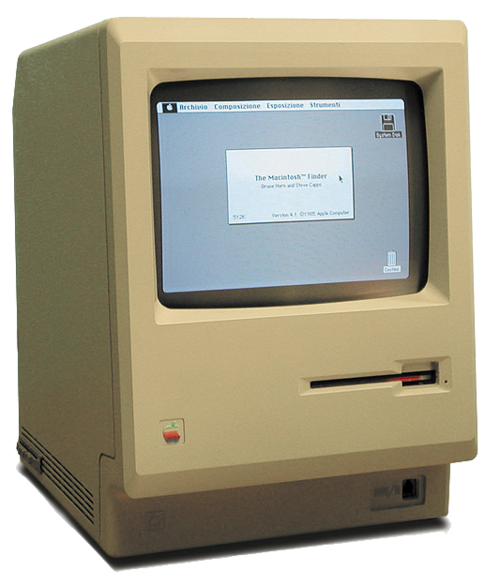
スーパーボウル XVIIIで、アップルコンピュータは、代理店Chiat/Dayが制作し、リドリー・スコットが監督した「1984」と題したMacintosh コンピュータの広告を放映した。小説「 1984年」にインスピレーションを得た要素を取り入れたこの広告では、陸上競技用の服装 (オレンジ色のパンツと Macintosh の画像が入った白いシャツ) を着た女性が大きな講堂に全力疾走し、大きなハンマーをスクリーン (ビッグ ブラザーのような大きな人物が、観客の中にいるドローンのような大勢の人々に話しかけている様子が映し出されている) に投げつけ、「1 月 24 日に、アップルコンピュータは Macintosh を発表します。そして、1984 年がなぜ「1984 年」とは違うのかがわかるでしょう」というメッセージで締めくくられている。この広告は、Macintosh をパーソナルコンピュータ市場へのユニークな参入として位置付けるのに役立ったとして視聴者からも批評家からも絶賛され、スーパーボウルの広告史上最高の 1 つとされることが多い。[67] [68] [69]
この広告は、スーパーボウル XVIII の期間中に全国で初めて放映された。この広告代理店は、1983 年に放映された広告のみが対象となるその年の業界賞に「1984」を応募したかったため、この広告は1983 年 12 月 31 日の深夜直前に、アイダホ州ツインフォールズのKMVT放送局で控えめに初放映された。 [70]アップルは翌年、「1984」に続いて、マッキントッシュ オフィスシステムを宣伝する「レミングス」と題した新しい広告を制作しようとした。目隠しをしたビジネスマンが一斉に崖の端を歩くこの広告は、「暗い」テーマと大げさな前提で批判された。「レミングス」はアップルの最悪のテレビ広告の 1 つとされている。[71]
バドワイザー
ビールブランドのバドワイザーは、長い間スーパーボウルの常連である。親会社のアンハイザー・ブッシュはNFLと長期契約を結んでおり、毎年、試合の放送局から大幅な割引価格で複数の放送時間を購入することを許可しており、この契約はスーパーボウル50まで続いた。[25]同社は各試合で複数のコマーシャルを購入し続けている。[72]バドワイザーは各試合を通じて複数の広告キャンペーンを展開しており、その1つには伝統的に同社のマスコットであるバドワイザー・クライズデールが起用されている。[73]クライズデールは、 1975年の第9回スーパーボウルから2017年の第51回スーパーボウルまで、毎年少なくとも1つのスーパーボウルのコマーシャルに登場した。 [72]バドワイザーの親会社アンハイザー・ブッシュは、 USAトゥデイが毎年実施しているスーパーボウル広告メーター調査で最も成功した広告主であり、14回にわたって調査で1位を獲得している。[1] [2] 2014年にUSAトゥデイが「オールタイム・アド・メーター」トーナメントを開催した 際、2つのバドワイザーのCMが決勝戦で対決した。勝者は2008年のロッキーのパロディの広告で、 1999年の広告「Separated at Birth」に対抗したものだった。この広告では、2人の別々の飼い主に引き取られたダルメシアンの子犬のペアが、そのうちの1匹がクライズデール馬車のマスコット犬になった後、最終的に再会するという内容だった。[74]
2015年現在、バドワイザーは15年間で13回この調査で優勝している。2013年の広告「Brotherhood」は、クライズデール種がバドワイザーのクライズデール種になるために3年後に元の調教師と別れ、感動的な再会を果たすという関係に焦点を当てていた。 [ 2] [75]このゲームに先立ち、バドワイザーはTwitterでユーザーに広告に登場する新しい子馬の名前の投票を呼びかけていた。 [73] 2014年の広告「Puppy Love」は、養子となった犬と別のバドワイザーのクライズデール種との再会を描いた。[1]直近の3回連続の優勝は、2015年の「Lost Dog」で、クライズデール種がオオカミから犬を救出する場面だった。[76]
2017年、バドワイザーは「Born the Hard Way」という広告を放送した。これはアンハイザー・ブッシュの共同創業者アドルフ・ブッシュが会社を設立するためにドイツからアメリカに移住した様子をドラマ化したものだ。この広告は移民賛成のテーマ(特にイスラム教徒が多数を占めるいくつかの国の住民のアメリカへの入国を一時的に制限した大統領令を受けて)のため、ドナルド・トランプ米大統領の支持者から批判とボイコットを招いた。 [77] [78] [79]アンハイザー・ブッシュは、この広告が政治的なメッセージを意図したものではなく、過去1年間制作されていたことを否定し、「当社の創業者アドルフ・ブッシュの野心とアメリカンドリームへの飽くなき追求を強調する」ことを意図していたと述べた。[78] クライズデール種は短い登場を除けば、広告の中で目立った存在ではなかった。しかし、バドワイザーのソーシャルメディアは、クライズデール馬たちが厩舎で試合を観戦し、カメオ出演を待つ様子をFacebookでライブ配信する「クライズデールカム」を宣伝した。 [80] [81]
2018年、バドワイザーは「Stand by You」という広告を放送した。これはジョージア州カーターズビルの醸造所から缶入り飲料水を配布するアンハイザー・ブッシュの災害救援プログラムを記録した広告である。クライズデールズは再びテレビスポットでは控えめに扱われ、醸造所はストリーミングのクライズデールカムイベントを宣伝するために第2四半期に5秒間のバンパーを放映しただけだった。[72] [82]しかし、クライズデールズは、クライズデールカム、2番目のウェブ限定広告「ビールカントリー」、テーマ別のスナップチャットフィルターなど、ゲームと並行したいくつかのデジタル指向の関連キャンペーンに登場した。[83]クライズデールズは、バドワイザーの2019年の広告「Wind Never Felt Better」で再び登場し、アンハイザー・ブッシュの製品生産の一環として風力発電を含むクリーンエネルギーを使用するという取り組みを宣伝した。[84]
バドワイザーはスーパーボウル期間中にも他のキャンペーンを展開している。第23回スーパーボウル期間中、バドワイザーは「バドボウル」と呼ばれる一連のコマーシャルを放映した。これは、ストップモーションアニメで描かれたバドワイザーとバドライトのビール瓶の間で行われるフットボールの試合を題材にしており、ボブ・コスタスとポール・マグワイアが解説を担当した。人気が出たバドボウルはその後のスーパーボウルでも復活した。あまりの人気ぶりに、視聴者の中にはバドボウルが実際のイベントであるかのようにその勝敗に賭ける者もいたほどだった。 [47] [85] [86] 1995年、バドワイザーはバド、ワイス、アーという3匹のカエルの群れをフィーチャーした一連の広告の最初のものを導入した。カエルたちはそれぞれの名前を鳴き声でしか呼ばなかった。バドワイザー・フロッグは同ブランドの最も人気のあるキャンペーンの一つとなり、第32回スーパーボウルでは、カエルをうっとうしく感じ、フェレットの殺し屋を雇ってカエルを殺そうとする2匹の口の悪いトカゲ、ルイとフランキーに焦点を当てた一連の広告でさらに拡大された。[87] [88] [89] [90]
アンハイザー・ブッシュは、バドワイザーやバドライトと並んで、ベックス・サファイアやステラ・アルトワなど他のビールブランドのコマーシャルを試合中に放映した。[91] [92] [73]同社は第51回スーパーボウルでブッシュを再発売し、[93] [94]かつての犬のマスコットであるスパッド・マッケンジーの幽霊をフィーチャーしたバドライトの広告を放送した。[95] [96]ミケロブ・ウルトラは俳優のクリス・プラットを主演とする広告で第51回スーパーボウルでデビューした。[97]バドライトは中世をテーマにした広告キャンペーン(通称「ディリー・ディリー」)を2018年のスーパーボウルまで拡大し、試合では「バドナイト」が初公開された。これは試合前の「三部作」広告の第3弾である(第2弾の「イェ・オールド・ペップ・トーク」はカンファレンス・チャンピオンシップの試合中に初公開され、スーパーボウル中にも再放送された)。[98] [99]
アンハイザー・ブッシュはスーパーボウルLIIIで過去最大の広告購入を行い、バドワイザー、バドライト、ボン&ヴィヴ・スパイクド・セルツァー、ミケロブ・ウルトラ、ステラ・アルトワを含む5つのブランドの7つの製品をカバーする8つの広告(60秒スポット1つ、45秒スポット4つ、残りは30秒スポット)を投入した。[91] [100]バドライトの中世キャンペーンはスーパーボウルLIIIでも続き、高果糖コーンシロップを使用している競合他社を攻撃する広告や、HBOシリーズゲーム・オブ・スローンズとのクロスオーバーを特集した広告が放映された。[101] [102]
スーパーボウル LIVでは、同社は60秒スポットを4本のみ購入し、そのうち1本ではバドライトとバドライトセルツァーの両方を宣伝した。[103]米国でCOVID-19パンデミックの影響が続く中、バドワイザー自体は2021年のスーパーボウルLVで広告を放映しないことが発表され(37年ぶりの不在)、スーパーボウルの広告の推定費用を広告協議会に寄付してCOVID-19ワクチンの啓発キャンペーンに資金を提供し、ワクチン接種を促進するデジタルキャンペーンを開始することを選択した。しかし、アンハイザー・ブッシュは試合中に他のブランドのスポットを放映したほか、企業として初めてアンハイザー・ブッシュのCMを放映し、総支出額は2020年とほぼ同じだった。[37] [65] [66]
クライスラー
クライスラーとその元親会社フィアットクライスラーオートモービルズ(現在はステランティスに合併)のブランドは、スーパーボウルに繰り返し登場している。2011年から2014年にかけて、クライスラーはいくつかの注目すべき長編広告を流すことで知られるようになった。[104]スーパーボウルXLVでは、クライスラーはクライスラー200と同社の新しいスローガン「デトロイトから輸入」を発表するために、「 Born of Fire」と題された2分間の広告を放映した。この広告では、デトロイトの歴史と再活性化を描いたシーンや、地元のラッパーエミネムと彼の曲「Lose Yourself」が取り上げられた。この広告は批評家から高く評価され、 2011年にクリエイティブアートエミー賞の「最優秀コマーシャル」を受賞した。 [105] [106] [107]
スーパーボウルXLVIの期間中、クライスラーは「ハーフタイム・イン・アメリカ」という2分間のCMを放送した。監督はデビッド・ゴードン・グリーン、脚本は詩人のマシュー・ディックマン、ナレーションは俳優のクリント・イーストウッド。CMは2008年から2010年にかけての自動車産業の危機を振り返り、絶望に陥ったアメリカ人がその後希望を抱く場面を盛り込んだ。ナレーションでは危機からの脱却をフットボールの試合後半に例え、「今重要なのはこれからだ。どうやって逆転するか。どうやって団結するか。そしてどうやって勝つか。デトロイトはそれが可能だと示している。そして彼らの真実は、私たち全員の真実だ。この国は一撃でノックアウトされることはない。私たちはすぐに立ち直る。そしてそれができた時、世界中が私たちのエンジンの轟音を聞くことになるだろう」と説明している。この広告は試合後オンラインで多く視聴され、YouTubeでは36時間以内に400万回以上再生されたが、その政治的な意味合いから論争も巻き起こった。[108]
スーパーボウル XLVIIでは、ポール・ハーヴェイの 1978 年の演説「神は農夫を創った」を翻案したラム・トラックの広告が放映された。スーパーボウル 50では、同社は SUV ブランドのジープのみに焦点を当てた。スーパーボウル LIでは、同社は同様にアルファロメオのみに焦点を当て、フィアット所有のブランドを米国で再発売するキャンペーンの一環としていた。[109] [110]スーパーボウル LIIでは、ラム・トラックのコマーシャルが 2 本、後者は 1968 年のマーティン・ルーサー・キング・ジュニアの演説の抜粋をフィーチャーしたコマーシャル、およびジープの広告が 3 本放映された。 [111] [112]
The Jeep Gladiator was the focus of a spot during Super Bowl LIV, starring actor Bill Murray reprising his role from the film Groundhog Day (appropriately, given the scheduling of that year's game). The ad would net Jeep's first-ever victory on the Super Bowl Ad Meter survey.[113][114]
The Dot-com Super Bowl
Super Bowl XXXIV (2000) became notable for featuring a large number of commercials from dot-com companies, to the extent that critics dubbed it the "Dot-com Super Bowl" as a result.[115] With a 30-second ad costing around $2.2 million, 20% of the commercial time sold went to dot-com companies—constituting $44 million of the $130 million spent in total on Super Bowl advertising time that year.[116][117]
Notable dot-com ads broadcast during the game included "If You Leave Me Now"–an ad for Pets.com which introduced the website's sock puppet mascot, a self-proclaimed "worst commercial on the Super Bowl" by LifeMinder.com (which consisted only of text captions on a yellow background with "Chopsticks" playing in the background), and "Monkey"—a deliberately nonsensical E-Trade ad that featured a monkey dancing to "La Cucaracha", and the tagline "Well, we just wasted $2,000,000. What are you doing with your money?"[118][119][120] Electronic Data Systems aired an ad themed around cowboys who herded cats instead of cows.[47]
Despite their aspirations and the boosts in traffic they received from the ads, all of the publicly held companies which advertised saw their stocks slump after the game as the dot-com bubble began to rapidly deflate. Some of the companies that advertised during the game—including Epidemic Marketing and Pets.com, had become defunct by the end of the year, and at Super Bowl XXXV, only three dot-com companies—E-Trade, HotJobs, and Monster.com—advertised during the game.[116][117]
Doritos
In 2006, Doritos began holding a promotion known as Crash the Super Bowl, soliciting viewers to film their own Doritos commercials to possibly be aired during the game. At Super Bowl XLIII in 2009, an additional bonus prize of $1 million was added if any of the winning entries were named #1 on the Super Bowl Ad Meter survey results; Doritos would reach the #1 spot on the survey that year with an ad entitled "Free Doritos", created by Joe and Dave Herbert of Batesville, Indiana. The ad featured an office worker attempting to fulfill a prediction that he would receive free Doritos by smashing open a vending machine with a crystal ball.[121]
The following year, additional prizes of $600,000 and $400,000 were added for reaching second and third place on the poll, plus an additional $1 million bonus for each if three of the ads were to sweep the top three. A 2010 finalist, "UnderDog", reached second place on the poll.[121][122][123]
Another user-submitted Doritos ad, "The Cowboy Kid", finished in second place on the Ad Meter survey in 2014, winning $50,000. The contest itself was won by "Time Machine"; created by Ryan Thomas Andersen of Arizona and produced on a budget of only $300, the ad featured his son scamming his neighbor into giving him his bag of Doritos by claiming that he had built a time machine that was fueled by them. For winning the contest, Anderson received $1 million and an opportunity to work on set during the production of the film Avengers: Age of Ultron.[1][124]
GoDaddy
The domain registrar and web hosting company GoDaddy was well known for producing Super Bowl commercials featuring female spokespersons it dubbed "GoDaddy Girls", such as professional driver Danica Patrick, and for its 2011 ad, comedian Joan Rivers.[125] Many of the company's planned Super Bowl ads were allegedly rejected by broadcasters due to their risqué subject matter, leading to GoDaddy instead airing a "teaser" ad during the game that instructed viewers to watch the uncensored version of the ad on their website.[125]
The company's first appearance at Super Bowl XXXIX parodied the "wardrobe malfunction" that had occurred at the previous year's halftime show,[126] featuring a woman testifying to Congress about why GoDaddy wanted to advertise during the game, but a strap of her tank top coming undone. The ad was scheduled to air twice, but its second airing was pulled in response to concerns by Fox and the NFL over its content. The following year at Super Bowl XL, thirteen ad concepts were rejected by ABC due to their content.[125][127] In 2008, a GoDaddy ad entitled "Exposure" was rejected by Fox for using the word "beaver" as a double entendre. In turn, the ad was replaced with one advertising the availability of the ad on GoDaddy's website, attracting two million visits.[128] In October 2013, GoDaddy's chief marketing officer Barb Rechterman announced that the company would no longer air provocative ads during the Super Bowl, explaining that "our new brand of Super Bowl commercials will make it crystal clear what we do and who we stand for. We may be changing our approach, but as we've always said, we don't care what the critics think. We are all about our customers."[126]
GoDaddy's ad in 2015, "Journey Home", was controversial for different reasons: it featured a puppy traveling back to its owner after falling out of a pickup truck, only to learn that he had been sold to a new owner using a website built with GoDaddy. The ad was criticized by animal rights groups, who felt that it implied an endorsement of commercial puppy mills. GoDaddy quickly pulled the ad in response to the controversy; GoDaddy CEO Blake Irving explained that the ad's humor had "clearly missed the mark." PETA partially praised the ad for portraying the seller as being a "callous jerk," but explained that "The sale of animals online and from pet stores and breeders should be roundly condemned, and it was today. GoDaddy did the right thing by swiftly promoting adoption."[129][130]
Tide
Procter & Gamble has used the Super Bowl to promote its Tide detergent. Several Tide ads for the Super Bowl have been viewer favorites and award winners, including the "Talking Stain" featured a yammering blotch ruining a job interview for Super Bowl XLII, and the "Miracle Stain" that summoned acolytes to worship a blemish appearing like Joe Montana for Super Bowl XLVII.[131]
Tide aired an episodic three-part ad during Super Bowl LI that starred Fox NFL Sunday co-host Terry Bradshaw, where he discovers a stain on his suit right before going on air from Fox's set at NRG Stadium, prompting him to—as seen in a second commercial later in the game—quickly travel to Jeffrey Tambor's house so he could clean it with Tide. In the conclusion (aired near the end of the game), Bradshaw makes it back to the game, only for his colleague Curt Menefee to spill coffee on his shirt, with Tambor (who is watching from home) refusing to help again. To make the sequence plausibly live, it was filmed over the weeks immediately before the Super Bowl, and required P&G's agency to construct a replica of Fox's actual on-field set for the game. Visual effects were used to correctly reflect the look of the stadium and the teams participating in the game.[132]
During Super Bowl LII, Tide aired a series of commercials starring David Harbour, which presented several types of commercials that viewers often see during the Super Bowl, only to reveal that they are all actually commercials for Tide because all of their clothes are perfectly clean. Some of the commercials included crossovers with ads for other Procter & Gamble products, including a Mr. Clean ad aired during Super Bowl LI, and Old Spice's "The Man Your Man Could Smell Like" ad.[133]
"Small Business Big Game"
As a byproduct of the increased cost of ad time at the Super Bowl, financial software company Intuit made its debut at Super Bowl XLVIII by hosting a promotion known as "Small Business Big Game", in which small businesses with "inspiring" stories competed for a chance to earn a commercial during the Super Bowl funded by Intuit, as decided by user votes. Company CEO Brad D. Smith explained that the promotion was an extension of the company's goals to improve financial lives "in a way that you'd never imagine going back," while Ken Wach, senior vice president of marketing for Intuit's Small Business Group, explained that "normally you're looking at Budweiser ads or Chevy ads, so this was about putting small businesses on the national stage and shining the spotlight on them as heroes of the economy."[134]
The winner of the 2014 edition was GoldieBlox, a toy company with a focus on promoting mechanical engineering to young girls.[134] While the campaign was a success for the winner, resulting in increased prominence and sales, Wach felt that Intuit was not able to "sustain the momentum as much as we would have liked." At Super Bowl XLIX, Intuit did not hold the promotion, but still aired an ad for its own TurboTax product.[134] The contest returned in 2015 for Super Bowl 50 and was won by Death Wish Coffee.[135][136]
"I'm going to Disney World!"
Disney Parks is known for an advertising campaign associated with the Super Bowl entitled "What's Next?", but more popularly known as "I'm going to Disney World!" The ads feature a player from the winning team (typically the MVP) responding with the eponymous declaration after being asked what they would do after the game. These ads typically premiere on the day after the Super Bowl. The series began following Super Bowl XXI, and first featured Phil Simms of the New York Giants. Disney has reportedly offered players $30,000 if they participate in the commercial and visit a Disney theme park (usually Disney World or Disneyland) afterward, and has extended the campaign to champion players in other sports. At Super Bowl XL (broadcast by corporate sister ABC), Disney aired an in-game commercial themed around the campaign, featuring Pittsburgh Steelers and Seattle Seahawks players rehearsing the line in case they won.[137][138][139]
Cryptocurrency
Super Bowl LVI (2022) featured a number of cryptocurrency exchanges making their debut as advertisers, including Coinbase, Crypto.com, eToro, and FTX on the American telecast, and BitPay on the Canadian telecast. Comparisons were made to the wave of dot-com ads at Super Bowl XXXIV, with the game being dubbed the "Crypto Bowl" by some media outlets.[140][141][142][143]
FTX's ad featured comedian and actor Larry David (in his first appearance in a commercial) in period costume dismissing various technological and societal achievements in history, including the wheel, American independence, Edison's incandescent light bulb, the Walkman, and finally, cryptocurrency. The ad was directed by Jeff Schaffer, whom David had worked with in the past on Seinfeld and Curb Your Enthusiasm.[144] Ironically, the company would go bankrupt later that year.[145]
In contrast, Coinbase aired an unusual 60-second ad consisting only of a QR code bouncing across a black, screensaver-like screen. When scanned, the code redirected users to a web page advertising a promotion and giveaway for new customers. Coinbase's website promptly crashed, having received 20 million hits within a minute.[146] The ad was quickly parodied later in the night by Meta Quest, which posted a similar ad on social media to advertise a streaming Foo Fighters VR concert after the game, captioned "Hopefully this doesn't break."[147][148]
Besides ads from crypto exchanges, several other ads made allusions to cryptocurrency and related concepts such as non-fungible tokens (NFTs), including those of TurboTax and Bud Light Next respectively.[143]
Local advertising during the Super Bowl
To dodge the high costs of obtaining national ad time, or to broadcast more regionalized campaigns, some advertisers elect to purchase local advertising time from the individual network affiliates airing the Super Bowl, such as the Church of Scientology—who bought local ad time in major urban markets such as New York City in 2014, and the Bank of Montreal to promote its BMO Harris Bank branches.[149][150] In 2024, the Scientology ad was listed 9th in the top 10 most watched Super Bowl 2024 ads by Variety, just above the Skechers commercial.[151] In 2012, Old Milwaukee broadcast a Super Bowl ad starring Will Ferrell; as an extension of the beer's regional campaign with the actor, the ad only aired in the city of North Platte, Nebraska.[152]
Several notable local ads were broadcast during Super Bowl XLVIII in 2014. The Utah Department of Transportation used the game to broadcast a public service announcement on seat belt usage for its Zero Fatalities campaign, which featured a depiction of a child who had died in a rollover crash because he did not use a seat belt.[153] In Savannah, Georgia, local personal injury lawyer Jamie Casino broadcast a two-minute-long advertisement on WTGS, which featured a thriller-styled retelling of how he stopped representing "cold-hearted villains" to avenge the 2012 Labor Day shooting death of his brother Michael Biancosino, and Emily Pickels, after a subsequent statement by former police chief Willie Lovett who claimed that there were "no innocent victims," culminating with Casino digging through a grave with a sledgehammer.[154][155] The commercial went viral after the game, with The Independent dubbing it the "most metal" Super Bowl ad imaginable.[156][157] Tribune Broadcasting used local time on the Fox affiliates it owned to air an extended promo for Salem, a then-upcoming series on sister cable network WGN America.[158]
In 2015, Newcastle Brown Ale bought time on local NBC stations to air an ad that, as a commentary on the high cost of national Super Bowl advertising time, contained plugs for 37 other products and companies it had recruited in a crowdfunding campaign.[159][160] In Savannah, Georgia, Jamie Casino aired a sequel to his 2014 ad that focused on the "bullies" that he had encountered throughout his life.[161]
St. Louis attorney Terry Crouppen aired a local ad in 2016 in which he criticized Stan Kroenke for his decision to re-locate the St. Louis Rams to Los Angeles.[162][163]
Some Canadian companies bought local advertising time from Fox affiliates carried in the country in 2017, taking advantage of a new regulatory policy that made the Super Bowl available directly from U.S. stations via local television providers for the first time.[164]
In 2018, rock musician Alice Cooper appeared in a local ad for Desert Financial Credit Union, which played upon his band's song "School's Out" to promote its re-branding from Desert Schools Federal Credit Union.[165][166] Jamie Casino also returned with a new ad.[167] A local Subaru dealer in Muskegon, Michigan ran a simplistic ad containing only the logos of the dealership, and the message "Congratulations Patriots!"—a "last minute calculated risk" based on odds favoring the team, given that the game was actually won by the Philadelphia Eagles.[168]
Controversial Super Bowl commercials
Several Super Bowl commercials have been considered controversial by viewers and critics, or even outright blocked by networks' Standards and Practices departments, because of concerns surrounding their contents. Political advertising and most direct forms of issue-related advertising are usually not aired during the Super Bowl because of equal-time rules or other factors,[169] while the NFL forbids ads for gambling, hard liquor, and banned substances from airing during any of its telecasts.[170][171][172]
An exception to the lack of major political advertising during the Super Bowl occurred in 2020 for Super Bowl LIV, in the lead-up to the 2020 presidential election (with the Iowa caucuses occurring the Monday immediately following the game). The campaigns of President Donald Trump and Democratic Party candidate Michael Bloomberg both bought ad time during the game, paying around $10 million each.[173] Due to concerns from other advertisers over their commercials being aired in proximity to the campaign ads, Fox reportedly agreed to insulate these two ads by only scheduling promos for network programming to air alongside them in their respective breaks.[174]
Just For Feet: "Kenyan Mission"
At Super Bowl XXXIII, footwear retailer Just For Feet aired its first Super Bowl ad. In the commercial, a barefoot Kenyan runner is tracked by a group of Caucasian men in a Humvee. The runner is offered drug-laced water which knocks him unconscious; when he wakes up, the runner discovers that the men have given him Nike shoes. The runner rejects the shoes and attempts to shake them off whilst running away.[175]
The ad was widely criticized for its derogatory premise; Bob Garfield described the commercial as being "neo-colonialist," "culturally imperialist," and "probably racist," while Chuck McBride, creative director of Nike's agency Wieden+Kennedy, stated that he "couldn't believe that they had done this." Just For Feet had spent $7 million on the ad, including $1.7 million for the time, and the rest on production and promotional costs. Despite its concerns about its content, Just For Feet relied on the expertise of their hired agency, Saatchi & Saatchi, because they assured that the ad was their best work. Just For Feet CEO Harold Ruttenberg explained to Salon that "we took out advertisements. We gave away more than $1 million of product. Then the ad runs. And you would not believe the deluge of comments made about this company. I couldn't sleep for a solid month. And it's all because of these guys who said they knew everything."[175]
Just For Feet filed a $10 million lawsuit against Saatchi & Saatchi for malpractice, alleging that the agency was damaging its reputation and goodwill through its "appallingly unacceptable and shockingly unprofessional performance," which ran "contrary to the deepest held principles of Just for Feet, which has always sought to promote racial harmony, finds racism abhorrent, and condemns drug use." Just for Feet filed for chapter 11 bankruptcy in November 1999, and the lawsuit was dropped. It was later found that the company had been engaging in accounting fraud.[175][176][177][178]
General Motors: "Robot"
At Super Bowl XLI, General Motors aired a 60-second ad entitled "Robot", which was meant to promote the powertrain warranty it offered for its vehicles. Themed around an "obsession" with quality, the ad depicted an assembly line robot being fired for dropping a screw. After attempting several alternative careers, the robot is depicted killing itself by rolling off the edge of a bridge into a river.[179] The sequence is interrupted to reveal that the events were just a dream and that the robot had not been fired at all. Although ranking in ninth place on the Adbowl survey, "Robot" received criticism for its glamorization of suicide; the American Foundation for Suicide Prevention (AFSP) was a notable critic of the spot, as well as the National Alliance on Mental Illness (NAMI) and other suicide prevention groups. The AFSP stated that "the ad, in its carelessness, portrays suicide as a viable option when someone fails or loses their job."[180][181] Some critics also interpreted the ad's thematics as being in poor taste, as GM had laid off 35,000 factory workers in the previous year.[181][182]
A GM spokesperson defended the commercial as being "a story of GM's commitment to quality" and stated that this was the "predominant impression" by those who had previewed it. The company would remove the bridge scene from future airings.[181][182]
Focus on the Family anti-abortion ad

At Super Bowl XLIV, the non-profit evangelical organization Focus on the Family aired an advertisement featuring then-Florida Gators quarterback Tim Tebow and his mother, Pam. Prior to becoming pregnant with Tim, and while serving as Baptist missionaries in the Philippines, Pam had contracted amoebic dysentery and fell into a coma. She discovered she was pregnant while recovering. Because of the medications used to treat her, the fetus experienced a severe placental abruption.[183] Doctors expected a stillbirth and recommended an abortion. The Tebows decided against it, citing their strong faith.[183] In the ad, Pam described Tim as a "miracle baby" who "almost didn't make it into this world" and remarked that "with all our family's been through, we have to be tough," after which she was tackled by Tim. The ad itself made no reference to abortion or Christianity and directed viewers to the organization's website.[184][185]
The then-unseen ad drew criticism from some women's rights groups, who asked CBS to pull the ad because they felt it would be divisive. Planned Parenthood released a video response of its own featuring fellow NFL player Sean James.[186][187] The claim that Tebow's family chose not to perform an abortion was also widely criticized; as abortion is illegal in the Philippines, critics felt that it was implausible that a doctor would recommend the procedure in the first place.[185][188] CBS's decision to run the ad was also criticized for deviating from its past policy of rejecting issue and advocacy-based commercials during the Super Bowl, including those by left-leaning or perceived left-leaning groups such as PETA, MoveOn.org, and the United Church of Christ (which wanted to run an ad that was pro-same-sex marriage). However, CBS stated that "we have for some time moderated our approach to advocacy submissions after it became apparent that our stance did not reflect public sentiment or industry norms on the issue."[189]
Ashley Madison and ManCrunch
Avid Life Media, an operator of online dating services, has had two Super Bowl ads rejected by broadcasters. In 2009, NBC rejected an ad for the extramarital dating site Ashley Madison, which featured the tagline "Who Are You Doing After the Game?", from appearing during Super Bowl XLIII.[190] Avid Life Media's CEO Noel Biderman felt the rejection was "ridiculous," noting an apparent double standard of allowing advertisements for alcoholic beverages to air during NFL games despite the number of deaths attributed to them. Biderman considered the NFL demographic to be a core audience of the site, and promised to "find a way to let them know about the existence of this service."[190]
The following year at Super Bowl XLIV, an advertisement for Ashley Madison's sister site ManCrunch—a dating website for homosexual relationships—was rejected by CBS. The ad featured two male football fans reaching into the same bowl of chips, and after a brief pause, passionately kissing and dry humping each other, much to the surprise of another man present. Company spokesperson Elissa Buchter considered the rejection to be discrimination, by contending that CBS would not have objected to the ad had it featured a kiss between a man and a woman, and acknowledging the frequent airplay of advertisements for erectile dysfunction medications on U.S. television as a double standard. Fellow spokesperson Dominic Friesen stated that the company was "very disappointed" with CBS's decision, noting that the network had allowed the aforementioned Focus on the Family ad to air during the game.[191][192]
Avid Life was also accused of ambush marketing by critics, who argued that the company was intentionally submitting ads that would get rejected by broadcasters and receive free publicity from the ensuing controversy, thus removing the need to actually buy ad time during the game. However, the company denied these claims and indicated that it did have serious intentions to purchase ad time during the game if its commercials were accepted.[191][192] In an article posted following the 2015 security breach of Ashley Madison, a former CBS standards & practices employee stated that the ManCrunch ad had actually been rejected for its use of NFL trademarks, and not because of its content.[193]
PETA
Animal rights activist organization People for the Ethical Treatment of Animals, known for its salacious and shocking publicity stunts, has routinely submitted Super Bowl ads that have been rejected. Most of the advertisements have been explicitly sexual in nature. In 2018, PETA submitted an advertisement referencing religion instead, with a priest (portrayed by James Cromwell) telling a meat industry executive that he could not be forgiven for the sins of what PETA claimed were deceptive advertisements, even if he confessed. NBC expressed willingness to air the 2018 advertisement on the condition that the organization would buy additional ads during the 2018 Winter Olympics, which would have doubled the price; PETA refused and accused the network of price gouging.[194] For the 2020 advertisement, PETA claimed that Fox rejected their advertisement because of pressure from the NFL; the advertisement that year depicted animals imitating Colin Kaepernick's national anthem protests.[195]
Randall Terry anti-abortion ad
In 2012, Randall Terry attempted to use a provision in Federal Communications Commission policies requiring "reasonable access" to local advertising time for political candidates within 45 days of an election or primary, to force several NBC stations to air a graphic anti-abortion attack ad during Super Bowl XLVI that featured images of blood-covered fetuses. Following a complaint by the Chicago-based NBC-owned station WMAQ, the FCC ruled that Terry could not expect reasonable access to advertising time during the Super Bowl because of the magnitude of the event and the limited amount of local advertising time available. Furthermore, it was also found that Terry did not show enough evidence that he was a bona fide candidate eligible to receive ad time in the first place.[196][197]
Chrysler: "Halftime in America"
Chrysler's Super Bowl XLVI ad "Halftime in America" was controversial due to its political overtones, especially as it came during the lead-up to the 2012 U.S. presidential election. Critics interpreted the ad as being in support of re-electing Barack Obama, suggesting that the metaphor of "halftime in America" symbolized the performance of Obama's first four-year term as president going into his re-election campaign, and noting Obama had supported George W. Bush's bailout of Chrysler while acting as a Democratic senator.[198] It was also noted that the commercial's narrator Clint Eastwood had made statements against the bailouts in 2011, had stated that he "couldn’t recall ever voting for a Democratic presidential candidate," and that he was a supporter of Republican candidate John McCain during the 2008 campaign. Eastwood would later appear as a surprise guest at the 2012 Republican National Convention in support of nominee Mitt Romney, addressing an empty chair meant to represent Obama.[108][199][200]
SodaStream
In 2013, SodaStream submitted a Super Bowl advertisement directed by Alex Bogusky, which featured a pair of Coca-Cola and Pepsi deliverymen finding their bottles exploding and disappearing when another person uses the SodaStream to make their own beverages; representing a disruption of the soft drink market. The ad was rejected by CBS for its direct attacks towards the two rival companies.[201] A Forbes writer expressed concern that the network may have had intentionally shown protectionism towards the two soft drink companies (who have been long-time Super Bowl advertisers), and drew comparisons to a recent incident where the CBS-owned technology news site CNET was controversially forced by its parent company to block Dish Network's Hopper with Sling digital video recorder from being considered Best in Show at CES 2013 because the broadcaster was in active litigation over an automatic commercial skipping feature on the device.[202][203][204]
An older SodaStream commercial was shown in its place, which also featured exploding pop bottles in a similar fashion, but with no direct references to any other brand;[201] ironically, this particular ad had been banned in the United Kingdom by Clearcast for being considered "a denigration of the bottled drinks market."[205]
Another SodaStream ad featuring Scarlett Johansson was produced for and aired during Super Bowl XLVIII in 2014; the supposed rejection of an initial version for containing the line "Sorry, Coke and Pepsi" was overshadowed by growing controversies around the company's use of a factory that was located in an Israeli settlement on the West Bank.[206][207]
Coca-Cola: "It's Beautiful"
In 2014, Coca-Cola aired a Super Bowl advertisement entitled "It's Beautiful"; themed around multiculturalism, the ad featured scenes depicting Americans of various ethnicities, along with a same-sex couple—the first to ever appear in a Super Bowl ad, set to a rendition of the patriotic hymn "America The Beautiful" with lyrics sung in multiple languages.[208]
The ad was divisive, with users taking to Twitter under the hashtag "#SpeakAmerican" to discuss their views and opinions on its content: those against the ad argued that per the melting pot principle, Coca-Cola should not have used languages other than English, the most common language of the country, to promote its products to ethnic minorities, and former Republican Congressman Allen West stated that "If we cannot be proud enough as a country to sing 'America the Beautiful' in English in a commercial during the Super Bowl, by a company as American as they come—doggone we are on the road to perdition." By contrast, others praised the ad for celebrating the diversity of the American people, but questioned its appropriateness. Guardian writer Jill Filipovic noted that the company had been increasingly targeting minorities, such as Latino Americans (who are more likely to be heavy drinkers of soft drinks because of their low cost), but questioned the act of promoting increased soft drink consumption to minority groups that already heavily consume them and are at higher risk of diabetes, comparing the ad to nicotine marketing toward women, and stating that "before we applaud Coke's advertising diversity, we should ask: do we really want Coke to diversify?"[64][208]
The commercial was re-aired prior to kickoff at Super Bowl LI, eliciting similar criticism.[209]
Nationwide Insurance: "Boy"
At Super Bowl XLIX in 2015, after an eight-year hiatus, Nationwide Insurance returned to the game with two new advertisements. The second of these advertisements, "Boy" (also commonly referred to as "Make Safe Happen"),[210] featured a child explaining that he couldn't grow up because he had already died—followed by scenes of an overflowing bathtub (implying drowning), spilled cleaning products (implying poisoning), and a television having fallen off of a wall (implying crushed). The ad was intended to promote Nationwide's child protection campaign Make Safe Happen; operated in partnership with Safe Kids USA and Nationwide Children's Hospital, it aims to draw awareness to deaths caused by preventable household accidents.[211][212][213]
Viewers and critics acknowledged that the subject matter of "Boy" was a major contrast to other, upbeat and comedic ads broadcast during Super Bowl XLIX (including Nationwide's second ad, "Invisible Mindy"). Reception towards the ad was overwhelmingly negative; viewers criticized the company via social media for its decision to broadcast an ad dealing with such subject matter during the Super Bowl, Amobee estimated only 12% of reactions to the ad on Twitter were positive, and it ranked near the bottom of the USA Today Ad Meter results. Nationwide CMO Matthew Jauchius defended the ad, noting that the negative response was "a little stronger than we anticipated," and that "Boy" was intended to "begin a dialogue to make safe happen for children everywhere."[214][215][216] Jauchius later exited Nationwide two months after the advertisement aired.[217]
84 Lumber: "The Journey"
Building supply company 84 Lumber debuted at Super Bowl LI with "The Journey"; the ad depicted a mother and daughter migrating from Mexico to the United States border, only to discover that a wall had been built on it. However, after the daughter presented a handmade version of the U.S. flag that she had made with pieces of fabric collected along the way, the two discover a giant door in the wall. The ending of the ad is accompanied by the tagline "The will to succeed is always welcome here."[218][219][220]
The original version of the ad was rejected by Fox, as they believed that the border wall imagery was too politically sensitive in the wake of Donald Trump's presidency, as his campaign promises included a plan to build a wall across the entire southern border. The company's agency stated that it intended to present an edited version of the ad during the game, which would direct users to watch the full, 6-minute short film on 84 Lumber's website.[218][221][222][223] The company reported that its website received a total of over 6 million visits in the hour following the airing, and received over 300,000 requests in a minute after the ad aired, causing it to crash.[218]
GNC: "Courage to Change"
On January 31, 2017, it was reported that an advertisement for the health store chain GNC had been rejected by the NFL for broadcast during Super Bowl LI. The ad had been rejected due to the company's inclusion on a list of "prohibited companies" issued by the NFL Players Association; a small number of GNC's products contain DHEA and Synephrine, which are performance-enhancing substances banned by the NFL. Inclusion on this list prohibits NFL players from promoting or endorsing the company. NFL policies do not allow advertising for "dietary or nutritional supplements that contain ingredients other than vitamins and minerals, energy drinks, or any prohibited substance." Advertisements for health stores are not banned, provided that they do not reference such products. GNC's advertisement featured motivational themes as part of a larger "Courage to Change" marketing campaign and did not make any references to specific products sold by the chain.[224][170][171]
On February 2, 2017, it was reported that GNC had threatened to sue Fox over the rejection. The letter of intent stated that the contents of GNC's commercial had been "expressly approved" twice by Fox and that the broadcaster did not inform GNC that ads broadcast during the Super Bowl were subject to approval by the NFL or any league policies. The company stated that Fox had "induced GNC to spend millions of dollars in production costs and in the development of a national, coordinated marketing and rebranding campaign centered around this advertisement."[225][224]
Ram Trucks: "Built to Serve"
In 2018 at Super Bowl LII, Fiat Chrysler Automobiles marque Ram Trucks aired a commercial entitled "Built to Serve", as one of two Ram ads during the game. It featured an extract from the "Drum Major Instinct" sermon given by Martin Luther King Jr. on February 4, 1968 (exactly 50 years prior), wherein King explained the virtues of serving others. The speech was, in turn, set to footage of people using their Ram vehicles to help others.[226][227]
The ad was widely criticized for using the words of MLK to promote a product. It was also pointed out that King had, ironically, criticized the advertising industry during the same sermon as being "gentlemen of massive verbal persuasion," explaining that "in order to be a man of distinction, you must drink this whiskey. In order to make your neighbors envious, you must drive this type of car. In order to be lovely to love you must wear this kind of lipstick or this kind of perfume. And you know, before you know it, you're just buying that stuff." William B. Wachtel, co-founder of the Drum Major Institute, stated that "In a twist of irony, one of the specific evils Dr. King condemned was the exploitation of the drum major instinct by advertisers, particularly car advertisers."[228][226][227] Current Affairs posted a parody of the commercial on YouTube, overdubbing the original audio with this section of the speech.[229][230]
Use of the speech was approved by Intellectual Properties Management, the exclusive commercial licensor of King's estate. A representative of the organization stated that they approved the ad because its overall message "embodied Dr. King's philosophy that true greatness is achieved by serving others."[227][111][228][226] Although the King Center distanced itself from the ad by stating that it was not responsible for its licensing, it was pointed out that Intellectual Properties Management was based within the facilities of the King Center to begin with and thus had close ties to the family. Los Angeles Times columnist Michael Hiltzik argued that King's rights should be managed by a larger group of historians and scholars through an "open and transparent" process, rather than just his close family, "so at least we don't have a situation where some corporation drapes itself in King's preacherly robes while the estate issues fatuous excuses that a TV commercial embodies 'Dr. King's philosophy'."[231][230]
T-Mobile
In 2021, T-Mobile submitted three different ads for the Super Bowl, with one of them including Tampa Bay Buccaneers players Tom Brady and Rob Gronkowski. In one of the ads, Brady and Gronkowski were in a video chat with Gronkowski encouraging Brady to retire and move to Florida while Brady, who was receiving a call in a "spotty" network, causes him to hear that retiring would make him weak and tells to move to Florida to win another Super Bowl, which he made such decision at the end.
Although none of the competing networks were mentioned in the ad, T-Mobile confirmed that the ad was banned to protect the rights with the NFL's "official teleco sponsor," potentially Verizon Wireless who was the sponsor of the NFL.[232][233] T-Mobile made additional edits to the commercial, including some changes in dialogue but it was banned as well. Neither the NFL nor CBS commented on the commercials. T-Mobile did air another ad with a similar concept, this time with Gwen Stefani asking out on Adam Levine.[234]
He Gets Us
In 2023, evangelical Christian website He Gets Us ran ads during the Super Bowl which depicted Jesus as various modern day archetypes including a cancelled influencer, a refugee, and a struggling worker in black and white. A 2024 follow-up featured Christians washing the feet of similar archetypes. The organization, He Gets Us, is supported by mostly anonymous benefactors; one of its most prominent supporters is David Green.
The advertisements were criticized by people on both sides on the political spectrum, with prominent Democratic congresswoman Alexandria Ocasio-Cortez stating that "Jesus would not spend millions of dollars on Super Bowl ads to make fascism look benign". On the other side of the political spectrum, Turning Point USA founder Charlie Kirk stated that the advert pandered to liberals and said that it was "one of the worst services to Christianity in the modern era".[235][236] The 2024 advertisement drew similar polarized responses as well as criticism from Christian pastors for taking the foot-washing ritual out of its biblical context.[237]
Internationally
The Super Bowl commercials are generally limited to the American television broadcast of the game. This prevents international viewers from watching the game with these often iconic commercials. Online postings of the commercials on sites such as YouTube have partially alleviated the issue,[238][239] along with the airing of some of the commercials during local television newscasts in other countries, while NBC posted the Super Bowl XLIX commercials on a Tumblr blog as they aired during the game for the benefit of its U.S. online stream (which did not contain all of the same ads as the television feed).[19]
Complaints about the U.S. Super Bowl ads are common in Canada; although U.S. network affiliates are widely available on pay television providers in the country, "simultaneous substitution" regulations give Canadian television networks the right to request that a U.S. feed of a program be replaced with its Canadian counterpart on these providers if it is airing a program in simulcast with a U.S. network. This rule is intended to protect the investments of Canadian broadcasters in exclusive domestic broadcast rights, and also protect Canadian advertisers who had purchased their own advertising time on the Canadian network. As a result, most American Super Bowl ads are effectively "blacked out" by the Canadian broadcaster.[238][239][240] Members of Parliament Bob Nault and Wayne Easter have stated that the Canadian Radio-television and Telecommunications Commission (CRTC), Canada's telecom regulator, has only received around 100 specific complaints about Super Bowl ads in relation to the simsub rules.[241]
Some U.S.-based advertisers, particularly PepsiCo and Anheuser-Busch (via its Canadian subsidiary Labatt), do buy ad time during the Canadian broadcast on CTV, owned by Bell Media—the broadcasting subsidiary of Canadian telecommunications firm BCE and the current rightsholder of the game, to air at least some of their American commercials, but many Canadian advertisers simply re-air ads from their regular rotation, or air the same ad multiple times over the course of the game, neither of which is typical during the U.S. network broadcast.[239] Reasons cited by Canadian advertisers for these practices include the additional talent and post-production fees that would be required to broadcast the American ads in Canada, and the perceived lower "cultural resonance" of the game for Canadian viewers as opposed to Americans.[239] As such, and because Canada's population is approximately a tenth of the United States', advertising time costs a fraction of the price to air an ad on the U.S. broadcast: prices ranged between $170,000 to $200,000 for a 30-second slot on CTV's telecast of Super Bowl XLIX.[149][242]
On the other hand, in the 2010s, there were a growing number of Super Bowl ads produced specifically for the Canadian broadcast: Hyundai's Canadian subsidiary began airing its own Super Bowl ads in 2010,[243] and Budweiser produced the hockey-themed "Flash Fans" to air during the Canadian broadcast of Super Bowl XLVI. The following year, two Canadian companies—BlackBerry and Gildan Activewear, made their debut as U.S. Super Bowl advertisers; their ads were also broadcast in Canada alongside those by McDonald's Canada, who debuted its "Our Food. Your Questions." campaign, Budweiser's internet-connected hockey goal lights, and Hyundai Canada's "Gaspocalypse", promoting the Sonata Hybrid.[149] Budweiser expanded its goal light campaign for Super Bowl 50, which featured an ad introducing a 20 foot (6.1 m)-tall goal lamp used as part of a promotional campaign leading towards the 2016 World Cup of Hockey.[244] For Super Bowl LIV in 2020, Budweiser Canada produced a commercial reviving its previous Whassup? campaign from the early-2000s.[245]
For Super Bowl LIII, Unifor purchased time on the Canadian broadcast to air an attack ad, criticizing General Motors' decision to close the Oshawa Car Assembly plant. On the Friday before the game, Unifor received a letter from GM Canada requesting that the ad be pulled, alleging that it was "designed intentionally and maliciously to mislead Canadian consumers and forever tarnish GM's reputation with them."[246]
Canadian simsub ban
On January 29, 2015, the CRTC announced a proposal to forbid the invocation of simultaneous substitution on the Super Bowl telecast, thus allowing the U.S. feeds of the event to co-exist with those of Canadian rightsholders on pay television providers. The decision came as a result of a series of hearings held by the CRTC known as Let's Talk TV, which explored reforms of the Canadian television industry: the Commission cited viewer frustration over the use of simsubs, especially surrounding the Super Bowl, and argued that the commercials were an "integral part" of the game due to their cultural significance.[242][247] In March 2015, Bell filed an appeal against this decision, arguing that the move would devalue its exclusive broadcast rights to the game, and violated the Broadcasting Act, which forbids the "making of regulations singling out a particular program or licensee."[248] A report commissioned by Bell estimated that without this lucrative exclusivity, it would lose about $13.6 million per year.[249]
In spite of the complaints and legal action, the CRTC issued an order on August 19, 2016, that officially implemented the new rule. On September 6, 2016, the Federal Court of Appeal dismissed Bell Media's lawsuit for being premature, because it was filed before the CRTC had formally implemented the rules.[250][251] On November 2, 2016, Bell was granted an appeal.[252] In the lead-up to Super Bowl LI (which would be the first game to fall under this policy), several stakeholders, including the NFL, Bell Media, local unions. as well as politicians from both Canada and the U.S., called upon the CRTC to reverse the ruling. U.S. senators Marco Rubio and Ron Johnson wrote to an ambassador that the CRTC's decision "sends a troubling signal about the value Canada places on its largest trading partner, best customer and close friend." Bell had also urged prime minister Justin Trudeau to invoke section 26(2) of the Broadcasting Act (which grants the government power to require the broadcasting of programming that is "of urgent importance to Canadians" and had only been invoked once before to mandate the broadcast of a major speech by a prime minister) to override the CRTC policy and still require that the Super Bowl LI telecast be subject to simsub.[249][253]
Court action on the CRTC ruling was not taken in time for the game, meaning that Super Bowl LI was the first to be available through Canadian television providers without being subject to simsub.[254] Some Canadian advertisers, such as Leon's and Pizza Pizza, took advantage of the decision by purchasing local ad time from U.S. Fox affiliates carried in Canada, to broadcast commercials aimed at the Canadian audience. The sales manager of Spokane's affiliate KAYU-TV praised the change for helping increase demand for its limited local inventory; the station is carried on cable in the significantly larger Canadian markets of Calgary and Edmonton, Alberta.[164]
Neither Nielsen nor Numeris (Canada's main television ratings provider) calculate Canadian viewership of U.S. television channels, so it is unknown exactly how many Canadian viewers watched the game directly from Fox stations rather than CTV.[164] Following the game, it was reported that viewership of Super Bowl LI on CTV, in addition to CTV Two and TSN (which simulcast the game to increase the saturation of Bell-owned properties carrying it and offered an on-air sweepstakes as a publicity stunt to attract viewers), was down by 39% over Super Bowl 50.[254][255][256]
On December 19, 2017, the Federal Court of Appeal dismissed Bell Media's case, ruling that the CRTC's policy was reasonable.[257] Bell Media once again filed for an appeal in January 2018, this time in the Supreme Court of Canada.[258] In December 2019 (prior to Super Bowl LIV) the decision was overturned by the Supreme Court, which ruled that the CRTC's policy overstepped article 9(1)(h) of the Broadcasting Act (which governs must-carry rules) since it "does not empower the CRTC to impose terms and conditions on the distribution of programming services generally." The court did not rule on the CRTC's ability to enact policies based on specific programs.[5][259]
References
- ^ a b c d e Horovitz, Bruce (February 2, 2014). "'Puppy Love': 2014 Ad Meter winner". USA Today. Archived from the original on February 4, 2014. Retrieved February 4, 2014.
- ^ a b c Horovitz, Bruce (February 4, 2013). "Budweiser's Clydesdale wins Ad Meter by a nose". USA Today. Archived from the original on February 6, 2013. Retrieved February 6, 2013.
- ^ a b c "Yes, A Super Bowl Ad Really Is Worth $4 Million". Forbes. January 29, 2014. Archived from the original on October 2, 2017. Retrieved September 15, 2017.
- ^ a b Peralta, Eyder (February 2, 2015). "Super Bowl XLIX Was Most Watched Show In TV History". NPR. Retrieved March 7, 2022.
- ^ a b "Super Bowl ad victory for Bell, NFL in Canada". Financial Post. December 19, 2019. Retrieved December 19, 2019.
- ^ Hibberd, James (February 8, 2010). "Super Bowl dethrones 'M*A*S*H,' sets all-time record". The Hollywood Reporter. Archived from the original on February 11, 2011. Retrieved February 2, 2013.
- ^ "Super Bowl XLIX is Most-Watched Show in U.S. Television History With 114.4 Million Viewers". TV by the Numbers. Tribune Media. February 2, 2015. Archived from the original on May 23, 2015. Retrieved March 20, 2015.
- ^ "Television's Top-Rated Programs". Nielsen Media Research (published April 30, 2000). April 12, 2002. Archived from the original on May 13, 2008. Retrieved January 15, 2007 – via sandiego.edu.
- ^ "Super Bowl 50 Draws 111.9 Million TV Viewers, 16.9 Million Tweets". Nielsen.com. February 8, 2016. Archived from the original on February 13, 2016. Retrieved February 11, 2016.
- ^ a b c Konrad, Alex (February 2, 2013). "Even With Record Prices, Expect A $10 Million Super Bowl Ad Soon". Forbes. Archived from the original on February 6, 2013. Retrieved February 2, 2013.
- ^ Gordon, Kat (January 27, 2014). "Women Are the Dominant Media Voice During the Super Bowl". Adweek. Archived from the original on March 18, 2015. Retrieved March 20, 2015.
- ^ a b Griswold, Alison (January 30, 2015). "See the Super Bowl Ads—Before the Super Bowl". Slate.
- ^ Nededog, Jethro (January 17, 2012). "'Super Bowl's Greatest Commercials' Special Adds Hosts Jillian Michaels and Boomer Esiason, Fan Vote (Video)". The Hollywood Reporter. Archived from the original on March 18, 2015. Retrieved March 19, 2015.
- ^ "CBS Sets 2015 Greatest Super Bowl Commercials Special". Deadline Hollywood. November 27, 2014. Retrieved March 19, 2015.
- ^ "Survey Most Super Bowl Viewers Tune in for the Commercials". Nielsen. January 20, 2010. Retrieved March 7, 2022.
- ^ Rubbelke, Nathan (February 10, 2022). "How many people watch the Super Bowl just for the ads? This St. Louis tech startup has the answer". St. Louis Business Journal. Retrieved March 7, 2022.
- ^ Sharma, Amol (January 29, 2015). "Attention Football-Hating TV Commercial Lovers – This Dish is For You". The Wall Street Journal. Archived from the original on February 1, 2015. Retrieved January 29, 2015.
- ^ a b Sanburn, Josh (January 30, 2015). "The Ad That Changed Super Bowl Commercials Forever". Time. Archived from the original on February 1, 2015. Retrieved February 1, 2015.
- ^ a b Spangler, Todd (January 21, 2015). "Super Bowl Ads: NBC Turns to Tumblr to Post Spots After They Air on TV". Variety. Archived from the original on January 29, 2015. Retrieved January 29, 2015.
- ^ "CBS Tackles New Game With Super Bowl 50: Digital Viewers And Live-Streamed Ads". Variety. January 26, 2016. Archived from the original on January 27, 2016. Retrieved January 28, 2016.
- ^ Smith, Chris. "The Money Behind Super Bowl XLIX". Forbes. Archived from the original on April 2, 2015. Retrieved March 20, 2015.
- ^ Sherman, Alex (January 3, 2012). "NBC Gets $80 Million for Super Bowl Ads, Sells Out Inventory". Bloomberg. p. 13. Archived from the original on November 16, 2016. Retrieved January 3, 2012.
- ^ Horovitz, Bruce (September 3, 2013). "Super Bowl ad fever hits early this year". USA Today. Retrieved September 3, 2013.
- ^ Smith, Chris (January 16, 2014). "Could a Super Bowl commercial really be worth $10 million". Forbes. Archived from the original on January 31, 2015. Retrieved January 19, 2015.
- ^ a b Ourand, John (February 2, 2015). "CBS price for Super Bowl 50 spot: $5M?". Sports Business Journal. Archived from the original on February 4, 2015. Retrieved February 3, 2015.
- ^ Rovell, Darren (August 5, 2015). "Super Bowl 50 spots will hit $5M per 30 seconds". ESPN. Archived from the original on December 19, 2015. Retrieved August 5, 2015.
- ^ Vranica, Suzanne (January 25, 2017). "Snickers to Air First Live Super Bowl Ad". The Wall Street Journal. Archived from the original on January 25, 2017. Retrieved January 25, 2017.
- ^ Chiari, Mike (January 24, 2018). "Super Bowl Commercials 2018: Expectations, Rumors and Most-Hyped Movie Trailers". Bleacher Report. Archived from the original on January 25, 2018. Retrieved January 25, 2018.
- ^ a b "Super Bowl LIII telecast drew 98.2M viewers; lowest in 11 years". UPI. February 5, 2019. Retrieved February 5, 2019.
- ^ "With one month until the Super Bowl, CBS is quietly racking up robust big game ad sales". AdWeek. January 3, 2019. Retrieved January 11, 2019.
- ^ "The First Overtime in Super Bowl History Gives Fox Another $20 Million in Ad Revenue". Adweek. February 6, 2017. Archived from the original on February 8, 2017. Retrieved February 7, 2017.
- ^ "TV's Most Expensive Ads: Brands Pay for Football and Tears". Advertising Age. Archived from the original on December 13, 2017. Retrieved December 11, 2017.
- ^ Hayes, Dade (January 19, 2018). "Super Bowl Ad Rates Have Soared 87% In 10 Years Even With More Clutter: Study". Deadline Hollywood. Archived from the original on January 19, 2018. Retrieved January 19, 2018.
- ^ Fry, Erika (February 1, 2018). "Super Bowl Ads Can't Save TV". Fortune (print mail distribution): 11. ISSN 0015-8259.
- ^ "With fewer ads in Super Bowl LIII, CBS had to air more promos". Awful Announcing. February 4, 2019. Retrieved February 4, 2019.
- ^ Steinberg, Brian. "Super Bowl Ads Sell Out Early For First Time in Five Years". Variety. Penske Media Corporation. Retrieved January 16, 2020.
- ^ a b c Hsu, Tiffany (January 25, 2021). "After 37 years, Budweiser will sit out the Super Bowl". The New York Times. ISSN 0362-4331. Retrieved January 25, 2021.
- ^ Spain, Kevin (May 9, 2017). "NBC looking to sell Super Bowl, Olympics ad combos". USA Today. Archived from the original on December 1, 2017. Retrieved November 26, 2017.
- ^ "CBS, NBC in 'Freaky Friday' Super Bowl swap". Ad Age. March 13, 2019. Retrieved March 13, 2019.
- ^ Steinberg, Brian (March 13, 2019). "CBS, NBC to Swap Super Bowl Broadcasts". Variety. Retrieved March 13, 2019.
- ^ "Super Bowl LVI Ad Tracker: Updates on All the 2022 Commercials". Adweek. December 21, 2021. Retrieved February 3, 2022.
- ^ Steinberg, Brian (November 2, 2023). "Super Bowl Commercials Sold Out at CBS in Earlier-Than-Expected Close-Out". Variety. Retrieved February 3, 2024.
- ^ Steinberg, Brian (February 2, 2015). "How Chevrolet Freaked Out Super Bowl Viewers Without Buying an Ad During the Game". Variety. Archived from the original on March 31, 2015. Retrieved March 21, 2015.
- ^ "On Fox, Super Bowl Ads Start Before the Game Does". Ad Age. February 2, 2011. Archived from the original on April 2, 2015. Retrieved March 21, 2015.
- ^ Steinberg, Brian (August 29, 2023). "CBS Faces New Super Bowl Ad Plays Thanks to Nickelodeon Simulcast". Variety. Retrieved February 2, 2024.
- ^ Steinberg, Brian (January 29, 2024). "Paramount Sees Sell-Out for Nickelodeon Super Bowl Commercials (EXCLUSIVE)". Variety. Retrieved February 2, 2024.
- ^ a b c d e Steinberg, Brian (January 26, 2015). "Super Bowl Ads: 11 Commercials That Forced The Big Game To Change Its Spots". Variety. Archived from the original on March 24, 2015. Retrieved March 21, 2015.
- ^ a b "Coca-Cola #makeithappy Super Bowl ad calls on stopping Internet negativity". Los Angeles Times. February 1, 2015. Archived from the original on February 26, 2015. Retrieved March 20, 2015.
- ^ a b c "Master Lock's famous commercial helps maintain lock on the market". The Milwaukee Sentinel. March 14, 1994. Archived from the original on September 6, 2015. Retrieved February 3, 2013.
- ^ Batchelor, Bob; Coombs, Danielle Sarver, eds. (2014). We Are What We Sell: How Advertising Shapes American Life. . . And Always Has. ABC-CLIO. p. 161. ISBN 978-0313392450. Retrieved April 8, 2018.
- ^ Horovitz, Bruce (February 4, 2013). "Unlikely stars emerge from Super Bowl ads". USA Today. Archived from the original on January 30, 2015. Retrieved March 21, 2015.
- ^ "Xerox Updates Its Iconic 1977 'Brother Dominic' Super Bowl Spot for Our Digital Age". Adweek. January 4, 2017. Archived from the original on January 6, 2017. Retrieved January 28, 2017.
- ^ "Jack Eagle, Comedian acted in TV commercials". Los Angeles Times. January 18, 2008. Archived from the original on April 4, 2012. Retrieved February 3, 2013.
- ^ Perlberg, Steven (January 21, 2015). "Super Bowl Gets a Spike in Newbie Advertisers". The Wall Street Journal. Archived from the original on March 24, 2015. Retrieved March 25, 2015.
- ^ "Revisiting the classic Master Lock ad from 1974". USA Today. January 9, 2015. Archived from the original on April 2, 2015. Retrieved March 20, 2015.
- ^ "Master Lock article". Brill's Content. 2 (1–5). Brill Media Ventures. 1999. Retrieved March 25, 2015.
- ^ Ambler, Tim (1996). The Financial Times Guide to Marketing : from advertising to zen. London: Pitman Pub. ISBN 0273620320.
- ^ a b "'Mean' Joe Greene reunites with Coca-Cola kid nearly 40 years after iconic Super Bowl ad". Entertainment Weekly. Archived from the original on January 30, 2016. Retrieved January 28, 2016.
- ^ "'Hey kid, catch!' Mean Joe Greene, Coca-Cola and the greatest Super Bowl ad of all time". USA Today. January 5, 2015. Archived from the original on April 2, 2015. Retrieved March 20, 2015.
- ^ Hinds, Julie (February 2, 2009). "Super Bowl ads deliver big laughs". Detroit Free Press. Archived from the original on April 2, 2015. Retrieved March 20, 2015.
- ^ a b "Coke to reprise 'Mean Joe' commercial for Super Bowl". Atlanta Business Chronicle. Archived from the original on April 2, 2015. Retrieved March 20, 2015.
- ^ McMains, Andrew (January 31, 2012). "Coke's Classic Super Bowl Ad Gets 'Stinky'". Adweek. Archived from the original on September 30, 2012. Retrieved February 3, 2013.
- ^ Poniewozik, James (February 2, 2014). "Coca-Cola's 'It's Beautiful' Super Bowl Ad Brings Out Some Ugly Americans". Time. Archived from the original on February 3, 2014. Retrieved February 4, 2014.
- ^ a b Molloy, Antonia (February 3, 2014). "A racist response? Coca-Cola's multicultural Super Bowl ad infuriates Twitter users". The Independent. London. Archived from the original on February 3, 2014. Retrieved February 4, 2014.
- ^ a b Steinberg, Brian (January 15, 2021). "Coca-Cola Will Sit Out Super Bowl, Joining Pepsi in Benching Soda Ads". Variety. Retrieved January 25, 2021.
- ^ a b Steinberg, Brian (January 25, 2021). "Anheuser-Busch Pulls Budweiser From Super Bowl Ad Lineup". Variety. Retrieved January 25, 2021.
- ^ Hayden, Steve (January 30, 2011). "'1984': As Good as It Gets". Adweek. Archived from the original on January 21, 2015. Retrieved January 21, 2015.
- ^ Smith, Jacquelyn. "Experts and Viewers Agree: Apple's '1984' Is The Best Super Bowl Ad Of All Time". Forbes. Archived from the original on February 6, 2013. Retrieved February 3, 2013.
- ^ Friedman, Ted (October 1997). "Apple's 1984: The Introduction of the Macintosh in the Cultural History of Personal Computers". Archived from the original on October 5, 1999.
- ^ "The True Story of Apple's "1984" Ad's First Broadcast...Before the Super Bowl". Mental Floss. February 4, 2012. Archived from the original on January 7, 2014. Retrieved January 18, 2014.
- ^ Smith, Jacquelyn (August 3, 2012). "Apple's Worst Ads – Before The Unfortunate 'Genius'". Forbes. Archived from the original on November 10, 2012. Retrieved February 3, 2013.
- ^ a b c Vranica, Suzanne (January 27, 2018). "Budweiser benches famous Clydesdales for Super Bowl LII". The Wall Street Journal. Archived from the original on January 27, 2018. Retrieved January 27, 2018.
- ^ a b c "Bud Scores A Touchdown With Baby Clydesdale". MediaPost. Archived from the original on February 7, 2013. Retrieved February 6, 2013.
- ^ Davis, Glenn (January 31, 2014). "The Ad Meter bracket champ: Budweiser's 2008 Clydesdale commercial". USA Today. Archived from the original on February 5, 2014. Retrieved February 5, 2014.
- ^ "Super Bowl Poll of Polls: A Clear Ad Winner Emerges". Advertising Age. February 4, 2013. Archived from the original on February 3, 2015. Retrieved February 6, 2013.
- ^ "Budweiser 'Lost Dog' finds way to top of Super Bowl Ad Meter". USA Today. Gannett. February 1, 2015. Archived from the original on February 3, 2015. Retrieved February 3, 2015.
- ^ Godoy, Maria (February 3, 2017). "Budweiser's Super Bowl Ad And The Great Debate Over What It Means To Be An American". NPR. Archived from the original on February 3, 2017. Retrieved May 3, 2021.
- ^ a b "Donald Trump supporters call for Budweiser boycott over pro-immigration ad". Chicago Tribune. February 6, 2017. Archived from the original on February 6, 2017. Retrieved February 6, 2017.
- ^ "A Boycott Budweiser movement begins over Super Bowl immigration ad". Washington Post. Archived from the original on February 6, 2017. Retrieved February 6, 2017.
- ^ "Where were Budweiser's Clydesdales during the Super Bowl?". USA Today. Archived from the original on February 9, 2017. Retrieved February 6, 2017.
- ^ "Budweiser's 'Clydesdale Cam' Airs Live on Facebook During Super Bowl". Adweek. Archived from the original on February 7, 2018. Retrieved February 6, 2018.
- ^ "Budweiser's New Super Bowl Has Nothing to Do With Beer". Fortune. Archived from the original on February 4, 2018. Retrieved February 6, 2018.
- ^ "How the Budweiser Clydesdales Will Make an Appearance During the Super Bowl". Archived from the original on February 7, 2018. Retrieved February 6, 2018.
- ^ Kummer, Frank (February 4, 2019). "Budweiser's Super Bowl commercial featuring Clydesdales and wind power draws big numbers online". Philly.com. Retrieved February 6, 2019.
- ^ "Bud Bowl-king Of Ads For The King Of Beers". Chicago Tribune. November 17, 1991. Archived from the original on April 2, 2015. Retrieved March 21, 2015.
- ^ "Not-So-Secret Origin Of The Bud Bowl, Including Surprise, Alternate Ending". Deadspin. Gawker Media. January 28, 2009. Archived from the original on February 22, 2014. Retrieved February 6, 2013.
- ^ Elliott, Stuart (January 28, 1998). "THE MEDIA BUSINESS: ADVERTISING; Post-game analysis of Super Bowl statistics that really count -- commercial winners and losers". The New York Times. ISSN 0362-4331. Retrieved January 11, 2019.
- ^ "Budweiser frogs enchant viewers". USA Today. Archived from the original on March 5, 2013. Retrieved February 6, 2013.
- ^ "Frogs, Nudity". Adweek. 1998. Retrieved January 11, 2019.
- ^ Richmond, Ray (January 26, 1998). "Super Boxl XXXII Commercials". Variety. Retrieved January 11, 2019.
- ^ a b "Anheuser-Busch 'to bet even bigger' with Super Bowl LIII ad buy". USA Today. Retrieved January 11, 2019.
- ^ Parpis, Eleftheria (February 2011). "Adrien Brody Stars in Stella Artois Super Bowl Ad". Adweek. Retrieved January 11, 2019.
- ^ "First-ever Busch beer Super Bowl ad a nod to the brand's past — and glimpse of its future". Florida Times-Union. Archived from the original on February 8, 2017. Retrieved February 7, 2017.
- ^ "See the 'Buschhhhh' Super Bowl Ad". Advertising Age. February 2017. Archived from the original on February 6, 2017. Retrieved February 7, 2017.
- ^ Taylor, Kate (February 2, 2017). "Bud Light is bringing back a controversial mascot who once helped sales soar 20%". Business Insider. Archived from the original on February 5, 2017. Retrieved February 9, 2017.
- ^ "Super Bowl Dog Redux: Explaining Spuds MacKenzie to Millennial and Gen Z Audiences". People. Archived from the original on February 11, 2017. Retrieved February 8, 2017.
- ^ "Chris Pratt Gets Relegated to the Role of Extra in Michelob Ultra's Second Super Bowl Spot". Adweek. January 31, 2018. Retrieved January 11, 2019.
- ^ Jardine, Alexandra (January 18, 2018). "Bud Light's 'Dilly Dilly' Kingdom Goes Into Battle Ahead of the Super Bowl". Ad Age. Retrieved February 12, 2019.
- ^ "Bud Light Marches Into the Super Bowl With Its Biggest 'Dilly Dilly' Ad Yet". Adweek. February 2018. Retrieved February 7, 2019.
- ^ Monllos, Kristina (January 9, 2019). "Anheuser-Busch's Biggest Super Bowl Push Ever: 5 Brands, 7 Products and More Than 5 Minutes of Airtime". Adweek. Retrieved January 10, 2019.
- ^ "'Disappointed in You:' Corn Farmers Were Not Amused With Bud Light's Super Bowl Ad". Fortune. Retrieved February 4, 2019.
- ^ Victor, Daniel; Caron, Christina (February 4, 2019). "Bud Light Picks Fight With Corn Syrup in Super Bowl Ad". The New York Times. ISSN 0362-4331. Retrieved February 4, 2019.
- ^ Ives, Nat (January 8, 2020). "Bud Light Will Share a Super Bowl Ad With Its New Hard Seltzer Extension". The Wall Street Journal. Retrieved January 22, 2020.
- ^ "At Super Bowl, Has Time Run Out for Two-Minute Commercials?". Variety. January 31, 2017. Archived from the original on February 6, 2018. Retrieved February 6, 2017.
- ^ Memmott, Mark (February 8, 2011). "Eminem's 'Imported from Detroit' Super Bowl Ad For Chrysler Scores Big : The Two-Way". NPR. Archived from the original on October 29, 2017. Retrieved February 8, 2016.
- ^ Tetzeli, Rick (February 7, 2011). "Super Bowl Ad Stories: Chrysler, Eminem Break an Awkward Silence in Detroit". Fast Company. Archived from the original on February 7, 2017. Retrieved February 8, 2016.
- ^ Woods, Ashley C. (December 23, 2011). "'Born of Fire' Chrysler 200 ad featuring Eminem was simply the best of 2011". MLive.com. Archived from the original on August 14, 2017. Retrieved February 8, 2016.
- ^ a b Corliss, Richard (February 7, 2012). "Clint's Halftime Ad: From the Director of Pineapple Express". Time. Archived from the original on April 2, 2015. Retrieved March 25, 2015.
- ^ "What Is Fiat Chrysler Up to for the Super Bowl?". Advertising Age. February 3, 2017. Archived from the original on February 6, 2017. Retrieved February 6, 2017.
- ^ "Fiat Chrysler Avoids Politics in Super Bowl Ads, Plugs Alfa Romeo". Advertising Age. February 5, 2017. Archived from the original on February 6, 2017. Retrieved February 6, 2017.
- ^ a b Steinberg, Brian (February 5, 2018). "Commercial Crash: Ram Trucks Ad With Martin Luther King Fails to Inspire". Variety. Archived from the original on February 8, 2018. Retrieved February 6, 2018.
- ^ "Jeep Runs 3 Very Different Super Bowl Ads Created by 3 Different Agencies". Adweek. Archived from the original on February 7, 2018. Retrieved February 7, 2018.
- ^ Haring, Bruce (February 2, 2020). "'Groundhog Day' Returns Bill Murray In New Jeep Commercial". Deadline Hollywood. Archived from the original on February 2, 2020. Retrieved February 3, 2020.
- ^ Schad, Tom. "Jeep, Bill Murray win USA TODAY's Ad Meter with hilarious 'Groundhog Day' commercial". USA Today. Retrieved February 24, 2020.
- ^ Shroeder, Charlie (February 2, 2008). "The Dot-Com Super Bowl". Weekend America. Archived from the original on February 3, 2016. Retrieved February 26, 2014.
- ^ a b Pender, Kathleen (September 13, 2000). "Dot-Com Super Bowl Advertisers Fumble / But Down Under, LifeMinders.com may win at Olympics". San Francisco Chronicle. Archived from the original on February 1, 2016. Retrieved March 18, 2015.
- ^ a b Hyman, Mark; Lowry, Tom (January 7, 2001). "What's Missing from Super Bowl XXXV?". Businessweek. Archived from the original on April 2, 2015. Retrieved February 28, 2014.
- ^ Rayman, Noah (January 29, 2014). "The 19 Best Super Bowl Ads of All Time". Time. Archived from the original on December 25, 2016. Retrieved March 18, 2015.
- ^ "Watch 5 of the best Super Bowl commercials from 2000". USA Today. January 21, 2015. Archived from the original on April 2, 2015. Retrieved March 18, 2015.
- ^ "Pets.com gives a blast from the dot bomb past". CNET. CBS Interactive. Archived from the original on April 2, 2015. Retrieved March 18, 2015.
- ^ a b Elliott, Stuart (February 9, 2010). "Do-It-Yourself Super Ads". The New York Times. Archived from the original on February 17, 2010. Retrieved February 25, 2017.
- ^ Horovitz, Bruce (December 31, 2009). "'Two nobodies from nowhere' craft winning Super Bowl ad". USA Today. Archived from the original on December 20, 2013. Retrieved January 17, 2014.
- ^ Horovitz, Bruce (September 10, 2009). "Doritos ad contest raises the stakes; winners could earn $5M". USA Today. Archived from the original on December 3, 2013. Retrieved January 17, 2014.
- ^ Cordova, Randy (February 3, 2014). "Ariz. man wins $1M Doritos Super Bowl ad prize". The Arizona Republic. Archived from the original on March 2, 2015. Retrieved March 21, 2015.
- ^ a b c Steinberg, Brian (December 8, 2011). "GoDaddy Taking a Less Bumpy Road to Super Bowl Ads". Advertising Age. Archived from the original on February 28, 2015. Retrieved April 6, 2015.
- ^ a b Nudd, Tim (October 31, 2013). "Go Daddy Promises No More Sleazy Super Dick Ads". Adweek. Archived from the original on March 11, 2015. Retrieved April 6, 2015.
- ^ Calkins, Tim; Rucker (February 9, 2011). "Case study: GoDaddy and the Super Bowl". Financial Times. Archived from the original on April 2, 2015. Retrieved April 6, 2015.
- ^ Hampp, Andrew (February 4, 2008). "GoDaddy Super Bowl Spot Sets Web-Traffic Record". Advertising Age. Archived from the original on February 3, 2016. Retrieved April 6, 2015.
- ^ Monollos, Kristina (January 27, 2015). "GoDaddy Pulls Super Bowl Ad After Complaints About 'Puppy Mill' Humor". Adweek. Archived from the original on April 5, 2015. Retrieved April 6, 2015.
- ^ Alison, Griswold (January 28, 2015). "Apparently Puppies Aren't Always a Safe Bet in Super Bowl Ads". Slate. Archived from the original on April 2, 2015. Retrieved April 6, 2015.
- ^ "The Big Spill: How Tide Pulled Off its Super Bowl Surprise". Ad Age. February 6, 2017.
- ^ Pollack, Judann (February 5, 2017). "Tide Pulls Off a Super Bowl Surprise With Terry Bradshaw". Ad Age. Retrieved November 9, 2019.
- ^ "Every Ad Is a Tide Ad: Inside Saatchi and P&G's Clever Super Bowl Takeover Starring David Harbour". Adweek. Retrieved February 6, 2018.
- ^ a b c Tadnea, Nathalie (November 20, 2015). "How Intuit Refined Its 'Small Business Big Game' Super Bowl Strategy". The Wall Street Journal. Archived from the original on February 2, 2016. Retrieved February 3, 2016.
- ^ "A coffee named Death Wish wins a Super Bowl commercial Michael Brown". Chicago Tribune. January 28, 2016. Archived from the original on February 3, 2016. Retrieved February 3, 2016.
- ^ Fera, Rae Ann (February 2, 2014). "Intuit Awards GoldieBlox an Ad Spot in the Big Game". Fast Company. Archived from the original on January 23, 2016. Retrieved February 3, 2016.
- ^ "Ward's MVP performance in Super Bowl XL puts him in special class". Pittsburgh Post-Gazette. Archived from the original on May 22, 2011. Retrieved February 7, 2018.
- ^ Litsky, Frank (July 12, 1987). "Different Fortunes for Two Champions; GIANTS HAVE A QUIET OFF SEASON". The New York Times. ISSN 0362-4331. Retrieved February 7, 2018.
- ^ Jolly, Tom (1998). "SUPER BOWL XXXII: NOTEBOOK; Not Going to Disneyland". The New York Times. ISSN 0362-4331. Archived from the original on February 8, 2018. Retrieved February 7, 2018.
- ^ Dossett, Julian. "Will crypto be the Super Bowl's biggest winner? This week's biggest cryptocurrency news". CNET. Retrieved February 14, 2022.
- ^ "Super Bowl ads 2022: Crypto companies are spending millions to win over viewers". www.cbsnews.com. February 11, 2022. Retrieved February 14, 2022.
- ^ Watercutter, Angela. "These Crypto Super Bowl Ads Feel Like Pets.com All Over Again". Wired. ISSN 1059-1028. Retrieved February 14, 2022.
- ^ a b Hsu, Tiffany (February 11, 2022). "Prepare Yourself for This Weekend's 'Crypto Bowl'". The New York Times. ISSN 0362-4331. Retrieved February 14, 2022.
- ^ Steinberg, Brian (February 14, 2022). "Larry David Doesn't Like Much, But He Loved This Super Bowl Cryptocurrency Ad". Variety. Retrieved February 14, 2022.
- ^ Gladstone, Caitlin Ostroff, Vicky Ge Huang and Alexander (November 11, 2022). "FTX Files for Bankruptcy, CEO Sam Bankman-Fried Resigns". Wall Street Journal. Retrieved January 31, 2023.
{{cite news}}: CS1 maint: multiple names: authors list (link) - ^ Graham, Suzanne Vranica and Megan (February 14, 2022). "Super Bowl Ads Suggest the Future Is Now—From Crypto to the Metaverse". Wall Street Journal. Retrieved February 20, 2022.
- ^ Gartenberg, Chaim (February 13, 2022). "Coinbase's bouncing QR code Super Bowl ad was so popular it crashed the app". The Verge. Retrieved February 14, 2022.
- ^ Bartlett, Amanda (February 14, 2022). "Here's what happens if you scan the QR code in odd Super Bowl ad". SFGATE. Retrieved February 14, 2022.
- ^ a b c "Super Bowl to kick off cross-border ad action". The Globe and Mail. Toronto. February 2, 2013. Archived from the original on February 3, 2013. Retrieved February 2, 2013.
- ^ Bloomer, Jeffrey (February 2, 2014). "Watch That Creepy Scientology Ad From the Super Bowl". Slate. Archived from the original on February 3, 2014. Retrieved February 3, 2014.
- ^ "Most-Watched Super Bowl 2024 Ads: Tina Fey, Bradley Cooper, Arnold Schwarzenegger, Mr. T and Scientology Land in YouTube's Top 10". February 12, 2024.
- ^ "Old Milwaukee Airs Will Ferrell Super Bowl Ad in North Platte, Neb". Adweek. February 6, 2012. Archived from the original on February 21, 2014. Retrieved February 3, 2014.
- ^ Griner, David (February 3, 2014). "The Year's Bleakest Super Bowl Ad Ran in Utah, and Is Tough to Watch". Adweek. Archived from the original on February 4, 2014. Retrieved February 3, 2014.
- ^ "Georgia Lawyer Jamie Casino Turns His Local Super Bowl Ad Into Revenge Fantasy". Rolling Stone. Archived from the original on February 3, 2014. Retrieved February 3, 2014.
- ^ "Savannah lawyer Jamie Casino's Super Bowl ad turns heads". Savannah Morning News. Archived from the original on March 2, 2014. Retrieved February 3, 2014.
- ^ Hooton, Christopher (February 4, 2014). "Local lawyer Jamie Casino delivered the most metal Super Bowl advert imaginable". The Independent. London. Archived from the original on February 5, 2014. Retrieved February 5, 2014.
- ^ "Georgia attorney uses incredible Super Bowl ad to clear brother's name". New York Daily News. February 4, 2014. Archived from the original on February 5, 2014. Retrieved February 5, 2014.
- ^ "Tribune To Promo WGN Show On Its Fox Affils". TVNewsCheck. NewsCheck Media. January 30, 2013. Archived from the original on February 2, 2014. Retrieved February 1, 2014.
- ^ Steel, Emily (January 12, 2015). "Newcastle Brown Ale Calls for Other Brands to Join a Sly Super Bowl Ad Campaign". The New York Times. Archived from the original on June 9, 2016. Retrieved February 25, 2017.
- ^ Bakare, Lanre (January 28, 2015). "Newcastle Brown Ale gets meta for Super Bowl ad spot". The Guardian. Archived from the original on February 3, 2015. Retrieved February 3, 2015.
- ^ Nudd, Tim (February 2, 2015). "Georgia Lawyer Storms the Super Bowl Again With Another Completely Insane Local Ad". Adweek. Archived from the original on February 3, 2015. Retrieved February 3, 2015.
- ^ "St. Louis fan makes Super Bowl ad slamming Stan Kroenke for moving Rams". FoxSports.com. Archived from the original on March 13, 2016. Retrieved February 8, 2016.
- ^ "STL lawyer Terry Crouppen slams Stan Kroenke during Super Bowl". St. Louis Post-Dispatch. February 8, 2016. Archived from the original on February 7, 2016. Retrieved February 8, 2016.
- ^ a b c Robertson, Susan Krashinsky (February 6, 2017). "Bell will fight CRTC ad policy after Super Bowl ratings drop". The Globe and Mail. Archived from the original on June 21, 2017. Retrieved February 8, 2017.
- ^ "Watch Alice Cooper's Super Bowl Ad". Ultimate Classic Rock. Townsquare Media. February 5, 2018. Archived from the original on February 7, 2018. Retrieved February 7, 2018.
- ^ "Watch: Desert Financial's Super Bowl commercial starring Alice Cooper (Video)". Phoenix Business Journal. Retrieved February 7, 2018.
- ^ "Sledgehammer-Swinging Lawyer Strikes Again in New Super Bowl Ad". Law.com. Archived from the original on February 7, 2018. Retrieved February 7, 2018.
- ^ "This Car Dealer's Super Bowl Ad Congratulating the Wrong Team Was No Accident". Adweek. Archived from the original on February 7, 2018. Retrieved February 7, 2018.
- ^ Teinowitz, Ira (January 24, 2008). "Fox Won't Sell Super Bowl Ads to Candidates". TV Week. Archived from the original on January 11, 2012. Retrieved May 6, 2021.
- ^ a b Bruell, Alexandra (January 31, 2017). "GNC's Super Bowl Ad Rejected by NFL". The Wall Street Journal. Archived from the original on February 1, 2017. Retrieved February 1, 2017.
- ^ a b "Watch the GNC ad the NFL rejected from Super Bowl". USA Today. Archived from the original on February 23, 2017. Retrieved February 1, 2017.
- ^ Flint, Joe; Vranica, Suzanne (June 2, 2017). "NFL Adds Liquor to Menu of Advertisers". The Wall Street Journal. Archived from the original on June 20, 2017. Retrieved June 3, 2017.
- ^ Corasaniti, Nick (January 7, 2020). "Bloomberg and Trump Buy Super Bowl Ads at $10 Million Each". The New York Times. ISSN 0362-4331. Retrieved January 20, 2020.
- ^ "Fox isolates Trump and Bloomberg Super Bowl ads: sources". Advertising Age. January 19, 2020. Retrieved January 20, 2020.
- ^ a b c "The ad from hell". Salon. May 28, 1999. Archived from the original on February 7, 2018. Retrieved February 6, 2018.
- ^ "Ten rules to make ads magical". USA Today. Archived from the original on August 7, 2017. Retrieved February 6, 2018.
- ^ "Just For Feet: The rise and fall of a superstar". www.bizjournals.com. Archived from the original on March 2, 2017. Retrieved February 6, 2018.
- ^ "Former Official at Just for Feet Pleads Guilty to Fraud Charges". The Wall Street Journal. Archived from the original on January 2, 2018. Retrieved February 6, 2018.
- ^ Horng, Eric (February 27, 2008). "GM's Edgy Super Bowl Spot Raises Eyebrows". ABC News. Retrieved May 2, 2021.
- ^ "GM to Edit Super Bowl Suicidal Robot Spot". Advertising Age. February 9, 2007. Archived from the original on February 6, 2016. Retrieved January 31, 2016.
- ^ a b c "GM changing robot suicide ad". CNNMoney.com. February 9, 2007. Archived from the original on February 7, 2016. Retrieved January 31, 2016.
- ^ a b "GM's Wild Ride Of A Week Results In Robot Ad Revision". Archived from the original on October 3, 2015. Retrieved January 31, 2016.
- ^ a b Richardson, Suzy A. (October 7, 2007). "Coaching character". The Gainesville Sun. Archived from the original on March 7, 2013. Retrieved November 10, 2007.
- ^ Abcarian, Robin (February 8, 2010). "Tebow ad falls short of the hype". Los Angeles Times. Archived from the original on February 21, 2014. Retrieved January 19, 2014.
- ^ a b Clark-Flory, Tracy (January 28, 2010). "The truth behind Tebow's tale". Salon. Archived from the original on March 22, 2012. Retrieved February 2, 2013.
- ^ Davidson, Amy (February 4, 2010). "The Tebow Defense". The New Yorker. Archived from the original on October 7, 2013. Retrieved January 19, 2014.
- ^ McCarthy, Michael (February 4, 2010). "Planned Parenthood responds to Tim Tebow Super Bowl ad". USA Today. Archived from the original on February 2, 2014. Retrieved January 19, 2014.
- ^ Snyder, Whitney (March 31, 2010). "Tim Tebow Super Bowl Ad May Be Based On Falsehood, Lawyer Claims". Huffington Post. Archived from the original on December 28, 2011. Retrieved February 2, 2013.
- ^ James, Meg (January 27, 2010). "CBS defends decision to run politically sensitive Tim Tebow ad during Super Bowl". Los Angeles Times. Archived from the original on September 13, 2011. Retrieved January 19, 2014.
- ^ a b Hill, Catey (January 29, 2009). "Banned! These ads are too racy for the Super Bowl". The New York Daily News. Archived from the original on February 3, 2009. Retrieved January 6, 2010.
- ^ a b Phillips, Tracy. "CBS Rejects Gay Dating Site's Super Bowl Ad". Fancast.com. Archived from the original on March 10, 2011. Retrieved February 5, 2014.
- ^ a b Shea, Danny (January 28, 2010). "ManCrunch SuperBowl Ad REJECTED: Gay Dating Site Ad Denied By CBS (VIDEO)". Huffington Post. Archived from the original on January 9, 2014. Retrieved February 5, 2014.
- ^ Bartlett, Kristen (July 21, 2015). "How Ashley Madison ruined my reputation (on purpose) long before the hack". Someecards. Retrieved July 22, 2015.[dead link]
- ^ Friedman, Megan (January 25, 2018). "PETA Just Released an Incredibly Controversial "Super Bowl" Ad". Country Living. Archived from the original on January 29, 2018. Retrieved January 28, 2018.
- ^ Oliveira, Nelson (January 31, 2020). "NFL squashed Colin Kaepernick-inspired Super Bowl ad featuring animals taking a knee, PETA claims". New York Daily News. Retrieved January 31, 2020.
- ^ "FCC Can Nix Super Bowl Ad". Politico. February 3, 2012. Archived from the original on February 4, 2012. Retrieved February 3, 2012.
- ^ Marcotte, Amanda (January 12, 2012). "Randall Terry's self-promoting Super Bowl fetus ads". The Guardian. London. Archived from the original on December 27, 2013. Retrieved February 2, 2013.
- ^ Cassidy, John (March 16, 2012). "An Inconvenient Truth: It Was George W. Bush Who Bailed Out the Automakers". The New Yorker. Archived from the original on April 2, 2015. Retrieved March 25, 2015.
- ^ Barbaro, Michael; Shear, Michael D. (August 31, 2012). "Before Talk With a Chair, Clearance From the Top". The New York Times. Archived from the original on September 1, 2012. Retrieved August 31, 2012.
- ^ Blow, Charles M. (February 6, 2012). "It's Halftime in America". The New York Times. Archived from the original on April 2, 2015. Retrieved March 25, 2015.
- ^ a b Gross, Daniel (February 2013). "How SodaStream Took on the Super Bowl—and Lost, Then Won". The Daily Beast. Archived from the original on February 3, 2013. Retrieved February 3, 2013.
- ^ Burns, Will (January 31, 2013). "CBS Bans SodaStream Ad. Where's The Outrage?". Forbes. Archived from the original on February 3, 2013. Retrieved February 1, 2013.
- ^ Horovitz, Bruce (January 15, 2013). "Ad legend bashes Coke, Pepsi in Super Bowl return". USA Today. Archived from the original on January 24, 2013. Retrieved January 25, 2013.
- ^ Stampler, Laura (December 4, 2012). "That Awesome Banned SodaStream Commercial Is Going To Be A Super Bowl Ad". Business Insider. Archived from the original on January 25, 2013. Retrieved January 25, 2013.
- ^ Sweney, Mark (December 4, 2012). "SodaStream to seek legal advice after ad ban appeal fails". The Guardian. London. Archived from the original on February 3, 2014. Retrieved January 25, 2013.
- ^ "Scarlett Johansson's Super Bowl ad gets extra fizz from TV ban". The Guardian. January 28, 2014. Archived from the original on January 31, 2014. Retrieved February 6, 2014.
- ^ Mackey, Robert (February 3, 2014). "Both Sides Declare P.R. Victory in Skirmish Over SodaStream Super Bowl Ad". The New York Times. Archived from the original on February 3, 2014. Retrieved February 6, 2014.
- ^ a b Filipovic, Jill (February 3, 2014). "Coca-Cola's America Is Beautiful ad: why liberals should be upset". The Guardian. Archived from the original on February 4, 2014. Retrieved February 4, 2014.
- ^ "Coca-Cola ran a Super Bowl commercial about diversity and inclusion and people are mad". SB Nation. February 5, 2017. Archived from the original on February 6, 2017. Retrieved February 6, 2017.
- ^ "Super Bowl ads recap: Nationwide and Budweiser had people buzzing, for better or worse". Columbus Business First. Archived from the original on April 2, 2015. Retrieved March 13, 2015.
- ^ "Nationwide wants you to get serious about kid safety". Fast Company. Retrieved March 13, 2015.
- ^ Griswold, Allison (February 1, 2015). "What's With All the Dark, Depressing Super Bowl Ads This Year?". Slate. Archived from the original on February 7, 2015. Retrieved February 7, 2015.
- ^ "Nationwide's Child Safety Awareness Ad Was Supposed To Harsh Your Super Bowl Buzz". Fast Company. Archived from the original on March 4, 2015. Retrieved March 13, 2015.
- ^ Tadena, Nathalie (February 2, 2015). "Nationwide Knew Super Bowl Spot Would Touch a Nerve". The Wall Street Journal. Archived from the original on March 19, 2015. Retrieved March 13, 2015.
- ^ "Nationwide defends Super Bowl ad". Columbus Business First. Archived from the original on March 11, 2015. Retrieved March 13, 2015.
- ^ "Nationwide's Super Bowl XLIX ad proves to be super bummer on social media". New York Daily News. February 2, 2015. Archived from the original on February 20, 2015. Retrieved March 13, 2015.
- ^ Rodriguez, Ashley (May 6, 2015). "Nationwide CMO Exits in Wake of 'Dead Boy' Super Bowl Ad". Ad Age. Archived from the original on August 7, 2017. Retrieved August 10, 2017.
- ^ a b c "Watch the 84 Lumber Super Bowl Ad Everyone Is Talking About". Time. Archived from the original on February 6, 2017. Retrieved February 6, 2017.
- ^ "Watch the End of the Super Bowl Lumber Commercial too Controversial to Air". Vanity Fair. Archived from the original on February 7, 2017. Retrieved February 6, 2017.
- ^ Shields, Mike (February 6, 2017). "84 Lumber Super Bowl Campaign Shows Border Wall With a Big Door". The Wall Street Journal. Archived from the original on February 6, 2017. Retrieved February 6, 2017.
- ^ "Fox Rejects Super Bowl Ad That Depicts a Giant Border Wall". Advertising Age. January 18, 2017. Archived from the original on February 1, 2017. Retrieved January 31, 2017.
- ^ "84 Lumber goes back to drawing board to redo Super Bowl ad after Fox Sports rejection". Pittsburgh Post-Gazette. Archived from the original on January 26, 2017. Retrieved January 31, 2017.
- ^ "84 Lumber Explores Other Options After Fox Rejects Its 'Political' Super Bowl Ad". Adweek. January 17, 2017. Archived from the original on February 8, 2017. Retrieved January 31, 2017.
- ^ a b Schrotenboer, Brent (February 3, 2017). "GNC's Super Bowl ad controversy escalates". USA Today. Archived from the original on February 8, 2017. Retrieved February 3, 2017.
- ^ "GNC Intends to Sue Fox Over Rejected Super Bowl Spot". Advertising Age. February 2, 2017. Archived from the original on February 3, 2017. Retrieved February 3, 2017.
- ^ a b c Maheshwari, Sapna (February 5, 2018). "Ram Trucks Commercial With Martin Luther King Jr. Sermon Is Criticized". The New York Times. ISSN 0362-4331. Archived from the original on February 20, 2018. Retrieved February 6, 2018.
- ^ a b c "Ram Gets Emotional and Comical in a Pair of 60-Second Super Bowl Spots". Adweek. Archived from the original on February 6, 2018. Retrieved February 6, 2018.
- ^ a b "That Martin Luther King Jr. speech used in Ram's car ad? It goes on to criticize car ads". USA Today. Archived from the original on February 6, 2018. Retrieved February 6, 2018.
- ^ "Someone Dubbed The Dodge Super Bowl Commercial With MLK's Actual Thoughts on Car Ads". Mediaite. February 5, 2018. Archived from the original on February 7, 2018. Retrieved February 6, 2018.
- ^ a b "Tarnishing The History Of Martin Luther King Jr.: Copyright Enforcement Edition". Techdirt. Archived from the original on February 7, 2018. Retrieved February 6, 2018.
- ^ Hiltzik, Michael (February 5, 2018). "That Ram Trucks Super Bowl ad shows it's time to loosen the King family's grip on MLK's legacy". Los Angeles Times. Archived from the original on February 6, 2018. Retrieved February 6, 2018.
- ^ Poggi, Jeanine (February 11, 2021). "Watch the Uncut Brady/Gronk T-Mobile Commercial Banned From Super Bowl". Ad Age. Retrieved May 3, 2021.
- ^ Tom Brady & Rob Gronkowski | Big Game Ad | #TheGOATin5G | T-Mobile, February 5, 2021, retrieved May 3, 2021
- ^ Dumenco, Simon (February 7, 2021). "Super Bowl 2021 ad review". Ad Age. Retrieved February 10, 2021.
- ^ "Super Bowl Jesus advert draws ire on left and right". BBC News. February 14, 2023. Retrieved February 14, 2023.
- ^ Kelley, Lora (February 13, 2023). "What is 'He Gets Us'?". The New York Times. ISSN 0362-4331. Retrieved February 14, 2023.
- ^ Stanton, Andrew (February 12, 2024). "Christian Super Bowl commercial outrages conservatives". Newsweek. Retrieved February 23, 2024.
- ^ a b Flavelle, Dana (February 1, 2010). "Demand for Super Bowl ads spikes in Canada". Toronto Star. Archived from the original on February 5, 2011. Retrieved February 5, 2010.
- ^ a b c d Krashinsky, Susan (February 3, 2011). "Why most Super Bowl ads get stopped at the border". The Globe and Mail. Toronto. Archived from the original on February 6, 2012. Retrieved February 4, 2011.
- ^ Kelly, Brendan (February 4, 2010). "Funny U.S. ads turfed on CTV's Super Bowl simulcast: HD broadcast overrides Fox's on cable, replacing U.S. commercials with Canadian". The Gazette (Montreal). Archived from the original on February 7, 2011. Retrieved February 5, 2010.
- ^ "Canadian MPs say CRTC made a bad call on Super Bowl ads". Toronto Star. December 15, 2016. Archived from the original on January 18, 2017. Retrieved January 18, 2017.
- ^ a b "CRTC opens door for U.S. Super Bowl ads to air on Canadian TV". The Globe and Mail. Toronto. January 29, 2015. Archived from the original on February 1, 2015. Retrieved January 29, 2015.
- ^ "Hyundai Goes Apocalyptic for Super Bowl". Marketing Magazine. Archived from the original on April 2, 2015. Retrieved February 1, 2015.
- ^ "Labatt doubles down as Canadians embrace Bud Red Light program". The Globe and Mail. February 3, 2016. Archived from the original on February 3, 2016. Retrieved February 3, 2016.
- ^ Cooper, Gael Fashingbauer. "Super Bowl commercials 2020: Mr. Peanut dies and Bill Nye makes a green plea". CNET. Retrieved January 22, 2020.
- ^ "GM trying to 'intimidate' union from airing Super Bowl ad, Unifor says". CBC News. Retrieved February 3, 2019.
- ^ "Broadcasting Regulatory Policy CRTC 2015-25". CRTC. January 29, 2015. Archived from the original on February 3, 2015. Retrieved February 3, 2015.
- ^ "Bell appeals CRTC decision to air U.S. Super Bowl commercials". The Globe and Mail. Toronto. March 2, 2015. Archived from the original on March 9, 2015. Retrieved March 12, 2015.
- ^ a b "NFL Blitzes Trudeau in Arcane Super Bowl Advertising Dispute". Bloomberg. January 9, 2017. Archived from the original on January 18, 2017. Retrieved January 18, 2017.
- ^ Dobby, Christine (September 6, 2016). "Court dismisses Bell appeal of CRTC policy on Super Bowl ads". The Globe and Mail. Archived from the original on May 3, 2017. Retrieved September 12, 2016.
- ^ "Court rules against Bell in bid to overturn ban on U.S. ads airing during Super Bowl". CBC News. Archived from the original on September 8, 2016. Retrieved September 12, 2016.
- ^ Bradshaw, James (November 2, 2016). "Bell wins right to appeal new Super Bowl ad policy". The Globe and Mail. Archived from the original on May 3, 2017. Retrieved November 2, 2016.
- ^ "Broadcasting Act". Government of Canada. Archived from the original on January 18, 2017. Retrieved January 18, 2017.
- ^ a b "Bell's Super Bowl ratings drop 39 per cent as CRTC ad policy takes effect". The Globe and Mail. Archived from the original on February 7, 2017. Retrieved February 7, 2017.
- ^ Faguy, Steve (January 27, 2017). "CTV Super Bowl LI plans". Fagstein. Archived from the original on February 2, 2017. Retrieved January 29, 2017.
- ^ "It may pay to watch Super Bowl on Canadian TV. Literally". The Globe and Mail. Archived from the original on February 3, 2017. Retrieved February 3, 2017.
- ^ "Bell loses court appeal of CRTC's Super Bowl ad ruling". The Globe and Mail. Archived from the original on December 20, 2017. Retrieved December 20, 2017.
- ^ "Bell Media and NFL take appeal over Super Bowl ad policy to Supreme Court". National Post. January 22, 2018. Retrieved January 23, 2018.
- ^ Faguy, Steve (December 19, 2019). "Supreme Court overturns CRTC order banning ad substitution during Super Bowl". Fagstein. Retrieved December 19, 2019.