Loading article…
 この作品の典型的な出版されたオリジナルのタミル語版 | |
| 著者 | ヴァルヴァル |
|---|---|
| 原題 | திருக்குறள் |
| 仮題 | クラル |
| 翻訳者 | 翻訳リストを見る |
| 言語 | 古代タミル語 |
| シリーズ | 18の小テキスト |
| 主題 |
|
| ジャンル | 詩 |
| 設定する | おそらくサンガム時代後(西暦500年頃またはそれ以前) |
発行日 | 1812年(最初の印刷版、より古いヤシの葉の写本も存在)[3] |
| 出版地 | インド |
英語で出版 | 1794 |
原文 | タミル語ウィキソースのதிருக்குறள் |
| 翻訳 | Wikisource のTirukkuṟaḷ |

タミル語のウィキソースには、この記事に関連する原文があります:
ティルクラル
ティルックラク(タミル語:திருக்குறள்、文字通り「聖なる詩」)、または短縮してクルアル(タミル語: குறள் )は、それぞれ7語からなる1,330の短い連句、またはクルアルからなる古典的なタミル語のテキストです。 [ 4 ]このテキストは3冊の本に分かれており、それぞれ美徳(アラム)、富(ポルル)、愛(インバム)に関する格言的な教えが書かれています。[1] [5] [6]このテキストは普遍性と世俗性で広く知られています。[7] [8]このテキストの著者は伝統的にヴァッルヴァル(フルネームはティルヴァッルヴァル)とされています。このテキストの年代は紀元前300年から紀元後5世紀まで様々である。伝統的な記述では第3サンガムの最後の作品とされているが、言語学的分析では紀元後450年から500年とされ、サンガム時代以降に書かれたものであると示唆されている。[9]
クルアル文書は、インドの認識論と形而上学の最も初期の体系の一つである。この作品は伝統的に「タミル・ヴェーダ」や「神の書」などの称号や別名で賞賛されてきた。[10] [11]アヒンサーの思想に基づいて書かれ、[12] [13] [14] [ 15] [16]個人の美徳として非暴力と道徳的菜食主義を強調している。 [17] [18] [19] [20] [21] [a]さらに、誠実さ、自制心、感謝、もてなし、親切、配偶者の善良さ、義務、与えることなどの美徳を強調し、[22]国王、大臣、税金、正義、砦、戦争、軍隊の偉大さと兵士の名誉、悪人への死刑、農業、教育、アルコールと麻薬の禁欲など、幅広い社会的、政治的なトピックを扱っています。[23] [24] [25]また、友情、愛、性的結合、家庭生活に関する章も含まれています。[22] [26]このテキストは、サンガム時代に一般的であった以前の誤った信念を効果的に非難し、タミルの国の文化的価値観を永久に再定義しました。[27]
クルアルはその歴史を通じて、倫理、社会、政治、経済、宗教、哲学、精神の領域にわたる学者や指導者に影響を与えてきました。[28]これらには、イランゴ・アディガル、カンバー、レフ・トルストイ、マハトマ・ガンディー、アルベルト・シュバイツァー、ラーマリンガ・スワミガル、V.O.チダンバラム・ピライ、カール・グラウル、ジョージ・ウグロウ・ポープ、アレクサンダー・ピアティゴルスキー、ユ・シが含まれます。この作品は、タミル文学作品の中で最も多く翻訳され、最も引用され、最も引用されやすい作品です。[29]このテキストは少なくとも57のインド言語と非インド言語に翻訳されており、最も翻訳された古代作品の1つとなっています。1812年に初めて印刷されて以来、クルアルのテキストは絶版になったことはありません。[30]クルアルは傑作であり、タミル文学の最も重要なテキストの1つであると考えられています。[31]その著者は、既知の文献に見られる美徳を選択し、それをすべての人に共通で受け入れられる方法で提示したことで尊敬されています。[32]タミル人とタミル・ナードゥ州政府は長い間、このテキストを尊敬の念を持って祝福し、支持してきました。[19]
語源と命名法
Tirukkuṟaḷという用語は、 tiruとkuṟaḷ という2つの用語からなる合成語です。Tiruはタミル語の敬称で、サンスクリット語のsri(神聖な、神聖で、優れた、名誉ある、美しい)に相当します。[33] tiruという用語はタミル語で19もの意味を持っています。[34] Kuṟaḷ は「短い、簡潔で、要約された」ものを意味します。[1]語源的には、kuṟaḷはkuṟaḷ pāttuの短縮形で、これはトルカピヤムで説明されている2つのタミル語の詩形式のうちの1つであるkuruvenpāttuに由来しており、もう1つはneduvenpāttuです。[35]ミロン・ウィンスローによれば、kuṟaḷは文学用語として「2フィートの韻律行、または短い行の二行連句または連句で、最初の行は4フィート、2番目の行は3フィート」を指すのに使用されている。[36]したがって、Tirukkuṟaḷは文字通り「神聖な連句」を意味するようになった。[1]
この作品はタミル文化において大変珍重されており、そのことが12の伝統的な題名に反映されている:ティルックラク(聖なるクルア)、ウッタラヴェーダム(究極のヴェーダ)、ティルヴァッルヴァル(作者の名にちなむ) 、ポヤモリ(偽りのない言葉) 、ヴァユライ・ヴァルットゥ(真実の賛美) 、テイヴァヌル(神聖な書) 、ポトゥマライ(一般的なヴェーダ)、ヴァッルヴァ・マーライ(作者が作った花輪)、タミル・マヌヌール(タミルの倫理学論文)、ティルヴァッルヴァ・パヤン(作者の成果)、ムッパル(三正道)、タミルマライ(タミルのヴェーダ)[10] [37] 。この作品は伝統的に後期サンガム作品の18の小テキストシリーズに分類されており、タミル語ではパティエンキカナックとして知られている。[35]
日付
クルアルの年代は紀元前300年から紀元後5世紀まで様々である。伝統的な記述によれば、クルアルは第三サンガムの最後の作品であり、神の試練を受け、それに合格した。この伝統を信じるソマスンダラ・バラティアルやM・ラジャマニカムなどの学者は、このテキストの年代を紀元前300年としている。歴史家KKピレイは、紀元後1世紀初頭としている。[9]タミル文学のチェコ人学者カミル・ズヴェレビルによると、紀元前300年から紀元前1年といった早い年代は受け入れられず、テキスト内の証拠によって裏付けられていない。クルアルの語彙と文法、およびヴァルヴァルがいくつかのより初期のサンスクリット語源に負っていることから、彼は「初期のタミル吟遊詩人」の時代より後、タミルのバクティ詩人の時代より前に生きていたことが示唆される。[10] [38]
1959年、S.ヴァイヤプリ・ピライは、この作品が紀元6世紀頃またはその後のものであるとした。彼の提案は、クルアル語本文にサンスクリット語の借用語が大量に含まれ、紀元1千年紀前半に遡ると考えられるサンスクリット語本文を認識し、影響を受けていること、およびクルアル語文学の言語における文法上の革新を示しているという証拠に基づいている。[38] [b]ピライは、クルアル語本文に含まれる137のサンスクリット語借用語のリストを出版した。[39]その後のトーマス・バロウやマレー・バーンソン・エメノーなどの学者は、これらのうち35語はドラヴィダ語に由来し、サンスクリット語の借用語ではないことを示している。ズヴェレビルは、さらに数語は語源が不明であり、将来の研究でドラヴィダ語であることが証明されるかもしれないと述べている。[39]残っているサンスクリット語からの借用語102語は「無視できない」ものであり、ズヴェレビルによれば、クルアールテキストの教えのいくつかは「間違いなく」当時存在していたサンスクリットの著作、例えばアルタシャーストラやマヌスムリティ(マナヴァダルマシャーストラとも呼ばれる)に基づいている。[39]
1974年に出版されたタミル文学史の論文で、ズヴェレビルはクルアル文献はサンガム時代のものではなく、紀元450年から500年の間に作られたと述べている。[9]彼の推定は、文献の言語、以前の作品への言及、およびいくつかのサンスクリット論文からの借用に基づいている。[10]ズヴェレビルは、この文献には、古いサンガム文学には見られないいくつかの文法上の革新が見られると指摘している。また、この文献には、これらの古い文献に比べて、サンスクリット語からの 借用語が多く見られる。 [40]ズヴェレビルによると、著者は古代タミル文学の伝統の一部であるだけでなく、「インドの偉大な倫理的、教訓的な伝統」の一部でもあり、クルアル文献のいくつかの詩句は「間違いなく」以前のインドの文献の詩句の翻訳である。[41]
19世紀から20世紀初頭にかけて、ヨーロッパの作家や宣教師は、このテキストとその著者が紀元400年から1000年の間に書かれたものと推定した。[42]ブラックバーンによれば、「現在の学術的コンセンサス」では、このテキストと著者は紀元500年頃のものとされている。[42]
1921年、正確な日付に関する絶え間ない議論に直面して、タミル・ナードゥ州政府は、マライマライ・アディガルが議長を務めた会議で、紀元前31年をヴァッルヴァルの年として公式に宣言した。[9] [43] [44] [45] 1935年1月18日、ヴァッルヴァル年が暦に加えられた。[46] [c]
著者
「名前のない著者による名前のない本。」
— ESアリエル、1848年[47]
クルアル文書はティルヴァッルヴァル(聖ヴァッルヴァル)によって著された。[5]彼は、ポイイル・プラヴァル、ムダルパヴァラル、デイヴァップラヴァル、ナヤナル、デヴァル、ナンムカナール、マタヌバンギ、センナボダカール、ペルナヴァラルなど、様々な名前で知られている。[ 48] [49]ヴァッルヴァルの生涯について入手できる確実な情報はごくわずかである。[50]実質的に、彼の本名も彼の作品の原題も確実に特定することはできない。[51]クルアル文書自体には著者の名前はない。[52]ティルヴァッルヴァルという名前が初めて言及されたのは、後代のシヴァ派ヒンドゥー教の文書であるティルヴァッルヴァ・マーライで、これも年代は不明である。[5]しかし、ティルヴァッルヴァ・マーライには、ヴァッルヴァルの出生、家族、カースト、経歴については何も触れられていない。ヴァッルヴァルの生涯に関する伝説を裏付ける植民地時代以前の真正な文献は他に見つかっていない。19世紀初頭頃から、ヴァッルヴァルに関する矛盾した伝説がインドの様々な言語や英語で数多く出版された。[53]

植民地時代の文献では、ヴァッルヴァルの家族背景や職業について様々な主張がなされているが、それらはすべて、タミル・ナードゥ州で植民地時代が始まって以来出版された彼の著作や聖人伝の抜粋から推測されたものである。[ 54]伝統的なバージョンの一つは、彼がパライヤールの織工であったと主張している。 [55]別の説では、彼は作品の中で農業を賞賛しているので、農業カーストであるヴェッラール出身であったに違いないという。 [ 10]別の説では、彼は被差別階級であり、パリアの女性とバラモンの父の間に生まれたとされている。 [10] [54] ム・ラガヴァ・アイアンガーは、彼の名前の「valluva」は、王室の役人を表す「vallabha」の変化形であると推測している。[10] S. ヴァイヤプリ・ピライは、彼の名前を「valluvan」(パライヤールのカーストで王室の太鼓奏者)に由来させ、彼は「軍のトランペット長に似た、宣教少年たちの長」であると理論づけた。[10] [56]伝統的な伝記は矛盾しているだけでなく、クルアル文書の著者について信じられない主張も含んでいる。彼の出生状況に関するさまざまなバージョンとともに、多くは彼が山に行き、伝説のアガスティヤや他の賢者に会ったと述べている。[57]また、帰路の途中、ヴァルヴァルは木の下に座り、その木は彼の上に影を落とし、一日中動かなかった、彼は悪魔を殺した、などと主張する記述もある。[57]学者は、これらとこれらの聖人伝の関連するすべての側面はフィクションであり、非歴史的であり、「国際的およびインドの民間伝承」に共通する特徴であると考えている。伝統的な記述にある低出生、高出生、および社会ののけ者であったという主張も疑わしい。[58]伝統的に、ヴァルヴァルはヴァースキと結婚し[59] 、エレラシンガンという友人と弟子がいたと考えられている。[60] [61]
著者の伝記に関する憶測と同様に、歴史的証拠のない彼の宗教についても多くの憶測がなされてきた。ヴァッルヴァルの宗教を判定する際に適用される重要なテストは、MS プルナリンガム ピライによれば、彼が非難していない宗教哲学を分析することであり、[62]ヴァッルヴァルはサイヴァ シッダーンタの原則に「一言も反対していない」と付け加えている。[62]クルアルのテキストは、本質的に格言的で非宗派的であり、さまざまな方法で選択的に解釈できる。このため、植民地時代のキリスト教を含むインドのほぼすべての主要な宗教グループが、この作品とその著者を自分たちのものであると主張するようになった。[10]例えば、19世紀のキリスト教宣教師ジョージ・ウグロウ・ポープは、ヴァルヴァルは西暦9世紀に生き、アレクサンドリアのパンタイノスのようなキリスト教の教師と接触し、キリスト教の考えやアレクサンドリアの教師の特質を吸収し、その後「『山上の説教』の反響」を伴う「素晴らしいクルラル」を書いたに違いないと主張した。[51]しかし、この理論は非歴史的であり、信用できない。[63]ズヴェレビルによると、ヴァルヴァルの作品の倫理や考えはキリスト教の倫理ではない。[19] [d]アルベルト・シュバイツァーは、「クルラルの年代は、インドの他の多くの文学的および歴史的な年代、哲学、神話とともに、キリスト教宣教師の手によってひどく傷つけられた。彼らは、宗教的成熟の反駁の余地のない例すべてをキリスト教時代より後回しにしようと躍起になっていた」と示唆している。[64]
ヴァルヴァルはジャイナ教かヒンズー教のいずれかに属していたと考えられている。[19] [26] [65] [66] [67] [68]これは、両宗教の主要概念であるアヒンサー(非暴力)の概念の扱い方に見て取れる。[a] 1819年の翻訳で、フランシス・ホワイト・エリスは、タミル人コミュニティがヴァルヴァルがジャイナ教徒かヒンズー教徒のどちらであったかについて議論していると述べた。[69]ズヴェレビルによると、ヴァルヴァルの道徳的菜食主義と不殺生に関する章の扱いは、ジャイナ教の戒律を反映している。[19] [a]テキストに見られる神の特定の形容詞や禁欲的な価値観は、ジャイナ教に見られるものであるとズヴェレビルは述べている。彼は、ヴァッルヴァルはおそらく「折衷的な傾向を持つ博学なジャイナ教徒」であり、初期のタミル文学に精通し、サンスクリット語のテキストの知識も持っていたと理論づけている。[50] A. チャクラヴァルティ・ナイナールによると、ジャイナ教の伝統では、この作品は、紀元前1世紀後半から紀元後1世紀前半にかけて生きた、タミル地方ではエラチャリヤールとしても知られる南パタリプトラ・ドラヴィダ僧団の長、クンダ・クンダ・アチャリヤと関連づけられている。 [70]しかし、初期のディガンバラやシュヴェターンバラのジャイナ教のテキストには、ヴァッルヴァルやクルアール・テキストについて言及されていない。ヴァッルヴァルが権威者であるという主張は、16世紀のジャイナ教のテキストに初めて登場する。[71]
「既知の文学作品すべてから最良の美徳を選び出し、それを
すべての人に受け入れられる形で 提示するのが著者の生来の性質である。」
—パリメラルハガル、ヴァッルヴァルについて、西暦 13 世紀[72]
学者によると、ヴァルヴァルの著作は彼がヒンドゥー教徒であった可能性も示唆している。ヒンドゥー教の教師たちは、クルアル文献における彼の教えを、ヒンドゥー教のテキストにある教えに対応づけた。[66] [67]クルアルは、アムラム(美徳)、ポルフ(富)、インバム(愛)の3つの部分に分かれており、ヴィードゥ(究極の救済)を達成することを目指しており、それぞれヒンドゥー教の4つの基盤、すなわちダルマ、アルタ、カーマ、モクシャに従っている。[1] [68]このテキストは非暴力の美徳を称賛する一方で、ヒンドゥー教のテキストであるアルタシャーストラに似た方法で、700のポルフ連句の多くを政治や戦争のさまざまな側面に捧げている。[65]例えば、テキストによれば、軍隊は戦闘で殺す義務があり、王は正義のために犯罪者を処刑しなければならない。[73] [e]ヴァルヴァルが610番目と1103番目の連句でヴィシュヌ神に、167番目、408番目、519番目、565番目、568番目、616番目、617番目の連句でラクシュミ女神に言及していることは、作者のヴィシュヌ派の信仰を示唆している。 [74] [75] PRナタラジャンは、クルアルテキスト全体にわたって29の異なる連句で少なくとも24の異なるヒンドゥー教起源の使用を挙げている。[75]バラモン教批判で知られるプルナリンガム・ピライによると、クルアルテキストの合理的な分析は、ヴァルヴァルがジャイナ教徒ではなくヒンドゥー教徒であったことを示唆している。[76]マチュー・リカールは、ヴァルヴァルが南インドのシヴァ派の伝統に属していたと考えている。[77]南インド出身の神学者トーマス・マニネザスによれば、ティルックラクはアドヴァイタ・ヴェーダーンタ哲学を反映しており、「アドヴァイタ的な生き方」を教えていると現地の人々は信じている。 [78]
こうした議論にもかかわらず、ヴァッルヴァルは、知られているすべての著作に見られる美徳を選択し、それを誰にとっても一般的で受け入れられると考えられる方法で提示するという生来の性質により、学者から賞賛されています。[32]著者は普遍的な世俗的価値観で記憶され、大切にされており、[79]彼の論文はウラガ・ポドゥ・マライ(普遍的な聖典)と呼ばれています。 [80] [81] [82] [83]
コンテンツ
クルアルは133の章から構成されており、各章には10の連句(またはクラル)が含まれており、合計1,330の連句があります。[84] [f]すべての連句はクラル・ヴェンバ韻律で書かれており、133の章すべてに倫理的なテーマがあり、3つの部分、つまり「本」にグループ化されています。[84] [85]
ティルククルア
アムラム(28.6%)
ポルフ(52.6%)
インバム(18.8%)
- 第1巻 –アラム(அறம்):徳(ダルマ)の書であり、個人の道徳的価値[84]とヨガ哲学の要点[85]を扱っている(第1章から第38章)
- 第2巻 –ポルフ(பொருள்):政治書(アルタ)社会経済的価値[84]、政治、社会、行政[85](第39章から第108章)を扱う
- 第3巻 –インバム(இன்பம்):愛の書(カーマ)。心理的価値[84]と愛[85]を扱っています(第109章から第133章)
「徳は天国と富を与える。人間が持つことのできる幸福の源はこれより大いなるものがあるだろうか?」
(クラル31;ドリュー、1840年)。[86]
aṟam(美徳)の本には380の詩節、 poruḷ(富)の本には700の詩節、inbamまたはkāmam(愛)の本には250の詩節がある。各kuralまたは連句には、cirと呼ばれる7つの単語が含まれており、kuralの韻律に従って、1行目に4つのcir 、2行目に3つのcirが続く。cirは、1つ以上のタミル語の組み合わせである。たとえば、Tirukkuṟaḷという用語は、 tiruとkuṟaḷという2つの単語を組み合わせて形成されたcirである。[84] Kuralテキストには、12,000のタミル語からなる合計9310のcirがあり、そのうち約50語はサンスクリット語から、残りはタミル語の元の単語である。[87]手作業で数えてみると、作品全体の文字数は合計42,194文字で、最短のもの(第833章と第1304章)は23文字、最長のもの(第957章と第1246章)はそれぞれ39文字である。[88] 133章のうち、第5章が339文字で最も長く、第124章が280文字で最も短い。[89]
本文中の1,330連のうち、40連は神、雨、苦行者、美徳に関するもの、340連は個人の基本的な日常の美徳に関するもの、250連は王族に関するもの、100連は国務大臣に関するもの、220連は行政の必須要件に関するもの、130連は肯定的および否定的な社会道徳に関するもの、そして250連は人間の愛と情熱に関するものである。[26] [90]
バガヴァッド・ギーターとともに、クルアルはインドの認識論と形而上学の最も古い体系の一つである。[91]この作品は、主にプルシャアルタとして知られる古代インドの人生における4つの目的のうち最初の3つ、すなわち徳(ダルマ)、富(アルタ)、愛(カーマ)を反映している。[1] [8] [68] [92] [93] [94] 4番目の目的である救済(モクシャ)は、教訓的な扱いに適さないため第4巻として扱われることを省略したが、[95]第1巻の最後の5章に暗示されている。[96] [g] aṟam、poruḷ、inbamの構成要素は、トルカッピヤムで説明されているように、タミル文学の伝統におけるアガムとプラムの両方のジャンルを包含している。[97]シャルマによれば、ダルマ(アラム)は人生の全体的な追求のための倫理的価値を指し、アルタ(ポルフ)はダルマに導かれた倫理的な方法で得られた富を指し、カーマ(インバム)はダルマに導かれた喜びと欲望の充足を指す。[98]ポルフとインバムの対応する目標は望ましいが、両方ともアムラムによって規制される必要があるとJ.アルナデヴィは述べている。[99]同様に、アマラダスは、クルアルはダルマとアルタは互いに切り離されるべきではないと述べていると結論付けている。[100]インドの哲学的伝統によれば、人は富や所有物に執着してはならず、それらは超越するか、無執着と意識によって追求することができ、喜びは意識的に誰にも害を与えることなく満たされる必要がある。[98]インドの伝統では、アルタとカーマの間には固有の緊張関係が存在するとも言われています。[98]したがって、富と快楽は「放棄を伴う行為」(ニシュカマ・カルマ)で追求されなければなりません。つまり、この緊張関係を解決するためには、渇望せずに行動しなければなりません。[98] [101] [h]
クラルの概要
ズヴェレビルによれば、ティルックラクの内容は次の通りである。[22]
- 第 1 巻 - 美徳の書 (38 章)
- 第 1 章 神を讃えて ( கடவுள் வாழ்த்து kaṭavuḷ vāḻttu ): 連句 1 ~ 10
- 第 2 章 雨の素晴らしさ ( வான் சிறப்பு vāṉ ciṟappu ): 11–20
- 第 3 章 放棄した人々の偉大さ ( நீத்தார் பெருமை nittar perumai ): 21–30
- 第 4 章 美徳の強さの主張 ( அறன் வலியுறுத்தல் aṟaṉ valiyuṟuttal ): 31–40
- 第 5 章 家庭生活 ( இல்வாழ்க்கை ilvāḻkkai ): 41–50
- 第6章 配偶者の善良さ ( வாழ்க்கைத்துணை நலம் vāḻkkaittuṇai nalam ): 51–60
- 第 7 章 息子の獲得 ( புதல்வரைப் பெறுதல் putalvaraip peṟutal ): 61–70
- 第 8 章 愛情の所有 ( அன்புடைமை aṉpuṭaimai ): 71–80
- 第 9 章 ホスピタリティ ( விருந்தோம்பல் viruntōmpal ): 81–90
- 第 10 章 親切なスピーチ ( இனியவை கூறல் iṉiyavai kōṟal ): 91–100
- 第 11 章 感謝 ( செய்ந்நன்றி அறிதல் ceynnaṉṟi aṟital ): 101–110
- 第 12 章 公平性 ( நடுவு நிலைமை naṭuvu nilaimai ): 111–120
- 第 13 章 自制心 ( அடக்கமுடைமை aṭakkamuṭaimai ): 121–130
- 第 14 章 礼儀正しい行為 ( ஒழுக்கமுடைமை oḻukkamuṭaimai ): 131–140
- 第15章 他人の妻を欲しがらないこと(பிறனில் விழையாமை piṟaṉil viḻaiyāmai): 141–150
- 第 16 章 寛容 ( பொறையுடைமை poṟaiyuṭaimai ): 151–160
- 第 17 章 羨望の不在 ( அழுக்காறாமை aḻukkāṟāmai ): 161–170
- 第18章 貪欲にならないこと(வெஃகாமை veḵkāmai): 171–180
- 第 19 章 不在者の悪を語らない ( புறங்கூறாமை puṟaṅkōṟāmai ): 181–190
- 第 20 章 無意味な言葉を話さない ( பயனில சொல்லாமை payaṉila collāmai ): 191–200
- 第 21 章 悪事の恐怖 ( தீவினையச்சம் tīviṉaiyaccam ): 201–210
- 第 22 章 義務の承認 ( ஒப்புரவறிதல் oppuravaṟital ): 211–220
- 第23章 与えること(ஈகை īkai): 221–230
- 第 24 章 名声 ( புகழ் pukaḻ ): 231–240
- 第25章 慈悲の所有(அருளுடைமை aruḷuṭaimai): 241–250
- 第 26 章 肉の禁欲 (菜食主義) ( புலான் மறுத்தல் pulāṉmaṟuttal ): 251–260
- 第 27 章 苦行 ( தவம் tavam ): 261–270
- 第28章 矛盾した行為(கூடாவொழுக்கம் kūṭāvoḻukkam): 271–280
- 第29章 詐欺の不在(கள்ளாமை kaḷḷāmai): 281–290
- 第 30 章 真実 ( வாய்மை vāymai ): 291–300
- 第31章 怒りを抑えること(வெகுளாமை vekuḷāmai): 301–310
- 第 32 章 痛みを与えない ( இன்னா செய்யாமை iṉṉāceyyāmai ): 311–320
- 第 33 章 殺さない ( கொல்லாமை kollāmai ): 321–330
- 第34章 地上の物事の不安定性(நிலையாமை nilaiyāmai): 331–340
- 第 35 章 放棄 ( துறவு tuṟavu ): 341–350
- 第36章 真実の認識(மெய்யுணர்தல் meyyuṇartal): 351–360
- 第37章 欲望を根絶する(அவாவறுத்தல் avāvaṟuttal):361–370
- 第38章 過去の行い(ஊழ் ūḻ =カルマ): 371–380
- 第2巻—政体書(70章)
- 第39章 王の偉大さ(இறைமாட்சி iṟaimāṭci): 381–390
- 第 40 章 学習 ( கல்வி カルヴィ): 391–400
- 第 41 章 無知 ( கல்லாமை kallāmai ): 401–410
- 第42章 聞くことを通して学ぶ(கேள்வி kēḷvi): 411–420
- 第 43 章 知識の所有 ( அறிவுடைமை aṟivuṭaimai ): 421–430
- 第 44 章 欠点の修正 ( குற்றங்கடிதல் kuṟṟaṅkaṭital ): 431–440
- 第 45 章 偉大な者の助けを求める ( பெரியாரைத் துணைக்கோடல் periyārait tuṇaikkōṭal ): 441–450
- 第 46 章 平均的な関連付けの回避 ( சிற்றினஞ்சேராமை ciṟṟiṉañcērāmai ): 451–460
- 第 47 章 正しい考慮に基づいて行動する ( தெரிந்து செயல்வகை terintuceyalvakai ): 461–470
- 第 48 章 権力の認識 ( வலியறிதல் valiyaṟital ): 471–480
- 第49章 機会の認識(காலமறிதல் kālamaṟital): 481–490
- 第50章 場所の認識(இடனறிதல் iṭaṉaṟital): 491–500
- 第 51 章 選択と信頼 ( தெரிந்து தெளிதல் terintuteḷital ): 501–510
- 第 52 章 選抜と雇用 ( தெரிந்து வினையாடல் terintuviṉaiyāṭal ): 511–520
- 第 53 章 親族を大切にする ( சுற்றந்தழால் cuṟṟantaḻāl ): 521–530
- 第54章 不忘(பொச்சாவாமை poccāvāmai): 531–540
- 第 55 章 右笏 ( செங்கோன்மை ceṅkōṉmai ): 541–550
- 第 56 章 残酷な笏 ( கொடுங்கோன்மை koṭuṅkōṉmai ): 551–560
- 第 57 章 圧制の不在 ( வெருவந்த செய்யாமை veruvantaceyyāmai ): 561–570
- 第 58 章 良性 ( கண்ணோட்டம் kaṇṇōṭṭam ): 571–580
- 第 59 章 スパイ ( ஒற்றாடல் oṟṟāṭal ): 581–590
- 第 60 章 エネルギー ( ஊக்கமுடைமை ukkamuṭaimai ): 591–600
- 第61章 怠惰のなさ(மடியின்மை maṭiyiṉmai): 601–610
- 第 62 章 男らしい努力 ( ஆள்வினையுடைமை āḷviṉaiyuṭaimai ): 611–620
- 第 63 章 困難な状況でも絶望しない ( இடுக்கண் அழியாமை iṭukkaṇ aḻiyāmai ): 621–630
- 第 64 章. 奉仕 ( அமைச்சு amaiccu ): 631–640
- 第65章 言葉の力(சொல்வன்மை colvaṉmai): 641–650
- 第 66 章 行為における純粋さ ( வினைத்தூய்மை viṉaitttouymai ): 651–660
- 第 67 章 行為の堅実さ ( வினைத்திட்பம் viṉaittiṭpam ): 661–670
- 第 68 章 行動の方法 ( வினை செயல்வகை viṉaiceyalvakai ): 671–680
- 第 69 章. 使者 ( தூது tōtu ): 681–690
- 第 70 章 王の御前での行為 ( மன்னரைச் சேர்ந்தொழுதல் maṉṉaraic cērntoḻutal ): 691–700
- 第 71 章 記号の知識 ( குறிப்பறிதல் kuṟippaṟital ): 701–710
- 第72章 評議会における知識(அவையறிதல் avaiyaṟital): 711–720
- 第73章 評議会を恐れないこと(அவையஞ்சாமை avaiyañcāmai): 721–730
- 第 74 章 土地 ( நாடு nāṭu ): 731–740
- 第 75 章 砦 ( அரண் araṇ ): 741–750
- 第 76 章 富を蓄積する方法 ( பொருள் செயல்வகை poruḷceyalvakai ): 751–760
- 第77章 軍隊の偉大さ(படைமாட்சி paṭaimāṭci): 761–770
- 第 78 章 軍事精神 ( படைச்செருக்கு paṭaiccerukku ): 771–780
- 第 79 章 友情 ( நட்பு naṭpu ): 781–790
- 第80章 友情の精査(நட்பாராய்தல் naṭpārāytal):791–800
- 第 81 章 精通 ( பழைமை paḻaimai ): 801–810
- 第 82 章 邪悪な友情 ( தீ நட்பு tī naṭpu ): 811–820
- 第 83 章 信仰なき友情 ( கூடா நட்பு kōṭānaṭpu ): 821–830
- 第 84 章 愚行 ( பேதைமை ペタイマイ): 831–840
- 第 85 章 無知 ( புல்லறிவாண்மை pullaṟivāṇmai ): 841–850
- 第 86 章 敵意 ( இகல் ikal ): 851–860
- 第 87 章 憎しみの卓越性 ( பகை மாட்சி pakaimāṭci ): 861–870
- 第 88 章 口論の上手さ ( பகைத்திறந்தெரிதல் pakaittiṟanterital ): 871–880
- 第89章 秘密の敵意(உட்பகை uṭpakai): 881–890
- 第 90 章 偉大なる者を怒らせない ( பெரியாரைப் பிழையாமை periyāraip piḻaiyāmai ): 891–900
- 第91章 女性に率いられること(பெண்வழிச் சேறல் peṇvaḻiccēṟal): 901–910
- 第 92 章 ワンタンの女性 ( வரைவின் மகளிர் varaiviṉmakaḷir ): 911–920
- 第93章 禁酒(கள்ளுண்ணாமை kaḷḷuṇṇāmai): 921–930
- 第 94 章 ギャンブル ( சூது cōtu ): 931–940
- 第 95 章 医学 ( மருந்து マルントゥ): 941–950
- 第 96 章 貴族 ( குடிமை kuṭimai ): 951–960
- 第 97 章 名誉 ( மானம் māṉam ): 961–970
- 第 98 章 偉大さ ( பெருமை perumai ): 971–980
- 第 99 章 完璧な卓越性 ( சான்றாண்மை cāṉṟāṇmai ): 981–990
- 第 100 章 礼儀 ( பண்புடைமை paṇpuṭaimai ): 991–1000
- 第 101 章 無用な富 ( நன்றியில் செல்வம் naṉṟiyilcelvam ): 1001–1010
- 第102章 恥(நாணுடைமை nāṇuṭaimai): 1011–1020
- 第103章 家族を育てることについて(குடிசெயல்வகை kuṭiceyalvakai):1021–1030
- 第 104 章 農業 ( உழவு uḻavu ): 1031–1040
- 第 105 章 貧困 ( நல்குரவு nalkuravu ): 1041–1050
- 第 106 章 托鉢 ( இரவு iravu ): 1051–1060
- 第107章 托鉢の恐怖(இரவச்சம் iravaccam): 1061–1070
- 第 108 章 卑劣 ( கயமை カヤマイ): 1071–1080
- 第3巻—愛の書(25章)
- 第 109 章 貴婦人の美しさが原因の精神障害 ( தகையணங்குறுத்தல் takaiyaṇaṅkuṟuttal ): 1081–1090
- 第 110 章 兆候の認識 ( குறிப்பறிதல் kuṟippaṟital ): 1091–1100
- 第 111 章 性的結合の喜び ( புணர்ச்சி மகிழ்தல் puṇarccimakiḻtal ): 1101–1110
- 第 112 章 彼女の美しさを讃える ( நலம் புனைந்துரைத்தல் nalampuṉainturaittal ): 1111–1120
- 第 113 章 愛の卓越性の宣言 ( காதற் சிறப்புரைத்தல் kātaṟciṟappuraittal ): 1121–1130
- 第 114 章 リザーブの放棄 ( நாணுத் துறவுரைத்தல் nāṇuttuṟavuraittal ): 1131–1140
- 第 115 章 噂 ( அலரறிவுறுத்தல் alaraṟivuṟuttal ): 1141–1150
- 第 116 章 別離は耐えられない ( பிரிவாற்றாமை pirivāṟṟāmai ): 1151–1160
- 第 117 章 欠席の訴え ( படர் மெலிந்திரங்கல் paṭarmelintiraṅkal ): 1161–1170
- 第118章 悲しみに暮れる目(கண்விதுப்பழிதல் kaṇvituppaḻital): 1171–1180
- 第119章 悲しみの蒼白(பசப்பறு பருவரல் pacappaṟuparuvaral): 1181–1190
- 第 120 章 孤独な苦悩 ( தனிப்படர் மிகுதி taṉippaṭarmikuti ): 1191–1200
- 第 121 章 悲しい思い出 ( நினைந்தவர் புலம்பல் niṉaintavarpulampal ): 1201–1210
- 第 122 章 夜の幻視 ( கனவுநிலையுரைத்தல் kaṉavunilaiyuraittal ): 1211–1220
- 第 123 章 夕べの嘆き ( பொழுதுகண்டிரங்கல் poḻutukaṇṭiraṅkal ): 1221–1230
- 第 124 章 衰弱 ( உறுப்பு நலனழிதல் uṟuppunalaṉaḻital ): 1231–1240
- 第 125 章 独り言 ( நெஞ்சொடு கிளத்தல் neñcoṭukiḷattal ): 1241–1250
- 第126章 保護区の破壊(நிறையழிதல் niṟaiyaḻital): 1251–1260
- 第127章 帰還への憧れ(அவர்வயின் விதும்பல் avarvayiṉvitumpal): 1261–1270
- 第 128 章 標識の読み取り ( குறிப்பறிவுறுத்தல் kuṟippaṟivuṟuttal ): 1271–1280
- 第 129 章 再会への願望 ( புணர்ச்சி விதும்பல் puṇarccivitumpal ): 1281–1290
- 第 130 章 心で議論する ( நெஞ்சொடு புலத்தல் neñcoṭupulattal ): 1291–1300
- 第131章 恋人の喧嘩(புலவி pulavi): 1301–1310
- 第 132 章 ささいな嫉妬 ( புலவி நுணுக்கம் pulavi nuṇukkam ): 1311–1320
- 第133章 一時的な変化による快楽(ஊடலுவகை ūṭaluvakai): 1321–1330
構造
クルアル本文は、一貫した「言語、形式構造、内容構造」を持っているため、一人の著者の作品であるとズヴェレビルは述べている。[102]クルアル本文はアンソロジーでもなく、本文に後から追加されたものもない。[102] 3つの部分 ( muppāl ) への分割は、おそらく著者の手によるものである。しかし、現存する写本や注釈書に見られるように、これら3つを超える部分 (iyal と呼ばれる) は、写本に見られる副題と歴史的注釈書に見られる副題との間に差異があるため、後から追加されたものである可能性が高い。[103] [104]

中世以来、注釈者たちはクルアル本文をさまざまなイヤルの小区分に分け、クルアルの章をその下に多様にグループ化してきました。[105]ティルックラルをイヤルの小区分に分けるという考えは、ナンパルール・シルメダヴィヤルに帰せられるティルヴァッルーヴァ・マーライの詩によって初めて提唱されました。[106] [107]中世の注釈者たちは、第 1 巻の章を 3 つまたは 4 つのイヤルに様々に分類し、元の章をこれらの区分の下に多様にグループ化し、章の順序を大幅に変更しました。[104] [108] [109]パリメラルハガールはそれを 3 つのイヤルに分け、他の人はそれを 4 つに分け、[110] 20 世紀の注釈者の中には 6 つにまで分けた人もいます。[108]第2巻は3〜6のイヤルに細分化されている。 [ 108] [111] [112]第3巻の章は2〜5のイヤルにグループ化されている。 [ 108] [110] [113]たとえば、次の細分化またはイヤルは、マナクダヴァルのバージョンとは大きく異なるパリメラルハガールのバージョンに見られます。[114]
- 第1章~第4章: はじめに
- 第5章~第24章: 家庭の美徳
- 第25章~第38章: 禁欲の美徳
- 第39章から第63章: 王族、人々のリーダーの資質
- 第64章~第73章: 臣民と統治者
- 第74章から第96章: 国家の本質、公的生活における賢明さ
- 第97章~第108章: 社会生活における完璧さの達成
- 第109章~第115章: 隠された愛
- 第116章~第133章: 夫婦の愛
現代の学者や出版者は、連句の番号付け、章の順序付け、章をイヤルにグループ化する方法について、主にパリメラルハガールのモデルに従っています。 [ 115]
このような細分化は後世に付け加えられたものと思われるが、連句自体は原形のまま保存されており、連句に後世の改訂や挿入があった形跡はない。[102] [114]したがって、中世の注釈者によるこれらの後世の細分化にもかかわらず、第 1 巻の家庭的美徳と禁欲的美徳は両方とも世帯主または平民に向けられている。[116] Yu Hsiが述べているように、「Valluvar は、息子、父、夫、友人、市民など、さまざまな立場で行動する平民の義務について語っている。」[117] A. Gopalakrishnan によると、Kural における禁欲的美徳は、家庭生活を放棄したり、慣習的な禁欲生活を追求することを意味するのではなく、すべての個人に期待される、節度のない欲望を放棄し、自制心を持つことだけを指している。[116]シラキュース大学の宗教学および南アジア研究の教授であるジョアン・プンゾ・ワグホーンによれば、クルアルは「世帯主のための正しい生き方についての説教」である。[59]
3部構成と同様、またイヤルの細分化とは異なり、連句を章にまとめるのも作者のやり方である。[118]ヴァルヴァルが作品で扱うすべてのトピックは、10連句で1つの章を構成し、その章は通常、その中の連句に出てくるキーワードを使って名付けられる。[118]この慣例の例外は、クルアル本全3巻に見られる。例えば、アラム書第1章、ポルル書第78章、インバム書第117章では、章のタイトルに使われている単語が、その章の連句のどこにも見当たらない。[119]ここでも、クルアル本の全章のタイトルは、ヴァルヴァル自身がつけている。[119] SN カンダサミによれば、クルアル本第1章の命名は、トルカッピヤムで使われている慣例に従っている。[120]
ズヴェレビルによれば、クルルのテキストの内容は「間違いなくパターン化され」、「非常に注意深く構成されている」。[121]テキストには構造上のギャップはなく、すべての連句は構造化された全体に不可欠である。[103]すべての連句には、構造上の意味と格言上の意味という2つの異なる意味がある。[103]孤立した形式、つまり10連句の章の文脈から切り離された状態では、連句は構造上の意味を失うが、「賢明な言葉、道徳的格言」の意味は保持される。[103]孤立した状態では、連句は「程度は異なるが、格言詩の韻律的および修辞的性質を備えた完全な形式である」。[103]章構造の中で、連句は構造上の意味を獲得し、作者のより完全な教えを明らかにする。[103]ズヴェレビルは、これがクルルのテキストのより高度なパターンであり、最終的に作品全体との関係において、その構造の全体性において完成度を獲得すると述べています。[103]構造の流れに関して、テキストは読者を、初期の章に暗示されている「不完全で不完全な」人間の状態から、夫および市民として生きる「肉体的にも、道徳的にも、知的にも、感情的にも完璧な」人間の状態へと導くとズヴェレビルは述べています。[122]詩的な言葉で言えば、それは「簡潔で、力強く、力強く、簡潔な」方法で、韻文と格言形式を融合させています。ズヴェレビルはそれを、人生に対する普遍的で道徳的で実践的なアプローチを説く倫理テキストと呼んでいます。マハデヴァンによると、ヴァルヴァルは作品全体を通して、その文章の言語的魅力よりも内容を重視しています。[123]
物質
クラルのテキストは、実用的な理想主義[8] [124]が特徴で、「人間関係の全体における人間」に焦点を当てています。[125]古典であるにもかかわらず、この作品には詩的な卓越性の余地はほとんどありません。 [126] ズヴェレビルによると、テキストには、愛と喜びを扱った第3巻を除いて、作品全体を通して「真の偉大な詩」が特徴的ではありません。 [127]学者によると、詩よりも内容に重点が置かれていることは、ヴァルヴァルの主な目的が芸術作品を生み出すことではなく、知恵、正義、倫理に焦点を当てた教訓的なテキストを生み出すことであったことを示唆しています。[127]
クルアル本は神への祈りで始まり、次に雨が地球上のすべての生命に活力を与えると讃えている。[128] [129]続いて義人の資質について述べ、序文の最後でアムラム、つまり美徳の価値を強調している。[128] [130]続いて人生のあらゆる行為におけるアムラムを扱い、予定説に関する章で補足している。[95]ヴァルヴァルは雨を神に次いで賞賛している。雨は食料を提供し、農業を助けることで安定した経済生活の基盤となるからである。著者はクルアル本第2巻の後半で、雨が最も重要な経済活動であると主張している。[128] [131]
「最も偉大な美徳は殺生をしないことである。誠実さはその次に来る。」
(Kural 323; Aiyar、1916)。[132]
クルアルの三書は、アムラムまたはダルマ(美徳)を基礎としており、[133] [134]結果として、その著作は総称して単にアムラムと呼ばれている。[118] [135] [136] [137]ヴァルヴァルは、アムラムは、人がかごを運ぶ人であるかそれに乗る人であるかに関係なく、すべての人に共通であると主張している。 [ 138 ] [ 139]アルベルト・シュバイツァーによると、善行はそれ自体のために行われなければならないという考えは、クルアル本全体のさまざまな連句に由来している。[140]日本のインド学者 高橋孝信は、1999年の著作で、ヴァルヴァルは美徳をカーストに基づく義務という観点ではなく善の観点から扱い、政治について論じる際には王ではなく単に一人の人間に話しかけたと指摘した。[141]このテキストは、第1部で哲学、第2部で政治学、第3部で詩学を提示する包括的な実用的な作品です。[142] [143]クルアル文学の3冊のうち、政治と王国(ポルフ)に関する2冊目の本は、第1部の約2倍、第3部の約3倍のサイズです。[144]ポルフに関する700の連句(テキストの53%)で、ヴァッルヴァルは主に政治と戦争について論じています。[145]他のサンガムテキストが肉食、アルコール消費、一夫多妻、売春の4つの不道徳な行為を容認し、美化さえしているのに対し、[146]クルアル文学はこれらを犯罪として強く非難しており、[ 147] [148]これはタミル国の歴史で初めてと言われています。[27] [149] [150]これらに加えて、クルアルは賭博も厳しく禁止している。[151]
クルアルは非暴力の教義に基づいています。[12] [13] [14] [15] [16]シュバイツァーによれば、クルアルは「殺してはならない、傷つけてはならないという戒律を表しています。」[140]したがって、ヴァルヴァルは世帯主に「慈悲深い人になるために」肉食を放棄するように命じています。[152]聖書やその他のアブラハムのテキストは人間の命を奪うことのみを非難していますが、クルアルは「文字通りの命の奪い取り」を明確かつ排他的に非難していると言われています。 [63]人間であれ動物であれ。[63] [153] [154]クルアル文献によれば、個人の美徳の中で最も偉大なのは不殺生であり、次に誠実であることである。[155] [156] [157]そして、ヴァッルヴァルが強く感じる2つの最大の罪は、恩知らずと肉食である。[20] [156] [158] [i] JM ナラスワミ・ピライによれば、クルアルは、その愛の書においても、驚くべきことに神聖な倫理に従っている点で、他のあらゆる道徳作品と異なっている。[159]ゴパルクリシュナ・ガンディーの言葉を借りれば、ヴァッルヴァルは、通常はより詩的な寛大さが期待される愛の書においても、主人公を妾のいない「一夫多妻の男」と描写することで、個人の道徳観を維持している。[160]社会的、政治的な文脈では、クルアーン文書は戦争中の勇気と勝利を称賛し、正義の手段としてのみ悪人への死刑を推奨しています。[18] [161] [162]
カウシク・ロイによれば、クルアル文書は本質的にはリアリズムと実用主義の古典であり、神秘主義的で純粋に哲学的な文書ではない。[145]ヴァッルヴァルは、軍隊(パタイ)、臣下(クティ)、財宝(クル)、大臣(アマイチュ)、同盟国(ナトプ)、砦(アラン)の6つの要素を使用して国家理論を提示している。 [145]ヴァッルヴァルはまた、包囲に備えて砦やその他のインフラストラクチャ、物資、食料貯蔵を推奨している。[145] [163]王とその軍隊は常に戦争の準備ができていなければならず、状況が要求するときに適切な場所と適切な時に、特に道徳的に弱く腐敗した王国に対して激しい攻撃を開始する必要があります。善良で強い王国は、厚く高く、侵入できない壁で作られた砦で守られなければなりません。この文書は、ヒンドゥー教の非神秘的現実主義と戦争への備えの概念に基づいて、戦争で死ぬことをいとわない恐れを知らない兵士で構成された階層的な軍事組織を推奨している[164]。[165]
「王の笏はバラモンのヴェーダと、そこに記されたすべての美徳の確固たる支えである。」
(Kural 543; John Lazarus 1885 [166] & AK Ananthanathan 1994 [167] )。
クルアル文書は民主主義を推奨しているのではなく、倫理規定と正義の制度に縛られた大臣たちを擁する王権を認めている。[168]文書中の王は、KV ナガラジャンによれば、「富を生み出し、獲得し、保存し、分配する役割」を担っている。[145] [168]王の義務は、公正な統治を行い、公平であり、臣民を守り、正義と罰を与える勇気を持つことである。この文書は、ポルフ書で悪人に対する死刑を支持しているが、アムラム書で不殺生を各個人の個人的な美徳として強調した後でのみ、そうしている。[168]クルアルは、専制政治、宥和政策、抑圧に対して警告し、そのような王の行動は自然災害を引き起こし、国家の富を枯渇させ、最終的には権力と繁栄の喪失につながると示唆している。[169]ビジネスの分野では、解釈学を用いた研究により、クルアルは、ビジネスリーダーの行動を規定すべき永遠の価値と道徳的原則に基づいて、ビジネス倫理という主題に対する意識と精神を中心としたアプローチを提唱していると結論づけています。[170]
ヴァルヴァルは、特定の分野の専門家というよりは、ゼネラリストであり続けた。[83]彼は決して特定のことにふけることはなく、常に道徳の基本原則を強調した。[83]これは、クルアル文書全体を通して見ることができる。ヴァルヴァルは神を崇拝することについて語っているが、崇拝の方法には触れていない。彼は神を「究極の現実」と呼んでいるが、名前で呼んでいない。彼は土地、村、国、王国、王について語っているが、それらを名前で呼んでいない。彼は経典を読んだり暗唱したりすることの価値について言及しているが、それらの名前を決して挙げていない。彼は慈善活動の価値について語っているが、その規則を定めていない。彼は学習の重要性を繰り返し強調しているが、何を学ぶべきかについては決して語っていない。彼は統治における課税を推奨しているが、徴収の割合については示唆していない。[83]
直喩と疑似矛盾

学者たちは、ヴァルヴァルは後半の章を書く際に、以前に使用した比喩や最上級表現についてほとんど気にかけておらず、クルアル本文に見られる考えのいくつかの繰り返しや矛盾を意図的に許容していると主張している。 [172]純粋主義的な観点からは矛盾しているように見えることを知りながら、著者は与えられた倫理規範の重要性を強調するためにこの手法を採用したと言われている。[172] [173]以下は、ヴァルヴァルが美徳を説くために疑似矛盾を使用していると引用されている例の一部である。[90]
- 第93章ではヴァルヴァルは酩酊の弊害について書いているが、[174]第109章では愛はワインよりも甘いと言って愛の甘さを示している。[175]
- 「すべての富の中で富とは何なのか?」という質問に対して、ヴァルヴァルは二つの異なるもの、すなわち恩寵(クルアル241)と聴覚(クルアル411)を指摘しています。[172]
- ヴァルヴァルは、他の美徳を犠牲にしても心から従うべき美徳として、誠実であること(クルアル297)、他人の妻を欲しがらないこと(クルアル150)、中傷者と呼ばれないこと(クルアル181)を挙げている。しかし、本質的には、第33章で彼は不殺生をすべての美徳の中で最も重要視し、誠実ささえも二番目に押し上げている(クルアル323)。[176]
- 彼は、人は生まれつき持っている自然なものを排除できる(クルアル376)と述べているが、[177] [178]怠惰を取り除くことで生まれつきの欠点を克服できると示唆している(クルアル609)。[179]
- 第7章では、人間が得られる最大の利益は学識のある子供たちから得られる(クルアル61)と主張しているが、[180] [181]第13章では、それは自制心によって得られるものである(クルアル122)と述べている。[182]
これらの詩節間の倫理的なつながりは、中世の注釈以来、広く解明されてきました。例えば、パリメラルハガールは、その注釈の中で、連句380と620、481と1028、373と396、383と672の間の倫理的なつながりを解明しています。[183]
解説と翻訳
解説

クルアルはタミル文学の中で最も多くレビューされている作品の一つであり、タミル語でウライとして知られる、クルアルに関する解説や注釈(散文や詩による説明)を著したタミル学者はほとんどいる。[184] [j]クルアルの後に作られたタミル文学の中には、クルアルの連句を引用したり、借用したりしたものもある。[185]アラヴィンダンによれば、これらのテキストはクルアル本文に対する最も古い注釈と考えられる。[184]
クルアル本文の注釈書は、西暦10世紀頃から現れ始めた。中世の注釈書は少なくとも10冊あったが、現代まで残っているのはそのうち6冊のみである。中世の注釈書10人には、マナックダヴァル、ダルマル、ダマッタル、ナッチャー、パリディヤール、ティルマライヤール、マッラー、パリ ペルマル、カアリンガル、パリメラルハガルがおり、いずれも西暦10世紀から13世紀の間に生きた人物である。このうち、今日入手できるのはマナックダヴァル、パリディ、カアリンガル、パリ ペルマル、パリメラルハガルの著作のみである。ダルマル、ダマッタル、ナッチャーの著作は部分的にしか入手できない。ティルマライヤールとマッラーの注釈書は完全に失われている。これらの中で最もよく知られているのは、パリメラルハガール、カアリンガール、マナクダヴァルによる注釈である。[26] [184] [186]中世の注釈10冊のうち、学者たちは合計900の連句に綴りや同音異義語、その他の小さなテキストの差異を発見した。これには第1巻の217連句、第2巻の487連句、第3巻の196連句が含まれる。[187]
「ヴァルヴァルは、並外れた自制心と芸術的な警戒心によって、言葉に意味を過剰に込め、信じられないほど簡潔で、減らすことのできない密度を達成する、巧妙な技術者です。そのため、彼の解説者は、すべての言葉を絞り出し、最後の一滴まで意味を引き出すように説得しなければなりません。」
— S.マハラジャン、1979年。[188]
クルアル本文に関する最も有名かつ影響力のある歴史的注釈は、パリメラルハキヤル・ヴィルッティである。これは、おそらくカンチプラムを拠点としていたヴァイシュナヴァ派バラモンのパリメラルハガールによって書かれたもので、彼は中世の10人の注釈者の最後の一人で、西暦1272年頃またはその前に生きていた。[189]クルアル本文と共に、この注釈は広く出版されており、それ自体がタミル語の古典となっている。[190]パリメラルハガールの注釈は、何世紀にもわたって多くの民間版や学術版で生き残ってきた。この注釈のより学術的なバージョンは、1965年にクリシュナマチャリヤルによって出版された。[189]ノーマン・カトラーによると、パリメラルハガールの注釈は、ヒンドゥー教の概念と神学的前提に基づき、彼自身の文脈の中でクルアル本文を解釈し、操作している。彼の注釈はクルアルの教えに忠実に従いつつ、13世紀と14世紀のタミル・ナードゥの文化的価値とテキスト的価値の両方を反映している。カトラーは、ヴァルヴァルのテキストは他の方法で解釈したり操作したりすることができると述べている。[190]
10の中世注釈書の他に、少なくとも3つの中世の無名の著者によって書かれた注釈書がある。[191]そのうちの1つは「Palhaiya Urai」(古代注釈書の意)という題名で出版され、2つ目はParidhiyarの注釈書に基づいていた。[191] 3つ目は1991年に「Jaina Urai」(ジャイナ教注釈書の意)という題名でタンジャヴールのSaraswathi Mahal Libraryによって出版された。[192]これらの中世注釈書に続いて、Somesar Mudumoli Venba、Murugesar Muduneri Venba、Sivasiva Venba、Irangesa Venba、Vadamalai Venba、Dhinakara Venba、Jinendra Venbaなど、少なくとも21のKuralに対するvenpa注釈書があり、これらはすべて詩の形式の注釈書と考えられている。[193] [194] [195] 16世紀のティルメニ・ラトナ・カビラヤールによる注釈[196]と、19世紀のラマヌジャ・カビラヤール[196]とタニガイ・サラヴァナペルマライヤール[197]による注釈は、20世紀以前のクルアーン本文に関するよく知られた学術的注釈の一部である。
19世紀から20世紀にかけて、いくつかの現代注釈書が登場し始めました。これらの中で、カビラジャ・パンディタールとUVスワミナサ・アイヤーによる注釈書は、現代の学者によって古典と見なされています。[3] 20世紀の注釈書には、 K.ヴァディヴェル・チェッティアル、[198]クリシュナンペート・K・クップサミ・ムダリアール、[199] イヨティー・タス、VOチダンバラム・ピライ、ティル・ヴィ・カ、バラティダサン、M.バラダラジャン、ナマッカル・カビグナル、ティルックララル・V・ムヌサミ、デヴァネヤ・パヴァナール、M.カルナニティ、ソロモン・パッパイアによる注釈書などがあり、その他にも数百の注釈書があります。 1949年に初めて出版されたM.バラダラジャンの注釈書『ティルックラル・テリヴライ(直訳:クルアーン明快な注釈)』は、現在でも最も多く出版されている現代の注釈書であり、同じ出版社から200版以上が出版されている。[200]
K.モハンラジによれば、2013年時点で[update]、中世のマナクダヴァルから始まり、382人の学者によって書かれた少なくとも497のタミル語の注釈があった。このうち少なくとも277人の学者が全作品の注釈を書いている。[201]
翻訳

クルアルは最も頻繁に翻訳された古代タミル語のテキストです。1975年までに、少なくとも20の主要言語での翻訳が出版されました。[203]
- インドの言語: サンスクリット語、ヒンディー語、テルグ語、カンナダ語、マラヤラム語、ベンガル語、マラーティー語、グジャラート語、ウルドゥー語
- インド以外の言語: ビルマ語、マレー語、中国語、フィジー語、ラテン語、フランス語、ドイツ語、ロシア語、ポーランド語、スウェーデン語、タイ語、英語
このテキストはおそらく何世紀にもわたってインドの学者によってインドの言語に翻訳されたが、そのような翻訳のヤシの葉の写本は稀であった。例えば、イギリス統治時代のマドラス大学の図書館員であったSRランガナサンは、マラヤーラム暦777年に写されたマラヤーラム語の翻訳を発見した。これはズヴェレビルが16世紀後半にさかのぼる写本である。[204]
植民地時代には、キリスト教宣教師を中心に、いくつかのヨーロッパの言語に翻訳された。[205]最初のヨーロッパ語訳は、コンスタンティウス・ジョセフ・ベスキによるラテン語で、1730年に出版された。しかし、彼は最初の2冊、すなわち美徳と富のみを翻訳し、愛に関する本は、そのエロチックで性的な性質がキリスト教宣教師には不適切であると考えたため、翻訳しなかった。最初のフランス語訳は、1767年頃に無名の著者によってなされたが、注目されなかった。入手可能な最初のフランス語版は、 1848年のESアリエルによるものである。この場合も、彼は作品全体を翻訳したのではなく、一部だけを翻訳した。最初のドイツ語訳は、1856年にロンドンとライプツィヒの両方で出版されたカール・グラウルによるものである。[202] [206]グラウルは、1856年にこの作品をさらにラテン語に翻訳した。[29]
最初の、そして不完全な英訳は、1794年にNEキンダースリーによって、続いて1812年にフランシス・ホワイト・エリスによってなされた。キンダースリーはクルアル本文の一部を翻訳したが、エリスは全部で120の連句を翻訳した。そのうち69は詩で、51は散文であった。 [207] [208] EJロビンソンによるクルアル部分の英訳は、1873年に彼の著書『タミルの知恵』と、1885年の拡張版『南インドの物語と詩』として出版され、最終的にクルアル本の最初の2冊が翻訳された。[209] [210] WHドリューは、 1840年と1852年にそれぞれクルアル本の最初の2冊を散文で翻訳した。この翻訳書には、クルアルの原文タミル語、パリメラルハガールの注釈、ラマヌジャ・カビラヤルの注釈の補足、そしてドリューの英語散文訳が収められていた。しかし、ドリューが翻訳したのは630連句のみで、残りは現地の宣教師ジョン・ラザラスが翻訳し、二人の翻訳者による初の完全な英語訳となった。ベシ同様、ドリューは愛に関する三番目の本を翻訳しなかった。[211]一人の著者によるクルアルの最初の完全な英語訳は、1886年にキリスト教宣教師ジョージ・ウグロウ・ポープが翻訳したもので、これによって西洋世界にクルアル全巻が紹介された。[212]
20世紀には東南アジアと東アジアの言語による『クルアル』の翻訳が出版された。そのうちのいくつかは、この作品の以前の英語訳を再翻訳したものだった。[204]
20世紀末までに、英語だけでも、ネイティブと非ネイティブの学者によって約24のKural翻訳があり、VVS Aiyar、KM Balasubramaniam、Shuddhananda Bharati、A. Chakravarti、MS Purnalingam Pillai、C. Rajagopalachari、P.S Sundaram、VR Ramachandra Dikshitar、G. Vanmikanathan、Kasturi Srinivasan、SN Sriramadesikan、KR Srinivasa Iyengarによるものが含まれています。[213]この作品は、キット・シロンマニによって、タミル・ナードゥ州の部族コミュニティであるナリクラヴァスの言語であるVaagri Booliに翻訳されています。 [214] 2021年10月、中央古典タミル研究所は、 Kuralテキストを102の世界の言語に翻訳することを発表した。[215]
2024年現在、クルアルは57の言語に翻訳されており、合計350の個別翻訳があり、そのうち143は英語です。[216]
翻訳の難しさと歪み
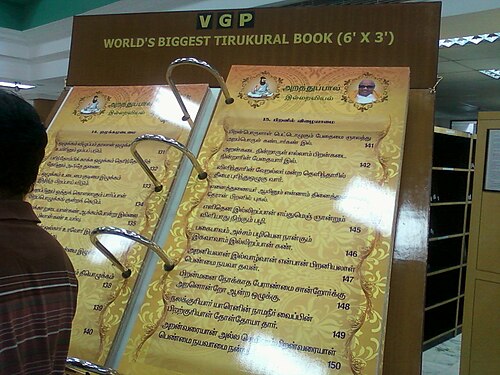
クラル語のテキストは、高度に圧縮された韻律形式を持ち、複雑に入り組んだクラル語のヴェンバ 韻律を採用している。この韻律は格言詩に非常に適していることで知られている。[217]ズヴェレビルが「簡潔さと凝縮の驚異」と呼ぶこの形式は、タミル語の構造的特性と密接に関係しており、歴史的に翻訳者にとって極めて困難なものであった。[218]クラル語を他の言語に翻訳することについて、ハーバート・アーサー・ポプリーは「どんな翻訳でも、原文の美しさと力強さを正当に表現することは不可能だ」と述べている。[219]クラル語のテキストのかなりの部分を翻訳した後、カール・グラウルは「どんな翻訳でも、その魅力的な効果を伝えることはできない。それはまさに銀の網目の中にある金のリンゴだ」と述べた。[29]ズヴェレビルは、翻訳を通じてクルアル連句に見られる格言を真に理解することは不可能であり、クルアルは元のタミル語の形で読んで理解する必要があると主張している。[40]
クルアルの翻訳にはこうした固有の困難さがあるほか、一部の学者はクルアル連句に独自の考えを読み込もうとしたり、自分の先入観に合わせるためにわざとメッセージを誤って解釈しようとしたりした。植民地時代以来のキリスト教宣教師による翻訳は、キリスト教の原理や信念に合わせるためにテキストを誤って解釈したとしばしば批判されている。たとえば、キリスト教宣教師ベスキ神父によるラテン語訳には、そうした誤訳がいくつか含まれている。 V. ラマサミによれば、「ベシは、 பிறவாழிを「悲惨な人生の海」と訳し、 பிறவிப்பெருங்கடல்という語句を「この誕生の海」と訳し、他の人はこれを「多くの誕生の海」と訳しています。ベシはこのように「悲惨の広大な海を泳ぐ人々」を意味しています。同じ魂が再生したり、何度も生まれ変わるという考えは、キリスト教の原則や信仰に反しています。」[220] 2022年8月、タミル・ナードゥ州知事RNラヴィは、英国国教会の宣教師GUポープが「インドの精神的知恵を『矮小化』するという植民地主義的な目的で翻訳した」結果、クルアール文書の「非精神化されたバージョン」が生まれたと批判した。[221]
ノーマン・カトラーによれば、クルアルは過去も現代も再解釈され、テキストのテキスト価値と著者の文化的価値を反映するように適合されてきた。[222]西暦1300年頃、タミルの学者パリメラルハガールは、このテキストをバラモン教の前提と用語で解釈した。[222]植民地時代のキリスト教宣教師がこの作品を自分たちのキリスト教の前提、フレーズ、概念に当てはめたのと同じように、現代のドラヴィダ学者の中には、自分たちの目的と社会政治的価値を推進するためにこの作品を再解釈し、当てはめている者もいる。これにより、元の作品の非常に異なる解釈が生み出された。[222] [223]
出版物

ティルックラクは、千年以上もの間、インド国外ではほとんど知られていなかった。古代インド亜大陸の慣習と同様に、ヤシの葉の写本に加えて、クルアル文学は、南インドのタミル語圏で、親から子へ、教師から生徒へと何世代にもわたって口頭で伝えられてきた。[224]サンジーヴィによると、この作品の最初の翻訳は、 1595年にマラヤーラム語(ケララ)で出版された。 [225] [226] [k]
ティルックラクの最初の紙印刷は1812年に遡り、ヤシの葉の文字を浮き彫りにした木の版木を使ってティルックラクとナラティヤールのコピーを作成したニャナピラカカールの功績とされています。[227]インド人が印刷機を設置することを許可されたのは1835年になってからでした。クルアルはタミル語で出版された最初の本であり、[228]ナラティヤールがそれに続きました。 [ 229 ]マドラス県の英国人公務員で、 1825年にマドラスにタミル語のサンガム(アカデミー)を設立したタミル語とサンスクリット語の学者であるフランシス・ホワイト・エリスが、タミル語愛好家に「出版のために古代タミル語の写本を持ってきてほしい」と頼んだとき、 [230]マドゥライ地区にいたと思われるヨーロッパ人公務員ジョージ・ハリントンの執事で、イヨティー・タスの祖父であるカンダパンが、1825年から1831年の間に料理に使う葉の山から見つけたクルアル本とティルヴァッルヴァ・マーライとナラディヤールの手書きのヤシの葉の写本を手渡したと言われている。これらの本は、エリスのマネージャーであるムトゥサミ・ピライとタミル語学者タンダヴァラヤ・ムダリアールの協力を得て、1831年に最終的に印刷された。[230]ティルックラクのその後の版は1833年、1838年、1840年、1842年に出版されました。 [30]すぐに多くの注釈書が出版され、その中には最初の24章のみを出版したマハリンガ・アイヤーによるものも含まれていました。[231]それ以来、クルアルは継続的に出版されてきました。[30] 1925年までに、クルアル文献はすでに65以上の版で出版され、 [30] 21世紀に入るまでには500版を超えました。[232]
ヒンズー教の僧院や個人のコレクションで発見された写本に基づく『ティルッカラル』の最初の批評版は、 1861年にジャフナ生まれのタミル学者でシヴァ派の活動家であるアルムカ・ナヴァラールによって出版された。[233] [234]ズヴェレビルによれば、ナヴァラールは「先駆者の中でもおそらく最も偉大で影響力のある人物」であり、19世紀に『クラル』や他の多くの歴史的なタミル語文献の研究のために多数の版を研究し、編集された分割サンディ版を出版した。 [234]
Parimelalhagar's commentary on the Tirukkuṟaḷ was published for the first time in 1840 and became the most widely published commentary ever since.[235] In 1850, the Kural was published with commentaries by Vedagiri Mudaliar, who published a revised version later in 1853.[231] This is the first time that the entire Kural text was published with commentaries.[231] In 1917, Manakkudavar's commentary for the first book of the Kural text was published by V. O. Chidambaram Pillai.[108][236] Manakkudavar commentary for the entire Kural text was first published in 1925 by K. Ponnusami Nadar.[237] As of 2013, Perimelalhagar's commentary appeared in more than 200 editions by as many as 30 publishers.[200]
Since the 1970s, the Kural text has been transliterated into ancient Tamil scripts such as the Tamil-Brahmi script, Pallava script, Vatteluttu script and others by Gift Siromoney of the International Institute of Tamil Studies at the Madras Christian College.[238][239]
Comparison with other ancient literature

The Kural text is a part of the ancient Tamil literary tradition, yet it is also a part of the "one great Indian ethical, didactic tradition", as a few of his verses are "undoubtedly" translations of the verses in Sanskrit classics.[41] The themes and ideas in Tirukkuṟaḷ – sometimes with close similarities and sometimes with significant differences – are also found in Manu's Manusmriti (also called the Manavadharmasastra), Kautilya's Arthashastra, Kamandaka's Nitisara, and Vatsyayana's Kamasutra.[1] Some of the teachings in the Tirukkuṟaḷ, states Zvelebil, are "undoubtedly" based on the then extant Sanskrit works such as the more ancient Arthashastra and Manusmriti.[39]
According to Zvelebil, the Tirukkuṟaḷ borrows "a great number of lines" and phrases from earlier Tamil texts. For example, phrases found in Kuruntokai (lit. "The Collection of Short [Poems]") and many lines in Narrinai (lit. "The Excellent Love Settings") which starts with an invocation to Vishnu, appear in the later Tirukkuṟaḷ.[240] Authors who came after the composition of the Tirukkuṟaḷ similarly extensively quoted and borrowed from the Tirukkuṟaḷ. For example, the Prabandhas such as the Tiruvalluvamalai probably from the 10th century CE are anthologies on Tirukkuṟaḷ, and these extensively quote and embed it verses written in meters ascribed to gods, goddesses, and revered Tamil scholars.[241] Similarly, the love story Perunkatai (lit. "The Great Story") probably composed in the 9th century quotes from the Tirukkuṟaḷ and embeds similar teachings and morals.[242] Verse 22.59–61 of the Manimekalai – a Buddhist-princess and later nun based love story epic, likely written about the 6th century CE, also quotes the Tirukkuṟaḷ. This Buddhist epic ridicules Jainism while embedding morals and ideals similar to those in the Kural.[243]
The Tirukkuṟaḷ teachings are similar to those found in Arthasastra but differ in some important aspects. In Valluvar's theory of state, unlike Kautilya, the army (patai) is the most important element. Valluvar recommends that a well kept and well-trained army (patai) led by an able commander and ready to go to war is necessary for a state.[145]
According to Hajela, the Porul of the Kural text is based on morality and benevolence as its cornerstones.[244] The Tirukkuṟaḷ teaches that the ministers and people who work in public office should lead an ethical and moral life.[142] Unlike the Manusmriti, the Kural does not give women a lowly and dependent position but are rather idealised.[140] The Tirukkuṟaḷ also does not give importance to castes or any dynasty of rulers and ministers. The text states that one should call anyone with virtue and kindness a Brahmin.[245]
World literature
Scholars compare the teachings in the Tirukkuṟaḷ with those in other ancient thoughts such as the Confucian sayings in Lun Yu, Hitopadesa, Panchatantra, Manusmriti, Tirumandiram, Book of Proverbs in the Bible, sayings of the Buddha in Dhammapada, and the ethical works of Persian origin such as Gulistan and Bustan, in addition to the holy books of various religions.[246]
The Kural text and the Confucian sayings recorded in the classic Analects of Chinese (called Lun Yu, meaning "Sacred Sayings") share some similarities. Both Valluvar and Confucius focused on the behaviors and moral conducts of a common person. Similar to Valluvar, Confucius advocated legal justice embracing human principles, courtesy, and filial piety, besides the virtues of benevolence, righteousness, loyalty and trustworthiness as foundations of life.[247] While ahimsa or non-violence remains the fundamental virtue of the Valluvarean tradition, Zen remains the central theme in Confucian tradition.[16][248] Incidentally, Valluvar differed from Confucius in two respects. Firstly, unlike Confucius, Valluvar was also a poet. Secondly, Confucius did not deal with the subject of conjugal love, for which Valluvar devoted an entire division in his work.[249] Child-rearing is central to the Confucian thought of procreation of humanity and the benevolence of society. The Lun Yu says, "Therefore an enlightened ruler will regulate his people's livelihood so as to ensure that, above they have enough to serve their parents and below they have enough to support their wives and children."[250][l]
Reception
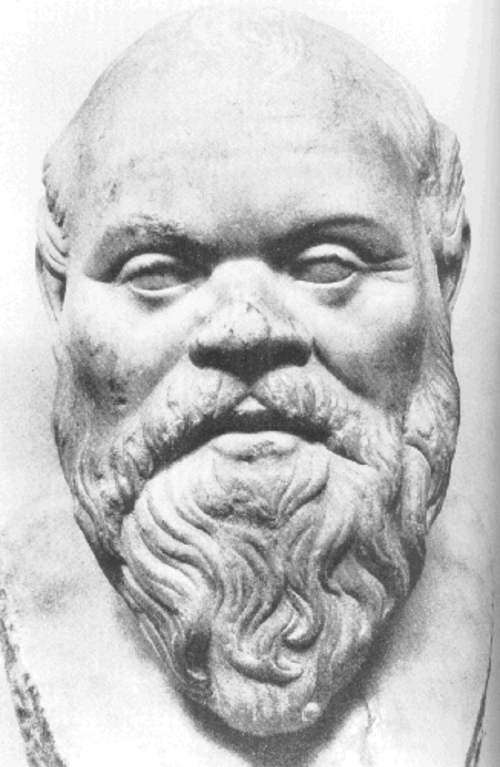
Depictions of Valluvar down the ages. Left: A Shaivite portrait of Valluvar; Right: Statue of Valluvar within the SOAS, University of London campus.
The Kural text has historically received highly esteemed reception from virtually every section of the society. Many post-Sangam and medieval poets have sung in praise of the Kural text and its author. Avvaiyar praised Valluvar as the one who pierced an atom and injected seven seas into it and then compressed it and presented it in the form of his work, emphasizing on the work's succinctness.[26][251][252] The Kural remains the only work that has been honored with an exclusive work of compiled paeans known as the Tiruvalluva Maalai in the Tamil literary corpus, attributed to 55 different poets, including legendary ones.[26] All major Indian religions and sects, including Shaivism, Vaishnavism, Jainism, and Buddhism, have greatly celebrated the Kural text, many of which incorporated Kural's teachings in both their religious and non-religious works, including the Silappathikaram, Manimekalai, Tirumurai, Periya Puranam, and Kamba Ramayanam.[253]
The Kural has been widely acknowledged within and outside India for its universal, non-denominational values.[126][251] The Russian philosopher Alexander Piatigorsky called it chef d'oeuvre of both Indian and world literature "due not only to the great artistic merits of the work but also to the lofty humane ideas permeating it which are equally precious to the people all over the world, of all periods and countries."[254] G. U. Pope called its author "a bard of universal man" for being a generalist and universal.[83][255] According to Albert Schweitzer, "there hardly exists in the literature of the world a collection of maxims in which we find so much of lofty wisdom."[251][256] Leo Tolstoy called it "the Hindu Kural" and recommended it to Mahatma Gandhi.[257][258] Mahatma Gandhi called it "a textbook of indispensable authority on moral life" and went on to say, "The maxims of Valluvar have touched my soul. There is none who has given such a treasure of wisdom like him."[251]
"I wanted to learn Tamil, only to enable me to study Valluvar's Thirukkural through his mother tongue itself ... Only a few of us know the name of Thiruvalluvar. The North Indians do not know the name of the great saint. There is no one who has given such treasure of wisdom like him." ... "It is a text-book of indispensable authority on moral life. The maxims of Valluvar have touched my soul."
— Mahatma Gandhi[259]
Jesuit, Catholic and Protestant missionaries in colonial-era South India have highly praised the text, many of whom went on to translate the text into European languages. The Protestant missionary Edward Jewitt Robinson said that the Kural contains all things and there is nothing which it does not contain.[251] The Anglican missionary John Lazarus said, "No Tamil work can ever approach the purity of the Kural. It is a standing repute to modern Tamil."[251] According to the American Christian missionary Emmons E. White, "Thirukkural is a synthesis of the best moral teachings of the world."[251]
The Kural has also been exalted by leaders of political, spiritual, social, ethical, religious and other domains of the society since ancient times. Rajaji commented, "It is the gospel of love and a code of soul-luminous life. The whole of human aspiration is epitomized in this immortal book, a book for all ages."[251] According to K. M. Munshi, "Thirukkural is a treatise par excellence on the art of living."[251] The Indian nationalist and Yoga guru Sri Aurobindo stated, "Thirukkural is gnomic poetry, the greatest in planned conception and force of execution ever written in this kind."[251] E. S. Ariel, who translated and published the third part of the Kural to French in 1848, called it "a masterpiece of Tamil literature, one of the highest and purest expressions of human thought."[47] Zakir Hussain, former President of India, said, "Thirukkural is a treasure house of worldly knowledge, ethical guidance and spiritual wisdom."[251]
Inscriptions and other historical records
The Tirukkuṟaḷ remained the chief administrative text of the Kongu Nadu region of the medieval Tamil land.[260] Kural inscriptions and other historical records are found across Tamil Nadu. The 15th-century Jain inscriptions in the Ponsorimalai near Mallur in Salem district bear couplet 251 from the "Shunning meat" chapter of the Kural text, indicating that the people of the Kongu Nadu region practiced ahimsa and non-killing as chief virtues.[261] Other inscriptions include the 1617 CE Poondurai Nattar scroll in Kongu Nadu, the 1798 CE Palladam Angala Parameshwari Kodai copper inscriptions in Naranapuram in Kongu Nadu, the 18th-century copper inscriptions found in Kapilamalai near Kapilakkuricchi town in Namakkal district, Veeramudiyalar mutt copper inscriptions in Palani, Karaiyur copper inscription in Kongu Nadu, Palaiyakottai records, and the 1818 Periya Palayathamman temple inscriptions by Francis Ellis at Royapettah in Chennai.[262]
In popular culture

Various portraits of Valluvar have been drawn and used by the Shivaite and Jain communities of Tamil Nadu since ancient times. These portraits appeared in various poses, with Valluvar's appearance varying from matted hair to fully shaven head. The portrait of Valluvar with matted hair and a flowing beard, as drawn by artist K. R. Venugopal Sharma in 1960, was accepted by the state and central governments as an official version.[263] It soon became a popular and the most ubiquitous modern portrait of the poet.[160] In 1964, the image was unveiled in the Indian Parliament by the then President of India Zakir Hussain. In 1967, the Tamil Nadu government passed an order stating that the image of Valluvar should be present in all government offices across the state of Tamil Nadu.[264][m]
The Kural does not appear to have been set in music by Valluvar. However, a number of musicians have set it to tune and several singers have rendered it in their concerts. Modern composers who have tuned the Kural couplets include Mayuram Viswanatha Sastri and Bharadwaj. Singers who have performed full-fledged Tirukkuṟaḷ concerts include M. M. Dandapani Desikar and Chidambaram C. S. Jayaraman.[265] Madurai Somasundaram and Sanjay Subramanian are other people who have given musical rendering of the Kural. Mayuram Vishwanatha Shastri set all the verses to music in the early 20th century.[266] In January 2016, Chitravina N. Ravikiran set the entire 1330 verses to music in a record time of 16 hours.[265][267]

In 1818, the then Collector of Madras Francis Whyte Ellis issued a gold coin bearing Valluvar's image.[268][n][o] In the late 19th century, the South Indian saint 'Vallalar' Ramalinga Swamigal taught the Kural's message by conducting regular Kural classes to the masses.[231] In 1968, the Tamil Nadu government made it mandatory to display a Kural couplet in all government buses. The train running a distance of 2,921 kilometers between Kanyakumari and New Delhi is named by the Indian Railways as the Thirukural Express.[269]
The Kural is part of Tamil people's everyday life across the global Tamil diaspora. K. Balachander's Kavithalayaa Productions opened its films with the very first couplet of the Kural sung in the background.[265] Kural's phrases and ideas are found in numerous songs of Tamil movies.[270] Several Tirukkuṟaḷ conferences were conducted in the twentieth century, such as those by Tirukkural V. Munusamy in 1941[271] and by Periyar E. V. Ramasamy in 1949.[272] These were attended by several scholars, celebrities and politicians.[273] The Kural's couplets and thoughts are also widely employed in visual arts,[274][275] music,[265] dance,[276] street shows,[277] recitals,[278][279] activities,[280] and puzzles and riddles.[281] The couplets are frequently quoted by various political leaders even in pan-Indian contexts outside the Tamil diaspora, including Ram Nath Kovind,[282] P. Chidambaram,[283] and Nirmala Sitaraman.[283][284] When Jallikattu aficionados claimed that the sport is only to demonstrate the "Tamil love for the bull", the then Indian Minister of Women and Child Development Maneka Gandhi denied the claim citing that the Tirukkural does not sanction cruelty to animals.[285][286] The Indian Prime Minister Narendra Modi has quoted the couplets on several occasions,[287] including his recital to the Indian armed forces in 2020.[288] The Kural literature is one of the ancient texts from which the Economic Survey of India, the official annual report of the state of India's economy, draws heavy references.[289][290][291]
Temples and memorials
Valluvar shrines and monuments styled after Hindu temples are found in various parts of Tamil Nadu. The Valluvar Kottam in Chennai (left) is modeled as a Hindu temple ceremonial chariot, with Valluvar sitting inside.[292] It is connected to a kalyana mandapa (wedding hall), and features all 1330 Tirukkuṟaḷ couplets inscribed on perimeter pillar walls (right).[292]
The Kural text and its author have been highly venerated over the centuries. In the early 16th century, the Shaiva Hindu community built a temple within the Ekambareeswara-Kamakshi (Shiva-Parvati) temple complex in Mylapore, Chennai, in honor of the Tirukkuṟaḷ's author, Valluvar.[59] The locals believe that this is where Valluvar was born, underneath a tree within the shrine's complex. A Valluvar statue in yoga position holding a palm leaf manuscript of the Tirukkuṟaḷ sits under the tree.[59] In the shrine dedicated to him, Valluvar's wife Vasukiamma is patterned after the Hindu deity Kamakshi inside the sanctum. The temple shikhara (spire) above the sanctum shows scenes of Hindu life and deities, along with Valluvar reading his couplets to his wife.[59] The sthala vriksham (holy tree of the temple) at the temple is the oil-nut or iluppai tree under which Valluvar is believed to have been born.[293] The temple was extensively renovated in the 1970s.[294]

Additional Valluvar shrines in South India are found at Tiruchuli,[295][296] Periya Kalayamputhur, Thondi, Kanjoor Thattanpady, Senapathy, and Vilvarani.[297] Many of these communities, including those in Mylapore and Tiruchuli, consider Valluvar as the 64th Nayanmar of the Saivite tradition and worship him as god and saint.[295][298]
In 1976, Valluvar Kottam, a monument to honor the Kural literature and its author, was constructed in Chennai.[292] The chief element of the monument includes a 39-metre-high (128 ft) chariot, a replica of the chariot in the temple town of Thiruvarur, and it contains a life-size statue of Valluvar. Around the chariot's perimeter are marble plates inscribed with Tirukkuṟaḷ couplets.[292] All the 1,330 verses of the Kural text are inscribed on bas-relief in the corridors in the main hall.[299]
Statues of Valluvar have been erected across the globe, including the ones at Kanyakumari, Chennai, Bengaluru, Pondicherry, Vishakapatnam, Haridwar, Puttalam, Singapore, London and Taiwan.[300][301] The tallest of these is the 41-metre (133 ft) stone statue of Valluvar erected in 2000 atop a small island in the town of Kanyakumari on the southernmost tip of the Indian peninsula, at the confluence of the Bay of Bengal, the Arabian Sea, and the Indian Ocean.[302] This statue is currently India's 25th tallest. A life-size statue of Valluvar is one among an array of statues installed by the Tamil Nadu government on the stretch of the Marina Beach.[303]
Legacy

The Kural remains one of the most influential Tamil texts admired by generations of scholars.[225] The work has inspired Tamil culture and people from all walks of life, generating parallels in the literature of various languages within the Indian subcontinent.[304] Its translations into European languages starting from the early 18th century made the work known globally.[305] Authors influenced by the Kural include Ilango Adigal, Seethalai Satthanar, Sekkilar, Kambar, Leo Tolstoy, Mahatma Gandhi, Albert Schweitzer, Ramalinga Swamigal, E. S. Ariel, Constantius Joseph Beschi, Karl Graul, August Friedrich Caemmerer, Nathaniel Edward Kindersley, Francis Whyte Ellis, Charles E. Gover, George Uglow Pope, Vinoba Bhave, Alexander Piatigorsky, A. P. J. Abdul Kalam, and Yu Hsi. Many of these authors have translated the work into their languages.[305][306]
The Kural is an oft-quoted Tamil work.[29] Classical Tamil works such as the Purananuru, Manimekalai, Silappathikaram, Periya Puranam, and Kamba Ramayanam all cite the Kural by various names, bestowing numerous titles to the work that was originally untitled by its author.[253] Kural couplets and thoughts are cited in 32 instances in the Purananuru, 35 in Purapporul Venba Maalai, 1 each in Pathittrupatthu and the Ten Idylls, 13 in the Silappathikaram, 91 in the Manimekalai, 20 in Jivaka Chinthamani, 12 in Villi Bharatham, 7 in Thiruvilaiyadal Puranam, and 4 in Kanda Puranam.[307] In Kamba Ramayanam, poet Kambar has used Kural ideas in as many as 600 instances.[308][309] The work is commonly quoted in vegetarian conferences, both in India and abroad,[310][311] and is frequently cited on social media and online forums involving discussions on the topics of animal rights, non-killing, and shunning meat.[312]
The Kural text was first included in the school syllabus by the colonial-era British government.[313] However, only select 275 couplets had been taught to the schoolchildren from Standards III through XII.[314] Attempts to include the Kural literature as a compulsory subject in schools were ineffective in the decades following Indian Independence.[315] On 26 April 2016, the Madras High Court directed the Tamil Nadu state government to include all the 108 chapters of the Books of Aram and Porul of the Kural text in school syllabus for classes VI through XII from the academic year 2017–2018 "to build a nation with moral values."[315][316] The court further observed, "No other philosophical or religious work has such moral and intellectual approach to problems of life."[317]
The Kural is believed to have inspired many, including Mahatma Gandhi, to pursue the path of ahimsa or non-violence.[318] Leo Tolstoy was inspired by the concept of non-violence found in the Kural when he read a German version of the book, who in turn instilled the concept in Mahatma Gandhi through his A Letter to a Hindu when young Gandhi sought his guidance.[251][257][319] Gandhi then took to studying the Kural in prison, which eventually culminated in his starting the non-violence movement to fight against the ruling British government.[26] The 19th-century poet-saint 'Vallalar' Ramalinga Swamigal was inspired by the Kural at a young age, who then spent his life promoting compassion and non-violence, emphasizing on non-killing and meatless way of life.[306][320]
See also
Philosophy Series Sidebar
Notes
a. ^ The Kural strictly insists on moral vegetarianism,[17][248] the doctrine that humans are morally obligated to refrain from eating meat or harming sentient beings,[21][321] which is equated to veganism of today.[17][322] The concept of ahimsa or இன்னா செய்யாமை, which remains the moral foundation of vegetarianism and veganism, is described in the Kural chapter on non-violence (Chapter 32).[21][323][324] For modern philosophers' take on this, see, for example, Engel's "The Immorality of Eating Meat" (2000).[321]
b. ^ For examples of Sanskrit loan words, see Zvelebil's The Smile of Murugan.[325]
c. ^ The Valluvar Year is obtained by adding 31 years to the present Gregorian year.[46][326]
d. ^ Nallaswamy Pillai declares Pope's claim as "an absurd literary anachronism" and says that the first two books of the Kural in particular are "a stumbling block which can browbeat the most sublime ideas of Christian morality."[327] John Lazarus observes that, in stark contrast to the Bible's concept of killing, which refers only to the taking away of human life, the Kural's concept of killing "deals exclusively with the literal taking away of life"[63] and thus applies to both humans and animals.[153][154]
e. ^ Quote: "Non-killing is an absolute virtue (aram) in the Arattuppal (the glory of virtue section), but the army's duty is to kill in battle and the king has to execute a number of criminals in the process of justice. In these cases, the violations of the aram [in the earlier section] are justified [by Thiruvalluvar] in virtue of the special duties cast on the king and the justification is that 'a few wicked must be weeded out to save the general public' (TK 550)."[73]
f. ^ The couplets are generally numbered in a linear fashion across the three books, covering all the 1,330 couplets. They can also be denoted by their chapter number and couplet number within the chapter. Thus, the third couplet in Chapter 104 (Agriculture), for instance, can be numbered either as 1033 or, less commonly, as 104:3. Since the medieval commentators have variously changed the chapter ordering within the books of the Kural text and couplet ordering within the chapters, the present numbering of the chapters and couplets is not the author's.[114]
g. ^ Avvaiyar's Gnanakural and Umapathi Shivachariyar's Tiruvarutpayan, both of which appeared centuries later, further the ideas of the Kural's chapters on veedu or moksha and are considered as Veettuppāl (Books of Salvation).[328]
h. ^ The doctrine of nishkama karma in Hinduism states that the dharmic householder can achieve the same goals as the renouncing monk through "inner renunciation", that is "motiveless action."[329][330][331] Cf. Kural 629: "He who never exulted in joy will not be depressed by sorrow."[332] This is recommended by the Bhagavad Gita as well, which discusses and synthesizes the three dominant trends in Hinduism, namely, enlightenment-based renunciation, dharma-based householder life, and devotion-based theism, and this synthetic answer of the Gita recommends that one must resist the "either–or" view, and consider a "both–and" view.[333][334][335]
i. ^ As observed by P. S. Sundaram in the introduction to his work, while "all other sins may be redeemed, but never ingratitude," Valluvar couldn't understand "how anyone could wish to fatten himself by feeding on the fat of others."[20]
j. ^ Commentary – sometimes referred to as bhashya in the Indian tradition – refers to explanations and interpretations of aphoristic texts. These are written by various scholars to develop, comment on and expound the terse ideas such as a kural or a sutra or any text of significant significance (e.g. Jain, Hindu and Buddhist scriptures).[336][337][338]
k. ^ This translation was published in the bulletin of the Rama Varma Research Institute, Vol. VI, Pt. II; Vol. VIII, Pt., Vol. IX, Pt. I in 1938, 1940, and 1941, respectively.[339]
l. ^ Compare this with Chapter 7 of the Tirukkuṟaḷ—the Kural chapter on bearing children.[340]
m. ^ Government of Tamil Nadu, G. O. Ms. 1193, dated 1967.[264]
n. ^ A stone inscription found on the walls of a well at the Periya Palayathamman temple at Royapettai indicates Ellis' regard for Valluvar. It is one of the 27 wells dug on the orders of Ellis in 1818, when Madras suffered a severe drinking water shortage. In the long inscription Ellis praises Valluvar and uses a couplet from the Tirukkuṟaḷ to explain his actions during the drought. When he was in charge of the Madras treasury and mint, he also issued a gold coin bearing Valluvar's image. The Tamil inscription on his grave makes note of his commentary of Tirukkuṟaḷ.[341][342]
o. ^ The original inscription in Tamil written in the asiriyapa metre and first-person perspective: (The kural couplet he quotes is in italics)[342][343]
சயங்கொண்ட தொண்டிய சாணுறு நாடெனும் | ஆழியில் இழைத்த வழகுறு மாமணி | குணகடன் முதலாக குட கடலளவு | நெடுநிலம் தாழ நிமிர்ந்திடு சென்னப் | பட்டணத்து எல்லீசன் என்பவன் யானே | பண்டாரகாரிய பாரம் சுமக்கையில் | புலவர்கள் பெருமான் மயிலையம் பதியான் | தெய்வப் புலமைத் திருவள்ளுவனார் | திருக்குறள் தன்னில் திருவுளம் பற்றிய் | இருபுனலும் வாய்த்த மலையும் வருபுனலும் | வல்லரணும் நாட்டிற் குறுப்பு | என்பதின் பொருளை என்னுள் ஆய்ந்து | ஸ்வஸ்திஸ்ரீ சாலிவாகன சகாப்த வரு | ..றாச் செல்லா நின்ற | இங்கிலிசு வரு 1818ம் ஆண்டில் | பிரபவாதி வருக்கு மேற் செல்லா நின்ற | பஹுதான்ய வரு த்தில் வார திதி | நக்ஷத்திர யோக கரணம் பார்த்து | சுப திநத்தி லிதனோ டிருபத்தேழு | துரவு கண்டு புண்ணியாஹவாசநம் | பண்ணுவித்தேன்.
Citations
- ^ a b c d e f g Sundaram 1990, pp. 7–16.
- ^ Zvelebil 1973, pp. 156–168.
- ^ a b Kovaimani and Nagarajan, 2013, p. 115.
- ^ Pillai, 1994.
- ^ a b c Blackburn 2000, pp. 449–482.
- ^ Zvelebil 1973, pp. 157–158.
- ^ Lal 1992, pp. 4333–4334, 4341.
- ^ a b c Holmström, Krishnaswamy, and Srilata, 2009, p. 5.
- ^ a b c d Zvelebil 1975, p. 124.
- ^ a b c d e f g h i Zvelebil 1973, p. 156.
- ^ Cutler, 1992.
- ^ a b Chakravarthy Nainar, 1953.
- ^ a b Krishna, 2017.
- ^ a b Thani Nayagam, 1971, p. 252.
- ^ a b Sanjeevi, 2006, p. 84.
- ^ a b c Krishnamoorthy, 2004, pp. 206–208.
- ^ a b c Dharani 2018, p. 101.
- ^ a b Das 1997, pp. 11–12.
- ^ a b c d e Zvelebil 1973, pp. 156–171.
- ^ a b c Sundaram 1990, p. 13.
- ^ a b c Zvelebil 1973, pp. 160–163.
- ^ Hikosaka & Samuel 1990, p. 200.
- ^ Ananthanathan, 1994, pp. 151–154.
- ^ Kaushik Roy 2012, pp. 151–154.
- ^ a b c d e f g Lal 1992, pp. 4333–4334.
- ^ a b Thamizhannal, 2004, p. 146.
- ^ Sundaramurthi, 2000, p. 624.
- ^ a b c d Maharajan, 2017, p. 19.
- ^ a b c d Kovaimani and Nagarajan, 2013, p. 29.
- ^ a b Chellammal, 2015, p. 119.
- ^ Sundaram 1987, pp. 7–16.
- ^ Nedunchezhiyan, 1991, p. vii.
- ^ a b Kowmareeshwari, 2012a, pp. iv–vi.
- ^ Winslow, 1862.
- ^ Takahashi, 1999, pp. 53–54.
- ^ a b Zvelebil 1975, p. 124 with footnotes.
- ^ a b c d Zvelebil 1973, pp. 170–171.
- ^ a b Zvelebil 1973, p. 169.
- ^ a b Zvelebil 1973, p. 171.
- ^ a b Blackburn 2000, p. 454 with footnote 7.
- ^ Arumugam, 2014, pp. 5, 15.
- ^ Thamizhannal, 2004, p. 141.
- ^ Hindustan Times, 16 January 2020.
- ^ a b Thiruvalluvar Ninaivu Malar, 1935, p. 117.
- ^ a b Pope, 1886, p. i (Introduction).
- ^ Tamil Virtual University, n.d.
- ^ Pillai, 2015, p. 83.
- ^ a b Zvelebil 1973, p. 155.
- ^ a b Zvelebil 1975, p. 125.
- ^ Ramakrishnan, The Hindu, 6 November 2019, p. 4.
- ^ Blackburn 2000, pp. 456–457.
- ^ a b Blackburn 2000, pp. 458–464.
- ^ Zvelebil 1975, pp. 124–125.
- ^ Pavanar, 2017, pp. 24–26.
- ^ a b Blackburn 2000, pp. 460–464.
- ^ Blackburn 2000, pp. 459–464.
- ^ a b c d e Waghorne, 2004, pp. 120–125.
- ^ Desikar, 1969, pp. 128–130.
- ^ a b Pillai, 2015, p. 75.
- ^ Schweitzer, 2013, pp. 200–205 (cited in Shakti, Volume 5, 1968, p. 29).
- ^ a b Kaushik Roy 2012, pp. 152–154, context: 144–154 (Chapter: Hinduism and the Ethics of Warfare in South Asia).
- ^ a b Swamiji Iraianban 1997, p. 13.
- ^ a b Sundaram 1990, pp. xiii–xvii, Appendix note on verse 1103.
- ^ a b c Johnson, 2009.
- ^ Blackburn 2000, pp. 463–464.
- ^ Chakravarthy, 1953.
- ^ Zvelebil 1974, p. 119 with footnote 10.
- ^ Aravindan 2018, p. 384.
- ^ a b Ananthanathan, 1994, p. 325.
- ^ Kovaimani and Nagarajan, 2013, pp. 145–148.
- ^ a b Natarajan, 2008, pp. 4–5.
- ^ Blackburn 2000, pp. 464–465.
- ^ Ricard, 2016, p. 27.
- ^ Manninezhath, 1993, pp. 78–79.
- ^ Muniapan and Rajantheran, 2011, p. 462.
- ^ Natarajan, 2008, pp. 1–6.
- ^ Zvelebil 1973, pp. 155–156.
- ^ a b c d e Kovaimani and Nagarajan, 2013, p. 489.
- ^ a b c d e f Kumar, 1999, pp. 91–92.
- ^ a b c d Mukherjee, 1999, pp. 392–393.
- ^ Drew, 1840.
- ^ Than, 2011, p. 113.
- ^ DT Next, 22 February 2021.
- ^ Nivetha, DT Next, 5 February 2024.
- ^ a b Vanmeegar, 2012, pp. vii–xvi.
- ^ Nagarajan, The Hindu, 14 August 2012.
- ^ K. V. Nagarajan 2005, pp. 123–124.
- ^ Lal 1992, pp. 4333, 4341.
- ^ Pillai, 2015, pp. 77–78.
- ^ a b Srinivasachari 1949, p. 15.
- ^ Pillai, 1972, pp. 5–7.
- ^ Kandasamy, 2017, p. 9.
- ^ a b c d Sharma, 2018, pp. 119–121.
- ^ Kovaimani and Nagarajan, 2013, p. 19.
- ^ Amaladass, 2007, p. 16.
- ^ Vijayaraghavan, The Economic Times, 22 September 2005.
- ^ a b c Zvelebil 1973, pp. 158–160.
- ^ a b c d e f g Zvelebil 1973, pp. 158–163.
- ^ a b Desikar, 1969, p. 73.
- ^ Aravindan 2018, pp. 105, 346–348.
- ^ Jagannathan, 2014, pp. 32–33.
- ^ Anandan, 2018, p. 137.
- ^ a b c d e Kumaravelan 2008, pp. 4–17.
- ^ Aravindan 2018, p. 342.
- ^ a b Zvelebil 1973, p. 158.
- ^ Aravindan 2018, pp. 342–343.
- ^ Kandasamy 2020, p. 16.
- ^ Aravindan 2018, pp. 344–345.
- ^ a b c Aravindan 2018, pp. 346–348.
- ^ Vamanan, The Times of India, 1 November 2021.
- ^ a b Gopalakrishnan, 2012, p. 144.
- ^ The Hindu (Tamil), 16 January 2014.
- ^ a b c Kandasamy, 2017, p. 12.
- ^ a b Kandasamy, 2017, pp. 12–13.
- ^ Kandasamy, 2017, p. 13.
- ^ Zvelebil 1973, p. 163.
- ^ Zvelebil 1973, p. 159.
- ^ Mahadevan, 1985, p. 187.
- ^ Lal 1992, p. 4333.
- ^ Lal 1992, p. 4341.
- ^ a b Chatterjee, 2021, p. 77.
- ^ a b Zvelebil 1973, p. 168.
- ^ a b c Hajela, 2008, p. 895.
- ^ Gopalakrishnan, 2012, pp. 29–31, 44.
- ^ Gopalakrishnan, 2012, pp. 49, 54.
- ^ Aiyar, 1916, p. 69.
- ^ Kandasamy, 2017, pp. 10–12.
- ^ Desikar, 1969, p. 42.
- ^ Alathur Kilar, pp. Verse 34.
- ^ Kowmareeshwari, 2012b, pp. 46–47.
- ^ Velusamy and Faraday, 2017, p. 55.
- ^ Valluvar, pp. Verse 37.
- ^ Visveswaran, 2016, pp. ix–xi.
- ^ a b c Schweitzer, 2013, pp. 200–205.
- ^ Gautam and Mishra, 2023.
- ^ a b Kumar, 1999, p. 92.
- ^ K. V. Nagarajan 2005, pp. 124–130.
- ^ Ananthanathan, 1994, p. 316.
- ^ a b c d e f Kaushik Roy 2012, pp. 144–151, 152–154.
- ^ Sivagnanam, 1974, p. 8.
- ^ Sundaramurthi, 2000, pp. 403–408.
- ^ Mahadevan, 1985, pp. 193–195.
- ^ Sivagnanam, 1974, pp. 10–11, 96.
- ^ Kovaimani and Nagarajan, 2013, pp. 176–181, 328–334.
- ^ Joshi, 2021, p. 5.
- ^ Maharajan, 2017, p. 86.
- ^ a b Maharajan, 2017, p. 72.
- ^ a b Anandan, 2018, p. 319.
- ^ Lal 1992, pp. 4341–4342.
- ^ a b Sethupillai, 1956, pp. 34–36.
- ^ Kovaimani and Nagarajan, 2013, p. 556.
- ^ Jagannathan, 2014, pp. 162–163.
- ^ a b Parthasarathy, The Hindu, 12 December 2015.
- ^ K. V. Nagarajan 2005, pp. 125–127.
- ^ Subramaniam 1963, pp. 162–174.
- ^ Sensarma, 1981, pp. 40–42.
- ^ K. V. Nagarajan 2005, pp. 126–127.
- ^ Pandey, Times Now, 1 February 2020.
- ^ John Lazarus 1885, p. 253.
- ^ Ananthanathan, 1994, p. 321.
- ^ a b c K. V. Nagarajan 2005, pp. 124–125.
- ^ K. V. Nagarajan 2005, pp. 124–126.
- ^ Muniapan and Rajantheran, 2011, pp. 124–126.
- ^ Robinson 2001.
- ^ a b c Kovaimani and Nagarajan, 2013, p. 167.
- ^ Desikar, 1969, pp. 109–111.
- ^ Kovaimani and Nagarajan, 2013, pp. 330–331.
- ^ Kovaimani and Nagarajan, 2013, p. 333.
- ^ Sethupillai, 1956, pp. 35–36.
- ^ Kovaimani and Nagarajan, 2013, pp. 269, 325.
- ^ Sundaram 1990, p. 56.
- ^ Sundaram 1990, p. 81.
- ^ Kovaimani and Nagarajan, 2013, pp. 307, 452.
- ^ Sundaram 1990, p. 25.
- ^ Sundaram 1990, p. 31.
- ^ Aravindan 2018, pp. 384–385.
- ^ a b c Aravindan 2018, p. 337.
- ^ Aravindan 2018, pp. 337–338.
- ^ Natarajan, 2008, p. 2.
- ^ Perunchithiranar, 1933, p. 259.
- ^ Maharajan, 2017, p. 8.
- ^ a b Zvelebil 1975, p. 126 with footnotes.
- ^ a b Cutler, 1992, pp. 558–561, 563.
- ^ a b Aravindan 2018, p. 339.
- ^ Balasubramanian, 2016, p. 129.
- ^ Nedunchezhiyan, 1991, p. ix.
- ^ Iraikuruvanar, 2009, pp. 53–59.
- ^ Mohan and Sokkalingam, 2011, pp. 15–16.
- ^ a b Chellammal, 2015, p. 123.
- ^ Kolappan, The Hindu, 3 October 2019.
- ^ Kolappan, The Hindu, 18 October 2015.
- ^ Kolappan, The Hindu, 2 October 2017.
- ^ a b Kovaimani and Nagarajan, 2013, p. 469.
- ^ Kovaimani and Nagarajan, 2013, p. 463.
- ^ a b Graul, 1856.
- ^ Zvelebil 1975, pp. 126–127 with footnotes.
- ^ a b Zvelebil 1975, p. 127 with footnote 99.
- ^ Ramasamy 2001, pp. 28–47.
- ^ Ramasamy 2001, pp. 30–31.
- ^ Blackburn 2006, pp. 92–95.
- ^ Zvelebil 1992.
- ^ Robinson 2001, p. 4.
- ^ Ramasamy 2001, p. 31.
- ^ Ramasamy 2001, p. 32.
- ^ Ramasamy 2001, p. 36.
- ^ The Hindu, 25 March 2013.
- ^ Dinamalar, 20 October 2021.
- ^ Parthasarathy et al., 2023, pp. 19–20.
- ^ Zvelebil 1973, p. 166.
- ^ Zvelebil 1973, p. 167.
- ^ Popley, 1931, p. x.
- ^ Ramasamy 2001, p. 33.
- ^ Deccan Herald, 25 August 2022.
- ^ a b c Cutler, 1992, pp. 549–554.
- ^ Blackburn 2000, pp. 449–457.
- ^ Mohan and Sokkalingam, 2011, p. 11.
- ^ a b Sanjeevi, 2006, pp. 44–49.
- ^ Pallu, Mohanty and Durga, 2023.
- ^ Zvelebil 1992, p. 160.
- ^ Madhavan, The Hindu, 21 June 2010.
- ^ Kovaimani and Nagarajan, 2013, p. 184.
- ^ a b Geetha & Rajadurai 1993, p. 2094.
- ^ a b c d Kolappan, The Hindu, 3 October 2018.
- ^ Kovaimani and Nagarajan, 2013, p. 313.
- ^ R Parthasarathy 1993, pp. 347–348.
- ^ a b Zvelebil 1992, pp. 153–157 with footnotes.
- ^ John Lazarus 1885.
- ^ Manakkudavar, 1917.
- ^ Pillai, 2015, p. 76.
- ^ Siromoney et al. 1976.
- ^ Siromoney, Govindaraju & Chandrashekaran 1980.
- ^ Zvelebil 1975, pp. 15–16.
- ^ Zvelebil 1975, pp. 58–59.
- ^ Zvelebil 1975, pp. 135–136.
- ^ Zvelebil 1975, pp. 140–141 with footnotes.
- ^ Hajela, 2008, pp. 901–902.
- ^ Kaushik Roy 2012, p. 153.
- ^ R. Nagaswamy, Dinamalar, 23 December 2018.
- ^ Balasubramanian, 2016, pp. 104–111.
- ^ a b Meenakshi Sundaram, 1957.
- ^ Anonymous 1999, p. vii.
- ^ Anparasu, 2019.
- ^ a b c d e f g h i j k l Rajaram, 2009, pp. xviii–xxi.
- ^ Tamilarasu, 2014, pp. 27–46.
- ^ a b Jagannathan, 2014, pp. 16–30.
- ^ Pyatigorsky, n.d., p. 515.
- ^ Rajaram, 2015, p. vi.
- ^ Maharajan, 2017, p. 102.
- ^ a b Tolstoy, 1908.
- ^ Parel, 2002, pp. 96–112.
- ^ Muniapan and Rajantheran, 2011, p. 461.
- ^ Polilan et al., 2019, p. 779.
- ^ Polilan et al., 2019, pp. 774–779, 783.
- ^ Polilan et al., 2019, pp. 774–784.
- ^ Anbarasan, 2019.
- ^ a b Sriram Sharma, 2018, pp. 41–42.
- ^ a b c d Rangan, The Hindu, 19 March 2016.
- ^ Music Academy Conference lectures, 2017.
- ^ Deccan Herald, 31 March 2018.
- ^ Iraikkuruvanar, 2009, pp. 89–90.
- ^ IndianRailInfo, n.d.
- ^ Kovaimani and Nagarajan, 2013, pp. 362–366.
- ^ Periyannan, 2013.
- ^ Kovaimani and Nagarajan, 2013, p. 30.
- ^ Veeramani, 2015, pp. 326–348.
- ^ S. Prasad, The Hindu, 11 August 2020.
- ^ Sruthi Raman, The Times of India, 14 April 2021.
- ^ Venkatasubramanian, The Hindu, 26 April 2018.
- ^ Venkataramanan, The Hindu, 22 April 2010.
- ^ Madhavan, The Hindu, 26 August 2016.
- ^ Krishnamachari, The Hindu, 20 November 2014.
- ^ Ramakrishnan, The Hindu, 4 September 2006.
- ^ Sujatha, The Hindu, 11 July 2016.
- ^ Ramakrishnan, The Hindu, 1 February 2020.
- ^ a b Sivapriyan, Deccan Herald, 2 February 2020.
- ^ PTI, Deccan Herald, 1 February 2021.
- ^ Gandhi, Firstpost, 7 March 2017.
- ^ Business Economics, 16 March 2017.
- ^ Business Standard, 22 May 2023.
- ^ PTI, Business Line, 3 July 2020.
- ^ Business Today, 31 January 2020.
- ^ Outlook, 31 January 2020.
- ^ TNN, The Times of India, 1 February 2020.
- ^ a b c d Waghorne, 2004, pp. 124–125.
- ^ Ramakrishnan, The Hindu, 15 November 2019, p. 3.
- ^ Chakravarthy and Ramachandran, 2009.
- ^ a b Kannan, The New Indian Express, 11 March 2013.
- ^ The Times of India, 9 November 2019.
- ^ Vedanayagam, 2017, p. 113.
- ^ Bhatt, 2020.
- ^ Kabirdoss, The Times of India, 18 July 2018.
- ^ Vedanayagam, 2017, pp. 110–111.
- ^ Renganathan, The Hindu, 29 July 2017.
- ^ The Hindu, 2 January 2000.
- ^ Muthiah, 2014, p. 172.
- ^ Sanjeevi, 2006, pp. 50–55.
- ^ a b Lal 1992, pp. 4333–4334, 4341–4342.
- ^ a b Subbaraman, 2015, pp. 39–42.
- ^ Perunchithiranar, 1933, p. 247.
- ^ Desikar, 1975.
- ^ Kovaimani and Nagarajan, 2013, p. 369.
- ^ Sanjeevi, 2006, pp. 10–16.
- ^ Maharajan, 2017, pp. 71–72.
- ^ Parthasarathy et al., 2023, p. 120.
- ^ TNN, The Times of India, 26 July 2017.
- ^ Ashok, Live Law.in, 1 May 2016.
- ^ a b Saravanan, The Times of India, 27 April 2016.
- ^ India Today, 27 April 2016.
- ^ The Hindu, 27 April 2016.
- ^ Murthi, The Hindu, 14 February 2015.
- ^ Walsh, 2018.
- ^ Sivagnanam, 1974, p. 96.
- ^ a b Engel, 2000, pp. 856–889.
- ^ The Vegan Indians, 2021.
- ^ Parimelalhagar, 2009, pp. 314–324.
- ^ Business Economics, 1 April 2017.
- ^ Zvelebil 1973, pp. 169–171.
- ^ Iraikkuruvanar, 2009, p. 72.
- ^ Kandasamy, 2017, p. 6.
- ^ Flood, 2004, pp. 85–89.
- ^ Ganeri, 2007, pp. 68–70.
- ^ Framarin, 2006, pp. 604–617.
- ^ Sundaram 1990, p. 83.
- ^ Zaehner, 1973, pp. 187, 200.
- ^ Nikam, 1952, pp. 254–258.
- ^ Edgerton, 1952, pp. 91–92.
- ^ Monier-Williams, 2002, p. 755.
- ^ Karin Preisendanz, 2005, pp. 55–94.
- ^ Kane, 2015, p. 29.
- ^ R. G. Rajaram, 2015.
- ^ Kovaimani and Nagarajan, 2013, pp. 307–308, 329–330.
- ^ Mahadevan, n.d.
- ^ a b Polilan et al., 2019, pp. 776–778.
- ^ Iraikkuruvanar, 2009, pp. 90–91.
References
Classical primary sources (Tamil)
- Alathur Kilar. Kḻuvāi Illai!, புறநானூறு [Puranānuru] (Verse 34), See original text in Tamil Virtual University.
- Avvaiyar. . Tirutthanigai Saravanaperumal Aiyar (commentator) – via Wikisource.
- Ilango Adigal, சிலப்பதிகாரம் [Silappathigāram], See original text in Tamil Virtual University.
- Kambar, கம்பராமாயணம் [Kambarāmāyanam], See original text in Tamil Virtual University.
- Manakkudavar (1917). திருவள்ளுவர் திருக்குறள் மணக்குடவருரை—அறத்துப்பால் [Tiruvalluvar Tirukkural Manakkudavar Commentary—Book of Aram]. V. O. C. Pillai (Ed.) (1 ed.). Chennai: V. O. Chidambaram Pillai. 152 pp.
- Manakkudavar (2003). திருக்குறள் மணக்குடவர் உரை [Tirukkural Manakkudavar Commentary]. C. Meiyyappan (Ed.). Chennai: Manivasagar Padhippagam. 370 pp.
- Parimelalhagar (2009). திருக்குறள் மூலமும் பரிமேலழகர் உரையும் [Tirukkural Original Text and Parimelalhagar Commentary]. Compiled by V. M. Gopalakrishnamachariyar. Chennai: Uma Padhippagam. 1456 pp.
- Seethalai Sāthanār, மணிமேகலை [Manimekalai], See original text in Tamil Virtual University.
- Sekkiḻar, பெரிய புராணம் [Periya Puranam], See original text in Tamil Virtual University.
- Valluvar. . Translated by George Uglow Pope – via Wikisource. See original text in Project Madurai.
Modern secondary sources
Books
- Flood, Gavin (2004). The Ascetic Self: Subjectivity, Memory and Tradition. Cambridge University Press. pp. 85–89 with notes. ISBN 978-0521604017.
- Franklin Edgerton (1952). The Bhagavad Gita, Part 2. Harvard University Press. pp. 91–92.
- Jonardon Ganeri (2007). The Concealed Art of the Soul: Theories of Self and Practices of Truth in Indian Ethics and Epistemology. Oxford University Press. pp. 68–70. ISBN 978-0199202416.
- Adinarayanan, V.; Rekha, V. Smrithi; Sooryanarayan, D. G. (2016). "A Multidimensional View of Leadership from an Indian Perspective". Ethical Leadership. Palgrave Macmillan UK. doi:10.1057/978-1-137-60194-0_5. ISBN 978-1137601933.
- Anonymous (1999). Confucius: A Biography (Trans. Lun Yu, in English). Confucius Publishing Co. Ltd.
- V. V. S. Aiyar (1916). The Kural or The Maxims of Tiruvalluvar (1 ed.). Chennai: Amudha Nilayam.
- S. N. Kandasamy (2017). திருக்குறள்: ஆய்வுத் தெளிவுரை (அறத்துப்பால்) [Tirukkural: Research commentary: Book of Aram]. Chennai: Manivasagar Padhippagam.
- Kandasamy, S. N. (2020). திருக்குறள்: ஆய்வுத் தெளிவுரை (பெருட்பால், பகுதி 1) [Tirukkural: Research commentary: Book of Porul, Part 1]. Chennai: Manivasagar Padhippagam.
- Aravindan, M. V. (2018). உரையாசிரியர்கள் [Commentators]. Chennai: Manivasagar Padhippagam.
- R. Mohan and Nellai N. Sokkalingam (2011). உரை மரபுகள் [Conventions of Commentaries]. Chidambaram: Meiyappan Padhippagam.
- A. Arumugam (2014). வள்ளுவம் [Valluvam]. Philosophy Textbooks Series. Chennai: Periyar E.V.Ramasamy-Nagammai Education and Research Trust.
- K. V. Balasubramanian (2016). திருக்குறள் பேரொளி [Tirukkural Beacon] (1 ed.). Chennai: New Century Book House. ISBN 978-8123430614.
- Roma Chatterjee, ed. (2021). India: Society, Religion and Literature in Ancient and Medieval Periods (1st ed.). New Delhi: Government of India, Ministry of Information and Broadcasting. ISBN 978-9354091223.
- A. Gopalakrishnan (2012). Tirukkural: Tiruvalluvar Karutthurai. Chidambaram: Meiyappan Padhippagam.
- Chakravarthy, A. (1953). Tirukkural. Madras: The Diocesan Press.
- Blackburn, Stuart (2006). Print, folklore, and nationalism in colonial South India. Orient Blackswan. ISBN 978-8178241494.
- C. Dhandapani Desikar (1975). வள்ளுவரும் கம்பரும் [Valluvar and Kambar]. Annamalai Nagar: Annamalai University Press.
- W. J. Johnson (2009). A dictionary of Hinduism. Oxford Reference. Oxford: Oxford University Press. ISBN 978-0198610250. Retrieved 12 March 2021.
- Takahashi, Takanobu (1999), "The Treatment of King and State in the Tirukkural", Kingship in Indian History, New Delhi: Manohar, pp. 53–54
- Lakshmi Holmström; Subashree Krishnaswamy; K. Srilata (2009). The Rapids of a Great River: The Penguin Book of Tamil Poetry. Penguin/Viking. ISBN 9788184758191.
- William Henry Drew (1840). The Cural of Tiruvalluvar (1 ed.). Madurai: American Mission Press.
- Polilan; K. Gunathogai; Lena Kumar; Tagadur Sampath; Mutthamizh; G. Picchai Vallinayagam; D. Anbunidhi; K. V. Neduncheraladhan, eds. (2019). Tiruvalluvar 2050 (in Tamil) (1 ed.). Chennai: Periyar Enthusiasts Group.
- T. N. Hajela (2008). History of Economic Thought (First edition 1967). Ane's Student Edition (17th ed.). New Delhi: Ane Books. ISBN 978-8180522208.
- C. Dhandapani Desikar (1969). திருக்குறள் அழகும் அமைப்பும் [Tirukkural: Beauty and Structure] (in Tamil). Chennai: Tamil Valarcchi Iyakkam.
- Hikosaka, Shu; Samuel, G. John (1990). Encyclopaedia of Tamil Literature. Institute of Asian Studies. OCLC 58586438.
- R. Ilankumaran (2018). திருக்குறள் வாழ்வியல் விளக்கவுரை [Tirukkural life-skill exegesis]. Vol. 1. Ariyalur, India: Paavendhar Padhippagam. ISBN 978-8193825013.
- K. S. Anandan (2018). திருக்குறளின் உண்மைப் பொருள் [The true meaning of the Tirukkural] (2 ed.). Coimbatore: Thangam Padhippagam.
- Swamiji Iraianban (1997). Ambrosia of Thirukkural. Abhinav Publications. ISBN 978-8170173465.
- Ki. Vaa. Jagannathan (2014). திருக்குறள், ஆராய்ச்சிப் பதிப்பு [Tirukkural, Research Edition] (3rd ed.). Coimbatore: Ramakrishna Mission Vidhyalayam.
- Ricard, Matthieu (2016). A Plea for the Animals: The Moral, Philosophical, and Evolutionary Imperative to Treat All Beings with Compassion. Shambhala. p. 27. ISBN 978-1611803051.
- M. G. Kovaimani and P. V. Nagarajan (2013). திருக்குறள் ஆய்வுமாலை [Tirukkural Research Papers] (in Tamil) (1 ed.). Tanjavur: Tamil University. ISBN 978-8170904359.
- Kowmareeshwari, ed. (2012). பதினெண்கீழ்கணக்கு நூல்கள் [Eighteen Lesser Texts]. Sanga Ilakkiyam (in Tamil). Vol. 5 (1st ed.). Chennai: Saradha Pathippagam.
- Kowmareeshwari, ed. (2012). அகநானூறு, புறநானூறு [Agananuru, Purananuru]. Sanga Ilakkiyam (in Tamil). Vol. 3 (1st ed.). Chennai: Saradha Pathippagam.
- Parel, Anthony J. (2002), "Gandhi and Tolstoy", in M. P. Mathai; M. S. John; Siby K. Joseph (eds.), Meditations on Gandhi : a Ravindra Varma festschrift, New Delhi: Concept, pp. 96–112, ISBN 978-81-7022-961-2, retrieved 8 September 2012
- Thamizhannal (2004). உலகத் தமிழிலக்கிய வரலாறு (தொன்மை முதல் கி.பி.500 வரை) [History of World Tamil Literature: Antiquity to 500 CE] (in Tamil) (1st ed.). Chennai: International Institute of Tamil Studies.
- Ravindra Kumar (1999). Morality and Ethics in Public Life. New Delhi: Mittal Publications. ISBN 978-8170997153. Retrieved 13 December 2010.
- Kumaravelan, R., ed. (2008). திருக்குறள் வ.உ.சிதம்பரனார் உரை [Tirukkural: V. O. Chidhambaram Commentary] (in Tamil) (1st ed.). Chennai: Pari Nilayam.
- Lal, Mohan (1992). Encyclopaedia of Indian Literature: Sasay to Zorgot. Sahitya Akademi. ISBN 978-8126012213.
- M. S. Purnalingam Pillai (2015). Tamil Literature (PDF). Chennai: International Institute of Tamil Studies.
- Kathir Mahadevan (1985). Oppilakkiya Nokkil Sanga Kaalam [Sangam Period from a Comparative Study Perspective] (Third ed.). Chennai: Macmillan India Limited.
- S. Krishnamoorthy (2004). இக்கால உலகிற்குத் திருக்குறள் [Tirukkural for Contemporary World] (Volume 3) (in Tamil) (First ed.). Chennai: International Institute of Tamil Studies.
- S. Maharajan (2017). Tiruvalluvar. Makers of Indian Literature (2nd ed.). New Delhi: Sahitya Akademi. ISBN 978-8126053216.
- A. A. Manavalan (2009). Essays and Tributes on Tirukkural (1886–1986 AD) (1 ed.). Chennai: International Institute of Tamil Studies.
- Sujit Mukherjee (1999). A dictionary of Indian literature. Orient Blackswan. ISBN 978-8125014539. Retrieved 13 December 2010.
- P. R. Natarajan (2008). Thirukkural: Aratthuppaal (in Tamil) (1st ed.). Chennai: Uma Padhippagam.
- 'Navalar' R. Nedunchezhiyan (1991). திருக்குறள் நாவலர் தெளிவுரை (Tirukkural Navalar Commentary) (1 ed.). Chennai: Navalar Nedunchezhiyan Kalvi Arakkattalai.
- Iraikuruvanar (2009). திருக்குறளின் தனிச்சிறப்புகள் [Unique features of the Tirukkural] (in Tamil) (1 ed.). Chennai: Iraiyagam.
- R Parthasarathy (1993). The Tale of an Anklet: An Epic of South India. Columbia University Press. ISBN 978-0231078498.
- Sa. Parthasarathy, N. V. Ashraf Kunhunu, C. Rajendiran, Elangovan Thangavelu, Senthilselvan Duraisamy, & Ajey Kumar Selvan (2023). Thirukkural Translations in World Languages. Chennai: ValaiTamil Publications.
{{cite book}}: CS1 maint: multiple names: authors list (link) - G. Devaneya Pavanar (2017). திருக்குறள் [Tirukkural: Tamil Traditional Commentary] (in Tamil) (4 ed.). Chennai: Sri Indhu Publications.
- Pavalareru Perunchithiranar (1933). பெருஞ்சித்திரனார் திருக்குறள் மெய்ப்பொருளுரை: உரைச் சுருக்கம் [Perunchithiranar's Thirukkural A Philosophical Brief Commentary] (Volume 1) (1 ed.). Chennai: Then Mozhi Padippagam.
- M. S. Pillai (1994). Tamil literature. New Delhi: Asian Education Service. ISBN 8120609557.
- G. U. Pope (1886). The Sacred Kurral of Tiruvalluva Nayanar (First ed.). New Delhi: Asian Educational Services. ISBN 8120600223.
- Herbert Arthur Popley (1931). The Sacred Kural. Calcutta and London: Association Press.
- Alexander Pyatigorsky (n.d.). quoted in K. Muragesa Mudaliar's "Polity in Tirukkural". Thirumathi Sornammal Endowment Lectures on Tirukkural.
- M. Rajaram (2009). Thirukkural: Pearls of Inspiration (1st ed.). New Delhi: Rupa Publications.
- M. Rajaram (2015). Glory of Thirukkural. 915 (1st ed.). Chennai: International Institute of Tamil Studies. ISBN 978-9385165955.
- C. Rajendiran (2018). பாமரருக்கும் பரிமேலழகர் [Parimelazhagar for Laymen] (1st ed.). Chennai: Sandhya Publications. ISBN 978-9387499454.
- Das, G. N. (1997). Readings from Thirukkural. Abhinav Publications. ISBN 8170173426.
- Aranga Ramalingam (1994). Thirukkuralil Siddhar Neri. Chennai: Bharati Puthakalayam.
- Ramasamy, V. (2001). On Translating Tirukkural (1st ed.). Chennai: International Institute of Tamil Studies.
- Robinson, Edward Jewitt (2001) [1873]. Tamil Wisdom; Traditions Concerning Hindu Sages, and Selections from their writings. London: Wesleyan Conference Office.
- Iraikkuruvanar (2009). திருக்குறளின் தனிச்சிறப்புக்கள் [Tirukkural Specialities]. Chennai: Iraiyagam.
- N. Sanjeevi (2006). First All India Tirukkural Seminar Papers (2nd ed.). Chennai: University of Madras.
- Thani Nayagam, Xavier S. (1971). Thirumathi Sornammal Endowment Lectures on Tirukkural 1959–60 to 1968–69, Part 1. Vol. 1. Chennai: University of Madras.
- Krishna, Nanditha (2017). Hinduism and Nature. New Delhi: Penguin Random House. p. 264. ISBN 978-9387326545.
- R. P. Sethupillai (1956). திருவள்ளுவர் நூல்நயம் [Thiruvalluvar Noolnayam] (in Tamil) (10th ed.). Chennai: Kazhaga Veliyeedu.
- M. Shanmukham Pillai (1972). திருக்குறள் அமைப்பும் முறையும் [The structure and method of Tirukkural] (1 ed.). Chennai: University of Madras.
- Radha R. Sharma (2018). "A value-centric approach to eudaimonia (human flourishing) and sustainability.". In Kerul Kassel; Isabel Rimanoczy (eds.). Developing a Sustainability Mindset in Management Education (1 ed.). New York: Routledge. pp. 113–132. ISBN 978-1783537273.
- M. P. Sivagnanam (1974). திருக்குறளிலே கலைபற்றிக் கூறாததேன்? [Why does the Tirukkural not speak about art?]. Chennai: Poonkodi Padhippagam.
- Sundaram, P.S. (1987). Kural (Tiruvalluvar). Penguin Books. ISBN 978-9351180159.
- Sundaram, P.S. (1990). Kural (Tiruvalluvar). Penguin Books. ISBN 978-9351180159.
- Robert Charles Zaehner (1973). The Bhagavad-gītā. Oxford University Press. pp. 187, 200. ISBN 978-0195016666.
- Albert Schweitzer (2013). Indian Thoughts and Its Development. Vancouver, British Columbia, Canada: Read Books. ISBN 978-1473389007.
- I. Sundaramurthi, ed. (2000). குறளமுதம் [Kural Ambrosia] (in Tamil) (1st ed.). Chennai: Tamil Valarcchi Iyakkagam.
- Rama Vedanayagam (2017). திருவள்ளுவ மாலை மூலமும் எளிய உரை விளக்கமும் [Tiruvalluvamaalai: Original Text and Lucid Commentary] (in Tamil) (1st ed.). Chennai: Manimekalai Prasuram.
- K. Veeramani (2015). Tirukkural—Valluvar: Collected Works of Thanthai Periyar E. V. Ramasamy (1 ed.). Chennai: The Periyar Self-Respect Propaganda Institution. ISBN 978-9380971919.
- H. V. Visveswaran (2016). தமிழனின் தத்துவம் திருக்குறள் அறம் [The Tamil's Philosophy: Tirukkural Virtue] (1 ed.). Chennai: Notion Press. ISBN 978-9386073747.
- Zvelebil, Kamil (1973). The Smile of Murugan: On Tamil Literature of South India. Leiden: E.J. Brill. ISBN 9004035915. Retrieved 7 March 2018.
- Zvelebil, Kamil (1974). Tamil Literature. Otto Harrassowitz Verlag. ISBN 978-3447015820.
- Zvelebil, Kamil (1975). Tamil Literature. Handbook of Oriental Studies. Leiden: E.J. Brill. ISBN 9004041907. Retrieved 7 March 2018.
- Zvelebil, Kamil (1992). Companion studies to the history of Tamil literature. Leiden: E.J. Brill. ISBN 978-9004093652.
- Mylan Engel Jr. (2000). "The Immorality of Eating Meat," in The Moral Life: An Introductory Reader in Ethics and Literature, (Louis P. Pojman, ed.). New York: Oxford University Press. pp. 856–889.
- Kaushik Roy (2012). Hinduism and the Ethics of Warfare in South Asia: From Antiquity to the Present. Cambridge University Press. ISBN 978-1107017368.
- Joanne Punzo Waghorne (2004). Diaspora of the Gods: Modern Hindu Temples in an Urban Middle-Class World. New York: Oxford University Press. ISBN 978-0195156638.
- R. G. Rajaram (2015). Sacred Kurral of Thiruvalluvar—Arattuppal (1 ed.). Tenkasi, India: Thiruvalluvar Kazhagam.
- Vanmeegar (2012). Thirukkural: Couplets with English Transliteration and Meaning (1st ed.). Chennai: Shree Shenbaga Pathippagam.
- Thomas Manninezhath (1993). Harmony of Religions: Vedānta Siddhānta Samarasam of Tāyumānavar. New Delhi: Motilal Banarsidass. pp. 78–79. ISBN 978-8120810013.
- Monier Monier-Williams (2002). Entry "bhasya", In: A Sanskrit-English Dictionary, Etymologically and Philologically Arranged to cognate Indo-European Languages. New Delhi: Motilal Banarsidass. p. 755.
- P. V. Kane (2015). History of Sanskrit Poetics. New Delhi: Motilal Banarsidass. p. 29. ISBN 978-8120802742.
- P. Sensarma (1981). Military Thoughts of Tiruvaḷḷuvar. Calcutta: Darbari Udjog. pp. 40–42.
- Karl Graul (1856). Der Kural des Tiruvalluver. Ein gnomisches Gedicht über die drei Strebeziele des Menschen (Bibliotheca Tamulica sive Opera Praecipia Tamuliensium, Volume 3). London: Williams & Norgate.
- G. P. Chellammal (2015). திருக்குறள் ஆய்வுக் கோவை [Tirukkural Research Compendium] (in Tamil) (1 ed.). Chennai: Manivasagar Padhippagam.
- Winslow, Miron (1862). A comprehensive Tamil and English dictionary of high and low Tamil (1 ed.). Madras: P. R. Hunt.
- Muthiah, S. (2014). Madras Rediscovered. Chennai: EastWest. ISBN 978-9384030285.
- N. Velusamy and Moses Michael Faraday (Eds.) (2017). Why Should Thirukkural Be Declared the National Book of India? (in Tamil and English) (First ed.). Chennai: Unique Media Integrators. ISBN 978-9385471704.
- John Lazarus (1885). Thirukkural (Original in Tamil with English Translation). W.P. Chettiar. ISBN 8120604008.
- Tamilarasu, V. (2014). Kuralamizhdham (1 ed.). Chennai: Arutchudar Anbar Group. pp. 27–46.
- N. V. Subbaraman (2015). வள்ளுவம் வாழ்ந்த வள்ளலார் [Valluvam Vaalndha Vallalar]. Chennai: Unique Media Integrators. ISBN 978-9383051953.
- Manavalan, A. A. (2010). A Compendium of Tirukkural Translations in English. Vol. 4 vols. Chennai: Central Institute of Classical Tamil. ISBN 978-8190800020.
- Walsh, William (2018). Secular Virtue: for surviving, thriving, and fulfillment. Will Walsh. ISBN 978-0692054185.
Journals and Magazines
- Anand Amaladass (2007). "Values in leadership in the Tamil tradition of Tirukkural vs. present-day leadership theories" (PDF). International Management Review. 3 (1): 9–16. Retrieved 26 November 2023.
- A. K. Ananthanathan (1994). "Theory and Functions of the State The Concept of aṟam (virtue) in Tirukkural". East and West. 44 (2/4): 315–326. JSTOR 29757156.
- Karthik Bhatt (16–31 March 2020). "Arupathu Moovar – 110 years ago". Madras Musings. XXIX (23).
- Blackburn, Stuart (2000). "Corruption and Redemption: The Legend of Valluvar and Tamil Literary History". Modern Asian Studies. 34 (2): 449–482. doi:10.1017/S0026749X00003632. S2CID 144101632. Archived from the original on 3 October 2008. Retrieved 20 August 2007.
- "Veganism, a superior way of life". Business Economics. Kolkata. 1 April 2017.
- Chendroyaperumal, Chendrayan (2011). "Indian Management Ideas – Part-1: General Management". SSRN 1814582.
- Pradeep Chakravarthy and Ramesh Ramachandran (16–31 August 2009). "Thiruvalluvar's shrine". Madras Musings. XIX (9). Retrieved 13 May 2017.
- Cutler, Norman (1992). "Interpreting Thirukkural: the role of commentary in the creation of a text". The Journal of the American Oriental Society. 112 (4): 549–566. doi:10.2307/604470. JSTOR 604470.
- Dharani, D. (2018). "Medicine in Thirukkural, The Universal Veda of Tamil Literature". Proceedings of the Indian History Congress. 79 (2018–19): 101–108. JSTOR 26906235.
- Christopher G. Framarin (2006). "The Desire You Are Required to Get Rid of: A Functionalist Analysis of Desire in the Bhagavadgītā". Philosophy East and West. 56 (4). University of Hawai'i Press: 604–617. doi:10.1353/pew.2006.0051. JSTOR 4488055. S2CID 170907654.
- Geetha, V.; Rajadurai, S. V. (1993). "Dalits and Non-Brahmin Consciousness in Colonial Tamil Nadu". Economic and Political Weekly. 28 (39): 2091–2098. JSTOR 4400205.
- K. V. Nagarajan (2005). "Thiruvalluvar's Vision: Polity and Economy in Thirukkural". History of Political Economy. 37 (1). Duke University Press: 123–132. doi:10.1215/00182702-37-1-123.
- Nikam, N. A. (1952). "A Note on the Individual and His Status in Indian Thought". Philosophy East and West. 2 (3). University of Hawai'i Press: 254–258. doi:10.2307/1397274. JSTOR 1397274.
- Karin Preisendanz (2005). "The Production of Philosophical Literature in South Asia during the Pre-Colonial Period (15th to 18th Centuries): The Case of the Nyāyasūtra Commentarial Tradition". Journal of Indian Philosophy. 33.
- Devin K. Joshi (2021). "Humanist but not Radical: The Educational Philosophy of Thiruvalluvar Kural". Studies in Philosophy and Education. 40 (2): 183–200. doi:10.1007/s11217-020-09750-9. S2CID 255061727.
- Balakrishnan Muniapan and M. Rajantheran (2011). "Ethics (business ethics) from the Thirukkural and its relevance for contemporary business leadership in the Indian context". International Journal of Indian Culture and Business Management. 4 (4): 453–471.
- Sharma, Sriram (29 August 2018). "வரலாற்றுப் பிழை [A blunder in history]". Tughluq [Tamil]: 41–42.
- Subramaniam, V. (1963). "A Tamil classic on statecraft". Australian Outlook. 17 (2). Taylor & Francis: 162–174. doi:10.1080/10357716308444141. ISSN 0004-9913.
- Srinivasachari, C. S. (1949). "The Political Ideology of the Kural". The Indian Journal of Political Science. 10 (4): 15–23. JSTOR 42743392.
- Pallu, Nelza Mara; Mohanty, Panchanan; Durga, Shiva (May 2023). "Thirukkural Translations: A Sacred Text From the Town of Peacocks—Mayilâpûr India" (PDF). International Journal of Development Research. 13 (5): 62551–62553. doi:10.37118/ijdr.26323.05.2023 (inactive 18 September 2024). ISSN 2230-9926. Retrieved 18 November 2023.
{{cite journal}}: CS1 maint: DOI inactive as of September 2024 (link) - "Thiruvalluvar Ninaivu Malar". 1935: 117.
{{cite journal}}: Cite journal requires|journal=(help) - Than, Myint Myint (December 2011). "The Coincidence of Buddhist Ethics in the Tamil Treatise, the Thirukkural: on Preface". Universities Research Journal. 4 (7). The Government of the Republic of the Union of Myanmar, Ministry of Education: 113–124. Retrieved 26 November 2023.
Newspapers
- India Today Webdesk (27 April 2016), "Madras High Court makes in-depth study of Tirukkural compulsory in schools", India Today, retrieved 13 February 2019
- Kabirdoss, Yogesh (18 July 2018). "Neglect leading Valluvar Kottam to ruin". The Times of India. Chennai: The Times Group. Retrieved 12 October 2018.
- Kannan, Kaushik (11 March 2013). "Saint poet's guru pooja at Tiruchuli". The New Indian Express. Tiruchuli: Express Publications. Retrieved 3 September 2020.
- Kolappan, B. (2 October 2017). "A customs officer and the true import of Kural". The Hindu. Chennai: Kasturi & Sons. Retrieved 26 April 2020.
- PTI (3 July 2020). "PM Modi quotes from 'Tirukkural' again, now for soldiers in Ladakh". Business Line. Chennai: Kasturi & Sons. Retrieved 27 May 2021.
- Kolappan, B. (3 October 2018). "First printed Tirukkural to be republished after 168 years". The Hindu. Chennai: Kasturi & Sons. Retrieved 5 October 2018.
- Nagarajan, M. S. (14 August 2012). "Indian epics vs. Western philosophy". The Hindu. Kasturi & Sons. Retrieved 21 January 2021.
- "102 மொழிகளில் திருக்குறள்: செம்மொழி நிறுவனம் முயற்சி". Dinamalar. Chennai. 20 October 2021. Retrieved 20 October 2021.
- Kolappan, B. (18 October 2015). "From merchant to Tirukkural scholar". The Hindu. Chennai: Kasturi & Sons. Retrieved 9 July 2017.
- "Pujas are regular at this temple for Thiruvalluvar". The Times of India. Madurai: The Times Group. 9 November 2019. Retrieved 9 June 2024.
- Madhavan, D. (26 August 2016). "Divided by language and culture, united by love for Tirukkural". The Hindu. Chennai: Kasturi & Sons. Retrieved 6 September 2018.
- Vijayaraghavan, K. (22 September 2005). "The benefits of nishkama karma". The Economic Times. Bennett, Coleman. Retrieved 21 January 2021.
- Pandey, Kirti (1 February 2020). "Budget 2020: What is Thirukkural and who was Thiruvalluvar that Nirmala Sitharaman cited in her speech?". Times Now. New Delhi: TimesNowNews.com. Retrieved 19 June 2021.
- Madhavan, Karthik (21 June 2010). "Tamil saw its first book in 1578". The Hindu. Coimbatore: Kasturi & Sons. Retrieved 28 May 2017.
- "Economic Survey 2020 draws heavy references from Kautilya's Arthashashtra". Business Today. New Delhi: BusinessToday.in. 31 January 2020. Retrieved 19 June 2021.
- Kolappan, B. (3 October 2019). "1830 Tirukkural commentary to be relaunched". The Hindu. Chennai: Kasturi & Sons. Retrieved 26 August 2024.
- PTI (1 February 2021). "Union Budget: Nirmala recites once again from Thirukural; Stalin reminds her of another one on kings". Deccan Herald. Delhi. Retrieved 27 May 2021.
- Press Trust of India (22 May 2023). "PM Modi releases Tamil classic 'Thirukkural' in Papua New Guinea language". Business Standard. Port Moresby. Retrieved 28 November 2023.
- Muruganandham, T. (12 December 2012). "Thirukkural couplets now in Brahmi Tamizhi script". The New Indian Express. Chennai: Express Publications. Retrieved 13 December 2018.
- "Thirukkural's first English translation was a 'de-spiritualised': TN Guv". Deccan Herald. Chennai. 25 August 2022. Retrieved 28 November 2023.
- "When Economic Survey quoted Arthashastra, Thirukural". Outlook. New Delhi: OutlookIndia.com. 31 January 2020. Retrieved 19 June 2021.
- Nagaswamy, R. (23 December 2018). "திருக்குறளில் இந்து சமயக் கொள்கைகள்! [Hindu philosophies in the Tirukkural]". Dinamalar (in Tamil). Tiruchi. p. 9.
- Parthasarathy, Indira (12 December 2015). "Couplets for modern times". The Hindu. Kasturi & Sons. Retrieved 3 September 2018.
- Sivapriyan, E. T. B. (2 February 2020). "'Thirukkural' makes a comeback". Deccan Herald. New Delhi. Retrieved 27 May 2021.
- Ramakrishnan, Deepa H. (4 September 2006). "An exercise to the tune of Tirukkural". The Hindu. Pondicherry: Kasturi & Sons. Retrieved 6 September 2018.
- Ramakrishnan, Deepa H. (15 November 2019). "As a war of words rages outside, peace reigns inside this temple". The Hindu. Chennai: Kasturi & Sons. p. 3. Retrieved 5 January 2020.
- Gandhi, Maneka (7 March 2017). "Justifying jallikattu by citing Thirukkural is self-defeating: The Tamil text didn't condone animal cruelty". Firstpost. New Delhi. Retrieved 11 February 2022.
- "Author manually counts the number of letters in Thirukkural". DT Next. Chennai: Thanthi Publications. 22 February 2021. Retrieved 30 December 2023.
- Nivetha, C. (5 February 2024). "Bengaluru man takes Thirukkural to global audience". DT Next. Chennai: Thanthi Publications. Retrieved 2 September 2024.
- "Knowing the truth of Thirukkural". Business Economics. Kolkata. 16 March 2017. Retrieved 11 February 2022.
- Krishnamachari, Suganthy (20 November 2014). "Under the spell of the Kural". The Hindu. Chennai: Kasturi & Sons. Retrieved 11 June 2021.
- "Giving an artistic touch to Thirukkural". The Hindu. Puducherry: Kasturi & Sons. 11 August 2020. Retrieved 30 April 2021.
- "Giving an artistic touch to Thirukkural". The Times of India. Puducherry: The Times Group. 14 April 2021. Retrieved 30 April 2021.
- Ramakrishnan, T. (6 November 2019). "Thiruvalluvar's religion a subject of scholarly debate". The Hindu. Chennai: Kasturi & Sons. p. 4. Retrieved 28 December 2019.
- Rangan, Baradwaj (19 March 2016). "A musical bridge across eras". The Hindu. Kasturi & Sons. Retrieved 29 July 2018.
- Renganathan, L. (29 July 2017). "A monk's love for Thirukkural". The Hindu. Thanjavur: Kasthuri & Sons. Retrieved 6 August 2017.
- Saravanan, L. (27 April 2016). "Include 108 chapters of 'Thirukkural' in school syllabus, HC tells govt". The Times of India. Madurai: The Times Group. Retrieved 6 November 2018.
- Sujatha, R. (11 July 2016). "Finding a new pattern in Tirukkural". The Hindu. Kasturi & Sons. Retrieved 3 September 2018.
- TNN (26 July 2017). "Teach Thirukkural to next generation: high court judge". The Times of India. Madurai: The Times Group. Retrieved 6 November 2018.
- TNN (1 February 2020). "Gita, Veda, Thirukkural, Adam Smith...survey of great thoughts". The Times of India. New Delhi: Times Publications. Retrieved 19 June 2021.
- Ramakrishnan, T. (1 February 2020). "Economic Survey draws from wealth of ideas in Tirukkural". The Hindu. Chennai: Kasturi & Sons. Retrieved 19 June 2021.
- Venkatramanan, Geetha (12 January 2018). "Tirukkural – essence of all scriptures". The Hindu. Kasturi & Sons. Retrieved 3 September 2018.
- Venkatramanan, Geetha (22 April 2010). "Tirukkural as way of life". The Hindu. Kasturi & Sons. Retrieved 3 September 2018.
- Venkatasubramanian, V. (26 April 2018). "Tamil couplets set to dance". The Hindu. Kanchipuram: Kasturi & Sons. Retrieved 5 September 2018.
- "Thiruvalluvar Day 2020: History, significance and all you need to know about the iconic poet". Hindustan Times. HindustanTimes.com. 16 January 2020. Retrieved 21 September 2020.
- "There's no stopping him". Deccan Herald. Daily Hunt. 31 March 2018. Retrieved 29 July 2018.
- "High Court orders in-depth study of Tirukkural compulsory in schools". The Hindu. Madurai: Kasturi & Sons. 27 April 2016. Retrieved 6 November 2018.
- "பொலிவிழந்து வரும் மயிலாப்பூர் திருவள்ளுவர் கோயில்!". Dinamani (in Tamil). Chennai: The New Indian Express Group. 20 September 2012. Retrieved 2 March 2019.
- Vamanan (1 November 2021). "Returning to the classic commentary of Thirukkural". The Times of India. Chennai: The Times Group. Retrieved 1 November 2021.
- "Thirukkural now in Arabic". The Hindu. Chennai. 25 March 2013. Retrieved 18 November 2017.
- "CM unveils Thiruvalluvar statue". The Hindu. Kanyakumari. 2 January 2000. Archived from the original on 1 February 2016. Retrieved 24 December 2016.
- "திருக்குறளில் இல்லாதது எதுவும் இல்லை: திருவள்ளுவர் விருது பெற்ற தைவான் கவிஞர் யூசி பேச்சு". The Hindu (Tamil) (in Tamil). Chennai: Kasturi & Sons. 16 January 2014. Retrieved 6 August 2021.
- Murthi, P. V. V. (14 February 2015). "'Thirukkural inspired Gandhi to adopt non-violence'". The Hindu. Chennai. Retrieved 18 March 2022.
Online
- Anbarasan, Komal (16 January 2019). "30 ஆண்டு தவத்தில் கிடைத்த வள்ளுவர்! [Valluvar obtained after a 30-year penance]". Minnambalam. Retrieved 17 January 2019.
- Chakravarthy Nainar, A. (1953). "Kural – Uttaraveda". Jain Samaj. Ahimsa Foundation. Retrieved 15 June 2022.
It is a work based on the doctrine of Ahimsa; and throughout, you have the praising of this Ahmisa dharma and the criticism of views opposed to this. (From A. Chakravarthy, Tirukkural, Madras: The Diocesan Press, 1953)
- "திருவள்ளுவரின் வேறு பெயர்கள் [Other names of Tiruvalluvar]". TamilVU.org. Tamil Virtual University. n.d. Retrieved 6 February 2022.
- Anparasu, Umapathy (23 January 2019). "Kuralism". Kuralism. Archived from the original on 6 March 2019. Retrieved 5 March 2019.
- Ashok, K. M. (1 May 2016). "Teach Thirukkural in schools to build a Nation with Moral Values, Madras HC tells Govt". LiveLaw.in. Retrieved 6 November 2018.
- Siromoney, Gift; Chandrashekaran, M.; Chandrasekaran, R.; Govindaraju, S. (1976). Vattezhuthil Thirukkural. Madras Christian College. Retrieved 22 April 2020.
- Siromoney, Gift; Govindaraju, S.; Chandrashekaran, M. (1980). Tirukkural in Ancient Scripts. Madras Christian College. Retrieved 1 November 2019.
- Mahadevan, Iravatham. "The Golden coin depicting Thiruvalluvar -2". Varalaaru.com (in Tamil). Retrieved 25 June 2010.
- The Vegan Indians (26 June 2021). "Veganism in India and its Growth Over the Years Into a Formidable Movement". The Vegan Indians. Retrieved 23 August 2021.
- Pradeep Kumar Gautam and Saurabh Mishra (17 August 2023). "Two Texts, One Vision: Kautilya's Arthashastra and Thiruvalluvar's Kural". E-International Relations. Retrieved 18 November 2023.
- The Music Academy (2017). "Music Academy Conference lectures". Musicacademymadras.in. The Music Academy. Retrieved 7 September 2020.
- Periyannan, G. (5 September 2013). "Tirukkural V. Munusamy". Chennai: All India Tamil Writers' Association.
{{cite web}}: Missing or empty|url=(help) - Tolstoy, Leo (14 December 1908). "A Letter to A Hindu: The Subjection of India—Its Cause and Cure". The Literature Network. Retrieved 12 February 2012.
THE HINDU KURAL
- "Tirukkural Super Fast Express". Indian Rail Info. n.d. Retrieved 14 October 2018.
- Meenakshi Sundaram, T. P. (1957). "Vegetarianism in Tamil Literature". 15th World Vegetarian Congress 1957. International Vegetarian Union (IVU). Retrieved 17 April 2022.
Ahimsa is the ruling principle of Indian life from the very earliest times. ... This positive spiritual attitude is easily explained to the common man in a negative way as "ahimsa" and hence this way of denoting it. Tiruvalluvar speaks of this as "kollaamai" or "non-killing."
Further reading
- Aravamudhan, N. R., and Avinash Chandra Supkar. (2022). "Thirukkural—A Veritable Treatise on Leadership Nostrums." Purushartha—A journal of Management, Ethics and Spirituality, Vol. 15, no. 2, 20–31. DOI: https://doi.org/10.21844/16202115202. Print ISSN: 0975-024X; Online ISSN: 2456-1371. https://journals.smsvaranasi.com/index.php/purushartha/article/view/1543/735. Accessed 30 November 2023.
- Stuart Blackburn, "The Legend of Valluvar and Tamil Literary History," Modern Asian Studies 34, 2 (May, 2000): 459.
- Chandramouliswar, R. (1950). Theory of Government in the Kural. Indian Journal of Political Science, 11(3), pp. 1-18. The Indian Political Science Association. ISSN: 0019-5510. https://www.jstor.org/stable/42743290
- Diaz, S. M. (2000). Tirukkural with English Translation and Explanation. (Mahalingam, N., General Editor; 2 volumes), Coimbatore, India: Ramanandha Adigalar Foundation.
- Gnanasambandan, A. S. (1994). Kural Kanda Vaazhvu. Chennai: Gangai Puthaga Nilayam.
- Udaiyar Koil Guna. (n.d.). திருக்குறள் ஒரு தேசிய நூல் [Tirukkural: A National Book] (Pub. No. 772). Chennai: International Institute of Tamil Studies.
- Karunanidhi, M. (1996). Kuraloviam. Chennai: Thirumagal Nilayam.
- Klimkeit, Hans-Joachim. (1971). Anti-religious Movement in Modern South India (in German). Bonn, Germany: Ludwig Roehrscheid Publication, pp. 128–133.
- Kuppusamy, R. (n.d.). Tirukkural: Thatthuva, Yoga, Gnyana Urai [Hardbound]. Salem: Leela Padhippagam. 1067 pp. https://vallalars.blogspot.in/2017/05/thirukkural-thathuva-yoga-gnayna-urai.html
- Nagaswamy, R. Tirukkural: An Abridgement of Sastras. Mumbai: Giri, ISBN 978-8179507872.
- Nehring, Andreas. (2003). Orientalism and Mission (in German). Wiesbaden, Germany: Harrasowitz Publication.
- M. S. Purnalingam Pillai. (n.d.). Critical Studies in Kural. Chennai: International Institute of Tamil Studies.
- Smith, Jason W. "The Implied Imperative: Poetry as Ethics in the Proverbs of the Tirukkuṟaḷ". Journal of Religious Ethics 50, no. 1 (2022): 123-145.
- Subramaniyam, Ka Naa. (1987). Tiruvalluvar and his Tirukkural. New Delhi: Bharatiya Jnanpith.
- Thirukkural with English Couplets L'Auberson, Switzerland: Editions ASSA, ISBN 978-2940393176.
- Thirunavukkarasu, K. D. (1973). Tributes to Tirukkural: A compilation. In: First All India Tirukkural Seminar Papers. Madras: University of Madras Press. pp. 124.
- Varadharasan, Mu. (1974). Thirukkual Alladhu Vaazhkkai Vilakkam. Chennai: Pari Nilayam.
- Varadharasan, Mu. (1996). Tamil Ilakkiya Varalaru. New Delhi: Sakitya Academy.
- Viswanathan, R. (2011). Thirukkural: Universal Tamil Scripture (Along with the Commentary of Parimelazhagar in English) (Including Text in Tamil and Roman). New Delhi: Bharatiya Vidya Bhavan. 278 pp. ISBN 978-8172764487
- Yogi Shuddhananda Bharati (Trans.). (15 May 1995). Thirukkural with English Couplets. Chennai: Tamil Chandror Peravai.
- Zvelebil, K. (1962). Foreword. In: Tirukkural by Tiruvalluvar (Translated by K. M. Balasubramaniam). Madras: Manali Lakshmana Mudaliar Specific Endowments. 327 pages.
External links

Wikimedia Commons has media related to Tirukkural.
Tamil Wikisource has original text related to this article:
திருக்குறள்
Wikisource has original text related to this article:
The Kural or the Maxims of Tiruvalluvar
- Tirukkural: Work by Tiruvalluvar from Encyclopædia Britannica
- The Kural, translated by V.V.S Aiyar at Standard Ebooks
- G. U. Pope's English Translation of the Tirukkural
- (in Tamil)
 The 'Sacred' Kurral of Tiruvalluva-Nayanar public domain audiobook at LibriVox