↑"Datos sociodemográficos por país de nacimiento". RENAPER - Dirección Nacional de Población. Retrieved 15 November 2023.
123Departamento de Derecho y Ciencias Políticas de la Universidad Nacional de La Matanza (14 November 2011). "Historias de inmigrantes italianos en Argentina" (in Spanish). infouniversidades.siu.edu.ar. Archived from the original on 15 July 2015. Se estima que en la actualidad, el 90% de la población argentina tiene alguna ascendencia europea y que al menos 25 millones están relacionados con algún inmigrante de Italia.
12"Argentina – Language and religion | Britannica". Archived from the original on 6 March 2023. Retrieved 17 February 2023.
12"Appunti sul viaggio in Argentina" (in Italian). Archived from the original on 11 February 2023. Retrieved 11 February 2023.
↑"A Brief History of Italian Immigration in Argentina". Archived from the original on 23 February 2024. Retrieved 23 February 2024. Retrieved 23 February 2024
12"Immigrati italiani in Argentina per regione (1880–1929)" (in Italian). 2007. Archived from the original on 30 May 2021. Retrieved 15 February 2022.
↑"O.N.I. – Department of Education of Argentina" (in Spanish). Archived from the original on 15 September 2008. Retrieved 16 February 2023.
12"Olimpiadas Nacionales de Contenidos Educativos en Internet – Instituto Nacional de Educación Tecnológica" (in Spanish). Archived from the original on 12 June 2014. Retrieved 13 November 2008.
↑"Immigrant Pantry". Bridge to Argentina. Archived from the original on 24 February 2024. Retrieved 23 February 2024.
12345678910"Observatorio de colectividades: Italiana" (in Spanish). Archived from the original on 23 September 2015. Retrieved 3 February 2023.
123"Colectividad Italiana" (in Spanish). Archived from the original on 12 June 2014. Retrieved 19 September 2011.
123Ruscica, Dante (14 April 2008). "El aporte de la inmigración italiana en Argentina" (in Spanish). Archived from the original on 4 March 2016. Retrieved 14 August 2008.
123456Baily, Samuel L. (1999). Immigrants in the Lands of Promise: Italians in Buenos Aires and New York City, 1870 to 1914. United States: Cornell University Press. p.54. ISBN0801488826.
↑"Arberesh – Comunità Albanesi d'Italia" (in Italian). Archived from the original on 11 February 2023. Retrieved 11 February 2023.
↑"Buenos Aires" (in Italian). Archived from the original on 6 February 2023. Retrieved 6 February 2023.
12"La Argentina y los europeos sin Europa" (in Spanish). Archived from the original on 26 June 2017. Retrieved 18 June 2014.
123Mónica Quijada, Carmen Bernand, Arnd Schneider (2000). Homogeneidad y nación: con un estudio de caso: Argentina, siglos XIX y XX (in Spanish). Editorial CSIC – CSIC Press. pp.154–158, 165–167. ISBN9788400079017. Archived from the original on 4 April 2023. Retrieved 9 February 2023.{{cite book}}: CS1 maint: multiple names: authors list (link)
↑Devoto, Fernando J. (2006). Historias de los Italianos en Argentina (in Spanish). Buenos Aires: Editorial Biblos. pp.329–330. ISBN978-950-786-551-0.
↑Mignone, Mario B. (2008). Italy today: facing the challenges of the new millennium. New York: Peter Lang Publishing. p.213. ISBN978-1-4331-0187-8.
↑"Il Giorno del Ricordo" (in Italian). Archived from the original on 20 October 2021. Retrieved 16 October 2021.
↑"Ministero dell'Interno". Infoaire.interno.it (in Italian). 25 November 2016. Archived from the original on 26 February 2021. Retrieved 14 January 2018.
↑"Buenos Aires: Rayuela de Cortázar" (in Spanish). 15 March 2009. Archived from the original on 29 January 2011. Retrieved 15 March 2009.
↑Graciela Bramuglia y Mario Santillo. "Un retorno postergado: los descendientes de italianos en Argentina buscan el camino de regreso a Europa" (in Spanish). Archived from the original on 3 February 2023. Retrieved 3 February 2023.
12"Historias de inmigrantes italianos en Argentina" (in Spanish). Archived from the original on 9 December 2018. Retrieved 14 November 2011.
↑"Más de 600 000 ítaloargentinos comienzan a votar en crucial referendo para Renzi" (in Italian). Archived from the original on 29 December 2016. Retrieved 8 February 2023.
↑"La Argentina exportará legisladores a Italia" (in Italian). 28 January 2006. Archived from the original on 4 January 2017. Retrieved 8 February 2023.
↑"Decreto ministeriale 26 gennaio 2016, n. – Ripartizione del numero dei cittadini italiani residenti nelle ripartizioni della circoscrizione Estero alla data del 31 dicembre 2015" (in Italian). Archived from the original on 8 February 2023. Retrieved 8 February 2023.
↑Del Pozo, José (2002). Historia de América Latina y del Caribe (1825–2001) (in Spanish). LOM Ediciones. p.20.
↑"Emigrazione calabrese ed italiana in Argentina" (in Italian). Archived from the original on 27 January 2023. Retrieved 11 February 2023.
↑"Constitución Nacional Nacional – Artículo 25" (in Spanish). Archived from the original on 11 February 2023. Retrieved 11 February 2023.
↑"Censos digitalizados (ver por año)" (in Spanish). Archived from the original on 2 November 2017. Retrieved 7 February 2023.
↑"Población extranjera e italiana en nuestro país según los resultados censales" (in Spanish). Archived from the original on 1 April 2017. Retrieved 7 February 2023.
↑"Historia de la inmigración italiana en América del sur" (in Spanish). 5 May 2020. Archived from the original on 4 June 2020. Retrieved 6 May 2020.
12Foerster, Robert Franz (1924). The Italian Emigration of Our Times. pp.223–278. ISBN9780405005220. Archived from the original on 4 April 2023. Retrieved 9 February 2023.{{cite book}}: ISBN / Date incompatibility (help)
↑"Federaciones Regionales" (in Spanish). Feditalia.org.ar. Archived from the original on 2 May 2016. Retrieved 25 April 2010.
↑Herbert S. Klein (October 1989). "A integração dos imigrantes italianos no Brasil, na Argentina e nos Estados Unidos"(PDF) (in Portuguese). Novos Estudos. Archived from the original(PDF) on 29 July 2013. Retrieved 30 December 2016.
1234Boris, Fausto (1999). Fazer a América: a imigração em massa para a América Latina (in Portuguese). EdUSP. ISBN9788531404849. Archived from the original on 23 April 2024. Retrieved 9 February 2023.
↑María Rosa Cozzani de Palmada (2004). "Rupturas y continuidades en la experiencia migratoria: inmigrantes italianos de la segunda posguerra en Mendoza" (in Spanish). Amérique latine Histoire et Mémoire. Les Cahiers (ALHIM). Archived from the original on 30 December 2016. Retrieved 7 February 2023.
↑"Nacionalismo gauchesco ante el inmigrado italiano: el anti-italianismo del gaucho Martín Fierro (Causas socioculturales y modalidades estilísticas)" (in Spanish). Archived from the original on 8 February 2023. Retrieved 8 February 2023.
↑"Los tanos laburantes" (in Spanish). Archived from the original on 8 February 2023. Retrieved 8 February 2023.
↑"Immigrazione Italiana nell'America del Sud (Argentina, Uruguay e Brasile)"(PDF) (in Italian). Archived from the original(PDF) on 21 February 2011. Retrieved 16 February 2023.
↑Cacopardo, MC; Moreno, JL (1990). "Migration from Southern Italy to Argentina: Calabrians and Sicilians (1880–1930)". Studi Emigr. 27 (98): 231–53. PMID12342955.
↑"Emigrantes italianos hacia la Argentina por grandes regiones" (in Spanish). Archived from the original on 24 September 2015. Retrieved 13 June 2015.
↑"Distribución de los italianos en Argentina en 1980" (in Spanish). Archived from the original on 11 January 2003. Retrieved 27 September 2014.
↑"Italianos en Rosario" (in Spanish). Archived from the original on 8 February 2023. Retrieved 8 February 2023.
123Alberto Sarra. "Inmigración italiana en Argentina – Compilado de libros y documentos históricos" (in Spanish). Archived from the original on 8 October 2018. Retrieved 9 February 2023.
↑"Italianos en La Plata" (in Spanish). Archived from the original on 10 August 2010. Retrieved 8 February 2023.
↑"Italiani alla fine del mondo – Ushuaia" (in Italian). 2013. Archived from the original on 7 December 2016. Retrieved 31 December 2016.
↑"L'emigrazione Italiana in Argentina" (in Italian). Archived from the original on 27 January 2023. Retrieved 9 February 2023.
↑"Cuadro P6. Total del país. Población total nacida en el extranjero por lugar de nacimiento, según sexo y grupos de edad" (in Spanish). 2010. Archived from the original on 19 December 2015. Retrieved 26 December 2016.
↑"Censo 2010 – Población total nacida en el extranjero por lugar de nacimiento, según sexo y grupo de edad (ver por provincias)" (in Spanish). 2010. Archived from the original on 19 December 2015. Retrieved 26 December 2016.
↑Los Mitos de la Historia Argentina, Felipe Pigna, Ed. Planeta, 2006, p. 106, cap. IV "Expropiando al Capital" (In Spanish).
↑Cacopardo, MC; Moreno, JL. Migration from Southern Italy to Argentina: Calabrians and Sicilians (1880–1930), Cacopardo et al. (1990). Vol.27. Studi Emigr. pp.231–53. PMID12342955.
↑"Argentina". Ethnologue. Archived from the original on 3 February 2013. Retrieved 24 March 2015.
12"Las relaciones entre la Argentina e Italia" (in Spanish). Archived from the original on 26 February 2021. Retrieved 15 February 2023.
↑Colantoni, Laura; Gurlekian, Jorge (August 2004). "Cambridge Journals Online – Bilingualism: Language and Cognition – Abstract – Convergence and intonation: historical evidence from Buenos Aires Spanish". Bilingualism: Language and Cognition. 7 (2): 107–119. doi:10.1017/S1366728904001488. hdl:11336/118441. S2CID56111230. Archived from the original on 27 August 2016. Retrieved 24 March 2015.
↑Colantoni, Laura; Gurlekian, Jorge. "Convergence and intonation: historical evidence from Buenos Aires Spanish". Bilingualism: Language and Cognition. Archived from the original on 28 March 2008. Retrieved 17 February 2023.
↑"Napolitanos y porteños, unidos por el acento" (in Spanish). Archived from the original on 15 September 2008. Retrieved 16 February 2023.
↑"Historia del Lunfardo, con reseñas en periódicos del siglo XIX" (in Spanish). Archived from the original on 4 March 2016. Retrieved 13 October 2014.
↑"Lunfardo" (in Spanish). Archived from the original on 6 March 2016. Retrieved 13 October 2014.
↑"El porteñísimo lunfardo se renueva con palabras del rock y la cumbia", article by Nora Sánchez, Clarín, Sunday 21 August 2011, p. 56. (In Spanish)
↑"Se a Genova c'è la fugassa, a Buenos Aires c'è... la fugazzeta" (in Italian). Archived from the original on 4 April 2023. Retrieved 28 January 2023.
↑"Nápoles en Boedo: el rincón donde las pastas se cocinan desde hace 90 años" (in Spanish). Archived from the original on 13 January 2018. Retrieved 13 February 2023.
↑"Al uso nostro" (in Spanish). Archived from the original on 13 February 2023. Retrieved 13 February 2023.
12Bueno, Renata (30 September 2021). "Los Sorrentinos y sus posibles orígenes". Renata Bueno (in Spanish). Archived from the original on 22 January 2023. Retrieved 22 January 2023.
↑"Raviolis Capresi crujientes a la salsa Pomodoro Receta de josevillalta". Cookpad (in Spanish). Archived from the original on 22 January 2023. Retrieved 22 January 2023.
↑Magazine, Ristorazione Italiana; Redazione (29 May 2018). "La ricetta dei Ravioli Capresi: come assaggiare la bellezza dell'isola con il palato". Ristorazione Italiana Magazine (in Italian). Archived from the original on 30 November 2022. Retrieved 23 January 2023.
12"Sorrentinos de Jamón y Queso (Round Ravioli Stuffed with Ham and Cheese)" (in Spanish). 23 February 2012. Archived from the original on 1 April 2018. Retrieved 31 March 2018.
↑Monacchi, Juliana (11 June 2019). "Sorrentinos: la historia detrás del origen marplatense". itMarDelPlata (in Spanish). Archived from the original on 22 January 2023. Retrieved 22 January 2023.
↑"Aregentinian Pasta: Recipes, Restauratnts and Wine Pairings". 14 October 2011. Archived from the original on 3 May 2016. Retrieved 14 October 2011.
↑Dan Perlman (2013). Don't Fry for Me Argentina. Lulu.com. p.75. ISBN9781300733096. Archived from the original on 23 April 2024. Retrieved 13 February 2023.
↑"Qué es polenta en argentina" (in Spanish). Archived from the original on 16 February 2023. Retrieved 16 February 2023.
↑"Un plato "polenta" para afrontar el frío" (in Spanish). 3 July 2015. Archived from the original on 31 December 2016. Retrieved 16 February 2023.
↑"Una cultura que se fusionó con las costumbres argentinas" (in Spanish). Archived from the original on 2 September 2017. Retrieved 13 February 2023.
↑"Día de la Milanesa: los secretos detrás del imprescindible plato de la cocina porteña"[Milanesa Day: the secrets behind the essential dish of Buenos Aires cuisine] (in Spanish). Infobae. 3 May 2018. Archived from the original on 3 May 2018. Retrieved 14 March 2019.
12"Día de la milanesa: cómo se creó uno de los platos favoritos de los argentinos"[Milanesa Day: how one of the favorite dishes of Argentines was created]. Clarín (in Spanish). 3 May 2015. Archived from the original on 14 July 2018. Retrieved 14 March 2019.
↑"Los argentinos festejan el Día de la Milanesa"[Argentines celebrate Milanesa Day]. La Nación (in Spanish). 3 May 2017. Archived from the original on 24 June 2021. Retrieved 1 November 2020.
↑"Hoy es el Día de la Milanesa, uno de los platos más típicos y populares de Argentina"[Today is the Day of the Milanesa, one of the most typical and popular dishes in Argentina]. El Tribuno (in Spanish). 3 May 2020. Archived from the original on 6 May 2020. Retrieved 1 November 2020.
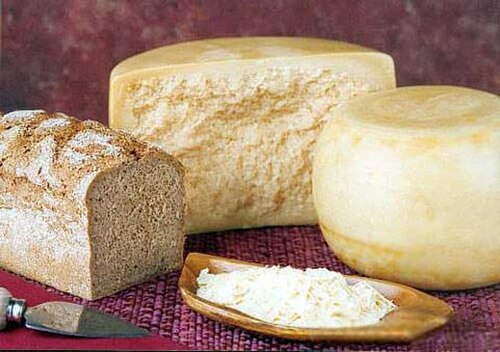
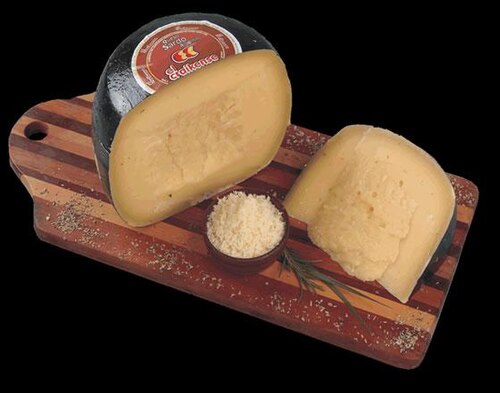
↑Donnelly, Catherine W. (2016). The Oxford Companion to Cheese. Oxford University Press. p.37. ISBN978-0-19-933088-1. Archived from the original on 16 February 2023. Retrieved 16 February 2023.
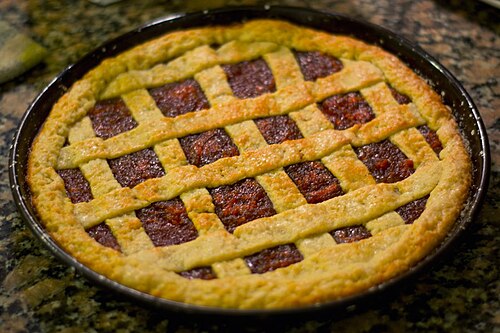
↑"Tradicionales sabores toscanos, pero amasados en la Argentina" (in Spanish). 3 August 2009. Archived from the original on 31 December 2016. Retrieved 14 February 2023.
12"La cocina italiana en Argentina" (in Spanish). Archived from the original on 31 December 2016. Retrieved 30 December 2016.
↑Alfonsin, Gabriel. "Helado Artesanal: Asesoramiento y Cursos de fabricacion helado artesanal. Franquicias". Heladoartesanal.com (in Spanish). Archived from the original on 27 March 2015. Retrieved 24 March 2015.
↑"¿Por qué los argentinos comen ñoquis el 29 de cada mes y qué tiene que ver eso con los empleados públicos?" (in Spanish). Archived from the original on 26 November 2020. Retrieved 19 July 2021.
↑"Ñoquis el 29" (in Spanish). 3 May 2012. Archived from the original on 19 July 2021. Retrieved 19 July 2021.
↑"El ñoquis de cada 29" (in Spanish). 29 November 2015. Archived from the original on 19 July 2021. Retrieved 18 July 2021.
12Petryk, Norberto. "Los ñoquis del 29" (in Spanish). Archived from the original on 1 January 2014. Retrieved 14 February 2023.
↑"Ñoquis del 29: origen de una tradición milenaria" (in Spanish). 29 July 2004. Archived from the original on 1 May 2023. Retrieved 19 July 2021.
↑"Por qué se celebra hoy el Día del Inmigrante Italiano" (in Spanish). Archived from the original on 24 June 2015. Retrieved 3 February 2023.
↑"La otra Usina, la que sí da luz" (in Spanish). Archived from the original on 29 December 2016. Retrieved 1 September 2014.
↑Héctor Ángel Benedetti. "Edificios de la Ítalo" (in Spanish). Archived from the original on 29 December 2016. Retrieved 4 February 2023.
↑"Texto íntegro del relato original de Edmundo de Amicis" (in Spanish). Archived from the original on 10 October 2014.
↑Gonzalo Moisés Aguilar, Ricardo Manetti. Cine argentino: modernidad y vanguardias, 1957/1983 (in Spanish). Fondo Nacional de las Artes, 2005.
↑Manrupe, Raúl; Portela, María Alejandra (2001). Un diccionario de films argentinos (1930–1995) (in Spanish). Editorial Corregidor. p.308. ISBN950-05-0896-6.
↑"La inmigración italiana y el tango" (in Spanish). Archived from the original on 8 October 2018. Retrieved 4 February 2023.
↑"L'archivio dimenticato dell'Unione e Benevolenza di Buenos Aires: un tesoro per lo studio dell'associazionismo italiano in Argentina" (in Italian). p.1. Retrieved 4 February 2023.
↑"Federaciones Regionales" (in Italian). Archived from the original on 2 May 2016. Retrieved 13 October 2014.
↑ 「Le sedi della Società Dante Alighieri divise per paese」(イタリア語)。 2009 年 11 月 24 日のオリジナルからアーカイブ。
↑ 「Giornali italiani all'estero, L'Italiano sarà il quarto quotidiano d'Argentina」(イタリア語)。2016 年 10 月 3 日のオリジナルからアーカイブ。2023 年2 月 11 日に取得。
↑ Taylor, Matthew; Lanfranchi, Pierre (2001). Moving With the Ball: the migration of professional footballers . Berg. pp. 91–93 . ISBN978-1-85973-307-3。
↑ 「Potenza Picena, il paese dei tarocchi. Ma i passaporti sono tutti in regola」(イタリア語)。2015 年 9 月 24 日のオリジナルからアーカイブ。2009 年2 月 24 日に取得。