
Loading article…

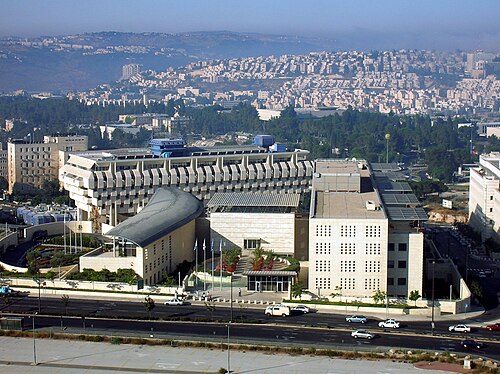
イスラエルの外交関係とは、イスラエルと世界各国との間の外交関係および貿易関係を指します。 2020年12月12日現在、イスラエルは国連加盟国192カ国のうち165カ国と外交関係を有しています。[ 1 ]イスラエルは国際連合(UN)およびその他多くの国際機関の加盟国です。イスラエルは、1979年と1994年にそれぞれ平和条約を締結した後、アラブの隣国であるエジプトとヨルダンの2カ国と完全な外交関係を維持しています。2020年には、イスラエルはアラブ連盟加盟国であるバーレーン、アラブ首長国連邦、モロッコの3カ国と外交関係を確立する協定に署名しました。2021年現在、イスラエルは168カ国と正式な外交関係を有していますが、国連加盟国28カ国はイスラエルとの外交関係を確立したことがないか、または断絶しています。[ 2 ]
イスラエルの外交関係は、主に中東におけるイスラエルの戦略的状況、より広範なアラブ・イスラエル紛争、特にイランの核開発計画をめぐるイランとの紛争、そして地域諸国からの拒絶によって影響を受けている。そのため、イスラエルの外交政策目標は、外交的孤立を克服し、中東地域内外のできるだけ多くの国々と承認と友好関係を築くことにある。イスラエルは、例えば商業貿易や科学技術協力、原材料の輸入、軍事調達、武器輸出や軍事援助、同盟国との情報協力、捕虜交換や人質解放のためのその他の取り決めなど、国家目標を推進するために、公然外交と秘密外交の両方を行っている。また、イスラエルへのユダヤ人移民の増加を促進し、ディアスポラの脆弱なユダヤ人コミュニティを保護し、発展途上国への援助や大規模災害に直面している国々への人道支援を提供しようと努めている。[ 3 ]
イスラエルとアメリカ合衆国の緊密な友好関係は、建国以来、イスラエルの外交政策の要となってきた。 1979年のイラン革命とパフラヴィー王朝の崩壊まで、イスラエルとイランは緊密な関係を維持していた。イランは、トルコに次いでイスラエルを主権国家として承認した2番目のイスラム教徒多数派国である。[ 4 ] [ 5 ] 20世紀半ば、イスラエルはアフリカで大規模な海外援助と教育プログラムを実施し、農業、水管理、医療の専門家を派遣した。[ 6 ]中国もまた、イスラエルとイスラム世界全体の両方と同時に良好な関係を維持している世界でも数少ない国の1つである。[ 7 ]
2000年代、イスラエル外務省は、欧州連合の影響力の増大により、イスラエルは国際情勢においてさらに孤立すると警告した。[ 8 ] [ 9 ]トルコとの一連の外交的亀裂と2011年のエジプトにおけるムスリム同胞団の台頭を受けて、イスラエルは数年間、これらの国々との関係がますます悪化した。[ 10 ]ほぼ同時期に、イスラエルのハイテク経済の成長を主な理由として、エネルギー三角地帯の文脈におけるギリシャやキプロスを含むヨーロッパの多くの国々 、および中国やインドを含むアジアの国々とのイスラエルの関係は強化された。[ 11 ]ムスリム同胞団がエジプトで政権を追われて以来、イスラエルとエジプトの関係は改善しているが、トルコとの関係は2010年のどん底以降、不安定な状態が続いている。
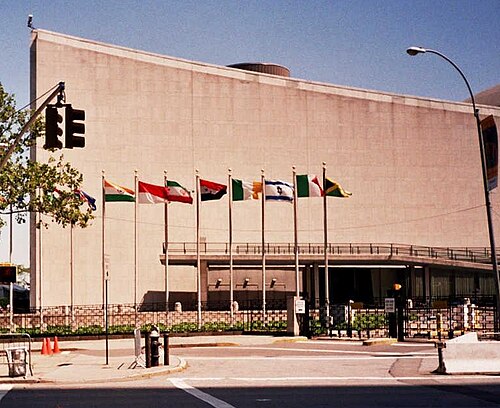
イスラエル政府が最初に加盟した国際機関は、1949年初頭にポイント・フォー・プログラムの一環として設立された国際小麦評議会である。イスラエルは1949年5月11日から国連加盟国である。
イスラエルは、国連難民高等弁務官事務所(UNHCR)や食糧農業機関(FAO)など、多くの国連機関の加盟国です。イスラエルは、国際原子力機関(IAEA)や世界保健機関(WHO)などの他の国際機関にも参加しています。[ 12 ]イスラエルは、2019年に米国と連携して国連教育科学文化機関(UNESCO)を脱退しました。[ 13 ]
ユネスコにおいて、イスラエルは数多くの国際的なプログラムや組織に加盟していた。科学分野では、人間と生物圏計画(MAB)、政府間海洋学委員会(IOC)、国際水文計画(IHP)、中東における実験科学応用のためのシンクロトロン光国際センター(SESAME)、および国際地球科学計画(IGCP)の積極的な加盟国であった。
イスラエルが積極的に参加しているその他の注目すべき組織には、万人のための教育運動、欧州高等教育センター(CEPES)、世界遺産委員会(WHC)、文化財の保存と修復に関する国際研究センター(ICCROM)、国際記念物遺跡会議(ICOMOS)などがあります。[ 14 ]関係は、ユネスコのイスラエル国内委員会を通じて行われました。[ 15 ]
イスラエルは1994年に欧州連合の研究技術開発枠組み計画(FP)に参加し[ 16 ] 、欧州原子核研究機構(CERN)[ 17 ] 、欧州分子生物学機構(EMBO)および欧州分子生物学研究所(EMBL) [ 18 ]のメンバーである。また、2003年からは国際決済銀行(BIS)のメンバーでもある[ 19 ]。
2010年5月10日、イスラエルは経済協力開発機構(OECD)への加盟を要請された。[ 20 ]イスラエルはNATOの地中海対話フォーラムのメンバーである。[ 21 ] 2014年、イスラエルはパリクラブに加盟した。[ 22 ]
国連の地域グループに50年以上所属していなかった(事実上、多くの国際機関から締め出されていた)イスラエルは、 2000年に西ヨーロッパその他グループに一時的に加盟し、2014年には正式に加盟した。

1948年にイスラエル国が建国されて以来、イスラエルはアラブ連盟のボイコットや外交的に孤立させようとする試みにさらされてきた。2025年現在、イスラエルは国連加盟国192カ国のうち165カ国と外交関係を結んでいるほか、ローマ教皇庁、コソボ、クック諸島、ニウエ、ソマリランドとも外交関係を結んでいる。[ 1 ]他のいくつかの国はイスラエルを国家として承認しているが、外交関係はない。かつてイスラエルと外交関係を持っていたが、その後関係を断絶または停止した国もいくつかある(ラテンアメリカのキューバとベネズエラ、アラブ連盟のモーリタニア、非アラブアフリカのマリとニジェール、南アジアのモルディブ、イスラム革命までのイラン)。さらに、かつてイスラエルと正式な経済関係(主に貿易事務所)を有していたものの、完全な外交関係には至らなかった国々(すべてアラブ連盟加盟国)が、その後そのような関係を断絶した(モロッコ、オマーン、カタール、チュニジア。ただし、モロッコは2020年に関係を再開し、外交関係を樹立した)。
イスラエルが外交関係を維持している国の一覧:
2025年現在、国連加盟国のうち31カ国がイスラエルと外交関係を維持していない(括弧内は過去の外交関係期間を示す)。
外交関係がないにもかかわらず、これらの国の中にはイスラエルのパスポートを承認したり、イスラエルの主権を示すその他の兆候を認めている国もある。

イスラエルは以下の国または団体とは外交関係を有していません。
コモロはイスラエルと正式な外交関係はないが、両国は相互に貿易を行っている。[ 201 ]
イスラエル国民はイスラエルパスポートで北朝鮮に入国できますが、他の外国人旅行者と同様に、パスポートを現地当局に預け、観光客向けに特別に発行された現地の書類を使用するように求められます。[ 202 ]

1994年10月1日、ペルシャ湾岸諸国はアラブ諸国によるイスラエルに対するボイコットの見直しを支持し、イスラエルに対する二次的および三次的ボイコットを廃止することを発表した。[ 203 ]
アルジェリアとイスラエルは現在、外交関係を結んでいない。
1990年代半ば、イスラエルと北アフリカ諸国が徐々に外交関係を樹立していく中で、アルジェリアはそうした動きを検討する最後の国の一つだった。関係改善に関する発言がなされたのは、 1999年7月25日、イスラエルのエフド・バラク首相がモロッコのハッサン2世国王の葬儀でアルジェリアのアブデルアジズ・ブーテフリカ大統領と会談した時だけだった。
2011年、アラブの春の蜂起の最中、ハアレツ紙に掲載されたウィキリークスの機密文書により、バーレーンとイスラエルの当局者間の隠された関係が明らかになった。2005年2月に米国大使と会談した際、バーレーンのハマド・ビン・イサ・アル・ハリファ国王は、イスラエルの国家情報機関モサドと接触していることを自慢していた。国王は、バーレーンは他の分野でも関係を発展させる用意があると示唆した。国王は、イスラエルを指す際に「敵」や「シオニスト国家」といった用語の使用を控えるよう当局者に命じたと伝えられている。しかし、貿易関係を持つことについては「時期尚早」であり、独立したパレスチナ国家が樹立されるまで延期されるとして拒否した。[ 204 ]

イスラエルは1979年のエジプト・イスラエル平和条約の署名以来、エジプトと完全な外交関係を維持している。イスラエルに拠点を置くジャフィー戦略研究センターが2001年に実施した世論調査によると、イスラエルでは1978年のキャンプ・デービッド合意はイスラエル人の85%に支持された。[ 206 ]
しかし、エジプト国民のイスラエルに対する世論は非常に否定的である。エジプト政府が2006年に1,000人のエジプト人を対象に行った世論調査( 2006年のレバノン戦争時に実施)によると、エジプト人の92%がイスラエルを敵国とみなしている。[ 207 ] [ 208 ]
エジプトは、イスラエルとパレスチナの間、特にガザ地区のハマス政権との間で、非公式な停戦合意を何度か仲介してきた。
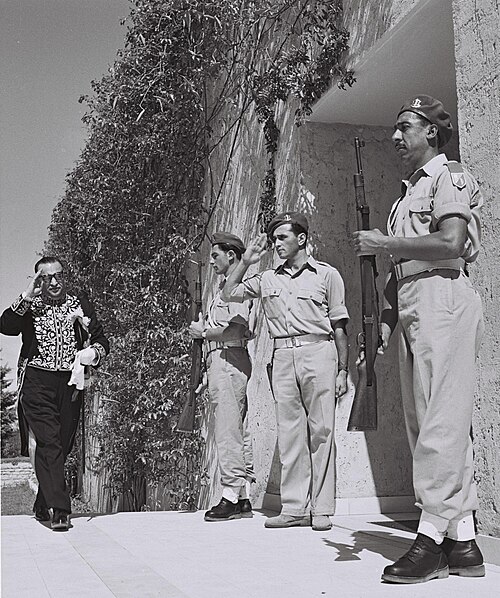
イスラエルとイランの関係は、パフラヴィー朝時代の緊密な政治同盟から、ルーホッラー・ホメイニー師の権力掌握後の公然たる敵対関係へと変化してきた。イランはイスラエルを承認した2番目のイスラム教徒多数派国家であったが[ 209 ] 、イランがイスラエルの承認を取り消したため、現在両国は外交関係を持っていない。1979年以降のイラン当局はイスラエルをその名称で呼ぶことを避け、「シオニスト政権」または「占領下のパレスチナ」という用語を使用している。イランのパスポートには「このパスポートの所持者は占領下のパレスチナへの渡航を禁じられている」という文言が記載されている[ 210 ] 。
イランとイスラエルの間の最近のレトリック、核技術の開発、イランによるハマスとヒズボラへの資金提供により、イスラエル国とイラン・イスラム共和国の間の緊張は劇的に高まっており、[ 211 ]特に2005年に強硬派のマフムード・アフマディネジャドが選出されてからは、その緊張はさらに高まっている。ホロコーストを「神話」と呼び、イスラエルを「地図から消し去る」べきだと述べたアフマディネジャドの発言は、[ 212 ] [ 213 ] [ 214 ] [ 215 ] [ 216 ] [ 217 ] [ 218 ]イスラエルは破壊の脅威と受け止めた。[ 219 ] [ 220 ] [ 221 ] [ 222 ]
イスラエルには多くのイラン系ユダヤ人が居住しており、その中にはイスラエルの元大統領モシェ・カツァブ、元参謀総長兼国防大臣シャウル・モファズ、元参謀総長ダン・ハルツなどがいる。
イスラエルとイラクの間には外交関係は存在しなかったが、そのような関係を確立するという問題は検討された。2003年の米英主導のイラク侵攻後、外交官たちはイスラエルとイラクの外交関係を確立する可能性について話し合っていた。しかし、当時のイラク首相イヤド・アッラーウィーは2004年に、イラクはイスラエルとの関係を確立しないと述べた。[ 223 ]
2006年、クルディスタン地域 大統領マスード・バルザニは「イスラエルと関係を持つことは犯罪ではない。バグダッドがイスラエルと外交関係を樹立すれば、我々はヘウレル(クルディスタン)に領事館を開設できる」と述べた。イスラエルのテレビは、1960年代にムスタファ・バルザニが当時のイスラエル国防大臣モシェ・ダヤンと抱擁している写真を放送した。2004年、イスラエル当局者はクルドの政治指導者と会談した。2006年、BBCはイスラエルがイラク領クルディスタンでクルド民兵を訓練していると報じた。[ 224 ] 2012年4月、クルドの高官がクルディスタン地域を経由してイスラエルに密輸されたイラク産石油の収益を徴収していたと疑われた。[ 225 ]

イスラエルは1994年のイスラエル・ヨルダン平和条約締結以来、ヨルダンと完全な外交関係を維持しているが、両国関係は依然としてやや緊張状態にある。ヨルダン国民の半数以上はパレスチナ難民の子孫であり、彼らの多くはイスラエルに対して否定的な見方をしている。
イスラエルとクウェートの関係は、主にアラブ・イスラエル紛争の一環として、概して敵対的である。2019年、クウェートのハーリド・アル・ジャラッラー外務副大臣は「クウェートはイスラエルとの関係を正常化する最後の国になるだろう」と述べた。[ 226 ]
イスラエルとレバノンは、シリアによるレバノン占領(1976年~2005年)を含む戦争によって影を落とされてきた。2006年8月、ヒズボラとイスラエルの衝突後、レバノンのフアド・シニオラ首相は、2006年のレバノン戦争で多数の民間人が死亡したため、レバノンは「イスラエルと和平を結ぶ最後のアラブ諸国」になるだろうと述べた。[ 227 ]
2000年以降、ヒズボラとの多くの戦争のため、イスラエルはレバノンを「敵国」として扱っているが、不可侵条約の可能性も検討している[ 228 ]。
2008年にピュー・リサーチ・センターが行った調査では、ユダヤ人に対する否定的な見解が最も一般的だったのはレバノンで、レバノン人の97%がユダヤ人に対して好ましくない意見を持っていたことが分かった。[ 229 ] 2011年にピュー・リサーチ・センターが行った別の調査では、調査対象となったイスラム教徒が多数を占める中東諸国はすべて、ユダヤ人に対して非常に否定的な見解を持っていた。アンケートでは、ユダヤ人に対して肯定的な見解を持っていると答えたレバノン人はわずか3%だった。[ 230 ]
モロッコの遠征軍は、ヨム・キプール戦争でアラブ諸国の連合軍とともにイスラエルと戦った。[ 231 ] 1986年、ハッサン2世国王は当時のイスラエル首相シモン・ペレスを会談に招き、アンワル・サダトに次いで2人目のイスラエル指導者としてイスラエルの指導者を招いた。1993年9月にイスラエル・パレスチナ原則宣言が署名された後、モロッコはイスラエルとの経済関係と政治的接触を加速させた。1994年9月、モロッコとイスラエルは二国間連絡事務所の開設を発表した。[ 232 ] 1999年に国王が死去すると、当時のエフド・バラク首相とモロッコ生まれの外務大臣ダビッド・レヴィが葬儀のためにラバトに飛んだ。[ 233 ]イスラエルとパレスチナの暴力が続いたため、2000年に外務省は閉鎖された。 2016年9月、モロッコのムハンマド6世国王は、ユダヤ人である個人顧問のアンドレ・アズライを、イスラエルの元首相兼大統領シモン・ペレスの国葬に参列させた。[ 234 ]
正式な関係が樹立される以前は、非政府系の民間ユダヤ人団体である世界モロッコユダヤ人連盟が、イスラエル人のモロッコへの観光を奨励していた。[ 235 ]
2020年12月10日、モロッコは、米国が西サハラに対するモロッコの主張を支持することと引き換えに、イスラエルとの外交関係樹立に合意した。同日、米国はモロッコへの高性能ドローンの売却に合意した。[ 236 ]
1996年、オマーンとイスラエルは貿易代表事務所を交換することに合意した。[ 237 ]
カタールとイスラエルは現在外交関係を結んでいないが、1996年から2000年までは経済関係を維持していた。カタールはパレスチナのスンニ派イスラム原理主義組織ハマスの主要な資金提供国である。
9月9日、イスラエルはハマスの次期指導者を排除する目的でカタールへの空爆を実施した。当時、ハマスの幹部らは停戦に関する協議を行っていた。[ 238 ]世界の多くの指導者がイスラエルの攻撃を非難した。イスラエルの同盟国であるドナルド・トランプ米大統領とドイツは、カタールへの攻撃を非難し、カタールの主権侵害であると断じた。[ 239 ]
2005年、サウジアラビアはイスラエル製品・サービスに対する禁輸措置の解除を発表した。これは主に世界貿易機関(WTO)への申請によるもので、WTOでは加盟国間で全面的な禁輸措置を講じることはできない。しかし、2006年8月現在、 サウジアラビアのボイコットは中止されなかった。[ 240 ] [ 241 ]
近年、サウジアラビアはイスラエルとの交渉の妥当性に関する見解を変えてきた。アラブ諸国との平和のためには、イスラエルが1967年6月に占領した領土から撤退する必要があると主張し、当時のアブドラ皇太子は2002年に撤退を前提とした多国間和平案を提示した。当時、イスラエルはこの提案に応じなかった。2007年、サウジアラビアは再びアラブ・イスラエル紛争の解決案を公式に支持し、パレスチナ難民のイスラエルへの移住の完全な権利を認めたが、これに対しイスラエル当局はより強い否定的な反応を示した。
シリアとイスラエルの関係は、イスラエルによるゴラン高原の占領のため、非常に悪い。バアス党政権下のシリアは、反イスラエル武装組織ヒズボラやイラン・イスラム共和国と緊密な関係を築いていた。
2004年以来、シリアは、自国が領有権を主張するゴラン高原の農家から、クネイトラ検問所を経由してリンゴの輸入を受け入れている。これは、イスラエルがゴラン高原の農家からのリンゴの受け入れを継続的に拒否していること(伝えられるところによると供給過剰のため)が原因であり、農家は経済崩壊を防ぐために、リンゴが腐る前にシリア政府に受け入れるよう懇願した。2010年には、ゴラン高原のドゥルーズ派の農家が栽培した約1万トンのリンゴがシリアに送られた。 [ 242 ]
チュニジアはヨム・キプール戦争に参加し、1,000人から2,000人の兵士を派遣してアラブ諸国の連合軍とともにイスラエルと戦った。[ 243 ] 2000年代初頭に第二次インティファーダが始まると、両国の関係はさらに悪化し、2000年10月22日、チュニジア国営ラジオは、ベン・アリ大統領が「パレスチナ自治区での暴力」を受けてイスラエルとのすべての外交関係を断絶することを決定したと発表した。[ 244 ] [ 245 ]

トルコは、イスラエル国家を正式に承認した最初のイスラム教徒多数派国家であった。[ 209 ]
2009年1月、トルコ政府が2008年から2009年のガザ戦争を非難したことで、両国間の関係は著しく緊張した。エルドアン大統領は2009年初頭、スイスのダボスで開催された世界経済フォーラム会議で、ガザにおけるイスラエルの行動を厳しく批判した。 [ 246 ] [ 247 ]
2010年のガザ船団襲撃事件後、両国間の関係はさらに緊張した。[ 248 ] 2011年9月2日、トルコはイスラエルとの関係を二級事務次官級に格下げし、両国間の軍事協力を停止した。[ 249 ]
2010年にUAEでマフムード・アル・マブフがイスラエルによって暗殺されたとされる事件の後、UAEは、イスラエル人であると疑われる旅行者は外国のパスポートを使用しても入国を認めないと発表した。 [ 250 ] 2020年8月13日以前、UAEはイスラエルを国家として承認しておらず、両国間には公式の外交関係や経済関係はなかった。2020年の合意が発表される前には、イスラエルが国際再生可能エネルギー機関への使節団としてではあるが、アブダビに事務所を開設するほど関係は改善していた。[ 251 ] [ 252 ]
イスラエルとアラブ首長国連邦は2020年8月13日に外交関係樹立の合意を発表した。 [ 253 ] 2021年7月、アラブ首長国連邦はイスラエルに大使館を正式に開設し、イスラエルと完全な外交関係を持つ3番目のアラブ多数派国家となった。[ 254 ]
イエメンとイスラエルは外交関係を結んでおらず、両国間の関係は非常に緊迫している。イスラエルのパスポート、またはイスラエルの入国スタンプが押されたパスポートを所持している人はイエメンに入国できず、イエメンはイスラエル法において「敵対国」と定義されている。
イスラエルは、アラブ連盟に加盟していないサハラ以南アフリカ44カ国のうち42カ国と外交関係を結んでおり、その中にはイスラム教徒が多数を占める国々も含まれている。
イスラエルとアンゴラの関係は貿易と外交政策に基づいている。2005年にはジョゼ・エドゥアルド・ドス・サントス大統領がイスラエルを訪問した。[ 255 ] 2006年3月には両国間の貿易額は4億ドルに達した。アンゴラ駐在のイスラエル大使はアブラハム・ベンジャミンである。
両国は1993年に国交を樹立した。どちらも相手国に正式な領事館や大使館は設置していないが、両政府はいくつかの開発イニシアチブで協力してきた。イスラエルを拠点とするダイヤモンド会社6社がボツワナで事業を展開している。[ 256 ]
2012年にカメルーンの駐イスラエル大使を務めたアンリ・エトゥンディ・エソンバは、イスラエルの外交団長を務めている。 [ 257 ]
ヨム・キプール戦争後、両国関係は断絶したが、1986年に回復し、現在カメルーンとイスラエルは軍事的、政治的に多くのつながりを持っており、イスラエルはカメルーンの即応部隊を訓練し武装させており[ 258 ]、カメルーンは国連で多くの反イスラエル決議に反対票を投じている[ 259 ] 。
2018年11月、チャドのイドリス・デビー大統領がイスラエルを訪問した。[ 260 ] 2019年1月、ネタニヤフ首相がチャドを訪問し、両国は外交関係を再開した。[ 261 ] 2023年2月、チャドのマハマド・デビー大統領がイスラエルを訪問し、イスラエルのラマト・ガンにチャド大使館を開設した。[ 262 ]
イスラエルはジブチ(アラブ連盟加盟国)と外交関係や公式な貿易関係はないが、1995年9月に両国の当局者が会談した後、両国間の外交関係樹立の可能性に先立ち、それぞれの首都に連絡事務所を開設する計画が発表された。[ 263 ]しかし、そのような関係は実現しなかった。
エリトリアは、アラブ諸国の抗議にもかかわらず、1993年に独立して間もなくイスラエルとの関係を築きました。イスラエルとエリトリアの関係は緊密です。エリトリア大統領は治療のためにイスラエルを訪問しました。[ 264 ]しかし、エリトリアは2008年から2009年のイスラエル・ガザ紛争中のイスラエルの軍事行動を非難しました。[ 265 ]イスラエルとエリトリアの関係は、イスラエルとエチオピアの緊密な関係によって複雑化しています。
イスラエルは1968年9月、エスワティニがイギリスから独立した直後に同国と外交関係を樹立した[ 1 ]。エスワティニは、1973年の第四次中東戦争後もイスラエルとの完全な外交関係を維持し続けたサハラ以南アフリカの3カ国(他はレソトとマラウイ)のうちの1つであり、その後も関係を断絶したことはない[ 266 ] 。
アフリカでは、エチオピアは共通の政治的、宗教的、安全保障上の利益から、大陸におけるイスラエルの主要かつ最も緊密な同盟国である。[ 267 ]しかし、両国関係は1973年から1989年の間に断絶した。エチオピアの多くの町は、エチオピア第3の都市ナズレット(アダマ)を含め、聖書のイスラエルの入植地にちなんで名付けられている。イスラエルはまた、灌漑プロジェクトに関してエチオピアに専門知識を提供している。数千人のエチオピア系ユダヤ人(ベタ・イスラエル)がイスラエルに住んでいる。2012年、イスラエルはエチオピア出身のベタ・イスラエルであるベイラネシュ・ゼバディアをエチオピア大使に任命した。[ 268 ] 2020年10月、イスラエルのベンヤミン・ネタニヤフ 首相がエチオピアを訪問した。[ 269 ]
ガーナとの外交関係は、1957年のガーナ独立直後に樹立された。技術協力協定は1962年5月25日に締結され、貿易協定は1968年5月24日に締結された。文化協力協定は1973年3月1日に締結された。
ヨム・キプール戦争後の1973年10月28日、ガーナ政府の主導により両国関係は断絶した。[ 270 ]イスラエルがパレスチナ自治政府に対するガーナの支援を阻止しようとしたことで関係は改善し、2009年9月にはイスラエル外務大臣アヴィグドル・リーベルマンがガーナを公式訪問した。その訪問中に農業協力に関する二国間協定が締結された。[ 271 ] [ 272 ]外交関係は2011年9月に回復した。[ 273 ]
イスラエルとギニア共和国の外交関係は1958年に樹立されたが、イスラエル政府が米国の政策を支持し、ギニア政府が親ソ連路線をとったため、冷戦により緊張状態にあった。これらの関係は、1967年6月5日にイスラエルとエジプトの間で六日間戦争が勃発した際に断絶した。イスラエルがエボラウイルスとの闘いにおいてギニアを支援した後、[ 274 ] 2016年7月20日に両国間の関係は回復した。 [ 275 ]
1963 年 12 月に外交関係が樹立された。イスラエルはナイロビに大使館を、ケニアはテルアビブに大使館を置いている。2003 年、ケニアは国家太陽エネルギー計画の開発に関してイスラエルの支援を要請した。[ 276 ] 2006 年、イスラエルは高層ビルが倒壊した際に瓦礫の下敷きになった人々を救出するため、80 名の捜索救助隊をケニアに派遣した。[ 277 ] 2007 年のケニア大統領選挙後、イスラエルはエルドレットのモイ教育紹介病院に医薬品を寄贈した。[ 278 ] 2017 年 11 月、イスラエルのベンヤミン・ネタニヤフ首相がケニアを訪問した。[ 279 ]
レソトは、1973年の第四次中東戦争後もイスラエルと完全な外交関係を維持したサハラ以南アフリカの3カ国のうちの1つであった(他の2カ国はエスワティニとマラウイ)。[ 266 ]

リベリアは、1947年にパレスチナにユダヤ国家を樹立することに賛成票を投じた国連加盟国の1つであった。[ 280 ]イスラエルとリベリアは1950年代後半に国交を樹立した。ウィリアム・トルバート政権は、ヨム・キプール戦争への対応として1973年にイスラエル政府との関係を断絶したが、1983年にクーデターでトルバートの後を継いだサミュエル・ドーによって関係が再構築された。[ 281 ] [ 282 ]
両国は多数の二国間協定を締結している。[ 283 ]
イスラエルは1964年7月、マラウイがイギリスから独立した直後に同国と外交関係を樹立した[ 1 ]。マラウイは、1973年の第四次中東戦争後もイスラエルとの完全な外交関係を維持し続けたサハラ以南アフリカの3カ国(他はエスワティニとレソト)のうちの1つであり、その後も関係を断絶したことはない[ 266 ] 。
モーリタニアは、1967年の六日間戦争の結果として、アラブ連盟の集団的決定に従ってイスラエルに宣戦布告した(ただし、モーリタニアが正式に連盟に加盟したのは1973年11月であった)。[ 284 ]モーリタニアは、少なくとも1991年までその宣戦布告を撤回しなかった。[ 284 ]
モーリタニアは、後に他の多くのアラブ諸国が行ったように、イスラエルの生存権を認める動きには従わず、1967年のハルツーム決議に忠実であり続けた。同決議はイスラエルに関して「平和も承認も交渉もなし」と述べていた。
公にはほとんど情報がなく、イスラエルとモーリタニアの関係については、次のような間接的な既知の要因から推測するしかない。1995年と1996年にモーリタニアとイスラエルの間で行われた水面下の会合は、モーリタニアのウルド・タヤ大統領の発案によるものとされている。[ 286 ] 1996年に両国の首都にあるスペイン大使館に非公式の「利害関係者」が設立され、[ 286 ] 1999年10月27日から互いの国で外交代表の交換が行われた。[ 287 ]これらの証拠から、モーリタニアは当時までに宣言を撤回していたと推測される。
2009年3月6日、モーリタニア当局がヌアクショットにあるイスラエル大使館を48時間以内に閉鎖するよう要求したことを受け、イスラエルのモーリタニア駐在外交使節団は9年間の外交関係を経てモーリタニアを去った。[ 288 ]モーリタニアのイスラエル駐在代表団は、イスラエル外務省に正式な通知を送ることなく、それより前にイスラエルを去った。[ 289 ]
両国は多くの二国間協定を締結している。[ 283 ]
イスラエルとナイジェリアは1960年に外交関係を樹立した。[ 290 ] 1973年にナイジェリアはイスラエルとの接触を断ったが、1992年5月に二国間関係が回復した。[ 1 ] 1993年4月以降、イスラエルはアブジャに大使館を、ナイジェリアはテルアビブに大使館を維持している。[ 1 ]多くのナイジェリア人がイスラエルに宗教的な巡礼に行く。[ 291 ]
アフリカの国家が独立して間もなく、ルワンダとの関係が確立された。しかし、ヨム・キプール戦争中の1973年10月8日にルワンダ政府によって関係は断絶された。[ 292 ]
2019年1月、イスラエルとルワンダの運輸大臣は、ルワンダ航空のイスラエルへの定期便を開設する計画を発表した。[ 293 ]そして2019年4月、イスラエルはキガリに大使館を開設した。[ 294 ]
2016年、イスラエルのベンヤミン・ネタニヤフ首相がルワンダを訪問した。2017年、ルワンダのポール・カガメ大統領がイスラエルを訪問した。2024年、イスラエルのイサク・ヘルゴズ大統領が、1994年のツチ族虐殺30周年記念式典に出席するためルワンダを訪問した。[ 295 ]
セネガルとの関係は、同国が独立して間もなく確立された。しかし、ヨム・キプール戦争後の1973年10月28日にセネガル政府によって断絶された。[ 270 ]イスラエルとセネガルは2017年6月4日、セネガルがイスラエルの入植地に対する国連安全保障理事会決議を共同提案した後に凍結されていた外交関係の全面的な再開を発表した。[ 296 ]イスラエルはセネガルに大使を復帰させ、セネガルはイスラエルのアフリカ連合オブザーバー資格への立候補を支持した。イスラエル、イタリア、セネガルの三者間パートナーシップにより、セネガルの農村部12地区の農家を支援するためにイスラエルの点滴灌漑システムが設置されている。[ 297 ]
2025年12月26日、イスラエルは国連加盟国として初めて、ソマリランドの主権と独立を正式に承認した。
イスラエルは、農業、保健、技術、経済の分野における広範な協力を通じて、ソマリランドとの関係を直ちに拡大する計画である。[ 180 ] [ 298 ] [ 299 ]

南アフリカ連邦は、イスラエル建国につながった1947年の国連分割決議に賛成票を投じたわずか4つの英連邦加盟国のうちの1つでした。南アフリカはイスラエルを最初に承認した国の1つであり、イスラエルと南アフリカの外交関係は1948年に樹立されました。1960年のシャープビル虐殺事件の後、イスラエルはアパルトヘイトを厳しく批判するようになり、プレトリアとの関係は断絶しました。1967年以降、イスラエルと南アフリカは再び戦略的パートナーとなり、この関係は1987年にイスラエルが西側諸国とともにアパルトヘイトに強く反対するまで続きました。
アパルトヘイト終結以来、南アフリカの新政権はイスラエルに対して冷淡な態度を取り、パレスチナ人に対するイスラエルの政策を批判してきたが、それでもなお、親パレスチナ派の南アフリカの団体からの両国関係断絶を求める声は無視してきた。
ガザ戦争の結果、アフリカ民族会議は、政府に対し2023年11月にテルアビブの大使館を閉鎖するよう求める動議を可決した。[ 300 ]南アフリカ政府内閣はまた、国際刑事裁判所に対し、イスラエルのベンヤミン・ネタニヤフ首相 に対する逮捕状を発行するよう求め、駐イスラエル大使を召還し、イスラエルからすべての外交官を撤退させた。[ 301 ]
イスラエルは2011年7月10日に南スーダン共和国を承認し、前日に主にアラブ系イスラム教徒の北スーダンからの独立を宣言した同国に経済援助を申し出た。[ 302 ] 2011年7月15日、南スーダンはイスラエルとの完全な外交関係を樹立する意向を表明し[ 303 ]、2011年7月28日には両国間に完全な外交関係が樹立されたことが発表された。[ 304 ]
2020年10月23日、スーダンはトランプ政権がスーダンを米国のテロ支援国家リストから除外し、スーダンへの経済援助と投資を再開するのと引き換えに、イスラエルとの関係正常化に合意した。[ 305 ] [ 306 ]
2009年5月、イスラエルとトーゴは互いに「経済、農業、教育分野における協力協定」に署名した。[ 307 ]
イスラエルとウガンダの共同プロジェクトで、エルサレム・ヘブライ大学農学部の教授が、マケレレ大学のウガンダ人同僚とともにビクトリア湖の調査を行った。彼らは、60年前にイギリス人が持ち込んだナイルパーチが在来魚の個体数を激減させ、湖畔のコミュニティで栄養失調を引き起こしていることを発見した。[ 308 ]彼女は、地元の食卓から姿を消していたコイを養殖するための人工養魚池の設置を支援した。米国国際開発庁は池の掘削を支援し、産卵技術を学ぶために村人をエメク・ヘフェルのキブツ・ハマアピルに送った。研修プログラムの卒業生はコイ養殖場を設立した。[ 308 ]
イスラエルとザンビアは1966年から1973年まで外交関係を維持しており、1991年に再開した。ザンビアは2015年にテルアビブに大使館を開設し、イスラエルは2025年にルサカに大使館を再開した。[ 309 ]
ジンバブエ・ローデシアの首相アベル・ムゾレワは1983年10月21日にイスラエルを訪問した。彼はロバート・ムガベに対し、外交関係の樹立を促し、ムガベの政治政策がジンバブエの農業と技術産業に悪影響を与えていると述べた。2002年3月、イスラエルの企業がムガベ政権に暴動鎮圧車両を売却したが、これは同国の2002年選挙の直前のことだった。[ 310 ]
トルコとアゼルバイジャンに加え、イスラエルはアジアの非アラブ系イスラム教国5カ国(カザフスタン、キルギスタン、タジキスタン、トルクメニスタン、ウズベキスタン)と外交関係を結んでいる。
アフガニスタンは現在、イスラエルと国交を結んでいません。しかし、アフガニスタンの王室は、秘密裏に、あるいは部族の慣習に従って、イスラエルと精神的なつながりを持っていました。アフガニスタンの王家は、イスラエルのサウル王に起源を持ちます。アフガニスタンは、ユダヤ人(ユダ族の子孫とも呼ばれる)がイスラエルに移住した際に、市民権を剥奪しなかった唯一のイスラム教国でした。ラビ・エリヤフ・アヴィハイルは、アフガン人とイスラエルの失われた部族を結びつける多くの著書を出版しています。
イスラエル政府と一般市民の両方がバングラデシュ独立戦争を支持した。1971年のバングラデシュ独立後、イスラエルは1972年には早くも新国家の承認を申し出たが、バングラデシュは即座にその申し出を拒否した。[ 311 ] [ 312 ]
バングラデシュはイスラエルを正当な国家として認めておらず、バングラデシュのパスポートに「イスラエルを除くすべての国への渡航に有効」と記載することで、国民のイスラエルへの渡航を公式に禁止している。バングラデシュは主権を有するパレスチナ国家の樹立と、イスラエルによる「パレスチナの不法占領」の終結を支持している。[ 313 ]
イスラエルは1960年にカンボジアと外交関係を樹立した。1975年、クメール・ルージュの台頭により両国関係は断絶されたが、 1993年に回復した。イスラエルはカンボジアに大使館を置いておらず、カンボジアもイスラエルに大使館を置いていない。代わりに、タイのバンコクにあるイスラエル大使館がカンボジアを兼轄している。カンボジアの学生はイスラエルで農業を学んでいる。

1950年1月9日、イスラエル政府は中華人民共和国を承認したが、外交関係が樹立されたのは1992年1月になってからだった。
1992年以来、イスラエルと中国は、戦略的経済、軍事、文化、技術面でますます緊密な関係を築いてきた。[ 314 ] [ 315 ] [ 316 ] [ 317 ]イスラエルは北京に大使館を維持しており、成都に新たな領事館を開設する予定である。これは中国本土で3番目となる領事館である。 [ 318 ]中国はイスラエルにとって世界で3番目に大きな貿易相手国であり、東アジアでは最大の貿易相手国である。[ 319 ] [ 320 ]貿易額は1992年の5000万ドルから2013年には100億ドル以上に増加した。[ 321 ]両国の文化や価値観には数千年前から共通点や類似点があり、また利害も一致していることから、両国は自然なパートナーとなっている。[ 322 ] [ 323 ] [ 324 ] [ 325 ] [ 317 ] [ 326 ] [ 327 ]さらに、中国はイスラエル、パレスチナ、そしてイスラム世界全体と同時に良好な関係を維持している世界でも数少ない国の1つである。[ 7 ]
中国が潜在的な世界大国としての地位を確立したことで、イスラエルは中国の世界的な影響力をイスラエルの現実的な経済運営、政治的安定、中東における地域戦略上の重要性と統合することで、中国との関係をより緊密に維持するようになった。[ 324 ] [ 328 ] [ 329 ] [ 322 ] [ 323 ]北京はイスラエルの政治的安定と外交的手腕を高く評価しており、イスラエルを中東および全世界における中国の影響力を確保するための地域的な柱の一つと見なしている。[ 329 ]
中国とイスラエルは緊密な戦略的軍事関係を築いてきた。二国間軍事関係は、当初の中国の秘密の非公式な関係政策から、近代的で軍事的に強力なイスラエルとの緊密な戦略的パートナーシップへと発展した。[ 317 ]イスラエルと中国は、正式な外交関係がなかったにもかかわらず、1980年代初頭から広範な軍事協力を開始した。[ 330 ] [ 331 ] [ 332 ]イスラエルは中国に軍事援助、専門知識、技術を提供してきた。米中経済安全保障検討委員会の報告書によると、「イスラエルは、中国への兵器システム提供国および高度な最先端軍事技術の伝達国として、ロシアに次いで2位であり、フランスとドイツがそれに続く」。イスラエルは、イスラエル製の空中早期警戒レーダーシステム(AWACS )であるファルコンを中国に売却する準備ができていたが、米国が取引をキャンセルするよう強制した。[ 333 ] [ 334 ]この期間にイスラエルが中国に40億ドル相当の武器を売却したと推定する人もいる。[ 330 ] [ 331 ]中国は、米国やロシアから入手できない兵器や軍事技術をイスラエルに求めてきた。[ 328 ]イスラエルは現在、ロシアに次いで中国にとって2番目に大きな外国の兵器供給国である。中国は通信衛星を含む幅広い軍事装備や技術を購入している。[ 330 ]中国はイスラエルの航空宇宙・防衛産業にとって重要な市場である。[ 330 ]イスラエルは中国を承認したため、中国本土との関係強化を図るために台湾との協力も制限している。[ 330 ]
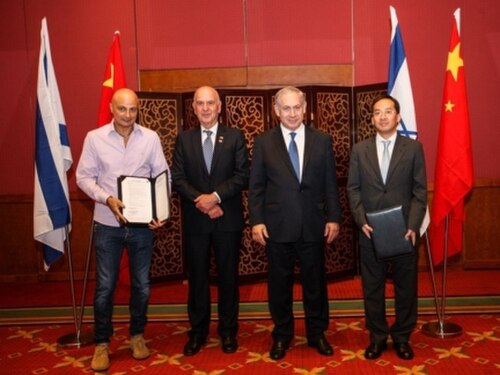
外交関係の樹立以来、文化交流は二国間関係の主要な要素となっており、両国は古く豊かな歴史に基づいた強固な基盤を築くことの重要性を認識している。[ 335 ] 中国が自国領土でユダヤ人を温かく友好的に受け入れてきたことは、愛情深い共感に基づくものであり、中国人はユダヤ人に対して好意的な見方を育み、人類への貢献、生存能力、家族、倹約、勤勉、教育といった中国の価値観の共有、そして古代文明の産物であることなどを賞賛し、中国人とユダヤ人の間の長く続く友情の原動力となっている。[ 336 ] [ 323 ] [ 322 ]共通の親近感と類似した文化的共通点は、中国とイスラエルの間の緊密な絆の原動力となっているだけでなく、両コミュニティ間の兄弟愛の象徴も生み出している。[ 322 ] [ 337 ]
イスラエルは1992年に中国と外交関係を樹立したが、中国人とユダヤ人のつながりは数世紀に渡り、イスラエルと中国は数千年前の古代文明の産物である。[ 336 ] [ 338 ]数千年前に起源を持つ中国とユダヤの文明の文化的類似性は、両国をより緊密に結びつけ、国際社会における自然なパートナーにしている。中国系ユダヤ人は、中国とユダヤの文明間の強い結びつきを維持する上で大きな推進力となっている。[ 339 ] [ 324 ] [ 322 ]ユダヤ人は中国では少数派だが、世界の多くの地域とは異なり、歴史的に中国では、多数派の漢民族からの反ユダヤ主義の事例がなく、両民族間の相互尊重と賞賛に貢献している。[ 336 ] [ 323 ] [ 340 ] [ 341 ]中国人がユダヤ人に対して抱く本質的な親近感から、両コミュニティ間の関係は相互に緊密で調和的かつ友好的であり、両民族の共通の文化的類似性により、ユダヤ人は平等な権利を享受し、主流の漢民族と平和的に共存しており、異民族間結婚を通じてユダヤ人が漢民族コミュニティに同化する事例も存在する。[ 323 ] [ 342 ] [ 343 ] [ 344 ] [ 345 ] [ 346 ] [ 339 ] [ 347 ] [ 324 ]地政学的な規模では、中国はユダヤ国家との緊密な関係を維持しようとしてきた。イスラエルの地域的重要性、安定性、そして不安定な地域における影響力は、中東および全世界における中国の影響力拡大にとって重要な資産となっているからである。[ 329 ]両国の文化や価値観に共通する点や類似点、古代からのルーツ、そして利害の一致が、科学、経済、外交、文化の面で両国をより緊密に結びつけてきた。[ 322 ] [ 323 ] [ 348 ] [ 327 ]
中国は、イスラエルにとって東アジアで最も緊密な経済同盟国の一つであり、両国は戦略的かつ経済的な関係を維持することに大きな重要性を置いている。[ 314 ] [ 349 ] [ 317 ] [ 350 ]経済的な相乗効果は両国に大いに役立っており、イスラエルの世界的な技術力と中国の世界的な経済力、工業製造能力、マーケティングの専門知識が組み合わさることで、両国間の協力は必然となった。[ 322 ]香港を含む中国は、米国に次いでイスラエルにとって2番目に大きな輸出先であり、東アジアにおけるイスラエル輸出の最大の市場となっている。[ 322 ] [ 351 ] [ 352 ]中国はまた、米国と欧州連合に次いでイスラエルにとって3番目に大きな貿易相手国および輸出市場であり、東アジアにおけるイスラエル最大の輸出市場である。[ 322 ] [ 353 ]イスラエルは、世界情勢に対する中国の巨大な世界的影響力、巨大な消費市場、広範な工業製造規模、急成長する経済ダイナミズムを求めており、一方中国は、相互補完的な能力と資源を活用する高度な技術的魔法の力と起業家精神の源泉としてイスラエルを求めている。[ 322 ] [ 323 ] [ 354 ] [ 352 ] [ 355 ]中国は、国際的な経済競争力とリスク管理を高めるためにイスラエルの技術を求めてきた。ハイテク分野のユダヤ人起業家、革新者、発明家の助言と経験により、中国はイスラエルの不可欠な経済的および技術的貢献を利用して、長期的な経済発展を促進してきた。[ 356 ]中国はまた、特に農業、電気通信、防衛に関連する分野で、イスラエルの先進技術への欲求を表明している。[ 322 ]イスラエルの科学技術の進歩により、多くの中国の政治家は、イスラエルが中国経済に貢献してきたことを知っており、同国の独創性と創造性を尊重するようになった。イスラエルの農業技術、特に点滴灌漑と太陽エネルギー技術は、中国の経済発展にとって極めて重要であると見られている。[ 324 ] [ 356 ] [357 ]イスラエルの初期の経済史を通じて、多くのイスラエルのスタートアップ企業が米国や西ヨーロッパの大企業に買収されました。2010 年代以降、中国とイスラエルは二国間経済関係を強化し、中国は中国とイスラエルのビジネスマンや投資家を互いの経済に投資するように結びつけました。中国とイスラエルの経済協力により、イスラエル経済への 150 億ドルを超える中国からの投資が実現し、イスラエルのスタートアップ企業にシード キャピタルがもたらされたほか、イスラエルのノウハウを取り入れて現代中国経済の発展をより効率的に活性化させるのに役立つイスラエル企業の買収が中国の大企業によって行われました。現在、中国はイスラエルの主任科学者事務所の支援を受けているイスラエルのハイテク企業との協力において、米国に次いで 2 位となっています。 [ 358 ]復星集団、中国化工集団、ブライトフード、ホライズンズベンチャーズ、中国光大集団などの中国の大企業は、イスラエルの多くの産業に多額の資金と資源を投資しています。 [ 359 ]中国のビジネスマンや中国の大手企業は、イスラエルのビジネス、経済、起業家精神、技術的専門知識を高く評価しており、イスラエルのノウハウを中国のマーケティング能力、工業製造能力、大規模消費者市場への適応力と統合しようとしてきた。 [ 360 ] [ 359 ] [ 361 ]
イスラエルと香港は、イスラエルと中国の外交関係の一環として、完全な外交関係を有している。イスラエルは香港に領事館を設置しており、香港はテルアビブにある中国大使館を通じてイスラエルに代表されている。
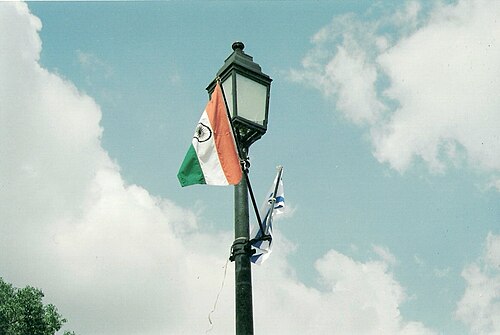
インドは1992年にイスラエル国と外交関係を樹立し、以来、アジアにおけるイスラエルの最も強力な同盟国となっている。[ 362 ]両国は中東および南アジアにおけるテロ対策活動で協力している。イスラエルはインドにとって2番目に大きな武器供給国であり、インドはイスラエルにとって最大の武器市場であり、両国間の貿易量は過去数年間で大幅に増加している。[ 363 ]インドがイスラエルの衛星を打ち上げるなど、宇宙分野でも協力が行われている。インドは2010年に41,000人の観光客が訪れ、アジアにおけるイスラエルの最大の供給市場となった。[ 364 ]
イスラエルとインドはテロ組織に関する情報を共有している。両国は1991年に外交関係を樹立して以来、緊密な防衛・安全保障関係を築いてきた。2009年には、イスラエルはインド最大の武器供給国としてロシアを追い抜いた。米国は、以前エルサレムに中国との同様の取引をキャンセルさせた後、イスラエルがファルコンをインドに売却することを承認した。インドは2002年以来、50億ドル以上のイスラエル製装備を購入している。さらに、イスラエルはインド軍部隊を訓練しており、インドの特殊部隊にテロ対策戦術と市街戦の訓練を行うための取り決めについて協議している。[ 365 ] 2008年12月、イスラエルとインドは、両国の裁判官と法曹関係者間の議論と交流プログラムを促進するために、インド・イスラエル法学コロキウムを設立する覚書に署名した。2009年にイスラエル外務省の委託を受けて実施された国際世論調査によると、インドは世界で最も親イスラエルな国である。[ 366 ] [ 367 ]
インドとイスラエルの関係は、2014年以来、ナレンドラ・モディ首相の下で非常に緊密で温かいものとなっている。2017年には、彼はインド首相として初めてイスラエルを訪問した。[ 368 ] [ 369 ]インドは2017年にイスラエルの最大の武器顧客であった。両国間の防衛関係は長年にわたるものである。[ 370 ]
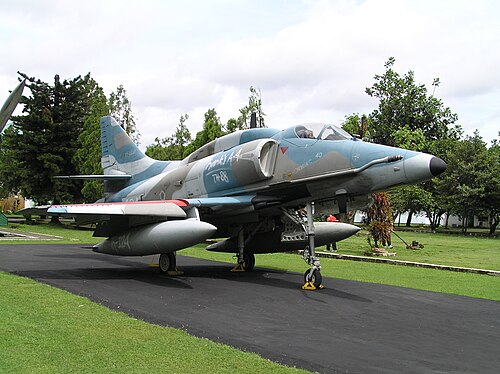
2012年、インドネシアはイスラエルとの関係を非公式に格上げし、ラマッラーに大使級の外交官が率いる領事館を開設することに合意した。この外交官は非公式に、イスラエルとの連絡を担当するインドネシアの大使も務めることになる。5年間の慎重な協議を経て合意されたこの動きは、イスラエルと世界で最も人口の多いイスラム教徒の国との関係を事実上格上げするものである。インドネシアは、ヨルダン川西岸に領事館を開設する動きを、パレスチナ独立への支持を示すものとして正式に発表している。実際には、大使級の外交官はパレスチナ自治政府/PLOに信任されるが、その仕事の大部分はイスラエルとの交渉であり、領事館は領事としての責任だけでなく、実質的な外交任務も果たすことになる。イスラエルとインドネシアは、貿易、安全保障、その他の関係を静かに維持している。イスラエル人はシンガポールでバリ島へのビザを取得でき、多くのインドネシア人が巡礼者としてイスラエルを訪れる。[ 372 ]

1952年5月15日、両国は公使館レベルで日本との外交関係を樹立した。しかし、日本政府は1955年までイスラエルに全権公使を任命しなかった。両国の関係は当初は疎遠であったが、1958年以降、日本を含む複数の国に対するアラブ諸国の石油禁輸措置にもかかわらず、関係は途絶えることはなかった。
両国は1992年4月10日に外交関係を樹立した。イスラエルのカザフスタン大使館は1992年8月に開設され、カザフスタンのイスラエル大使館は1996年5月に開設された。イスラエルはアスタナに大使館を、カザフスタンはテルアビブに大使館を置いている。
イスラエルとマレーシアは外交関係を維持しておらず、マレーシアのパスポートではイスラエルへの入国は認められていない。しかし、マレーシアとイスラエルは貿易関係を結んでおり、2011年にはイスラエルはマレーシアに7億1640万ドル相当の商品を輸出し、9360万ドル相当の商品を輸入した。[ 373 ]欧州委員会がまとめた報告書によると、2010年にはマレーシアはイスラエルの主要貿易相手国の中で15位にランクされ、その年のイスラエルの貿易の0.8%(6億6760万ユーロ)を占めていた。[ 374 ]
モルディブは1965年にイスラエルと外交関係を樹立し、1974年に断絶した。[ 197 ]
2009年、モハメド・ナシード大統領の下、モルディブはイスラエルと観光、保健、教育、文化に関する協力協定を締結した。[ 375 ] 2010年、イスラエル政府はモルディブに眼科医チームを派遣し、患者の治療と現地医療従事者の研修を行った。[ 376 ]しかし、この関係の再開は完全な外交関係には発展しなかった。[ 376 ] [ 377 ]
2014年7月、アブドゥラ・ヤーミーン大統領の下、モルディブはイスラエルとの協力協定を破棄し、イスラエル製品のボイコットを発表した。これは、イスラエルがガザ地区で軍事作戦を開始したことを受けてのことだった。ドゥニャ・マウムーン外相はまた、モルディブは国連人権理事会などの国際フォーラムでパレスチナ人を全面的に支持し、人道支援を提供すると発表した。[ 378 ]
1991年10月、モンゴルとイスラエルの国交が正式に樹立されました。アリエル・シャロン氏は、リクード党の首相を務めていた2001年にモンゴルを訪問しました。モンゴルに入国するイスラエル国民は、事前にビザを取得する必要はありません。モンゴルの入国管理局は、到着時に30日間のビザを発給する傾向があります。ビザの延長は追加料金で可能で、延長の可否は当局の裁量によります。
2010年8月、エルサレムのヘブライ大学から学術代表団がモンゴル国立大学を訪問した。この訪問中に、大学間の協力に関する協定が締結された。2012年には、イスラエルのダニー・アヤロン外務副大臣がモンゴルを訪問し、モンゴル教育大臣と協定を締結した。この協定には、大学および高等教育機関間の協力が含まれており、モンゴル人はイスラエルとホロコーストについて学び、イスラエル人はモンゴルの遺産と歴史について学ぶことになる。また、両国間の関係および大使館間の関係を拡大することにも合意した。

ミャンマー(ビルマとも呼ばれる)は、イスラエルを承認し、イスラエルと外交関係を樹立した最初の国の1つである。ミャンマーは、技術支援と、議論や噂の多い軍事的つながりの両面で、この地域におけるイスラエルの最も強力な同盟国の1つにもなっている。 1950年代には、ウー・ヌーやダヴィド・ベン=グリオンといった両国の首相が互いの国を公式訪問した。[ 379 ] [ 380 ]ミャンマーは農業研究者をイスラエルに派遣して研修を受けさせている。これは、2008年5月のサイクロン・ナルギスの災害に対するイスラエルの援助によってさらに強固なものとなった。

1960年に初めて樹立されたイスラエルとネパールの関係は、相互の安全保障上の懸念に基づいている。[ 381 ] 1959年から1960年までネパールの首相を務めたビシュウェシュワル・プラサード・コイララは、イスラエルに非常に友好的な外交政策をとっていた。マヘンドラ国王は1963年にイスラエルを訪問し、コイララの特別な関係を維持した。1990年代まで、ネパールはイスラエルと外交関係を持つ唯一の南アジアの国だった。[ 382 ]
ネパールは、国際フォーラムや国連において一貫してイスラエルを支持してきた数少ないアジア諸国の1つです。ネパールはイスラエルとの外交関係を維持し、安全で国際的に認められた国境内でイスラエルが生存する権利を支持し続けています。ネパールは、地域のすべての国家が平和に暮らす権利を擁護した安全保障理事会決議242(1967年)と338(1973年)に賛成票を投じました。また、ネパールは、1978年にエジプトとイスラエルの間で締結されたキャンプ・デービッド合意や、米国などの国々が時折主導する新たな和平プロセスなど、中東問題の解決を目指すあらゆる方面からの取り組みを歓迎してきました。
2015年のネパール地震後、イスラエルはネパールへの支援をいち早く送った国の一つだった。イスラエルは捜索救助活動のために264人の代表団と、野戦病院を含む95トン以上の物資を派遣した。イスラエルには約1万2000人のネパール人外国人労働者が居住しており、そのほとんどは介護士として働く女性であると推定されている。
北朝鮮はイスラエル国家を承認しておらず、「帝国主義の衛星国」と非難している。[ 193 ]

イスラエルとパキスタンは外交関係を結んでおらず、パキスタンのパスポートには「このパスポートはイスラエルを除く世界のすべての国で有効です」と記載されている。イスラエル当局は旅行者に対し、パキスタン人はビザを申請でき、紙のビザを発行し、入国と出国スタンプを押印すると伝えた。[ 383 ]イスラエルの指導者の中には、パキスタンとの外交関係が樹立されれば、パキスタンはイスラエルとイスラム世界との架け橋となる可能性があると考える者もいる。[ 384 ] 2008年、イスラエル外相は、パキスタンにおけるタリバンの脅威の増大に対する懸念から、「イスラエルはパキスタンを最大の戦略的脅威とみなしている」と述べた。[ 385 ]
1947年11月29日、フィリピン(1946年までは米国の領土)は、当時、パレスチナにユダヤ国家を勧告する国連総会の分割決議を支持した唯一の東南アジア諸国であった。[ 386 ]イスラエルとフィリピンは1957年に完全な外交関係を樹立した。1962年にはテルアビブとマニラに大使館が開設された。両国はあらゆる分野で良好な関係を築いてきた。1997年、両国はそれぞれの外務省間の二国間政治対話を制度化する覚書(MOU)に署名した。政治対話には、貿易と経済、文化、技術援助、科学、学術交流、観光などの協力が伴う。2004年現在、イスラエルには37,155人から50,000人のフィリピン人労働者がいる。[ 387 ] [ 388 ]
シンガポールとイスラエルは、緊密で友好的な絆と友好的な関係を特徴とする、強力で互恵的な二国間関係を維持しており、両国はそれぞれの建国以来一貫して緊密で友好的な関係を育んできた。これは、両国が、比較的発展途上の社会、政治的不安定、経済的苦境を特徴とする近隣のイスラム諸国に囲まれた、小さながらも裕福な主権国家であり地域の経済大国であると認識していることが一因である。これらのイスラム諸国は、シンガポールの存続に敵対的であり、しばしば両国はこれらの国々と不安定な関係にある。[ 389 ] [ 390 ] 1963年にマレーシアから一方的に追放された後、シンガポールが突然予期せず独立した後、シンガポールは国際社会に技術支援と軍事援助を要請した。イスラエルは、東南アジアの都市国家であるシンガポールの軍隊の設立を支援することでこれに応えた。[ 391 ]両国は1969年5月に正式に外交関係を樹立したが、非公式かつ秘密裏の関係は数年前から、特に軍事活動に関して既に確立されていた。シンガポールとイスラエルは、イスラエル航空宇宙産業やSTエンジニアリングなどのイスラエルとシンガポールの兵器請負業者が協力し、合弁事業開発に従事し、両国間の大規模な武器貿易を促進するなど、広範な二国間安全保障パートナーシップを享受する特別な関係を共有していることでも知られている。[ 392 ] [ 393 ]長年にわたり、イスラエルは夜間作戦から航空心理学に至るまで、さまざまな軍事問題についてシンガポールに助言を続けている。両国の防衛および情報機関は定期的に情報交換を行い、少数のイスラエル国防軍将校がシンガポール国防省(MINDEF)のスタッフとして勤務している。[ 394 ] 2012年にシンガポールがアイアンドーム防衛システムユニット数基の購入に関心を示したと報じられ、2016年に取引が成立した。[ 395 ]
大韓民国とイスラエル国は1962年4月10日に外交関係を樹立した。[ 396 ] [ 397 ]イスラエルは1968年4月にソウルに大使館を開設したが、1978年にイスラエル政府によって閉鎖された。大使館は1992年1月に再開され、韓国は1993年12月にテルアビブに常駐大使館を開設した。 [ 396 ]
2010年8月23日、韓国の政府系ファンドおよび投資運用会社である韓国ベンチャー投資公社(KVIC)は、イスラエルのバーテックス・ベンチャー・キャピタル(VVC)と、両国間の中小規模ベンチャーキャピタル企業の合弁事業または合併買収に資金を提供する1億5000万米ドルのファンドを組成するための覚書を締結した。 [ 398 ]
両国は2021年5月に自由貿易協定に署名し、韓国はイスラエルと自由貿易協定を結んだ最初の東アジアの国となった。[ 399 ]
イスラエルは、タミル・イーラム解放の虎テロ組織との戦争中、スリランカ軍に武器と訓練を提供し、 IAIクフィル戦闘機、サール4級ミサイル艇、スーパー・ドヴォラMk II級哨戒艇、ガブリエルミサイルなどの武器をスリランカに売却した。[ 400 ] 2011年5月、イスラエルの農業大臣が農業ビジネス代表団とともにスリランカを訪問し、両国間の協力を促進した。[ 401 ]
タイとイスラエルは1954年6月23日から完全な外交関係を結んでいます。イスラエル大使館は1958年に開設されましたが、テルアビブのタイ大使館は1996年に開設されたばかりです。当初から両国は、農業や教育をはじめとする多くの分野で強い結びつきと有益な二国間協力関係を築いてきました。数千人のタイ人学者がイスラエルに研修に派遣され、多くのタイの学校はマシャブの支援を受けてイスラエルの経験とノウハウをモデルにしています。タイ王室によるイスラエルへの公式訪問は、イスラエルの著名人によっても返礼されています。毎年10万人のイスラエル人観光客がタイを訪れています。[ 402 ]数千人のタイ人熟練労働者と非熟練労働者がイスラエルで雇用され、多くのタイ人学生がイスラエルで学んでいます。
タイにはタイ・イスラエル商工会議所、タイ・イスラエル友好財団、そしてタイ在住のイスラエル人コミュニティも存在する。[ 403 ]
ベトナムとイスラエルは1993年7月12日に外交関係を樹立した。イスラエルは1993年12月にハノイに常駐大使館を開設した。 [ 406 ]初代ベトナム駐イスラエル大使は2009年7月8日に信任状を提出した。[ 407 ]外交関係樹立以来、両国は様々なレベルで頻繁に相互訪問を行い、ビジネス、教育、文化、技術協力、農業などの分野で関係を強化してきた。イスラエル政府が手配した訪問には、起業家や実業家、学術団体、ジャーナリスト、芸術家や音楽家、法律関係者などからなる代表団の訪問が含まれていた。[ 408 ]
イスラエルとアルバニアは1991年8月20日に外交関係を樹立した。アルバニアは1949年以来、イスラエルを国家として承認していた。[ 409 ]アルバニアはテルアビブに大使館を、イスラエルもティラナに大使館を置いている。
アルメニアは独立以来イスラエルの支援を受けており、今日でもイスラエルの主要な貿易相手国の一つである。両国は1992年4月4日に外交関係を樹立した。イスラエルはエレバンに領事館を、アルメニアはテルアビブに大使館を、エルサレムに名誉領事館を置いている。[ 410 ] [ 411 ]イスラエルはホロコースト中にユダヤ人を救うために命を危険にさらした10人のアルメニア人を「諸国民の中の正義の人」として認定している。[ 412 ]
オーストリアは1949年3月5日にイスラエルを承認した。オーストリアはテルアビブに大使館を、3つの名誉領事館(エイラート、ハイファ、エルサレム)を置いている。[ 413 ]イスラエルはウィーンに大使館を置いている。[ 414 ]両国は地中海連合の正式加盟国である。オーストリア外務省はイスラエルとの二国間条約を一覧にしている。[ 415 ]
アゼルバイジャンとイスラエルの関係は良好で、イスラエルはバクーに大使館を置いている。1999年5月、米国・アゼルバイジャン協議会は、アゼルバイジャン人、ユダヤ人、イスラエルの関係について話し合うセミナーを主催した。2000年4月には、イスラエルの貿易使節団がバクーを訪問し、二国間経済関係の強化策について協議した。
アゼルバイジャン・イスラエル友好協会は、両国間の外交関係および経済関係の促進と強化に努めている。2001年10月、アリエフ大統領はイスラエルに大使館を開設し、外務大臣を派遣することを約束した。いずれも実現には至っていないものの、アゼルバイジャンとイスラエルの戦略的協力関係は着実に発展を続けている。
長年にわたり、アゼルバイジャンは国内の経済的・政治的状況のため、イスラエルへの移民率が高い状態が続いています。2002年には475人のユダヤ人がイスラエルに移住し、111人が米国に移住しました。アゼルバイジャン政府は、イスラエル在住のアゼルバイジャン系ユダヤ人に関する最新情報をイスラエルから定期的に受け取っており、彼らはイスラエルへの新規移民として失業、犯罪、その他の社会問題に悩まされています。[ 416 ]
イスラエルは1992年にベラルーシと国交を樹立し、友好関係を維持している。2000年4月、ベラルーシとイスラエルは貿易、科学、文化、教育に関する協定に署名した。両国はまた、両国間の関係改善のための合同委員会を設立した。ベラルーシはテルアビブに大使館を、イスラエルはミンスクに大使館を置いている。[ 417 ] [ 418 ]両国はまた、両国間のビザなし制度の実施についても話し合ってきた。ベラルーシのウラジーミル・マケイ外相は両国間の関係に引き続き満足しており、ユダヤ国家との進歩的な発展を促進することと併せて、イスラエルとのさらなる包括的な協力を促進する新たな機会への期待も表明した。両国は2012年12月に20周年を祝った。それ以来、二国間協力は観光、文化、貿易、経済、科学、教育などの分野に及んでいる。[ 419 ] 2013年、ベラルーシのミハイル・ルシ副首相は、ベラルーシ農業食糧省、国家科学技術委員会、ベラルーシ銀行、ヴィテプスク州執行委員会のイスラエル高官と会談し、経済協力の促進とベラルーシ農業部門への革新的な技術の開発について協議した。[ 420 ] [ 421 ] [ 422 ]
イスラエルとボスニア・ヘルツェゴビナは1997年に外交関係を樹立した。[ 423 ]
イスラエルとブルガリアは強い結びつきを持っている。ブルガリアは第二次世界大戦中にユダヤ人の大多数を救った。48,000人が救出され、11,343人が追放された。[ 424 ] [ 425 ]イスラエルとブルガリアは1948年に外交関係を樹立した。六日間戦争後、ブルガリアはイスラエルとの外交関係を断絶した。1988年、ブルガリアはパレスチナ国家を承認した最初の国々の波に加わり、その承認を撤回していない。1990年に外交関係が再開された。ブルガリアはテルアビブに大使館を、イスラエルはソフィアに大使館を、ヴァルナに名誉領事を置いている。[ 426 ]
2012年1月、イスラエルとブルガリアは、合同軍事訓練演習と防衛分野での協力に関する覚書2件に署名した。この2件の協定は、イスラエルのエフド・バラク国防相とブルガリアのアニュ・アンゲロフ国防相によって署名された。アンゲロフ国防相は、この2件の協定は、経済的および防衛上の利益に加えて、「政治的なメッセージももたらす。ブルガリアとイスラエルは、より強力な協力と戦略的対話に向けて一歩近づいた」と述べた。2012年のブルガバス爆破事件後、ブルガリアとイスラエルは、2013年11月に内務省で行われたブルガリアのツヴェトリン・イオチェフ副首相兼内務大臣とイスラエルのアヴィグドル・レイベルマン外務大臣の会談で、二国間協力のさまざまな側面について話し合い、両国間の安全保障関係を強化することを誓約した。ブルガリア主導の国際調査により、爆破事件に関与した人物はヒズボラの軍事部門と関係があり、イスラエル人観光客5人とブルガリア国民1人が死亡したことが明らかになった。[ 427 ] [ 428 ]
両国政府はまた、ハイテク分野、通信分野、医療、農業分野での協力、両国間の観光の発展の継続、エネルギー資源の投資撤退を目指している。イスラエルはまた、2014年3月にアヴィグドル・リーベルマンとブルガリアのツヴェトリン・ヨフチェフ内務大臣が会談した結果、ブルガリア、キプロス、ギリシャ、ルーマニアと共同で危機対応のための地域グループを立ち上げ、共通の安全保障上の課題が発生した場合にこれらの国々のパートナーシップを強化する意向である。[ 429 ]

クロアチアはユーゴスラビア連邦(1943年~1991年)の一部であった間、1948年に連邦を通じてイスラエルと外交関係を樹立したが、 1967年の六日間戦争でイスラエルがユーゴスラビアの非同盟運動の同盟国であるエジプトを攻撃した後、ユーゴスラビアはイスラエルとの外交関係をすべて断絶した。一連の政治的混乱と紛争の結果としてユーゴスラビアが崩壊した後、クロアチアは1991年10月8日に独立を宣言し、1992年4月16日にクロアチアを独立国家として承認したイスラエルとの二国間関係を正式に再開したが、クロアチアのトゥジマン大統領との意見の相違により、完全な外交関係が樹立されたのは5年後の1997年9月4日であった。それ以来、クロアチアとイスラエルの関係は良好である。クロアチアはテルアビブに大使館を、アシュドッド、カイサリア、エルサレム、クファル・シュマリヤフに名誉領事館を置いている。イスラエルはザグレブに大使館を置いている。また、クロアチアはパレスチナ国家を承認していない。

イスラエルは、キプロスがイギリスの保護領であった1948年のイスラエル独立以来、キプロスと外交関係を結んでいる。イスラエルとキプロスの関係は、キプロスが独立した1960年以降も拡大し続けている。両国は定期的に貿易を行い、観光客の往来も多い。しかし、キプロスの政治家は、パレスチナ自治区におけるイスラエル軍の襲撃や、キプロスがレバノンからの難民や援助物資の大量流入に対応せざるを得なかった2006年のレバノン戦争に対して、しばしば反対の声を上げてきた。[ 430 ]
しかし、レヴィアタンガス田での天然ガスの発見は、両国政府間の関係改善につながった。両国は2010年に排他的経済水域を画定した。イスラエルとトルコの対立の激化は、イスラエルが他の国との関係改善によって補ったため、両国間の協力レベルをさらに高めた。2012年2月、ネタニヤフ首相はキプロスを訪問した。これはイスラエル首相による史上初の訪問であった。[ 431 ]
イスラエルとキプロスの関係は、西洋の価値観に対する相互尊重、自由市場経済への支持、そして平和的に共存する中東における民主主義の確立に基づいている。[ 432 ]
イスラエルとチェコ共和国は特別な関係を共有している。チェコスロバキアは、イスラエル建国初期にイスラエルに援助を送った唯一の国であり、例えば1947年から1949年にかけてチェコスロバキアからイスラエルへの武器輸送が行われた。
2008年12月、チェコ空軍はアフガニスタンでの今後の任務に備えて砂漠地帯での訓練を希望した。イスラエルを除いて、どの国も協力に同意しなかった。イスラエルはこれを、建国当初にイスラエル人パイロットの訓練をしてくれたチェコに感謝する機会と捉えた。[ 433 ]
デンマークとイスラエルの関係は友好的で温かいものです。デンマークは1947年のパレスチナ分割に賛成票を投じ、国連においてもイスラエルを支持しています。デンマークは第二次世界大戦中、ヨーロッパで数少ない、ユダヤ人人口の大部分を救出した国の一つです。エルサレムにはデンマーク系ユダヤ人救出の記念碑があり、デンマークにちなんで名付けられた学校もあります。また、エイタニムにあるクリスチャン10世病院は、第二次世界大戦中のデンマーク国王にちなんで名付けられています。デンマークはイスラエルに大使館を、イスラエルはコペンハーゲンに大使館を置いています。
両国の政治生活は、ある程度絡み合っている。イスラエルの元社会・ディアスポラ問題担当大臣マイケル・メルキオールはデンマーク生まれで、コペンハーゲンの元首席ラビ、ベント・メルキオールの息子であり、デンマークの元交通大臣兼観光通信大臣アルネ・メルキオールの甥であり、1943年から1945年にかけてスウェーデンにいたデンマークからのユダヤ人難民の代理ラビ、マルクス・メルキオールの孫である。オスロ和平プロセスの開始に重要な役割を果たし、ジュネーブ・イニシアチブの中核グループの一員であった、 2001年から2011年までペレス平和センターの事務局長を務めたロン・プンダックは、影響力のあるデンマーク人ジャーナリスト、ハーバート・プンディクの息子である。そして、著名なイスラエル人政治家で、プレスナー委員会の元委員長であるヨハナン・プレスナーは、デンマーク人建築家ウルリク・プレスナーの息子である。
エストニアとイスラエルは良好な関係を維持している。イスラエルは1991年9月4日にエストニア共和国を正式に承認し、1992年1月9日に外交関係が樹立された。ウルマス・パエト外相は2009年11月にテルアビブにエストニア大使館を開設した。[ 434 ]
2012年時点で、イスラエルとの二国間貿易額は1990万ユーロであった。[ 435 ]
2004年、ICT分野の研究開発プロジェクトのために、フィンランドとイスラエルの共同技術協力プログラム(FIT)が設立されました。イスラエルの主任科学者事務所とフィンランドの研究・イノベーション資金提供機関であるTekesは、それぞれ500万ユーロをプロジェクト資金として割り当てました。[ 436 ] 2005年には、フィンランドからイスラエルへの輸出総額は1億5524万ユーロ、イスラエルからフィンランドへの輸入総額は9596万ユーロでした。フィンランドからイスラエルへの主要輸出品は、通信機器と機械、イスラエル産の果物と野菜です。[ 436 ]

1950年代初頭、フランスとイスラエルは汎アラブ主義という共通の敵として、緊密な政治的・軍事的関係を維持していた。フランスは1962年にアルジェリアから撤退するまでイスラエルの主要な武器供給国であったが、撤退によって両国間の共通の利益がほとんどなくなり、フランスはイスラエルに対してますます批判的になった。[ 437 ]この新たな現実が明らかになったのは、 1967年6月の六日間戦争に至る危機において、シャルル・ド・ゴール政権が地域に武器禁輸措置を課し、主にイスラエルに影響を与えた時であった。イスラエルはそれまでの10年間、武器をフランスに依存していた。[ 438 ] 1980年代初頭、フランソワ・ミッテラン政権下で、フランスとイスラエルの関係は大きく改善した。ミッテランは在任中にイスラエルを訪問した最初のフランス大統領であった。[ 439 ] 1967年の六日間戦争後、5,300人のフランス系ユダヤ人がイスラエルに移住した。[ 440 ]
イスラエルとジョージアの関係は依然として良好である。[ 441 ] 2006年から2008年までジョージアの国防大臣を務めたダヴィト・ケゼラシュヴィリは、以前イスラエルに住んでいた。イスラエルは、米国からの助成金で資金提供を受けて、7年間ジョージアに武器を販売している。[ 441 ]これらの武器には、テルアビブの元市長ロニ・ミロを通じて提供されたイスラエル製のスパイドローンも含まれる。100人から1000人と推定されるイスラエルの顧問は、しばらくの間ジョージア軍を訓練してきた。[ 441 ]両国はまた、ビザなし政策を維持しており、ジョージアとイスラエルの当局者は、2005年半ばから実施されているイスラエル人に対するジョージアのビザなし政策に対抗して、イスラエルに旅行するジョージア国民のビザ要件を撤廃する協定に署名した。[ 442 ] [ 443 ]
ジョージアはテルアビブに大使館を置き、イスラエル国はトビリシに大使館を置いている。2013年6月、ジョージアのビジナ・イヴァニシュヴィリ首相はユダヤ人とイスラエルを称賛し、自身とジョージア、ユダヤ人との特別な関係を明らかにして、イスラエルとジョージアの関係強化を図った。イヴァニシュヴィリ首相はまた、イスラエルの起業家や投資家がイスラエルでビジネスを行うだけでなく、ジョージア人がビジネスを行うための適切な道筋を整えることで、戦略的パートナーシップを拡大し、経済協力をさらに推進したいと考えていた。イスラエル・ジョージア商工会議所は、両友好国間のビジネス取引を円滑化し、イスラエル企業がジョージア経済を通じたガイド役を務めるために1996年に設立された。主なセクターには、保険、不動産および建設、医療および歯科ソリューション、産業および公益事業プロジェクト、エネルギーが含まれる。[ 444 ] [ 445 ] [ 446 ]
ホロコーストにおける役割のため、イスラエルは当初ドイツに対して極めて敵対的で、当初はドイツとの関係樹立を拒否した。しかし、1952年にドイツが賠償金の支払いを申し出たことで関係は徐々に雪解けし、1965年に正式に外交関係が樹立された。イスラエルとドイツは現在、共通の信念、西側の価値観、そして歴史的視点の組み合わせに基づく「特別な関係」を維持している。[ 447 ]両国関係における最も重要な要素の一つは、ホロコーストにおける600万人のユダヤ人の虐殺におけるナチス・ドイツの役割である。[ 448 ]
ドイツはドルフィン潜水艦を含むイスラエルへの主要な武器供給国である。軍事協力は秘密裏に行われてきたが、双方にとって有益であった。例えば、イスラエル諜報機関は鹵獲したワルシャワ条約機構軍の装甲車両を西ドイツに送って分析させた。その結果はドイツの対戦車システムの開発に役立った。[ 449 ]
ギリシャとトルコはともに1940年代後半にイスラエル国家を承認したが、テルアビブにおける外交代表機関は大使館レベルよりも低いものであった。ギリシャとイスラエルの関係は1995年に改善した。


Greece–Israel relations improved as Turkey–Israel relations worsened in the aftermath of the 2010 Gaza flotilla raid. In October 2010, the Israeli and Greek air-forces trained jointly in Greece. According to the BBC, this signified a boost in ties that was due in large part to Israel's rift with Turkey.[450] In November 2011, the Israeli Air Force hosted Greece's Hellenic Air Force in a joint exercise at the Uvda base.[451]
The joint Cyprus–Israel oil and gas explorations are also an important factor for Greece, given its strong links with Cyprus.[452] Additionally Greek and Israeli state controlled energy companies are planning to lay the world's longest subsea power cable, linking Israel, Cyprus and Greece by 2023. The link, called the EuroAsia Interconnector project, will be the longest in the world.[453]
A new joint action committee for the Greek–Israeli alliance has been created in the U.S. Congress in early 2013. The creation and goals of the Greek-Israeli Caucus under the name Congressional Hellenic-Israel Alliance were announced at a special event held in the Congress.[454] It is co-chaired by Congress members Gus Bilirakis the Republican representative from Florida and Ted Deutch the Democrat from Florida, and the Greek-Israeli Caucus consists of powerful members of both Republican and Democratic party. It is estimated that it may become the most important pressure group in Congress by 2014.[455][456][457]
Before the establishment of the State of Israel in 1948, the Vatican opposed Zionist policies and objectives in Palestine. In 1947, during discussions at the United Nations about the United Nations Partition Plan for Palestine, the Vatican supported the internationalization of Jerusalem, in order to keep the holy places away from either Israeli or Arab sovereignty. In October 1948, as the 1948 Arab–Israeli War was in progress, Pope Pius XII, deeply disturbed by that violent conflict, issued the encyclicalIn multiplicibus curis, in which he called on the peace-makers to give Jerusalem and its outskirts "an international character" and to assure – "with international guarantees" – freedom of access and worship at the holy places scattered throughout Palestine. In April 1949, he issued the encyclical Redemptoris nostri cruciatus, in which he appealed for justice for the Palestinian refugees and repeated his call for an "international status" as the best form of protection for the holy places.
In January 1964, Pope Paul VI visited Israel, the first such Papal visit.
Following the Six-Day War, the Vatican modified its position on the holy places. In an address to the College of Cardinals in December 1967, Pope Paul VI called for a "special statute, internationally guaranteed" for Jerusalem and the Holy Places, thus changing the previous demand for the internationalization of Jerusalem.
Diplomatic relations between the Israeli government and the Vatican were established in 1994, following the conclusion of the Fundamental Agreement between the Holy See and the State of Israel, signed on 30 December 1993. The Holy See (the Vatican), which has UN observer status, is the only non-UN member state with which Israel has diplomatic relations and the only non-UN member state recognised by Israel. An important organ in these relations is the Israel-Vatican Bilateral Commission, established under article 10 of the Agreement to resolve economic issues between the parties.
In 2000, Pope John Paul II visited Israel, followed by visits of Pope Benedict XVI (2009) and Pope Francis (2014). The bilateral commission convened on 30 April 2009 and 10 December 2009.[458]
Hungary and Israel established full diplomatic relations in 1948 and severed during the Six-Day War in 1967. Relations were restored in 1989 with improved relations as well as the opening of embassies and consulates with Hungary having an embassy in Tel Aviv and 4 honorary consulates (in Eilat, Haifa, Jerusalem and Tel Aviv)[459] and Israel has an embassy in Budapest and an honorary consulate in Szeged.[460] Both countries have stressed the increasing of trade and tourism between one another and an estimated 30,000 Hungarian Jews emigrated to Israel in 1948.[461][462][463] Both nations are also members of the Union for the Mediterranean.
In January 2022, Israeli Prime Minister Naftali Bennett thanked his Hungarian counterpart, Prime Minister Viktor Orbán, for the Hungarian government's consistent support of Israel at international forums.[464]
Full diplomatic relations between Ireland and Israel were established in 1975.[465] As of 2023, the Israeli ambassador to Ireland is Dana Erlich and the Irish ambassador to Israel is Sonya McGuinness.[466][467]
The Irish government followed a similar line to other EU governments during the 2006 Lebanon War, with the Irish Taoiseach, Bertie Ahern, condemning the actions of Israel as "reckless and disproportionate" and calling for an immediate ceasefire on both sides, while also condemning the actions of Hezbollah.[468] During the conflict, a shipment of bombs that attempted to land in Ireland from USA to Tel Aviv was denied use of Irish airspace and airfields by the Irish Government. The weapons were part of a series of agreed arms shipments between the United States Government and Israel. The shipments were diverted via Scotland, where they also caused controversy.[469]
In 2010, the Israel Defense Forces forcibly boarded an Irish aid ship destined for the Gaza Strip which resulted in worsened relations, Israel's Mossad was also involved in the counterfeiting of Irish passports, and two members of the Israeli ambassador's security staff in Dublin were subsequently deported. In 2010, there were numerous protests at the Israeli embassy in Ireland over the treatment of Palestinians.
In December 2024, Israel announced that it would close its embassy in Dublin due to what it described as "the extreme anti-Israel policies of the Irish government".[470]

Relations between Italy and Israel remain strong, with frequent diplomatic exchanges and a large volume of trade. The Israeli Government has followed with great attention the fight against international terrorism pursued by the Italian Government.
On 17 February 2008, Kosovo declared its independence from Serbia, a move Serbia rejects. Kosovo has been recognized by a substantial number of UN members, including the United States and most members of the European Union.[471] At the time of the declaration, an Israeli Foreign Ministry official stated: "We haven't decided when we're going to decide, and instead will monitor events and consider the issue." Israel was reluctant to recognize Kosovo's independence, in part because of the possibility of Palestinians using recognition of Kosovo to justify their own unilateral declaration of independence.[472] On 21 September 2018 the president of Kosovo, Hashim Thaci told that he would place the Kosovo embassy in Jerusalem if Israel recognized Kosovo as an independent state.[473] Israel and Kosovo agreed to establish diplomatic relations on 4 September 2020.[474] In March 2022, Kosovo officially opened its embassy in Jerusalem after becoming the first Muslim-majority territory to recognise Jerusalem as Israel's capital.[475]
Latvia and Israel established diplomatic relations 6 January 1992. In October 2012, Foreign Minister Edgars Rinkēvičs called on Israeli officials for the development of economic and trade contacts between both countries and support for Latvia's accession to the Organisation for Economic Co-operation and Development (OECD). Rinkevics also met with Israeli President Shimon Peres on behalf of President Berzins to visit Latvia. Rinkevics and Peres agreed on the key significance of education and knowledge-based economies for the development of small countries further paving opportunities for our future cooperation between the two nations.[476]
Israeli Foreign Minister Avigdor Lieberman also corroborated claims that Israel is interested in forging closer relations with Latvia as Rinkevics emphasized the 20th anniversary of relations between Latvia and Israel in 2012 and both foreign ministers expressed their commitment to strengthening economic and trade cooperation, including contacts between Latvian and Israeli entrepreneurs and a more cooperative operation in the fields of education, culture and science.[476]
Israel recognized Lithuania's independence in 1991. Both countries established diplomatic relation in 1992. Israel has an embassy in Vilnius. Lithuania has an embassy in Tel Aviv and two honorary consulates (in Herzliya and Ramat Gan). Relations are warm and friendly between the two nations and both bi-national trade and tourism has doubled, and two new regularly scheduled flights have just been set between the two countries since 2010.[477]
Lithuanian achievements, particularly Lithuania's achievements in biochemistry and the biosciences have attracted Israeli entrepreneurs and investors to invest in Lithuania's science and technology sector and Lithuania is enthusiastic in combining Israel's knack for unlocked untapped entrepreneurial and intellectual potential combined with Lithuania's strong science and technology research base and talented workforce. Both nations have concluded an agreement on cooperation in industrial research and experimental development as further cooperation within venture capital to fund joint research projects remains underway.[478][479]
Bilateral meetings between both nations reached unexpected highs between 2009–2011 and cooperations between the two nations remain excellent with several forms of cooperation that include science, economics, education, and culture as emphasized by Lithuanian Foreign Minister Audronius Azubalis. Lithuanian President Dalia Grybauskaite has stated Israel as model of innovation in which is one of the reasons that Lithuania is interested in enhancing its bilateral relations.[480][481][482][483]
In 2011 alone, Israeli tourism to Lithuania grew by 62 percent, and Lithuanian exports to Israel increased by 54 percent. Israel's leading pharmaceutical company, Teva Pharmaceutical Industries Ltd, has a manufacturing plant in Lithuania and TEVA recently invested in "Sicor Biotech", a Lithuanian biotechnological pharmaceutical company, further signifying economic cooperation and encourages the development of such sciences as biotechnology and genetic engineering in Lithuanian universities.[484]
Israeli companies have taken a very active interest in possibilities for carrying out clinical research in Lithuania; many of them are already in cooperation with Lithuanian medical institutions and have invested in Lithuania's burgeoning life sciences sector. In 2013, Lithuanian biotechnology company ProBioSanus signed a representation agreement with Bharat Israel where ProBioSanus' natural, probiotic-based cleaning and personal care products will be available for sale in Israel for the first time. The company already opened stores in Lithuania and Scandinavia. Mr Andrejauskas, head of ProBioSanus spoke of this agreement saying that "We have a strong scientific base and intellectual potential in Lithuania, so we are allocating particular attention to the creation of new formulas and products."[485] Besides Israeli investments in the Lithuanian life science's sector, Lithuanian presence in Israel in the food industry remains strong as Israeli supermarkets sell Lithuanian cheese, curd desserts, Vilnius mayonnaise, Žemaitijos Pienas butter, Panevėžys ice cream, Švyturys-Utenos Alus beers and various styles of Lithuanian liquors. According to Vadimas Ivanovas, a business and financial analyst at Enterprise Lithuania, says that Israeli retail chains are very interested in Lithuanian sweets, pastries, canned vegetables, various sauces, alcoholic beverages, mineral water. "Veal is particularly popular."[479]
In November 1947, Luxembourg voted in favor of the partition plan to create a Jewish state. Israel and Luxembourg established full diplomatic relations in 1949. Due to Luxembourg's small size, the Israeli embassy is located in Brussels and Luxembourg is represented politically by the Dutch embassy and economically by the Belgian embassy.[486]

Relations between Moldova and Israel were established on 6 June 1992. Israel recognized Moldova on 25 December 1991. Israel is represented in Moldova through its embassy in Chisinau and Moldova has an embassy in Tel Aviv and an honorary consulate in Haifa. Relations between the two countries are friendly and a warm one based on mutual support. A myriad of efforts are primarily focused on the realization of achieved accords on cooperation in the fields of economy, medicine, industry, agriculture, social and cultural issues. Though the volume of trade between Israel and Moldova was low, Larisa Miculet, the third Ambassador of Moldova to Israel, has stated that there numerous untapped potential of increasing bilateral trade. For Israeli entrepreneurs and investors, Moldova is geopolitically convenient because of its location in the center of Europe, its high transparency between public authorities and foreign investors and due to its having eliminated most of the bureaucratic barriers that hinder business activities. Various business sectors of cooperation between Israel and Moldova range from pharmaceuticals, energy, information technology and software, electronics and electronic equipment, power engineering, metal and plastics processing and construction materials but Moldova has stressed foreign Israeli investments in all segments of the Moldovan economy.[487][488][489]

In 1947, the Netherlands voted in favor of the establishing Israel and established diplomatic relation in 1949. Israel has an embassy in The Hague and The Netherlands has an embassy in Tel Aviv.

Norway was one of the first countries to recognize Israel on 4 February 1949. Both countries established diplomatic relations later that year. Israel has an embassy which serves Norway and Iceland in Oslo. Norway has an embassy in Tel Aviv and 2 honorary consulates (in Eilat and Haifa). Israels Venner på Stortinget(Friends of Israel in the Parliament of Norway) is a pro-Israel caucus group consisting of members of the Parliament of Norway (Stortinget).
Following the severing of relations after the Six-Day War, Poland was the first Eastern Bloc country to restore relations with Israel in 1986 (beside Romania, which had continuous relations with Israel). Full diplomatic relations were reestablished in 1990, after the fall of Communism in Poland.
The Estado Novo regime did not recognize Israel. Full diplomatic relations with the Portuguese government were established on 12 May 1977, following the Portuguese revolution of 1974.[490]
Romania and Israel established full diplomatic relations on 11 June 1948. Between 1967 and 1989, Romania was the only Eastern Bloc country to maintain relations with Israel, after the Six-Day War.[491]
Israel has an embassy in Bucharest.[492] Romania has an embassy in Tel Aviv and 3 honorary consulates (in Haifa, Jerusalem and Tel Aviv).[493] The two countries have signed many bilateral treaties and agreements and both of them are full members of the Union for the Mediterranean and many other international organizations.

The Soviet Union voted in favor of the United Nations Partition Plan for Palestine in 1947, which paved the way for the creation of the State of Israel. On 17 May 1948, on the third day of Israel's independence, the Soviet Union granted de jure recognition to the State of Israel, becoming only the second country to recognise Israel (preceded only by the United States' de facto recognition) and the first country to grant Israel de jure recognition.[494]
The Soviet Union and the other communist states of Eastern Europe (with the exception of Romania) cut diplomatic ties with Israel during the Six-Day War. Relations were restored on 19 October 1991, a few months before the dissolution of the Soviet Union, despite the fact that hostile Arab countries such as Syria also maintain close ties with Russia. Russia is known to supply Syria with weapons.[495]
In September 2010, Israel and Russia signed a comprehensive military agreement that will "increase cooperation on combating terrorism" and the proliferation of nuclear weapons. Israeli Defense Minister Ehud Barak met with his Russian counterpart, Anatoly Serdyukov and Prime Minister Vladimir Putin, and signed the agreement during a ceremony in Moscow. The Russian military plans on purchasing additional Israeli unmanned aerial vehicles. Russia previously bought 12 drones from the Israel Aerospace Industries following the war in South Ossetia.[496]
Diplomatic relations between Israel and Serbia's predecessor state, Yugoslavia, were severed for twenty-four years, from 1967 until 1991, when they were officially renewed, by which time Yugoslavia was in the process of disintegration. Diplomatic relations continued when, in April 1992, the two remaining Yugoslav republics, Serbia and Montenegro, formed the Federal Republic of Yugoslavia (renamed to Serbia and Montenegro in February 2003). On 3 June 2006, Montenegro and Serbia dissolved the union.
Both countries established diplomatic relations in 1993. Israel has an embassy in Bratislava, with its first resident ambassador in Slovakia being Yael Rubinstein.[497] Slovakia has an embassy in Tel Aviv.[498] In May 2008, Slovak Prime Minister Robert Fico called Ehud Olmert and Shimon Peres for the strengthening of diplomatic relations between Israel and Slovakia. An Israel – Slovakia Chamber of Commerce and Industry also exists to facilitate further economic and business cooperation between the two countries.[499][500]
Israel and Slovenia established full diplomatic relations when Israel officially recognized Slovenia on 16 April 1992 and on 28 April 1992 when the countries signed the Protocol establishing diplomatic relations between each other. The Slovenian-Israeli Chamber of Commerce was established in 2010 signifying a strengthening of ties and both countries have discussed bilateral cooperation in business, tourism, science and technology, and agriculture.[501][502]
A sizable Slovenian Jewish community was presently in the Gush Dan area.
Francoist Spain did not recognize Israel, citing an international conspiracy of Jews and Freemasons against Spain. Israel and Spain have maintained diplomatic ties since 1986. Nevertheless, Israeli exports to Spain are on the rise, totalling $870 million in 2006, and Israeli firms doing business with Spain include the Dead Sea Works, Haifa Chemicals, Amdocs, Comverse and Teva Pharmaceuticals.[503] The Spanish foreign minister visited Israel for an official visit in May 2008.[504]
Since the outbreak of the Gaza war, Spain has been among the most outspoken critics about Israel's actions. As of September 2025, both countries have recalled their respective ambassadors.[505][506]
Sweden voted in favor of the United Nations Partition Plan for Palestine in 1947. Relations between Sweden and Israel were good during the 1950s and 1960s, and Sweden expressed strong support for Israel during the Six-Day War.[507] However, from 1969, Sweden became more critical of Israel.[508][509] In October 2014, Sweden became the first European Union member to officially recognize the State of Palestine.[510]

The First Zionist Congress was held in Basel in 1897, and 15 out of a total of 22 congresses were held in Switzerland. Before the establishment of the State of Israel, Switzerland maintained a consulate in Jerusalem and a consular agency in Tel Aviv. It recognized the new state in 1949 and opened a consulate in Tel Aviv, which was upgraded to an embassy in 1958. The Swiss community in Israel is the largest in the Asian region, totalling around 12,000 persons.[511]
After escalation of the Middle East conflict, Switzerland halted arms sales and military cooperation with Israel from 2002 to 2005. Since 2004, there has been regular political dialogue between Switzerland and Israel.[511]
Switzerland has represented Israel's interests in numerous countries (Hungary (1967–1989), Guinea (1967–1973), Ceylon/Sri Lanka (1970–1976), Madagascar (1973–1994), Liberia (1973–1983) and Ghana (1973–2002)). Conversely, it has represented the interests of Iran (1958–1987) and Ivory Coast (1973–1986) in Israel. It also lobbied successfully for inclusion of Magen David Adom in the Red Cross and Red Crescent movement.[511]
On 21 April 2009, Israel recalled its ambassador for consultations due to events that occurred at the UN anti-racism conference in Geneva, Switzerland. Israeli officials, angered by a meeting between Swiss President Hans-Rudolf Merz and the Iranian president, recalled its ambassador to Switzerland, Ilan Elgar "for consultations" amid ongoing controversy over an anti-racism conference being held in Geneva.[512][513]
Both countries established diplomatic relations on 26 December 1991. Israel has an embassy in Kyiv. Ukraine has an embassy in Tel Aviv and a consulate-general in Haifa. In July 2010 the foreign ministers of two countries sign an agreement of non-visa traffic between Israel and Ukraine. This came into effect on 9 February 2011 and since then Ukrainians and Israelis may enter territory, travel through it or stay on Ukraine/Israel without having to obtain visas for 90 days within a period of 180 days.
Israel established diplomatic relations with the United Kingdom in 1950.[514]
The UK governed Israel from 1921 until 1948, when it achieved full independence. Both countries share common membership of the OECD, and the World Trade Organization. Bilaterally the two countries have a Trade and Partnership Agreement,[516] a Reciprocal Healthcare Agreement,[517] and a Strategic Partnership.[518] The two countries are currently negotiating a new Free Trade Agreement.[519]
Relations between the Israel and the UK began as hostile. During the 1948 Arab–Israeli war, Britain detained 8,000 Jewish men of military age attempting to make aliyah to Israel in Cyprus, so they could not participate in the fighting. Britain supplied weapons to the Arab states, and almost went to war with Israel. When Israel captured the Negev, the British Ministry of Defence began to draw up plans for a possible invasion of Israel. British planes spied on Israeli positions, and war between the two countries became even more possible when four British planes were shot down by Israel. However, the two countries began to soften later on, and trade began. In 1956 Israel invaded Sinai Peninsula in agreement with France and the UK that invaded Suez. Nevertheless, Anglo-Israeli relations became turbulent in the summer of 2006 when Prime Minister Tony Blair, along with many other European leaders criticized IDF airstrikes against Hezbollah targets in Lebanon, which had high civilian casualties. During the Cameron premiership, relations between the two countries continued to remain close.
Costa Rica was one of the first countries to vote in favor of the establishment of the State of Israel. It maintained its embassy in Jerusalem until August 2006, when it finally relocated to Tel Aviv in order to bolster its ties with the Arab world.[525] In December 2011, Rodrigo Carreras became the Costa Rican ambassador to Israel for the second time, after his posting there in the 1980s. Carreras' father, Benjamin Nunez, also served as the Costa Rican ambassador to Israel.[526]
Following Israel's independence, Guatemala was the first country to open an embassy in Jerusalem in 1959. The embassy was later relocated to Tel Aviv. However, on 16 May 2018 Guatemala again moved its embassy back to Jerusalem. The move to Jerusalem followed two days after the opening of the United States' Embassy to Israel in the city.[527]

Haiti and Israel maintain full diplomatic relations. In 1947, Haiti voted for the UN Partition Plan and the creation of the State of Israel.[528] Israel was among the first to send both personnel and aid to Haiti following the devastating earthquake in 2010.[529]
Panama formally recognized the State of Israel on 18 June 1948. The two countries first exchanged in 1960.
Panama voted with Israel against UN resolution 67/19,[531] as well as UN resolution 70/70,[532] and in 2012 had a 30% voting coincidence with Israel.[533]
1974–1978: Israel sold arms to Somozarégime.[534][535]
On 1 June 2010, Nicaragua suspended diplomatic ties with Israel in response to the Gaza flotilla raid.[536] Relations were restored in March 2017.[537]
In October 2024, Nicaragua once again severed diplomatic ties with Israel due to the Israeli war on Gaza and Lebanon, calling the Israeli government "fascist" and "genocidal".[24]
Canada's relationship with Israel began in 1947, when Canada was represented on the United Nations Special Committee on Palestine (UNSCOP). Canada was one of the 33 countries (including only four Commonwealth members) that voted in favour of the 1947 UN partition Plan, thus beginning a longstanding relationship with the Jewish state based on a shared commitment to democratic values, understanding, and mutual respect.

Cuba sent troops to fight against Israel during the War of Attrition. Cuba also joined the expeditionary forces during the 1973 Yom Kippur War, and broke diplomatic relations with Israel the same year.
As Cuba's enemy and a very close United States ally, Israel was the only country in the world that consistently sided with the U.S. blockade against Cuba.
In late 2010, Fidel Castro, who at this time no longer held office in Cuba's government, stated that he believes Israel has a 'right to exist', which is a shift from his régime's earlier policy.[538]

Mexico and Israel have had diplomatic relations since January 1950. Throughout the years, they have maintained close relations with each other. In 2000, a free trade agreement was signed between the two nations. Mexico has also purchased weapons from Israel and is one of Israel's closest allies in the Americas.[539]

The relations between Israel and the United States have evolved from an initial United States policy of sympathy and support for the creation of a Jewish state in 1948 (It was the first country to recognize the establishment of the State) to an unusual partnership that links Israel with the United States trying to balance competing interests in the Middle East region. The United States has been considered Israel's most powerful and supportive ally and hosts the annual Salute to Israel Parade in New York City. From 1948 to 2012, the United States has provided Israel with $233.7 billion in aid (after adjusting for inflation). In addition, the US has provided Israel with $19 billion in loan guarantees.[540]
The United States is Israel's largest trading partner, accounting for 22.4 percent of Israel's $43.19 billion in imports, and 42.1 percent of Israel's $40.14 billion in exports annually (2005).[541] The U.S. also provides Israel with $2.4 billion in military assistance annually, which is equivalent to 24.5 percent of Israel's military expenditures. (2005).[541]

Australia was one of the four Commonwealth nations to vote in favour of the 1947 UN partition resolution. Australia and Israel established full diplomatic relations in January 1949.[542] Australia has an embassy in Tel Aviv and Israel likewise in Canberra. In May 2010, the Australian government expelled an Israeli diplomat over the misuse of Australian passports in the assassination of Mahmoud Al-Mabhouh, which Foreign Minister Stephen Smith said was "not the act of a friend."[543]
The Marshall Islands is one of the most consistent supporters of Israel international affairs, along with the United States, Micronesia and Palau. The Marshall Islands is a country in free association with the United States, and thus consistently vote in favor of the United States.
The Federated States of Micronesia is one of the most consistent supporters of Israel in voting at the UN.[544][545]
In January 2010, the President of the Federated States of Micronesia, Emanuel Mori, and the President of the Republic of Nauru, Marcus Stephen, with their foreign ministers, visited Israel to expand ties on issues such as healthcare, solar energy, water conservation, clean technologies and other areas in which Israel can provide expertise. They met with Israeli leaders including the Prime Minister Benjamin Netanyahu, President Shimon Peres and Minister of Foreign Affairs Avigdor Lieberman.[546]
Israel and the Republic of Nauru established diplomatic relations in December 1994.[163] Nauru recognized Jerusalem as Israel's capital in 2019.[547]
New Zealand was one of the four Commonwealth nations to vote in favour of the 1947 UN partition resolution. Since then, most New Zealand governments have been supportive of Israel. After 53 years of full diplomatic relations, the Israeli Embassy in Wellington closed in 2004 due to $5.4 million in cost-cuts by the Israeli Foreign Ministry. It was speculated that trade with Arab countries were a major factor. In June 2004, the New Zealand Government criticized Israel's policy of bulldozing Palestinian homes and donated $534,000 to aid homeless Palestinians. At one time there were four missions in the South Pacific area in Canberra, Sydney, Wellington and Suva in Fiji. Following the closure, only Canberra remained open, which was responsible for New Zealand-Israeli Relations. In 2009, the Israel Foreign Ministry announced the reopening of the embassy in Wellington.[404]
In mid-2004, two suspected Mossad agents were jailed for three months and paid a $35,000 fine for trying on false grounds to obtain a New Zealand passport. High-level visits between the two countries were cancelled, visa restrictions imposed for Israeli officials, and an expected visit to New Zealand by Israeli president Moshe Katsav was cancelled. More than a year later, Israel apologized and New Zealand Prime Minister Helen Clark announced that it was time to resume friendly diplomatic relations with Israel.
Diplomatic relations between Israel and Niue were established on 3 August 2023.[548]
Palau is one of the most consistent supporters of Israel in the United Nations and other international affairs along with the United States, Micronesia and the Marshall Islands. In 2006, Palau had the highest voting coincidence with Israel in the United Nations.
Israel maintains a non-resident embassy to Tuvalu in Jerusalem and Tuvalu has voted together with Israel against UN resolutions furthering Palestinian sovereignty on occasion.[549][550]

In 1992, three Israeli diplomats were killed in the bombing of the Israeli Embassy which left 29 people dead and 240 wounded. Two years later, another bombing took place at the AMIA Jewish community center in Buenos Aires, killing 85 people and wounding 300. The investigation was never completed.[551]Néstor Kirchner called this a national disgrace, and reopened the files.
In January 2009, Bolivia limited its foreign relationship with Israel in the wake of strikes in Gaza by Israel. Bolivian President Evo Morales has reportedly promised to take Israel to an international court for alleged war crimes committed in Gaza.[552] Bolivia originally granted visa free access to Israeli citizens. However, as a result of Israel's 2014 military operation in Gaza, which it opposed, President Evo Morales declared Israel a "terrorist state" and his government will now require Israeli citizens to obtain a visa to visit Bolivia.[553] Morales has called Israel's treatment of Palestinians "a genocide".[554]
Following Morales's resignation and fleeing to Mexico in November 2019, relations were restored to their previous status.[555]
On 1 November 2023, following the escalation of the Gaza war, Deputy Foreign Minister of Bolivia Freddy Mamani announced that Bolivia would be cutting diplomatic ties with Israel. This made Bolivia the first country to cut relations with Israel in response to the conflict.[556]
Bolivia and Israel officially reestablished relations on 9 December 2025, following Rodrigo Paz Pereira's assumption of office.[557] Israelis were granted visa-free entry to Bolivia.[558]

Brazil played a large role in the establishment of the State of Israel. Brazil held the Presidency office of the UN General Assembly in 1947, which proclaimed the Partition Plan for Palestine. The Brazilian delegation to the U.N., supported and heavily lobbied for the partition of Palestine toward the creation of the State of Israel. Brazil was also one of the first countries to recognize the State of Israel, on 7 February 1949, less than one year after Israeli Declaration of Independence.
Nowadays, Brazil and Israel maintain close political, economic and military ties. Brazil is a full member state of Israel Allies Caucus,[559] a political advocacy organization that mobilizes pro-Israel parliamentarians in governments worldwide. The two nations enjoy a degree of arms cooperation as Brazil is a key buyer of Israeli weapons and military technology.[560] Also, Brazil is Israel's largest trading partner in Latin America.[561] Israel has an embassy in Brasília and a consulate-general in São Paulo and Brazil has an embassy in Tel Aviv and an honorary consulate in Haifa.[562] A longstanding dispute between Israel and Brazil is ongoing over Brazil's official rejection of a new Israeli ambassador because of his ties to the West Bank.[563]
Brazil-Israel relations have improved significantly during the presidency of Jair Bolsonaro since 2019. Brazilian president Bolsonaro has expressed his love for Israel several times.[564] He has even said to have turned Brazil into Israel's new best friend.[565] In December 2019, Brazil opened a trade office in Jerusalem. Brazil also considered to move its embassy to Israel from Tel Aviv to Jerusalem.[566]
Brazil has the ninth largest Jewish community in the world, about 107,329 by 2010, according to the IBGE census.[567] The Jewish Confederation of Brazil (CONIB) estimates to more than 120,000.[568]
Chile recognized Israel's independence in February 1949. Israel sent its first ambassador to Chile in May 1950, and Chile sent its first ambassador to Israel in June 1952. Prime Minister Golda Meir visited Chile during her term in office. In March 2005, the Chilean minister of foreign affairs Ignacio Walker made an official visit to Israel. Chile is home to the largest Palestinian community outside the Middle East, approximately 500,000.[569][570]

Colombia and Israel established formal relations in the mid-1950s. In recent years, Colombia has purchased planes, drones, weapons and intelligence systems from Israel. An Israeli company, Global CST won a $10 million contract in Colombia.[571] On 1 May 2024, Colombian president Petro announced Colombia would break diplomatic ties with Israel.[572]
Both countries have established diplomatic relations on 9 March 1992.[573]
In September 2018, Paraguay announced that it was moving its embassy in Israel out of Jerusalem and back to Tel Aviv, just months after a previous Paraguayan administration had opened the new mission. The US, Guatemala and Paraguay, all moved their embassies to Jerusalem in May 2018. Paraguay said it had officially recognized the military wings of Palestinian group Hamas and Lebanon's Hezbollah as terrorist organizations, drawing praise from Israel. President Mario Abdo Benitez made the declaration in an official document in August 2019.[574]
Israel and Peru established diplomatic relations in 1957. In 1998 the two countries began talks on a free-trade agreement.[575] Israel sent rescue teams and medical aid to Peru after earthquakes in 1970, 2005 and 2007.[576][577] In 2001, Eliane Karp, a former Israeli, became the First Lady of Peru.[578]
Suriname and Israel established diplomatic relations on 24 February 1976.[579] In February 2011, non-resident Israeli ambassador to Suriname, Amiram Magid, criticized the government of Suriname for recognizing the State of Palestine.[580] On 30 May 2022, in a meeting with Israeli Foreign Minister Yair Lapid, Surinamese Foreign Minister Albert Ramdin announced plans to open a Surinamese embassy in Jerusalem in the near future.[581] On 23 June, Surinamese President Chan Santokhi announced the cancellation of the Jerusalem embassy plans, citing a lack of funds.[582]
Israel has an embassy in Montevideo. Uruguay has an embassy in Tel Aviv and 2 honorary consulates in Ashdod and Haifa. Uruguay was one of the first nations to recognise Israel as independent.
Relations were once strong, but the bilateral ties soured under the Presidency of Hugo Chávez in Venezuela.[583] The Jewish population in Venezuela, which peaked at 45,000,[584] is now below 15,000 "as a result of severe instability in the country", according to the Israeli Stephen Roth Institute.[585]The Miami Herald, Jewish Times, and Jewish organizations have reported large-scale emigration of Jewish people from Venezuela during the Chávez administration.[586][587] As a result of the June/July 2006 battles in the Gaza Strip, Venezuela withdrew its ambassador to Israel. Following the Israeli attack on Gaza in December 2008 and January 2009, Venezuela cut its diplomatic ties with Israel. Venezuelan president Hugo Chávez called the attack "genocidal", and urged that Israeli Prime Minister Ehud Olmert be tried for war crimes.
Israeli foreign aid comprises primarily development assistance and humanitarian aid provided by Israel to foreign countries. Israel provides assistance to developing countries to alleviate and solve economic and social problems through its international cooperation program of technical assistance, based on its own recent and ongoing experience in developing human and material resources. Israel's Agency for International Development Cooperation, established as an agency of the Israeli Foreign Ministry in 1958 and known by its Hebrew acronym, MASHAV, is the primary vehicle for providing this aid.[588]
This center trains course participants from approximately 140 countries on healthcare, as well as emergency and disaster medicine, and has participated in dozens of projects worldwide in fields economic fields such as agriculture, education, development, employment, and healthcare, as well as humanitarian fields such as disaster relief, reconstruction, and refugee absorption.[589]
The Danish Minister to Israel, Dr. H. P. Hoffmeyer, on 7.12.50 presented his credentials to President Weizmann ...
Direct diplomatic relations were established on 17th January, 1951...
Cambodia, which had established diplomatic relations with Israel on February 16, 1959...
AMBASSADOR TO GUINEA -- Shlomo Hillel, Israel's ambassador to Guinea, on Aug. 24 presented his credentials to the premier of Guinea. (Tel Aviv, Aug. 24, 1959, 1700 GMT -- M)
Independence once declared on 30 June, an embassy was established with Mr. Ehud Avriel as the first Ambassador.
Ambassade d'Israël S.E.M. Moshe Bitan ... 8 sept. 1960
Israel appointed Gideon Rafael... to serve also as Ambassador to Ireland late in Feb. after agreement on full diplomatic relations between Ireland and Israel were concluded Dec. 12 , 1974.
Statement by Ambassador Mortada upon presentation of his credentials and reply by President Navon, 26 February 1980. On 26 February, the Israeli Ambassador to Egypt, Dr. Eliyahu Ben-Elisar, presented his credentials to President Sadat in Cairo.
On 25 January 1992 China and Israel raised their diplomatic relations to ambassadorial level.
Jews are alarmed by Iranian President Mahmoud Ahmadinejad, who since coming to power in 2005 has drawn international condemnation by describing the Holocaust as "a myth" and calling for Israel to be "wiped off the map."
President Mahmoud Ahmadinejad's remark on Wednesday that Israel should be 'wiped off the map' sparked international condemnation, including a rebuke from the U.N. Security Council.
A report on the BBC TV programme Newsnight showed Israeli experts in northern Iraq, drilling Kurdish militias in shooting techniques.
...the presence of documents that prove the smuggling of Iraqi oil to Israel via Kurdistan, and that the revenues were collected by high-ranking Kurdish officials.
{{cite web}}: CS1 maint: deprecated archival service (link){{cite web}}: CS1 maint: numeric names: authors list (link){{cite web}}: CS1 maint: deprecated archival service (link){{cite web}}: CS1 maint: archived copy as title (link){{cite web}}: CS1 maint: archived copy as title (link){{cite web}}: CS1 maint: archived copy as title (link){{cite web}}: CS1 maint: archived copy as title (link){{cite web}}: CS1 maint: archived copy as title (link){{cite web}}: CS1 maint: deprecated archival service (link){{cite web}}: CS1 maint: archived copy as title (link)It's been only five years since Eliane Karp-Toledo, a former Israeli, became First Lady of Peru, but in that time period her life has changed completely.