Loading article…

Compulsory education refers to a period of education that is required of all people and is imposed by the government. This education may take place at a registered school or at home or other places.
Compulsoryschoolattendance or compulsory schooling means that parents are obliged to send their children to a state-approved school.[1]
All countries except Bhutan, Papua New Guinea, Solomon Islands, and Vatican City (which does not have any child citizens or child residents) have compulsory education laws.
At the start of the 20th century, the purpose of compulsory education was to master physical skills which are necessary and can be contributed to the nation. It also instilled values of ethics and social communications abilities in teenagers, and it would allow immigrants to fit in the unacquainted society of a new country.[2] It is mostly used to advance the education of all citizens, minimize the number of students who stop going to school because of family economic reasons, and balance the education differences between rural and urban areas.
The overall correlation between the level of access to education in a country and the skills of its student population is weak. This disconnect between education access and education quality may be the consequence of weak capacity to implement education policies or lack of information on the part of policymakers on how to promote student learning. In other situations, governments might be intentionally motivated to provide education for reasons that have nothing to do with improving the knowledge and skills of citizens.[3] Human and social capital are especially important towards society and many low and middle-income countries have made sure to increase their policies on compulsory education in order to help reproduce the generational transmission of human capital. Ensuring that individuals have these skills may allow for beneficial social outcomes and can potentially help improve earnings.Survey studies have also shown significant beneficial outcomes for women and early child development with the access to free resources, like education.[4]
歴史を通じて、義務教育法は一般的に国家によって制定された教育介入の最後の形態であった。一般的に、ヨーロッパとラテンアメリカの政府は、 Polityの測定によると、民主化の平均 107 年前に初等教育への介入を開始した。義務教育法は、初等教育を規制しようとする中央政府によって導入された最後の措置の 1 つですが、それでも Polity の測定によると、民主化の平均 52 年前、男子普通選挙の 36 年前に実施された。[ 3 ]無償教育の増加に伴い、義務教育が富の格差を縮小し、社会的平等へのより高い機会を可能にするという重要な発見が研究によって示されている。[ 5 ]
歴史的に見ると、内戦の後に大衆教育が導入される傾向がある。[ 6 ] 2022年の研究によると、非民主主義国は服従と権威への敬意を教えるために大衆教育を導入することが多かった。[ 6 ]
古代においても義務教育は全く存在しなかったわけではない。しかし、それらの事例は一般的に王室、宗教団体、あるいは軍事組織と結びついており、現代の義務教育の概念とは大きく異なっていた。
プラトンの著作『国家』(紀元前424年頃- 紀元前348年頃)は、西洋の知的思想において義務教育の概念を普及させたことで知られています。プラトンの論理は単純明快でした。理想的な都市には理想的な個人が必要であり、理想的な個人には理想的な教育が必要であるというものでした。プラトンの思想の普及は、ルネサンス期の広がりと、マルシリオ・フィチーノ(1434年 - 1499年)によるプラトンの著作の翻訳から始まり、啓蒙主義で頂点に達しました。啓蒙主義の哲学者ジャン=ジャック・ルソーは、教育に関する著作(『エミール、あるいは教育について』など)で知られていますが、「公教育についてよく理解するには、プラトンの『国家』を読みなさい。タイトルだけで本を判断する人たちが考えるような政治論文ではなく、これまで書かれた教育に関する最も優れた、最も美しい著作である」と述べています。[ 7 ]
スパルタでは、6歳から7歳までの少年は家を出て軍事学校に送られた。学校のカリキュラムは厳しく、「過酷な訓練期間」と表現されている。18歳から20歳までのスパルタの男性は、体力、軍事能力、リーダーシップスキルからなる試験に合格しなければならなかった。学生が不合格になると、市民権(ペリオイドス)と政治的権利を失うことになった。合格は成人および市民権への通過儀礼であり、合格者は60歳で退役して家族と暮らすまで軍隊に勤務し、兵士として訓練を続けることになっていた。[ 8 ]
古代からユダヤでは、すべての親が少なくとも非公式に子供に教育を施すことが義務付けられていました。数世紀にわたり、都市、町、村が発展するにつれて、ラビと呼ばれる教師の階級が生まれました。タルムード(ババ・バトラ篇21a)は、西暦1世紀に正式なユダヤ教教育を創設した賢者ヨシュア・ベン・ガムラを称賛しており、ベン・ガムラはすべての町に学校を設立し、6歳から8歳までの正式な教育を義務付けました。[ 9 ]
1428年から1521年にかけて現在のメキシコ中央部を支配したアステカ三国同盟は、普遍的な義務教育制度を導入した最初の国家と考えられているが、それ以前のナワ族の国家にも同様の制度があった可能性がある。[ 10 ]
プロテスタントの宗教改革は、まず現在のドイツの一部である地域で、そして後にヨーロッパやアメリカ合衆国で、男女両方に対する義務教育の確立を促した。
マルティン・ルターの著書『ドイツ諸国のすべての都市の評議員へ』(1524年)では、すべての教区民が聖書を自分で読めるように義務教育の確立が求められた。[ 11 ]神聖ローマ帝国のプロテスタント南西部もすぐにこれに倣った。1559年、ドイツのヴュルテンベルク公国は男子のための義務教育制度を確立した。[ 12 ] 1592年、ドイツのツヴァイブリュッケン宮中公国は、男女両方に義務教育を導入した世界初の地域となり、[ 13 ] 1598年には、当時神聖ローマ帝国の自由都市であり、現在はフランスの一部であるストラスブールがこれに続いた。
スコットランドでは、1616年の学校設立法により、すべての教区に教区民の税金で全員のための学校を設立することが義務付けられました。スコットランド議会は1633年の教育法でこれを承認し、必要な資金を確保するために地方の土地税を創設しました。しかし、教区民の過半数の支持が必要だったため、脱税の抜け穴が生じ、 1646年の教育法が制定されるきっかけとなりました。当時の混乱により、1661年には一時的に1633年の義務教育の段階に戻りました。しかし、1696年の新たな教育法により、すべての教区に学校を義務付ける制度が再確立され、必要に応じて罰金、財産没収、政府による直接的な実施といった強制手段が設けられ、スコットランドは全国的な義務教育制度を持つ最初の国となりました。
米国では、ルターや他の宗教改革者たちに倣い、 1620年にプリマス植民地を創設した分離派会衆派が、親に子供に読み書きを教えることを義務付けた。[ 14 ]マサチューセッツ湾植民地で1642年、1647年、1648年に制定された3つの立法であるマサチューセッツ学校法は、米国における義務教育への第一歩として一般的に考えられている。特に1647年の法律では、50世帯以上の町には教師を雇い、100世帯以上の町には学校を設立することが義務付けられていた。[ 15 ]ピューリタンの学習への熱意は、教育機関の早期かつ急速な発展に反映されており、例えばハーバード大学は1636年には既に設立されていた。 [ 16 ]
プロイセンは1763年に近代的な義務教育制度を導入した。 [ 17 ]これは、1763年から1765年にかけてフリードリヒ大王が発布した「一般学校規則」(Generallandschulreglement)によって導入された。 [ 18 ]ヨハン・ユリウス・ヘッカーが起草した「一般学校規則」は、すべての若い市民、男女ともに5歳から13~14歳まで教育を受け、国家が定めた教科書のカリキュラムに基づいて、(キリスト教)宗教、歌、読み書きに関する基本的な見識を身につけることを求めていた。教師たちは、多くは元兵士であり、地元住民や自治体からの寄付に加えて、生計を立てるために蚕を飼育するよう求められた。[ 19 ] [ 20 ]
In Austria, Hungary and the Lands of the Bohemian Crown (Czech lands), mandatory primary education was introduced by Empress Maria Theresa in 1774.[18]
Compulsory school attendance based on the Prussian model gradually spread to other countries. It was quickly adopted by the governments in Denmark-Norway and Sweden, and also in Finland, Estonia and Latvia within the Russian Empire, and later England and Wales and France.[21]
Due to population growth and the proliferation of compulsory education, UNESCO calculated in 2006 that over the subsequent 30 years, more people would receive formal education than in all prior human history.[22]
France was slow to introduce compulsory education, this time due to conflicts between the secular state and the Catholic Church, and as a result between anti-clerical and Catholic political parties. During the July Monarchy, government officials proposed a variety of public primary education provisions, culminating in the Guizot Law of 28 June 1833. The Guizot law mandated that all communes provide education for boys and required that schools implement a curriculum focused on religious and moral instruction. The first set of Jules Ferry Laws, passed in 1881, extended the central government's role in education well beyond the provisions of the Guizot Law, and made primary education free for girls and boys. In 1882, the second set of Jules Ferry Laws made education compulsory for girls and boys until the age of 13.[23] In 1936, the upper age limit was raised to 14. In 1959, it was further extended to 16.[24]
In 1852, Massachusetts was the first U.S. state to pass a compulsory universal public education law. In particular, the Massachusetts General Court required every town to create and operate a grammar school. Fines were imposed on parents who did not send their children to school, and the government took the power to take children away from their parents and apprentice them to others if government officials decided that the parents were "unfit to have the children educated properly."[25] In 1918, Mississippi became the last state to enact a compulsory attendance law.[26]
In 1922 an attempt was made by the voters of Oregon to enact the Oregon Compulsory Education Act, which would require all children between the ages of 8 and 16 to attend public schools, only leaving exceptions for mentally or physically unfit children, exceeding a certain living distance from a state school, or having written consent from a county superintendent to receive private instruction.[27] The law was passed by popular vote but was later ruled unconstitutional by the United States Supreme Court in Pierce v. Society of Sisters, determining that "a child is not a mere creature of the state." This case settled the dispute about whether or not private schools had the right to do business and educate within the United States.
In the Soviet Union, a compulsory education provision law was implemented in 1930.[28] State-provided education during this era was primarily focused on eradicating illiteracy. In line with the overall goals of the regime's Five Year Plans, the motivation behind education provision and literacy instruction was to "train a new generation of technically skilled and scientifically literate citizens."[29] Industrial development needed more skilled workers of all kinds. No possible source of talent could be left untapped, and the only way of meeting these needs was by the rapid development of a planned system of mass education."[30] Soviet schools "responded to the economic requirements of society" by emphasizing "basic formation in math, and polytechnic knowledge related to economic production."[31] The Soviet regime's deliberate expansion of mass education supremacy was what most impressed the U.S. education missions to the USSR in the 1950s.[3]
China's nine-year compulsory education was formally established in 1986 as part of its economic modernization program.[32] It was designed to promote "universalization", the closure of the education gap by economic development and between rural and urban areas by provision of safe and high-quality schools.[33] The program initially faced shortages due to a huge population and weak economic foundation, but by 1999 primary and junior middle schools respectively served 90% and 85% of the national population.[32]

 Denmark-Norway[34] (
 Norway[35])
 Prussia[35] (former kingdom located in what is now
 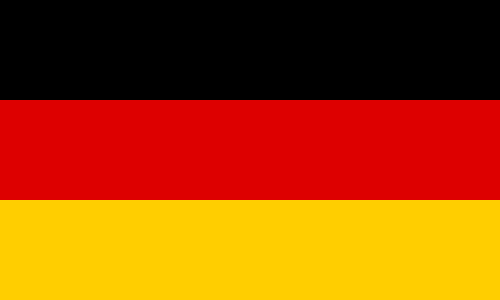 Germany)
 Austria,
  Hungary,
  Czech Republic,
  Slovakia (former states of the Austrian Empire)
 Liechtenstein[36]
 Spain[37][38] (de facto compulsory requirement by 1830, "Art. 25. 6 The exercise of the rights of citizenship is suspended—. And, from and after the year 1830, by being unable to read and write.")
 Denmark[35]
 Travancore[39] (former kingdom located in what is now
  India)
 Ottoman Empire[40] (
 Turkey[35])
 Greece[35]
 Hawaii[41][42] (former Kingdom of Hawaii located in what is now the State of Hawaii)
 Sweden[35]
 Portugal[35]
 Romania
 Montenegro
 Italy,[43]
 Costa Rica[44]
 Colombia[45]
 Canada and
  Australia; see Education in Canada and Education in Australia for a timeline of individual states.
 Japan, earliest introduction in the
  United Kingdom; see Education in the United Kingdom for a timeline of individual states.
 Switzerland[35]
 Guyana,
  Suriname[46]



















(1おそらく両国の旧構成国はすべて義務教育制度を維持していたと考えられる。)










 Seychelles,[82]
 Syria[83]
 People's Republic of China[84]
 Brazil,[85]Philippines[86]
 Bangladesh,[87]
 Yemen, Namibia (all children)
 Tunisia[88]
 Samoa
Samoa Laos,[89]
 Afghanistan[64] (abolished for women)
 Lebanon,[90]
 Sudan[91]
 Bhutan[103][104]
 Botswana[104]
 Burundi[104]
 Cambodia[104]
 Fiji[104]Mozambique[104]
 Niger[104]
 Papua New Guinea[105][104]
 Solomon Islands[106][104]
 Vanuatu[104]
 Vatican City – note: Since the Disappearance of Emanuela Orlandi, citizenship requirements have been tightened for non-religious lay residents of Vatican City, and a minimum age of 25 was imposed.
The following table indicates at what ages compulsory education starts and ends in different countries. The most common age for starting compulsory education is 6, but that varies between 3 and 8.[107][108]
While compulsory education is mostly seen as important and useful, compulsory schooling is seen by some as obsolete and counterproductive in today's world and has repeatedly been the subject of sharp criticism.[138] Critics of compulsory schooling argue that such education violates the freedom of children; is a method of political control;[139] is ineffective at teaching children how to deal with the "real world" outside of school;[140] and may have negative effects on children, leading to higher rates of apathy, bullying, stress, and depression.[141] To most people's knowledge curricula are created in a way that will benefit society's productivity rather than fostering children's interests. They implement standards of skills that will be essential for the economy and other various factors that contribute towards an efficient society and government.[142] Students from low-income families are more likely to drop out of school at a young age than any other socioeconomic group. Recent studies discovered that parents and teachers providing these students with understanding and greater independence on decision-making, could potentially help decrease their drop out rates.[143]
{{cite web}}: CS1メンテナンス: アーカイブサービスは非推奨になりました (リンク)