
Loading article…

A veto is a legal power to unilaterally stop an official action. In the most typical case, a president or monarch vetoes a bill to stop it from becoming law. In many countries, veto powers are established in the country's constitution. Veto powers are also found at other levels of government, such as in state, provincial or local government, and in international bodies.
Some vetoes can be overcome, often by a supermajority vote: in the United States, a two-thirds vote of the House of Representatives and the Senate can override a presidential veto.[1] Some vetoes, however, are absolute and cannot be overridden. For example, in the United Nations Security Council, the five permanent members (China, France, Russia, the United Kingdom, and the United States) have an absolute veto over any Security Council resolution.
In many cases, the veto power can only be used to prevent changes to the status quo. But some veto powers also include the ability to make or propose changes. For example, the Indian president can use an amendatory veto to propose amendments to vetoed bills.
The executive power to veto legislation is one of the main tools that the executive has in the legislative process, along with the proposal power.[2] It is most commonly found in presidential and semi-presidential systems.[3] In parliamentary systems, the head of state often has either a weak veto power or none at all.[4] But while some political systems do not contain a formal veto power, all political systems contain veto players, people or groups who can use social and political power to prevent policy change.[5]
The word "veto" comes from the Latin for "I forbid". The concept of a veto originated with the Roman offices of consul and tribune of the plebs. There were two consuls every year; either consul could block military or civil action by the other. The tribunes had the power to unilaterally block any action by a Roman magistrate or the decrees passed by the Roman Senate.[6]

The institution of the veto, known to the Romans as the intercessio, was adopted by the Roman Republic in the 6th century BC to enable the tribunes to protect the mandamus interests of the plebeians (common citizenry) from the encroachments of the patricians, who dominated the Senate. A tribune's veto did not prevent the senate from passing a bill but meant that it was denied the force of law. The tribunes could also use the veto to prevent a bill from being brought before the plebeian assembly. The consuls also had the power of veto, as decision-making generally required the assent of both consuls. If they disagreed, either could invoke the intercessio to block the action of the other. The veto was an essential component of the Roman conception of power being wielded not only to manage state affairs but to moderate and restrict the power of the state's high officials and institutions.[6]
A notable use of the Roman veto occurred in the Gracchan land reform, which was initially spearheaded by the tribune Tiberius Gracchus in 133 BC. When Gracchus' fellow tribune Marcus Octavius vetoed the reform, the Assembly voted to remove him on the theory that a tribune must represent the interests of the plebeians. Later, senators outraged by the reform murdered Gracchus and several supporters, setting off a period of internal political violence in Rome.[7]
In the constitution of the Polish–Lithuanian Commonwealth in the 17th and 18th centuries, all bills had to pass the Sejm or "Seimas" (parliament) by unanimous consent, and if any legislator invoked the liberum veto, this not only vetoed that bill but also all previous legislation passed during the session, and dissolved the legislative session itself. The concept originated in the idea of "Polish democracy" as any Pole of noble extraction was considered as good as any other, no matter how low or high his material condition might be. The more and more frequent use of this veto power paralyzed the power of the legislature and, combined with a string of weak figurehead kings, led ultimately to the partitioning and the dissolution of the Polish state in the late 18th century.

The modern executive veto derives from the European institution of royal assent, in which the monarch's consent was required for bills to become law. This in turn had evolved from earlier royal systems in which laws were simply issued by the monarch, as was the case for example in England until the reign of Edward III in the 14th century.[8] In England itself, the power of the monarch to deny royal assent was not used after 1708, but it was used extensively in the British colonies. The heavy use of this power was mentioned in the U.S. Declaration of Independence in 1776.[9]
Following the French Revolution in 1789, the royal veto was hotly debated, and hundreds of proposals were put forward for different versions of the royal veto, as either absolute, suspensive, or nonexistent.[10] With the adoption of the French Constitution of 1791, King Louis XVI lost his absolute veto and acquired the power to issue a suspensive veto that could be overridden by a majority vote in two successive sessions of the Legislative Assembly, which would take four to six years.[11] With the abolition of the monarchy in 1792, the question of the French royal veto became moot.[11]
大統領拒否権は、 18 世紀と 19 世紀に共和党員によって立法府の多数派の権力を制限する反多数派主義的な手段として考案された。[ 12 ]しかし、トーマス・ジェファーソンなどの一部の共和主義思想家は、拒否権を君主制の遺物として完全に廃止すべきだと主張した。[ 13 ]大統領に過大な権限を与えないようにするため、アメリカ合衆国の拒否権など、初期の大統領拒否権のほとんどは、議会が覆すことができる限定的な拒否権であった。[ 13 ]しかし、常にそうであったわけではない。例えば、1833 年のチリ憲法は、同国の大統領に絶対的な拒否権を与えていた。[ 13 ]
現代の拒否権のほとんどは、政府、あるいは政府機関(最も一般的には立法府)の権力に対する抑制を目的としています。したがって、権力分立制を採用している政府においては、拒否権はそれを発動する政府機関によって、行政拒否権、立法拒否権、司法拒否権に分類されます。
しかし、他の種類の拒否権は他の利益を保護してきた。イギリス植民地の総督による国王の裁可の拒否は、イギリス本国でその慣習が終わった後も長く続き、あるレベルの政府による別のレベルの政府に対する抑制として機能した。 [ 8 ]拒否権は、国内の特定のグループの利益を保護するためにも使用されることがある。古代ローマの護民官の拒否権は、ある社会階級(平民)の利益を別の社会階級(貴族)から保護した。[ 14 ]アパルトヘイトからの移行期には、南アフリカの白人の利益を保護するための「白人拒否権」が提案されたが、採用されなかった。[ 15 ]最近では、先住民の土地での産業プロジェクトに対する先住民の拒否権が、2007年の先住民の権利に関する宣言を受けて提案されている。この宣言は、先住民コミュニティが自らの土地での開発や資源採掘プロジェクトに対して「自由意思に基づく事前の情報に基づいた同意」を得ることを求めている。しかし、多くの政府はそのような拒否権を認めることに消極的であった。[ 16 ]
拒否権は、拒否権を行使された機関がそれを覆すことができるかどうか、また覆すことができる場合はどのように覆すかによって分類される。絶対拒否権は、いかなる場合も覆すことができない。限定拒否権は、3分の2または5分の3などの特別多数決によって覆すことができる。停止拒否権(または停止的拒否権)は、単純多数決によって覆すことができ、したがって法律の施行を遅らせるだけである。[ 17 ]

パッケージ拒否権(「ブロック拒否権」または「全面拒否権」とも呼ばれる)は、立法行為全体を拒否するものです。逆に、部分拒否権(「項目別拒否権」とも呼ばれる)は、行政機関が法律の特定の部分のみに反対し、残りの部分は有効とすることを可能にします。部分拒否権を持つ行政機関は、パッケージ拒否権のみを持つ行政機関よりも交渉力が強いです。[ 3 ] 修正拒否権または修正観察権は、修正案を付して法案を議会に差し戻すものであり、議会はこれらの修正案を採用するか、あるいは覆すかを選択できる。議会が何も行動を起こさなかった場合の影響は様々である。ある制度では、議会が何も行動を起こさなければ拒否された法案は廃案となるが、別の制度では拒否された法案が法律となる。修正拒否権は立法過程において行政府の役割を強化するため、しばしば特に強力な拒否権の象徴とみなされる。
拒否権の中には、予算事項に限定されているものもある(米国の一部の州における項目別拒否権や、ニュージーランドにおける財政拒否権など)。[ 18 ]フィンランドなどにおける拒否権は、予算以外の事項にのみ適用される。南アフリカなどにおける拒否権は、憲法上の事項にのみ適用される。このように制限されていない拒否権は、「政策拒否権」として知られている。[ 3 ]
予算拒否権の一種である削減拒否権は、米国のいくつかの州で認められており、行政機関に議会が行った予算配分を削減する権限を与えている。[ 18 ]行政機関に複数の異なる拒否権が与えられている場合、それらを覆す手続きは異なる可能性がある。例えば、米国のイリノイ州では、議会が削減拒否権に対して何も行動を起こさなければ、削減はそのまま法律となるが、議会が修正拒否権に対して何も行動を起こさなければ、法案は廃案となる。[ 19 ]
ポケット拒否権とは、行政府または国家元首が何も行動を起こさないだけで効力を発揮する拒否権のことである。米国では、ポケット拒否権は議会会期の終盤にのみ行使できる。大統領の行動期限が議会会期中に過ぎた場合、法案はそのまま法律となる。 [ 20 ]議会はポケット拒否権を覆すことはできない。[ 2 ]
拒否権の中には、その対象が限定されているものもある。憲法上の拒否権は、行政府が違憲な法案のみを拒否することを可能にする。これに対し、「政策上の拒否権」は、行政府が政策上の理由で法案に反対する場合であればいつでも使用できる。[ 3 ]憲法上の拒否権を持つ大統領には、ベナンと南アフリカの大統領などがいる。
立法拒否権とは、立法機関が行使する拒否権のことである。これは、米国における立法拒否権のように、立法府が行政府の行為に対して行使する拒否権である場合があり、米国では28州で認められている。[ 21 ]また、二院制議会の一方の院が他方の院に対して行使する拒否権である場合もあり、かつてフィジーの首長評議会によって任命された上院議員が有していたのがこれにあたる。[ 22 ]
特定の政治制度においては、特定の機関が選挙で選出される公職候補者に対して拒否権を行使できる。この種の拒否権は、より広義には「候補者審査」と呼ばれることもある。
歴史的に、一部のヨーロッパのカトリック君主は教皇候補者に拒否権を行使することができ、これは「排他的権利(jus exclusivae)」として知られる権限であった。この権限は、1903年にオーストリアのフランツ・ヨーゼフ1世によって最後に行使された。[ 23 ]
イランでは、護憲評議会は法案に対する拒否権に加え、候補者の承認または不承認を行う権限も有している。
中国では、 2019年の香港地方選挙で民主派が圧勝したことを受け、2021年に全国人民代表大会は、香港行政長官が任命する候補者資格審査委員会に香港立法会の候補者に対する拒否権を与える法律を承認した。[ 24 ]
大統領制および準大統領制においては、拒否権は大統領の立法権である。なぜなら、拒否権は大統領を法律制定の過程に関与させるからである。法案提出権などの積極的な権限とは対照的に、拒否権は受動的な権限である。なぜなら、大統領は議会が法案を可決するまで拒否権を行使できないからである。[ 25 ]
行政の拒否権は、しばしば比較的「強い」か「弱い」かで評価される。拒否権の強さは、その範囲、行使できる時間制限、拒否権を覆すための被拒否機関の要件によって決まる。一般的に、覆すために必要な多数決が大きいほど、拒否権は強い。[ 3 ]
部分拒否権はパッケージ拒否権よりも覆されにくく、[ 26 ]、この問題を研究した政治学者は一般的に、部分拒否権はパッケージ拒否権よりも行政府に大きな権限を与えると考えている。[ 27 ]しかし、米国の州政府における項目別拒否権の実証研究では、行政府がその政策課題を推進する能力に一貫した影響は見つかっていない。[ 28 ]修正拒否権は、行政府に政策を本来可能な範囲よりも自らの望む状態に近づける権限を与えるため、削除拒否権よりも行政府に大きな権限を与える。[ 29 ]しかし、単純多数決で覆される可能性のある停止パッケージ拒否権でさえ、立法を阻止または修正するのに効果的である。たとえば、1993年のエストニアでは、レナート・メリ大統領が、法案に停止拒否権を発令し、欧州法の専門家の意見に基づいて修正案を提案した後、外国人法案の修正を成功裏に得ることができた。[ 26 ]

世界的に見ると、立法に対する行政権の拒否権は、大統領制および半大統領制の特徴であり、拒否権が強いほど、一般的に大統領の権限も全体的に強い。[ 3 ]議院内閣制では、国家元首の拒否権は通常弱く、存在しない。[ 4 ]特に、ウェストミンスター制およびほとんどの立憲君主制では、国王の裁可を保留することによって立法を拒否する権限は、技術的には絶対的であるものの、君主のめったに使用されない留保権限である。実際には、国王は議会の助言に基づいて特権を行使するという慣例に従っている。
 国際連合:国連安全保障理事会の常任理事国5カ国は、手続き上の問題を除き、安全保障理事会決議に対して絶対的な拒否権を有する。[ 30 ]すべての常任理事国は、いずれかの時点でこの権限を行使したことがある。[ 31 ]決議に反対したいが拒否権を行使したくない常任理事国は、棄権することができる。[ 31 ]後者の権限を最初に行使した国は、1946年のソ連であり、レバノンとシリアからのイギリス軍撤退に関する決議に対するソ連の修正案が否決された後であった。[ 32 ]
 欧州連合: EU理事会のメンバーは、外交政策や新規加盟国の加盟など、特定の分野では全会一致が求められるため、拒否権を持っています。たとえば、ブルガリアはこの権限を使用して北マケドニアの加盟交渉を阻止しました[ 33 ]。また、1980年代には、英国(当時はEUの前身であるEECのメンバー)が、拒否権を使用して法案を遅らせると脅すことで、英国リベートを確保しました[ 34 ] 。さらに、議会と理事会が立法権限を委員会に委任する場合、委任された権限の下で委員会が発行する規則に対して立法拒否権を設けることができます[ 35 ] [ 36 ] 。この権限は、2006年に「審査付き規制手続き」として初めて導入され、2009年以降はリスボン条約の下で「委任行為」として導入されています。[ 37 ]この立法拒否権はめったに使われていない。2006年から2016年の間に、議会は14回、理事会は15回拒否権を行使した。[ 37 ]
 ベナン:大統領は、15日以内(または法案が緊急であると宣言された場合は5日以内)に法案を再審議のために国民議会に差し戻すことができる。 [ 38 ]国民議会は、絶対多数で法案を再度可決することにより、拒否権を覆すことができる。[ 38 ] [ 39 ]大統領がその後、法案に2度目の拒否権を行使した場合、国民議会は憲法裁判所にその合憲性について判断を求めることができる。裁判所が法案が合憲であると判断すれば、それは法律となる。[ 40 ] [ 39 ]大統領が規定の15日または5日以内に法案を承認も差し戻しもしない場合、これは拒否権として機能し、国民議会は裁判所に法律が合憲かつ有効であると宣言するよう請願することができる。[ 39 ]これは、例えば2008年に、ヤイ大統領が国民議会を開会させていた「例外措置」の終了日を設定する法案について行動を起こさなかったときに起こった。このように法案をポケット拒否した後、大統領は憲法審査を求めて裁判所に申し立てた。[ 41 ]裁判所は、大統領の行動期限が過ぎた後は、国民議会のみが審査を申し立てることができ、国民議会が申し立てを行い(そして勝訴した)と判決を下した。[ 41 ]
 カメルーン:大統領は法案を議会に送り返して第二読会を行う権限を有する。[ 42 ]この権限は15日以内に行使されなければならない。[ 43 ]第二読会では、法案は絶対多数で可決されなければ法律にならない。[ 42 ]
 リベリア:大統領は1986年憲法第35条に基づき、パッケージ拒否権、項目別拒否権、ポケット拒否権を有する。大統領は法案に署名して法律にするために20日間の猶予があるが、法案全体またはその一部に拒否権を行使することができ、その後、議会は両院の3分の2以上の賛成を得て法案を再可決しなければならない。大統領が20日以内に法案に署名せず、議会が休会した場合、法案は否決される。[ 44 ]
 南アフリカ:大統領の憲法上の拒否権は弱い。[ 45 ]大統領は、法案の合憲性について懸念がある場合、法案を国民議会に差し戻すことができる。 [ 46 ]国民議会が法案を二度目に可決した場合、大統領は法案に署名するか、法案が合憲かどうかの最終決定のために南アフリカ憲法裁判所に付託しなければならない。[ 46 ]憲法上の懸念がない場合、大統領の法律への同意は義務である。
 ウガンダ:大統領はパッケージ拒否権と個別拒否権を有する。[ 47 ]この権限は、法案を受け取ってから30日以内に行使しなければならない。[ 47 ]大統領が法案を議会に初めて差し戻した場合、議会は単純多数決で再び可決することができる。大統領が2度目に差し戻した場合、議会は3分の2の賛成で拒否権を覆すことができる。[ 47 ]これは、例えば議員の手当を課税対象から除外した2016年所得税改正法の可決で起こった。[ 48 ] [ 49 ]
 ザンビア:1996年憲法の下では、大統領は絶対的なポケット拒否権を持っていた。大統領が法案に同意せず、また議会に差し戻して覆す可能性も与えなければ、その法案は永久に廃案となった。[ 50 ]この異例の権限は、2016年の憲法の立法規定の全面的な再編成で廃止された。[ 51 ] [ 52 ]
 ブラジル:共和国大統領は、憲法改正や議会令を除き、国民議会の両院を通過した法案に対して、全部または一部拒否権を行使する権利を有する。部分拒否権は、段落、条項、項目の全体に適用できるが、単語や文を個別に拒否することはできない。国民議会は、両院の議員の過半数、すなわち下院議員257名と上院議員41名が同意すれば、大統領の拒否権を覆す権利を有する。これらの人数に満たない場合は、大統領の拒否権が維持される。[ 53 ]
 カナダ:国王枢密院(実際には英国内閣)は、総督に国王の裁可を保留するよう指示し、君主に法案を否決する猶予を2年間与え、それによって法案に拒否権を行使することができる。[ 54 ] 1873年に最後に使用されたこの権限は、1926年のバルフォア宣言によって外交的にも政治的にも、また1931年のウェストミンスター法によって法的にも事実上無効化された。州レベルでは、副総督は州法案に対する国王の裁可を連邦内閣の審議のために留保することができる。この条項は、1961年にサスカチュワン州の副総督によって最後に発動された。[ 55 ]さらに、総督枢密院(連邦内閣)は、州議会の制定を可決後1年以内に否決することができる。
 ドミニカ共和国:大統領は法案に対する包括的な拒否権(observación a la ley)のみを有し、法案可決後10日以内に行使しなければならない。[ 56 ]拒否権には理由を付記しなければならない。[ 56 ]ドミニカ共和国議会の両院が拒否権を覆す投票を行った場合、法案は法律となる。[ 56 ]
 エクアドル:大統領は包括拒否権と修正拒否権(部分的拒否権)を有する。[ 57 ]大統領は法案可決後10日以内に拒否権を行使しなければならない。国民議会は全議員の3分の2以上の賛成で修正拒否権を覆すことができるが、拒否権行使後30日以内に覆さなければ、大統領の修正を加えた法律が成立する。[ 57 ] [ 58 ]国民議会は修正拒否権の約20%を覆している。[ 59 ]議会は包括拒否権を覆す前に1年間待たなければならない。[ 57 ]
 エルサルバドル:大統領は、法案が立法議会で可決されてから8日以内に行使しなければならない、包括拒否権と修正拒否権の両方を有している。[ 60 ]立法議会が修正拒否権について投票しない場合、法案は否決される。立法議会は、単純多数決で修正拒否権を受け入れるか、覆すことができる。包括拒否権を覆すには、3分の2の特別多数決が必要である。[ 60 ]
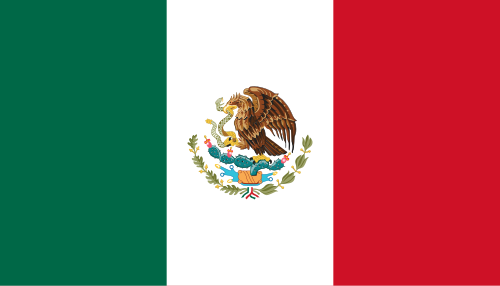 メキシコ:大統領は、法案が連邦議会で可決されてから10日以内に行使しなければならない包括的拒否権と修正拒否権の両方を有しています。[ 60 ]議会は、各議院の投票議員の3分の2以上の賛成で、どちらのタイプの拒否権も覆すことができます。[ 60 ]ただし、修正拒否の場合、議会はまず提案された修正案を受け入れるかどうかを検討しなければならず、これは両議院の単純過半数で決定でき、その時点で修正された法案が法律となります。[ 61 ]
 アメリカ合衆国:連邦レベルでは、大統領は議会で可決された法案に拒否権を行使でき、議会は各院の3分の2の賛成票で拒否権を覆すことができる。[ 62 ]項目別拒否権は1990年代に短期間施行されたが、最高裁判所によって権力分立の違憲違反と宣言された。州レベルでは、50州すべての州知事が大統領の拒否権と同様に完全な拒否権を持っている。 [ 63 ]多くの州知事は、修正拒否権、項目別拒否権、削減拒否権など、追加の種類の拒否権も持っている。[ 63 ]州知事の拒否権の強さは様々である。大統領と一部の州知事は「ポケット拒否権」を持っており、議会が閉会するまで法案への署名を遅らせることができるため、正式な拒否権を行使することなく、また覆す可能性もなく、事実上法案を葬り去ることができる。[ 20 ] [ 64 ]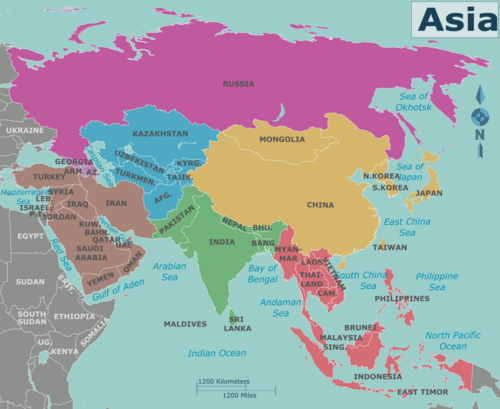
 中国:憲法の下では、全国人民代表大会は国務院が制定した規則を無効にすることができる。国務院と国家主席には拒否権はない。[ 65 ]
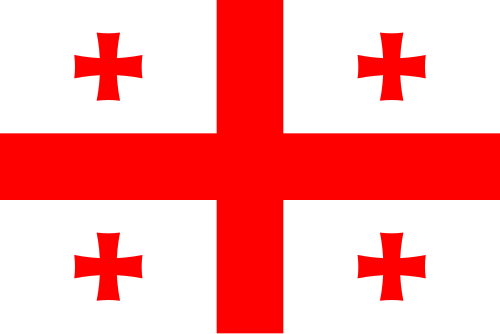 ジョージア:大統領は法案を受け取ってから2週間以内に修正案を添えて法案を議会に返送することができる。 [ 66 ]議会はまず修正案について投票しなければならず、修正案は元の法律と同じ多数決で採択することができる(通常の法律の場合は単純多数決)。[ 66 ]議会が修正案を採択しない場合は、絶対多数決で元の法案を可決することで拒否権を覆すことができる。[ 66 ] 2010年代の憲法改正前は、大統領はパッケージ拒否権と修正拒否権の両方を持っており、3/5の多数決でのみ覆すことができた。[ 67 ]
 インド:大統領には、絶対拒否権、停止拒否権、ポケット拒否権の3つの拒否権がある。大統領は法案を修正のために議会に差し戻すことができ、これは単純多数決で覆すことができる限定拒否権となる。しかし、議会で再審議された法案は、14日後に大統領の同意の有無にかかわらず法律となる。大統領は法案に対して無期限に何も行動を起こさないこともでき、これはポケット拒否権と呼ばれることもある。大統領は同意を拒否することができ、これは絶対拒否権となる。しかし、大統領は法案に関して絶対拒否権を一度しか行使できない。大統領が法案への同意を拒否し、法案に勧告や修正案を添えて議会に差し戻し、議会がそのような修正案の有無にかかわらず再び法案を可決した場合、大統領は法案に同意する義務を負う。[ 68 ] [ 69 ] [ 70 ]
 インドネシア:大統領の明確な拒否権は、2002年の民主化改革で憲法から削除された。[ 71 ]しかし、大統領は「法律に代わる規則」(Peraturan Pemerintah Pengganti Undang-Undang、略称perppu)を制定することができ、これにより法律の効力を一時的に阻止することができる。[ 72 ]人民代表議会(DPR)は、次の会期でこのような規則を撤回することができる。[ 73 ]さらに、憲法は、立法は大統領とDPRの共同承認を必要とする。したがって、大統領は承認を保留することで、事実上法案を阻止することができる。[ 72 ]これらの大統領の権限が「拒否権」に該当するかどうかは、元憲法裁判所判事のパトリアリス・アクバル氏を含め、議論されている。[ 74 ]
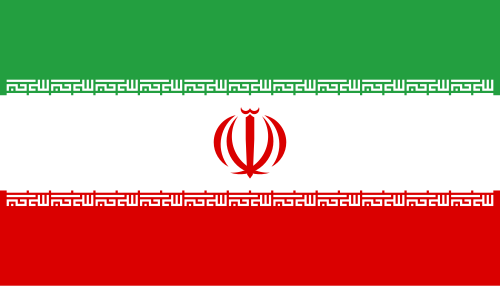 イラン:護憲評議会は、イスラム諮問議会で可決された法案に拒否権を行使する権限を有する。[ 75 ]この拒否権は、立法が憲法に反する場合、またはイスラム法に反する場合に基づいて行使できる。憲法上の拒否権は護憲評議会の過半数のメンバーの賛成を必要とするが、イスラム法に基づく拒否権は同評議会の法学者の過半数を必要とする。[ 76 ]護憲評議会は、さまざまな選挙職の候補者に対しても拒否権を有する。[ 75 ]
 日本:日本は議院内閣制であり、憲法は天皇に法律の公布を拒否する権限を与えていないため、国レベルでの拒否権はありません。 [ 77 ] [ 78 ]しかし、1947年の地方自治法の下では、都道府県または市町村の行政機関は地方の法律に拒否権を行使できます。行政機関が法律が違法であると判断した場合、行政機関は拒否権を行使しなければなりません。[ 79 ]地方議会は3分の2の賛成票でこの拒否権を覆すことができます。[ 80 ]
 韓国:大統領は法案を「再審議」(재의)のために国会に差し戻すことができる。 [ 81 ]部分的拒否権や修正拒否権は明確に禁止されている。[ 82 ]国会は出席議員の3分の2の多数決で拒否権を覆すことができる。[ 83 ]このような覆しはまれである。2003年に盧武鉉大統領が汚職捜査に拒否権を行使した際、国会がそれを覆したのは49年ぶりのことだった。[ 84 ]
 フィリピン:大統領は法案への署名を拒否し、反対意見とともに法案を提出元の議会に送り返すことができる。議会は両院が別々に投票し、3分の2の賛成票で拒否権を覆すことができ、その後、法案は法律となる。[ 85 ]大統領は金銭法案に対して項目別拒否権を行使することもできる。[ 85 ]大統領にはポケット拒否権はない。法案が大統領に届くと、大統領は30日以内に法案に拒否権を行使しなければならない。30日間の期間が経過すると、大統領が署名したかのように法案は法律となる。[ 86 ]
 台湾:行政院は、大統領の承認を得て、法案が提出されてから10日以内に立法院に法案の再審議を要請することができる。立法院は、返送された法案を受け取ってから15日以内に決議を行わなければならない。立法院が前述の期間内に決議を行わない場合、元の法案は失効する。立法院の全議員の過半数が元の法案を支持した場合、行政院長は直ちに法案を受諾しなければならない。[ 87 ]
 ウズベキスタン:大統領は包括的拒否権と修正拒否権を有する。[ 88 ]最高議会立法院は、いずれの拒否権も3分の2の賛成で覆すことができる。[ 88 ]包括的拒否権の場合、拒否権が覆されなければ法案は否決される。[ 88 ]修正拒否権の場合、拒否権が覆されなければ法案は修正された形で法律となる。[ 89 ]最高議会上院は立法院で可決された法案に対して拒否権を有し、立法院も同様に3分の2の賛成でこれを覆すことができる。[ 90 ]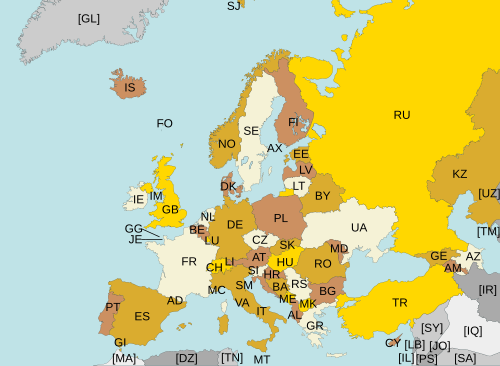
行政府または国家元首が拒否権を持たないヨーロッパの国には、スロベニアとルクセンブルクがあり、これらの国では2008年に国王の裁可を保留する権限が廃止された。 [ 91 ]何らかの形で拒否権を持つ国には、以下の国がある。
 チェコ共和国:チェコ共和国大統領は、議会が15日以内に可決した法律に対して、注釈付きで停止拒否権を有する(大統領は憲法改正法に拒否権を行使できない)。[ 92 ]下院は、全議員の絶対多数決でこれを覆すことができる。また、下院は、上院が下院で承認された法律を否決した場合、同じ多数決でこれを覆すことができる。下院で承認された法律に対する上院の修正についても、同じ手続きが適用される。[ 93 ]
 エストニア:大統領は、議会(リーギコグ)が採択した法律を再審議のために差し戻すことで、事実上拒否権を行使することができる。大統領はこの権限を、法律を受け取ってから14日以内に行使しなければならない。[ 94 ]議会は、修正されていない法律を単純多数決で再度可決することで、この拒否権を覆すことができる。[ 95 ] [ 94 ]このような覆しの後(ただし、その場合に限る)、大統領は最高裁判所にその法律が違憲であると宣言するよう求めることができる。[ 96 ] [ 94 ]最高裁判所がその法律が憲法に違反していないと判断した場合、大統領はその法律を公布しなければならない。[ 94 ] 1992年から2010年まで、大統領は法案の1.6%(合計59件)に拒否権を行使し、11件(合計0.4%)の法案について憲法審査を申請した。[ 97 ]
 フィンランド:大統領は停止拒否権を持つが、法案の施行を3か月遅らせることしかできない。[ 98 ]大統領は1919年のフィンランド独立以来、何らかの拒否権を持っていたが、 [ 99 ]この権限は2000年の憲法改正によって大幅に制限された。
 フランス:大統領は停止拒否権を有しており、大統領は国民議会が可決した法案について、提出後15日以内に再審議を要求できる。[ 100 ]それ以外では、大統領は法案を憲法評議会に付託することしかできず、この権限は首相および国民議会両院議長と共有されている。[ 101 ]付託を受けた憲法評議会は、法案が法律として公布される前にそれを否決することができ、これは憲法上の拒否権の一形態と解釈されている。[ 102 ]
 ドイツ:ドイツ連邦大統領は法案に署名しなければ法律にならない。[ 103 ]これにより、大統領は事実上の立法拒否権を持つことになる。しかし、この権限は連邦共和国の建国以来わずか9回しか行使されておらず、ほとんど儀礼的な権限とみなされている。[ 104 ] [ 105 ] [ 106 ]
 ハンガリー:大統領は法案に拒否権を行使する2つの選択肢がある。憲法違反の疑いがある場合は憲法裁判所に提出するか、国民議会に差し戻して2回目の審議と採決を求めるかである。裁判所が法案が合憲であると判断すれば、大統領は署名しなければならない。[ 107 ]同様に、大統領が法案を国民議会に差し戻し、単純過半数で2回目の可決が行われれば、法律となる。[ 108 ]
 アイスランド:大統領は法案への署名を拒否することができ、その場合、法案は国民投票にかけられる。この権利は2004年にオラフル・ラグナル・グリムソン大統領によって行使されるまで行使されなかった。グリムソン大統領はアイスセーブ紛争に関連する他の2つの法案への署名も拒否した。[ 109 ]これらの拒否権のうち2つは国民投票につながった。[ 109 ]
 アイルランド:大統領は、国務院と協議した後、法案の合憲性を審査するために最高裁判所に付託することができる。合憲と判断された場合、大統領は法案に署名して法律として成立させなければならない。1990年から2012年まで、この権限は平均して3年に1回行使された。[ 110 ]また、大統領は、上院( Seanad Éireann )の過半数と下院( Dáil Éireann )の3分の1が署名した請願書を受け取った場合、国務院と協議した後、「国民の意思を通常の国民投票または18か月以内に実施される総選挙後に再招集される新たな下院で確認すべき」ほど「国家的に重要な」法案への署名を拒否することができる。[ 111 ]この後者の権限は、当時の政府がほぼ常に上院の過半数を占めており、通常野党を構成する下院の3分の1が政府と連携することを妨げているため、これまで一度も行使されたことがない。[ 112 ]
アイルランド大統領には法案に対する拒否権はありません。憲法第26条は単に法案の合憲性を審査するものであり、第27条は国民投票または総選挙による国民との協議を立法プロセスに組み込むためのものです。いずれの場合も、最終決定は最高裁判所または国民によって行われます。大統領によるいかなる行動も法案を葬り去ることはできません。
 イタリア:大統領は、イタリア議会で可決された法案が公布される前に、再審議を求めることができる。これは、議会が通常の多数決で拒否権を覆すことができるため、非常に弱い拒否権である。[ 113 ]このような限定的な拒否権は、断固とした議会多数派の意思を阻止することはできないが、遅延効果をもたらし、議会多数派に問題を再考させる可能性がある。大統領はまた、イタリア政府の大臣の任命に拒否権を行使する権限も有しており、例えばセルジオ・マッタレッラ大統領は、2018年にパオロ・サヴォーナの財務大臣への任命に拒否権を行使した。[ 114 ]
 ラトビア:大統領は法案を2か月間停止することができ、その間、有権者の10分の1が国民投票を要求すれば、国民投票に付託することができる。[ 115 ]大統領はまた、文書を再検討のためにセイマ(ラトビア議会)に差し戻すこともできるが、それは一度だけである。[ 116 ]特に、1999年にヴァイラ・ヴィーケ=フレイベルガ大統領は、ラトビア国語法が最初に圧倒的多数で可決されたにもかかわらず、セイマに差し戻した。大統領は停止拒否権を行使して、法律上の問題点を指摘し、その結果、法律は欧州の法的基準に沿うように修正された。[ 117 ]
 ポーランド:大統領は、法案が違憲であると疑われる場合、憲法裁判所に法案を提出するか、再審議のためにセイムに差し戻すことができる。[ 118 ]この2つの選択肢は排他的であり、大統領はどちらか一方を選択しなければならない。[ 118 ]大統領が法案を憲法裁判所に付託し、裁判所が法案が合憲であると判断した場合、大統領は法案に署名しなければならない。大統領が代わりに、通常のパッケージ拒否権で法案をセイムに差し戻した場合、セイムは出席議員の5分の3の多数決(少なくとも全議員の半数が出席している必要がある)で法案を覆すことができる。[ 119 ]
 ポルトガル:大統領は法案への署名を拒否したり、法案またはその一部を憲法裁判所に付託したりすることができる。[ 3 ]法案が違憲と宣言された場合、大統領は拒否権を行使する必要があるが、共和国議会は3分の2の多数決でこの拒否権を覆すことができる。[ 120 ]大統領が違憲と宣言されていない法案に拒否権を行使した場合、共和国議会はそれを2度目に可決することができ、その場合は法律となる。ただし、ポルトガルでは大統領の拒否権は通常、法律に何らかの変更をもたらす。[ 121 ]大統領はまた、ポルトガル政府が発布する政令に対して絶対的な拒否権を持っている。[ 122 ]アゾレス諸島のような自治地域では、共和国代表が立法に拒否権を持ち、地域議会は絶対多数決でこれを覆すことができ、また、大統領が全国的に持つのと同じ憲法上の拒否権も持っている。[ 123 ]
 スペイン:憲法には「上院は、法案を受け取ってから2か月以内に、その理由を記したメッセージをもって拒否権を行使するか、または修正案を承認することができる。拒否権は全会一致で採択されなければならない」と規定されている。[ 124 ]上院の拒否権は、下院の絶対多数決によって覆すことができる。[ 125 ]さらに、政府は、法案が政府支出や歳入の減少を伴う場合、可決前に阻止することができる。[ 126 ]この特権は一般に「予算拒否権」と呼ばれる。 [ 127 ]
 ウクライナ:大統領は法案への署名を拒否し、修正案を添えて最高議会に差し戻すことができる。最高議会は3分の2の多数決で拒否権を覆すことができる。拒否権が覆されなかった場合、大統領の修正案は賛否投票にかけられ、議員の少なくとも50%の支持を得られれば、修正案付きで法案は可決される。そうでなければ、法案は否決される。[ 128 ]
 イギリス:1911年議会法制定以前は、貴族院は庶民院で可決された法案に対して絶対的な拒否権を有していた。それ以降、貴族院は庶民院で可決された法律の施行を遅らせる権限のみを有しており、庶民院選挙の延期に関する法律については、貴族院は絶対的な拒否権を保持している。
君主には法案に拒否権を行使する方法が2つあります。議会で可決された法案は、君主(またはその公式代表者)が正式に承認した場合にのみ法律となり、その手続きは王室の裁可として知られています。法的には、君主はその同意を保留することで法案に拒否権を行使することができます。この権限は、1708年にアン女王がスコットランド民兵法案を阻止した際に最後に行使されました。君主には、戦争特権などの王権特権や君主の個人的な事柄(王室の収入や世襲財産など)に影響を与える法案に対する追加の拒否権があります。慣例として、これらの法案は議会で審議される前に国王の同意が必要であり、可決された場合にも王室の裁可が必要です。国王の同意は時代遅れではなく、現在では内閣の助言に基づいてのみ保留されることもあります。一例として、1999年のイラクに対する軍事行動(議会承認)法案があり、これは10分ルールに基づいて第一読会を通過したが、第二読会のための女王の同意は得られなかった。[ 129 ]
 スコットランド、ウェールズ、北アイルランド: 1998年スコットランド法第35条、 2006年ウェールズ統治法第114条、 1998年北アイルランド法第14条に基づき、ウェストミンスターの担当閣僚は、スコットランド議会、ウェールズ議会、北アイルランド議会で可決された法案が、英国議会のみが立法権を有する法律を修正し、悪影響を及ぼすと判断した場合、国王の裁可に進まないよう拒否する権限を有する。この権限は、 2023年の性別承認改革(スコットランド)法案に対する拒否権行使の1回のみ行使された。[ 130 ]


 オーストラリア:オーストラリア憲法(第59条)によれば、君主は、総督が承認した法案に対し、承認後1年以内に拒否権を行使することができる。 [ 131 ]この権限はこれまで行使されたことはない。オーストラリア総督自身は、理論上、オーストラリア議会の両院を通過した法案に対し、首相の助言に反して拒否権を行使する、より正確には承認を保留する権限を有する。 [ 132 ]しかし、立法への承認に関しては、総督は政府ではなく議会から助言を受ける。したがって、少数派議会が政府の意向に反して法案を可決した場合、政府は辞任することはできるが、拒否権を助言することはできない。[ 132 ] [ 133 ] 1986年以降、オーストラリアの各州は完全に独立した存在となっている。したがって、国王は州知事または州議会のいかなる行為に対しても拒否権を行使できず(また英国議会もそれを覆すことはできない)、州憲法は州知事が果たす役割を規定している。一般的に、知事は主権者が持つ権限を行使する。すべての州および準州において、法案が法律となるには知事(または準州の場合は行政官)の同意が必要であるが、行政官がいないオーストラリア首都特別地域は例外である。[ 134 ]
 ミクロネシア連邦:大統領は議会で可決された法案を拒否することができる。[ 135 ]拒否権は10日以内に行使されなければならないが、議会が休会中の場合は30日以内に行使されなければならない。[ 135 ]議会は、4つの州代表団の4分の3の賛成票で拒否権を覆すことができ、各州代表団は1票を投じる。[ 136 ]
 フィジー:2013年憲法の下では、大統領は議会で可決された法案に拒否権を行使する権限を持たない。以前の二院制憲法の下では、任命された上院が、選挙で選出された下院で可決された法案に対して拒否権を持っていた。
 New Zealand: Under the Standing Orders of the House of Representatives, the Government has a financial veto, under which it can block bills, amendments and motions that would have more than a minor impact on the Government's fiscal aggregates.[137] Bills can be subjected to a financial veto only on third reading, when they have been finalized, but before they have been passed.[138] The financial veto system was introduced in 1996.[138]
 Tonga: The constitution empowers the King to withhold royal assent from bills adopted by the Legislative Assembly.[139] In November 2011, the assembly adopted a bill that reduced the possible criminal sentences for the illicit possession of firearms, an offence for which two members of the assembly had recently been charged. Members of the opposition denounced the bill and asked the King to veto it, and he did so in December 2011.[140]
In political science, the broader power of people and groups to prevent change is sometimes analyzed through the frameworks of veto points and veto players. Veto players are actors who can potentially exercise some sort of veto over a change in government policy.[5] Veto points are the institutional opportunities that give these actors the ability to veto.[5] The theory of veto points was first developed by Ellen M. Immergut in 1990, in a comparative case study of healthcare reform in different political systems.[141] Breaking with earlier scholarship, Immergut argued that "we have veto points within political systems and not veto groups within societies."[142]
拒否権プレイヤー分析はゲーム理論に基づいています。ジョージ・ツェベリスが1995年に初めて開発し、2002年に『拒否権プレイヤー:政治制度の仕組み』で詳細に説明しました。[ 143 ]拒否権プレイヤーとは、現状からの変更を阻止する能力を持つ政治主体です。[ 144 ]憲法や法律で同意が求められる制度的拒否権プレイヤーがいます。例えば、米国の連邦立法では、下院、上院、大統領が拒否権プレイヤーです。[ 145 ]また、制度的拒否権プレイヤーの内部から政策変更を阻止できるグループである党派的拒否権プレイヤーもいます。[ 146 ]連立政権では、党派的拒否権プレイヤーは通常、連立政権のメンバーです。[ 146 ] [ 147 ]
ツェベリスの拒否権プレイヤー定理によれば、政策変更は、拒否権プレイヤーの数が多いほど、彼らの間のイデオロギー的距離が大きいほど、そして彼らの内部の一貫性が高いほど難しくなる。[ 144 ]例えば、イタリアと米国は拒否権プレイヤーが多いため政策が安定しているが、ギリシャと英国は拒否権プレイヤーが少ないため政策が不安定である。[ 148 ]
拒否権プレイヤーと拒否ポイントのアプローチは互いに補完し合うものの、政策変更の研究においては拒否権プレイヤーの枠組みが主流となっている。[ 149 ]合理選択理論の研究は拒否権プレイヤーのアプローチを支持してきた。なぜなら、拒否ポイントの枠組みでは、政治主体が拒否ポイントを行使する理由を扱えないからである。 [ 5 ]さらに、拒否権プレイヤー分析はあらゆる政治システムに適用できるため、大統領制や議院内閣制など、大きく異なる政治システムを比較する方法を提供する。[ 5 ]拒否権プレイヤー分析は、法的権限を持っていなくても、政策変更を阻止する事実上の権力を持つ人々やグループも組み込むことができる。[ 150 ]
一部の文献では、協調的拒否権ポイント(制度内)と競争的拒否権ポイント(制度間)を区別し、競争的拒否権ポイントが妨害主義に寄与すると理論化している。[ 151 ]一部の文献は、多党制政府は膠着状態に陥りやすいという拒否権プレーヤー理論の主張に異議を唱えている。[ 151 ]
All five permanent members have exercised the right of veto at one time or another. If a permanent member does not fully agree with a proposed resolution but does not wish to cast a veto, it may choose to abstain, thus allowing the resolution to be adopted if it obtains the required number of nine favourable votes.
すべての州憲法は、知事に議会で可決された法案全体を拒否する権限を与えている。
行政規則は全国人民代表大会が採択した法律に違反してはならず、地方規則は法律および行政規則に違反してはならず、全国人民代表大会は自らが制定した法律に違反する行政規則および地方規則を無効にする権限を有する。
護憲評議会には3つの憲法上の権限がある。a) 議会(マジュリス)で可決された法律に対する拒否権を持つ。
立法府に対する拒否権はない。ただし、将来、第7条に列挙されている天皇の「非政府的」儀礼的機能が裁量権として解釈される場合は別である。
{{cite book}}:欠落または空です|title=(ヘルプ) CS1 maint: 数値名: 著者リスト (リンク)彼は憲法で定められた大統領拒否権を行使した最初の大統領だった。
国王の財政拒否権