
Loading article…
.svg/500px-Great_Seal_of_the_United_States_(obverse).svg.png) | |
| 長いタイトル | 患者保護および医療費負担適正化法 |
|---|---|
| 頭字語 (口語) | ACA、PPACA |
| ニックネーム | オバマケア、医療費負担適正化法、健康保険改革、医療改革 |
| 制定者 | 第111回米国議会 |
| 効果的 | 2010年3月23日主要規定のほとんどは2014年1月までに段階的に導入され、残りの規定は2020年までに段階的に導入され、個人の義務化を強制する罰金は2019年から0ドルに設定される |
| 引用 | |
| 公法 | 111–148 |
| 法令全般 | 124 Stat. 119から124 Stat. 1025 (906 ページ) |
| 成文化 | |
| 改正法 | 公衆衛生サービス法 |
| 立法の歴史 | |
| |
| 主な改正点 | |
| 2010年医療・教育和解法 2011年 包括的1099納税者保護および交換補助金過払い金返済法 2017年 減税・雇用法 | |
| アメリカ合衆国最高裁判所の判例 | |
| |
医療費負担適正化法(ACA )は、正式には患者保護・医療費負担適正化法(PPACA )、通称オバマケアと呼ばれ、第111回米国議会で制定され、2010年3月23日にバラク・オバマ大統領によって署名されて法律として発効した米国連邦法の画期的な法律である。2010年の医療・教育和解法修正案とともに、 1965年のメディケアとメディケイド制定以来、米国の医療制度における最も重要な規制見直しと適用範囲の拡大となっている。 [1] [2] [3] [4]この法律の規定のほとんどは現在も有効である。
ACA の主な規定は 2014 年に発効しました。2016 年までに、無保険人口の割合はほぼ半減し、新たに 2,000 万から 2,400 万人が保険に加入したと推定されています。[5] [6]この法律では、医療費の抑制と品質の向上を目的とした一連の医療提供システム改革も施行されました。施行後、雇用主ベースの保険プランの保険料を含め、医療費全体の増加は鈍化しました。[7]
適用範囲の拡大は、メディケイドの受給資格の拡大と個人保険市場の変更がほぼ同数を占めた。どちらも新たな支出を受けており、その財源は新たな税金とメディケア提供者料金およびメディケアアドバンテージの削減を組み合わせたものだった。議会予算局(CBO)の複数の報告書によると、全体としてこれらの規定により予算赤字は減少し、ACAを廃止すると赤字は増加するとされ、[8] [9]また、この法律により主に上位1%に課税して所得分布の下位40%の家族に平均約600ドルの給付金を賄うことで所得格差が縮小したとされている。[10]
この法律は、メディケア、メディケイド、雇用者市場の既存の構造をほぼ維持しましたが、個人市場は根本的に見直されました。[1] [11]保険会社は、既往症や人口統計学的状況(年齢を除く)に基づいて料金を請求することなく、すべての申請者を受け入れるように求められました。結果として生じる逆選択に対抗するため、この法律は、個人が保険を購入すること(または罰金を支払うこと)を義務付け、保険会社が「必須の健康給付」のリストをカバーすることを義務付けました。
ACAは制定前後に強い政治的反対、廃止を求める声、法的異議申し立てに直面した。全米独立企業連盟対セベリウス事件で、最高裁は州が同法のメディケイド拡大に参加しないことを選択できると判決を下したが、法律全体としては支持した。[12]連邦健康保険取引所HealthCare.govは、2013年の導入当初に大きな技術的問題に直面した。世論調査では当初、多数のアメリカ人が同法に反対していることが判明したが、個々の規定は概してより人気があった。[13] 2017年までに、同法は過半数の支持を得た。[14] 2017年減税・雇用法は、 2019年から個人の義務化罰金を0ドルに設定。[15]これにより、ACAが依然として合憲であるかどうかという疑問が浮上した。[16] [17] [18] 2021年6月、最高裁はカリフォルニア対テキサス事件で3度目のACA支持を決定した。[19]
規定

.jpg/500px-View_From_the_Speaker's_Office_Tonight_(4452690853).jpg)
ACAは1944年の公衆衛生サービス法を改正し、手頃な価格の医療に関する新しい条項を米国法典第42編に挿入した。[1] [2] [3] [20] [4]個人保険市場は根本的に見直され、法律の規制の多くはこの市場に特に適用されたが、[1]メディケア、メディケイド、雇用者市場の構造は大部分が維持された。[2]一部の規制は雇用者市場に適用され、法律は医療制度のほとんどに影響を与える提供システムの変更も行った。[2]
保険規制:個別保険
個人や家族に販売されるすべての新しい個人主要医療健康保険には、新しい要件が課せられました。[21]この要件は2014年1月1日に発効しました。その内容は次のとおりです。
- 保証付保険は、保険会社が既往症を理由に個人への保険適用を拒否することを禁止している。[22]
- 各州は、家族を通じて保険に加入していない個々の子供たちが保険に加入できるようにすることを義務付けられました。
- 部分的なコミュニティ評価では、既往症に関係なく、年齢と場所によってのみ保険料が変動します。高齢の申請者の保険料は、最年少の申請者の3倍を超えてはなりません。[23]
- 必須医療給付は提供されなければならない。国立医学アカデミーは、法律の「必須医療給付」を「外来患者サービス、救急サービス、入院、出産および新生児ケア、行動医療治療を含む精神保健および物質使用障害サービス、処方薬、リハビリテーションおよびリハビリテーションサービスおよび機器、検査サービス、予防および健康サービスおよび慢性疾患管理、口腔ケアおよび視覚ケアを含む小児サービス」と定義している[24] [25] 。その他[26]は、米国予防サービスタスクフォースによってレベルAまたはBに格付けされている[27]。[28]必須給付を決定するにあたり、法律は標準給付が少なくとも「一般的な雇用主プラン」の給付を提供することを義務付けている。[29]州は追加サービスを要求することができる。[30]
- 女性のための予防ケアと検査。[31]「生殖能力のあるすべての女性に対して、食品医薬品局が承認したすべての避妊法、不妊手術、患者教育とカウンセリング」。[32]この義務は、宗教団体を除くすべての雇用主と教育機関に適用されます。[33] [34]これらの規制は、医学研究所の勧告に含まれていました。[35] [36]

- 基本的な給付に対する年間および生涯の補償上限は禁止された。[37] [38] [39]
- 保険会社は、保険契約者が病気になった場合に保険契約を解除することを禁じられている。[40] [41]
- すべての保険契約では、個人または家族の医療費(保険料を除く)に対して年間最大自己負担額(MOOP)の上限を設定する必要があります。MOOP支払額に達した後は、残りの費用はすべて保険会社が支払う必要があります。[42]
- 予防医療、予防接種、健康診断は、自己負担、共同保険、控除の対象にはなりません。[43] [44] [45]対象となるサービスの具体的な例としては、マンモグラフィーや大腸内視鏡検査、健康診断、妊娠糖尿病スクリーニング、HPV検査、性感染症カウンセリング、HIVスクリーニングとカウンセリング、避妊法、母乳育児のサポート/供給、家庭内暴力スクリーニングとカウンセリングなどがあります。[46]
- この法律は、ブロンズ、シルバー、ゴールド、プラチナの4つの保険階層を定めた。すべてのカテゴリーで基本的な医療給付が提供される。カテゴリーによって保険料と自己負担額の配分が異なり、ブロンズプランは月額保険料が最も安く自己負担額が最も高く、プラチナプランはその逆である。[29] [47]保険料(自己負担額ではなく)でプランがカバーすることが期待される医療費の割合は、平均して60%(ブロンズ)、70%(シルバー)、80%(ゴールド)、90%(プラチナ)である。[48]
- 保険会社は、すべての新規プランの補償範囲の決定と請求に対して異議申し立て手続きを実施することが義務付けられています。 [40]
- 保険会社は保険料の少なくとも80~85%を医療費に充てなければならず、これに違反した場合は払い戻しを行わなければならない。[49] [50]
個人の委任
個人加入義務[51]は、すべての人に保険加入を義務付け、そうでなければ罰金を支払うよう求めました。この義務とオープン加入制限[52] [53]は、保険の死のスパイラルを避け、フリーライダー問題を最小限に抑え、医療制度が逆選択に屈するのを防ぐために設計されました。
この義務化は、リスクプールを広げ、コストを分散させるために、より多くの若くて健康な参加者を含む被保険者の規模と多様性を増やすことを目的としていました。[54]
個人義務の対象とならなかったグループには以下のものがあります。
- 不法移民は800万人と推定され 、予測される2,300万人の約3分の1を占め、保険補助やメディケイドの対象外となっている。[55] [56]緊急サービスを受ける資格は残っている。
- メディケイド受給資格を有するがメディケイドに加入していない市民。[57]
- 保険料が世帯収入の8%を超える国民。[57]
- メディケイドの拡大をオプトアウトした州に居住し、既存のメディケイドの適用範囲にも補助金付きの適用範囲にも該当しない市民。 [58]
2017年の減税・雇用法[59]では、2019年から個人の義務に従わなかった場合の罰金を0ドルに設定しました。[15]
交換
ACAは各州に健康保険取引所を設けることを義務付けた。取引所は規制されており、主にオンラインマーケットプレイスで、連邦政府または州政府によって管理され、個人、家族、中小企業が民間保険プランを購入できる。[60] [61] [62]取引所は2014年に初めて保険を提供した。取引所によってはメディケイドへのアクセスも提供している。[63] [64]
独自の取引所を設立した州は、基準と価格についてある程度の裁量権を持っています。[65] [66]たとえば、州は販売用のプランを承認し、交渉を通じて価格に影響を与えます。州は中絶などの追加の補償要件を課すことができます。[67]あるいは、州は連邦政府に取引所の運営責任を負わせることもできます。[65]
保険料補助金
世帯収入が連邦貧困レベル(FPL)の100%から400%の間である個人は、メディケア、メディケイド、児童健康保険プログラム、またはその他の公的扶助医療保険の資格がなく、自分自身または家族の雇用主を通じて手頃な価格の保険(従業員の保険で収入の9.86%以下)にアクセスしていない場合に限り、ACA取引所で購入した保険の保険料に対する連邦補助金を受け取る資格があります。[68] [69] [70]連邦貧困レベル以下の世帯は、これらの補助金を受け取る資格がありません。世帯収入がFPLの100%未満でメディケイドの資格がない合法居住者およびその他の合法的に滞在する移民は、他のすべての資格要件を満たしていれば補助金を受け取る資格があります。[71] [68]結婚している人は、補助金を受け取るために共同で納税申告をする必要があります。補助金を受けるには、加入者は米国市民権または合法的な居住証明を持っている必要があります。
取引所で購入したACAプランの補助金は、連邦貧困レベル(FPL)の400%で停止します。カイザー財団によると、これによりFPLの400%で「治療の中断」が急激に発生し、「補助金の崖」と呼ばれることもあります。 [ 72 ]崖のすぐ下にある2番目に低コストのシルバープラン(SCLSP)の補助金後の保険料は、2019年の収入の9.86%です。[73]
補助金は前払い可能で払い戻し可能な税額控除として提供される。[74] [75]
補助金の額は、取引所で2番目に安いシルバープラン(SCLSP)の保険料を所得のスライドスケールパーセンテージまで引き下げるのに十分な額です。パーセンテージは世帯の連邦貧困レベル(FPL)の割合に基づいており、年ごとにわずかに異なります。2019年は、所得の2.08%(FPLの100%〜133%)から所得の9.86%(FPLの300%〜400%)の範囲でした。[70]補助金は取引所で利用可能などのプランにも使用できますが、災害プランには使用できません。補助金は購入したプランの保険料を超えてはなりません。
(このセクションでは、「所得」という用語は修正調整総所得を指します。[68] [76])
中小企業はSHOPマーケットプレイスに登録すれば税額控除を受けることができます。[77]
費用負担軽減補助金
ACA では、規定どおり、保険会社は FPL の 250% 未満の収入がある ACA 交換加入者に対して共同支払額と控除額を削減することを義務付けています。メディケイド受給者は削減の対象になりません。
いわゆるコストシェアリング削減(CSR)補助金は、削減資金として保険会社に支払われることになっていた。2017年には、約70億ドルのCSR補助金が支払われる予定だったが、保険料税額控除には340億ドルが支払われる予定だった。[78]
後者は、毎年の議会の予算を必要としない義務的支出として定義されていました。CSR 支払いは義務的であると明確に定義されていませんでした。これが後に訴訟と混乱を引き起こしました。 [さらに説明が必要]
リスク管理
ACA は、多くの変更に伴う保険会社への混乱を軽減するために、複数のアプローチを実施しました。
リスク回廊
リスクコリドープログラムは一時的なリスク管理手段であった。[79] : 1 これは、2014年から2016年にかけて、消極的な保険会社をACA保険市場へ参入させることを目的としていた。その期間中、保健福祉省(DHHS)は、予想よりもプランの成績が悪かった保険会社の損失の一部を補填する。赤字の保険会社は、利益を上げている保険会社から一部支払われる支払いを受ける。[80] [81] [出典]同様のリスクコリドーがメディケア処方薬給付のために確立されていた。[82]
当初、多くの保険会社が交換プランを提供していたが、このプログラムは計画通りには採算が取れず、2014年と2015年には最大83億ドルの損失となった。DHHSが「一般政府収入」から保険会社に支払うためには、認可が必要だった。[出典が必要]しかし、2014年統合歳出法(HR 3547)では、いかなる資金も「リスク回廊の支払いに使用できない」と規定されていた。[83] [出典が必要]そのため、政府は適格健康保険プランを提供した保険会社との契約違反の可能性がある。[84]
複数の保険会社が、リスク回廊プログラムの下で自分たちに支払われるべきとされる資金の回収を求めて、米国連邦請求裁判所に政府を訴えた。いくつかは即時打ち切られたが、 Moda Health対米国の訴訟では、Moda Healthが2017年2月に2億1,400万ドルの判決を勝ち取った。連邦請求裁判所のトーマス・C・ウィーラー判事は、「政府はリスク回廊プログラムで約束したが、まだ果たしていない。今日、裁判所は政府にその約束を果たすよう命じる。結局のところ、[Moda]に対して『冗談はあなた方だ。私たちを信用するべきではなかった』と言うのは、我々の偉大な政府にふさわしくない」と述べた。[85] Moda Healthの訴訟は、他の保険会社の控訴とともに政府によって連邦巡回控訴裁判所に上訴された。ここで、連邦巡回裁判所はモダヘルスの判決を覆し、すべての訴訟で政府に有利な判決を下し、歳出追加条項により、政府は保険会社に支払うべき残りの金銭の支払いを免除されたとした。最高裁判所は、統合訴訟であるメインコミュニティヘルスオプションズ対アメリカ合衆国でこの判決を覆し、ウィーラー判事と同様に、政府はACAに基づいてそれらの資金を支払う責任があり、それらの支払い義務を免除するために追加条項を使用することは違法であると再確認した。[86]
再保険
一時的な再保険制度は、リスクの高い加入者に対する懸念から保険会社が保険料を値上げするインセンティブを減らすことで保険料を安定させることを目的としている。再保険は将来のリスク評価ではなく遡及的なコストに基づいている。再保険は2014年から2016年まで利用可能であった。[87]
リスク調整
リスク調整とは、リスクの低い加入者のいるプランからリスクの高い加入者のいるプランに資金を移すことである。これは、保険会社がより健康な加入者を引きつけるのではなく、価値と効率性に基づいて競争することを奨励することを目的としていた。3つのリスク管理プログラムのうち、リスク調整のみが恒久的であった。保険数理リスクの低いプランは、保険数理リスクの高いプランを補う。[87]
メディケイドの拡大
ACAは2014年からメディケイドの受給資格を見直し、拡大した。貧困ラインの133%までの収入がある米国市民と合法居住者は、メディケイドプログラムに参加しているどの州でも保険の対象となる。以前は、州は特定のグループに対してさまざまな下限値を設定することができ、扶養家族のいない成人をカバーする必要はなかった。連邦政府は、2014年、2015年、2016年には増加した費用の100%を負担することになっていた。2017年には95%、2018年には94%、2019年には93%、2020年とそれ以降のすべての年には90%を負担することになっていた。[88] [89] [90] [91] 5%の「所得無視」により、メディケイドの実質的な所得資格制限は貧困レベルの138%となった。[92]しかし、最高裁判所はNFIB対セベリウス事件で、 ACAのこの規定は強制的なものであり、州はACA以前の資格レベルで継続することを選択できるとの判決を下した。
メディケアの節約
政府監査院とメディケア支払諮問委員会が標準メディケアに比べて過剰にコストが高いと判断した民間メディケアアドバンテージ保険に対する保険会社と製薬会社へのメディケア払い戻しは削減されました。[ 93] [94]また、効率性とケアの基準を満たさなかった病院への払い戻しも削減されました。[93]
税金
メディケア税
自営業や独身者の年間20万ドルを超える給与所得には、0.9%の追加税が課せられる。夫婦共同申告の場合は25万ドル(夫婦の合計給与額に適用される)で、夫婦別々に申告する場合は12万5千ドルである。[95]
ACAの関連法である2010年の医療と教育の和解法では、不労所得、具体的には純投資収入と調整後総所得が上記の所得制限を超えた額のいずれか少ない方の金額に3.8%の追加税が適用されました。[96]
物品税
ACAには、インフレ率に応じて調整された指定金額(当初は単独保険で10,200ドル、家族保険で27,500ドル[97] )を超える雇用主の保険料支出総額に対する40%の物品税(「キャデラック税」)が含まれていた。この税は当初2018年に発効する予定だったが、2016年統合歳出法により2020年に延期され、さらに2022年に延期された。高額医療プランに対する物品税は、HR1865(2020年追加統合歳出法)の一環として完全に廃止された。
処方薬の輸入業者と製造業者には総額30億ドルの物品税が課せられた。医療機器には2.3%の物品税、室内日焼けサービスには10%の物品税も課せられた。[98]この税は2019年後半に廃止された。[99]
シップ
州児童健康保険プログラム(CHIP)の加入手続きが簡素化された。[100] [101]
扶養家族
2010年9月23日から、扶養家族は26歳の誕生日まで親の保険に加入することが許可されました。これには、親と同居していない扶養家族、親の確定申告で扶養家族ではない扶養家族、学生でなくなった扶養家族、結婚している扶養家族も含まれます。[102] [103]
雇用主の義務
50人以上の従業員を雇用しているが、フルタイム従業員に健康保険を提供していない企業は、政府が税額控除やその他の手段でフルタイム従業員の医療費を補助している場合、追加税が課せられます。これは一般に雇用主義務として知られています。[104] [105]この規定は、保険取引所が運営を開始した後も雇用主が保険を提供し続けることを奨励するために含まれていました。[106]
配送システム改革
この法律には、コストを抑制し、品質を向上させることを目的とした医療提供システムの改革が含まれています。これには、院内感染や再入院を抑制するためのメディケア支払いの変更、一括支払いイニシアチブ、メディケア・メディケイド革新センター、独立支払い諮問委員会、アカウンタブルケア組織が含まれます。
病院の質
医療費と医療の質に関する取り組みには、院内感染の削減、電子医療記録の導入、ケアの調整、量より質の優先などへのインセンティブが含まれていた。[107]
一括支払い
メディケアは出来高払いから一括払いに切り替えた。[108] [109]個々のサービス提供者への個別の支払いではなく、特定の治療エピソード(股関節置換術など)に対して病院と医師グループに一括支払いが行われるようになった。[110]
責任あるケア組織
メディケア共同貯蓄プログラム(MSSP)は、医療費負担適正化法第3022条によって設立されました。これは、責任あるケア組織が連邦政府と連携し、責任あるケア組織を設立するためのプログラムです。[111]これは、サービスごとの料金モデルです。
この法律は、アカウンタブルケア組織(ACO)の設立を許可した。ACOは、メディケア患者に協調的なケアを提供することを約束する医師、病院、その他の医療提供者のグループである。ACOは、引き続き出来高払いの請求を使用することが許可された。慢性疾患の予防と緩和を重視する品質基準を達成しながらコストを最小限に抑えた場合、政府からボーナスが支払われる。コストまたは品質基準を満たさない場合は、罰金が科せられる。[112]
健康維持機構とは異なり、ACOの患者はACOからすべてのケアを受ける必要はありません。また、HMOとは異なり、ACOはケアの質の目標を達成する必要があります。[112]
メディケア薬剤給付(パートD)
メディケア・パートDの加入者は、当初の補償を使い果たした後、災害補償の基準に達する前にブランド医薬品を購入する場合、50%の割引を受けることができた。[113] 2020年までに、「ドーナツホール」は完全に埋まるだろう。[114]
州の免除
2017年以降、州は「州のイノベーション免除」を申請することができ、一定の基準を満たす実験を行うことができる。[115]免除を受けるには、州は少なくともACAと同等に包括的で手頃な価格の保険を提供し、少なくとも同数の住民をカバーし、連邦赤字を増やさない代替医療制度を設立する法案を可決する必要がある。[116]これらの州は、個人および雇用主の義務や保険取引所の規定など、ACAの主要な要件の一部を免れることができる。[117]州は、州の計画に基づいて支払われない場合、住民と雇用主がACAの下で資格があった連邦補助金と税額控除の合計額に相当する補償を受ける。[115]
その他の保険規定
コミュニティ生活支援サービスおよび支援法(CLASS法)は、従業員のための任意および公的長期介護保険の選択肢を確立しました。[ 118 ] [119] [120]このプログラムは非現実的であるとして廃止され、発効することはありませんでした。[121]
会員制の非営利保険会社である消費者運営志向プラン(CO-OP)は、5年間の連邦融資に基づいて医療保険の提供を開始することができました。[122] 2017年時点で、当初の23の協同組合のうち4つのみがまだ運営されていました。[123]
栄養表示の要件
栄養表示義務は2010年に正式に施行されたが、実施が遅れ、実際に施行されたのは2018年5月7日であった。[124]
立法の歴史

ACA は、どちらかの政党が大規模な保険改革を通過させようと何度も試みたが、いずれも失敗に終わった。改革は健康貯蓄口座(2003 年)、医療貯蓄口座(1996 年)、またはフレキシブル支出口座に限られ、保険の選択肢は増えたものの、補償範囲は大幅に拡大しなかった。医療は複数の選挙で大きな要因となったが、2009 年までどちらの政党も反対派に打ち勝つだけの票を持っていなかった。
個人の委任
個人負担義務の概念は、保守系シンクタンクのヘリテージ財団が単一支払者医療制度の代替として個人負担義務を提案した1989年にまで遡る。[125] [126]これは、個人の責任とフリーライダー問題の回避に基づく医療改革への市場ベースのアプローチとして、保守派の経済学者や共和党上院議員によって一時期支持されていた。具体的には、1986年の緊急医療処置および活動的労働法(EMTALA)により、メディケアに参加している病院(ほぼすべての病院が参加している)は、緊急治療を必要とする人全員に提供することが義務付けられているため、支払い能力のない人々の費用を政府が間接的に負担することが多かった。[127] [128] [129]
ビル・クリントン 大統領は1993年に大規模な医療改革法案を提案したが[128]、最終的には失敗に終わった。[130]クリントンは第105議会と妥協案を交渉し、 1997年に州児童健康保険プログラム(SCHIP)を制定した。[131]失敗したクリントンの計画には、健康維持組織の規制された市場を通じて雇用主がすべての従業員に健康保険を提供することを義務付ける内容が含まれていた。共和党の上院議員は、雇用主ではなく個人に保険の購入を義務付ける代替案を提案した。

1993年の共和党の今日の医療平等とアクセス改革法(HEART法)には、「国民皆保険」の要件と、それに従わなかった場合の罰則(個人加入義務)および州ベースの「購入グループ」で使用される補助金が含まれていた。[132]支持者には、ジョン・チェイフィー、オリン・ハッチ、チャック・グラスリー、ボブ・ベネット、キット・ボンドなどの著名な共和党上院議員が含まれていた。[133] [134] 1994年の共和党消費者選択健康保障法には、当初、罰則規定付きの個人加入義務が含まれていた。[135]しかし、その後、著者のドン・ニックルズが「政府は国民に健康保険の購入を強制すべきではない」と述べて、義務を削除した。[136]これらの提案の時点では、共和党は憲法上の問題を提起していなかった。ジョージ・H・W・ブッシュへの個人義務化を含む提案の作成に協力したマーク・ポーリーは、「私はそれが提起されたことを全く覚えていない。1994年に議会予算局がそれを事実上税金として見ていた」と述べた。[125]

2006年、マサチューセッツ州で保険拡大法案が成立した。この法案には個人加入義務と保険取引所の両方が含まれていた。共和党のミット・ロムニー知事はいくつかの条項に個別拒否権を行使し、民主党の議会は彼の変更の一部(義務化を含む)を覆した。[138]ロムニーによるマサチューセッツ州での「ヘルスコネクター」取引所と個人加入義務の実施は、当初共和党員から賞賛された。ロムニーの2008年の大統領選挙運動中、ジム・デミント上院議員は「民間医療保険のような保守的な優れたアイデアを取り上げ、それをすべての人に保険をかける必要性に適用する」ロムニーの能力を称賛した。ロムニーは個人加入義務について、「私たちが成し遂げたことを誇りに思う。マサチューセッツ州がそれを実施できれば、それは国のモデルとなるだろう」と述べた。[139]
2007年、共和党のボブ・ベネット上院議員と民主党のロン・ワイデン上院議員は、個人の加入義務と「州健康支援機関」と呼ばれる州ベースの規制された保険市場を特徴とする健康なアメリカ人法案を提出した。 [129] [139]この法案は超党派の支持を集めたが、委員会で廃案となった。法案の提案者と共同提案者の多くは、2008年の医療保険に関する議論の間、議会に留まった。[140]
2008年までに多くの民主党員がこのアプローチを医療改革の基礎として検討していた。専門家は、2009年と2010年に議会から最終的に出てきた法案は2007年の法案と類似点があり[132]、マサチューセッツ州の改革からアイデアを得ていると述べた。[141]
学術基盤
オバマの医療改革の原動力となったのは、行政管理予算局長のピーター・オルザグだった。[142]オバマは、医療改革に関するオルザグの知識から、彼を「医療の皇帝」と呼んだ。[143]オルザグは以前、議会予算局長を務めており、彼の指揮下で、同局はコスト分析を使用して医療改革への手頃で効果的なアプローチを作成することに重点を置いていた。オルザグは、医療改革がオバマの最重要課題となったのは、それを自分の遺産にしたかったからだと主張した。[144]ニューヨーカー誌のライアン・リッツァの記事によると、「オバマ予算の核心は、最も効果的な医療研究を行う権限を持つ政府に対するオルザグの信念である」。オバマは「大統領職をオルザグの比較有効性の理論に賭けた」[145]オルザグの政策は、エリオット・S・フィッシャー、デイビッド・ウェンバーグらが共著した『内科年報』[146]の記事に影響を受けた。その記事は、共著者の研究に基づく強力な証拠を提示し、多数の処置、治療、検査が、その医学的価値の証拠がほとんどないまま行われていることを示していた。この証拠は、これらの処置や検査をなくすことができれば、医療費を節約して無保険者に医療を提供できるかもしれないと示唆していた。 [ 147]オバマは、テキサス州のメディケア費用に大きな差がある 2 つの郡を「ダートマスの調査結果」[148]を使ってハードデータで比較したニューヨーカーの記事を読んだ後、スタッフ全員にそれを読むよう指示した。[149]何よりも、ダートマスのデータはオバマの興味をそそった。 [150]それは医学を改革するための学術的根拠を与えてくれたからだ。[151]
確かなデータに基づいて医療オプションの有効性を比較するという概念(「比較有効性」および「エビデンスに基づく医療」)は、ダートマス研究所の創設者であり、情報に基づく医療意思決定財団の共同創設者であり、保険会社がダートマスの研究結果を実行するのを支援するために彼と研究者が設立したベンチャー企業であるヘルスダイアログ社の上級顧問でもあるジョン・E・ウェンバーグによって開拓されました。
ヘルスケア論争、2008~2010年
医療保険制度改革は、2008年の民主党大統領予備選で大きな話題となった。競争が激化するにつれ、注目は2人の有力候補、ヒラリー・クリントンと最終候補者となったバラク・オバマが提示した計画に集まった。両候補は、毎年どこかの時点で医療保険に加入していないと推定される約4500万人のアメリカ人をカバーする計画を提案した。クリントンの提案は、すべてのアメリカ人に保険加入を義務付けるもの(実質的には個人の加入義務)であったが、オバマの提案は義務付けなしで補助金を提供するものであった。 [152] [153]
オバマ大統領は総選挙中、医療制度の改善は大統領としての4大優先事項の一つになると述べた。[154]オバマ大統領と対立候補のジョン・マケイン上院議員はともに医療保険改革を提案したが、計画は異なっていた。マケインは個人市場で購入された医療保険に対する税額控除を提案し、これにより 2018年までに無保険者の数が約200万人減少すると推定された。オバマ大統領は民間および公的団体の保険、所得に基づく補助金、消費者保護、メディケイドとSCHIPの拡大を提案し、これにより当時の推定では2018年までに無保険者の数が3,390万人減少するが、コストは高かった。[155]

オバマ大統領は2009年2月の上下両院合同会議で、議会と協力して医療保険制度改革の計画を策定する意向を表明した。[156] [157] 7月までに、一連の法案が下院の委員会で承認された。[158]上院側では、6月から9月にかけて、上院財政委員会が提案を策定するために31回の会議を開催した。このグループ、特に民主党のマックス・ボーカス、ジェフ・ビンガマン、ケント・コンラッド、共和党のマイク・エンジ、チャック・グラスリー、オリンピア・スノーは60時間以上会合し、他の委員会と協力して議論した原則が上院法案の基礎となった。[159] [160] [161]
MIT経済学教授ジョナサン・グルーバー[162]やデイビッド・カトラーなどの民主党議員や医療政策専門家は、保険の保証発行には、コミュニティ・レーティングと個人義務の両方が必要であり、逆選択や「ただ乗り」が保険の「デス・スパイラル」を招かないようにする必要があると主張した。[163]彼らは、単一支払者のようなより進歩的な計画に対しては上院での議事妨害を阻止する支持がないと結論付けた後、このアプローチを選択した。意図的に超党派のアイデアを取り入れることで(同じ基本的概要は元上院多数党院内総務ハワード・ベイカー、ボブ・ドール、トム・ダシュル、ジョージ・J・ミッチェルによって支持された)、法案起草者は必要な票を集めることを期待した。[164] [165]
しかし、この提案に個人の義務が盛り込まれた後、共和党はそれを含む法案を阻止すると脅した。 [125]共和党の反応を主導した 上院少数党院内総務の ミッチ・マコーネルは、共和党はこの法案を支持すべきではないと結論付けた。[166]
共和党の上院議員たちは、同様の義務付けを伴う以前の提案を支持した議員たちも含めて、この義務付けを「違憲」と表現し始めた。ジャーナリストのエズラ・クラインはニューヨーカー誌に「かつて共和党内で幅広い支持を得ていた政策が、突如として一致団結して反対に直面した」と書いた。[129]
この改革はロビイストたちの注目を集め、[167]過去の提案に反対していた団体の支持を得るためにロビー団体と支持者の間で取引が行われた。[168] [169] [170]

2009年8月の夏の議会休会中、多くの議員が選挙区に戻り、提案に関するタウンホールミーティングを開催した。初期のティーパーティー運動は抗議活動を組織し、多くの保守派団体や個人が提案された改革に反対するためにミーティングに参加した。[157]議論の過程で、議会議員に対する脅迫が行われた。[171]
2009年9月、オバマ大統領は議会合同会議で交渉を支持する演説を行った。[172] 11月7日、下院は220対215の投票で「アメリカのための手頃な医療法案」を可決し、上院に送付して可決させた。[157]
上院
上院は、下院がまだ作業を進めている間に、独自の提案に取り組み始めた。米国憲法では、すべての歳入関連法案は下院で提出されることが義務付けられている。[173]この要件を正式に遵守するため、上院は軍人向け住宅税の変更に関する法案であるHR 3590を再利用した。[174]この法案は、下院で歳入関連の内国歳入法の修正として可決されていた。この法案は上院の医療改革提案の手段となり、法案の元の内容は破棄された。[175]この法案は最終的に、上院の保健委員会と財政委員会で好意的に報告された提案の要素を取り入れた。上院の共和党少数派が議事妨害を誓ったため、上院を通過するには60票が必要となった。[176]第111回議会の開始時点で、民主党は58票を持っていた。ミネソタ州上院議員選挙は最終的に民主党のアル・フランケンが勝利し、議席数は59となった。アーレン・スペクターは2009年4月に民主党に移籍し、議事妨害を終わらせるのに十分な60議席を民主党に与えた。
穏健派民主党員を満足させ、共和党上院議員を参加させようと交渉が進められ、特に共和党員のベネット、エンジ、グラスリー、スノーに注目が集まった。
10月15日の財政委員会の投票後、交渉は穏健派民主党に向けられた。上院多数党院内総務の ハリー・リードは中道派を満足させることに注力した。抵抗したのは、民主党と会合を持った無所属のコネチカット州選出のジョー・リーバーマンと、保守派のネブラスカ州選出民主党員ベン・ネルソンだった。リーバーマンの要求は、法案に公的選択肢を含めないことだったが[163] [177]、受け入れられた[178] 。支持者は、失敗したバーモント州のグリーンマウンテンケアのような州ベースの公的選択肢を認めるなど、さまざまな譲歩を勝ち取った。[178] [179]

民主党は賛成 (58)
独立 はい (2)
共和党員なし (39)
共和党は投票しない(1)
ホワイトハウスとリードは、13時間に及ぶ交渉の末、ネルソンの懸念[180]に2つの譲歩で対処した。1つは中絶に関する妥協案で、法案の文言を修正し「州に、州自身の保険取引所内での中絶の適用を禁止する権利を与える」というもので、これにより、州が決定した場合、消費者は手術の費用を自己負担しなければならない。もう1つは、ネブラスカ州に対してメディケイドの払い戻し率を高くするという修正案だった。 [157] [181]妥協案の後半部分は「コーンハスカー・キックバック」 [182]と揶揄され、後に削除された。
12月23日、上院は60対39で法案の討論を終了した。これは議事妨害を終わらせるための議事閉鎖投票であった。[183] その後、法案は2009年12月24日に60対39で可決され、民主党員全員と無所属2名が賛成し、共和党員全員が反対した(ジム・バニングは投票しなかった)。[184]この法案はアメリカ医師会とAARPによって支持された。[185]
2010年1月19日、マサチューセッツ州の共和党員スコット・ブラウンが、最近亡くなったテッド・ケネディの後任として特別選挙で上院議員に選出された。彼は共和党の議事妨害を維持するために必要な41票を共和党少数派に与えることを選挙運動の目標としていた。[157] [186] [187]さらに、伝統的に民主党が優勢なマサチューセッツ州の議席をケネディが失うことの象徴的な重要性から、多くの民主党議員がこの法案の政治的コストを懸念した。[188] [189]
家

民主党は賛成 (219)
民主党 いいえ (34)
共和党員なし (178)
代表者がいない(4)
民主党は上院での議事妨害を阻止するための60票を獲得できなくなったため、ホワイトハウスのラーム・エマニュエル首席補佐官 は民主党は野心度の低い法案に規模を縮小すべきだと主張したが、下院議長のナンシー・ペロシはより穏健な改革を「児童福祉」と一蹴して反発した。[190] [191]
オバマは包括的な改革に固執し続けた。カリフォルニア州のアンセムが患者の保険料を39%も値上げする予定だというニュースは、改革の必要性を示す新たな証拠となった。[190] [191] 2月22日、オバマは法案を統合するための「上院寄りの」提案を発表した。[192] 2月25日、オバマは両党の指導者と会談した。民主党は上院での再採決を避けるため、下院が上院の法案を可決することを決定した。
下院民主党は、最終法案を可決する前に、下院と上院の協議で変更を交渉できると予想していた。協議で上院法案と異なる法案が提出された場合、共和党の議事妨害を回避して上院を通過する必要があるため、下院民主党議員の大半は、その後の法案で修正するという条件で上院法案を可決することに同意した。 [189]彼らは、和解プロセスで可決できる医療・教育和解法案を起草した。[190] [193] [194]
1974年の議会予算法によれば、和解は議事妨害の対象にはならない。しかし、和解は予算変更に限定されており、そもそもACAを可決するためにこの手続きが使われなかったのはそのためである。この法案は本質的に予算に関係のない規制だった。[195] [196]すでに可決された上院法案は和解によって可決することはできなかったが、下院民主党の要求のほとんどは予算に関するものだった。「これらの変更、つまり補助金水準の引き上げ、補助金を賄うための異なる種類の税金、ネブラスカ州メディケイド契約の廃止は、主に税金と支出に関係する。言い換えれば、これらはまさに和解に適した政策である。」[193]
残された障害は、当初法案支持に消極的だったバート・スタパック率いるプロライフ派の民主党の極めて重要なグループだった。このグループは、連邦政府が中絶に資金を提供する可能性は、反対に値するほど大きいと考えた。上院法案には彼らの懸念を満たす文言は含まれていなかったが、予算外となる和解法案で中絶を扱うことはできなかった。その代わりに、オバマ大統領は大統領令13535号を発令し、ハイド修正条項の原則を再確認した。[197]これによりスタパックと彼のグループのメンバーの支持が得られ、法案の可決が確実となった。[194] [198]下院は2010年3月21日、34人の民主党員と178人の共和党員全員が反対票を投じ、219対212の投票で上院法案を可決した。[199]同日、2番目の法案が220対211で可決された(上院は数日後に和解を経て56対43でこの法案を可決した)。ACAが可決された翌日の3月22日、共和党はそれを廃止する法案を提出した。 [200]オバマ大統領は2010年3月23日にACAに署名し、法律として発効した。 [20]
制定後
法案成立以来、共和党は医療保険制度改革法の全部または一部を廃止する投票を60回以上行ってきた。[201]
2017年の減税・雇用法により、 2019年から個人の義務違反に対する罰金が廃止された。(義務自体は現在も有効である。)[15] 2019年に議会は健康保険給付に対するいわゆる「キャデラック」税、医療機器に対する物品税、健康保険税を廃止した。[99]
米国でのCOVID-19パンデミック中に制定された2021年アメリカ救済計画法は、マーケットプレイス医療計画への補助金を拡大した。これらの補助金の継続は、2022年インフレ抑制法の一環として導入された。
インパクト

カバレッジ
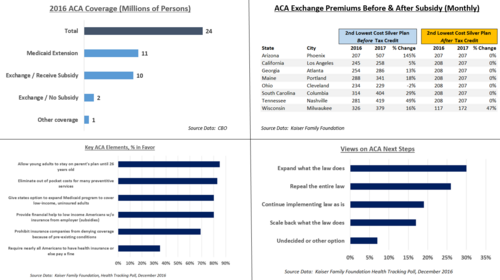
この法律により、健康保険に加入していない人の数と割合が大幅に減少した。CDCは、健康保険に加入していない人の割合が2010年の16.0%から2016年1月から6月にかけて8.9%に減少したと報告した。[202] 2013年から2015年にかけて、米国のすべての選挙区で無保険者率が低下した。[203]議会予算局は2016年3月に、約1,200万人が保険取引所でカバーされ(そのうち1,000万人が補助金を受けていた)、1,100万人がメディケイドに追加されたと報告した。さらに100万人がACAの「基本健康プログラム」でカバーされており、合計2,400万人となった。[5] CBOは、ACAにより2016年に無保険者の純数が2,200万人減少すると推定したが、上記の数字に対して若干異なる計算法を使用し、ACAのカバー範囲は合計2,600万人となり、 「雇用に基づくカバー範囲」と「非団体およびその他のカバー範囲」の削減による400万人を差し引いた。[5]
米国保健福祉省(HHS)は、2016年2月時点で2,000万人の成人(18~64歳)がACAを通じて医療保険に加入したと推定している。[6]同様に、アーバン研究所は2016年に、2010年から2015年の間に1,920万人の高齢者以外のアメリカ人が医療保険に加入したことを発見した。 [204] 2016年にCBOは、無保険者を約2,700万人と推定した。これは人口の約10%、不法移民を除くと7~8%に相当する。[5]
メディケイドを拡大した州では、2016年第1四半期に18~64歳の成人の無保険率が平均7.3%であったのに対し、拡大しなかった州では14.1%であった。[205 ] 2016年12月現在、32州(ワシントンDCを含む)がメディケイドの延長を採用している。[206]
2017年の研究では、ACAによって医療へのアクセスにおける社会経済的格差が縮小したことが判明した。[207]
医療費負担適正化法は、18歳から64歳までの無保険者の割合を、2010年の22.3%から2016年には12.4%に減らした。ACAの施行から10年後には、約2,100万人が保険に加入している。[208] [209]施行から10年後の研究では、ACAは健康にも良い影響を与え、死亡率を低下させたことが示された。[209]
税金
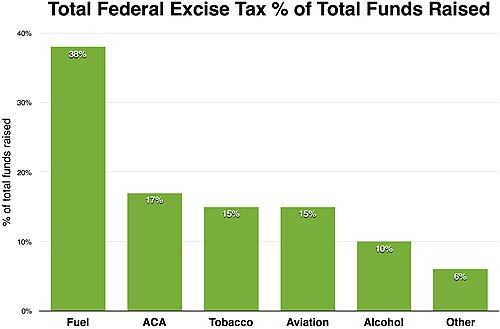
2015年度、医療費負担適正化法による物品税は163 億ドルの増収となりました。そのうち 113 億ドルは、市場シェアに基づいて医療保険会社に直接課せられた物品税です。処方薬の輸入業者と製造業者には、年間 30 億ドルの物品税が課せられました。
個人義務税は最低でも1人当たり695ドル、1家族当たり2,085ドルで、世帯収入の2.5%(いずれか高い方)に達しました。この税は2019年から0ドルに設定されました。[210]
2018年度、個人および雇用主の義務化により、それぞれ40億ドルの収入があった。保険会社と製薬会社に対する物品税は180億ドルを追加した。所得税の追加課税により4370億ドルが生み出された。[211]
ACAは、所得税の追加課税と補助金により、税引き後の所得格差を縮小した。[212] CBOは、2016年に同法に基づいて支払われた補助金は、受給者1000万人あたり平均4,240ドル、約420億ドルと推定している。雇用者市場に対する税制上の補助金は、2016年に1人あたり約1,700ドル、合計2,660億ドルであった。[5]
保険取引所
2016年8月現在、15の州が独自の健康保険市場を運営している。他の州は連邦取引所を利用するか、連邦政府と提携または支援を受けて運営している。[213] 2019年までに、12の州とワシントンDCが独自の取引所を運営している。[214]
メディケイド拡大の実際

採用されなかった
採用
実装済み
2019年12月現在、37州(ワシントンDCを含む)がメディケイドの拡大を採用している。[206]メディケイドを拡大した州では、2016年第1四半期の平均無保険率は7.3%だったが、その他の州では18歳から64歳の成人の無保険率は14.1%だった。[205] 2012年の最高裁判所の判決では、ACAに基づいてメディケイドを拡大しなくても州はメディケイドの資金を失うことはないと判断されたが、いくつかの州はその選択肢を拒否した。これらの州には、全国の無保険人口の半分以上が住んでいた。[215]
メディケア・メディケイドサービスセンター(CMS)は、2015年の拡大費用は1人当たり6,366ドルと推定しており、これは以前の推定より約49%高い。推定900万 から1000万人がメディケイドの適用を受けており、そのほとんどは低所得の成人である。[要出典]カイザーファミリー財団は2015年10月に、メディケイドの拡大を拒否した州のためにさらに310万人が適用外になったと推定した。[216] [217]
多くの州では、所得基準が貧困ラインの133%を大幅に下回っていた。[218]多くの州では、所得レベルに関係なく、子供のいない成人はメディケイドを利用できないようにしていた。 [219]貧困ライン以下の人々は保険交換プランの補助金を利用できなかったため、そのような個人には新しい選択肢がなかった。[220] [221]たとえば、カンザス州では、子供がいて所得が貧困ラインの32%未満の障害のない成人のみがメディケイドの対象であったが、貧困レベルの32%から100%の所得(3人家族で6,250ドルから19,530ドル)の人々は、メディケイドと保険購入のための連邦補助金の両方の対象ではなかった。そこでは、子供がいない障害のない成人はメディケイドの対象ではなかった。[215]
メディケイド拡大の拒否の影響に関する研究では、最大640万人がメディケイドの収入には多すぎるが、交換補助金の対象にならないと計算された。[222]いくつかの州は、2020年に10%の負担をする余裕がないと主張した。[223] [224] [225]一部の研究では、拡大を拒否すると、メディケイドの補償によって部分的に支払われるはずだった無償の緊急治療への支出が増えるため、コストがさらに高くなると示唆されている。[226] [227]
2016年の調査によると、メディケイドを拡大したケンタッキー州とアーカンソー州の住民は、医療サービスを受ける可能性が高く、緊急治療室の費用が発生したり、医療費の支払いに困ったりする可能性が低いことがわかりました。メディケイドの拡大を受け入れなかったテキサス州の住民は、同じ期間に同様の改善が見られませんでした。[228] [229]ケンタッキー州はマネージドケアの拡大を選択し、アーカンソー州は民間保険を補助しました。その後、アーカンソー州とケンタッキー州の知事は、プログラムの削減または変更を提案しました。2013年から2015年にかけて、無保険率はアーカンソー州で42%から14%に、ケンタッキー州で40%から9%に低下しました。一方、テキサス州では39%から32%でした。[228] [230]
2016年の保健省の調査によると、メディケイドを拡大した州では、平均して高所得者よりも健康状態が悪い低所得者の加入者が少ないため、保険交換所の保険料が低かったことが判明した。[231]
2019年9月、国勢調査局は、ACAに基づいてメディケイドを拡大した州では、拡大しなかった州よりも無保険率がかなり低かったと報告した。例えば、貧困レベルの100%から399%の成人の場合、2018年の無保険率は拡大州で12.7%、非拡大州で21.2%だった。無保険率が10%以上の14州のうち、11州はメディケイドを拡大していなかった。[232]拡大されたメディケイドによる無保険率の低下により、低所得の成人の医療へのアクセスが広がり、ACA後の研究では、手頃な価格、医師へのアクセス、通常の医療源の改善が示されている。[233]
医療改革モニタリング調査の全国データを使用した研究では、低所得者(FPLの138%まで)および中所得者(FPLの139-199%)の成人の間で、費用と医療費の支払い不能による未充足ニーズが大幅に減少し、2回目の登録期間までに低所得成人の費用による未充足ニーズが約11パーセントポイント減少したことが判明しました。[233]重要なのは、費用関連の未充足医療ニーズ、投薬の省略、医療費の支払い、および年間の自己負担に関する問題が、メディケイド拡大州の低所得成人では非拡大州と比較して大幅に減少していることです。[233]
また、メディケイドの拡大により、低所得成人の医師の診察が6.6%増加し、子供のいない低所得成人の間で歯科診察やがん検診などの予防医療の利用が増加しました。[233]メディケイドの拡大による医療保険の適用範囲の改善は、精神障害や物質使用障害のある成人、外傷患者、がん患者、HIV感染者など、さまざまな患者層で確認されています。[234] [235] [ 236] [237] 2011~2013年と比較すると、2014年には精神障害のある成人の無保険率が5.4パーセントポイント減少し(21.3%から15.9%)、物質使用障害のある成人の無保険率が5.1パーセントポイント減少しました(25.9%から20.8%)。適用範囲の増加は主にメディケイドを通じて発生しました。[237]精神保健治療の利用は43%から45.1%に2.1ポイント増加した。[237]
全国の外傷患者のうち、無保険率は約50%減少しました。[234]拡大州の成人外傷患者は、非拡大州の成人外傷患者と比較して無保険率が13.7パーセントポイント減少し、それに伴って退院してリハビリを受ける割合が7.4パーセントポイント増加しました。[238]メディケイドの拡大と扶養家族の保険適用拡大に伴い、メリーランド州で急性外傷で入院した若年成人は、リハビリテーションが60%増加し、死亡率が25%減少し、救助失敗が29.8%減少しました。[239]メディケイドの拡大ががん患者に与える迅速な影響は、国立がん研究所の監視、疫学、最終結果(SEER)プログラムを使用した研究で実証されました。このプログラムは、2010年から2014年にかけて乳がん、肺がん、大腸がん、前立腺がん、甲状腺がんと診断された85万人以上の患者を評価しました。この研究では、2014年にがんと診断された場合、2010年から2013年に診断された場合と比較して、無保険率が絶対値で1.9パーセントポイント、相対値で33.5パーセント減少したことがわかりました。 [236] 2010年から2014年の監視、疫学、最終結果(SEER)プログラムのデータを使用した別の研究では、メディケイドの拡大により、すべてのがんを合わせた早期段階(原位置、局所、または地域)の診断が6.4%純増したことがわかりました。[240]
米国疾病予防管理センター(CDC)の医療モニタリングプロジェクトのデータによると、2009年から2012年の間に、積極的にHIV治療を受けていたHIV感染者(PLWH)の約18%が無保険であり[241]、治療を受けているHIV感染成人の少なくとも40%がメディケイドやメディケアを通じて保険に加入していたが、これらのプログラムは病気が進行して社会保障の障害としてカバーされるようになった場合にのみ資格を得た。[241] HIV感染者に対するメディケイドの適用範囲の拡大は、ウイルス抑制、治療の継続、入院率、入院時の罹患率などの健康成果と正の相関関係にある。[235]行動危険因子監視システム(BRFSS)の調査データの分析では、メディケイドの拡大により、2010年から2015年にかけてすべてのHIV感染者におけるウイルス抑制率が年間2.8%増加していることが判明した。[242]ネブラスカ州では、2013年から2014年にかけてメディケイドの拡大により新たにカバーされたHIV/エイズ感染者は、保険適用外であったHIV/エイズ感染者に比べて、ウイルス抑制状態にある可能性が4倍高かった。 [242]メディケイド拡大の早期導入者であるマサチューセッツ州では、2014年にHIV/エイズ感染者全体のウイルス抑制率が65%、医療ケアを継続していた人々のウイルス抑制率が85%であり、どちらも全国平均を大幅に上回っていることがわかった。[242]
2012年から2014年までのメディケイド拡大州4州と非拡大州2州における退院データの分析によると、無保険のHIV/エイズ感染者の入院率は拡大州4州では13.7%から5.5%に低下し、非拡大州2州では14.5%から15.7%に上昇した。[243]重要なのは、無保険のHIV/エイズ感染者は保険加入者よりも病院で死亡する可能性が40%高かったことである。 [243]メディケイド拡大に関連するその他の注目すべき健康成果には、糖尿病患者の血糖モニタリング率の改善、高血圧コントロールの改善、術後重篤な合併症率の減少などがある。[244]
全米経済研究所(NBER)による2019年7月の調査では、メディケイドの拡大を実施した州では死亡率が統計的に有意に減少したことが示された。[245]その調査によると、メディケイドの拡大を実施した州は「2014年から2017年の4年間で、55歳から64歳の成人の少なくとも19,200人の命を救った」 。 [246]さらに、NBERの調査によると、その年にメディケイドの拡大を実施しなかった州では、15,600人の高齢者が早死にした。「メディケイドの拡大による命を救う効果は大きく、保険に加入した高齢者の年間死亡率は推定39~64%減少した。」[246]
多くの州が拡大に失敗したため、多くの民主党員が、郡や市町村がメディケイドの拡大に資金を提供することを可能にする2021年カバーナウ法案の共同提案者となった。[247]
州別のメディケイド拡大
保険費用

国民医療費は、ACAの主要条項が発効する前(2009~2013年:3.73%)も発効後(2014~2018年:4.82%)も、国民所得を上回るペースで増加した。[250] [249]保険料は、ACAの発効前も発効後も大幅に上昇した。例えば、2016年に発表された調査では、17都市を分析した結果、40歳の非喫煙者の間で2017年に要求された保険料の値上げの平均は約9 %であったが、ブルークロス・ブルーシールドはアラバマ州で40%、テキサス州で60%の値上げを提案した。[251]しかし、これらの費用の一部または全部は税額控除によって相殺された。例えば、カイザーファミリー財団は、2番目に安い「シルバープラン」の場合、定価が大幅に上昇したにもかかわらず、年収3万ドルの40歳の非喫煙者が税額控除後、2017年に支払う金額は2016年と実質的に同じ額(月額約208ドル)になると報告した。これは全国的に一貫していた。言い換えれば、補助金は保険料価格とともに増加し、補助金対象加入者の増加分を完全に相殺した。[252]
雇用主市場における保険料コストの増加は、2009年以降緩やかになりました。たとえば、雇用主がカバーする人々の医療保険料は、2000年から2005年にかけて69%上昇しましたが、2010年から2015年にかけては27%しか上昇しませんでした。 [7] 2015年から2016年にかけてはわずか3%の増加でした。 [253] 2008年から2010年(ACA可決前)にかけて、健康保険料は年間平均10%上昇しました。[254]
いくつかの研究では、金融危機とそれに伴う景気後退だけでは景気減速のすべてを説明できず、構造変化が少なくとも部分的には寄与している可能性が高いことがわかった。[255] [256] [257] [258] 2013年の研究では、医療制度の変更が最近のインフレ低下の約4分の1の原因であると推定されている。[259] [説明が必要]ポール・クロウザックは、たとえコスト管理によって医療費の削減に成功したとしても、そのような取り組みだけでは、人口動態の変化、特にメディケア人口の増加によってもたらされる長期的な負担を補うのに不十分かもしれないと主張した。[260]
2016年のレビューで、バラク・オバマは、2010年から2014年までのメディケア加入者一人当たりの実質支出の平均年間成長率はマイナスで、2000年から2005年の平均年間4.7%、2006年から2010年の平均年間2.4%から減少したと主張した。同様に、民間保険の加入者一人当たりの実質支出の平均成長率は、この期間に1.1%で、2000年から2005年の平均6.5%、2005年から2010年の平均3.4%から減少した。[261]
控除額と共同支払額
保険料コストの抑制に寄与した要因は、被保険者がより高い免責額、共同支払額、自己負担限度額に直面したことである。さらに、多くの従業員が健康貯蓄口座と免責額の高いプランを組み合わせることを選択したため、ACA の純粋な影響を正確に判断することは困難である。
団体市場(雇用者保険)については、2016 年の調査で次のことがわかりました。
- 2011年から2016年にかけて、控除額は63%増加し、保険料は19%増加し、労働者の収入は11%増加しました。
- 2016 年には、労働者の 5 人に 4 人が保険の免責額を負担しており、その平均額は 1,478 ドルでした。従業員数が 200 人未満の企業の場合、免責額は平均 2,069 ドルでした。
- 控除額が1,000ドル以上の労働者の割合は、2006年の10%から2016年には51%に増加した。雇用主の拠出金を考慮すると、2016年の数字は38%に減少した。[262]
非グループ市場については、その 3 分の 2 が ACA 取引所でカバーされており、2015 年の調査データでは次のことがわかりました。
- 個人控除額が少なくとも1,500ドル(家族の場合は3,000ドル)の人は49%で、2014年の36%から増加した。
- 多くの交換加入者は、純控除額を減らす費用分担補助金の対象となります。
- 加入者の約75%が医師や病院の選択に「非常に満足」または「ある程度満足」していたが、年間自己負担額に同様の満足感を示したのはわずか50%だった。
- ACA保険取引所の加入者の52%が保険によって「十分に保護されている」と感じていたのに対し、団体市場では63%がそう感じていた。[263]
健康成果
2014年の調査によると、ACAは2010年から2013年にかけて、予防可能な患者の死亡を推定5万人防いだ可能性がある。 [264]ヒンメルスタインとウールハンドラーは2017年1月に、ACAのメディケイド拡大の撤回だけで、年間推定43,956人の死亡が発生すると書いている。[265]
カイザー財団によると、残りの州でメディケイドを拡大すると、最大450万人がカバーされることになる。[266] 2021年の研究では、メディケイド拡大プログラムに参加した州では、参加しなかった州と比較して死亡率が大幅に低下したことが判明した。この研究では、メディケイドを拡大しないという州の決定により、2014年から2017年の間に約15,600人の過剰死亡が発生したと報告されている。[267] [268]
ACA による扶養家族保険適用拡大 (DCE) は、保険適用および医療利用の水準が歴史的に低い若年成人のさまざまな健康指標に明らかな効果をもたらしました。[269]多くの研究により、この政策が実施された後、対象年齢層は年配のグループに比べて民間医療保険に加入し、それに伴い通常の医療提供元を持つことの改善、高額医療費の自己負担額の減少、救急外来受診頻度の減少、入院の 3.5% 増加、精神科診断による入院の 9% 増加、精神疾患の疑いのある人による専門精神医療の利用の 5.3% 増加、精神的健康状態が良好であるとの報告の 4% 増加、身体的健康状態が良好であるとの報告の 1.5~6.2% 増加が見られました。[269]また、研究では、DCE が若年成人患者のがん予防、検出、治療の改善に関連していることもわかっています。[240] [270] 2008~2012年の全国健康面接調査で特定された18~26歳の女性10,010人を対象とした研究では、2010年10月1日以前と以後を比較した場合、HPVワクチン接種の開始と完了の可能性がそれぞれ7.7パーセントポイントと5.8パーセントポイント増加したことがわかりました。 [270] 2007年から2012年までの国立がんデータベース(NCDB)データを使用した別の研究では、DCE後の21~25歳の女性の末期(ステージIII / IV)子宮頸がんの診断が5.5パーセントポイント減少し、26~34歳の女性と比較して末期診断が全体で7.3パーセントポイント減少したことがわかりました。[240] 2007年から2012年までのSEERプログラムデータを使用した研究では、すべてのがんを合わせたステージI疾患の診断が、26~34歳の患者と比較して19~25歳の患者で2.7パーセントポイント増加したことがわかりました。[240] DCE後のがん治療に焦点を当てた研究では、21~25歳の子宮頸がん患者では、26~34歳と比較して妊孕性温存治療を受ける割合が12.8パーセントポイント増加し、全体では13.4パーセントポイント増加していることがわかった。また、19~25歳のステージIIB-IIIC大腸がん患者は、27~34歳の患者と比較して、適切な時期に補助化学療法を受ける可能性が高かった。[240]
2018年のJAMAの2つの研究では、病院再入院削減プログラム(HRRP)が、心不全や肺炎で入院した患者の退院後死亡率の上昇と関連していることが判明した。[271] [272] [273] 2019年のJAMAの研究では、ACAにより無保険者の救急科や病院の利用が減ったことが判明した。[274]いくつかの研究では、心不全患者の退院後30日、90日、1年の死亡率の上昇は、救急科での不適切なトリアージシステム、入院が必要な場合の観察滞在の使用、退院後30日目以降の再入院の延期など、「システムの悪用」に起因する可能性があることが示唆されており、これらの戦略は、ケアの質と患者の生存を犠牲にして再入院率を減らすことができます。[275] HRRPは、主に低所得の患者を対象とするセーフティネット病院に不釣り合いなペナルティを課すことも示されました。[276] 2020年に財務省の経済学者がQuarterly Journal of Economicsにランダム化比較試験(IRSが一部の納税者に健康保険に加入しなかったために罰金を支払ったことを通知する手紙を送ったが、他の納税者には送らなかった)を用いて行った研究では、2年間で健康保険に加入すると死亡率が12%減少したことが判明した。[277] [278]この研究では、390万人に送られた手紙によって700人の命が救われた可能性があると結論付けられている。[277]
2020年のJAMAの研究では、ACAによるメディケアの拡大が進行期乳がんの発生率の低下と関連していることがわかり、メディケイドへのアクセスが容易になったことで乳がんの早期発見と生存率の向上につながったことが示唆されました。[279]最近の研究では、メディケイドの拡大により、禁煙薬、子宮頸がん検診、大腸内視鏡検査の使用が増加したほか、すべてのがんの早期診断率と低所得患者のがん手術率が上昇したことも示されています。[280] [281]これらの研究には、メディケイド拡大州では非拡大州と比較して禁煙の確率が2.1%増加したこと、メディケイド資金による禁煙処方箋の増加により禁煙薬の使用が24%増加したこと、メディケイド拡大後のケンタッキー州での大腸がん検診率が27.7%増加し、大腸がん生存率が向上したこと、メディケイド拡大後のがん発生率が3.4%増加したことが含まれており、これは早期診断の増加によるものと考えられています。[280]
ACA に基づくケアの移行介入と代替支払いモデルも、健康成果の改善に有望であることが示されている。[282] [283]退院後の医療提供者の予約と電話によるフォローアップ介入は、一般内科入院患者の 30 日以内の再入院率を低下させることが示されている。[282]ケアの移行介入による退院後 60 日、90 日、180 日の再入院率の低下も実証されており、30 日死亡率の低下が示唆されている。[282]ケア改善のためのバンドル支払いイニシアチブの一環としての全関節置換術バンドルは、入院リハビリテーション施設とポスト急性期ケア施設への退院を減らし、ケアの質を犠牲にすることなく入院期間を 18% 短縮し、全関節置換術の再入院率を低下させることが示されている。その半数は外科的合併症によるものであった。[283]メディケイドの病院価値に基づく購入プログラムも健康成果を改善する可能性があることが示されており、初期の研究では、患者の総合的な経験スコア、30日間の再入院率、肺炎と褥瘡の発生率、肺炎の30日間の死亡率にプラスの有意な効果が報告されています。[284]患者中心のメディカルホーム(PCMH)の支払いとケアモデルは、患者をリスク層別化し、高リスク患者に重点的なケア管理とアウトリーチを提供する集団健康管理に対するチームベースのアプローチであり、糖尿病の成果を改善することが示されています。[285]ペンシルベニア州の慢性ケア・イニシアチブとして知られる糖尿病に焦点を当てたPCMHの広範な実証プログラムでは、HbA1C検査、LDL-C検査、腎症のスクリーニングとモニタリング、および眼科検査で統計的に有意な改善が見られ、それに伴い、全原因救急外来受診、外来治療を必要とする救急外来受診、専門医への外来受診が減少し、プライマリケア提供者への外来受診率も上昇しました。[285] ACAは全体として糖尿病の補償と治療を改善し、2009年から2010年に糖尿病を患っていた18~64歳の米国成人350万人のうち、かなりの部分が補償と、インスリンに対するメディケイド・パートDの補償ギャップの解消などのメリットを享受している可能性があります。[286] 2009年から2010年にかけて糖尿病と診断されていない18歳から64歳までの約460万人のうち230万人は、ACA第2713条により、糖尿病検査など米国予防サービスタスクフォースのグレードAまたはB推奨サービスに対する費用負担を禁止しているため、無償の予防ケアを受けることができた可能性がある。[286]
分配の影響
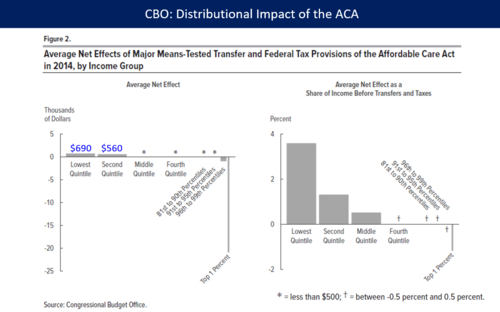
2018年3月、CBOはACAが2014年の所得格差を縮小させたと報告し、この法律により最下位2分の1の世帯と2位2分の1の世帯(下位40%)はそれぞれ平均690ドルと560ドルの追加収入を得たが、上位1%の世帯は主に純投資所得税と追加のメディケア税により21,000ドルの追加支払いを余儀なくされたと述べた。この法律は、上位1%以外の上位2分の1の世帯(上位20%)には比較的負担が少なかった。[10]
連邦財政赤字
CBOによる歳入と赤字への影響の推定
CBOは複数の研究で、ACAは赤字を削減し、廃止すると主にメディケアの償還削減がなくなるため、赤字が増加すると報告した。[8] [9] 2011年の包括的なCBOの推計では、2012年から2021年の期間に2,000億ドル以上の純赤字削減が予測された。[9] [287]この法律により、総支出額6,040億ドルが総収入8,130億ドルで相殺され、2,100億ドルの純赤字削減になると計算された。[9] CBOは別途、支出規定の大部分は2014年まで開始されないが、[288] [289]その後の年には収入が支出を上回ると予測した。[290] [リンク切れ] CBOは、この法案は「ほとんどのサービスに対するメディケアの支払い率の伸びを大幅に抑制し、比較的保険料の高い保険プランに物品税を課し、連邦税法、メディケア、メディケイド、その他のプログラムにさまざまな変更を加える」と主張した[291] 。最終的にはメディケア信託基金の支払い能力を8年間延長することになる。 [292]
この見積りは、州がメディケイドの拡大から脱退し、関連する連邦資金を放棄することを可能にする最高裁判所の判決の前に行われた。CBOとJCTはその後予算予測を更新し、判決の影響により保険適用規定の費用見積りが840億ドル削減されると見積もった。[293] [294] [295]
CBOは2015年6月に、ACAの廃止により、マクロ経済のフィードバック効果の影響に応じて、2016年から2025年の間に1,370億ドルから3,530億ドルの赤字が増加すると予測しました。CBOはまた、ACAの廃止により、主に労働力の供給が増加するため、2021年から2025年の間にGDPが平均0.7%増加する可能性が高いと予測しました。[8]
CBOは通常、予測に伴う不確実性の程度から10年間の予算予測期間を超える費用見積もりを提供しないが、この場合は議員の要請によりそうすることにし、第2の10年間の赤字削減額を1.2兆ドルと見積もった。[291] [296] CBOは、2020年代の赤字削減額がGDPの0.5%程度と広範囲に及ぶと予測したが、「幅広い変化が起こる可能性がある」と警告した。[297]
2017年にCBOは、個人の義務化を廃止するだけで10年間の赤字が3,380億ドル削減されると推定した。[298]
CBO予測に関する意見
CBOの費用見積もりは、2010年から2019年までにメディケアの支払額を2000億ドル以上増加させる可能性のある法案の影響を除外していたため批判された。 [299] [300] [301]しかし、いわゆる「ドックフィックス」はACAの有無にかかわらず存在していた別の問題である。[302] [303] [304]予算・政策優先センターは、議会がメディケアの節約を実施した実績が良好であると異議を唱えた。彼らの研究によると、議会は過去20年間に制定されたメディケアの節約をもたらす条項の大部分を実施してきたが、ドックフィックスは実施しなかった。[305] [306]ドックフィックスは、節約条項が削除され、その支出抑制が永久になくなった2015年に時代遅れになった。[307]
医療経済学者の ウーヴェ・ラインハルトは、「議会予算局が法案に点数をつけなければならない厳格で人為的なルールは、残念ながら、法案の財政的影響について、偏りのない最良の予測を出すことができない」と書いている。[308] ダグラス・ホルツ・イーキンは、この法案は歳入を前倒しし、給付を後倒しするため、赤字が5620億ドル増加すると主張した。[309]
シャイバーとコーンは、この法律の財政赤字への影響に関する批判的な評価を否定し、予測は財政赤字削減を過小評価する方向に偏っていると主張した。彼らは、例えば、予防医療による節約を考慮するよりも、特定の人数に対する一定レベルの補助金の費用を考慮する方が簡単であり、CBO は医療法の費用を過大評価し、節約を過小評価してきた実績があると指摘した。 [310] [311]は、「電子医療記録のより広範な使用[312]や医師間のケアの調整に対する金銭的インセンティブなど、医療の提供における革新は、医療費の容赦ない上昇を緩めながら、かなりの節約をもたらすだろう ...しかし、CBO はそのような節約を計算に考慮しないだろう。なぜなら、そのような革新は実際にはそれほど大規模に、または互いに連携して試みられておらず、節約が実現することを証明する確かなデータがあまりないからだ」と述べた。[310]
2010年にデイビッド・ウォーカーは、 CBOの推定値は法律が変わらないという仮定に基づいているため、正確ではない可能性があると述べた。[313]
雇用主の義務とパートタイム労働
雇用主義務は、健康保険がフルタイム労働者にのみ提供される50人以上の雇用主に適用されます。[314]批評家は、それが代わりにパートタイム労働者を雇うための逆インセンティブを生み出したと主張しました。[315] [316]しかし、2010年3月から2014年の間に、パートタイムの仕事の数は23万人減少し、フルタイムの仕事の数は200万人増加しました。[317] [318]公共部門では、民間部門よりもフルタイムの仕事がパートタイムの仕事に変わった人が多かったです。[317] [319] 2016年の調査では、ACAがパートタイム雇用を増加させたという証拠は限られていました。[320]
いくつかの企業とバージニア州は、フルタイム労働者の30時間以上の定義を反映するために、パートタイム従業員の週29時間の上限を[321] [信頼できない情報源? ] [322] [信頼できない情報源? ]に追加しました。 [314] 2013年の時点で、従業員をパートタイム勤務に移行させた企業はほとんどありませんでした(ミネアポリス連邦準備銀行の調査では4%)。[316]労働時間の傾向[323]と大不況からの回復は、パートタイムからフルタイムへの移行と相関しています。[324] [325]その他の交絡因子の影響としては、健康保険が従業員を引き付け、維持し、生産性を高め、欠勤を減らすこと、そしてより小規模で安定した労働力から対応するトレーニングおよび管理コストを削減することが挙げられます。[316] [323] [326] 50人以上の従業員を雇用している企業は比較的少なく[316]、そのうち90%以上がすでに保険を提供しています。[327]
政策アナリストの大半(右派、左派ともに)は、雇用主義務規定に批判的だった。[315] [327]彼らは、たとえ既存の計画を変更しなかったとしても、パートタイム労働時間に関する不当なインセンティブは現実的で有害であると主張した。[328] [329]企業にとって50人目の労働者の限界費用の上昇は企業の成長を制限する可能性がある。 [330]報告と管理のコストは雇用主計画の維持コストに見合わない。[328] [329]そして、雇用主義務は適切なリスクプールを維持するために不可欠ではないと指摘した。[331] [332]この規定は、免除を認められなかった企業関係者や一部の労働組合から声高な反対を招いた。[329] [333]
病院
2010年の初めから2014年11月までに、地方の病院43軒が閉鎖された。批評家は、新しい法律がこれらの閉鎖を引き起こしたと主張した。多くの地方の病院は、1946年のヒル・バートン法の資金を使って建設された。これらの病院のいくつかは他の医療施設として再開されたが、救急室(ER)や緊急治療センターを運営したのはごく少数だった。[334]
2010年1月から2015年の間に、救急科の医師の4分の1が患者数の大幅な増加を経験したと述べ、ほぼ半数が小規模な増加を経験したと述べた。10人中7人の救急科医師は、患者数の大幅な増加に対処するためのリソースが不足していると主張した。救急科の患者数が増加した最大の要因は、より多くの被保険者に対応できるプライマリケア提供者が不足していたことである。[335]ボストン小児病院のマイケル・リー・ジュニアとマイケル・C・モニュトーは、アメリカコミュニティ調査(ACS)と全国救急科サンプル(NEDS)を使用して、2009年から2016年までの0歳から17歳の子供の全国救急科受診を分析した。彼らは、ACAが2014年に完全施行された翌年、小児救急科受診率に即時の変化は見られなかったが、2014年から2016年の変化率は以前の率の傾向よりも大幅に高く、ほぼ10%であったことを発見した。[336]
いくつかの大手保険会社がACOを結成した。多くの病院が医師の診療所を合併、買収し、医療提供業界の大幅な統合が進んだ。市場シェアの拡大により、保険会社に対する影響力が高まり、患者の治療オプションが減少した。[112]
経済的な影響

CBO は 2015 年 6 月に、ACA を廃止すると次のような結果になると推定しました。
- 政府支出(補助金)が受給者による支出によって部分的にしか置き換えられなかったため、短期的にはGDPが減少する。
- 2021年から2025年にかけて、労働力の供給と総報酬をそれぞれ約0.8%と0.9%増加させます。CBOは、ACAによるメディケイドの資格拡大と、所得に応じて増加する補助金や税額控除が労働意欲をそぐ要因であると指摘しており、ACAを廃止すればこうした意欲をそぐ要因がなくなり、労働者がより多くの労働力を供給するよう促され、2021年から2025年にかけて総労働時間が約1.5%増加することになります。
- 資本所得に対する高い税率を撤廃し、それによって投資を奨励し、長期的には資本ストックと生産量を増加させる。[8]
2015年に進歩的な経済政策研究センターは、企業が週30時間以上働く従業員に対するACAの要件[337]を回避するために労働時間を削減しているという証拠は見つかりませんでした。 [338]
CBOは、ACAにより労働力の規模と労働時間がわずかに減少すると見積もった。これは、一部の労働者がもはや雇用者と保険契約を結ぶ必要がなくなるためである。ジョナサン・コーンは、ACAの主な雇用効果は雇用の固定化を緩和することであり[339]、改革の唯一の重要な雇用への影響は、保険に加入するためだけに働いていた人々の退職であると主張した[340] 。
世論

2009年から2010年にかけての立法討論で議論された特定の計画に対する国民の意見は、ますます否定的になっていった。支持は政党、人種、年齢によって異なっていた。一部の要素は広く支持されていた(既往症)か、反対されていた(個人の義務)ものであった。
2010年の世論調査では、回答者の62%がACAによって「医療費が増加する」と考えており、56%が「この法案は政府の医療への関与を過度に高める」と述べ、19%が自分や家族にとってこの法律のほうが良いと考えていると答えた。[341]他の世論調査では、人々はこの法律の費用が予想よりも高くなり、費用抑制に十分な効果がないのではないかと懸念していることがわかった。[342]
2012年の世論調査では、44%が同法を支持し、56%が反対した。民主党員の75%、無党派層の27%、共和党員の14%が同法を支持した。82%が、既往症のある人への保険加入を拒否することを保険会社に禁止することに賛成し、61%が、子供が26歳になるまで親の保険に加入できるようにすることに賛成し、72%が、従業員が50人以上の企業に従業員の保険を提供することを義務付けることに賛成し、39%が、個人が保険を所有するか罰金を支払うことを義務付けることに賛成した。政党別では、共和党員の19%、無党派層の27%、民主党員の59%が同法の義務付けに賛成した。[343]他の世論調査では、保険取引所、中小企業や無保険者を他の消費者とプールすること、補助金の提供など、追加の条項が大多数の支持を得ていることが示された。[344] [345]
反対派の中には、改革が不十分だと考える者もいた。2012年の世論調査では、共和党の反対派の71%が改革に反対し、29%が改革が不十分だと考えていることが示された。無所属の反対派は67%対33%で分かれ、民主党の反対派のはるかに少数のグループでは、改革に全面的に反対し、51%がさらなる改革を望んでいると答えた。[343]
2013年6月、国民の過半数(52~34%)は「議会が法律を廃止するのではなく、施行するか、修正すること」を望んでいると回答した。[346]最高裁が個人の義務化を支持した後、2012年の世論調査では「ほとんどのアメリカ人(56%)はオバマ大統領の医療保険法の批判者がそれを阻止する努力をやめ、他の国家問題に移ることを望んでいる」と回答した。[347]
2013年10月現在、賛成は約40%、反対は51%であった。[348] [349]白人の約29%がこの法律に賛成したのに対し、ヒスパニックでは61%、アフリカ系アメリカ人では91%であった。[350]高齢者の大多数がこの考えに反対し、40歳未満の大多数が賛成した。[351]
2014年の世論調査では、アメリカ人の26%がACAを支持していると報告されています。[352] 2014年の後の世論調査では、回答者の48.9%がACAに否定的な見解を持っており、肯定的な見解を持っているのは38.3%でした(5,500人以上の個人)。[353]別の調査では、回答者の8%が、医療費負担適正化法は「現状のままでうまく機能している」ことに同意していると述べています。[354] 2014年後半のラスムセン世論調査では、廃止:30%、現状維持:13%、改善:52%と報告されています。[355]
2015年の世論調査では、アメリカ人の47%が医療保険法に賛成していると報告された。これは、主要な世論調査で賛成が反対を上回った初めてのケースだった。[356] 2016年12月の世論調査では、a) 30%が法律の適用範囲の拡大を希望、b) 26%が法律全体の廃止を希望、c) 19%が現状のまま法律の施行を進めたい、d) 17%が法律の適用範囲の縮小を希望し、残りは未定と報告された。[357]
2017年1月に行われたFox NewsとNBC/ WSJの別々の世論調査によると、初めてこの法律に好意的に見る人のほうが、好意的に見ない人の方が多かった。この法律の人気が高まっている理由の1つは、かつて反対していた民主党員(多くは依然として「メディケア・フォー・オール」を好んでいる)がACAが廃止の危機にさらされているために立場を変えたことだ。[358] 2017年1月の別の世論調査では、回答者の35%が「オバマケア」と「オバマケア法」は異なるものだと考えているか、知らないと答えた。(約45%は「オバマケアの廃止」が「オバマケア法の廃止」も意味するかどうか確信が持てなかった。)39%は「ACAが廃止され、代替法が制定されなければ、多くの人がメディケイドや民間医療保険の補助金による補償を失う」ことを知らず、民主党員(79%)の方が共和党員(47%)よりこの事実を知っている可能性がはるかに高かった。[359] 2017年の調査では、公的医療保険制度に関する個人的な経験がACAへの支持を高め、特に共和党員と情報不足の有権者の間でその傾向が顕著であることがわかった。[360]
2023年末までに、モーニングコンサルトが有権者を対象に行った世論調査では、57%が医療費負担適正化法に賛成し、30%が反対していることが判明した。民主党員の85%、無党派層の56%、共和党員の28%がこの法律を支持した。[361]
政治的側面
「オバマケア」
「オバマケア」という用語は、もともと反対派が軽蔑的な意味で作った造語である。エルスペス・リーブの研究によると、この表現は2007年初頭に、主に候補者の無保険者への保険適用拡大案を記述するライターによって使用された。[362]この用語が正式に登場したのは、2007年3月、医療ロビイストのジーン・シュルテ・スコットが「まもなく『ジュリアーニケア』や『オバマケア』が、『マケインケア』、『エドワーズケア』、そして1990年代の完全に刷新され改造された『ヒラリーケア』と並ぶことになるだろう」と書いたときである。[363] [364]
2007年5月、ミット・ロムニーは「増税や政府による医療の引き継ぎなしに、これらの人々に保険をかけられるよう、どうしたらいいか」と述べて、この制度を政治討論の場に持ち込んだ。そして、もし我々がやらなければ、民主党がやるだろうと断言する。民主党がやれば、それは社会主義医療、つまり政府管理医療となる。それはヒラリーケア、バラク・オバマケア、あるいは何と呼ぼうと、いわゆる制度となるだろう」[363]
2012年半ばまでに、オバマケアは支持者と反対者の両方が使う口語的な用語になった。 [362]オバマは最終的にこのニックネームを支持し、「オバマは気にかけていると言うことに何の問題もない。私は気にかけている」と述べた。[365]
「オバマケア」の使用はますます稀になり、2024年の民主党全国大会でオバマは「ところで、この言葉が普及して以来、人々はもう「オバマケア」とは呼ばなくなっていることに気づきました」と述べた。[366]
よくある誤解
「死の委員会」
2009年8月7日、サラ・ペイリンは、病気の患者が医療を受ける「価値がある」かどうかを決定するグループを表すために「死の委員会」という用語を作り出した。 [367]「死の委員会」は、初期の草案に関する2つの主張を指していた。
一つは、法律上、高齢者は年齢を理由に医療を拒否される可能性があるというもの[368]、もう一つは、政府が高齢者に医療を受ける代わりに自ら命を絶つよう勧めるというものだった。これらの主張の表向きの根拠は、独立支払諮問委員会(IPAB)の規定だった。[369] IPABには、法定支出レベルが特定の3年間で超過した場合に、費用対効果の高い治療と費用回収策の採用を促進することにより、メディケアにコスト削減の変更を勧告する権限が与えられた。実際、委員会は2020年より前に支払いを減らすような変更を勧告することを禁じられており、保険料、給付、資格、税金の変更、または配給につながるその他の変更を勧告することも禁じられていた。[370] [371]
関連するもう1つの問題は、事前医療計画に関する相談に関するものであった。下院の改革案の一部は、メディケア受給者(多くの民間保険でカバーされている)の終末期医療計画について患者の要請による相談を医師に提供した場合に報酬を支払い、患者が要請に応じて受けたいケアの種類を指定できるようにするものであった。[372]この規定はACAには含まれていなかった。[373]
2010年、ピュー研究所は、アメリカ人の85%がこの主張を知っており、30%がそれが真実であると信じていると報告した。これは、同時期に行われた3つの世論調査によって裏付けられている。[374]この主張は、 PolitiFactの2009年の「今年の嘘」に選ばれ、[367] [375] FactCheck.orgの「大嘘」の1つに選ばれ、 [376] [377]アメリカ方言協会による最もとんでもない用語に選ばれた。[378] AARPは、このような噂を「ひどい、さらには残酷な歪曲に満ちている」と評した。[379]
国会議員
ACAは、連邦職員に提供される保険(連邦職員健康保険プログラム)を使用する代わりに、議会議員とそのスタッフは保険取引所または法律で承認された他のプログラム(メディケアなど)を通じて健康保険に加入することを義務付けている。[380] [381]
不法移民
ACAは「不法移民」に対する保険補助を明確に否定している。[55] [56] [382]
取引所の「デススパイラル」

Opponents claimed that combining immediate coverage with no provision for preexisting conditions would lead people to wait to get insured until they got sick. The individual mandate was designed to push people to get insured without waiting. This has been called a "death spiral".[383] In the years after 2013, many insurers did leave specific marketplaces, claiming the risk pools were too small.
The median number of insurers per state was 4.0 in 2014, 5.0 in 2015, 4.0 in 2016 and 3.0 in 2017. Five states had one insurer in 2017, 13 had two, 11 had three; the remainder had four or more.[384]
"If you like your plan"
At various times during and after ACA debate Obama said, "If you like your health care plan, you'll be able to keep your health care plan."[385][386] However, in fall 2013 millions of Americans with individual policies received notices that their insurance plans were terminated,[387] and several million more risked seeing their current plans canceled.[388][389]
Obama's previous unambiguous assurance that consumers could keep their own plans became a focal point for critics, who challenged his truthfulness.[390][391] Various bills were introduced in Congress to allow people to keep their plans.[392]
PolitiFact initially cited various estimates that only about 2% of the total insured population (4 million out of 262 million) received such notices,[393] but readers later voted Obama's claims as the 2013 "Lie of the Year".[394]
Criticism and opposition
Opposition and efforts to repeal the legislation have drawn support from sources that include labor unions,[333][395] conservative advocacy groups,[396][397] Republicans, small business organizations and the Tea Party movement.[398] These groups claimed the law would disrupt existing health plans, increase costs from new insurance standards, and increase the deficit.[399] Some opposed the idea of universal healthcare, viewing insurance as similar to other unsubsidized goods.[400][401] President Donald Trump repeatedly promised to "repeal and replace" it.[402][403]
As of 2013[update] unions that expressed concerns included the AFL–CIO,[404] which called ACA "highly disruptive" to union health care plans, claiming it would drive up costs of union-sponsored plans; the International Brotherhood of Teamsters, United Food and Commercial Workers International Union, and UNITE-HERE, whose leaders sent a letter to Reid and Pelosi arguing, "PPACA will shatter not only our hard-earned health benefits, but destroy the foundation of the 40-hour work week that is the backbone of the American middle class."[333] In January 2014, Terry O'Sullivan, president of the Laborers' International Union of North America (LIUNA) and D. Taylor, president of Unite Here sent a letter to Reid and Pelosi stating, "ACA, as implemented, undermines fair marketplace competition in the health care industry."[395]
In October 2016, Mark Dayton, the governor of Minnesota and a member of the Minnesota Democratic–Farmer–Labor Party, said ACA had "many good features" but it was "no longer affordable for increasing numbers of people"; he called on the state legislature to provide emergency relief to policyholders.[405] Dayton later said he regretted his remarks after they were seized on by Republicans seeking to repeal the law.[406]
Legal challenges
National Federation of Independent Business v. Sebelius
Opponents challenged ACA's constitutionality in multiple lawsuits on multiple grounds.[407][408][failed verification] The Supreme Court ruled, 5–4, that the individual mandate was constitutional when viewed as a tax, although not under the Commerce Clause.
The Court further determined that states could not be forced to expand Medicaid. ACA withheld all Medicaid funding from states declining to participate in the expansion. The Court ruled that this was unconstitutionally coercive and that individual states had the right to opt out without losing preexisting Medicaid funding.[12]
Contraception mandate
In March 2012, the Roman Catholic Church, while supportive of ACA's objectives, voiced concern through the United States Conference of Catholic Bishops that aspects of the mandate covering contraception and sterilization and HHS's narrow definition of a religious organization violated the First Amendment right to free exercise of religion and conscience. Various lawsuits addressed these concerns,[409][410] including Burwell v. Hobby Lobby Stores, Inc., which looked at private corporations and their duties under the ACA.
In Little Sisters of the Poor Saints Peter and Paul Home v. Pennsylvania, the Supreme Court ruled 7–2 on July 8, 2020, that employers with religious or moral objections to contraceptives can exclude such coverage from an employee's insurance plan. Writing for the majority, Justice Clarence Thomas said, "No language in the statute itself even hints that Congress intended that contraception should or must be covered. It was Congress, not the [administration], that declined to expressly require contraceptive coverage in the ACA itself." Justices Roberts, Alito, Gorsuch, and Kavanaugh joined Thomas's opinion. Justice Elena Kagan filed a concurring opinion in the judgment, in which Stephen Breyer joined. Justices Ginsburg and Sotomayor dissented, saying the court's ruling "leaves women workers to fend for themselves."[411]
In a later lawsuit brought by private health insurance buyers and businesses, Judge Reed O'Connor of the Federal District Court for the Northern District of Texas ruled in March 2023 that the ACA's provision of contraceptives, HIV testing, and screenings for cancer, diabetes, and mental health violated the plaintiffs' freedom of religious exercise, and placed an injunction on that portion of the ACA. The Biden administration planned to seek a hold on O'Connor's decision.[412]
King v Burwell
On June 25, 2015, the U.S. Supreme Court ruled, 6–3, that federal subsidies for health insurance premiums could be used in the 34 states that did not set up their own insurance exchanges.[413]
House v. Price
House Republicans sued the Obama administration in 2014, alleging that cost-sharing reduction subsidy payments to insurers were unlawful because Congress had not appropriated funds to pay for them. The argument classified the CSR subsidy as discretionary spending subject to annual appropriation. In May 2016, a federal judge ruled for the plaintiffs, but the Obama administration appealed.[414] Later, President Trump ended the payments. This led to further litigation.[415]
United States House of Representatives v. Azar
The House sued the administration, alleging that the money for CSRs to insurers had not been appropriated, as required for any federal government spending. The ACA subsidy that helps customers pay premiums was not part of the suit.
Without the CSRs, the government estimated that premiums would increase by 20% to 30% for silver plans.[416] In 2017, the uncertainty about whether the payments would continue caused Blue Cross Blue Shield of North Carolina to try to raise premiums by 22.9% the next year, as opposed to an increase of 8.8% that it would have sought if the payments were assured.[417]
U.S. District Judge Rosemary M. Collyer ruled that the cost-sharing program was unconstitutional for spending money that has not been specifically provided by an act of Congress, but concluded that Congress had in fact authorized that program to be created. The judge also found that Congress had provided authority to cover the spending for the tax credits to consumers who use them to help afford health coverage.[418] Collyer enjoined further cost-sharing payments, but stayed the order pending appeal to the United States Court of Appeals for the District of Columbia Circuit. The case ended in a settlement before the Circuit Court.
California v. Texas
Texas and 19 other states filed a civil suit in the United States District Court for the Northern District of Texas in February 2018, arguing that with the passage of the Tax Cuts and Jobs Act of 2017, which eliminated the tax for not having health insurance, the individual mandate no longer had a constitutional basis and thus the entire ACA was no longer constitutional.[419] The Department of Justice said it would no longer defend the ACA in court, but 17 states led by California stepped in to do so.[420]
District Judge Reed O'Connor of Texas ruled for the plaintiffs on December 14, 2018, writing that the "Individual Mandate can no longer be fairly read as an exercise of Congress's Tax Power and is still impermissible under the Interstate Commerce Clause—meaning the Individual Mandate is unconstitutional." He then further reasoned that the individual mandate is an essential part of the entire law, and thus was not severable, making the entire law unconstitutional.[421][422] O'Connor's decision regarding severability turned on several passages from the Congressional debate that focused on the importance of the mandate.[423] While he ruled the law unconstitutional, he did not overturn the law.[420]
The intervening states appealed the decision to the Fifth Circuit. These states argued that Congress's change in the tax was only reducing the amount of the tax, and that Congress had the power to write a stronger law to this end.[424][425] O'Connor stayed his decision pending the appeal.[426] The Fifth Circuit heard the appeal on July 9, 2019; in the interim, the U.S. Department of Justice joined with Republican states to argue that the ACA was unconstitutional, while the Democratic states were joined by the Democrat-controlled U.S. House of Representatives. An additional question was addressed, as the Republican plaintiffs challenged the Democratic states' standing to defend the ACA.[427]
In December 2019, the Fifth Circuit agreed the individual mandate was unconstitutional, but did not agree that the entire law should be voided. Instead, it remanded the case to the District Court for reconsideration of that question.[428] The Supreme Court accepted the case in March 2020, to be heard in the 2020–2021 term,[429] with the ruling likely falling after the 2020 elections.[430]
Democrats pointed out that the effect of invalidating the entire law would be to remove popular provisions such as the protection for preexisting conditions, and that the Republicans had still not offered any replacement plan—important issues in the 2020 elections.[430]
On June 17, 2021, the Court rejected the challenge in a 7–2 decision, ruling that Texas and the other plaintiff states did not have standing to challenge the provision, leaving the full ACA intact.[431][432][433]
Risk corridors
The Supreme Court ruled that promised risk corridor payments must be made even in the absence of specific appropriation of money by Congress.[86]
Non-cooperation
Officials in Texas, Florida, Alabama, Wyoming, Arizona, Oklahoma and Missouri opposed those elements over which they had discretion.[434][435] For example, Missouri declined to expand Medicaid or establish a health insurance marketplace engaging in active non-cooperation, enacting a statute forbidding any state or local official to render any aid not specifically required by federal law.[436] Other Republicans discouraged efforts to advertise the law's benefits. Some conservative political groups launched ad campaigns to discourage enrollment.[437][438]
Repeal and modification efforts
ACA was the subject of many unsuccessful repeal efforts by Republicans in the 111th, 112th, and 113th Congresses: Representatives Steve King and Michele Bachmann introduced bills in the House to repeal the ACA the day after it was signed, as did Senator Jim DeMint in the Senate.[439] In 2011, after Republicans gained control of the House, one of the first votes held was on a bill titled "Repealing the Job-Killing Health Care Law Act" (H.R. 2), which the House passed 245–189.[440] All Republicans and three Democrats voted for repeal.[441] In the Senate, the bill was offered as an amendment to an unrelated bill, but was voted down.[442] President Obama said he would veto the bill had it passed.[443]
On February 3, 2015, the House of Representatives added its 67th repeal vote to the record (239 to 186). This attempt also failed.[444]
2013 federal government shutdown
Strong partisan disagreement in Congress prevented adjustments to the Act's provisions.[445] But at least one change, a proposed repeal of a tax on medical devices, received bipartisan support.[446] Some Congressional Republicans argued against improvements to the law on the grounds that they would weaken the arguments for repeal.[329][447]
Republicans attempted to defund the ACA's implementation,[435][448] and in October 2013 House Republicans refused to fund the federal government unless it came with an implementation delay, after Obama unilaterally deferred the employer mandate by one year, which critics claimed he had no power to do. The House passed three versions of a bill funding the government while submitting various versions that would repeal or delay the ACA, with the last version delaying enforcement of the individual mandate. The Democratic Senate leadership said the Senate would pass only a bill without any restrictions on ACA. The government shutdown lasted from October 1 to October 17.[449][450][451]
2017 repeal effort

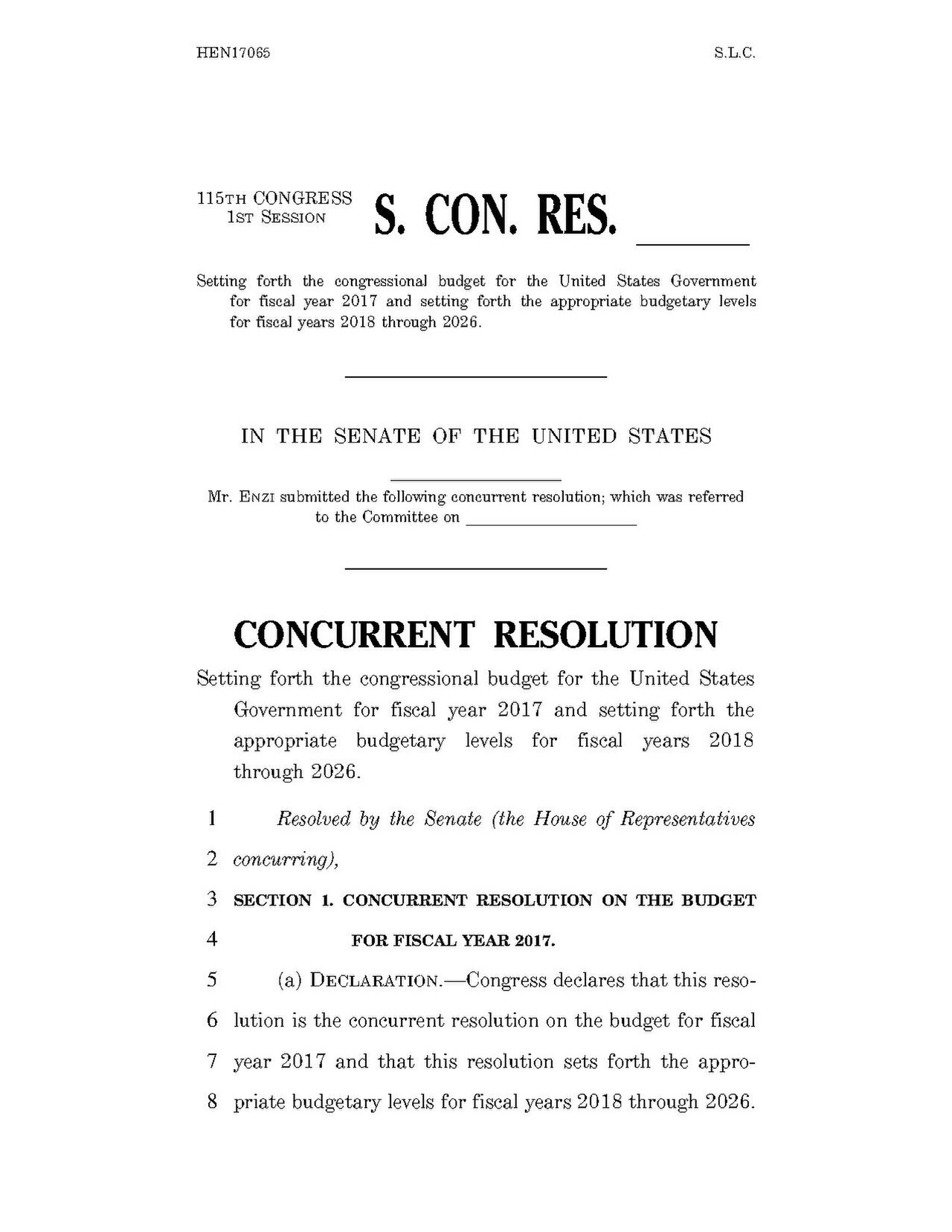
During a midnight congressional session starting January 11, the Senate of the 115th Congress of the United States voted to approve a "budget blueprint" that would allow Republicans to repeal parts of the law "without threat of a Democratic filibuster".[452][453] The plan, which passed 51–48, was named by Senate Republicans the "Obamacare 'repeal resolution.'"[454] Democrats opposing the resolution staged a protest during the vote.[455]
House Republicans announced their replacement, the American Health Care Act, on March 6.[456] On March 24, the AHCA failed amid a revolt among Republican representatives.[457]
On May 4 the House voted to pass the AHCA by a margin of 217 to 213.[458] The Senate Republican leadership announced that Senate Republicans would write their own version of the bill instead of voting on the House version.[459]
Leader McConnell named a group of 13 Republicans to draft the substitute version in private, raising bipartisan concerns about lack of transparency.[460][461][462] On June 22, Republicans released the first discussion draft, which renamed it the "Better Care Reconciliation Act of 2017" (BCRA).[463] On July 25, although no amendment proposal had garnered majority support, Republicans voted to advance the bill to the floor and begin formal consideration of amendments. Senators Susan Collins and Lisa Murkowski were the only two dissenting Republicans, making the vote a 50–50 tie. Vice President Mike Pence then cast the tie-breaking vote in the affirmative.[464]
The revised BCRA failed, 43–57. A subsequent "Obamacare Repeal and Reconciliation Act" abandoned the "repeal and replace" approach in favor of a straight repeal, but that too failed, 45–55. Finally, the "Health Care Freedom Act", nicknamed "skinny repeal" because it would have made the least change to ACA, failed by 49–51, with Collins, Murkowski, and McCain joining all Democrats and independents in voting against it.[465]
Proposed changes in 2024
Donald Trump, who has historically opposed the ACA,[466][467][468] has said during the 2024 United States presidential debates that he plans to modify or scrap sections it, saying he has "proposals." JD Vance has said that Trump intends to allow insurance companies to discriminate against people with preexisting conditions or disability, with subsidized insurance replaced with private insurance.[469][470][471] Kamala Harris has said she will "maintain and grow" the ACA.[472][473]
Actions to hinder implementation
Under both the ACA (current law) and the AHCA, the CBO reported that the health exchange marketplaces would remain stable.[475] But Republican politicians took a variety of steps to undermine it, creating uncertainty that adversely impacted enrollment and insurer participation while increasing premiums.[476] Concern about the exchanges became another argument for reforms. Past and ongoing Republican attempts to weaken the law have included:
- Lawsuits such as King v. Burwell and House v. Price.
- President Trump ended the payment of cost-sharing reduction subsidies to insurers on October 12, 2017. CBO estimated in September 2017 that discontinuing the payments would add an average of 15–20 percentage points to health insurance costs on the exchanges in 2018 while increasing the budget deficit nearly $200 billion over a decade.[477] In response, insurers sued the government for reimbursement. Various cases are under appeal as of 2019.[415] Several insurers and actuarial groups estimated this resulted in a 20 percentage point or more increase in premiums for the 2018 plan year. In other words, premium increases expected to be 10% or less in 2018 became 28–40% instead.[478][479] The insurers would need to make up the $7 billion they had previously received in cost-sharing reductions (CSRs) by raising premiums. Since most premiums are subsidized, the federal government would cover most of the increases. CBO also estimated that initially up to one million fewer people would have health insurance coverage, although rising subsidies might eventually offset this. The 85% of enrollees who received subsidies would be unaffected. CBO expected the exchanges to remain stable (i.e., no "death spiral" before or after Trump's action) as the premiums would increase and prices would stabilize at the higher (non-CSR) level.[480] Several insurance companies who sued the United States for failure to pay CSRs won cases in 2018 and 2019. The judiciary decided the insurance companies are entitled to unpaid CSRs.[415][481]
- The 2015 appropriations bill had a rider that ended the payment of risk corridor funds. This was repeated in later years. This resulted in the bankruptcy of many co-ops. This action was attributed to Senator Marco Rubio.[482] The cutoff generated some 50 lawsuits. The Supreme Court granted certiorari in 2019 in the case Maine Community Health Options v. United States.[483][484][485]
- Trump weakened the individual mandate with his first executive order, which limited enforcement of the tax. For example, tax returns without indications of health insurance ("silent returns") will still be processed, overriding Obama's instructions to reject them.[486]
- Trump reduced funding for advertising for exchange enrollment by up to 90%, with other reductions to support resources used to answer questions and help people sign-up for coverage.[487] The CBO said the reductions would reduce ACA enrollment.[477]
- Trump reduced the enrollment period for 2018 by half, to 45 days.[488]
- Trump made public statements that the exchanges were unstable or in a death spiral.[489]
Socialism debate
Many economically conservative opponents called the ACA "socialist" or "socialized medicine", pointing to the government redistribution of wealth via subsidies for low-income purchasers, expansion of the government-run Medicaid insurance, government requirements as to what products can be sold on the exchanges, and the individual mandate, which reduces freedom of consumer choice to be uninsured.[490][491][492]
Other observers considered the law a relatively capitalist or "regulated free-market" means of paying for near-universal health care, because it creates new marketplaces with choices for consumers, largely relies on private employers and private health insurance companies, maintains private ownership of hospitals and doctor's offices, and was originally advocated for by economic conservatives as a capitalist alternative to single-payer health care.[493][494][495] Some pointed out that the previous system also had socialist aspects. Even for-profit private health insurance companies socialize risk and redistribute wealth from people who have it (all premium payers) to those who need it (by paying for medically necessary healthcare).[495] The requirement to provide emergency care also forced redistribution from people who pay insurance premiums to those who choose to be uninsured, when they visit the emergency room.[494]
Some Obamacare supporters accused conservatives of using the term "socialism" as a scare tactic for Obamacare as it was for Medicare and Medicaid,[495] and some embraced the label "socialism" as desirable, distinguishing democratic socialism as most desirable for education and health care,[496] and communism as undesirable.[495] Milos Forman opined that critics "falsely equate Western European-style socialism, and its government provision of social insurance and health care, with Marxist–Leninist totalitarianism".[497]
Implementation
In 2010 small business tax credits took effect.[498] Then Pre-Existing Condition Insurance Plan (PCIP) took effect to offer insurance to those who had been denied coverage by private insurance companies because of a preexisting condition.[498] By 2011, insurers had stopped marketing child-only policies in 17 states, as they sought to escape this requirement.[499] In National Federation of Independent Business v. Sebelius the Supreme Court allowed states to opt out of the Medicaid expansion.[500][501][502]
In 2013, the Internal Revenue Service ruled that the cost of covering only the individual employee would be considered in determining whether the cost of coverage exceeded 9.5% of income. Family plans would not be considered even if the cost was above the 9.5% income threshold.[503][504] On July 2 Obama delayed the employer mandate until 2015.[327][505][506] The launch for both the state and federal exchanges was beset by management and technical failings. HealthCare.gov, the website that offers insurance through the exchanges operated by the federal government, crashed on opening and suffered many problems.[507] Operations stabilized in 2014, although not all planned features were complete.[508][509]
The Government Accountability Office released a non-partisan study in 2014 that concluded the administration had not provided "effective planning or oversight practices" in developing the exchanges.[510] In Burwell v. Hobby Lobby the Supreme Court exempted closely held corporations with religious convictions from the contraception rule.[511] At the beginning of the 2015, 11.7 million had signed up (ex-Medicaid).[512] By the end of the year about 8.8 million consumers had stayed in the program.[513] Congress repeatedly delayed the onset of the "Cadillac tax" on expensive insurance plans first until 2020[514] and later until 2022 and repealed it in late 2019.[99]
An estimated 9 to 10 million people had gained Medicaid coverage in 2016, mostly low-income adults. The five major national insurers expected to lose money on ACA policies in 2016,[515] in part because the enrollees were lower income, older and sicker than expected.[516]
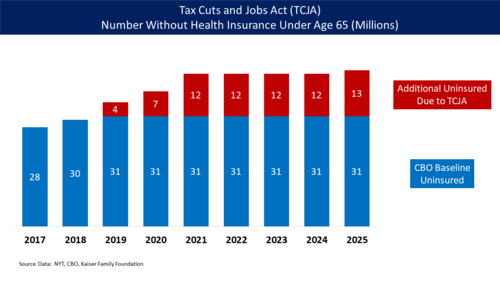
More than 9.2 million people (3.0 million new customers and 6.2 million returning) enrolled on the national exchange in 2017, down some 400,000 from 2016. This decline was due primarily to the election of President Trump.[517] The eleven states that run their own exchanges signed up about 3 million more.[517] The IRS announced that it would not require that tax returns indicate a person has health insurance, reducing the effectiveness of the individual mandate, in response to Trump's executive order.[518] The CBO reported in March that the healthcare exchanges were expected to be stable.[475] In May the House voted to repeal the ACA using the American Health Care Act (AHCA), but the AHCA was defeated in the Senate.[519][520] The Tax Cuts and Jobs Act set the individual mandate penalty at $0 starting in 2019.[59] The CBO estimated that the change would cause 13 million fewer people to have health insurance in 2027.[521]
The 2017 Individual Market Stabilization Bill was proposed to fund cost cost-sharing reductions,[522] provide more flexibility for state waivers, allow a new "Copper Plan" offering only catastrophic coverage, allow interstate insurance compacts, and redirect consumer fees to states for outreach. The bill failed.
By 2019, 35 states and the District of Columbia had either expanded coverage via traditional Medicaid or via an alternative program.[523]
In popular culture
SNL presented a sketch in October 2009 about the legislation's gridlock, with Dwayne Johnson playing an angry President Obama confronting three senators opposing the plan.[524]
The show aired another sketch in September 2013 with Jay Pharoah as President Obama rolling out the plan to the public, and Aaron Paul and other cast members playing ordinary Americans helping him in advocating for the legislation.[525]
See also



- Broccoli mandate
- Comparison of the healthcare systems in Canada and the United States
- Individual shared responsibility provision
- Massachusetts health care reform (sometimes called "Romneycare")
- Medicaid
- Medicare Access and CHIP Reauthorization Act of 2015 (Reform to the American Health Care system signed into law by President Obama)
- Single-payer health care
- Universal health care
- Universal health coverage by country
- U.S. health care compared with eight other countries (tabular form)
References
- ^ a b c d Oberlander, Jonathan (June 1, 2010). "Long Time Coming: Why Health Reform Finally Passed". Health Affairs. 29 (6). Project HOPE: 1112–1116. doi:10.1377/hlthaff.2010.0447. ISSN 0278-2715. OCLC 07760874. PMID 20530339.
- ^ a b c d Blumenthal, David; Abrams, Melinda; Nuzum, Rachel (June 18, 2015). "The Affordable Care Act at 5 Years". New England Journal of Medicine. 372 (25): 2451–2458. doi:10.1056/NEJMhpr1503614. ISSN 0028-4793. PMID 25946142. S2CID 28486139.
- ^ a b Cohen, Alan B.; Colby, David C.; Wailoo, Keith A.; Zelizer, Julian E. (June 1, 2015). Medicare and Medicaid at 50: America's Entitlement Programs in the Age of Affordable Care. Oxford University Press. ISBN 978-0-19-023156-9.
- ^ a b Vicini, James; Stempel, Jonathan; Biskupic, Joan (June 28, 2017). "Top court upholds healthcare law in Obama triumph". Reuters. Archived from the original on March 8, 2021. Retrieved July 1, 2017.
- ^ a b c d e f "Federal Subsidies for Health Insurance Coverage for People Under Age 65:2016 to 2026". United States. Congressional Budget Office. March 24, 2016. Archived from the original (Report) on December 9, 2016. Retrieved November 23, 2016.
- ^ a b Uberoi, Namrata; Finegold, Kenneth; Gee, Emily (March 2, 2016). "Health Insurance Coverage and the Affordable Care Act, 2010–2016" (PDF). Assistant Secretary for Planning and Evaluation. U.S. Department of Health and Human Services. Archived from the original on December 5, 2021. Retrieved December 7, 2016.
- ^ a b "Employer Health Benefits 2015". Kaiser Family Foundation. Archived from the original on April 12, 2020. Retrieved November 19, 2016.
- ^ a b c d "Budgetary and Economic Effects of Repealing the Affordable Care Act". United States. Congressional Budget Office. June 19, 2015. Archived from the original (Report) on June 22, 2015. Retrieved June 19, 2015.
- ^ a b c d "CBO's Analysis of the Major Health Care Legislation Enacted in March 2010". United States. Congressional Budget Office. March 30, 2011. Archived from the original on October 10, 2012. Retrieved April 6, 2012.
- ^ a b "The Distribution of Household Income, 2014 | Congressional Budget Office". United States. Congressional Budget Office. March 19, 2018. Archived from the original (Report) on April 12, 2018.
- ^ Gruber, Jonathan (2011). "The Impacts of the Affordable Care Act: How Reasonable Are the Projections?". National Tax Journal. 64 (3): 893–908. doi:10.17310/ntj.2011.3.06. hdl:1721.1/72971. S2CID 232213290. Archived from the original on June 20, 2016. Retrieved July 23, 2017.
- ^ a b "Analysis: U.S. Supreme Court Upholds the Affordable Care Act: Roberts Rules?". The National Law Review. von Briesen & Roper, S.C. June 29, 2012. Archived from the original on July 2, 2012. Retrieved July 2, 2012.
- ^ Kirzinger, Ashley; Sugarman, Elise; Brodie, Mollyann (December 1, 2016). "Kaiser Health Tracking Poll: November 2016". Kaiser Family Foundation. Archived from the original on December 1, 2016. Retrieved July 23, 2017.
- ^ "Gallup: ObamaCare has majority support for first time". The Hill. Archived from the original on December 1, 2017. Retrieved November 18, 2017.
- ^ a b c Eibner, Christine; Nowak, Sarah (2018). "The Effect of Eliminating the Individual Mandate Penalty and the Role of Behavioral Factors | Commonwealth Fund". www.commonwealthfund.org. doi:10.26099/SWQZ-5G92. Archived from the original on July 15, 2018. Retrieved July 10, 2019.
- ^ Pear, Robert. (December 18, 2017). "Without the Insurance Mandate, Health Care's Future May Be in Doubt" Archived January 16, 2022, at the Wayback Machine. The New York Times ISSN 0362-4331 OCLC 1645522.
- ^ Sullivan, Peter. (December 2, 2017). "Senate GOP repeals ObamaCare mandate" Archived April 17, 2024, at the Wayback Machine The Hill.
- ^ Jost, Timothy (December 20, 2017). "The Tax Bill And The Individual Mandate: What Happened, And What Does It Mean?". Health Affairs. Washington, DC: Project HOPE. doi:10.1377/forefront.20171220.323429. ISSN 0278-2715. OCLC 07760874.
- ^ Totenberg, Nina (June 17, 2021). "Obamacare Wins For The 3rd Time At The Supreme Court". National Public Radio. Archived from the original on February 3, 2022. Retrieved June 17, 2021.
- ^ a b Stolberg, Sheryl Gay; Pear, Robert (March 23, 2010). "Obama Signs Health Care Overhaul Bill, With a Flourish". The New York Times. p. A19. ISSN 0362-4331. OCLC 1645522. Archived from the original on March 25, 2010. Retrieved June 22, 2022.
- ^ "Health insurance that counts as coverage". HealthCare.gov. Archived from the original on November 4, 2015. Retrieved October 2, 2019.
- ^ "Health benefits & coverage for pre-existing conditions". HealthCare.gov. Archived from the original on February 11, 2021. Retrieved February 16, 2021.
- ^ "Age Band Rating (ACA)". National Association of Personal Financial Advisors. Archived from the original on September 24, 2016. Retrieved September 24, 2016.
- ^ "HHS and states move to establish Affordable Insurance Exchanges, give Americans the same insurance choices as members of Congress" (Press release). HHS. July 11, 2011. Archived from the original on April 14, 2012. Retrieved April 9, 2012.
- ^ "Essential Health Benefits". HealthCare.gov. September 23, 2010. Retrieved February 9, 2016.
- ^ Medicare, Centers for; Baltimore, Medicaid Services 7500 Security Boulevard; US, Md21244 (December 19, 2014). "ratereview". www.cms.gov. Archived from the original on February 15, 2021. Retrieved July 24, 2019.
{{cite web}}: CS1 maint: numeric names: authors list (link) - ^ "Clinical Guidelines and Recommendations". www.ahrq.gov. Archived from the original on February 23, 2022. Retrieved November 28, 2019.
- ^ "Login". Retrieved February 18, 2015.[permanent dead link]
- ^ a b Levitt, Larry; Claxton, Gary; Pollitz, Karen (October 18, 2011). "Questions About Essential Health Benefits". Kaiser Family.
- ^ "Quick Take: Essential Health Benefits: What Have States Decided for Their Benchmark?". Kaiser Family. December 7, 2012. Archived from the original on February 15, 2021. Retrieved July 28, 2013.
- ^ PPACA Archived February 15, 2021, at the Wayback Machine, 2713,(a)(4)
- ^ Women's Preventive Services Guidelines Archived February 15, 2021, at the Wayback Machine HRSA, U.S. Department of Health and Human Services
- ^ "Women's Preventive Services Coverage and Non-Profit Religious Organizations". Centers for Medicare and Medicaid Services. Retrieved September 8, 2013.
- ^ Kliff, Sarah (August 1, 2012). "Five facts about the health law's contraceptive mandate". The Washington Post. ISSN 0190-8286. OCLC 2269358. Archived from the original on June 24, 2013. Retrieved November 29, 2012.
- ^ Dept. Health and Human Services (February 10, 2012). "Group Health Plans and Health Insurance Issuers Relating to Coverage of Preventive Services Under the Patient Protection and Affordable Care Act – Final Rules" (77 FR 8725). Federal Register. Retrieved February 15, 2012.
Summary: These regulations finalize, without change, interim final regulations authorizing the exemption of group health plans and group health insurance coverage sponsored by certain religious employers from having to cover certain preventive health services under provisions of the Patient Protection and Affordable Care Act.
- ^ Park, Madison (July 19, 2011). "Birth control should be fully covered under health plans, report says". CNN. Retrieved August 27, 2012.
- ^ "Provisions of the Affordable Care Act, By Year". HealthCare.gov. Archived from the original on September 9, 2011. Retrieved January 9, 2012.
- ^ "Key Features of the Affordable Care Act By Year". HHS. June 7, 2013. Archived from the original on February 15, 2021. Retrieved June 7, 2013.
- ^ "Health insurance rights & protections: Ending lifetime & yearly limits". HealthCare.gov. Archived from the original on January 27, 2021. Retrieved February 16, 2021.
- ^ a b Binckes, Jeremy; Wing, Nick (March 22, 2010). "The Top 18 Immediate Effects Of The Health Care Bill". HuffPost. Archived from the original on February 15, 2021. Retrieved March 22, 2010.
- ^ "Health insurance rights & protections". HealthCare.gov. Archived from the original on January 29, 2021. Retrieved February 16, 2021.
- ^ "How do out-of-pocket maximums work?". Blue Cross Blue Shield of Michigan. Archived from the original on November 30, 2020. Retrieved September 3, 2016.
- ^ Bowman, Lee (March 22, 2010). "Health reform bill will cause several near-term changes". Scripps Howard News Service. Archived from the original on December 27, 2010. Retrieved March 23, 2010.
- ^ "Summary of the Affordable Care Act" (PDF). Kaiser Family Foundation. April 23, 2013. Archived from the original (PDF) on October 3, 2013.
- ^ "Health Insurance Market Reforms: Prevention". Centers for Medicare and Medicaid Services. December 21, 2010. Retrieved September 8, 2013.
- ^ "Next Steps to Comply with Health Care Reform". The National Law Review. October 10, 2012. Retrieved October 10, 2012.
- ^ "How do I choose Marketplace insurance?". HealthCare.Gov. the Centers for Medicare and Medicaid Services.
- ^ "Health Plan Categories". HealthCare.Gov. the Centers for Medicare and Medicaid Services. Archived from the original on February 15, 2021. Retrieved July 28, 2013.
- ^ "Medical Loss Ratio". Centers for Medicaid and Medicare Services. Retrieved October 2, 2013.
- ^ "Medical Loss Ratio Requirements Under the Patient Protection and Affordable Care Act". Federal Register. December 7, 2011. p. 76573. Retrieved April 1, 2012.
- ^ "Minimum Coverage Provision ("individual mandate")". American Public Health Association (APHA). Archived from the original on July 1, 2014.
- ^ Cohn, Jonathan (August 5, 2013). "Burn Your Obamacare Card, Burn Yourself". The Plank. Washington DC: The New Republic. ISSN 2169-2416. Archived from the original on August 19, 2013.
- ^ McClanahan, Carolyn (August 4, 2013). "Reader's Questions About Obamacare – Misinformation Abounds". Forbes. Retrieved August 15, 2013.
- ^ Cohn, Jonathan (April 9, 2010). "Why Americans should support individual mandate". Common Sense. Washington DC: The New Republic. Kaiser Health News. ISSN 2169-2416. Archived from the original on December 3, 2013.
Cohn, Jonathan (April 2, 2012). "What If the Mandate Goes?". The New Republic. Washington DC. ISSN 2169-2416. Archived from the original on December 3, 2013.
Cohn, Jonathan (December 26, 2011). "Was the Mandate a Mistake?". The New Republic. Washington DC. ISSN 2169-2416. Archived from the original on December 3, 2013. - ^ a b Elmendorf, Douglas W. (March 20, 2010). "Cost Estimate for Pending Health Care Legislation" (PDF). United States. Congressional Budget Office. Archived from the original (PDF) on April 4, 2012. Retrieved March 28, 2010.
- ^ a b Chaikind, Hinda; Copeland, Curtis W.; Redhead, C. Stephen; Staman, Jennifer (March 2, 2011). PPACA: A Brief Overview of the Law, Implementation, and Legal Challenges (PDF) (Report). Congressional Research Service. R41664. Archived from the original (PDF) on November 13, 2013. Retrieved December 22, 2013.
- ^ a b Trumbull, Mark (March 23, 2010). "Obama signs health care bill: Who won't be covered?". The Christian Science Monitor. Retrieved March 24, 2010.
- ^ Fox, Emily Jane (July 24, 2012). "6 million will lose out on Medicaid expansion". CNNMoney. Retrieved July 25, 2012.
- ^ a b Hatch, Orrin (December 20, 2017). "Sen. Orrin Hatch: Repealing the individual mandate tax is the beginning of the end of the ObamaCare era". Fox News. Archived from the original on February 15, 2021. Retrieved December 21, 2017.
- ^ "Welcome to the Marketplace". HealthCare.Gov. the Centers for Medicare and Medicaid Services.
"What is the Health Insurance Marketplace?". HealthCare.Gov. The Centers for Medicare and Medicaid Services. - ^ "Insurance Exchanges". American Public Health Association (APHA). Archived from the original on August 1, 2013.
- ^ Cohn, Jonathan (April 29, 2013). "Obamacare Sticker Shock: Not Very Shocking". The New Republic.
- ^ "Paper MA ACA application (for the MA Health Connector, the state exchange)" (PDF). August 10, 2019. Archived from the original (PDF) on July 26, 2019. Retrieved August 10, 2019.
- ^ "MN ACA application (MNSURE, their state exchange)". August 10, 2019. Archived from the original on February 15, 2021. Retrieved August 10, 2019.
- ^ a b "State Decisions For Creating Health Insurance Exchanges, as of May 28, 2013 – Notes". Kaiser Family Foundation. May 28, 2013.
- ^ "State Health Insurance Exchange Laws: The First Generation". The CommonWealth Fund. July 25, 2012. Archived from the original on September 28, 2013. Retrieved July 26, 2013.
- ^ Adams, Rebecca (July 22, 2013). "The Question of Abortion Coverage in Health Exchanges". Roll Call. Archived from the original on February 15, 2021. Retrieved July 26, 2013.
- ^ a b c "Explaining Health Care Reform: Questions About Health Insurance Subsidies". Kaiser Family Foundation. July 1, 2012. Retrieved July 1, 2012.
- ^ Luhby, Tami (April 23, 2013). "Millions eligible for Obamacare subsidies, but most don't know it". CNNMoney. Retrieved June 22, 2013.
- ^ a b "Explaining Health Care Reform". Kaiser Family Foundation. October 30, 2020.
- ^ "Find out what immigration statuses qualify for coverage in the Health Insurance Marketplace®". HealthCare.gov. Archived from the original on August 28, 2021. Retrieved August 28, 2021.
- ^ Fehr, Rachel; Claxton, Gary (March 5, 2019). "How Affordable are 2019 ACA Premiums for Middle-Income People?". The Henry J. Kaiser Family Foundation. Archived from the original on February 15, 2021. Retrieved October 2, 2019.
- ^ a b "Explaining Health Care Reform: Questions About Health Insurance Subsidies". The Henry J. Kaiser Family Foundation. November 20, 2018. Archived from the original on February 15, 2021. Retrieved August 10, 2019.
- ^ United States Congress. "Patient Protection and Affordable Care Act" – via Wikisource.
- ^ Patient Protection and Affordable Care Act: Title I: Subtitle E: Part I: Subpart A: Premium Calculation
- ^ Research, UC Berkeley Center for Labor; Education (July 1, 2014). "Modified Adjusted Gross Income under the Affordable Care Act". Center for Labor Research and Education. Archived from the original on February 15, 2021. Retrieved October 2, 2019.
- ^ "Small Business Health Care Tax Credit and the SHOP Marketplace". Internal Revenue Service. October 20, 2016. Retrieved January 11, 2017.
- ^ "Federal Subsidies for Health Insurance Coverage for People Under Age 65: 2017 to 2027" Archived February 15, 2021, at the Wayback Machine. United States. Congressional Budget Office. September 14, 2017. (Report).
- ^ Legislative Attorneys, American Law Division (January 5, 2016), Lawsuits to Recover Payments under the Risk Corridors Program of the Affordable Care Act (PDF), Congressional Research Service, p. 6, archived (PDF) from the original on February 24, 2021, retrieved February 11, 2017
- ^ Nicholas Bagley (November 24, 2016), "Trouble on the Exchanges – Does the United States Owe Billions to Health Insurers?", New England Journal of Medicine, 375 (21): 2017–2019, doi:10.1056/NEJMp1612486, PMID 27959725
- ^ Risk Corridors and Budget Neutrality (PDF), Washington, DC: Centers for Medicare & Medicaid Services (CMS), April 11, 2014, archived (PDF) from the original on March 13, 2021, retrieved February 11, 2017 Department of Health and Human Services
- ^ "Yes, Marco Rubio Led The Effort To End Obamacare's Health", Forbes, December 15, 2015, retrieved February 10, 2017
- ^ Kessler, Glenn (December 23, 2015). "Rubio's inaccurate claim that he 'inserted' a provision restricting Obamacare 'bailout' funds". The Washington Post. ISSN 0190-8286. OCLC 2269358. Archived from the original on March 6, 2021. Retrieved July 27, 2017.
- ^ Hiltzik, Michael (February 10, 2017). "With billions at stake, a federal judge just nullified the GOP's most cynical attack on Obamacare". Los Angeles Times. Archived from the original on February 11, 2017. Retrieved February 10, 2017.
- ^ Moda Health Plan, Inc. v. The United States, US Courts, February 10, 2017, p. 40, archived from the original on March 8, 2021, retrieved February 10, 2017
- ^ a b "Maine Community Health Options v. United States". SCOTUSblog. Archived from the original on March 8, 2021. Retrieved May 2, 2020.
- ^ a b Semanskee, Ashley; Claxton, Gary (August 17, 2016). "Explaining Health Care Reform: Risk Adjustment, Reinsurance, and Risk Corridors". The Henry J. Kaiser Family Foundation. Archived from the original on March 1, 2021. Retrieved November 28, 2019.
- ^ HHS Press Office (March 29, 2013). "HHS finalizes rule guaranteeing 100 percent funding for new Medicaid beneficiaries". Washington, DC: U.S. Department of Health & Human Services. Archived from the original on April 8, 2013. Retrieved April 23, 2013.
effective January 1, 2014, the federal government will pay 100 percent of defined cost of certain newly eligible adult Medicaid beneficiaries. These payments will be in effect through 2016, phasing down to a permanent 90 percent matching rate by 2020.
Centers for Medicare & Medicaid Services (April 2, 2013). "Medicaid program: Increased federal medical assistance percentage changes under the Affordable Care Act of 2010: Final rule". Federal Register. 78 (63): 19917–19947.(A) 100 percent, for calendar quarters in calendar years (CYs) 2014 through 2016; (B) 95 percent, for calendar quarters in CY 2017; (C) 94 percent, for calendar quarters in CY 2018; (D) 93 percent, for calendar quarters in CY 2019; (E) 90 percent, for calendar quarters in CY 2020 and all subsequent calendar years.
- ^ "HHS finalizes rule guaranteeing 100 percent funding for new medicaid beneficiaries". The Lund Report. Portland OR. Department of Health and Human Services. March 29, 2013. Archived from the original on October 30, 2020. Retrieved June 23, 2022.
- ^ "Archive-It - News Releases". archive-it.org. Archived from the original on March 15, 2021. Retrieved August 23, 2022.
- ^ "How Health Reform's Medicaid Expansion Will Impact State Budgets". Center on Budget and Policy Priorities. July 11, 2012. Archived from the original on November 30, 2020. Retrieved July 24, 2019.
- ^ "Medicaid Expansion". American Public Health Association (APHA). Archived from the original on February 22, 2014. Retrieved July 24, 2013.
- ^ a b "Affordable Care Act Update: Implementing Medicare Cost Savings" (PDF). Centers for Medicare and Medicaid Services. August 2, 2010. Archived from the original (PDF) on April 18, 2013. Retrieved October 7, 2013.
- ^ "Higher Spending Relative to Medicare Fee-for-Service May Not Ensure Lower Out-of-Pocket Costs for Beneficiaries". Government Accountability Office. February 8, 2008. Archived from the original on February 25, 2021. Retrieved October 7, 2013.
- ^ "PPACA, section 9015 as modified by section 10906" (PDF). Archived (PDF) from the original on December 3, 2018. Retrieved June 2, 2011.
- ^ "HCERA section 1402" (PDF). Archived (PDF) from the original on December 3, 2018. Retrieved June 2, 2011.
- ^ Nowak, Sarah; Eibner, Christine (December 18, 2015). "Rethinking the Affordable Care Act's "Cadillac Tax": A More Equitable Way to Encourage "Chevy" Consumption". Issue Brief (Commonwealth Fund). 36. Commonwealth Fund: 1–8. PMID 26702468. Archived from the original on May 15, 2018. Retrieved July 4, 2017.
- ^ A citizen's guide to the fascinating (though often complex) elements of the US tax system (PDF). Urban-Brookings Tax Policy Center. Archived from the original (Briefing book) on May 26, 2022.
{{cite book}}:|newspaper=ignored (help) - ^ a b c Maurer, Mark (December 23, 2019). "Finance Chiefs Relieved After Repeal of Cadillac Tax". The Wall Street Journal. News Corp. ISSN 0099-9660. OCLC 781541372. Archived from the original on December 25, 2019. Retrieved May 20, 2022.
- ^ Children's Health Insurance Program Fact Sheets for Every State and Washington, DC (PDF). National Academy for State Health Policy. 2019. Archived from the original (pdf) on January 21, 2022. Retrieved July 1, 2022.
- ^ "Where are States Today? Medicaid and CHIP Eligibility Levels for Children and Non-Disabled Adults". Kaiser Family Foundation. March 28, 2013.
- ^ H.R. 3590 Enrolled, section 1001 (adding section 2714 to the Public Health Service Act): "A group health plan and a health insurance issuer offering group or individual health insurance coverage that provides dependent coverage of children shall continue to make such coverage available for an adult child (who is not married) until the child turns 26 years of age."
- ^ "Young Adults and the Affordable Care Act" (PDF). whitehouse.gov. Archived (PDF) from the original on February 2, 2017 – via National Archives.
- ^ "Explaining Health Care Reform: What is Employer "Pay-or-Play" Requirement?". Kaiser Family Foundation. May 1, 2009. Retrieved January 9, 2012.
- ^ McNamara, Kristen (March 25, 2010). "What Health Overhaul Means for Small Businesses". The Wall Street Journal. News Corp. ISSN 0099-9660. OCLC 781541372. Archived from the original on April 21, 2015.
- ^ Cohn, Jonathan (May 21, 2013). "Weaseling Out of Obamacare". The New Republic.
- ^ Chait, Jonathan (May 29, 2013). "Yuval Levin Dissembles Madly". New York Intelligencer.
- ^ Lowes, Robert (August 24, 2011). "Hospitals Pay Physicians in Medicare Bundled Payment Model". Medscape Medical News. WebMD. Archived from the original on December 28, 2011. Retrieved January 9, 2012.(registration required)
- ^ "Key Healthcare Reform Initiatives: Medicare Bundled Payment Pilots". Huron Consulting Group. November 19, 2010. Archived from the original on April 12, 2012. Retrieved January 9, 2012.
- ^ "More savings in the drug coverage gap coming through 2020". Centers for Medicare & Medicaid Services. Archived from the original on September 23, 2013. Retrieved September 27, 2013.
- ^ "About the Program | CMS". www.cms.gov. Archived from the original on April 24, 2020. Retrieved April 24, 2020.
- ^ a b c Gold, Jenny (September 14, 2015). "Accountable Care Organizations, Explained". Urgent care. Kaiser Health News. Archived from the original (Video & explainer) on December 19, 2015. Retrieved August 18, 2016.
- ^ "What the Affordable Care Act means for prescription coverage". The Washington Post. ISSN 0190-8286. OCLC 2269358. Archived from the original on July 13, 2020. Retrieved August 7, 2016.
- ^ "Closing the Coverage Gap – Medicare Prescription Drugs Are Becoming More Affordable" (PDF). CMS. January 2015. Archived from the original (PDF) on May 23, 2013.
- ^ a b "Public Law 111 – 148, section 1332". Government Printing Office. Retrieved June 29, 2012.
- ^ "Preparing for Innovation: Proposed Process for States to Adopt Innovative Strategies to Meet the Goals of the Affordable Care Act". U.S. Department of Health & Human Services. November 16, 2011. Retrieved April 1, 2012.
- ^ Goldstein, Amy; Balz, Dan (March 1, 2011). "Obama offers states more flexibility in health-care law". The Washington Post. ISSN 0190-8286. OCLC 2269358.
- ^ Span, Paula (March 29, 2010). "Options Expand for Affordable Long-Term Care". The New York Times. ISSN 0362-4331. OCLC 1645522. Archived from the original on March 8, 2021. Retrieved March 29, 2010.
- ^ PriceWaterHouseCoopers. "The CLASS Act". HRS Insight: Human Resource Services. 2010: 1–6. Web.
- ^ "So, yeah, the health-care bill was really an awful piece of legislation that sent the revolving door spinning faster". San Francisco Examiner. February 28, 2011. Archived from the original on May 13, 2021. Retrieved February 16, 2021.
- ^ Bell, Allison (January 2, 2013). "Watchdogs: CLASS still dead". LifeHealthPro. Denver CO: ALM Media. Archived from the original on August 12, 2015. Retrieved January 2, 2013.
- ^ Medicare, Centers for; Baltimore, Medicaid Services 7500 Security Boulevard; Usa, Md21244 (May 8, 2013). "Consumer Operated and Oriented Plan Program". www.cms.gov. Archived from the original on October 24, 2019. Retrieved July 24, 2019.
{{cite web}}: CS1 maint: numeric names: authors list (link) - ^ Small, Leslie (August 14, 2017). "Montana CO-OP, 1 of just 4 left, returns from hiatus with high hopes". FierceHealthcare. Newton MA: Questex. Archived from the original on August 18, 2017. Retrieved December 1, 2019.
- ^ "Affordable Care Act's calorie count rules go into effect". WREG TV. Memphis TN: Tribune Media. CNN Wire. May 7, 2018. Archived from the original on July 30, 2020.
This is an archived article and the information in the article may be outdated
- ^ a b c Roy, Avik (February 7, 2012). "The Tortuous History of Conservatives and the Individual Mandate". Forbes.
- ^ Butler, Stuart M. (1989). "Assuring Affordable Healthcare for All Americans" (PDF). The Heritage Foundation. Archived from the original (PDF) on October 6, 2016. Retrieved August 3, 2017.
- ^ Cohn, Jonathan (April 9, 2010). "Why Americans should support individual mandate". Common Sense. Washington DC: The New Republic. Kaiser Health News. ISSN 2169-2416. Archived from the original on December 3, 2013.
- ^ a b Cooper, Michael (February 14, 2012). "Conservatives Sowed Idea of Health Care Mandate, Only to Spurn It Later". The New York Times. ISSN 0362-4331. OCLC 1645522. Retrieved July 2, 2012.
- ^ a b c Klein, Ezra (June 25, 2012). "Unpopular Mandate". The New Yorker. Retrieved June 19, 2012.
- ^ Cohn, Bob; Clift, Eleanor (September 18, 1994). "The Lost Chance". Newsweek. Archived from the original on July 3, 2014. Retrieved July 2, 2012.
- ^ Sardell, Alice; Johnson, Kay (June 19, 1998). "The Politics of EPSDT Policy in the 1990s: Policy Entrepreneurs, Political Streams, and Children's Health Benefits". The Milbank Quarterly. 76 (2): 175–205. doi:10.1111/1468-0009.00086. PMC 2751076. PMID 9614420.
- ^ a b "Chart: Comparing Health Reform Bills: Democrats and Republicans 2009, Republicans 1993". Kaiser Health News. February 23, 2010. Retrieved July 29, 2012.
"Summary Of A 1993 Republican Health Reform Plan". Kaiser Health News. February 23, 2010. Retrieved July 29, 2012. - ^ Raz, Guy; Bennett, Bob (March 31, 2012). "In 1993, Republicans Proposed A Mandate First". All things considered. NPR. Archived from the original (Radio interview and transcript) on April 1, 2012.
- ^ "History of the Individual Health Insurance Mandate, 1989–2010 Republican Origins of Democratic Health Care Provision". ProCon.org. February 9, 2012. Archived from the original on February 14, 2020. Retrieved July 24, 2012.
- ^ Carroll, Terrance D. "AG Suthers couldn't be more wrong in his decision to file lawsuit". Colorado Statesman. ISSN 2577-2317. OCLC 9542060. Archived from the original (Letter to the editor) on April 18, 2010. Retrieved July 29, 2012.
- ^ "G.O.P. and Health Mandate". The New York Times. February 26, 2012. ISSN 0362-4331. OCLC 1645522. Archived from the original on January 30, 2018. Retrieved February 7, 2017.
- ^ Armstrong, Drew; Wayne, Alex (March 26, 2012). "Romneycare's 98% Success Rate Defies Gripes on Obama Law". Bloomberg. Archived from the original on March 13, 2016.
- ^ Ball, Molly (May 31, 2012). "Was Mitt Romney a Good Governor?". The Atlantic. Retrieved October 28, 2013.
- ^ a b Lizza, Ryan (June 6, 2011). "Romney's dilemma". The New Yorker. Retrieved June 19, 2012.
- ^ "Bill Summary & Status – S.334". Library of Congress THOMAS. Archived from the original on October 25, 2015. Retrieved September 24, 2013.
- ^ Kuttner, Robert (June 28, 2011). "RomneyCare vs. ObamaCare". The Boston Globe. Archived from the original on December 17, 2015. Retrieved September 23, 2013.
- ^ Klein, Ezra (December 11, 2008). "The Number-Cruncher-in-Chief". THE AMERICAN PROSPECT.
- ^ Kantor, Jodi (March 27, 2009). "Obama's Man on the Budget: Just 40 and Going Like 60". The New York Times. ISSN 0362-4331. OCLC 1645522. Archived from the original on July 1, 2024. Retrieved November 29, 2021.
- ^ Suskind, Ron; Confidence Men, Wall Street, Washington, and the Education of a President. Harper Collins Publishing. pg. 140
- ^ Lizza, Ryan (April 26, 2009). "Money Talk: Can Peter Orszag keep the President's political goals economically viable?". The New Yorker. Archived from the original on July 1, 2024. Retrieved November 29, 2021.
- ^ Fisher, Elliott S.; Wennberg, David E.; Stukel, Thrse A.; Gottlieb, Daniel J.; Lucas, F. L.; Pinder, Étoile L. (February 18, 2003). "The Implications of Regional Variations in Medicare Spending. Part 1: The Content, Quality, and Accessibility of Care". Annals of Internal Medicine. 138 (4): 273–287. doi:10.7326/0003-4819-138-4-200302180-00006. PMID 12585825. S2CID 27581938.
- ^ "The High Cost of Health Care". Editorial. The New York Times. November 25, 2007. p. WK9(L). ISSN 0362-4331. OCLC 1645522. Archived from the original on June 22, 2022. Retrieved June 22, 2022.
- ^ Gawande, Atul (May 25, 2009). "The Cost Conundrum: What a Texas town can teach us about health care". The New Yorker. Archived from the original on October 4, 2019. Retrieved November 29, 2021.
- ^ Suskind, Ron; Confidence Men, Wall Street, Washington, and the Education of a President. Harper Collins Publishing. pg. 324
- ^ Leonhardt, David (April 28, 2009). "After the Great Recession" (Magazine). The New York Times. ISSN 0362-4331. OCLC 1645522. Archived from the original on July 1, 2024. Retrieved November 29, 2021.
- ^ Suskind, Ron; Confidence Men, Wall Street, Washington, and the Education of a President. Harper Collins Publishing. pg. 321
- ^ Cline, Andrew (June 29, 2012). "How Obama Broke His Promise on Individual Mandates". The Atlantic. Retrieved September 26, 2013.
- ^ "CNN Democratic presidential debate". CNN. January 21, 2008. Archived from the original on October 29, 2013. Retrieved September 26, 2013.
- ^ "The First Presidential Debate". The New York Times. September 26, 2008. ISSN 1553-8095. OCLC 1645522.
- ^ Rustgi, Sheila; Collins, Sara R.; Davis, Karen; Nicholson, Jennifer L. (October 2008). "The 2008 Presidential Candidates' Health Reform Proposals: Choices for America". The Commonwealth Fund. Archived from the original on April 19, 2018. Retrieved January 24, 2017.
- ^ "Remarks of President Barack Obama – Address to Joint Session of Congress". whitehouse.gov. February 24, 2009. Archived from the original on January 20, 2017. Retrieved March 24, 2010 – via National Archives.
- ^ a b c d e "Timeline: Milestones in Obama's quest for healthcare reform". Reuters. March 22, 2010. Retrieved March 22, 2010.
- ^ Kruger, Mike (October 29, 2009). "Affordable Health Care for America Act". United States House Committee on Education and Labor. Archived from the original on January 6, 2010. Retrieved March 24, 2010.
- ^ "Health Care Reform from Conception to Final Passage". Archived from the original on July 16, 2015. Retrieved November 23, 2010.
- ^ "Senate Finance Committee Hearings for the 111th Congress recorded by C-SPAN". C-SPAN. Archived from the original on August 2, 2012. Retrieved November 30, 2010.
- ^ "Senate Finance Committee hearings for 111th Congress". Finance.Senate.Gov. Archived from the original on January 11, 2013. Retrieved April 1, 2012.
- ^ "Jonathan Gruber (economist)". MIT Department of Economics. Retrieved September 2, 2013."Jonathan Gruber: short biography". MIT Department of Economics. Archived from the original on September 28, 2013. Retrieved September 2, 2013.
- ^ a b Cohn, Jonathan (May 21, 2010). "How They Did It". The New Republic.
- ^ Cohn, Jonathan (September 4, 2009). "Party Is Such Sweet Sorrow". The New Republic. Archived from the original on September 22, 2015. Retrieved March 10, 2017.
- ^ Chait, Jonathan (April 22, 2010). "Obama's Moderate Health Care Plan". The New Republic. Archived from the original on September 12, 2015. Retrieved March 10, 2017.
Chait, Jonathan (December 19, 2009). "The Republican Health Care Blunder". The New Republic. Archived from the original on September 22, 2015. Retrieved March 10, 2017. - ^ Chait, Jonathan (December 19, 2009). "The Republican Health Care Blunder". The New Republic.
- ^ Eaton, Joe; Pell, M. B.; Mehta, Aaron (March 26, 2010). "Lobbying Giants Cash In On Health Overhaul". NPR. Archived from the original on February 7, 2021. Retrieved April 9, 2012.
- ^ Cohn, Jonathan (August 25, 2009). "Drug Deal". The New Republic. Archived from the original on September 22, 2015. Retrieved March 10, 2017.
- ^ Grim, Ryan (August 13, 2009). "Internal Memo Confirms Big Giveaways In White House Deal With Big Pharma". HuffPost. Archived from the original on March 15, 2012. Retrieved March 13, 2012.
- ^ "Visualizing The Health Care Lobbyist Complex". Sunlight Foundation. July 22, 2009. Archived from the original on April 5, 2012. Retrieved April 1, 2012.
- ^ Horwitz, Sari; Pershing, Ben (April 9, 2010). "Anger over health-care reform spurs rise in threats against Congress members". The Washington Post. ISSN 0190-8286. OCLC 2269358. Retrieved April 9, 2010.
- ^ "Remarks by the President to a Joint Session of Congress on Health Care". whitehouse.gov. September 10, 2009. Archived from the original on January 26, 2017. Retrieved March 24, 2010 – via National Archives.
- ^ U.S. Const. art. I, § 7, cl. 1.
- ^ "Summary: H.R.3590—111th Congress (2009–2010)". Library of Congress. July 30, 2017.
- ^ S.Amdt. 2786
- ^ Cohn, Jonathan (September 7, 2009). "Why Reform Survived August". The New Republic. Archived from the original on September 22, 2015. Retrieved March 10, 2017.
- ^ Hacker, Jacob S. (December 20, 2009). "Why I Still Believe in This Bill". The New Republic.
- ^ a b Cohn, Jonathan (March 12, 2010). "The Public Option, Still Dead". The New Republic.
- ^ Cohn, Jonathan (December 15, 2009). "What Public Option Supporters Won". The New Republic. Archived from the original on September 22, 2015. Retrieved March 10, 2017.
- ^ Cohn, Jonathan (December 17, 2009). "Ben Nelson, Still a Big Problem (Updated)". The New Republic. Archived from the original on September 22, 2015. Retrieved March 10, 2017.
- ^ Cohn, Jonathan (December 19, 2009). "Nelson Says Yes; That Makes 60". The New Republic. Archived from the original on September 22, 2015. Retrieved March 10, 2017.
- ^ "'Cornhusker' Out, More Deals In: Health Care Bill Gives Special Treatment". Fox News. March 19, 2010. Archived from the original on May 25, 2010. Retrieved April 26, 2010.
- ^ "Roll Call vote No. 395 – On the Cloture Motion (Motion to Invoke Cloture on H.R. 3590)". U.S. Senate. Archived from the original on September 3, 2009. Retrieved July 20, 2017.
- ^ "Roll Call vote No. 396 – On Passage of the Bill (H.R. 3590 as Amended)". U.S. Senate. Retrieved January 9, 2012.
- ^ "AARP, AMA Announce Support For Health Care Bill: Largest Doctors And Retiree Groups Backing Legislation" Archived March 3, 2016, at the Wayback Machine. The Huffington Post, March 19, 2010.
- ^ Applewhite, J. Scott. "Senator-elect Scott Brown welcomed as Republican hero after upset victory in Massachusetts". McClatchy-Tribune News Service. Associated Press. Archived from the original on September 16, 2018. Retrieved April 19, 2012.
- ^ "Public Statements – Project Vote Smart" (Press release). Votesmart.org. January 13, 2010. Archived from the original on September 16, 2018. Retrieved April 9, 2012.
- ^ Silver, Nate (January 21, 2010). "Will the Base Abandon Hope?". FiveThirtyEight. Archived from the original on September 21, 2013. Retrieved July 28, 2013.
- ^ a b Cohn, Jonathan (January 17, 2010). "How to Pass the Bill--Whatever Happens Tuesday". The New Republic.
- ^ a b c Stolberg, Sheryl; Zeleny, Jeff; Hulse, Carl (March 20, 2010). "Health Vote Caps a Journey Back From the Brink". The New York Times. ISSN 0362-4331. OCLC 1645522. Retrieved March 23, 2010.
- ^ a b Brown, Carrie; Thrush, Glenn (March 20, 2010). "Pelosi steeled W.H. for health push". Politico. Retrieved March 23, 2010.
- ^ "White House Unveils Revamped Reform Plan, GOP And Industry React". Kaiser Health News. February 22, 2010. Archived from the original on May 25, 2012. Retrieved June 29, 2012.
- ^ a b Chait, Jonathan (February 20, 2010). "A Brief Reconciliation Primer". The New Republic.
- ^ a b Silver, Nate (December 26, 2009). "For Pelosi, Many Paths to 218". FiveThirtyEight. Archived from the original on December 3, 2013. Retrieved July 28, 2013.
- ^ Silver, Nate (January 21, 2010). "1. Reconciliation! 2. ??? 3. Profit!". FiveThirtyEight. Archived from the original on September 21, 2013. Retrieved July 28, 2013.
- ^ Cohn, Jonathan (September 21, 2009). "Reconciliation: Why Most Dems Don't Want to Go There". The New Republic. Archived from the original on September 22, 2015. Retrieved March 10, 2017.
- ^ Executive Order 13535 of March 24, 2010—Ensuring Enforcement and Implementation of Abortion Restrictions in the Patient Protection and Affordable Care Act, Vol. 75, No. 59 75 FR 15599, March 29, 2010.
- ^ Chait, Jonathan (March 21, 2010). "Stupak Makes A Deal, Reform To Pass". The New Republic. Archived from the original on September 12, 2015. Retrieved March 10, 2017.
- ^ "Roll Call vote No. 165: On Motion to Concur in Senate Amendments (Patient Protection and Affordable Care Act)". Office of the Clerk: House of Representatives. March 21, 2010. Retrieved April 9, 2012.
- ^ Aro, Margaret; Mooney, Mark (March 22, 2010). "Pelosi Defends Health Care Fight Tactics". ABC News. Retrieved March 23, 2010.
- ^ Benen, Steve (February 2, 2016). "On Groundhog Day, Republicans vote to repeal Obamacare". MSNBC. Archived from the original on February 2, 2016. Retrieved October 30, 2016.
- ^ "National Health Interview Survey, January to June 2016" (PDF). CDC.gov. Archived (PDF) from the original on November 24, 2016. Retrieved November 23, 2016.
- ^ Barry-Jester, Anna Maria; Ben, Casselman (September 22, 2016). "Obamacare Has Increased Insurance Coverage Everywhere". FiveThirtyEight. Archived from the original on October 12, 2016. Retrieved October 12, 2016.
- ^ Garrett, Bowen (December 2016). "Who Gained Health Insurance Coverage Under the ACA, and Where Do They Live?" (PDF). Urban Institute. p. 2. Archived (PDF) from the original on March 1, 2021. Retrieved April 22, 2017.
- ^ a b "Health Reform Monitoring Survey". Archived from the original on November 21, 2016. Retrieved December 5, 2016.
- ^ a b c "Status of State Medicaid Expansion Decisions: Interactive Map". KFF. Map is updated as changes occur. Click on states for details. December 2023. Archived from the original on June 24, 2022. Retrieved July 26, 2023.
- ^ Griffith, Kevin; Evans, Leigh; Bor, Jacob (August 1, 2017). "The Affordable Care Act Reduced Socioeconomic Disparities In Health Care Access". Health Affairs. 36 (8). Project HOPE: 1503–1510. doi:10.1377/hlthaff.2017.0083. ISSN 0278-2715. OCLC 07760874. PMC 8087201. PMID 28747321.
- ^ Slavitt, Andy (March 23, 2020). "Affordable Care Act at 10: Amid coronavirus, never more popular, threatened or necessary". USA Today. Archived from the original on March 31, 2020. Retrieved March 31, 2020.
- ^ a b Goodnough, Abby; Abelson, Reed; Sanger-Katz, Margot; Kliff, Sarah (March 23, 2020). "Obamacare Turns 10. Here's a Look at What Works and Doesn't". The New York Times. ISSN 0362-4331. OCLC 1645522. Archived from the original on March 30, 2020. Retrieved March 31, 2020.
- ^ Caplinger, Dan (January 7, 2018). "What the Individual Mandate Repeal Means for the Average American -". The Motley Fool. Archived from the original on March 8, 2021. Retrieved July 20, 2018.
- ^ "What tax changes did the Affordable Care Act make?". Tax Policy Center. Archived from the original on February 23, 2021. Retrieved July 20, 2018.
- ^ "The Economic Record of the Obama Administration: Progress Reducing Inequality" (PDF). whitehouse.gov. Archived (PDF) from the original on January 20, 2017. Retrieved December 6, 2016 – via National Archives.
- ^ Nussbaum, Alex (March 4, 2015). "Health Insurance Exchanges". Bloomberg View. Retrieved August 12, 2016.
- ^ "The Marketplace in your state". HealthCare.gov. Archived from the original on March 20, 2021. Retrieved November 29, 2019.
- ^ a b Pear, Robert (May 24, 2013). "States' Policies on Health Care Exclude Some of the Poorest". The New York Times. ISSN 0362-4331. OCLC 1645522. Retrieved May 25, 2013.
In most cases, [Sandy Praeger, Insurance Commissioner of Kansas], said adults with incomes from 32 percent to 100 percent of the poverty level ($6,250 to $19,530 for a family of three) "will have no assistance".
- ^ Artiga, Samantha; Hill, Latoya; Orgera, Kendal; Damico, Anthony (July 16, 2021). "Health Coverage by Race and Ethnicity, 2010-2019". Kaiser Family Foundation. Archived from the original on August 20, 2021. Retrieved June 23, 2022.
- ^ "The Impact of the Coverage Gap for Adults in States not Expanding Medicaid". October 26, 2015. Archived from the original on December 20, 2013. Retrieved February 26, 2017.
- ^ Kliff, Sarah (July 5, 2012). "What Happens if a State Opts Out of Medicaid, in One Chart". The Washington Post. ISSN 0190-8286. OCLC 2269358. Retrieved July 15, 2012.
- ^ Hislop, Reginald M. (July 13, 2010). "Health Reform and Medicaid Expansion". HealthCare Reform Magazine. Royal Palm Beach, FL. Retrieved January 9, 2012.
- ^ "Analyzing the Impact of State Medicaid Expansion Decisions". Kaiser Family Foundation. July 17, 2013. Archived from the original on May 1, 2014. Retrieved July 26, 2013.
- ^ "Enrollment Policy Provisions in the Patient Protection and Affordable Care Act" (PDF). Families USA. Archived from the original (PDF) on March 31, 2012. Retrieved April 1, 2012.
- ^ Cohn, Jonathan (July 19, 2013). "We Don't Know Everything About Obamacare. But We Know Who's Trying to Sabotage It". The New Republic. Archived from the original on March 8, 2021. Retrieved March 10, 2017.
- ^ Udow-Phillips, Marianne; Fangmeier, Joshua; Buchmueller, Thomas; Levy, Helen (October 2012). "The ACA's Medicaid Expansion: Michigan Impact" (PDF) (Issue Brief). Ann Arbor, MI: Center for Healthcare Research & Transformation. Archived from the original (PDF) on October 30, 2012. Retrieved June 21, 2022.
- ^ Luhby, Tami (July 1, 2013). "States forgo billions by opting out of Medicaid expansion". CNNMoney. Time Warner. Archived from the original on July 4, 2013. Retrieved June 21, 2022.
- ^ "Is Medicaid Expansion Good for the States?". U.S. News & World Report. 2012. ISSN 0041-5537. OCLC 7786209. Archived from the original on July 27, 2012. Retrieved June 21, 2022. Arguments from seven subject-matter experts.
- ^ Price, Carter C.; Eibner, Christine (2013). "For states that opt out of Medicaid expansion: 3.6 million fewer insured and $8.4 billion less in federal payments" (PDF). Health Affairs. 32 (6). Bethesda, MD: Project HOPE: The People-to-People Health Foundation: 1030–1036. doi:10.1377/hlthaff.2012.1019. ISSN 1544-5208. OCLC 07760874. PMID 23733976. S2CID 23502669. Archived from the original (PDF) on June 24, 2016. Retrieved June 21, 2022.
- ^ Klein, Ezra; Soltas, Evan (June 4, 2013). "The terrible deal for states rejecting Medicaid". Wonkblog. The Washington Post. ISSN 0190-8286. OCLC 2269358. Archived from the original on November 22, 2017.
- ^ a b Sommers, Benjamin D.; Blendon, Robert J.; Orav, E. John; Epstein, Arnold M. (October 2016). "Changes in utilization and health among low-income adults after medicaid expansion or expanded private insurance" (PDF). JAMA Internal Medicine. 176 (10). American Medical Association: 1501–1509. doi:10.1001/jamainternmed.2016.4419. ISSN 2168-6114. PMID 27532694. S2CID 7874611. Archived from the original (PDF) on June 21, 2022. Retrieved June 21, 2022.
- ^ Rutkin, Aviva. "Obamacare has already improved health of low-income Americans". New Scientist. London: Reed Elsevier. Archived from the original on September 20, 2016. Retrieved June 21, 2022.
- ^ "Medicaid expansion under ACA linked with better health care, improved health for low-income adults". www.hsph.harvard.edu. Harvard T.H. Chan School of Public Health. August 8, 2016. Archived from the original on February 23, 2021. Retrieved August 30, 2016.
- ^ Sanger-Katz, Margot (August 25, 2016). "How Expanding Medicaid Can Lower Insurance Premiums for All". The New York Times. ISSN 1553-8095. OCLC 1645522. Archived from the original on November 12, 2020. Retrieved September 4, 2016.
- ^ "Health Insurance Coverage in the United States: 2018". September 10, 2019. Archived from the original on March 21, 2021. Retrieved September 13, 2019.
- ^ a b c d Kominski, Gerald F.; Nonzee, Narissa J.; Sorensen, Andrea (2017). "The Affordable Care Act's Impacts on Access to Insurance and Health Care for Low-Income Populations". Annual Review of Public Health. 38: 489–505. doi:10.1146/annurev-publhealth-031816-044555. PMC 5886019. PMID 27992730.
- ^ a b Zerhouni, Y. A.; Scott, J. W.; Ta, C.; Hsu, P. C.; Crandall, M.; Gale, S. C.; Schoenfeld, A. J.; Bottiggi, A. J.; Cornwell Ee, 3rd; Eastman, A.; Davis, J. K.; Joseph, B.; Robinson BRH; Shafi, S.; White, C. Q.; Williams, B. H.; Haut, E. R.; Haider, A. H. (2019). "Impact of the Affordable Care Act on trauma and emergency general surgery: An Eastern Association for the Surgery of Trauma systematic review and meta-analysis". The Journal of Trauma and Acute Care Surgery. 87 (2): 491–501. doi:10.1097/TA.0000000000002368. PMID 31095067. S2CID 155102212.
{{cite journal}}: CS1 maint: numeric names: authors list (link) - ^ a b Ginossar, T.; Van Meter, L.; Ali Shah, S. F.; Bentley, J. M.; Weiss, D.; Oetzel, J. G. (2019). "Early Impact of the Patient Protection and Affordable Care Act on People Living With HIV: A Systematic Review". The Journal of the Association of Nurses in AIDS Care. 30 (3): 259–269. doi:10.1097/JNC.0000000000000079. PMID 31021962. S2CID 133608874.
- ^ a b Loehrer, Andrew P.; Chang, George J. (2018). "Implications of the Affordable Care Act on Surgery and Cancer Care". Surgical Oncology Clinics of North America. 27 (4): 603–614. doi:10.1016/j.soc.2018.05.001. ISSN 1055-3207. PMID 30213405. S2CID 52269681.
- ^ a b c Saloner, Brendan; Bandara, Sachini; Bachhuber, Marcus; Barry, Colleen L. (2017). "Insurance Coverage and Treatment Use Under the Affordable Care Act Among Adults With Mental and Substance Use Disorders". Psychiatric Services. 68 (6). American Psychiatric Association: 542–548. doi:10.1176/appi.ps.201600182. ISSN 1557-9700. PMID 28093059.
- ^ Zogg, Cheryl K.; Scott, John W.; Metcalfe, David; Gluck, Abbe R.; Curfman, Gregory D.; Davis, Kimberly A.; Dimick, Justin B.; Haider, Adil H. (2019). "Association of Medicaid Expansion With Access to Rehabilitative Care in Adult Trauma Patients". JAMA Surgery. 154 (5). American Medical Association: 402–411. doi:10.1001/jamasurg.2018.5177. ISSN 2168-6262. PMC 6537775. PMID 30601888.
- ^ Zogg, Cheryl K.; Payró Chew, Fernando; Scott, John W.; Wolf, Lindsey L.; Tsai, Thomas C.; Najjar, Peter; Olufajo, Olubode A.; Schneider, Eric B.; Haut, Elliott R.; Haider, Adil H.; Canner, Joseph K. (2016). "Implications of the Patient Protection and Affordable Care Act on Insurance Coverage and Rehabilitation Use Among Young Adult Trauma Patients". JAMA Surgery. 151 (12). American Medical Association: e163609. doi:10.1001/jamasurg.2016.3609. ISSN 2168-6262. PMID 27760245. S2CID 43605163.
- ^ a b c d e Zhao, Jingxuan; Mao, Ziling; Fedewa, Stacey A.; Nogueira, Leticia; Yabroff, K. Robin; Jemal, Ahmedin; Han, Xuesong (2020). "The Affordable Care Act and access to care across the cancer control continuum: A review at 10 years". CA: A Cancer Journal for Clinicians. 70 (3): 165–181. doi:10.3322/caac.21604. ISSN 1542-4863. LCCN 55030061. OCLC 1044790. PMID 32202312. S2CID 214616995.
- ^ a b Viall, Abigail H.; McCray, Eugene; Mermin, Jonathan; Wortley, Pascale (2016). "Current and (Potential) Future Effects of the Affordable Care Act on HIV Prevention". Current HIV/AIDS Reports. 13 (2). Springer Science+Business Media: 95–106. doi:10.1007/s11904-016-0306-z. ISSN 1548-3576. LCCN 2004212063. OCLC 54104357. PMID 26894486. S2CID 40527966.
- ^ a b c Adamson, Blythe; Lipira, Lauren; Katz, Aaron B. (2019). "The Impact of ACA and Medicaid Expansion on Progress Toward UNAIDS 90-90-90 Goals". Current HIV/AIDS Reports. 16 (1). Springer Science+Business Media: 105–112. doi:10.1007/s11904-019-00429-6. ISSN 1548-3576. LCCN 2004212063. OCLC 54104357. PMID 30762215. S2CID 73454313.
- ^ a b Ginossar, T.; Oetzel, J.; Van Meter, L.; Gans, A. A.; Gallant, J. E. (2019). "The Ryan White HIV/AIDS Program after the Patient Protection and Affordable Care Act full implementation: a critical review of predictions, evidence, and future directions". Topics in Antiviral Medicine. 27 (3). San Francisco: International Antiviral Society-USA: 91–100. ISSN 2161-5853. LCCN 2011243333. PMC 6892620. PMID 31634860.
- ^ Mazurenko, Olena; Balio, Casey P.; Agarwal, Rajender; Carroll, Aaron E.; Menachemi, Nir (2018). "The Effects Of Medicaid Expansion Under The ACA: A Systematic Review". Health Affairs. 37 (6). Project HOPE: 944–950. doi:10.1377/hlthaff.2017.1491. ISSN 0278-2715. OCLC 07760874. PMID 29863941. S2CID 46937241.
- ^ Miller, Sarah; Altekruse, Sean; Johnson, Norman; Wherry, Laura (July 2019). Medicaid and Mortality: New Evidence from Linked Survey and Administrative Data (PDF). NBER Working Paper No. 26081. Cambridge, MA: National Bureau of Economic Research. doi:10.3386/w26081. S2CID 164463149. Archived (PDF) from the original on April 19, 2022. Retrieved March 29, 2022.
- ^ a b Broaddus, Matt, & Aron-Dine, Aviva. (November 6, 2019). Medicaid Expansion Has Saved at Least 19,000 Lives, New Research Finds. State Decisions Not to Expand Have Led to 15,000 Premature Deaths. Center on Budget and Policy Priorities. Archived at the Wayback machine on December 17, 2019.
- ^ Cunningham, Paige W.; Ellerbeck, Alexandra (June 17, 2021). "The Health 202: Democrats devise a way to finally expand Medicaid in resistant states". The Washington Post. ISSN 0190-8286. OCLC 2269358. Archived from the original on October 2, 2021. Retrieved June 21, 2022.
- ^ Stolberg, Sheryl Gay (March 27, 2023). "North Carolina Expands Medicaid After Republicans Abandon Their Opposition". The New York Times. ISSN 0362-4331. Archived from the original on March 30, 2023. Retrieved March 31, 2023.
- ^ a b "NationalHealthAccountsProjected". February 15, 2017. Archived from the original on April 10, 2012. Retrieved February 16, 2017.
- ^ Kurani, Nisha; Ortaliza, Jared; Wager, Emma; Fox, Lucas; Amin, Krutika (February 25, 2022). "How has U.S. spending on healthcare changed over time?". Health Spending. Peterson-KFF Health System Tracker. Archived from the original (Chart collection) on April 12, 2022. Retrieved July 2, 2022.
- ^ Ferris, Sarah (August 11, 2016). "Next president faces possible ObamaCare meltdown". The Hill. ISSN 1521-1568. OCLC 31153202. Archived from the original on August 14, 2016. Retrieved August 15, 2016.
- ^ Cox, Cynthia; Long, Michelle; Semanskee, Ashley; Kamal, Rabah; Claxton, Gary; Levitt, Larry (November 2016). "2017 Premium Changes and Insurer Participation in the Affordable Care Act's Health Insurance Marketplaces". Kaiser Family Foundation. San Francisco. Archived from the original on November 15, 2016. Retrieved June 18, 2022.
- ^ "Average Annual Workplace Family Health Premiums Rise Modest 3%". Kaiser Family Foundation. September 14, 2016. Archived from the original on January 19, 2022. Retrieved November 23, 2016.
- ^ "New Analysis of Health Insurance Premium Trends in the Individual Market Finds Average Yearly Increases of 10 Percent or More Prior to the Affordable Care Act". Commonwealth Fund. June 5, 2014. Archived from the original on October 23, 2017. Retrieved February 2, 2017.
- ^ Lowrey, Annie (May 7, 2013). "Slowdown in Rise of Healthcare Costs May Persist". The New York Times. ISSN 0362-4331. OCLC 1645522. Retrieved June 10, 2013.
- ^ Chait, Jonathan (May 10, 2013). "The Facts Are In and Paul Ryan Is Wrong". New York Intelligencer.
- ^ Chait, Jonathan (September 26, 2013). "Someone Tell Ted Cruz the Obamacare War Is Over". New York Intelligencer. Archived from the original on November 2, 2017. Retrieved September 30, 2013.
- ^ Wayne, Alex (June 18, 2013). "Health Cost Growth Slows Further Even as Economy Rebounds". Bloomberg. Archived from the original on October 23, 2017. Retrieved March 10, 2017.
- ^ "Assessing the Effects of the Economy on the Recent Slowdown in Health Spending". Kaiser Family Foundation. April 22, 2013. Archived from the original on March 18, 2021. Retrieved July 26, 2013.
- ^ Krawzak, Paul (June 14, 2013). "In Spending Debate, Baby Boomer Issue Remains a Headache for Legislators". Roll Call. Archived from the original on July 10, 2020. Retrieved July 28, 2013.
- ^ Obama B (2016). "United States Health Care Reform – Progress to Date and Next Steps". JAMA. 316 (5): 525–32. doi:10.1001/jama.2016.9797. PMC 5069435. PMID 27400401.
- ^ Johnson, Carolyn Y. (September 14, 2016). "How companies are quietly changing your health plan to make you pay more". The Washington Post. ISSN 0190-8286. OCLC 2269358. Archived from the original on November 3, 2020. Retrieved September 14, 2016.
- ^ "Survey of Non-Group Health Insurance Enrollees, Wave 3". kff.org. Kaiser Family Foundation. May 20, 2016. Archived from the original on February 4, 2021. Retrieved September 14, 2016.
- ^ Kessler, Glenn (April 1, 2015). "Obama's claim the Affordable Care Act was a 'major reason' in preventing 50,000 patient deaths". The Washington Post. ISSN 0190-8286. OCLC 2269358. Archived from the original (Fact checker) on November 5, 2016. Retrieved November 10, 2016.
- ^ Himmelstein, David; Woolhandler, Steffi (January 23, 2017). "Repealing the Affordable Care Act will kill more than 43,000 people annually". The Washington Post. ISSN 0190-8286. OCLC 2269358. Archived from the original on March 5, 2022. Retrieved June 15, 2022.
- ^ Garfield, Rachel; Damico, Anthony (March 21, 2019). "The Coverage Gap: Uninsured Poor Adults in States that Do Not Expand Medicaid". kff.org. Kaiser Family Foundation. Archived from the original on December 9, 2017. Retrieved June 15, 2022.
- ^ Miller, Sarah; Johnson, Norman; Wherry, Laura R. (January 30, 2021). "Medicaid and Mortality: New Evidence from Linked Survey and Administrative Data*". The Quarterly Journal of Economics. 136 (3): 1783–1829. doi:10.1093/qje/qjab004. ISSN 0033-5533. Archived from the original on July 1, 2024. Retrieved February 4, 2021.
- ^ Truthout, July 25, 2019 Republicans' Refusal to Expand Medicaid Resulted in Over 15,000 Deaths Archived November 7, 2020, at the Wayback Machine
- ^ a b Breslau, Joshua; Stein, Bradley D.; Han, Bing; Shelton, Shoshanna; Yu, Hao (2018). "Impact of the Affordable Care Act's Dependent Coverage Expansion on the Health Care and Health Status of Young Adults: What Do We Know So Far?". Medical Care Research and Review. 75 (2): 131–152. doi:10.1177/1077558716682171. PMC 5696114. PMID 29148321.
- ^ a b Han, Xuesong; Jemal, Ahmedin (2017). "The Affordable Care Act and Cancer Care for Young Adults". The Cancer Journal. 23 (3): 194–198. doi:10.1097/PPO.0000000000000265. PMID 28537966.
- ^ Fonarow, Gregg C.; Yancy, Clyde W.; Matsouaka, Roland A.; Peterson, Eric D.; Hernandez, Adrian F.; Heidenreich, Paul A.; DeVore, Adam D.; Cox, Margueritte; Bhatt, Deepak L. (January 1, 2018). "Association of the Hospital Readmissions Reduction Program Implementation With Readmission and Mortality Outcomes in Heart Failure". JAMA Cardiology. 3 (1): 44–53. doi:10.1001/jamacardio.2017.4265. ISSN 2380-6583. PMC 5833526. PMID 29128869.
- ^ Yeh, Robert W.; Shen, Changyu; Haneuse, Sebastien; Wasfy, Jason H.; Maddox, Karen E. Joynt; Wadhera, Rishi K. (December 25, 2018). "Association of the Hospital Readmissions Reduction Program With Mortality Among Medicare Beneficiaries Hospitalized for Heart Failure, Acute Myocardial Infarction, and Pneumonia". JAMA. 320 (24): 2542–2552. doi:10.1001/jama.2018.19232. ISSN 0098-7484. PMC 6583517. PMID 30575880.
- ^ "It Sure Looks Like This Obamacare Program Has Led to More People Dying". Reason.com. December 27, 2018. Archived from the original on December 11, 2020. Retrieved June 6, 2019.
- ^ Pines, Jesse M.; Thode, Henry C.; Singer, Adam J. (April 5, 2019). "US Emergency Department Visits and Hospital Discharges Among Uninsured Patients Before and After Implementation of the Affordable Care Act". JAMA Network Open. 2 (4): e192662. doi:10.1001/jamanetworkopen.2019.2662. PMC 6481443. PMID 31002327.
- ^ Gupta, Ankur; Fonarow, Gregg C. (2018). "The Hospital Readmissions Reduction Program – Learning from Failure of a Healthcare Policy". European Journal of Heart Failure. 20 (8): 1169–1174. doi:10.1002/ejhf.1212. PMC 6105419. PMID 29791084.
- ^ Dickman, Samuel L.; Himmelstein, David U.; Woolhandler, Steffie (2017). "Inequality and the health-care system in the USA". The Lancet. 389 (10077): 1431–1441. doi:10.1016/S0140-6736(17)30398-7. PMID 28402825. S2CID 13654086.
- ^ a b Kliff, Sarah (December 10, 2019). "The I.R.S. Sent a Letter to 3.9 Million People. It Saved Some of Their Lives". The New York Times. ISSN 1553-8095. OCLC 1645522. Archived from the original on February 17, 2021. Retrieved December 20, 2019.
- ^ Goldin, Jacob; Lurie, Ithai Z.; McCubbin, Janet (2020). "Health Insurance and Mortality: Experimental Evidence from Taxpayer Outreach". The Quarterly Journal of Economics. 136: 1–49. doi:10.1093/qje/qjaa029.
- ^ Blanc, Justin M. Le; Heller, Danielle R.; Friedrich, Ann; Lannin, Donald R.; Park, Tristen S. (July 1, 2020). "Association of Medicaid Expansion Under the Affordable Care Act With Breast Cancer Stage at Diagnosis". JAMA Surgery. 155 (8). American Medical Association: 752–758. doi:10.1001/jamasurg.2020.1495. ISSN 2168-6262. PMC 7330827. PMID 32609338.
- ^ a b Moss, Haley A.; Wu, Jenny; Kaplan, Samantha J.; Zafar, S Yousuf (2020). "The Affordable Care Act's Medicaid Expansion and Impact Along the Cancer-Care Continuum: A Systematic Review". JNCI: Journal of the National Cancer Institute. 112 (8): 779–791. doi:10.1093/jnci/djaa043. PMC 7825479. PMID 32277814.
- ^ Xu, Michelle R.; Kelly, Amanda M.B.; Kushi, Lawrence H.; Reed, Mary E.; Koh, Howard K.; Spiegelman, Donna (2020). "Impact of the Affordable Care Act on Colorectal Cancer Outcomes: A Systematic Review". American Journal of Preventive Medicine. 58 (4): 596–603. doi:10.1016/j.amepre.2019.11.018. PMC 7175922. PMID 32008799.
- ^ a b c Kamermayer, A. K.; Leasure, A. R.; Anderson, L. (2017). "The Effectiveness of Transitions-of-Care Interventions in Reducing Hospital Readmissions and Mortality: A Systematic Review". Dimensions of Critical Care Nursing. 36 (6): 311–316. doi:10.1097/DCC.0000000000000266. PMID 28976480. S2CID 23862010.
- ^ a b Cizmic, Zlatan; Novikov, David; Feng, James; Iorio, Richard; Meftah, Morteza (2019). "Alternative Payment Models in Total Joint Arthroplasty Under the Affordable Care Act". JBJS Reviews. 7 (3): e4. doi:10.2106/JBJS.RVW.18.00061. PMID 30870316. S2CID 78092576.
- ^ Hong, Y. R.; Nguyen, O.; Yadav, S.; Etzold, E.; Song, J.; Duncan, R. P.; Turner, K. (2020). "Early Performance of Hospital Value-based Purchasing Program in Medicare: A Systematic Review". Medical Care. 58 (8): 734–743. doi:10.1097/MLR.0000000000001354. PMID 32692140. S2CID 220672544.
- ^ a b McGinley, Erin L.; Gabbay, Robert A. (2016). "The Impact of New Payment Models on Quality of Diabetes Care and Outcomes". Current Diabetes Reports. 16 (6): 51. doi:10.1007/s11892-016-0743-5. PMID 27091445. S2CID 25295047.
- ^ a b Myerson, Rebecca; Laiteerapong, Neda (2016). "The Affordable Care Act and Diabetes Diagnosis and Care: Exploring the Potential Impacts". Current Diabetes Reports. 16 (4): 27. doi:10.1007/s11892-016-0712-z. PMC 4807352. PMID 26892908.
- ^ "Another Comment on CBO's Estimates for the Insurance Coverage Provisions of the Affordable Care Act". United States. Congressional Budget Office. March 16, 2012. Archived from the original (Blog) on December 14, 2012. Retrieved April 6, 2012.
- ^ Elmendorf, Douglas W. (March 18, 2010). "H.R. 4872, Reconciliation Act of 2010" (PDF). United States. Congressional Budget Office. Archived from the original (PDF) on April 1, 2010. Retrieved March 22, 2010.
- ^ Dennis, Steven (March 18, 2010). "CBO: Health Care Overhaul Would Cost $940 Billion". Roll Call. Retrieved March 22, 2010.
- ^ Klein, Ezra (March 22, 2010). "What does the health-care bill do in its first year?". The Washington Post. ISSN 0190-8286. OCLC 2269358. Archived from the original on October 22, 2012.
- ^ a b Elmendorf, Douglas W. (December 19, 2009). "Correction Regarding the Longer-Term Effects of the Manager's Amendment to the Patient Protection and Affordable Care Act" (PDF). United States. Congressional Budget Office. Archived from the original (PDF) on December 27, 2009. Retrieved March 22, 2010.
- ^ Judith Solomon; Paul N. Van de Water (April 18, 2012). "Letter: Improving the Strength and Solvency of Medicare". The Center on Budget and Policy Priorities. Archived from the original on September 21, 2013. Retrieved September 3, 2013.
- ^ Pecquet, Julian (March 13, 2012). "CBO: Obama's health law to cost less, cover fewer people than first thought". The Hill. ISSN 1521-1568. OCLC 31153202. Retrieved June 29, 2012.
- ^ "CBO's Estimates for the Insurance Coverage Provisions of the Affordable Care Act Updated for the Recent Supreme Court Decision". United States. Congressional Budget Office. July 24, 2012. Archived from the original (Blog) on December 30, 2012. Retrieved August 6, 2012.
- ^ Sahadi, Jeanne (March 13, 2012). "Health reform coverage cost falls slightly". CNN. Archived from the original on May 15, 2012. Retrieved June 29, 2012.
- ^ "Where does health care reform stand?". CNN. March 18, 2010. Retrieved May 12, 2010.
- ^ Farley, Robert (March 18, 2010). "Pelosi: CBO says health reform bill would cut deficits by $1.2 trillion in second decade". PolitiFact.com. Archived from the original on September 16, 2018. Retrieved April 7, 2010.
- ^ Haberkorn, Jennifer (November 8, 2017). "CBO: Obamacare mandate repeal would cut deficit by $338 billion". Politico. Retrieved November 29, 2019.
- ^ "Sen. Tom Coburn: Obamacare PR campaign anchored in spin, not reality". The Washington Examiner. July 8, 2006. Archived from the original on July 17, 2012. Retrieved April 1, 2012.
- ^ James Capretta. "Obamacare's Cooked Books and the 'Doc Fix'". National Review. Archived from the original on December 23, 2010. Retrieved December 2, 2010.
- ^ Hogberg, David (November 22, 2010). "GOP Might Target ObamaCare As Part Of A Medicare 'Doc Fix'". Investor's Business Daily. Archived from the original on January 26, 2011. Retrieved April 1, 2012.
- ^ "Responses to Questions About CBO's Preliminary Estimate of the Direct Spending and Revenue Effects of H.R. 4872, the Reconciliation Act of 2010" (PDF). Congressional Budget Office. March 19, 2010. Archived (PDF) from the original on February 20, 2012. Retrieved April 1, 2012.
- ^ Chait, Jonathan (March 24, 2010). "The Doc Fix Myth And The Right's Misinformation Feedback Loop". The New Republic. Archived from the original on September 12, 2015. Retrieved March 10, 2017.
- ^ Van de Water, Peter (January 7, 2011). "Debunking False Claims About Health Reform, Jobs, and the Deficit". Center for Budget and Policy Priorities. Archived from the original on March 12, 2012. Retrieved March 12, 2012.
- ^ "Congress Has Good Record of Implementing Medicare Savings". CBPP. December 4, 2009. Archived from the original on March 24, 2010. Retrieved March 28, 2010.
- ^ "Can Congress cut Medicare costs?". The Washington Post. ISSN 0190-8286. OCLC 2269358. Archived from the original on March 8, 2021. Retrieved March 28, 2010.
- ^ Klein, Ezra. (June 26, 2010). "What to do about the doc fix?" Wonkbook, The Washington Post. Archived (Blog) at the Wayback Machine on October 9, 2012. ISSN 0190-8286 OCLC 2269358. Accessed July 27, 2011.
- ^ Reinhardt, Uwe (March 24, 2010). "Wrapping Your Head Around the Health Bill". The New York Times. ISSN 1553-8095. OCLC 1645522. Archived from the original on March 9, 2021. Retrieved October 9, 2010.
- ^ Holtz-Eakin, Douglas (March 21, 2010). "The Real Arithmetic of Health Care Reform". The New York Times. ISSN 0362-4331. OCLC 1645522. Archived from the original on March 14, 2021. Retrieved February 7, 2017.
- ^ a b Cohn, Jonathan (January 21, 2011). "The GOP's Trick Play". The New Republic.
- ^ Scheiber, Noam (September 17, 2009). "Is the CBO Biased Against Health Care Reform?". The New Republic.
- ^ "Electronic Medical Records Deadline". MedicalRecords.com. Archived from the original on March 9, 2021. Retrieved July 24, 2019.
- ^ James, Frank (March 19, 2010). "Health Overhaul Another Promise U.S. Can't Afford: Expert". NPR. Retrieved April 7, 2010.
- ^ a b Government Printing Office. "Title 26 – Internal Revenue Code" (PDF).
- ^ a b Chait, Jonathan (July 3, 2013). "Obama Employer Mandate Delay Train Wreck! Or Not". New York Intelligencer.
- ^ a b c d Kliff, Sarah (May 6, 2013). "Will Obamacare lead to millions more part-time workers? Companies are still deciding". The Washington Post. Archived from the original on May 7, 2013.
- ^ a b Ungar, Rick. "The Real Numbers On 'The Obamacare Effect' Are In-Now Let The Crow Eating Begin". Forbes. Retrieved November 11, 2014.
- ^ "Employment Situation Summary". Bureau of Labor Statistics. Retrieved November 11, 2014.
- ^ Conover, Chris. "Who Can Deny It? Obamacare Is Accelerating U.S. Towards A Part-Time Nation". Forbes. Archived from the original on March 9, 2021. Retrieved November 11, 2014.
- ^ Moriya, A. S.; Selden, T. M.; Simon, K. I. (January 5, 2016). "Little Change Seen In Part-Time Employment As A Result Of The Affordable Care Act". Health Affairs. 35 (1): 119–123. doi:10.1377/hlthaff.2015.0949. PMID 26733709.
- ^ Bill Sizemore (February 8, 2013). "Va. workers' part-time hours capped due to health law". The Virginian-Pilot. Archived from the original on October 23, 2017. Retrieved February 13, 2013.
Annie-Rose Strasser (February 11, 2013). "Virginia Cuts State Employees' Hours To Avoid Providing Obamacare Coverage". ThinkProgress. Archived from the original on June 6, 2016. Retrieved February 13, 2013. - ^ Ned Resnikoff (January 14, 2013). "Colleges roll back faculty hours in response to Obamacare". MSNBC. Archived from the original on September 21, 2013. Retrieved February 13, 2013.
Sy Mukherjee (January 14, 2013). "Four Public Colleges Will Cut Adjunct Faculty Hours To Avoid Providing Health Coverage Under Obamacare". ThinkProgress. Archived from the original on March 14, 2016. Retrieved February 13, 2013. - ^ a b "As Health Law Changes Loom, A Shift To Part-Time Workers". NPR. April 29, 2013.
- ^ Jared Bernstein (September 4, 2013). "Stop Blaming Obamacare for Part-Time Workers". Teagan Goddard's Wonkwire. Archived from the original on July 15, 2014.
- ^ Matthew Yglesias (July 15, 2013). "Obamacare's Not To Blame For Increasing Part-time Work". Slate. Archived from the original on October 23, 2017. Retrieved July 22, 2013.
- ^ Jost, Timothy (July 2, 2013). "Implementing Health Reform: A One-Year Employer Mandate Delay". Health Affairs. Washington, DC: Project HOPE. doi:10.1377/forefront.20130703.032734. ISSN 1544-5208. OCLC 07760874. Archived from the original on March 29, 2022. Retrieved March 29, 2022.
- ^ a b c Cohn, Jonathan (July 2, 2013). "Some Bad News About Obamacare That Isn't Bogus". The New Republic.
- ^ a b Robert Greenstein; Judith Solomon (July 3, 2013). "Finance Committee Makes Flawed Employer Requirement in Health Reform Bill Still More Problematic". Center on Budget and Policy Priorities.
- ^ a b c d Klein, Ezra (July 2, 2013). "Will Obamacare lead to millions more part-time workers? Companies are still deciding". The Washington Post. ISSN 0190-8286. OCLC 2269358. Archived from the original on July 3, 2013.
- ^ Matthew Yglesias (July 3, 2013). "Delaying Employer Responsibility Fines Is a Good Idea—the Real Problem Comes Later". Slate. Archived from the original on July 29, 2018. Retrieved July 22, 2013.
- ^ Chait, Jonathan (July 3, 2013). "Obamacare Haters Struggling to Understand What 'Nonessential' Means". New York Intelligencer. Archived from the original on July 14, 2013. Retrieved July 22, 2013.
Chait, Jonathan (July 3, 2013). "Obamacare Still Not Collapsing". New York Intelligencer. Archived from the original on July 4, 2013. Retrieved July 22, 2013. - ^ Cohn, Jonathan (July 15, 2013). "Obamacare's Individual Mandate Can't Wait". The New Republic.
- ^ a b c "Union Letter: Obamacare Will 'Destroy The Very Health and Wellbeing' of Workers". The Wall Street Journal. News Corp. July 12, 2013. ISSN 1042-9840. OCLC 781541372. Archived from the original on December 7, 2013. Retrieved October 7, 2013.
- ^ O'Donnell, Jayne; Ungar, Laura; Hoyer, Meghan (November 12, 2014). "Rural hospitals in critical condition". USA Today. Archived from the original on September 16, 2015. Retrieved January 28, 2015.
Hamada, Omar L. (November 18, 2014). "Obamacare has detrimental effect on rural hospitals". The Tennessean. Archived from the original on July 1, 2024. Retrieved January 28, 2015. - ^ Howell, Tom Jr. (May 4, 2015). "ER visits up under Obamacare despite promises, doctors' poll finds". The Washington Times. Archived from the original on March 3, 2021. Retrieved May 6, 2015.
- ^ Lee, Michael; Monuteaux, Michael C. (2019). "Trends in pediatric emergency department use after the Affordable Care Act". Pediatrics. 143 (6). Itasca, IL: American Academy of Pediatrics. doi:10.1542/peds.2018-3542. ISSN 1098-4275. PMID 31118219. S2CID 162182158.
ED visit rates increased by 1.1% per year pre-2014 and 9.8% from 2014 to 2016 (incidence rate ratio 1.09, 95% confidence interval 1.03-1.15, P = .005)
- ^ Loi, Eric (2014). "The Affordable Care Act and Employers". Randstad USA. Ernst & Young LLP. Archived from the original on July 25, 2020. Retrieved August 11, 2016.
- ^ Jorgensen, Helene; Baker, Dean (July 24, 2013). "Is the Affordable Care Act a Hidden Jobs Killer?". CEPR Blog. Center for Economic and Policy Research. Roosevelt Institute's Econobytes. Archived from the original on October 24, 2019. Retrieved August 26, 2015.
- ^ Chait, Jonathan (February 11, 2011). "Sorry, The CBO Did Not Say Health Reform Kills 800,000 Jobs". The New Republic. Penn Quarter, Washington DC. ISSN 2169-2416. Archived from the original on September 21, 2013.
- ^ Cohn, Jonathan (June 13, 2012). "Obamacare, Good for the Economy". The New Republic.
- ^ "CNN Opinion Research Poll" (PDF). CNN. March 22, 2010. Archived (PDF) from the original on February 16, 2021. Retrieved December 28, 2010.
- ^ Rasmussen, Scott; Schoen, Doug (March 9, 2010). "Why Obama Can't Move the Health-Care Numbers". The Wall Street Journal. News Corp. ISSN 0099-9660. OCLC 781541372. Archived from the original on April 2, 2015.
- ^ a b Zengerle, Patricia (June 24, 2012). "Reuters-Most Americans Oppose Health Law But Like the Provisions". Reuters. Retrieved June 28, 2012.
- ^ Klein, Ezra (June 26, 2012). "Republicans hate 'Obamacare', but like most of what it does". Wonkblog. The Washington Post. ISSN 0190-8286. OCLC 2269358. Archived from the original on June 29, 2012. Retrieved June 28, 2012.
- ^ Sargent, Greg (June 25, 2012). "Republicans Support Obama's Health Reforms – As Long As His Name Isn't On Them". The Plum Line. The Washington Post. ISSN 0190-8286. OCLC 2269358. Archived from the original on July 7, 2012. Retrieved June 28, 2012.
- ^ Chait, Jonathan (June 13, 2013). "Obamacare, Public Opinion, and Conservative Self-Delusion". New York Intelligencer. Archived from the original on November 2, 2017. Retrieved June 14, 2013.
- ^ Jackson, David. "Poll: Most oppose blocking Obama health care law" Archived November 12, 2020, at the Wayback Machine. USA Today. Retrieved July 8, 2012.
- ^ "Obama and Democrats' Health Care Plan". RealClearPolitics. October 13, 2013. Archived from the original on March 16, 2021. Retrieved March 26, 2014.
- ^ Swanson, Emily (July 30, 2009). "Health Care Plan: Favor/Oppose". Pollster.com. Archived from the original on October 1, 2018. Retrieved July 14, 2011.
- ^ "As Health Care Law Proceeds, Opposition and Uncertainty Persist" (PDF). Pew Research Center. September 16, 2013. Archived (PDF) from the original on April 24, 2018. Retrieved December 18, 2013.
- ^ Page, Susan (March 24, 2010). "Poll: Health care plan gains favor". USA Today. Archived from the original on June 20, 2012. Retrieved March 24, 2010.
- ^ "AP-GfK Poll: Obama's health care fails to gain support". Associated Press. March 28, 2014. Archived from the original on April 1, 2014. Retrieved March 30, 2014.
- ^ "RAND Health Reform Opinion Study". RAND Health. May 1, 2014. Archived from the original on November 29, 2018. Retrieved May 10, 2014.
- ^ "The ObamaCare 8%". The Wall Street Journal. News Corp. April 30, 2014. ISSN 1042-9840. OCLC 781541372. Archived from the original on May 3, 2014. Retrieved May 1, 2014.
- ^ Alan Colmes, "Poll: Voters No Longer Want To Repeal Obamacare Archived October 23, 2017, at the Wayback Machine", Liberaland, December 1, 2014.
- ^ "Poll: Obamacare and the Supreme Court". CBS News. June 22, 2015. Archived from the original on December 1, 2020. Retrieved June 23, 2015.
- ^ "After the Election, the Public Remains Sharply Divided on Future of the Affordable Care Act". Kaiser Family Foundation. December 3, 2016. Archived from the original on February 25, 2021. Retrieved December 3, 2016.
- ^ "Obamacare More Popular Than Ever, Now That It May Be Repealed". The New York Times. February 1, 2017. Archived from the original on October 23, 2017. Retrieved February 3, 2017.
- ^ Dropp, Kyle; Nyhan, Brendan (February 7, 2017). "One-Third Don't Know Obamacare and Affordable Care Act Are the Same". The New York Times. ISSN 1553-8095. OCLC 1645522. Archived from the original on March 9, 2021. Retrieved February 8, 2017.
- ^ Lerman, Amy E.; McCabe, Katherine T. (January 24, 2017). "Personal Experience and Public Opinion: A Theory and Test of Conditional Policy Feedback". The Journal of Politics. 79 (2): 624–641. doi:10.1086/689286. ISSN 0022-3816. S2CID 157429497.
- ^ "Obamacare Has Become Even More Popular Over Biden's Presidency". Morning Consult. December 6, 2023. Archived from the original on January 11, 2024. Retrieved January 11, 2024.
- ^ a b Baker, Peter (August 3, 2012). "Democrats Embrace Once Pejorative 'Obamacare' Tag". The New York Times. ISSN 0362-4331. OCLC 1645522. Retrieved August 6, 2012.
- ^ a b Wallace, Gregory (June 25, 2012). "'Obamacare': The word that defined the health care debate". CNN. Retrieved September 4, 2012.
- ^ Cox, Amanda; Desantis, Alicia; White, Jeremy (March 25, 2012). "Fighting to Control the Meaning of 'Obamacare'". The New York Times. ISSN 1553-8095. OCLC 1645522. Retrieved June 29, 2012.
- ^ Madison, Lucy (August 15, 2011). "On bus tour, Obama embraces 'Obamacare', says 'I do care'". CBS News. Archived from the original on February 25, 2021. Retrieved April 28, 2012.
- ^ "Highlights from Election 2024: RFK Jr. says he is suspending, not ending his campaign. His campaign says he 'has not endorsed Trump'". AP News.
- ^ a b "Sarah Palin falsely claims Barack Obama runs a "death panel"". PolitiFact. August 10, 2009.
- ^ "Seniors Beware". Snopes. August 23, 2012. Archived from the original on July 1, 2024. Retrieved July 17, 2013.
- ^ Beutler, Brian (August 13, 2013). "A new kind of birther and death panel insanity explodes". Salon. Retrieved December 3, 2013.
- ^ Ebeler, Jack; Neuman, Tricia; Cubanski, Juliette (April 13, 2011). "The Independent Payment Advisory Board: A New Approach to Controlling Medicare Spending". Kaiser Family Foundation. p. 3. Archived from the original on March 1, 2021. Retrieved November 27, 2013.
- ^ Cohn, Jonathan (April 20, 2011). "Here We Go Again, With the Death Panels". The New Republic. Archived from the original on September 22, 2015. Retrieved March 10, 2017.
- ^ Cohn, Jonathan (August 13, 2009). "Mandatory Death Counseling – exposed!". The New Republic. Archived from the original on September 21, 2015. Retrieved March 10, 2017.
- ^ Parsons, Christi; Zajac, Andrew (August 14, 2009). "Senate committee scraps healthcare provision that gave rise to 'death panel' claims; Though the claims are widely discredited, the Senate Finance Committee is withdrawing from its bill the inclusion of advance-care planning consultations, calling them too confusing". Los Angeles Times. Archived from the original on November 26, 2010. Retrieved July 20, 2013.
- ^ Nyhan, Brendan (2010). "Why the "Death Panel" Myth Wouldn't Die: Misinformation in the Health Care Reform Debate" (PDF). The Forum. 8 (1). CiteSeerX 10.1.1.692.9614. doi:10.2202/1540-8884.1354. S2CID 144075499. Archived from the original (PDF) on June 4, 2019. Retrieved July 1, 2013.
- ^ Drobnic Holan, Angie (December 19, 2009). "PolitiFact's Lie of the Year: 'Death panels'". PolitiFact. Archived from the original on January 13, 2020. Retrieved November 19, 2010.
- ^ Henig, Jess; Robertson, Lori (July 29, 2010). "False Euthanasia Claims". FactCheck.org. Archived from the original on February 24, 2021. Retrieved July 20, 2013.
- ^ Robertson, Lori (December 24, 2009). "Whoppers of 2009—We review the choicest falsehoods from a year that kept us busy". FactCheck.org. Archived from the original on March 10, 2021. Retrieved April 28, 2011.
- ^ "'Tweet' 2009 Word of the Year, 'Google' Word of the Decade, as voted by American Dialect Society" (PDF). American Dialect Society. January 8, 2010. Archived (PDF) from the original on April 12, 2019. Retrieved October 8, 2010.
- ^ "Euthanasia Counseling". Snopes. August 13, 2009.
- ^ Public Law 111 – 148 Archived December 11, 2018, at the Wayback Machine, section 1312: "... the only health plans that the Federal Government may make available to Members of Congress and congressional staff with respect to their service as a Member of Congress or congressional staff shall be health plans that are (I) created under this Act (or an amendment made by this Act); or (II) offered through an Exchange established under this Act (or an amendment made by this Act)."
- ^ Robertson, Lori (January 20, 2010). "Congress Exempt from Health Bill?". FactCheck.org. Archived from the original on March 5, 2021. Retrieved August 18, 2013.
- ^ Farley, Robert (January 21, 2010). "The Democrats' health care bills would provide 'free health care for illegal immigrants'". PolitiFact. Archived from the original on September 16, 2018. Retrieved August 19, 2013.
- ^ "The Once and Future Obamacare Death Spiral". Bloomberg. January 18, 2017. Archived from the original on January 19, 2017. Retrieved January 30, 2017.
- ^ "Number of Insurers Participating in the Individual Health Insurance Marketplaces". Kaiser Family Foundation. January 30, 2017. Archived from the original on January 27, 2017. Retrieved January 30, 2017.
- ^ "A Town Hall, and a Health Care Model, in Green Bay". whitehouse.gov. June 11, 2009. Archived from the original on May 4, 2021. Retrieved November 9, 2013 – via National Archives.
- ^ Jacobson, Louis. "Barack Obama says that what he'd said was you could keep your plan 'if it hasn't changed since the law passed'". PolitiFact. Retrieved November 9, 2013.
- ^ "After the big Obamacare apology: where things stand". CNN. November 8, 2013. Archived from the original on November 9, 2013. Retrieved November 9, 2013.
- ^ "Obama apologizes for insurance cancellations due to Obamacare". CNN. November 7, 2013. Archived from the original on November 8, 2013. Retrieved July 29, 2014.
- ^ Sealover, Ed (November 8, 2013). "Health insurers say they're canceling plans because of federal law". Denver Business Journal. Archived from the original on November 9, 2013. Retrieved November 9, 2013.
- ^ Weigel, David (November 8, 2013). "The White House's Website Still Says If You Like Your Plan You Can Keep It". Slate. Archived from the original on November 8, 2013. Retrieved November 9, 2013.
- ^ "Obamacare: The debacle". The Economist. November 2, 2013. Archived from the original on November 7, 2013. Retrieved November 8, 2013.
- ^ Schoof, Renee (November 8, 2013). "Congress weighing laws to let people keep health insurance". McClatchyDC. Archived from the original on November 13, 2013. Retrieved November 14, 2013.
- ^ "Lie of the Year: "If you like your health care plan, you can keep it". Bloomberg. December 12, 2014. Archived from the original on December 13, 2013. Retrieved April 5, 2018.
- ^ Drobnic Holan, Angie (December 12, 2013). "Lie of the Year: 'If you like your health care plan, you can keep it'". PolitiFact. Archived from the original on December 13, 2013. Retrieved December 1, 2019.
- ^ a b "Labor leaders' letter to Harry Reid and Nancy Pelosi". The Washington Post. January 27, 2014. ISSN 0190-8286. OCLC 2269358. Archived from the original on February 15, 2021. Retrieved February 13, 2014.
- ^ Stolberg, Sheryl Gay (October 18, 2013). "States Are Focus of Effort to Foil Health Care Law". The New York Times. p. A1. ISSN 0362-4331. OCLC 1645522. Archived from the original on October 20, 2013. Retrieved October 19, 2013.
- ^ The Editorial Board (January 25, 2014). "The Koch Party". The New York Times. ISSN 0362-4331. OCLC 1645522. Retrieved January 25, 2014.
- ^ Peters, Jeremy (January 20, 2011). "Conservatives' Aggressive Ad Campaign Seeks to Cast Doubt on Health Law". The New York Times. ISSN 0362-4331. OCLC 1645522. Archived from the original on November 12, 2020. Retrieved February 7, 2017.
- ^ Chait, Jonathan (July 23, 2013). "Conservatives Brace for the Possibility Obamacare Won't Totally Suck". The New Republic. Archived from the original on December 12, 2020. Retrieved March 10, 2017.
- ^ Michael Cannon (July 6, 2007). "The Anti-Universal Coverage Club Manifesto". Cato Institute. Archived from the original on December 25, 2020. Retrieved August 5, 2013.
- ^ Chait, Jonathan (June 25, 2012). "Health Care As a Privilege: What the GOP Won't Admit". New York Intelligencer. Archived from the original on July 5, 2018. Retrieved August 5, 2013.
- ^ Schoen, John W. (November 9, 2016). "Here's what's coming from the Trump administration". CNBC. Archived from the original on October 10, 2018. Retrieved November 16, 2016.
- ^ Haberman, Maggie; Pear, Robert (January 10, 2017). "Trump Tells Congress to Repeal and Replace Health Care Law 'Very Quickly'". The New York Times. ISSN 0362-4331. OCLC 1645522. Archived from the original on March 7, 2017. Retrieved January 25, 2017.
- ^ "Resolution 54: AFL-CIO Convention Resolution on the Affordable Care Act". AFL-CIO. September 11, 2013. Retrieved October 7, 2013.
- ^ Pradhan, Rachana (October 12, 2016). "Democratic governor: Obamacare 'no longer affordable' for many". Politico. Archived from the original on February 4, 2021. Retrieved January 30, 2017.
- ^ Demko, Paul (October 21, 2016). "Democratic governor expresses regret over Obamacare comments, requests emergency relief for rate hikes". Politico. Archived from the original on November 8, 2020. Retrieved January 30, 2017.
- ^ Cauchi, Richard (November 15, 2013). "State Legislation and Actions Challenging Certain Health Reforms". National Conference of State Legislatures. Archived from the original on November 6, 2013. Retrieved November 28, 2013.
- ^ "Health Care Lawsuit Case Challenges". Independent Women's Forum. November 26, 2013. Archived from the original on October 10, 2010. Retrieved November 28, 2013.
- ^ "March 14, 2012 Statement on Religious Freedom and HHS Mandate". United States Conference of Catholic Bishops. March 14, 2012. Archived from the original on May 11, 2012. Retrieved April 28, 2012.
- ^ Goodstein, Laurie (May 21, 2012). "Catholics File Suits on Contraceptive Coverage". The New York Times. ISSN 0362-4331. OCLC 1645522. Archived from the original on February 23, 2021. Retrieved February 7, 2017.
- ^ Dwyer, Devin. "Supreme Court allows Trump to exempt employers from Obamacare birth control mandate". ABC News. Walt Disney. Archived from the original on July 25, 2020. Retrieved June 18, 2022.
- ^ "Judge's ruling undercuts US health law's preventive care". Associated Press. March 30, 2023. Archived from the original on March 30, 2023. Retrieved March 30, 2023.
- ^ Taylor, Audrey; Seanz, Arlette; Levine, Mike (June 25, 2015). "Supreme Court Upholds Obamacare Subsidies, President Says ACA 'Is Here to Stay'". ABC News. Archived from the original on June 26, 2015. Retrieved June 25, 2015.
- ^ explainer (April 28, 2017). "Eliminating Cost-Sharing Reductions in ACA". Commonwealth Fund. doi:10.26099/19sf-a521. Archived from the original on July 13, 2020. Retrieved December 1, 2019.
- ^ a b c Keith, Katie (February 27, 2019). "More Insurers Win Lawsuits Seeking Cost-Sharing Reduction Payments". Health Affairs Forefront. doi:10.1377/forefront.20190217.755658. Archived from the original on March 29, 2022. Retrieved March 29, 2022.
- ^ Haberkorn, Jennifer (May 12, 2016). "House GOP wins Obamacare lawsuit". Politico. Archived from the original on August 14, 2016. Retrieved August 21, 2016.
- ^ Sargent, Greg (May 26, 2017), "Trump's latest tantrum will hurt hundreds of thousands of people. Here's how.", The Washington Post, ISSN 0190-8286, OCLC 2269358, archived from the original on October 23, 2017, retrieved May 29, 2017
- ^ Denniston, Lyle (May 12, 2016). "Judge: Billions spent illegally on ACA benefits". SCOTUSblog. Archived from the original on February 11, 2017. Retrieved February 10, 2017.
- ^ "Complaint for Declaratory and Injunctive Relief" (PDF). February 26, 2018. Case 4:18-cv-00167-O. Archived (PDF) from the original on July 26, 2020. Retrieved December 15, 2018.
- ^ a b de Vogue, Ariane; Luhby, Tami (December 14, 2018). "Federal judge in Texas strikes down Affordable Care Act". CNN. Archived from the original on December 15, 2018. Retrieved December 14, 2018.
- ^ Sullivan, Peter (December 14, 2018). "Federal judge in Texas strikes down ObamaCare". The Hill. ISSN 1521-1568. OCLC 31153202. Archived from the original on December 15, 2018. Retrieved December 15, 2018.
- ^ Armour, Stephanie (December 14, 2018). "Federal Judge Rules Affordable Care Act Is Unconstitutional Without Insurance-Coverage Penalty". The Wall Street Journal. News Corp. ISSN 0099-9660. OCLC 781541372. Archived from the original on December 15, 2018. Retrieved December 15, 2018.
- ^ "Federal Judge in Texas Strikes Down "Obamacare"". lawshelf.com. Archived from the original on May 14, 2019. Retrieved May 14, 2019.
- ^ Biskupic, Joan (July 8, 2019). "Affordable Care Act gears up for momentous test in court". CNN. Archived from the original on July 8, 2019. Retrieved July 8, 2019.
- ^ Goldstein, Amy (December 14, 2018). "Federal judge in Texas rules entire Obama health-care law is unconstitutional". The Washington Post. ISSN 0190-8286. OCLC 2269358. Archived from the original on December 15, 2018. Retrieved December 14, 2018.
- ^ Sullivan, Kate; Luhby, Tami (December 30, 2018). "Judge says Affordable Care Act will remain in effect during appeal". CNN. Archived from the original on December 31, 2018. Retrieved December 31, 2018.
- ^ Goodnough, Abby (July 9, 2019). "Appeals Court Seems Skeptical About Constitutionality of Obamacare Mandate". The New York Times. ISSN 0362-4331. OCLC 1645522. Archived from the original on July 10, 2019. Retrieved July 9, 2019.
- ^ Demko, Paul (December 18, 2019). "Court voids Obamacare mandate—but not the whole law". Politico. Archived from the original on January 9, 2021. Retrieved February 6, 2020.
- ^ Liptak, Adam (March 2, 2020). "Supreme Court to Hear Obamacare Appeal". The New York Times. ISSN 0362-4331. OCLC 1645522. Archived from the original on March 2, 2020. Retrieved March 2, 2020.
- ^ a b Ollstein, Alice Miranda; Arkin, James (December 26, 2019), "Democrats seize on anti-Obamacare ruling to steamroll GOP in 2020", Politico, archived from the original on February 15, 2021, retrieved February 6, 2020
- ^ Sherman, Mark (June 17, 2021). "Supreme Court dismisses challenge to Obama health law". Associated Press. Archived from the original on October 15, 2021. Retrieved June 17, 2021.
- ^ Benen, Steve (June 17, 2021). "Affordable Care Act survives Supreme Court challenge (again)". MSNBC. Archived from the original on November 6, 2021. Retrieved June 17, 2021.
- ^ Ariane de Vogue and Chandelis Duster (June 17, 2021). "Supreme Court dismisses challenge to Affordable Care Act, leaving it in place". CNN. Archived from the original on June 18, 2021. Retrieved June 18, 2021.
- ^ Somashekhar, Sandhya (August 29, 2013). "States find new ways to resist health law". The Washington Post. ISSN 0190-8286. OCLC 2269358. Archived from the original on February 15, 2021. Retrieved September 7, 2017.
- ^ a b Ornstein, Norm (July 24, 2013). "The Unprecedented and Contemptible Attempts to Sabotage Obamacare". National Journal.
- ^ Pear, Robert (August 2, 2013). "Missouri Citizens Face Obstacles to Coverage". The New York Times. ISSN 0362-4331. OCLC 1645522. Retrieved August 3, 2013.
- ^ Cohn, Jonathan (July 25, 2013). "The Right's Latest Scheme to Sabotage Obamacare". The New Republic. Archived from the original on February 15, 2021. Retrieved March 10, 2017.
- ^ Kliff, Sarah (August 1, 2013). "Inside the Obamacare Resistance". The Washington Post. ISSN 0190-8286. OCLC 2269358. Archived from the original on March 8, 2023. Retrieved June 25, 2021.
- ^ O'Brien, Michael (March 22, 2010). "GOP quick to release 'repeal' bills". The Hill. ISSN 1521-1568. OCLC 31153202. Archived from the original on January 29, 2022. Retrieved April 1, 2012.
- ^ "Bill Summary & Status – 112th Congress (2011–2012) – H.R. 2". THOMAS. January 19, 2011. Archived from the original on September 22, 2014.
- ^ "Final Vote Results for passage of Repealing the Job-Killing Health Care Law Act (H.R. 2)". THOMAS. January 19, 2011. Archived from the original on November 25, 2013. Retrieved February 12, 2012.
- ^ "Motion to Waive All Applicable Budgetary Discipline Re: McConnell Amdt. No. 13". U.S. Senate. February 2, 2011. Archived from the original on August 13, 2021. Retrieved April 1, 2012.
- ^ "House Passes Health Care Repeal 245–189". C-SPAN. January 19, 2011. Archived from the original on July 8, 2011. Retrieved January 21, 2011.
- ^ Deirdre Walsh (February 3, 2015). "House votes -again-to repeal Obamacare". Reuters. Archived from the original on January 25, 2021. Retrieved February 4, 2015.
- ^ Weisman, Jonathan; Pear, Robert (May 26, 2013). "Partisan Gridlock Thwarts Effort to Alter Health Law". The New York Times. ISSN 0362-4331. OCLC 1645522. Retrieved May 27, 2013.
we cannot use any of the normal tools to resolve ambiguities or fix problems
- ^ Lipton, Eric (March 19, 2013). "In Shift, Lobbyists Look for Bipartisan Support to Repeal a Tax". The New York Times. ISSN 0362-4331. OCLC 1645522. Archived from the original on September 2, 2017. Retrieved February 7, 2017.
- ^ Chait, Jonathan (July 3, 2013). "Obamacare Still Not Collapsing". New York Intelligencer.
- ^ Cohn, Jonathan (December 23, 2010). "What Defunding Health Reform Would Do". The New Republic. Archived from the original on February 15, 2021. Retrieved March 10, 2017.
- ^ Montgomery, Lori; Kane, Paul (October 1, 2013). "Shutdown begins: Stalemate forces first U.S. government closure in 17 years". The Washington Post. ISSN 0190-8286. OCLC 2269358. Archived from the original on October 1, 2013. Retrieved June 21, 2022.
Blake, Aaron (September 19, 2013). "McCain: Efforts to repeal and defund Obamacare 'not rational'". The Washington Post. ISSN 0190-8286. OCLC 2269358. Archived from the original on March 12, 2016. Retrieved September 24, 2013. - ^ Beutler, Brian (September 19, 2013). "New test could expose GOP's pack of charlatans". Salon. Retrieved September 24, 2013.
- ^ Cohn, Jonathan (August 7, 2013). "Tea Party to Republicans: Shut Down the Government, or You're a Sellout". The New Republic. Archived from the original on February 15, 2021. Retrieved March 10, 2017.
- ^ Kaplan, Thomas; Pear, Robert (January 12, 2017). "Senate Takes Major Step Toward Repealing Health Care Law". The New York Times. ISSN 0362-4331. OCLC 1645522. Archived from the original on January 12, 2017. Retrieved January 12, 2017.
- ^ "GOP Senate to Move Forward on ObamaCare Repeal". Fox News Politics. January 11, 2017. Retrieved January 12, 2017.
- ^ Lee, MJ; Barrett, Ted; LoBianco, Tom (January 12, 2017). "Senate Opens Obamacare Repeal Drive with Overnight Marathon". CNN. Retrieved January 12, 2017.
- ^ Caldwell, Leigh Ann (January 12, 2017). "Senate Approves First Step Toward Repealing Obamacare in Late-Night Session". NBC News. Retrieved January 12, 2017.
- ^ Golstein, Amy; DeBonis, Mike; Snell, Kelsey. "House Republicans release long-awaited plan to repeal and replace Obamacare". The Washington Post. ISSN 0190-8286. OCLC 2269358. Retrieved March 7, 2017.
- ^ Pear, Robert (March 24, 2017). "Push to Repeal Health Law Fails". The New York Times. ISSN 0362-4331. OCLC 1645522. Retrieved March 24, 2017.
- ^ "House Republicans pass bill to repeal and replace Obamacare". CNN. May 4, 2017. Retrieved May 4, 2017.
- ^ Bryan, Bob (May 4, 2017). "Senate Republicans signal they plan to scrap bill the House just passed and write their own". Business Insider.
- ^ Kaplan, Thomas; Pear, Robert (June 15, 2017). "Secrecy Surrounding Senate Health Bill Raises Alarms in Both Parties". The New York Times. ISSN 0362-4331. OCLC 1645522. Archived from the original on June 18, 2017.
- ^ Bump, Philip (June 13, 2017). "The remarkable steps Republicans are taking to obscure what's in their health-care bill". The Washington Post. ISSN 0190-8286. OCLC 2269358. Archived from the original on June 20, 2017.
- ^ Sarlin, Benjy; Caldwell, Leigh Ann (June 15, 2017). "The Senate's Health Care Bill Remains Shrouded in Secrecy". NBC News. Archived from the original on June 19, 2017.
- ^ "H.R. 1628, Better Care Reconciliation Act of 2017, discussion draft ERN17282" (PDF). Senate Budget Committee. June 22, 2017.
- ^ Lauren Fox; MJ Lee; Phil Mattingly; Ted Barrett (July 25, 2017). "McCain returns as Senate advances health bill". CNN. Archived from the original on July 25, 2017.
- ^ Klein, Ezra (July 28, 2017), The GOP's massive health care failures, explained, Vox, archived from the original on July 28, 2017, retrieved August 3, 2017
- ^ Collier, Roger (May 1, 2017). "Why Trumpcare failed". Canadian Medical Association Journal. 189 (17): E645–E646. doi:10.1503/cmaj.1095414. PMC 5415398. PMID 28461382.
- ^ "Trump says he will renew efforts to replace 'Obamacare' if he wins a second term". AP News. November 27, 2023.
- ^ "Trump doubles down, saying 'Obamacare Sucks' and must be replaced". NBC News. November 29, 2023.
- ^ Chait, Jonathan (September 17, 2024). "Trump's Health-Care Plan Lets Insurers Charge More for Preexisting Conditions". Intelligencer.
- ^ "Donald Trump misrepresents his push to repeal the Affordable Care Act". NBC News. September 16, 2024.
- ^ "JD Vance reopens the pre-existing condition debates | Semafor".
- ^ "Harris Defends ACA While Trump Calls for "Much Better" Health Plan During Debate". AJMC. September 11, 2024.
- ^ "Trump and Harris Clash Over Healthcare Policy".
- ^ Rattner, Steven (December 29, 2017). "Opinion | 2017: The Year in Charts". The New York Times. ISSN 1553-8095. OCLC 1645522.
- ^ a b "American Healthcare Act Cost Estimate". United States. Congressional Budget Office. March 13, 2017. Archived from the original (PDF) on February 15, 2021. Retrieved March 24, 2017.
- ^ Edsall, Thomas B. (July 27, 2017). "Opinion | Killing Obamacare Softly". The New York Times. ISSN 0362-4331. OCLC 1645522.
- ^ a b Kliff, Sarah (September 14, 2017). "CBO: Trump is making Obamacare premiums more expensive". Vox.
- ^ Scott, Dylan (October 18, 2017). "Obamacare premiums were stabilizing. Then Trump happened". Vox.
- ^ Kliff, Sarah. (October 18, 2017). "Trump's stance on insurance 'bailouts' is completely incoherent". Vox. Archived at Wayback Machine on November 8, 2017.
- ^ Congressional Budget Office. (August 15, 2017). "The Effects of Terminating Payments for Cost-Sharing Reductions". Archived at Wayback Machine on October 16, 2017.
- ^ Keith, Katie (September 6, 2018). "Insurer Wins First CSR Payment Decision; Updates On BHP And Risk Corridors Litigation". Health Affairs. doi:10.1377/forefront.20180906.295628.
- ^ Pear, Robert (December 9, 2015). "Marco Rubio Quietly Undermines Affordable Care Act". The New York Times. ISSN 0362-4331. OCLC 1645522.
- ^ Jost, Timothy S. (October 25, 2019). "Supreme Court to Hear Case on Affordable Care Act's Risk Corridors". To the Point. Commonwealth Fund. doi:10.26099/pwc0-k005. Archived from the original on February 16, 2020. Retrieved December 1, 2019.
- ^ Galewitz, Phil (December 9, 2010). "ACA Insurers In The Supreme Court: Why Consumers Should Pay Attention". National Public Radio. Archived from the original on March 31, 2020. Retrieved March 31, 2020.
- ^ Millhiser, Ian (December 10, 2019). "Obamacare had an unusually good day at the Supreme Court". Washington DC: Vox. Archived from the original on December 30, 2019. Retrieved March 31, 2020.
- ^ Ehley, Brianna; Lorenzo, Aaron (May 3, 2017). "Trump still enforcing Obamacare mandate". Politico.
- ^ Kliff, Sarah (August 31, 2017). "Trump is slashing Obamacare's advertising budget by 90%". Vox.
- ^ The Editorial Board (November 4, 2017). "Opinion | Obamacare vs. the Saboteurs". The New York Times. ISSN 0362-4331. OCLC 1645522.
- ^ Norris, Louise (May 17, 2017). "10 ways the GOP sabotaged Obamacare". healthinsurance.org. Archived from the original on November 18, 2017.
- ^ "Bill O'Reilly: ObamaCare and socialism". Fox News. March 24, 2015.
- ^ McAuliff, Michael; Kenigsberg, Sara (March 27, 2012). "Lawmakers Renew Socialism, 'Let People Die' Charges". HuffPost.
- ^ Alvarez, Manny (March 25, 2015). "October 1: Private health care ends, socialism begins". Fox News.
- ^ Smerconish, Michael (October 6, 2013). "What Do Socialists Think of Obamacare?". HuffPost.
- ^ a b Rivero, Daniel. "Why Calling Obamacare 'Socialism' Makes No Sense". ABC News. Walt Disney. Archived from the original on October 8, 2013. Retrieved June 18, 2022.
- ^ a b c d "Why ObamaCare is Not Socialism". Obamacare Facts. March 30, 2015.
- ^ Ocbazghi, Emmanuel. "Republicans have themselves to thank for socialism". Business Insider.
- ^ "Is Obamacare a Socialist Law? - DEBATED - Obamacare". ProCon.org.
- ^ a b "History of the Affordable Care Act (ACA)". October 22, 2014.
- ^ Enzi, Michael B. (August 2, 2011). "Health Care Reforrm Law's Impact on Child-Only Health Insurance Policies" (PDF). United States Senate. Retrieved August 10, 2016.
- ^ Liptak, Adam (September 30, 2012). "Supreme Court justices face important rulings in upcoming term September". post-gazette.com. Pittsburgh. The New York Times. Retrieved September 30, 2012.
- ^ "Status of State Action on the Medicaid Expansion Decision". Kaiser Family Foundation. Retrieved August 12, 2016.
- ^ Walton, Alice G. "How To Explain The Obamacare Ruling To A Five-Year-Old". Forbes. Retrieved May 5, 2017.
- ^ The Editorial Board (February 2, 2013). "A Cruel Blow to American Families". The New York Times. ISSN 0362-4331. OCLC 1645522. Archived from the original on February 7, 2013.
- ^ Cohn, Jonathan (February 5, 2013). "Not-So-Universal Health Care". The New Republic.
- ^ Mazur, Mark. "Continuing to Implement the ACA in a Careful, Thoughtful Manner". United States Department of the Treasury. Retrieved July 16, 2013.
- ^ Madara, Matthew R. (February 11, 2014). "ACA Employer Shared Responsibility Delay Included in Final Regs". Tax Notes Today. 28 (1).
- ^ Kennedy, Kelly (December 1, 2013). "White House claims success on HealthCare.gov repairs". USA Today. Retrieved December 1, 2013.
- ^ Cohen, Tom (October 23, 2013). "Rough Obamacare rollout: 4 reasons why". CNN. Retrieved November 5, 2013.
- ^ Holland, Steve; Rampton, Roberta (November 6, 2013). "Senate Democrats frustrated with botched rollout of Obamacare". The Christian Science Monitor. Reuters. Retrieved November 19, 2013.
- ^ Alonso-Zaldivar, Ricardo (July 31, 2014). "Probe exposes flaws behind HealthCare.gov rollout". AP News. Archived from the original on August 8, 2014. Retrieved July 31, 2014.
- ^ Burwell v. Hobby Lobby, 573 U.S. (United States Supreme Court 2014).
- ^ Tracer, Zachary (June 2, 2015). "Obamacare Sign-Ups Decline to 10.2 Million as Some Don't Pay". Bloomberg.com. Retrieved August 21, 2016.
- ^ "December 31, 2015 Effectuated Enrollment Snapshot". cms.gov. Baltimore, MD: Health and Human Services. March 11, 2016. Archived from the original on April 11, 2016. Retrieved June 18, 2022.
- ^ COOK, NANCY (December 16, 2015). "How the White House lost on the Cadillac Tax". Politico. Retrieved August 21, 2016.
- ^ Mathews, Anna Wilde (August 16, 2016). "Aetna to Drop Some Affordable Care Act Markets". The Wall Street Journal. News Corp. ISSN 0099-9660. OCLC 781541372. Retrieved August 16, 2016.
- ^ Ip, Greg (August 17, 2016). "The Unstable Economics in Obama's Health Law". The Wall Street Journal. ISSN 0099-9660. Retrieved August 23, 2016.
- ^ a b Pear, Robert (February 3, 2017). "Affordable Care Act signups dip amid uncertainty and Trump attacks". The New York Times. ISSN 0362-4331. OCLC 1645522. Archived from the original on February 5, 2017. Retrieved June 18, 2022.
- ^ Morton, Victor (February 14, 2017). "IRS weakens enforcement of Obamacare individual mandate: Report". The Washington Times. Retrieved February 16, 2017.
- ^ "House Passes Bill to Repeal Obamacare: Live Updates". The Wall Street Journal. News Corp. ISSN 1042-9840. OCLC 781541372. Retrieved May 5, 2017.
- ^ Epstein, Reid J. (May 5, 2017). "Analyst Sees Danger for House Republicans After Health Bill Vote". The Wall Street Journal. News Corp. ISSN 1042-9840. OCLC 781541372. Retrieved May 5, 2017.
- ^ O'Brien, Elizabeth (December 2, 2017). "The Senate's Tax Bill Eliminates the Individual Mandate for Health Insurance. Here's What You Need to Know". Money. New York City. ISSN 0149-4953. Archived from the original on March 2, 2020.
- ^ Kaplan, Thomas; Pear, Robert (October 17, 2017). "2 Senators Strike Deal on Health Subsidies That Trump Cut Off". The New York Times. ISSN 0362-4331. OCLC 1645522. Archived from the original on October 18, 2017. Retrieved June 18, 2022.
- ^ "Where the states stand on Medicaid expansion". Daily Briefing. The Advisory Board. February 6, 2019. Archived from the original on November 20, 2013. Retrieved June 18, 2022.
- ^ "The Rock Obama: Health Care Gridlock - Saturday Night Live". October 25, 2013. Archived from the original on December 20, 2021 – via www.youtube.com.
- ^ "Obamacare Explained - SNL". September 29, 2013. Archived from the original on December 20, 2021 – via www.youtube.com.
Further reading
- Barr, Donald A. (2011). Introduction to U.S. Health Policy: The Organization, Financing, and Delivery of Health Care in America. JHU Press. ISBN 978-1-4214-0218-5.
- Bossaler, Jenny S. (April 2016). "Access to affordable care through public libraries". The Library Quarterly. 86 (2). University of Chicago Press: 193–212. doi:10.1086/685400. ISSN 0024-2519. JSTOR 26561661. OCLC 01755858. S2CID 147627006.
- CCH's Law, Explanation and Analysis of the Patient Protection and Affordable Care Act: Including Reconciliation Act Impact. Chicago, IL: Wolters Kluwer Law & Business. 2010. ISBN 978-0-8080-2287-9. Two volumes: This book contains an editorially enhanced version of the Patient Protection and Affordable Care Act that integrates in place changes made to it by the Reconciliation Act of 2010. ... A website, www.mediregs.com/cchhealthreform, has been created to expand access to key legislative materials.
- Fang, Hanming; Krueger, Dirk (2022). "The Affordable Care Act After a Decade: Its Impact on the Labor Market and the Macro Economy". Annual Review of Economics. 14 (1). Cambridge MA: National Bureau of Economic Research. doi:10.3386/w29240. ISSN 1941-1391. LCCN 2008214322. OCLC 190859329.
- Feldman, Arthur M. (2012) [2011]. Understanding Health Care Reform: Bridging the Gap Between Myth and Reality. CRC Press. ISBN 978-1-4398-7948-1. Archived from the original on June 16, 2022.
- Jacobs, Lawrence R.; Skocpol, Theda (2010). Health Care Reform and American Politics. Oxford University Press. ISBN 978-0-19-978142-3.
- McDonough, John E. (August 2, 2011). Inside National Health Reform. University of California Press. ISBN 978-0-520-27019-0.
- Brill, Steven (January 5, 2015). America's Bitter Pill: Money, Politics, Back-Room Deals, and the Fight to Fix Our Broken Healthcare System. Random House. ISBN 978-0-8129-9695-1.
- "Letter to the Honorable John Boehner providing an estimate for H.R. 6079, the Repeal of Obamacare Act". United States. Congressional Budget Office. July 24, 2012. Archived from the original (Cost estimate) on July 27, 2012. Retrieved July 27, 2012.
- Elmendorf, Douglas W. (November 30, 2009). "An Analysis of Health Insurance Premiums Under the Patient Protection and Affordable Health Care Act" (PDF). United States. Congressional Budget Office. Archived from the original on December 5, 2009. Retrieved June 29, 2012.
- "Analysis Of A Permanent Prohibition On Implementing The Major Health Care Legislation Enacted In March 2010". United States. Congressional Budget Office. May 26, 2011. Archived from the original on March 3, 2012. Retrieved April 1, 2012.
- Glied, Sherry; Ma, Stephanie (December 2013). "How States Stand to Gain or Lose Federal Funds by Opting In or Out of the Medicaid Expansion" (PDF). Issue Brief. 32. The Commonwealth Fund: 1–12. PMID 24344468. Retrieved February 20, 2016.
- Jost, Timothy (February 24, 2014). "Implementing Health Reform: Medicaid Asset Rules And The Affordable Care Act". Health Affairs. Washington, DC: Project HOPE. doi:10.1377/forefront.20140224.037390. ISSN 1544-5208. OCLC 07760874.
- Riley, Trish; Thorpe, Jane Hyatt (2012). "Multi-state plans under the Affordable Care Act" (PDF). Department of Health Policy. The George Washington University: School of Public Health and Health Services. Archived from the original (PDF) on June 26, 2013.
- "Following The Affordable Care Act". Health Affairs. ISSN 1544-5208. OCLC 07760874. Retrieved August 10, 2019.
- "Pre-Affordable Care Act (2011 Archived) Health Insurance Consumer Guides for the Fifty States From Georgetown University Health Policy Institute (Can be used to explore the pre-ACA health insurance system)". Archived from the original on April 29, 2011. Retrieved April 29, 2011.
- Mettler, Suzanne (2011). The Submerged State: How Invisible Government Policies Undermine American Democracy. University of Chicago Press. ISBN 9780226521664. OCLC 928901062.
- Mettler, Suzanne (April 17, 2012). "The Submerged State". Office Hours podcast. Society Pages.
Identifier 1000365943260
- Jacobs, Lawrence R.; Mettler, Suzanne (2020). "What Health Reform Tells Us about American Politics". Journal of Health Politics, Policy and Law. 45 (4): 581–593. doi:10.1215/03616878-8255505. ISSN 0361-6878. LCCN 76646971. OCLC 2115780. PMID 32186336. S2CID 212752729.
Preliminary CBO documents
- Patient Protection And Affordable Care Act, Incorporating The Manager's Amendment. United States. Congressional Budget Office December 19, 2009. (Cost estimate)
- Effects Of The Patient Protection And Affordable Care Act On The Federal Budget And The Balance In The Hospital Insurance Trust Fund (December 23, 2009)
- Estimated Effect Of The Patient Protection And Affordable Care Act (Incorporating The Manager's Amendment) On The Hospital Insurance Trust Fund (December 23, 2009)
- Base Analysis—H.R. 3590, Patient Protection and Affordable Care Act, United States. Congressional Budget Office. November 18, 2009. (Cost estimate)
(The additional and/or related CBO reporting that follows can be accessed from the above link)- Estimated Distribution Of Individual Mandate Penalties (November 20, 2009)
- Estimated Effects On Medicare Advantage Enrollment And Benefits Not Covered By Medicare (November 21, 2009)
- Estimated Effects On The Status Of The Hospital Insurance Trust Fund (November 21, 2009)
- Estimated Average Premiums Under Current Law (December 5, 2009)
- Additional Information About Employment-Based Coverage (December 7, 2009)
- Budgetary Treatment Of Proposals To Regulate Medical Loss Ratios (December 13, 2009)
CMS Estimates of the impact of P.L. 111-148
- Estimated Financial Effects of the "Patient Protection and Affordable Care Act", as Amended. April 22, 2010.
- Estimated Effects of the "Patient Protection and Affordable Care Act", as Amended, on the Year of Exhaustion for the Part A Trust Fund, Part B Premiums, and Part A and Part B Coinsurance Amounts. April 22, 2010.
CMS Estimates of the impact of H.R. 3590
- Estimated Financial Effects of the "Patient Protection and Affordable Care Act of 2009", as Proposed by the Senate Majority Leader on November 18, 2009. December 10, 2009.
- Estimated Effects of the "Patient Protection and Affordable Care Act" on the Year of Exhaustion for the Part A Trust Fund, Part B Premiums, and Part A and Part B Coinsurance Amounts. December 10, 2009.
Senate Finance Committee meetings
Senate Finance Committee Hearings for the 111th Congress recorded by C-SPAN; also available from Finance.Senate.Gov (accessed April 1, 2012).
External links
Affordable Care Act at Wikipedia's sister projects
 Media from Commons
 News from Wikinews
 Texts from Wikisource
ACA text
- Patient Protection and Affordable Care Act as amended (PDF/details) in the GPO Statute Compilations collection
- Full text, summary, background, provisions and more, via Democratic Policy Committee (Senate.gov)