
Loading article…

スマートフォンは、単に電話と呼ばれることも多いが、従来の携帯電話の機能と高度なコンピューティング機能を組み合わせたモバイル デバイスである。通常はタッチスクリーンインターフェイスを備えており、ユーザーはWeb ブラウジング、電子メール、ソーシャル メディア、マルチメディアの再生やストリーミングなど、さまざまなアプリケーションやサービスにアクセスできる。スマートフォンにはカメラやGPS ナビゲーションが内蔵されており、音声通話、テキスト メッセージ、インターネット ベースのメッセージ アプリなど、さまざまな通信方法をサポートしている。
スマートフォンは、より高度なハードウェア機能と広範なモバイル オペレーティング システム、インターネットへのアクセス、ビジネス アプリケーション、モバイル決済、音楽、ビデオ、ゲーム、ラジオ、テレビなどのマルチメディア機能を備えている点で、旧設計のフィーチャー フォンと区別されます。
スマートフォンには通常、多数の金属酸化物半導体(MOS)集積回路(IC) チップが搭載されており、プリインストールされたソフトウェアやサードパーティのソフトウェアで活用できるさまざまなセンサー(磁力計、近接センサー、気圧計、ジャイロスコープ、加速度計など) が搭載されており、多様な無線通信プロトコル (LTE、5G NR、Wi-Fi、Bluetooth、衛星ナビゲーションなど) をサポートしています。2020 年代半ばには、スマートフォンメーカーは、信頼性の高い携帯電話ネットワークがない遠隔地での使用のために、衛星メッセージング接続と衛星緊急サービスをデバイスに統合し始めました。
2000 年代後半にiPhoneの人気が高まって以来、スマートフォンの大半は、物理的なキーボードではなく、マルチタッチジェスチャをサポートする大型の静電容量式タッチ スクリーンを備えた、薄いスレートのようなフォームファクターを特徴としています。最近のスマートフォンのほとんどには、ユーザーが集中型のアプリ ストアから追加のアプリケーションをダウンロードまたは購入できる機能があります。クラウド ストレージやクラウド同期、仮想アシスタントをサポートしているものも多くあります。
スマートフォンは、主にパーソナルデジタルアシスタント(PDA)デバイス、ハンドヘルド/手のひらサイズのPC、ポータブルメディアプレーヤー(PMP)[1] 、 コンパクトカメラ、ビデオカメラ、そして、それほどではないが、ハンドヘルドビデオゲームコンソール、電子書籍リーダー、ポケット電卓、GPS追跡ユニットに取って代わっています。
2010年代初頭以降、ハードウェアの改善と無線通信の高速化( LTEや5G NRなどの規格による)により、スマートフォン業界の成長が促進されました。2014年現在、世界中で毎年10億台以上のスマートフォンが販売されています。2019年だけでも、世界中で15億4000万台のスマートフォンが出荷されました。[2] 2020年現在、世界人口の75.05%がスマートフォンユーザーです。[3]
歴史
初期のスマートフォンは主に企業市場向けに販売され、スタンドアロンの PDA デバイスの機能性と携帯電話のサポートを結び付けようとしたものの、かさばる形状、短いバッテリー寿命、低速のアナログ携帯電話ネットワーク、およびワイヤレス データ サービスの未熟さによって制限されていました。これらの問題は、MOS トランジスタのサブミクロン レベルまでの指数関数的なスケーリングと小型化(ムーアの法則)、リチウムイオン バッテリーの改良、デジタルモバイル データ ネットワークの高速化(エドホルムの法則)、およびモバイル デバイスエコシステムがデータ プロバイダーから独立して開発できるより成熟したソフトウェアプラットフォームによって最終的に解決されました。
2000年代には、NTTドコモのiモードプラットフォーム、BlackBerry、ノキアのSymbianプラットフォーム、Windows Mobileが市場で人気を集め始め、QWERTYキーボードや抵抗型タッチスクリーン入力を搭載し、プッシュメールやワイヤレスインターネットへのアクセスを重視したモデルが多く登場した。
先駆者

1990年代初頭、IBMのエンジニアであるフランク・カノーヴァは、チップとワイヤレス技術が携帯機器に使用できるほど小型化していることに気付きました。[5]正式に「スマートフォン」と呼べる最初の市販機器は、1992年にIBM在籍中にカノーヴァが開発し、その年の11月にCOMDEXコンピュータ業界見本市で披露された「Angler」と呼ばれるプロトタイプでした。[6] [7] [8]改良版は、1994年にベルサウスによってSimon Personal Communicatorという名前で消費者に販売されました。タッチスクリーンを備えたSimonは、携帯電話の 通話の発信と受信に加えて、ファックスと電子メールの送受信ができました。アドレス帳、カレンダー、予定表、電卓、世界時計、メモ帳、地図、株価レポート、ニュースなどの他の先進的なモバイルアプリケーションが含まれていました。[9]
IBM Simonは三菱電機によって製造され、独自の携帯電話無線技術と機能を統合しました。[10]液晶ディスプレイ(LCD)とPCカードのサポートが特徴でした。 [11] Simonは、特にそのかさばるフォームファクタと限られたバッテリー寿命のために商業的に成功しませんでした。[12] 1990年代の携帯電話で一般的に使用されていたニッケル水素電池や、現代のスマートフォンで使用されているリチウムイオン電池ではなく、ニッカド電池を使用していました。[13]
「スマート フォン」という用語 ( 2 つの単語) は、Simon の発表から 1 年後に初めて造語され、1995 年にはすでに AT&T の PhoneWriter Communicator を説明する印刷物に登場していました。[14] [非一次ソースが必要]
「スマートフォン」という用語(単語として)は、1997年にエリクソンが新しいデバイスコンセプトであるGS88を説明するために初めて使用されました。[15]
PDA/電話のハイブリッド
1990 年代中盤から後半にかけて、携帯電話を持つ人の多くは、Palm OS、Newton OS、Symbian、Windows CE / Pocket PCなどの初期のバージョンのオペレーティング システムを実行する専用の PDA デバイスを別途持ち歩いていました。これらのオペレーティング システムは、後に初期のモバイル オペレーティング システムへと進化しました。この時代の「スマートフォン」のほとんどは、既存の使い慣れた PDA OS と基本的な電話ハードウェアを組み合わせたハイブリッド デバイスでした。その結果、専用の携帯電話や PDA よりもかさばるデバイスになりましたが、携帯電話によるインターネット アクセスは限定的でした。PDA および携帯電話のメーカーは、デバイスのサイズを小さくすることで競い合いました。これらのスマートフォンは、コストが高く、データ プランも高額であることに加えて、独立したスタンドアロン デバイスに比べて拡張の制限やバッテリー寿命の低下などの欠点があったため、一般的に人気があったのは「アーリー アダプター」やポータブルな接続を必要とするビジネス ユーザーに限られていました。
1996 年 3 月、ヒューレット パッカードは、HP 200LXパームトップPC を改造し、 Nokia 2110携帯電話とそれをサポートするROMベースのソフトウェアを搭載したOmniGo 700LX をリリースしました。この PC には、640 × 200 解像度の CGA 互換 4 階調グレースケール LCD 画面があり、電話の発信と受信、テキスト メッセージ、電子メール、ファックスの作成と受信に使用できました。また、DOS 5.0 と 100% 互換性があり、 Windowsの初期バージョンを含む何千もの既存のソフトウェア タイトルを実行できました。

1996 年 8 月、Nokia はNokia 9000 Communicator をリリースしました。これは、 Nokia 2110をベースにしたデジタル携帯電話 PDAで、 GeoworksのPEN/GEOS 3.0オペレーティング システムに基づく統合システムを搭載しています。2 つのコンポーネントはヒンジで接続され、上部にディスプレイ、下部に物理的なQWERTY キーボードを備えた、いわゆるクラムシェル デザインになっています。この PDA は、電子メール、カレンダー、アドレス帳、電卓、ノートブック アプリケーション、テキストベースの Web ブラウジングを提供し、ファックスの送受信も可能でした。閉じた状態では、このデバイスはデジタル携帯電話として使用できました。
1999年6月、クアルコムはPalm PDAとインターネット接続機能を統合したCDMAデジタルPCSスマートフォン「pdQスマートフォン」をリリースした。[16]
その後の画期的なデバイスには以下のものがあります。
- Ericsson R380 (2000年12月) [17]は、 Ericsson Mobile Communications [18]によるもので、後にSymbianと名付けられたオペレーティングシステムを搭載した最初の携帯電話でした(リリース6でSymbian OSに改名されたEPOCリリース5を実行していました)。PDA機能と、スタイラスペンを使用した抵抗型タッチスクリーンでの限定的なWebブラウジング機能を備えていました。[19]「スマートフォン」として販売されていましたが、[20]ユーザーはデバイスに独自のソフトウェアをインストールできませんでした。
- 京セラ6035(2001年2月)[21]は、 Palm OS PDAオペレーティングシステムとCDMA携帯電話ファームウェアを別々に搭載したデュアルネイチャーデバイスです。PDAソフトウェアが携帯電話のハードウェアを接続モデムとして扱い、限定的なWebブラウジングをサポートしました。[22] [23]
- Nokia 9210 Communicator (2001年6月) [24]は、 NokiaのSeries 80プラットフォーム (v1.0)でSymbian (リリース6) を実行する最初の携帯電話です。これは、追加のアプリケーションをインストールできる最初のSymbian電話プラットフォームでした。Nokia 9000 Communicatorと同様に、内部に完全な物理的なQWERTYキーボードを備えた大型のクラムシェルデバイスです。
- ハンドスプリングのTreo 180 (2002年)は、GSM携帯電話にPalm OSを完全に統合した最初のスマートフォンで、電話、SMSメッセージング、インターネットアクセスがOSに組み込まれていました。180モデルには親指タイプのキーボードがあり、180gバージョンには代わりにGraffiti手書き認識エリアがありました。 [25]
日本の携帯電話
1999年、日本の携帯電話会社NTTドコモは、最大9.6キロビット/秒のデータ転送速度を提供し、オンラインショッピングなどのプラットフォームを通じて利用可能なウェブサービスにアクセスできる新しいモバイルインターネットプラットフォームであるiモードを開始しました。NTTドコモのiモードでは、デバイスのデータ速度を上げるために従来のHTMLの一部の要素を制限した言語であるcHTMLが使用されていました。機能が制限され、画面が小さく、帯域幅が限られていたため、携帯電話は利用可能なデータ速度が低速でした。iモードの台頭により、NTTドコモは2001年末までに推定4000万人の加入者を獲得し、時価総額で日本第1位、世界第2位になりました。[26]
日本の携帯電話は、モバイル決済やショッピング、近距離無線通信(NFC)による交通運賃、ポイントカード、身分証明書、イベントチケット、クーポン、送金などのスマートカードに代わるモバイルウォレット機能、音楽着信音、ゲーム、コミックなどのダウンロード可能なコンテンツ、ワンセグモバイルテレビなど、日本市場に特化した高度なサービスやスマートフォンのような機能を提供するために、世界標準やトレンドからますます離れてきました。 [ 27 ] [28]しかし、日本のメーカーが製造した電話はカスタムファームウェアを使用しており、サードパーティのアプリケーション開発に対応するように設計された標準化されたモバイルオペレーティングシステムをまだ備えていなかったため、そのソフトウェアとエコシステムは非常に高度なフィーチャーフォンに似ていました。他のフィーチャーフォンと同様に、追加のソフトウェアとサービスには、プロバイダーとのパートナーシップと契約が必要でした。
携帯電話と通信事業者の統合度、携帯電話のユニークな機能、標準化されていないプラットフォーム、日本文化への適合などにより、日本のメーカーが携帯電話を輸出することは困難であり、特に日本での需要が非常に高く、企業が追加の利益を求めて他の場所を探す必要性を感じていなかったため困難であった。[29] [30] [31]
他の市場での3Gテクノロジーの台頭と、強力な標準化されたスマートフォンオペレーティングシステム、アプリストア、高度なワイヤレスネットワーク機能を備えた日本製以外の携帯電話の登場により、日本製以外の携帯電話メーカーがようやく日本市場に参入し、絵文字、モバイル決済、NFCなどの日本の携帯電話の機能を徐々に採用して、世界に広めることができました。
初期のスマートフォン

2002年にDanger Hiptopが登場するまで、日本以外ではまだデータ接続を有効に活用できる携帯電話は珍しかった。Danger Hiptopは米国の消費者の間でT-Mobile Sidekickとしてそこそこの成功を収めた。その後、2000年代半ばに、米国のビジネスユーザーはMicrosoftの Windows Mobileをベースにしたデバイスを採用し始め、その後Research In MotionのBlackBerryスマートフォンを採用した。2006年、米国のユーザーはBlackBerryの中毒性から「CrackBerry」という用語を広めた。[32]米国では、データプランのコストが高く、携帯電話のデータネットワークの使用を回避できるWi-Fi機能を備えたデバイスが比較的珍しいため、スマートフォンの採用は主にビジネスプロフェッショナルと「アーリーアダプター」に限られていた。
米国と日本以外では、ノキアはSymbianをベースにしたスマートフォンで成功を収めていた。SymbianはもともとPsionが個人用手帳用に開発したもので、 2000年代中盤から後半にかけてヨーロッパで最も人気のあるスマートフォンOSだった。当初、ノキアのSymbianスマートフォンは、当時のWindows MobileやBlackBerryデバイスに似たEシリーズでビジネスに重点を置いていた。 [33] 2002年以降、ノキアは消費者に重点を置いたスマートフォンの生産を開始し、エンターテイメントに重点を置いたNシリーズで普及した。2010年まで、Symbianは世界で最も広く使用されているスマートフォンオペレーティングシステムだった。[34]
Palm OS、後のWindows Mobileの「 Pocket PC 」バージョン、そして元々はSymbian OSデバイス上のペンベースのPDA用に設計されたUIQインターフェースなどの適応型オペレーティングシステムのタッチスクリーンパーソナルデジタルアシスタント(PDA)由来の性質により、初期のスマートフォンの一部にはスタイラスベースのインターフェースが搭載されました。これにより仮想キーボードと手書き入力が可能になり、アジアの文字も簡単に入力できるようになりました。[35]
2000年代半ばまでに、ほとんどのスマートフォンに物理的なQWERTYキーボードが搭載されました。BlackBerryシリーズ、Windows Mobileスマートフォン、Palm Treo、Nokia Eseriesの一部など、ほとんどが「キーボードバー」フォームファクターを使用していました。Danger Hiptopシリーズのように、スライド式のフォームファクターに完全な物理的なQWERTYキーボードを隠したものもいくつかありました。Nokia NseriesやNokia Eseriesの他のモデルのように、T9テキスト入力を使用する数字キーパッドのみを備えたものもありました。スタイラスベースのインターフェイスを備えた抵抗型タッチスクリーンは、 Palm Treoなどの一部のスマートフォンではまだ見られましたが、 Palm Treoは、キーボードの代わりにGraffitiバージョンが利用可能だった初期のモデルのいくつかの後、手書き入力を廃止しました。
フォームファクタとオペレーティングシステムの変化

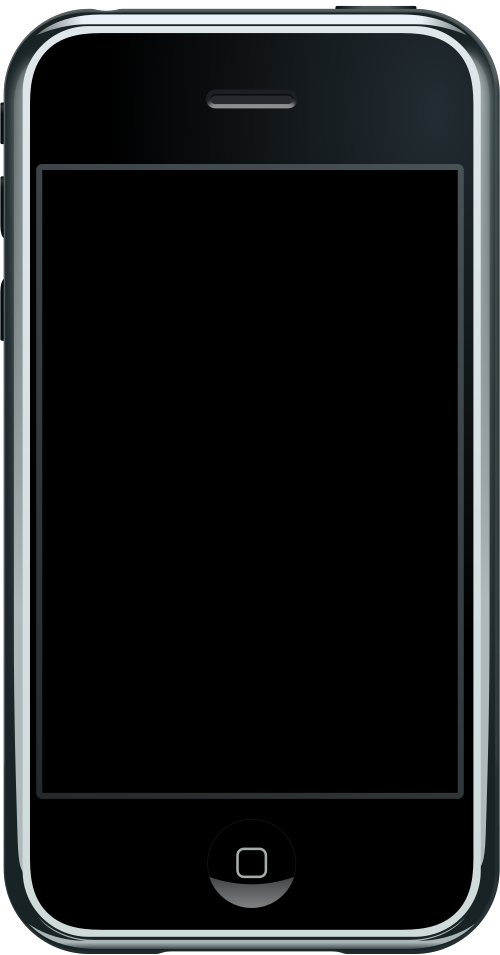
2000年代後半から2010年代初頭にかけて、スマートフォンのインターフェースは、物理的なキーボードやキーパッドから、指で操作する大型の静電容量式タッチスクリーンを備えたデバイスへと移行しました。[36]大型の静電容量式タッチスクリーンを備えた最初の携帯電話は、LGが2006年12月に発表したLG Pradaでした。 [37]これは、イタリアの高級デザイナーであるプラダと共同で作成されたファッショナブルなフィーチャーフォンで、3インチ、240 x 400ピクセルの画面、144pのビデオ録画機能を備えた2メガピクセルのデジタルカメラ、LEDフラッシュ、自撮り用のミニチュアミラーを備えていました。[38] [39]
2007年1月、アップルコンピュータはiPhoneを発表しました。[40] [41] [42]当時のほとんどのスマートフォンの画面の2倍の解像度を持つ3.5インチの静電容量式タッチスクリーンを搭載し、[ 43]写真、地図、ウェブページを「ピンチ」などのジェスチャーで拡大または縮小できるマルチタッチを携帯電話に導入しました。iPhoneは、現代のスマートフォンに典型的なスタイラス、キーボード、またはキーパッドの使用を放棄し、代わりに直接指で入力する大きなタッチスクリーンを主な操作手段として使用した、マスマーケットをターゲットにした同種のデバイスとしては初めてのものとして注目されました。[35]
iPhoneのOSは、古いOS(古い携帯電話がサポートし、PDAやフィーチャーフォンから採用されたもの)から、 WML、cHTML、XHTMLなどの技術を使用して特別にフォーマットされたページしかレンダリングできない、機能制限のある簡素化されたウェブブラウザを使用する必要がないほど強力なオペレーティングシステムへの移行でもあり、代わりに、携帯電話向けに特別に設計されていない完全なウェブサイトをレンダリングできるAppleのSafariブラウザのバージョンを実行しました[44] [45] [46]。[47]
その後、AppleはiPhoneに内蔵のApp Storeを提供するソフトウェアアップデートを出荷し、サードパーティのソフトウェアを直接ワイヤレスでダウンロードできるようになりました。[48] [49]このような集中型のApp Storeと無料の開発者ツール[50] [51]は、使用に公式の承認が必要な高価な開発者ツールや、複数のプラットフォーム向けのアプリケーションを提供するサードパーティソースへの依存に代わる、ソフトウェアの開発、配布、発見、インストール、支払いのためのすべてのスマートフォンプラットフォームの新たな主流となりました。[36]
高度なアプリケーションをサポートできるほど強力なソフトウェアと大型の静電容量式タッチスクリーンを備えた設計の利点は、別のスマートフォンOSプラットフォームであるAndroidの開発に影響を与えた。よりBlackBerryに似たプロトタイプデバイスは廃止され、スライド式の物理キーボードを備えたタッチスクリーンデバイスが採用された。これは、当時のGoogleのエンジニアが、タッチスクリーンでは物理キーボードとボタンを完全に置き換えることはできないと考えていたためである。[52] [53] [54] Androidは改良されたLinuxカーネルをベースにしており、 PDAやフィーチャーフォンから採用されたモバイルオペレーティングシステムよりも強力である。最初のAndroidデバイスである水平スライド式のHTC Dreamは、2008年9月にリリースされた。 [55]
2012年、ASUSはPadFoneというコンバーチブルドッキングシステムの実験を開始しました。このシステムでは、スタンドアロンのハンドセットを必要に応じて統合されたサポートバッテリーを備えたタブレットサイズの画面ユニットに挿入し、そのように使用することができます。
2013年と2014年に、サムスンはコンパクトカメラとスマートフォンのハイブリッドな組み合わせを試し、 Galaxy S4 ZoomとK Zoomをリリースしました。どちらも、スマートフォンに広く採用される何年も前に、統合型10倍光学ズームレンズと手動パラメータ設定(手動露出とフォーカスを含む)を備えていました。S4 Zoomには、レンズの周りに回転ノブリングと三脚マウントも付いています。
画面サイズが大きくなる一方で、メーカーは実用性と頑丈さを犠牲にしてスマートフォンの薄型化を図ってきた。フレームが薄くなると曲がりやすくなり、部品、特にバッテリー容量のためのスペースが少なくなるためである。[56] [57]
オペレーティングシステムの競争

iPhoneと、その後タッチスクリーンのみのAndroidデバイスが相まって、唯一の操作手段としての大型の静電容量式タッチスクリーンに基づくスレートフォームファクターが普及し、初期のキーボードとキーパッドに重点を置いたプラットフォームの衰退につながった。 [36]その後、ホーム、戻る、メニュー、タスク、検索ボタンなどのナビゲーションキーも、非物理的なタッチキーに置き換えられるようになり、次に仮想のシミュレートされたオンスクリーンナビゲーションキーに置き換えられ、タスクキーを長押ししてメニューキーを短く押すことをシミュレートしたり、ホームボタンを押して検索したりするなどのアクセスの組み合わせが一般的になった。[58]最近の「ベゼルレス」タイプでは、ナビゲーションキーをシミュレートするために失われた表示領域を補うために、画面表面のスペースがユニットの前面下部まで拡張されている。仮想キーはカスタマイズの可能性があるが、画面の回転や使用するソフトウェアによっては、システム間で位置が一致しないことがある。
複数のベンダーが、AndroidやiPhoneとの競争に勝つために、既存のスマートフォンプラットフォームやデバイスを更新または置き換えようとした。Palmは2009年後半、Palm OSに代わるPalm Pre用のwebOSという新しいプラットフォームを発表した。これはタスクベースの「カード」メタファーと、さまざまなオンラインサービス間のシームレスな同期と統合に重点を置いたものだった(スマートフォンにはユーザーデータの「標準的で権威あるリポジトリ」として機能するPCが必要だという当時の常識とは対照的だった)。[59] [60] HPは2010年にPalmを買収し、 Pre 3やHP TouchPadタブレットなど、他のwebOSデバイスをいくつかリリースした。企業向けソフトウェアに注力するための消費者向け事業の売却提案の一環として、HPは2011年8月に将来のwebOSデバイスの開発を突然中止し、2013年にスマートテレビプラットフォームとして使用するためにwebOSの権利をLGエレクトロニクスに売却した。[61] [62]
リサーチ・イン・モーションは、 2010年に垂直にスライドするBlackBerry TorchとBlackBerry OS 6を発表しました。これは、再設計されたユーザーインターフェイス、ピンチズームなどのジェスチャーのサポート、iPhoneで使用されているのと同じWebKitレンダリングエンジンに基づく新しいウェブブラウザを特徴としていました。 [63] [64]翌年、RIMはBlackBerry OS 7とBoldおよびTorchシリーズの新モデルをリリースしました。これには、キーボードの横にタッチスクリーンを備えた新しいBoldと、物理キーボードを搭載しない最初のBlackBerry電話であるTorch 9860が含まれていました。[65] 2013年には、従来のBlackBerry OSを改良されたQNXベースのプラットフォームであるBlackBerry 10に置き換え、オールタッチのBlackBerry Z10とキーボードを備えたQ10を発売デバイスとして発表しました。[66]
2010年、マイクロソフトはWindows Mobileの代替としてWindows Phoneを発表した。これはフラットなデザインとタイポグラフィをベースとしたタッチスクリーン中心の新しいユーザーインターフェイス、アプリの更新フィードを含む「ライブタイル」を備えたホーム画面、統合されたMicrosoft Officeアプリを特徴としていた。[67] 2011年2月、ノキアはマイクロソフトと大規模なパートナーシップを結んだことを発表した。このパートナーシップでは、将来のスマートフォンすべてにWindows Phoneのみを使用し、マイクロソフトのBing検索エンジンとBingマップ(パートナーシップの一環として、ノキアマップデータのライセンスも取得する)を将来のすべてのデバイスに統合する。この発表により、Symbianと、インテルと共同開発していたLinuxベースのモバイルプラットフォームであるMeeGoの両方が放棄された。 [68] [69] [70]ノキアのローエンドLumia 520は強い需要があり、Windows Phoneが一部の市場でニッチな人気を得るのに貢献し、[71] 2013年に世界市場シェアでBlackBerryを追い抜いた。[72] [73]
2012年6月中旬、Meizuはモバイルオペレーティングシステム「Flyme OS」をリリースしました。
AndroidやiPhoneに対抗しようとするこれらの試みの多くは長続きしなかった。10年の間に、この2つのプラットフォームはスマートフォンの販売と市場シェアで明確な二大独占状態となり、BlackBerry、Windows Phone、その他のOSは最終的にほとんどまたは全く測定可能な市場シェアを持たなくなって停滞した。[74] [75] 2015年、BlackBerryは自社製のモバイルプラットフォームからAndroidデバイスの製造に方向転換し、セキュリティを強化したソフトウェアの配布に注力した。翌年、同社はハードウェア市場から撤退し、ソフトウェアとエンタープライズミドルウェアにさらに注力すると発表し、[76]将来のデバイス向けにTCLなどのサードパーティOEMにBlackBerryブランドとAndroid配布のライセンス供与を開始した。[77] [78]
2013年9月、マイクロソフトは、CEOスティーブ・バルマーの「デバイスとサービス」の企業となる戦略の一環として、ノキアのモバイルデバイス事業を71億ドルで買収する意向を発表した。 [79] Windows PhoneとLumiaシリーズ(販売されたWindows Phoneデバイスの約90%を占める)の成長にもかかわらず、 [80]このプラットフォームは主要な米国市場で大きなシェアを獲得することはなく、[71]マイクロソフトはその後数年間Windows Phoneの勢いを維持できず、ユーザーとアプリ開発者の関心は低下した。[81]バルマーの後任としてサティア・ナデラ(ソフトウェアとクラウドコンピューティングに重点を置いている)がマイクロソフトのCEOに就任した後、同社は2015年7月にノキアの資産を76億ドルで減損し、 2016年5月にマイクロソフトモバイル部門のほぼ全体を解雇した。[82] [83] [79]
マイクロソフトへの売却が完了する前に、ノキアは新興市場向けに、AndroidベースのプラットフォームにWindows PhoneとノキアのフィーチャーフォンプラットフォームAshaの要素を組み合わせたNokia Xと呼ばれる一連のAndroid派生スマートフォンをリリースし、Googleではなくマイクロソフトとノキアのサービスを利用していた。[84]
カメラの進歩

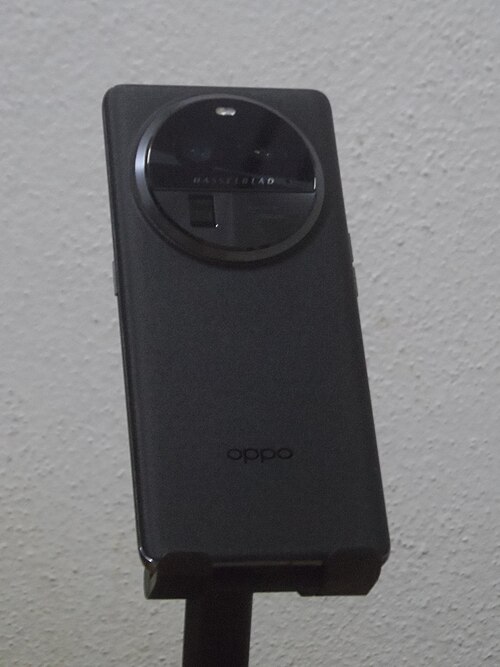
最初の市販カメラ付き携帯電話は、1999年5月に日本で発売された京セラの ビジュアルフォンVP-210でした。 [85]当時は「モバイルビデオフォン」と呼ばれ、[86] 11万画素 の前面カメラを搭載していました。[85]日本のPHS(Personal Handy-phone System )携帯電話ネットワーク経由で1秒あたり最大2枚の画像を送信でき、最大20枚のJPEG デジタル画像を保存して電子メールで送信できました。[85]最初の量産カメラ付き携帯電話は、2000年11月に日本で販売されたシャープのJ-PhoneモデルJ-SH04でした。 [87] [88]携帯電話通信経由で写真を瞬時に送信できました。[89]
2000年代半ばまでに、高級携帯電話にはデジタルカメラが内蔵されるのが一般的になりました。2003年にはカメラ付き携帯電話の売上が独立型デジタルカメラを上回り、2006年にはフィルムとデジタルの独立型カメラの売上を上回りました。5年間で50億台のカメラ付き携帯電話が販売され、2007年までに携帯電話の設置台数の半分以上がカメラ付き携帯電話になりました。カメラ単体の販売は2008年にピークを迎えました。[90]
初期のスマートフォンの多くはカメラを搭載しておらず、カメラを搭載した初期モデルも性能が低く、画像や動画の品質が不十分で、安価なポケットカメラと競合できず、ユーザーのニーズを満たすことができませんでした。[91] 2010年代初頭までに、ほぼすべてのスマートフォンにデジタルカメラが内蔵されていました。カメラ技術が急速に向上し、カジュアルな写真撮影、画像操作の容易化、アプリやウェブベースのサービスを使用して写真を直接共有する機能を備えたスマートフォンの使用が増えたため、スタンドアロンカメラの売上の減少が加速しました。 [92] [93] [94] [95] 2011年までに、カメラが内蔵された携帯電話は年間数億台販売されていました。 2015年のデジタルカメラの販売台数は3,539万5,000台で、ピーク時のデジタルカメラの販売台数の3分の1未満であり、ピーク時のフィルムカメラの販売台数よりもわずかに少ないものでした。[96] [97]
写真撮影専用カメラよりもスマートフォンが普及した一因として、小型のポケットカメラでは画像にボケを出すのが難しいという問題がありましたが、最近では、ボケ効果を簡単に再現できるデュアルレンズカメラを搭載したスマートフォンもあり、撮影後にボケのレベルを調整することもできます。これは、異なるフォーカス設定で複数の画像を撮影し、メイン画像の背景とマクロフォーカスショットを組み合わせることで機能します。
2007年、Nokia N95は5.0メガピクセル(MP)カメラを搭載したスマートフォンとして注目されたが、それに比べると他のほとんどのスマートフォンのカメラは3MP前後か2MP未満だった。同年後半に発売されたLG Viewty、Samsung SGH-G800、Sony Ericsson K850iなどの一部の特殊なフィーチャーフォンも5.0MPカメラを搭載していた。2010年までに5.0MPカメラは一般的になり、8.0MPカメラを搭載したスマートフォンもいくつかあり、Nokia N8、Sony Ericsson Satio、[98]、Samsung M8910 Pixon12 [99]などのフィーチャーフォンは12MPだった。2009年のNokia N86のメインカメラは、3段階絞りレンズを特徴としている。[100]
Altek Leoは、3倍光学ズームレンズと720p HDビデオカメラを搭載した14メガピクセルのスマートフォンで、2010年後半に発売されました。[101]
2011年、ニンテンドー3DSが発売された同じ年に、HTCは空間イメージング用の5メガピクセルのデュアルリアカメラを搭載した3Dフォン、Evo 3Dを発表しました。これは、複数のリアカメラを備えた最も初期の携帯電話の1つです。
2012年のサムスンギャラクシーS3では音声コマンドを使って写真を撮る機能が導入されました。[102]
2012年にノキアは41メガピクセルの1/1.2インチセンサーと高解像度のf/2.4ツァイス全非球面1群レンズを搭載したNokia 808 PureViewを発表・発売した。高解像度により、イメージセンサーのクロッピングを使用して、1080pで4倍、720p解像度で6倍のロスレスデジタルズームが可能となった。[103] 2013年のノキアLumia 1020には同様の高解像度カメラが搭載されており、高級携帯電話で一般的になる何年も前に光学式手ぶれ補正と手動カメラ設定が追加されているが、それに応じて大きなファイルサイズに使用できる拡張ストレージがない。
モバイル光学式手ぶれ補正は、 2012年にノキアがLumia 920で初めて導入し、光学式手ぶれ補正付きフロントカメラを搭載した最も古いスマートフォンは2016年のHTC 10です。[104]光学式手ぶれ補正により、低照度での写真撮影の露出時間を延長したり、手持ちでのビデオの揺れを滑らかにしたりすることができます。これは、モニターやテレビなどの大きなディスプレイでは揺れが大きく見えるため、視聴体験に悪影響を与えるためです。
2012年以降、スマートフォンは動画を撮影しながら写真を撮影する機能が増えてきた。写真の解像度はデバイスによって異なる。サムスンは動画のアスペクト比16:9で最高の画像センサー解像度を使用しており、Galaxy S3では6メガピクセル(3264 × 1836)、 Galaxy S4では9.6メガピクセル(4128 × 2322)となっている。[105] [106]こうした機能を備えた最初のiPhoneであるiPhone 5と5sは、動画を撮影しながら0.9メガピクセル(1280 × 720)で同時に写真を撮影した。[107]
ソニーは2013年にXperia Z1で、浮かぶテキスト、仮想植物、火山、風景の中を歩く恐竜などのリアルタイム拡張現実カメラ効果の実験を始めました。 [108]その後、Appleは2017年にiPhone Xで同様のことを行いました。[109]
同年、iOS 7では、後に広く実装されることになるファインダーの直感的な操作が導入され、タップしてフォーカスと露出を設定した後、あるいはしばらく押し続けてロックした状態でも、垂直スワイプで露出値を調整できるようになりました。[110]一部のデバイスでは、ビデオ/スローモーションモードや前面カメラでは、この直感的な操作がソフトウェアによって制限される場合があります。
2013年、サムスンは、コンパクトカメラのようなグリップ形状と10倍光学ズームレンズ、高級コンパクトカメラで使用されているレンズ周りの回転ノブリング、ISO 1222三脚マウントを備えたGalaxy S4 Zoomスマートフォンを発表しました。フォーカスや露出などの手動パラメータ設定が装備されています。後継機である2014年のSamsung Galaxy K Zoomは、解像度とパフォーマンスが向上しましたが、回転ノブと三脚マウントがなくなり、レンズの突出が少なくなり、よりスマートフォンのような形状になりました。[111]
2014年に発売されたパナソニックLumix DMC-CM1は、携帯電話とコンパクトカメラを融合させるもう一つの試みであり、 Lumixブランドを継承するほどのものでした。光学ズームはありませんが、イメージセンサーはLumix DMC-LX100やソニーサイバーショットDSC-RX100シリーズなどの高級コンパクトカメラで使用されている1インチのフォーマットで、一般的なモバイルカメラのイメージセンサーの表面積の何倍もの大きさがあり、一般的なモバイルカメラの光感度範囲をはるかに超えるISO 25600までの光感度をサポートしています。2021年現在、後継機は発売されていません。[112] [113]
2013年と2014年に、HTCは実験的にOne M7とM8のピクセル数をピクセル表面のサイズに置き換えた。どちらも4メガピクセルで、UltraPixelとして販売され、明るさが向上し、低照度でのノイズが減ったとしているが、最近のOne M8には光学式手ぶれ補正がない。[114]
One M8は、デュアルカメラを搭載した最も初期のスマートフォンの1つでもありました。そのソフトウェアは、3Dパンニング、天候効果、フォーカス調整(「UFocus」)などの視覚空間効果を生成し、ライトフィールドカメラによって生成された画像の撮影後の選択的フォーカス機能をシミュレートします。[115] HTCは、2015年のOne M9で、高メガピクセルのシングルカメラ構成に戻りました。
一方、LGモバイルは2014年に、距離を測定する背面レーザービームがオートフォーカスを加速するタイムオブフライトカメラ機能の実験を開始しました。
位相差検出オートフォーカスは 2010 年代半ばを通じてますます採用されるようになり、コントラスト検出よりも高速で正確なフォーカスが可能になりました。
2016年にAppleはiPhone 7 Plusを発表しました。これはデュアルカメラセットアップを普及させた携帯電話の1つです。iPhone 7 Plusには、12MPのメインカメラと12MPの望遠カメラが搭載されていました。[116] 2018年初頭、 Huaweiは新しいフラッグシップフォン、ライカ光学系を使用した最初のトリプルカメラレンズセットアップの1つであるHuawei P20 Proをリリースしました。[117] 2018年後半、Samsungは世界初のクアッドカメラセットアップを備えた新しいミッドレンジスマートフォン、Galaxy A9(2018)をリリースしました。Nokia 9 PureViewは、ペンタレンズカメラシステムを搭載し、2019年にリリースされました。[118]
2019 年には、ピクセルビニングを使用してより多くの光を捉える高解像度センサーが商品化されました。ソニーとサムスンが開発した 48 MP および 64 MP センサーは、多くのメーカーで一般的に使用されています。108 MP センサーは、2019 年後半から 2020 年初頭にかけて初めて実装されました。
ビデオ解像度
チップセットが強化され、より高いピクセル レートでコンピューティング ワークロードの要求を処理できるようになったため、モバイル ビデオの解像度とフレーム レートは、数年かけて専用の消費者向けカメラに追いつきました。
2009 年、Samsung Omnia HD は720p HD ビデオ録画機能を備えた最初の携帯電話となりました。同年、Apple はiPhone 3GSに初めて480p でのビデオ録画機能を導入しましたが、2007 年の最初の iPhoneと 2008 年のiPhone 3Gにはビデオ録画機能がまったくありませんでした。
720p は、2010 年に、オリジナルのSamsung Galaxy S、Sony Ericsson Xperia X10、iPhone 4、HTC Desire HDなどのスマートフォンでより広く採用されました。
2010 年代初頭には、モバイル ビデオの解像度が急激に向上しました。1080pのモバイル ビデオ録画は、2011 年にSamsung Galaxy S2、HTC Sensation、iPhone 4sで実現されました。
2012 年と 2013 年には、 Samsung、Sony、Apple の主力製品とは異なり、 60 フレーム/秒で 720p 撮影が可能なデバイス ( Asus PadFone 2とHTC One M7)がリリースされました。ただし、2013 年のSamsung Galaxy S4 Zoom はこれをサポートしています。
2013 年、Samsung Galaxy Note 3 は、毎秒 30 フレームの2160p (4K) ビデオ録画と、スムーズさのために毎秒 60 フレームに倍増した 1080p を導入しました。
光学的に安定化された LG G3など、他のベンダーは 2014 年に 2160p 録画を採用しました。Apple は 2015 年後半にiPhone 6sと 6s Plus で初めてこれを実装しました。
2160p でのフレームレートは、iPhone 8、Galaxy S9、LG G7、OnePlus 6を皮切りに、2017 年と 2018 年に大幅に倍増して 60p になりました。
チップセットの十分なコンピューティング性能とイメージセンサーの解像度とその読み取り速度により、2020年にSamsung Galaxy S20とRedmi K30 Proで導入されたモバイル4320p (8K)撮影が可能になりましたが、 Samsung Galaxyフロントカメラの1440pを除き、 1440p(2.5K)、2880p(5K)、3240p(6K)など、一部の上位解像度レベルは開発全体を通して省略(スキップ)されました。
- 中流階級
ミッドレンジのスマートフォンシリーズでは、より高いビデオ解像度の導入は、当初はフラッグシップモデルに比べて2~3年遅れていました。720pは、Samsung Galaxy S3 Mini、Sony Xperia goなどで2012年に広く採用され、1080pは2013年にSamsung Galaxy S4 MiniとHTC One miniで採用されました。
1080pを超えるビデオ解像度の普及は数年延期されている。ミッドクラスのソニーXperia M5は2016年に2160pの撮影をサポートしたが、Galaxy JやAシリーズなどのサムスンのミッドクラスシリーズは、2019年頃までの6年間、解像度が1080p、解像度に関係なく毎秒30フレームに厳しく制限されていたが、技術的な理由によるのか、どの程度なのかは不明である。
- 設定
ストレージ容量と電力消費を削減して録画時間を延長するには、ビデオ解像度を低く設定することが望ましい場合があります。
LG V10などの一部の高性能デバイスのカメラソフトウェアには、技術的にサポートされているピクセルレートの範囲内で、解像度、フレームレート、ビットレートを個別に制御する機能が備わっています。 [119]
スローモーションビデオ
さまざまなカメラソフトウェアの違いは、高フレームレートのビデオ映像を保存する方法にあります。最近の携帯電話[a]は、画像センサーの元の出力フレームレートとオーディオの両方を保持しますが、初期の携帯電話はオーディオを記録せず、ビデオを伸縮して、デフォルトの速度でゆっくりと再生できるようにします。
初期の携帯電話で使用されていたストレッチ エンコード方式では、古いデバイスによくある手動の再生速度制御がないビデオ プレーヤー ソフトウェアでもスローモーション再生が可能でしたが、スローモーション効果を実現したい場合、最近の携帯電話で使用されているリアルタイム方式ではビデオ編集の柔軟性が高まり、映像のスロー ダウン部分をユーザーが自由に選択し、別のビデオにエクスポートできます。この目的のための基本的なビデオ編集ソフトウェアは通常、プリインストールされています。ビデオはオプションで通常の (リアルタイム) 速度で再生でき、通常のビデオとして機能します。
- 発達
スローモーション モードを搭載した最も古いスマートフォンは、2009 年のSamsung i8000 Omnia IIで、QVGA (320×240) で 120 fps (フレーム/秒) で録画できます。スローモーションは、2010 年のGalaxy S1、2011年のGalaxy S2、2011年のGalaxy Note 1、および 2012 年のGalaxy S3のフラッグシップでは利用できませんでした。
2012年初頭、HTC One Xは768×432ピクセルのスローモーション撮影を非公開のフレームレートで可能にした。出力映像は実時間の3分の1の速度と測定された。[120]
2012年後半、Galaxy Note 2はスローモーションを復活させ、D1(720 × 480)を120fpsで記録しました。2013年初頭、Galaxy S4とHTC One M7は800 × 450のフレームレートで録画し、続いて2013年後半にはNote 3とiPhone 5sが720p(1280 × 720)で録画しました。iPhone 5sは、それ以降のすべてのiPhoneと同様に、オーディオと元のセンサーフレームレートを保持しています。2014年初頭、Sony Xperia Z2とHTC One M8もこの解像度を採用しました。2014年後半、 iPhone 6はフレームレートを240fpsに倍増し、2015年後半にはiPhone 6sが120フレーム/秒で1080p(1920 × 1080)のサポートを追加しました。 2015 年初頭、Galaxy S6 はセンサーのフレームレートとオーディオを保持する最初の Samsung 携帯電話となり、2016 年初頭、Galaxy S7 は720p で 240 fps 録画を実現する最初の Samsung 携帯電話となりました。
2015年初頭、MediaTekのMT6795チップセットは1080p@480fpsのビデオ録画を約束した。プロジェクトの状況は未定のままである。[121]
2017 年初頭から、 Sony Xperia XZを皮切りに、画像センサーの内部バースト メモリにフレームを一時的に保存することで、持続不可能なほど数倍のフレーム レートで録画するスローモーション モードを搭載したスマートフォンがリリースされています。このような録画は、最大でリアルタイムで数秒しか持続しません。
2017 年後半には、iPhone 8 が1080p で 240 fps、2160p で 60 fps を実現し、2018 年初頭には Galaxy S9 が続きました。2018 年半ばには、OnePlus 6 が720p で 480 fps を実現し、1 分間持続できるようになりました。
2021年初頭、OnePlus 9 Proは120 fpsで2160pを実現する最初のスマートフォンとなりました。
HDRビデオ
HDR ビデオを録画した最初のスマートフォンは、2013 年初頭のSony Xperia Zと 2013 年中頃のXperia Z Ultraで、その後に 2014 年初頭のGalaxy S5が続き、すべて 1080p でした。
音声録音
複数のマイクを備えた携帯電話では通常、空間表現のためにステレオオーディオによる動画録画が可能で、サムスン、ソニー、HTCは2012年にサムスンギャラクシーS3、ソニーXperia S、HTC One Xで初めてこれを実装した。[122] [123] [124]アップルは2018年のiPhone XsシリーズとiPhone XRからステレオオーディオを実装した。[125]
フロントカメラ
写真
2010 年代半ばからフロント カメラに重点が置かれるようになり、フロント カメラは一般的なリア カメラと同等の解像度に達しました。たとえば、2015 年のLG G4 (8 メガピクセル)、Sony Xperia C5 Ultra (13 メガピクセル)、2016 年のSony Xperia XA Ultra (16 メガピクセル、光学式手ぶれ補正) などです。2015 年のLG V10では、グループ写真撮影用に 2 つ目のカメラが広角になるデュアル フロント カメラ システムが導入されました。Samsung は、視野を広げるために、 Galaxy Note 4以降、フロント カメラのスイープ パノラマ (パノラマ セルフィー) 機能を実装しました。
ビデオ
2012年、Galaxy S3とiPhone 5は720p HDフロントビデオ録画(30fps)を導入しました。2013年初頭には、 Samsung Galaxy S4、HTC One M7、Sony Xperia Zが1080pフルHDをそのフレームレートで導入し、2014年後半にはGalaxy Note 4がフロントカメラで1440pビデオ録画を導入しました。Appleは2016年後半のiPhone 7で1080pフロントカメラビデオを採用しました。
2019年、スマートフォンは、Galaxy Note 3でリアカメラの2160pが開始されてから6年後に、フロントカメラで2160p 4Kビデオ録画を採用し始めました。
ディスプレイの進化

2010年代初頭には、画面サイズが少なくとも140ミリメートル(5.5インチ)の大型スマートフォン(「ファブレット」と呼ばれる)が人気を集め始め、2011年のサムスンギャラクシーノートシリーズは特に広く採用されました。[126] [127] 2013年に、Huaweiは、当時かなり大きいと考えられていた155ミリメートル(6.1インチ)HD(1280 x 720)IPS+ LCDディスプレイを搭載したHuawei Mateシリーズを発売しました。[128]
2013年には、サムスンギャラクシーラウンドやLG Gフレックスなど、フレキシブルディスプレイを組み込んで曲面フォームファクタを実現したスマートフォンを発売し始めた企業もある。[129] [130] [131]
2014年までに、1440pディスプレイがハイエンドスマートフォンに登場し始めました。[132] 2015年にソニーは4K解像度ディスプレイを搭載したXperia Z5 Premiumをリリースしましたが、実際にその解像度でレンダリングできたのは画像とビデオだけでした(他のすべてのソフトウェアは1080pで表示されました)。[133]
2017年には、LGとサムスンの両社がフラッグシップスマートフォン(LG G6とGalaxy S8)をリリースし、一般的な16:9の比率よりも縦長のアスペクト比と、画面占有率の高い「ベゼルレスデザイン」とも呼ばれるディスプレイを採用したことにより、スマートフォンディスプレイの新しいトレンドが生まれ始めた。これらのデザインにより、ディスプレイの対角線の長さは大きく、画面サイズが同等の16:9ディスプレイよりも幅は狭くなっている。[134] [135] [136] 2017年に普及したもう1つのトレンドは、上部中央にタブのような切り欠き(俗に「ノッチ」と呼ばれる)があり、そこに前面カメラや、通常はデバイスの上部ベゼルに沿って配置されているその他のセンサーが入るディスプレイだった。[137] [138]これらのデザインにより、デバイスの高さのほぼ全体を占める「エッジツーエッジ」ディスプレイが可能になり、上部のベゼルはほとんどまたはまったくなく、下部のベゼルも最小限になる場合がある。このデザイン特性は、シャープのAquos S2とEssential Phoneにほぼ同時に登場し、[139]カメラ用の小さな円形のタブを備え、そのわずか1か月後にiPhone Xが続き、より幅の広いタブにカメラとFace IDと呼ばれる顔認識システムが搭載されました。[140] 2016年のLG V10にはこのコンセプトの先駆けがあり、画面の一部が左上隅のカメラ領域を囲み、その結果生じた領域はさまざまな補助機能に使用できる「第2の」ディスプレイとして販売されました。[141]

その後、この手法の他のバリエーションが登場した。例えば、「ホールパンチ」カメラ( Honor View 20やSamsungのGalaxy A8s、Galaxy S10など)では、タブ付きの「ノッチ」を避け、代わりに画面内に円形または角丸長方形の切り欠きを設けた。[142]一方、Oppoはノッチのない最初の「全画面」携帯電話をリリースした。 [143]これには、デバイスの上部から飛び出す機械式フロントカメラ(Find X)、[144]や、パネルの下のイメージセンサーに光が届くように特別な半透明の画面構造を使用して、ディスプレイの下に埋め込んで隠すことができるフロントカメラの2019年のプロトタイプなどがある。[145]最初の実装は、Visionox製の32 MPセンサーを搭載したZTE Axon 20 5Gだった。[146]
60Hzを超えるリフレッシュレート(90Hzや120Hzなど)をサポートするディスプレイも、2017年にスマートフォンに登場し始めました。当初はRazer Phone(2017年)やAsus ROG Phone (2018年)などの「ゲーミング」スマートフォンに限定されていましたが、後にPixel 4(2019年)やSamsung Galaxy S21シリーズ(2021年)などのフラッグシップスマートフォンで一般的になりました。リフレッシュレートが高いほど動きがスムーズになり、入力遅延が少なくなりますが、バッテリー寿命が短くなることがよくあります。そのため、デバイスは高リフレッシュレートを無効にする手段を提供したり、画面上の動きが少ないときにリフレッシュレートを自動的に下げるように構成したりすることがあります。[147] [148]
マルチタスク
スマートフォンのディスプレイ上で複数のタスクを同時に実行する初期の実装は、2012年のSamsung Galaxy S3のピクチャーインピクチャーのビデオ再生モード(「ポップアップ再生」)とビデオサムネイルを再生する「ライブビデオリスト」であり、前者は後にソフトウェアアップデートを通じて2011年のSamsung Galaxy Noteに提供されました。 [149] [150]その年の後半には、分割画面モードがGalaxy Note 2に実装され、後に「プレミアムスイートアップグレード」を通じてGalaxy S3に後付けされました。[151]
デスクトップやラップトップのようなウィンドウ機能の最も初期の実装は、2013年のSamsung Galaxy Note 3でした。[152]
折りたたみ式スマートフォン
フレキシブルディスプレイを採用したスマートフォンは、製造コストと生産プロセスが実現可能になれば実現可能だと理論づけられていた。[153] 2018年11月、新興企業Royoleは、初の市販折りたたみ式スマートフォン、Royole FlexPaiを発表した。また同月、サムスンは開発者会議で「Infinity Flex Display」を搭載したプロトタイプの携帯電話を発表した。これは、「カバー」に小さな外側のディスプレイがあり、開くとタブレットサイズの大きなディスプレイが現れる。サムスンは、ガラスではなくディスプレイをコーティングするための新しいポリマー材料も開発する必要があると述べた。[154] [155] [156]サムスンは、以前に実証されたプロトタイプに基づいて、2019年2月にGalaxy Foldを正式に発表し、当初予定されていた4月下旬のリリースとなった。[157]初期のレビュー担当者が遭遇したディスプレイとヒンジシステムのさまざまな耐久性の問題により、Galaxy Foldのリリースは設計変更のために9月に延期された。[158]
2019年11月、モトローラはRazrを再考し、水平に折りたためるディスプレイを使用して、以前の同名のフィーチャーフォンシリーズに触発されたクラムシェルフォームファクターを作成するというコンセプトのバリエーションを発表しました。[159]サムスンは翌年2月にGalaxy Z Flipとして知られる同様のデバイスを発表しました。 [160]
2010年代のその他の動向
指紋リーダーを搭載した最初のスマートフォンは、2011年のモトローラAtrix 4Gでした。[161] 2013年9月、iPhone 5Sが、 Atrix以来この技術を搭載した米国の大手キャリア初のスマートフォンとして発表されました。[162]またもや、iPhoneがこのコンセプトを普及させました。消費者の間で指紋読み取りの障壁の1つはセキュリティ上の懸念でしたが、Appleは、この指紋データを携帯電話内部のA7プロセッサに暗号化することでこれらの懸念に対処し、この情報がサードパーティのアプリケーションからアクセスできないようにし、iCloudやAppleのサーバーに保存されないようにしました。[163]
2012年、サムスンは、後付け可能なワイヤレス充電、ポップアップビデオ再生、4G - LTEバリアント(GT-i9305)クアッドコアプロセッサを搭載したGalaxy S3(GT-i9300)を発表しました。
2013年、フェアフォンはロンドンデザインフェスティバルで、製造における材料調達に関する懸念に対処するため、初の「社会的に倫理的な」スマートフォンを発表しました[164] 。 2015年にはシフトフォンがそれに続きました[165]。2013年後半、QSAlphaはセキュリティ、暗号化、および個人情報保護を中心に設計されたスマートフォンの生産を開始しました。[166]
2013年10月、モトローラ・モビリティは、フレームに磁気的に取り付けられるアドオンモジュールを使用してユーザーが携帯電話をカスタマイズおよびアップグレードできるようにするモジュラースマートフォンプラットフォームのコンセプトであるProject Araを発表しました。 [167] [168] Araは、モトローラ・モビリティがレノボに売却された後もGoogleによって保持されましたが、[169] 2016年に棚上げされました。 [170]その年、LGとモトローラはどちらも、アクセサリのモジュール性を限定したスマートフォンを発表しました。LG G5では、バッテリーコンパートメントを取り外してアクセサリをインストールできましたが、[171] Moto Zでは、デバイスの背面に磁気的に取り付けられたアクセサリを使用します。[172]
マイクロソフトは、モトローラの短命だった「Webtop」のコンセプトを拡張し、サポートされているデバイスをドッキングしてPCスタイルのデスクトップ環境で使用できるようにする、携帯電話向けのWindows 10オペレーティングシステムの機能を発表しました。[173] [174]
サムスンとLGは、ユーザーが交換可能なバッテリーを搭載したフラッグシップデバイスを提供する「最後の」メーカーだった。しかし、2015年にサムスンはAppleが打ち出したミニマリズムのトレンドに屈し、ユーザーが交換可能なバッテリーのないGalaxy S6を発表した。さらに、サムスンは、 MHL、Micro USB 3.0、防水性、MicroSDカードのサポートなど、長年採用されてきた機能を削減したことで批判されたが、後者2つは2016年にGalaxy S7とS7 Edgeで復活した。
2015年時点で、スマートフォン所有率の世界平均は43%でした。[175] Statistaは、2020年には28億7千万人がスマートフォンを所有すると予測しました。[176]
同じ10年間で、LTE携帯電話ネットワークの急速な展開とスマートフォンの一般的な普及により、ストリーミングテレビサービスとそれに対応するモバイルテレビアプリの人気が高まりました。[177]
2016年にトレンドになり始めた主要な技術としては、スマートフォン向けの仮想現実と拡張現実の体験への重点、新しく導入されたUSB-Cコネクタ、LTE技術の向上などが挙げられる。[178]
2016年には、デスクトップOSで知られる調整可能な画面解像度が省電力のためにスマートフォンに導入され、2020年には可変画面リフレッシュレートが普及した。[179] [180]
2018年には、 OLEDディスプレイに埋め込まれた指紋リーダーを備えた最初のスマートフォンが発表され、2019年にはサムスンギャラクシーS10に超音波センサーが実装されました。[181] [182]
2019年に発売されたスマートフォンの大半は、複数のカメラを搭載し、IP67およびIP68の防水性能を備え、顔認識または指紋スキャナーを使用してロックを解除します。[183]
.svg/500px-Smartphone_camera_controls_popularized_by_iOS_7_(added_width).svg.png)
Appleが最初に実装したデザインは、他のベンダーによって何度も複製されています。これには、バッテリーを交換できない密閉されたボディ、物理的なオーディオコネクタの欠如(2016年のiPhone 7以降)、イヤホンと前面カメラおよびセンサー用に上部に切り欠きのある画面(俗に「ノッチ」と呼ばれます。2017年のiPhone X以降)、充電用壁アダプターが同梱されていないこと(2019年のiPhone 12以降)、円形で通常は単色のシャッターボタンと、垂直のテキストと写真とビデオ用の別々のカメラモードを使用するカメラモードセレクターを備えたカメラユーザーインターフェイス(2013年のiOS 7以降)が含まれます。[184] [185] [186] [187] [188] [189]
2020年代のその他の動向
2020年には、高速5Gネットワーク機能を搭載した最初のスマートフォンが発表されました。[190]
2020年以降、スマートフォンには、これまでほぼ例外なく同梱されていた電源アダプターやヘッドフォンなどの基本的な付属品が同梱されることが減っている。この傾向は、AppleのiPhone 12から始まり、SamsungとXiaomiがそれぞれGalaxy S21とMi 11で、広告で同じことを嘲笑した数ヶ月後に続いた。その理由として挙げられているのは環境負荷の削減だが、新しいモデルでサポートされている充電速度の向上には、独自の環境負荷を伴う別のパッケージで出荷される新しい充電器が必要である。[191]

2020年代のPinePhoneとLibrem 5の開発により、スマートフォン向けのオープンソースGNU/LinuxをiOSやAndroidの主要な代替にするための取り組みが強化されています。 [192] [193] [194]さらに、関連ソフトウェアにより、スマートフォンをキーボード、マウス、モニターに接続するとデスクトップコンピューターのように使用できるようになり、コンバージェンス(コンバージェンス[195]やハイブリッドアプリを超えた)が可能になりました。[196] [197] [198] [199]
2020年代初頭、メーカーは、固定電話や携帯電話ネットワークなどの地上通信インフラが利用できない遠隔地での使用のために、スマートフォンデバイスに衛星接続を統合し始めました。従来の携帯電話のアンテナの制限により、実装の初期段階では、衛星接続は衛星メッセージングと衛星緊急サービスに限定されます。 [200] [201]
ロール式スマートフォンは、デバイス内でロール状に巻くことができ、引き出すことで画面サイズを拡大できるフレキシブルOLEDディスプレイを搭載した携帯電話である。[202] [203] [204] [205]
ハードウェア
.jpg/500px-Samsung_Galaxy_S6_edge_(17448278539).jpg)
一般的なスマートフォンには多数の金属酸化物半導体(MOS)集積回路(IC)チップが搭載されており、[206]その中には数十億個の極小MOS電界効果トランジスタ(MOSFET)が搭載されています。[207]一般的なスマートフォンには以下のMOS ICチップが搭載されています。[206]
- アプリケーションプロセッサ(CMOS システムオンチップ)
- フラッシュメモリ(フローティングゲート MOSメモリ)
- セルラーモデム(ベースバンド RF CMOS)
- RFトランシーバー(RF CMOS)
- 携帯電話カメラ イメージセンサー(CMOSイメージセンサー)
- 電源管理集積回路(パワーMOSFET)
- ディスプレイドライバ(LCDまたはLEDドライバ)
- 無線通信チップ(Wi-Fi、Bluetooth、GPS受信機)
- サウンドチップ(オーディオコーデックとパワーアンプ)
- ジャイロスコープ
- 静電容量式 タッチスクリーンコントローラ(ASICおよびDSP)[206] [208] [209]
- RFパワーアンプ(LDMOS)[210] [211] [212]
FMラジオ受信機、ハードウェア通知LED、リモコンとして使用するための赤外線送信機を備えたものもあります。いくつかのモデルには、周囲温度を測定するための温度計、湿度を測定するための湿度計、紫外線を測定する ためのセンサーなどの追加センサーが付いています。
特定の目的に合わせて設計されたいくつかのスマートフォンには、プロジェクター(Samsung Beam i8520とSamsung Galaxy Beam i8530)、光学ズームレンズ(Samsung Galaxy S4 ZoomとSamsung Galaxy K Zoom)、サーマルカメラ、さらにはPMR446(トランシーバー)トランシーバーなどの珍しいハードウェアが搭載されています。[213] [214]
中央処理装置
スマートフォンには、コンピュータに搭載されているものと同様の中央処理装置(CPU)が搭載されていますが、低電力環境で動作するように最適化されています。スマートフォンでは、CPUは通常、 CMOS(相補型金属酸化膜半導体)システムオンチップ(SoC)アプリケーションプロセッサに統合されています。[206]
モバイルCPUの性能はクロック周波数(一般的にはヘルツの倍数で示される)[215]だけでなくメモリ階層にも依存する。これらの課題のため、携帯電話CPUの性能は、一般的に使用されるアプリケーションでの実際の有効性能を測定するために、さまざまな標準化されたテストから得られたスコアによってより適切に示されることが多い。
ボタン
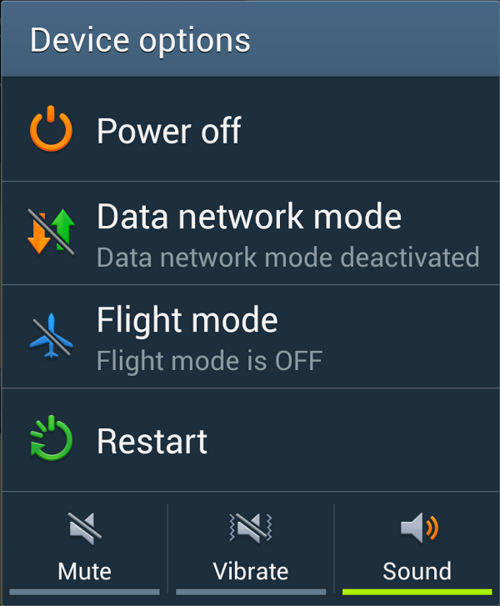

スマートフォンには通常、電源ボタンと音量ボタンが装備されている。一部の音量ボタンは一体化されている。専用のカメラシャッターボタンが装備されているものもある。屋外用ユニットには、「SOS」緊急通話と「PTT」(プッシュツートークボタン)が装備されている場合がある。ホームボタンやナビゲーションボタンなどの物理的な前面ボタンの存在は2010年代を通じて減少し、静電容量式タッチセンサーとシミュレートされた(画面上の)ボタンに置き換えられるようになった。[216]
従来の携帯電話と同様に、サムスン・オムニア IIなどの初期のスマートフォンには、電話の着信と拒否のボタンが装備されていました。電話以外の機能が進歩したため、これらのボタンは「メニュー」(「オプション」とも呼ばれる)、「戻る」、「タスク」などのナビゲーションボタンに置き換えられるようになりました。HTC Desireなどの 2010 年代初期のスマートフォンには、Web 検索エンジンやアプリの内部検索機能にすばやくアクセスするための「検索」ボタン (🔍) も装備されていました。[217]
2013年以降、 iPhone 5sやSamsung Galaxy S5を皮切りに、スマートフォンのホームボタンに指紋スキャナーが組み込まれるようになりました。
ボタンの組み合わせに機能を割り当てることもできます。たとえば、スクリーンショットは通常、ホームボタンと電源ボタンを使用して撮影できます。iOSでは短く押し、Android OSでは1秒間押し続けます。これらは2つの最も人気のあるモバイルオペレーティングシステムです。物理的なホームボタンのないスマートフォンでは、通常、代わりに音量を下げるボタンを電源ボタンと同時に押します。一部のスマートフォンでは、ナビゲーションボタンバーまたは電源ボタンメニューにスクリーンショットとスクリーンキャストのショートカットがあります。[218] [219] [220]
画面
.jpg/500px-Livraria_do_Senado_(22622160063).jpg)
スマートフォンの主な特徴の 1 つは画面です。デバイスのデザインに応じて、画面はデバイスの前面のスペースのほとんどまたはほぼすべてを占めます。多くのスマートフォンのディスプレイのアスペクト比は16:9ですが、2017 年には、ディスプレイ面をできるだけ端に近づけてベゼルをなくすことを目指し、より縦長のアスペクト比が一般的になりました。
画面サイズ
画面サイズは対角インチで測定されます。5.2インチを超える画面を持つ携帯電話は、しばしば「ファブレット」と呼ばれます。画面サイズが4.5インチを超えるスマートフォンは、親指が画面全体に届かないため、片手だけで操作するのが難しいことがよくあります。手の中で動かしたり、片手で持ってもう一方の手で操作したり、両手で固定して使用したりする必要がある場合があります。デザインの進歩により、大画面と「エッジツーエッジ」デザインの一部の最新のスマートフォンはコンパクトな構造で人間工学が向上しています。一方、縦長のアスペクト比への移行により、より小さな16:9ディスプレイに関連する人間工学を維持しながら、画面サイズが大きい携帯電話が生まれました。[221] [222] [223]
パネルの種類
最も一般的なのは液晶ディスプレイ(LCD)と有機発光ダイオード(OLED)ディスプレイです。一部のディスプレイには、ワコムやサムスンが開発した圧力感知デジタイザー[224]やアップルのForce Touchシステムなどが統合されています。YotaPhoneプロトタイプなど、いくつかの携帯電話には、電子書籍リーダーで使用されている低電力の電子ペーパー背面ディスプレイが搭載されています。
代替入力方法
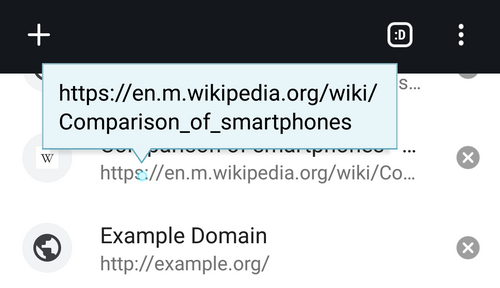

一部のデバイスには、より高精度な入力とホバリング検出のためのスタイラスや、浮遊指検出のための自己容量性タッチスクリーンレイヤーなどの追加の入力方法が搭載されています。後者は、 Samsung Galaxy S4、Note 3、S5、Alpha、Sony Xperia Solaなどのいくつかの携帯電話に実装されており、Galaxy Note 3は今のところ両方を備えた唯一のスマートフォンとなっています。
ホバーすると、ビデオプレーヤーのシークバー、テキストメッセージ、ダイヤルパッドのクイックコンタクトなどのプレビューツールチップ、ロック画面のアニメーション、Webサイト上のホバーマウスカーソルのシミュレーションが有効になります。 [225] [226] [227]
一部のスタイラスペンはホバリングもサポートしており、デジタルポストイットなどの関連ツールにすばやくアクセスしたり、押したままドラッグするとテキストや要素が強調表示されたりするボタンが装備されており、コンピューターのマウスを使用したドラッグ選択に似ています。Samsung Galaxy NoteシリーズやLG G Stylusシリーズなどの一部のシリーズには、スタイラスを収納するためのトレイが組み込まれています。[228]
iPhone 6sからiPhone Xs、Huawei Mate Sなどの一部のデバイスには圧力感知タッチスクリーンが搭載されており、圧力によってビデオゲームでアクセルペダルをシミュレートしたり、プレビューウィンドウやショートカットメニューにアクセスしたり、入力カーソルを制御したり、体重計を制御したりすることができる。最新のものはAppleによってApp Storeから拒否された。[229] [230]
HTC Desire(Bravo)やHTC Legendなど、2010年代初頭のHTCスマートフォンには、スクロールや選択用の光学トラックパッドが搭載されているものもあります。[231]
通知ライト
Apple iPhone を除く多くのスマートフォンには、画面の横に低電力の発光ダイオードが搭載されており、わずかな電力消費で、着信メッセージ、不在着信、バッテリー残量の低下についてユーザーに通知したり、暗闇の中で携帯電話の位置を特定したりすることができます。
通知のソースを区別するために、色の組み合わせと点滅パターンが異なる場合があります。通常、赤、緑、青 ( RGB ) の 3 つのダイオードにより、さまざまな色の組み合わせを作成できます。
センサー
スマートフォンには、システム機能やサードパーティ製アプリケーションを有効にするために多数のセンサーが搭載されています。
一般的なセンサー
加速度計とジャイロスコープにより、画面の回転を自動制御できます。サードパーティ製ソフトウェアでは、水準器のシミュレーションに使用されます。周囲光センサーにより、画面の明るさとコントラストを自動調整でき、RGB センサーにより、画面の色を調整できます。
多くの携帯電話にも気圧を測定する気圧センサーが搭載されており、例えばサムスンは2012年からGalaxy S3に、Appleは2014年からiPhone 6に搭載しています。これにより高度の変化を推定し、検出することができます。
磁力計は地球の磁場を測定することでデジタルコンパスとして機能します。
希少センサー
サムスンは、2014年のGalaxy S5とGalaxy Note 4以降の主力スマートフォンに心拍センサーを搭載し、フィットネス関連の使用を支援し、前面カメラのシャッターキーとして機能させています。[232]
これまでのところ、周囲温度センサーと湿度センサーが搭載されているのは2013年のSamsung Galaxy S4とNote 3のみであり、過度の露出についてユーザーに警告できる紫外線センサーが搭載されているのはNote 4のみである。 [233] [234]
距離測定用の背面赤外線レーザービームにより、 LG G3およびLG V10以降の一部の LG 携帯電話に実装されているように、高速オートフォーカスを備えた飛行時間型カメラ機能が可能になります。
現時点ではスマートフォンに搭載されることはまれであるため、これらのセンサーを活用するソフトウェアはまだあまり開発されていません。
ストレージ
携帯電話ではeMMC(組み込みマルチメディアカード)フラッシュストレージが最も一般的に使用されていましたが、その後継となるUFS(ユニバーサルフラッシュストレージ)は、2010年代を通じて上位クラスのデバイス向けに登場し、より高い転送速度を実現しました。[235]
- 容量
携帯電話の内蔵ストレージ容量は2010年代前半はほぼ停滞していたが、後半には急激に増加し、例えばサムスンは2016年から2018年までのわずか2年半の間に、フラッグシップクラスのユニットの利用可能な内蔵ストレージオプションを32GBから512GBに増やした。[236] [237] [238] [239]
メモリーカード

The space for data storage of some mobile phones can be expanded using MicroSD memory cards, whose capacity has multiplied throughout the 2010s (→ SD card § 2009–2019: SDXC). Benefits over USB on the go storage and cloud storage include offline availability and privacy, not reserving and protruding from the charging port, no connection instability or latency, no dependence on voluminous data plans, and preservation of the limited rewriting cycles of the device's permanent internal storage. Large amounts of data can be moved immediately between devices by changing memory cards, large-scale data backups can be created offline, and data can be read externally should the smartphone be inoperable.[240][241][242]
In case of technical defects which make the device unusable or unbootable as a result of liquid damage, fall damage, screen damage, bending damage, malware, or bogus system updates,[243] etc., data stored on the memory card is likely rescueable externally, while data on the inaccessible internal storage would be lost. A memory card can usually[b] immediately be re-used in a different memory-card-enabled device with no necessity for prior file transfers.
Some dual-SIM mobile phones are equipped with a hybrid slot, where one of the two slots can be occupied by either a SIM card or a memory card. Some models, typically of higher end, are equipped with three slots including one dedicated memory card slot, for simultaneous dual-SIM and memory card usage.[244]
- Physical location
The location of both SIM and memory card slots vary among devices, where they might be located accessibly behind the back cover or else behind the battery, the latter of which denies hot swapping.[245][246]
Mobile phones with non-removable rear cover typically house SIM and memory cards in a small tray on the handset's frame, ejected by inserting a needle tool into a pinhole.[247]
Some earlier mid-range phones such as the 2011 Samsung Galaxy Fit and Ace have a sideways memory card slot on the frame covered by a cap that can be opened without tool.[248]
File transfer
Originally, mass storage access was commonly enabled to computers through USB. Over time, mass storage access was removed, leaving the Media Transfer Protocol as protocol for USB file transfer, due to its non-exclusive access ability where the computer is able to access the storage without it being locked away from the mobile phone's software for the duration of the connection, and no necessity for common file system support, as communication is done through an abstraction layer.
However, unlike mass storage, Media Transfer Protocol lacks parallelism, meaning that only a single transfer can run at a time, for which other transfer requests need to wait to finish. This, for example, denies browsing photos and playing back videos from the device during an active file transfer. Some programs and devices lack support for MTP. In addition, the direct access and random access of files through MTP is not supported. Any file is wholly downloaded from the device before opened.[249]
Sound
Some audio quality enhancing features, such as Voice over LTE and HD Voice have appeared and are often available on newer smartphones. Sound quality can remain a problem due to the design of the phone, the quality of the cellular network and compression algorithms used in long-distance calls.[250][251] Audio quality can be improved using a VoIP application over Wi-Fi.[252] Cellphones have small speakers so that the user can use a speakerphone feature and talk to a person on the phone without holding it to their ear. The small speakers can also be used to listen to digital audio files of music or speech or watch videos with an audio component, without holding the phone close to the ear. However, integrated speakers may be small and of restricted sound quality to conserve space.
Some mobile phones such as the HTC One M8 and the Sony Xperia Z2 are equipped with stereophonic speakers to create spacial sound when in horizontal orientation.[253]
Audio connector
The 3.5mm headphone receptible (coll. "headphone jack") allows the immediate operation of passive headphones, as well as connection to other external auxiliary audio appliances. Among devices equipped with the connector, it is more commonly located at the bottom (charging port side) than on the top of the device.
The decline of the connector's availability among newly released mobile phones among all major vendors commenced in 2016 with its lack on the Apple iPhone 7. An adapter reserving the charging port can retrofit the plug.
Battery-powered, wireless Bluetooth headphones are an alternative. Those tend to be costlier however due to their need for internal hardware such as a Bluetooth transceiver and a battery with a charging controller, and a Bluetooth coupling is required ahead of each operation.[254]
Battery
Smartphones typically feature lithium-ion or lithium-polymer batteries due to their high energy densities.[255][256][257]
Batteries chemically wear down as a result of repeated charging and discharging throughout ordinary usage, losing both energy capacity and output power, which results in loss of processing speeds followed by system outages.[258] Battery capacity may be reduced to 80% after few hundred recharges, and the drop in performance accelerates with time.[259][260] Some mobile phones are designed with batteries that can be interchanged upon expiration by the end user, usually by opening the back cover. While such a design had initially been used in most mobile phones, including those with touch screen that were not Apple iPhones, it has largely been usurped throughout the 2010s by permanently built-in, non-replaceable batteries; a design practice criticized for planned obsolescence.[261][262]
Charging

Due to limitations of electrical currents that existing USB cables' copper wires could handle, charging protocols which make use of elevated voltages such as Qualcomm Quick Charge and MediaTek Pump Express have been developed to increase the power throughput for faster charging, to maximize the usage time without restricted ergonomy and to minimize the time a device needs to be attached to a power source.
The smartphone's integrated charge controller (IC) requests the elevated voltage from a supported charger. "VOOC" by Oppo, also marketed as "dash charge", took the counter approach and increased current to cut out some heat produced from internally regulating the arriving voltage in the end device down to the battery's charging terminal voltage, but is incompatible with existing USB cables, as it requires the thicker copper wires of high-current USB cables. Later, USB Power Delivery (USB-PD) was developed with the aim to standardize the negotiation of charging parameters across devices of up to 100 Watts, but is only supported on cables with USB-C on both endings due to the connector's dedicated PD channels.[263]
While charging rates have been increasing, with 15 watts in 2014,[264] 20 Watts in 2016,[265] and 45 watts in 2018,[266] the power throughput may be throttled down significantly during operation of the device.[267][c]
Wireless charging has been widely adapted, allowing for intermittent recharging without wearing down the charging port through frequent reconnection, with Qi being the most common standard, followed by Powermat. Due to the lower efficiency of wireless power transmission, charging rates are below that of wired charging, and more heat is produced at similar charging rates.
By the end of 2017, smartphone battery life has become generally adequate;[268] however, earlier smartphone battery life was poor due to the weak batteries that could not handle the significant power requirements of the smartphones' computer systems and color screens.[269][270][271]
Smartphone users purchase additional chargers for use outside the home, at work, and in cars and by buying portable external "battery packs". External battery packs include generic models which are connected to the smartphone with a cable, and custom-made models that "piggyback" onto a smartphone's case. In 2016, Samsung had to recall millions of the Galaxy Note 7 smartphones due to an explosive battery issue.[272] For consumer convenience, wireless charging stations have been introduced in some hotels, bars, and other public spaces.[273]
Power management
A technique to minimize power consumption is the panel self-refresh, whereby the image to be shown on the display is not sent at all times from the processor to the integrated controller (IC) of the display component, but only if the information on screen is changed. The display's integrated controller instead memorizes the last screen contents and refreshes the screen by itself. This technology was introduced around 2014 and has reduced power consumption by a few hundred milliwatts.[274]
Cameras
Cameras have become standard features of smartphones. As of 2019 phone cameras are now a highly competitive area of differentiation between models, with advertising campaigns commonly based on a focus on the quality or capabilities of a device's main cameras.
Images are usually saved in the JPEG file format; some high-end phones since the mid-2010s also have RAW imaging capability.[275][276]
Space constraints
Typically smartphones have at least one main rear-facing camera and a lower-resolution front-facing camera for "selfies" and video chat. Owing to the limited depth available in smartphones for image sensors and optics, rear-facing cameras are often housed in a "bump" that is thicker than the rest of the phone. Since increasingly thin mobile phones have more abundant horizontal space than the depth that is necessary and used in dedicated cameras for better lenses, there is additionally a trend for phone manufacturers to include multiple cameras, with each optimized for a different purpose (telephoto, wide angle, etc.).
Viewed from back, rear cameras are commonly located at the top center or top left corner. A cornered location benefits by not requiring other hardware to be packed around the camera module while increasing ergonomy, as the lens is less likely to be covered when held horizontally.
Modern advanced smartphones have cameras with optical image stabilisation (OIS), larger sensors, bright lenses, and even optical zoom plus RAW images. HDR, "Bokeh mode" with multi lenses and multi-shot night modes are now also familiar.[277] Many new smartphone camera features are being enabled via computational photography image processing and multiple specialized lenses rather than larger sensors and lenses, due to the constrained space available inside phones that are being made as slim as possible.
Dedicated camera button
Some mobile phones such as the Samsung i8000 Omnia 2, some Nokia Lumias and some Sony Xperias are equipped with a physical camera shutter button.
Those with two pressure levels resemble the point-and-shoot intuition of dedicated compact cameras. The camera button may be used as a shortcut to quickly and ergonomically launch the camera software, as it is located more accessibly inside a pocket than the power button.
Back cover materials
Back covers of smartphones are typically made of polycarbonate, aluminium, or glass. Polycarbonate back covers may be glossy or matte, and possibly textured, like dotted on the Galaxy S5 or leathered on the Galaxy Note 3 and Note 4.
While polycarbonate back covers may be perceived as less "premium" among fashion- and trend-oriented users, its utilitarian strengths and technical benefits include durability and shock absorption, greater elasticity against permanent bending like metal, inability to shatter like glass, which facilitates designing it removable; better manufacturing cost efficiency, and no blockage of radio signals or wireless power like metal.[278][279][280][281]
Accessories
A wide range of accessories are sold for smartphones, including cases, memory cards, screen protectors, chargers, wireless power stations, USB On-The-Go adapters (for connecting USB drives and or, in some cases, a HDMI cable to an external monitor), MHL adapters, add-on batteries, power banks, headphones, combined headphone-microphones (which, for example, allow a person to privately conduct calls on the device without holding it to the ear), and Bluetooth-enabled powered speakers that enable users to listen to media from their smartphones wirelessly.
Cases range from relatively inexpensive rubber or soft plastic cases which provide moderate protection from bumps and good protection from scratches to more expensive, heavy-duty cases that combine a rubber padding with a hard outer shell. Some cases have a "book"-like form, with a cover that the user opens to use the device; when the cover is closed, it protects the screen. Some "book"-like cases have additional pockets for credit cards, thus enabling people to use them as wallets.
Accessories include products sold by the manufacturer of the smartphone and compatible products made by other manufacturers.
However, some companies, like Apple, stopped including chargers with smartphones in order to "reduce carbon footprint", etc., causing many customers to pay extra for charging adapters.
Software
Mobile operating systems
A mobile operating system (or mobile OS) is an operating system for phones, tablets, smartwatches, or other mobile devices. Globally, Android and IOS are the two most used mobile operating systems based on usage share, with the former having been the best selling OS globally on all devices since 2013.
Mobile operating systems combine features of a personal computer operating system with other features useful for mobile or handheld use; usually including, and most of the following considered essential in modern mobile systems; a touchscreen, cellular, Bluetooth, Wi-Fi Protected Access, Wi-Fi, Global Positioning System (GPS) mobile navigation, video- and single-frame picture cameras, speech recognition, voice recorder, music player, near-field communication, and infrared blaster. By Q1 2018, over 383 million smartphones were sold with 85.9 percent running Android, 14.1 percent running iOS and a negligible number of smartphones running other OSes.[282] Android alone is more popular than the popular desktop operating system Windows, and in general, smartphone use (even without tablets) exceeds desktop use. Other well-known mobile operating systems are Flyme OS and Harmony OS.
Mobile devices with mobile communications abilities (e.g., smartphones) contain two mobile operating systems—the main user-facing software platform is supplemented by a second low-level proprietary real-time operating system which operates the radio and other hardware. Research has shown that these low-level systems may contain a range of security vulnerabilities permitting malicious base stations to gain high levels of control over the mobile device.[283]
Mobile app
A mobile app is a computer program designed to run on a mobile device, such as a smartphone. The term "app" is a short-form of the term "software application".[284]
Application stores
The introduction of Apple's App Store for the iPhone and iPod Touch in July 2008 popularized manufacturer-hosted online distribution for third-party applications (software and computer programs) focused on a single platform. There are a huge variety of apps, including video games, music products and business tools. Up until that point, smartphone application distribution depended on third-party sources providing applications for multiple platforms, such as GetJar, Handango, Handmark, and PocketGear. Following the success of the App Store, other smartphone manufacturers launched application stores, such as Google's Android Market (later renamed to the Google Play Store) and RIM's BlackBerry App World, Android-related app stores like Aptoide, Cafe Bazaar, F-Droid, GetJar, and Opera Mobile Store. In February 2014, 93% of mobile developers were targeting smartphones first for mobile app development.[285]
List of current smartphone brands
Sales
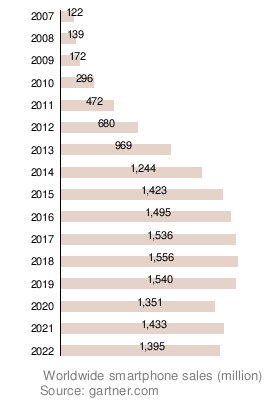
Since 1996, smartphone shipments have had positive growth. In November 2011, 27% of all photographs created were taken with camera-equipped smartphones.[286] In September 2012, a study concluded that 4 out of 5 smartphone owners use the device to shop online.[287] Global smartphone sales surpassed the sales figures for feature phones in early 2013.[288] Worldwide shipments of smartphones topped 1 billion units in 2013, up 38% from 2012's 725 million, while comprising a 55% share of the mobile phone market in 2013, up from 42% in 2012. In 2013, smartphone sales began to decline for the first time.[289][290] In Q1 2016 for the first time the shipments dropped by 3 percent year on year. The situation was caused by the maturing China market.[291] A report by NPD shows that fewer than 10% of US citizens have spent $1,000 or more on smartphones, as they are too expensive for most people, without introducing particularly innovative features, and amid Huawei, Oppo and Xiaomi introducing products with similar feature sets for lower prices.[292][293][294] In 2019, smartphone sales declined by 3.2%, the largest in smartphone history, while China and India were credited with driving most smartphone sales worldwide.[295] It is predicted that widespread adoption of 5G will help drive new smartphone sales.[296][297]
By manufacturer
In 2011, Samsung had the highest shipment market share worldwide, followed by Apple. In 2013, Samsung had 31.3% market share, a slight increase from 30.3% in 2012, while Apple was at 15.3%, a decrease from 18.7% in 2012. Huawei, LG and Lenovo were at about 5% each, significantly better than 2012 figures, while others had about 40%, the same as the previous years figure. Only Apple lost market share, although their shipment volume still increased by 12.9%; the rest had significant increases in shipment volumes of 36 to 92%.[298]
In Q1 2014, Samsung had a 31% share and Apple had 16%.[299] In Q4 2014, Apple had a 20.4% share and Samsung had 19.9%.[300] In Q2 2016, Samsung had a 22.3% share and Apple had 12.9%.[301] In Q1 2017, IDC reported that Samsung was first placed, with 80 million units, followed by Apple with 50.8 million, Huawei with 34.6 million, Oppo with 25.5 million and Vivo with 22.7 million.[302]
Samsung's mobile business is half the size of Apple's, by revenue. Apple business increased very rapidly in the years 2013 to 2017.[303] Realme, a brand owned by Oppo, is the fastest-growing phone brand worldwide since Q2 2019. In China, Huawei and Honor, a brand owned by Huawei, have 46% of market share combined and posted 66% annual growth as of 2019, amid growing Chinese nationalism.[304] In 2019, Samsung had a 74% market share of 5G smartphones in South Korea.[305]
In the first quarter of 2024, global smartphone shipments rose by 7.8% to 289.4 million units. Samsung, with a 20.8% market share, overtook Apple to become the leading smartphone manufacturer. Apple's smartphone shipments dropped 10%. Xiaomi secured the third spot with a 14.1% market share.[306]
By operating system
Use
Contemporary use and convergence
Some technologic devices whose markets have declined by the popularity of smartphones: (from top-left) portable media players (inc. "MP3 players"); compact digital cameras; in-car satellite navigation systems; personal digital assistants (inc. electronic organizers)
The rise in popularity of touchscreen smartphones and mobile apps distributed via app stores along with rapidly advancing network, mobile processor, and storage technologies led to a convergence where separate mobile phones, organizers, and portable media players were replaced by a smartphone as the single device most people carried.[307][308][309][310][1][311] Advances in digital camera sensors and on-device image processing software more gradually led to smartphones replacing simpler cameras for photographs and video recording.[92] The built-in GPS capabilities and mapping apps on smartphones largely replaced stand-alone satellite navigation devices, and paper maps became less common.[90] Mobile gaming on smartphones greatly grew in popularity,[312] allowing many people to use them in place of handheld game consoles, and some companies tried creating game console/phone hybrids based on phone hardware and software.[313][314] People frequently have chosen not to get fixed-line telephone service in favor of smartphones.[315][316] Music streaming apps and services have grown rapidly in popularity, serving the same use as listening to music stations on a terrestrial or satellite radio. Streaming video services are easily accessed via smartphone apps and can be used in place of watching television. People have often stopped wearing wristwatches in favor of checking the time on their smartphones, and many use the clock features on their phones in place of alarm clocks.[317] Mobile phones can also be used as a digital note taking, text editing and memorandum device whose computerization facilitates searching of entries.
Additionally, in many lesser technologically developed regions smartphones are people's first and only means of Internet access due to their portability,[318][failed verification] with personal computers being relatively uncommon outside of business use. The cameras on smartphones can be used to photograph documents and send them via email or messaging in place of using fax (facsimile) machines. Payment apps and services on smartphones allow people to make less use of wallets, purses, credit and debit cards, and cash. Mobile banking apps can allow people to deposit checks simply by photographing them, eliminating the need to take the physical check to an ATM or teller. Guide book apps can take the place of paper travel and restaurant/business guides, museum brochures, and dedicated audio guide equipment.
Mobile banking and payment
In many countries, mobile phones are used to provide mobile banking services, which may include the ability to transfer cash payments by secure SMS text message. Kenya's M-PESA mobile banking service, for example, allows customers of the mobile phone operator Safaricom to hold cash balances which are recorded on their SIM cards. Cash can be deposited or withdrawn from M-PESA accounts at Safaricom retail outlets located throughout the country and can be transferred electronically from person to person and used to pay bills to companies.
Branchless banking has been successful in South Africa and the Philippines. A pilot project in Bali was launched in 2011 by the International Finance Corporation and an Indonesian bank, Bank Mandiri.[319]
Another application of mobile banking technology is Zidisha, a US-based nonprofit micro-lending platform that allows residents of developing countries to raise small business loans from Web users worldwide. Zidisha uses mobile banking for loan disbursements and repayments, transferring funds from lenders in the United States to borrowers in rural Africa who have mobile phones and can use the Internet.[320]
Mobile payments were first trialled in Finland in 1998 when two Coca-Cola vending machines in Espoo were enabled to work with SMS payments. Eventually, the idea spread and in 1999, the Philippines launched the country's first commercial mobile payments systems with mobile operators Globe and Smart.
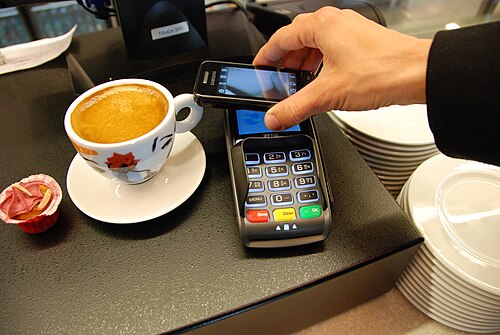
Some mobile phones can make mobile payments via direct mobile billing schemes, or through contactless payments if the phone and the point of sale support near-field communication (NFC).[321] Enabling contactless payments through NFC-equipped mobile phones requires the co-operation of manufacturers, network operators, and retail merchants.[322][323]
Facsimile
Some apps allows for sending and receiving facsimile (fax), over a smartphone, including facsimile data (composed of raster bi-level graphics) generated directly and digitally from document and image file formats.
Criticism and issues
Social impacts
In 2012, University of Southern California study found that unprotected adolescent sexual activity was more common among owners of smartphones.[324] A study conducted by the Rensselaer Polytechnic Institute's (RPI) Lighting Research Center (LRC) concluded that smartphones, or any backlit devices, can seriously affect sleep cycles.[325] Some persons might become psychologically attached to smartphones resulting in anxiety when separated from the devices.[326] A "smombie" (a combination of "smartphone" and "zombie") is a walking person using a smartphone and not paying attention as they walk, possibly risking an accident in the process, an increasing social phenomenon.[327] The issue of slow-moving smartphone users led to the temporary creation of a "mobile lane" for walking in Chongqing, China.[328] The issue of distracted smartphone users led the city of Augsburg, Germany, to embed pedestrian traffic lights in the pavement.[329]
While driving
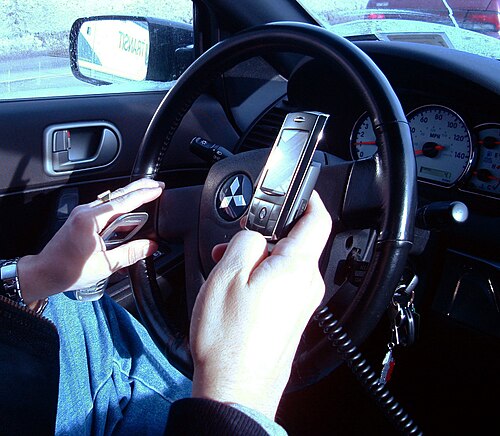
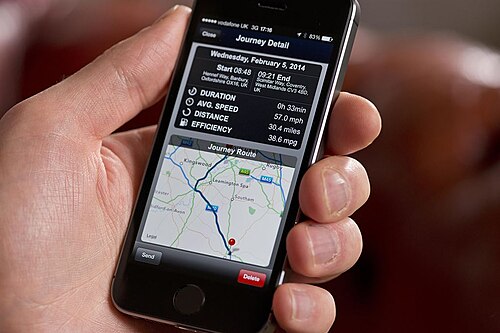
Mobile phone use while driving—including calling, text messaging, playing media, web browsing, gaming, using mapping apps or operating other phone features—is common but controversial, since it is widely considered dangerous due to what is known as distracted driving. Being distracted while operating a motor vehicle has been shown to increase the risk of accidents. In September 2010, the US National Highway Traffic Safety Administration (NHTSA) reported that 995 people were killed by drivers distracted by phones. In March 2011 a US insurance company, State Farm Insurance, announced the results of a study which showed 19% of drivers surveyed accessed the Internet on a smartphone while driving.[330] Many jurisdictions prohibit the use of mobile phones while driving. In Egypt, Israel, Japan, Portugal and Singapore, both handheld and hands-free calling on a mobile phone (which uses a speakerphone) is banned. In other countries, including the UK and France, and in many US states, calling is only banned on handheld phones, while hands-free calling is permitted.
A 2011 study reported that over 90% of college students surveyed text (initiate, reply or read) while driving.[331] The scientific literature on the danger of driving while sending a text message from a mobile phone, or texting while driving, is limited. A simulation study at the University of Utah found a sixfold increase in distraction-related accidents when texting.[332] Due to the complexity of smartphones that began to grow more after, this has introduced additional difficulties for law enforcement officials when attempting to distinguish one usage from another in drivers using their devices. This is more apparent in countries which ban both handheld and hands-free usage, rather than those which ban handheld use only, as officials cannot easily tell which function of the phone is being used simply by looking at the driver. This can lead to drivers being stopped for using their device illegally for a call when, in fact, they were using the device legally, for example, when using the phone's incorporated controls for car stereo, GPS or satnav.

A 2010 study reviewed the incidence of phone use while cycling and its effects on behavior and safety.[333] In 2013 a national survey in the US reported the number of drivers who reported using their phones to access the Internet while driving had risen to nearly one of four.[334] A study conducted by the University of Vienna examined approaches for reducing inappropriate and problematic use of mobile phones, such as using phones while driving.[335]
Accidents involving a driver being distracted by being in a call on a phone have begun to be prosecuted as negligence similar to speeding. In the United Kingdom, from 27 February 2007, motorists who are caught using a handheld phone while driving will have three penalty points added to their license in addition to the fine of £60.[336] This increase was introduced to try to stem the increase in drivers ignoring the law.[337] Japan prohibits all use of phones while driving, including use of hands-free devices. New Zealand has banned handheld phone use since 1 November 2009. Many states in the United States have banned text messaging on phones while driving. Illinois became the 17th American state to enforce this law.[338] As of July 2010, 30 states had banned texting while driving, with Kentucky becoming the most recent addition on July 15.[339]
Public Health Law Research maintains a list of distracted driving laws in the United States. This database of laws provides a comprehensive view of the provisions of laws that restrict the use of mobile devices while driving for all 50 states and the District of Columbia between 1992, when first law was passed through December 1, 2010. The dataset contains information on 22 dichotomous, continuous or categorical variables including, for example, activities regulated (e.g., texting versus talking, hands-free versus handheld calls, web browsing, gaming), targeted populations, and exemptions.[340]
Legal
A "patent war" between Samsung and Apple started when the latter claimed that the original Galaxy S Android phone copied the interface—and possibly the hardware—of Apple's iOS for the iPhone 3GS. There was also smartphone patents licensing and litigation involving Sony Mobile, Google, Apple Inc., Samsung, Microsoft, Nokia, Motorola, HTC, Huawei and ZTE, among others. The conflict is part of the wider "patent wars" between multinational technology and software corporations. To secure and increase market share, companies granted a patent can sue to prevent competitors from using the methods the patent covers. Since the 2010s the number of lawsuits, counter-suits, and trade complaints based on patents and designs in the market for smartphones, and devices based on smartphone OSes such as Android and iOS, has increased significantly. Initial suits, countersuits, rulings, license agreements, and other major events began in 2009 as the smartphone market stated to grow more rapidly by 2012.
Medical
With the rise in number of mobile medical apps in the market place, government regulatory agencies raised concerns on the safety of the use of such applications. These concerns were transformed into regulation initiatives worldwide with the aim of safeguarding users from untrusted medical advice.[341] According to the findings of these medical experts in recent years, excessive smartphone use in society may lead to headaches, sleep disorders and insufficient sleep, while severe smartphone addiction may lead to physical health problems, such as hunchback, muscle relaxation and uneven nutrition.[342]
Impacts on cognition and mental health
There is a debate about beneficial and detrimental impacts of smartphones or smartphone-uses on cognition and mental health.
Security
Smartphone malware is easily distributed through an insecure app store.[343][344] Often, malware is hidden in pirated versions of legitimate apps, which are then distributed through third-party app stores.[345][346] Malware risk also comes from what is known as an "update attack", where a legitimate application is later changed to include a malware component, which users then install when they are notified that the app has been updated.[347] As well, one out of three robberies in 2012 in the United States involved the theft of a mobile phone. An online petition has urged smartphone makers to install kill switches in their devices.[348] In 2014, Apple's "Find my iPhone" and Google's "Android Device Manager" can locate, disable, and wipe the data from phones that have been lost or stolen. With BlackBerry Protect in OS version 10.3.2, devices can be rendered unrecoverable to even BlackBerry's own Operating System recovery tools if incorrectly authenticated or dissociated from their account.[349]
Leaked documents from 2013 to 2016 codenamed Vault 7 detail the capabilities of the United States Central Intelligence Agency (CIA) to perform electronic surveillance and cyber warfare, including the ability to compromise the operating systems of most smartphones (including iOS and Android).[350][351] In 2021, journalists and researchers reported the discovery of spyware, called Pegasus, developed and distributed by a private company which can and has been used to infect iOS and Android smartphones often—partly via use of 0-day exploits—without the need for any user-interaction or significant clues to the user and then be used to exfiltrate data, track user locations, capture film through its camera, and activate the microphone at any time.[352] Analysis of data traffic by popular smartphones running variants of Android found substantial by-default data collection and sharing with no opt-out by this pre-installed software.[353][354]
Guidelines for mobile device security were issued by NIST[355] and many other organizations. For conducting a private, in-person meeting, at least one site recommends that the user switch the smartphone off and disconnect the battery.[356]
Sleep
Using smartphones late at night can disturb sleep, due to the blue light and brightly lit screen, which affects melatonin levels and sleep cycles. In an effort to alleviate these issues, "Night Mode" functionality to change the color temperature of a screen to a warmer hue based on the time of day to reduce the amount of blue light generated became available through several apps for Android and the f.lux software for jailbroken iPhones.[357] iOS 9.3 integrated a similar, system-level feature known as "Night Shift." Several Android device manufacturers bypassed Google's initial reluctance to make Night Mode a standard feature in Android and included software for it on their hardware under varying names, before Android Oreo added it to the OS for compatible devices.[358]
It has also been theorized that for some users, addiction to use of their phones, especially before they go to bed, can result in "ego depletion." Many people also use their phones as alarm clocks, which can also lead to loss of sleep.[359][360][361][362][363]
Replacement of dedicated digital cameras
As the 2010s decade commenced, the sale figures of dedicated compact cameras decreased sharply since mobile phone cameras were increasingly perceived as serving as a sufficient surrogate camera.[364]
Increases in computing power in mobile phones enabled fast image processing and high-resolution filming, with 1080p Full HD being achieved in 2011 and the barrier to 2160p 4K being breached in 2013.
However, due to design and space limitations, smartphones lack several features found even on low-budget compact cameras, including a hot-swappable memory card and battery for nearly uninterrupted operation, physical buttons and knobs for focusing and capturing and zooming, a bolt thread tripod mount, a capacitor-charged xenon flash that exceeds the brightness of smartphones' LED flashlights, and an ergonomic grip for steadier holding during handheld shooting, which enables longer exposure times. Since dedicated cameras can be more spacious, they can house larger image sensors and feature optical zooming.
Since the late 2010s, smartphone manufacturers have bypassed the lack of optical zoom to a limited extent by incorporating additional rear cameras with fixed magnification levels.[365][366]
Lifespan
.jpg/500px-Day_4_Agbogloshie_(25891029818).jpg)
In mobile phones released since the second half of the 2010s, operational life span commonly is limited by built-in batteries which are not designed to be interchangeable. The life expectancy of batteries depends on usage intensity of the powered device, where activity (longer usage) and tasks demanding more energy expire the battery earlier.
Lithium-ion and lithium-polymer batteries, those commonly powering portable electronics, additionally wear down more from fuller charge and deeper discharge cycles, and when unused for an extended amount of time while depleted, where self-discharging may lead to a harmful depth of discharge.[367][368][369]
Manufacturers have prevented some smartphones from operating after repairs, by associating components' unique serial numbers to the device so it will refuse to operate or disable some functionality in case of a mismatch that would occur after a replacement. Locking of the serial number was first documented in 2015 on the iPhone 6, which would become inoperable from a detected replacement of the "home" button. Later, some functionality was restricted on Apple and Samsung smartphones when a battery replacement not authorized by the vendor was detected.[370][371]
See also



Notes
- ^ For example, Samsung starting with the Galaxy S6
- ^ Presuming common file system support, which is usually given. Some software-specific data left over from a previous device might not be relevant on the new device.
- ^ I.e. while the device is not in stand-by mode or charging while the main operating system is powered off.
References
- ^ a b Islam, Zak (December 30, 2012). "Smartphones Heavily Decrease Sales of iPod, MP3 Players". Tom's Hardware. Retrieved May 3, 2013.
- ^ "Smartphone sales worldwide 2007-2022". Statista. Retrieved January 24, 2024.
- ^ "Topic: Smartphones".
- ^ Meyers, Justin (May 5, 2011). "From Backpack Transceiver to Smartphone: A Visual History of the Mobile Phone". Gadget Hacks. Retrieved June 28, 2022.
- ^ Sager, Ira (June 29, 2012). "Before IPhone and Android Came Simon, the First Smartphone". Bloomberg.com. Bloomberg News. Retrieved August 18, 2019.
- ^ Sager, Ira (June 29, 2012). "Before IPhone and Android Came Simon, the First Smartphones". Bloomberg Businessweek. Bloomberg L.P. Archived from the original on July 1, 2012. Retrieved June 30, 2012.
Simon was the first smartphone. Twenty years ago, it envisioned our app-happy mobile lives, squeezing the features of a cell phone, pager, fax machine, and computer into an 18-ounce black brick.
- ^ Schneidawind, John (November 23, 1992). "Poindexter putting finger on PC bugs; Big Blue unveiling". USA Today. p. 2B.
- ^ Connelly, Charlotte (August 15, 2014). "World's first 'smartphone' celebrates 20 years". BBC News. Retrieved August 16, 2014.
- ^ History of first touchscreen smartphone Archived May 1, 2016, at the Wayback Machine Spinfold.com
- ^ Jin, Dal Yong (2017). Smartland Korea: Mobile Communication, Culture, and Society. University of Michigan Press. pp. 34–35. ISBN 9780472053377.
- ^ Nochkin, Alexandr (July 10, 2013). "IBM Simon. The first smartphone in the World. What's inside". IBM blog (in Russian). Habrahabr.ru. Retrieved June 5, 2017.
- ^ "First Smartphone Turns 20: Fun Facts About Simon". Time. August 18, 2014. Retrieved August 18, 2019.
- ^ Mostefaoui, Ghita K.; Tariq, Faisal (2018). Mobile Apps Engineering: Design, Development, Security, and Testing. CRC Press. p. 16. ISBN 9781351681438.
- ^ Savage, Pamela (January 1995). "Designing a GUI for Business Telephone users". Interactions. 2. Association for Computing Machinery: 32–41. doi:10.1145/208143.208157. ISSN 1072-5520. S2CID 19863684. Retrieved September 13, 2014.
...It is at this point that early usability test participants met impasse. The switch connected to our "smart phone" is expecting the typical "dumb end-point"... AT&T's PhoneWriter was demonstrated at the 1993 Comdex Computer Show...
- ^ Andersen, Kim Normann; Francesconi, Enrico; Grönlund, Ake; Engers, Tom M. van (August 19, 2011). Electronic Government and the Information Systems Perspective: Second International Conference, EGOVIS 2011, Toulouse, France, August 29 -- September 2, 2011, Proceedings. Springer Science & Business Media. ISBN 978-3-642-22960-2.
- ^ "Qualcomm's pdQ Smartphone" (Press release). Qualcomm.
- ^ "Ericsson R380 / R380s | Device Specs". PhoneDB. January 25, 2008. Retrieved September 29, 2019.
- ^ "PDA Review: Ericsson R380 Smartphone". Geek.com. Archived from the original on July 12, 2011. Retrieved April 27, 2011.
- ^ Brown, Bruce (April 24, 2001). "Ericsson R380 World Review & Rating". PC Magazine.
- ^ "Ericsson Introduces The New R380e". Mobile Magazine. Archived from the original on March 25, 2012. Retrieved April 27, 2011.
- ^ "Kyocera QCP 6035 | Device Specs". PhoneDB. February 29, 2008. Retrieved September 29, 2019.
- ^ "Kyocera QCP 6035 Smartphone Review". Palm Infocenter. March 16, 2001. Retrieved September 7, 2011.
- ^ Segan, Sascha (March 23, 2010). "Kyocera Launches First Smartphone In Years | News & Opinion". PCmag.com. Retrieved September 7, 2011.
- ^ "Nokia 9210 Communicator Device Specs". PhoneDB. October 16, 2007. Retrieved September 28, 2019.
- ^ "Handspring Treo Communicator 180". mobiletechreview.com. Archived from the original on June 17, 2016. Retrieved February 1, 2016.
- ^ Rose, Frank (September 2001). "Pocket Monster: How DoCoMo's wireless Internet service went from fad to phenom - and turned Japan into the first post-PC nation". Wired. Vol. 9, no. 9. Retrieved January 24, 2014.
- ^ Barnes, Stuart J, Huff, Sid L. (November 1, 2003). Rising Sun: iMode and the Wireless Internet, Vol. 46, No. 1. Communications of the ACM. pp. 79–84.
{{cite book}}: CS1 maint: multiple names: authors list (link) - ^ Anwar, Sayid Tariq. "NTT DoCoMo and M-Commerce: A Case Study in Market Expansion and Global Strategy" (PDF). The American Graduate School of International Management. Retrieved February 16, 2014.
- ^ Tabuchi, Hiroko (July 20, 2009). "Why Japan's Smartphones Haven't Gone Global". The New York Times. Retrieved October 6, 2018.
- ^ Budmar, Patrick (July 11, 2012). "Why Japanese smartphones never went global". PC World AU. Archived from the original on June 12, 2018. Retrieved October 6, 2018.
- ^ Stewart, Devin (April 29, 2010). "Slowing Japan's Galapagos Syndrome". Huffington Post. Retrieved June 24, 2010.
'Galapagos syndrome', a phrase originally coined to describe Japanese cell phones that were so advanced they had little in common with devices used in the rest of the world, could potentially spread to other parts of society. Indeed signs suggest it is happening already.
- ^ "Info Addicts Are All Thumbs: Crackberry Is the 2006 Word of the Year". PR Newswire. November 1, 2006. Retrieved January 24, 2014.
- ^ "The Nokia E Series Range of Smartphones". Brighthub.com. September 27, 2010. Retrieved September 6, 2017.
- ^ Schroeder, Stan (February 23, 2010). "Smartphones in 2009: Symbian Dominates, iPhone, RIM and Android Rising Fast". Mashable. Retrieved September 3, 2013.
- ^ a b Whitwam, Ryan. "How Steve Jobs killed the stylus and made smartphones usable". ExtremeTech. Retrieved April 4, 2018.
- ^ a b c d Elgan, Mike (July 2, 2011). "How iPhone Changed the World". Cult of Mac. Retrieved October 17, 2019.
- ^ "LG, Prada to Start Selling Mobile Phone at Start of Next Year" (Press release). December 11, 2006. Archived from the original on January 8, 2007.
- ^ Temple, Stephen. "Vintage Mobiles: LG Prada - First mobile with a capacitive touchscreen (May 2007)". History of GMS: Birth of the mobile revolution.
- ^ "LG KE850 Prada review: Sophistication made simple". May 27, 2007. p. 4. Retrieved June 23, 2021.
- ^ Jobs, Steve (January 19, 2007). Macworld San Francisco 2007 Keynote Address. San Francisco: Apple, Inc. Archived from the original on December 22, 2010.
- ^ Cohen, Peter (March 13, 2007). "Macworld Expo Keynote Live Update". Macworld. Archived from the original on July 24, 2010. Retrieved July 21, 2010.
- ^ "Apple Reinvents the Phone with iPhone" (Press release). Apple Inc. January 9, 2007. Retrieved October 16, 2019.
- ^ Louis, Tristan (January 9, 2007). "The iPhone is here". TNL.net. Retrieved October 16, 2019.
- ^ Mossberg, Walter S.; Boehret, Katherine (June 26, 2007). "The iPhone Is a Breakthrough Handheld Computer". The Mossberg Solution. Archived from the original on June 14, 2021. Retrieved October 17, 2019.
The iPhone is the first smart phone we've tested with a real, computer-grade Web browser, a version of Apple's Safari. It displays entire Web pages, in their real layouts, and allows you to zoom in quickly by either tapping or pinching with your finger.
- ^ Levy, Steven (June 25, 2007). "First Look: Test Driving the iPhone". Newsweek. Retrieved October 16, 2019.
Web-browsing is where the iPhone leaves competitors in the dust. It does the best job yet of compressing the World Wide Web on a palm-size device. The screen can nicely display an entire Web page, and by dragging, tapping, pinching and stretching your fingers you can zero in on the part of the page you want to read. Web pages you wouldn't dare go to on other phones are suddenly accessible
- ^ Baig, Ed (June 26, 2007). "iPhone Review". USA Today. Retrieved October 16, 2019.
This is the closest thing to the real-deal Internet that I've seen on a pocket-size device ... IPhone runs Apple's Safari browser. You can view full Web pages, then double-tap the screen to zoom in. Or pinch to make text larger. Sliding your finger moves the page around. Rotating iPhone lets you view a page widescreen.
- ^ Shea, Dave (January 9, 2007). "iMobile". mezzoblue.com. Archived from the original on October 17, 2019. Retrieved October 16, 2019.
It doesn't run a stripped-down mobile browser that delivers a sub-par experience, it runs Safari - a customized version with special UI tweaks, but that's still WebKit under the hood. It will render your site the same way your desktop does.
- ^ Duncan, Geoff (October 17, 2007). "Apple confirms iPhone SDK coming next year". Digital Trends. Retrieved June 11, 2017.
- ^ "Steve Jobs confirms native iPhone SDK by February". AppleInsider. October 17, 2007. Retrieved June 11, 2017.
- ^ Dalrymple, Jim (March 6, 2008). "Apple unveils iPhone SDK". Macworld. International Data Group. Retrieved June 11, 2017.
- ^ Block, Ryan (March 6, 2008). "Live from Apple's iPhone SDK press conference". Engadget. AOL. Retrieved June 11, 2017.
- ^ "The Day Google Had to 'Start Over' on Android". The Atlantic. December 18, 2013. Retrieved December 20, 2013.
- ^ Elgin, Ben (August 17, 2005). "Google Buys Android for Its Mobile Arsenal". Bloomberg Businessweek. Bloomberg. Archived from the original on February 5, 2011. Retrieved February 20, 2012.
- ^ Block, Ryan (August 28, 2007). "Google is working on a mobile OS, and it's due out shortly". Engadget. Retrieved February 17, 2012.
- ^ Cha, Bonnie (January 23, 2009). "All T-Mobile retail stores to carry G1". CNET. Retrieved December 28, 2021.
- ^ "Bendgate: Is the iPhone 6 Plus bending too easily or is it a st". www.pocket-lint.com. September 24, 2014. Retrieved January 26, 2022.
- ^ Oreskovic, Alexei (January 23, 2017). "Here's Samsung's infographic that explains why the Note 7 phones exploded". Business Insider. Retrieved January 26, 2022.
- ^ "How to access the hardware menu button on Samsung Galaxy S5?". Samsung Galaxy S5 Guide. May 7, 2014.
- ^ Stokes, Jon (January 8, 2009). "Palm strikes back with new OS, pre handset at CES". Ars Technica. Retrieved February 25, 2020.
- ^ Stokes, Jon (January 12, 2009). ""Synergy" means no need to "save" or "sync" on Palm's pre". Ars Technica. Retrieved February 25, 2020.
- ^ Iwatani, Yukari (August 19, 2011). "Pioneering Firm Bows to 'Post-PC World'". The Wall Street Journal. Retrieved November 30, 2011.
- ^ "HP sells Palm WebOS assets to LG". BBC News. February 26, 2013. Retrieved March 2, 2020.
- ^ Cha, Bonnie. "BlackBerry Torch 9800 review: BlackBerry Torch 9800". CNET. Retrieved February 25, 2020.
- ^ "Can Blackerry Torch compete with iPhone?". Orange County Register. September 21, 2010. Retrieved February 25, 2020.
- ^ "RIM launches BlackBerry Torch 9810, Torch 9860 and Bold 9900, we go hands-on!". Engadget. August 3, 2011. Retrieved February 25, 2020.
- ^ Topolsky, Joshua (January 30, 2013). "BlackBerry Z10 review: a new life, or life support?". The Verge. Retrieved February 25, 2020.
- ^ "Windows Phone 7: An In-depth Look at the Features and Interface". PCWorld. February 15, 2010. Retrieved February 25, 2020.
- ^ "Nokia and Microsoft form partnership". BBC News. February 11, 2011. Retrieved December 16, 2018.
- ^ Weintraub, Seth (February 8, 2011). "Nokia's Elop drops bomb: the platform is on fire". CNN. Archived from the original on June 27, 2013. Retrieved June 14, 2013.
- ^ ben-Aaron, Diana (February 11, 2011). "Nokia Falls Most Since July 2009 After Microsoft Deal". Bloomberg. Retrieved February 26, 2020.
- ^ a b Bright, Peter (October 9, 2017). "Windows Phone is now officially dead: A sad tale of what might have been". Ars Technica. Retrieved February 26, 2020.
- ^ Tung, Liam. "Lumia 520 extends lead as most popular Windows Phone, as Nokia takes 90 percent of the market". ZDNet. Retrieved February 26, 2020.
- ^ Miller, Matthew. "IDC: Windows Phone sees largest year-over-year increase, Android still dominates". ZDNet. Retrieved February 26, 2020.
- ^ Vincent, James (February 16, 2017). "99.6 percent of new smartphones run Android or iOS". The Verge. Retrieved February 25, 2020.
- ^ Savov, Vlad (August 20, 2015). "96.8 percent of new smartphones sold are either iPhone or Android devices". The Verge. Retrieved March 2, 2020.
- ^ "BlackBerry bails on building its own phones". CNET. Retrieved June 21, 2017.
- ^ "TCL signs an exclusive deal to build BlackBerry-branded phones". TechCrunch. December 15, 2016. Retrieved December 15, 2016.
- ^ "BlackBerry bets on Android's apps to buoy new Priv". The Globe & Mail. Retrieved September 26, 2015.
- ^ a b Warren, Tom (July 8, 2015). "Microsoft writes off $7.6 billion from Nokia deal, announces 7,800 job cuts". The Verge. Retrieved February 26, 2020.
- ^ Rivera, Jaime (October 18, 2013). "Nokia owns 90% of the Windows Phone market share". PocketNow. Archived from the original on November 16, 2017. Retrieved February 26, 2020.
- ^ Warren, Tom (October 23, 2015). "Windows Phone has a new app problem". The Verge. Retrieved February 26, 2020.
- ^ Warren, Tom (May 25, 2016). "Microsoft lays off hundreds as it guts its phone business". The Verge. Retrieved February 26, 2020.
- ^ Savov, Vlad (October 10, 2017). "Windows Phone was a glorious failure". The Verge. Retrieved February 26, 2020.
- ^ Warren, Tom (February 24, 2014). "This is Nokia X: Android and Windows Phone collide". The Verge. Retrieved March 2, 2020.
- ^ a b c Yegulalp, Serdar (May 11, 2012). "Camera phones: A look back and forward". Computerworld. Archived from the original on October 9, 2019. Retrieved September 15, 2019.
- ^ "First mobile videophone introduced". CNN. May 18, 1999. Retrieved September 15, 2019.
- ^ Wan, Hoi (February 28, 2012). "Evolution of the Camera phone: From Sharp J-SH04 to Nokia 808 Pureview". Hoista.net. Archived from the original on July 31, 2013. Retrieved June 21, 2013.
- ^ "From J-Phone to Lumia 1020: A complete history of the camera phone". Digital Trends. August 11, 2013. Retrieved September 15, 2019.
- ^ "Taking pictures with your phone". BBC News. BBC. September 18, 2001. Retrieved September 15, 2019.
- ^ a b O'Brien, Kevin J. (November 15, 2010). "Smartphone Sales Taking Toll on G.P.S. Devices". The New York Times.
- ^ "Nokia 6111 review: Venus and maybe Mars too". GSMArena.com.
- ^ a b Ogg, Erica (December 22, 2011). "Smartphones killing point-and-shoots, now take almost 1/3 of photos". Gigaom. Archived from the original on July 14, 2019. Retrieved October 22, 2019.
- ^ Siegler, MG (April 17, 2011). "iPhone 4 About To Be Flickr's Top Camera. Point & Shoots? Pretty Much The Opposite". TechCrunch. Retrieved November 4, 2019.
- ^ Cooke, Alex (October 30, 2017). "Nikon Closes China Camera Factory, Cites Smartphones as Cause". Fstoppers. Retrieved August 23, 2019.
- ^ "Smile, and Say 'Android'". The New York Times. December 20, 2012. Retrieved August 22, 2013.
- ^ Stirr, Thomas (April 2, 2016). "Digital Camera Sales Continued To Decline In 2015". Archived from the original on October 31, 2016. Retrieved October 31, 2016.
- ^ "Worldwide unit sales of digital cameras from 2011 to 2016 (in millions)". Retrieved March 28, 2017.
- ^ "Sony Ericsson Satio – A Phone with Ultimate multimedia experience". Newtechnology.co.in. Archived from the original on July 14, 2012. Retrieved June 21, 2013.
- ^ "Samsung Pixon12 M8910 Price in India - 12 megapixel camera-phone". Newtechnology.co.in. Archived from the original on April 24, 2012. Retrieved June 21, 2013.
- ^ "Nokia N86 8MP review: Lens wide open". GSMArena.com. June 24, 2009. p. 7.
- ^ Chan, John (June 15, 2010). "Hands-on with the 14-megapixel Altek Leo". CNET. CBS Interactive. Archived from the original on April 3, 2012.
- ^ Cozma, Nicole. "Use your voice to take pictures with the Samsung Galaxy S III". CNET. Retrieved May 29, 2021.
- ^ "Nokia 808 PureView review: Photo Finnish". GSMArena.com. June 22, 2012. p. 7.
- ^ Dobie, Alex (April 19, 2016). "HTC 10 review: Iconic, impressive, imperfect". Android Central. Retrieved May 16, 2023.
- ^ "Samsung I9300 Galaxy S III review: S to the third". GSMArena.com. May 20, 2012. p. 9.
- ^ "Samsung Galaxy S4 review: Supernova". GSMArena.com. March 28, 2013. p. 9.
- ^ Costello, sam (January 22, 2020). "Snap Photos and Record Video on an iPhone at the Same Time". Lifewire.
- ^ "Sony Xperia Z1 review: A smartphone with a camera-sized sensor". DPReview. November 1, 2013.
- ^ Carson, Biz (September 12, 2017). "Tim Cook Isn't Wrong: Why The iPhone X Could Change How We Use Phones Forever". Forbes.
- ^ "How to control focus and depth of field on your iPhone camera". Macworld. January 5, 2014.
- ^ "Samsung Galaxy K Zoom vs Galaxy S4 Zoom: What's the difference?". www.pocket-lint.com. April 29, 2014. Retrieved April 20, 2021.
- ^ "Panasonic Lumix DMC-CM1 camera review". DPReview. May 27, 2015. p. 10. Retrieved April 20, 2021.
- ^ Brawley, William (April 27, 2015). "Panasonic CM1 Review". Imaging Resource. Retrieved April 20, 2021.
- ^ "UltraPixel Camera Image Quality Review". Trusted Reviews. November 18, 2016. p. 7.
- ^ Savvides, Lexy (April 10, 2014). "HTC One M8: the camera review". CNET.
- ^ Cade, DL (October 24, 2016). "Apple Just Released Their Fake Bokeh Portrait Mode to Everyone". PetaPixel. Retrieved November 5, 2019.
- ^ Boxall, Andy (June 4, 2018). "Huawei P20 Pro review".
- ^ "Nokia 9 PureView - Full phone specifications". GSMarena.com. Retrieved May 20, 2019.
- ^ La, Lynn. "The dual-display LG V10 offers ultimate camera and video control (review)". CNET.
- ^ "HTC One X review: eXtra special". GSMArena.com. April 12, 2012.
- ^ "MediaTek shows off 480fps super slow-motion 1080p video recording on the MT6795". Neowin. February 17, 2015.
- ^ "Samsung I9300 Galaxy S III review: S to the third". GSMArena.com. p. 9.
- ^ "Sony Xperia S review: NXT of kin". GSMArena.com. p. 6.
- ^ "HTC One X review: eXtra special". GSMArena.com. Retrieved April 2, 2021.
- ^ "Apple iPhone XS review". GSMArena.com. p. 7.
- ^ Smith, Mat (December 29, 2011). "1 million Galaxy Notes shipped worldwide, US fans throw money at their screens". Engadget.
- ^ "Samsung: 10M Galaxy Notes sold in nine months". CNET. Retrieved January 18, 2013.
- ^ History Of The Huawei Mate Flagships 2 May 2019.
- ^ "Samsung's Galaxy Round is the first phone with a curved display". The Verge. Vox Media. October 8, 2013. Retrieved March 21, 2017.
- ^ "LG G Flex appears on the FCC with AT&T-friendly LTE". Engadget. November 15, 2013. Retrieved March 9, 2014.
- ^ "LG G Flex announced with vertically curved 6-inch 720p screen, 'self-repairing' back cover". Engadget. Verizon Media. October 28, 2013. Retrieved March 9, 2014.
- ^ Dent, Steve (February 18, 2014). "Do you really need a 4K smartphone screen?".
- ^ "Sony's 4K smartphone shows most content in 1080p". Engadget. September 15, 2015. Retrieved March 21, 2017.
- ^ "LG G6 With 5.7-Inch FullVision Display, Google Assistant Launched at MWC 2017". Gadgets360. NDTV. February 26, 2017. Retrieved February 26, 2017.
- ^ "The LG G6 is sleek, solid, and surprisingly sensible". The Verge. Vox Media. February 26, 2017. Retrieved February 26, 2017.
- ^ "This is the Samsung Galaxy S8, coming April 21st". The Verge. Retrieved October 4, 2018.
- ^ Mathur, Vishal (April 29, 2018). "Why do Android phones want a notch?". Livemint. Retrieved October 4, 2018.
- ^ "Google thankfully bans Android phones with three notches or other exotic configurations". PCWorld. Retrieved October 4, 2018.
- ^ Petrov, Daniel. "What was the first phone with a notch? Answer may surprise you". Phone Arena. Retrieved October 4, 2018.
- ^ Axon, Samuel (November 25, 2017). "How app developers and designers feel about the iPhone X—and the notch". Ars Technica. Condé Nast. Retrieved December 4, 2017.
- ^ Williams, Andrew (November 14, 2018). "Cut it out: how the smartphone notch became 'a thing'". TechRadar. Retrieved February 25, 2020.
- ^ "Is the hole-punch camera here to stay? We look at the pros and cons of the front camera design". Pocket-lint. February 11, 2020. Retrieved February 25, 2020.
- ^ Low, Aloysius (August 20, 2019). "Oppo Find X review: Sexier and more innovative than the Galaxy S9". CNET. Retrieved February 26, 2020.
- ^ Seifert, Dan (June 19, 2018). "Oppo's Find X ditches the notch for pop-up cameras". The Verge. Retrieved February 25, 2020.
- ^ Byford, Sam (June 26, 2019). "Oppo unveils the world's first under-screen selfie camera". The Verge. Retrieved February 25, 2020.
- ^ Peters, Jay (August 19, 2020). "Here's your best look yet at ZTE's first smartphone with an under-display camera". The Verge. Retrieved September 1, 2020.
- ^ Jansen, Mark (July 19, 2020). "What does a 90Hz or 120Hz refresh rate mean for your smartphone screen?". Digital Trends. Retrieved July 23, 2020.
- ^ Savov, Vlad (June 7, 2018). "Android gaming phones have a lot of growing up to do". The Verge. Retrieved May 26, 2021.
- ^ "Samsung I9300 Galaxy S III review: S to the third". GSMArena.com. May 20, 2012. p. 8. Retrieved May 29, 2021.
- ^ "N7000UBLS4 – Galaxy Note Android 4.1.2 Jelly Bean TEST firmware From Tel Cel Mexico". SamMobile. February 17, 2013.
- ^ Reisinger, Don (December 7, 2012). "Samsung's Galaxy S3 to get Premium Suite upgrade". CNET.
- ^ "Samsung Galaxy Note 3 User Guide". Tom's Guide. September 7, 2013.
- ^ King, Ian (December 15, 2013). "Bendable smartphones aren't coming anytime soon". The Sydney Morning Herald. Retrieved February 5, 2019.
- ^ Warren, Tom (November 8, 2018). "The foldable phones are coming". The Verge. Retrieved February 5, 2019.
- ^ Statt, Nick (November 5, 2018). "We tried the world's first folding phone, and it actually works". The Verge. Retrieved February 5, 2019.
- ^ Warren, Tom (November 7, 2018). "This is Samsung's foldable smartphone". The Verge. Retrieved February 5, 2019.
- ^ Dunn, Jeff (February 20, 2019). "Samsung's foldable phone is finally official—meet the Galaxy Fold". Ars Technica. Retrieved February 23, 2019.
- ^ Warren, Tom (September 5, 2019). "How Samsung fixed the Galaxy Fold". The Verge. Retrieved February 25, 2020.
- ^ Gartenberg, Chaim (November 13, 2019). "Motorola resurrects the Razr as a foldable Android smartphone". The Verge. Retrieved February 25, 2020.
- ^ Dolcourt, Jessica. "Samsung Galaxy Z Flip's foldable glass screen: Already more impressive than the Razr". CNET. Retrieved May 26, 2021.
- ^ "Fingerprint Scanner On Phones: History & Evolution, But Do We Really Need That?". Web cusp. April 17, 2016. Archived from the original on July 26, 2020. Retrieved March 15, 2018.
- ^ Newton, Casey (September 10, 2013). "Apple's new iPhone will read your fingerprint". The Verge. Retrieved September 11, 2013.
- ^ "Touch ID: Inside the fingerprint scanner on Apple's iPhone 5s". NDTV Gadgets 360. September 11, 2013. Retrieved January 25, 2021.
- ^ Monbiot, George (September 23, 2013). "Why is Apple so shifty about how it makes the iPhone?". The Guardian. Retrieved September 24, 2013.
- ^ Schröder, Horst (April 4, 2016). "So gut ist das erste Fairphone aus Deutschland". www.gruenderszene.de. Retrieved September 5, 2018.
- ^ Etherington, Darrell (October 10, 2013). "Quasar IV Encrypted Ninja Smartphone Goes Into Production, Despite Indiegogo Failure". TechCrunch. Verizon Media. Retrieved October 10, 2013.
- ^ Byford, Sam (October 29, 2013). "Motorola reveals ambitious plan to build modular smartphones". The Verge. Vox Media. Retrieved October 29, 2013.
- ^ Musil, Steven (October 29, 2013). "Motorola unveils Project Ara for custom smartphones". CNET. CBS Interactive. Retrieved October 29, 2013.
- ^ Pierce, David. "Project Ara Lives: Google's Modular Phone Is Ready for You Now". Wired. Retrieved May 20, 2016.
- ^ "Google confirms the end of its modular Project Ara smartphone". The Verge. Vox Media. September 2, 2016. Retrieved September 2, 2016.
- ^ "LG G5 hands-on—LG may have made the most innovative phone of MWC". Ars Technica. February 21, 2016. Retrieved February 21, 2016.
- ^ "Motorola's new Moto Z ditches the headphone jack, adds hot-swapping magnetic modular accessories". CNET. CBS Interactive. Retrieved June 9, 2016.
- ^ "Inside Microsoft's Plan to Unlock the Full Power of Your Phone". Time.com. November 20, 2015. Retrieved March 21, 2017.
- ^ Miller, Ross (October 6, 2015). "Microsoft's new Display Dock transforms your Windows 10 mobile into a PC". The Verge. Vox Media. Retrieved October 6, 2015.
- ^ "This map shows the percentage of people around the world who own smartphones". Business Insider.
- ^ "Number of smartphone users worldwide 2014-2020 | Statista". Statista. Retrieved May 23, 2017.
- ^ "In 4G era, app, video streaming experience key for brand loyalty: Report". www.thehindubusinessline.com. August 26, 2016. Retrieved January 20, 2023.
- ^ "7 exciting smartphone trends to watch in 2016: VR, super-fast LTE, and more". PC World. February 5, 2016. Retrieved March 21, 2017.
- ^ "Galaxy Note 7 power saving mode lowers resolution to save battery". SlashGear. August 3, 2016. Retrieved October 31, 2021.
- ^ "Samsung's adaptive refresh rate tech could be coming to a phone near you". Android Authority. August 11, 2020. Retrieved October 31, 2021.
- ^ "I tried the first phone with an in-display fingerprint sensor". The Verge. Retrieved October 4, 2018.
- ^ Seifert, Dan (February 20, 2019). "Samsung officially announces the Galaxy S10 and S10 Plus, starting at $899". The Verge. Retrieved February 20, 2019.
- ^ "Seven New Smartphone Features For 2019 - TelcoWorld Corp. Melbourne Mobile Phone Repairs".
- ^ "Samsung is hiding its ads that made fun of Apple's removal of headphone jack". Android Authority. August 8, 2019. Retrieved October 17, 2022.
- ^ Smith, Dave (June 6, 2019). "Apple's iPhone X introduced the 'notch' trend 2 years ago. Now, smartphone makers are trying to kill it once and for all". Business Insider. Retrieved October 17, 2022.
- ^ Rosenberg, Adam (December 26, 2020). "Xiaomi ditches chargers for the Mi 11 after mocking Apple's similar move". Mashable. Retrieved October 17, 2022.
- ^ "Xiaomi Removes Charger From Box After Mocking Apple For It". NDTV.com. December 28, 2020. Retrieved October 17, 2022.
- ^ Robbins, Ebenezer (September 11, 2022). "After Apple, Xiaomi and Samsung: The next mobile manufacturer falls apart". Tech Gaming Report. Retrieved October 17, 2022.
- ^ c. f. camera software of Samsung since the Galaxy S10, of Huawei since the P20, of LG since the G8, since the OnePlus 6, of Xiaomi since Redmi Note 5, and of UleFone smartphones released since at least 2017 (as of 2022).
- ^ Alspach, Kyle (October 17, 2019). "10 Mobile Trends To Watch Out For In 2020". CRN. Retrieved February 10, 2021.
- ^ Tranate, Jess (December 28, 2020). "Samsung, Xiaomi Remove Charger From Smartphones After Mocking Apple". HNGN - Headlines & Global News. Retrieved September 27, 2021.
- ^ "The $149 Smartphone That Could Bring The Linux Mobile Ecosystem to Life". Vice. Retrieved January 30, 2022.
- ^ Vaughan-Nichols, Steven. "PinePhone KDE Linux phone is getting ready for pre-orders". ZDNet. Retrieved January 30, 2022.
- ^ Amadeo, Ron (September 26, 2019). "Purism's Librem 5 phone starts shipping—a fully open GNU/Linux phone". Ars Technica. Retrieved January 30, 2022.
- ^ Nestor, Marius (February 16, 2020). "Maui Project Wants to Bring Convergent Apps to Linux Desktops and Android". 9to5Linux. Retrieved January 30, 2022.
- ^ Jose, Manuel. "Purism: A Linux OS is talking Convergence again".
- ^ Larabel, Michael. "Purism's PureOS Proclaims Convergence Success For Mobile & Desktop Support - Phoronix". Phoronix.
- ^ Crume, Jacob (December 30, 2021). "Maui Shell is Here, Ushering in a New Era of Desktop Linux". It's FOSS – News. Retrieved January 16, 2022.
- ^ Hamner, David (September 29, 2020). "Desktop and Phone Convergence". Purism. Retrieved January 30, 2022.
- ^ "Qualcomm's Snapdragon Satellite will let Android phones text off the grid". Engadget. January 5, 2023. Retrieved January 15, 2023.
- ^ "The problems with Elon Musk's satellite phone plan". Quartz. August 26, 2022. Retrieved January 15, 2023.
- ^ https://www.gsmarena.com/tecno_phantom_ultimate_specs-news-59725.php
- ^ https://www.androidauthority.com/oppo-x-2021-rollable-phone-review-1233657/
- ^ https://www.androidpolice.com/motorola-rizr-rollable-concept-hands-on/
- ^ https://spectrum.ieee.org/rollable-smartphone
- ^ a b c d Kim, Woonyun (2015). "CMOS power amplifier design for cellular applications: an EDGE/GSM dual-mode quad-band PA in 0.18 μm CMOS". In Wang, Hua; Sengupta, Kaushik (eds.). RF and mm-Wave Power Generation in Silicon. Academic Press. pp. 89–90. ISBN 978-0-12-409522-9.
- ^ "Remarks by Director Iancu at the 2019 International Intellectual Property Conference". United States Patent and Trademark Office. June 10, 2019. Retrieved July 20, 2019.
- ^ Kent, Joel (May 2010). "Touchscreen technology basics & a new development". 2010 CMOS Emerging Technologies Conference Presentation Slides. Vol. 6. CMOS Emerging Technologies. ISBN 9781927500057.
- ^ Ganapati, Priya (March 5, 2010). "Finger Fail: Why Most Touchscreens Miss the Point". Wired. Archived from the original on May 11, 2014. Retrieved November 9, 2019.
- ^ Baliga, B. Jayant (2005). Silicon RF Power MOSFETS. World Scientific. ISBN 9789812561213.
- ^ Asif, Saad (2018). 5G Mobile Communications: Concepts and Technologies. CRC Press. pp. 128–134. ISBN 9780429881343.
- ^ "LDMOS Products and Solutions". NXP Semiconductors. Retrieved December 4, 2019.
- ^ "Camera and thermal imaging Review". Trusted Reviews. November 11, 2016. Retrieved April 19, 2021.
- ^ Chopra, Purvi (November 19, 2018). "Ulefone Armor 3T Review: A Digital Walkie-Talkie Smartphone". Veditto. Retrieved April 19, 2021.
- ^ "CPU Frequency". CPU World Glossary. CPU World. March 25, 2008. Retrieved January 1, 2010.
- ^ Athow, Desire (March 9, 2021). "Best rugged smartphones of 2021: waterproof, shockproof and IP68 mobiles". TechRadar. Retrieved June 18, 2021.
- ^ Corbin Davenport (November 13, 2019). "The menu navigation button has finally been retired in Android 10". Retrieved June 20, 2021.
- ^ Krasnoff, Barbara (July 27, 2020). "How to take screenshots on your iPhone". The Verge. Retrieved June 21, 2021.
- ^ "How to Take Screenshot on LG G3 (3 Methods)". DroidViews. August 14, 2014. Retrieved June 21, 2021.
- ^ "4 Ways To Take a Screenshot on the Samsung Galaxy Note 20 and Note 20 Ultra - NaldoTech". August 20, 2020. Retrieved June 21, 2021.
- ^ "Don't call it a phablet: the 5.5" Samsung Galaxy S7 Edge is narrower than many 5.2" devices". PhoneArena. March 21, 2016. Retrieved April 3, 2017.
- ^ "We're gonna need Pythagoras' help to compare screen sizes in 2017". The Verge. March 30, 2017. Retrieved April 3, 2017.
- ^ "The Samsung Galaxy S8 will change the way we think about display sizes". The Verge. Vox Media. March 30, 2017. Archived from the original on July 25, 2018. Retrieved April 3, 2017.
- ^ Ward, J. R.; Phillips, M. J. (April 1, 1987). "Digitizer Technology: Performance Characteristics and the Effects on the User Interface". IEEE Computer Graphics and Applications. 7 (4): 31–44. doi:10.1109/MCG.1987.276869. ISSN 0272-1716. S2CID 16707568.
- ^ "How does Air view work?". Samsung Galaxy site.
- ^ "Floating touch™ – Developer World". September 17, 2012. Archived from the original on September 17, 2012.
- ^ "How to Change Unlock Effect on Galaxy S4 Lock Screen". Android Widget Center. May 13, 2013.
- ^ "S Pen on the Note 4 is better than ever: Feature Focus". Android Authority. October 2, 2014. Archived from the original on January 19, 2022. Retrieved April 9, 2021.
- ^ Whitney, Lance (July 8, 2019). "How to Use and Control 3D Touch on Your iPhone". PCMag UK. Retrieved April 2, 2021.
- ^ Zibreg, Christian (October 28, 2015). "Apple rejects Gravity, a 3D Touch-based iPhone 6s digital scale app". iDownloadBlog.com. Retrieved April 2, 2021.
- ^ "HTC Bravo: TMO UK Nexus One Plus Optical Trackpad – Phandroid". phandroid.com. January 21, 2010. Retrieved July 20, 2021.
- ^ "How to Use Heart Rate Sensor on Note 4 as a Shutter Button". Android Widget Center. December 25, 2014. Retrieved April 2, 2021.
- ^ "Hidden innovation in the Galaxy S4". SamMobile. April 10, 2013.
- ^ S, Ray (September 6, 2014). "Playing with the Note 4's UV and SpO2 sensors". Phone Arena. Retrieved April 2, 2021.
- ^ Ezekiel, Odunayo (November 18, 2019). "eMMC or UFS: Understanding new generation of mobile phone storage". Dignited.
- ^ Ware, Russell (November 13, 2019). "Understanding Smartphone Storage – How much storage does your phone need?". Lifewire.
- ^ "Samsung Starts Producing First 512-Gigabyte Universal Flash Storage for Next-Generation Mobile Devices". www.businesswire.com. December 5, 2017.
- ^ Gottsegen, Gordon (December 5, 2017). "Samsung is bringing a huge 512GB memory chip to its phones". CNET.
- ^ "US will only receive 32GB Galaxy S7 and Galaxy S7 edge". Android Authority. February 21, 2016.
- ^ "MicroSD vs. cloud storage: Which do you prefer?". phonedog.com. May 31, 2013.
- ^ "Understanding Life Expectancy of Flash Storage". www.ni.com. July 23, 2020.
- ^ "How to back up your Android phone". Android Authority. December 9, 2022. Retrieved February 13, 2023.
- ^ Popa, Bogdan (December 31, 2019). "Xiaomi Ships Android 11 Update, Completely Bricks Devices". softpedia.
- ^ "Kaufberatung: Smartphones mit Dual-SIM und Micro-SD". TechStage (in German). January 29, 2019. Retrieved June 13, 2021.
- ^ "How to increase internal memory on the Galaxy Note 4". NextPit. July 5, 2015.
- ^ Thorn, Thomas (August 9, 2013). "Samsung Galaxy S4 Mini review". TechRadar.
- ^ Hidalgo, Jason. "Replace the SIM & Memory Card in a Samsung Galaxy S7 or S7 Edge". Lifewire.
- ^ "Samsung Galaxy Ace S5830 review: Ace in the hole". GSMArena.com. February 23, 2011. p. 1.
- ^ "What Happened To Mass Storage & File Management? [Updated] - Mobility Arena - Mobile Phone, Smartphone, Cell Phone Reviews". mobilityarena.com. November 18, 2011.
- ^ Hecht, Jeff (September 30, 2014). "Why Mobile Voice Quality Still Stinks—and How to Fix It". IEEE.
- ^ Malykhina, Elena. "Why Is Cell Phone Call Quality So Terrible?". Scientific American.
- ^ Henry, Alan (May 22, 2014). "What's the Best Mobile VoIP App?". Lifehacker. Gawker Media.
- ^ Hoyle, Andrew (March 25, 2014). "HTC One M8 BoomSound speakers are loud and proud". CNET.
- ^ "Was ditching the headphone jack a good idea?". SoundGuys. August 9, 2019.
- ^ Williams, R. K.; Darwish, M. N.; Blanchard, R. A.; Siemieniec, R.; Rutter, P.; Kawaguchi, Y. (2017). "The Trench Power MOSFET—Part II: Application Specific VDMOS, LDMOS, Packaging, and Reliability". IEEE Transactions on Electron Devices. 64 (3): 692–712. Bibcode:2017ITED...64..692W. doi:10.1109/TED.2017.2655149. ISSN 0018-9383. S2CID 38550249.
- ^ "IEEE Medal for Environmental and Safety Technologies Recipients". IEEE Medal for Environmental and Safety Technologies. Institute of Electrical and Electronics Engineers. Archived from the original on March 25, 2019. Retrieved July 29, 2019.
- ^ "Keywords to understanding Sony Energy Devices – keyword 1991". Sony Energy Devices Corporation. Sony. Archived from the original on 4 March 2016.
- ^ "Causes and Fixes of Unexpected Phone Shutoffs - RTCL ... rtcl.eecs.umich.edu › assets › 2020" (PDF). June 15, 2020.
- ^ Jasieniak, Jacek (July 31, 2017). "Explainer: how to extend your phone's battery life". The Conversation.
- ^ Yee, Ho Kar; Ramakrishnan, Sivakumar; Mohamad, Ahmad Azmin (2014). "Modelling of Charge/Discharge Cycle of Lithium Ion Battery System" (PDF). Journal of Quality Measurement and Analysis. 10 (1): 39–47.
- ^ RAVPower, Team (November 9, 2018). "Planning for Obsolescence: When to Buy a New Phone". RAVPower.
- ^ "Planned obsolescence: the outrage of our electronic waste mountain". the Guardian. April 15, 2020.
- ^ Rao, Sumukh (April 9, 2020). "Qualcomm Quick Charge vs OnePlus Warp Charge vs Oppo VOOC vs USB-PD - TechPP". techpp.com. Retrieved December 9, 2021.
- ^ Ho, Joshua (2014). "The Samsung Galaxy Note 4 Review". www.anandtech.com.
- ^ T, Nick (June 30, 2016). "How it works: Dash Charge fast charging on the OnePlus 3". Phone Arena.
- ^ Byford, Sam (October 10, 2018). "Oppo has the fastest fast charging we've ever seen". The Verge.
- ^ "PSA: The Galaxy S8 and S8+ doesn't actually Fast Charge while you're using it – Phandroid". phandroid.com. May 11, 2017.
- ^ "6 phones with the best battery life". Retrieved October 31, 2017.
- ^ "J.D. Power and Associates Reports: Smartphone Battery Life has Become a Significant Drain on Customer Satisfaction and Loyalty" (Press release). Retrieved September 11, 2014.
- ^ Kendrick, James (August 4, 2014). "The secret behind poor smartphone battery life". ZDNet. Retrieved November 2, 2017.
- ^ "Peak Battery: Why Smartphone Battery Life Still Stinks, and Will for Years". TIME.com. April 1, 2013.
- ^ "Refurbished version of ill-fated Galaxy Note 7 will soon be available overseas". May 5, 2017.
- ^ "The Most Impactful New iPhone Feature May Be the Most Boring". WIRED. Retrieved September 22, 2017.
- ^ Frumusanu, Andrei (June 23, 2015). "Analysing AMOLED Power Efficiency Improvements". www.anandtech.com. Retrieved September 14, 2023.
- ^ "How to Shoot Photos in DNG/RAW on Samsung Galaxy S7". Android Beat | Android News, Hacks, Apps, Tips & Reviews Blog. April 24, 2016. Archived from the original on August 19, 2021. Retrieved August 19, 2021.
- ^ Nikam, Sohil (May 8, 2015). "Samsung Dropping RAW Image Support Into Galaxy S6 And S6 Edge Via Android 5.1.1 Update - TechShout". www.techshout.com. Retrieved August 19, 2021.
- ^ "Top 16 Best Camera Phones For Photography 2019". April 4, 2019. Archived from the original on May 12, 2019.
- ^ Ho, Joshua (May 5, 2014). "A Discussion on Material Choices in Mobile". www.anandtech.com. Retrieved April 11, 2021.
- ^ "Bring back plastic phones". Android Authority. July 5, 2019.
- ^ "Benefits And Applications Of Polycarbonates". Tuflite. June 17, 2020. Archived from the original on April 11, 2021. Retrieved April 11, 2021.
- ^ "Build materials: metal vs glass vs plastic". Android Authority. July 19, 2018.
- ^ "Gartner Says Worldwide Sales of Smartphones Returned to Growth in First Quarter of 2018". Gartner, Inc. Gartner. May 29, 2018. Archived from the original on June 13, 2018. Retrieved August 25, 2018.
- ^ Thom Holwerda, OSNews, November 12, 2013, The second operating system hiding in every mobile phone Archived November 13, 2013, at the Wayback Machine
- ^ "What The Heck Is An "App"?". Business Insider.
- ^ W3C Interview: Vision Mobile on the App Developer Economy with Matos Kapetanakis and Dimitris Michalakos Archived June 29, 2016, at the Wayback Machine. February 18, 2014. Retrieved February 24, 2015.
- ^ Ogg, Erica (December 22, 2011). "Smartphones killing point-and-shoots, now take almost 1/3 of photos". GIGAOM. Archived from the original on July 23, 2013. Retrieved June 27, 2013.
- ^ Rao, Leena (September 19, 2012). "comScore: 4 Out Of 5 Smartphone Owners Use Device To Shop; Amazon Is The Most Popular Mobile Retailer". TechCrunch. AOL Inc. Retrieved June 27, 2013.
- ^ "Smartphones now outsell 'dumb' phones". 3 News NZ. April 29, 2013. Archived from the original on August 1, 2013. Retrieved April 29, 2013.
- ^ Swearingen, Jake (December 4, 2018). "We're No Longer in Smartphone Plateau. We're in the Smartphone Decline". New York Magazine.
- ^ "Worldwide Smartphone Shipments Top One Billion Units for the First Time, According to IDC". IDC. January 2014. Archived from the original on January 31, 2014. Retrieved January 27, 2014.
- ^ Daniel van Boom (April 27, 2016). "It's not just Apple: Global smartphone market shrinks for the first time ever".
- ^ Leprince-Ringuet, Daphne (November 26, 2019). "As smartphone sales decline again, Apple may have a few lessons to learn from Samsung and Huawei". ZDNet.
- ^ Axon, Samuel (December 11, 2019). "Fewer than 10% of Americans are buying $1,000 smartphones, report says". Ars Technica.
- ^ Eadicicco, Lisa (December 12, 2019). "Evidence is mounting that people are fed up with the sky-high cost of smartphones, and it's sparking a massive change in the industry". Business Insider.
- ^ "Counterpoint: Global smartphone market is alive thanks to China and India". GSMArena.com.
- ^ Weissberger, Alan (November 8, 2019). "Counterpoint Research: Smartphone Market Decline Ends, What Might Help it Grow?". IEEE Communications Society Technology Blog.
- ^ McCaskill, Steve (September 26, 2019). "Smartphone market set for 'biggest ever decline'". TechRadar.
- ^ Fingas, Jon (January 28, 2014). "Smartphone sales may have topped 1 billion in 2013, depending on who you ask". Engadget.
- ^ Millward, Steven (May 13, 2014). "Xiaomi breaks into global top 10 for smartphone shipments, kicks out HTC". Tech In Asia. Retrieved September 9, 2014.
- ^ Brett Molina and Marco della Cava, USA TODAY (March 3, 2015). "Apple beats Samsung in Q4 smartphone sales". USA TODAY.
- ^ "Gartner Says Five of Top 10 Worldwide Mobile Phone Vendors Increased Sales in Second Quarter of 2016" (Press release). Gartner. August 19, 2016. Retrieved May 28, 2022.
- ^ Hersey, Frank (July 4, 2017). "6 of the world's top 10 smartphone brands are Chinese". technode. Retrieved July 7, 2017.
- ^ Dunn, Jeff (February 28, 2017). "Samsung introduced 10 times as many phones as Apple last year, but its mobile division made half as much revenue". Business Insider.
- ^ Argam Artashyan (December 12, 2019). "Huawei And Honor Account For Half Of Chinese Smartphone Market". GizChina.
- ^ "Samsung dominates early market for 5G smartphones | TechRadar". www.techradar.com. December 11, 2019.
- ^ "Apple loses top phonemaker spot to Samsung as iPhone shipments drop, IDC says". gulfnews.com. April 15, 2024. Retrieved April 15, 2024.
- ^ Reisinger, Don (August 15, 2013). "Smartphones Sales Finally Overtake Feature Phones: 10 Reasons Why". eWeek.
- ^ Rob van der Meulen & Janessa Rivera (August 14, 2013). "Gartner Says Smartphone Sales Grew 46.5 Percent in Second Quarter of 2013 and Exceeded Feature Phone Sales for First Time". Archived from the original on August 16, 2013.
- ^ Farivar, Cyrus (August 14, 2013). "Smartphones Outsell Feature Phones, for the First Time".
- ^ Andrew Smith, Faithe Wempen (2011). CompTIA Strata Study Guide. John Wiley & Sons. p. 140. ISBN 978-0-470-97742-2. Retrieved July 5, 2012.
- ^ Yu, Emily. "PMP needs to merge with cellphone, says Smartwork exec". EE Times Asia. Archived from the original on 23 April 2008. Retrieved 3 October 2007.
- ^ Wijman, Tom (April 30, 2018). "Mobile Revenues Account for More Than 50% of the Global Games Market as It Reaches $137.9 Billion in 2018". newzoo.com. Newzoo. Retrieved July 12, 2018.
- ^ "Xperia Play | PlayStation certified Android mobile". Sony Ericsson. Archived from the original on August 8, 2011. Retrieved February 14, 2011.
- ^ Lowe, Scott (July 30, 2013). "Android handheld of the future. Not today". IGN. Retrieved July 31, 2013.
- ^ "Milestone for cellphones vs. landline phones". CBS News. May 4, 2017. Archived from the original on June 16, 2017. Retrieved May 30, 2017.
- ^ "The Daily — Residential Telephone Service Survey, 2013". Statistics Canada. June 23, 2014. Archived from the original on October 23, 2014.
- ^ "Why Are Alarm Clocks Still a Thing?". Motherboard.vice.com. Motherboard. April 10, 2015. Retrieved August 16, 2018.
- ^ "ICT Facts and Figures 2005, 2010, 2016". Telecommunication Development Bureau, International Telecommunication Union (ITU). Retrieved May 24, 2015.
- ^ "Branchless banking to start in Bali". The Jakarta Post. April 13, 2012. Retrieved June 4, 2012.
- ^ ""Zidisha Set to "Expand" in Peer-to-Peer Microfinance", Microfinance Focus, Feb 2010". Microfinancefocus.com. February 7, 2010. Archived from the original on September 21, 2012. Retrieved June 4, 2012.
- ^ Feig, Nancy (June 25, 2007). "Mobile Payments: Look to Korea". banktech.com. Archived from the original on March 26, 2010. Retrieved January 29, 2011.
- ^ Ready, Sarah (November 10, 2009). "NFC mobile phone set to explode". connectedplanetonline.com. Archived from the original on January 24, 2010. Retrieved January 29, 2011.
- ^ Tofel, Kevin C. (August 20, 2010). "VISA Testing NFC Memory Cards for Wireless Payments". gigaom.com. Archived from the original on June 21, 2012. Retrieved January 21, 2011.
- ^ "SMARTPHONES make TEENS have SEX with STRANGERS". theregister.co.uk. Retrieved January 18, 2016.
- ^ Colaner, Seth (August 27, 2012). "Your Tablet and Smartphone Could Be Ruining Your Sleep". Retrieved January 22, 2014.
- ^ Cheever, N. A.; Rosen, L. D.; Carrier, L. M.; Chavez, A. (2014). "Out of sight is not out of mind: The impact of restricting wireless mobile device use on anxiety levels among low, moderate and high users". Computers in Human Behavior. 37: 290–297. doi:10.1016/j.chb.2014.05.002. S2CID 9196376.
- ^ Hookham, Mark; Togoh, Isabel; Yeates, Alex (February 21, 2016). "Walkers hit by curse of the smombie". The Sunday Times. UK. Archived from the original on February 22, 2016. Retrieved February 23, 2016.
- ^ Hatton, Celia (September 15, 2014). "Chongqing's 'mobile lane'". BBC News. UK: BBC. Retrieved February 23, 2016.
- ^ Rick Noack (April 25, 2016) This city embedded traffic lights in the sidewalks so that smartphone users don't have to look up The Washington Post. Retrieved 5 May 2016.
- ^ "Quit Googling yourself and drive: About 20% of drivers using Web behind the wheel, study says". Los Angeles Times. March 4, 2011.
- ^ Atchley, Paul; Atwood, Stephanie; Boulton, Aaron (January 2011). "The Choice to Text and Drive in Younger Drivers: Behaviour May Shape Attitude". Accident Analysis and Prevention. 43 (1): 134–142. doi:10.1016/j.aap.2010.08.003. PMID 21094307.
- ^ "Text messaging not illegal but data clear on its peril". Democrat and Chronicle. Archived from the original on February 2, 2016. Retrieved February 7, 2021.
- ^ de Waard, Dick; Schepers, Paul; Ormel, Wieke; Brookhuis, Karel (January 2010). "Mobile phone use while cycling: Incidence and effects on behaviour and safety". Ergonomics. 53 (1): 30–42. doi:10.1080/00140130903381180. hdl:11370/1ad6e9a1-37c9-44fb-8978-65dbdce42456. PMID 20069479. S2CID 205403680.
- ^ Copeland, Larry. "Drivers still Web surfing while driving, survey finds". USA TODAY.
- ^ Burger, Christoph; Riemer, Valentin; Grafeneder, Jürgen; Woisetschläger, Bianca; Vidovic, Dragana; Hergovich, Andreas (2010). "Reaching the Mobile Respondent: Determinants of High-Level Mobile Phone Use Among a High-Coverage Group" (PDF). Social Science Computer Review. 28: 336–349. doi:10.1177/0894439309353099. S2CID 61640965.
- ^ "BBC NEWS - UK - UK Politics - Drivers face new phone penalties". news.bbc.co.uk. January 22, 2007.
- ^ "BBC NEWS - UK - Magazine - Careless talk". news.bbc.co.uk. February 22, 2007.
- ^ "Illinois to ban texting while driving - CNN.com". CNN. August 6, 2009. Retrieved May 12, 2010.
- ^ Steitzer, Stephanie (July 14, 2010). "Texting while driving ban, other new Kentucky laws take effect today". The Courier-Journal. Archived from the original on January 19, 2013. Retrieved July 15, 2010.
- ^ "Distracted Driving Laws". Public Health Law Research. July 15, 2011. Retrieved June 27, 2014.
- ^ Yetisen, A. K.; Martinez-Hurtado, J. L.; et al. (2014). "The regulation of mobile medical applications". Lab on a Chip. 14 (5): 833–840. doi:10.1039/C3LC51235E. PMID 24425070. S2CID 16910239.
- ^ Shankar, S Barani; Rani, S Leslie; Brundha, M P (July 2020). "Comparison study of factors associated with smartphone addiction among college students". Drug Invention Today. 14 (7): 1165–1168. ISSN 0975-7619 – via Academic Search Complete.
- ^ Mobile Malware Development Continues To Rise, Android Leads The Way.
- ^ Alexios, Mylonas; Bill, Tsoumas; Stelios, Dritsas; Dimitris, Gritzalis (2011). 8th International Conference on Trust, Privacy & Security in Digital Business (TRUSTBUS-2011). Springer Berlin / Heidelberg. pp. 49–61.
- ^ "The Mother Of All Android Malware Has Arrived". Android Police. March 6, 2011.
- ^ Perez, Sarah (February 12, 2009). "Android Vulnerability So Dangerous, Owners Warned Not to Use Phone's Web Browser". Readwriteweb.com. Archived from the original on August 10, 2011. Retrieved August 8, 2011.
- ^ "Lookout, Retrevo warn of growing Android malware epidemic, note Apple's iOS is far safer". Appleinsider.com. August 3, 2011. Retrieved January 5, 2012.
- ^ "Plea urges anti-theft phone tech". The San Francisco Examiner. June 7, 2013. Archived from the original on October 16, 2014. Retrieved June 11, 2013.
- ^ "Getting started with Anti-Theft Protection in BlackBerry 10 OS version 10. - Inside BlackBerry Help Blog". blackberry.com. Retrieved January 18, 2016.
- ^ "Vault 7: Wikileaks reveals details of CIA's hacks of Android, iPhone Windows, Linux, MacOS, and even Samsung TVs". Computing. March 7, 2017.
- ^ Greenberg, Andy (March 7, 2017). "How the CIA Can Hack Your Phone, PC, and TV (Says WikiLeaks)". WIRED.
- ^ "What is Pegasus spyware and how does it hack phones?". The Guardian. July 18, 2021. Retrieved August 13, 2021.
- ^ "Study reveals scale of data-sharing from Android mobile phones". Trinity College Dublin. Retrieved November 16, 2021.
- ^ Liu, Haoyu; Patras, Paul; Leith, Douglas J. (October 6, 2021). "Android Mobile OS Snooping By Samsung, Xiaomi, Huawei and Realme Handsets" (PDF). Retrieved November 16, 2021.
- ^ Souppaya, Murugiah P.; Scarfone, Karen A. (June 21, 2013). Guidelines for Managing the Security of Mobile Devices in the Enterprise (Technical report). Special Publication (NIST SP). National Institute of Standards and Technology. doi:10.6028/NIST.SP.800-124r1. 800-124 Rev 1.
- ^ "Use Your Smartphone As Securely As Possible". Security in-a-box.
- ^ Hoffman, Chris (October 23, 2014). "Reduce Eye Strain and Get Better Sleep by Using f.lux on Your Computer". How-To Geek. Retrieved January 15, 2016.
- ^ Blichert, Frederick (July 17, 2019). "How to enable Night Mode on Android to reduce eye strain". Retrieved November 8, 2019.
- ^ "Stop your gadgets from keeping you awake at night". CNET. Retrieved June 1, 2016.
- ^ Kalsbeek, Andries (2012). The Neurobiology of Circadian Timing Elsevier. pp. 382.
- ^ Dillner, Luisa (June 9, 2013). "Should I keep my smartphone and tablet out of my bedroom?". The Guardian. Retrieved June 17, 2014.
- ^ "Are smartphones disrupting your sleep?". ScienceDaily. Retrieved June 17, 2014.
- ^ Sharma, Mahesh. "Switching off your smartphone at night makes you more productive". Sydney Morning Herald. Retrieved June 17, 2014.
- ^ "As iPhone Turns 15, Smartphones Continue to Hurt Camera Sales". VOA. July 6, 2022. Retrieved March 5, 2023.
- ^ "Mobile Photography vs. the DSLR | B&H eXplora". www.bhphotovideo.com. Retrieved March 5, 2023.
- ^ Jones, Brad (August 16, 2017). "DSLRs vs. Smartphone Cameras, Compared: The Pros and Cons". MUO. Retrieved March 5, 2023.
- ^ Wang, J.; Liu, P.; Hicks-Garner, J.; Sherman, E.; Soukiazian, S.; Verbrugge, M.; Tataria, H.; Musser, J.; Finamore, P. (2011). "Cycle-life model for graphite-LiFePO4 cells". Journal of Power Sources. 196 (8): 3942–3948. Bibcode:2011JPS...196.3942W. doi:10.1016/j.jpowsour.2010.11.134.
- ^ Saxena, S.; Hendricks, C.; Pecht, M. (2016). "Cycle life testing and modeling of graphite/LiCoO2 cells under different state of charge ranges". Journal of Power Sources. 327: 394–400. Bibcode:2016JPS...327..394S. doi:10.1016/j.jpowsour.2016.07.057.
- ^ "Questions and answers related to lithium - ion rechargeable b attery care" (PDF). PLARAD Torque & Tension Systems. Archived from the original (PDF) on November 11, 2020. Retrieved January 4, 2021.
- ^ Shahid, Furqan (January 18, 2021). "Samsung Secretly Restricts 3rd Party Hardware Repairs". Wccftech. Retrieved January 30, 2023.
- ^ "Apple apologises, releases fix for iPhones bricked by Error 53". Macworld. July 26, 2018. Retrieved January 30, 2023.
External links
 Media related to Smartphone at Wikimedia Commons