
Loading article…
| マティアス・コルヴィヌス | |
|---|---|
 アンドレア・マンテーニャによる肖像画 | |
| ハンガリーとクロアチアの国王 | |
| 治世 | 1458年1月24日 – 1490年4月6日 |
| 戴冠式 | 1464年3月29日 |
| 前任者 | ラディスラウス5世 |
| 後継 | ヴラディスラウス2世 |
| 摂政 | ミハイル・シラージ(1458) |
| ボヘミア王はジョージとヴラディスラウス2世 によって争われた | |
| 治世 | 1469–1490 |
| 前任者 | ジョージ |
| 後継 | ヴラディスラウス2世 |
| オーストリア大公の座をフリードリヒ5世 が争う | |
| 治世 | 1487–1490 |
| 前任者 | フレデリック5世 |
| 後継 | フレデリック5世 |
| 生まれる | 1443 年 2 月 23 日ハンガリー王国 、コロジャースヴァール(現在のルーマニア、クルージ ナポカ) |
| 死亡 | 1490年4月6日(47歳)オーストリア、 ウィーン |
| 埋葬 | 王立大聖堂、セーケシュフェヘールヴァール |
| 配偶者 | |
| 問題 | ジョン・コルヴィナス (非嫡出子) |
| 家 | フニャディ |
| 父親 | ジョン・フニャディ |
| 母親 | エリザベス・シラージ |
| 宗教 | ローマカトリック |
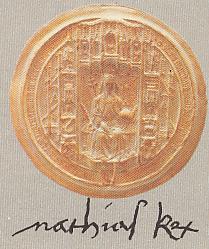
| サイン |  |
マティアス・コルヴィヌス(ハンガリー語: Hunyadi Mátyás、ルーマニア語: Matia/Marei Corvin、クロアチア語: Matija/Matijaš Korvin、スロバキア語: Matej Korvín、チェコ語: Matyáš Korvín、 1443 年2 月 23 日 - 1490 年4 月 6 日 )は、1458 年から 1490 年までのハンガリーとクロアチアの王でした。 1490年マティアス1世として。数回の軍事作戦を指揮した後、1469年にボヘミア王に選出され、1487年にオーストリア公爵の称号を採用しました。彼はハンガリー摂政のフニャディ・イオアンの息子であり、フニャディは1456年に亡くなりました。1457年、マティアスは彼の息子とともに投獄されました。兄のラディスラウス・フニャディは、ラーディスラウス死後王の命令でハンガリーに移住した。ラーディスラウス・フニャディは処刑され、反乱が起こり、ラーディスラウス王はハンガリーから逃亡した。王が突然亡くなった後、マティアスの叔父であるミヒャエル・シラージは、議会を説得して14世紀のハンガリー動乱を全会一致で宣言した。 1458年1月24日、マティアス14世が王位に就いた。マティアスは叔父の後見の下で統治を始めたが、2週間以内に事実上の政権を握った。
国王となったマチャーシュは、ハンガリー北部(現在のスロバキアとハンガリー北部の一部)を支配していたチェコの傭兵や、ハンガリーの領有を主張した神聖ローマ帝国皇帝フリードリヒ3世と戦争をした。この時期にオスマン帝国はセルビアとボスニアを征服し、ハンガリー王国の南部国境沿いの緩衝地帯を終わらせた。マチャーシュは1463年にフリードリヒ3世と和平条約を結び、皇帝がハンガリー王を名乗る権利を認めた。皇帝はハンガリーの聖冠を返還し、マチャーシュは1464年4月29日に戴冠した。この年、マチャーシュはオスマン帝国が最近占領した領土に侵攻し、ボスニアの要塞を占拠した。彼はすぐにキリスト教諸国からの実質的な援助は期待できないと悟り、反オスマン政策を断念した。
マチャーシュは新たな税を導入し、定期的に異常なレベルの課税を実施した。これらの措置は1467年にトランシルヴァニアで反乱を引き起こしたが、彼は反乱軍を鎮圧した。翌年、マチャーシュはボヘミアのフス派王であるポジェブラディのゲオルギオスに宣戦布告し、モラヴィア、シロンスク、ラウジッツを征服したが、ボヘミア本土を占領することはできなかった。カトリックの身分制は1469年5月3日に彼をボヘミア王と宣言したが、フス派の領主たちは1471年に彼らの指導者であるポジェブラディのゲオルギオスが死去した後も彼に屈服することを拒否した。代わりに彼らはポーランド王カジミェシュ4世の長男であるウワディスワフ・ヤギェウォを選出した。ハンガリーの高位聖職者や領主の一団が、ヴワディスワフの弟カジミェシュ4世に帝位を譲るよう申し出たが、マチャーシュは彼らの反乱を克服した。1474年後半、カジミェシュ4世とヴワディスワフの連合軍をシロンスクのブレスラウ(現在のポーランドのヴロツワフ)で敗走させた後、マチャーシュはハンガリー東部を荒廃させていたオスマン帝国に背いた。彼はモルダビア公イシュトヴァーン大王に援軍を送り、イシュトヴァーンは1470年代後半にオスマン帝国の一連の侵略を撃退した。1476年、マチャーシュはオスマン帝国の重要な国境要塞であるシャバツを包囲し、占領した。1478年、彼はウワディスワフ・ヤギェウォと和平条約を締結し、ボヘミア王領の領土を両者で分割することを確認マティアスはフリードリヒ皇帝に対して戦争を起こし、1482年から1487年にかけて オーストリア下オーストリアを占領した。
マチャーシュは中世ヨーロッパで最初の職業軍(ハンガリー黒軍)を創設し、司法制度を改革し、男爵の権力を弱め、社会的地位ではなく能力で選ばれた有能な人々のキャリアを促進した。マチャーシュは芸術と科学を後援し、彼の王立図書館であるコルヴィニアナ図書館はヨーロッパ最大の蔵書数の一つであった。彼の後援により、ハンガリーはイタリアからルネサンスを受け入れた最初の国となった。変装して臣下の間をさまよった君主マチャーシュは、ハンガリーとスロバキア[1]の民話 の人気の英雄であり続けている。
若いころ


幼少期(1443年~1457年)
マティアスは1443年2月23日、コロジュヴァール(現在のルーマニアのクルージュ=ナポカ)で生まれた。[2] [3]彼はフニャディ・ヨハネとその妻エリザベート・シラージの次男であった。[2] [4]マティアスの教育は父親の不在のため母親が担当した。[2]マティアスが子供だった頃、中央ヨーロッパの最も学識のある人々の多くが、サノクのグレゴリウスやヨハネス・ヴィテーズなど、フニャディ・ヨハネの宮廷によく通っていた。[5]かつてポーランド王ヴラディスラウス3世の家庭教師だったサノクのグレゴリウスは、マティアスの唯一の教師で、名前が知られている。[6]これらの学者の影響を受けて、マティアスはルネサンス人文主義の熱心な支持者となった。[7] [8]
子供の頃、マティアスは多くの言語を学び、古典文学、特に軍事論文を読んでいた。[6]アントニオ・ボンフィーニによると、マティアスは「トルコ語とギリシャ語を除いて、ヨーロッパのすべての言語に精通していた」という。[9]これは誇張ではあるが、マティアスがハンガリー語、ラテン語、イタリア語、ポーランド語、チェコ語、ドイツ語を話したことは間違いない。[6] [10]ボンフィーニはまた、モルダビア遠征中に捕虜と話すために通訳が必要だったと書いている。[11]一方、16世紀後半のポーランドの歴史家クリストフ・ワルシェヴィエツキは、マティアスがモルダビア公イシュトヴァーン大王の使節のルーマニア語を理解できたと書いている。[12]
フニャディ・ヤンとセルビアの専制君主ジュラジ・ブランコヴィッチの間の条約によれば、マチャーシュと専制君主の孫娘であるツェリェのエリザベートは1451年8月7日に婚約した。[13] [14]エリザベートはツェリェ伯ウルリヒ2世の娘であり、ツェリェ伯はマチャーシュの父の敵対者でラディスラウス3世の親戚であった。[15] [16]フニャディとツェリェのウルリヒの間に新たな対立があったため、彼らの子供たちの結婚は1455年になってようやく行われた。[17]エリザベートはフニャディ家の領地に定住したが、マチャーシュはすぐに宮廷に送られた。これは、彼らの結婚が両家の秘密の人質交換であったことを示唆している。[15]エリザベートは1455年末までに亡くなった。[15]
フニャディ・ヤノンは1456年8月11日、ベオグラードでオスマン帝国に対して最大の勝利を収めてから3週間も経たないうちに亡くなった。[18]ヤノンの長男でマチャーシの兄弟であるラディスラウスが家長となった。[15] [19]ラディスラウスとツェリェ公ウルリヒとの争いは、11月9日のウルリヒの捕らえられ暗殺されたことで終わった。[20] [21] [22]国王は、脅迫を受けて、ウルリヒ殺害に対するフニャディ家への復讐は決してしないと約束した。[23]しかし、この暗殺によって、プファルツのラディスラウス・ガライ、国王判事ラディスラウス・パローチ、トランシルヴァニア知事ニコラウス・ウーイラキを含むほとんどの男爵がラディスラウス・フニャディに反対するようになった。[23]彼らの憤りを利用し、国王は1457年3月14日にフニャディ兄弟をブダで投獄した。 [21] [24]王室評議会は彼らに大逆罪で死刑を宣告し、ラディスラウス・フニャディは3月16日に斬首された。[25]
マチャーシはブダの小さな家に監禁された。[23] [26]彼の母と彼女の兄弟ミハイル・シラージは国王に対して反乱を起こし、ティサ川東側の地域で広大な領土を占領した。[23] [24]ラースロー王は1457年半ばにウィーンに逃亡し、9月にはマチャーシを連れてウィーンからプラハに逃亡した。[21] [27] [28]反乱軍と君主に忠実な男爵たちとの内戦は、1457年11月23日の若き国王の急死まで続いた。[23]その後、ボヘミアのフス派摂政ゲオルク・フォン・ポジェブラディがマチャーシを監禁した。[29]

国王選出(1457年~1458年)
ラディスラウス王は1457年に子供を残さずに亡くなった。[30] [31]彼の姉アンナとその夫でテューリンゲン方伯ヴィルヘルム3世は彼の遺産を主張したが、三部会からの支援は得られなかった。[30]ハンガリー議会は1458年1月に新国王を選出するためにペシュトで召集された。 [32] 教皇カリクストゥス3世の特使でフニャディ・ジョンの崇拝者であった フアン・カルバハル枢機卿 は、マチャーシのために公然と選挙運動を始めた。[32] [33]
マチャーシュを国王に選出することが、長期にわたる内戦を避ける唯一の方法であった。[32]ラディスラウス・ガライが最初に譲歩した男爵であった。[33]マチャーシュの母と叔父との会談で、彼は自分と同盟者がマチャーシュの選出を推進することを約束し、ミハイル・シラージは甥がラディスラウス・フニャディの処刑に対する復讐を決して行わないことを約束した。 [32] [33]彼らはまた、マチャーシュが、処刑された兄の花嫁であるプファルツ公の娘アンナと結婚することに合意した。 [ 32 ] [33]
ミハイル・シラージは1万5000人の軍隊を率いて議会に到着し、ブダに集まった貴族たちを威圧した。[21] [32]シラージに煽られた貴族たちは凍ったドナウ川に集まり、1月24日に満場一致で14歳のマチャーシュを国王に宣言した。[32] [34] [35]同時に、議会は彼の叔父を摂政に選出した。[33] [35]
治世
初期の統治と統合(1458年 - 1464年)

マチャーシュの選出はハンガリーで貴族が王位に就いた初めてのケースであった。[26]ミハイル・シラージは、マチャーシュ釈放の条件についてポジェブラディ公ジョージと話し合うため、ジョン・ヴィテーズをプラハに派遣した。[36]ポジェブラディは、娘のカタリン・マチャーシュと結婚することを約束していたが、6万金フローリンの身代金で将来の婿を釈放することに同意した。[37] [38]マチャーシュは2月9日、ストラジュニツェでハンガリー代表に引き渡された。 [36]ポジェブラディの仲介により、マチャーシュはハンガリー北部の大半を支配していたチェコ傭兵の指揮官、ブランディス公ジョン・イシュクラと和解した。[39] [40]
マチャーシュは5日後、ブダに正式に入城した。[41] [42]彼は聖母教会で儀礼的に玉座に座ったが、ハンガリーの聖冠は神聖ローマ皇帝フリードリヒ3世がほぼ20年間所有していたため、戴冠は行われなかった。 [41] [43] 14歳の君主は、叔父の摂政としての地位を再確認したものの、最初から独立して国政を運営した。[44] [45]例えば、マチャーシュは3月3日にナジシェベン(現在のルーマニアのシビウ)の住民に対し、ワラキア公ヴラド・ドラキュラとの不和を和解させるよう指示した。[45]
イシュクラはマチャーシュに背いた最初の男爵であった。[39]彼は3月下旬にポーランド王カジミェシュ4世(ラディスラウス5世の妹エリザベートの夫)に帝位を申し出たが、ポーランド議会は彼の申し出を拒否した。[39]マチャーシュの指揮官セバスティアン・ロズゴニーはシャーロスパタクでイシュクラの兵士を破ったが、4月のオスマン帝国のセルビア侵攻によりマチャーシュはチェコ人と休戦協定を結ばざるを得なくなった。[35] [46] [47]彼らはサーロス城(現在のスロバキアのシャリシュ城)と上ハンガリーの他の要塞化された場所を保持することを許された。[48]マチャーシュ1世は、ジェール司教アウグスト・サランキとヴァーツ司教ヴィンセント・シラシの2人の高位聖職者をプラハに派遣し、ポジェブラディ公ジョージを国王に戴冠させた。[39]彼らの要求により、「異端者」ポジェブラディは聖座への忠誠を誓った。[39]

マティアスの最初の議会は1458年5月にペストで召集された。[49]三部会はほぼ50の法令を可決し、摂政ではなくマティアスによって6月8日に批准された。 [50] ある法令では、国王は「毎年聖霊降臨祭に、国王自らが出席する国王全臣民の議会を招集し、開催するよう命じなければならない」と規定されていた。[ 51 ]マティアスは治世中に25回以上の議会を開催し、特に1458年から1476年の間には前任者よりも頻繁に三部会を招集した。[49] [52] [53]議会は男爵によって統制され、マティアスは男爵を自由に任命したり解任したりした。[49] [54]例えば、1458年の夏に同盟を結んだ後、彼は宮廷のラディスラウス・ガライを解任し、ミハイル・シラージに摂政を辞任するよう説得した。 [55] [38]国王は、父の側近であったミハイル・オルサークを新しい宮廷の君主に任命した。 [56]マチャーシュの男爵のほとんどは古い貴族の家系の出身であったが、彼は下級貴族や有能な平民の出世も促進した。[57] [58]例えば、貴族のザポリア兄弟のエメリックとステファンは、マチャーシュの好意により財産を築いた。[59]
マティアスの治世が始まったとき、彼の通常の収入は年間約25万金フローリンに上った。[60] 1458年の議会で可決された法令は、臨時税の課税を明確に禁止した。[61]しかし、その年の終わりに、臨時税(各ポルタまたは農民世帯につき1金フローリン)が課された。[61] [62]オスマン帝国は1458年8月にセルビアのゴルバツ砦を占領し、マティアスはすべての貴族の動員を命じた。[63] [35]彼はオスマン帝国領に襲撃し、小規模な小競り合いで敵軍を破った。[35]ボスニア王ステファン・トーマスはマティアスの宗主権を受け入れた。[63]マティアスは新しい家臣の息子ステファン・トマシェヴィッチに、オスマン帝国に占領されていないセルビアの地域を占領する権限を与えた。[63]
1458年から1459年の変わり目に、マチャーシはオスマン帝国との戦争に備えてセゲドで議会を開いた。 [64]しかし、陰謀の噂が流れ、マチャーシはブダに戻らざるを得なくなった。[65]噂は真実であることが判明し、少なくとも30人の男爵(ラディスラウス・ガライ、ニコライ・ウーイラキ、ラディスラウス・カニッツァイを含む)がネーメトゥーイヴァール(現在のオーストリアのギュッシング)に集まり、1459年2月17日に皇帝フリードリヒ3世に帝位を申し出た。[35] [38] [66]フリードリヒがマチャーシに神聖ローマ帝国の総督に任命すると約束すると、ゲオルギオス・フォン・ポジェブラディもマチャーシに反対した。[67]皇帝と反乱貴族の連合軍は3月27日にケルメンドで王軍を破ったが、その時点でガライは亡くなっており、ウーラキとジグムント・セントジェールジヴォルジはすぐにマチャーシュの使節と交渉に入った。ウーラキは無関心になり、セントジェールジヴォルジはマチャーシュに加わった。 [66]西部国境沿いの小競り合いは数ヶ月続き、マチャーシュはオスマン帝国に対するトマシェヴィッチへの軍事支援を妨げた。[64]トマシェヴィッチは6月29日にスメデレヴォを占領し、セルビアの征服を完了した。[68] [69]

イシュクラは1460年3月10日に皇帝フリードリヒ2世に忠誠を誓った。[64] 教皇ピウス2世は皇帝とマチャーシュの和平条約の仲介を申し出た。[38]ポデデブランディもマチャーシュを支援する必要がある、あるいは少なくとも無関心でなければならないと悟った。彼は娘をブダに派遣し、援助を申し出た。[70] [71]皇帝とマチャーシュの代表は1460年4月にオロモウツで休戦協定に調印した。 [35]教皇はすぐに反オスマン帝国作戦への財政支援を申し出た。[64]しかし、ヨハネス・イシュクラがポーランドから戻り、1460年初頭にチェコの傭兵との武力衝突を再開した。[64]マチャーシュはチェコ人から新しく建設された砦を奪ったが、彼らに服従を強いることはできなかった。[64]上ハンガリーでの5か月に及ぶ遠征の費用は、臨時税によって賄われた。[72]マチャーシュは、皇帝の反逆的な弟であるオーストリア大公アルブレヒト6世と同盟を結んだ。[73]ポジェブラディのゲオルクは皇帝に味方したが、彼の娘(ハンガリーではエカチェリーナとして知られるようになる)とマチャーシュの結婚式は1461年5月1日に挙行された(結婚は1461年から1464年まで)。[61] [74]マチャーシュと義父の関係は、上ハンガリーにチェコの傭兵が引き続き駐留していたために悪化した。[75]マチャーシュは、1461年半ばに議会から臨時税の徴収を認可された後、彼らに対する新たな遠征を開始した。[76]しかし、彼はイシュクラを倒すことはできず、イシュクラはケシュマルク(現在のスロバキアのケジュマロク)を占領した。[48]
マチャーシュとフリードリヒ皇帝の特使は、1462年4月3日に和平条約の条件に同意した。[35]合意によれば、皇帝はハンガリーの聖冠を8万金フローリンで返還することになっていたが、マチャーシュとともにハンガリー王の称号を使用する権利が確認された。[35] [70]条約に従って、皇帝はマチャーシュを養子とし、マチャーシュが正当な後継者を残さずに亡くなった場合は、皇帝に「息子」の後継者となる権利が与えられた。[70] [77] 1ヶ月以内にイシュクラはマチャーシュに屈した。[77]彼は上ハンガリーに保持していたすべての砦を王の代理人に明け渡した。補償として、彼はティサ川とアラド川付近の広大な領土と25,000金フローリンを受け取った。[これはフリードリヒ2世との和平条約の前に起こったこと] [48]皇帝およびイシュクラとの条約で定められた多額の金額を支払うため、マティアスは王室評議会の同意を得て臨時税を徴収した。[78] 1462年半ばに召集された議会はこの決定を承認したが、9人の高位聖職者と19人の男爵がそれ以降臨時税を導入しないと約束した後であった。[78]イシュクラの仲間の中から傭兵を雇って、マティアスはプロの軍隊を組織し始め、それはその後数十年間「黒の軍隊」として知られるようになった。 [79] 1463年7月19日にウィーン=ノイシュタットで和平条約が結ばれた。 [80]
オスマン帝国のスルタン、 メフメト2世は1462年初頭にワラキアに侵攻した。[81] [69]彼は国を征服しなかったが、ワラキアのボヤールは反オスマン派のヴラド・ドラキュラを廃位し、スルタンの寵臣であるラドゥ美男を王位に就けた。[81] [82] 新しい公子は、ヴラド・ドラキュラと激しく対立していたトランシルヴァニアのザクセン人商人に譲歩する用意があった。 [83]後者はマチャースに援助を求め、11月にブラッソー(現在のルーマニアのブラショフ)で会談した。 [84]しかし、ザクセン人はマチャースに、ヴラド・ドラキュラがスルタン、メフメトに書いたとされる手紙を提示し、その中で公子はオスマン帝国への支援を申し出ていた。[81] [85]マティアスはヴラド・ドラキュラの裏切りを確信し、彼を投獄した。[81]
オスマン帝国との戦争に備えて、マチャーシュは1463年3月にトルナで議会を開いた。 [86]三部会は彼に1フローリンの臨時税を課すことを許可したが、6月にメフメト2世がボスニアに侵攻した時には介入しなかった。[87] 1ヶ月のうちに、オスマン帝国はステファン・トマシェヴィッチ王を殺害し、国土全体を征服した。[31] [88]マチャーシュは、1463年7月19日にウィーン・ノイシュタットで皇帝フリードリヒとの和平条件が批准されてから、初めて攻撃的な外交政策を採用した。 [89]彼は軍を率いてボスニアに行き、ヤイツェとその北部の他の要塞を征服した。 [90]征服した地域は、ヤイツェとスレブレニクのバナトという新しい防衛州に組織された。 [ 90] [ 91]マチャーシュは、現在のヘルツェゴビナと旧ヘルツェゴビナの地域を支配していたボスニア大公スティエパン・ヴクチッチ・コサチャの援助を受けた。ボスニア王の元臣下であったスティエパンは、マチャーシュの宗主権を受け入れた。[90] [92]
エカチェリーナ女王は、フリードリヒ皇帝から返還された聖冠による夫の戴冠式の準備中に、1464年初頭に亡くなった。[93]式典はハンガリーの慣習法に完全に準拠して1464年3月29日に執り行われ、エステルゴム大司教のデーネス・セーチがセーケシュフェヘールヴァールでマチャーシュの頭に聖冠を儀式的に置いた。[93] [77] [94]この機会に召集された議会で、新しく戴冠した国王は貴族の自由を認めた。[95]以後、マチャーシュの治世の合法性は疑問視されなくなった。[94]
最初の改革と内部紛争(1464年~1467年)

政治改革
マティアスは、最高裁判所長官のシェチ大司教を解任し、代わりにカロチャ大司教のステファン・ヴァルダイとジョン・ヴィテスを任命した。[96]両高位聖職者は最高裁判所長官および秘書長の称号を有していたが、ヴァルダイが王室裁判所の実質的な指導者であった。[97] [98]同じ頃、マティアスは上級司法裁判所(王室特別臨席裁判所と個人臨席裁判所)を一つの最高裁判所に統合した。[96] [99]この新しい最高裁判所は、男爵が議長を務める伝統的な裁判所の権威を弱め、司法行政の専門化に貢献した。[100]彼は、チャナード司教のアルベルト・ハンガチを初代最高裁判所長官に任命した。[101] [102]
スルタン・メフメト2世はボスニアに戻り、1464年7月にヤイツェを包囲した。[90] [103]マチャーシュはサヴァ川沿いに軍を集め始め、8月24日にスルタンに包囲を解かせた。[103]マチャーシュと彼の軍は川を渡り、スレブルニツァを占領した。[104]彼はズヴォルニクも包囲したが、オスマン帝国の大軍の到着によりハンガリーへ撤退を余儀なくされた。[105]翌年、マチャーシュはマカルスカ・クライナをヴェネツィア共和国に譲渡していたステファン・ヴクチッチに、ネレトヴァ川沿いの彼の砦にハンガリーの駐屯地を設けるよう強制した。[106]
デネス・シェクシは 1465 年に亡くなり、ジョン・ヴィテスがエステルゴムの新しい大司教になりました。[107] [108]マティアスはトランシルヴァニアの2つの県、デンゲレグのニコラス・ウジラキとジョン・ポングラーツを、ジギスムント伯爵とジョン・セントジェルジ伯爵、そしてベルトルト・エラーバッハ伯爵に置き換えた[107] [108 ] 。[109]ウジラキはマソのバンの職を維持したが、国王はピーター・ソコリを旧バンとともに州を管理するよう任命した。[110]
マチャーシュは1466年に反オスマン戦争の準備のため議会を召集した。[110]同じ目的で、彼は教皇パウルス2世から補助金を受け取った。[111] [112]しかし、マチャーシュはキリスト教勢力から実質的な援助は期待できないと悟り、反オスマン外交政策を暗黙のうちに放棄した。[113]彼はオスマン帝国の領土を侵略せず、オスマン帝国もハンガリーに大規模な侵攻を行わなかったことから、彼は1465年にハンガリーに到着したメフメト2世の使節と和平条約を締結したと考えられる。[114]
マチャーシュはスラヴォニアを訪れ、ニコラス・ウーラキとエメリク・ザポリアの2人のバンを解任し、1466年にヤン・ヴィトヴェツとジョン・トゥズに交代させた。[109]翌年初め、彼はヤン・シュヴェラの指揮下でコストラーニ(現在のスロバキアのヴェリケー・コストラーニ)を占領していたチェコ人傭兵団に対して上ハンガリーで作戦を開始した。 [78] [115]マチャーシュは彼らを敗走させ、シュヴェラと150人の仲間を絞首刑に処した。[78] [77]
経済改革
1467年3月の議会で、2つの伝統的な税が改名された。議会の利益はその後、王室の財政税として徴収され、30番目は王室の関税として徴収された。[116]この変更により、以前のすべての免税は無効になり、国の収入が増加した。[77] [117]マティアスは王室の収入の管理を集中化することに着手した。彼は王室の関税の管理を改宗したユダヤ人商人のジョン・エルヌストに委託した。 [118] 2年以内に、エルヌストはすべての通常税と臨時税の徴収と塩鉱山の管理を担当した。[119]
マチャーシュの税制改革はトランシルヴァニアで反乱を引き起こした。[120] [96] 8月18日、この地方の「三部族」、すなわち貴族、ザクセン人、セーケイ人の代表はコロジュモノストル(現在のルーマニアのクルージュ=ナポカのマナシュトゥル地区)で国王に反対する同盟を結成し、ハンガリーの自由のために戦う用意があると表明した。[96] [110]マチャーシュはただちに軍を集め、この地方に急いだ。[121]反乱軍は抵抗することなく降伏したが、マチャーシュは彼らの指導者を厳しく処罰し、その多くは彼の命令により串刺し、斬首、あるいは容赦なく拷問にかけられた。[96] [122]マチャーシュはイシュトヴァーン大王が反乱を支援したと疑い、モルダヴィアに侵攻した。[96] [123]しかし、 1467年12月15日のバイアの戦いで、ステファンの軍隊はマチャーシュの軍隊を敗走させた。 [96] [123]マチャーシュは重傷を負い、ハンガリーへの帰国を余儀なくされた。[123] [124]
ボヘミア王位をめぐる戦争(1468年 - 1479年)

マチャーシュの義理の兄弟であるポジェブラディのヴィクトルは、1468年初頭にオーストリアに侵攻した。 [125] [126]フリードリヒ皇帝はマチャーシュに支援を要請し、マチャーシュがローマ王に選出される可能性を示唆した。これは皇帝の座への第一歩だった。[125]マチャーシュは3月31日にヴィクトルの父であるボヘミア王ゲオルギオスに宣戦布告した。[126]彼はまた、教皇によって破門された「異端の君主」に対してチェコのカトリック諸侯を助けたいと述べた。[127]マチャーシュはチェコ軍をオーストリアから追放し、モラヴィアとシレジアに侵攻した。[74] [126]彼は戦闘に積極的に参加した。彼は1468年5月のトシェビーチ包囲戦中に負傷し、 1469年2月に変装して敵陣を偵察中にフルディムで捕らえられた。 [128]後者のときは、彼は地元のチェコ人の馬丁であると管理人に信じ込ませたため釈放された。[128]
1468年の議会は、マティアスに新たな戦争の資金を調達するための臨時税を課すことを認可したが、それは8人の高位聖職者と13人の世俗の領主が国王に代わって、今後はそのような課税を要求しないと誓約した後のことだった。[129]マティアスは国王特権を行使して収入を増やした。[129]たとえば、彼はある郡にプファルツの領地を命じたが、その費用は地元住民が負担することになっていたが、すぐにこの厄介な税の取り消しを償うために郡を認可した。[129]
シュテルンベルクのズデニェク率いるチェコのカトリック教徒は、1469年2月にマチャーシと合流した。 [130]彼らの連合軍は、ヴィレモフでポジェブラディのゲオルギーの軍隊に包囲された。 [74] [131]捕らえられることを恐れたマチャーシは、かつての義父と交渉を開始した。[131]彼らは近くの掘っ建て小屋で会い、そこでマチャーシはポジェブラディのゲオルギーを説得して、穏健なフス派とローマ教皇庁の和解を仲介することを約束する休戦協定に署名させた。[74] [131]次の会談は4月にオロモウツで行われた。[130]ここで教皇使節は、プラハ司教区にカトリック大司教を任命することなどの要求を提出したが、ポジェブラディのゲオルギーはこれを受け入れることができなかった。[131] [130]チェコのカトリック身分会は5月3日にオロモウツでマチャーシをボヘミア王に選出したが、戴冠はされなかった。[132] [133]モラヴィア、シロンスク、ラウジッツはすぐに彼の統治を受け入れたが、ボヘミア本土はポジェブラディ公ジョージに忠実であり続けた。 [ 134] [135]ボヘミア身分会は、ポーランド王カジミェシュ4世の長男であるウラジスラフ・ヤギェウォがポジェブラディ公ジョージの後継者となる権利さえ認めた。 [134] [77]
.png/500px-The_wars_of_Matthias_Corvinus_of_Hungary_(1458-1490).png)
その間にマチャーシュとフリードリヒ3世の関係は悪化していた。皇帝はマチャーシュがオスマン帝国の侵攻の際にスラヴォニアを通行させたと非難したからである。[ 135]クロアチアの領土がオスマン帝国の襲撃にさらされていたフランゲパン家は皇帝とヴェネツィア共和国との交渉に入った。[136] [137] 1469年、マチャーシュはヴェネツィア人がアドリア海沿岸の町セニを占領するのを阻止するためクロアチアに軍を派遣した。[138]
マチャーシュはシロンスクからポジェブラディのゲオルギオスの軍隊を追い出した。[134]マチャーシュの軍隊は11月2日にウヘルスキー・ブロートで包囲され敗走し、ハンガリーに撤退せざるを得なくなった。[77]マチャーシュはすぐに議会を開くことなく臨時税の徴収を命じ、ハンガリー諸派の間で不満が広がった。[139]彼は1470年2月11日にウィーンで皇帝フリードリヒを訪ね、皇帝がポジェブラディとの戦争の費用を負担してくれることを期待した。[140]交渉は1か月続いたが、妥協点は見つからなかった。[140]皇帝はまた、マチャーシュのローマ王選出を推進することにコミットすることを拒否した。[140] 1か月後、マチャーシュはフリードリヒ3世に正式な別れを告げることなくウィーンを去った。[141]
ハンガリー三部会の不満が高まっていることに気づいたマチャーシュは、11月に議会を招集した。[139]議会は再び彼に臨時税の徴収を許可し、1門あたりの課税総額は1フローリンを超えてはならないと定めた。[139]また三部会はボヘミア戦争に反対していることを明らかにした。[139]ポジェブラディ公ジョージは1471年3月22日に死去した。 [142]ボヘミア議会は5月27日にヴラディスラフ・ヤギェウォを国王に選出した。[143]教皇特使ロレンツォ・ロヴェレッラはすぐにヴラディスラフの選出を無効と宣言し、マチャーシュのボヘミア王としての地位を確認したが、帝国議会はマチャーシュの要求を拒否した。[144] [145]
マチャーシュがモラヴィアに滞在していたとき、ハンガリーの高位聖職者と男爵の一団がポーランド王カジミェシュ4世の次男カジミェシュに王位を申し出たとの知らせが届いた。 [146]この陰謀は、カトリックのウワディスワフ・ヤギェウォとの戦争に反対していた大司教ヨハネス・ヴィテツと甥のペーチ司教ヤヌス・パンノニウスによって起こされた。 [147]当初、彼らの計画は三部会の大半に支持されたが、マチャーシュに反抗する者はおらず、マチャーシュは抵抗されることなくハンガリーに帰国することができた。[148]マチャーシュは議会を開き、三部会の同意なしに課税を控え、毎年議会を招集することを約束した。[146]彼の約束によって三部会の不満の大半は解消され、9月21日には50人近くの男爵と高位聖職者が彼への忠誠を表明した。[149] [150]カジミェシュ・ヤギェウォは1471年10月2日に侵攻した。[77]ヤヌス・パンノニウス司教の支援を得て、ニトラ(現在のスロバキアのニトラ)を占領したが、彼に加わったのはヨハン・ロズゴニとニコラス・ペレーニの2人の男爵だけだった。 [150] [151] [152] 5ヶ月以内にカジミェシュ公はハンガリーから撤退し、ヤヌス・パンノニウス司教は逃亡中に亡くなり、ヨハン・ヴィテーズ大司教は司教区を離れることを禁じられた。[150] [151]マチャーシュはエステルゴム大司教区の管理者にシロンスク出身のヨハン・ベッケンスローアを任命した。[150]ヴィテーズが亡くなり、ベッケンスローアが1年後に後を継いだ。[151]
その間にオスマン帝国はネルトヴァ川沿いのハンガリーの砦を占領していた。[153]マチャーシュは1471年に裕福な男爵ニコライ・ウーイラキをボスニア王に指名し、同州の防衛を彼に託した。[151] アク・コユンル・トルクメンの長ウズン・ハッサンはマチャーシュに反オスマン同盟を提案したが、マチャーシュはオスマン帝国への攻撃を控えた。[154]マチャーシュは1472年に皇帝フリードリヒに反乱を起こしたオーストリア貴族を支援した。 [155]翌年、マチャーシュ、カジミェシュ4世、ヴラディスラフは和平条約の条件について交渉に入ったが、話し合いは数ヶ月に及んだ。[77] [152]マティアスは、数十の小公国からなるシレジア政府を総司令官の任命によって統一しようとした。[156]しかし、身分制議会は彼の候補者であるリーグニッツ公フリードリヒ1世の選出を拒否した。[156]
_big.svg/500px-Coa_Hungary_Country_History_Mathias_Corvinus_(1458-1490)_big.svg.png)
1474年1月、スメデレヴォのベイであるアリ・ベイ・ミハログルはハンガリー東部を略奪し、ヴァーラドを破壊し、16,000人の捕虜を連れて行った。[157]翌月、マチャーシュとカジミェシュ4世の使節は和平条約に署名し、マチャーシュとヴワディスワフ・ヤギェウォの間の3年間の休戦も宣言された。[158]しかし、1ヶ月以内にヴワディスワフはフリードリヒ皇帝と同盟を結び、カジミェシュ4世もこれに加わった。[158] [152]カジミェシュ4世とヴワディスワフはシロンスクに侵攻し、10月にブレスラウ(現在のポーランドのヴロツワフ)でマチャーシュを包囲した。 [152]彼は包囲軍が食糧を蓄えるのを阻止し、包囲を解かせた。[159]その後、シロンスク諸派はマチャーシュの新しい候補者であるステファン・ザポリアを喜んで総大将に選出した。[156]モラヴィア諸派はクティボル・トヴァチョフスキーを総大将に選出した。 [ 160]マチャーシュはこの決定を承認したが、トヴァチョフスキーはウワディスワフ・ヤギェウォの支持者であった。[160]
1474年末、オスマン帝国はワラキアとモルダヴィアに侵攻した。[161]マチャースはブレーズ・マジャールの指揮する援軍をイシュトヴァーン大王に送った。[162]彼らの連合軍は1475年1月10日のヴァスルイの戦いで侵略者を敗走させた。 [163]オスマン帝国の新たな侵攻を恐れたモルダヴィア公は8月15日にマチャースに忠誠を誓った。[161]スルタン・メフメト2世は和平を提案したが、マチャースは拒否した。[161]その代わりに、彼はオスマン帝国領に突入し、1476年2月15日にシャーヴァ川沿いの重要な要塞であるシャバツを占領した。[ 164] [165]包囲中、マチャースは船から要塞を監視していたが、かろうじて捕獲を免れた。[166]
理由は不明だが、1476年初頭、ヨハン・ベッケンスローア大司教はエステルゴム教区の財宝を持ち出しハンガリーを去った。[159] [167]彼はウィーンに逃亡し、皇帝に資金を提供した。[168]マティアスは皇帝が大司教をそそのかして自分に対して反逆させたと非難した。[168]
メフメト2世は1476年夏にモルダヴィアへの遠征を開始した。[163] 7月26日のヴァレア・アルバの戦いで勝利したものの、食料不足のため撤退を余儀なくされた。[169]マチャーシ2世は、解放したヴラド・ドラキュラとステファン・バートリの指揮の下、モルダヴィアに援軍を派遣した。 [165] [170]同盟軍は8月にシレト川でオスマン帝国軍を破った。 [171]ハンガリーとモルダヴィアの支援を受けて、ヴラド・ドラキュラはワラキア公に復帰したが、敵対者のバサラブ・ライオタと戦って戦死した。[172] [173]
マティアスの花嫁ベアトリーチェ・フォン・ナポリは1476年後半にハンガリーに到着した。 [174]マティアスは同年12月22日にブダで彼女と結婚した。[174]女王はすぐに厳格な礼儀作法を確立し、国王と臣下との直接の接触を困難にした。[175]ボンフィーニによれば、マティアスは結婚後「食事と生活習慣を改善し、豪華な宴会を導入し、家庭での謙虚さを軽蔑し、ダイニングルームを美しくした」。[176]同時代の記録によると、その頃のマティアスの収入は約50万フローリンで、その半分は王室の財政税と臨時税から得たものだった。[177]
マティアスは1477年3月にドイツ騎士団およびエルムラント司教区とポーランドに対する同盟を結んだ。[159]しかし、皇帝がヴワディスワフ・ヤギェウォのボヘミア王および選帝侯としての地位を承認したことを知った後、彼はポーランドではなく皇帝フリードリヒ3世に宣戦布告した。[159] [178]マティアスはオーストリア南部に侵攻し、ウィーンを封鎖した。[179]ヴワディスワフ・ヤギェウォは皇帝への支持を拒否したため、皇帝はマティアスとの和解を求めざるを得なくなった。[179]教皇シクストゥス4世、ヴェネツィア、ナポリ王フェルディナンド1世の仲介により、マティアスはフリードリヒ3世と和平条約を締結し、12月1日に調印された。[179] [180]皇帝はマチャースをボヘミアの正当な統治者として承認し、10万フローリンの賠償金を支払うことを約束した。[178] [179] [181]彼らはコルノイブルクで会談し、フリードリヒ3世はマチャースをボヘミア王に任命し、マチャースは皇帝への忠誠を誓った。[182]
マチャーシュとヴラディスラウス・ヤギェウォの使節団間の交渉は、その後数か月で加速した。[183] 条約の最初の草案は1478年3月28日に合意に達し、1477年末までに文書は完成した。[115]条約では、両君主がボヘミア王の称号を使用することが認められたが、ヴラディスラウスは書簡の中でマチャーシュをそのように呼ばなくてもよかった。また、ボヘミア王位の領土は両君主の間で分割され、ヴラディスラウスはボヘミア本土を、マチャーシュはモラヴィア、シレジア、ラウジッツを統治した。[159] [144] 7月21日、オロモウツでの会談で、両君主は厳粛に平和条約を批准した。[115]
オーストリア戦争(1479年 - 1487年)
フリードリヒ皇帝は、1477年の条約に基づき、マチャースに支払うべき賠償金の半分しか支払わなかった。[ 182] [184]マチャースは1479年3月26日にスイス同盟と条約を締結し、皇帝によるスイス人傭兵の募集を妨げた。[182]彼はまた、ザルツブルク大司教ベルンハルト2世・フォン・ロールと同盟を結び、ケルンテン、カルニオラ、シュタイアーマルクにある大司教区の要塞を占領することを許可された。[178] [185] [186]
1479年後半、ワラキアのバサラブ・ツェペルシュに支援されたオスマン帝国軍がトランシルヴァニアに侵攻し、サースヴァーロシュ(現在のルーマニアのオラシュティエ)に火を放った。 [187] [162]ステファン・バートリとパウル・キニジは10月13日のブレッドフィールドの戦いで略奪者を全滅させた。 [162] [188]マチャーシュは、南部国境の防衛を強化するため、ベオグラード西のドナウ川沿いのすべての砦の指揮権をパウル・キニジに統合した。[79]マチャーシュは、1480年初頭にオスマン帝国支持のワラキアに侵攻したステファン大王に援軍を送った。マチャーシュは11月にボスニアのサラエボまで遠征を開始した。[189] [162]彼は、ショレニヴァール(現在のルーマニアのドロベタ=トゥルヌ・セヴェリン)、ベオグラード、シャバツ、スレブレニク、ヤイツェの要塞を中心に5つの防衛州、つまりバナテを設置した。[79]翌年、マティアスはフランカパン家、ズリンスキ家、その他のクロアチアとスラヴォニアの有力な貴族たちを、1471年の陰謀に関与した疑いで刑事訴訟を起こした。[138]ほとんどの男爵は、新しい地税の導入に同意するとすぐに恩赦を受けた。[138] 1481年、マティアスは、パッサウ司教の2人の候補者の1人であるフリードリヒ・マウエルキルヒャーから、10万フローリンの借用金で、シュタイアーマルク州のマウテルンとオーストリア北部のザンクト・ペルテンを奪った。[186]
スルタン・メフメト2世は1481年5月3日に死去した。[190]オスマン帝国では、その息子であるバヤジット2世とジェムの間で内戦が勃発した。[191]敗北したジェムはロドス島に逃亡し、そこでホスピタル騎士団に拘留された。[191]マチャーシュはバヤジット2世から譲歩を得るためにジェムの拘留を要求したが、ヴェネツィアと教皇インノケンティウス8世はこの計画に強く反対した。[191] 1481年後半、ハンガリーの援軍はマチャーシュの義父であるナポリ王フェルディナンド1世を支援し、前年にオスマン帝国に奪われていたオトラントを再占領した。 [192]
Although the "Black Army" had already laid siege to Hainburg an der Donau in January 1482, Matthias officially declared a new war on Emperor Frederick three months later.[178] He directed the siege in person from the end of June and the town fell to him in October.[193] In the next three months, Matthias also captured Sankt Veit an der Glan, Enzersdorf an der Fischa, and Kőszeg.[193] The papal legate, Bartolomeo Maraschi tried to mediate a peace treaty between Matthias and the Emperor, but Matthias refused.[193] Instead, he signed a five-year truce with Sultan Bayezid.[192]
Matthias's marriage to Beatrice of Naples did not produce sons; he tried to strengthen the position of his illegitimate son John Corvinus.[194] The child received Sáros Castle and inherited the extensive domains of his grandmother Elizabeth Szilágyi with his father's consent.[194] Matthias also forced Victor of Poděbrady to renounce the Duchy of Troppau in Silesia in favour of John Corvinus in 1485.[195] Queen Beatrice opposed Matthias's favouritism towards his son.[195] Even so, Matthias nominated her eight-year-old nephew Ippolito d'Este Archbishop of Esztergom.[196] The Pope refused to confirm the child's appointment for years.[197] The "Black Army" encircled Vienna in January 1485.[198] The siege lasted for five months and ended with the triumphal entry of Matthias, at the head of 8,000 veterans, into Vienna on 1 June.[198] The King soon moved the royal court to the newly conquered town.[115] He summoned the Estates of Lower Austria to Vienna and forced them to swear loyalty to him.[199]
Matthias, by the grace of God, king of Hungary, Bohemia, Dalmatia, Croatia, Rama, Serbia, Galicia, Lodomeria, Cumania, and Bulgaria, Duke of Silesia and Luxemburg and Margrave of Moravia and Lusatia, for the everlasting memory of the matter. It is fitting that kings and princes who by heavenly decree are placed at the summit of the highest office, be adorned not only by arms but also by laws and that the people subjected to them, as well as the reins of authority, are restrained by the strength of good and stable institutions rather than by the harshness of absolute power and reprehensible abuse.
Preamble to the Decretum Maius[200]
Upon the monarch's initiative, the Diet of 1485 passed the so-called Decretum maius, a systematic law-code which replaced many previous contradictory decrees.[201][202] The law-code introduced substantial reforms in the administration of justice; the Palatine's eyre and the extraordinary county assemblies were abolished, which strengthened the position of the county courts.[201] Matthias also decreed that in cases of the monarch's absence or minority, the Palatine was authorized to rule as Regent.[201]
Emperor Frederick persuaded six of the seven Prince-electors of the Holy Roman Empire to proclaim his son Maximilian King of the Romans on 16 February 1486.[203] The Emperor, however, had failed to invite the King of Bohemia—either Matthias or Vladislaus Jagiellon—to the assembly.[203][183] In an attempt to prevail on Vladislaus to protest, Matthias invited him to a personal meeting.[183][204] Although they formed an alliance in Jihlava in September, the Estates of Bohemia refused to confirm it and Vladislaus recognized Maximilian's election.[204]
In the meantime Matthias continued his war against the Emperor.[205] The "Black Army" seized several towns in Lower Austria, including Laa an der Thaya, and Stein in 1485 and 1486.[205] He set up his chancery for Lower Austria in 1486 but he never introduced a separate seal for this realm.[199] Matthias assumed the title of Duke of Austria at the Diet of the Lower Austrian Estates in Ebenfurth in 1487.[206] He appointed Stephen Zápolya captain-general, Urban Nagylucsei administrator of the Archdiocese of Vienna, and entrusted the defence of the occupied towns and forts to Hungarian and Bohemian captains, but otherwise continued to employ Emperor Frederick's officials who accepted his rule.[206][207] Wiener Neustadt, the last town resisting Matthias in Lower Austria, fell to him on 17 August 1487.[178][205] He started negotiations with Duke Albert III of Saxony, who arrived at the head of the imperial army to fight for Emperor Frederick III.[205] They signed a six-month armistice in Sankt Pölten on 16 December, which ended the war.[205][208] Matthias offered Emperor Frederick and his son prince Maximilian, the return of Austrian provinces and Vienna, if they would renounce the treaty of 1463 and accept Matthias as Frederic's designated heir and probable the inheritor of the title of Holy Roman Emperor. Before this was settled though, Matthias died in Vienna in 1490.[209]
King Matthias was happy to be described as "the second Attila".[210] The Chronica Hungarorum by Johannes Thuróczy published in 1488, set the goal of glorifying Attila, which was undeservedly neglected, moreover, he introduced the famous "Scourge of God" characterization to the later Hungarian writers, because the earlier chronicles remained hidden for a long time. Thuróczy worked hard to endear Attila, the Hun king with an effort far surpassing his predecessor chroniclers. He made Attila a model for his victorious ruler, King Matthias who had Attila's abilities, with this he almost brought "the hammer of the world" to life.[211]
Last years (1487–1490)

According to the contemporaneous Philippe de Commines, Matthias's subjects feared their King in the last years of his life because he rarely showed mercy towards those he suspected of treachery.[212] He had Archbishop Peter Váradi imprisoned in 1484 and ordered the execution of his Chancellor of Bohemia Jaroslav Boskovic in 1485.[213][214] He also imprisoned Nicholas Bánfi, a member of a magnate family, in 1487, although he had earlier avoided punishing the old aristocracy.[215] Bánfi's imprisonment seems to have been connected to his marriage to a daughter of John the Mad, Duke of Glogau because Matthias tried to seize this duchy for John Corvinus.[215] John the Mad entered into an alliance with the Duke of Münsterberg Henry of Poděbrady, and declared a war on Matthias on 9 May.[216][217] Six month later, the Black Army invaded and occupied his duchy.[216]
In the meantime, the citizens of Ancona, a town in the Papal States, hoisted Matthias's flag in the hope he would protect them against Venice.[218] Pope Innocent VIII soon protested, but Matthias refused to reject the overture, stating that the link between him and the town would never harm the interests of the Holy See.[218] He also sent an auxiliary troop to his father-in-law, who was waging a war against the Holy See and Venice.[219] The 1482 truce between Hungary and the Ottoman Empire was prolonged for two years in 1488.[220][216] On this occasion, it was stipulated that the Ottomans were to refrain from invading Wallachia and Moldavia.[220] The following year, Matthias granted two domains to Stephen the Great of Moldavia in Transylvania.[187]
Matthias, who suffered from gout, could not walk and was carried in a litter after March 1489.[221][222] Hereafter, his succession caused bitter conflicts between Queen Beatrice and John Corvinus.[222] Matthias asked Beatrice's brother Alfonso, Duke of Calabria, to persuade her not to strive for the Crown, stating that the "Hungarian people are capable of killing up unto the last man rather than submit to the government of a woman".[223][224] To strengthen his illegitimate son's position, Matthias even proposed withdrawing from Austria and to confirm Emperor Frederick's right to succeed him, provided the Emperor was willing to grant Croatia and Bosnia to John Corvinus with the title of king.[225][224]
Matthias participated in the lengthy Palm Sunday ceremony in Vienna in 1490, although he had felt so ill that morning that he could not eat breakfast.[221][226] Around noon, he tasted a fig that proved to be rotten and he became very agitated and suddenly felt faint.[227] The next day he was unable to speak.[227] After two days of suffering, Matthias died in the morning of 6 April.[227][226] According to Professor Frigyes Korányi, Matthias died of a stroke; Dr. Herwig Egert does not exclude the possibility of poisoning.[227] Matthias's funeral was held in St. Stephen's Cathedral, Vienna and he was buried in Székesfehérvár Cathedral on 24 or 25 April 1490.[228][229]
Patronage
Renaissance king

Matthias was the first non-Italian monarch promoting the spread of Renaissance style in his realm.[7][8] His marriage to Beatrice of Naples strengthened the influence of contemporaneous Italian art and scholarship,[230] and it was under his reign that Hungary became the first land outside Italy to embrace the Renaissance.[231] The earliest appearance of Renaissance style buildings and works outside Italy were in Hungary.[232][233] The Italian scholar Marsilio Ficino introduced Matthias to Plato's ideas of a philosopher-king uniting wisdom and strength in himself, which fascinated Matthias.[234] Matthias is the main character in Aurelio Lippo Brandolini's Republics and Kingdoms Compared, a dialogue on the comparison of the two forms of government.[235][236] According to Brandolini, Matthias said a monarch "is at the head of the law and rules over it" when summing up his own concepts of state.[236]
Matthias also cultivated traditional art.[237] Hungarian epic poems and lyric songs were often sung at his court.[237] He was proud of his role as the defender of Roman Catholicism against the Ottomans and the Hussites.[238] He initiated theological debates, for instance on the doctrine of the Immaculate Conception, and surpassed both the Pope and his legate "with regard to religious observance", according to the latter.[239] Matthias issued coins in the 1460s bearing an image of the Virgin Mary, demonstrating his special devotion to her cult.[240]
Upon Matthias's initiative, Archbishop John Vitéz and Bishop Janus Pannonius persuaded Pope Paul II to authorize them to set up a university in Pressburg (now Bratislava in Slovakia) on 29 May 1465.[241][77] The Academia Istropolitana was closed shortly after the Archbishop's death.[242][243] Matthias was contemplating establishing a new university in Buda but this plan was not accomplished.[242]
Building projects and arts
Matthias started at least two major building projects.[244] The works in Buda and Visegrád began in about 1479.[245] Two new wings and a hanging garden were built at the royal castle of Buda, and the palace at Visegrád was rebuilt in Renaissance style.[245][246] Matthias appointed the Italian Chimenti Camicia and the Dalmatian Giovanni Dalmata to direct these projects.[245]
Matthias commissioned the leading Italian artists of his age to embellish his palaces: for instance, the sculptor Benedetto da Majano and the painters Filippino Lippi and Andrea Mantegna worked for him.[247] A copy of Mantegna's portrait of Matthias survived.[248] In the spring of 1485, Matthias decided to commission Leonardo da Vinci to paint a Madonna to him.[249] Matthias also hired the Italian military engineer Aristotele Fioravanti to direct the rebuilding of the forts along the southern frontier.[250] He had new monasteries built in Late Gothic style for the Franciscans in Kolozsvár, Szeged and Hunyad, and for the Paulines in Fejéregyháza.[238][251]
The court of Matthias had a musical establishment of high quality. The master of the Papal Chapel Bartolomeo Maraschi described Matthias's chapel choir as the best he had ever heard. Composers such as Josquin Dor and Johannes de Stokem spent time in Matthias's court,[252] and numerous Italian musicians visited it.[253] A late remark by Pal Várdai, Archbishop of Esztergom, implies that the influential composer Josquin des Prez was active in Matthias' court for years in the 1480s, but Várdai may have mistaken him for someone else, and there no documentary evidence that places him there.[254][253]
Royal library


Matthias started the systematic collection of books after the arrival of his first librarian, Galeotto Marzio, a friend of Janus Pannonius from Ferrara in around 1465.[255][256] The exchange of letters between Taddeo Ugoleto, who succeeded Marzio in 1471, and Francesco Bandini contributed to the development of the royal library because the latter regularly informed his friend of new manuscripts.[255] Matthias also employed scriptors, illuminators, and book-binders.[257] Although the exact number of his books is unknown, his Bibliotheca Corviniana was one of Europe's largest collections of books when he died.[258]
According to Marcus Tanner, the surviving 216 volumes of the King's library "show that Matthias had the literary tastes of a classic 'alpha male'", who preferred secular books to devotional works. For instance, a Latin translation of Xenophon's biography of Cyrus the Great, Quintus Curtius Rufus's book of Alexander the Great, and a military treatise by the contemporaneous Roberto Valturio survived. Matthias enjoyed reading, as demonstrated by a letter in which he thanked the Italian scholar Pomponio Leto who had sent him Silius Italicus's work of the Second Punic War.[259]
Patron of scholars
Matthias enjoyed the company of Humanists and had lively discussions on various topics with them.[260] The fame of his magnanimity encouraged many scholars—mostly Italian—to settle in Buda.[230] Antonio Bonfini, Pietro Ranzano, Bartolomeo Fonzio, and Francesco Bandini spent many years in Matthias's court.[261][260] This circle of educated men introduced the ideas of Neoplatonism to Hungary.[262][263]
Like all intellectuals of his age, Matthias was convinced that the movements and combinations of the stars and planets exercised influence on individuals' life and on the history of nations.[264] Galeotto Marzio described him as "king and astrologer", and Antonio Bonfini said Matthias "never did anything without consulting the stars".[265] Upon his request, the famous astronomers of the age, Johannes Regiomontanus and Marcin Bylica, set up an observatory in Buda and installed it with astrolabes and celestial globes.[239] Regiomontanus dedicated his book on navigation that was used by Christopher Columbus to Matthias.[230] The King appointed Bylica as his advisor in 1468.[266] According to Scott E. Hendrix, "establishing a prominent astrologer as his political advisor provided an anxiety-reduction mechanism that boosted morale for the political elites within his realm while strengthening his sense of control in the face of the multiple adversities the Hungarians faced" in his reign.[267]
Family
When Matthias was 12, his family arranged for him to marry Elizabeth of Celje who was also a child when their marriage took place in 1455.[15] She died in September before the marriage was consummated.[15][271] His second wife Catherine of Poděbrady was born in 1449.[3] She died in childbirth in January or February 1464.[3][61] The child did not survive.[61]
Matthias approached Emperor Frederick to suggest a new bride for him among Frederick's relatives.[93] Frederick II, Elector of Brandenburg proposed one of his daughters to Matthias but the Hungarian Estates opposed this plan.[93] In an attempt to enter into an alliance with King Casimir IV of Poland, Matthias proposed to the King's daughter Hedvig but he was refused.[272][273] During the 1470 meeting of Emperor Frederick and Matthias, a marriage between Matthias and the Emperor's five-year-old daughter Kunigunde of Austria was also discussed, but the Emperor was not willing to commit himself to the marriage.[274]
Matthias's third wife Beatrice of Naples was born in 1457.[275] Their engagement was announced in Breslau on 30 October 1474, during the siege of the town by Casimir IV and Vladislaus Jagiellon.[276] Her dowry amounted to 200,000 gold pieces.[277] Beatrice survived her husband and returned to Naples where she died in 1508.[278]
Matthias's only known child John Corvinus was born out of wedlock in 1473.[279][280] His mother Barbara Edelpöck—the daughter of a citizen of Stein in Lower Austria—met the King in early 1470.[279] John Corvinus died on 12 October 1504.[3]
Legacy

According to Marcus Tanner, Matthias ruled "a European superpower" at the end of his reign.[281] His conquests, however, were lost within months of his death.[282] The burghers of Breslau soon murdered his captain Heinz Dompnig.[199] The Emperor's rule in Vienna and Wiener Neustadt was restored without resistance.[283]
Stephen Zápolya said the King's death relieved "Hungary of the trouble and oppression from which it had suffered so far".[284] Royal authority quickly diminished because various claimants—John Corvinus, Maximilian of the Romans, Vladislaus Jagiellon, and the latter's younger brother, John Albert—were fighting for the crown.[285][286] Vladislaus Jagiellon triumphed because the barons regarded him as a weak ruler and he gained the support of Matthias's wealthy widow by promising to marry her.[285][284] Vladislaus was elected king after he promised he would abolish all "harmful innovations" introduced by Matthias, especially the extraordinary tax.[287] Vladislaus could not finance the maintenance of the Black Army and the unpaid mercenaries began plundering the countryside.[285] A royal force led by Paul Kinizsi eliminated them on the river Száva in 1492.[285][288]
The burden of Matthias's wars and splendid royal court mainly fell on the peasants, who paid at least 85% of the taxes.[289][290] The Chronicle of Dubnic, written in eastern Hungary in 1479, says "widows and orphans" cursed the King for the high taxes.[291] However, stories about "Matthias the Just", who wandered in disguise throughout his realm to deliver justice to his subjects, seem to have spread during Matthias's reign.[292] The saying "Dead is Matthias, lost is justice" became popular soon after his death, reflecting that commoners were more likely to have received a fair trial in Matthias's reign than under his successors.[202][293] Matthias is also the subject of popular folk tales in Croatia, Hungary, Serbia, and Slovenia.[294] For instance, King Matjaž is one of the sleeping kings of Slovenian folklore.[295][294]
In popular culture
- Matthias Corvinus leads the Hungarian civilization in the Gathering Storm expansion of the 4X video game Civilization VI.[296]
Gallery
-
 Matthias I (Chronica Hungarorum, 1488)
 -
 Matthias Corvinus depicted in Johannes de Thurocz's Chronica Hungarorum
 -
 Matthias as young monarch (after a contemporary miniature from the Corviniana collection of the British Museum)
 -
 The roughly 50-year-old Matthias in the style of Constantine the Great (contemporary sculpture from Buda Castle)
 -
 Matthias Corvinus from a Corvina Codex
 -
 Italian humanist, Pietro Ranzano before King Matthias Corvinus and Queen Beatrice (Epitome rerum Hungarorum, 1490)
 -
 This stove tile depicts King Matthias (from Buda Castle, 1480)
 -

-
 King Matthias Corvinus (Nádasdy Mausoleum, 1664)
 -
 The triumphant Matthias (painting by Gyula Benczúr in 1919, Hungarian National Gallery, Budapest)
 -
 King Matthias receives the Papal Legates (painting by Gyula Benczúr in 1915)
 -
 King Matthias on the 1000 forint Hungarian banknote (1998–)
.jpg/500px-Matthias_I_(Chronica_Hungarorum).jpg)
References
- ^ "Stanislav Klíma: Povesti zo Slovenska (Kráľ Matej a bača) – elektronická knižnica".
- ^ a b c Kubinyi 2008, p. 23.
- ^ a b c d E. Kovács 1990, p. 26.
- ^ Mureşanu 2001, p. 49.
- ^ Tanner 2009, pp. 27–28.
- ^ a b c Kubinyi 2008, p. 24.
- ^ a b Kubinyi 2008, p. 161.
- ^ a b Klaniczay 1992, p. 165.
- ^ Tanner 2009, p. 28.
- ^ Tanner 2009, p. 28, 86.
- ^ Geréb, László (1959). "III". Mátyás király (in Hungarian). Magyar Helikon.
Tolmács útján megkérdezte: kicsoda, honnan jön, hová megy s mi okból van úton. Felelte erre: tolmácsra nincs szükség, mert ő magyar s Erdélyből való; azért jött Moldvába - az eseményekről mitsem tudva -, hogy fölkeresse földjeit, melyek felesége öröklött javai.
- ^ Pop 2012, p. 5.
- ^ Mureşanu 2001, p. 174.
- ^ Engel 2001, p. 292.
- ^ a b c d e f Kubinyi 2008, p. 25.
- ^ Engel 2001, pp. 290–292.
- ^ Kubinyi 2008, pp. 25–26.
- ^ Engel 2001, pp. 280, 296.
- ^ Engel 2001, p. 296.
- ^ Fine 1994, p. 569.
- ^ a b c d Cartledge 2011, p. 61.
- ^ Kubinyi 2008, p. 26.
- ^ a b c d e Engel 2001, p. 297.
- ^ a b Kubinyi 2008, p. 27.
- ^ Tanner 2009, p. 49.
- ^ a b Tanner 2009, p. 50.
- ^ Kubinyi 2008, p. 28.
- ^ E. Kovács 1990, p. 30.
- ^ Kubinyi 2008, p. 30.
- ^ a b Kubinyi 2008, p. 29.
- ^ a b Magaš 2007, p. 75.
- ^ a b c d e f g Engel 2001, p. 298.
- ^ a b c d e Kubinyi 2008, p. 31.
- ^ Kubinyi 2008, pp. 31–32.
- ^ a b c d e f g h i Bartl et al. 2002, p. 51.
- ^ a b Kubinyi 2008, p. 54.
- ^ Kubinyi 2008, pp. 53–54.
- ^ a b c d Engel 2001, p. 299.
- ^ a b c d e Kubinyi 2008, p. 57.
- ^ Engel 2001, p. 300.
- ^ a b Kubinyi 2008, p. 55.
- ^ E. Kovács 1990, p. 32.
- ^ Engel 2001, pp. 282, 299.
- ^ E. Kovács 1990, p. 33.
- ^ a b Kubinyi 2008, p. 56.
- ^ Kubinyi 2008, pp. 57–58.
- ^ Fine 1994, p. 573.
- ^ a b c Kubinyi 2008, p. 58.
- ^ a b c d Engel 2001, p. 315.
- ^ Kubinyi 2008, p. 60.
- ^ Bak et al. 1996, p. 7.
- ^ Kubinyi 2008, pp. 125–126.
- ^ E. Kovács 1990, p. 51.
- ^ E. Kovács 1990, p. 49.
- ^ Kubinyi 2008, p. 61.
- ^ Markó 2006, p. 244.
- ^ Engel 2001, pp. 311–313.
- ^ Kubinyi 2008, pp. 122, 181.
- ^ Engel 2001, pp. 311–312.
- ^ Tanner 2009, p. 63.
- ^ a b c d e Kubinyi 2008, p. 67.
- ^ Engel 2001, pp. 310–311.
- ^ a b c Fine 1994, p. 574.
- ^ a b c d e f Kubinyi 2008, p. 65.
- ^ Kubinyi 2008, pp. 63, 65.
- ^ a b Kubinyi 2008, p. 63.
- ^ Kisfaludy 35..p
- ^ Fine 1994, p. 575.
- ^ a b Engel 2001, p. 301.
- ^ a b c Cartledge 2011, p. 62.
- ^ Kisfaludy 38.p
- ^ Kubinyi 2008, p. 69.
- ^ E. Kovács 1990, p. 37.
- ^ a b c d Šmahel 2011, p. 167.
- ^ Engel 2001, p. 303.
- ^ Kubinyi 2008, pp. 58, 68–69.
- ^ a b c d e f g h i j Bartl et al. 2002, p. 52.
- ^ a b c d Kubinyi 2008, p. 59.
- ^ a b c Engel 2001, p. 309.
- ^ Kisfaludy 207.p.
- ^ a b c d Pop 2005, p. 264.
- ^ Florescu & McNally 1989, pp. 150–152.
- ^ Florescu & McNally 1989, p. 157.
- ^ Florescu & McNally 1989, p. 156.
- ^ Babinger 1978, p. 208.
- ^ Kubinyi 2008, p. 68.
- ^ Kubinyi 2008, pp. 68–69, 71.
- ^ Fine 1994, pp. 584–585.
- ^ E. Kovács 1990, p. 39.
- ^ a b c d Fine 1994, p. 586.
- ^ Babinger 1978, p. 229.
- ^ Grgin 2003, p. 88.
- ^ a b c d E. Kovács 1990, p. 161.
- ^ a b Kubinyi 2008, p. 73.
- ^ Kubinyi 2008, p. 302.
- ^ a b c d e f g Engel 2001, p. 302.
- ^ Kubinyi 2008, p. 74.
- ^ Kubinyi 2004, p. 29.
- ^ Kubinyi 2008, pp. 75–76.
- ^ Bak 1994, p. 73.
- ^ Kubinyi 2004, p. 32.
- ^ Bónis 1971, p. vi.
- ^ a b Babinger 1978, p. 231.
- ^ Babinger 1978, pp. 231–232.
- ^ Babinger 1978, p. 232.
- ^ Fine 1994, pp. 586–587.
- ^ Kubinyi 2008, p. 80.
- ^ Engel 2001, p. 449.
- ^ a b Kubinyi 2008, p. 81.
- ^ a b c Kubinyi 2008, p. 82.
- ^ Kubinyi 2008, pp. 81–82.
- ^ E. Kovács 1990, p. 135.
- ^ Magaš 2007, p. 76.
- ^ Engel 2001, p. 307.
- ^ a b c d Bartl et al. 2002, p. 53.
- ^ Engel 2001, p. 310.
- ^ Kubinyi 2008, pp. 77–78.
- ^ Kubinyi 2008, p. 76.
- ^ E. Kovács 1990, p. 61.
- ^ Kubinyi 2008, pp. 78, 82.
- ^ Kubinyi 2008, pp. 82–83.
- ^ Kubinyi 2008, p. 83.
- ^ a b c Pop 2005, p. 266.
- ^ Kubinyi 2008, p. 84.
- ^ a b Kubinyi 2008, p. 85.
- ^ a b c Engel 2001, p. 304.
- ^ E. Kovács 1990, pp. 100, 103.
- ^ a b Kubinyi 2008, p. 86.
- ^ a b c Kubinyi 2008, p. 88.
- ^ a b c E. Kovács 1990, p. 103.
- ^ a b c d Tanner 2009, p. 65.
- ^ Šmahel 2011, pp. 167–168.
- ^ Tanner 2009, p. 66.
- ^ a b c E. Kovács 1990, p. 104.
- ^ a b Kubinyi 2008, p. 87.
- ^ Magaš 2007, pp. 76–77.
- ^ Fine 1994, p. 590.
- ^ a b c Magaš 2007, p. 77.
- ^ a b c d Kubinyi 2008, p. 90.
- ^ a b c Kubinyi 2008, p. 89.
- ^ Tanner 2009, p. 79.
- ^ Šmahel 2011, p. 168.
- ^ Boubín 2011, pp. 173–174.
- ^ a b Boubín 2011, p. 174.
- ^ E. Kovács 1990, p. 108.
- ^ a b Tanner 2009, p. 70.
- ^ Kubinyi 2008, pp. 91–92.
- ^ Kubinyi 2008, p. 92.
- ^ Kubinyi 2008, pp. 92–93.
- ^ a b c d E. Kovács 1990, p. 158.
- ^ a b c d Kubinyi 2008, p. 93.
- ^ a b c d Engel 2001, p. 305.
- ^ Fine 1994, p. 588.
- ^ Kubinyi 2008, p. 108.
- ^ Kubinyi 2008, pp. 95–96.
- ^ a b c Kubinyi 2008, p. 101.
- ^ Engel 2001, pp. 307–308.
- ^ a b Kubinyi 2008, p. 96.
- ^ a b c d e Kubinyi 2008, p. 97.
- ^ a b Kubinyi 2008, p. 100.
- ^ a b c Kubinyi 2008, p. 109.
- ^ a b c d Engel 2001, p. 308.
- ^ a b Pop 2005, p. 267.
- ^ Babinger 1978, p. 325.
- ^ a b Kubinyi 2008, p. 110.
- ^ Kubinyi 2008, p. 176.
- ^ Engel 2001, pp. 305–306.
- ^ a b Tanner 2009, p. 92.
- ^ Babinger 1978, pp. 351–352.
- ^ Florescu & McNally 1989, pp. 170–171.
- ^ Florescu & McNally 1989, p. 171.
- ^ Florescu & McNally 1989, pp. 171–175.
- ^ Pop 2005, pp. 264–265.
- ^ a b Kubinyi 2008, p. 136.
- ^ Kubinyi 2008, p. 137.
- ^ Tanner 2009, p. 108.
- ^ E. Kovács 1990, p. 67.
- ^ a b c d e Engel 2001, p. 306.
- ^ a b c d Kubinyi 2008, p. 98.
- ^ E. Kovács 1990, p. 118.
- ^ E. Kovács 1990, p. 119.
- ^ a b c E. Kovács 1990, p. 120.
- ^ a b c E. Kovács 1990, p. 109.
- ^ Cartledge 2011, p. 65.
- ^ Kubinyi 2008, p. 99.
- ^ a b E. Kovács 1990, p. 122.
- ^ a b Dörner 2005, p. 318.
- ^ Babinger 1978, pp. 374–376.
- ^ E. Kovács 1990, p. 142.
- ^ Babinger 1978, p. 404.
- ^ a b c E. Kovács 1990, p. 143.
- ^ a b Kubinyi 2008, p. 112.
- ^ a b c E. Kovács 1990, p. 125.
- ^ a b Engel 2001, p. 317.
- ^ a b Kubinyi 2008, p. 143.
- ^ Engel 2001, p. 313.
- ^ Kubinyi 2008, p. 138.
- ^ a b E. Kovács 1990, p. 127.
- ^ a b c Kubinyi 2008, p. 102.
- ^ Bak et al. 1996, p. 41.
- ^ a b c Engel 2001, p. 316.
- ^ a b Bak 1994, p. 74.
- ^ a b Kubinyi 2008, p. 146.
- ^ a b Kubinyi 2008, p. 147.
- ^ a b c d e E. Kovács 1990, p. 128.
- ^ a b Kubinyi 2008, p. 103.
- ^ Markó 2006, p. 242.
- ^ Bartl et al. 2002, p. 54.
- ^ Alexander Gillespie (2017). The Causes of War: Volume III: 1400 CE to 1650 CE. Bloomsbury Publishing. p. 66. ISBN 9781509917662.
- ^ Malcolm, Noel (2019). Useful Enemies: Islam and The Ottoman Empire in Western Political Thought, 1450-1750. Oxford University Press. ISBN 978-0198830139.
- ^ Dr. Szabados, György (1998). "A krónikáktól a Gestáig – Az előidő-szemlélet hangsúlyváltásai a 15–18. században" [From the chronicles to the Gesta - Shifts in emphasis of the pre-time perspective in the 15th–18th centuries]. Irodalomtörténeti Közlemények, 102 (5-6) (PDF) (in Hungarian). MTA Irodalomtudományi Intézet (Institute for Literary Studies of Hungarian Academy of Sciences). pp. 615–641. ISSN 0021-1486.
- ^ Kubinyi 2008, p. 132.
- ^ Kubinyi 2008, pp. 121, 132.
- ^ Teke 1981, p. 310.
- ^ a b Kubinyi 2008, p. 122.
- ^ a b c Teke 1981, p. 315.
- ^ E. Kovács 1990, p. 110.
- ^ a b E. Kovács 1990, p. 149.
- ^ Teke 1981, p. 314.
- ^ a b E. Kovács 1990, pp. 144–145.
- ^ a b Kubinyi 2008, p. 149.
- ^ a b Tanner 2009, p. 138.
- ^ Tanner 2009, p. 137.
- ^ a b Teke 1981, p. 316.
- ^ Kubinyi 2008, p. 148.
- ^ a b E. Kovács 1990, p. 187.
- ^ a b c d Kubinyi 2008, p. 150.
- ^ Kubinyi 2008, pp. 150–151.
- ^ Teke 1981, p. 317.
- ^ a b c Cartledge 2011, p. 67.
- ^ Waldman & Farbaky 2011, p. Abstract.
- ^ Johnson 2007, p. 175.
- ^ Kaufmann 1995, p. 30.
- ^ Cacioppe 2007.
- ^ Rubinstein 1991, p. 35.
- ^ a b Kubinyi 2008, p. 164.
- ^ a b Klaniczay 1992, p. 173.
- ^ a b Klaniczay 1992, p. 168.
- ^ a b Tanner 2009, p. 99.
- ^ Kubinyi 2008, p. 184.
- ^ E. Kovács 1990, p. 182.
- ^ a b Kubinyi 2008, p. 169.
- ^ Bak 1994, p. 75.
- ^ E. Kovács 1990, pp. 177, 180–181.
- ^ a b c Engel 2001, p. 319.
- ^ E. Kovács 1990, pp. 180–181.
- ^ Kubinyi 2008, pp. 171–172.
- ^ Kubinyi 2008, p. 172.
- ^ Verspohl 2007, p. 151.
- ^ E. Kovács 1990, p. 181.
- ^ Kubinyi 2008, p. 183.
- ^ Fallows 2020, pp. 112–113.
- ^ a b Macey et al. 2011, §3 "Milan and elsewhere (1484–9)".
- ^ Fallows 2020, p. 112.
- ^ a b E. Kovács 1990, pp. 183–184.
- ^ Tanner 2009, p. 52.
- ^ Klaniczay 1992, pp. 166–167.
- ^ Tanner 2009, pp. 8–10.
- ^ Tanner 2009, p. 7.
- ^ a b Klaniczay 1992, p. 166.
- ^ E. Kovács 1990, p. 185.
- ^ Klaniczay 1992, p. 167.
- ^ Engel 2001, p. 321.
- ^ Hendrix 2013, p. 59.
- ^ Hendrix 2013, pp. 63, 65.
- ^ Hendrix 2013, p. 57.
- ^ Hendrix 2013, p. 58.
- ^ E. Kovács 1990, p. 13.
- ^ Kubinyi 2008, pp. 203–204.
- ^ Mureşanu 2001, pp. 43–44.
- ^ Tanner 2009, p. 48.
- ^ E. Kovács 1990, p. 105.
- ^ Teke 1981, p. 290.
- ^ Tanner 2009, p. 78.
- ^ Tanner 2009, p. 80.
- ^ Teke 1981, p. 296.
- ^ Tanner 2009, p. 88.
- ^ Tanner 2009, p. 150.
- ^ a b Kubinyi 2008, p. 134.
- ^ Tanner 2009, p. 94.
- ^ Tanner 2009, p. xi.
- ^ Tanner 2009, p. xv.
- ^ Tanner 2009, pp. 151–152.
- ^ a b Engel 2001, p. 345.
- ^ a b c d Cartledge 2011, p. 69.
- ^ Engel 2001, p. 344.
- ^ Bak 1994, p. 76.
- ^ Teke 1981, p. 321.
- ^ Cartledge 2011, pp. 66–67.
- ^ Bak 1994, p. 71.
- ^ Kubinyi 2008, p. 166.
- ^ Kubinyi 2008, pp. 174–175.
- ^ Cartledge 2011, p. 63.
- ^ a b Kubinyi 2008, p. 177.
- ^ Lukács 2010, pp. 371–379.
- ^ "Civilization® VI – the Official Site | News | Civilization VI: Gathering Storm – Matthias Corvinus Leads Hungary".
Sources
- Babinger, Franz (1978). Mehmed the Conqueror and His Time. Princeton University Press. ISBN 0-691-09900-6.
- Bak, János (1994). "The Late Medieval period (1382–1526)". In Sugar, Peter F.; Hanák, Péter; Frank, Tibor (eds.). A History of Hungary. Indiana University Press. pp. 54–82. ISBN 0-253-20867-X.
- Bak, János M.; Domonkos, Leslie S.; Harvey, Paul B.; Garay, Kathleen (1996). The Laws of the Medieval Kingdom of Hungary, 1458–1490 (The Laws of Hungary, Series I: Volume3). Charles Schlacks, Jr. ISBN 1-884445-26-8.
- Bartl, Július; Čičaj, Viliam; Kohútova, Mária; Letz, Róbert; Segeš, Vladimír; Škvarna, Dušan (2002). Slovak History: Chronology & Lexicon. Bolchazy-Carducci Publishers, Slovenské Pedegogické Nakladatel'stvo. ISBN 0-86516-444-4.
- Bónis, György (1971). A jogtudó értelmiség a Mohács előtti Magyarországon [Hungarian intelligentsia having legal expertise in the period before the battle of Mohács] (in Hungarian). Akadémiai Kiadó.
- Boubín, Jaroslav (2011). "The Bohemian Crownlands under the Jagiellons (1471–1526)". In Pánek, Jaroslav; Tůma, Oldřich (eds.). A History of the Czech Lands. Charles University in Prague. pp. 173–187. ISBN 978-80-246-1645-2.
- Cacioppe, Ron (2007). "Marsilio Ficino: Magnus of the Renaissance, Shaper of Leaders". Integral Leadership Review. 7 (2). Integral Publishers. ISSN 1554-0790.
- Cartledge, Bryan (2011). The Will to Survive: A History of Hungary. C. Hurst & Co. ISBN 978-1-84904-112-6.
- de Cevins, Marie-Madeleine (2016). Mathias Corvin, un roi pour l'Europe centrale (1458–1490) (in French). Les Indes Savantes. ISBN 978-2-84654-436-8.
- Dörner, Anton E. (2005). "Transylvania between stability and crisis (1457–1541)". In Pop, Ioan-Aurel; Nägler, Thomas (eds.). The History of Transylvania, Vol. I. (until 1541). Romanian Cultural Institute. pp. 299–348. ISBN 973-7784-04-9.
- Dvořáková, Daniela (2019). Barbara Celjska. Črna kraljica (1392–1451) (in Slovenian). Celjska Mohorjeva. ISBN 978-961-278-428-7.
- E. Kovács, Péter (1990). Matthias Corvinus (in Hungarian). Officina Nova. ISBN 963-7835-49-0.
- Engel, Pál (2001). The Realm of St Stephen: A History of Medieval Hungary, 895–1526. I.B. Tauris Publishers. ISBN 1-86064-061-3.
- Fallows, David (2020) [2009]. Josquin (2nd ed.). Turnhout: Brepols Publishers. ISBN 978-2-503-56674-0.
- Fine, John V. A (1994). The Late Medieval Balkans: A Critical Survey from the Late Twelfth Century to the Ottoman Conquest. The University of Michigan Press. ISBN 0-472-08260-4.
- Florescu, Radu R.; McNally, Raymond T. (1989). Dracula Prince of Many Faces: His Life and His Ties. Back Bay Books. ISBN 978-0-316-28656-5.
- Grgin, Borislav (2003). "The Ottoman influences on Croatia in the second half of the fifteenth century". Historical Contributions. 21 (23). Croatian Institute of History: 87–102.
- Gella, Aleksander (1989). Development of Class Structure in Eastern Europe: Poland and Her Southern Neighbors. SUNY Press. ISBN 978-1-4384-0392-2.
- Hendrix, Scott E. (2013). "Astrological forecasting and the Turkish menace in the Renaissance Balkans" (PDF). Anthropology. 13 (2). Universitatis Miskolciensis: 57–72. ISSN 1452-7243.
- Johnson, Paul (2007). The Renaissance: A Short History. Random House. p. 175. ISBN 978-0-307-43255-1.
- Kaufmann, Thomas DeCosta (1995). Court, Cloister, and City: The Art and Culture of Central Europe, 1450–1800. University of Chicago Press. p. 30. ISBN 0-226-42729-3.
- Kisfaludy, Katalin: Matthias rex. Budapest 1983. Gondolat.
- Klaniczay, Tibor (1992). "The age of Matthias Corvinus". In Porter, Roy; Teich, Mikuláš (eds.). The Renaissance in National Context. Cambridge University Press. pp. 164–179. ISBN 0-521-36970-3.
- Kubinyi, András (2004). "Adatok a Mátyás-kori királyi kancellária és az 1464. évi kancelláriai reform történetéhez [On the history of the Royal Chancellery in the reign of Matthias Corvinus and of the 1464 reform of the chancellery]" (PDF). Publicationes Universitatis Miskolciensis. Sectio Philosophica (in Hungarian). IX (1). Universitatis Miskolciensis: 25–58. ISSN 1219-543X.
- Kubinyi, András (2008). Matthias Rex. Balassi Kiadó. ISBN 978-963-506-767-1.
- Lukács, István (2010). "King Matthias Corvinus in the Collective Memory of the Slovenian Nation". Studia Slavica 55 (2). Akadémiai Kiadó. pp. 371–379.
- Macey, Patrick; Noble, Jeremy; Dean, Jeffrey; Reese, Gustave (2011) [2001]. "Josquin (Lebloitte dit) des Prez". Grove Music Online. Oxford: Oxford University Press. doi:10.1093/gmo/9781561592630.article.14497. ISBN 978-1-56159-263-0. (subscription or UK public library membership required)
- Magaš, Branka (2007). Croatia Through History. SAQI. ISBN 978-0-86356-775-9.
- Markó, László (2006). A magyar állam főméltóságai Szent Istvántól napjainkig: Életrajzi Lexikon [Great Officers of State in Hungary from King Saint Stephen to Our Days: A Biographical Encyclopedia] (in Hungarian). Helikon Kiadó. ISBN 963-547-085-1.
- Mureşanu, Camil (2001). John Hunyadi: Defender of Christendom. The Center for Romanian Studies. ISBN 973-9432-18-2.
- Pop, Ioan-Aurel (2005). "The Romanians in the 14th–16th centuries from the "Christian Republic" to the "Restoration of Dacia"". In Pop, Ioan-Aurel; Bolovan, Ioan (eds.). History of Romania: Compendium. Romanian Cultural Institute (Center for Transylvanian Studies). pp. 209–314. ISBN 978-973-7784-12-4.
- Pop, Ioan-Aurel (2012). "The Names in the Family of King Matthias Corvinus: From Old Sources to Contemporary Historiography" (PDF). Ethnographica et Folkloristica Carpathica. 17 (35). Debreceni Egyetem Néprajzi Tanszék: 11–40. ISSN 0139-0600.
- Rubinstein, Nicolai (1991). "Italian political thought, 1450–1530". In Burns, J. H.; Goldie, Mark (eds.). The Cambridge History of Political Thought, 1450–1700. Cambridge University Press. pp. 30–65. ISBN 0-521-24716-0.
- Šmahel, František (2011). "The Hussite Revolution (1419–1471)". In Pánek, Jaroslav; Tůma, Oldřich (eds.). A History of the Czech Lands. Charles University in Prague. pp. 149–169. ISBN 978-80-246-1645-2.
- Tanner, Marcus (2009). The Raven King: Matthias Corvinus and the Fate of his Lost Library. Yale University Press. ISBN 978-0-300-15828-1.
- Teke, Zsuzsa (1981). "A középkori magyar állam virágzása és bukása, 1301–1526: 1458–1490 [Flourishing and Fall of Medieval Hungary, 1301–1526: 1458–1490]". In Solymosi, László (ed.). Magyarország történeti kronológiája, I: a kezdetektől 1526-ig [Historical Chronology of Hungary, Volume I: From the Beginning to 1526] (in Hungarian). Akadémiai Kiadó. pp. 79–187. ISBN 963-05-2661-1.
- Verspohl, Franz-Joachim (2007). Michelangelo Buonarroti und Leonardo Da Vinci: Republikanischer Alltag und Künstlerkonkurrenz in Florenz zwischen 1501 und 1505 (in German). Wallstein Verlag. ISBN 978-3-8353-0216-7.
- Waldman, Louis Alexander; Farbaky, Péter (2011). Italy & Hungary: Humanism and Art in the Early Renaissance. Harvard University Graduate School of Design. ISBN 978-0-674-06346-4.
Further reading
- Bain, Robert Nisbet (1911). . In Chisholm, Hugh (ed.). Encyclopædia Britannica. Vol. 17 (11th ed.). Cambridge University Press. pp. 900–901.
- Bárány, Attila; Györkös, Attila, eds. (2008). Matthias and his Legacy: Cultural and Political Encounters between East and West. University of Debrecen. ISBN 978-963-473-276-1.
- Birnbaum, Marianna D. (1996). The Orb and the Pen: Janus Pannonius, Matthias Corvinus and the Buda Court. Balassi Kiadó. ISBN 963-506-087-4.
- ANTONIUS DE BONFINIS:DE REGE MATHIA RERUM UNGARICARUM DECADES A LIBRO IX. DECADIS III.USQUE AD LIBRUM VIII. DECADIS IV. In: Rerum Ungaricum decades. https://vmek.oszk.hu/mobil/konyvoldal.phtml?id=20375#_home
- Farbaky, Péter; Spekner, Enikő; Szende, Katalin; et al., eds. (2008). Matthias Corvinus, the King: Tradition and Renewal in the Hungarian Royal Court 1458–1490. Budapest History Museum. ISBN 978-963-9340-69-5.
- Farbaky, Peter; Waldman, Louis A. (2011). Italy & Hungary: Humanism and Art in the Early Renaissance. Harvard University Press. ISBN 9780674063464.
- Feuer-Tóth, Rózsa (1990). Art and Humanism in Hungary in the Age of Matthias Corvinus. Akadémiai Kiadó. ISBN 963-05-5646-4.
- Gastgeber, Christian; Mitsiou, Ekaterini; Pop, Ioan-Aurel; Popović, Mihailo; Preiser-Kapeller, Johannes; Simon, Alexandru (2011). Matthias Corvinus und seine Zeit: Europa am Übergang vom Mittelalter zur Neuzeit zwischen Wien und Konstantinopel [Matthias Corvinus and His Time: Europe in Transition from the Middle Ages to Modern Times between Vienna and Constantinople] (in German). David Brown Book Company. ISBN 978-3-7001-6891-1.
- Klaniczay, Tibor; Jankovics, József (1994). Matthias Corvinus and the Humanism in Central Europe. Balassi Kiadó. ISBN 963-7873-72-4.
- Kropej, Monika (2014). "Narrative Tradition about King Matthias in the Process of Transformation". Slovenský národopis. 62 (2): 244–258.
External links


Wikimedia Commons has media related to Matthias Corvinus.
- The Squash and the Colt, a folk tale reflecting Matthias' wisdom and sense of justice
- Bibliotheca Corviniana Digitalis – National Széchényi Library, Hungary
- Map of Europe in 1500.
- . Catholic Encyclopedia. 1913.