
Loading article…
| フランスのイザベラ | |
|---|---|
 | |
| イギリス王妃 | |
| 在職期間 | 1308年1月25日 – 1327年1月25日 |
| 戴冠式 | 1308年2月25日 |
| イングランドの摂政 | |
| 摂政 | 1327–1330 |
| 君主 | エドワード3世 |
| 生まれる | 1295年頃フランス、 パリ |
| 死亡 | 1358年8月22日(62歳~63歳) ハートフォード城、イングランド[1] |
| 埋葬 | 1358年11月27日 ニューゲートのグレイ・フライアーズ教会 |
| 配偶者 | |
| 問題 | |
| 家 | カペー |
| 父親 | フランス国王フィリップ4世 |
| 母親 | ナバラのジョアン1世 |
イザベラ・ド・フランス( 1295年頃- 1358年8月22日)は、フランスの雌狼(フランス語:ルーヴ・ド・フランス)とも呼ばれ、エドワード2世の妻としてイングランド女王となり、1327年から1330年までイングランドの事実上の摂政を務めた。彼女はフランス王フィリップ4世とナバラ王ジャンヌ1世の最年少の生き残りの子供であり、唯一の生き残りの娘であった。イザベラは、その外交手腕、知性、美しさで生前有名であった。彼女は夫を失脚させ、長年にわたって演劇や文学の中で「ファム・ファタール」の人物となり、通常は美しいが残酷で人を操る人物として描かれている。
イザベラが12歳でイングランドに到着した[2]頃、国王と有力な男爵派閥との対立が激化していた。彼女の新しい夫は寵臣ピアーズ・ギャヴェストンに惜しみない援助をすることで悪名高かったが、イザベラは初期のエドワードを支援し、ピアーズと協力関係を築き、フランス王室との関係を利用して自身の権威と権力を強化した。しかし、1312年にギャヴェストンが男爵たちの手によって殺害されると、エドワードは新たな寵臣ヒュー・デスペンサー・ザ・ヤンガーに目を向け、男爵たちへの復讐を企てた。その結果、デスペンサー戦争が起こり、イングランド全土で内政が弾圧される時代が訪れた。イザベラはヒュー・デスペンサーに耐えられず、1325年までにエドワードとの結婚生活は破綻寸前だった。
外交使節としてフランスに渡ったイザベラは、ロジャー・モーティマーと情事を始めた可能性があり、この時点でエドワードを廃位しデスペンサー家を追い出すことで両者は合意していた可能性がある。1326年、女王は小さな傭兵軍を率いてイングランドに戻り、イングランド中を急速に移動した。国王の軍隊は国王を見捨てた。イザベラはエドワードを廃位し、幼い息子エドワード3世に代わって摂政となった。その後、イザベラがエドワード2世の暗殺を画策したと考える者もいる。イザベラとモーティマーの政権は、女王の浪費もあって崩壊し始めたが、スコットランドとの戦争など長年の課題を女王がうまく、しかし不評ながら解決したことも原因であった。
1330年、18歳になったイザベラの息子エドワード3世は、権力を強引に主張した。モーティマーは処刑され、イザベラの摂政は終わり、彼女は投獄されたが[3]、すぐに釈放された。彼女は余生を裕福な廷臣として過ごし、家族、特に娘のスコットランド女王ジョーンと孫のウェールズ公エドワードと再び親密になった。
幼少期と結婚: 1295–1308

イザベラがパリで生まれた日付は定かではないが、年代記作者と最終的な結婚の日付に基づくと、彼女はおそらく1295年4月[a]から1296年1月[b]の間に生まれたと考えられる。ウィグモア年代記では彼女は1292年生まれとされており、ピアーズ・ラングトフトもこれに同意し、彼女は1299年には7歳だったと主張している。フランスの年代記作者ギヨーム・ド・ナンジスとイギリスの年代記作者トーマス・ウォルシンガムは、彼女が1308年1月に結婚した時点で12歳だったと記しており、彼女の誕生は1295年1月から1296年の間となる。 1305年11月にクレメンス5世が出した教皇特例により、彼女はおそらくまだ10歳だったにもかかわらず、代理結婚をすぐに許可された。兄シャルルは1294年6月18日に生まれており、彼女は1308年1月に結婚する前に法定年齢12歳に達していなければならなかったため、証拠は彼女が1295年4月から1296年1月の間に生まれたことを示唆している。 [6]彼女の両親はフランス王フィリップ4世とナバラ王妃ジャンヌ1世であり、彼女の兄弟ルイ、フィリップ、シャルルはフランス王になった。[7]
イザベラは、西ヨーロッパで最も強力な国を統治していた王家に生まれた。彼女の父、フィリップ王は、美貌から「ル・ベル」(美しい王)と呼ばれていたが、奇妙なほど感情を表に出さない人物だった。同時代の人からは「人間でも獣でもなく、彫像」と評された。[8]現代の歴史家は、フィリップ王は「キリスト教の王権を育み、肉体の弱点はほとんど見せなかった」と指摘している。[9]フィリップ王はフランスで中央集権的な王権を築き上げ、一連の紛争に関与してフランス支配を地域全体に拡大または強化したが、治世中は慢性的に資金不足だった。実際、彼は富と土地を築くことにほとんど執着していたようで、娘も後年そのことで非難された。[10]イザベラの母親はイザベラがまだ幼かった頃に亡くなった。同時代の人の中には、フィリップ4世が彼女を殺害したのではないかと疑った者もいたが、おそらくそれは間違いだった。[11]

イザベラはパリのルーブル宮殿とシテ宮の周囲で育った。[12]イザベラは乳母のテオファニア・ド・サンピエールの世話を受け、良い教育を与えられ、読み方を教えられ、本好きになった。[12]当時の慣習通り、フィリップの子供たちは皆、政治的利益のために若くして結婚した。イザベラは父によって、ガスコーニュ大陸領有とアンジュー、ノルマンディー、アキテーヌに対するイギリスの主張をめぐるフランスとイギリスの間の紛争を解決する目的で、イングランド王エドワード1世の息子エドワード2世との結婚を約束されていた。[13]教皇ボニファティウス8世は1298年に早くも結婚を促していたが、結婚契約の条件をめぐる論争により遅れた。 1299年の英仏休戦協定の更新により、エドワード1世はフィリップの妹マーガレットと結婚し、イザベラとエドワード2世の結婚がさらに先取りされた。[14] 1303年、エドワード1世はエドワード2世にイザベラではなくカスティーリャ人の花嫁を嫁がせることを検討し、結婚前に持参金を増額した可能性もある。 [14]エドワード1世は政治的な利益のために何度も婚約破棄を試み、1307年に死去した後にようやく結婚が進められた。[要出典]
イザベラとエドワード2世は、1308年1月25日にブローニュ=シュル=メールで結婚した。イザベラの衣装を見ると、彼女の富とスタイルがうかがえる。ボーデキン、ビロード、タフタ、布のドレスや多数の毛皮、72以上の頭飾りと髪飾り、金の王冠2個、金と銀の食器、419ヤードのリネンを持っていた。[15]結婚当時、イザベラはおそらく12歳くらいで、パリのジョフロワは彼女を「王国中、いやヨーロッパ全体でも...美人中の美人」と評した。この評は、年代記作者による単なるお世辞ではなかったと思われる。イザベラの父と兄弟はどちらも同時代の人々から非常にハンサムな男性とみなされており、夫は彼女に「美しいイザベラ」というあだ名をつけていたからである。[15]イザベラは、ふっくらとした地味な女性だったナバラ女王の母親ではなく父親に似ていたと言われている。 [16]これは、イザベラが細身で色白だったことを示しているが、当時の流行は金髪でややふくよかな顔立ちの女性であり、イザベラはむしろこのステレオタイプに従ったのかもしれない。[17]イザベラは生涯を通じて魅力的で外交的で、特に人々を説得して自分の行動方針に従わせる能力に長けていたとされている。[18]中世には珍しく、同時代の人々は彼女の高い知性についても言及している。[19]
女王の地位

女王として、若きイザベラは数多くの困難に直面した。エドワードはハンサムであったが、おそらく最初はピアーズ・ギャヴェストン、次いでヒュー・デスペンサー(小)と親密な恋愛関係を築いていたと思われる。エドワードは男爵たち、特に従弟の第2代ランカスター伯トーマスとも対立する一方で、エドワード1世から受け継いだスコットランド人との戦争を続けていた。イザベラは宮廷内の自身の支持者とフランス人の家族の庇護を利用して、これらの困難を乗り越える政治的道を見つけようとした。彼女はギャヴェストンとの同盟を結ぶことに成功したが、男爵たちの手によってギャヴェストンが死亡した後、彼女の立場はますます危うくなった。エドワードはデスペンサー家、特に新たな寵臣であるヒュー・デスペンサー(小)とのさらに残忍な同盟を利用して敵に復讐し始めた。 1326年までにイザベラはエドワードとヒューの両者とますます対立するようになり、最終的にはイザベラ自身の権力獲得とイングランド侵攻へと至った。[20]
ガヴェストン陥落: 1308–1312

エドワードは中世の基準からすると異例の人物だった。エドワードはプランタジネット王らしい風貌で、背が高く、運動神経がよく、治世の初めには絶大な人気を誇っていた。[21]しかし、彼は当時の王の伝統的な趣味のほとんど、つまり馬上槍試合、狩猟、戦争を拒否し、代わりに音楽、詩歌、田舎の工芸を楽しんだ。[22]さらに、同性愛が重罪とみなされていた時代にエドワードがどのような性的指向を持っていたかという疑問もあるが、彼の性的指向を直接示す証拠はない。同時代の年代記作者は、エドワードが次々と男性の寵臣と親密な関係にあったことを大いに強調した。ある者はエドワードが彼らを「計り知れないほど」そして「独特」に愛したと非難し、またある者は「不法で罪深い関係」と明確に言及した。[23]それでもイザベラはエドワードとの間に4人の子供を産んだため、イザベラがエドワードが誰のベッドを訪れたかと不満を漏らしたにもかかわらず、エドワードの男性の寵臣との情事はプラトニックなものだったと考える歴史家もいる。[23]
イザベラが結婚後初めてイングランドに到着したとき、夫はすでにピアーズ・ギャヴェストンと関係を持っていた。ギャヴェストンは「傲慢で派手な」兵士で、「向こう見ずで強情な」性格でエドワードの心をつかんだ。 [24]当時12歳だったイザベラは、この2人から事実上疎外された。エドワードは結婚式の祝賀会でイザベラではなくギャヴェストンと同席することを選び、[25]イザベラの叔父であるエヴルー伯ルイとヴァロワ伯シャルルをひどく怒らせ、[22]イザベラに自分の土地も自分の家も与えることを拒否した。[26]エドワードはギャヴェストンにイザベラの宝石も与え、彼は人前でそれを身につけていた。[27]イザベラは、ギャヴェストンがエドワード2世の隣で自分の席を取ったこと、十分な資金を受け取っていないこと、エドワードがギャヴェストンのベッドを自分のベッドよりも頻繁に訪れたことに不満を漏らした。[14]エドワードがイザベラをより適切に養育し始めるまでには、イザベラの父であるフィリップ4世の介入が必要でした。[26]
イザベラとギャヴェストンの関係は複雑だった。一時期、イザベラがギャヴェストンを嫌っていることは広く知られており、イザベラは彼を追放するために父、ローマ教皇、枢機卿らと接触していたと言われている。[14]ランカスター公トーマスが擁護するギャヴェストンに対する男爵たちの反対が強まり、フィリップ4世はイザベラとその一族を仲介者として、この集団に密かに資金を提供し始めた。[28]エドワードはギャヴェストンを一時期アイルランドに追放せざるを得なくなり、イザベラに以前よりもずっと大きな敬意を示すようになり、彼女に領地や後援を与えた。その代わりにフィリップは男爵たちへの支援をやめた。ギャヴェストンはやがてアイルランドから戻り、1309年から1311年までには3人は比較的快適に共存しているように見えた。[29]実際、ギャヴェストンの最大の敵であるエドワードとイザベラの叔父ランカスター公トーマスは、イザベラをギャヴェストンの同盟者とみなしていた。[29] [30]イザベラは宮廷で自身の支持者を増やし始めていたが、その中心はランカスター派に反対していたボーモント家だった。同じくフランス出身のボーモント家の長老イザベラ・ド・ボーモントはエドワードの母エレノア・オブ・カスティーリャの側近であり、彼女の兄弟アンリ・ド・ボーモントの支持を受けていた。[要出典]
1311年、エドワードはスコットランドに対する作戦を遂行したが失敗に終わり、その間、彼とイザベラはかろうじて捕らえられそうになった。その後、男爵たちは蜂起し、1311年の法令に署名した。この法令はギャヴェストンに対する行動を約束し、イザベラとヘンリー・ド・ボーモントを宮廷から追放した。[31]イングランドは1312年に完全に内戦に陥った。イザベラはエドワードの側に立って、叔父のルイとチャールズに支援を求める怒りの手紙を送った。[31]エドワードはイザベラを彼女の意志に反してノーサンバーランドのタインマス修道院に残し、男爵たちと戦おうとしたが失敗した。[32]この作戦は惨事に終わり、エドワードは逃げたものの、ギャヴェストンはスカボロー城に取り残され、そこで男爵の敵に包囲され捕らえられた。ガイ・ド・ボーシャンとトーマス・オブ・ランカスターは、エドワードと合流するために南へ連れて行かれるギャヴェストンの処刑を確実にした。[33]
緊張が高まる: 1312–1321
10年間で緊張は着実に高まっていった。1312年、イザベラは後のエドワード3世を出産したが、その年の終わりにはエドワードの宮廷は変化し始めていた。エドワードは依然としてフランス人の義理の家族に大きく依存しており、その一人はパリから補佐に派遣されたイザベラの叔父ルイだった。しかし、ヒュー・デスペンサー・ザ・エルダーが側近の一員となり、エドワードの宮廷でデスペンサー家の重要性が増し始めた。[34]デスペンサー家はランカスター派およびウェールズ辺境州のその他の同盟者と敵対し、ゲイヴストンの死の復讐を企てていたエドワードと容易に同盟を結んだ。[35]
1313年、イザベラはフランスのさらなる支援を集めるためエドワードとともにパリに赴き、トゥール・ド・ネスレ事件を引き起こした。旅は楽しいもので、多くの祝賀行事があったが、テントが焼け落ち、イザベラは負傷した。[36]滞在中、兄のルイとシャルルは客のために風刺的な人形劇を上演し、イザベラは兄たちとその妻たちに新しい刺繍入りの財布を贈った。 [37]その後、イザベラとエドワードは、イングランドの男爵たちに対するフランスの支援を新たに確約してイングランドに戻った。しかし、その年の後半、イザベラとエドワードが帰国を祝うためにロンドンで大宴会を開いたとき、イザベラは、自分が義理の姉妹に贈った財布を2人のノルマン騎士、ゴーティエとフィリップ・ドーネーが持っていることに気づいたようである。[37]イザベラは、この二人は不倫関係にあったに違いないと結論し、1314年にフランスを訪れた際に父にそのことを伝えたようだ。[38]その結果、パリでトゥール・ド・ネスル事件が起こり、イザベラの義理の姉妹3人全員に対して訴訟が起こされた。ブランシュとマルグリット・ド・ブルゴーニュは終身刑、ジャンヌ・ド・ブルゴーニュは無罪放免されるまで1年間投獄された。この事件での役割が認められた結果、フランスでのイザベラの評判は多少傷ついた。[要出典]
しかし、北部では状況は悪化していた。エドワードは1314年に新たな作戦でスコットランド軍を鎮圧しようとしたが、バノックバーンの戦いで惨敗した。エドワードは作戦の壊滅的な失敗で男爵たちから非難された。スコットランドでの敗北に反応して、トーマス・オブ・ランカスターはイングランドで権力を強め、イザベラに背き、資金を断ち、彼女の家族を困らせた。[39]さらに悪いことに、1315年から1317年にかけて「大飢饉」がイングランドを襲い、広範囲にわたる死者と財政難を引き起こした。[40]
イザベラは1316年に次男ジョンを出産したが、エドワードの立場は不安定だった。実際、王位僭称者のジョン・デイドラスがオックスフォードに現れ、生まれた時にエドワードと入れ替わっており、彼こそがイングランドの真の王であると主張した。[41]エドワードの不人気を考えると、噂はデイドラスが処刑される前にかなり広まり、イザベラを大いに動揺させたようである。イザベラはこれに対し、ランカスターの敵ヘンリー・ド・ボーモントとの同盟を深め、評議会への出席や領地の獲得など、自らも政府での役割を拡大した。[42]ヘンリーの妹イザベラ・ド・ヴェッシは引き続き女王の側近であり続けた。[40]スコットランドの将軍でロバート1世の戦争指導者であるサー・ジェームズ・ダグラスは、1319年にイザベラを自ら捕らえようとした。彼はヨークで彼女を捕らえることにほぼ成功し、イザベラはかろうじて逃げ延びた。[43]ランカスター公に疑いがかけられ、エドワードの騎士の一人、エドマンド・ダレルが彼女の居場所を密告した罪で逮捕されたが、容疑は基本的に証明されなかった。[44] 1320年、イザベラはエドワードに同行してフランスに行き、兄のフィリップ5世にイングランドの男爵たちを倒すための新たな支援をするよう説得しようとした。[44]
一方、ヒュー・デ・デスペンサー(小)はイザベラの夫の寵愛を受けるようになり、この頃に性的関係を持ち始めたと考える者もいた。[45]ヒューはエドワードと同い年だった。彼の父、父ヒューは数年前からエドワードとギャヴェストンを支持していた。[46]デスペンサー家はランカスター公の激しい敵であり、エドワードの支持を得てウェールズ辺境地方での勢力を拡大し始め、その過程でライバルの辺境伯ロジャー・モーティマー・ド・チャークとその甥、ウィグモアのロジャー・モーティマーを敵に回した。[47]イザベラはエドワードの以前の寵愛を受けていたギャヴェストンとは協力できたが、ヒュー(小)とイザベラが同様の妥協案を導き出せないことが次第に明らかになった。イザベラにとって不幸なことに、彼女はまだランカスター公のライバル派閥と疎遠であり、策略を巡らせる余地はほとんどなかった。[48] 1321年、ランカスターの同盟はデスペンサー家に対して行動を起こし、ロンドンに軍隊を送り、彼らの追放を要求した。フランスとのつながりが強い穏健派の男爵、第2代ペンブルック伯エメール・ド・ヴァランスは、戦争を防ぐためにイザベラに介入するよう要請した。 [49]イザベラはエドワードにデスペンサー家を追放するよう公然とひざまずいて訴え、エドワードの面目を保つ口実を与えたが、エドワードは最初の機会に彼らの帰国を手配するつもりだった。[50]イザベラの試みはイギリス人から大いに賞賛されたものの、ほとんど効果はなく、彼女は外交や国内問題の調停者として永続的な影響を与えなかった。[14]
ディスペンサーの帰還、1321-1326
イザベラによって一時的な休息が得られたにもかかわらず、1321年秋までに、エドワード、イザベラ、およびディスペンサー家の2つの派閥と、トーマス・オブ・ランカスター率いる男爵家の反対勢力との間の緊張は極めて高く、国中で軍隊が動員されたままであった。[51]この時点で、イザベラはカンタベリーへの巡礼に出発し、その途中で伝統的なルートを外れてケントのリーズ城に立ち寄った。リーズ城は、1321年までにエドワード反対派に加わっていた王家の執事バーソロミュー・ド・バドルズミアが保持する要塞であった。歴史家の中には、この巡礼はエドワードのために開戦理由を作り出すためにイザベラが故意に行なったものだったと考える者もいる。[52]バドルズミア卿は当時留守で、妻のマーガレット・ド・クレア、バドルズミア男爵夫人に城の管理を任せていた。ランカスター伯が女王の入場を頑なに拒否すると、城の外でイザベラの衛兵と守備隊の間で戦闘が勃発し、デスペンサー戦争の始まりとなった。[53]エドワードが自らの派閥を動員してリーズ城を包囲する一方、イザベラは国璽を授かり、ロンドン塔から王室大法官事務所の支配権を握った。[53] 1321年10月31日にエドワードの軍に降伏した後、マーガレット、バドルズミア男爵夫人、ケントとその子供たちはロンドン塔に送られ、リーズの守備隊13人が絞首刑にされた。1322年1月までに、亡命先から戻ったデスペンサー家の援軍を受けたエドワードの軍はモーティマー家の降伏を強要し、3月にはランカスター自身がバラブリッジの戦いで捕らえられた。ランカスターは速やかに処刑され、エドワードとデスペンサー家の勝利となった。[54]

ヒュー・デスペンサー・ザ・ヤンガーはエドワードの新たな寵臣として確固たる地位を築き、その後4年間エドワードとデスペンサー家はイングランドに厳しい統治を敷いた。これは「徹底的な復讐」[55]であり、土地の没収、大規模な投獄、処刑、女性や老人を含む親族への処罰が特徴であった。[56]これは当時の年代記作者によって非難され、イザベラにも不安を抱かせたと思われる。[57]迫害された未亡人の中にはイザベラの友人も含まれていた。[58]イザベラとデスペンサー・ザ・ヤンガーの関係は悪化し続け、デスペンサー家はイザベラに借りがある金銭の支払いを拒否し、マールボロとディヴィジーズの城を返還することも拒否した。[59]実際、ヒュー・デスペンサー・ザ・ヤンガーが何らかの形でイザベラ自身を襲撃しようとした証拠があると様々な著者が示唆している。[60]確かに、バラブリッジの戦いの直後、エドワードはイザベラへの贈り物が著しく減り始め、戦争の戦利品は彼女に与えられませんでした。[61]さらに悪いことに、その年の後半、イザベラはエドワードのスコットランドでの別の軍事作戦の失敗に巻き込まれ、エドワードとデスペンサー家の両方との関係が永久に悪化しました。[出典が必要]
イザベラとエドワードは秋の作戦開始時に一緒に北上していた。ヨークシャーのオールド・バイランドの戦いで惨敗する前に、エドワードは明らかに兵を集めるために南下し、イザベラを東のタインマス修道院に送っていた。[62]スコットランド軍が南下する中、イザベラは身の安全をかなり心配し、エドワードに援助を求めた。夫は最初、彼女を守るためにデスペンサー家の軍を派遣することを提案したが、イザベラはこれをきっぱりと拒否し、代わりに友軍を要請した。デスペンサー家とともに急速に南下したエドワードは状況を把握できず、その結果、イザベラと家族はスコットランド軍によって南から切り離され、海岸線はスコットランド軍と同盟を組んだフランドル海軍によってパトロールされていた。[63]状況は不安定で、イザベラは自分の従者から数人の従者を使って進軍を食い止め、他の騎士が船を徴発せざるを得なかった。戦闘は続き、イザベラとその家族は船に撤退し、2人の侍女が死亡した。[63]船に乗り込んだイザベラはフランドル海軍を逃れ、さらに南に上陸してヨークに向かった。[63]イザベラは激怒した。彼女の視点から見ると、エドワードが彼女をスコットランド人に見捨てたことと、エドワードに援助を送るのではなく撤退するよう説得したデスペンサー夫妻の両方に対して。[64]一方、エドワードは、この大失敗の責任をイザベラの同盟者であるダラム司教ルイス・ド・ボーモンに負わせた。[64]
これ以降、イザベラはエドワードと事実上別居し、エドワードはヒュー・デスペンサーのもとで暮らすことになった。1322年末、イザベラは宮廷を離れ、10か月に及ぶイングランド一周の旅に一人で出た。[65] 1323年に帰国したイザベラはエドワードを短期間訪問したが、王室の庇護を得る手続きからは外された。[65] 1324年末、フランスとの緊張が高まると、エドワードとデスペンサー家はイザベラの土地をすべて没収し、彼女の家庭の運営を乗っ取り、彼女のフランス人使用人全員を逮捕して投獄した。イザベラの一番幼い子供たちは彼女から引き離され、デスペンサー家の保護下に置かれていた。[66]この時点で、イザベラはエドワードと協力する望みが事実上なくなったことに気づき、根本的な解決策を検討し始めたようだった。[要出典]
イングランド侵攻
1325 年までに、イザベラはエドワードの新たな王家の寵臣、小ヒュー・デスペンサーからの圧力に直面するようになった。イングランドの領土を没収され、子供達を連れ去られ、家政婦達が逮捕されたため、イザベラは他の選択肢を模索し始めた。1325 年に兄のフランス王シャルル 4 世がエドワードのフランス領を没収すると、彼女はフランスに戻った。当初は 2 国間の和平交渉を任された国王の代表としてだった。しかし、フランスでの彼女の存在はエドワードの統治に反対する多くの貴族の注目を集めることになった。イザベラはエドワードに対抗するために軍隊を集め、愛人として抱いていたかもしれないマーチ伯爵ロジャー・モーティマーと同盟を組んだ。イザベラとモーティマーは傭兵軍を率いてイングランドに戻り、電撃的な作戦で国を制圧した。デスペンサー家は処刑され、エドワードは退位を余儀なくされた。彼の最終的な運命と殺害の可能性は、今でも歴史上かなり議論されている問題である。イザベラは1330年に息子のエドワードがモーティマーを廃位し、自らの権限で直接統治を始めるまで摂政として統治した。[3]
ガスコーニュの緊張、1323-1325
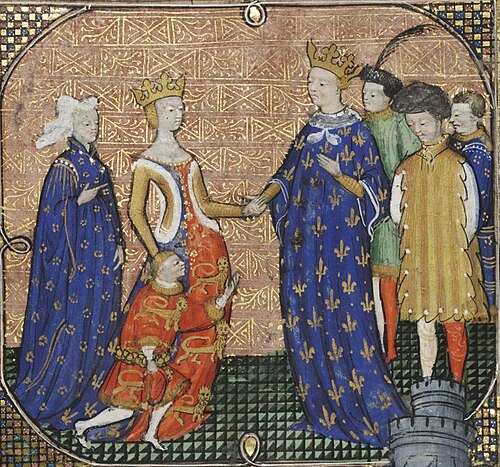
イザベラの夫エドワードはアキテーヌ公として、ガスコーニュの領地に関してフランス王に臣従する義務があった。[68]イザベラの3人の兄弟の治世はそれぞれ短く、エドワードはルイ10世への臣従をうまく避け、フィリップ5世への臣従も大きな圧力を受けてからであった。シャルル4世が王位に就くと、エドワードは再び臣従を避けようとし、2人の間の緊張が高まった。[68]紛争の要素の1つは、ガスコーニュの一部でありアキテーヌの一部であるアジュネの国境地域であった。1323年11月、フランスの家臣がアジュネの一部であるサン・サルドにバスティード(要塞化された町の一種)を建設した後、緊張が高まった。 [69]ガスコーニュ軍がバスティードを破壊し、シャルルはイングランドが保持していたモンペザを攻撃した。この攻撃は失敗に終わったが[70]、その後のサン・サルドス戦争でイザベラの叔父であるヴァロワ伯シャルルがアキテーヌをイングランドの支配から奪い取ることに成功した。[71] 1324年までにシャルルはエドワードの領土を没収し、沿岸地域を除くアキテーヌ全域を占領した。[72]
エドワードはイングランドの不安定な状況のため、フランスに赴いて臣従することにまだ乗り気ではなかった。犯罪組織がイングランドの大半を占拠しており、1324年にはエドワードとヒュー・デスペンサーに対する暗殺計画があり、有名な魔術師ジョン・オブ・ノッティンガムが降霊術を使ってこの二人を殺すために雇われていた。[73]エドワードは、たとえ短期間でもイングランドを離れれば、男爵たちが反乱を起こしてデスペンサー家に復讐するチャンスをつかむのではないかと深く懸念していた。チャールズは教皇ヨハネス22世を通してエドワードにメッセージを送り、エドワードがアジェナイ家の領地を譲り渡し、残りの領地に対して臣従するなら領地の没収を取り消す用意があると示唆した。[74]教皇はイザベラを大使に任命することを提案し、イザベラはこれをエドワードとデスペンサー家との関係を解決する絶好の機会と考えた。[要出典]
夏までにイングランドに戻ることを約束したイザベラは、1325年3月にパリに到着し、ガスコーニュでの休戦に速やかに同意した。その協定では、当時13歳だったエドワード王子が父に代わってフランスに恭順の意を表することになっていた。[75]エドワード王子はフランスに到着し、9月に恭順の意を表した。しかし、この時点では、イザベラは帰国せず、息子とともにしっかりとフランスに留まっていた。エドワードは、妻の不在を心配する緊急のメッセージを教皇とカール4世に送り始めたが、無駄だった。[75]エドワードはイザベラに9月に帰国するよう指示したが、彼女は、到着したら若いデスペンサー、あるいはリッチモンド伯が自分を殺そうとするのではないかと心配していた。[14]彼女はまた、自分の夫が自分を殺そうとするのではないかと恐れていた。[14]一方、チャールズは「女王は自らの意志で来たのであり、望むなら自由に帰ってよい。しかし、ここに留まりたいのであれば、彼女は私の妹であり、私は彼女を追い出すことを拒否する」と返答した。チャールズはアキテーヌの土地をエドワードに返還することを拒否し、その結果、1326年初頭にエドワードが残りのイングランド領土の統治を再開し、フランスが残りの領土を占領し続けるという暫定協定が結ばれた。[76]
一方、エドワードの代理人であるエクセター司教ウォルター・デ・ステープルドンらが持ち帰ったメッセージには、状況が着実に悪化していることが記されていた。メッセージには、イザベラがステープルドンを公然と冷淡に扱ったこと、エドワードの政敵がフランスの宮廷に集まり、使者を脅迫していること、イザベラが未亡人の格好をして、ヒュー・デスペンサーがエドワードとの結婚生活を破壊したと主張していることなどが記されていた。さらに、イザベラはエドマンド・オブ・ケント、ジョン・オブ・ブルターニュ、リッチモンド伯爵[75]、そして噂の愛人ロジャー・モーティマーなど、ほとんどが亡命者で囲まれていた[14] 。
ロジャー・モーティマー、1325–1326

ロジャー・モーティマーは有力なマーチャー家の領主で、裕福な相続人ジョーン・ド・ジュヌヴィルと結婚し、12人の子供の父親であった。モーティマーはデスペンサー戦争中にエドワードに捕らえられ、1322年にロンドン塔に投獄されていた。モーティマーの叔父ロジャー・モーティマー・ド・チャークは最終的に獄死したが、モーティマーは1323年8月にロンドン塔から脱出した。独房の石壁に穴を開けて屋根に逃げ、共犯者が用意した縄梯子を使ってテムズ川に降りた。そして川を渡り、最終的にフランスに無事にたどり着いた。[77]ヴィクトリア朝の作家たちは、後の出来事を考えるとイザベラがモーティマーの脱出を手助けしたのではないかと示唆した。さらに、一部の歴史家は、この時点ですでに2人の関係が始まっていたと主張し続けているが、ほとんどの人はパリで出会う前に2人が実質的な関係を持っていたことを示す確固たる証拠はないと考えている。[78]
イザベラはパリで従妹のエノー伯爵夫人ジャンヌによってモーティマーに再紹介された。ジャンヌはイザベラに近づき、両家の婚姻関係を結び、エドワード王子をジャンヌの娘フィリッパと結婚させようと提案したようである。[79]モーティマーとイザベラは1325年12月以降に肉体関係を持ち始めた可能性がある。そうだとすれば、イザベラもモーティマーもそうすることで大きなリスクを負っていたことになる。中世ヨーロッパでは、女性の不貞は非常に重い罪であり、トゥール・ド・ネスレ事件で明らかになった。イザベラの元フランス人の義理の姉妹は二人とも姦通の罪で投獄され、1326年までに死亡しており、[80]愛人だとされた人物は残酷に処刑された。[81]そのため、イザベラの動機は歴史家たちの議論の対象となっている。二人の間には強い性的魅力があり、アーサー王伝説への興味を共有し、二人とも美術と贅沢な暮らしを楽しんでいたと信じる人もいる。[82]ある歴史家は、二人が彼女の夫を殺害したという噂があるにもかかわらず、二人の関係を「中世の偉大なロマンス」の1つと表現した。[83]また、二人にはエドワード2世とデスペンサー家の政権という共通の敵がいた。[要出典]
イザベラとモーティマーは1326年半ばにエドワード王子を連れてフランスの宮廷を離れ、北のエノー伯ウィリアム1世のもとへ向かった。前年にジャンヌが提案したように、イザベラはエドワード王子をエノー伯爵の娘フィリッパと婚約させ、多額の持参金と引き換えにした。[84]そして彼女はこのお金と、それ以前にチャールズから借りていたお金を使って[85]傭兵軍を編成し、ブラバントで男を探し、エノー軍の小部隊に加えた。[86]ウィリアムはまた結婚の取り決めの一環として8隻の軍艦と様々な小型船を提供した。エドワードは侵略を恐れていたが、秘密は厳守すべきであり、イザベラはウィリアムにエドワードからの使節を拘束するよう説得した。[86]イザベラはまた来たる遠征の期間中スコットランド人と秘密協定を結んだようである。[87] 9月22日、イザベラ、モーティマーとその小規模な部隊はイングランドに向けて出航した。[88]
権力の掌握、1326年

彼らを迎撃するために派遣されたエドワードの艦隊を逃れ、[89]イザベラとモーティマーは、9月24日に小さな軍隊を率いてイングランド東海岸のオーウェルに上陸した。イザベラの軍隊の推定兵力は300人から約2,000人と幅広く、1,500人が一般的な中間の数字である。 [90]実際に上陸した場所を把握しようとしてしばらく混乱した後、イザベラは未亡人の服を着て急いで内陸に移動した。[91]彼らを阻止するために動員された地元の徴兵隊はすぐに寝返り、翌日にはイザベラはベリー・セント・エドマンズにおり、その後まもなくケンブリッジまで内陸を進軍した。[89] ノーフォーク伯トーマスがイザベラの軍に加わり、故トーマスの弟でイザベラの叔父であるランカスター伯ヘンリーもイザベラの派閥に加わり、南へ進軍して彼女に合流すると発表しました。 [89]
27日までに、侵略の知らせはロンドンの国王とデスペンサー家に届いた。[89]エドワードは地元の保安官にイザベラとモーティマーに対抗する勢力を結集するよう命令したが、ロンドン自体が地元の騒乱により危険になりつつあり、エドワードは撤退を計画した。[89]イザベラは再び西へ向かい、10月2日にオックスフォードに到着。そこで彼女は「救世主として迎えられた」。ヘレフォード司教アダム・オールトンが隠れ場所から現れ、大学でデスペンサー家の悪事について講義したのだ。[92]エドワードは同日ロンドンから逃げ、ウェールズへ西へ向かった。[93]イザベラとモーティマーは、エドワードに反対するランカスター派と効果的な同盟を結び、エドワードの反対派全員を一つの連合にまとめた。[94]
.svg/500px-Isabella's_invasion_route_(1326).svg.png)
イザベラは南下してロンドンに向かい、10月7日に市外のダンスタブルで休憩した。 [96]ロンドンは暴徒の手に落ちたが、大部分はイザベラと同盟を結んでいた。ステイプルドン司教は首都で王権が崩壊したことを理解できず、暴徒から自分の財産を守るために軍事介入を試みた。地元で嫌われていた彼はすぐに襲撃され殺され、後にイザベラの地元支持者から彼の首が送られた。[97]一方エドワードは西へ逃げ続け、 10月9日までにグロスターに到着した。イザベラはこれに応えて自らも西へ急いで行軍し、エドワードを食い止めようとした。エドワードは同日、国境を越えてウェールズに潜入したが、その1週間後にグロスターに到着した。[98]
ヒュー・デスペンサー(父)は、10月18日から26日にかけてイザベラとモーティマーからブリストルを守り続けた。ブリストルが陥落したとき、イザベラはデスペンサー家に保護されていた娘のエレノアとジョーンを取り戻すことができた。 [99]絶望し、宮廷からも見捨てられつつあるエドワードとヒュー・デスペンサー(子)は、ブリストル海峡の小さな島、ランディ島へ航海しようとしたが、天候に恵まれず、数日後にウェールズへの上陸を余儀なくされた。[100]ブリストルの安全を確保した後、イザベラは作戦拠点を国境の町ヘレフォードに移し、そこからヘンリー・オブ・ランカスターに夫の居場所を突き止めて逮捕するよう命じた。[101]エドワードとヒューは、南ウェールズでイザベラの軍から2週間逃れた後、ついに11月16日にラントリサント近郊で捕まり、逮捕された。[要出典]
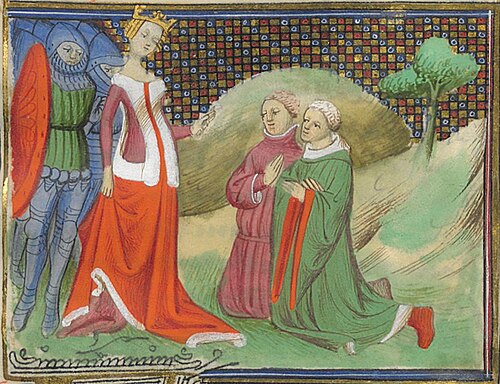
報復は直ちに始まった。ヒュー・デスペンサー父はブリストルで捕らえられ、イザベラ女王が彼を守ろうとしたにもかかわらず、敵であるランカスター派によって即座に処刑され、彼の遺体はバラバラに切り刻まれ、地元の犬の餌にされた。[102]旧政権の残りの者たちはイザベラ女王の元に連れてこられた。エドワード2世の主要支持者で、1322年にモーティマーが没収した土地の多くを受け取っていたエドマンド・フィッツアランが11月17日に処刑された。ヒュー・デスペンサー父は11月24日に残酷な処刑を宣告され、彼の死を見ようと大勢の群衆が集まった。彼らは彼を馬から引きずり下ろし、裸にし、腐敗と傲慢を非難する聖書の一節を彼の皮膚に走り書きした。彼はその後、市内に引きずり込まれ、イザベラ女王、ロジャー・モーティマー、ランカスター派に謁見した。デスペンサーはその後、泥棒として絞首刑に処され、去勢され、さらに裏切り者として四つ裂きにされ、その宿舎はイングランド中に散らばることとなった。デスペンサー家の支持者の一人、サイモン・オブ・レディングは、イザベラを侮辱した罪で、デスペンサー家の隣で絞首刑にされた。 [103]デスペンサー政権の中核が処刑されると、イザベラとモーティマーは自制心を見せ始めた。下級貴族は恩赦を受け、デスペンサー家とステープルドン家によって任命された政府中枢の書記官は、その職に就くことを承認された。[104]残されたのは、依然として公式にはイザベラの合法的な夫であり、合法的な国王であるエドワード2世の問題だけだった。[105]
エドワードの死、1327年
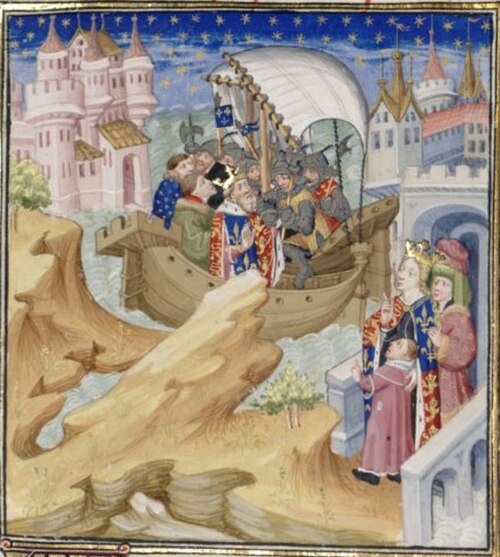
As an interim measure, Edward II was held in the custody of Henry of Lancaster, who surrendered Edward's Great Seal to Isabella.[106] The situation remained tense, however; Isabella was clearly concerned about Edward's supporters staging a counter-coup, and in November she seized the Tower of London, appointed one of her supporters as mayor and convened a council of nobles and churchmen in Wallingford to discuss the fate of Edward.[107] The council concluded that Edward would be legally deposed and placed under house arrest for the rest of his life. This was then confirmed at the next parliament, dominated by Isabella and Mortimer's followers. The session was held in January 1327, with Isabella's case being led by her supporter Adam Orleton, Bishop of Hereford. Isabella's son, Prince Edward, was confirmed as Edward III of England, with his mother appointed regent.[108] Isabella's position was still precarious, as the legal basis for deposing Edward was doubtful and many lawyers of the day maintained that Edward II was still the rightful king, regardless of the declaration of the Parliament. The situation could be reversed at any moment and Edward II was known to be a vengeful ruler.[citation needed]
Edward II's subsequent fate, and Isabella's role in it, remains hotly contested by historians. The minimally agreed version of events is that Isabella and Mortimer had Edward moved from Kenilworth Castle in the Midlands to the safer location of Berkeley Castle in the Welsh borders, where he was put into the custody of Lord Berkeley. On 23 September, Isabella and Edward III were informed by messenger that Edward had died whilst imprisoned at the castle, because of a "fatal accident". Edward's body was apparently buried at Gloucester Cathedral, with his heart being given in a casket to Isabella. After the funeral, there were rumours for many years that Edward had survived and was really alive somewhere in Europe, some of which were captured in the famous Fieschi Letter written in the 1340s, although no concrete evidence ever emerged to support the allegations. There are, however, various historical interpretations of the events surrounding this basic sequence of events.[citation needed]
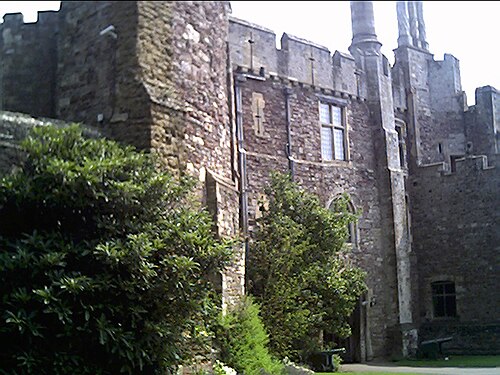
According to legend, Isabella and Mortimer famously plotted to murder Edward in such a way as not to draw blame on themselves, sending a famous order (in Latin: Eduardum occidere nolite timere bonum est) which, depending on where the comma was inserted, could mean either "Do not be afraid to kill Edward; it is good" or "Do not kill Edward; it is good to fear". In actuality, there is little evidence of anyone deciding to have Edward assassinated, and none whatsoever of the note having been written. Similarly, accounts of Edward being killed with a red-hot poker have no strong contemporary sources to support them. The conventional 20th-century view has been that Edward did die at Berkeley Castle, either murdered on Isabella's orders or of ill-health brought on by his captivity, and that subsequent accounts of his survival were simply rumours, similar to those that surrounded Joan of Arc and other near contemporaries after their deaths.
Three recent historians, however, have offered an alternative interpretation of events. Paul Doherty, drawing extensively on the Fieschi Letter of the 1340s, has argued that Edward in fact escaped from Berkeley Castle with the help of William Ockle, a knight whom Doherty argues subsequently pretended to be Edward in disguise around Europe, using the name "William the Welshman" to draw attention away from the real Edward himself. In this interpretation, a look-alike was buried at Gloucester.[109] Ian Mortimer, focusing more on contemporary documents from 1327 itself, argues that Roger de Mortimer engineered a fake "escape" for Edward from Berkeley Castle; after this Edward was kept in Ireland, believing he was really evading Mortimer, before finally finding himself free, but politically unwelcome, after the fall of Isabella and Mortimer. In this version, Edward makes his way to Europe, before subsequently being buried at Gloucester.[110] Finally, Alison Weir, again drawing on the Fieschi Letter, has recently argued that Edward II escaped his captors, killing one in the process, and lived as a hermit for many years; in this interpretation, the body in Gloucester Cathedral is of Edward's dead captor. In all of these versions, it is argued that it suited Isabella and Mortimer to publicly claim that Edward was dead, even if they were aware of the truth. Other historians, however, including David Carpenter, have criticised the methodology behind this revisionist approach and disagree with the conclusions.[111]
Later years
Isabella and Mortimer ruled together for four years, with Isabella's period as regent marked by the acquisition of huge sums of money and land. When their political alliance with the Lancastrians began to disintegrate, Isabella continued to support Mortimer. Isabella fell from power when her son, Edward III deposed Mortimer in a coup, taking back royal authority for himself. Unlike Mortimer, Isabella survived the transition of power, remaining a wealthy and influential member of the English court, albeit never returning directly to active politics.[112]
As regent, 1326–1330

Isabella's regency lasted only four years, before the fragile political alliance that had brought her and Mortimer to power disintegrated. 1328 saw the marriage of Isabella's son, Edward III to Philippa of Hainault, as agreed before the invasion of 1326; the lavish ceremony was held in London to popular acclaim.[113] Isabella and Mortimer had already begun a trend that continued over the next few years, in starting to accumulate huge wealth. With her lands restored to her, Isabella was already exceptionally rich, but she began to accumulate yet more. Within the first few weeks, Isabella had granted herself almost £12,000;[114] finding that Edward's royal treasury contained £60,000, a rapid period of celebratory spending then ensued.[115] Isabella soon awarded herself another £20,000, allegedly to pay off foreign debts.[116] At Edward III's coronation, Isabella then extended her land holdings from a value of £4,400 each year to the huge sum of £13,333, making her one of the largest landowners in the kingdom.[117] Isabella also refused to hand over her dower lands to Philippa after her marriage to Edward III, in contravention of usual custom.[118] Isabella's lavish lifestyle matched her new incomes.[119] Mortimer, in effect her first minister, after a restrained beginning, also began to accumulate lands and titles at a tremendous rate, particularly in the Marcher territories.[120]
The new regime also faced some key foreign policy dilemmas, which Isabella approached from a realist perspective.[121] The first of these was the situation in Scotland, where Edward II's unsuccessful policies had left an unfinished, tremendously expensive war. Isabella was committed to bringing this issue to a conclusion by diplomatic means. Edward III initially opposed this policy, before eventually relenting,[122] leading to the Treaty of Northampton. Under this treaty, Isabella's daughter Joan would marry David Bruce (heir apparent to the Scottish throne) and Edward III would renounce any claims on Scottish lands, in exchange for the promise of Scottish military aid against any enemy except the French, and £20,000 in compensation for the raids across northern England. No compensation would be given to those earls who had lost their Scottish estates, and the compensation would be taken by Isabella.[123] Although strategically successful and, historically at least, "a successful piece of policy making",[124] Isabella's Scottish policy was by no means popular and contributed to the general sense of discontent with the regime. Secondly, the Gascon situation, still unresolved from Edward II's reign, also posed an issue. Isabella reopened negotiations in Paris, resulting in a peace treaty under which the bulk of Gascony, minus the Agenais, would be returned to England in exchange for a 50,000-mark penalty.[125] The treaty was not popular in England because of the Agenais clause.[121]
Henry, Earl of Lancaster was amongst the first to break with Isabella and Mortimer. By 1327 Lancaster was irritated by Mortimer's behaviour and Isabella responded by beginning to sideline him from her government.[126] Lancaster was furious over the passing of the Treaty of Northampton, and refused to attend court,[127] mobilising support amongst the commoners of London.[128] Isabella responded to the problems by undertaking a wide reform of royal administration and local law enforcement.[129] In a move guaranteed to appeal to domestic opinion, Isabella also decided to pursue Edward III's claim on the French throne, sending her advisers to France to demand official recognition of his claim.[129] The French nobility were unimpressed and, since Isabella lacked the funds to begin any military campaign, she began to court the opinion of France's neighbours, including proposing the marriage of her son John to the Castilian royal family.[130]
By the end of 1328 the situation had descended into near civil war once again, with Lancaster mobilising his army against Isabella and Mortimer.[131] In January 1329 Isabella's forces under Mortimer's command took Lancaster's stronghold of Leicester, followed by Bedford; Isabella — wearing armour, and mounted on a warhorse — and Edward III marched rapidly north, resulting in Lancaster's surrender. He escaped death but was subjected to a colossal fine, effectively crippling his power.[132] Isabella was merciful to those who had aligned themselves with him, although some — such as her old supporter Henry de Beaumont, whose family had split from Isabella over the peace with Scotland, which had lost them huge land holdings in Scotland[133] — fled to France.[134]
Despite Lancaster's defeat, however, discontent continued to grow. Edmund of Kent had sided with Isabella in 1326, but had since begun to question his decision and was edging back towards Edward II, his half-brother. Edmund of Kent was in conversations with other senior nobles questioning Isabella's rule, including Henry de Beaumont and Isabella de Vesci. Edmund was finally involved in a conspiracy in 1330, allegedly to restore Edward II, who, he claimed, was still alive: Isabella and Mortimer broke up the conspiracy, arresting Edmund and other supporters—including Simon Mepeham, Archbishop of Canterbury.[135] Edmund may have expected a pardon, possibly from Edward III, but Isabella was insistent on his execution.[136] The execution itself was a fiasco after the executioner refused to attend and Edmund of Kent had to be killed by a local dung-collector, who had been himself sentenced to death and was pardoned as a bribe to undertake the beheading.[137] Isabella de Vesci escaped punishment, despite having been closely involved in the plot.[citation needed]
Mortimer's fall from power, 1330
By mid-1330, Isabella and Mortimer's regime was increasingly insecure, and Isabella's son, Edward III, was growing frustrated at Mortimer's grip on power. Various historians, with different levels of confidence, have also suggested that in late 1329 Isabella became pregnant. A child of Mortimer's with royal blood would have proved both politically inconvenient for Isabella, and challenging to Edward's own position.[138]

Edward quietly assembled a body of support from the Church and selected nobles,[139] whilst Isabella and Mortimer moved into Nottingham Castle for safety, surrounding themselves with loyal troops.[140] In the autumn, Mortimer was investigating another plot against him, when he challenged a young noble, William Montagu, during an interrogation. Mortimer declared that his word had priority over the king's, an alarming statement that Montagu reported back to Edward.[141] Edward was convinced that this was the moment to act, and on 19 October, Montagu led a force of twenty-three armed men into the castle by a secret tunnel. Up in the keep, Isabella, Mortimer and other council members were discussing how to arrest Montagu, when Montagu and his men appeared.[142] Fighting broke out on the stairs and Mortimer was overwhelmed in his chamber. Isabella threw herself at Edward's feet, famously crying "Fair son, have pity on gentle Mortimer!"[142] Lancastrian troops rapidly took the rest of the castle, leaving Edward in control of his own government for the first time.[citation needed]
Parliament was convened the next month, where Mortimer was put on trial for treason. Isabella was portrayed as an innocent bystander during the proceedings,[143] and no mention of her sexual relationship with Mortimer was made public.[144] Mortimer was executed at Tyburn, but Edward III showed leniency and he was not quartered or disembowelled.[145]
In retirement, 1330–1358
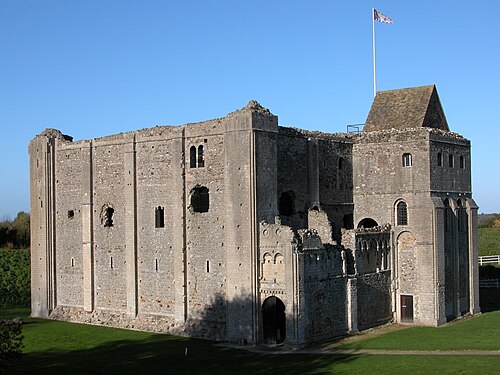
After the coup, Isabella was initially transferred to Berkhamsted Castle,[146] and then held under house arrest at Windsor Castle until 1332, when she then moved back to her own Castle Rising in Norfolk.[147] Agnes Strickland, a Victorian historian, argued that Isabella suffered from occasional fits of madness during this period but modern interpretations suggest, at worst, a nervous breakdown following the death of Mortimer.[147] Isabella remained extremely wealthy; despite being required to surrender most of her lands after losing power, in 1331 she was reassigned a yearly income of £3000,[148] which increased to £4000 by 1337.[147] She lived an expensive lifestyle in Norfolk, including minstrels, huntsmen, grooms and other luxuries,[149] and was soon travelling again around England. In 1348, there were suggestions that she might travel to Paris to take part in peace negotiations, but eventually this plan was quashed.[150] She was involved in the talks with Charles II of Navarre in 1358.[151]
As the years went by, Isabella became very close to her daughter Joan, especially after Joan left her unfaithful husband, King David II of Scotland, who was imprisoned by her brother in the Tower of London at the time where she visited him once.[152] Joan nursed her just before she died. She doted on her grandchildren, including Edward the Black Prince. She became increasingly interested in religion as she grew older, visiting a number of shrines.[153] She remained, however, a gregarious member of the court, receiving constant visitors; amongst them appear to have been her friend Marie de St Pol, Countess of Pembroke, and her cousin Henry of Grosmont, Duke of Lancaster.[154] King Edward and his children often visited her as well.[151] She remained interested in Arthurian legends and jewellery; in 1358 she appeared at the St George's Day celebrations at Windsor wearing a dress made of silk, silver, 300 rubies, 1800 pearls and a circlet of gold.[149] She may have developed an interest in astrology or geometry towards the end of her life, receiving various presents relating to these disciplines.[155]
Isabella took the nun's habit of the Poor Clares before she died on 22 August 1358 at Hertford Castle, and her body was returned to London for burial at the Franciscan church at Newgate, in a service overseen by Archbishop Simon Islip.[156] She was buried in the mantle she had worn at her wedding and at her request, Edward's heart, placed into a casket thirty years before, was interred with her. Isabella left the bulk of her property, including Castle Rising, to her favourite grandson, the Black Prince, with some personal effects being granted to her daughter Joan.[157]
Cultural depictions
Literature and theatre
Queen Isabella appeared with a major role in Christopher Marlowe's play Edward II (c. 1592) and thereafter has been frequently used as a character in plays, books and films, often portrayed as beautiful but manipulative or wicked. Thomas Gray, the 18th-century poet, combined Marlowe's depiction of Isabella with William Shakespeare's description of Margaret of Anjou (the wife of Henry VI) as the "She-Wolf of France", to produce the anti-French poem The Bard (1757), in which Isabella rips apart the bowels of Edward II with her "unrelenting fangs".[158] The "She-Wolf" epithet stuck, and Bertolt Brecht re-used it in The Life of Edward II of England (1923).[158]
Film
In Derek Jarman's film Edward II (1991), based on Marlowe's play, Isabella is portrayed (by actress Tilda Swinton) as a "femme fatale" whose thwarted love for Edward causes her to turn against him and steal his throne. In contrast to the negative depictions, Mel Gibson's film Braveheart (1995) portrays Isabella (played by the French actress Sophie Marceau) more sympathetically. In the film, an adult Isabella is fictionally depicted as having a romantic affair with the Scottish hero William Wallace. This version of the character takes significant artistic license from her real life counterpart.[159] Additionally, Wallace is incorrectly suggested to be the father of her son, Edward III, despite Wallace's death being many years before Edward's birth.[160]
Issue
Edward and Isabella had four children, and she suffered at least one miscarriage. Their itineraries demonstrate that they were together nine months prior to the births of all four surviving offspring. Their children were:[161]
- Edward III, born 1312;
- John of Eltham, Earl of Cornwall, born 1316;
- Eleanor of Woodstock, born 1318, married Reinoud II of Guelders;
- Joan of the Tower, born 1321, married David II of Scotland.
Arms
Ancestry
Isabella was descended from Gytha of Wessex through King Andrew II of Hungary and thus brought the bloodline of the last Anglo-Saxon king of England, Harold Godwinson, back into the English royal family.[1]
See also
Notes
- ^ Kathryn Warner states late 1295[4]
- ^ Jeffery Hamilton states 1296[5]
References
- ^ a b Weir 1999, p. 90.
- ^ Castor 2011, p. 227.
- ^ a b Castor 2011, pp. 312–313.
- ^ Warner 2016, p. 11.
- ^ Hamilton 2010, p. 103.
- ^ See Weir 2006, pp. 8–9.
- ^ Warner 2016, p.8
- ^ Weir 2006, p. 11.
- ^ Jones and McKitterick, p. 394.
- ^ Weir 2006, p. 12.
- ^ Weir 2006, p. 14.
- ^ a b Weir 2006, p. 13.
- ^ Weir 2006, pp. 13–4.
- ^ a b c d e f g h Parsons, John Carmi (2004). "Isabella [Isabella of France]". Oxford Dictionary of National Biography (online ed.). Oxford University Press. doi:10.1093/ref:odnb/14484. ISBN 978-0-19-861412-8. Retrieved 21 October 2021. (Subscription or UK public library membership required.)
- ^ a b Weir 2006, p. 25.
- ^ Costain, p. 82; Weir 2006, p. 12.
- ^ Weir 2006, p. 26.
- ^ Weir 2006, p. 243.
- ^ Mortimer, 2004, p. 36.
- ^ For a summary of this period, see Weir 2006, chapters 2–6; Mortimer, 2006, chapter 1; Doherty, chapters 1–3.
- ^ Weir 2006, p. 39.
- ^ a b Weir 2006, p. 37.
- ^ a b Doherty, p. 37.
- ^ Doherty, p. 38.
- ^ Doherty, p. 46.
- ^ a b Doherty, p. 47.
- ^ Hilton, Lisa (2008). Queens Consort, England's Medieval Queens. Great Britain: Weidenfeld & Nichelson. p. 247. ISBN 978-0-7538-2611-9.
- ^ Doherty, pp. 47–8.
- ^ a b Doherty, p. 49.
- ^ "Even her own uncle Lancaster came to regard her as an enemy." Isabella's mother, Joan of Navarre, was Thomas of Lancaster's older half-sister. [1]
- ^ a b Weir 2006, p. 58.
- ^ Weir 2006, p. 63.
- ^ Doherty, p. 51.
- ^ Doherty, p. 54.
- ^ Weir 2006, p. 68.
- ^ Doherty, p. 56.
- ^ a b Weir 2006, p. 92.
- ^ Weir 2006, pp. 92, 99.
- ^ Doherty, p. 60.
- ^ a b Doherty, p. 61.
- ^ Doherty, pp. 60–1.
- ^ Doherty, pp. 61–2.
- ^ Doherty, p. 62.
- ^ a b Doherty, p. 64.
- ^ Weir 2006, p. 120.
- ^ Doherty, p. 65.
- ^ Doherty, p. 66.
- ^ Doherty, p. 67.
- ^ Weir 2006, p. 132.
- ^ Doherty, p. 67; Weir 2006, p. 132.
- ^ Doherty, p. 70.
- ^ Doherty, pp. 70–1; Weir 2006, p. 133.
- ^ a b Doherty, p. 71.
- ^ Doherty, pp. 72–3.
- ^ Weir 2006, p. 138.
- ^ Doherty, pp. 74–5.
- ^ Doherty, p. 73.
- ^ Weir 2006, p. 143.
- ^ Weir 2006, p. 144.
- ^ Weir 2006, p. 149.
- ^ Doherty, p. 75.
- ^ Doherty, pp. 76–7.
- ^ a b c Doherty, p. 77.
- ^ a b Doherty, p. 78.
- ^ a b Doherty, p. 79.
- ^ Doherty, p. 80.
- ^ Ainsworth, p. 3.
- ^ a b Holmes, p. 16.
- ^ Neillands, p. 30.
- ^ Neillands, p. 31.
- ^ Holmes, p. 16; Kibler, p. 201.
- ^ Kibler, p. 314.
- ^ Doherty, pp. 80–1.
- ^ Sumption, p. 97.
- ^ a b c Doherty, p. 81.
- ^ Kibler, p. 314; Sumption, p. 98.
- ^ Weir 2006, p. 153.
- ^ Weir 2006, p. 154; see Mortimer, 2004 pp. 128–9 for the alternative perspective.
- ^ Weir 2006, p. 194.
- ^ A point born out by Mortimer, 2004, p. 140.
- ^ Weir 2006, p.100.
- ^ Weir 2006, p. 197.
- ^ Mortimer, 2004, p. 141.
- ^ Kibler, p. 477.
- ^ Lord, p. 47.
- ^ a b Weir 2006, p. 221.
- ^ Weir 2006, p. 222.
- ^ Weir 2006, p. 223.
- ^ a b c d e Doherty, p. 90.
- ^ Mortimer, 2004, pp. 148–9.
- ^ Weir 2006, p. 225.
- ^ Weir 2006, p. 227.
- ^ Doherty, p. 91.
- ^ Doherty, p. 92
- ^ From Weir 2006, chapter 8; Mortimer, 2006, chapter 2; and Myers's map of Medieval English transport systems, p. 270.
- ^ Weir 2006, p. 228.
- ^ Weir 2006, pp. 228–9; p. 232.
- ^ Weir 2006, p. 232.
- ^ Doherty, p. 92; Weir 2006, pp. 233–4.
- ^ Weir 2006, p. 233.
- ^ Weir 2006, p. 236.
- ^ Doherty, p. 93.
- ^ Mortimer The Greatest Traitor, pp. 159–162.
- ^ Doherty, p. 107.
- ^ Weir 2006, p. 242.
- ^ Doherty, p. 108.
- ^ Doherty, p. 109.
- ^ Doherty, pp. 114–15.
- ^ Doherty, pp. 213–15.
- ^ Mortimer, 2004, pp. 244–264; Mortimer, 2006, appendix 2.
- ^ See Carpenter 2007a, Carpenter 2007b.
- ^ For a summary of this period, see Weir 2006, chapter 11; Doherty, chapter 8; Mortimer, 2006, chapter 4.
- ^ Doherty, p. 142.
- ^ Weir 2006, p. 245.
- ^ Weir 2006, p. 248.
- ^ Weir 2006, p. 249.
- ^ Weir 2006, p. 259.
- ^ Weir 2006, p. 303.
- ^ Weir 2006, p. 258.
- ^ Doherty, p. 156.
- ^ a b Weir 2006, p. 261.
- ^ Weir 2006, p. 304.
- ^ Weir 2006, p. 305, p. 313.
- ^ Weir 2006, p. 306.
- ^ Weir 2006, p. 261; Neillands, p. 32.
- ^ Weir 2006, p. 307.
- ^ Weir 2006, p. 314.
- ^ Weir 2006, p. 315.
- ^ a b Weir 2006, p. 309.
- ^ Weir 2006, p. 310.
- ^ Weir 2006, p. 322.
- ^ Weir 2006, p. 322; Mortimer, 2004, p. 218.
- ^ Doherty, p. 149.
- ^ Weir 2006, p. 333.
- ^ Doherty, p. 151.
- ^ Doherty, p. 152.
- ^ Doherty, p. 153.
- ^ Weir 2006, p. 326, is relatively cautious in this assertion; Mortimer, 2004 pp. 221–3 is more confident.
- ^ Doherty, pp. 158–9.
- ^ Doherty, p. 159.
- ^ Doherty, p. 160.
- ^ a b Doherty, p. 161.
- ^ Doherty, p. 162.
- ^ Doherty, p. 172.
- ^ Doherty, p. 163.
- ^ Castor 2011, p. 312.
- ^ a b c Doherty, p. 173.
- ^ Castor 2011, p. 313.
- ^ a b Doherty, p. 176.
- ^ Doherty, p. 174.
- ^ a b Mortimer, Ian (2008). The Perfect King The Life of Edward III, Father of the English Nation. Vintage. p. 332.
- ^ Doherty, p. 175.
- ^ Doherty, pp. 175–6.
- ^ Doherty, p. 177.
- ^ Weir 2006, p. 371.
- ^ Weir 2006, p. 374.
- ^ Weir 2006, p. 373.
- ^ a b Weir 2006, p. 2.
- ^ "The lying art of historical fiction". Guardian News. 6 August 2010. Retrieved 24 September 2012.
- ^ Ewan, pp. 1219–21.
- ^ Haines, Roy Martin (2003). King Edward II: His Life, his Reign and its Aftermath, 1284–1330. Montreal, Canada and Kingston, Canada: McGill-Queen's University Press. p. 355. ISBN 978-0-7735-3157-4.
- ^ Boutell, p. 133.
- ^ Willement, Thomas. Regal heraldry; the armorial insignia of the Kings and Queens of England, from coeval authorities, London: W. Wilson; Rodwell and Martin. 1821. pg 14, 25. Regal Heraldry
- ^ Pinches, John Harvey; Pinches, Rosemary (1974), The Royal Heraldry of England, Heraldry Today, Slough, Buckinghamshire: Hollen Street Press, ISBN 0-900455-25-X
- ^ a b c d Anselme 1726, pp. 87–88
- ^ a b c d Anselme 1726, pp. 381–382
- ^ a b Anselme 1726, pp. 83–85
- ^ a b Evergates, Theodore (2011). Aristocratic Women in Medieval France. University of Pennsylvania Press. p. 80.
Sources
- Ainsworth, Peter. (2006) Representing Royalty: Kings, Queens and Captains in Some Early Fifteenth Century Manuscripts of Froissart's Chroniques. in Kooper (ed) 2006.
- Anselme de Sainte-Marie, Père (1726). Histoire généalogique et chronologique de la maison royale de France [Genealogical and chronological history of the royal house of France] (in French). Vol. 1 (3rd ed.). Paris: La compagnie des libraires.
- Boutell, Charles. (1863) A Manual of Heraldry, Historical and Popular. London: Winsor & Newton.
- Carpenter, David. (2007a) "What Happened to Edward II?" London Review of Books. Vol. 29, No. 11. 7 June 2007.
- Carpenter, David. (2007b) "Dead or Alive." London Review of Books. Vol. 29, No. 15. 2 August 2007.
- Castor, Helen (2011). She-Wolves: The Women Who Ruled England Before Elizabeth. Faber and Faber. ISBN 978-0571237067.
- Doherty, P.C. (2003) Isabella and the Strange Death of Edward II. London: Robinson. ISBN 1-84119-843-9.
- Ewan, Elizabeth. "Braveheart." American Historical Review. Vol. 100, No. 4. October 1995.
- Given-Wilson, Chris. (ed) (2002) Fourteenth Century England. Prestwich: Woodbridge.
- Hamilton, J. S. (2010). The Plantagenets: History of a Dynasty. Bloomsbury.
- Holmes, George. (2000) Europe, Hierarchy and Revolt, 1320–1450, 2nd edition. Oxford: Blackwell.
- Kibler, William W. (1995) Medieval France: an Encyclopedia. London: Routledge.
- Kooper, Erik (ed). (2006) The Medieval Chronicle IV. Amsterdam: Rodopi.
- Lord, Carla. (2002) Queen Isabella at the Court of France. in Given-Wilson (ed) (2002).
- Mortimer, Ian. (2004) The Greatest Traitor: The Life of Sir Roger Mortimer, Ruler of England 1327–1330. London: Pimlico Press.
- Mortimer, Ian. (2006) The Perfect King: The Life of Edward III, Father of the English Nation. London: Vintage Press. ISBN 978-0-09-952709-1.
- Myers, A. R. (1978) England in the Late Middle Ages. Harmondsworth: Penguin Books.
- Neillands, Robin. (2001) The Hundred Years War. London: Routledge.
- Sumption, Jonathan. (1999) The Hundred Years War: Trial by Battle. Philadelphia: Pennsylvania University Press.
- Warner, Kathryn (2016). Isabella of France: The Rebel Queen. Amberley.
- Weir, Alison. (1999) Britain's Royal Family: A Complete Genealogy. London: The Bodley Head.
- Weir, Alison. (2006) Queen Isabella: She-Wolf of France, Queen of England. London: Pimlico Books. ISBN 978-0-7126-4194-4.
External links

Wikimedia Commons has media related to Isabella of France, Queen of England.
- Heidi Murphy Isabella of France (1295–1358), Britannia biographical series
- Portraits of Isabella of France at the National Portrait Gallery, London