
Loading article…

南スラヴ語は、スラヴ語の3つの系統のうちの1つです。話者数は約3000万人で、主にバルカン半島に居住しています。一般的に、東スラヴ語と西スラヴ語の2つの下位グループに分けられ、前者はブルガリア語とマケドニア語、後者はセルビア・クロアチア語とスロベニア語です。南スラヴ語は、他の2つのスラヴ語系統(西スラヴ語と東スラヴ語)の話者とは、オーストリア・ドイツ語、ハンガリー語、ルーマニア語の話者が住む地域によって地理的に隔てられています。これらの言語はいずれもスラヴ語ではありません。
南スラヴ語の中で最初に文字化された言語(また、スラヴ語の中で最初に記録された言語)は、9世紀にテッサロニキで話されていた東南スラヴ語の一種で、現在は古教会スラヴ語と呼ばれている。この言語は、スラヴ正教会において、様々な地方の教会スラヴ語の伝統という形で典礼言語として保持されている。
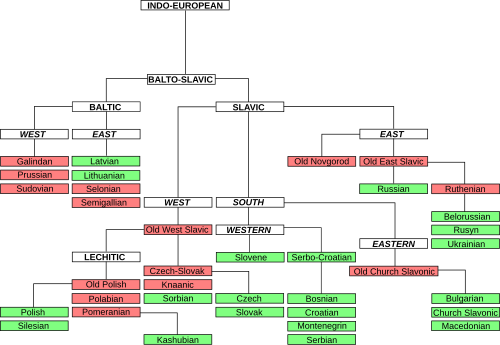
スラブ語は、インド・ヨーロッパ語族に属するバルト・スラブ語群の一部である。南スラブ語は、スラブ研究において、音韻的、形態的、語彙的な革新(等語線)によって西スラブ語群や東スラブ語群と区別される、遺伝的ノードとして考えられてきた。しかし、この見解は近年、異議を唱えられている(下記参照)。
南スラヴ語全体に共通するいくつかの革新は、東スラヴ語群とは共有されているが、西スラヴ語群とは共有されていない。これらには以下が含まれる:[ 1 ]
これは以下の表に示されています。
南スラブ語群に特有の共通の革新を表していると考えられるいくつかの等語線が特定されている。それらは主に音韻論的な特徴を持ち、形態論的および統語論的な等語線ははるかに少ない。Sussex & Cubberly (2006 :43–44)は、以下の音韻論的な等語線を挙げている。
しかし、これらのほとんどは固有のものではなく、東スラヴ語群と西スラヴ語群の一部の言語(特に中央スロバキア方言)と共通している。このことから、マタソヴィッチ(2008)は、南スラヴ語は厳密には地理的なグループとして存在し、真の遺伝的系統群を形成していないと主張している。言い換えれば、原南スラヴ語や、すべての南スラヴ方言がそれぞれに特有の広範な音韻的、形態的、または語彙的変化(等語)の排他的なセットを示した時代は存在しなかった。さらにマタソヴィッチは、原南スラヴ語が存在し、共通南スラヴ語の革新が起こり得た文化的または政治的な統一の時代は存在しなかったと主張している。提案されているいくつかの南スラヴ語固有の語彙的および形態的パターンは、共通スラヴ語の古語を表していると想定されているか、スロバキア語またはウクライナ語の一部の方言と共通している。
南スラヴ語方言は、現在のオーストリア南部からブルガリア南東部まで広がる方言連続体を形成している。[ 2 ]方言学のレベルでは、西南スラヴ語(スロベニア語とセルビア・クロアチア語の方言)と東南スラヴ語(ブルガリア語とマケドニア語の方言)に分けられる。これらはバルカン半島への別々の移住を表しており、かつてはハンガリー人、ルーマニア人、アルバニア人の集団によって隔てられていた。これらの集団が同化するにつれて、東南スラヴ語と西南スラヴ語は、過渡的な方言としてトルラク語と融合した。一方、オスマン帝国とオーストリア=ハンガリー帝国の崩壊、それに続く19世紀と20世紀の国民国家の形成は、標準語の発展と成文化につながった。標準スロベニア語、標準ブルガリア語、標準マケドニア語は、それぞれ異なる方言に基づいている。[ 3 ]多中心的なセルビア・クロアチア語[ 5 ]のボスニア語、クロアチア語、モンテネグロ語、セルビア語の標準語[ 4 ]は、同じ方言(シュトカヴィア語)に基づいています。[ 6 ]したがって、ほとんどの場合、国や民族の境界は方言の境界と一致しません。
注:言語や方言の政治的地位や歴史的背景が異なるため、分類はある程度恣意的です。
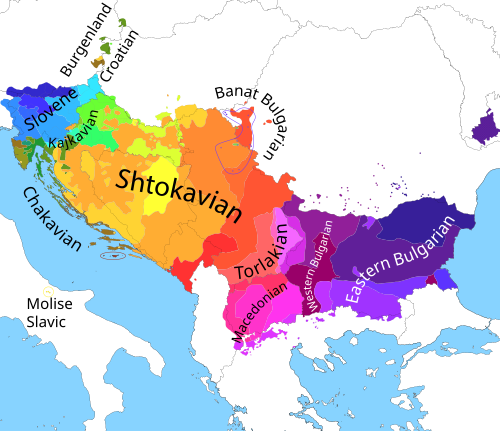

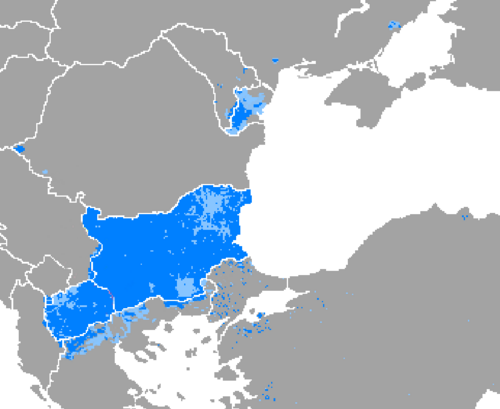
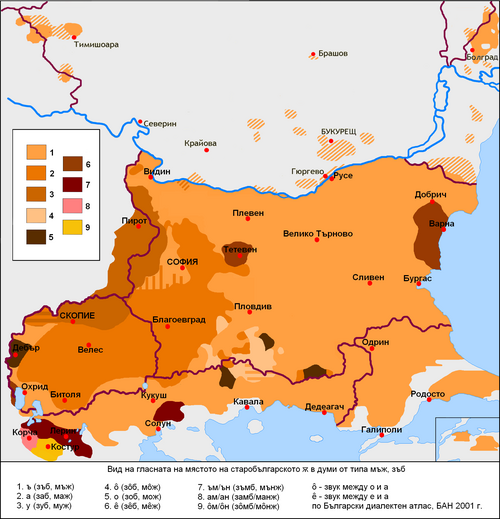
主にブルガリアとマケドニア、および近隣諸国の隣接地域(ウクライナのベッサラビア・ブルガリア人など)で話されている南スラヴ語の東部グループを形成する方言は、他のスラヴ語とは異なる多くの特徴を共有しています。[ 10 ] [ 11 ]
ブルガリア語とマケドニア語は、バルカン半島の他の言語、特にギリシャ語とアルバニア語といくつかの独特な特徴を共有している(バルカン言語連合を参照)。[ 10 ]
トルラク語の方言は、セルビア南東部、北マケドニア北部、ブルガリア西部、コソボ南東部、ルーマニア西部の一部で話されており、南スラヴ語の西部グループと東部グループの中間的な言語と考えられています。トルラク語は、ブルガリア語やマケドニア語とともにバルカン言語連合に属すると考えられており、これは遺伝的関係ではなく、長期にわたる接触によって生じた言語的収斂の領域です。そのため、一部の研究者はトルラク語を南東スラヴ語に分類する傾向があります。[ 12 ]
Each of these primary and secondary dialectal units breaks down into subdialects and accentological isoglosses by region. In the past (and currently, in isolated areas), it was not uncommon for individual villages to have their own words and phrases. However, during the 20th century the local dialects have been influenced by Štokavian standards through mass media and public education and much "local speech" has been lost (primarily in areas with larger populations). With the breakup of Yugoslavia, a rise in national awareness has caused individuals to modify their speech according to newly established standard-language guidelines. The wars have caused large migrations, changing the ethnic (and dialectal) picture of some areas—especially in Bosnia and Herzegovina, but also in central Croatia and Serbia (Vojvodina in particular). In some areas, it is unclear whether location or ethnicity is the dominant factor in the dialect of the speaker. Because of this the speech patterns of some communities and regions are in a state of flux, and it is difficult to determine which dialects will die out entirely. Further research over the next few decades will be necessary to determine the changes made in the dialectical distribution of this language group.
The eastern Herzegovinian dialect is the basis of the Bosnian, Croatian, Montenegrin, and Serbian standard variants of the pluricentric Serbo-Croatian.[13]
Chakavian is spoken in the western, central, and southern parts of Croatia—mainly in Istria, the Kvarner Gulf, Dalmatia and inland Croatia (Gacka and Pokupje, for example). The Chakavian reflex of proto-Slavic yat is i or sometimes e (rarely as (i)je), or mixed (Ekavian–Ikavian). Many dialects of Chakavian preserved significant number of Dalmatian words, but also have many loanwords from Venetian, Italian, Greek and other Mediterranean languages.
Example: Ča je, je, tako je vavik bilo, ča će bit, će bit, a nekako će već bit!
This dialect is spoken primarily in the federal state of Burgenland in Austria and nearby areas in Vienna, Slovakia, and Hungary by descendants of Croats who migrated there during the 16th century. This dialect (or family of dialects) differs from standard Croatian, since it has been heavily influenced by German and Hungarian. It has properties of all three major dialectal groups in Croatia, since the migrants did not all come from the same area, but the linguistic standard is based on the Chakavian dialect.
カイカヴィア語は、ハンガリーとスロベニアの国境に近いクロアチア北部と北西部、主にザグレブ、ヴァラジュディン、チャコヴェツ、コプリヴニツァ、ペトリニャ、デルニツェなどの町周辺で話されています。yatの反映は主に/e/ で、まれに二重母音ijeです。これはエカヴィア語のアクセントとは異なり、多くのカイカヴィア方言では、閉じたe (ほぼae ( yatから)) と開いたe (元のeから) を区別しています。シュトカヴィア方言に見られるいくつかの口蓋音(ć、lj、nj、dž)がなく、近隣のスロベニア語方言やドイツ語(主に町) からの借用語がいくつかあります。
例:カクジェ、タクジェ。タク・ジェ・ナベク・ビロ、カク・ブ・タク・ブ、ア・ブ・ヴレ・ネカク・カク・ブ!
スロベニア語は主にスロベニアで話されています。スロベニア語には多数の方言がありますが、その数については合意がありません。[ 14 ]推定値は7から50まで幅があります。[ 15 ] [ 16 ]最も低い推定値は、スロベニア語の一般的に認識されている7つの方言グループを指し、それらを細分化していません。7つのグループの中には、他のグループよりも異質なものもあり、高い推定値は、方言と下位方言を区別するために使用されてきたさまざまな基準を反映しています。スロベニア語の方言は互いに非常に異なる場合があり、ある方言の話者が別の方言の話者を理解するのは非常に難しい場合があります。[ 17 ]特に、彼らの方言が異なるグループに属している場合はなおさらです。スロベニア南部で話されている方言の中には、チャカヴィア方言やカイカヴィア方言のセルビア・クロアチア語に移行するものもある一方、東部方言からカイカヴィア方言への移行は一般的で、国境の両側でほぼ同じ言語変種が話されている場合もある(これは特にクパ川とストゥラ川の上流域に当てはまる)。
以下の表は、文法と音韻における革新を比較したものである。カイカヴィア語とスロベニア語の類似性は明らかである。
大まかに言うと、南スラブ語の東部方言(ブルガリア語とマケドニア語)は、西部方言と以下の点で最も異なっている。
これら3つの主要な分野以外にも、いくつかの小さな、しかし重要な違いが存在する。
セルビアの西の言語はラテン文字を使用するが、東と南の言語はキリル文字を使用する。セルビア語は公式にはキリル文字を使用するが、一般的にはラテン文字とキリル文字が同等に使用される。ほとんどの新聞はキリル文字で書かれ、ほとんどの雑誌はラテン文字で書かれている。セルビア人著者が書いた本はキリル文字で書かれているが、外国の著者から翻訳された本は、すでにキリル文字を使用している言語(最も顕著なのはロシア語)を除いて、通常はラテン文字で書かれている。テレビでは、テレビ番組の一部としての文章は通常キリル文字だが、広告は通常ラテン文字である。この区分は部分的に宗教に基づいている。セルビア、モンテネグロ、ブルガリア、マケドニア(キリル文字を使用)は正教の国であり、クロアチアとスロベニア(ラテン文字を使用)はカトリックの国である。[ 21 ]イスラム教徒のボシュニャク人が使用するボスニア語もラテン文字を使用するが、過去にはボスニア・キリル文字を使用していた。グラゴル文字は中世にも使用されていた(特にブルガリア、マケドニア、クロアチアで顕著であった)が、徐々に姿を消していった。
{{citation}}: CS1 maint: 複数の名前: 著者リスト (リンク)