
Loading article…

部族長、首長、または族長は、一般的に部族、氏族、集団、または部族連合と呼ばれる社会集団の政治的指導者です。首長の権威は社会や状況によって大きく異なり、多くの場合、強制力ではなく合意と慣習的な正当性に依存しています。人類学では、部族、首長、首長制などの用語が社会政治組織の比較モデルで使用されてきましたが、部族の分析的使用は不正確で歴史的に重荷を背負っているとして広く批判されてきました。現代のいくつかの国では、首長の権威の形態が憲法や法令によって正式に認められたり規制されたりしています。[ 1 ] [ 2 ] [ 3 ]
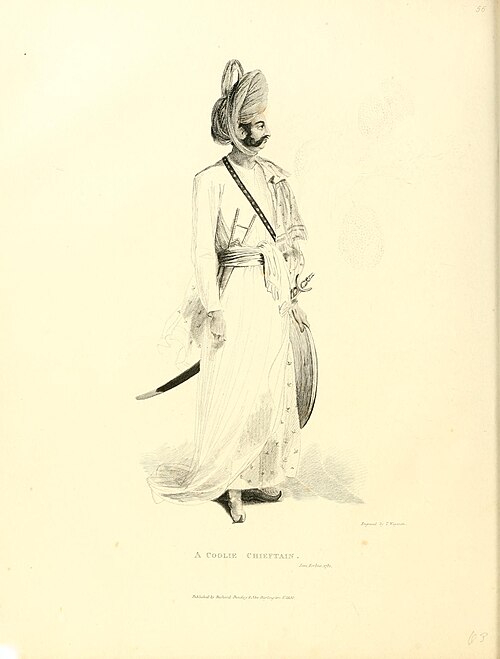
部族という概念は、西アフリカ・ユーラシアの社会における部族概念に基づいて広く適用されている。
部族社会は、旧石器時代のバンド社会と、都市を拠点とする中央集権的な超地域政府を持つ文明の中間段階として分類されることがある。人類学者エルマン・サービスは、部族社会を2つの段階に区別している。1つは、限られた社会的地位と威信によって組織された単純な社会、もう1つは、首長や部族王(首長国)によって率いられる、より階層化された社会である。部族王によって率いられる階層化された部族社会は、青銅器時代から始まる都市文明や帝国との競争の中ではあるものの、新石器時代から鉄器時代にかけて繁栄したと考えられている。
より大きな植民地国家やポスト植民地国家内の先住民族の部族社会の場合、部族長は自治を通じて部族や民族を代表することがある。
最も一般的な首長のタイプは、議会制文化における評議会(通常は長老たち)および/またはより広範な民衆集会の議長、戦士長(戦時中の代替または追加の役職となる場合がある)、世襲の首長、および政治的に支配的な呪術師である。[ 1 ]
The term is usually distinct from chiefs at lower levels, such as village chiefs (geographically defined) or clan chiefs (an essentially genealogical notion). The descriptive "tribal" requires an ethno-cultural identity (racial, linguistic, religious, etc.) as well as some political expression (representative, legislative, executive, and/or judicial). In certain situations, and especially in a colonial context, the most powerful member of either a confederation or a federation of such tribal, clan, or village chiefs is referred to as a paramount chief.[4]
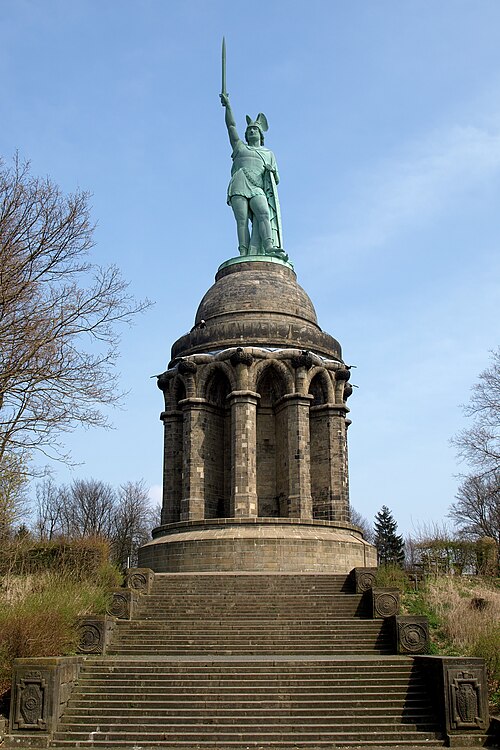
Classical sources of information about tribal societies are external descriptions, such as from Greco-Roman ethnography, which identified societies surrounding those of the ethnographers as tribal.
States and colonialism, particularly in the last centuries, have often subjected tribal societies to their own governments and laws. In some instances, tribes have retained or regained partial self-government, with Indigenous peoples' rights having been fought for and secured on state or international levels.

In Botswana, the reigning dikgosi of the various tribes serve as advisers to the government as members of the Ntlo ya Dikgosi, the national House of Chiefs. They also serve as the ex officio chairs of the tribal kgotlas, meetings of all of the members of the tribes.
The offices and traditional realms of the Nanas of Ghana are protected by the republican constitution of the country. The chiefs serve as custodians of all traditional lands and the cultures of the traditional areas. They also serve as members of the Ghanaian National House of Chiefs.
Although both the Nigerian traditional rulers and the wider chieftaincy aren't mentioned in Nigeria's current constitution, they derive their powers from various "Chiefs laws" and are therefore legally recognized. The traditional rulers and select chiefs usually serve as members of each federating state's State Council of Traditional Rulers and Chiefs.
Such figures as the King of the Zulu Nation and the Rain Queen are politically recognized in South Africa because they derive their status, not only from tribal custom, but also from the Traditional Leadership Clause of the country's current constitution. Some of them are members of the National House of Traditional Leaders.
The pre-colonial states that existed in what is today Uganda were summarily abolished following independence from Great Britain. However, following constitutional reforms in 1993, a number of them were restored as politically neutral constituencies of the state by the government of Yoweri Museveni. Such figures as the Kabaka of Buganda and the Omukama of Toro typify the Ugandan chieftaincy class.
カシキスモとは、政治的クライエンテリズムとして表れる、政治指導者が農村社会を完全に支配する歪んだ統治形態である。この概念は、歴史上の様々な時代においてラテンアメリカで最も広く見られた。スペインや一部のラテンアメリカ諸国では、カシケという言葉は、コロンブス以前の文明とは関係のない、曖昧な影響力ネットワークを通じて権力を握る人々を指す蔑称として用いられる。
ボリビアの公認民族集団であるアフロ・ボリビア人は、ボリビア政府によって称号が認められている国王によって率いられている。
バンドは、カナダの先住民(以前は「インディアン」と呼ばれていた)の統治の基本単位である。ほとんどのバンドには、バンドの全メンバーによる直接選挙、またはバンド評議会による間接選挙で選ばれた首長がいる。これらの首長は、インディアン法の規定に基づきカナダ政府によって承認されている。バンドには、伝統的な世襲制またはカリスマ的な首長がいる場合もあるが、通常、インディアン法によって認可された正式な政府の一部ではない。2012年には、カナダには614のバンドがあった。[ 8 ]全国組織である先住民連合は 、カナダのすべての先住民バンドのスポークスパーソンとして活動する「全国首長」を選出する。
酋長は、例えば雄弁や模範によって、あらゆる政治権力を握っていると見なされるかもしれない。しかし、北アメリカ大陸では、歴史的に移住によって他者の政治権力を回避することが可能だった。例えば、ミンゴ族は、 18世紀に人口の少ないオハイオ地方へとさらに西へ移住したイロコイ族である。ハウデノソーニー族、つまりイロコイ族のヒアワサとグレート・ピースメーカーの二人は、イロコイ連邦の憲法を制定した。マスコギー連邦は、「ミッコ」(民政酋長)が率いる部族の町で構成され、ミッコは町議会を主宰したが、町民は議会の決定を無視することができ、町も連邦の決定を無視することができた。
部族の指導者は必ずしも男性とは限りません。ウィルマ・マンキラーはチェロキー族の著名な首長でした。首長は長老評議会の同意なしに権力を行使できるとは限りません。例えば、チェロキー族の男性は女性評議会の同意なしに戦争に行くことは許されていませんでした。
アラブ人、特に遊牧民のベドウィン、そして一部のイラク人やシリア人は、大部分が部族社会を形成しており、その多くは政府に公式な代表者を送っている。部族の長はシェイクまたは長老と呼ばれるが、この用語はスーフィズムの精神的指導者に対する敬称としても用いられることがある。
アポ・ロドルフォ・アギラール(クドル1世)は、フィリピン・パラワン州コロン島のバヌアンダーンとカブガオの集落に住むタグバンワ族の族長を務めている。彼の立場はフィリピン政府によって認められています。
ソロモン諸島には地方裁判所法があり、これにより首長は地域社会における犯罪に対処する権限を与えられ、結果として相当な実効権限を持つことになる。