Loading article…
ジョージ・ランズベリー | |
|---|---|
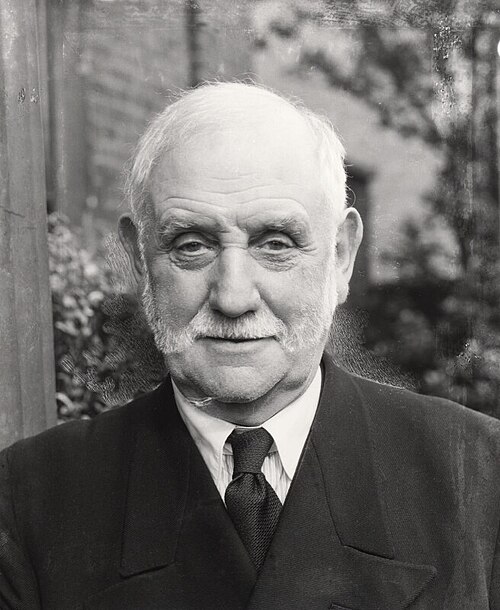 ハワード・コスターによる肖像画、1935年 | |
| 在任期間 :1932年10月25日[1] – 1935年10月8日 | |
| 首相 | |
| 副 | クレメント・アトリー |
| 先行 | アーサー・ヘンダーソン |
| 後継者 | クレメント・アトリー |
| 第一工事監督官 | |
| 在任期間 :1929年6月7日~1931年8月24日 | |
| 首相 | ラムゼイ・マクドナルド |
| 先行 | チャールズ・ヴェイン・テンペスト・スチュワート |
| 後継者 | チャールズ・ヴェイン・テンペスト・スチュワート |
| 労働党議長 | |
| 在任期間 :1927年10月7日~1928年10月5日 | |
| リーダー | ラムゼイ・マクドナルド |
| 先行 | フレデリック・ロバーツ |
| 後継者 | ハーバート・モリソン |
| ボウ・アンド・ブロムリー 選出国会議員 | |
| 在任期間 :1922年11月15日~1940年5月7日 | |
| 先行 | レジナルド・ブレア |
| 後継者 | チャールズ・キー |
| 在任期間 :1910年12月3日~1912年11月26日 | |
| 先行 | アルフレッド・デュ・クロ |
| 後継者 | レジナルド・ブレア |
| 個人情報 | |
| 生まれる | 1859年2月22日イングランド、サフォーク州、ヘール ズワース |
| 死亡 | 1940年5月7日(81歳)イギリス、 ノースロンドン |
| 政党 | 労働 |
| 配偶者 |
ベッシー・ブライン
(1880年生まれ 、1933年死去) |
| 子供たち | エドガー、ドロシー、デイジーを含む12人 |
| 親族 |
|
ジョージ・ランズベリー(1859年2月22日 - 1940年5月7日)は、1932年から1935年まで労働党を率いたイギリスの政治家、社会改革者。1929年から1931年の労働党政権下で短期間大臣を務めた期間を除き、彼は既存の権威や既得権益に反対する運動に政治生命を捧げ、その主な運動は社会正義、女性の権利、世界の軍縮の促進であった。
ランズベリーはもともと急進的な自由主義者だったが、1890年代初めに社会主義者となり、その後はイーストエンド・オブ・ロンドンの地元コミュニティーで数多くの公職に就いた。彼の活動はキリスト教の信仰に支えられており、短期間の疑念を除けば、生涯を通じて信仰を支え続けた。 1910年に英国議会議員に選出されたが、1912年に女性参政権運動のために議員を辞職し、公然と過激な行動を支持したため短期間投獄された。
1912年、ランズベリーはデイリー・ヘラルド紙の創刊に協力し、編集長となった。第一次世界大戦中、同紙は強い平和主義の立場を維持し、1917年10月のロシア革命を支持した。こうした立場が、ランズベリーが1918年に国会議員に選出されなかった一因となった。彼は故郷のポプラー自治区の地方政治に身を投じ、1921年のポプラー・レート反乱に関与した罪で30人の議員とともに投獄された。
1922年に議会に復帰した後、ランズベリーは1924年の短い労働党政権では議員職を拒否されたが、1929年から1931年の労働党政権では第一公共事業局長を務めた。1931年8月の政治・経済危機の後、ランズベリーは党首のラムゼー・マクドナルドに従わず国民政府に参加せず、労働党に留まった。 1931年の英国総選挙を生き残った少数の労働党議員の中で最古参の議員として、ランズベリーは労働党党首になった。ヨーロッパのファシズムの台頭を前にしてランズベリーは平和主義を唱え、再軍備に反対したため党と対立し、1935年の労働党大会でその地位が拒否されると党首を辞任した。晩年は平和と軍縮のためにアメリカとヨーロッパを旅して過ごした。
若いころ
イーストエンド育ち

ジョージ・ランズベリーは1859年2月22日、サフォーク州ヘイルズワースで生まれた。[n 1]彼は、同じくジョージ・ランズベリーという名の鉄道労働者とアン・ランズベリー(旧姓フェリス)の9人兄弟の3番目だった。[4]ジョージ・シニアの仕事には鉄道建設作業員の監督が含まれており、家族は頻繁に移動し、生活環境は粗末なものだった。[2]進歩主義的な考えを持つ母親と祖母を通じて、若きジョージは、グラッドストン、リチャード・コブデン、ジョン・ブライトといった当時の偉大な改革者たちの名前に親しみ、急進派のレイノルズ新聞を読み始めた。1868年末までに、家族はロンドンのイーストエンドに引っ越し、ランズベリーはほぼ生涯をそこで過ごし、働くことになった。[5]
随筆家のロナルド・ブライスは、1860年代と1870年代のイーストエンドを「非常にイギリス的...煙で黒くなった通りには、鳥のような活気で生き延びている文盲の群衆が溢れていた」と表現している。[6]ランズベリーは、仕事をしながらベスナルグリーンとホワイトチャペルの学校に通った。その後、兄のジェームズと共同で石炭運搬業者として石炭貨車の積み下ろしをするなど、肉体労働を次々とこなした。これは重労働で危険な仕事であり、少なくとも一度は致命的な事故に遭った。[7]
ランズベリーは、青年期から成人初期にかけて、下院の傍聴席に定期的に通い、当時の主要な外交政策問題であった「東方問題」に関するグラッドストンの演説を何度も聞き、記憶していた。 1878年2月24日、ハイドパークでの和平会議の後、グラッドストンの家の外で暴動が勃発したが、ランズベリーはその場にいた。 [8]シェパードは、自由、解放、そしてコミュニティの利益を主張するグラッドストンの自由主義は、若きランズベリーに「消えない痕跡を残した強烈な混合物」だったと書いている。[9]
ジョージ・ランズベリー・シニアは1875年に亡くなった。その年、ジョージは14歳のエリザベス・ブラインと出会った。彼女の父アイザック・ブラインは地元の製材所を経営していた。二人は最終的に1880年にホワイトチャペル教区教会で結婚した。そこの牧師、J・フランクリン・キットはランズベリーの精神的な指導者でありカウンセラーだった。1890年代に一時的に教会を拒絶した疑念の時期を除けば、ランズベリーは死ぬまで忠実な英国国教会信者であり続けた。 [10]
オーストラリア

1881年、ランズベリーは3人の男性を雇用する鉄道請負業者で、妻エリザベスと12人の子供のうち最初の生まれたばかりのベッシーとともにホワイトチャペルに住んでいた。[11] 1882年にはもう一人の娘アニーが生まれた。家族の将来性を高めようと、ランズベリーはオーストラリアへの移住が繁栄への最大の望みであると決めた。クイーンズランドのロンドン総代理店は、オーストラリアには無限の機会があり、誰にでも仕事があるという土地を描写した。この魅力的な見通しに魅了されたランズベリーとベッシーは必要な渡航費を集め、1884年5月に子供たちを連れてブリスベンに向けて出航した。[9] [12]
往路では、家族は病気、不快感、危険に遭遇した。ある時、モンスーンの時に船が沈没しそうになった。[12] 1884年7月にブリスベンに到着したランズベリーは、ロンドンの代理店の約束に反して、労働力が過剰で仕事を見つけるのが難しいことを知った。彼の最初の仕事である石を砕くことは、肉体的にあまりにも過酷であることが判明した。彼はより給料の良いバンの運転手に転職したが、宗教上の理由で日曜日に働くことを拒否したため解雇された。[13]その後、彼は内陸約80マイルの農場で働く契約をしたが、到着すると、雇用主が生活環境と雇用条件について彼を誤解させていたことがわかった。[14]
数か月間、ランズベリー一家は極度の貧困生活を送っていたが、ランズベリーは契約から解放された。ブリスベンに戻った彼は、しばらく、新しく建設されたブリスベン クリケット グラウンドで働いた。クリケットの熱心なファンだった彼は、イングランドのツアー チームの試合を観戦したいと思っていたが、ランズベリーの伝記作家レイモンド ポストゲートが記録しているように、「クリケット観戦は労働者にとって楽しみではないことを彼は知った」。[13] [n 2]
オーストラリア滞在中、ランズベリーは移民が直面している状況の真実を暴露する手紙を母国に送り続けた。[13] 1885年3月、彼は友人に宛てて次のように書いた。「機械工は不要。農場労働者も不要…何百人もの男女が仕事に就けない…街は昼も夜も汚く、もし私に妹がいたら、この地上の小さな地獄に連れ出されるよりは、彼女を射殺するだろう」。 [14] 1885年5月、義父のアイザック・ブラインから帰国のための十分な資金を受け取ったランズベリー一家はオーストラリアを永久に去り、ロンドンに戻った。[13]
急進的リベラル
最初のキャンペーン
ロンドンに戻ると、ランズベリーはブラインの木材会社に就職した。余暇には、植民地移民エージェントが提示した虚偽の案内に反対する運動を行った。 1886年4月にロンドンのキングス・カレッジで行われた移民会議での彼の演説は代表団に強い印象を与え、その後まもなく政府は植民地省の下に移民情報局を設立した。この機関は政府の海外領土すべてにおける労働市場の状況に関する正確な情報を提供することが義務付けられた。[17]
オーストラリアから帰国後すぐに自由党に入党したランズベリーは、まず区長となり、その後ボウ・アンド・ブロムリー自由急進派協会の書記長となった。[18]彼の効果的な選挙運動スキルは、ホワイトチャペル選出の自由党国会議員サミュエル・モンタギューなど指導的な自由党員からも注目されており、モンタギューは若き活動家を1885年の総選挙で自分の代理人となるよう説得した。[19]ランズベリーのこの選挙運動のやり方を見て、モンタギューは彼に自ら国会議員に立候補するよう勧めた。[20]ランズベリーはこれを断ったが、一部は実際的な理由(当時は国会議員は無給であり、家族を養わなければならなかった)からであり、一部は原則的な理由からであった。彼は、自分の将来は急進的自由主義者ではなく社会主義者にあるとますます確信するようになっていった。[19]彼は引き続き自由党の代理人や地方書記として奉仕し、同時に反体制派の仲間ウィリアム・ホフマンと共同で創刊・編集した短命の月刊急進派雑誌『カミング・タイムズ』で自身の社会主義を表明した。[21]
1889 年のロンドン郡議会選挙

1888年、ランズベリーは、新設のロンドン州議会(LCC)の第一回選挙に自由党候補としてボウ・アンド・ブロムリー選挙区で立候補していたジェーン・コブデンの選挙代理人を務めることに同意した。 [22]コブデンは女性参政権の早期支持者であり、ヴィクトリア朝急進派政治家リチャード・コブデンの4番目の子供であった。[23]新しい女性の権利団体である女性を州議会議員に昇格させる協会(SPWCC)は、ボウ・アンド・ブロムリー選挙区の候補者としてコブデン、ブリクストン選挙区の候補者としてマーガレット・サンドハーストを推薦していた。[24] [n 3]ランズベリーは、イーストエンドの有権者が最も懸念している問題、すなわち貧困者への住宅、過酷な労働の終結、集会の権利、警察の統制についてコブデンに助言した。選挙運動中、女性の権利に関する具体的な問題は、ほとんど避けられた。[25] 1889年1月19日、両名は当選した。しかし、これらの勝利は長くは続かなかった。サンドハーストの郡議会議員としての資格は、彼女の性別を理由に、彼女の保守党の反対派によって法廷で争われ、その後の彼女の上訴は却下された。コブデンはすぐには争われなかったが、一連の法的措置の後、1891年4月に、彼女は投票を禁じられ、厳しい罰金を科せられるという条件で、事実上、議員としての資格を失った。 [26]ランズベリーは、公聴会で彼女に「刑務所に行き、あなたの議席を空席と宣言しないことで議会にあなたを支援させなさい」と勧めた。[27]コブデンはこの道をたどらなかった。1891年5月に下院で提出された、女性が郡議会議員を務めることを認める法案は、どの政党の国会議員からもほとんど支持されず、1907年まで女性にこの権利は与えられなかった。[28]
ランズベリーは、自分の党が女性の権利をあまり支持していないことに腹を立てていた。ポール・メル・ガゼット紙に掲載された手紙の中で、彼はボウとブロムリーの自由党に「党派感情を捨て、今些細な問題に浪費しているエネルギーと能力を、国内の女性全員に市民権の完全な権利を保障することに注ぐ」よう公然と呼びかけた。[29]彼はさらに、党が8時間労働を承認しなかったことに幻滅した。ランズベリーは数年後に「自由主義は資本主義の巨額の資金が許す限り進歩するだろう」という見解を表明した。[30] 1892年までに、自由党はもはやランズベリーにとって政治的な拠点とは感じられなくなった。彼の現在の仲間のほとんどは、ウィリアム・モリス、エレノア・マルクス、ジョン・バーンズ、社会民主連盟(SDF)の創設者ヘンリー・ハインドマンなど、公然と社会主義者だった。[31]それにもかかわらず、ランズベリーはボウ・アンド・ブロムリー選挙区の自由党候補ジョン・マレー・マクドナルドの選挙代理人を務めるという約束を果たすまで自由党を辞任しなかった。彼は1892年7月の総選挙で自分の候補者が勝利するのを見て、結果が発表されるとすぐに自由党を脱退しSDFに加わった。[32]
社会主義改革者
社会民主連盟

ランズベリーがいくつかの社会主義組織の中からSDFを選んだのは、彼が「真に偉大な人物の一人」とみなしていたハインドマンへの尊敬の念を反映していた。[33]ランズベリーはすぐに連盟の最も精力的な宣伝活動家となり、イギリス中を旅して集会で演説したり、労働争議に巻き込まれた労働者との連帯を示したりした。[n 4]この頃、ランズベリーは一時的にキリスト教の信仰を捨て、イーストロンドン倫理協会の会員になった。教会に対する彼の幻滅の要因の1つは、地元の聖職者が貧困者救済に同情的でなく、集団政治活動に反対していたことだった。[35]
1895年、ランズベリーはウォルワースでSDFから2度の議会選挙に立候補した。最初は5月14日の補欠選挙、そして2か月後の1895年総選挙である。精力的な選挙運動にもかかわらず、どちらの選挙でもわずかな得票率で大敗した。[36]この惨憺たる結果の後、ランズベリーはハインドマンに説得され、製材所の仕事を辞め、SDFのフルタイムの有給全国組織者になった。彼は率直な革命主義の教義を説いた。「労働者階級が政治権力を掌握し、それを使って競争体制を打倒し、その代わりに国家協力を確立する時が来た」と彼はランカシャーのトッドモーデンで聴衆に告げた。 [37]ランズベリーのSDF全国組織者としての任期は長く続かなかった。 1896年にアイザック・ブラインが突然亡くなったとき、ランズベリーは家族の義務として製材所を引き継ぐ必要があると考え、ボウの自宅に戻った。[38]
1900年の総選挙では、ボウ・アンド・ブロムリー選挙区の自由党との協定により、SDF候補のランズベリーは保守党現職のウォルター・マレー・ガスリーと直接戦うことになった。戦争熱が高まっていた当時、ランズベリーはボーア戦争に公然と反対していたため、ランズベリーの活動は妨げられた。一方、元軍人のガスリーは軍人としての経歴を強調した。ランズベリーは選挙に敗れたが、得票数2,258票、ガスリーは4,403票で、マスコミは立派だと評価した。 [39]この選挙戦は、ランズベリーがSDFのために行った最後の主要な活動だった。彼は、ハインドマンが他の社会主義グループと協力できないことに幻滅し、1903年頃にSDFを脱退して独立労働党(ILP)に入党した。[40]この頃、ランズベリーはキリスト教の信仰を再発見し、英国国教会に復帰した。[41] [注5]
救貧法の守護者
「あなたが私の背中を掻いてくれるなら、私もあなたの背中を掻いてあげる」というのが、仕事や契約に関する方針の基本でした... スラム街の所有者と代理人は、病気を生み出す条件を作り出すことに頼ることができ、医者は病人の世話をする仕事に就き、薬剤師は薬を供給するために、牧師は祈る必要があり、そして、それらすべての中で犠牲者が亡くなったときには、葬儀屋が彼らを埋葬するために待機していました。
(ランズベリー、救貧法制度における縁故主義と濫用の程度を要約している。)[43]
1893年4月、ランズベリーはポプラー地区の救貧法監視員となり、初めての選挙で当選した。ランズベリーは、それまで一般的だった厳しい救貧院制度に代えて、救貧院を「絶望の場所ではなく、援助機関」にし、貧困の汚名をなくす改革プログラムを提案した。[44]ランズベリーは、そのエネルギーと献身によって、しばしば計画への支持を獲得することができた少数派の社会主義者の一人だった。[45]
ランズベリーの大きな関心事の一つは、貧民教育であった。彼は、以前は準軍事的な方針で運営されていた懲罰施設であったフォレスト ゲート地区学校を、正式な教育機関へと改築し、ポプラ トレーニング スクールとして半世紀以上も存続させた。[46] [注 6] 1897 年の救貧法会議で、ランズベリーは、初めて発表した論文「イギリス救貧法の原則」で、救貧救済に関する自身の見解をまとめた。彼の分析は、資本主義に対するマルクス主義的批判を提示した。つまり、産業を集産主義的な方針で再編成することだけが、現代の問題を解決するだろう、というものである。[48]
ランズベリーは1903年にポプラ区議会議員に選出され、公務に加えた。[49]その年の夏、彼は社会事業に熱心なアメリカ人の金持ち石鹸製造業者ジョセフ・フェルズと出会った。 [50]ランズベリーは1904年にフェルズを説得してエセックス州レインドンの100エーカーの農場を購入させ、そこを労働コロニーに変え、ポプラの失業者や貧困者に定期的な仕事を提供した。フェルズはまた、サフォーク州ホレスリー・ベイのはるかに大きなコロニーに資金を提供し、地方自治局の下で政府の計画として運営することにも同意した。[51]両方のプロジェクトは当初は成功したが、1906年の自由党政権の選出後に台無しになった。新しい地方自治大臣は、元SDFの支持者で現在は自由党に所属し、社会主義の断固たる反対者となったジョン・バーンズであった。[52] [53]バーンズは、怠け者や寄生虫を甘やかす金の無駄遣いの事業として宣伝され、労働植民地の原則を信用できないものにする宣伝キャンペーンを奨励した。正式な調査で、この計画の運営に不正があったことが明らかになったが、ランズベリーは無罪となった。彼は有権者の信頼を維持し、1907年に簡単に監督委員会に再選された。[54] [55]
1905年、ランズベリーは救貧法に関する王立委員会に任命され、4年間審議された。ランズベリーは、フェビアン協会のベアトリス・ウェッブとともに、救貧法を完全に廃止し、老齢年金、最低賃金、国と地方の公共事業を組み込んだ制度に置き換えることを主張した。これらの提案は、委員会の結論として、ランズベリーとウェッブが署名した少数派報告書にまとめられた。ポストゲートによると、多数派報告書は「考えの浅はかな提案の寄せ集めで、途方もなく不十分だったため、実施する試みは一度も行われなかった」という。少数派の勧告のほとんどは、やがて国の政策となった。[56]救貧法は、最終的に1929年の地方自治法によって廃止された。[57]
全国的な知名度
女性参政権運動家

1906年1月の総選挙で、ランズベリーはミドルスブラで社会主義者の独立候補として立候補し、強力な「女性に投票権」の綱領を掲げた。これは1889年のロンドン市議会選挙以来、女性の権利を基盤とした初めての選挙運動だった。選挙区にランズベリーを推薦したのはジョセフ・フェルスで、フェルスは彼の費用を負担することに同意した。地元の労働党指導部は選挙協定で自由党候補を支持することを約束しており、得票率が9%に満たないランズベリーを支持できなかった。[58]この選挙運動は、地元の著名な女性参政権運動家、マリオン・コーツ・ハンセンが指揮していた。ハンセンの影響でランズベリーは「女性に投票権」の運動を取り上げ、[59]主要な女性参政権運動組織の中でもより過激な女性社会政治同盟(WSPU)と同盟を組み、エメリン・パンクハーストとその家族の親しい仲間となった。 [60]
1906年に大多数で選出された自由党政権は、女性参政権の問題にほとんど関心を示さなかった。[61] 1910年1月の総選挙で過半数議席を失った後、自由党は40人余りの労働党員の票に依存していた。[n 7]ランズベリーの落胆は、労働党がこの影響力を女性参政権の促進に利用せず、その代わりに保守党を政権から締め出すために政府に事実上無条件の支援を与えたことだった。[63] [64]ランズベリーは1910年1月にボウ・アンド・ブロムリー選挙区で労働党候補として選挙に敗れたが、1909年のデイヴィッド・ロイド・ジョージの物議を醸した「人民予算」から生じた継続的な政治危機により、 1910年12月に再度総選挙が実施された。ランズベリーは再びボウ・アンド・ブロムリー選挙区で戦い、今回は勝利した。[65]
ランズベリーは女性参政権を求める闘いにおいて、議会の労働党の同僚からほとんど支援を受けられず、彼らを「弱々しく、軟弱な連中」と切り捨てた。[60]議会では、投獄された女性参政権運動家に加えられている残虐行為について、首相のH・H・アスキスを非難した。「あなた方は軽蔑に値しない...公的生活から追放されるべきである」。彼は「秩序を乱す行為」で一時的に下院から除名された。[66] 1912年10月、自分の立場と労働党の同僚の立場の間に埋めがたい溝があることに気づいたランズベリーは、女性参政権という特定の問題をめぐってボウ・アンド・ブロムリーの補欠選挙に挑むため、議席を辞した。 [67]女性参政権運動家たちは、この運動を支援するためにグレース・ローを派遣した。 [68]彼は、「ペティコート政府反対」というスローガンを掲げた保守党の対立候補に敗れた。[69]この結果について、労働党議員のウィル・ソーンは、女性投票権という単一の問題だけではどの選挙区も勝利することはできないとの見解を示した。[70]
1913年4月26日、議会外でランズベリーはアルバートホールで行われたWSPUの集会で演説し、暴力的な手段を公然と擁護した。「奴らに火をつけたり、財産を破壊したり、やりたいことを何でもやらせよう。そして、リーダーが一人追放されるごとに、12人が代わりに出陣すればいい」。このためランズベリーは扇動罪で告発され、有罪判決を受け、控訴棄却後、3ヶ月の禁固刑を宣告された。[71]彼は直ちにハンガーストライキを開始し、4日後に釈放された。いわゆる「猫とネズミ法」 [ n 8]により再逮捕される可能性があったが、その後は自由の身となった。[73] 1913年秋、フェルスの招待で、ランズベリーと妻は長期休暇でアメリカとカナダを旅行した。帰国後、彼は主に創刊したばかりの新聞、デイリー・ヘラルドに尽力した。[74]
戦争、デイリー・ヘラルドボルシェヴィズム
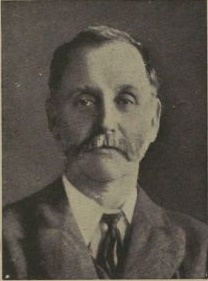
デイリー・ヘラルドは、 1910年から1911年にかけてのロンドンの印刷工ストライキ中に臨時の新聞として発行された。ストライキ終了後、ランズベリーらは十分な資金を集め、1912年4月に社会主義の日刊紙として再発行された。[75]この新聞は、 HGウェルズ、ヒラリー・ベロック、GKチェスタトン、ジョージ・バーナード・ショーなどの著名な作家から寄稿を集めたが、ブライスは、その一部は「社会主義者ではなく、単に[新聞]を個人的な文学的無政府主義のプラットフォームとして利用した」と指摘している。 [76]ランズベリーは、さまざまな大義、特に戦闘的な女性参政権運動を支援するために定期的に寄稿し、[77] 1914年初頭に新聞の編集長に就任した。[78]
1914年8月に第一次世界大戦が勃発する前、ヘラルド紙は強い反戦路線をとった。[79] 1914年8月2日、トラファルガー広場で行われた大規模デモで演説したランズベリーは、来たるべき戦争は資本主義のせいだと非難した。「すべての国の労働者に争いはない。彼らは...平時には搾取され、戦時には虐殺されるために送り込まれるのだ」。[80]ランズベリーの立場は、戦時中のアスキス連立政権、そして1916年からはロイド・ジョージ政権と同盟を組んだ労働運動の大半の立場とは相容れないものだった。[n 9]当時の愛国主義ムードが蔓延する中、多くの読者は、戦時経済によって週刊紙に縮小されたヘラルド紙に、戦争熱や愛国主義に染まっていないバランスの取れたニュースの視点を提供してくれることを期待した。[76] 1914年から1915年の冬、ランズベリーは西部戦線の塹壕を訪れた。彼は目撃証言を新聞に送り、その新聞はウッドロウ・ウィルソン大統領が1917年1月に発表した「和平覚書」に沿ってドイツとの和平交渉を求める声を支持した。また、同紙は良心的兵役拒否者やアイルランドとインドの民族主義者に対しても好意的な報道を行った。[82]

ランズベリーはデイリー・ヘラルド紙で、1917年2月のロシア革命を「ヨーロッパに現れた新たな希望の星」として歓迎した。 [83] 1918年3月18日のアルバート・ホールでの集会で、彼は「このロシアの運動」の精神と熱意を称賛し、聴衆に「必要とあらば、我々の信念のために死ぬ覚悟を」するよう促した。[84] 1918年11月に戦争が終わると、ロイド・ジョージは勝利の高揚感が彼の連立政権を維持するだろうと正しく計算し、直ちに総選挙を実施した。この勝利主義的な雰囲気の中で、戦争に反対したランズベリーのような候補者は不人気となり、ボウ・アンド・ブロムリー選挙区の議席を奪還できなかった。[85]
ヘラルド紙は1919年3月に日刊紙として復活した。[86]ランズベリーの指揮の下、同紙はロシア内戦へのイギリスの介入に反対する強力なキャンペーンを展開し、最終的には成功を収めた。[76] 1920年2月、ランズベリーはロシアを訪れ、レーニンや他のボルシェビキ指導者と会った。[87]彼は「ロシアで見たもの」という記事を出版した。[4]しかし、この訪問の影響は、ヘラルド紙がボルシェビキから資金提供を受けているという非難によって影を潜めてしまった。この非難はランズベリーによって強く否定された。「我々はボルシェビキから資金提供を受けていないし、ボルシェビキの紙幣もボルシェビキの債券も受け取っていない」。ランズベリーは知らなかったが、この主張には真実が含まれていた。それが暴露されると、彼と新聞社は相当の恥をかいた。[88] 1922年までにヘラルド紙の財政難は深刻化し、寄付金で運営する民間企業としては存続できなくなった。ランズベリーは編集長を辞任し、新聞を労働党と労働組合会議(TUC)に譲渡したが、執筆活動は続け、1925年1月3日まで名目上のゼネラルマネージャーを務めた。[89] [90]
「ポプラリズム」:1921年の金利反乱

全国的な選挙活動の間中、ランズベリーはポプラ区議会議員および救貧法の守護者であり続け、1910年から1913年まで3年間ロンドン郡議会議員を務めた。[4] [91] 1919年に彼は労働党として初めてポプラ市長となった。[92]当時の地方自治財政制度では、区はそれぞれその境界内の救貧救済に責任を負っていた。これはポプラのような貧しい自治体に大きな差別をもたらし、税金収入は低く、貧困と失業は常に深刻で、景気後退時にはさらに悪化した。[n 10]この制度下では、「裕福なウェストエンドの区は責任を逃れており、まるで荒れ果てて静かな港がポプラ区議会の失敗の結果であるかのように」とポストゲートは主張している。[93]議会は自らの義務の費用を賄うだけでなく、ロンドン郡議会やロンドン警視庁などの団体が提供するサービスの支払いのために課税する必要があった。 [94]ランズベリーは長い間、費用をより公平に分担するために、ロンドン全体である程度の課税均等化が必要であると主張していた。[44 ]
1921年3月22日の会合で、ポプラ評議会は、課税を行わず、その収入を地元の救貧費に充てることを決議した。[94]この違法行為は大騒ぎとなり、評議会に対する訴訟に発展した。7月29日、関与した30人の評議員は、ブラスバンドに先導され、ボウから高等裁判所まで行進した。裁判官から課税を適用しなければならないと告げられた評議員たちは、動こうとしなかった。9月初旬、ランズベリーと29人の同僚評議員は、法廷侮辱罪で投獄された。判決を受けた者の中には、息子のエドガーとエドガーの妻ミニーもいた。[93]
ポプラー区議会議員の反抗は幅広い関心と同情を呼び、その報道は政府を当惑させた。労働党が支配する他のいくつかの区議会(将来の労働党党首クレメント・アトリーが市長を務めたステップニーを含む)も同様の政策をちらつかせた。[95] 6週間の拘禁の後、議員らは釈放され、政府会議がこの件を解決するために招集された。この会議はランズベリー個人にとって重要な勝利をもたらした。それは、ロンドンのすべての自治区で救貧負担を平等にする地方自治体(財政規定)法の可決であった。その結果、ポプラー区の税率は3分の1に下がり、自治区は40万ポンドの追加収入を得た。[93] [95]ランズベリーは英雄として歓迎され、1922年の総選挙で約7,000票の多数でボウ・アンド・ブロムリー区の議席を獲得し、その後終身その地位を保持することになった。 「ポプラリズム」という言葉は、常にランズベリーと密接に結び付けられ、政治用語の一部となり、一般的には貧困層や社会の最も恵まれない層のために地方政府が中央政府に対抗する運動に適用されるようになった。[4]
議会と国家機関
労働党議員
「数世紀前、当時の庶民に反対したある王が正気を失った。本当に正気を失ったのだ。あの日以来、王や女王は、あるべき姿でいた。彼らは決して一般の政治に干渉することはなかった。ジョージ5世は、今や介入しない方が賢明だろう。」
(1924年1月に最初の労働党政権が発足する直前にランズベリーが国王に警告した)[96]
1923年5月、保守党の首相ボナー・ローが健康上の理由で辞任した。12月、後任のスタンリー・ボールドウィンは再度選挙を実施したが、保守党は過半数を失い、労働党が強力な第2位となった。国王ジョージ5世はボールドウィンに対し、最大党の党首として下院での投票で敗北するまで辞職しないよう助言した。敗北は1924年1月21日に訪れ、自由党は労働党に鞍替えすることを決めた。国王は労働党党首ラムゼー・マクドナルドに組閣を依頼した。[97] [98]ランズベリーは国王が労働党を締め出すために他党と共謀したと公然と示唆し、またチャールズ1世の運命に言及して国王の怒りを買った。[99]ランズベリーは年長者であるにもかかわらず、新政府で下級の非閣僚ポストしかオファーされず、これを辞退した。[100]彼は、内閣から排除されたのは国王からの圧力によるものだと信じていた。[100] 1923年の労働党大会で、ランズベリーは共和主義者であると宣言しながらも、君主制の廃止を求める2つの動議に反対し、この問題は「邪魔」であるとした。社会革命がいつか君主制を廃止するだろうと彼は言った。[101]
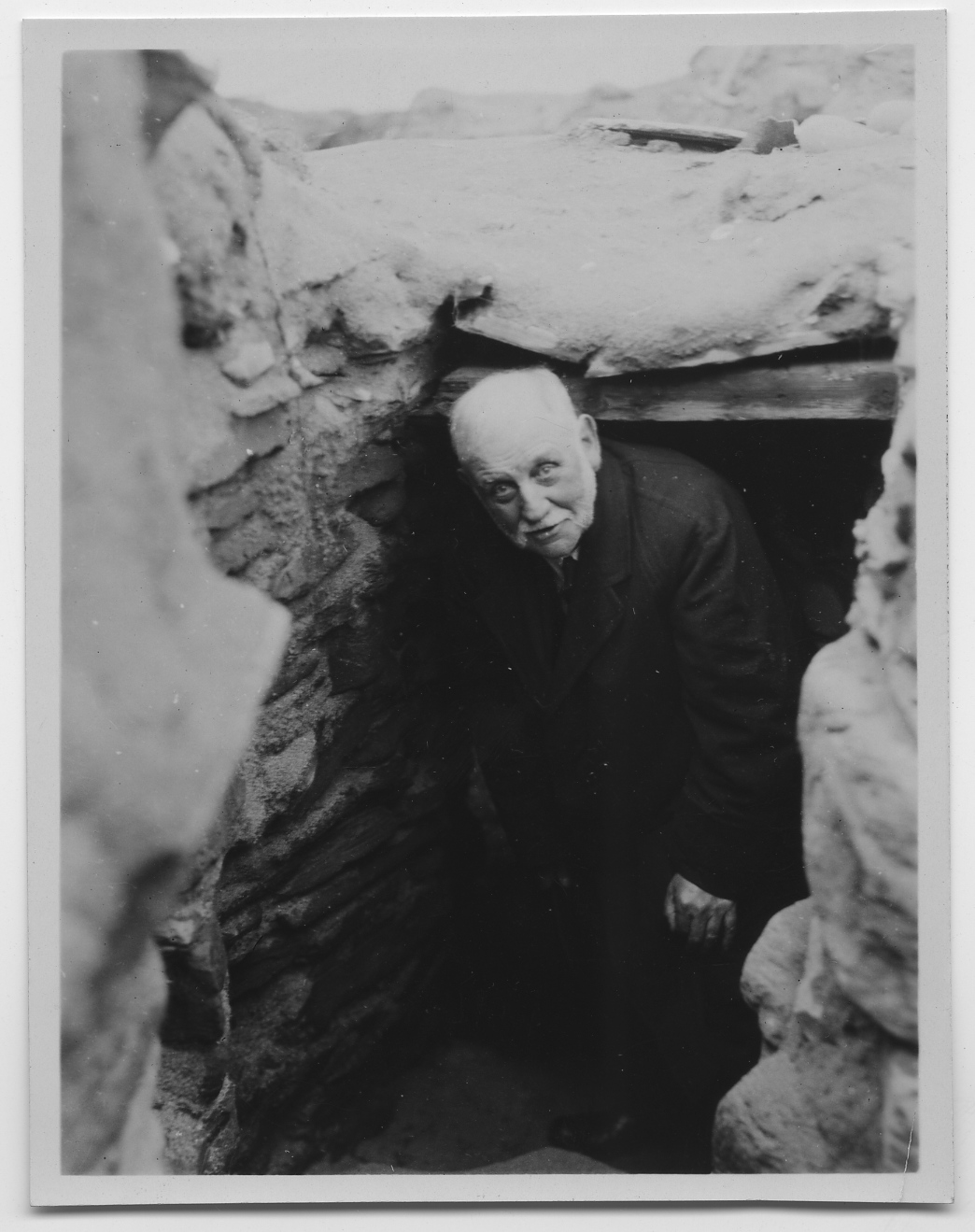
マクドナルド政権は1年も続かず、1924年11月に自由党は支持を撤回した。ブライスは最初の労働党政権は「爽快でも有能でもなかった」と述べている。[98]シェパードによると、マクドナルドの最大の優先事項は労働党が「統治にふさわしい」ことを示すことであり、そのため保守的な慎重さを持って行動した。[102] 12月の総選挙で保守党が政権に復帰した。ランズベリーは労働党の大義は「選挙結果に関係なく前進する」と主張した。[103]敗北後、ランズベリーはマクドナルドに代わる党首として一時宣伝されたが、彼はこれを否定した。[104] 1925年、デイリー・ヘラルドから独立し、ランズベリーズ・レイバー・ウィークリーを創刊・編集し、1927年にニュー・リーダーと合併するまで、社会主義、民主主義、平和主義という彼の個人的な信条を代弁する新聞となった。

[105] 1926年5月のゼネスト前、ランズベリーはウィークリー紙を利用して労働組合会議(TUC)に来たるべき闘争の準備について指導した。しかし、ストライキが起こったとき、TUCは彼の援助を望まなかった。[106]彼らが彼を信用しなかった理由の1つは、ランズベリーが共産主義組織が労働党に加盟する権利を主張し続けていたことだった。彼は個人的に、イギリスの共産主義者は独力では「貝屋台も経営できない」と語っていた。[107]
ランズベリーは議会で私的な運動を続け、「私はあらゆる機会に…議事進行を妨害するつもりだ」と述べた。[108] 1926年4月、彼と他の12人の野党議員は、投票ロビーを妨害して庶民院での投票を阻止した。彼らは議長によって一時的に資格停止にされた。 [109] [110]救貧法の管理と改革を担当していたネヴィル・チェンバレン保健大臣と下院で頻繁に衝突した際、ランズベリーは「死の省」に言及し、[111]大臣を「ナポレオンのかたまり」と呼んだ。[112]しかし、労働党内では、ランズベリーの地位と人気により、1927年から1928年にかけて党の議長(主に名目上の役職)に選出された。[113]ランズベリーは国際反帝国主義連盟の会長にもなり、その執行部メンバーにはジャワハルラール・ネルー、マダム・タッソー、ジョージ・W・ブッシュらがいた。孫文とアルバート・アインシュタイン[114]。1928年、家業の失敗により資金難に陥ったランズベリーは、自伝『マイ・ライフ』を出版し、出版社のコンスタブル・アンド・カンパニーから「かなり多額の小切手」を受け取った。[115]
1929年~1931年閣僚
.jpg/500px-Hyde_Park_(6853353480).jpg)
1929年の総選挙では労働党が287議席を獲得して第一党となったが、過半数には届かなかった。[116]再びマクドナルドは自由党の支持に頼る政府を結成した。ランズベリーは新内閣に第一建設委員として加わり、歴史的建造物や記念碑、王立公園を担当した。この役職は一般的に閑職とみなされていたが、[117]ランズベリーは積極的な大臣であり、公共レクリエーション施設の改善に大きく貢献した。[4]彼の最も有名な業績はハイドパークのサーペンタインにあるリドであり、歴史家AJPテイラーによると「第二次労働党政権の記憶を生き生きと保っている唯一のもの」である。[118]リドバー&カフェの外壁にはランズベリーの円形の記念碑が掲げられている。ランズベリーは職務上、王立公園の管理人として定期的な協議を主張した国王と頻繁に接触した。一部の人々の予想に反して、二人は友好的な関係を築いた。[119] [120]
マクドナルドの第2次政権の時代は、1929年10月のウォール街大暴落に続く経済不況に支配された。 [121]ランズベリーは、 JHトーマスが議長を務め、サー・オズワルド・モズレーを含む、失業問題の解決策を見つける任務を負った委員会に任命された。モズレーは、大規模な公共事業プログラムを求める覚書を作成したが、財務大臣フィリップ・スノーデンは費用を理由にこれを拒否した。[122] [123] [n 11] 1931年7月末、政府支出を調査するために2月に任命されたメイ委員会は、[125]失業手当の大幅な削減を含む大幅な削減を指示した。[126] [n 12]

During August, in an atmosphere of financial panic and a run on the pound, the government debated the report. MacDonald and Snowden were prepared to implement it, but Lansbury and nine other cabinet ministers rejected the cut in unemployment benefit. Thus divided, the government could not continue; MacDonald, however, did not resign as prime minister. After discussions with the opposition leaders and the king he formed a national all-party coalition, with a "doctor's mandate" to tackle the economic crisis. The great majority of Labour MPs, including Lansbury, were opposed to this action; MacDonald and the few who followed him were expelled from the party, and Arthur Henderson became leader.[127] MacDonald's move was broadly welcomed in the country, however, and in the general election held in October 1931 the national government was returned with an enormous majority. Labour was reduced to 46 members; Lansbury was the only senior member of the Labour leadership to retain his seat.[123][n 13]
Party leader
Although defeated in the election, Henderson remained the party leader while Lansbury headed the Labour group in parliament—the Parliamentary Labour Party (PLP). In October 1932 Henderson resigned and Lansbury succeeded him.[1] In most historians' reckonings, Lansbury led his small parliamentary force with skill and flair. He was also, says Shepherd, an inspiration to the dispirited Labour rank and file.[129] As leader he began the process of reforming the party's organisation and machinery, efforts which resulted in considerable by-election and municipal election successes—including control of the LCC under Herbert Morrison in 1934.[4][130] According to Blythe, Lansbury "represented political hope and decency to the three million unemployed."[131] During this period Lansbury published his political credo, My England (1934), which envisioned a future socialist state achieved by a mixture of revolutionary and evolutionary methods.[132]
I believe that force never has and never will bring permanent peace and goodwill in the world ... God intends us to live peacefully and quietly with one another. If some people do not allow us to do so, I am ready to stand as the early Christians did, and say, this is our faith, this is where we stand, and, if necessary, this is where we will die.
(From Lansbury's speech to the 1935 Labour Party conference)[133]
The small Labour group in parliament had little influence over economic policy; Lansbury's term as leader was dominated by foreign affairs and disarmament, and by policy disagreements within the Labour movement. The official party position was based on collective security through the League of Nations and on multilateral disarmament. Lansbury, supported by many in the PLP, adopted a position of Christian pacifism, unilateral disarmament and the dismantling of the British Empire.[134] Under his influence the party's 1933 conference passed resolutions calling for the "total disarmament of all nations", and pledged to take no part in war.[135] Pacifism became temporarily popular in the country; on 9 February 1933 the Oxford Union voted by 275 to 153 that it would "in no circumstances fight for its King and Country", and the Fulham East by-election in October 1933 was easily won by a Labour candidate committed to full disarmament.[136] Lansbury sent a message to the constituency in his position as Labour Leader: "I would close every recruiting station, disband the Army and disarm the Air Force. I would abolish the whole dreadful equipment of war and say to the world: 'Do your worst'."[137] October 1934 saw the emergence of the Peace Pledge Union. In response to the Peace Pledge Union, the League of Nations Union conducted the 1934–35 Peace Ballot, an unofficial public referendum, which produced massive majorities in support of the League of Nations, multilateral disarmament, and conflict resolution through non-military means – though crucially, a three-fold majority supported military measures as a last resort. Meanwhile, Adolf Hitler had come to power in Germany, and had withdrawn from the international Conference on Disarmament in Geneva. Blythe observes that Britain's noisy flirtations with pacifism "drowned out the sounds from German dockyards", as German rearmament began.[136]
As fascism and militarism advanced in Europe, Lansbury's pacifist stance drew criticism from the trade union elements of his party—who controlled the majority of party conference votes. Walter Citrine, the TUC general secretary, commented that Lansbury "thinks the country should be without defence of any kind ... it certainly isn't our policy."[138] The party's 1935 annual conference took place in Brighton during October, under the shadow of Italy's impending invasion of Abyssinia. The national executive had tabled a resolution calling for sanctions against Italy, which Lansbury opposed as a form of economic warfare. His speech—a passionate exposition of the principles of Christian pacifism—was well received by the delegates, but immediately afterwards his position was destroyed by Ernest Bevin, the Transport and General Workers' Union leader. Bevin attacked Lansbury for putting his private beliefs before a policy, agreed by all the party's main institutions, to oppose fascist aggression,[139] and accused him of "hawking your conscience round from body to body asking to be told what to do with it".[140] Union support ensured that the sanctions resolution was carried by a huge majority; Lansbury, realising that a Christian pacifist could no longer lead the party, resigned a few days later.[133] His deputy, Clement Attlee, succeeded him as party leader prior to the 1935 general election; Lansbury thus contested no general elections as party leader.[141][142][143] As of 2023[update], he is the last Labour leader to stand down without contesting a general election.[144]
Final years
[Hitler] appeared free of personal ambition ... wasn't ashamed of his humble start in life ... lived in the country rather than the town ... was a bachelor who liked children and old people ... and was obviously lonely. I wished that I could have gone to Berchtesgaden and stayed with him for a little while. I felt that Christianity in its purest sense might have had a chance with him.
(Lansbury's impressions after meeting Adolf Hitler in April 1937)[145]
Lansbury was 76 years old when he resigned the Labour leadership; he did not, however, retire from public life. In the general election of November 1935 he kept his seat at Bow and Bromley; Labour, now led by Attlee, improved its parliamentary representation to 154.[140] Lansbury devoted himself entirely to the cause of world peace, a quest that took him, in 1936, to the United States. He addressed large crowds in 27 cities before meeting President Roosevelt in Washington to present his proposals for a world peace conference.[146] In 1937 he toured Europe, visiting leaders in Belgium, France and Scandinavia, and in April secured a private meeting with Hitler. No official report of the discussion was issued, but Lansbury's personal memorandum indicates that Hitler expressed willingness to join in a world conference if Roosevelt would convene it.[147] Later that year Lansbury met Mussolini in Rome; he described the Italian leader as "a mixture of Lloyd George, Stanley Baldwin and Winston Churchill".[148] Lansbury wrote several accounts of his peace journeys, notably My Quest for Peace (1938).[149] His mild and optimistic impressions of the European dictators were widely criticised as naïve and out of touch; some British pacifists were dismayed at Lansbury's meeting with Hitler,[150] while the Daily Worker accused him of diverting attention from the aggressive realities of fascist policies.[148] Lansbury continued to meet European leaders through 1938 and 1939, and was nominated, unsuccessfully, for the 1940 Nobel Peace Prize.[151]

At home, Lansbury served a second term as Mayor of Poplar, in 1936–37. He argued against direct confrontation with Mosley's Blackshirts during the October 1936 demonstrations known as the Battle of Cable Street.[152] In October 1937 he became president of the Peace Pledge Union,[146] and a year later he welcomed the Munich Agreement as a step towards peace. During this period he worked on behalf of refugees from Nazi Germany, and was chairman of the Polish Refugee Fund which provided relief to displaced Jewish children.[151] On 3 September 1939, after Neville Chamberlain's announcement of war with Germany, Lansbury addressed the House of Commons. Observing that the cause to which he had dedicated his life was going down in ruins, he added: "I hope that out of this terrible calamity will arise a spirit that will compel people to give up the reliance on force."[153]
Early in 1940 Lansbury's health began to fail; although unaware, he was suffering from stomach cancer.[151] In an article published in the socialist magazine Tribune, published on 25 April 1940, he made a final statement of his Christian pacifism: "I hold fast to the truth that this world is big enough for all, that we are all brethren, children of one Father".[154] Lansbury died on 7 May 1940, at the Manor House Hospital in Golders Green. His funeral in St Mary's Church, Bow, was followed by cremation at Ilford Crematorium,[155] before a memorial service in Westminster Abbey.[4] His ashes were scattered at sea, in accordance with the wish expressed in his will: "I desire this because although I love England very dearly ... I am a convinced internationalist".[155]
Tributes and legacy
Most historical assessments of Lansbury have tended to stress his character and principles rather than his effectiveness as a party political leader. His biographer Jonathan Schneer writes:
Lansbury was a talented politician, speaker, and organizer. What made him remarkable was the stubbornness with which he clung to his principles... [He] became one of the best-loved and most-respected figures in the labour movement. Lansbury's legacy has been the adamantine insistence among an element within the Labour Party that Britain must stand for moral principles, must set the world a moral example. Concretely, this has meant demanding the total abolition of capitalism and unilateral disarmament, policies that Labour's leaders have usually thought utopian or worse.[156]

Historian A. J. P. Taylor labelled Lansbury as "the most lovable figure in modern politics" and the outstanding figure of the English revolutionary left in the 20th century,[157] while Kenneth O. Morgan, in his biography of a later Labour leader, Michael Foot, regards Lansbury as "an agitator of protest, not a politician of power".[158] Journalists commonly accused Lansbury of sentimentality, and party intellectuals accused him of lacking mental capacity.[159] Nevertheless, his speeches in the House of Commons were often flavoured with historical and literary allusions, and he left behind a considerable body of writing on socialist ideas; Morgan refers to him as a "prophet".[160] Foot, who as a young man met and was influenced by Lansbury, was particularly impressed by the older man's achievements in establishing the Daily Herald, given his complete lack of journalistic training.[161] Nevertheless, Foot felt that Lansbury's pacifism was unrealistic, and believed that Bevin's demolition at the 1935 conference was justified.[162]
.jpg/500px-George_Lansbury_Memorial_in_Bow_(01).jpg)
There is much agreement among historians and analysts that Lansbury was never self-serving and, guided by his Christian socialist principles, was consistent in his efforts on behalf of the poorest in society.[4] Shepherd believes that "there could have been no better leader for the Labour Party at the collapse of its political fortunes in 1931 than Lansbury, a universally popular choice and a source of inspiration among Labour ranks".[129] In the House of Commons on 8 May 1940, the day following Lansbury's death, Chamberlain said of him: "There were not many hon. Members who felt convinced of the practicability of the methods which he advocated for the preservation of peace, but there was no one who did not realise his intense conviction, which arose out of his deep humanitarianism". Attlee also paid tribute to his former leader: "He hated cruelty, injustice and wrongs, and felt deeply for all who suffered ... [H]e was ever the champion of the weak, and ... to the end of his life he strove for that in which he believed".[163]
After the Second World War, a stained glass window designed by the Belgian artist Eugeen Yoors was placed in the Kingsley Hall community centre in Bow, as a memorial to Lansbury. His memory is further sustained by streets and housing developments named after him, most notably the Lansbury Estate in Poplar, completed in 1951.[159] A further enduring memorial, Attlee suggests, is the extent to which the then-revolutionary social policies that Lansbury began advocating before the turn of the 20th century had become accepted mainstream doctrine little more than a decade after his death.[164]
His name and picture (and those of 58 other women's suffrage supporters) are on the plinth of the statue of Millicent Fawcett in Parliament Square, London, unveiled in 2018.[165][166][167]
Personal and family life
George Lansbury married Elizabeth Jane (Bessie) Brine on 22 May 1880 in Whitechapel, London. Four years later, in May 1884, he took his wife and their three young children to Australia as emigrants with high hopes based on British government propaganda, which suggested plentiful work and a rosy life there. The truth was otherwise, with paid work very hard to find, and terrible living conditions for many. By May 1885 they had had enough of Australia, and returned to London. Lansbury took up work in his father-in-law's Whitechapel sawmill and began his political career speaking about the harsh conditions in Australia.[168]
For most of their married life, George and Bessie Lansbury lived in Bow, originally in St Stephen's Road and from 1916 at 39 Bow Road, a house which, Shepherd records, became "a political haven" for those requiring assistance of any kind.[169] Bessie died in 1933, after 53 years of a marriage that had produced 12 children between 1881 and 1905.[170]
Of the 10 children who survived to adulthood, Edgar followed his father into local political activism as a Poplar councillor in 1912, serving as the borough's mayor in 1924–25. He was for a time a member of the Communist Party of Great Britain (CPGB). After the death of his first wife Minnie in 1922, Edgar married Moyna Macgill, an actress from Belfast;[171] their daughter Dame Angela Lansbury (1925–2022), became a stage and screen actress.[170] George Lansbury's youngest daughter, Violet (1900–72), was an active CPGB member in the 1920s, who lived and worked as a translator in Moscow for many years. She married Clemens Palme Dutt, the brother of the Marxist intellectual Rajani Palme Dutt.[172]
Another daughter, Dorothy (1890–1973), was a women's rights activist and later a campaigner for contraceptive and abortion rights. She married Ernest Thurtle, the Labour MP for Shoreditch, and was herself a member of Shoreditch council, serving as mayor in 1936. She and her husband founded the Workers' Birth Control Group in 1924.[173] Dorothy's younger sister Daisy (1892–1971) served as Lansbury's secretary for over 20 years. During the suffragette protests in 1913 Daisy Lansbury helped Sylvia Pankhurst to evade police capture by disguising herself as Pankhurst.[174] In 1918 she married the left-wing writer and historian Raymond Postgate, who was George Lansbury's first biographer, and founder of The Good Food Guide.[175] Their son Oliver Postgate was a successful writer, animator and producer for children's television.[176] The Conservative MP Penny Mordaunt is a distant relative of Lansbury.[177]
The Lansbury home at 39 Bow Road was destroyed by bombing during the London Blitz of 1940–41.[178] There is a small memorial stone dedicated to Lansbury in front of the current building, named George Lansbury House, which itself carries a memorial plaque. There is also a memorial to Lansbury in the nearby Bow Church, where Lansbury was a long-term member of the congregation and churchwarden.
Books by Lansbury
- Your Part in Poverty. London: Allen and Unwin. 1918. OCLC 251051169.
- These Things Shall Be. London: Swarthorne Press. 1920. OCLC 1109879.
- What I Saw in Russia. London: L. Parsons. 1920. OCLC 457509320.
- The Miracle of Fleet Street: The Story of the Daily Herald. London: Labour Publishing Company. 1925. OCLC 477300787.
- My Life. London: Constable & Co. 1928. OCLC 2150486.
- My England. London: Selwyn & Blount. 1934. OCLC 2175404.
- Looking Backwards and Forwards. London and Glasgow: Blackie and Son. 1935. OCLC 9072833.
- Labour's Way with the Commonwealth. London: Methuen. 1935. OCLC 574874665.
- The Price of Peace. London: Fellowship of Reconciliation. 1935. OCLC 11084218.
- Why Pacifists Should Be Socialists. London: FACT. 1937. OCLC 826854352.
- My Quest for Peace. London: M. Joseph. 1938. OCLC 4051871.
- This Way to Peace. London: Rich and Cowan. 1940. OCLC 4024194.
See also
Notes
- ^ Lansbury's biographer Raymond Postgate gives the date and place of birth as 21 February, at the toll-house between Halesworth and Lowestoft, in the county of Suffolk. However, according to his birth certificate, Lansbury was born on 22 February 1859, at a house in Halesworth's "Thoroughfare" or High Street; a plaque provided by a local historical society in 1993 identifies the building as No. 14.[2][3]
- ^ The English team, managed by Alfred Shaw, was in Australia from November 1884 until the end of March 1885, playing one match in Brisbane at the end of January.[15][16]
- ^ At that time women, although denied votes in parliamentary elections, had limited rights to vote in municipal elections, although whether they could stand as candidates, or serve if elected, was not legally clear.[24]
- ^ There being no specific trade unions for sawmill workers Lansbury had, in 1889, joined the Gas-workers and General Labourers' Union. He remained a member for the remainder of his life, and for many years attended Labour Party conferences as a union rather than a local party delegate.[34]
- ^ In 1920 Lansbury published a rationale for his Christian beliefs, under the title These Things Shall Be.[42]
- ^ In 1907 the school moved to new buildings in Shenfield, Essex. By 1974 it had become an adult training centre; many of the original buildings were demolished and rebuilt in the 1980s.[47]
- ^ In 1900 the Labour Representation Committee (LRC) had been formed to promote greater working class representation in parliament. In 1906 the LRC became a de facto political party, "the Labour Party", to which socialist bodies (SDF, ILP, trade unions) could affiliate; MPs elected under the LRC banner took the label "Labour". The party did not acquire its modern mass-membership nature until reforms under a new constitution were implemented in 1918.[62]
- ^ The Cat and Mouse Act, officially the Prisoners (Temporary Discharge for Ill Health) Act 1913, allowed for the temporary release of hunger-striking prisoners when they were in danger of death from starvation, and their re-imprisonment when they had sufficiently recovered.[72]
- ^ Arthur Henderson, who led the parliamentary Labour group between 1914 and 1917, occupied several cabinet posts under Asquith and Lloyd George, and was a member of the latter's small inner war cabinet. Other Labour members with government posts included William Brace and George Roberts.[81]
- ^ In 1921 the borough of Poplar, with a population of 161,000, has a rateable value of less than £1 million; the product of a penny rate was £3643. By contrast, the rateable value of the wealthy borough of Westminster, with a population of 141,000, was £8 million, and the product of a penny rate was £31,719.[93]
- ^ Mosley resigned from the government. He later left the Labour Party and formed the New Party, from which developed the British Union of Fascists.[124]
- ^ The May recommendations were for immediate savings of £120 million (a vast sum at the time), of which £24 million would come from increased taxation and £96 million by expenditure cuts of which the largest proportion would come from unemployment relief. The economist John Maynard Keynes called the May report "the most foolish document I ever had the misfortune to read".[126]
- ^ Taylor gives the 1931 election result as National Government 521 (Conservatives, National Labour and National Liberals); opposition: Labour 52, Liberal 33, Lloyd George family 4. The Labour total of 52 included 6 ILP members who disaffiliated from the Labour Party in 1932.[123][128]
Citations
- ^ a b Shepherd 2002, p. 282
- ^ a b Postgate, pp. 3–4
- ^ Shepherd 2002, pp. 5–6
- ^ a b c d e f g h Shepherd, John (January 2011). "Lansbury, George". Oxford Dictionary of National Biography (online ed.). Oxford University Press. doi:10.1093/ref:odnb/34407. Retrieved 2 February 2013. (Subscription or UK public library membership required.) (subscription required)
- ^ Postgate, p. 5
- ^ Blythe, p. 272
- ^ Shepherd 2002, pp. 8–9
- ^ Lansbury, pp. 40–43
- ^ a b Shepherd 2002, pp. 10–11
- ^ Postgate, pp. 13–20
- ^ 1881 England census
- ^ a b Postgate, pp. 22–23
- ^ a b c d Postgate, pp. 24–29
- ^ a b Shepherd 2002, pp. 13–15
- ^ "Brisbane v A Shaw's XI, 1884–85". CricketArchive. Retrieved 28 September 2020.
- ^ "Test Cricket Tours – England to Australia 1884–85". Test Cricket Tours. Retrieved 28 September 2020.
- ^ Shepherd 2002, pp. 16–17
- ^ Postgate, p. 31
- ^ a b Shepherd 2002, pp. 19–20
- ^ Lansbury, p. 75
- ^ Schneer 1990, pp. 16–17
- ^ Schneer ("Politics and Feminism"), p. 67
- ^ Howe, A.C. (May 2006). "Unwin, (Emma) Jane Catherine Cobden". Oxford Dictionary of National Biography (online ed.). Oxford University Press. doi:10.1093/ref:odnb/38683. Retrieved 8 February 2013. (Subscription or UK public library membership required.) (subscription required)
- ^ a b Schneer ("Politics and Feminism"), pp. 63–65
- ^ Schneer ("Politics and Feminism"), p. 68
- ^ Hollis, pp. 310–16
- ^ Schneer ("Politics and Feminism"), p. 75
- ^ Schneer ("Politics and Feminism"), p. 77
- ^ Schneer ("Politics and Feminism"), pp. 79–80
- ^ Lansbury article in Labour Leader, 17 May 1912, quoted in Shepherd 2002, p. 26
- ^ Shepherd 2002, p. 26
- ^ Shepherd 2002, pp. 32–33
- ^ Lansbury, p. 2
- ^ Postgate, p. 41
- ^ Shepherd 2002, pp. 40–41
- ^ Shepherd 2002, pp. 44–45
- ^ Todmorden Advertiser and Hebden Bridge Newsletter report, 29 November 1895, quoted by Shepherd 2002, p. 47
- ^ Shepherd 2002, p. 48
- ^ Shepherd 2002, pp. 78–81
- ^ Shepherd 2002, p. 77
- ^ Postgate, p. 55
- ^ Postgate, p. 60
- ^ Lansbury, pp. 134–35
- ^ a b Shepherd 2002, pp. 54–56
- ^ Postgate, p. 62
- ^ Postgate, pp. 67–68
- ^ Historic England. "Poplar Training School (1453837)". Research records (formerly PastScape). Retrieved 9 February 2013.
- ^ Shepherd 2002, pp. 58–59
- ^ Shepherd 2002, p. 57
- ^ Shepherd 2002, pp. 60–61
- ^ Schneer 1990, pp. 42–43
- ^ Shepherd 2002, p. 63
- ^ Postgate, p. 77
- ^ Schneer 1990, pp. 45–46
- ^ Postgate, pp. 79–87
- ^ Postgate, pp. 87–92
- ^ "Local Government Act 1929". The National Archives. Retrieved 10 February 2013.
- ^ Shepherd 2002, pp. 83–88
- ^ Shepherd 2002, p. 89
- ^ a b Schneer 1990, p. 95
- ^ Schneer 1990, p. 93
- ^ Pelling, Henry (December 1995). "The Emergence of the Labour Party". New Perspective. 1 (2).
- ^ Shepherd 2002, p. 94
- ^ Schneer 1990, p. 96
- ^ Postgate, p. 103
- ^ Shepherd 2002, pp. 112–13
- ^ Schneer 1990, p. 104
- ^ "Grace Roe". Spartacus Educational. Retrieved 4 August 2019.
- ^ Schneer 1990, p. 107 and 112–17
- ^ Shepherd 2002, p. 128
- ^ Shepherd 2002, pp. 131–32
- ^ Postgate, p. 130
- ^ Postgate, p. 131
- ^ Shepherd 2002, pp. 135–37
- ^ Postgate, pp. 134–38
- ^ a b c Blythe, pp. 276–77
- ^ Shepherd 2002, p. 104
- ^ Shepherd 2002, p. 148
- ^ Shepherd 2002, p. 158
- ^ Schneer 1990, p. 136
- ^ Wrigley, Chris (January 1911). "Henderson, Arthur". Oxford Dictionary of National Biography (online ed.). Oxford University Press. doi:10.1093/ref:odnb/33807. Retrieved 16 February 2013. (Subscription or UK public library membership required.) (subscription required)
- ^ Holman. p. 81
- ^ Boulton, p. 235
- ^ Schneer 1990, p. 168
- ^ Postgate, p. 183
- ^ Postgate, pp. 184–85
- ^ Shepherd 2002, pp. 183–84
- ^ Shepherd 2002, pp. 187–88
- ^ Shepherd 2002, pp. 223–24
- ^ Postgate, pp. 221–22
- ^ Postgate, p. 102
- ^ Shepherd 2002, p. 191
- ^ a b c d Postgate, pp. 216–220
- ^ a b Shepherd 2002, p. 194
- ^ a b Shepherd 2002, pp. 200–01
- ^ Shepherd 2002, p. 210
- ^ Nicolson, pp. 494–98
- ^ a b Blythe, pp. 278–79
- ^ Nicolson, p. 497
- ^ a b Postgate, pp. 224–25
- ^ Martin, Kingsley (1962). The Crown and the Establishment. London: Hutchinson. pp. 53–54. OCLC 1153737.
- ^ Shepherd, p. 214
- ^ Shepherd 2002, p. 221
- ^ Shepherd 2002, p. 222
- ^ Shepherd 2002, pp. 227 and p. 243
- ^ Postgate, pp. 236 and 239
- ^ Postgate, pp. 237–38
- ^ Postgate, p. 236
- ^ Shepherd, p. 240
- ^ Dilks, p. 456
- ^ Shepherd, p. 238
- ^ Dilks, p. 576
- ^ Shepherd 2002, p. 246
- ^ Shepherd 2002, p. 247
- ^ Shepherd 2002, p. 250
- ^ Shepherd 2002, p. 255
- ^ Shepherd, pp. 256–57
- ^ Taylor, p. 343
- ^ Blythe, pp. 281–82
- ^ Postgate, pp. 251–52
- ^ Shepherd 2002, p. 253
- ^ Nicolson, pp. 571–72
- ^ a b c Taylor, pp. 404–406
- ^ Skidelsky, Robert (May 2012). "Mosley, Sir Oswald Ernald". Oxford Dictionary of National Biography (online ed.). Oxford University Press. doi:10.1093/ref:odnb/31477. Retrieved 2 March 2013. (Subscription or UK public library membership required.) (subscription required)
- ^ Taylor, p. 361
- ^ a b Taylor, pp. 362–63
- ^ Taylor, pp. 366–67
- ^ Taylor, p. 432
- ^ a b Shepherd 2002, p. 286
- ^ Shepherd 2002, pp. 295–96
- ^ Blythe, p. 283
- ^ Postgate, pp. 294–95
- ^ a b Vickers, p. 115
- ^ Vickers, pp. 107–08
- ^ Vickers, pp. 109–10
- ^ a b Blythe, pp. 285–86
- ^ Heller, Richard (1971). "East Fulham Revisited". Journal of Contemporary History. 6 (4): 172–96. doi:10.1177/002200947100600311. S2CID 159498685.
- ^ Vickers, p. 112
- ^ Schneer 1990, p. 172
- ^ a b Shepherd 2002, pp. 323–28
- ^ "A brief history of Labour Party leadership". The Independent. 23 October 2011. Retrieved 30 May 2021.
- ^ "George Lansbury: the unsung father of blue Labour « Labour Uncut". labour-uncut.co.uk. Retrieved 30 May 2021.
- ^ "Clement Attlee – Biography, Accomplishments, & Welfare State". Encyclopedia Britannica. Retrieved 30 May 2021.
- ^ Rayner, Gordon; Diver, Tony (7 May 2021). "Keir Starmer running out of time to prove Labour has any point at all". The Telegraph. ISSN 0307-1235. Archived from the original on 12 January 2022. Retrieved 1 June 2021.
- ^ Blythe, p. 291
- ^ a b Schneer 1990, pp. 180–82
- ^ Shepherd 2002, pp. 338–39
- ^ a b Shepherd 2002, p. 341
- ^ Shepherd, p. 332
- ^ Prasad, 2005 pp. 177–8
- ^ a b c Shepherd 2002, pp. 343–45
- ^ Shepherd 2002, p. 342
- ^ "Prime minister's announcement". Parliamentary Debates (Hansard). Hansard Online. 3 September 1939. Retrieved 27 February 2013.
- ^ Article in Tribune, 25 April 1940, quoted in Postgate, p. 324
- ^ a b Holman, p. 164
- ^ Jonathan Schneer, "Lansbury, George" in Fred M. Leventhal, ed., Twentieth-century Britain: an encyclopedia (Garland, 1995) pp. 438–40.
- ^ Taylor, p. 191 and p. 270
- ^ Morgan, p.154
- ^ a b Shepherd 2002, pp. 360–63
- ^ Morgan, p. 482
- ^ Morgan, p. 132
- ^ Morgan, p. 77
- ^ "Tributes to Mr Lansbury and Sir Terence O'Connor". Parliamentary Debates (Hansard). Hansard Online. 8 May 1940. Retrieved 28 February 2013.
- ^ Attlee, p. 3
- ^ "Historic statue of suffragist leader Millicent Fawcett unveiled in Parliament Square". Gov.uk. 24 April 2018. Retrieved 24 April 2018.
- ^ Topping, Alexandra (24 April 2018). "First statue of a woman in Parliament Square unveiled". The Guardian. Retrieved 24 April 2018.
- ^ "Millicent Fawcett statue unveiling: the women and men whose names will be on the plinth". iNews. 24 April 2018. Retrieved 25 April 2018.
- ^ Postgate 1951, pp. 22–29
- ^ Shepherd 2002, p. 351
- ^ a b Shepherd 2002, pp. 347–49
- ^ Shepherd 2002, p. 307
- ^ Shepherd 2002, p. 212
- ^ Brooke, Stephen (January 2008). "Thurtle (née Lansbury), Dorothy". Oxford Dictionary of National Biography (online ed.). Oxford University Press. doi:10.1093/ref:odnb/69843. Retrieved 1 March 2013. (Subscription or UK public library membership required.) (subscription required)
- ^ Shepherd 2002, p. 121 and p. 354
- ^ Pottle, Mark (January 2012). "Postgate, Raymond William". Oxford Dictionary of National Biography (online ed.). Oxford University Press. doi:10.1093/ref:odnb/31564. Retrieved 1 March 2013. (Subscription or UK public library membership required.) (subscription required)
- ^ Hayward, Anthony (2004). "Postgate, (Richard) Oliver". Oxford Dictionary of National Biography (online ed.). Oxford University Press. doi:10.1093/ref:odnb/100678. ISBN 9780198614111. Retrieved 19 July 2013. (Subscription or UK public library membership required.)
- ^ Profile: Penny Mordaunt, a risqué but not revolting potential Tory leadership contender Conservative Home, 17 March 2016. Retrieved 13 July 2022.
- ^ Blythe, p. 293
Sources
- Attlee, Clement (2009). Lansbury of London in Field, Frank: Attlee's Great Contemporaries – The Politics of Character. London: Continuum. pp. 1–3. ISBN 978-0-8264-3224-7.
- Blythe, Ronald (1964). The Age of Illusion: England in the Twenties and Thirties. Harmondsworth, UK: Penguin Books. OCLC 10971329.
- Boulton, David (1967). Objection Overruled. London: MacGibbon and Kee. OCLC 956913.
- Dilks, David (1984). Neville Chamberlain, Volume 1: Pioneering and Reform, 1869–1929. Cambridge: Cambridge University Press. ISBN 978-0-521-89401-2.
- Hollis, Patricia (1987). Ladies Elect: Women in English Local Government 1865–1914. Oxford: Oxford University Press. ISBN 0-19-822699-3.
- Holman, Bob (4 June 1990). Good Old George, The life of George Lansbury, Best-loved leader of the Labour party. Oxford: Lion Books. ISBN 0-7459-1574-4.
- Lansbury, George (1928). My Life. London: Constable and Co. OCLC 2150486.
- Morgan, Kenneth O. (2008). Michael Foot: A Life. London and New York: Harper Perennial. ISBN 978-0-00-717827-8.
- Nicolson, Harold (1967). King George V: His Life and Reign. London: Pan Books. OCLC 562582750.
- Postgate, Raymond (1951). The Life of George Lansbury. London: Longmans, Green. OCLC 739654.
- Prasad, Devi (2005). War is a crime against humanity : the story of War Resisters' International. London, UK: War Resisters' International. ISBN 0903517205.
- Schneer, Jonathan (1990). George Lansbury: Lives of the Left. Manchester, UK: Manchester University Press. ISBN 0-7190-2170-7.
- Schneer, Jonathan (January 1991). "Politics and Feminism in 'Outcast London': George Lansbury and Jane Cobden's Campaign for the First London County Council". Journal of British Studies. 30 (1): 63–82. doi:10.1086/385973. JSTOR 175737. S2CID 155015712. (subscription required)
- Shepherd, John (2002). George Lansbury: At the Heart of Old Labour. Oxford: Oxford University Press. ISBN 0-19-820164-8.
- Taylor, A.J.P. (1970). English History 1914–45. Harmondsworth, UK: Penguin Books. ISBN 0-14-021181-0.
- Vickers, Rhiannon (2003). The Labour Party and the World, Volume 1: The Evolution of Labour's Foreign Policy, 1900–51. Manchester, UK: Manchester University Press. ISBN 0-7190-6745-6.
External links

Wikimedia Commons has media related to George Lansbury.

Wikiquote has quotations related to George Lansbury.

- UK: Leader of the Opposition, George Lansbury pleads for peace at League of Nations Clip from a Paramount Newsreel, circa 1935
- Catalogue of the Lansbury papers at the Archives Division of the London School of Economics.
- Newspaper clippings about George Lansbury in the 20th Century Press Archives of the ZBW
- Movietone footage of George Lansbury speaking about conditions in slums
- George Lansbury at IMDb