
Loading article…
『Asian Americans』は、 ITVS、 WETA、およびCenter for Asian American Mediaが制作した5時間のPBSドキュメンタリー映画シリーズです。 [ 1 ] [ 2 ] [ 3 ]このシリーズは、アメリカ合衆国におけるアジア人およびアジア系アメリカ人の歴史に焦点を当てており2021年にピーボディ賞を受賞しました。 [ 1 ]
シリーズのリードプロデューサーはレネー・タジマ=ペーニャ[ 4 ] [ 5 ]で、彼女はこのシリーズを「アジア人がアメリカ人になった経緯ではなく、アジア人がアメリカを形作るのにどのように貢献してきたか」について描いたものだと説明した[ 4 ]。シリーズの音楽はヴィヴェク・マダラが作曲した。シリーズ全体のナレーションはアジア系アメリカ人俳優のダニエル・デイ・キムとタムリン・トミタが担当した[ 6 ]。
2020年5月11日に初放送された第1話は、 19世紀から20世紀にかけての中国、インド、日本、フィリピンからのアジア人の初期の移民に焦点を当てた。
このエピソードは、人類学者アルバート・ジェンクスの通訳兼家政婦を務めたアンテロという名のイゴロット族の少年の話から始まる。1904年、アンテロはジェンクスに同行してセントルイス万国博覧会に行き、フィリピンの展示に参加した。アメリカ合衆国は帝国主義によってフィリピンの一部を併合しており、 1904年の博覧会でフィリピンの展示を行うことでこれを強調した。博覧会の運営者は、犬を食べることは一般的ではなく儀式的な目的で行われるにもかかわらず、さまざまなイゴロット族の人々に群衆の前で踊りや犬を食べることを指示した。 [ 7 ]この展示は人種的階層の考え方を強化するために利用され、イゴロット族を野蛮人として描いた。アンテロの子孫であるミア・アベヤは、祖父と、アメリカンドリームを実現するために十分なお金と地位を得るという彼の目標について語る。

このエピソードでは、アジアからの移民が1848年のゴールドラッシュに惹かれてカリフォルニアにやってきたものの、結局は大陸横断鉄道の建設に従事することになった経緯が語られている。[ 5 ]中国人労働者は信頼できる安価な労働力と見なされ、西部鉄道会社の建設作業員のほぼ90%を占めるほど不可欠な存在となった。[ 8 ]中国人協会は、雪崩やその他の建設事故で亡くなった中国人鉄道労働者の遺体を回収し、中国へ送還した。歴史家のゴードン・H・チャンは、一度に約1万2000人の遺体が中国へ送還されたと述べている。1869年5月10日に大陸横断鉄道が完成した際、その偉業を記念して撮影された写真には、中国人労働者の姿は一切写っていない。[ 9 ]
The number of Chinese laborers in 1870 was crucial for the development of California but led to an increasing belief that they were a threat to White American laborers. The anti-Chinese sentiment included attacks on Chinatowns, burnings of businesses, and lynchings. The anti-Chinese sentiment was codified into law when the United States congress passed the Chinese Exclusion Act in 1882, which was the first time a group of people were banned from entering the United States solely on the basis of race and nationality.[10][11]
The Chinese Exclusion Act, the documentary states, set the stage for the use and enforcement of immigration documents and the laws used to arrest and deport people found in the country unlawfully. Historian Erika Lee said the Chinese were, in essence, "the first illegal immigrants, the first undocumented immigrants."
Several court cases that impacted Asian and Asian Americans status in the United States are detailed in the episode. Chinese couple Joseph Tape and Mary Tape sued on behalf of their daughter, Mamie Tape, to go to a white school in the court case Tape v. Hurley.[12] Alisa Kim, a descendant of the Tapes, speaks on her ancestors pasts in the episode. Yick Wo v Hopkins set the precedent of equal protection under the law regardless of race. In the Supreme Court case United States v. Wong Kim Ark, Wong Kim Ark won the right of citizenship for anyone born in the United States.

While there were legal victories, the documentary describes how Asians continued to face discrimination and hardship. Angel Island Immigration Station near San Francisco was used to detain predominantly Asian immigrants. Connie Young Yu describes her grandmother's experiences in Angel Island, which was complicated due to her grandfather's death. The documentary also mentions how in the early 20th century only white people and Black people could apply for naturalized citizenship and so Asian immigrants had to appeal for citizenship through these mechanism. Most noteworthy of this incident mentioned was the court case United States v. Bhagat Singh Thind, where Thind attempted to argue he was in fact Aryan and thus could apply for naturalization. The consequences of United States v. Bhagat Singh Thind being ruled against Thind meant that all Indians in the United States could have their land and businesses taken away or be denaturalized.
作家のヴィヴェク・バルドは、このエピソードに出演し、インド人行商人のモクサド・アリと、彼のアフリカ系アメリカ人の妻エラ・アリの異人種間カップルとしての経験について語った。モクサド・アリの子孫もこのエピソードに登場し、行商人としての経験や、ニューオーリンズに定住した初期の行商人の一人としての彼の経験について語る。このドキュメンタリーは、モクサド・アリのようなインド人が、人種隔離が厳しかった南部で依然として肌の色が濃い人々と見なされていたため、アフリカ系アメリカ人のコミュニティの近くや中に定住することが多かった経緯を詳しく述べている。しかし、モクサドとエラ・アリは白人だけの墓地に埋葬されており、アジア人のアイデンティティが人種の理解をいかに複雑にしていたかを示す一例となっている。
第1話では、アジア系アメリカ人の二世たちが同化と社会への受容に向けてどのように努力してきたかについても触れている。ドキュメンタリーでは、アンナ・メイ・ウォンと早川雪洲の経験が、アメリカで大きな成功を収めたアジア系の人々が、悪役やその他の否定的なステレオタイプを演じるために雇われることが多かったため、依然として「竹の天井」に阻まれていた例として紹介されている。また、ドキュメンタリーでは、 『大地』がハリウッドの人種差別を象徴する作品であり、アジア系の俳優を主役に起用するよりも、白人俳優がイエローフェイスで演じる方が優遇され、優先されていた様子を描いている。
第1話は、アジア人およびアジア系アメリカ人が、市民権、社会的帰属意識、そしてアメリカ人であることの意味といった概念にどのように異議を唱えてきたかをまとめた内容で締めくくられる。
第1話に登場する人物は、キャンディ・ゴーレイ、ナヤン・シャー、コニー・ヤング・ユー、ゴードン・チャン、メイ・ンガイ、エリカ・リー、ヴィヴェク・バルド(脚本家)、シャルミラ・セン(脚本家)、シャーリー・リム(歴史家)、ナンシー・ワン・ユエン、エレイン・チョーです。
2020年5月12日に初放送された第2話は、主にアメリカにおける日系人強制収容所の時代における宇野家と伊奈家の体験に焦点を当てている。
エピソード2は、映画監督のサツキ・イナが、日系人強制収容所で母親に与えられた識別番号を見つけた時のことを語るところから始まり、ナレーターが観客に「忠実なアメリカ人であるとはどういうことか?」と問いかけます。日系移民ジョージ・ウノの子孫であるロベルタ・ウノは、祖父が移民したものの、土地を所有したり市民権を取得したりできなかった経緯について語ります。ウノは、自身の家族が経験した人種差別や、他の移民も含め、反アジア感情が続いたことについて語ります。差別は、隔離された地域、ボーイスカウト・オブ・アメリカなどの組織からの排除、仕事の機会の減少といった形で現れました。ロベルタ・ウノの叔父バディ・ウノは、日本で主流メディアの記者としてしか仕事を見つけられなかった例の1人です。バディ・ウノは日本の軍事特派員でもあり、日中戦争では日本軍を肯定的に報道しました。バディ・ウノは後に戦争中に日本のプロパガンダ活動家となりました。 [ 13 ]
歴史家のブライアン・ニイヤ氏は、このエピソードで日系一世と二世の世代の違いについて語っています。ニイヤ氏は、二世の世代について「彼らはアメリカでひどい扱いを受けていたため、日本人が犯していた残虐行為の一部を見過ごす傾向が強かったと思う」と述べています。

バディ・ウノは海外で成功を収めたが、日本軍との繋がりから、1941年の真珠湾攻撃後、彼の父ジョージ・ウノは連邦捜査局の拘束と捜査の対象となった。ジョージ・ウノはグリフィス公園に拘束された。米国はすべての日本人に外出禁止令を課し、移動できる範囲を規制した。 [ 14 ] [ 15 ]このエピソードでは、アール・ウォーレンが、何の罪状も適正な手続きもなく10万人以上の日系アメリカ人を強制収容する原動力となった経緯について語られている。[ 16 ] [ 17 ]

反日感情や差別を避けるため、中国系アメリカ人や韓国系アメリカ人は、自分たちが日本人ではないことを世間に伝えるためにバッジやその他の識別表示を身につけた。[ 18 ] [ 19 ]また、このエピソードでは、中国系アメリカ人や韓国系アメリカ人の中には、戦争によって中国、韓国、フィリピンにおける日本の帝国主義が終焉を迎える可能性があると考え、アメリカの戦争努力を全面的に支持した者もいた。アメリカ海軍に入隊した最初のアジア人女性であり、同海軍初の女性砲術士官であるスーザン・アン・カディは、韓国の活動家である父、安昌浩(ドサン)と韓国を称えるために海軍に入隊した。スーザンの兄であるフィリップ・アンもまた、ハリウッド映画で悪役の日本人を演じることで反日感情を高め、韓国と両親を称えている。
1942年2月19日、ルーズベルト大統領は、約11万人の日本人を収容することを承認する大統領令9066号に署名した。そのうち3分の2は米国生まれで市民権を持っていた。 [ 20 ]イナ博士は、米国政府による収容は人種差別に基づくものであり、16分の1でも日本人の血を引いているとみなした者は誰でも収容されたと述べている。[ 21 ]歴史家のジェーン・ホンは、さまざまな種類の収容所と、家族が引き離されることが珍しくなかったことを説明している。収容された日本人は忠誠心に関する質問票に答えなければならなかった。
このエピソードでは、日系人が強制収容所から米軍に入隊した経緯が描かれている。宇野兄弟のうち3人が米軍に入隊した。ハワードとスタンリーは情報将校として、アーネストは第442歩兵連隊に所属していた。宇野兄弟3人は、弟のバディ・ウノを裏切り者とみなし、殺すと誓った。1944年、バディ・ウノは日本の捕虜収容所に収容され、写真家のカール・マイダンスと出会った。マイダンスは後に彼を苦悩に満ちた魂の持ち主と評した。バディ・ウノは二度とアメリカに戻ることはなく、結核で亡くなった。彼の子孫は、彼を生き延びるために最善を尽くした人物として語っている。
ジョージ・ウノと彼の末息子エディソン・ウノは、1947年に強制収容所から釈放された。エディソンはその後、かつて収容されていた日系人のための活動家となり、彼の活動は、市岡雄二らとともに、レーガン大統領が署名した1988年の市民自由法の成立へと繋がった。
このエピソードは、家族の引き離しや人々の強制収容といった行為が二度と起こらないようにするための行動を呼びかけるメッセージで締めくくられている。
第2話に登場する人物は、サツキ・イナ(アメリカの映画監督)、ロベルタ・ウノ(ジョージ・ウノの子孫)、ブライアン・ニイヤ(歴史家)、エイミー・ウノ、ジェーン・ホン(歴史家)、クリスティン・カディ(スーザン・アン・カディの娘)、エミコ・ウノ(バディ・ウノの娘)です。
第3話は2020年5月12日に放送されました。第3話では、冷戦という文脈の中で、アジア人やアジア系アメリカ人に対する継続的な差別、同化への苦闘、そして政治におけるアジア系アメリカ人の台頭に焦点を当てています。
このエピソードは、第二次世界大戦で自由のために戦ったアジア系アメリカ人の多くが、国内で平等を期待していたことを視聴者に思い出させることから始まります。GI法は、アジア系アメリカ人の退役軍人が新たな教育機会を得る機会を提供しました。歴史家のアレックス・ファブロス・ジュニアは、フィリピン人の父親が中流階級に昇り詰めることを夢見ていたこと、そして戦争に従軍したアジア系退役軍人の中にはアメリカ市民になれた人もいたことについて語ります。エリカ・リーは、戦後の日本人と中国人の経済的成功が模範的少数派という考え方をいかに強化したかを説明します。アジア人が模範的少数派として称賛された例の1つは、1952年にアメリカン・マザー・オブ・ザ・イヤーの称号を獲得したトイ・レン・グーンです。[ 22 ]しかし、このエピソードでは、模範的少数派と見なされたからといって、アジア系アメリカ人が差別やアメリカの人種政治から解放されたわけではないことを明らかにしています。ヘレン・ジアは、両親が特定の地域で家を買うことを禁じられ、レヴィットタウンが最初に建設されたとき、そこに住む唯一のアジア系アメリカ人家族だったことについて語ります。歴史家のエリカ・リーは、模範的少数派という概念が、アフリカ系アメリカ人、共産主義者、労働運動家、その他の社会的に疎外された集団からの批判を正当性を失わせる試みとしてどのように利用されたかを述べている。
Mao Zedong and the Chinese Communist Party's rise to power in China in 1949 and China's involvement in the Korean War positioned China as an American enemy. The politics of Communist China ignited a whole new wave of suspicion of Asian Americans' loyalty, only instead of the Japanese it was now the Chinese. A descendant of two Chinese immigrants, Winifred C. Chin states in the episode that "In the U.S., Asians are always perpetual foreigners." Chin's father was a paper son and wrote poetry for the China Daily News, which made him a target of FBI. Due to the paper son phenomenon, the FBI offered Chinese communities the chance to regularize their immigration status in exchange for disclosing any instance of fraudulent immigration paperwork, later to be called the Confession Program.[23] Chin's father and other paper son and daughters were suspicious of such government programs and many chose not to disclose. Screenwriter David Henry Hwang said that the accusations made against the Chinese revealed no large plot of subversive activities and that these programs and tactics were government terrorism in order to intimidate a community. According to Hwang, these tactics fell into the realm of McCarthyism.
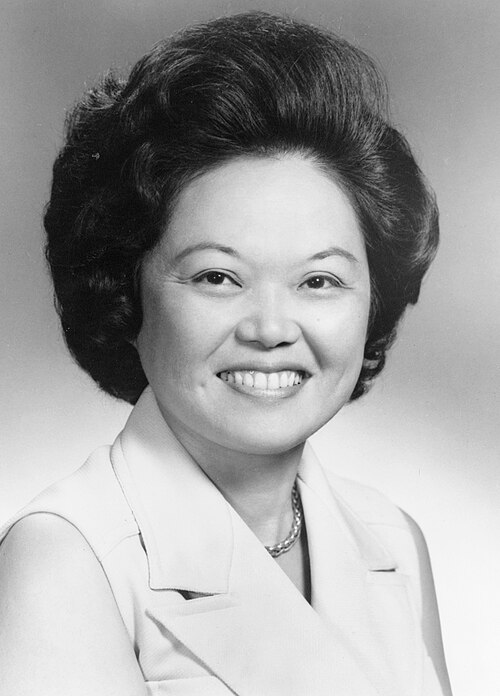

The episode also details how Asian Americans started entering into more political roles across the country. Historian Ellen Wu describes how in 1950 Asians were the majority of Hawaii's population due to the past recruitment of Asian laborers for sugar plantations. Journalist Jeff Chang describes how large strikes on the island from various ethnic groups in the 1940 led to a shift in political power in favor of the working class majority. Patsy Mink campaigned for Democrats and is one example in the episode of Asian-Americans engaging more in politics. The election of Dalip Singh Saund of California in 1956 preceded the many elections to come in Hawaii after it became a state.[24] Some noteworthy candidates who had run in these elections are Daniel Inouye, Hiram Fong, and Patsy Mink. Mink lost against Inouye due to both sexism and lack of support from the Democratic Party. In 1964, Mink runs again for Congress without the support of the Democratic Party and wins. Senator Tammy Duckworth spoke about Mink's contribution to both Asian Americans and women.
公民権運動は、移民排斥法の撤廃など、予想外の形でアジア人の生活を向上させた。1965年のハート=セラー移民法は、南欧・東欧人、アジア人、そして北西ヨーロッパ以外の民族グループに対する事実上の差別をアメリカの移民政策から排除した。21世紀初頭には、移民の約80%がラテンアメリカまたはアジア出身者となった。
エピソードの最後では、ランドール・パークとジェフ・チャンがブルース・リーについて語り、リーが映画における最初のアジア人ヒーローであり、前述のアジア系アメリカ人と共に、アメリカにおけるアジア人の表現の転換点となったことを論じる。
エピソード3に登場する人物は、エリカ・リー、デビッド・ヘンリー・ファン(劇作家)、エレン・ウー(歴史家) 、ジェフ・チャン、ジュディ・ツチュン・ウー(歴史家)、ヘレン・ジア、ジェーン・ホン(歴史家)、タミー・ダックワース、ランドール・パークです。
第4話は2020年5月12日に放送された。第4話は主に、農業、教育、職場において抗議活動や権利擁護活動を行うアジア系アメリカ人に焦点を当てている。

歴史家のアレックス・ファブロス・ジュニアは、移民農場労働者としての自身の経験について語った。ファブロスと歴史家のアレックス・エディロールは、フィリピン移民が1960年代に労働条件改善を求めてブドウストライキを始めた経緯について語った。ラリー・イトリオンはフィリピン移民労働者を組織して農業労働者組織委員会(AWOC)を設立し、1965年のデラノブドウストライキを開始した。[ 25 ]栽培業者はストライキを阻止しようとメキシコ移民労働者を連れてきた。セサル・チャベスとドロレス・ウエルタはラリー・イトリオンと協力して、フィリピンとメキシコの移民労働者による統一組合である全米農場労働者組合を設立した。アレックス・ファブロス・ジュニアはこの労働運動を西海岸の公民権運動と表現した。全米農場労働者組合のストライキは、過酷な労働条件に注目を集め、大学生、公民権運動指導者、政治家から全国的な支持を得た。生産者たちは、世界的および経済的な強い圧力により、組合の要求に署名せざるを得なかった。
The episode shifts to discuss the Vietnam War. Alex Fabros, Jr. was drafted in the Vietnam War and, like Scott Shimabukuro and Mike Nakayama, describes the overt racism in the ranks and the internal reckoning he had with being an Asian-American fighting against the Vietnamese. Asian American women were also involved in the Vietnam War. Lily Lee Adams speaks on her experience as a military nurse and the prevalent sexual harassment she faced on and off base. Scott Shimabukuro and Mike Nakayama would later speak on their experiences at the Winter Soldier Investigation in 1971.
After the death of Martin Luther King Jr., student activists demanded Black studies curriculum. The call for Black studies inspired Asian Americans to also demand Asian-American studies in the classroom. Black and Brown students called for solidarity with people of colonized lands, dubbed the third world. Students of Color at San Francisco State, a school with predominantly white students, began demanding better representation in the classroom, including but not limited to hiring more minority faculty and expanding curriculum to relate to their lives and concerns. Laureen Chew and Penny Nakatsu describe their experience as San Francisco State students and members of the Third World Liberation Front (TWLF). The TWLF wanted an educational institution that served the people. Asian, Latino, Native American, and Black students joined forces to advocate for a School of Ethnic Studies. The Third World Liberation Front Strike of 1968 aimed to disrupt campus life in order to hasten the creation of a School for Ethnic Studies. S.I. Hayakawa threatened to arrest the students if they rioted and many students were arrested and confronted by police. However, after five months of protests, the San Francisco State administration finally agreed to establish a School of Ethnic Studies.

The solidarity between various Asian ethnicities at this strike brought forth the term Asian-American. The Asian American culture could be seen throughout mediums. Nobuko Miyamoto was a member of the band Yellow Pearl alongside Chris Kando Iijima and Charlie Chin, who sung about the Asian-American experience. Leland Wong's graphic design work featured in this episode alongside poet Lawson Inada and filmmaker Robert Nakamura.
After the Vietnam War ends, many refugees from Southeast Asia remain. Pulitzer Prize writer Viet Thanh Nguyen speaks on his family's experience as Vietnamese refugees and how narratives against the Vietnamese, such as the various Vietnam War movies, perpetuate violence against them even after the war.[26] Filmmaker Ham Tran describes his experience as an immigrant from Vietnam to Southern California. Viet Thanh Nguyen said that his college professors showed him the necessity of "Asian American Studies as an activist practice"
The episode concludes by demonstrating Asian-American studies', and ethnic studies', growth since the Third World Liberation Front Strike. The political activism created opportunities for new educators to emerge, such as Laureen Chew, Daniel Phil Gonzales, and Alex Fabros, Jr.. Asian-American studies has even taken root in San Quentin State Prison through the San Quentin ROOTS program.[27][28] And asks, what is next for Asian-Americans?
People featured in this episode: Alex Fabros, Jr., Alex Edillor (Delano historian), Scott Shimabukuro, Gordon H. Chang, Nobuko Miyamoto (folksinger), Brenda Sunoo (activist), Jan Sunoo (activist), Viet Thanh Nguyen, and Ham Tran
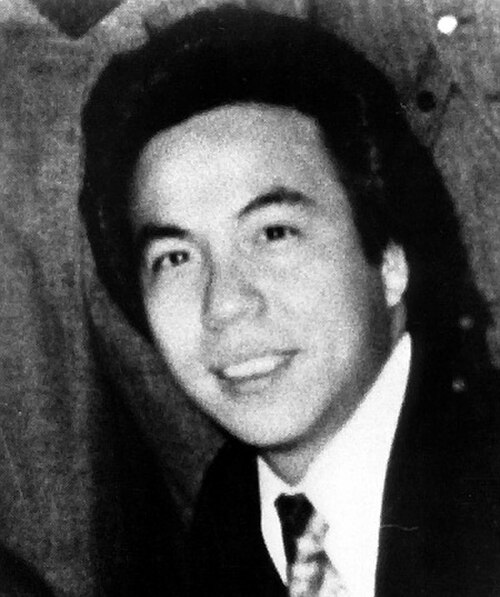
Episode 5 aired on May 12, 2020. Episode Five focuses on contextualizing the tension and interrelated struggle Asian American community face between and with other marginalized communities.
The episode opens with clips of Hari Kondabolu and Margaret Cho's stand-up comedy. The episode contextualizes the murder of Vincent Chin within the 1979 oil crisis and a decline in the American car business which was blamed on Japanese car manufacturers. The murder of Vincent Chin, and the fact his assailants received no jail time, galvanized Mee Moua, Helen Zia, and other Asian-Americans to take the streets in protest. Civil rights organizations and individuals such as Jesse Jackson rallied behind the Asian-American community and Lily Chin, Vincent's mother. The murder of Vincent Chin would be the first federal civil rights trial for an Asian American.[29]
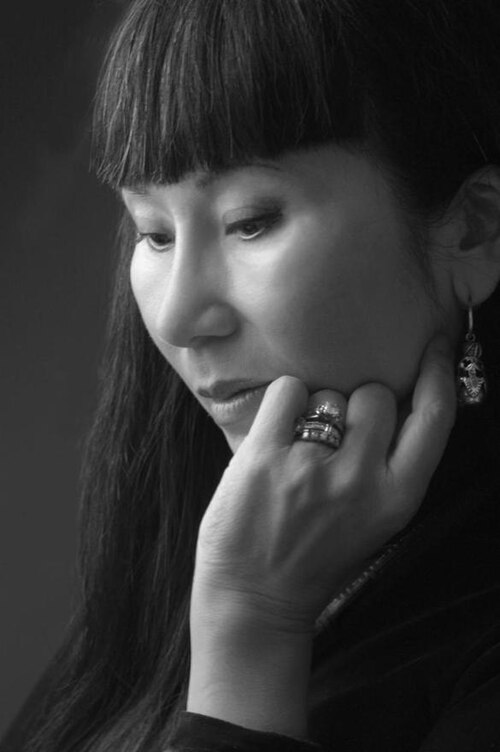
The episode details how in the 1980s the Asian population flips from majority U.S. born to foreign born. One example of the influx of Asian immigrants is Koreatown in Los Angeles. Writer and historian Brenda Stevenson speaks on how African-Americans continue to face discrimination in L.A. and how the beating of Rodney King in 1991 galvanized many in South L.A. to get back into the street. However, Angela Oh states that many of the new immigrants did not fully understand or appreciate the sacrifices of African Americans during the civil rights movement. Furthermore, people in the Asian community sided with Latasha's killer, even though, as Jeff Chang argues, the killing of Latasha Harlins was very similar to the killing of Vincent Chin. The killing of Latasha Harlins and the acquittal of the police who beat Rodney King were catalysts for the 1992 L.A. Riot. Jeff Chang also described how the riots were, for him, symbolic of the Rainbow Coalition dream going up in smoke. Korean immigrants were forced to restart their lives after many business were destroyed. On May 2, 1992, a peace rally is held in Koreatown with an estimated 30,000 attendees.[30] The episode states that new Korean-American leaders worked with African-American leadership to continue forward together, rather than adversaries.
The rise in Asian-American in mainstream culture could be seen when the episode highlights media such as All American Girl, American Desi, and The Joy Luck Club. Jerry Yang reflects on his journey with co-creating Yahoo!. Historian Annalee Saxenian speaks on how many of the large startups of the 1990s and early 21st century were Asian Americans. Journalist K. Oanh Ha spoke on the disparities between Asian-Americans in technology sector, some being startups CEOs and others and others doing low paying piece work.[31]
Tereza Lee speaks on her and her family experience of being undocumented in the United States.[32] Tereza Lee's school director, Ann Monaco, appealed Tereza's immigration status to Senator Dick Durbin, who would later go onto draft the DREAM Act, which was bipartisan at that time. Tereza Lee became the first DREAMer.[33]
しかし、移民政策は、不法滞在者のための道筋を作ることから、9月11日の攻撃後に彼らを拘束して国外追放することへと転換した。ハリ・コンダボルは、 9/11の後、インド人やシーク教徒を含む多くの人々が褐色の肌を理由に殴られたり嫌がらせを受けたりした様子を描写している。バルビル・シン・ソディの殺害は、このエピソードで言及されている事例の1つである。[ 34 ]ノーマン・ミネタは、ホワイトハウスで聞いた議論を振り返り、アラブ人への憎悪の高まりが、ミネタや他の日本人が1942年に収容所で直面した差別を繰り返すことにエスカレートしないことを願っていたと述べている。コンダボルは、公然とした強制収容所はなかったものの、アンサール・マフムードのケースのように、静かで迅速な国外追放は依然としてあったと語った。[ 35 ] [ 36 ]このエピソードは、移民の権利活動家からの呼びかけが、さまざまなグループを団結させてドリーム法やその他の移民保護法の成立に抗議させたことを明らかにし、米国の疎外されたグループ間の過去の連帯連合を彷彿とさせる。
このエピソードは、アジア系アメリカ人、彼らの歴史、そして彼らの経験は常にアメリカ合衆国において重要な位置を占め、耳を傾けられ、語り継がれるに値するという力強い主張で締めくくられている。
このエピソードに登場する人物:ハリ・コンダボル、マーガレット・チョー、ミー・ムーア、ベト・タン・グエン、ジェフ・チャン、アンジェラ・オー、 アレックス・コー 、ジェリー・ヤン、ランダル・パーク、 K. オアン・ハ (ジャーナリスト)、 アナリー・サクセニアン (歴史家)、 テレザ・リー (ピアニスト)、[ 32 ]ノーマン・ミネタ
このシリーズは、2021年5月16日のアトランタのスパ銃乱射事件の後、一般に無料で公開された。[ 2 ]
このドキュメンタリーシリーズは、すべての公立小学校と高校にアジア系アメリカ人の歴史に特化した単元を設けることを義務付ける「公平なアジア系アメリカ人コミュニティの歴史を教える法(TEAACH)」 [ 37 ]の支持者とイリノイ州の議員によって、カリキュラムの潜在的な資料として参照されている。 [ 38 ] [ 39 ] [ 40 ] TEAACH法は、COVID-19パンデミック中にアジア人に対する攻撃と外国人嫌悪が増加したことを受けて可決された。[ 38 ]
このシリーズは2021年にピーボディ賞を受賞した。 [ 1 ] [ 24 ]
{{cite book}}: CS1メンテナンス: パブリッシャーの場所 (リンク)