
Loading article…

オーストラリア、クイーンズランド州におけるクイーンズランド警察の歴史は、 1859年のニューサウスウェールズ州からの分離から5年後の1864年に始まりました。この年表は、クイーンズランド州の警察活動における重要な発展を概説しています。
1859年に分離した後、クイーンズランド州の警察官が着用した制服は、ニューサウスウェールズ州警察から支給された濃紺のジャケットとトップス、略帽であった。[ 1 ]
クイーンズランド州警察は、 1864年1月1日にクイーンズランド州政府によって設立され、287人の警官が61,467人の人口にサービスを提供した。デイビッド・トンプソン・シーモアが代理長官に任命され、後に長官となった。[ 1 ]
定住地域での移動手段は主に徒歩であり、未定住地域では馬であった。[ 1 ]
船体の一部であるマーガレット・エリザ号は3000ポンドで購入された。改装され、プロセルピナ号と改名された。彼女は水上警察署、刑務所、そして後に少年院として使用された。[ 1 ]
警察長官との連絡や警察署間の連絡は、馬やコブ・アンド・カンパニーの駅馬車で運ばれる手書きの手紙、または電報で行われていた。[ 1 ]
警察の指導に関する書面による指示がこれまで発行されたことがないことを発見したシーモア長官は、ビクトリア州警察のモデルに基づいて「クイーンズランド州警察隊員の一般統治および規律に関する規則」を発行した。[ 1 ]
12月1日、ジョージ・エリオット警部補を責任者とする刑事課が設立された。[ 1 ]
1864年12月、クイーンズランド警察の活動初年度には、151人の徒歩および騎馬警官を擁する27の通常の警察署と、136人のヨーロッパ人警官と先住民騎兵を擁する16の先住民警察キャンプがあった。20の「通常の警察部隊」の警察署は平均して警官4人ずつで、ブリスベン、イプスウィッチ、ロックハンプトン、メアリーボロなどの大きな警察署はより多くの職員を擁していた。先住民警察キャンプは平均7人から17人で、ロックハンプトンなどの大きなキャンプでは警官と騎兵合わせて最大27人がいた。[ 2 ]
警察長官のデイビッド・シーモアは、警察官の住居不足について次のように述べている。「多くの警察官は下宿生活を余儀なくされており、地方では巡査が留置場から遠く離れたパブに住んでいる場合もあり、そのため緊急事態に迅速に対応できないことがある」[ 1 ] 。
警察長官シーモアはブッシュレンジャー犯罪に焦点を当て、新しい警察馬の購入や各警察署への安全な柵で囲まれた放牧場の建設など、これらの犯罪者の逮捕を早めるための積極的な措置を講じた。[ 1 ]
水上警察はブリスベン川河口の廃船プロセルピネ号に駐留していた。[ 1 ]
「パンか血か」暴動が始まり、ブリスベンの総督官邸が襲撃される恐れが生じた。数百人の政府職員が特別巡査として宣誓し、警察を支援した。[ 1 ]
最初の制服は、濃紺のサージウール生地のガリバルディジャケット(赤い襟章と肩章付き)、同じ素材の赤い紐付きズボン、フランス風のつばが付いた高い帽子で構成されていた。[ 1 ]

1867年11月6日、パトリック・ウィリアム・ケイヒル巡査とジョン・フランシス・パワー巡査は、ロックハンプトンからクレルモンへ銀行券と金塊を護送中に、マッケンジー川の渡河地点で毒を盛られ、頭を撃たれて死亡した。[ 3 ]刑事課にとって最初の大きな試練は、彼らの殺人事件を解決することだった。[ 1 ]
警察長官シーモアは、「可能な限り、すべての警察署の警官は週に一度訓練を受けるべきである」と述べた。[ 1 ]
「クイーンズランド州警察隊員の一般統治および規律に関する規則」の発行が承認され、印刷され、配布された。[ 1 ]
紺色のヘルメットが導入され、非常に人気のある帽子として人気を博しましたが、1896年に白いヘルメットに取って代わられました。[ 1 ]
ブリスベンのジョージストリートにある旧囚人病院の跡地に警察の兵舎が設置された。 [ 1 ]
階級章の変更が実施され、とりわけ、代理巡査部長は上級巡査と呼ばれるようになった。[ 1 ]
中国人は採掘許可証さえあれば、ヨーロッパ人と同じように金鉱地で採掘する権利があるという一般命令が出された。衝突が警察が鎮圧できない暴動に発展した場合は、首謀者を特定して逮捕することになっていた。[ 1 ]
原住民警察の責任者であるロバート・ジョンストン警部補は、探検家ジョージ・ダルリンプルに同行し、北東海岸探検隊に参加して、クックタウンまでの沿岸地域を探検した。[ 1 ]

クイーンズランド州警察の大部分はブリスベン中心業務地区からビクトリア兵舎に移り、敷地内の陸軍の建物を占拠している。[ 1 ]
ブリスベンで移動式住宅3棟と大型フレームテント12棟が建設され、パーマー川の金鉱地帯に輸送された。これらは2人の巡査によってすぐに建てられ、6人の警官を収容することができた。[ 1 ]
警察マニュアルでは、巡回中の警官に対し、「各家の住人について、その人物を認識できる程度の知識を持ち、それによって間違いを防ぎ、要請があれば住人に援助を提供できるようにすること」を指示していた。[ 1 ]
「警察指導に関する指示」が公表され、警察の効率性を高める目的で昇進のための競争試験制度が導入された。[ 1 ]

ローラ警察署は1877年に開設され、ハーベイ・フィッツジェラルド巡査部長が署長を務めた。2019年現在も署員1名の警察署であり、上級巡査が勤務している。[ 2 ]
ローマ・ストリート警察署は建設され、約45人の男性、責任者用の部屋、2つの独房を提供した。[ 1 ]
バードビルでは、断熱性と耐久性に優れていることから、地元で入手可能なサトウキビが警察署の壁に使われていた。 [ 1 ]
先住民警察のキャンプの宿泊施設は、若木、丸太、樹皮、キャンバス、屋根板など、さまざまな材料を使用して建設されました。[ 1 ]
1月24日、ジョージ・ダイアス巡査部長は、ノーマントン近郊の40マイル・ウォーターホール付近で野営中にアボリジニに背後から槍で刺されて殺害され、埋められているのが発見された。[ 3 ]
9月24日、ヘンリー・ケイ巡査部長はウールガー金鉱地(リッチモンドの北100キロメートル)でアボリジニに胸を槍で刺されて死亡した。[ 3 ]
アレクサンダー・ダグラス一等警部はハーバートンに派遣され、4人の騎兵、2人の老金鉱夫、5人の中国人とともに、ハーバートンからモーリリアンまでの道を切り開いた。一行は食料も与えられず、20日間降り続く雨の中を旅し、主に根菜を食べて生き延びた。[ 1 ]
マルティニ・ヘンリー銃は、以前使用されていたスナイダー銃の代替として購入された。[ 1 ]
ペトリーテラス刑務所のエリアはクイーンズランド州警察に引き継がれ、ペトリーテラス警察訓練所として知られるようになり、将来の警察官が訓練を受けた。[ 1 ]
1月24日、見習い警部マーク・ベレスフォードは、クロンカリー南部のセルウィン山脈でアボリジニに太ももを槍で刺され、頭を殴られて死亡した。[ 3 ]
1月26日、ウィリアム・ドワイヤー巡査は、タールーム経由のジュアンダー駅近くで、アボリジニの山賊ワイルド・トビーにトマホークで頭を殴られ、殺害された。[ 3 ]
地区の文字と番号が別々に記された帽章が発行され、1906年まで使用され続けた。[ 1 ]
州全体に警察の活動が広がるにつれて、人口300人未満の小さな町や、鉄道建設や金鉱発見によって発展している地域に、ますます多くの警察署が開設された。警察隊の発足から20年後の1884年12月までに、155の警察署に657人の警察官と182人の先住民の騎兵および追跡者が配置された。単独の警察官が勤務する警察署の数も増加した。1884年には、36の警察署が単独の警察官によって運営されており、そのうち6つは先住民の追跡者が職務を補佐していた。[ 2 ]
警官1人で警察署を運営するのは大変な仕事だった。多くの場合、警察署の建物がなく、借りたり、適切な建物を購入したりする必要があった。既婚警官は、町に住居がほとんどなかったため、通常は単独警官の警察署には派遣されなかった。しかし、夫に同行した妻は、夫が不在の間、警察署の世話をしたり、問い合わせに対応したりすることになった。彼女の仕事には、留置場の囚人に食事を与えたり、後片付けをしたりすることも含まれていた。[ 2 ]
最初の6頭のラクダはインドからバードヴィルに到着したが、状態が悪く、7月までに生き残ったのはわずか4頭だった。こうした初期の挫折にもかかわらず、ラクダは統計報告の収集などの任務で数百キロメートルを移動するなど、役に立つことが証明された。[ 1 ]
クイーンズランド州の警察官に与えられた最初の栄誉は、イプスウィッチで9歳の少年の命を救ったジェームズ・オブライエン巡査に授与された王立人道協会の銅メダルであった。[ 1 ]
3月5日のバークタウンのサイクロン中、ジョン・ファーガソン軍曹の妻は裁判所の窓にランプを灯し続け、その灯火が嵐の間、多くの人々を避難所へと導いた。[ 1 ]
警察に関する王立調査委員会は、河川警察として知られる水上警察部門の統制を警察長官に戻すことを含む抜本的な改革を提案した。[ 1 ]
私服捜査用の普段着を購入する費用は、刑事たちが通常の給料から負担しなければならない追加的な負担だった。[ 1 ]
州全体で11人の刑事が給与名簿に登録されていた。ブリスベンに7人、タウンズビルに2人、ノーマントンとロックハンプトンにそれぞれ1人ずつ。[ 1 ]
10月27日、上級巡査アルフレッド・ウェーベルは、ノーマントン留置所から脱走した男によってコリンダ(バークタウンの南西)で射殺された。 [ 4 ]

マーティン・ブリーン上級巡査部長とジョセフ・ウォーターズ巡査は、羊毛刈り職人のストライキ中に精力的に活動し、ランマーモア牧場で「放火集団」が被害を与えるのを阻止した。[ 1 ]
エロマンガ警察署は、1891年9月26日に、週5シリングで借りた2部屋のコテージで初めて開設され、上級巡査マニュエルが責任者を務めた。当時、町にはW・パターソン氏が所有する大きな商店が1軒、レンガ造りの高級パブが2軒、そして数軒の「ハンピー」(簡易宿泊施設)があった。住民は約20人で、オパール鉱山や駅の男たちがエロマンガのパブで「小切手を切る」(お金を使う)のが常だった。上級巡査マニュエルは、1891年12月31日にこの警察署を閉鎖し、サーゴミンダーへ向かうよう指示されるまで、エロマンガの責任者を務めた。警察署は1893年に再開された。1894年には、警察官が妻と同居できるように、最初の警察官宿舎が建てられた。 2019年時点では、ここはまだ警官1名体制の警察署で、上級巡査が勤務していた。[ 2 ]

羊毛刈り労働者のストライキ中、警察には「秩序を維持し、すべての人に平等に自由を確保する」ための唯一の権限が与えられた。[ 1 ]
代理巡査部長のジョン・ラファエル・トンプソンは、顔写真や犯罪現場写真などの写真撮影業務を担当したため、10ポンドの追加報酬を受け取った。[ 1 ]
2月4日、25歳の巡査ジェームズ・サングスターは、1893年のブレーマー川の洪水でノース・イプスウィッチのジャクソン一家の2人を救助しようとして溺死した。[ 4 ]彼は、ジャクソン一家が発案し、一般からの寄付によって資金が賄われたノース・イプスウィッチのジェームズ・サングスター記念碑で記念されている。記念碑には、短く終わった人生を象徴する壊れたオベリスクがある。[ 5 ]

マッキンレー(現在のマッキンレー)警察署は1893年に開設された。[ 2 ]

5月10日、巡査ベンジャミン・エビットはサウスブリスベンで死亡した。1890年11月9日にクロイドンで逮捕された際の暴行から回復することはなかった。[ 4 ]
9月6日、エドワード・ラニガン巡査は、モンタルビオン(アーバインバンク近郊の鉱山町)での逮捕中に、別の警官が撃たれるのを阻止しようとして胸を撃たれ死亡した。[ 4 ]
6月30日、シーモア警視総監は31年の在職期間を経て退職し、 7月1日にウィリアム・エドワード・パリー=オケデンが後任となった。水上警察の完全な統制はついに警察長官の管轄下に入った。[ 1 ]
7月2日、ウィリアム・コンロイ上級巡査は、サーズデー島で男が妻を刺そうとするのを阻止しようとして複数回刺され死亡した。[ 4 ]
ローマストリート警察署の電話交換局は、ウーロンガバ警察署とサウスブリスベン警察署、レッドヒルの警察署長の家、刑事課、警察署、中央消防署を含む14か所に接続されていた。[ 1 ]
自転車は交通手段として導入され、州全体に徐々に普及していった。自転車は約13ポンドで、馬よりも高価だった。[ 1 ]
刑事には特別な訓練は行われなかった。一般的に、一般警察の私服警官の中から「最も賢く聡明な」人々が選ばれ、経験を通して学ぶことが期待されていた。[ 1 ]
バレンタインデーに、パールフェリーが洪水に見舞われたブリスベン川のビクトリア橋付近で転覆した。60人の生存者が救助された後、警察は29人の犠牲者の遺体を回収し身元確認するためにあらゆる努力を尽くした。[ 1 ]
警察の制服として、既存のジャンパーの代わりにゆったりとしたチュニックが採用された。騎馬警官は騎馬任務に就く際、ベッドフォードコードのブリーチと黒いナポレオンブーツを着用した。[ 1 ]
1893年から運営されている警察博物館に収蔵されているコレクションは、新米警察官に犯罪の手口について教育するために使用されていた。[ 1 ]
逃亡者を追跡していたジェームズ・ケニー巡査と4人の先住民兵士は、キャンプが吹き飛ばされた後も一緒にいることで、バサースト湾でサイクロン・マヒナを生き延びた。 [ 1 ]
新兵の試用期間が延長され、警察訓練所で3ヶ月間の訓練と指導が完了するまで宣誓式は行われなくなった。[ 1 ]
エンゲルスブルク警察署は1899年4月25日に開設された。第一次世界大戦中の反ドイツ感情のため、町の名前は1916年9月にカルバーに変更された。[ 2 ]
一等巡査ジョージ・ピューは、ジュンダ・オパール鉱山で牛を不法に殺害したとして3人の男を単独で逮捕し、徒歩で20マイル(32km )離れたジュンダ警察署まで連行した際に、慎重さと勇気を示した。[ 1 ]
刑事捜査部は、エリザベス通りとジョージ通りの角にある旧セント・ジョンズ大聖堂の教会会議場ビルに移転した。[ 1 ]
帝国功労勲章は、エドワード王によって、大英帝国全土の公務員の行政職員および事務職員の長年にわたる功績に対して制定された。[ 1 ]
3月30日、ジョージ・ドイル巡査は、牛や馬を盗む長い前科のあるケニフ兄弟をアッパー・ワレゴで逮捕しようとした際に射殺された。 [ 4 ]
5月、1889年11月12日から1903年1月15日の間に他人の命を救うために自らの命を危険にさらしたマイケル・ベッカー一等巡査、パーシー・ガルブレイス警部、チャールズ・ピンウィル巡査、ウィリアム・ライアン巡査に王立人道協会の銅メダルが授与された。[ 1 ]
3月29日、代理巡査部長のデイビッド・ジョンストンは、マッケイの留置場で囚人に斧で頭を殴られ死亡した。[ 4 ]
指紋局が設立された。最初の1年間で578の指紋が採取され、そのうち226は他州からのものであった。[ 1 ]
1904年9月16日、チャールズ・オキーニー巡査部長は、レイドリーでの逮捕に対する報復として故意に馬に轢かれて死亡した。[ 6 ]
ウィリアム・ジェフリー・ケイヒルは1905年4月1日に第3代警察長官に就任した。[ 1 ]
12月23日、アルバート・プライス巡査はマッカイで逮捕中に刺されて死亡した。[ 6 ]

1906年2月、警察は初めて指紋証拠を使用した。ダンダウン・ファウラー巡査部長代理がビールの底に残された指紋とジェームズ・クレイグのインクで塗られた右親指の指紋を比較したのである。[ 7 ]


1906年9月27日:トーマス・ヒーニー軍曹は、 1905年6月7日にブリスベンのウーロンガバで逮捕された際に金属棒で頭部を複数回殴打され、頭部骨折を負い、サウスブリスベンで死亡した。[ 6 ]
10月4日、警察長官ケーヒルは、職務中に卓越した勇気を示した警察官に贈られる功労勲章の創設を発表した。最初の2つの勲章は、10月12日にジョン・ヘネシー巡査部長代理とリチャード・ランジ巡査に授与された。[ 1 ]
パトロール号はブリスベン水上警察が使用した最初の動力船でした。最高速度は8ノット(15 km/h、9.2 mph)でした。[ 1 ]
チャールズ・ワトソン巡査と追跡者は、殺人容疑者JWパターソンを350マイル(560km )にわたって追跡した。彼らは逃亡者を捕らえたが、追跡の最後の100マイル(160km )では食料も水もほとんどなかった。 [ 1 ]
1907年、警察長官ウィリアム・ケイヒルとクイーンズランド州政府副建築家は、当時の警察帽バッジを基にクイーンズランド州警察署バッジをデザインした。それ以前は、警察署を示す標準的な方法はなかった。[ 8 ]
非常に素晴らしい78,000エーカー(32,000ヘクタール)の保護区であるリワンは、警察馬の繁殖のための種馬牧場として宣言された。ウッドフォードの牝馬と子馬、そして購入した2頭の種牡馬「リバティーン」と「マック」が保護区に生息していた。[ 1 ]
タイプライターを備えている警察署はごくわずかで、一部の警察官は報告書や文書を作成するために自分のタイプライターを使用している。[ 1 ]
国王警察勲章は、国王エドワード7世によって7月7日に制定され、君主の管轄下にある正式に認められた警察および消防隊の職員のうち、卓越した功績と顕著な職務への献身を示した者、または英雄的な勇気ある行為を行った者に授与される。最初の授与は1911年8月29日にジョン・バーク巡査に行われた。[ 1 ]

警官が町にいる間は職務を効果的に遂行し、その後馬で残りの巡回区域を巡回している間は不都合なことが起こらないと確信するためには、地域社会の善意が必要でした。地域社会は警官が転勤になるのを嫌がることが多く、嘆願書をまとめたり、警察長官に手紙を書いて警官が町に留まるよう懇願したりすることがよくありました。長年勤務した警官は、地域社会から贈り物や豪華な感謝状を贈られることがよくありました。1909 年 3 月にローレンス・クレア巡査部長が転勤になったとき、エスク地区の住民は感謝の意を表しました。[ 2 ]
に
LJクレア軍曹
40ソブリンの財布と共に
エスク警察署の多くの友人たちより
拝啓
エスクとその周辺地域の住民一同は、広大な当地区の巡査および巡査部長として10年間、大変有能なご尽力を賜り、誠におめでとうございます。この度、心よりお祝い申し上げます。あなたと関わった者は皆、常に誠実でたゆまぬ熱意をもって職務を遂行し、ご自身と所属部署に名誉をもたらしたあなたの姿を、いつまでも大切に心に刻み続けることでしょう。この度、ささやかではございますが、あなたの卓越した資質と功績に見合うものでは決してありません。また、これを報酬とお考えいただくのではなく、私たちの敬意の印としてお受け取りいただければ幸いです。最後に、あなたとご家族の皆様の今後のご多幸とご繁栄を心よりお祈り申し上げます。
加入者を代表して署名しました。
エスク・シャイア評議会議長、アレックス・スミス
ホワイト警部は、ブリスベン中心部から半径5マイル以内のほぼすべての駅が電話回線で接続されていると報告した。[ 1 ]
ウルクハート警視はフィンチ・ハットンのピーター・ハガティ巡査を高く評価し、「彼は荒っぽい地域に住む非常に荒っぽい人々の中で、並外れて善良な人物である。彼は今年、単独で71件の逮捕を行い、地域社会の良識ある人々から非常に高く評価されている」と述べた。[ 1 ]

1911年、ブリスベンのグローブ・アイアン・ワークスにあるハーベイ&サン社が、警察署向けに鋳鉄製の警察署バッジ300個を製造した。各バッジの重さは17ポンド(7.7kg )、価格は0ポンド4シリング10ペンスだった。バッジは身分証明バッジとしてクイーンズランド州のすべての警察署に配布された。[ 8 ]
女性警察官の構想に最初に言及したのは、クイーンズランド州女性全国協議会であった。[ 1 ]

1912年のブリスベンゼネラルストライキは路面電車ストライキとして始まったが、2万人以上の人々が労働を拒否し、産業が麻痺するほどに勢いを増した。大規模な集会では、3,000人の特別巡査が宣誓して警察の人数が増強された。[ 1 ]
警察署は地域社会のさまざまなニーズに対応しており、警察官は政府の代表として外部の役割を果たすことが期待されていた。[ 1 ]第一次世界大戦が始まる。
警察長官のケイヒル氏は、内務大臣代理による調査を受けて、女性を雇用するという考えを却下した。[ 1 ]
6月30日時点の警察の規模は、一般警察官1037名、刑事捜査部員30名、水上警察官11名、先住民警察官99名、新人27名、第一次世界大戦で連邦軍に派遣され休暇中の者89名であった。[ 1 ]
7月13日、4歳のニコラス・フルーシェガーは、シャルルヴィルの南約3マイル(4.8km )にある自宅から迷い出てしまった。報道によると、「警察と大勢の市民が懸命に追いかけているが、岩だらけの尾根と、小さな子供が残したかすかな足跡のために困難を極めている」とのことである。[ 1 ]
フレデリック・チャールズ・アークハートは1917年1月1日に第4代警察長官に就任した。[ 1 ]

第一次世界大戦終結。
3月24日、8,000人の兵士と保守派がサウスブリスベンのロシア人亡命者本部に行進し、抗議者と警察の間で激しい衝突が起こった。この暴動は赤旗暴動または赤の月曜日として知られている。[ 1 ]
犯罪の予防と摘発に警察が通常使用する交通手段は、自動車ではなく自転車だった。ライアン警察長官は、私服警官が夜間にブリスベンの郊外を監視できるように、自転車パトロールを組織した。[ 1 ]
マウント・マリガン炭鉱での爆発により、 70人以上の鉱夫が生き埋めになった。住民や近隣の炭鉱の男たちが、ジェームズ・オドワイヤー巡査の遺体回収活動を支援していた。[ 1 ]
パトリック・ショートは1921年1月16日に第5代警察長官に就任した。[ 1 ]

ミラミラ警察署は 1922 年に開設されました。ミラミラ警察署に最初に配置された警察官はダニエル ドワイヤー巡査でした。 2019年時点ではまだ警察官1名分署であり、上級巡査が配置されていた。[ 2 ]
「クイーンズランド州警察隊員の一般統治および規律に関する規則」の最初の徹底的な改訂が完了した。[ 1 ]

779頭の馬が使用されており、ノックンドラ警察署用に3頭のラクダが入手され、サイドカー付きの新しいハーレーダビッドソンのオートバイが3台購入された。[ 1 ]
ウィリアム・ハロルド・ライアンは1925年1月15日に第6代警察長官に就任した。[ 1 ]
最初の2台の電動車両はブラックマリアまたは刑務所用バンで、そのうちの1台はビーントラックシャーシの後ろに馬車牽引の刑務所用バンの車体を使用していた。[ 1 ]
クイーンズパークにある刑事捜査局の建物は、自分に対する証拠を隠滅しようとする犯罪者によって爆破された。[ 1 ]
退役軍曹2等ウィリアム・ライナムは、インガム洪水の犠牲者17人(イタリア人3家族の男性、女性、子供)を「見つけた最も近い乾いた土地」に埋葬するという恐ろしい仕事をした。 [ 1 ]
刑事捜査課の隊員は、オートバイに乗る際に、埃や油が衣服に付着するのを防ぐために、ダストコートやオーバーオールを着用していた。[ 1 ]
ロッホ警部はセシルプレーンズを「広大な牧畜と農業地帯であり、木々が密集し梨の木が生い茂る広大な土地があり、家畜泥棒が犯行を行う絶好の機会を与えている」と評した。[ 1 ]


1930年8月6日、アーネスト・ジェームズ・ドーソン巡査は、バリン湖近くのユンガブラ道路で交通整理の任務中にオートバイの制御を失った。緊急手術は当初成功したかに見えたが、合併症が発生し、 1931年1月18日にブリスベン総合病院で死亡した。[ 9 ] 1931年1月19日には、彼を偲んで盛大な葬列が行われた。[ 10 ]


クイーンズランド州初の女性議員であるアイリーン・ロングマンの提出書類をクイーンズランド州内閣が支持した後、最初の2人の女性警察官、ザラ・デアとアイリーン・オドネルが3月16日に任命された。この役職には60人の応募者がいた。彼女たちはブリスベン中心部のローマ・ストリート警察署に配属されたが、宣誓はしておらず、逮捕権もなかった。制服はなく、バッジが支給された。彼女たちの任務は女性と子供の利益を守ることだった。[ 1 ] [ 11 ] [ 12 ]
1月5日、4歳のベティ・ドハーティちゃんは、ハリファックスの東約12キロ(7.5マイル)にあるシーモア川の近くで遊んでいたところ、体長4メートル(13フィート)のワニに襲われた。フランク・コナティ巡査部長代理とジョージ・シュニッツァーリング巡査、イェンス・フレデリクセン巡査、アーノルド・スティル巡査が広範囲に捜索を行ったが、少女の痕跡は見つからなかった。[ 1 ]
セシル・ジェームズ・キャロルは1934年5月8日に第7代警察長官に就任した。[ 1 ] [ 13 ] [ 14 ]
ブリスベン交通管制区域の統制のため、交通警察の特別部隊が編成された。[ 1 ]
バトリー単一指紋システムが採用され、犯罪現場で見つかった指紋を保管されている47万の指紋の中から探す時間を短縮した。[ 1 ]
キャロルは、18歳以上でジュニアパスまたはシニアレベルの学校卒業資格を持つ応募者を受け入れるための警察候補生制度を導入した。[ 1 ]

キャロルは、ローマ ストリート警察署内にクイーンズランド警察福祉クラブの設立を主導し、アルコールを提供するとともに、図書館、ビリヤード台、ダーツ ボードなどの娯楽施設を提供した。設立から 6 週間後の 1934 年 8 月 1 日に、クラブはブリスベン市庁舎で最初の舞踏会を開催した。2,000 人以上が参加し、ブリスベンで開催されてきた同種の催しとしては最大規模だったと考えられている。舞踏会は毎年恒例のイベントで、1960 年代にクラウドランドボールルームに移転するまでブリスベン市庁舎で開催されていたが、1970 年代に中止された。[ 15 ]
犯行手口課は、犯罪者の習慣や犯行方法に関する犯罪記録の中央保管所として、警察長官キャロルによって設立されました。犯行手口課が収集した情報に迅速にアクセスできるように、犯罪写真補足資料がクイーンズランド警察公報に掲載されました。 [ 1 ]
クイーンズランド州警察は銃器法の管理を任され、トーマス・ベイティ書記官の下に銃器課を設置し、銃器の免許交付という主要な任務を遂行することになった。[ 1 ]
キャロル警視は、コールサイン「VKR」の実験的な無線局の設置を承認した。3台のパトカーには、新しい一方通行の無線通信システムが搭載された。[ 1 ]
ローマ通りの警察署では、経験豊富な警官による週ごとの講義が行われ、講義の資料はすべての警官に配布された。[ 1 ]
新たに宣誓した巡査トーマス・ベイティが銃器課の責任者に就任した。[ 1 ]
新しく建てられたレンガ造りの2階建てのフォーティテュード・バレー警察署は、 7月6日に建設され、正式に開署した。クイーンズランド州で最も立派で、最新設備を備え、快適な警察署だと評された。[ 1 ]現在は文化遺産に登録されている。[ 16 ]
クイーンズランド州警察は機械化が進み、増加するオートバイや自動車の整備のために部門ガレージが建設された。訓練を受けた整備士がガレージで働いていた。[ 1 ]
銃器課は法医学弾道学を含むように拡張され、弾丸を検査するための顕微鏡および顕微鏡写真装置を備えた研究所が設置された。 [ 1 ]当初、拡張された銃器課で警察事務員として雇用されていたトーマス・ベイティは、銃器専門家として警察に宣誓した。[ 17 ]
中央警察図書館の法律、犯罪、フィクションの書籍5,000冊のコレクションを管理するために司書が任命された。[ 1 ]
刑事捜査部は、48人の刑事、全地区に配置された65人の私服警官、および14人の訓練生で構成されていた。[ 1 ]
銃器部門は、法医学弾道学の分野における銃器の科学的調査を包含するように拡大された。[ 1 ]
11月28日、水上警察のジョージ・ロバート・ヤング巡査は、墜落して乗員全員が死亡したオーストラリア空軍の水陸両用機に搭乗していた4人のうちの1人だった。彼らはモートン湾の河口で行方不明の女性マージョリー・ノーヴァルの遺体を捜索していたところ、機体が高圧線に接触した。[ 18 ] [ 19 ]
第二次世界大戦中(1939年から1945年)、警察長官はオーストラリア国防省と協力して、民間人の生命、公共の建物、通信回線の保護に努めた。[ 1 ]
勇敢な行為に対する国王表彰は、ジョージ6世によって制定され、戦時中または平時において、既存の賞では認められないような非戦闘状況下での民間人および軍人の勇敢な行為を称えるものである。[ 1 ]
法律により、警察は民間の防空監視員を選抜し、管理する権限を与えられている。警察官は、国防情報センターから空襲情報を受け取り、伝達する監視員の登録と訓練に関わっていた。[ 1 ]
7ヶ月間の「刑事捜査業務指導学校」コースが設立された。[ 1 ]
ペトリーテラスの新しい兵舎は、1883年から使用されていた古い建物を置き換えるために4万ポンドの費用をかけて建設されました。ここは新兵の訓練センターとして、またブリスベン中心部で任務に就く104人の独身男性の住居として機能しました。[ 1 ]
ニューサウスウェールズ州警察とビクトリア州警察との刑事の交流と知識の共有のシステムは継続しており、クイーンズランド州の刑事1人がシドニーで、もう1人がメルボルンで勤務している。[ 1 ]
国王警察勲章は国王警察消防勲章となり、並外れた勇気と技能を発揮した者、または職務に顕著な献身を示した者に授与された。最初に授与されたのは、1943年7月28日に巡査アソル・ヘインズであった。[ 1 ]
ジョージ勲章は、ジョージ6世の命令により9月4日に制定され、非常に勇敢な行為に対して授与されました。最初に授与されたのは、1956年5月11日に巡査1等オスモンド・チスロウスキーでした。[ 1 ]
第二次世界大戦中の警察活動への需要増加に対応して、女性警察課の女性職員の数は9人に増加した。[ 1 ]
トーマス・ベイティは、弾丸、文書、衣服、染みなどの検査において、捜査警察の業務における科学的方法の利点を指摘した。彼は、新たに組織された科学(技術)セクションの責任者に任命され、法医学研究所の業務を担当した。[ 17 ]
1935年から使用されていた一時的な一方通行システムに代わり、パトカーとの双方向無線通信を可能にする常設の双方向無線局が設置された。 [ 1 ]
女性警察課はエリザベス・ボイルを監督者として設立され、ブリスベンのジョージ・ストリートにある刑事捜査支部の本部に配属された。[ 1 ]
シドニーの中央指紋局は、すべての警察管轄区域での使用を目的として設立された。[ 1 ]
法医学弾道課は科学課に改名され、現在は法医学化学、科学写真、文書および筆跡の検査を包含している。科学課は紫外線と顕微鏡を使用して文書と筆跡を検査していた。[ 1 ] [ 17 ]
この部隊は、 341の拠点に1610人の警察官と34人の現地追跡者を配置していた。 [ 1 ]
ノエル・カーセルディン警部は次のように述べている。「戦争が一年を通して続いたため、この地域の警察は困難な任務を遂行しなければならなかった。エア、ブランドン、ギル、ハリファックス、ホームヒル、インガムの砂糖生産地域では、数百人の外国人が抑留された。」[ 1 ]
州全体で246台の自転車が使用されていた。[ 1 ]
指紋局、犯行手口記録システム、写真および科学部門は、「犯罪捜査における技術的支援」というタイトルで分類された。[ 1 ]
レス・バードウェル刑事巡査が科学捜査課を引き継ぎ、1976年に退職するまで責任者として留任した。[ 1 ]
拡声器を装備した白いシボレー・スペシャルデラックス・ユーティリティ「ホワイトゴースト」が、道路安全キャンペーンの一環としてブリスベンとトゥーウンバの街に導入された。[ 1 ]
新しい制服は、首元の開いたチュニック、取り外し可能な襟が付いたエアマンブルーシャツ、黒いネクタイ、そして新型の白いヘルメットで構成されていた。[ 1 ]
写真班には、犯罪現場や交通事故現場の図面作成経験のあるスタッフが加わる。[ 1 ]
研修生は警察署で6ヶ月間の訓練を受ける。[ 1 ]

クイーンズランド警察市民青少年福祉協会は、5月20日に警察局の管轄下で登録されました。[ 1 ]
州全体で、フォード、ビュイック、シボレー、インターナショナル、GMC、マーキュリー、ハドソン、デソート、ダッジ、プリマスなどのブランドを代表する100台の車が使用されていた。[ 1 ]
指紋鑑定士のセシル・スミスとクイーンズランド州の刑事2人が、オーシャン島(現在のバナバ島)のほぼ全住民から手形と掌紋を採取し、二重殺人犯を逮捕するという歴史的な偉業を成し遂げた。[ 1 ]
クータ山から無線送信が行われ、振幅変調(AM)移動機器から周波数変調(FM)機器への切り替えが行われた。[ 1 ]
学校や幼稚園で交通安全に関する講義が導入された。幼い子供たちには人形を使って状況を説明し、年長の子供たちには道路の安全な横断方法や自転車の安全な乗り方を教えた。[ 1 ]
イプスウィッチにあるクイーンズランド毛織物工場の裏手で好奇心旺盛な牛が溝に落ちた後、警察が呼ばれて救助活動を行った。小型クレーンを使って、その重い牛は無事に溝から引き上げられ、ショック症状だけで済んだ。[ 1 ]
6月30日時点で、クイーンズランド州には14の警察管区と338の警察署があった。サマセット警察署が再設置され、ケニルワースに新しい警察署が開設された。[ 1 ]
警察部隊は、男性警察官2030名、女性警察官10名、追跡員30名で構成されていた。州の人口は100万人に達していた。[ 1 ]
中央通信室はブリスベンのCIBビルに開設され、州全体の警察通信の中枢となる。[ 1 ]
ブリスベン、ロックハンプトン、タウンズビルでは警察無線局が稼働していた。[ 1 ]
1922年に創設された大英帝国功労勲章は、10月17日にノエル・ハウプト巡査に初めて授与された。[ 1 ]
国王警察消防功労章は、女王消防功労章と女王警察勇敢功労章の2つの賞に分割され、1956年4月1日にロイ・ドイル巡査1等に死後初めて授与された。[ 1 ]
国王勇敢行為表彰は女王勇敢行為表彰となった。最初に授与されたのは1956年5月11日のクリフォード・レブサンフト巡査であった。[ 1 ]

女性はクイーンズランド警察組合への加入を許可されていた。[ 1 ]
ブリスベン交通支部は、ブリスベン警察管区とは別の組織として設立された。[ 1 ]
パトリック・グリンは1955年1月6日に第9代警察長官に就任した。[ 1 ]

労働組合による同一賃金請求は産業裁判所で却下された。[ 1 ]
州はサイクロンによる擾乱と洪水に見舞われ、通信の広範囲にわたる途絶と財産の損害が発生した。[ 1 ]
4月1日、巡査一等ロイ・ドイルは、 3月29日にマッカイのパイオニア川の氾濫で救助活動を試みている最中に水没したコンクリートブロックに衝突し、頭部に重傷を負い、マッカイの病院で死亡した。[ 6 ] [ 20 ] [ 21 ]
1951年にジョージ6世国王によって制定された警察長期勤続善行勲章の授与が、5月1日にエリザベス2世女王によってオーストラリアの各州にも拡大された。この勲章は22年間の警察勤務を経て授与され、378人の警察官が資格を得た。[ 1 ]
208のセンターが384台の車両と126頭の馬を共有していた。内訳は乗用車73台、ユーティリティ車113台、ランドローバー37台、バン6台、オートバイ155台、自転車179台である。[ 1 ]
トーマス・ウィリアム・ハロルドは1957年4月1日に第10代警察長官に就任した。[ 1 ]
交通課の職員2名が、ニューサウスウェールズ工科大学が提供する「交通工学コース」を受講した。[ 1 ]
警察署長ハロルドは、無線機を搭載したパトカー4台を稼働させ、夜間に市内と郊外を巡回させた。[ 1 ]

大英帝国勇敢勲章は1月14日に制定された。最初の授与は1959年8月7日にジェームズ・ボイル巡査に行われた。[ 1 ]
フランシス・エーリッヒ(フランク)・ビショフは、 1958年1月30日に第11代警察長官に就任した。ビショフは、新たに宣誓した職員の士気と地位を高めるため、見習い警察官の卒業式を新たに開始することを決定した。最初の式典は5月29日に行われ、24人が宣誓を行った。[ 1 ]
クイーンズランド州警察パイプバンドは、 8月29日にペトリーテラス警察署で行われた卒業式で初めて公の場に姿を現した。[ 1 ]

株式調査班が結成され、刑事巡査部長1名と私服警官3名が編成された。[ 1 ]
警察署がすぐには識別できないという苦情を受けて、クイーンズランド州公共事業局は、白地に黒文字で「POLICE」と書かれた目立つ照明付き看板を供給するよう求められた。1959年5月5日、ホランドパーク警察署に照明付き看板のサンプルが設置され、その成功を受けて、アルバート・スミス・アンド・サン社にこれらの看板の製造を発注した。次の10年間で、照明付き看板は徐々に各警察署に設置され、旧式の鋳鉄製バッジは警察署に返却された。1960年代後半のある時期に、黒地に白文字で「POLICE」と書かれた照明付き看板が作られ、1980年代半ばには、より効果を高めるために上部に青色のライトが追加された。[ 8 ]
セシル・スミス巡査部長は7月6日にクイーンズランド州警察初の広報担当官に任命された。彼はテレビという新しい技術を使って、警察の時事問題について定期的にテレビ放送を行うことが期待されていた。[ 1 ]
レス・バードウェル刑事上級巡査部長、バリー・ショート巡査、ニール・ラワード見習いの3人が、州に勤務する唯一の科学捜査官だった。[ 1 ]
くすんだオリーブ色の新しい制服と新しい帽章が導入された。[ 1 ]

警察バッジを改変した新しい記章が導入された。ラテン語のモットーConstantia ac Comitate (英語訳: 礼儀正しさを伴う堅固さ)が記されている。[ 1 ]
メイカーストン通りとノース・キーの角にある旧クイーンズランド卵委員会ビルが買収され、州警察本部へと改築された。[ 1 ]
.38 スミス&ウェッソン リボルバーは、銃器の標準化を可能にするために購入された。[ 1 ]
2月19日、グレゴリー・オリーブ巡査は、ブリスベンのケルビン・グローブで聞き込みのために玄関をノックした際に、至近距離から胸を撃たれて死亡した。[ 6 ]
8月16日、ダグラス・レンベック巡査はサウスブリスベンで運転手に質問するために停車したが、ひき逃げ犯の運転する車にはねられて死亡した。[ 6 ]
少年援助局(JAB)は、将来的に法を犯す可能性のある少年たちを正しい道に導き、裁判で有罪判決を受けることを防ぐために設立されました。[ 1 ] JABは2000年代に児童保護調査ユニット(CPIU)に改名されました。
2月14日、上級巡査のセシル・バグリーは、ブリスベン南部のマウント・グラバットで、車の中で感電した隣人を助けようとして感電死した。自宅にいたにもかかわらず、警察官として緊急事態には常に対応することが期待されていたため、彼の死は勤務中の出来事とみなされた。[ 6 ]
6月30日時点で、警察の規模は2760人の警察官(警察官1人あたり571人)に相当する。[ 1 ]
10月26日、デズモンド・トランノア上級巡査は、クイーンズランド州北部ゴードンベール近郊で発生した家庭内騒動に出動中に射殺された。[ 22 ]

3月31日、私服警官として勤務していた女性8名が宣誓を行い、男性警官と同等の権限と階級を与えられた。6月には、通常の試用期間を経て、初の制服警官が宣誓を行った。[ 1 ] [ 23 ] [ 24 ]
交通整理用に21台の新型フォード・コルティナ・セダンが購入された。[ 1 ]
179台の乗用車、8台のバン、18台のオートバイ、1台のバス、1台の作業用トラックに双方向無線機が取り付けられた。23台の乗用車と3台の作業用トラックに双方向無線機が取り付けられた。[ 1 ]
特別に選抜された最初の警察官たちは、重大事件や災害緊急事態に対処するための「レスキュー8」部隊として訓練を受けた。[ 1 ]
女性警察官のための最初の制服は、地味なオリーブ色の制服の女性版だった。[ 1 ]
コリン・ウォード二等軍曹とコリン・タップサル巡査は、クランダ近郊のサドル山からケアンズ空港まで、警察所有のUHF無線リンクシステムを設置した。[ 1 ]
CIBに新たに任命された刑事は全員、経験豊富な上級刑事による講義、映画、実地訓練を含む研修コースを受講することが義務付けられていた。[ 1 ]
企業捜査班は詐欺捜査班として再編成された。[ 1 ]
3月27日、ダグラス・ゴードン巡査は、ブリスベン南部のイナラで発生した家庭内騒動に出動中に射殺された。 [ 22 ]
6月26日、犯罪防止局が活動を開始し、常勤の警察官2名が地域住民に安全と身の安全に関するアドバイスを提供するようになった。[ 1 ]
緊急対応部隊は主に武装犯罪者の逮捕に対処するために設立された。[ 1 ]
第二次世界大戦時の機雷がサーファーズ・パラダイスのビーチに漂着し、太陽、砂浜、波を楽しんでいた人々を驚かせた。機雷はゴールドコースト警察の協力を得て、オーストラリア海軍によって無事無力化され、撤去された。 [ 1 ]
新しい「クイーンズランド州警察官マニュアル」第1巻の印刷が完了し、第2巻の準備も順調に進んでいる。[ 1 ]
試用期間中の職員は、呼気検査装置(アルコテスト)および呼気分析装置(ブレスライザー)の使用方法に関するトレーニングを受ける。[ 1 ]
ノーウィン・ウィリアム・バウアーは2月14日に第12代警察長官に就任した。[ 1 ]
4月9日、コリン・ブラウン上級巡査は、ブリスベン北部のデイボロ近郊の農場で農場従業員の行動を捜査中に射殺された。 [ 22 ]

女性警察官の数は27人です。勤務地はブリスベン中心部だけでなく、地方都市にも広がっています。[ 1 ]クイーンズランド州警察組合は、レイ・ウィットロッド警察長官の支援を受けて、女性の同一賃金を実現しました。[ 1 ]
警視補(犯罪担当)の役職が設置された。[ 1 ]
チェルマーにあるクイーンズランド警察大学は、 1月27日に「現職訓練センター」として運営を開始する。[ 1 ]
新たに宣誓した巡査は全員、12か月かけてさまざまな都市警察署に派遣され、実地訓練を受けた。[ 1 ]
レイモンド・ウェルズ・ウィットロッドは1970年9月1日に第13代警察長官に就任した。[ 1 ]

南アフリカのスプリングボクス・フットボールチームのクイーンズランド州ツアーを巡り、警察と抗議者が衝突した。[ 1 ]
女性の入隊最低身長は162.5センチメートル(5フィート4.0インチ)に設定され、既婚女性の入隊または勤務に関する制限は撤廃された。[ 1 ]
警察目的でのコンピュータの使用が検討された。[ 1 ]
公安部隊は約100名の隊員で構成され、街頭デモや同様の騒乱に関連して任務に就く人員を提供する。[ 1 ]
新しい士官候補生訓練制度が導入された。3年間のカリキュラムは、上級試験科目と特別な警察コースを組み合わせたものである。[ 1 ]
警察運転訓練部門が設立され、3月1日にコースが開始された。[ 1 ]
オクスリーにあるクイーンズランド警察学校の第1段階が1月に開校し、最初の150人の訓練生が入学した。[ 1 ]
制服の色は地味なオリーブ色から青に変わる。女性警察官は黒いスカート、白いシャツに黒いネクタイ、山高帽を着用する。[ 1 ]
1971年12月、クイーンズランド州警察法改正法1971年[ 25 ]により、未婚の女性警察官は結婚しても警察官として勤務を続けることができ、既婚女性も警察官になることが可能になった[ 26 ] 。
クイーンズランド州警察学校は3月24日にオクスリーで正式に開校する。[ 1 ]
1972年8月、クイーンズランド州警察は常勤の警察検察官部隊を編成した。これは、治安判事裁判所での有罪判決率を向上させる必要性から生じたものである。[ 27 ]
クイーンズランド警察大学で刑事向けの犯罪情報コースが開始される。[ 1 ]


クイーンズランド州警察学校に犯罪現場訓練ユニットが開設され、犯罪現場ユニットが運用を開始した。[ 1 ]
初の女性刑事が任命された。[ 1 ]
1974年4月15日、チェルマー警察大学で最初の公式検察官養成コースが開始された。 [ 27 ]

1974年11月25日、パトリシア・アン・ガーノート巡査はクイーンズランド州水上警察に初めて入隊した女性となった。同年1月、ブリスベン洪水発生時にはトーウッド警察署に勤務し、水上警察と共に浸水した家から人々を救助する活動に従事していた。[ 28 ]
12月24日から26日にかけてサイクロン・トレーシーがノーザンテリトリーのダーウィンを壊滅させた2日後、クイーンズランド州警察の警官12人が支援のために到着した。[ 1 ]


警察航空隊はセスナ180E型機2機の購入により設立された。4人の警察官と資格のあるパイロットが航空隊に配属された。[ 1 ]
7人の女性巡査で構成される強姦対策班は、情報局内で活動を開始する。[ 1 ]
女性の採用における割り当て制度は廃止され、配置において統合が採用された。警察長官ウィットロッドのオープンな方針により、女性の流入がもたらされた。[ 1 ]
最終学年の士官候補生と見習い士官は、群衆統制、囚人統制、危機状況への対処に関する23回の訓練期間を受ける。[ 1 ]
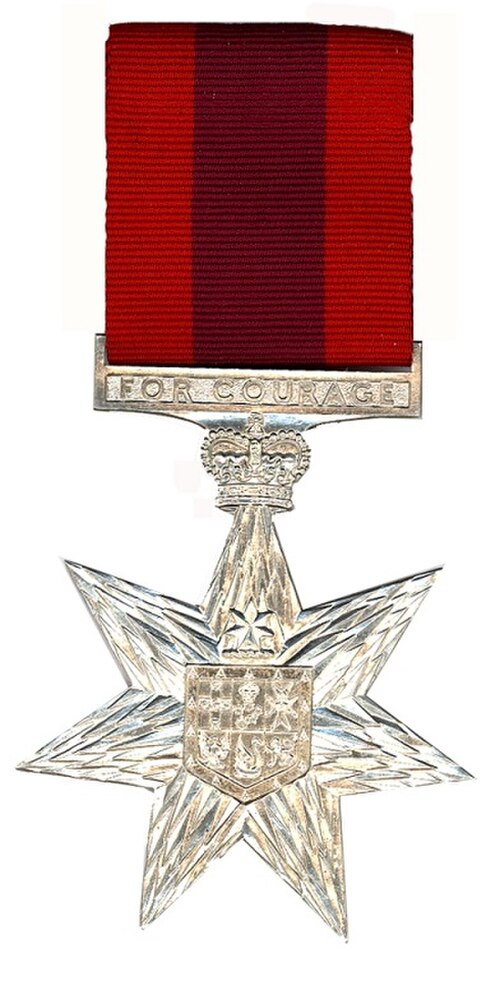
勇気の星は、オーストラリアで2番目に高い勇敢さを称える勲章で、 2月にオーストラリアの栄典制度に制定されました。これは、非常に危険な状況下で顕著な勇気を示した行為に対して授与されます。クイーンズランド州の警察官にはこれまでに4人しか授与されておらず、最初の受賞者は1988年3月16日にロドニー・エドワード巡査でした。[ 1 ]
すべての階級に、新しい識別番号と金属製のシェブロンが付いた階級章が導入された。[ 1 ]
11月2日、ライル・ホーイ上級巡査は、クイーンズランド州北部のマウント・モロイ付近で故意に車に轢かれて死亡した。[ 22 ]
クイーンズランド州の女性警察官の数は308人です。[ 1 ]
州内のすべての警察署には車両が配備されている。[ 1 ]
電子データ処理ユニットは計画研究部に再編成され、犯罪統計、盗難車両、職員配置、注目車両に関する情報を提供するコンピュータプログラムの開発を開始した。[ 1 ]
メイカーストン通りのフォーブス・ハウスが購入され、警察本部へと改築され、3月7日に正式に開庁する。[ 1 ]
テレンス・マレー「テリー」ルイスは1976年11月29日に第14代警察長官に就任した。[ 1 ]
新たに3隻の警察艇が就役した。DG Gordon、GJ Olive、Lyle M. Hoeyで、殉職した3人の警察官にちなんで命名された。[ 1 ]
最初のステップは、写真部門のカラー印刷プロセスの自動化でした。[ 1 ]
経験豊富なジャーナリストのイアン・ハッチャーが8月29日に初代警察広報官に任命された。彼の職務はメディアとの連絡調整、警察の活動を広報し、州全体の警察のイメージ向上を図ることであった。[ 1 ]
1月、警察パイロットのロン・ルーク二等軍曹は、カモウィール、バークタウン、ハミルトン、ブーリア、ドゥーマジー地域で、数百キログラムの食料を立ち往生したドライバーに投下し、洪水救援活動を成功裏に実施した。[ 1 ]
女性士官候補生の採用は中止されたが、成人女性見習いの採用枠は復活した。[ 1 ]
コンピュータシステム訓練担当官が任命され、警察官に実務的な警察業務におけるコンピュータ機器の正しい使用方法と操作方法を訓練した。[ 1 ]

一般市民と警察官に警察の歴史を理解してもらうため、警察博物館は5月17日に全面公開された。[ 1 ]
3月12日、爆弾処理班は2人編成の放火・爆弾処理班として再編成され、活動範囲が拡大された。[ 1 ]
武装した男がクーランガッタとブリスベンの間の民間航空機をハイジャックし、イーグルファーム空港で乗務員と乗客を人質に取った。警察の交渉担当者が人質の解放を確保する間、緊急対応部隊が出動した。[ 1 ] [ 29 ]
肩章は新しい制服の肩章と袖の階級章に取って代わられた。肩章に採用されたラテン語のモットーはConstantia ac Comitateであった。[ 1 ]

新しいコンピュータ化されたメッセージ交換システムが導入され、首都圏と一部の地区本部に端末が設置された。[ 1 ]
交通課のオートバイ隊員には、バイクから降りて交通整理をする際にヘルメットの代わりに着用する青い革製のキャップが支給された。[ 1 ]
救助隊はブリスベンのタスクフォース内に創設された。隊員はあらゆる種類の救助状況に対応できるよう訓練を受け、事故や災害に見舞われた人々への援助を支援できるようにした。[ 1 ]
交通事故死者数を減らすため、地方の幹線道路で活動する新しいアメリカ式の高速道路パトロール隊が結成された。パトロール隊の車両には、長距離無線機を搭載したV8フォード・ファルコン53台と、ヤマハ製4気筒1100ccロードバイク84台が装備されていた。[ 1 ]
第1回血液飛沫パターン評価コースが開催された。[ 1 ]
爆発物偵察チームが設立され、放火・爆発物処理班から爆弾対応の責任を引き継いだ。[ 1 ]
肩章に記されていたラテン語のモットーは、英語訳の「礼儀正しさを伴う堅実さ」に置き換えられた。[ 1 ]
警察署独自のコンピュータシステムが稼働し、他の政府機関との共有体制は終了する。[ 1 ]
セーフティハウスプログラムが開始され、子供たちが脅威を感じた場合に安全な場所を提供します。[ 1 ]
雨と泥が、ケープトリビュレーションからブルームフィールドロードへの建設を阻止しようとする抗議者を排除しようとする警察の試みを妨げた。[ 1 ]
2月29日、マイケル・ロウ巡査は、クイーンズランド州中央部のノース・ロックハンプトンで発生した家庭内紛争の対応中に銃撃され死亡した。[ 22 ]デレク・ピックレス巡査はジョージ勲章 を授与されることになる。
6月22日、クイーンズランド州のオートバイ警察は、サーファーズ・パラダイス・レースウェイで35人の警察官がオートバイの上でバランスを取り、オートバイに乗る人数でギネス世界記録を樹立した。[ 1 ]
クイーンズランド州警察のコンピューターは、主要道路局およびニューサウスウェールズ州警察のコンピューターとリンクしており、全国的な盗難車両ファイルなどの情報へのアクセスが向上している。[ 1 ]
ノースゲート州立学校では「警官養子縁組プログラム」が導入され、ナンダ警察署のマイケル・フォルク巡査が昼休みに学校を訪れ、道路の安全、自転車の安全、不審者への注意についてアドバイスを提供した。[ 1 ]
クイーンズランド州警察は、シドニーにある中央指紋局と正式に連携しており、そこからオーストラリア国内外の数百万の指紋にコンピュータでアクセスできる。[ 1 ]
同省は1,092台の車両を運用している。[ 1 ]
121か所に309台のコンピュータ端末が設置されていた。警察学校では、訓練生や見習い警察官にコンピュータの訓練が提供されていた。[ 1 ]


ルイス警察長官の下では、ほとんどの分野で女性の昇進が制限された。宣誓した女性警察官の数は8パーセント以上から5パーセントに減少した。[ 1 ]
輸送、無線、電子機器部門、ブリスベン機動パトロール、交通事故調査班(TAIS)は、ペトリーテラス警察署からアルダーリーに移転する。[ 1 ]
3月、1971年の法改正により既婚女性が警察官として入隊できるようになったにもかかわらず、ルイス長官は警察の方針を変更し、既婚女性が女性警察官として入隊または再入隊できるかどうかについて裁量権を与えた。[ 26 ] これは、「州内のどこでも勤務するという警察官の義務は、既婚女性の家庭生活を混乱させる可能性がある」こと、既婚男性の異動には十分な問題があり、公式の「女性1人に対し男性8人」という割り当てを満たすのに十分な数の独身女性が応募しているという理由に基づいていた。
7月15日、運転訓練部門はオクスリーのクイーンズランド警察学校からマウントコットン運転訓練施設に移転した(2010年後半まで)。[ 30 ]
7月27日、違法行為の可能性とそれに伴う警察の不正行為に関する調査委員会(「フィッツジェラルド調査」)が開会した。これはクイーンズランド州警察にとって非常に必要だったが、苦痛を伴う組織改革だった。調査の2年間で238回の公聴会が開かれ、339人の証人が証言のために召喚された。[ 1 ]
7月29日、ピーター・グラハム上級巡査ジョン・キッドは、ブリスベン北部のバージニアでの襲撃で射殺された。この襲撃は、ロングベイ刑務所から脱走し、その後複数の武装強盗を犯した極めて危険な脱走犯を再逮捕するためのものだった。キッドは戦術対応チームで最初に家に入った。閉まったドア越しに撃たれたキッドは、ドアを押し開けて応戦し続けた。その後、彼は倒れ、病院で死亡した。7月31日に行われたキッドの葬列には数百人の警察官が参加した。彼は死後、クイーンズランド州警察勇敢勲章と勇気の星章を授与された。[ 22 ] [ 31 ]
9月21日、ロナルド・ジェームズ・レッドモンドが警察長官代行に就任した。[ 1 ]
近隣防犯ユニットは、ゴールドコーストで実施された試験プログラムの成功を受けて、2月22日に活動を開始します。このプログラムは、予防可能な犯罪を減らし、個人と家庭の安全性を向上させ、犯罪への恐怖を軽減し、犯罪被害者への支援を提供することを目的としています。[ 1 ]
クライムストッパーズが設立されました。その役割は、犯罪者の逮捕と起訴につながる情報を地域社会から収集することです。[ 1 ]
犯罪現場の最初の公式ビデオ録画は写真課によって行われた。[ 1 ]
6月29日、ブリスベン東部のウィナムで発生した家庭内紛争の現場に出動していたブレット・ハンドラン巡査が射殺された。 [ 32 ]
ノエル・ニューナムは1989年11月1日に第16代警察長官に就任した。[ 1 ]
フィッツジェラルド調査委員会の勧告により、クイーンズランド警察からクイーンズランド警察サービスへの変更が強化された。新しいバッジがデザインされ、「名誉をもって奉仕する」というモットーが承認された。[ 1 ]
最初の5人の女性検査官が任命された。[ 1 ]
5月、フィッツジェラルド報告書の勧告を受けてタスクフォースが設立された。その役割は、情報収集と犯罪作戦の調整を通じてすべての地域司令部を支援することであった。[ 1 ]
COMFITは、目撃者の証言に基づいて顔の電子合成を行うシステムで、写真課によって開発されました。[ 1 ]
最初の専用設計の州警察本部が、メイカーストン通り、ローマ通り、ギャリック通りに囲まれた区画に建設された。[ 1 ]
指紋局、写真部、科学部は、鑑識課の傘下で新本部ビルの4階に移転した。[ 1 ]
9月、新しい警察通信センター(PCC)は、移動車両や徒歩パトロールに即座に情報を提供する200万ドルのESCORTコンピュータ支援指令(CAD)システムの恩恵を受ける。このシステムは、事件現場への警察車両の派遣に必要な情報を改善し、効率を高めることが期待されている。[ 1 ]
クイーンズランド州警察勇敢賞は、危険な状況下で並外れた勇敢な行為を行った警察官を表彰するために創設されました。1990年に初めて授与されたのは、海難救助活動を行ったカイル・ベイツ巡査、エドワード・ベネット巡査、ニール・ポールセン巡査、ブレンダン・カリュー上級巡査です。[ 1 ]
コミッショナーズ・ランタン賞は、地域密着型警察活動を表彰し促進するために創設されました。1991年の第1回受賞者は、タウンズビルを拠点とする青少年支援パネル・プロジェクトで、軽微な少年犯罪者を対象に、裁判制度に訴える前に最後のチャンスを与える共同イニシアチブでした。[ 1 ]
クイーンズランド州の差別禁止法は雇用における能力主義基準を強化し、女性の採用者数は約33パーセントで安定している。[ 1 ]
犯罪情報局は、9つの異なるデータカテゴリをリンクできるクイーンズランド情報データベースを開発し、運用している。[ 1 ]
警察海外勤務メダルは、警察官の海外での平和維持活動における役割を称えるために4月25日に制定されました。このメダルには、勤務地域を明記した留め金が付けられています。[ 1 ]
初の女性警視長と警視が任命された。[ 1 ]
公務員法における機会均等法は、女性の地位向上に向けた取り組みを法的に支援する。これには、柔軟な勤務形態、ハラスメント防止策、メンター制度による支援などが含まれる。[ 1 ]
科学捜査課は、30名以上の職員とともにローマ通りの警察本部へ移転し、その多くは法医学鑑定という非常に限られた分野を専門としている。[ 1 ]
電子記録課は鑑識課の一部となる。[ 1 ]
The first Police Beat Shopfront was trialled at Rockhampton's Kmart Plaza and becomes a permanent establishment in August. This initiative was designed to provide an effective policing presence in shopping centres and to improve communication with the community.[1]
The Special Emergency Response Team (SERT) was established to respond to emergency situations and to provide operational police with specialist support. It was previously known as the Emergency Squad, and the Tactical Response Group.[1]
An Executive Development Program commences to provide skills in strategic planning, policy development, resource management, and command and control to officers moving to commissioned rank.[1]
James Patrick O'Sullivan becomes the seventeenth Police Commissioner on 1 November 1992.[1]
The offender identification computer system called Com-Fit was developed.[1]
The Task Force becomes the State Crime Operations Command with a primary function to generate intelligence about organised and major crime; and to support regional police during major criminal investigations.[1]
The Public Safety Response Team was established as a full-time unit with a staff of forty-five.[1]
On 24 October twelve passengers die on a Wide Bay Tours bus, when the bus crashes on the Gateway Motorway, Boondall, Brisbane. Police, ambulance, fire and emergency service workers, work together to assist the injured after the incident.[1]
The Police Recruit Operational and Vocational Education (PROVE) program was introduced to allow recruit curricula to be run on a wholly in-Service basis.[1] By this time, the standard issue service firearms were the Smith & Wesson Model 36 (5 shot), Model 10 (6 shot), Model 681 (6 shot), and the Sturm-Ruger Service-Six and GP100 (both 6 shot) revolvers.
Between 1994 and 1996 the Academy was renamed as the Queensland Police and Emergency Services Academy in acknowledgement of the continuing training initiative between the Queensland Police and Queensland Emergency Services.[1]
In May, a new $3.3 million police complex, consisting of police station and watchhouse, was officially opened on Mornington Island. It was one of only four cyclone resistant buildings on the island and could be used as a cyclone shelter if required.[1]
In response to the recommendations of the Royal Commission into Aboriginal Deaths in Custody, the concept of police liaison officers (PLOs) was initiated on Thursday Island and later trialled in Townsville.[1]

On 21 May Constable Shayne Gill was struck and killed by a motor vehicle while on radar duty on the Bruce Highway near Glasshouse Mountains.[33] A police vessel was subsequently named after Gill.[34]
A second Academy campus, the North Queensland Campus of the Queensland Police Academy was established at Rowes Bay, Townsville to encourage recruitment in central and northern Queensland.[1] The $3.5M facility opened for recruit training on 14 October, and 'Because of the number of staff, the 40 recruits will get plenty of attention, especially in the areas of law, police skills, communication, behavioural studies, sociology, autonomous learning and decision making'.[35] The second campus in part was intended to assist recruiting numbers in north Queensland.[36]
The Violent Crime Analysis Unit was established to analyse victimology, modus operandi, offender information, forensic data and behavioural patterns.[1]
The Volunteers in Policing (VIP) trial program was initiated in September. VIP duties at police stations include victim support, witness support, customer service, school support and community liaison.[1]
Bicycles patrols were re-introduced to Brisbane after a successful trial.[1]
The Interactive Crime Scene Recording System was developed by the Photographic Section.[1]
The laser speed gun was introduced; it uses LIDAR (Light Detection and Ranging).[1]
A range of new equipment was introduced which includes extendable batons, hinged handcuffs and Glock firearms.[1]
Women make up 17.36 per cent of officer personnel. The number of female police officers increases steadily by approximately one per cent per year.[1]
The Queensland Police Service Medal was introduced on 1 January, to recognise the diligent and ethical service by members of the Queensland Police Service.[1]
The Queensland Government transfers the community police function from community councils at Woorabinda, Yarrabah and on Badu Island, to the Queensland Police as a 12-month pilot. These officers were known as Queensland Aboriginal and Torres Strait Islander Police (QATSIP).[1]
Kathleen Rynders was the first policewoman to achieve the rank of assistant commissioner and in 2008 becomes the first woman to rise to the rank of deputy commissioner.[1]
All manual fingerprints filing systems were replaced by the National Automated Fingerprint Identification System allowing all states to share fingerprint information.[1]
The DNA Implementation Unit was established to facilitate the introduction of new legislation allowing the QPS to use DNA as a forensic investigative tool for offences such as such as assault occasioning bodily harm, rape, and murder.[1][37]
The Crime Prevention Personal Safety Team develops a larger than life wooden figure named "Duncan" to assist in teaching children to pay attention to their gut feelings when they feel in danger.[1]
On 21 July 2000 Senior Constable Norman Watt, 33, was shot and killed during an armed stand-off near Rockhampton in Central Queensland.[32]
Robert 'Bob' Atkinson becomes the eighteenth Police Commissioner on 1 November 2000.[1]
In March 2002 coordination and security for Commonwealth Heads of Government Meeting was managed by the Queensland Police Service. More than 4,000 police and staff members take part in the security operation, the largest security operation ever staged by the Queensland Police.[1]
A dedicated cold case team was established within the Homicide Investigation Group.[1]
Constable Mokhtiar Singh creates history as the first identifying-Sikh to be inducted as a Queensland police officer. His uniform includes an adaptation of the traditional Indian turban in recognition of his cultural heritage and religious beliefs.[1]
Thirteen Queensland Disaster Victim Identification Squad officers were deployed to Bali, as part of an Australian contingent, to assist the Indonesian Government following the terrorist attack.[1]
The Queensland Police Service Academy delivers a Justice Entry Program targeted at Aboriginal and Torres Strait Islander people.[1]
On 22 August 2003 Senior Sergeant Perry Irwin, 42, was shot while investigating reports of gunfire in bushland at Caboolture, north of Brisbane.[32]
Queensland police begins the sharing and searching of DNA samples from people and crime scenes at a national level on the newly operating National Criminal Investigative DNA Database (NCIDD).[1]
In February the Service opens a Police Dog Development Complex, hoping that their own dog breeding facility will overcome a general lack of trainable dogs.[1]
Bright red, two-door Holden Monaro highway patrol cars were introduced.[1]
As at 30 June there were 9310 police officers and 3153 staff members.[1]
The "Forensic Register" was fully deployed for remote data entry to provide a "paperless" case file solution at a scene of crime. All forensic film based cameras were replaced with digital SLR cameras to record crime scenes.[1]
Three new Queensland police awards were established: the Commissioner's Commendation for Bravery, Commissioner's Certificate for Notable Action and Commissioner's Award for Meritorious or Special Service.[1]
The Commissioner's Commendation for Bravery was first awarded to Senior Sergeant Mathew Rosevear, Sergeants Robert Duncan and Richard Downie; Constables Glen Lamont, Kim Adamson and John Lima.[1]
The eligibility criteria for the Police Overseas Service Medal originally established in 1999, were amended to enable recognition of humanitarian service provided in response to national disasters overseas. First awarded to senior sergeants Kenneth Rach and Scott McLaren for their disaster victim identification work after the Thailand tsunami in 2014.[1]
Queensland police, Cardwell Lions Club and Cardwell Coast Guard go into partnership to provide free EPIRBs to departing bush walkers on the Thorsborne Trail on Hinchinbrook Island and Herbert River Gorge walk. The project aims to help rescuers find lost or injured hikers more quickly.[1]
On 18 July 2007, Constable Brett Irwin, 33, was shot and killed while executing an arrest warrant for breach of bail at Keperra, in northwest Brisbane.[32]
QPRIME (Queensland Police Records Information Management Exchange) a major new policing information system was launched. The system is used to record and manage all reportable police incidents. It allows easier access to information, less time is spent searching for information in different systems and reduces manual and paper-based processes.[1]
The Live-scan fingerprint scanning system was successfully rolled out across the State. These units were connected to the Crimtrac National Automated Fingerprint Identification System in Canberra.[1]
The Photographic Section goes digital and acquires a digital mini-lab which means that photos taken at any Queensland crime scene were processed and printed almost immediately.[1]

Operation Achilles concludes after more than two years of investigation resulting in the simultaneous execution of warrants across the world and the arrests of child sex offenders in Australia, the United States, Germany and the United Kingdom.[1]
The publication of district-based Neighbourhood Watch Crime Bulletins was launched in Cairns in October. Crime bulletins provided information to the community to assist in clearing offences, and to provide details about crime prevention initiatives.[1]
The eligibility criterion of the Queensland Police Service Medal was changed and was made available to living former members who served prior to the introduction of the medal in 1999.[1]
Newly designed patches and epaulettes were introduced. Epaulettes for the ranks of senior sergeant and below, now incorporate the words "Queensland Police".[1]
Following a July 2007 trial,[38] it was announced in December 2008 that commencing January 2009, by December 2010 all officers would have access to a 'conducted energy device', the TASER X26, to 'protect the public and prevent unnecessary injuries to police and offenders'.[39]
Policelink was established to provide an alternative point of contact for reporting non-urgent offences or incidents and for general police inquiries. A new national non-urgent police number was introduced.[1]
The National Police Service Medal was established on 9 November and recognises the special status that police officers have because of their role protecting the community and represents a police officer's past and future commitment to give ethical and diligent service. A minimum of 15 years service is required to qualify for the medal.[1]
Communications room operator Andrew Heinrich took a call at the Ipswich Police Communications Centre around 9 pm on 25 September and remains calm and in control as he gives the mother CPR instructions to resuscitate her unconscious baby girl.[1]
The Fortitude Valley police station redevelopment project comprises two stages, the construction of a two-level "operational" building and the refurbished of the existing 1936 building.[1]
Driver training moves from the Mount Cotton driver training complex (which commenced use in 1983) to a new purpose-built track at the Wacol campus of the Queensland Police Service Academy.[30] The new area included of 2.5 kilometres (1.6 mi) road circuits; a technically challenging urban simulation environment including traffic lights, roundabouts and building facades; a dedicated off-road skills circuit for both four-wheel-drive and trail-bike training; and two sealed surface, large vehicle manoeuvring areas, including controlled irrigation.

Eight years after thirteen year old Daniel Morcombe was abducted from a Sunshine Coast road, an extensive police investigation locates and charges his killer with murder.[1]
The use of automatic number plate recognition technology was launched statewide. The initial launch consisted of one unit being located at the State Traffic Support Branch for use in statewide traffic operations involving both specialist and local police.[1]
The floods of 2011 initiate the first use of Facebook and Twitter by the QPS Media and Public Affairs Branch to forge a direct link with the community by using social media to issue accurate information and dispel rumours.[1]
Unprecedented floods affects much of Queensland and police were involved in all manner of support, including victim identification, missing persons coordination, anti-looting patrol and countless rescues in all manner of vehicles and vessels.[1]
On 29 May 2011 Detective Senior Constable Damien Leeding (CIB) was shot when he confronted an armed offender at the Pacific Pines Tavern on the Gold Coast. Leeding died in hospital on 1 June three days after being shot.[32]
In November 2011, a police helicopter 'Polair' was commenced, funded by the Gold Coast City Council.[40] Polair 2 based in Archerfield, Brisbane, commenced in 2012.[41] Including a Eurocopter BO 105 Super Five, the fleet was updated with Bell 429 helicopters in February 2022.[42][43]

The introduction and implementation of the ANPR project delivers significant improvement and efficiencies in frontline traffic operations.[1]
The new "Police Recruit Pathway" selects applicants based on physical health and fitness, personal integrity, cognitive ability and literacy, psychological suitability, life and work experience and practical policing skills.[1]
Ian Duncan Hunter Stewart becomes the nineteenth Police Commissioner on 1 November 2012.[1]
A new recruit program commences in January that increasingly expects recruits to perform realistic policing roles.[1]
On 3 March an armed gunman brings business in the Queen Street Mall in Brisbane to a halt. The situation was brought under control by the swift action of operational police and the Special Emergency Response Team.[1]
The Fatal 5 campaign on Holden HSV motor cars, was launched which adds "inattention" to "speed", "seat belts", "drink driving" and "driving tired" as the main causes of traffic incidents. The campaign was designed to catch the attention of road users and prompt them to be more careful on the roads.[1]
Under the Queensland Police Renewal Program the newly named State Crime Command includes the Child Safety and Sexual Crime Group, Drug and Serious Crime Group, Fraud and Cyber Crime Group and the Homicide Group.[1]
The strength of the Queensland Police Service at 30 June was 11,055 police officers, 371 police recruits and 3705 staff members.[1]
On 1 July, a new structure was approved and which means the reduction of regions from eight to five and districts from thirty to fifteen.[1]
Women make up more than twenty-five per cent of police officer personnel and serve in many varied roles across the State.[1]
The most northerly police station was on Thursday Island, the most southerly police station was at Hungerford, the most westerly station was at Camooweal and the most easterly police station was at Coolangatta.[1]
On 1 July the Forensic Services Group forms as a result of the QPS review. It consisted of more than 550 staff and encompasses all district scenes of crime units, the Fingerprint Bureau, the Forensic Intelligence Unit, and the DNA management, Photographic and Electronic Recording and Scientific sections. The FSG processes in excess 150,000 requests for service and positively identifies or links several thousand suspects to their crime each year.[1]
The mobile data pilot for smartphones and tablets, dubbed QLiTEs, was rolled in October as part of the move to provide the technology required by police to keep the community safe.[1]
At the Queensland Police Excellence Awards, Southern Region wins the Gold Lantern Award for Excellence in Problem-Oriented and Partnership for their "Stay on Track Outback" initiative which aims to enhance road safety on the rural and remote highways of outback Queensland.[1]
New uniform material was approved which is lighter in weight and more breathable. The cloth is treated with a flash dry and incorporates a percentage of stretch for comfort and ease.[1]
Following the Police and Community Safety Review (PaCSR) report delivered September 2013, commissioned by the Newman Ministry of the Queensland Government, the Public Safety Business Agency (PSBA) was created on 1 November 2013 to bring together the corporate and business support resources of Queensland Police Service and the Department of Corrective Services, to service the whole portfolio.[44] This involved human relations, information technology, finance and other administrative areas being subsumed by the new agency.
There were more than 450 police establishments spread across the State.[1]
The department celebrated their 150th anniversary.[1] A unit citation was awarded to all employees.
Following a review, the Public Safety Business Agency (PSBA) was restructured in July 2016, which also resulted in some restructure of the Queensland Police Service.[44]

On 29 May 2017, Senior Constable Brett Forte was shot and killed at Adare, north of Gatton, after attempting to apprehend a suspected offender. The gunman was shot and killed the next day by police while trying to escape after a siege in a farmhouse at Ringwood, north-west of Gatton.[45] On 8 June 2018, the police helicopter Polair 2 was named Brett A. Forte in his honour.[46] POLAIR 2 had provided air support during the siege.[47] Coronial findings in March 2023 found there may have been some contributing systematic organisational factors, including failing to follow up on earlier reports of firearm activity in the area, and a 'significant failure of leadership' to assign a tactical commander during the pursuit.[48]
Katarina Carroll became the twentieth Police Commissioner in July 2019 and its first female police commissioner. She joined the police service in 1983.[12]
In February 2020 a new organisational restructure (since the November 2013 and July 2016 restructures) was announced as the 'Service Alignment Program', including designating a deputy commissioner for north Queensland, and the dividing of the Northern Region into two.[49] The program was 'to better align resources based on capability and service delivery', and to continue 'to move towards a policing model that is focussed on prevention, disruption, investigation and response'.[50] The frontline service delivery mode was closed down in May 2023, and was never rolled out statewide.[51]
From March 2020, employees of the organisation were heavily involved in supporting Queensland Health in a response to containing the spread of COVID-19 pandemic within Queensland, on the state borders, airports, and checking persons self-quarantining.[52][53]
The $52.8 million Bob Atkinson Operational Capabilities Centre (BAOCC) at the developing Wacol campus of the Queensland Police Service Academy opened on 28 September 2020.[54] The facility included two indoor firearms ranges as well as a Hogan's Alley of a train station platform, houses, pub, post office, fast food outlet, shopping mall, a multi-storey office and retail building, service station, police station, bus stop, mobile caravan village, and open parkland.[55]
Following the death of a couple at Alexandra Hills Brisbane on 26 January 2021 involving a 17-year-old male alleged to be on drugs and on bail, youth using a stolen vehicle trying to ram police vehicle in Townsville on 30 January 2021,[56] and the death of a motorcycle rider by persons pursuing a stolen vehicle on 5 February 2021,[57] the Commissioner in days after announced the creation of a new 'Youth Crime Taskforce' headed by an assistant commissioner.[58]
Following the death of a woman by her ex-partner, the Domestic, Family Violence and Vulnerable Persons Command was established in February 2021, relocated and promoted to command level, from another command.[59][60]
May 2021 saw the release of the Crime and Corruption Commission report into a 50% female police recruit hiring target.[61] Put in place in 2015 by then-Commissioner Stewart, an ambiguity as to whether this was a direction or 'aspirational target', the investigation found the practices to be discriminatory and 'corrupt manipulation'. The practice was ceased in January 2018.
On 11 May, the State Government announced a commission of inquiry to examine policing responses to domestic and family violence (DFV) prevention, with possible systemic cultural issues within the organisation, and whether there was the capability, capacity, and structure to respond to the violence.[62] This followed the recommendations of a domestic violence taskforce and several coronial inquests.[63] After a reluctance to appear, Commissioner Carroll appeared before the Commission on Thursday, 19 August 2022, where misogynistic comments of a superintendent and a deputy commissioner were reported,[64] disbelief in complaints to be genuine of sexual assaults by female complainants, and the staffing to the February 2021 renamed-and-relocated Domestic, Family Violence and Vulnerable Persons Command was increased by four members to total 27 staff whereas the media section had been increased to 38 staff.[60][65] One of the four deputy commissioners resigned on the Friday afternoon.[66]
It was announced in late October 2022, that the Service would become the host of the State Emergency Service, and the Marine Rescue Service; these services devolving from the Queensland Fire and Emergency Service.[67]
On Friday 10 November 2022, the Queensland Audit Office report was presented into the effectiveness of state public sector entities to handle DFV responses.[68] There were twenty-one recommendations, nine of which were to be actioned by the police service.[69] Recommendations including doing a root cause analysis into delayed response times by officers to DFV incidents, and mandatory annual face-to-face DFV training.
Separately on Monday 14 November 2022, the DFV Commission of Inquiry tabled its report to the Premier.[70][71] Highlighting problems of misogyny and racism, and lack of leadership,[72] seventy-eight recommendations were made, including better demand recording systems, robust and regular training of officers, and establishing of an independent police integrity unit within the Crime and Corruption Commission to deal with all complaints in relation to police.
A fifth deputy commissioner position was to be created after 1 December 2022.[73]
On 12 December 2022, two officers were killed along with a neighbour, and two other officers attacked, by three armed members of the Train family at the Wieambilla police shootings, near Dalby, southern Queensland. The officers had visited to make inquiries about one member of the Train family who had been reported as a missing person.[74]
Following issues in 2022 with recruiting and retention including cancelling a training intake,[75] burdening daily paperwork,[76] lack of confidence in the organisation's leadership,[77] rising officer attrition of 3% to 5.5%,[75] whilst relaxing recruiting standards,[76][77] the Service in February 2023 sought to attract up to 500 officers from overseas jurisdictions per year over five years to boost recruitment.[78] (By November 2022, the Service had only recruited 401 of the 1450 police officer 2020 government pledge by 2025. A November 2023 report by the Queensland Audit Office found the Service did not have a strategic planning for workforces and the growth target was not informed by evidence-based calls-for-service demands.)[75][79][51]
As part of the addition of the SES and marine rescue,[67] and recommendations from the various inquiries, and general administration, the organisational structure changed on 27 February 2023. The deputy commissioner portfolios of Regional Queensland, and Southern Queensland became Regional Operations, and Regional Services. Other senior portfolios were now Strategy and Corporate Services, Specialist Operations, Disaster and Emergency Management, State Discipline, and the Special Coordinator for police and emergency services reform.[80]
In July 2023, the first 'Special Constable (State Officer)' was appointed and commenced at Longreach; the role legislated in April 2023 to address the mandatory police officer age retirement of sixty years-of-age by appointing retirees to continue with the same powers and authorities of regular officers.[81] The role was created in part to address attracting and retaining officers.
In October 2023, the Commissioner admitted the recruiting entry standards had been lowered, and recruit training had been extended from 6.5 to 8 months.[82] It was also noted increasing domestic violence calls (30% increase in the previous year), mental health jobs, and youth offending were escalating police workloads, and 50% of officers were considering separating in the next two years.
With many police-specific Queensland Honours, in the second half of the year the Service introduced two new medals, the Queensland Police Emergency Response Medal and the Queensland Police Blue Heart Medal.[83][84]
To address recruiting issues, the state government offered incentives of up to A$20,000 towards HECS or HELP tertiary education fees, or A$20,000 for interstate and overseas officer applicants to relocate; additional to increased cost-of-living allowances and free Academy accommodation.[85] The 2023 recruitment marketing campaign, Challenging, Rewarding, Policing (replacing the previous We don't do boring), resulted in the highest number of recruits in training, namely 683 recruits, at the Oxley and North Queensland campuses.[85] The campaign targeting New Zealand officers had the tagline 'warmer days and higher pays'.[86]
On 19 February 2024, Commissioner Katarina Carroll announced an early separation of 1 March 2024, several months prior to contract expiry.[87] The Commissioner and government had been under pressure of youth offending, and responses to a 25% increase in domestic violence.[87][82]
On 27 February 2024, the Supreme Court of Queensland ruled the 2021 Commissioner-mandated[88][89] COVID-19 vaccinations of all police officers and staff members that there were no grounds under the Judicial Review Act 1991 (Qld) for unreasonableness, but breached the Human Rights Act 2019 (Qld) as proper consideration to human rights was not made.[90][91]
On Monday 22 April 2024, Steve Gollschewski, a long-term deputy commissioner was confirmed as the twenty-first Commissioner,[92] and immediately embarked on a coastal provincial tour with Police Minister Ryan and Premier Miles.[93] With Gold Coast's Polair [1] commencing as a trial in November 2011,[40] Brisbane's 'Polair 2' commencing in July 2014,[41][94] and Townsville's Polair launched on 16 January 2024,[95] the tour saw the announcements of forthcoming funding for Polair in Cairns,[96] and the Sunshine Coast/Wide Bay.[97]
On Monday 3 June 2024, following the October 2022 review, the existing State Emergency Service (SES) and the newly named Marine Rescue Queensland (MRQ) commenced under the Service, in accordance with the State Emergency Service Act 2024 and Marine Rescue Queensland Act 2024 respectively.[98] With their own chief officers, the organisations are hosted by the Service; the SES previously under the Queensland Fire and Emergency Service (which on 1 July 2024 becomes the Queensland Fire Department under the Fire Services Act 1990).[99] MRQ was created as a consolidation of marine rescue volunteer associations, supported by the Australian Volunteer Coast Guard Association and Volunteer Marine Rescue Queensland.[100]
On Tuesday 29 October 2024, with a days-old new government committing to an extra 1600 officers by 2028 (with a current 12 2000 officer strength), the Service indicated a possible multi-million dollar budget blow-out for the 2024–2025 financial year.[101] A core concern was an unfunded $166 million fifteen-year lease for a new Stones Corner police station at South Brisbane, followed by both an external financial audit into the circumstances,[101] and a police self-referral to the Crime and Corruption Commission.[102] An executive staff member took leave on the same day the referral was announced.[103] (The matter was still under investigation in October 2025.[104])
The Queensland Human Rights Commission diversity review into the Service found systemic discrimination towards women and First Nations people, after interviewing 2800 current and former employees, 'driven by outdated processes and attitudes', with a need for leadership.[105][106]
On 11 February 2025, the Minister for Police, Dan Purdie, announced an independent review into the structure and operations of the Service, and placed promotions of senior officers on hold;[107] whilst the new Commissioner has still to complete his first twelve months, at a time when Victoria Police officers put in a vote of no confidence on their Commissioner,[108] followed by Northern Territory Correctional Services' Commissioner.[109] However, it was noted there was no terms of reference provided for the review, no official cabinet or ministerial statement released, had no diversity of membership (being conducted by three former Service senior officers), and was just another of many recent reviews: 2013 restructure by the then-Commissioner, 2019 external review indicating the restructure failed most performance criteria, 2022 commission of inquiry into police culture regarding domestic violence, the 2023 external review into the problematic 2021 Service Delivery Redesign Project, 2023 Queensland Audit Office report about resource deployment and narrow short-term focus, and the 2024 Queensland Human Rights Commission report.[110]
The resulting 128-page review[111] made 65 recommendations, found significant officer burn-out, limited wellbeing support, impeding non-core responsibilities, and high attrition among the younger-serving officers.[112] Another organisational restructure was going to be undertaken.[112] (For previous restructures, see entries for July 2013, November 2016, and February 2020.)
In November 2025, the coronial findings from the December 2022 Wieambilla shootings were released with ten recommendations, including mandatory mental health checks for intending weapons licence applicants, more training for Triple Zero operators, improved interagency information sharing, and review of police drone capabilities.[113][114] There was also a concern about radio blackspots.[115]
"Campaign 300" was a transport department initiative launched in January 2007, to reduce the state road toll to under 300 deaths annually.[116] Actions included more speed cameras, roadside drug testing, audible line markings, double demerit points for repeat speed offenders, and drink driver vehicle impoundment. Complaints were being made by November 2025 of a 50% drop in police road safety enforcement over the recent five years, which was attributed to a "stretched workforce", and changed driver behaviour since COVID-19.[117] The lack of roadside breath tests were noted, where it was expected to be one test per licensed driver annually. This resulted in a sixteen-year high in the annual Queensland road toll.[118] Electronic scooter and electronic bikes were starting to feature in the fatalities.[118][119]
There was ongoing discontent within the police officer union membership about a negotiated pay deal with the Service and the government in July and persisting to November 2025, with lack of recognition and compensation for the role.[120][121] In December 2025 a Queensland Industrial Relations Commission submission was made by the commissioned officers union stating the Commissioner had not followed position appointments based on merit, but through favouritism.[122][123] It was already noted in April 2025 of the "low morale, decreasing trust in leadership",[124] whilst the public confidence in the state police by October 2025 was at a ten-year low.[125]
The sudden selection and appointment of a new commissioner to replace Gollschewski, who was resigning due to health reasons on Friday 20 February 2026,[126] was scrutinised. A coffee meeting by the police commissioner and minister determined a new commissioner was needed, and Brett Pointing could commence within a few weeks; without any formal advertising and selection process, suggesting lack of transparency and accountability.[127] The government news release later clarified the appointment was for twelve months.[127]
A financial review commenced in January 2026 and presented in June 2026 found an anticipated $400 million overspend due to poor accountability and financial controls over a decade by senior members.[128][129] Twenty-one recommendations were made regarding "defiance of government decisions", and "certain matters" have been referred to the Crime and Corruption Commission.[128] Staff member positions had been increased by about 600 positions than supported by allocated funding.[129]
This article contains material from: