
Loading article…
| 乞食オペラ | |
|---|---|
| ヨハン・クリストフ・ペプシュによる風刺的なバラード・オペラ | |
 ウィリアム・ホガース作、第3幕第11場に基づく絵画、1728年頃、テート・ブリテン所蔵 | |
| 台本作家 | ジョン・ゲイ |
| プレミア | |
『乞食オペラ』[ 1 ]は、 1728年にジョン・ゲイが作曲し、ヨハン・クリストフ・ペプシュが編曲した3幕のバラッド・オペラである。これはアウグストゥス時代の演劇における画期的な作品の一つであり、かつて隆盛を誇った風刺バラッド・オペラというジャンルの中で、今日でも人気を保っている唯一の作品である。バラッド・オペラは、オペラの慣習の一部を用いながらも、レチタティーヴォを用いない風刺的な音楽劇であった。この作品の楽曲の歌詞は、当時の人気のあるブロードサイド・バラッド、オペラのアリア、教会の賛美歌、民謡に基づいている。
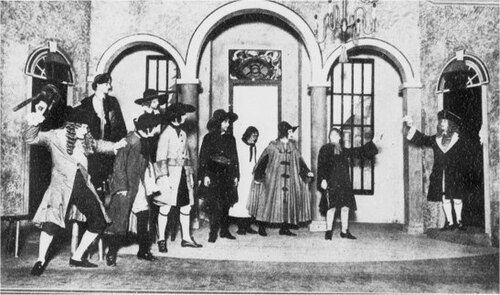
『乞食オペラ』は1728年1月29日にリンカーンズ・イン・フィールズ劇場で初演され[ 2 ]、62回連続上演され、当時としては劇場史上2番目に長い上演期間となった( 1671年にパリで上演されたロベール・カンベールの『ポモーヌ』の146回上演に次ぐ)。[ 3 ]この作品はゲイの最大の成功作となり、それ以来ずっと上演され続けており、「18世紀で最も人気のある劇」と呼ばれている。[ 4 ] 1920年には、『乞食オペラ』はロンドンのハマースミスにあるリリック劇場で1,463回の上演という再演期間を開始し、当時としてはミュージカル作品史上最長の上演期間の一つとなった。[ 5 ]
The piece satirised Italian opera, which had become popular in London. According to The New York Times: "Gay wrote the work more as an anti-opera than an opera, one of its attractions to its 18th-century London public being its lampooning of the Italian opera style and the English public's fascination with it."[6][7] Instead of the grand music and themes of opera, the work uses familiar tunes and characters that were ordinary people. Some of the songs were by opera composers like Handel, but only the most popular of these were used. The audience could hum along with the music and identify with the characters. The story satirised politics, poverty and injustice, focusing on the theme of corruption at all levels of society. Lavinia Fenton, the first Polly Peachum, became an overnight success. Her pictures were in great demand, verses were written to her and books published about her. After appearing in several comedies, and then in numerous repetitions of The Beggar's Opera, she ran away with her married lover, Charles Powlett, 3rd Duke of Bolton.
Bertolt Brecht (working from a translation into German by Elisabeth Hauptmann) adapted the work into Die Dreigroschenoper (The Threepenny Opera) in 1928, sticking closely to the original plot and characters but with a new libretto, and mostly new music by Kurt Weill.
このオペラの原案は、ジョナサン・スウィフトが1716年8月30日にアレクサンダー・ポープに「ニューゲート監獄の泥棒や娼婦たちの間で、牧歌劇を上演するのはどう思いますか?」と手紙を書いたことから始まった。彼らの友人であるゲイは、牧歌劇ではなく風刺劇にしようと決めた。1728年の初演では、ゲイはすべての歌を伴奏なしで歌うことを意図しており、彼の構想の衝撃的で荒々しい雰囲気をさらに高めようとした。[ 8 ]しかし、初演の1週間ほど前に、劇場の監督であるジョン・リッチは、劇場と関係のある作曲家ヨハン・クリストフ・ペプシュに、オペラの2曲(ルーシーの第3幕の歌「I'm Like A Skiff on the Ocean Toss'd」に基づくフーガを含む)を基にした正式なフランス風序曲を作曲させ、さらに69曲すべてを編曲させるよう主張した。編曲者が誰であったかを示す外部証拠はないが、ドーバーブックスが正式に出版した1729年のオリジナル楽譜を調べると、ペプシュが編曲者であったことがわかる。[ 9 ]
この作品は、上流階級のイタリアオペラへの熱狂的な関心を風刺的に描き出すとともに、著名なホイッグ党の政治家ロバート・ウォルポールや一般の政治家、さらには盗賊捕りのジョナサン・ワイルド、山賊のクロード・デュバル、脱獄犯のジャック・シェパードといった悪名高い犯罪者たちをも揶揄している。また、主に下層階級の泥棒や娼婦と、彼らより身分の高い貴族やブルジョワ階級の人々との比較を通して、広範な社会的不平等を扱っている。
The airs of The Beggar's Opera in part allude to well-known popular ballads, and Gay's lyrics sometimes play with their wording in order to amuse and entertain the audience.[10] Gay used Scottish folk melodies mostly taken from the poet Allan Ramsay's hugely popular collection The Gentle Shepherd (1725) plus two French tunes (including the carol "Quelle est cette odeur agréable?" for his song "Fill Every Glass"),[11] to serve his hilariously pointed and irreverent texts. Macheath's satire on modern society ("The modes of the court so common are grown") is also sung to Henry Purcell's Lillibullero. Pepusch composed an overture and arranged all the tunes shortly before the opening night at Lincoln's Inn Fields on 28 January 1728. However, all that remains of Pepusch's score are the overture (with complete instrumentation) and the melodies of the songs without figured basses. Various reconstructions have been attempted, and a 1990 reconstruction of the score by American composer Jonathan Dobin has been used in a number of modern productions.[6]
Gay uses the operatic norm of three acts (as opposed to the standard in spoken drama of the time of five acts), and tightly controls the dialogue and plot so that there are surprises in each of the forty-five fast-paced scenes and 68 short songs. The success of the opera was accompanied by a public desire for keepsakes and mementos, ranging from images of Polly on fans and clothing, playing cards and fire-screens, broadsides featuring all the characters, and the rapidly published musical score of the opera.
The play is sometimes seen to be a reactionary call for libertarian values in response to the growing power of the Whig party.[12] It may also have been influenced by the then-popular ideology of John Locke that men should be allowed their natural liberties; these democratic strains of thought influenced the populist movements of the time, of which The Beggar's Opera was a part.[12]
マクヒースという人物は、批評家によって英雄と反英雄の両方として捉えられてきた。ハロルド・ジーン・モスは、マクヒースは高潔な人物であると主張し、「愛と生命の情熱に突き動かされるマクヒースは、周囲の退廃の犠牲者としてキリストのような存在となる」と書いている。一方、査読付き雑誌『18世紀の生活』のジョン・リチャードソンは、マクヒースが文学的人物として力強いのは、まさに彼があらゆる解釈、つまり「期待と幻想に反する」からであると主張している。[ 12 ]現在では、マクヒースは紳士強盗クロード・デュバルをモデルにしていると考えられているが、[ 13 ] [ 14 ]ジャック・シェパードのニューゲート刑務所からの脱獄によって犯罪者への関心が高まっていた時期であった。[ 15 ]
『乞食オペラ』は、その後のすべてのイギリスの舞台喜劇、特に19世紀のイギリス喜劇オペラや現代のミュージカルに影響を与えた。
盗品売買人であり泥棒捕りでもあるピーチャムは、自分の行動を正当化する。[ 16 ]ピーチャム夫人は、夫が役に立たない泥棒をブラックリストに載せているのを耳にし、そのうちの一人、ボブ・ブーティ(ロバート・ウォルポールのあだ名)について抗議する。ピーチャム夫妻は、娘のポリーが、ピーチャムの主な顧客である有名な強盗マックヒースと密かに結婚したことを知る。ポリーを仕事に使えなくなることを知って動揺したピーチャム夫妻は、ポリーがどうやって「賭博、飲酒、売春」にふける夫を養うのかと尋ねる。しかし、夫を殺して金を手に入れれば、ピーチャム夫妻にとって結婚の方が儲かるかもしれないと結論づける。彼らはこの用事を済ませるために出発する。しかし、ポリーはマックヒースを隠していた。
マクヒースは酒場に行くと、品位に欠ける女たちに囲まれる。彼女たちは階級に関係なく、完璧なサロンマナーを競い合っているが、会話の内容はスリや万引きの成功談だ。マクヒースは、そのうちの二人(ジェニー・ダイバー、スーキー・タウドリー)がピーチャムと契約して自分を捕らえようとしていたことに気づくが、時すでに遅く、ニューゲート監獄に囚われてしまう。監獄はピーチャムの仲間で、腐敗した看守ロキットが運営している。ロキットの娘ルーシー・ロキットは、マクヒースが自分と結婚すると約束しておきながらその約束を破ったことを責める機会を得る。ルーシーは、マクヒースが拷問されるのを見るのが楽しみだと告げる。マクヒースはルーシーをなだめるが、そこにポリーが現れ、マクヒースを自分の夫だと主張する。マクヒースはルーシーに、ポリーは気が狂っていると言う。ルーシーは父親の鍵を盗んでマクヒースの脱獄を助ける。彼女の父親はマクヒースが娘と結婚すると約束したことを知り、もしマクヒースが再び捕まって絞首刑になった場合、彼の財産がピーチャムの権利主張の対象となるのではないかと心配する。ロキットとピーチャムはマクヒースの隠れ家を発見し、彼の財産を分け合うことに決める。
一方、ポリーはルーシーを訪ねて和解しようとするが、ルーシーはポリーを毒殺しようとする。ポリーは毒入りの飲み物を間一髪で避け、二人は酔っ払ったダイアナ・トレイプス夫人のせいでマクヒースが再び捕まったことを知る。二人は父親たちにマクヒースの命乞いをする。しかし、マクヒースはさらに4人の妊婦がそれぞれ自分を夫だと主張していることを知る。彼は絞首刑になる覚悟だと宣言する。語り手(乞食)は、道徳的に正しい結末であればマクヒースと他の悪党は絞首刑になるはずだが、観客はハッピーエンドを求めているため、マクヒースは死刑を免れ、ポリーとの結婚を祝う舞踏会に全員が招待されると述べる。
『乞食オペラ』は、実に様々な反応を呼んだ。その人気ぶりは、『ザ・クラフツマン』誌に掲載された以下の記事からも伺える。
「今週、リンカーンズ・イン・フィールズの劇場で『乞食オペラ』という劇が上演され、大喝采を浴びた。ワッグス一家は、この劇のおかげでリッチはとても陽気になり、おそらくゲイもとてもリッチになるだろうと言っている。」(1728年2月3日)
「一般に『乞食オペラ』と呼ばれる英国オペラが、リンカーンズ・イン・フィールズの劇場で引き続き上演され、大喝采を浴びていると聞いている。これは、ヘイマーケットの異国のオペラの演者やファンにとって大きな屈辱となっている。」(1728年2月17日) [ 17 ]
初演から2週間後、有力な野党系新聞である『ザ・クラフツマン』に、表向きはゲイの作品を名誉毀損だと非難する記事が掲載された。しかし皮肉なことに、この記事は政府側に立つことで、ウォルポール体制を風刺するゲイの活動を助長する結果となった。
こうした放蕩な役者たちは、この風刺は普遍的なものであり、それを自分自身に当てはめれば、どんな人でも罪悪感を抱くようになる、と言うだろうと私は知っている。しかし、彼らはほのめかし(中傷を説明するのに決して失敗しない方法)というものがあることを忘れているようだ…いや、この作品のタイトルと主人公である強盗という人物そのものが、その悪意ある意図を十分に明らかにしている。なぜなら、この人物は、自分のために人々から恣意的に金銭を徴収し、その説明を常に恐れる人物を誰しもが理解するからである。これは、悪党の脇腹を通して権力者を激しく睨みつけ、傷つけることではないだろうか?[ 18 ]
解説者は乞食の最後の発言に注目している。「下層階級の人々も富裕層と同様に程度の差こそあれ悪徳を持っており、そのために罰せられる」と述べており、これは富裕層はそのような罰を受けないことを示唆している。[ 19 ]
ゲイのオペラに対する批判は、出版後も長く続いた。1776年、ジョン・ホーキンスは『音楽史』の中で、このオペラの人気により、「略奪と暴力が徐々に増加している」のは、新世代の若者たちがマクヒースという登場人物を真似したがったからだと述べている。ホーキンスは、マクヒースが体現し、美化していると見なした「怠惰と犯罪的な快楽の魅力」でこれらの若者たちを誘惑したとして、ゲイを非難した。[ 20 ]
Mid-century commentary also invoked the opera in arguments about theatrical “infallibility”: the pamphlet The Case of Authors by Profession or Trade, Stated (1758) listed The Beggar’s Opera among works allegedly misjudged or rejected by managers, as part of a broader critique of managerial gatekeeping.[21]
In 1729, Gay wrote a sequel, Polly, set in the West Indies: Macheath, sentenced to transportation, has escaped and become a pirate, while Mrs Trapes has set up in white-slaving and shanghais Polly to sell her to the wealthy planter Mr Ducat. Polly escapes dressed as a boy, and after many adventures marries the son of a Carib chief.
The political satire, however, was even more pointed in Polly than in The Beggar's Opera, with the result that Prime Minister Robert Walpole leaned on the Lord Chamberlain to have it banned, and it was not performed until fifty years later.[22]
As was typical practice of the time in London, a commemorative "score" of the entire opera was assembled and published quickly. As was common, this consisted of the fully arranged overture followed by the melodies of the 69 songs, supported by only the simplest bass accompaniments. There are no indications of dance music, accompanying instrumental figures or the like, except in three instances: Lucy's "Is Then His Fate Decree'd Sir" – one measure of descending scale marked "Viol." –; Trape's "In the Days of My Youth", in which the "fa la la chorus is written as "viol."; and the final reprieve dance, Macheath's "Thus I Stand Like A Turk", which includes two sections of 16 measures of "dance" marked "viol." (See the 1729 score, formerly published by Dover).
The absence of the original performing parts has allowed producers and arrangers free rein. The tradition of personalised arrangements, dating back at least as far as Thomas Arne's later 18th century arrangements, continues today, running the gamut of musical styles from Romantic to Baroque: Austin, Britten, Sargent, Bonynge, Dobin and other conductors have each imbued the songs with a personal stamp, highlighting different aspects of characterisation. The hornpipe tune to which Nancy Dawson danced between acts in The Beggar's Opera in the mid-1700s is now used for "Here We Go Round the Mulberry Bush".[23] Following is a list of some of the most highly regarded 20th-century arrangements and settings of the opera.


 LibriVoxで配信中のパブリックドメインオーディオブック『乞食オペラ』