
Loading article…
 | |
| 協会 | NCAA |
|---|---|
| 設立 | 1954 |
| コミッショナー | ロビン・ハリス[1] (2009年以降) |
| スポーツ競技 |
|
| 分割 | ディビジョン I |
| 細分化 | FCCS |
| チーム数 | 8 |
| 本部 | プリンストン、ニュージャージー州、米国 |
| 地域 | 北東 |
| 公式サイト | アイビーリーグ |
| 場所 | |
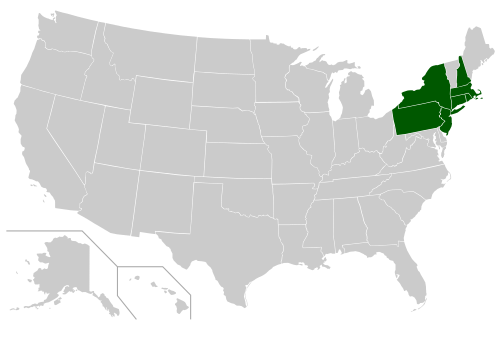 アイビーリーグの8つの大学の所在地 | |
アイビーリーグは、アメリカ北東部の8つの私立研究大学が加盟する大学体育協会です。全米大学体育協会(NCAA)ディビジョンIに加盟しており、フットボールではフットボールチャンピオンシップサブディビジョン(FCS)に加盟しています。アイビーリーグという用語は、より広義ではリーグに所属する8校を指して使われており、学業の優秀さ、入学資格の厳しさ、社会的エリート主義に関連するエリート大学として世界的に知られています。[2] [3] [4] [5] [6]この用語は1933年には早くも使われており、アイビーリーグ運動協会の設立に伴い1954年に公式なものとなりました。[7]
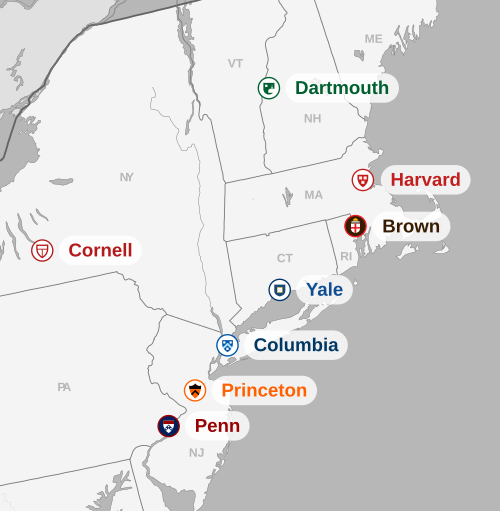
アイビーリーグの加盟校8校は、ブラウン大学、コロンビア大学、コーネル大学、ダートマス大学、ハーバード大学、ペンシルベニア大学、プリンストン大学、イェール大学です。大会本部はニュージャージー州プリンストンにあります。コーネル大学を除く「アイビー」はすべて植民地時代に設立されたため、植民地時代の大学9校のうち7校を構成しています。植民地時代の大学のうち、他の2校、クイーンズ大学(現在のラトガース大学)とウィリアム・アンド・メアリー大学は公立大学になりました。
概要

アイビーリーグの学校は、世界でも最も名声の高い大学の一部です。[8] 8つの大学はすべて、2024年のUS News&World Reportの全米大学ランキングでトップ18にランクインしています。[9] US Newsは2001年以来、毎年アイビーリーグのメンバーを最優秀全米大学に選出しています。 [a] 2020年の時点で[update]、プリンストンが11回、ハーバードが2回、両校が5回同率1位になりました。[10] 2022~2023年のUS News&World Reportのベストグローバル大学ランキングでは、ハーバード(1位)、コロンビア(7位)、イェール(11位)、ペンシルバニア(15位)、プリンストン(16位)の5つのアイビーリーグの大学がトップ20にランクインしました。US Newsによると、このランキングは「学術研究のパフォーマンスと世界的および地域的な評判を測定する指標」に基づいています。[11]アイビーリーグの8校はすべて、アメリカの研究大学の最も権威ある連合であるアメリカ大学協会の会員である。 [12]
学部生の登録者数は約4,500人から約15,000人に及び[13] 、ほとんどのリベラルアーツカレッジよりも多く、ほとんどの州立大学システムよりも少ない。大学院生を含む総登録者数は、ダートマスの約6,600人から、コロンビア、コーネル、ハーバード、ペンシルベニアの20,000人以上までの範囲である。アイビーリーグの財政的基金は、ブラウンの69億ドル[14]からハーバードの532億ドル[15]までであり、これは世界の学術機関の中で最大の財政的基金である。 [16]
アイビーリーグは、イギリスのオックスブリッジ[17]、中国のC9リーグ[18]、日本の帝国大学[19]など、他の国の大学グループと似ています。
メンバー
アイビーリーグの大学は世界でも最大級の大学基金を有しており、大学は学術プログラム、財政援助、研究活動に豊富な資金を提供することができます。2021年現在、ハーバード大学の基金は532億ドルで、教育機関の中で最大です。 [15]各大学は連邦政府と民間の両方から毎年数百万ドルの研究資金を集めています。
現在の学校
元加盟会員
2000 年代以前は、男子および女子のクロスカントリー、屋内および屋外の陸上競技、水泳およびダイビングのアイビー リーグ選手権の多くは、米国東部の多くの学校が参加する招待大会として開催されていました。フェンシング、レスリング、男子および女子のアイス ホッケー、男子および女子のボートなどの他のスポーツでは、アイビー リーグの学校はすべて他の単一スポーツ カンファレンスのメンバーであり、最高の成績を収めたアイビー リーグのチームがチャンピオンの座に就きました。
アメリカ陸軍士官学校とアメリカ海軍兵学校は、多くのスポーツでアイビーリーグのメンバーであり、アイビーリーグのチームと競いながらアイビーリーグチャンピオンの栄冠を獲得しました。両校は2000年代初頭にアイビーリーグから離脱し、現在のカンファレンスであるパトリオットリーグに加盟しました。
歴史
設立年
- 注:アイビーリーグの8大学のうち6大学は、設立認可を受け、学位を授与する権限を持つ法人となった日を創立日としている。ハーバード大学は、マサチューセッツ湾植民地の議会が大学設立のために正式に資金を割り当てた日を採用している。ハーバード大学は1650年に設立認可されたが、その時点で授業は約10年間行われていた。ペンシルベニア大学は当初、創立日を1750年としており、この年が大学の紋章の最初の版に表示されている。[44]ペンシルベニア大学の初期の歴史の中で、大学は公式に認められた創立日を1749年に変更し、1849年の創立100周年記念式典を含む19世紀を通じて使用された。1899年、ペンシルベニア大学の理事会は、ペンシルベニア大学の同窓会からの請願に応じて、3番目の創立日である1740年を正式に採用した。ペンシルバニア大学は 1755 年に設立され、大学の授業が始まったのと同じ年です。「宗教的所属」とは、宗教宗派による財政的支援、正式な提携、および宣伝を指します。アイビー リーグの学校はすべて私立で、現在はどの宗教とも関係がありません。
名前の由来
「ツタを植える」ことは、1800年代の多くの大学で授業日の慣例となっていた。1893年、卒業生がハーバード・クリムゾン紙に「1850年に授業日が大学のカレンダーに追加された。ツタの演説中にツタを植える習慣はこの頃に始まった」と語った。[45]ペンシルバニア大学では、1873年に卒業生が毎年春に大学の建物にツタを植える習慣を始め、その習慣は1874年に正式に「アイビー・デー」と定められた。[46]イェール大学、シモンズ・カレッジ、ブリンマー・カレッジなどでもツタを植える儀式が記録されている。[47] [48] [49]プリンストン大学の「アイビー・クラブ」は1879年に設立された。[50]
大学のグループを指して「アイビー」という言葉を最初に使ったのは、スポーツライターのスタンリー・ウッドワード(1895-1965) です。
東部のアイビーリーグの大学の一部は、争いと混乱に陥る前に、また別の土曜日に若い学生たちと会っている。
— スタンリー・ウッドワード、ニューヨーク・トリビューン、1933年10月14日、フットボールシーズンについて語る[51]
アイビーリーグという用語が初めて使用されたのは、1935年2月7日のクリスチャン・サイエンス・モニター紙である。 [7] [52] [53]その後まもなく、数人のスポーツ記者やその他のジャーナリストが、アメリカ北東海岸沿いの古い大学、主に植民地時代に起源を持つ9つの大学、アメリカ陸軍士官学校(ウェストポイント)、アメリカ海軍兵学校、その他数校を指すのにこの用語を使用した。これらの学校は大学間スポーツの長年の伝統で知られ、こうした活動に参加する最初の学校となることが多かった。しかし、この時点では、これらの学校のいずれもスポーツリーグの結成に取り組んでいなかった。
一般的な民間語源説では、この名前はローマ数字の4 ( IV ) に由来し、もともと4人の選手で構成されるスポーツリーグがあったと主張している。モリス語源辞典は、この信念を永続させるのに役立った。想定される「IVリーグ」は1世紀以上前に結成され、ハーバード、イェール、プリンストン、および物語の語り手によって異なる4番目の学校で構成されていた。[54] [55] [56]しかし、ハーバード、プリンストン、コロンビア、イェールが1876年11月23日にいわゆるマサソイト会議で会合し、急速に広まりつつあったアメリカンフットボールの統一ルールを決定したことは明らかである。[57]
アイビーリーグ以前
アイビーリーグの8校のうち7校はコロニアルカレッジ、すなわちアメリカ独立戦争以前に設立された高等教育機関である。この共通点の例外であるコーネル大学は、アメリカ南北戦争の直後に設立された。これら7つのカレッジは、イギリス領アメリカの北部および中部植民地における主要な高等教育機関としての役割を果たした。植民地時代、これらの学校の教授陣と設立委員会は主に他のアイビーリーグの機関から選ばれた。また、ケンブリッジ大学、オックスフォード大学、セントアンドリュース大学、エディンバラ大学の英国人卒業生も在籍していた。
これらの機関が他の大学の設立に与えた影響は注目に値する。これには、19 世紀初頭の数十年間にジョージア州、サウスカロライナ州、ノースカロライナ州、バージニア州が各州の旗艦大学を設立した際に花開いた南部公立大学運動が含まれる。1801 年、サウスカロライナ大学となる最初の理事会の大半はプリンストン大学の卒業生であった。彼らはブラウン大学の卒業生であるジョナサン・マクシーを大学の初代学長に任命した。オックスフォード大学の卒業生でペンシルベニア大学の教員であるトーマス・クーパーは、サウスカロライナ大学の 2 代目の学長となった。カリフォルニア大学の創設者はイェール大学の出身であるため、バークレー校の校章はイェール ブルーとカリフォルニア ゴールドである。[58] スタンフォード大学は、設立当初から「西のコーネル」というニックネームで呼ばれてきた。スタンフォード大学の最初の教員の半数以上と最初の 2 人の学長は、卒業生または教員としてコーネル大学と関係があった。[59]
アイビーリーグの学校の多くは、プロテスタント系であることがはっきりしている。ハーバード、イェール、ダートマスはいずれも会衆派教会と初期から関係があった。プリンストンはニューライト長老派教会の資金援助を受けたが、当初は会衆派教会の指導者がいた。ブラウンはバプテスト派によって設立されたが、大学の憲章では学生は「良心の完全な自由」を享受すべきと規定されていた。コロンビアは英国国教会によって設立され、同大学の最初の15人の学長のうち10人が英国国教会の信者だった。ペンシルバニアとコーネルは公式には無宗派だったが、それぞれの設立にはプロテスタントがかなり参加していた。19世紀初頭、カルヴァン派の牧師を養成するという特定の目的は神学校に引き継がれたが、宗派的な雰囲気や礼拝の義務化などの宗教的伝統は20世紀に入ってもしばしば続いた。
「アイビーリーグ」はエリート階級を指す言葉として使われることがあるが、コーネル大学などの大学は、入学方針において人種差別や性差別を否定した米国初の大学の一つである。これは少なくとも1935年に遡る。[60]小説や回想録は、社会的エリートとしてのこの感覚を証明している。実際の学校とはある程度独立している。[61] [62]
陸上競技リーグの歴史
19世紀


1870 年、アイビー リーグの大学のみで構成される全米大学ボート協会(RAAC) が設立され、国内初の正式なスポーツ リーグが誕生しました。RAAC は 1870 年から 1894 年まで、ボートの全国選手権を主催しました。
ハーバード対イェール大学のラグビーフットボールの初戦は、プリンストン対イェール大学のラグビーフットボールの初戦から2年後の1875年に行われた。ハーバード大学の選手ナサニエル・カーティスが、イェール大学のキャプテン、ウィリアム・アーノルドにラグビースタイルの試合を挑んだ。 [63] [64] 初の大学対抗戦、ハーバード対イェール大学の「フットボールマッチ」のプログラム。アイビーリーグのチーム同士の初のラグビーの試合とされている。試合はコネチカット州ニューヘイブンのハミルトン・パーク(ウォーリー・アベニューとウェスト・パーク・アベニューの交差点に位置[65])で行われた。両チームは、イェール大学が希望した11人(サッカー)ではなく、15人(ラグビー)で試合を行った。
1881年、ペンシルバニア大学、ハーバード大学、ハバーフォード大学、プリンストン大学(当時はニュージャージー大学)、コロンビア大学(当時はコロンビア大学)が大学間クリケット協会を結成し、[66]後にコーネル大学も参加した。[67]ペンシルバニア大学は、大学間クリケット協会が存在した1881年から1924年までの44年間に、大学間クリケット協会選手権で23回優勝し、そのうち18回は単独優勝、3回はハバーフォード大学とハーバード大学との共同優勝、1回はハバーフォード大学とコーネル大学との共同優勝、1回はハバーフォード大学のみとの共同優勝であった。[68]
1895 年、コーネル大学、コロンビア大学、ペンシルバニア大学が大学間ボート協会を設立しました。この協会は、現在でも米国最古の大学スポーツ組織です。今日でも、IRA チャンピオンシップ レガッタでボートの全国チャンピオンが決定し、アイビーリーグの大学はすべて定期的に大会に招待されています。
バスケットボールリーグは1902年にコロンビア大学、コーネル大学、ハーバード大学、イェール大学、プリンストン大学が東部大学バスケットボールリーグを結成したときに創設され、後にペンシルベニア大学とダートマス大学も加わりました。
20世紀
1906 年、後に全米大学体育協会となる組織が設立されましたが、その主な目的は、新興スポーツのフットボールのルールを公式化することでした。しかし、NCAA の当初の加盟校 39 校のうち、後にアイビーリーグになったのは 2 校 (ダートマス大学とペンシルバニア大学) だけでした。1903 年 2 月、エール大学がエール ニュースに掲載されたコロンビア大学からの挑戦を受け入れ、大学対抗レスリングが始まりました。この対抗戦は、コロンビア大学主催のバスケットボールの試合の前に行われ、引き分けとなりました。
2年後、ペンシルバニア大学とプリンストン大学もレスリングチームを追加し、学生が運営する大学間レスリング協会(現在は東部大学間レスリング協会(EIWA))が結成され、米国で最初で最古の大学レスリングリーグとなった。[69]

現在アイビーリーグに加盟している大学(エール大学やコロンビア大学など)は 1880 年代に対戦していたが、コロンビア大学、コーネル大学、ダートマス大学、ペンシルベニア大学、プリンストン大学、エール大学が東部大学野球リーグを結成したのは 1930 年になってからで、後にハーバード大学、ブラウン大学、陸軍大学、海軍大学が加わった。アイビーリーグが正式に設立される前は、東部の大学の間で「運動関係に関する暗黙の合意」があった。「アイビー大学」への最初の言及は 1933 年で、ニューヨーク・ヘラルド・トリビューンのスタンリー・ウッドワードが、現在の 8 つの加盟校と陸軍を指して使用した。[7] 1935 年、AP 通信は大学間の協力の例を報じた。
いわゆる「アイビーリーグ」のスポーツ当局は、観客によるゴールポストへの暴動や競技場へのその他の侵入の増加傾向を抑制するために、抜本的な対策を検討している。
— AP通信、ニューヨークタイムズ[70]
このような協力にもかかわらず、両大学はリーグ結成が差し迫っているとは考えていなかったようだ。コーネル大学の陸上競技部長ロメイン・ベリーは、1936 年 1 月に状況を次のように報告した。
過去 5 年間、特に過去 3 か月間、スポーツで互いによく知り合いである東部の 8 校または 10 校の大学の間で、信頼と協力の絆を深め、便宜上の都合でアマチュア スポーツの理想が崩壊する恐れに対して共通の戦線を形成する方向に強い流れが生まれてきたことは、確実に言える。この発言を東部カンファレンスや詩的な「アイビー リーグ」の組織化を意味するものと見なさないでください。そのようなことは、現時点では考えられません。[71]
この声明から1年も経たないうちに、提案について1か月に及ぶ議論が行われ、1936年12月3日、「アイビーリーグの結成」というアイデアは各大学の学部生の間で十分な支持を集め、コロンビア・デイリー・スペクテイター、コーネル・デイリー・サン、ダートマス、ハーバード・クリムゾン、デイリー・ペンシルバニア、デイリー・プリンストニアン、イェール・デイリー・ニュースの各紙は同時に「今がその時だ」と題する社説を掲載し、スポーツの理想を守るために7大学にリーグ結成を勧めた。[72]社説の一部は次の通り。
アイビーリーグは、フットボールに関係する多くの人々の心の中にすでに存在しており、明確な組織化された協会のもとで実現できる多くの実際的な利益があるのに、なぜ関係する7つの大学がそれをまったく漠然とした存在として存在させることに満足しなければならないのか、私たちには理解できません。関係する7つの大学は、共通の関心と類似した一般的な基準により自然に団結し、確立された全国的な評判のおかげで、大学間スポーツの理想の保存のためにリーダーシップをとるのに特に有利な立場にあります。[73]
アイビーリーグは、米国で大学対抗スポーツが存在する限り、スポーツで競い合ってきた。ハーバード大学とイェール大学のボートチームは、1852年8月3日、ニューハンプシャー州ウィニペソーキー湖で行われた米国2大学の学生による初のスポーツイベントで対戦した。ハーバード大学のチーム「ザ・オナイダ」がレースに勝利し、当時大統領候補だったフランクリン・ピアース将軍からトロフィーの黒クルミのオールを贈られた。スポーツリーグを創設するという提案は成功しなかった。1937年1月11日、各校のスポーツ当局は「バスケットボール、野球、陸上競技で維持されているような七角形のリーグをフットボールで実現する可能性」を却下した。しかし、同当局は「リーグは将来性があり、却下することはできず、さらに検討する必要がある」と指摘した。[74]
運動競技の統合アイビーリーグ

スポーツの統合は、19世紀から20世紀初頭のアイビーリーグ全体の統合と似たパターンをたどった。黒人学生アスリートをスポーツ連合に組み込むことを差別する積極的な方針はなかった。ハーバード大学は、1892年にウィリアム・ヘンリー・ルイスをフットボールチームに採用して以来、スポーツにおける人種の壁を打ち破った最も古い記録を持っている。 [76]ダートマス大学もこれに倣い、1904年に黒人アスリートがフットボールチームに統合された。 [77]ブラウン大学は、その直後の1916年にフットボールチームを統合した。[78]コーネル大学も1937年にこれに倣った。
,_1907_ICAA_point_winners_UPenn.jpg/500px-Track_(men's),_1907_ICAA_point_winners_UPenn.jpg)
ペンシルバニア大学には1903年にすでに黒人学生が陸上競技チームに在籍しており(ジョン・バクスター・テイラー・ジュニアは米国で初めてオリンピックで金メダルを獲得した黒人選手)、1918年には黒人学生が陸上競技チームのキャプテンに任命された。[80]コロンビア大学の陸上競技チームは1934年に統合された。[81]バスケットボールは1926年にイェール大学で統合され、[82] 1947年にプリンストン大学で統合された。[83]
第二次世界大戦後
1945年、8校の学長は最初のアイビーグループ協定に署名し、フットボールチームの学業、財政、運動の基準を定めた。[84]確立された原則は、1916年のハーバード、イェール、プリンストンの学長協定で提唱されたものを繰り返したものである。アイビーグループ協定は、志願者のチームでのプレー能力は入学決定に影響を与えないという基本原則を確立した。
同グループのメンバーは、スポーツ奨学金の禁止を再確認する。アスリートは学生として入学し、他のすべての学生に適用されるのと同じ学業基準と経済的必要性に基づいてのみ奨学金を授与されるものとする。[85]
1954年、両学長はアイビーグループ協定をすべての大学対抗スポーツに拡大し、1955-56年のバスケットボールシーズンから有効とした。これがアイビーリーグの正式な結成と一般にみなされている。移行の一環として、唯一EIBLに参加していなかったブラウン大学が1954-55年シーズンにEIBLに参加した。1年後、アイビーリーグはEIBLを吸収した。アイビーリーグはEIBLの歴史を自らのものだと主張している。EIBLを通じて、アイビーリーグはディビジョンIで最も古いバスケットボールカンファレンスとなった。[86] [87]

1960年代になっても、アイビーリーグの大学の多くは、学部課程が男子のみに開かれたままだった。創立当初(1865年)から男女共学だったのはコーネル大学だけであり、最後に男女共学になったのはコロンビア大学(1983年)だった。男女共学になる前、アイビーリーグの学校の多くは、近隣のセブンシスターズ 女子大学と広範な社交関係を維持しており、週末の訪問、ダンスパーティーなどでアイビーリーグの学生とセブンシスターズの学生が交流していた。これはコロンビア大学とハーバード大学に隣接するバーナード大学とラドクリフ大学だけでなく、もっと離れた大学でも同様だった。映画「アニマル・ハウス」には、ダートマス大学の男子がスミス大学やマウント・ホリヨーク大学の女子学生に会うために車で2時間以上かけてマサチューセッツを訪れるという、かつてはよくある光景が風刺的に描かれている。アイリーン・ハーワース、ミンディ・マリン、エリザベス・デブラは、「『セブン・シスターズ』とは、バーナード、スミス、マウント・ホリヨーク、ヴァッサー、ブリンマー、ウェルズリー、ラドクリフの7校がアイビーリーグの男子大学に類似していることから付けられた名前である」と述べている。[88]
1982年、アイビーリーグは陸軍、海軍、ノースウェスタン大学を最有力候補として2校の追加を検討した。もしそうしていれば、リーグはおそらく、最近創設されたフットボールのディビジョンI-AA(現在のディビジョンI FCS)への移管を避けられただろう。[89] 1983年、コロンビア大学への女子入学に続き、コロンビア大学とバーナード大学は、両校の学生がコロンビア大学女子運動チームで一緒に競うという運動コンソーシアム協定を締結した。この女子運動チームは、バーナード大学が以前スポンサーを務めていた女子チームに代わるものである。
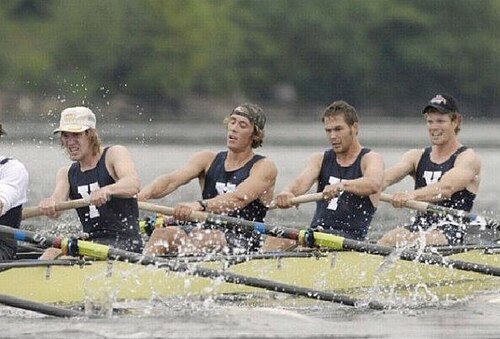
1992年に陸軍と海軍がイースタン・インターカレッジ・ベースボール・リーグを離脱すると、8校が参加するほぼすべての大学対抗戦がアイビーリーグの旗の下に統合された。大きな例外はホッケーで、ホッケーを後援するアイビーリーグ(ペンシルバニア大学とコロンビア大学を除く)はすべてECACホッケーのメンバーである。レスリングは2023-24学年度までの2つ目の例外で、それまではレスリングを後援するアイビーリーグ(ダートマス大学とイェール大学を除く)はすべてイースタン・インターカレッジ・レスリング協会のメンバーであった。[90]
アイビーリーグは、2020年3月にすべてのスポーツ競技を中止することでCOVID-19パンデミックに対応した最初のスポーツカンファレンスであり、多くの春のスケジュールが未完了のままになりました。 [91] 2020年秋のスケジュールは7月にキャンセルされ、冬季スポーツは感謝祭の前にキャンセルされました。[91]ディビジョンIの357の男子バスケットボールチームのうち、試合を行わなかったのは10チームのみで、そのうち8チームをアイビーリーグが占めました。[91] アイビーリーグは、マーチマッドネスへの自動出場権を放棄することで、NCAAバスケットボール基金から少なくとも28万ドルを失いました。 [91 ]パンデミックの結果、アイビーリーグの学生アスリートの数は前例のないほど多く、他の学校に転校するか、パンデミック後もプレーする資格を維持することを期待して一時的に登録を解除しました。[91] [91] 2021年2月、イェール大学が卒業生のジョセフ・ツァイ氏からラクロスチームのために隔離された「バブル」を作るという数百万ドルのオファーを断ったと報じられた。[91]同リーグは2021年5月の共同声明で、「通常の運動競技」が2021年秋に「すべてのスポーツで」再開されると発表した。[92]
2020年のブラック・ライブズ・マター抗議運動を受けて、アイビーリーグ・カンファレンスは人種差別や同性愛嫌悪と闘うために「多様性、公平性、包摂性」を維持することを約束した。ブラウン大学、コロンビア大学、コーネル大学、ダートマス大学、ハーバード大学、プリンストン大学には、黒人学生アスリートグループやその他のアフィニティグループがあり、組織が反人種差別や反同性愛嫌悪に取り組んでいることを確実にすることに専念している。[93] 2023年、ブラウン大学の元バスケットボール選手2人がアイビーリーグを訴え、1954年の「アイビーリーグ協定」はスポーツ奨学金を拒否することで反競争的であり、独占禁止法に違反していると主張した。[94] [ 95]この訴訟では、この協定は1890年のシャーマン反トラスト法に違反する価格操作であり、事実上、学生アスリートのアイビーリーグ教育のコストを引き上げていると主張している。[94] [95]
学術
入学案内

アイビーリーグの学校は非常に選抜性が高く、すべての大学で合格率は約10%以下と報告されています。2025年度のクラスでは、8校のうち6校が合格率6%を下回りました。[98] [99] [100] [101] [102] [103]入学者は世界中から来ていますが、米国北東部の学生がかなりの割合を占めています。[104] [105] [106]
2021年、アイビーリーグの8校すべてで過去最高の出願件数と過去最低の合格率が記録されました。[98] [107] [99] [100] [101] [108]前年比での出願者数の増加率は、プリンストンの14.5%増からコロンビアの51%増までの範囲でした。[102] [103]
アイビーリーグの大学がアジア系アメリカ人の受験者を差別しているという主張がある。例えば、2020年8月、米国司法省はイェール大学が人種を理由にアジア系アメリカ人の受験者を差別したと主張したが、大学側はこれを否定した。[109]ハーバード大学は2019年にアジア系アメリカ人の学生団体から同様の訴えを受け、連邦判事はハーバード大学が憲法上の要件を遵守していると判断した。学生団体はその後この判決に控訴しており、2020年8月現在も控訴は係争中である。[109]
プレステージ

リーグのメンバーは、さまざまな大学ランキングで高い評価を受けています。アイビーリーグの学校はすべて、USニューズ&ワールドレポートのベストカレッジランキングで常に国内の大学トップ20にランクされています。[9]
コラボレーション
加盟校間の協力関係は、毎年秋と春に開催される学生主導のアイビー評議会に表れています。アイビー評議会には、アイビーリーグ加盟校の代表者が参加しています。アイビーリーグの統治機関は、各大学の学長で構成されるアイビーグループ学長評議会です。会議では、学長たちが各大学の共通の手順や取り組みについて話し合います。
両大学はアイビープラス交換奨学生プログラムを通じて学術的に協力しており、このプログラムでは学生はアイビーリーグのいずれか、またはバークレー、シカゴ、MIT、スタンフォードなどの他の対象校に相互登録することができます。[112] [113]
多様性の歴史
人種隔離と統合
アイビーリーグの大学は、人種隔離、そして最終的には統合という複雑な歴史を持っています。コーネル大学を除くアイビーリーグの大学はすべて、アメリカの奴隷制時代に設立されました。[114] 2003年、ブラウン大学はアイビーリーグで初めて、奴隷制および大西洋奴隷貿易との歴史的なつながりについて説明責任を負いました。[115] [116]ブラウン大学に続いて、他のアイビーリーグの大学も奴隷制とのつながりを調査する委員会を設置し、奴隷制との様々な組織的関係を発見しました。例えば、イェール大学は、奴隷商人と所有者から得た利益を最初の奨学金、図書館、および教員の職に充てました。[117] [118]現在までに、イェール大学の寄宿制カレッジのいくつかは奴隷商人とその支援者にちなんで名付けられています。[119]ハーバード大学、プリンストン大学、コロンビア大学、ペンシルベニア大学の調査では、いずれも大学設立から1世紀後に、奴隷にされた黒人が学生や教授、学長の世話をするためにキャンパス内に住んでいたことが判明した。[120] [121] [122] [123]注目すべきことに、プリンストン大学の最初の9人の学長は奴隷所有者であり、1766年にはプリンストン大学のキャンパスで奴隷オークションが行われたと伝えられている。[121]
少数の黒人は、学生時代、アイビーリーグの大学に通っていた。しかし、これらの初期の学生には必ずしも学位が与えられなかった。例えば、1774年には黒人学生がプリンストン大学の学長と個人的に勉強していたことが記録されているが、20世紀半ばまで黒人学生がプリンストンの学位を取得した者はいなかった。[124]モホーク族の兄弟であるジョナサンとフィリップ・ゲイエンキティオガ[125 ]は、ベンジャミン・フランクリンに勧誘されてフィラデルフィア学院(当時はペンシルベニア大学の一部)に入学した後、1755年にペンシルベニア大学に入学した最初の有色人種であったが、 [ 126]どちらも学位を取得したという証拠はない。[126 ] ペンシルベニア大学を卒業した最初のネイティブアメリカンは、1847年にロバート・ダニエル・ロス(チェロキー族の一員)がペンシルベニア大学の医学部を卒業して学位を取得するまで登場しなかった。[126]
19世紀から20世紀初頭
1900年、WEBデュボイスは『The College-bred Negro』[127]を監修・編集した。これは大学における黒人の統合に関する研究で、アイビーリーグの学校を卒業した黒人学生は、その集団の歴史上、合わせて52人いることが判明した。アイビーリーグの学校が有色人種の学生を受け入れることを禁じる公式の方針はなかったため[114]、リーグ内の各大学は黒人学生の入学に関して異なる方針を持っていた。ダートマス大学の最初の黒人学生が卒業したのは1828年であり、プリンストン大学が最初の黒人学生を受け入れたのは1940年代のV-12海軍大学訓練プログラムによるものであった。[114] [128]
アイビーリーグの大学への初期の黒人学生の入学は物議を醸し、しばしば反発に直面した。ダートマス大学は当初、最初の黒人卒業生であるエドワード・ミッチェルの入学を拒否したが、これは「学生の感情を害すること」を避けるためだったとされている。ダートマス大学の学生はこの決定に抗議し、ミッチェルは1824年に入学した。[128] リチャード・ヘンリー・グリーンは1864年にダートマス大学から医学博士号を授与された。 [129]
ハーバード大学は1847年に最初の黒人学生であるビバリー・ガーネット・ウィリアムズを受け入れた。彼の入学の知らせはハーバード大学の学生と教職員による抗議を引き起こした。[130]しかし、ウィリアムズは学年が始まる前に亡くなり、入学することはなかった。[131] リチャード・セオドア・グリーナーは1870年にハーバード大学の学位を取得した最初のアフリカ系アメリカ人であった。 [132] 1890年から1940年の間、平均して毎年3人の黒人男性がハーバード大学に入学した。[124] 1923年、ハーバード大学の理事会は、アボット・ローレンス学長による黒人学生の寮生活禁止を覆し、人種に関係なく新入生全員の寮生活を認めると発表したが、「白人と有色人種の男性は一緒に生活し食事をすることを強制されない」という原則は維持した。[133]ブラウン大学は南北戦争以前に黒人学生の入学を完全に拒否していたようだ。奴隷制度廃止論者のエリザベス・バファム・チェイスは著書『奴隷制度反対の回想録』の中で、「稀に見る優秀さと学識を備えた少年が、肌の色を理由にブラウン大学当局から入学試験を拒否された」と書いている。インマン・ペイジは1877年にブラウン大学を卒業した最初の黒人学生であり、クラスの代表を務めた。[134]
ウィリアム・アジャー、ジェームズ・ブリスター、ネイサン・フランシス・モッセルは、 1879年にペンシルベニア大学に入学した最初の黒人学生であった。 [135]ブリスターは1881年にペンシルベニア大学で学位を取得した最初のアフリカ系アメリカ人として歯科医学部(ペンシルベニア歯科)を卒業し、アジャーは1883年に同大学を卒業した最初のアフリカ系アメリカ人となった。[136]
コロンビア大学は、1875年から1900年の間に4人の黒人学生が大学の学位を取得したと主張しているが[131] 、彼らの名前は明らかに不明である。
イェール大学のエドワード・ブーシェは、1874年に米国でファイ・ベータ・カッパに選出され、 1876年に物理学の論文を完成させた、(b)アメリカの大学で博士号を取得した最初の黒人でした。 [137] [138]ブーシェはイェール大学の最初のアフリカ系アメリカ人卒業生であると考えられていましたが、2014年に公表された調査によると、イェール大学は1857年に黒人のリチャード・ヘンリー・グリーンに文学士の学位を授与していました。 [129] [139]
コーネル大学は設立当初、人種や性別を問わず入学が可能で、アイビーリーグの中で最も包括的な大学と思われた。[140]大学の共同創設者アンドリュー・ディクソン・ホワイトは1874年に、「現在、コーネル大学には有色人種の学生はいないが、入学の用意があるなら喜んで受け入れる。たとえ1人でも志願して試験に合格すれば、たとえ白人学生500人全員がその理由で退学を要求したとしても、我々は彼を受け入れるだろう」と書いている。[141 ] 1890年、チャールズ・ショーヴォー・クックとジェーン・エレノア・ダッチャーは、コーネル大学で4年間の学士号を取得した最初の黒人学生となった。[142]それにもかかわらず、ニューヨーク州イサカの町では、黒人学生は法的および社会的に隔離された。1905年、黒人学生はコーネル大学在学中に住宅を拒否されたと報告した。[114]
プリンストン大学は「最南端のアイビーリーグ」とも呼ばれ、人種統合が最後に行われた大学である。デュボイスの『大学育ちの黒人』 (1900年)では、プリンストンの代表者の発言が引用されている。「大学の規則に黒人学生の入学を禁じる規定はないが、当大学には黒人学生が入学したことはない。しかし、南部に近いことや南部出身の学生が多いことから、黒人学生はプリンストンを他の大学よりも居心地が悪いと感じるかもしれない。」[143]特筆すべきことに、1939年、プリンストンは入学担当部長のラドクリフ・ハーマンスがライトの人種に気付き、キャンパスに到着したばかりの黒人学生ブルース・ライトの入学許可を取り消した。[144]ライトが失望してハーマンスに説明を求める手紙を書いたところ、ハーマンスは次のように返答した。
「私は良心的に、有色人種の学生にプリンストンへの入学を勧めることはできません。なぜなら、その学生がこの環境で幸せになれるとは思えないからです。大学には有色人種の学生はいませんし、あなた方の人種の一員は非常に孤独を感じるかもしれません...私の個人的な経験から、有色人種の学生に、同じ人種の学生のいる環境の方が幸せになれるし、ニューイングランドの大学や州立大学の大きな大学の1つでの生活の方が、この特定のタイプの寄宿制大学よりもずっと簡単に適応できるだろうというアドバイスは、正しいと思います。」[145]
アイビーリーグの大学に入学した初期の黒人学生の数人は、裕福なカリブ海の家庭出身者が多かった。[114]アフリカ系アメリカ人学生がアイビーリーグの大学に通うことを妨げる障壁には、大学の方針、募集の不備、授業料の高さ、人種差別のある国では中等教育の機会がないことなどがある。[114] [146]アイビーリーグの大学院や専門学校に通う黒人学生は、学部課程に通う黒人学生よりも多かった。 [114] 20世紀半ばまでに、アイビーリーグの大学で学士号を取得した黒人男性と女性はわずか54人だった。[114]
20世紀後半
20世紀半ばまでに、アイビーリーグの学生や卒業生の中には、人種統合の取り組みを強化するよう主張する者もいた。[147] [148] [149] [150]これらの取り組みに対して、大学側はさまざまな反応を示した。[151]大学全体で人種統合の目標を共有していなかったため、各大学は人種的多様性を異なる速度で高め、ダートマス大学では1945年のクラスで120人の黒人学部生がいたが、プリンストン大学では1967年までに累計で100人未満の黒人学部生となった。[114]
1942年のV-12海軍大学訓練プログラムは、事実上、アイビーリーグの8つの大学すべてに黒人学生の入学者数を増やすよう強制した。[ 114 ]プリンストン大学では、このプログラムに参加した黒人学生が大学から初めて学士号を授与された。[152]
1954年のブラウン対教育委員会事件における最高裁判所の判決は、アイビーリーグのような私立大学に判決に従うことを要求しなかった。[153]私立大学が人種に基づく差別を法的に禁止されるようになったのは、 1976年のラニヨン対マクラリー事件における最高裁判所の判決まで待たなければならなかった。[154]しかし、1960年代初頭までに、アイビーリーグの一部の入学事務局は、黒人志願者数を増やすために協調的な努力を始め、高校から黒人の才能を積極的に求める取り組みを展開した。[155]アイビーリーグの機関における人種統合の取り組みは、学生組織、教員主導の取り組み、および全米奨学金サービスや黒人学生基金[148]などの第三者組織の支援に依存して、黒人志願者候補者を募った。[155]これらの取り組みは大学内部の活動も促し、例えば黒人学生の募集と支援を目的とした組織であるコーネル大学特別教育プロジェクト委員会(COSEP)の設立などにつながった。 [156]しかし、1965年になっても、アイビーリーグ全体の入学者のうち黒人学生の割合はわずか2%だった。[114]
1960年代以前は、アイビーリーグの大学の大半は女性の入学を明示的に禁止し、代わりに近隣の女子大学と提携していた。[157]そのため、黒人女性はアイビーリーグの大学が方針を変えるまで入学できなかった。リリアン・リンカーン・ランバートは、 1969年にハーバード・ビジネス・スクールで修士号を取得し、ハーバード大学で学位を取得した最初の黒人女性となった。[157]リンカーン・ランバートはハーバード大学のアフリカ系アメリカ人学生連合の創設メンバーでもあり、彼女によると、この連合は黒人学生を積極的に募集し、「黒人学生がサポートだけでなく、黒人の髪を切る理髪店から教会まであらゆるリソースを見つけることができる場所」を作ったという。[158]
アイビーリーグの学校で黒人学生の人口が増加するにつれ、公民権運動の間、キャンパス内の活動が増加した。1969年、コーネル大学のアフリカ系アメリカ人協会の学生がウィラード・ストレート・ホールを武装占拠し、大学の人種差別的な方針と「黒人研究プログラムの確立の遅れ」に抗議した。[159] [114]同じ年、イェール大学の新左翼組織である民主社会を求める学生たちと関係のある学生は、ニューヘイブン・ブラック・パンサー党と密接に協力して座り込みや抗議活動を主導し、有色人種の学生の受け入れ拡大とアフリカ系アメリカ人研究学部の設立を主張した。[160] [114]ブラウン大学では、ユナイテッド・アフリカン・ピープルやアフリカ系アメリカ人協会などのアイデンティティに基づく学生組織が、黒人教員の数を増やし、黒人学生のニーズにもっと注意を払うよう求めた。[115]ハーバード大学とコロンビア大学でのデモは占拠や非暴力的な座り込みの形をとったが、大学当局が呼んだ地元警察による強制排除の対象になることが多かった。[161] [114]この時期のダートマス大学での活動は異なる形をとっており、学生は他のアイビーリーグや全国の大学で起こっていたデモを利用して、他の場所で起こっているのと同様の行動を起こすという見通しの中で進歩を求める要求を効果的に位置づけていた。
21世紀
20世紀後半の軌跡を引き継ぎ、アイビーリーグのキャンパスの黒人学生の数は21世紀も増加し続けている。2006年から2018年にかけて、黒人学生の入学者数は1,110人から1,663人に増加し、約50%増加した。[162] 2018年現在、アイビーリーグの大学はハーバード大学の「人種を考慮した入学」モデルを全会一致で支持している。 [163]ハーバード大学の代表者は、この形式の積極的差別是正措置がキャンパスの多様性を高める要因の1つであると考えている。 [ 163 ]
2014年のSchuette v. Coalition to Defend Affirmative Action事件、572 U.S. 291 (2014)では、最高裁判所はミシガン州の公立機関に対する積極的差別是正措置の禁止を支持し、2016年のFisher v. University of Texas II 事件、No. 14-981, 579 U.S. ___ (2016)では、大学が限定的な範囲の明確な目標を持ち、それを達成するための他の実行可能な人種中立手段がないことを立証したため、大学が入学決定において人種を限定的に考慮することを裁判所は支持した。しかし、2023年、Students for Fair Admissions v. President and Fellows of Harvard College、No. 20-1199、600 U.S. ___ (2023)において、米国最高裁判所は、Regents of University of California v. BakkeおよびGrutter v. Bollinger などの数 十年前の判決や、この段落で前述したその他の事件を覆し、民間の大学の入学における非個別的な人種的優遇を認めないという判決を下しました。本質的には、裁判所は、裁判所の判決により高等教育の入学において人種を考慮することが禁じられたため、ハーバードの「人種を考慮した入学」を認めないと憲法修正 第14条を解釈したことになります。
ハーバードのモデルを支持する機関は、学問の卓越性に加えて多様な学生構成の形成も目指していると主張しているが、反対派は、ハーバードのモデルは特定の志願者に対して差別的であると主張している。[164]
2000年代初頭、アイビーリーグの大学における黒人学生数の増加に伴い、これらの機関における黒人教員数も増加したが、教員間の変化の速度は遅く、一貫性がなかった。2005年には、アイビーリーグの常勤教員14,831人のうち588人(約3.9%)が黒人であった。[165]この割合は2015年には3.4%に減少した。[166]特筆すべきことに、2001年にルース・J・シモンズがブラウン大学の学長に就任し、アイビーリーグの機関における初のそして唯一の黒人学長となった。[167]
21世紀には、アイビーリーグの学生による人種をめぐるデモが続いた。これらのデモの多くは、黒人学生の入学と支援の増加を主張することで、20世紀の先人たちの活動を継続しようとした。公正な入学を求める学生対ハーバード大学学長およびフェローの最高裁判所訴訟を受けて、イェール大学とハーバード大学の学生は他の大学に加わり、人種を考慮した入学政策を擁護する抗議活動に参加した。[168] [169]
同様に、アイビーリーグの大学の黒人学生も、キャンパス内外での黒人学生の生活の向上を求めて抗議活動を続けている。 2014年のマイケル・ブラウンの死後、アイビーリーグの学生たちは、8つの大学すべてからメンバーが参加し、黒人差別と闘うことを目的としたブラック・アイビー・コアリションを結成した。[170]アイビーリーグの各大学も、黒人に対する暴力事件への直接的な対応として、独自の擁護団体や運動を結成した。マイケル・ブラウンの殺害後、プリンストン大学の学生はブラック・ジャスティス・リーグを結成し、2015年にナッソー・ホールを占拠して大学当局に要求リストを提出した。[171]同様に、2017年には、コーネル大学の学生が黒人学生への暴行に抗議して大学当局に要求を行った。ブラック・スチューデンツ・ユナイテッドが主導した要求には、憎悪犯罪を理由にサイ・ユプシロン・フラタニティを禁止すること、暗黙の偏見トレーニングを実施すること、大学の黒人学生数を増やすための政策を導入することなどが含まれていた。[172]
学生デモはアイビーリーグのキャンパスを超えて変化を起こすことにも焦点を当てている。2020年のブラック・ライブズ・マター抗議運動に続いて、ハーバード大学の黒人法学生協会は、黒人教員の増加、批判的人種理論のカリキュラム、学生抗議者の保護を求めるだけでなく、大学に刑務所からの撤退と国家公認の暴力を非難するよう求めた。[173]
全国各地で人種差別的な事件が相次ぎ、学生運動家からの働きかけもあり、アイビーリーグの大学はキャンパスのランドマークを撤去したり改名したりしている。2016年のブラック・ライブズ・マター運動を受けて、コーネル大学は、以前は「コーネル・プランテーション」と呼ばれていた植物園を「コーネル植物園」に改名した。 [174] 2018年、ブラウン大学は、同大学最大の学術・管理棟の1つを、同大学初の黒人卒業生であるインマン・E・ペイジとエセル・トレメイン・ロビンソンにちなんで改名した。 [175] 2020年のジョージ・フロイド殺害を受けて、プリンストン大学は、ウッドロウ・ウィルソンの「人種差別的な考え方と政策」を理由に、寄宿制カレッジと公共・国際関係学部からウィルソンの名前を削除した。 [176]
ファッションとライフスタイル

アイビーリーグのキャンパスからは、時とともにさまざまなファッショントレンドやスタイルが生まれており、アイビーリーグやプレッピーなどのファッショントレンドは、アイビーリーグとその文化によく関連付けられるスタイルです。
アイビーリーグ スタイルは、1950 年代後半に人気を博した男性の服装スタイルで、アイビーリーグのキャンパスで生まれたと考えられています。衣料品店のJ. プレスとブルックス ブラザーズは、おそらくアイビーリーグの典型的な服装スタイルを代表しています。アイビーリーグ スタイルは、プレッピースタイルの服装の先駆けだと言われています。
プレッピーファッションは、1912年頃から1940年代後半、1950年代にかけてアイビーリーグの服装スタイルとして始まりました。[177] J.プレスは、プレッピーサブカルチャーを形成した大学の伝統から生まれた、典型的なプレッピー服のブランドです。20世紀半ばには、プレッピーファッションの先駆者であるJ.プレスとブルックスブラザーズは、ハーバード、イェール、プリンストンなどのアイビーリーグの大学のキャンパスに店舗を構えていました。
プレッピースタイルには、乗馬、セーリングやヨット、狩猟、フェンシング、ボート、ラクロス、テニス、ゴルフ、ラグビーなど、ニューイングランドの伝統的な上流階級のレジャー活動を反映したスタイルもあります。LLビーンなどの長年のニューイングランドのアウトドア用品店は、従来のプレッピースタイルの一部となりました。[ 178]これは、スポーツ用のストライプや色、乗馬用の服、チェック柄のシャツ、フィールドジャケット、海をテーマにしたアクセサリーに見ることができます。東海岸の上流階級に長く人気があったフロリダ州パームビーチでの休暇は、リリーピュリッツァーなどの一部のブランドに見られるレジャーウェアの明るい色の組み合わせの出現につながりました。[178] 1980年代までには、ラコステ、アイゾッド、ドゥーニー&バークなどの他のブランドもプレッピースタイルと関連付けられるようになりました。[179]
アイビーリーグスタイルは、歴史的にアイビーリーグのキャンパスを構成してきた白人男性エリート層と最も一般的に関連付けられていますが、このスタイルは公民権時代に黒人コミュニティの間で急速に普及しました。1950年代と1960年代にアフリカ系アメリカ人男性によってこのスタイルが再解釈され、プレッピーなアイビーリーグスタイルと他の人気の黒人服のスタイルが組み合わされました。これにより、ブラックアイビースタイルという新しい服のスタイルが生まれました。[180]
今日でもアイビーリーグスタイルはアイビーリーグのキャンパス、アメリカ全土、そして海外でも人気があり、「クラシックアメリカンスタイル」や「トラディショナルアメリカンスタイル」と呼ばれることが多い。[181] [182]
社会的エリート主義
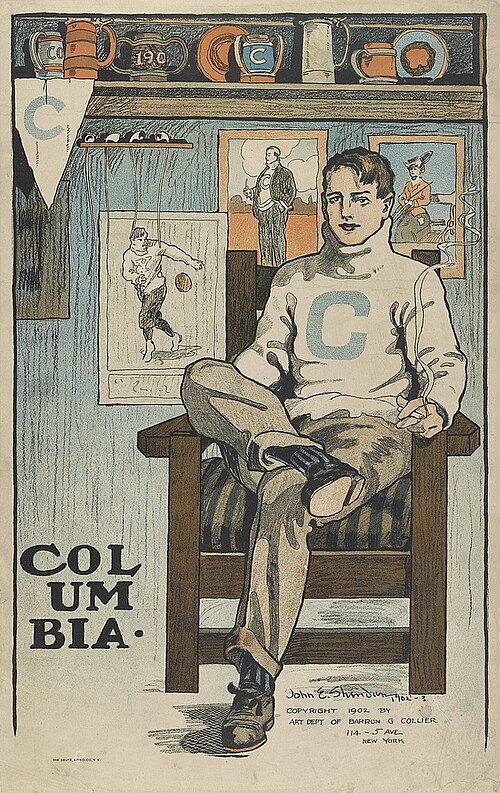
アイビーリーグは、北東部の上流階級の 白人アングロサクソンプロテスタントコミュニティ、旧家、またはより一般的にはアメリカの上流中流階級および上流階級と関連付けられることが多い。[183] [184] [185] [186]アイビーリーグの学生のほとんどは上流中流階級および上流階級の家庭出身であるが、学生構成はますます経済的、民族的に多様化している。大学は低所得者および中流階級の学生の入学を増やすために多額の財政援助を行っている。[187]しかし、いくつかの報告によると、それほど裕福ではない家庭出身の学生の割合は依然として低い。[188] [189]
「アイビーリーグのスノッブ」 [190]などのフレーズは、20世紀初頭から中期にかけてのノンフィクションやフィクションの作品によく登場する。ルイス・オーチンクロスの登場人物は、「アイビーリーグの大学に蔓延しているスノッブの冷淡さ」を恐れている。[61]あるビジネスライターは、2001年に差別的雇用に警告を発し、避けるべき態度の警告例を示した(括弧内のフレーズは彼のものである)。
私たちアイビーリーグ生(つまりほとんどが白人とアングロ系)は、アイビーリーグの学位がこの組織で成功する可能性が高い人物の証であることを知っています。[191]
アイビーリーグという言葉は、歴史的に、学問の優秀さだけでなく、社会的エリート主義とも結びついていると認識されてきた。1936年、スポーツライターのジョン・キアランは、ハーバード、イェール、コロンビア、プリンストン、コーネル、ダートマス、ペンシルベニアの学生編集者が運動協会の設立を主張していることを指摘した。彼は、彼らに「陸軍、海軍、ジョージタウン、フォーダム、シラキュース、ブラウン、ピット」を会員候補として 検討するよう促し、次のように説いた。
アイビーリーグの支持者は、提案されたグループは包括的ではあるが、鼻先を少し傾けて使用される「排他的」ではないことを(特に彼ら自身に対して)明確にしておくのがよいだろう。[192]
アイビーリーグのステレオタイプ化の側面は、1988年の大統領選挙で明らかになった。ジョージ・H・W・ブッシュ(イェール大学 '48卒)が、マイケル・デュカキス(ハーバード大学ロースクール卒)を「ハーバード・ヤードのブティックで生まれた外交政策の見解」を持つ人物として嘲笑したのだ。[193] ニューヨーク・タイムズのコラムニスト、モーリーン・ダウドは「これは、鍋が釜をエリートと呼ぶケースではなかったのか?」と疑問を呈した。しかし、ブッシュは、ハーバードと異なり、イェール大学の評判は「非常に曖昧で、象徴的なものではないと思う。イェール大学の場合、そこに象徴性はないと思う。… 私にとってハーバード・ブティックは、自由主義とエリート主義の意味合いを持つ」と説明し、ハーバード大学は「哲学的な飛び地」を表すことを意図しており、階級に関する発言ではないと述べた。[194]コラムニストのラッセル・ベイカーは、「エリートのアイビーリーグの学校を嫌悪し恐れる傾向のある有権者は、イェール大学とハーバード大学を細かく区別することはめったにない。彼らが知っているのは、どちらの大学も、どんなに暑くてもアンダーシャツ一枚で夕食をとることのない、金持ちで派手で高慢ちきで、おそらく危険な知識人でいっぱいだということだけだ」と述べている。 [195]それでも、その後の5人の大統領は、全員、少なくとも教育の一部はアイビーリーグの学校に通っていた。ジョージ・H・W・ブッシュ(イェール大学学部)、ビル・クリントン(イェール大学ロースクール)、ジョージ・W・ブッシュ(イェール大学学部、ハーバード・ビジネススクール)、バラク・オバマ(コロンビア大学学部、ハーバード・ロースクール)、ドナルド・トランプ(ペンシルバニア大学学部)である。
アイビーリーグ出身の米国大統領

アメリカ合衆国大統領を務めた45人のうち、16人がアイビーリーグの大学を卒業している。そのうち、8人がハーバード大学、5人がイェール大学、3人がコロンビア大学、2人がプリンストン大学、1人がペンシルバニア大学で学位を取得している。12人の大統領がアイビーリーグの学士号を取得している。このうち4人は編入生で、ウッドロウ・ウィルソンはデイビッドソン大学から、バラク・オバマはオクシデンタル大学から、ドナルド・トランプはフォーダム大学から、ジョン・F・ケネディはプリンストン大学からハーバード大学に編入した。ジョン・アダムズは1755年にハーバード大学を卒業し、大学を卒業した初の大統領となった。
学生の人口統計
人種と民族
地理的分布
アイビーリーグの学生の多くは北東部出身で、ニューヨーク市、ボストン、フィラデルフィア地域が大部分を占める。アイビーリーグの8つの大学はすべて北東部にあるため、卒業生のほとんどは卒業後、北東部で働き、居住することになる。ハーバード大学の2013年度卒業生を対象にした非科学的な調査では、42%が北東部出身で、全体の55%が北東部で働き、居住する予定であることがわかった。[200]ボストンとニューヨーク市は伝統的に多くのアイビーリーグ卒業生が最終的に住む場所である。[201] [202]
社会経済と社会階級
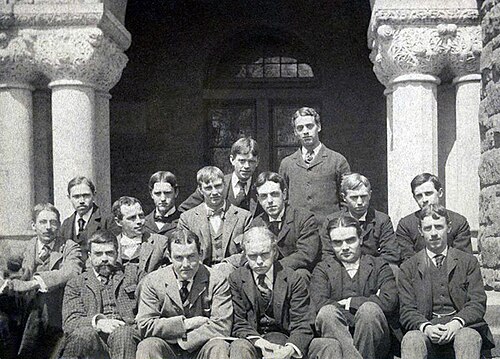
アイビーリーグの学生は、大学院生も学部生も、主に上流中流階級と上流階級の家庭出身である。しかし近年、大学は社会経済的および階級的多様性を高めることを目指しており、下層階級、労働者階級、下流中流階級のアメリカ人家庭出身の志願者に多額の奨学金を提供している。[187] [204]
2013年、ハーバード・クリムゾンの記者は、ハーバード大学の学部生の46%が全米世帯の上位3.8%(年間収入20万ドル以上)の家庭出身であると推定した。[204] 2012年には、ブラウン大学の学生のうち、アメリカの所得分布の下位25%に属する学生はわずか3~4%で、この数字は1992年以来変わっていなかった。[205] 2014年には、イェール大学の新入生の69%が年間収入12万ドル以上の家庭出身で、イェール大学の学生のほとんどが中流階級から上流階級に属していた。(2013年の米国の世帯収入の中央値は5万2700ドルだった。)[206]
2011年から2012年の学年度では、ペル奨学金(必要性に基づいて連邦政府が資金提供する奨学金)の受給資格がある学生は、ハーバード大学で20%、コーネル大学で18%、ペンシルバニア大学で17%、コロンビア大学で16%、ダートマス大学とブラウン大学で15%、イェール大学で14%、プリンストン大学で12%でした。全国的に、アメリカの大学生の35%がペル奨学金の受給資格があります。[207]
卒業率
教員の人口統計
人種と民族
競技と陸上競技

アイビーリーグのチャンピオンは、男子16種目と女子16種目で認められている。一部のスポーツでは、アイビーリーグのチームは実際には別のリーグのメンバーとして競技し、アイビーリーグのチャンピオンシップはメンバー同士の対戦成績を分離して決定される。例えば、アイスホッケーに参加する6つのリーグメンバーはECACホッケーのメンバーとして参加するが、アイビーリーグのチャンピオンは毎年推定される。ボート競技では、アイビーリーグは重量級と軽量級の両方で男女それぞれのチームチャンピオンを認定している。全米大学ボート協会が性別と体重に基づくボート競技の4つの部門すべてを統括しているが、NCAAの認可を受けているのは女子重量級のみである。アイビーリーグは、ディビジョンIのバスケットボールカンファレンスでカンファレンスのポストシーズントーナメントを制定した最後のカンファレンスであり、男女初のトーナメントは2016-17シーズンの終わりに開催された。これらのトーナメントは、NCAAディビジョンIの男子および女子バスケットボールトーナメントへのアイビーリーグの自動出場権のみを授与します。公式カンファレンスチャンピオンシップは、引き続きレギュラーシーズンの結果のみに基づいて授与されます。[217] 2016-17シーズンより前は、自動出場権はレギュラーシーズンの成績のみに基づいており、自動出場権を決定するために1試合のプレーオフ(2チーム以上が同点の場合は1試合のプレーオフシリーズ)が開催されていました。[218]アイビーリーグは、レギュラーシーズンの結果のみで公式バスケットボールチャンピオンシップを授与するディビジョンIカンファレンスの2つのうちの1つです。もう1つはサウスイースタンカンファレンスです。 [219] [220]アイビーリーグの学校は、創設以来、男子または女子のディビジョンI NCAAバスケットボールトーナメントで優勝したことはありません。

平均して、各アイビーリーグの学校には35以上の代表チームがある。8チームすべてが、ディビジョンIの学校の中で、男女ともにスポーツの数でトップ20に入っている。ほとんどのディビジョンIの運動カンファレンスとは異なり、アイビーリーグは運動奨学金の授与を禁止しており、授与されるすべての奨学金は必要に基づいている(財政援助)。[221]さらに、アイビーリーグは、医学的な理由であっても、レッドシャツ化を厳しく禁止しており、選手はアイビーリーグの機関に在籍した年数ごとに1年間の資格を失う。[222]さらに、アイビーリーグは、たとえ運動資格が残っていても、大学院生が大学間のスポーツに参加することを禁止している。[223]大学院生禁止の唯一の例外は、2021年に卒業する上級生は、2021年から2022年にかけて現在の機関で大学院生としてプレーすることが許可されていたことである。これは、アイビーリーグがCOVID-19の影響で2020年から2021年にかけてほとんどの大学対抗スポーツを中止したことに対する、一度限りの対応だった。[224]アイビーリーグのチームの非リーグ戦は、同様の学業基準とスポーツ奨学金ポリシーを持つパトリオットリーグのメンバーとの対戦であることが多い(ただし、アイビーリーグとは異なり、パトリオットリーグはレッドシャツと資格のある大学院生のプレーの両方を許可している)。多様性と包摂性を促進するため、ほとんどのアイビーリーグの学校では、学生アスリートはスポーツウェブサイトの名簿ページに 性別代名詞を記載することが義務付けられている。
大学スポーツのリクルートがスポーツ奨学金の提供に支配され、アスリートの学業基準が引き下げられる以前は、アイビーリーグは国内の他の大学に比べて多くのスポーツで成功を収めていました。特に、プリンストン大学は大学フットボールで 26 回の全国選手権で優勝し(最後は 1935 年)、イェール大学は 18 回優勝しました (最後は 1927 年)。[225]これらの合計は両方とも、 15回の優勝を誇るアラバマ、 11回の優勝を誇るノートルダム(主張は11回だが多くの情報源では13回)、 11回の優勝を誇る南カリフォルニアなど、歴史的に強豪校である他の大学の優勝回数よりもかなり多い。ウォルター・キャンプ監督が「アメリカンフットボールの父」と呼ばれたイェール大学は、20世紀を通じて大学フットボールの歴代勝利数トップの座を守り続けたが、 2001年11月10日にミシガン大学に抜かれた。ハーバード、イェール、プリンストン、ペンシルバニアの各大学からは、大学フットボールの殿堂入りした元奨学生アスリートが12人以上いる。現在、ダートマス大学が18回のアイビーリーグ・フットボールの優勝記録を保持しており、ハーバードとペンシルバニアがそれぞれ17回の優勝でそれに続いている。さらに、アイビーリーグは、スーパーボウル優勝者のケビン・ブース(コーネル大学)、2度のプロボウル選出の ザック・デオジー(ブラウン大学)、ショーン・モリー(ブラウン大学)、オールプロ選出のマット・バーク(ハーバード大学)、カルビン・ヒル(イェール大学)、デリック・ハーモン(コーネル大学)、ジャスティン・ワトソン(ワイドレシーバー)、(3度のスーパーボウル優勝、タンパベイ・バッカニアーズで第55回スーパーボウル優勝、カンザスシティ・チーフスで第52回および第53回スーパーボウル優勝)、(ペンシルバニア大学)を輩出している。

1982年のフットボールシーズンから、アイビーリーグはディビジョンI-AA ( 2006年にFCS に改名)で競ってきた。 [226] [227]アイビーリーグのチームは、全国チャンピオンを決定するために開催されるFCSトーナメントに参加する資格があり、リーグチャンピオンはNCAAから自動的に招待される資格がある(他のどのチームも、アトラージ選抜の資格がある)。しかし、1956年の発足以来、アイビーリーグは12月の延長スケジュールが学業に及ぼす影響を懸念して、ポストシーズンの試合を行っていない。(メンバーの最後のポストシーズンの試合は90年前の1934年のローズボウルで、コロンビアが優勝した。)[228] [229]このため、FCSプレーオフに招待されたアイビーリーグのチームは、招待を辞退する。アイビーリーグは、他のFCS加盟チームの11試合(シーズンによっては12試合)のレギュラーシーズンとポストシーズンのスケジュールとは対照的に、厳格な10試合のスケジュールで試合を行っている。ポストシーズンは2013年に24チームで5ラウンドに拡大され、上位8チームにはバイウィークが設けられた。フットボールは、アイビーリーグが全国タイトルを争わない唯一のスポーツである。
ペンシルバニア大学とコーネル大学は、大学フットボールの他に、9チームからなるカレッジ・スプリント・フットボール・リーグにもチームを編成している。このリーグでは、全選手の体重が178ポンド以下でなければならない。プリンストン大学が2016年にプログラムを中止したため、[230]ペンシルバニア大学は1934年の創設時から残っている最後のメンバーであり、コーネル大学は次に古く、1937年に参加した。イェール大学とコロンビア大学は以前はリーグにチームを編成していたが、現在は行っていない。
チーム
学校別男子後援スポーツ
アイビーリーグが後援していない男子大学スポーツ
注:
1: アイビーリーグはアイスホッケーをスポンサースポーツとして挙げていますが、アイスホッケーを行っているアイビーリーグの 6 校すべてがECAC ホッケーのメンバーとして参加しています。
学校別女子スポンサースポーツ
アイビーリーグが後援していない女子大学スポーツ
注:
1: アイビーリーグはアイスホッケーをスポンサースポーツとして挙げていますが、アイスホッケーを行っているアイビーリーグの 6 校すべてがECAC ホッケーのメンバーとして参加しています。
2. アイビーリーグは、米国で最も古い大学ラグビーチームの本拠地です。男子チームはどれも、女子チームの半分は「代表」スポーツではありませんが、各チームは、それぞれの地域のカンファレンスに加えて、アイビーラグビーカンファレンス[233]の一部として互いに競い合っています。女子チームのうち4チーム (ブラウン、ダートマス、ハーバード、プリンストン) は、NCAA 新興スポーツ部門の一部としてプレーしています。[234]
過去の結果
上記の表には、アイビーリーグの公式大会が始まった1956年から1957年までのチーム優勝回数が記載されている。プリンストンとハーバードは、1年間に10回以上のアイビーリーグ優勝を果たしたことがある。ハーバードは10回、プリンストンは24回優勝しており、その中には2010年から2011年のカンファレンス記録となる15回の優勝も含まれている。他の6校のうち、1学年で8回以上の優勝を果たしたのは1度だけである(コーネルは2005年から2006年に9回)。1979年から1980年までの38学年で、プリンストンは平均して年間10回の優勝を果たしており、これはカンファレンスがスポンサーとなっている33のスポーツの合計の3分の1にあたる。[235]
2005年から2006年までの12学年度で、プリンストン大学はレスリングと男子テニスを除く31のスポーツで優勝した。[236]
ライバル関係


アイビーリーグではライバル関係が根強い。例えば、プリンストンとペンは長年の男子バスケットボールのライバルである。[237]クエーカー教徒のファンは試合で「パック・フリンストン」Tシャツを着ている。[238]アイビーリーグバスケットボールの歴史上、そしてイェール大学の1962年のタイトル以来わずか7シーズンで、ペンもプリンストンもバスケットボールでアイビーリーグのタイトルを少なくとも分け合ったことは11回しかない。[239]プリンストンが26回優勝または共同優勝し、ペンが25回優勝している。ペンが21回、プリンストンが19回優勝している。プリンストンは共同優勝を7回果たし、そのうち4回はペンとタイトルを分け合っている(この4シーズンはペンが共同優勝した唯一のシーズンである)。
ハーバードは2011年にNCAAトーナメント出場をかけた劇的なプレーオフでプリンストンに敗れたものの、両タイトルを初めて獲得した。その後、2012年、2013年、2014年に完全復活し、優勝を果たした。ハーバードは2013年のグレート・アラスカ・シュートアウトでもTCUを破り、現在は廃止されたこのトーナメントで優勝した唯一のアイビーリーグの学校となった。
他のスポーツでもアイビーリーグのチーム間にライバル関係があり、ホッケーではコーネル大学とハーバード大学、水泳ではハーバード大学とプリンストン大学、フットボールではハーバード大学とペンシルバニア大学(ペンシルバニア大学とハーバード大学は1982年以来アイビーリーグフットボール選手権で28回優勝しており、ペンシルバニア大学が16回、ハーバード大学が12回優勝している)である。その間、ペンシルバニア大学はアイビーリーグフットボール選手権で8回無敗であり、ハーバード大学はアイビーリーグフットボール選手権で6回無敗である。[240]男子ラクロスでは、コーネル大学とプリンストン大学は永遠のライバルであり、NCAAトーナメントで優勝した3つのアイビーリーグチームのうちの2つである。[241] 2009年、ビッグレッドとタイガースはNCAAトーナメントで70回目の対戦を行った。[242] 1972年以降、ハーバード大学とプリンストン大学以外のチームが男子水泳のカンファレンスタイトルを完全に獲得したことはないが、この間、イェール大学、コロンビア大学、コーネル大学がハーバード大学とプリンストン大学とタイトルを分け合った。同様に、ブラウン大学が1999年にタイトルを獲得して以来、プリンストン大学とハーバード大学以外のチームが女子水泳選手権で優勝したことはない。プリンストン大学とコーネル大学は、2002年から2003年以降、1つの例外を除いて(コロンビア大学の女子チームが2012年に室内選手権で優勝)、毎年、男子と女子の両方で、屋内と屋外の陸上競技選手権で優勝している。ハーバード大学とイェール大学はフットボールとボート競技でライバル関係にあるが、競争は不均衡になっている。ハーバード大学は、過去15回のフットボールの試合のうち1回を除いて全て勝利し、過去13回のボート競技のうち1回を除いて全て勝利している。
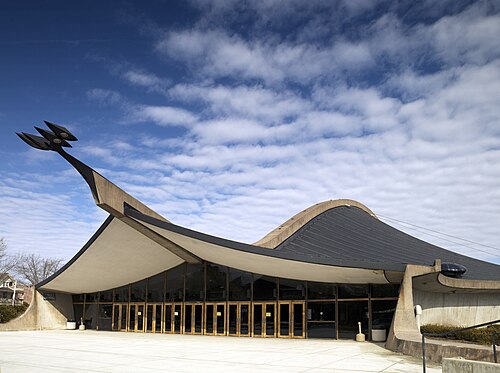
カンファレンス内フットボールライバル関係
イェール大学とプリンストン大学のシリーズは、試合数では国内で2番目に長いシリーズであり、これを上回るのは、1884年後半に始まったものの、初期の17シーズンでそれぞれ2、3試合が行われたリーハイ大学とラファイエット大学の「ライバル関係」のみである。 [243]イェール大学とプリンストン大学がライバル関係にあった最初の30年間、両大学はシーズン最終戦を中立地、通常はニューヨーク市で行い、1890年のハーバード大学を除けば、その試合の勝者はその年の全国選手権でも少なくとも一部優勝した。これは1869年から1903年の期間をカバーしている。[244] [245]全国タイトルをかけて中立地で最終戦が行われるというこの現象は、 1920年にNFLが設立される前の時代のスーパーボウルに似た、大都市圏の社交界の場を創出した。 [246] [247]これらのフットボールの試合は両大学にとって経済的にも利益をもたらしたため、ニューヨーク市で野球の試合も行うようになり、主に同じ社会層から野球の記録的な観客を集めた。[248]唯一のプロのチームスポーツが新興の野球リーグであった時代に、プリンストンとイェールの間で行われたこれらの注目度の高い初期の試合は、観客スポーツを普及させ、その経済的可能性を示し、大学に通う人がほとんどいなかった時代にアイビーリーグの大学に対する一般の認識を高める役割を果たしました。
カンファレンス外のフットボールライバル関係
選手権
NCAAチーム選手権
このリストは2018年1月8日現在のもので、[249] NCAA選手権と女子AIAW選手権(イェール大学とダートマス大学がそれぞれ1回、コーネル大学が5回)が含まれています。このリストからは、フットボールのタイトルや遡及的なヘルムズ財団のタイトルなど、 NCAA競技の範囲外で獲得した他のすべての全国選手権は除外されています。
運動施設
その他のツタ
アイビーという用語は、しばしば学問的な観点からアイビーリーグとの肯定的な比較や関連を暗示するために使用される。この用語は、米国北東部の小規模なリベラルアーツカレッジのグループであるリトルアイビーを説明するために使用されている。 [252]他の一般的な用法には、パブリックアイビー、ヒドゥンアイビー、サザンアイビー、ブラックアイビーがある。[253]
アイビープラス
アイビープラス[254]という用語は、上記の8つの大学(「古代8大学」と呼ばれる)[255] [256]と、スタンフォード大学、マサチューセッツ工科大学、デューク大学、シカゴ大学からなる4つの大学を指します。[257] [258]ランキングと名声を超えて、[259] 4校は、大学コンソーシアムへの正式な参加、[260]学術リソースの共有、[261]協力的な同窓会、[262] [263]または基金の比較により、このグループに含まれています。[264] [265] [266] [267]
参照
- ビッグスリー— ハーバード、イェール、プリンストンのスポーツ界のライバル関係。
- アイビーリーグ医学部のリスト- 医学教育を提供するアイビーリーグ大学の学校。
- アイビーリーグ法科大学院のリスト- さまざまな法律の学位を提供するアイビーリーグ大学の学校。
- アイビーリーグのビジネススクールのリスト- アイビーリーグの大学で、MBAを中心にさまざまなビジネス学位を提供する学校。
- アイビーリーグの公共政策学校のリスト-公共政策または行政の学位を提供するアイビーリーグの大学の学校。
- セブン・シスターズ— アイビーリーグと歴史的に関係があり、以前は女性のみ入学可能だった 7 つのリベラルアーツ カレッジ。
- パブリック アイビー- アイビー リーグと同等の教育を提供すると認識されている公立の大学。
- ブラック アイビー リーグ— 歴史的にアイビー リーグのアフリカ系アメリカ人版とみなされてきた、歴史的に黒人が通う私立大学の非公式リスト
- リトル・アイビー— 歴史的にアイビーリーグと同等の社会的名声と、同様の多額の財政的寄付金を有してきた私立のリベラルアーツ・カレッジ。
注記
- ^ リベラルアーツカレッジと地域機関は別々にランク付けされています。
- ^この数字には コロンビア大学一般研究科は含まれていない。同校は大学の学部であるにもかかわらず、学生数や入学率を計算する際には一般的にそのようにカウントされない。[22] [23]一般研究科の学生を含めると、2019年の大学全体の学部生数は9,001人となる。
- ^ハーバード大学の全体的な管理と学部キャンパスはケンブリッジにあります。しかし、大学院のいくつか、運動部の管理、および運動施設のほぼすべては ボストンの市内にあります。
- ^ ペンシルバニア大学の創立日については意見の相違がある。同大学は設立認可日をこの目的で使用したことがなく、さらに、事実から約 150 年後に公式の創立日を変更するという異例の措置を取ったためである。後にペンシルバニア大学となった中等学校の創立理事会の最初の会議は 1749 年 11 月に開催された。フィラデルフィアアカデミーでの男子の中等教育は 1751 年 8 月に始まった。男子の学部教育は、フィラデルフィアカレッジの大学認可が 1755 年に付与された後に始まった。ペンシルバニア大学は当初 1750 年を創立日と定めた。その後、初期の歴史の中で、ペンシルバニア大学は 1749 年を創立日として参照するようになった。同校は 1 世紀以上にわたって 1749 年を創立日としていたが、1895 年に米国の一流大学は、公式の学術行事で訪問する高官やその他の役員を各大学の創立日順に並べることに合意した。 4年後の1899年、ペンシルバニア大学の理事会は、大学の設立年を1749年から1740年に遡及的に修正することを決議した。これは、1746年に設立認可されていたプリンストン大学よりも古い大学となるためである。この修正された設立年の根拠は、フィラデルフィアアカデミーが建物を購入し、元々は貧しい子供たちのための慈善学校を開設することを望んでいた活動していない信託の教育的任務を引き継いだことであった。これは、教会と学校の両方を含む予定だった1740年のプロジェクトの一部であったが、資金不足のため、教会のみが建設され、それさえも使用されることはなかった。休止中の教会の建物は1750年にフィラデルフィアアカデミーに譲渡された。[33] [34] [35]設立年の比較をさらに複雑にしているのは、プリンストン大学がさらに古い大学と歴史的なつながりを持っていることである。プリンストンの最初の理事会の12人のメンバーのうち5人は、1726年から1746年までペンシルベニア州バックス郡で長老派教会の牧師ウィリアム・テネントとその息子ギルバートによって運営されていた「ログ・カレッジ」と非常に密接な関係がありました。 [36]ニュージャージー大学とログ・カレッジは同じ宗教的所属(長老派教会の「ニューサイド」または「ニューライト」派内の穏健派)を共有していたため、) and there was a considerable overlap in their boards of trustees, some historians suggest that there is sufficient connection between this school and the College of New Jersey which would enable Princeton to claim a founding date of 1726. However, Princeton does not officially do so and a university historian says that the "facts do not warrant" such a claim.[36]
- ^ As of 2021[update]. While there have been 46 presidencies, only 45 individuals have served as president: Grover Cleveland served two non-consecutive terms and is numbered as both the 22nd and 24th U.S. president.
- ^ a b c d The NCAA started sponsoring the intercollegiate golf championship in 1939, but it retained the titles from the 41 championships previously conferred by the National Intercollegiate Golf Association in its records. Of these pre-NCAA titles, Yale, Princeton, Harvard and Dartmouth won 20, 11, 6 and 1, respectively.
References
- ^ "Executive Director Robin Harris". Archived from the original on April 5, 2016. Retrieved April 1, 2016.
- ^ "Princeton Campus Guide – Ivy League". Archived from the original on March 22, 2010. Retrieved April 26, 2007.
- ^ "The Benefits of the Ivy League – Crimson Education US". www.crimsoneducation.org. Archived from the original on February 12, 2022. Retrieved May 7, 2020.
- ^ Vedder, Richard. "Does Attending Elite Colleges Make You Happy? Lessons From The Admissions Scandal". Forbes. Archived from the original on February 12, 2022. Retrieved May 7, 2020.
- ^ Gladwell, Malcolm. "Getting In". The New Yorker. Archived from the original on February 16, 2020. Retrieved May 7, 2020.
- ^ "Joint Ivy Statement on Admission Policies". Princeton University Admission. September 2, 2016. Archived from the original on March 24, 2022. Retrieved May 7, 2020.
- ^ a b c "Ivy League History and Timeline". Archived from the original on April 20, 2016. Retrieved November 13, 2015.
- ^ "World's Best Colleges". Archived from the original on May 30, 2012. Retrieved July 3, 2009.
- ^ a b c "National University Rankings". U.S. News & World Report. Archived from the original on April 17, 2009.
- ^ "U.S. News & World Report Historical Liberal Arts College and University Rankings". Datasets. Andrew G. Reiter. July 13, 2017. Archived from the original on September 16, 2017. Retrieved August 26, 2020.
- ^ "2022 Best Global Universities Rankings". U.S. News. 2022. Archived from the original on October 28, 2014. Retrieved August 30, 2023.
- ^ "Our Members". Association of American Universities. Archived from the original on June 5, 2021. Retrieved August 20, 2021.
- ^ Dartmouth and Cornell respectively
- ^ "Brown University's endowment reaches $6.9b after generating a more than 50 percent return". The Boston Globe. Archived from the original on October 14, 2021. Retrieved October 14, 2021.
- ^ a b "Harvard's Endowment Soars to $53.2 Billion, Reports 33.6% Returns". The Harvard Crimson. Archived from the original on October 14, 2021. Retrieved October 14, 2021.
- ^ "10 Private Universities With Largest Financial Endowments". Archived from the original on August 1, 2012. Retrieved May 30, 2012.
- ^ "What's Better for Me: Ivy League or Oxbridge?". UES Education. Archived from the original on December 29, 2023. Retrieved December 29, 2023.
- ^ "China's Ivy League:C9 League". en.people.cn. Archived from the original on January 3, 2019. Retrieved November 8, 2018.
- ^ "Prestigious 'Imperial Universities' the best in Japan – THE rankings – Study International". March 31, 2017. Archived from the original on July 15, 2019. Retrieved November 8, 2018.
- ^ a b As of June 30, 2023. "U.S. and Canadian 2023 NCSE Participating Institutions Listed by Fiscal Year 2023 Endowment Market Value, Change in Market Value from FY22 to FY23, and FY23 Endowment Market Values Per Full-time Equivalent Student". National Association of College and University Business Officers (NACUBO). February 15, 2024. Archived from the original (XLS) on February 15, 2024. Retrieved February 26, 2024.
- ^ "Faculty & Employees". Brown University. Archived from the original on January 23, 2019. Retrieved October 8, 2014.
- ^ "Columbia University". usnews.com. 2020. Archived from the original on March 2, 2017. Retrieved July 30, 2021.
- ^ "How many students attend Columbia? | Columbia Undergraduate Admissions". undergrad.admissions.columbia.edu. Archived from the original on July 9, 2021. Retrieved July 30, 2021.
- ^ "Full-time Faculty Distribution by School/Division, Fall 2009–2019" (PDF). Office of the Provost. Columbia University. Archived (PDF) from the original on June 21, 2019. Retrieved March 23, 2020.
- ^ "Instructional Faculty Appointments" (PDF). Archived from the original (PDF) on April 25, 2012. Retrieved February 15, 2014.
- ^ "Penn: Penn Facts". The University of Pennsylvania. Archived from the original on February 26, 2010. Retrieved October 8, 2014.
- ^ "The Harvard Guide: Cambridge". February 5, 2007. Archived from the original on February 5, 2007. Retrieved July 18, 2024.
Cambridge was founded in 1630 as Newtowne. In 1637, the tiny village was designated as the location of the then-unnamed college, which would be named Harvard the following year.
{{cite web}}: CS1 maint: bot: original URL status unknown (link) - ^ "The Yale Corporation: Charter and Legislation" (PDF). 1976. Archived (PDF) from the original on June 3, 2014. Retrieved April 24, 2021.
By the Govrn, in Council & Representatives of his Majties Colony of Connecticut in Genrll Court Assembled, New-Haven, Octr 9: 1701
- ^ The Charters and By-Laws of the Trustees of Princeton University. Princeton, NJ: The Princeton University Press. 1906. pp. 11–20.
A Charter to Incorporate Sundry Persons to found a College pass'd the Great Seal of this Province of New Jersey ... the 22d October, 1746 ... The Charter thus mentioned has been lost ...
- ^ a b "University Chapel: Orange Key Virtual Tour of Princeton University". Princeton University.
- ^ Charters, acts and official documents together with the lease and re-lease by Trinity church of a portion of the King's farm. New York, Printed for the College. June 1895. pp. 10–24.
Witness our Trusty and well beloved'James De Lancey, Esq., our Lieutenant Governor, and Commander in chief in and over our Province of New York ... this thirty first day of October, in the year of our Lord one thousand seven hundred and fifty four, and of our Reign the twenty eighth.
- ^ See University of Pennsylvania for details of the circumstances of Penn's origin. Penn considered its founding date to be 1749 for over a century.[1] Archived November 25, 2012, at the Wayback Machine In 1895, elite universities in the United States agreed that henceforth formal academic processions would place visiting dignitaries and other officials in the order of their institution's founding dates. Penn's periodical "The Alumni Register," published by the General Alumni Society, then began a grassroots campaign to retroactively revise the university's founding date to 1740. In 1899, the Board of Trustees acceded to the alumni initiative and voted to change the founding date to 1740, the date of foundation for the trust that was used to establish the school, following the usage used by Harvard University. The rationale offered in 1899 was that, in 1750, founder Benjamin Franklin and his original board of trustees purchased a completed but unused building and assumed a trust from a group that had hoped to begin a church and charity school in Philadelphia. This edifice was commonly called the "New Building" by local citizens and was referred to by such name in Franklin's memoirs as well as the legal bill of sale in Penn's archives. No name is stated or known for the associated educational trust, hence "Unnamed Charity School" serves as a placeholder to refer to the trust which is the premise for Penn's association with a founding date of 1740. The first named entity in Penn's early history was the 1751 secondary school for boys and charity school for indigent children called "Academy and Charitable School in the Province of Pennsylvania."[2] Archived October 20, 2012, at the Wayback Machine Undergraduate education began in 1755 and the organization then changed its name to "College, Academy and Charity School of Philadelphia in Pennsylvania."[3] Archived April 28, 2006, at the Wayback Machine Operation of the charity school was discontinued a few years later.
- ^ "Table of Contents, Penn History, University of Pennsylvania University Archives". Archives.upenn.edu. Archived from the original on February 25, 2012. Retrieved February 19, 2012.
- ^ "Gazette: Building Penn's Brand (Sept/Oct 2002)". Upenn.edu. Archived from the original on November 20, 2005. Retrieved February 19, 2012.
- ^ "Seeley G. Mudd Manuscript Library: FAQ Princeton University vs. University of Pennsylvania: Which is the older institution?". Princeton.edu. November 6, 2007. Archived from the original on March 19, 2003. Retrieved February 19, 2012.
- ^ a b "Log College". Etcweb1.princeton.edu. Archived from the original on March 4, 2016. Retrieved February 19, 2012.
- ^ Penn's website, like other sources, makes an important point of Penn's heritage being nonsectarian, associated with Benjamin Franklin and the Academy of Philadelphia's nonsectarian board of trustees: "The goal of Franklin's nonsectarian, practical plan would be the education of a business and governing class rather than of clergymen."[4] Archived April 28, 2006, at the Wayback Machine. Jencks and Riesman (2001) write "The Anglicans who founded the University of Pennsylvania, however, were evidently anxious not to alienate Philadelphia's Quakers, and they made their new college officially nonsectarian." In Franklin's 1749 founding Proposals relating to the education of youth in Pensilvania Archived May 4, 2006, at the Wayback Machine (page images) Archived October 18, 2007, at the Wayback Machine, religion is not mentioned directly as a subject of study, but he states in a footnote that the study of "History will also afford frequent Opportunities of showing the Necessity of a Publick Religion, from its Usefulness to the Publicks; the Advantage of a Religious Character among private Persons; the Mischiefs of Superstition, &c. and the Excellency of the CHRISTIAN RELIGION above all others antient or modern." Starting in 1751, the same trustees also operated a Charity School for Boys, whose curriculum combined "general principles of Christianity" with practical instruction leading toward careers in business and the "mechanical arts." [5] Archived June 20, 2006, at the Wayback Machine, and thus might be described as "non-denominational Christian." The charity school was originally planned and a trust was organized on paper in 1740 by followers of travelling evangelist George Whitefield. The school was to have operated inside a church supported by the same group of adherents. But the organizers ran short of financing and, although the frame of the building was raised, the interior was left unfinished. The founders of the Academy of Philadelphia purchased the unused building in 1750 for their new venture and, in the process, assumed the original trust. Since 1899, Penn has claimed a founding date of 1740, based on the organizational date of the charity school and the premise that it had institutional identity with the Academy of Philadelphia. Whitefield was a firebrand Methodist associated with The Great Awakening; since the Methodists did not formally break from the Church of England until 1784, Whitefield in 1740 would be labeled Episcopalian, and in fact Brown University, emphasizing its own pioneering nonsectarianism, refers to Penn's origin as "Episcopalian".[6] Archived January 18, 2012, at the Wayback Machine Penn is sometimes assumed to have Quaker ties (its athletic teams are called "Quakers," and the cross-registration alliance between Penn, Haverford, Swarthmore and Bryn Mawr is known as the "Quaker Consortium.") But Penn's website does not assert any formal affiliation with Quakerism, historic or otherwise, and Haverford College implicitly asserts a non-Quaker origin for Penn when it states that "Founded in 1833, Haverford is the oldest institution of higher learning with Quaker roots in North America.""About Haverford College". Archived from the original on February 4, 2012. Retrieved February 19, 2012.
- ^ Dulany Addison, Daniel (1911). . In Chisholm, Hugh (ed.). Encyclopædia Britannica. Vol. 22 (11th ed.). Cambridge University Press. pp. 473–475.
- ^ "Brown Admission: Our History". Brown.edu. Archived from the original on February 8, 2011. Retrieved January 30, 2011.
- ^ Hoeveler, David J., Creating the American Mind: Intellect and Politics in the Colonial Colleges, Rowman & Littlefield, 2007, p. 192
- ^ Brown's website characterizes it as "the Baptist answer to Congregationalist Yale and Harvard; Presbyterian Princeton; and Episcopalian Penn and Columbia," but adds that at the time it was "the only one that welcomed students of all religious persuasions."[7] Archived January 18, 2012, at the Wayback Machine Brown's charter stated that "into this liberal and catholic institution shall never be admitted any religious tests, but on the contrary, all the members hereof shall forever enjoy full, free, absolute, and uninterrupted liberty of conscience." The charter called for twenty-two of the thirty-six trustees to be Baptists, but required that the remainder be "five Friends, four Congregationalists, and five Episcopalians."Chisholm, Hugh, ed. (1911). . Encyclopædia Britannica. Vol. 22 (11th ed.). Cambridge University Press. p. 511.
- ^ "Dartmouth College Charter". Archived from the original on September 27, 2015. Retrieved April 24, 2021.
In testimony whereof, we have caused these our letters to be made patent, and the public seal of our said province of New Hampshire to be hereunto affixed. Witness our trusty and well beloved John Wentworth, Esquire, Governor and commander-in-chief in and over our said province, [etc.], this thirteenth day of December, in the tenth year of our reign, and in the year of our Lord 1769.
- ^ Geiger, Roger L. (2000). The American College in the Nineteenth Century. Vanderbilt University Press. p. 163. ISBN 978-0-8265-1364-9.
- ^ Hughes, Samuel (January–February 2002). "Whiskey, Loose Women, and Fig Leaves: The University's seal has a curious history". Pennsylvania Gazette. 100 (3). Archived from the original on April 28, 2022.
- ^ "Class Day, New and Old". The Harvard Crimson. June 3, 1893. Archived from the original on April 5, 2023.
- ^ "Penn: Ivy day and Ivy Stones, a Penn Tradition". Archived from the original on July 15, 2012. Retrieved December 9, 2012.
- ^ Boston Daily Globe, June 27, 1882, p. 4: "CLASS DAY.: Yale Seniors Plant the Ivy, Sing "Blage," and Entertain the Beauty of New Haven"
- ^ Boston Evening Transcript, June 11, 1912, p. 12, "Simmons Seniors Hosts Class Day Exercises Late in Afternoon, Planting of the Ivy will be One of the Features;
- ^ "Play a Romance and Plant Ivy, Pretty Class Day Exercises of the Women's College". The Gazette Times. June 9, 1907. Retrieved October 22, 2012.
- ^ "The Ivy Club: History". Archived from the original on October 14, 2011.
- ^ "Yale Book of Quotations" (2006) Yale University Press edited by Fred R. Shapiro
- ^ "The Yale Book of Quotations" (2006) Yale University Press, edited by Fred R. Shapiro
- ^ Oxford English Dictionary entry for "Ivy League"
- ^ The Chicago Public Library reports the "IV League" explanation, [8] sourced only from the Morris Dictionary of Word and Phrase Origins. [dead link]
- ^ Various Ask Ezra student columns report the "IV League" explanation, apparently relying on the Morris Dictionary of Word and Phrase Origins as the sole source: [9] Archived July 22, 2003, at the Wayback Machine [10] Archived July 21, 2003, at the Wayback Machine [11] Archived May 24, 2003, at the Wayback Machine
- ^ "The Penn Current / October 17, 2002 / Ask Benny". Upenn.edu. Archived from the original on June 6, 2010. Retrieved January 30, 2011.
- ^ "This according to the Penn history of varsity football". Archives.upenn.edu. Archived from the original on July 18, 2010. Retrieved January 30, 2011.
- ^ "Resource: Student history". Resource.berkeley.edu. Archived from the original on September 9, 2010. Retrieved January 30, 2011.
- ^ Davis, Margo Baumgartner; Nilan, Roxanne (1989). The Stanford Album: A Photographic History, 1885–1945. Stanford University Press. p. 14. ISBN 978-0-8047-1639-0.
- ^ Epstein, Joseph (2003). Snobbery: The American Version. Houghton Mifflin. ISBN 0-618-34073-4. p. 55, "by WASP Baltzell meant something much more specific; he intended to cover a select group of people who passed through a congeries of elite American institutions: certain eastern prep schools, the Ivy League colleges, and the Episcopal Church among them."
- ^ a b Auchincloss, Louis (2004). East Side Story. Houghton Mifflin. ISBN 0-618-45244-3. p. 179, "he dreaded the aridity of snobbery which he knew infected the Ivy League colleges"
- ^ McDonald, Janet (2000). Project Girl. University of California Press. ISBN 0-520-22345-4. p. 163 "Newsweek is a morass of incest, nepotism, elitism, racism and utter classic white male patriarchal corruption. ... It is completely Ivy League – a Vassar/Columbia J-School dumping ground ... I will always be excluded, regardless of how many Ivy League degrees I acquire, because of the next level of hurdles: family connections and money."
- ^ "First Harvard versus Yale Football Game Program, 1875 - lot - Sotheby's". sothebys.com. Archived from the original on January 11, 2021. Retrieved January 14, 2024.
- ^ "Year by Year 1875". theunbalancedline.com.
- ^ Ed Stannard, Photography exhibit reveals 'lost New Haven' Archived 2012-03-06 at the Wayback Machine, The New Haven Register, Sunday, February 8, 2009
- ^ "Penn's oldest sport goes back 168 years, and it's not one you might think". www.thedp.com. Retrieved April 17, 2021.
- ^ "Cricket: Penn's First Organized Sport". Archived from the original on July 23, 2018. Retrieved April 17, 2021.
- ^ Haverford won such championship 19 times (3 shared with Penn and Harvard, 1 shared with Penn and Cornell, and 1 shared with Penn), and, in third place, Harvard won it 6 times, none after 1899 (3 shared with Haverford and Penn) accessed April 18, 2021.
- ^ "Columbia Celebrates College Wrestling Centennial". Columbia College Today. Archived from the original on October 10, 2014. Retrieved September 4, 2014.
- ^ "Colleges Searching for Check On Trend to Goal Post Riots". The New York Times. Associated Press. December 6, 1935. p. 33. Archived from the original on July 24, 2018. Retrieved July 23, 2018.
- ^ Kelley, Robert F. (January 17, 1936). "Cornell Club Here Welcomes Lynah". The New York Times. p. 22.
- ^ "Immediate Formation of Ivy League Advocated at Seven Eastern Colleges". The New York Times. December 3, 1936. p. 33.
- ^ "The Harvard Crimson :: News :: AN EDITORIAL". Thecrimson.com. December 3, 1936. Archived from the original on October 16, 2007. Retrieved January 30, 2011.
- ^ "Plea for an Ivy Football League Rejected by College Authorities". The New York Times. January 12, 1937. p. 26.
- ^ Robert Siegel, "Black Baseball Pioneer William White's 1879 Game," National Public Radio, broadcast January 30, 2004 (audio at npr.org); Stefan Fatsis, "Mystery of Baseball: Was William White Game's First Black?" Archived March 7, 2014, at the Wayback Machine, Wall Street Journal, January 30, 2004; Peter Morris and Stefan Fatsis, "Baseball's Secret Pioneer: William Edward White, the first black player in major-league history," Slate, February 4, 2014; Rick Harris, Brown University Baseball: A Legacy of the game (Charleston: The History Press, 2012), pp. 41–43
- ^ "Harvard Athletics and Black History". Harvard University. February 2021. Archived from the original on December 8, 2022. Retrieved December 8, 2022.
- ^ "Black History Month: Pioneer Profiles". Dartmouth College Athletics. Archived from the original on December 8, 2022. Retrieved December 8, 2022.
- ^ "Fritz Pollard, Class of 1919". Brown University Timeline. Archived from the original on December 8, 2022. Retrieved December 8, 2022.
- ^ "John Taylor". Olympedia. Archived from the original on August 16, 2024. Retrieved March 5, 2021.
- ^ March, Lochlahn. "Breaking barriers: Documenting the illustrious history of Black athletes at Penn". www.thedp.com. Archived from the original on December 8, 2022. Retrieved September 13, 2023.
- ^ "Ben Johnson | Columbia Celebrates Black History and Culture". blackhistory.news.columbia.edu. Archived from the original on December 8, 2022. Retrieved December 8, 2022.
- ^ "Jay Swift, the first African-American to play a varsity sport at Yale, is remembered here during Black History Month". February 14, 2018. Archived from the original on December 8, 2022. Retrieved December 8, 2022.
- ^ "Ivy League Black History". ivy50.com. Archived from the original on December 8, 2022. Retrieved December 8, 2022.
- ^ "A History of Tradition". ivyleague.com. Archived from the original on July 28, 2023. Retrieved July 28, 2023.
- ^ Gwertzman, Bernard M. (October 13, 1956). "Ivy League: Formalizing the Fact". The Harvard Crimson. Retrieved January 30, 2011.
- ^ "Ivy Group" Archived January 18, 2015, at the Wayback Machine, Sports-reference.com
- ^ "Official 2009 NCAA Men's Basketball Records Book – p. 221 "Division I Conference Alignment History"" (PDF). Archived (PDF) from the original on April 11, 2016. Retrieved February 13, 2018.
- ^ "Archived: Women's Colleges in the United States: History, Issues, and Challenges". Ed.gov. Archived from the original on February 4, 2005. Retrieved January 30, 2011.
- ^ White, Gordon S. Jr. (January 1, 1982). "Ivy League Considers Adding 2 Schools". The New York Times. Archived from the original on December 20, 2013. Retrieved September 18, 2013.
- ^ "Six Ivy League schools leaving EIWA to form own league in 2024-25". Connecticut Wrestling Online. December 19, 2023. Archived from the original on June 26, 2024. Retrieved June 26, 2024.
- ^ a b c d e f g Higgins, Laine (February 19, 2021). "The Ivy League Is Still on the Sidelines. Wealthy Alumni Are Not Happy". The Wall Street Journal. Archived from the original on February 19, 2021. Retrieved February 19, 2021.
- ^ "Ivy League Planning to Return to Regular Athletic Competition in Fall". GoLocal Prov. May 4, 2021. Archived from the original on May 7, 2021. Retrieved May 5, 2021.
- ^ "Diversity, Equity and Inclusion". ivyleague.com. Archived from the original on December 16, 2022. Retrieved December 15, 2022.
- ^ a b Vaz, Julia (March 9, 2023). "Brown students sue Ivy League over athletic scholarship policy". Brown Daily Herald. Archived from the original on March 30, 2023. Retrieved April 1, 2023.
- ^ a b Eaton-Robb, Pat (March 8, 2023). "Athletes sue Ivy League over its no-scholarship policy". Associated Press News. Archived from the original on March 11, 2023. Retrieved April 1, 2023.
- ^ a b c d e f g Bergman, Dave (April 9, 2021). "Acceptance Rates at Ivy League & Elite Colleges – Class of 2025". College Transitions. Archived from the original on September 22, 2021. Retrieved August 28, 2021.
- ^ "Cornell's Class of 2025 Sees Lowest Acceptance Rate in Recent Years, Sets Records". The Cornell Daily Sun. August 25, 2021. Archived from the original on August 28, 2021. Retrieved August 28, 2021.
- ^ a b Kubzansky, Will (April 6, 2021). "Brown admits record-low 5.4 percent of applicants to the class of 2025". Brown Daily Herald. Archived from the original on April 6, 2021. Retrieved April 14, 2021.
- ^ a b "Harvard College Accepts Record-Low 3.43% of Applicants to Class of 2025". The Harvard Crimson. Archived from the original on April 12, 2021. Retrieved April 14, 2021.
- ^ a b Tilitei, Leanna. "Penn accepts record-low 5.68% of applicants to the Class of 2025". www.thedp.com. Archived from the original on March 17, 2022. Retrieved April 14, 2021.
- ^ a b Davidson, Amelia (April 6, 2021). "Yale's acceptance rate drops to 4.62 percent amid record applicant pool". Yale Daily News. Archived (PDF) from the original on November 13, 2018. Retrieved April 14, 2021.
- ^ a b "Princeton admits record-low 3.98% of applicants in historic application cycle". The Princetonian. Archived from the original on April 14, 2021. Retrieved April 14, 2021.
- ^ a b "Columbia acceptance rate drops to record low 3.7 percent after 51 percent spike in applications". Columbia Daily Spectator. Archived from the original on May 14, 2021. Retrieved April 14, 2021.
- ^ Waldman, Peter (September 4, 2014). "How to Get Into an Ivy League College—Guaranteed". Bloomberg.com. Archived from the original on September 4, 2014.
- ^ "National University Rankings". U.S. News & World Report LP. Archived from the original on May 21, 2011. Retrieved May 11, 2011.
- ^ Annicchiarico, Francesca; Weinstock, Samuel Y. (September 3, 2013). "Freshman Survey Part I: Meet Harvard's Class of 2017". The Harvard Crimson. Archived from the original on August 16, 2021. Retrieved October 11, 2014.
- ^ "Diverse group of admitted students navigated virtual admission in most competitive year on record". The Dartmouth. Archived from the original on April 14, 2021. Retrieved April 14, 2021.
- ^ "Thousands of Applications and 49 States Later, Cornell Admits its Class of 2025". The Cornell Daily Sun. April 8, 2021. Archived from the original on April 14, 2021. Retrieved April 14, 2021.
- ^ a b David Shortell and Taylor Romine (August 13, 2020). "Justice Department accuses Yale of discriminating against Asian American and White applicants". CNN. Archived from the original on August 14, 2020. Retrieved August 14, 2020.
- ^ "America's Top Colleges". Forbes. Archived from the original on October 28, 2011. Retrieved September 1, 2017.
- ^ "2024 Best Colleges in the U.S." The Wall Street Journal/College Pulse. September 6, 2023. Archived from the original on September 14, 2023. Retrieved February 26, 2024.
- ^ "IvyPlus Exchange Scholar Program". Princeton University. Archived from the original on November 14, 2022. Retrieved November 14, 2022.
- ^ "Exchange Scholar Program (IvyPlus Exchange)". Yale University. Archived from the original on November 2, 2017. Retrieved August 30, 2018.
- ^ a b c d e f g h i j k l m n Bradley, Stefan M. (2021). Upending the Ivory Tower : Civil Rights, Black Power, and the Ivy League. New York University Press. ISBN 978-1-4798-0602-7. OCLC 1153072254.
- ^ a b "Slavery & Brown". Brown's Slavery & Justice Report, Digital 2nd Edition | Brown University. Archived from the original on December 9, 2022. Retrieved December 1, 2022.
- ^ Editorial (October 23, 2006). "Opinion | Brown University's Debt to Slavery". The New York Times. ISSN 0362-4331. Archived from the original on July 3, 2023. Retrieved July 2, 2023.
- ^ "First Scholarship Fund". www.yaleslavery.org. Archived from the original on December 15, 2022. Retrieved December 15, 2022.
- ^ "First Endowed Professorship". yaleslavery.org. Archived from the original on December 15, 2022. Retrieved December 15, 2022.
- ^ "Berkeley College". www.yaleslavery.org. Archived from the original on November 26, 2022. Retrieved December 15, 2022.
- ^ "Harvard & Slavery". Archived from the original on December 15, 2022. Retrieved December 15, 2022.
- ^ a b "Princeton and Slavery: Holding the Center". slavery.princeton.edu. Archived from the original on May 26, 2021. Retrieved December 15, 2022.
- ^ "This Is How Columbia University Benefited From Slavery". Time. Archived from the original on December 15, 2022. Retrieved December 15, 2022.
- ^ "Slave Ownership ·". pennandslaveryproject.org. Retrieved December 15, 2022.
- ^ a b "The Long Legacies of Slavery: Segregation, Marginalization, and Resistance at Harvard". Radcliffe Institute for Advanced Study at Harvard University. Archived from the original on December 1, 2022. Retrieved December 1, 2022.
- ^ "Mohawk Nation Council of Chiefs - Akwesasne,NY". www.mohawknation.org. Archived from the original on August 11, 2014. Retrieved July 24, 2021.
- ^ a b c "History: Native American Studies at Penn | Native American & Indigenous Studies at Penn". Archived from the original on December 14, 2020. Retrieved May 4, 2023.
- ^ Du Bois, W. E. B. (1902). The college-bred negro : a report of a social study made under the direction of Atlanta University in 1900 edited by W.E. Burghardt Du Bois. Atlanta University Press. Archived from the original on September 1, 2023. Retrieved September 1, 2023.
- ^ a b "Finding Community: The Life of Edward Mitchell 1828". www.dartmouth.edu. Archived from the original on December 7, 2022. Retrieved December 7, 2022.
- ^ a b Schiff, Judith. "The life of Richard Henry Green". Yale Alumni Magazine. Archived from the original on October 28, 2022. Retrieved November 19, 2022.
- ^ Perfloff-Giles, Alexandra (April 24, 2008). "Seminar Studies Slave Ties". www.thecrimson.com. Archived from the original on March 4, 2016.
- ^ a b Newman, Richard (2002). "Harvard's Forgotten First Black Student". The Journal of Blacks in Higher Education (38): 92. doi:10.2307/3134217. JSTOR 3134217. ProQuest 195532551.
- ^ Janssen, Kim (March 11, 2012). "'It gives me gooseflesh': Remarkable find in South Side attic". Chicago Sun-Times. Archived from the original on March 13, 2012.
- ^ "Compelled to Coexist: A History on the Desegregation of Harvard's Freshman Housing". The Harvard Crimson. Archived from the original on September 28, 2022. Retrieved December 1, 2022.
- ^ Slater, Robert Bruce (1994). "The Blacks who First Entered the World of White Higher Education". The Journal of Blacks in Higher Education (4): 47–56. doi:10.2307/2963372. ISSN 1077-3711. JSTOR 2963372. Archived from the original on July 3, 2023. Retrieved July 3, 2023.
- ^ Davis, Heather A. (September 21, 2017). "For the Record: William Adger". Penn Today, University of Pennsylvania. Archived from the original on June 23, 2021. Retrieved May 4, 2023.
- ^ "James Brister". University Archives and Records Center. Penn. Archived from the original on February 28, 2021. Retrieved February 28, 2021.
- ^ Branch, Mark Alden (March 7, 2014). "Before Green and Bouchet, another African American Yale College grad. Maybe". Yale Alumni Magazine. Archived from the original on November 10, 2023. Retrieved November 10, 2023.
- ^ Donaldson, James (1988–1989). A Century of Mathematics in America. Providence, R.I.: American Mathematical Society. p. 453. ISBN 0-8218-0136-8. OCLC 18191729. Archived from the original on December 24, 2017. Retrieved September 1, 2023. accessed September 1, 2023
- ^ Kaminer, Ariel (February 28, 2014). "Discovery Leads Yale to Revise a Chapter of Its Black History". The New York Times. New York, New York. Archived from the original on September 22, 2023. Retrieved September 1, 2023.
- ^ "Our Historic Commitment". Cornell University Diversity and Inclusion. Archived from the original on December 1, 2022. Retrieved December 1, 2022.
- ^ "Letter from A. D. White to C. H. McCormick regarding African-American students at Cornell". rmc.library.cornell.edu. September 5, 1874. Archived from the original on July 3, 2023. Retrieved July 3, 2023.
- ^ "Early Black Women at Cornell". rmc.library.cornell.edu. Archived from the original on December 9, 2022. Retrieved July 3, 2023.
- ^ Du Bois, William Edward Burghardt (1900). The College-bred Negro; Report of Social Study Made Under the Direction of Atlanta University; Together with the Proceedings of the Fifth Conference for the Study of the Negro Problems, Held at Atlanta University, May 29-30, 1900 ... Atlanta, GA: Atlanta University Press. p. 36. Archived from the original on July 15, 2023. Retrieved July 10, 2023.
- ^ Armstrong, April (February 8, 2017). "Integrating Princeton University: Robert Joseph Rivers '53". Mudd Manuscript Library Blog. Archived from the original on December 8, 2022. Retrieved December 6, 2022.
- ^ ""Princeton University Does Not Discriminate…": African American Exclusion at Princeton". University Archives. February 4, 2015. Archived from the original on July 3, 2023. Retrieved July 3, 2023.
- ^ Clewell, Beatriz Chu; Anderson, Bernice Taylor (1995). "African Americans in Higher Education: An Issue of Access". Humboldt Journal of Social Relations. 21 (2): 55–79. ISSN 0160-4341. JSTOR 23263010. Archived from the original on December 7, 2022. Retrieved December 16, 2022.
- ^ Editorial (September 30, 1942). "White Supremacy at Princeton". The Daily Princetonian. LXVII (84): 1–2. Archived from the original on July 3, 2023. Retrieved July 3, 2023.
- ^ a b William H., Greider (October 25, 1956). "Students Push to Have More Negroes Admitted". The Daily Princetonian. LXXX (107): 1, 3–4. Archived from the original on July 2, 2023. Retrieved July 2, 2023.
The fact that Princeton, a liberal university of 2800 undergraduates, has but two Negro students...is a point of concern for a small group of undergraduates, the members of the Westminster Fellowship of the Presbyterian Church.
- ^ "JRC Probes Negro Admission Policy". The Harvard Crimson. April 21, 1950. Archived from the original on July 2, 2023. Retrieved July 2, 2023.
- ^ "Racial Equality Group Started". Columbia Spectator. December 1, 1948. Archived from the original on July 3, 2023. Retrieved July 3, 2023.
- ^ "Applications for Class of '59 Soar to Record 3,400 Total". The Daily Princetonian. LXXIX (39): 1. March 24, 1955. Archived from the original on July 2, 2023. Retrieved July 2, 2023.
Questioned on the Admission's Office reaction to Yale University's decision to encourage more Negro applicants, [director of admissions C. William] Edwards commented that Princeton 'is neither discouraging nor encouraging Negro students to come here.'
- ^ Armstrong, April (May 27, 2015). "African Americans and Princeton University". Mudd Manuscript Library Blog. Archived from the original on November 28, 2022. Retrieved December 13, 2022.
- ^ "Brown v. Board of Education (1954)". National Archives. September 29, 2021. Archived from the original on December 15, 2022. Retrieved December 15, 2022.
- ^ "Runyon v. McCrary, 427 U.S. 160 (1976)". Justia Law. Archived from the original on November 29, 2022. Retrieved December 7, 2022.
- ^ a b "Breaking Through a Bastion of Whiteness". The Current. Archived from the original on December 12, 2022. Retrieved December 4, 2022.
- ^ "Our History | Office of Academic Diversity Initiatives". oadi.cornell.edu. Archived from the original on December 7, 2022. Retrieved December 7, 2022.
- ^ a b "A History of Women in Higher Education". BestColleges. Archived from the original on June 6, 2023. Retrieved December 12, 2022.
- ^ "Entrepreneur Lillian Lambert on Being the First Black Woman to Graduate from Harvard Business School". Sarasota Magazine. Archived from the original on December 12, 2022. Retrieved December 12, 2022.
- ^ Kendi, Ibram (2012). The Black campus movement : Black students and the racial reconstitution of higher education, 1965-1972 (First ed.). New York. ISBN 978-1-137-01650-8. OCLC 795517755.
{{cite book}}: CS1 maint: location missing publisher (link) - ^ Vaz, Megan (February 18, 2022). "Memories of May Day: A look back at Black Panther protests at Yale". Yale Daily News. Archived from the original on December 4, 2022. Retrieved December 4, 2022.
- ^ "Harvard Students Occupy University Hall". www.massmoments.org. April 11, 2006. Archived from the original on December 4, 2022. Retrieved December 4, 2022.
- ^ "Black First-Year Students at the Nation's Leading Research Universities". The Journal of Blacks in Higher Education. January 31, 2018. Archived from the original on November 8, 2022. Retrieved December 16, 2022.
- ^ a b Franklin, Delano R.; Zwickel, Samuel W. (July 31, 2018). "Top Universities Defend Harvard's Race-Conscious Admissions Policies in Court". The Harvard Crimson. Archived from the original on November 8, 2022. Retrieved November 7, 2022.
- ^ Totenberg, Nina (October 31, 2022). "Can race play a role in college admissions? The Supreme Court hears the arguments". NPR. Retrieved November 8, 2022.
- ^ "Black Faculty at the Nation's Highest-Ranked Colleges and Universities". www.jbhe.com. Archived from the original on November 8, 2022. Retrieved November 8, 2022.
- ^ Lurie, Julia. "Just how few college professors aren't white men? Check out these charts". Mother Jones. Archived from the original on December 11, 2022. Retrieved December 1, 2022.
- ^ "Key Events in Black Higher Education". The Journal of Blacks in Higher Education. September 22, 2011. Archived from the original on April 1, 2019. Retrieved November 8, 2022.
- ^ Seth, Anika (October 28, 2022). "Yale student delegation heads to D.C. to protest in defense of affirmative action". Yale Daily News. Archived from the original on December 7, 2022. Retrieved December 7, 2022.
- ^ Lu, Vivi E.; Teichholtz, Leah J. (October 28, 2022). "Meet the Harvard Students Rallying to Save Affirmative Action". www.thecrimson.com. Archived from the original on November 18, 2022. Retrieved December 7, 2022.
- ^ Wu, Huizhong. "After Ferguson, black Ivy League students form civil rights coalition". www.thedp.com. Archived from the original on December 7, 2022. Retrieved December 7, 2022.
- ^ Li, Ellen; Farah, Omar (July 30, 2020). "PART I | 'Resurfacing History': A Look Back at the Black Justice League's Campus Activism". Princeton University Department of African American Studies. Archived from the original on December 7, 2022. Retrieved December 7, 2022.
- ^ Devlin, Tessie. "WATCH: Black Students United delivers demands to Cornell President | The Ithacan". theithacan.org. Archived from the original on December 7, 2022. Retrieved December 7, 2022.
- ^ "Harvard's Black Law Student Association's Letter to the Administration Regarding Black Lives". Harvard Black Law Students Association. June 5, 2020. Archived from the original on December 7, 2022. Retrieved December 7, 2022.
- ^ Almendarez, Jolene (October 31, 2016). "Cornell Plantations no more! University renames site 'Cornell Botanic Gardens'". The Ithaca Voice. Archived from the original on December 15, 2022. Retrieved December 15, 2022.
- ^ Hyde-Keller, O'rya (September 22, 2018). "Newly renamed Page-Robinson Hall will honor Brown's first black graduates". Providence, Rhode Island: Brown University. Archived from the original on December 3, 2022. Retrieved April 5, 2023.
To celebrate the legacies of two pioneering black graduates, Brown University will rename its J. Walter Wilson Building in recognition of Inman Edward Page and Ethel Tremaine Robinson.
- ^ "Princeton Renames Wilson School and Residential College, Citing Former President's Racism". Princeton Alumni Weekly. June 27, 2020. Archived from the original on December 16, 2022. Retrieved December 16, 2022.
- ^ Elements of Fashion and Apparel Design. New Age Publishers. 2007. p. 25. ISBN 978-81-224-1371-7.
Ivy League: A popular look for men in the fifties that originated on such campuses as Harvard, Priceton [sic] and Yale; a forerunner to the preppie look; a style characterized by button-down collar shirts and pants with a small buckle in the back.
- ^ a b Zlotnick, Sarah (February 24, 2012). "Your cheat sheet to preppy style". The Washingtonian. Archived from the original on October 17, 2014. Retrieved October 11, 2014.
- ^ Peterson, Amy T.; Kellogg, Ann T. (2008). The Greenwood Encyclopedia of Clothing Through American History 1900 to the Present: 1900–1949. ABC-CLIO. p. 285. ISBN 9780313043345.
- ^ Jules, Jason (2021). Black ivy : a revolt in style. Graham Marsh. London, UK. ISBN 978-1-909526-82-2. OCLC 1264401381.
{{cite book}}: CS1 maint: location missing publisher (link) - ^ "The Ultimate Guide to American Style". Details. Archived from the original on September 23, 2015. Retrieved October 11, 2014.
- ^ Rapoport, Adam (March 31, 2008). "The American Way". GQ. Archived from the original on April 16, 2015. Retrieved September 9, 2017.
- ^ Epstein, Joseph (2003). Snobbery: The American Version. Houghton Mifflin. ISBN 0-618-34073-4. p. 55, "by WASP Baltzell meant something much more specific; he intended to cover a select group of people who passed through a congeries of elite American institutions: certain eastern prep schools, the Ivy League colleges, and the Episcopal Church among them." and Wolff, Robert Paul (1992). The Ideal of the University. Transaction Publishers. ISBN 1-56000-603-X. p. viii: "My genial, aristocratic contempt for Clark Kerr's celebration of the University of California was as much an expression of Ivy League snobbery as it was of radical social critique."
- ^ Greenblatt, Alan (September 19, 2012). "The End Of WASP-Dominated Politics". NPR.
- ^ Orlet, Christopher (August 23, 2012). "Missing the WASPs". The American Spectator. Archived from the original on January 7, 2016. Retrieved October 12, 2014.
- ^ Feldman, Noah (June 2, 2010). "The Triumphant Decline of the WASP". The New York Times. Archived from the original on January 3, 2022.
- ^ a b Hayes, Robin J. (February 2014). "Why Ivy League Schools Are So Bad at Economic Diversity". The Atlantic. Archived from the original on March 7, 2017. Retrieved March 7, 2017.
- ^ Time magazine, Noliwe M. Rooks, February 27, 2013, The Biggest Barrier to Elite Education Isn't Affordability. It's Accessibility Archived July 15, 2014, at the Wayback Machine, Retrieved August 27, 2014, "... accessibility of these schools to students who are poor, minority ... the weight that Ivy League and other highly selective schools ... unfortunate set of circumstances ... gifted minority, poor and working class students can benefit most from the educational opportunities ..."
- ^ August 26, 2014, Boston Globe (via NY Times), A Generation Later, Poor are Still Rare at Elite Colleges Archived September 3, 2014, at the Wayback Machine, Retrieved August 30, 2014, "more elite group of 28 private colleges and universities, including all eight Ivy League members, ... from 2001 to 2009, ... enrollment of students from the bottom 40 percent of family incomes increased from just 10 percent to 11 percent. ... "
- ^ Wolff, Robert Paul (1992). The Ideal of the University. Transaction Publishers. ISBN 1-56000-603-X. p. viii: "My genial, aristocratic contempt for Clark Kerr's celebration of the University of California was as much an expression of Ivy League snobbery as it was of radical social critique."
- ^ Williams, Mark (2001). The 10 Lenses: your guide to living and working in a multicultural world. Capital Books. ISBN 9781892123596., p. 85
- ^ Kieran, John (December 4, 1936). "Sports of the Times—The Ivy League". The New York Times. p. 36. Retrieved May 30, 2017.
There will now be a little test of 'the power of the press' in intercollegiate circles since the student editors at Harvard, Yale, Princeton, Cornell, Columbia, Dartmouth and Penn are coming out in a group for the formation of an Ivy League in football. The idea isn't new. ... It would be well for the proponents of the Ivy League to make it clear (to themselves especially) that the proposed group would be inclusive but not 'exclusive' as this term is used with a slight up-tilting of the tip of the nose." He recommended the consideration of "plenty of institutions covered with home-grown ivy that are not included in the proposed group. [such as ] Army and Navy and Georgetown and Fordham and Syracuse and Brown and Pitt, just to offer a few examples that come to mind" and noted that "Pitt and Georgetown and Brown and Bowdoin and Rutgers were old when Cornell was shining new, and Fordham and Holy Cross had some building draped in ivy before the plaster was dry in the walls that now tower high about Cayuga's waters.
- ^ Tarpley, Webster G.; Chaitkin, Anton. "George Bush: The Unauthorized Biography: Chapter XXII Bush Takes The Presidency". Webster G. Tarpley. Archived from the original on February 7, 2010. Retrieved December 17, 2006.
- ^ Dowd, Maureen (1998), "Bush Traces How Yale Differs From Harvard". The New York Times, June 11, 1998, p. 10.
- ^ Baker, Russell (1998). "The Ivy Hayseed". The New York Times, June 15, 1988, p. A31.
- ^ New York Sun, Presidents Roosevelt Honored With Posthumous Columbia Degrees Archived February 6, 2022, at the Wayback Machine, September 26, 2008
- ^ Columbia Law School, Theodore and Franklin Roosevelt to Receive Posthumous Law Degrees from Columbia Law School Archived December 21, 2016, at the Wayback Machine, September 25, 2008
- ^ "The Integrated Postsecondary Education Data System". nces.ed.gov. Archived from the original on January 4, 2020. Retrieved December 6, 2022.
- ^ "QuickFacts". United States Census Bureau. 2021. Archived from the original on February 2, 2022. Retrieved December 16, 2022.
- ^ "The Harvard Crimson". Archived from the original on June 9, 2013. Retrieved October 8, 2014.
- ^ "Here's Where Ivy League Students Go When They Graduate [Presentation]". Business Insider. June 29, 2012. Archived from the original on August 16, 2021. Retrieved October 8, 2014.
- ^ "Why Do So Many Ivy League Grads Go to Wall Street?". The Atlantic. February 17, 2012. Archived from the original on October 6, 2014. Retrieved October 8, 2014.
- ^ "Some Colleges Have More Students From the Top 1 Percent Than the Bottom 60. Find Yours". The New York Times. January 18, 2017. Archived from the original on April 10, 2019. Retrieved August 26, 2020.
- ^ a b McGrath, Maggie (November 27, 2013). "The Challenge Of Being Poor At America's Richest Colleges". Forbes. Archived from the original on October 16, 2017. Retrieved September 1, 2017.
- ^ Nickens, Margaret; Nussenbaum, Kate (April 23, 2012). "How diverse are we?". The Brown Daily Herald. Archived from the original on October 19, 2014. Retrieved October 14, 2014.
- ^ Miele, Adriana (January 22, 2014). "MIELE: Wanted, fewer dumb students". Yale Daily News.
- ^ Zax, David. "Wanted: smart students from poor families". Yale Alumni Magazine. Archived from the original on August 8, 2014. Retrieved October 14, 2014.
- ^ "Explorer Colleges by Type, Location, and Degrees". College Tuition Compare. Archived from the original on December 9, 2022. Retrieved December 9, 2022.
- ^ "Faculty from HUGs by Discipline". Diversity & Inclusion Action Plan | Brown University. Archived from the original on December 15, 2022. Retrieved December 15, 2022.
- ^ "Faculty Diversity | Office of the Provost". provost.columbia.edu. Archived from the original on December 15, 2022. Retrieved December 15, 2022.
- ^ "Composition". Institutional Research & Planning. Archived from the original on December 15, 2022. Retrieved December 15, 2022.
- ^ "Faculty". www.dartmouth.edu. Archived from the original on December 15, 2022. Retrieved December 15, 2022.
- ^ "Current Annual Report". faculty.harvard.edu. Archived from the original on December 15, 2022. Retrieved December 15, 2022.
- ^ "Facts and Figures | Diversity". diversity.upenn.edu. Archived from the original on December 15, 2022. Retrieved December 15, 2022.
- ^ "Demographics". Inclusive Princeton. Archived from the original on June 28, 2021. Retrieved December 15, 2022.
- ^ "Faculty Demographics | Faculty Development & Diversity". faculty.yale.edu. Archived from the original on December 15, 2022. Retrieved December 15, 2022.
- ^ "The Ivy League Adds Men's, Women's Basketball Tournaments Beginning in 2017" (Press release). Ivy League. March 10, 2016. Archived from the original on March 11, 2016. Retrieved March 10, 2016.
- ^ "Yale basketball shares Ivy League title". Yale Daily News. March 6, 2002. Archived from the original on February 9, 2013. Retrieved August 1, 2010.
- ^ "Through the Years: SEC Champions" (PDF). 2015–2016 SEC Men's Basketball Media Guide. Southeastern Conference. p. 61. Archived (PDF) from the original on March 11, 2016. Retrieved March 10, 2016.
From 1933–50 the SEC Champion was determined by a tournament, except for 1935. Since 1951, when the round-robin schedule was introduced, the title has been decided by a winning percentage on the conference schedule.
- ^ "Through the Years: SEC Champions" (PDF). 2015–2016 SEC Women's Basketball Media Guide. Southeastern Conference. p. 54. Archived (PDF) from the original on March 11, 2016. Retrieved March 10, 2016.
Since 1986, the SEC champion has been determined by the regular season schedule.
- ^ "Timeline". The Ivy League. Archived from the original on April 20, 2016.
- ^ Brown, C.L. (October 5, 2016). "Which players injured last season will make the strongest comebacks?". ESPN. Archived from the original on October 7, 2016. Retrieved October 8, 2016.
It's easy to forget what Siyani Chambers has meant to Harvard as a three-time all-Ivy League player because he wasn't enrolled in school last season. The Ivy League doesn't allow redshirts, so Chambers was forced to withdraw after a preseason ACL injury if he wanted to return for his senior season.
- ^ Borzello, Jeff (February 12, 2020). "Is the Ivy League transfer policy helping players or hurting them?". ESPN. Retrieved March 16, 2020.
- ^ Borzello, Jeff (February 11, 2021). "Ivy League allowing one-time waiver for grad students to play in 2021-22 due to COVID-19 pandemic". ESPN. Archived from the original on February 28, 2021. Retrieved March 1, 2021.
- ^ "Recognized National Championships by Year". College Football Data Warehouse. Archived from the original on October 15, 2016. Retrieved October 8, 2014.
- ^ "NCAA Convention: Ivy League has 'serious doubts' about I-AA status". Lewiston Morning Tribune. (Idaho). Associated Press. January 12, 1982. p. 4C. Archived from the original on October 15, 2021. Retrieved September 22, 2020.
- ^ New York Times Archived April 13, 2016, at the Wayback Machine – November 17, 2006
- ^ "Gallant Columbia 'Sea' Lions vanquish Stanford in mud, 7 to 0". Milwaukee Journal. January 2, 1934. p. 6, part 2.[permanent dead link]
- ^ Bell, Brian (January 2, 1934). "Columbia amazes sport world with Stanford win, 7–0". Eugene Register-Guard. (Oregon). Associated Press. p. 6.
- ^ "Princeton to discontinue sprint football program". Princeton University. Archived from the original on March 18, 2021. Retrieved February 19, 2021.
- ^ "Ivy League". Council of Ivy League Presidents and The Ivy League. Archived from the original on January 22, 2010. Retrieved October 8, 2014.
- ^ "Women's Rugby". Archived from the original on August 30, 2023. Retrieved August 30, 2023.
- ^ see www.ivyrugby.com
- ^ Harvard: see https://gocrimson.com/sports/womens-rugby Archived August 29, 2023, at the Wayback Machine Brown see https://brownbears.com/sports/womens-rugby Archived September 2, 2023, at the Wayback Machine Dartmouth see https://dartmouthsports.com/sports/womens-rugby/schedule/2022-23 Archived September 2, 2023, at the Wayback Machine and Princeton see https://goprincetontigers.com/sports/womens-rugby Archived August 30, 2023, at the Wayback Machine
- ^ "Ivy League Championships – By School". Council of Ivy League Presidents and The Ivy League. Archived from the original on November 12, 2017. Retrieved November 11, 2017.
- ^ "Ivy League Championships – Women's Sports". Council of Ivy League Presidents and The Ivy League. Archived from the original on October 12, 2014. Retrieved October 8, 2014.
- ^ "The game: the tables are turned – Penn hoops travel to Jadwin tonight for premier rivalry of Ivy League basketball". The Daily Princetonian. February 1, 2002. Archived from the original on October 11, 2007. Retrieved January 30, 2011.
- ^ "The rivalry? Not with Penn's paltry performance this season". The Daily Princetonian. February 1, 2002. Archived from the original on October 11, 2007. Retrieved January 30, 2011.
- ^ Ivy League Basketball Archived June 27, 2009, at the Wayback Machine
- ^ Ivy League Football Archived January 2, 2010, at the Wayback Machine
- ^ "Men's Lacrosse Championship History". www.ncaa.com. Archived from the original on May 6, 2019. Retrieved November 29, 2019.
- ^ New wrinkle in the Cornell Princeton lacrosse rivalry[permanent dead link], The Ithaca Journal, May 16, 2009.
- ^ "The Rivalry: Lehigh vs. Lafayette". LehigSports.com. Archived from the original on April 21, 2013. Retrieved April 25, 2013.
- ^ Wallace, William N. (November 16, 1997). "A Woeful Yale Loses To Princeton". The New York Times. Archived from the original on May 12, 2013. Retrieved April 25, 2013.
- ^ Hyland, Tim. "College Football National Champions: The Complete List". About.com. Archived from the original on April 25, 2013. Retrieved April 25, 2013.
- ^ Colman, Dan (February 23, 2012). "Princeton v. Yale, 1903: The Oldest College Football Game on Film". OpenCulture.com. Archived from the original on June 1, 2013. Retrieved April 25, 2013.
- ^ "1903 College Football National Championship". TipTop25.com. Archived from the original on July 8, 2013. Retrieved April 25, 2013.
- ^ "Princeton Beats Yale" (PDF). The New York Times. June 19, 1904. Archived (PDF) from the original on March 8, 2021. Retrieved April 25, 2013.
- ^ "CHAMPIONSHIPS SUMMARY THROUGH JAN. 8, 2018" (PDF). Archived (PDF) from the original on March 20, 2014. Retrieved February 13, 2018.
- ^ "Ivy Facilities". Archived from the original on March 18, 2006. Retrieved June 10, 2006.
- ^ "Rhodes Field – PennAthletics.com—The Official Website of University of Pennsylvania Athletics". Pennathletics.com. Archived from the original on February 8, 2012. Retrieved March 10, 2012.
- ^ "NESCAC". www.nescac.com. Archived from the original on February 6, 2016. Retrieved February 9, 2016.
- ^ "About the Ivy League". Retrieved August 26, 2023.
- ^ "Around the Ivies: Ancient Eight History". The Harvard Crimson. Archived from the original on August 7, 2020. Retrieved November 3, 2020.
- ^ "The Beginning of the Ancient Eight". The Cornell Daily Sun. Archived from the original on October 26, 2020. Retrieved November 3, 2020.
- ^ "Modernizing the Ancient Eight". Yale Daily News. Archived from the original on November 10, 2020. Retrieved November 3, 2020.
- ^ Whitford, Emma. "The New Ivies: As Employers Sour On The Super-Elite, These 20 Colleges Shine". Forbes. Retrieved July 5, 2024.
- ^ Zawel, Marc (September 1, 2005). "Defining the Ivy League". Untangling the Ivy League. College Prowler. p. 9. ISBN 1-59658-500-5.
- ^ Groth, Alex. "Does Wisconsin have any Ivy League schools? It does now, according to Forbes". Journal Sentinel. Archived from the original on July 9, 2024. Retrieved July 5, 2024.
- ^ "Ivy Plus Sustainability Working Group". Yale. Archived from the original on January 1, 2008. Retrieved November 24, 2008.
- ^ "Ivy Plus Libraries". ivpluslibraries.org. Retrieved July 5, 2024.
- ^ Babbit, Nory (Fall 2005). "Yale Hosts Ivy Plus Conference". The Blue Print. Archived from the original on June 10, 2010. Retrieved March 25, 2009.
- ^ "Ivy + Alumni Relations Conference". Princeton. Archived from the original on January 26, 2009. Retrieved November 24, 2008.
- ^ Weisman, Robert (November 2, 2007). "Risk pays off for endowments". The Boston Globe. Archived from the original on August 23, 2009. Retrieved November 24, 2008.
- ^ Perloff-Giles, Alexandra (March 11, 2008). "Columbia, MIT Fall Into Line on Aid". The Harvard Crimson. Archived from the original on August 17, 2009. Retrieved November 24, 2008.
- ^ Bianco, Anthony (November 29, 2007). "The Dangerous Wealth of the Ivy League". Businessweek. Archived from the original on December 2, 2007. Retrieved March 24, 2009.
- ^ Lerner, Josh; Schoar, Antoinette; Wang, Jialan (Summer 2008). "Secrets of the Academy: The Drivers of University Endowment Success" (PDF). Journal of Economic Perspectives. 22 (3). Nashville, TN: The American Economic Association: 207–22. doi:10.1257/jep.22.3.207. ISSN 0895-3309. OCLC 16474127. S2CID 17968423. Archived (PDF) from the original on December 11, 2019. Retrieved July 29, 2019.
External links
- Official website