
Loading article…
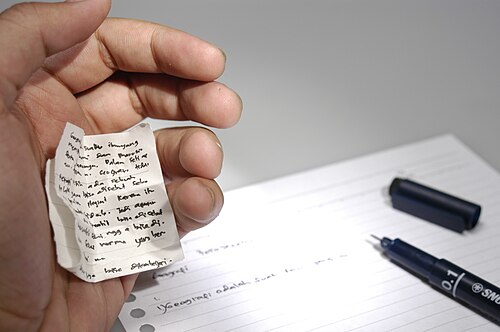
学業不正、学業上の不品行、学業詐欺、学業上の誠実さは、学校、大学、その他の教育機関の期待される規範に反する学生のさまざまな行為を指す関連概念です。学業上の不品行の定義は通常、機関のポリシーに概説されています。[ 1 ] [ 2 ] [ 3 ]したがって、学業不正は単一の概念ではなく、多くの異なる行動のカテゴリーから構成されています。[ 4 ]
学術不正には普遍的な定義はありません。[ 3 ]さまざまな地域の教育機関は、学術不正をさまざまな方法で理解し、対処しています。学生生活の他の多くの分野と同様に、学術的誠実性にも、国際学術誠実性センター(ICAI)などの高等教育機関の学生、教職員が学術的誠実性の価値について議論し理解するのを支援する組織があります。ウォータールー大学、クイーンズ大学、コロラド大学、ヨーク大学などの複数の機関は、ICAIの6つの基本的価値(誠実、信頼、尊敬、公平、責任、勇気)に基づいて学術的誠実性の文化を構築しています。[ 5 ] [ 6 ] [ 7 ]
学問上の不正は最初の試験にまで遡る。[ 8 ]学者たちは、数千年前の中国の官吏登用試験では、受験者と試験官の両方に死刑が科せられたにもかかわらず、不正行為が横行していたと指摘している。[ 8 ] [ 9 ]: 623明代の物語集『詐欺の書』などの作品に描かれているように、試験官への賄賂も一般的だった。[ 10 ]
Standards for citation and referencing began at the end of the 19th century with the emergence of guidance provided by scholarly societies that developed discipline-specific expectations for referencing such as the MLA and the APA.[11] About the same time, scholars began researching issues related to cheating, with some early research dating back to the late 19th century[12] and early 20th centuries, when cheating was identified as a widespread problem at college campuses in the United States.[13][14] It has been estimated that as many as two-thirds of students cheated at some point of their college careers at the turn of the 20th century.[15]Fraternities often operated so-called essay banks, where term papers were kept on file and could be resubmitted over and over again by different students, often with the only change being the name on the paper.[16] The issue of academic dishonesty became more prominent in the latter half of the twentieth century, as universities shifted towards more democratic approaches to admission.[17]
Cheating can take the form of cheat sheets, looking over someone's shoulder during an exam, or any forbidden sharing of information between students regarding an exam or exercise. Many elaborate methods of cheating have been developed over the years. For instance, students have been documented hiding cheat sheets or notes in the bathroom toilet tank, in the brims of their baseball caps, up their sleeves, along their thighs or in their cleavage. Also, the storing of information in graphing calculators, pagers, cell phones, and other electronic devices has cropped up since the information revolution began. While students have long surreptitiously scanned the tests of those seated near them, some students actively try to aid those who are trying to cheat. Methods of secretly signalling the right answer to friends are quite varied, ranging from coded sneezes or pencil tapping to high-pitched noises beyond the hearing range of most teachers. Some students have been known to use more elaborate means, such as using a system of repetitive body signals like hand movements or foot jerking to distribute answers (i.e. where a tap of the foot could correspond to answer "A", two taps for answer "B", and so on).[18]
もう1つの方法は、特に世界中で実施される試験において、タイムゾーンを利用することです。最初に試験を受けた人(おそらくオセアニア)は、その後、試験を受ける人(ヨーロッパなど、タイムゾーンが遅れている人)のために解答を投稿することができます。[ 19 ]
なりすましは、課題や試験を割り当てられた学生とは別の人がそれを行う不正行為の一形態です。[ 20 ] [ 21 ] [ 22 ] [ 23 ]他の学生の代わりに授業に出席したり、面接を受けたりすることもなりすましとみなされます。[ 24 ]学業は、通常は報酬を得て、完全に別の個人または組織に「アウトソーシング」されます。[ 25 ]
契約による不正行為、別名ゴーストライティングは、学生が自分の代わりに課題を完了させるために第三者を雇うという点で、なりすましに似ています。[ 26 ]エッセイ工場はこのカテゴリーに該当します。契約による不正行為は2014年以降大幅に増加したと考えられていますが、この急増を示す数字は現在ありません。[ 27 ]これは比較的新しい形態の不正行為で、大学のキャンパスや新聞でゴーストライターの広告が増え始めた1940年代に勢いを増したようです。[ 28 ]この傾向は1960年代と1970年代に成長を続けました。[ 29 ] 2019年に実施された調査によると、ゴーストライティング業界の収益は約1億ドルと推定されています。[ 30 ]
1995年のランダムハウス・コンパクト完全版辞書では、盗作は「他の著者の言語や考えを使用したり、それを自分のオリジナル作品として表現したりすること」と定義されている。[ 31 ]学術界では、これは、特に適切なフレーズを出典を明記せずに借用することから、他人のオリジナルのアイデアを引用せずに言い換えること、さらには契約を不正に利用することまで多岐にわたる。[ 32 ]
ヨーロッパでは、18 世紀に盗作を不道徳とし、独創性を理想とする現代的な概念が発展したが、それ以前の世紀には、作家や芸術家は「巨匠をできるだけ忠実に模倣する」ことや「不必要な創作」を避けることが奨励されていた。 [ 33 ] [ 34 ] [ 35 ] [ 36 ] [ 37 ] 18 世紀の新しい道徳は、学術界 (学術科学、教育、工学などを含む) やジャーナリズムの分野で制度化され、顕著に施行された。これらの分野では、盗作は現在、学術的不正行為およびジャーナリズム倫理違反とみなされ、追放やその他の深刻なキャリア上の損害などの制裁の対象となる。芸術分野ではそうではなく、創造プロセスの基本的な実践として模倣するという長年の伝統に抵抗してきた。21 世紀の現在でも、芸術家は盗作を容認し続けている。[ 38 ]
盗作は犯罪ではないが、道徳的な違反という理由で非難されることが多い。[ 33 ] [ 39 ]
2000年以降、学生の盗作に関する議論が増加しており[ 40 ]、この議論の主要な流れは、学生が盗作を理解し、回避するための最善の方法は何かという問題に集中している。盗作が学生にもたらす深刻な結果を考えると、学生が盗作を犯さないようにするために、学習をより重視すべきだという声が上がっている[ 41 ] 。
盗作の範囲には自己盗作も含まれます。自己盗作とは、学生が、元々別のコースに提出した課題、エッセイ、または作品を、教員の許可なく提出する場合に発生します。[ 42 ] [ 43 ]
トマールとチャンは、 ChatGPTのようなAI生成ウェブサイトにアクセスできる学生は、課題を盗用し、ウェブサイトの作品を自分のものとして主張する可能性が高いと結論付けた。[ 44 ] [ 45 ] ChatGPTは人間のようなテキストを生成するため、学生が適切な引用をせずに情報源から直接情報を使用するなど、ゴーストライティング行為が増加する可能性がある。 [ 46 ] Intelligent.comに掲載された記事で、ロニー・グラッデン博士は、「本質的に、独創性と厳密さは絶対に重要です。そして、批判的意識と独立した思考を育む必要があり、私はこれらの要素を断固として擁護します」と主張した。[ 47 ]
セブリアン=ロブレスは、オンライン活動の監視の必要性や、学術的誠実さとAIの間の葛藤など、学術界でAIツールを使用するリスクについて議論した。[ 48 ]チャルマース工科大学が行った調査によると、「[学生の]62%が、試験中にチャットボットを使用することは不正行為だと考えている」。[ 49 ]
学術的な文脈では、妨害行為とは、他者の研究を妨害し、その研究を成功裏に完了させないようにする意図をもって、他者の研究を妨害する行為を指します。例としては、他者の研究を妨害すること、重要な文書を破壊すること、研究に使用されているコンピュータをハッキングすることなどが挙げられます。[ 50 ]
これは、研究や学術論文のデータや結果が、著者らが機密保持を期待していたにもかかわらず、公表または共有された場合に発生します。[ 51 ]
幇助および教唆とは、誰かが学業上の不正行為に従事したり、従事しようとしたりするのを助けたり、可能にしたり、奨励したりする行為である。[ 24 ] [ 52 ]
不適切な研究慣行には、研究データの捏造、虚偽表示、選択的報告、および研究結果を報告する際に著者や研究者に適切なクレジットを与えないことなどが含まれます。[ 53 ] [ 24 ]
In the United States, one study has shown that 20 percent of students started cheating in the first grade.[9]:623 Similarly, other studies reveal that currently in the U.S., 56 percent of middle school students and 70 percent of high school students have cheated.[54]:23 Students are not the only ones to cheat in an academic setting. A study among North Carolina school teachers found that 35 percent of respondents said they had witnessed their colleagues cheating in one form or another. The rise of high-stakes testing and the consequences of the results on the teacher is cited as a reason why a teacher might want to inflate the results of their students.[55]
The first scholarly studies in the 1960s of academic dishonesty in higher education found that nationally in the U.S., somewhere between 50 and 70 percent of college students had cheated at least once.[56]:155 While nationally, these rates of cheating in the U.S. remain stable today, there are large disparities between different schools, depending on the size, selectivity, and anti-cheating policies of the school. Generally, the smaller and more selective the college, the less cheating occurs there. For instance, the number of students who have engaged in academic dishonesty at small elite liberal arts colleges can be as low as 15–20 percent, while cheating at large public universities can be as high as 75 percent.[57]:192 Moreover, researchers have found that students who attend a school with an honor code are less likely to cheat than students at schools with other ways of enforcing academic integrity.[58]:532 As for graduate education, a recent study found that 56 percent of MBA students admitted cheating, along with 54 percent of graduate students in engineering, 48 percent in education, and 45 percent in law.[59]
There is also a great difference in students' perceptions and the reality of their own ethical behavior. In a 2008 survey of 30,000 students in high school carried out by the Josephson Institute for Youth Ethics, 62 percent of students polled said they "copied another's homework two or more times in the past year."[60] Yet, on the same survey, 92 percent said they were "satisfied with their personal ethics and character."[60]
オンラインで授業や評価を受ける学生が増えるにつれ、対面授業よりもオンライン授業の方が不正行為がしやすいという認識が根強く残っている。[ 61 ]さらに、高校生や大学生レベルのあらゆる種類の宿題を準備し、学生の代わりにオンラインテストを実施するオンラインサービスも存在する。[ 62 ]管理者はこうしたウェブサイトの存在を認識していることが多いものの、宿題や監督者のいないオンラインテストでの不正行為を抑制することに成功しておらず、オハイオ数学協会が推奨する、オンライン授業の成績の少なくとも80%を監督付きテストから得るという方法に頼っている。[ 62 ]また、大学は年間数万件の試験を監督するために、オンライン監督サービスにますます頼るようになっている。[ 63 ]
ドイツで行われた大規模な調査では、大学生の75%が過去6か月以内に7種類の学業不正行為(盗用やデータの改ざんなど)のうち少なくとも1つを行ったことを認めた。[ 64 ]
他の国における学業不正に関する研究はそれほど広範ではないが、逸話的な証拠によれば、日本のような国では不正行為がさらに一般的である可能性がある。[ 65 ]
学業不正行為にはさまざまな原因があります。研究者たちは、不正行為と個人の特性、人口統計、状況要因、不正行為を抑止する方法、さらには道徳的発達段階との相関関係を研究してきました。研究には、高い成功度を達成しようと頻繁に試みる「タイプA」の性格を持つ個人が、学業不正行為(カンニング)で報告される可能性が最も高いことを示唆する証拠がいくつかあります。[ 66 ] [ 67 ] [ 4 ] [ 68 ]
学者の中には、カンニングをしたいという病的な衝動を持つ学生がいると主張する者もいる。作家のトーマス・マロンは、文学における盗作(サミュエル・テイラー・コールリッジとチャールズ・リードはその代表的な例)は、窃盗症(盗む者の利益に反する場合でも、制御不能な窃盗に関連する心理的疾患)に似た方法で行われることが多いと多くの学者が発見していると指摘した。[ 69 ] : 84一方、マロンは、ほとんどの「カンニングをする者」は、学業上の不正行為を行うという合理的な選択をしている可能性が高いと結論付けている。[ 70 ]非倫理的な行動の一般的な理由は、「地位や権力をめぐる競争で競争上の優位性を得たいという欲求」である。[ 71 ] [ 72 ]
リチャード・ファスは、現実世界のビジネススキャンダルが、学生に不正行為が現代社会で成功するための許容される方法だと信じ込ませる可能性があると提唱している。[ 73 ]この場合、学業上の不正行為は現実世界での練習となる。一部の学生にとって、成功と正直さの間には二分法があり、彼らの決断は「正直さをあまり愛していないのではなく、成功をより愛しているのだ」というものである。[ 56 ] : 70一方、他の学者は、ビジネス界で企業倫理に関連した解雇が最近増加していることから、この不正行為へのアプローチは、そもそも魅力があったとしても、魅力を失いつつあると考えている。 [ 74 ]しかし、不正行為の期待される利益と学生の道徳観が、不正行為への関与に重要な役割を果たしていることが示されている。[ 70 ]
成功と学業上の不正行為について調査した研究があり、ある研究では、予期せずカンニングをする機会を与えられた学生は、対照群と比べて成績が大幅に向上しなかったことが示されました。[ 75 ] : 35別の研究では、テストにカンニングペーパーを持ち込むことを許可された学生は、成績が向上しなかったことが示されました。[ 75 ] ある調査では、男性の13%、女性の46%が、カンニングは成績に役立たないと考えていることがわかりました。[ 75 ]
米国では、ウィリアム・バウワーズが1964年に平均してA評価の学生の3分の1がカンニングをしたと報告した。[ 56 ]: 74彼は、学業上の不正は近道として機能するため、A評価の学生でさえカンニングに誘惑される可能性があると主張している。彼は、盗用された論文が比較的低い評価を受けたとしても、その論文に費やされた時間と労力を考えると、その評価は実際には高いと主張している。上記の研究(学生が試験にカンニングペーパーを持ち込むことが許可されたが、スコアは向上しなかった)では、研究者は、学生がカンニングペーパーを勉強の補完としてではなく、勉強の代替として使用したため、試験の準備に費やす時間が少なかったと結論付けた。[ 75 ]
米国連邦政府は、2002年に法律として署名された「落ちこぼれ防止法(No Child Left Behind Act)」の一環として、高リスクのテストを義務付けています。学校と教師は、その結果に対して責任を負います。フリーコノミクスの共著者であるスティーブン・レヴィットとスティーブン・ダブナーによると、教師は「テスト対策」をすることで知られています。つまり、実際の答えは教えず、問題と類似の問題を教え、テストに出ないトピックは無視します。レヴィットはまた、教師が教室で実施するテストの結果を水増しする可能性があるとも述べています。[ 55 ]教師と司書は、誠実な仕事を行う上で大きな積極的な影響を与えることができます。[ 76 ]
研究では、年齢、性別、成績平均点など、不正行為に重要な影響を与えると思われる人口統計学的特徴がいくつか特定されています。[ 77 ]年長の学生、女性、学業成績の高い学生[ 78 ]: 18は不正行為をする可能性が低い一方、多くの課外活動に参加している学生は不正行為をする可能性が高くなります。課外活動に参加している学生は、勉強への取り組みが少ないか、勉強を妨げる時間的制約が多く、不正行為をする動機が大きくなる可能性があります。若い学生の方が不正行為をする可能性がやや高いことがわかっています。ある研究では、不正行為の発生率が最も高いのは大学2年生の時であることがわかりました。[ 79 ]道徳的発達が進むにつれて不正行為は減少すると予想されますが、ある実験では、道徳テストでの学生の成績と不正行為の可能性の間には関係がないことがわかりました(つまり、道徳の慣習前段階の学生は、慣習後段階の学生と同じくらい不正行為をする可能性があります)。[ 80 ] 学業の先延ばしが多いほど、7 種類の学業不正行為 (不正な言い訳の使用、盗用、試験での他人の解答のコピー、試験での禁止手段の使用、試験への禁止手段の持ち込み、宿題の一部を他人からコピーすること、データの捏造または改ざん) の頻度と学業不正行為の種類が増加することもわかった。[ 64 ]
Race, nationality, and class all show little correlation with academic misconduct. There is also no correlation between how religious someone is and the likelihood that the person will cheat. A comparison between students of different religions yielded similar results, although the study did show that Jews tend to cheat less than members of other religions.[56]:207 One of the strongest demographic correlations with academic misconduct in the United States is with language. Students who speak English as a second language have been shown to commit academic dishonesty more and are more likely to be caught than native speakers, since they will often not want to rewrite sources in their own words, fearing that the meaning of the sentence will be lost through poor paraphrasing skills.[78]:21 In the University of California system, international students make up 10% of the student body but comprise 47% of academic dishonesty cases.[54]:25 In British universities, students from outside of the European Union make up 12% of the student body but comprise 35% of academic dishonesty cases.[81]
Impostor syndrome and academically dishonest behaviours have been found to be correlated. Students who do not believe they deserve to be where they are in terms of academics actively engage in self-sabotaging behaviour (plagiarism and cheating) in order to prove that they do not belong where they are while students who do not suffer from impostor syndrome are less likely to engage in academic dishonesty.[82]
教師個人が影響を与えることができる文脈的要因は、不正行為にほとんど影響を与えないことが多い。ある研究では、試験を受ける学生間の距離を広げても学業上の不正行為にはほとんど影響がなく、試験前に不正行為をしたら退学させると脅すと、実際には不正行為を助長することがわかった。[ 83 ]実際、試験監督の強化や教室での不正行為を検出するその他の方法は、ほとんど効果がない。アメリカの大学生を対象としたある調査によると、過去6か月間に少なくとも1回不正行為をした学生は50%、5回以上不正行為をした学生は7%だったが、不正行為が発覚したのはわずか2.5%だった。[ 57 ] : 192教師が不正行為を抑止するためのより精巧な方法を考案するにつれて、学生はさらに精巧な不正行為の方法(時にはゲームのように扱うことさえある)を考案し、一部の教師が「費用がかかり勝ち目のない軍拡競争」と呼ぶ事態につながっている。[ 78 ] : 61学業上の不正行為に対する罰則の強化も、不正行為とはほとんど相関がない。カンニングに対する罰の厳しさについて著しく異なる認識を持つ学生は、いずれもカンニングをする可能性が同程度であることが判明しており、これはおそらく、カンニングは決して発覚しないので罰則が強化されても意味がないと考えていることを示している。[ 84 ]: 205しかし、教授がシラバス、最初の授業、またはテストの開始時にカンニングを容認しないことを明確にすれば、学業上の不正行為は12%減少する可能性がある。[ 83 ] 教授の中には、外部の観察者には明らかになるレベル以下に授業でのカンニングを減らすインセンティブがほとんどない人もいるかもしれない。なぜなら、教授は、どれだけ優れた授業をするかではなく、どれだけの研究論文を発表し、どれだけの研究助成金を大学にもたらしたかで評価されるからである。[ 85 ]
しかし、教師は意図せず不正行為を助長してしまう可能性があります。ある研究では、教授の厳しさや不公平さに対する認識と学業上の不正行為との間に相関関係があることが明らかになりました。これは、学生が不正行為を教師への仕返し手段とみなすためです。[ 9 ]: 628また、教師が成績評価のカーブを用いる場合など、競争意識を持つ学生は不正行為に走る可能性が高くなります。[ 86 ]研究によると、目標志向と学業上の不正行為の発生との間にも相関関係があることが示されています。教室が習熟目標を高く設定していると認識している学生は、成績目標を重視していると認識している学生よりも不正行為に走る可能性が低くなります。[ 87 ]: 29、499-517
学業不正の最も重要な背景的原因は、多くの場合、個々の教師の手に負えないものです。非常に重要な要因の一つは時間管理です。ある調査では、教師の3分の2が、時間管理の悪さがカンニングの主な原因だと考えていると報告されています。[ 78 ] : 18多くの場合、社交活動が原因となっています。課外活動とカンニング の間には強い相関関係があることがわかっており、特に運動部員、さらには学内チームに所属する学生の間で顕著です。[ 77 ] : 382また、学生がカードゲームをしたり、テレビを見たり、友人とお酒を飲んだりする時間が長くなるほど、学生のカンニング率が著しく上昇することもわかっています。[ 56 ] : 104同様に、フラタニティやソロリティへの加入も学業不正と強い相関関係があります。[ 77 ] : 383
One of the most important causes of academic misconduct is the contextual factor of an environment of peer disapproval of cheating, that is, peer pressure. Psychologists note that all people tend to follow the norms of their peer group, which would include norms about academic dishonesty.[88] Thus, students who believe that their peers disapprove of cheating are less likely to cheat. Indeed, multiple studies show that the most decisive factor in a student's decision to cheat is his perception of his peers' relationship with academic dishonesty.[58]:532 For instance, on average 69% of students cheat at colleges with low community disapproval of academic misconduct, whereas only about 23% of students cheat at colleges with strong community disapproval of academic misconduct.[56]:144 Peer pressure works both ways, as a study found that there is a 41% increase in the probability of a student cheating if they have seen someone else cheat.[84]:204 However, even if most students strongly disapprove of cheating, there has to be a community in order for those norms to be enforced via peer pressure. For instance, larger schools, which usually have much higher cheating rates than small schools, tend to have a weaker community, being more split up into different peer groups that exert little social pressure on each other.[56]:199 Another measure of a college community, how many students live on campus, further shows a significant relation with a school's cheating rate.[56]:169 Relatedly, many professors argue that smaller classes reduce cheating behavior.[58]:368
No matter what the demographic or contextual influences are on a student who decides to engage in cheating behavior, before they can cheat they must overcome their own conscience. This depends both on how strongly someone disapproves of academic dishonesty and what types of justifications the student uses to escape a sense of guilt. For instance, students who personally do not have a moral problem with academic misconduct can cheat guilt-free. However, while many students have been taught and have internalized that academic dishonesty is wrong, it has been shown that on average a third of students who strongly disapprove of cheating have in fact cheated.[56]:72 People who cheat despite personal disapproval of cheating engage in something called "neutralization", in which a student rationalizes the cheating as being acceptable due to certain mitigating circumstances.[89] According to psychologists of deviant behavior, people who engage in neutralization support the societal norm in question, but "conjure up" reasons why they are allowed to violate that norm in a particular case.[79] Neutralization is not a simple case of ex post factorationalization, but is rather a more comprehensive affair, occurring before, during, and after the act of cheating.[57]:191 Researchers have found four major types of neutralization of academic dishonesty, which they categorize by type of justification. Denial of responsibility – that is, the accusation that others are to blame or that something forced the student to cheat – is the most common form of neutralization among college students who cheated, with 61% of cheaters using this form of justification.[90]Condemnation of condemner – that is, that the professors are hypocrites or brought it on themselves – is the second most common form of college student neutralization at 28%.[90] The third most popular form of neutralization among college students is the appeal to higher loyalties, where the student thinks their responsibility to some other entity, usually their peers, is more important than doing what they know to be morally right. About 6.8% of cheaters in higher education use this form of neutralization.[90]Denial of injury – thinking that nobody is worse off for the cheating – is the fourth most popular kind of neutralization at 4.2% of cheaters.[90]
多くの研究で、学術的な誠実さは普遍的な概念ではないことが明らかになっています。[ 91 ] [ 92 ]一部の文化では、出典を明記せずに情報を暗記してそのまま繰り返すことが容認されていますが、他の文化ではこれを盗用とみなします。さらに、知識はすべての人に属し、共有する必要があると考える文化もあります。研究によると、特定のアジア文化では、知識の所有者を適切に引用することよりも、情報を広く共有することの方が重要であるとされています。[ 93 ]ある研究では、中国の大学院生はデンマークの学生よりも、査読付き学術論文の著者として、親しい関係にあるが論文に貢献していない同僚に名を連ねる可能性が高いことがわかりました。[ 92 ]
COVID-19パンデミックの間、学業不正の事例が増加しました。[ 94 ]対面授業からオンライン授業への突然の移行の結果、(長年同じ評価方法を行ってきた可能性のある)教員は、オンライン評価の実施方法、対面評価との違い、オンラインプロセスの内容について検討する機会がありませんでした。[ 94 ]オンライン授業への移行により、学業ファイルの共有、契約による不正行為、クラスメートや他の情報源からの無許可の援助の受領が増加しました。[ 95 ] [ 96 ]
不正行為を正当化するために中和行為を行う学生は、たとえ一度でも、将来的に不正行為を行う可能性が高く、ひいては不正直な人生へと進む可能性がある。[ 79 ] ある研究では、授業中に不正直な学生は、職場に入った際に詐欺や窃盗を行う可能性が高いことがわかった。[ 97 ]
学業上の不正行為は教師にとっても問題となる。[ 98 ]経済学的に言えば、カンニングは知識の生産不足を引き起こし、教授の仕事は知識を生み出すことである。[ 84 ] : 199さらに、カンニングは教員に精神的な苦痛を与えることが多く、多くの教員はそれを自分に対する個人的な侮辱、あるいは信頼の裏切りとみなす。学業上の不正行為への対処は、教育者としてのキャリアの中で最も厄介なことの一つであり、ある調査では、教員の77%が「カンニングをする学生への対処は、仕事の中で最も負担の大きい側面の一つである」という意見に同意したとされている。[ 75 ] : 11
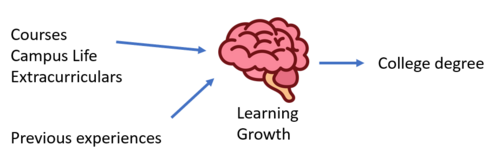
Ultimately, academic dishonesty undermines the academic world. It interferes with the basic mission of education, the transfer of knowledge, by allowing students to get by without having to master the knowledge.[75]:5 Furthermore, academic dishonesty creates an atmosphere that is not conducive to the learning process, which affects honest students as well.[56]:2 When honest students see cheaters escape detection, it can discourage student morale, as they see the rewards for their work cheapened. Cheating also undermines academia when students steal ideas. Ideas are a professional author's "capital and identity", and if a person's ideas are stolen it retards the pursuit of knowledge.[69]
If never formally retracted, fraudulent publications can remain an issue for many years as articles and books remain on shelves and continue to be cited. The case of S. Walter Poulshock, a 1960s early-career historian whose work was found to contain wholly fabricated material, was exposed in 1966 with The American Historical Review providing a warning on the topic.[99][100] Nonetheless, his book was never removed from the shelves of many university libraries and (together with his related thesis) was still being cited in 2013, 47 years after it was intended to have been withdrawn by its publisher.[101][102][103][104]
Historically, the college professor was considered to act in loco parentis, and was therefore permitted to regulate student behavior as a parent.[105]
In Australia, the Tertiary Education Quality and Standards Agency addresses academic dishonesty.[106] In the United Kingdom, the Quality Assurance Agency is responsible for quality assurance in higher education. It has produced several policy and guidance documents for policy makers, educators and the general public.[107][108]
First at the College of William and Mary in 1779, and then followed by schools like the University of Virginia in the 1850s and Wesleyan University in 1893, the students, with the agreement of faculty who declared themselves dedicated to ideals of democracy and human character, created honor codes.[109] B. Melendez of Harvard University defined an honor code as a code of academic conduct that includes a written pledge of honesty that students sign, a student controlled judiciary that hears alleged violations, unproctored examinations, and an obligation for all students help enforce the code.[110]
In Canada, individual post-secondary institutions discourage academic misconduct with the help of policies and guidelines published by the university itself,[3][111] though research into the topic has lagged behind that of other countries.[112] Research has shown that the incidence of academic dishonesty in Canada is similar to that of the United States.[113][114] While many institutions are guided by ICAI, there also exists provincial organizations, such as the Academic Integrity Council of Ontario (AICO).[115] Handling cases of academic dishonesty was mainly done using the rule compliance approach, which was more punitive in nature. However, more and more institutions are now adopting the integrity approach, which is based on a more educational and restorative model.[116]
However, many people doubted the advisability of relying on an abstract notion of honor to prevent academic dishonesty. This doubt has perhaps led to the reality that no more than a quarter of American universities have adopted honor codes.[56]:184 Moreover, many professors could not envisage a student run trial process that treated faculty accusers fairly. In response to these concerns, in the middle of the twentieth century, many schools devised mixed judicial panels composed of both students and faculty. This type of academic integrity system was similar to the traditional faculty control system in that it relied on professors to detect cheating, except in this system cheaters were brought before centralized boards of students and faculty for punishment. By the 1960s over a quarter of American universities had adopted this system of mixed judicial boards.[56]:184
Starting in the 1960s, the U.S. Supreme Court began chipping away at the in loco parentis doctrine, giving college students more civil liberties such as the right of due process in disciplinary proceedings (Dixon v. Alabama Board of Education, 1961).[105]
Recently, Donald L. McCabe and Linda Klebe Trevino, two experts in the field of academic dishonesty, have proposed a new way of deterring cheating that has been implemented in schools such as the University of Maryland. Modified honor codes put students in charge of the judicial hearing process, making it clear that it is the students' responsibility to stop cheating amongst themselves, but at the same time students still have proctored exams and are not allowed to take pledges of good conduct in place of professor oversight.[58]:357 The researchers who advocate this type of code seem to think that the normal honor code is something of a special case that is not applicable to many schools.[58]:362 According to supporters of this system, schools with a large student body, a weak college community, or no history of student self-governance will not be able to support a full honor code. However, while modified honor codes seem to be more effective than faculty or administration run integrity codes of conduct, research shows that schools with modified codes still have higher rates of cheating than schools with full honor codes.[58]:372
Research has shown that there is a strong correlation between forms of academic integrity system and levels of cheating at a school. Several studies have found students who attend schools with honor codes are less likely to cheat than students at schools with traditional integrity codes.[58]:532 Another study found that only 28% of schools with honor codes have high levels of cheating, whereas 81% of schools with mixed judicial boards have high rates of cheating.[56]:155 Whereas faculty or administration run codes of conduct tend to rely on policing and punishment to deter students from cheating, honor codes tend to rely on and cultivate student senses of honor and group peer pressure to deter academic misconduct.[77]:384
There are limitations to relying on the faculty to police academic dishonesty. One study found that up to 21% of professors have ignored at least one clear cut case of cheating.[75]:8 Another study revealed that 40% of professors "never" report cheating, 54% "seldom" report cheating, and that a mere 6% act on all cases of academic misconduct that confront them.[117] A third survey of professors found that while 79% had observed cheating, only 9% had penalized the student.[118] Another study suggests that plagiarism detection software is rarely used, while university teachers try to detect plagiarism through careful reading. This study also found that different versions of tests are used comparatively infrequently in examinations, for example by trying to ensure sufficient distance between students or by ensuring that enough supervisors are present.[119] According to a manual for professors on cheating,
the reasons for this lack of action include unwillingness to devote time and energy to the issue, reluctance to undergo an emotional confrontation, and fear of retaliation by the student, of losing students, of being accused of harassment or discrimination, and even of being sued for these offenses and/or defamation of character.[75]:11
Similarly, a survey[119] found that university teachers were less likely to engage in different methods of preventing and detecting academic dishonesty if they rated perceived effort as too high, perceived effectiveness as too low, external expectations that such behaviour should be enforced as too low, or if they did not strongly disapprove of academic dishonesty. Such reasons have been also observed in other studies.[120][121] There are other reasons as well. Some professors are reluctant to report violations to the appropriate authorities because they believe the punishment to be too harsh.[117] Some professors may have little incentive to reduce cheating in their classes below a point that would otherwise be obvious to outside observers, as they are rated by how many research papers they publish[122] and research grants they win for the college, and not by how well they teach.[85]
ポストモダニズムの皮肉な視線の下では、スキャンダル論争に浸透している罪と無罪、誠実と欺瞞の区別は無関係に見える。[ 123 ]しかし、ポストモダニズムは単なる道徳的相対主義であり、したがって、不正行為は道徳的にも法的にも間違っているとしても、正当な学術的方法として容認されるという議論がある。ある教授は『 The English Journal』の記事で、監督者のいない授業を覗き見して、数人の学生が立ち上がって互いに相談しているのを見たとき、彼らは不正行為をしているのではなく、教師が設けた障害を克服するために非伝統的な手法と協働学習を使用していると判断したと書いている。[ 124 ]文化相対主義の問題も教授の不正行為に対する見解に影響を与えている。一般的な反論としては、「中東、アジア、アフリカの特定の文化圏の学生は、言葉や考えを個人の所有物ではなく、皆の共有財産とみなす文化圏では、考えを『所有』できるという考え方に戸惑う」というものがある。[ 86 ]: 20教師が不正行為を抑止する上で抱えるもう一つの問題は、それが自分の仕事ではないと判断する可能性があることだ。「自分たちは教授であって、警察官ではない」という主張は、学界でよく聞かれる。[ 117 ] 経済的な観点から言えば、一部の教授は、学習を提供するために報酬を受け取っていると考えており、学生が不正行為によってその学習機会を失ったとしても、それは学生自身が教育のために支払ったお金を無駄にしているだけだと考えている。[ 54 ]: 152
...while we applaud difference, Shakespeare's first audiences favoured likeness: a work was good not because it was original, but because it resembled an admired classical exemplar, which in the case of comedy meant a play by Terence or Plautus...