
Loading article…
これはインドの鳥類のリストであり、インド政府によって定義されたインド共和国の政治的境界内で記録された現存種と最近絶滅した種が含まれています。2023年時点で1377種が記録されており、 [1]そのうち81種はインド固有種です。[1] 212種は世界的に絶滅が危惧されています。[2]インドクジャク(Pavo cristatus)はインドの国鳥です。[3]このリストには、ダクシンガンゴトリなどのインドの管轄区域の種は含まれておらず、海洋種は恣意的なカットオフ距離によって区切られています。このリストには、化石鳥類種や飼育下から逃げ出した種は含まれていません。
このリストの分類上の扱い (目、科、種の指定と順序) と命名法 (一般名と学名) は、IOC 世界鳥類リスト バージョン 13.1 の規則に従います。また、このリストでは全体的にイギリス英語を使用しています。鳥の名前やその他の言葉遣いもこの規則に従います。
以下のタグは、いくつかのカテゴリを強調するために使用されています。一般的に見られる在来種は、これらのカテゴリのいずれにも当てはまりません。
- (V)迷い鳥- 希少種とも呼ばれ、インドで稀にまたは偶然に発生する種を指します。通常、確認された記録は 10 件未満です。
- (E)固有種- インド固有の種
- (例)絶滅した種 - 他の場所には生息しているが、インドではもう生息していない種
アヒル、ガチョウ、水鳥
カモ科には、アヒルや、ガチョウ、白鳥など、アヒルに似たほとんどの水鳥が含まれます。これらの鳥は、水かきのある足、平らな嘴、油分の多い被膜により水をはじくのに優れた羽毛を持ち、水中での生活に適応しています。インドでは 45 種が記録されています。


_at_Sylvan_Heights.jpg/500px-Common_Shelduck_(Tadorna_tadorna)_at_Sylvan_Heights.jpg)
.jpg/500px-Indian_Spot-billed_Duck_Anas_poecilorhyncha_by_Dr._Raju_Kasambe_DSCN3821_(16).jpg)
メガポデス
オオハシシギ科は、ずんぐりとした体格で、中型から大型の鶏のような鳥で、頭は小さく、足は大きい。マレーハシシギ以外はすべてジャングルに生息し、ほとんどが茶色か黒色をしている。インドには 1 種が生息している。
キジとその仲間


キジ科は、ウズラ、ヤマウズラ、シラカシギ、シャコ、ツメバゲリ、トラゴパン、モナル、キジ、クジャク、ヤケイからなる陸生鳥類の科です。一般に、キジはふっくらとしており(大きさは様々ですが)、翼は幅広く、比較的短いです。
ガマグチヨタカ

目: Podargiformes 科: Podargidae
ガマグチヨタカは、ヨタカ類と同種の夜行性の鳥のグループです。昆虫を捕食するために使用する、大きく平らで鉤状の嘴とカエルのような大きな口からその名が付けられました。インドでは 2 種が記録されています。
ヨタカ
ヨタカは中型の夜行性の鳥で、通常は地面に巣を作ります。長い翼、短い脚、非常に短い嘴を持っています。ほとんどの鳥は歩くのにあまり役に立たない小さな足と、長く尖った翼を持っています。柔らかい羽毛は樹皮や葉に似せてカモフラージュされています。

ツバメ類
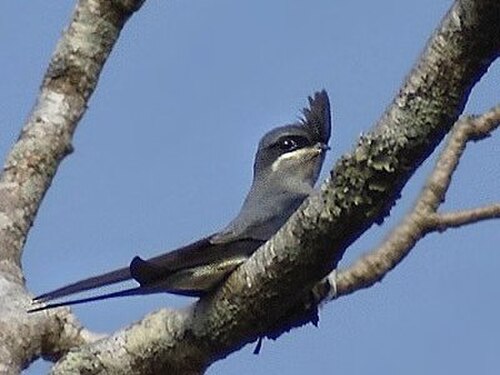
ツバメアマツバメ、またはカンムリアマツバメは、アマツバメと近縁です。他のアマツバメとは、冠羽、長く二股に分かれた尾、柔らかい羽毛がある点で異なります。インドに生息する種が 1 種あります。
アマツバメ
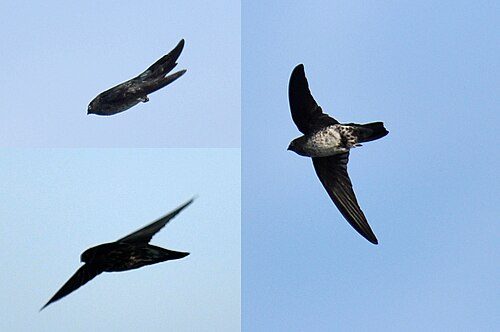
アマツバメは、生涯の大半を飛行して過ごす小鳥です。この鳥は脚が非常に短く、自ら地面に止まることはなく、垂直な面に止まるだけです。多くのアマツバメは、三日月やブーメランに似た、長く後方に後退した翼を持っています。インドでは 16 種が記録されています。

ノガン

目: Otidiformes 科: Otididae
ノガンは、旧世界の乾燥した開けた土地や草原に主に生息する大型の陸鳥です。雑食性で、地面に巣を作ります。丈夫な脚と親指で着実に歩き、歩きながら食べ物をついばみます。翼の先端が「指状」の長く幅広い翼を持ち、飛行中に目立つ模様を描きます。多くのノガンは、興味深い求愛行動を見せます。
カッコウ
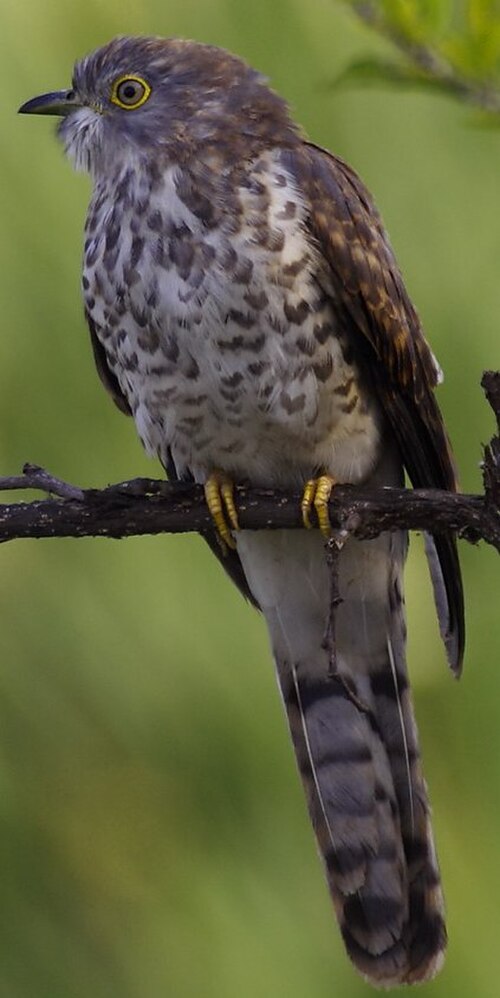
カッコウ科には、カッコウ、ロードランナー、アニスが含まれます。これらの鳥は、細身の体、長い尾、強い脚を持ち、大きさは様々です。多くは卵を産む寄生鳥です。インドでは 24 種が記録されています。

サケイ
目: Pteroclidformes 科: Pteroclidae
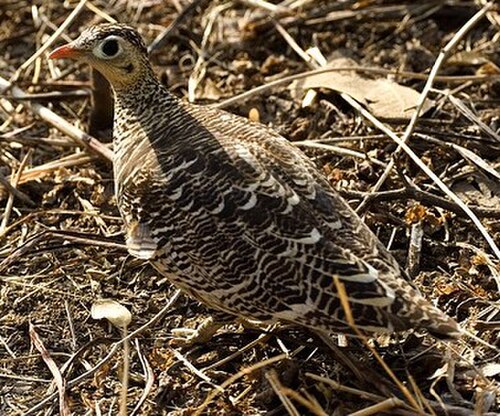
サカライチョウはハトのような小さな頭と首を持ちますが、体は頑丈でコンパクトです。長く尖った翼と、時には尾を持ち、高速でまっすぐに飛びます。群れは夜明けと夕暮れに水場に飛びます。足はつま先まで羽毛で覆われています。インドでは 7 種が記録されています。インドはどの国よりもサカライチョウの数が多い国です。
ハト
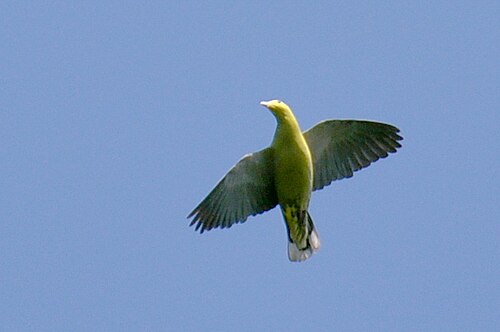
ハトや鳩は、短い首と、肉質のくちばしを持つ短くて細い嘴を持つ、頑丈な体を持つ鳥です。

_in_Kolkata_I_IMG_9762.jpg/500px-Blue_Rock_Pigeon_(Columba_livia)_in_Kolkata_I_IMG_9762.jpg)
フィンフット
ヘリオルニス科は、カイツブリやオオバンの足に似た水かきのある葉を持つ熱帯鳥類の小科です。インドに生息する種が 1 種あります。
クイナ、クイナ、オオバン
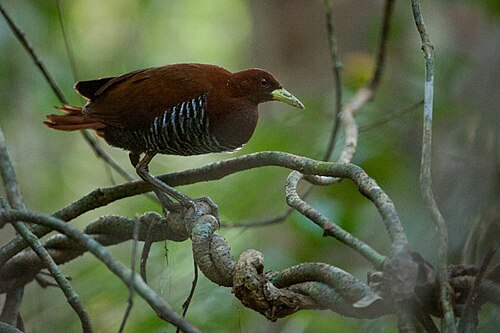

クイナ科は、小型から中型の鳥類の大きな科で、クイナ、クイナ、オオバン、バンが含まれます。通常、湖、沼地、川の近くの湿った環境の密生した植物に生息します。一般的に、彼らは恥ずかしがり屋で隠れた鳥であるため、観察が困難です。ほとんどの種は、柔らかくて凹凸のある表面によく適応した強い脚と長い足指を持っています。彼らは、短く丸い翼を持ち、飛ぶのが弱い傾向があります。

クレーン

ツルは、脚と首が長く、大きくて美しい鳥です。似たような外見ですが、無関係なサギとは異なり、ツルは首を後ろに引かずに伸ばして飛びます。ツルの多くは、凝った騒々しい求愛のディスプレイや「ダンス」をします。インドでは 5 種が記録されています。
ナベヅル(Grus monacha )は多くの古いリストに含まれていましたが、仮説上の種(Rasmussen and Anderton、2005)と考えられており、最近の研究者によって絶滅したとさえ考えられています[15]。
カイツブリ

目: Podicipediformes 家族: Podicipedidae
カイツブリは小型から中型、大型の淡水潜水鳥です。足指は裂け目があり、泳ぎも潜水も得意です。しかし、足が体のかなり後ろにあるため、陸上では非常に不格好です。インドでは 5 種が記録されています。
フラミンゴ

目: Phoenicopteriformes 科: Phoenicopteridae
フラミンゴは群れをなして生活する水鳥で、通常 3 ~ 5 フィート (0.9 ~ 1.5 メートル) の高さがあり、西半球と東半球の両方に生息しています。フラミンゴは貝類や藻類を濾過して食べます。奇妙な形のくちばしは、泥やシルトを餌から分離するのに特化しており、逆さまに使うのがユニークです。インドでは 2 種が記録されています。
ボタンウズラ
ボタンウズラは、本物のウズラに似た、小さくて地味な走り回る鳥です。雌の方が色が鮮やかで、求愛を始めます。雄は卵を抱いたり、子供を育てたりします。インドでは 3 種が記録されています。

キジバトとオオハシシギ
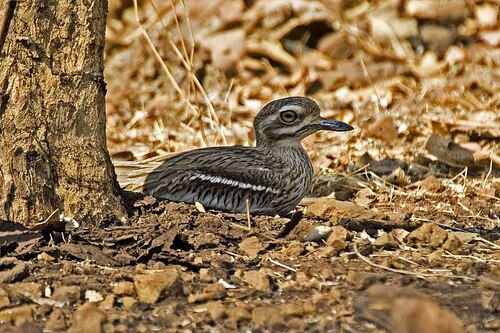
イソシギは、主に熱帯に生息する、イソシギ科の渉禽類のグループです。世界中の熱帯地域で見られ、一部の種は温帯のヨーロッパやオーストラリアでも繁殖しています。イソシギは中型から大型の渉禽類で、黒または黄黒の強い嘴、大きな黄色の目、隠れた羽毛が特徴です。渉禽類に分類されていますが、ほとんどの種は乾燥または半乾燥の生息地を好みます。
ミヤコドリ

ミヤコドリはチドリに似た大型で騒々しい鳥で、強い嘴を使って軟体動物を叩き割ったりこじ開けたりします。インドに生息する種が 1 種あります。
アイビスビル
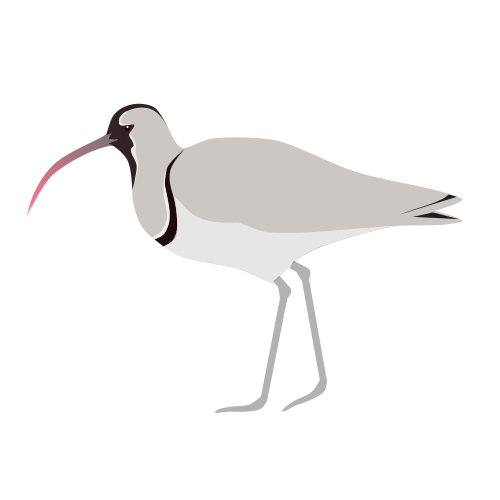
トキは渉禽類と関連があるが、独自の科として十分に特徴的である。成鳥は灰色で、腹部は白、脚は赤、嘴は長く下向きに曲がっており、顔と胸の縞模様は黒である。
セイタカシギとソリハシシギ
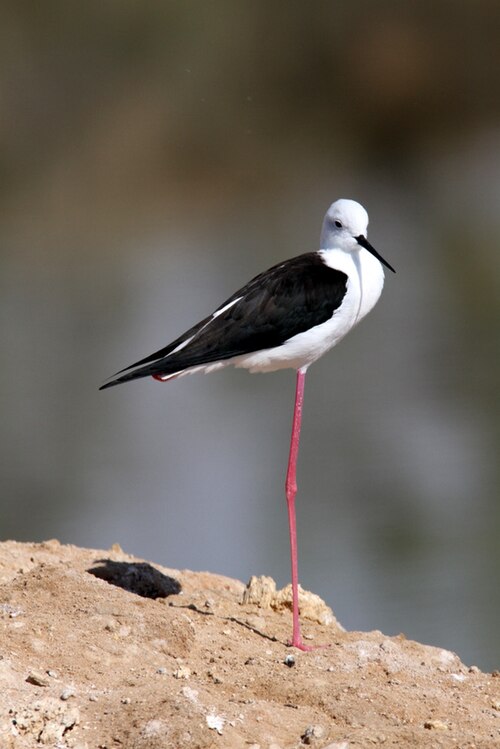
目:チドリ目 科:リクルビロストリダエ科
Recurvirostridae は大型の水鳥の科で、ソリハシセイタカシギやセイタカシギなどが含まれます。ソリハシセイタカシギは脚が長く、くちばしは上向きに曲がっています。セイタカシギは脚が非常に長く、くちばしは細くまっすぐです。インドでは 2 種が記録されています。
チドリ


チドリ科には、チドリ類、チドリ類、タゲリ類が含まれます。小型から中型の鳥で、体はコンパクトで、首は短く太く、翼は長く、通常は尖っています。世界中の開けた土地、主に水辺の生息地に生息しています。インドでは 20 種が記録されています。
ニシキジ
_I2_IMG_9477.jpg/500px-Greater_Painted-snipe_(Male)_I2_IMG_9477.jpg)
ニシキジシギは、脚が短く、嘴が長く、形は本物のシギシギに似ていますが、より鮮やかな色をしています。インドに生息する種が 1 種あります。
ジャカナス
_from_Aranthangi_JEG3996.jpg/500px-Pheasant-tailed_jacana_(Hydrophasianus_chirurgus)_from_Aranthangi_JEG3996.jpg)
レンカクシギは、レンカクシギ科に属する熱帯性渉禽類のグループです。熱帯地方全域に生息しています。レンカクシギは、好む生息地である浅い湖の浮遊植物の上を歩くことができる大きな足と爪で識別できます。インドでは 2 種が記録されています。
シギとタシギ
シギ科は、イソシギ、ダイシャクシギ、オオソリハシシギ、アオアシシギ、キバシギ、ヤマシギ、シギ、マミジロ、ヒメドリなどを含む、小型から中型の海岸鳥類の大きな多様な科です。これらの種の大部分は、泥や土の中から拾った小さな無脊椎動物を食べます。脚と嘴の長さに多様性があるため、特に海岸では、複数の種が同じ生息地で餌をめぐって直接競争することなく餌をとることができます。インドでは 41 種が記録されています。

-_In_Breeding_plumage_at_Bharatpur_I_IMG_5533.jpg/500px-Green_Sandpiper_(Tringa_ochropus)-_In_Breeding_plumage_at_Bharatpur_I_IMG_5533.jpg)

カニチドリ
.jpg/500px-Crab_Plover_(8556846776).jpg)
カニチドリは渉禽類の仲間です。チドリに似ていますが、非常に長い灰色の脚と、アジサシに似た強くて重い黒い嘴を持っています。白黒の羽毛、長い首、部分的に水かきのある足、カニを食べるために設計された嘴を持っています。
コウノトリとウミツバメ
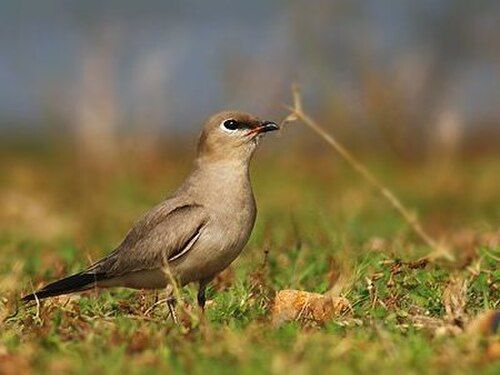
Glareolidae は、短い脚、長く尖った翼、長く二股に分かれた尾を持つカワラヒワと、長い脚、短い翼、下向きに曲がった長く尖った嘴を持つアメリカヒワで構成される渉禽類の科である。インドでは 6 種が記録されている。
カモメ、アジサシ、ハジロコガモ

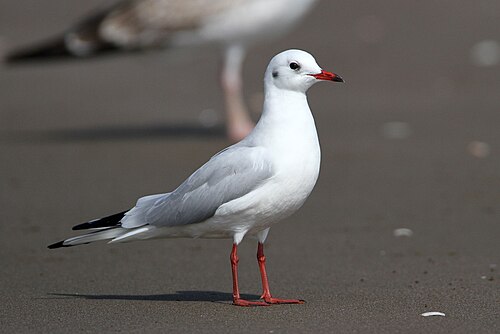
カモメ科は、中型から大型の海鳥、カモメ類、アジサシ類、ハシバミ類 の科です。カモメ類は一般に灰色または白色で、頭部や翼に黒い模様があることが多いです。頑丈で長めの嘴と水かきのある足を持っています。アジサシ類は一般に中型から大型の海鳥のグループで、灰色または白色の羽毛があり、頭部に黒い模様があることが多いです。ほとんどのアジサシ類は潜って魚を狩りますが、淡水の表面で昆虫を捕食するものもいます。アジサシ類は一般に寿命が長く、30年以上生きる種もいます。ハシバミ類は熱帯のアジサシに似た鳥の小さな科です。ハシバミ類は細長い下顎を持ち、それを使って水面を低く飛び、水面をすくって小魚を捕らえます。

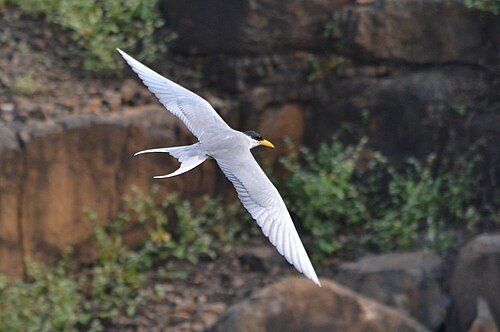
トウゾクカモメ
.jpg/500px-Arctic_Skua_(5040993681).jpg)
ステルコラリダエ科は、一般的に中型から大型の鳥で、灰色または茶色の羽毛を持ち、翼に白い模様があることが多い。温帯および極地の地上に巣を作り、長距離を移動する渡り鳥である。インドでは 5 種が記録されている。
熱帯鳥類

目: Phaethontiformes 家族: Phaethontidae
ネッタイチョウは、熱帯の海に生息する細身の白い鳥で、中央の尾羽が非常に長い。頭と長い翼には黒い模様がある。
アビ
ヨーロッパでは「ダイバー」として知られるアビは、北アメリカ北部とユーラシア北部に生息する水鳥のグループです。アビは大きなアヒルや小さなガチョウほどの大きさで、泳ぐ姿はアヒルやガチョウに似ていますが、全く無関係です。インドでは 2 種が記録されています。
南半球のウミツバメ

目: Procellariiformes 家族: Oceanitidae
ウミツバメはミズナギドリ類の仲間で、最も小さい海鳥です。ウミツバメは、通常ホバリングしながら、水面から拾ったプランクトン性甲殻類や小魚を食べます。飛び方は羽ばたくように、時にはコウモリのような動きをします。
アホウドリ
目: Procellariiformes 家族: Diomedeidae
アホウドリは飛ぶ鳥類の中で最大級の部類に入り、ディオメディア属のオオアホウドリは現存する鳥類の中で最も大きな翼幅を持っています。
キタシロハラミズナギドリ
キタウミツバメはミズナギドリ類の仲間で、最も小さい海鳥です。通常はホバリングしながら、水面から拾ったプランクトン性甲殻類や小魚を食べます。飛び方は羽ばたくように、時にはコウモリのような動きをします。
ミズナギドリ、ミズナギドリ、潜水ミズナギドリ
目: Procellariiformes 家族: Procellariidae
ミズナギドリ科は中型の「ミズナギドリ類」の主要グループであり、中程度の隔壁と長い外側の初列鼻腔を持つ結合した鼻孔が特徴です。インドでは 9 種が記録されています。
コウノトリ


コウノトリは、長くて頑丈な嘴を持つ、大きくて長い脚と長い首を持つ渉禽類です。コウノトリは口がきけませんが、嘴を鳴らすことは巣での重要なコミュニケーション手段です。コウノトリの巣は大きく、何年も再利用されることがあります。多くの種は渡り鳥です。
グンカンドリ
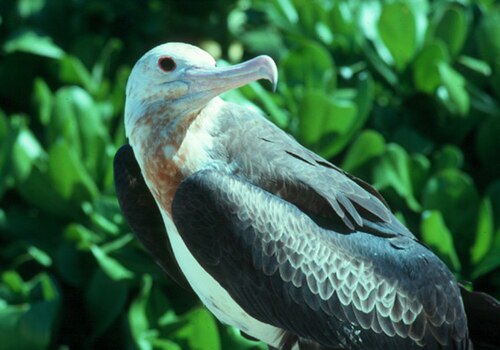
グンカンドリは熱帯の海によく見られる大型の海鳥です。大型で、白黒または真っ黒で、長い翼と深く二股に分かれた尾を持っています。オスは膨らませることのできる色のついた喉袋を持っています。泳いだり歩いたりすることはなく、平らな地面から飛び立つこともできません。翼幅と体重の比率が鳥類の中で最も大きいため、基本的に空中にいて、1週間以上も空中にとどまることができます。[25]
カツオドリとアオサギ
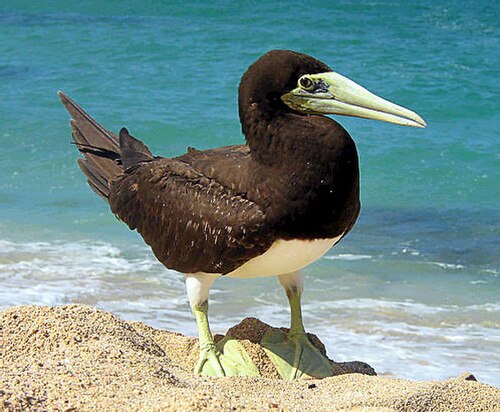
海鳥科にはカツオドリとカツオドリが含まれます。どちらのグループも、魚を捕るために急降下する中型から大型の沿岸海鳥です。
アヘンガとダーター
_DSC_0661.jpg/500px-Darter_(Snake_Bird)_DSC_0661.jpg)
ヘビは、体を水中に沈めて泳ぐときにヘビのような外観になる、細長い首を持つことから、「ヘビ鳥」と呼ばれることが多い。オスは黒と暗褐色の羽毛を持ち、うなじには直立した冠羽があり、嘴はメスより大きい。メスは、特に首と下半身の羽毛がずっと薄い。ヘビは足に完全に水かきがあり、脚は短く、体のかなり後方に位置している。羽毛は鵜のようにやや通気性があり、潜った後は翼を広げて乾かす。
鵜とウミガラス

ウ科は、中型から大型の沿岸性魚食海鳥の科で、ウやウ属が含まれます。羽毛の色は多様で、大多数は主に暗い色の羽毛を持ちますが、白黒の種やカラフルな種もいくつかあります。
トキとヘラサギ
.jpg/500px-Black-headed_Ibis_(Threskiornis_melanocephalus).jpg)
_at_Bharatpur_I_IMG_5670.jpg/500px-Eurasian_Spoonbill_(Platalea_leucorodia)_at_Bharatpur_I_IMG_5670.jpg)
スレスキオルニス科は、トキやヘラサギを含む大型の陸生および水鳥の科です。長くて幅の広い翼を持ち、主羽が 11 枚、次羽が約 20 枚あります。スレスキオルニス科は飛行能力に優れ、体の大きさや重量にもかかわらず、非常に優れた飛翔能力を持っています。
サギとサンカノゴイ
.jpg/500px-Ixobrychus_minutus_2_(Marek_Szczepanek).jpg)
サギ科には、サンコウチョウ、サギ、アオサギが含まれます。サギとアオサギは、長い首と脚を持つ中型から大型の水鳥です。サンコウチョウは首が短く、用心深い傾向があります。サンコウチョウ科の鳥は、コウノトリ、トキ、ヘラサギなどの他の首の長い鳥とは異なり、首を引っ込めて飛びます。
ペリカン

ペリカンは、くちばしの下に特徴的な袋を持つ大型の水鳥です。ペリカン目の他の種と同様に、水かきのある足には 4 本の指があります。インドでは 3 種が記録されています。
ミサゴ
.jpg/500px-Osprey_Pandion_haliaetus_by_Dr._Raju_Kasambe_DSCN0719_(3).jpg)
パンディオニダエ科には通常、ミサゴという 1 種のみが含まれます。ミサゴは中型から大型の猛禽類で、魚を食べるのが専門で、ほとんどの分類学者は世界中に分布していると考えています。
凧、タカ、ワシ
-_Bharatpur_I2_IMG_8242.jpg/500px-Oriental_Honey_Buzzard_(Female)-_Bharatpur_I2_IMG_8242.jpg)
.jpg/500px-Himalayan_Griffon_(Gyps_himalayensis).jpg)
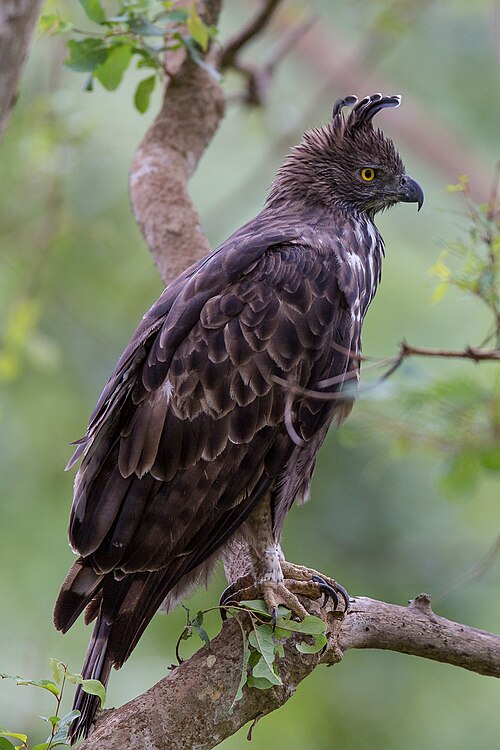

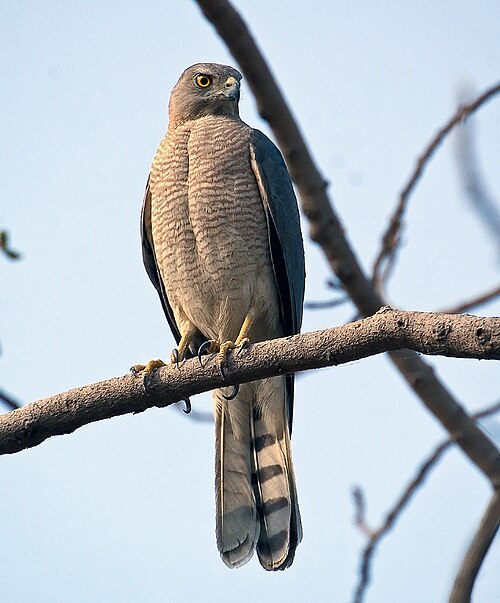
タカ科は猛禽類の科で、タカ、ワシ、トビ、チュウヒ、旧世界のハゲワシが含まれます。これらの鳥は、獲物の肉を引き裂くための強力な鉤状のくちばし、強い脚、強力な爪、鋭い視力を持っています。
メンフクロウ
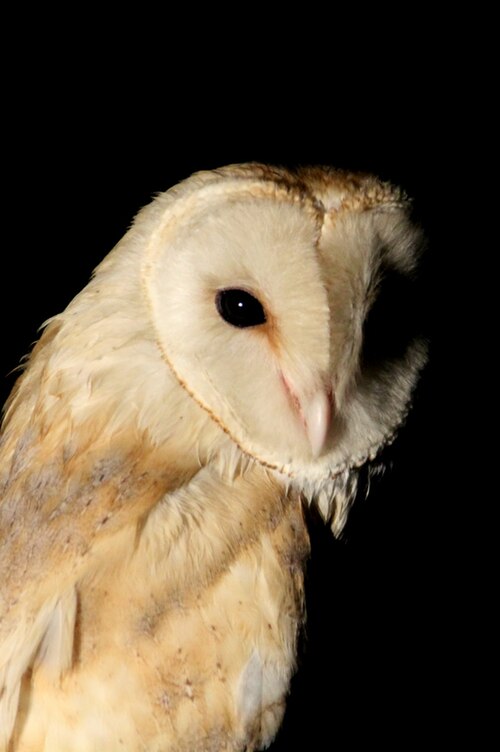
メンフクロウは、大きな頭と特徴的なハート型の顔を持つ中型から大型のフクロウです。メンフクロウは、力強い爪を持つ長くて強い脚を持っています。
フクロウ
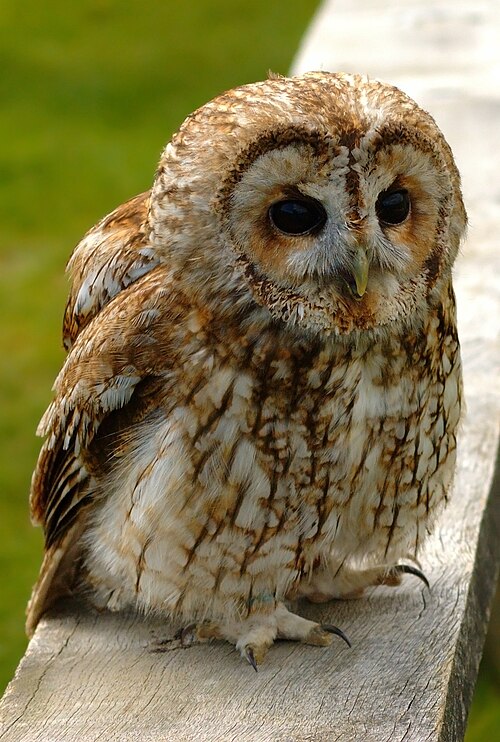
典型的なフクロウは、小型から大型の、単独で行動する夜行性の猛禽類です。フクロウは前を向いた大きな目と耳、タカのようなくちばし、そして顔面円盤と呼ばれる目立つ円形の羽毛をそれぞれの目の周りに持っています。

トロゴン
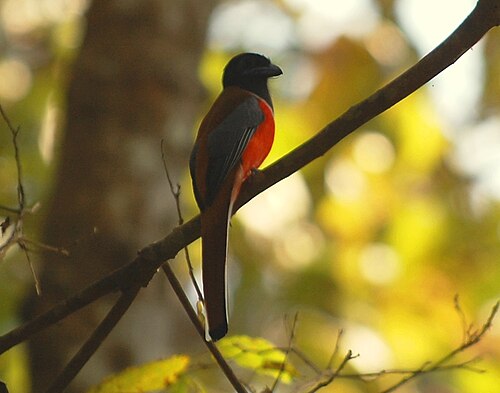
キバシリ科には、キバシリとケツァールが含まれます。世界中の熱帯林に生息し、昆虫や果物を食べます。幅広い嘴と弱い脚は、キバシリの食性と樹上性を反映しています。飛行は速いですが、あまり遠くまで飛ぶことを好みません。キバシリは、オスとメスがはっきりと異なる羽毛を持ち、柔らかく、多くの場合は色鮮やかな羽毛を持っています。インドでは 3 種が記録されています。
フープ

ヤツガシラは黒、白、オレンジがかったピンクの体色をしており、頭には大きな勃起した冠羽があります。インドに生息する種が 1 種あります。
サイチョウ


サイチョウは、くちばしが牛の角のような形をしている鳥のグループですが、ねじれがなく、上あごに角頭が付いていることもあります。くちばしは鮮やかな色をしていることが多いです。

ローラー
_(7919700760).jpg/500px-Indian_Roller_(View_Large)_(7919700760).jpg)
ブッポウソウは大きさや体格がカラスに似ていますが、カワセミやハチクイに近い種です。青や茶色が優勢で、カワセミやハチクイと同じようなカラフルな外見をしています。内側の前足の 2 本の指は根元でつながっていますが、外側の前足の指はつながっていません。インドでは 3 種または 4 種 (従う分類学によって異なります) が記録されています。
カワセミ


カワセミは中型の鳥で、頭が大きく、くちばしは長く尖っていて、足は短く、尾は太い。インドでは 13 種が記録されている。
ハチクイ
_from_nilgiris_DSC_1097.jpg/500px-Chestnut-headed_bee-eater_(Merops_leschenaulti)_from_nilgiris_DSC_1097.jpg)
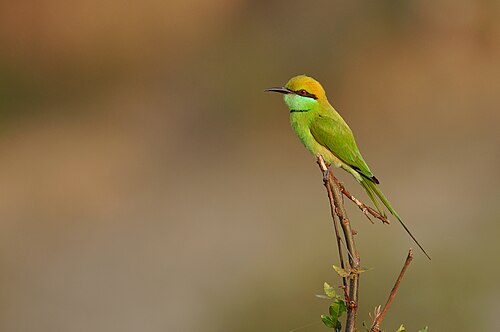
ハチクイは、スズメ目ハチクイ科に属する鳥類です。ほとんどの種はアフリカに生息していますが、南ヨーロッパ、マダガスカル、オーストラリア、ニューギニアにも生息する種があります。ハチクイは、鮮やかな色の羽毛、細身の体、そして通常は中央の尾羽が長く伸びているのが特徴です。すべて色鮮やかで、長く下向きの嘴と尖った翼を持ち、遠くから見るとツバメのような外観をしています。インドでは 7 種が記録されています。

アジアゴシキドリ
_in_Kolkata_I_IMG_7592.jpg/500px-Blue-throated_Barbet_(Megalaima_asiatica)_in_Kolkata_I_IMG_7592.jpg)
アジアゴシキドリは、短い首と大きな頭を持つ、ふっくらとした鳥です。その名前は、その重い嘴の縁取りに生えた剛毛に由来しています。ほとんどの種は鮮やかな色をしています。
ミツオシ
ミツオシは、蜜ろうを食べる数少ない鳥類の1 つです。ミツオシの名前は、伝統的な蜂蜜採取者を蜂の巣に導き、蜂が蜂蜜を採取した後、巣に残っているものを食べるオオミツオシに由来しています。インドに生息する種が 1 種あります。
キツツキ

キツツキは小型から中型の鳥で、ノミのようなくちばし、短い脚、硬い尾、昆虫を捕らえるのに使う長い舌を持っています。一部の種は足の指が前方と後方のそれぞれ 2 本ずつ伸びていますが、指が 3 本しかない種もいくつかあります。多くのキツツキは、くちばしで木の幹を音を立てて叩く習性があります。
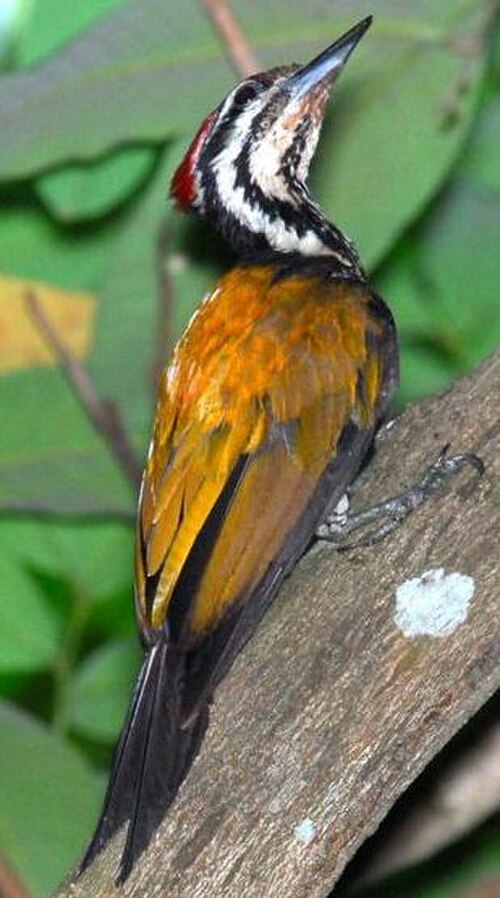

キツツキ
カラカラとハヤブサ
_from_pakke_tiger_reserve_JEG3641_(cropped).jpg/500px-Pied_falconet,_(Microhierax_melanoleucos)_from_pakke_tiger_reserve_JEG3641_(cropped).jpg)

タカ科は昼行性の猛禽類の科です。タカ、ワシ、トビとは異なり、爪ではなくくちばしで殺します。インドでは 13 種が記録されています。
旧世界のオウム
_I_IMG_9141.jpg/500px-Rose-ringed_Parakeet_(Male)_I_IMG_9141.jpg)
オウムの特徴は、強く曲がった嘴、直立姿勢、力強い脚、そして鉤爪のある対指足です。多くのオウムは鮮やかな色をしており、中には多色のものもあります。大きさは、体長 8 cm (3.1 インチ) から 1 m (3.3 フィート) まであります。旧世界のオウムは、アフリカから東に南アジア、東南アジア、オセアニア、オーストラリア、ニュージーランドまで生息しています。
典型的なヒロハシ科
ヒロハシシギは、小さくて色鮮やかな鳥で、果物を食べ、また、ヒタキのように、その広い嘴を鳴らして昆虫を捕食します。生息地は、湿った森林の樹冠です。インドでは 2 種が記録されています。
ピッタ

ピッタはスズメ目の鳥としては中型でずんぐりとした体型をしており、かなり長くて強い脚、短い尾、頑丈な嘴を持っています。多くは鮮やかな色をしています。ほとんどの時間を湿った森林の地面で過ごし、カタツムリ、昆虫、および同様の無脊椎動物を食べます。
バンガ、ヘルメットモズ、モリモズ、モズヒタキ

森モズはモズと体格が似ています。
ツバメ、ブッチャーバード、ペルトップ

ツバメは、柔らかい羽毛を持つ地味な色のスズメ目の鳥です。滑らかで機敏に飛び、適度な大きさの半三角形の翼を持ちます。インドでは 2 種が記録されています。
イオラス

イオラは、開けた森林やとげのある低木に生息するヒヨドリに似た鳥ですが、ヒヨドリのグループが地味な色をしているのに対し、イオラは性的二形性があり、オスは鮮やかな黄色と緑の羽毛を持っています。インドでは 2 種が記録されています。
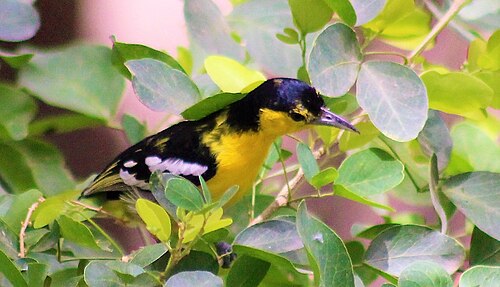
カッコウモズ

カッコウモズは小型から中型のスズメ目の鳥です。主に灰色がかった色で、白と黒が混じっていますが、鮮やかな色の種もいます。インドでは 15 種が記録されています。
ホイッスラーとその仲間

パキケファリダエ科には、ホシガラス、モズツグミ、および一部のピトフイが含まれます。インドに生息する種が 1 種あります。
モズ
-_Immature_in_Kolkata_I_IMG_0147.jpg/500px-Brown_Shrike_(Lanius_cristatus)-_Immature_in_Kolkata_I_IMG_0147.jpg)
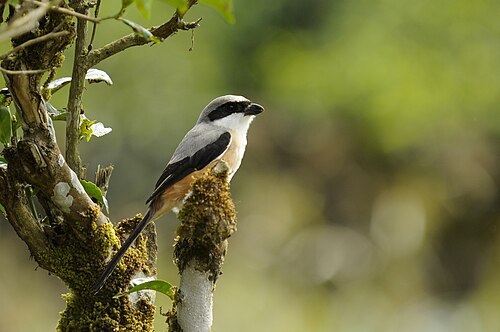
モズはスズメ目の鳥で、他の鳥や小動物を捕まえて食べ残した部分をトゲに刺す習性があることで知られています。典型的なモズのくちばしは猛禽類のように鉤状になっています。
タイリクムシクイ、ミドリシジロ、モズチメドリ

目:スズメ目 家族: Vireonidae
この科のほとんどの種は新世界に生息しています。しかし、モズチメドリやエルポルニスは、本物のタイリクモズやミヤマモズにほんの少しだけ似ており、東南アジアに生息しています。
イチジクドリ、オリオール、ターンアグラ
,_male_at_Secunderabad_W_IMG_6714.jpg/500px-Indian_Golden_Oriole_(Oriolus_kundoo),_male_at_Secunderabad_W_IMG_6714.jpg)
旧世界のオリオールは色鮮やかなスズメ目の鳥です。新世界のオリオールとは関係ありません。インドでは 6 種が記録されています。
ドロンゴ

オウチュウは、ほとんどが黒または濃い灰色で、金属的な色合いのものもあります。尾は長く二股に分かれており、アジアの種の中には尾に凝った装飾があるものもあります。脚は短く、モズのように、止まっているときは非常に直立しています。オウチュウは、地面から獲物を捕らえたり、ハエを捕らえたりします。インドでは 10 種が記録されています。
オオバンテイルとシルクテール

オオウズラは小型の食虫鳥で、空中での餌採りが専門です。インドには 3 種が生息しています。
君主

オオカバマダラは、ハエを捕えて狩りをする小型から中型の食虫性のスズメ目鳥類です。インドでは 4 種が記録されています。
カラスとカケス
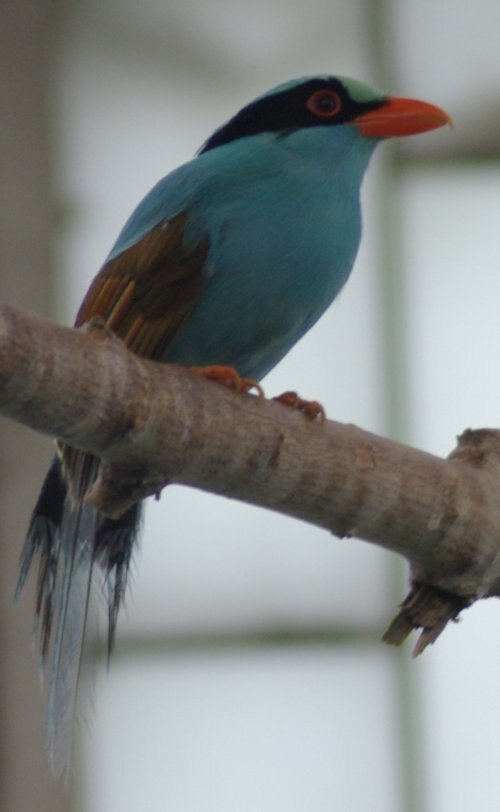
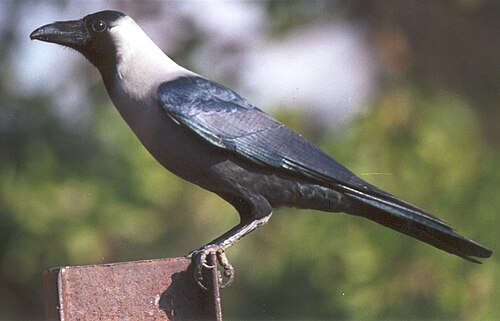
カラス科には、カラス、ワタリガラス、カケス、ベニハシガラス、マグパイ、キバシリ、ホオジロカケスが含まれます。カラス科の鳥はスズメ目の中では平均以上の大きさで、大型種の中には高い知能を示すものもあります。

ワックスウィング

レンジャクは、柔らかく絹のような羽毛と、一部の翼の羽の先端が独特な赤色をしている鳥のグループです。ボヘミアンレンジャクとシーダーレンジャクでは、先端が封蝋のように見えるため、このグループの名前の由来となっています。これらは北方の森林に生息する樹上性の鳥です。夏は昆虫を、冬はベリーを食べて生活します。インドに生息する種が 1 種あります。
ヒポコリウス
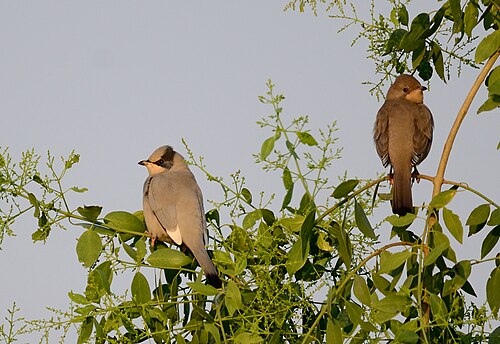
灰色ヒポコリウスは、レンジャクの形と柔らかい羽毛を持つ中東の小型鳥です。オスは目の周りに黒い三角形のマスクがありますが、それ以外は全体的に均一な灰色です。
ヒタキ

この小さな科の種のほとんどはアフリカに生息していますが、熱帯アジアにも少数生息しています。この種は、「ヒタキ科」と呼ばれる他の鳥類とは近縁ではありません。
シジュウカラとシジュウカラ

.jpg/500px-Parus_ater_2_(Marek_Szczepanek).jpg)
オオハシ科は、主に短くて頑丈な嘴を持つ、小型でずんぐりとした森林に生息する種です。中には冠羽を持つ種もいます。適応力のある鳥で、種子や昆虫を含む混合食をします。
垂れ下がったシジュウカラ
シジュウカラは、シジュウカラと同種の小型スズメ目の鳥のグループです。昆虫食です。インドで記録されている種が 1 種あります。
ラークス

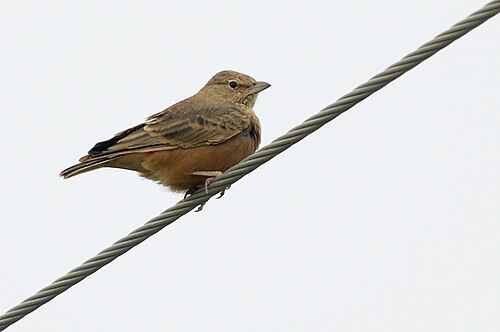
ヒバリは、派手な鳴き声とディスプレイ飛行を特徴とする小型の陸鳥です。ほとんどのヒバリは見た目が地味です。餌は昆虫と種子です。

ヒヨドリ

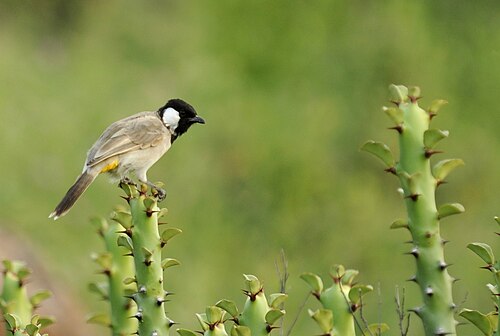
目:スズメ目 家族: Pycnonotidae

ヒヨドリは中型の鳴鳥です。黄色、赤、またはオレンジ色の肛門、頬、喉、眉毛を持つカラフルな種もいますが、大半は地味で、均一なオリーブブラウンから黒の羽毛です。一部の種ははっきりとした冠羽を持っています。

ツバメとツバメ

目:スズメ目 家族: Hirundinidae
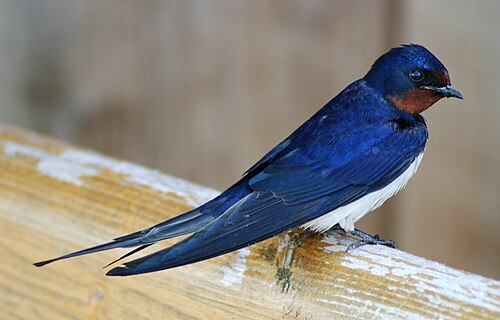
ツバメ科は空中採食に適応しています。細身の流線型の体、長く尖った翼、大きく開いた短い嘴を持っています。足は歩くよりも止まり木に適しており、前足の指は根元で部分的につながっています。
カップウィング
.jpg/500px-Scaly-breasted_Wren-Babbler_-_Eaglenest_-_India_FJ0A9148_(33901552680).jpg)
この小さな科の動物は、南アジアと東南アジアの山岳地帯に生息しています。
セチアウグイスとその仲間
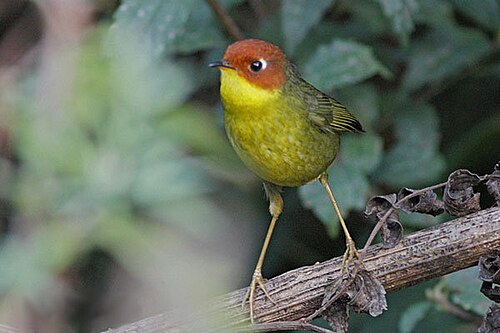
セキレイ科は、小型の食虫性の鳴鳥の科です。この科には、代表的なウグイス類 (Cettia) とその近縁種が含まれます。この科の鳥は主にアジアとアフリカに生息し、オセアニアとヨーロッパにまで及びます。
ブッシュチッツ

エナガは、中~長めの尾を持つ小型のスズメ目の鳥のグループです。木に編み袋の巣を作ります。ほとんどが昆虫を含む混合食を食べます。
Leaf warblers and allies

Order: Passeriformes Family: Phylloscopidae


Leaf warblers are a family of small insectivorous birds found mostly in Eurasia and ranging into Wallacea and Africa. The species are of various sizes, often green-plumaged above and yellow below, or more subdued with grayish-green to grayish-brown colors.
Reed warblers, Grauer's warbler, and allies
_from_The_Anamalai_hills_JEG0635.jpg/500px-Thick-billed_warbler_(Iduna_aedon)_from_The_Anamalai_hills_JEG0635.jpg)
Order: Passeriformes Family: Acrocephalidae

The members of this family are usually rather large for "warblers". Most are rather plain olivaceous brown above with much yellow to beige below. They are usually found in open woodland, reedbeds, or tall grass. The family occurs mostly in southern to western Eurasia and surroundings, but it also ranges far into the Pacific, with some species in Africa.
Grassbirds and allies

Order: Passeriformes Family: Locustellidae
_at_Kolkata_I_IMG_2681.jpg/500px-Striated_Grassbird_(Megalurus_palustris)_at_Kolkata_I_IMG_2681.jpg)
Locustellidae are a family of small insectivorous songbirds found mainly in Eurasia, Africa, and the Australian region. They are smallish birds with tails that are usually long and pointed, and tend to be drab brownish or buffy all over.
Cisticolas and allies

Order: Passeriformes Family: Cisticolidae
The Cisticolidae are warblers found mainly in warmer southern regions of the Old World. They are generally very small birds of drab brown or grey appearance found in open country such as grassland or scrub.
_at_Hodal_I_IMG_9173.jpg/500px-Ashy_Prinia_(Prinia_socialis)_at_Hodal_I_IMG_9173.jpg)
Sylviid babblers

Order: Passeriformes Family: Sylviidae
The family Sylviidae is a group of small insectivorous passerine birds. They mainly occur as breeding species, as the common name implies, in Europe, Asia and, to a lesser extent, Africa. Many species are difficult to identify by appearance, but many have distinctive songs.
Parrotbills and allies
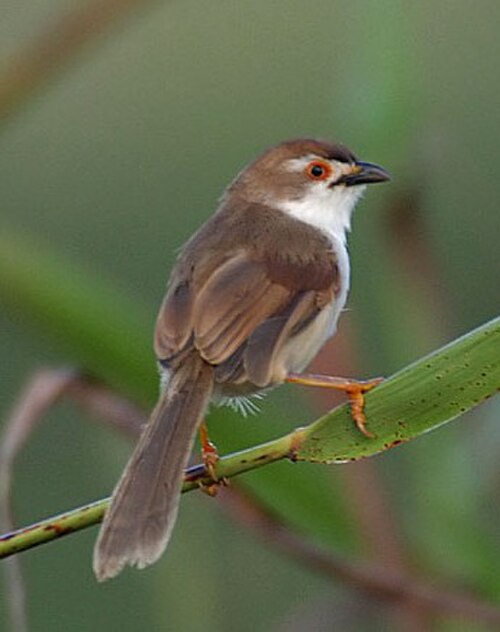
Order: Passeriformes Family: Paradoxornithidae
The parrotbills are a group of peculiar birds which are diverse along the Himalayas east into Southeast Asia, though feral populations exist elsewhere. They are generally small, long-tailed birds which inhabit reedbeds and similar habitat. They feed mainly on seeds, e.g. of grasses, to which their bill, as the name implies, is well-adapted.
White-eyes
_from_nilgiris_DSC_0890.jpg/500px-Oriental_white-eye_(Zosterops_palpebrosus)_from_nilgiris_DSC_0890.jpg)
Order: Passeriformes Family: Zosteropidae
The white-eyes are small and mostly undistinguished, their plumage above being generally some dull colour like greenish-olive, but some species have a white or bright yellow throat, breast or lower parts, and several have buff flanks. As their name suggests, many species have a white ring around each eye.
Babblers and scimitar babblers
Order: Passeriformes Family: Timaliidae

The babblers, or timaliids, are somewhat diverse in size and colouration, but are characterised by soft fluffy plumage.


Ground babblers
Order: Passeriformes Family: Pellorneidae
These small to medium-sized songbirds have soft fluffy plumage but are otherwise rather diverse. Members of the genus Illadopsis are found in forests, but some other genera are birds of scrublands.
Alcippe fulvettas

Order: Passeriformes Family: Alcippeidae
The genus once included many other fulvettas and was previously placed in families Pellorneidae or Timaliidae.
Laughingthrushes and allies
_from_Ooty_JEG3561.jpg/500px-Black-chinned_laughingthrush_(Trochalopteron_cachinnans)_from_Ooty_JEG3561.jpg)
Order: Passeriformes Family: Leiothrichidae


The members of this family are diverse in size and colouration, though those of genus Turdoides tend to be brown or greyish. The family is found in Africa, India, and southeast Asia.
Fairy-bluebirds
Order: Passeriformes Family: Irenidae
The fairy-bluebirds are bulbul-like birds of open forest or thorn scrub. The males are dark-blue and the females a duller green. There is one species which occurs in India.
Goldcrests and kinglets
Order: Passeriformes Family: Regulidae
The kinglets, also called crests, are a small group of birds often included in the Old World warblers, but frequently given family status because they also resemble the titmice. There is one species which occurs in India.
Elachura
Order: Passeriformes Family: Elachuridae
This species, the only one in its family, inhabits forest undergrowth throughout South East Asia.
Wrens
Order: Passeriformes Family: Troglodytidae
The wrens are mainly small and inconspicuous except for their loud songs. These birds have short wings and thin down-turned bills. Several species often hold their tails upright. All are insectivorous. There is one species which occurs in India.
Nuthatches
Order: Passeriformes Family: Sittidae
Nuthatches are small woodland birds. They have the unusual ability to climb down trees head first, unlike other birds which can only go upwards. Nuthatches have big heads, short tails and powerful bills and feet.
Wallcreeper
Order: Passeriformes Family: Tichodromidae
The wallcreeper is a small bird related to the nuthatch family, which has stunning crimson, grey and black plumage.
Treecreepers
Order: Passeriformes Family: Certhiidae
Treecreepers are small woodland birds, brown above and white below. They have thin pointed down-curved bills, which they use to extricate insects from bark. They have stiff tail feathers, like woodpeckers, which they use to support themselves on vertical trees.
Starlings and rhabdornis
Order: Passeriformes Family: Sturnidae
Starlings are small to medium-sized passerine birds. Their flight is strong and direct and they are very gregarious. Their preferred habitat is fairly open country. They eat insects and fruit. Plumage is typically dark with a metallic sheen.

Thrushes
_I_IMG_7377.jpg/500px-White-collared_Blackbird_(Male)_I_IMG_7377.jpg)


Order: Passeriformes Family: Turdidae
The thrushes are a group of passerine birds that occur mainly in the Old World. They are plump, soft plumaged, small to medium-sized insectivores or sometimes omnivores, often feeding on the ground. Many have attractive songs.
Chats and Old World flycatchers


.jpg/500px-Pale_Blue-Flycatcher_-_Bhutan_S4E0680_(18704121663).jpg)

_(33087546288).jpg/500px-White-tailed_Rubythroat_(Luscinia_pectoralis)_(33087546288).jpg)
-_Himachal-_I_IMG_3484.jpg/500px-Golden_Bush_Robin_(Female)-_Himachal-_I_IMG_3484.jpg)

_I_IMG_7295.jpg/500px-Tarsiger_rufilatus_(Male)_I_IMG_7295.jpg)
_I_IMG_6444.jpg/500px-Plunbeous_Water_Redstart_(male)_I_IMG_6444.jpg)

male_from_nilgiris_DSC_1123.jpg/500px-Pied_bush_chat_(Saxicola_caprata)male_from_nilgiris_DSC_1123.jpg)

Order: Passeriformes Family: Muscicapidae
Old World flycatchers are a large group of small passerine birds native to the Old World. They are mainly small arboreal insectivores. The appearance of these birds is highly varied, but they mostly have weak songs and harsh calls.

Dippers
Order: Passeriformes Family: Cinclidae
Dippers are a group of perching birds whose habitat includes aquatic environments in the Americas, Europe and Asia. They are named for their bobbing or dipping movements. There are two species which have been recorded in India.
Leafbirds

Order: Passeriformes Family: Chloropseidae
The leafbirds are small, bulbul-like birds. The males are brightly plumaged, usually in greens and yellows.
Flowerpeckers
_on_Helicteres_isora_W2_IMG_1379.jpg/500px-Thick-billed_Flowerpecker_(Dicaeum_agile)_on_Helicteres_isora_W2_IMG_1379.jpg)
Order: Passeriformes Family: Dicaeidae

The flowerpeckers are very small, stout, often brightly coloured birds, with short tails, short thick curved bills and tubular tongues.
Sunbirds
Order: Passeriformes Family: Nectariniidae


The sunbirds and spiderhunters are very small passerine birds which feed largely on nectar, although they will also take insects, especially when feeding young. Flight is fast and direct on their short wings. Most species can take nectar by hovering like a hummingbird, but usually perch to feed.
Old World sparrows and snowfinches
Order: Passeriformes Family: Passeridae
Sparrows are small passerine birds. In general, sparrows tend to be small, plump, brown or grey birds with short tails and short powerful beaks. Sparrows are seed eaters, but they also consume small insects.

Weavers and widowbirds
-_Immature_in_Kolkata_I_IMG_8143.jpg/500px-Baya_Weaver_(Ploceus_philippinus)-_Immature_in_Kolkata_I_IMG_8143.jpg)
Order: Passeriformes Family: Ploceidae
The weavers are small passerine birds related to the finches. They are seed-eating birds with rounded conical bills. The males of many species are brightly coloured, usually in red or yellow and black, some species show variation in colour only in the breeding season. There are four species which have been recorded in India.
Waxbills, munias, and allies

Order: Passeriformes Family: Estrildidae

The estrildid finches are small passerine birds of the Old World tropics and Australasia. They are gregarious and often colonial seed eaters with short thick but pointed bills. They are all similar in structure and habits, but have wide variation in plumage colours and patterns.
Accentors
Order: Passeriformes Family: Prunellidae
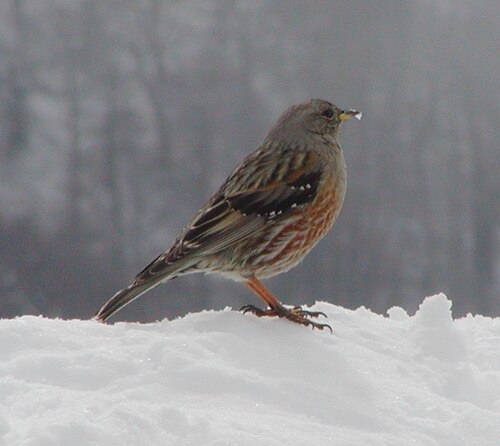
The accentors are in the only bird family, Prunellidae, which is completely endemic to the Palearctic. They are small, fairly drab species superficially similar to sparrows. There are seven species which have been recorded in India.
Wagtails and pipits

Order: Passeriformes Family: Motacillidae

Motacillidae is a family of small passerine birds with medium to long tails. They include the wagtails, longclaws and pipits. They are slender, ground feeding insectivores of open country. There are 21 species which have been recorded in India.

Finches and euphonias
-_Himachal-_IMG_3799.jpg/500px-Pink_browed_Rosefinch_(Male)-_Himachal-_IMG_3799.jpg)
Order: Passeriformes Family: Fringillidae
Finches are seed-eating passerine birds, that are small to moderately large and have a strong beak, usually conical and in some species very large. All have twelve tail feathers and nine primaries. These birds have a bouncing flight with alternating bouts of flapping and gliding on closed wings, and most sing well. There are 44 species which have been recorded in India.


Buntings
.jpg/500px-Emberiza_citrinella_1_(Marek_Szczepanek).jpg)
Order: Passeriformes Family: Emberizidae
The emberizids are a large family of passerine birds. They are seed-eating birds with distinctively shaped bills. Many emberizid species have distinctive head patterns.
.jpg/500px-Emberiza_schoeniclus_1_tom_(Marek_Szczepanek).jpg)
See also
References
- ^ a b Lepage, Denis (24 August 2021). "Checklist of Birds of India". Avibase bird checklists of the world. Retrieved 24 August 2021.
- ^ Manakadan, Ranjit; Khan, Asif N. (March 2020). "Birds of the Indian Subcontinent—In a Nutshell". Buceros. 24 (2 & 3). BNHS-ENVIS.
- ^ "National bird of India". Know India. Govt. of India. Archived from the original on 19 August 2017. Retrieved 2 December 2007.
- ^ Baker, E. C. S. (1904). "The occurrence of the Red-breasted Goose Branta ruficollis in India". Journal of the Bombay Natural History Society. 16 (1): 155–156.
- ^ Sangha, H. S. (2015). "'Tundra' Bean Goose Anser fabalis rossicus/serrirostris at Tahla Lake, Alwar district, Rajasthan" (PDF). Indian Birds. 10 (3&4): 94–98.
- ^ Baker, E. C. S. (1904). "Occurrence of the Dwarf Goose Anser erythropus in Assam". Journal of the Bombay Natural History Society. 15 (3): 524.
- ^ Khan, Asif N. (1 December 2013). "First Record of Lesser White-Fronted Goose Anser erythropus from Gujarat, India". Journal of the Bombay Natural History Society. 110 (3): 224. doi:10.17087/jbnhs/2013/v110i3/94037 (inactive 1 November 2024). ISSN 2454-1095. Archived from the original on 15 September 2017. Retrieved 15 September 2017.
{{cite journal}}: CS1 maint: DOI inactive as of November 2024 (link) - ^ Lewis, E. S. (1938). "Bewick's Swan (Cygnus bewickii Yarrell) near Delhi". Journal of the Bombay Natural History Society. 40 (2): 333.
- ^ Dunn, J. C.; Buchanan, G. M.; Cuthbert, R. J.; Whittingham, M. J. & McGowan, P. J. K. (2015). "Mapping the potential distribution of the Critically Endangered Himalayan Quail Ophrysia superciliosa using proxy species and species distribution modelling". Bird Conservation International. 25 (4): 1–13. doi:10.1017/S095927091400046X.
- ^ BirdLife International. (2018). "Pavo muticus". IUCN Red List of Threatened Species. 2018: e.T22679440A131749282. doi:10.2305/IUCN.UK.2018-2.RLTS.T22679440A131749282.en. Retrieved 2 December 2022.
- ^ a b c d e f g h i j k l m Delany, S.; Garbutt, D.; Williams, C.; Sulston, C.; Norton, J. & Denby, C. (2014). "The Southampton University Ladakh Expeditions 1976–1982: Full details of nine species previously unrecorded in India and four second records". Indian Birds. 9 (1): 1–13.
- ^ Gogoi, Deborshee & Phukan, Porag Jyoti (2016). "White-browed Crake Amaurornis cinerea in maguri-Motapung Beel, Assam, India: A new species for South Asia". Indian Birds. 11 (3): 79–80.
- ^ BirdLife International. (2018). "Leucogeranus leucogeranus". IUCN Red List of Threatened Species. 2018: e.T22692053A134180990. doi:10.2305/IUCN.UK.2018-2.RLTS.T22692053A134180990.en. Retrieved 3 April 2021.
- ^ International Crane Foundation - Siberian Crane Archived 14 November 2008 at the Wayback Machine
- ^ BirdLife International. (2016). "Grus monacha". IUCN Red List of Threatened Species. 2016: e.T22692151A93337861. doi:10.2305/IUCN.UK.2016-3.RLTS.T22692151A93337861.en. Retrieved 3 April 2021.
- ^ Praveen, J; Jayapal, Rajah & Pittie, Aasheesh. (2016). A checklist of the birds of India. Indian Birds. 11 (5&6): 113–172
- ^ Abhinav, C. & Dhadwal, D. S. (2014). "European Golden Plover Pluvialis apricaria at Pong Lake, Himachal Pradesh, India". Indian Birds. 9 (5&6): 149–151.
- ^ Bhopale, Nikhil (2010). "Additions to the avifauna of the Indian Subcontinent — 'White-faced' Plover Charadrius dealbatus from Andaman and Nicobar Islands, India". Journal of the Bombay Natural History Society. 107 (1): 60–61.
- ^ Holt, P. (1999). "Long-billed Dowitcher Limnodromus scolopaceus at Bharatpur, Rajasthan, India: a new species for the Indian subcontinent". Forktail 15:95. Archived 11 October 2008 at the Wayback Machine
- ^ a b c d e f g h i j k Praveen, J.; Jayapal, R. & Pittie, A. (2014). "Notes on Indian rarities—2: Waterfowl, diving waterbirds, and gulls and terns". Indian Birds. 9 (5&6): 113–136.
- ^ Jayson E. A.; Babu S. & Govind, S. K. (2013). "Recovery of White Tern Gygis alba at Athirapilly, Kerala, India". Indian Birds. 8 (6): 163.
- ^ Sreenivasan, P. P.; Praveen J.; Prince, M. & Karuthedathu, D. (2013). "Sabine's Gull Xema sabini from Puthankadapuram, Kerala, India: a first record for South Asia". Indian Birds. 8 (4): 99–100.
- ^ Holt, Paul I.; England, A. Sidney; Beaton, Randy E. & Bloss, Juliet (2013). "Franklin's Gull Leucophaeus pipixcan in Goa: a new species for India". BirdingASIA. 20: 119–120.
- ^ Jamalabad, A. (2016). "Records of a White-eyed Gull Ichthyaetus leucophthalmus and a Black Tern Chlidonias niger from the Karwar coast, Karnataka, India". Indian Birds. 12 (1): 12–14.
- ^ a b c Praveen J.; Jayapal, R. & Pittie, A. (2013). "Notes on Indian rarities—1: Seabirds". Indian Birds. 8 (5): 113–125.
- ^ Karuthedathu, D. (2014). "Long-tailed Jaeger Stercorarius longicaudus from the western coast of India: Identification in retrospect". Indian Birds. 9 (3): 69–72.
- ^ Praveen, J.; Palot, M. J. & Karuthedathu, D. (2013). "Recovery of a Cory's Shearwater Calonectris borealis from Thaikadapuram beach, Kasaragod district, Kerala". Indian Birds. 8 (8): 152–153.
- ^ E. Haring; K. Kvaløy; J.-O. Gjershaug; N. Røv & A. Gamauf (2007). "Convergent evolution and paraphyly of the hawk-eagles of the genus Spizaetus (Aves, Accipitridae) – phylogenetic analyses based on mitochondrial markers". Journal of Zoological Systematics and Evolutionary Research. 45 (4): 353–365. doi:10.1111/j.1439-0469.2007.00410.x.
- ^ Gjershaug, J. O.; Diserud, O. H.; Rasmussen, P. C. & Warakagoda, D. (2008). "An overlooked threatened species of eagle: Legge's Hawk Eagle Nisaetus kelaarti (Aves: Accipitriformes)" (PDF). Zootaxa. 1792: 54–66. doi:10.11646/zootaxa.1792.1.4. S2CID 1395119.
- ^ Lerner, Heather; Christidis, Les; Gamauf, Anita; Griffiths, Carole; Haring, Elisabeth; Huddleston, Christopher J.; Kabra, Sonia; Kocum, Annett; Krosby, Meade; Kvaløy, Kirsti; Mindell, David; Rasmussen, Pamela; Røv, Nils; Wadleigh, Rachel; Wink, Michael & Gjershaug, Jan Ove (2017). "Phylogeny and new taxonomy of the Booted Eagles (Accipitriformes: Aquilinae)". Zootaxa. 4216 (4): 301. doi:10.11646/zootaxa.4216.4.1. hdl:11250/2443953. PMID 28183111.
- ^ Naoroji, Rishad & D'Silva, Carl (1998). "Sighting of Red Kite Milvus milvus at Ranikhet". Journal of the Bombay Natural History Society. 95 (2): 339–340.
- ^ Johansson, Ulf S.; Irestedt, Martin; Qu, Yanhua & Ericson, Per G.P. (2018). "Phylogenetic relationships of rollers (Coraciidae) based on complete mitochondrial genomes and fifteen nuclear genes". Molecular Phylogenetics and Evolution. 126: 17–22. Bibcode:2018MolPE.126...17J. doi:10.1016/j.ympev.2018.03.030. PMID 29631051. S2CID 5011292.
- ^ a b Singh, A. P. (2013). "Lord Derby's Parakeet Psittacula derbiana, and Black-headed Greenfinch Carduelis ambigua in Arunachal Pradesh, India". Indian Birds. 8 (5): 133.
- ^ Manchi, S. S. & Kumar, J. S. (2014). "Sighting of the Blue-winged Pitta Pitta moluccensis on Narcondam Island, India". Indian Birds. 9 (1): 23–24.
- ^ Chatterjee, S. (2013). "Mangrove Pitta Pitta megarhyncha from Sundarbans, West Bengal, India". Indian Birds. 8 (6): 160–161.
- ^ Karuthedathu, D.; Das, V.; Praveen, J.; Ramachandran, V.; Shurpali, S. & Nair, M. V. (2014). "Some significant avian records from Odisha". Indian Birds. 9 (1): 14–18.
- ^ Nandgaonkar, P. S. (2013). "Woodchat Shrike Lanius senator from Alibaug, Maharashtra: A first record for India". Indian Birds. 8 (6): 164.
- ^ Jønsson, K. A.; Bowie, R. C. K.; Moyle, R. G.; Irestedt, M.; Christidis, L.; Norman, J. A. & Fjeldså, J. (2010). "Phylogeny and biogeography of Oriolidae (Aves: Passeriformes)" (PDF). Ecography. 33 (2): 232–241. Bibcode:2010Ecogr..33..232J. doi:10.1111/j.1600-0587.2010.06167.x.
- ^ Packert, Martin; Martens, Jochen; Eck, Siegfried; Nazarenko, Alexander A.; Valchuk, Olga P.; Petri, Bernd & Veith, Michael (2005). "The great tit (Parus major) – a misclassified ring species". Biological Journal of the Linnean Society. 86 (2): 153–174. doi:10.1111/j.1095-8312.2005.00529.x.
- ^ Rasmussen, P. C. & Anderton, J. C. 2005 introduce this split
- ^ Das, S. (2014). "Asian Stubtail Urosphena squameiceps in Rabindrasarobar, Kolkata: A first record for India". Indian Birds. 9 (1): 26–27.
- ^ Sangha, H. S.; Sharma, M. & Jain, A. (2013). "The Black-browed Tit Aegithalos bonvaloti in Arunachal Pradesh: A new species for the Indian Subcontinent". Indian Birds. 8 (5): 137–139.
- ^ Sangha, H. S.; Naoroji, R. & Sharma, M. (2007). "The Crested Tit-warbler Leptopoecile elegans in north-west Arunachal Pradesh. An addition to the Indian avifauna". Indian Birds. 3 (1): 23–25.
- ^ Eaton, J. A. & Das, R. K. (2014). "Baikal Bush-warbler Locustella davidi from Dibru-Saikhowa National Park and Biosphere Reserve, Assam, India: A new species for India" (PDF). Indian Birds. 9 (3): 80–81.
- ^ Alström, Per; Rasmussen, Pamela C.; Sangster, George; Dalvi, Shashank; Round, Philip D.; Zhang, Ruiying; Yao, Cheng-Te; Irestedt, Martin; Le Manh, Hung; Lei, Fumin; Olsson, Urban (2020). "Multiple species within the Striated Prinia Prinia crinigera– Brown Prinia P. Polychroa complex revealed through an integrative taxonomic approach". Ibis. 162 (3): 936–967. doi:10.1111/ibi.12759. S2CID 196653037.
- ^ a b Dalvi, S. (2013). "Elliot's Laughingthrush Trochalopteron elliotii and Black-headed Greenfinch Chloris ambigua from Anini, Arunachal Pradesh, India". Indian Birds. 8 (5): 130.
- ^ Athreya, R. (2006). "A new species of Liocichla (Aves: Timaliidae) from Eaglenest Wildlife Sanctuary, Arunachal Pradesh, India" (PDF). Indian Birds. 2 (4): 82–94.[permanent dead link]
- ^ Bonpo, C. R. & Kuriakose, J. (2014). "Yunnan Nuthatch Sitta yunnanensis from Walong, Arunachal Pradesh: A new species for South Asia" (PDF). Indian Birds. 9 (4): 105–106.
- ^ Tietze, Dieter Thomas; Martens, Jochen & Sun, Yue-Hua (2006). "Molecular phylogeny of treecreepers (Certhia) detects hidden diversity". Ibis. 148 (3): 477–488. doi:10.1111/j.1474-919X.2006.00547.x.
- ^ Tietze, Dieter Thomas; Martens, Jochen; Sun, Yue-Hua & Paeckert, Martin (2008). "Evolutionary history of treecreeper vocalisations (Aves: Certhia)". Organisms, Diversity & Evolution. 8 (4): 305–324. Bibcode:2008ODivE...8..305T. doi:10.1016/j.ode.2008.05.001.
- ^ Wielen, Pierre van der (2007). "Chestnut-cheeked Starling Sturnus philippensis: new for the Indian subcontinent". Forktail. 23: 173–174.
- ^ a b c d Lovette, I.; McCleery, B.; Talaba, A. & Rubenstein, D. (2008). "A complete species-level molecular phylogeny for the 'Eurasian' starlings (Sturnidae: Sturnus, Acridotheres, and allies): Recent diversification in a highly social and dispersive avian group". Molecular Phylogenetics & Evolution. 47 (1): 251–260. doi:10.1016/j.ympev.2008.01.020. PMID 18321732.
- ^ Alström, Per; Rasmussen, Pamela C.; Zhao, Chao; Xu, Jingzi; Dalvi, Shashank; Cai, Tianlong; Guan, Yuyan; Zhang, Ruiying; Kalyakin, Mikhail V.; Lei, Fumin & Olsson, Urban (2016). "Integrative taxonomy of the Plain-backed Thrush (Zoothera mollissima) complex (Aves, Turdidae) reveals cryptic species, including a new species". Avian Research. 7: 1. doi:10.1186/s40657-016-0037-2. S2CID 9017949.
- ^ Rajagopal, R. & Inskipp, T. (2014). "First record of the Chinese Thrush Turdus mupinensis from the Indian Subcontinent". Indian Birds. 9 (5&6): 155–157.
- ^ Zhang, Zhen; Wang, Xiaoyang; Huang, Yuan; Olsson, Urban; Martinez, Jonathan; Alström, Per; Lei, Fumin (2016). "Unexpected divergence and lack of divergence revealed in continental Asian Cyornis flycatchers (Aves: Muscicapidae)". Molecular Phylogenetics and Evolution. 94 (Pt A): 232–241. Bibcode:2016MolPE..94..232Z. doi:10.1016/j.ympev.2015.08.024. PMID 26358612.
- ^ Rajeshkumar, S.; Raghunathan, C. & Maheswaran, G. (2014). "Blue-and-white Flycatcher Cyanoptila cyanomelana: First record for Andaman & Nicobar Islands, India". Indian Birds. 9 (4): 104–105.
- ^ Das, S. (2014). "Mugimaki Flycatcher Ficedula mugimaki from Neil Island, Andaman & Nicobar Islands, India". Indian Birds. 9 (2): 56.
- ^ Khan, Asif N. & Khot, Rahul (1 December 2015). "White-Capped River-Chat Phoenicurus leucocephalus in Odisha: First Record from Peninsular India". Journal of the Bombay Natural History Society. 112 (3): 170–171. doi:10.17087/jbnhs/2015/v112i3/114426. ISSN 2454-1095.
- ^ Damle, S. & Inskipp, T. (2014). "Sighting of Northern Wheatear Oenanthe oenanthe from the Nubra Valley, Ladakh, Jammu and Kashmir, and a review of previous records from the Indian Subcontinent". Indian Birds. 9 (5&6): 139–141.
- ^ Poonia, S. S.; Sharma, M. & Sangha, H. S. (2012). "Pale Rock Sparrow Carpospiza brachydactyla in Gopalpura Hills, Tal Chhapar (Churu district, Rajasthan): a new species for the Indian Subcontinent". Indian Birds. 7 (6): 159–160.
- ^ Tiwari, J. K. (2012). "Pale Rock Sparrow Carpospiza brachydactyla: a new species for India". Birding Asia. 17.
- ^ Kelsey, M. (2013). "Rock Sparrow Petronia petronia: A first record for Ladakh". Indian Birds. 8 (5): 136–137.
- ^ Praveen, J.; Shurpali, S.; Ramachandran, V.; Prince, M.; Bowden, C. G. R.; Das, V. & Dalvi, S. (2016). "Chinese White-browed Rosefinch Carpodacus dubius in Mishmi Hills: A confirmation record for India". Indian Birds. 12 (1): 22–23.
- ^ Singh, A.; Mondal, H.S.; Jathar, G. (2021). "Occurrence of the Three-banded Rosefinch Carpodacus trifasciatus in Arunachal Pradesh, India" (PDF). Indian Birds. 17 (1): 17–18.
- ^ a b Gode, N. (2013). "Birding in Lohit Valley, Arunachal Pradesh". Indian Birds. 8 (5): 126–127.
- ^ Sharma, M.; Abhinav, C. & Dhadwal, D. S. (2013). "Chaffinch Fringilla coelebs, Brambling F. montifringilla, and Yellowhammer Emberiza citrinella in Himachal Pradesh, India". Indian Birds. 8 (6): 156–157.
- ^ Naniwadekar, R.; Viswanathan, A.; Kumar, R. & Dalvi, S. (2013). "First record of Tristram's Bunting Emberiza tristrami from India". Indian Birds. 8 (5): 134–135.