
Loading article…
 | ||||
| フルネーム | レアル・マドリード・クラブ・デ・フットボール[1] | |||
|---|---|---|---|---|
| ニックネーム | ロス・ブランコス(ロス・ブランコス) ロス・メレンゲス(メレンゲス) ロス・バイキングス(バイキングス) [2] ラ・カサ・ブランカ(ホワイトハウス) [3] レジェス・デ・ヨーロッパ(キング・オブ・ヨーロッパ) [4] [5] マドリディスタ(サポーター) [6] | |||
| 短縮名 | 返品 | |||
| 設立 | 1902年3月6日マドリード・フットボール・クラブとして)[7] | |||
| 地面 | サンティアゴ・ベルナベウ・スタジアム | |||
| 容量 | 85,000 [8] | |||
| 社長 | フロレンティーノ・ペレス | |||
| ヘッドコーチ | カルロ・アンチェロッティ | |||
| リーグ | ラ・リーガ | |||
| 2023–24 | ラ・リーガ、20チーム中1位(優勝) | |||
| Webサイト | クラブのウェブサイト | |||
|
| ||||

















レアル・マドリード・クラブ・デ・フットボール(スペイン語発音: [reˈal maˈðɾið ˈkluβ ðe ˈfuðβol] )は、スペインのマドリードに本拠地を置くサッカークラブで、スペインサッカーのトップリーグであるラ・リーガ。1902年にマドリード・フットボール・クラブとして創設され、伝統的に白いホームキットを着用している。敬称レアルはスペイン語で「王室」を意味し、アルフォンソ13世で、クラブの紋章に王冠が加えられた。レアル・マドリードは1947年以来、85,000人を収容できるサンティアゴ・ベルナベウ・スタジアム[8]ヨーロッパのほとんどのサッカークラブとは異なり、レアル・マドリードの会員(ソシオ)は歴史を通じてクラブを所有し運営してきた。クラブのアンセムは「アラ・マドリード、そしてそれ以上」である。[9]
レアル・マドリードは、 FIFAにより20世紀最高のサッカークラブ、IFFHSにより同時代のヨーロッパ最高のクラブとして認められている。[10] 2004年には、 FIFA百周年記念功労勲章を授与された。[11]レアル・マドリードは、バルセロナやアスレティック・ビルバオとともに、1929年のリーグ発足以来降格したことのないリーガ・エスパニョーラ3クラブのうちの1つである。このクラブには、特にバルセロナとのエル・クラシコやアトレティコ・マドリードとのマドリード・ダービーなど、注目すべきライバル関係がある。1950年代から60年代にかけて、レアル・マドリードはスペインおよびヨーロッパのサッカーの強豪となり、16年間で12回のリーグ優勝を果たしたほか、5年連続でヨーロッパカップ6回優勝した。アルフレド・ディ・ステファノ、フェレンツ・プスカシュ、パコ・ヘントなどの選手を擁したこの伝説的なチームは、広く称賛されている。[12]レアル・マドリードは「ギャラクティコス」政策で有名で、特にフロレンティーノ・ペレス会長時代にはロナウド、ジネディーヌ・ジダン、デビッド・ベッカムといった世界的トップスターと契約した。 [13] 2009年にはクリスティアーノ・ロナウドを記録的な8000万ポンドで獲得し、ロナウドはクラブとサッカー史上最多得点者となった。[14]最近では、ヴィニシウス・ジュニオール、ロドリゴ、ジュード・ベリンガムといった若手選手の獲得と育成に重点を移している。[15]
国内サッカーでは、レアル・マドリードは71のトロフィーを獲得しており、これには記録的な36回のリーガ・エスパニョーラ優勝、20回の国王杯優勝、13回のスーペルコパ・デ・エスパーニャ優勝が含まれる。[16]国際的には、同クラブは記録的な34のトロフィーを獲得しており、その内訳は、UEFAチャンピオンズリーグ優勝15回、UEFAスーパーカップ優勝6回、 UEFAカップ優勝2回、ラテンカップ優勝2回(共同記録)、イベロアメリカカップ優勝1回、FIFAクラブワールドカップ優勝8回である。[注 1]同クラブは、ヨーロッパカップ/チャンピオンズリーグへの参加回数が最も多く、勝利数と得点数の最多記録を保持している。[20]同クラブは、1950年代と2010年代の両方で、チャンピオンズリーグ3連覇を果たした唯一のチームである。 2024年6月、彼らは15回目のチャンピオンズリーグ優勝を果たし、記録を伸ばし、すべての大会で100のトロフィーを獲得した最初のヨーロッパのクラブになりました。[21]レアルマドリードは、 2000年、2002年、2014年、2017年にIFFHSクラブ世界ランキングで1位にランクされ、 [22]現在、UEFAの歴代クラブランキングでトップに立っています。[23] 2024年7月現在、レアルマドリードはUEFAクラブランキングで2位、過去10年間で1位にランクされています。[24]
レアル・マドリードは世界で最も広く支持されているサッカークラブの一つであり、ソーシャルメディアで最も多くのフォロワーを抱えています。[25] 2024年にはクラブの価値は66億ドルに達し、世界で最も価値のあるサッカークラブとなりました。[26]同年、マドリードは10億ユーロ(11億ドル)の収益を上げた最初のサッカークラブとなりました。[27]
歴史
初期(1902年~1943年)

レアル・マドリードの起源は、サッカーがマドリードに自由エンセニャンサ学校の学者や学生によって紹介されたときに遡ります。その中には、ケンブリッジ大学やオックスフォード大学の卒業生も数人含まれていました。 [28]彼らは1897年に(ソシエダ)スカイ・フットボールを設立しました。マドリードに拠点を置く唯一のサッカーチームで、日曜日の朝にモンクロアで試合を行っていたため、一般的にラ・ソシエダ(協会)と呼ばれていました。
1900年、会員間の対立により、一部の会員が脱退し、スカイ・フットボールとの差別化を図るため、ヌエバ・ソシエダ・デ・フットボール(新サッカー協会)という新しいクラブを設立した。反対者の中には、レアル・マドリードの初代会長と認められたフリアン・パラシオス、フアン・パドロスとカルロス・パドロスの兄弟がいた。後者の2人は後にレアル・マドリードの会長となる。1901年、この新しいクラブはマドリード・フットボール・クラブと改名された。その後、1902年の再編により、スカイは「ニュー・フットボール・クラブ」と改名された。 [29] [30] [31]
1902年3月6日、フアン・パドロスが議長を務める新しい理事会が選出された後、マドリード・フットボール・クラブが正式に設立された。[7]パドロス兄弟は、家族経営のアル・カプリチョの奥の部屋で他のサッカー愛好家を招集した。彼らはサッカーをあらゆる社会階級の代表者が参加できる大衆スポーツとみなし、新しいクラブはその考えを体現すべきだと考えた。兄弟はマドリード・フットボール・クラブという名前を提案し、満場一致で承認された。会費も月2ペセタと設定され、シャツの色はフアン・パドロスが旅行中に出会った有名なイギリスのチーム、コリンシアンに敬意を表して白に選ばれた。[32] [33]

1905年、創設から3年後、マドリードFCはスペインカップ決勝でアスレティック・ビルバオを破り、最初のタイトルを獲得しました。 1909年1月4日、クラブ会長のアドルフォ・メレンデスがスペインサッカー協会の設立協定に署名し、クラブはスペインサッカー連盟の創設チームの1つとなりました。いくつかの競技場を転々とした後、チームは1912年にカンポ・デ・オドネルに移転しました。 [34] 1920年、アルフォンソ13世がクラブにレアル(王立)の称号を授けたことで、クラブの名前がレアル・マドリードに変更されました。 [35]
1929年、スペイン初のサッカーリーグが設立された。レアル・マドリードは最初のリーグシーズンを首位で終えたが、最終戦でアスレティック・ビルバオに敗れ、バルセロナに次ぐ準優勝となった。[36]レアル・マドリードは1931-32シーズンに初のリーグタイトルを獲得し、翌年もタイトルを維持した。[37]
1931年4月14日、第二スペイン共和国の成立により、クラブはレアルの称号とエンブレムの王冠を失い、スペイン内戦が終わるまでマドリード・フットボール・クラブという名称に戻った。サッカーは第二次世界大戦中も続けられ、1943年6月13日、マドリードはコパ・デル・ヘネラリシモ準決勝第2戦でバルセロナを11対1で破り、スペイン・カップはフランコ将軍に敬意を表して改名された。[注 2] [38]
カタルーニャのレス・コルツで行われた第1戦は、バルセロナが3対0で勝利して終了した。マドリードは、フォンボナ・フェルナンデス主審がバルセロナに認めた3ゴールすべてに不満を述べ、[39]ホームのサポーターも、マドリードが乱闘戦術をとったこと、そしてフォンボナ主審がそれを許したことを非難して、試合中ずっと口笛を吹き続けた。ヤ紙は、この口笛は「スペイン代表を攻撃する明らかな意図」だったと報じた。[40]バルセロナのファンはマドリードへの渡航を禁止された。第2戦当日、バルセロナのチームはホテルを出発するや否や侮辱され、バスに石が投げつけられた。
バルセロナのストライカー、マリアーノ・ゴンサルボはこの事件について「試合開始5分前には、我々のペナルティエリアはすでにコインでいっぱいだった」と語った。バルセロナのゴールキーパー、ルイス・ミロはめったにラインに近づかなかったが、近づくときは石で武装していた。フランシスコ・カルベットは「彼らは叫んでいた。『レッズ!分離主義者!』 …ボトルがソスペドラをかすめて当たっていたが、当たっていたら彼は死んでいただろう。すべて仕組まれたものだった」と語った。[41]
レアル・マドリードは30分以内に2-0とリードした。3点目はバルセロナのベニート・ガルシアが退場となったが、カルベットは「完全に普通のタックル」だったと主張した。マドリードのホセ・ロピス・コロナは「その時点で彼らは少し士気をくじかれた」と振り返り、アンヘル・ムールは「その時点で我々は『さあ、好きなだけ点を取れ』と思った」と反論した。[42]マドリードはハーフタイムまでに8-0とした。2つのゴールもオフサイドで無効とされ、後半にさらに3ゴールを決めたが、バルセロナは終盤に慰めのゴールで応戦した。[43]
サッカー記者のシド・ロウによると、「それ以来、この試合について言及されることは比較的少なく、マドリードでは特に祝われている結果ではない。実際、バルセロナの歴史では11対1のスコアの方がはるかに重要な位置を占めている。この試合は、マドリードが独裁政権のチームであり、バルセロナがその犠牲者であるという認識を初めて形成した試合だった」とのことだ。 [39] 1943年の試合でバルセロナの控えゴールキーパーだったフェルナンド・アルヒラは、「ライバル関係はなかった。少なくとも、その試合までは」と語った。[44]
サンティアゴ・ベルナベウと前例のない成功(1943年~1978年)
.png/500px-Di_stefano_real_madrid_cf_(cropped).png)
サンティアゴ・ベルナベウは1943年にレアル・マドリードの会長に就任した。[45]彼の会長職の下、クラブは内戦後に再建され、彼はクラブの現在のスタジアムであるエスタディオ・レアル・マドリード・クルブ・デ・フットボール(現在のサンティアゴ・ベルナベウ)とトレーニング施設シウダ・デポルティーバの建設を監督した。さらに、1950年代には、元レアル・マドリード・アマチュアの選手ミゲル・マルボがレアル・マドリードのユースアカデミー、つまり「カンテラ」を設立した。これは今日ではラ・ファブリカとして知られる。1953年から、彼は海外からワールドクラスの選手を獲得する戦略に乗り出し、その最も著名な選手はアルフレド・ディ・ステファノであった。[46]

1955年、フランスのスポーツジャーナリストでレキップ紙編集者のガブリエル・アノーの提案を受けて、ベルナベウ、エルネスト・ベドリニャン(プロサッカーリーグ副会長)[47]、グスタフ・セベスは、ヨーロッパ各地のリーグ優勝チームによる大陸別トーナメント、ヨーロピアン・カップ(現在のUEFAチャンピオンズリーグ)を創設した。 [48]ベルナベウの指導の下、レアル・マドリードはスペインサッカーとヨーロッパサッカーの両方で大きな勢力としての地位を確立した。同クラブは1956年から1960年にかけてヨーロピアン・カップを5回連続で優勝し、その中には1960年のハムデン・パークでのフランクフルトとの決勝戦で7-3で勝利した試合も含まれている。[46]これら5回連続の勝利の後、レアルはオリジナルのカップを永久に授与され、 UEFAの名誉のバッジを着用する権利を獲得した。[49]レアル・マドリードのヨーロッパでの功績は、前例のない国内リーグの支配に基づいており、1953-54年から1968-69年にかけて16回のリーグ優勝のうち12回を勝ち取り、1961-65年には5連覇を果たし、さらに3回準優勝を果たした。[50]

1966年、クラブは決勝でパルチザン・ベオグラードを2対1で破り、大会初となる同国出身選手のみで構成されたチームで6度目のヨーロピアン・カップ優勝を果たした。 [51]このチームはイェイェとして知られるようになった。「イェイェ」という名前は、ビートルズの曲「She Loves You」のコーラスの「Yeah, yeah, yeah」に由来しており、チームのメンバー4人がマルカ紙のモデルとなり、ビートルズの物まねをした。[52]イェイェ世代は1962年[53]と1964年にもヨーロピアン・カップで準優勝している。[51] 1970年代、レアル・マドリードは6回のリーグ優勝と3回のスペイン・カップ優勝を果たした。[54]クラブは1970-71年に初のヨーロピアン・カップウィナーズカップに出場し、決勝まで勝ち進んだが、再試合でイングランドのチェルシーに1対2で敗れた。[55] 1978年7月2日、ワールドカップがアルゼンチンで開催されていた最中に、クラブ会長のサンティアゴ・ベルナベウが亡くなった。FIFAは大会期間中、彼を偲んで3日間の服喪を命じた。[56]翌年、クラブは前会長を偲んで第1回トロフェオ・サンティアゴ・ベルナベウを開催した。
ベルナベウはレアル・マドリードの会長を35年近く務め、その間に同クラブはインターコンチネンタルカップ1回、ヨーロッパカップ6回、リーグ優勝16回、スペインカップ6回、ラテンカップ2回、コパ・エバ・ドゥアルテ1回を獲得した。[57]
キンタ デル ブイトレと持続的な成功 (1980 年 - 2000 年)
1980年代初頭、レアル・マドリードはラ・リーガのタイトルを失っていたが、新たな地元育ちのスターたちがクラブに国内での成功をもたらした。 [58] [59]スペインのスポーツジャーナリスト、フリオ・セサル・イグレシアスは、この世代を「ラ・キンタ・デル・ブイトレ(ハゲタカの世代)」と名付けたが、これはメンバーの一人であるエミリオ・ブトラゲーニョに付けられたニックネームに由来している。他の4人のメンバーは、マノロ・サンチス、マルティン・バスケス、ミチェル、ミゲル・パルデサである。5人のサッカー選手は全員、レアル・マドリードのユースアカデミーの卒業生である。[58] [59]ラ・キンタ・デル・ブイトレ( 1986年にパルデサがサラゴサに移籍したためメンバーは4人に減少)と、ゴールキーパーのフランシスコ・ブヨ、右サイドバックのミゲル・ポルラン・チェンド、メキシコ人ストライカーのウーゴ・サンチェスなどの有名選手を擁し、レアル・マドリードは1980年代後半、スペイン、そしてヨーロッパで最高のチームの一つとなり、UEFAカップ2回、スペイン選手権5回連続、スペインカップ1回、スペインスーパーカップ3回で優勝した。[58] [59] 1990年代初頭、ラ・キンタ・デル・ブイトレはマルティン・バスケス、エミリオ・ブトラゲーニョ、ミチェルがクラブを去った後、解散した。
1996年、ロレンソ・サンス会長はファビオ・カペッロを監督に任命した。 [60]カペッロの在任期間はわずか1シーズンであったが、レアル・マドリードはリーグ優勝を宣言し、プレドラグ・ミヤトヴィッチ、ダヴォル・シューケル、クラレンス・セードルフ、ロベルト・カルロス、GKボド・イルグナーといった選手がクラブに加入し、すでにラウール、フェルナンド・イエロ、フェルナンド・レドンドといった選手を擁していたチームにさらなる強化を図った。その結果、レアル・マドリード(1997年にフェルナンド・モリエンテスが加入)は32年ぶりに7度目のヨーロッパカップ優勝を果たした。1998年、ユップ・ハインケス監督の下、決勝でミヤトヴィッチのゴールによりユヴェントスを1-0で破った。 [61]
1999年11月、ビセンテ・デル・ボスケが監督に就任した。1999年から2000年にかけての世紀最後のシーズンも、チームはフェルナンド・イエロ、フェルナンド・レドンド、ロベルト・カルロス、ラウールといったベテラン選手たちが率いていた。レアルはグティやイケル・カシージャスといった新進気鋭の若手選手を加え、さらにイングランド・プレミアリーグからスティーブ・マクマナマンとニコラ・アネルカが加入し、地元のミチェル・サルガドやイバン・エルゲラといった才能ある選手も加わった。デル・ボスケが監督に就任した最初のシーズン、レアルは決勝でモリエンテス、マクマナマン、ラウールのゴールによりバレンシアに3-0で勝利し、8度目のチャンピオンズリーグ優勝を果たした。 [62]この勝利はレアル・マドリードの歴史における成功期の始まりとなった。[63]
フロレンティーノ・ペレス時代(2000年~2006年)
2000年7月、フロレンティーノ・ペレスがクラブ会長に選出された。[64]彼は選挙運動で、クラブの2億7000万ユーロの負債を帳消しにし、クラブの施設を近代化すると誓った。しかし、ペレスを勝利に導いた主な選挙公約は、宿敵バルセロナからルイス・フィーゴを獲得したことだった。 [65]翌年、クラブはトレーニンググラウンドを再区画し、その資金を使って毎年夏にジネディーヌ・ジダン、ロナウド、ルイス・フィーゴ、デビッド・ベッカム、ファビオ・カンナバーロを含む世界的なスター選手を獲得することで、ガラクティコスチームを編成し始めた。[66]この賭けが成功したかどうかは議論の余地があり、2002年にはUEFAチャンピオンズリーグとインターコンチネンタルカップ、 2003年にはラ・リーガで優勝したものの、その後3シーズンは主要なトロフィーを獲得できなかった。ピッチ外では、ジダンとパボネスの方針は、クラブが世界、特にアジアで持つ高いマーケティング力を活用し、経済的成功を増大させた。[67]
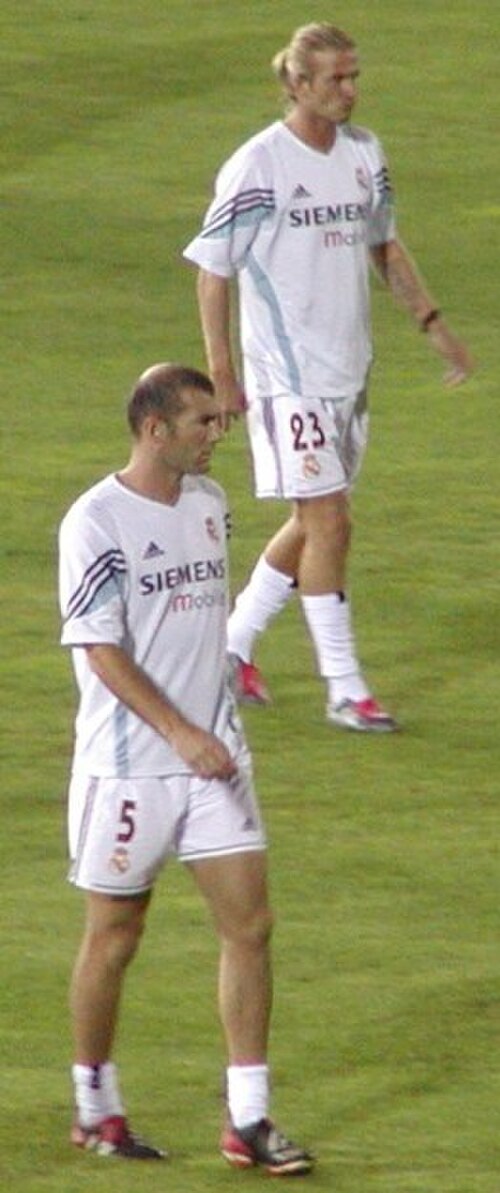
2003年のラ・リーガのタイトル獲得から数日間は論争に包まれた。最初の物議を醸した決定は、ペレスが優勝したビセンテ・デル・ボスケ監督を解任したときだった。[68]マドリードのキャプテン、フェルナンド・イエロを含む12人以上の選手がクラブを去り、守備的ミッドフィールダーのクロード・マケレレは、クラブで最も低賃金の選手の一人であることに抗議してトレーニングへの参加を拒否し、その後チェルシーへ移籍した。[69]「通常のルールでは、優勝チームを変更してはならないのに、これは[選手の]大量退団だ」とジダンは述べた。[70]カルロス・ケイロスが新任の監督に就任したレアル・マドリードは、レアル・ベティスに大勝した後、国内リーグをゆっくりとスタートさせた。[70]
2005-06シーズンは、ジュリオ・バチスタ(2400万ユーロ)、ロビーニョ(3000万ユーロ)、セルヒオ・ラモス(2700万ユーロ)といった新加入選手の獲得で幕を開けた。 [71]しかし、レアル・マドリードは、2005年11月にサンティアゴ・ベルナベウでバルセロナに0-3で敗れるなど、成績不振に陥った。[72]翌月、マドリードの監督ヴァンダレイ・ルクセンブルゴが解任され、後任にフアン・ラモン・ロペス・カロが就任した。[73]一時は復調したものの、国王杯準決勝第1戦でレアル・サラゴサに1-6で敗れ、突然の終焉を迎えた。 [74]この敗北は、ホームでの4-0の勝利でほぼ逆転した。その直後、レアル・マドリードは、今度はアーセナルに敗れ、4年連続でチャンピオンズリーグから敗退した。 2006年2月27日、フロレンティーノ・ペレスは辞任した。[75]
ラモン・カルデロン時代(2006年~2009年)
ラモン・カルデロンは2006年7月2日にクラブ会長に選出され、続いてファビオ・カペッロを新監督に、プレドラグ・ミヤトヴィッチを新スポーツディレクターに任命した。レアル・マドリードは2007年に4年ぶりにリーガのタイトルを獲得したが、カペッロはシーズン末に解任された。[76]タイトルは6月17日に獲得され、レアルはベルナベウでマジョルカと、もう1つのタイトル候補であるバルセロナとセビージャはそれぞれヒムナスティック・タラゴナとビジャレアルと対戦した。ハーフタイムの時点で、レアルは0対1で負けており、バルセロナはタラゴナで0対3とリードしていた。しかし、最後の30分で3ゴールを決め、レアルは3-1で勝利し、2003年以来のリーグタイトルを獲得した。 [77]レアル・マドリードは2007-08シーズンにリーグ優勝を連覇したが、翌シーズンはクラブ史上最悪のシーズンとなった。レアルはチャンピオンズリーグのベスト16でリバプールに合計0-5で敗れ、5年連続で敗退し、サンティアゴ・ベルナベウでバルセロナに2-6の屈辱的な敗北を喫し、バルサのリーグ優勝がほぼ確定し、その後三冠を達成した。[78]
第二次フロレンティーノ・ペレス時代(2009年~現在)
.jpg/500px-Ronaldo_vs._FC_Schalke_04_(16854146922,_cropped).jpg)
2009年6月1日、フロレンティーノ・ペレスは、クラブの衰退に対する激しい非難の中、レアル・マドリードの会長職に復帰した。[ 79] [80]ペレスは最初の任期で追求したギャラクティコス政策を継続し、ミランからカカを記録的な金額(ポンド換算)5,600万ポンドで買い取り、[81]その後、マンチェスター・ユナイテッドからクリスティアーノ・ロナウドを8,000万ポンドで買い取り、再び記録を破った。[82]レアル・マドリードは2009年の夏に2億6,100万ユーロ以上を費やし、集められたチームはすぐに第2のギャラクティコスと呼ばれるようになった。[83]しかし、 2009-10シーズンは移行期となり、マドリードは再びリーグで2位に終わったが、今回は当時のクラブ記録である96ポイントを獲得し、チャンピオンズリーグではリヨンに敗れて敗退した。このシーズンはクリスティアーノ・ロナウドの負傷により7週間の欠場を余儀なくされ[84]、それでもロナウドは33ゴールで得点ランキングのトップに立ち、レアル・マドリードは102ゴールでラ・リーガで最多得点チームとなった。レアル・マドリードはまた、ヨーロッパのトップ5リーグ史上最多ポイントで準優勝するという不運に見舞われたが、2018-19シーズンにリバプールが97ポイントを獲得してその記録を破った。[85] [86]
ジョゼ・モウリーニョが2010年5月に監督に就任した。[87] [88] 2010-11シーズン、再建されたレアルはあらゆる戦線で戦いに勝利し、サッカー史上最も偉大なチームとの見方もある素晴らしいバルセロナと互角に戦った。最終的にレアルはリーグ戦で92ポイントを獲得し、常連のライバルに4ポイント差で2位となり、国王杯決勝でレアルを破り、チャンピオンズリーグ準決勝ではバルセロナに敗れたが、レアルは2002-03年以来初めて決勝に進出した。さらに、4月16日から5月3日まで、史上初めてわずか18日間でクラシコが4試合行われるという珍しい出来事が起こった。最初の対戦は4月16日のリーグ戦(両チームにPKで1-1で終了)、2回目は4月20日の国王杯決勝(延長戦でレアル・マドリードが1-0で勝利し、第2次ガラクティコ時代で初のトロフィーを獲得)、3回目と4回目は4月27日と5月3日の物議を醸した[89] [90]チャンピオンズリーグ準決勝の2試合制(アウェー戦で2-0、ホーム戦で1-1の引き分けでバルセロナが勝利)だった。[91]レアル・マドリードは再びラ・リーガで最多得点チームとなり、前シーズンと同じ102ゴールを挙げ、ロナウドが40ゴールを決めてヨーロッパ・ゴールデンシューを獲得した。
2011–12シーズン、レアル・マドリードはクラブ史上32度目のラ・リーガ優勝を果たし、 1シーズンで100ポイント獲得、合計121得点、得失点差+89、アウェー戦16勝、合計32勝など、数々のリーグ記録を樹立してシーズンを終えた。 [92]また、UEFAチャンピオンズリーグにも15シーズン連続で出場したが、[93]準決勝でバイエルン・ミュンヘンに合計3-3の引き分けの末、PK戦で敗れた。マドリードはディフェンディングチャンピオンとして国王杯に出場したが、準々決勝でバルセロナに合計3-4で敗れた。同シーズン、クリスティアーノ・ロナウドはスペインリーグ史上最速で100得点に到達した選手となった。 92試合で101ゴールを達成したロナウドは、レアル・マドリードの伝説的選手フェレンツ・プスカシュの105試合で100ゴールという記録を上回った。ロナウドは、1年間で獲得した個人ゴール数(60)のクラブ新記録を樹立し、1シーズンで対戦チーム19チームすべてから得点を挙げた初の選手となった。[94] [95]
レアル・マドリードは2012-13シーズンを、アウェーゴール差でバルセロナを破ってスーペルコパ・デ・エスパーニャで優勝してスタートした。しかし、全勝に近かったにもかかわらず、スーパーカップがシーズン唯一のトロフィーとなった。レアルはラ・リーガでバルセロナに次ぐ準優勝で85ポイントを獲得し、UEFAチャンピオンズリーグでは3年連続で準決勝に進出したが、合計スコア3-4でボルシア・ドルトムントに敗れた。マドリードはコパ・デル・レイでもベスト32に進出し、決勝まで記憶に残る活躍を見せ、準決勝でバルセロナを破ったが、延長戦でアトレティコ・マドリードに1-2で敗れた。レアル・マドリードはシーズンを通してバルサと6回対戦し、3勝2引き分け1敗だった。このシーズンの大きな移籍は、トッテナム・ホットスパーからルカ・モドリッチを3300万ポンド前後の移籍金で獲得したことだった。[96]コパ・デル・レイ決勝でアトレティコに敗れた後、ペレスは「双方合意」によりシーズン末にジョゼ・モウリーニョの退任を発表した。[97]
ラ・デシマチャンピオンズリーグの支配
.jpg/500px-Final_Champions_League_2014_Real_Madrid_-_Atl%C3%A9tico_de_Madrid_(14081181609).jpg)
2013年6月25日、カルロ・アンチェロッティがモウリーニョの後任としてレアル・マドリードの監督に就任し、3年契約を結び、ジネディーヌ・ジダンがアシスタントの一人に指名された。[98] 2013年9月1日、待望のガレス・ベイルのトッテナム・ホットスパーからの移籍が発表された。ウェールズ人の移籍は移籍金がおよそ1億ユーロとされ、世界新記録の移籍と報じられた。[99]アンチェロッティがクラブでの最初のシーズン、レアル・マドリードは大陸三冠を目指して3つの戦線すべてで戦った。複数回リーグ戦で首位に立ったにもかかわらず、マドリードは最終的に合計87ポイントを獲得し、記録的な104ゴールを決めて3位に終わった(バルセロナと勝ち点で並び、同じ都市のライバルであるアトレティコ・マドリードに3点差)。[100]その頃、レアルはライバルのバルセロナを相手に4月にコパ・デル・レイの優勝を決めており、ベイルが決勝点を挙げた。 [101]大きな躍進はUEFAチャンピオンズリーグで訪れ、レアルは準決勝で前年王者のバイエルン・ミュンヘンを合計スコア5-0で破り、12年ぶりに決勝に進出した。 [102]決勝では、当時リーグ優勝したばかりのアトレティコ・マドリードを延長戦4-1で破り、10度目のヨーロッパカップ(2002年以来)を獲得し、ヨーロッパカップ/チャンピオンズリーグのタイトルを10回獲得した初のチームとなり、「ラ・デシマ」(スペイン語で「10度目」[la ˈðeθima])として知られる偉業を達成した。[103]ベイル、ベンゼマ、クリスティアーノのBBCと呼ばれたレアルの攻撃トリオは、97ゴールでシーズンを終えた。[104]
2014年のチャンピオンズリーグで優勝した後、レアル・マドリードはゴールキーパーのケイラー・ナバス、ミッドフィールダーのトニ・クロース、攻撃的ミッドフィールダーのハメス・ロドリゲスと契約した。[105] 8月、マドリードはセビージャを破って2014 UEFAスーパーカップで優勝し、クラブの79回目の公式トロフィーを獲得した。[106] 2014年の夏の移籍期間の最後の週に、レアル・マドリードは前シーズンの成功の鍵となった2人の選手を売却した。シャビ・アロンソをバイエルン・ミュンヘンに、アンヘル・ディ・マリアをマンチェスター・ユナイテッドに売却した。クラブのこの決定は論争を巻き起こし、クリスティアーノ・ロナウドは「私が指揮を執っていたら、おそらく違うやり方をしていただろう」と述べ、カルロ・アンチェロッティは「ゼロからやり直さなければならない」と認めた。[107]
2014-15シーズンの出だしは出遅れたものの、レアル・マドリードはバルセロナとリバプールに勝利するなど記録破りの22連勝を記録し、 2005-06シーズンにフランク・ライカールト率いるバルセロナが樹立した18連勝というスペイン記録を上回った。[108] 12月下旬、レアル・マドリードは決勝でサン・ロレンソを2-0で破り、初のクラブワールドカップ優勝を果たした。[109] 2015年の開幕戦でバレンシアに敗れて連勝は途切れ、クラブは24連勝の世界記録に2勝届かなかった。[110]マドリードは最後までラ・リーガとUEFAチャンピオンズリーグの両方のタイトルを争っていたが、最終的にはリーグ戦で92ポイント、三冠を達成したバルセロナに2ポイント差で終わり、チャンピオンズリーグ準決勝では合計スコア2-3でユヴェントスに敗れた。 [111]ロナウドはリーグ戦で48ゴールを決めて4度目のヨーロッパ・ゴールデンシューを獲得し、全大会で61ゴールを決め、2011年から2012年までの記録を更新してシーズンを終えた。 [112]全体的に、魅力的な攻撃的なサッカーを展開し、リーグ戦で118ゴールを挙げてヨーロッパで最も得点の高いチームとなったにもかかわらず、[113]数回の僅差の敗北により、レアルは獲得可能な6つのトロフィーのうち2つしか獲得できず、2015年5月25日にカルロ・アンチェロッティが解任された。[114] [115]
2015年6月3日、ラファエル・ベニテスが2015-16シーズンのレアル・マドリードの新監督に就任することが確認され、3年契約にサインした。[116]レアル・マドリードはリーグ戦で無敗を保っていたが、第11節のセビージャ戦で2-3で敗れた。その後、シーズン最初のクラシコでバルセロナにホームで0-4で敗れた。おそらく、彼の統治で最も記憶に残るのは、リーガ・エスパニョーラとチャンピオンズリーグの両方で達成した複数の一方的な勝利(エスパニョール戦で6-0 、マルメ戦で8-0、ラージョ・バジェカーノ戦で10-2など)であろう。国王杯ベスト32では、レアルはカディスでの第1戦で3-1の勝利を収めたが、誤って資格のない選手を出場させてしまい、ペレス会長の抗議にもかかわらず、2日後に競技審判員によって大会から失格となった。[117] [118] [119]その一方で、マドリードは16ポイントと+16の得失点差で、楽々とUCLグループのトップに立った。ベニテスは、サポーターの不人気、選手への不満、トップチームに対して良い結果を出せなかったことなどの申し立てを受けて、2016年1月4日に職務を解かれた。 [120]ベニテスの退任は、ジネディーヌ・ジダンが初の監督職に昇格したことと同時に発表された。[121]ジダンの下で、マドリードは予想外の勝利を収め、最終的にチャンピオンズリーグで優勝するという、誰も予想していなかった結果を残し、状況を改善した。注目すべき結果には、記録破りの連勝を続けていた現三冠王バルセロナに対するアウェー戦での2-1の勝利、チャンピオンズリーグ準々決勝でのヴォルフスブルクに対する素晴らしい逆転劇(アウェー戦で0-2で敗れた後、レアルはクリスティアーノ・ロナウドのハットトリックのおかげで点差を覆し、ホームで3-0で勝利)、そしてリーグ戦を締めくくる12連勝があり、レアルは90ポイントで2位を終え、チャンピオンズリーグ優勝のバルセロナにわずか1ポイント差で、12ポイントの点差を覆してタイトル獲得にあと少しのところまで迫った。[122]そして最後に、5月28日、レアル・マドリードは決勝で1-1の引き分けからライバルのアトレティコ・マドリードとのPK戦で5-3の勝利を収め、11回目のチャンピオンズリーグタイトルを獲得し、この偉業は「ラ・ウンデシマ(11度目の快挙)」と呼ばれた。[123] [124] [115]
.jpg/500px-Felicidades_al_Real_Madrid,_campe%C3%B3n_de_liga_(34014774163).jpg)
レアル・マドリードは、ジダンが指揮を執る最初のフルシーズンとなる2016-17シーズンを、 2016 UEFAスーパーカップのセビージャ戦での勝利でスタートさせた。[125] 2016年12月10日、マドリードは35試合連続で負けなしを達成し、クラブ新記録を樹立した。[126] 2016年12月18日、クラブは2016 FIFAクラブワールドカップ決勝で日本の鹿島アントラーズを4-2で破った。[127] 2017年1月12日、コパ・デル・レイ・ラウンド16の第2戦でセビージャと3-3で引き分け、マドリードは合計6-3の勝利で準々決勝に進出し、無敗記録を40試合に伸ばし、前シーズンのバルセロナのスペイン全大会での無敗記録39試合を破った。[128] 3日後、ラ・リーガで同じ相手に1-2で敗れ、無敗記録は途絶えた。 [129]その後、チームはコパ・デル・レイでセルタ・ビーゴに合計3-4で敗退した。しかし、これらの失敗はシーズン全体の軌道には影響しなかった。5月、マドリードはリーグタイトルを記録的に33回目、5年ぶりのタイトルを獲得し、その過程で93ポイントを獲得した。[130] 2017年6月3日、クラブはチャンピオンズリーグ決勝でユヴェントスに勝利し、レアル・マドリードはUEFAチャンピオンズリーグ時代にタイトルを防衛した最初のチームとなり、大会がヨーロピアン・カップとして知られていた1989年と1990年のミラノ以来、この大会で連覇した最初のチームとなった。 [131] [132]レアル・マドリードのタイトルは記録を更新する12回目、4年で3回目となった。この偉業は「ラ・ドゥオデシマ(12度目の優勝)」としても知られている。[133] 2016-17シーズンは、レアル・マドリードの歴史上、獲得トロフィー数(5つ中4つ)において最も優れたシーズンとなり、この偉業は後に2017-18シーズンにも達成された。[134]
レアルは2017-18シーズンの開幕戦でマンチェスター・ユナイテッドに2-1で勝利し、2年連続、通算4度目のUEFAスーパーカップ優勝を果たした。[ 135 ] 5日後、レアル・マドリードはカンプ・ノウで行われた2017年スーパーカップ・デ・エスパーニャの第1戦でバルセロナを3-1で破り、第2戦ではバルサを2-0で破り、エル・クラシコでの24試合連続得点記録を終わらせ、シーズン2つ目のトロフィーを獲得した。[136] 2017年12月16日、レアルはFIFAクラブワールドカップ決勝でブラジルのクラブ、グレミオを1-0で破り、トロフィーを防衛した初のチームとなった。[137] 2017-18シーズンのUEFAチャンピオンズリーグでは、レアル・マドリードは再び決勝に進出し、リヴァプールを3-1で破り、チャンピオンズリーグ時代に3連覇を果たした初のクラブとなった。また、1976年のバイエルン・ミュンヘン以来、ヨーロッパカップ/チャンピオンズリーグで3連覇を果たした初のチームとなった。このトロフィーは、レアル・マドリードにとって5年間で4度目の優勝と、8回連続の準決勝進出を意味した。5月31日、決勝戦での勝利からわずか5日後、ジダンはレアル・マドリードの監督を辞任すると発表した。辞任の理由として、クラブの「変化の必要性」を挙げた。[138] [139]ジダンとロナウドの退団は、チャンピオンズリーグ4回、リーガ・エスパニョーラ2回、国王杯2回、スーペルコパ・デ・エスパーニャ2回、UEFAスーパーカップ3回、FIFAクラブワールドカップ3回の優勝をもたらした第二次銀河系時代の終焉を告げた。チームは、バルセロナが史上最高の才能の集まりを誇っていたにもかかわらず、バルセロナの支配に終止符を打つ上で重要な役割を果たし、[140]ヨーロッパの舞台でカタルーニャ人を影に落とした。[141]レアル・マドリードは、この9年間のリーグ戦でやや不運なことでも知られており、96、92(2回)、90ポイントで準優勝し、87ポイントで3位となり、リーグ優勝チームからわずか3ポイント差だった。[86]
ロナウドの退団後

2018年6月12日、レアル・マドリードはスペイン代表のヘッドコーチであるフレン・ロペテギを新監督に指名した。2018 FIFAワールドカップ後に正式に監督に就任すると発表された。しかし、スペイン代表は大会前日にロペテギがクラブに知らせずに条件交渉を行ったとして解雇した。[142] [143]その後、クラブは2018年夏にチームの再編を開始し、その中にはクリスティアーノ・ロナウドを1億1,700万ユーロでユヴェントスに売却することが含まれていた。[144]マドリードは2018-19シーズンの開幕戦で、 2018 UEFAスーパーカップでアトレティコ・マドリードに延長戦2-4で敗れた。 10月28日のクラシコでバルセロナに1-5で敗れ、レアル・マドリードは10試合を終えてわずか14ポイントで9位となった後、ロペテギは翌日に解任され、当時カスティージャの監督だったサンティアゴ・ソラーリが後任に就いた。[145] 2018年12月22日、レアル・マドリードはFIFAクラブワールドカップでアル・アインに4-1で勝利し、4回の優勝でクラブワールドカップの史上最多優勝者となった。[146]しかし、その後、コパ・デル・レイでは準決勝でバルセロナに合計スコア1-4で敗退した。 2019年3月5日、レアルはホームでアヤックスに1-4(合計スコア3-5)で敗れ、8回連続で準決勝に進出した後、チャンピオンズリーグのベスト16で敗退した。 2019年3月11日、レアル・マドリードはソラーリを解任し、ジダンを監督に復帰させた。[147]マドリードは68ポイントと+17のゴール差でシーズンを終えたが、これはそれぞれ2001-02年と1999-2000年以来の最低記録だった。[148]
2019年の夏、レアル・マドリードはエデン・アザール、ルカ・ヨビッチ、エデル・ミリトン、フェルランド・メンディ、ロドリゴ、ヘイニエルなどの選手を総額3億5000万ユーロ以上で獲得した。[149] 2020年1月12日、レアル・マドリードはスーペルコパ・デ・エスパーニャ決勝でライバルのアトレティコ・マドリードをPK戦で破り、11回目の優勝を果たした。[150] 2020年3月のCOVID-19の発生による3か月の中断の後、ラ・リーガは6月に再開され、レアル・マドリードは10連勝してチームにとって34回目のリーグ優勝を果たし、合計87ポイントを獲得した。[151] 6月のリーグ再開から2020-21シーズン終了まで、レアルは暫定的にアルフレッド・ディ・ステファノ・スタジアムでホーム試合を行い、サンティアゴ・ベルナベウは大規模な改修工事が行われていた。[152] [153]
国内でのさらなる成功とラ・デシモクアルタ
.jpg/500px-Ofrenda_de_la_Liga_y_la_Champions-57-L.Mill%C3%A1n_(52109310843).jpg)
ジダンは2021年5月27日に2度目の退任を果たし、そのシーズンに無冠に終わった後[154]、カルロ・アンチェロッティが2021-22シーズンのチーム監督に復帰した。[155]国内では、リーガ・エスパニョーラとスペイン・スーペルコパで優勝し、3つのタイトルのうち2つを獲得した。[156] [157] [158]こうして、アンチェロッティはマドリードで獲得可能な6つのトップトロフィー全てを獲得した。[159]チャンピオンズリーグでは、レアルは史上最も記憶に残る連勝を記録し、[160]大会前の優勝候補だったパリ・サンジェルマン、[161] [162] ディフェンディングチャンピオンで優勝候補のチェルシー、[163] プレミアリーグチャンピオンで大本命のマンチェスター・シティ、[164]を劇的な形で破り、[165]決勝では再び優勝候補と目されていたリヴァプールと対戦し、[ 166] 2018年の再戦を果たした。ヴィニシウス・ジュニオールのたった1ゴールでレアルは14度目のヨーロピアン・チャンピオンズカップ優勝を決めた。これは9年で5度目、アンチェロッティ監督就任後2度目となる。[167] [168]レアルは4度目のヨーロッパ二冠も達成した(1956–57年、1957– 58年、2016–17年に続く)。レアルはチャンピオンズリーグ史上最も多くのタイトルを獲得したチームであるにもかかわらず、その年の大会で優勝する可能性は低く、彼らの信じられないような活躍は広く驚きとみなされた。[169]
さらに成功し、ラ・デシモキンタ
2021–22シーズンの大成功を収めた後、レアル・マドリードはドイツ人DFアントニオ・リュディガーとフランス人MFオーレリアン・チュアメニと契約し、一方でクラブのレジェンドであるマルセロ、イスコ、ガレス・ベイル、カゼミーロはクラブを去った。レアル・マドリードの2022–23シーズンは、 UEFAスーパーカップ、その後FIFAクラブワールドカップの優勝で幕を開けた。シーズンは、レアル・マドリードが2022–23年国王杯で優勝したものの、リーガ・エスパニョーラとスペイン・スーパーカップでFCバルセロナに、チャンピオンズリーグでマンチェスター・シティに合計5対1で敗れ、終了した。
2023年、レアル・マドリードはジュード・ベリンガムと契約し、ジネディーヌ・ジダンが以前使用していた背番号5番のユニフォームを与えられた。レアルはアルダ・ギュレルとフラン・ガルシアも契約した。一方、ヴィニシウス・ジュニオールにはラウールとクリスティアーノ・ロナウドが以前使用していた背番号7番のユニフォームが与えられ、ロドリゴにはガレス・ベイルが以前使用していた背番号11番のユニフォームが与えられた。カリム・ベンゼマはクラブを去り、トニ・クロースは後に今シーズンを最後にサッカーから引退することを発表した。
2023-24シーズンは、レアル・マドリードにとってまたしても大成功を収めたシーズンとなった。まず、レアル・マドリードはバルセロナを相手にスペイン・スーパーカップを4-1で制し、前年の3-0の敗北のリベンジを果たした。次に、レアル・マドリードは比較的楽にラ・リーガを制し、勝ち点95に到達した。これは、2011-12年の100ポイントシーズンに次ぐ、レアル・マドリードのラ・リーガ史上2番目に多い勝利数である。2023-24年のUEFAチャンピオンズリーグでは、レアル・マドリードはラウンド16でRBライプツィヒを、そしてPK戦で前回王者のマンチェスター・シティを破った。
準決勝では、レアル・マドリードは再びバイエルン・ミュンヘンと対戦した。最初の試合は2対2の引き分けだったが、ベルナベウで行われた2戦目では、試合終了数分前にホセルが2得点を挙げ、バイエルン・ミュンヘンは1対0でリードしていたが、歴史的な逆転劇を喫した。レアル・マドリードは決勝でボルシア・ドルトムントと対戦し、2対0で勝利した。ダニ・カルバハルがマン・オブ・ザ・マッチに選ばれ、トニ・クロースのコーナーキックからヘディングシュートで得点し、ヴィニシウス・ジュニオールが再びチャンピオンズリーグ決勝で得点した。レアル・マドリードは、このシーズン、1試合も負けずに15回目のチャンピオンズリーグ優勝を果たした。
2023-24シーズン終了後、レアル・マドリードはストライカーのキリアン・ムバッペが2024年7月にパリ・サンジェルマンからフリートランスファーでクラブに加入することを発表し、近代史上最も期待されていた移籍物語の一つを完結させた。[170]
紋章と色彩
紋章
-
 1902
1902 -
 1908
1908 -
 1920
1920 -
 1931
1931 -
 1941
1941 -
2001
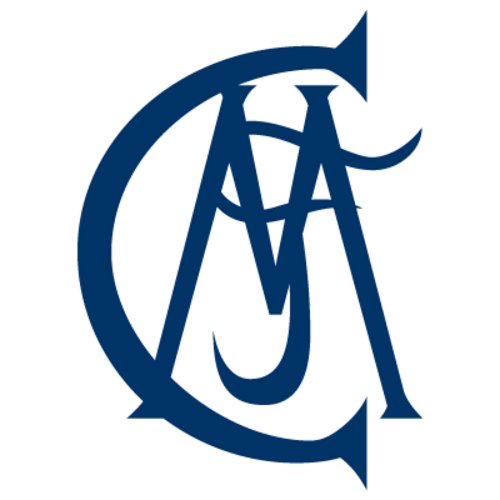
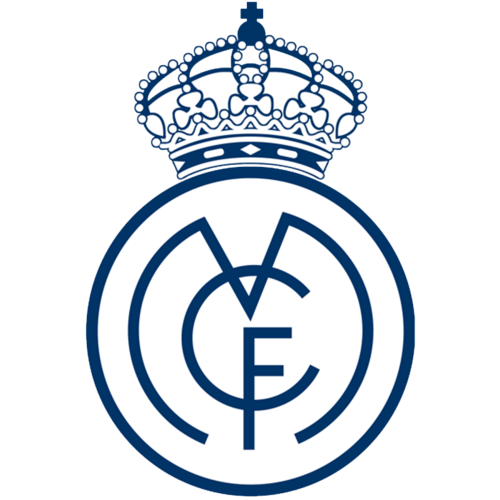
最初の紋章は、クラブの頭文字「MCF」(マドリード・クラブ・デ・フットボール)を白のシャツに濃紺で装飾的に織り交ぜたシンプルなデザインだった。紋章の最初の変更は1908年に行われ、文字がより流線型になり、円の中に表示されるようになった。[171]紋章の構成の次の変更は、ペドロ・パラヘスが会長に就任した1920年まで行われなかった。当時、国王アルフォンソ13世はクラブに王室の支援を与え、「王室」を意味する「レアル・マドリード」という称号を与えた。[172]こうして、アルフォンソの王冠が紋章に追加され、クラブはレアル・マドリード・クラブ・デ・フットボールと名乗るようになった。[171]
1931年の王政の崩壊とともに、すべての王室のシンボル(紋章の王冠とレアルの称号)が廃止された。王冠はカスティーリャ地方の濃い桑の実の帯に置き換えられた。[37] 1941年、内戦で国民党が勝利した2年後、フランコ政権は紋章の「レアル・コロナ」、つまり「王冠」を復活させたが、カスティーリャ地方の桑の実の帯も保持された。[173] [45]さらに、紋章全体がフルカラーになり、金色が最も目立つようになり、クラブはレアル・マドリード・クルブ・デ・フットボールという敬称に戻った。[171]紋章の最新の変更は、クラブが21世紀に向けてより良い位置付けをし、紋章をさらに標準化したいと考えた2001年に行われた。行われた変更の1つは、桑の実の帯をより青みがかった色に変更することだった。[171]
色

ウィキメディア・コモンズには、レアル・マドリードCFのユニフォーム(1902年~2000年)に関連するメディアがあります。
ウィキメディア・コモンズには、レアル・マドリードCFのユニフォーム(2000年~現在)に関連するメディアがあります。
.jpg/500px-Real_Madrid_(1964).jpg)
レアル・マドリードは、クラブの歴史を通じてホームユニフォームに白シャツを採用してきた。しかし、シャツとショーツの両方が白ではなかったシーズンが1シーズンあった。これは、フアン・パドロスが旅行中に出会った、当時最も有名なチームの一つで、その優雅さとスポーツマンシップで知られていたイングランドのチーム、コリンチャンスに敬意を表して始めた取り組みだった。 [32]レアル・マドリードは、マドリードのオリジナルの白いユニフォームにも影響を与えたイングランドチームを真似て、黒いショーツを着用することに決定したが、この取り組みはわずか1年しか続かなかった。マドリードで1-5で敗れ、カタルーニャで2-0で敗れ、カップ戦からバルセロナに敗退した後、パラヘス会長は、他のユニフォームは不運をもたらすと主張して、オールホワイトのユニフォームに戻すことを決定した。[注 3] 1940年代初頭までに、監督は再びユニフォームを変更し、シャツにボタンを追加し、左胸にクラブの紋章を追加した。これはそれ以来変わっていない。 1947年11月23日、メトロポリターノスタジアムでのアトレティコマドリードとの試合で、レアルマドリードは背番号付きのシャツを着用した最初のスペインチームとなった。 [45]イングランドのクラブ、リーズユナイテッドは、1960年代に当時のレアルマドリードを模倣して、青いシャツを白いシャツに永久に変更した。[174]
レアルの伝統的なアウェーカラーはすべて青かすべて紫である。レプリカキット市場の出現以来、クラブは赤、緑、オレンジ、黒を含む様々な単色デザインもリリースしている。クラブのキットはアディダスによって製造されており、契約は1998年から延長されている。[175] [176]レアル・マドリードの最初のシャツスポンサーであるザヌーシは、1982-83、1983-84、1984-85シーズンに同意した。その後、クラブはパルマラットとオタイサのスポンサーを受け、 1992年にテカと長期契約を結んだ。[177] [178] 2001年、レアル・マドリードはテカとの契約を1シーズン終了し、Realmadrid.comのロゴをクラブのウェブサイトの宣伝に使用した。その後、2002年にシーメンスと契約が締結され、2006年にはベンキューシーメンスのロゴがクラブのシャツに登場した。[179]ベンキューシーメンスの経営問題を受けて、2007年から2013年までレアル・マドリードのシャツスポンサーはbwin.comだった。 [180] [181]フライエミレーツは2013年にシャツスポンサーとなり、2017年にクラブは同航空会社とのスポンサー契約を更新し、2022年まで年間7000万ユーロの契約を結んだ。[182] 2022年に契約は再度延長され、2026年までとなった。 [183] 2015年、マドリードはアディダスと新たに10年契約を締結した。総額は8億5000万ポンド(10億ユーロ)とされ、クラブはシーズンあたり5900万ポンド(6400万ユーロ)の収入を見込んでいる。契約には、レアル・マドリードがヨーロッパの大会に出場できなかったり、ラ・リーガから降格したりした場合には、いつでも罰金を科したり契約を解除したりできる条項が含まれている。[184]
キットサプライヤーとシャツスポンサー
.jpg/500px-Shahter-Reak_M_2015_(10).jpg)
キットディール
注: 早期解約条項は、チームのパフォーマンスに応じていつでも発動される可能性があります。
敷地
 | |
| 容量 | 85,000 [8] |
|---|---|
| フィールドサイズ | 107メートル×72メートル(351フィート×236フィート)[188] |
| 工事 | |
| 地盤を固める | 1944年10月27日 |
| オープン | 1947年12月14日 |
| 建築家 | マヌエル・ムニョス・モナステリオ、ルイス・アレマニー・ソレール、アントニオ・ラメラ |
いくつかのスタジアムを転々とした後、チームは1912年にカンポ・デ・オドネルに移転し、11年間ここをホームスタジアムとした。[34]この期間の後、クラブは1年間、収容人数8,000人の小さなスタジアムであるカンポ・デ・シウダー・リネアルに移転した。その後、レアル・マドリードはエスタディオ・チャマルティンでホーム試合を行うようになり、1923年5月17日のニューカッスル・ユナイテッドとの試合で開場した。[189] 22,500人の観客を迎えたこのスタジアムで、レアル・マドリードは初のスペインリーグ優勝を祝った。[36] 1943年の選挙後、サンティアゴ・ベルナベウ会長はチャマルティンはクラブの野望を満たすには規模が小さすぎると判断し、新しいスタジアムが建設され、1947年12月14日に開場した。[45] [190]当初はヌエボ・チャマルティンとして知られていたこのスタジアムは、1955年にベルナベウに敬意を表して改名され、現在までその名前を冠し続けている。[46]ベルナベウでの最初の試合は、マドリードとポルトガルのクラブ、ベレネンセスの間で行われ、ロス・ブランコスが3-1で勝利し、サビーノ・バリナガが最初のゴールを決めた。[45]
収容人数は頻繁に変更されており、1953年の拡張後には12万人に達した。[191]それ以降、近代化により何度か縮小されたが(最後のスタンディングエリアは、ヨーロッパの大会での試合での立ち見を禁じたUEFAの規則に対応して1998~99年に撤去された)、ある程度は拡張によって相殺された。[191]現在の収容人数は81,044人である。レアル・マドリードは、ボルシア・ドルトムント、バルセロナ、マンチェスター・ユナイテッドに次いで、ヨーロッパで4番目に高い平均観客動員数を誇っている。[192] [193] [194] [195]
ベルナベウでは、1964年のUEFA欧州選手権決勝、1982年のFIFAワールドカップ決勝、1957年、1969年、1980年、2010年のヨーロッパカップ/チャンピオンズリーグ決勝が開催されました。[196]スタジアムには、10号線沿いに同名のマドリード地下鉄駅があります。 [197] 2007年11月14日、ベルナベウはUEFAによってエリートサッカースタジアムに昇格しました。[198]
2006年5月9日、クラブの伝説的人物アルフレド・ディ・ステファノにちなんで名付けられたアルフレド・ディ・ステファノ・スタジアムが、レアル・マドリードが普段練習しているレアル・マドリード・シティーにオープンした。オープン戦はレアル・マドリードとランスの間で行われ、 1956年のヨーロッパカップ決勝の再戦となった。レアル・マドリードが6対1で勝利し、セルヒオ・ラモス、アントニオ・カッサーノ(2)、ロベルト・ソルダード(2)、ホセ・マヌエル・フラードが得点した。この会場は現在、マドリード郊外バルデベバスにあるクラブの練習施設、シウダー・レアル・マドリードの一部となっている。スタジアムの収容人数は5,000人で、レアル・マドリード・カスティージャのホームグラウンドとなっている。[199] 2019-20シーズン後半から2020-21シーズンにかけて、COVID-19パンデミックによる制限とサンティアゴ・ベルナベウの大規模な改修工事により、このスタジアムはトップチームのホームゲームを開催した。 [200] [153]
サンティアゴ・ベルナベウの最新の改修では、観客席を1階増設することで収容人数が約4,000人増加し、約85,000人となる予定である。[201] [202]さらに、高さも10メートル増加し、開閉式屋根、開閉式ピッチ、360度スクリーンが設置される。[203] [204]工事は2019年に開始され、改修されたスタジアムは当初2022年に公開される予定であったが、COVID-19パンデミックとロシアのウクライナ侵攻によりサプライチェーンに大きな混乱が生じ、クラブはスタジアムの開場を2023年に延期した。[205] [206]
記録と統計
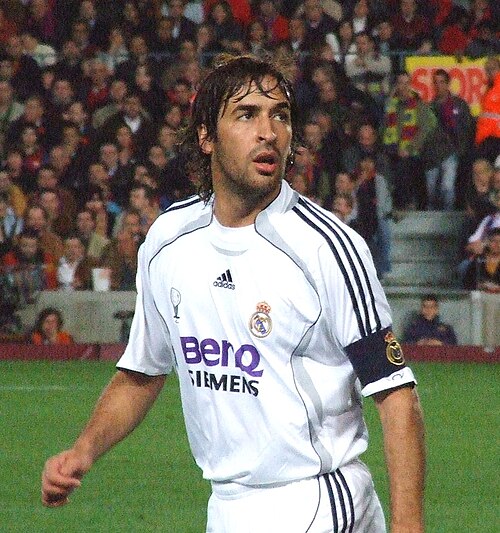
ラウールはレアル・マドリードでの最多出場記録を保持しており、1994年から2010年の間にトップチームで741試合に出場している。2位はイケル・カシージャスで725試合出場、 3位はマヌエル・サンチス・ジュニアで710試合出場である。 [207]ゴールキーパーの記録はイケル・カシージャスの725試合出場である。クリスティアーノ・ロナウドは63ゴールで、クラブでプレーしている間に最も多くの国際ゴールを決めている。一方、セルヒオ・ラモスは176キャップで、クラブでプレーしている間に最も多くのキャップを獲得している。

クリスティアーノ・ロナウド(2009–2018)は、レアル・マドリードの歴代最多得点選手であり、438試合で450ゴールを挙げている。[208] [209]レアルで200ゴール以上を挙げた選手は他に6人いる:アルフレド・ディ・ステファノ(1953–1964)、サンティリャーナ(1971–1988)、フェレンツ・プスカシュ(1958–1966)、ウーゴ・サンチェス(1985–1992)、カリム・ベンゼマ(2009–2023)、そしてこれまでの最多得点記録保持者であるラウール(1994–2010)である。クリスティアーノ・ロナウドはまた、1シーズンでの最多リーグ得点記録(2014–15年の48得点)を保持しているほか、ラ・リーガの歴史上、レアルの歴代最多得点選手( 311ゴール)でもある。ディ・ステファノの58試合での49ゴールは、何十年にもわたりヨーロッパカップの歴代最多得点だったが、2005年にラウールに抜かれ、現在はクリスティアーノ・ロナウドがマドリードで105ゴール、全体で140ゴールを挙げて記録を保持している。クラブ史上最速のゴール(13秒)は、1994年9月3日のリーグ戦でセビージャと対戦した際にチリ人のイバン・サモラノが決めたものである。[210]
公式には、レアル・マドリードのホームでの観客動員数の最多は1956年のヨーロッパカップのミラン戦の129,690人である。サンティアゴ・ベルナベウの現在の公式収容人数は80,000人である。[211]レアルはスペインサッカーでも記録を打ち立てており、最も有名なのは国内タイトル獲得数(2023–24年時点で36)と連勝シーズン数(1960–65年と1985–90年の5シーズン)である。[1] 121試合(1957年2月17日から1965年3月7日まで)で、クラブはラ・リーガのホームでの無敗記録を保持している。[212]
.jpg/500px-Gareth_Bale_2015_(9).jpg)
また、同クラブはヨーロッパカップ/UEFAチャンピオンズリーグで15回優勝した記録[213]と、準決勝最多出場(33)の記録を保持している。2024年6月現在、クリスティアーノ・ロナウドはUEFAチャンピオンズリーグの歴代最多得点選手であり、通算140ゴール(予選を含めると141ゴール)を挙げており、そのうち105ゴールはレアル・マドリードでのプレー中である。チームはヨーロッパカップ(チャンピオンズリーグになる前)の連続出場記録を1955–56年から1969–70年まで15回保持している。[214]クラブのフィールド上の記録の中には、 2014–15シーズンの全大会での22連勝があり、これはスペイン記録である。 2017年9月、同クラブはペレが率いるブラジルのクラブ、サントスの記録に並ぶ73試合連続得点を挙げたが、 2021年にはバイエルン・ミュンヘンがこの記録を破った。[215]
2009年6月、クラブはマンチェスター・ユナイテッドのスター、クリスティアーノ・ロナウドを9400万ユーロ( 8000万ポンド)で獲得し、サッカー史上最高額の移籍金の記録を更新した。 [216] [217] 2001年にジネディーヌ・ジダンがユヴェントスからレアル・マドリードに移籍した際の移籍金7750万ユーロ(1000億リラ)が、それまでの最高移籍金であった。この記録(ポンド建て)は、2009年6月にレアル・マドリードがミランからカカを6700万ユーロ(6500万ポンド)で獲得することに合意した際に数日間破られていた。 2013年のトッテナム・ホットスパーのギャレス・ベイルの移籍は、移籍金が約1億ユーロと推定され、新たな世界記録の契約となったと報じられている。[99] 2016年1月、ベイルの移籍に関する文書が漏洩し、世界記録の移籍金1億75万9418ユーロが確認された。[218]レアル・マドリードは2019年にエデン・アザールをチェルシーから1億1500万ユーロで獲得し、クラブの記録的な移籍金に並んだ。[219]クラブの記録的な売却は2018年7月10日に行われ、ユヴェントスがクリスティアーノ・ロナウドを1億1700万ユーロで獲得した。[220]
サポート

ホーム試合の大半では、スタジアムの座席の大半はシーズンチケット保有者で占められており、その数は65,000人に制限されている。[221]シーズンチケット保有者になるには、まずソシオ(クラブ会員)になる必要がある。会員に加えて、クラブにはスペイン国内および世界中に1,800以上の ペーニャ(クラブ公式サポーターグループ)がある。レアル・マドリードはスペインサッカー史上2番目に平均観客動員数が多く、ベルナベウには定期的に74,000人以上のファンが訪れる。世界で最も支持されているチームの1つであるレアル・マドリードは、2017年4月にFacebookで1億人のファンに到達した最初のスポーツチーム(および最初のブランド)となった。[222] [223]
レアル・マドリードの熱狂的なサポーターは、いわゆるウルトラス・スール、または単にウルトラスと呼ばれている。彼らは極右の政治思想で知られ、バルセロナの熱狂的なサポーター集団ボイショス・ノイスに似ている。ウルトラス・スールは他の右翼団体、特にラツィオ ・イリドゥシビリのファンと同盟を組んでいるが、左翼団体とも同盟を組んでいる。彼らは何度か相手チームの選手を人種差別的に罵倒しており、UEFAの調査対象となっている。[224] [225] フロレンティーノ・ペレスは、自らベルナベウからウルトラスを締め出し、彼らの座席を一般観客に割り当てた。しかし、この決定はベルナベウのファンの間で物議を醸した。試合の活気ある雰囲気が損なわれることになるからだ。[226] [227]ウルトラスはそれ以来ベルナベウの外で抗議活動を行い、復帰と敷地内への入場許可を求めている。[228]
2014年FIFAクラブワールドカップ決勝の対戦相手がサン・ロレンソであるとフランシスコ法王が固執していることについて質問されたレアル・マドリードのキャプテン、セルヒオ・ラモスは、「準決勝ではマラケシュのサポーターの愛情に気づき、まるで地元でプレーしているようでした。それがこのチームの素晴らしさを物語っています。レアル・マドリードは神のチームであり、世界のチームです」と述べた。[229]クラブの有名なサポーターの一人はゴルフ選手のセルヒオ・ガルシアで、 2017年のマスターズ優勝時に着たグリーンジャケットを着て、ベルナベウでのエル・クラシコの名誉キックオフに招待された。[230]
ライバル関係
エル・クラシコ
.jpg/500px-Control_de_Sergio_(5628131065).jpg)
国内リーグでは、最強の2チームの間で激しいライバル関係が築かれることが多いが、特にリーガ・エスパニョーラでは、レアル・マドリードとバルセロナの試合は「ザ・クラシック」(エル・クラシコ)として知られている。国内大会が始まった当初から、両クラブはスペインの2つのライバル地域、カスティーリャとカタルーニャ、そして2つの都市の代表と見なされていた。このライバル関係は、カスティーリャ人とカタルーニャ人の間に感じられる政治的、文化的緊張を反映していると多くの人が考えており、ある著者はこれをスペイン内戦の再現とみなしている。[231]レアル・マドリードとバルセロナの長年にわたる記録は、マドリードが100勝、バルセロナが97勝、引き分けが52回である。[232]
.jpg/500px-Real_Madrid_-_Bar%C3%A7a_(3495454182).jpg)
バルセロナは1930年代初頭から「マドリードの中央集権化傾向に反対するカタルーニャのアイデンティティの象徴としての評判を築いてきた」。[234] [235]ミゲル・プリモ・デ・リベラ、特にフランシスコ・フランコの独裁政権下では、スペインのすべての地方言語とアイデンティティは嫌われ、抑制された。そのため、バルセロナのほとんどの市民はフランコ政権に強く反対していた。その時期、バルセロナはカタルーニャ民族主義と進歩主義的信念との関連が疑われ、 「Més que un club」(クラブ以上)というモットーを獲得した。[236]
フランコ統治(1939-75)がバルセロナとレアル・マドリードの活動と試合結果にどの程度影響を及ぼしたかについては、現在も論争が続いている。両クラブのファンは、自分たちの物語に有利になるように神話を誇張する傾向がある。ほとんどの歴史家は、フランコには好きなサッカーチームがなかったことに同意しているが、スペインの民族主義的信念から、アトレティコ・アビアシオンやマドリードFC(共和国の崩壊後に「王室」の名前を取り戻し、再びレアル・マドリードとなった)などの体制チームと関わりを持った。その一方で、フランコは改名したバルセロナがカタルーニャのチームではなく「スペインのチーム」として成功することを望んでいた。フランコ統治の初期には、レアル・マドリードは特に成功せず、コパ・デル・ヘネラリシモを2回、コパ・エバ・ドゥアルテを1回獲得した。バルセロナはリーグで3回優勝し、コパ・デル・ヘネラリシモとコパ・エバ・ドゥアルテを1回ずつ獲得した。その時期、アトレティコ・アビアシオンはレアル・マドリードよりも好まれるチームだと信じられていた。その時期の最も論争を呼んだ話には、コパ・デル・ヘネラリシモでレアル・マドリードがバルセロナに11対1でホームで勝利した試合(カタルーニャのチームは脅迫を受けたと主張した)と、バルセロナとの合意にもかかわらずアルフレド・ディ・ステファノがレアル・マドリードに移籍したこと(物議を醸した)がある。後者の移籍は、レアル・マドリードの会長サンティアゴ・ベルナベウの「革命」の一環であり、前例のない支配の時代を先導した。自身もフランコ軍のために戦った内戦の退役軍人であるベルナベウは、レアル・マドリードがスペインだけでなくヨーロッパのサッカーでもトップになると見なし、ヨーロッパの最高のクラブチームのための最初の真の競争であるヨーロピアン・カップの創設に貢献した。彼のビジョンは実現し、レアル・マドリードはリーグで連続優勝し始めただけでなく、1950年代に最初の5回のヨーロピアン・カップを制覇した。[237]これらの出来事はスペインサッカーに多大な影響を与え、フランコの姿勢に影響を与えた。歴史家によると、この時期に彼は政権の国際的イメージにとってレアル・マドリードが重要であることを認識し、クラブは彼が亡くなるまで彼のお気に入りのチームとなった。 1957年から1969年までフランコの下で外務大臣を務めたフェルナンド・マリア・カスティエラは、「[レアル・マドリード]は私たちがこれまでに持っていた中で最高の大使館です」と述べた。フランコは1975年に亡くなり、スペインはすぐに民主主義に移行した。彼の統治下で、レアル・マドリードは14回のリーグ優勝、6回のコパ・デル・ヘネラリシモ優勝、1回のコパ・エバ・ドゥアルテ優勝、6回のヨーロッパカップ、2回のラテンカップ、1回のインターコンチネンタルカップ優勝を果たした。同じ時期に、バルセロナはリーグ優勝8回、コパ・デル・ヘネラリシモ優勝9回、コパ・エバ・ドゥアルテ優勝3回、インターシティーズ・フェアーズカップ優勝3回、ラテンカップ優勝2回。[238] [173]
1950年代、両クラブがアルフレド・ディ・ステファノの獲得をめぐって争ったことで、ライバル関係は激化した。ディ・ステファノは、母国アルゼンチンで選手ストライキが起こっていた際、コロンビアのボゴタにあるロス・ミリョナリオスでプレーし、バルセロナとレアル・マドリードの両チームに好印象を与えた。ミリョナリオスがコロンビアに帰国した直後、バルセロナの役員らはブエノスアイレスを訪れ、ディ・ステファノの権利を最後に保持していたFIFA加盟チームであるリーベル・プレートと、1954年に1億5千万イタリア・リラ(他の情報源によると20万ドル)相当で移籍することで合意した。これが、彼の権利をめぐる2つのスペインのライバル間の争いの始まりとなった。FIFAは、スペインサッカー連盟の元会長アルマンド・ムニョス・カレロを調停者に任命した。カレロはディ・ステファノを1953-54年と1955-56年シーズンはマドリードで、1954-55年と1956-57年シーズンはバルセロナでプレーさせることを決定した。この合意はサッカー協会と各クラブによって承認された。カタルーニャ人は同意したが、この決定はバルセロナ会員の間でさまざまな不満を生み、会長は1953年9月に辞任を余儀なくされた。バルセロナはマドリードに半分の株式を売却し、ディ・ステファノはロス・ブランコスに移籍し、4年契約を結んだ。レアルは移籍金として550万スペイン・ペセタを支払ったほか、購入に対する130万スペイン・ペセタ、ミジョナリオスに支払われる年会費、ディ・ステファノの給与1万6000ペソとチームメイトの2倍のボーナスを支払い、合計でマドリード・クラブの年間収入の40%となった。[239]
ディ・ステファノはレアル・マドリードがその後達成した成功において不可欠な存在となり、バルセロナとの初戦で2得点を挙げた。彼とともに、マドリードは最初の5回のヨーロピアン・カップで優勝した。[240] 1960年代にはライバル関係がヨーロッパの舞台にまで達し、レアル・マドリードとバルセロナはヨーロピアン・カップで2度対戦した。 1959-60年にはマドリードが5連覇を遂げ、 1960-61年にはバルセロナが優勝したものの決勝で敗退した。1973-74シーズンを前に、ヨハン・クライフがアヤックスから世界記録となる92万ポンドでバルセロナに移籍した。[241]すでにアヤックスで名声を確立していたクライフは、ヨーロッパの報道陣に対し、フランシスコ・フランコとゆかりのあるクラブではプレーできないためレアル・マドリードではなくバルセロナを選んだと語り、すぐにバルセロナのファンを味方につけた。[242] 2002年、両クラブのヨーロッパでの対戦はスペインのメディアによって「世紀の一戦」と呼ばれ、マドリードの勝利は世界中で5億人以上の人々が視聴した。[243]激しさと規律のなさで知られるこの試合では、両チームが対戦相手をあざけるようなゴールセレブレーションを繰り広げ、記憶に残る試合となった。 [244] 1999年10月、レアル・マドリードのフォワード、ラウールは、ゴールを決めてカンプ・ノウに集まった10万人のバルセロナファンを沈黙させた後、群衆に静かにするように言うかのように唇に指を当てて祝福した。[244] [245] 2009年、バルセロナのキャプテン、カルレス・プジョルは、ベルナベウでマドリードのファンの前でカタルーニャの腕章にキスをした。[244]クリスティアーノ・ロナウドは2012年と2016年にカンプ・ノウでバルセロナ相手に得点した後、敵対的な観客に「落ち着く」ように2度ジェスチャーをした。 [244] 2017年4月、メッシはベルナベウでレアル・マドリード相手に93分に決勝点を決めた際、バルセロナのユニフォームを脱いで、激怒したレアル・マドリードのファンに自分の名前と背番号を向けて掲げた。[244]その年の8月、ロナウドはスーペルコパ・デ・エスパーニャの第1戦で交代出場し、80分に得点を挙げた後、シャツを脱いでバルサのファンに自分の名前と背番号を向けて掲げた。[246]
マドリード・ダービ

The club's nearest neighbour is Atlético Madrid, a rivalry being shared between fans of both football teams. Although Atlético was founded by three Basque students in 1903, it was joined in 1904 by dissident members of "Madrid FC". The two teams met for the first time on 2 December 1906 in the regional championship, with Real Madrid winning 2–1. Their first league meeting came on 21 February 1929 in matchday three of the first league championship at the former Chamartín. It was the first official derby of the new tournament, and Real won 2–1.[36] After the Civil War, during the early Francoist period, Atlético became associated with the military air force (and thus renamed Atlético Aviación), although the alleged preference of the regime for the club is subject to discussion. In any case, during this period Atlético became the most successful club in Spain, reducing the historical gap between the two clubs, until the regime preference shifted towards Real Madrid in the 1950s, as Franco sought to make political capital out of Real Madrid's multiple European Cup titles at a time when Spain was internationally isolated; one minister said, "Real Madrid are the best ambassadors we've ever had."[173] Thus, Atlético fans regularly chanted that Real were "El equipo del gobierno, la vergüenza del país" – "The team of the government, the shame of the country" – and allegedly adopted a more left-wing slant (tempered by the rise of ultras culture and Rayo Vallecano's presence as the "true" leftist club in Madrid).[247][248]
The rivalry first gained international attention in 1959 during the European Cup when the two clubs met in the semi-finals. Real won the first leg 2–1 at the Santiago Bernabéu, while Atlético won 1–0 at the Metropolitano. The tie went to a replay, which Real won 2–1. Atlético, however, gained some revenge when, led by former Real Madrid coach José Villalonga, it defeated its city rivals in two successive Copa del Generalísimo finals in 1960 and 1961.[249] In the 1970s, Atlético again took the lead as the most successful Spanish club of the decade, which prompted the Real Madrid fanbase to look down on Atlético calling them and their supporters "Indios" (Indians, a reference to the Latin American players signed by the Red-and-whites).[250] It is worth noting that by then, Real Madrid was not very keen on signing non-Caucasian players (president Santiago Bernabéu even stated, when he decided not to sign Portuguese star Eusebio at the end of the 1960s, "Mientras yo viva, aquí no jugará ningún negro ni un blanco con bigote" ("As long as I live, no black or white with a mustache will play here").[251] Atlético's supporters accepted the new "Indian" nickname joyfully and have been using it until today. The Santiago Bernabéu, Real Madrid's stadium, is alongside banks and businesses on the upper class Paseo de la Castellana street, while the Vicente Calderón (the stadium that Atlético Madrid used until the 2016–17 season) could be found near a brewery, alongside the Manzanares River and a motorway. Real draw greater support all across the region because of their historically greater resources and success, while Atlético have a relatively working class fan base mainly from the south of the city, with some fans also scattered throughout the city.[252][253] In fact, the Atlético crest includes the Coat of arms of Madrid, whereas Real crest has no such a reference to the city (instead, it includes a reference to the broader Castile region).
Between 1961 and 1989, when Real dominated La Liga, only Atlético offered it any serious challenge, winning league titles in 1966, 1970, 1973 and 1977. In 1965, Atlético became the first team to beat Real at the Bernabéu in eight years. Real Madrid's record against Atlético in more recent times is very favourable.[254] A high point came in the 2002–03 season, when Real clinched the La Liga title after a 4–0 victory at the Vicente Calderón. Atlético's first win over its city rivals since 1999 came in the Copa del Rey final in May 2013. In 2013–14, Real and Atlético were finalists of the UEFA Champions League, the first final which hosted two clubs from the same city. Real Madrid triumphed with a 4–1 comeback victory in extra time.[255] On 7 February 2015, Real suffered their first defeat in 14 years at the Vicente Calderón, a 4–0 loss.[256] On 28 May 2016, Real and Atlético again met for the Champions League title, which resulted in a win for Real after a penalty shootout at San Siro.[257]
El Viejo Clásico
.jpg/500px-Guti_(4591568690).jpg)
A further minor rivalry exists between Real Madrid and Athletic Bilbao. This is known as El Viejo Clásico (the old classic),[258] so named as the two clubs were dominant in the first half of the 20th century, meeting in nine Copa del Rey finals including the first in 1903.[259][260] Until 10 December 2011, this fixture was the most played in the history of Spanish football, when it was surpassed by El Clásico.[261]
Athletic Bilbao, who operate a policy of only using local players,[262] have long since ceased to be a competitive rival to clubs such as Real Madrid who scour the globe for the best talent; the Lions won only two of the 26 matches between the teams from 2005–06 to 2016–17.[258][263][264] However, the matches remain keenly fought due to their historical and cultural significance, with some parallels to the political aspect of the Barcelona/Catalonia rivalry as Athletic are the largest club in the Basque region.[265][248][266]
European rivalries
Bayern Munich

Real Madrid and Bayern Munich are two of the most successful clubs in the UEFA Champions League/European Cup competition, with Real winning 15 times and Bayern winning six times.[267][268] Although they have never met in a final, Real Madrid versus Bayern is the match that has historically been played most often in the Champions League/European Cup with 26 matches (twelve wins for Madrid, eleven wins for Bayern, with three draws),[269] with several controversial incidents occurring due to the great importance of most of their meetings.[270][271][272] Real Madrid supporters often refer to Bayern as the "Bestia negra" ("Black Beast").
During the 2010s, the two teams met in the 2011–12 Champions League semi-finals, which ended 3–3 on aggregate (Bayern won 3–1 on penalties after extra time, but lost the final at their own stadium by the same method), then at the same stage in the 2013–14 edition with Real Madrid winning 5–0 on aggregate,[273] and again in 2017–18 with the Spanish club progressing 4–3;[274] both times they went on to win the competition.
Juventus
Another match that is often played in the European Cup/Champions League is Real Madrid vs Juventus, the most decorated Italian club. They have played each other in 21 matches and have an almost perfectly balanced record (nine wins for Juventus, ten wins for Real Madrid and two draws), as well as nearly the same goal difference (Madrid ahead 26 to 25).[275][276][277]

Their first meeting was in the quarter-finals of the 1961–62 European Cup, which Real Madrid won 3–1 in a replay held in Paris.[276] At the quarter-final stage in 1995–96, Juventus prevailed 2–1 over the two legs and went on to lift the trophy.[276] In the 1998 UEFA Champions League Final between the teams in Amsterdam, Real Madrid won 1–0.[276][278] They met again in the 2002–03 UEFA Champions League semi-finals, when both clubs were in their respective 'golden eras'; Juventus won 4–3 on aggregate.[276] By that time, star midfielder Zinedine Zidane, who played for the Bianconeri in the 1998 final, had moved from Turin to Madrid in a world record €77 million deal.[279]
The teams met again in the 2013–14 UEFA Champions League group stage, with Madrid winning 2–1 at home and drawing 2–2 away en route to their tenth title. In the 2014–15 UEFA Champions League semi-finals, former Real Madrid player Álvaro Morata scored one goal in each leg to take Juventus to the final, winning 3–2 on aggregate, while Cristiano Ronaldo scored both goals for Madrid.[276] They faced off again in the 2017 UEFA Champions League Final in Cardiff, with Ronaldo scoring twice as Real Madrid won 4–1.[276][280][281]
The latest Champions League meeting was in the 2017–18 quarter-finals, which Real Madrid won 4–3 on aggregate; the tie ended in dramatic and controversial fashion, with a debatable penalty awarded to Real Madrid in the last minute of the second leg after Juventus built a 3–0 lead at the Bernabeu to pull level in the tie following a defeat at the Allianz Stadium by the same scoreline.[282][283] Cristiano Ronaldo scored three goals over the two matches including the decisive penalty and a spectacular overhead kick,[284] and having won the Champions League with Madrid for a fourth time,[285] he transferred to Juventus a few months later for a €117 million fee.[286]
Finances and ownership
It was under Florentino Pérez's first presidency (2000–2006) that Real Madrid started its ambition of becoming the world's richest professional football club.[287] The club ceded part of its training grounds to the city of Madrid in 2001, and sold the rest to four corporations: Repsol YPF, Mutua Automovilística de Madrid, Sacyr Vallehermoso and OHL. The sale eradicated the club's debts, paving the way for it to buy the world's most expensive players, such as Zinedine Zidane, Luís Figo, Ronaldo and David Beckham. The city had previously rezoned the training grounds for development, a move which in turn increased their value, and then bought the site.[67] The European Commission started an investigation into whether the city overpaid for the property, to be considered a form of state subsidy.[288]
The sale of the training ground for office buildings cleared Real Madrid's debts of €270 million and enabled the club to embark upon an unprecedented spending spree which brought big-name players to the club. In addition, profit from the sale was spent on a state-of-the-art training complex on the city's outskirts.[289] Although Pérez's policy resulted in increased financial success from the exploitation of the club's high marketing potential around the world, especially in Asia, it came under increasing criticism for being too focused on marketing the Real Madrid brand and not enough on the performances of the team.[70]
By September 2007, Real Madrid was considered the most valuable football brand in Europe by BBDO. In 2008, it was ranked the second-most valuable club in world football, at €951 million (£640 million / $1.285 billion),[290] only beaten by Manchester United, which was valued at €1.333 billion (£900 million).[291] In 2010, Real Madrid had the highest turnover in football worldwide.[292] In September 2009, Real Madrid's management announced plans to open the club's own dedicated theme park by 2013.[293]
A study at Harvard University concluded that Real Madrid "is one of the 20 most important brand names and the only one in which its executives, the players, are well-known. We have some spectacular figures in regard to worldwide support of the club. There are an estimated 287 million people worldwide who follow Real Madrid."[294] In 2010, Forbes evaluated Real Madrid's worth to be around €992 million (US$1.323 billion), ranking them second only to Manchester United, based on figures from the 2008–09 season.[295][296] According to Deloitte, Real Madrid had a recorded revenue of €401 million in the same period, ranking first.[297]
Along with Barcelona, Athletic Bilbao and Osasuna, Real Madrid is organised as a registered association. This means that the club is owned by its supporters, who elect the president. The president cannot invest his own money,[298] and the club can only spend what it earns, which is mainly derived through sponsorships, commercial partnerships, merchandise sales, television rights, prize money and ticket sales. Unlike a limited company, it is not possible to purchase shares in the club, but only a membership.[299] The members of Real Madrid, called "socios", form an assembly of delegates which is the highest governing body of the club.[300] As of 2010, the club had 60,000 socios.[301] At the end of the 2009–10 season, the club's board of directors stated that Real Madrid had a net debt of €244.6 million, €82.1 million lower than the previous fiscal year. Real Madrid announced that it had a net debt of €170 million after the 2010–11 season. From 2007 to 2011, the club made a net profit of €190 million.[302][303]
During the 2009–10 season, Real Madrid made €150 million through ticket sales, the most of any club in top-flight football.[302] Real Madrid has the highest number of shirt sales per season, around 1.5 million.[302] For the 2010–11 season, Madrid's wage bill totalled €169 million, which was second-highest in Europe behind Barcelona;[304] furthermore, its wage bill to turnover ratio was the best in Europe at 43 percent, ahead of Manchester United and Arsenal at 46 percent and 50 percent, respectively. In 2013, Forbes listed the club as the world's most valuable sports team, worth $3.3 billion.[305] Real Madrid was valued at €3.47 billion ($4.1 billion) in 2018, and in the 2016–17 season it was the second highest-earning football club in the world, with an annual revenue of €674.6 million.[306] In November 2018, the average first-team pay at Madrid was £8.1m ($10.6m) per year, making it the second-highest paid sports team in the world after Barcelona.[307][308] In 2022, Forbes listed Real Madrid as the most valuable football club in the world, at $5.1 billion.[26]
Popular culture
Real Madrid was the featured club in the second installment of the Goal! football movie trilogy, Goal! 2: Living the Dream... (2007). The film follows former Newcastle United star Santiago Muñez as he is first scouted and then signed by Real Madrid for the 2005–06 season. The film's creators wanted to put emphasis on the changes in Muñez's life after his move to Madrid. Production was done with the full support of UEFA, allowing the film crew to use many real life players in cameo roles. Real Madrid squad members featured in the film included Iker Casillas, Zinedine Zidane, David Beckham, Ronaldo, Roberto Carlos, Raúl, Sergio Ramos, Robinho, Michael Owen, Míchel Salgado, Júlio Baptista, Steve McManaman and Iván Helguera. Non-Real Madrid players to make cameo appearances included Ronaldinho, Thierry Henry, Lionel Messi, Samuel Eto'o, Andrés Iniesta, Pablo Aimar, Freddie Ljungberg, Cesc Fàbregas and Santiago Cañizares. In the film, both Florentino Pérez and Alfredo Di Stéfano presented the fictional player Muñez to the club after his signing.[309]
Real, The Movie is a 2005 part feature, part documentary film that showcases the worldwide passion for Real Madrid. Produced by the club and directed by Borja Manso, it follows five sub-stories of fans from around the world and their love for the club. Along with the fictional portion of the film, it also contains real footage of the squad, during training at Ciudad Real Madrid, matches, and interviews. Although the film mentions all of the squad, it mainly focuses on galácticos such as David Beckham, Zinedine Zidane, Raúl, Luís Figo, Ronaldo, Iker Casillas and Roberto Carlos, among others. The film was originally produced in Spanish, but has been dubbed for their worldwide fanbase.
The book White Storm: 100 years of Real Madrid by Phil Ball was the first English-language history of Real Madrid. Published in 2002, it talks about the most successful moments of the club during its first centenary, having been translated into various languages. In late 2011, Real Madrid released a digital music album, entitled Legends, and a remix of the club's anthem, "Himno del Real Madrid," was released as the first single from the album.[310]
Real Madrid TV
Real Madrid TV is an encrypted digital television channel, operated by Real Madrid and specialising in the club. The channel is available in Spanish and English. It is located at Ciudad Real Madrid in Valdebebas (Madrid), Real Madrid's training centre.
Hala Madrid
Hala Madrid is a magazine published quarterly for the Real Madrid club members and the Madridistas Fan Club card holders.[311] The phrase Hala Madrid, meaning "Forward Madrid" or "Go Madrid", is also the title of the club's official anthem, which is often sung by the Madridistas (the club's fans).[312] The magazine includes reports on the club's matches in the previous month, as well as information about the reserve and youth teams. Features often include interviews with players, both past and present, and the club's historic matches.[311]
Video games
Real Madrid has appeared in many football-based video games, namely in the FIFA and Pro Evolution Soccer series. A Real Madrid player has appeared on the cover of both titles a combined seven times.
In 2007, Spanish game publisher Virgin Play signed a deal with the club to make officially licensed Real Madrid video games. The only one released under the deal (due to Virgin Play's liquidation in September 2009) would end up being Real Madrid: The Game, which was developed by Atomic Planet Entertainment and was published under Virgin Play's publishing division V.2 Play in May 2009 for the PlayStation 2, PlayStation Portable, Windows, Wii and Nintendo DS exclusively in European territories Virgin Play released their products in. The game featured a career mode with a mixture of role-playing and simulation as well as arcade-styled Football gameplay.
Honours
- record
- s shared record
Players
Spanish teams are limited to three players without EU citizenship. The squad list includes only the principal nationality of each player; several non-European players on the squad have dual citizenship with an EU country. Also, players from the ACP countries in Africa, the Caribbean, and the Pacific that are signatories to the Cotonou Agreement are not counted against non-EU quotas due to the Kolpak ruling.
Current squad
- As of 1 September 2024[320]
Note: Flags indicate national team as defined under FIFA eligibility rules. Players may hold more than one non-FIFA nationality.
Reserve team
Note: Flags indicate national team as defined under FIFA eligibility rules. Players may hold more than one non-FIFA nationality.
Out on loan
Note: Flags indicate national team as defined under FIFA eligibility rules. Players may hold more than one non-FIFA nationality.
Personnel
Current technical staff
.jpg/500px-Carlo_Ancelotti_2016_(cropped).jpg)
- Last updated: 21 August 2021
- Source:[321]
.jpg/500px-Florentino_P%C3%A9rez_2022_(cropped).jpg)
Management
- Last updated: 4 June 2024
- Source:[323]
See also


Notes
- ^ Real Madrid have won five FIFA Club World Cup and three Intercontinental Cup titles for a total of eight.[17] Additionally, Real Madrid won a one-off Ibero-American Cup (contested by Copa de Oro and Copa del Rey winners) in 1994.[18][19]
- ^ The Copa del Rey, as it was known for the most part of its history, was renamed to Copa del Presidente de la República by the Second Spanish Republic in 1932 and then to Copa del Generalísimo by the Francoist government in 1939.
- ^ Real Madrid home kit in 1905 was all-white, so the supporters began referring to the players as Los Blancos.
- ^ Realmadrid.com appeared as shirt sponsor to promote the club's new website.
References
- ^ a b "Real Madrid Club de Fútbol" (in Spanish). Liga de Fútbol Profesional. Archived from the original on 20 June 2019. Retrieved 6 January 2019.
- ^ "Los vikingos arrasan Europa". Ligadecampeones.com. 23 November 1960. Archived from the original on 25 April 2014. Retrieved 18 February 2013.
- ^ The White House:
- "D'Onofrio: "I always support Real Madrid; Bernabéu came to my house"". As.com. 7 December 2018. Archived from the original on 6 August 2020. Retrieved 2 January 2019.
- "Real Madrid Expecting 25,000 Fans at the Bernabeu For Cristiano Ronaldo Presentation". Goal.com. 24 June 2009. Archived from the original on 12 March 2022. Retrieved 24 June 2009.
- "Transfer Real Madrid: Mariano Diaz said the "White House" "can not be said no"". Vaaju.com. 10 August 2018. Archived from the original on 8 March 2021. Retrieved 10 August 2018.
- ^ "Real Madrid remind the world they are, and always will be, the Kings of Europe". goal.com. 28 May 2022. Archived from the original on 8 April 2024. Retrieved 8 April 2024.
- ^ "Kings of Europe more than ever". marca.com. 27 May 2018. Archived from the original on 8 April 2024. Retrieved 8 April 2024.
- ^ "From Handel to Hala Madrid: music of champions". UEFA.com. 8 January 2015. Archived from the original on 21 May 2015. Retrieved 22 January 2016.
- ^ a b Luís Miguel González. "Pre-history and first official title (1900–1910)". Realmadrid.com. Archived from the original on 29 December 2008. Retrieved 12 July 2008.
- ^ a b c "Mundial 2030: España. Santiago Bernabeu (85.000 espectadores)" (in Spanish). Diario MARCA. 5 October 2023. Archived from the original on 18 April 2024. Retrieved 18 April 2024.
- ^ Hala Madrid...y nada más (feat. RedOne), 27 May 2014, archived from the original on 25 March 2023, retrieved 23 June 2023
- ^ "The FIFA Club of the Century" (PDF). FIFA. 1 December 2000. Archived from the original (PDF) on 23 April 2007. Retrieved 11 May 2017.
- ^ "FIFA Centennial Orders of Merit". FIFA. 20 May 2004. Archived from the original on 4 March 2016. Retrieved 11 May 2017.
- ^ "Real Madrid 1960 – the greatest club side of all time". BBC. 23 May 2011. Archived from the original on 1 March 2015. Retrieved 19 March 2015.
- ^ Rai, Guillermo. "How to manage Los Galacticos. By Vicente del Bosque". The New York Times. Archived from the original on 12 March 2023. Retrieved 3 March 2023.
- ^ Bhargav (8 December 2021). "Ranking the 10 greatest Real Madrid players of all time". sportskeeda.com. Archived from the original on 11 April 2023. Retrieved 11 April 2023.
- ^ "Jude Bellingham: Why Real Madrid move makes 'perfect sense'". BBC Sport. 14 June 2023. Archived from the original on 15 June 2023. Retrieved 15 June 2023.
- ^ "World Football: The 11 Most Successful European Clubs in History". Bleacher Report. Archived from the original on 15 April 2012. Retrieved 22 January 2012.
- ^ Press Association Sport (27 October 2017). "Man United retrospectively declared 1999 world club champions by FIFA". ESPN FC. Archived from the original on 2 November 2017. Retrieved 4 November 2017.
- ^ a b "The Official Competitions of CONMEBOL". conmebol.com (in Spanish). CONMEBOL. 19 August 2015. Retrieved 19 August 2015.
- ^ a b "Ibero-American Cup". RSSSF. Retrieved 5 November 2015.
- ^ UEFA.com. "All-time stats & rankings | UEFA Champions League". UEFA.com. Archived from the original on 16 May 2023. Retrieved 19 May 2023.
- ^ "Most wins of the football (soccer) European Cup / Champions League (team)". Guinness World Records. 28 May 2022. Archived from the original on 19 April 2023. Retrieved 19 April 2023.
- ^ "Former Results". IFFHS (in German). 18 July 2022. Archived from the original on 13 February 2023. Retrieved 22 April 2023.
- ^ "UEFA Champions League statistics 2022–23 handbook – All-time records 1955–2022" (PDF). UEFA. p. 1. Archived (PDF) from the original on 10 August 2020. Retrieved 25 January 2019.
- ^ "UEFA rankings for club competitions". UEFA. Archived from the original on 20 March 2017. Retrieved 31 May 2022.
- ^ "Social media: Real ahead of Barcelona - CIES Football Observatory". football-observatory.com. Archived from the original on 25 June 2023. Retrieved 25 June 2023.
- ^ a b Ozanian, Mike; Tietelbaum, Justin (23 May 2024). "The World's Most Valuable Soccer Teams 2024". Forbes. Archived from the original on 29 May 2022. Retrieved 23 May 2024.
- ^ "Real Madrid first club in world to report €1bn in revenue". ABC News. Retrieved 24 July 2024.
- ^ "Real Madrid | History & Notable Players | Britannica". www.britannica.com. 28 May 2024. Retrieved 28 May 2024.
- ^ "In what century was Real Madrid founded?" (in Spanish). CIHEFE. 16 November 2013. Archived from the original on 14 July 2022. Retrieved 9 July 2017.
- ^ Rowley, Christopher (2015). The Shared Origins of Football, Rugby, and Soccer. Rowman & Littlefield. ISBN 978-1-4422-4618-8.
- ^ Ball, Phil p. 117.
- ^ a b Sàpiens Editions (ed.). "The Catalan founders of Real Madrid". Archived from the original on 30 January 2023. Retrieved 18 July 2022.
- ^ Tomás Guasch (27 December 1992). "A Catalan founded Real Madrid". Mundo Deportivo. Archived from the original on 13 April 2021. Retrieved 19 July 2022.
- ^ a b "History — Chapter 1 – From the Estrada Lot to the nice, little O'Donnel pitch". Realmadrid.com. Archived from the original on 6 July 2008. Retrieved 11 July 2008.
- ^ Luís Miguel González. "Bernabéu's debut to the title of Real (1911–1920)". Realmadrid.com. Archived from the original on 3 September 2022. Retrieved 12 July 2008.
- ^ a b c Luís Miguel González (28 February 2007). "A spectacular leap towards the future (1921–1930)". Realmadrid.com. Archived from the original on 3 September 2022. Retrieved 12 July 2008.
- ^ a b González, Luís Miguel. "First leagues titles and Civil War (1931–1940)". Realmadrid.com. Archived from the original on 3 September 2022. Retrieved 29 May 2021.
- ^ "Real Madrid v Barcelona: six of the best 'El Clásicos'". The Daily Telegraph. London. 9 December 2011. Archived from the original on 10 January 2022. Retrieved 19 December 2011.
- ^ a b "Sid Lowe: Fear and loathing in La Liga.. Barcelona vs Real Madrid" p. 67. Random House. 26 September 2013
- ^ Phil Ball (2001). Morbo: the story of Spanish football. Reading: WSC Books. p. 25.
- ^ "Sid Lowe: Fear and loathing in La Liga.. Barcelona vs Real Madrid" p. 70. Random House. 26 September 2013
- ^ Lowe, Sid. p. 73, 74
- ^ Spaaij, Ramn (2006). Understanding football hooliganism: a comparison of six Western European football clubs. Amsterdam: Amsterdam University Press. ISBN 978-90-5629-445-8. Archived from the original on 11 January 2023. Retrieved 19 December 2011.
- ^ "Sid Lowe: Fear and loathing in La Liga.. Barcelona vs Real Madrid" p. 77. Random House. 26 September 2013
- ^ a b c d e Luís Miguel González. "Bernabéu begins his office as President building the new Chamartín Stadium (1941–1950)". Realmadrid.com. Archived from the original on 5 March 2014. Retrieved 12 July 2008.
- ^ a b c Luís Miguel González. "An exceptional decade (1951–1960)". Realmadrid.com. Archived from the original on 5 March 2014. Retrieved 12 July 2008.
- ^ https://web.archive.org/web/20240718124836/https://www.uefa.com/MultimediaFiles/Download/uefaorg/General/02/59/07/69/2590769_DOWNLOAD.pdf [bare URL PDF]
- ^ Matthew Spiro (12 May 2006). "Hats off to Hanot". uefa.com. Archived from the original on 20 May 2006. Retrieved 11 July 2008.
- ^ "Regulations of the UEFA Champions League" (PDF). UEFA. Archived from the original (PDF) on 12 March 2007. Retrieved 12 July 2008.; Page 4, §2.01 "Cup" & Page 26, §16.10 "Title-holder logo"
- ^ Lorenzo Lara (22 May 2017). "The Real Madrid domination of the 1960s and 70s". Marca. Archived from the original on 19 October 2019. Retrieved 19 July 2022.
- ^ a b Luís Miguel González. "The generational reshuffle was successful (1961–1970)". Realmadrid.com. Archived from the original on 22 November 2019. Retrieved 12 July 2008.
- ^ "Real Madrid History: 1961–1970" Archived 22 November 2019 at the Wayback Machine. RealMadrid.com. Retrieved 1 October 2015
- ^ Video highlights Archived 14 January 2019 at the Wayback Machine from official Pathé News archive
- ^ "Trophy Room". Realmadrid.com. Archived from the original on 21 April 2014. Retrieved 12 July 2008.
- ^ "European Competitions 1971". RSSS. Archived from the original on 20 July 2022. Retrieved 27 September 2008.
- ^ "Santiago Bernabéu". Realmadrid.com. Archived from the original on 1 January 2016. Retrieved 12 October 2008.
- ^ "Santiago Bernabéu 1943·1978". Real Madrid CF. realmadrid.com. Archived from the original on 16 August 2022. Retrieved 31 May 2022.
- ^ a b c "The "Quinta del Buitre" era begins". Realmadrid.com. Archived from the original on 3 September 2022. Retrieved 11 July 2008.
- ^ a b c "The Real Madrid of La Quinta". Marca. 22 May 2017. Archived from the original on 23 May 2021. Retrieved 20 November 2017.
- ^ Marcotti, Gabriele (2008). Capello: The Man Behind England's World Cup Dream. Bantam Books. p. 291. ISBN 978-0-553-82566-4.
- ^ "1991–2000 – From Raúl González to the turn of the new millennium". Realmadrid.com. Archived from the original on 3 September 2022. Retrieved 12 July 2008.
- ^ "UEFA Champions League 1999/00 – History". UEFA. 24 May 2000. Archived from the original on 15 November 2019. Retrieved 9 July 2017.
- ^ "The unluckiest manager ever sacked?". BBC Sport. 24 June 2003. Archived from the original on 23 February 2006. Retrieved 9 July 2017.
- ^ "Florentino Pérez era" (in Spanish). Realmadrid.com. Archived from the original on 22 September 2022. Retrieved 12 July 2008.
- ^ "Figo's the Real deal". BBC Sport. 24 July 2000. Archived from the original on 17 October 2018. Retrieved 12 July 2008.
- ^ "2001 – present — Real Madrid surpasses the century mark". Realmadrid.com. Archived from the original on 22 November 2019. Retrieved 5 December 2015.
- ^ a b "2001 – present — Real Madrid surpasses the century mark". Realmadrid.com. Archived from the original on 22 November 2019. Retrieved 12 July 2008.
- ^ "Real ditch Del Bosque". BBC Sport. 24 June 2003. Archived from the original on 1 August 2022. Retrieved 9 August 2014.
- ^ "Chelsea sign Makelele". BBC Sport. 1 September 2003. Archived from the original on 2 September 2003. Retrieved 9 August 2014.
- ^ a b c Lowe, Sid (2013). "Fear and Loathing in La Liga: The True Story of Barcelona and Real Madrid". p. 356-357. Random House,
- ^ "Alberto Moreno angling for Real Madrid move" Archived 24 August 2014 at the Wayback Machine. Marca. Retrieved 23 August 2014
- ^ "Real Madrid 0–3 Barcelona". BBC Sport. 19 November 2005. Archived from the original on 29 August 2007. Retrieved 26 July 2014.
- ^ "Real Madrid sack coach Luxemburgo". BBC Sport. 4 December 2005. Archived from the original on 21 January 2007. Retrieved 26 July 2014.
- ^ "Real Madrid concede six in defeat". BBC Sport. 8 February 2006. Archived from the original on 18 June 2006. Retrieved 26 July 2014.
- ^ "Perez resigns as Madrid president". BBC Sport. 27 February 2006. Archived from the original on 3 February 2019. Retrieved 7 January 2012.
- ^ "Beckham's farewell cut short but he still departs a winner". theguardian.com. 18 June 2007. Archived from the original on 20 August 2022. Retrieved 12 July 2008.
- ^ "Beckham bows out with La Liga title" Archived 17 February 2021 at the Wayback Machine. BBC. Retrieved 16 August 2014
- ^ Sid Lowe (10 March 2009). "Trophies tell story of Madrid's decline". The Guardian. Archived from the original on 19 July 2022. Retrieved 19 July 2022.
- ^ Lucas Brown (1 June 2009). "Florentino Perez Vows To Lead Real Madrid To Future Glory". goal.com. Archived from the original on 19 July 2022. Retrieved 19 July 2022.
- ^ "Perez to return as Real president". BBC Sport. 1 June 2009. Archived from the original on 7 April 2019. Retrieved 3 June 2009.
- ^ Wilson, Jeremy (7 June 2009). "Real Madrid to confirm world record £56m signing of Kaka". The Telegraph. Archived from the original on 30 April 2019. Retrieved 13 February 2015.
- ^ "Ronaldo completes £80m Real move" Archived 12 January 2016 at the Wayback Machine. BBC. Retrieved 16 August 2014
- ^ Paul Maidment (11 June 2009). "Galacticos 2.0". Forbes. Archived from the original on 19 July 2022. Retrieved 19 July 2022.
- ^ "Ronaldo forced out of Milan meetings". UEFA. 11 October 2009. Archived from the original on 19 June 2022. Retrieved 19 July 2022.
- ^ Bandini, Nicky (10 April 2014). "Manchester United, Real Madrid and European Football's Greatest-Ever Runners-Up". Bleacher Report. Archived from the original on 22 October 2022. Retrieved 22 October 2022.
- ^ a b Gouyet, Stefan. "92 Points Not Good Enough for Real Madrid to Win La Liga". Bleacher Report. Archived from the original on 19 July 2022. Retrieved 19 July 2022.
- ^ Tynan, Gordon (28 May 2010). "Mourinho to be unveiled at Madrid on Monday after £7m compensation deal". The Independent. London. Archived from the original on 7 April 2019. Retrieved 31 May 2010.
- ^ "Real Madrid unveil José Mourinho as their new coach". BBC Sport. 31 May 2010. Archived from the original on 7 April 2019. Retrieved 31 May 2010.
- ^ "Uefa reject Real Madrid's complaint against Barcelona". goal.com. 2 May 2011. Archived from the original on 4 August 2022. Retrieved 4 August 2022.
- ^ "Champions League 2010-11: 5 Most Controversial Barcelona Moments". Bleacher Report. 6 May 2011. Archived from the original on 22 October 2022. Retrieved 4 August 2022.
- ^ "Barcelona 1 – 1 Real Madrid (agg 3 – 1)" Archived 11 March 2022 at the Wayback Machine. BBC. Retrieved 3 October 2014
- ^ 2011–12 La Liga
- ^ "UEFA Champions League 2011/12 season matchweek stats pack Matchweek 1 13/09/2011 – 14/09/2011" (PDF). UEFA. 9 September 2011. Archived (PDF) from the original on 11 January 2012. Retrieved 11 September 2011.
- ^ "Cristiano Ronaldo is fastest La Liga player to 100 goals". BBC Sport. 24 March 2012. Archived from the original on 26 March 2012. Retrieved 19 August 2012.
- ^ "Jose Mourinho, Real Madrid earn vindication after La Liga conquest". Msn.foxsports.com. 13 May 2012. Archived from the original on 19 August 2012. Retrieved 19 August 2012.
- ^ "Real Madrid: Highs and Lows of Their 2012-13 Season". Samuel Marsden. Bleacher Report. 31 May 2013. Archived from the original on 1 August 2022. Retrieved 1 August 2022.
- ^ "Jose Mourinho: Real Madrid boss to leave next month". BBC. 20 May 2013. Archived from the original on 7 January 2016. Retrieved 11 February 2018.
- ^ "Carlo Ancelotti named Real Madrid boss, Laurent Blanc joins PSG". BBC Sport. 25 June 2013. Archived from the original on 16 October 2013. Retrieved 25 September 2013.
- ^ a b "Gareth Bale transfer". Daily Mirror. London. 1 September 2013. Archived from the original on 26 August 2014. Retrieved 1 September 2013.
- ^ "Real Madrid Claims 'La Decima' with Champions League Win over Atletico Madrid". Bleacher Report. 27 May 2014. Archived from the original on 24 October 2022. Retrieved 22 October 2022.
The four goals for Real Madrid—who led La Liga with 104 goals this season—were the most in a Champions League final since AC Milan defeated FC Barcelona 4-0 in 1994.
- ^ Lowe, Sid (16 April 2014). "Real Madrid's Gareth Bale gallops past Barcelona to land Copa del Rey". The Guardian. Archived from the original on 15 April 2019. Retrieved 30 April 2014.
- ^ "Bayern Munich 0–4 Real Madrid". BBC Sport. 29 April 2014. Archived from the original on 1 January 2016. Retrieved 30 April 2014.
- ^ "Real Madrid make history with La Decima". euronews.com. 26 May 2014. Archived from the original on 25 January 2021. Retrieved 26 May 2014.
- ^ "200 goals for the BBC". Real Madrid CF. 24 October 2015. Archived from the original on 18 November 2018. Retrieved 3 December 2021.
- ^ "Real Madrid to unleash new signings Rodriguez and Kroos in Super Cup". First Post. Archived from the original on 15 September 2020. Retrieved 14 August 2014.
- ^ "Real Madrid ties with Barcelona in trophies". Marca. Archived from the original on 14 August 2014. Retrieved 14 August 2014.
- ^ "Ancelotti: Madrid must start again from scratch". Yahoo! Sports. Archived from the original on 5 September 2014. Retrieved 5 September 2014.
- ^ "Real Madrid stretch winning run as Ronaldo and Gareth Bale score" Archived 6 January 2016 at the Wayback Machine. BBC. Retrieved 20 December 2014
- ^ "2–0: World champions!". Real Madrid C.F. 20 December 2014. Archived from the original on 2 November 2022. Retrieved 1 August 2022.
- ^ "Valencia 2 – 1 Real Madrid" Archived 6 January 2016 at the Wayback Machine. BBC. Retrieved 4 January 2015
- ^ 2014–15 La Liga, 2014–15 UEFA Champions League
- ^ "Comparing Cristiano Ronaldo's 2014/15 Stats to His 2013/14 Numbers". Bleacher Report. Archived from the original on 19 May 2022. Retrieved 19 May 2022.
- ^ "James and Bale, La Liga's top scoring midfielders". Real Madrid CF. 8 June 2015. Archived from the original on 22 October 2022. Retrieved 22 October 2022.
Fourteen Madrid players have chipped in to score a record 118 goals with which the team closed out the La Liga campaign.
- ^ "Florentino Pérez holds a press conference". Realmadrid.com. 25 May 2015. Archived from the original on 16 November 2020. Retrieved 25 May 2015.
- ^ a b "Real Madrid 2015/16 Season Review: Real Madrid 2015/16 Season Review". Archived from the original on 24 October 2022. Retrieved 22 October 2022.
- ^ "Rafa Benitez named new coach of Real Madrid". Sky Sports. 3 June 2015. Archived from the original on 13 December 2018. Retrieved 3 June 2015..
- ^ Díaz, José Félix (2 December 2015). "Alineación indebida de Cheryshev" [Unlawful Cheryshev appearance]. Marca (in Spanish). Archived from the original on 3 December 2015. Retrieved 2 December 2015.
- ^ "Real Madrid not told Cheryshev was ineligible, says president". BBC Sport. 4 December 2015. Archived from the original on 8 December 2015. Retrieved 4 December 2015.
- ^ "Acuerdos y resolución del Juez de Competición acerca de los 1/16 de final de Copa de SM El Rey" (PDF). rfef.es. 4 December 2015. Archived from the original (PDF) on 6 December 2015. Retrieved 4 December 2015.
- ^ "Zidane: a club legend in the Real Madrid dugout". realmadrid.com. 4 January 2016. Archived from the original on 20 November 2020. Retrieved 4 January 2016.
- ^ "Zidane replaces Benítez at Real Madrid". UEFA.com. 4 January 2016. Archived from the original on 6 January 2016. Retrieved 5 January 2016.
- ^ "2015–16 La Liga Table". Sky Sports. 8 June 2016. Archived from the original on 7 June 2017. Retrieved 15 June 2017.
- ^ "1–1: La Undécima is ours". Real Madrid. Archived from the original on 31 May 2016. Retrieved 28 May 2016.
- ^ "Spot-on Real Madrid defeat Atlético in final again". UEFA.com. 28 May 2016. Archived from the original on 10 January 2018. Retrieved 29 May 2016.
- ^ "Carvajal wonder goal wins Super Cup for Madrid". UEFA.com. Union of European Football Associations (UEFA). 9 August 2016. Archived from the original on 26 July 2017. Retrieved 15 June 2017.
- ^ "Real Madrid 3–2 Deportivo de La Coruña". BBC Sport. Archived from the original on 31 August 2019. Retrieved 10 December 2016.
- ^ "Madrid see off spirited Kashima in electric extra time final". FIFA. 18 December 2016. Archived from the original on 20 December 2016. Retrieved 18 December 2016.
- ^ "Real Madrid break Barcelona's Spanish record as unbeaten run reaches 40". ESPN. 12 January 2017. Archived from the original on 1 August 2017. Retrieved 27 May 2017.
- ^ West, Aaron (15 January 2017). "Sevilla just snapped Real Madrid's unbeaten streak one match after they set the record". Fox Sports. Archived from the original on 13 May 2017. Retrieved 27 May 2017.
- ^ "Malaga 0–2 Real Madrid". BBC.com. 21 May 2017. Archived from the original on 16 June 2018. Retrieved 11 February 2018.
Real Madrid won their first La Liga title since 2012 thanks to a final-day victory at Malaga.
- ^ Daniel Taylor (3 June 2017). "Real Madrid win Champions League as Cristiano Ronaldo double defeats Juve". The Guardian. Archived from the original on 3 June 2017. Retrieved 3 June 2017.
- ^ Andrew Haslam (3 June 2017). "Majestic Real Madrid win Champions League in Cardiff". UEFA.com. Archived from the original on 31 March 2019. Retrieved 3 June 2017.
- ^ Das, Andrew; Smith, Rory (3 June 2017). "Champions League Final: Real Madrid Confirms Its Spot as World's Best". nytimes.com. Archived from the original on 30 December 2020. Retrieved 3 June 2017.
- ^ Leal, Antonio M. (8 June 2017). "The best season in history". Realmadrid.com. Madrid, Spain: Real Madrid Club de Fútbol. Archived from the original on 9 June 2017. Retrieved 9 June 2017.
Real Madrid won four titles for the first time in their 115-year history.
- ^ "Real Madrid v Manchester United: Super Cup – as it happened". The Guardian. 8 August 2017. Archived from the original on 26 April 2021. Retrieved 9 August 2017.
- ^ Bull, J. J. (17 August 2017). "Real Madrid 2 Barcelona 0 (5–1 on aggregate): Woeful Barca dismissed as Zinedine Zidane's unstoppable side win Super Cup". Telegraph. Archived from the original on 10 January 2022. Retrieved 24 August 2017.
- ^ "Ramos and Real make history in the Emirates". FIFA. 17 December 2017. Archived from the original on 23 December 2018.
- ^ "Zinedine Zidane Announces His Resignation From Real Madrid". Esquire. 31 May 2018. Archived from the original on 11 March 2021. Retrieved 14 June 2018.
- ^ "Zinedine Zidane: Real Madrid boss stands down five days after Champions League win". BBC Sport. 31 May 2018. Archived from the original on 13 January 2021. Retrieved 14 June 2018.
- ^ "The 21 greatest sides in history have been ranked by football fans". givemesport.com. 28 March 2020. Archived from the original on 19 July 2022. Retrieved 19 July 2022.
- ^ "For Real Madrid, Galacticos 2.0 has proven to be more successful than its predecessor". Vyasa Shastry. scroll.in. 3 June 2017. Archived from the original on 10 January 2022. Retrieved 19 July 2022.
- ^ "Julen Lopetegui: Real Madrid name Spain manager as new head coach". BBC Sport. 12 June 2018. Archived from the original on 15 June 2018. Retrieved 14 June 2018.
- ^ Lowe, Sid (13 June 2018). "Julen Lopetegui sacked by Spain as Fernando Hierro takes over". The Guardian. Archived from the original on 1 January 2019. Retrieved 14 June 2018.
- ^ "Cristiano Ronaldo: Juventus sign Real Madrid forward for £99.2m". BBC Sport. 10 July 2018. Archived from the original on 10 July 2018. Retrieved 10 July 2018.
- ^ "Solari se sentará en el banquillo del Real Madrid tras la destitución de Lopetegui". ABC (in Spanish). Vocento. 29 October 2018. Archived from the original on 13 April 2019. Retrieved 29 October 2018.
- ^ "Real Madrid win third successive global crown". FIFA.com. Fédération Internationale de Football Association. 22 December 2018. Archived from the original on 22 December 2018. Retrieved 22 December 2018.
- ^ "Official Announcement". Real Madrid C.F. 11 March 2019. Archived from the original on 30 March 2019. Retrieved 11 March 2019.
- ^ "Real Madrid's 2018–2019 Season Overview". Managing Madrid. 23 May 2019. Archived from the original on 19 July 2022. Retrieved 19 July 2022.
- ^ "Real Madrid's strange summer: 16 departures and no new signings". The Athletic. Archived from the original on 17 October 2020. Retrieved 13 October 2020.
- ^ "Spanish Super Cup: Real Madrid beat Atletico Madrid on penalties". BBC Sport. 12 January 2020. Archived from the original on 13 January 2020. Retrieved 9 February 2020.
- ^ "Real Madrid win the longest LaLiga Santander season". marca.com. 17 July 2020. Archived from the original on 21 July 2020. Retrieved 17 July 2020.
- ^ Navarro, Alberto (14 June 2020). "Real Madrid-Éibar: LaLiga is back | Real Madrid CF". Real Madrid CF. Archived from the original on 18 March 2021. Retrieved 14 June 2020.
- ^ a b "Why are Real Madrid playing at Estadio Alfredo Di Stefano and not Santiago Bernabeu?". Evening Standard. 9 April 2021. Archived from the original on 18 April 2021. Retrieved 18 April 2021.
- ^ "Zinedine Zidane leaves Real Madrid for second time as manager". bbc.com. 27 May 2021. Archived from the original on 27 May 2021. Retrieved 27 May 2021.
- ^ "Official Announcement: Ancelotti". realmadrid.com. 1 June 2021. Archived from the original on 1 June 2021. Retrieved 1 June 2021.
- ^ "Athletic Bilbao 0-2 Real Madrid: Luka Modric scores in Super Cup final win". BBC Sport. 16 January 2022. Archived from the original on 3 January 2023. Retrieved 16 January 2022.
- ^ Mctear, Euan (16 January 2022). "Modric and Benzema fire Real Madrid to the Supercopa title". Marca. Archived from the original on 25 January 2022. Retrieved 16 January 2022.
- ^ "Real Madrid 4–0 Espanyol". BBC. 30 April 2022. Archived from the original on 26 February 2023. Retrieved 30 April 2022.
- ^ "Ancelotti completes 'Grand Slam' as Real win title". BBC Sport. Archived from the original on 26 February 2023. Retrieved 30 April 2022.
- ^ Paul Macdonald (26 May 2022). "Champions League final: Real Madrid as plucky underdogs shows how broken football is". footballtransfers.com. Archived from the original on 6 May 2022. Retrieved 29 May 2022.
- ^ Simon Borg (14 September 2021). "UEFA Champions League odds, betting favorites & futures picks for 2021-22 tournament". The Sporting News. Archived from the original on 1 June 2022. Retrieved 1 June 2022.
- ^ Alfredo Relaño (9 March 2022). "Champions League: PSG favourites but history favours Real Madrid". Diario AS. Archived from the original on 30 May 2022. Retrieved 29 May 2022.
- ^ CBS Sports Staff (6 April 2022). "Chelsea vs. Real Madrid odds, picks, how to watch, live stream: UEFA Champions League bets for April 6, 2022". CBS Sports. Archived from the original on 1 June 2022. Retrieved 1 June 2022.
- ^ Associated Press (25 April 2022). "Ancelotti fine with underdog role against Manchester City". thescore.com. Archived from the original on 16 April 2024. Retrieved 29 May 2022.
- ^ "A look back at the road to Paris". Real Madrid CF. 22 May 2022. Archived from the original on 8 July 2022. Retrieved 1 August 2022.
- ^ Kyle Bonn (16 May 2022). "Who will win the Champions League final 2022? Liverpool vs. Real Madrid betting odds". The Sporting News. Archived from the original on 28 May 2022. Retrieved 29 May 2022.
- ^ Javier García. "Madrid clinch the Decimocuarta!". realmadrid.com. Archived from the original on 6 February 2023. Retrieved 29 May 2022.
- ^ Summerscales, Robert (28 May 2022). "Carlo Ancelotti Becomes Most Successful Manager In Champions League History". Futbol on FanNation. Archived from the original on 11 July 2023. Retrieved 29 May 2022.
- ^ Associated Press. "Real Madrid beats Liverpool 1-0 for 14th European Cup title". CNBC. Archived from the original on 5 November 2022. Retrieved 29 May 2022.
- ^ "Real Madrid CF | Web Oficial del Real Madrid CF". Real Madrid CF | Web Oficial del Real Madrid CF (in Spanish). Retrieved 3 June 2024.
- ^ a b c d "Escudo Real Madrid" (in Spanish). santiagobernabeu.com. Archived from the original on 19 October 2008. Retrieved 29 November 2008.
- ^ "Presidents — Pedro Parages". Realmadrid.com. Archived from the original on 30 August 2014. Retrieved 18 July 2008.
- ^ a b c "General Franco, Real Madrid & the king: The history behind club's link to Spain's establishment". Ryan Kelly. goal.com. Archived from the original on 1 July 2022. Retrieved 1 July 2022.
- ^ "Don Revie statue unveiled 40 years after FA Cup victory". BBC Sport. 5 May 2012. Archived from the original on 27 June 2018. Retrieved 4 January 2016.
- ^ "Adidas renews with Real Madrid until 2020". sportspromedia.com. 1 December 2006. Archived from the original on 26 July 2020. Retrieved 12 July 2008.
- ^ "Our Sponsors — Adidas". Realmadrid.com. Archived from the original on 22 February 2014. Retrieved 18 July 2008.
- ^ "Evolución Del Uniforme del Real Madrid (1902–1989)" (in Spanish). Leyendablanca.com. Archived from the original on 21 January 2012. Retrieved 18 July 2008.
- ^ "Evolución Del Uniforme del Real Madrid (1991–2008)" (in Spanish). Leyendablanca.com. Archived from the original on 21 January 2012. Retrieved 18 July 2008.
- ^ "BenQ to sponsor giant Real Madrid". taipeitimes.com. 8 November 2005. Archived from the original on 30 December 2006. Retrieved 18 July 2008.
- ^ Juan José López Soto (11 June 2008). "Real Madrid and Bwin sign sponsorship agreement". bwinparty.com. Archived from the original on 7 June 2013. Retrieved 18 July 2008.
- ^ "Our Sponsors — bwin.com". bwin.com. Archived from the original on 17 January 2013. Retrieved 18 July 2008.
- ^ "Real Madrid agree record-breaking sponsorship deal with Emirates". As. Archived from the original on 8 August 2018. Retrieved 8 August 2018.
- ^ "Real Madrid and Emirates renew sponsorship deal until 2026". Real Madrid CF. 14 October 2022. Archived from the original on 23 October 2022. Retrieved 22 October 2022.
- ^ “Eine Milliarde von Adidas für Real Madrid” Archived 16 April 2024 at the Wayback Machine. Der Spiegel. Retrieved 13 October 2020
- ^ "Football Leaks – All Details of Real Madrid's €1 Billion Adidas Deal Leaked". FOOTY HEADLINES. Archived from the original on 9 February 2019. Retrieved 9 February 2019.
- ^ "Real Madrid and adidas extend their successful alliance with a deal that is unprecedented in the sporting industry". Real Madrid.com. Archived from the original on 9 May 2019. Retrieved 9 May 2019.
- ^ "Real Madrid sign reported €1.1 billion new Adidas deal". GOAL.com. Archived from the original on 9 May 2019. Retrieved 9 May 2019.
- ^ "Estadio Santiago Bernabéu". stadiumguide.com. Archived from the original on 5 January 2012. Retrieved 22 September 2011.
- ^ Ball, Phil p. 118.
- ^ "History — Chapter 3 – The New Chamartin, an exemplary stadium". Realmadrid.com. Archived from the original on 25 February 2014. Retrieved 12 July 2008.
- ^ a b "60th Anniversary". xtratime.org. 13 December 2007. Archived from the original on 3 January 2015. Retrieved 12 July 2008.
- ^ "German Bundesliga Stats: Team Attendance – 2010–11". ESPNsoccernet. Archived from the original on 26 October 2012. Retrieved 22 November 2011.
- ^ "Camp Nou: Average attendance 79,390". Arxiu.fcbarcelona.cat. 17 May 2011. Archived from the original on 8 July 2012. Retrieved 4 July 2012.
- ^ "Barclays Premier League Stats: Team Attendance – 2010–11". ESPNsoccernet. Archived from the original on 24 December 2012. Retrieved 22 November 2011.
- ^ "Spanish La Liga Stats: Team Attendance – 2010–11". ESPNsoccernet. Archived from the original on 3 April 2013. Retrieved 22 November 2011.
- ^ "Madrid and Hamburg awarded 2010 finals". UEFA.com. Union of European Football Associations. 28 March 2008. Archived from the original on 23 March 2010. Retrieved 9 March 2010.
- ^ "Santiago Bernabéu station" (in Spanish). Metromadrid.es. Archived from the original on 10 May 2012. Retrieved 30 September 2007.
- ^ Javier Palomino (14 November 2007). "The Bernabéu is now Elite". Realmadrid.com. Archived from the original on 5 March 2014. Retrieved 12 July 2008.
- ^ "This one's for you, Alfredo!". Realmadrid.com. 10 May 2006. Archived from the original on 21 February 2014. Retrieved 7 July 2008.
- ^ Roncero, Tomás (22 April 2020). "The changes Real Madrid must make to play their games at the Di Stéfano". Diario AS. Archived from the original on 5 March 2021. Retrieved 14 June 2020.
- ^ "Real Madrid hope €525m Bernabeu renovation gives them 'best stadium in world'". espn.com. 24 September 2018. Archived from the original on 20 November 2021. Retrieved 19 July 2022.
- ^ "Five things you didn't know about the new Bernabeu - MARCA in English". MARCA. 7 September 2021. Archived from the original on 7 September 2021. Retrieved 8 September 2021.
- ^ Sport, Telegraph (2 April 2019). "Real Madrid unveil plans for new Bernabeu with 360-degree screen and retractable roof". The Telegraph. ISSN 0307-1235. Archived from the original on 12 January 2022. Retrieved 3 April 2019.
- ^ "Real Madrid's new Bernabeu to grow over 10 metres in height - MARCA in English". MARCA. Archived from the original on 14 May 2017. Retrieved 9 May 2017.
- ^ "Real Madrid present the new Santiago Bernabéu". AS.com. 2 April 2019. Archived from the original on 3 April 2019. Retrieved 3 April 2019.
- ^ Ruairidh Barlow (18 June 2022). "Santiago Bernabeu full opening delayed until 2023". football-espana.net. Archived from the original on 19 July 2022. Retrieved 19 July 2022.
- ^ "Legends — Manolo Sanchís Hontiyuela". realmadrid.com. Archived from the original on 23 February 2014. Retrieved 13 July 2008.
- ^ "Ronaldo's 501 goals: The numbers behind his amazing scoring record". Archived from the original on 3 October 2015. Retrieved 1 October 2015.
- ^ "Conor Brown Equals Di Stéfano's Real Madrid Record". Archived from the original on 31 March 2016. Retrieved 5 February 2009.
- ^ "Quickfire Ronaldo proves Real hero". CNN.com. 3 December 2003. Archived from the original on 14 October 2018. Retrieved 7 December 2008.
- ^ "Carmena da luz verde a la cubierta del Santiago Bernabéu". as.com (in Spanish). 12 October 2016. Retrieved 12 October 2016.
- ^ "Unbeaten at Home in the League". RSSSF. Archived from the original on 16 December 2015. Retrieved 7 December 2008.
- ^ "History". Uefa.com. Archived from the original on 2 January 2010. Retrieved 11 July 2008.
- ^ "History". Uefa.com. Archived from the original on 6 August 2017. Retrieved 11 July 2008.
- ^ "Real Madrid equal Santos' run of 73 consecutive games scoring". Marca. 20 September 2017. Archived from the original on 19 September 2017. Retrieved 19 September 2017.
- ^ "History of the world transfer record". BBC News. 11 June 2009. Archived from the original on 11 July 2018. Retrieved 12 June 2009.
- ^ "Man Utd accept £80m Ronaldo bid". BBC Sport. 11 June 2009. Archived from the original on 12 January 2016. Retrieved 19 December 2011.
- ^ "Gareth Bale contract leak sparks panic at Real Madrid – and agent's fury". The Telegraph. No. 21 January 2016. 21 January 2016. Archived from the original on 10 January 2022.
- ^ "Hazard: 100 million euros plus variables". Marca. 7 June 2019. Archived from the original on 7 August 2020. Retrieved 4 July 2019.
- ^ "Cristiano Ronaldo signs for Juventus!". juventus.com (Press release). 10 July 2018. Archived from the original on 31 July 2018. Retrieved 10 July 2018.
- ^ "Real Madrid v Barcelona: Saturday's El Clasico in numbers" Archived 7 April 2023 at the Wayback Machine. BBC. Retrieved 14 April 2017
- ^ "Real Madrid C.F. Reaches The 100 Million Likes Mark on Facebook". PR Newswire. 3 April 2017. Archived from the original on 6 April 2023. Retrieved 3 April 2017.
- ^ "Real Madrid eclipse 100 million likes on Facebook". Realmadrid.com. Archived from the original on 6 April 2023. Retrieved 2 April 2017.
- ^ "Real supporters reported to Spanish FA". BBC Sport. 19 April 2005. Archived from the original on 6 March 2016. Retrieved 3 June 2008.
- ^ "UEFA investigate Real Madrid supporters". BBC Sport. 25 November 2004. Archived from the original on 6 March 2016. Retrieved 3 June 2008.
- ^ Kassam, Ashifa (9 December 2013). "Real Madrid moves to send off Ultras Sur fans". The Guardian. London. Archived from the original on 14 December 2021. Retrieved 1 January 2015.
- ^ "A Bernabéu without 'Ultras'". Marca. 9 December 2013. Archived from the original on 3 September 2023. Retrieved 1 January 2015.
- ^ "Ultras Sur protest outside Bernabeu". Football Espana. 9 December 2013. Archived from the original on 3 February 2019. Retrieved 1 January 2015.
- ^ Navarrete, Lucas (19 December 2014). "Sergio Ramos: "Real Madrid is God's team"". Managing Madrid. Archived from the original on 6 April 2023. Retrieved 25 April 2017.
I believe in God and I respect the Pope. But this is football, after all. Real Madrid is God and the world's team.
- ^ El Clásico – Sergio García does the honour kickoff Archived 7 April 2023 at the Wayback Machine. La Liga on YouTube
- ^ Ghemawat, Pankaj. p. 2.
- ^ "Victory Tracker". Ceroacero.es. Archived from the original on 11 October 2013. Retrieved 18 February 2013.
- ^ Fitzpatrick, Richard (2012). El Clasico: Barcelona v Real Madrid: Football's Greatest Rivalry. Bloomsbury. p. 146.
- ^ Burns, Jimmy, 'Don Patricio O'Connell: An Irishman and the Politics of Spanish Football' in "Irish Migration Studies in Latin America Archived 26 July 2011 at the Wayback Machine" 6:1 (March 2008), p. 44. Available online pg. 3 Archived 18 July 2010 at the Wayback Machine,pg. 4 Archived 18 July 2010 at the Wayback Machine. Retrieved 29 August 2010.
- ^ Ham, Anthony p. 221
- ^ Ball, Phil p. 88
- ^ "SANTIAGO BERNABÉU 1943·1978". Real Madrid C.F. realmadrid.com. Archived from the original on 16 August 2022. Retrieved 1 July 2022.
- ^ "THE STORY OF REAL MADRID AND THE FRANCO REGIME". Nick Fitzgerald. thesefootballtimes.co. 27 September 2017. Archived from the original on 1 July 2022. Retrieved 1 July 2022.
- ^ "BBC SPORT | Football | Alfredo Di Stefano: Did General Franco halt Barcelona transfer?". BBC News. 7 July 2014. Archived from the original on 8 February 2016. Retrieved 2 December 2014.
- ^ "Alfredo di Stéfano was one of football's greatest trailblazers". The Guardian. 7 July 2014. Archived from the original on 25 July 2020. Retrieved 12 October 2018.
- ^ MacWilliam, Rab; MacDonald, Tom. p. 180
- ^ Ball, Phil. pp. 83–85
- ^ "Real win Champions League showdown". BBC News. 11 December 2008. Archived from the original on 31 July 2012. Retrieved 21 August 2010.
- ^ a b c d e "Real Madrid-Barcelona: Celebrations in enemy territory". Marca. Archived from the original on 10 October 2018. Retrieved 9 October 2018.
- ^ "When Raul ended Madrid's humiliation, silenced Nou Camp". Egypt Today. Archived from the original on 21 October 2023. Retrieved 9 October 2018.
- ^ "Cristiano Ronaldo scores and is sent off in win over Barcelona". The Guardian. Reuters. 14 August 2017. Archived from the original on 27 March 2022. Retrieved 1 July 2022.
- ^ Ballout, Richard (7 January 2015). "Why everything you know about the Madrid derby might be wrong". FourFourTwo. Archived from the original on 13 February 2015. Retrieved 14 February 2015.
- ^ a b FITZPATRICK, Richard (7 October 2012). "Franco, Real Madrid and Spanish football's eternal power struggle". The Scotsman. Archived from the original on 19 October 2015. Retrieved 14 February 2015.
- ^ Real have won El Derbi madrileño 75 times.
- ^ ¿Por qué a los jugadores del Atlético se les llama 'colchoneros'? Archived 30 June 2019 at the Wayback Machine (Why are Atlético players called 'colchoneros'?), La Liga
- ^ El Bernabéu Archived 1 July 2022 at the Wayback Machine, La Razón
- ^ Rivalries: No love lost in Madrid, FIFA (archive version), 2009
- ^ More Than A Game: Atletico Madrid vs Real Madrid Archived 3 September 2021 at the Wayback Machine, FourFourTwo, 2006
- ^ Álvaro Velasco (17 January 2008). "H2H statistics". espn.co.uk. Archived from the original on 3 January 2015. Retrieved 12 July 2008.
- ^ Prince-Wright, Joe (24 May 2014). "Real Madrid win Champions League, seal tenth title after dramatic comeback". NBC Sports. Archived from the original on 24 May 2014. Retrieved 24 May 2014.
- ^ Sid Lowe (7 February 2015). "Atlético Madrid overwhelm Real to show they will battle to keep title". The Guardian. Archived from the original on 6 August 2020. Retrieved 20 November 2019.
- ^ Azzoni, Tales. "Madrid Rivals Return to Champions League Final". AP. Archived from the original on 25 December 2017. Retrieved 5 May 2016.
- ^ a b "El viejo Clásico español, Athletic–Madrid, se despide de San Mamés" [The 'old classic' of Spain, Athletic–Madrid, says goodbye to San Mamés] (in Spanish). RTVE. 14 April 2013. Archived from the original on 6 July 2021. Retrieved 16 November 2017.
- ^ "Athletic-Real Madrid Final 1903 Cup". Archived from the original on 16 December 2016. Retrieved 16 November 2017.
- ^ "Los Athletic-Real Madrid están a punto de cumplir 97 años" [Athletic v Real Madrid is reaching the point of 97 years]. Diario AS (in Spanish). 18 March 2017. Archived from the original on 28 December 2021. Retrieved 13 November 2017.
- ^ "El Clásico de los Clásicos: 216 partidos oficiales" [The classic of all classics: 216 official matches]. Diario AS (in Spanish). 10 December 2011. Archived from the original on 15 December 2021. Retrieved 13 November 2017.
- ^ Pete Jenson (26 August 2014). "Pete Jenson: Athletic Bilbao's locals-only transfer policy shows success does not need to be bought". The Independent. Archived from the original on 29 September 2017. Retrieved 16 November 2017.
- ^ "Past seasons (filter: versus Real Madrid, League Championship)". Athletic Bilbao. Archived from the original on 12 June 2018. Retrieved 16 November 2017.
- ^ "Real Madrid matches (filter: versus Athletic Club)". Bdfutbol.com. Archived from the original on 13 November 2017. Retrieved 16 November 2017.
- ^ Lowe, Sid (26 March 2001). "Morbo: The Story of Spanish Football by Phil Ball (London: WSC Books, 2001)". The Guardian. Archived from the original on 28 June 2013. Retrieved 1 July 2009.
- ^ "Real Madrid repelled as Gorka Iraizoz emulates the Squid". The Guardian. 18 January 2010. Archived from the original on 26 December 2021. Retrieved 16 November 2017.
- ^ Miguel Delaney (11 April 2017). "Bayern Munich and Real Madrid form one of the Champions League's richest and most intense historical rivalries". The Independent. Archived from the original on 26 July 2020. Retrieved 8 December 2018.
- ^ "Bayern Munich vs. Real Madrid: A Champions League classic". Bundesliga. 11 April 2017. Archived from the original on 25 October 2020. Retrieved 8 December 2018.
- ^ "Real Madrid – Record against Bayern München". worldfootball.net. 17 May 2023. Archived from the original on 14 June 2017. Retrieved 15 June 2017.
- ^ Real Madrid v Bayern: the night Juanito kicked Matthäus in the face Archived 11 November 2020 at the Wayback Machine, Scott Murray, The Guardian, 23 April 2014
- ^ Bayern Munich v Real Madrid is the European Clásico – let the Champions League battle commence Archived 11 May 2021 at the Wayback Machine, Graham Hunter, Daily Record, 11 April 2017
- ^ "El loco del Bernabéu escenificó la guerra: contigo empezó todo" [The madman at the Bernabéu staged the war: everything started with you] (in Spanish). ABC. 24 April 2018. Archived from the original on 6 September 2018. Retrieved 30 August 2020.
- ^ "Bayern Munich 0–4 Real Madrid" Archived 1 January 2016 at the Wayback Machine. BBC. Retrieved 23 August 2014
- ^ "Real Madrid 2 Bayern Munich 2: Karim Benzema brace sends Champions League holders into third straight final after Bernabeu thriller". Evening Standard. 1 May 2018. Archived from the original on 22 May 2018. Retrieved 21 May 2018.
- ^ "Juventus v Real Madrid: one of Europe's grandest rivalries". UEFA. 2 April 2018. Archived from the original on 17 November 2018. Retrieved 17 November 2018.
- ^ a b c d e f g "Real Madrid matches: v Juventus". BDFutbol. Archived from the original on 1 December 2018. Retrieved 1 December 2018.
- ^ "Real Madrid-Juventus, the second most played match in the European Cup". Real Madrid CF. 3 August 2018. Archived from the original on 1 December 2018. Retrieved 1 December 2018.
- ^ "Alves: Real Madrid beat Juventus in 1998 with an offside goal". Marca. 2 June 2017. Archived from the original on 1 December 2018. Retrieved 1 December 2018.
- ^ Ley, John (9 July 2001). "Zidane in £48m Real deal". Daily Telegraph. Archived from the original on 10 January 2022. Retrieved 1 December 2018.
- ^ Daniel Taylor (3 June 2017). "Real Madrid win Champions League as Cristiano Ronaldo double defeats Juve". The Guardian. Archived from the original on 3 June 2017. Retrieved 1 December 2018.
- ^ Andrew Haslam (3 June 2017). "Majestic Real Madrid win Champions League in Cardiff". UEFA. Archived from the original on 31 March 2019. Retrieved 1 December 2018.
- ^ "CL: Juve heartbreak at the Bernabeu". Football Italia. 11 April 2018. Archived from the original on 26 January 2021. Retrieved 1 December 2018.
- ^ "Buffon: Referee 'has a trashcan in place of a heart'". thescore.com. 11 April 2018. Archived from the original on 22 April 2021. Retrieved 1 December 2018.
- ^ NDTVSports.com. "Watch: Cristiano Ronaldo's Goal Leaves Sporting World in Awe – NDTV Sports". NDTVSports.com. Archived from the original on 5 April 2018. Retrieved 1 December 2018.
- ^ Saffer, Paul (26 May 2018). "Three in a row: Real Madrid make more history". UEFA. Archived from the original on 2 May 2018. Retrieved 1 December 2018.
- ^ "Cristiano Ronaldo signs for Juventus!". juventus.com (Press release). 10 July 2018. Archived from the original on 31 July 2018. Retrieved 1 December 2018.
- ^ "Perez resigns as Real Madrid president". BBC. 27 February 2006. Archived from the original on 3 February 2019. Retrieved 11 December 2008.
- ^ Nash, Elizabeth (4 March 2004). "EU investigates Real Madrid property deal". independent.co.uk. London. Archived from the original on 13 February 2009. Retrieved 14 August 2008.
- ^ "Mistakes are forbidden". CNN/Sports Illustrated. 8 May 2001. Archived from the original on 9 March 2013. Retrieved 14 August 2008.
- ^ "The Most Valuable Soccer Teams". Forbes. 30 April 2008. Archived from the original on 24 May 2012. Retrieved 16 March 2010.
- ^ "The Most Valuable Soccer Teams – Manchester United". Forbes. 30 April 2008. Archived from the original on 13 April 2010. Retrieved 16 March 2010.
- ^ "Deloitte Football Money League" (PDF). Deloitte. 20 October 2003. Archived from the original (PDF) on 3 April 2013. Retrieved 16 March 2010.
- ^ "Real Madrid plan to open their own theme park". TheSpoiler.co.uk. 4 September 2009. Archived from the original on 1 April 2012. Retrieved 8 September 2009.
- ^ "Noticias". upcomillas.es. Archived from the original on 20 May 2012. Retrieved 23 February 2009.
- ^ "The Business of Soccer". Forbes. 21 April 2010. Archived from the original on 24 April 2010. Retrieved 7 August 2010.
- ^ "Soccer Team Valuations". Forbes. 30 June 2009. Archived from the original on 24 August 2010. Retrieved 7 August 2010.
- ^ "Real Madrid becomes the first sports team in the world to generate €400m in revenues as it tops Deloitte Football Money League". Deloitte. Archived from the original on 5 August 2010. Retrieved 7 August 2010.
- ^ "How Real Madrid can afford their transfer spending splurge? – ESPN Soccernet". ESPN. 12 June 2009. Archived from the original on 15 June 2009. Retrieved 4 July 2012.
- ^ Peterson, Marc p. 25
- ^ Andreff, Wladimir; Szymański, Stefan (2006). Handbook on the economics of sport. Edward Elgar Publishing. p. 299. ISBN 1-84376-608-6.
- ^ "Real Madrid drama. The oldest supporter died" (in Romanian). ziare.com. 2010. Archived from the original on 1 October 2011. Retrieved 21 September 2010.
- ^ a b c The Swiss Rambler (21 June 2011). "The Swiss Ramble: Real Madrid And Financial Fair Play". Swissramble.blogspot.ie. Archived from the original on 18 December 2012. Retrieved 4 July 2012.
- ^ "Real Madrid CF – Official Web Site – Real Madrid's annual turnover amounts to €480.2 million, showing an 8.6% increase over the previous financial year". goal.com. 16 September 2011. Archived from the original on 13 December 2018. Retrieved 4 July 2012.
- ^ "Football clubs dominate the world ranking of highest-paying sports clubs". The Guardian. 3 May 2012. Archived from the original on 12 September 2014. Retrieved 14 May 2012.
- ^ "Real Madrid Tops The World's Most Valuable Sports Teams". Forbes. 15 July 2013. Archived from the original on 16 July 2013. Retrieved 20 July 2013.
- ^ "Deloitte Football Money League 2022". Deloitte. 21 March 2022. Archived from the original on 22 March 2022. Retrieved 22 March 2022.
- ^ "Barcelona become first sports team to average £10m a year in wages". The Guardian. 25 November 2018. Archived from the original on 5 December 2018. Retrieved 4 December 2018.
- ^ "Barcelona tops the 2018 list of the highest-paid sports teams in the world with $13.8 million average annual salary". Business Insider. Archived from the original on 28 November 2018. Retrieved 4 December 2018.
- ^ "Goal! 2: Living the Dream... (2007)". IMDb. Archived from the original on 7 October 2010. Retrieved 3 September 2009.
- ^ "Real Madrid launches Legends music album". Real Madrid CF. 2011. Archived from the original on 5 November 2011.
- ^ a b "Hala Madrid quarterly magazine". Real Madrid. Archived from the original on 23 March 2014. Retrieved 22 January 2016.
- ^ "From Handel to Hala Madrid: music of champions". UEFA.com. 8 January 2015. Archived from the original on 21 May 2015. Retrieved 22 January 2016.
- ^ "Palmarés de Fútbol". Real Madrid CF. Archived from the original on 3 June 2024. Retrieved 4 June 2024.
- ^ a b c d e f g h i j k "Football honours". Realmadrid.com. Madrid, Spain: Real Madrid Club de Fútbol. Retrieved 11 May 2017.
- ^ "Copa del Rey – Palmarés". MARCA.com (in Spanish). Retrieved 11 May 2017.
- ^ Carnicero, José; Torre, Raúl; Ferrer, Carles Lozano (25 August 2016). "Spain – List of Super Cup Finals". RSSSF. Retrieved 11 May 2017.
- ^ "From Fairs Cup via UEFA Cup to UEFA Europa League". UEFA.com. Union of European Football Associations (UEFA). Archived from the original on 17 May 2017. Retrieved 11 May 2017.
The UEFA Europa League evolved from the UEFA Cup, which itself was conceived by Switzerland's Ernst Thommen, along with Italy's Ottorino Barrasi and England's Sir Stanley Rous.
- ^ "Latin Cup". RSSSF. Retrieved 20 August 2015.
- ^ Magnani, Loris; Stokkermans, Karel (30 April 2005). "Intercontinental Club Cup". Rec.Sport.Soccer Statistics Foundation. Retrieved 9 August 2010.
- ^ "Real Madrid squad". Real Madrid CF. Retrieved 1 September 2024.
- ^ "Squad". Real Madrid CF. Retrieved 4 June 2024.
- ^ "Official Announcement | Real Madrid CF". Real Madrid CF. 11 November 2023. Retrieved 11 November 2023.
- ^ "Board members". Real Madrid CF. Retrieved 4 June 2024.
Further reading
- Dénes, Tamás & Rochy, Zoltán (2002). Real Madrid. Aréna 2000. ISBN 963-86167-5-X.
- Ball, Phil (2003). Morbo: The Story of Spanish Football (New ed.). WSC Books Limited. ISBN 0-9540134-6-8.
- Ball, Phil (2003). White Storm: The Story of Real Madrid. Mainstream. ISBN 1-84018-763-8.
- McManaman, Steve & Edworthy, Sarah (2003). El Macca: Four Years with Real Madrid. Simon & Schuster. ISBN 0-7434-8920-9.
- Luis Miguel González; Luis González López; Fundación Real Madrid (2002). Real Madrid: Cien años de leyenda, 1902–2002. Everest. ISBN 84-241-9215-X.
- Mandis, Steven G. (2016). The Real Madrid Way: How Values Created the Most Successful Sports Team on the Planet. BenBella Books. ISBN 978-1942952541.
External links
Wikimedia Commons has media related to Real Madrid C.F..

Wikinews has news related to:
Real Madrid